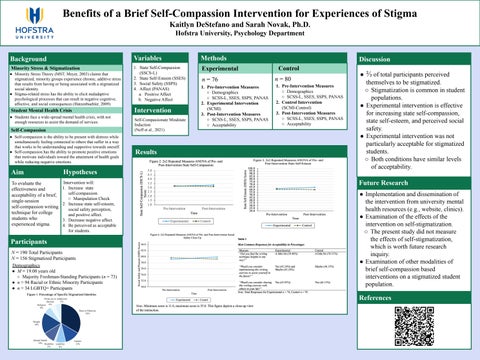

BenefitsofaBriefSelf-CompassionInterventionforExperiencesofStigma
KaitlynDeStefanoandSarahNovak,Ph.D. HofstraUniversity,PsychologyDepartment
MinorityStress&Stigmatization
● MinorityStressTheory(MST;Meyer,2003)claimsthat stigmatized,minoritygroupsexperiencechronic,additivestress thatresultsfromhavingorbeingassociatedwithastigmatized socialidentity.
● Stigma-relatedstresshastheabilitytoelicitmaladaptive psychologicalprocessesthatcanresultinnegativecognitive, affective,andsocialconsequences(Hatzenbuehler,2009).
StudentMentalHealthCrisis
● Studentsfaceawide-spreadmentalhealthcrisis,withnot enoughresourcestoassistthedemandofservices.
Self-Compassion
● Self-compassionistheabilitytobepresentwithdistresswhile simultaneouslyfeelingconnectedtoothersthatsufferinaway thatworkstobeunderstandingandsupportivetowardsoneself.
● Self-compassionhastheabilitytopromotepositiveemotions thatmotivateindividualstowardtheattainmentofhealthgoals whilereducingnegativeemotions.
Hypotheses
Toevaluatethe effectivenessand acceptabilityofabrief, single-session self-compassionwriting techniqueforcollege studentswho experiencedstigma.
Interventionwill:
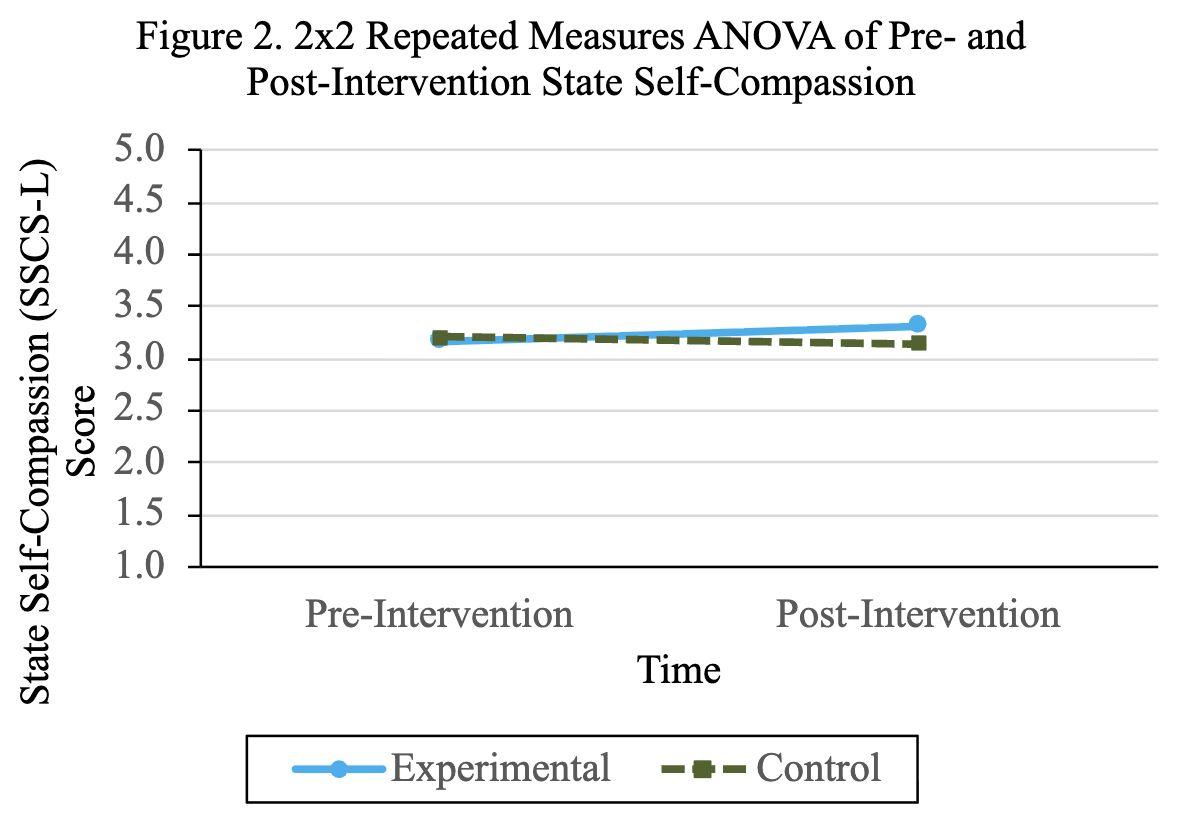
1. Increase state self-compassion.
○ ManipulationCheck
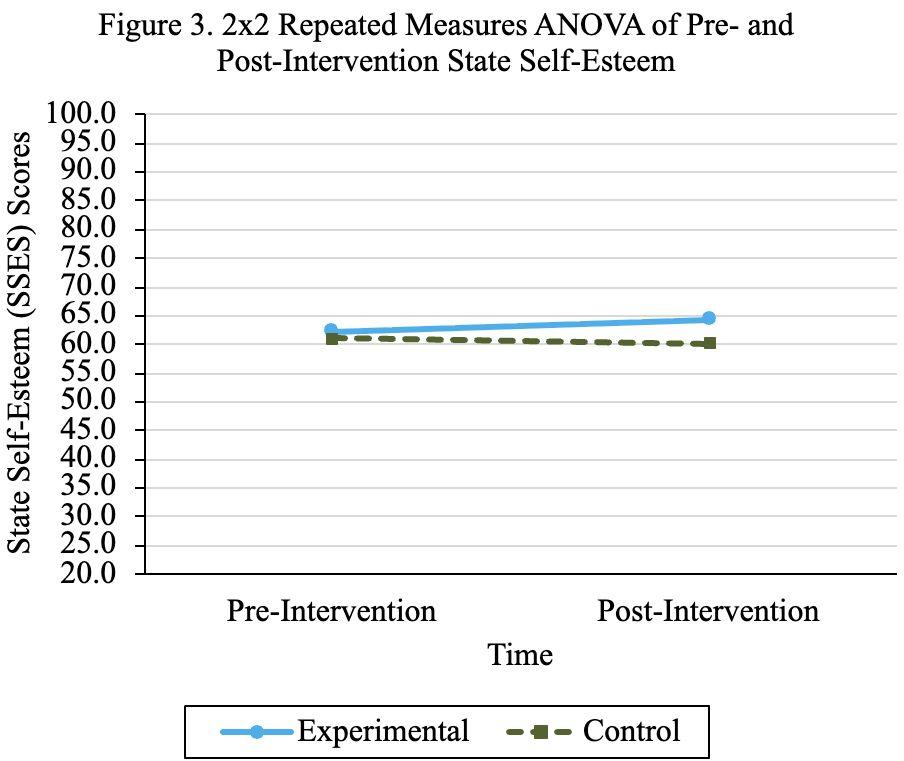
2. Increasestateself-esteem, socialsafetyperception, andpositiveaffect.
3. Decreasenegativeaffect.
4. Beperceivedasacceptable forstudents.
1. StateSelf-Compassion (SSCS-L)
2. StateSelf-Esteem(SSES)
3. SocialSafety(SSPS)
4. Affect(PANAS) a. PositiveAffect
NegativeAffect
Intervention
Self-CompassionateMindstate Induction (Neffetal.,2021)
Experimental
=76
1. Pre-InterventionMeasures
○ Demographics
○ SCSS-L,SSES,SSPS,PANAS
2. ExperimentalIntervention (SCMI)
3. Post-InterventionMeasures
○ SCSS-L,SSES,SSPS,PANAS
○ Acceptability
1. Pre-InterventionMeasures
○ Demographics
○ SCSS-L,SSES,SSPS,PANAS
2. ControlIntervention (SCMI-Control)
3. Post-InterventionMeasures
○ SCSS-L,SSES,SSPS,PANAS
○ Acceptability
N =190TotalParticipants
N =156StigmatizedParticipants
Demographics
● M =19.00yearsold
○ MajorityFreshman-StandingParticipants(n =73)
● n =94RacialorEthnicMinorityParticipants
● n =34LGBTQ+Participants
Discussion
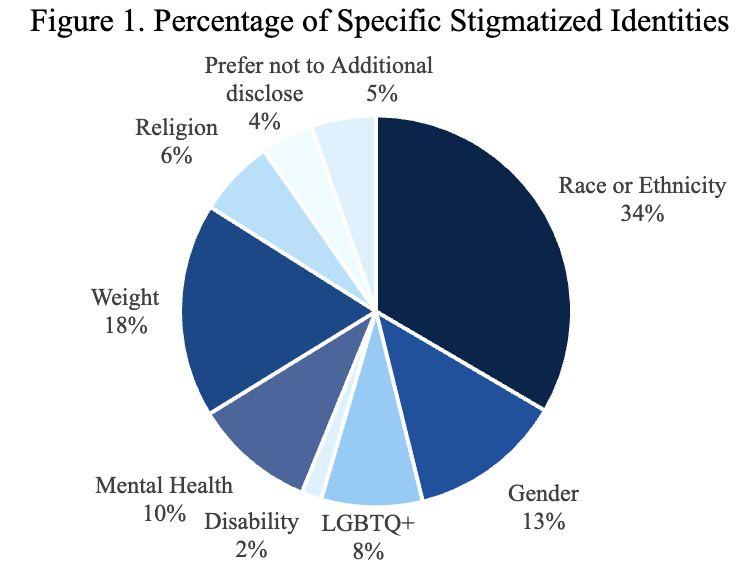
● ⅔oftotalparticipantsperceived themselvestobestigmatized.
○ Stigmatizationiscommoninstudent populations.
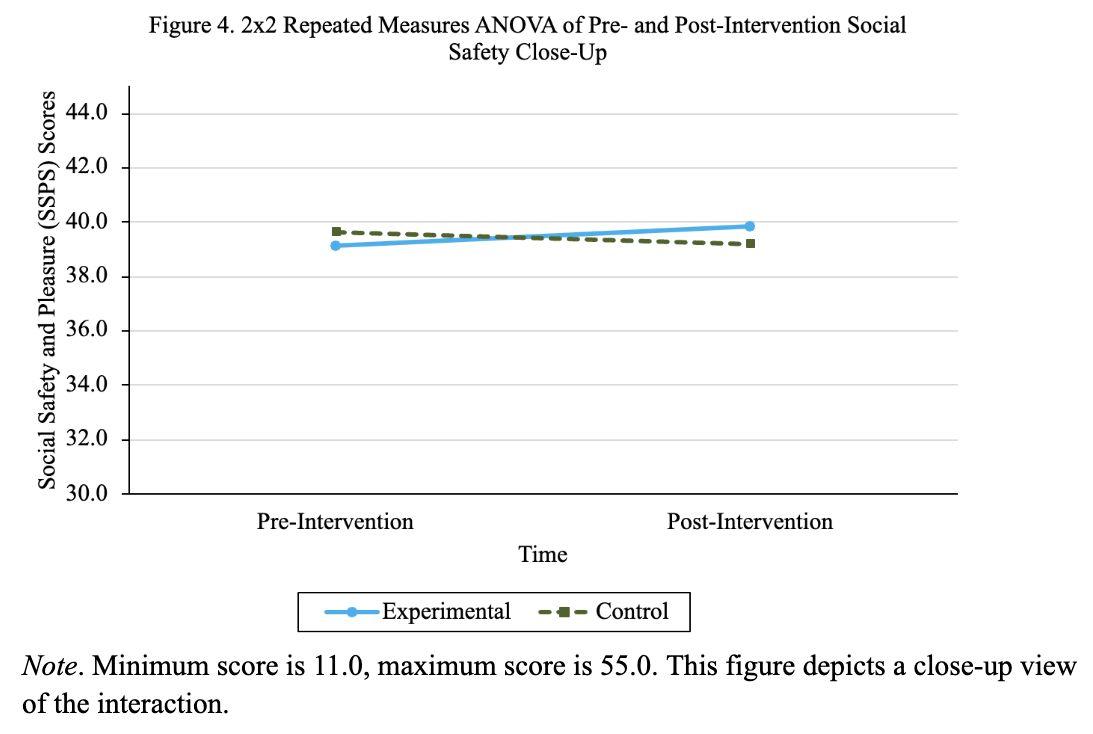
● Experimentalinterventioniseffective forincreasingstateself-compassion, stateself-esteem,andperceivedsocial safety.
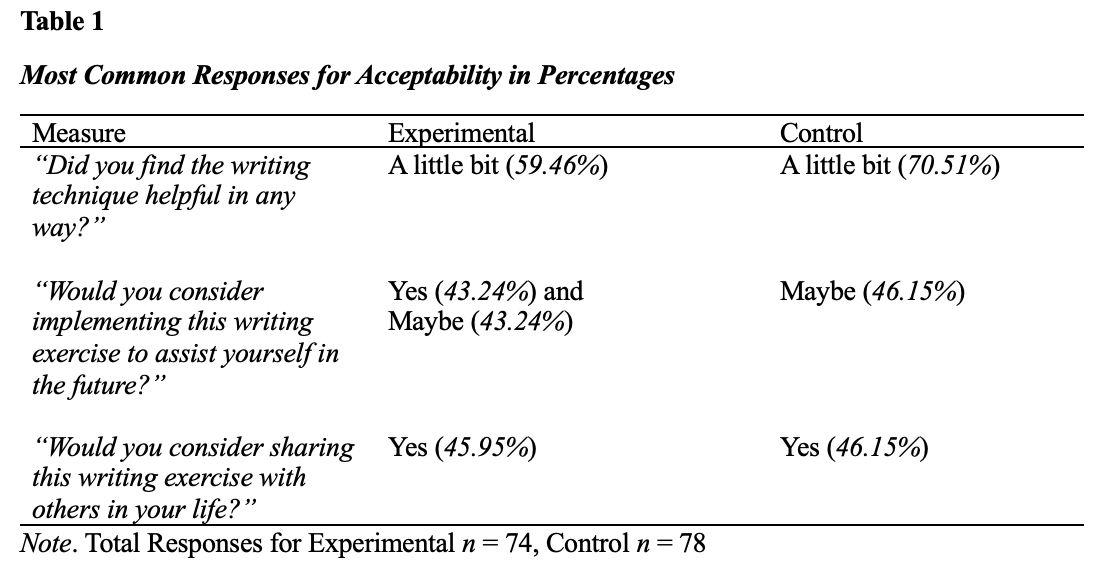
● Experimentalinterventionwasnot particularlyacceptableforstigmatized students.
○ Bothconditionshavesimilarlevels ofacceptability.
FutureResearch
● Implementationanddisseminationof theinterventionfromuniversitymental healthresources(e.g.,website,clinics).
● Examinationoftheeffectsofthe interventiononself-stigmatization.
○ Thepresentstudydidnotmeasure theeffectsofself-stigmatization, whichisworthfutureresearch inquiry.
● Examinationofothermodalitiesof briefself-compassionbased interventionsonastigmatizedstudent population.
References