Yuliia - Student Research and Creativity Forum - Hofstra University

Page 1

“GOVERNMENT CYBERPROTECTORS" AND THE "NEW KNOWLEDGE CYBERCLASS" Yulia Erdyv and Emanuel G. Boussios, Ph.D.

RESEARCH QUESTION

NKC

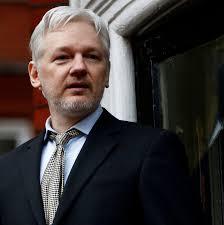
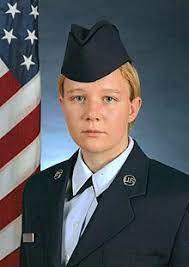
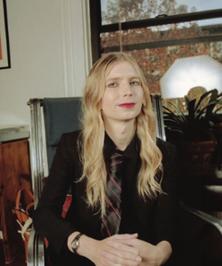
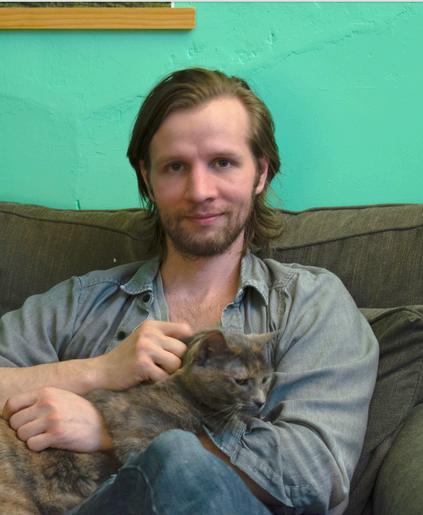
How have figures such as Julian Assange, Edward Snowden, Chelsea Manning, Katharine Gun, and others—drawing inspiration from predecessors like Daniel Everette Hale and Reality Winner as part of the New Knowledge Cyberclass (NKC)— shaped public attitudes towards privacy and government surveillance? What are the broader implications of these evolving perceptions for democracy and governmental transparency?

INTRODUCTION This research explored the effects of actions taken by Assange, Snowden, Gun, Hale, Winner, and Manning concerning whistleblowing. Their dissemination of sensitive documents via platforms such as Wikileaks has ignited a worldwide discussion on privacy and government surveillance. This research seeks to grasp the consequences of these disclosures, how they have altered public views on governmental conduct, and strategies for preventing such leaks, particularly in the digital era.The study also looked into the responses of Government Cyberprotectors (GCP), who assert that leaks of national security information can jeopardize various aspects of the U.S. national security program, including specific operations. For instance, in 2010, the Taliban claimed to have accessed classified military dispatches from Afghanistan posted by WikiLeaks. The GCP were selected as they epitomize the various security administrations post-September 11, 2001.
GCP

THEORETICAL FRAMEWORK Application of GCP's viewpoints on Routine Activity Theory (RAT)
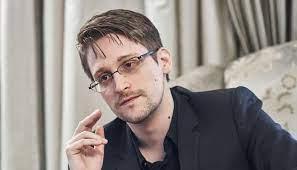
“When you leak the NSA's secrets, you only harm abusive systems." Snowden, an ex-CIA subcontractor, leaked US surveillance details in 2013

“Intelligence agencies keep things secret because they often violate the rule of law or of good behavior.” Assange founded WikiLeaks in 2006.

A TED

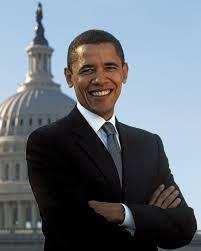
"Our nation's defense depends in part on the fidelity of those entrusted with our nation's secrets." President Obama

T IV O M A ER D N E OFF

THE A CA P BSENCE A BL E GU OF A ARD IA N

CRIME A SUITABLE TARGET Reality Winner says she leaked file on Russia election hacking because “public was being lied to.” Winner, ex-NSA contractor, leaked classified report.

Chelsea Manning on bypassing official channels: "They're there, but they don't work." Manning, ex-Army intelligence analyst, leaked military documents.

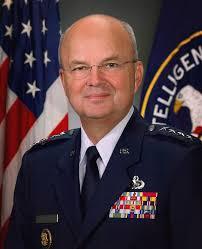
"Leaks of classified information have done damage to intelligence sources and methods "and caused harm to our nation's security." CIA Director Hayden

OBJECTIVES To analyze the impact of whistleblowers such as Assange, Snowden, Gun, Hale, Winner, and Manning on public opinion regarding government surveillance and privacy. To explore the roles of the NKC and the GCP in the context of these leaks.

RESULTS & CONCLUSIONS

Hofstra University

“I was troubled by the uncertainty of whether we were targeting civilians. Witnessing children killed in airstrikes convinced me that the war prioritized weapons manufacturers' profits over preventing terrorism." Hale, ex-Air Force analyst, leaked classified documents.

"I hoped that exposing the lengths taken to legitimize the Iraq invasion would make people realize it's wrong, causing the whole scheme to collapse." Gun, ex-GCHQ translator, leaked secret documents.

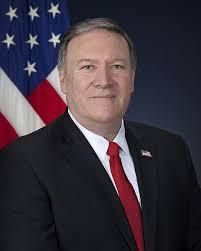
"WikiLeaks is a 'hostile' intelligence service that seeks to undermine democratic governments." CIA Director Pompeo

METHODS: Content Analysis from journal articles, books, interviews, websites, and official documents. Source Categories: Primary Sources: Statements from NKC and GCP, covering interviews, official documents, and reports from the media. Secondary Sources: Scholarly works on surveillance, intelligence, and governmental roles.

Grasping RAT is essential for creating efficient whistleblower protection strategies. A balanced consideration of all RAT elements is vital between NKC and GCP.

IDEAS FOR FURTHER RESEARCH: Each leader's stance can be assessed through deterrence theory, which posits that the deterrence of criminal behavior hinges on the balance between its costs and benefits. This balance entails potential rewards for whistleblowers vs. risks, i.e., retaliation and job loss. Hayden's position on measures to support whistleblowers is ambiguous, while Obama's support amplifies the benefits, and Pompeo's criticism heightens the costs. Future research should delve into whistleblowers' motivations and the factors influencing their decisions to aid policymakers in creating more effective leak prevention strategies while protecting whistleblowers' rights, including addressing leaks by political elites like the GCP for personal gain or political retribution.


Turn static files into dynamic content formats.

Create a flipbook
Yuliia - Student Research and Creativity Forum - Hofstra University by Hofstra University - Issuu