

SoilPollutionatHofstra University:AnIn-depth Analysis
01. Introduction
The mix of environmental concerns, sustainability interests, educational goals, community impact considerations, and regulatory compliance requirements is probably what spurs study on soil contamination at Hofstra University. The purpose of this project is to produce information andpracticalinsightstosupportthedevelopmentofamoresustainableandhealthycampusenvironment.
Related literature
Soil pollution at Hofstra University results from agricultural practices, poor waste disposal, urbanization, and industrial operations.
The university's location on Long Island exposes it to contaminants like pesticides, hydrocarbons, and heavy metals
Nitrogen pollution from suburban lawns and landscaping impacts nearby water bodies and soil quality
03. Methodology
We used Same Methods for this research.
Interviews(We conduct two interview for this study ) Surveys Comparison studies P-XRF
Standard Of Heavy metals for soil is N is 15 to 30 ppm, lead is 10 ppm, cadmium is 20 ppm, phosphorus is 25 to 50 ppm and potassium is 60 to 100 ppm

04. Results/Findings
We Found Heavy metals in soil and what is the impact on environment and living being.
heavy metals, including lead (Pb) and cadmium (Cd), Nitrogen(N), Phosphorus (P), Potassium (K).
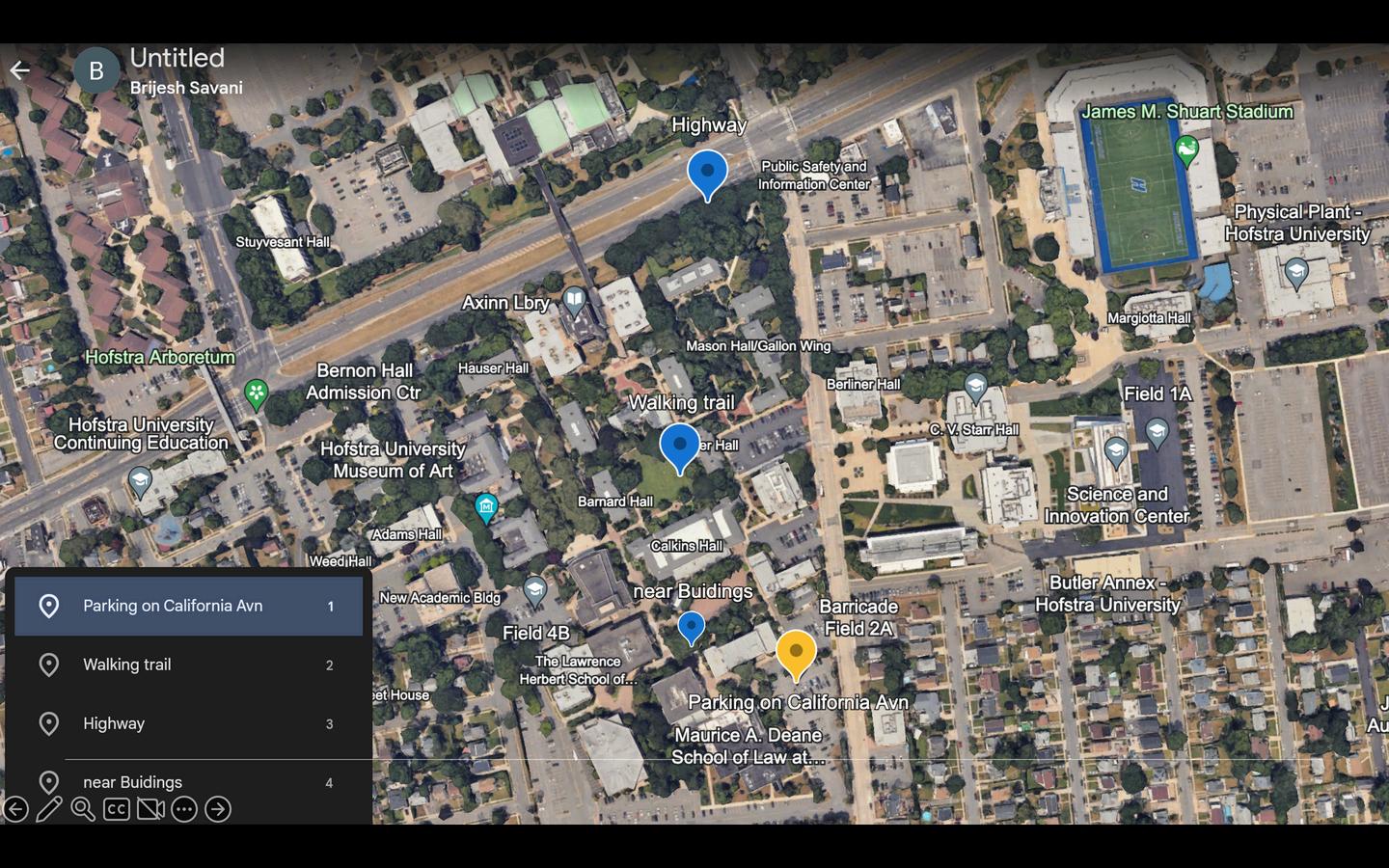
The soil sample conducted on the Hofstra University campus was analyzed using X-ray fluorescence (PXRF) technology The results showed that the amounts of different components varied across the campus.
In Hofstra University study looks into the causes, spread, and effects of soil pollution on ecosystems and public health The work of Dr. Steve M. Raciti emphasizes how critical it is to comprehend the consequences of nitrogen pollution. The study intends to assist in informing decisions on campus sustainability using both quantitative and qualitative methodologies
02.
Objective
What are the primary sources of soil pollution at Hofstra University?

How does the spatial distribution of pollutants vary across different areas of the campus?
What are the potential ecological and human health implications of soil pollution at Hofstra University?

Understanding these sources is crucial for developing effective strategies to mitigate soil pollution and protect public health and the environment.
05. Analysis
Elevated levels of heavy metals, including lead (Pb) and cadmium (Cd), were found in soil samples near the roadway These findings suggest that industrial activity and vehicle emissions may have contaminated the area These results highlight how traffic-related pollution and urbanization affect the soil quality in urban areas
Expand on your findings by discussing what methods were used to analyze your data. It can get technical so keep it simple and direct to the point. Use bullets for emphasis. Include key graphs, tables, illustrations, and other images that support the study and show a visual analysis of the data Make sure they are large enough to be seen from a distance but not clutter the poster
Increased hydrocarbons in parking lots indicate vehicle pollution impacts Student Garden's clean soil reflects organic practices Surveys emphasize soil pollution risks and support for sustainable landscaping and pollution prevention education
06. Conclusion
At Hofstra University, the complex interplay among environmental influences, human activity, and soil quality is clarified by the study's conc usions The investigation found high concentrations of heavy metals close to roads, highlight ng the crit ca role that industria and vehicular emissions play in contaminating city soil. Sustainab e urban design techn ques and efficient pollution control systems are essential to lessen these consequences. The study also demonstrated how landscaping practices affect nutrient contamination, highlighting the sign ficance of promoting sustainable landscap ng techniques to protect so and water quality
0 200 400 600 800 1000 1200 NearbyHighwayWalkingAreanearWellerHallParkingAreasonCaliforniaAvenue StudentGarden
Soil Samp e Resu ts from D fferent Locat on