• Lancashire FA Amateur Shield Winners: 1988/89, 1990/91
THE CLUB
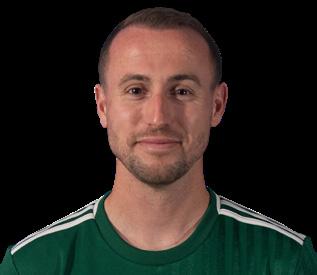
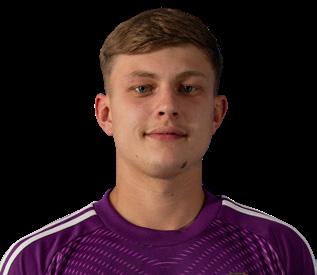
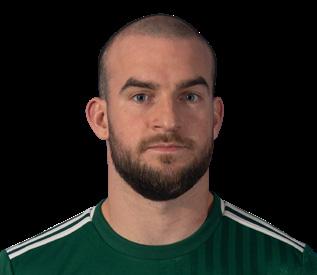
Chairman Maurice Watkin
Vice-Chairman David Smith
Treasurer Paul Muspratt
Club Secretary John Squire
Matchday Secretary Gary Fawcett
Manager Kevin Watkin
Manager Dave Round
Safeguarding Officer Steve Thomas
Head of Digital Glen Ritchie
Groundskeepers Alan Wilson & Ian Littlehales
Bar Manager Sam Trewin
A WORD FROM THE DUGOUT KEV & DAVE
POSITION YOURSELF FOR THE RUN-IN
Good afternoon and welcome to Rakesmoor Lane for today’s North West Counties Football League fixture against Colne.
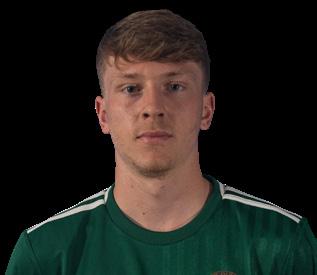
It’s no secret the last few weeks have been a real test for us. Injuries and suspensions have stretched the squad, and losing Josh for up to six weeks with a broken collarbone was a big blow. He’s been a huge part of what we’ve done this season, so naturally that’s been tough to deal with.
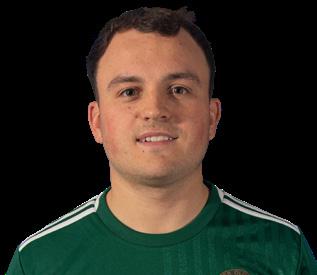
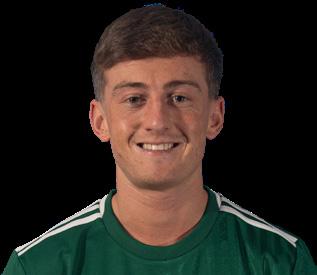
That said, the picture looks brighter today. Having Mitch and Cal back available gives us a lift in key areas, both in terms of quality and leadership. Bringing Patty back in from Lancaster City on dual registration also strengthens us at a crucial time. It adds depth, competition, and a bit of freshness to the group when we need it most.
The objective today is clear – three points at home. With 12 games left, this is the stage of the season where you position yourself for the run-in. We’ve spoken about using this game as a platform. If we hit the right levels and build some momentum now, we give ourselves a real chance of pushing into the places that matter before the end of April.
As always, we appreciate the backing. It makes a difference.
KEVIN WATKIN
A SELECTION HEADACHE
After a frustrating couple of months with injuries, availability issues and games being called off, it’s nice to finally have a selection headache.
We welcome back Nath, Tommy, Mitch and Brad from injury, and Tyler Wood returns after missing last weekend due to a family emergency. He’s been in great form, so that’s a big boost. Cal Fawcett is also back after getting married in Australia, which strengthens us again.
We’ve been unlucky in a few away games recently, especially with limited options off the bench on heavy pitches, but the lads have dug deep every time.
A WORD FROM THE DRESSING
ROOM WOODEND
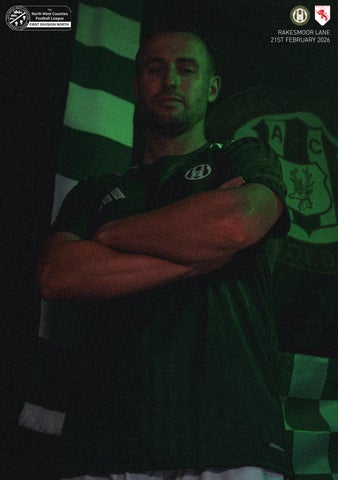
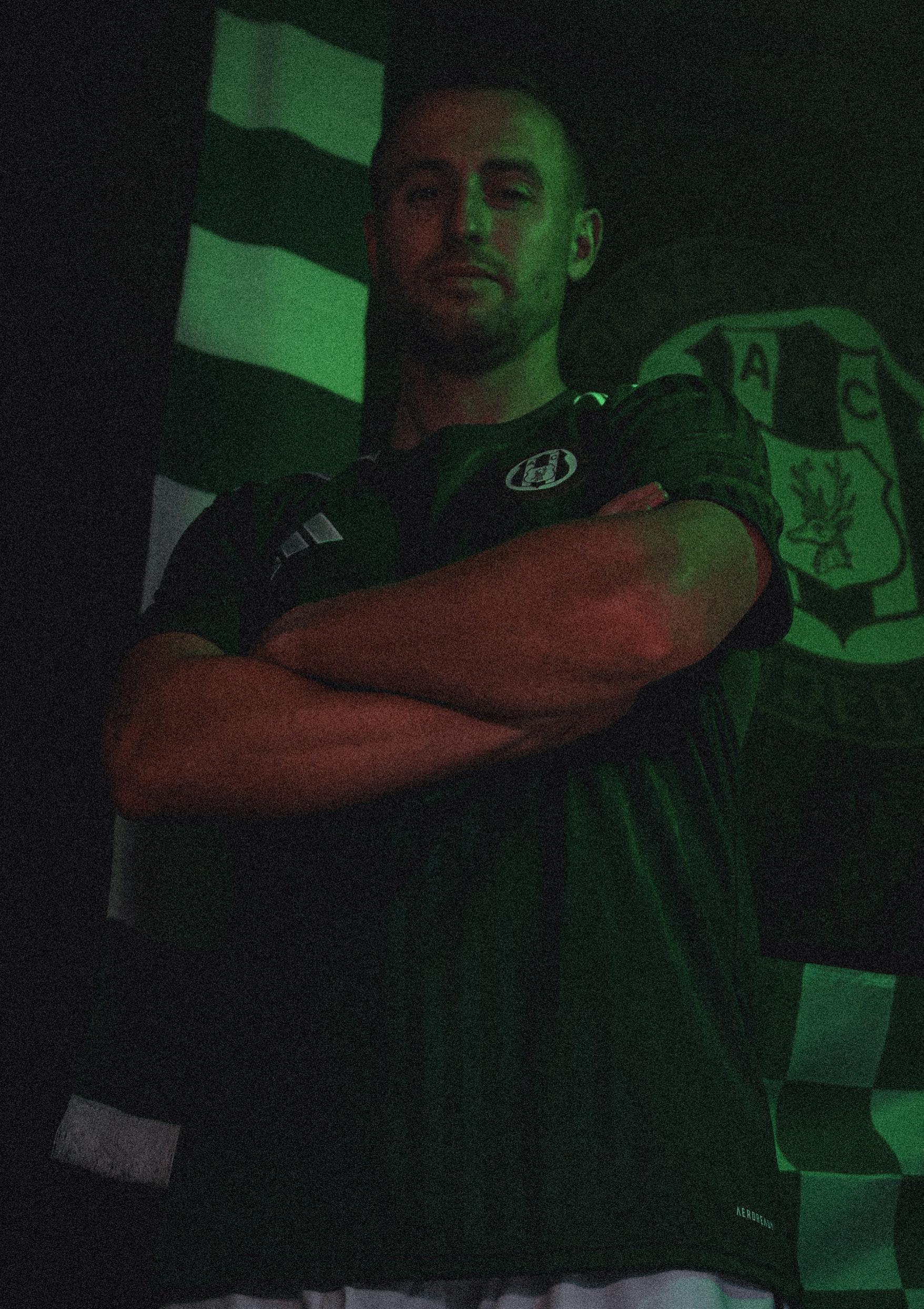
JOSH
Watching On.
It’s a frustrating one for me this afternoon having to watch from the sidelines, but that’s part of it. I’ll have to get used to it for a few weeks until I get the all clear to be back out there with the lads.
Being back at home, the boys will be looking to make it count. It’s been a stretched few weeks with the squad, but we’re starting to welcome a few back which gives Kev and Roundy more options and a bit more depth through the game.
I’ll be backing them from the terrace and hoping they can put in a strong performance and bring home the three points.
CALLUM FAWCETT
Make It Count.
It’s good to be back at home and we know how important these games are. The squad’s been stretched at times, but lads have stepped up and done their jobs when called upon.
We’re starting to see a few bodies return, which gives us more balance and competition across the pitch. That can only help as the season moves forward.
The focus today is simple. Start well, stay disciplined and take our chances. If we do that, we give ourselves a great opportunity to pick up three points.
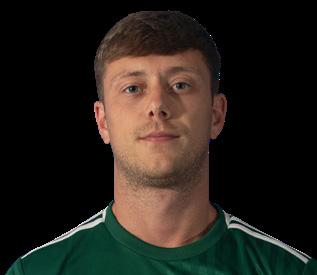
BRADLEY HUBBOLD
Keep It Sharp.
Home games are ones we need to take seriously. With the schedule easing slightly and a few players coming back into the mix, there’s a good feeling around the squad again.
We’ve had to dig in over the last few weeks with numbers stretched, but that’s part of the season. Now we’ve got a chance to build a bit of momentum.
It’s about keeping things simple, working hard for each other and making sure we’re clinical when the chances come. Do that, and the points should follow.
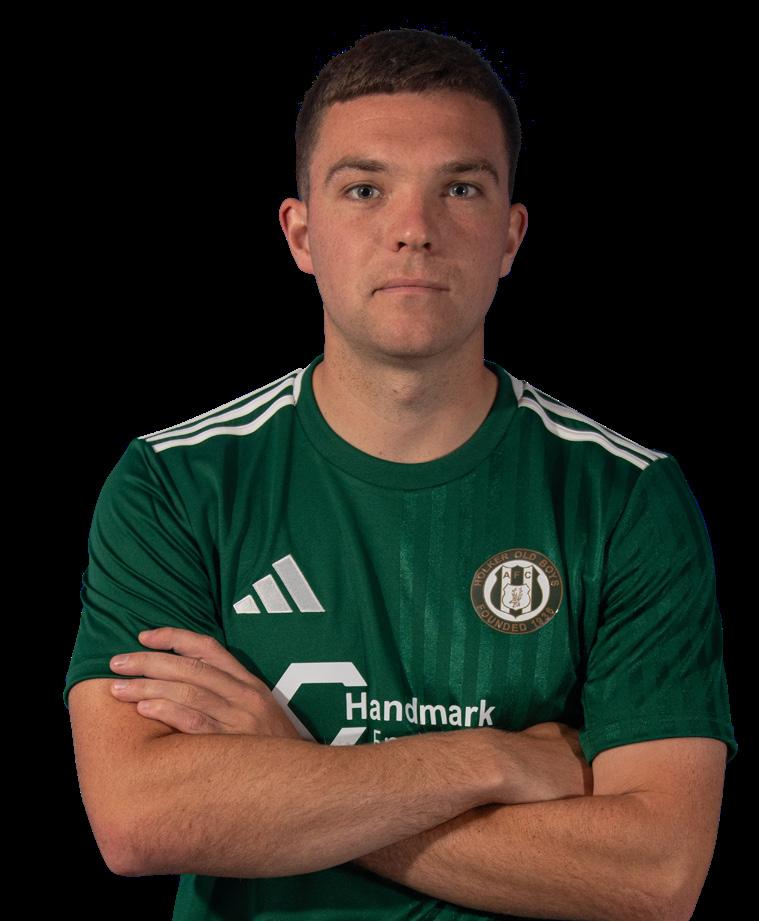
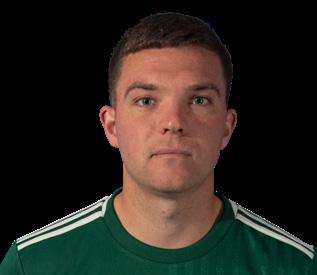
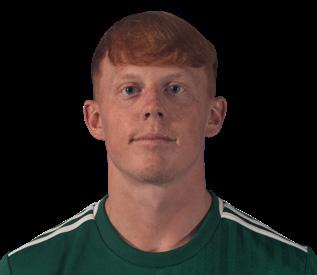
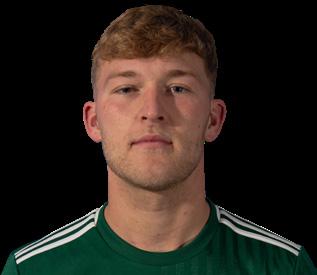
JOSH WOODEND
THE FACTS
Age: 27
Position: Defender
Sponsor: Abbey House
Occupation: Site Engineer
How long have you been at Holker: 15 Years
Previous Clubs: None!
Childhood Football Hero: Stevie G
What is the best piece of footballing advice you’ve been given: You can’t control the weather, but you can control your attitudes
What is the most memorable game you’ve played: My first trophy in senior football and it was special to win it for groundsman and club legend Al Wilson.
How do you stay motivated during injury: The hunger to get back out onto the pitch is the main thing that keeps me going.
Who at Holker brings out the best in you: Paul Southward - he gave me lots of advice coming through at Holker as a young lad and even though most of it wasn’t great he tried his best. Although now he’s too busy golfing or watching Barrow.
QUICKFIRE
Describe the gaffers in one word: Passionate
Home or Away Games: Home
Favourite Ground to play at: Darwen
Ronaldo or Messi?: Messi
If you could play for one team in the world, who: Liverpool
Early Bird or Night Owl: Early Bird
A Night in or A Night Out: A Night Out
Favourite Film: Goodfellas
Favourite Holiday Destination: Las Vegas
Karakoe Song: David Gray - Babylon
THE OPPONENT
COLNE FC
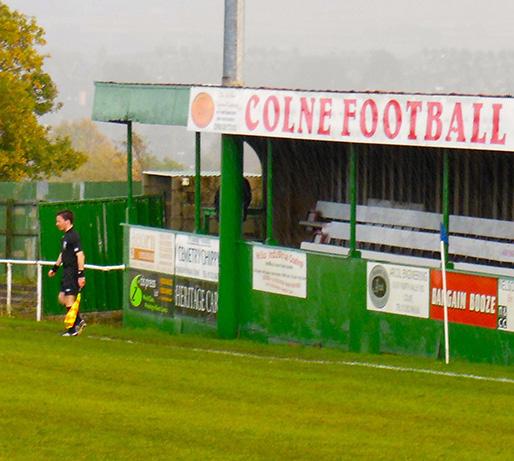
Colne FC were formed in January 1996 and play at Holt House Stadium in Lancashire. Known as “The Reds,” they quickly established themselves in the North West Counties League, earning promotion in 2004 after a league and cup double. The club enjoyed Step 4 football, FA Vase and FA Trophy runs, and a 100-point title-winning season in 2015–16 before experiencing recent relegations.
TOP TEN FACTS
• Founded in 1996 – Established by Dave Blacklock and began life at the vacant Holt House Stadium.
• First Promotion (2003-04) – Won NWCFL Division Two by ten points, scoring 102 goals and completing a league and cup double.
• FA Vase Semi-Finalists – Reached the last four in 2003-04 after a famous win at AFC Wimbledon.
• Premier Division Champions (2015-16) – Secured the title with 100 points and over 100 goals scored.
• Step 4 Play-Offs (2016-17) – Finished fifth in their first season at that level and reached the play-offs.
• FA Trophy Breakthrough – Reached the First Round Proper in 2021-22, their best run in the competition.
• 25th Anniversary Season – Marked in 2021-22 with competitive cup performances and league survival.
• Relegation & Rebuild (2022-23) – Dropped back to Step 5 amid off-field instability.
• Lancashire Champions – Won the Lancashire FA Trophy final 5-2 against Bamber Bridge.
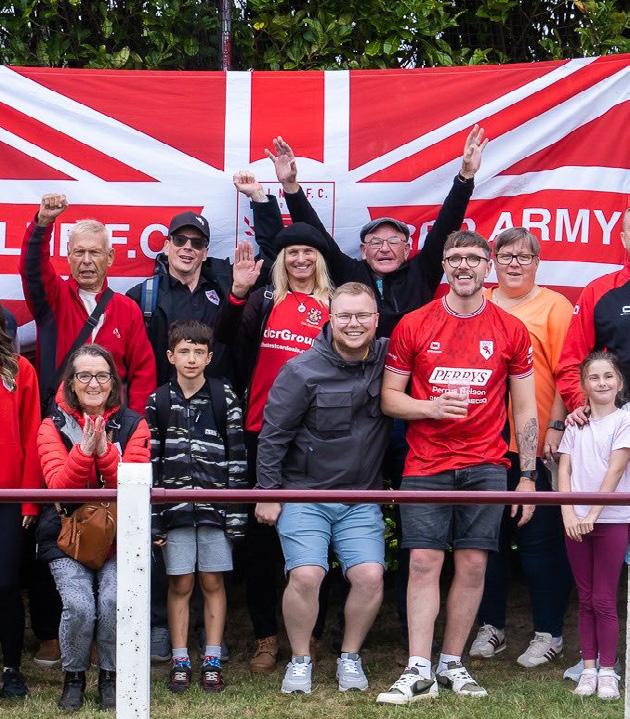
• Resilient Support – Strong fan backing, including the “Red Army,” has been a defining part of the club’s identity.
THEIR STORY UNFILTERED THE OPPONENT
Colne F.C. were formed in January 1996 by a group of like-minded individuals under the guidance of now Life President, Dave Blacklock. Drawing on their shared passion and knowledge of non-league football, the group arranged for the newly-formed club to play at the vacant Holt House Stadium, previously home to the Dynamoes in the North West Counties Football League Division Two.
The club’s first ever competitive fixture took place on 17 August 1996 against Middlewich, ending in a 1–0 defeat.
Initially managed by Keith Mason, the team soon saw a change in leadership when Mason stepped down. Denzel Hart was appointed and oversaw a difficult start, losing 6–0 away at Ashton Town in his first game. However, just two matches later, Colne recorded their first victory, beating Bacup Borough 5–2. The highlight of that inaugural season came when the reserves lifted the BEP Cup at Shawbridge.
In the summer of 2002, James Webster took over as chairman, becoming the youngest in the league at just 24. A player at the club with considerable experience, Webster, alongside his father who served as vicechairman, was determined to restore past glories.
One of his first moves was to appoint Nigel Coates as manager, with player Gary Rishton as his assistant. Coates, a former Dynamoes player and FA Vase winner, brought both pedigree and managerial experience, having spent time at local rivals Nelson.
The 2003/04 season marked a turning point. A strong cup run meant Colne had to make up ground in the league, but they went on to finish ten points clear at the top of Division Two, scoring an impressive 102 goals in 38 games. They capped off the campaign by completing a league and cup double, winning the Division Two Trophy 1–0 against Great Harwood.
That same season, the club enjoyed a memorable FA Vase run. After a remarkable 2–1 away win at AFC Wimbledon, Colne reached the semi-finals, where they were narrowly beaten 4–3 on aggregate by AFC Sudbury. The run sparked increased interest in the club, with attendances rising and the famous Red Army beginning to take shape.
In November 2013, after ten years at the helm, Nigel Coates stepped down. Former player Steve Cunningham was appointed as manager, with another club favourite, Ted Cockett, joining him as assistant and coach.
Cunningham and Cockett wasted little time in strengthening the squad, aiming to stabilise the team for the remainder of the season while laying foundations for the future.
The 2014/15 campaign saw Colne achieve their highest league finish to date, ending the season in a respectable fourth place.
The 2015/16 season became the most successful in the club’s twenty-year history. Colne battled for the NWCFL Premier Division title alongside Runcorn Linnets and Atherton Collieries. The title was sealed in dramatic fashion, with an 81st-minute winner at 1874 Northwich securing 100 points and over 100 goals scored. Although they were beaten by Atherton in the League Cup final, the season was a resounding success.
The 2016/17 season saw Colne compete at Step 4 for the first time, finishing a commendable fifth and qualifying for the play-offs. Unfortunately, they lost in the semifinal to Farsley Celtic. The team’s supporters were widely praised for their passionate backing throughout the campaign.
In 2017/18, Steve Cunningham continued to push for promotion. A new chairman, Ryan Haigh, was appointed in June, bringing with him the support of Utility Renewals. Despite a strong showing, Colne narrowly missed out on the play-offs, falling short on goal difference.
The 2018/19 season brought further change with the formation of the NPL West Division. Colne again suffered play-off disappointment, losing to a last-minute extratime goal in the semi-final.
The 2019/20 campaign was cut short due to the Covid pandemic, with Colne mid-table when the season was declared null and void. Despite this, it was a memorable year, with the club reaching the fourth and final qualifying round of the FA Cup. Sadly, they were heavily beaten at Gateshead. At the end of the season, longserving manager Steve Cunningham stepped down, and Nathan Rooney was appointed in his place.
In 2020/21, with a new manager and backroom team, Colne made a strong start to a curtailed season, sitting top of the table after nine matches.
The 2021/22 season marked the club’s 25th anniversary and brought new challenges, including a different league and several fresh signings. Lee Pugh was named captain, taking over from long-time servant Alex Coleman. After 13 games, Colne had won five, drawn three, and lost five. In the FA Cup, the team beat Trafford in a replay, then knocked out Stalybridge Celtic before losing to Guiseley AFC. In the FA Trophy, they overcame City of Liverpool and Buxton to reach the First Round Proper, where they were eventually knocked out on penalties by Tamworth after a 1–1 draw. It remains the club’s best performance in the competition to date.
In December, Rooney resigned for personal reasons. Jonathon Macken was appointed manager, with Steve Atkinson as his assistant. Macken’s first game in charge was a narrow 1–0 defeat to Kendal Town.
January 2022 was a turbulent month, with six players arriving and six leaving. Results continued to struggle, with only one point gained from six matches. February was similarly disappointing, although some improvement was noted. March brought three wins and a draw, all without conceding, which ultimately ensured survival. The team finished 14th, with a record of 12 wins, 8 draws, and 18 defeats, totalling 44 points.
The 2022/23 season was one to forget. Despite optimism in pre-season, turmoil struck in August when chairman and main sponsor Ryan Haigh stepped down. Local businessmen Glenn Stock and Darren Harrison were quickly appointed as co-chairs.
Instability off the pitch began to impact performances on it. As results worsened, manager Phil Brown was dismissed and former Burnley player Paul Weller took over as interim manager.
Unfortunately, Weller was unable to prevent relegation, which was confirmed on the final day of the season, sending Colne back to the NWCFL.
Their first season back at Step 5 was disrupted by poor weather, which forced home games to be played at Pilkington, Ilkley and Steeton. Nevertheless, the season ended in glory as Colne were crowned champions of Lancashire, beating Bamber Bridge 5–2 in a thrilling final at Leyland.
At the end of the season, Weller stepped down, and Stuart Mellish was appointed head coach. Mellish’s reign was short-lived, and after heavy defeats to Abbey Hey and Squires Gate, he was replaced by Andy Harrison.
Despite an improvement in results under Harrison, the Reds were relegated once again on the final day of the season, this time on goal difference. It was a tough campaign, but optimism remains high for the future, with real progress being made off the pitch and a new chapter beginning.
SNAP OF THE WEEK
Holker’s Digital Media Team hand-picks their favourite photo this week.
DATE 03.02.24
GARSTANG
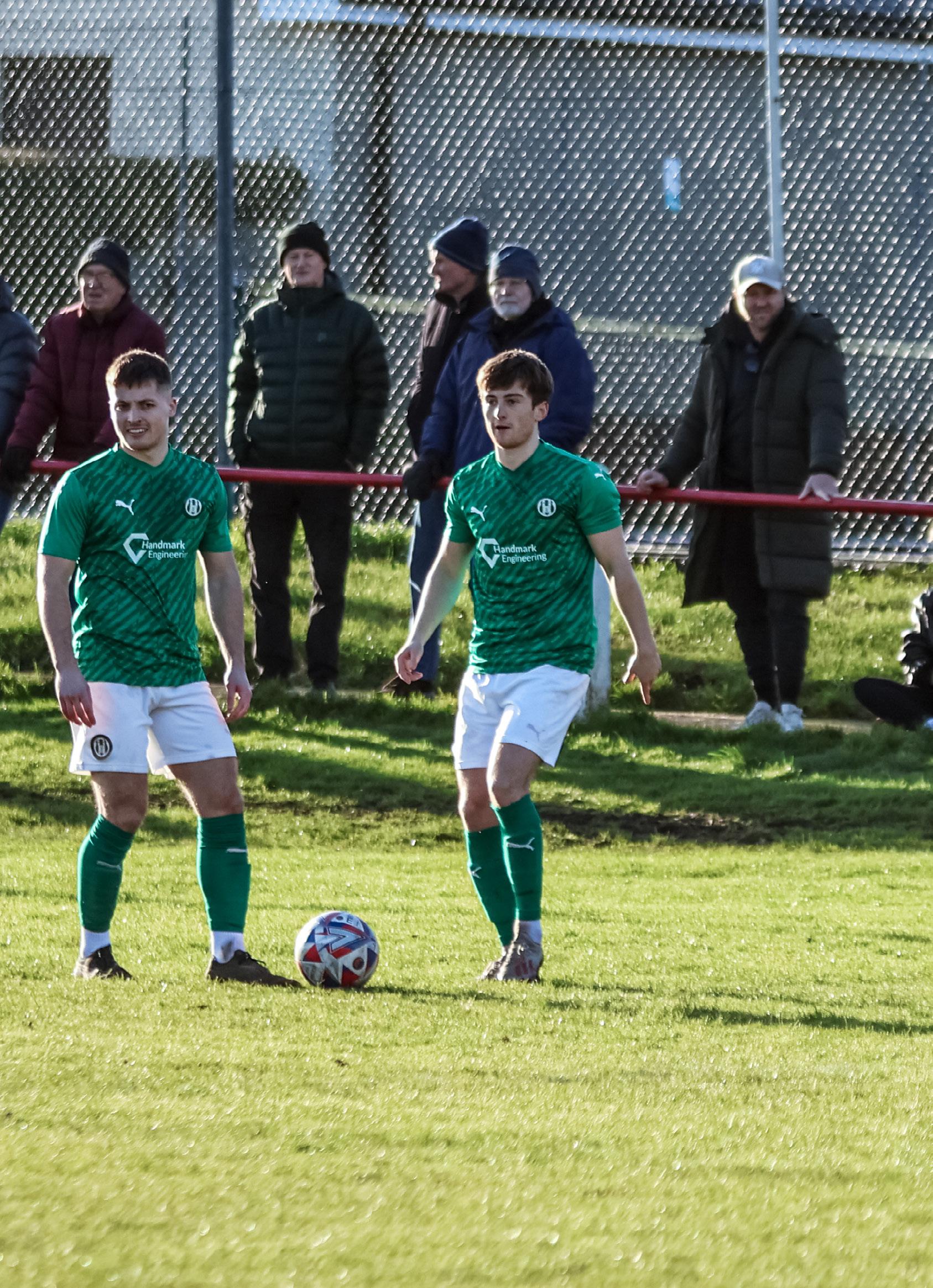
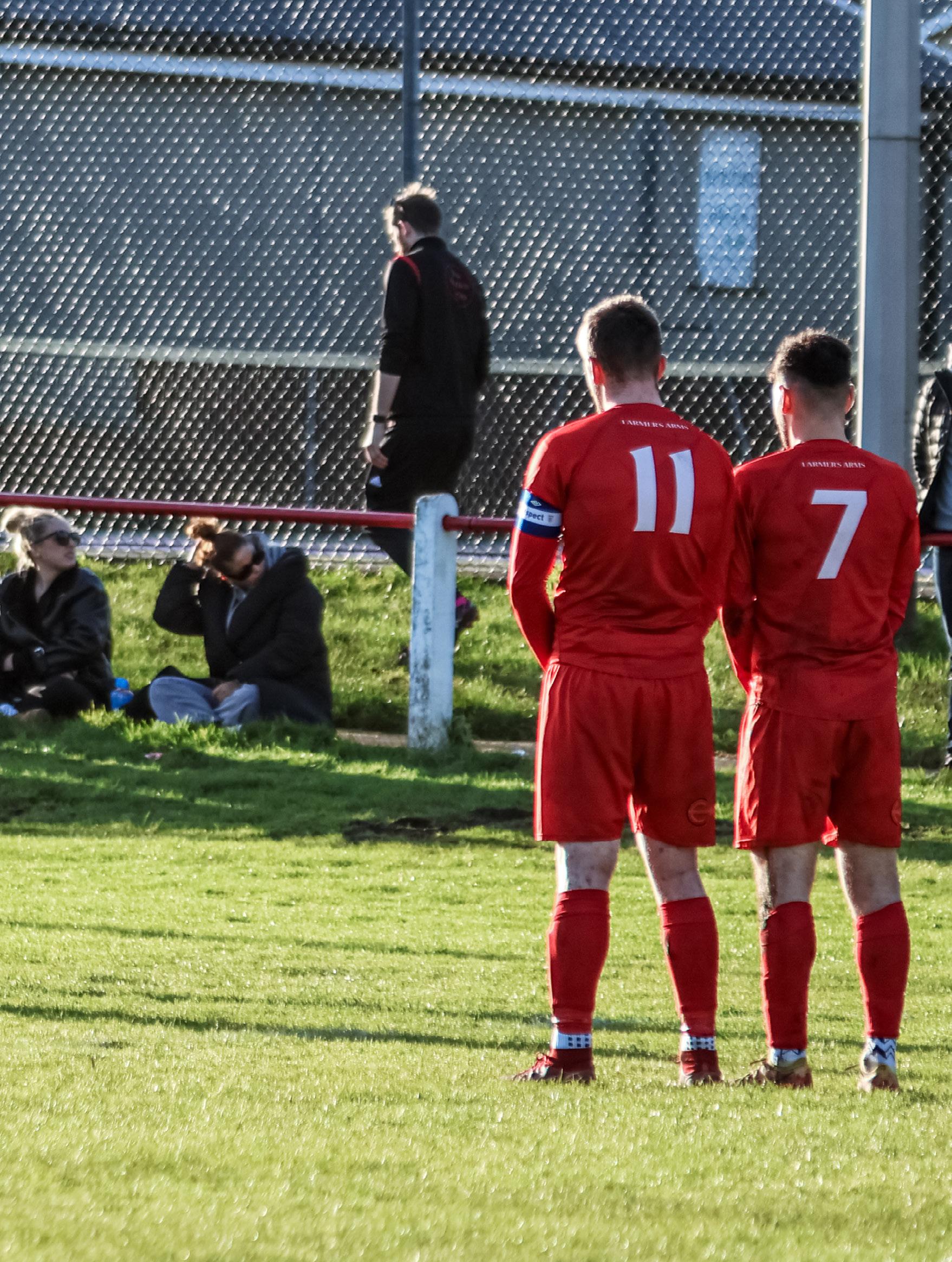
Garstang away. One of those days where it’s freezing in the shade but warm when the sun catches you. I love the way the light cuts through the cold air here.
FOUNDING & EARLY YEARS HOLKER HISTORY
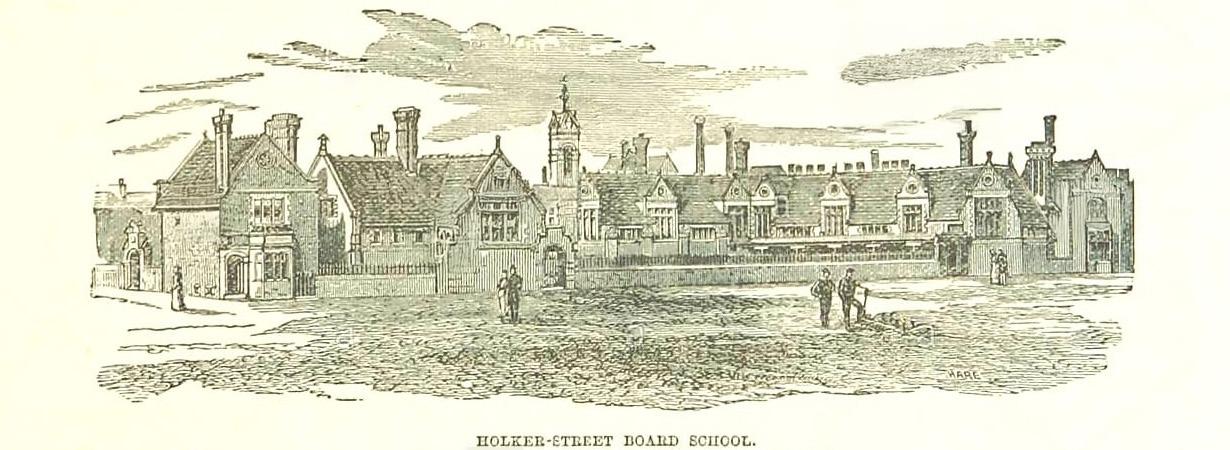
Founded in 1936, Holker Old Boys AFC began as an under-16 side, formed by the former pupils of Holker Central Secondary School, originally located on Holker Street in Barrow-in-Furness. While the school has long been replaced by a bingo hall, the club’s legacy continues to thrive.
Founded in 1936, Holker Old Boys AFC began as an under-16 side, formed by the former pupils of Holker Central Secondary School, originally located on Holker Street in Barrowin-Furness. While the school has long been replaced by a bingo hall, the club’s legacy continues to thrive.
By 1939-40, Holker joined the North Western Open Age League, playing on local fields. Their commitment to youth football remained strong, with junior teams keeping their roots alive. The club expanded into the West Lancashire League in 1967, running teams in both leagues and later securing a permanent home at Rakesmoor Lane in 1971 - a site with a history as an isolation hospital and allotments.
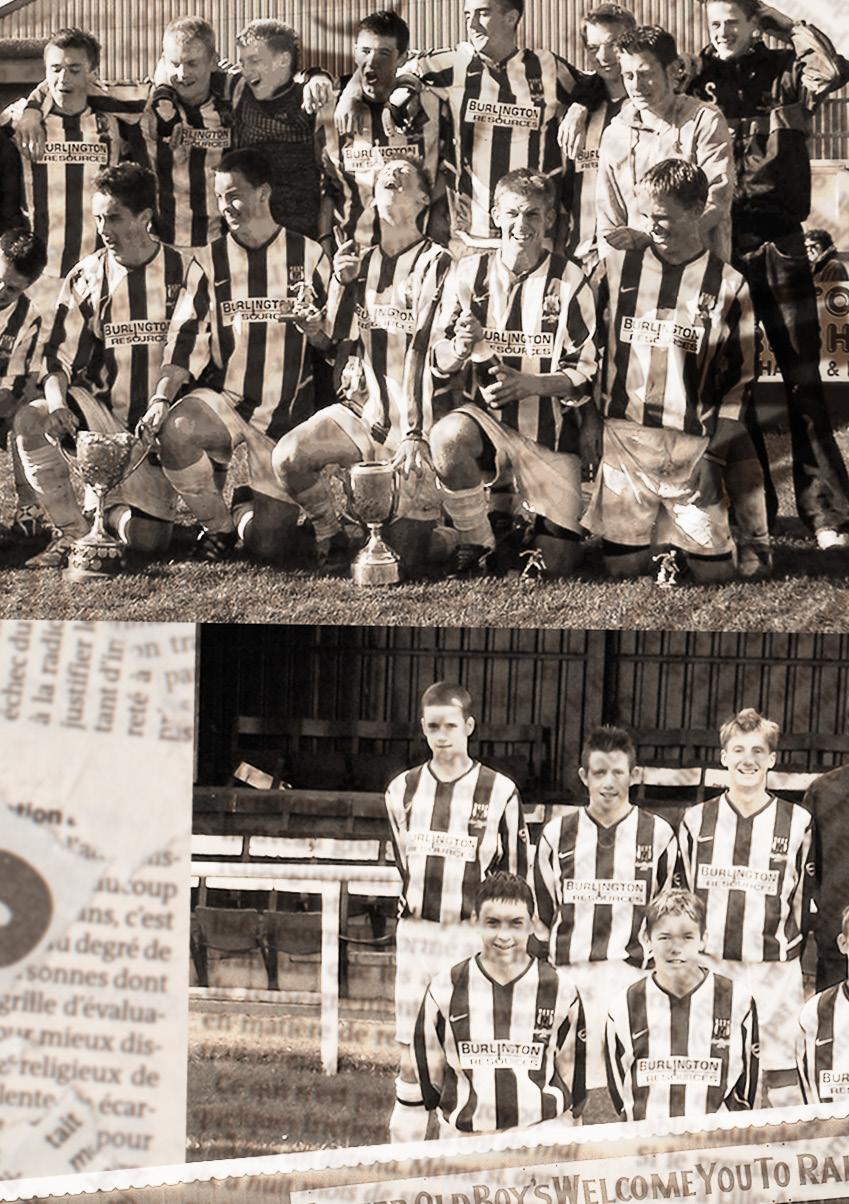
The formation of the Furness Premier League in 1980 saw them enter two teams, with the Reserves progressing into the West Lancashire League Division 2. Success followed in the mid-80s, with a runner-up finish in 1985/86, before claiming the West Lancs League Division 1 title in their Golden Jubilee season (1986/87). The late 80s brought further glory, as Holker lifted the Adidas Lancashire Junior Shield twice, triumphing over Walkden Town (1988/89) and Park United (1990/91).
LEAGUE CLIMB & STRUGGLES
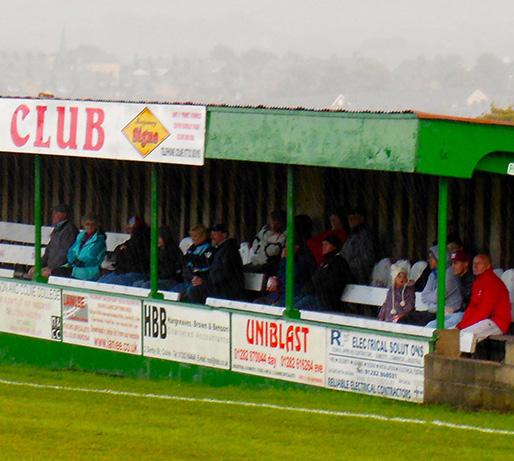
With ambitions to compete at a higher level, Holker faced the challenge of upgrading their Rakesmoor Lane ground. Through sheer determination and community effort, they expanded facilities, built new changing rooms, and enclosed the pitch. Their hard work paid off in 1991 when they secured a place in the North West Counties Football League (NWCFL) Division Two.
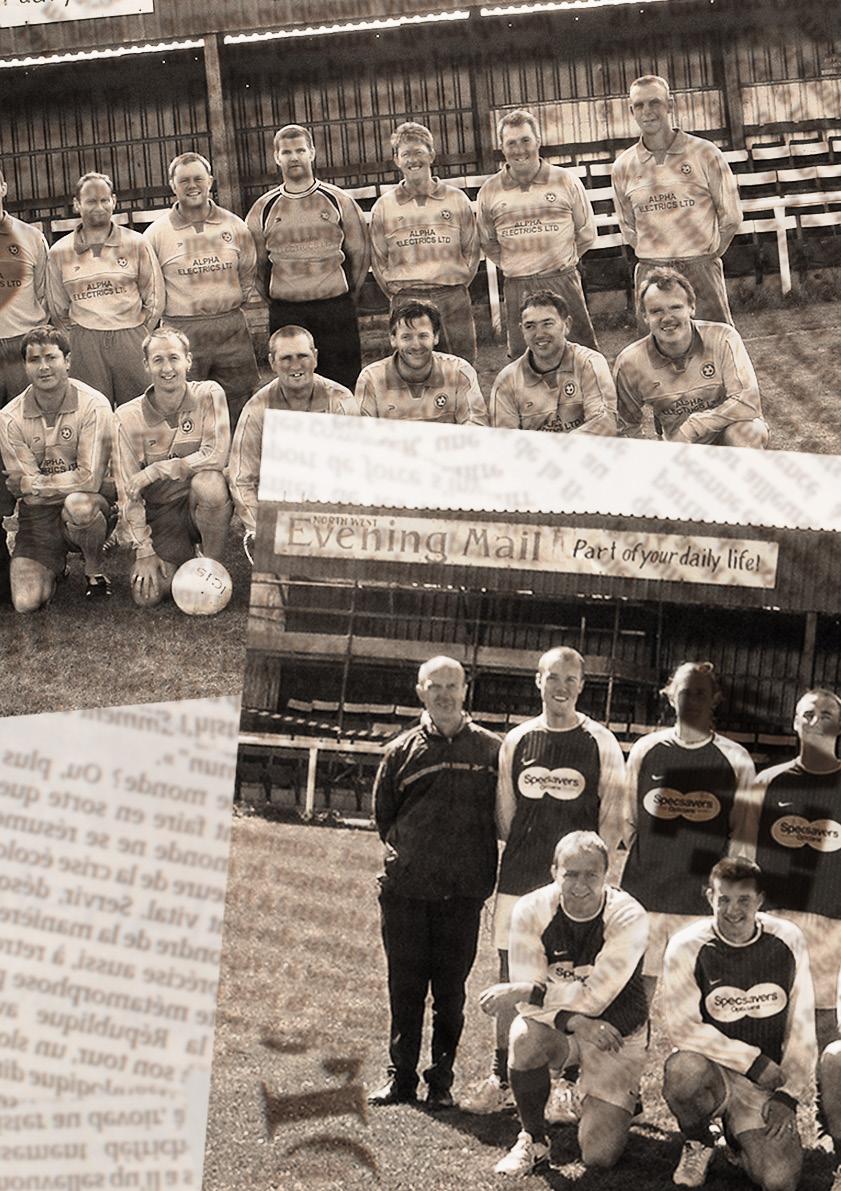
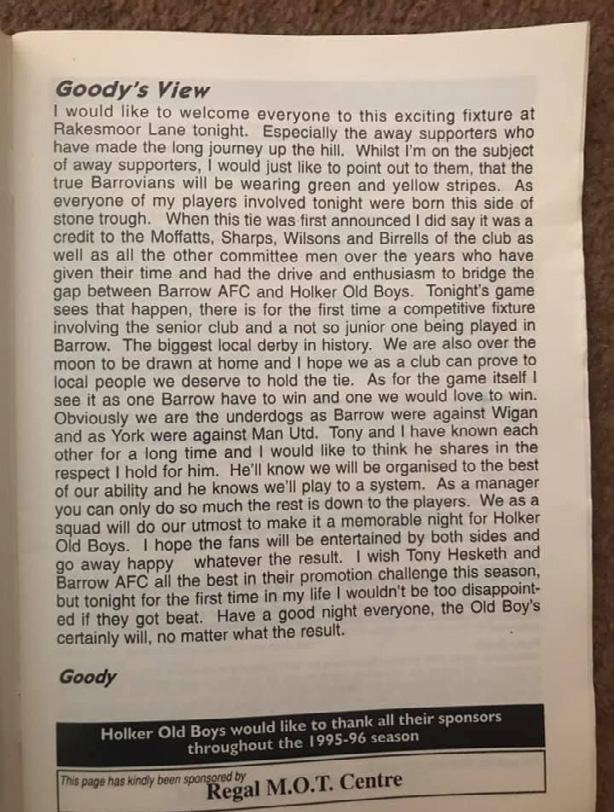
Holker adapted well to the higher level, finishing third in 1993/94 and earning promotion to Division One. Their time in the top flight was mixed, peaking at 11th place in 1995/96 before a difficult spell led to relegation in 1998/99. This prompted a period of rebuilding, both financially and structurally. The club expanded its setup to include three open-age sides and a thriving junior section, covering ages six to sixteen, plus a girls’ team.
By 2002/03, Holker had regained stability, finishing fifth in Division Two. Off the pitch, significant investments followed, with £80,000 secured for stadium improvements, pitch drainage, and parking. Though the mid-2000s saw inconsistent league performances, there were standout moments: reaching the FA Cup’s Second Qualifying Round (2004/05) and hosting FC United of Manchester in 2005/06 before a record crowd of 2,303. These achievements provided vital funds for further ground improvements, including floodlight upgrades in 2006/07.
The club’s commitment to youth development was also recognised with the FA Charter Standard Development Club Award. This dedication bore fruit in 2006/07 when the U18s, featuring many future first-team players, won the LFA Furness Building Society Youth Cup. By 2008/09, the senior team had climbed to ninth in the renamed Vodkat League First Division.
RECENT SUCCESS & THE FUTURE
Under Dave Smith and Maurice Watkin, Holker enjoyed a resurgence, finishing third in Division One in 2010/11. A managerial change in 2011/12 brought challenges, but Smith’s return helped steady the ship. The 2012/13 season was tough, with the club narrowly avoiding last place, though an FA Cup run provided a financial boost.
The 2013/14 season marked a turning point, with Gary Fawcett and Stuart Roberts leading the team to a respectable sixth-place finish and a semi-final appearance in the NWCFL Challenge Cup. Further improvements followed between 2017 and 2019, including pitch enhancements, bar refurbishments, and an extended kitchen. Chairman Maurice Watkin ensured a warm, modern club atmosphere.
Holker reached a milestone in 2018/19, playing their 1,000th NWCFL league game and receiving a commemorative trophy. Despite a challenging season, the team avoided relegation, with Kevin Watkin, Paul Southward, and Glyn Dixon taking the reins to guide the club to safety.
Through decades of highs and lows, Holker Old Boys AFC remains a club built on passion, resilience, and a deep-rooted community spirit - one that continues to shape its future with ambition and pride.