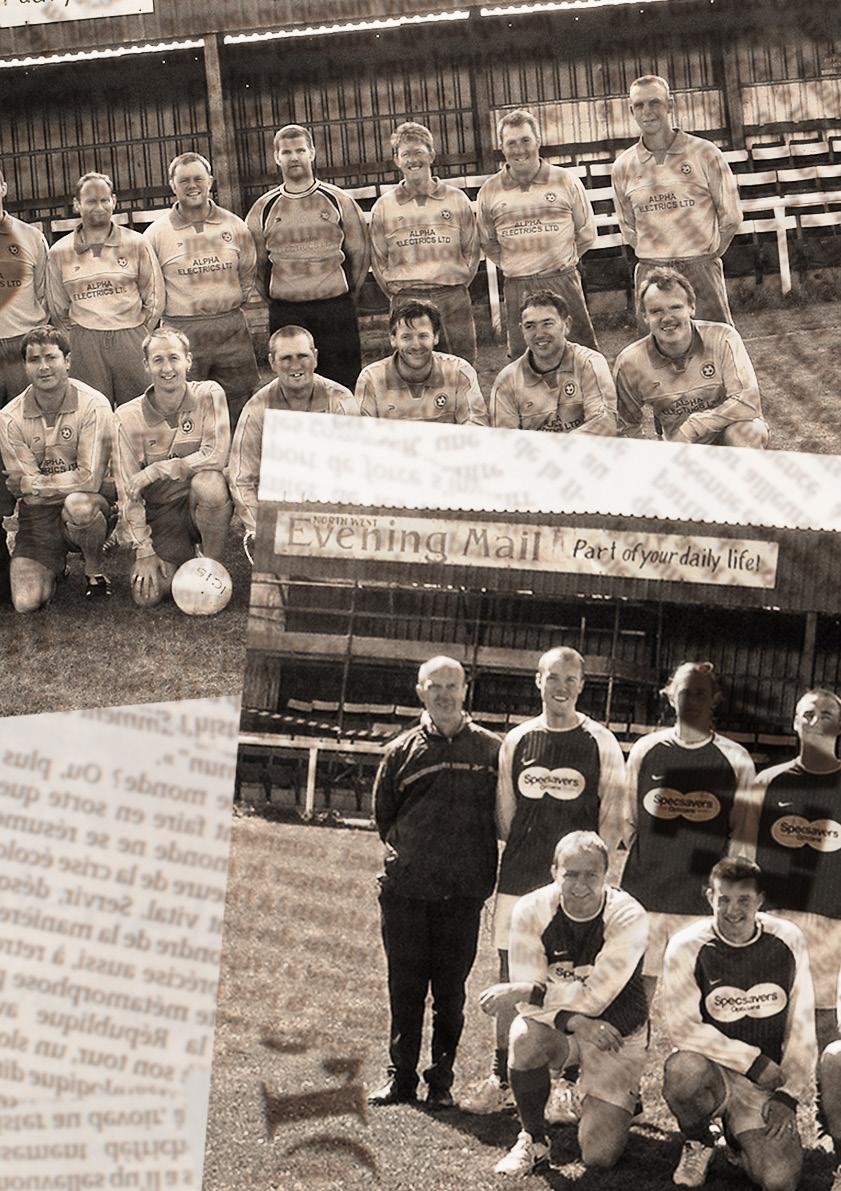
• Lancashire FA Amateur Shield Winners: 1988/89, 1990/91
THE CLUB
Chairman Maurice Watkin
Vice-Chairman David Smith
Treasurer Paul Muspratt
Club Secretary John Squire
Matchday Secretary Gary Fawcett
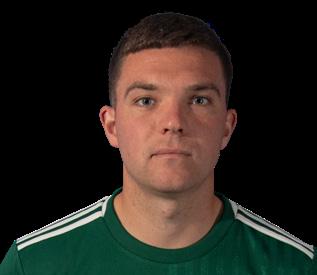
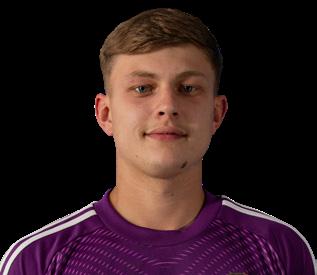
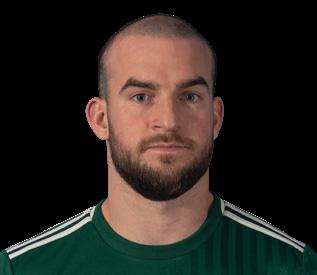
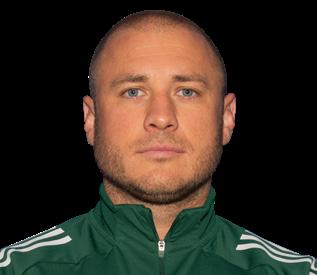
Manager Kevin Watkin
Manager Dave Round
Safeguarding Officer Steve Thomas
Head of Digital Glen Ritchie
Groundskeepers Alan Wilson & Ian Littlehales
Bar Manager Sam Trewin
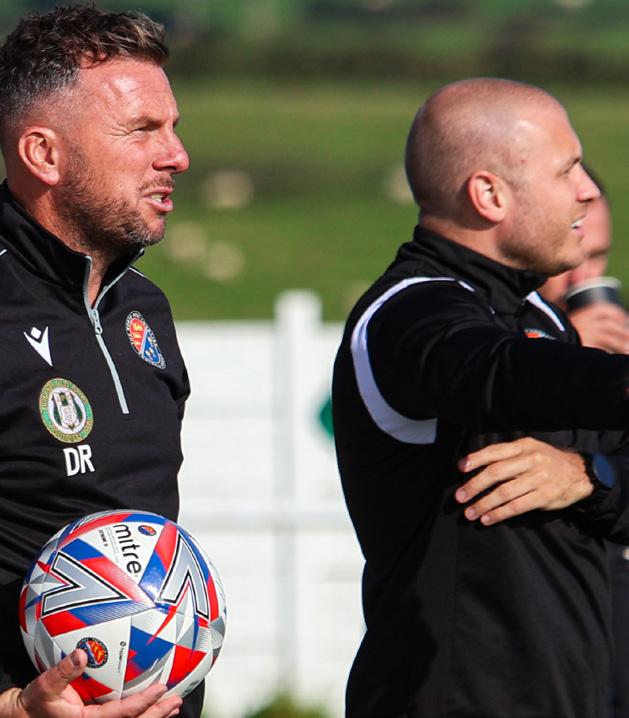
A WORD FROM THE DUGOUT KEV & DAVE
SET THE TONE EARLY
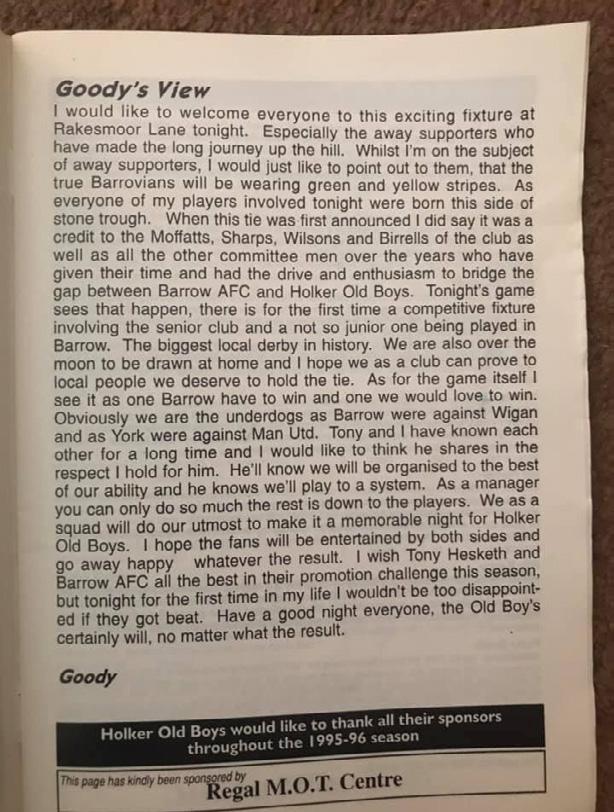
Good evening and welcome to Rakesmoor Lane for today’s North West Counties Football League fixture against Daisy Hill.
Reflecting on Saturday, I think we missed a big opportunity to take all three points. We weren’t at our best, but that was expected after such a stop-start spell with fixtures recently. The sharpness in certain areas just wasn’t there, and it showed.
We had to make a few tactical changes due to the players available, and that’s likely to be the case for the next few games as we manage injuries and suspensions. It’s not ideal, but it’s part of the game at this level – and the squad has to adapt and respond in the right way. We’ve got enough experience and quality in the group to deal with it, but we’ve got to do more in key moments.
Home games are always important, but this season they feel even more crucial. The league is tight and every point counts. Midweek games like tonight can have a big say in how the table looks come April, and we’ve got to make sure we’re doing our job.
Daisy Hill are no pushovers – they’ve caused teams problems this season and they’ll come here looking to frustrate us. It’s on us to set the tone, be aggressive early on, and make sure any chances we create are taken. We can’t afford to let them settle.
We know what’s required. Now it’s about delivering it and making sure we take full advantage of being at home.
PERFORMANCES TO WINS
Looking back at Saturday’s draw with MSB Woolton, we were all disappointed not to take the three points. I thought we were the better side by a long way, but if you don’t take your chances, you risk being punished – and we were, right at the death.
We got into some great areas but didn’t capitalise, which I think comes down to the lack of game time lately – just one game in three weeks. Conceding in the 98th minute was tough to take, especially with how little stoppage time there should’ve been.
Still, there were plenty of positives. We’ve got a strong squad available tonight, and we need to start turning performances into wins against a solid Daisy Hill side.
A WORD FROM THE DRESSING JOSH
ROOM WOODEND
Refocus.
Saturday’s game was a tough one to take, especially conceding so late. On the balance of play I thought we edged it, and in the second half we looked more comfortable, especially after switching to a different shape.
That said, we’ve got to manage games better. We didn’t see it out, and Woolton punished us for that. It’s frustrating, but we’ve only got ourselves to blame.
Daisy Hill gives us a good chance to respond. It’s a midweek game at home and a good opportunity to put things right and hopefully get three points on the board.
Put it Right.
We were disappointed on Saturday, no getting away from that. We looked better as the game went on and created more, but if you don’t finish it off and stay switched on to the end, you’ll get punished at this level.
Woolton took their moment and we didn’t. That’s the difference. It’s frustrating because we’d done enough to take the points, but now it’s about putting that behind us and reacting the right way.
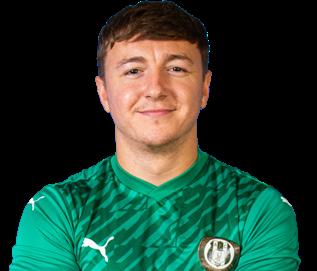
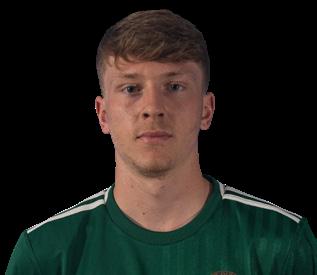
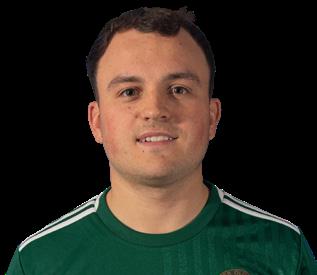
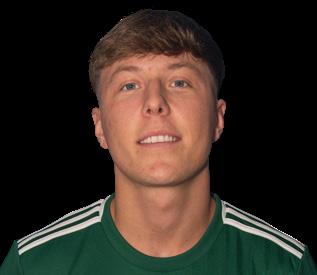
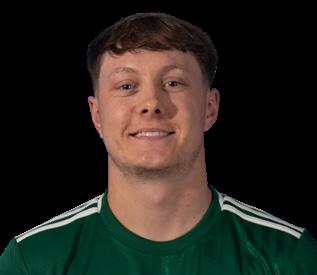
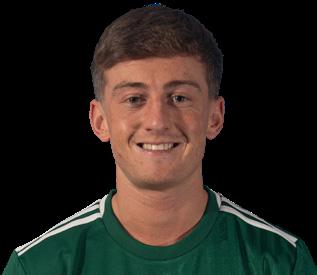
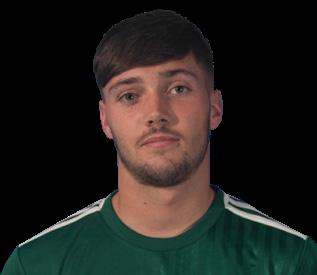
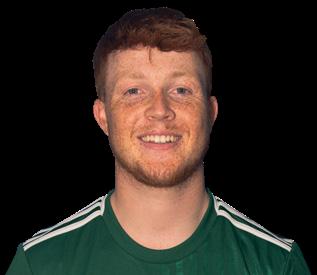
CALLUM FAWCETT BRADLEY HUBBOLD
Midweek at home is a good chance to bounce back. Daisy Hill will be up for it, but if we start well and play with a bit more control, there’s no reason we can’t come away with the result.
Response Needed.
Saturday was a hard one to take, especially with how late the goal came. We were solid second half and probably edged it overall, but it doesn’t count for much when you don’t see it through.
We’ve spoken about managing games better, being a bit more streetwise when we’re ahead. It’s something we’ve got to improve on quickly.
Daisy Hill gives us a good chance to put it right. Home game, under the lights, and a chance to kick off a busy run with three points. The reaction needs to be there from the first whistle.
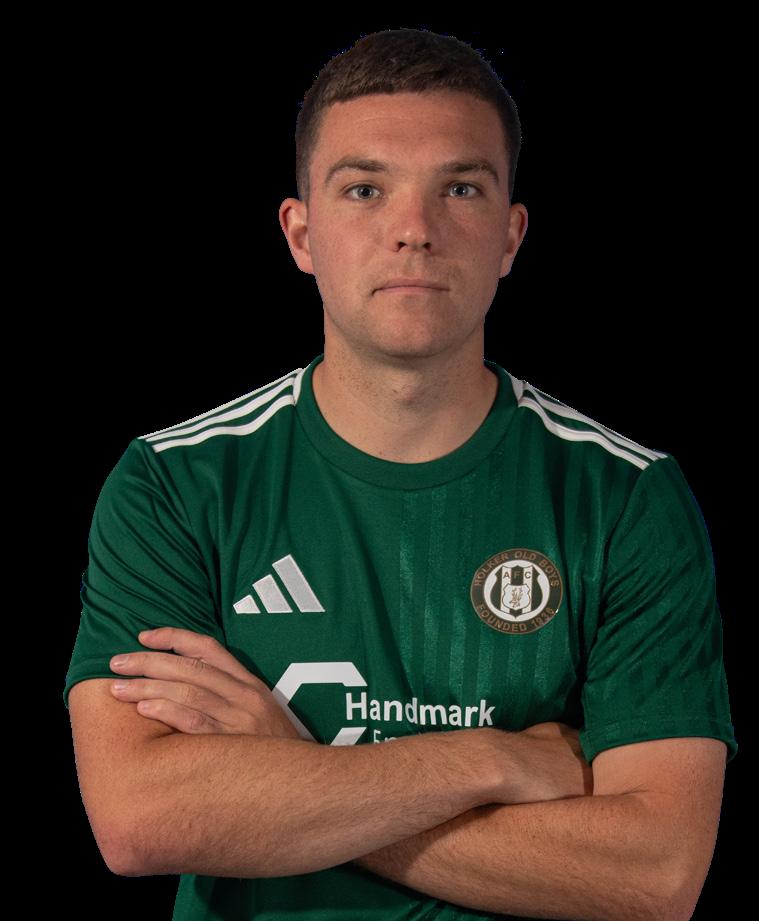
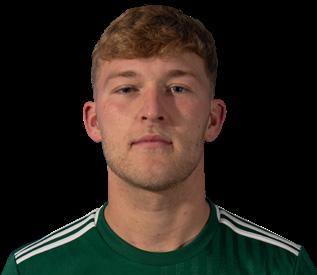
JOSH WOODEND
THE FACTS
Age: 27
Position: Defender
Sponsor: Abbey House
Occupation: Site Engineer
How long have you been at Holker: 15 Years
Previous Clubs: None!
Childhood Football Hero: Stevie G
What is the best piece of footballing advice you’ve been given: You can’t control the weather, but you can control your attitudes
What is the most memorable game you’ve played: My first trophy in senior football and it was special to win it for groundsman and club legend Al Wilson.
How do you stay motivated during injury: The hunger to get back out onto the pitch is the main thing that keeps me going.
Who at Holker brings out the best in you: Paul Southward - he gave me lots of advice coming through at Holker as a young lad and even though most of it wasn’t great he tried his best. Although now he’s too busy golfing or watching Barrow.
QUICKFIRE
Describe the gaffers in one word: Passionate
Home or Away Games: Home
Favourite Ground to play at: Darwen
Ronaldo or Messi?: Messi
If you could play for one team in the world, who: Liverpool
Early Bird or Night Owl: Early Bird
A Night in or A Night Out: A Night Out
Favourite Film: Goodfellas
Favourite Holiday Destination: Las Vegas
Karakoe Song: David Gray - Babylon
THE OPPONENT
DAISY HILL FC
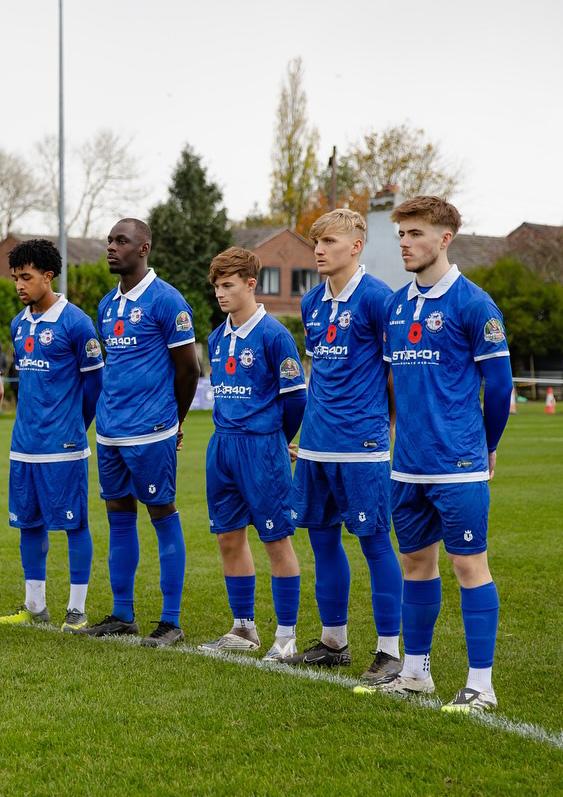
Daisy Hill FC, formed in 1894 and revived post-war, are based in Westhoughton, Greater Manchester. They play at The Ginge Power Stadium (New Sirs), wearing royal blue shirts and shorts. Known as “The Cutters”, they’re long-standing members of the non-league system and remain active in NWCFL Division One North.
TOP TEN FACTS
• Founded in 1894 – First major honour came in 1896–97, going unbeaten to win the Wigan & District League and Westhoughton Cup
• Re-formed in 1951 – Returned to action in the Westhoughton League after a break during WWII
• Moved to New Sirs in 1957 – Secured lease on current ground, giving the club a permanent base
• Local dominance in 60s–70s – Multiple league and cup wins in the Bolton Combination and Lancashire Amateur Shield
• Joined NWCFL in 1982 – Founder members of the newly created league structure
• Briefly became Westhoughton Town – Played under a different name between 1989 and 1994
• Strong youth system – Club continues to support junior development with a thriving U17s setup
• New chairman in 2025 – Aaron Hunt appointed to lead a new era at the club
• Ground capacity around 2,000 – The Ginge Power Stadium is a key part of the community
• Stable NWCFL presence – Consistently part of Division One North in the modern era
THEIR STORY UNFILTERED THE OPPONENT
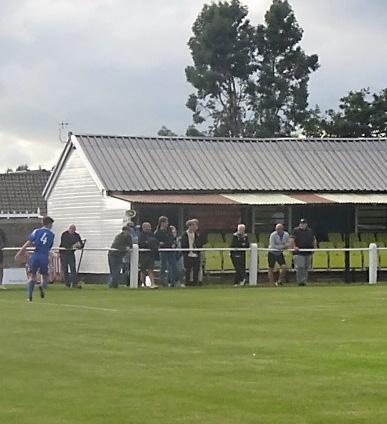
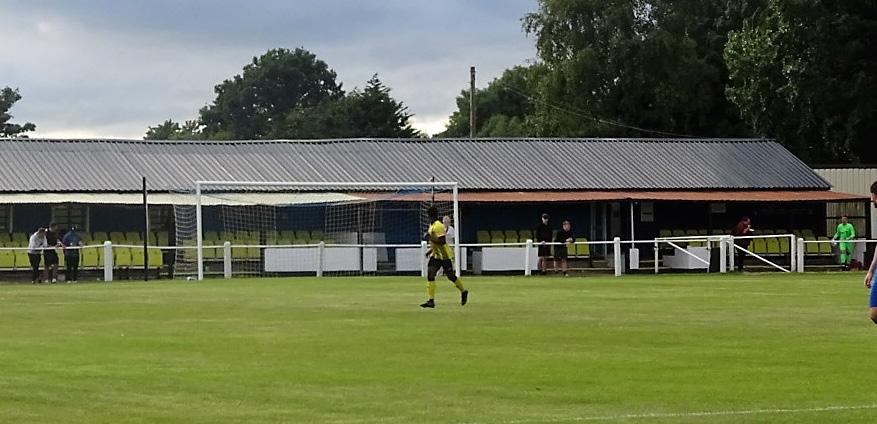
Situated one and a half miles south of Westhoughton town centre, four miles from Bolton and five miles from the Toughsheet Stadium, home of Bolton Wanderers, the village of Daisy Hill first saw football in season 1894-95 although it is possible that football was being played in the area for some years prior to that date.
The first known honours for the club came in 1896-97 when the Wigan and District League Championship and the Westhoughton Cup were won without losing a match.
The location of the club’s ground in those days is unknown but the present ground was used during the First World War period when the club played in the Leigh and District Senior Sunday School League.
The club then joined the Westhoughton League, and during the 1920’s and 1930’s won many honours in what was one of the strongest local leagues at the time.
Little is known of the period leading up to the second world war, but by 1951 the club was back playing in the Westhoughton League, on the St. James Street Recreation Ground/Cricket Ground, until the landowner made an offer to the club to return to the current site at New Sirs in 1957.
The acquisition of the lease was a major step forward and gave aspiration to move into the Bolton Combination and develop into one of the most formidable clubs in the area. Dressing rooms were erected at the ground for the start of the 1968/69 season whilst on the field the club won the Bolton Combination Premier Division on four occasions, the Bolton Combination Cup on four occasions and the Lancashire Amateur Shield twice during the 60’s and 70’s.
In 1978 the Club was accepted into the Lancashire Football Combination and with the advent of the Non-League football pyramid and the subsequent amalgamation of the Lancashire Football Combination and the Cheshire County League the Club became a founder member of the North West Counties League giving them the opportunity to play in and bring national competition to the village.
With the National League System requiring clubs to meet new standards for facilities, new dressing rooms and a clubhouse for social activities were erected at New Sirs in 1982. Since then improvement of the club’s facilities has been ongoing and for the 2005-2006 season a floodlighting system was installed, which allowed the club to remain in the National League System and return to National and County competitions.
The club also has a thriving Under 17s squad, playing in the Bolton, Bury and District Junior Football League.
Notable players include: Dick Pollard and Billy Farrimond, both of whom went on to play cricket for Lancashire and England, Alf Watkinson, grandfather of the former Lancashire Cricket Club Captain Mike Watkinson went on to sign for Blackpool. (Mike himself played a handful of games for the club). Sam Marsh (Bolton Wanderers and Bury), Alf Gray (Torquay United and Lincoln City), Greg Strong (Bolton Wanderers and Motherwell) and Danny Williams (Inverness Caledonian Thistle) began their careers in senior or junior football at Daisy Hill Football Club.
Other notable people / sportspersons born in Westhoughton who may or may not have been associated with the club: Ethel Johnson (Great Britain Olympic Athlete), Joe Bromilow (American Olympic Athlete), Jack Bruton (Blackburn Rover, Burnley, Bournemouth and England). Joe Clare (Accrington Stanley, Norwich City and Lincoln City). Tommy Woodward (Bolton Wanderers and Middlesborough), Francis Lee (Bolton Wanderers, Manchester City, Derby County and England) and Robert Shaw (Actor).
SNAP OF THE WEEK
Holker’s Digital Media Team hand-picks their favourite photo this week.
DATE 06.01.24
SOUTH LIVERPOOL
You can feel the chill in this one. The crisp winter air biting at your face. The kind of day where the pitch is firm, your hands go numb, and you know it’s proper football weather. Time for a Bovril...
FOUNDING & EARLY YEARS HOLKER HISTORY
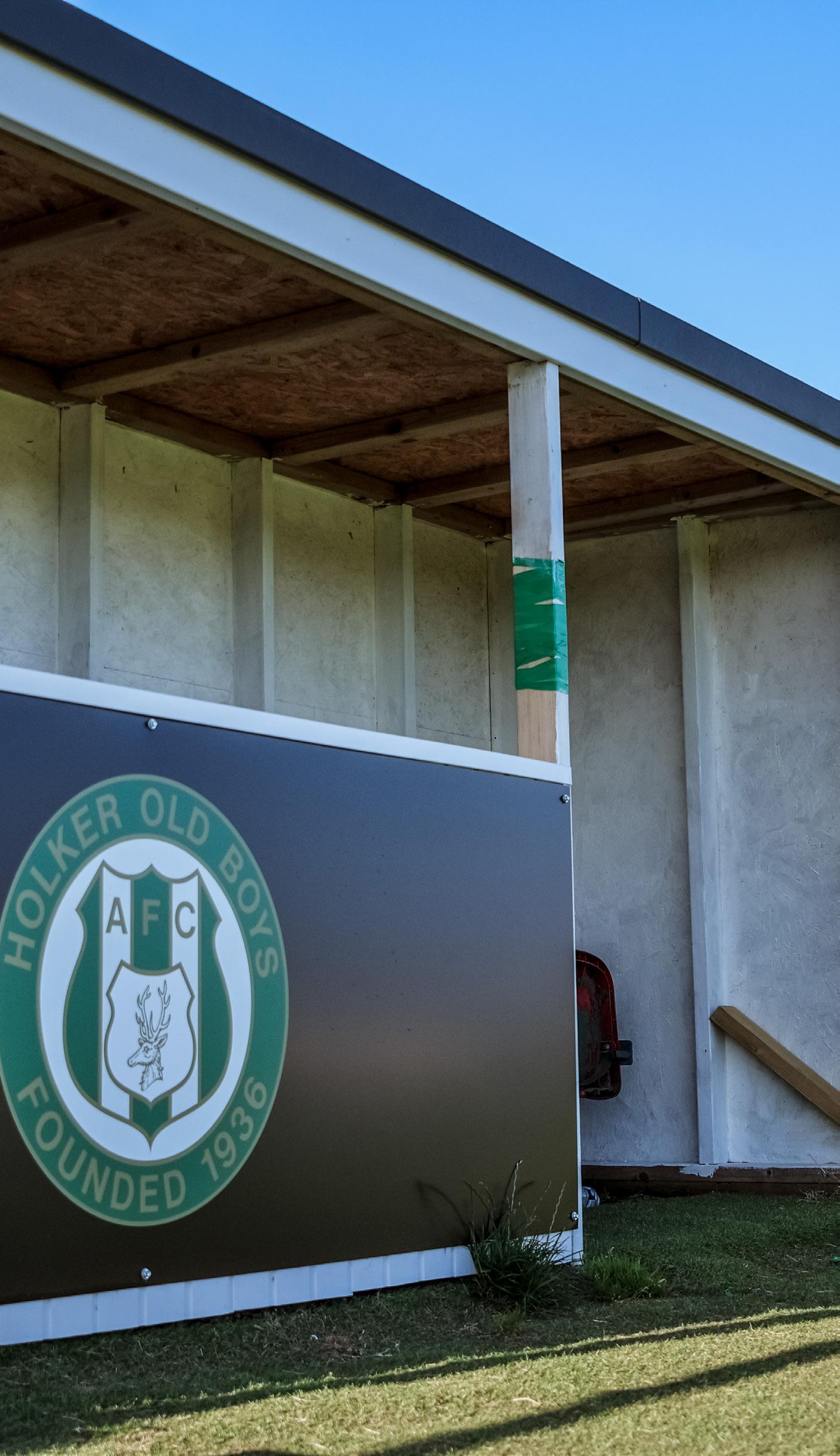
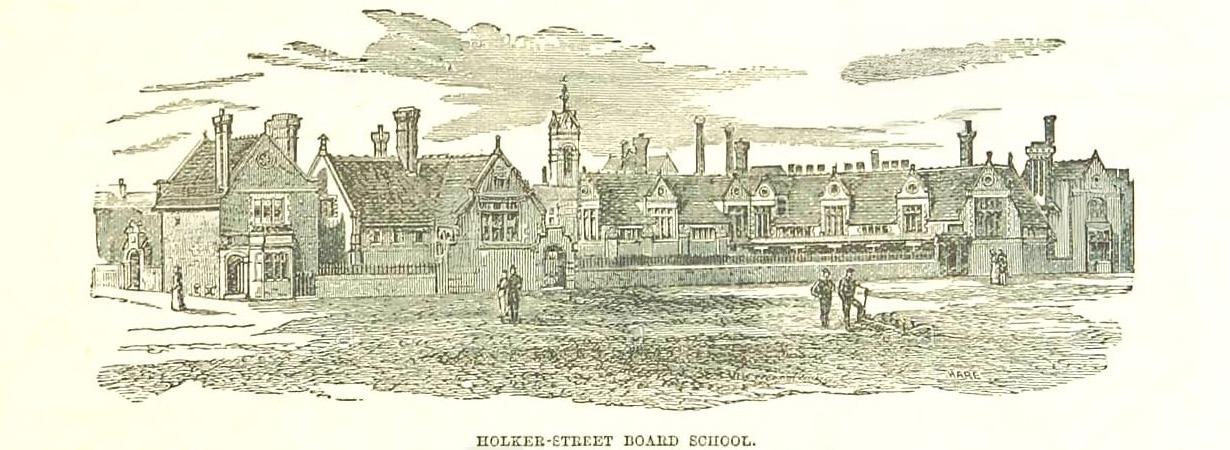
Founded in 1936, Holker Old Boys AFC began as an under-16 side, formed by the former pupils of Holker Central Secondary School, originally located on Holker Street in Barrow-in-Furness. While the school has long been replaced by a bingo hall, the club’s legacy continues to thrive.
Founded in 1936, Holker Old Boys AFC began as an under-16 side, formed by the former pupils of Holker Central Secondary School, originally located on Holker Street in Barrowin-Furness. While the school has long been replaced by a bingo hall, the club’s legacy continues to thrive.
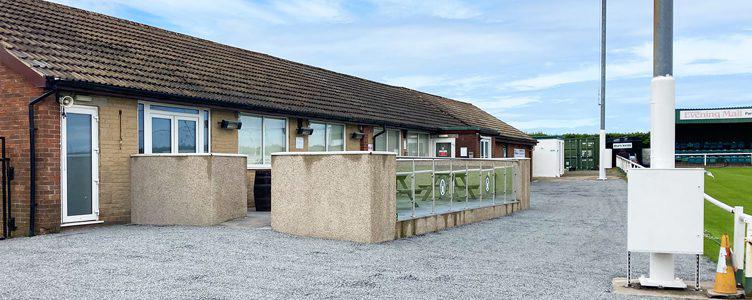
By 1939-40, Holker joined the North Western Open Age League, playing on local fields. Their commitment to youth football remained strong, with junior teams keeping their roots alive. The club expanded into the West Lancashire League in 1967, running teams in both leagues and later securing a permanent home at Rakesmoor Lane in 1971 - a site with a history as an isolation hospital and allotments.
The formation of the Furness Premier League in 1980 saw them enter two teams, with the Reserves progressing into the West Lancashire League Division 2. Success followed in the mid-80s, with a runner-up finish in 1985/86, before claiming the West Lancs League Division 1 title in their Golden Jubilee season (1986/87). The late 80s brought further glory, as Holker lifted the Adidas Lancashire Junior Shield twice, triumphing over Walkden Town (1988/89) and Park United (1990/91).
LEAGUE CLIMB & STRUGGLES
With ambitions to compete at a higher level, Holker faced the challenge of upgrading their Rakesmoor Lane ground. Through sheer determination and community effort, they expanded facilities, built new changing rooms, and enclosed the pitch. Their hard work paid off in 1991 when they secured a place in the North West Counties Football League (NWCFL) Division Two.
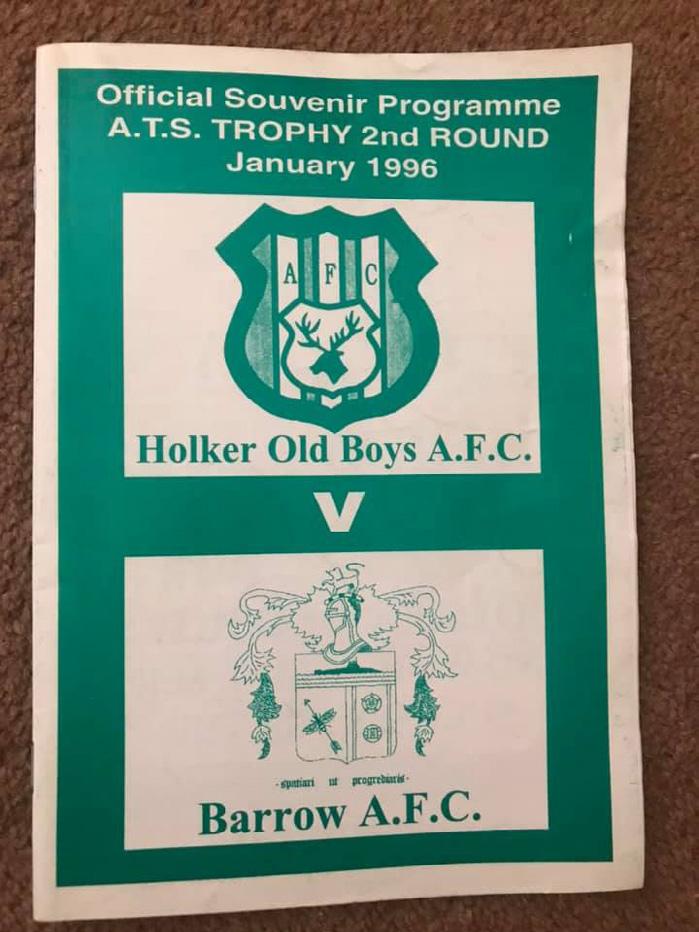
Holker adapted well to the higher level, finishing third in 1993/94 and earning promotion to Division One. Their time in the top flight was mixed, peaking at 11th place in 1995/96 before a difficult spell led to relegation in 1998/99. This prompted a period of rebuilding, both financially and structurally. The club expanded its setup to include three open-age sides and a thriving junior section, covering ages six to sixteen, plus a girls’ team.
By 2002/03, Holker had regained stability, finishing fifth in Division Two. Off the pitch, significant investments followed, with £80,000 secured for stadium improvements, pitch drainage, and parking. Though the mid-2000s saw inconsistent league performances, there were standout moments: reaching the FA Cup’s Second Qualifying Round (2004/05) and hosting FC United of Manchester in 2005/06 before a record crowd of 2,303. These achievements provided vital funds for further ground improvements, including floodlight upgrades in 2006/07.
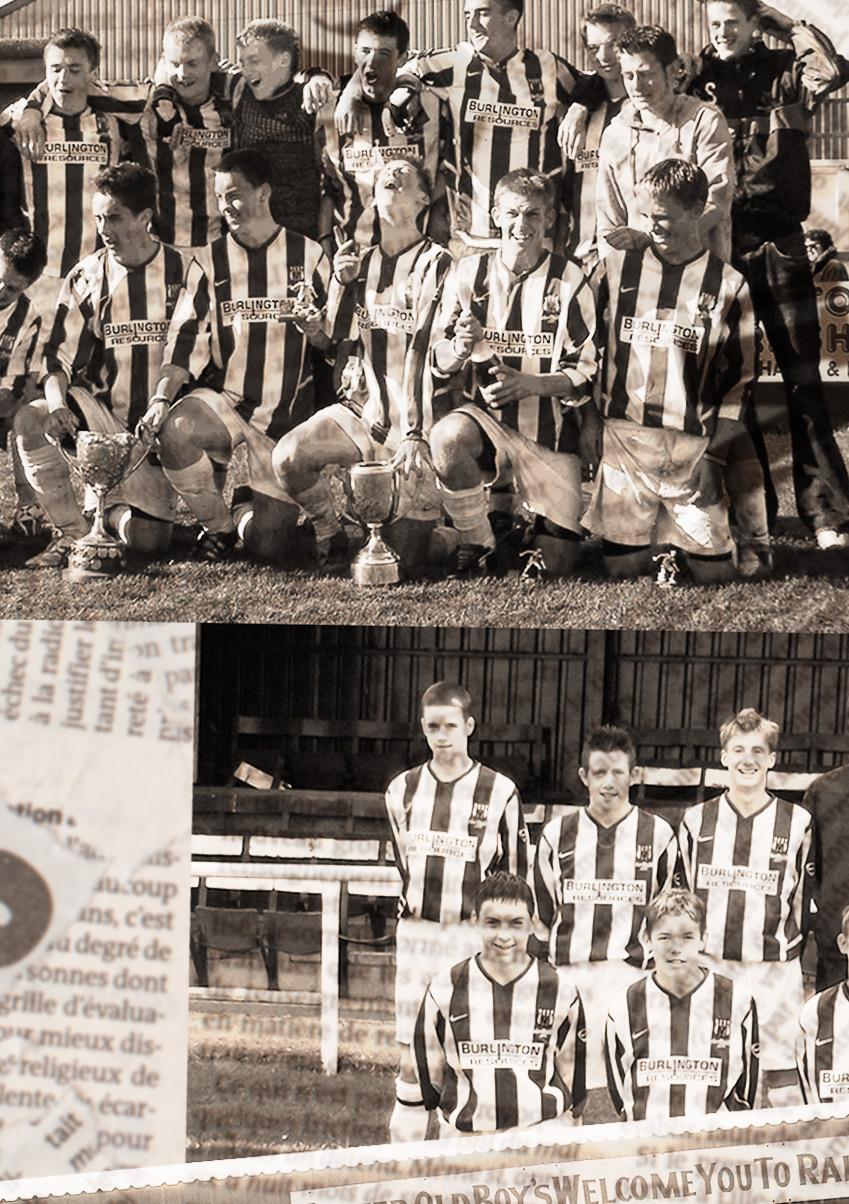
The club’s commitment to youth development was also recognised with the FA Charter Standard Development Club Award. This dedication bore fruit in 2006/07 when the U18s, featuring many future first-team players, won the LFA Furness Building Society Youth Cup. By 2008/09, the senior team had climbed to ninth in the renamed Vodkat League First Division.
HOLKER HISTORY
RECENT SUCCESS & THE FUTURE
Under Dave Smith and Maurice Watkin, Holker enjoyed a resurgence, finishing third in Division One in 2010/11. A managerial change in 2011/12 brought challenges, but Smith’s return helped steady the ship. The 2012/13 season was tough, with the club narrowly avoiding last place, though an FA Cup run provided a financial boost.
The 2013/14 season marked a turning point, with Gary Fawcett and Stuart Roberts leading the team to a respectable sixth-place finish and a semi-final appearance in the NWCFL Challenge Cup. Further improvements followed between 2017 and 2019, including pitch enhancements, bar refurbishments, and an extended kitchen. Chairman Maurice Watkin ensured a warm, modern club atmosphere.
Holker reached a milestone in 2018/19, playing their 1,000th NWCFL league game and receiving a commemorative trophy. Despite a challenging season, the team avoided relegation, with Kevin Watkin, Paul Southward, and Glyn Dixon taking the reins to guide the club to safety.
Through decades of highs and lows, Holker Old Boys AFC remains a club built on passion, resilience, and a deep-rooted community spirit - one that continues to shape its future with ambition and pride.