National Bridge


















Our HNTB bridge practice is off to a strong start this year, with major wins, delivery of some of the industry’s most complex projects, and an important leadership transition as Scott Roux retires and I re-engage with the practice as your interim practice leader. As we begin this next chapter for our National Bridge Practice, I want to thank Scott for his outstanding service, leadership, and lasting impact on our team. He has helped build a strong foundation defined by technical excellence, collaboration, and a deep commitment to developing others. Because of that foundation, we are well positioned for what comes next. I am proud to serve as your leader and confident in what we can accomplish together.
Looking ahead, we have a meaningful opportunity to build on our strong position across the country. Important bridge projects are underway in communities nationwide, and our continued success will depend on how well we support one another, share expertise across offices and divisions, and stay focused on exceptional delivery. By doing that, we can expand our impact, strengthen client relationships, and continue growing the value we bring to every project. Thank you for all you are doing to advance our practice and support one another. I look forward to what we will accomplish together.
Best,
Chris CHRISTOPHER J. PRICE, PE CORPORATE OPERATIONS

Mr. Price, who joined HNTB in 1987, is a senior vice president in the firm’s Kansas City, Missouri office and currently serves as Corporate Operations Director. In this role, Chris is focused on HNTB’s profitable growth and enhancing our operational success. Chris is collaborating with leadership firmwide in driving significant success through disciplined execution of our sophisticated processes while engaging in specific business management efforts related to enhancing our revenue, earnings and cash collections. Prior to this position, Chris served as Central Division President from 2019 through 2023 where he oversaw operations, project delivery and client service in nine states including Texas, Louisiana, Missouri, Kansas, Oklahoma, Iowa, Nebraska, Arkansas and Mississippi. Prior to that he served as HNTB’s national bridge practice leader from 2015 through 2019 where he was responsible for assembling and directing HNTB’s bridge engineers to ensure their success on projects across the country. By leveraging the collective talents and diverse expertise of the firm’s engineering professionals, Mr. Price routinely helps deliver some of the nation’s most steadfast and iconic infrastructure connections. He has been a principal-in-charge and/or project manager for the planning and design of many street and highway projects around the country. Prior to joining HNTB, he spent approximately three years with the Missouri Department of Transportation (MoDOT) in their bridge design office.

Recent Wins
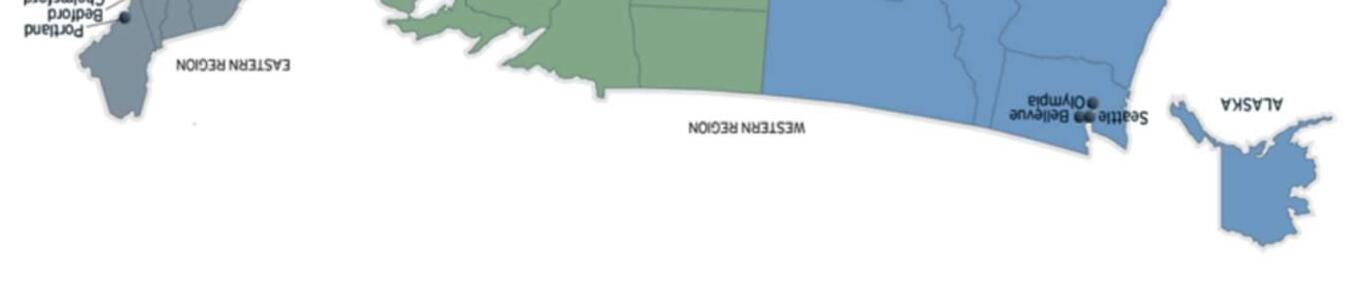
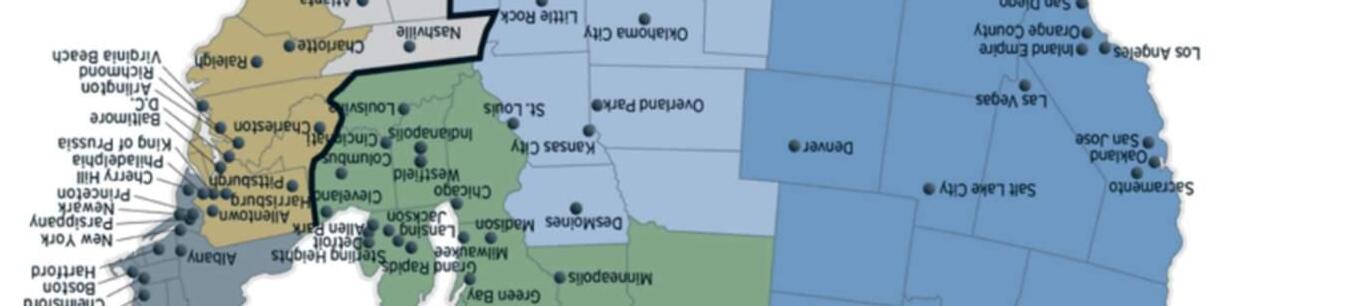
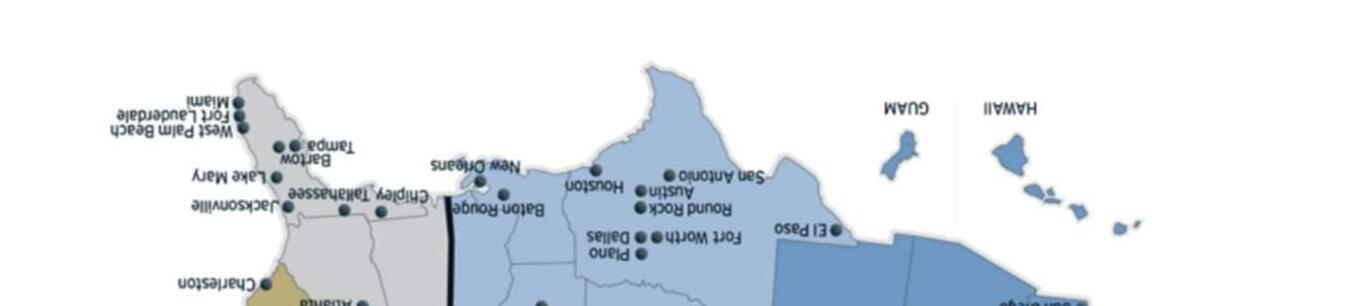
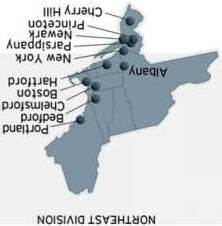
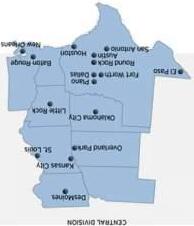
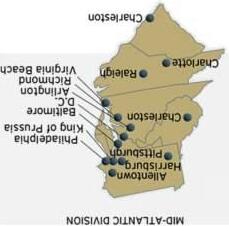
A summary of recent bridge wins from each Division
Geotechnical Group Technology
Advancement
“Bridge to the Future”
A look forward to highlight HNTB innovations in bridge design and construction
Hot Bridge Jobs at HNTB
Significant bridge-related HNTB job opportunities across the country


10
Division Project Highlights
Project summaries from current bridge projects within each Division


«Bridge to the Past»




Kosciuszko Bridge
Brooklyn & Queens, NY

Our People “Being HNTB”
HNTB Legacy Interview, No Twisty Thoughts, Bridge Leadership, Service Awards, Certifications, and New Hires 28

Conferences & Presentations
Upcoming bridge events and HNTB thought leadership in our bridge industry

Washington Street Bascule Bridge Rehabilitation
2026 Bridge Inspection Services –Biennial Inspection of the Outerbridge Crossing (OBX)
WEST: Utah Department of TransportationWeber Canyon Long BridgeProject Management
LA324 Bridge over Bayou Teche
DDOTWhitehurst Freeway BridgeRehabilitation

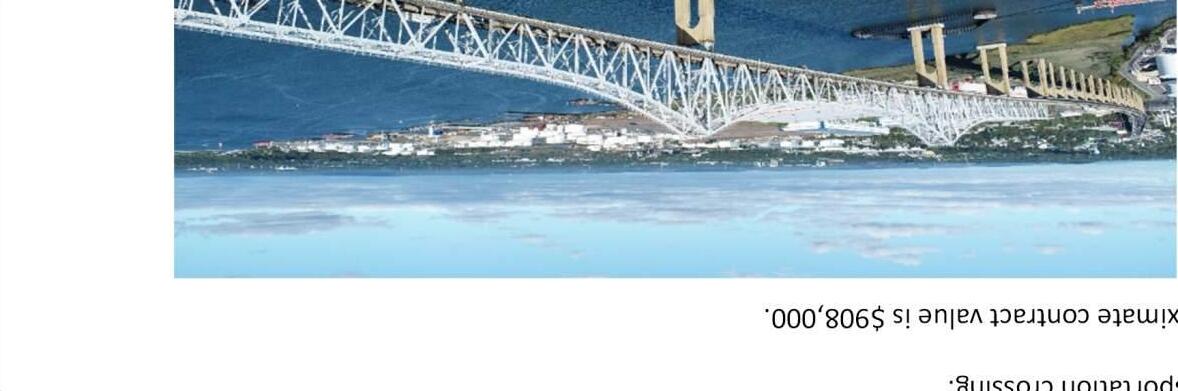
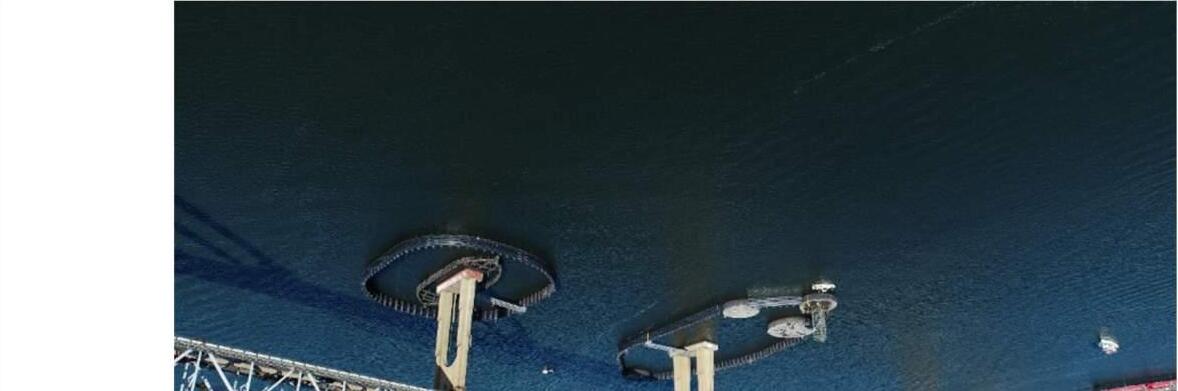
HNTB was recently selected by the Port Authority of New York and New Jersey (PANYNJ) to provide biennial bridge inspection services for the Outerbridge Crossing Jersey approach bridges.
The scope includes comprehensive field inspections of structural as well as bridge-mountedsignand lighting structures. Specia ultrasonic testing of main span truss pins, drone inspections of t inspections of the bases of the main span towers, piers, dolphins, a The project also includes preparation of condition surveyreportut Database (SID) and NYSDOT reportsutilizingBridge Data Info effort will support the continued safe operation andlong-termm state transportation crossing.
The approximate contract value is $908,000.
Offices: Gulf Coast and Kansas City
Client: LADOTD
• LADOTD has selected HNTB to perform design and all necessary engineering related services for the spot replacement of the LA324 Bridge over Bayou Teche.
• Design feeis approx.$2.7M
• The new movable bridge will feature a swing span with rest and pivot piers, as well as a protective fender system for the navigational channel. This project is a collaborative effort across multiple regional offices:HNTB’s Kansas offices areleadingthe structural, mechanical, and electrical designs, while our Gulf Coast offices are managing the roadway and geotechnical engineering services, including subsurface exploration and foundation design. The 100% Preliminary Plans are scheduled for submission in Fall 2026.
• This win isatestamenttoHNTB’sunmatched bridge technicalexpertise,andarobust,full service,multi-disciplined engineering team with adeep understanding ofwhat it takes to deliver bridge engineering services for Louisiana’s complex structures.
• Team Leads –Josh Porter (Gulf Coast Offices) and Manab Medhi (KC Offices)
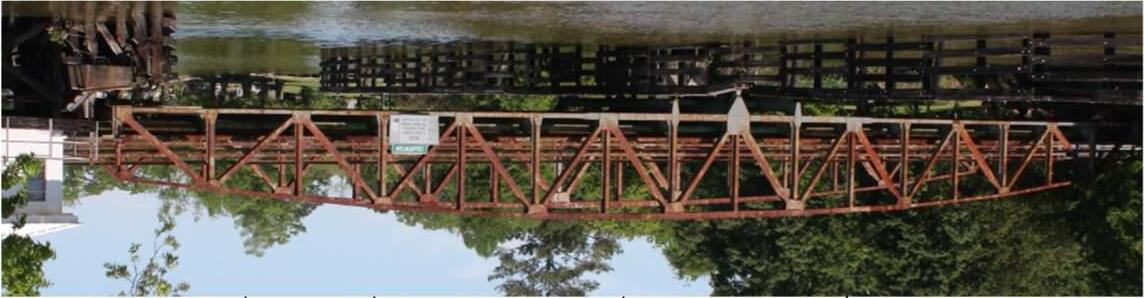
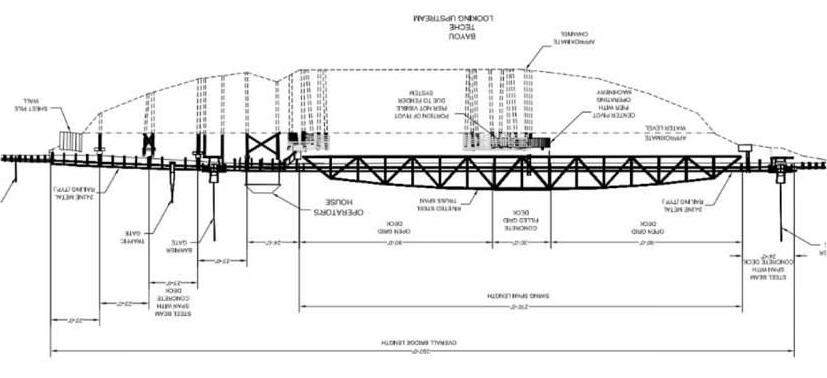
Current Bridge(Courtesy: Library of Congress HAER LA 37-3)
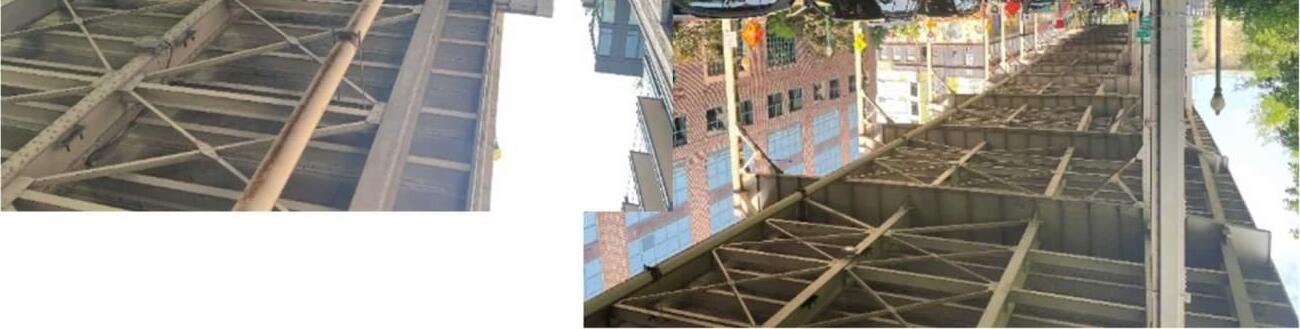
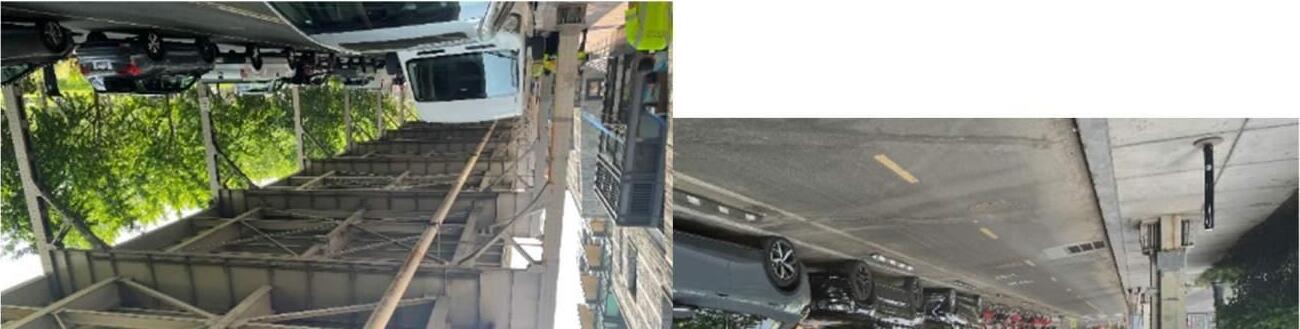
The District Department of Transportation (DDOT) in Washington, D.C., selected HNTB for engineering services for the rehabilitation oftheWhitehurst Freeway Bridge. In addition toprovidingpreliminary and final designon this3600’ long structure, the firm will provi NEPA work, public outreach, utility coordination, trafficanalyse
The work focuses on the goal ofextendingthe service life of this 75-year-old bridge by another 30 years.Given the congested urban environment,the proposed rehabili construction alternatives that minimize impacts on travelers and businesses who rely on this critical transportation link.Thestructurecarriesmore than 40,000 vehicl intheGeorgetownarea of DC,adjacent tothe popular M-Stree
Notice toproceed(NTP) isanticipatedinJune2026fortheinitia phase,and 30% plan developmentwhich willproceedover thenext 12 m and recommendations fromPhase 1, thesubsequentPhase 2 services includeIntermediate (Pre-Final) Plan Submittals (65% & 90%), Final Construction Plans, Specifications and Estimates,and Final Bid Documents.
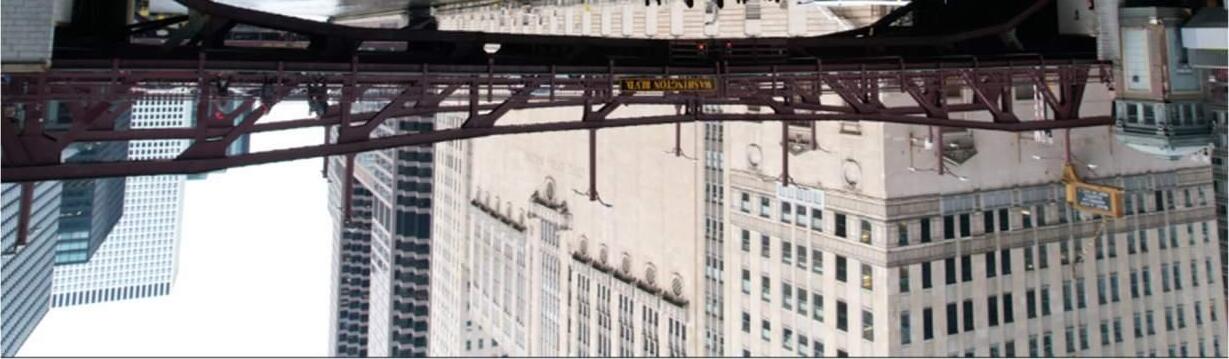
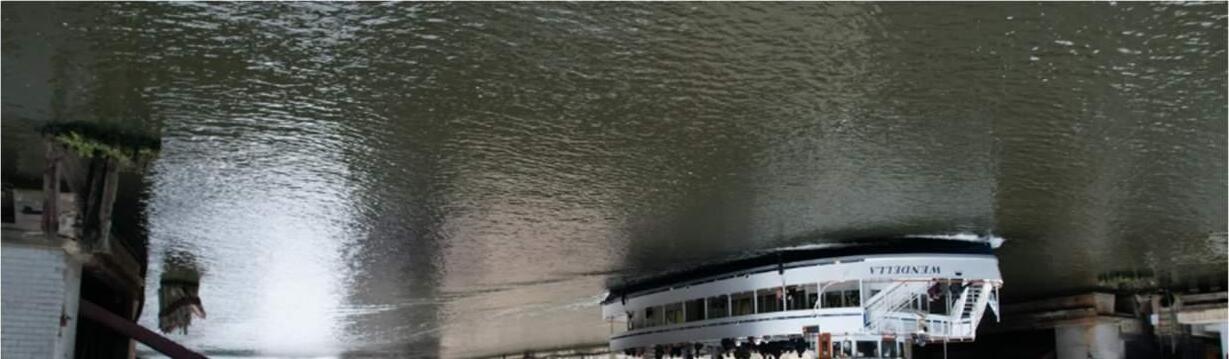
HNTB has been selected by the City of Chicago Department of Transportation to provide Phase I preliminary engineering and Phase II final design services for the rehabilitation of the Washington Street Bascule Bridge over the South Branch of the Chicago River.
The Washington Street Bridge is a historic,Chicago-styletrunnion bascule bridge serving as a critical connection for commuters, pedestrians, bicyclists, transitusersand river traffic entering the Chicago Loop. While the structure hasretainedits original character over more than a century of service, it requires major rehabilitation to address aging structural,mechanicaland electrical systems.
Under the task order, HNTB will lead a multidisciplinary team providing full design services, including inspections and development ofaBridgeCondition Report, Type Size and Location documents, and Phase I and II engineering. The scope includes rehabilitation of the bridge superstructure and substructure, bascule trusses, mechanical and electrical systems, traffic staging, drainage,lightingand preservation of historic architectural features.
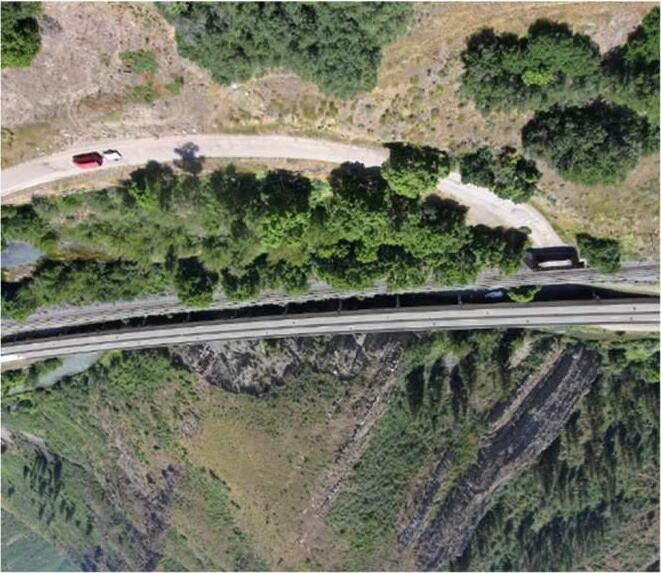
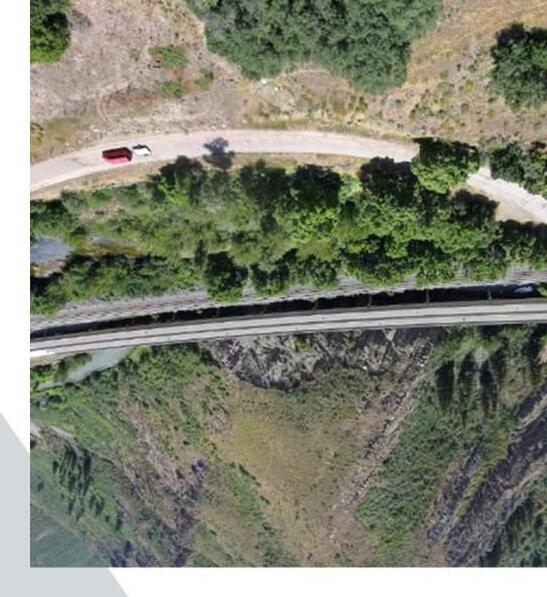
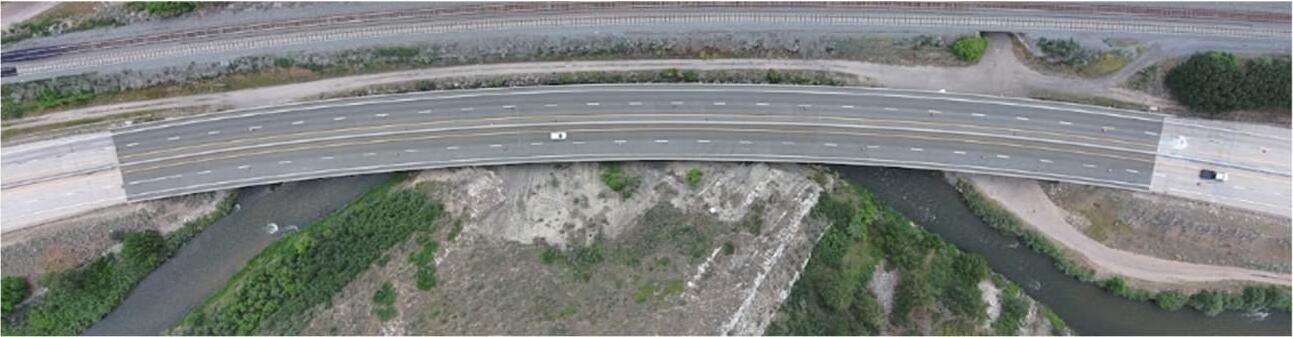
UDOT has selected HNTBto provideProject Management, Proje replacement of the I-84 Long Bridge over the Weber River in northern Utah. The project involves a multi-span river crossing through Weber Canyon, where the exist Weber River, an adjacent railroad, and a steep hillside.HNTB’s early role will focus on helping UDOT define the project’s technical data needs,establishappropriate i alignment scenarios for feasibility and fatal flaws, and support development of the PDB RFP and Basis for Design and Construction requirements.
The work centers on evaluatingfeasiblestructure replacement and staging options in a highly constrained canyon environment. HNTB’s team will evaluate alternatives including mainline alignment shifts,widening onthe existing alignment, and a tunneloptionfor one or both directions. Key technical inputs include geotechnical investigation, riverhydraulicsand scour evaluation, UPRR and utility coordination, MOT analysis, and risk-based design oversight as thedesign builderadvances the bridge, foundation,retainingwall, drainage, and construction staging concepts.
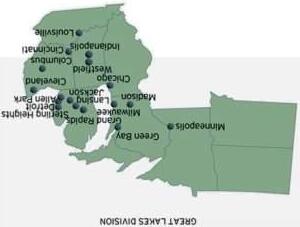
GREAT LAKES: US 52 over Sugar Creek
NORTHEAST: Haverhill-Methuen Bridge Replacement DesignBuild
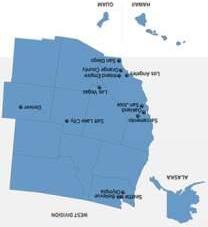
WEST: Lynnwood Link Extension Final Design and Construction Support
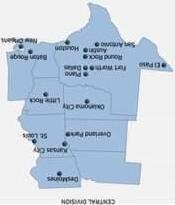
CENTRAL: DowntownEl PasoI-10 Deck Plaza
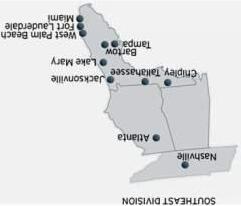
SOUTHEAST: SR 31overCaloosahatchee River
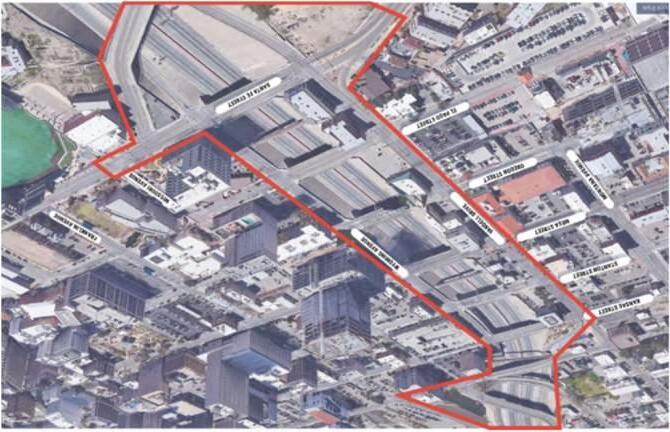
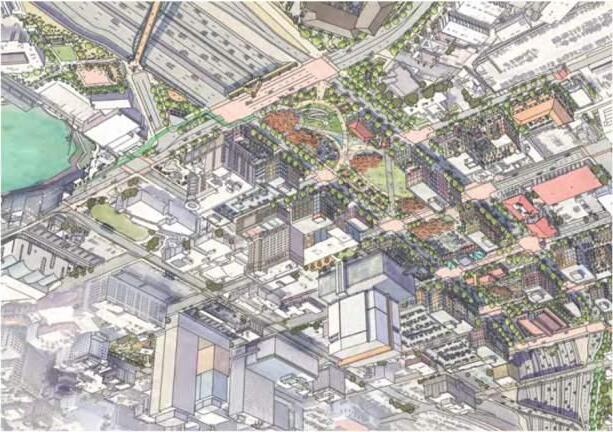
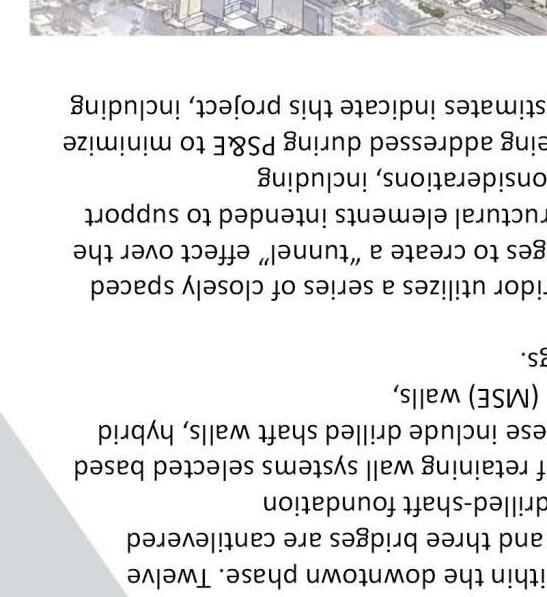
TxDOT’s Downtown I-10 Project through El Paso, Texasintegrateslarge-scalecorridor reconstruction with provisions for a future deck park spanning the depressed inte areanticipatedboth east and west of the downtown corridor as advances.HNTBis contracted through TxDOT andis deliveringdes highway projectthrough downtown.The future deck park would be owned, andmaintainedby the City of El Paso.Accordingly, the corridor is being designed such thatmost ofthe work can be constructed independently of the deck park should berealized.
HNTBiscurrentlydeveloping PS&Eplansforfifteenbridges within t bridgesare conventional prestressed concrete girderbridges,a structuresoverhanging the mainlines andsupported on twindrilled-shaf systems.Supporting the depressed I-10 mainlinesis a range ofre onlocation-specificconstraints and subsurface conditions. Thes drilled shaft walls with tiebacks, mechanically stabilized earth (MSE) walls, andcast-in-placecantilever walls supported on spread footings.
Rather than a traditional tunnel structure, the downtown corridorut conventional bridge structuresbetween new cross street bridge depressed freeway. These bridgeswill serve asthe primary structural elements intended to support the future Downtown Deck Plaza above I-10.Tunnel-relatedcons ventilation,fire-life-safety(FLS),lighting, and aestheticsare being addressed during PS&E to minimize risk and preserve flexibility for future implementation.Early estimates indicate this project, including the deck park, could be over $500M in construction cost.
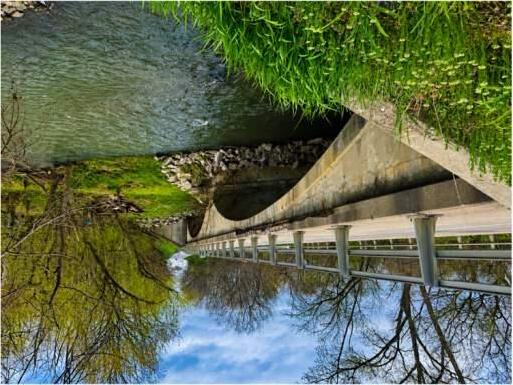
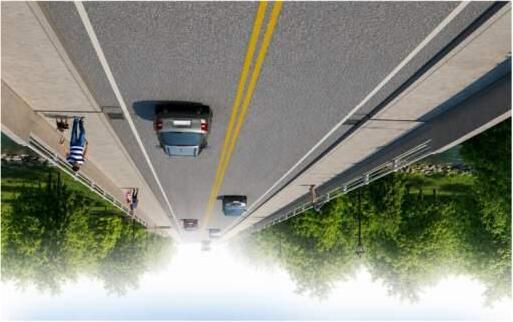
The Indiana Department of Transportation(INDOT)US 52 over Sugar Creek Bridge Replacement project in Hancock County, Indiana, is being led byHNTBOffice 289(Indianapolis,IN)with Angela Pearl serving as Project Manager, Jennifer Bohlander as Deputy Project Managerand Nora Rasche as Structures Lead.Currently in the design phase of thedesign-bid-build method, the project includes conceptual, preliminary, and final design, as well as constructionservices.
Theproject includes the replacement ofa two-span reinforced concrete underfill archstructureoriginally built in 1926 with a two-span bulb tee beambridge.Sincethe bridge sitsadjacent tothe growing community of New Palestine, inclusive of abusy high school andhome to residentsalready experiencing construction fatigue,the team evaluated Accelerated Bridge
Construction (ABC) strategies to minimize disruptions. The Indiana office collaborated closely with HNTB’s Minneapolis, MN office toassessthe feasibility of ABC methods, including Prefabricated Bridge Element Systems (PBES) and Slide-In Bridge Construction (SIBC). These approaches showed the potential to reduce roadway closure durations to as little as three weeks to 1.5 months. Although INDOTultimately selectedconventional construction, the cross-office collaborationhelped tostrengthen INDOT’s understanding of ABC methods and pave the way forpotential implementationonfutureprojects.
Additional project complexities have included vertical profile adjustments to eliminate an existing sag curve, mitigation measures for potential endangered mussels within Sugar Creek, coordination with adjacent residences and nearby historic properties,future corridor compatibility considerations,enhanced demolition considerations tied to the existing bridge type, implementation of a temporary causeway, and shallow artesian conditions encountered near the pier foundations. To address these challenges, the Indianapolis office also partnered with HNTB teams in Milwaukee,WIand Cincinnati, OH,demonstratinga truly collaborative, multi-office design effort.
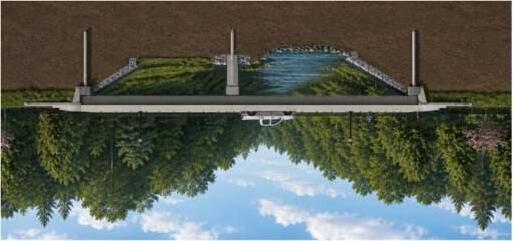

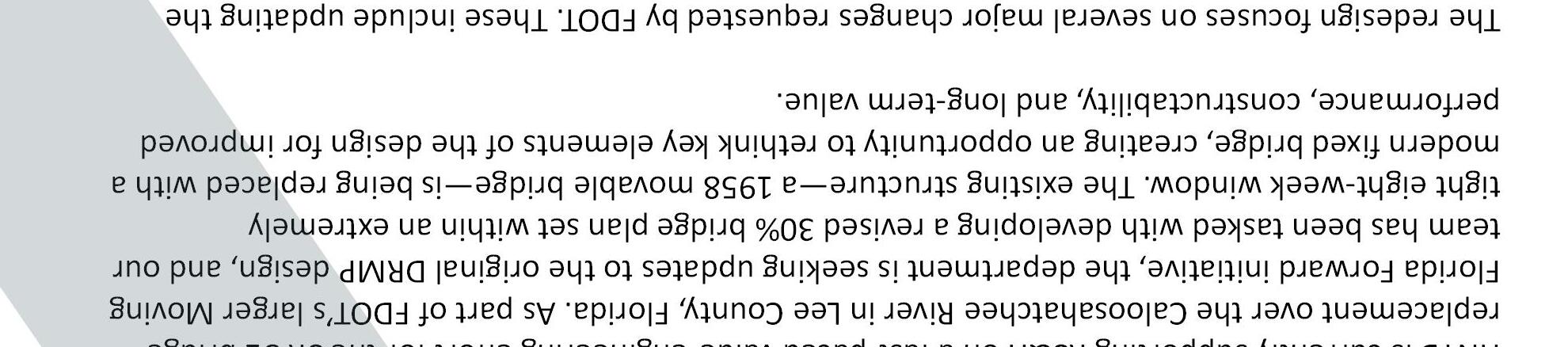
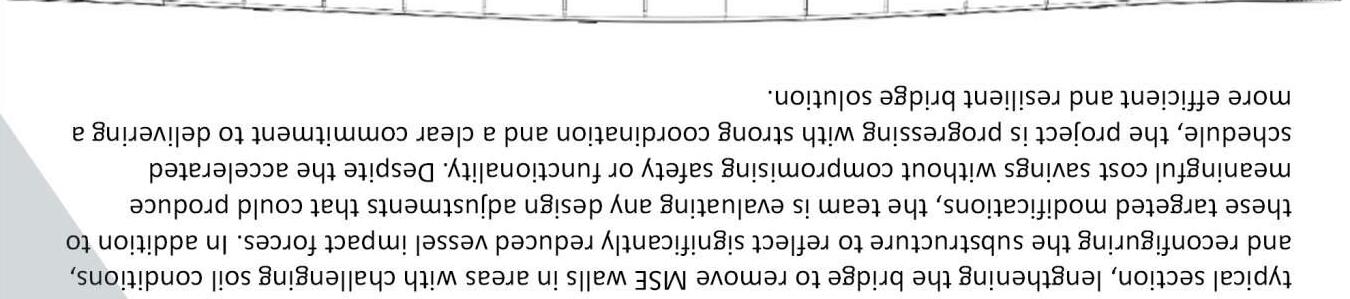
HNTB is currently supporting RS&H on afast-pacedvalue-engineeringeffort for the SR 31 bridge


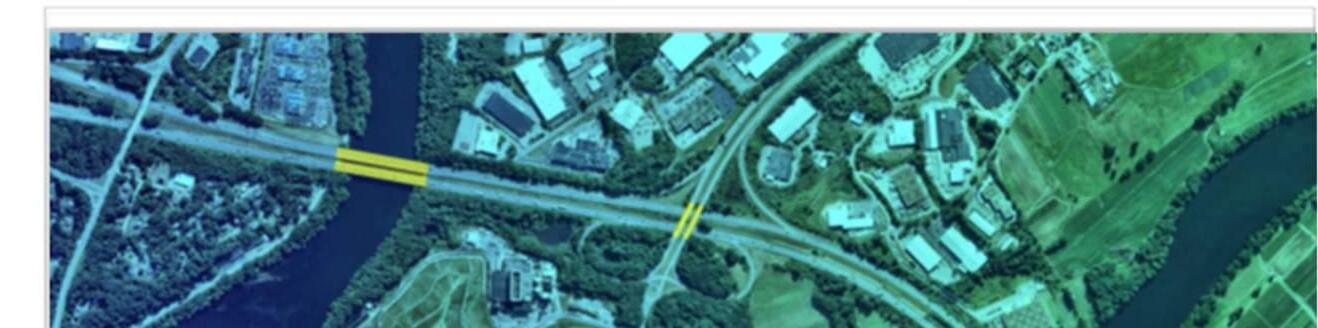
HNTBis part of ajoint venture(JV)to provide design build(DB)services for the HaverhillMethuenbridgereplacementDBproject. HNTBisleadingthe design to deliver two proposed alternative technical concepts(ATCs)that reduce the project's environmental footprint, lower the highway profile significantly and shift it away from residential properties,and accelerate the construction schedule.This new project islocatedone milesouth ofthe recently completedI-495 Haverhillbridgereplacementdesignbuildcontract no.605306-103045,an award-winning project for which HNTB served as engineer of record.
The newproject will replace the existing bridges carrying I-495 over the Merrimack River, situated between the cities of Haverhill and Methuen, Massachusetts. The project will realign the southbound span, eliminating two in-river piers to minimize the structure’s environmental impact,and effectively address local community growth and transportation needs.In addition to bridge and highway design, HNTB’s scope of work includes environmental permitting, geotechnical and hydraulic evaluations, traffic management, utility coordination, public outreach support, and stormwater management.
Whilevery similarto the northerly crossing completed a few years earlier, this Haverhill-Methuen project presented some unique challenges:
Vertical clearances over Route 110/113 required asignificant vertical roadwayprofile raise to I-495 that challenged efficient staging and traffic management.
High-tension transmission lines traversing over the south approach made that profileraiseeven more challenging for proposed abutment construction and deep foundation (pile) installations. Construction for proposed highway (northbound) alignments forced management of widened slope areas over gas and sewer lines and suspect subsurface materials (soft clays and silts).

HNTB developed alternate technical concepts (ATCs) for the Massachusetts Department of areas.Environmental permitting required extensive coordination with the Massachusetts

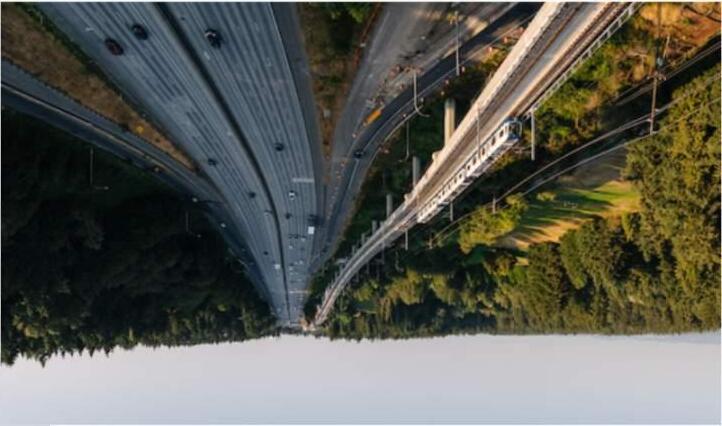
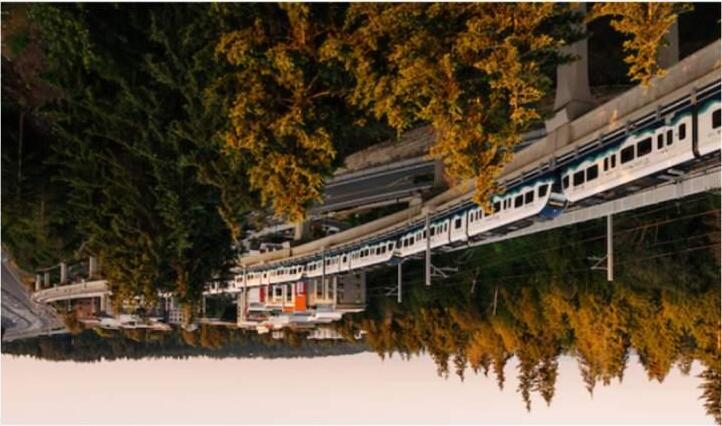
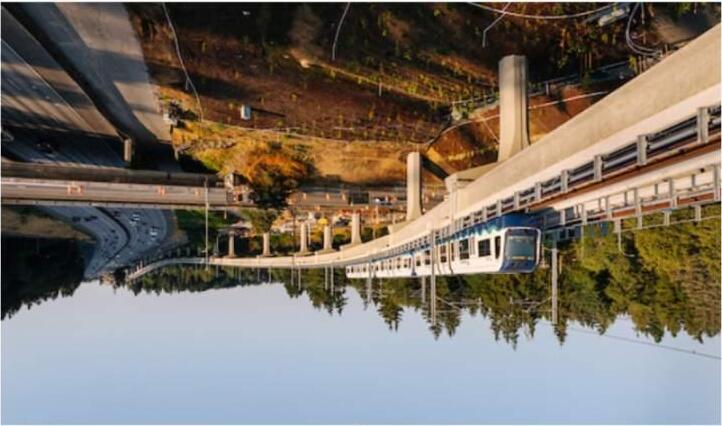
The Lynnwood Link Extension is an 8.5-mile expansion of Sound Transit’s Link Light Rail system, extending from Northgate Station in Seattle to the Lynnwood Transit Center. The project includes five new stations, three structured parking facilities, and a guideway alignment composed of approximately 50 percent aerial structures and 50 percent at-grade andretained-cut sections. Much of the corridor follows the constrained WSDOT I-5 right-of-way, driving complex structural design solutions.
HNTB, injointventure with Jacobs Engineering (H|J), delivered full design and construction support, with HNTB providing project management leadership across all engineering disciplines. The structural scope was central to project delivery, involving elevated guideways, long-span crossings,retainingsystems, and integration with existing infrastructure in a densely developed corridor.
Key structural challenges included: Aerial guideway design within a narrow interstate corridor, balancing constructability, durability, and cost
Long-span I-5 crossing redesign,optimizingstructural configuration to reduce cost whilemaintaininguninterrupted transit operations and median station access
Underpinning and protection of existing structures, including bridge abutmentsadjacent tonew guideway construction
Complex utility and wall coordination, requiring staged construction and structural accommodation for relocations
Retaining systems and at-grade transitions, addressing geotechnicalconstraintsandmaintainingcorridor stability
The project required extensive coordination with multiplejurisdictionsand stakeholders, including WSDOT and the Cities of Seattle, Shoreline, Mountlake Terrace, and Lynnwood. Structural design solutions were developed to navigate right-of-way limitations,maintaintraffic operations, and integrate with existing bridges, roadways, and transit facilities.
Client/Owner: Sound Transit
Construction Cost: $3.1B
HNTB Fee: $166M
HNTB Services: March 2016–Present Design: August 2016 –October 2019
Construction: June 2019–Present
Opened to public use:30 August 2024




TheHNTBKansasCityGeotechnicalDepartmentrecently purchasedaTrimbleDA2andCatalystSoftware,whichincludesa handhelddataloggerandGNSSreceiverdeliveringcentimeterlevelaccuracyondemandasasubscriptionservice.Thisnew pieceoftechnologyhasalreadysignificantlydecreasedschedule andcostwhenstakingboringsandmappingfeaturessuchas geologyandlandslides.Itseaseofuseandminimaltraining requirementsallowedthemtodeployitalmostimmediatelyon theirprojects.
TheRooseveltMemorialBridgeatLakeTexomainOklahomawas thefirstprojectwheretheTrimbleequipmentandsoftwarewas deployed.TheGNSSreceiver,incombinationwiththehandheld datalogger,locatedsixbarge-basedproposedboringsoveramile offshore.Catalystsoftwaredirectedthecrewandbargewithin fractionsofaninchoftheproposedboringlocationsinthemiddle ofLakeTexoma.Oneofthebiggestadvantagesishavingthe equipmentavailable24/7,eliminatingtypicalscheduleimpacts fromwaitingforsurveyors.Ouruseofthedevicesavedovera months’timeforasurveycrew(estimatedat$50K),immediately accountingforthecost($10K)ofpurchasingthesystemonthe veryfirstproject.
TheseconduseoftheTrimbleCatalystsystemwasmappingan on-calllandslideforMoDOT.Ourgeologistsandengineersused theDA2tomaptheoutlineoftheslide,scarpsandthetoe geometry,includingelevations.Themappingwasdirectlyapplied totheplandrawingsforrepairoftheslideandunderstandingof theslidelimits.Thisledtomoreaccuratetopographyandcross sectionsthroughthefailure.
“OuruseoftheTrimbleCatalystandDA2equipmentandsoftware hastakenthesurveyorsstakingourboringsoutofthecriticalpath ofthedesignscheduleaswellascallbacksformovingborings afterdrilling,”saidJohnSzturo,(GeotechnicalTaskLeader).“By implementingthisequipmentonprojects,proposedboringscan be‘stakedout’forpreciseoffsetmeasurementsandwecan obtain“as-drilled”boringcoordinatesandelevation,saving (amountofmoney,time)oneveryproject.”
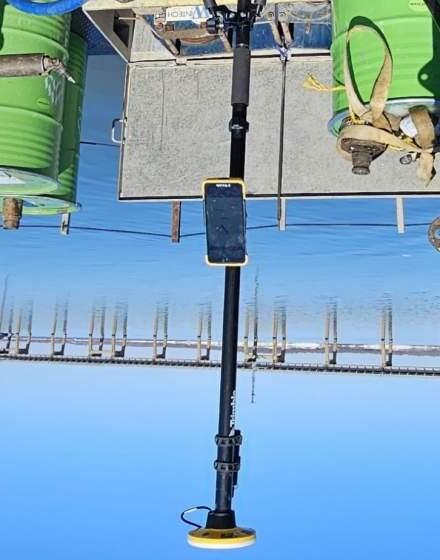
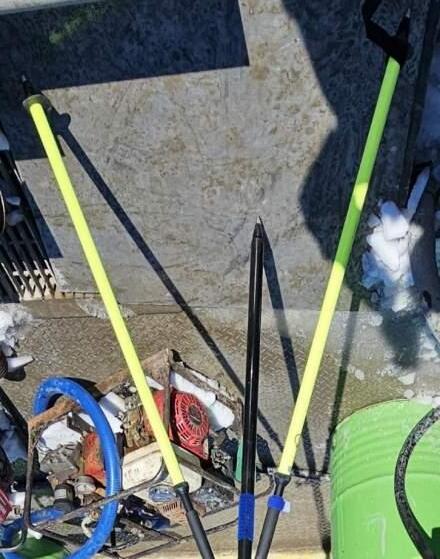
Figure Above: Trimble Catalyst DA2 equipment setup on barge with bipod attachment and magnetic mounting bracket for TDC6 Android with Trimble Access software.
Figure Below: TDC6 Android displaying results of ‘Stakeout’ feature after ‘measuring’ location relative to proposed boring coordinates. Only required input is the as-staked point name. Elevation of as-staked point displayed below name followed by the staked deltas or difference in distance from the proposed point in both the North/South and East/West directions.
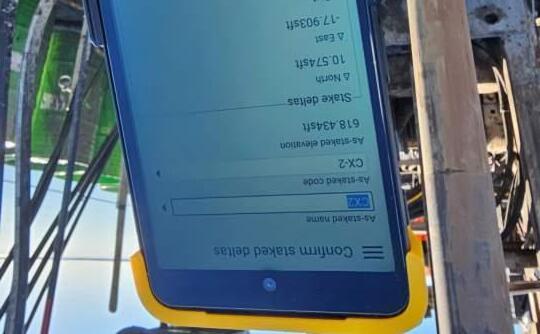
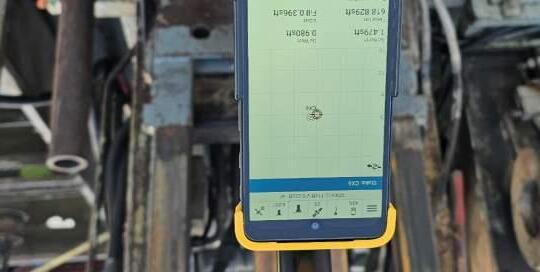
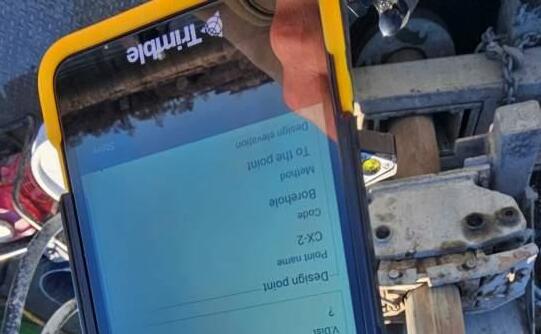
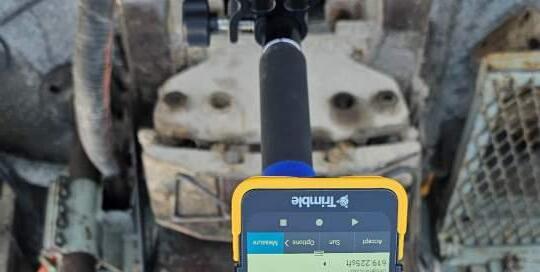
Figure Right: TDC6 Android ‘Stakeout’ feature being used to locate proposed boring point in Lake Texoma, Oklahoma. Central arrow indicating general direction and distance to point, with specific distance from point in both directions and current elevation displayed below.
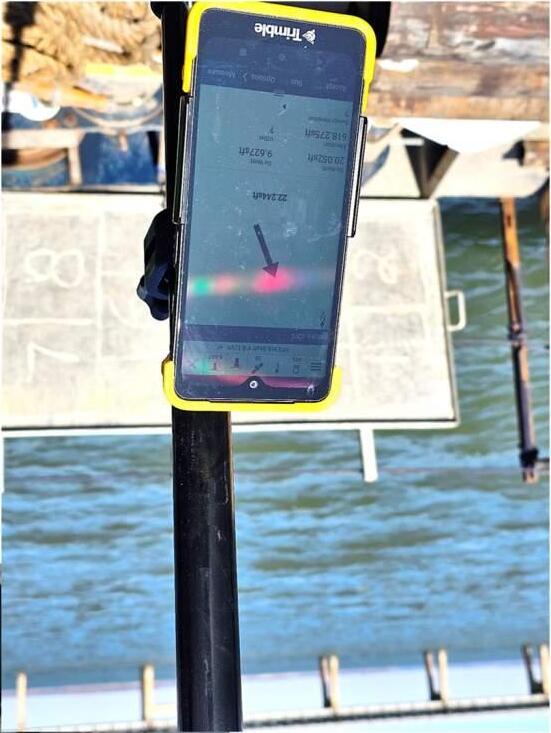
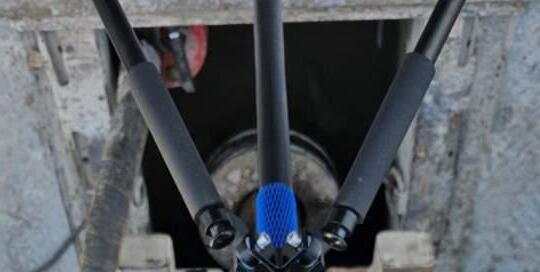
Figure Above: TDC6 Android ‘Stakeout’ feature displaying map view of proposed boring point relative to current location. Occurs when within approximately 2 feet of proposed point. ‘Measure’ in bottom right corner used to store coordinates and elevation data.


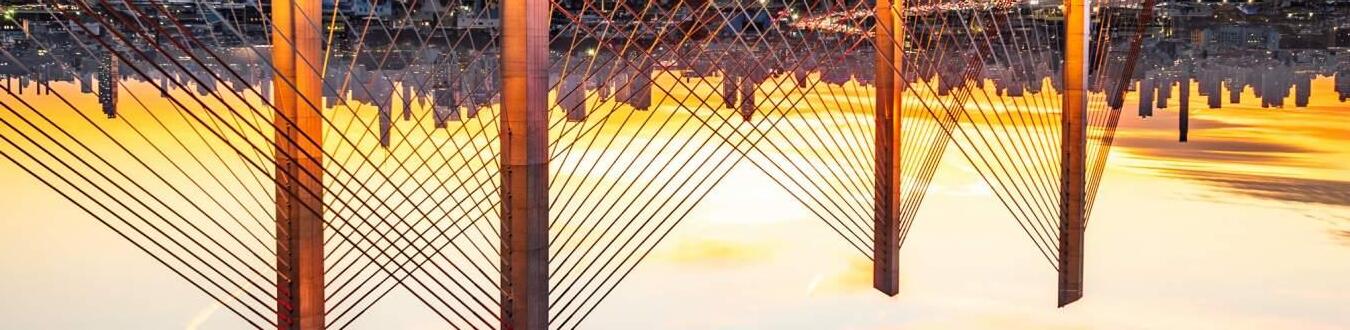
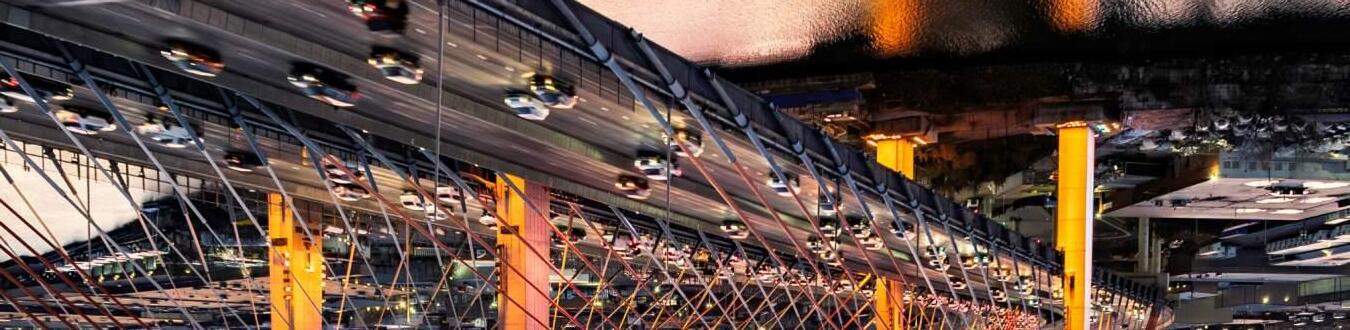
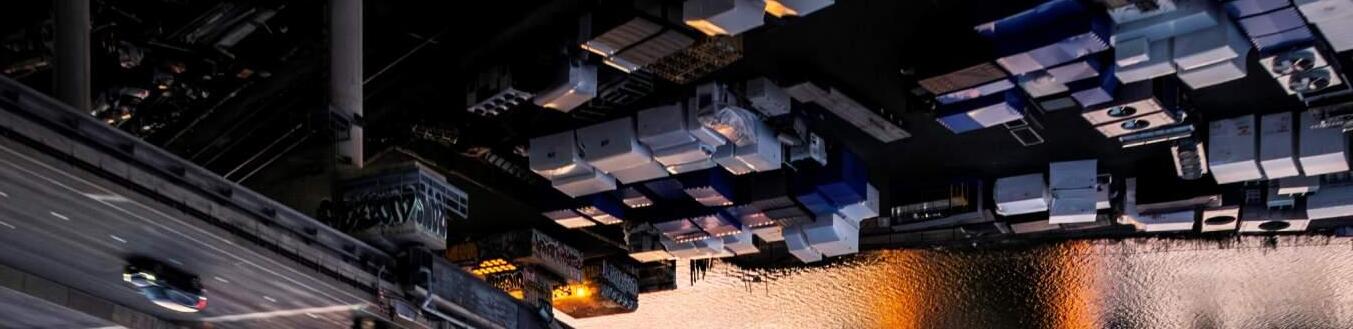

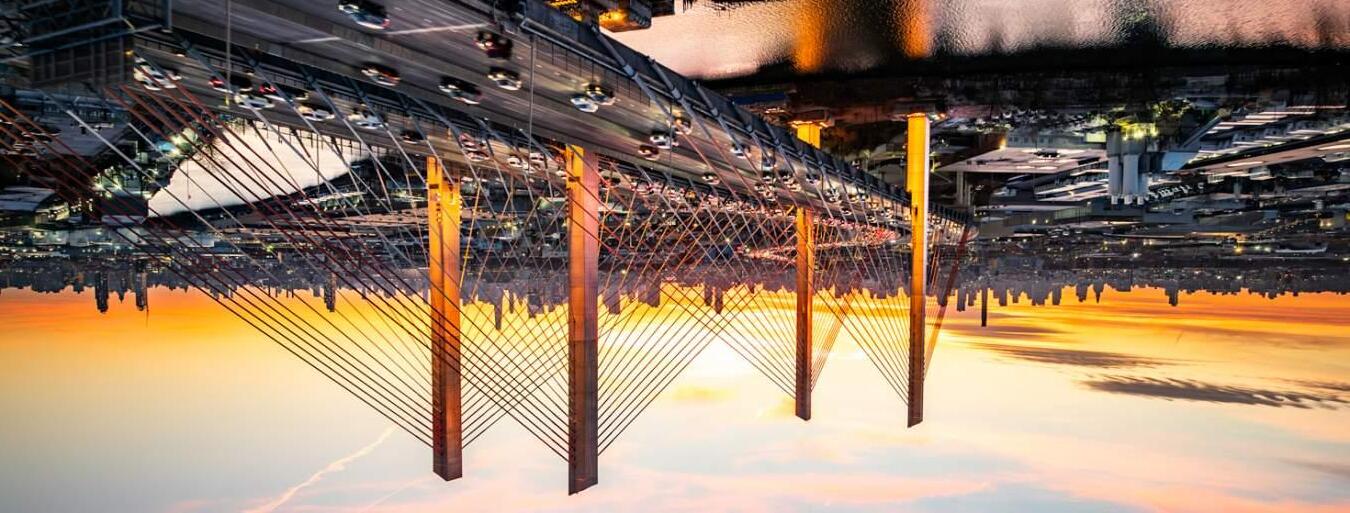
TheKosciuszkoBridgeisavitalpieceofinfrastructurein NewYorkCity'stransportationnetwork.Originallyknown astheMeekerAvenueBridge,thestructureopenedon August23,1939,carryingtheBrooklyn-QueensExpressway (BQE)overNewtownCreekandconnectingGreenpointin BrooklyntoMaspethinQueens.InJuly1940,thebridge wasrenamedinhonorofTadeuszKościuszko,aPolish-born militaryengineerwhoservedalongsidethePatriotsduring theAmericanRevolution.Therenamingwasagestureof solidaritywithPoland,whichhadbeenunderNaziGerman occupationfornearlyayear.Theoriginalsix-lanetruss bridgewasdesignedtohandle10,000vehiclesaday.Bythe 2010s,itwascarryingapproximately180,000vehiclesdaily andhadbecomestructurallydeficientandfunctionally obsolete.ThebridgewaswidelyregardedasoneofNew YorkCity'smostnotorioustrafficbottlenecks,withfour lanesineachdirectionmergingintothreeoverthecenter span,creatingachokepointthatgeneratedsevere congestionacrosssurroundingneighborhoodstreets.
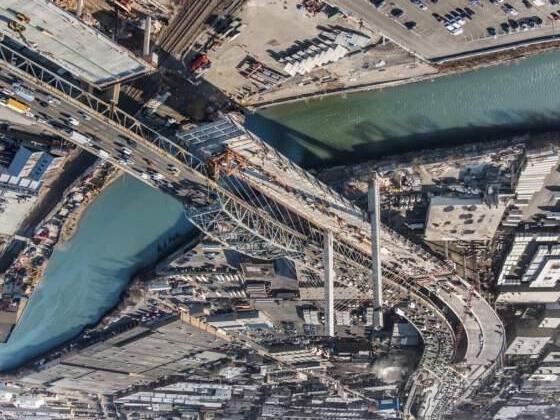
Skanska-Kiewit-ECCOIII(SKE)jointventure,thelargest singlecontracteverawardedbyNYSDOTandthefirst design-buildprojectprogressedbyNYSDOT'sNewYork RegionalOffice.HNTBservedastheleaddesigner.The scopecoveredreplacementofa1.1-milesegmentofthe BQEbetweenMorganAvenueinBrooklynandtheLong IslandExpressway(LIE)interchangeinQueens,includinga newcable-stayedmainspan,approachstructures,five connectorbridgesoverlocalstreets,highwayandlocal streetreconstruction,drainage,signage,pavement markings,trafficsignals,ITS,lighting,workzonetraffic control,streetscaping,landscaping,andutilityrelocation.
In2009,afteryearsofstakeholdermeetingsand engineeringstudies,theNewYorkStateDepartmentof Transportation(NYSDOT)announcedthattheKosciuszko Bridgewouldbereplaced.Theprojectsitepresented extraordinarychallenges.Locatedinadenselypopulated urbancorridor,theprojectspannedanavigablewaterway andsatatopcontaminatedgroundconditionswithinits footprint.Right-of-waywasseverelyconstrained,with limitedspaceforconstructionlaydowninthesurrounding neighborhoods.Extensiveutilityconflictsrequiredcareful relocationandavoidancestrategiestopreventschedule delays.TheBQEcarriesInterstate278traffic,morethan 160,000vehiclesperday,anduninterruptedtrafficflow hadtobemaintainedthroughoutconstruction,requiring coordinationwiththeNYCDOTOfficeofConstruction MitigationandCoordination(OCMC).Thecommunityalso hadstrongdesiresforthereplacement.Theoriginal bridge'ssidewalkshadbeenremovedinthemid-1960s whentheBQEwasconstructed,eliminatingpedestrianand bicycleaccessbetweentheboroughs.Residentswanted thatconnectivityrestored.Theyalsowantedcontextsensitivestreetscapeimprovementsandminimaldisruption tolocalbusinessesandneighborhoodsduringwhatwould beayears-longconstructioneffort.InMay2014,NYSDOT awardeda$555milliondesign-buildcontracttothe
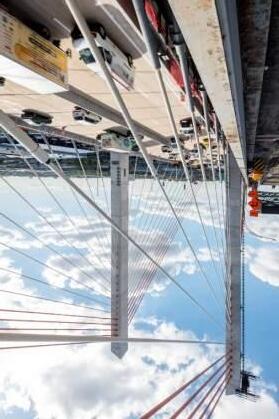
Fourbridgetypeswereconsideredforthemainspan:a cable-stayedbridge,athrougharch,aboxgirder,anda deckarch.Thecable-stayeddesignwasselectedaftera publicreviewprocess,makingtheKosciuszkoBridgethe firstvehicularcable-stayedbridgeinNewYorkCityandthe firstmajornewbridgeconstructedinthecitysincethe Verrazzano-NarrowsBridgewascompletedin1964.The newbridgewasdesignedfora100-yearservicelife, achievedthroughconcretemixdesign,concretecover, stainlesssteelreinforcement,andsteelcoatings.HNTB optimizedthehorizontalalignmenttoeliminatecurveson themainspan,reducingconstructioncostandsimplifying erection.TheverticalprofilewasloweredatNewtown Creek,whichimprovedtrafficsafety,reducedpierheights andlife-cyclecosts,andenhancedthevisualqualityofthe entirecorridor.Independentverticalpylonswere developedtosimplifyconstruction,reduceschedule,and enhanceaestheticappeal.Critically,positioningthecable staysawayfromtrafficminimizedtheriskoficefallingon vehiclesbelow.Solidconcretelowerpylonsinthemain spanincreasedbridgesecurityandthreatprotectionwhile reducinglong-termmaintenance.Mainspanpylonfootings wereconstructedabovegrade,analternativetechnical conceptthatminimizeddisturbanceofcontaminatedand hazardousmaterialsinthegroundbelow.
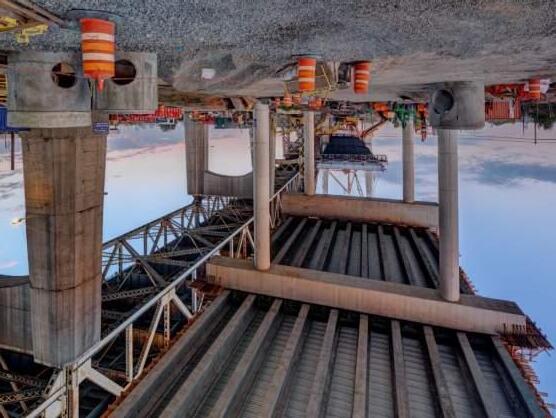
Attheapproachspans,HNTBusedchordedprestressed concretegirders,whichareseldomusedonmajorbridges inthefiveboroughs.Thisapproachsignificantlycut fabricationanderectiontime.Girderscouldbecastand deliveredtositewithin60days,requiringnofieldsplicing orfieldbolting.Optimizedgirderdepthandspacing resultedinanisotropicdeckdesignthatsignificantly reducedtheamountofstainlesssteelreinforcement required.Simpletwo-columnpierbentsusedthesamecap cross-section,columndiameter,andcolumnspacing throughout,varyingonlythecapoverhangsand accommodatingcolumnheightsfrom30to70feet.This allowedthesamereusableformworkateachpier, providingeconomyandsimplicityforsubstructureerection. Acontinuoussuperstructureeliminatedjointsinthe approachspans.HNTBdevelopedaschemeoftemporary "sandbearings"tosupportthegirdersuntilthecontinuity diaphragmanddeckwerepoured.Thecontinuity diaphragmswereconnectedtothepiercapwith continuousshearkeysandverticalstainlessdowels, allowingthegirderstorotate.ThisgaveNYSDOTajointless andbearinglessapproachstructure.Retainingwalls replacedportionsoftheMeekerAvenueViaductandthe BrooklynandQueensconnectors,reducinglong-term maintenanceandlife-cyclecosts.
MaintainingtrafficontheBQEwasparamount.HNTB developeda"replace-in-place"strategyfortheBrooklyn connectorspansthatallowedthecontractortomaintain threelanesoftheBQEineachdirectionatalltimeswithout atemporarybridge.Thissavedcostandschedule, minimizedimpactsoverlocalstreets,andavoided placementoftemporaryfoundationsinthecongested urbanenvironment.Aftercontractaward,thedesign-build teameliminatedtheoriginallyplannedtemporarytrestlein favorofworkinglaterallyalongtheexistingBQEviaduct. Thiswasamassiveandsophisticatedengineeringexercise involvingcomplexstaging,stagedstructuredesign,and workzonetrafficcontrolwithlivetrafficonbothexisting andnewconstruction.Morethan20workzonetraffic controlplanswereevaluatedtoensureminimaldisruption.
AtMorganAvenue,themostcomplexconnectortostage, workhadtoproceedin10-to20-foot-wideincrements, aboutonelaneatatime,incloseproximitytotheexisting structure.Acast-in-placedeckwasnotpractical,soHNTB developedadesignusingprecastdeckpanelswithultrahigh-performanceconcrete(UHPC)closurepourswithin hiddenpocketsoverthebeams.Integralandsemi-integral abutmentsattheconnectorseliminatedopenjointsand improveddurability.TheexistingBQEMeekerAvenue Viaductwasarigidframeinthetransversedirection,and theadjacentfillingoperationriskeddifferentialsettlement. Anycolumnmovementexceedinghalfaninchcould damagethepiersandpotentiallyshutdowntheBQE. HNTB'sgeotechnicalandstructuralteamsdevelopeda monitoringstrategyusingcolumnisolationcollars,fiberwrappedpiercaps,anddailysurveyingtotrackmovements inrealtime.Althoughloweralertthresholdswere exceededseveraltimes,theBQEwasnevershutdown duringtheoperation.
-HNTBDesignExcellenceAward(2016)
-ENRRegionalBestProjectAward(2017) -NYSSPENYChapterProjectoftheYear(2017) -ACECNewYorkDiamondAwardforEngineering Excellence(2018) Formoreinformationcontact:HansHutton
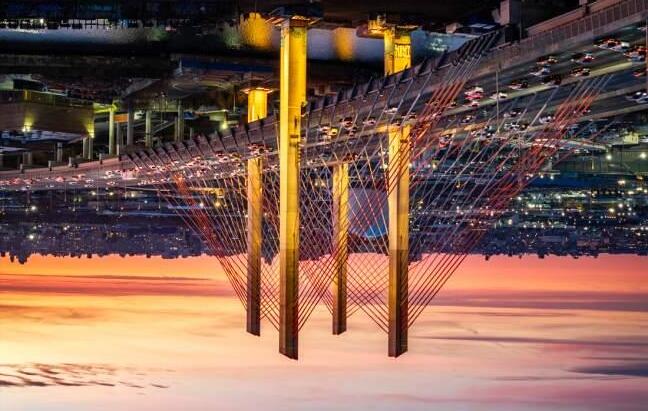




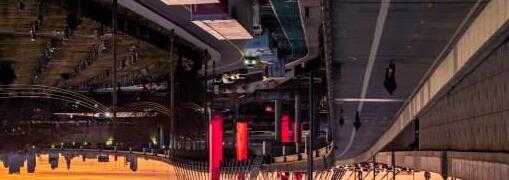


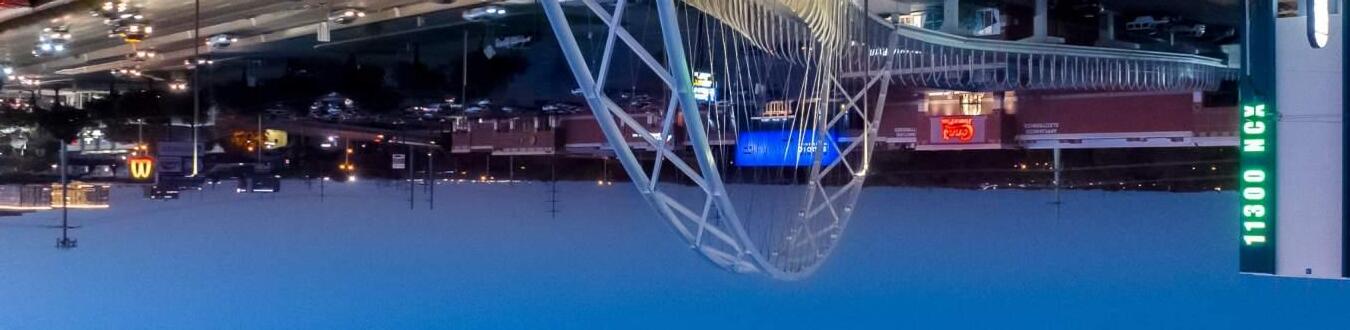
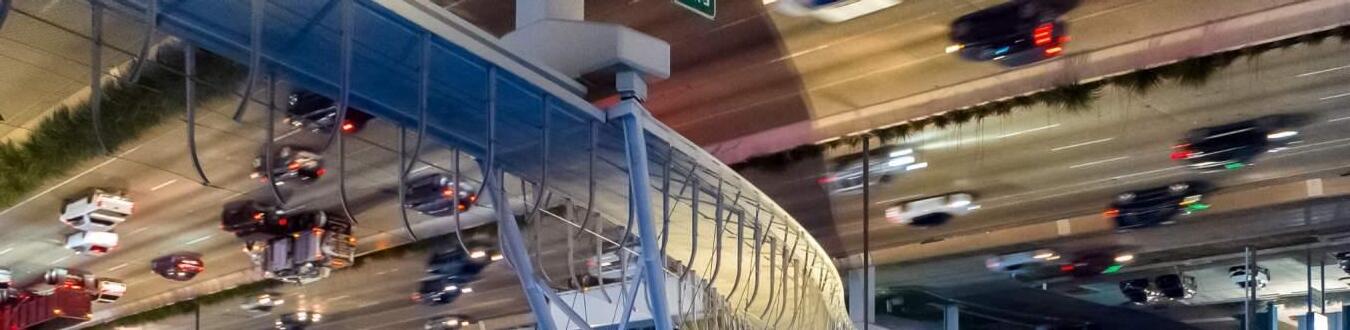
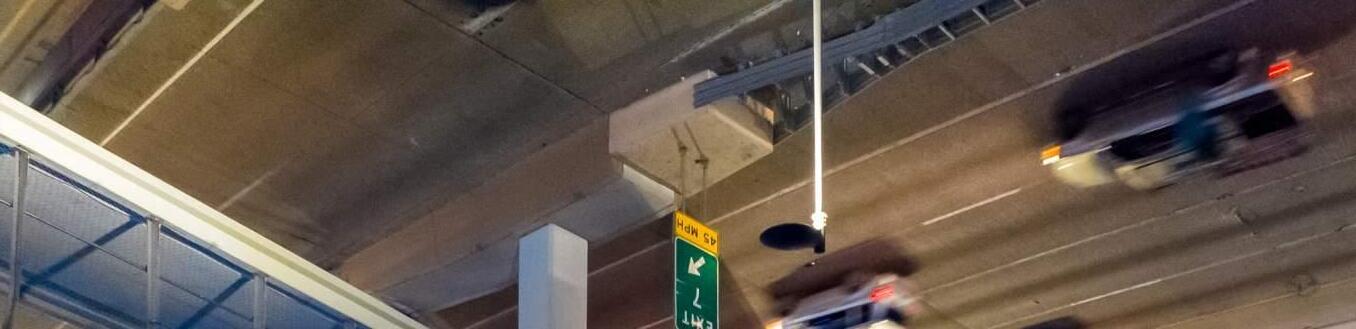
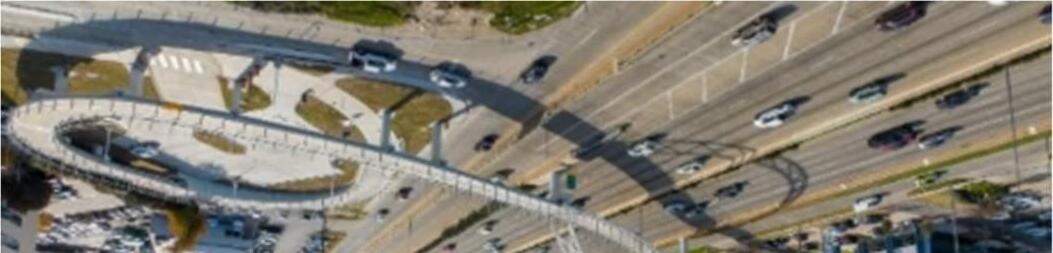
TheNorthavenTrailismanagedbytheCityof DallasParksandRecreationDepartmentandisa heavilyusedbikingandhikingcorridorinNorth Dallas.FormanyyearstheCitysoughttoextend iteastofU.S. 75connectingitwiththemany trailsontheeastsideofthehighway.Thisgoal wasfinallycompletedthroughtheconstruction ofapproximately0.48milesofnewtrailandtwo pedestrianbridges-oneoverWhiteRockCreek andasignaturebridgespanningU.S. 75.
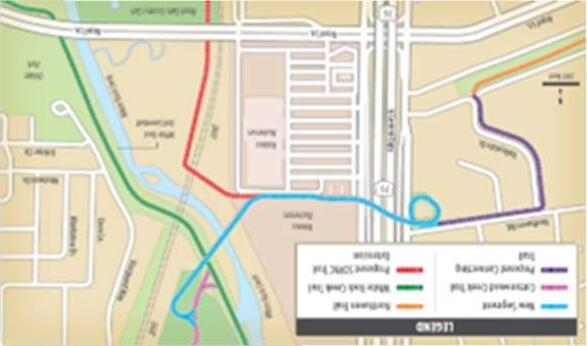
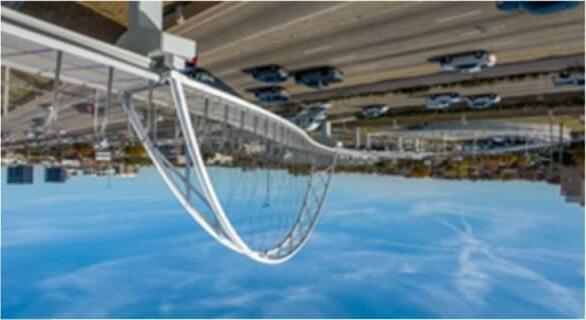
TheU.S. 75crossingisan862-foot-longstructure witha201-footnetworktied-archmainspan overthehighway’seightlanes,apeakarch heightof50feet,and64supporting cables.OpenedinNovember2023,thebridge providesasafe,highlyvisible,andwell-lit crossingwheremajortrailsonceterminatedat oneofTexas’sbusiesthighways,significantly expandingrecreationalopportunityandaccess toalternativetransportation.Theprojecthas beenrecognizedbytheTexasDepartmentof Transportationasaregionalexampleofthe positivebenefitsofappropriatelocationand designaestheticsforfuturebicycleand pedestriantrailsandamenities.
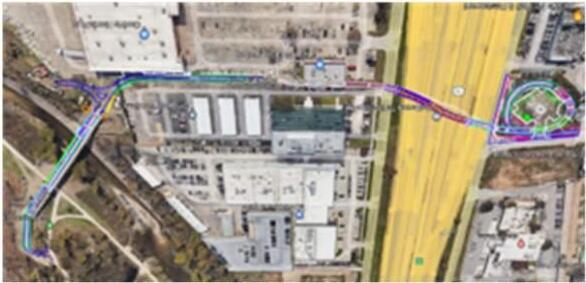
Outsideofthemainspan,NorthavenRoad wasmodifiedtoincludeatwo-wayseparated cycletrackthatwouldconnecttheexisting Northaventrailtothenewtrailapproach andpedestrianbridgeoverU.S.75.The newtrailwassupportedbyMSEwallsleadingto theU.S.75westapproachbridge,whichloops aroundanew21-carparkinglot.Theeast approachbridgewasdesignedtofitwithina narrow24-foot-widetraileasementbetween
adjacentretailandofficedevelopments,with portionscantileveredtoavoidimpactstothe existingparkinglot,beforecontinuingonMSE wallstograde.Aspartoftheoverallproject, HNTBalsodesigneda470-footpedestrianbridge overWhiteRockCreekconsistingofsevenspans usingstandardTxDOTgirders.Thiswasoneof thefinalpiecesneededtoconnectNorthaven trailtotheexistingtrailsystemeastofU.S.75.
TheNorthavenTrailBridge’ssignatureU.S.75 crossingisa201-ftnetworktiedarch distinguishedbyitsreverse“S”plangeometry, skewedends,andcrisscrossedcable configuration.Unlikeaconventionaltiedarch, wherethedeckortieisideallystraight,thisspan usesadoublycurvedtie/deckformedbytwo reversecirculararcscreatingan“S” shape.TheNorthavenTrailBridgeistheonly knownnetworktiedarchbridgeintheworld withadoublycurvedtie.
Thespan’scurvedgeometryisresolvedthrough redundantinternalloadpaths.Straight longitudinalpost-tensioningtendonsrunparallel tothechordoftheS-curve,creatingadirect pathforarchthrust,whileembedded floorbeams,tiegirders,andcompression diagonalsintheconcreteslabactlikeaninternal truss.Thelightweightstructural systemincludesW14x32arch ribs,weldedT-sectiontie girders,1-in.-diameter galvanizedbridge-strand cables,andan8-in.posttensionedconcretedeck carryinga12-ftpathwithina 14-ftclearwidth.
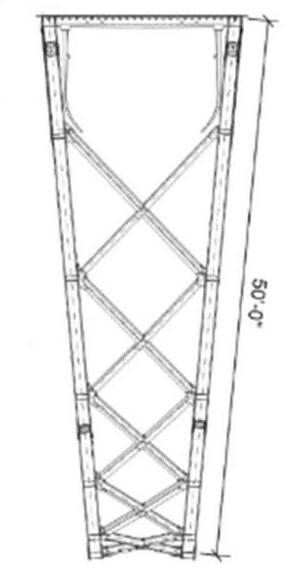
Thearchribsarearrangedina basket-handleconfiguration, andsupportedby64total crossingcables,32perside. Thenetworkcable layout,reminiscentofbicyclewheelspokes,createstrusslikebehaviorthatimproves
stiffness,redundancy,andloadsharingwhile reducingbendingdemandsinthearchribsand tiegirders.
Fun Fact: HNTB led the conceptual design, gathering and applying stakeholder feedback (including the desire for the structure to resemble a bicycle wheel) as early as 2016.
Oneofthemajorchallengeswiththe constructionofthemainspanwasthat thedisruptionstoU.S.75hadtobeminimal. ThisledtouseofABCtechniques.Themainspan (steelframe,deckandpedestrianfencing)was constructedoffsiteandthenmovedintoplacein twostages.
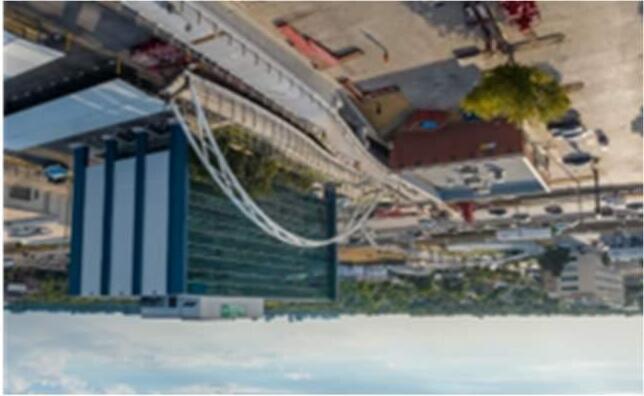
Duringthefirstmove,thecompletedspanwas liftedfromtemporaryshoringontoSPMTs.Using theSPMTsandwithoutanytemporary supports,thestructurewascarefullydrivenfrom theconstructionsitethroughseveraltightturns, anarrowgapbetweenexistingstructures,and acrossgradedifferentials,tothesideofU.S.75, whereitremainedovernight.TheSPMT subcontractor(Mammoet)suppliedtheSPMT equipmentanddidthetransportstability analysis.
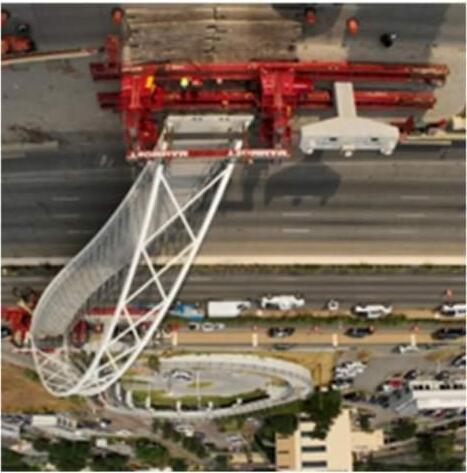
Duringthesecondovernightmove,U.S.75lanes wereindividuallyshutdownasthestructurewas movedfromthesideofU.S.75acrossthe frontageroadandmainlanes.Atalltimesduring themove,atleastonelaneofU.S.75trafficwas openineitherdirectionfortravelers.Oncein place,atracksystemwithgantrieswasused toliftthebridgefromtheSPMTs.Thegantries werethenrolledorslidlaterallytillthestructure
wasintherightpositionoverthepiers beforethespanwasloweredontoitsfinal bearings.Theoperationtookapproximately20 hoursandrequiredabout14hoursofmain-lane closures,withtrafficmaintainedonadjacent frontageroads.
HNTBledtheconstructionphaseservicesand stronglysupportedthecontractorindeveloping theerectionandtransportsolution,aswellas tuningeachofthecablestobeattheperfect tensionfortransportandrelease.
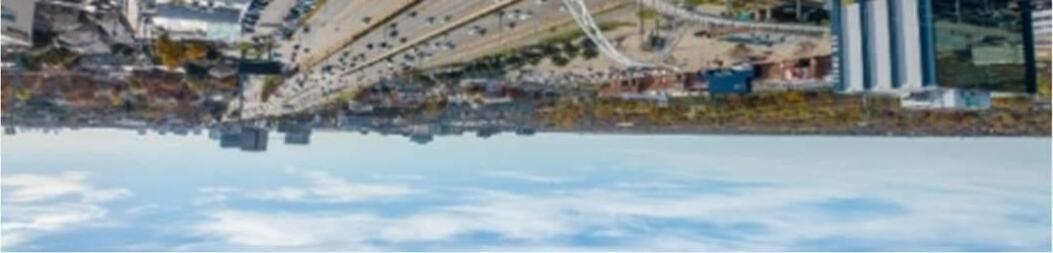
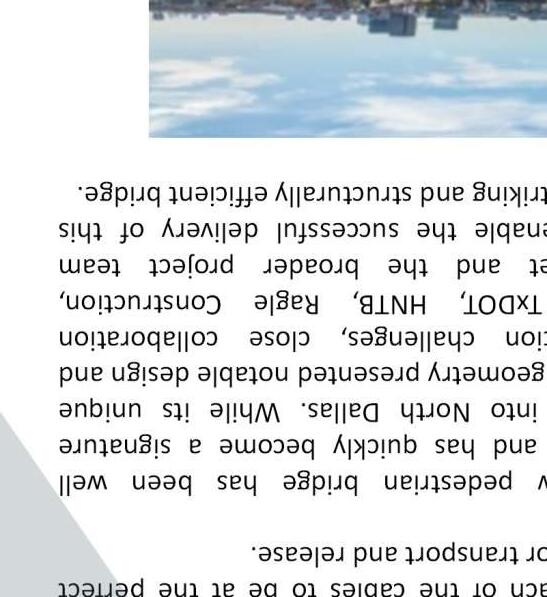
Thenewpedestrianbridgehasbeenwell receivedandhasquicklybecomeasignature gatewayintoNorthDallas.Whileitsunique archandgeometrypresentednotabledesignand constructionchallenges,closecollaboration amongTxDOT,HNTB,RagleConstruction, Mammoetandthebroaderprojectteam helpedenablethesuccessfuldeliveryofthis visuallystrikingandstructurallyefficientbridge.



Interview conducted by Nathan Greenfield (YBP Central States Co-Lead)
ScottRouxjoinedHNTBin2024asHNTB’sNationalBridge PracticeLeader,bringingnearly30yearsofindustry experience.ScottbeganhiscareeratAssociated EngineeringinBritishColumbia,workingonnumerous bridges,includingtheLionsGateBridgeandtheSecond NarrowsBridge.In2001,ScottmovedtotheU.S.toaccept apositionatCH2MHilltoworkontheMarquette InterchangeProject,an$800millionjointventureproject withHNTB.In2010,ScottjoinedBuckland&Taylor(now COWI)asVPU.S.Operations,wherehehelpedgrowB&T’s U.S.practicefrom1bridgeprofessionalto40overa5-year strategyperiod.FollowingCOWI’sacquisitionoftheDBE tunnelfirmJennyEngineering,Scottservedastheirinterim President&ManagingDirector.In2017,Scottbecamethe NationalBridgePracticeLeaderatMichaelBaker International,whereheledgrowthofbridge-related consultantcontractsfrom$64Mto$100M.
AttheconclusionofQ22026,Scottwillberetiringfrom HNTBandreturningtohishomeonVancouverIslandin BritishColumbiaaftermorethan30yearsofimpactful industryexperience.
You’vebeeninvolvedinalotofinterestingprojectsover theyears.Doyouhaveafavorite?
Myfavoriteprojectoverallisironicallynotabridgeproject –itwastheOculusmulti-modaltransithubatGroundZero inNYC,whereIwasConstructionEngineerofRecord.COWI waserectionengineerforSkanskaontheproject,designed byrenownedSpanisharchitectSantiagoCalatrava.Ioften tellpeopleitwaslikebuildingaSwisswatchona trampolinebecauseoftheextremelytighttoleranceson steelelementsfabricatedbyCimolaiinItalyandassembled on-siteonarelativelyflexiblefoundation.
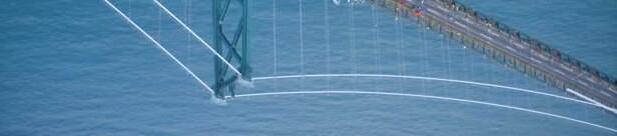
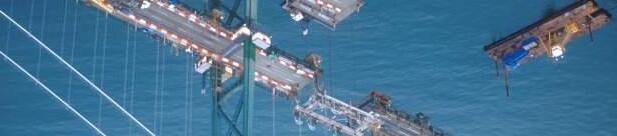
Myfavoritebridgeproject,whichoccurredearlyoninmy career,isprobablytheLionsGateBridge,simplybecauseit wasamazingtobepartofsomethingthathadneverbeen donebefore–completedeckreplacementofanexisting suspensionbridgedeck.
WhatwouldyousayhasbeenHNTB’sbiggestkeyto success?Doyouseethatbeingequallyimportantinthe futureastheindustrycontinuestoevolve?
IthinkHNTB’sbiggestkeytosuccesscontinuestobethe company’srelentlesspursuitofdiscoveryonprojectsand withtheclient.Itisahugedifferentiatorinourindustry. I alsoadmirethatthecompanyiswillingtoinvestheavilyin supportingimportantpursuitsonceacarefullyconsidered Godecisionismade.Allofthis,ofcourse,isunderpinnedby technicalexcellenceand4-for-4delivery,whichisthe foundationnecessaryforcontinuedsuccess.
Ialsostronglybelieveintheimportanceofbeing collaborative–ittakesdeliberatefocusandgreat communicationtospanacrosspotentialsilosthatcan naturallyformbetweenoffices,divisions,andregions,and thatiscertainlysomethingI’vetriedtostrengthenfor HNTB’sNationalBridgePractice.

Ifyouhadtoidentifyoneturningpointinyourcareer, whatwouldthatbe?
Icanactuallythinkofacoupleofmajorturningpoints… First,obtainingmyP.E.intheU.S.whileIwasapracticing engineerinCanadawascriticaltomycareerpath,and allowedmetoventureintoMilwaukee,WItoworkonone ofthelargestinfrastructureprojectsinthecountryatthe time(TheMarquetteInterchangeProject).Secondly, obtainingmyMBAgavemeabroaderunderstandingofthe businesssideofthebusinessandenabledmetohavethe knowledgeandaptitudetoberecruitedfortheVPU.S. OperationsjobatBuckland&Taylor(nowCOWI).
AsidefromA.I.,arethereanychangesthatyou see/predictmovingforwardthatthenextgenerationwill havetoadjustto?
WhileA.I.isalreadystartingtoimpactourprofession,I thinkengineersthathaveastrongtechnicalbackground, coupledwithaboveaveragecommunicationskillswill continuetothrive.MostofthebigmistakesI’veseenover theyearscanbetracedbacktopoorcommunications betweencompanyandclient,orbetweenteammembers (whetherwithinthesamedisciplineoracrossdisciplines).It isalsohelpfultobeabletoarticulateverycomplicated conceptstopeoplewithlessunderstandingofthe complexitiesinawaythattheycandigestandunderstand.


IsthereanHNTBLeadershipCharacteristicthatyou believeisthemostunderrated?
IthinkbeingPositiveandProactivearekeyHNTB LeadershipCharacteristicsthataresometimesunderrated. I’vealwaysbeenaglasshalf-fullkindofperson(and probablyhavemymomtothankforthat)andIthinkit helpswhenyou’retryingtoencourageandmotivatelarge teamstomoveinaunifieddirection.Itisrelativelyeasyto beadoubter,butmuchmoredifficultattimestobea personthathasagreatcan-doattitudeandhelpsgetthings doneinanintentional,proactivemanner.

Whatadvicedoyouhaveforthoseat2-10yrsof experience?
Iamoftenaskedbylessexperiencedengineerswhatadvice Iwouldgive,andIalwaystrytoencouragepeopleto embracenewchallengesthatmaybeinitiallyoutsidetheir comfortzone.Theonlyconstantinourbusinessischange, soit’simportantthatwegetcomfortablewithbeing uncomfortable–that’swheretherealgrowthhappens!
Whatareyourretirementplans?Istheresomethingyou arelookingforwardtomost?
Mywifehasbeenretiredsince2020,soIhavesome catchinguptodo!We’llundoubtedlytravelmore,both withinNorthAmericaandabroad.I’mlookingforwardto wakingupwhenit’slightoutside,asopposedtothejarring soundofanalarmclockat5or6am,andmynewdress codeofshortsandat-shirt.
IboughtapinballmachinewhichI’mlookingforwardto breakingin,andIthinkImayeveninvestinaproper outdoorpizzaovenandlearntomakesomehomemade pizza.Lastly,I’mlookingforwardtobeingneartheocean again,withabundantopportunitiesforswimmingandgolf, andwillcontinuetobeanavidfanofNHLhockey,NFL football,andPGAgolfontv!
Arethereanypartingthoughtsyou’dliketosharewith theNationalBridgePractice?
HNTBissetupforsuccessandhassomanygreatthingsto lookforwardto–especiallyinthebridgepractice.Thefirm iswell-positionedtowinboththeBlatnikBridgeinDuluth, MNandtheI-15SLCtoFarmingtonDesignBuildprojects,as wellasthenewFrancisScottKeyBridgeprojectin Baltimore,MD.
TheNationalBridgePracticehasnevercollaboratedand cooperatedmorethanitiscurrently,andIhopethat continuestoimproveevenmore.Theprojectsare becomingsolargeandcomplexthatworkingacrossoffices, divisions,andregionsispracticallyimperative.Iamproud oftheworkwedidoverthepastcoupleofyearstoadvance theNBPSharepointsite,andtheintroductionoftheNBP quarterlynewsletter.Bothofthoseeffortswereintentional toincreasecohesivenessacrossthebridgepracticeandto strivetowardsUnityofPurpose–Iamhopeful,and confident,thatworkwillcontinue,andIlookforwardto hearingaboutHNTBselectionsforprojectsImentioned above!
HelpingleadHNTB’sNationalBridgePracticehasbeenthe honorofalifetimeforme,andI’mverygratefulforthe experienceofworkingwithmanypeoplemuchsmarter thanmeonadailybasis…continuetodogreatthingsHNTB!
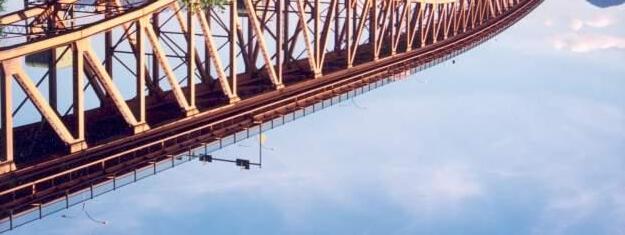
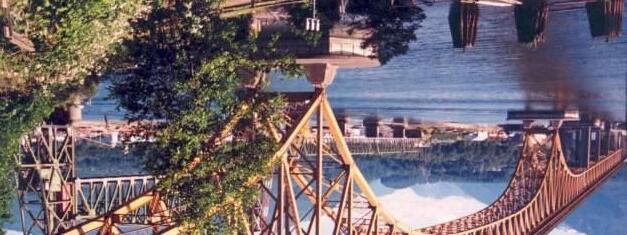
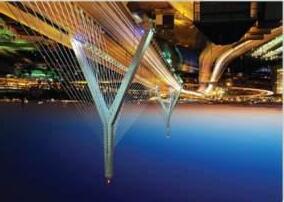

Beforeasinglecalculationismade,beforeasectionis chosenorasiteinvestigated,thereisapriorquestionthat determineswhethergoodengineeringisevenpossible: whoisdoingit,andhowweretheyselected?
ElmerK.TimbyspenthisformativecareeratPrinceton University,whereintheearly1930sheworkedalongside ProfessorGeorgeBeggs,thepioneerofexperimental structuralmechanicswhobuiltprecisecelluloidscale modelstoanalyzestructuresthatdefiedclosed-form analysis.Together,BeggsandTimbytestedalarge-scale modeloftheproposedGoldenGateBridgetowers,giving theengineeringcommunitytheexperimentalvalidationit neededtotrustthatJosephStrauss'ssoaringdesignwas structurallysound.Itwaspatient,rigorous,foundational work—thekindthatdoesnotannounceitself.
TimbyeventuallyrosetochairPrinceton'sDepartmentof CivilEngineering,thenin1949madetheunusualmoveof leavinganendowedacademicpositiontojoinHoward NeedlesTammen&Bergendoffasapartner.Hebroughtto practicewhathehadspenttwodecadesperfectingin research:analyticalrigorappliedtorealstructuresforthe publicgood.HearrivedinaNewYorkofficeonthecuspof thegreatpostwarinfrastructureexpansion,wherehis presencehelpedsetastandardofstructuralseriousness thatshapedagenerationofengineers.
Laterinhiscareer,Timbyturnedhisattentiontoaquestion thatmightseemadministrativebutisinfactdeeply consequential:howdoesthepublicselecttheengineers whodesignitsinfrastructure?Aschairmanofthe professionalsocieties'jointCommitteeonFederal ProcurementofA/EServices,hebecameoneofthemost effectivevoicesagainstadangerousexperimentthen underway—aDepartmentofDefenseproposalto introducepricecompetitionintotheselectionof engineeringfirmsforfederalwork. Hisargumentwasprecise.Pricecompetition,hewrote, "doesnotprovideamethodofpermittingtotallyobjective evaluationofresults"andfailstomeet"normsforaperiod sufficienttoprovideconclusivefindings."Morepointedly:
"emphasisuponqualificationsandcompetenceinthe relativelyinexpensivedesignstageisessentialtoinsure economyinthemuchmorecostlyconstructionand operationstages."Engineeringfeesarearoundingerror againstthelifetimecostofastructure.Theriskof cheapeningthemfallsentirelyonthepublic.
TheBrooksActof1972vindicatedthispositioninfederal law,requiringthatpublicagenciesselectengineeringand architecturefirmson"competency,qualifications,and experience"—andonlythennegotiateafairfee.The sequencematters:qualificationfirst,pricesecond.Design feesrepresentafractionofonepercentofastructure's lifetimecost,butthequalityofthosedecisionsripples forwardthrougheverydecadeofconstruction, maintenance,andservice.Optimizingforthecheapest designproducesthemostexpensiveinfrastructure.
Timbyunderstoodthattheintegrityofabridgebeginsnot atthedrawingboardbutatthemomentofselection.A procurementprocessthattreatsengineeringjudgmentasa commodityproducescommodityengineering.Whatyou choosetomeasureiswhatyouwillreceive.
Thatlessonwashard-wonandisworth defending.ThepressureTimbyfought hasneverdisappeared—itsimply changesshape.Todayitarrivesas reverseauctions,inwhichengineering firmsbidagainsteachotherinreal timetodrivefeesdowntothelowest acceptablenumber,andas procurementworkaroundsthatroute engineeringservicesthroughpricecompetitiveschedulesdressedupin thelanguageofefficiencyandmarket discipline.Theargumentagainstit remainsexactlywhatTimbysaid:the designstageistheleastexpensive placetoinvestinquality,andthemost consequential.
Warm Regards, Z.



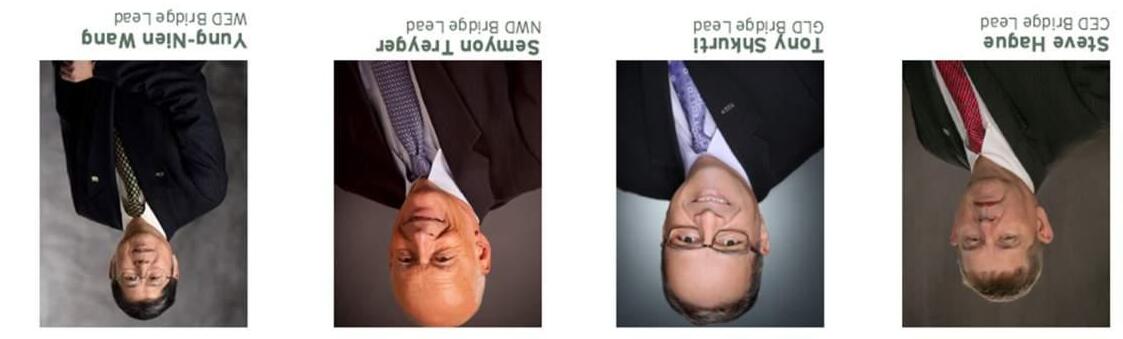



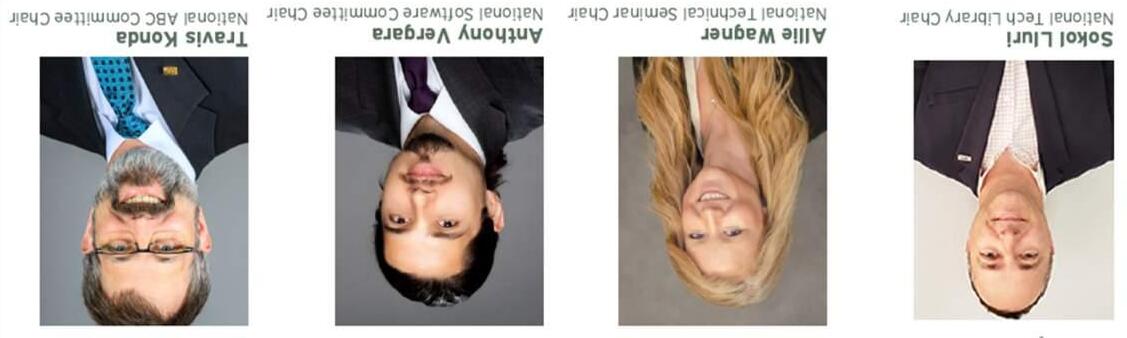


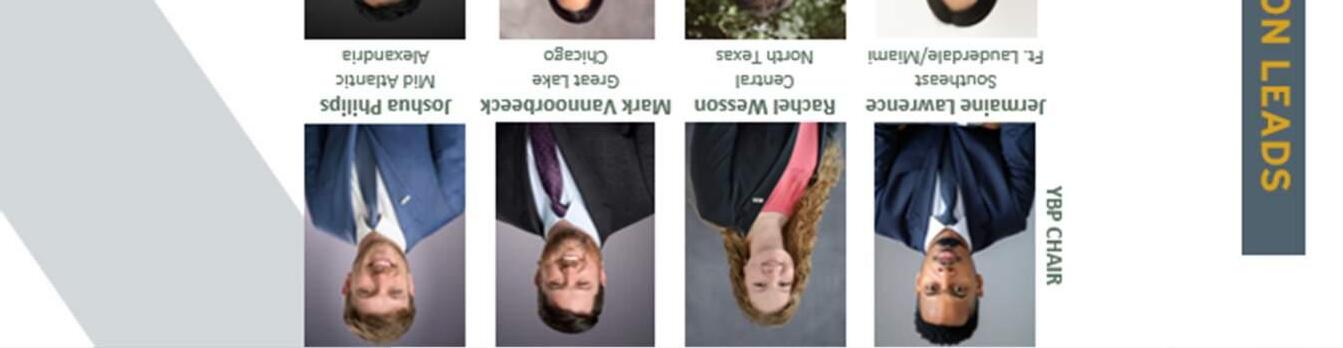



Please join us in congratulating and welcoming your colleagues!
Chris Myers (OVP)
Natalie McCombs (KCO)
Dan Enser (MIN)
George Vaso (TMA)
Lawrence Rolwes (ALX)
25 20 15 10 5
Jason Schade (IND)
Peter Rogas (TMA)
Patrick Duffy (BAT)
Matthew Bricker (NRT)
Brandon Alston (RAL)
Nalin Naranjo (CHI)
Lyubov Kingsbury (IRV)
Murat Hamutcuoglu (NY)
Kalpesh Parikh (KOP)
Dante Guzzi (POR)
David Budzik (CHI)
Michael Smith (MIN)
Zachary Reineke (RAL)
Mary Peck (KCO)
Michelle Browning (NTX)
Heather Anders (MIL)
David Mykulak (FFL)
Collin Carter (IND)
Juan Sebastian Alfonso (FFL)
Mark Vannoorbeeck (CHI)
Lionel Waters (CHA)
Peter Wang (NY)
Asif Iqbal (ATL)
Kyra Fales (Indianapolis, IN) passed the PE Exam
Nathan Greenfield (Overland Park, KS) passed the PE Exam
Allie Kulich (Boston, MA) passed the PE Exam
Gabby Maggio (Parsippany, NJ) passed the PE exam
Angelique Hernandex (Boston, MA) passed the PE Exam
Jansen Bundridge (Kansas City, MO) received his Missouri PE License
Adam Baker (Kansas City, MO) received his Oklahoma PE License
John Rodrick (Indianapolis, IN) received an MBA from Butler University
Catherine Lopez (Chicago, IL) received a MS from University of Illinois Chicago
Juan Alfonso (Parsippany, NJ) is the ACEC NJ Young Professional of the Year
Parth Rana & Jake Guido (Parsippany, NJ) participated in several K-12 events, including: Mt. View School Family STEM Night, Engineers Week at Liberty Science Center, Jersey City Charter School Micro Society Night, Parsippany High School STEM Night
Pete Moser (Lexington, MA) was selected to present at AASHTO COBS on Seismic Design
Jansen Bundridge (Kansas City, MO) was accepted to AREMA Technical Committee 10
The New Road Contract 2 (New Jersey) received the ASCE NJ Project of the Year (Large)
Dale Bartholomey ( 4 20 ) – Senior Technical Advisor (Kansas City, MO)
Adrian Lusk ( 5 19 ) - Senior Technical Advisor (Scott Depot, WV [Charleston])
Sri Kotha ( 6 1 ) - Senior Technical Advisor (Salt Lake City 2)
Sarah Christopher ( 5 9 ) – Engineer I (Baton Rouge, LA)
Mario Perez ( 5.18 ) – Engineer I (New York, NY)
Giacomo Loiacono ( 5.26 ) – Engineer I (New York, NY)
Alejandro Monge ( 6.1 ) – Engineer 1 (Kansas City, MO)
Ryan Highfill ( 6.1 ) – Engineer 1 (Kansas City, MO)
Kayra Gok ( 6.1 ) – Engineer I (Princeton, NJ)
Dylan Nutting ( 6.8 ) – Engineer I (South Portland, ME [Portland])
LandonBerry(KansasCity,MO)
PiperDickson(KansasCity,MO)
GraceWilliams(St.Louis,MO)
CarlaHolmes(St.Louis,MO)
HaleyCross(OklahomaCity,OK)
CadenBreier(DesMoines,IA)
LukeBrewer(Indianapolis,IN)
ParkerMinter(Plano,TX)
TomoyaTanaka(Plano,TX)
DevinaSharmaPathak(Houston,TX)
AugustusMondragon(BatonRouge,LA)
MaxPolster(BatonRouge,LA)
JoscelineGandy(Indianapolis,IN)
JessicaNewsom(Indianapolis,IN)
ZhenWagner-Henry(Chicago,IL)
KarliLoDuca(Chicago,IL)
DavidChan(Chicago,IL)
TaylorStenzel(EastLansing,MI)
AmyCochrane(EastLansing,MI)
EbahiOmoijuanfo(Cleveland,OH)
JamesWolf(Cleveland,OH)
ChaseRyan(Minneapolis,MN)
TylerPeros(ScottDepot,WV)
PhilipRogers(ScottDepot,WV)
EdenMiller(ScottDepot,WV)
ChristianHower(Philadelphia,PA)
AbigailBaines(Philadelphia,PA)
NathanHaase(Parsippany,NJ)
MaryGillen(Parsippany,NJ)
MatthewRowe(Bedford,NH)
EmiliaWypasek(RockyHill,CT)
RobertoPuente(Miami,FL)
CarolinadelaNuez(Miami,FL)
OzzielDiaz(SantaAna,CA)
SofiaDaloia(Raleigh,NC)
EmmaRaeScheidler(Harrisburg,PA)
AmareahBead(Arlington,VA)
EyobHaile(Arlington,VA)
JonahLevie(Boston,MA)
LucasRassias(Boston,MA)
EverettMosher(Boston,MA)
SebastianSanchez-Parra(LakeMary,FL)
ChristopherLynn(Bellevue,WA)


Belowisasummaryofkeybridge-relatedjobrequisitionsat HNTB.Pleasenotethatthesedo notrepresentALLofthecurrentbridgeopenings–therearemanymoreacrossthecompany!
QUARTER 2 - 2026
Design-Build for Transportation/Aviation Conference (DBIA)
April 15-17 | Grapevine, TX
NASCC: The Steel Conference
April 22-24 | Atlanta, GA
ASCE Structures Congress
April 29 –May 1 | Boston, MA
WTS International Conference
May 6-8 | Los Angeles, CA
NSBA Spring Collaboration Meeting
May 12-14 | Salt Lake City, UT
International Bridge Conference (IBC)
June 15-17 | National Harbor, MD
AASHTO COBS Meeting
June 26 –July 2 | Charlotte, NC
HNTB National Bridge Practice Meeting
June/July | Charlotte, NC
QUARTER 3 - 2026
2026 AASHTOWare RADBUG Annual Meeting
August 18-20 | Columbus, OH
International Cable Supported Bridge Operators Conference (ICSBOC)
September 13-17 | Malmo, Sweden
AREMA 2026 Annual Conference & Expo
September 13-16 | Kansas City, MO
QUARTER 4 - 2026
NE & Midwest Bridge Preservation Partnership Meeting
October 13-15 | Chicago, IL
NSBA Fall Collaboration Meeting
October 20-22 | TBD
2026 Design-Build Conference & Expo
November 4 | Cleveland, OH
Biennial Heavy Moveable Structures Symposium
November 2-5 | Tampa, FL
ASBI 2026 Annual Convention November 9-11 | San Antonia, TX
2026 World Bridge Engineering Conference
December 1-2 | Miami, FL
Design-Build for Transportation/Aviation Conference (DBIA)
April 15-17 | Grapevine, TX
Minnesota Transportation Conference March 19, 2026

Rapid Rural Modular Bridge Solution -Walker Road
Piney Run
Larry Rolwes (ALX) & Travis Konda (LNS)

NASCC: The Steel Bridge Conference April 22-24, 2026

Software and the Bridge Engineer: Complications and Advancements
Natalie McCombs (Kansas City)
Arch Allies: Contrasting Forms, Unified Function
Guy Decorges(New York)

WTS International Conference

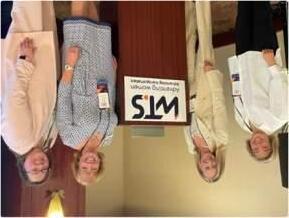
Detour Ahead: Finding the Way to a Career in Transportation and the Road to Leadership
Gina Horner (Overland Park) –Moderator
HNTB Panelist Michelle Dippel (West region President)
May 5-7, 2026
Biennial Heavy Moveable Structures Symposium November 2-5, 2026
Dan Millman (New York -Presenter) & Peter Wang (New York –Paper co-author)


International Bridge Conference (IBC) June 15-17, 2026
Improving Safety in One Weekend: The River Road Railroad Bridge Replacement Project
Jack Cardinal (Philadelphia)


Standardizing Speed –Modular TPGs for Rapid Span Replacement
Jansen Bundridge (Kansas City)
The Buck O’Neil Bridge –Spanning the Missouri River with Kansas City’s Newest Urban Interchange
Michael Briggs (Kansas City) & Allie Wagner (Overland Park)





Fort Henry Bridge load rating in WV
Josh Phillips, Larry Rolwes, & Ryan Rapp (ALX)
Reconstruction of Pulaski Skyway Truss at Pier 98
Gregory Ricks & Sean Healy (New Jersey)


Q2 2026
Thankyoufortakingthetimetoreadthe NationalBridgePracticeNewsletter.We hopethishelpedyoutogainabetter understandingandappreciationforall thingsbridge-relatedatHNTB,andtolearn moreaboutwhatHNTB’sbridgepractice hasaccomplishedrecently.

AreyoufollowingourHNTBLinkedInaccount?
Checkusoutat www.linkedin.com/company/hntb and www.linkedin.com/in/scottroux
Allie Wagner (Project Manager) assembled the National Bridge Practice Newsletter, with information provided by Division Bridge Leads and representatives from the Young Bridge Professional Group.
Please don’t hesitate to share information that you would like to see featured. Your feedback is highly valued to ensure this newsletter is one that you look forward to every quarter!
Questions, comments, or suggestions regarding this newsletter can be sent to: alwagner@hntb.com