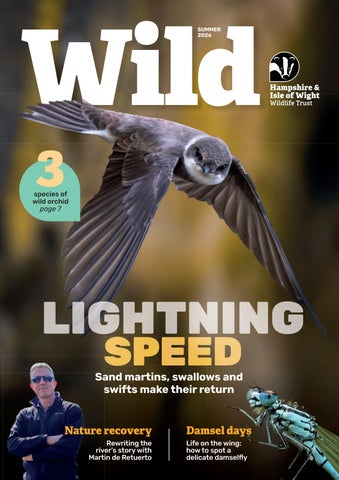

Wild



3 species of wild orchid page 7


LIGHTNING SPEED












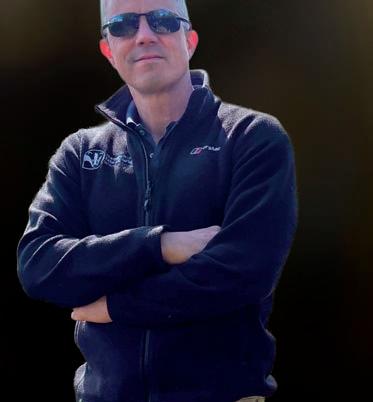

Rewriting the river’s story with Martin de Retuerto

Sand martins, swallows and swifts make their return


















Life on the wing: how to spot a delicate damselfly Damsel days with Retuerto Nature recovery



















Welcome to the summer edition of Wild, bringing you the wildlife stories you love alongside the projects and people driving real change for nature.
Sara Mills, Editor
Timing shapes everything in nature
A NARROW SEASONAL WINDOW can determine the success of an entire year, from orchids rising in early summer to the brief emergence of chalkhill blue bu erfl ies, and the arrival of swi s that travel thousands of miles to nest here for just a few weeks.
Nature runs on precise rhythms: moments that ma er, whether they’re seized or missed. Increasingly, the same is true for us.
Across Hampshire and the Solent, the decisions being made now about land, sea and rivers will shape the future of our landscapes for decades to come.
Places like the Solent’s coastline show just how fi nely balanced things are: both vital for people and rich in wildlife, yet increasingly under pressure. What happens next will depend on the choices we make today. See page 16 for more on this.
Back on our reserves, that same sense of timing shapes conservation. Acting early enough to make a difference, while thinking far enough ahead to allow nature to recover. From securing new land in the Meon Valley ( page 18) to caring for habitats day to day ( page 24), this work builds steadily over time.
It’s only possible because of you. Your support gives the Trust the confidence to act at the right moments and to keep going when change takes time.
And that’s what recovery so o en comes down to – being ready, at the right moment, and staying the course.
4 Wild summer
Meet the vibrant chalkhill blue – a fleeting summer butterfly that steals the show.
14 Wild action: Team Wilder
How communities are pulling together and taking strides towards a wilder, more thriving and greener future.

9 Beavers at Blashford
A hopeful sign for rivers, wetlands and wildlife.
22 Swi skies
They’re back! A handy guide to swifts, swallows and sand martins.
24 Managed moments
From grazing to wetland work, see how thoughtful management at the right time helps nature thrive.


16 A word with our CEO
A reflection on shifting the narrative by Debbie Tann MBE, Hampshire & Isle of Wight Wildlife Trust Chief Executive.
17 Spot the di erence
Can you tell native hornets from invasive Asian hornets? Learn the key features and how to report them.
30 Wild people
Your space to send us your stories and photos of wildlife, plus a celebration of support from our wider network.
31 e wild according to Directory of Nature Recovery, Martin De Retuerto, reflects on restoring chalk streams, raising ambition and change.


WELCOME

We’d love to hear from you, whether sharing your thoughts on the magazine or your adventures in nature in Hampshire and the Isle of Wight. Get in touch

Hampshire & Isle of Wight Wildlife Trust @hantsiwwildlife
@hampshireandisleofwightwildlifetrust @hampshire&isleofwightwildlifetrust hiwwt.org.uk editor@hiwwt.org.uk 01489 774400
Hampshire & Isle of Wight Wildlife Trust, Beechcroft House, Vicarage Lane, Curdridge, Southampton SO32 2DP.





Editor: Sara Mills
Contributors: Chris Fairhead, Kate Garnham, Jack Norris, Olivia Henderson, Tom Selby, Susan Simmonds, Deborah Whitfield, Chris Challis and Helen Skelton-Smith
Design: Keely Docherty-Lee
Contact the editorial team: editor@hiwwt.org.uk








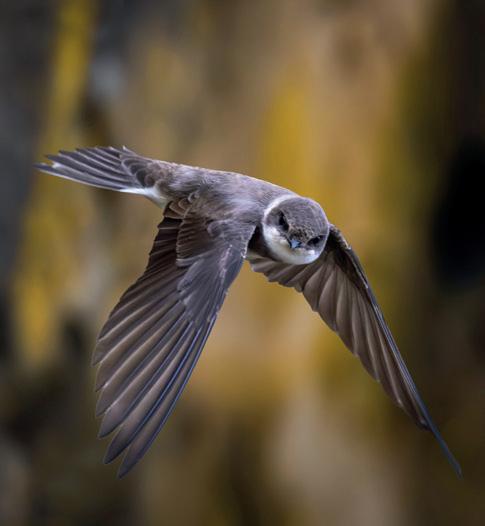







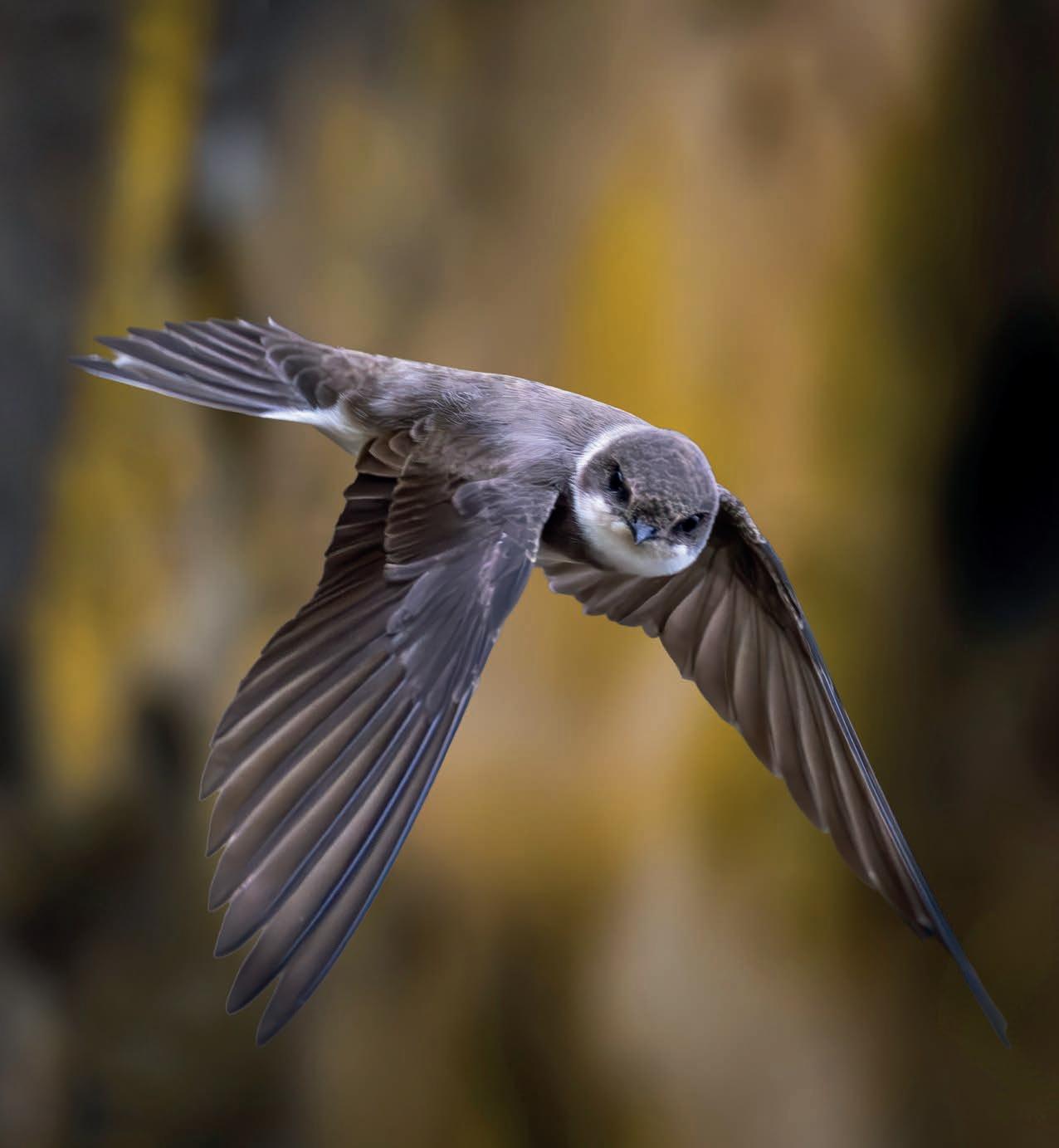
On the cover Sand martin by Keith Thomson


Wild but true... Sand martins move in quick, fluttering arcs rather than smooth glides, their presence marked by a harsh, rattling call.
True


BLUE

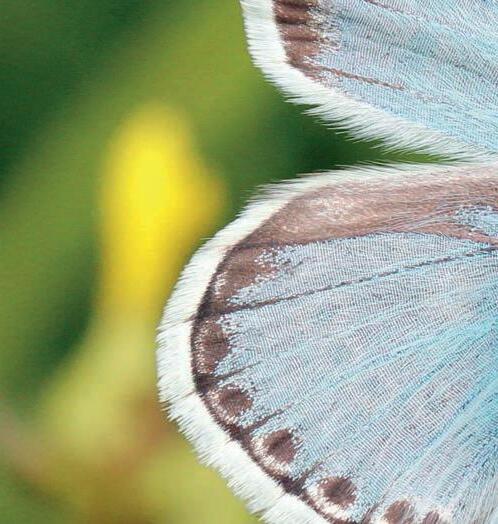
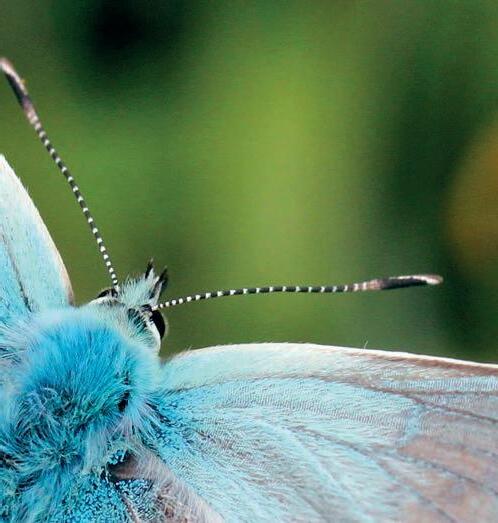
A moment of midsummer magic.




Summer Wild
Explore and enjoy nature on your patch

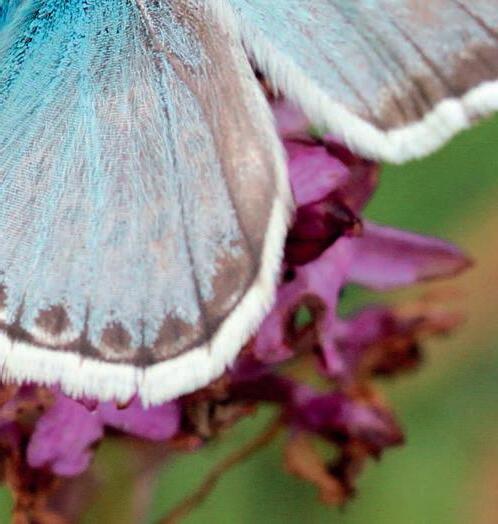
WHEN WILDFLOWERS ARE IN FULL BLOOM AND bu erflies are on the wing, our summer days are awash with spectacularly vibrant colours. But among the dazzle, the chalkhill blue, Polyommatus coridon, somehow steals the show.
The warm open slopes of chalk downland are its stronghold and St Catherine’s Hill Nature Reserve provides the perfect habitat for this species to thrive. Visit at the height of summer and you may be lucky enough to see a brief but breath-taking spectacle.
In search for the more elusive females, the males will congregate in extraordinary numbers li ing together to form a haze of blue above the grassland.
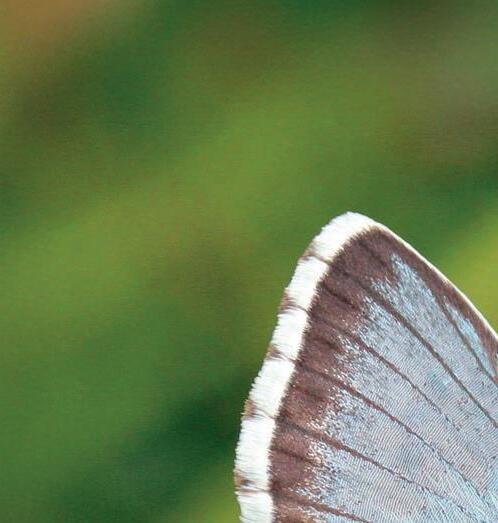
Despite the name, female chalkhill blues are chocolate brown, so ly powdered with blue near the body. They spend less time flying than the more conspicuous silvery-blue males, remaining closer to shelter and shade. Despite a modest wingspan of just 4cm, the chalkhill blue is a relative giant of the blue bu erfly world, only surpassed in size by the rare large blue found in the south-west.
On the wing from July to September, its adulthood lasts just weeks. During this time, it flits, sipping nectar from purple flowers such as knapweeds and scabious fuelling a short bright season.
Its story, however, lasts only a year. With eggs laid in late summer on horseshoe vetch (the larval food plant) the larvae hatches in spring. A er months spent feeding close to the ground, a chrysalis forms and in time, the bu erfly emerges once again. The chalkhill blue may be a fleeting visitor, but its short life cycle is a reminder that some species are designed to arrive briefly, quietly and shine exactly when they are supposed to.
To find out more, visit: hiwwt.org.uk/ blog/hiwwt/tale-three-blues Go wild




Wild but true







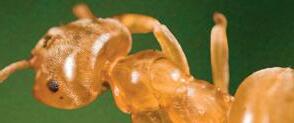

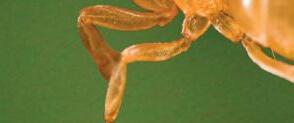
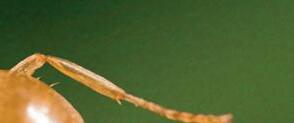
Yellow meadow ants, Lasius flavus, build ancient anthills in chalk grassland that are vital for the chalkhill blue butterfly. These ants protect the butterfly larvae and pupae within their sun-warmed mounds, and in return, the caterpillars provide a sugary secretion that the ants love to feed on.















PAUL RICHARDS
FIELD GUIDE
How to spot damself lies
Sunshine is the key. Bright, warm days from May to September draw damselfl ies out to wetland habitats including rural rivers and streams, heathland bogs and mires, and the ponds of urban gardens and parks. They are most easily seen on warm mornings and early a ernoons, as these delicate insects rarely risk rain, and will shelter among tall vegetation during cold, blustery weather. Watch for their flu ery, buoyant fl ight, usually low over the water’s surface, broken by frequent stops to perch on overhanging plants. Differing from dragonfl ies, you’ll notice that they are smaller, with more slender bodies. And when they rest, they fold their wings together along their back, while stockier dragonfl ies hold theirs out wide. Amazingly, both groups are able to fly backwards thanks to wings that can be flapped independently of one another.
Most species patrol small areas, feeding locally on flies, mosquitoes and midges. Visiting one of our reserves in peak damselfly season (July and August) is a great place to start. Testwood Lakes hosts banded demoiselles among reedbeds, while the wetlands at Fishlake Meadows supports more than 20 species of both dragonfl ies and damselfl ies. A slow wander along woodland streams at Pamber Forest can reward you with the sight of beautiful demoiselles glinting among the dappled sunlight.
Knowing what you’re looking at sharpens every
to use binoculars, particularly those with a
Knowing what you’re looking at sharpens every encounter. As most damselfl ies will vanish if approached too closely, you might fi nd it easier to use binoculars, particularly those with a close focussing feature, and don’t forget to take care by the water’s edge. Many damselfl ies sit and wait, darting out to snatch passing prey before returning to the same perch, though some species range more widely away from water. Blue-tailed damselfly, for example, will roam across grassland habitats, hunting for invertebrates perched on the vegetation.
Visit Fishlake Meadows Nature Reserve, near Romsey – a wetland site with excellent damselfly spo ing opportunities.
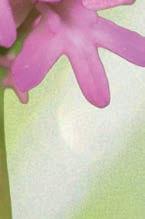
1Pyramidal orchid (Anacamptis
pyramidalis)
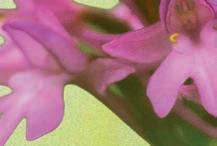
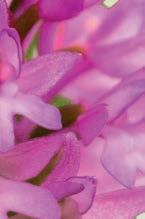
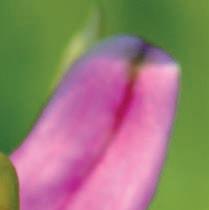
One of our most widespread and eye-catching orchids, the pyramidal orchid earns its name from the dense triangular spike of deep pink flowers it produces. As summer progresses, these vibrant plants can be spotted across chalk downland, particularly from June into July, with Broughton Down Nature Reserve one place to enjoy their colourful displays.


These dazzling wetland hunters are so captivating – here’s how to find them during summer, explains our guide, Trust Ecologist Tom Selby

Like most orchids, the pyramidal orchid produces tiny seeds with no food reserves of their own. To germinate, they rely on partnerships with mycorrhizal fungi in the soil, which provide essential nutrients; without this below-ground alliance, seedlings would not survive. The flowers are adapted for pollination by long-tongued insects, especially day-flying moths and butterflies, which carry pollen onward as they probe deep for nectar.



Record what you see
The iRecord app is a good one to support confidence and verification skills.


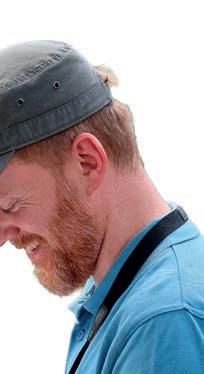















Susan Simmonds is a Community Ecologist for Hampshire & Isle of Wight Wildlife Trust. A lifelong wildlife enthusiast, she graduated in Environmental Science and has worked and volunteered in conservation for over 25 years. She is also a lecturer at Sparsholt College, teaching Land and Wildlife




Wild orchids
‘I didn’t know we had wild orchids in the UK!’ is is something Susan hears regularly on her Wildflower Identification courses.
"Even those that enjoy the natural world o en aren’t aware that you don’t need

worked a Management.



to visit the tropics (or indeed your local supermarket) to see beautiful orchids,” she explains. “In our two counties, we have the most fabulous chalk downland where a number of di erent orchid species thrive.”
Here are three of her favourites:
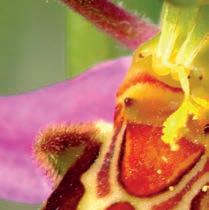
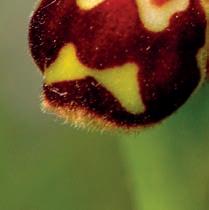
Bee orchid (Ophrys apifera)
2

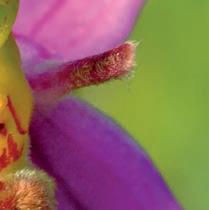
The bee orchid is one of nature’s great illusions. Found on dry, sunny soils over chalk or limestone, its velvety brownpink lip closely resembles a female bee, even releasing chemical signals that imitate her scent. This deception tempts a male bee searching for a mate. When he attempts to mate, he unknowingly collects pollen on his head ready to be carried to the next orchid he visits. There is a twist: the main pollinating bee species does not occur naturally in the UK, so bee orchids here reproduce largely by selfpollination. Flowering from late May into June, they often appear in unexpected places, from road verges or industrial waste ground. St Catherine’s Hill in Winchester is a reliable place to see them.
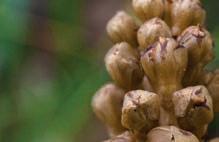
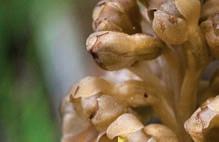
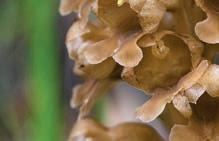
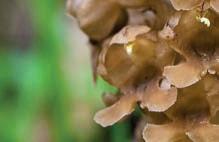
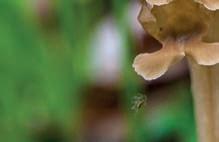
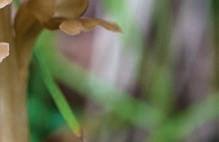
Bird’s-nest orchid (Neotti nidus-avis)
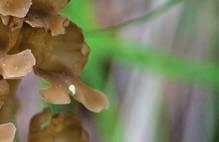
Unlike most plants, the bird’s-nest orchid contains no green pigment and cannot photosynthesise. Instead of making its own food from sunlight, this pale honey-brown orchid is adapted to life deep in woodland shade, where few flowering plants can thrive. Rather than relying on light, it obtains all its nutrients through specific mycorrhizal fungi in the soil. These fungi are themselves linked to the roots of surrounding trees, forming a vast underground network through which nutrients flow. The orchid taps into this hidden web, drawing sustenance indirectly from the woodland canopy above. Bird’s-nest orchids are often found in beech woods, flowering briefly in May and June. Chappett’s Copse Nature Reserve is one place to look, though careful observation is needed, as their colouring blends easily with leaf litter and tree trunks.


“I’ve always been fascinated by orchids and no ma er how many times I see one, it’ll always provoke the same feeling of excitement in me.”
Action Wild
How we’re making an impact for nature
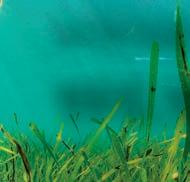
Seagrass planting gathers pace across the Solent
Wild but true
195,100 Zostera marina seeds were planted in the Solent this spring!

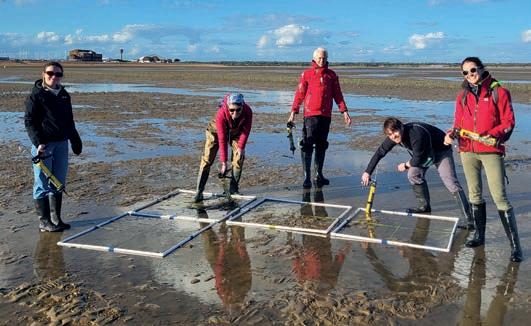
Below: Volunteers use quadrats to accurately dispense the seeds.
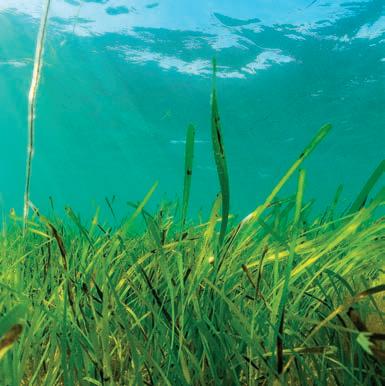
LAST SUMMER’S record-breaking seagrass seed collections have enabled us to plant more seagrass than ever before across the Solent.
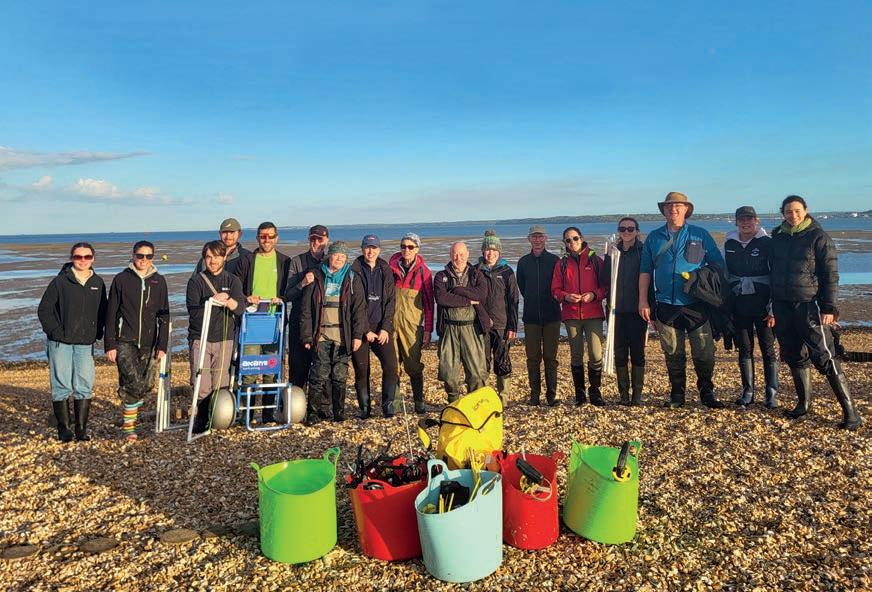
Teams of volunteers returned to the coast in spring to dispense seagrass seed across several sites as part of the Solent Seascape Project and the Solent Seagrass Restoration Project.
At Calshot and Seaview, the Trust’s marine team ran four more planting days in March and April, supported by Solent Seagrass Champion volunteers. This effort builds significantly on progress made in 2025 with 195,100 Zostera marina seeds planted – more than triple last year’s total – with over 100 volunteer hours contributed.
We planted 3,950 intertidal Zostera seeds on the Hamble for a second year, building on last year’s milestone when seagrass was recorded growing there for the fi rst time in 100 years.
And collections are taking place again this summer, giving even more people the chance to play a hands-on role in restoring one of the area’s most important marine habitats.
Ellie Parker, Senior Marine Officer, said: “We simply couldn't do this work without the dedication, enthusiasm and support of our volunteers (from seed collection, to surveys, seed sorting and the planting itself) so a huge thank you to you all.“

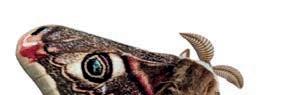
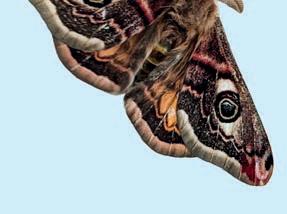

Rare moth sighting
This stunning Emperor moth, with its large peacock-like eyespots on its wings, was spotted by Robin Edwards in his garden, which borders Wilder Nunwell, a Trust rewilding site in Brading on the Isle of Wight. It’s only the seventh recorded sighting on the Island.
Signage project


Our signage project is gathering momentum, with solid oak-framed signs installed at over 14 sites including Roydon Woods, Alverstone Mead and Arreton Down. Designed with visitors in mind, the signs make it easier to explore each site, with wildlife highlights, clear access information, a map and a QR code.


ELLIE PARKER
Above: Planting volunteers at Calshot with Tim Ferrero, Senior Marine Specialist.
ROBIN EDWARDS

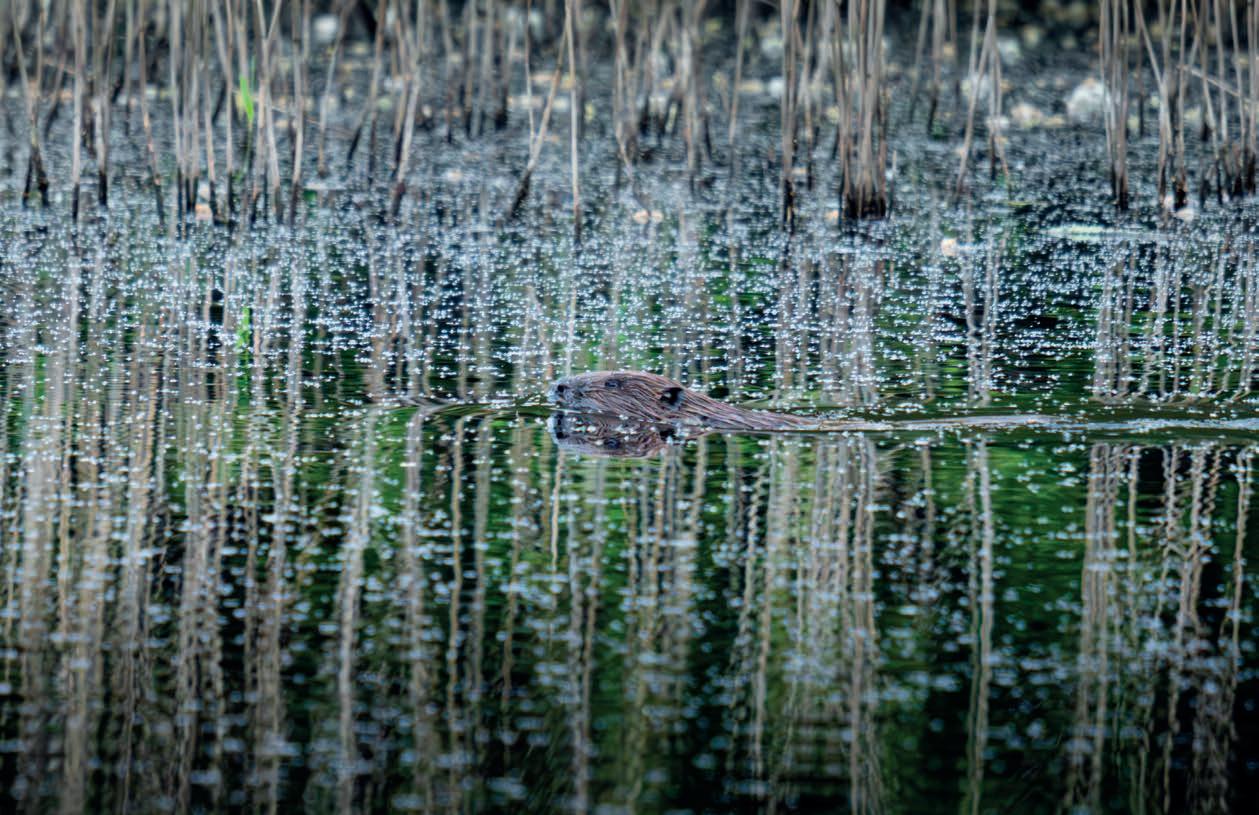

The Trust is delighted to confirm that beavers have been recorded at Blashford Lakes Nature Reserve for the first time.
L BEAVERS at Blashford Lakes
ocal resident Tony Thompson observed and captured two beavers swimming and interacting in the reserve’s waters in May – marking the fi rst sighting of beavers on the reserve.
The beavers are thought to have made their way to Blashford Lakes naturally, travelling through connected river systems from the river Avon and choosing the reserve themselves.
Tony said: “I walk through the nature reserve regularly and am used to seeing wildlife, so I initially assumed it was an o er. But when I saw it splashing its tail, I realised it was behaving differently. A few minutes later I was amazed to see two of them interacting in the water. They seemed completely unaware of me nearby, and it was an incredible thing to witness.”

lakes, wetlands, reedbeds and streams, provides an ideal habitat for these incredible mammals. Beavers depend on healthy freshwater systems, and their arrival is a powerful sign of improving river and wetland health. Once widespread across Britain, beavers were hunted to extinction around 400 years ago. Their gradual return is one of the UK’s most inspiring conservation stories.
Beaver Recovery Project update
While the beavers at Blashford are believed to have arrived naturally, elsewhere the Trust has been carefully preparing for the planned and licenced return of beavers to suitable landscapes on the Isle of Wight.
Last year, the Trust submitted an Expression of Interest to Natural England for assessment and feedback, and we were subsequently invited to submit a full licence application.
Blashford Lakes, with its mosaic of
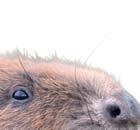



O en described as a ‘keystone species’, beavers have a significant impact on the environments they occupy. By building dams and channels, they slow water flow, create wetlands, improve water quality and provide habitat for amphibians, fi sh, invertebrates, bats and birds. These changes can also benefit people, helping to reduce flooding, store water during dry periods and make landscapes more resilient to climate change.

monitoring the beavers since the initial
Trust staff have been closely monitoring the beavers since the initial sighting and they have been seen swimming, tail-slapping, eating and collecting woody material. We will continue to monitor the situation carefully and work with partners and local communities as we learn more.
After six years of extensive planning, including stakeholder engagement, data gathering, analysis, surveys, and landscape suitability assessments, the Trust is pleased to report that our licence application was submitted in May.

LOOKING AHEAD

While waiting for a decision from Natural England, the Trust will continue to work closely with its Steering Group committee and local stakeholders.
To find out more about the project to date, and for more information on beavers, please visit: www.hiwwt.org.uk/beaver-recovery-network



A beaver glides through the wetlands at Blashford Lakes.
CHRIS FAIRHEAD
Research explores wellbeing benefits of Island’s outdoor spaces
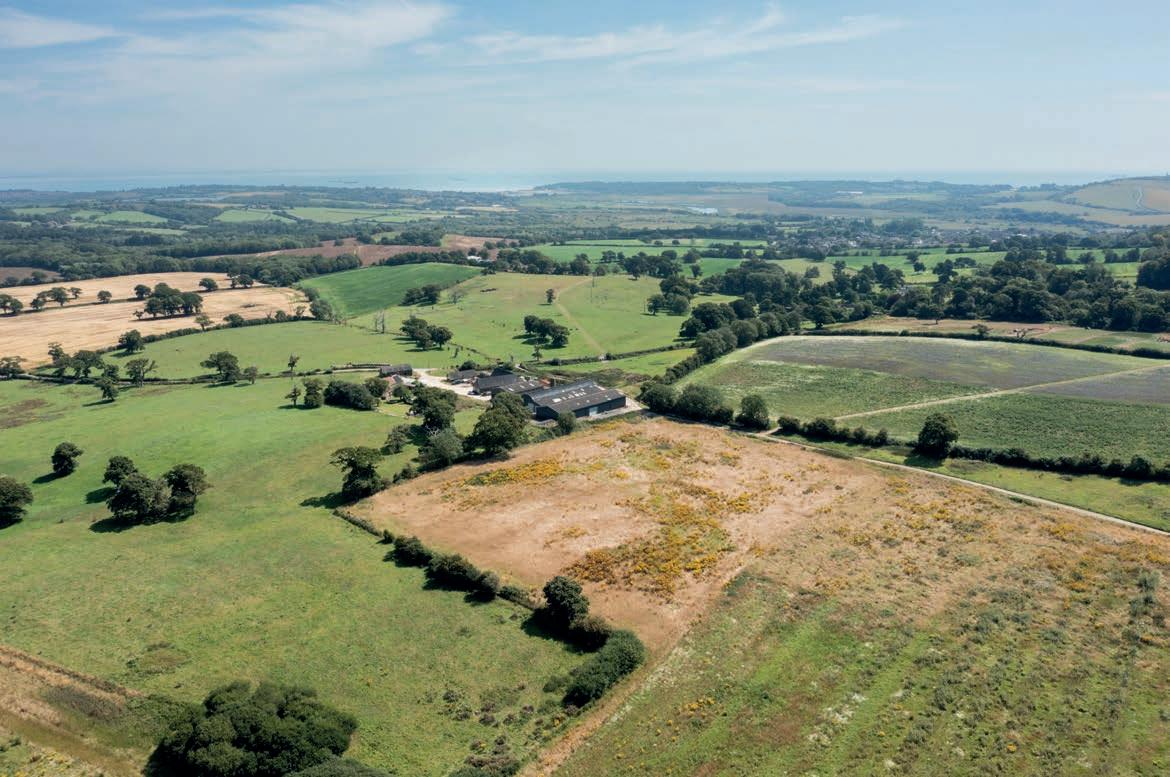
A TRUST REWILDING site, Wilder Nunwell, has been chosen as one of four Isle of Wight locations to feature in a university research project.
The study, carried out in partnership with researchers from the University of Southampton, explores how outdoor spaces support people’s health and wellbeing.
It seeks to understand how people use the Island’s ‘green’ and ‘blue’ spaces, from beaches and parks to rewilding sites and reserves, and find out which elements of the outdoor environment
are most beneficial.
Visitors will be surveyed across a variety of natural to more intensively managed landscapes in East Wight: Wilder Nunwell, Puckpool and Appley parks in Ryde, and the Duver near Bembridge.
Deborah Whitfield, Senior NatureBased Solutions Manager, at the Trust, said: “We’re delighted that the Trust and Wilder Nunwell is part of this research. As we restore intensively farmed land into a more natural, wildlife rich landscape, it’s vital that we also
understand how people experience and value these wilder places. This survey will help to guide future nature recovery and show that restoring nature can improve not just biodiversity, but people’s wellbeing too; a win win for wildlife and local communities.”
• If you have visited the site and would like to include your comments, please scan the QR code.

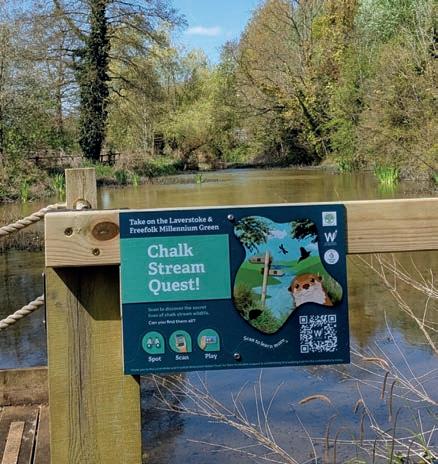
Chalk Stream Quest launches for families this summer
Families across Hampshire can explore their local chalk streams with Chalk Stream Quest – a series of interactive walking trails designed with younger explorers in mind.
Delivered by the Trust in partnership with Wessex Rivers Trust, the project is part of the Watercress and Winterbournes Landscape Partnership, bringing together conservation, storytelling and outdoor play to help local communities discover the remarkable wildlife living in their nearby rivers and streams.
Eight routes across towns, villages and nature reserves use QR codes to unlock short animations, bringing species like kingfishers, o ers and water voles to life. The trails encourage learning through exploration and curiosity.
Plan your visit: discover trail locations and get started at hiwwt.org.uk/chalkstream-quest-interactive-walking-trails
DAVID ELLIS
Left: Quest Trail signage at Laverstoke pond, helping families discover Hampshire’s chalk streams
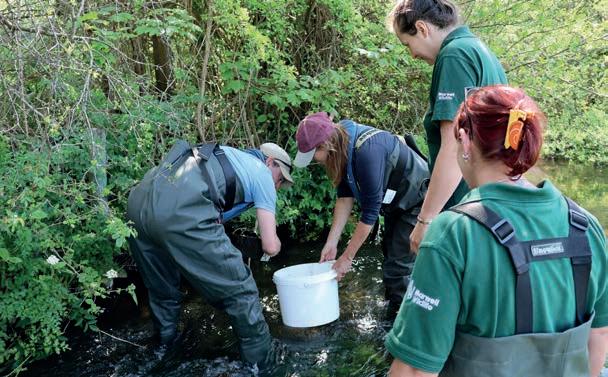
Hampshire first for white-clawed crayfish
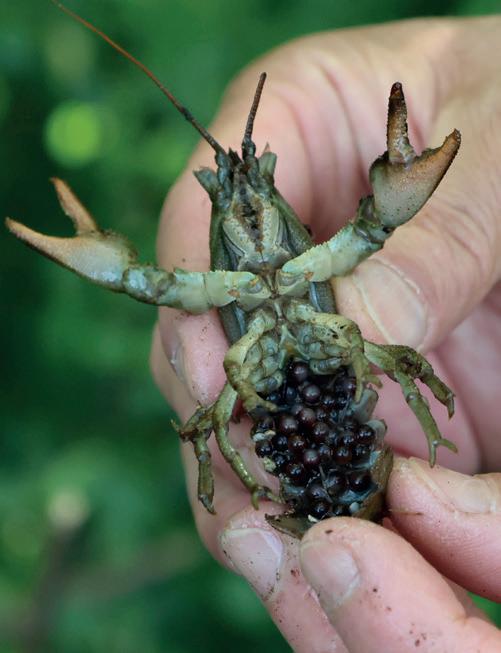
One of the UK’s most endangered native species has been returned to the wild in Hampshire, a er a year in the care of conservationists at Marwell Zoo.

It’s the first time Marwell Zoo has released rare white-clawed crayfish into a Hampshire chalk stream a er safeguarding them at its conservation facility.
Working in partnership with the Trust, the crayfish were released into the chalk stream, before four eggbearing ‘berried’ females were collected for rearing at the facility. Their offspring will be released once mature, increasing their chances of survival.
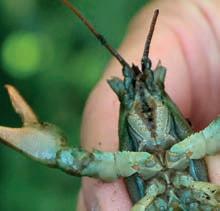
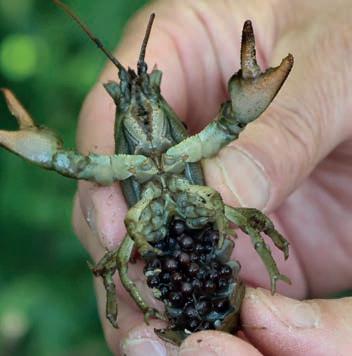
Once widespread, populations have collapsed due to pollution, habitat loss and, most critically, the spread of invasive signal crayfish, which carry the deadly ‘crayfish plague’.
Dr Ben Rushbrook, Principal Ecologist at the Trust, said: “Seeing white-clawed crayfish released to a Hampshire chalk stream is something that really stays with you. For nearly 20 years we’ve been working to give this species a fighting chance, not just by supporting captive rearing and release efforts, but by monitoring and protecting and restoring the important habitats they need to survive and thrive.”
Working with partners, the Trust is also creating safe ‘ark sites’ to establish new populations in areas free from invasive crayfish and the plague they carry.

A decade of impact
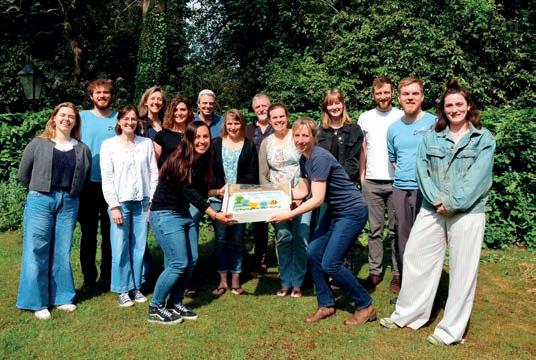
The Trust’s in-house consultancy, Arcadian Ecology, is celebrating 10 years of supporting nature recovery across Hampshire and the Isle of Wight.
Since 2016, the team has worked with landowners and partners to deliver practical, evidence-based solutions that restore habitats, improve water quality and enhance biodiversity. Projects have ranged from seagrass surveys in the Solent to nightjar monitoring in the New Forest, alongside long-term monitoring and habitat management. Arcadian has also supported habitat restoration on wetlands, woodlands and species rich grassland.
Recent work includes large-scale habitat restoration in East Hampshire, assessing wider benefits for wildlife, soils and overall ecosystem health. The team is also drawing on its extensive knowledge to guide landowners through increasingly complex environmental schemes.
Deborah Whitfield, the Trust’s Senior Nature-Based Solutions Manager, said: “Many landowners want to do the right thing but aren’t sure where to start. We help them manage their land for wildlife in the long term.”

Lottery boost for Action Asylum project
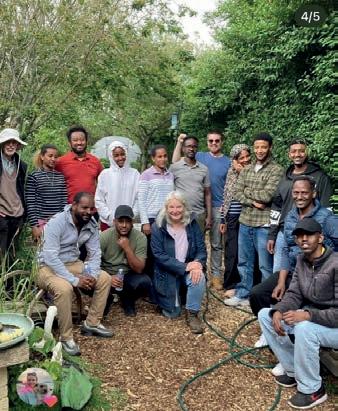
Action Asylum Portsmouth, in partnership with the Trust and Portsmouth City of Sanctuary, will benefit from a share of new National Lottery funding to support three years of activity.
The national programme has been awarded £1.6 million to expand into 10 UK cities, supporting 20 charities, including Portsmouth.
Locally, funding will support tree

planting, habitat restoration, beach cleans, surveying and community gardening, with regular sessions in parks and at Southsea Green Community Garden.
The project brings people seeking asylum together with residents to care for nature, with new sessions, partnerships and a Skills Exchange Programme planned.

It’s the first time Marwell Zoo
The team collect berried females (inset) from a Hampshire chalk stream.
K Wild chalk haven
NIGHTON DOWN
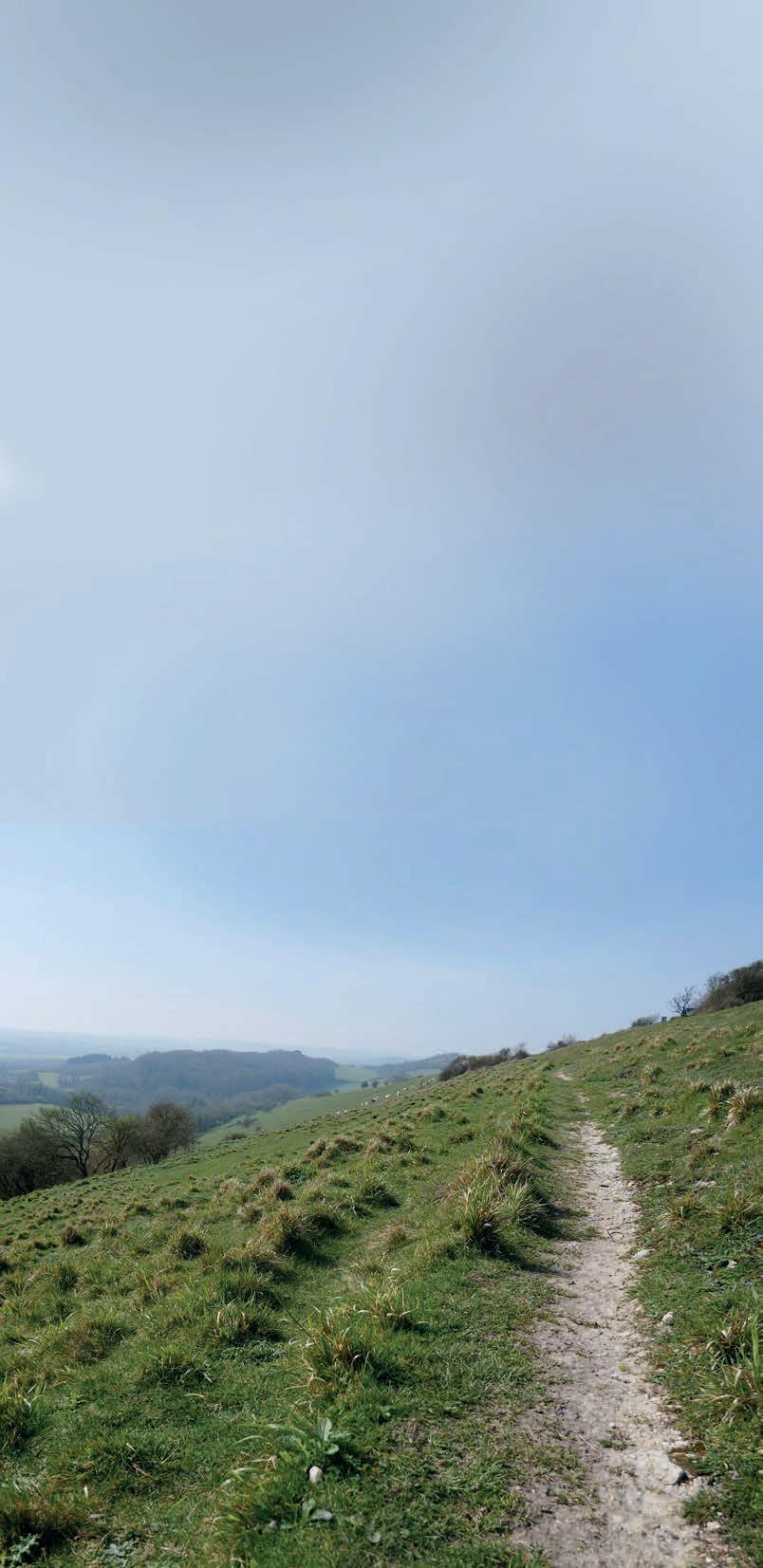
is a spectacular species-rich chalk downland nature reserve on the Isle of Wight with panoramic views over the eastern chalk ridge, surrounding farmland and the south of the Island extending to the open sea.
This pocket of traditional downland is a sanctuary for wildlife and comes alive each spring and summer with the buzz of invertebrates and colourful chalk flora.
During the summer, kestrels, buzzards and ravens can be seen soaring overhead, while the beautiful song of skylarks, meadow pipits and the distinctive “li le bit of bread and no cheese!” call of yellowhammer fi ll the air.
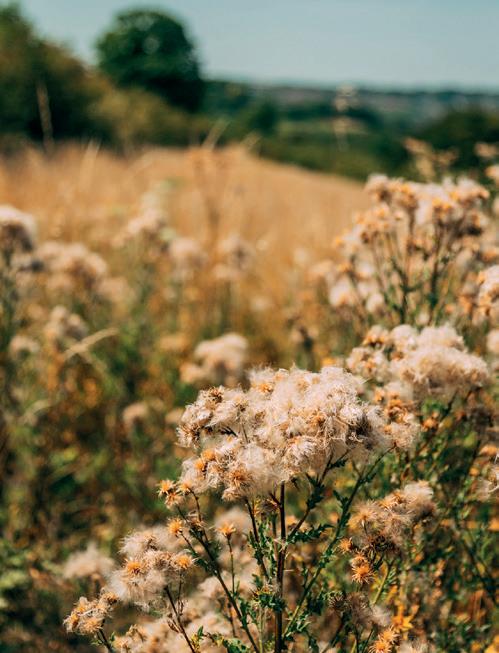
The species-rich grassland also supports a colourful array of bu erfl ies, drawn to the short, flower-fi lled turf. Plants such as carline thistle, salad burnet and squinancywort thrive here, alongside the increasingly rare bastard-toadflax, making Knighton Down an important refuge for chalk grassland wildlife.
Managing chalk landscapes
However, like many other chalk downlands, Knighton Down is an ‘awkward chalk’ nature reserve to manage. It is rugged and very steep, making the use of machinery on site extremely challenging. As a result, we rely on grazing livestock to help manage the landscape.
Grazing animals play a vital role in the delicate ecosystems of chalk grasslands. Their trampling and grazing behaviours help to disturb the soil and control dominant plant species, creating space for a wider and richer variety of specialist plants and wildlife.
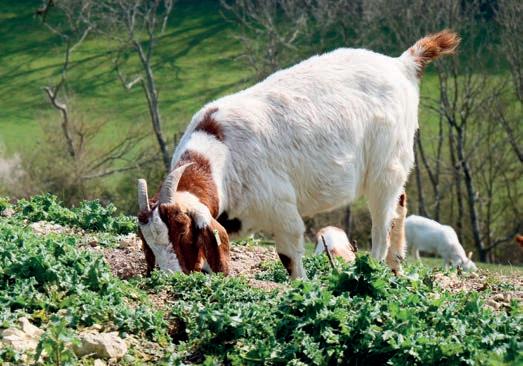
For the past two years, the Trust has worked with The Garlic Farm during winter to graze the nature reserve. Their herd of over 30 goats come onto site each winter. Goats are excellent conservation grazers, particularly on grassland habitats, as they feed on woody scrub species as well as grazing the grassland itself. Their natural climbing ability allows them to access areas that sheep and ca le cannot reach, making them especially effective for managing rough and difficult terrain.
How challenging chalk makes the landscape special
Famous for its floristic richness (there can be over 30 species per square metre of turf), chalk grasslands have been likened to tropical rainforests due to their bio abundance and diversity!
At fi rst glance, chalk grassland seems an unlikely place for abundance. The soil clings only lightly to the land, a thin skin over so , porous chalk that quickly absorbs rain and lets it slip away, along with most of its nutrients. What remains is ground that is dry, shallow and strongly alkaline; conditions that would defeat many plants. Yet it is precisely this that makes chalk grasslands so special. Over time, a remarkable community of species has evolved, each fi nely tuned to survive and flourish where few others can.
Flora species to look out for…
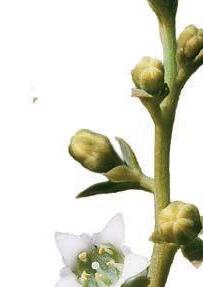
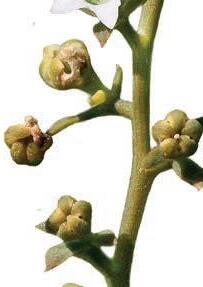
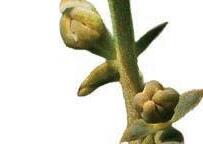
Bastard toadflax (Thesium humifusum). A slender and woodystemmed perennial has tiny 4mm flowers (made up of five white triangular petals) that emerge from June to August. Its somewhat unfortunate name derives from the
SPECIES HIGHLIGHT
Marbled

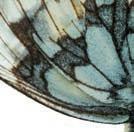
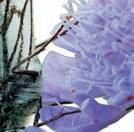
The striking black-and-white checks of the marbled white are unmistakeable. Watch out for it alighting on purple flowers, such as field scabious, on chalk and limestone grasslands.








The dramatic chalk slopes of Knighton Down.
KATE GARNHAM
Marbled white butterfly on small scabious.
Yellowhammer
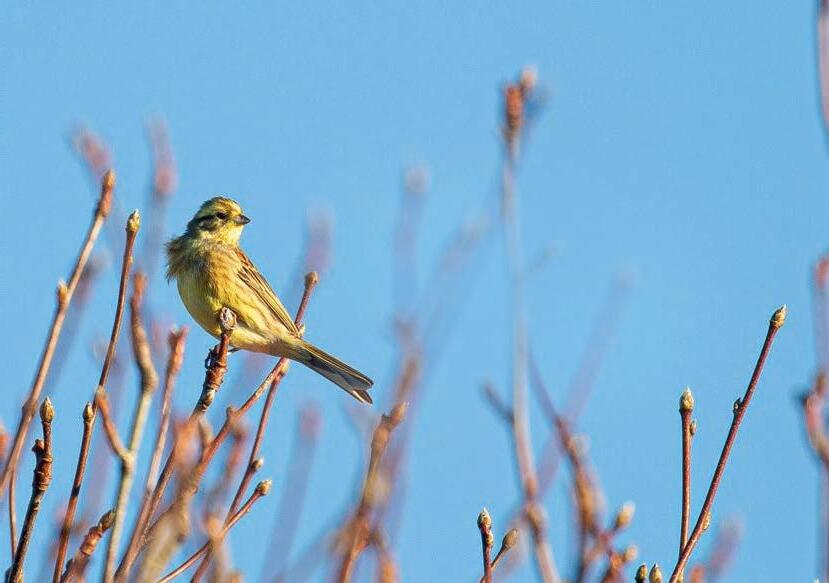
Like many farmland birds, the yellowhammer has declined in number in recent years and is now listed as red under the Birds of Conservation Concern 5. Look out for this bright yellow bird, often singing from the top of a tree, bush, or fence, and joining mixed-species flocks in winter.

The big question

Dutch word 'bastaard', meaning hybrid, which is a reflection of its similarity to the much more prevalent toadflax genus, Linaria – an entirely separate group of plants in the plantain family (Plantaginaceae).
Autumn lady’s tresses (Spiranthes spiralis). These small, delicate orchids flower until late September. Their white flowers twist up in a spiral, and there will o en be lots of floral spikes anywhere they can be found. If you get down on the ground, you might even be able to smell their delicate fragrance but be careful where you tread as the stems are easily damaged.
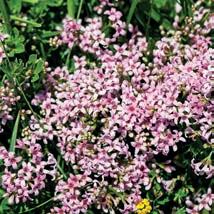
Squianancywort (Asperula cynanchica) is a low, spreading perennial belonging to the bedstraw family. It is native to Europe’s chalk grasslands and coastal sand dunes. Once valued for its medicinal qualities, it was traditionally used to soothe quinsy, or severe sore throats, earning it the nickname ‘sore throat plant’.
SITE INFO
Size: 15 hectares (37 acres)
Location: Brading Down Road, Knighton, PO36 0NT
What3Words: flap.afflict.respected
OS Map Reference: SZ573873
Parking: There is a small, councilowned parking area at entrance to Knighton East Wood (Bridleway NC4)
Access: Footpath NC3 runs across site, and there is one unsurfaced public footpath that runs from the south-west corner to Brading Down Road. This can be muddy. This nature reserve is on a slope which is very steep in places.
















What is the biggest challenge of using livestock on our reserves? Senior Estates Manager, Jack Norris, explains...



"Livestock are one of the key management tools on our nature reserves. When livestock animals are allowed to graze freely, they select different plants, and even different parts of the same plant, creating a varied habitat structure over time. This supports a wide range of insects, birds, reptiles, mammals and plants to exist. Without grazing, the only alternative is mechanical management. These methods can cause rapid, uniform change and cannot replicate the subtle conditions created by animals grazing naturally throughout the

range of insects, birds, reptiles, year. However, using livestock on particularly from dog a acks,
However, using livestock on our sites can present challenges, particularly from dog a acks, which can have devastating consequences. At St Catherine’s Hill, the frequency and severity of incidents have meant we’ve had to stop grazing sheep altogether. Dogs can cause severe physical injuries, and even when animals survive, recovery can take weeks of treatment – at significant cost to

treatment – at significant cost to the Trust.
For some, the impact is fatal; for others, the stress and trauma can



For some, the impact is fatal; for others, the stress and trauma can last long a er the a ack. We ask that all dogs are kept on leads when visiting our nature reserves. When off lead, dogs can disturb wildlife and cause serious distress to grazing animals. We greatly value our supporters’ help in se ing an example and protecting our most precious wild places.”

Goats grazing at Knighton Down.
KEN DOLBEAR
Bastard toadflax
GROUND WORKS
New garden project takes root at Quarr Abbey
A new community garden project is under way at Quarr Abbey on the Isle of Wight, with early work already in progress to prepare the site.
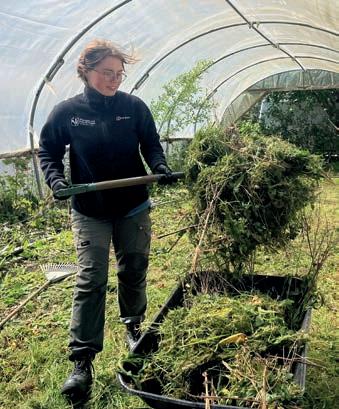
The Trust’s Isle of Wight team has begun clearing polytunnels (pictured below) and tackling overgrown areas, laying the foundations for a shared space where people will be able to connect with nature and each other.
Still in its early stages, the project aims to create a welcoming garden where communities can spend time outdoors and take simple actions that support wildlife.
Next, we will work with local groups, councils and organisations to shape how the space is used, inviting people to get involved as the project develops.
In time, the garden will offer opportunities to grow produce, build confidence outdoors and develop new skills, while creating a haven for wildlife.
Small spaces, big change for wildlife
OVER THE PAST three years, communities across Hampshire and the Isle of Wight have transformed 12,431 square metres of land for wildlife.
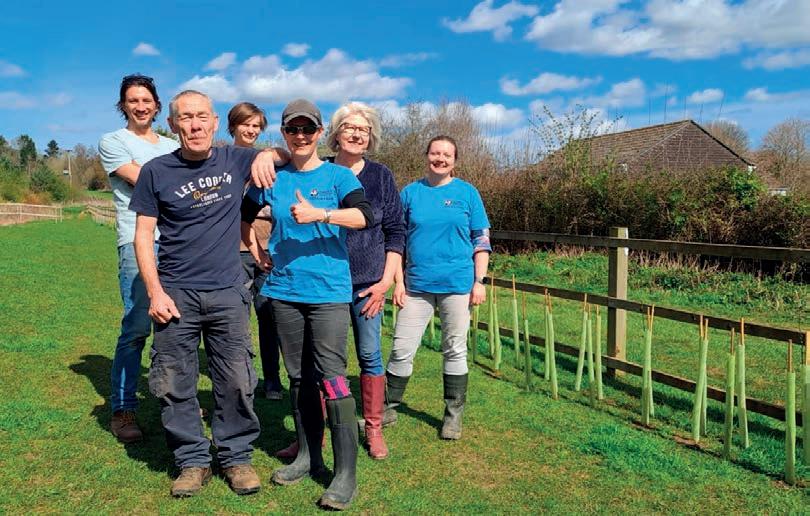
Through the Greening Campaign’s Space for Nature programme, the Trust has supported 20 communities to create, improve and connect habitats, bringing nature back into towns and villages. From mapping walks and wildlife gardening training to community events, residents have taken practical action for nature while strengthening local connections.
Across the programme, 22 mapping walks have identified opportunities to be er manage spaces for wildlife, while more than 30 people have been trained to offer wildlife-friendly gardening advice.
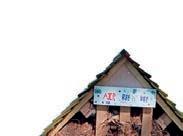
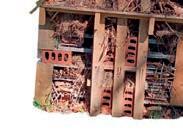
Communities have hosted events including nature walks, species identification sessions and bioblitzes (short, focused surveys where people record as many species as possible in a set time). Schools and local groups have also been involved, with Scouts and Guides
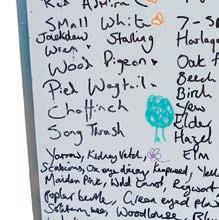
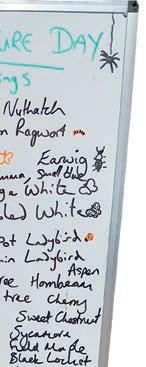

creating bug hotels, dead hedges and ponds.
The results are already visible. In Shedfield, two new orchards have been planted alongside more than 1,000 whips. Wildflower seeds and trees are establishing in Fleet and Hordle, while new hedgerows are growing in Bishop’s Waltham and Meonstoke. Elsewhere, wildlife-friendly community gardens have taken shape in Ringwood, Eastleigh, Silchester, Denmead and Bishopstoke.
Together, these projects are creating a richer mosaic of habitats, forming vital stepping stones and corridors that allow nature to move and thrive. The work is far from over, with many communities just beginning their journey and building on the success of others.


Just as important are the connections being built between people. The programme has brought communities together, creating friendships and a shared sense of purpose.




project anywhere, even paid work,
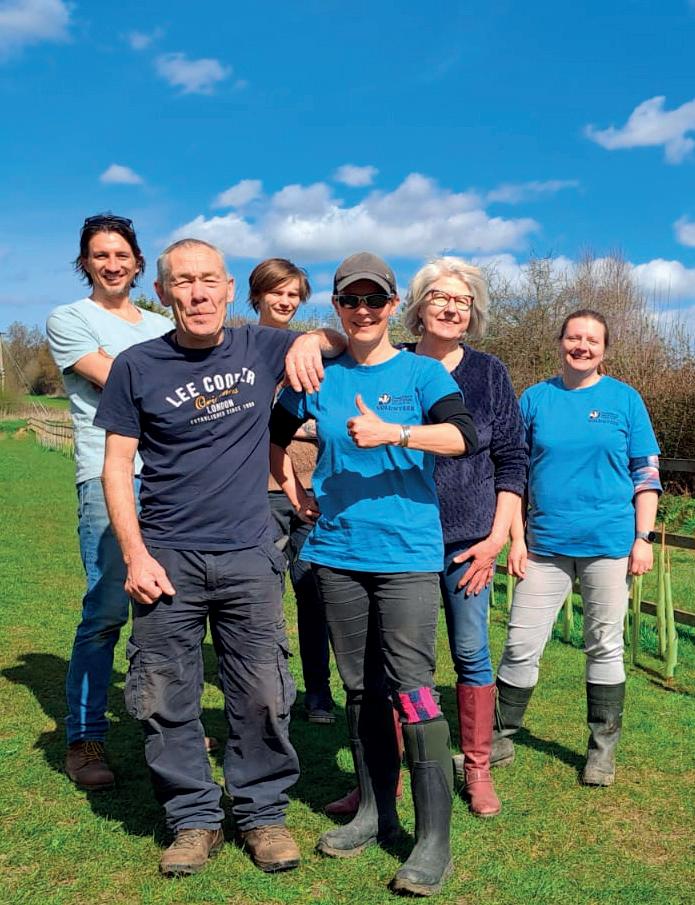
As Jan from Shedfield explains: “It’s been such good fun and I’ve loved working with everyone –it’s been so productive. If there was another project anywhere, even paid work, I would choose these guys to do it with.”

With Greening Campaign communities, alongside many others across Hampshire and the Isle of Wight, taking action for wildlife, community-led efforts are an essential part of nature’s recovery.
Go wild
If you’re inspired to start a project in your own area or want advice on helping wildlife locally, get in touch: wilder@hiwwt.org.uk

Hedge planting in Bishop's Waltham.

Q&A
Jamie March
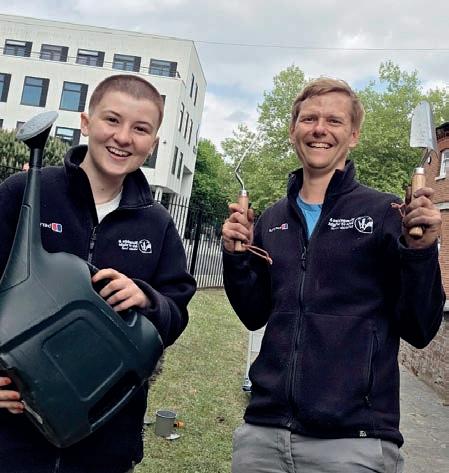
How did you come to wildlife conservation?
I found my way into conservation while studying music at the University of Manchester. A friend introduced me to birdwatching and I was immediately hooked. We spent time in the Peak District discovering species like merlin and white-throat dipper, and those experiences changed how I saw the natural world and inspired me to protect it.
Where did that lead?
I joined the RSPB Youth Council, working with young people to ensure that youth voices are a part of all organisation decision-making. I’ve worked on various campaigns, and spoken at events like GlobalFair, about the importance of youth voice within ENGOs. It was about starting conversations and recognising that young people should be central to shaping the future of nature.
As a Super Champion, Jamie March is championing youth voice and creative collaboration to help more people connect with nature, from university campuses to community gardens across the south.
How has that come full circle through your work as a Super Champion?
Alongside my full-time role with the RSPB at Pagham Harbour, my Super Champion work with the Trust focuses on community engagement. At the University of Portsmouth, I’ve been helping to plant gardens designed by students and I have developed a green group to reconnect staff and students to nature. Within the past year, the group has grown to around 100 staff members and we have created some beautiful garden spaces around the campus. Fashion marketing students recently planted a dye garden full of flowers that can be used to create natural dyes for their future projects. It’s exciting to see the innovation that comes from these collaborations and watching students go from being indifferent about wildlife to actively thinking about how they can support nature.
Are you involved in engaging students too?
Not directly, but during planting days, I have helped with fi lming social media content and answering any nature/Trust specific questions. I’ve also been involved in shaping plans to get young people more involved with the Trust, including proposals for a Youth Council which would open doors for working with more young people across Hampshire and the Island. I think it’s important to connect with people through what already excites them, for example: music, social media, fashion. We’ve seen how powerful that can be. That’s what excites me; fi nding creative ways to break down barriers, encouraging innovation and making nature part of everyday life.
Communities gather for Team Wilder mini-conference
Around 30 community leaders and nature enthusiasts came together at Testwood Lakes Nature Reserve for the third Team Wilder 'Space for Nature' mini-conference.
The event shared practical ideas for helping wildlife in gardens and local green spaces, with inspiration from Wilder Garden Champions and sessions on wildlife-friendly gardening.
A endees also explored the reserve and built new connections, leaving with fresh ideas to take back to their communities.
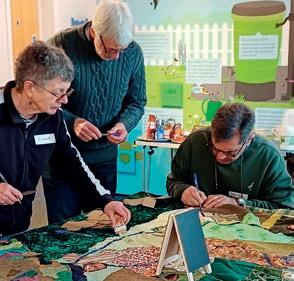
Wilder Wednesdays expands access to nature for families





Find out about Team Wilder or becoming a Super Champion: hiwwt.org.uk/ team-wilder



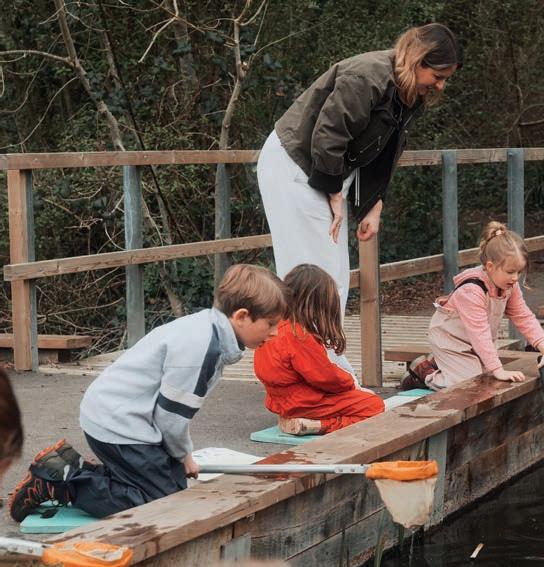
Wilder Wednesdays, a programme of weekly wildlife sessions for families, has expanded to North Whiteley with support from Whiteley Town Council. Now running in this growing neighbourhood, the initiative helps children and families connect with nature close to home.
Activities include family nature walks, evening bat walks and even a breakfast moth spo ing session.

These Lo ery-funded sessions are run by Super Champion Rowena Cowton. Find out more: hiwwt.org.uk/news/wilder-wed

Above: Jamie and Craig Whitelock, Wilder Schools and Youth Team Leader at The Trust, greening the University of Portsmouth.
Above: Hands-on activities help shape plans for wildlife-friendly spaces.
SUSAN SIMMONDS















A word from our CEO

IT IS EASY, at times, to feel overwhelmed by the scale of the challenges facing nature. The headlines rarely bring good news, and the pressures on our natural world continue to grow.
But every so o en, something happens that reminds us why we keep going.
Earlier this spring, two beavers were spo ed at Blashford Lakes. Their arrival, seemingly under their own steam, is more than just an exciting wildlife sighting. It is a powerful symbol of nature’s ability to recover, if we create the right conditions (see page 9 for the full news story). These animals, once lost from much of our landscape, are beginning to return. Not because we have fi xed everything, but because in places like Blashford and the river systems that link with it, we have worked hard to restore habitats and reconnect ecosystems.
And with them comes hope.
climate change. They show us that when we
powerful than anything we could
Beavers are a keystone species, shaping landscapes in ways that benefit both wildlife and people. By slowing the flow of water, they can help reduce flooding, store water during dry periods and build resilience in the face of climate change. They show us that when we work with nature, rather than against it, we unlock solutions that are far more powerful than anything we could engineer alone.
At recent screenings of the fi lm The People’s Emergency Briefing discussions with regional leaders have reinforced the scale and urgency of the challenges we face. The events offered a shared space for guests and panellists to reflect on what climate change and nature loss mean for
long-term prosperity. With devolution creating new opportunities for strategic decision making in Hampshire and the Solent, there is a real chance to do things differently.
Our work with partners is already helping to ensure that nature is recognised not as a barrier to growth, but as essential to long-term economic success, and something that must be built into plans from the outset.
At the same time, hope is growing in the way people are reconnecting with the natural world on their doorstep. Through initiatives such as our new Chalk Stream Quest, we are seeing communities engaging more deeply with local rivers and landscapes, discovering their importance and becoming part of their recovery.
We are also seeing real momentum build across our wider work. From expanding our Wilder Communities and Schools programmes, to developing new nature-based solutions and continuing our work on species recovery, more people than ever are stepping forward to play their part in restoring nature.
Of course, the challenges remain significant. But moments like the return of beavers to Blashford, and the growing recognition of nature’s value in our economy and communities, remind us that progress is happening. Hope, in nature recovery, is not abstract. It is something we can see, measure and grow. And, together, it is something we can choose to act on.


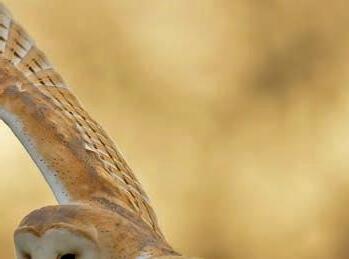
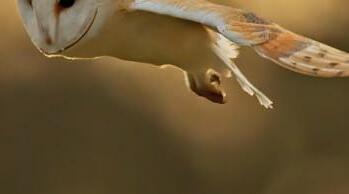
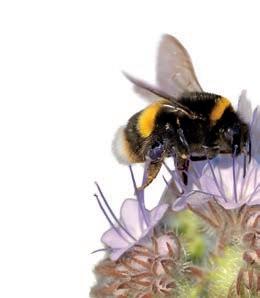
Top left: Wilder Schools inspires future generations. Top right: Barn owl
Inset: Buff-tailed bumble-bee.
CHRIS FAIRHEAD
Debbie Tann MBE
Debbie Tann MBE, Chief Executive of the Trust, reflects on the arrival of beavers to Blashford Lakes and why moments of recovery give renewed hope for nature’s future.
AGM 2026
Notice of the 65th Annual General Meeting of Hampshire & Isle of Wight Wildlife Trust
Dear Members,
We are delighted to invite you to join us for our 2026 AGM on Wednesday 4 November.
This year, the AGM will be held online on a weekday evening, rather than in person on a Saturday. We are keen to explore whether this approach makes the meeting accessible to a wider and more diverse range of members, while also providing a more cost-effective option for the Trust. We will carefully evaluate the success of this format before making decisions about future AGMs, and hope it strikes the right balance between accessibility, meaningful engagement and the responsible use of our resources.
Starting at 6pm, the meeting will begin with an opening address by our President, Megan McCubbin, followed by the Trust’s formal AGM business with online voting on the resolutions. Our Chief Executive, Debbie Tann MBE, and
members of the senior team will then give a presentation showcasing the vital work taking place across our nature reserves. This will be followed by a live Q&A session, giving members the opportunity to ask questions via the webinar and engage with the AGM panel and Trust’s leadership team.
Attending the AGM is a fantastic way to hear first-hand about our work and to see how your membership is helping wildlife to thrive. We very much hope you can join us.
If you are unable to attend, we encourage you to participate by requesting and casting a proxy vote on the formal business and resolutions.
Throughout the year, we will also be offering a range of exciting events and opportunities for members to enjoy and get more involved with our work.
Welcome by the Trust's Chief Executive
Annual General Meeting

1. Opening address by the Trust’s President
2. Apologies for absence
3. Approval of the minutes of the 64th Annual General Meeting
4. Report of the Trust’s Chair on the year 2025–2026
5. Report of the Trust’s Honorary Treasurer on the year 2025–2026, Members’ questions and approval of Accounts for the year ended 31 March 2026
6. Appointment of Auditors – Saff ery LLP being eligible off er themselves for re-appointment
7. Elections to Council
Presentation by the Trust’s Chief Executive and senior staff
Members’ questions
Thanks and meeting close






Wednesday 4 November



6pm–7.45pm Online via Microsoft Teams webinar



To register




Please book your place online by visiting: hiwwt.org.uk/agm
This page will also host details of the candidates standing for Trustee election and re-election.
Non-members are welcome to attend but will not be able to vote on the formal business of the meeting. Proxy votes are available online or by post for members unable to attend. For details and deadlines, see hiwwt.org.uk/proxy
Note: Edited highlights of the recorded AGM will be available later in November.
You did it!
Thanks to the incredible generosity of more than 1,000 supporters, we exceeded our Meon Valley Land Appeal target. This has enabled us to acquire Court House Meadows, an 8.66-hectare (21.4 acres) water meadow by the River Meon, bringing us one step closer to nature’s recovery. The land will be protected as a wildlife sanctuary ensuring the sensitive habitats and vulnerable species can thrive with minimal disturbance. However, walkers can enjoy excellent views of the site from the adjoining right of way.
The purchase, aided by the South Downs National Park Authority and the South Downs Trust, strengthens our network of nearby sites, including St Clair’s Meadow, Bere Copse, Shu s Copse and Chappe s Copse and shows how every piece of land, however modest, plays a vital role in creating a more connected landscape where nature can recover.
ON
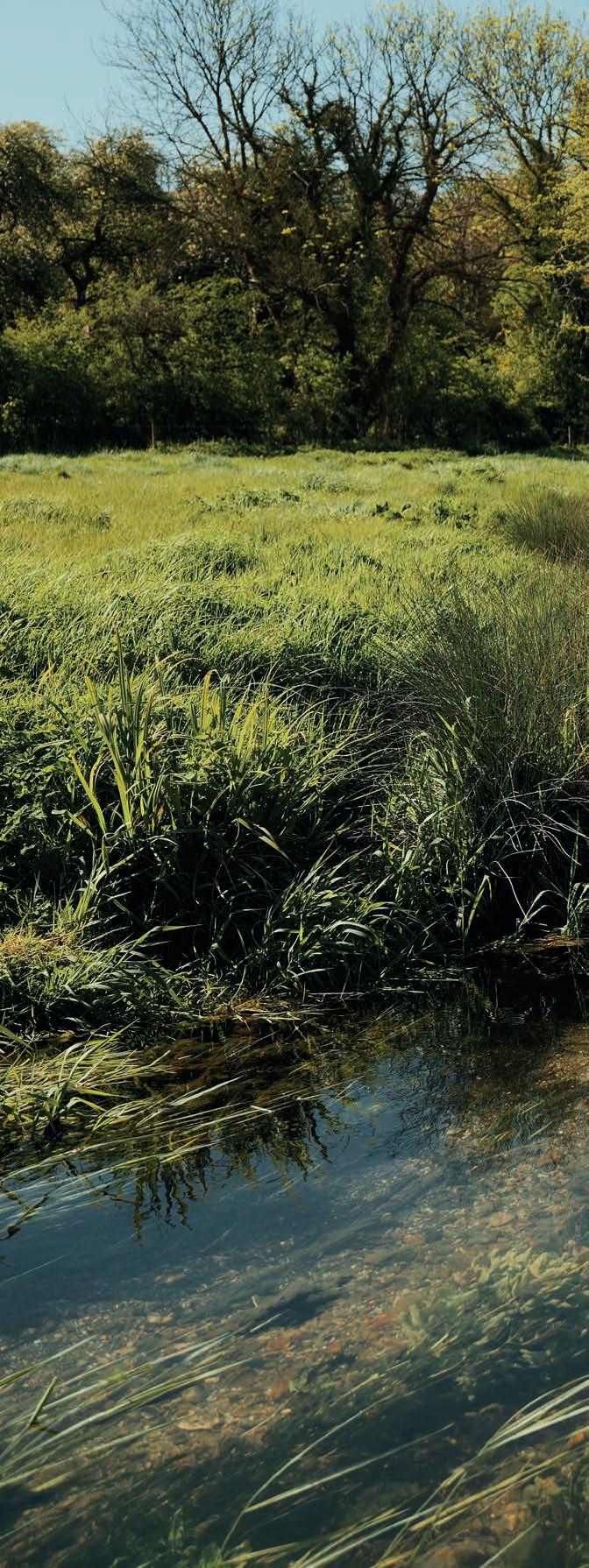
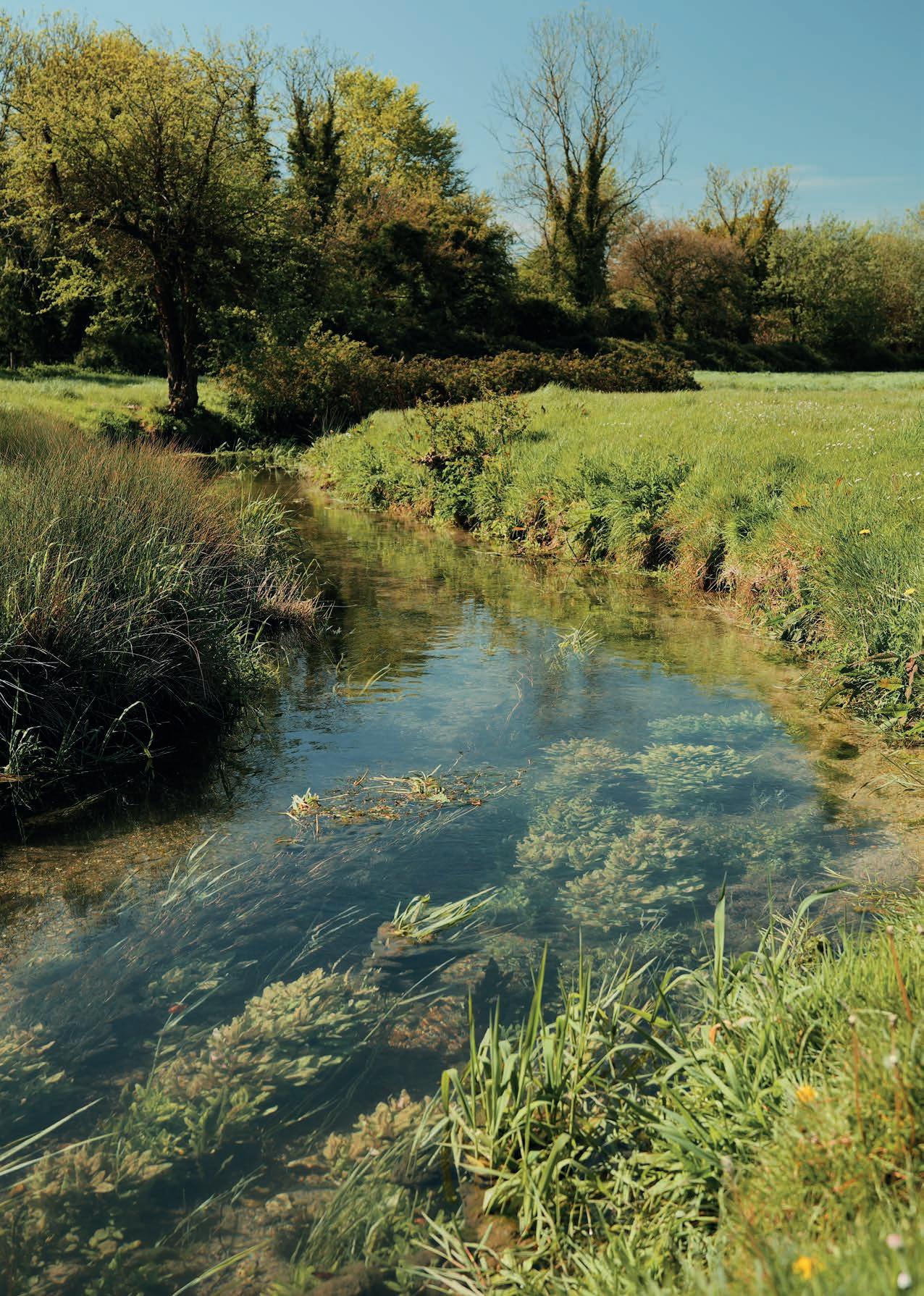
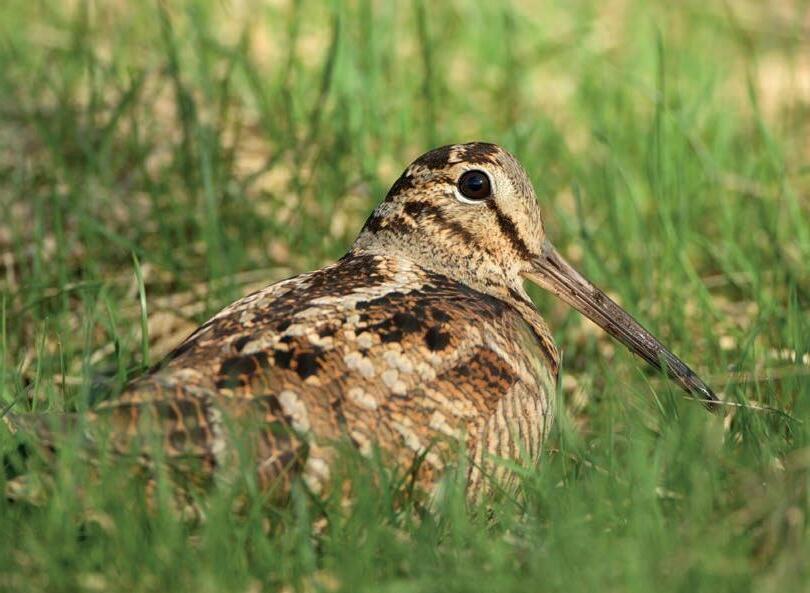
A QUIET STRETCH of water meadow, the River Meon slips through green pasture, its clear chalk-fed water winding between banks of thick grass and rushes. In the warmer months, the valley fills with colour; bu ercups, orchids and other wildflowers sca ered through the fields; while in winter the floodplain becomes a quieter place where snipe probe the so ground and the river runs cold and bright.
One of Hampshire’s most beautiful landscapes, the Meon Valley, is shaped by water and is rich in wildlife. It’s also a place where opportunities to protect land rarely come along – especially beside a chalk stream.
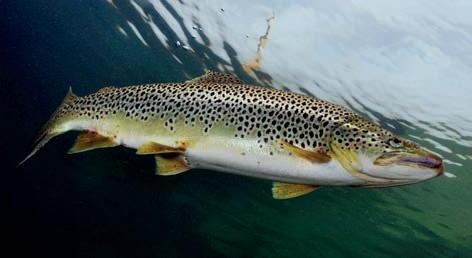
Chalk streams like the Meon are among the rarest habitats on Earth. Of the roughly 200 known worldwide, around 80% are found in southern England, where rainwater filtered through chalk emerges crystal clear and rich in minerals. These unique conditions support an extraordinary range of wildlife – from water crowfoot swaying in the current to endangered fish such as brown trout and grayling, and rare mammals like water vole along quieter banks.
Though sometimes called one of Hampshire’s “Cinderella” chalk streams, and lacking the fame and much of the protection given to the neighbouring Test and Itchen, many river specialists consider the Meon one of the finest examples of a chalk stream in England. Protecting land alongside the river helps safeguard the whole network.
CHRIS FAIRHEAD
Court House Meadows was acquired by the Trust in April 2026.
Brown trout


HOW LAND BECOMES

LEGACY

From one meadow to a living landscape
John Durnell, Senior Director of Operations, said : “Securing Court House Meadows is a once-in-ageneration opportunity to protect an ecologically important site in the heart of the Meon Valley. With restoration work possible on both the land and the River Meon, this rare chalk stream site will be able to flourish, help restore the floodplain to a more natural state, strengthen wildlife connections in the surrounding area, and create a space where species can thrive again.”
At Court House Meadows there is space for the floodplain to function more naturally again, creating we er grassland for overwintering birds, improving water quality, and strengthening the river corridor for wildlife moving through the valley. It may be modest, but in a landscape like the Meon Valley it ma ers.
From one meadow to alivingnetwork
Court House Meadows is just one example of how land can be acquired for nature. Across Hampshire and the Isle of Wight, designated sites for nature recovery have come into the

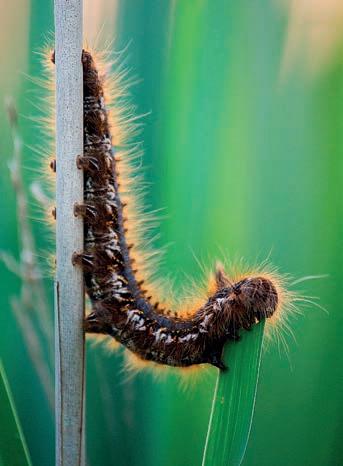
Drinker moth caterpillar
Trust’s care in many different ways –through public appeals like this one, gi s le in Wills, donations made, long-term stewardship agreements, and land secured as part of development mitigation.
While each route is different, the outcome is the same: more space for wildlife, be er connected habitats, and landscapes that can begin to function more naturally again. Together, these places form a growing network – a living patchwork of meadows, woods and heath where nature can recover. With the River Meon at its heart, this site joins others across Hampshire and the Isle of Wight, each adding a vital piece to a richer, more connected landscape for wildlife. nature
If you’d like to make a di erence to our work: hiwwt.org.uk/donate

A
for Court House Meadows




Success at Court House Meadows will look like a floodplain doing what it’s meant to do — absorbing water, filtering it, and creating an array of wetland habitats that wildlife depends on. Over time, we want a meadow rich with flowers, alive with insects, and a restored chalk stream where species can move, feed and shelter with minimal disturbance.
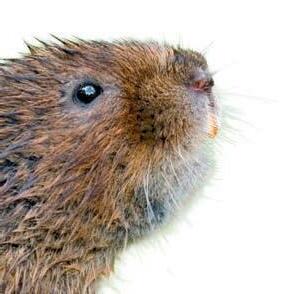
Water vole
Martin de Retuerto, Director of Nature Recovery
vision
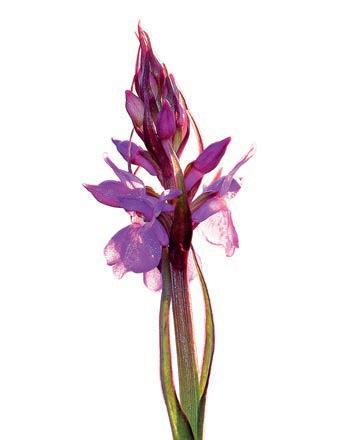
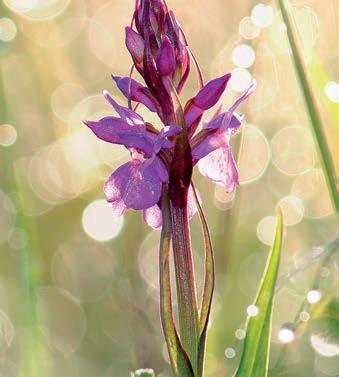
Above: Southern marsh orchid which thrives in chalky, damp soil such as water meadows along the River Meon.
Snipe
LUKAS STEIGERWALD
Different ways land comes into our care
Over the years, landowners, supporters and partners have created space for wildlife in many ways.
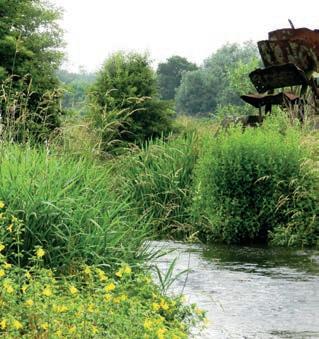
St Clair’s Meadow
Secured through an appeal and Bi award grant
This historic water meadow in Soberton was secured a er a successful land appeal and significant grant funding in 2017. Supported by local donations, St Clair's Meadow now provides important riverside habitat for water vole, kingfi sher and a range of bu erfl ies.
Bere Copse A woodland remembered
Bequeathed by Michael Bryant, Bere Copse is a tranquil wood in Soberton, Meon Valley. Careful conservation management maintains its rich mix of trees, plants and wildlife, ensuring it remains a haven for nature long into the future.
Shu s Copse
Made possible by a legacy
A generous legacy from Joane Du on le Shu s Copse, near West Meon, to the Trust in the late 1980s. Today, this peaceful woodland is an important link in the valley’s network of wildlife habitats.
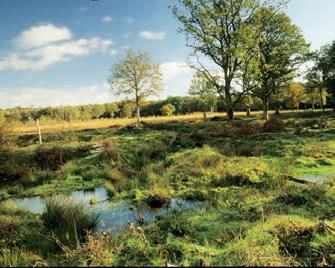
Bartley Heath A gi in memory
In 1987, Bartley Heath was gi ed to the Trust by Teresa March and husband Ivan March in memory of her parents, Jim and Joyce Clegg. An SSSI, it protects rare lowland heath, oak woodland and wet mires rich in wildlife and marsh gentians.
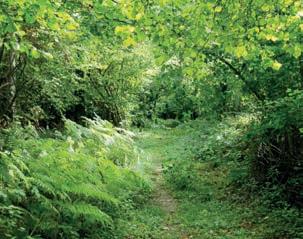

Roydon Woods Gi ed in life
When landowner Peter Barker Mill gi ed Roydon Woods to the Trust in 1978, it secured one of Hampshire’s largest woodland reserves. Today, its ancient woodland, valley mire and heath support rare plants, fungi and wildlife.
Portchester, Posbrook Meadows and Old Street Meadows Nature Reserves
Created through development mitigation
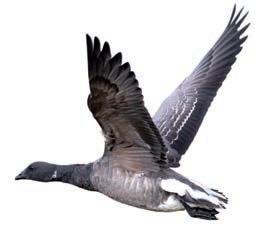
For more than 30 years, the Trust has worked with the Solent Waders & Brent Goose Strategy (SWBGS) to protect sites used by coastal birds. Where development affects these habitats, mitigation is required and, in some cases, this has involved securing new land for nature. As such, three new coastal sites, located close to existing bird networks and safeguarded from disturbance, will form part of a wider approach to reducing the impacts of development on bird populations. From now, Porchester, Posbrook Meadows and Old Street Meadows Nature Reserves will be managed by the Trust as grassland meadows, with suitable swards, areas of freshwater and clear fl ight lines to support feeding, roosting and shelter. These sanctuary sites will not have public access as they play an important role in supporting some of the south coast’s most vulnerable species such as Brent geese and curlew.
See the back page for more about leaving a legacy for nature.
Roydon Woods



at speed Summer





Assistant Ecologist Olivia Henderson explores our relationship with swifts, swallows and sand martins, the hope for their future, and their enduring cultural significance.


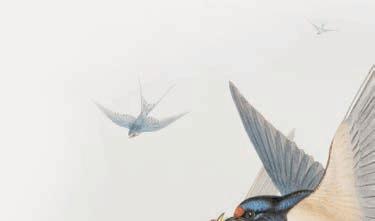
AS THE DAYS stretch long into the evening, there’s a fl ick of ink across the sky – an elegant swoop that needs no introduction. Swallows are back, swi s scream overhead, and summer has arrived. Swi s, swallows and sand martins have long been heralds of brighter days, inspiring poets and storytellers for centuries.
The quote from Shakespeare’s Richard III, aptly captures this promise of be er to come. Their prominence is abundantly apparent, with swallows symbolising fertility in European folklore; the promise of the safe return home of a ta ooed sailor; and the mythical ‘martlet’. A martlet is a mythical wandering swi , maybe a bit of a dark creature but o en found on the crest of a younger – and more wayward – son.
Swi s, swallows and sand martins have lived closely with us and have become largely dependent on our homes to make theirs. Swallows and martins use mud collected from puddles to nest, whilst swi s prefer sticks and feathers, nesting high in the eaves of our homes and outbuildings.
All are common near lakes and rivers, where you may have noticed one gracefully skimming over the water for a drink and, as you’ve likely seen swi s and swallows depicted on postcards, perched in rows on telegraph wires. They are such an emblem of the English countryside, with, as conservationist Nick fi ingly described, a ‘scream that is redolent of summer’, for the Financial Times (Guthrie, 2023). It is important, is it not, to preserve this celebration for future generations?
These birds make journeys of thousands of miles every year, overwintering mostly across Africa
and refuelling on the wing. They spend days preparing in large roosts before crossing seas or deserts (British Trust for Ornithology, 2023). Usually mating for life, they have important connections with the buildings in which they nest, faithfully seeking out the same nesting sites, meaning we o en welcome back old friends and even their descendants.

"True hope is swi , and flies with swallow’s wings."


William Shakespeare (Richard III)










However, we may be heading further from Aristotle’s ‘one swallow does not a summer make’ as the UK’s large migratory swarms circling overhead, reminiscent of our childhoods, have seen a drastic decline in numbers of around 60% since 1995 (Finch et al., 2023). This is due to habitat loss, crashes in insect population and generally poor, wet weather. To protect these birds, with whom we share a prominent history, and who have been a cause for celebration inspiring both writers and ritual, we must engage in a conservation effort for future generations.





How we are helping




The loss of nesting spaces has become a major threat. To address the continued decline of swi s, the Trust in partnership with Hampshire Swi s installed nest boxes for 60 swi s on
Wild but true:
The RSPB tracked a swift’s movements in 2022/23. In 10 months, it travelled 15,000 miles and visited 28 countries.
improving local green spaces. Locations
the Mansbridge Estate in Southampton as part of the Wilder Mansbridge project, a collaboration between Abri Community and the Trust focused on improving local green spaces. Locations were carefully chosen to ensure clear fl ight paths, with multiple boxes installed on six buildings to reflect the species’ communal nesting behaviour. Sand martins have moved in to the new purpose-built sand bank installed at Testwood Lakes Nature Reserve. The bank, containing 180 chambers, provides a safe, secure home for migratory birds to nest, lay eggs, and raise their chicks.
Go wild
Take a trip to Goosander hide at Blashford Lakes Nature Reserve on a warm summer day and witness the frenzy of migrant sand martins as they snatch insects from the air.
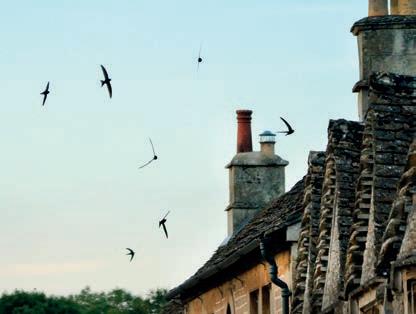
Above: Swifts at dusk
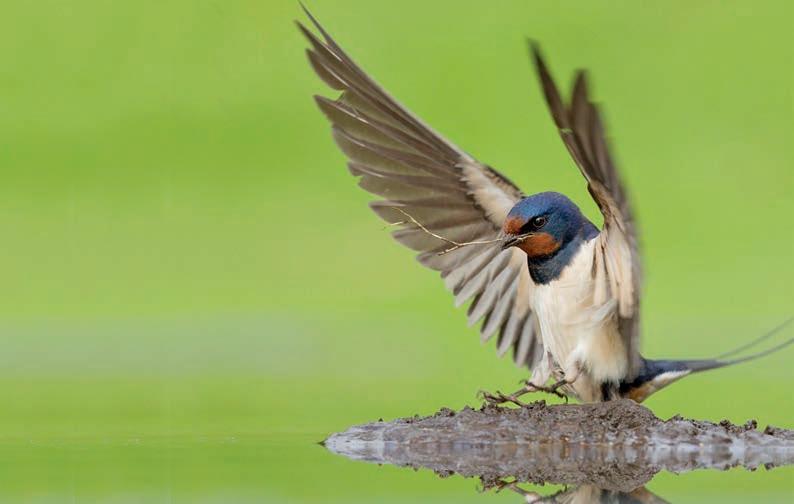
Swallow
(Hirundo rustica)
1

Arrival: Late March to May
Habitat & behaviour: A bird of open countryside, swallows favour farmland, pastures and wetlands where they skim low for flying insects. They are rarely found deep in towns, instead nesting in barn eaves and farm buildings.
Identification: Small and elegant, with a glossy blue black back, red throat and deeply forked tail with long streamers.
Where to see: Hockley Meadows, Winnall Moors and Morton Marsh.


How local engagement creates change
Ady Smith received the Individual Action for Nature award at last year’s Wilder Awards for his exceptional commitment to swi s. By installing nest boxes in Bishop’s Waltham, supporting ringing and recording, and inspiring local volunteers, his work has had a lasting impact on both the species and the community. Here’s his story:






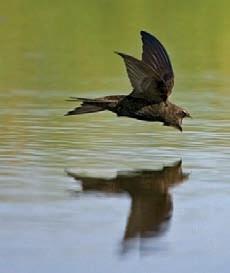
Swift
(Apus apus)
Arrival: May

3
Habitat & behaviour: Almost entirely aerial, swifts feed, mate and sleep on the wing, screaming over towns or sweeping low over water for insects. Individuals may remain airborne for up to ten months.
Identification: Long, narrow, sickle shaped wings, short tails and fast, purposeful flight. Mostly dark brown, they fly higher in the sky than swallows or martins.
Where to see: Towns and cities near older buildings, Knighton Down, and from the Goosander Hide at Blashford Lakes, overlooking the new swift nesting tower.

Sand martin



(Riparia riparia)
March to April
2
Habitat & behaviour: Highly social, sand martins breed in large colonies, excavating long nesting tunnels in sandbanks close to water. Agile in flight, they feed low over rivers and lakes.

Identification: Smaller and browner than swallows, with a dusky breast band and quick, fluttering flight.

Where to see: Testwood Lakes and Blashford Lakes where purpose-built nesting banks provide safe, stable sites. Sand martins also frequently visit Fishlake Meadows (Romsey) to feed. and Where to see: Sand

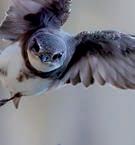
“Swi s have always felt special to me. They live completely in the moment. When they scream through the evening sky, it looks like pure joy. As a child growing up in Bishop’s Waltham, my brother and I would watch them race past our house. Then one summer they didn’t return. I was too young to understand why, but in the 1970s wooden facias and soffits were replaced with plastic, sealing up the nesting spaces swi s relied on.






pairs in my street alone.
Years later, my fascination reignited when a neighbour had a nesting site in their eaves. Although a pair bred there every year, the chicks never survived. When a friend bought the house, I installed a small camera and discovered the problem: the nest was exposed to full sun and became dangerously hot. I began surveying the area and pu ing up nest boxes along my street. Against the odds, one was successful in the fi rst year. From there it grew, and today there are 22 breeding pairs in my street alone.


In 2001, with support from local people and businesses, I raised £3,000 to install 40 swi boxes around the village. The response from residents has been incredible. Today, alongside natural sites, there are around 160-170 boxes across Bishop’s Waltham, supporting 44 breeding pairs.
local people and businesses, swi boxes around the breeding pairs.



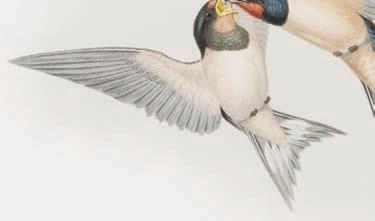
Barn Swallow finding materials to nest with.
Below: Wilder Award winner Adrian Smith.
Swift drinking


MANAGED MOMENTS
How timing shapes our wild places



BEHIND every wildflower-rich meadow, thriving wetland and grazed grassland lies a yearround cycle of planning, hard work and precise timing. Summer is a pivotal season, shaping what happens in winter and beyond. Knowing when to act and when to wait depends on knowledge, skill and experience.
















Working to ecological calendars rather than our own, e Trust plays the role of timekeeper, balancing the needs of wildlife, seasons and landscapes. is feature takes you behind the scenes on our nature reserves, showing how we keep nature thriving and why, in conservation, ge ing the timing right makes all the di erence.






Fencing and repairs






Practical work on our estate


The Trust acquired College Copse Farm in 2013 to support the Trust’s livestock. Its 40 hectares (99 acres) of pasture, woodland, hedgerows and veteran trees, located in north Hampshire, is actively managed and improved for wildlife. Chris Challis, Assistant Reserve Officer for North Hampshire, said: “We have a dedicated group of volunteers who carry out a lot of our routine maintenance to support the grazing operation and
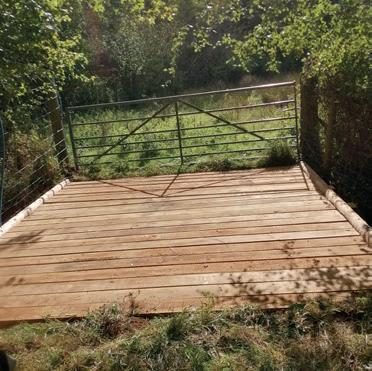
help manage the woods. They’re semiautonomous, led by one of our most experienced volunteers and they’ve done some great work around the farm: building woodstores, footbridges, repairing fencing and later in the year carrying out routine scrub coppicing.”
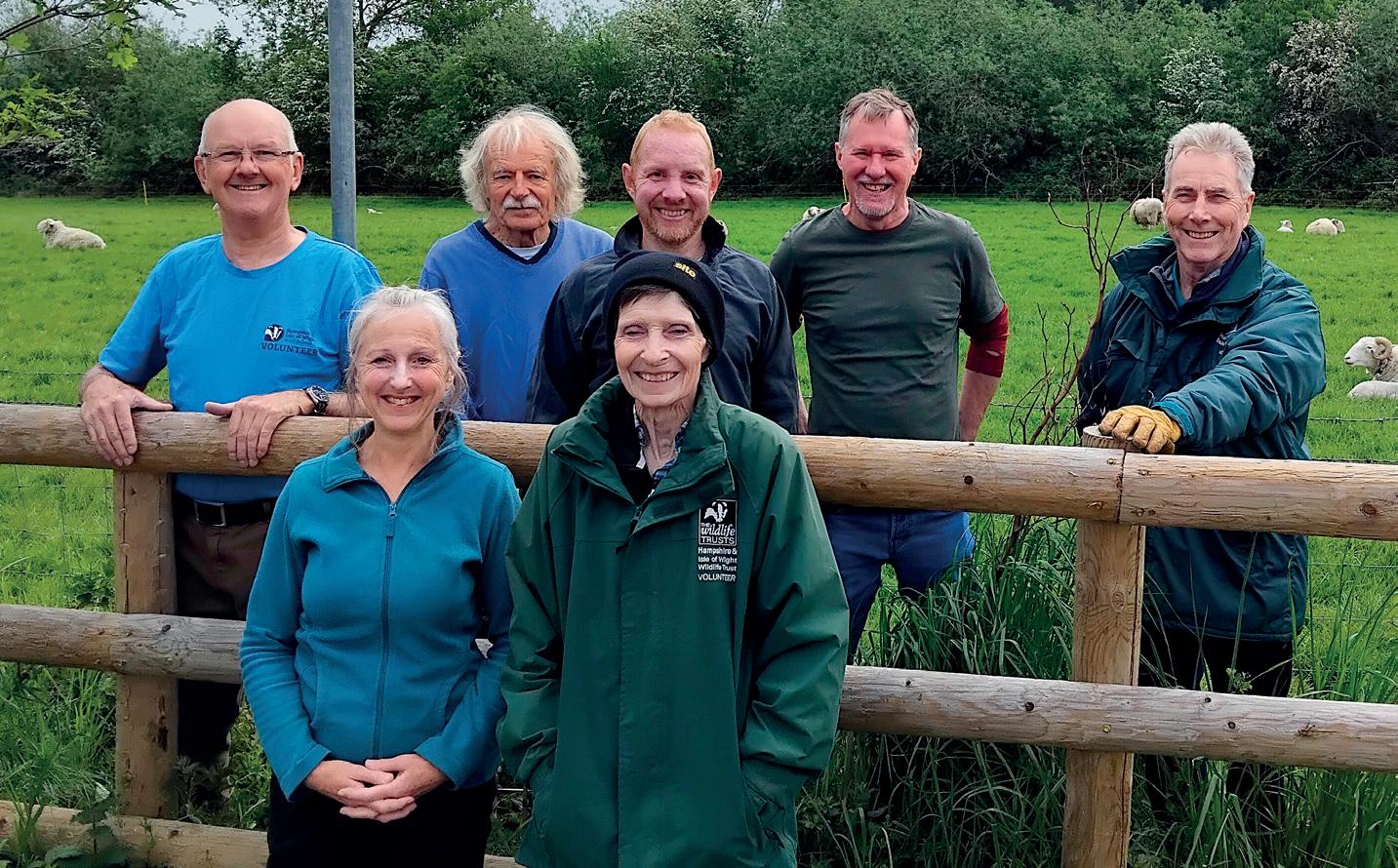
Volunteer view
Former engineer Andy Woolley leads the small team of College Copse Farm Volunteers to support Trust Reserves O cers with practical jobs. “I love being busy. When I retired, I wanted to stay hands on, so now I fi ll six days a week with practical volunteering. is summer we repaired miles of fencing as well as several footbridges, including one strong enough for ca le and tractors to cross. We also rebuilt a dilapidated woodstore using spare material sourced from another site to add roofing. It’s so satisfying when it all comes together. On a personal level you make friendships as well; we all work at our own pace and share some laughs, then head home knowing we’ve helped, which is a nice feeling.”










River management
Careful, preventative work during hot, low flow summer periods helps build resilience in our rivers for the year ahead.
Along riverbanks, trees and woody shrubs are managed to provide shade, reduce water temperatures, and create be er conditions for fi sh and invertebrates. On sites such as the Lymington River (New Forest) and the Eastern Yar (Isle of Wight), staff and volunteers methodically remove invasive species such as Himalayan balsam before it can flower and set seed, helping prevent its spread.
Restorative management is carried out to restore the functionality of our wetlands, improving water flow and key habitats. Works such as floodplain reconnection at Wilder Nunwell and the Eastern Yar on the Isle of Wight help reduce localised flooding and creates new areas for wildlife to thrive.
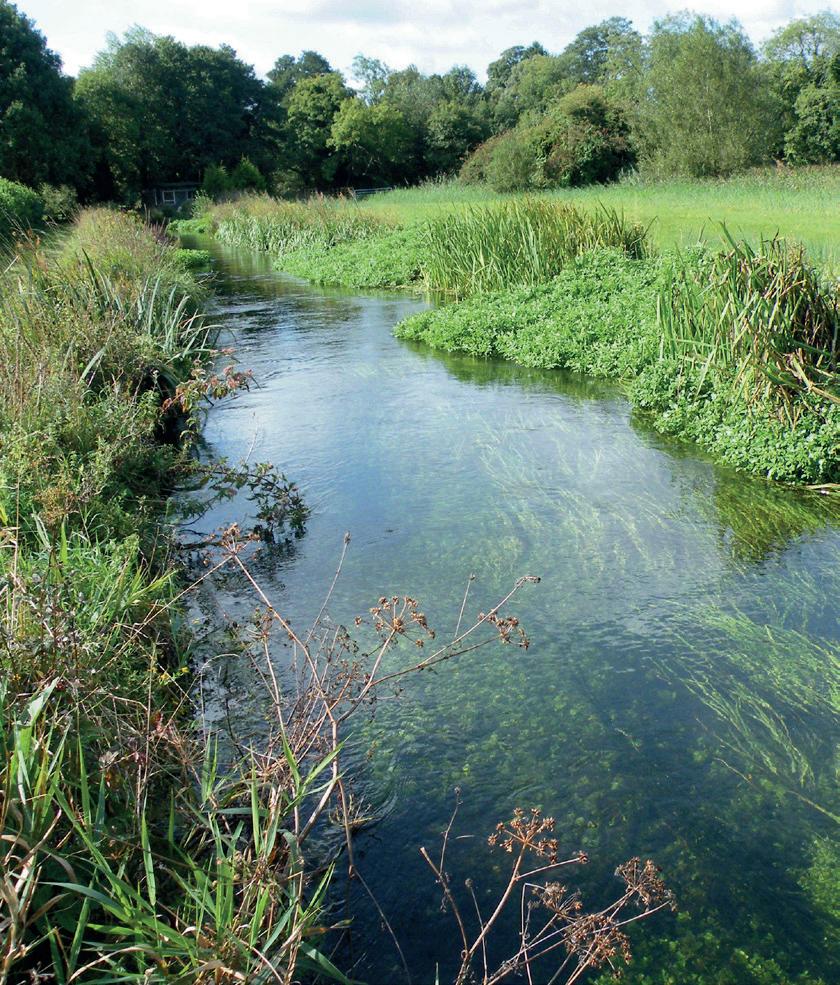
Riverbank management
Andy (far left) with some of the College Copse Farm Volunteers.
MARTIN DE RETUERTO
ANDY WOOLLEY
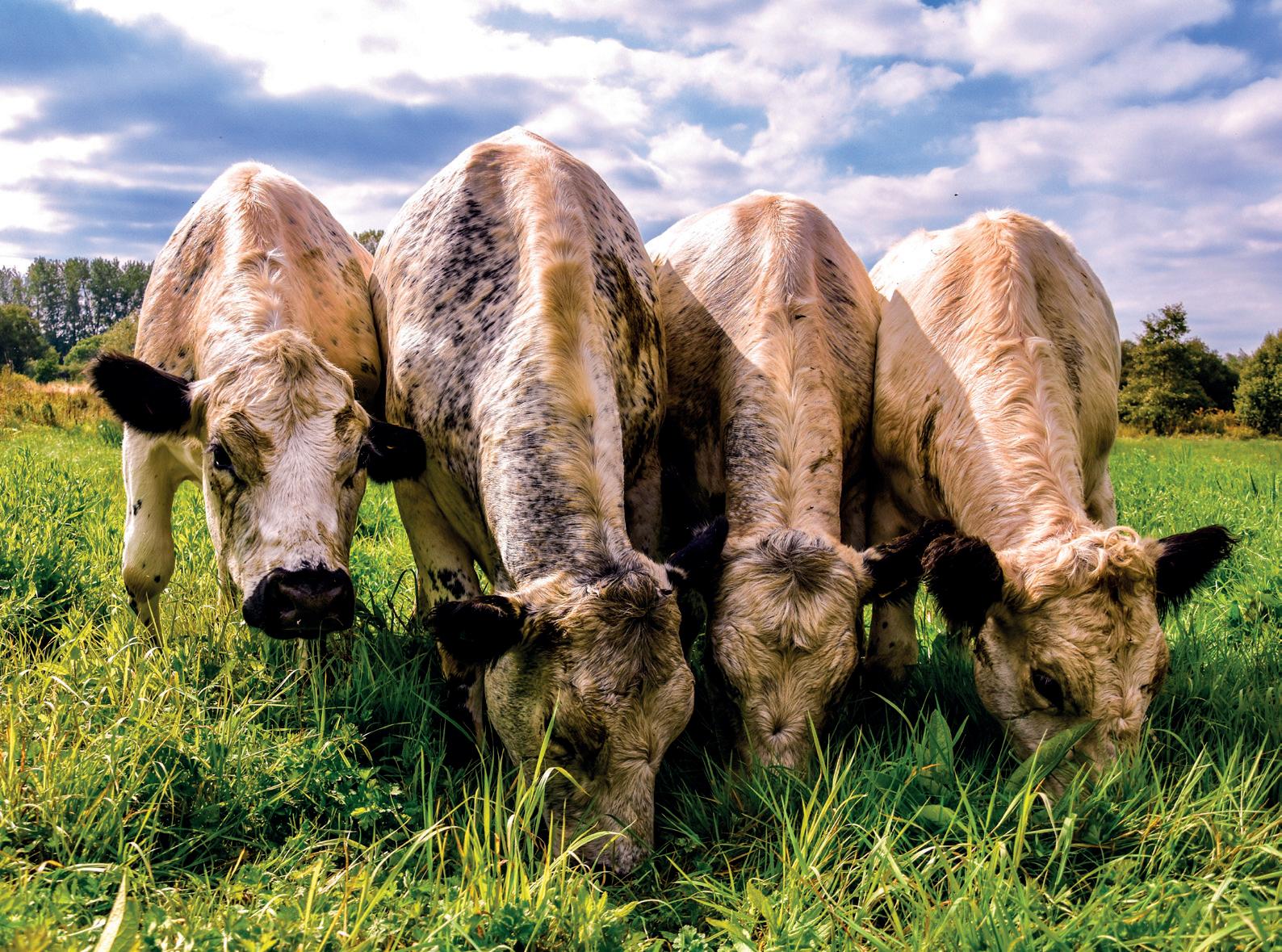
Grazing
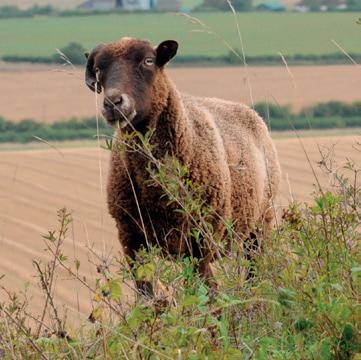
Conservation grazing is a carefully timed way to manage habitats, with summer being the season when most of its benefits are delivered. As vegetation growth peaks, grazing animals help control vigorous grasses and encroaching scrub, stopping a few dominant species from overwhelming wildflowers. Ca le, sheep and ponies graze selectively, creating a varied pa ern of short turf, longer grass and open patches that insects, birds and reptiles rely on. Summer grazing also allows livestock to access damp

Preparation
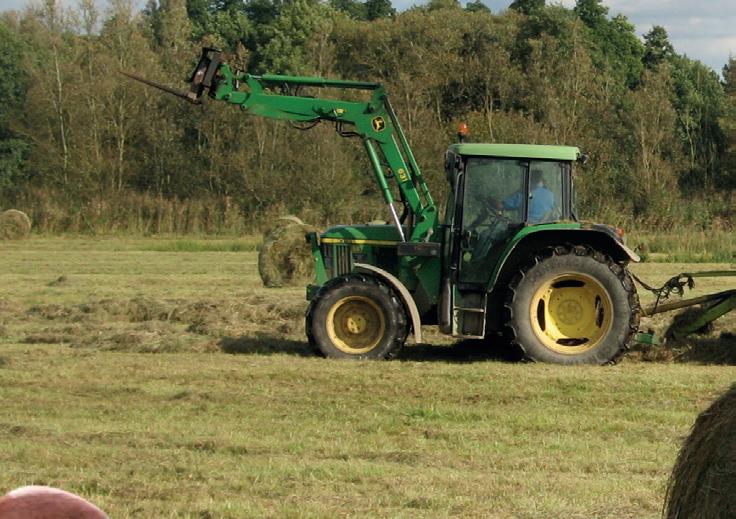
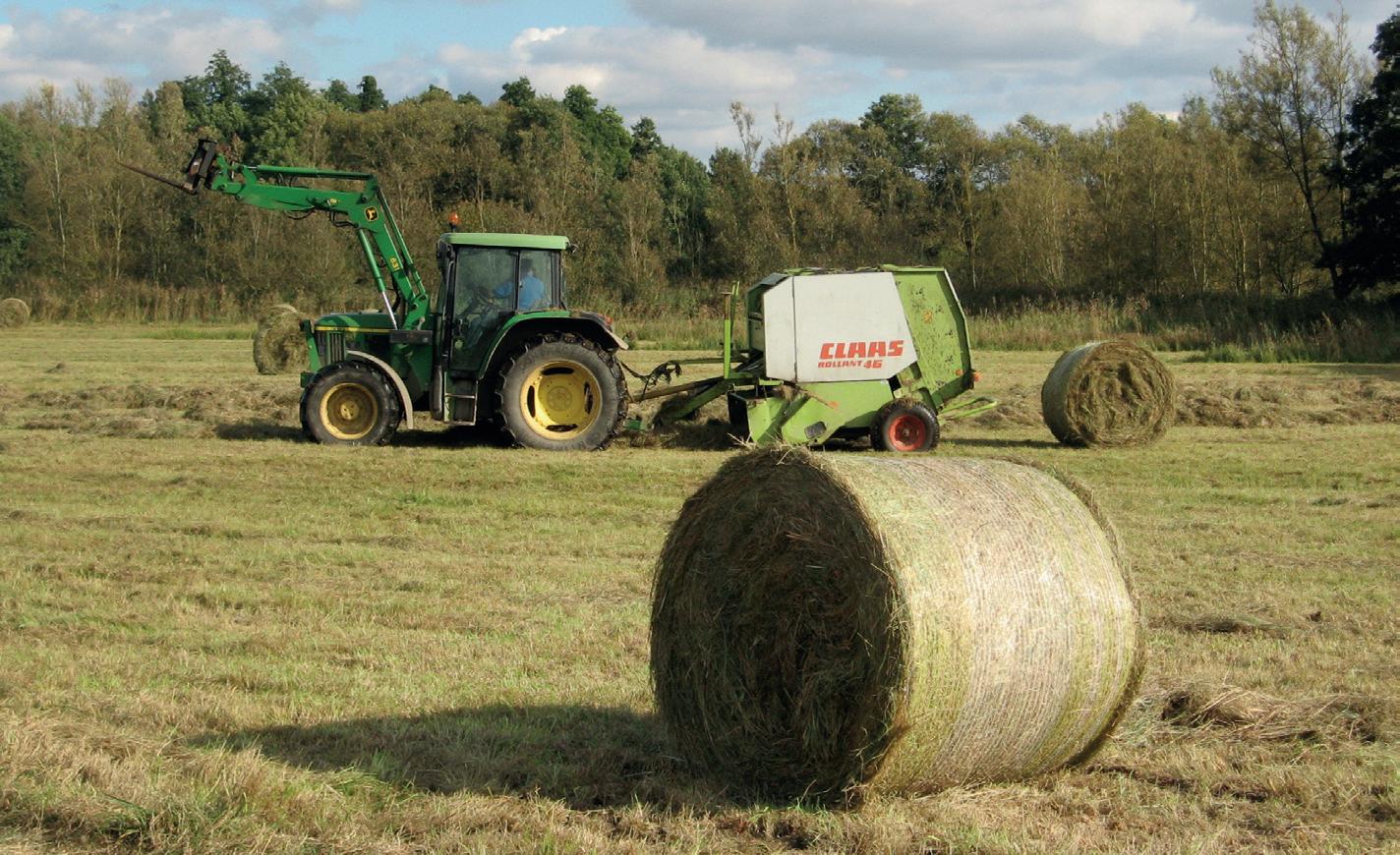
Sensitive hay baling happens within a short summer window and is carefully timed to benefit both wildlife and livestock. We leave some areas uncut providing habitat for invertebrates. During spring, meadows are full of

ground and remote areas that machinery cannot reach, while avoiding the soil damage that heavy trampling would cause during we er winter months. As the season progresses, grazing and trampling break up dense vegetation, helping seeds reach the ground, while livestock naturally disperse seed through their manure. Using hardy native breeds such as Shetland ca le, white faced woodland sheep and Exmoor ponies, the Trust carefully times grazing to mimic natural systems, building resilient habitats that are full of life and diversity.




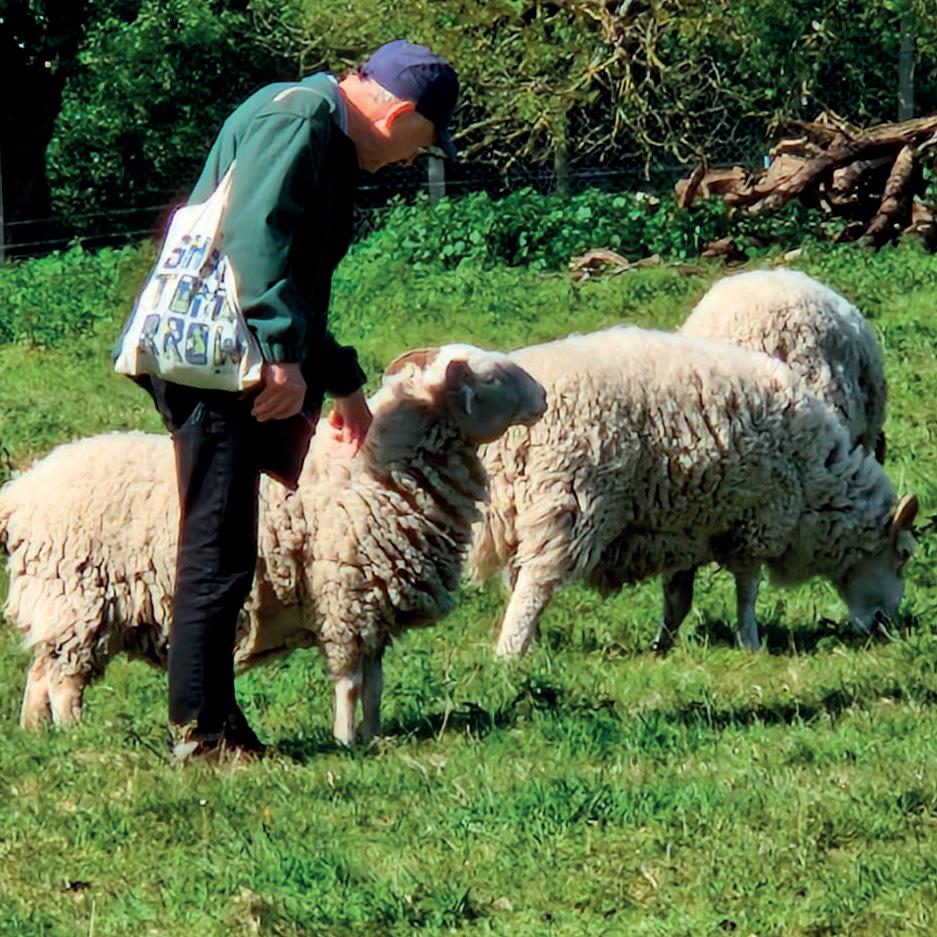
The role of ‘Looker’
Staff and ‘livestock lookers’ keep a close eye on the welfare and behaviour of animals grazing sites such as St Catherine’s Hill and Broughton Down. Volunteer Looker John Lunt ( below) carries out weekly checks.
He said: "Being a ‘looker’ is a wonderful way to support the Trust’s policy of conservation grazing. The livestock – sheep, ca le and ponies – do an amazing job of maintaining habitat for wildlife, particularly the chalk downland. Supporting the Reserves Officers by checking that the animals are well and in healthy is very rewarding. Being out on a weekly basis also enables me to appreciate what the reserve has to offer through the changing seasons."

also stops scrub taking over, helping sites like Winnall Moors remain open and species-rich, supporting a wide range of wildlife. In some areas, “green
hay” is spread so that its seeds will restore bare pastures. Together, these practices help keep reserves productive, diverse and full of life.

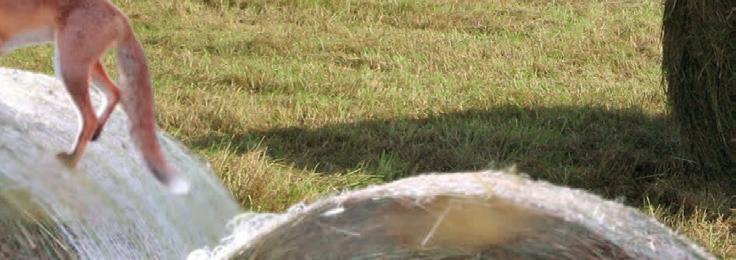
blooming wildflowers. They are le to set seed and then cut in summer when grasses are most nutritious. The cut grass is le to dry and turned regularly, before baling during a spell of dry weather. Miss the window, and weeks of work can be lost. As well as providing winter feed for grazing animals, hay cu ing plays a vital role in conservation. Removing cu ings lowers soil nutrients, preventing coarse grasses from smothering wildflowers such as yellow ra le and red clover. Regular cu ing








Cattle grazing through tall grass.

Collecting data Our seascapes
Surveys are how we listen to wildlife. Every bat call recorded, bird counted, or shoreline species logged helps us understand what’s thriving, what’s declining and where action may be needed. Long-term data helps us understand and respond early to emerging threats. Survey data also strengthens the Trust’s voice beyond reserves, helping influence planning decisions and protect vulnerable species, habitats and sites. Events such as the citizen science initiatives including 30 Days Wild held in June, or the intertidal surveys for the Solent Seascape Project held between May and September, bring volunteers into the process, building knowledge while giving wildlife a voice.
Protecting ground-nesting birds
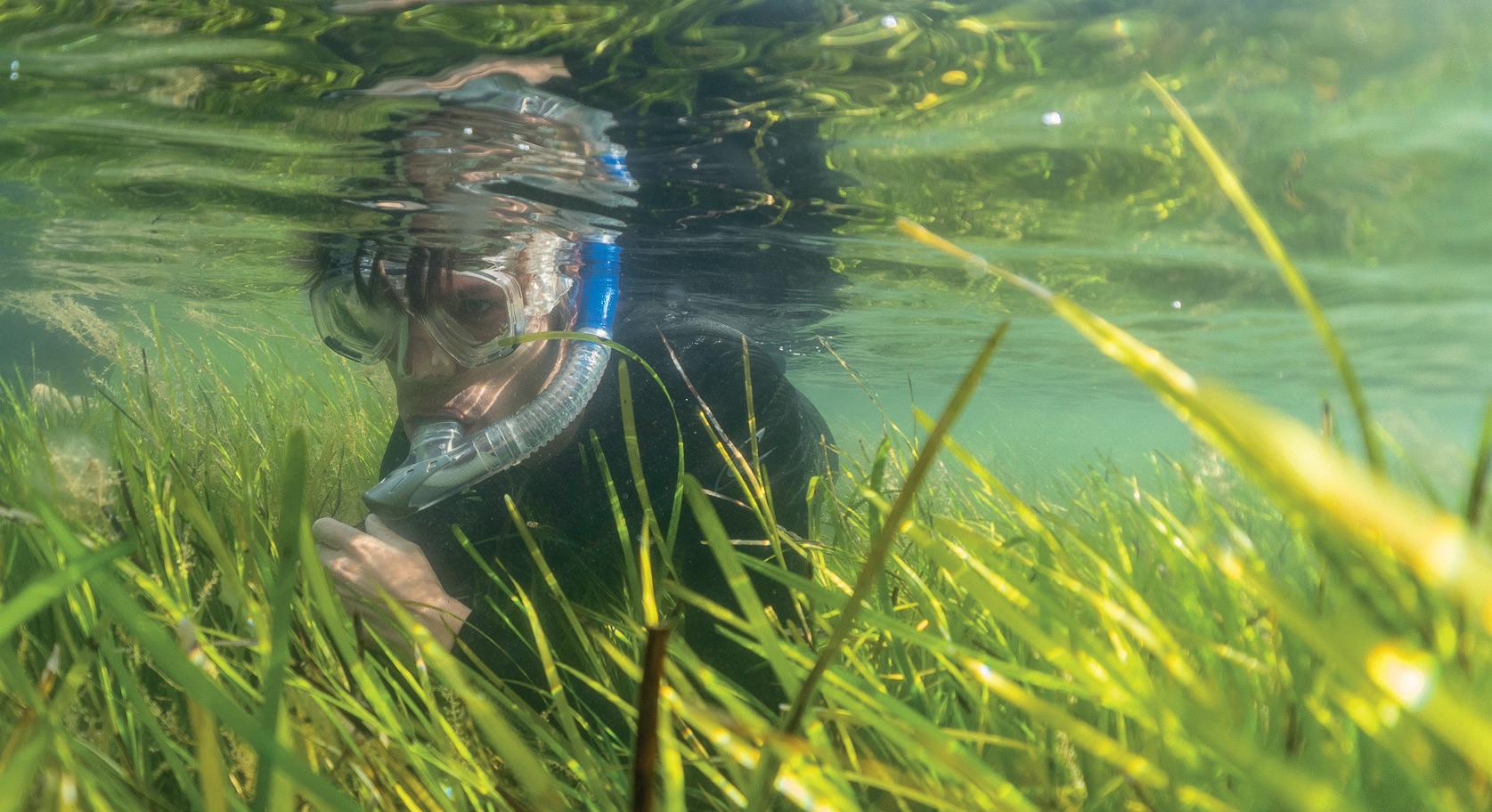
Seagrass restoration begins when flowering plants produce seeds, from June to July. Trained teams of staff and volunteers snorkel and wade to carefully collect mature seed bearing shoots, taking only what is needed and leaving the meadows intact. The collected spathes are taken to the Portsmouth Institute of Marine Science, where they mature, darken and are released, a process known as ro ing out.
When the ro ing out process nears completion, volunteers join staff in the labs to help separate and sort through the remaining seed from the plant debris.
The seed is then placed into a storage system, kept in dark, cold, hypersaline conditions. This puts them into a state of dormancy over the winter months.
Timeline of summer work
March - July
Wetland water levels managed to support breeding waders.
April - September
Infrastructure checks: fences, gates, paths, bridges and structures surveyed for repairs.
Fence repairs, upgrades and electric fencing installed.
Summer grazing with our conservation livestock begins on our water meadows and wetlands.
Groundwork preparation, such as seed drilling on rare arable weed sites such as St Lawrence Field, Isle of Wight.
Seasonal species surveys (butterflies, bees, birds, plants, water vole, crayfish and more).
June - July
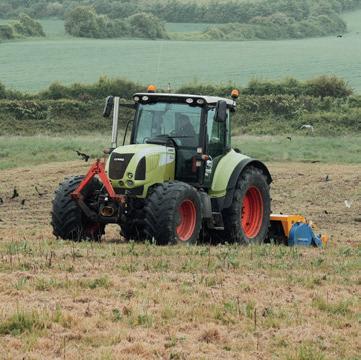
Seagrass seed collection
June - August
The following spring, seeds are replanted into sheltered beaches and mudflats to enhance existing seagrass meadows and establish new trial areas too. By following this seasonal cycle, restoration work mirrors natural rhythms, giving this vital marine habitat the best chance to recover and support coastal wildlife.
In step with nature
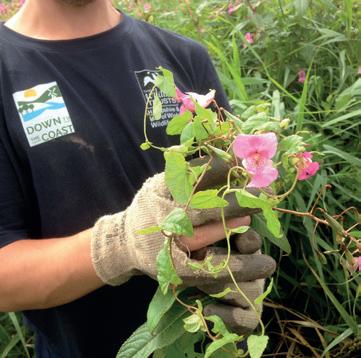
Invasive species removal (e.g Himalayan balsam). Pasture rotation to ensure animals have access to quality forage and to prevent overgrazing.
June - September
Hay meadows cut and baled for winter stores.
Ditches made safer for livestock. Access improvements continue across the nature reserves.
September - March




Early summer is a high stakes time for some of our most vulnerable birds. Hidden among grasses, shingle and heathland, ground nesting species such as curlew, lapwing and skylark raise their young at ground level. The nesting season runs from March to the end of July, o en stretching into August as chicks continue to develop. During this time, the Trust carefully adjusts how reserves are managed to reduce disturbance at the most sensitive points in the breeding cycle. Scrub clearance, hedge-cu ing and major ground works are paused, while access is managed around known nesting areas. Some coastal and heathland sites are temporarily roped off, with paths clearly marked to give birds the space they need. Even brief disturbance can cause adults such as ringed plover to abandon nests, while tiny mobile chicks are vulnerable to trampling or predation. Keeping dogs on short leads, gives young birds the best possible start in life.

nesting areas. Some coastal and roped off, with paths clearly marked












Even brief disturbance can















Winter grazing with our conversation livestock on our chalk downland nature reserves.


tiny mobile chicks are vulnerable to trampling or predation. Keeping dogs on









Much of this work goes unseen by visitors, but its impact is wri en across the landscape, from flowering grasslands and busy wetlands to healthy woodlands and resilient coasts. As Jamie Marsh, Director of Land Management at the Trust, explains: “We act as nature’s custodians, protecting, restoring and enhancing our local wildlife. Working with nature’s calendar, rather than against it, ensures that our reserves remain rich, dynamic places.”
as custodians, protecting, that our reserves remain rich, dynamic places.”




Winter work season – scrub and tree management, coppicing, felling, hedge laying, ride clearance and more.




If you would like to support our work further: hiwwt.org.uk/donate
CHRIS FAIRHEAD
LIANNE DE MELLO
JONATHAN OAKLEY
A snorkeller collecting seagrass seed.
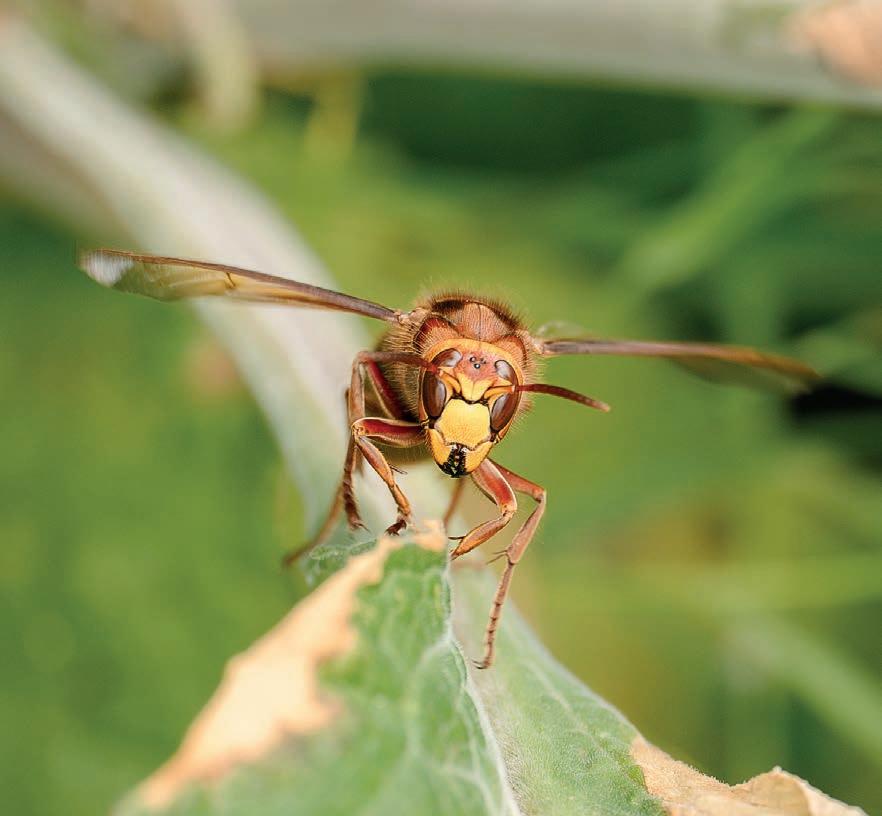
European Hornet, Vespa crabo
The European hornet is the UK’s only native hornet and plays a vital role in balancing insect populations. Active between May and November, it is now more widespread than 60 years ago but remains endangered across Europe. Emerging in early spring, it hunts large insects such as dragonflies, beetles and moths to feed its larvae.
Size Workers – up to 3cm (abdomen to head).
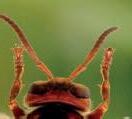
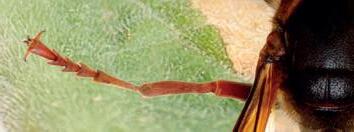
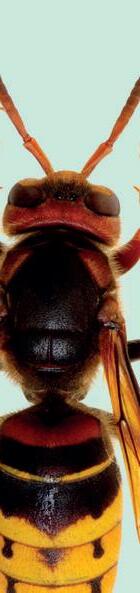
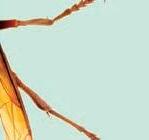
Colour Mostly pale yellow, with yellow and red head, brown antennae and black and yellow striped abdomen. Thorax and legs are reddish-brown.

Hornet versus Asian hornet

Behaviour Despite its size, it is relatively docile, stinging only if threatened.
Activity May be active at night.

Wild but true
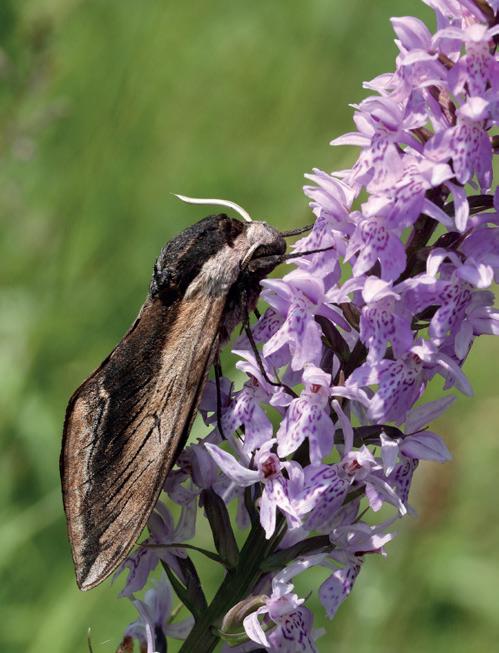
Some other insects, including the hornet moth and hornet mimic hoverfly, are completely harmless but have copied the European hornet’s appearance; a clever strategy to give the impression of danger.
If you fi nd a hornet’s nest, it is best to leave it alone until cold weather forces them to die or move on. Minimising outdoor night lighting will also help to avoid a racting them.
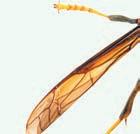
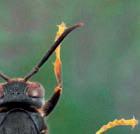
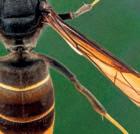
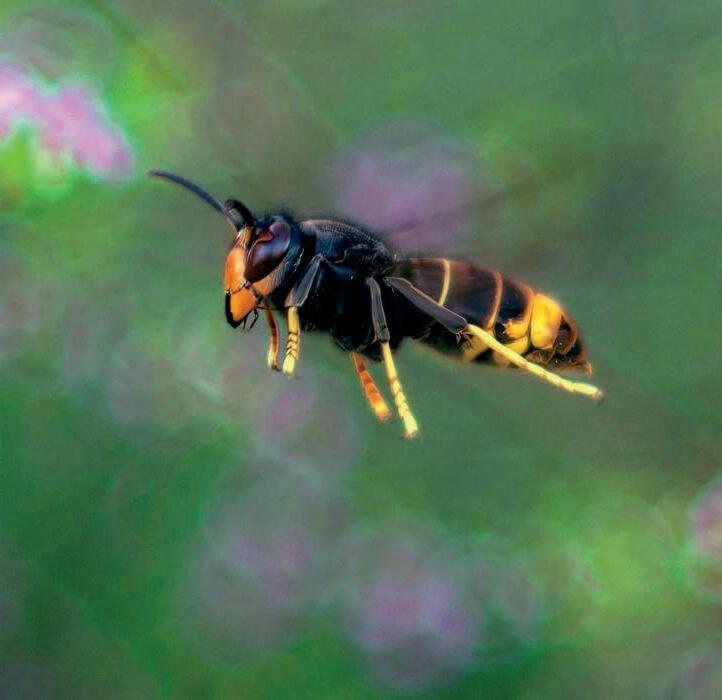
One is a vital native species, the other a potential threat. But can you tell them apart? Here’s what to look for.
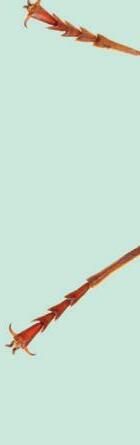
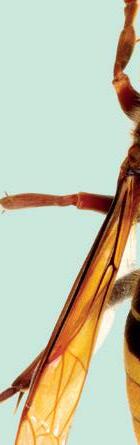
Non-native Asian hornet, Vespa velutina
(also known as yellow-legged hornet)
The non-native Asian hornet is an introduced species that remains rare in the UK but poses a risk to native wildlife. A highly efficient predator, it feeds on a wide range of insects, including honeybees and other pollinators. Using a hunting technique known as 'hawking', it hovers outside hives to catch returning bees mid-air.
Size Workers – up to 2.5cm (abdomen to head).
If you spot a yellow-legged hornet, please scan the QR code to report it via the APHA website.



Colour Orange head, dark abdomen with fine yellow bands and a distinct yellow/orange segment. Black thorax, dark antennae and yellow-tipped legs.
Behaviour Not usually aggressive unless its nest is disturbed.
Activity Never active at night.










DEBBIE ELLAWAY

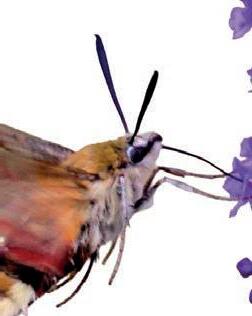
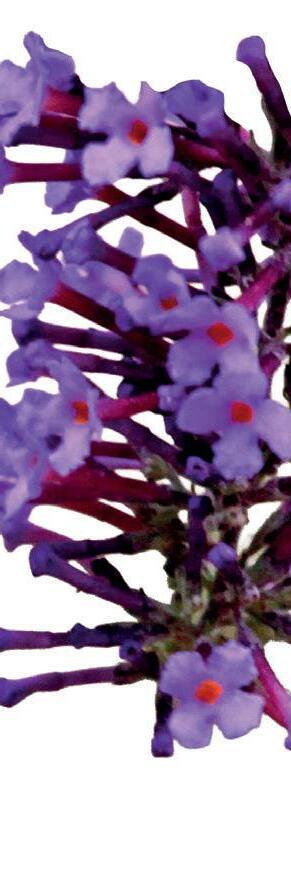
Planting for moths
Creating a garden that supports moths means thinking about both the adult fliers and their caterpillars. With a few thoughtful choices, your outdoor space can become a haven for these vital insects –boosting biodiversity and bringing your garden to life after dark.
Start with structure
1
If you have the space available, native trees and hedges offer shelter, food and breeding sites for moths and their larvae. Species like hawthorn , birch and hazel support a wide range of caterpillars, while hedges also create microclimates that protect moths from wind and predators. If space is tight, go for compact cultivated forms such as the small weeping Kilmarnock willow or shrubs such as fuchsia or privet
For day-flying moths try:
A meal for munchers
For night-flying moths try:
Tobacco plant, evening primrose, honeysuckle and Lavender, scabious jasmine ,





















Leave the leaf li er


As well as woody plants, some other garden favourites also offer a packed lunch for hungry caterpillars. Grow hops or honeysuckle up a pergola, and fi nd a spot for foxgloves, verbascum comfrey, marjoram , bedstraw and sweet William. A few holes in leaves are signs of success, not failure.

Dim the lights












2



3









Resist the urge to tidy up too much! Leaf li er and undisturbed soil provide safe places for caterpillars to pupate and overwinter. These hidden habitats are crucial for the next generation of moths.



4
Artificial lighting can confuse and exhaust night-flying moths, disrupting their feeding and breeding. Use motion sensors, warm coloured bulbs and direct light downward to reduce impact. Be er still, switch off unnecessary lights altogether!



Content courtesy of wildaboutgardens. org.uk. Explore the site for more on moths and gardening tips.
People Wild
Stories from our family of nature lovers.
Lorna Selby, Policy & Advocacy Officer
Congratulations to Lorna who has been named in the ENDS Report Power List 2026 – a prestigious recognition of the most influential voices shaping the UK’s environmental sector.
Published annually by ENDS Report which covers environmental policy, business and sustainability, the list celebrates individuals who have driven meaningful change over the past two years.
Lorna, 23, has been recognised as one of this year’s Rising Stars, highlighting emerging leaders making a significant impact early in their careers.
Her work championing stronger protections for nature, including campaigning for chalk streams and influencing environmental policy, continues to help shape a be er future for wildlife.
Lorna said: “It’s a real honour to be recognised alongside so many people working to protect our environment. There’s still so much to do, but it shows how much impact collective action can have.”
Tribute to a firecrest discoverer

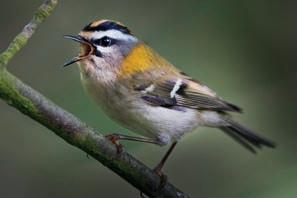
Mike Adams, a keen birdwatcher and Trust member for 60 years, has sadly died aged 91. For two decades he was a much loved volunteer at Testwood Lakes, known for turning his hand to anything from scrub clearance to bird box building. In the 1960s, Mike became the first person to record breeding firecrests in Britain, after spotting several of the rare birds summering in Bolderwood in the New Forest. Fittingly, on Mike’s final walk there, just six weeks before he passed, a firecrest landed on a branch beside him.
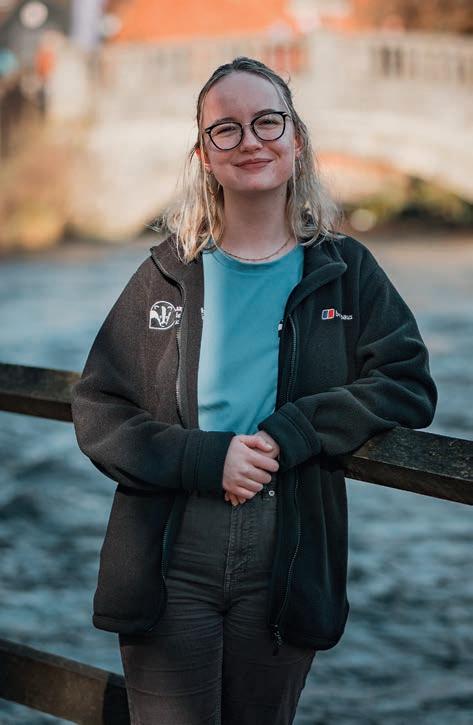
WILDER PROJECT
Painting wildlife into everyday life
The Wilder Mansbridge project ended with a burst of colour, as local artist Joanna Rose Tidey (pictured) created a vibrant wildlife mural at Mansbridge Primary School.
Known across Southampton for her bold celebrations of native species, Joanna worked with the school to choose animals found locally – wildlife the children might spot in nearby gardens and green spaces. The mural features a fox, badger, hedgehog, robin, snail, bumblebee, butterfly and daisies, with extra creatures added following conversations with pupils and staff,
including a squirrel, woodlouse and ladybird.
Deputy Head Teacher Alison von Landau said the children were “very impressed” to see their ideas included.
She added: “The colours, detail, and sense of connection to the natural world have already made a positive impact on our pupils and staff, creating a calm, inspiring environment. The mural will be enjoyed for many years to come and will remain a lasting part of our school community.”
The mural was organised by Jill Doubleday, Wilder Communities
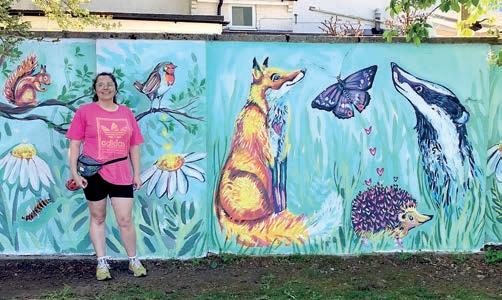
Officer (Southampton) and funded through the Wilder Mansbridge project, a partnership project with Abri Housing Association.
Let’s hear it! Tell us about your encounters and experiences. Contact editor@hiwwt.org.uk
CHRIS FAIRHEAD
Changing the course
“I HAVE A PASSION FOR SETTING the bar where it needs to be, then working back to fi nd a way to deliver. The great thing about the Trust is its ambition. We look for the possible and set new benchmarks.
When I joined 18 years ago on the Winnall Moors River Restoration project, it was one of the most ambitious of its kind in England. The Lo ery-funded project enabled us to take full ownership of the site. It was about far more than changing a single stretch of river, it was about changing how people understood these unique chalk catchments altogether.
At the time, most river restoration projects had only focused on the channel itself, either due to fragmentation of ownership, or confl icting views over where water should be contained. Our starting point was different. Rivers aren’t corridors; they’re systems. Fish don’t just live in rivers; they live in floodplains. Their resilience depends on the whole system functioning properly.
Much of the river Itchen at Winnall Moors had been reduced to straightened
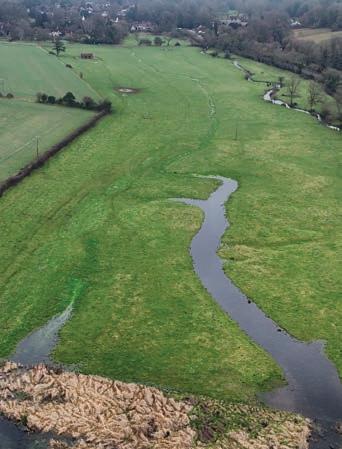
sluggish canals with li le movement or vegetation. One section had inherited a huge embankment of dumped chalk. It was almost like a runway for a small aeroplane, completely severing the river from its floodplain and the wet alder woodland. The woodland itself was drying out. So we reused the material to restore the natural chalk ‘run’ that we see today. Across the reserve, we removed weirs, reprofi led banks, added gravel to the river, reinstated some historic water meadow ditches, restored sluices, and allowed the river to flow where it belongs.
Now the river has energy again. Gravels, pools and marginal habitats have returned. Wetlands have improved natural flood management in Winchester, boosting its resilience to flooding and drought. Species from water voles and dragonflies to kingfishers and o ers are back.
In 2011, the project received the prestigious Orvis Wild Trout Trust Conservation Award which was recognition of our more joined up approach.
Our work at Winnall Moors also shi ed a itudes. Our view was that managing rivers for fi sheries and
conservation isn’t a contradiction, it’s the same goal when properly understood. What felt radical then becomes normal surprisingly quickly once people can see it working.
Fishlake Meadows is another site I’m incredibly proud of. Working with Test Valley Borough Council, our team secured it as a reserve. It was already special, but now communities nearby think it’s completely normal to see ospreys fi shing from the roadside, gulls everywhere, and bi erns booming – a bird that was once close to extinction. Before, you’d have to travel miles to experience that kind of richness. Now, peregrines nest on Romsey Abbey and feed over the meadows. People don’t stop to think it’s unusual because it’s become their everyday.
My path into conservation began outdoors as a child on some of the sites I’ve helped to shape. Time spent in wild landscapes such as the Brecon Beacons and Northumberland as a young man in the Army also fuelled my passion for nature, while some moments simply stop you in your tracks. Once, I was standing in the River Wylye when a salmon brushed slowly against my legs. My heart raced at seeing something that powerful, that close.
Change takes time. Winnall Moors shows what’s possible when we raise the bar, hold our nerve and let nature lead. As an important mentor, Dr Nigel Holmes, once told me: ‘Focus on what MUST be done, not just what can be done.’ I’ve carried that mindset through my work ever since.”
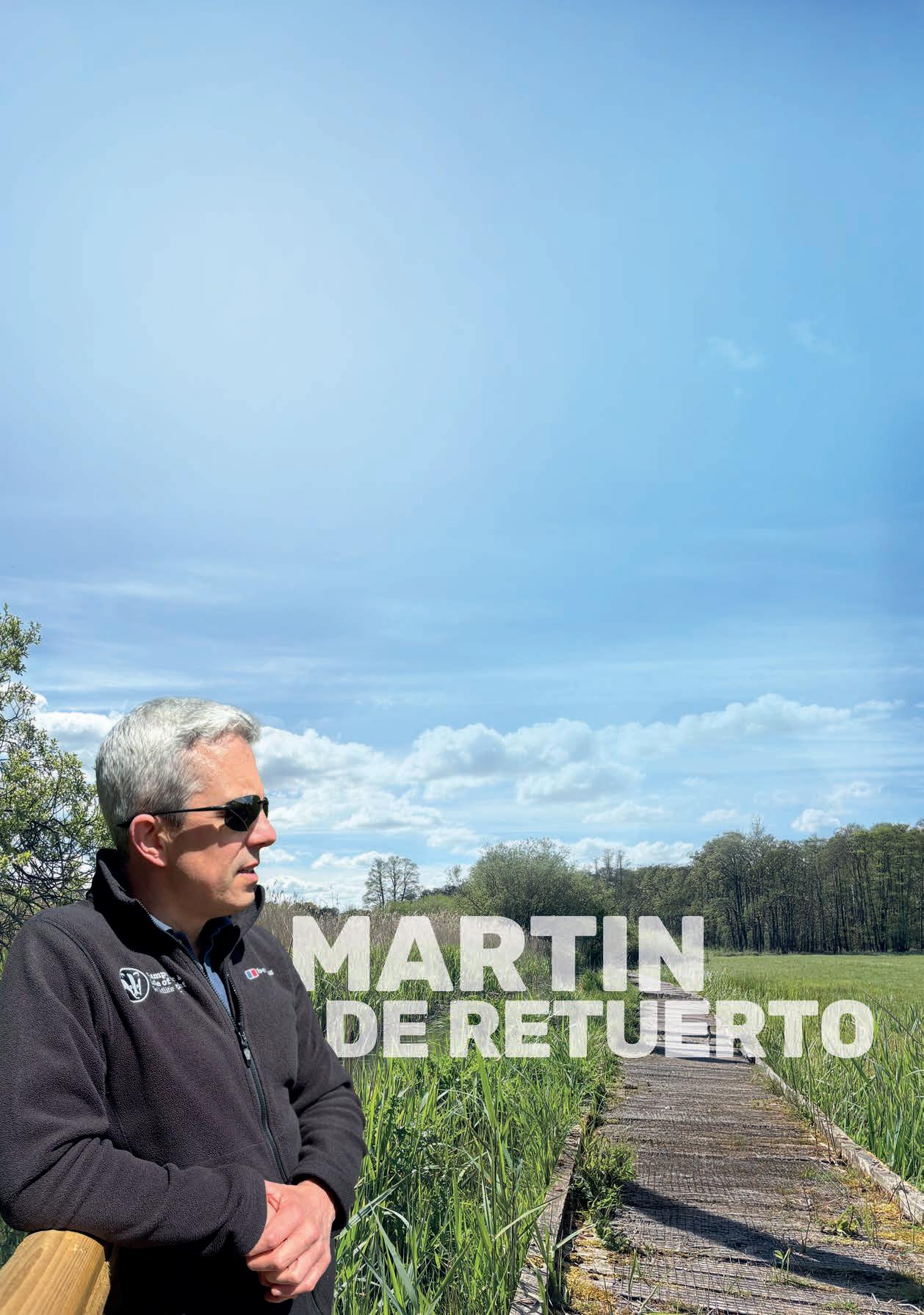
Director of Nature Recovery, Martin de Retuerto, reflects on 18 years at the Trust, rewinding to his first river restoration project at Winnall Moors – a visionary sixyear initiative to reconnect the Itchen to its floodplain, shaping a whole new approach to river management.


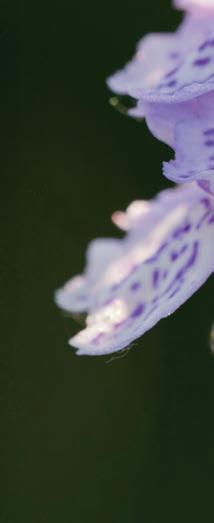

generations Gif ts that last
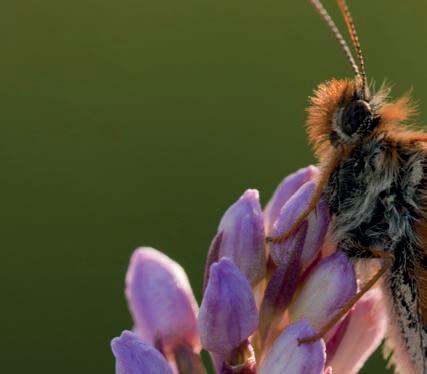
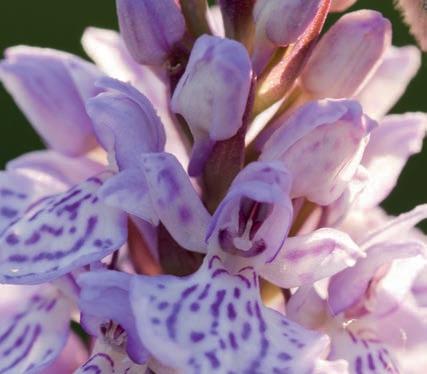
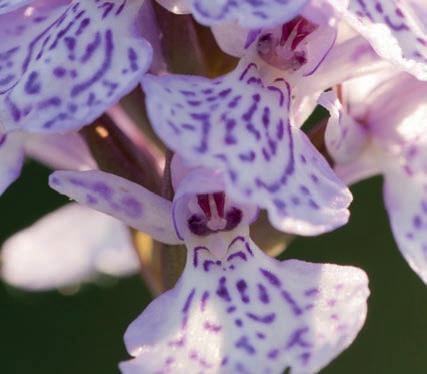

Gi s in Wills are helping Hampshire & Isle of Wight Wildlife Trust restore nature.
Our gratitude goes to those who have chosen to leave a legacy to the Trust, helping protect wildlife and wild places for the future.
With decades of land management experience, we use these gi s to create, restore and connect habitats – guided by careful monitoring and evidence to give wildlife the best chance to thrive.
So when wild orchids bloom at Coulters Dean, dormice and woodland bu erfl ies thrive in a coppiced hazel at Swanpond Copse, and the rare longhorned bee is seen at Ningwood Common, these successes are made possible by Gi s in Wills.





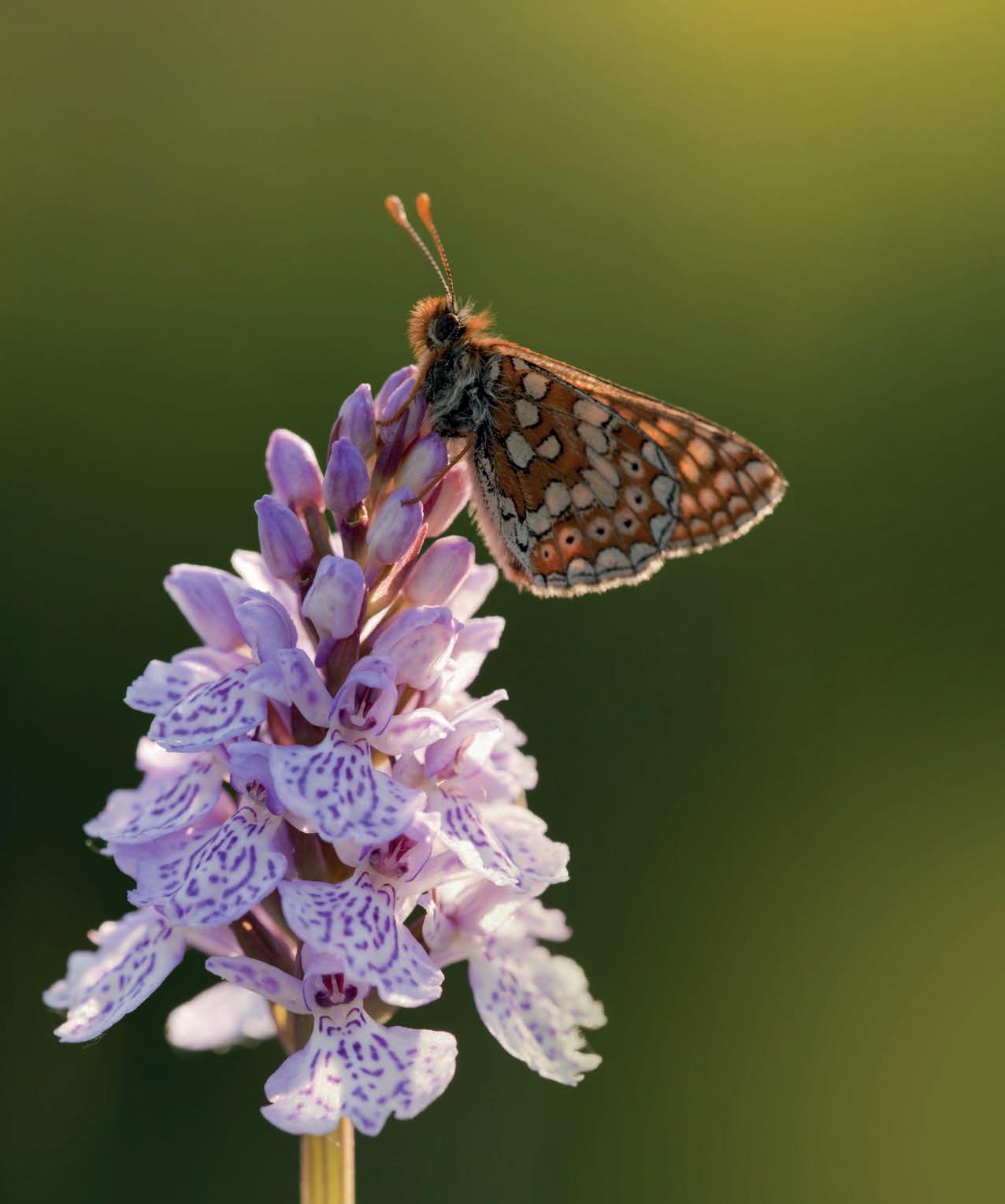













MARSH FRITILLARY: ROSS HODDINOTT / 2020VISION
Hampshire & Isle of Wight Wildlife Trust