
letter from the EDITOR
Dear Hivemind Readers,
I took an evening walk around campus yesterday -- a respite from the jarringly bright, windowless newsroom where I had hunkered down to work on the issue you’re holding.
As I strolled, the wind untucked my hair from behind my ear, and a warm breeze lifted the twilight birdsong which rang throughout the air. I noticed the faces around me had become younger. Students who were blissfully joyous of their future chatted and giggled past me. I suddenly felt that I was the face that intimidated me all those years ago. I was older, now. The upperclassman.
As I came back upon the newsroom building, I imagined myself returning in a similar gait, years later, to knock on the door of a place that would no longer recognize me. This place would harbor memories that only existed in the scattered photos of our cheerleader adviser who loves to brag about our successes.
Hivemind, as a concept, originally felt like a natural contribution to the publication where I discovered my love for arts and entertainment reporting. The actual creation of it proved to be much more complex, but even with my limited knowledge, my colleagues and friends have learned, advised and collaborated in ways that I hadn’t imagined.
Our first issue won 8th place at the Associated Collegiate Press conference this spring. My pride is immeasurable.
And now, the chapter continues. This time, in print. And next time, without me at the helm. It’s been an honor to create Hivemind, and it’ll be an even greater honor to see what you do with it. Enjoy.
Hivemind Editor-in-Chief, Delaney Joyce



On the cover
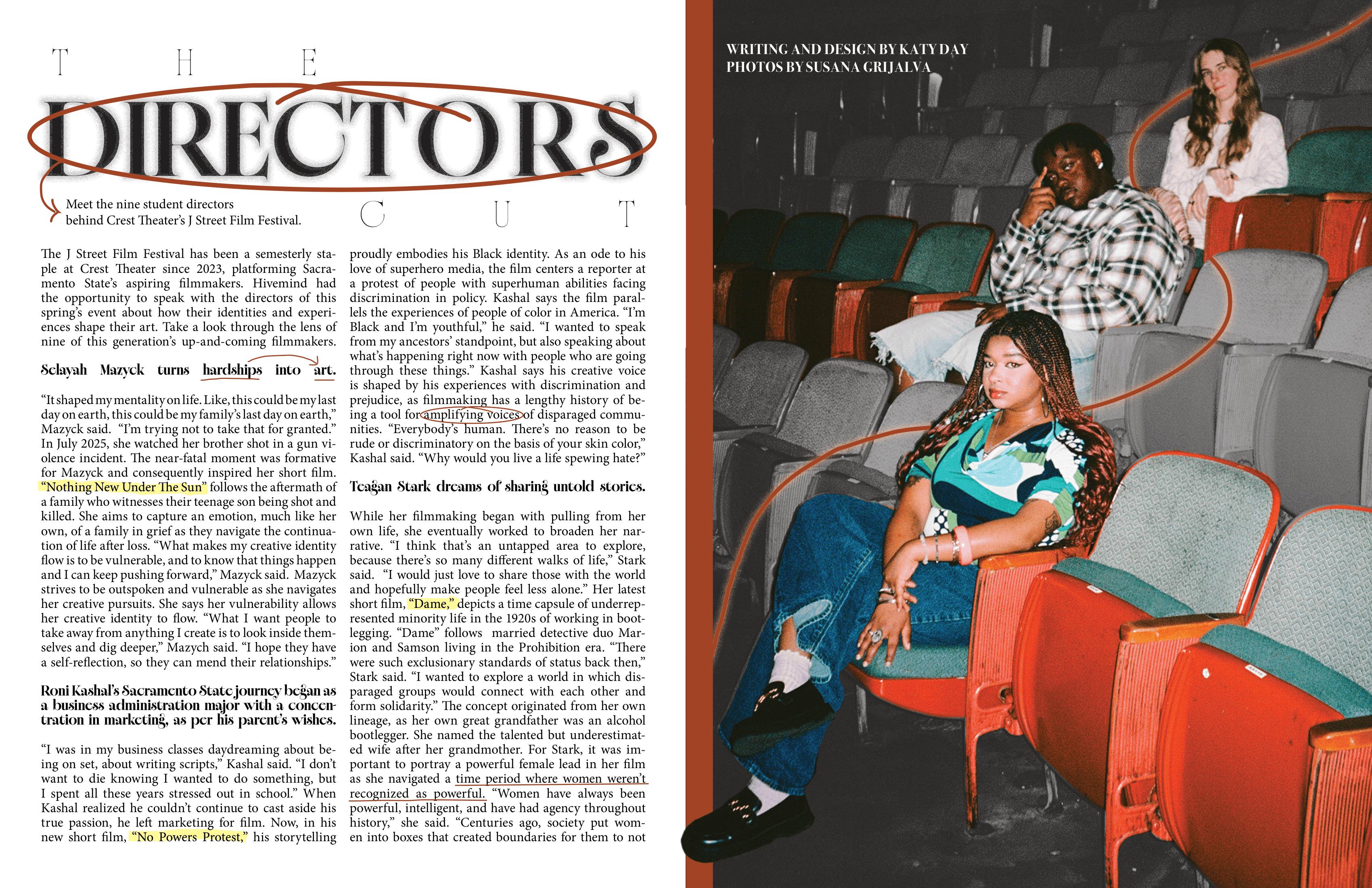
(From left to right) Selayah Mazyck, Roni Kashal and Teagan Stark in the seats of Crest Theatre. Their contributions to the J Street Film Festival are chronicled on page 30.
PHOTOGRAPHED BY SUSANA GRIJALVA
On the back cover
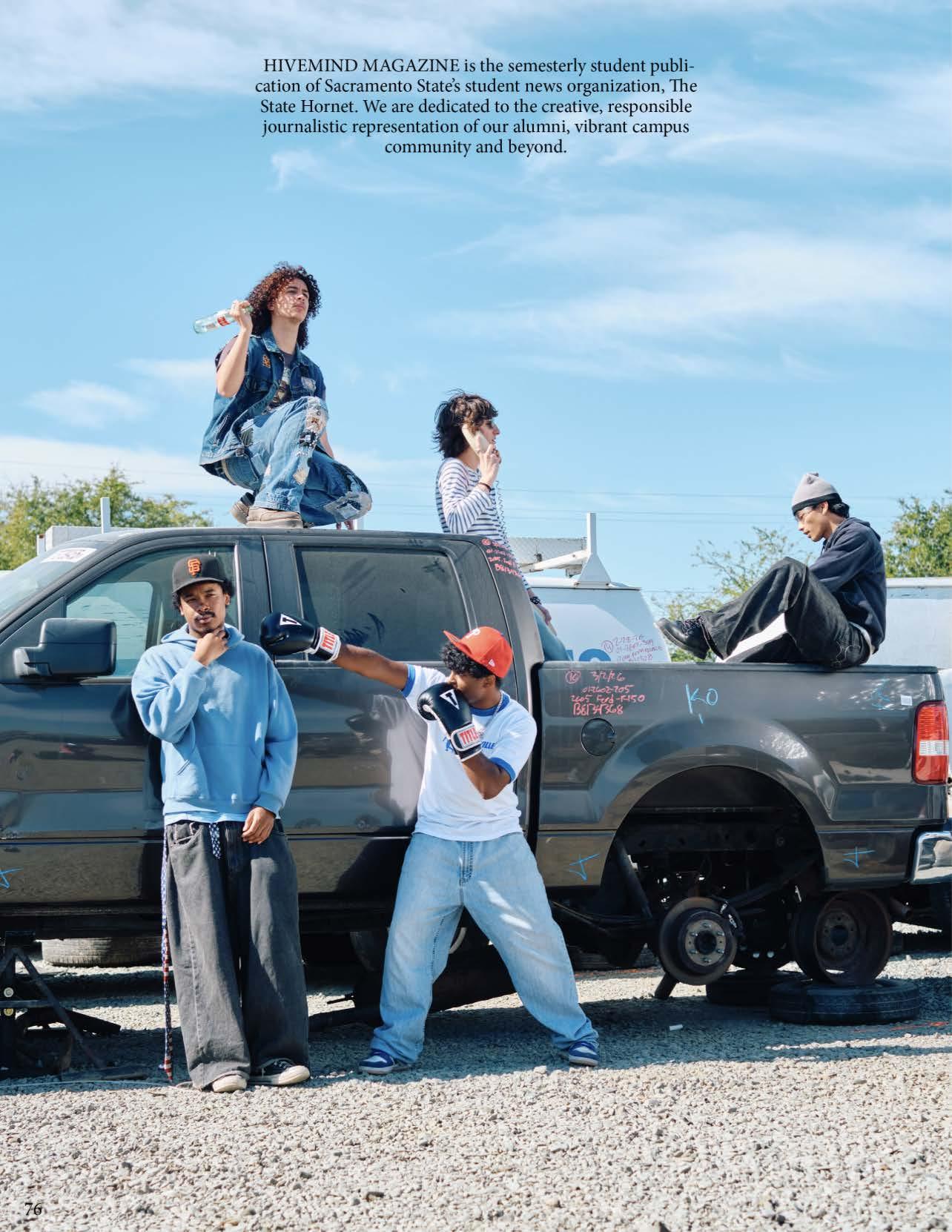
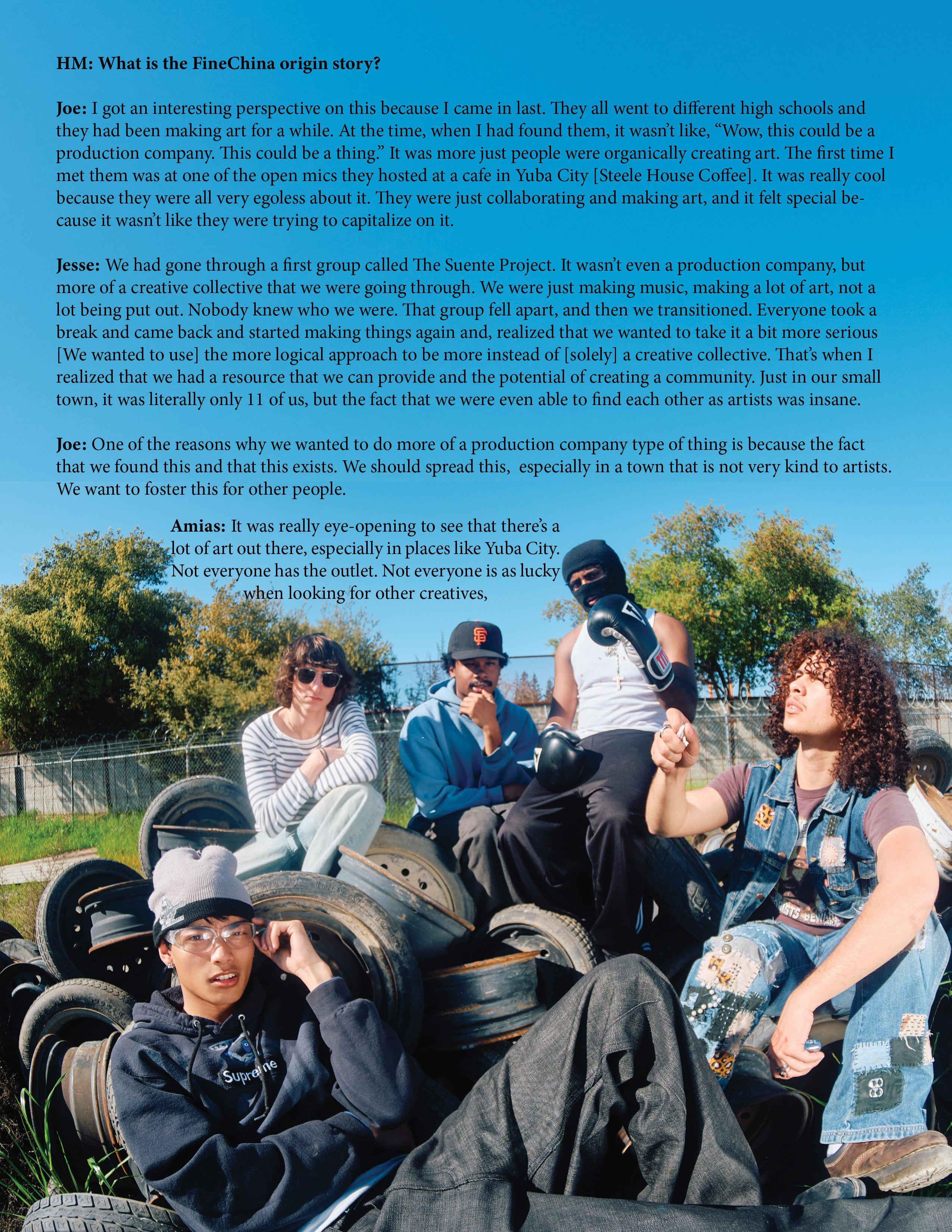
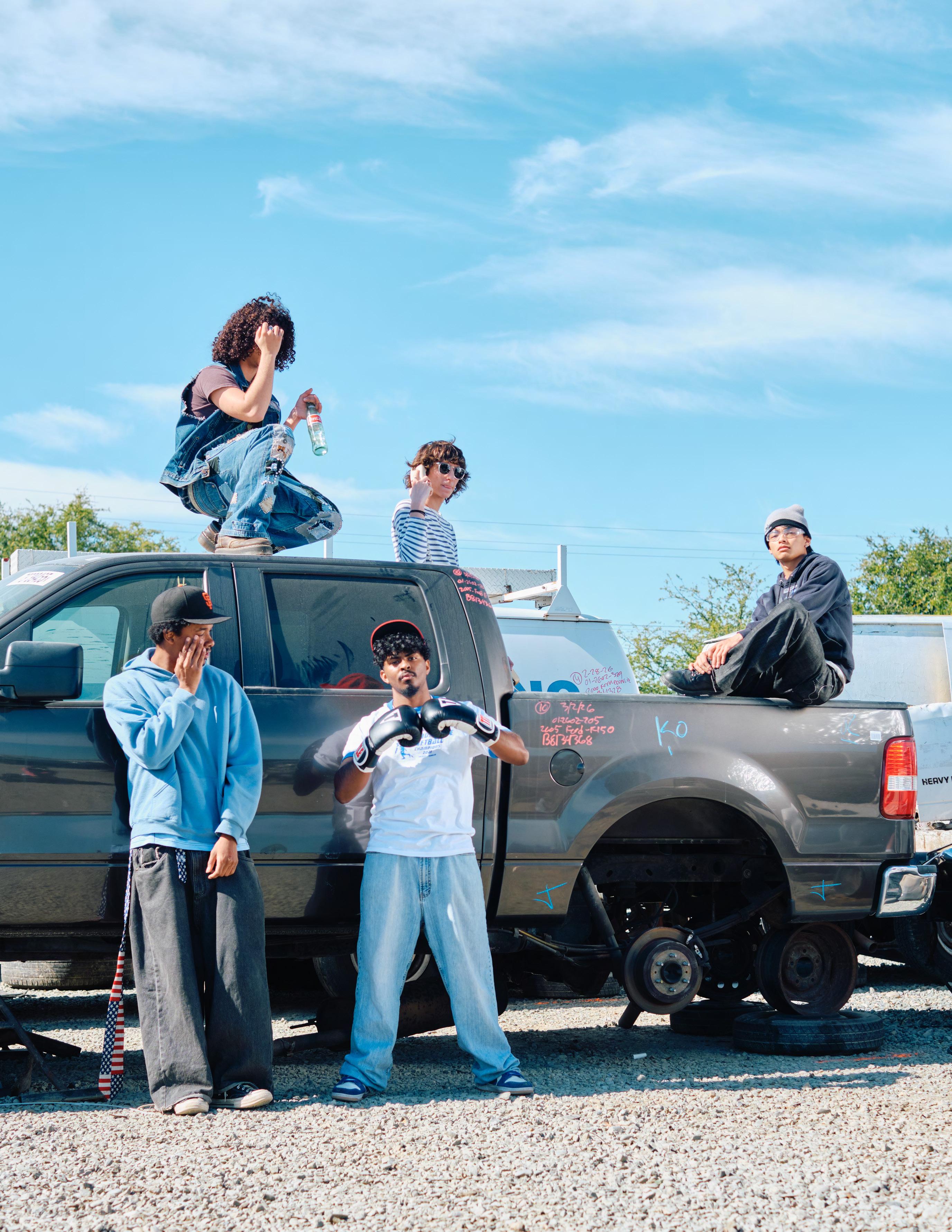
Artist collective “FineChina” posed outdoors around a pickup truck. The story delving into the group’s origins begins on page 16.
PHOTOGRAPHED BY JESSE JAMES
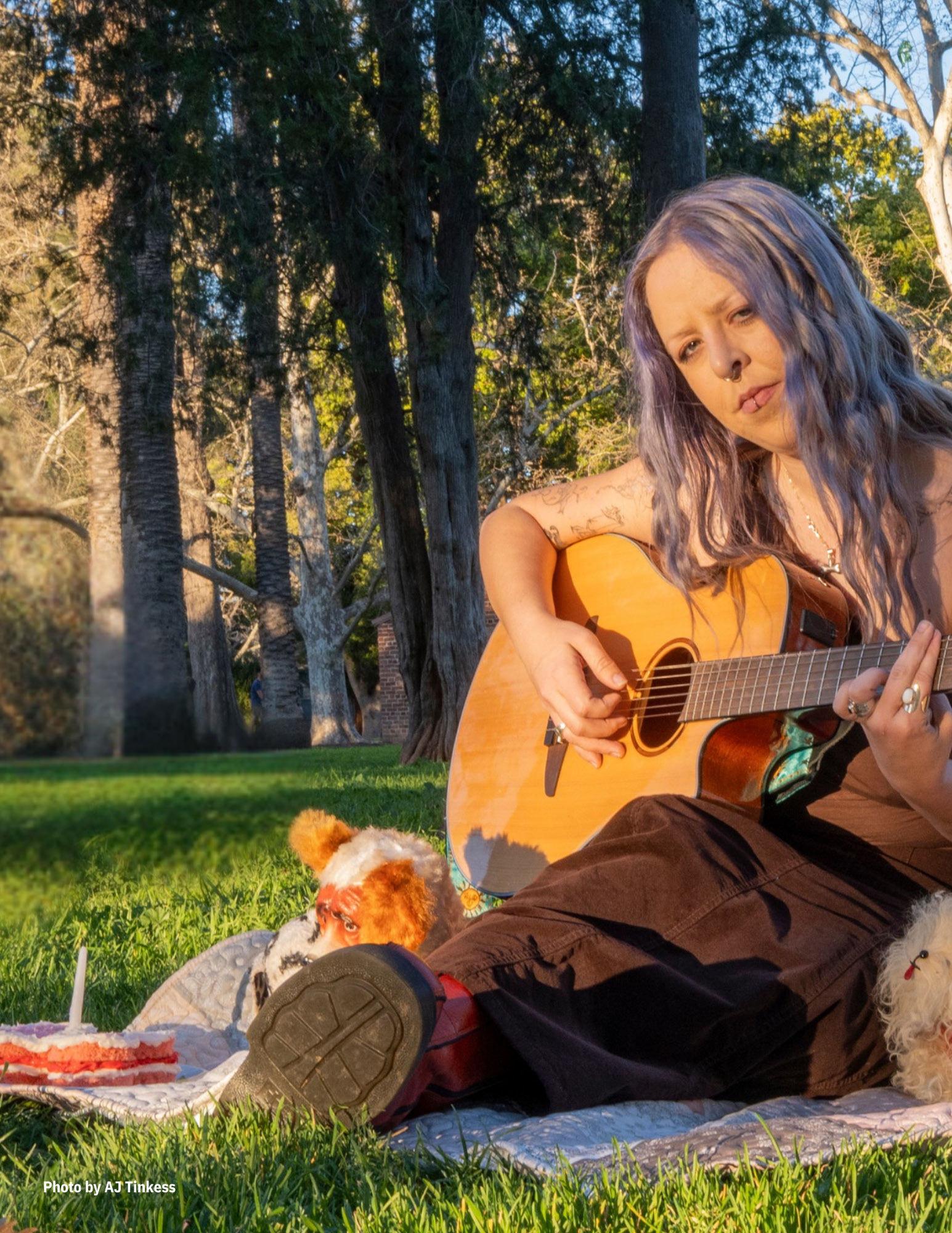
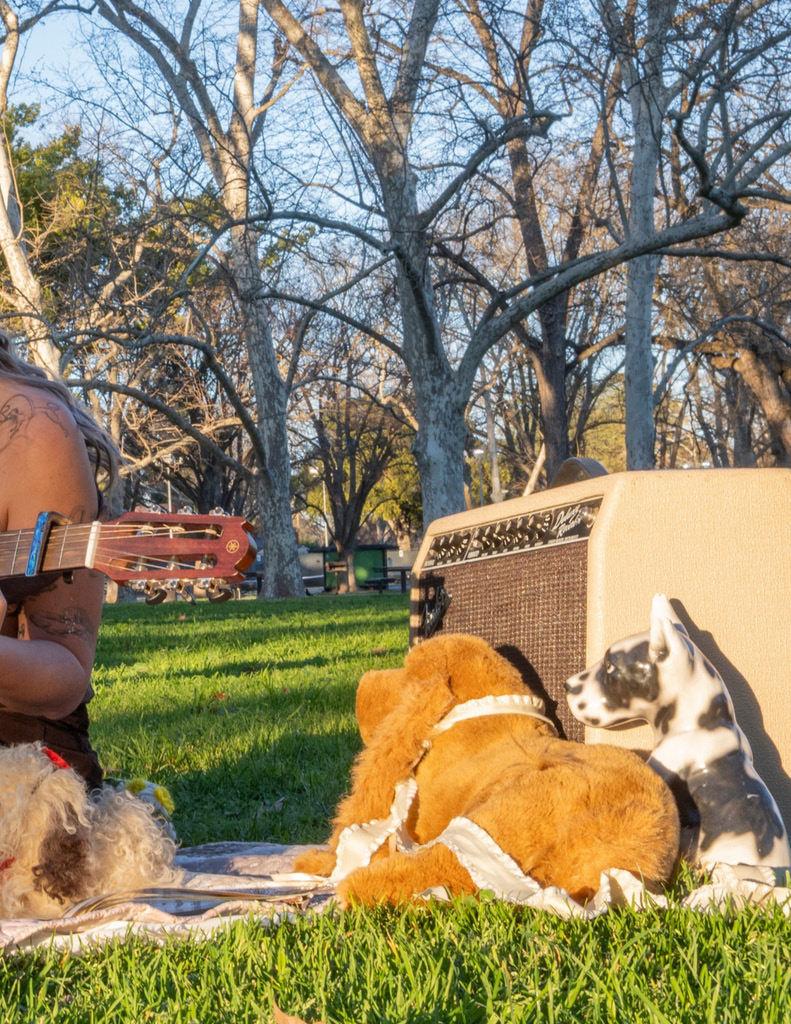



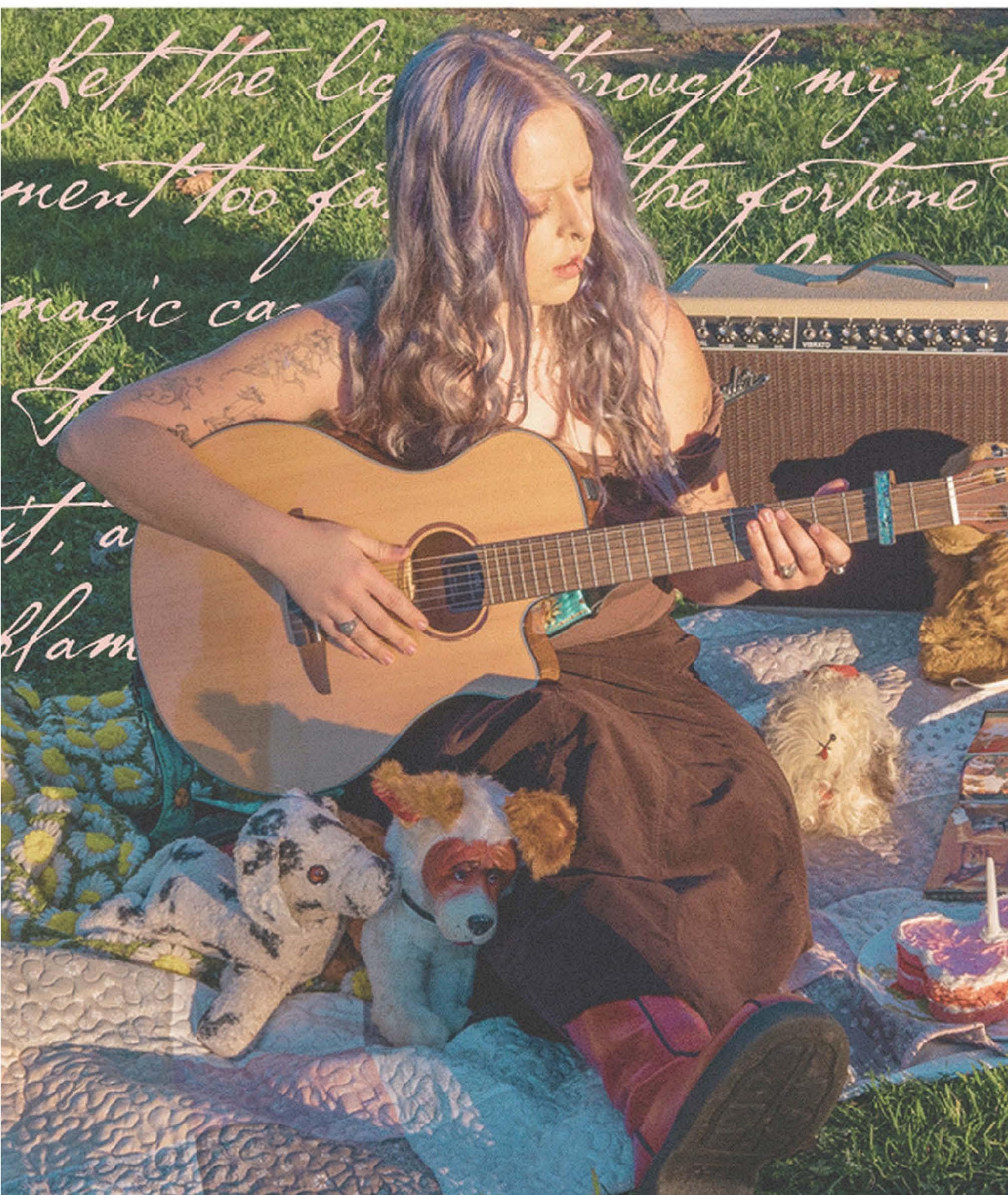
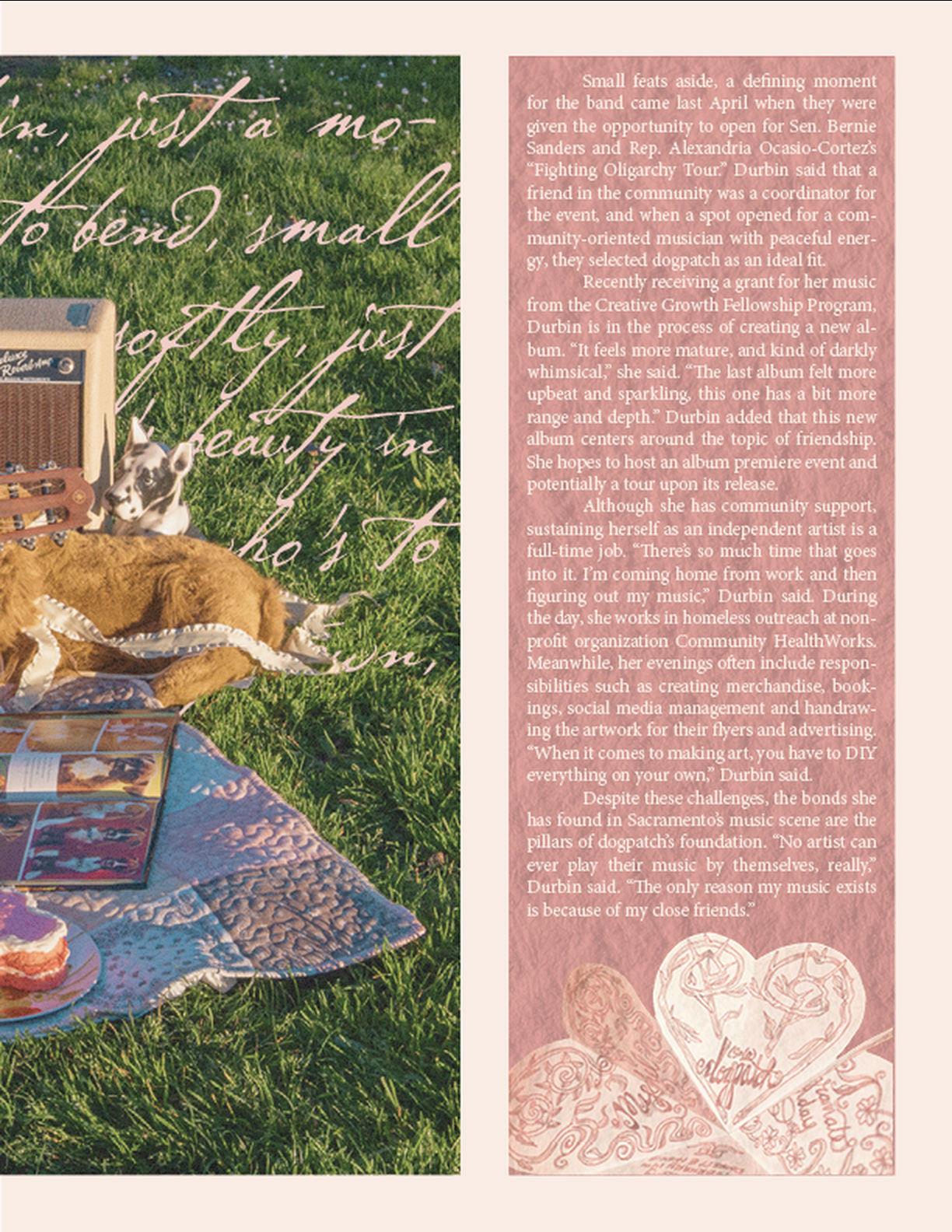
Singer-songwriter EmileeDurbindJscusses'TheSaaamentoRenaisan�: findingjoyinda.rktJmesandthelifeof anindependentartist. WrittenanddesignedbyKatyDay Pbot05byAJTint.es&


Emilee Durbin spent her childhood days immersed.in music alon�de her father. While the sounds of Sheryl Crow and Hannah Montana echoed through their home, the duo shared stng-alongs and dance circles. Now, being the frontwoman and foWlder of Sacramento band dogpatch, Durbin fondly recalls her memories WJ'th him as the first sparks for her love of music. "He was a stay-at-home dad. He drummed, so he listened to a lot of music," Durbin said. "Art and music were how we shared our connection."' For the first time, music bridged herself to others, and it wasn't the )ast
Durbi.ns Journey as a musician began during the COVID-19 pandemic, when former- local musician Timothy Brown encouraged her to Join the Sacramento music scene. Just prior, she had been fine-tuning her singing skills, 1earning to play guitar and songwrite. Her first fully realized songs were recorded by Brown during quarantine.
As the pandemic persisted, she b� to create independently for a short period Once Sacnmento transitioned to normalcy, its music scene was rejuvenated, and Durbin found kinship at Toe Golden Bear's open mic nights, a midtown bar known for hosting live music and stand-up com

�here's a lot ofpah1, but also so much beaufy.And to find the balance is whatwe have to do.
edy nights . "Everyone was tetherin g together and really supporting each other on those shows; Durbin said. "It's cool because there's different cliques of people that hang out in d.Uferent genres, but youll see people kind of jump between these circles, which ties everyone together� She and her friends described the experience as the 'Sacramento Renaissance: These ties are the \-ery origin of dogpatch. "Before, I was going by my name, and I didnt like how lt didn't really shine on other people who are supporting the project;' Durbin said. The band is composed of eight rotating members, including Jacob SWedlow of LabRats, a Sac1amento Jazz quartet, and local musician Harlequin Rose. Though dogpatch is an ensemble of the contributors in the recording process and performing. Durbin is the sole songwn°ter and frontw oman for the project.
Durbin bas met and connected with artists across a wide span of genre s through local venues. She and R&B artist Jakhari Smith, who have collaborated tracks such as "ln My Room"' and "Broken Pieces,'° met through The Golden Bear1s open mlc nights. Nowadays, dogpatch often performs at music venues and dubs like The Red Museum, Harlow's and Torch Club.
In August 2025, dogpatch released their first LP, "LOVE COLLECTOR.. The 11-track album serves as an Introduction to the dreamscape that is their signature sound She credits Adrianne Lenker, Alice Phoebe Lou and F<aye Webster as her biggest inspirations. Its harmonic voca ls and soft, hazy instrumentals set a romantic tone, which is a sonic embodiment of the message Durbin wants to convey.
"'That album. it's about finding the small magic in your everyday life. It's in sunshine, it's in friendship. it's in all the simple thin�" Durbin said "I think people look for the bigger magic, like whatever you consider a miracle, or hitting the lotto. I think that if people focused more on the small beauties in Ufe, they'd be happier."'
Durbin cites "Softly,' the track from which the phrase "small magic'° originates, as her favorite lyrically. "I feel like during these times, there's a lot of pain, but also so much beauty. And to find the baJance between that is what we have to do," Durbin said. "'Softly is about that. We're all suffering softly. but there's beauty beneath it�



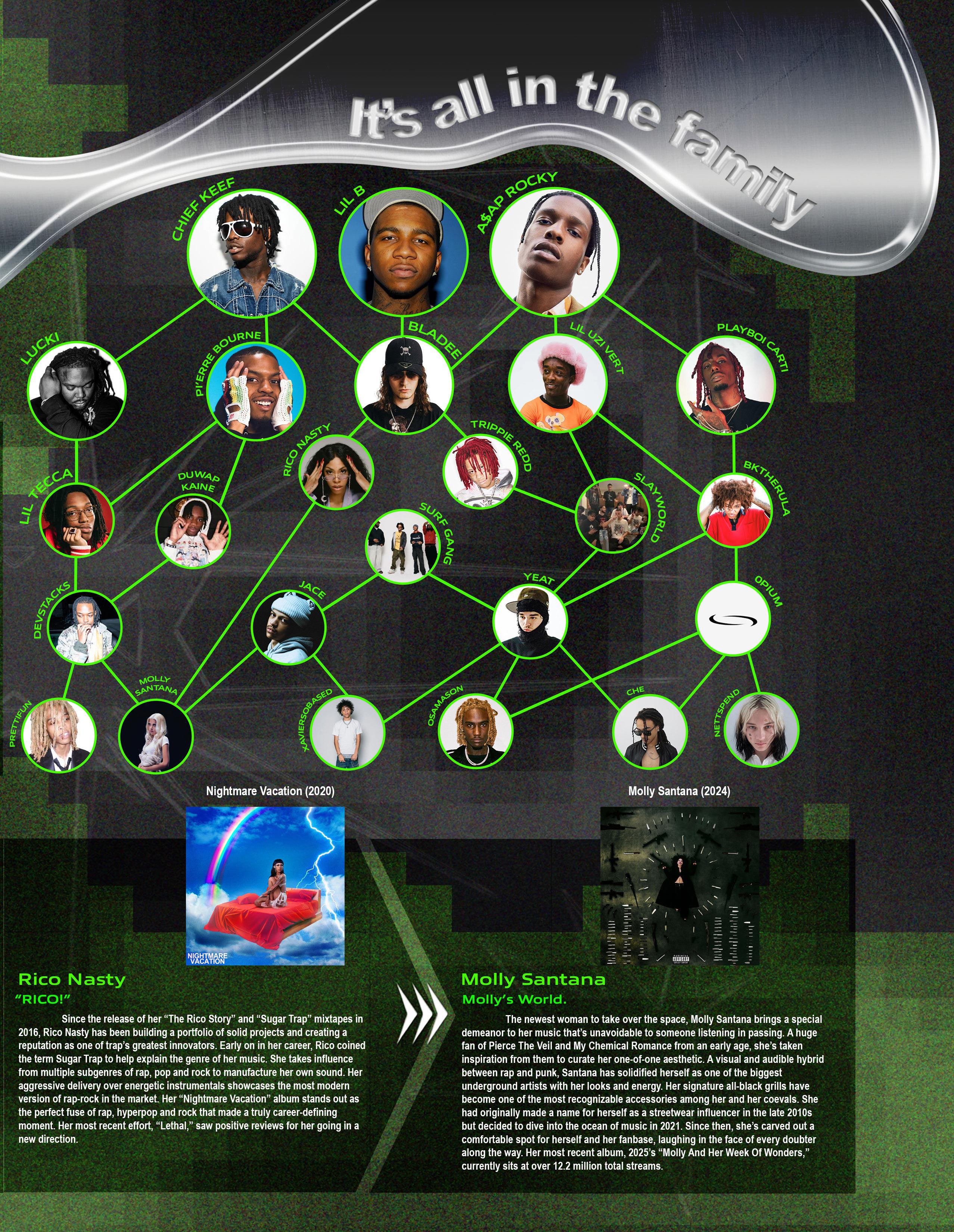

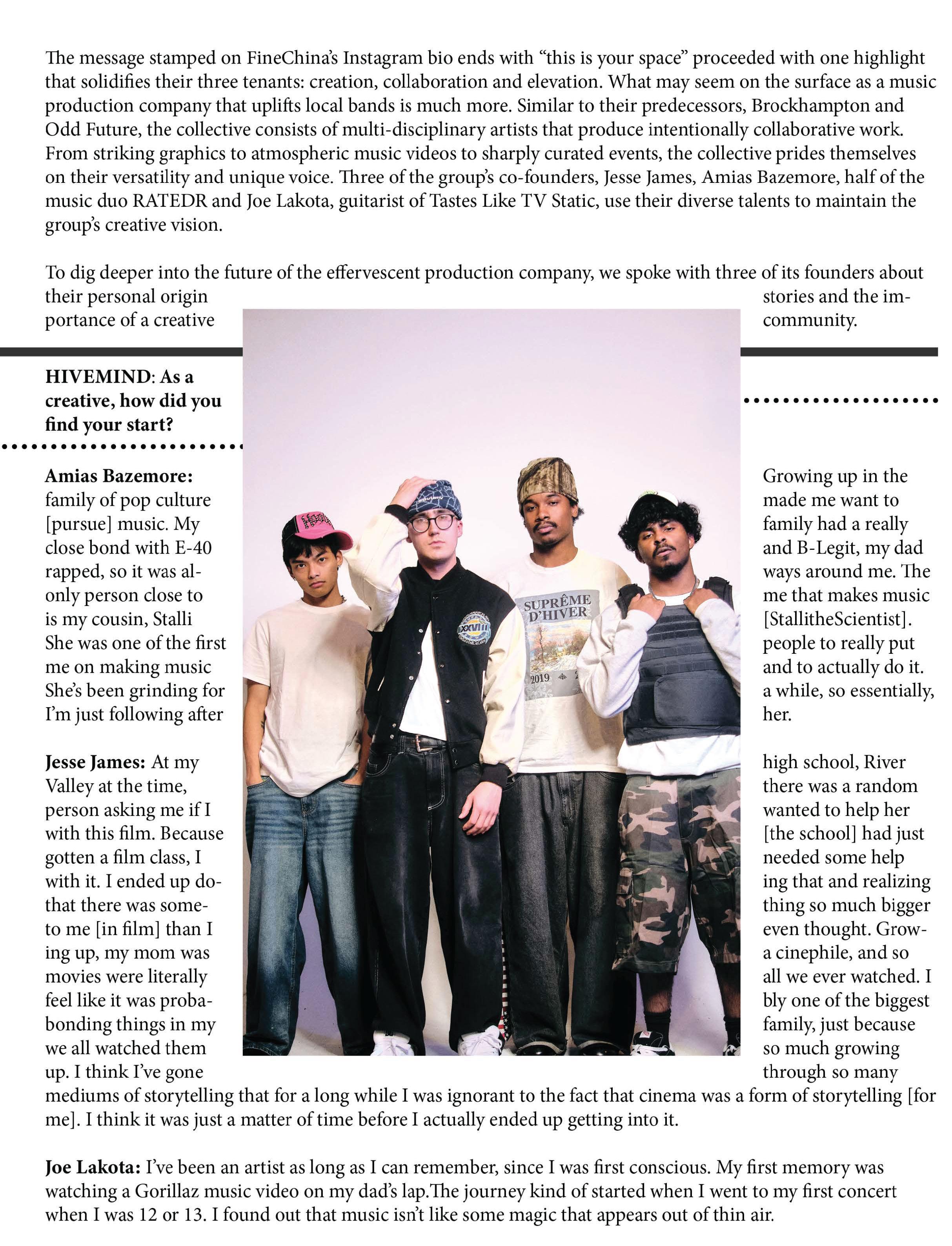
Amias Bazemore: Growing up in a family of pop culture made me want to [pursue] music. My family had a really close bond with E-40 and B-Legit, my dad rapped, so it was always around me. e only person close to me that makes music is my cousin, Stalli [StallitheScientist]. She was one of the rst people to really put me on making music and to actually do it. She’s been grinding for a while, so essentially, her.
At my high school, River Valley at the time,
there was a random person asking me if I wanted to help her with this lm. Because [the school] had just gotten a lm class, I needed some help with it. I ended up doing that and realizing that [ lm] was something so much bigger than I even thought. Growing up, my mom was a cine-phile, and so movies were literally all we ever watched. I think I’ve gone through so many mediums of storytelling that for a long while I was ignorant to the fact that cinema was a form of storytelling [for me]. I think it was just a matter of time before I actually ended up getting into it.
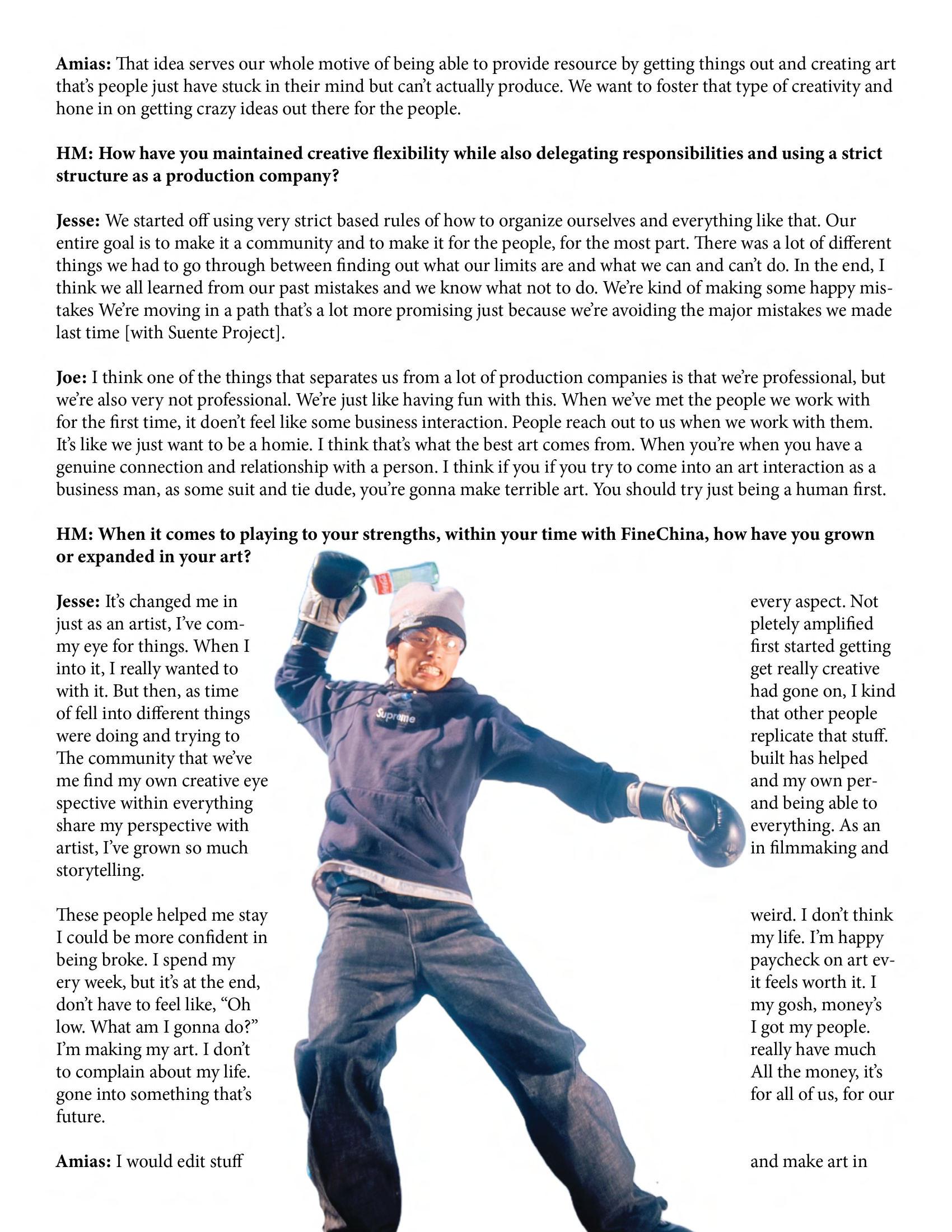
Jesse: It’s changed me in every aspect. Not just as an artist: I’ve completely ampli ed my eye for things. When I rst started getting into it, I really wanted to get really creative with it. But then, as time had gone on, I kind of fell into di erent things that other people were doing and trying to replicate that stu .
e community that we’ve built has helped me nd my own creative eye and my own perspective within everything and being able to share my perpective.
As an artist, I’ve grown so much in lmmaking and storytelling.
ese people helped me stay weird. I don’t think I could be more con dent in my life. I’m happy being broke. I spend my paycheck on art every week, but it’s at the end, it feels worth it.
I don’t have to feel like “Oh my gosh, money’s low. What am I gonna do?” I got my people. I’m making my art. I don’t really have much to complain about my life. All the money, it’s gone into something that’s for all of us, for our future.
Amias: I would edit stu and make art in

Pharrell


camou age.
leopard



Words by Maya Denaé Taylor
Design by Lizeth Tello & Maya Denaé Taylor
Photos by Brianna Lira, Eli Hammond & Jose Leon
Additional Reporting by Ishana Warren, Katy Day & Nathalie Thomas



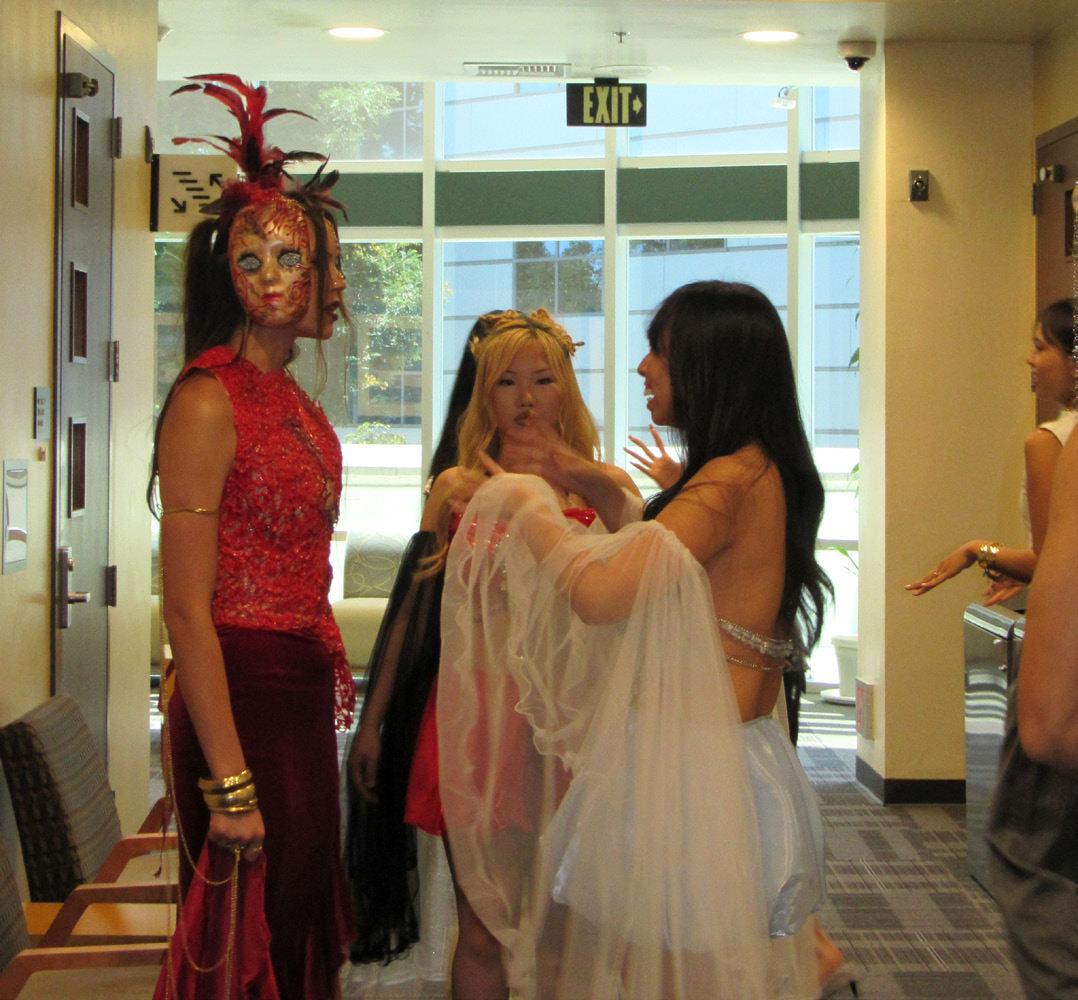
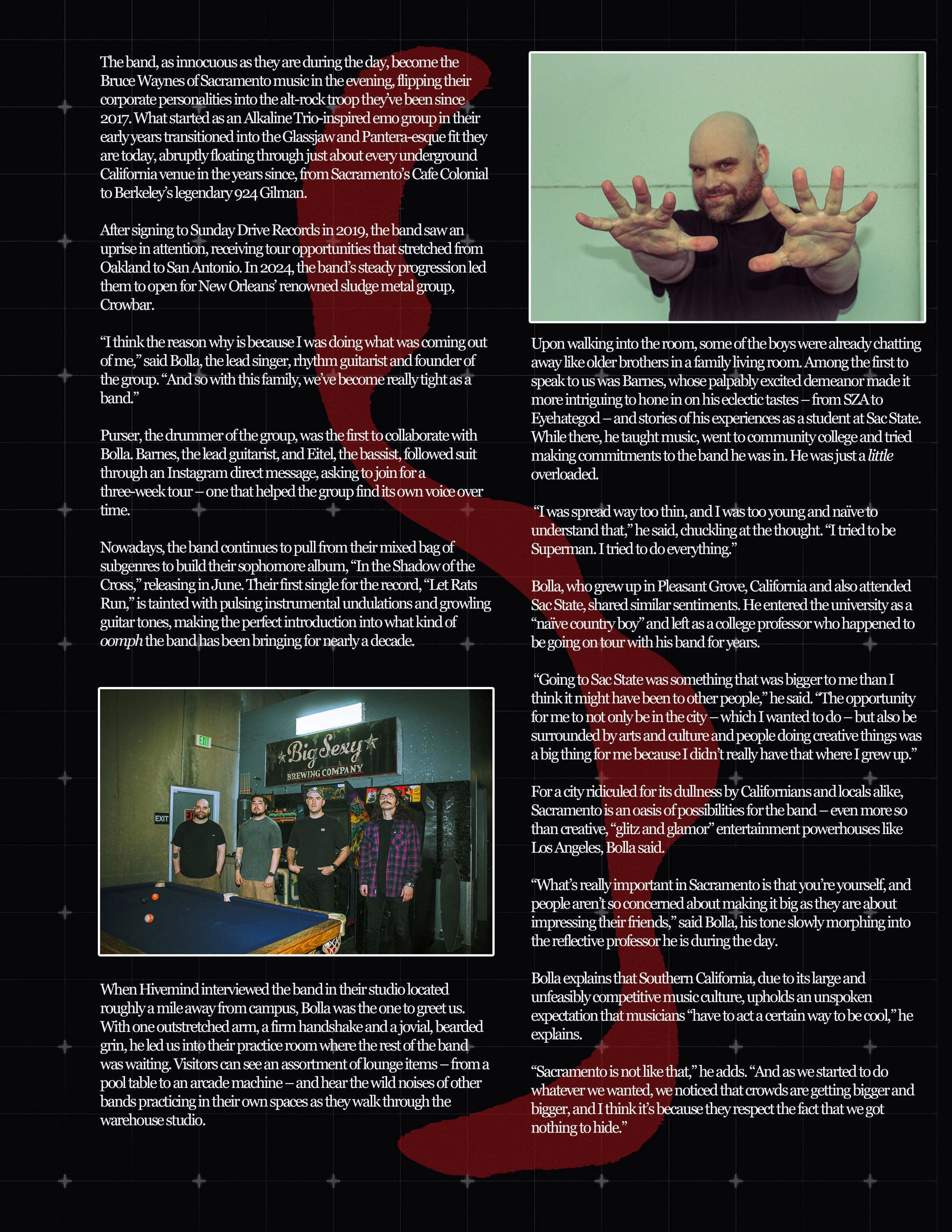
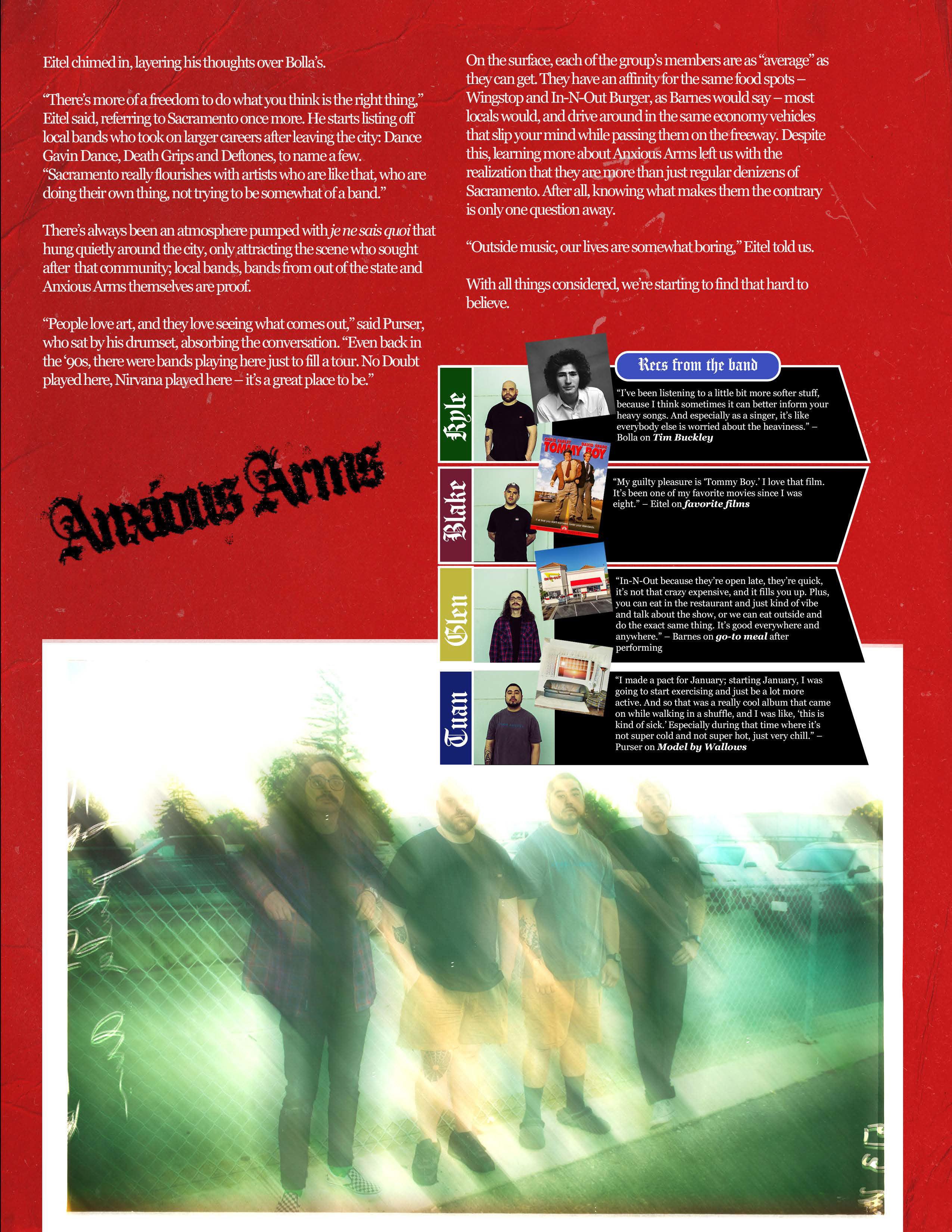
Sacramento State’s Student Fashion Association (SFA) knows it takes a village to curate a creative space where designers and models feel free to stitch together their fashion futures. e student organization works to create space where fashion can be used as a vehicle for self-expression.
“I always see design as just a medium for communicating,” said SFA designer Christian Molineaux. Community members, Molineaux and his co-designer and girlfriend, Hannah Fuentes, worked to create
Enter the Student Fashion Association universe – where fashion meets passion.
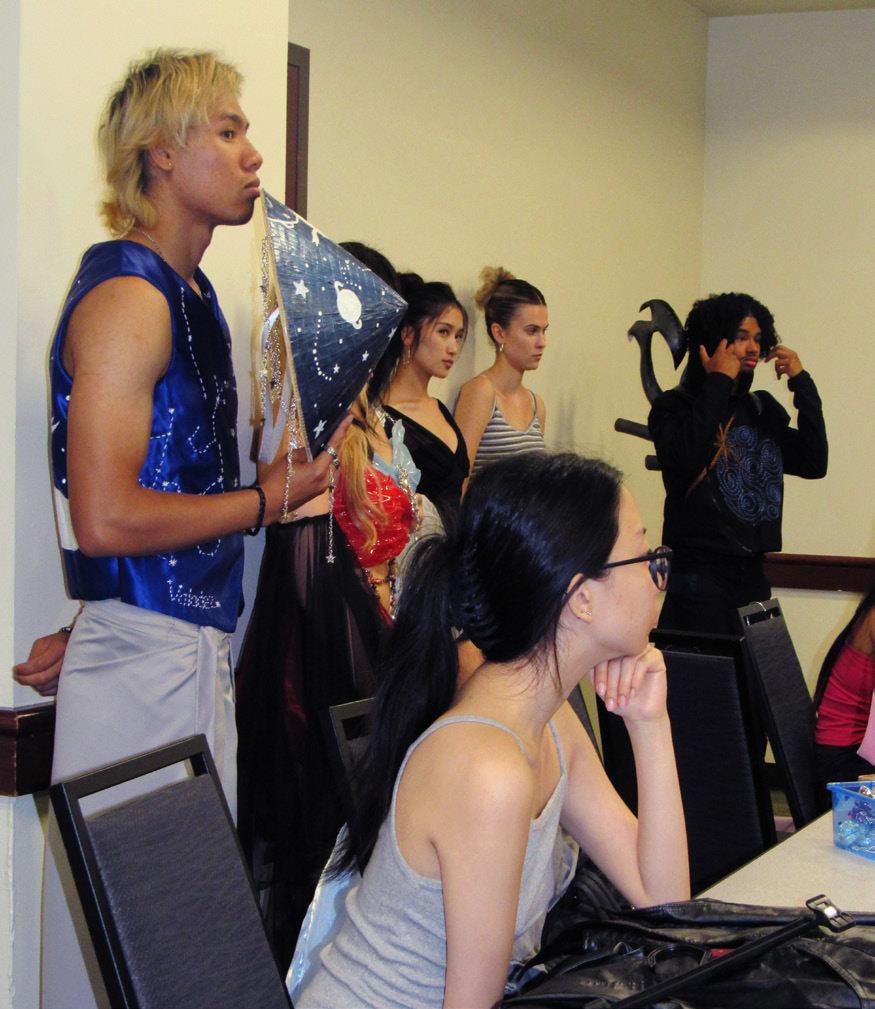
pieces that leaned into the fantastical, expansive aspects of space and fashion.
In an age of fast fashion and micro trends, the centering of student designers is vital for the new perspectives that the fashion industry needs. According to the Earth.Org, clothing sales have doubled annually since 2000, while the average number of wears by clothing owners has decreased by 30%.
With the speed of fashion failing to keep up with the tendencies of consumers, the prioritization of slow, intentional fashion begins with organizations like SFA.
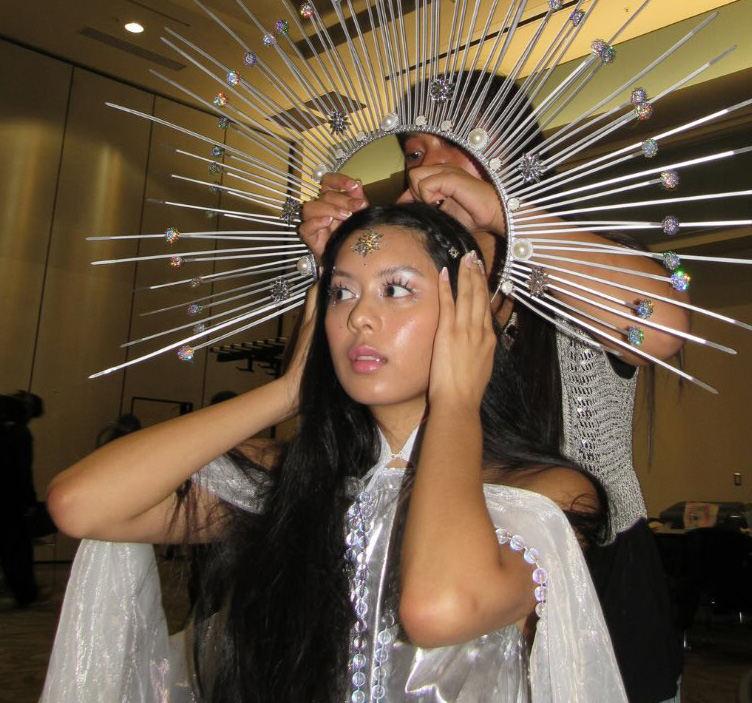
With president and designer Izzy Maldonado, a fourth-year fashion merchandising and management major, at the helm, SFA holds on-campus meetings and posts engaging fashion content throughout the year, culminating into a fashion showcase that works with both students and community members.
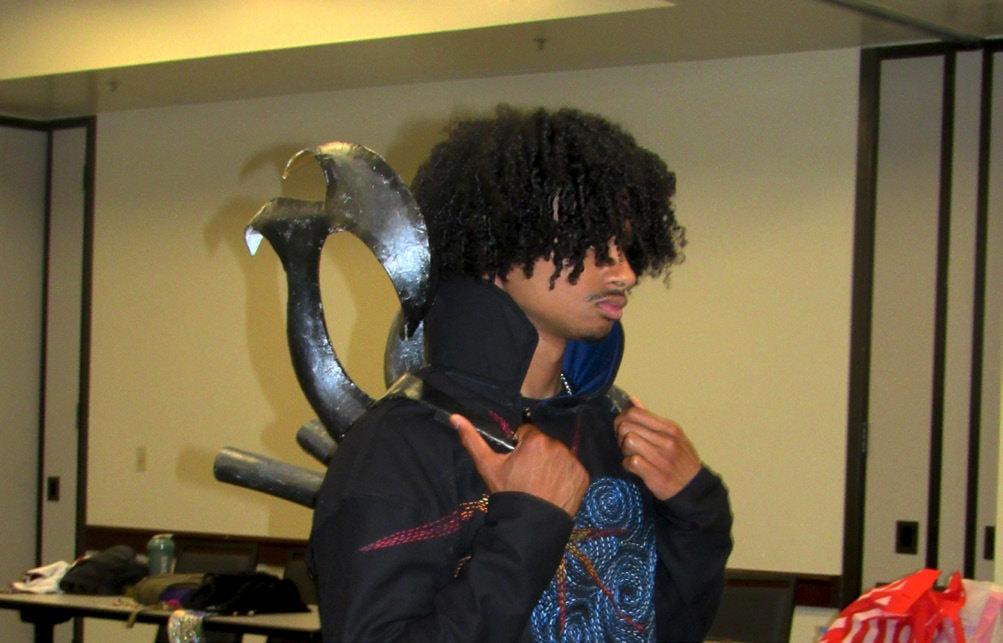

On Sunday, May 10, SFA hosted their “Out of this World” spring fashion show for the Sacramento community.
Maldonado has participated in the coordination of SFA fashion shows for the past four years. Designing seven looks for the spring show, the
space for new talent.
“I’ve been in SFA since my freshman year and a er the previous president le [in spring 2025], I felt like this was the right time to step up,” Maldonado said.
e show smoothlessly displayed the hard work that began earlier this year with 13 designers, 36 models and numerous volunteers. As the club begins onboarding new o cers and developing new talent, many designers want their creative vision of their “Out of this World” pieces to continue.
“I want the audience to walk away with the memory of my pieces,” Molineaux said. e designer’s futuristic looks were in uenced by their childhood interest in characters like Bulma from Dragon Ball Z.
First-time model and second-year communications major Elijah Shabaaz had been developing his interest in fashion by nding a “balance” in his personal style. Following the expansive theme for the spring show, Shabaaz decided to try something new a er a friend recommended him to attend a model call.
“My religion plays a big part in who I am, so it kinda goes into Mother Nature and the world and how it’s made [in my design],” Vavrik said.
“I thought that seeing the stars and the universe sort of looked like a dance, the way everything was woven together.”
e personal connection that designers held with their pieces made the owing silhouettes and dreamy, yet at times striking colors of the show’s looks even more impactful. For designers like rst-year fashion merchandising and management major Daisy Martinez, who have been sewing since childhood, the origins of their fashion journey grounded their creative vision.
“My biggest inspiration when it comes to designing is my mom,” Martinez said. “My mom was probably the rst person to tell me, ‘[Fashion] is gonna get you somewhere, if you want it to get you somewhere.’”
e futuristic theme inspired Martinez to pull from the innovative styles of the past to focus on their designs.
“I feel like there was a big retro-futurism in the modern 60’s that’s very reminiscent of Star Trek, and that’s what started [the design],” Martinez said.
“[I’ve] realized you can achieve whatever you want because nothing is limiting you,” Shabaaz said. “I’m trying to get out of my comfort zone and go for this modeling thing and see how it goes.”
e rst-time SFA designer and rst-year marketing major, Isabella Vavrik said that the space theme encouraged them to interweave their religion and love for the stars into their ballerina-inspired design.
As the organization and fashion evolves, the focus on upli ing student designers and models remains consistent. e recent spring show has given con dence for designers and models to keep working to maintain the vision of SFA.
“[You have to] aim for the sky to reach for the moon,” Shabaaz said.


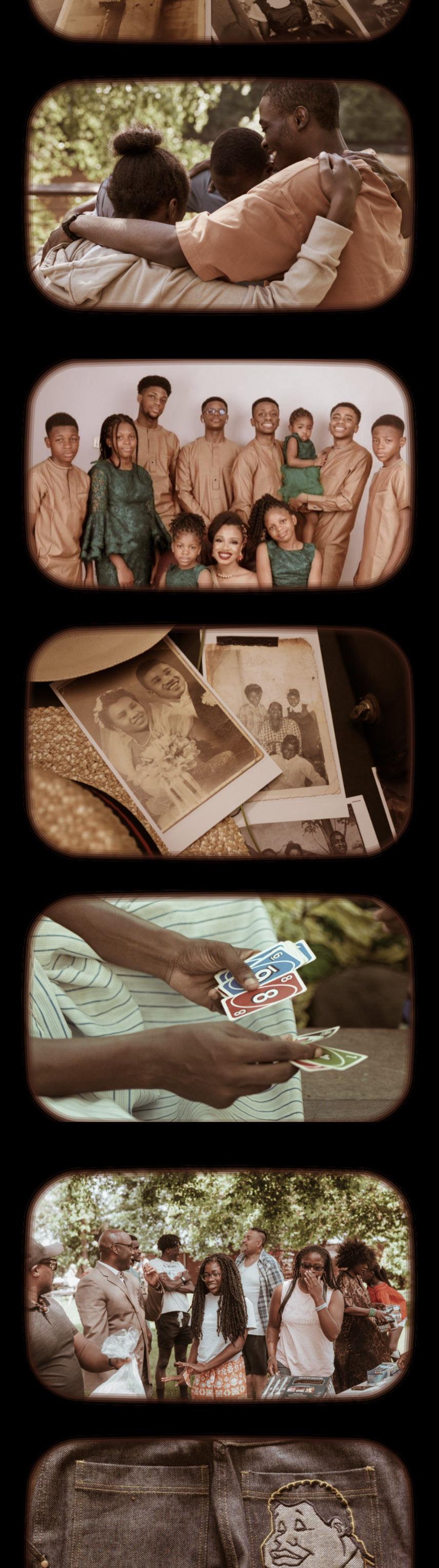
An inside scoop on how shared love is honored in black families from across the diaspora.
veryone loves going to grandma and grandpa’s house for the functions. It’s where all the favorite play-cousins are. It’s where humor meets laughter and competitiveness comes out during Dice or Uno. ese are the homes where food is cra ed with love and soul.
In Black families we hold these traditions close to our hearts because they are rooted in connection, healing and fostering resilience. ese shared memories allow families to pass down history as we connect through generations.
According to Gallup News, Black families who engage in shared activities show high levels of happiness and peace in their lives. About 93% of black families with young children say that eating together at least once a week plays a large role in quality time while 86% say that being creative with one another like singing and dancing falls second.
Hivemind Magazine had the chance to speak with Sacramento State’s assistant professor of sociology, Christopher Rogers, who says his family holidays were always big, but traveling to the Carolinas for the family reunions and block parties were even bigger.
Born in Boston, Massachusetts, Rogers received his PhD in sociology from the University of Tennessee, Knoxville and later returned to Boston to earn his master’s degree in sociology from Northeastern University. He then moved to California in 2023 to pursue his career in teaching.
“Grandpa did all of the cooking during the holidays,” Rogers said. “He carried the responsibility of cooking the turkey, collard greens and mac and cheese as grandma and the aunties focused on the planning and decorating. “
e responsibilty Rogers’ grandfather held in the kitchen carried over to his role in the family. While remaining invested in his interests, he maintained his position as a pillar for the family.
“My grandfather is like the patriarch of the family,” Rogers said. “He was like a trained artist by trade in the Boston magazines. A local pre-proli c comic strip artist in the 60s and 70s.”
Rogers played his role as a part of the “big” cousins, where they would talk and crack jokes, play basketball and occasionally keep an eye on the kids.
“My grandmother used to be one of those people that would organize block parties for the entire neighborhood. A lot of hip-hop music and dance battles happened, kinda like, ‘You Got Served,’” Rogers said.
Nowadays, they don’t make movies like that anymore. Rogers said, “If you wanted to dance you had to get in the streets”.
Roger said his family was into fashion and big on hand-me-downs in the early 2000s, noting T-shirts with the iconic airbrush design and Looney Tunes on the back. One of the most popular items in Roger’s family wardrobe was the sacred FUBU pants with a baggy, vintage look with the notorious Fat Albert’s face on the back pocket.
ese get-togethers were traditionally a bi-yearly event but became less frequent a er his grandmother passed away.
“It was like sharing community. I wouldn’t say generically Black, but you know Black when you see it,” Rogers said.
As years went by, Roger’s family expanded in the East Coast, specically Harlem, so did the diversity of foods.
Everything started to blend, with dishes from Nigeria, Jamaica, and Haiti, all soul food Rogers was unfamiliar with. When asked about the cultural shi , Rogers said that adapting to another side of the Black diaspora felt comfortable for him.
“In the East coast it’s more diverse in the Black diaspora, it felt normal for me,” Rogers said.
Sacramentan Obi Eze took the time to tell Hivemind Magazine about his Nigerian heritage and how his family celebrates traditions. A major focus of tradition relied within the December holiday season. His grandma’s birthday is Christmas Day, resulting in morning worship calls with family from across the globe in Nigeria and the United Kingdom.
Eze, 26, has been stepping up and learning how to cook alongside his brother so they can be the next in line to host family events.
When asked about culinary musthaves, Eze said, “We gotta have fried plantain, some egusi soup and poundo (a pound of yam), jolof rice and battered beans.”
He explained that battered beans could be made with egg or sh, depending on who makes the dish that year.
“It does change every year because the ingredients that we need for the food are imported from Nigeria itself. We can’t always get what we need at some local African stores,” Eze said.
is upcoming December will also be Eze’s sixth visit home for the
family’s reunion where they will celebrate their grandmother’s 70th birthday.
Unlike Black American reunions, Nigerians wear traditional African attire.
Men typically wear senator out ts while women wear a Gele. ese parties are usually grand in size as Eze’s grandma is well-known from her husband’s, Eze’s late grandfather, philanthropic work in the 80s. She’s preserved a lot of wealth in the family.
Within the space of traditional parties in Nigeria, we simply cannot forget about the weddings and graduation parties, something that Eze’s family is known for. It serves as an event that brings everyone together, with some family members even traveling by airplane to attend, Eze said.
Now that everyone is getting older it’s time that our generation steps up to keep these traditions alive.
“We gotta pull our weight. If you don’t want a party to be a certain way, then you gotta step up, Eze said.
Over time modern Black American music slowly integrated songs with Dance Hall and West-African music, tying the two cultures together as everything evolves.
Words by Ishana Warren Design by Maya Denaé Taylor Select Photos Courtesy of Obi Eze


Photo by Phong Tran

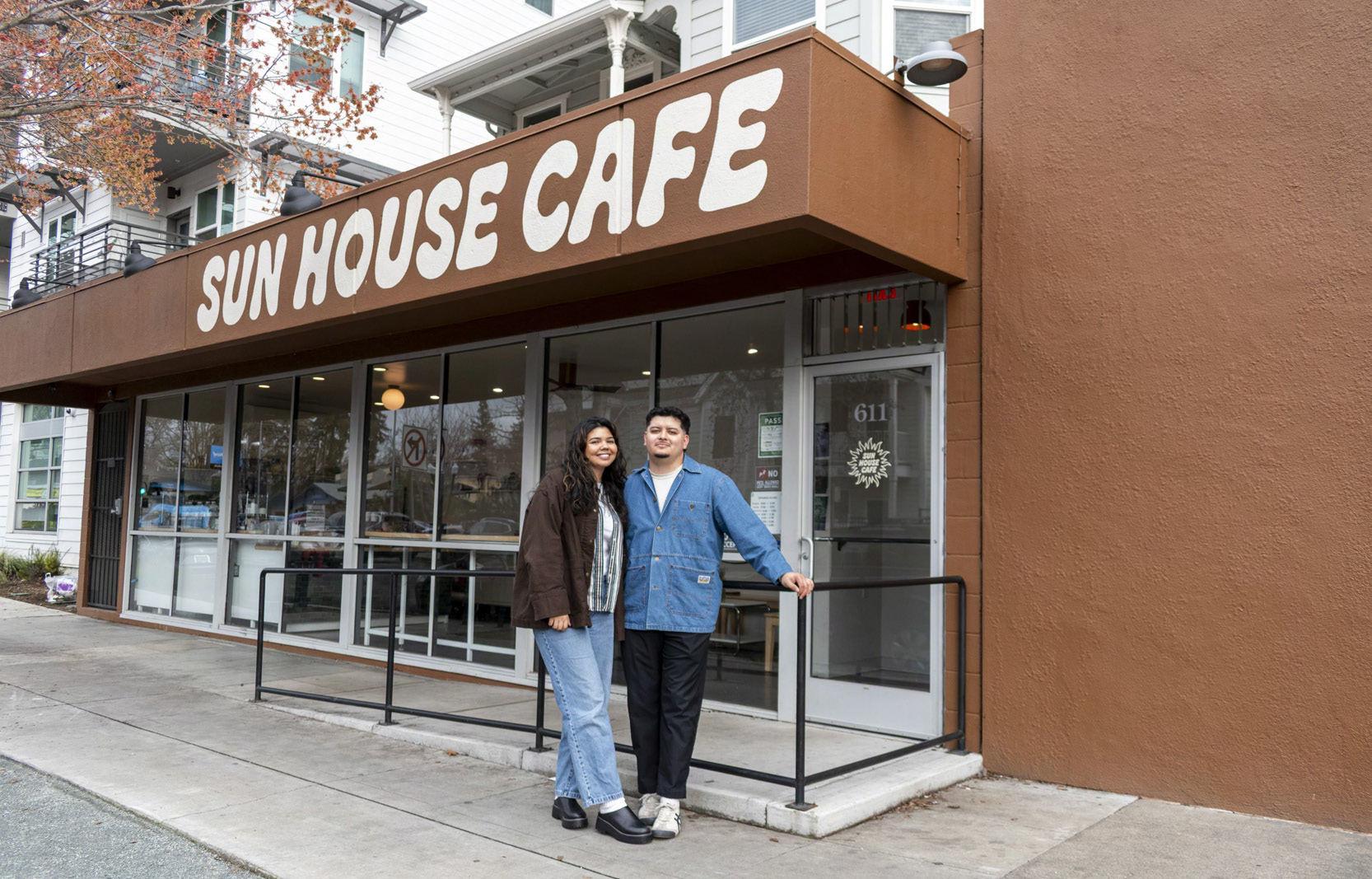


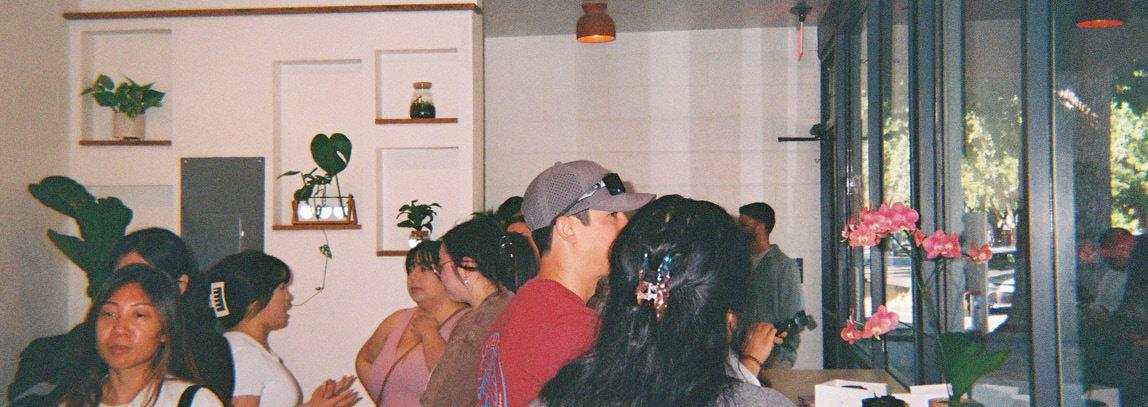
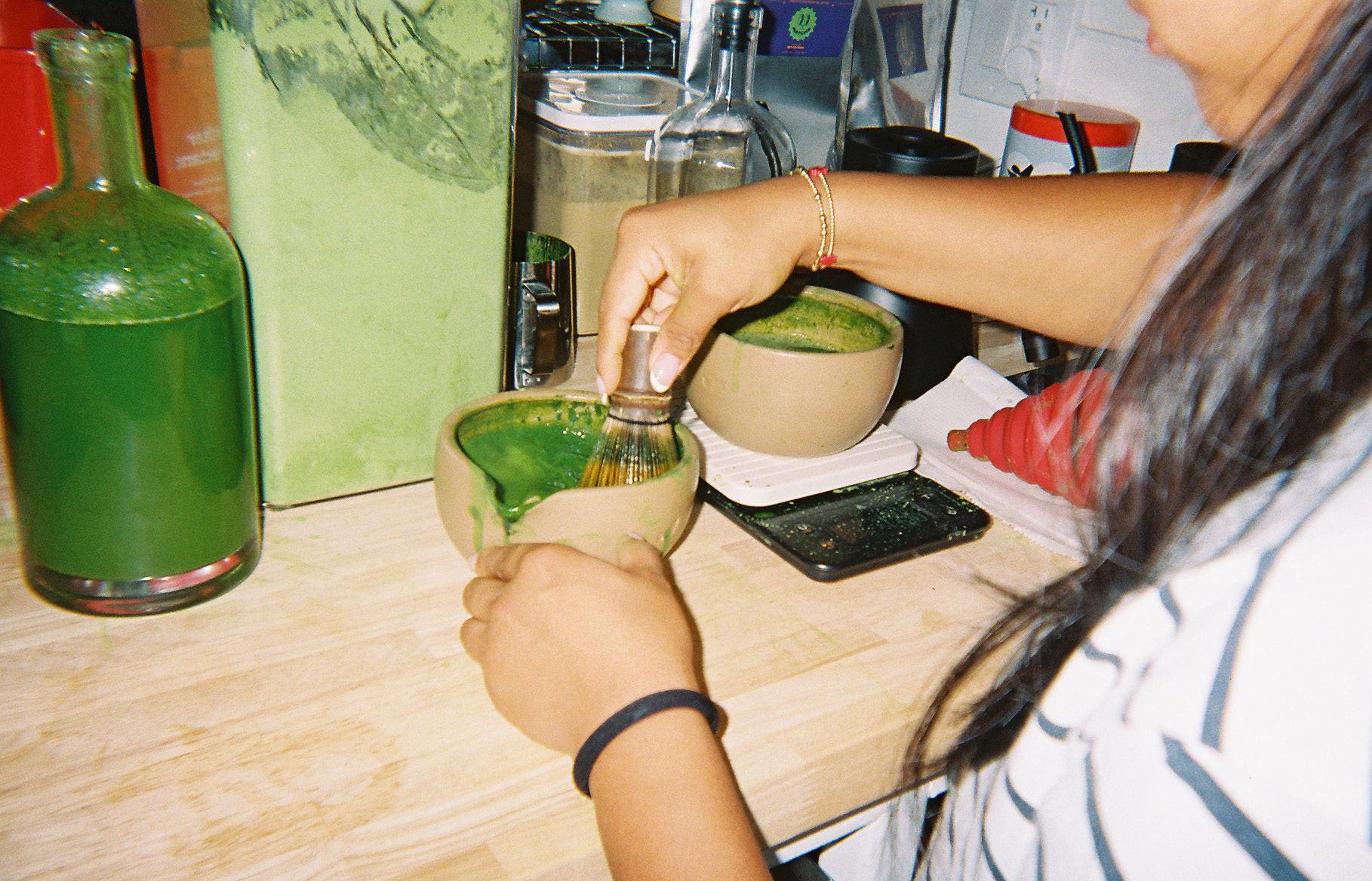
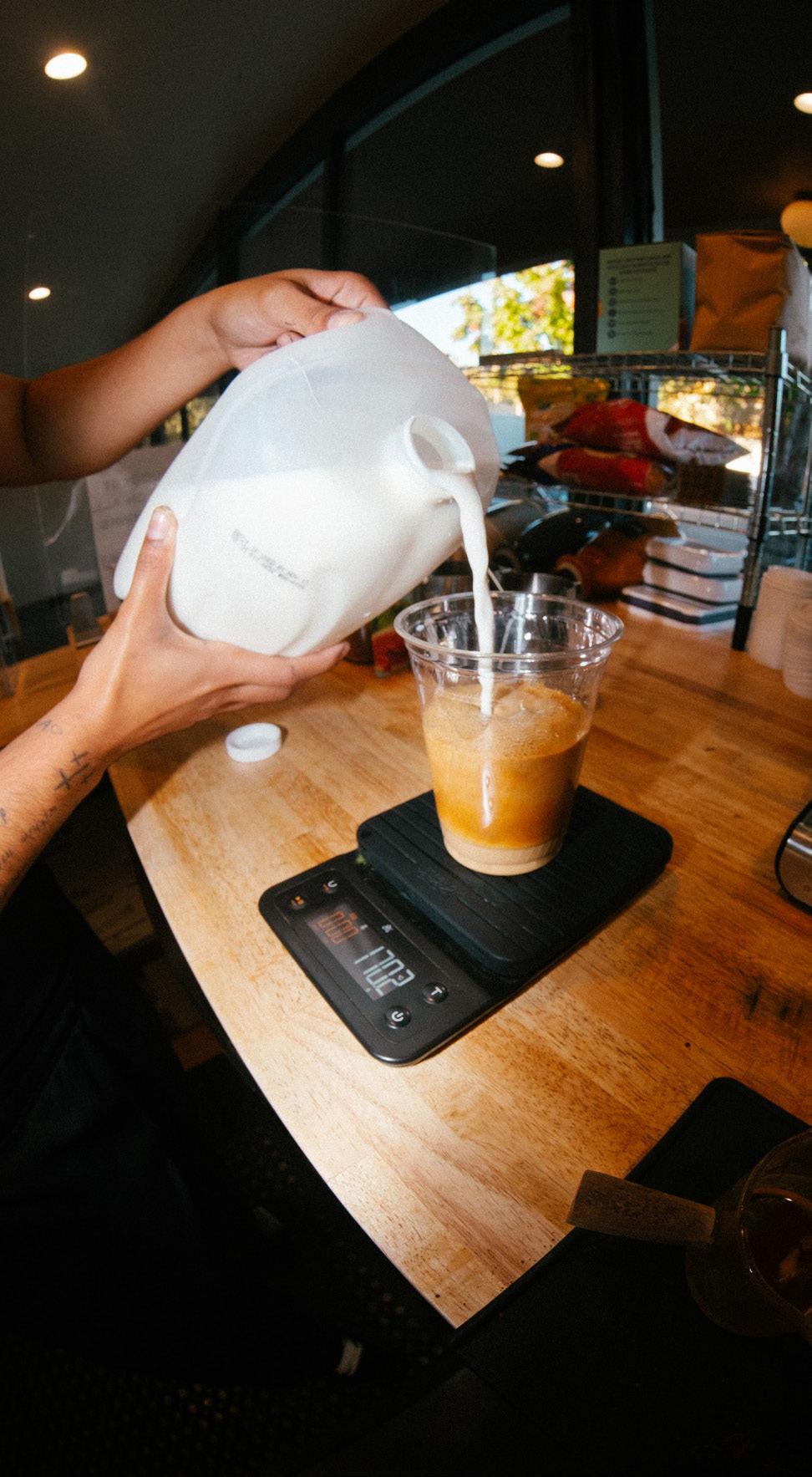
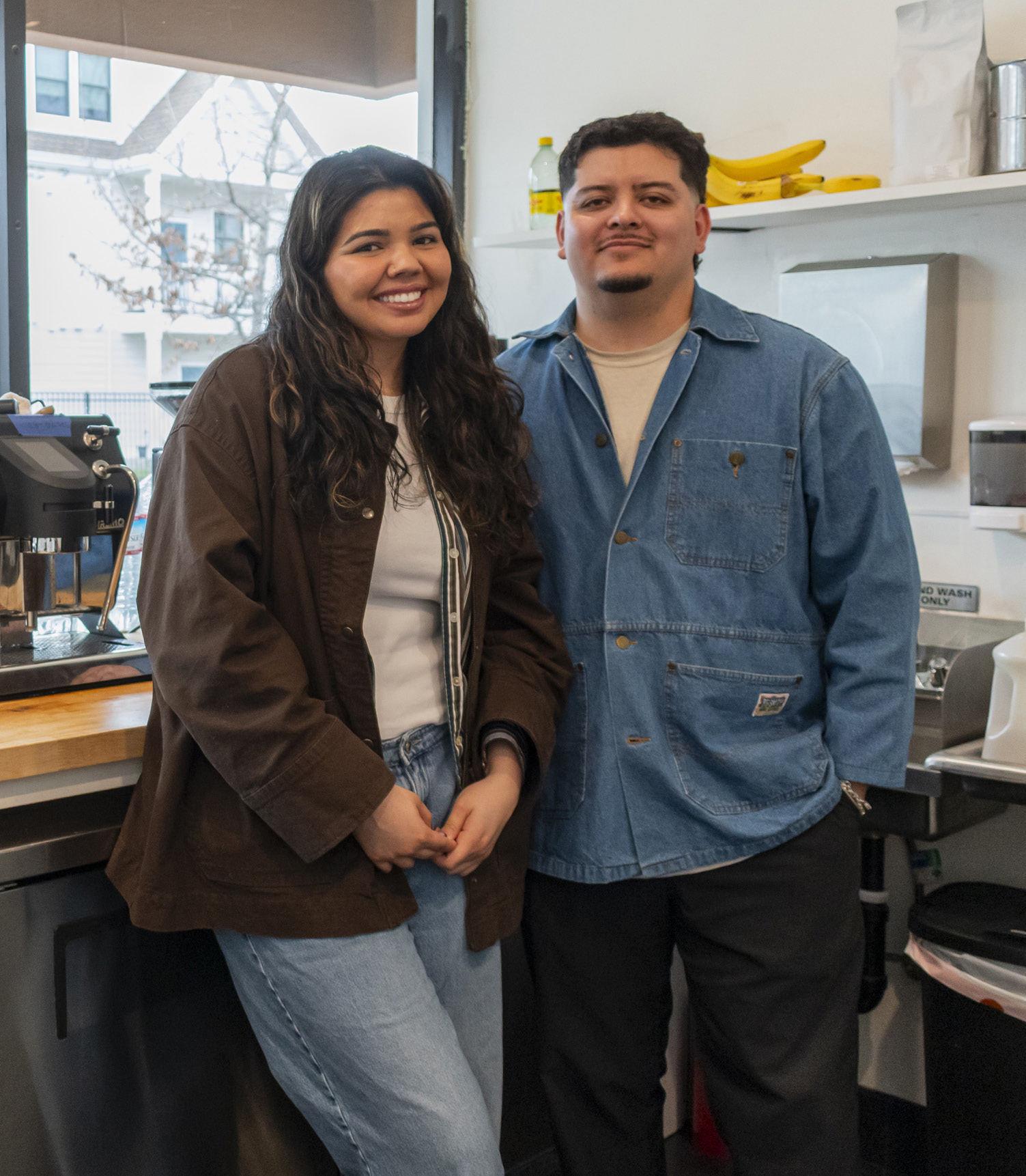
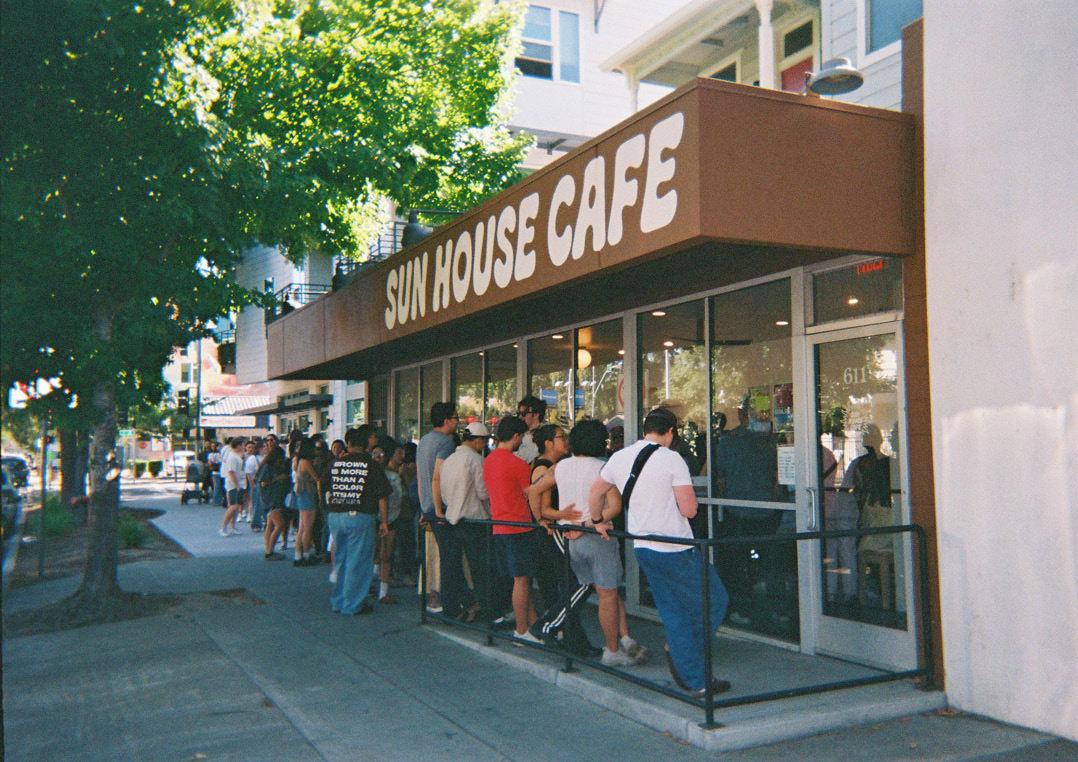
In the midst of an ever-growing sea of businesses sprouting up in California’s capital city, a café sits on bustling 16th Street. Inside it, a shared dream takes place among two owners and their families to develop third spaces grounded in creativity and compassion. Sun House Café was founded in spring 2025 by Elk Grove natives Lalo Mata, 25, and Leandra Coronado, 24. e plant-laden cafe draws inspiration from major cities through emphasizing free expression and

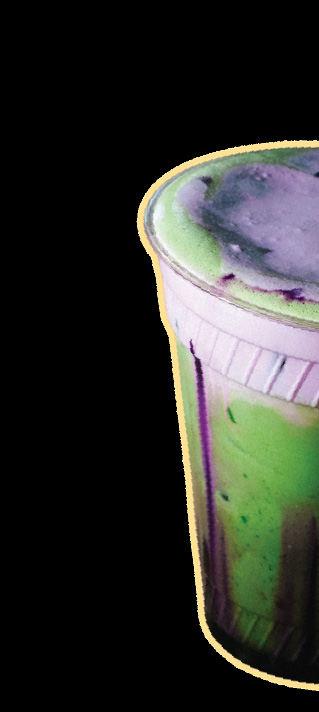
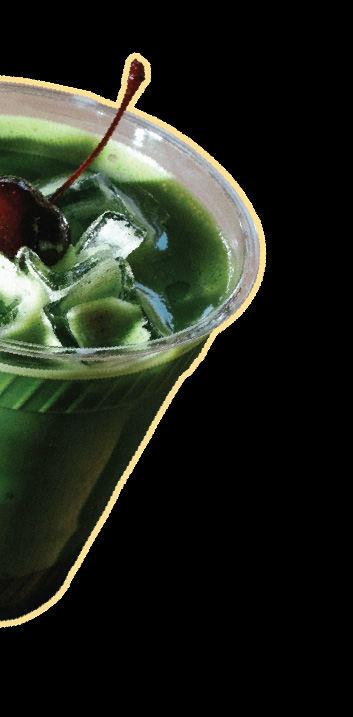
incorporating unique marketing tactics. Stamp cards, local artist features and unique rotating beverages are some of the many ways they keep their customers on their toes. Starring creative drinks such as fruity pebbles matcha, ube cream lattes and caramel apple spritzes, their seasonal menus get more creative with each addition. e couple sold over 24,000 drinks in their rst 125 days of operation, with their signature banana cream matcha becoming a customer favorite.

Writing & Design by Delaney Joyce, Photography by AJ Tinkess, Phong Tran & Lalo Mata


T“We love what we do. I think everything on the menu is really good,”
Coronado said. “I
want you to come up [to the counter] and not know what you want because everything sounds good.
Our big thing was making drinks that maybe other cafés don’t make – to give you something di erent where you’ll be like, ‘ is is good. I’ll come back.’”
his isn’t Mata and Coronado’s rst business venture as they also began SacTown’s Finest Market in February 2022. e popular vendor fair, which has seen over 500,000 attendees and raised $6 million for local businesses. e market is set to return this summer with new vendor concepts.
Even with their constantly evolving projects, Mata said he and Coronado’s relationship is only strengthened by being business partners.
“Sometimes people will say, ‘It’s probably hard working with your partner,’” Mata said. “But I always want to be with her regardless of whatever we’re doing. She’s always been my best friend before my girlfriend, and she’s always been those two before a business partner. Every time we’ve started a business, it’s brought us closer because if there’s a struggle, we’re there for each other.”



Coronado, a Sacramento State alumna, attended Cosumnes River College before transferring to Sac State. ere, she played Division I so ball and graduated with a bachelor’s in psychology in 2024.
“I really liked my Sac State journey. I loved going on campus, enjoyed meeting people and being part of a team,” Coronado said. “One of [my so ball] teammates is an employee here.”
Alongside friends, Mata and Coronado have taken it upon themselves to train their brothers, sisters and cousins to be baristas at Sun House Café in an e ort
to upli and cherish their loved ones. Mata said honoring one’s home is one of the many reasons they’re striving to build their businesses in Sacramento instead of moving elsewhere.
“If you don’t love your house, you’re not going to love another one,” Mata said. “I grew up here. My love is here. My family, my memories are all here. Why not bring what you love to the place that you love?”
Acore element of Sun House Café is their vibrant, engaging social media content and graphic design which highlights their various seasonal menus, events and customer photos.
e mind behind their dynamic branding is Phong Tran, a 25-year-old graphic designer and photographer.
Tran graduated from Sac State in 2024 with a Bachelor’s of Fine Arts in Graphic Design and works for multimedia creative design agency Direct Message in Sacramento. He said he, Mata and Coronado met by chance while he was living in an apartment building near where the café was developed.
really imperative for me to keep me from getting burnt out,” Tran said.
Young people in Sacramento and from Sac State are seeing a period of creative explosion, Tran said. He said he’s increasingly watching more people like Mata and Coronado choosing to take big leaps to achieve entrepreneurial and artistic dreams.
“ ere’s a lot of Sac State students that I know who are throwing events and establishing creative collectives just for the hell of it because they love it,” Tran said. “I feel like people are constantly moving, constantly growing, versus in places [where] they don’t really have that drive.”
“My energy, my passion and my drive comes from doing work like Sun House where it’s



Mata and Coronado agreed. ey both believe Sacramento has the potential to become a hotspot for innovation.
Mata said. “It’s growing to a place where the new generation’s getting more brave, more con dent, more creative with their ideas and putting it into a realistic realm where people can enjoy it too.”
e couple is striding toward their future with conviction, incorporating their ambitious concepts and experience with SacTown’s Finest Market into an event venue adjacent to the café.
eir goal with the space is to diversify their existing crowd and see their ideas for inte-rior design and food service realized. ey hope to host a variety of community events, such as retail shopping, nightlife happenings, Pilates sessions and more.
e couple believes that young entrepreneurs with a dream to start a new business or project should recognize that each journey is individual. ey emphasized the importance of not comparing themselves to existing successful entities and letting the their vision and passion carry them to success.




editors-in-chief
All four were selected by advisor Aaron Cohen for their positions after enrolling in “History 190/290: Clio: Editing and Publishing in History.”
e editors’ dedication to the journal’s completion, debalanced alongside the




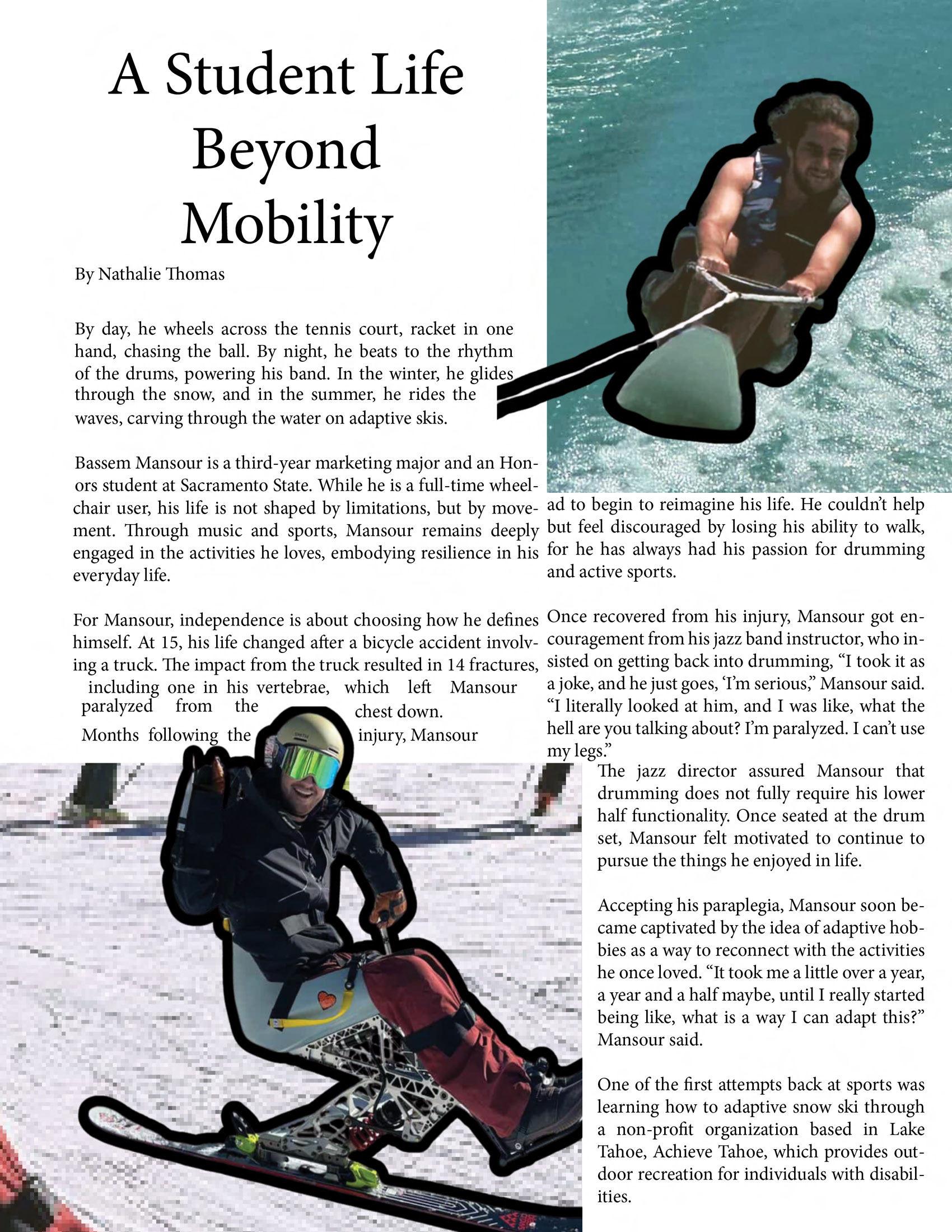
“[Mansour] brings energy and dedication to the group,” said On Water guitarist and bandmate Nathan Johnston. , said
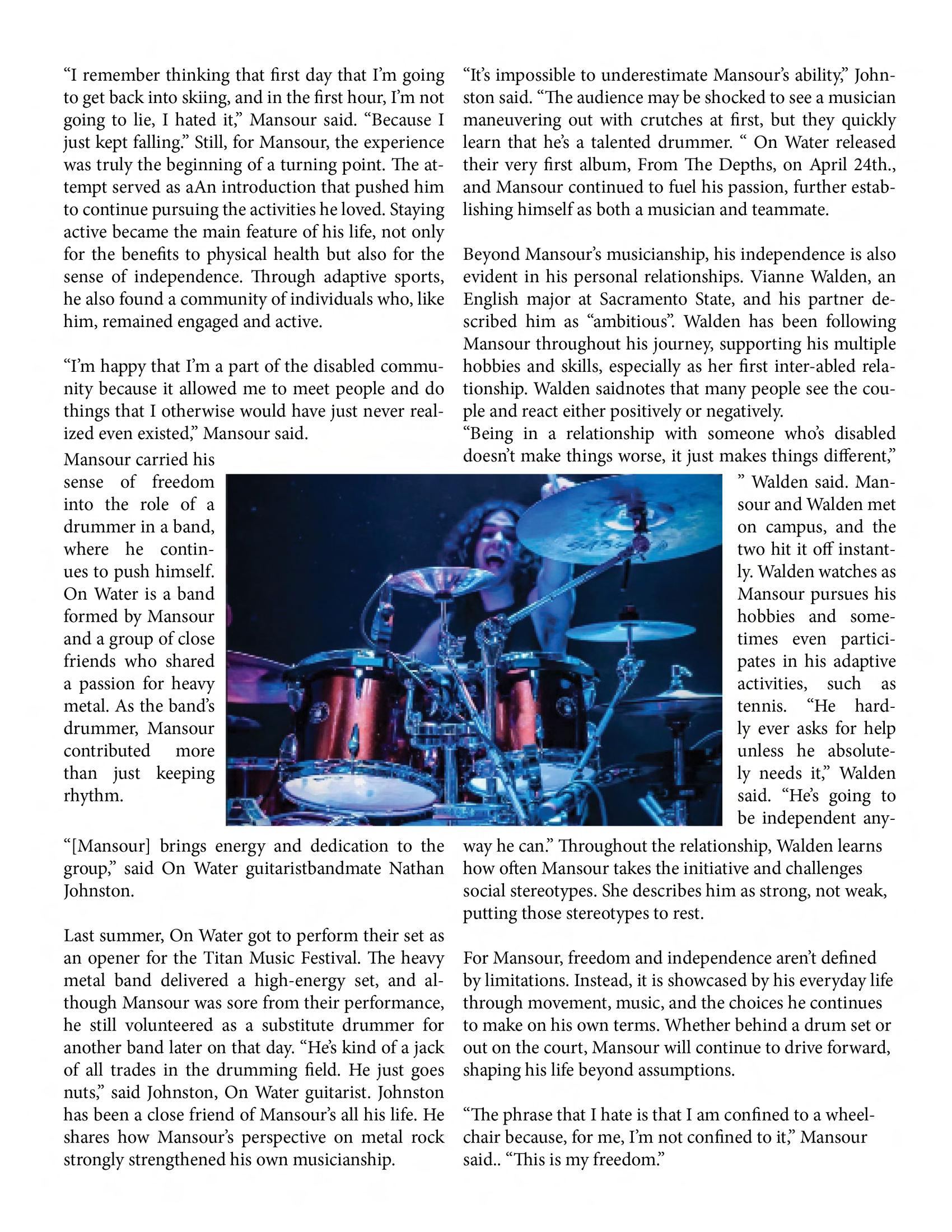
“ is is my freedom.”

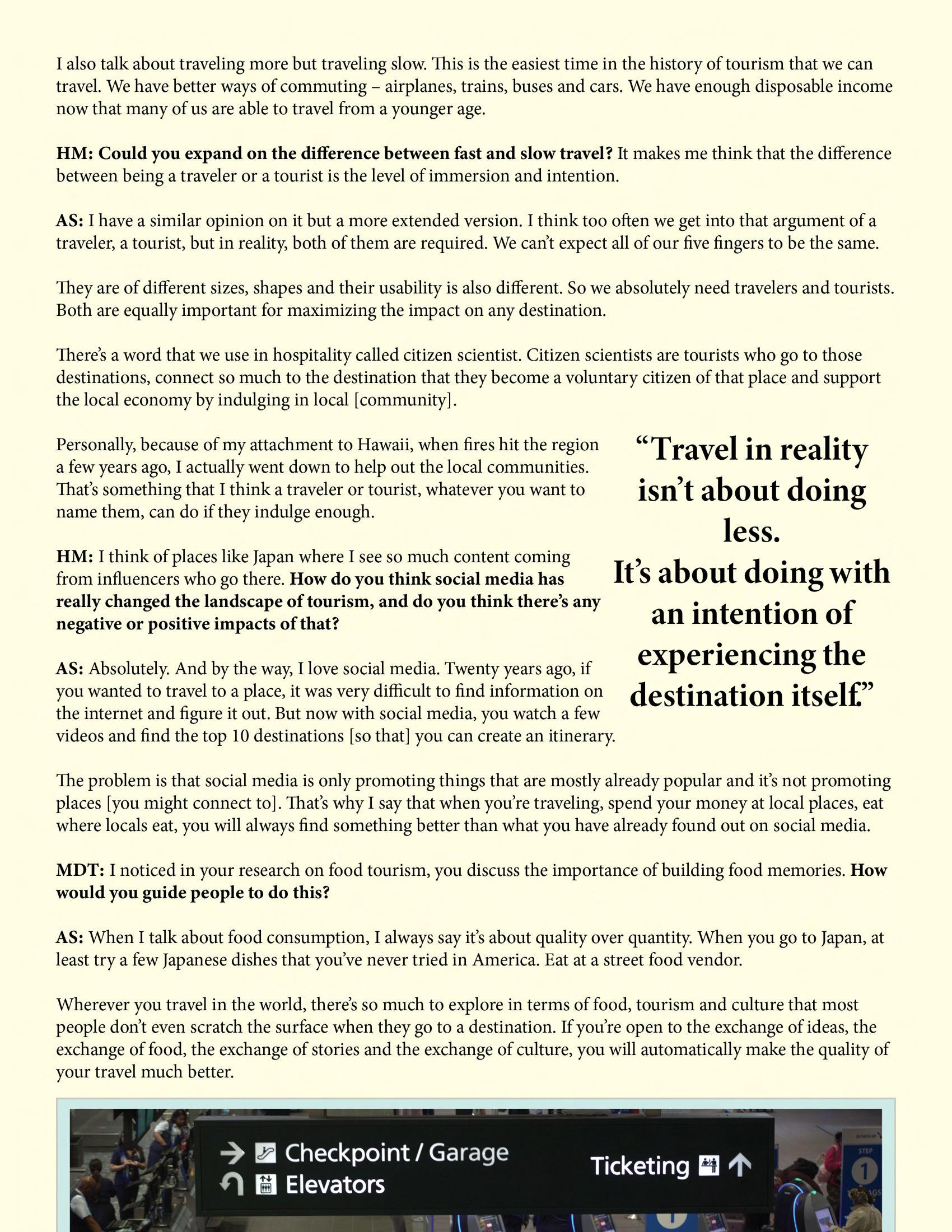
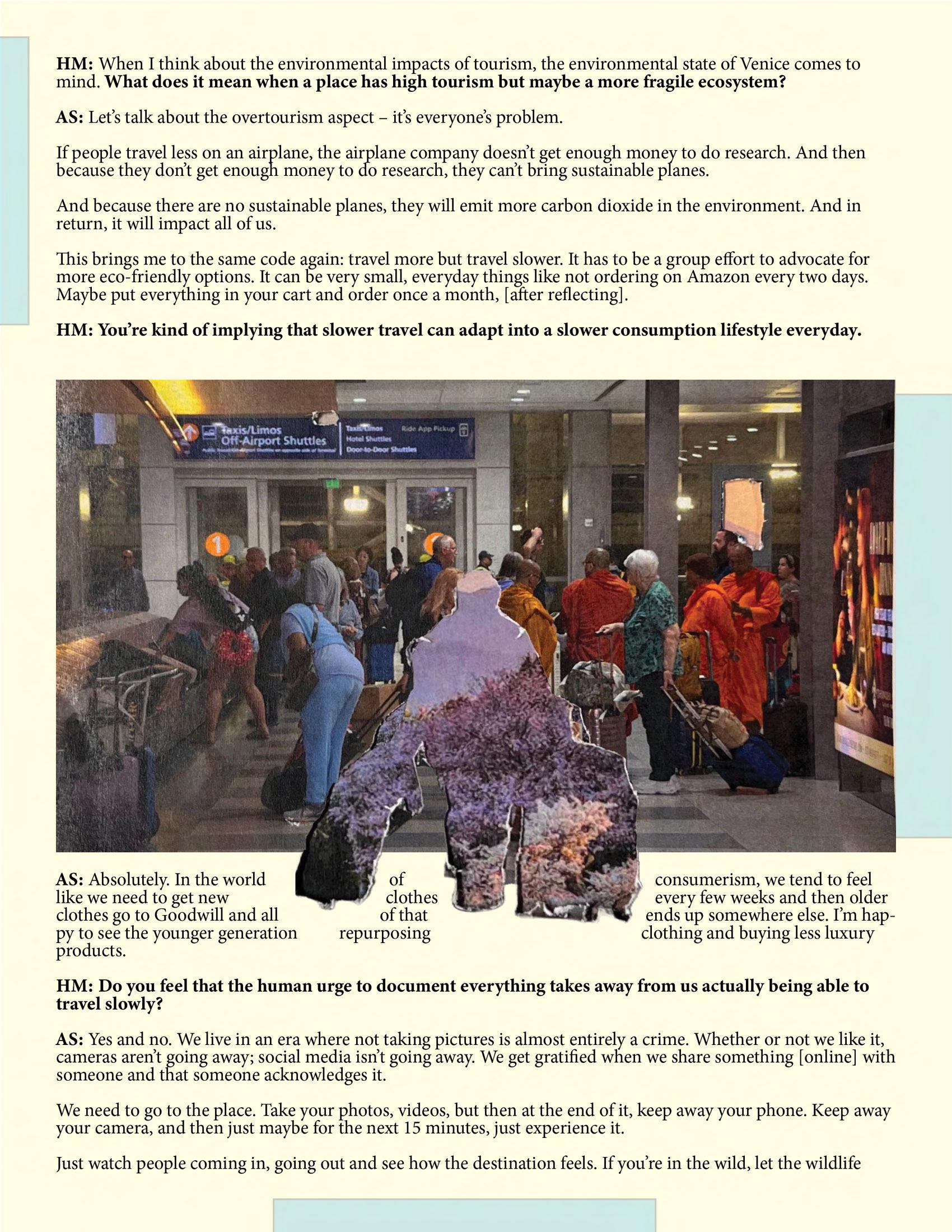

HM: What if we created a balance about it? What if we allowed a certain number of people to visit a certain destination at a certain time, like ticketed entry or time-stampted entry? Could that automatically solve the problem?