We are the First Bilingual Magazine in Clarksville 1500 revistas impresas por edición
1,500 printed magazines per edition
+40.000 visitas mensuales a la web
+40,000 monthly website visits
+20k Seguidores en redes sociales
+20k followers on social media
EDITORIAL
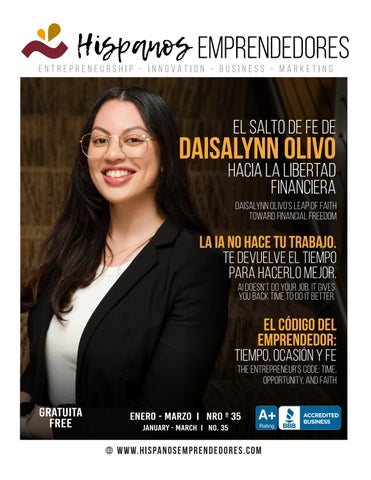
Iniciamos el 2026 describiendo las características de las oportunidades y cómo al tomarlas puedes cambiar tus ingresos y vida. Desde el testimonio de Daisalynn Olivo conoceremos los beneficios de los ingresos pasivos.
Ya sea a través de rentas inmobiliarias, propiedad intelectual o dividendos corporativos, el objetivo de los ingresos pasivos es: dejar de cambiar tiempo por dinero y empezar a hacer que su patrimonio trabaje para usted, por ello te lo explicamos en nuestro artículo.
Reflexionamos sobre las oportunidades a nuestro alrededor y te describimos cómo puede la inteligencia artificial ser tu aliada en la eficiencia de tu tiempo.
Para empezar tu año con buen pie, tienes que leer esta edición.
Por Hispanos Emprendedores
We kick off 2026 by defining the nature of opportunities and how seizing them can transform your income and your life. Through Daisalynn Olivo’s testimony, we explore the benefits of passive income.
Whether through real estate rentals, intellectual property, or corporate dividends, the goal of passive income is: stop trading time for money and start making your assets work for you. We explain how in our article.
We reflect on the opportunities around us and describe how artificial intelligence can be your ally in managing your time efficiently.
To start your year off on the right foot, this edition is a must-read
By Hispanos Emprendedores
NUESTRO EQUIPO
Our team
Director General l General Director
David Bracamonte
Editora General l General Editor
Desiree Ramos
Directora Finanzas l Finance Director
María Jiménez
Fotografía l Photography
Vanessa Almonte
Diseño l Design
Génesis Pérez
Desarrollo web I Web development
Oriana Palma
Interprete y Traducción l Interpreter and Translation
Maritza Paz
ENTREVISTA / INTERVIEW
El Salto de Fe de Daisalynn Olivo hacia la libertad financiera
Daisalynn Olivo’s Leap of Faith Toward Financial Freedom
Por / By Hispanos Emprendedores
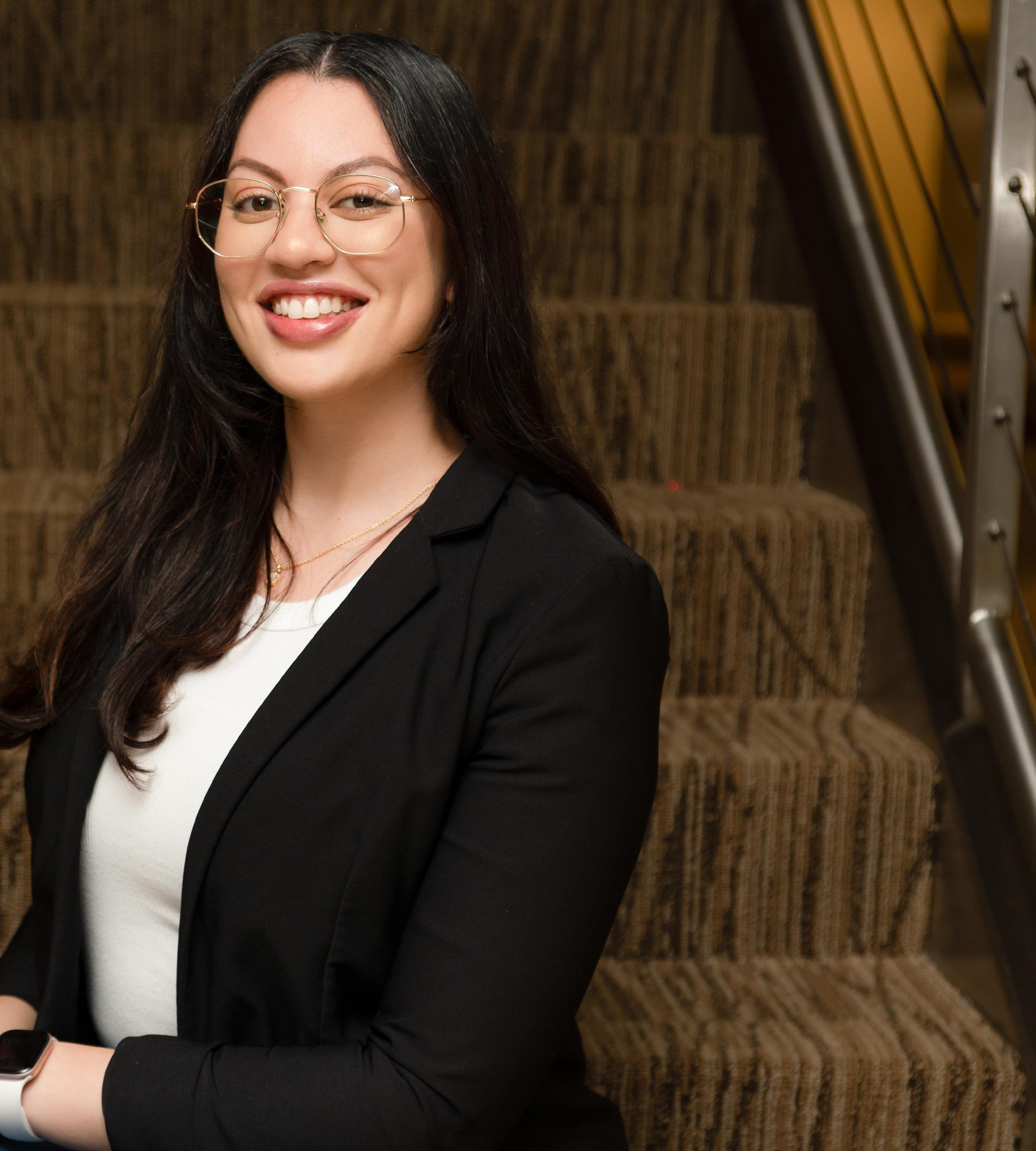
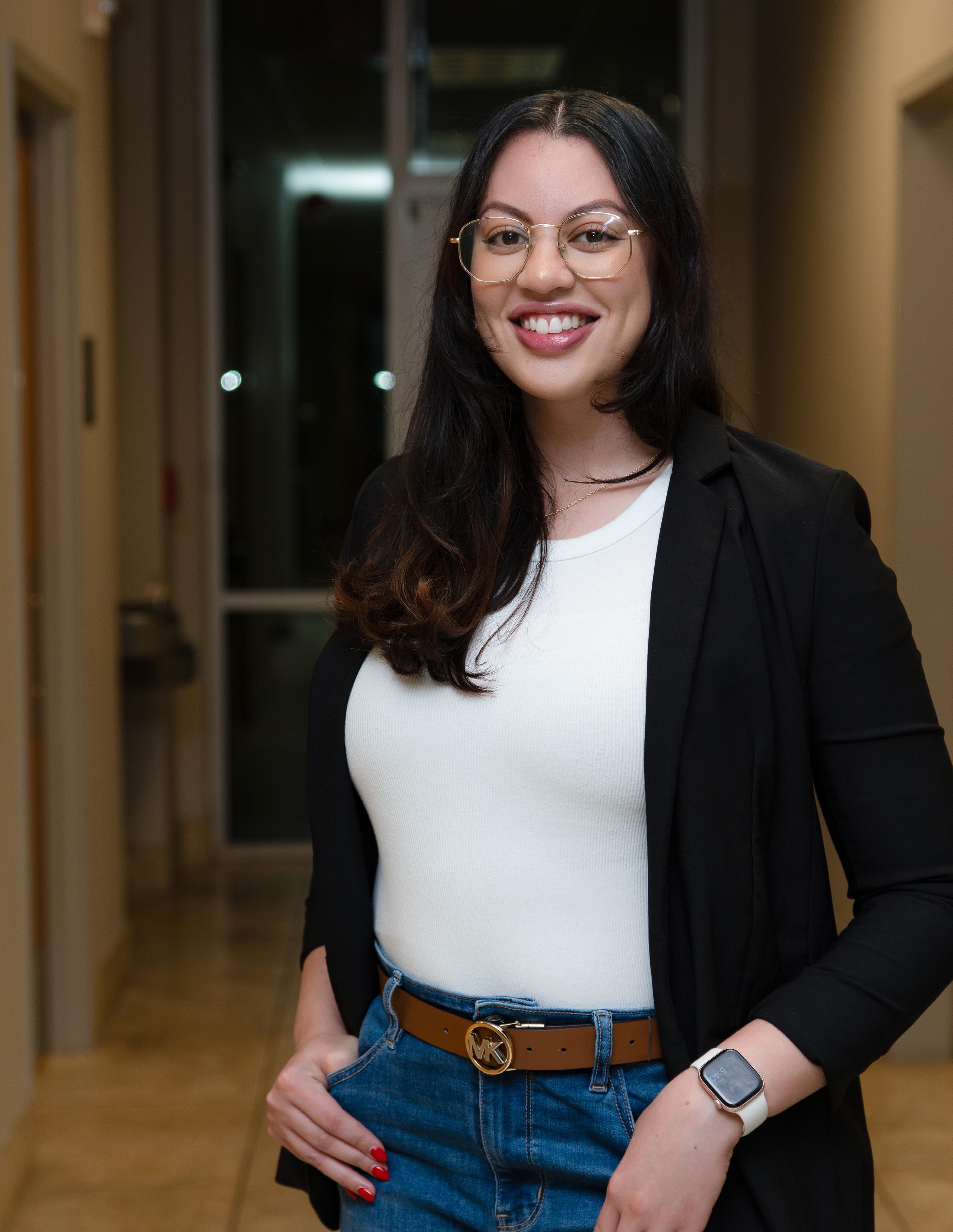
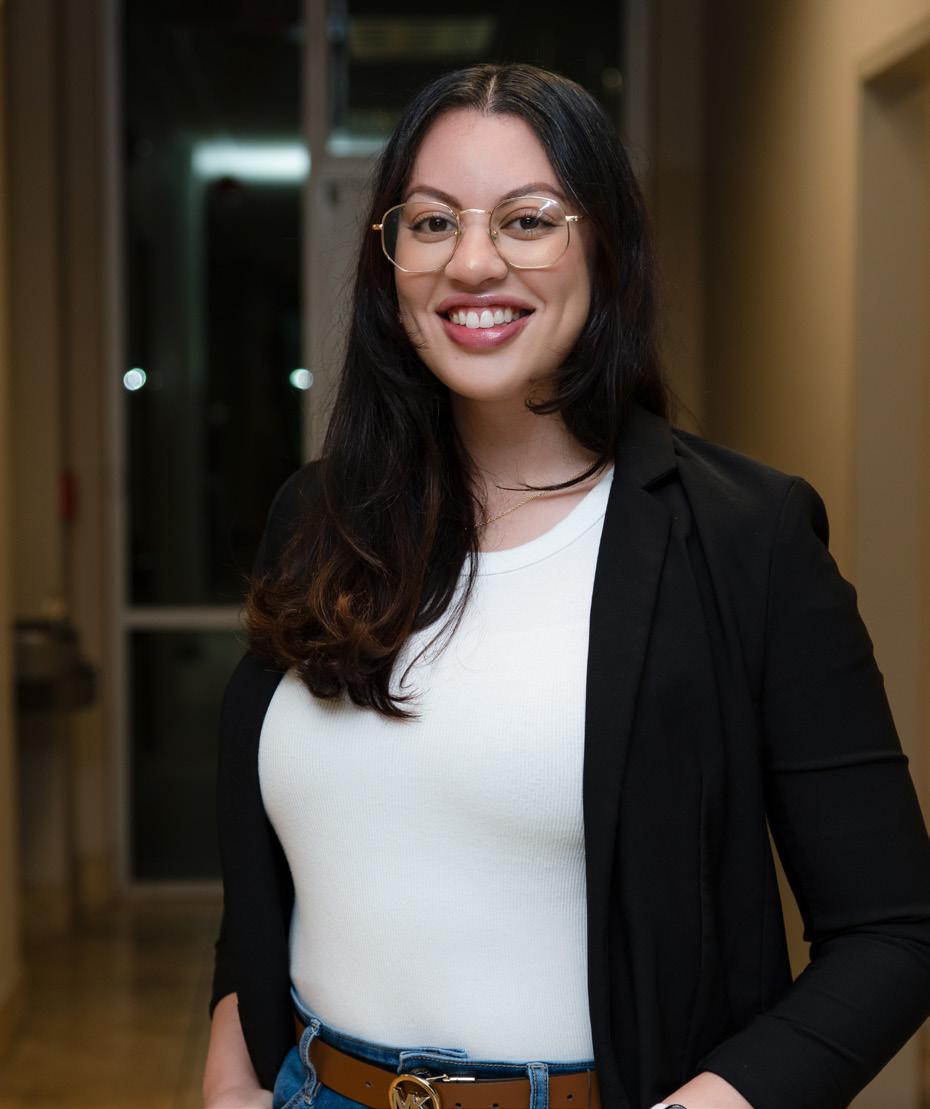
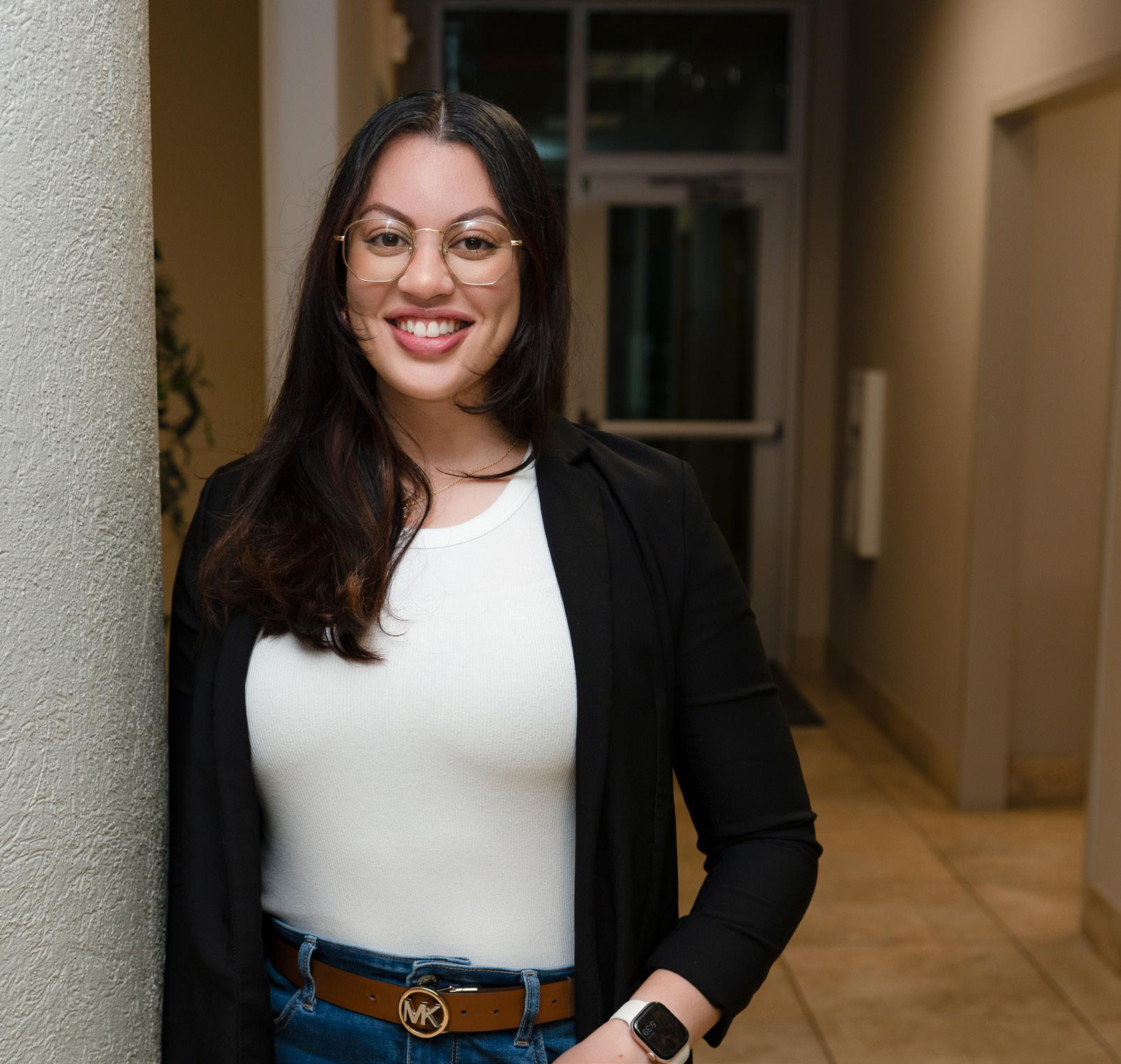
Clarksville, TN. En el camino hacia el éxito empresarial, a menudo encontramos historias de sacrificios inesperados y de fe inquebrantable. Este es el caso de Daisalynn Olivo, una emprendedora de raíces dominicanas y puertorriqueñas que nació en Massachusetts.
Clarksville, TN. On the path to entrepreneurial success, we often encounter stories of unexpected sacrifice and unwavering faith. Such is the case of Daisalynn Olivo, an entrepreneur of Dominican and Puerto Rican roots born in Massachusetts.
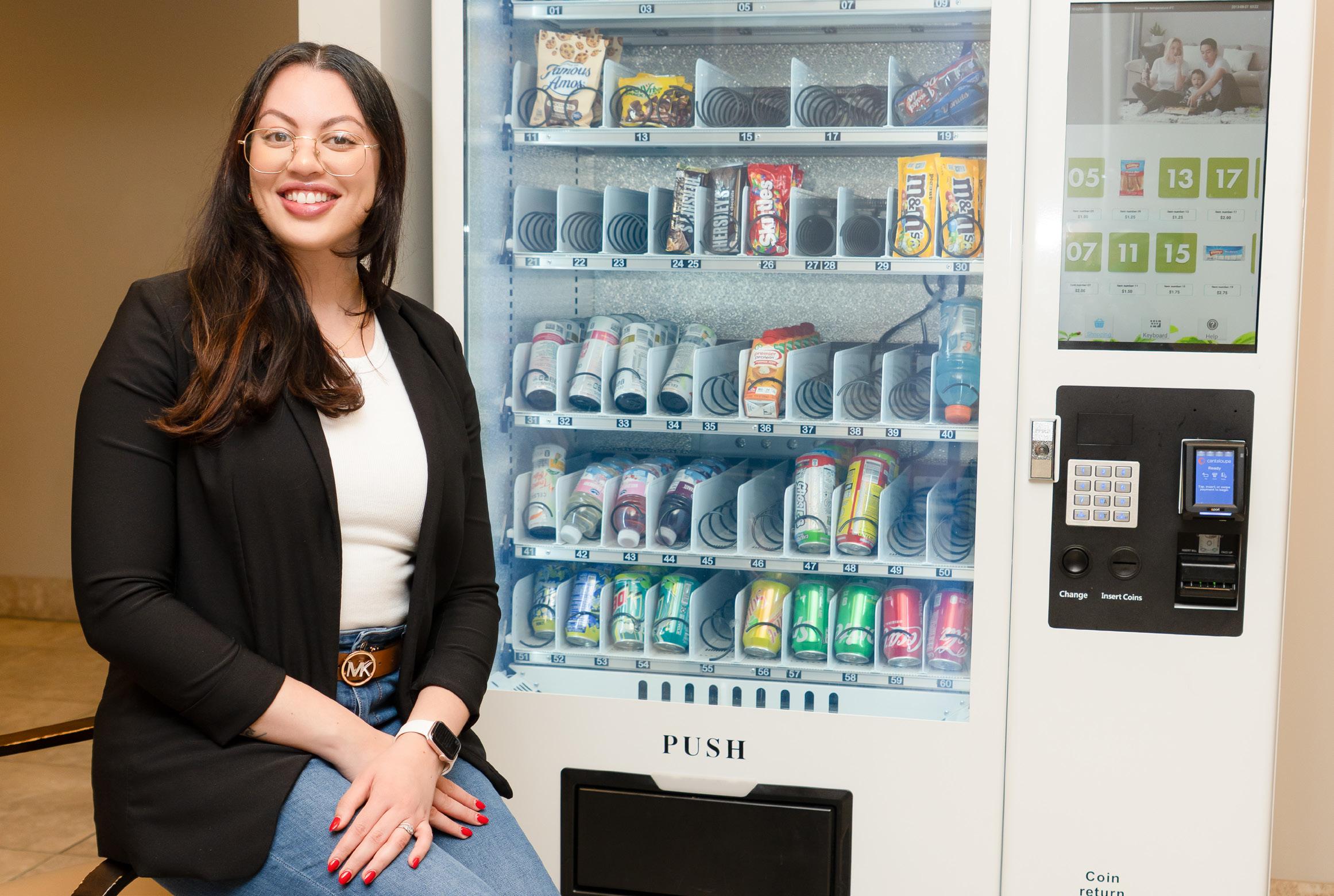
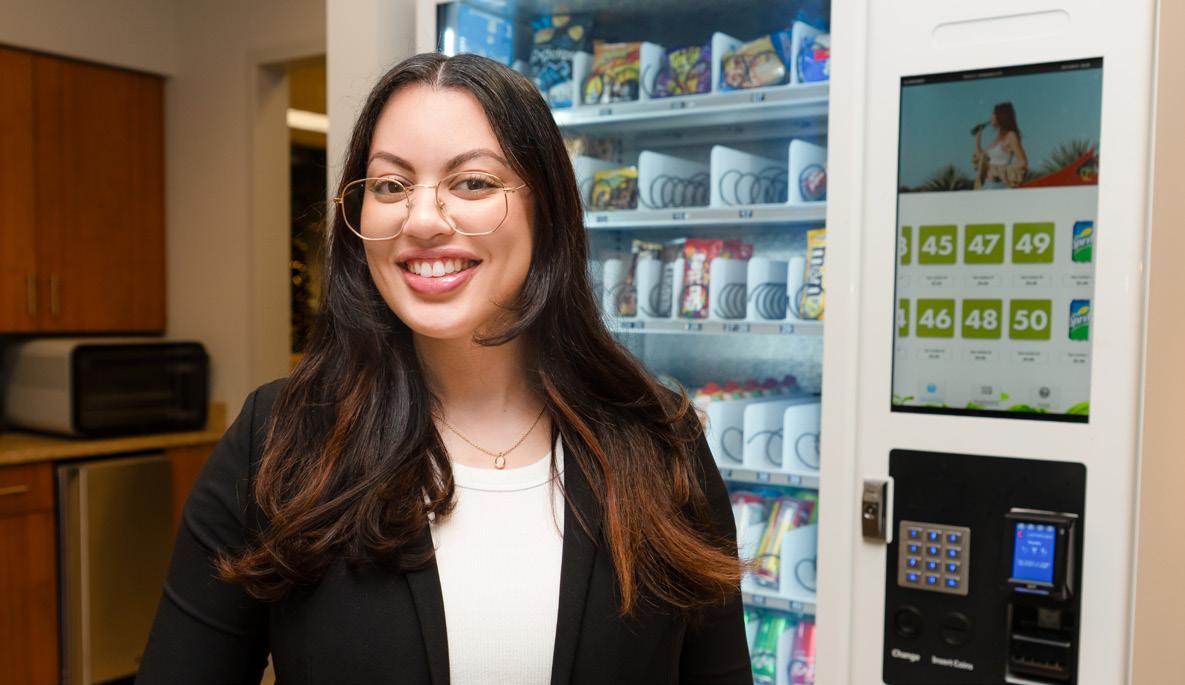
Mientras mantenía su trabajo a tiempo completo como recepcionista, decidió construir un camino hacia la libertad financiera mediante un negocio sorprendentemente escalable: las máquinas expendedoras. Su experiencia es un testimonio de que el conocimiento, la voluntad y la conexión adecuada pueden transformar una idea en una fuente de ingresos pasivos, demostrando que no es necesario renunciar al empleo principal para empezar a construir tu sueño.
Los Cimientos de la Mentalidad Empresarial
Para Daisalynn, la visión empresarial no surgió de la nada, sino que tiene raíces familiares. “Mi abuelo, el padre de mi madre, tenía una bodega en Puerto Rico, una pequeña tienda de barrio
While maintaining her full-time job as a receptionist, she decided to build a path to financial freedom through a surprisingly scalable business: vending machines. Her experience stands as a testament that knowledge, will, and the right connections can transform an idea into a source of passive income, proving that it isn’t necessary to quit your main job to start building your dream.
The Foundations of an Entrepreneurial Mindset
For Daisalynn, her business vision didn’t appear out of thin air; it has deep family roots. “My grandfather, my mother’s father, had a bodega in Puerto Rico—a small neighborhood store where people could buy their essentials,”
“Honestamente, nunca pensé en las máquinas expendedoras. Fue algo que simplemente llegó a mí, una idea que vino a mi mente, y yo tuve la disposición de decir: ‘OK, voy a intentarlo’ confiesa.”.
“Honestly, I never thought about vending machines. It was just an idea that came to my mind, and I had the willingness to say, ‘OK, I’m going to try it,” she confesses.”
–Daisalynn Olivo
donde la gente podía comprar sus cosas”, nos cuenta, reconociendo una influencia temprana. Sin embargo, su camino comenzó en la contabilidad, una disciplina que eligió con propósito.
“Vi la contabilidad como algo universal. Lo puedo usar en mi vida personal, lo puedo usar en negocios y me ayuda a ser una mejor propietaria de negocio, sabiendo lo que entra y lo que sale. La escuela no te enseña sobre dinero ni sobre cómo convertirte en empresario; te enseñan a ser un empleado, no cómo manejar tu propio dinero,” explica. Esta revelación fue la chispa que la llevó a buscar vías más allá del empleo tradicional.
she recalls, recognizing an early influence. However, her professional journey began in accounting, a discipline she chose with a specific purpose.
“I saw accounting as something universal. I can use it in my personal life, I can use it in business, and it helps me be a better business owner by knowing exactly what is coming in and what is going out. School doesn’t teach you about money or how to become a business owner; they teach you how to be an employee, not how to manage your own wealth,” she explains. This realization was the spark that led her to seek avenues beyond traditional employment.
“A través de Amway y otras experiencias, conocí el mundo del networking, de los negocios, y las conexiones, y eso me abrió los ojos: trabajar solo en un empleo no era la única forma de crecer.”.
“Through Amway and other experiences, I learned about the world of networking, business, and connections, and that opened my eyes: working just one job wasn’t the only way to grow.”
–Daisalynn Olivo
El Origen Inesperado del Negocio
Si bien el deseo de independencia financiera era su principal motivación, el negocio de las máquinas expendedoras fue un giro del destino. “Honestamente, nunca pensé en las máquinas expendedoras. Fue algo que simplemente llegó a mí, una idea que vino a mi mente, y yo tuve la disposición de decir: ‘OK, voy a intentarlo’ confiesa.
An Unexpected Business Origin
While the desire for “financial freedom” was her primary engine, the vending machine business was a twist of fate. “Honestly, I never thought about vending machines. It was just an idea that came to my mind, and I had the willingness to say, ‘OK, I’m going to try it,’ she confesses.
“ Una vez que te inicias en el mundo del emprendimiento, empiezas a ver oportunidades por todas partes. Solo tienes que tener tu propio negocio. Si no lo tienes, es difícil que esas ideas siquiera se te pasen por la mente”.
“Once you start enterprising, you begin to see opportunities everywhere. You just have to have your own business. If you don’t, it’s hard for those ideas to even cross your mind.”
–Daisalynn Olivo
Todo comenzó con un amigo que tenía máquinas y estaba a punto de venderlas. “Me puse en contacto con un amigo para ver si tenía otra máquina de sobra para colocar en este lugar”. Su amigo, que iba a ser trasladado por el ejército, no solo le ofreció la máquina, sino que se la regaló junto con un contrato, un gesto que ella atribuye a la fe.
“Yo estaba luchando con eso en oración”, relata y explica que el punto de inflexión fue un acto de fe personal. “Sentía que mi diezmo, mi gran ofrenda, debía ir a la iglesia, pero también que, de alguna manera, estaba ligado a esta máquina”, le comentó a su novio. “Tenía esa convicción en el corazón. Así que hice mi ofrenda: literalmente entregué todo lo que tenía en la cuenta. Sabía que me quedaría sin nada, pero dije: ‘OK, Señor, lo entrego’.
It all started with a friend who owned machines and was about to sell them. “I reached out to a friend to see if they had another extra machine to place at this location” Her friend, who was being relocated by the military, didn’t just offer her the machine—he gave it to her for free along with a contract, a gesture she attributes to faith.
“I was struggling with that in prayer,” she relates, explaining that the turning point was a personal act of faith. “I felt that my tithe, my great offering, should go to the church, but also that, somehow, it was linked to this machine,” she told her boyfriend. “I had that conviction in my heart. So, I made my offering: I literally gave everything I had in my account. I knew I’d be left with nothing, but I said, ‘OK, Lord, I surrender it.’
Cuenta que, apenas unos segundos después de ese acto de fe, su amigo le envió un mensaje de texto preguntándole si ya estaba lista para quedarse con la máquina. No haber pagado ni un dólar por ella fue el impulso definitivo para iniciar el papeleo y formalizar su LLC (Compañía de Responsabilidad Limitada). “Para mí fue un acto de obediencia a lo que Dios me estaba guiando a hacer, y como resultado llegó la máquina…y así nació formalmente el negocio”.
Mirando al Futuro
Aunque el camino hacia la libertad financiera comenzó con las máquinas expendedoras, su visión es más amplia. La emprendedora explica “Algo que quiero que la gente entienda es que hay diferentes tipos de negocios. Muchas personas piensan que ser emprendedor es solo tener un local, pagar arriendo, estar ahí de lunes a sábado, pagar empleados, etc. Pero hay negocios que puedes hacer aunque tengas un trabajo. Un negocio que funcione antes o después de tu jornada laboral”.
Reflexionando sobre la importancia de las redes, menciona que: “a través de Amway y otras experiencias, conocí el mundo del networking, de los negocios, y las conexiones, y eso me abrió los ojos: trabajar solo en un empleo no era la única forma de crecer”.
La historia de Daisalynn Olivo es un recordatorio de que ser un “emprendedor” no se limita a abrir una oficina o una tienda física. “Hay diferentes tipos de negocios que puedes hacer, incluso si trabajas a tiempo completo. “Una vez que te inicias en el mundo del emprendimiento, empiezas a ver oportunidades por todas partes. Solo tienes que tener tu propio negocio. Si no lo tienes, es difícil que esas ideas siquiera se te pasen por la mente”.
She recounts that just seconds after that act of faith, her friend sent her a text asking if she was ready to take the machine. Not having to pay a single dollar for it was the ultimate push to start the paperwork and formalize her LLC (Limited liability company). “For me, it was an act of obedience to where God was guiding me, and as a result, the machine arrived... and that’s how the business was formally born.”
Looking Ahead
While her journey toward financial freedom began with vending machines, her vision is broader. The entrepreneur explains “Something I want people to understand is that there are different types of businesses. Many think being an entrepreneur only means having a physical storefront, paying rent, being there Monday through Saturday, paying employees, etc. But there are businesses you can run even if you have a job—a business that works ‘before’ or ‘after’ your workday.”
Reflecting on the importance of networks, she mentions: “Through Amway and other experiences, I learned about the world of networking, business, and connections, and that opened my eyes: working just one job wasn’t the only way to grow.”
Daisalynn Olivo’s story is a reminder that being an “entrepreneur” is not limited to opening an office or a store. “Once you start enterprising, you begin to see opportunities everywhere. You just have to have your own business. If you don’t, it’s hard for those ideas to even cross your mind.”
“ Para un negocio pasivo, el monitoreo remoto es vital. El sistema más importante que debe tener una máquina expendedora es un sistema de control para monitorear lo que entra y lo que sale.”
“For a passive business, remote monitoring is vital. “The most important system a vending machine should have is a control system to monitor inventory.””
–Daisalynn Olivo
El mejor consejo para emprendedores con empleo fijo
Para aquellos que tienen un trabajo de tiempo completo y sueñan con emprender, Daisalynn ofrece una recomendación clara:
“¿Cuánto tiempo real voy a poder invertir (en el emprendimiento) mientras sigo en mi trabajo?. El tiempo de cada persona es diferente”. Señala que un negocio como el de las máquinas expendedoras es más “flexible” para quienes tienen un horario laboral rígido, pues solo requiere reabastecimiento e inversión inicial de “alrededor de 5.000 dólares”. Lo más importante es: Empezar con lo que se tiene: “Se trata de empezar con cualquier recurso que tengas y estar dispuesto a esforzarte y aprender. Al principio probablemente vas a invertir más de lo que recibes”.
Preparación Financiera: “Es importante también decidir si vas a pagar la máquina al contado o a crédito, si puedes asumir los pagos mensuales y cómo vas a fijar los precios, según el lugar donde la coloques, para que realmente te deje ganancias”.
The Best Advice for Full-Time Employees
For those who have a full-time job and dream of starting a business, Daisalynn offers clear advice:
“How much real time am I going to be able to invest while staying at my job? Everyone’s time is different.”
She notes that a vending machine business is more “flexible” for those with rigid work schedules, requiring only restocking and an initial investment of “around $5,000.” Her top tips include:
Start with what you have: “It’s about starting with whatever resources you have and being willing to push yourself and learn. In the beginning, you will probably invest more than you receive.”
Financial Preparation: “It’s important to decide if you will pay for the machine in cash or on credit, whether you can handle the monthly payments, and how you will set prices based on the location so that it actually leaves a profit.”
Notas para emprendedores
Claves para un negocio pasivo exitoso
Una vez en marcha, Daisalynn Olivo identificó los pilares para maximizar la rentabilidad y mantener el carácter “pasivo” del negocio:
• Atención a la Tecnología: “Cualquier problema electrónico o técnico puede paralizar el negocio. Si el lector de tarjetas no funciona, es un ‘fallo técnico’ Tener a alguien a mano es esencial para seguir vendiendo y no perder dinero”.
• Margen de Beneficio (Pricing): Su estrategia es simple y efectiva. “Calculo las ganancias dividiendo el valor de la venta por el costo. Así determino el margen y cuanto se debe subir el precio”.
• La Ubicación es Marketing: “Pienso en el tráfico peatonal: cuánta gente entra y sale, cuánta gente está esperando en ese espacio... Creo que se trata de networking y las conexiones correctas. Se necesita la voluntad de ir, comunicarse, preguntar y darse a conocer para conseguir ubicaciones con alto potencial”.
• Sistemas de Monitoreo: Para un negocio pasivo, el monitoreo remoto es vital. “El sistema más importante que debe tener una máquina expendedora es un sistema de control para monitorear lo que entra y lo que sale”. También menciona su interés en el sistema “Smart Lock” en el que la máquina escanea la tarjeta del cliente y carga automáticamente la cuenta al salir, permitiendo un monitoreo preciso y sin necesidad de vending tradicional.
Advice for Entrepreneurs
Keys to a Successful Passive Business
Once operational, Daisalynn Olivo identified the pillars to maximize profitability while maintaining the “passive” nature of the business:
• Attention to Technology: “Any electronic or technical issue can paralyze the business. If the card reader doesn’t work, it’s a ‘technical glitch.’ Having someone on hand is essential to keep selling and avoid losing money.”
• Pricing and Profit Margins: Her strategy is simple and effective. “I calculate profits by dividing the sale value by the cost. That’s how I determine the margin and how much the price needs to be adjusted.”
• Location is Marketing: “I think about foot traffic: how many people come in and out, how many people are waiting in that space... I believe it’s about networking and the right connections. You need the will to go out, communicate, ask, and make yourself known to secure high-potential locations.”
• Monitoring Systems: For a passive business, remote monitoring is vital. “The most important system a vending machine should have is a control system to monitor inventory.” She also mentioned her interest in “Smart Lock” systems, where the machine scans a customer’s card and automatically charges the account upon exit, allowing for precise monitoring without traditional vending constraints.
MENTAL HEALTH MATTERS
D r . M a r g a r i t a V .
B a r l o w , A P R N
• D N P ( D o c t o r o f N u r s i n g
P r a c t i c e )
• A N P - B C ( A d u l t N u r s e
P r a c t i t i o n e r - B o a r d
C e r t i f i e d )
• P M H N P - B C ( P
P r a c t i t i o n e r - B o a r d
C e r t i f i e d ) .
LA IA NO HACE TU TRABAJO.
TE DEVUELVE EL TIEMPO PARA HACERLO MEJOR.
Por Hispanos Emprendedores
La inteligencia artificial no está pensada para reemplazar a pintores, constructores o técnicos. Está pensada para quitar tareas, ordenar el negocio y permitir enfocarse en el trabajo real. Responder mensajes, explicar precios, escribir presupuestos, coordinar horarios y recordar pagos no es el oficio, pero consume gran parte del día.
La IA funciona como un asistente silencioso que ordena, repite y recuerda, para que el emprendedor no tenga que hacerlo todo en su cabeza.
No cambia cómo trabajas. No cambia lo que sabes hacer.
Solo te ayuda a trabajar con más orden y menos desgaste.
“La IA no reemplaza el oficio. Reemplaza el desorden.”
“NO
NECESITAS MUCHAS HERRAMIENTAS. SOLO LAS CORRECTAS.”
*
PARA ESCRIBIR, RESPONDER Y ORDENAR FOR WRITING, RESPONDING, AND ORGANIZING
• Google Gemini
- Escribe correos, presupuestos y ordena ideas dentro de Google.
- Writes emails, estimates, and organizes ideas inside Google.
• OpenAI (ChatGPT)
- Ayuda a redactar mensajes claros y explicar servicios.
- Helps write clear messages and explain services.
• Perplexity AI
- Busca información rápida y fácil de entender.
- Finds information quickly that is easy to understand
* PARA PRESENTARTE MEJOR
FOR A MORE PROFESSIONAL PRESENTATION
• Canva (IA)
- Flyers, anuncios y publicaciones sin ser diseñador.
- Flyers, ads, and posts without being a designer.
AI DOESN’T DO YOUR JOB.
IT GIVES YOU BACK TIME TO DO IT BETTER.
By Hispanos Emprendedores
• WhatsApp (respuestas automáticas)
- Menos mensajes repetidos, más orden.
- Fewer repeated messages, more organization.
* PARA ORDENAR EL NEGOCIO
FOR ORGANIZING THE BUSINESS
• QuickBooks (IA)
- Control simple de ingresos, gastos y facturas.
- Simple control of income, expenses, and invoices.
• Notion (IA)
- Libreta inteligente para ideas, clientes y tareas.
- Smart notebook for ideas, clients, and tasks.
• Google Docs + IA
- Documentos claros y profesionales.
- Clear, professional documents.
• Google Sheets + IA
- Listas simples de trabajos, pagos y clientes.
- Simple lists for jobs, payments, and clients.
Artificial intelligence is not designed to replace painters, builders, or technicians.
It removes tasks, organizes the business, and helps focus on real work.
Answering messages, explaining prices, writing estimates, scheduling jobs, and remembering payments isn’t the trade, but it takes up most of the day.
AI works like a silent assistant that organizes, repeats, and remembers, so entrepreneurs don’t have to do everything themselves.
It doesn’t change how you work. It doesn’t change your skills. It simply helps you work with more order and less stress.
“AI doesn’t replace the trade. It replaces the chaos”
“YOU DON’T NEED MANY TOOLS. JUST THE RIGHT ONES.”
COLUMNA / PERSPECTIVE
El Código del Emprendedor: Tiempo, Ocasión y Fe
The Entrepreneur’s Code: Time, Opportunity, and Faith
Temprano en la creación del internet, las compañías digitales estaban tomando alas. Personas estaban tomando oportunidades para crear mercados en un espacio que no tenía límites. Muchas de esas compañías digitales, en estos días, son tan normales cómo un WalMart, un Ross o un McDonalds. A principios de los 2000, eBay era un lugar donde las personas llegaban para encontrar y comprar cualquier cosa. Pero este modelo no servía en Latinoamérica. Nadie confiaba en comprar a desconocidos y menos saber cómo pagar por algo digitalmente. Pero, un hombre llamado Marcos Galperin, vio una oportunidad para resolver un problema específico. En ese tiempo comenzó a trabajar en una plataforma que se llamó Mercado Libre y luego desarrolló Mercado Pago para sincronizar los pagos de país a país. Mercado Libre hoy es la empresa más valiosa de la región. Galperin, vio durante ese tiempo una oportunidad y la tomó. Yo te digo en este momento, no dejes ir las oportunidades que te lleguen. Hay un versículo bíblico de sabiduría eterna que me sirve para estar alerta a las oportunidades. Eclesiastés 9:11 dice: “Me volví y vi debajo del sol, que ni es de los ligeros la carrera, ni la guerra de los fuertes, ni aun de los
Rev. José Vazquez
Pastor Iglesia Mateo 28
Facebook.com/icm28
Early in the creation of the internet, digital companies were taking flight. People were seizing opportunities to create markets in a space that had no limits. Nowadays, many of those digital companies are as normal as a Wal-Mart, a Ross, or a McDonald’s. In the early 2000s, eBay was a place where people went to find and buy anything. But this model didn’t work in Latin America. No one trusted buying from strangers, much less knew how to pay for something digitally. However, a man named Marcos Galperin saw an opportunity to solve a specific problem. At that time, he began working on a platform called Mercado Libre and later developed Mercado Pago to synchronize payments from country to country. Today, Mercado Libre is the most valuable company in the region.
Galperin saw an opportunity during that time and took it. I tell you right now: do not let the opportunities that come to you slip away. There is a Bible verse of eternal wisdom that helps me stay alert to opportunities. Ecclesiastes 9:11 says:
“I returned and saw under the sun that— The race is not to the swift, Nor the battle to the strong, Nor bread
sabios el pan, ni de los prudentes las riquezas, ni de los elocuentes el favor; sino que tiempo y ocasión acontecen a todos” (RVR 1960).
La Palabra de Dios nos dice y nos recuerda que las oportunidades no son solo para gente privilegiada que ya tienen dinero, negocios o aun los más fuertes o influenciadores. Sino, las oportunidades son para aquellos que toman los pasos para tomar el tiempo y la ocasión que llega a su vida.
Cada persona debajo del sol tiene la oportunidad de hacer algo en su vida. Tu estás mirando está revista y este artículo porque dentro de tu corazón tienes el fuego de “Emprendedor”, una persona que quiere tomar un brinco a las oportunidades. Así que, no te pierdas la oportunidad, la ocasión o aun el tiempo de ahora, para dudar, o cuestionar, sino, prepárate, haz un plan, conectate con las personas o organizaciones que necesitas.
Dios nos da la oportunidad, pero nuestra responsabilidad es trabajarla. Nuestros amigos de Hispanos Emprendedores están listos para ayudarte y darte la mano, para que puedas tomar las oportunidades que Dios te da.
Quizás digas, “Dios no me conoce, ¿porqué me dará una oportunidad así?” Y yo te digo, Él sí te conoce, y Jesús mismo dijo que el sol y la lluvia caen sobre todos. Dios vio la oportunidad de hacer un sacrificio por nuestras vidas, y no dudo en hacerlo cómo dice el famoso versículo Juan 3:16, así que no dejes perder tus oportunidades.
¿Qué ‘puerta abierta’ has estado ignorando por miedo a no ser ‘el más fuerte’ o ‘el más sabio’? Recuerda que el tiempo y la ocasión ya están aquí. Emprende hoy”.
to the wise, Nor riches to men of understanding, Nor favor to men of skill; But time and chance happen to them all.”
The Word of God tells us and reminds us that opportunities are not just for privileged people who already have money, businesses, or even for the strongest or the influencers. Instead, opportunities are for those who take the steps to seize the time and the occasion that comes into their lives.
Every person under the sun has the opportunity to do something in their life. You are looking at this magazine and this article because inside your heart you have the fire of an “Entrepreneur,” a person who wants to take a leap toward opportunities. So, do not miss the opportunity, the occasion, or even the current time by doubting or questioning; instead, prepare yourself, make a plan, and connect with the people or organizations you need.
God gives us the opportunity, but our responsibility is to work for it. Our friends at Hispanos Emprendedores are ready to help you and lend you a hand so that you can take the opportunities God gives you.
You might say, “God doesn’t know me, why would He give me an opportunity like this?” And I tell you, He does know you, and Jesus Himself said that the sun and the rain fall on everyone. God saw the opportunity to make a sacrifice for our lives, and He did not hesitate to do so as the famous verse John 3:16 says, so do not let your opportunities go to waste.
What “open door” have you been ignoring for fear of not being “the strongest” or “the wisest”? Remember that the time and occasion are already here. Start your venture today.
“ Dios nos da la oportunidad, pero nuestra responsabilidad es trabajarla.”
“God gives us the opportunity, but our responsibility is to work for it. ”
Los Ingresos Pasivos en EE.UU.: Guía para el Empresario Hispano
Passive Income in the U.S.: A Guide for the Hispanic Entrepreneur
Por / By Hispanos Emprendedores
Parael emprendedor moderno, el “ingreso pasivo” se ha convertido en una de sus metas añoradas: la promesa de ganar dinero mientras se duerme, se viaja o se disfruta de la familia. Sin embargo, para el empresario hispano que busca operar en el competitivo mercado de los Estados Unidos, es crucial separar el mito de la realidad operativa y fiscal.
Entrando en el ciclo económico 2025-2026, los ingresos pasivos no son sinónimo de “no hacer nada”. Según el Servicio de Impuestos Internos (IRS) de EE. UU., la pasividad es una clasificación técnica rigurosa. A diferencia de los ingresos activos (salarios) o de cartera (inversiones simples), los ingresos pasivos provienen de actividades comerciales en las que el inversor no participa materialmente o de actividades de alquiler.
Comprender esta distinción es el primer paso para construir un patrimonio duradero en la economía más grande del mundo, por ello te presentamos un análisis de las cinco vías más sólidas con ejemplos para generar flujos de caja pasivos en el ecosistema estadounidense actual:
For the modern entrepreneur, “passive income” has become a coveted goal: the promise of earning money while sleeping, traveling, or enjoying family time. However, for the Hispanic business owner seeking to operate in the competitive United States market, it is crucial to separate myth from operational and fiscal reality.
Entering the 2025-2026 economic cycle, passive income is not synonymous with “doing nothing.” According to the U.S. Internal Revenue Service (IRS), passivity is a rigorous technical classification. Unlike active income (wages) or portfolio income (simple investments), passive income comes from business activities in which the investor does not materially participate, or from rental activities. Understanding this distinction is the first step to building lasting wealth in the world’s largest economy. Therefore, we present an analysis of the five most solid avenues, with examples, to generate passive cash flow in the current American ecosystem:
“los ingresos pasivos provienen de actividades comerciales en las que el inversor no participa materialmente”
“ passive income comes from business activities in which the investor does not materially participate ”
1. El Nuevo Ladrillo: Bienes Raíces Sin Ser Casero Tradicionalmente, invertir en bienes raíces implicaba lidiar con inquilinos, reparaciones de madrugada y contratos complejos. Hoy, la tecnología financiera ha democratizado el acceso a activos de grado institucional sin los dolores de cabeza de la gestión directa.
1. The New Brick: Real Estate Without Being a Landlord: Traditionally, investing in real estate meant dealing with tenants, late-night repairs, and complex contracts. Today, financial technology has democratized access to institutional-grade assets without the headaches of direct management.
• Fideicomisos de Inversión (REITs): Los Real Estate Investment Trusts (REITs) permiten invertir en portafolios de propiedades comerciales (como centros comerciales, hospitales o torres de oficinas) comprando acciones en la bolsa. Por ley, estas empresas deben distribuir el 90% de sus ingresos imponibles a los accionistas. Para el ciclo fiscal actual, estos dividendos gozan de una ventaja única: bajo la legislación vigente hasta finales de 2025, los inversores pueden deducir el 20% de estos ingresos calificados, reduciendo significativamente su carga tributaria efectiva según reit.com
• Crowdfunding Inmobiliario: Para quienes buscan algo más tangible que una acción, hay plataformas que permiten comprar participaciones fraccionadas en propiedades específicas. Por ejemplo, con una inversión mínima que puede ser tan baja como $10 o $100 dólares, un inversor puede ser copropietario de una casa unifamiliar en alquiler o un complejo de apartamentos, descrito por New Silver en su página web. Estas plataformas gestionan la propiedad, cobran las rentas y distribuyen las ganancias trimestralmente, ofreciendo una verdadera experiencia de “manos libres”.
2. La Economía Digital: Propiedad Intelectual Escalable
Si el sector inmobiliario requiere capital, la economía digital requiere conocimiento. La creación de productos digitales ofrece márgenes de beneficio excepcionales (a menudo superiores al 80%) porque no hay costos de inventario ni envío.
• Publicación de Libros (KDP): La autoedición a través de Amazon Kindle Direct Publishing (KDP) sigue siendo una vía potente. El autor sube su manuscrito una vez y Amazon se encarga de la venta, impresión y distribución global. Las regalías pueden alcanzar el 70% del precio de venta. La clave según kindlepreneur.com en 2025 no es solo escribir, sino entender los algoritmos de las plataformas o utilizar agregadores para alcanzar múltiples librerías online simultáneamente.
• Real Estate Investment Trusts (REITs): REITs allow for investment in commercial property portfolios (such as shopping centers, hospitals, or office towers) by purchasing shares on the stock market. By law, these companies must distribute 90% of their taxable income to shareholders. For the current fiscal cycle, these dividends enjoy a unique advantage: under legislation valid until the end of 2025, investors can deduct 20% of this qualified income, significantly reducing their effective tax burden according to reit.com.
• Real Estate Crowdfunding: For those seeking something more tangible than a stock, there are platforms that allow purchasing fractional shares in specific properties. For example, with a minimum investment that can be as low as $10 or $100 USD, an investor can be a co-owner of a single-family rental home or an apartment complex, as described by New Silver on their website. These platforms manage the property, collect rents, and distribute profits quarterly, offering a true “hands-free” experience.
2. The Digital Economy: Scalable Intellectual Property
If the real estate sector requires capital, the digital economy requires knowledge. Creating digital products offers exceptional profit margins (often exceeding 80%) because there are no inventory or shipping costs.
• Book Publishing (KDP): Self-publishing through Amazon Kindle Direct Publishing (KDP) remains a powerful avenue. The author uploads their manuscript once, and Amazon handles the global sales, printing, and distribution. Royalties can reach 70% of the sale price. According to kindlepreneur.com, the key in 2025 is not just writing, but understanding platform algorithms or using aggregators to reach multiple online bookstores simultaneously.
• Educación en Línea:
El mercado del e-learning se ha bifurcado. Por un lado, plataformas que actúan como un mercado masivo donde el instructor sube el curso y la plataforma pone la audiencia, ideal para quienes no quieren hacer marketing activo. Por otro lado, herramientas que permiten a los creadores construir su propia escuela digital, manteniendo el control total de los precios y la base de datos de alumnos, aunque requiere un esfuerzo inicial mayor para atraer tráfico.
3. Automatización del E-Commerce: Oportunidades y Alertas
El comercio electrónico en EE. UU. es gigante, y la logística de terceros (3PL) ha permitido modelos como Cumplimiento por Amazon (FBA siglas en inglés). En este modelo, el vendedor envía sus productos a los almacenes de Amazon, y la empresa se encarga del almacenamiento, empaquetado, envío y atención al cliente.
• La Alerta de la “Automatización Total”: Recientemente, han proliferado agencias que prometen gestionar tiendas de Amazon “completamente automatizadas” a cambio de fuertes inversiones iniciales ($20,000 - $50,000 USD). Es vital que el emprendedor hispano ejerza extrema precaución aquí. Investigaciones recientes indican que muchas de estas ofertas rozan el fraude o utilizan prácticas de dropshipping que violan las políticas de Amazon, poniendo en riesgo tanto el capital como la cuenta del vendedor (reddit.com). La verdadera automatización segura se construye paso a paso, delegando tareas a asistentes virtuales propios, no entregando las llaves del negocio a terceros no verificados.
4. Negocios “Semi-Ausentes”: Franquicias y Autoservicio
Para quienes prefieren activos físicos y negocios tradicionales, el modelo “semi-ausente” es ideal. Está diseñado para que el propietario actúe como un ejecutivo, dedicando pocas horas a la semana a supervisar gerentes, en lugar de operar el negocio día a día, ejemplo de ello son:
• Online Education: The e-learning market has bifurcated. On one side, there are platforms acting as a mass marketplace where the instructor uploads the course and the platform provides the audience—ideal for those who do not want to do active marketing. On the other side, there are tools allowing creators to build their own digital schools, maintaining full control over pricing and student databases, although this requires greater initial effort to attract traffic.
3. E-Commerce Automation: Opportunities and Alerts: E-commerce in the U.S. is massive, and third-party logistics (3PL) has enabled models like Fulfillment by Amazon (FBA). In this model, the seller sends their products to Amazon’s warehouses, and the company handles storage, packaging, shipping, and customer service.
• The “Total Automation” Alert: Recently, agencies promising to manage “fully automated” Amazon stores in exchange for steep initial investments ($20,000 - $50,000 USD) have proliferated. It is vital that the Hispanic entrepreneur exercises extreme caution here. Recent investigations indicate that many of these offers border on fraud or use dropshipping practices that violate Amazon’s policies, putting both capital and the seller’s account at risk (reddit.com). True, safe automation is built step-by-step, delegating tasks to one’s own virtual assistants, not handing over the keys to the business to unverified third parties.
4. “Semi-Absentee” Businesses: Franchises and Self-Service: For those who prefer physical assets and traditional businesses, the “semi-absentee” model is ideal. It is designed for the owner to act as an executive, dedicating a few hours a week to supervising managers rather than operating the business day-today. Examples include:
• Lavanderías y Vending:
Las lavanderías automáticas son un clásico a prueba de recesiones. Con una inversión inicial considerable (que puede rondar los $200,000 - $500,000 para locales equipados), ofrecen un retorno sobre la inversión (ROI) estable del 20-30% anual y flujo de caja constante. En una escala menor, el negocio de máquinas expendedoras (Vending Machines) permite empezar con capitales bajos ($3,000 - $5,000 por máquina), generando ingresos pasivos las 24 horas en ubicaciones con alto tráfico peatonal.
• Franquicias de Servicios: Sectores como el mantenimiento del hogar, la belleza o el fitness ofrecen modelos de franquicia estructurados para la gestión pasiva. Marcas en aislamiento de hogares, servicios de pintura o gimnasios boutique permiten al inversor escalar abriendo múltiples unidades sin estar atado al mostrador.
5. Instrumentos Financieros: La Aristocracia de los Dividendos
Finalmente, la forma más líquida de ingreso pasivo sigue siendo el mercado de capitales. En EE.UU., existe un grupo de empresas élite conocidas como los “Aristócratas de los Dividendos”. Son compañías del S&P 500 que no solo han pagado, sino que han aumentado sus dividendos consecutivamente durante al menos 25 años en la bolsa de valores.
Nombres familiares como Coca-Cola o PepsiCo, forman parte de esta lista. Invertir en ellas, o en ETFs que las agrupan, ofrece una doble protección: una renta periódica que suele crecer por encima de la inflación y la apreciación del capital a largo plazo, todo gravado a tasas fiscales preferenciales si se mantienen las acciones el tiempo suficiente.
Generar ingresos pasivos en Estados Unidos es totalmente viable en 2026, pero requiere estrategia. No se trata de encontrar un botón mágico de dinero, sino de elegir el vehículo que mejor se adapte a su capital, su tolerancia al riesgo y su situación fiscal.
• Laundromats and Vending: Automatic laundromats are a recession-proof classic. With a considerable initial investment (which can hover around $200,000 - $500,000 for equipped locations), they offer a stable Return on Investment (ROI) of 20-30% annually and consistent cash flow. On a smaller scale, the Vending Machine business allows starting with lower capital ($3,000 - $5,000 per machine), generating passive income 24 hours a day in locations with high foot traffic.
• Service Franchises: Sectors such as home maintenance, beauty, or fitness offer structured franchise models for passive management. Brands in home insulation, painting services, or boutique gyms allow the investor to scale by opening multiple units without being tied to the front desk.
5. Financial Instruments: The Dividend Aristocracy
Finally, the most liquid form of passive income remains the capital market. In the U.S., there is an elite group of companies known as the “Dividend Aristocrats.” These are S&P 500 companies that have not only paid but have consecutively increased their dividends for at least 25 years on the stock exchange.
Familiar names like Coca-Cola or PepsiCo are part of this list. Investing in them, or in ETFs that group them, offers double protection: periodic income that usually grows above inflation, and long-term capital appreciation, all taxed at preferential tax rates if the shares are held long enough.
Generating passive income in the United States is entirely viable in 2026, but it requires strategy. It is not about finding a magic money button, but rather choosing the vehicle that best adapts to your capital, your risk tolerance, and your fiscal situation.
Planea Una Aventura En Clarksville
Utilice estos recursos para descubrir todo lo que hay que ver y hacer en Clarksville.
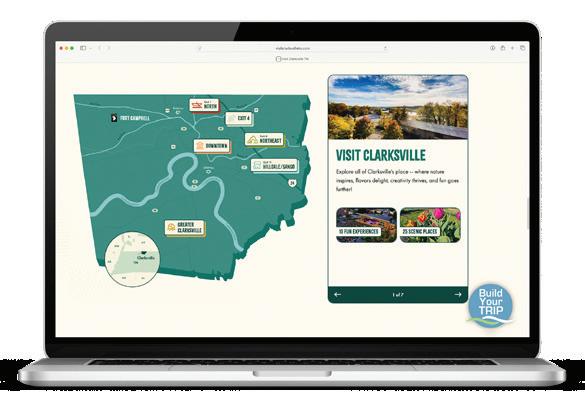
Mapa de Sitios de Clarksville
Descubre todo lo que ofrece Clarksville. Desde restaurantes y tiendas hasta aventuras y actividades para toda la familia, haz clic en el mapa para explorar todo lo que la ciudad tiene para ofrecer.
Desafía a los senderos
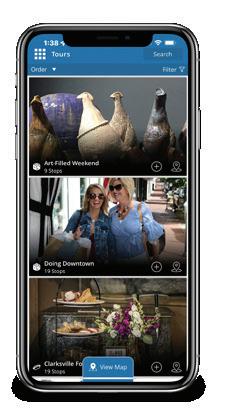
Explore Clarksville utilizando la función de senderos de la aplicación VisitClarksvilleTN y gane insignias coleccionables para cada sendero. Seleccione un sendero y déjese guiar por la aplicación.
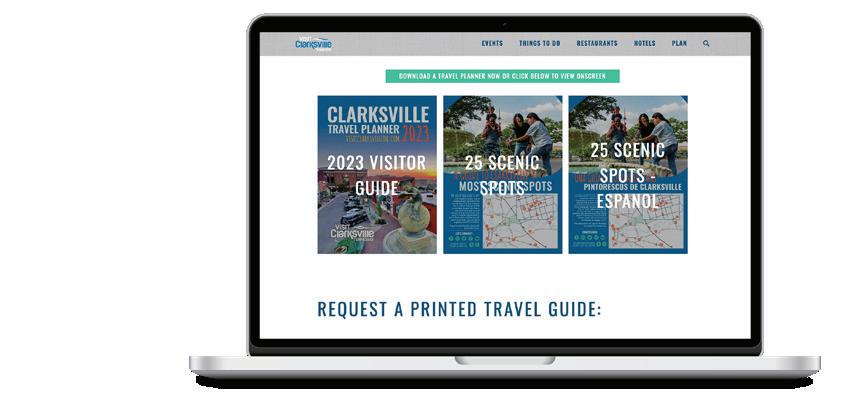
Los 25 lugares más pintorescos
Escanee el código QR para una descarga digital o recoja una copia impresa en el Centro de Bienvenida de Visit Clarksville180 Holiday Drive
Buscamos Artistas,
Vendedores, Artesanos y
Voluntarios
Únase a nuestro programa mensual diseñado para adultos mayores que desean mantenerse activos, sociales e inspirados.
¡Alégrate
con nosotros!
¡Alegría! celebra nuestra cultura, creatividad y conexión compartiendo gozo, música, comida, arte e historias. Si te apasiona tu comunidad y quieres participar mostrando tu talento o tu voz, ¡contáctanos!
Invitamos a personas y organizaciones con herencia hispana, así como aliados comprometidos con el desarrollo de nuestra comunidad, a participar en este vibrante evento familiar.
Fecha del evento: 26 • septiembre • 2026
Lugar: Biblioteca Principal de Clarksville Para participar, envía un correo electrónico a: anna@clarksville.org
Biblioteca Principal 350 Pageant Lane, Suite 501 Clarksville, TN 37040 clarksville.org
DIGITAL MARKETING
N E W D I G I T A L A G E N C Y
2 0 2 5
Let's connect
Our Services:
Unique brand development for businesses.
Modern website creation and design.
Social media strategy and management.
Monthly website maintenance for top performance.
Custom designs tailored for companies.
Effective advertising campaigns on Google and social media.