


EDITORIAL
Tel:
Printer:

Jeremy Shaw HRIA National President
EDITORIAL
Tel:
Printer:
Jeremy Shaw HRIA National President
As we enter a new year, our industry continues to demonstrate the resilience, ingenuity, and collaborative spirit that define the Hire and Rental Industry Association and its members.
THE YEAR AHEAD brings with it several strategic opportunities, and I am encouraged by the momentum already building across our sector.
In March, the HRIA Board will commence a comprehensive review of our strategic plan — an important process that only occurs once every five years. This review will evaluate the effectiveness and long-term value of our current strategic pillars, ensuring they continue to serve members in a rapidly evolving market. Equally important, we will explore new opportunities to enhance the support, services, and representation we provide to our members. Your feedback, insights, and lived experiences will be essential inputs as we chart the path forward. Our aim is clear: to ensure the HRIA remains not just relevant but delivers long term value to members today and well into the future.
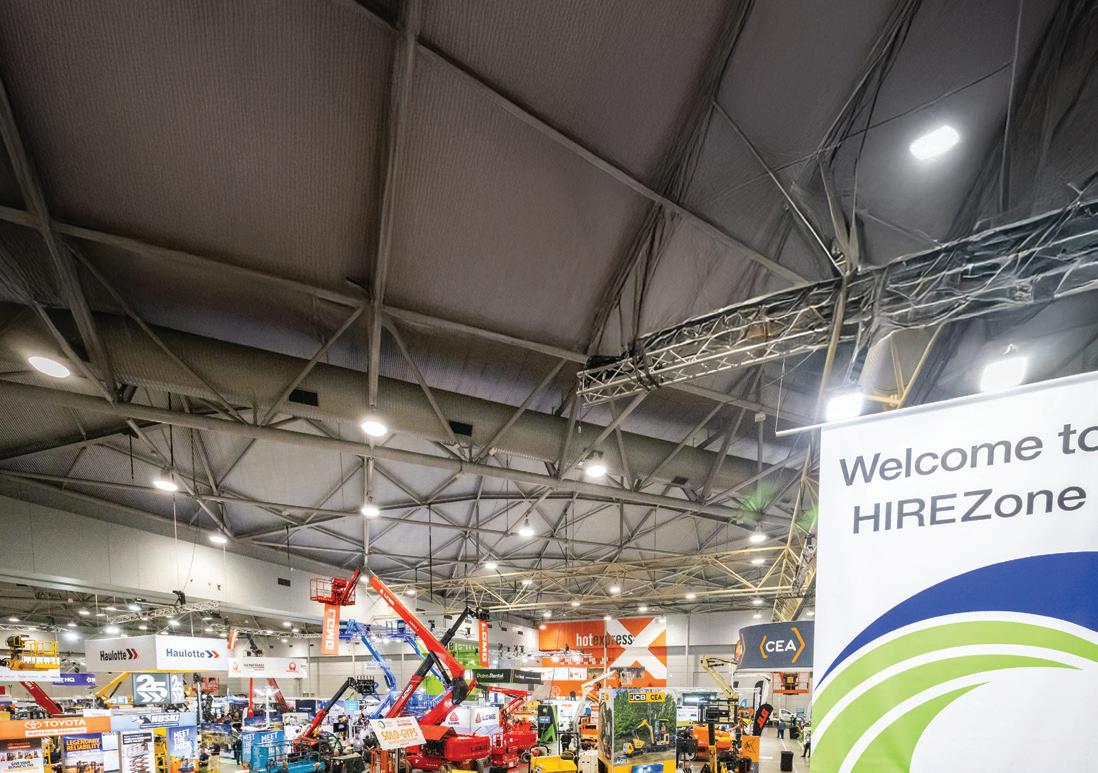
A key highlight for this coming year will be HIRE26, taking place in Sydney on May 20-21. This annual convention is always a cornerstone event — an opportunity to connect, learn, and experience firsthand the innovation shaping our industry. As technology,
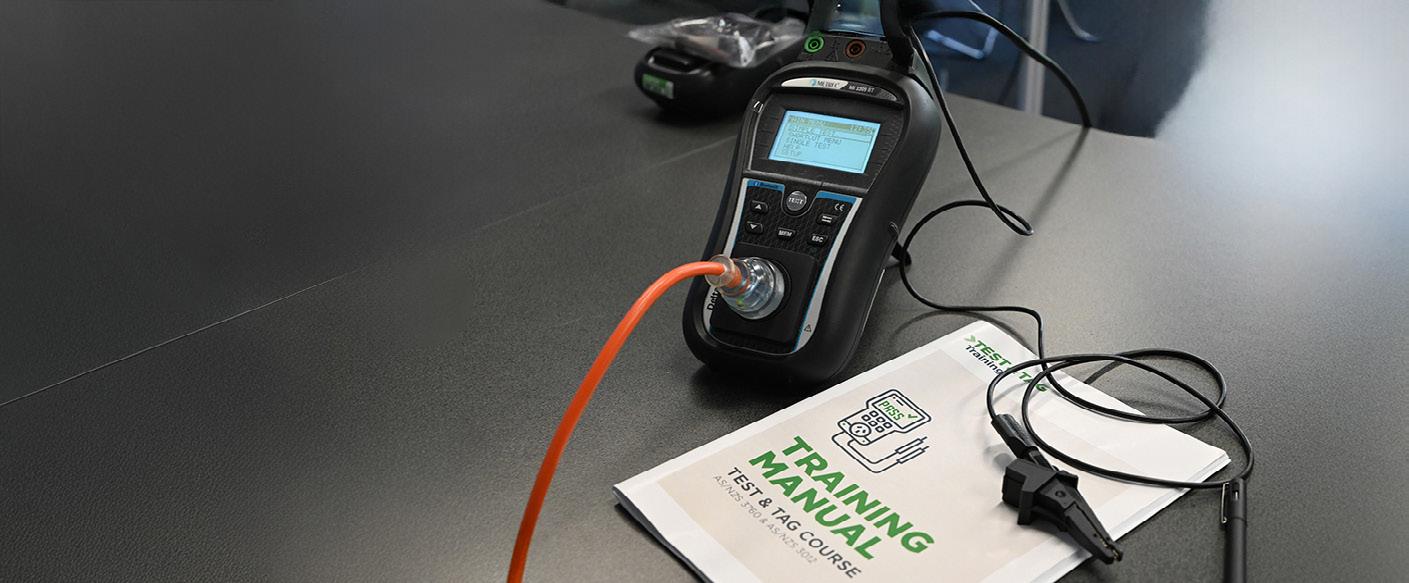
We are excited to kick off the year with the launch of a HRIA branded test and tag training solution.
sustainability, and workforce trends evolve, HIRE26 will once again provide the platform for meaningful discussion and forward-focused thinking.
Looking further ahead, the Brisbane 2032 Olympic and Paralympic Games continue to generate significant excitement and opportunity, particularly with the appointment of the construction management consortium led by Laing O’Rourke and AECOM as the Delivery Partner for 17 new and upgraded venues across Queensland. This scale of infrastructure development presents substantial prospects for hire businesses of all sizes, from equipment supply to temporary facilities to event support. Ensuring our members are well positioned to participate in this once in a generation program will be a priority.
The HRIA is also always on the hunt for new advantages for members. We are excited to kick off the year with the launch of a HRIA branded test and tag training solution, developed in partnership with Exel Test & Tag, who have been helping keep members compliant for many years. This new initiative is just the beginning of a broader pipeline of tools and services we aim to roll out.
Of course, we also acknowledge the realities of the current market environment. As of January 2025, cost pressures, interest rate uncertainty, and broader economic fluctuations continue to affect businesses across Australia. However, history has shown that our industry consistently adapts, innovates, and finds opportunities in challenging conditions.
Together with clear strategy, strong industry partnerships, and the collective strength of our members, I am confident we will make 2026 a defining year for our association and the industries we represent.
Coates is supplying more than 2,000 pieces of equipment to support Webuild in delivering one of NSW’s largest infrastructure projects.
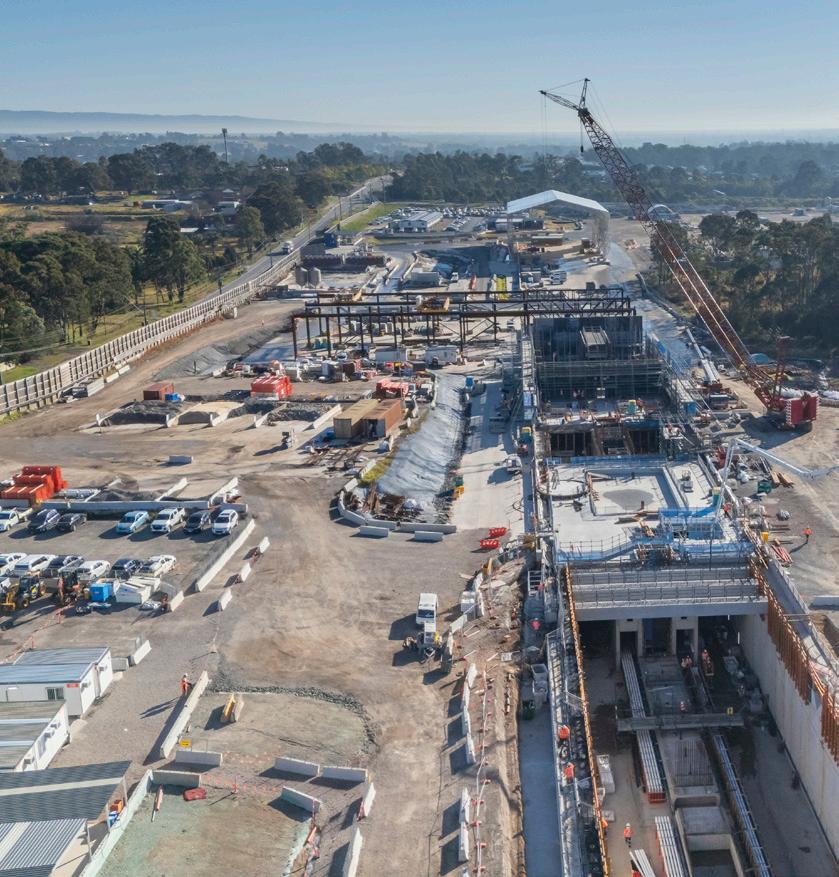
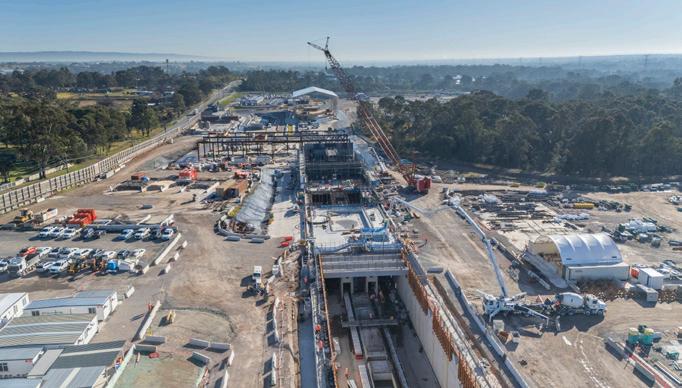
AS CONSTRUCTION continues on the transformative Sydney Metro — Western Sydney Airport line, Coates is playing a key role in supporting the project.
Led by Parklife Metro, a consortium of Webuild, Plenary, Siemens and RATP Dev, the Sydney Metro — Western Sydney Airport Project is the largest Public Private Partnership (PPP) ever awarded in New South Wales. It will connect St Marys to Bradfield via Western Sydney International (Nancy-Bird Walton) Airport, delivering six new stations, 12 metro trains, core rail systems and a stabling and maintenance facility at Orchard Hills.
To support this massive civil infrastructure project, Coates is supplying more than 2,000 pieces of plant and equipment across 10 worksites. The equipment on hire spans a wide range of categories, including portable buildings, elevated work platforms, generators, pumps, lighting, earthmoving and traffic management.
With 130–150 workers on each site, breakdowns and delays can have significant impacts. Coates has embedded its service team across the project, ensuring equipment is not only delivered on time but also maintained to the highest standards. Eight fully inducted technicians are on site at least three times a week, providing scheduled maintenance, servicing and repairs, alongside daily reporting from the Service Manager to ensure issues are resolved quickly and efficiently.
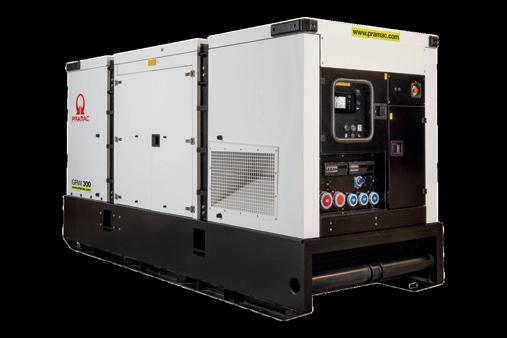
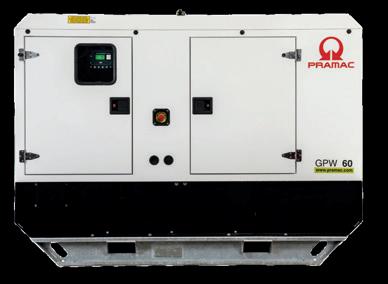
Beyond general hire, Coates has delivered several specialist solutions to support critical phases of construction. This includes largescale temporary power systems, with generators ranging from 365kVA
to 650kVA to power tunnel fans, surface fans and site complexes, and temporary works engineering.
At St Marys Station, Coates designed, installed and certified a 21.8-metre single-span hydraulic shoring system, featuring MP250 hydraulic struts and Mega Brace hydraulic walers, to ensure lateral stability of the excavation walls and mitigate the risk of anchor interference during construction of tower crane piles.
At Aerotropolis Station (Bradfield), Coates designed and installed a structural propping system for subcontractor De Martin Gasperini, featuring nearly 230 System 100 props, to support the second level above the basement during construction.
“We’re proud to be a strategic partner to Webuild and Parklife Metro,” said Grant Voysey, Major Account Manager at Coates.
“Our team is deeply integrated
into the project, with a dedicated Major Projects Manager working alongside site managers and engineers to ensure the right equipment is on site when it’s needed. We’ve invested in up-speccing machinery, streamlining compliance checks and deploying technicians who are cleared for site access so we can respond quickly and efficiently.”
Coates’ “one-stop shop” approach on this project allows not just equipment hire, but repairs and maintenance, and engineered solutions from their specialist Power & HVAC and Engineering Solutions teams, which is designed to support every stage of delivery, “at speed and at scale.”
As construction progresses, Coates will continue to support Webuild with scalable equipment solutions, technical expertise and responsive service to meet the demands of this exciting public infrastructure project.
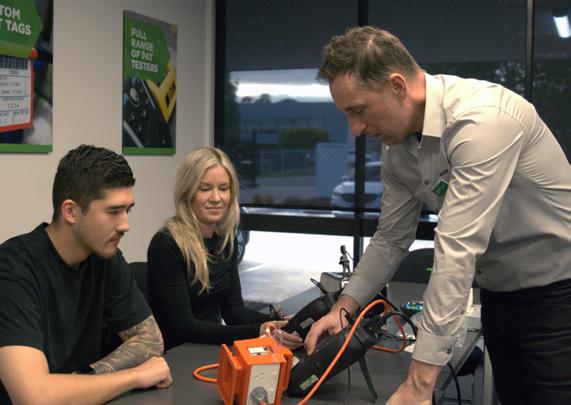
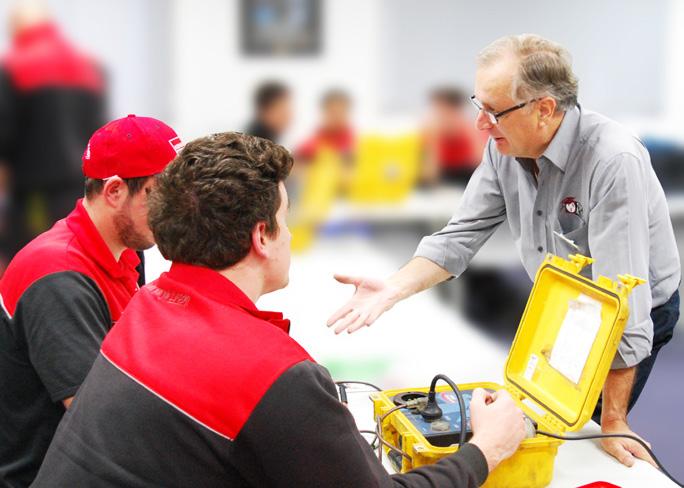
The Hire and Rental Industry Association (HRIA) has launched a new member benefit partnership with Exel Network, a leading accredited provider of electrical safety training, to deliver Association branded Test & Tag training program across Australia.
THIS AGREEMENT REFLECTS the HRIA’s ongoing commitment to supporting members through high quality professional development, industry advocacy, and the promotion of safe, compliant operating practices. By partnering with Test & Tag Training, the Association is expanding access to nationally recognised electrical safety training designed specifically for the hire and rental sector.
Under the new arrangement, the program will be delivered as “HRIA Test & Tag Training – Powered by Test & Tag Training”, ensuring members receive trusted, compliant instruction backed by Test & Tag Training’s established expertise. Test & Tag will maintain full responsibility for course delivery, accreditation, and compliance, while the HRIA will promote the program through its extensive communication channels and industry events.
HRIA members will receive a 10% discount on all Test & Tag courses booked via a dedicated HRIA landing page and booking link.
To maximise visibility and uptake, the HRIA will provide promotional access across its established platforms, including Hire & Rental Magazine, the member e newsletter, social media channels, state meetings, and the Association’s Member Resource page. Test & Tag will support this activity by supplying marketing collateral, course information, and a dedicated landing page linked directly from the HRIA website. A unique URL and discount
code will ensure seamless booking and accurate referral tracking.
Both organisations have committed to transparent reporting, with Test & Tag providing monthly enrolment data, feedback, and performance metrics. The HRIA will review program outcomes quarterly to ensure the partnership continues to deliver strong value for members and the broader industry.
Nicolas Chiew, HRIA’s National Training Consultant, said the agreement represents an important step in enhancing member access to
essential safety training. “Electrical compliance is a critical component of our industry’s commitment to safe operations. Partnering with Test & Tag allows us to offer high quality, accredited training at a preferential rate, while strengthening the resources available to our members.”
The HRIA Test & Tag Training program will be promoted as an official member benefit and will be launched through the Association’s digital channels and at the HIRE26 annual convention in May.
Industry legend, Grant Spradbrow has passed away, aged 79.
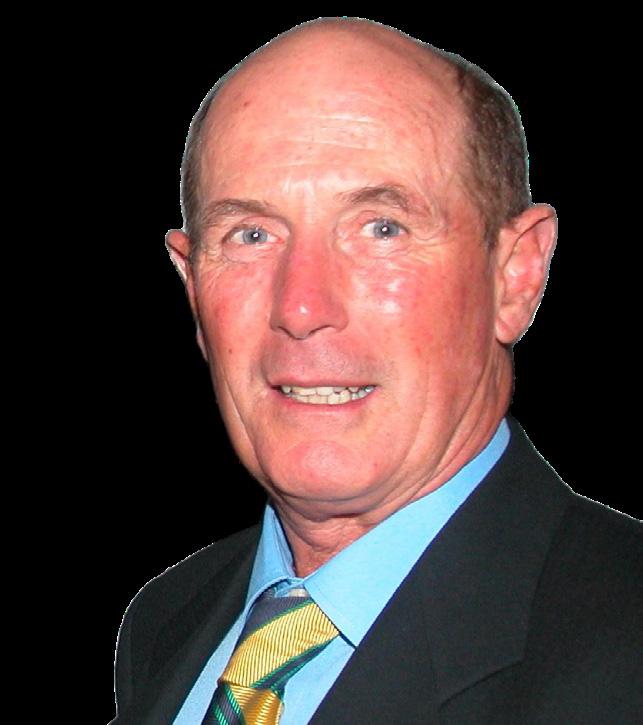
GRANT SPRADBROW was a legend in the hire and rental industry. With more than 30 years at Kennards Hire, from 1972 — 2006, Grant was a leader who people didn’t just report to — they looked up to. He was a great operator who understood the business through the heartbeat of the yards, the branches and the people.
Having started with Kennards Hire in 1972, Grant helped shaped the company’s success and its culture. His leadership style wasn’t about being seen; it was about making sure others were equipped to succeed.
In 1988, Grant, then General Manager of Kennards Hire, pursued an opportunity to implement a different hire model. With Andy Kennard, he purchased Handyman’s Hire in Hornsby (NSW), forming a partnership that rebranded the business as Easi Rents, and later expanded to a second store in Manly Vale. In 1992, both Easi Rents stores joined the Kennards Hire business following the GKN1 acquisition. Grant
later served as a director of Kennards Hire from 1995 to 2006, guiding growth while staying true to focus on operations and our people-first values.
Angus Kennard recalls: “One of the clearest reflections of Grant’s influence comes through the way he helped develop future leaders,” said Angus.
“When I entered the business in 1996, I had the privilege of working under Grant and later becoming his business partner. It was under Grant’s guidance that I learned the real work, the kind of work you can’t learn from a textbook. It was the work of delivering and cleaning equipment, cleaning toilets, serving customers and showing up on weekends, work that taught humility and pride in equal measure.”
Grant didn’t simply teach tasks: he modelled the meaning behind them. He also had a saying: “Don’t be afraid of managing yourself out of a job,” as he knew you couldn’t climb up if you hadn’t developed people behind you to do your job.”
In January 2004, Grant became a co-founder of Concrete Care alongside Angus Kennard, which became a very successful national specialist business for Kennards Hire.
He was a passionate surf lifesaver and served as part of the Queenscliff SLSC. He had recently received his 60 years’ service award and was recognised for his lifelong contribution as captain of the club, coach of the beach sprint relay team which won four Australian championship medals and keeper of the clubs’ archives.
Grant’s life was one of commitment — commitment to his family, his work, his teammates and to the values that make a business worth belonging to. Like many in the industry — and especially the team at Kennards Hire — while we mourn the loss of his voice and guidance, we also celebrate the life he lived and the standards he set.
He leaves behind a legacy of leadership, mentorship and being Fair Dinkum.

Industry veteran
Emmanuel Georgoudis is the HRIA’s new Manager of Member Experience and Growth….and he’s ready to make connections.
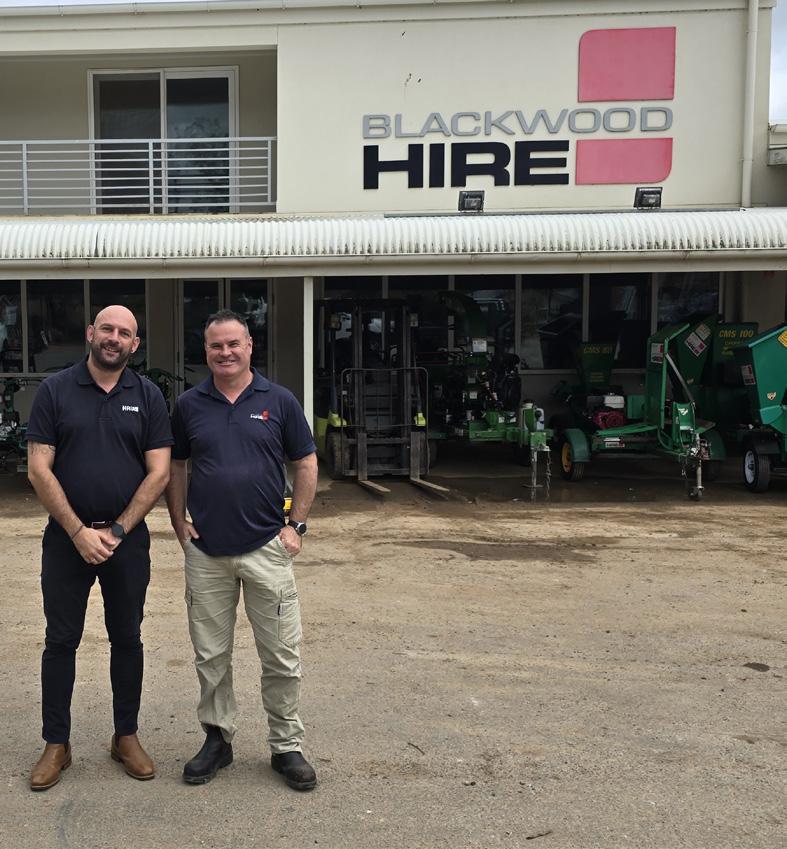
ACROSS THE HIRE and rental industry, change is a constant –new technology, shifting customer expectations and the ever-present need to build meaningful connections in a busy world.
For Emmanuel Georgoudis, the HRIA’s new Manager of Member Experience and Growth, adapting to change and bringing people together is a way of life.
He brings an impressive array of industry credentials to the role, having been in the hire industry since high school.
“My first role was at National Hire in Accounts Payable as the CFO… that is, the Chief Filing Officer,” he says. “When I turned up for work on day one, there were papers piled up higher than the filing cabinets and they said, ‘we need you to organise them’ and for three months, I filed.”
He worked at National Hire throughout his university degree in Wollongong (initially ICT then
Commerce, majoring in management) and when the company merged with Coates Hire, he saw an opportunity to move from Accounts Payable into a branch management role. By the age of 20, Emmanuel was appointed Branch Manager of Camperdown — the youngest person to ever hold the role across the company — while still at university.
As Branch Manager, he successfully transformed the branch over five years, tripling the size of the team and delivering a clearly measurable increase in revenue. That’s when he was offered the chance to manage Alexandria and Hillsdale, becoming the first dual branch manager in NSW.
“Alexandria was the flagship store for Coates,” he says. “It was well known that if you can make it as a manager there, you can make it anywhere.”
The branch grew from nine to 14 team members, achieved standout
financial and revenue growth, and improved both employee and customer experience. He also led the way in inclusion, appointing the first female Hire Controller in NSW and achieving a 40:60 female-to-male team balance.
While he says the role came with challenges, it made him a better people leader. “I’m glad I didn’t take the easy path — dealing with difficult people gave me strength of character!”
Emmanuel’s next career step was to manage Coates’ NSW Customer Service Centre, with a focus on delivering exceptional service, operational efficiency and sustainable growth with four separate divisions.
That led to his most recent role at Coates: creating, establishing and leading their National Operations Centre (NOC), with a focus on driving operational excellence through nationally consistent processes, procedures and culture. With a team of around 30, the NOC ran three
teams in total, two national sales teams and digital operations.
In addition to his official roles, Emmanuel has also mentored in the Coates ‘LEAP’ program and the HRIA’s Young Professionals program and in November 2022, was appointed Board Director and NSW President of the HRIA, a role he held for three years.
Now, Emmanuel is bringing all those years of customer sales, operations, safety, people, culture and industry leadership experience to the HRIA…and he’s excited about the opportunity that lies ahead.
“The HRIA has heard from members over the years that there are never enough touch points with the Association,” he says.
“My role is to turn that around and become a familiar face and reliable point of contact, whether you’re operating a small business in regional Queensland, Western Australia, South Australia or part of a national team based in Sydney or Melbourne.”
“It’s showing members that we care and we’re listening.”
Over the next few months, Emmanuel will meet with members around Australia to listen to their feedback. He’ll also talk about the value of the HRIA’s suite of member services, from HR and legal support
“I want to better connect and bring our industry peers together under the banner of the Association,” he says. “That’s what will keep our industry strong.”
to energy cost savings, training and development opportunities, essential safety and compliance information and industry advocacy on a range of national standards and legislation.
“I want to better connect and bring our industry peers together under the banner of the Association,” he says. “That’s what will keep our industry strong.”
That means he’ll also be seeking out companies that aren’t members to highlight the benefits of HRIA membership.
“People want to be connected,” says Emmanuel. Regardless of how big or small your hire business is, there is so much value to be gained by being a part of the Association.”
As for his measures of success, Emmanuel is clear. “It’s about retention and engagement. We want members to stay and see real value, we want to grow our base, and we want to ensure everyone is using and benefitting from our services.”
“I’d say to our members, reach out, ask questions and share your ideas and feedback. If there’s a problem we can help solve, a member benefit we could consider, or there’s just something on your mind, I’m here to listen.”
“My role is to help turn your membership into a meaningful connection with your Association.”
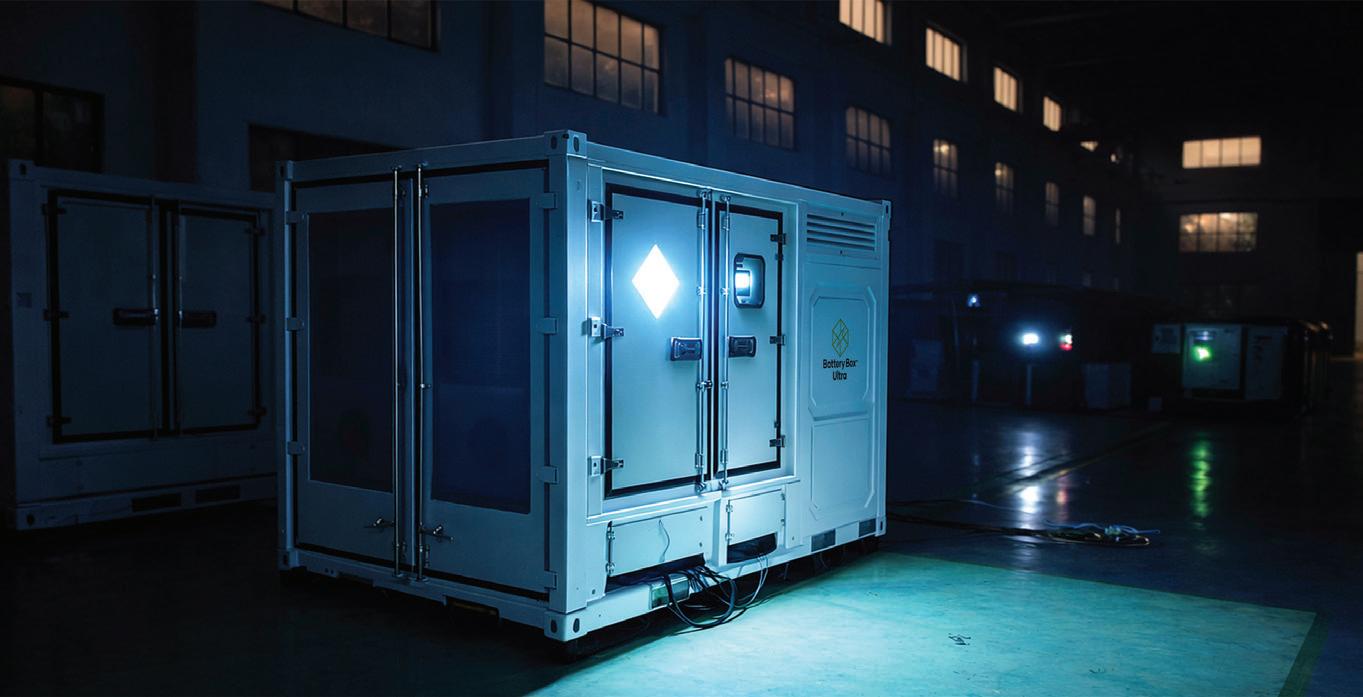
200 kW | 400 kW | 600 kW
One platform. One controller. Total control.
Battery Box Ultra is designed and engineered in Australia to meet the real demands of the hire, construction and mining industries. Unlike repurposed battery systems, Battery Box Ultra is a purpose-built range, completely engineered in Australia — delivering full local control over hardware, controls, firmware and ongoing support.
Features include:
• High continuous power output • True 1C charge and discharge, with simultaneous charge/discharge for stable hybrid operation • Unified ComAp hybrid control for coordinated genset, solar and load management
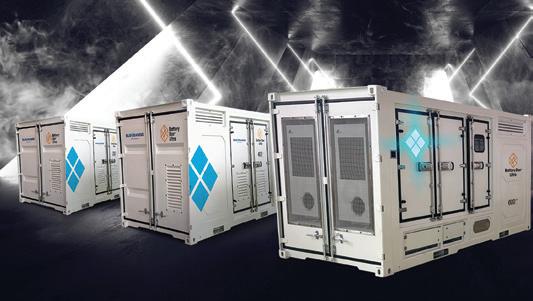
THE NEW STANDARD FOR HIRE POWER
• Custom industrial steel canopy, built for construction and mining environments
• 55°C rated operation, with liquid and HVAC cooling • Powered by ONE Intelligent Energy™ 24/7 monitored operation, with live telemetry, alarms and remote diagnostics
Battery Box Ultra
A smarter, quieter, future-ready power asset — built for fleets that demand reliability, control and confidence. Designed and engineered in Australia by Blue Diamond.
From humble beginnings on a Maitland farm to a dynamic enterprise serving clients across multiple states, Agrihire is revolutionising agricultural equipment hire.
IT’S A QUESTION MANY FARMERS may have asked, what do you do with equipment that’s used only once or twice a year?
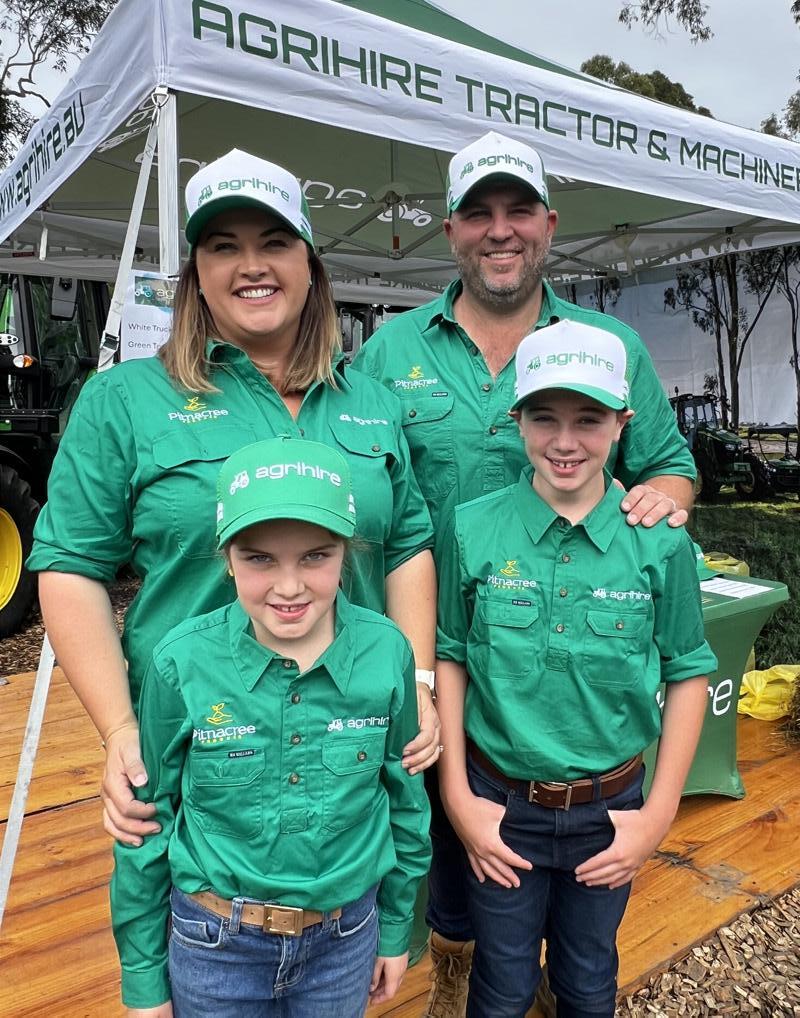
For Sam and Brahm Osborn, the answer was to start their own hire business.
The Osborns are lucerne hay farmers from Maitland in the NSW Hunter Valley. They purchased their farm 10 years ago and like most farmers, owned machinery and equipment that was used only for seasonal tasks.
“It means you’ve outlayed for an asset that’s not used on a regular basis,” says Sam, “so, that’s where the idea of hiring out our equipment came from.”
After looking around and discovering, no-one else was hiring niche agricultural machinery, they decided it was an avenue they wanted to explore and in June 2023, Agrihire was launched.
At the time, Brahm was working fulltime off-farm as the branch manager for the local John Deere dealership. Sam was managing the farm and raising their two young children but had previously worked in administration and recruitment.
It was the perfect combination of experience and expertise to get the business up and running.
They started with a fleet of around 30 pieces of equipment they already owned and the business quickly grew in both scale and ambition.
“Sam got the Agrihire website cracking and all of a sudden, we’ve got gear going all over the country,” says Brahm.
“Hire is very much about collaboration, not competition, which is unlike anything we’ve seen in any other industry.”
Initially, their target were small hobby farmers — the ‘weekend warriors’ — looking for small tractors and other equipment, however, it’s been commercial, government and council customers where they’ve experienced growth.
“Our ability to react has been our biggest strength,” says Brahm. “We had a council ask for a machine and
within two days, we’d purchased the machine, registered it and it was onsite.”
Sam agrees. “We’re in touch with our customers, what they need and what’s coming up,” she says. “That’s allowing us to grow the fleet with our customers in mind.”
Their fleet has now grown to over 80 pieces of equipment, ranging from
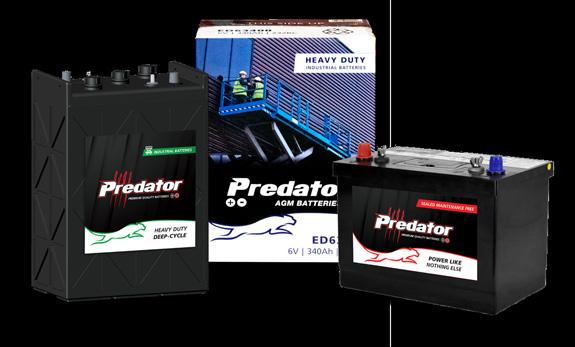
Predator Industrial batteries are reliable and provide long service life, making them the optimal choice for businesses. The comprehensive range has sizes to suit all popular floor cleaners, pallet trucks, elevated work platforms & more.
• Accessible Flooded Batteries
• Lead Acid Batteries
• Absorbent Glass Mat (AGM)
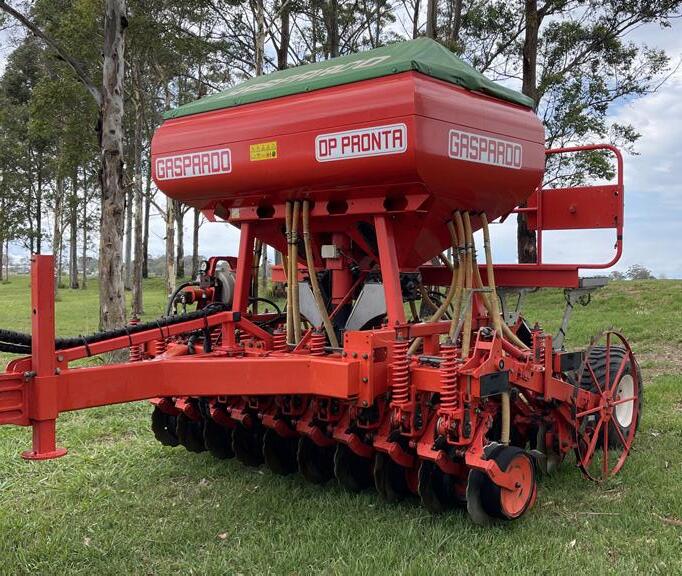
specialized hay mowers to a variety of tractors and commercial mowing machines. One of their items is a specialised mower conditioner which cuts, processes and conditions the hay, helping it dry quicker. According to Brahm, it’s been a ‘hot property’ item.
Brahm has also left his job to work full-time in the business. “The business grew a lot faster than we thought it would so that’s given me the ability to jump into the business fulltime,” he says.
“I absolutely love working in my own business.”
The Agrihire team is currently small, with a mechanic employed one week per month to service and maintain the equipment. They also rely on a small core group of casual staff. They’re now looking to build their team so they can grow and offer more equipment to their customers.
There are also no plans to relocate the business away from their farm.
“Agrihire complements our farm really well at the moment as we’ve got the ability to tap in from the farm side to help out when we’re under the pump,” says Sam. “
“It’s also given us a different relationship and connection with
“Our ability to react has been our biggest strength.”
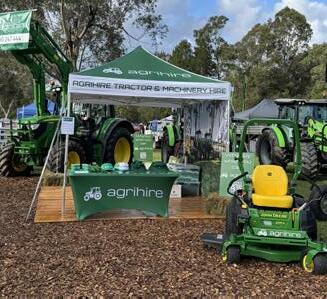
our customers because once people realise you’re a farmer too, it opens up the relationship straight away.”
With the business located on the farm, their children, Dallas (11) and Talia (9), have taken an active interest in helping out (by washing machinery) and learning about the business.
“The kids are now saving up to buy their own piece of equipment to add to the fleet,” says Sam. “It’s their goal — so they’re very focused on the business, although maybe a little too much!”
While they are relative newcomers to the hire industry, the Osborns have actively sought out support and learning opportunities. They joined the HRIA almost immediately and found that the knowledge and information the association offered was “great for the newbies”.
“Since then, everybody has been extremely approachable,” says
Sam. “We attended our first Hire Convention in 2024 and were blown away by the industry.
“Hire is very much about collaboration not competition, which is unlike anything we’ve seen in any other industry.”
Sam has also participated in the HRIA’s Women in Hire professional development program.
“I was nervous going into that being such a small player,” she says. “But I thought I’m just going to give it a crack…and I’m really happy I stepped in. It’s been fantastic.”
It’s been an extraordinary three years for the Osborns, driven primarily by word-of-mouth and while they admit they never expected such demand at the beginning, their adaptability and focus on customer service has paid off.
“Back in 2023, I never dreamed our equipment would be all over Australia,” says Sam. “It was always the long-term goal to grow but to see our machinery on the map in three different states, it’s pretty cool.”
As for the future, with the cost of agricultural machinery and equipment rising, they believe the ag-hire market will only continue to grow.
“Of course, we definitely have ideas for the future to grow the fleet, especially in the niche equipment that people don’t use often but is a game changer for them when they do,” says Sam. “But we’re only two-and-a-half years in and have already experienced significant growth.
“For now, we want to control and plan for our future.”
ire and ental ndustry ssociation
HRIA Referral program – Help build a stronger hire industry and earn a $200 gift card
The greatest asset the HRIA has is in the strong sense of community and support among its members. Over nearly six decades, members of the industry have consistently encouraged other companies to become involved, to draw advantage from the connections and advice from other members. Through its members, the HRIA has a reach that extends across every sector of Australian industry.
$200 Bonus for bringing in a new member.
Refer a new member get a

To take advantage of the offer, first provide the details of the business you come across, and we’ll do the rest.
Email through to membership@hria.com.au with the subject heading: HRIA Referral Program.

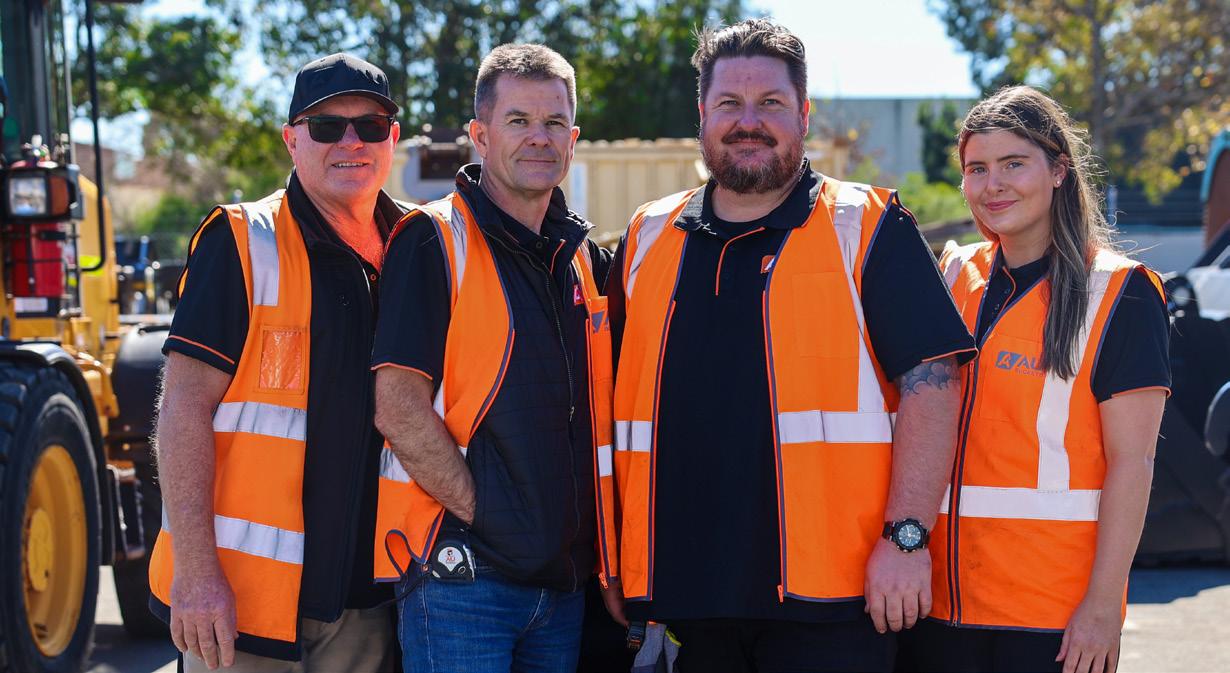
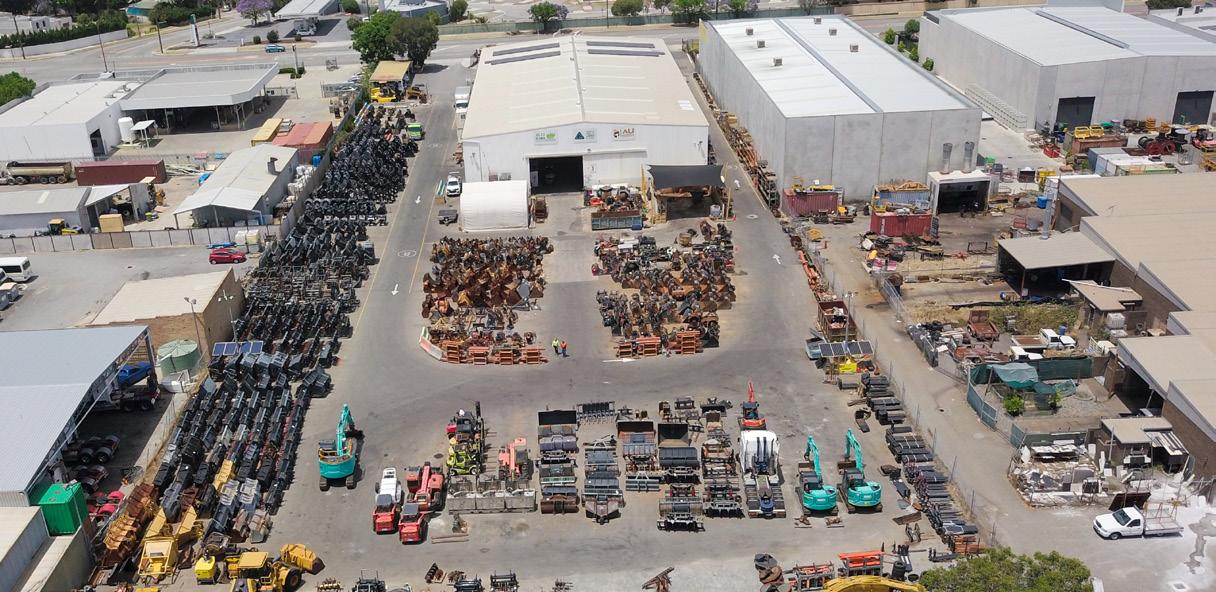
Step onto AU Buckets’ yard on the outskirts of Perth, Western Australia and you’re greeted by an impressive sight: thousands of specialist earthmoving buckets and attachments lined up and ready to go.
SINCE 2005, AU BUCKETS
has been a proud Western Australian owned and operated supplier of highquality excavator buckets, attachments and ground-engaging tools.
AU Buckets was founded by Gary Silcock, an industry veteran with a vision to serve the region’s growing infrastructure needs. He started out selling used equipment yet soon realised there was a growing need to hire just the attachments.
“Hire companies purchase a piece of earthmoving or construction equipment but don’t want to keep one of every attachment onsite,” says Gary. “So, that’s where we come in. We do have one of everything.”
AU Buckets carry over 1,200 different excavator attachments in their main yard but with attachments for wheel loaders, telehandlers and skid steers, the total count is closer to 4,000.
“To my knowledge, there’s no business in Australia with that level of stock or expertise,” says Gary. “We strive to make it easy for our partners by maintaining a vast and diverse inventory.”
Their speciality is knowing the machines and what attachments will fit.
“In WA, equipment might be sent thousands of kilometres to a job so if you make a mistake and send the wrong attachment, it’s going to be really expensive,” he says. “As an example, a 20-tonne excavator can have up to 30 different hydraulic fittings — so you want to send the right one!”
“Our hire customers rely on us to have that expert knowledge and understanding to help them help their customers.”
They’ve now become the ‘go-to’ for hire companies, supplying a range of attachments from magnets for lifting steel to pulverizers and shears for demolition, to buckets designed to work in the harsh Western Australian terrain.
“That allows the hire companies to provide a more complete solution for their end-users, while we handle all the specifics of fitting and supplying the right attachment,” says Gary.
Part of AU Buckets’ success lies in their technical expertise and understanding of Western Australia’s demanding geology.
“A lot of people don’t appreciate how tough it is over here,” says Gary. “Much of the hire business on the east coast deals with clay or loamy soils, but in

“Hire companies purchase a piece of earthmoving or construction equipment but don’t want to keep one of every attachment onsite. That’s where we come in. We do have one of everything.”
Western Australia, it’s hard earth. As a result, attachments sold for one market often don’t survive long in the other.”
This difference drove their rental business model.
“When customers imported attachments from the east, they often found they didn’t last,” Gary explains. “We over-spec our gear for durability because we understand the challenges our clients are facing.”
To ensure customers know exactly how to use the attachments, AU Buckets also provide technical support, online tutorials and educational videos.
“This is critical, especially when equipment is being sent to a site thousands of kilometres away.”
And rather than keep all our knowledge in-house, they share it widely with their partners and customers through their website and online tutorials.
“It reduces mistakes and downtime, builds stronger partnerships and ultimately raises the industry standard,” says Gary.
AU Buckets are also continuing to expand into more technical products and invest in new inventory and technology.
“Every dollar goes back in,” says Gary. “We’re committed to staying ahead of market needs, whether it’s by carrying cutting-edge attachments or improving our digital presence for easier service.”
After more than 20 years, AU Buckets remain a small, familyowned business with 12 people on the team. They’ve deliberately avoided a rigid management hierarchy with everyone wearing multiple hats, chipping in and collaborating wherever they’re needed to get the job done.
“The team work across different tasks,” says Gary. “There are no silos
or managers barking orders — we want an environment where people want to come to work.”
Gary’s daughter Lisa also works at AU Buckets. Lisa is the company’s Hire Controller and has been at the business for three years. Last year participated in the HRIA’s Women in Hire Professional Development program, winning a Growth Award.
Lisa says the program taught her to tackle challenging conversations and find the answers, even if she didn’t know immediately.
“The change in my confidence level from when I started to now, is huge,” she says. “For me, it’s about building deeper client connections, networking with peers, and making it even easier for customers to get exactly what they need.”
Having young people around the business is important for Gary.
“You’ve got to train them up and trust that while they may not do everything exactly the way I would have done it, that's probably not a bad thing because then nothing would change and nothing's going to grow.”
For now, AU Buckets remains firmly focused on the Western Australian market for the foreseeable future.
“We see huge potential still right here,” says Gary. “We might branch out one day, but for now, we’re happy to continue growing organically.”



One -stop-shop for all of your air treatment needs in tough environments.











































With hire and rental companies always looking for a competitive edge, one thing can make a world of difference as to where customers will choose to take their business: authenticity.
EVERY HIRE COMPANY operates in an evolving landscape of new technology, data and a highly capitalintensive industry, yet trust remains one of a company’s most valuable assets.
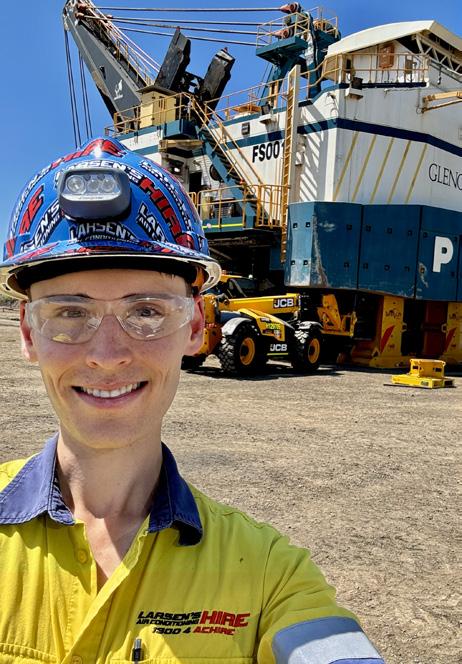
As a regular contributor to The Rental Journal Podcast, Michael Larsen from Larsen Air Conditioning Hire in Queensland, has spoken to rental leaders from across the world. It’s given him some invaluable insights into the industry and the indicators of success. What stands out from his conversations is that authentic human interactions — trust and relationships — can make all the difference.
“Customers, employees and partners can easily distinguish between transactional and genuine interactions,” says Michael, “and they’re choosing to do business with those who demonstrate purpose, transparency and consistency.”
“That’s why I believe the strongest and highest trading daily global currency in the hire and rental industry is authenticity.”
Through in-depth conversations with a range of industry leaders, Michael says successful operators always emphasise relationships, reputation and reliability as their long-term differentiators. “They’re the ones who call customers back, admit when something goes wrong
and follow through on promises,” he says. “In today’s fast-changing world, authenticity has become the true global currency our industry. The people who win show up authentically.”
The power of authenticity transcends borders. The issues faced by large national or global players are increasingly similar to the single location mum-and-dad independent business.
“We have seen time and time again that authentic brands are more resilient to market shifts because relationships outlast rate wars,” he says.
“Customers trust people, not logos. Authenticity builds relatability, relatability builds loyalty and loyalty then drives utilisation.”
Today, the hire industry is dominated by dashboards, utilisation rates, EBIT margins, fleet age and KPIs, which are all vital indicators. Some may also argue that authenticity is a soft skill that doesn’t move numbers. However, as American author James Clear points out in his New York Times bestseller, Atomic Habits, there is danger in valuing only what can be measured. Michael explains. “When we over-optimise for utilisation but overlook trust, or focus on fleet ROI but forget customer experience, there is a risk of building extremely efficient yet hollow businesses.”
“The irony is that the soft factors of relationships, reputation and reliability are the hardest to quantify but they’re what customers remember when something goes wrong at 2am.”
So, ask yourself: are you measuring this because you can or because it’s meaningful? While metrics may keep us accountable, it’s meaning that makes us human.
“In an industry driven by heavy machines, technology, and finance, it’s still the human stories that drive connection,” says Michael. “Authenticity isn’t a trend; it’s our global currency. So, whether you’re solving a problem for a customer in outback Australia or on a bustling New York construction site, the value of authenticity never depreciates, and its value will compound faster than interest.”


When equipment is hired out but later damaged, hire businesses face a familiar challenge: who says the equipment wasn’t already faulty, who bears the risk, and can the hirer recover the cost of repair?
AUTHORS: David Creais, Partner and Yasmin Humaidan, Lawyer
Orange Hire supplied Civiltrak with a diamond saw cross hired from the owner, Ground Tek. After several days, Civiltrak reported the saw leaking oil. Orange Hire collected it and issued a replacement saw, which was also reported as damaged a few days later.
Orange Hire relied on its General Terms of Hire (General Terms), and a guarantee which was contained in Civiltrak’s application to Orange for “30 day Commercial Credit”.
THE NSW SUPREME COURT’S decision in Civiltrak Sydney Pty Ltd v Orange Equipment Pty Ltd t/as Orange Hire offers valuable guidance to solving this puzzle.
Both saws were returned to Ground Tek, which repaired them and invoiced Orange Hire for the repairs. Orange Hire paid the repair costs ($18,000) and sought reimbursement from Civiltrak and its Director under a Director’s guarantee.
Civiltrak disputed liability, alleging both saws were ‘faulty’ and challenging the contractual basis of the claim.
Clause 10 of the General Terms placed responsibility for any loss, theft, or damage “in any way, or by anyone, during the Hire Period” on the customer.
Pursuant to cl 7.5 of the General Terms the customer was deemed to be satisfied as to the suitability, condition and fitness for purpose of the equipment hired unless Orange Hire was otherwise notified within 24 hours of the commencement of the hire period.
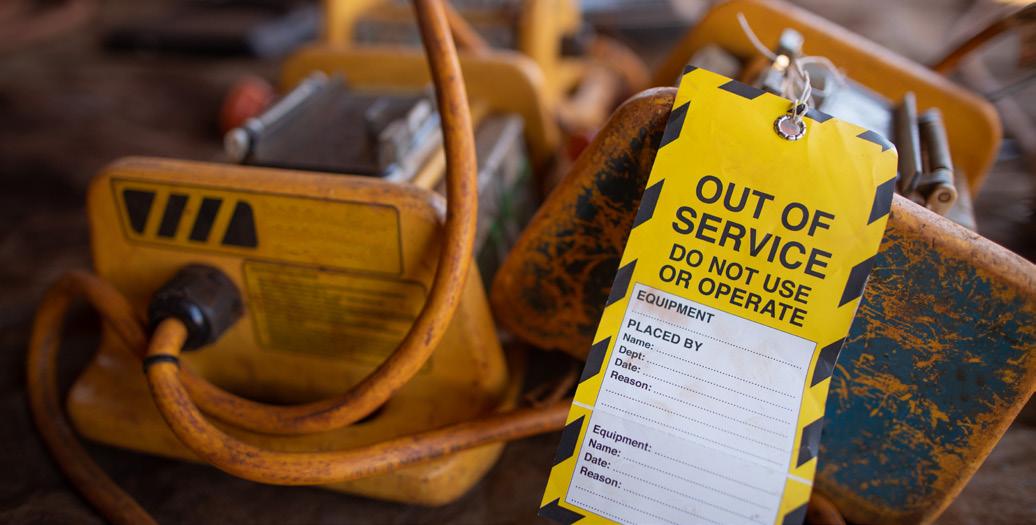
No such notice had been given by Civiltrak.
Civiltrak contended that despite clauses 7.5 and 10, Orange Hire had to prove that the saws weren’t faulty when they were hired, and that Orange Hire couldn’t rely on the invoices issued by Ground Tek to prove the cost of repair.
It said evidence had to be given to explain how each item in the invoices was calculated.
The Court held that the General Terms in clause 7.5 expressly provided for the allocation of risk as to damaged equipment between Orange Hire and its customer. Failure to notify defects within 24 hours meant the customer was deemed satisfied with the equipment’s condition. This allocation of risk was commercially reasonable.
Nonetheless, there was evidence that the saws were not faulty at the time of hire and had been damaged by Civiltrak including:
• evidence as to Ground Tek’s processes regarding maintenance and servicing of its equipment
• the fact that not one but two diamond saws had been damaged while in possession of Civiltrak
• if the saws were faulty from the start Orange Hire would have been called back immediately.
Unless Civiltrak could prove a defect existed and was reported in accordance with the General Terms, they would bear the consequences.
As to proof of the cost of repairs, there was no suggestion that the invoices from Ground Tek were inflated. The tender of repair invoices is an orthodox and effective way of proving loss, particularly for relatively small amounts.
Practical takeaways for hire businesses
1. Use clear, comprehensive hire terms that expressly allocate risk for loss, theft and damage.
2. Require defects to be reported within a stipulated time.
3. Document equipment condition on delivery and return (photos, checklists).
4. Keep maintenance and service records.
5. Obtain detailed repair invoices from an independent party.
6. Insist on director’s guarantees, especially where customers are small companies.
To find out more, visit www.bartier.com.au






How to digitise paper-based inspections the right way.
AUTHOR: Damon Haber, Co-Founder & CRO, Record360
FOR
MANY HIRE , FLEET AND
equipment operators, inspection modernisation feels like something that’s already underway.
Digital checklists have replaced paper forms. Cameras are used instead of handwritten notes. Inspection data is captured electronically. Yet too many organisations are only halfway there.
What I see most often is a hybrid state: some digital checklists, some paper backups, photos stored in different places and no single source of truth. This ‘halfway digital’ approach creates the illusion of progress without delivering the benefits operators expect. Teams still duplicate work; documentation still gets lost; disputes still rely on interpretation instead of evidence; and frontline employees quickly
realise the new process hasn’t actually made their jobs easier.
True inspection modernisation requires more than adding technology to an existing workflow. It requires rethinking how inspections are performed, evidence is captured, and information flows through the organisation after the inspection is complete.
Paper-based inspections allow inspectors to interpret processes differently, skip steps or pencilwhip checklists when rushed. Documentation is static and hard to access and a checked box offers no proof that an inspection was completed thoroughly or correctly.
What’s interesting is that many companies carry these same problems forward even after going digital. They recreate paper forms inside basic software or require teams to enter the same information multiple times killing momentum fast.
When inspection modernisation is done correctly, the benefits show up quickly. Inspections take less time, workflows become standardised, documentation becomes available
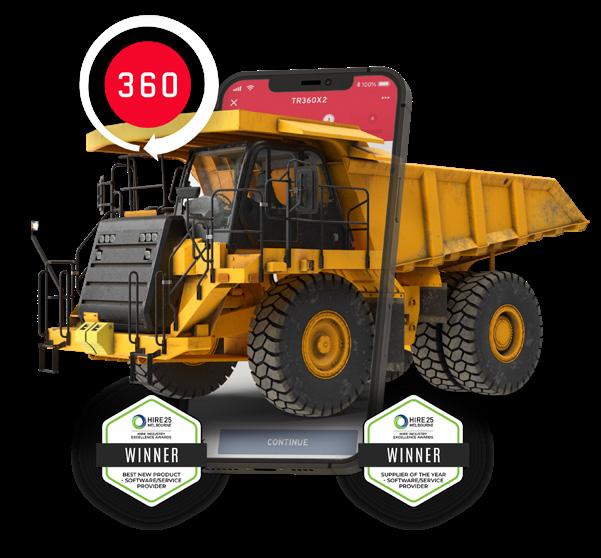
in real time, improving visibility and accountability across teams, and inspection data can finally be aggregated, analysed and used to make better decisions.
The most successful modernisation efforts follow a few core principles.
First, map your current inspection workflow honestly. You can’t improve what you haven’t clearly defined.
Second, design digital workflows around how work actually happens in the field.
Third, be intentional about documentation quality. Photos and videos are only valuable when they’re captured consistently and with a clear purpose (eg. reducing disputes, supporting maintenance decisions,\ or building customer trust.)
Finally, train for adoption, not just usage. Involving frontline teams early and choosing the right champions makes the difference between adoption and quiet resistance.
When inspections are consistent and digital, data begins to accumulate in meaningful ways. Over time, that data supports smarter decisions about fleet allocation, maintenance, pricing and even customer relationships. Inspections stop being a cost centre and start becoming a source of insight.
Inspection modernisation isn’t about replacing paper with pixels. It’s about finishing the transformation.
The organisations that do are better equipped to scale, reduce risk and operate with confidence in an increasingly data-driven environment.
Ready to see the benefits of digital documentation in your hire business? Book a meeting with the digital inspection experts at Record360: https://record360.com/request-ademo/ T
ELEVATING
EWPA BOARD OF DIRECTORS
President John Glover Tel: 0419 663 863
Past President
Rawlings Tel: 08 9350 570
Chief Executive Officer
Oxenham Tel: 02 9998 2222
Vice President
Schubert Tel: 0458 770 002
VIC
QLD
SA
WA
TECHNICAL DIRECTOR:
TECHNICAL DIRECTOR:
Wilkinson Tel: 0405 449 633
Director
Director
Director Beka Dickson Tel: 0405 435 279
PRESIDENT
Mules 0402 982 999
EWPA
ire and ental ndustry ssociation
Hiring gives you access to a huge range of the latest equipment. Trial new equipment and ensure you are always using the right equipment for your job.
ENSURE EFFICIENCY
When you hire you are speaking to experts who can help you choose the right equipment for your job. Once the job is complete the equipment can be returned, no need to worry about whether that piece of equipment will ever be used again.
CONTROL COSTS
Don’t worry about machine maintenance costs or tying up your capital. Hiring equipment is also fully tax deductable which makes good business sense.
SAVE TIME
Hiring means you don’t have to spend time updating and maintaining machinery. Get instant access to the equipment you need when you need it.
SAVE MONEY
Owing equipment is expensive. By hiring you will always have access to the latest equipment without worrying about repairs, upgrades and borrowing costs.
SAVE SPACE
No need to worry about storage sheds, yards or equipment sitting idle. Hiring means you can return the equipment as soon as you are finished using it.
SAVE THE ENVIRONMENT
Equipment that is purchased often sits idle for long period of time. People are increasingly conscious of their carbon footprint therefore hiring makes sense for the environment as well as your business.
ENSURE SAFETY
When you hire, the equipment comes inspected and ready to go, ensuring it always up to standard and meets regulations.
PROTECT YOUR STAFF
All hired equipment is thoroughly checked prior to each hire and electrically tested and tagged as required.
SERVICE
When you hire you don’t need to worry about delivery, spare parts, accessories and more
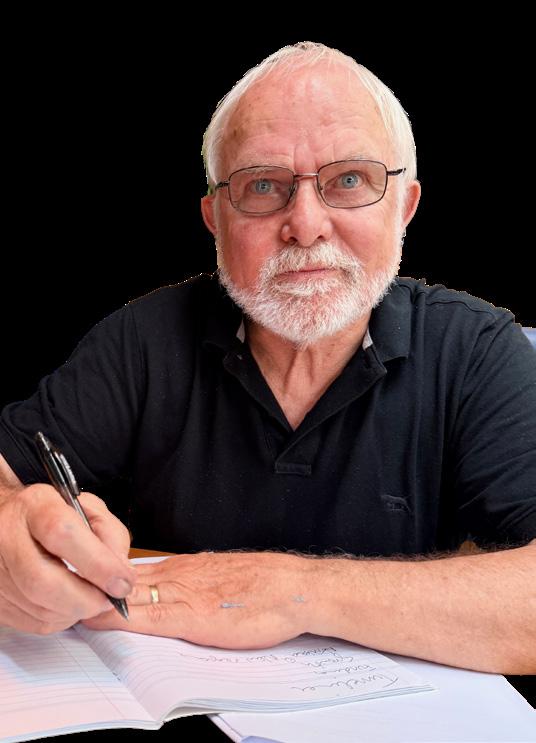
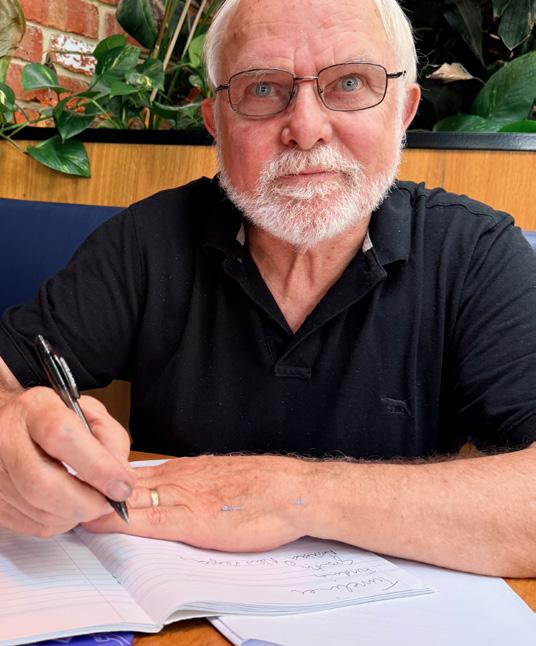
FOR NEARLY 25 YEARS, PETER WENN WAS TECHNICAL DIRECTOR AT THE EWPA, QUIETLY RESHAPING HOW ELEVATING WORK PLATFORMS ARE DESIGNED, REGULATED AND USED ACROSS AUSTRALIA.
EWPA’s Technical Director, Peter Wenn retires after 25 years
Ask Peter Wenn to sum up his role at the EWPA and he’ll tell you it’s to take complex engineering standards, regulations and concepts and translate them into something a new operator or a busy hire branch manager, can actually use.
“We act as a bridge between technical requirements and the person who doesn’t comprehend or doesn’t understand all the intricacies,” he says.
As a Chartered Professional Engineer and a Fellow of the Institution of Engineers Australia, Peter is widely respected as one of the premier engineers in the country when dealing with elevating work platforms.
He joined the EWPA as Technical Director in the late-1990s to be the voice of the Association to national and state safety regulators and build a strategic bridge between complex engineering standards and the everyday realities of operators and hire companies.
Looking back to the industry then, Peter says Australia’s approach to standards was inward-looking.
“I’ve always been a great believer that Australia is too small and too isolated to be writing our own local rules,” he says. “We should be looking towards international practice for our industry standards — not necessarily accepting everything but definitely taking them into consideration.”
“The idea was to work with the international community to suit us but also influence their standards for the better.”
The problem was that equipment built to reputable overseas standards would land in Australia and then be forced through a local compliance process that often didn’t fit. He says that while everyone knew a particular machine may not have fully aligned with the Australian Standard on paper, they also accepted it was designed and built to a credible overseas safety standard.
Over time, the industry mindset shifted
from ‘we know best locally’ to an acceptance that international standards could be adopted and tailored, where necessary, for Australian conditions.
“The idea was to work with the international community to suit us but also to influence their standards for the better,” he says. “I think we have well and truly achieved this and are well recognised for it.”
That eventually led to the development of a piece of work that Peter points to as a career milestone — the introduction in 2011 of the Australian Standard for elevating work platforms, AS/NZS 1418.10, Cranes, hoists and winches, Part 10: Mobile elevating work platforms.
This comprehensive standard addressed the requirements for mobile elevating work platforms in various applications. The standard supports the design, construction, and maintenance of MEWPs to provide safe and efficient operation.
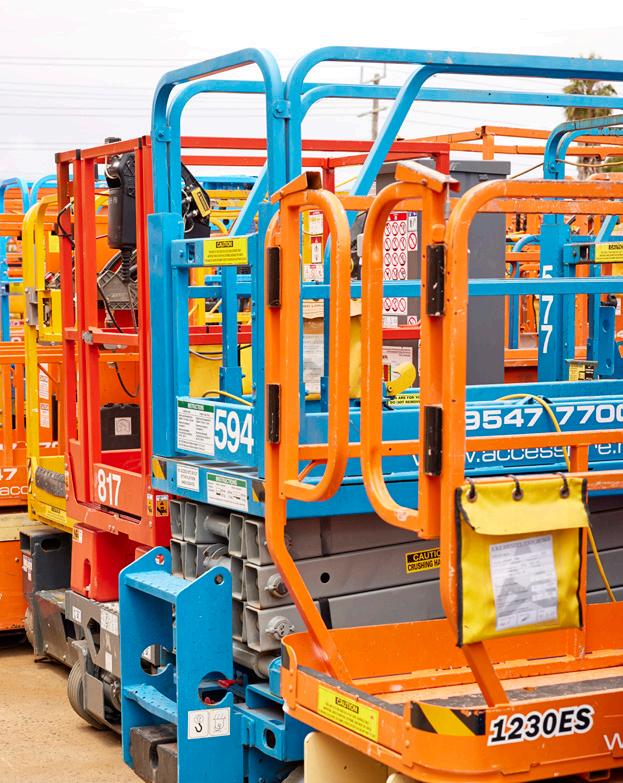
Image: Taryn Peck
“For hire companies, the challenge is to curate a fleet that balances robustness, simplicity and smart capability and ensure operators are competent and not solely reliant on automation.”
“This was the standard that changed the industry,” says Peter, “and it took years to get there.”
One of the more contentious issues at the time was load sensing, technology that detects when a platform is overloaded and shuts or limits operation.
“From a pure engineering or ‘practical use’ perspective, load sensing was debated,” he says. “However, when viewed through the lens of a duty of care to minimise risk, the argument shifted. Australian regulators and duty holders had to ask: is it reasonably practicable to buy, hire or use machines without it?”
“From a purely technical perspective, load sensing didn’t add much value to a machine,
however, from a health, safety and compliance perspective, it became essential, so much so that load sensing is accepted globally and embedded into international and national standards.”
Another profound change in the industry was around safety. Where safety requirements were once justified by a simple ‘because they say we have to’, today, safety is framed around risk management, duty of care and real human outcomes.
Peter says the use of harnesses is a powerful example.
“Early on, operators might have worn basic belts and ropes,” he recalls. “Yet over time, that’s evolved into full body harnesses, energy absorbers and inspection regimes.”
“So, when I first started, operators would be told to wear their harness. They’d ask ‘why?’ and be told ‘because I say you have to’.”
“These days it’s because we have a duty of care to ensure operator safety — we want to keep everyone alive.”
There are still ongoing challenges in dealing with different state and territory regulations, which continues to create headaches for businesses operating across state lines.
“A scissor lift that is perfectly compliant in one state can cross the border into another and suddenly require design registration. That costs time and money.”
“So, I am absolutely in favour of harmonisation.”
He also believes technology will continue to shape the EWP landscape with the use of AI, automation, telematics, electronic logbooks and remote diagnostics increasing across the industry.
“In my early days, machines relied on the skills of a properly trained operator,” he says. “Now, they’re being overshadowed by all the smart technology.”
While advanced systems can add genuine safety and productivity, they also come with added costs and complexity, especially in a relatively small market (like Australia) where economies of scale are limited.
“For hire companies, the challenge is to curate a fleet that balances robustness, simplicity and smart capability and ensure operators are competent and not solely reliant on automation.”
Peter’s time at the EWPA came to an end in December 2025 with his business partner at Wenn Wilkinson and Associates, Robbie Wilkinson, taking on the role. Since he first started, the use of EWPs has grown, with the machines now integral in modern construction and maintenance. There’s also widespread adoption of ISO standards for EWPs, with the Europe, the US, Canada, South Africa and many other countries aligned to the same technical backbone.
And it’s all thanks to the work of technical leaders like Peter, whose work has helped deliver practical, safer outcomes for every operator who steps onto an elevated work platform.
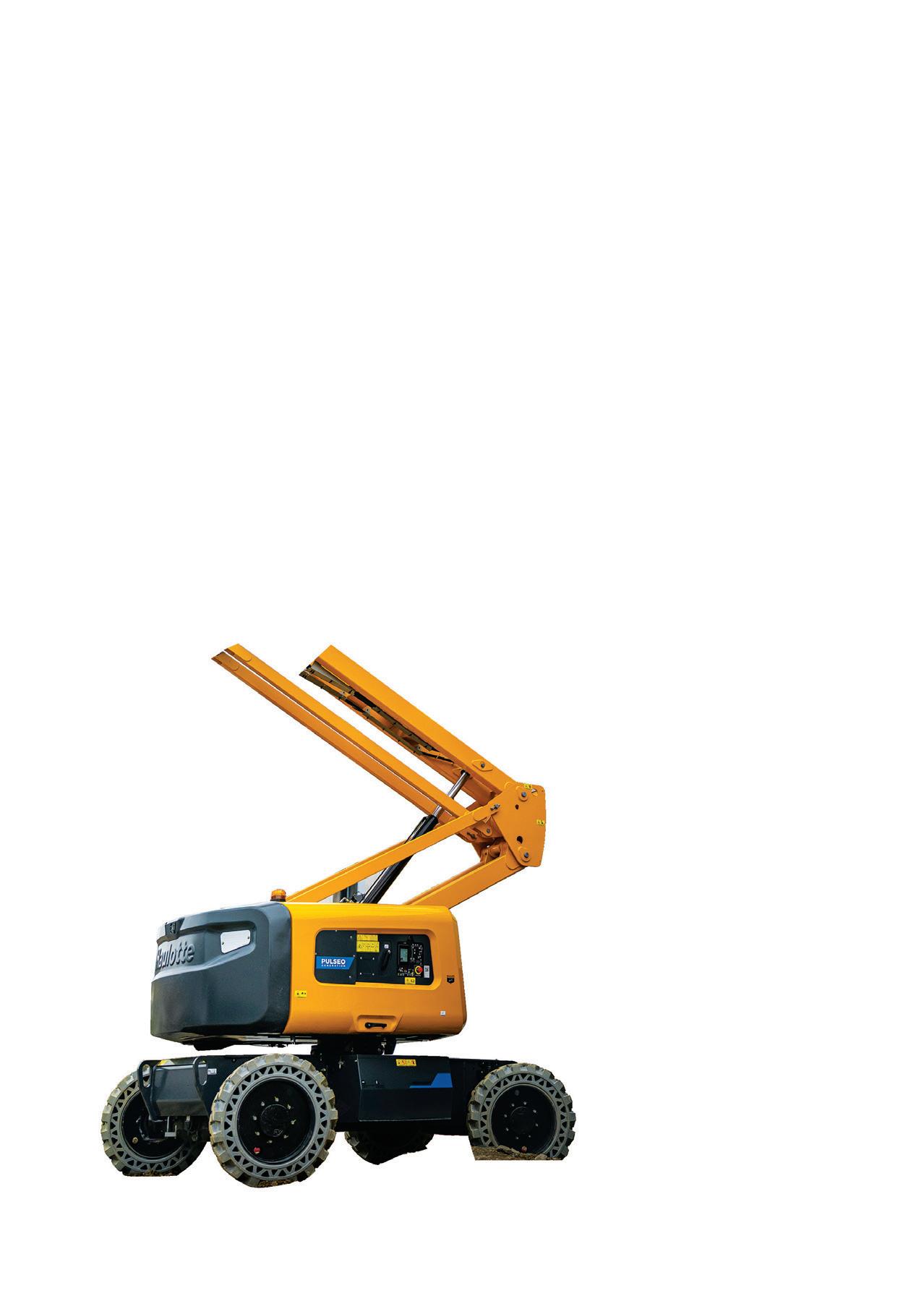
WHY LARGER PROJECTS ARE STEADILY PUSHING RENTAL FLEETS HIGHER.
By Bruce McNair, National Sales Manager, Sinoboom
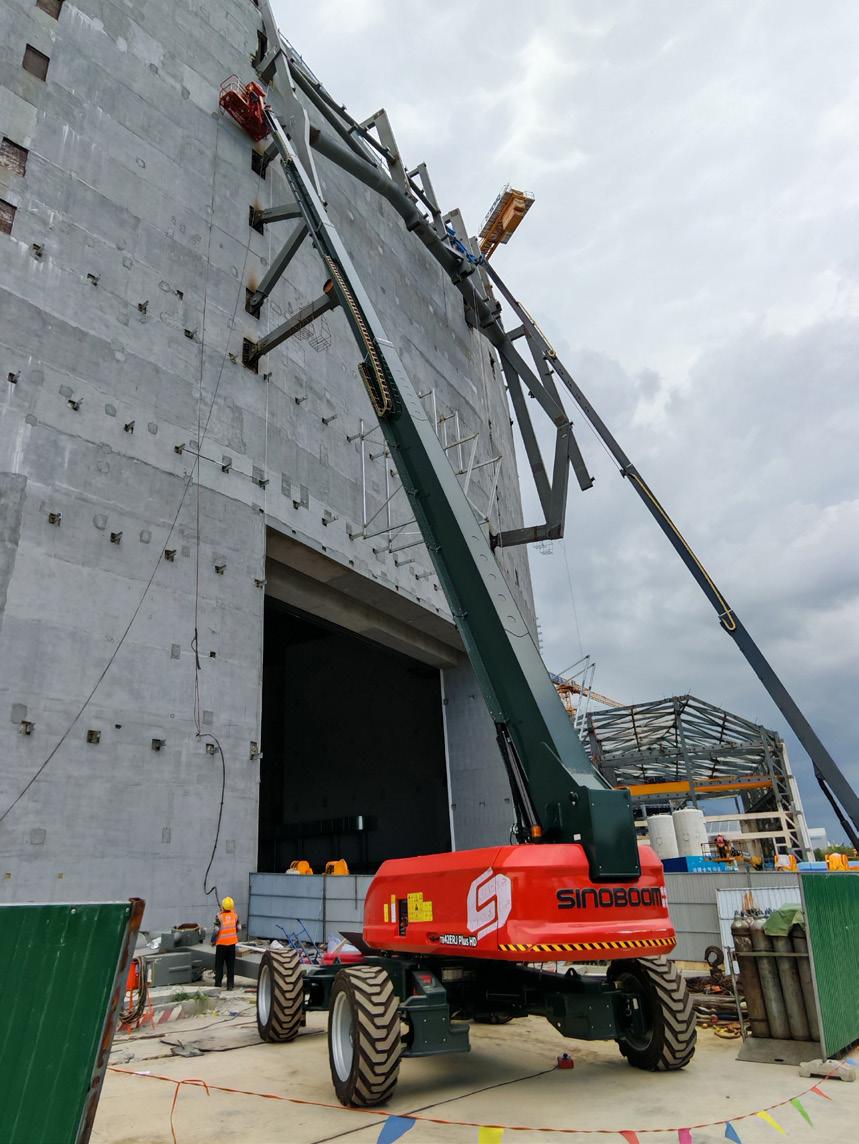
Australia is entering a new phase of construction—one defined not only by scale, but by height. As major infrastructure, energy, and industrial programs move from planning into delivery over the second half of this decade, vertical access requirements are becoming more common and more predictable.
This is not a rapid transformation, nor a sudden spike in demand. Rather, it reflects a steady evolution in the way Australia builds. As projects grow taller and more complex, the equipment required to support them must adjust accordingly.
For the hire and rental sector, that adjustment increasingly includes Super Booms.
Generally defined as boom lifts with working heights of 32 metres and above, Super Booms have traditionally sat at the margins of many Australian rental fleets. They were often viewed as specialist machines — useful in specific circumstances, but difficult to justify at scale. That perception is now beginning to change, driven by shifts in project design, engineering standards, and long-term investment priorities.
Sinoboom believes the period from 2026 onward will see Super Booms become a more regular and dependable part of rental fleets, particularly for businesses servicing infrastructure, energy and heavy industry.
EWPA Membership
EWPA Yellow Card Program
EWPA Accredited Trainers
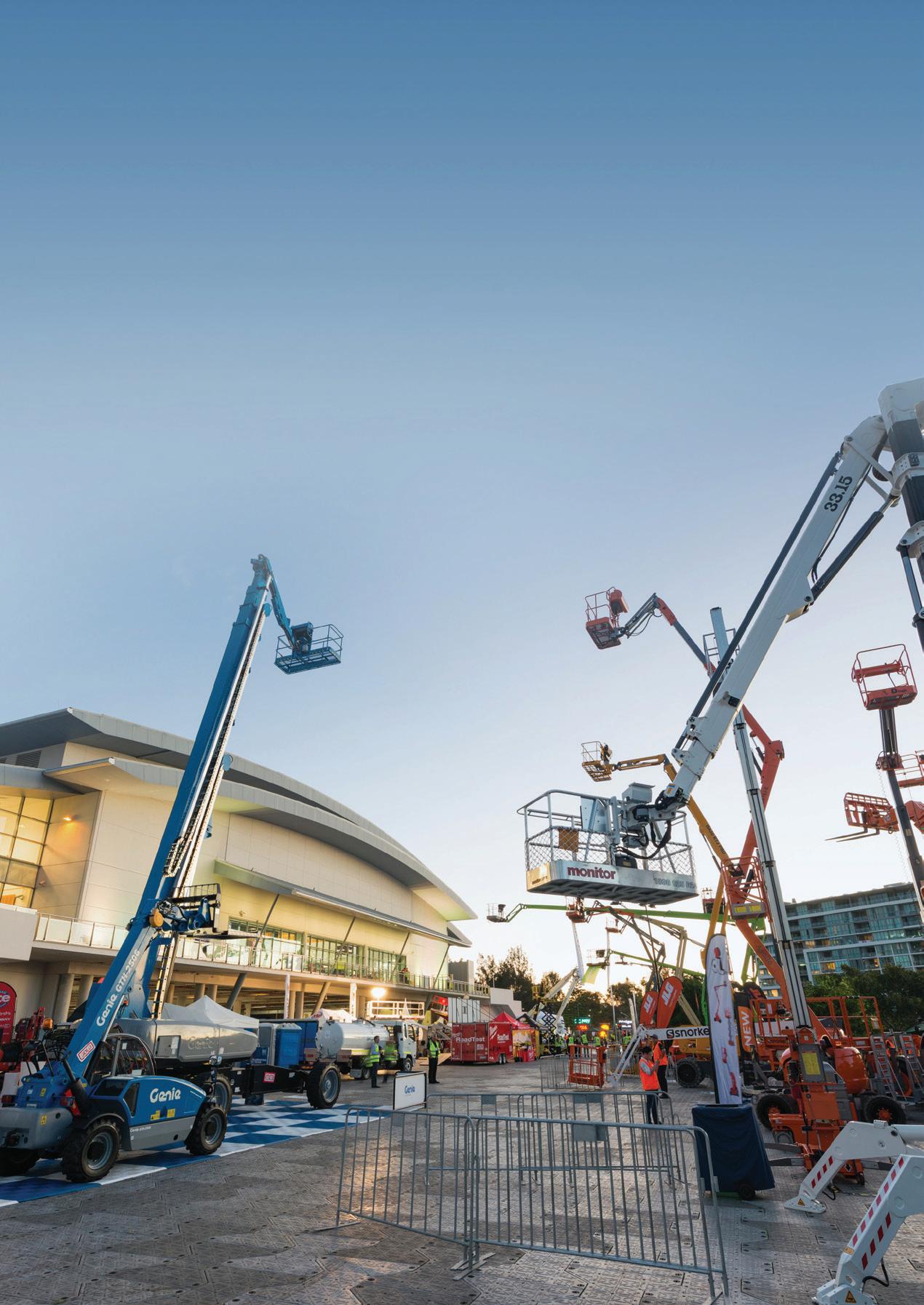
EWPA Stationery
EWPA Safety Resources
The EWPA provides a united voice for the industry, promoting the industry as the safest choice for carrying out work at height.
Historically, fleet owners had sound reasons for caution. High acquisition costs combined with inconsistent utilisation made investment difficult to justify, particularly without clear visibility on future demand.
Earlier generations of Super Booms also introduced higher technical complexity. Maintenance often required specialised knowledge and greater OEM involvement, adding pressure to rental operations — especially for regional and mid-sized businesses.
OEM choice was limited, reducing flexibility and competition. Operator confidence at extreme heights was another factor; at 40 to 60 metres, machine smoothness and stability are critical, and earlier designs did not always inspire trust.
There were also long-standing assumptions around transport difficulty. While this was once a concern, modern Super Booms are now designed to stow compactly and can typically be transported on quad floats or standard heavy-haul trailers without abnormal load requirements.
These constraints shaped fleet strategies for many years. Today, they are far less restrictive.
A changing — but measured — demand profile
What is changing is not the pace of demand, but its consistency.
Australia’s project pipeline increasingly includes assets requiring access beyond thirty-two metres at multiple stages of construction and maintenance. Renewable energy developments continue to trend upward in turbine height and associated infrastructure, creating ongoing high-reach requirements rather than one-off needs.
Major transport projects — such as elevated rail, bridges and interchanges — also rely on repeat access at height over extended timeframes. Defence, ports and maritime infrastructure present similar requirements for both build and lifecycle maintenance.
In mining, resources and industrial processing, taller plant structures, conveyor systems and energy modules are becoming more common, particularly in large, integrated developments.
Individually, none of these sectors represents a dramatic step change. Collectively, however, they point to a more dependable baseline level of Super Boom utilisation across multiple industries.
The barriers are gradually falling away
At the same time, the traditional obstacles to Super Boom ownership continue to ease.
Improved visibility across long-term
infrastructure and energy programs has reduced uncertainty for fleet planning. Engineering advances have delivered stronger structures, smoother proportional controls, improved hydraulic systems and better onboard diagnostics, making modern Super Booms more serviceable and reliable.
The OEM landscape has broadened, providing rental companies with greater choice, improved value, and stronger local support. Operator confidence has also increased as stability systems, load management and control refinement have evolved, improving productivity at extreme height.
Transport, once seen as a major limitation, is now largely routine due to compact stowed designs and more efficient logistics planning.
Sinoboom has aligned its high-reach offering with the practical, long-term evolution of Australian job sites. At the top end, the Sinoboom TB58RJ Plus telescopic boom lift delivers close to 60 metres of working height for wind energy, tall industrial steelwork, port infrastructure and major resource projects where maximum reach and stability are required.
The Sinoboom TB42RJ Plus telescopic boom lift sits in what is expected to be the most consistently utilised Super Boom segment, supporting multi-storey construction, bridge and civil works, conveyors and maintenance activities.
Already well established in Australia, the TB32JN Plus is a popular choice among rental fleet owners seeking practical highreach capability. With a 34.3-metre working height, strong platform capacity and smooth proportional controls, its axle-less chassis improves manoeuvrability and serviceability, making it well suited to everyday construction and industrial applications.
For complex sites, the Sinoboom AB46RJ articulating boom lift delivers “up-and-over” capability, enabling access in dense industrial and confined structural environments.
Australia’s construction environment is evolving gradually but decisively. For hire and rental businesses, Super Booms represent an opportunity to align fleets with the direction of future projects — without relying on short-term surges or speculative demand.
The challenges of the past should be recognised, but they should also be viewed in the context of how far the category has progressed. From 2026 and beyond, Super Booms are likely to become a more familiar and dependable part of rental fleets, supporting Australia’s next phase of infrastructure and industrial development — one metre at a time.

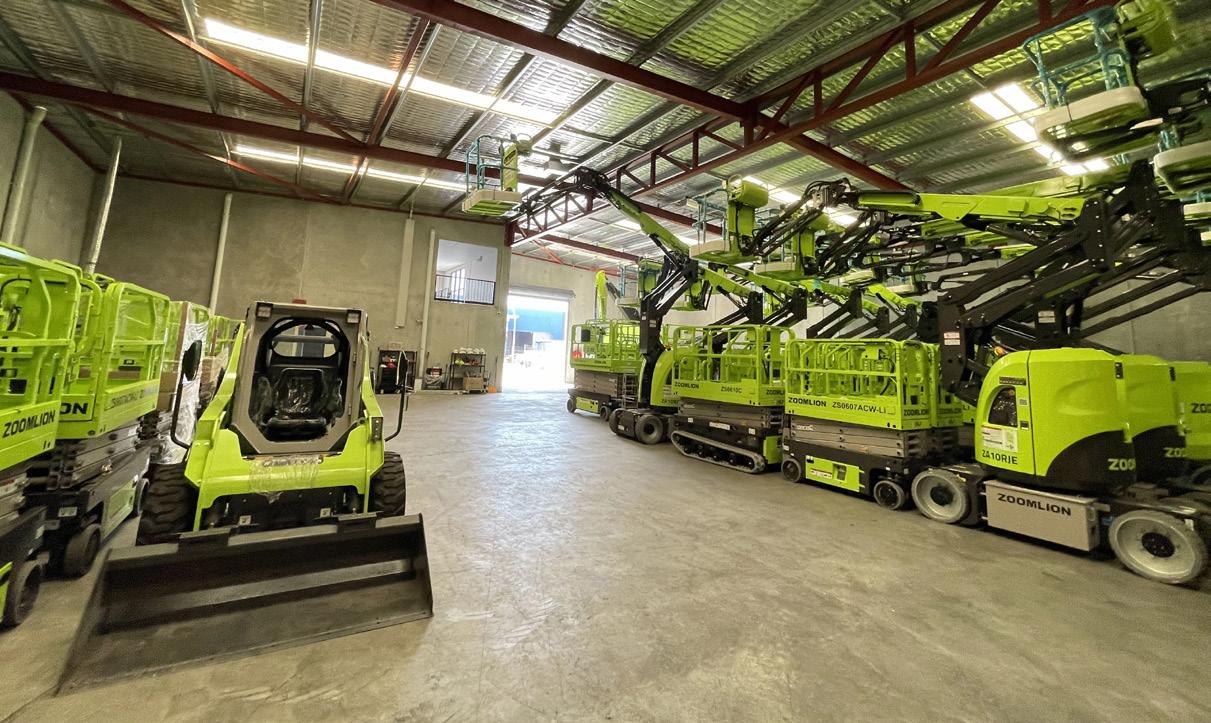
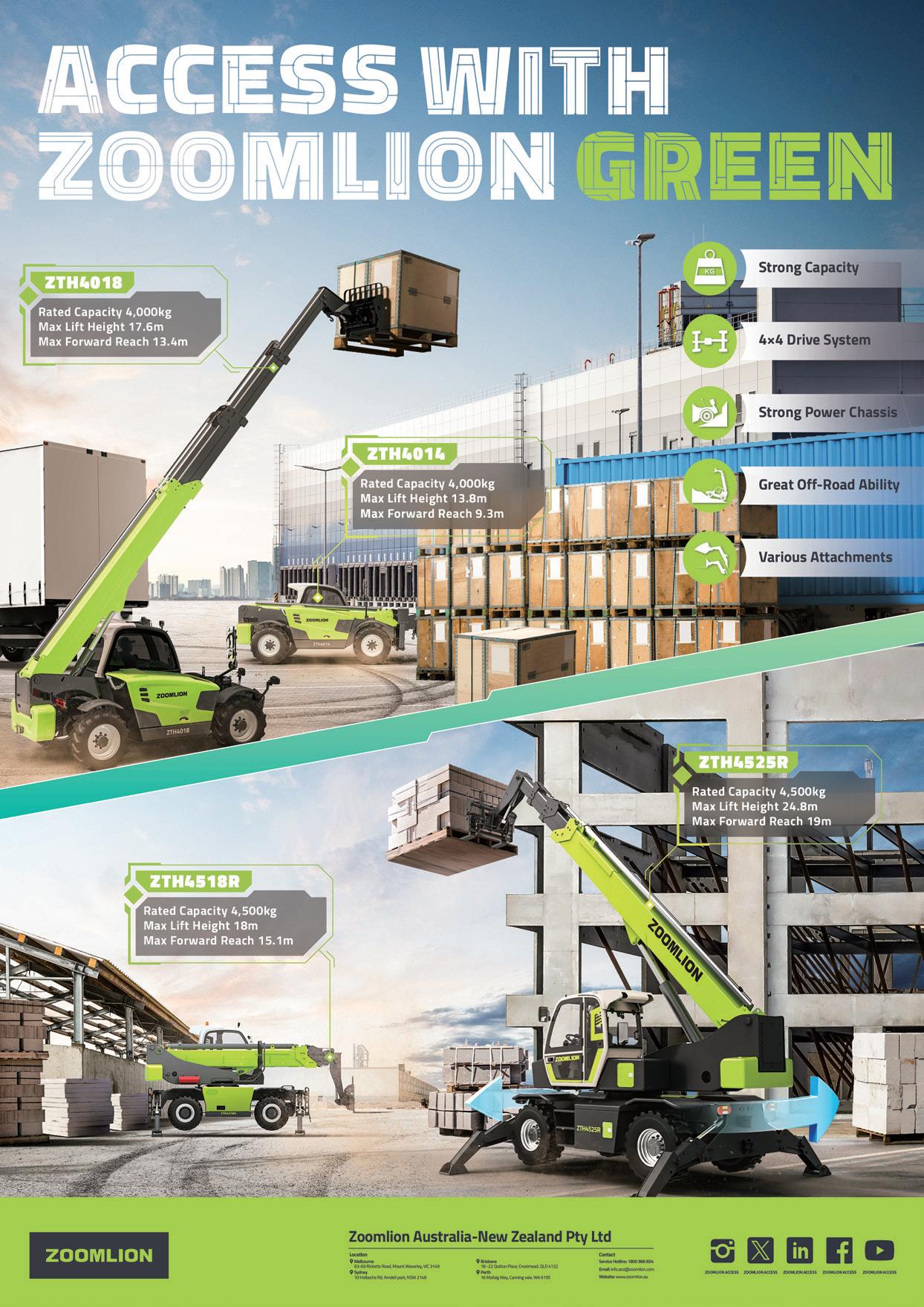
ZOOMLION IS LEANING HARD INTO THE AUSTRALIAN ACCESS MARKET WITH A BROAD EWP LINE-UP THAT SPANS CRAWLER SCISSORS LIFTS, FULL-ELECTRIC “NO-OIL” SLAB SCISSORS LIFTS, NARROW ELECTRIC ARTICULATING BOOM LIFTS, DIESEL TELESCOPIC BOOM LIFTS, VERTICAL MAST LIFTS AND TELEHANDLERS.
They provide options that work well with the increasingly strict environmental and safety expectations on Australian worksites.
Zoomlion’s priority is not to flood the market with machines — it is to make sure the service backbone was in place. Confidence on parts, response time and tech support is the key to focus in the local market.
Zoomlion has warehousing in Melbourne, Sydney, Brisbane, Perth and authorised service agents so that “each agent can cover roughly a 100-kilometre (km) radius — we don’t want customers waiting.”
Localisation has been a multi-year effort. Environmental performance is part of that brief. “We offer both diesel and electric because sites vary, but even our engine-powered gear is designed with emissions in mind. Electrification is moving fast, and we want to give customers a choice.”
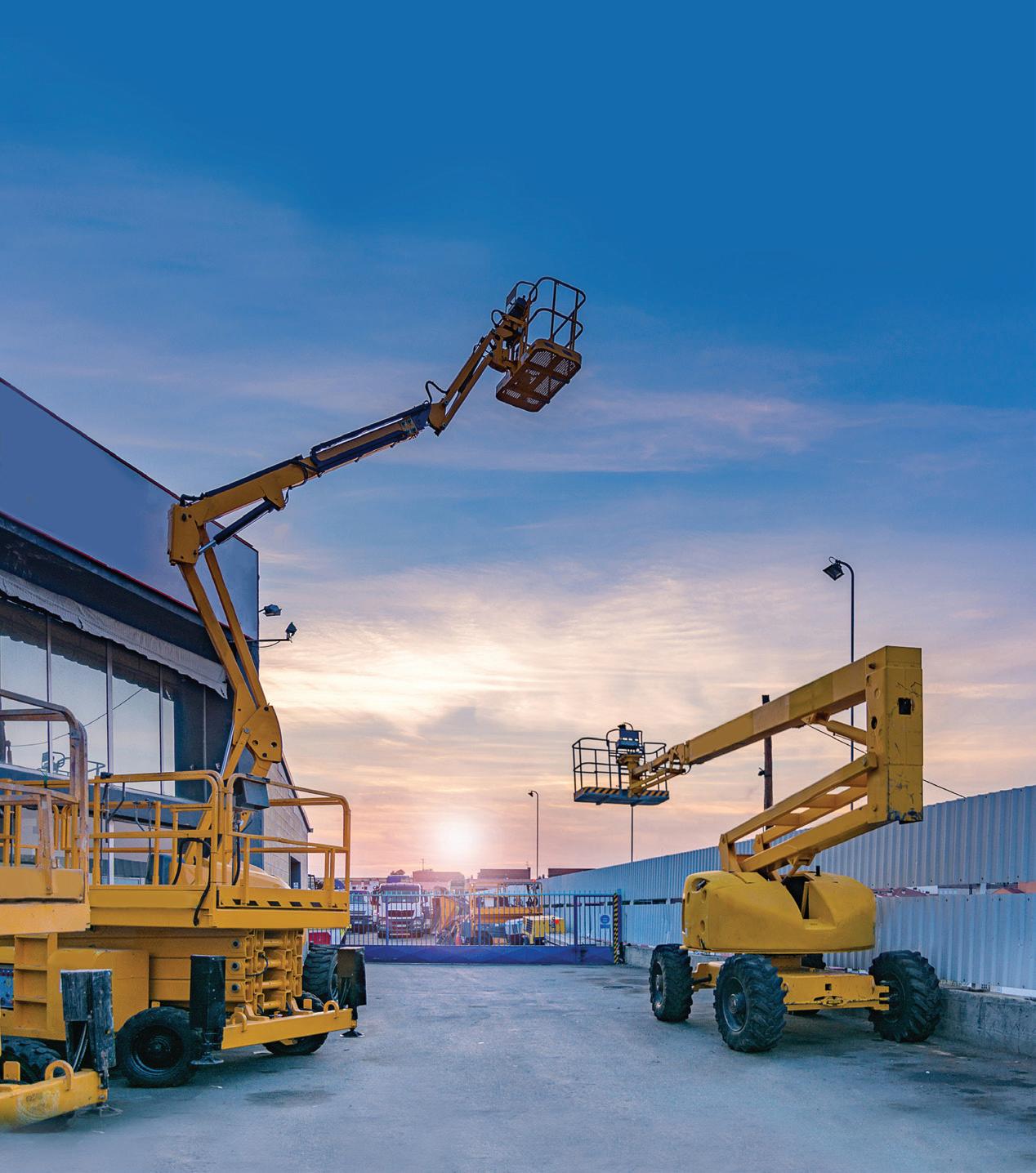
Zoomlion’s access equipment line-up in Australia has grown steadily over the past few years. The brand now offers a wide range of EWPs and MEWPs designed to suit everything.
Zoomlion’s Range
For mixed ground conditions — unpaved yards, landscaping installs, early-phase construction — the ZS0612C crawler scissor brings a compact footprint with rubber tracks that spread ground pressure and climb uneven surfaces.
Zoomlion’s full-electric “Zero Leak” micro/slab scissors answer a growing demand from data centres, food plants and clean manufacturing spaces where hydraulic oil spill risk is unacceptable.
Both the ZS0407E (indoor work height 6.2 m) and the larger ZS0607E (indoor work height 7.80 m) replace conventional hydraulic circuits with electric linear actuators, eliminating hydraulic oil and cutting leak points to zero. The design also lowers routine maintenance.
Zoomlion’s ZA14NJE narrow electric articulating boom family (lead-acid and lithium variants) provides up and-over access with low noise and zero on-site emissions.
Working height is 16m with 8.14 m horizontal outreach and 7.74m up-and-over clearance, giving trades a way to reach behind obstructions inside industrial sheds or around structural steel with a platform capacity is 230 kg.
The ZT14J diesel telescopic boom targets outdoor construction where rough ground, reach and duty cycle dominate. It delivers a 16.6 m working height, 12.7m horizontal outreach and dual platform capacities — from narrow electric articulating booms to high capacity telehandlers, Zoomlion Australia’s EWP range is adapted to Australian safety and emissions standards.
300 kg unrestricted / 454 kg restricted — allowing crews to carry extra tooling when needed. Euro-stage engine options support lower emissions, addressing Tier requirements on regulated projects.
Zoomlion Australia is positioning its ZTH4018 telehandler as a site utility platform that complements EWPs on spread-out, multitrade projects. Rated capacity is 4,000kg with a maximum lift height of 17.6m and forward reach to 13.40 m giving contractors one machine that can place palletised loads, handle materials and — via optional work platform, bucket or fork attachments — take on a variety of support tasks.
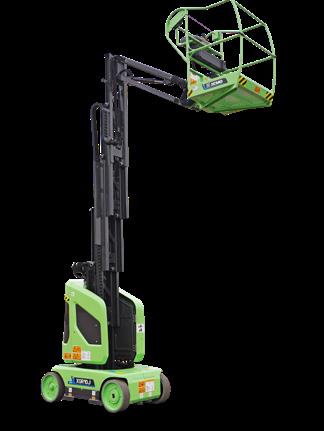
Tight indoor maintenance, racking installs and plant fit-outs call for a vertical mast. The ZMP06 answers with a 7.91m work height, 200 kg platform rating and a machine width under 0.8 m so it can pass through standard double doors and many freight lifts. Warehouse and facility managers can push productivity with fewer emissions and less noise.
Each [Zoomlion] agent can cover roughly a 100-kilometre (km) radius – we don’t want customers waiting.”
Looking ahead
Zoomlion Australia is still expanding its footprint. Stephen confirms additional warehousing and a broader authorised service agent network are in scope, with South Australia next on the radar.
The company also continues to adapt specifications to Australian Standards and site expectations as feedback comes in from rental fleets and end-users.
“We’re not saying we’re perfect,” Stephen says. “We’re listening, adjusting and trying to respond faster each time.”
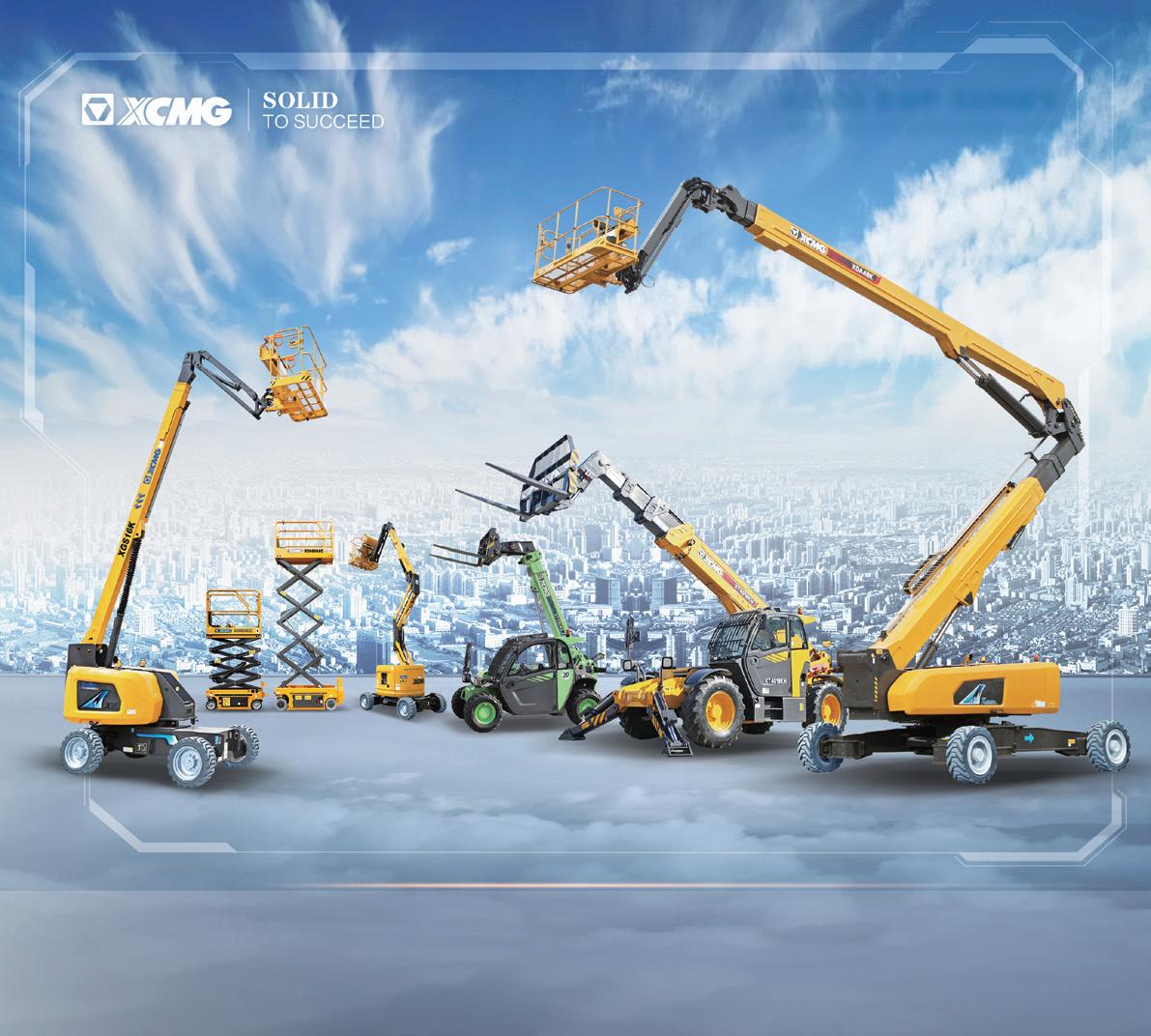
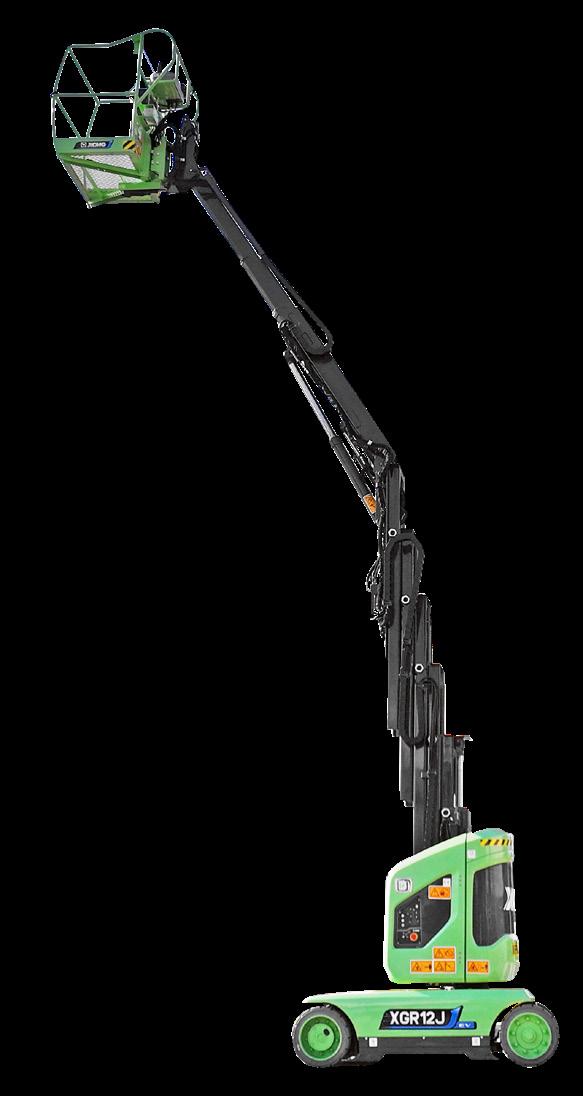
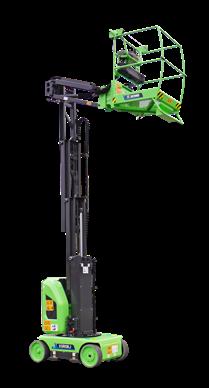
DEMAND FOR VERTICAL MAST LIFTS IS STEADILY RISING AS FLEET OWNERS ARE INCREASINGLY BEING FACED WITH JOBS THAT REQUIRE NARROW AND LOW-WEIGHT ACCESS TO WORK AT HEIGHT. THE COMPACT, DURABLE AND LIGHTWEIGHT DESIGN OF VERTICAL MAST LIFT MAKES THEM IDEAL FOR THE RENTAL, LIGHT CONSTRUCTION AND MAINTENANCE AND REPAIR INDUSTRIES.
With more EWP manufacturers expanding their range of vertical mast lifts to meet market demand, XCMG has expanded its vertical mast product range in Australia, introducing models such as XGR08J, XGR10J and XGR12J.
These products cover a working height of 8-12 metres, can be widely used in various industries such as factories, warehouses, airports and stations, and are especially suited to narrow operating environments.
XGR08J, XGR10J and XGR12J lifts have a maximum working height of 8.2m, 10.1m and 12.65m respectively, with strong travelling power and climbing ability of 25%. Featuring articulated arms, the versatile masts are capable of both vertical lifting and horizontal reach, with strong obstacle-crossing functionality, which can operate in narrow spaces and other complex working conditions. With an “intelligent and perfect control” system, ergonomically designed layout and lubricationfree design, they are easy to use and maintain. The range also comes with comprehensive safety protection and a flexible range of configuration options.
XCMG’s researchers forecast that the growth in warehouse construction will usher in increasing product development in the vertical lift category.
In modern factory and warehouse environments, vertical lifts have become essential tools for working safely and efficiently at height. Whether used for pipe installation, lighting and HVAC work, repairs, cleaning, or specialized applications like spraying, these lifts are designed to navigate tight aisles and elevated work zones with ease. Their compact size, exceptional maneuverability, and user friendly controls make them indispensable for material handling in spaces where every centimetre counts.
XCMG Fire-Fighting Safety Equipment Co., Ltd
Address: No 17 Zhujiang East Road Xuzhou, Jiangsu, China
Tel: +86-0516-87989588
Email:stevenkuang@xcmg net au
XCMG MINING EQUIPMENT AUSTRALIA PTY LTD
Address: 33 Westpool Dr, Hallam VIC 3803, Australia
Tel: 1800 565 988
Email:stevenkuang@xcmg net au


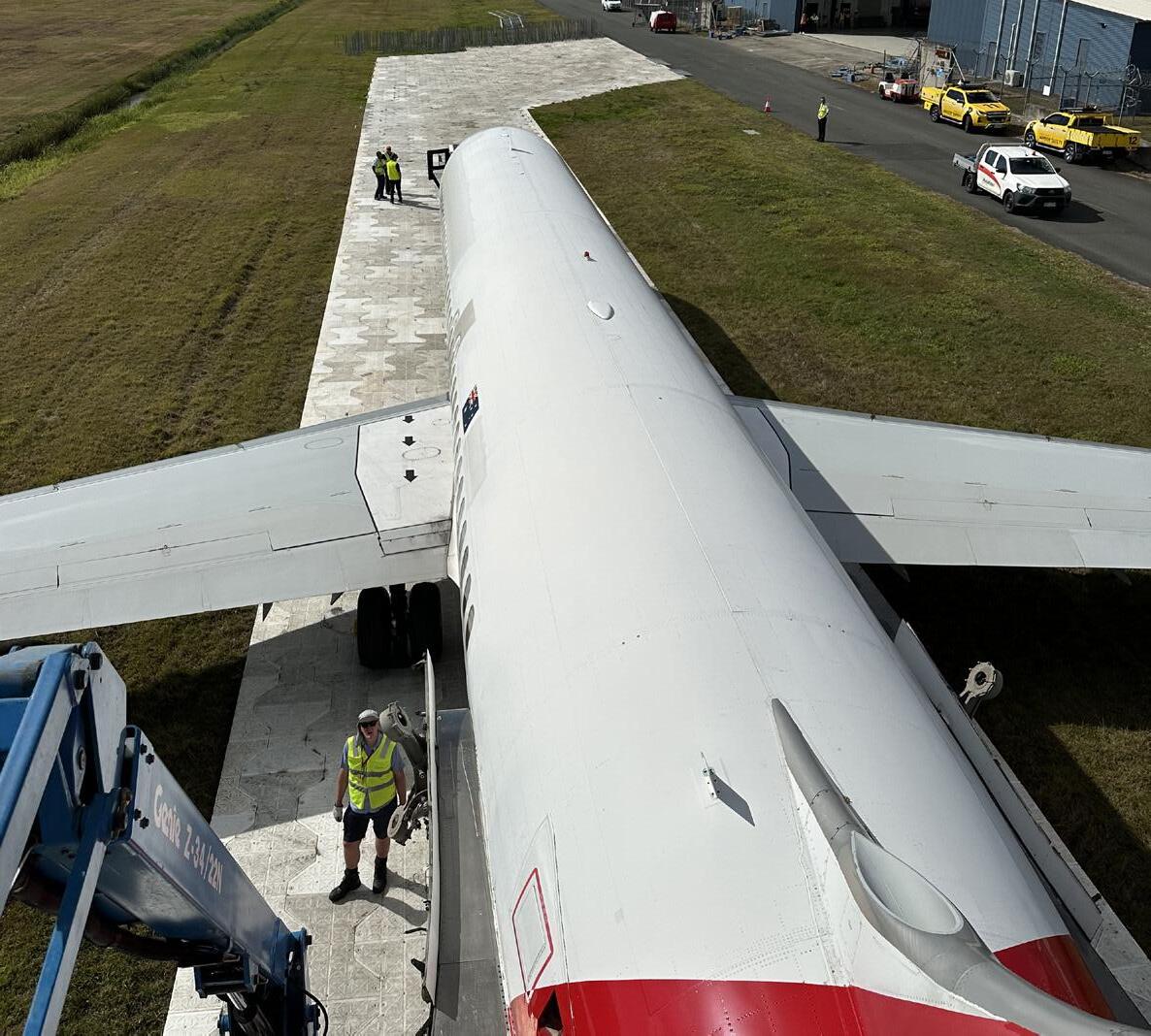
Another favourite from this year’s Photo of the Year, demonstrating the variety of work undertaken by HRIA members. Here No Fuss Events rolls out the [grey] carpet for Aviation Australia in Brisbane.

Brett O’Hara HRIA Events Division President
There are so many benefits to HRIA membership – are you taking advantage of what’s on offer?
For those seeking expert advice or support for their business, the HRIA’s support services include insurance and risk management advice and packages, industry advice lines on HR, workplace relations, accounting and business advisory services, as well as master agreements.
If you’re thinking about training and/or professional development, you can’t go past the HRIA’s Women in Hire and Young Professionals programs. Plus, there’s an annual Business Leadership Conference that’s open to CEOs, directors, owners, senior managers, area managers, branch managers and rising industry talent.
Over the years, I’ve heard members talk about their HRIA membership — and one thing that comes up is members — and potential members — are not always across the full suite of benefits available.
Everyone knows about our annual convention (this year, it’s in Sydney on 20-21 May so mark those dates in your diary now!) and most enjoy their subscription to this quarterly magazine. Yet, your Association offers so many more value-add benefits and all available at your fingertips.
There are a few that I’d like to call out specifically –and if you haven’t explored these already, now’s the time to do so.
For events members, a couple of the most valuable resources you can access are the HRIA’s Marquee Ballast Guide and its companion document, the Temporary Structure / Marquee Pegging Guide, both of which are available on the HRIA website (https://hria.com.au/hriaresources/information-sheets/).
Marqee Ballast Guidelines have been an invaluable resource for the Events industry since 2008. In late 2025, an updated version was released bringing the guidelines into line with current Australian Codes and Standards. The Marquee Pegging Guide offers guidance on the safety and stability of marquees or temporary structures in outdoor areas.
This year, I’m also really pleased to see that someone who’s been in the industry for years — including a stint as Board Director and President NSW HRIA — Emmanuel Georgoudis, has joined the team as Manager of Member Experience and Growth. There’s a great story on Emmanuel and his plans for connecting with members in this issue and I’d encourage you to get in touch and share your feedback directly about what you’d like to see next for event members.
Finally, get involved in your Association. Attend and participate in state meetings where you can, come to the convention and bring your team if that’s feasible and make the time to network. You won’t regret it because the more people we have as part of the Association, the greater our ability to affect change and grow our industry to benefit everyone.
“Your association offers so many value-add benefits and they’re all available at your fingertips.”
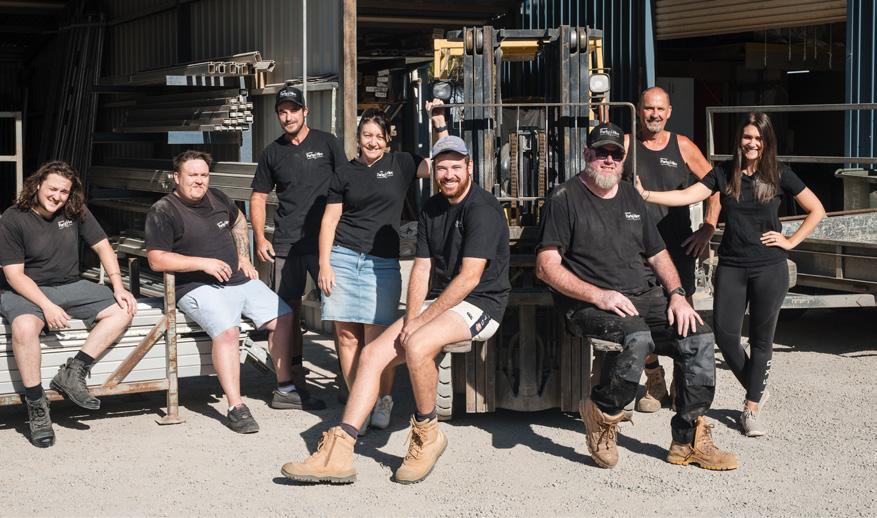
South Australia’s Mid North Party Hire knows how to throw a party (and they’ve got the awards to prove it).
If there’s a consistent focus for the team at Mid North Party Hire, it’s customer service.
Kym Schultz is Business Manager and Chief Cheerleader for the Blyth-based business that services customers from Port Augusta to the York Peninsula, the Flinders Ranges and over to the Riverland and Barossa Valley.
“Relationships are really big in this business,” says Kym. “From when we first receive an email from a potential customer, to when it’s time to bump-in and out for their event, they’re always number one.”
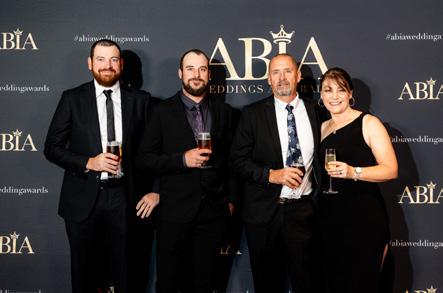
It’s a philosophy that’s played a big part in how their business has grown — and why they’ve won multiple ABIA Wedding Awards.
Mid North Party Hire is owned by Kym and her husband, Richard, who’s the Operations Manager.
Kym looks after customer service, taking and preparing orders, laundry, kitchen and cleaning. As Chief Cheerleader, she also takes care of the team, looking after all their social activities.
Richard runs the outside crew and cleaning team. They’re supported by two full-time staff, several permanent casuals and extra casuals who they bring on during peak periods. Their daughter Ashley is also a key part of the operation.
Mid North Party Hire has been operating for around 35 years. It was started by her parents, Peter and Marilyn Paterson, with nothing more than an old ex-army tent.
“People would ask my dad if they could borrow the tent for a party,” recalls Kym. “Next thing, they’d ask for a few chairs and that’s fundamentally, how the business began.”
To keep up with demand, Peter and Marilyn purchased catering equipment — cutlery, crockery, glassware — and the business continued to grow organically. Yet it was still a side hustle and something they only did on the weekends, with both Peter and Marilyn maintaining their full-time jobs.
The turning point came around 1999, when Kym and Richard moved home to help.
“Once there was someone to answer the phones and help with bump-in and out, the business took off,” says Kym.
In May 2014, they purchased the business from her parents and began to put ‘their own spin on things’.
“We freshened up our stock and the services we would offer, and once again, it took off with a new lease of life.”
Today, their work is diverse, although weddings make up about 70 per cent of their business. “Weddings are a great advertising tool, because all the guests can see what we offer,” says Kym.
They also work on some of the major field days in South Australia and in Broken Hill (NSW), as well as servicing events in the wineries, venues, local shows, footy clubs and catering for private parties.
Yet despite their regional location, the team doesn’t compromise on standards.
“We may not have all the stock on-hand that other city-based businesses may have, but we can always find it for people,” says Kym. “Plus our core stock is kept looking like new.”
Since COVID, they’ve really embraced their membership of the HRIA, highlighting that the recently released and updated Marquee Ballast Guide was a great tool to have.
“But one of the biggest things we’ve got out of our membership is the networking,” says Kym. “We’ve made some great friends through the HRIA and now have some great mentors.”

With the end of NSW’s ‘lock-out’ laws, the State Government is introducing changes designed to make it easier for venues to offer a wider range of entertainment without the need for extra planning approvals.
It’s been 12 years since lockout laws were announced by the NSW Government, impacting the night-time economy across the state. In late 2025, those laws have been removed.
New legislative changes, developed in consultation with music and cultural sector stakeholders, passed Parliament on 19 November 2025, with a suite of entertainment related conditions attached to existing development consents automatically switched off on 1 December 2025, in licensed venues cross NSW.
The legislative reforms were made through the 24Hour Economy Commissioner Act 2023, the 24-Hour Economy Legislation Amendment (Vibrancy Reforms) Act 2023 and the 24-Hour Economy Legislation Amendment (Vibrancy Reforms) Act 2024. These legislative and policy changes aim to improve the night-time economy in NSW and were developed in consultation with key government agencies, industry, councils and stakeholders.
A Cultural State Environmental Planning Policy (Cultural SEPP) is also in place, amending the planning rules for low-impact cultural and hospitality activities and making events on public land easier across NSW. The Cultural SEPP has been implemented via amendments to the State Environmental Planning Policy (Exempt and Complying Development Codes) 2008 (Codes SEPP).
Under the reforms, several types of conditions that previously limited live music and entertainment are no longer enforceable, including bans on specific music genres, restrictions on the number or type of musical instruments and prohibitions on dancing or dancefloors. Outdoor performances were also not allowed without approval. The new rules allow entertainment outside, such as in courtyards or gardens, with entertainment now permitted in all zones, including residential areas, which was not allowed before.
Other changes include increased patron capacity by up to 30 per cent for outdoor dining, street fairs and community festivals, extended trading for shops, cafes and other unlicensed venues during significant local events, and cellar doors, on-farm cafes and restaurants allowed to activate outdoor dining without a development application.
“Under the reforms, several types of conditions that previously limited live music and entertainment are no longer enforceable.”
Some developments remain unaffected by the switch off provisions. The changes do not apply to:
• state significant developments determined by the Minister for Planning and Public Spaces
• complying development consents.
The Government also confirmed that noise management rules for unlicensed venues remain unchanged.
Additional reforms enable clubs to host events off site, review outdated plastic drinkware conditions, and introduce a fee free process to remove or vary licence conditions that limit late night trading such as drink restrictions, security requirements or curfews.
The Government has also expanded the existing exempt development pathway for events and temporary structures on public land. This pathway previously applied to a small number of special major event sites but now applies to all land owned or controlled by public authorities in NSW. This change will lead to a clearer, more consistent approach to events on public land.
The changes support a more vibrant and diverse night-time while balancing the needs of nearby residents. The NSW Government says the changes are designed to support a “thriving and vibrant night time economy” and align with its broader Vibrancy Reforms, which also included updates in 2024 to entertainment noise management rules for licensed venues.
Live music incentive changes to number of performances for metropolitan venues, and the time-ofday eligible performances can begin from 15 March 2026.
A new Planning for Community Events guide will be released, and proposed enhancements to planning rules for Special Entertainment Precincts will also be publicly exhibited.
The reforms aim to reduce unnecessary red tape for venue operators while supporting creativity and cultural activity across the state.
Further information and resources can be found at nsw.gov.au/business-and-economy and Liquor & Gaming NSW (www.nsw.gov.au/departments-andagencies/dciths/liquor-gaming-nsw)
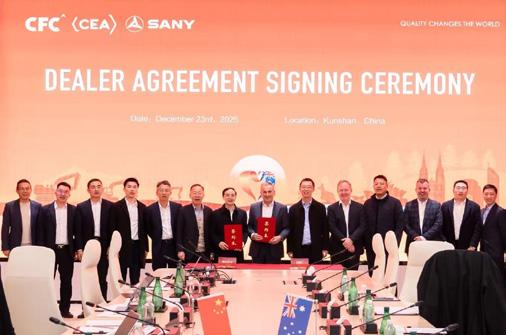
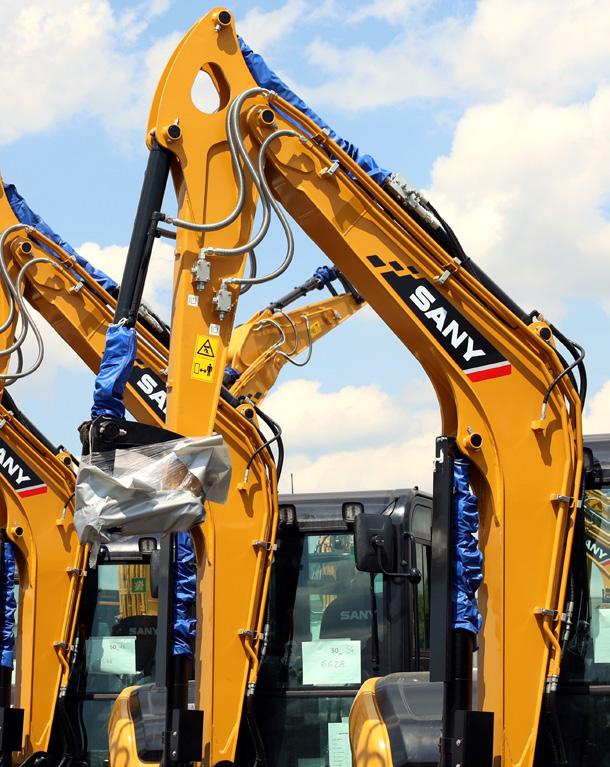
CEA HAS ANNOUNCED ITS APPOINTMENT AS A DISTRIBUTOR FOR SANY EXCAVATORS IN KEY STATES THROUGHOUT AUSTRALIA, COMMENCING OPERATIONS IN QLD, NSW AND SA. AS AN EMERGING BRAND WITHIN THE EXCAVATOR MARKET, SANY HAS QUICKLY GAINED STRONG CUSTOMER ACCEPTANCE GLOBALLY THANKS TO ITS BUILD QUALITY, COMPETITIVE PRICING AND AFTERMARKET OFFERING.
Acquiring the distribution rights for SANY aligns with CEA’s wider business strategy supporting the businesses appetite for growth across key market segments.
“Over the past 6 years CEA has opened 3 new multimillion-dollar purpose-built facilities in Sydney, Brisbane and Perth, diversified our product offering and now with the addition of SANY to the portfolio will strengthen our line up with an extensive range of excavators ranging from 1 to 90 tonnes,” said CEA CEO Hylton Taylor.
The addition of SANY to the CEA portfolio not only strengthens the business’s well-established footprint across the country but enhances its ability to support a diverse range of customers with a broad equipment offering. Officially commencing in January 2026, CEA is poised to challenge the excavator market with a product line up that is both class-leading and competitively priced aligning perfectly to the needs of the mature Australian market.
“For CEA it was critical we partnered with a brand which understood the customer segment, could deliver quality
products and has a strong focus on future industry needs ensuring the machines of tomorrow can meet the evergrowing demands of the core customer base,” said Hylton.
SANY, founded in 1989, is a significant global supplier of excavators with a footprint of R&D centres and manufacturing plants in countries including China, USA, Germany, India, and Brazil. Production capacity out of its Shanghai Lingang and Kunsha manufacturing facilities alone is over 80,000 units annually.
“SANY is proud to partner with an Australian owned business that has the size and scale of CEA,” said Putzmeister’s Asia Pacific CEO Michael SchmidLindenmayer, “CEA’s extensive history in the market offers a strong sales channel; with local insights and market knowledge that will be critical to the long-term success of the SANY brand.”
“SANY is firmly focussed on delivering high-quality, market competitive products to established markets like Australia, the brands focus on delivering innovative solutions ensures we are prepared for market demands well into the future and look forward to supporting CEA as they target the many opportunities available in each location,” added Michael.
SANY CEA commenced operations in January 2026, with product arriving across CEA branches from February.
For more information, contact CEA on 1300 788 757.
ire and ental ndustry ssociation
By choosing to hire from a HRIA member you are ensuring the best possible hire experience.
• HRIA Members will recommend the right equipment for your job
• HRIA Members can provide instruction on use of the equipment
• All equipment hired by HRIA members is thoroughly checked and maintained prior to each hire and electrically tested and tagged where needed
• HRIA members follow all Workplace Health and Safety requirements and have access to the latest safety legislation – ensuring the highest standard of safety for employees and hirers of equipment
• Hiring from an HRIA member ensures equipment reliability and efficiency
• HRIA members are committing to a code of ethics
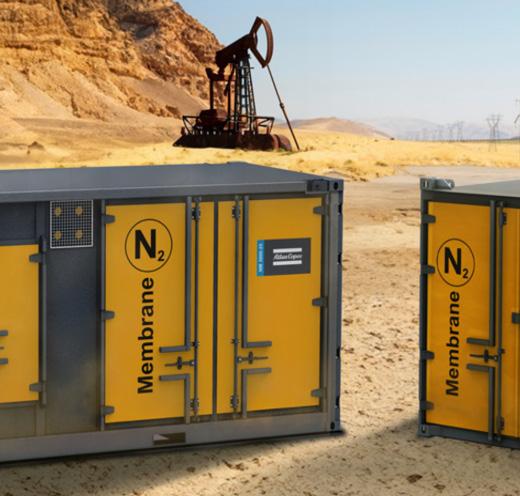
MOISTURE IN COMPRESSED AIR SYSTEMS IS INCREASINGLY RECOGNISED AS A SILENT BUT COSTLY THREAT ACROSS SECTORS SUCH AS OIL AND GAS, MINING, CONSTRUCTION, MARINE OPERATIONS, AND INDUSTRIAL PROCESSING.
Although compressed air is a fundamental utility in these environments, the presence of water vapour — often invisible until it condenses — continues to cause corrosion, equipment failures, and operational disruptions.
Atmospheric air naturally contains water vapour, and when compressed, that moisture becomes concentrated.
For example, air at 35°C and 60% relative humidity contains around 23 grams of water vapour per cubic metre. Once compressed to 7 bar(g), that figure jumps to 184 grams. Initially, the heat of compression keeps
the vapour suspended, but as the air cools downstream, it reaches its dew point and condensation forms. This process occurs regardless of climate, making moisture a universal challenge for compressed air systems.
Industry experts note that moisture is one of the leading causes of system failures in the field. Corrosion, contamination, and inaccurate instrumentation are common consequences, with impacts varying by application but sharing the same root cause: untreated water vapour.
In oil and gas operations, moisture can compromise pipeline integrity, distort well test results, and freeze within transmission systems. Mining operations face clogged valves, damaged pneumatic drills, and disrupted dust suppression systems. Marine and offshore environments rely heavily on dry air for bubble curtain systems and subsea tools, where moisture can block nozzles or freeze in control lines. Even construction and manufacturing sectors report premature wear, poor coating adhesion, and faulty automation when wet air infiltrates their processes.
Given these risks, more than half of industrial compressed air systems now incorporate drying technologies to protect equipment, maintain safety standards, and reduce downtime.
A range of drying solutions exists, each suited to different environments. Over compression can remove moisture but is energy intensive and impractical for large volumes. Refrigerant dryers are common in stationary installations but struggle in cold or mobile conditions. Absorption dryers offer simplicity but generate chemical waste and require frequent media replacement.
Desiccant dryers — also known as adsorption dryers — have become the preferred choice for mobile, outdoor, and extreme environments. Using hygroscopic materials to attract and trap water vapour, these systems can achieve pressure dew points as low as −40°C or even −70°C. Their ability to regenerate the desiccant makes them efficient and reliable for continuous operation.
Advanced systems such as Atlas Copco’s CDR and CDR+ technologies optimise purge air use, ensuring consistent performance even under fluctuating pressures.
Beyond air treatment, many industries are shifting toward on site nitrogen generation to replace bottled supply. Nitrogen is widely used for purging, blanketing, pressure testing, and inerting, but transporting cylinders to remote sites is costly and slow. On site generators provide continuous supply, adjustable purity, and lower total cost of ownership.
Atlas Copco’s integrates its entire ecosystem that includes compressors, desiccant dryers, nitrogen generators, and boosters for seamless operability. With global service support and equipment engineered for harsh conditions, the company aims to help operators reduce moisture related failures and improve reliability across demanding applications.
For more information, contact Atlas Copco 1300 667 044.
Market Prices have dropped
Wholesale electricity prices in both New South Wales (NSW) and Queensland (QLD) have recently dropped to their lowest levels in 12 months
How does this affect me?
If your current energy contract ends in the next 12 months, waiting until your renewal date could mean missing out on these historic low rates.
What are the next steps?
1. Send us a copy of your most recent energy bill.
2. We will run an assessment to find savings on your electricity & gas, and assess solar viability.

This is a crucial, time-limited opportunity for businesses currently on an energy contract
Locking in a new rate is the best way to hedge against upcoming summer volatility and price hikes.
3. One of our energy experts will contact you within 48 hours to let you know if you can save on your energy bill.
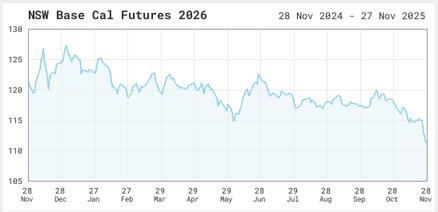

Alycia McCarthy, Partnerships Specialist
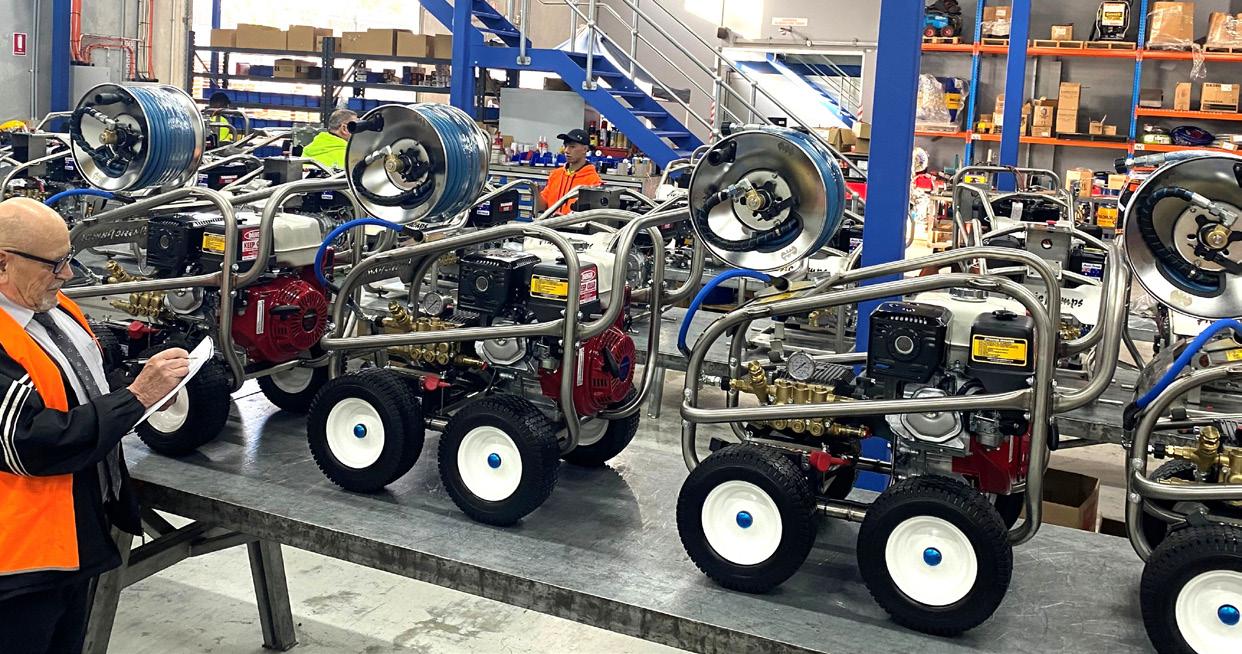
MANAGING DIRECTOR OF LONG TERM HRIA MEMBER, AUSTRALIAN PUMP INDUSTRIES, WARWICK LORENZ, POINTS OUT THAT THE SUPPORT AUSSIE PUMPS HAS HAD FROM THE ASSOCIATION MEMBERS HAS BEEN TREMENDOUSLY ENCOURAGING.
Working with the best in the business, Aussie Pumps were soon able to absorb positive but critical comments about their early machines. The result was the constant product development programme, always based on inspiration from the field.
“Sometimes it might be machines that have come back from horrific corrosive application at a mine site or quarry”, he said.
“We get inspired by working with our customers. When we started building pressure cleaners almost 30 years ago, we weren’t aware of the need for products that were designed specifically to deal with the challenges of the hire industry.
We learned from the best in the business, who pointed us in the right direction.
Ever since, we have heavily promoted to hire companies who aren’t members as to why they should join the association. “To us, it’s just basic common sense”, said Lorenz.
Australian Pump understood quickly that what the industry needed was not just another pump manufacturer or water blaster manufacturer. What was required was products that are aligned with the HRIA’s philosophy.
“By that, we mean products that will make hire industry customers happy, safe and of course productive”, said Lorenz.
When Chief Engineer John Hales designed the first stainless steel frame design, Aussie’s realised that it wasn’t only elegant and good to look at, it also had major advantages for the user. The machines are designed with “no sharps”, steel wheels with big flat free tyres and is superbly balanced. Even the BIG 4000 PSI diesel versions are easy to manoeuvre on site. We set them up with the best engines and the best pumps in the business,” said Lorenz.
The pumps are Big Berty Bertolini designed with big, oversized heavily tinned oil crankcases for cool running. They run at 1450 RPM with a gearbox drive for hire so as not only to extend the life of the product but also minimise maintenance costs.
“To say that the Scuds are a success is an understatement. The design criteria are in line with the engineering department’s dogma. Aussie Pumps has a big sign up in our Chief Engineer’s office that reads: “We design and build machines as if we’re going to use them ourselves”.
Refer a new member get a
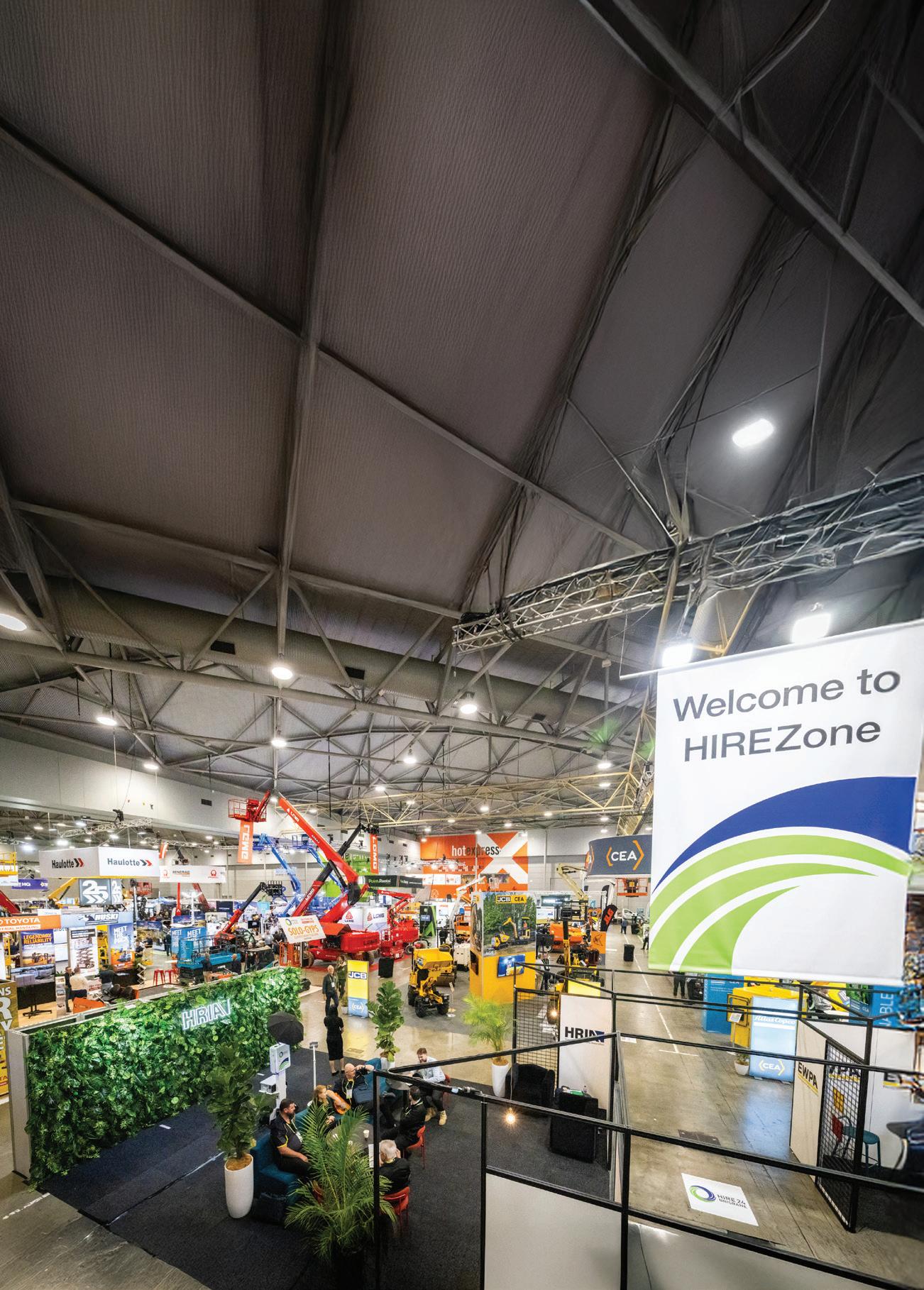
ire and ental ndustry ssociation
Referral program – Help build a stronger hire industry and earn a $200 gift card
The greatest asset the HRIA has is in the strong sense of community and support among its members. Over nearly six decades, members of the industry have consistently encouraged other companies to become involved, to draw advantage from the connections and advice from other members. Through its members, the HRIA has a reach that extends across every sector of Australian industry.
$200 Bonus for bringing in a new member.
To take advantage of the offer, first provide the details of the business you come across, and we’ll do the rest.
Email through to membership@hria.com.au with the subject heading: HRIA Referral Program.
www.hria.com.au/member-services/hria-referral-program
“Again, learning from the best, we found there was a market for top-quality flat surface cleaners, stainless steel hose reels with long hoses and we pioneered a market for rental in big diesel drive machines right up to 5000 PSI”, he said.
“It has been an amazing year for our company with new design launches, including a 3000PSI diesel drive, pressure cleaner ‘Pocket Scud’. This compact unit is designed to go on mine or construction sites where petrol drive engine units might ‘fear to go’.
Other products include hydrostatic testers that are also following the same guidelines as set out by the HRIA’s mantra. When it comes to pumps, our heavyduty trash pumps ranging from 2 inch through to the big 6-inch jobs, are finding work through hire companies right across Australia.
Aussie Pumps learned a lot from being put to the test on rugged mine sites, from the Pilbara to Cowell Creek, applying these learnings in the way they design and equip the units.
Aussie Pumps train customer staff and provide service data, spare parts and accessories in order to help them
help their customers. Their empathetic approach with not just the HIRE company but HIRE’s customers as well.
“After all, it’s the user who ultimately pays and has the right to get value for money, that’s why we build pumps and HP blasters that are designed for hire”, said Lorenz.
“We still are puzzled at the number of hire companies out there, that have not joined the HIRA. To us, the membership, the excellence of the regular HIRE magazine that shows, without any hesitation, just how HIRE can prosper with the” right management and attitude”. We see that the HRIA welcomes new members who desire to upgrade their position in the vital industry.
“We’ll do our bit in designing the right product for the job, and we’ll never stop listening to what you tell us”, said Lorenz.
For further information including information on Aussie’s free High Pressure Safety Training Courses, visit aussiepumps.com.au




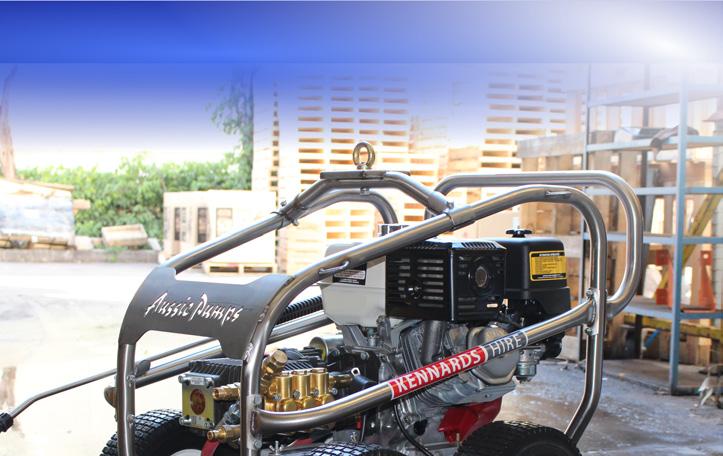
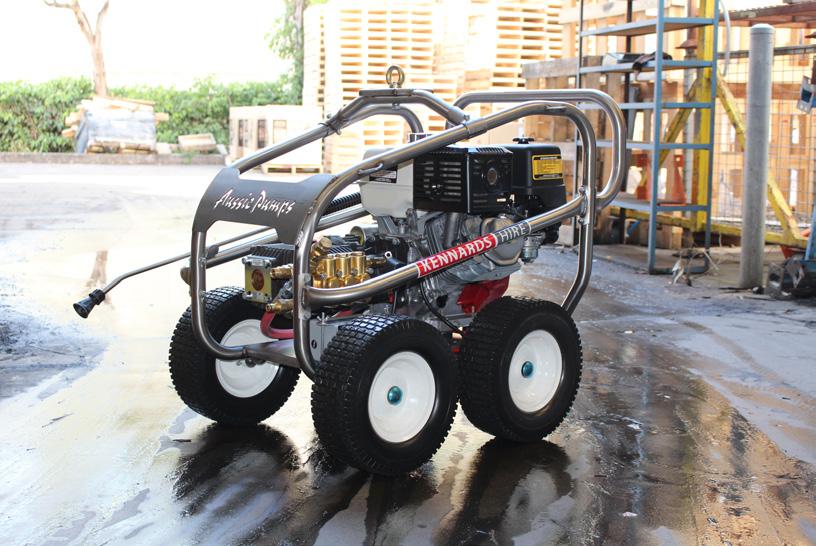

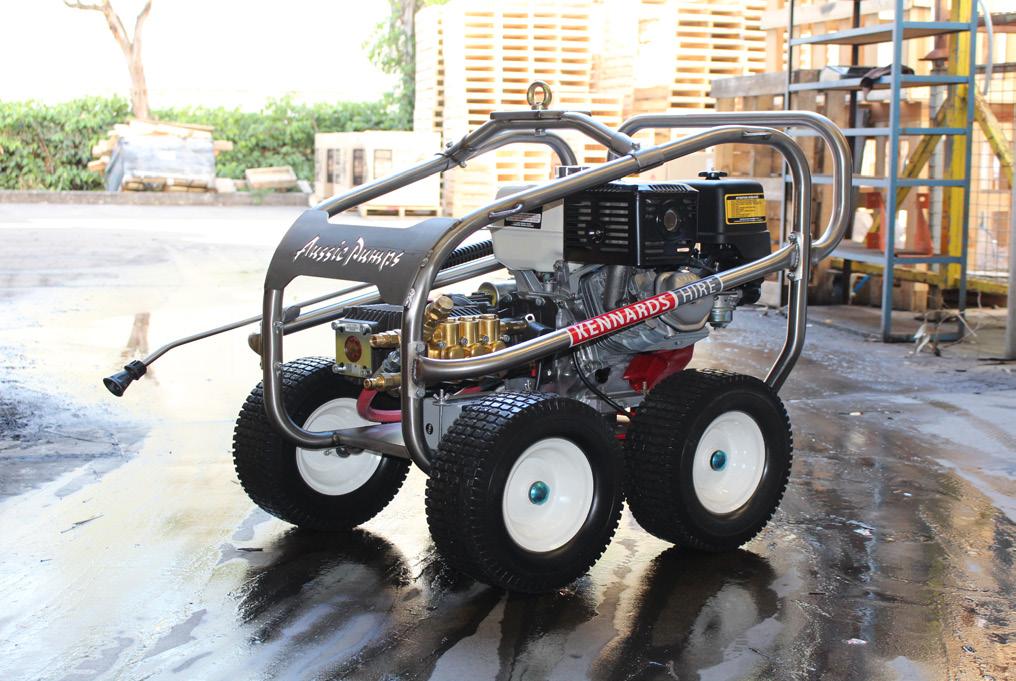

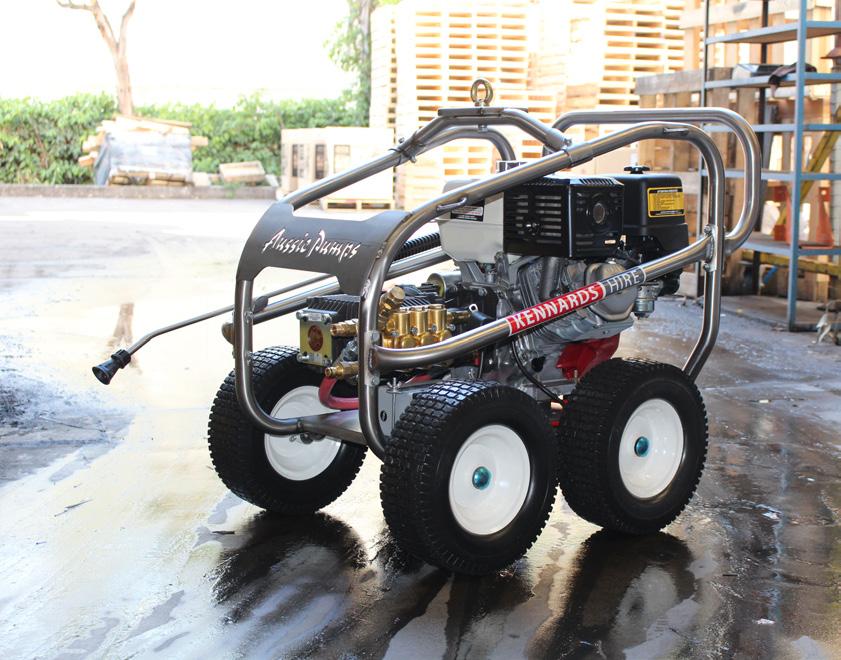



Hitachi Construction Machinery will change its name to LANDCROS.
We are taking a tradition of trust into the next century of innovation.



With close connections with sites around the world, we are opening up a new future.