

make your
make your


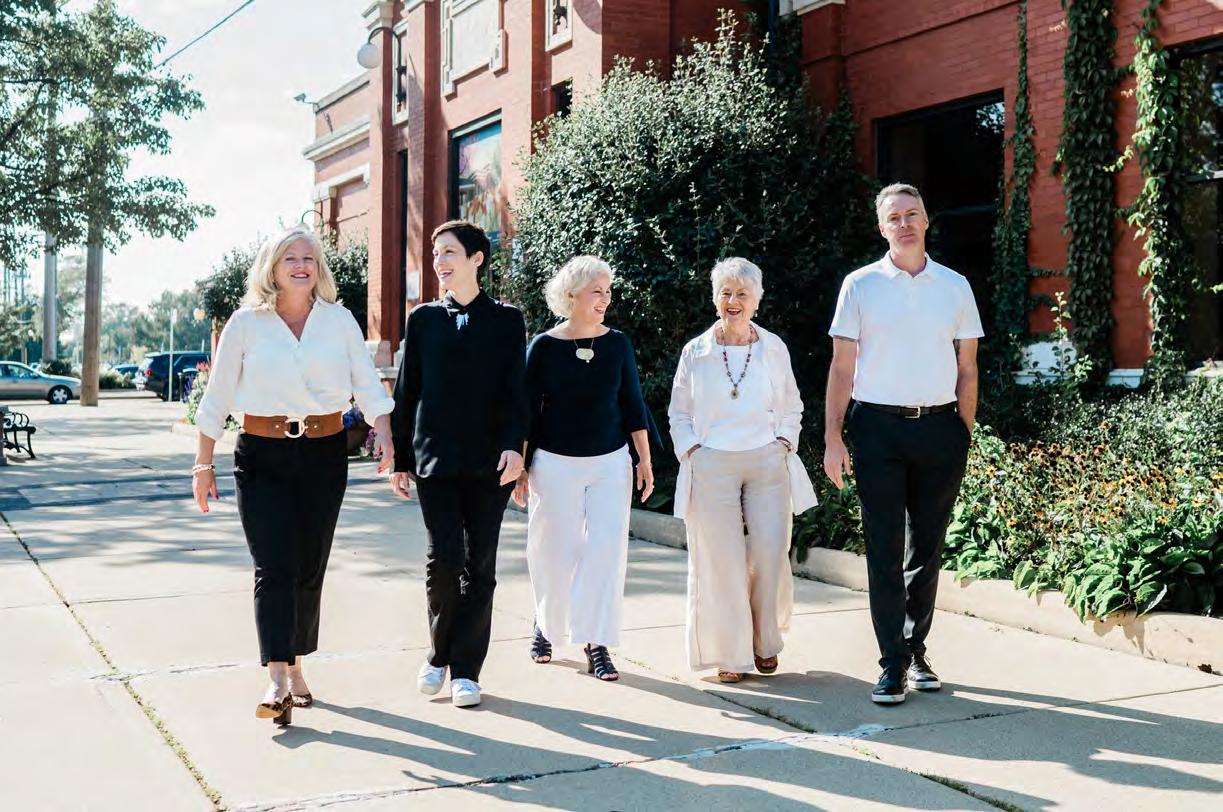
Who you choose to represent you with your home sale or purchase matters. Our team brings the strength of four experienced agents working together for one goal — your success.
Elaine’s instinct. Brita’s insight. Dan’s tenacity. Lynn’s diligence.
Every detail covered. Every need met. Relationships that last well beyond the closing table.
When you’re ready to reach your real estate goals, we’re ready to exceed your expectations.
Learn how the DuPage Community Transformation Partnership (DCTP) has already impacted more than 230,000 lives in DuPage County.
We’re supporting local nonprofits addressing four key areas:

The results so far are remarkable.
Watch our Interim Impact Report videos to see how this collaborative partnership, fueled by American Rescue Plan Act (ARPA) funds, has awarded more than $10 million in grants and is transforming lives across our community.

or



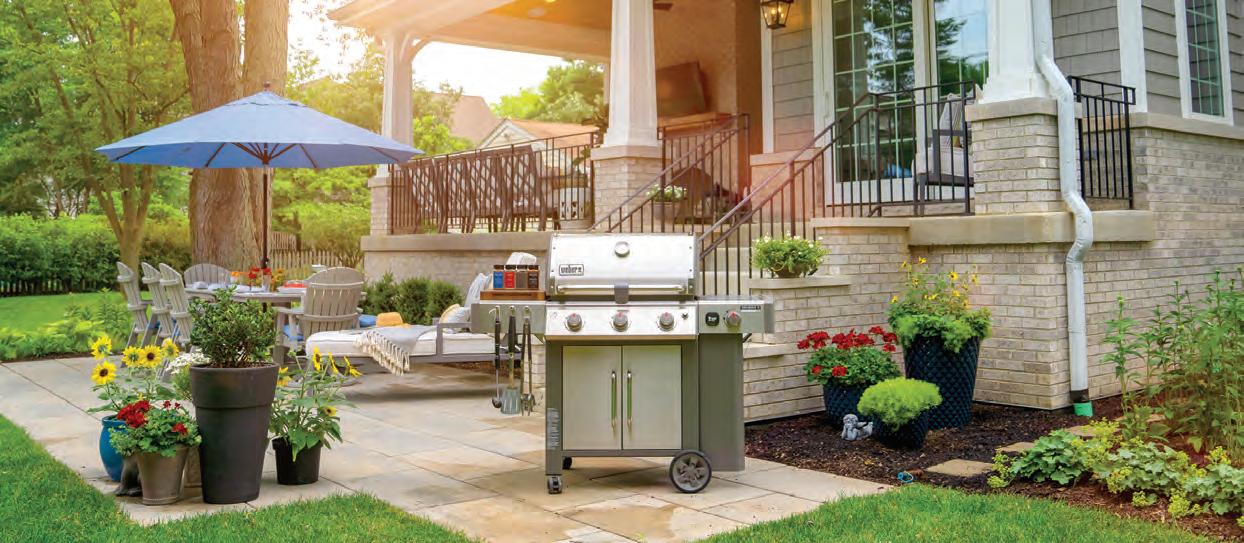
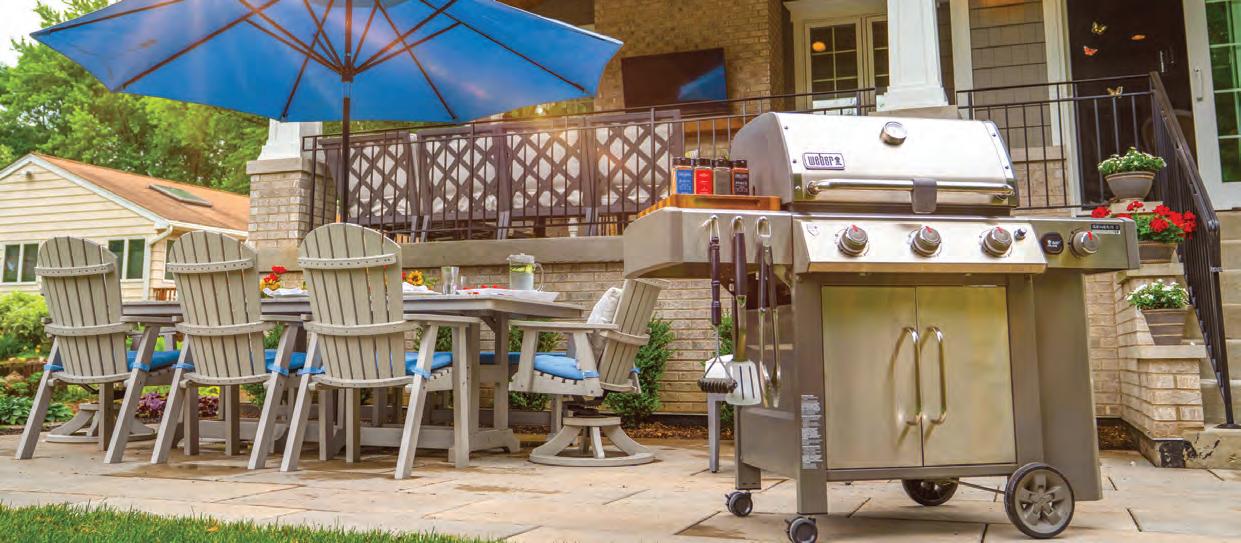
From Chicagoland’s largest patio furniture showroom to garden, grill, and décor must-haves, Wannemaker’s makes it easy to build your dream outdoor space.
Stop by our family-owned store in Downers Grove today and get growing for spring!
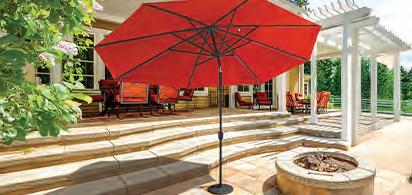
FOR YOUR PATIO
Patio lounge & dining sets, replacement cushions, umbrellas, and more

FOR YOUR GRILL
Grills, accessories, and sauces

FOR YOUR GARDEN
Trees, shrubs, and seasonal color

FOR YOUR OUTDOOR LIVING
Fountains, birdbaths, pottery, and décor


Using the power of water, delivered with robotic precision, Aquablation therapy removes prostate tissue safely and effectively, offering long-term relief.
• Clinically Proven Relief – provides symptom relief with significant improvement in urinary control.
• Preserves Sexual Function – unlike many other procedures, Aquablation minimizes risk to sexual performance.
• Minimally Invasive – most men are back to normal activities within days with fewer side effects than traditional surgery.
• Complete Care for Men’s Urological Health – in addition to Aquablation, our urologists offer multiple treatment options for an enlarged prostate and they also provide expert care for all urinary men’s health concerns. Scan the QR code to learn more!

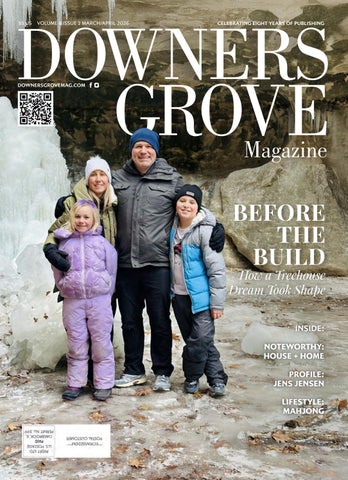
Every spring, I start a running list of projects I want to tackle at home. Some are small. Others are a little more ambitious than I care to admit. It might be reworking a room, finally addressing the dead bushes, or simply finding better ways for my home to function. This issue is built around that same idea. Our homes are never really finished. They evolve with us.
That spirit comes to life immediately in our feature on the Starved Rock treehouses. What struck me most is that they were not designed as a traditional getaway. They were shaped by the land, by the experience of being outdoors, and by how people actually gather and spend time together. It is a reminder that good design starts with intention.
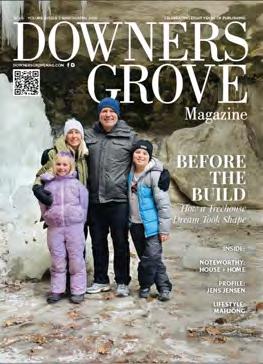
We continue that conversation in Built for the Times, which looks at how residential architecture has changed alongside daily life. From formal floor plans to open layouts, from single-purpose rooms to flexible spaces that handle work, wellness, and family time, the story reflects what so many homeowners are thinking about right now. How do we make our homes work better for the way we live today?
Outdoor space plays an equally important role, and our profile of Jens Jensen reinforces that. His belief that nature belongs in our everyday lives feels especially relevant in our communities, where parks, gardens, and tree-lined streets are part of our identity. His work at the Avery Coonley School is a lasting example of how thoughtful landscape design becomes part of the fabric of a neighborhood.
The idea of caring for where we live extends beyond our property lines. Our story on the Environmental Concerns
Commission shows how sustainability is being approached at a village level, from long-range planning to practical changes that residents and businesses can take part in. It is a reminder that home is also the community around us.
Spring is when that sense of community becomes most visible. FoundersFest brings our history back to life, and the seasonal calendar is filled with reasons to be outside and together again. These traditions are part of what makes this area feel like home year after year.
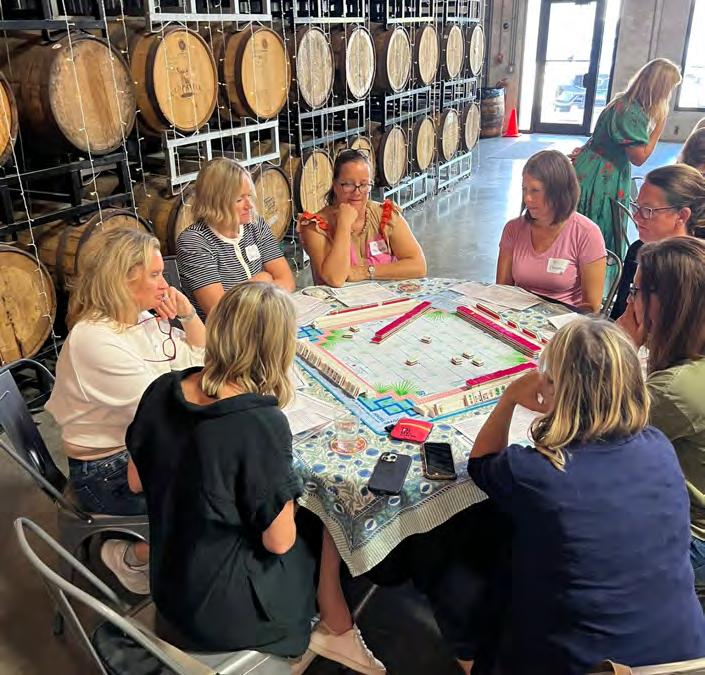
We even see it in the way people are gathering socially. The growth of mahjong across the western suburbs is not just about a game. It is about opening our homes, meeting friends, and creating new routines that bring people together.
Finally, our Noteworthy House + Home section highlights the professionals who help turn ideas into reality. They are the partners homeowners rely on to reimagine spaces, solve challenges, and create homes that reflect who they are and how they want to live.
As for my own list, it is still sitting on the kitchen counter. This issue is giving me a few more ideas to add to it.
Sincerely,
Anne Healy GROUP PUBLISHER anne@HinsdaleMag.com
DON'T MISS AN ISSUE! Guarantee delivery of each issue to your home! Subscribe at www.downersgrovemag.com.











FOUNDER & PUBLISHER
Scott Jonlich sjonlich@HinsdaleMag.com
GROUP PUBLISHER
Anne Healy anne@HinsdaleMag.com
MANAGING EDITOR
Larry Atseff larry@HinsdaleMag.com
CONTRIBUTING EDITORS
Maureen Callahan
Valerie Hardy
Anna Hughes
GRAPHIC DESIGNERS
Rachel Pavlovich
Jennifer Frencl
Katie Bolinger
CONTRIBUTING WRITERS
Jeff Vorva
Marcus Fertig
Jack Rodak
FEATURE PHOTOGRAPHERS
Victor Hilitski Atticus Fair, Video Editor
ADVERTISING SALES graphics@hinsdalemag.com
Hinsdale Magazine Group 3 Grant Square#201 Hinsdale, IL 60521 630-655-3400 www.DownersGroveMag.com


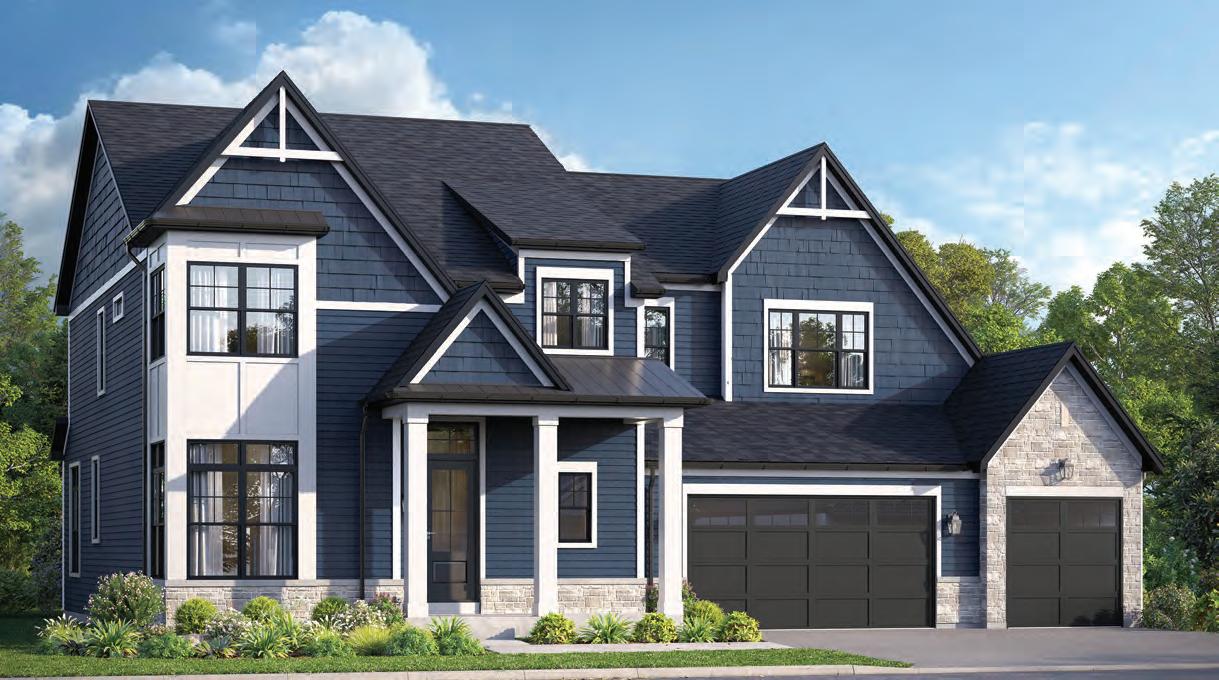

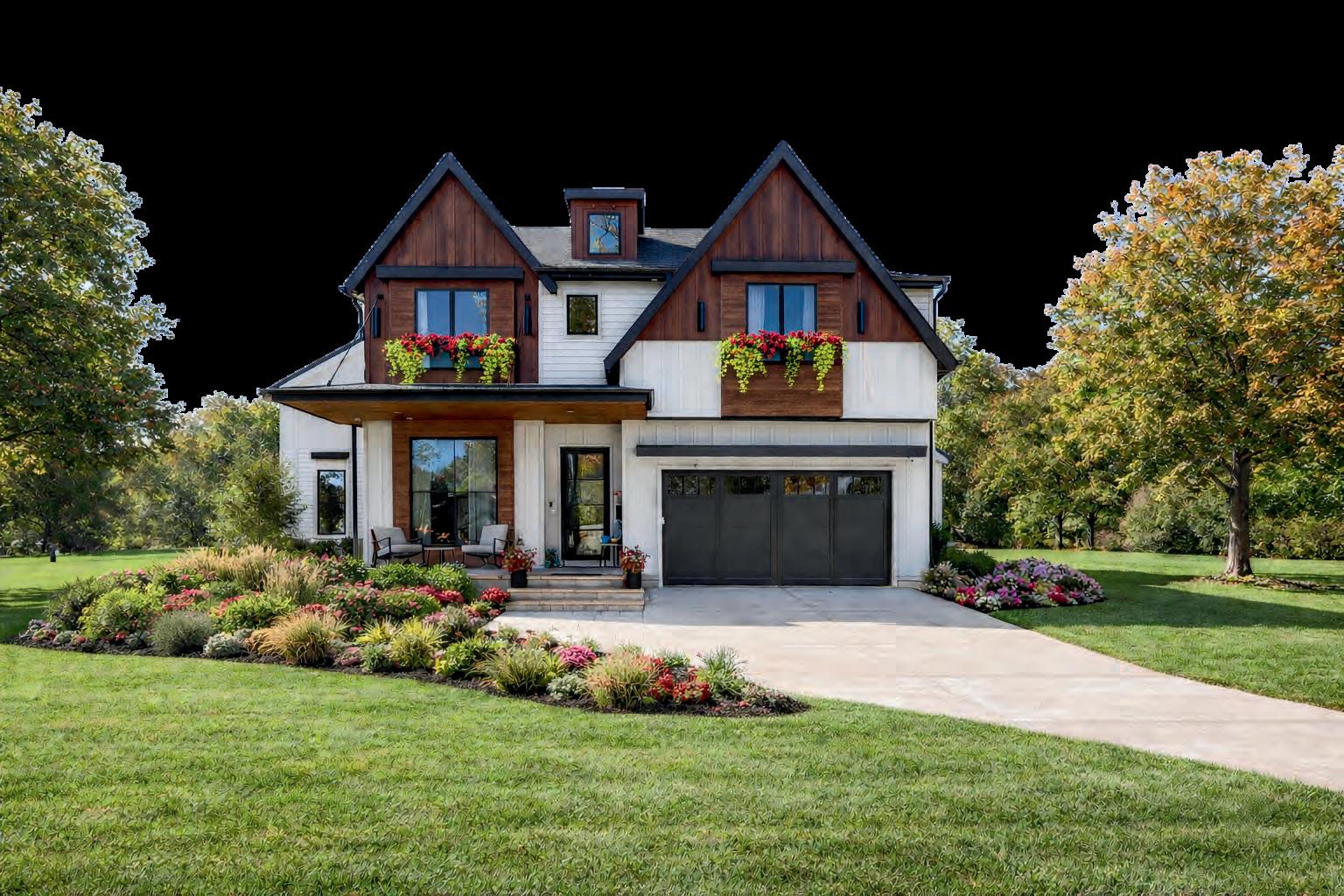
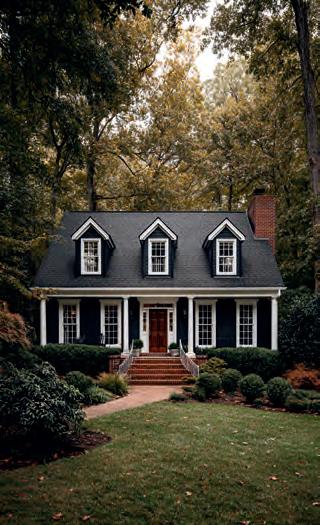
Talon Preserve by M/I Homes is a new single-family community now pre-selling in beloved Downers Grove. Ideally located at 100 3 Street, this limited enclave features larger lot sizes and timeless architecture with only 35 homesites available.
Talon Preserve o ers 4 thoughtfully designed plans: The Hudson, Lyndale, Sutcli , and Stockwell; bringing new and modern comfort to every home.
Homes at Talon Preserve range om 3,145 to 4,064 square feet and include features such as:
• Spacious 3-car garages
• High ceilings and abundant natural light
• Gourmet kitchens with premium nishes
• Large, exible gathering spaces


• 4–5 bedrooms
• 3.5+ bathrooms
• Full basements
• Dedicated home o ces



Springtime is just around the corner, and it’s the perfect time to fill up your calendar with fun and fresh ways to get outside and enjoy the warmer weather. We’ve curated a list of activities across the western suburbs for the whole family to enjoy all season long.
BY ANNA HUGHES

ROBBINS PARK EGG HUNT
Robbins Park in Hinsdale
March 28
9:45 AM - 11:30 AM villageofhinsdale.org
The Hinsdale Parks and Recreation Department and The Community House present the 2026 Egg Hunt! Children 11 and under and their families are invited to bring their baskets, hunt for treats, and visit with the Easter Bunny. Times are scattered for each age group. Visit the village website for more information on this family-favorite, free event or for details on how to become a sponsor.
Oak Brook Park District’s Swim Central April 2-3 obparks.org
If your kids are looking for a glimpse of summer fun while battling the last of the cold weather, this unique spring festivity is an egg-celent option for the whole family. Each Underwater Egg Hunt registration is for a 90-minute experience at Swim Central that begins with the egg hunts and ends with open swim for the entire family. Eggs can be exchanged for prizes, and families can visit with the Easter Bunny for the remainder of their event experience. Visit the Oak Brook Park District website for more information and to register online.
“FATHER
Drury Lane Theatre
April 8-May 31
drurylanetheatre.com
After hearing the news that his daughter is engaged, Mr. Banks must accept that he’s now responsible for planning — and paying for — a wedding, all while grappling with the idea that he has to let go of
his baby girl. Based on the novel by Edward Streeter that inspired the hit movie starring Steve Martin, this classic comedy and feel-good family tale is the perfect spring outing. Showtimes vary by date.
SPRING FLORAL ARRANGEMENTS CLASS
Elmhurst History Museum
April 18, 1:00 - 2:30 PM elmhursthistory.org
If you’ve ever wanted to create beautiful floral arrangements but didn’t know where to start, now’s the time to learn! In honor of Stress Awareness Month, join the Elmhurst History Museum in partnership with the Illinois Extension Master Gardeners to create a unique floral arrangement. Workshop attendees will create beautiful spring arrangements through the instruction of DuPage County Master Gardener

Marlene Ashby. All materials, including flowers and vases, will be provided. Light bites and beverages will be available, and the cost to participate is $40.
Downers Grove Museum
May 2, 12:00 - 3:00 PM dghistory.org
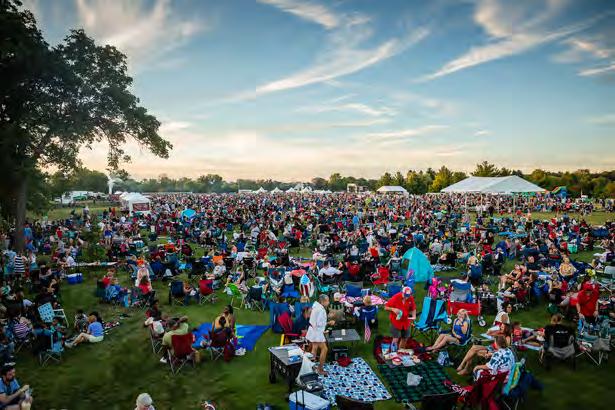
The Downers Grove Park District, Downers Grove Public Library, the Downers Grove Museum & Downers Grove Historical Society present Country in the Park, a fan-favorite part of the annual Downers Grove FoundersFest celebration. Families have an opportunity to visit with farm animals, try out 1850s pioneer-era games, listen to live music, and more! Take a trip back in time with this free event and celebrate the history of Downers Grove.
May 2-3
epd.org
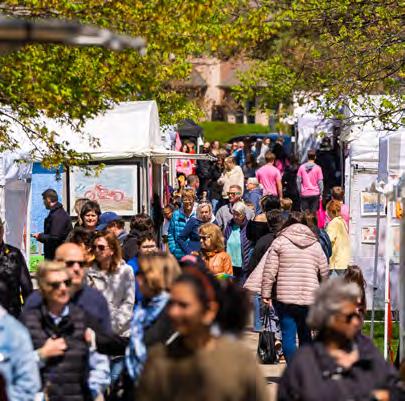
Kick off the spring festival season at one of the area’s most anticipated art events — the 29th annual Art in Wilder Park. The free two-day event takes place at Elmhurst’s Wilder Park, 175 South Cottage Hill Ave., and draws thousands of visitors from all over the Midwest with artists selling one-of-a-kind jewelry, paintings, sculptures, ceramics, prints, and fiber arts, as well as delicious treats from local food vendors. The event is all about uniting creativity and community and will feature over 130 booths.
May 3, 8 AM
wellnesshouse.org
The annual Walk for Wellness House will take place at the Home of Hope in Hinsdale, bringing together cancer survivors, families, friends, volunteers, and community members to raise critical funds for free cancer support programs. The family-friendly, pet-friendly event begins at 8 A.M. and includes a 3K walk and 5K run through northeast Hinsdale, along with activities for children. Funds raised through the Walk support more than 48,446 annual visits to Wellness House programs, including nutrition, exercise, stress management, counseling, education, and child and family support.


BY VALERIE HARDY
Downers Grove returns to its roots during the annual FoundersFest celebration.Commemorating the village’s opening chapter and featuring its founding fathers and mothers, the weeklong series of events is a time-honored tradition for residents and merchants each spring.
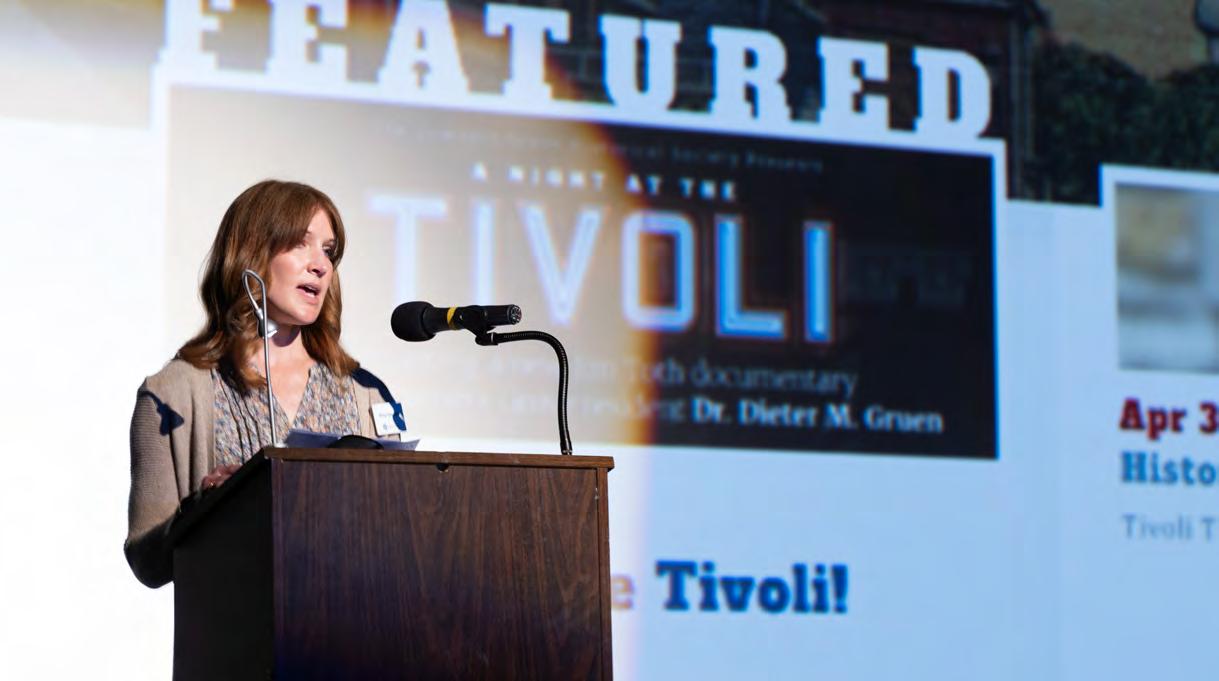
The 2026 FoundersFest will open on April 25 with the Pine Hollow Golf Tournament at the historic Belmont Golf Club. It will also feature a “Night at the Tivoli” on April 29, including the premiere of a new documentary by award-winning local filmmaker Jim Toth. This year’s FoundersFest will culminate on May 2 with various events, including a free Country in the Park afternoon on the grounds of the Downers Grove Museum and the annual Founder of the Year (FOTY) Ceremony at the Main Street Cemetery.
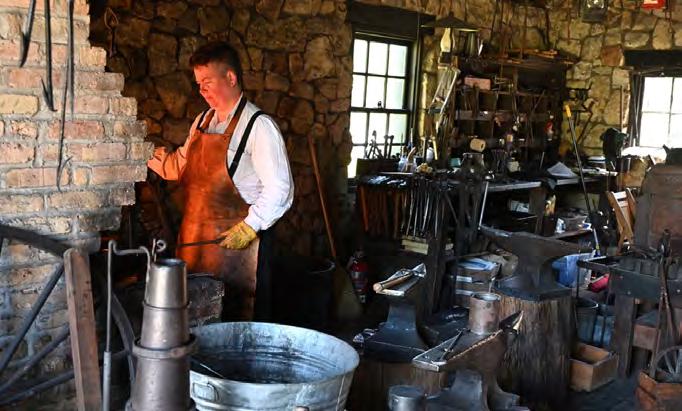
Each year, the FOTY ceremony honors one of Downers Grove’s earliest settlers. In 2014, Pierce Downer, fittingly, became the first FOTY. The 2026 FOTY recognition will be bestowed upon Nathan Alonzo Belden, the village’s first blacksmith.
FoundersFest has been running in its current format for over a decade, bringing Downers Grove’s past into the present. However, the concept of a founders-focused event in town dates back half a century. It reportedly

started in the 1970s, when the Downers Grove Downtown Retail Council hosted Founder’s Day each spring.
However, as local leadership changed, Founder’s Day receded and resumed. After years on pause, Founder’s Day’s first major resurgence was in the 1990s, with a one-day celebration typically running from 10 a.m. to 10 p.m. the first Saturday in May. It showcased living local history presentations, Civil War re-enactments, and entertainment like strolling barbershop quartets. Downtown Downers Grove would teem with the likeness of local personalities of the 1860s dressed in period-appropriate apparel. Beyond local historical figures, even an Abraham Lincoln impersonator delivering the Gettysburg Address could be found making an appearance.
Downtown businesses also participated, offering Founder’s Day discounts and presenting historic displays in their storefront windows. The Downers Grove Downtown Retail Council partnered with the Downers Grove Historical Society, offering narrated historical walking tours and carriage rides as part of these Founder’s Day celebrations.
Starting in 1997, Founder’s Day became increasingly family friendly.

Wagon rides, a petting zoo, tours of the Downers Grove Museum, storytelling, and other children’s programming were added. By the new millennium, Founder’s Day – now hosted by the Downers Grove Downtown Management Corporation – was promoted as equal parts educational experience and family fun.
However, from 2003-2013, Downers Grove pressed pause on Founder’s Day. It was erased from the village’s annual calendar but not from the
Meet Nathan Alonzo Belden. Born in New York in 1819, Belden was one of nine children. He learned the blacksmith trade from his father before marrying Fannie Randall when he was 25 years old. In 1844, the newlyweds journeyed to Illinois, where Belden had friends. They happened to stop in Downers Grove en route to their original destination, and Belden was approached by the region’s namesake settler, Pierce Downer, to repair a horseshoe. Recognizing the need for a blacksmith in the growing settlement, Belden decided to remain in Downers Grove, building a house on Maple Avenue and helping construct a Methodist church nearby. He and Fannie raised three children, born between 18441848, in the community.
collective memory of the community. Then, in 2014 – in part inspired by Downers Grove historians Bruce Swanson and Lois Sterba’s call for a revival of Founder’s Day – the expanded FoundersFest of today commenced.
Thank you to Downers Grove Historical Society Board members Andi Kinsella, Bruce Swanson, Lois Sterba, Marty Acks, and Liz Chalberg, whose research and documentation have preserved the evolution of the community’s founders-focused celebrations. Visit dghistory.org for more information on FoundersFest. ■
Belden died in 1864 and was buried in the Main Street Cemetery, just blocks from the home and church he helped build. However, his legacy in the community lived on through his children, grandchildren, and subsequent generations. Belden’s grandson, Guy Bush, became president of the Downers Grove Village Board in 1897 before serving six terms in the Illinois State Legislature. Bush’s daughter, Lucile (1898-1999), became an educator, worked at the famed Hull House in Chicago, helped found the American Association of University Women, and was invited to the White House by President Eisenhower for a national conference on youth.





Inventory remains limited across the western suburbs, including Downers Grove. In 2025, the average sales price in Downers Grove rose to $678,055, up from $613,941 in 2024, reflecting a 10.4% year-over increase. Continued low inventory paired with strong buyer demand has kept upward pressure on home values. Looking ahead, we anticipate 2026 to remain a strong sellers market, fueled by easing mortgage rates and persistent inventory constraints.
Strong demand and limited supply are driving prices higher, but success isn’t automatic. Strategic preparation matters for sellers looking to maximize value and for buyers navigating competition without overpaying. Local expertise and a smart, goal driven approach make all the difference.


The Environmental Concerns Commission strives to keep our village on a green path
BY MAUREEN CALLAHAN
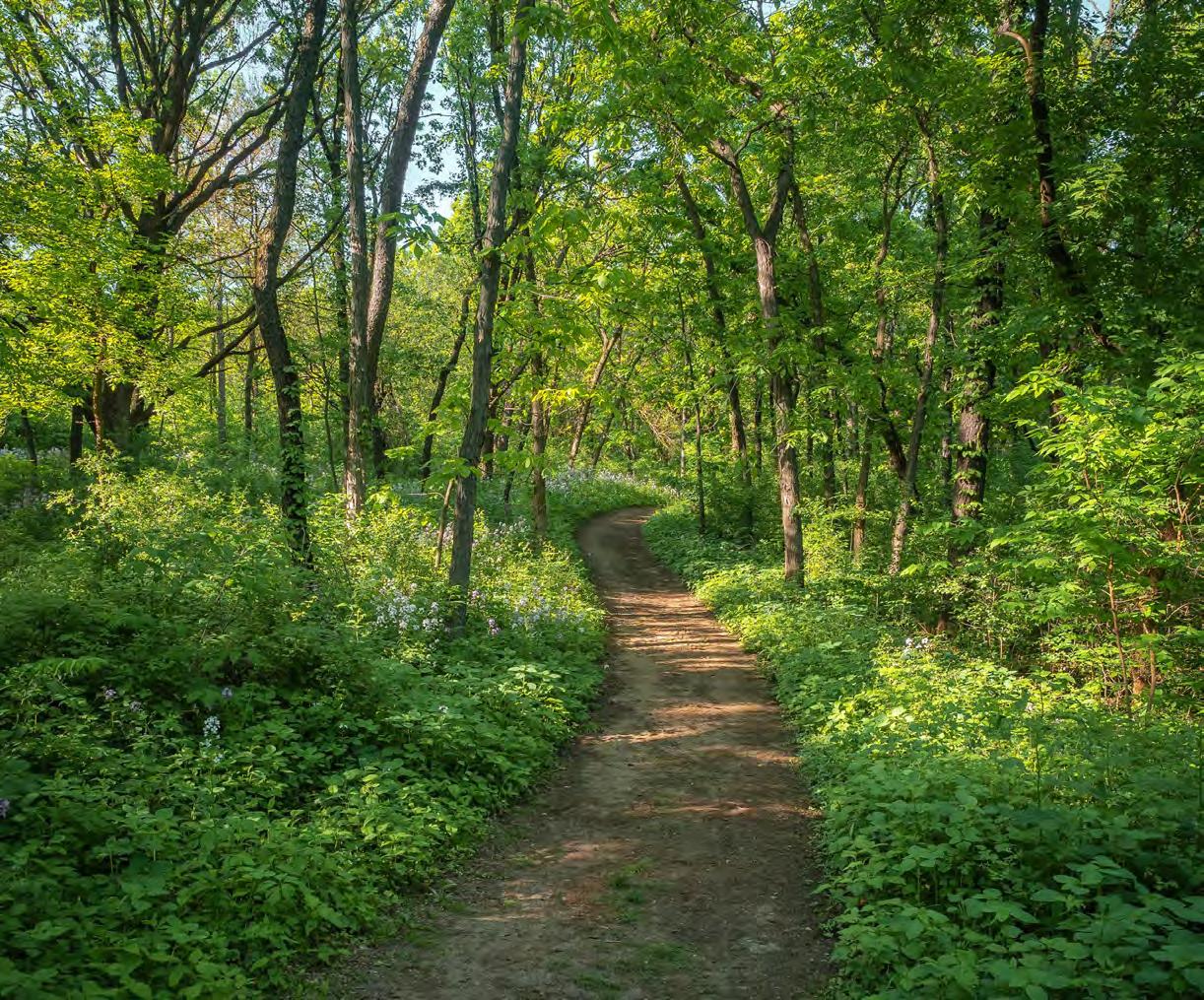
Did you know that Downers Grove has an Environmental Concerns Commission (ECC)? The group of seven members is from different backgrounds. Some have worked for the EPA, and some have business experience. Just as important are the members who are not necessarily experts, but dedicated advocates.
Members serve staggering three-year terms and are appointed by the mayor.
Jason Michnick currently serves as our Village Sustainability Coordinator. Michnick was initially hired to help revive the ECC after regular meetings had gone on hiatus during the pandemic.
While Michnick is very dedicated to his role, his path to the position was somewhat circuitous. After earning a Bachelor of Science in Economics from Northern Illinois University, he began his career in economic development for local government. The opportunity to serve as the first Executive Director of a non-profit organization that offered educational programming in Tanzania presented itself. Michnick, who had volunteered with the group while in graduate school, jumped at the opportunity.
While he loved the work, funding for the organization – like many non-profits- slowed during COVID. “When my role was reduced to part-time work, I decided to pursue my PhD,” said Michnick. He enrolled
at the University of Chicago in sustainability

finance – a new area of study that combines economics and public finance. “There wasn’t a lot to research in that field yet, so I decided to get out there and work,” he said. “That’s when I found this position in sustainability. I’ve been in the role for two years now, and it has been an amazing experience so far.”
Writing and implementing a village-wide sustainability plan was the first and main task Michnick took on during the initial 18 months in this position. “We adopted the plan during Earth Week last year, and have been
focused on implementing it,” he said. “It’s a two-year action plan.”
One important part of the plan involves the village’s new solid waste contract, which took a close look at the current situation and evaluated options to come up with more environmentally friendly solutions. Other aspects involved reevaluating building codes to include more sustainable options to reduce our emissions, as well as our carbon footprint, by not having to replace things as often.
“The ECC is always looking at ways that we can be more friendly toward electric vehicles and solar and wind energy storage, as a village,” said Michnick.
In order to engage and involve the community in these goals, the ECC also created The Greener Way Pledge, which is a sustainability promise. Businesses and residents alike can sign up to take the pledge to live in a greener way. “So far it’s been well-received,” said ECC
“We adopted the village-wide sustainability plan during Earth Week last year, and have been focused on implementing it.”
– JASON MICHNICK
member, Ken Lerner. “Sustainability efforts were prominently addressed in the mayor’s first meeting of the year. A comprehensive plan, as well as an active transportation plan and streetscape plan, were also part of the proposal.” The ECC has been instrumental in encouraging the consideration of sustainability in long-term village plans.
The ECC partners with Greener Grove, our local non-profit advocacy organization, in getting the word out on all things environmental. “They played a huge role in creating the sustainability plan and also in helping the council to create my position,” said Michnick. “They have been so helpful in terms of
outreach and education, and also helping the ECC promote and educate the community on ways to implement the Greener Way Pledge.”
Greener Grove holds monthly meetings and plans many environmentally friendly activities around town. They often bring in experts to speak on sustainability topics such as composting and the effects of lighting in a community. Meetings and lectures are open to the public and free to attend. “It’s an incredible resource for the community to have an organization that coordinates and offers such a service,” said Michnick.
Greener Grove has a full schedule of activities to raise awareness in honor of Earth Week this April. Bring the kids and come on out and learn how to take better care of our environment while having fun!
The ECC meets on the fourth Monday of the month at 6 p.m. in Betty Cheever Council Chambers at Village Hall. Meetings are open to the public.’■







































































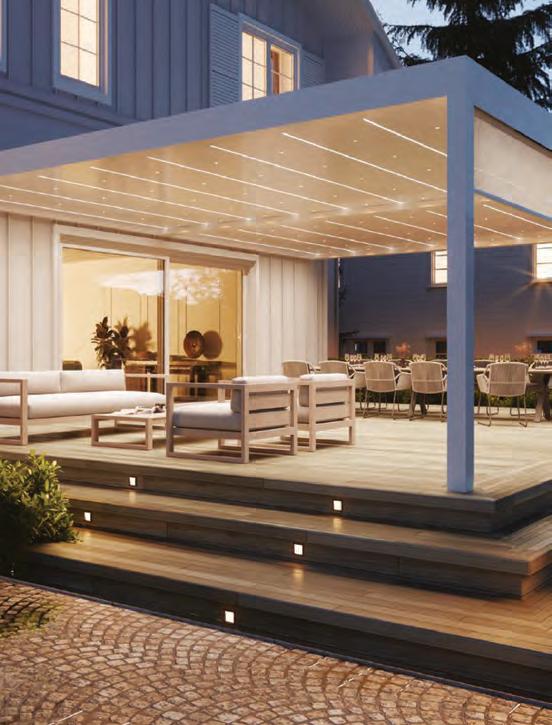
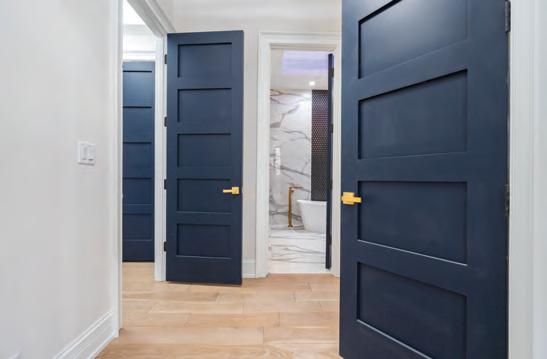
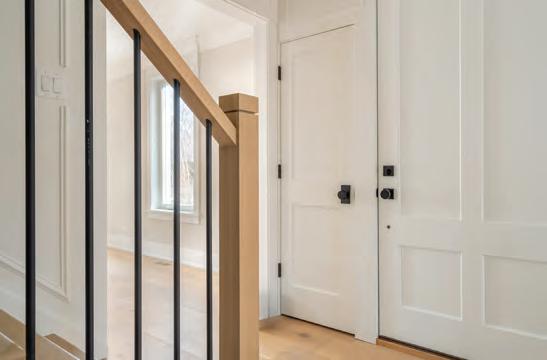
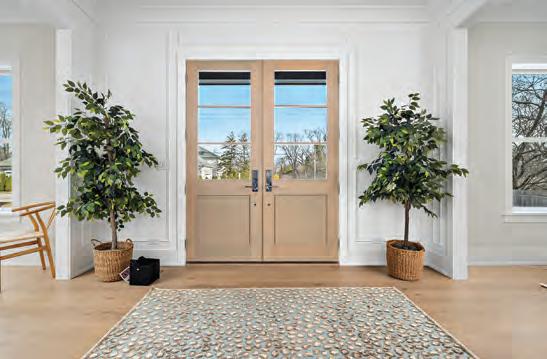
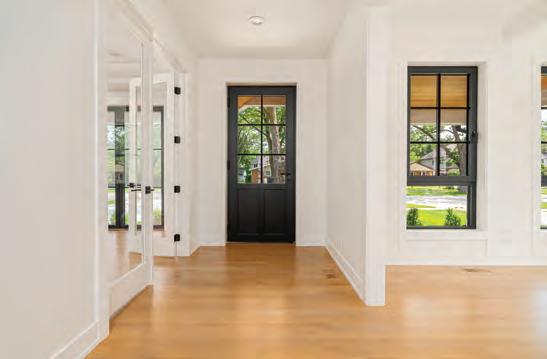


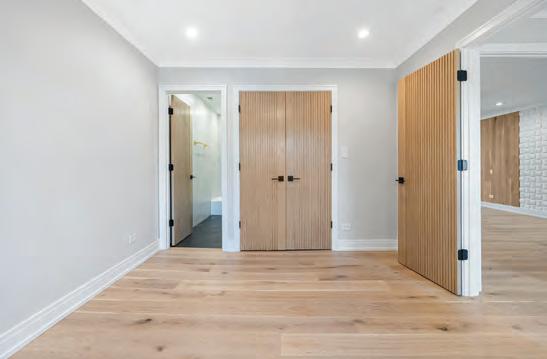
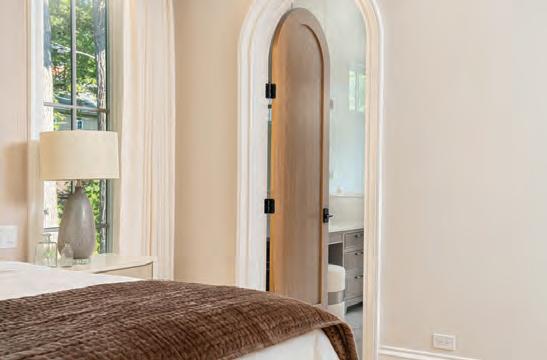
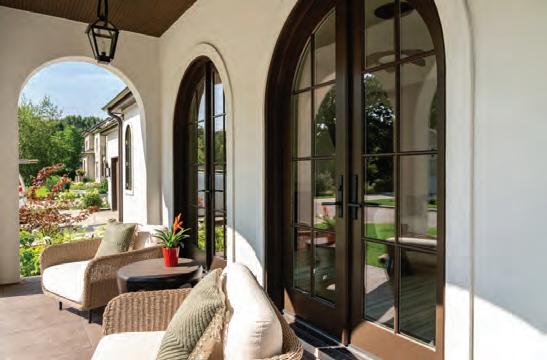
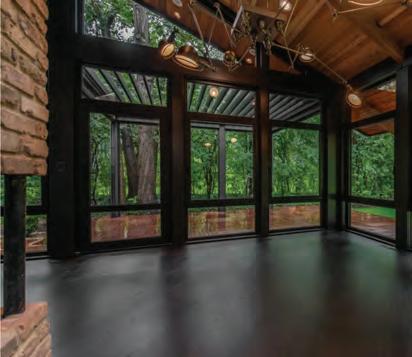

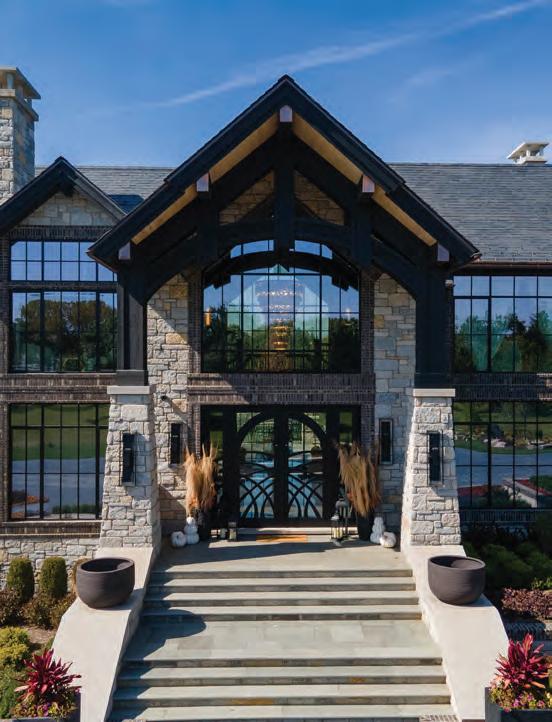
At Craftwood Products, we take pride in the work that we do and the results speak for themselves. We owe our loyal customer base and our reputation to our experienced sta . They understand that home design projects do not sit well with a one-size-fits-all approach and work individually with each customer to understand the requirements of their home and meet the same while ticking all the boxes of comfort, safety, uniqueness, and aesthetics.






The internationally recognized landscape artist left his mark on the American Midwest
BY MAUREEN CALLAHAN | PHOTOS COURTESY OF THE CLEARING FOLK SCHOOL
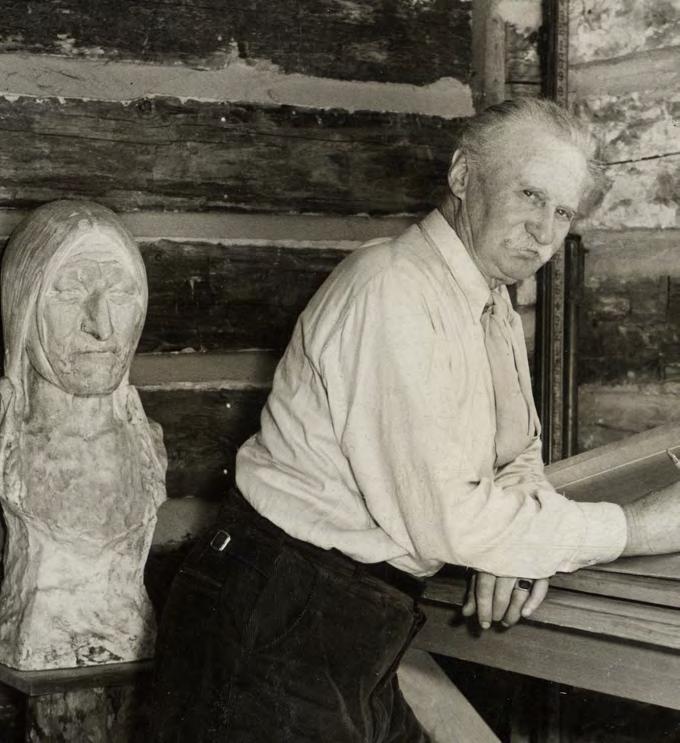
If you live in the Chicagoland area, you’ve probably seen the genius of visionary landscape architect Jens Jensen. His designs of outdoor spaces are nothing less than masterpieces. Born to a prosperous family near Dybbǿl, Denmark, in 1860, he grew up on his family’s farm. From an early age, he related well to the natural world.
Jensen attended the Tune Agricultural School outside of Copenhagen. After serving in the military, he emigrated to the United States with his fiancée in 1884. He first took up farming in Florida, followed by Iowa. But landscapes were always on his mind. To Jensen, time spent in nature was a necessity for the human soul.
offered a job as a laborer in Union Park on the city’s west side, he took it. Within a year, he was made foreman of the park.
At the time Jensen arrived in Chicago in the mid-1880s, it was the fastest-growing city in human history. While he had fallen in love with the native prairie of the American Midwest in all seasons, he witnessed, firsthand, its destruction and loss in the explosive industrial growth. Preserving the prairie - and emulating its beauty - became his life’s ambition.
Instead of trying to create designs that opposed natural settings, Jensen sought harmony with nature in the already existent surroundings. For him, the canvas was a living entity.
Jensen is one of the authors of the Prairie Style landscape movement, which favored natural materials in natural forms. Using nature as his medium, he paralleled the buildings of Frank Lloyd Wright and Louis Sullivan by designing their accompanying outdoor space.
As one takes in a Jensen project, his design philosophy comes to life. Shadow and light were significant to him. He preferred natural curves on meandering paths and a sense of drifting rather than a structured route. Jensen saw his work as not only artistic but also spiritual.
At first, Jensen sought a position within the Chicago park system as a designer. When he was instead
On weekends during those first years in the Midwest, his family traveled by rail to the countryside where Jensen began a lifelong study of the plants and landscape native to northern Illinois.
After he was promoted to superintendent of Union Park in 1895, Jensen found “the meaning of his life,” - creating parks for the general public that brought beauty and simplicity to those unable to get out of the city and into nature. During his tenure, he redesigned many of the city’s outdoor spaces, including Douglas Park and Humboldt Park, one of the city’s largest, of which he became Superintendent. He added the conservatory – still considered the gem of the west side - to Garfield Park.
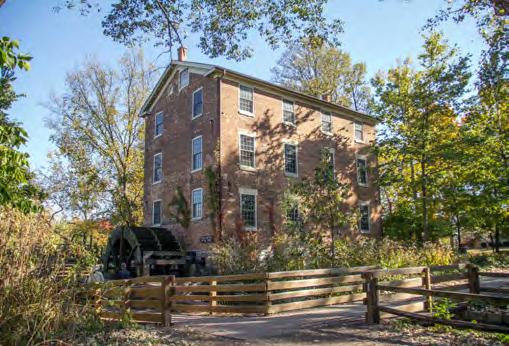
Columbus Park, just north of I-290, between Austin and Central avenues, is considered Jensen’s magnum opus. Picturesque waterfalls, a lagoon, a golf course and playgrounds interlaced with meandering paths offer a glimpse of the naturalist’s vision.
When Jensen refused to involve himself in city politics in 1900, he was dismissed from his position, but later rehired. Fortunately, the artist had built scores of friendships through many social and
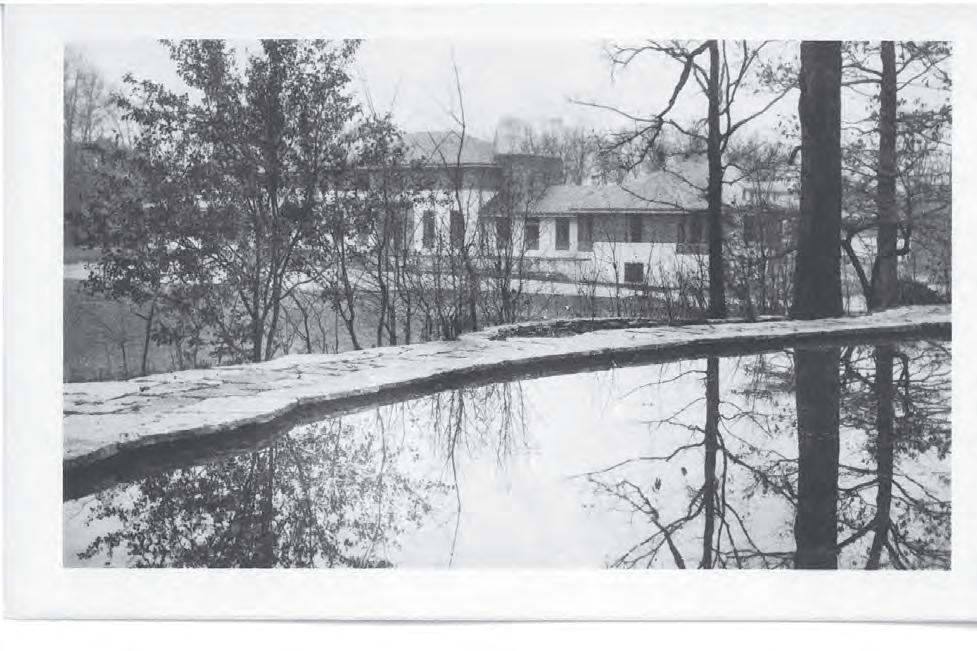
Coonleys again hired the Wright and Jensen duo in 1912 to design a school on their estate. (The family had operated a “Cottage School” on their property since 1906). The new school, known asThe Avery Coonley

the Henry Ford automotive family, for whom he landscaped several properties. The dichotomous relationship between the industrialist and the naturalist lasted decades. Jensen also designed the estate of Sears and Roebuck magnate, Julius Rosenwald, which overlooked Lake Michigan in Highland Park
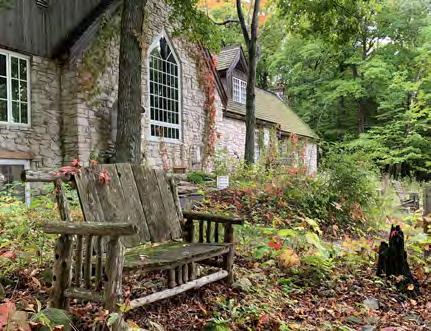
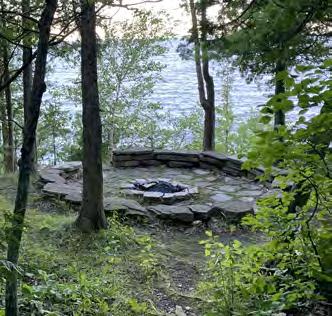
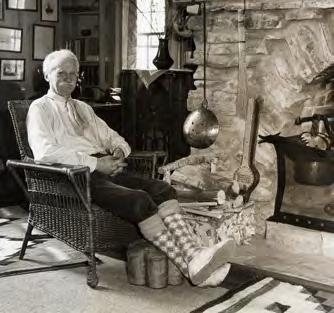
After the death of his wife in 1935, Jensen built a family retreat in Ellison Bay, WI. He opened a folk school on the grounds named The Clearing, which overlooks Lake Michigan. Jensen spent the last years of his life building the school, teaching students and tirelessly crusading for conservation – a movement of which many consider Jensen to be the father. Still open today, students take up creative pursuits at The Clearing over weeklong sessions while staying on the beautifully windswept Door Peninsula.
When he died in 1951, The New York remembered Jens Jensen as the Dean of American Landscape Architecture. The man who had created over 600 masterpieces simply believed, “the beauty of nature is in our own backyards. It is everywhere.” ■
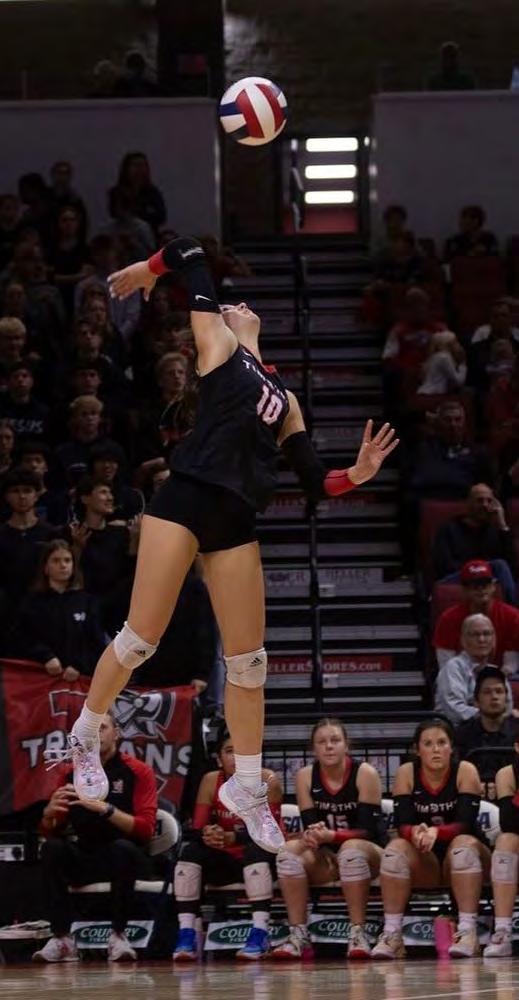
‘Underdog’ volleyball star skips final HS semester to get a jump on college career
BY JEFF VORVA
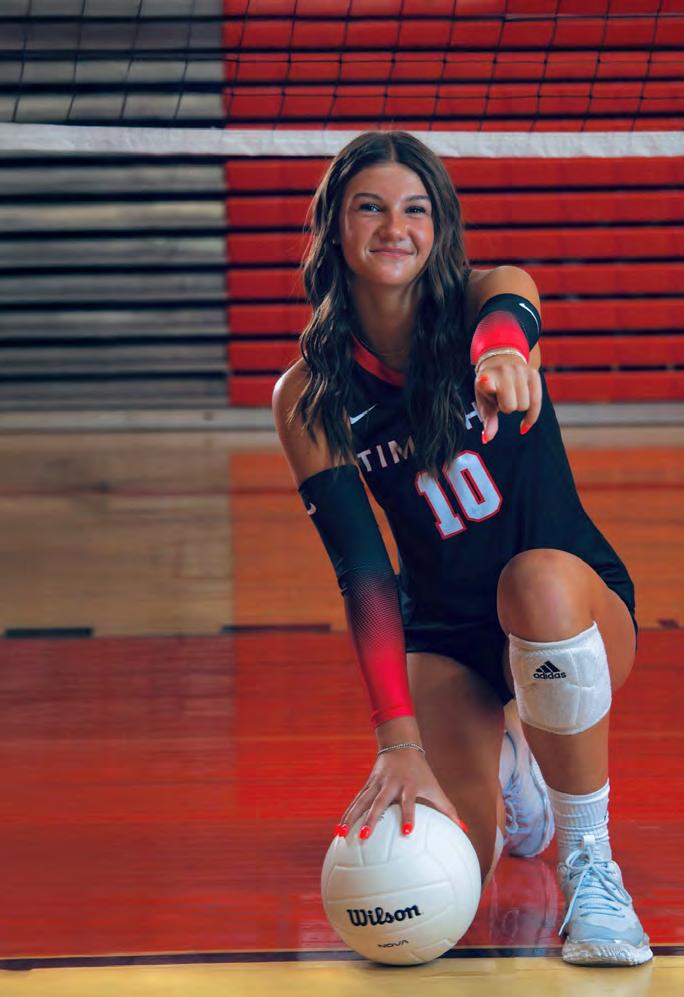
Downers Grove’s Bella Potempa was fully aware she was going to miss out on some fun.
The Timothy Christian High School volleyball standout made an important decision. With enough credit hours under her belt, Potempa had the opportunity to skip her final semester in order to start taking classes at Tennessee Tech University and to work with her new volleyball teammates.
When she moved to Cookeville, Tennessee, in January, she realized that she was going to miss out on senior activities. At the time, prom was a question mark, but the good news for Potempa was that the semester at her college would wrap up before Timothy Christian’s graduation in Elmhurst.
“I’ll be able to go back to my high school and walk and receive my physical diploma,” she said in January. “It will be a nice experience.”
Potempa was taking 13 credit hours of work while spending time getting acclimated to college life and life on a Division I volleyball team. It was not a decision she took lightly.

“I didn’t want to give up my senior year in high school, but it was something I needed to do,” she said. “Being as driven as I am, I have goals that I set for myself. This is where the grind starts. If I were to come here in August, the season would have started right away. I wouldn’t have had a chance to prove myself.
“I want to start off as strong as I can and be built and well-rounded to
play against these 20-year-old girls that I may be going up against.”
The 5-foot-7, 17-year-old outside hitter said she always felt like she was an “underdog” in the sport. She said she was told she would not be a Division I player.
“My whole life, I’ve been told ‘I can’t,’ I won’t,’ It’s not going to happen,’ and ‘You’re too short,’’’ she said. “Yes, at

times it was hard to hear, but I’ve learned to bite my tongue and take it with a smile.”
She was able to smile 13 times as she said she had 13 DI offers to mull over.
While making a Division I rosters proved doubters wrong, that’s just not good enough for Potempa. She wants to make an impact in the sport in college and beyond.
“This is my priority right now,” she said. “I have accepted that this is what I want to do. Volleyball is my passion and my life.”
Potempa said that one of the first things her new coach, Jeannette Phillips, did was ask players to describe themselves in one word. Potempa chose the word “determined.”
“I have always been a go-getter, and I’ve been a driven athlete,” she said.
“I have accepted that this is what I want to do. Volleyball is my passion and my life.”
- BELLA POTEMPA
“I’m the oldest in the family, so I set the tone, I guess. I wanted to play collegiate volleyball, and my goal was DI. I still have aspirations to play after college and play professionally. But I’m taking it one step at a time.”
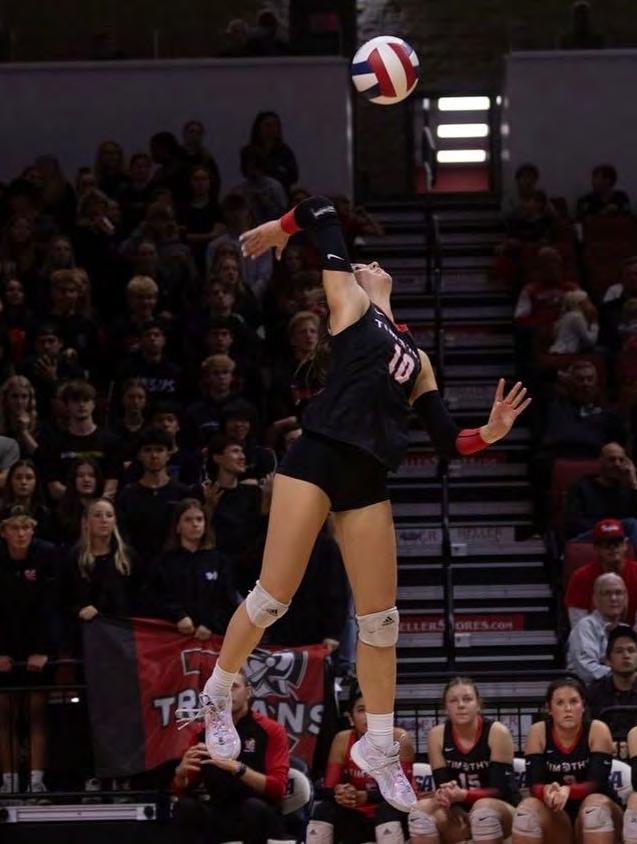
In her senior season, Potempa racked up 359 kills and 280 digs, so she was dangerous on both ends of the court. She was an all-state selection by the Illinois Volleyball Coaches Association.
Since 2022, Potempa has earned a long laundry list of accomplishments, from the all-state award to several all-tournament team selections and all-area recognitions. She also tried her hand at track and was a two-time state finalist.
She is making a name for herself in a family that features accomplished athletes. Her father, Brian, played three sports at Moraine Valley Community College and Millikin University. Her aunt, Bonnie Kraemer, played softball at Northwestern and Eastern Illinois University.
Her younger brother, Ethan, is a budding hockey star, and Bella is making it her mission to inject some of her determination into his mindset.
“I tell him he has to keep up with his sister,” Bella said of Ethan. “I tell him ‘you can’t let your sister beat you.’’’■

Spring break is just around the corner, and with it comes the promise of sun, sand, and relaxation. But before you can soak up the rays, you might be thinking about getting your body feeling and looking its absolute best. Forget last-minute crash diets; this year, it’s all about strategic, confidence-boosting treatments that leave you glowing from head to toe.
We’re talking about a curated regimen that combines skin tightening, body contouring, hair removal, and a full-body glow-up to ensure you step onto that beach feeling utterly fabulous.
For many, the thought of swimwear brings concerns about skin laxity or stubborn areas of fat. This is where a dynamic duo of treatments can work wonders:
BBL SkinTyte: If you’re looking to firm up the skin, especially after a winter of less sun exposure, SkinTyte can be a game-changer. This non-invasive treatment uses advanced infrared light technology to deeply heat your dermal collagen. The controlled heating initiates the body’s natural healing process, which leads to renewed collagen production and a noticeable improvement in skin firmness and elasticity. It’s excellent for addressing crepey skin and can be used on various body parts, including the abdomen, arms, and thighs, helping you achieve a smoother, more toned appearance
Exilis: For targeted body contouring and fat reduction, Exilis is a popular choice. This treatment utilizes radiofrequency energy to precisely heat deep tissue. The thermal energy helps to disrupt fat cells, which are then naturally flushed out by the body’s lymphatic system. Simultaneously, the heating stimulates collagen
production, resulting in tighter skin in the treated areas. Exilis is versatile and can be used on almost any area of the body, including the abdomen, love handles, arms, and even the face and neck for tightening. Together, SkinTyte and Exilis can create a more sculpted and refined silhouette, perfect for those spring break bikinis.
A Body DiamondGlow is a medical-grade, non-invasive skin resurfacing treatment designed to deeply clean and rejuvenate the skin on your body, not just your face. It is often called a “3-in-1” technology because it performs three actions simultaneously: exfoliation, extraction, and infusion. Since you are preparing for spring break, this is the “polish” that makes the other treatments (like SkinTyte and Exilis) really pop.
Body version is used to solve specific “beach body” skin issues.
“Strawberry Legs” & KP: It is highly effective at smoothing out Keratosis Pilaris (those tiny bumps on the back of the arms and thighs).
Back Acne (Bacne): The extraction and pore-clearing serums help clear up breakouts on the back or chest before you put on a swimsuit.
Rough “Winter” Patches: It instantly softens rough skin on the elbows, knees, and heels.
Stretch Marks & Crepey Skin: By stimulating circulation and infusing hydrating serums (like Hyaluronic Acid), it plumps up the skin and improves the appearance of texture.
Zero Downtime: You’ll be glowing immediately. There is no peeling or “healing” phase, so you can do it just a few days before you leave.
The Perfect “Prep”: Removing the dead layer of skin allows your vacation moisturizers and sunscreens to absorb better.
Spray Tan Secret: If you plan on getting a spray tan, a DiamondGlow 24–48 hours before ensures the tan goes on perfectly even and lasts much longer because it’s adhering to fresh, hydrated skin.
Say goodbye to daily shaving or painful waxing sessions! Laser hair removal offers a long-term solution for achieving endlessly smooth skin, making it an essential pre-spring break treatment.
About the Authors:

Dr. Christina Steil is a board-certified dermatologist specializing in medical and cosmetic dermatology.

Dr. Rachel Bognet is a board-certified dermatologist and Mohs surgeon, focusing on comprehensive medical dermatology and skin cancer surgery.
CSC Steil Dermatology 125 W 2nd St, Hinsdale 5157 Main St 205, Downers Grove (630) 455-0045 | www.cscdermatology.com
Weeks 5–6 Out
Laser Hair Removal (Session 1): Start immediately. You need to catch hair in the growth phase. You’ll see a reduction in “stubble” and ingrowns just in time for your trip.
• Exilis (Session 1): Start your contouring now. Exilis usually requires 2–4 sessions spaced a week apart to begin breaking down fat cells and tightening skin.
• The DiamondGlow Consultation: Schedule your body treatment to clear out “winter skin” (dryness/clogged pores) on your back, arms, or legs.
Weeks 3–4 Out
• BBL SkinTyte (Session 1): This is the perfect time for your first SkinTyte session. It provides an immediate “plump” and starts the long-term collagen building.
• Exilis (Session 2): Keep the momentum going for fat melting and skin smoothing.
• Hydration: Start doubling your water intake. Both Exilis and SkinTyte work better when your cells are well-hydrated.
Weeks 2 Out
• Exilis (Final Session): Most people see their “peak” contouring results a few weeks after the final session.
• Laser Hair Removal (Touch-up): Depending on your cycle, a second quick pass might be possible, but mostly, you’re enjoying the lack of daily shaving.
• BBL SkinTyte (Session 2): A second session here will “stack” the collagen benefits so you look firm and toned for the beach.
• DiamondGlow Body Treatment: This is your “Red Carpet” moment. Do this 3–5 days before you leave. It exfoliates dead winter skin and infuses serums (like Hyaluronic Acid or Vitamin C) for a literal head-to-toe glow.
• Final Buff & Shine: Since DiamondGlow has no downtime, your skin will be perfectly prepped for sunscreen or a professional spray tan (wait 24 hours after DiamondGlow before tanning!).



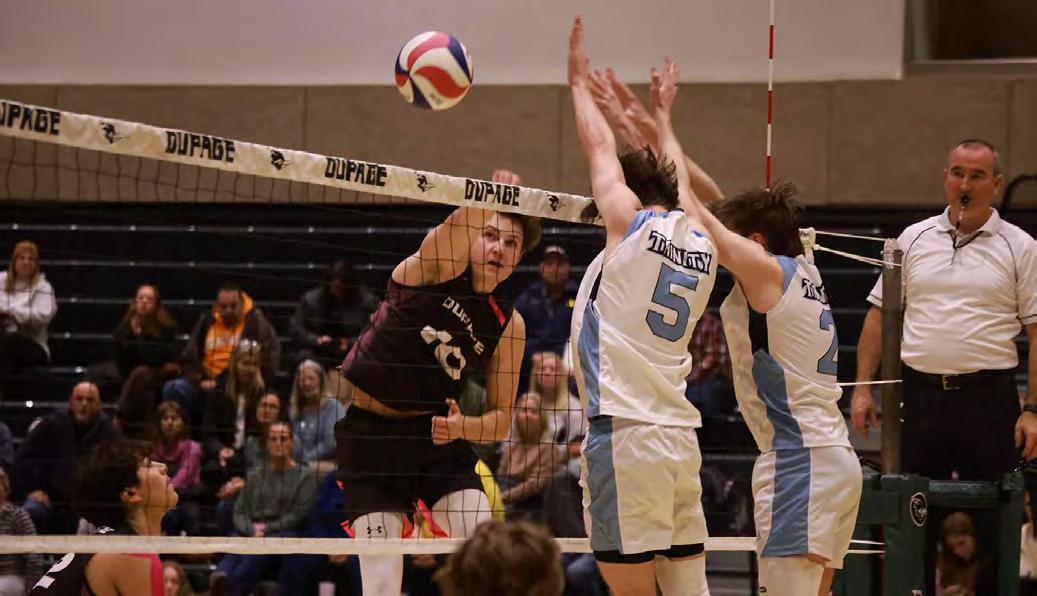
DG’s Janowiak, COD, hoping to bolster junior college volleyball
BY JEFF VORVA
Big things are happening in the world of junior college men’s volleyball and the College of DuPage.
And Downers Grove’s Adam Janowiak is going to be a big part of it.
Let’s face it, college men’s volleyball is low on the food chain when it comes to being recognized, and many people don’t even know it exists on the junior college level. There are only approximately 20 teams in the country that offer it, most on the East Coast.
But COD coach Tolis Koskinaris thinks that will change.
“It’s going to be a matter of time when men’s volleyball gets added in a lot of these programs,” he said. “I see it happening in the next three or four years.”
Meanwhile, the Chapparals play matches against four-year college junior varsity teams such as Aurora
University, Governors State and Trinity Christian College. Junior college competition usually requires trips to New York.
“The first reason I fell in love with volleyball is because it’s not a slow-paced game.”
- ADAM JANOWIAK
Last year, the Chaps won the national tournament, but this year, the National Junior College Athletic Association is changing the sport’s status from an emerging sport to a sanctioned sport.
“I feel like for our program it was a huge deal,” Janowiak said of winning the national title. “It was a great step toward success for the program.”
There is another great step that the sophomore outside hitter from Downers Grove North can look
forward to. It was recently announced that COD will host the inaugural NJCAA-sanctioned national championships April 23-25 in Glen Ellyn.
Janowiak is eyeing a second national title – this time in his own backyard. He feels the team has the chops to get there, as a 7-0 start to the season has shown.
“We have some new guys, and they realize we have a shot at the championship again,” he said. “They are putting effort in and realize that we can win the trophy again.”
Janowiak was a multi-sport athlete who got hooked on volleyball in high school and got serious about it in his junior year.
“The first reason I fell in love with volleyball is because it’s not a slowpaced game,” he said. “The rallies might not last all that long, but it is always a constant movement. It’s really hard to get bored. I played baseball growing up, and I eventually
just quit it because it was just so slow-paced. I would be sitting at third base and not getting the ball at all. I wasn’t moving that much at all.
“Volleyball is such a fast-paced game, and I was naturally just good at it.”
He said he chose COD to be close to home and is on the lookout for a four-year college after he completes his final year at the school.
Last year, he racked up 186 kills, 123 digs, 29 blocks and 22 aces.
“He was heavily recruited out of high school, and he decided to stay local,” Koskinaris said of Janowiak. “We appreciated that very much. He’s been a great asset to our program.
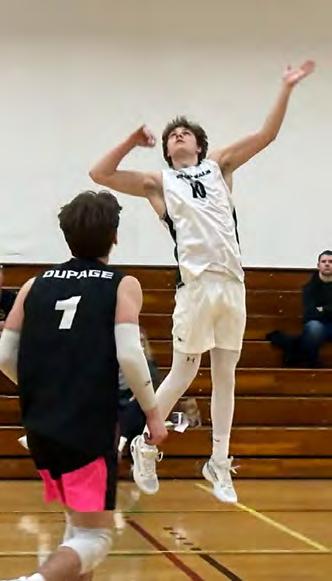
“We have him playing in a different position than he played as a prep. He was a middle hitter, and now he is playing outside. He’s been doing great.”
By the way, Koskinaris coaches the women’s volleyball team in the fall and it has enjoyed national success, winning the NJCAA Division III title in 2023 and taking fifth in 2023, third in 2024 and fourth in 2025.
The Wheaton and Naperville native seems to have the magic touch of building programs and maintaining them, even with the hurdles of quick roster turnovers.
“He’s a great role model,” Janowiak said of Koskinaris. “He’s very… sometimes he seems angry. But for the players who understand him, he’s just phenomenal.”’■










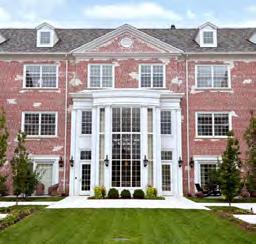






Where Nature & Community Come Together Find Home
With its picturesque setting and expansive layout, K-B House feels like a welcoming neighborhood. Winding paths, lush greenery, and thoughtfully designed living spaces create a true sense of home – where comfort, community, and connection come naturally. Here, every moment fosters a deep sense of belonging. Let it begin today.
BY MAUREEN CALLAHAN
Downers Grove resident
Mike Ambrose is a lifelong tree house expert.
“My dad was a carpenter, so my buddies and I were always building forts in our yards using the odds and ends of wood he didn’t need. One actually had a wood-burning brick fireplace in it. It was fun until the cops came and made us put the fire out,” he laughed as he remembered. “My dad’s still involved,” Ambrose said. “He’s retired — he’s 78 — and comes out to the site some days.”
Ambrose grew up to build his own houses. The first 20 years of his career were spent on remodels, additions, kitchens, etc. After getting his real estate license, he thought about having an Airbnb. One day, he saw a listing for acreage near Starved Rock State Park in Utica, Illinois. “We couldn’t believe the land was available!” Ambrose said.

He and his wife, Terra, purchased the plot and have been working on their new endeavor ever since. It’s been a little while in coming, but they’re getting there. “We bought the land in 2021,” he said. During that waiting period, the family spent time getting to know the property. “Before we opened, we spent a lot of time here just camping — tents, a camper, friends,” Ambrose said. “The first step was permits, and those often take a
while. Then we had some issues that affected the electrical work, but they’ve all been resolved. We’re on our way now.”
Building has been rolling along. At the time of publication, two treehouses were finished and available for rent, with two more scheduled to open last
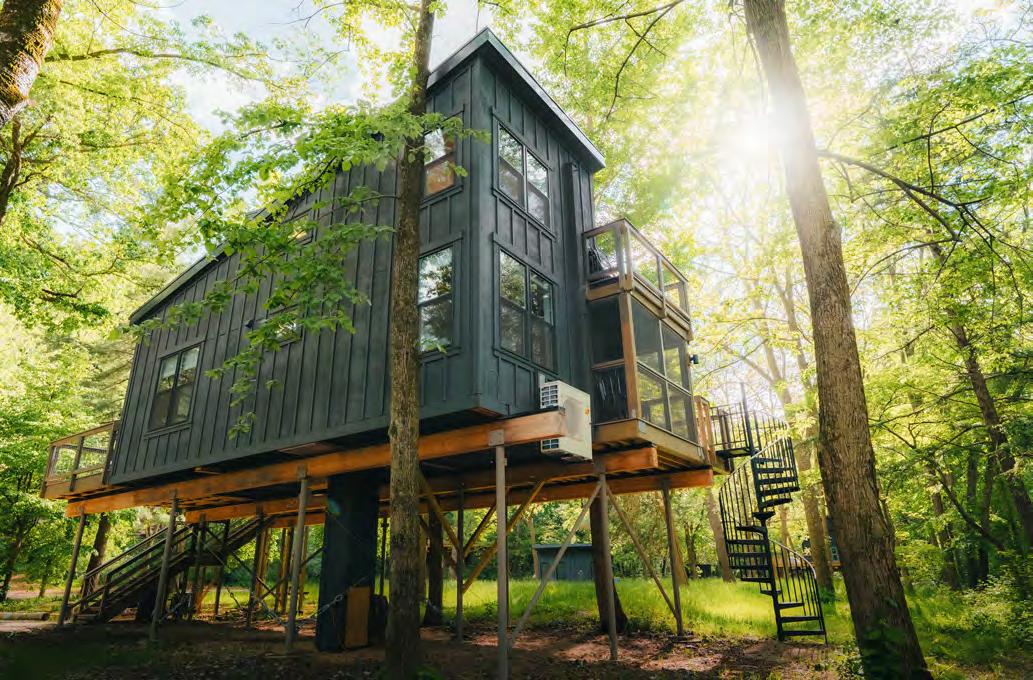
month. The grand plan is to get to 25. They’ll be close enough for a group looking to get away together, but far enough apart for privacy.
While building a tree house is different than a regular home, Ambrose has figured it out. His family knows tree houses. “We’ve stayed in a bunch of different treehouses on the road,” he said. “We’ve also watched a lot of Tree House Masters, so we knew what we wanted when we started building.”
His family’s number one complaint about other treehouses they had stayed in was space.
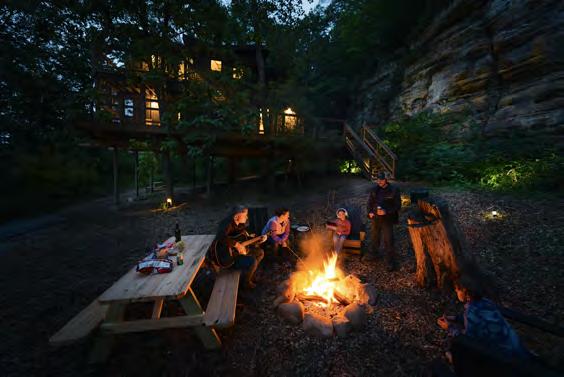
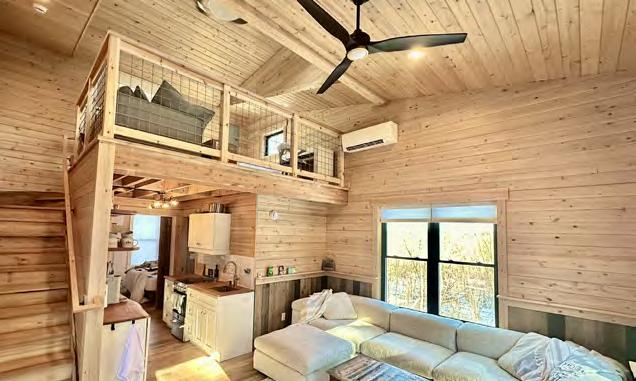
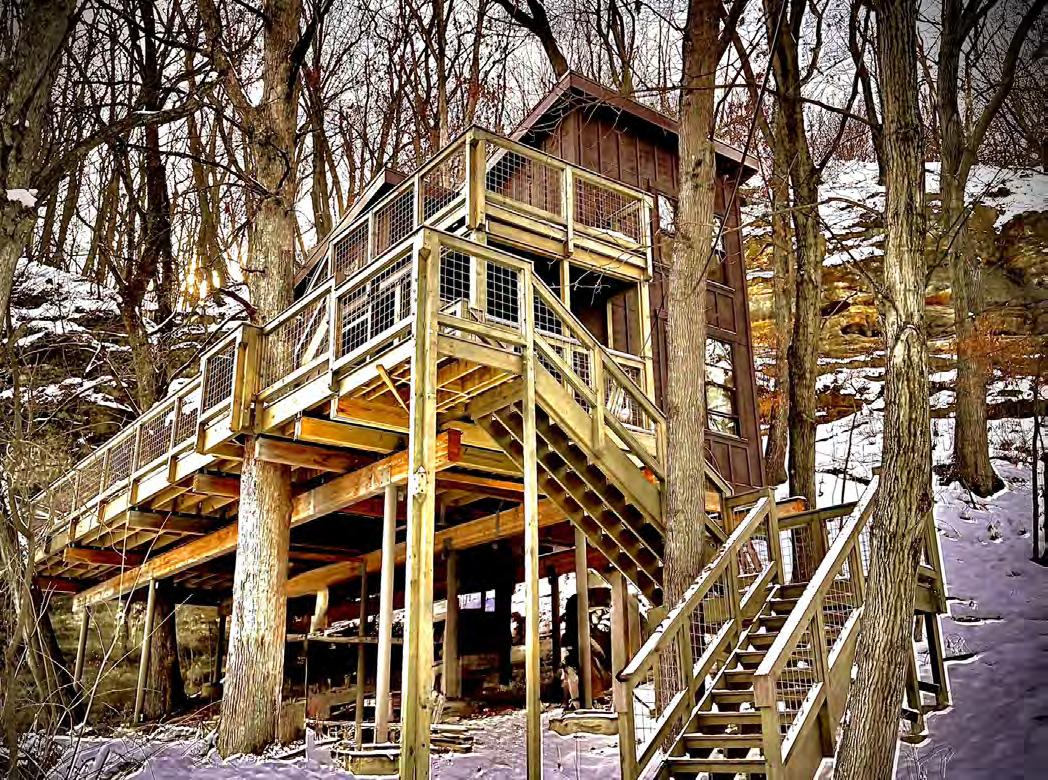
“The floor plans were small, and we wanted more room, especially when we had our kids along,” Ambrose relayed. His treehouses use a 650 square-foot layout that is of a rustic Scandinavian style. While the houses aren’t actually suspended by trees, the effect is definitely
there. They’re built into the trees that surround them.
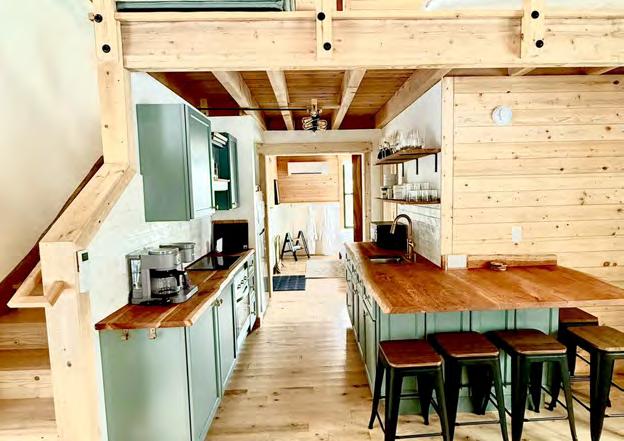
Each house is designed to comfortably accommodate groups, with two king-sized bedrooms and a loft for sleeping and downtime. A living room, bathroom, and fully outfitted kitchen with peninsula seating ensure guests have anything they need for a weekend celebration or a quiet sojourn in the woods.
Then there’s the outdoor space. Each house has its own fire pit. Upper and lower decks are connected by spiral staircases, and the outdoor gas grills make any night perfect for a barbecue.
Screened-in porches are the perfect spot for relaxing after a fall hike, spying on deer and foxes in the snow, or just sipping coffee on sunny mornings. Kayaks and hydrobikes are available at an on-site dock on a calm section of the Illinois River.
“It seems like people like to be outside when they’re here,” said Ambrose. “But then we have some who come to enjoy the scenery and never get around to leaving the cabin. There’s enough to do here either way.”
Ambrose has outfitted each cabin with simple entertainment options alongside games, puzzles, and a guitar. The well-appointed layout makes the cabin feel spacious but cozy at the same time. There are enough nooks and crannies for everyone to have their own space. “We’re working on ideas for desks and other built-ins as we go along,” he said.
Stone fireplaces in the living rooms add ambiance and can also be used as a heating source. A mini-split heating
and air-conditioning system keeps the well-insulated cabins seasonably warm and cool.
The Treehouses at Starved Rock are located in a canyon surrounded on three sides by the east edge of Starved Rock State Park. “There’s a bridge onsite that connects us to more than 13 miles of park trails,” said Ambrose. “You can hike to the park lodge from here.”
“We’re also close to Utica and Ottawa - two old historic towns with new
restaurants, coffee houses, and breweries to explore,” said Ambrose.
Taken together, the setting and the surrounding communities reinforce the project’s balance between retreat and connection.
The result is a series of treehouses shaped as much by the land and the building process as by how people ultimately use the space.
Learn more about the project at starvedrocktreehouses.com.■









The home upgrades bring the biggest return
COURTESY OF AMY ROBEY, MAINSTREET REALTORS®
We’ve always known that first impressions matter, but did you know the same is true of your home?
Replace an outdated front door with a new steel door, and you’re likely to recoup 100% of the value when it comes time to sell. Opt for fiberglass, and you can recover 80%. These are just two of the many trends illuminated by the National Association of REALTORS® 2025 Remodeling Impact Report.
Real estate experts consistently share that curb appeal shapes buyer
expectations before they ever step into a home. How well a home is maintained outside signals how well it is maintained overall, which can influence a buyer’s perceived value once they walk through the door.
In 2024, Americans spent an estimated $603 billion remodeling their homes. While many homeowners are making changes to their homes to increase the quality of life, like adding a new primary bathroom or upgrading the kitchen, it’s helpful to know which projects also contribute to the future resale value of your home.
What’s notable is that resale value and livability are no longer seen as competing goals. Many of today’s highest-return projects are those that make homes more comfortable, efficient, and functional right now, while also aligning with what future buyers are actively seeking.
In addition to upgrading the front door, closet renovations yield one of the strongest returns on investment (83% of the value recovered) because buyers gravitate toward clean, functional spaces. Also in the top 10 are new vinyl windows (74%), which increase comfort, reduce outside noise and improve efficiency.
Converting a basement to a living area (71%) to create more usable square footage inside the home adds value, along with making minor kitchen upgrades (60%) or renovating a bathroom (50%) with modern, energy-efficient appliances, updated hardware, paint colors and lighting.
Top-agent-recommended projects to increase the value of your home also include painting the entire house, followed by painting one room, new roofing, a kitchen upgrade or a bathroom renovation.
However, REALTORS® say it’s not just major upgrades that buyers notice.
Some smaller projects punch above their weight because they’re highly visible, relatively affordable, and easy for buyers to appreciate immediately. Unlike major renovations, they don’t require buyers to imagine future improvements. They can see and feel the impact right away.
Paint a room in your house or even one wall in a moody hue, like mocha, mahogany, navy blue or emerald green. Or select a standout wallpaper, such as a textured neutral, small-scale patterns or nature-inspired prints.
Experts say that these tones can create a sense of comfort, making a home feel lived-in rather than cold and empty. And deep, grounding shades can add sophistication and give spaces a polished, high-end look. An added benefit is that these deep shades make a statement, helping potential buyers form a connection with the home and making sure they don’t forget it.
REALTORS® also suggest updating your home’s lighting as an easy win. Bright rooms make spaces look larger.
You can replace old bulbs with LEDs to make your home feel more modern, add dimmer switches or replace outdated fixtures. If you really want to go the extra mile, spring for underlighting in your cabinets and shelves or ambient lighting to create a spa appeal in your primary bathroom.
More and more, buyers are looking for turnkey, move-in ready homes with Instagram-worthy appeal.
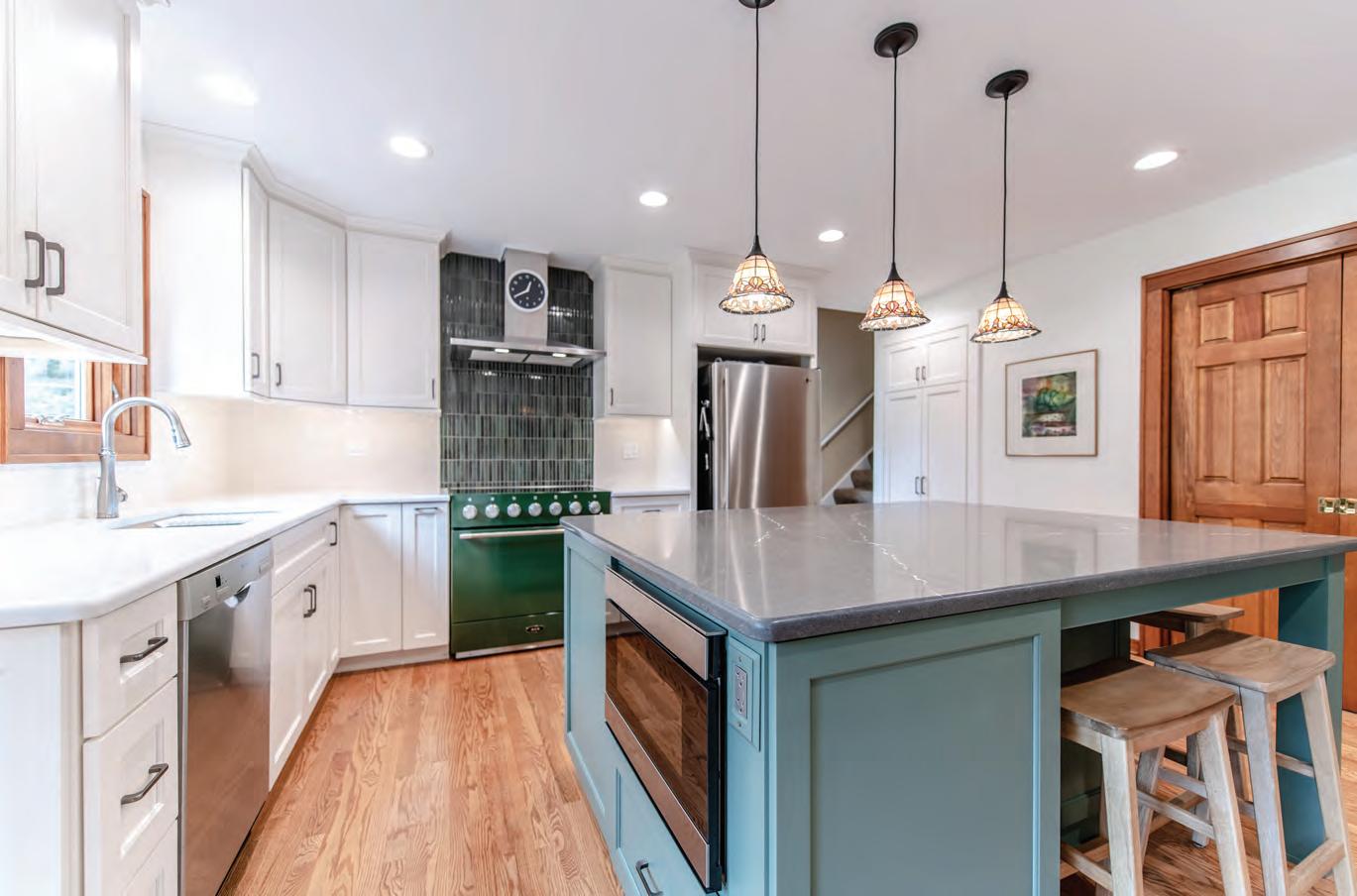
According to REALTORS®, even modest kitchen upgrades can deliver strong returns on investment. Zonda’s 38th Cost vs. Value Report underscores this point: a minor kitchen remodel is the only interior project to rank in the top five for return on investment, highlighting the enduring importance of a functional, livable kitchen. These upgrades can include repainting or resurfacing existing cabinets and updating hardware. Swapping dated countertops for buyer-friendly materials, such as quartz or granite, refreshing the backsplash and upgrading appliances.
Energy-efficient homes also raise buyer appeal and potential home value. In particular, U.S. Energy Information Administration data shows that household energy consumption and costs remain a persistent concern for many homeowners, supporting the value of energy-efficiency upgrades in resale decisions. The addition of high-performance windows or exterior doors, like the steel or fiberglass doors mentioned above, as well as updated siding, are great additions that increase your home’s efficiency and value.
Today’s homebuyers are also willing to pay a premium for wellness spaces. Wellness encompasses physical well-being, like clean air, water and access to spaces that
encourage movement and mental health, like quiet corners and restorative bathrooms.
Buyers who prioritize wellness are looking for things like modern, well-equipped kitchens, energy-efficient insulation, HVAC and lighting, water and air filtration systems and solar battery storage or backup power generators. These trends are especially relevant in the Chicagoland suburbs, where move-in-ready homes command a premium.
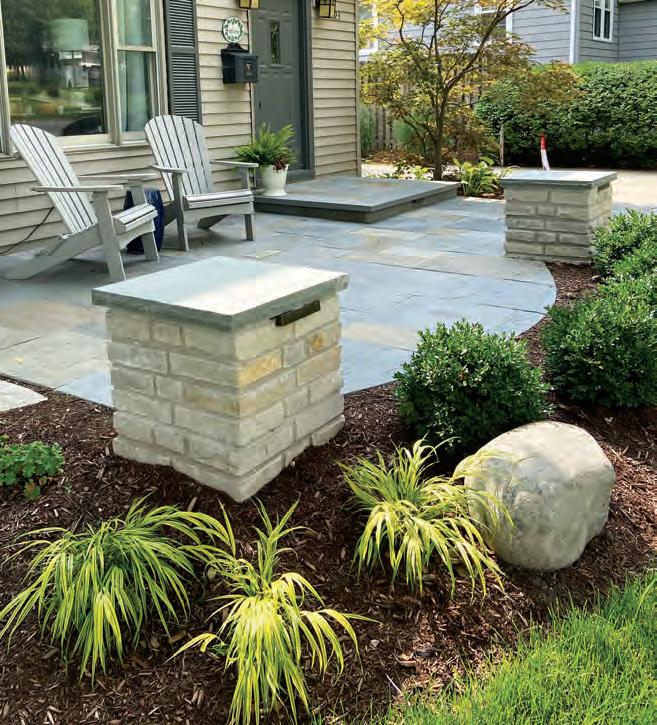
Moving to exterior improvements, decks, patios and outdoor living rooms showcase the home as an extension of indoor living. Think beyond a sitting area to incorporate an outdoor kitchen, entertainment area or even a workout center. You can also attach an outdoor living space to your home, by creating a covered or screened-in porch, sunroom or pergola.
Features like mounted outdoor TVs and lounge spaces are not only becoming more popular–even in Illinois–they’re also increasing property value. Outdoor living spaces, from decks and patios to outdoor kitchens, fire pits and lounge areas, are widely recognized by designers and agents as features that extend usable living space and boost buyer appeal.
Fresh mulch and manicured beds also contribute to a home’s curb appeal, along with low-maintenance plants. Then, just like indoor lighting, outdoor lighting along the entryway walk, uplighting the trees or highlighting architectural features creates an element of sophistication.
While all of these upgrades will bring you joy today, they are also likely to bode well for the future resale value of your home. ■

Soré Wellness was founded on the concept of Social Rejuvenation, a lifestyle that brings together health, wellness, and meaningful connection. Shaped by early experiences with yoga, mindful living, and meditation, the vision evolved into a modern wellness destination that offers more than relaxation alone. Today, Soré Wellness provides an elevated space where clients can reset, restore, and feel their best.

Supervising physician Dr. Samiya Hashmi emphasizes the importance of integrating Emerald Laser into a comprehensive health plan.

The studio offers a curated mix of longevityfocused recovery and beauty-driven wellness services designed to deliver results from the inside out. Core offerings include full-body Red Light Therapy for rejuvenation and recovery, complexion treatments that deeply hydrate and refresh the skin, and advanced sunlight therapy using LED light bed technology. Soré Wellness continues to expand its menu with non-invasive fat loss services, salt saunas, cold plunge contrast therapy, and future additions such as oxygen chambers and float therapy.
Among its most sought-after treatments is Emerald® Laser, an FDA-cleared body contouring service that supports fat loss without pain or downtime. Using low-level laser technology, Emerald helps release stored fat naturally through the body’s lymphatic system and is commonly used for areas such as the abdomen, hips, thighs, arms, and chin. Sessions are relaxing and require no recovery time.
“What I appreciate most about the Emerald Laser is that it is effortless, painless, and completely non-invasive,” says Dr. Hashmi. “When incorporated into a structured wellness plan, it can support body composition goals, insulin sensitivity, and overall metabolic health.”
Soré’s medical-grade Red Light Therapy delivers higher-intensity, full-body coverage than at-home devices for more consistent results. “There is no bias for who can benefit from our medical-grade red light therapy,” adds Owner and Practice Manager Stephanie Witt. “Those who utilize it consistently have life-changing benefits.”
Most clients arrive with goals that blend beauty, confidence, and long-term wellness. By integrating treatments into a consistent routine, clients report increased energy, glowing skin, and sustainable results.
Visit Soré Wellness in Western Springs, Lombard, Wheaton, St. Charles, and Geneva.

Soré Wellness operates with medical oversight to ensure treatments align with broader wellness goals. www.sorewellness.com
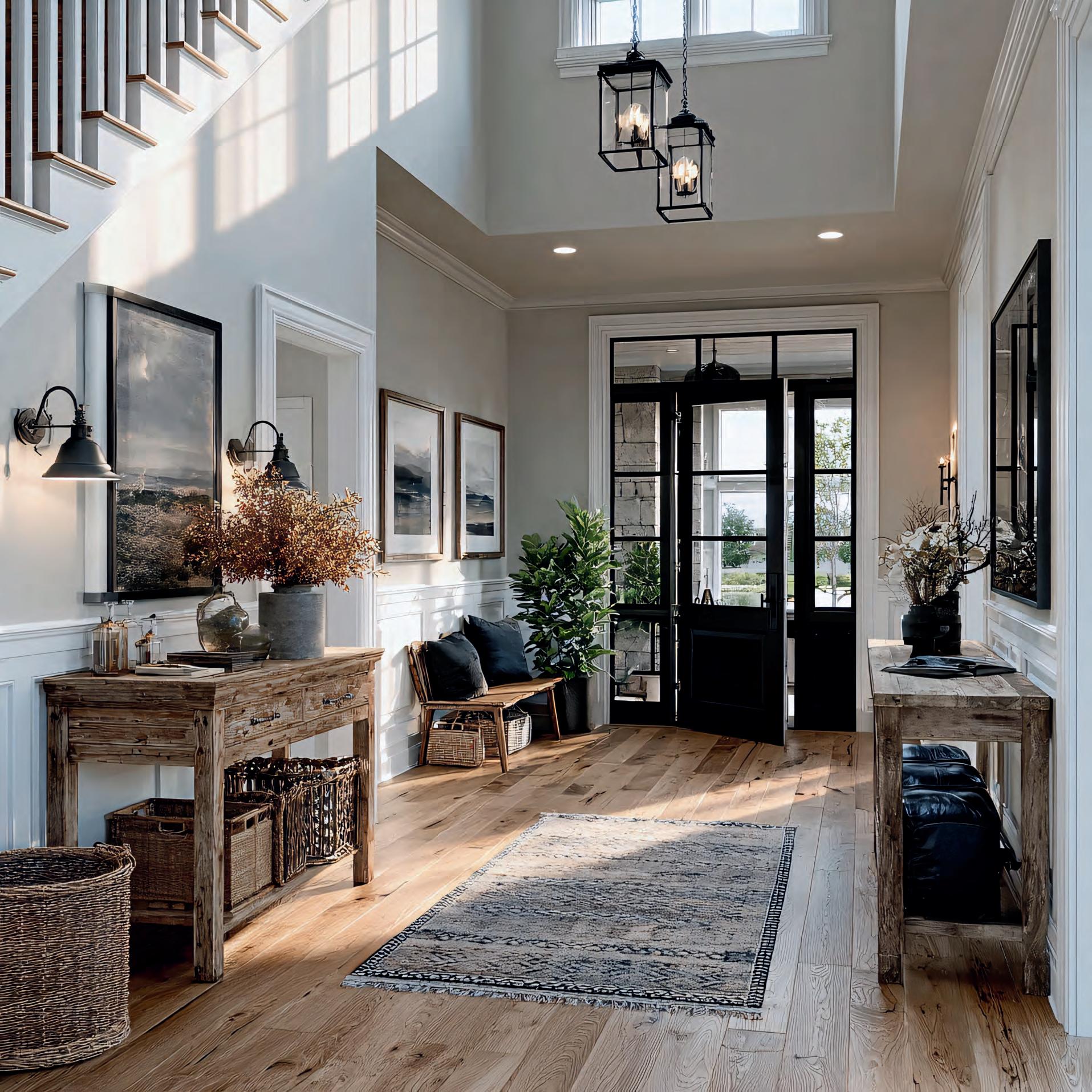
A home is more than an address. It’s where routines take shape, memories are made, and personal style comes to life. Across the western suburbs, homeowners are continually reimagining their spaces to reflect changing needs, tastes, and lifestyles. From first-time buyers to longtime residents planning their next renovation, the journey is filled with important choices. This community is fortunate to be surrounded by talented local professionals who bring creativity, craftsmanship, and expertise to every stage of the process. In this special Noteworthy House + Home section, Hinsdale Magazine Group showcases trusted industry leaders who help transform houses into places that truly feel like home.
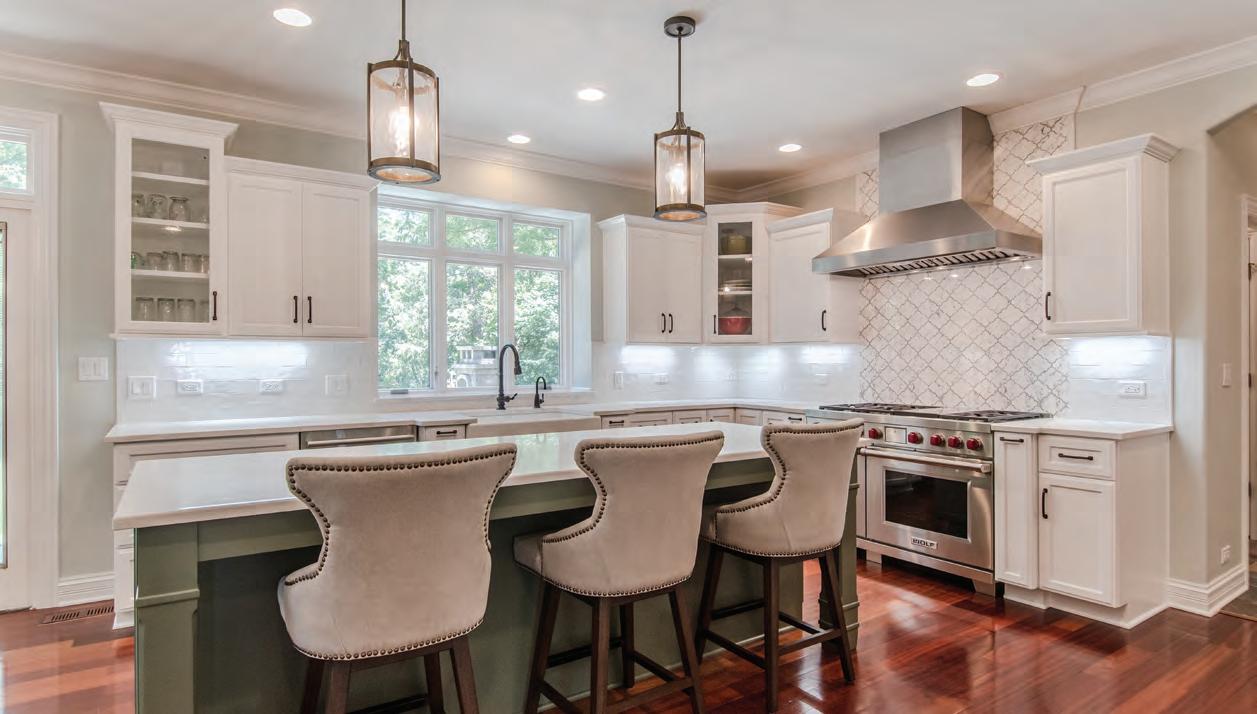

Few home remodeling companies can point to more than five decades of continuous family leadership. For 58 years, Reliable Home Improvement has remained family-owned and operated, quietly shaping homes throughout the western suburbs. What began as a small family business has grown into one of the region’s most respected remodeling firms, guided by multiple generations of the Ducato family and a shared commitment to quality, creativity, and care.
Today, more than 30 percent of Reliable’s team is made up of family members, creating a culture rooted in trust and continuity. “At the end of the day, homeowners want to feel confident in who they’re working with,” says Michael Ducato, Vice President of Sales. “Most people still prefer a family business over a large corporation. They know they’ll be treated like a client, not a number.”
While the company’s foundation remains craftsmanship, its evolution reflects the vision of younger generations who have introduced advanced technology, sustainable practices, and modern design solutions into every project. Nowhere is that evolution more apparent than in Reliable’s 15,000-square-foot showroom and design gallery in Naperville. Full-scale kitchen and bath displays allow clients to explore materials, layouts, and finishes while experiencing the latest trends in lighting, smart-home features, and ecoconscious design.
“Our showroom is about more than selection. It’s about education,” explains Christine Ducato, Director of Marketing. “It gives homeowners the opportunity to visualize their project and make confident decisions before construction even begins.”
Beyond design, Reliable places equal emphasis on the experience of the renovation process itself. From the first consultation through completion, the company prioritizes communication and long-term relationships.
“It’s the experience of our entire team and the level of service we provide throughout and after the project that customers truly appreciate,” Christine adds. “We want every client to feel supported from start to finish.”
That approach has earned Reliable multiple “Best Home Remodeler” honors and a loyal following of homeowners who value transparency, quality, and results. More than 58 years after its founding, Reliable Home Improvement continues to prove that family values and forward-thinking design can build something lasting, one home at a time.




Tracy Driscoll and Diane Crisp are top-producing realtors and the founding partners behind one of Downers Grove’s most respected real estate teams. Known for their elevated service, deep market expertise, and consistently strong results, The Driscoll Crisp Team brings decades of combined experience to every transaction. They approach their work with the understanding that no two homes or clients are ever the same. “Every home, client, and transaction brings its own set of priorities and nuances,” Diane explains. Drawn to the profession by a shared passion for architecture, design, and thoughtful strategy, Tracy and Diane have built their business around trust, discretion, and guiding clients through important life transitions with confidence. Their leadership in the local market is rooted in a lifelong connection to Downers Grove. Having grown up in the community and raised their families there, Tracy and Diane offer an insider’s understanding of neighborhoods, schools, lifestyle, and long-term value. “Our deep connection to Downers Grove sets us apart,” Tracy notes.



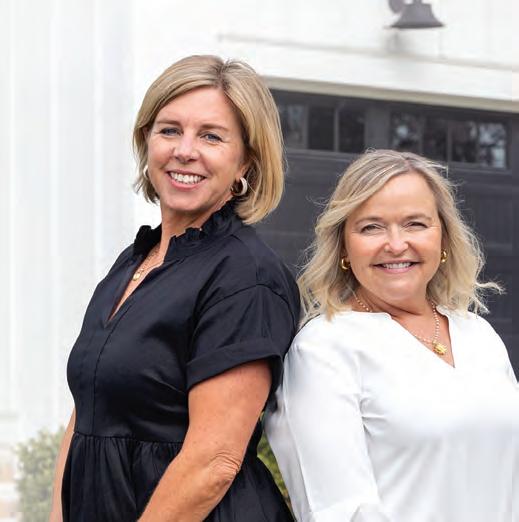
As lead agents, they remain closely involved in every client relationship while working alongside a five-person team that allows for seamless execution and attentive service at every stage. Their luxury listings benefit from refined, storydriven marketing, such as professional staging paired with cinematic video and targeted digital exposure, all designed to attract discerning buyers and position homes to perform at the highest level. The result is a concierge-level experience defined by precision, care, and consistently strong outcomes. 5200 Main Street, Downers Grove, Illinois www.DriscollCrisp.com
Tracy Driscoll (630) 674-8320|tracydriscoll@att.net

Diane Crisp (630) 842-8258|dianecrisphomes@gmail.com






For Laura McGreal, real estate is about creating momentum in a market where waiting is rarely a winning strategy. With inventory tight and demand high, she helps clients move forward by focusing not only on what’s available, but on what’s possible.
McGreal’s approach is rooted in experience. She began her career with a large national builder, gaining hands-on exposure to customer service, construction, land acquisition, and financing. That foundation continues to shape how she works with buyers and sellers today. Rather than encouraging clients to sit on the sidelines, she helps them explore alternative paths, whether through construction financing, strategic renovations, or creative solutions that open doors in a competitive market.
Understanding a client’s motivation is central to her process. By taking the time to learn why someone is moving, McGreal is able to offer thoughtful guidance and realistic options. A trusted network of lenders and contractors allows her clients to personalize homes and make confident decisions, even when listings are limited.

Downers Grove plays a central role in that story. Since moving to the community, McGreal has been drawn to its welcoming, down-toearth character and strong sense of connection. As more buyers look beyond the city and neighboring areas, demand in Downers Grove has continued to rise—driven by livability, long-term value, and a tight-knit feel that resonates with families and professionals alike.
That same perspective shapes how McGreal helps clients envision a home’s potential. She appreciates the character of older homes, especially when paired with thoughtful updates that enhance comfort and function. Whether it’s a modernized kitchen or a wellness-focused space, she encourages buyers to see how a property can evolve to fit their lifestyle.
Despite common misconceptions, McGreal notes that real estate is anything but flexible. Success requires availability nights, weekends, and often on short notice. It’s demanding work, but for McGreal, that commitment is simply part of delivering the level of service her clients expect and deserve.



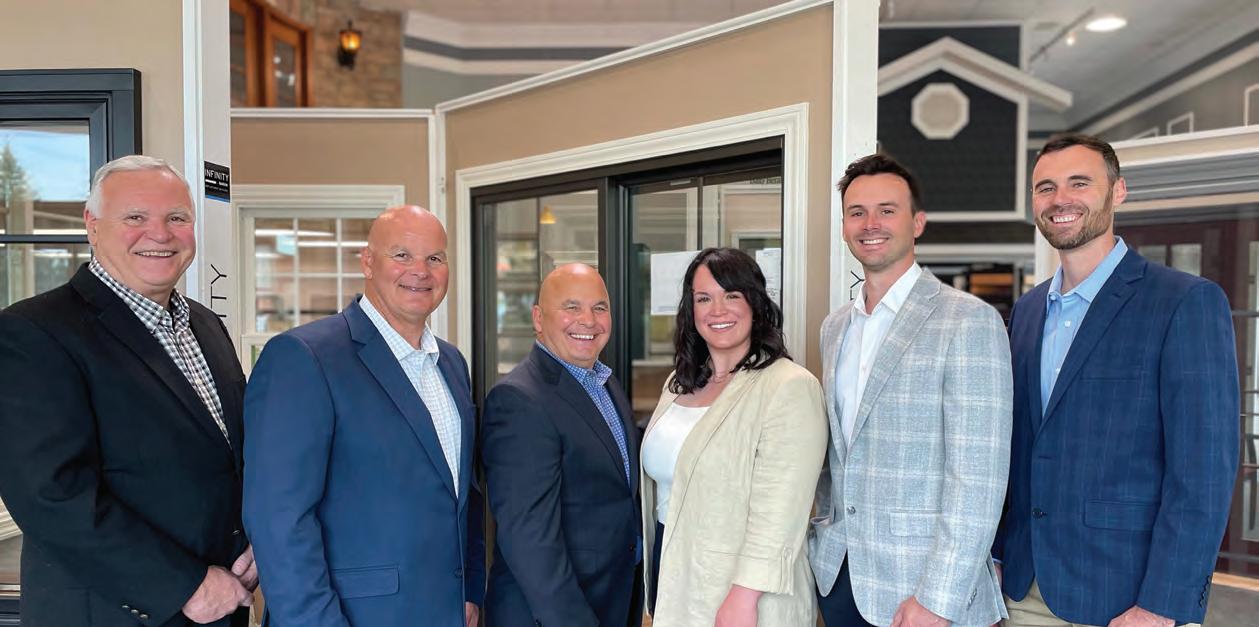
Woodland Windows & Doors has spent more than half a century transforming homes across the greater Chicago area with quality, craftsmanship, and trust earned one project at a time. Founded in 1969 by John and Ann Mariotti, the company began in a small storefront and has grown into a respected full-service provider of replacement windows, doors, and expert installations, all rooted in family values and a commitment to exceeding homeowner expectations.
What sets Woodland apart isn’t just the products it offers, Although they offer some of the most respected brands in the industry offering the full line of Marvin, Infinity by Marvin and Andersen, it’s the way the team helps homeowners navigate choices with confidence and clarity. From designing solutions to fit each home’s unique personality to handling every detail of installation, Woodland’s seasoned professionals bring expertise that turns visions into reality.
At the heart of the company’s strength is its own installation staff, employed directly by Woodland and certified to ensure precision on every job. Whether helping a homeowner choose the ideal window style or installing a full set of doors and frames, Woodland installers bring meticulous attention to detail paired with a respectful, customer-first attitude.
Woodland Windows & Doors also places strong emphasis on education throughout the process. Homeowners are guided through differences in materials, glass options, energy ratings, and long-term performance so they can make informed decisions that align with both their homes
and their budgets. Rather than rushing selections, the team encourages thoughtful planning, helping clients understand how the right window or door choice can improve comfort, reduce noise, and support energy efficiency year-round.
The second generation of the Mariotti family, Rano, Ralph, and Ken, along with thirdgeneration leaders Ashley, Matt, and Phil, are working side by side to guide Woodland into its next chapter. That shared commitment to craftsmanship and innovation is taking a visible step forward with the opening of a brandnew showroom in Oak Brook, slated for Spring 2026. The expanded space will allow clients to explore products up close, receive expert design guidance, and experience firsthand the quality and service that have defined Woodland for decades.
From energy-efficient window replacements that enhance comfort and value to elegant door solutions that elevate curb appeal, Woodland aims to bring light, style, and lasting performance to homes throughout Chicagoland. With roots firmly planted in quality service and a reputation built on referrals across generations, Woodland Windows & Doors continues to be a trusted partner for homeowners and builders alike.


Woodland Windows & Doors 25W355 Lake St, Roselle, Illinois
Coming soon to 17W490 22nd St, Oakbrook Terrace 630-869-1450 | www.woodlandwindows.com
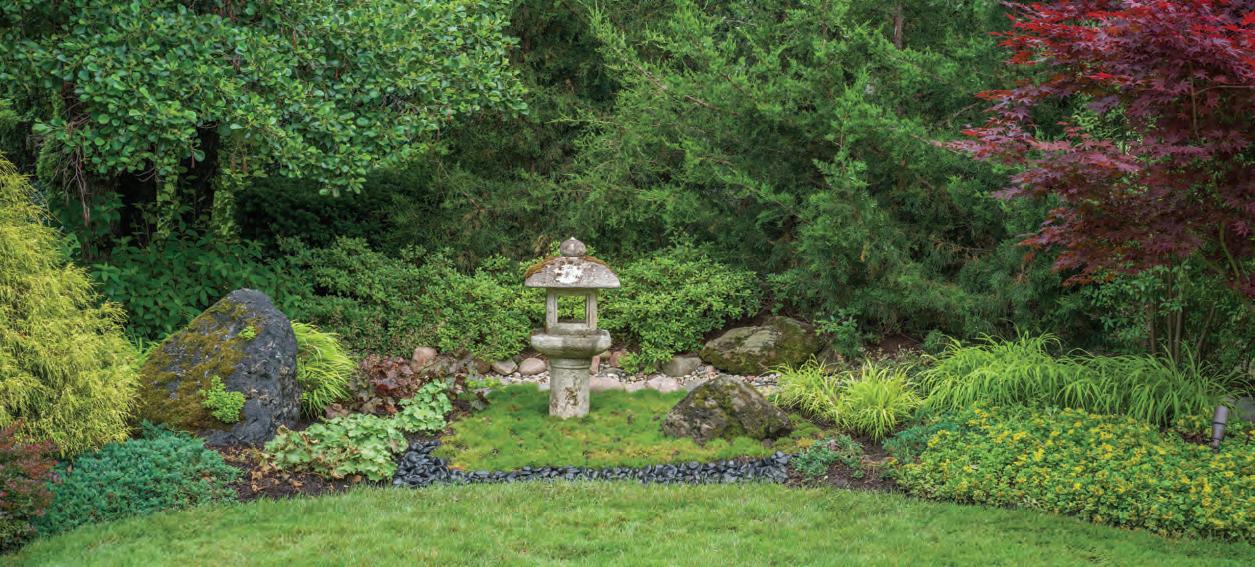
During a recent journey to Japan, Lupfer Landscaping president Tom Lupfer immersed himself in centuries-old garden traditions that reshaped how he approaches landscape design. Walking through historic stroll gardens in Tokyo once built for Shoguns and Daimyo, studying the quiet restraint of Zen gardens in Kyoto, and learning directly from the experts who maintain these spaces, Tom gained a deeper understanding of how intentional design unfolds over time.
“What struck me most was the patience,” Tom says. “These gardens aren’t designed to impress all at once. They’re meant to reveal themselves slowly, changing with the seasons and with the person experiencing them.”
That philosophy came to life in a residential project that would later earn Lupfer Landscaping a Gold Award from Landscape Illinois in the Boutique Category. Inspired by the principles Tom studied abroad, the property was designed as two distinct but connected experiences: a formal Western-style garden at the front of the home and a contemplative Japanese-style garden at the rear. Clipped boxwood hedges and shrub roses complement the home’s American Colonial Revival architecture, while the backyard invites reflection through layered plantings, stone elements, and carefully choreographed movement through space.
Traditional Japanese garden design is inherently evolutionary. In this project, certain plantings, including azaleas, were intentionally introduced years after installation, once surrounding trees had matured enough to create the appropriate shade. Stillness and motion were balanced through contrasting elements such as cascading grasses, leaning trees, and “spill stones,” alongside moments of calm marked by sculptural features and meditative focal points.
“A garden will tell you what it wants to become if you’re willing to listen,” Tom explains. “Our job is to guide it, not force it.”
Custom features such as a koshikake, or waiting bench, were designed as transitional spaces where visitors can pause and compose themselves. A Japanese rain chain allows water to cascade visibly during storms, while a traditional stone wash basin marks entry into a more sacred portion of the garden. One of the project’s most meaningful elements, a 150-year-old stone lantern sourced in Kyoto, was lit only at the very end, symbolizing completion and the client’s original vision for a contemplative retreat.
The project also presented real challenges, from resolving complex drainage issues to adapting iconic Japanese plants to a Midwest climate and educating the client on the specialized, long-term maintenance the garden would require. Its success was rooted in collaboration and trust, culminating in an award that recognized not just beauty, but thoughtful execution.
For Lupfer Landscaping, the recognition affirmed a design philosophy built on patience, intention, and respect for place. Rather than replicating Japanese gardens, Tom applies their underlying principles— restraint, balance, and longevity—to landscapes designed to grow richer and more meaningful over time. Lupfer

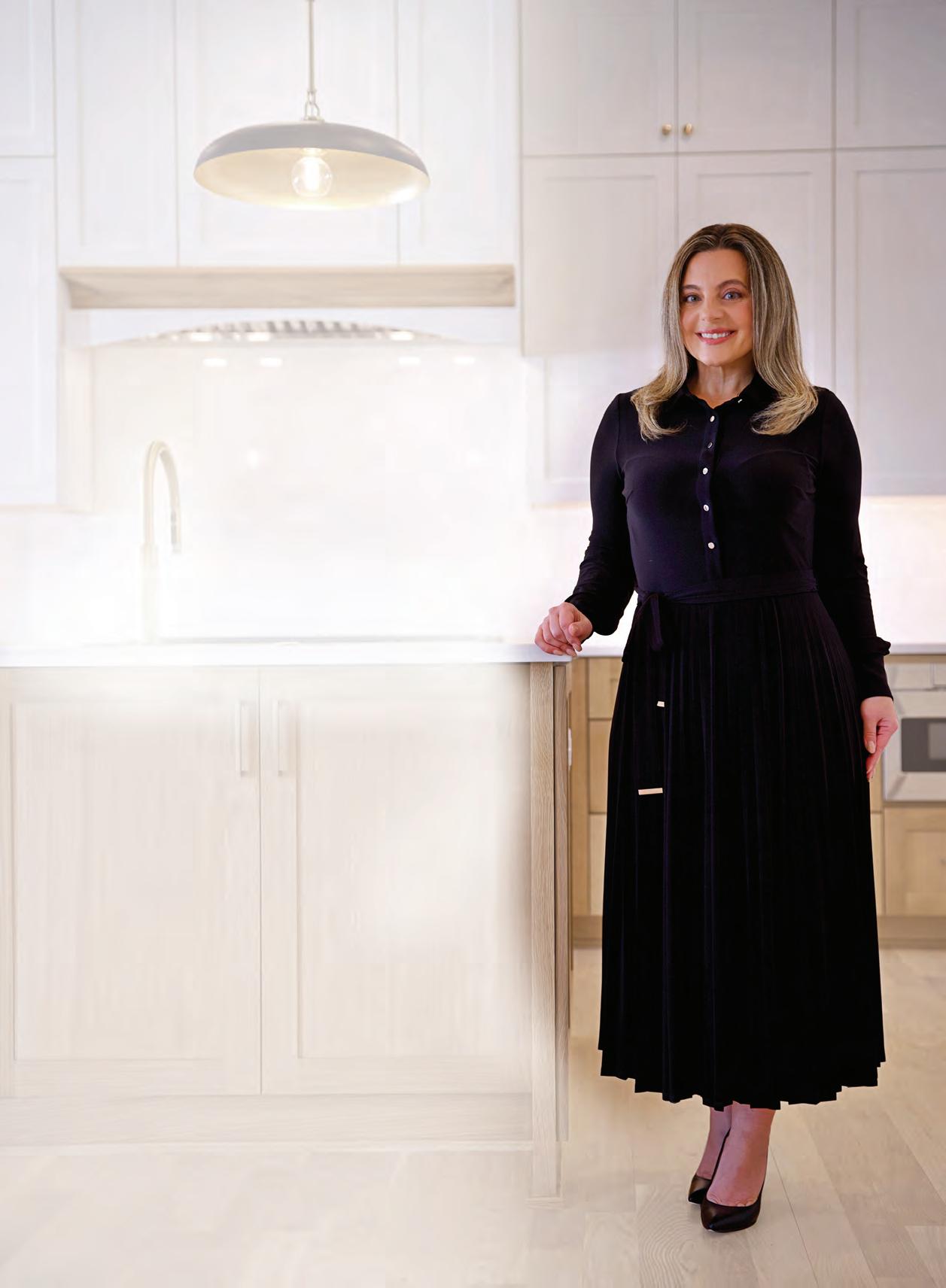

She’s not just a part of the Downers Grove real estate market—she’s one of the forces shaping it. Ranked the #1 Luxury Realtor 2023–2025 for properties valued $1M+ in Downers Grove across all teams, groups, and brokerages, Natalie Weber has built a reputation for delivering a polished, high-performance client experience anchored in strategy, trust, and measurable results. With 19 years of handson experience spanning multiple market cycles, new construction development, personal investing, and deeply rooted local relationships, her perspective is both comprehensive and rare.
As a 19 year Licensed Realtor, her business has grown almost entirely through word-of-mouth referrals, serving a discerning clientele that ranges from first-time buyers to seasoned homeowners, builders, and investors who expect expertise, discretion, and precision. With client satisfaction as her main focus, Natalie has earned top rankings as the #1 Individual Agent in Downers Grove since 2020 and a top 1% Agent in the Chicagoland Metro Area.
Long before reaching the top tier of luxury real estate, Natalie developed a formidable foundation in mortgage finance, spending seven years in the industry during one of the most challenging periods in modern housing history—the 2008 financial crisis. Simultaneously, she was actively building, renovating, and personally investing in real estate, completing 38 properties of her own over nearly two decades.. “My dual exposure to finance and construction allows me to anticipate challenges before they arise and guide clients through complex decisions with clarity and confidence,” Natalie says.
That depth of experience informs Natalie’s highly involved, detail-driven approach. A Downers Grove resident for more than 20 years, she is deeply invested in both the community and the outcomes she delivers. She operates with an aroundthe-clock mindset, understanding that real estate is driven by timing, preparation, and execution. With expertise spanning finance, construction, economics, and marketing—supported by an extensive local professional network—she crafts customized strategies that help clients move decisively in competitive conditions. Through precise pricing, targeted marketing, and a sharp understanding of buyer demand, she consistently produces verified, measurable results in a landscape where precision matters.

Natalie Weber
KW Experience Realty
5122 Main St Ste A Downers Grove, Illinois
NatalieWeber.Realtor@gmail.com
630-915-1449
NatalieWeber.com
@sellingdownersgrove
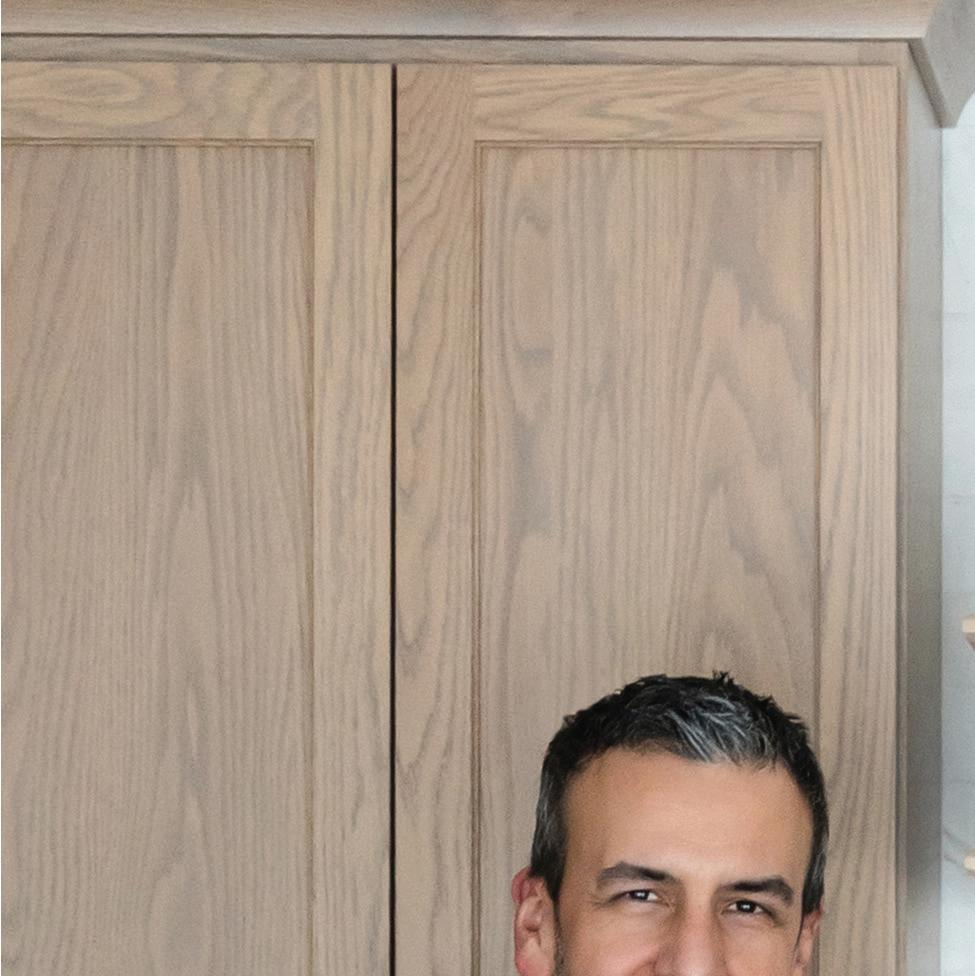
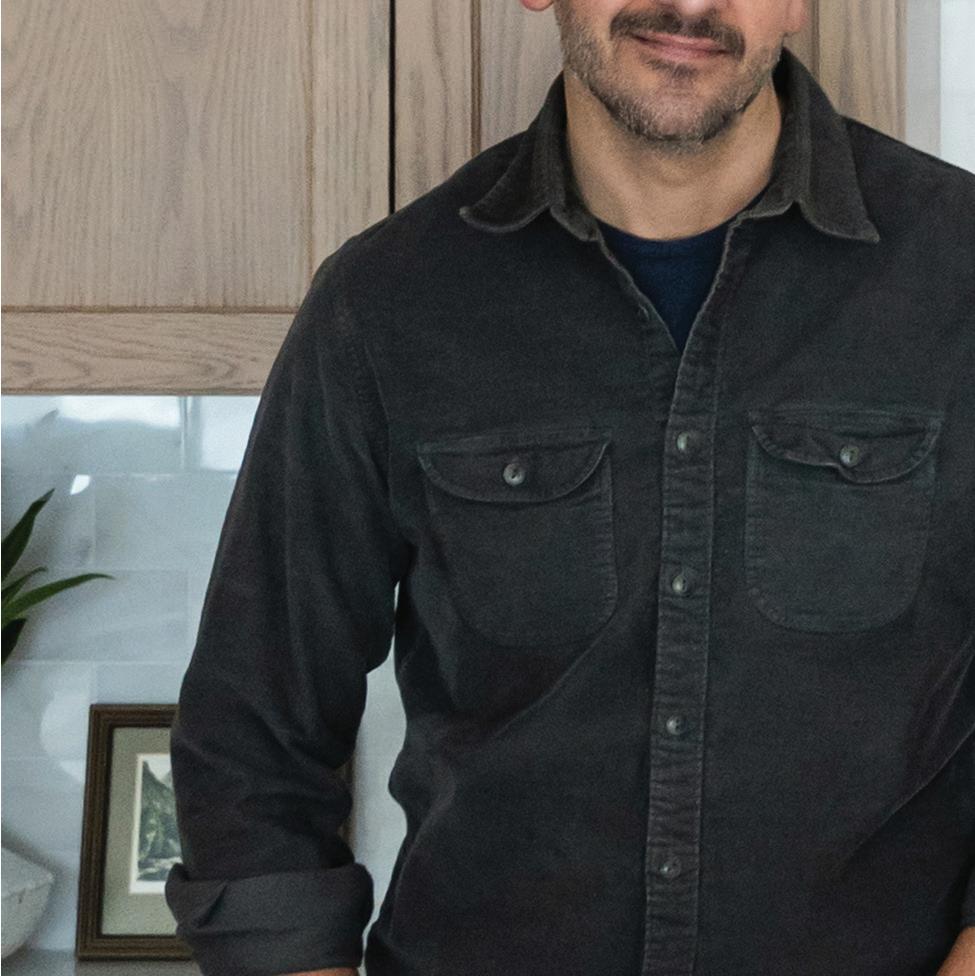
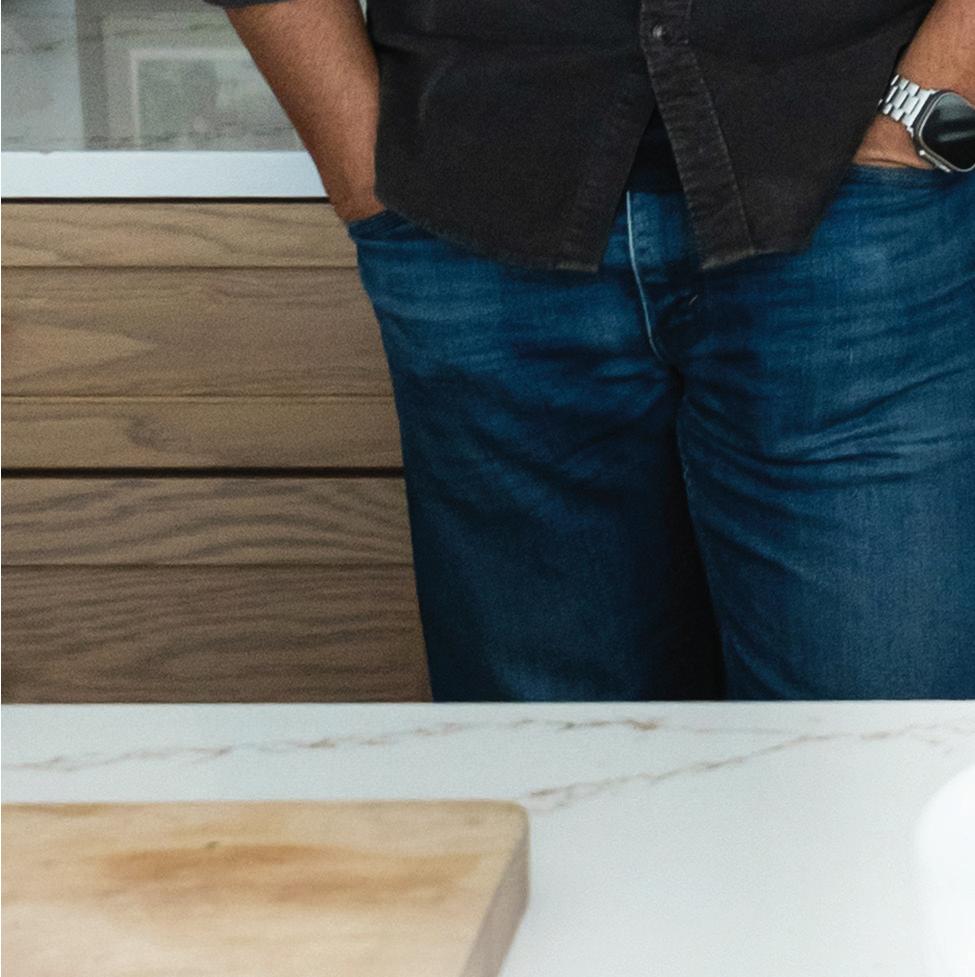





Chad Esslinger has always been drawn to how things are made – and how design can balance function and beauty. With nearly 30 years of professional design experience and a background in product development, his early career was immersed in materials, form, and function. This foundation guides his work today as the founder and principal designer of Esslinger Design Company.
Founded in 2011, Esslinger Design Company has grown into an award-winning, full-service design studio serving clients throughout Chicagoland and nationwide. Services range from selecting paint colors, furnishings, decor, lighting, and window treatments, to creating layouts and specifying products, materials, and finishes for renovation and new construction projects. Chad partners with trusted contractors and builders to create a true design-build team, ensuring a smooth process from concept through completion. Chad’s work is recognized for seamlessly blending beauty and purpose – spaces that feel elevated and refined, yet approachable and livable.
At the core of Chad’s philosophy is the belief that great design enhances everyday life. Rather than chasing trends, he focuses on interiors that are practical, functional, and personal. He understands that change is the only constant in life, and spaces should evolve as our lives do – a principle he lives at home, with his oldest child now a college freshman and his other two children in high school. Each project begins with understanding how clients live, what matters most, and how a space needs to perform - not just today but for years to come. The result is work that feels meaningful and enduring, grounded in thoughtful details and craftsmanship.


In the years Chad and his family have lived in Downers Grove, he has witnessed steady growth in the community. He takes pride in contributing to that progress through design and renovation projects, helping residents create spaces that reflect their unique personalities and lifestyles. With several new projects underway in Downers Grove and beyond, 2026 is shaping up to be an exciting year, driven by a commitment to creating spaces that support the way people live while capturing the lasting value of good design.
Chad Esslinger Esslinger Design Company



Alex Abramowicz and Meredith Van Syckle of Jameson Sotheby’s International Realty bring a collaborative, client-first approach to every transaction. Working as a seamless team, they take the time to understand each client’s priorities, whether that means pricing strategy, timing, or discretion, ensuring a thoughtful and tailored experience from start to finish.


As residents of Downers Grove, Alex and Meredith are deeply invested in the community they serve. Their local knowledge and established network allow them to connect buyers and sellers both on and off the market, creating opportunities that align closely with their clients’ goals.
Alex began his career in corporate concierge and new construction, while Meredith brings a background in corporate finance. Together, their combined expertise spans a wide range of real estate needs, including firsttime buyers and sellers, investment properties, new construction, historic home restorations, and designfocused projects. This breadth of experience allows them to guide clients with confidence through every stage of the process.
At the heart of their work is a commitment to long-term client relationships built on trust, transparency, and thoughtful guidance. Meredith notes that they focus on consistent, professional communication and honest, upfront feedback. Alex adds that their goal is to be each client’s “forever agent,” with trust as the foundation of every relationship.
A hallmark of their success is helping clients tell a compelling story about their homes. Drawing on creativity and strategic marketing, Alex and Meredith focus on selling a lifestyle, not just a property. By leveraging technology and social






media, they help prospective buyers envision themselves living in the home and becoming part of the neighborhood. While high-quality photography and video provide a strong digital first impression, every detail is carefully considered to ensure that experience carries through the moment buyers walk through the door.
“Our clients’ homes are fully prepared when they go to market, with a marketing plan already in place,” Meredith said. “At the end of the day,” Alex added, “our goal is to help buyers truly visualize life in their new home.”





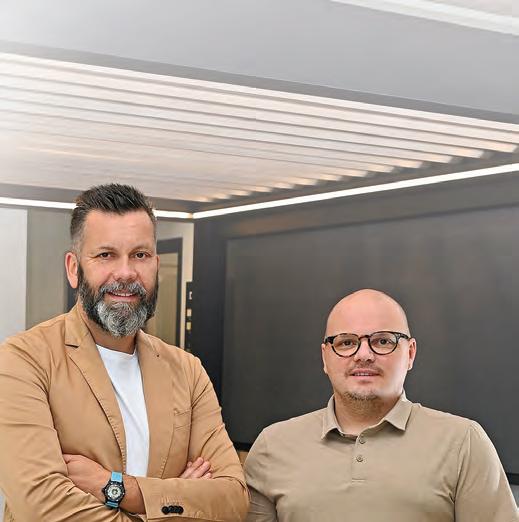
In home design, the elements that matter most are often the ones that quietly do their job every day. Doors, windows, and architectural details influence how a space functions, how it feels, and how it ages over time. For nearly two decades, Craftwood Doors & Windows has helped shape those decisions for homeowners, builders, and designers across the Chicago area.


Craftwood specializes in doors, windows, moldings, and architectural hardware, offering materials that support both modern living and timeless design. Their work spans custom homes, renovations, and commercial projects, with an emphasis on thoughtful selection rather than one-size-fits-all solutions.
“Our role is really about helping people make confident decisions early in the process,” says Jakub Raniak, Director of Sales. “Doors and windows are long-term investments. When they’re chosen with intention, they elevate the entire home.”
The company’s offerings include interior and exterior doors in wood, steel, and fiberglass; energy-efficient windows and patio doors; decorative and structural moldings; and a wide range of architectural and cabinet hardware. Each project begins with an understanding of how the space will be used and how individual components will work together visually and functionally.
That attention to detail continues behind the scenes. Craftwood’s process often includes reviewing architectural plans, preparing detailed estimates, and conducting on-site visits to ensure accuracy before materials are ordered. According to Greg Kaminski, Director of Operations, that preparation is essential. “Good execution starts long before anything is delivered,” he says. “Our job is to anticipate challenges early so the installation phase feels smooth for everyone involved.”
The team itself reflects that balance of creativity and precision, with professionals spanning sales, estimating, drafting, project management, and warehouse operations. This structure allows Craftwood to handle complex projects while maintaining a hands-on, collaborative experience for clients.
Over time, Craftwood has earned a reputation not just for the products it supplies, but for the guidance it provides. By focusing on process, craftsmanship, and clear communication, the company continues to play a quiet but essential role in how well-designed spaces come together.










Mary Braatz chose a career in real estate after spending several years working in the Loop, motivated by a desire to build a profession rooted in her local community. “I wanted to work closer to home,” she said. Paired with her love of problem-solving, that decision continues to drive her work today. Whether guiding buyers or sellers, Braatz finds her greatest satisfaction in helping clients navigate major life decisions with confidence. “Nothing makes me happier than a satisfied client,” she explained. “I’m happy that I can help them get to the place they want to be.”

Clear and consistent communication sits at the center of her clientfocused approach. Braatz begins every relationship by learning how her clients prefer to stay in touch, whether by text, email, or phone. “Communication is the key,” she said. She follows up frequently to answer questions and clearly explain what to expect throughout the buying or selling process. For her, a phone conversation followed by a detailed email ensures clarity and comfort at every step.

Braatz also encourages clients to approach online real estate information with a critical eye. While digital tools can be helpful, she notes that inaccuracies are common. “There is so much information available, and that is a good thing,” she said, “but there are also many errors.” One frequent issue involves school listings, which are often based on proximity rather than actual attendance boundaries.

Braatz is especially appreciative of Downers Grove’s outdoor offerings, from its many parks to the Maple Grove Forest Preserve in the heart of town. Those spaces reflect what she values most about the community she serves. She also enjoys the lighter moments of her work, including when young children assume she lives in every home she shows, a moment that never fails to make her laugh.
At its core, Braatz’s approach to real estate centers on service and connection. In an industry increasingly shaped by technology, she believes personal care will always matter most. “Service will never go out of style,” she said. Her mission is to communicate clearly, solve problems thoughtfully, and make the process easier for her clients at every stage.
Mary Braatz braatzm@gmail.com







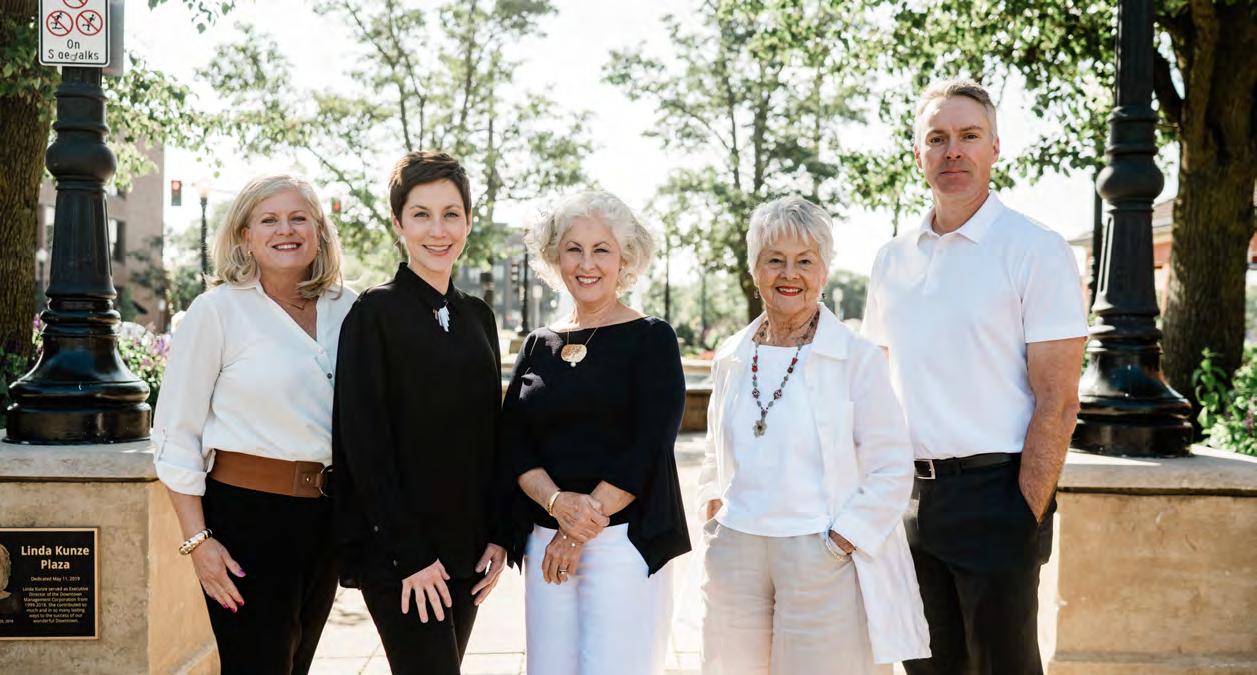
The Pagels Group may have deep roots in real estate, but what truly defines the team today is how they show up for their clients, often in ways that go far beyond buying and selling homes.

With decades of experience across generations, the team has seen nearly every market and scenario imaginable. That perspective brings confidence, but it also brings calm. “Our clients’ goals, security, and best interests are always at the top of our minds,” says Elaine Pagels. “We circle the wagons around them. That’s just how we work.” Integrity, confidentiality, and thoughtful strategy guide every decision, whether the team is navigating a complex transaction or advising on the right timing to make a move.
While each team member works with their own clients, the Pagels Group operates as a true collective. Knowledge is shared freely, support is automatic, and when something needs to be done, it is an all-handson-deck approach. “We’re like a well-oiled machine,” Elaine says. “After this many years, we’ve handled just about everything.”
That teamwork often shows up in unexpected ways. In one recent multi-offer situation, a seller’s agent confidently told his clients the Pagels Group would get them to the closing table, not because of price alone, but because he had personally seen one of the team members delivering marketing materials and checking on a vacant property during the worst snowstorm of the
year. Reliability is not a talking point for the team. It is assumed.
Clients quickly learn that the Pagels Group is a resource for far more than real estate. “We love that people call us for referrals,” Elaine says with a laugh. “Of course it’s contractors and inspectors, but it’s also babysitters, mechanics, interior designers, dentists, veterinarians. We’re happy to help however we can.” Those calls reflect the trust the team has built and the role they play within the community.
Giving back is another shared priority. Individually, team members support causes ranging from housing and food insecurity to animal welfare and material reuse. Together, they rally around organizations like DG FISH Pantry and Sunshine Kids, along with more than 100 charities through financial and in-kind donations, often made in honor of their clients.
At its core, the Pagels Group is defined by collaboration, trust, and a genuine enjoyment of working together.
“We share a lot of laughter,” Elaine says. “But when it matters, we show up. That’s who we are.”
The Pagels Group | Berkshire Hathaway Homeservices 5150 Main Street, Unit C, Downers Grove, IL 60515 (630) 601-8558 |pagelsgroup.com

Established in August 2005, Moderne Living was created to bring refined European contemporary design to Chicago homeowners seeking modern sophistication with everyday comfort. From its inception, the company has prioritized curated furnishings and architectural elements defined by clean lines, premium materials, and enduring craftsmanship.
Today, Moderne Living delivers comprehensive, highend design solutions that extend well beyond furniture. The showroom features fully realized kitchen displays, contemporary bath environments, architectural lighting installations, and premium interior door systems—allowing clients to experience complete, integrated living concepts rather than isolated pieces. Each collection is selected for quality construction, thoughtful engineering, and cohesive design.
Specializing in authentic, award-winning European collections from Italy, Poland, and Germany, the company partners with respected international manufacturers known for precision craftsmanship, modular flexibility, and material innovation. Customization options allow layouts to be tailored for both urban residences and larger suburban homes, ensuring that form and function work seamlessly together. A commitment to responsibly sourced wood veneers, sustainable materials, and lowemission finishes further supports healthier indoor environments.
Beyond product selection, Moderne Living provides personalized design guidance to ensure scale, proportion, and materiality align harmoniously within a space. The team assists with kitchen planning, bath configurations, lighting strategy, and architectural detailing—recognizing that contemporary interiors require balance. Too minimal can feel stark; too ornate can feel cluttered. Their expertise helps clients achieve environments that are sophisticated, functional, and distinctly personal.
Moderne Living also collaborates closely with architects, interior designers, and remodeling professionals, coordinating specifications and material selections early in the planning process to preserve design integrity and streamline execution and national delivery.
Clients are encouraged to visit the River North showroom to see and feel the difference firsthand—from supple Italian leathers to precision metal detailing— experiencing immersive kitchen, bath, lighting, and door systems that bring elevated European living to life.
222 W. Superior Street, Chicago, Illinois 312-380-0058 | moderneliving.com
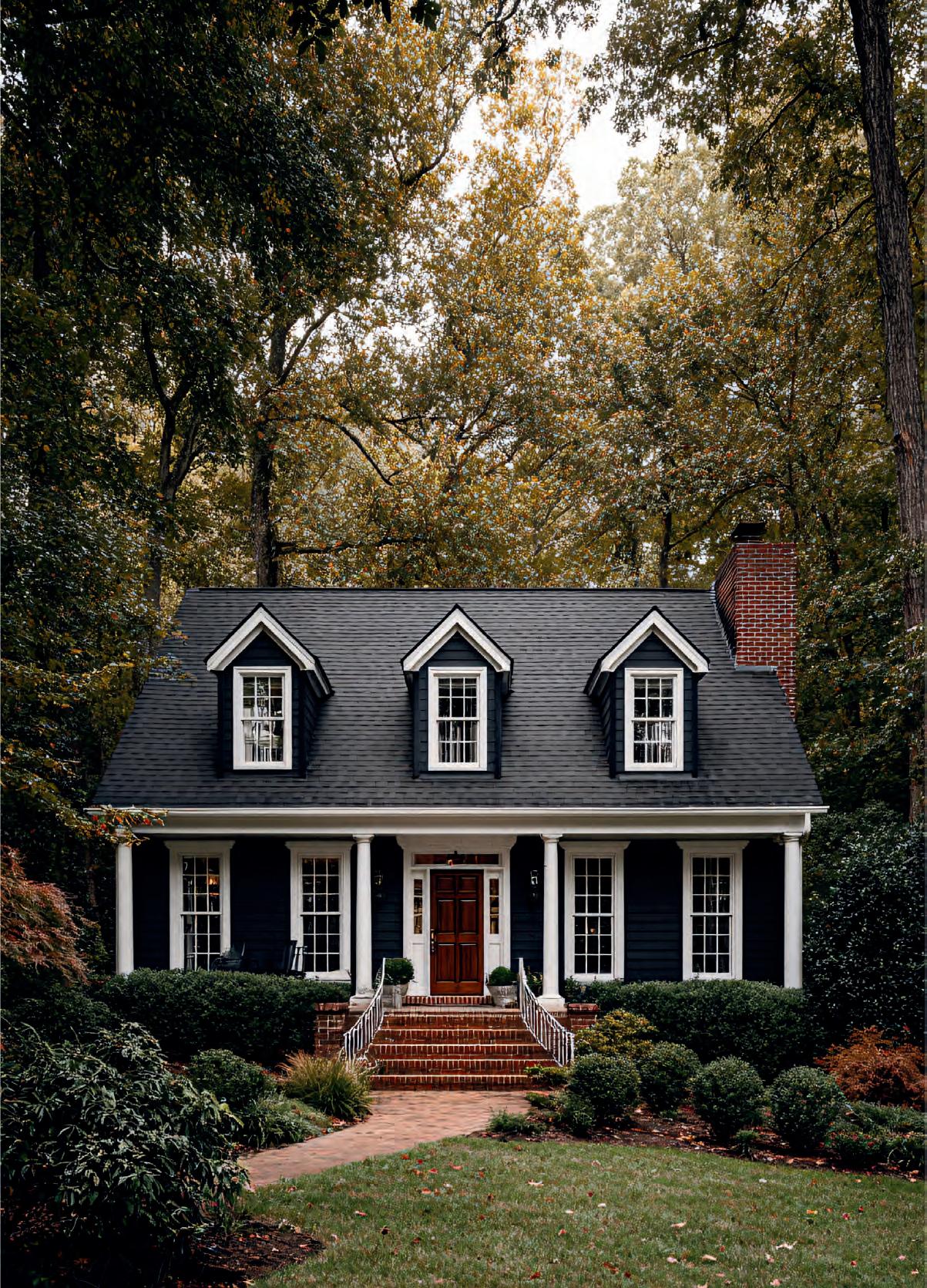
A look at how homes evolve with us
BY HINSDALE MAGAZINE GROUP STAFF
Home styles reflect how people live at different moments in history. From early formal houses to today’s flexible layouts, architecture has changed alongside family life, technology, and cultural priorities. These familiar home types trace the evolution of suburban living.
(1800S–EARLY 1900S): TRADITION
Early American homes favored symmetry and structure. Colonial houses featured central entrances, evenly spaced windows, and steep roofs that suited formal living. As the Victorian era emerged, homes became more expressive and decorative, with ornate trim, bay windows, turrets, and wraparound porches. Rooms were clearly defined and designed for entertaining and social gatherings, emphasizing craftsmanship and status.
BUNGALOW & AMERICAN FOURSQUARE (1900S–1930S): COMFORT AND PRACTICALITY
In the early 20th century, design shifted toward simplicity and function. Craftsman homes highlighted natural materials, exposed beams, and built-in cabinetry. Bungalows offered modest footprints and efficient layouts, appealing to young families entering suburban neighborhoods.
During this same period, the American Foursquare became a familiar sight throughout Midwestern communities. Recognized by its boxy shape, broad front porch, and practical four-room layout on each
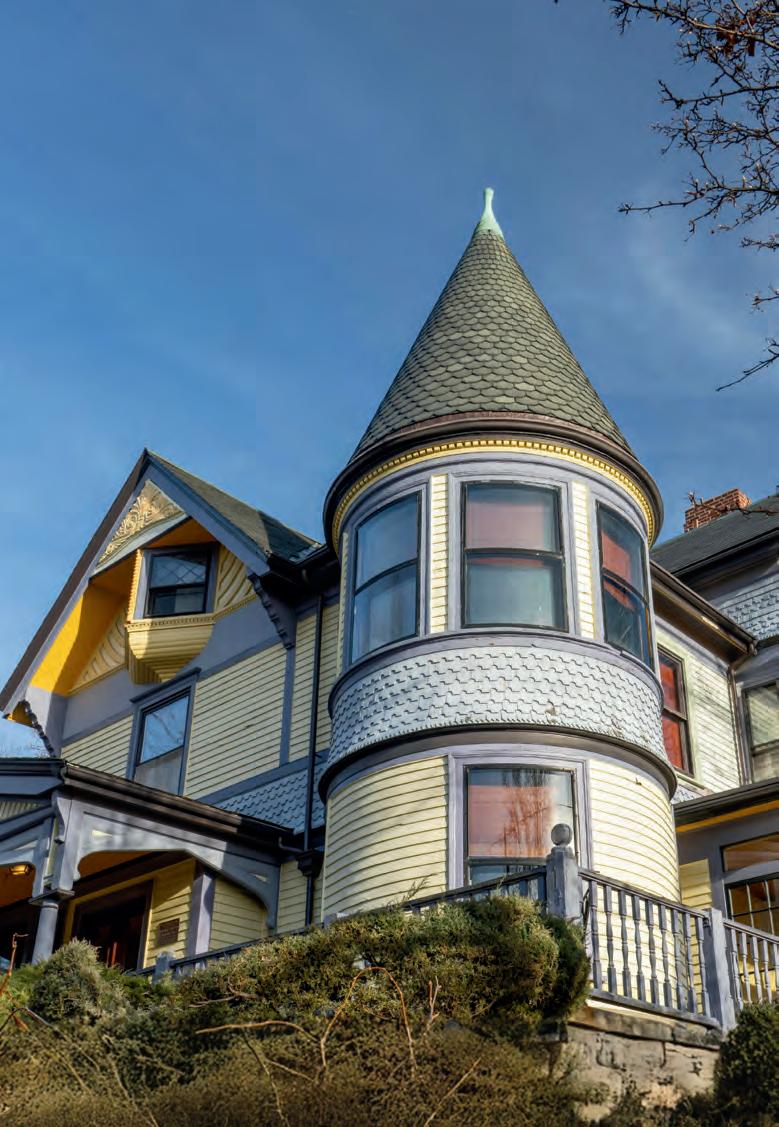
floor, the Foursquare bridged ornate Victorian homes and the simpler styles that followed. These durable houses remain a defining feature of many Chicago-area suburbs.
Economic challenges and post-war housing demand shaped the next generation of homes. Cape Cod cottages, with their steep roofs and compact footprints, became popular with returning veterans and young
families. Minimal Traditional homes followed a similar philosophy, offering straightforward design with limited ornamentation and strong practicality.
These homes supported the rapid expansion of suburban neighborhoods and remain among the most recognizable styles in the region today.
RANCH & MID-CENTURY MODERN (1950S–1970S): CASUAL LIVING
The post-war era introduced a more relaxed approach to home design.
Ranch houses spread outward rather than upward, offering single-story living with open floor plans and sliding glass doors that connected indoor and outdoor spaces. Mid-Century Modern homes embraced clean lines, large windows, and a strong relationship with nature. Together, these styles reflected a cultural shift toward informal, family-centered living.
(1960S–1980S):
Split-level homes introduced separate but connected living zones, providing privacy while maintaining flow. As families grew, houses became larger and more specialized, with finished basements, family rooms, and attached garages. These designs balanced flexibility with the desire for defined spaces for work, play, and gathering.
By the end of the 20th century, homes expanded dramatically in scale. Often referred to as “McMansions,” these houses combined multiple architectural influences and emphasized square footage, grand entryways, and expansive primary suites. They reflected a period when homes were designed to make a visual statement as much as serve daily life.
Modern homes blend historical inspiration with contemporary needs. Open interiors are balanced with defined zones for work, wellness, and family time. Mudrooms, home offices, and multi-generational spaces are now standard features. Sustainability and smart technology guide today’s designs, focusing on efficiency and adaptability rather than ornament alone. ■





New and Coming Soon: Trackman Range Next-level tech for every skill level Makes practice feel like a game Hit balls rain or shine






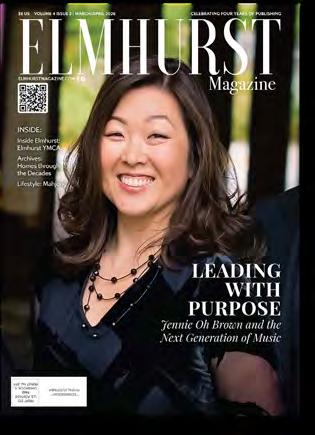
graphics@hinsdalemag.com
www.hinsdalemagazinegroup.com
A captivating game, equal parts strategy and social, is sweeping its way through the suburbs
BY VALERIE HARDY
Step back, bridge and bunco. There’s a new game in town – mahjong –and it’s spreading like wildfire across the western suburbs and throughout the nation.
Many Americans only recently learned mahjong, but the game has a deeply rooted history. It originated in China during the nineteenth century, a gambling game played primarily by men. Mahjong made its way to the United States in the early twentieth century, proliferating around the 1920s, with many Chinese Americans, military wives, and Jewish women playing under varying rules. However, in 1937, a group of Jewish women in New York City formed the National Mah Jongg League (NMJL), standardizing the game; what is now
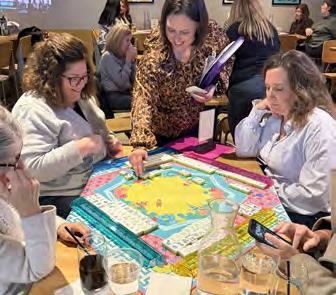
known as American mahjong was officially born.
A Crash Course on Mahjong
American mahjong is typically a four-player game using 144 tiles across three major suits – Bams (bamboos), Cracks (characters), and Dots (circles)
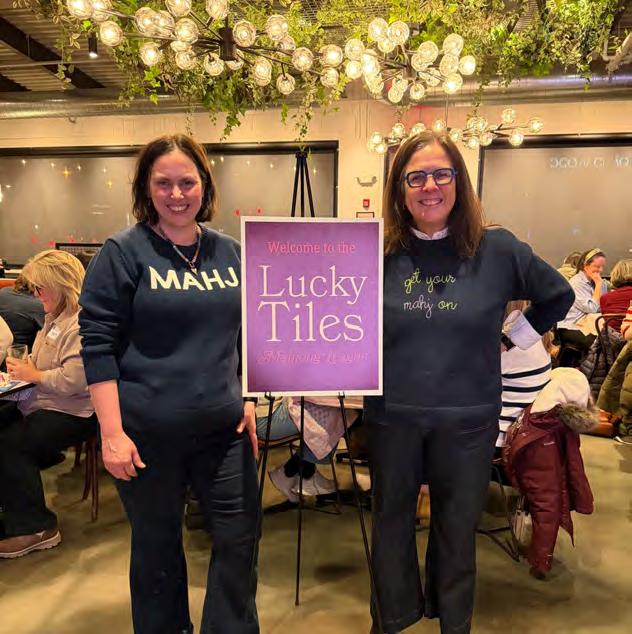
– and four categories of non-suited tiles: Dragons, Flowers, Winds, and Jokers. Players try to create a winning hand (called a “mahjong”), based on one of many possible tile combinations as outlined on the annual card published by the NMJL. The most recent card features 71 distinct 14-tile “mahjong” sequences. A new card comes out each spring, so players are continually challenged to learn new tile combinations to “mahj” (win). Some compare mahjong to the more familiar tile-based game Rummikub or card games like canasta or gin rummy.
Mahjong’s Ascent in Popularity
While mahjong has been played in the United States for nearly a century, its popularity peaked only recently. The game has become so popular that shoppers can find mahjong-themed merchandise in almost any local
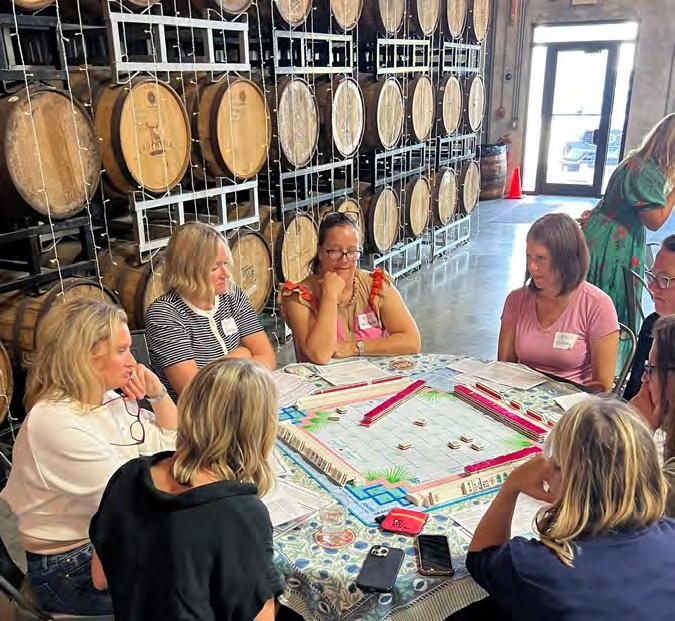
boutique, and many mahjong set distributors, like Oh My Mahjong, are frequently out of stock because the demand is so high.
Interest in learning to play mahjong has also spiked, turning some mahjong players into professionals in response. Over the past year, Colleen Loftus (Mariposa Mahjong), Emily Hannigan (Mahj Ed), and Angela Buikema (Mahjong Mischief) all began local mahjong instruction businesses. Each runs multiple classes per week, often needing additional instructional assistants to accommodate the volume of participants.
These mahjong instructors offer public classes at venues like local coffee shops, breweries, and libraries plus private classes at homes or country clubs. They teach introductory mahjong classes, and after taking an initial class, participants often sign up for at least one guided play session to gain a more nuanced understanding of the game. Loftus and Buikema recently partnered to provide tournament-style play for more experienced players through their Lucky Tiles Mahjong League, which began in January at Alter Brewing + Kitchen in
“Mahjong has exploded across cultures, genders, generations, and
geographies.”
– COLLEEN LOFTUS OF MARIPOSA MAHJONG
Oak Brook. Loftus, Hannigan, and Buikema also continue to grow their mahjong expertise, including through attendance at a national mahjong convention last month.
While not the same as in-person instruction, Buikema said those new to mahjong may find online tutorials and games or “periodically practicing making hands with a [tangible] tile set” helpful in becoming more comfortable with the game.
Loftus explained that “mahjong has exploded across cultures, genders, generations, and geographies” for several reasons. It challenges players to use their brains, allows them to connect with old friends and make new ones, and has an appealing aesthetic. She noted that people are “drawn to the artistry of the tiles,” and the sensory experience extends beyond the visual.
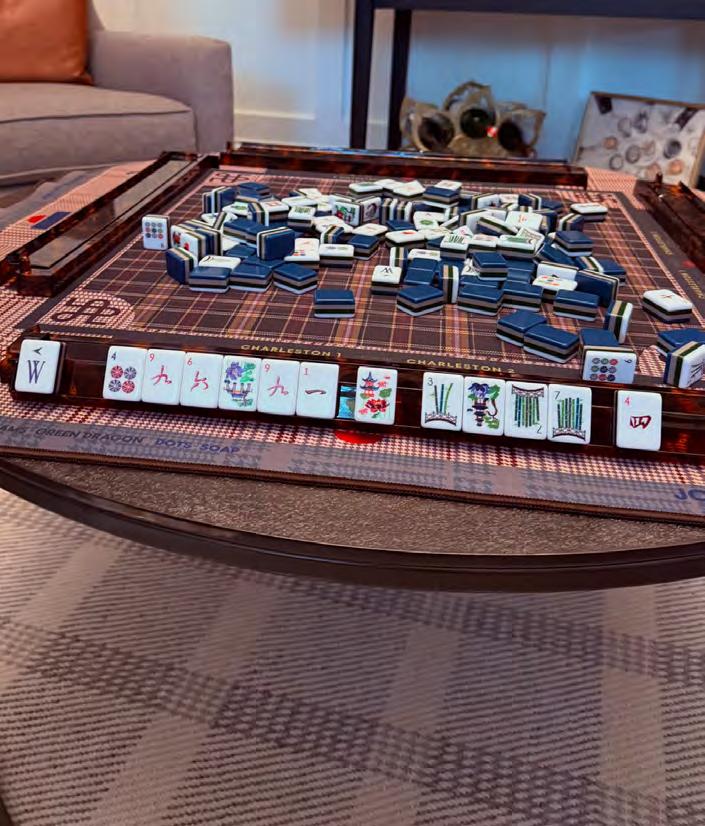
“Some people like the sounds of it too,” Hannigan said. “It’s like playing with blocks, or ASMR noise.”
Hannigan said another appeal of mahjong is that each game is relatively short, typically 25-30 minutes. Mahjong can also be played any season and anywhere – even in the pool or hot tub, with floating boards and waterproof tiles now on the market.
Mahjong’s rituals are as important as its rules. Mahjong sometimes seems to have its own language. For example, the “dealer” is referred to as “East.” Players also exchange tiles at the start of the game in a set order through a process known as "the Charleston."
Yet the old game continues to have new applications. For example, in cities across the nation, “mahjong cafes are popping up,” Hannigan said. “Maybe I should open a local one!”
For now, people looking to learn mahjong can seek classes like those offered by Loftus, Hannigan, and Buikema or by contacting their public library or park district to see if mahjong programming is available. ■
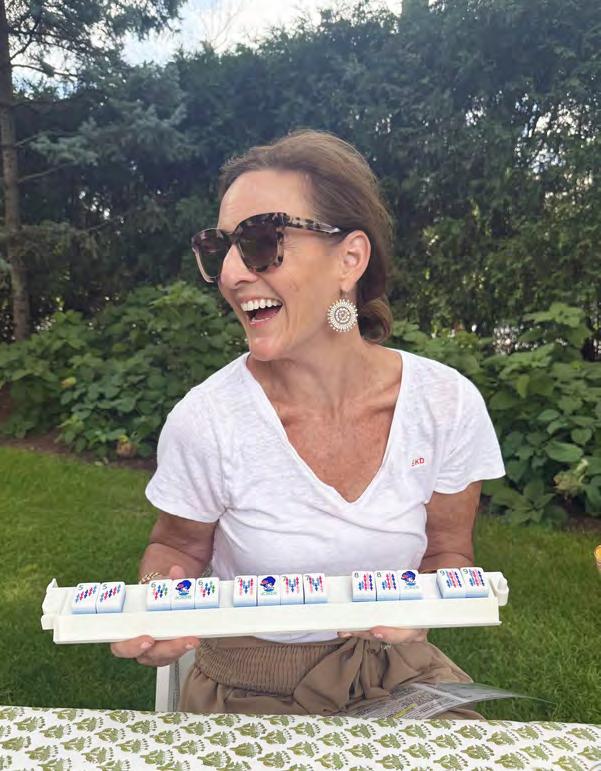
• Aqua climbing wall
• Expanded seating and sunbathing area
• Specialty themed meals and drinks at our Pool Café
• Exciting events including Movie Nights, Luau Day, Tie Dye Day and Swim & Save with Wintrust Bank
• Pool Obstacle Course
• British Swim School with professional swim lesson instruction
• Swim Team
• Fluid Running
• Professional tennis instruction adults & children
• Weekly drills
• Social Events
• Nike Tennis Camps
• Tennis Only Memberships available


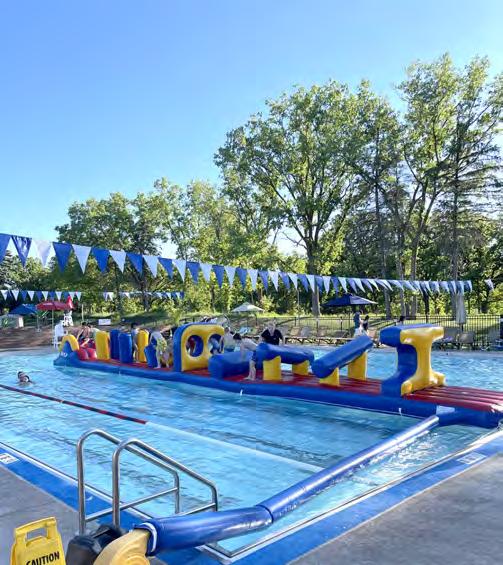

• Coming in June
• Register for the month or by week
• Ages 7-13
• Golf, Tennis, Soccer & Swim
• Exclusively for OBBT Members


BY MAUREEN CALLAHAN
The location of the RMS Titanic – the largest and most opulent passenger steamship of its day – was one of the great mysteries of the twentieth century. The ship set sail from Southampton, England, on April 10, 1912, and was supposed to land in New York a week later. Four days into the voyage, however, the ship’s starboard side struck an iceberg in the middle of the night. Only 700 passengers of the 2500 onboard made it to the lifeboats. They were eventually rescued by the RMS Carpathia. The rest perished in the tragedy.
Although several expeditions tried to find the Titanic, she remained undisturbed at the bottom of the North Atlantic for more than seven decades.
There’s an old adage about luck favoring the one who is prepared. It’s likely Dr. Robert Ballard, oceanographer and retired Navy intelligence officer, concurs. In late August 1985, Ballard and his team of scientists set sail on a top-secret naval assignment to locate two missing nuclear submarines – the Scorpion and the Thresher.
It was a crucial moment in time. As the Cold War silently raged in the back-


ground, the US feared the Soviets would find the subs. To cover the mission’s real purpose, Ballard said he and his team were searching for the long-lost RMS Titanic, which was believed to have been nearby to the missing vessels.
The irony was, they found it.
Around 1.00 a.m. on September 1st, 1985, exactly the time of night the Titanic had sunk 73 years earlier, Ballard and his crew began to see debris from the lost ship, starting with a boiler. The telltale

piece designed specifically for the Titanic and its sister ships, the Olympic and Britannic, provided the definitive clue.
The mission took its own place in history as one of the great discoveries of the twentieth century.
But it almost didn’t happen. Once the Scorpion and the Thresher were accounted for, Ballard and his team were given permission by the Navy to look for the Titanic, but little time remained before the scientists were due back in port. Serendipitously, the Titanic ended up being located in the middle of the two nuclear subs.
The final resting place was determined to be 12,000 feet below the Atlantic’s surface, almost 400 miles off the coast of Newfoundland.
According to Ballard, the credit for finding the ship belongs to many, such as the oceanographer’s long-time friend and co-leader of the expedition, French scientist Jean-Louis Michel. Over the years, the French had organized their own missions in search of the Titanic. Michel invented the sonar system that photographed the ocean floor, which was crucial to viewing objects.
Interestingly, Ballard also believes that having dyslexia helped with solving the mystery of the missing ship. Looking at the expedition from all angles was crucial. He described the hyper visual and spatial awareness afforded by dyslexia, which allowed his mind to create a 3D mental model of the underwater environment in which they were searching.
After Ballard returned home from the successful mission in the fall of 1985, his desk was covered in letters from kids all over the world. Many wanted to know how they could become scientists and make big discoveries. While Ballard always reminds kids to study hard, he decided to create a hands-on method of learning in the JASON Project, a non-profit interactive program. Students can be in real-world situations where they are guided by STEM professionals, where
they can not only join Ballard on his expeditions but also be virtually transported to the Galapagos or Amazon rainforest.
For someone who has built such a storied - albeit largely underwater –career, Ballard was born in landlocked Wichita, Kansas, in 1943. His fascination with the ocean began when the family moved to San Diego, where he grew up in a home about 100 yards from the water.
Ballard’s graduation from the University of California, Santa Barbara distinguished him as the first in his family to graduate from college. He then earned a Master of Science in Geophysics from the University of Hawaii. Ballard served in both the Army and Navy before being assigned to the Woods Hole Oceanographic Research Institute on Cape Cod.
For this pioneer in deep-sea archeology, the Titanic isn’t the only feather in his cap. Ballard has logged more than 150 expeditions. His exploration flagship, the Nautilus, predictably bears the moniker of the storybook submarine from Jules Verne’s 20,000 Leagues Under the Sea. Other career finds include the Nazi warship the Bismarck, the British ocean liner Lusitania, the USS Yorktown aircraft carrier, and the PT–109 boat commanded by John F. Kennedy during World War II. There have been many other ships and artifacts in the Black Sea.
Now at 83 years young, Ballard continues to serve academia as a college professor at the University of Rhode Island. He has received many honors and awards for his discoveries, including the Lindbergh Award, the Explorers Medal and the Hubbard Medal of the National Geographic Society. ■

Mary’s knowledge, experience, and hard work made for great results for us
We chose Mary because of the work she had done to research the property value and the approach she took to pricing and marketing. Her knowledge and experience were helpful tools, and she worked hard to get us the best price, which was a cash offer for slightly more than the asking price. The house sold quickly and closed within a few weeks of our first meeting with Mary. We were very pleased with her work on our behalf. — Downers Grove Home Seller










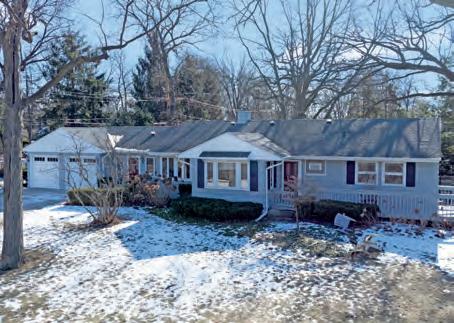
Understanding today’s tax incentives and the lasting impact of charitable generosity
The One Big Beautiful Bill Act, enacted on July 4, 2025, includes a charitable deduction for cash gifts worth up to $1,000 for single filers or $2,000 for married couples filing jointly. Starting in 2026, the new tax break is available even if you don’t itemize deductions. This is helpful because 90% of filers don’t itemize, according to the latest IRS data, which means they can’t take the charitable deduction. (After decades-long freezes or modest increases, the Tax Cuts and Jobs Act of 2017 nearly doubled the standard deduction.)
For households that don’t itemize and give more than this incentive allows, they could use a charitable bunching strategy. This approach involves estimating charitable giving goals for the next few years and making the gifts in a single year instead. They then itemize their deductions in the first year and take the standard deduction in subsequent years.
They can also get a deduction by giving enough to exceed the standard deduction through a donor-advised fund and grant those funds over time to the organizations that matter to them.
There is now a 0.5% threshold on charitable contributions for taxpayers who itemize, which means their charitable contributions would need to exceed 0.5% of their adjusted gross income (AGI), and only the amount exceeding that threshold would be eligible. The allowable cash charitable contributions of 60% of AGI from the Tax Cuts and Jobs Act has been made permanent, and any excess amounts can be carried forward for
ble distributions from their estates, the Bill extends the estate and lifetime gift tax exemption to $15 million for single filers and $30 million for married couples filing jointly in 2026. These amounts will be indexed for inflation moving forward.
Historically, charitable giving incentives have evolved alongside the federal income tax. The first federal income tax was enacted in 1861 to help pay for the Civil War. The first government incentive for charitable giving came in 1917, when the top income tax rate was abruptly raised to 67 percent to pay for the First World War. The 1917 tax act added a deduction for gifts to charitable organizations to accompany these high rates. Since then, there have been many adjustments to the incentives over the years.
As always, you should seek the counsel of your CPA, financial planner, trust officer, and/or estate planning attorney before doing any