Web Designing Course Complete Guide to a Successful Career in Web Design
The internet has transformed how businesses operate — every company needs a professional website. This course teaches practical skills for creating attractive, responsive websites using modern tools and technologies, covering layouts, colors, typography, user experience, and responsive design.

What is Web Designing?
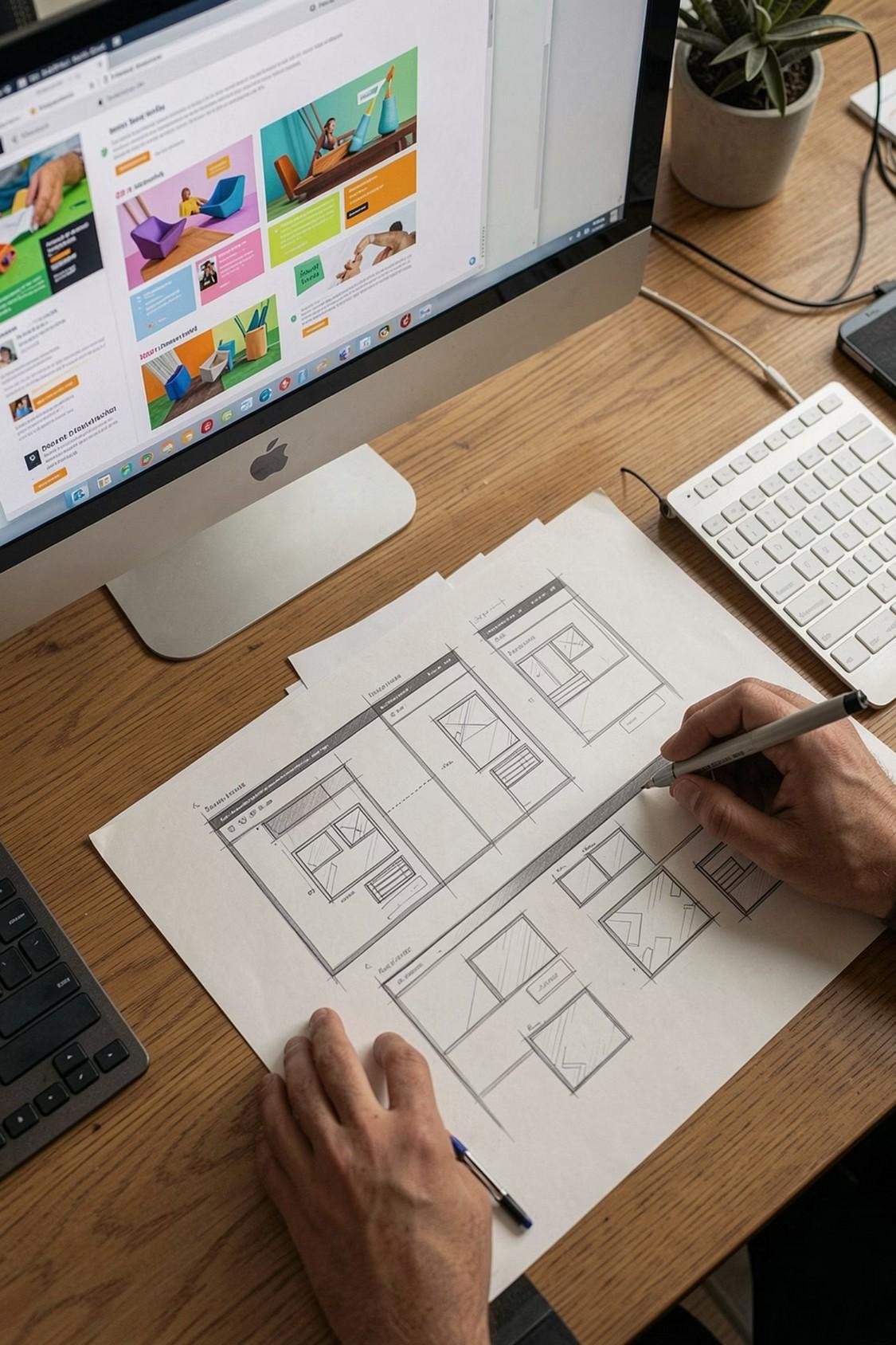
Web designing is the process of creating the visual appearance and structure of websites — making them attractive, userfriendly, and easy to navigate across all devices.

Creativity
Layouts, colors, fonts, images, and buttons
Technical Knowledge
Modern tools and technologies for smooth functionality
User Experience
Professional design that works across every device
Why Choose a Web Designing Course?
The digital world continues growing rapidly. Businesses require websites to reach customers and promote services online.

High Demand
Every business needs a website to establish an online presence.
Multiple Career Opportunities
Freelancing
Web design skills create opportunities across many industries.
Creative Career
Use creativity daily in a rewarding field.
Fast Career Growth
Experienced designers advance into senior roles.
Work independently and serve global clients.
Benefits of Learning Web Designing
Strong Technical Skills
Learn modern web design technologies and tools.

Better Creative Thinking
Design projects improve creativity and problem-solving.
Job-Ready Knowledge
Training focuses on practical industry requirements.
Work Flexibility
Work remotely or from office locations.
Global Career Scope
Web design skills are valuable across international markets.
What Will You Learn?
Structure, headings, paragraphs, forms, tables, hyperlinks, and images.
typography, layouts, and responsive design.
Variables, functions, events, form validation, and dynamic content.
Essential Tools Covered
Modern web designers use several professional tools.

Adobe Photoshop Creating website graphics and visual elements.
Figma Collaborative design and wireframing.
Adobe XD Website prototypes and UI designs.
Visual Studio Code Powerful code editor for web development.
Bootstrap Responsive and mobile-friendly website creation. Canva Website banners and graphics.
Skills for Web Design Success
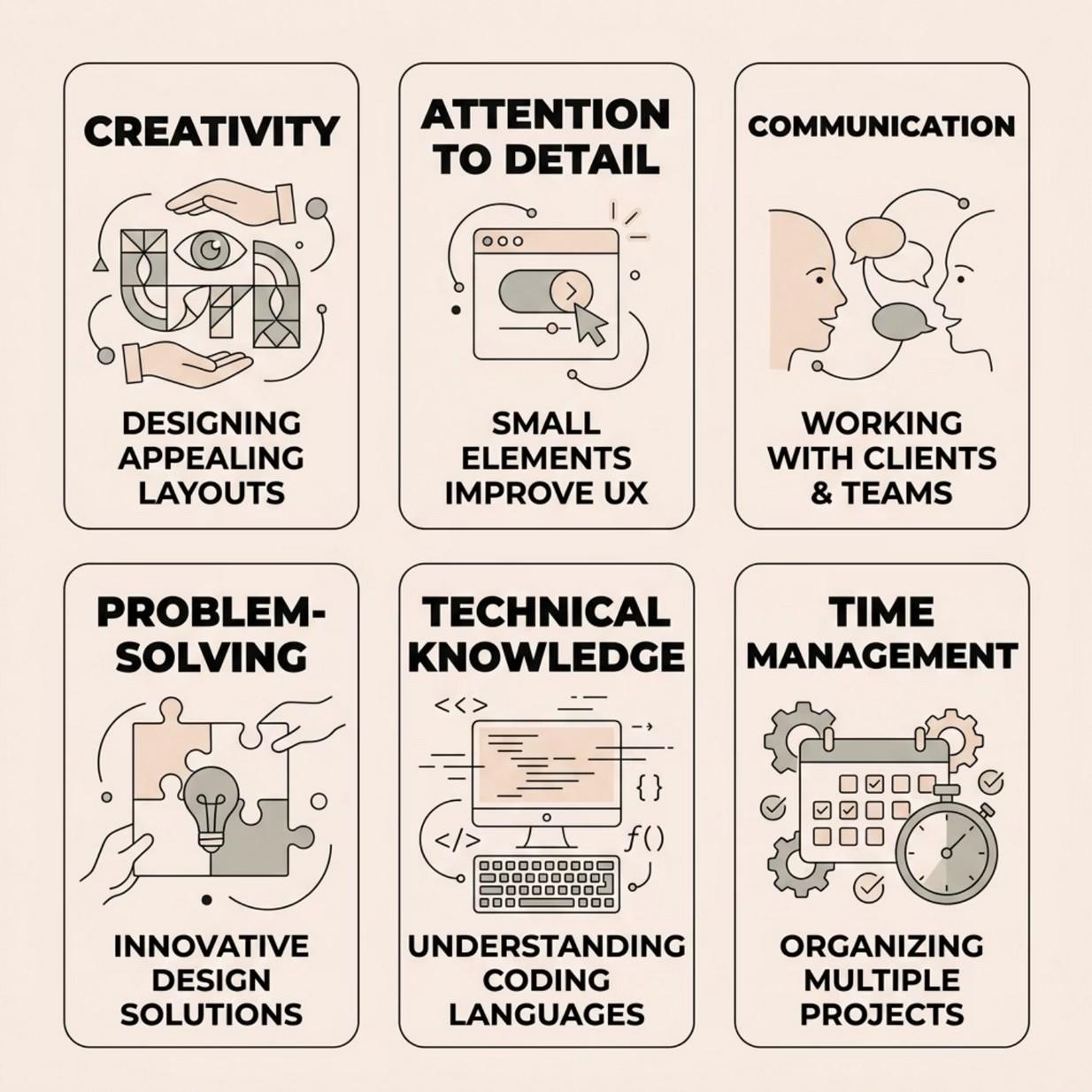
A successful web designer develops both creative and technical skills. Designers create visually appealing layouts, pay attention to small elements that improve user experience, communicate closely with clients and development teams, solve problems with innovative design solutions, understand coding languages for better functionality, and manage multiple projects with strong organizational skills.
Who Should Join?


Students Start building professional skills early.
Fresh Graduates Improve employability through practical training.


Working Professionals Upgrade skills and switch careers.
Business Owners Manage website requirements effectively. Freelancers Expand service offerings and income opportunities.
Career Opportunities After the Course
A Web Designing Course opens doors to several career options.

Web Designer
Creates website layouts and visual elements.

Graphic Designer
Creates visual content for websites and digital platforms.

UI Designer Focuses on user interface design and usability.

Freelance Web Designer

UX Designer
Improves user experience and customer satisfaction.

Website Consultant

Front-End Developer
Builds website interfaces using coding technologies.
Provides website design services to independent clients.
Offers guidance on website improvements and design strategies.
Industries Hiring Web Designers
Many industries require professional web design services.

Information Technology
Technology companies frequently hire skilled web designers.
E-Commerce
Online stores require attractive and functional websites.

Healthcare
Hospitals and clinics need professional online platforms.
Real Estate
Property businesses use websites to showcase listings.
Education
Educational institutions use websites for communication and learning.
Digital Marketing
Marketing agencies require web designers for client projects.
Hospitality
Hotels and travel companies depend on appealing websites.