How
Marketing Controls Our Mind: The Psychology Behind Every Purchase

Unveiling the subtle art and science behind consumer decisions.
The Subtle Art of Influence
Brands are masters of psychological manipulation, subtly guiding our choices without us even realizing it.

Decoding the Mind
Understanding the cognitive biases that drive our decisions.
Crafting Desire Creating needs and wants where none existed before.
Driving Purchase
Converting desire into action and sales.

Emotional Triggers: The Heart of the Sale
Marketers tap into our deepest emotions to forge powerful connections with products.
Fear
Creating urgency or highlighting potential loss.
Belonging

Fostering a sense of community around a brand.

Happiness
Associating products with positive experiences.
"People don't buy products; they buy better versions of themselves."
Nostalgia
Evoking fond memories of the past.
Color Psychology: The Unspoken Language
Colors evoke specific emotions and perceptions, influencing how we feel about a brand or product.


Persuasive Techniques: Scarcity & FOMO
Creating a sense of urgency or fear of missing out pushes consumers to act quickly.
Scarcity
Limited edition products or "only X left in stock" messaging, driving immediate purchases.
FOMO (Fear Of Missing Out)
Limited-time offers or flash sales, like those seen on Amazon Prime Day, capitalize on our desire to be part of an exclusive opportunity.
The Power of Social Proof
We're more likely to buy something if others are doing it. It's herd mentality in action.
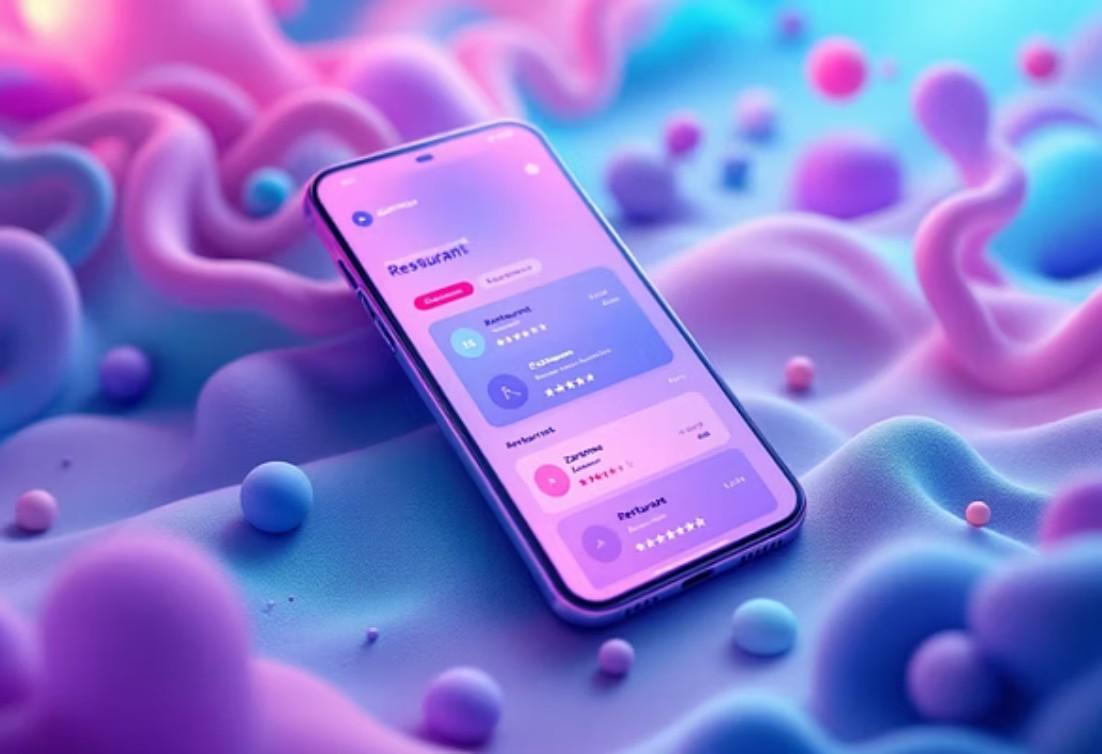

• Zomato: Restaurant ratings and reviews from thousands of users guide dining choices.
• Instagram Ads: Influencers showcase products, leveraging their follower's trust and aspiration.
Anchoring & Decoy Pricing
How initial information or cleverly placed options skew our perception of value.
Anchoring
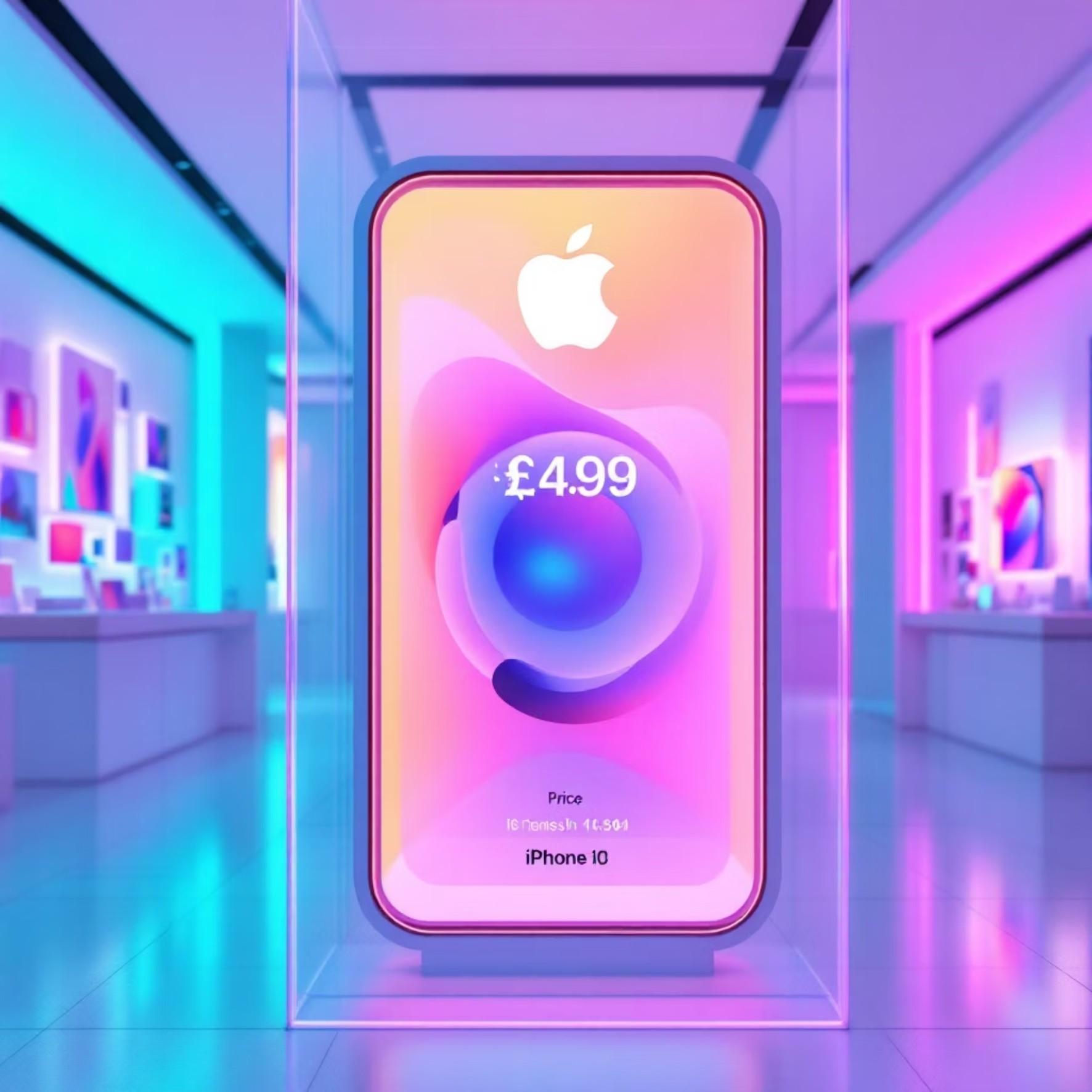
Presenting a higher-priced item first (the "anchor") makes subsequent items seem more reasonable, even if they're still expensive.
Example: Apple's premium iPhone launch, making the "standard" model appear more affordable by comparison.
Neuromarketing: Peering Into the Brain
Utilizing neuroscience to understand consumer responses to marketing stimuli, beyond conscious awareness.
Eye Tracking
Shows where attention lands
EEG
Maps real-time brain responses
Visualizes deep neural activation
Real-World Applications
Brands expertly weave these psychological tactics into their campaigns.

Apple Brand loyalty through aspirational marketing and exclusive ecosystem (Belonging, Anchoring).
Instagram Ads
Amazon "Customers who bought this also bought..." (Social Proof), "Limited time deal" (Scarcity).
Influencer endorsements and visually appealing content (Social Proof, Happiness).

Empowering Smart Decisions
By understanding these tactics, we can become more conscious consumers.

Question Urgency
Is this a real need or marketing-induced FOMO?
Research Thoroughly
Don't rely solely on brand claims; seek independent reviews.
Identify Emotions
Are you buying because of genuine need or an emotional trigger?
Stick to Your Budget
A clear budget helps resist impulsive buys.
Knowledge is power. Make every purchase a deliberate, informed choice.