
STRATEGIC PLAN
HILTON HEAD ISLAND
FIRE RESCUE


Message from the Fire Chief

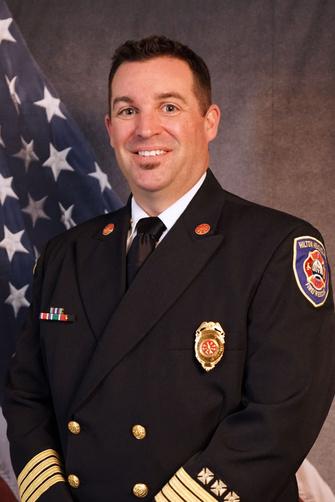
I am pleased to present the Hilton Head Island Fire Rescue three (3) year Strategic Plan Fire Rescue is committed to providing the best service to our community in the upcoming years.
To provide quality emergency services to our residents and visitors, Fire Rescue must proactively respond to changes, solve problems, collaborate on issues, assess community needs, and develop realistic solutions To accomplish this goal our organization developed the following Strategic Planning document. This Plan is designed to provide the organization, citizens of the community, our visitors, and Town Council with a living, breathing three (3) year planning document that can be evaluated, reviewed, and refined on an annual basis dependent on our ability to meet the objectives listed in the plan.
This Strategic Plan outlines the challenges and opportunities of our organization, as well as the strengths and weaknesses we anticipate facing in the next few years This Plan serves as a template for how we intend to focus our energy on growth, outreach, and improvement. This Plan considers many views by collecting input from both the community and staff. I am humbled by the commitment to success displayed by both the community and our members who contributed to the development and implementation of this plan. Together we recognize the commitment we make to our community and ultimately the core values of our organization.
Over the next three years, Fire Rescue members will strive to accomplish the goals outlined in this plan and celebrate our successes and growth as a result. In the end, we will be stronger, more professional, more dynamic, and more effective in providing services to our community

Chris Blankenship, Fire Chief
Hilton Head Island Fire Rescue (Fire Rescue) provides emergency medical services, fire suppression, emergency communications, technical rescue response, hazardous materials response, emergency management, community risk reduction, public education, and fire investigations to the residents, visitors, and businesses of Hilton Head Island, South Carolina. Fire Rescue consistently strives towards continuous improvement, the highest level of professionalism, and efficiency on behalf of those it serves.
This strategic plan was developed in accordance with the guidelines set forth in the Commission on Fire Accreditation (CFAI) Fire & Emergency Services Self-Assessment Manual 10th Ed. This plan is intended to guide the organization within parameters established by the Town of Hilton Head Island.
Fire Rescue utilized the community-driven strategic planning process to ensure a whole community approach in the development of this plan. This process challenged Fire Rescue personnel to critically examine their mission, values, beliefs, and desires, and challenged the team to work in the best interest of the department and the community they serve. It further provided Fire Rescue with an opportunity to collaborate in the development of the department’s direction and focus.
Organizational Background
Fire Rescue is responsible for emergency services and emergency management within the Town of Hilton Head Island, a 54-square-mile barrier island community with 13 miles of pristine beachfront in the very southeastern corner of South Carolina. The resort town was officially incorporated in 1983 but has a rich history tracing back thousands of years.
Hilton Head Island Fire Rescue began operations on July 1, 1993, as a consolidation of the Hilton Head Island Fire District, Sea Pines – Forest Beach Fire Department, and the Hilton Head Island Rescue Squad Before becoming a formally organized and structured fire department, fire protection on the island was provided by volunteers, combination staffing, and eventually a fully staffed department.
Today, Fire Rescue is committed to the service of our citizens, visitors, and businesses by preserving life, protecting property, and conserving the environment. Fire Rescue provides service from seven fire stations, strategically located throughout Hilton Head Island, staffed with 151 well-trained, progressive uniformed, and civilian personnel. Fire Rescue has been internationally accredited by the Commission on Fire Accreditation International (CFAI) since 2002.
Mission, Vision and Values
Community-Driven Strategic Planning
A strategic plan is a living management tool that provides short-term direction, builds a shared vision, documents goals and objectives, and optimizes use of resources For many successful organizations, the voice of the community drives their operations and establishes a course for the future. As a community-driven emergency service organization, Fire Rescue seeks to gather and utilize the needs and expectations of its community in the development and/or improvement of the services provided. To ensure community expectations were a focus of this planning process, the community-driven strategic planning process was used to develop this strategic plan
Effective strategic planning benefits from a consistent and cohesively structured process employed across all levels of the organization. Planning is a process, not a document. While plans are developed regularly, it is the process that is important, not the final document alone. Planning has no clear beginning and no clear end. The most important element of the strategic plan is the opportunity to unify personnel and stakeholders through a common understanding of where the organization is going, how everyone can work d as we work t
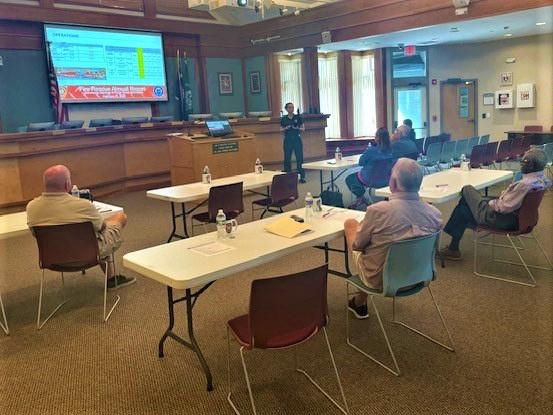
Community Stakeholder Meeting
Community-Driven Strategic Planning Process
Define the programs provided to the community.
Establish the community's service program priorities and expectations of the organization.
Identify any concerns the community may have about the organization, along with aspects of the organization the community views positively.
Revisit the Mission Statement, giving careful attention to the services and programs currently provided, and which logically can be provided in the future.
Revisit the Values of the organization.
Identify the internal Strengths and Weaknesses of the organization.
Identify areas of Opportunity or potential Threats to the organization.
Identify the organization's critical issues and service gaps.
Determine strategic initiatives for organizational improvement.
Establish a realistic goal and objectives for each initiative.
Identify implementation of tasks for the accomplishment of each objective
Determine the vision of the future.
Develop organizational and community commitment to accomplishing the plan.
Process and Acknowledgements
Hilton Head Island Fire Rescue acknowledges and thanks the community, the Town, and Fire Rescue’s personnel for their participation and input in this community-driven strategic planning process. The development of this plan took place from April to July of 2023, beginning with a joint announcement from the Town and Fire Rescue requesting the support of the community to develop the plan
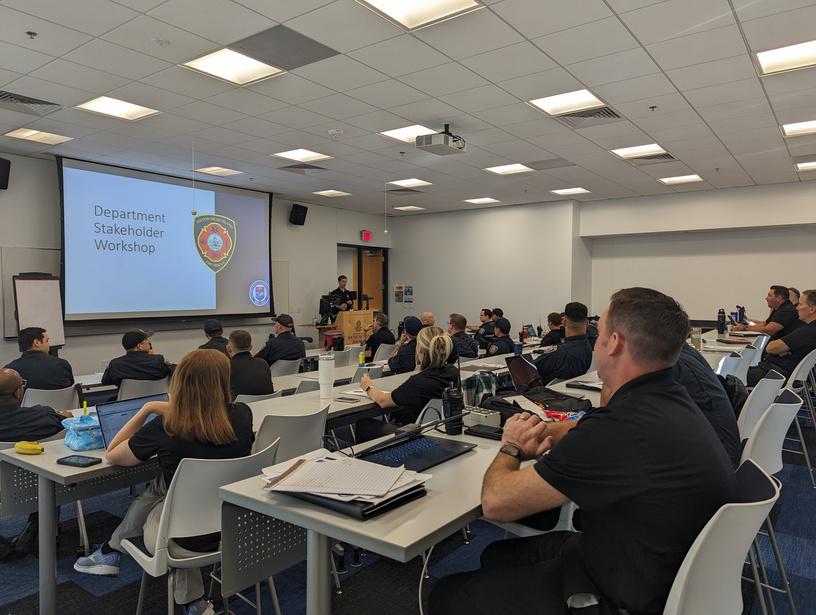
For the first time in Fire Rescue’s history, an online survey was implemented in conjunction with traditional efforts to increase the buy-in of residents, visitors, and businesses. Two in-person community stakeholder meetings were hosted by Fire Rescue to welcome the community into Town facilities, explain the services provided by Fire Rescue, and allow for critical feedback related to this plan Community stakeholders were comprised of residents, business owners, public utilities, PUD representatives, and fellow service providers within the Town of Hilton Head Island. This process provided input from a broad representation of the community The input was analyzed during the department's stakeholder workshop.
Community Stakeholder Findings
Fire Rescue strives to deliver exceptional service to the public through a variety of services To maintain this high level of commitment, Fire Rescue relies on feedback from the community and their satisfaction with the services provided. As part of this planning process, participants were asked to provide a prioritized perspective of the services provided by Fire Rescue In addition, respondents provided input focused on prioritized expectations and concerns, along with comments related to the department, listed in the appendix of the document. Department stakeholders utilized the feedback from the community to identify current challenges encountered within the organization, as well as to ensure alignment with the organization's mission, vision, values, and goals for improvement
Community Priorities
To ensure an effective service delivery model for the community, Fire Rescue needed to understand what the community considered to be their priorities. The results were as follows:
See Appendix 1 for a complete list of the community findings including expectations, areas of concern, positive feedback, and other thoughts and concerns
Department Stakeholder Findings
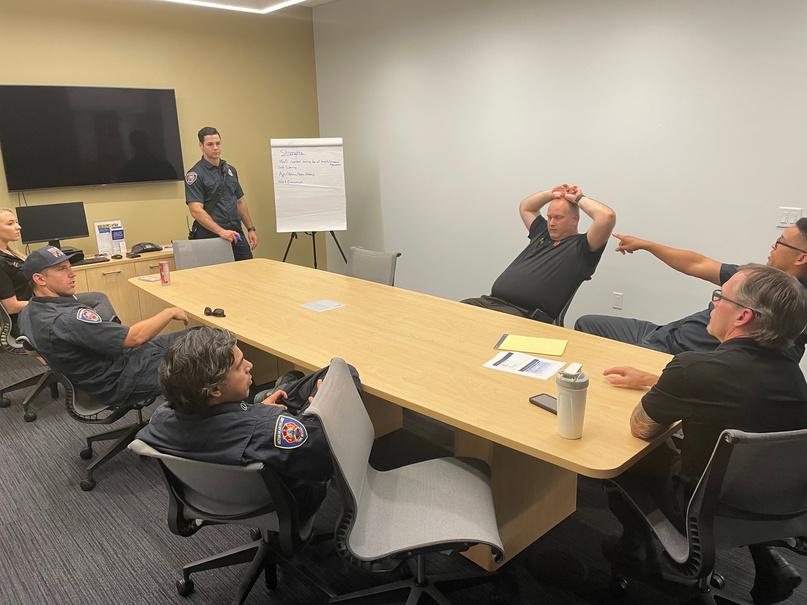
Department stakeholder work sessions were held over the course of three days. These sessions served to discuss Fire Rescue's approach to community-driven strategic planning with a focus on Mission, Vision, Values, and core programs, as well as perceived Strengths, Weaknesses, Opportunities, and Threats. A broad organizational range participated in the sessions, as named in the below table.
Tom
Joheida Fister Deputy Fire
Ryan
CJ
Sebastian Arango Captain
Aaron Aumick Lieutenant
Dave Bell Battalion Chief
Jonathan Bills Captain
Chris Blankenship Fire Chief
Justin Cunningham Deputy Fire Chief
Dunn Emergency Manager
Colin Fanning Battalion Chief
BJ Ferguson Captain
Chief
Zachary Greppi Firefighter
Andrew Groff Senior Firefighter
Hardy Fire Apparatus Operator
Jeff Hartberger Battalion Chief
Kenzie Hrobar Senior Public Safety Telecommunicator
Tim Huser Lieutenant
Peter Janura Battalion Chief
Lee Jenkins Captain
Tim Lawrence Lieutenant
Shane Marstiller Lieutenant
Christopher Osterman Battalion Chief
Russell Rogers Battalion Chief
Chris Savage Captain
Bryan Scharver Captain
Steedley Fire Apparatus Operator
Kathleen Litchfield Communications Manager
Danielle Tison Senior Fire Inspector
Jason Walters Battalion Chief
Ashur Willbur Senior Firefighter
Joe Zoffoli Captain
SWOT Analysis
The Strengths, Weaknesses, Opportunities, and Threats (SWOT) analysis is designed to have an organization identify positive and less-than-desirable qualities. Department stakeholders participated in this activity to record Fire Rescue's strengths and weaknesses, as well as possible opportunities and potential threats. Information gathered through the analysis provides guidance toward the larger issues and gaps that exist within Fire Rescue. The information served as the foundation for Fire Rescue to determine its broader critical issues and service gaps.
Appendix 2 consists of the data collected through the SWOT analysis.
Critical Issues and Service Gaps
Upon completion of the SWOT analysis, department stakeholders identified themes as primary critical issues and service gaps (found in Appendix 3). The critical issues and service gaps identified by the stakeholders provided guidance toward identifying the strategic initiatives, which provide the foundation for the development of goals, objectives, and tasks.
Strategic Initiatives
Critical issues and service gaps identified through group analysis were utilized to develop the following strategic initiatives, which served as the basis for the department’s new goals and objectives.
Department Stakeholder Workshop
Goals and Objectives
Goal 1: Create the appropriate staffing model to fulfill the needs of Fire Rescue and best serve the community.
Objective 1A: Evaluate current staffing model based on community risk and historical data
Critical Tasks:
Analyze historical data compared to staffing
Identify issues and gaps in present staffing model
Timeframe: 6 - 8 Months
Compare analysis to industry standards and similar-structured organizations
Objective 1B: Identify recruitment and retention challenges. Timeframe: 6 - 8 Months
Critical Tasks:
Engage employees on current recruitment and retention programs.
Analyze staffing to determine trends around retention.
Evaluate effectiveness of current Town and Fire Rescue recruitment and retention efforts
Propose recruitment and retention improvement plan
Objective 1C: Develop an appropriate staffing model. Timeframe: 8 - 12 Months
Critical Tasks:
Review analysis completed for Objectives 1A and 1B.
Evaluate workload across all divisions
Develop an implementation plan for an increase in paramedics within Fire Rescue
Ensure proposed staffing plan is designed for longevity to continue to meet the needs of the community.
Present proposed staffing model to Fire Rescue Senior Staff.
Objective 1D: Implement and evaluate new staffing model to ensure needs of Fire Rescue and the community are met
Critical Tasks:
Implement new staffing model based on objectives 1A-C
Obtain feedback from divisions involved in the new staffing model
Timeframe: 12+ Months
Measure the effectiveness of the outcomes using collected data and feedback.
Plan for a re-evaluation of the staffing model on an annual basis.
Report all findings related to the new staffing model to the Fire Chief
Goals and Objectives
Goal 2: Enhance personal growth and professional development to improve service delivery to the community.
Objective 2A: Analyze the effectiveness of developmental programs and strategies.
Critical Tasks:
Evaluate current programs and strategies
Timeframe: 6 Months
Determine effectiveness of specific programs in the areas of leadership, coaching, mentoring, wellness, and project management.
Draft an action plan to enhance existing and develop new programs based on findings
Objective 2B: Develop and enhance programs to meet identified needs
Critical Tasks:
Timeframe: 12 - 18 Months
Enhance content to be industry-leading in areas identified within Objective 2A.
Conduct pilot courses of new and enhanced programs to ensure the message is well received
Reassess and enhance curricula to institutionalize best practices
Objective 2C: Implement and evaluate programs to foster growth and development within Fire Rescue
Critical Tasks:
Timeframe: 12 Months
Develop a communications plan to deliver a common message of enhanced development programs
Begin implementation of new and enhanced programs
Present enhanced programs to identified personnel based on career path and need.
Develop feedback mechanisms to ensure program delivery is well received and address any findings
Present findings and any needed improvements to Fire Rescue Senior Staff
Goals and Objectives
Goal 3: Maximize community outreach through the enhancement of programs and partnerships.
Objective 3A: Analyze current community outreach programs and partnerships for effectiveness
Critical Tasks:
Timeframe: 6 Months
Evaluate current programs and partnerships' ability to support the community and assist Fire Rescue
Review programs of similar communities for opportunities, successful partnerships and programs relevant to our community's needs.
Draft proposal to enhance and create partnerships and programs for Fire Rescue Senior Staff.
Objective 3B: Develop new partnerships to enhance capabilities of reaching our community.
Critical Tasks:
Timeframe: 12 - 18 Months
Begin open communication with program-specific partnerships based on identified needs of the community and Fire Rescue
Explore new and/or enhance partnerships to understand support and buy-in to proposed programs.
Cultivate relationships with identified partners to build specific programs
Develop a common message to share with the community to announce new/enhanced partnerships and programs
Objective 3C: Implement new programs and evaluate those programs and partnerships
Critical Tasks:
Implement new programs within the community
Timeframe: 12 - 24 Months
Present new partnerships and programs to the community through an established communications plan
Obtain feedback and outcome data to support improvements within new/enhanced programs.
Analyze results and plan for re-evaluation of programs based on changing needs and demands from the community
Report findings of new and enhanced programs to Fire Rescue Senior Staff
Performance Measurement
To ensure Fire Rescue is accomplishing the strategic initiatives identified by the organization and the community, performance measurement data will be integrated as part of the plan Performance measurement will be based upon:
The identification of goals and objectives; Determination of resources required to achieve them; Analysis and evaluation of performance data; and The use of performance data to drive continuous improvement within the organization
Resiliency Planning
To strive for continuous improvement, it is critical to identify potential roadblocks and possible risks that will prevent achievement. This helps Fire Rescue understand potential issues early to take a more proactive approach to resolve or reduce risks to the strategic initiatives. With each strategic initiative, project managers and participants must address the following key issues:
1 What could get in our way during the project or prevent us from achieving success?
2. What are the potential risks or impacts to the work and outcomes?
3. How can we stop or minimize potential risks?
4 How will we measure results or impacts to ensure the plan is working?
5 Are there any strategic shifts we need to make?
Roadblocks
Time
Lack of buy-in
Budget
Disasters
Poor planning or execution
Lack of focus
Lack of teamwork
Assigning the correct people
Lack of communication
Not asking the tough questions
Risks
Loss of momentum or morale
Loss of personnel
Loss of funding
Loss of confidence Liability
Loss of respect
Mitigation Strategies
Incorporate plan in all decisions and activities
Regular updates Remain flexible
Establish checkpoints Remain committed
Process over project
Establish a baseline and measure results
Celebrate all successes.
Success of the Strategic Plan
By adopting this Strategic Plan, Fire Rescue expresses a desire to implement a plan created through recommendations and input from the community and members of the organization. Leadership and active participation from all participants unifies the department and the community through a joint understanding of the department and its direction in order to achieve the mission, vision, and values. The success of the plan depends upon the implementation of goals and objectives, as well as support received from the community, members of the department, and the Town.
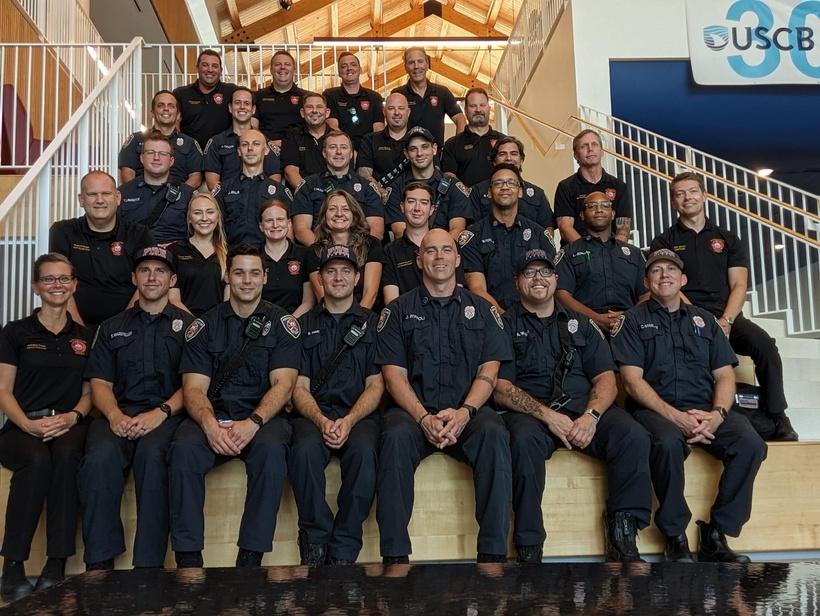
Department Stakeholder Workgroup
Appendix 1
Understanding what our community expects is critically important to the development of long-range perspective and planning. Based on knowledge obtained through community feedback, internal direction may need to shift to fulfill the needs the community identified.
Survey participants were asked to list, in priority order, up to five community expectations and concerns directly related to Fire Rescue's service delivery. Responses were reviewed and similar responses were identified and placed into groups. The overall weight of the community’s expectations was based on the frequency of responses, gradually reducing as responses were less frequent and uncommon.
Even as the themes below are prioritized in order, all responses obtained were important and reviewed as part of the planning process. The following are the prioritized responses of Fire Rescue’s community stakeholders:
Community Expectations (In Priority Order)
1 Response time Quick response Quick response to 911 calls anywhere on HHI Quick response time to all calls. Prompt arrival for emergency medical. Prompt response. Timely response. Timely, quick response to 911 calls. Adequate response time. Respond appropriately within a reasonable time. Prompt arrival for rescue Response within 5-10 minutes; shorter if possible Arrive at site with necessary equipment and trained personnel Fast Fast response Fast response time Fast and appropriate response when needed Get there quickly Efficient, effective response Respond to fires Respond quickly to notification of fire Respond to Accidents. Respond to safety issue. Respond to medical emergency. Respond to rescue. Appropriate responses to all emergency situations. Emergency quick response. Rapid response. 911 access. Immediate quick response from 911 call Immediate and quick responses to all medical, accident and fire emergencies That the department will continue to maintain timely response to fire emergencies Competent response GPS for areas that may be limited to responses for location Response time to emergencies Helping the police with 911 calls. To arrive quickly. On time response. Providing services in a timely and safe way. Safe and timely response to fire emergency. Safe and timely response to emergency situations – disaster, chemical spills, accidents (62)
2 Prepared Training Trained Provide skilled, competent services Effective rescue and 911 protocols Emergency process in place & flex tested. Educated people that can analyze quickly how to put a fire out or best medical response. That the department provides the best training available for its staff. Knowledgeable. Knowledge/training Knowledgeable and skilled EMS staff Professionals who are trained in EMS, fire prevention/suppression and emergency rescue Professionally trained staff Training for health emergencies Training for putting out fire with the least amount of damage to house Gas leak training Updated equipment and education as the world becomes more challenging. Work as a team. To be well trained. Strong judgment and performance. Updated emergencies skills. Increased training for commercial flights into the airport. Highly trained professionals Mental health response training Continuing education for fire and rescue employees Prepared for all emergencies Efficient Experienced Fit To be proactive (47)
Appendix 1
3 Fire Safety – Inspections Fire issues with the home Life Safety Fire and Life Safety Community Risk Reduction Public education – what to do in case of emergencies Educate the population on high risks in our area Safety is both environmental and building code Keeping citizens safe from fire Educating students/immigrants on safety protocol. Promotion of citizen CPR. Helping to educate and interact with communities. Regular occurring fire prevention education to public and in schools. Disaster scenarios to public, children and young adults Continue fire explorer programs Outreach programs that build continuous buy in Visits to lower socioeconomic areas to offer free fire extinguishers and fire detectors First aid education Awareness and outreach To offer education Resident safety (33)
4. Caring. High level of service. Courteous and polite manners when interacting with community. Overseeing safety of citizens during public emergencies Polite staff hired Be kind and courteous Friendly Concern for victim Treat everyone with respect Compassionate response Provide services to all people regardless of race, gender, age, living situation, etc Prompt, courteous response Positive presence in the community To be one of us and not above us – citizen friendly. (18)
5 Emergency Medical Services EMT service Medical Basic CPR knowledge EMS response Respond to medical emergencies Coordination/cooperation with medical partners Improve resuscitation rates Advanced training/certifications Medical education in Fire Rescue (17)
6. Emergency preparedness – taking steps to ensure safe return, proper infrastructure. Comprehensive planning for all hazards Strategic planning for emergencies Disaster preparedness planning and response Hurricane warning & response Community engagement in emergency situations (13)
7. Have the tools readily available to help. The best and latest equipment well maintained. Up to date equipment. Excellent equipment. Best equipment. Proper equipment. Appropriate equipment. Dependable equipment Firefighters will have the best equipment vehicle-wise to be able to reach all locations in need of help (13)
8. Professional. Professional service. Professionalism. Professional performance at all times. (8)
9 Communication Be able to communicate effectively The department will maintain its open communication with the public Available to answer questions regarding safety needs or concerns Communications with those involved Answering the phone and having knowledge Timely communications regarding dangers in the community or negation of perceived dangers. (8)
10 Superb recruitment, retention, and promotions The department takes whatever steps are necessary to recruit qualified personnel to meet desired staffing levels Benefits to retain good employees Continue to recruit staff. Properly paid. (8)
11 Fully staffed Properly staffed to respond to emergencies Sufficient staff and equipment to service growing population Dedicated unit staffing 2 for ALS, 3 for Engine, 4 for Quint and Truck Fully staffed apparatus, no jump trucks All-ALS staffing, why not? (7)
12. Incident stabilization. Property conservation. Protect human and animal life. Save people and property. Minimize property loss Protect the environment (7)
13 Fire suppression Fire Extinguish fires (7)
14. 911 Communications. State of the art communication system. 911 call goes through & is responded to ASAP (4)
15 Safety Safety for firefighters and others Safe operations (3)
16. Fire investigation. Fire cause and determination. Advanced investigation methods. (3)
17 Rescue (3)
18. Adequate budgeting and cost effectiveness. Capital investment in vehicular equipment is completed as scheduled. Limit/reduce spending. (3)
19 Having support from the community leaders (1)
20. Continued excellent service to the community. (1)
Community Concerns (In Priority Order)
1 Response time Too much traffic will impair response Timeliness of response time Effectiveness of response. Efficiency of response. Time to get to the rescue. Can they arrive at the beach situation fast enough to save someone in serious trouble. Speed of rescue vehicles in large developments. They won’t make it in time Time of response to fire Time of response to medical emergency Availability during the busy season Ability to handle increase in population during summer months Access to my neighborhood on Jonesville Rd Ability to access my home in a cul-de-sac Accessibility to locations Lack of EMS coverage or additional units during peak surge times and season. (23)
2 Staffing Fully staffed Will we be staffed properly Adequate staffing as call volume increases Do they have enough staff, are they overworked Minimum staffing per station, each station should have to respond to an EMS incident and keep the fire apparatus in service Insufficient resources – staff, equipment, budget Lack of staff. Insufficient number of local fire responders. That there are not enough staff to meet out needs. Pay for EMTs & Firemen, are we competitive. Impact of lack of affordable housing. Availability of personnel. Sufficient manpower Enough staff Fully staffed with stability of personnel Manpower shortages Jump trucks (22)
3. Trained. Lack of well-trained first responders. Properly trained in water rescue/pond rescues. Dealing with hazardous chemical spill or fire. Properly trained medics. Ensuring firefighter safety. Lack of training for possible emergencies Unprepared for major disasters and catastrophic evets Their lives may be in danger Untrained personnel Rescue capabilities Modern times emergencies that meets exceptional circumstances, are we prepared locally? Qualified Inspectors Unnecessary focus on specialty training (HazMat) Confident, competent emergency service. (19)
Appendix 1
4 Enough equipment Adequate and functional equipment Proper working equipment Outdated equipment Cleanliness of equipment. Do they have the items needed to provide best practice rescue. Latest updated equipment. Ability to constantly update equipment. Engines and ladders meet UL standards. Equipment maintenance & replacement Toys for the sake of toys (13)
5 Fire and life safety education Education Educating children Safety School safety More education in Spanish. Education in first aid and fire prevention. Lack of sprinklers in most all the massive homes. Is the department in all communities – have they built relationships. Relationships, community partnerships in collaboration Citizens will not pay enough attention to the offered trainings (13)
6 Traffic response Traffic calls Traffic safety High amount of traffic accidents in our area Traffic on Hilton Head impacts emergency responders especially during tourist season. Inbound traffic can be horrendous Saturday’s during tourist season, what is the plan if the bridge is packed with cars. Bridge issues. Only one exit off the island Having one bridge may prevent their duties (11)
7 Emergency medical response Increase in EMS incidents Advanced emergency medical intervention Ability to perform interfacility transfers. EMS equipped for trauma/disaster situations. Drug overdoses. Accessibility to ambulances in emergencies. Paying ALS level when BLS is required. (9)
8 E911 communications Speed of communication Plan B with communication system failure Knowing when calling 911 that the rescuers are on their way Initial situation analysis to prevent sending out the big trucks or multiple vehicles when a lowered level response would be completely adequate. (6)
9 Properly funded Increasing fire apparatus costs Do they have enough funding to have state-of-the-art equipment I am always concerned there will be enough money available It is imperative our Hilton Head Fire and Rescue team continue to have the funds necessary to complete their tasks Future funding, will we be sustainable. (6)
10 Recruitment and retention Hiring quality professionals and providing the training necessary Paid well to support nice living Concerned the island economy may limit the pool of competent employees Maintaining 911 staff. (5)
11 Too many non-emergency calls Demand for Fire Rescue will probably increase with time on HHI as the population continues to age Adequate coverage for South Beach Adequate coverage for Mitchellville (4)
12. Disaster preparedness. Disaster. Weather-hurricane. (3)
13 None Same as above answers (3)
14 Health Emotional support (2)
Appendix 1
15. Lack of medical care on the island – takes out an ambulance and crew every time they have to transport to the hospital. (1)
16 Working fire hydrants (1)
17. Proximity of some residences. (1)
18 Availability of precautionary assistance (1)
19 Bigger is not better (1)
Positive Community Comments (In no order)
Your firefighters are very professional
You do a fantastic job with the resources you have Fire Rescue does a good job
Thank you for teaching me about all your services. Keep up the good work.
Hilton Head Island Fire Rescue is superb Station 5 responded to my wife's 911 call in February of 2022 She was quickly transported to Hilton Head Hospital. Kudos!
Your team responded to my anxiety incident. The team responded in a timely manner, and everyone was great!
Thank you for your work and practice drills
I have always been impressed by the training facility we have on Hilton Head behind the dump It is a firstrate facility and better than training facilities I have seen in much larger cities. It is very well utilized and gives me great confidence in the emergency services available to our community when I see groups being trained there
Hilton Head Island I believe has an excellent Fire Department and EMS responses
The employees have an excellent reputation
We are a fortunate community!
I would like to thank our dedicated professionals who risk their lives at times to save others. May you always come home to your loved ones
I hope these fine people will be there when I need them
Thank you for all you do to protect life and property
I have never had to use the services of the fire department but see them in action in my neighborhood and the personnel appear to be well trained and professional.
I had a fire at my residence several years ago and was extremely impressed with the Fire and Rescue employees They arrived within 6 minutes of calling, they discussed what was happening, they were courteous, and they were very thorough They spent the night watching for any problems They answered questions regarding our concerns. They are amazing! God bless every one of them.
I believe Fire Rescue is a very important service in our community, and those who were hired should be supported, funded, and trained
I appreciate everything firefighters do and always feel they are underpaid I appreciate that they properly installed my car seat for me new grand baby (thank you Russell) I am grateful for visits to our elementary school (I am a teacher of 32 years). I know they will come and inspect homes for unsafe areas as well as checking smoke detectors and many time replacing smoke alarms free of charge. Thank you for all you do for us!
Appendix 1
Positive Community Comments (In no order)
I think from what I have seen while on the island they do an outstanding job.
Appreciate that HHI Fire & Rescue utilizes PulsePoint My app setting allows for notifications to my device screen Helpful to know when and where there is an issue to avoid traffic congestion, especially due to collisions or other road-side emergencies
We have wonderful employees! Make sure we pay them well enough to keep them and keep them trained in the most up to date equipment and techniques.
Thank you for what you do for this community I have been the recipient of care, have taken CPR courses, and observed 1st hand the education you provide in our schools Being present & part of the community is so important & builds relationships of trust. I think our department is wonderful.
I am new to HHI but was a volunteer firefighter for 18 years. I truly hope that we do what is takes to keep our paid staff happy Thank you
Hilton Head Island Fire Rescue is doing a great job making the community aware of what they do
Thank you
A department that reflects a representative knowledgeable citizenry.
Additional Community Comments (In no order)
Would like to know if Town has considered sprinkler ordinance for any buildings over 5000 sqft. Need fire boat.
Consider offering insurance covering EMS services not provided by patient’s insurance
Consider advisory board for long range planning and capital projects
Consider EMS motorcycles
Do we still have to call before we burn?
EMS services should provide hospital transport, it should not be contracted out to independent parties. I feel like we should help to give further recognition to our firefighters and EMS Maybe hold more community events to bring the community together with these dedicated men and women and this would also be an opportunity to distribute pamphlets If more AED/CPR classes were offered, I think they would be very well attended, especially since we have a large elderly population. We are very happy with the partnership between Hilton Head Island Fire Rescue and Hilton Head Regional Healthcare. We believe the communication and coordination between the two entities is very strong which ultimately benefits the community at large Thank you for all you do for the hospitals and the Island I feel all the services listed above are important, so it was difficult to place in order
Volunteerism is the original idea of the Hilton Head fire department. With the increase in population and growing infrastructure, a paid organization developed. The idea of using volunteers in the developing stages should be considered The residents of Hilton Head although mostly retired, can offer an abundance of knowledge, experience, and expertise in the development process Some of the most highly skilled and experienced residents in the fire service live in the neighborhoods you are protecting Why not allow a community-based organization of volunteers to assist with the needs of the fire services. Volunteers are highly motivated, dedicated, and willing to learn. Offering better organization and helping others. It is a disservice for the Hilton Head fire and rescue organization to not have a better understanding of the people they protect and serve
Hilton Head Island Fire Department needs more manpower There is no reason to jump from an engine company to an ambulance. Both should be manned.
Appendix 1
Additional Community Comments (In no order)
Call volume has doubled in 10 years but staffing has only increased by one firefighter per shift. I believe it’s time to move on from the jump truck system and staff apparatus based on 2023 stats (not 2003 data).
I think they should be Motorcycle ambulances as well as regular medics because an EMS motorcycle will get on scene, much quicker and faster and would go through more obstacles than a regular ambulance would like the EMS Motorcycles would take like small calls and would be able to get on scene to tell dispatch what kind of response this needs to be upgraded to.
There hasn’t been a hazmat incident of any consequence on the island for 20+ years. I don’t see the value in maintain that resource
Lack of flexibility for improvements to family properties that do not want to follow Town Subdivision standards
I have encountered the fire department and several interests requiring Native Island families to meet the fire/road/driveway standards of a subdivision Native Islanders should be able to use their land in patterns that are not a commercial residential subdivision Our land use and patterns should not have to mimic gated communities thought of as gated plantations
The Native Island community is protected and not forsaken over tourists.
Being a newer resident, I have not had much opportunity to understand the demands on the fire service. When trying to prioritize, it felt difficult because EVERYTHING seems worthy of being a top priority
Appendix 2
Department Stakeholder SWOT Analysis
Comments marked * were focused on during the drafting of strategic initiatives
Strengths
Town/Community support*
Well-rounded training for all hazards/emergency preparedness*
Professional service delivery*
Customer Service oriented*
Quality employees*
APs/policies/SOGs/protocols*
Self-supporting*
HR benefits*
Station planning zones*
Eliminating our weaknesses*
Water distribution system*
Emergency management*
Subject matter experts*
Funding sources*
Software programs*
Adaptive*
Equipment/facilities
Maintenance
Doing more with less
Community outreach
Innovation/problem solving
Community Risk Reduction
Response times
Communication
Diversification of background
Self-sustaining
Structured
Positive work environment
Standardization
Safe working environment
Adaptive
Fit for duty mindset
Quality training
Compensation
Opportunities for input/direction
Standardization of fleet/equipment
Chaplin program/FAST/mental health
Fiscally responsible
EMS cardiac survival rate
Specialized teams
Commitment to community outreach
Educated personnel
Weaknesses
Staffing/recruitment*
Consistent communication*
Doing more with less*
Say no with no explanation*
Location*
Diversity of employees*
Healthcare infrastructure*
Formalized leadership training*
Service delivery model*
Employee involvement*
Prioritization of physical fitness*
Project management*
Location of dispatch and key facilities*
Positional preparation*
Standards/benchmarks*
Learning needs from new employees*
Access of information*
Dependency on non-municipal agency
Overanalyzing/overcomplication
Changing for no reason
Quality of EMS training
Size of agency
Cost of living
Experienced personnel
Infrastructure
Neighborhood layouts
Limited local recruitment
Crew continuity
Mutual aide
Water capability
Overly ambitious
Generational gaps
Number of paramedics
Department Stakeholder SWOT Analysis
Comments marked * were focused on during the drafting of strategic initiatives
Opportunities
EMS on beach daily*
Water rescue & fire capability*
Healthcare partnerships*
Community paramedicine*
Marketing through social media*
Communication with external partners*
Fun learning experiences*
Community open houses*
Ride a-longs*
Develop partnerships & relationships*
Town's growth*
Internships*
Engagement with seniors & volunteers
Networking opportunities
CERT program Interagency training
Part-time staffing
Deferred retirement option program (DROP)
Threats
Access to healthcare & medications*
Service demand exceeds capabilities*
Inflation compared to budgets*
Paramedic staffing*
Low acuity call increase*
Population increase*
Decline of interest in emergency services*
Increase on technological reliance*
Hospital overcrowding*
Environmental*
Equipment failure*
Medical facilities*
Traffic infrastructure*
Cost of housing*
Lack of community awareness of Fire Rescue's responsibilities*
Mutual aide
Mental health
Access to buildings
Cultural understanding
Mass casualty event potential
Moving away from core mission
Aging buildings
Aging population
Geriatric abandonment
Qualified external applicants
Social activism
Homelessness
Supply chain issues
Appendix 3
Critical and Service Gap Issues Identified by Department Stakeholders
Quality and Frequency of Training
Career plans & pathways
Training plans for each division
Send members to outside training to deliver to members
Partnerships & Mentorships
Internal relationships
Officer advocation
External relationships through outreach opportunities
Community Paramedicine
Reduction in low acuity calls for service
Proper doctor referral outside the ER
Proactive vs reactive
Public education & information
Hospital Overcrowding
Identify all available options of care and communicate
Triage incidents and dispatch level
Project Management
Identify correct individuals to manage specific projects
Ability to say no to projects outside scope of strategic plan
Community Outreach
Understand what people are passionate about Learning opportunities
Ride a-long
Beach EMS
Reduction in transport demand
Increase of calls for service
Recruitment pathway
Visibility for the Town and Fire Rescue
Part-time EMS opportunity
Formalized Leadership
Training
Development of an officer academy
Consistent message
Positional Preparation
Companies must become
self-sufficient
Mentorships
Ability to transition within Fire Rescue
Access to Information
Dashboards
Assistance from Town IT
Streamlined
Consistent
Risk overall
Life safety Water Capabilities
Time & distance for limited assisting agencies
Consistent Communication
Interpretation of vision may not be clear
Consistent adherence of directives
Officer oversight & accountability
Enhanced utilization of technology
Paramedic Staffing
Transition to 100% ALS
Established timeline from hire date to paramedic school
Budget is forecasted and communicated
Ease staffing and assignment issues.
Standards/Benchmarks
Establish clear expectations
Communicate up and down chain of command
Volunteers Supplemental Staffing
Internships
Skill Bridge Colleges