
White Birch
Other Common Names: Paper birch, Canoe birch
Scientific Name: Betula papyrifera
Conservation Status: Least Concern


Characteristics:

Bark peels back revealing a new white

From afar, trees look skinny and white with layer The bark that peels back looks similar to paper some brownish, with grey spots. hence the name “paper birch”.
Ecological Importance:
The white bitch provides a form of food, shelter and nest space for a wide variety of animals Moose, Deer and Hare are some examples of species which eat the leaves from the white birch Woodpeckers, Chickadees and swallows are some bird species which nest in the branches of the white pine
Indigenous Importance:
Many First Nations peoples would frequently use the bark from the white birch as material to create vessels such as canoes As well, white birch bark would be used to create cooking materials such as bowls and baskets Specifically in the white birch, the peeling bark would be used as a writing canvas as the paper like bark made for the perfect canvas
White Birch Trunk White Birch Trunk and Branches White Birch Leaves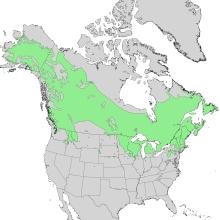
White birch in Canada
Kyra Oster and Kay Hartwick

On Ca p n the East side of the Willow Landing
Resources:
Lovejoy, Rachel “Interesting Facts about Birch Trees ” Garden Guides, 3 Sept 2020, https://wwwgardenguides com/13428819-interesting-facts-about-birch-trees html
“Traditional Uses of Birch Bark in Canada.” Image Description, https://wwwwyemarsh com/traditional-uses-of-birch-bark-in-canada
“White Birch (Paper Birch) (Trees of Manitoba) Inaturalist.” INaturalist, https://wwwinaturalist org/guide taxa/873096
“White Birch.” Ontario.ca, https://www.ontario.ca/page/white-birch.