
Health Benefits of Using an Indoor Bike Daily | Types of Gym Equipment Maintenance
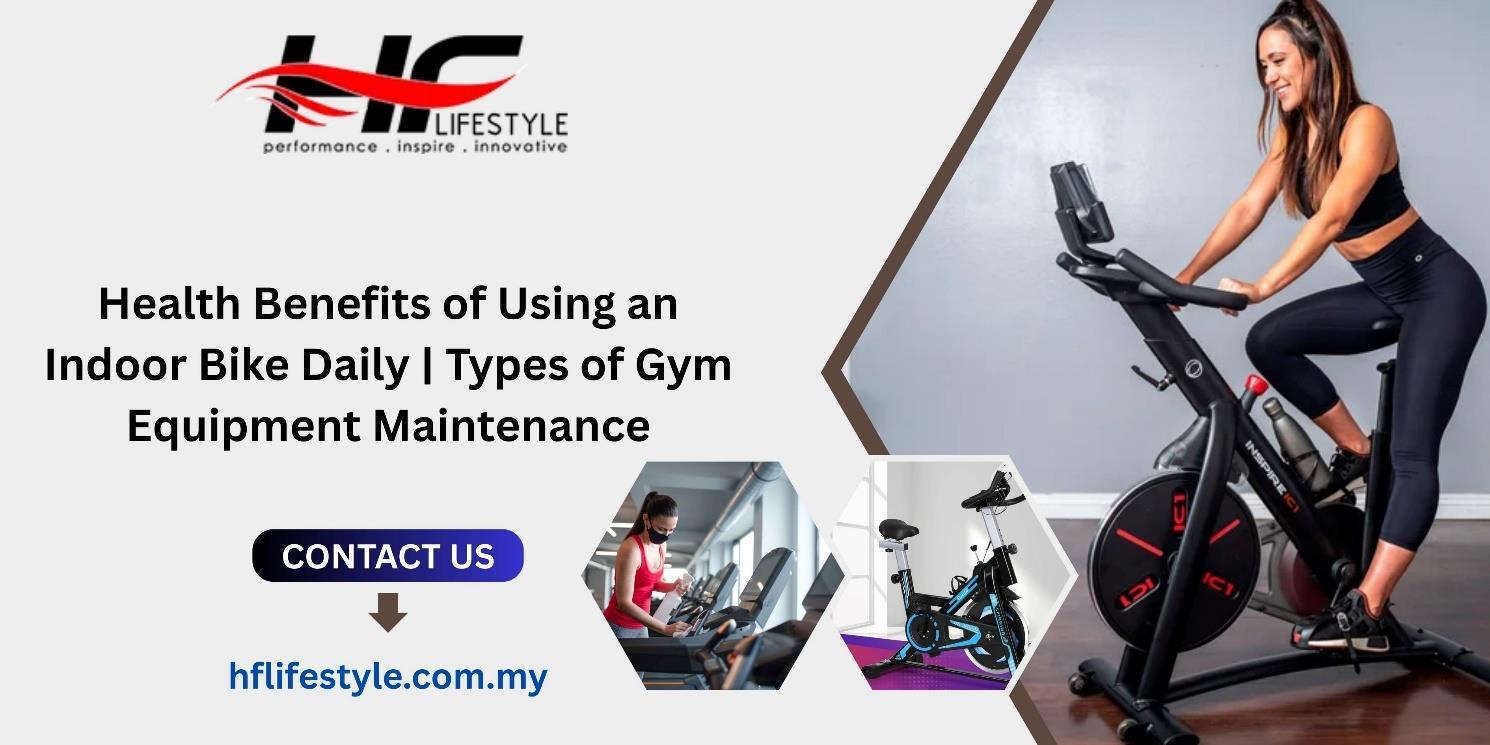
An indoor bike is a kind of fitness equipment that is stationary and meant for indoor use, features adjustable resistance, an ergonomic seat, and operates quietly while simulating outdoor cycling without the hassles of space or weather. The maintenance of gym equipment consists of all necessary activities practised regularly for cleaning, inspection, and repair of machines. It includes preventive operations such as lubrication and cleaning, as well as corrective repairs to fix failures. Maintenance ensures equipment life, reduces downtime, improves safety, and benefits both gyms and users by increasing performance.
What Makes an Indoor Bike Different from a Regular Bicycle?
An indoor cycle is built for indoor usage only; thus is usually a fixed variation. Unlike an outdoor bike, the indoor cycle has resistance adjustments, digital displays, and a static frame, all of which add to its value as a source for indoor
training, with the sole consideration for use indoors. It reflects outdoor riding, yet is for the home, gym, or fitness studio, eliminating space or weather considerations.
Core Features You’ll Find in an Indoor Bike
Most indoor bikes come with a combination of these core features:
Adjustable resistance levels
Flywheel mechanism for smooth pedaling
Ergonomic seating and handlebar adjustment
LCD monitor or smart touchscreen
Heart rate monitor and calorie tracker
Quiet belt-drive systems
Health Benefits of Indoor Bike Daily
It increases cardiovascular strength, aids in reducing fat, strengthens lower body muscles, and increases stamina. Indoor cycling workouts release stress, promote sleep, and help control blood sugar and cholesterol levels. Moreover, an indoor bike is easy as it is low-impact on joints but high-caloric burn.
Indoor Bike Workouts You Can Try at Home
Beginner Ride (20 mins): A slight warm-up for 5 minutes should be done on the bike, after which cycling for 10 minutes should be done continuously and finally without a stop, cooling off for 5 minutes will ease heart rate and relax muscles.
HIIT Ride (15 mins): Drip in and out of 30 seconds for a flat-out sprint, and 30 seconds for slow recovery pedaling. This format revs up the metabolism, burns off calories effectively, and works cardiovascular endurance in no time.
Hill Simulation (30 mins): Simulating a hill climb with increased resistance every 5 minutes and maintaining a steady pace but applying
increased force against the same resistance would be likely the kind of natural outdoor incline to build leg muscles and endurance.
Where to Place an Indoor Bike for Maximum Use
To make the most of your indoor bike:
Place it in a quiet, ventilated corner of your home.
Position it near a TV or tablet for entertainment.
Ensure non-slip flooring or a mat underneath.
Use in a dedicated home gym or a multipurpose fitness area.
Indoor Bike vs. Treadmill: Which One’s Better?
Feature Indoor Bike Treadmill
Impact on Joints Low Higher
Calories Burned Moderate to HighHigh
Noise Level Quiet (belt-drive) Louder
Muscle EngagementLower body focus Full-body movement
Portability Easier to move Usually bulkier
Type of Gym Equipment Maintenance in Malaysia
1. Preventive Maintenance
Scheduled maintenance covers planned inspections, lubrication, bolt tightening, and cable checks. These activities help prevent unexpected breakdowns, keeping machines in good condition through regular minor maintenance.
2. Corrective Maintenance
Corrective maintenance happens after a machine breakdown. It can involve the replacement of damaged motors, fixing a damaged pulley, or replacing worn
parts to restore full functionality while contributing to minimal equipment downtime.
3. Predictive Maintenance
Predictive maintenance utilizes collected smart machine data and usage analytics to forecast wear. This early notification permits gym owners the chance to fix potential faults to ensure that the gym does not face unexpected failures while minimizing repair costs.
4. Daily Inspections
They mean checking on and off each day for damage, dirt, and operational changes in every piece of equipment. Staff wipe surfaces, check electronics, and spot problems before they escalate to promote hygiene and member safety.
Financial Benefits of Proper Gym Equipment Maintenance
Reduces Replacement Costs
Periodic inspection prevents premature wear, resulting in expensive replacement of Gym equipment maintenance. Fixing early small problems helps avoid failures in the gym that may require a complete purchase of units or costly overhauls.
Extends Equipment Life
Regular servicing keeps machines running and helps prevent minor damage to components. These machines will require lubrication, cleaning, and adjustments, which can help prolong the lifespan of gym equipment and thus maximize return on investments over time.
Minimizes Downtime
On the whole, machines that have been taken care of do not develop faults, so they guarantee that more equipment is available to the member, consequently reducing waiting time and complaints, thus flowing with more productivity at peak hours.
Improves Energy Efficiency
Clean and properly calibrated equipment goes a long way in saving energy. Maintenance keeps the motors, belts, and electronic parts functioning, reducing the electric bills and supporting an operation that runs sustainably and eco-friendly.
Maintains Membership Satisfaction and Retention
Good equipment always makes for user comfort. Cleanliness and safety create in the members' minds a certain reliability of the gym. By offering maintenance to make workouts less cumbersome, the equipment will also foster retention in loyal customers who appreciate consistency and quality in their facilities.
Who Should Handle Gym Equipment Maintenance?
There are two primary routes:
1. In-House Staff
Staff members who work well within the company can manage straightforward cleaning and daily inspections. If given proper training, they will spot early indicators of wear and stop a minor issue from developing into a major equipment problem.
2. Professional Technicians
The professional upkeep of any repairs, calibrations, or services regarding digital fitness apparatus requires the intervention of a technician. Many gyms engage certified service companies to perform scheduled maintenance, ensuring the long-term functionality of their exercise equipment and the safety of the users.
Hiring Professional Maintenance Services
Some of the maintenance can be done by self-maintenance, but the professional services make a thorough review. Experts go through internal components, upgrade their software, and apply brand-specific processes. It is
advisable to have quarterly or bi-annual professional services, especially for commercial setups.
Preventive Maintenance vs Reactive Repairs
1. Preventive Maintenance:
Scheduled tasks and inspections
Keeps equipment running smoothly
Cost-effective in the long run
2. Reactive Repairs:
Done after failure or breakdown
Usually more expensive
Leads to downtime and dissatisfaction
3. Best Practices for Long-Term Care
Always follow the manufacturer’s manual
Train staff on proper usage and care
Keep extra parts like bolts and belts on hand
Create a maintenance calendar and stick to it
Conclusion
An indoor bike has health and user-friendly benefits, but with great maintenance comes great performance. Daily check-ups and servicing prolong the life of equipment, ensure safety, optimize performance, and improve user satisfaction, thus making maintenance crucial for both home and commercial gyms.
For More Information Visit Our Website: https://www.hflifestyle.com.my/article/health-benefits-of-using-anindoor-bike-daily-types-of-gym-equipment-maintenance