• Benefits of creatine
• Natural energy boosters
• Foods for joint health inside

• Benefits of creatine
• Natural energy boosters
• Foods for joint health inside
Vitamin A is a free-radical-fighting antioxidant. There are two types of vitamin A. One form—retinoids—is found in animal products such as meat and dairy. The other form—beta carotene—comes from fruit and vegetables.
Vitamin A plays a key role in reproduction and bone growth and promotes a strong immune system, healthy vision, and clear skin. Most people get enough of this vitamin from their diets, but those with poor diets or certain diseases (particularly digestive diseases) may not get enough. Deficiency increases the risk of vision problems and infectious diseases.
Not all forms of vitamin A are easily absorbed by the body. Some forms must be converted into retinol after absorption by the small intestines. Retinol activity equivalents (RAE) represent vitamin A activity as retinol. Women who are pregnant or breastfeeding should consult with their healthcare practitioners to determine their individual vitamin A needs. ●
SELECTED SOURCES “NIH study confirms benefit of supplements for slowing age-related macular degeneration,” National Institutes of Health, https://nih. gov, 6/2/22 • “Vitamin A,” http://MedlinePlus.gov, 1/21/25 • “Vitamin A,” Linus Pauling Institute, http://lpi.OregonState.edu, 2/24
A fresh take on summer grilling.

5 market gourmet
6 health front
Avocado + mango for heart health • Vitamin K for diabetes
• Positivity enhances cognition • More 12 BBQ delights
Chicken Souvlaki • Grilled Summer Pasta Salad • Basil Pesto • Grilled Mahi Mahi with Mango Salsa
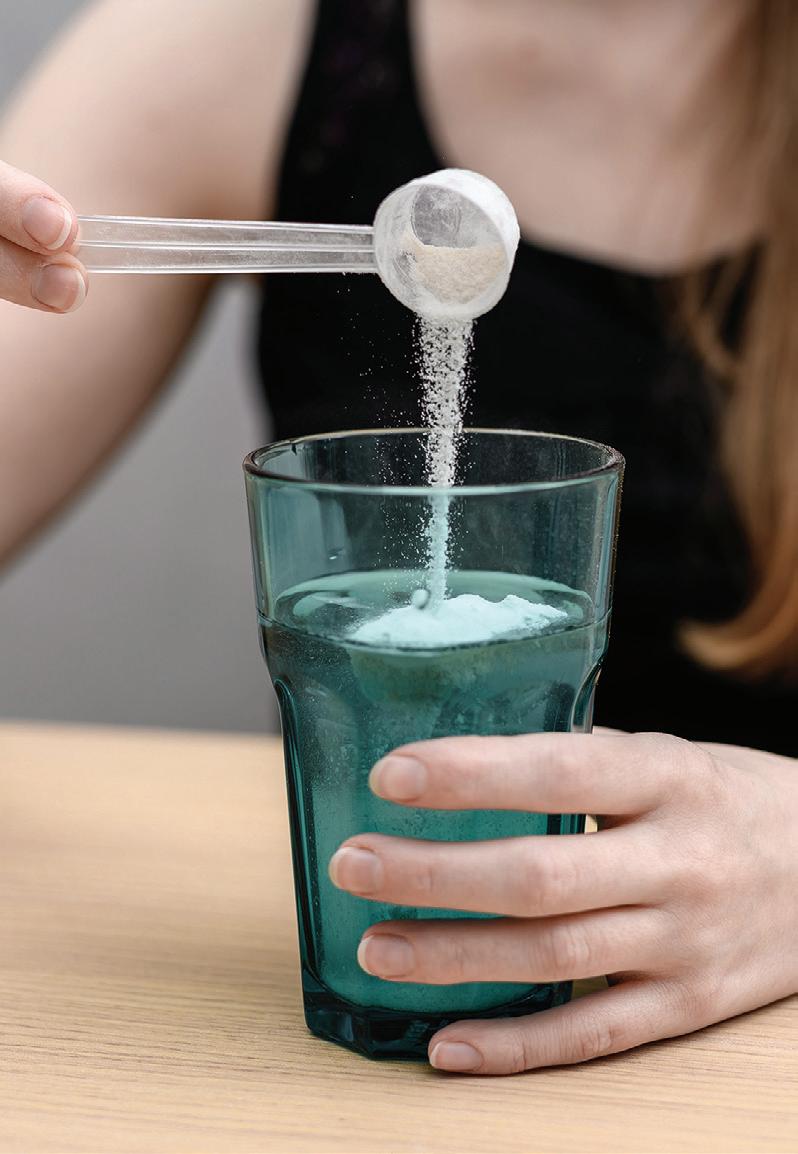
16 catching up on creatine
Benefits for your brain, your bones, and more.
18 quick tips
Make an artisan cheese platter. 20 healthy strategies
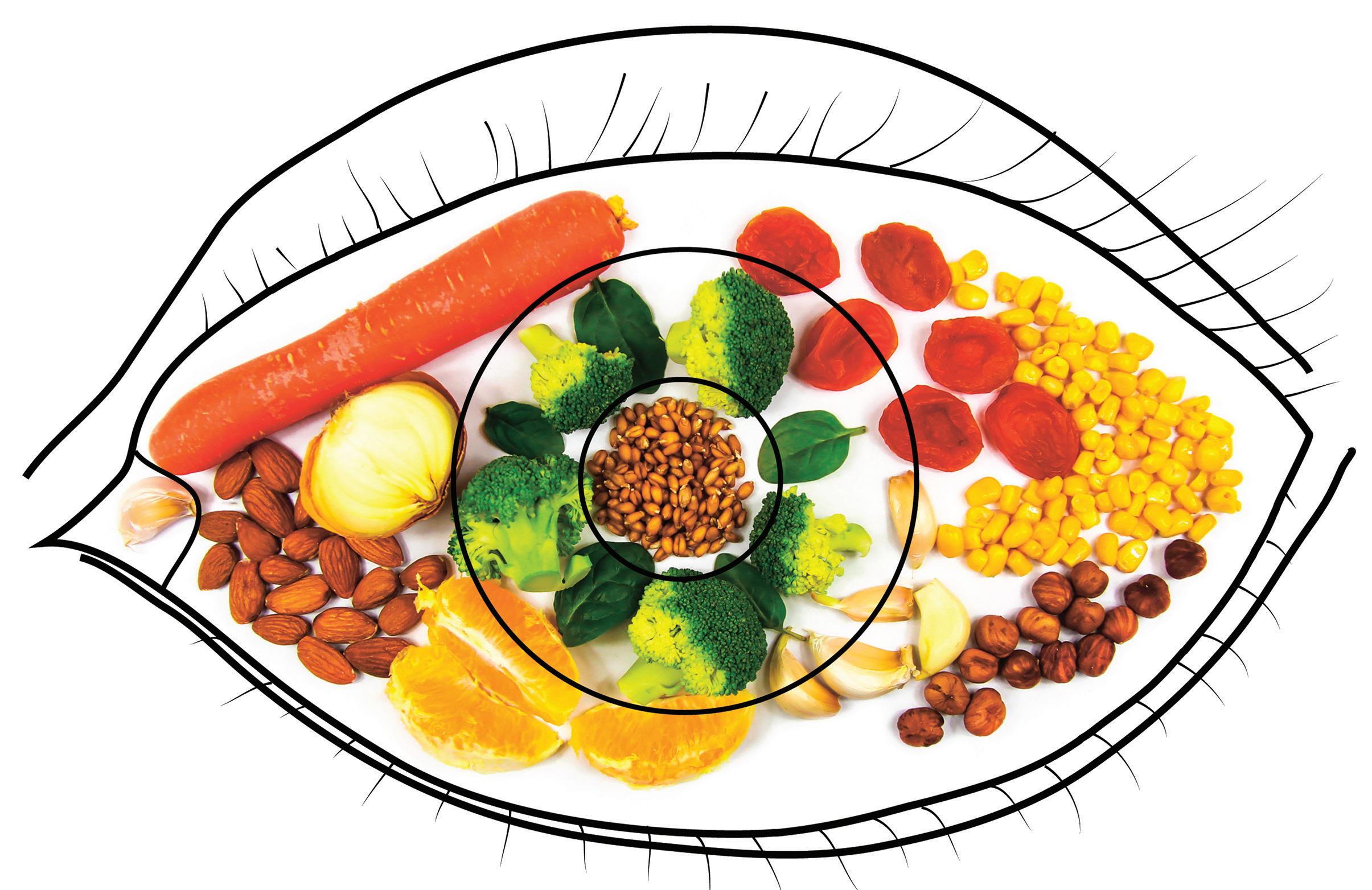
Key nutrients to protect your vision.
boost joint health with food
What to eat to support mobility. 24 5 keys to unlock your energy potential
Strategies to fight fatigue.
cook-at-home
Getting started with grilling.
wellness
Natural ways to support cervical health.

It’s the month of brides, dads, grads and everything outdoors, including cooking.
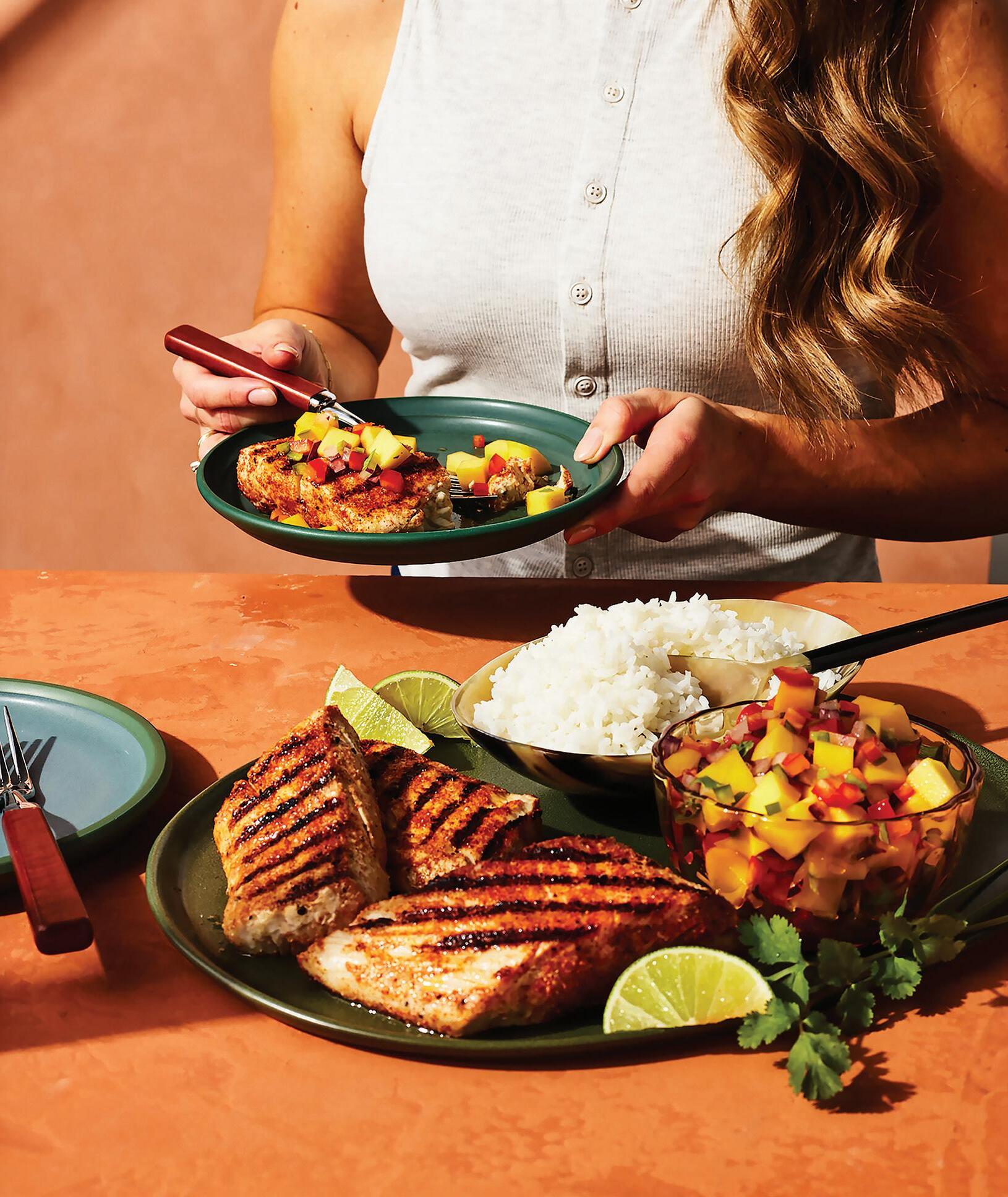
Before you barbecue, learn how to use and care for your grill to ensure the best meals; see our Cook-at-Home department on page 26. And then, to celebrate your June honorees, build a barbecue menu from our food feature, with a grilled-chicken twist on pasta salad; mahi mahi with mango salsa; or skewers of chicken souvlaki. The fun begins on page 12.
If all the parties and yardwork have your energy flagging in June, check out our “5 Keys to Unlock Your Energy Potential” beginning on page 24. We cover rest, exercise, hydration, adrenal support, and herbal help to enhance mental and physical energy.
Even if you’re not an athlete or bodybuilder, creatine may be of interest (page 16) since research is uncovering other ways that this nutrient helps the body, including by building bone density and enhancing brain function.
Throughout life, vision is important, and diet can help your eyes stay healthy as you age. Read up on nutritional support on page 20. And see page 2, where we shine the spotlight on vitamin A, one of the key nutrients for eye health.
A cancer that’s not much mentioned in polite circles, cervical cancer is one that can creep up on women as they age. Learn about its stealthy development and about dietary components that can help stave it off (page 28).
Maintaining joint health as you age is a matter of getting the right nutrients and the foods that provide them, in addition to exercise; see page 22.
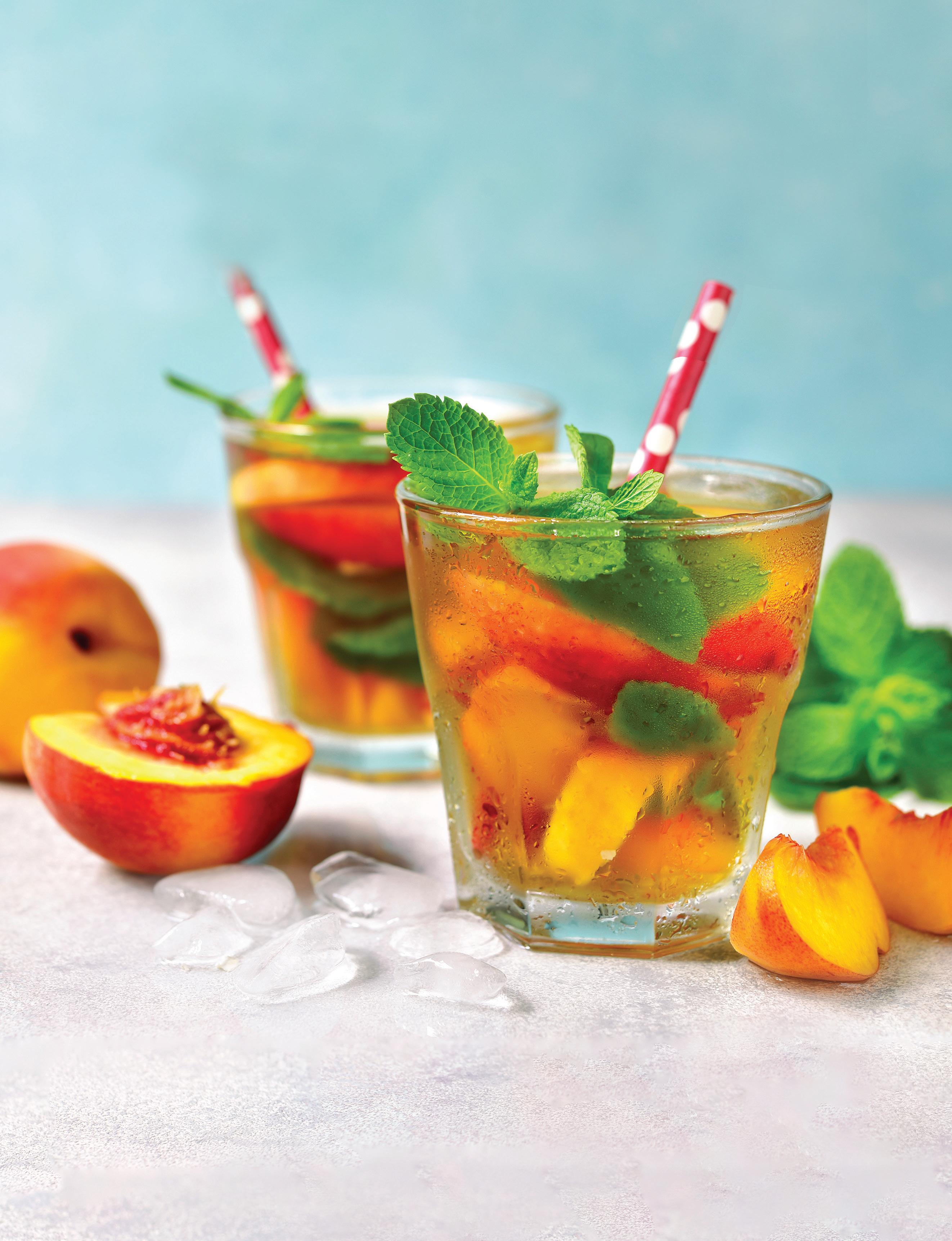
And to add a festive touch to your celebratory cookouts this month, see our tips on artisanal cheeses on page 18—and try the beautiful peach-mint iced tea on page 5.
Wishing you a festive and fun month of June!

Contributing Writers
Mary Ann O’Dell MS, RDN
Sally Karlovitz CN
Chief Content Officer and Strategist
Lynn Tryba (Lynn.Tryba@TasteforLife.com)
Contributing Editors
Lisa Fabian, Rich Wallace
Associate Editor
Kelli Ann Wilson
Creative Director
Michelle Knapp
Production/Graphic Designer
Brian Jenkins
Chief Operating Officer
Amy Pierce
Customer Service 800-677-8847
CustomerService@TasteforLife.com
Client Services Director - Retail Judy Gagne (x128)
Client Services Director - Advertising & Digital Ashley Dunk (x190)
Vice President – Retail Sales and Strategic Partnerships
Anna Johnston (Anna.Johnston@TasteforLife.com)
Chairman and Founder T. James Connell
Taste for Life® (ISSN 1521-2904) is published monthly by CCI, 155 Washington Street, Keene NH 03431, 603-283-0034 (fax 603-676-7941); © 2026 Connell Communications, Inc. All rights reserved. Subscription rates: $49.95. This magazine is not intended to provide medical advice on personal health conditions, nor to replace recommendations made by health professionals. The opinions expressed by contributors and sources quoted in articles are not necessarily those of the editor or the publisher. Advertisers and advertising agencies assume liability for all content of advertising and for any claims arising therefrom. Information appearing in Taste for Life may not be reproduced in whole or in part without express permission of the publisher.
Creative and Sales Offices 155 Washington Street, Keene NH 03431 603-283-0034




Mary Ann O’Dell, MS, RDN
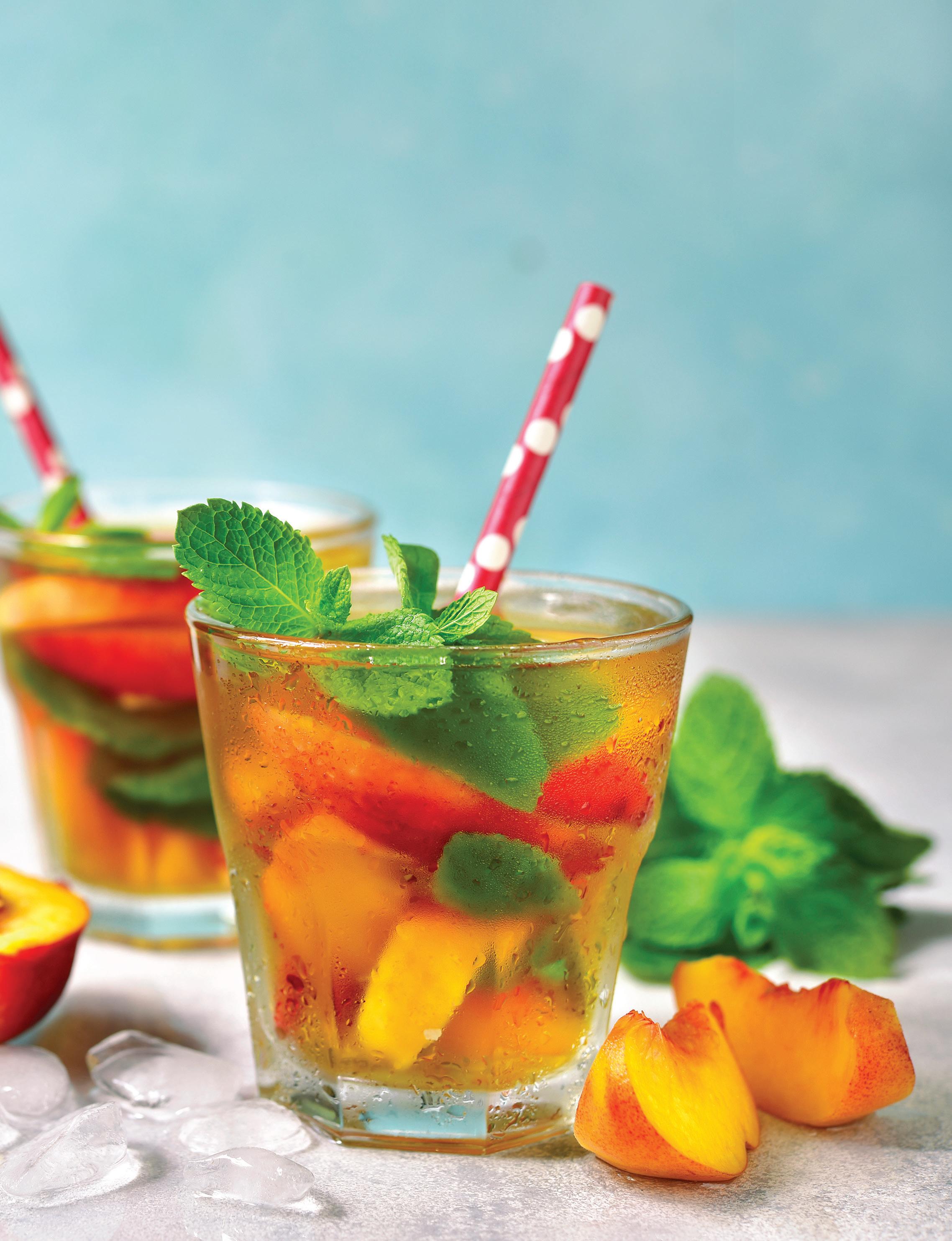
10 min prep time + 1 hr chill time serves 2
From the Taste for Life test kitchen
4½ c water
2 Tbsp loose-leaf black tea leaves
1 ripe peach, pitted and sliced into 8 slices
Ice cubes (optional)
2 mint sprigs
1. Heat water in a saucepan or kettle over high heat to a rolling boil. Add tea leaves. Steep, covered, for 4 minutes.
2. Strain tea into a heatproof container. Discard tea leaves. Transfer tea to the refrigerator to chill for at least 1 hour.
3. To serve, pour tea into 2 glasses. Add 4 peach slices to each glass. If desired, drop a few ice cubes into each glass.
4. Garnish each glass with a mint sprig. Serve.
Per serving: 37 Calories, 1 g Protein, 0 mg Cholesterol, 9 g Carbohydrates, 6 g Total sugars (0 g Added sugars), 1 g Fiber, 0 g Total fat (0 g sat), 17 mg Sodium, ★ Folate, Potassium
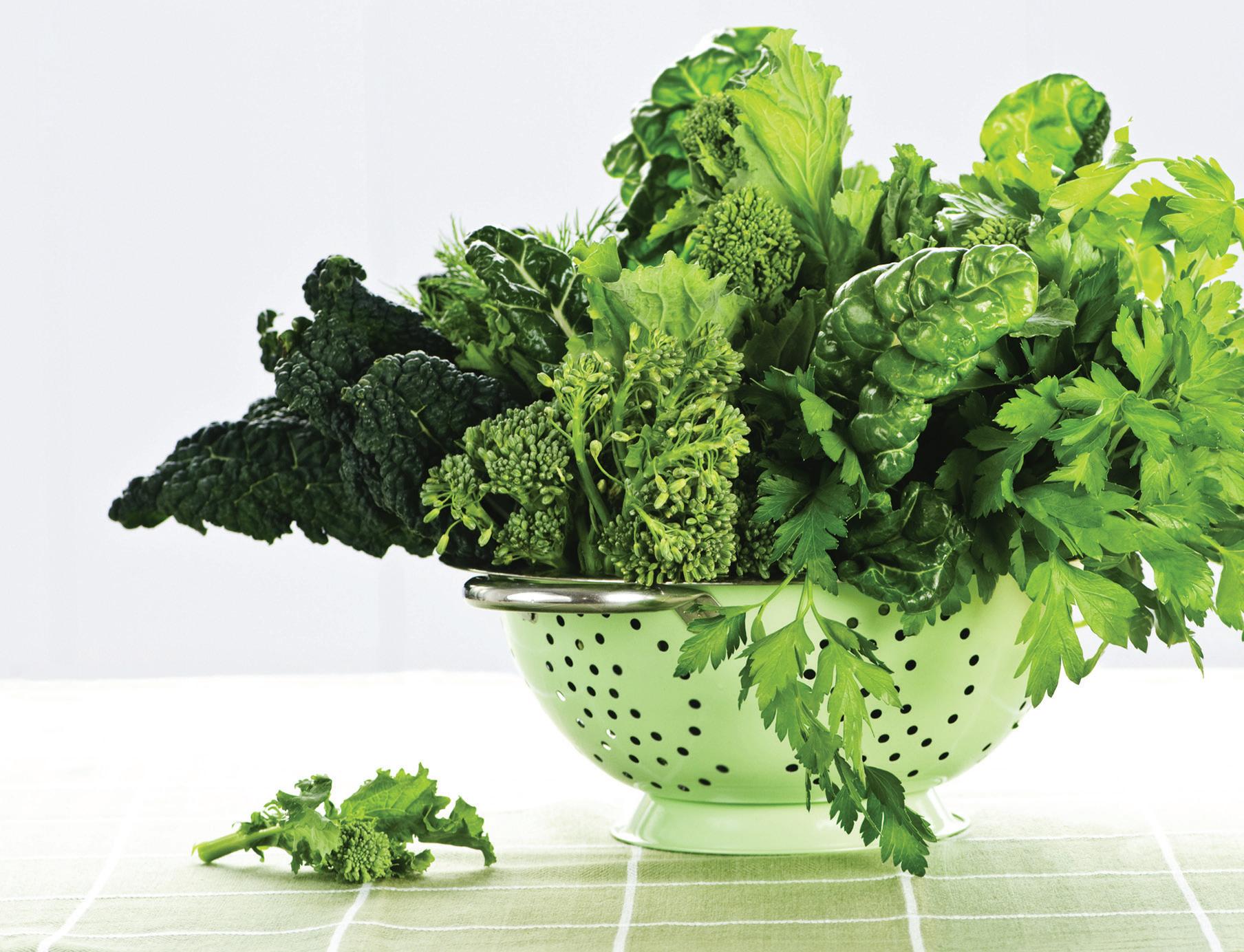
Supplemental vitamin K appears to play a role in controlling prediabetes and Type 2 diabetes, but research has been scant. A new analysis set out to confirm the effects, analyzing eight studies. The researchers determined that the vitamin significantly decreased fasting blood glucose, insulin resistance, and other markers, but they called for larger, longer trials.
Rich food sources of vitamin K1 include leafy greens such as spinach, kale, and collard greens as well as cashews and broccoli. Natto, a fermented soy product, is high in vitamin K2.
SELECTED SOURCES “The differential effects of vitamin K across glycaemic outcomes in prediabetes and Type 2 diabetes mellitus” by S.R. Ahmed et al, Nutrients, 1/13/26 • “Try these 21 healthy foods full of vitamin K,” www.ClevelandClinic.org
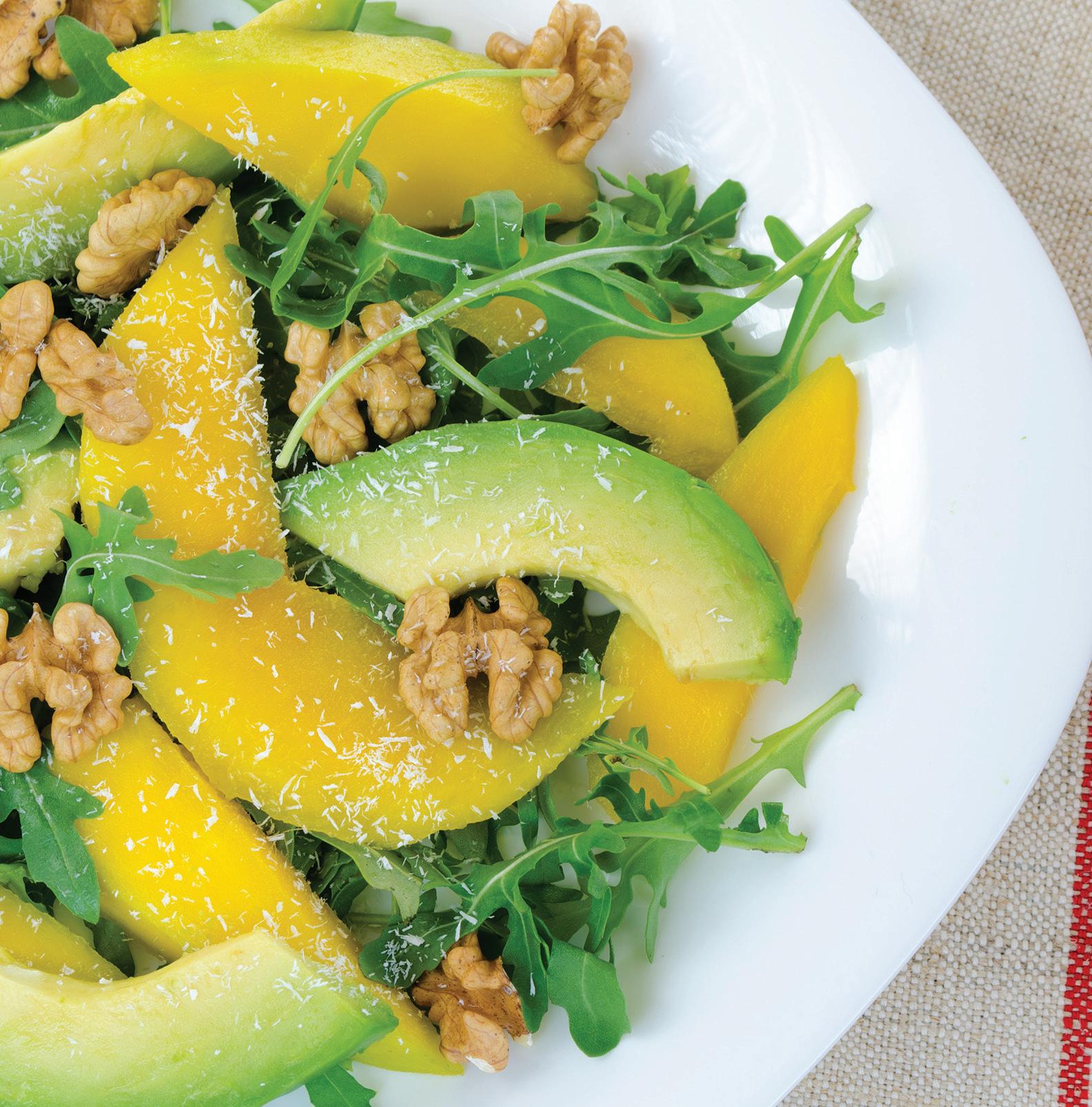
Fresh fruit is packed with vitamins, minerals, fiber, and other nutrients, and decades of research has shown its value for overall health. A new study suggests that eating one avocado and a cup of mango per day may provide benefits for the heart.
Adults with prediabetes who ate that combination for eight weeks saw improvements in blood vessel function and diastolic blood pressure. Both of those measures are indicators of cardiovascular health.
“This research reinforces the power of food-first strategies to help reduce cardiovascular disease risk, particularly in vulnerable populations like those with prediabetes,” said Britt Burton-Freeman, PhD. “It’s an encouraging message: Small, nutrient-dense additions— like incorporating avocado and mango into meals and snacks—may support heart health without the need for strict rules or major dietary overhauls.”
SELECTED SOURCES “Effects of increasing total fruit intake with avocado and mango on endothelial function and cardiometabolic risk factors in adults with prediabetes” by C. Preiss et al., Journal of the American Heart Association, 2/16/26 • “New research finds heart health benefits in combining mango and avocado daily,” www.EurekAlert.org, 2/24/26
“Many people equate aging with an inevitable and continuous loss of physical and cognitive abilities,” said Becca Levy, PhD, an expert on psychosocial determinants of aging health. Dr. Levy led a new study that refutes that notion and determined that “improvement in later life is not rare, it’s common, and it should be included in our understanding of the aging process.”
The study of more than 11,000 older adults found that nearly half of the participants showed measurable improvement in cognitive function, physical function, or both, over a period of 12 years.
The authors noted that those with more positive beliefs about aging were more likely to see improvements. “Our findings underscore the need to instill or magnify the positivity of age beliefs and to redefine aging so that it includes the possibility of improvement,” they wrote.
SELECTED SOURCES “Aging redefined: Cognitive and physical improvement with positive age beliefs” by B.R. Levy and M.D. Slade, Geriatrics, 3/3/26 • “Yale study challenges notion that aging means decline, finds many older adults improve over time,” Yale University, 3/5/26
Taking a daily multivitamin/mineral supplement appears to have helped slow the aging process in older adults during a new two-year study. Researchers also assessed the effects of a daily 500-milligram cocoa extract supplement but did not find similar benefits.
The study tested the supplements’ effects on participants’ “epigenetic clocks,” which estimate biological aging based on changes to DNA.
“There is a lot of interest today in identifying ways to not just live longer, but to live better,” said senior author Howard Sesso, ScD. “It was exciting to see benefits of a multivitamin linked with markers of biological aging.”
SELECTED SOURCES “COSMOS trial results show daily multivitamin use may slow biological aging,” Mass General Brigham, 3/9/26 • “Effects of daily multivitamin–multimineral and cocoa extract supplementation on epigenetic aging clocks in the COSMOS randomized clinical trial” by S. Li et al., Nature Medicine, 3/9/26

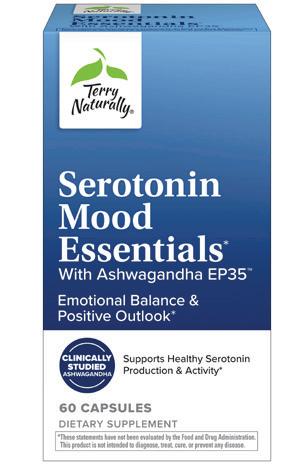
Discover the difference a balanced mood can make.* This formula delivers essential nutrients for your peace of mind, nutrients that support serotonin synthesis and help maintain levels of this important neurotransmitter.* Includes ashwagandha, French grape seed extract, and essential active B vitamins.
Discover the difference a balanced mood can make.* This formula delivers essential nutrients for your peace of mind, nutrients that support serotonin synthesis and help maintain levels of this important neurotransmitter.* Includes ashwagandha, French grape seed extract, and essential active B vitamins.
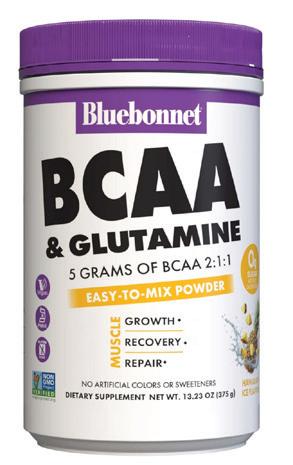
BCAA & Glutamine Hawaiian Ice
BCAA & Glutamine Hawaiian Ice
Support muscle growth, recovery, and repair with this easy-to-mix powder.*
It has 0 grams sugar, no artificial colors or flavors, and is formulated with 5g fermented BCAAs (L-Leucine, L-Isoleucine, Valine) along with 1000 mg of L-Glutamine. Hawaiian Ice flavor with coconut water.
Support muscle growth, recovery, and repair with this easy-to-mix powder.* It has 0 grams sugar, no artificial colors or flavors, and is formulated with 5g fermented BCAAs (L-Leucine, L-Isoleucine, Valine) along with 1000 mg of L-Glutamine. Hawaiian Ice flavor with coconut water.
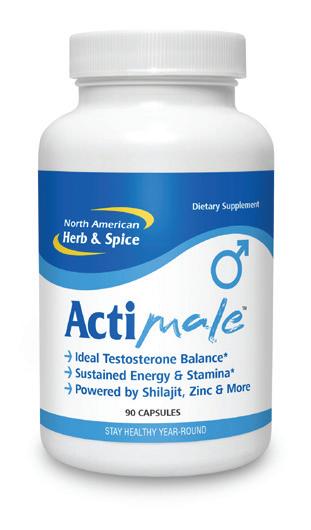
Stay strong inside with this men’s health support formula.* Formulated with royal jelly, pumpkin seed, maca, shilajit, and more, this unique blend is designed to provide testosterone balance, support libido, energy, strength, and enduring masculine health.* Ideal for all stages of manhood.
Stay strong inside with this men’s health support formula.* Formulated with royal jelly, pumpkin seed, maca, shilajit, and more, this unique blend is designed to provide testosterone balance, support libido, energy, strength, and enduring masculine health.* Ideal for all stages of manhood.
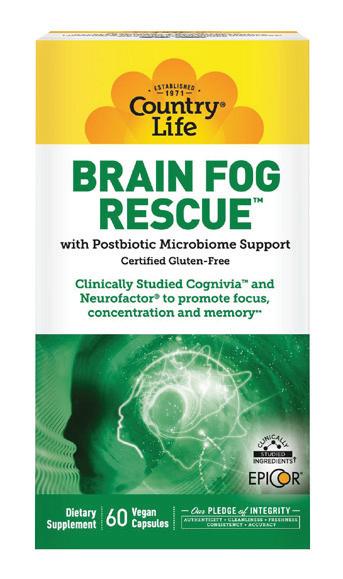
Support sharper thinking from the inside out with this blend of Neurofactor to support memory and learning, methylated B vitamins, EpiCor postbiotic to help maintain a healthy gut environment, and Cognivia sage extract to support focus and cognitive performance.* Supports the gut-brain connection and overall wellness.*
Support sharper thinking from the inside out with this blend of Neurofactor to support memory and learning, methylated B vitamins, EpiCor postbiotic to help maintain a healthy gut environment, and Cognivia sage extract to support focus and cognitive performance.* Supports the gut-brain connection and overall wellness.*
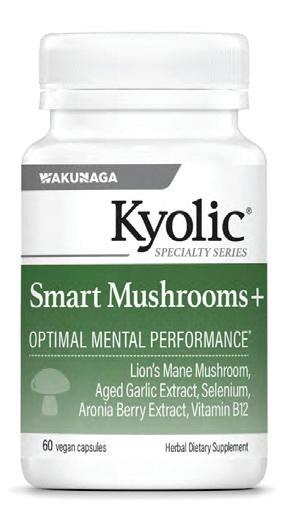
This modern formula combines the benefits of aged garlic extract and lion’s mane mushrooms to support peak cognitive performance.* Enhanced with aronia berries, selenium, and vitamin B12, this powerful blend helps boost executive function, sharpen mental focus, and promote long-term brain health.*
This modern formula combines the benefits of aged garlic extract and lion’s mane mushrooms to support peak cognitive performance.* Enhanced with aronia berries, selenium, and vitamin B12, this powerful blend helps boost executive function, sharpen mental focus, and promote long-term brain health.*
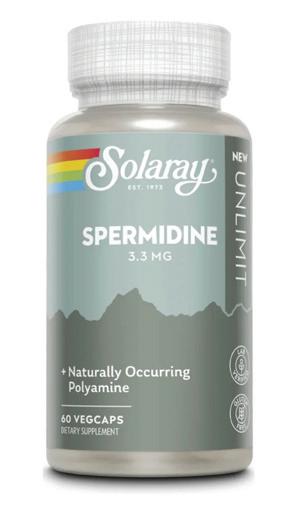
Naturally found in the body, this polyamine plays a role in several cellular functions including autophagy and DNA stabilization.* Because spermidine decreases as we age, this supplement delivers a clinically studied dose of 3.3 mg spermidine sourced from Miricell rice germ extract.
Naturally found in the body, this polyamine plays a role in several cellular functions including autophagy and DNA stabilization.* Because spermidine decreases as we age, this supplement delivers a clinically studied dose of 3.3 mg spermidine sourced from Miricell rice germ extract.
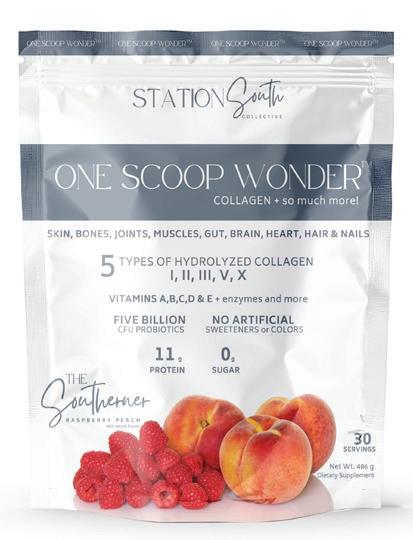
Whole body wellness in just one scoop! With 35+ functional ingredients, this comprehensive formula works in the body for skin, hair, joints, gut, and energy support.* Includes 5 types of hydrolyzed collagen, mushrooms, ashwagandha, L-theanine, probiotics, essential vitamins, and more. Mix in smoothies or water.
Whole body wellness in just one scoop! With 35+ functional ingredients, this comprehensive formula works in the body for skin, hair, joints, gut, and energy support.* Includes 5 types of hydrolyzed collagen, mushrooms, ashwagandha, L-theanine, probiotics, essential vitamins, and more. Mix in smoothies or water.
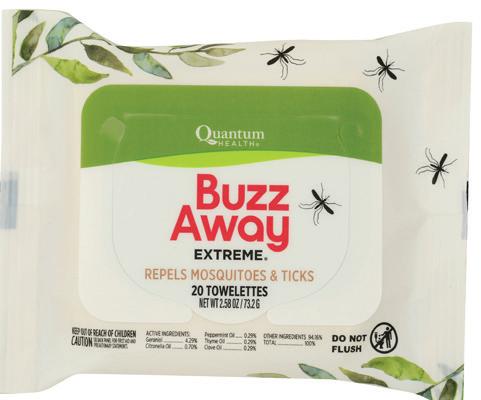
Mosquito and tick repellent is as easy as One-TwoSwipe with these towelettes! The convenient, portable wipes, infused with DEETfree plant-based ingredients and essential oils, are perfect for weekend trips, camping, and traveling.
Mosquito and tick repellent is as easy as One-TwoSwipe with these towelettes! The convenient, portable wipes, infused with DEETfree plant-based ingredients and essential oils, are perfect for weekend trips, camping, and traveling.

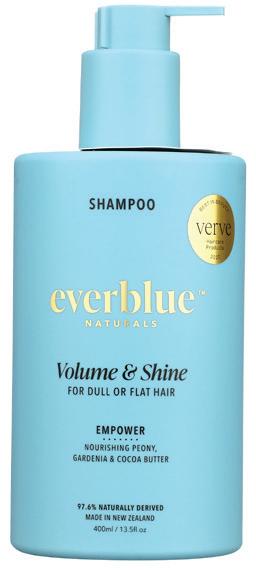
Say goodbye to flat, dull hair, and add body and rejuvenate hair with this nourishing shampoo. The empowering blend of gardenia, peony and cocoa butter clean and moisturize without added weight. Ylang Ylang and aloe vera add bounce and shine, plus wheat protein helps strengthen hair from within.
Sleep
Sleep
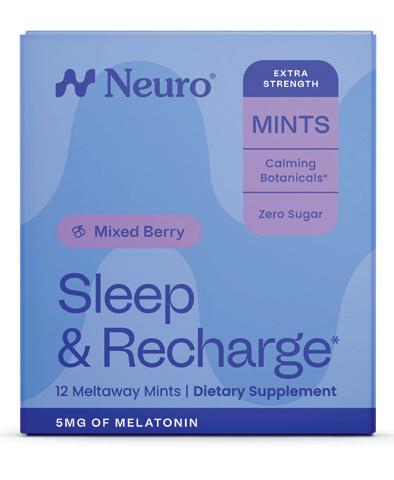
Have a good morning by getting a good night’s sleep! These extra strength meltaway mints combine 5 mg melatonin and calming
Have a good morning by getting a good night’s sleep! These extra strength meltaway mints combine 5 mg melatonin and calming botanicals to help you relax and drift into restful sleep.* Portable, quick dissolving, and zero sugar.
Melt away stress and nourish skin with this deeply calming body oil. Infused with vetiver, dashmoola, and borage, the Ayurvedic blend soothes the senses, hydrates deeply, and promotes relaxation. Rich in antioxidants and essential nutrients, it helps restore balance, leaving your skin soft, supple, and radiant.
Greenfield Meat Co. Oven Roasted Chicken & Cheese Lunch Kit
Finally, a lunch kit you can feel good about giving your kids…or yourself! Made with humanely raised, free
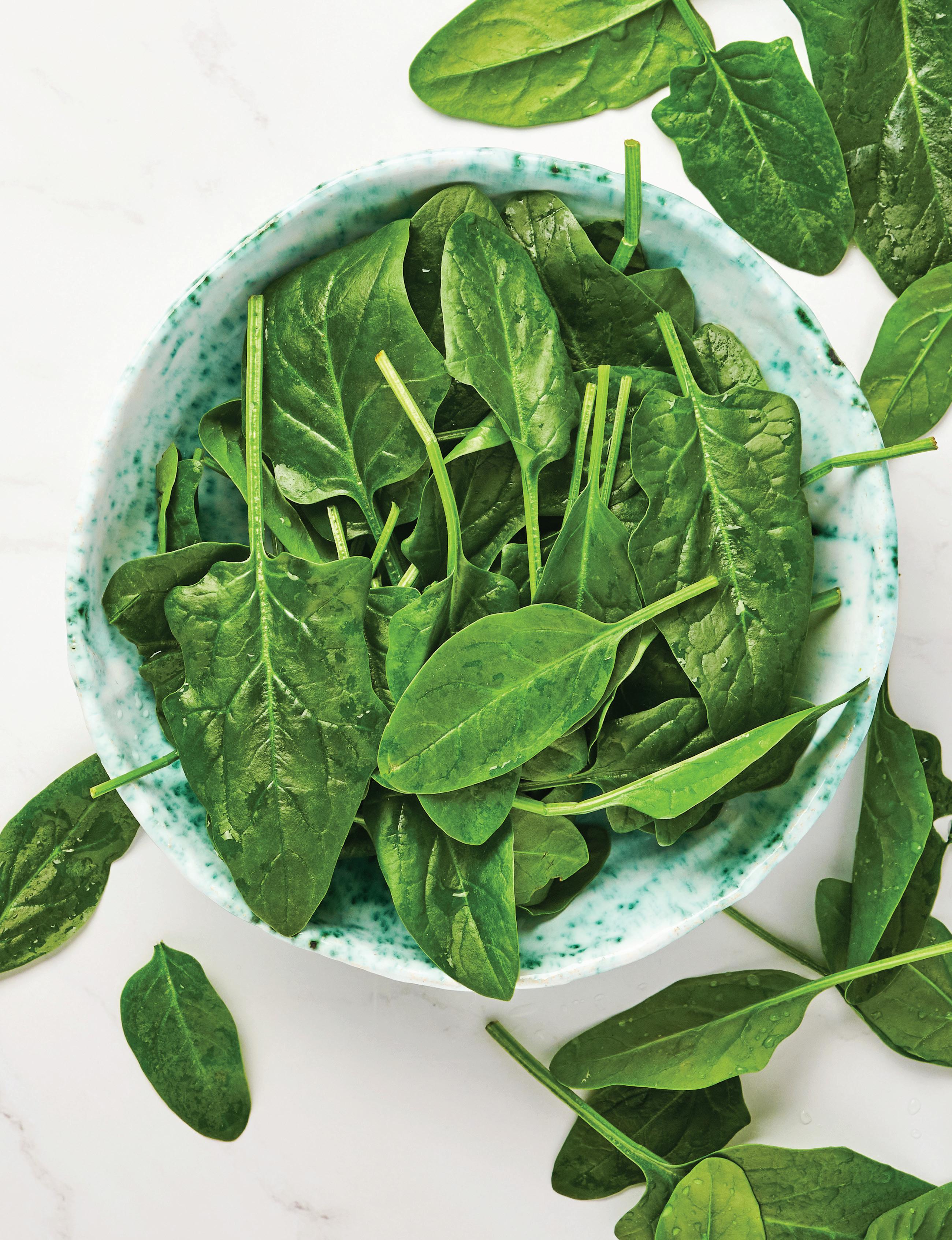
With a sizable amount of vitamins A and K, a one-cup serving of spinach also provides vitamins B6, C, and E, as well as other nutrients like fiber, folate, manganese, magnesium, calcium, potassium, and copper. Spinach also contains lutein, an antioxidant that promotes eye health and may reduce the risk of macular degeneration. Here are some tasty salad recipes that feature spinach—an amazing superfood!
SELECTED SOURCES “7 reasons you should eat more spinach,” Cleveland Clinic Heath Essentials, https://health.clevelandclinic.org, 2/16/24 • “Chopped, uncooked spinach offers more antioxidants,” Harvard Health Publishing, https://health.harvard.edu, 4/1/19
From the Taste for Life test kitchen
Salad
2 lb small new potatoes
4 c baby spinach leaves
¼ c fresh chives, snipped into very small pieces
8-10 new radishes, thinly sliced
1 English cucumber, thinly sliced
Dressing
¼ c freshly squeezed lemon juice
½ tsp finely shredded lemon zest
¼ c extra-virgin olive oil
1 small clove garlic, pressed
1 tsp thyme
½ tsp salt
¼ tsp freshly ground black pepper

20 min prep time serves 4
From the Taste for Life test kitchen
Garlic-Balsamic Vinaigrette
3 garlic cloves, minced
¼ c balsamic vinegar
1 Tbsp red wine vinegar
2 tsp agave nectar
2 tsp Dijon mustard
½ c extra-virgin olive oil
Salt and freshly ground black pepper
Spinach Salad
1 lb baby spinach leaves
20 min prep time serves 4
1. Lightly scrub potatoes and cut in half. Steam or boil for 15 to 20 minutes until easily pierced by tip of sharp knife. Drain and set aside to cool.
2. Wash and spin greens dry, then combine in a large salad bowl with sliced radishes, cucumber, chives, and cooled potatoes. Toss gently to combine.
3. Whisk together all ingredients for dressing. Dress salad and serve immediately. Leftover dressing will keep in the refrigerator for up to a week.
Per serving: 304 Calories, 6 g Protein, 0 mg Cholesterol, 42 g Carbohydrates, 5 g Total sugars (0 g Added sugars), 5 g Fiber, 14 g Total fat (2 g sat), 361 mg Sodium, ★★★★★ Vitamin K, ★★★★ Vitamin C, Potassium, ★★★ Vitamin B6, ★★ Vitamin B1 (thiamine), Folate, Magnesium, ★ Vitamin A, B2 (riboflavin), B3 (niacin), E, Iron, Phosphorus, Zinc
1 red bell pepper, seeded and thinly sliced
1 red onion, thinly sliced
¼ c fresh chopped mint
½ c crumbled feta cheese
1. Mix garlic, balsamic vinegar, red wine vinegar, agave nectar, and Dijon mustard together in a small bowl. Slowly whisk in oil until dressing emulsifies. Season to taste with salt and pepper.
2. In a large salad bowl, toss together spinach, bell pepper, onion, and mint.
3. Transfer salad to four salad bowls. Drizzle dressing over bowls. Top with crumbled feta and serve.
Per serving: 389 Calories, 5 g Protein, 0 mg Cholesterol, 18 g Carbohydrates, 8 g Total sugars (3 g Added sugars), 5 g Fiber, 35 g Total fat (4 g sat), 610 mg Sodium, ★★★★★ Vitamin A, C, K, Folate, ★★★★ Vitamin E, ★★★ Vitamin B6, ★★ Vitamin B2 (riboflavin), Iron, Magnesium, ★ Vitamin B1 (thiamine), Calcium, Phosphorus, Potassium
where there’s smoke, there’s flavor!
Grilled Summer
Pasta Salad
Recipe on page 14
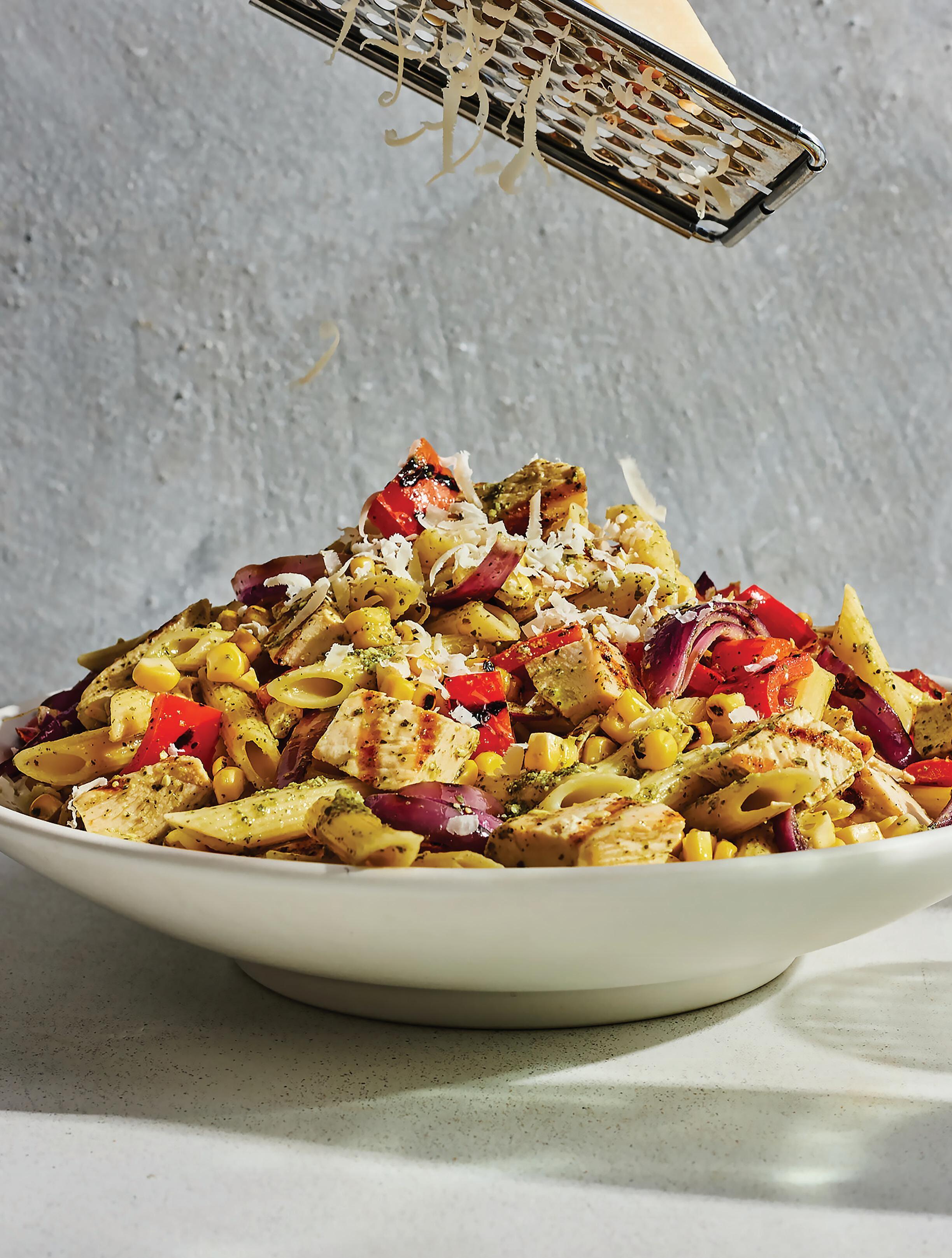
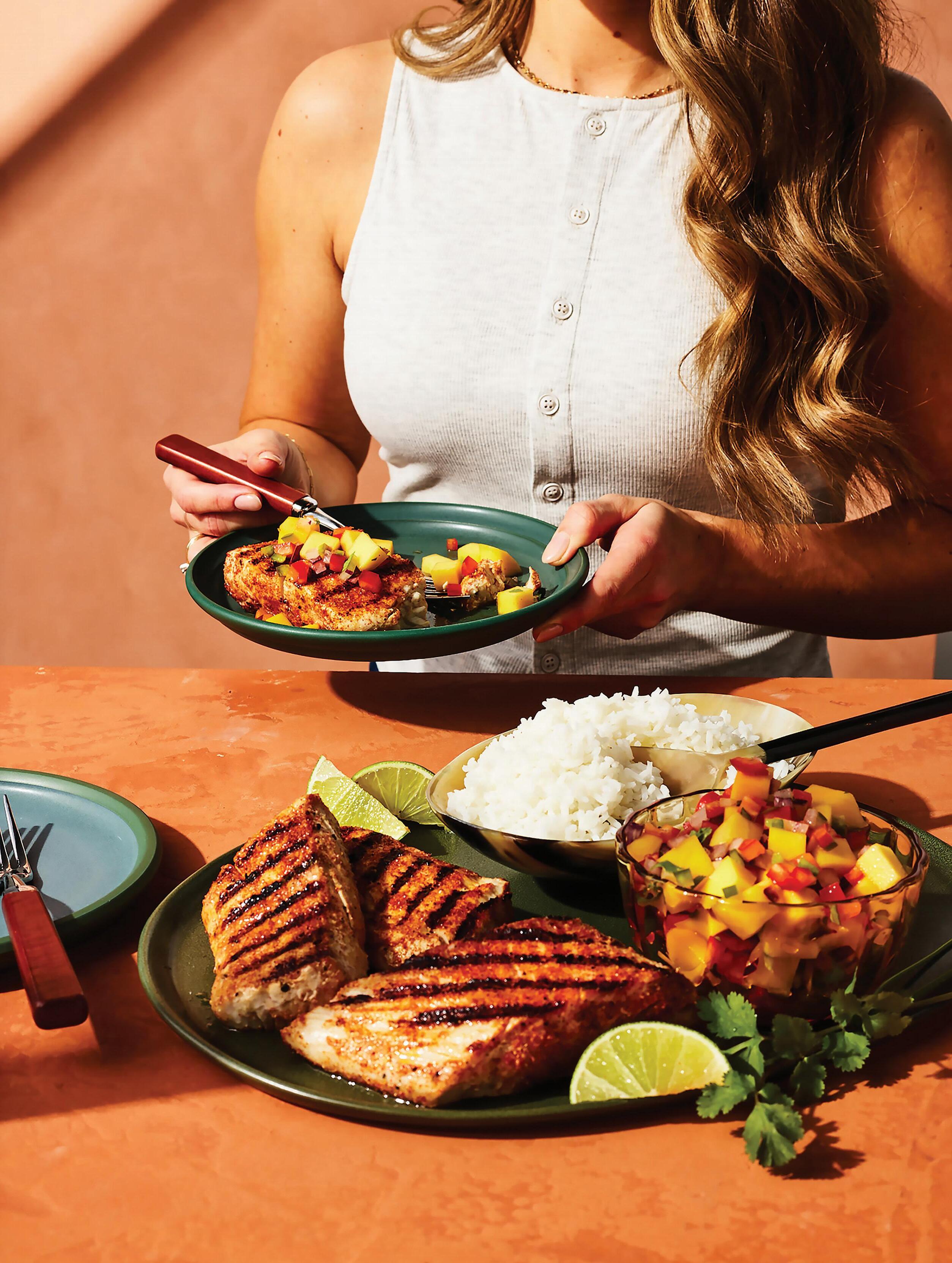
It’s time to light the grill and add that appealing, smoky taste that says summer’s arrived. Don’t have a charcoal or gas-fired barbecue? No problem. The souvlaki recipe can be made under the oven broiler, and the mahi mahi can be made in a grill pan over the stovetop.
From The Greek Kitchen by Vefa Alexiadou (Phaidon, 2026)
1¾ lb skinless, boneless chicken breast portions, cut into 1-inch cubes
Pinch dried oregano, plus extra for sprinkling
2–3 Tbsp olive oil
Salt and pepper
2 onions, quartered (optional)
2 green bell peppers, seeded and cut into 1-inch squares (optional)
1–2 Tbsp freshly squeezed lemon juice
Pita bread, tzatziki, and lemon wedges, to serve (optional)
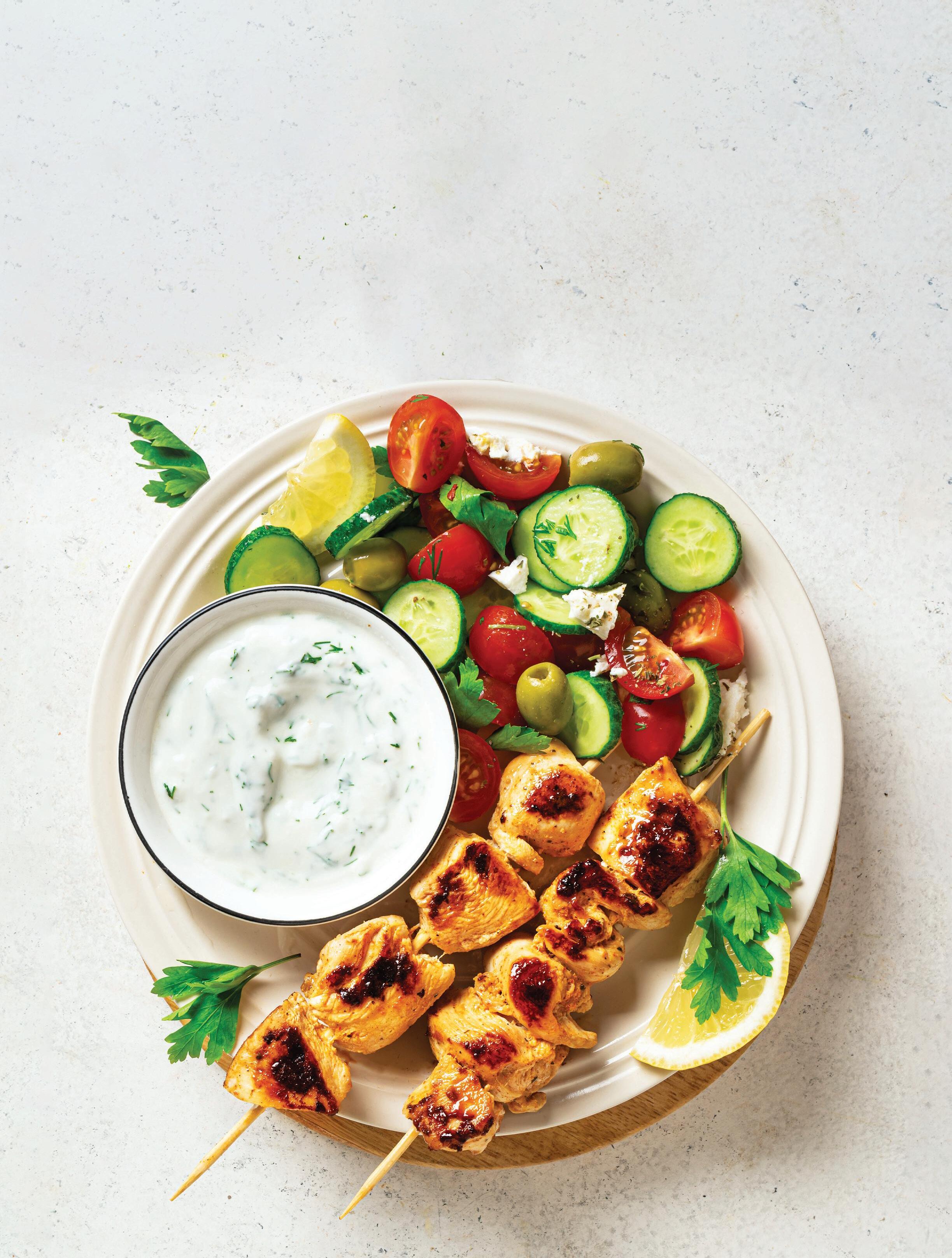
1. Put chicken into a large bowl, add oregano and oil, season with salt and pepper, and toss well.
2. Cover and let marinate in refrigerator, turning occasionally, for 6 hours or overnight. (If using wooden skewers, soak them in cold water for 30 minutes before using so they don’t burn.) Preheat the broiler or light the barbecue.
3. Drain and thread meat onto skewers, alternating with onions and bell peppers, if using. Drain oil into a screw-top jar, add lemon juice, fasten lid, and shake vigorously until thoroughly combined. Brush souvlaki with mixture.
4. Grill skewers over charcoal or cook under broiler, turning twice and brushing frequently with oil-lemon marinade, for 10–15 minutes, or until chicken is cooked through. Do not overcook, as chicken is lean and tends to dry out.
5. Season with salt, sprinkle with oregano, and serve immediately with pita bread, tzatziki, and lemon wedges, if using.
Per serving (souvlaki only): 337 Calories, 46 g Protein, 145 mg Cholesterol, 9 g Carbohydrates, 4 g Total sugars (0 g Added sugars), 2 g Fiber, 12 g Total fat (2 g sat), 239 mg Sodium, ★★★★★ Vitamin B3 (niacin), B6, C, ★★★ Vitamin B2 (riboflavin), Phosphorus ★★ Vitamin B1 (thiamine), Potassium ★ Vitamin B12, E, Magnesium, Zinc
25 min prep time + 30 min wooden skewer soak time + 6 ½ hr marinate time serves 4
Shown on page 12
From The High-Protein Plate by Rachael DeVaux, RD (Simon Element, 2026)
¹⁄³ c pesto (recipe follows)
¼ c extra-virgin olive oil
Juice of ½ lemon
Sea salt and freshly ground black pepper

once or twice if grilling directly, until softened and charred. Spread ghee over hot corn, and then slice kernels off cob.
7. Cook pasta: bring a large pot of salted water to a boil. Cook pasta according to package instructions until al dente. Reserve ½ cup pasta water, and then drain pasta.
From The High-Protein Plate by Rachael DeVaux, RD (Simon Element, 2026)
For Mahi Mahi
1 tsp paprika
30 min prep time serves 4 90 min prep time + 10 min prep time for pesto serves 6
2 boneless chicken breasts, sliced horizontally to make 4 thinner cutlets
3 Tbsp your favorite chipotle ranch dressing
2 Tbsp avocado oil, divided
2 ears fresh corn, shucked
2 large bell peppers (red, yellow, or orange), seeded and chopped
½ c thinly sliced red onion
1 lb short pasta (such as penne, fusilli, or shells), or gluten-free pasta of choice
1 Tbsp ghee (or vegan butter for dairy-free)
3 c fresh spinach, chopped
1 c marinated artichoke hearts, chopped
¹⁄³ c finely grated Parmesan, for garnish (omit for dairy free)
Flaky salt
1. Make vinaigrette: in a medium bowl, whisk together pesto, extra-virgin olive oil, lemon juice, and salt and pepper to taste. Set aside.
2. Marinate chicken: in a separate medium bowl, toss chicken with chipotle ranch dressing, 1 tablespoon of the avocado oil, and a generous pinch of salt and black pepper. Cover and refrigerate for 30 to 60 minutes.
3. Preheat the grill to 500°F.
4. Brush corn with remaining tablespoon avocado oil, and season with salt. Set aside on a plate.
5. Grill marinated chicken for 4 to 5 minutes per side, or until internal temperature reaches 165°. Transfer to a plate and let rest 5 minutes before slicing into 1-inch pieces.
6. Grill vegetables: grill corn directly on grates or in a grill basket, rotating every 2 to 3 minutes, until lightly charred. Add bell peppers and onion directly to grill or grill basket and cook for 7 to 8 minutes, stirring occasionally if using a basket, or flipping
8. Assemble salad: in a large bowl, combine grilled chicken, grilled veggies, spinach, artichoke hearts, and cooked pasta. Drizzle with vinaigrette and toss to coat. Add a splash of pasta water if needed to loosen. Serve with Parmesan and a sprinkle of flaky salt. Enjoy warm, at room temperature, or chilled.
Kitchen Note: Pesto just tastes like summer, and this grilled number might be the most delicious way to use it. You’ve got juicy chicken, smoky veggies, al dente pasta, and a bright and flavorful vinaigrette all coming together in one bowl. It’s perfect for BBQs, easy enough for weeknight dinners, and a total meal-prep win. Serve it warm off the grill or straight from the fridge the next day. This one checks all the boxes. Store the salad in an airtight container in the fridge for up to 4 days. If making ahead, wait to add delicate greens or extra vinaigrette until just before serving to keep everything fresh.
Per serving: 677 Calories, 24 g Protein, 31 mg Cholesterol, 72 g Carbohydrates, 8 g Total sugars (0 g Added sugars), 6 g Fiber, 34 g Total fat (6 g sat), 741 mg Sodium, ★★★★★ Vitamin C, K, ★★ Vitamin A, E, Folate, Iron, Magnesium, Phosphorus, ★ Vitamin B1 (thiamine), B2 (riboflavin), B3 (niacin), B6, Calcium, Potassium, Zinc
From The High-Protein Plate by Rachael DeVaux, RD (Simon Element, 2026)
¼ c extra-virgin olive oil
¹⁄³ c raw pine nuts
Juice of 1 lemon (about 2 Tbsp)
2 c fresh basil leaves
1 Tbsp nutritional yeast*
½ tsp minced garlic
½ tsp sea salt
¼ tsp freshly ground black pepper
1. Make basil pesto: in a food processor, combine oil, pine nuts, lemon juice, basil, nutritional yeast, garlic, salt, black pepper, and 2 tablespoons water.
2. Pulse until smooth.
*If you can’t find nutritional yeast, you can substitute Parmesan cheese. (The pesto will not be dairy free and vegan if using Parmesan cheese.)
½ tsp ground cumin
½ tsp garlic powder
½ tsp onion powder
1 tsp sea salt
½ tsp freshly ground black pepper
4 (6 oz) mahi mahi fillets (halibut works great here, too, if you can’t find mahi mahi)
1 Tbsp extra-virgin olive oil
For Mango Salsa
1 large ripe mango, cut into ½-inch dice
1 small red bell pepper, seeded and cut into ¼-inch dice
½ small red onion, finely diced
1 small jalapeño, seeded and minced
¼ c chopped fresh cilantro
2 Tbsp freshly squeezed lime juice (1 lime), plus lime wedges for serving
½ tsp sea salt
1. Season mahi mahi: in a small bowl, mix paprika, cumin, garlic powder, onion powder, salt, and black pepper. Pat mahi mahi fillets dry with a paper towel and place in a shallow dish or rimmed baking sheet. Drizzle with oil, and then coat evenly with spice mixture. Let sit for 15 to 20 minutes.
2. Make mango salsa: Meanwhile, in a medium bowl, stir together mango, bell pepper, onion, jalapeño, cilantro, lime juice, and salt until well combined. Set aside.
3. Grill mahi mahi: preheat a grill or grill pan over medium-high heat. Once hot, add fillets and cook for 2 to 3 minutes per side, or until opaque and just cooked through.
4. Serve mahi mahi topped with mango salsa, with extra lime wedges on side for squeezing.
Kitchen Note: If you need a quick, high-protein meal that tastes like a tropical escape, this is it. Mahi mahi is light and flaky and it cooks in minutes, making it perfect for busy nights. The sweet and tangy mango salsa adds the freshest pop of flavor and pairs perfectly with the smoky, spiced fish. Plus, mahi mahi is full of protein and omega 3s, so you’re fueling up with every bite. Serve it over rice with a squeeze of lime.
Per serving (with 1/2 cup cooked white rice and 1/2 lime): 378 Calories, 35 g Protein, 124 mg Cholesterol, 48 g Carbohydrates, 14 g Total sugars (0 g Added sugars), 4 g Fiber, 5 g Total fat (1 g sat), 861 mg Sodium, ★★★★★ Vitamin B3 (niacin), B6, C, ★★★★ Vitamin B12, ★★★ Folate, Potassium, ★★ Vitamin A, B1 (thiamine), Iron, Magnesium, Phosphorus, ★ Vitamin B2 (riboflavin), E, K, Zinc
BY MARY ANN O’DELL, MS, RDN
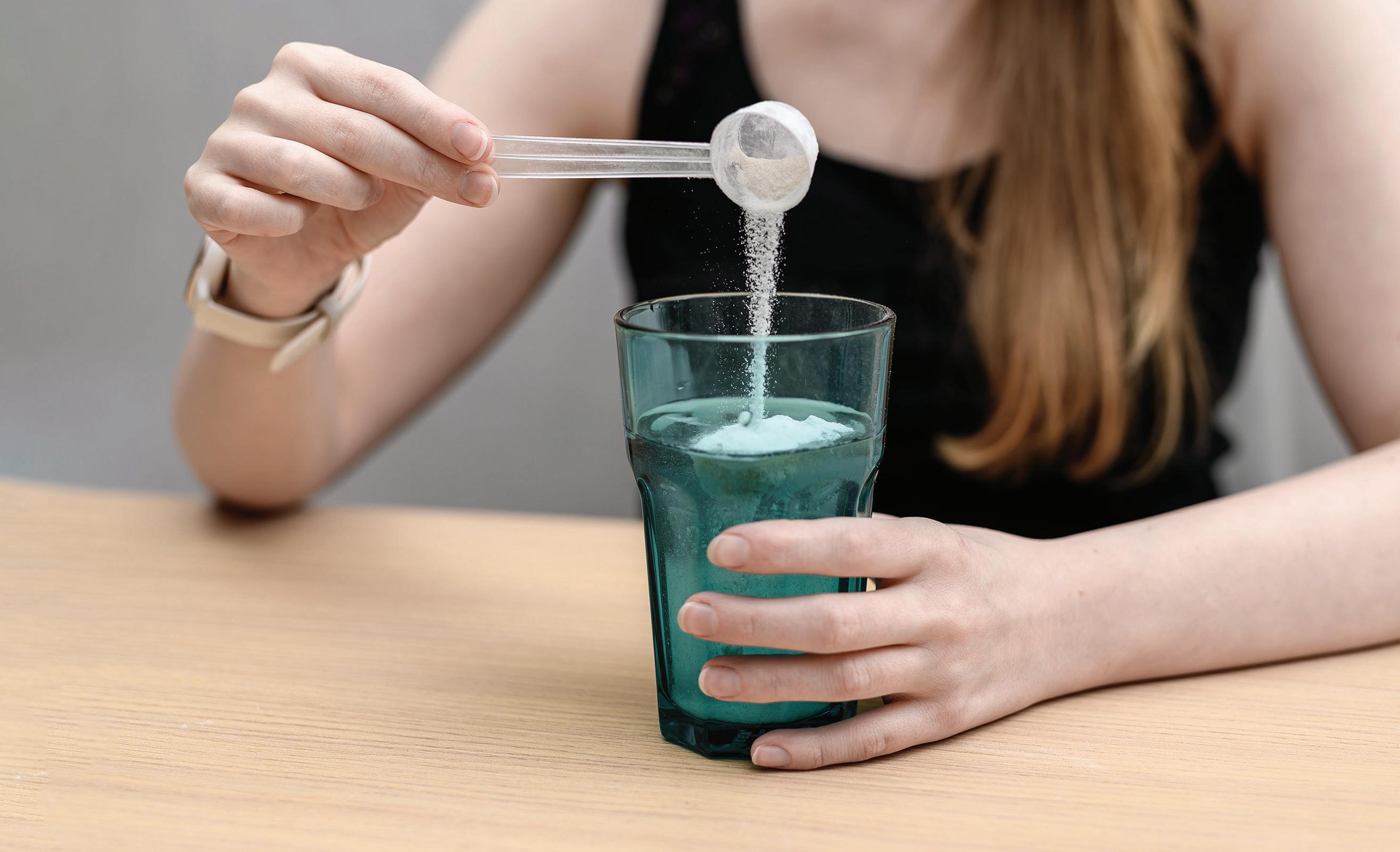
More than a supplement just for bodybuilders and athletes, creatine is now showing its potential benefits for brain function, lean muscle, and bone health in women and aging adults, according to research.
Creatine is classified as a non-essential amino acid because it is made naturally in the body, produced from the amino acids glycine and arginine. But with research suggesting its uses beyond muscular performance, nutrition experts are making the case for creatine as a conditionally essential amino acid. This means creatine’s use to maintain metabolic functions may go beyond the levels naturally produced in the body, so extra would be needed in the diet or through supplementation. Vegetarians, aging adults, and anyone dealing with stress, illness, or rapid growth may need an extra boost of creatine from outside sources.
Brain Function. Because creatine is found in meat, research has found that supplementation with creatine may result in an improvement in some memory and intelligence test scores for vegetarians. Newer research suggests that a larger dose of creatine in older people may help improve memory and recall. Expect to see more research coming out showing creatine’s possible role in Parkinson’s and Alzheimer’s disease.
Muscle Mass. Creatine has been shown in research to increase lean muscle in active individuals, which explains its popularity at the gym. Creatine also works to support lean muscle in women, and to spare lean muscle tissues in older adults, potentially slowing the rate of muscle loss associated with aging.
Bone Density. Current research suggests creatine, combined with resistance training, may provide support for bones. Research suggests that creatine may increase osteoblasts (cells involved in bone formation), and the combination of exercise and creatine seems to support bone strength.
Research is ongoing in these and other areas. Stay tuned as research seeks to expand the possible benefits of creatine throughout the body. ●
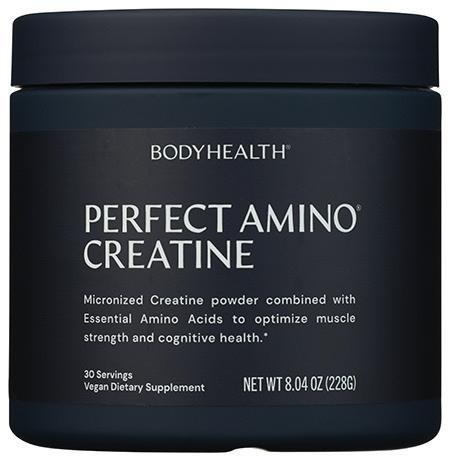
Bodyhealth Perfect Amino Creatine
Optimize muscle strength and cognitive health.* Combination of premium micronized creatine monohydrate and essential amino acids.
Available in tablet or powder form.

Come explore wellness support just for men.
Find targeted nutrition, fitness fuel and protein, and supplements that can help men maintain energy, heart health, and overall vitality. Not sure what support can help you get there? Come visit with our knowledgeable friendly sta .
We're here to help you find the right products for you.
Energy, Strength, Longevity…Your path to wellness starts here.
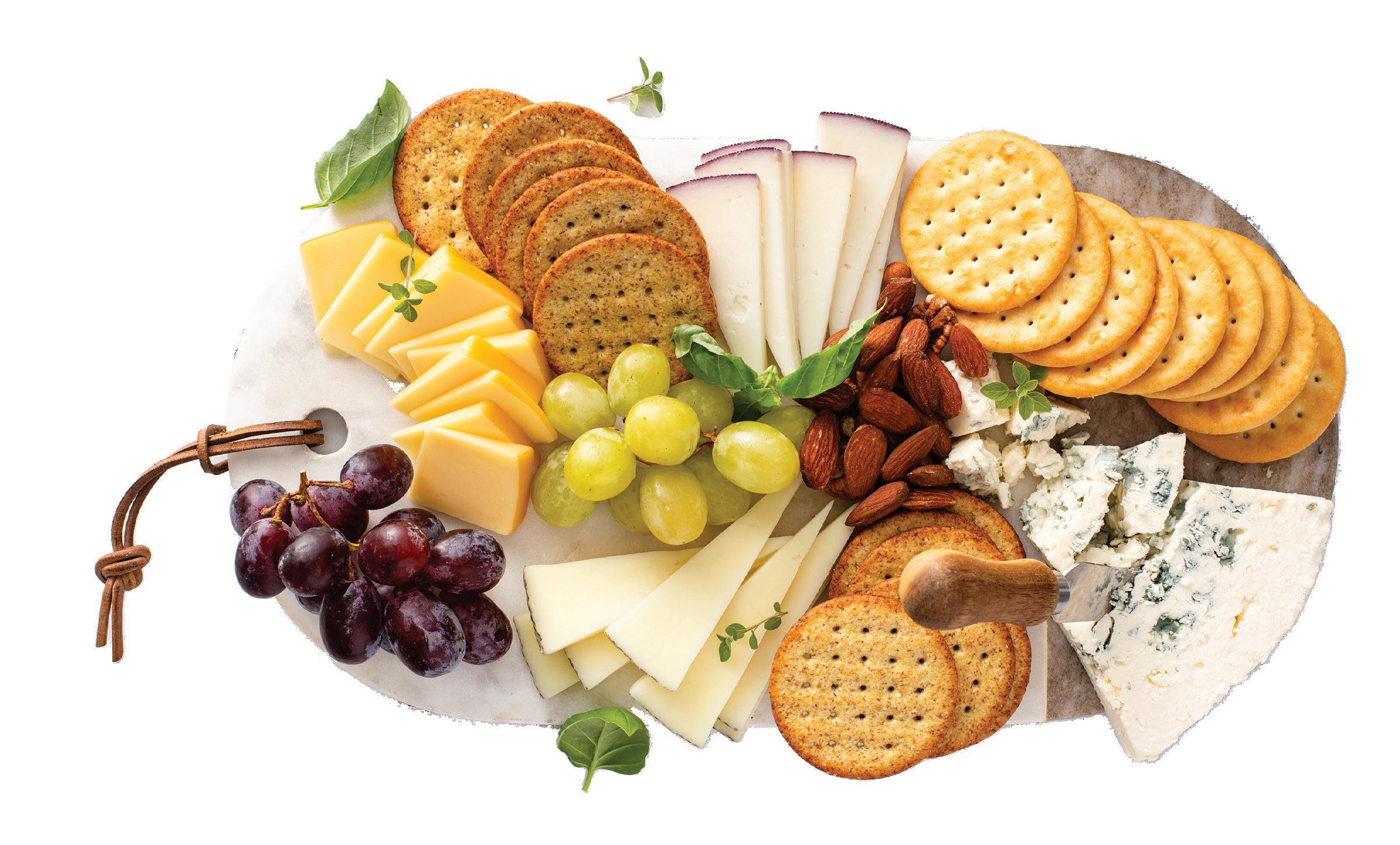
Platters of artisanal cheese are the centerpiece of summer picnics and parties. But with so many different tastes and textures, it can be challenging to decide which varieties to include. Here are some tips to get you started.
Select at least one cheese from each of the four categories:
■ Aged (Gouda, aged Cheddar)
■ Soft (Feta, Camembert, Brie)
■ Firm (Manchego, Parmigiano-Reggiano)
■ Blue (Gorgonzola, Roquefort, Stilton)
You may also wish to offer various cheeses based on the type of milk they’re made from (cow’s, goat’s, sheep’s).
If there’ll be other food served at the party, about 4 ounces of cheese per person should suffice. Remove all cheese from the fridge one hour before serving to let flavors develop at room temperature. Place strong-smelling varieties on their own platters and offer a separate knife for each type. Label the different varieties.
Offer bread and crackers on separate plates or in baskets. Breads containing walnuts, olives, or dried fruit pair well with cheese. Choose breads and crackers in different sizes and shapes for visual appeal.
Alongside the platter, or on it if there’s room, serve some salty and sweet treats. Ideas include fresh fruit (grapes), dried fruit (apricots), nuts (candied, plain), and condiments (hummus, spicy mustards). Consider offering cured meats such as prosciutto and salami along with small bowls of marinated olives. Be sure not to overcrowd the platter.
Sparkling cider is a festive, nonalcoholic option that pairs nicely with a cheese platter. ●
SELECTED SOURCES “The ultimate guide to types of cheese,” National Dairy Council, www.USdairy.com, 4/2/26 • World Cheese Book by

A daily formula of nutrients and herbs designed to support the healthy male body. Carefully crafted with key vitamins and traditional herbs to help support energy, metabolism, and overall well-being.
Supports energy and stamina with high levels of B vitamins
Formulated with nutrients that support cholesterol metabolism

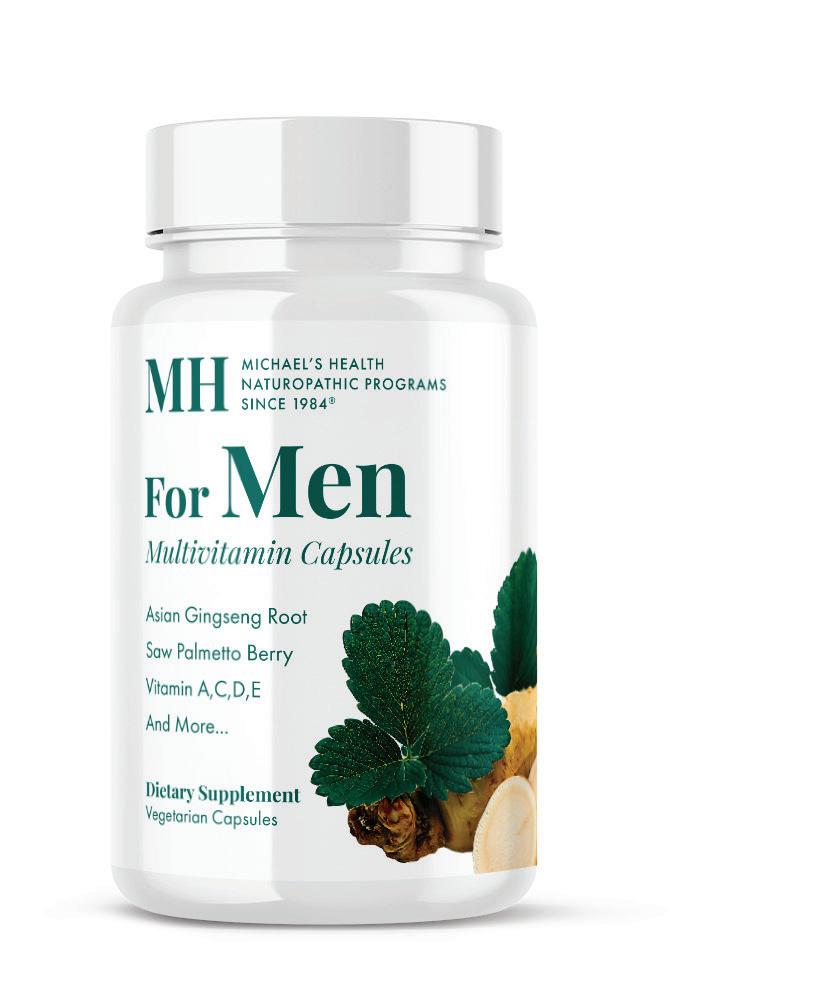








Includes herbs traditionally used for male health www.michaelshealth.com








“Some nutrients keep the eye healthy overall, and some have been found to reduce the risk of eye diseases,” says board-certified Nashville ophthalmologist Rebecca J. Taylor, MD. Whatever your age, it’s time to start eating a healthy diet. “Start eating well now to benefit your vision and your health for the rest of your life,” she says.
Eye-supportive antioxidants

Antioxidants “remove potentially damaging oxidizing agents from the body,” according to Johns Hopkins cataract and glaucoma surgeon Mona Kaleem, MD, associate professor of ophthalmology at Wilmer Eye Institute.
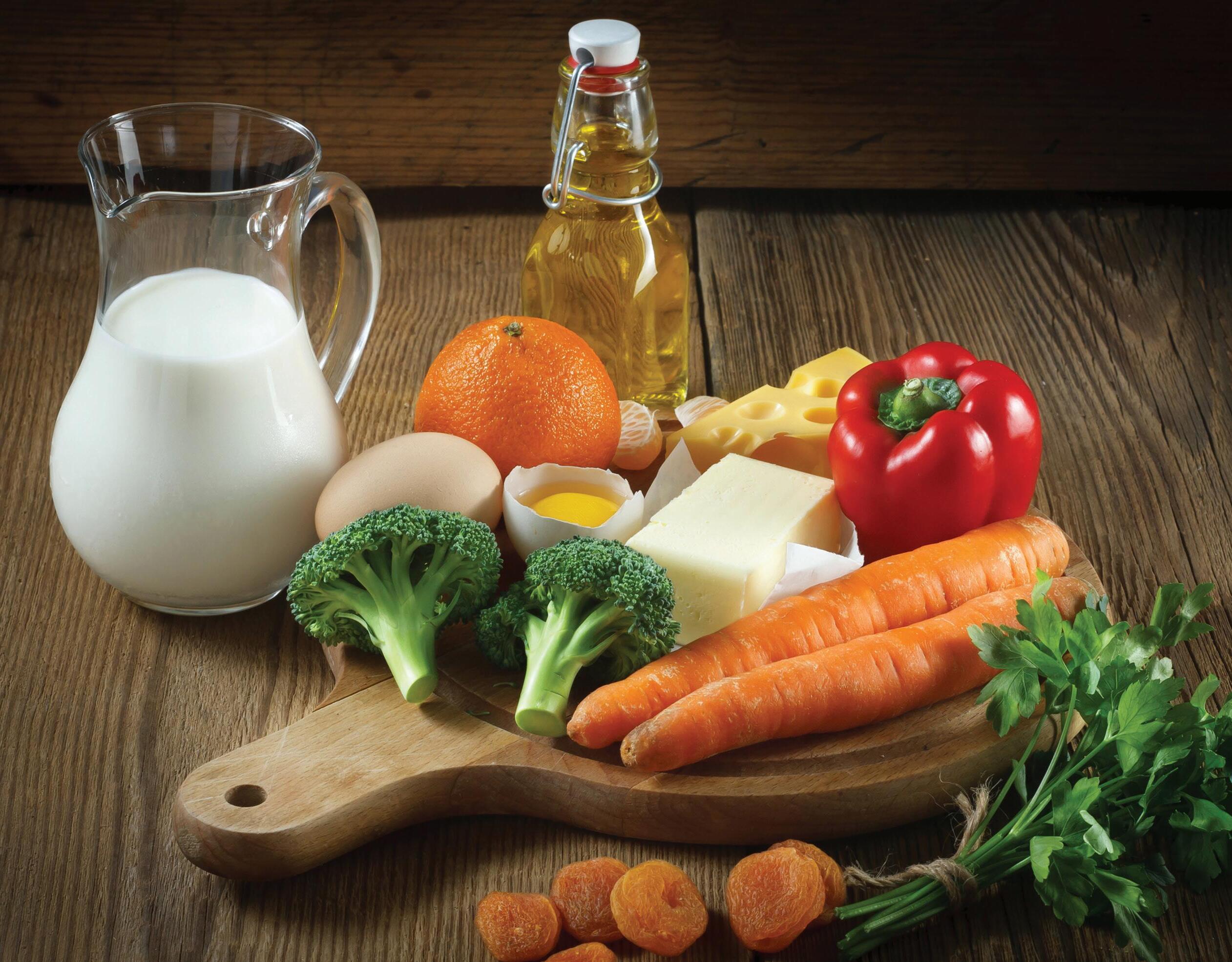
Vitamin A helps keep the eyes moist and helps the retina process light rays. While egg yolks, dairy foods, and liver provide it, the body converts some nutrients from plants into vitamin A. Carrots are a popular source, and a “sweet potato has more than 200 percent of the daily dose of vitamin A doctors recommend,” says Dr. Taylor. Apricots and cantaloupes also are good sources.
Vitamin C “is thought to be a key antioxidant for preventing age-related cataracts,” says Dr. Kaleem. Because the body doesn’t produce this water-soluble nutrient on its own, eating oranges, peppers, broccoli, and kale every day can help you get enough.
Vitamin E helps cells stay healthy. Deficiency is quite rare, but several foods offer this vitamin, among them almonds, avocados, and sunflower seeds.
Other nutrients
Carotenoids (especially lutein and zeaxanthin), found in peaches, raspberries, and dark green, leafy vegetables, and flavonoids, from berries, citrus fruits, tea, dark
chocolate, and red wine, support the retina and its visual functions.
Selenium “acts as a preventive antioxidant for several eye conditions, including age-related macular degeneration (AMD) and cataracts,” Dr. Kaleem says, and a “deficiency has been linked to thyroid eye disease.” Nuts, seeds, dairy foods, eggs, and seafood are good sources.
Omega-3 fatty acids (from fish, chia seeds, flaxseeds, and walnuts) and the omega-6 fatty acid gammalinolenic acid (from spirulina, hemp seeds, and black currant seed, borage, and primrose oils) contribute to eye health and reduce the risk of developing eye conditions. Can supplements help?
“In general,” says Dr. Taylor, “most Americans can and should get enough nutrients without needing to take supplements, but those with macular degeneration are an exception. Taking supplements is recommended by the Age-Related Eye Disease Study 2 (AREDS2).” ●
SELECTED SOURCES “Age-related eye disease studies (AREDS/AREDS2): Major findings,” National Eye Institute, www.nei.nih.gov, updated 10/22/25 • “Fabulous foods to boost eye health” by C. Vimont, American Academy of Ophthalmology, www.aao.org, 4/10/26 • “Nutrition and eye health” by M. Kaleem, www.hopkinsmedicine.org, 4/15/24 • “Macular degeneration: Will a supplement cocktail slow it down?” by H. Goldman, Harvard Health Publishing, www.health.harvard.edu, 3/1/25

The Amsler grid is a tool you can use at home to track vision changes.
1 Secure the Amsler grid to the wall at eye level, making sure to choose a location where light is consistent and free of glare.
2 If you wear glasses, put them on, then cover one eye.
3 Keep your gaze fixed on the black dot in the center of the Amsler grid.
4 Notice if any lines are wavy, distorted, or missing.
5 If a defect is detected, mark the location on the chart.
6 Make sure to test each eye separately and make sure the grid is the same distance from your eyes each time you test. Contact your doctor right away if you see any new or worsened distortions. Additional resources are available from the American Macular Degeneration Foundation at www.macular.org.
SOURCE “Amsler grid to test your sight,” American Macular Degeneration Foundation, www.macular.org, 2026

A strong skeleton is the framework for a healthy, active life, and building solid bones depends on what you eat.
It takes “more than a glass of milk to protect your bones and joints from the normal wear and tear that comes with aging,” writes Natalie Rizzo, MS, RD.
.
The New York–based registered dietitian and nutrition writer lists nutrients that promote joint and bone health: calcium, of course, plus vitamin D, collagen, vitamin C, omega-3 fatty acids, magnesium, and vitamin K.
Chock-full of protein and collagen, bone broth is good for your bones. For extra flavor and nutrition, add the spice turmeric, whose component curcumin offers antiinflammatory properties. “Curcumin has been studied for its joint health potential,” says Rizzo, and may relieve arthritis symptoms.
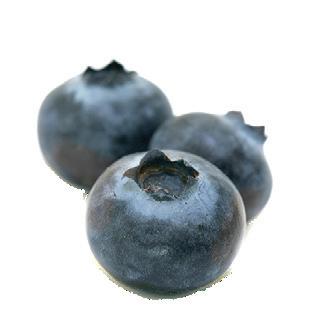
Prunes and blueberries are both packed with bone-supporting nutrition: potassium, magnesium, and vitamin K in the former, and polyphenols and vitamin C in the latter. Vegetables also figure prominently in maintaining strong bones. Bok choy and other dark, leafy greens “are a great way to get more calcium in your diet without having to do the dairy route,” Elizabeth Ann Shaw, MS, RDN, told Rizzo.
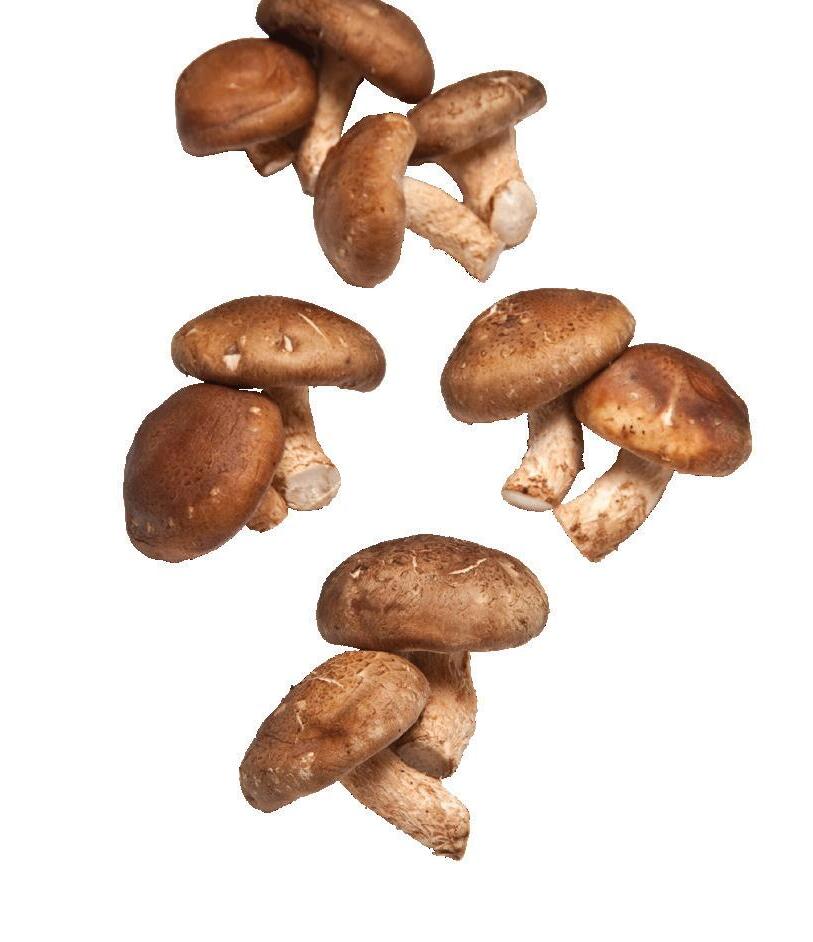
Mushrooms offer an excellent food source of vitamin D, and sweet potatoes are full of magnesium, which Shaw says contributes to bone health by activating vitamin D.
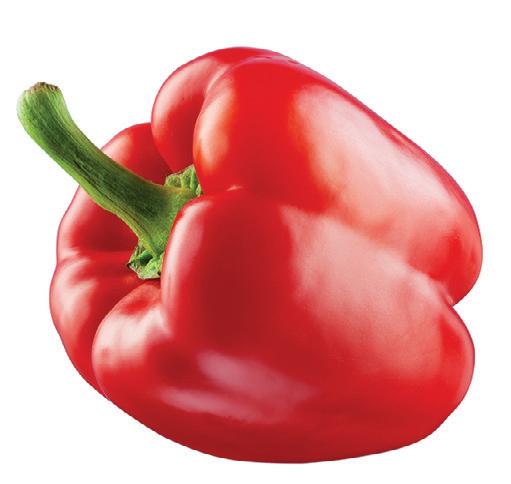
You may associate citrus fruit with vitamin C, but this inflammation fighter and collagen-stimulator is also abundant in bell peppers
Vitamin D–fortified milk, besides providing calcium, helps prevent excess parathyroid hormone in the blood, which may contribute to bone and joint issues, including osteoporosis and pain. If dairy foods aren’t your thing, try tofu to ensure you get enough calcium.
Sardines, while not to everyone’s taste, offer omega 3s, calcium, and vitamin D in abundance. If you’re not a fan, try eating more salmon.
What you don’t eat is also important. Some foods worsen inflammation by triggering inflammatory pathways, so work to eliminate—or at least limit—these items from your diet: alcoholic beverages, fried foods, red meat and processed meats, refined carbohydrates (including white bread and pastries), and processed sugars.
The Mediterranean diet supports mobility and helps reduce systemic inflammation.
Fluid helps cushion your joints, so drink plenty of water every day. By the time you feel thirsty, you may already be dehydrated. Extra weight puts pressure on your hips, knees, and ankles. Losing even a little bit of weight can reduce joint pain. ●
SELECTED SOURCES “11 foods that’ll boost your joint health and bone strength” by N. Rizzo, www.runnersworld. com, 10/14/19 • “14 foods to reduce joint pain,” Cary Orthopaedics, CaryoOrtho.com, 9/6/23 • “Top antiinflammatory foods for joint health,” Greater Orlando Orthopedic Group, GreaterOrlandoOrthopedicGroup. com • “The ultimate arthritis diet,” by A. Paturel, Arthritis Foundation, www.Arthritis.org


Diet isn’t the only solution for joint health: You also need exercise to maintain strength and fight joint pain.
“A mix of moderate-intensity, low-impact cardiovascular exercise and resistance training can improve your strength and flexibility,” according to Harvard Health Publishing. Aerobic exercise helps lubricate joints and boosts the body’s production of painkillers.
“Over time, a regular exercise routine can tamp down systemic inflammation that might be contributing to your joint pain,” says Robert Shmerling, MD, senior faculty editor at Harvard Health Publishing and former clinical chief of the division of rheumatology at Boston’s Beth Israel Deaconess Medical Center.
The Mayo Clinic offers tips for your exercise program, including choosing low-impact exercise; using heat (warm towels, hot packs, warm shower) to relax muscles before exercising; beginning with gentle range-of-motion exercises; using slow and easy movements; and icing your joints if you need to after exercising.
SELECTED SOURCES “Exercise helps ease arthritis pain and stiffness” by Mayo Clinic staff, www.MayoClinic.org, 4/2/26 • “Exercises to relieve joint pain” by S. Klein, Harvard Health Publishing, www.Health.Harvard.edu, 3/24/25
BY MARY ANN O’DELL, MS, RDN
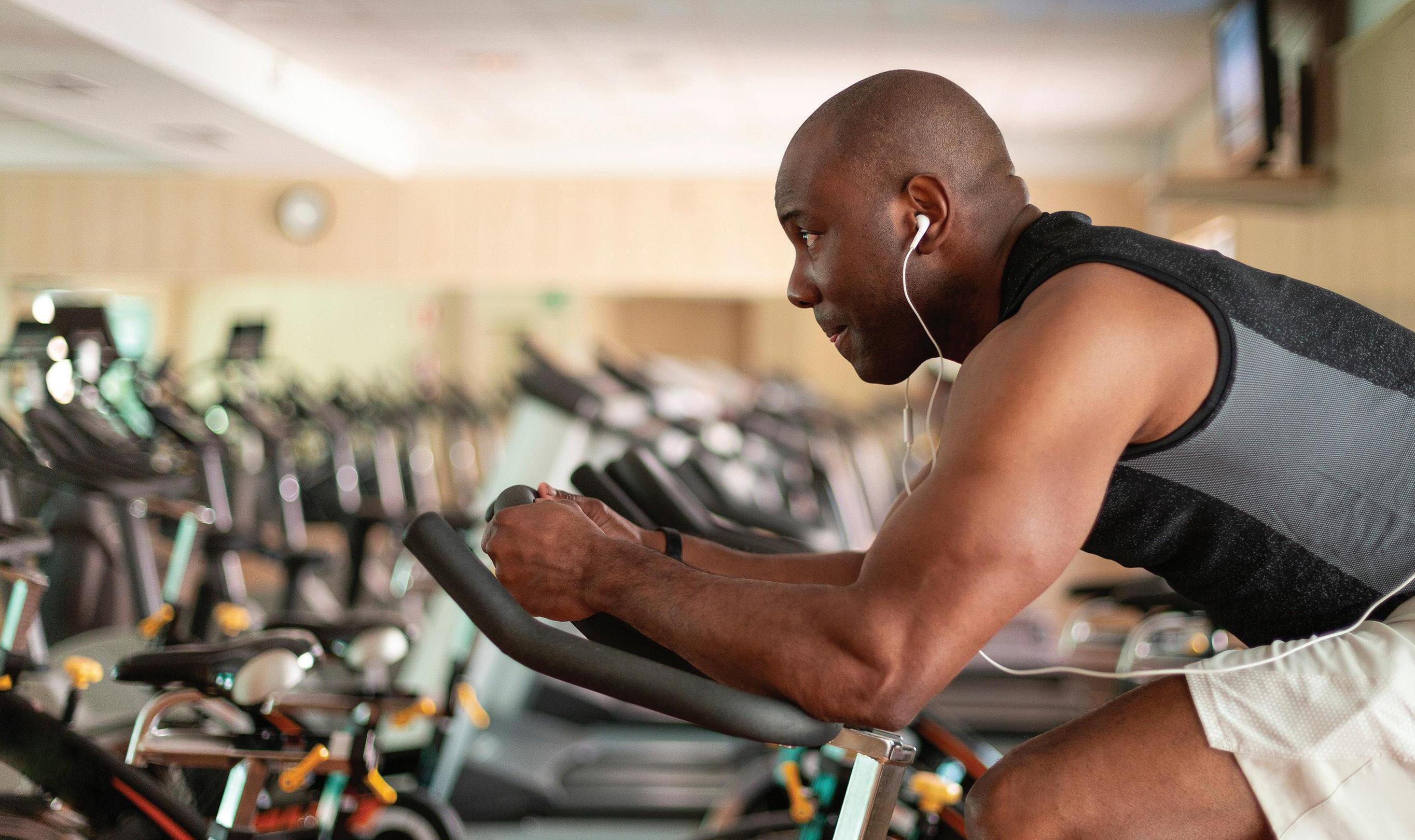
Feeling tired all the time? You’re not alone. Busy schedules, chronic stress, and lack of quality rest can drain anyone’s energy. Fatigue can be influenced by everything from diet and sleep to stress, environmental factors, and underlying imbalances like blood sugar, adrenal, or thyroid issues. The good news is that there are simple, effective ways to take control and boost your energy.
Reset with Rest. If you don’t sleep well, your energy level will be low. Sleep helps the body recuperate each day, and getting adequate sleep will help you feel more energized. Try to get 7–9 hours of sleep to allow your mind and body to recharge. To help improve sleep, take time to wind down before bed, turning off all devices and TVs at least 30 minutes to an hour before bed. Make
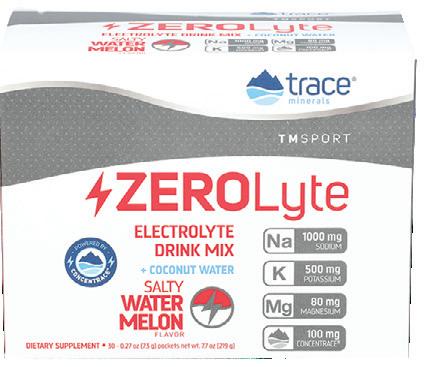
Trace
ZEROLyte Electrolyte
Salty Watermelon
Electrolytes and coconut water. Provides optimal hydration, energy, and stamina.*
Supports proper nerve and muscle function.*
Convenient portable stick packs.
sure the bed and bedroom are comfortable—a cool, dark room supports better sleep. Take magnesium at night, as this mineral can help improve relaxation and rest.
Exercise to Energize. Exercise is crucial for a life full of energy. Exercise improves your heart function and circulation, helps with weight control, and lifts your mood so you just feel better! Even short bouts of exercise, 10–20 minutes at a time, can contribute to feeling more energized. Find something you enjoy—weight training, cycling, walking, or anything that gets you to move—and do it consistently. Your body will thank you!
Stay Hydrated. As the summer months heat up, dehydration can zap your energy levels, so hydration remains a critical key for fighting fatigue. Be sure to drink enough clean fluids, like purified water or coconut
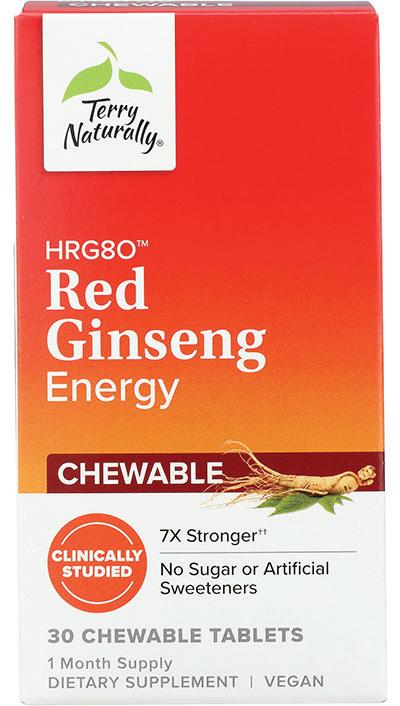
Terry Naturally Red Ginseng Energy Chewable
Supports mental and physical energy, plus resilience during stress.*
Features clinically studied HRG80 red ginseng.
High absorption GammaSorb chewable formula.
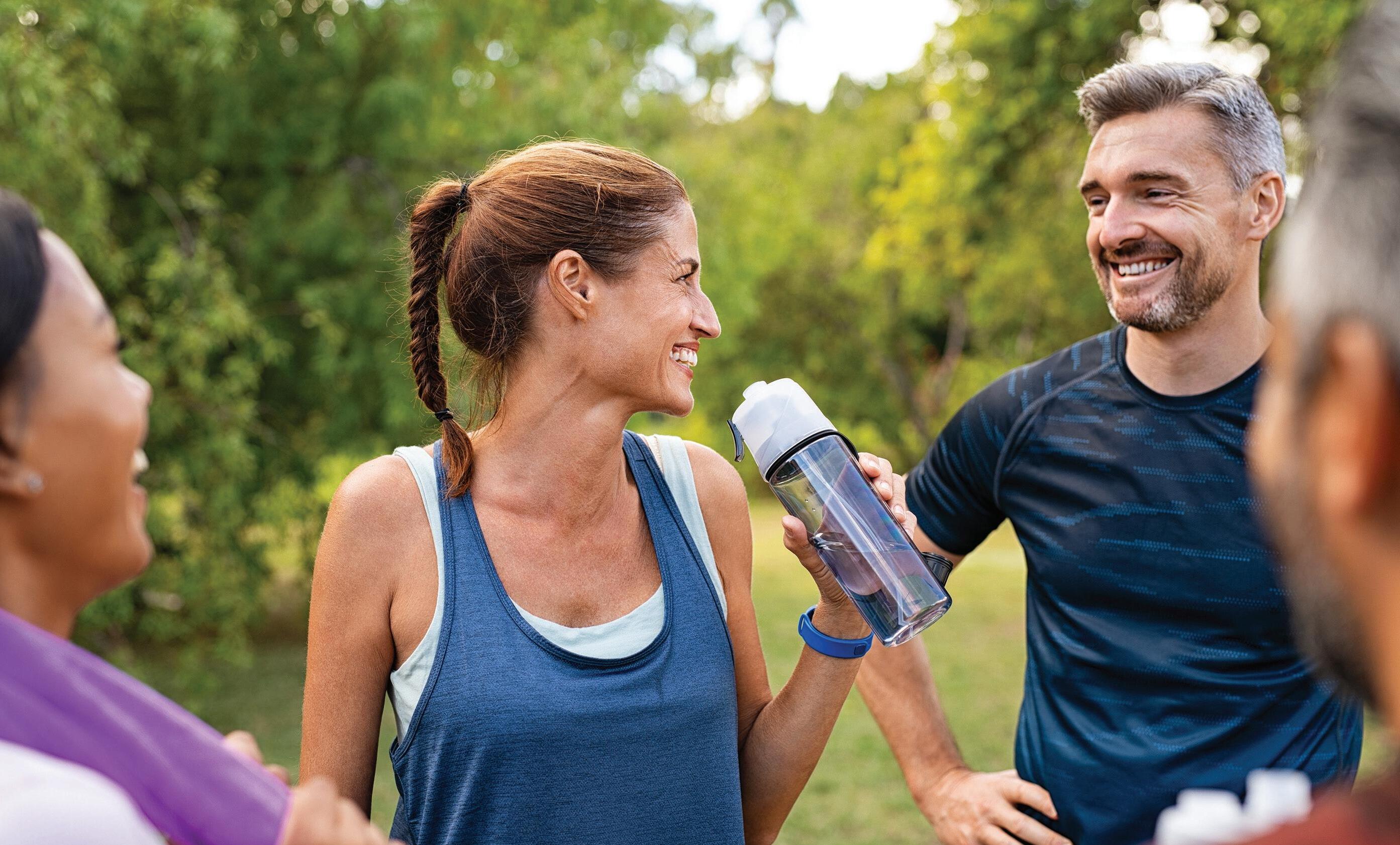
water, to stay hydrated. If you are outside or sweating, add an electrolyte powder to your water. Electrolytes like sodium, magnesium, and potassium help to prevent dehydration, maintain pH balance, and regulate muscle contraction in the body.
Nourish Adrenals. When the body is under chronic stress, the adrenals can get worn out! These little glands are critical to keep the body functioning well under stress and to keep energy levels up. All B vitamins are essential for nerve function, adrenal support, and for energy and metabolism in the body. Pantothenic acid provides specific support for adrenal gland function, and B12 plays an important role in energy production. B12 deficiency is becoming more common as this nutrient is depleted by certain medications and poor digestion. Deficiency of B12
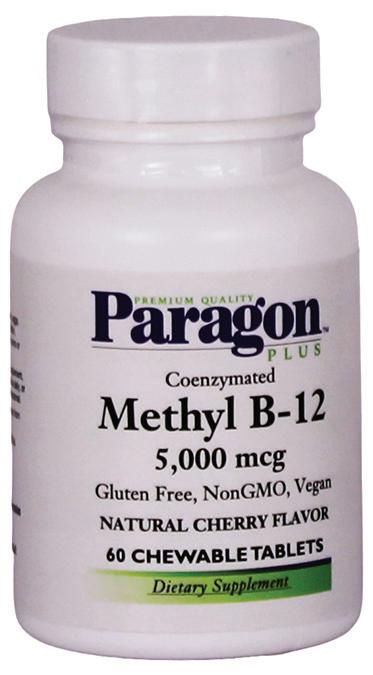
Coenzyme, active form of vitamin B12.*
Supports healthy red blood cell production for oxygen transport throughout the body.*
Supports nervous system function.*
Natural cherry flavor lozenges.
can result in increased fatigue, so consider adding B12 to your daily regimen.
Energize Naturally. Yerba mate and green tea are herbs that can give a quick burst of energy. These herbs work well with adaptogens like ginseng and rhodiola, which have a balancing effect on the body, helping to boost adrenal function and endurance. Red ginseng has been shown to be effective at improving a person’s ability to withstand stress, improve work performance, and enhance mental and physical energy.
With these positive changes, you can unlock and boost your body’s energy production, helping you to have more energy and vitality. ●
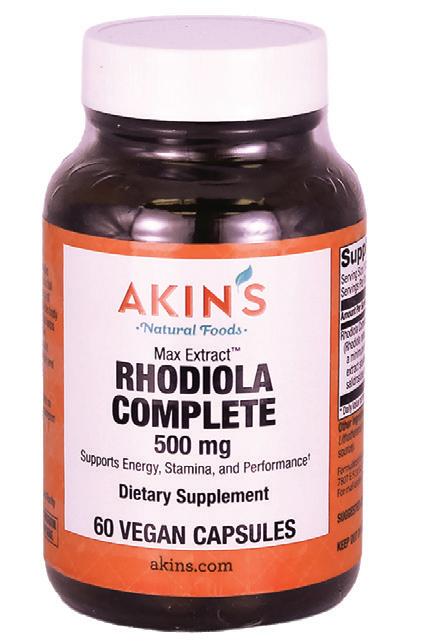
Akin’s
Rhodiola Complete
Supports energy, stamina, and performance.*
Adaptogenic herb.*
Provides 3 forms of rhodiola for full spectrum benefits.
Cooking over an open flame in the great outdoors is something our ancestors did for survival. These days preparing food over fire is no longer a necessity for most but a fun and popular activity that gets you outdoors with friends and family.
Here are some basics to begin the best barbecuing of the season.
Charcoal v. Wood
Charcoal fans say charcoal works better for creating even areas of heat. It burns longer than wood and smokes less, helping retain the original flavor of the food you are grilling.
Wood adds its own unique flavor. Using it in a grill creates more smoke, but this lends a unique char to whatever you’re grilling. Specific tree types (cherry, apple, oak, birch) are popular wood choices. Birch tends to be the most inexpensive and readily available. No matter which type you select, look for brands that are FSC certified. This means the wood is free from chemicals and was sustainably grown.
For gas grills: Open the lid and make sure all knobs are turned to the off position. With the lid still open, turn the valve on the propane tank all the way (or turn on the natural gas source). It may take a few seconds for the gas to make its way through the line. Again, with the lid still open, light each burner one at a time and set
to high. Close the lid and preheat the grill. As the temperature climbs, open the lid, and brush the grates clean. The high heat will make it easier to scrape away leftover debris, and it will help the food develop a better sear. Adjust the knobs for the desired heat zones. For a charcoal grill: Never use lighter fluid. Instead, ignite with an electric charcoal lighter or chimney starter. A charcoal grill is at its hottest and most ready for grilling when the charcoals are glowing and have a gray, ash-like appearance. When the charcoal turns white, the temperature has dropped, and it may be slightly too late to start the grilling process.
Most grillers know to check protein for doneness with a meat thermometer. But vegetables can benefit from this treatment too. Pierce the veggie’s thickest, densest area with a thermometer. Zucchini and asparagus are at their grilled best when they reach 170˚. A potato should reach over 200˚. Ultimately, you get to decide when a vegetable is grilled to your liking. If you prefer something more al dente, aim for an internal
temperature of slightly over 95˚ with a leek. If you want a softer leek, aim for around 175˚.
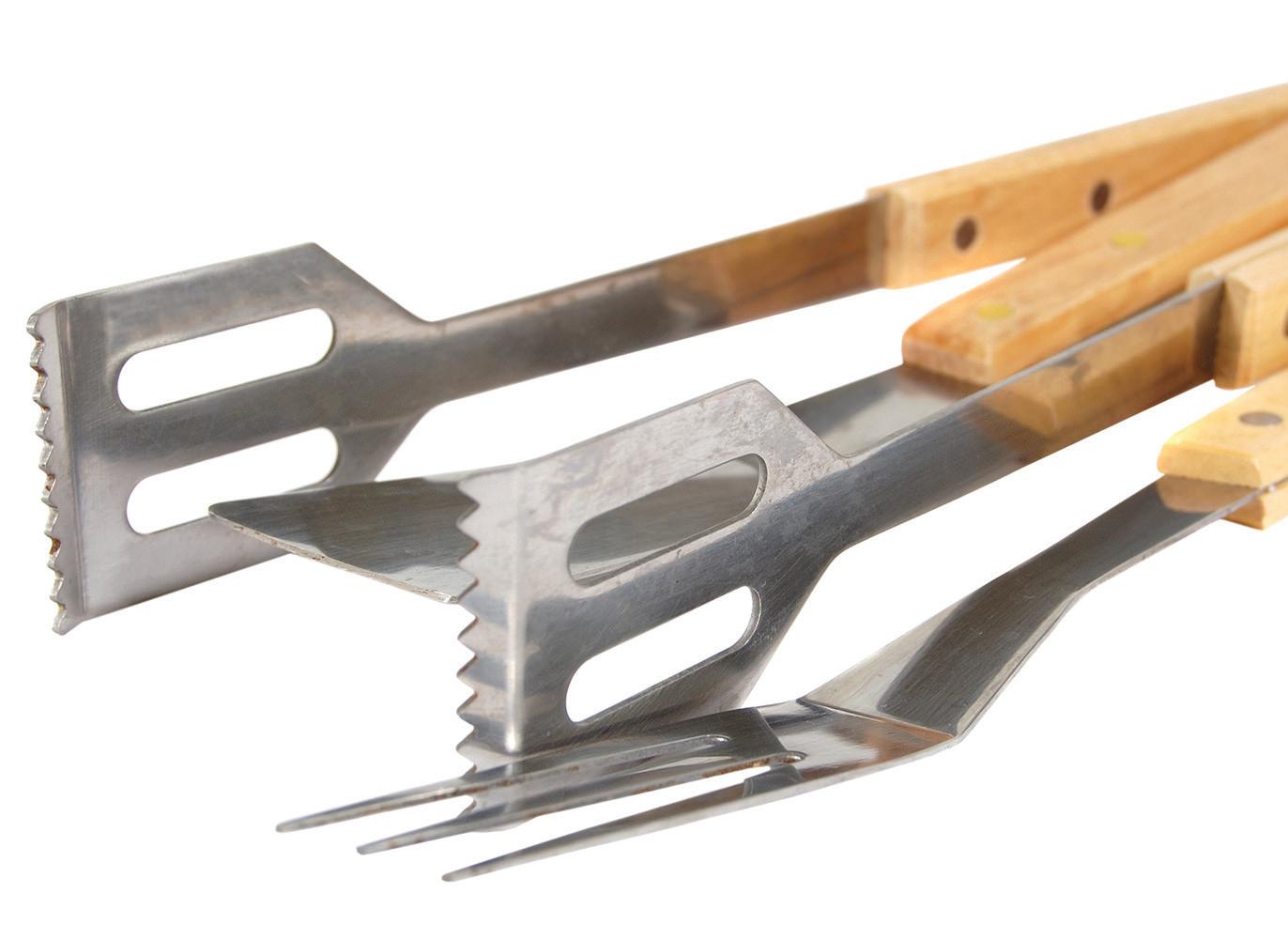
Just as any outfit can benefit from a few choice accessories, so can your grill! Here are some basic tools to have on hand to make grilling safer and easier.
✔ Basting Brush. Use this tool to apply sauces and to baste when grilling food. Look for a brush with heat-resistant bristles and a long handle.
✔ Cleaning Brush. Get a longhandled brush with securely anchored bristles to effectively clean the grill. Be sure to wash the grill after scrubbing to remove stray bristles, which can be dangerous.
✔ Insulated Gloves. Thick, lined, and long enough to cover your forearms is the type of glove to look for.
✔ Tongs. Have a few pairs of durable, spring-loaded tongs on hand. Use one for raw items and another for removing cooked items from the grill. ●
60 min prep time + 60 min soak time for wood chips serves 6
From The New Cafe Beaujolais Cookbook by Julian Lopez (The Collective Book Studio, 2026)
½ c fish sauce
½ c sugar or honey
½ c fresh lime juice
2 Tbsp rice vinegar
3 Thai chilis, finely chopped
Pine or cedar logs, or charcoal and pine or cedar chips, soaked in water for 10 to 60 minutes
1 (4- to 6-lb) half side of King salmon, pin bones removed
1 Tbsp fine sea salt
6 shiso sprigs*
Leaves from 1 bunch each fresh cilantro, dill, and mint
2 Tbsp extra-virgin olive oil
Hot cooked rice, for serving
Lime wedges, for garnish
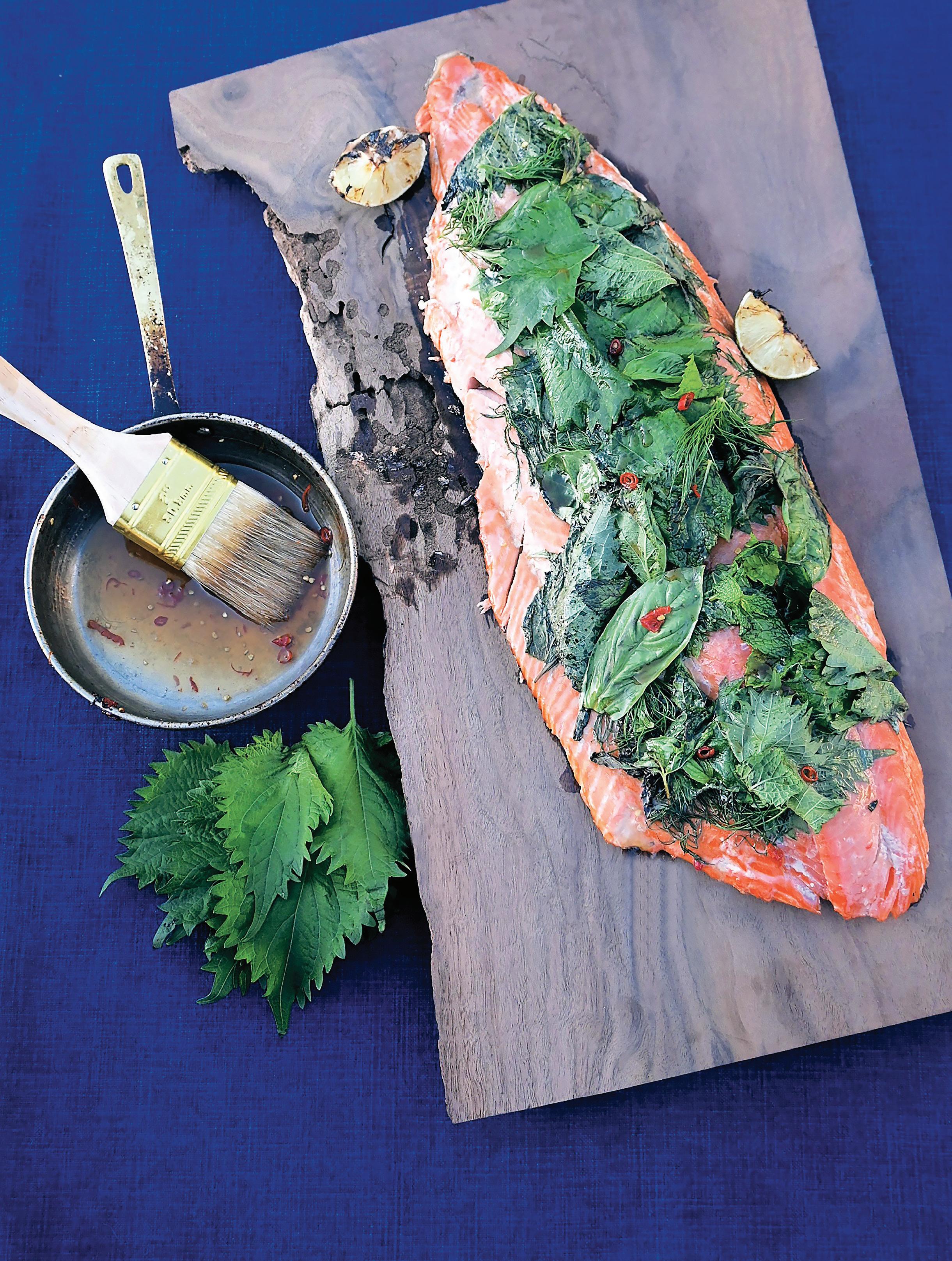
1. To make glaze: In a saucepan, combine fish sauce, sugar, lime juice, vinegar, and chilis. Set over medium heat. As soon as liquid comes to a boil, remove from heat. Set aside until you are ready to cook salmon.
2. Using the logs, build a fire in an outdoor fire pit or charcoal grill. To create a balanced heat mass, allow wood to burn down to coals. Arrange a cooking rack over coals (you can use a metal cooking rack designed for baking). Or, if using charcoal, the coals should be coated with ash.
3. Season salmon evenly with salt and place it on cooking rack away from coals (you want to cook it over indirect heat). Add small pieces of wood chips over coals to create a generous stream of smoke. Brush an even layer of glaze onto salmon. Let it cook until flesh begins to firm up near skin, brushing with glaze every 3 to 5 minutes, for 20 to 25 minutes. During this time, the heat should be rising slowly and gradually and there should be no sizzling happening. If you hear sizzling,
carefully rotate grate so fillet is positioned farther away from heat.
4. Strew herbs over salmon. Drizzle with oil and continue to cook slowly until meat gently flakes when you gently press fish with your finger, 5 to 10 more minutes.
5. Transfer salmon to a cutting board. Divide rice among serving bowls. Using a large serving spoon, spoon pieces of fish over rice. Drizzle with a squeeze of lime juice and any remaining glaze.
Kitchen Note: The key to this cooking technique is to slowly increase the temperature inside the salmon, not to quickly cook the salmon.
*Shiso is a Japanese herb that may be tricky to find in your local area. You can substitute fresh mint, Thai basil, or lemon basil. Per serving (made with honey and served with 1/2 cup cooked brown rice): 859 Calories, 66 g Protein, 166 mg Cholesterol, 45 g Carbohydrates, 26 g Total sugars (23 g Added sugars), 3 g Fiber, 46 g Total fat (10 g sat), 2,073 mg Sodium, ★★★★★ Vitamin B1 (thiamine), B3 (niacin), B6, B12, C, D, E, ★★★★ Vitamin B2 (riboflavin), Magnesium, Phosphorus, Potassium, ★★★ Folate, ★★ Vitamin A, Iron, ★ Vitamin K, Zinc

tasteforlife.com/cervical

Although it’s one of the most preventable forms of cancer, cervical cancer remains one of the most common among women worldwide. Most cervical cancers develop from cervical dysplasia, a condition in which abnormal cells form on the cervix, usually as a result of infection with high-risk strains of the human papillomavirus (HPV).
When HPV infections do not clear naturally, they can lead to cervical intraepithelial neoplasia (CIN) and, over time, cervical cancer.
Because cervical dysplasia represents a window of opportunity before cancer develops, supportive therapies may play an important role in prevention and recovery.
Folate and vitamin B12 support viral regulation and healthy cell growth. Adequate levels may reduce HPV persistence and disease progression, while deficiencies are linked to increased persistence and abnormal cervical cell changes.
Hyaluronic acid—known for skin hydration—also supports mucosal tissue repair. In cervical health, it helps restore the protective mucosal barrier and promote healing of the cervical lining. Vaginal use potentially aids tissue repair and may help support spontaneous viral clearance in low-grade cervical lesions.
Green tea contains antioxidant catechins, especially EGCG, which has anti-inflammatory, antiviral, and antiproliferative properties. Research suggests it may inhibit HPV-positive cervical cell growth, promote apoptosis
(programmed cell death of abnormal cells), and support immune function. Studies evaluating oral and vaginal green tea preparations show improvement in low-grade cervical lesions.
Diindolylmethane (DIM) is a compound derived from cruciferous vegetables such as broccoli and cabbage. DIM supports healthy estrogen metabolism and may help shift estrogen pathways toward those associated with lower cancer risk. This mechanism may help reduce proliferation of HPV-affected cervical cells. Clinical research of DIM supplementation in women with cervical dysplasia has shown promising results. ●

Dr. Silmacoral López Jiménez is a naturopathic physician specializing in women’s health and natural medicine. She is on the faculty at the UAGM Gurabo School of Naturopathic Medicine and works as a public speaker and as a clinician at Nature Med Center, her clinic in San Sebastián, Puerto Rico.
REFERENCES & SCIENTIFIC STUDIES “The association of four natural molecules—EGCG, folic acid, vitamin B12, and HA—to counteract HPV cervical lesions . . .” by G. Grandi et al., Journal of Personalized Medicine, 3/22/23 • “Double-blind randomized placebo-controlled multicenter clinical trial (phase IIa) on diindolylmethane’s efficacy and safety in the treatment of CIN . . .” by L. Ashrafian et al., EPMA Journal • “Interactions between serum folate and human papillomavirus with cervical intraepithelial neoplasia risk . . .” by J. Yang, et al., American Journal of Clinical Nutrition, 2018 • “Protective effects of green tea extracts (polyphenon E and EGCG) on human cervical lesions” by W.-S. Ahe et al., European Journal of Cancer Prevention • The Women’s Encyclopedia of Natural Medicine: Alternative Therapies and Integrative Medicine for Total Health and Wellness by Tori Hudson, ND (McGraw-Hill, 2007)
The vaginal microbiome is key to HPV persistence and cervical health. A Lactobacillus-dominant environment helps maintain acidity and protect against pathogens. Reduced levels are linked to HPV persistence and dysplasia progression, making probiotics a potentially important support strategy.
Women interested in integrative approaches should work with a licensed healthcare provider who can develop an individualized plan that complements conventional medical care.
Management of cervical dysplasia depends on the severity of abnormal cells. Low-grade lesions are often monitored because many regress spontaneously. Persistent or high-grade lesions may be treated with procedures to remove abnormal tissue.
While these treatments are effective, they do not address viral persistence, immune function, or tissue repair. This has led to growing interest in integrative and naturopathic approaches that support the body’s ability to clear HPV, repair cervical tissue, and restore a healthy vaginal environment.
Many HPV infections resolve on their own, but some factors increase the risk of persistent infection and progression. These include smoking, immune suppression, multiple sexual partners, co-infections, early sexual activity, and nutritional deficiencies.



Vibrant Health
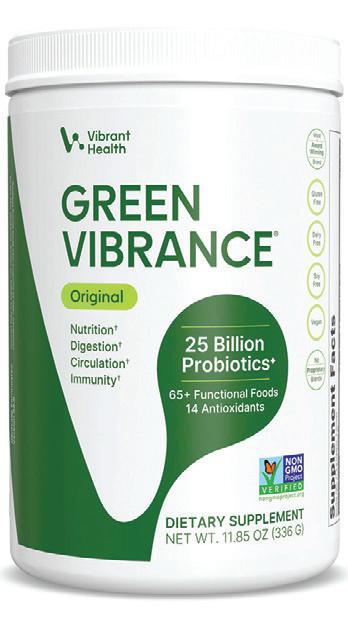
Original Green Vibrance
Green superfood formula.*
Supports nutrition, digestion, circulation, and immunity.*
Antioxidant-rich cereal grasses, fruits and vegetables.
Plus probiotics, enzymes, and adaptogens.
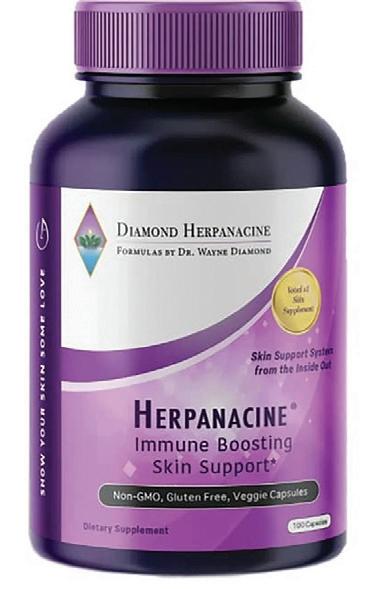
Diamond Herpanacine Herpanacine Skin & Immune Support
Helps support optimal skin and immune benefits, from the inside out.*
Unique blend of vitamins, herbs, amino acids and powerful antioxidants.*
Includes lysine, dandelion, astragalus, echinacea, zinc and more!
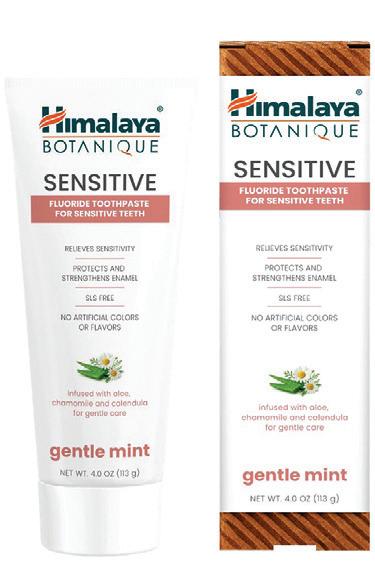
Himalaya Sensitive Toothpaste
Fluoride toothpaste for sensitive teeth.
Protects and strengthens enamel. Infused with aloe, chamomile, and calendula for gentle care.
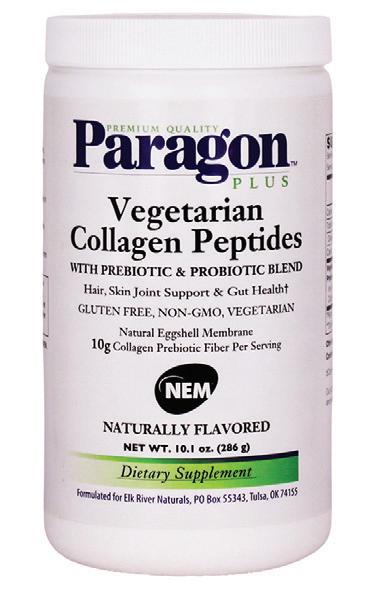
Paragon Plus™
Vegetarian Collagen Peptides
Hair, skin, joint support, and gut health.*
With NEM eggshell membrane, an upcycled source of collagen clinically shown to support healthy joints.*
Enhanced with prebiotic and probiotic blend.
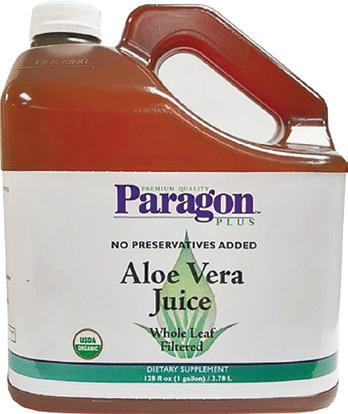
Paragon Plus™ Aloe Vera Juice
Provides all the nutritional and soothing benefits of aloe vera.*
No preservatives added.
Made with organically grown aloe vera.
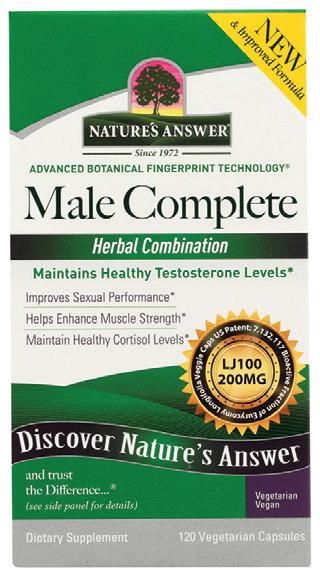
Nature’s Answer
Male Complete
May help support men’s health and sexual health wellness.*
Helps maintain healthy testosterone levels.*
Contains catuaba, Japanese knotweed, maca root, saw palmetto, and more.
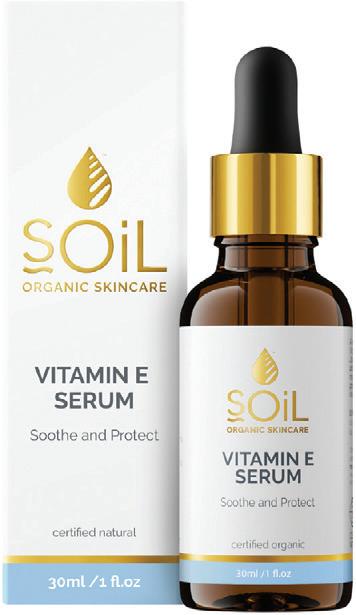
Vitamin E Serum
Multifunctional serum hydrates, soothes, protects, smooths, and restores skin.
Formulated with vitamin E, jojoba, rosehip, and baobab oils. Enriched with soothing essential oils.
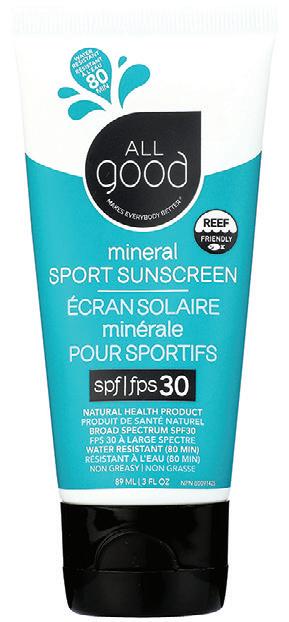
All Good
Mineral Sport Sunscreen
SPF 30
Water-resistant and broad spectrum UVA/UVB protection formula.
With ingredients that are lightweight, non-greasy and actually hydrate and repair skin. Reef-friendly mineral formula.
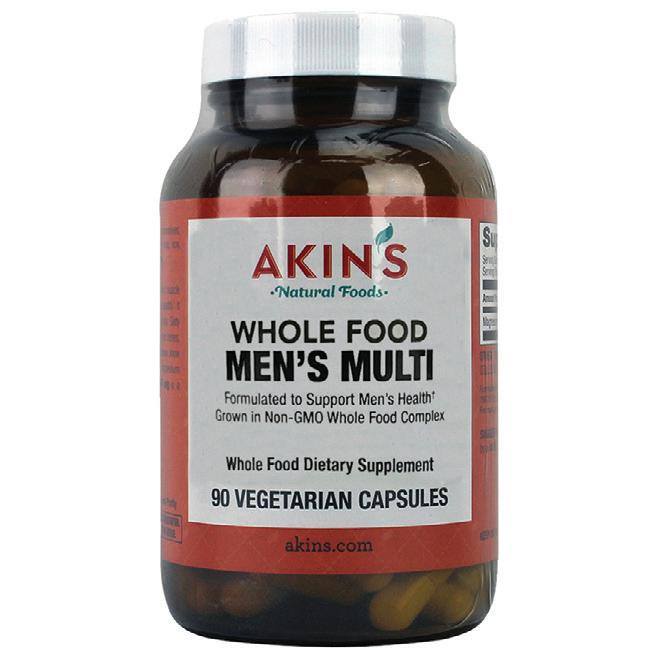
Akin’s Whole Food Men’s Multi
Formulated to support men's health.*
Food-based multi grown in non-GMO whole food complex. With added male support herbs including saw palmetto, pumpkin seed, and lycopene.*
*These statements have not been evaluated by the Food & Drug Administration. These products are not intended to diagnose, treat, cure, or prevent any disease. This information is presented as general information and is not meant to replace medical advice. Because persons and circumstances can vary, self treatment may not be right for you. Consult a qualified health care practitioner for advice pertaining to any particular person or case or before beginning any new exercise, diet, or supplementation program. Use products only per label direction.