

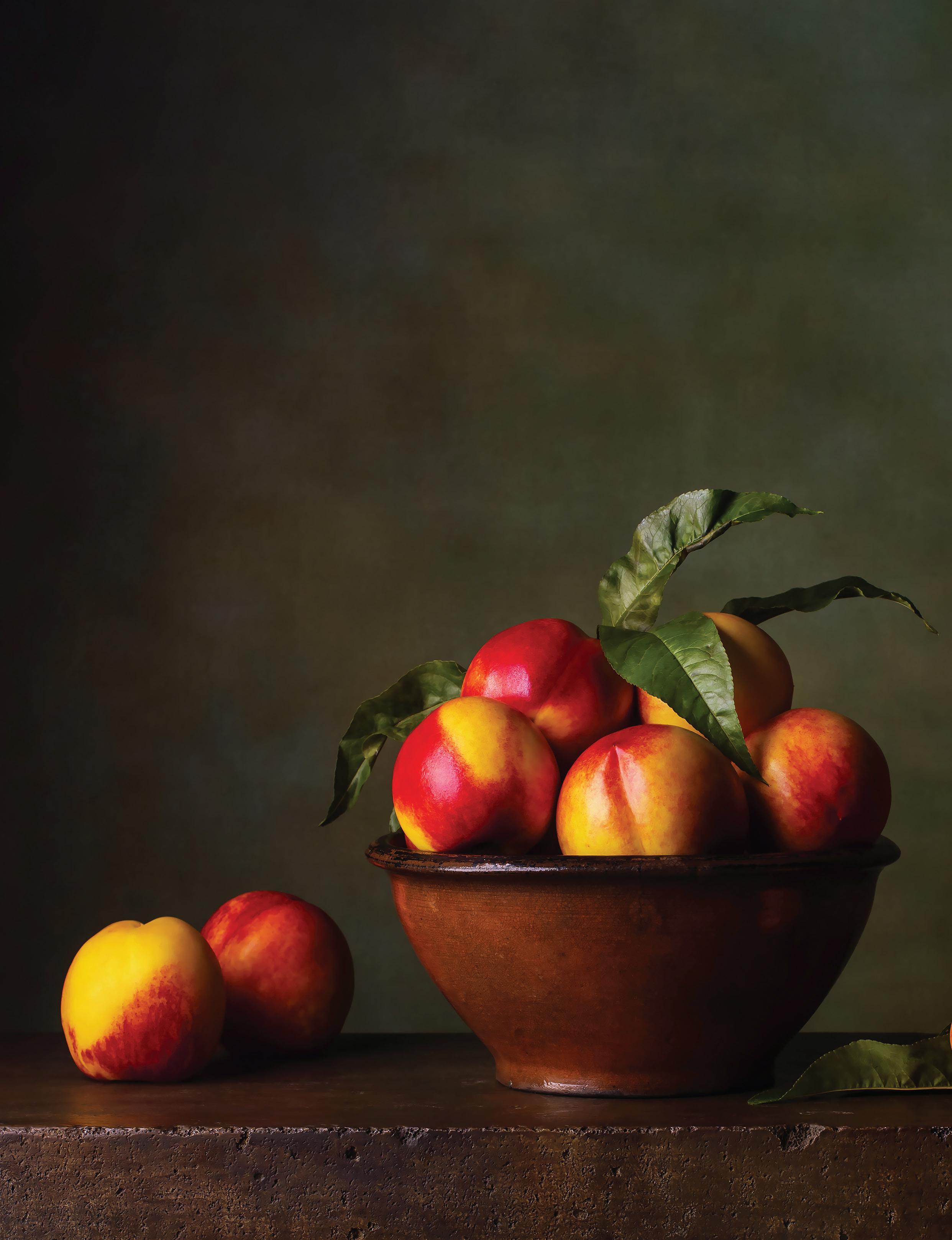

Sweet, juicy, and refreshing, nectarines are a summertime favorite that also deliver an impressive range of health benefits. A close relative of peaches, nectarines provide vitamins, minerals, antioxidants, and fiber in a low-calorie package.
Nectarines are a good source of vitamin C, which supports the immune system and helps protect cells from oxidative stress. Nectarines also provide vitamin A, which plays an important role in skin and eye health, as well as polyphenols, which help combat inflammation and support healthy aging. Like many stone fruits, nectarines contain dietary fiber to support digestion and healthy blood sugar levels.
With their high water content, nectarines are also a hydrating snack during hot summer months. Enjoy them fresh, sliced into salads, blended into smoothies, or grilled for a naturally sweet dessert. ●
SELECTED SOURCES “5 health benefits of nectarines,” Cleveland Clinic Health Essentials, health.clevelandclinic.org, 4/10/25 • “Nectarines, raw,”
FoodData Central, US Department of Agriculture, fdc.nal.usda.gov, 4/1/19




The word “semiquincentennial” is quite a mouthful, and on July 4 this year it means 250 years have passed since the Founding Fathers signed the Declaration of Independence.
You can celebrate your independence from cooking over a hot stove with our Cook-at-Home department as we feature no-cook meals beginning on page 26.
If your summer plans include a road or plane trip, check out our “5 top supplements for travel” on page 16. Pack these remedies and three suggested topicals so travel woes won’t interfere with your fun. And whether you’re on the move or indulging in a staycation, see pages 18 and 20 for advice on insect repellents and sun safety.
Taking in enough liquid is important at any time of year, and likely more so as summer heats up. But pay attention not just to your water intake but also to your body’s electrolyte balance (page 22). Fruit can help you stay hydrated, and we have nectarines (page 2) and watermelon (page 5) to help.
Keep your digestive tract humming along healthily with pre-, proand postbiotics. Certified nutritionist Sally Karlovitz explains what they are and how they can help your body (page 24).
Aromatherapy is not just for grown-ups: We have tips for using this modality to support children’s emotional well-being, enhance their focus, and improve their overall quality of life (page 28).
Summer meals take center stage in our July food feature (pages 12–15). We have recipes for delicious sides for your Fourth of July cookout and a healthier strawberry shortcake to elevate the meal.
Wishing you an easy, breezy, celebratory month of July—

Contributing Writers
Mary Ann O’Dell MS, RDN
Sally Karlovitz CN
Chief Content Officer and Strategist Lynn Tryba (Lynn.Tryba@TasteforLife.com)
Contributing Editors
Lisa Fabian, Rich Wallace
Associate Editor
Kelli Ann Wilson
Creative Director
Michelle Knapp
Production/Graphic Designer
Brian Jenkins
Chief Operating Officer
Amy Pierce
Customer Service 800-677-8847
CustomerService@TasteforLife.com
Client Services Director - Retail Judy Gagne (x128)
Client Services Director - Advertising & Digital Ashley Dunk (x190)
Vice President – Retail Sales and Strategic Partnerships
Anna Johnston (Anna.Johnston@TasteforLife.com)
Chairman and Founder T. James Connell
Taste for Life® (ISSN 1521-2904) is published monthly by CCI, 155 Washington Street, Keene NH 03431, 603-283-0034 (fax 603-676-7941); © 2026 Connell Communications, Inc. All rights reserved. Subscription rates: $49.95. This magazine is not intended to provide medical advice on personal health conditions, nor to replace recommendations made by health professionals. The opinions expressed by contributors and sources quoted in articles are not necessarily those of the editor or the publisher. Advertisers and advertising agencies assume liability for all content of advertising and for any claims arising therefrom. Information appearing in Taste for Life may not be reproduced in whole or in part without express permission of the publisher.
Creative and Sales Offices 155 Washington Street, Keene NH 03431 603-283-0034


Mary Ann O’Dell, MS, RDN

a note on recipes
Nutritional analysis from Edamam. Nutritional values vary depending on portion size, freshness of ingredients, storage, and cooking techniques. They should be used only as a guide. Star ratings are based on standard values (SVs) that are currently recommended:
Aloha Veggies: Veg-Forward Recipes Celebrating the Flavors of Hawai’i by Alana Kysar (Ten Speed Press, 2026)
1 Tbsp rice vinegar
1 tsp fresh lemon juice
1½ Tbsp soy sauce (shoyu)
2 Tbsp toasted sesame oil
2 tsp extra-virgin olive oil
2 tsp honey
¼ tsp gochugaru (Korean chile flakes)*
2 lb seedless watermelon, rind removed, cut into 1-inch cubes
1-2 Tbsp neutral oil, as needed
1 Persian (mini) cucumber, cut into ¾-inch lengths
¼ sweet onion, diced
1 avocado, cut into ¾-inch cubes
¼ tsp Hawaiian salt (‘alaea) or sea salt
1 Tbsp crushed toasted macadamia nuts
1 green onion, thinly sliced on bias
*Gochugaru may be tricky to find in your local area. You can substitute red chili flakes.
1. In a large bowl, whisk together vinegar, lemon juice, soy sauce, sesame oil, olive oil,
honey, and gochugaru. Add watermelon and gently toss to coat it evenly. Cover bowl and refrigerate overnight.
2. In a large skillet, heat neutral oil over medium heat until shiny. Transfer cubed watermelon to pan using a slotted spoon, shaking off as much marinade as possible into bowl. (Don’t discard marinade. Transfer it to a container and reserve it in the refrigerator.) Cook watermelon until it has dried out a bit and is a little caramelized around edges, 5 to 6 minutes. Use a spatula to turn watermelon to cook all sides evenly.
3. Transfer watermelon to a new bowl. Let it cool to room temperature before adding cucumber and sweet onion, covering it and chilling it in the refrigerator for 2 hours.
4. When watermelon is cold, remove it and marinade from refrigerator. Gently toss avocado in marinade and let it sit for 5 minutes before transferring it to watermelon bowl using a slotted spoon.
30 min prep time + overnight marinate time + 2 hrs chill time serves 4
5. Sprinkle with salt, macadamia nuts, and green onion. Give everything a gentle toss to combine. Spoon on some marinade and serve immediately.
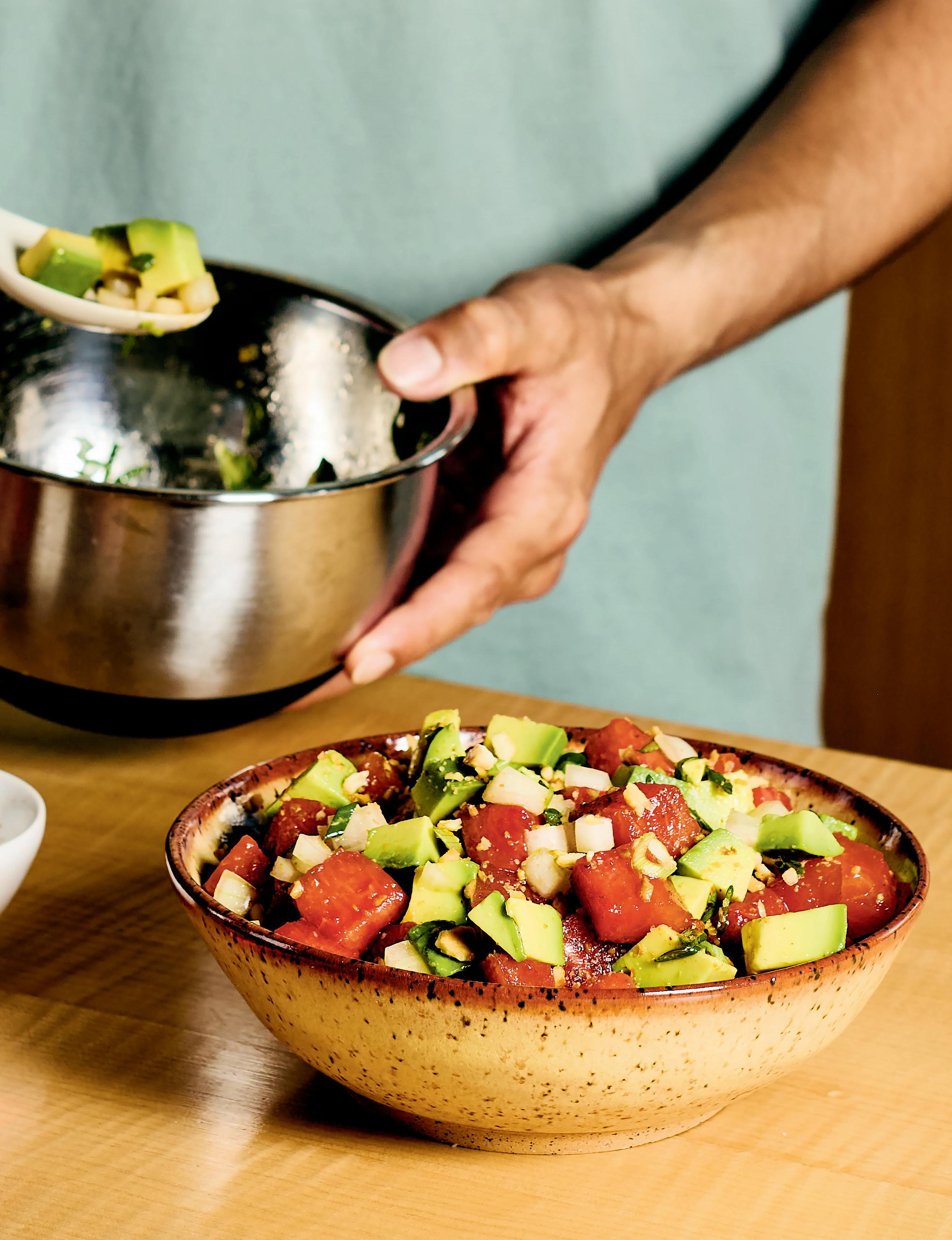
Kitchen Note: Watermelon poke is something to get excited about. It’s a plan-ahead dish; you start it the day before you serve it, but it is worth making. The watermelon absorbs the marinade overnight, packing in the flavor while you sleep. When it’s cooked the next day, the texture is almost ‘ahi (tuna)-like. The contrasting textures of the crunchy cucumber and creamy avocado play nicely with the meaty watermelon. Make this for your friends and family and ask them to guess what it is. At least one person will probably guess it’s ‘ahi.
Per serving: 296 Calories, 4 g Protein, 0 mg Cholesterol, 27 g Carbohydrates, 17 g Total sugars (3 g Added sugars), 5 g Fiber, 22 g Total fat (3 g sat), 455 mg Sodium, ★★ Vitamin C, K, ★ Vitamin B1 (thiamine), B2 (riboflavin), B3 (niacin), B6, E, Folate, Magnesium, Potassium
A new review of a decade’s worth of studies concluded that athletes are frequently deficient in certain vitamins, particularly vitamin D. The authors recommended that vitamin supplementation be tailored to sport-specific demands. For example, D deficiency was often seen in athletes participating in indoor sports during the winter months (such as basketball, volleyball, and wrestling). Sunlight is a primary source of vitamin D; indoor workouts and competitions can mean lower sun exposure.
The authors noted that “athletes are often exposed to increased oxidative stress, higher metabolic turnover, and greater nutritional demands, which can potentially lead to deficiencies in vitamins.” A, C, E, and B-complex vitamins were also evaluated “for their effects on performance, injury prevention, and recovery.”
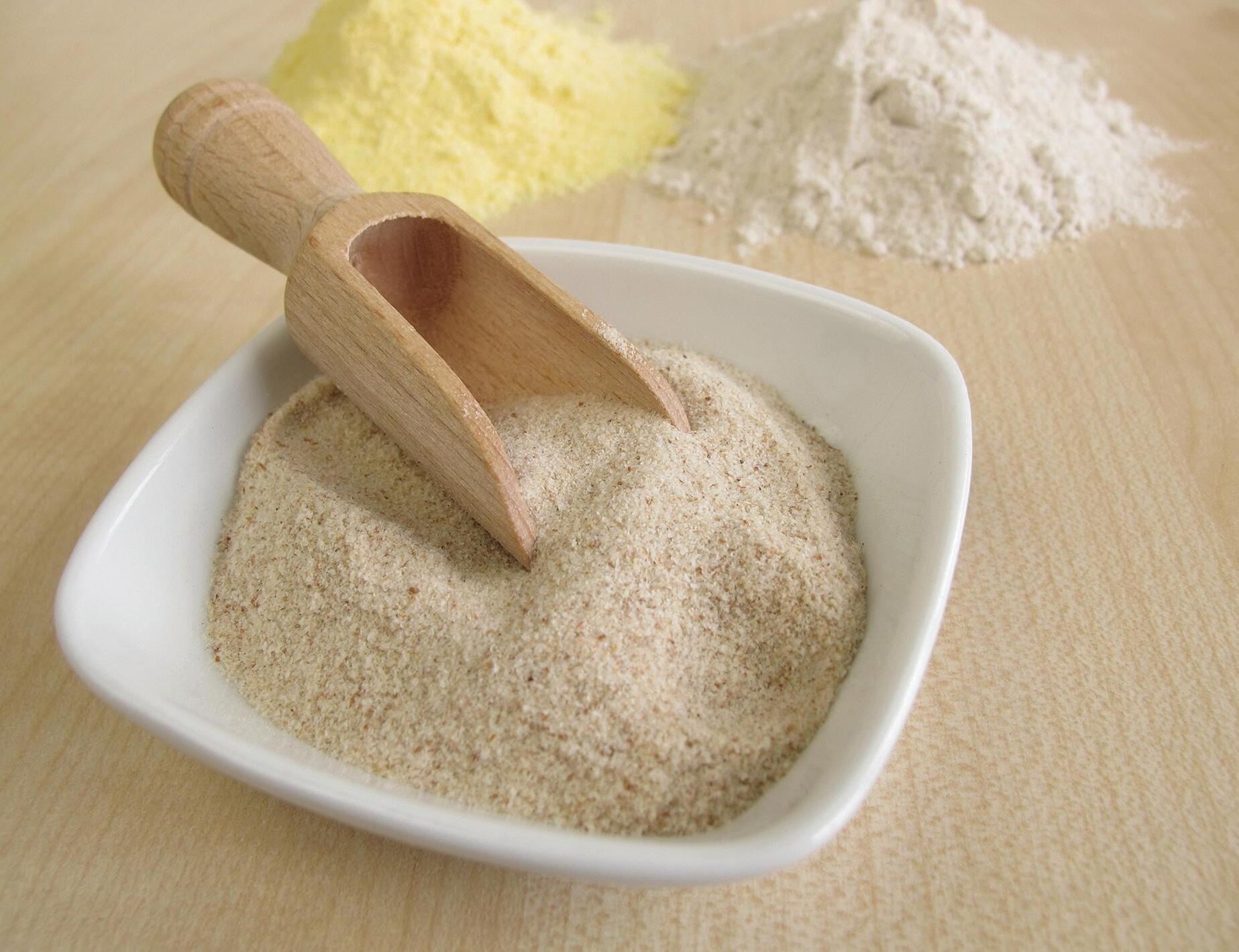
Fiber supplements “produced clinically significant improvements” in body weight, body mass index, and body fat in overweight adults during a new eight-week study. The positive effects were sustained for at least four weeks after the trial period. The beneficial supplements included either psyllium fiber or an equal blend of carrageenan, konjac, and cellulose.

The Non-GMO Project has launched an initiative “to bring greater transparency to a food system dominated by ultraprocessed products, and giving consumers a new tool for making informed choices about how their food is made.”
The Non-UPF Verified Program aims to provide “a clear, actionable framework for reducing harmful additives and processing.” Officials noted that a majority of consumers are trying to cut down on highly processed foods, but labeling and marketing often lead to confusion about the actual content of foods.
Higher intake of ultraprocessed foods (UPFs) was linked to increased odds of thinner, less dense thigh bones in a recent study. Weak bones raise the risk of fractures.
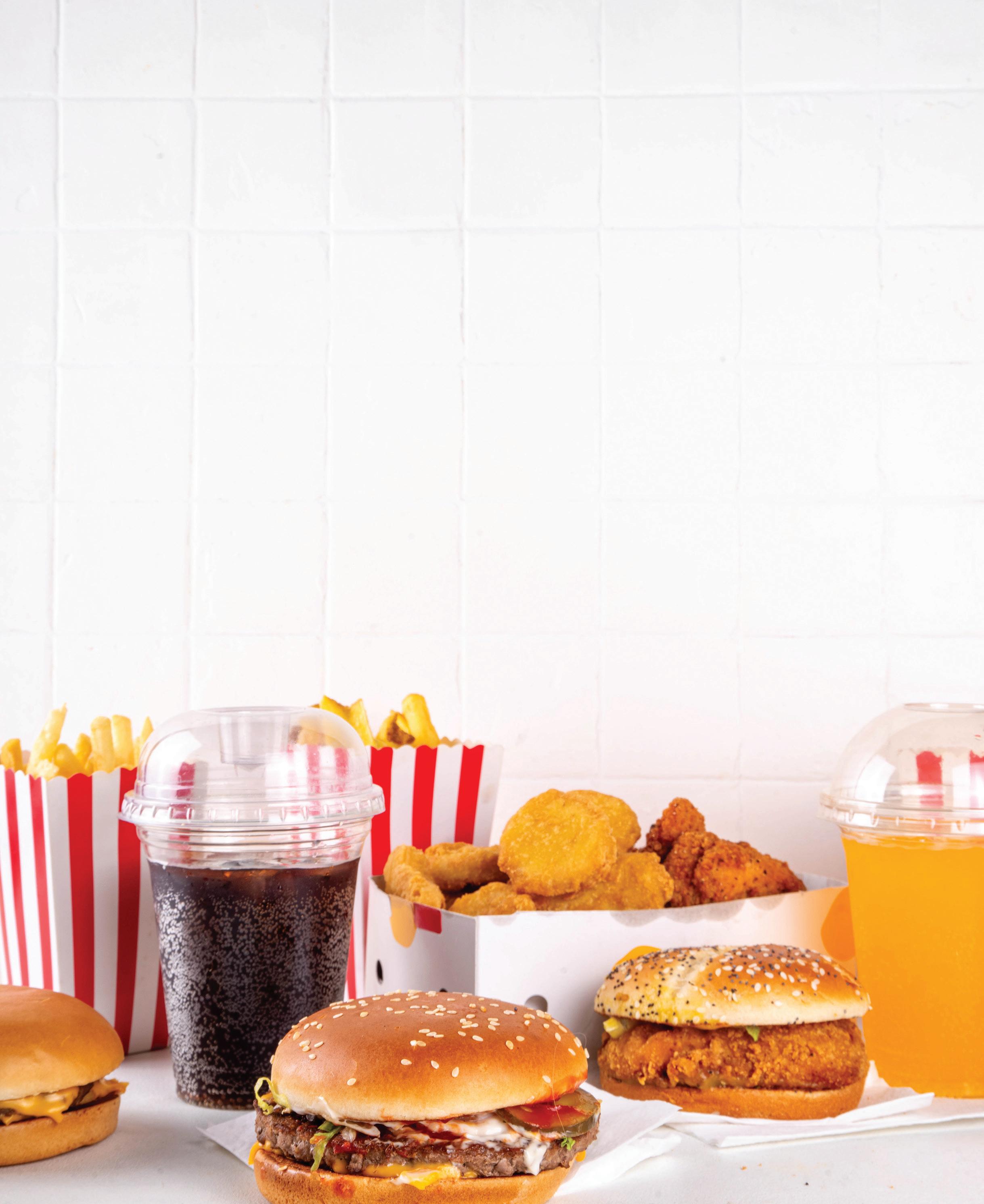
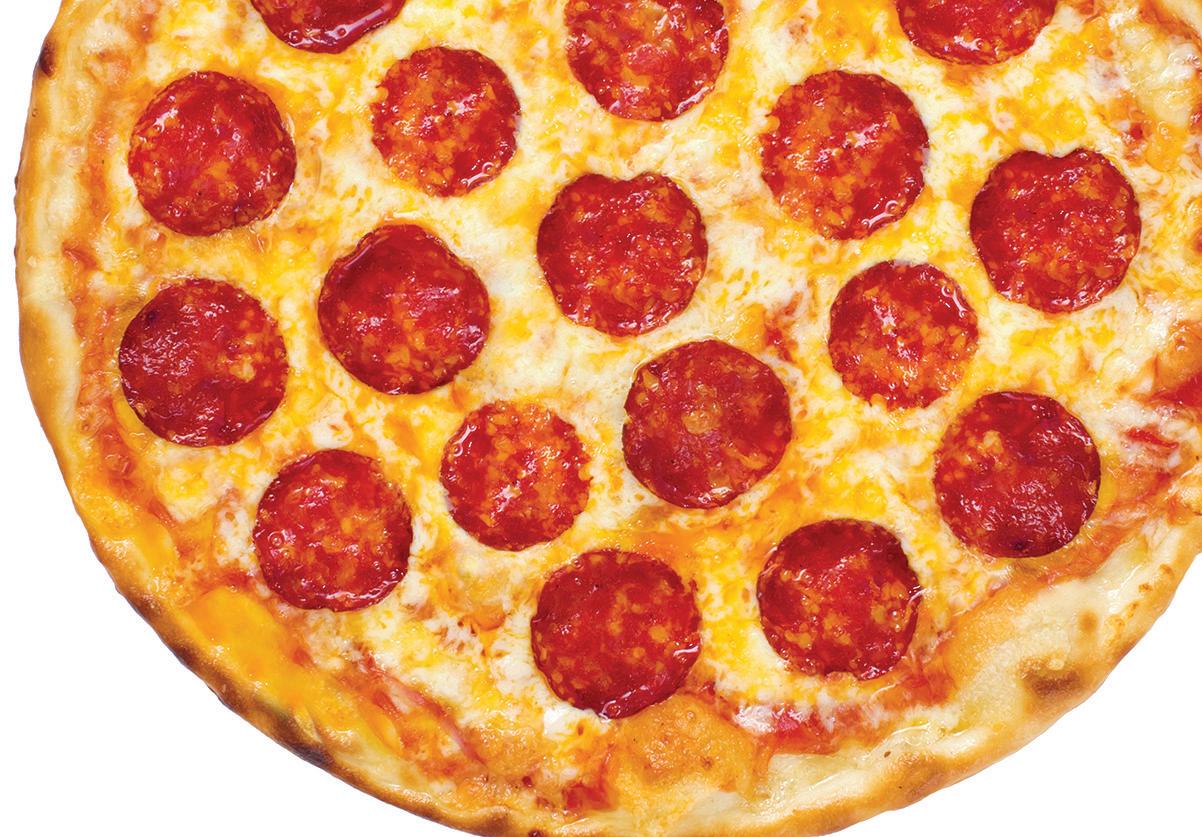
“As certifiers, we have access to ingredient specifications, manufacturing methods, and formulation data that allow us to evaluate how foods are actually made, not just what's declared on the label,” said Non-GMO Project founder Megan Westgate. “Shoppers are left to guess at how to avoid ultraprocessing based on ingredient lists, health claims, and nutrition panels. . . . Non-UPF Verified evaluates what you can't see: the manufacturing methods, ingredient specifications, and formulation techniques that determine whether something is truly food or a processed edible substance.”
SOURCE “Non-UPF verified program opens for enrollment, publishes executive brief on ultraprocessed foods,” Non-GMO Project, 1/21/26
“Replacing UPFs with whole and minimally processed options is a good choice, as is getting regular physical activity,” according to health experts at Tufts University. One suggestion they offered was to replace a morning muffin with lowfat yogurt and fruit.
SOURCE “Ultraprocessed foods associated with lower bone health measures,” Tufts University Health & Nutrition Letter, 11/6/25
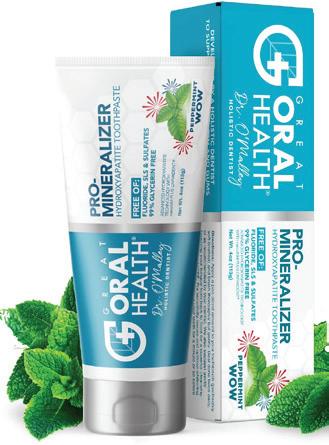
Brighten your smile and refresh your breath with this fluoride-free toothpaste made with nano and micro hydroxyapatite to strengthen enamel, soothe sensitivity, and support a balanced oral microbiome. Refreshing flavor delivers an energizing, cool clean.
Brighten your smile and refresh your breath with this fluoride-free toothpaste made with nano and micro hydroxyapatite to strengthen enamel, soothe sensitivity, and support a balanced oral microbiome. Refreshing flavor delivers an energizing, cool clean.
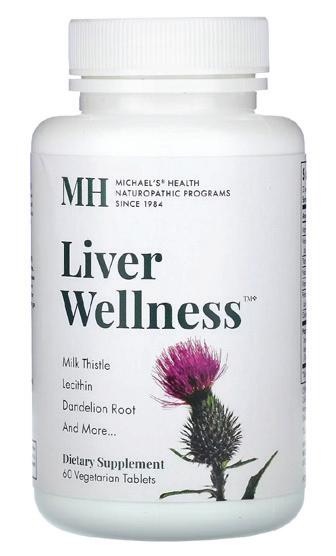
For the daily chemical exposure we have, this formula contains nutrients for the support of the liver in its detoxifying functions.* It supplies lipotropics choline, inositol and methionine, plus milk thistle and dandelion root. It’s an ideal formula for fasting and cleansing, and for those exposed to environmental toxins.*
For the daily chemical exposure we have, this formula contains nutrients for the support of the liver in its detoxifying functions.* It supplies lipotropics choline, inositol and methionine, plus milk thistle and dandelion root. It’s an ideal formula for fasting and cleansing, and for those exposed to environmental toxins.*
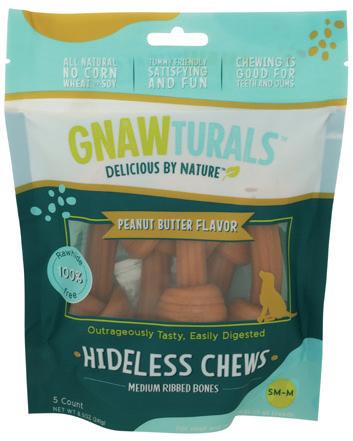
These natural, flavor-packed, knotted dog bones are 100% rawhide free and uniquely prepared with tummy friendly ingredients like pumpkin, psyllium, and chicory root for easy digestibility and gut health. Satisfying chew, good for teeth and gums. No corn, wheat, or soy.
These natural, flavor-packed, knotted dog bones are 100% rawhide free and uniquely prepared with tummy friendly ingredients like pumpkin, psyllium, and chicory root for easy digestibility and gut health. Satisfying chew, good for teeth and gums. No corn, wheat, or soy.
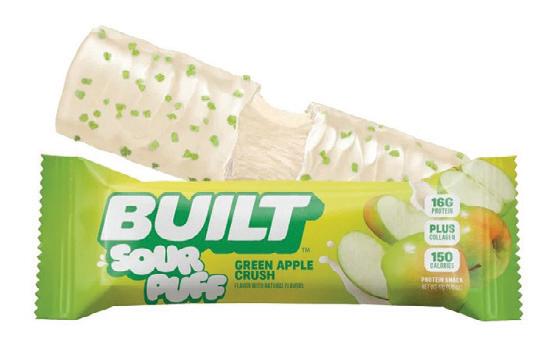
It’s treat-o’clock, so enjoy a tangy, fruity, protein-packed treat! The marshmallowy inside and crunchy sprinkle outside hide the secret of whey and collagen protein, supplying 16 grams of protein per bar! No artificial colors or flavors.
It’s treat-o’clock, so enjoy a tangy, fruity, protein-packed treat! The marshmallowy inside and crunchy sprinkle outside hide the secret of whey and collagen protein, supplying 16 grams of protein per bar! No artificial colors or flavors.
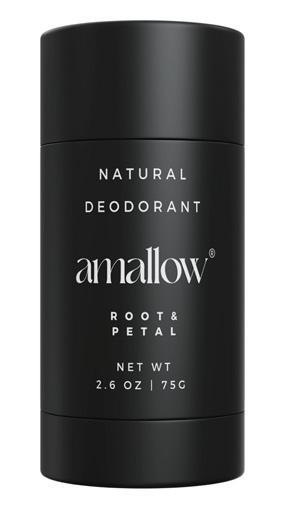
This clean, effective deodorant is perfect for daily wear and sensitive skin. Made with nutrient-rich tallow, minerals, and plant-based powders, it offers long-lasting odor protection without relying on baking soda, aluminum, or synthetic fragrance. Smooth, non-greasy texture.
This clean, effective deodorant is perfect for daily wear and sensitive skin. Made with nutrient-rich tallow, minerals, and plant-based powders, it offers long-lasting odor protection without relying on baking soda, aluminum, or synthetic fragrance. Smooth, non-greasy texture.
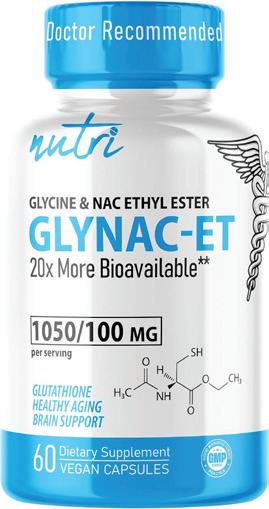
Boost your antioxidant status with the specialized NAC formula. NAC ethyl ester with glycine boasts higher bioavailability than NAC and crosses the blood brain barrier. It helps to increase glutathione, the “Master Antioxidant,” which can promote eye health, brain health, cellular health, immune function, and detoxification.*
Boost your antioxidant status with the specialized NAC formula. NAC ethyl ester with glycine boasts higher bioavailability than NAC and crosses the blood brain barrier. It helps to increase glutathione, the “Master Antioxidant,” which can promote eye health, brain health, cellular health, immune function, and detoxification.*
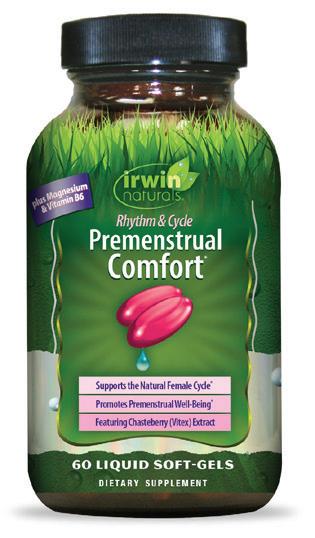
Get targeted support during the days leading up to your female cycle.* Centered around Chasteberry (Vitex) extract, this formula works with the body’s natural rhythm to help promote premenstrual balance and overall well-being.* Enhanced with B6, magnesium, shatavari, and more.
Get targeted support during the days leading up to your female cycle.* Centered around Chasteberry (Vitex) extract, this formula works with the body’s natural rhythm to help promote premenstrual balance and overall well-being.* Enhanced with B6, magnesium, shatavari, and more.
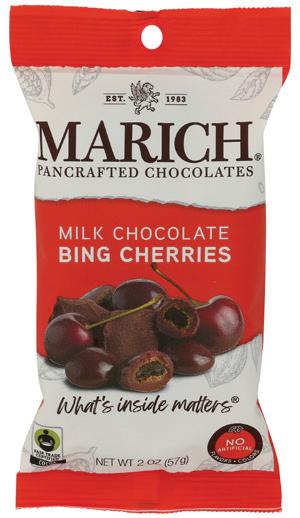
For a delicious snack or treat, enjoy cherries drenched in chocolate. West Coast sweet bing cherries are covered under several layers of creamy milk chocolate to make a decadent confection. Made only with natural plant-based colors.
For a delicious snack or treat, enjoy cherries drenched in chocolate. West Coast sweet bing cherries are covered under several layers of creamy milk chocolate to make a decadent confection. Made only with natural plant-based colors.

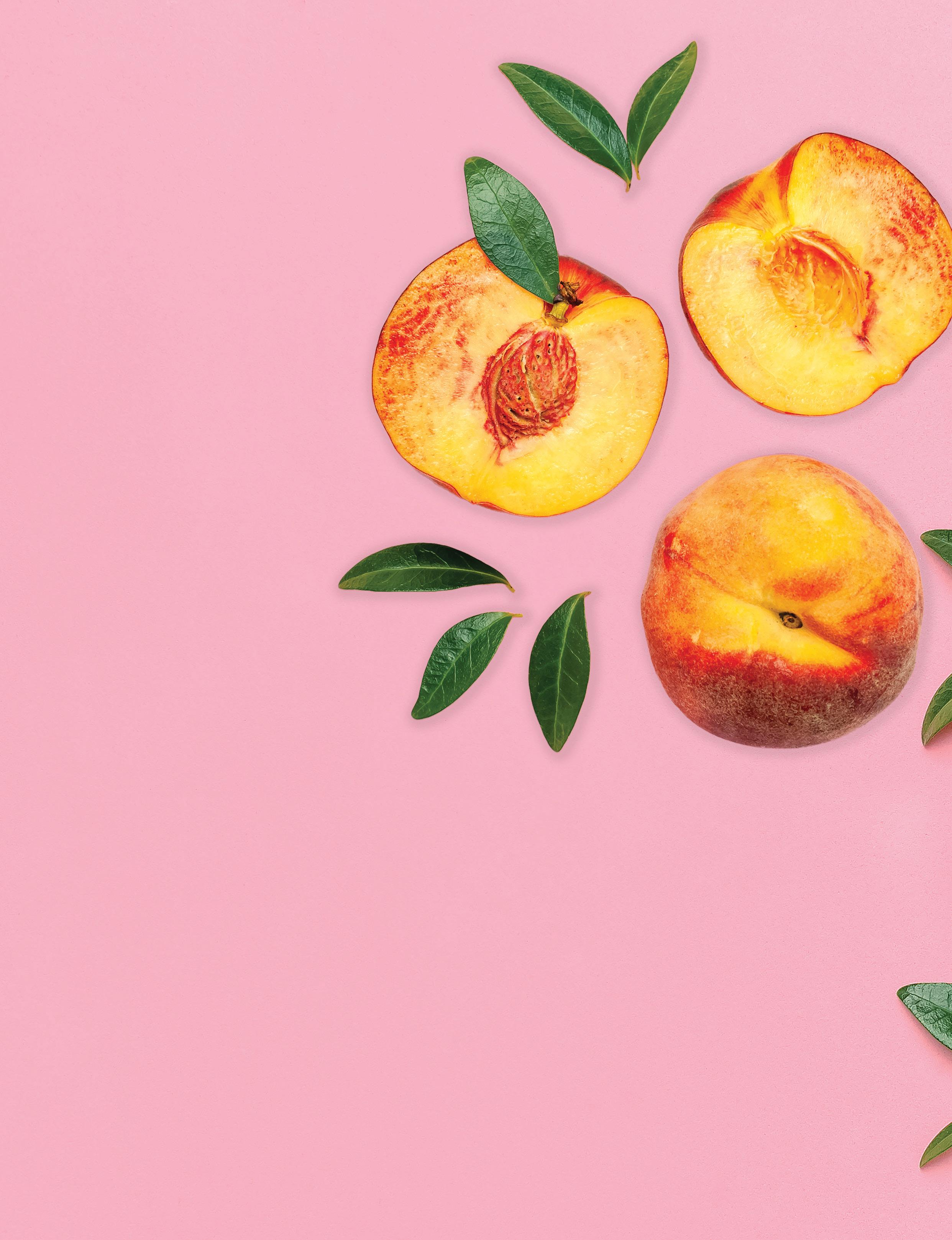
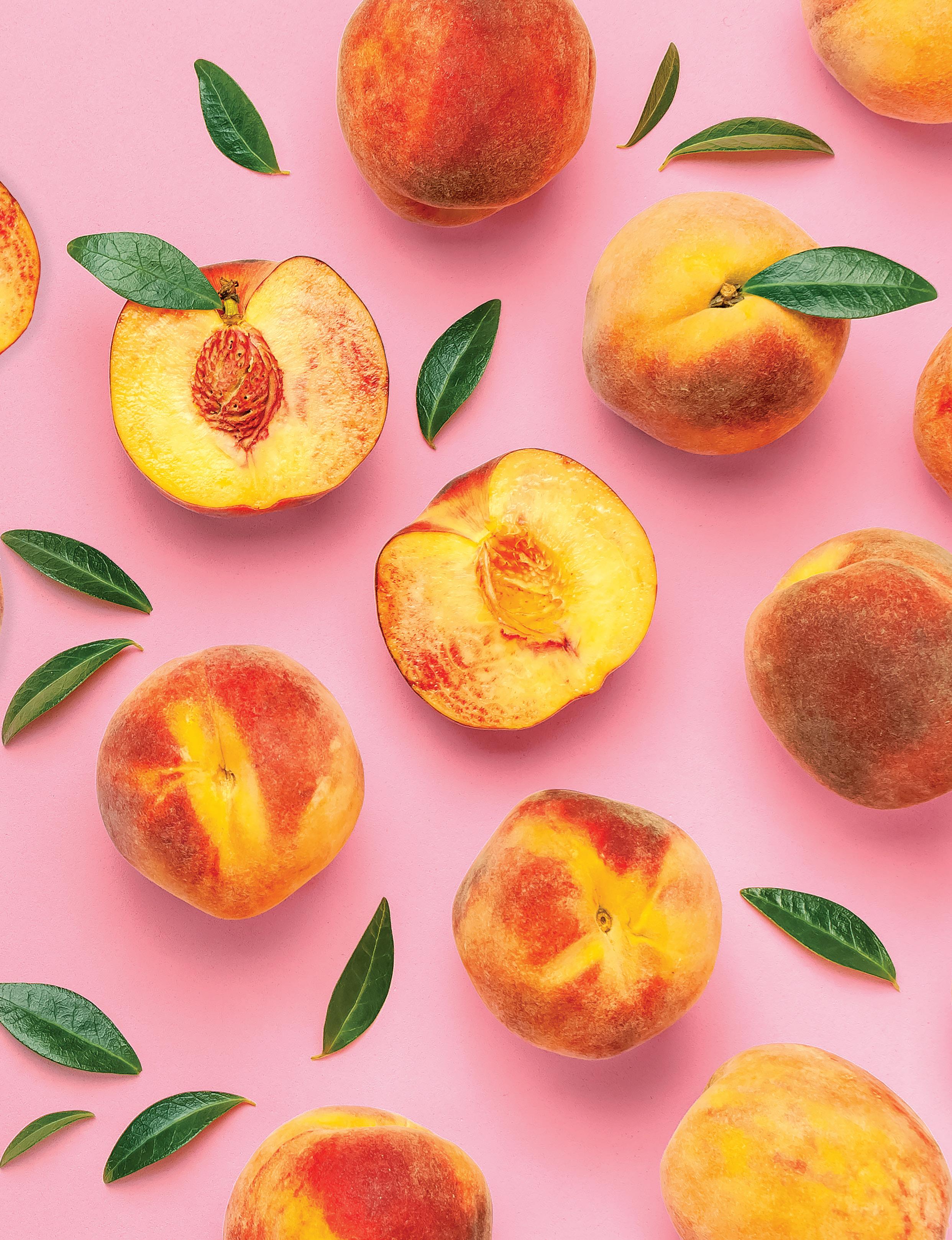
The peach originated in China and still endures there as a symbol of immortality in Chinese culture.
To this day, China remains the largest producer of peaches. While a peach may not actually guarantee immortality, the fruit is well-known for its health benefits. Peaches contain many key vitamins and are especially rich in vitamin A. Studies show the antioxidants found in peaches help scavenge free radicals and may ward off disease and reduce inflammation. ●
SELECTED SOURCES “All the health benefits of eating peaches,” Cleveland Clinic Health Essentials, https://health. clevelandclinic.org, 8/26/21 • “Peaches and nectarines: Global growth in production slowing while exports plateau,” Foreign Agricultural Service, US Department of Agriculture, https://fas. usda.gov, 11/9/23 • “The peach tree” by R. Antony, American Historical Association, www.aha.org, 8/30/22
From the Taste for Life test kitchen
8 firm peaches, halved and pitted
8 firm purple plums, halved and pitted
2 Tbsp unsalted butter, melted
1 Tbsp honey, warmed
1. Prepare a medium-hot fire in the grill.
2. Thread peach and plum halves alternately on metal skewers or wooden ones that have been soaked in water for 30 minutes. Leave space between pieces of fruit.
3. Brush fruit with melted butter.
4. Grill for approximately 8 minutes, turning frequently. During the last minute of grilling brush fruit with warmed honey.
Per serving: 247 Calories, 4
From the Taste for Life test kitchen
2 c peeled, diced pitted peaches
1 c diced red bell pepper
¾ c peeled, diced cucumber
¼ c chopped fresh cilantro
2 Tbsp fresh lime juice
2 tsp minced fresh jalapeño, or more to taste
Salt and freshly ground black pepper to taste
1. Mix all ingredients together in a medium bowl.
Kitchen Note: Serve alongside or atop your favorite burger recipe. This salsa is also great served with baked corn chips.
Per serving: 22 Calories, 1 g Protein, 0 mg Cholesterol, 6 g
It’s our country’s 250th birthday! Celebrate with the following dishes. They highlight seasonal flavors that are perfect for the day’s events.
20% less added sugar and 35% less saturated fat than a traditional recipe





























































































Shortcakes









¾ tsp salt






















2¼ c all-purpose flour, plus more for dusting
3 Tbsp granulated sugar
2½ tsp baking powder
¼ tsp ground cardamom

1 hr
½ c plus 3 Tbsp cold heavy cream
Demerara sugar, for sprinkling
Macerated Strawberries with Pomegranate Molasses & Black Pepper
2 c fresh strawberries, hulled and quartered
3 Tbsp granulated sugar
2 Tbsp pomegranate molasses*
¼ tsp salt, plus more as needed
Freshly cracked black pepper
Whipped Cream
2 c heavy cream
1 Tbsp granulated sugar
1 tsp vanilla extract
1. Make shortcakes: preheat oven to 425°. Line a sheet pan with parchment paper.
From More Than Sweet by Marie Frank (Hardie Grant Publishing, 2026)
45 min prep time makes 8 shortcakes
½ c cold unsalted butter, cut into cubes
4. Place biscuits 3 inches apart on prepared pan. Brush tops of biscuits with the 3 tablespoons cream and sprinkle with demerara sugar. Bake biscuits for 18 to 20 minutes, until golden brown and well risen.
6. Macerate strawberries: gently crush one-quarter of strawberries with sugar and pomegranate molasses in a medium bowl. Fold in remaining strawberries. Season to taste with salt and black pepper. Leave to macerate for 30 minutes.
2. Sift flour into a large bowl, and whisk together with granulated sugar, baking powder, salt, and cardamom. Add butter and rub it into flour mixture until texture is similar to coarse breadcrumbs (you can use a pastry cutter or food processor for this step). Add the ½ cup cold cream and quickly stir to form a soft dough.
3. Turn out dough onto a floured surface and briefly—for 20 to 30 seconds—knead dough until it just comes together. Roll out dough until it is about 1 inch thick. Use a 2½-inch cookie cutter to cut out eight biscuits.
5. Remove pan from oven and leave biscuits to cool on pan for 10 minutes. Transfer to a wire rack to cool until just slightly warm.



























7. Make whipped cream: combine cream, sugar, and vanilla in the bowl of a stand mixer, fitted with the whisk attachment. Whisk on low speed until cream just begins to thicken. Increase speed to medium and whisk until it reaches soft-peak stage.
8. Slice each shortcake in half and place bottom halves on serving plates. Place a spoonful of macerated strawberries and a dollop of whipped cream on each. Place top half of shortcakes on top. Serve immediately.
*Pomegranate molasses is commonly used in North African and Middle Eastern cuisines. It adds a sweet and tangy flavor. If you can’t find it, boil down balsamic vinegar or tart grape or pomegranate juice until syrupy.
Kitchen Note: Strawberry, or any berry, shortcakes are the perfect dessert to make for those in your life who are not cake people. In this version, the strawberries are macerated with tart-sweet pomegranate molasses and aromatic black peppercorns to balance the rich sweetness of the sweetened whipped cream and the buttery biscuits.
Per serving: 572 Calories, 6 g Protein, 121 mg Cholesterol, 47 g Carbohydrates, 15 g Total sugars (13 g Added sugars), 2 g Fiber, 41 g Total fat (25 g sat), 428 mg Sodium, ★★★★ Vitamin A, ★★ Vitamin B1 (thiamine), B2 (riboflavin), C, Folate, ★ Vitamin B3 (niacin), Calcium, Iron, Phosphorus


From the Taste for Life test kitchen
2 lb potatoes, peeled and cut into 2-inch cubes
¾ c low-fat mayonnaise
2 tsp Dijon mustard






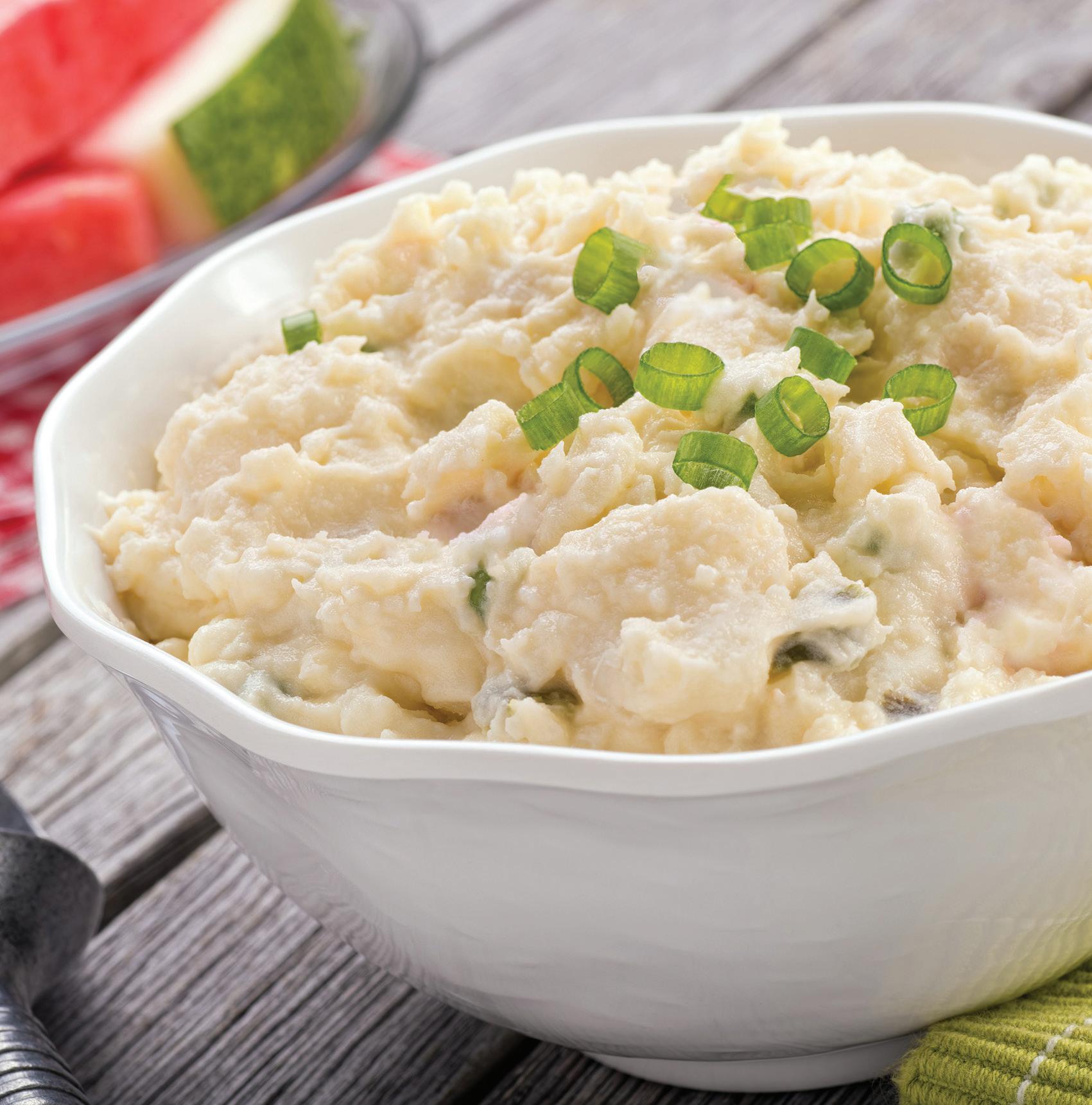

20 min prep time + 2 hrs chill time serves 6
1 carrot, peeled and grated (optional) Salt and freshly ground black pepper
3 Tbsp chopped scallions
1. Boil potatoes until fork tender. Be careful not to overboil them, or your potato salad will be mushy.
2. Whisk mayonnaise and mustard together in a small bowl. Gently toss mayonnaise mixture with boiled potatoes and grated carrot, if using. Season to taste with salt and pepper. Chill in fridge for 2 hours.
3. Garnish with scallions and serve.
Per serving: 208 Calories, 3 g Protein, 0 mg Cholesterol, 27 g Carbohydrates, 4 g Total sugars (0 g Added sugars), 3 g Fiber, 10 g Total fat (1 g sat), 361 mg Sodium, ★★ Potassium, ★ Vitamin B1 (thiamine), B3 (niacin), B6, C, E, K















continued from page 13
From Healthy with a Side of Happy: 100 Plant-Based Recipes to Feed Your Family by Sabrina Rudin (Union Square & Co., 2026)
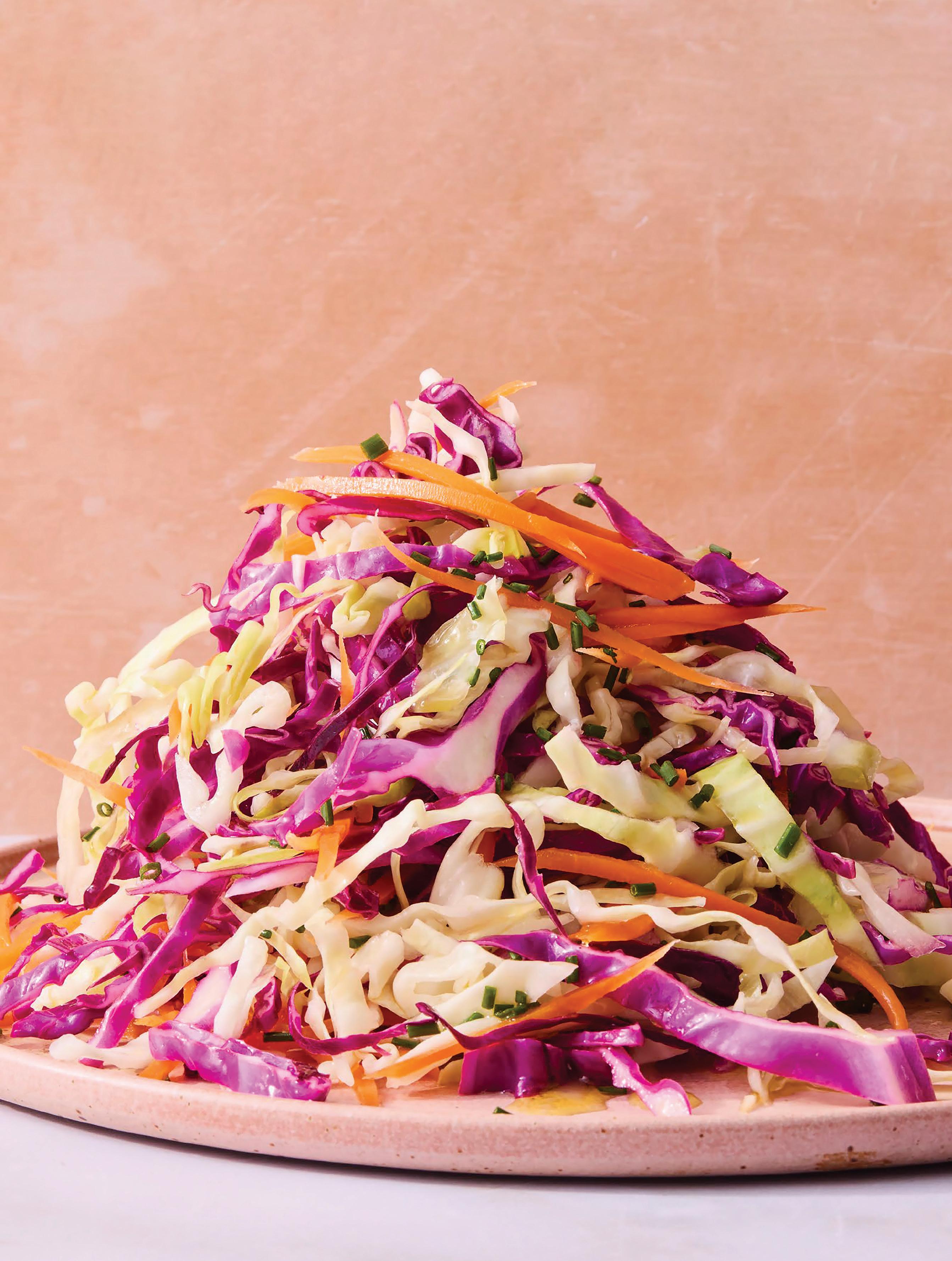
½ head green cabbage, thinly sliced
½ head red cabbage, thinly sliced
½ c minced fresh chives
1 carrot, grated
½ c extra-virgin olive oil
¼ c apple cider vinegar
Juice of 2 limes
½ tsp fine sea salt
1. In a large bowl, mix together green and red cabbages until evenly distributed. Mix in
chives and carrot. Using your hands, toss and massage vegetables together until they begin to release some of their water and break down. This will take 2 to 3 minutes and may marry their colors slightly, and that’s okay!
2. In a small bowl, whisk together oil, vinegar, lime juice, and salt. Pour dressing over slaw and toss until vegetables are fully coated. Serve immediately or store in an airtight container in the refrigerator for up to 3 days.
Kitchen Note: If you want to love coleslaw but usually find it too sugary and mayonnaise laden, this version may be for you! The cabbage is massaged enough until it’s just tender enough to enjoy, and a little apple cider vinegar, olive oil, and lime juice keep it crunchy and tart.
From Full Belly Farm & Kitchen: Recipes and Stories from a Family Farm by Amon and Jenna Muller (Hardie Grant Publishing, 2026)
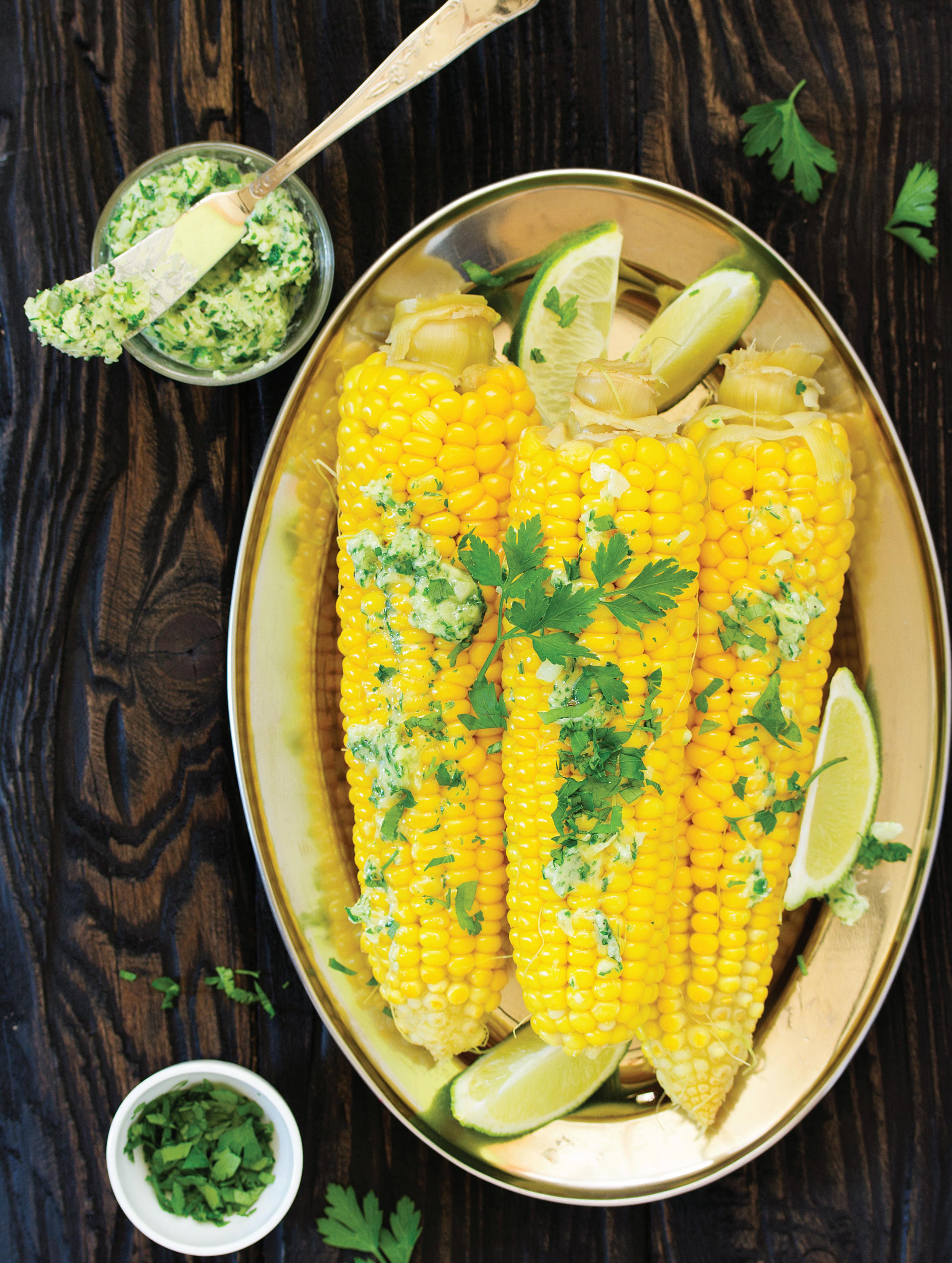
8 Tbsp unsalted butter, room temperature
1 Tbsp finely chopped fresh oregano
1 Tbsp finely chopped fresh sage
1 Tbsp fresh thyme
1 tsp kosher salt
¼ tsp chili flakes, plus more for garnish
6 ears sweet corn, husked
1. In a small bowl, mix butter, oregano, sage, thyme, salt, and chili flakes until well combined. Set aside or refrigerate if making ahead. Allow mixture to come to room temperature before serving.
2. Preheat a wood-fired oven, barbeque, or an oven broiler to at least 500°. If using a pizza oven or broiler, place corn on a sheet pan close to your heat source. If using a barbeque, place corn directly on grill grate. Roast, turning occasionally, until kernels are golden and slightly charred, 5 to 10 minutes.
3. Remove corn from oven and immediately slather each ear with herb butter while still hot. Allow butter to melt into kernels, coating them evenly.
4. For extra flair, sprinkle a pinch of chili flakes or additional fresh herbs over the top before serving.
Kitchen Note: Adding butter and herbs elevates corn-on-the-cob for Fourth-of-July barbecues. If you don’t have a pizza oven, don’t worry—a regular barbeque or broiler works just as well.
Per serving (1/2 cob): 115 Calories, 2 g Protein, 20 mg Cholesterol, 10 g Carbohydrates, 3 g Total sugars (0 g Added sugars), 1 g Fiber, 8 g Total fat (4 g sat), 143 mg Sodium, ★ Vitamin A, K
40 min prep time serves 12
BY MARY ANN O’DELL, MS, RDN

If travel is a part of your summer list, don’t let common maladies keep you from enjoying your trip. Here are five must-have supplements for summer travel. Electrolytes. Dehydration can happen anywhere; when you are surrounded by water, on a plane, or on a hike. Even mild dehydration can drain your energy, make you weak and cause inability to think clearly. Severe dehydration can lead to dizziness, nausea, and vomiting. Flying, sweating, and illness can all contribute to dehydration. To counteract dehydration, be sure both adults and kids drink plenty of water during travel and activities, and add electrolyte powder as needed to help maintain normal electrolyte balance and hydration.
Oil of Oregano. No one wants to be holed up in the bathroom on vacation! Keep bad bugs at bay with oil of oregano, an herb with strong antimicrobial action.
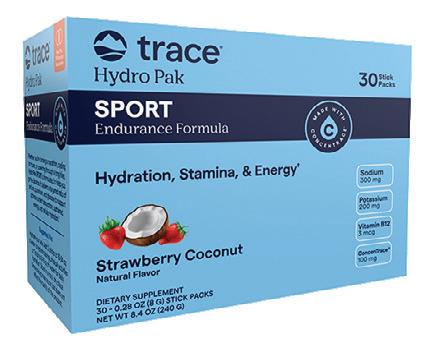
Trace
Hydro Pak Sport
Strawberry Coconut
Endurance formula for hydration, stamina, and energy.*
Delivers a targeted ratio of electrolytes plus glucose to support sustained energy and cellular hydration.*
Enhanced with vitamin B12 and a full spectrum of trace minerals.
Carvacrol and thymol, active compounds in oregano, may be responsible for this action and may help explain why the oregano plant and oregano oil inhibit the spread of intestinal pathogenic bacteria like E. coli and Salmonella. Research has shown that carvacrol is effective against norovirus, a common cause of vomiting and diarrhea. Probiotics. Traveling can be disruptive to normal digestion and elimination. Probiotics can help fight these disruptions—in both kids and adults. Probiotics protect and promote the health of the GI tract and encourage balance in the intestinal tract. They help keep bad bugs and viruses at bay, and help support overall regularity. Numerous shelf-stable probiotics are available, for both children and adults, making it an easy choice for travel. If not already using them daily, start a week before travel and continue taking for the duration of the trip.
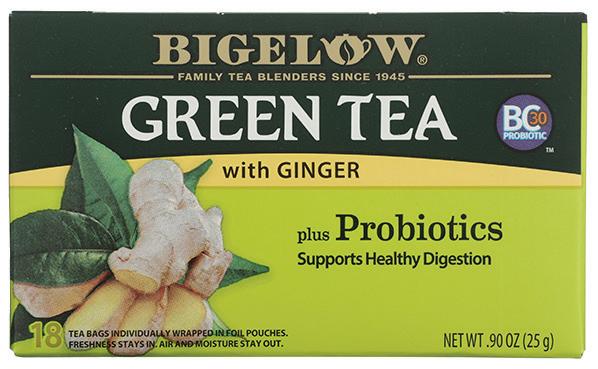
Bigelow Green Tea with Ginger Plus
Probiotics
Smooth green tea blended with spicy ginger, combined with BC30 probiotic, a unique innovation that supports healthy digestion.*
Antioxidant-rich tea.

Omega 3s. For most, travel includes lengthy periods of sitting—in the car or on the plane . . . or in the airport! Unfortunately, this could increase the chances of forming clots in the blood. Omega 3s can help prevent inflammation of blood vessels and formation of clots. As a bonus, omega 3s are also involved in maintaining healthy immune function and may even help to support a healthy mood!
Ginger. Ginger is best known as a digestive tonic, improving digestion, reducing gas, and alleviating nausea. Studies have shown ginger to be very effective in relieving the nausea and queasy feelings associated with motion sickness. In fact, a couple of studies have found that ginger may be as effective as some anti-nausea medications with fewer side effects. Sip on real ginger ale, or keep ginger candy or capsules on hand to take as needed. ●
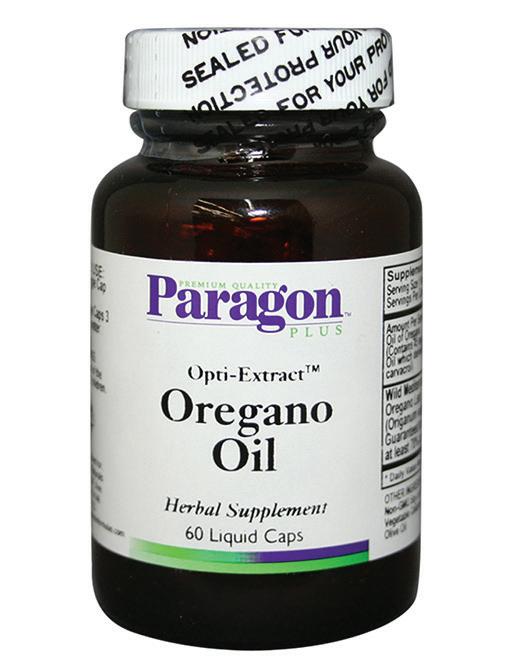
Paragon Plus™ Opti-Extract™
Oregano Oil
Provides immune support.*
Has broad spectrum antimicrobial effects.*
Standardized extract of wild Mediterranean oregano in convenient capsule form.
Whether you’re going to the mountains or the beach, keep these three things on hand to use for your adventures.
✔ Reef Safe Sunscreen—Protect skin up high in the mountains or down by the seaside.
✔ Lip Balm—Protect lips during flights, sun, and hikes.
✔ Tea Tree Oil—Treat any minor cuts and bites with this multipurpose antiseptic.
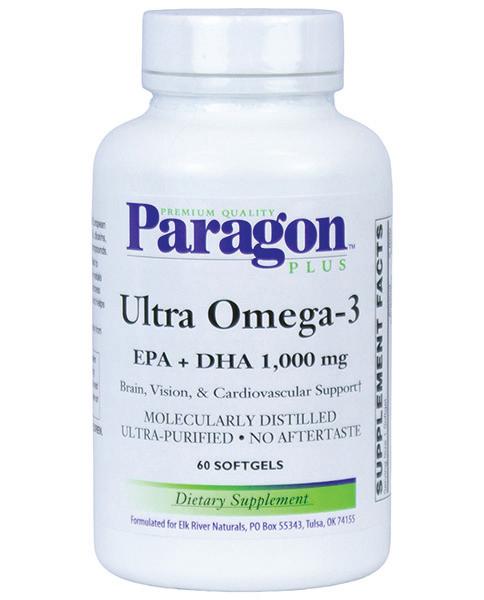
Paragon Plus™ Ultra Omega-3
Provides brain, vision, and cardiovascular support.*
Supplies 1,000 mg EPA + DHA fish oil.
Molecularly distilled from sustainably sourced coldwater fish for no aftertaste.
Given the severity of the diseases carried by some biting insects, people want to make careful choices about the insect repellents they choose for themselves and their families. For those who want to stay natural, there are plenty of options.
A natural alternative
One ingredient—lemon eucalyptus oil—matches up to DEET in repelling mosquitoes and may have some effectiveness against ticks as well. The only plant-based mosquito-repelling ingredient that’s recommended by the Centers for Disease Control and Prevention, lemon eucalyptus oil is found in bug sprays and lotions made by natural products companies as well as companies that also make repellents containing DEET.
A word of caution: Some oil of lemon eucalyptus products aren’t safe for children under the age of three.
Bug repellent is a must for anyone who’ll be exposed to potentially disease-carrying insects. To get the most protection, consider the following recommendations.
• When using an insect repellent on children, follow the instructions on the product’s label. Parents should spray the repellent on their own hands, then apply to a child’s face. Use mosquito netting rather than repellent for babies under two months old.
• Wear long sleeves and long pants; tuck your shirt into your pants and your pants into your socks. People who may have been exposed to ticks should shower after spending time outdoors, in addition to doing regular tick checks on clothing and bodies.
• Dump any standing water that’s accumulated in buckets, old tires, tarps, and the like, which can be breeding grounds for mosquitoes.
• Mosquitoes love dawn and dusk, so if you don’t love mosquitoes, avoid being outdoors during those hours. Use a fan to deter mosquitoes on patios and porches. ●
SELECTED SOURCES “Preventing mosquito bites,” Centers for Disease Control and Prevention, cdc.gov, 8/28/24 • “Repellent efficacy of a novel essential oil-based fabric spray formulation against Ixodes scapularis and Dermacentor variabilis ticks in laboratory conditions and human trials” by L.A. Anholeto et al., Journal of Medical Entomology, 2/26 • “Using insect repellents safely and effectively,” United States Environmental Protection Agency, epa.gov, 11/10/25

When using an insect repellent on children, follow the instructions on the product’s label.

Try planting herbs that help deter pests.
House flies and mosquitoes will avoid basil. Plant it in the garden and in pots where people congregate—and use it to make pesto!
Citronella grass (C. nardus), an ornamental plant that contains citronella oil, is a mosquito repellent. Lemongrass (C. citratus), a relative of citronella grass, makes a nice addition to chicken or pork dishes, but has a weaker repellent effect.
Plant mint in pots, then pluck the leaves and crumple them into iced tea while the plants help keep bugs off nearby plants. Mosquitoes will also avoid rosemary and catnip plants.
SELECTED SOURCES “How to create a mosquito repelling garden,” Mass Audubon, massaudubon. org, 6/13/23 • “Plants that repel mosquitoes and other biting bugs,” by R. Sweetser, Old Farmer’s Almanac, almanac.com 6/18/25

Planting mint in outside pots helps keep bugs off nearby plants

Lemongrass, an ornamental plant that contains citronella oil, is a mosquito repellent


Mosquitoes will avoid rosemary
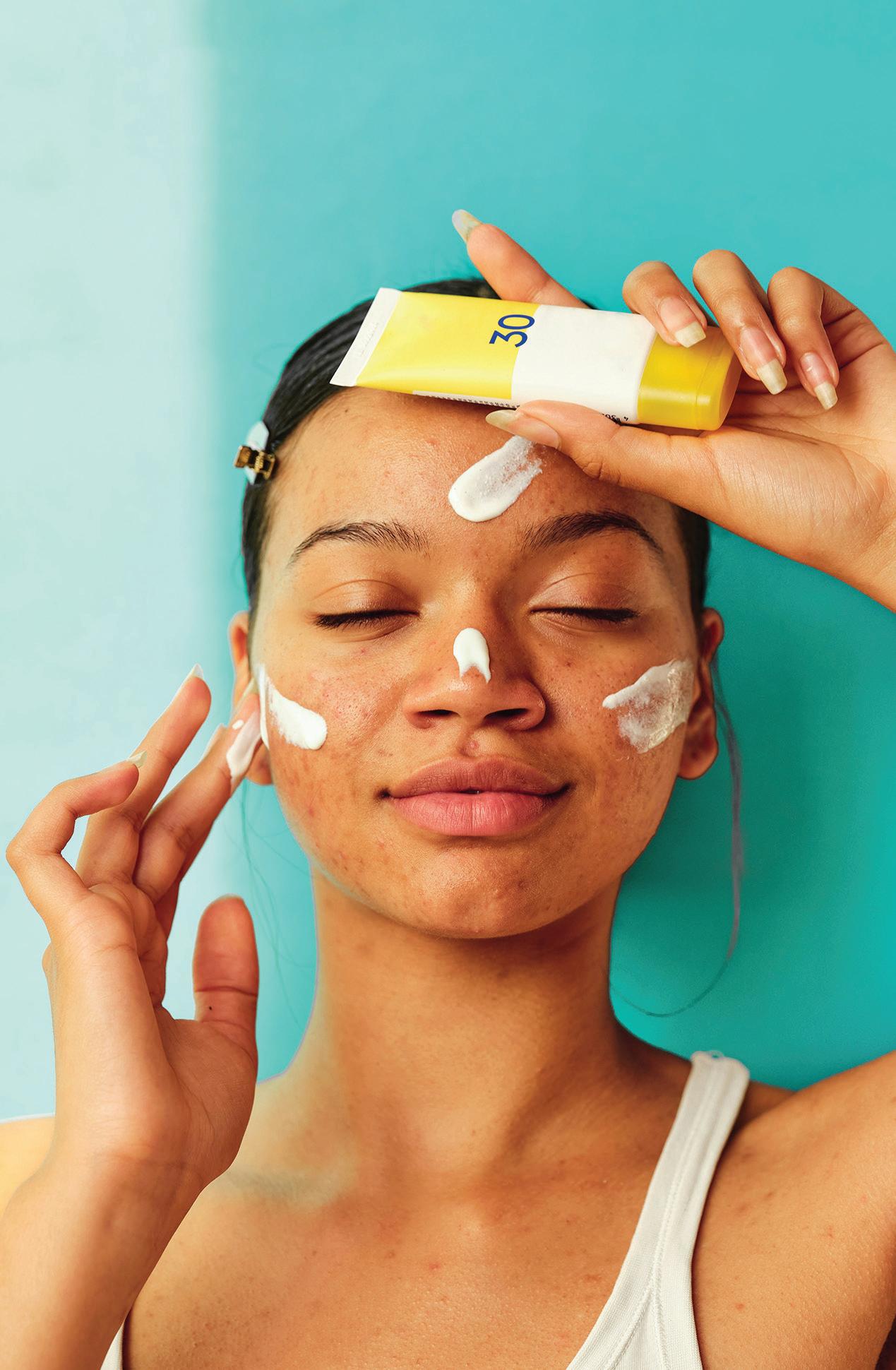
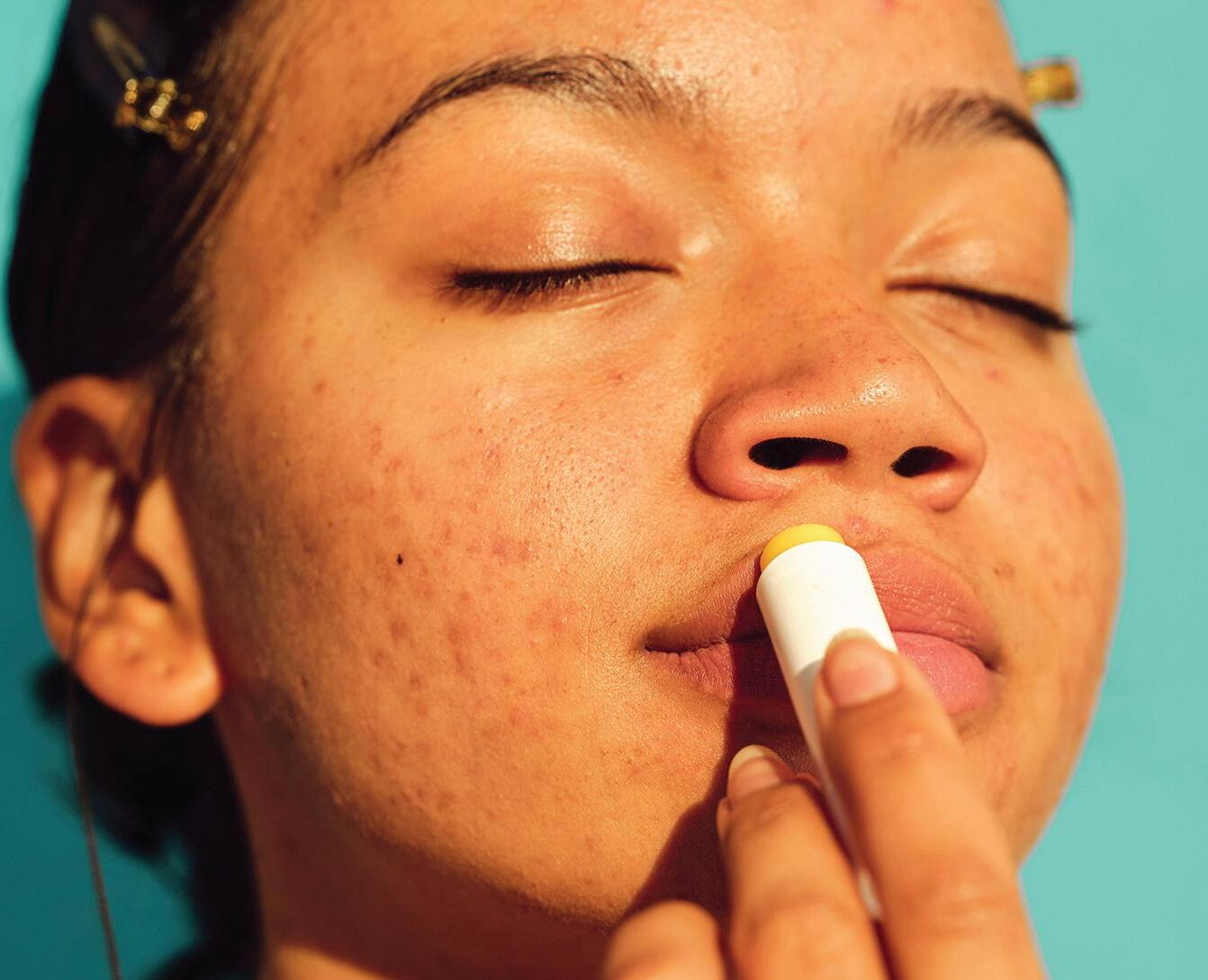
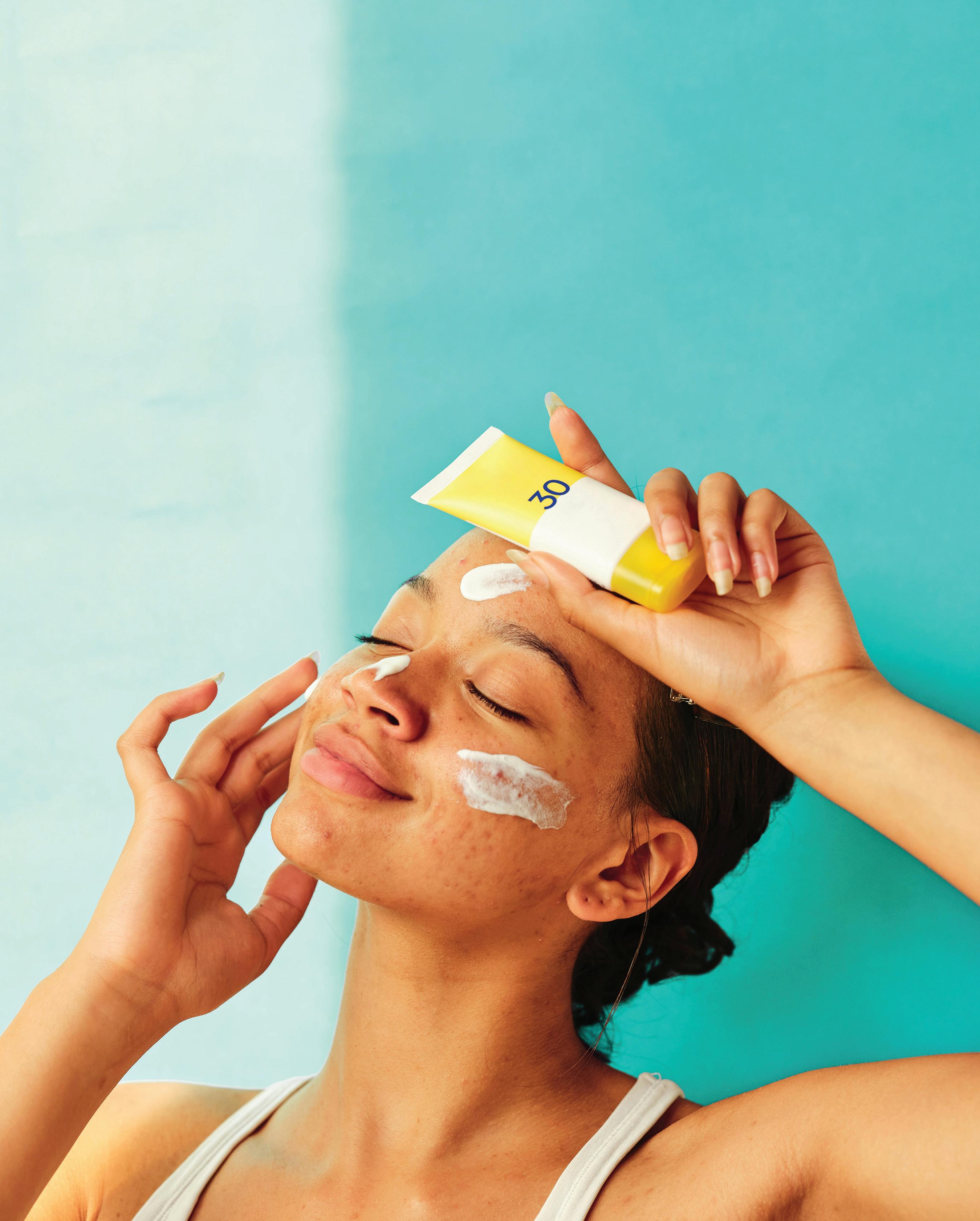
Summer is here, and there’s a good chance you’re spending more time outdoors. While sunlight exposure helps the body produce all-important vitamin D, almost all skin cancer cases are caused by exposure to ultraviolet (UV) rays from the sun (or indoor tanning beds and lamps). Here are some easy ways to safeguard your skin and still enjoy the sun.
✔ Look for sunscreen with an SPF of at least 30 that’s labeled broad spectrum. These products have been tested and shown to protect against both UVA and UVB rays.
✔ Avoid sunscreens that contain PABA or fragrances, which can irritate the skin.
✔ Apply at least an ounce of sunscreen generously to your face, neck, arms, and legs 30 minutes before heading outside.
✔ Use a lip balm with SPF protection to protect your lips.
✔ For swimming, make sure your sunscreen is water resistant. Apply it every two hours, or as indicated by the product.
✔ Choose lotions over sprays. Lotions apply more evenly, and most people do not apply enough spray to reach the desired SPF.
✔ Seek shade from 10 a.m. to 4 p.m. when rays are at their strongest.
✔ Wear a hat with at least a 2- to 3-inch brim to protect your face, ears, head, and neck. Choose a pair of wraparound sunglasses that protect from both UVA and UVB rays.
✔ To protect your arms and legs, wear long-sleeved shirts and pants if possible. Dark clothing can offer more protection than light. Tightly woven fabrics are better than those that have a loose weave.
✔ Avoid indoor tanning. It’s linked with an increased risk of melanoma. ●
A new sunscreen ingredient may be on the horizon. After years of study, the US Food and Drug Administration (FDA) may approve bemotrizinol as a permitted active ingredient for use in sunscreens. Bemotrizinol (also known as BEMT) is a broad-spectrum chemical UV filter that has been
used in Europe, Australia, and Japan for years. Proponents say it is a safer alternative to more traditional active ingredients like benzophenones and salicylates.
The FDA has not approved a new sunscreen filter in over 25 years, and only two of the 16 active sunscreen ingredients on the market have earned the FDA’s Generally Recognized As Safe and
Effective (GRASE) status: zinc oxide and titanium dioxide.
Based on data reviewed by the FDA, bemotrizinol may qualify as GRASE, although it is not yet authorized for use in the US.
SELECTED SOURCES “FDA proposes expanding sunscreen active ingredient list,” US Food and Drug Administration, www.fda.gov, 12/11/25 • “What is the sunscreen filter bemotrizinol?” by A. Friedman and D. Andrews, Environmental Working Group, www.ewg.com, 5/19/26
power your body with the right electrolyte balance
As the weather warms up, be mindful of your body’s water and electrolyte balance.
Electrolytes are minerals in the blood and body fluids that carry an electric charge. The most common electrolytes are calcium, chloride, magnesium, phosphorus, potassium, and sodium. They help balance water and pH levels, move nutrients into cells and waste out, and ensure the brain, heart, muscles, and nerves function properly.
Electrolytes also enable electrical impulses that allow the heart to contract and relax normally. Without them, the heart can’t pump properly. In severe cases, imbalances can lead to arrhythmias, or irregular heartbeats.
You get electrolytes from food and drinks. Spinach, lentils, dried apricots, and sunflower seeds are good sources.
Your body constantly works to balance your water and electrolyte levels, but diarrhea, sweating, and vomiting can quickly deplete fluids and electrolytes. Magnesium, potassium, and sodium are the main electrolytes lost through sweat. Even if you’re not sweating a lot when you exercise, you can still lose electrolytes from rapid breathing during a workout.
If you’re active in the warmer months, consider
replacing one 8-ounce serving of water per day with an oral rehydration drink that contains electrolytes.
Electrolytes “do a lot in the body,” says dietitian Erika Der Sarkissian. “They regulate muscle contractions and keep you hydrated.” Low levels can cause fatigue, headaches, dizziness, and muscle cramps—especially in people who exercise frequently.
Nutrition experts at Cedars-Sinai say a healthy diet and plenty of water provide enough electrolytes for most people. However, during long or intense workouts that cause heavy sweating, an electrolytereplacement drink may help.
Der Sarkissian notes that sports drinks can contain high amounts of sugar and food coloring and may be unnecessary for workouts under one hour. Read labels carefully, choose low-sugar options, and monitor sodium content. The body needs only about one teaspoon of sodium daily. Consuming too much salt can contribute to health problems such as high blood pressure. ●
SELECTED SOURCES “Electrolytes,” www.clevelandclinic.org • “Essential electrolytes,” Rush University Medical Center, www.rush.edu • “What are electrolytes?” by K. Beswick, www.cedars-sinai.org • “Quick facts about body water,” www.merckmanuals.com
From the Taste for Life test kitchen
2 large cucumbers
1 Tbsp lemon juice
1 tsp honey
Pinch of salt
15 min prep time serves 2
Fresh mint leaves (for garnish, optional)
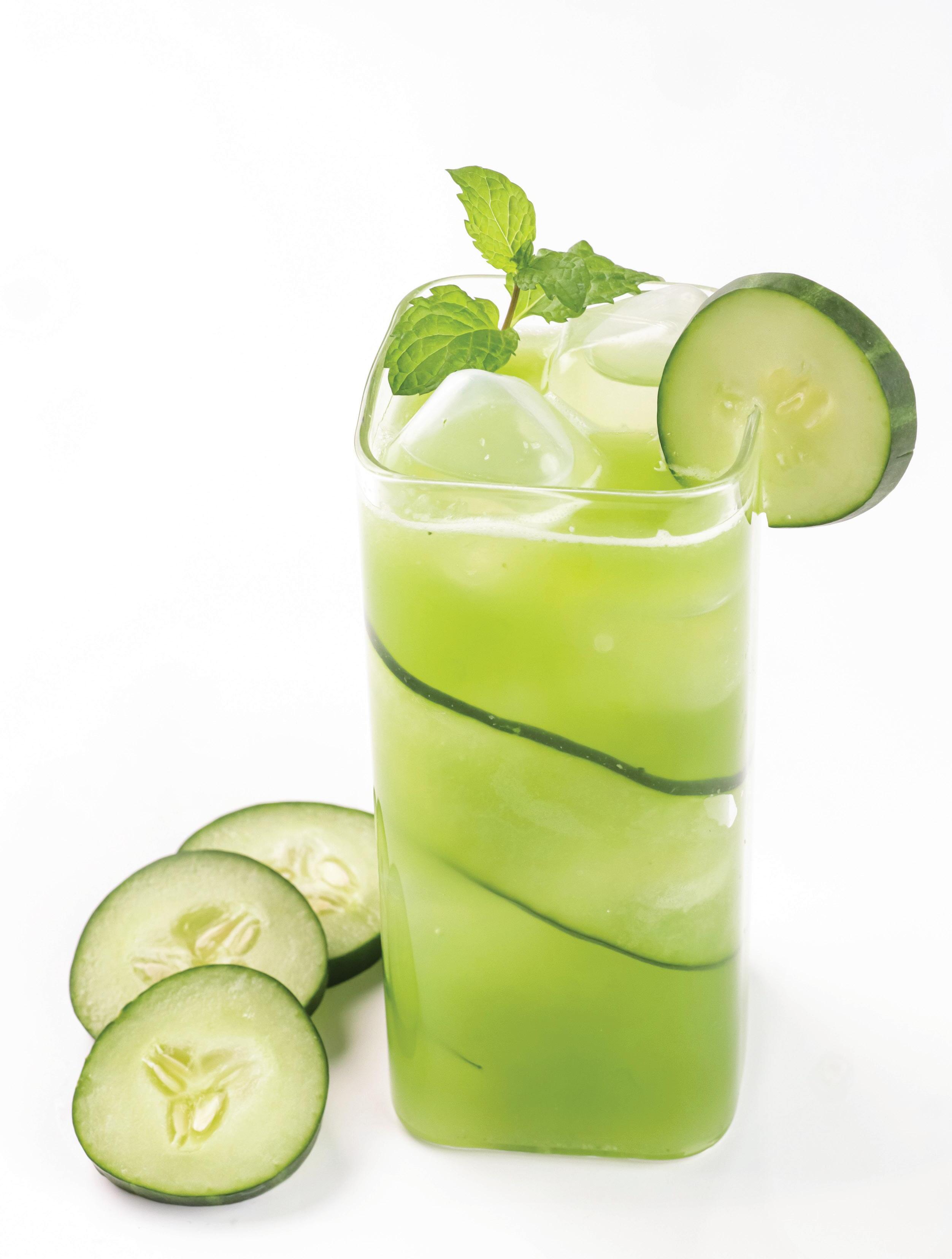
1. Rinse cucumbers thoroughly. If you prefer a smoother, less vibrantly colored juice, peel the cucumbers, or leave skin on for added nutrients.
2. Cut cucumbers into chunks, and place in blender. Add lemon juice, honey, and salt, if using. Blend until smooth.
3. For clearer juice, strain mixture through a fine mesh sieve or cheesecloth into a bowl or pitcher to remove pulp. Use a spoon to press down on the pulp to extract more juice.
4. Pour juice into glasses over ice. Garnish with fresh mint leaves, if using. Serve immediately.
Leftover juice can be stored in refrigerator for up to 2 days but is best enjoyed fresh.
Kitchen Note: Cucumbers are more than 95 percent water, so they make the perfect addition to this healthy and hydrating electrolyte drink.
Per serving: 58 Calories, 2 g Protein, 0 mg Cholesterol, 14 g Carbohydrates, 8 g Total sugars (3 g Added sugars), 2 g Fiber, 0 g Total fat (0 g sat), 297 mg Sodium, ★★★★ Vitamin K, ★ Vitamin B6, Vitamin C, Phosphorus, Potassium
BY SALLY KARLOVITZ,

When you hear the term biotics, you may immediately think of antibiotics, medicines that work to neutralize bad bacteria. But some biotics support GOOD bacteria, as is the case with prebiotics, probiotics, and postbiotics. These biotics help to improve digestion, enhance immunity, reduce inflammation, and maintain balance in the intestinal tract, but each also has its own benefits.
The 400–500 species of beneficial bacteria that live in the gut are probiotics, organisms that help maintain balance in your microbiome. Unfortunately, many things in life can deplete or diminish good bacteria: poor diet, stress, illness, and the use of antibiotics. To build up and maintain probiotics in the body, it is important to
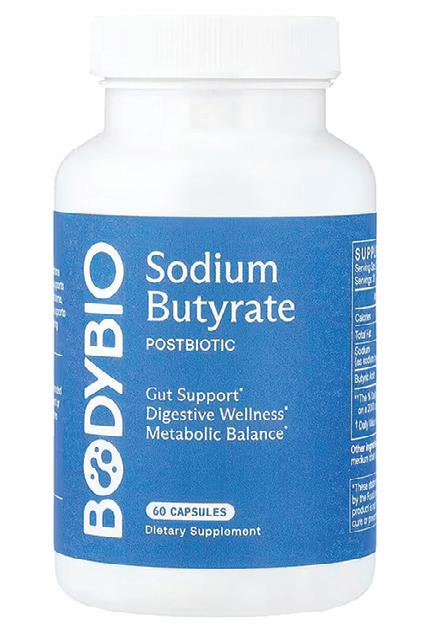
BodyBio
Sodium Butyrate
Postbiotic
Optimizes digestion and reduces gas and bloating.*
Supports a healthy gut lining.*
Promotes clearing of brain fog and boosts brain function.*
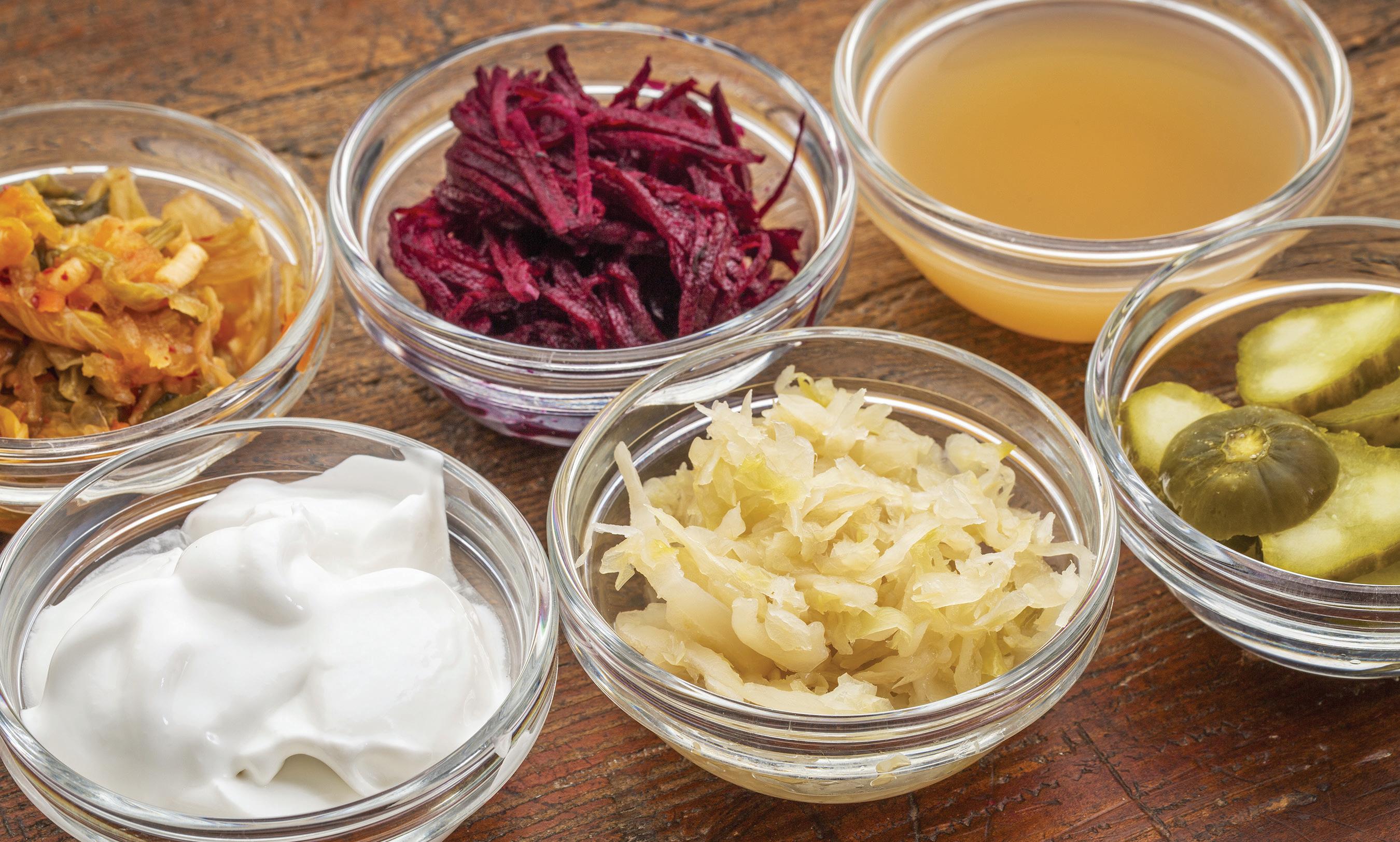
include fermented foods in the diet such as yogurt, kefir, kombucha, and kimchi or kraut. Supplements with concentrated amounts of beneficial probiotic organisms are also available.
✔ Nutrient Availability. Probiotics enhance the absorption of certain nutrients, including B vitamins. ✔ Yeast Control. Probiotics help suppress overgrowth of yeast, such as candida, in the GI and vaginal tracts. ✔ Mood Health. Since scientists have discovered neurons in the GI tract that communicate like neurons in the brain, there has been an increased focus on the gut-brain connection. Controlling inflammation in the GI tract and supplementing with probiotics may result in more GI balance and improvement in brain function and symptoms of mild depression.
Prebiotics are non-digestible carbohydrates that go through the digestive system and help good bacteria grow and flourish. Basically, they are food for probiotics. Prebiotics are derived primarily from plant fibers, including chicory, acacia, oats, Jerusalem artichoke, garlic, and onions.
✔ Nutrient Availability. Prebiotics enhance the absorption of minerals.
✔ Weight Management. Because prebiotics are primarily plant fibers, they can help with appetite control. Prebiotics also help reduce intestinal inflammation and metabolic alterations and promote weight loss.
Postbiotics are substances generated from the normal utilization of probiotics that offer benefits in the body. Essentially, they are by-products of probiotics and prebiotics, and include amino acids, short chain fatty acids, and enzymes.
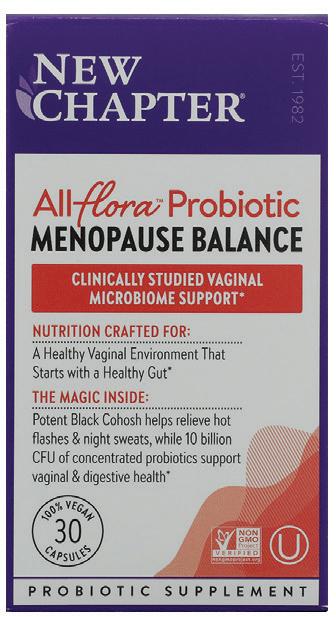
New Chapter AllFlora Probiotic Menopause
Clinically studied probiotics, for vaginal microbiome support, plus prebiotics.*
Enhanced with black cohosh for hot flashes and night sweats with complementary herbs sage and chamomile.*
✔ Leaky Gut. The postbiotic butyrate can help improve the health of the gut lining. Butyrate is produced when you consume soluble fiber. That soluble fiber (prebiotics) gets metabolized and consumed by probiotics in the gut to produce butyrate, which can help improve gut integrity.
✔ Type 2 Diabetes. Insulin resistance (or prediabetes) has been linked to having gut bacteria chronically out of balance. Postbiotics appear to help insulin work more effectively, bringing balance and potentially slowing the development of full-blown diabetes. ●
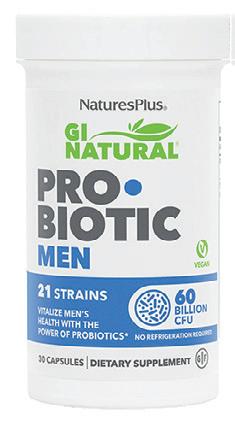
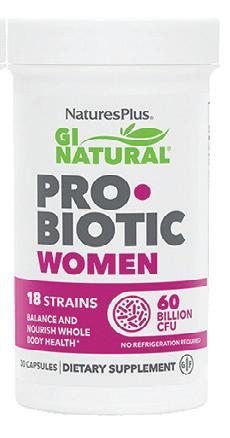
NaturesPlus GI Natural Probiotics
Probiotic Men includes 4 clinically backed strains for men’s wellness + saw palmetto for digestive, immune, and prostate support.*
Probiotic Women includes probiotics for reproductive and urinary tract health + digestive and immune support.*
BY LISA FABIAN
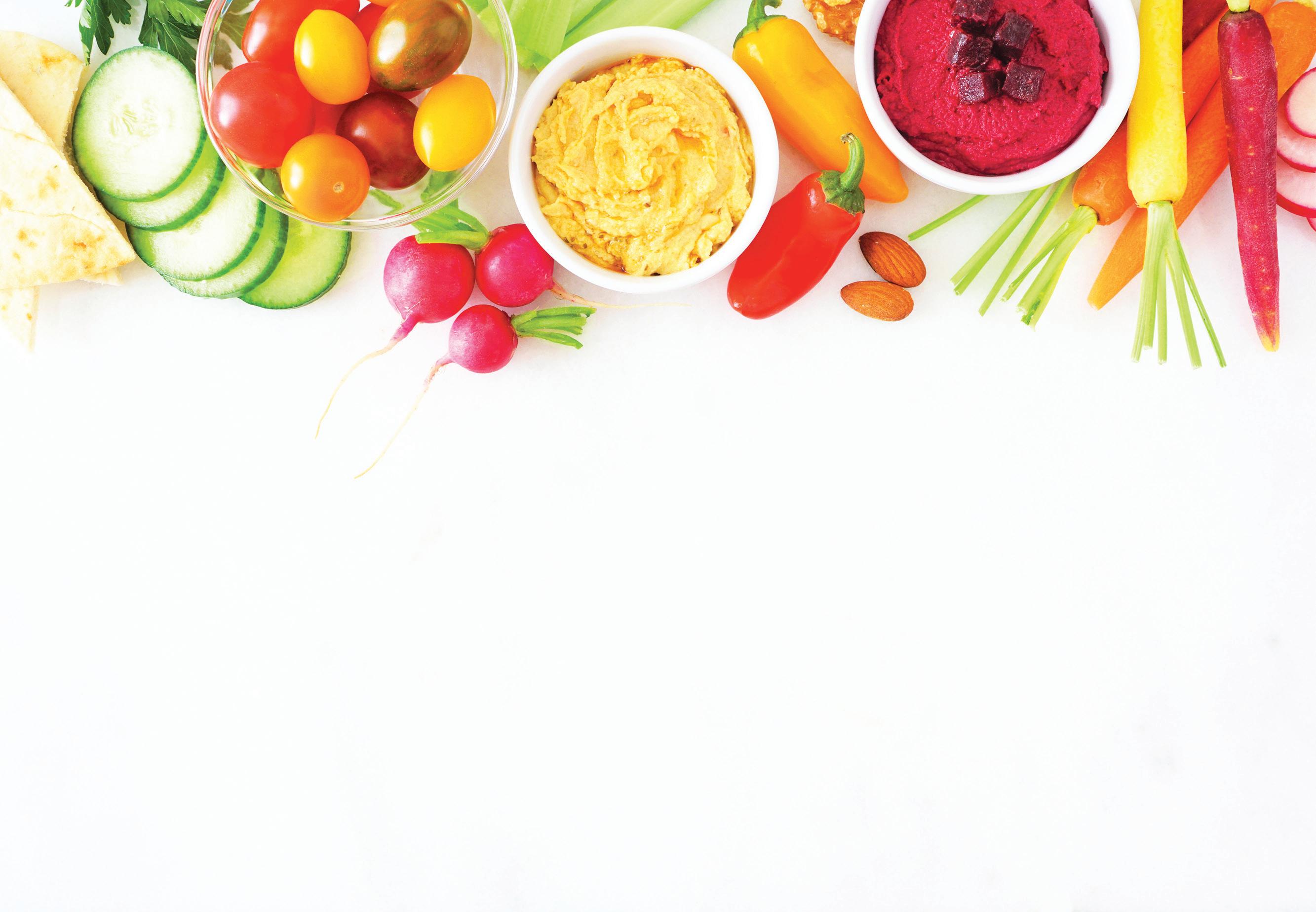
Summer can be sweltering. Who wants to turn on the stove when the temperature outside is soaring? Here are some tips for making meals that won’t overheat you or your kitchen.
Don’t sweat it!
It’s easier than you think to create a no-cook meal. By having the right ingredients on hand, you can make satisfying and flavorful meals any time of day. Following are some ideas for cool food during hot summer months.
✔ For breakfast or a snack: blend milk, yogurt, peeled and chopped mango, honey, and a dash of ground cardamom for an Indian-inspired lassi.
✔ Leftover rice noodles? Toss them with cubed tofu and shredded cabbage and carrots. Garnish with peanut sauce, sliced green onions, and chopped peanuts.
✔ Toss rinsed and drained canned chickpeas with diced red onion, chopped parsley, extra-virgin olive oil, and lemon juice. Serve with whole-grain crackers.
✔ Combine black beans, corn, diced avocado, and salsa. Serve with tortilla chips.
✔ Stuff your favorite hummus, pitted olives, chopped cucumber, and crumbled feta cheese in pita pockets.
✔ Arugula, cherry tomatoes,
shaved Manchego cheese, and chopped almonds topped with sherry vinaigrette make for a tasty Spanish-themed salad.
✔ For a protein-rich breakfast, top cottage cheese with fresh fruit. Drizzle with honey and sprinkle with fresh mint.
✔ Precook some quinoa. Later on, toss it with edamame, diced bell peppers, and your favorite salad dressing.
✔ For a healthier antipasto salad: toss salad greens, pitted green olives, cucumber slices, deli turkey slices, burrata cheese, and shelled pistachios. Drizzle with extra-virgin olive oil and red wine vinegar.
✔ Mash canned chickpeas with mayonnaise, Dijon mustard, and lemon juice. Combine this mixture with minced shallots and parsley for a healthy vegetarian sandwich topper.
✔ Top soft corn tortillas with shredded leftover chicken breast, diced avocado, sliced radish, salsa verde, and cilantro leaves. Drizzle with lime juice.
✔ Toss precooked shrimp with torn Bibb lettuce and sliced avocado and cucumber. Drizzle soy sauce and
sesame dressing over, and top with crunchy sesame seeds.
✔ Layer sliced tomatoes, fresh mozzarella, and basil leaves on ciabatta or French bread. Drizzle with balsamic glaze.
✔ Mix canned tuna with mayonnaise, Dijon mustard, and chopped celery. Dollop over Romaine lettuce leaves. Roll up and serve with a side of pickles.
✔ Charcuterie boards typically contain a multitude of no-cook foods. Craft your own board with your favorite cheeses, cured meats, nuts, fresh and dried fruits, sliced raw veggies, breads, and crackers.
✔ For a light lunch or dinner: enjoy hard-boiled eggs, baby carrots, cherry tomatoes, and a handful of almonds.
✔ Precooked pasta becomes a flavorful pasta salad when tossed with your favorite raw veggies (tomatoes, bell peppers, zucchini), olives, grated Parmesan cheese, and Italian dressing. ●
SELECTED SOURCES “No cook meal ideas” by O. Keenan, Dinner Tonight, Texas A&M Agrilife Extension, www.dinnertonight.tamu.edu, 8/13/25
• “Too hot to cook? Try these no-cook meals” by B. Oxender, VA News, US Department of Veterans Affairs, www.news.va.gov, 8/13/25
From the Taste for Life test kitchen
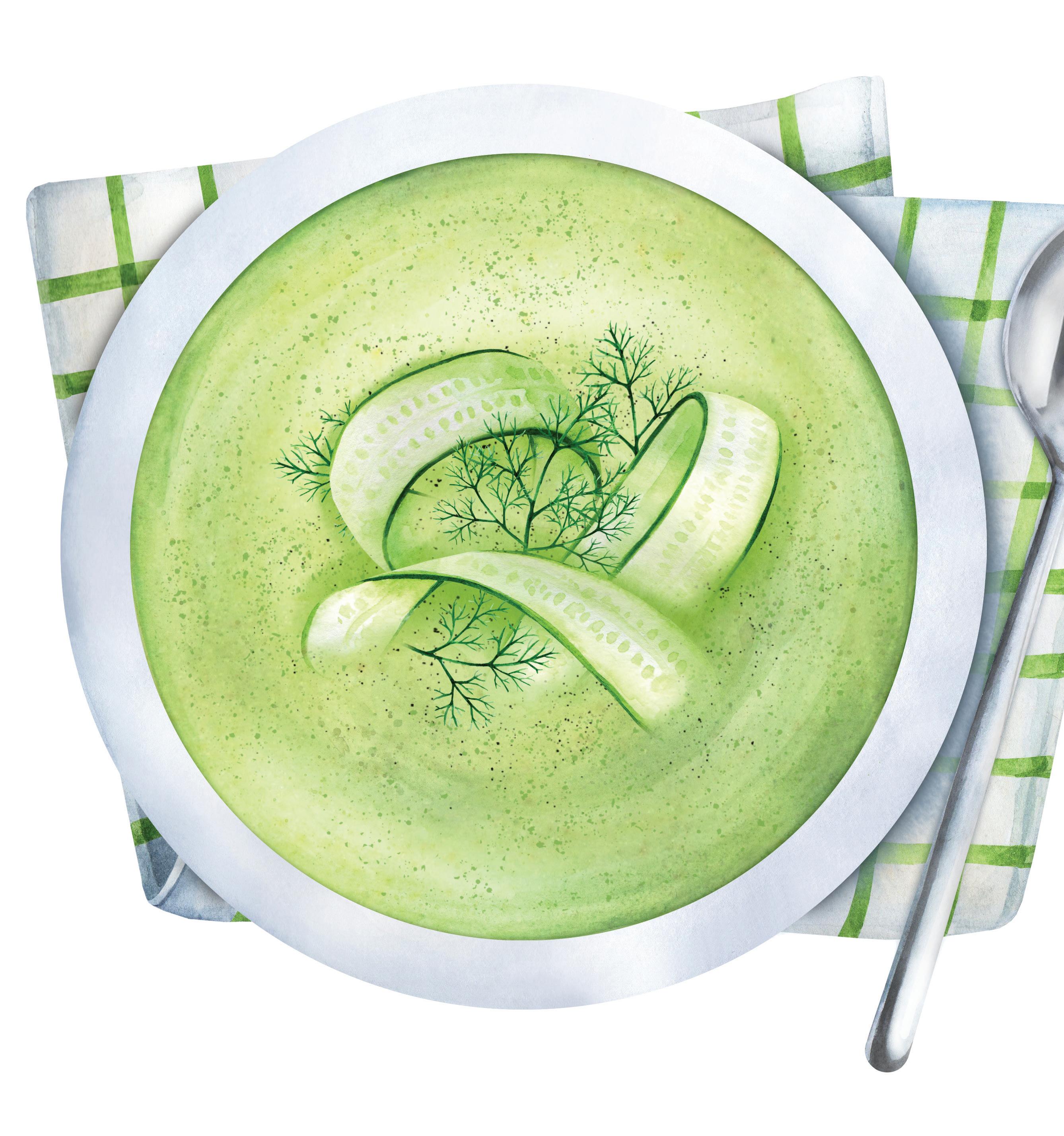
10 cucumbers, peeled and seeded
3 scallions, chopped
2 c water
2 c plain, low-fat yogurt
2 Tbsp lemon juice
⅛ c minced fresh dill
⅛ c minced fresh mint
Salt to taste
6 Tbsp extra-virgin olive oil, divided
1. Working in batches with a high-speed blender, process cucumbers and scallions with water until completely smooth.
2. Transfer mixture to a large bowl. Whisk in yogurt, lemon juice, dill, and mint. Season to taste with salt.
3. Transfer soup to fridge to chill for 2 hours.
15 min prep time + 2 hrs chill time serves 6
4. Drizzle each serving with 1 tablespoon of oil.
Kitchen Note: This is a refreshing soup that tastes even better when it’s hot outside.
Per serving: 249 Calories, 6 g Protein, 11 mg Cholesterol, 23 g Carbohydrates, 13 g Total sugars (0 g Added sugars), 3 g Fiber, 18 g Total fat (3 g sat), 147 mg Sodium, ★★★★★ Vitamin K, ★★ Vitamin B2 (riboflavin), C, Potassium, ★ Vitamin B1 (thiamine), B6, B12, E, Calcium, Folate, Iron, Magnesium, Phosphorus, Zinc
Excerpted with permission from Moodtopia for Kids: Nurturing Emotional Wellness with Nature’s Remedies by Sara Chana Silverstein © 2026 Healing Arts Press, an imprint of Inner Traditions International, www.InnerTraditions.com.
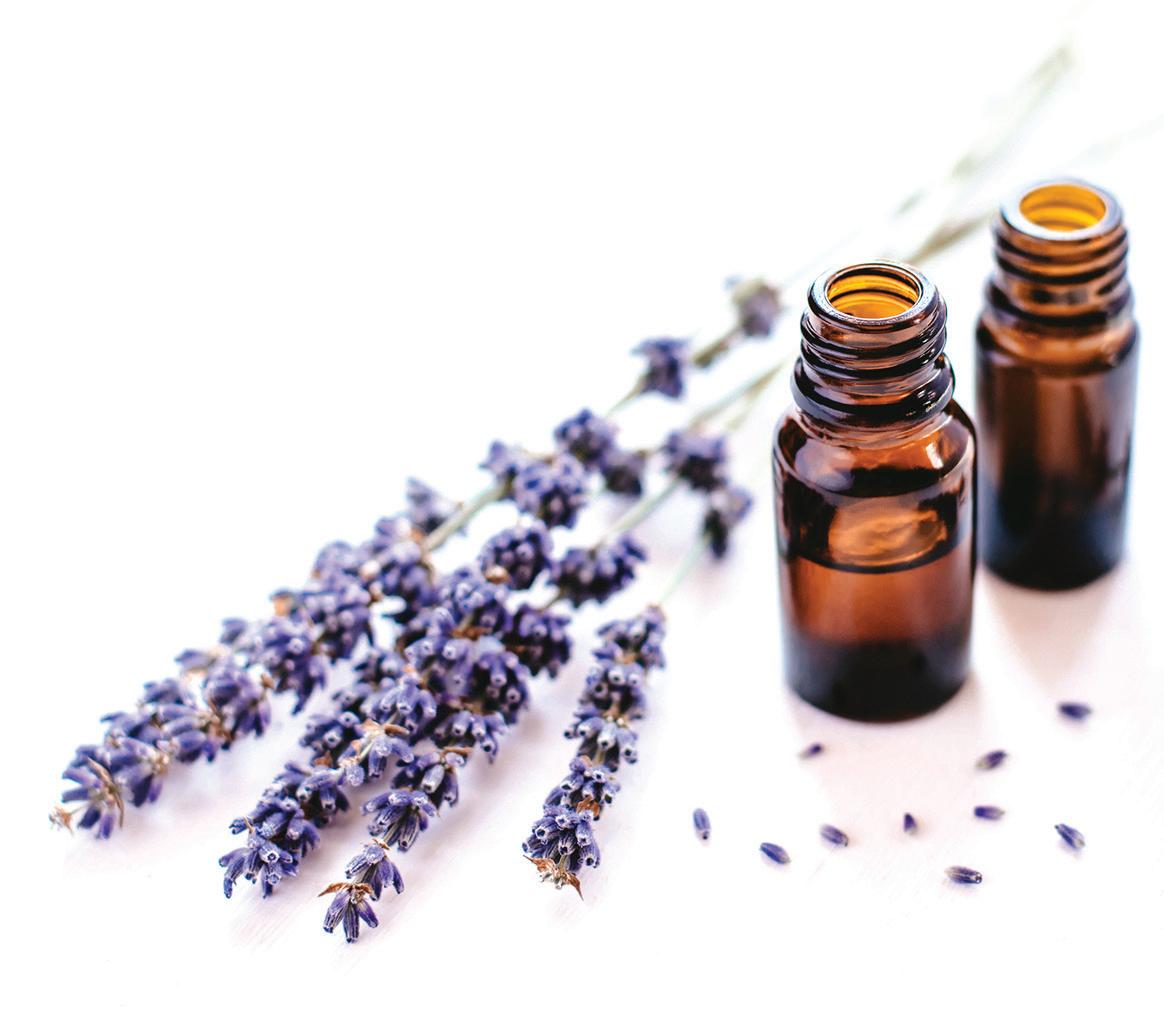
Making your own essential oil blend can be a delightfully creative and empowering experience, whether the blend is for yourself, another adult, or a child.
Essential oils can be used safely with children of all ages—especially in a diffuser—but when using them topically on babies under six months, extra caution is needed due to their sensitive skin. Always dilute properly, and when in doubt, consult a knowledgeable practitioner.
This process allows you to tailor aromas that resonate with specific needs, such as boosting self-esteem, relaxation, or focus. Below I’ve categorized essential oils to guide your selection process. You can choose three oils from one category or mix and match from different categories, referring to the 1-2-3 method for safe dilution: 3 drops of essential oil for every 2 tablespoons of carrier oil, to create a 1 percent
for general use for children and sensitive adults.
Store your essential oil blend in a tinted glass jar such as amber or blue to protect it from light exposure and preserve its potency. Creating your own blends allows for a personalized approach to aromatherapy, promoting a sense of involvement and empowerment in the healing process. Experiment with different combinations to discover what works best for your needs or those of the child you’re creating the blend for.
Floral
Jasmine
Rose
Lavender
Geranium
Woodsy/Earthy
Sandalwood
Cedarwood
Patchouli
Vetiver
Citrus
Orange
Lemon
Bergamot
Grapefruit
Green
Peppermint
Rosemary
Basil
Tea Tree
By using essential oils responsibly and considering your child’s individual needs and sensitivities, you can support their emotional well-being, enhance their focus, and improve their overall quality of life.
Always dilute essential oils properly in a carrier oil before applying to children’s sensitive skin. Perform a patch test on a small area of the child’s skin before using new essential oils.
Avoid applying essential oils anywhere near the eyes, inside the ears, or on mucous membranes. Consult with a healthcare professional or certified clinical aromatherapist experienced in using essential oils for children, particularly those with ADHD, for more personalized guidance. ●

Sara Chana Silverstein, RH(AHG), IBCLC, is a mom of seven kids, master herbalist, classical homeopath, boardcertified lactation consultant, keynote speaker, and TV and podcast health expert with more than 35 years of experience.
From Moodtopia for Kids: Nurturing Emotional Wellness with Nature’s Remedies by Sara Chana Silverstein (Healing Arts Press, 2026)
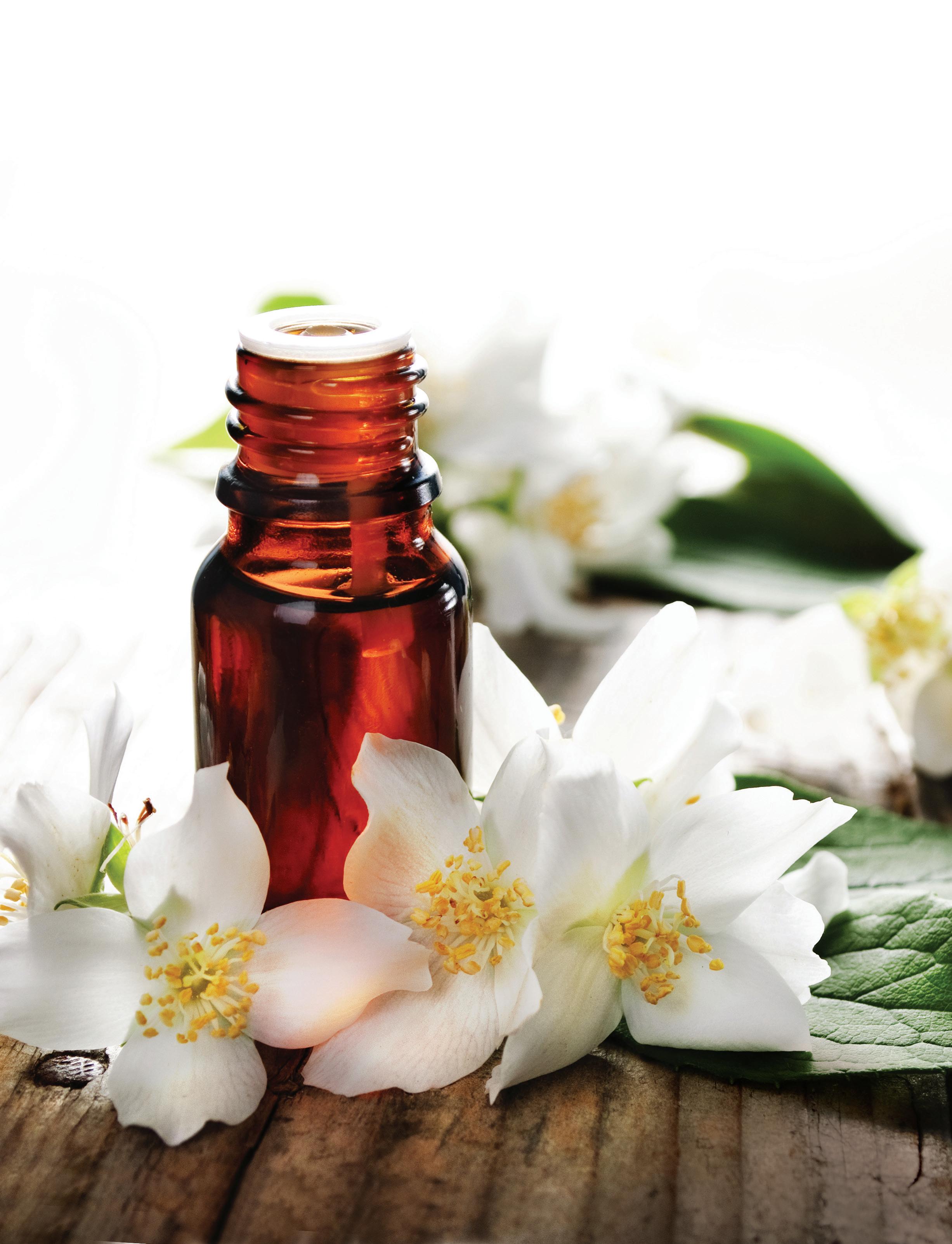
The following recipe illustrates how to blend to achieve a certain effect, in this case, boosting self-esteem.
2 Tbsp of light olive oil or any carrier oil of your choice
1 drop jasmine essential oil
1 drop of geranium essential oil
1 drop of sandalwood essential oil
1. Mix the carrier oil and essential oils in a tinted glass jar.
2. Stir or shake well to blend thoroughly.
3. Apply the blend to pulse points such as wrists, temples, and the back of the neck.
Alternatively, use a roller bottle for easy application.

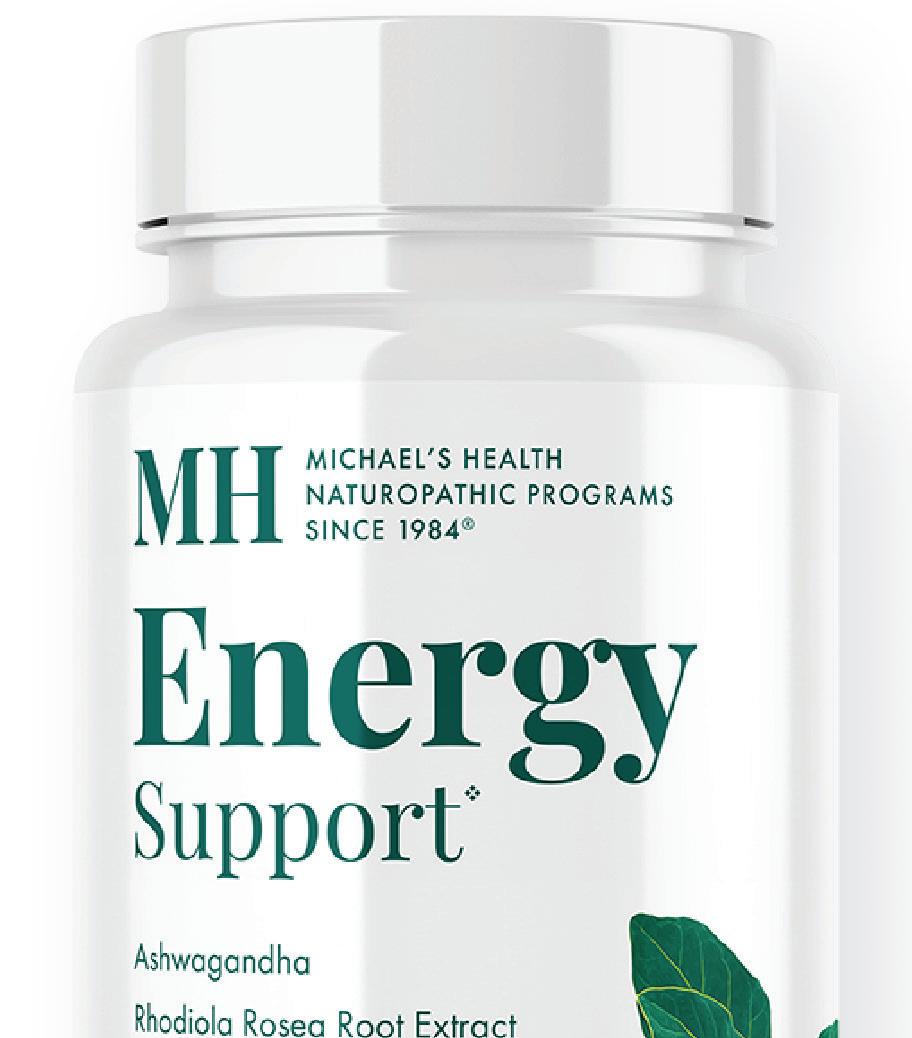
Energy Support is thoughtfully formulated with key nutrients like pantothenic acid, vitamin C, B12, and Rhodiola rosea to support the body’s natural energy production and help combat occasional fatigue.
It supports both physical and mental stamina to help you feel steady and supported throughout the day.




Supports adrenal function and energy production
Helps combat occasional fatigue and support stamina
Includes key nutrients and adaptogenic herbal support






















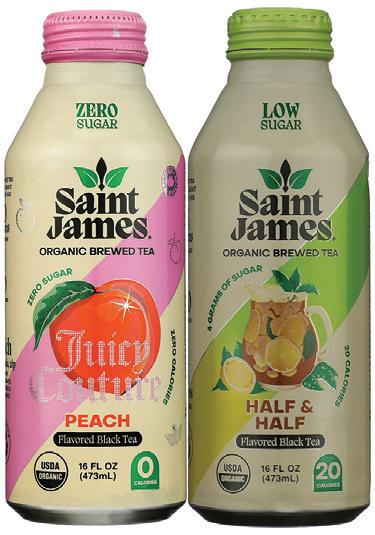
Saint James
Organic Iced Tea
Organic ready to drink iced tea.
Flavored black tea, low in calories and sugar.
A perfect summer sipper!
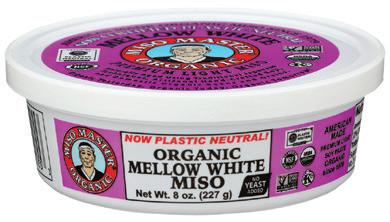
Light golden color white miso paste.
Mild, delicate flavor and a touch of sweetness.
Perfect in recipes and miso soup.
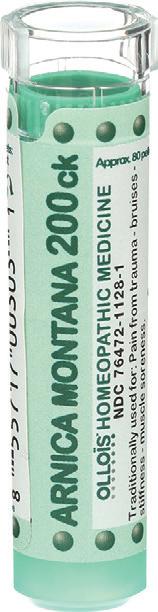
Ollois Arnica Montana 200ck
Traditionally used for pain from muscle soreness, stiffness, swelling and bruises.*
Organic, lactose free homeopathic formula.
Plant-based, vegan formula.
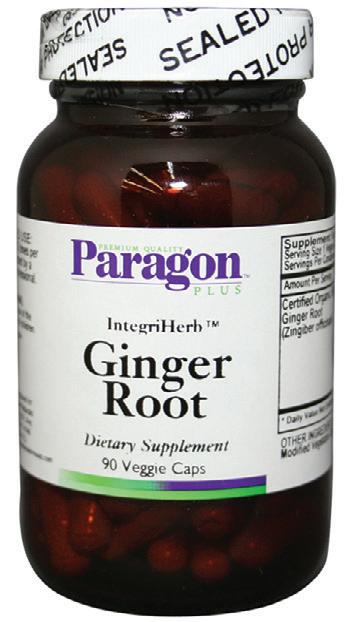
IntegriHerb™ Ginger Root
Herb traditionally used for the stomach, including digestion and nausea.*
May help control inflammatory response in the body.*
Premium quality full-spectrum whole herb capsules.

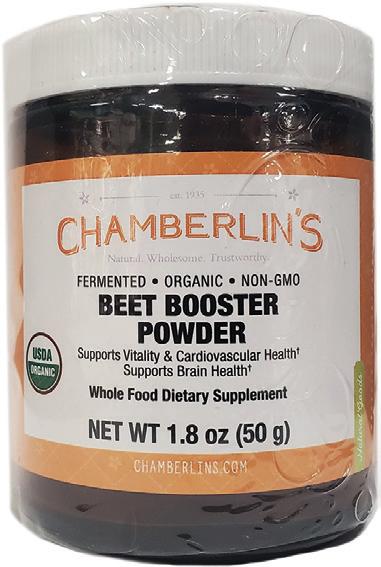
Supports vitality and cardiovascular health.*
Supports brain health.*
Formulated with organic fermented beets, cocoa, pumpkin seeds and L. acidophilus probiotic.
*These statements have not been evaluated by the Food & Drug Administration. These products are not intended to diagnose, treat, cure, or prevent any disease. This information is presented as general information and is not meant to replace medical advice. Because persons and circumstances can vary, self treatment may not be right for you. Consult a qualified health care practitioner for advice pertaining to any particular person or case or before beginning any new exercise, diet, or supplementation program. Use products only per label direction.