





The hepatitis B vaccine given at birth is one of the most effective ways to protect newborns from hepatitis B. If infection occurs at birth, around 90% of babies develop chronic hepatitis B, a lifelong infection that can lead to serious liver disease including cirrhosis and liver cancer later in life. Hepatitis B vaccination within the first 24 hours has been part of Australia’s National Immunisation Program for 25 years, helping to reduce hepatitis B in the Australian population.
Since the nation-wide introduction of the hepatitis B vaccine for newborns in 2000, Australia has seen a five-fold decrease in newly acquired hepatitis B infections, demonstrating the effectiveness of early protection.
Completing the full vaccine series is important, as hepatitis B can be transmitted from household contacts who have hepatitis B through close contact with blood or body fluids. Up to 50% of children infected in childhood acquire hepatitis B from family members who may not know they are infected, as the virus often causes no symptoms. The birth dose, followed by scheduled doses at 2, 4 and 6 months, helps safeguard infants at birth and throughout early childhood, reducing the risk of developing chronic hepatitis B.


In recent years, Australia has seen a decline in the recording of birth-dose vaccination, which makes it harder to track true coverage and ensure all newborns are receiving early protection, particularly Aboriginal and Torres Strait Islander babies who face a higher burden of hepatitis B.
In some settings internationally, there has been public commentary questioning established hepatitis B birth-dose policies1, despite strong evidence supporting the vaccine’s safety and effectiveness. This highlights the importance of maintaining clear, evidence-based guidance.
In Australia, the importance of early protection has been reaffirmed by the Australian Technical Advisory Group on Immunisation (ATAGI)2, to ensure national recommendations reflect the best available evidence on the hepatitis B birth dose. Hepatitis Australia and ASHM have brought together leading Australian hepatitis B experts in support of the ATAGI advice that hepatitis B vaccination for newborns is safe, effective and necessary in Australia.
Timely hepatitis B vaccination at birth, together with completing the childhood schedule, helps reduce hepatitis B across the population and supports Australia’s progress toward eliminating viral hepatitis by 2030. Strengthening the recording of the birth dose will further support prevention across all communities.
Article provided by Hepatitis Australia
1 www.hepatitisaustralia.com/news/joint-mediarelease-hepatitis-australia-and-ashm-respondto-the-united-states-proposal-to-scrap-infanthepatitis-b-vaccinations
2 www.health.gov.au/resources/publications/atagi-statement-on-the-importance-and-safety-ofhepatitis-b-vaccine-at-birth
Jeff Stewart’s career as a nurse has never lacked variety, colour and challenge. He had worked with MSF in South Sudan, Rwanda and Liberia, with Aboriginal health services in Yalata, with the AHPRA nursing board, and in Adelaide metropolitan hospitals – always meeting new challenges, learning new skills and engaging with new communities.
Given that, it says a lot that work as a Viral Hepatitis Nurse had provided enough challenges, lessons and colour to hold Jeff for 15 years. Sadly, that came to an end in December as he said goodbye to the hepatitis sector and moved to a new role with Aboriginal health services at Noarlunga and Clovelly Park.

“There is still so much to do in hepatitis, plenty of exciting and important work… but I have done this job for 15 years – it’s time to do something different… learn some new skills. I know if I stay on, I’d become stuck, too comfortable to try something new,” he said in a farewell conversation with Hepatitis SA Community News.
“Working in viral hepatitis has been an interesting and varied experience. I have learnt a lot… clinical knowledge and skills, project management, running screening clinics, learning how to collaborate with other organisations.
“It’s sad to leave. I will really miss the people, especially the clients who are such a colourful, interesting lot with so much resilience.”
The new treatments for hepatitis C became available some six years after Jeff started as a viral hepatitis nurse, changing the goal of hepatitis C treatment from management to cure. “It changed things completely… from helping people live with and manage their hep C, our focus became finding people who had become lost to the system, and supporting them to get cured,” he said.
The change in hepatitis C services was further accelerated when reliable rapid fingerprick diagnostic testing was introduced a few years later. And when an innovative peer worker in Hepatitis SA worked out ways

to bring testing to the community, Jeff was there providing the support and clinical backup.
In addition to regular work as a viral hepatitis nurse in SA Health’s highly successful program, Jeff worked actively to organise outreach testing clinics in regional areas, supported community organisations in testing clinics at shopping centres, community clubs and homeless centres, was there for testing in prisons, sat on many consultative committees and was a Hepatitis SA board member. And he even found time to complete his study and accreditation to become a nurse practitioner!
“There is also a lot happening still in the hepatitis area in terms of research into treatment and disease management, and policy development,” he said. “With the cure for hepatitis C and point of care testing being rolled out, focus is shifting to hepatitis
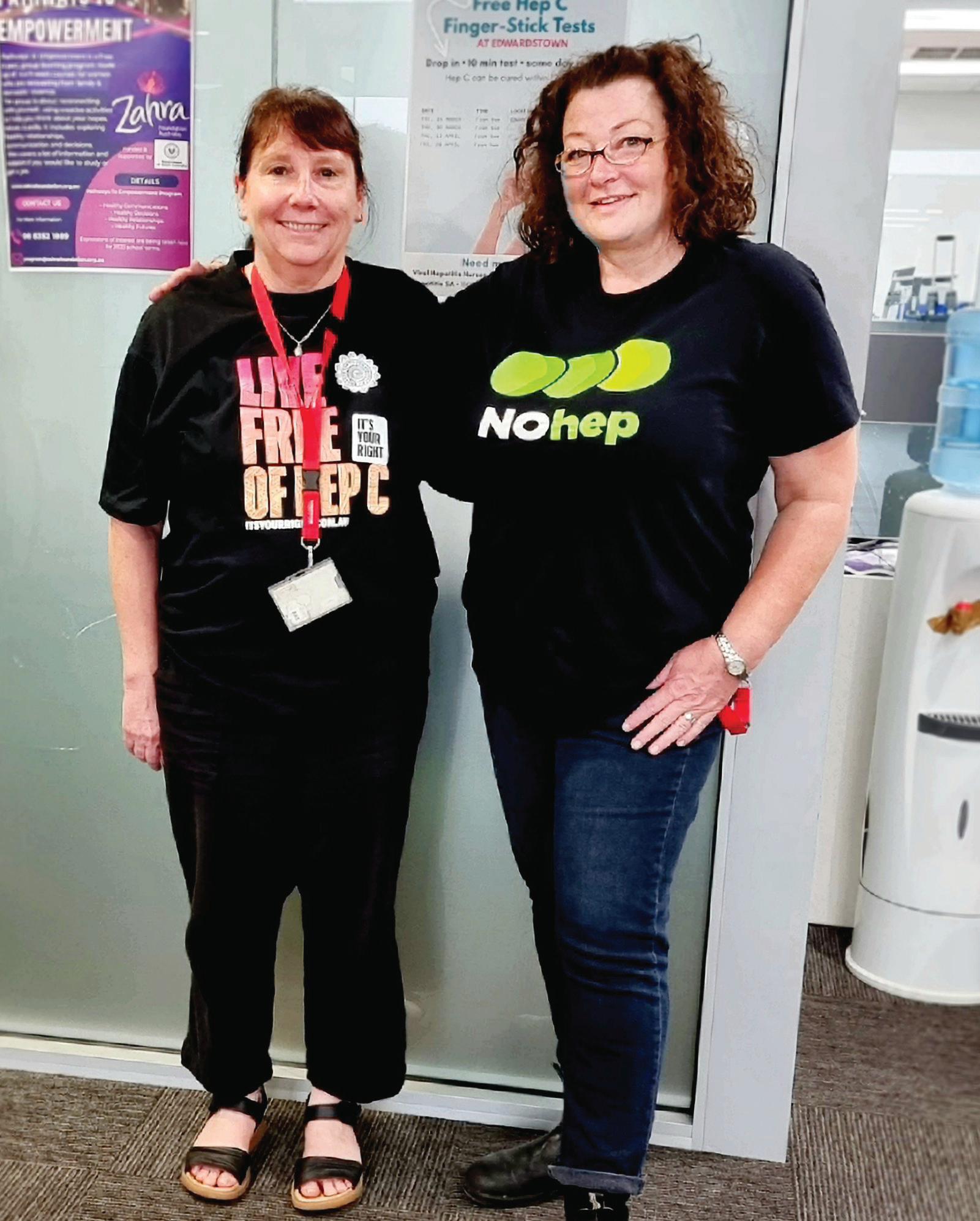
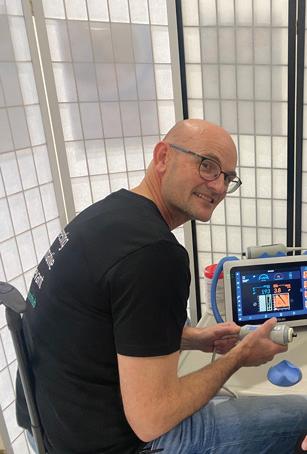
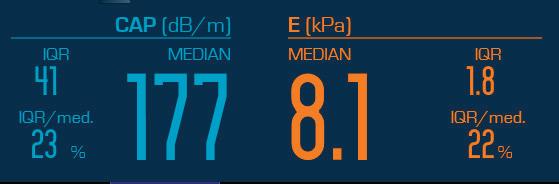
TOP: Jeff showing how a fibroscan works (photo courtesy RASA)
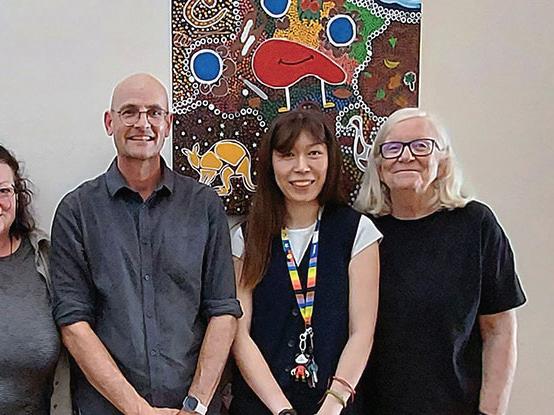
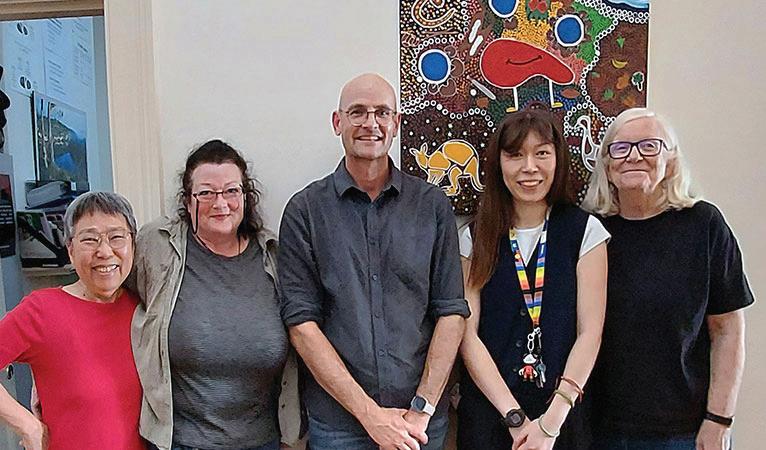
BOTTOM: Jeff Stewart in 2025 with Hepatitis SA colleagues
B and that is a whole new community –communities in fact – given the diverse cultural origins of people who are at-risk. It will be rewarding and fascinating work for those taking over my work at the QEH, and for all of you working in this sector.
“I will miss working with the people in this sector, especially the clients, but I look forward to watching as you continue to eliminate hepatitis C, and engage more and more people with hepatitis B in care.”
The feeling is mutual. Lisa Carter who leads Hepatitis SA’s hepatitis C treatment and support team, summed it up nicely, “Jeff is one of the most effective workers I have had the pleasure of working with. His dedication and tireless efforts to eliminate viral hepatitis were enormous, he personally got SA closer to achieving the targets and he will be missed by all at Hepatitis SA and the sector.”

Adrian Hicks wants to shout out to the world: If you have hepatitis B, don’t ignore it… do something, your life may depend on it! Adrian lives with not one but two hepatitis viruses: hepatitis B and hepatitis D.
The hepatitis D virus (HDV)—sometimes known as hepatitis delta virus—is a virus that needs the hepatitis B virus to survive in the human body. In Australia, hepatitis D screening is routinely recommended for all people diagnosed with hepatitis B, but this does not always occur. Coinfection with hepatitis B and hepatitis D puts additional burden on the liver, and can cause more serious health outcomes.
Adrian was diagnosed with chronic hepatitis B in 1980, and after decades of being told his liver was ok, discovered in 2020 that not only was his liver not ok, but he had hepatitis D as well… and liver cancer.
“I was in the hospital within a few days for a liver resection,” he recalled. The scariest part of it all was the fact that the discovery of his liver cancer had occurred by chance.
“In 2020, my partner Sal was diagnosed with lung cancer – I went with her to the hospital, and it so happened that I saw it had a liver clinic and decided to go and poke my nose around.
“I walked in without an appointment or a referral, but they booked me in anyway, for a test and CT scan. Ten days later I was at the Princess Alexandra Hospital having a part of my liver removed… it happened so quickly.”
Up to that point, Adrian had thought he was one of those who has hepatitis B but remain healthy, so-called healthy carriers—a discredited concept commonly held in decades past.
“I always thought I was ok, once I wasn’t yellow anymore. My sister took care of me when I had the initial symptoms but after those subsided, everything seemed normal,” he said. He had regular blood tests that had seemed to indicate his liver wasn’t damaged… until that serendipitous drop-in to the liver clinic in 2020.
“They told me I had liver damage, cirrhosis and liver cancer. I was told I also had hepatitis D and that was what caused further liver damage.”
The prevalence of hepatitis D in Australia is unclear as there is no automatic testing


form of hepatitis on top of hepatitis B was a surprise and finding out about the liver damage that had occurred as a result was a shock, albeit in a way tempered by gratitude.
“It was a shock – of course – but it could’ve been worse. If not for that visit, I wouldn’t be here right now,” he said.
He had to travel to Brisbane for the operation. That was 2020, during the COVID-19 pandemic; Sal went through a long 15-day application process, getting letters from the hospital, specialist and so on, before she could join Adrian who was still in the hospital, to support him through his sixweek recovery from the surgery.
cancer cells in the liver via the hepatic artery, the main vessel from which liver tumours get their blood supply.
He is philosophical about his personal situation (Sal calls him “a real trouper”) taking it one day at a time – both he and Sal dealing with their respective treatments –and living life.
Over and above that however, Adrian wants to do everything he can to raise awareness about hepatitis B, hepatitis D and liver cancer which he refers to as an “unpopular cancer” because there is so much judgement associated with it.


Adrian is now on daily injections of the drug bulevirtide to suppress the hepatitis D, entecavir tablets for hepatitis B, and is
There is an underlying anxiety about what will happen next. “The liver clinic rang the other day, about some lesions. They have put me on the transplant list, but I’d always been a little unsure about transplants,” he said.
“There are many hoops to jump through, it’s a lengthy procedure and I need to be within two hours of the hospital which could mean relocation as I’m currently two and a half
“But my liver specialist is the best. I am very grateful to him and I trust him, so we’ll just take it a step at a time.” Meanwhile, Adrian will be undergoing a special chemotherapy process known as transarterial chemoembolization (TACE) to shrink the cancer. TACE directs the chemotherapy drug straight to the
“People think you got it because you were alcoholic or got hep B because you were promiscuous, or injected drugs… so there’s less sympathy and interest in supporting and funding it,” he said. “But it is important to give it attention because it is a cancer that can be prevented, with vaccinations, proper monitoring for those with chronic hep B, and hep D reflex testing on people living with hepatitis B.”
True to his word, Adrian has joined a Hepatitis Australia working group on hepatitis D, sharing his lived experience and contributing to the group’s goal of developing resources and engagement approaches to raise awareness among at-risk communities.
“I have liver cancer. I accept that, but I want to help raise awareness and do what I can to stop the same thing happening to others. I like that slogan – Hep B Stops with Me.”
To find out more about the hepatitis D working group, email tuva@ hepatitisaustralia.com. If you live with hepatitis D and would like to share your story, drop Community News a line at comms@ hepsa.asn.au.
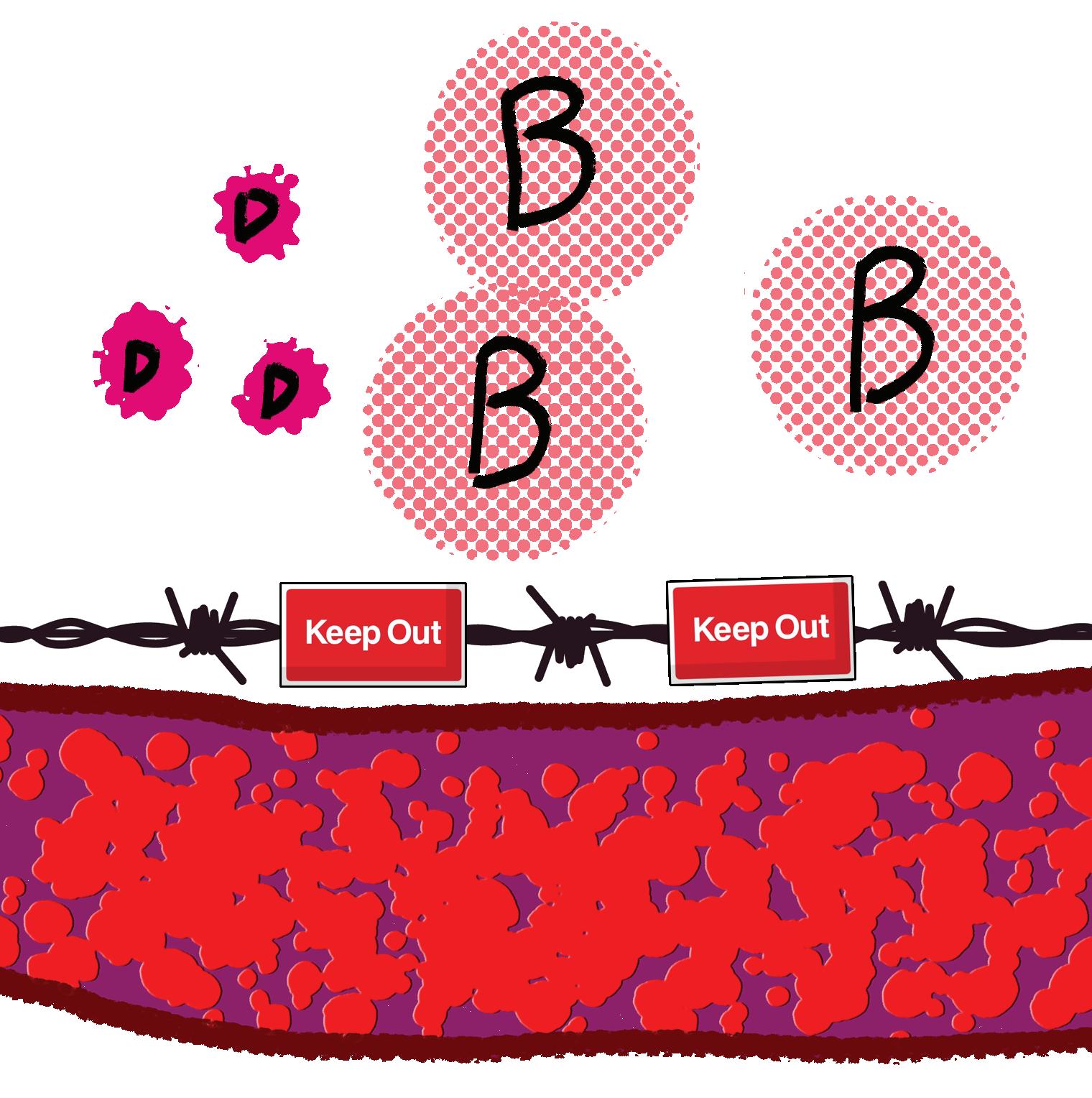
There are five main hepatitis viruses, helpfully named A, B, C, D and E. The hepatitis D virus (HDV, or sometimes known as hepatitis delta), is relatively little-known, because it can only live alongside hepatitis B. This means it needs to be acquired at the same time as hepatitis B, or else someone already living with hepatitis B can be infected with it later on.
HDV is the smallest known virus which can infect humans. Its tiny size means it does not contain all the organic machinery it would need to survive on its own. This is why HDV can only survive in the bodies of those also living with hepatitis B: hepatitis D virus particles are actually defective, and have to make use of hepatitis B’s envelope proteins (part of the ‘skin’ that surrounds each virus particle) in order to reproduce themselves and thrive.
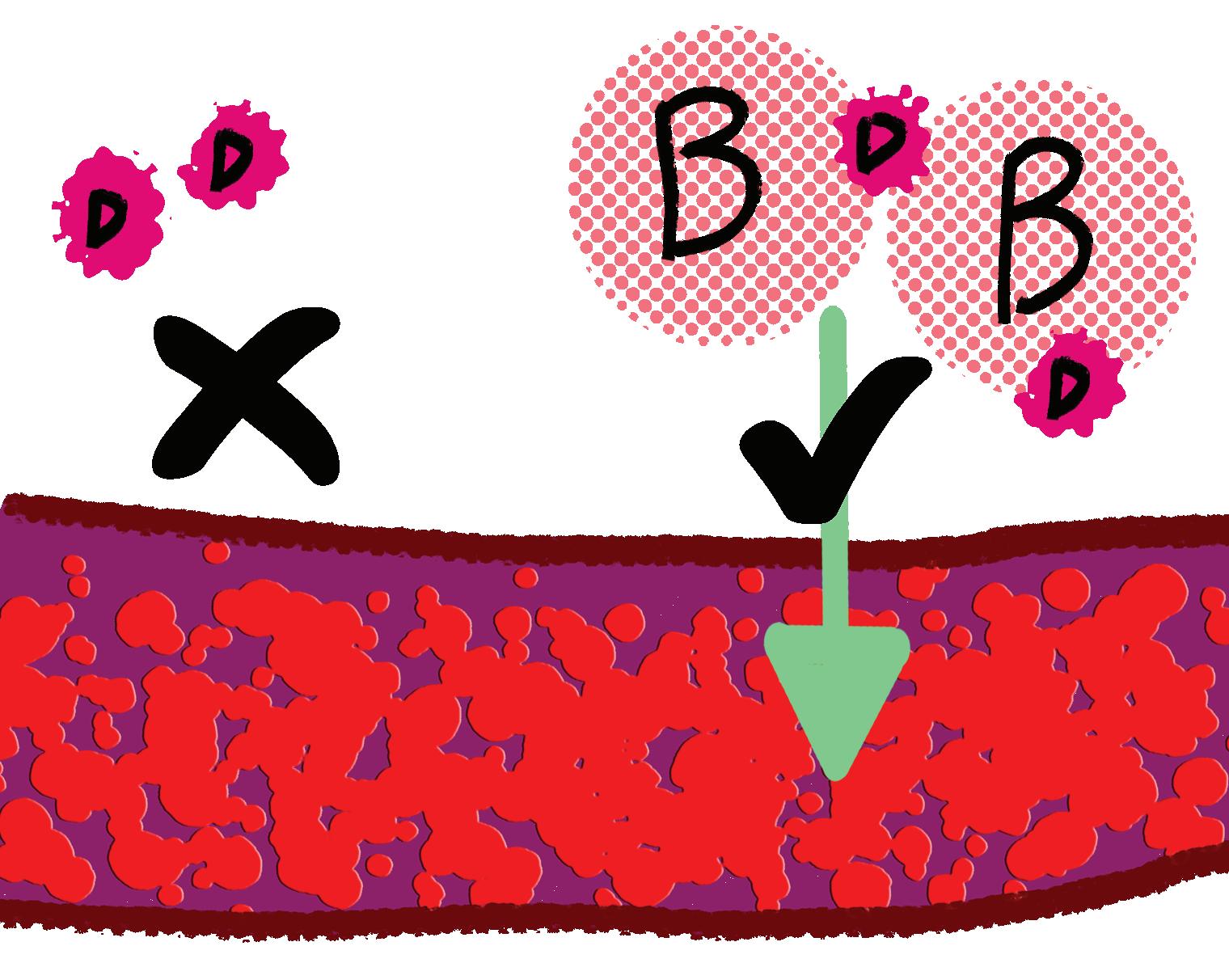
Hepatitis D (left) can do nothing on its own–it’s only when it finds itself with hepatitis B (right) that it can replicate in the blood and infect someone.
It is estimated that, worldwide, approximately 5% of people living with hepatitis B also have hepatitis D: this is around 12 million people. Exact figures are hard to determine, though, due to very low testing rates.
The hepatitis D virus is transmitted by infected blood and body fluids. You can protect yourself from both HBV and HDV by:
• vaccinating against hepatitis B
• practicing safer sex (using a condom)
• not sharing injecting equipment, including tourniquets, spoons and filters (use new and sterile injecting equipment for each injection)
• avoiding tattooing, piercing, dental and cosmetic procedures where equipment is not sterilised
• ensuring all equipment is sterilised and no blood to bloodstream contact occurs when undergoing cultural rituals where blood is involved
• following the Blood Rule in sport
• not sharing toothbrushes, razors, needles, syringes, personal hygiene items and grooming aids or any object that may come into contact with blood or body fluids
• covering all cuts and open sores with a plaster or bandage.
• following standard precautions when handling blood spills.
If you acquire both HBV and HDV at the same time, this is called coinfection. If you are infected with HDV after already having hepatitis B, this is called superinfection. Both coinfection and superinfection of hepatitis B with hepatitis D can lead to more severe health complications than HBV infection alone.
Coinfection generally resolves spontaneously after about 6 months, but it can also sometimes lead to a life-threatening or fatal liver failure. Superinfection is the more common form, and leads to more severe liver disease than a chronic hepatitis B infection alone.
People with hepatitis D can have more severe symptoms than those who are infected with HBV alone. Symptoms usually appear 3–7 weeks after infection. They can include:
• dark urine or clay-colored stools
• feeling tired
• fever
• joint pain
• loss of appetite
• nausea, stomach pain, throwing up
• yellow skin or eyes (jaundice).
The symptoms of coinfection can be different to symptoms of superinfection. People with coinfection can have distinct sets of symptoms during two separate time periods. This is because hepatitis B symptoms can occur at a different time than those of hepatitis D. People with superinfection usually experience rapid and severe symptoms.
Because hepatitis D can only infect people who have hepatitis B, being fully vaccinated against hepatitis B also protects you from hepatitis D.
Up to 90% of superinfected individuals will develop chronic hepatitis D, and of these around 70% will develop cirrhosis. To compare, around 15-30% of those infected with hepatitis B alone develop cirrhosis. The two viruses in combination are the most lethal of all hepatitis infections, with a fatality rate of around 20%.
Because HDV requires HBV to survive, you can protect yourself by getting vaccinated for hepatitis B. In South Australia, all babies are given this vaccine as part of the National Immunisation Program. Many older people in SA can also receive free hepatitis B vaccination through the state’s High Risk Hepatitis B Immunisation Program (see bit.ly/40KH4tL for more information).
A targeted treatment, bulevirtide, has been approved by the Therapeutic Goods Administration for use in Australia. It has a much higher efficacy and is better tolerated than the current treatment options. Buleviritide works by blocking the hepatitis D virus’s access to regenerated liver cells, letting the immune system eliminate the infected cells. This can result in prevention of viral replication, and subsequent reduction in inflammation and associated liver damage. However, Buleviritide is not currently approved for subsidised access through the PBS.
The peak body for health professionals in the field, ASHM, recommends that people living with hepatitis B automatically receive a hepatitis D antibody test, and anyone testing positive should then have a hepatitis D PCR test to confirm active infection and inform clinical care. For those who commence treatment, twice-yearly monitoring via hepatitis D PCR tests is extremely important. If you’re living with hepatitis B and D, please talk to your liver nurse or specialist about your options.
The widely-acclaimed community-led Northern Territory health program which closed the gap for hepatitis B and was calling for ongoing support for screening, treatment pathways and workforce capacity building, has been allocated funding to continue its work.
The organisations behind the program, Menzies School of Health Research (Menzies) and Aboriginal Medical Services Alliance Northern Territory (AMSANT), had pointed out that so that without continued support, hard-earned improvements will not be lost, saying sustained funding is essential as liver cancer rates continue to rise.
In calling for funding, lead researcher, Professor Jane Davies, said, “We are on the right trajectory, but without ongoing support for screening, treatment pathways and workforce capacity, we risk losing the gains we’ve worked so hard to achieve.”
Hep B PAST1, launched in 2018 after years of groundwork with remote communities, concluded in 2023 with impressive results validating its culturally safe, communitycentred, and led, model of care.
1 Acronym for ‘Hep B – Partnership Approach to Sustainably Eliminating Chronic Hepatitis B in the Northern Territory (NT)‘
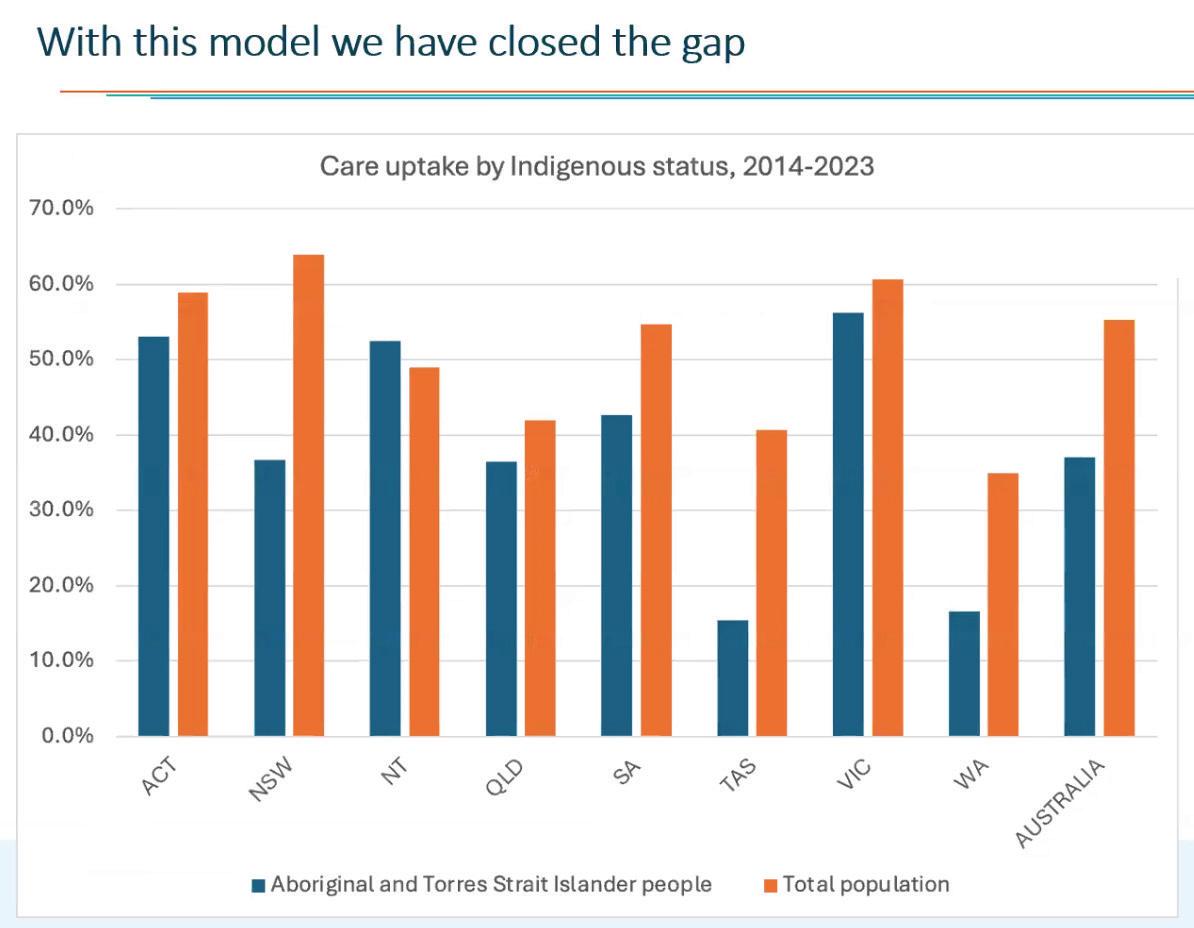
Presenting at the WHO-WHA West Pacific Regional Forum last week, Prof. Davies said with over 50% of Indigenous people with chronic hepatitis B (CHB) in care, the Northern Territory (NT) has “closed the gap”… and, with the rate in the general community at less than 50%, the project had even managed to “flip” the numbers.
New data shows the NT has recorded the largest decrease in hepatitis B mortality of any Australian jurisdiction and that improvement aligns with the expansion of the Hep B PAST program and its companion workforce training, Managing Hepatitis B.
The NT has also exceeded the national hepatitis B elimination targets for diagnosis, care and treatment with 99.9% diagnosed, 86.3% in care and 24.1% receiving treatment. The national targets in the National Hepatitis B Strategy were: 80% diagnosed, 50% in care and 20% receiving treatment.
Both Hep B PAST and Managing Hepatitis B are now recognised nationally as leading models for early detection and culturally safe chronic hepatitis B care.
Prof. Davies said Aboriginal and Torres Strait Islander people in the NT are six times more likely to get liver cancer and chronic hepatitis B is the primary cause.
The prevalence of chronic hepatitis B among Aboriginal and Torres Strait Islander people in the NT is estimated at 6.1%, compared to 1.79% in the Territory’s general population.
“Although Australia has among the highest cancer survival rates globally, significant disparity in outcomes persist among Aboriginal and Torres Strait Islander people,” she said.
“Aboriginal and Torres Strait Islanders are often diagnosed with more advanced cancer, receive less treatment and have 30% higher mortality rate.”
PAST adopted a two-pronged approach:
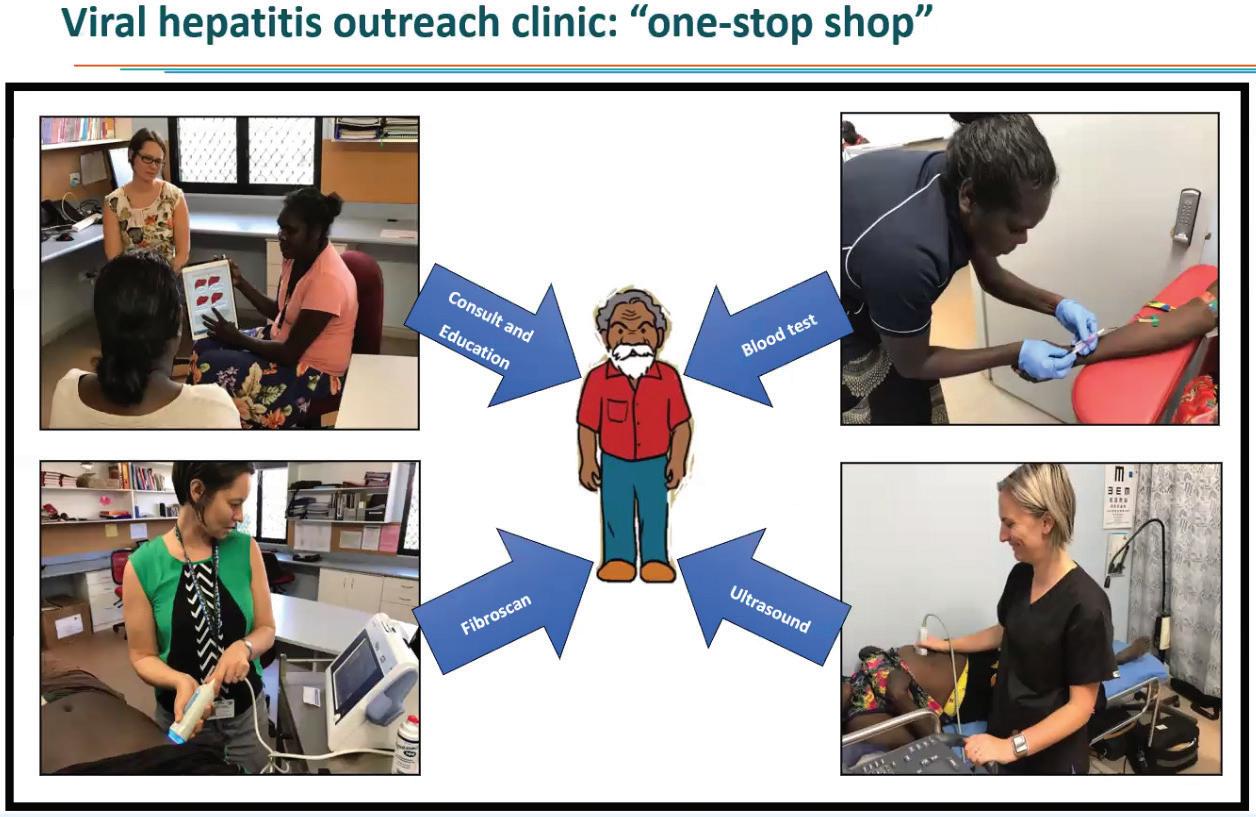
Images and data from presentation provided by Menzies School of Health Research
One was to improve health literacy about hepatitis B amongst Aboriginal and Torres Strait Islander communities with an easy to understand, culturally appropriate digital interactive tool available in 11 languages that cover 70% of the NT indigenous population.
The other was to transition chronic hepatitis B care into the primary care settings using the chronic disease model.
“So chronic hepatitis B now sits alongside diabetes, heart disease, asthma, osteoporosis, and arthritis. This normalises the condition, and reduces stigma… and it becomes part of the usual diseases that primary care workers are trained to identify and provide care for,” said Professor Davies.
Chronic hepatitis B care is offered directly in remote communities in a “one-stop liver shop” that provides blood tests, ultrasounds and follow-up care in a single visit, delivered in partnership with Aboriginal communitycontrolled health services (ACCHS).
Those with chronic hepatitis B are seen every six months with care provided by a trained s100 prescriber GP or Nurse Practitioner
Prescriber and trained Aboriginal health worker, with access to ultrasound, fibroscan and specialist support for more complex cases such as cirrhosis, pregnancy, liver cancer or co-infections.
The primary care teams receive comprehensive hepatitis B training and ongoing education and support.
Results from the Hep B PAST program has been stunning to say the least.
Deputy lead, Dr Paula Binks, said, “People are being diagnosed earlier, receiving appropriate treatment, and staying engaged in care—and that simply wasn’t happening before.”
“The data shows liver cancer survival for Aboriginal people in the NT has tripled since 2006,” Professor Davies said. “This
is an extraordinary shift, and it reflects the combined impact of early detection, patientcentred care and the trust and knowledge built through Hep B PAST and targeted workforce training.”
According to Menzies and AMSANT, the companion Managing Hepatitis B training program—co-designed with Aboriginal Health Practioners—has trained more than 200 workers across the NT.
Prof. Davies said Hep B PAST succeeded because of persistence, passion, positivity and partnership.
The program strengthens local workforce capability and health literacy, ensuring Aboriginal health workers remain central to diagnosis, education and long-term care. Managing Hepatitis B is now accredited and has expanded to Far North Queensland, with requests from Western Australia.
AMSANT Chair, Rob McPhee, said the results show what is possible when Aboriginal-led, community-controlled models are properly resourced.
“This is an NT success story. We know that Aboriginal people are too often diagnosed later, receive less treatment and experience higher mortality.
“Hep B PAST shows that when we invest in local leadership, language, trust and community-designed programs, we can turn that story around. This is exactly what Closing the Gap looks like in practice.”

Hepatitis SA programs are stepping up efforts to raise awareness about hepatitis B and hepatitis C, in regional South Australia.
The SA component of the national HepLink program is connecting with regional services to provide hepatitis B education and support. Meanwhile the education and harm reduction programs, together with the South Australian Network of Drug and Alcohol Services (SANDAS), are running a series of Essential Skills workshops for regional health professionals to increase knowledge of blood-borne virus prevention and build practical skills in responding to at-risk clients.
The full-day workshops explore types, effects, and responses to different drugs, practical harm reduction approaches and the impacts of stigma and discrimination. Participants are given up-to-date information on blood safety practices and prevention of hepatitis B, hepatitis C and HIV.
Funded by Country SA Primary Health Network, two Essential Skills workshops were delivered in October-November last year at Murray Bridge and Berri, and two more are scheduled for the coming months to be held in Port Augusta and Mount Gambier.
Hepatitis SA Education Coordinator and workshop co-facilitator, Jenny Grant, said there was strong engagement in Murry Bridge and Berri from AOD workers, Aboriginal Health Workers, mental health clinicians, counsellors and youth workers.
“Feedback from participants has been overwhelmingly positive,” she said. “Many described the sessions as engaging and informative, and said they appreciated
the opportunity to connect with peers and deepen their understanding of how stigma and systemic barriers affect people who use alcohol and other drugs.”
As the new hepatitis C cure reaches more Australians and hepatitis C prevalence decreases, focus is shifting to the other leading cause of liver cancer: hepatitis B, which is more prevalent in Aboriginal communities, and immigrant communities from regions of higher prevalence such as East and Southeast Asia, the Pacific and subSaharan Africa.
Hepatitis SA’s HepLink education officer, Yingbin Xu, has reached out to several services in regional SA to offer hepatitis B education and support services. “So far, we have provided information and education to the Aboriginal community at Point Pearce and have linked up with the Australian Migrant Resource Centre (AMRC) in Whyalla,” she said.
“We hope to reach more communities around the Eyre Peninsula, and are also getting in touch with services in Murray Bridge, Naracoorte and Bordertown.”
Jenny said both sets of workshops provide valuable opportunities for regional health workers to build confidence in supporting clients and communities, while fostering stronger connections across regional public health and community services.
To find out more about hepatitis B education workshops, email education@hepsa.asn.au.
For more information or to register for future Essential Skills workshops, visit sandas.org. au/events.
Harm reduction and blood-borne virus prevention are inextricably linked. We can’t have the second without the first.
To that end, Hepatitis SA has developed a harm reduction training package for regional workforces, together with a brief intervention strategy for community members, that was delivered by staff with lived/living experience of both hepatitis C and drug use.
This was in response to requests from regional service providers for workforce development in harm reduction. The twopronged approach recognises that blood borne virus prevention and harm reduction are intertwined.
The workforce component of the training supports regional staff to engage with the drug-using community. Topics include how to overcome barriers to engagement, harm reduction in practice to prevent BBV transmission and improving health outcomes for people who use/inject drugs.
In developing the community brief intervention component, peer workers from Hepatitis SA liaised with local service providers to gain an understanding of issues specific to people who use/inject drugs in those regions.
To increase community engagement, unique goody bags of resources and treats were
handed out. These ‘goody bags’ included BBV prevention resources, harm reduction information and drug use paraphernalia such as tourniquets to support single-person ownership and reduce the transmission risk arising from sharing.
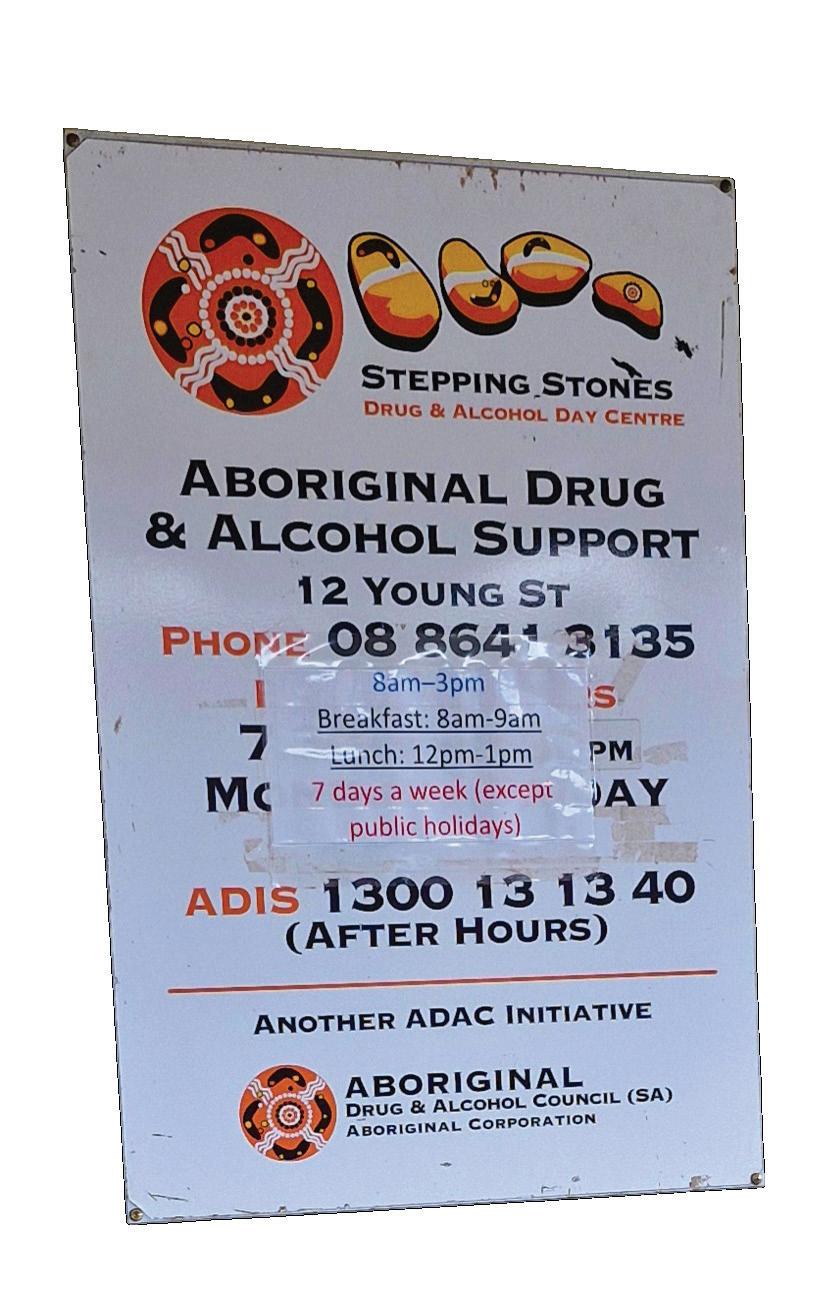
Between February and July 2025, workshops and community interventions were delivered at Murray Bridge, Port Lincoln, Port Pirie, Berri, Mount Gambier and Port Augusta. At Port Augusta, point-of-care hepatitis C testing done by a peer worker, was also offered at the Aboriginal Drug and Alcohol Council’s Stepping Stone service.
Put together by SAhrps, Hepatitis SA’s peer-run harm reduction program, these SA workshops were funded by the federal government, delivered to state and territories via Hepatitis Australia’s HepLink program.
SAhrps Project Officer, Fiona Poeder, said “The outreach to regional communities were shown to be popular. They helped to meet demand in places where some services, such as point-of-care-testing, are non-existent, and where the range of harm reduction services and injecting equipment are limited.”
For more information, contact fiona@hepsa. asn.au.
Lisa has been the Coordinator of Hep C Treatment, Peer Education & Support at Hepatitis SA since 2013, bringing to the role a passion for hepatitis C education and a vision of elimination in South Australia. Her journey began at Drug and Alcohol Services of SA (DASSA). Still, it’s her lived experience with hepatitis C that truly shapes her work today, dispelling the myths and misconceptions that create barriers to testing and treatment.
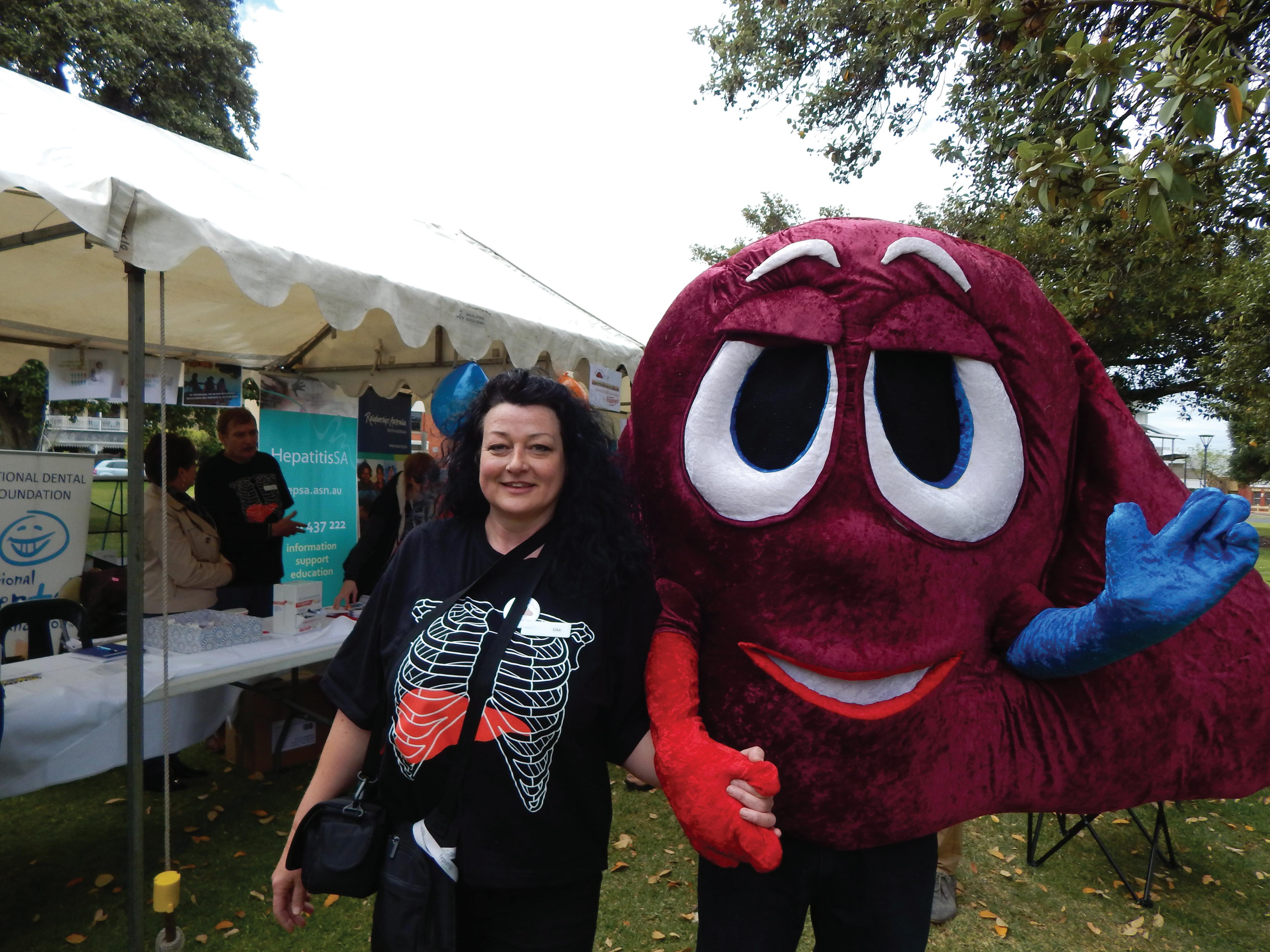
Lisa’s willingness to share her treatment experience proves invaluable to clients navigating their hepatitis C journey. “I enjoy dispelling myths about hep C transmission and treatment,” Lisa says with enthusiasm. “I never cease to be amazed at what some people think.”
She’s encountered some remarkable misconceptions—including someone who believed they were cured by sending their photograph to a person in the USA. “I do believe the human brain can do more than we know, but I highly doubt a virus can be
cured by someone looking at a photo.”
This myth-busting is central to Lisa’s educational work, helping people understand the realities of hepatitis C and access the care they need. Her colleague Jenny Grant describes her particular dedication: “Lisa is willing to go anywhere, work with any client and is absolutely dedicated to the process of the program. Lisa never skips steps and is highly organised to ensure all the paperwork, consumables and other items are there and ready to go.”
But dedication doesn’t mean taking things too seriously. So many things make Lisa laugh out loud, and as Jenny notes, “We do have such a good time working together. While she is very dedicated to her work, she also doesn’t take things too seriously.”
When asked what problem she’d like to make magically disappear, Lisa quips, “certain politicians in the world…,” but adds diplomatically that it might be karmically safer to limit the magic to disappearing “poverty”. It’s this blend of humour and heart that makes Lisa such a valued colleague and educator.
HepSA was an early adopter of Point-ofCare Hep C Testing. Lisa explains that SA Health initially provided the organisation with a GeneXpert Machine, but that it was the Australian Hep C Point of Care Testing Program, and the Commonwealth funding that backs the program that truly enabled expansion, taking the pressure off by providing consumables, the cost of which quickly adds up.
Lisa has witnessed how the GeneXpert testing has transformed access to care. “It is especially great for those who have
difficulty accessing veins for blood tests,” she explains. “It is such a relief for them not to have to go through that to know their Hep C status.”
Her practical advice for new Point of Care Testing practitioners? Time your training strategically. “Do your training as close to commencing testing as possible. If there is a long lapse between the two, it’s almost like you have to learn it all again.”
Lisa’s meticulous organisation extends to the most minor details—she wouldn’t dream of leaving work without her portable USB fan, which plugs into her laptop USB port and keeps her cool across South Australia’s varied testing locations. Jenny adds another practical tip: have clients drink water while explaining the process—it makes collecting samples significantly easier.
Lisa’s hero? Her daughter, “a wonderful mum” whose resilience in overcoming
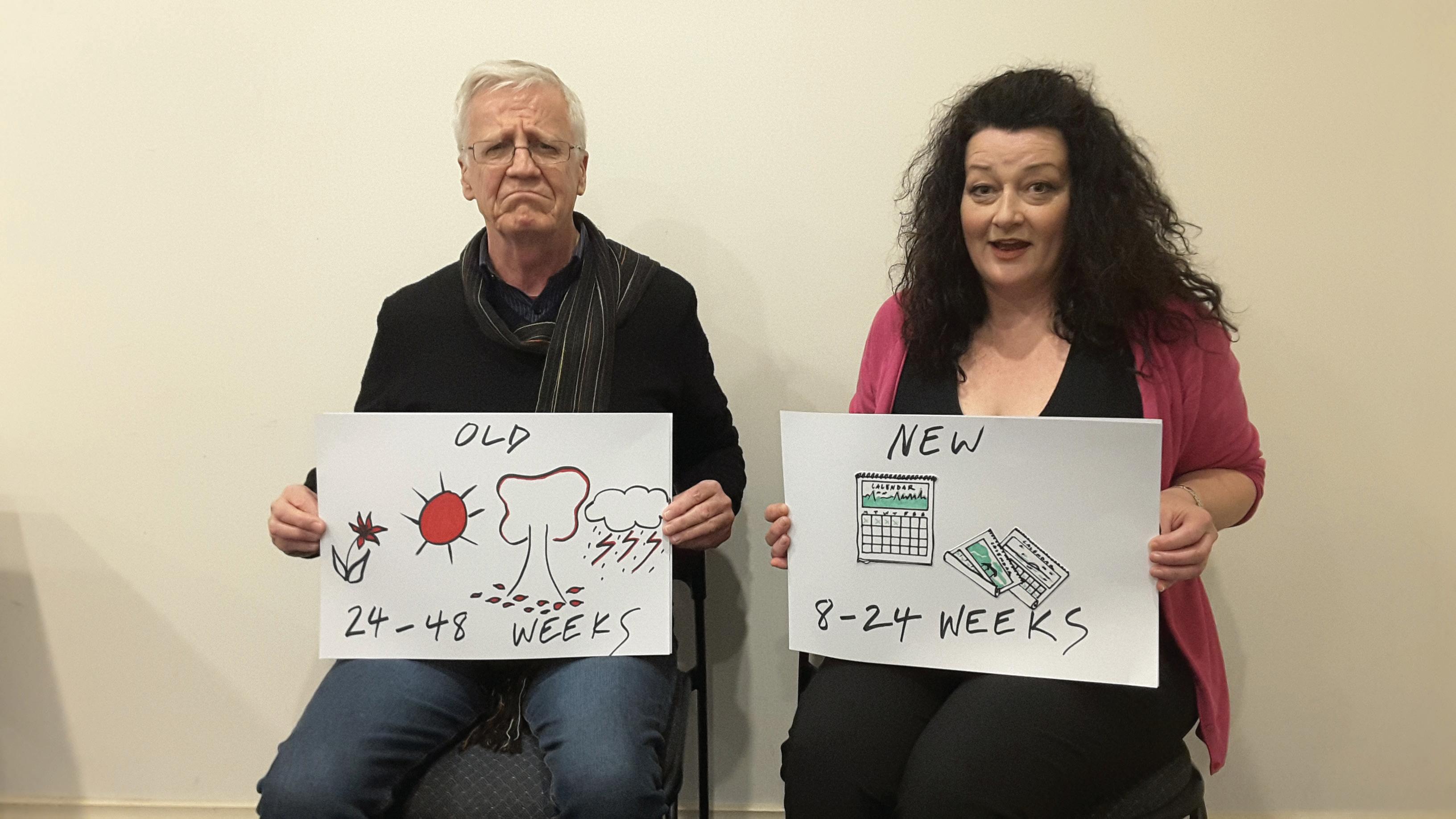
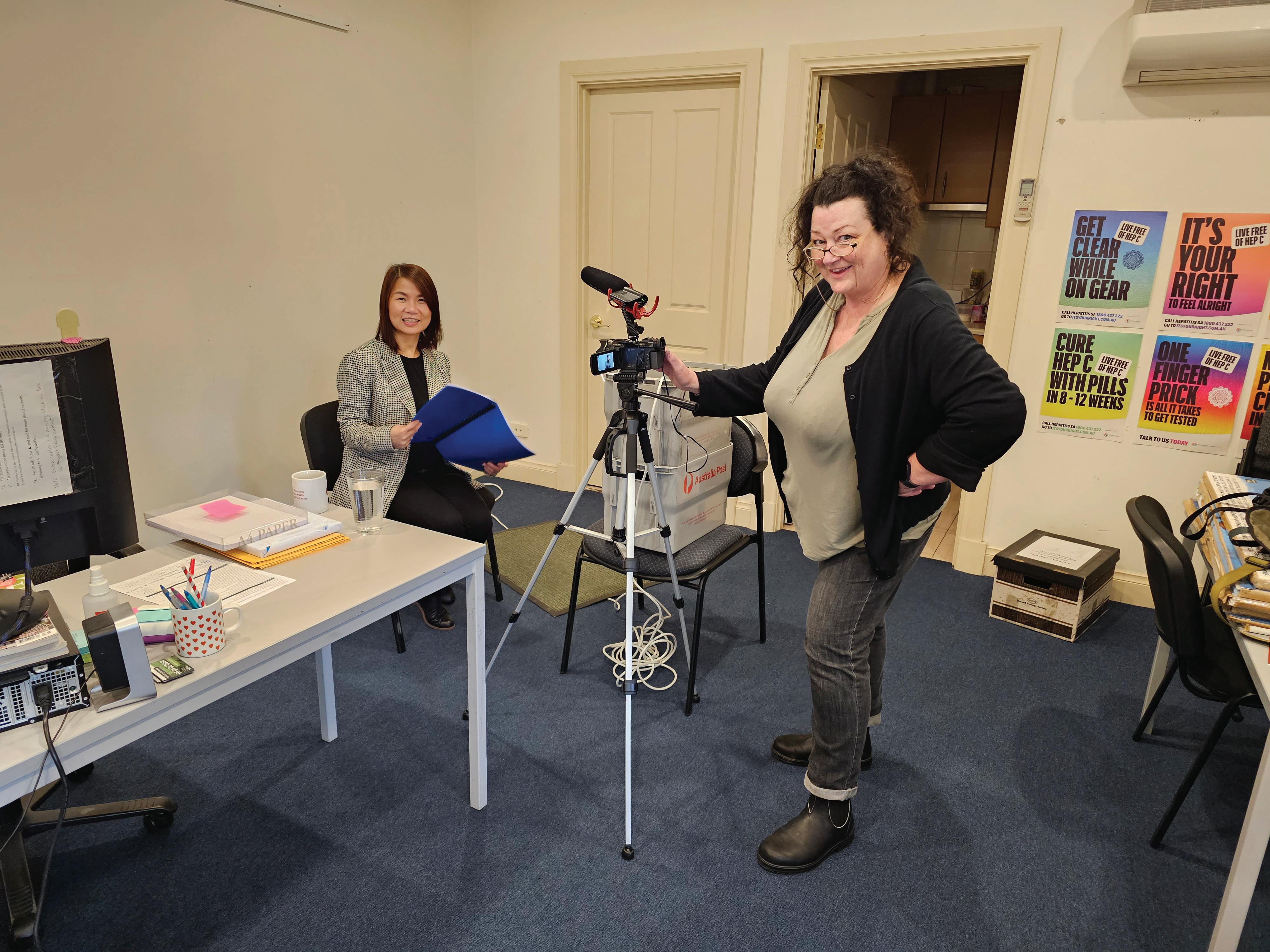
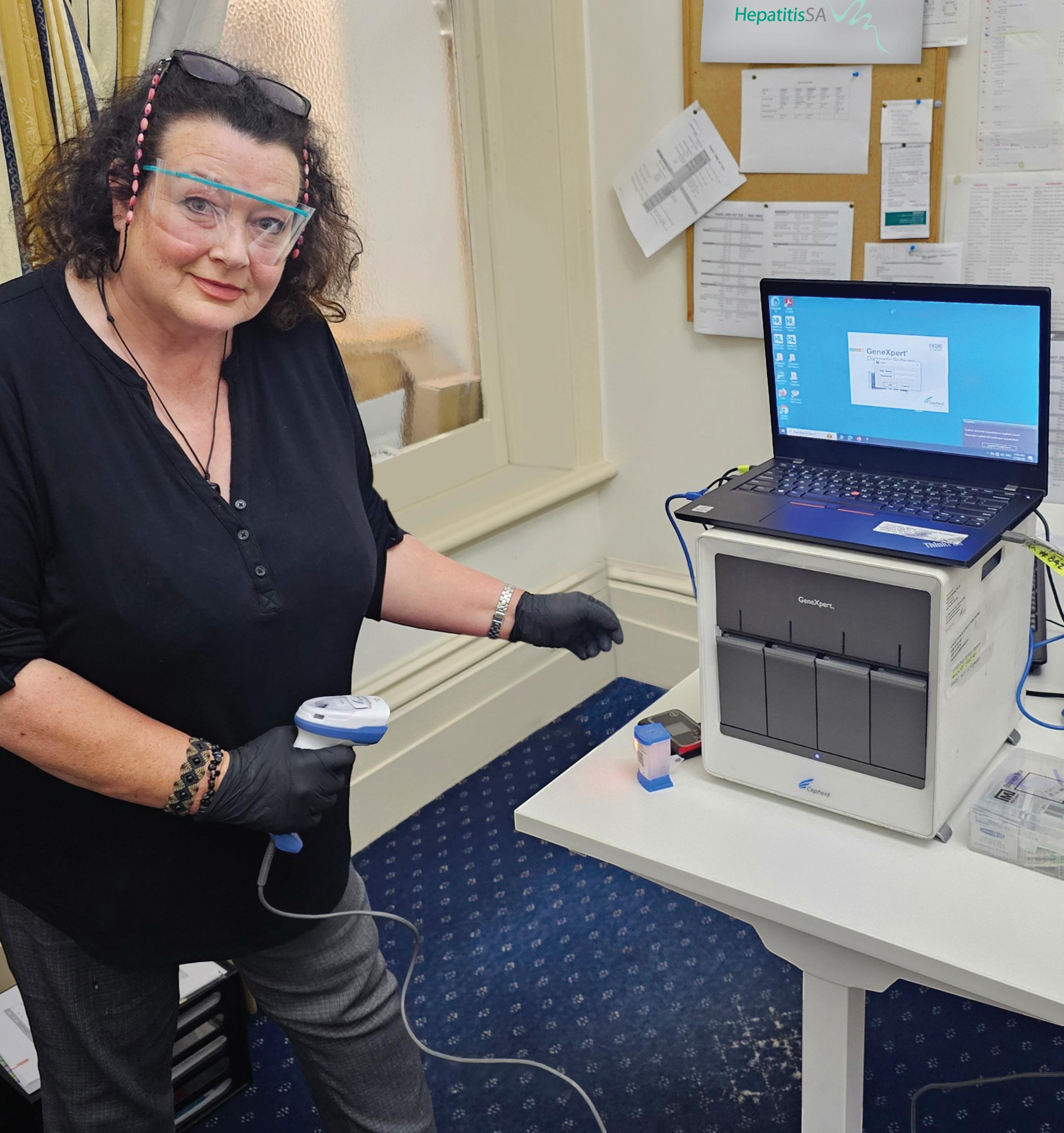
challenges inspires Lisa’s own compassionate and dedicated approach to her work. As Jenny reflects: “Lisa has made such a huge contribution to the Australian Hep C Point of Care Testing Program and towards hepatitis C elimination in South Australia. We are so lucky to have her working with us.”
Rebecca Henry
Reprinted with permission from The Australian Hepatitis C Point-of-Care Testing Program [hepcpoct.com.au/resources/ news/lisa-carter-myth-busting-hero]
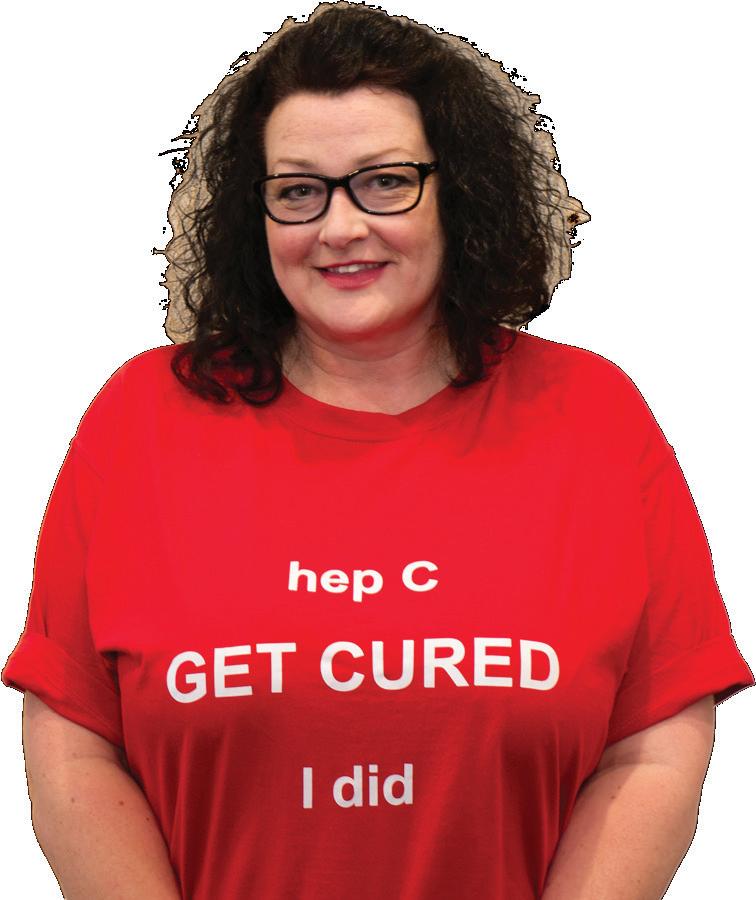

A healthy diet is a big part of living well with hepatitis. Good nutrition supports your liver to do all of its many jobs and avoiding too much fatty, sugary food can reduce the strain on your liver when it’s already struggling to cope with a virus. Whether you’re just trying to eat well or are managing some aspects of liver disease, these resources from our library have some great tips and delicious recipes to inspire you


Eat well for your liver
Adelaide, Hepatitis SA 2023 (3rd ed). 44p.
Why eating well is important for liver health. Includes simple, affordable and delicious recipes. Printed copies of this resource are available from Hepatitis SA; email admin@hepsa.asn.au or call us on 1800 437 222.. bit.ly/4kzOeuc

Eating Well: a LiverWELL lifestyle guide
Melbourne, LiverWELL (Hepatitis Victoria), 2019. 50p.
This is more than a recipe book; more a go-to source of information about healthy, balanced recipes with nutritional analysis and sensible health tips. bit.ly/4afsAb1
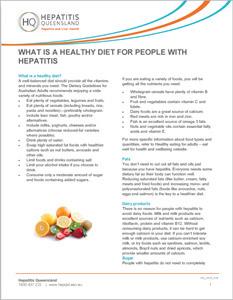
What is a healthy diet for people with hepatitis
Brisbane, Hepatitis
Queensland, 2019. 2p.
General information about keeping to a healthy and balanced diet: foods to include and those to avoid.
bit.ly/4qysnog

The Healthy Liver Pantry Ontario, Liver Canada, 2026. 12p.
Lived experiences of recipes and tips for people who need to manage their liver health.
bit.ly/3Oez9Cf
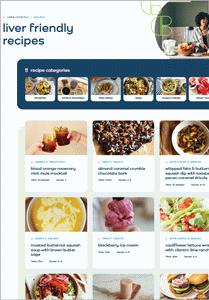
Liver friendly recipes
Ontario, Liver Canada, 2026. Website.
More delicious recipes for people who need to manage their liver health.
bit.ly/4tzE7tp
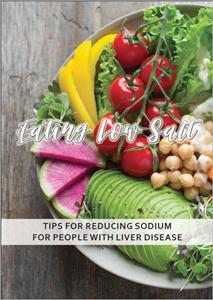
Eating low salt: tips for reducing sodium for people with liver disease
Adelaide, Hepatitis SA, 2019. 22p.
If you have liver disease you may have been told to reduce your sodium intake. This booklet includes tips and some simple recipes to help you achieve this. Printed copies of this resource are available from Hepatitis SA; email admin@hepsa.asn.au or call us on 1800 437 222.
bit.ly/4cbU4zV
(And find more low salt recipes at bit.ly/3Ocer5X)
To see more resources about diet and nutrition for people with hepatitis, visit bit.ly/4bTsAPo.

Hepatitis SA provides free information and education on viral hepatitis, and support to people living with viral hepatitis.
Postal Address:
Kaurna Country PO Box 782
Kent Town 5071
(08) 8362 8443 1800 437 222
www.hepsa.asn.au
Community News: hepsa.asn.au/ communitynews
Library: hepsa.asn.au/library


@HepatitisSA
@hepatitissa.asn.au.bsky.social
Resources: issuu.com/hepccsa
Email: admin@hepatitissa.asn.au
Free hepatitis A, B and C information, confidential and non-judgemental support, referrals and printed resources.
We can help. Talk to us. Call or web chat 9am–5pm, Mon–Fri
HEPATITIS SA BOARD
Chair
Lindy Brinkworth
Vice Chair
Bill Gaston
Secretary
Sharon Eves
Treasurer
Michael Larkin
Ordinary Members
Janice Scott
Memoona Rafique
Lucy Ralton
Tamara Shipley
Kerry Paterson (CEO)









Hepatitis SA has a wide range of hepatitis B and hepatitis C publications which are distributed free of charge to anyone in South Australia.
To browse our collection and place your orders, go to hepsa.asn.au/orders or scan the QR code below:

Viral Hepatitis Nurses are nurse consultants who work with patients in the community, general practice or hospital setting. They provide a link between public hospital specialist services and general practice, and give specialised support to general practitioners (GPs) to assist in the management of patients with hepatitis B or hepatitis C. With advanced knowledge and skills in testing, management, and treatment of viral hepatitis, they assist with the management of patients on antiviral medications and work in shared care arrangements with GPs who are experienced in prescribing medications for hepatitis C or accredited to prescribe section 100 medications for hepatitis B. They can be contacted directly by patients or their GPs:
CENTRAL ADELAIDE LOCAL HEALTH NETWORK
Queen Elizabeth Hospital
Phone: 0423 782 415, 0466 851 759 or 0401 717 953
Royal Adelaide Hospital
Phone: 0401 125 361 or (08) 7074 2194
Specialist Treatment Clinics
NORTHERN ADELAIDE LOCAL HEALTH NETWORK
Phone: 0401 717 971 or 0413 285 476
SOUTHERN ADELAIDE LOCAL HEALTH NETWORK
Phone: 0466 777 876 or 0466 777 873
Office: (08) 8204 6324
Subsidised treatment for hepatitis B and C are provided by specialists at the major hospitals. You will need a referral from your GP. However, you can call the hospitals and speak to the nurses to get information about treatment and what you need for your referral.
• Flinders Medical Centre Gastroenterology & Hepatology Unit: call 8204 6324
• Queen Elizabeth Hospital: call 8222 6000 and ask to speak a viral hepatitis nurse
• Royal Adelaide Hospital Viral Hepatitis Unit: call Anton on 0401 125 361
• Lyell McEwin Hospital: call Bin on 0401 717 971
Visit hepsa.asn.au: no need to log in, lots of info & updates
Visit hepsa.asn.au - no need to log in, lots of info & pdates
Follow Community News online: hepsa.asn.au/communitynews
Follo the HepSAY blog - hepsa.asn.a /blog
Order print resources at hepsa.asn.au/orders
SMS/WeChat us on 0403 648 348
Order print resources - hepsa.asn.a /orders/ Follo s on T i er @hep_sa or Facebook @Hepa sSA
Follow us on social: Bluesky @hepatitissa.asn.au.bsky.social or Facebook @HepatitisSA
Full range of syringes and needles. Water and filters also available in limited quantities for free.