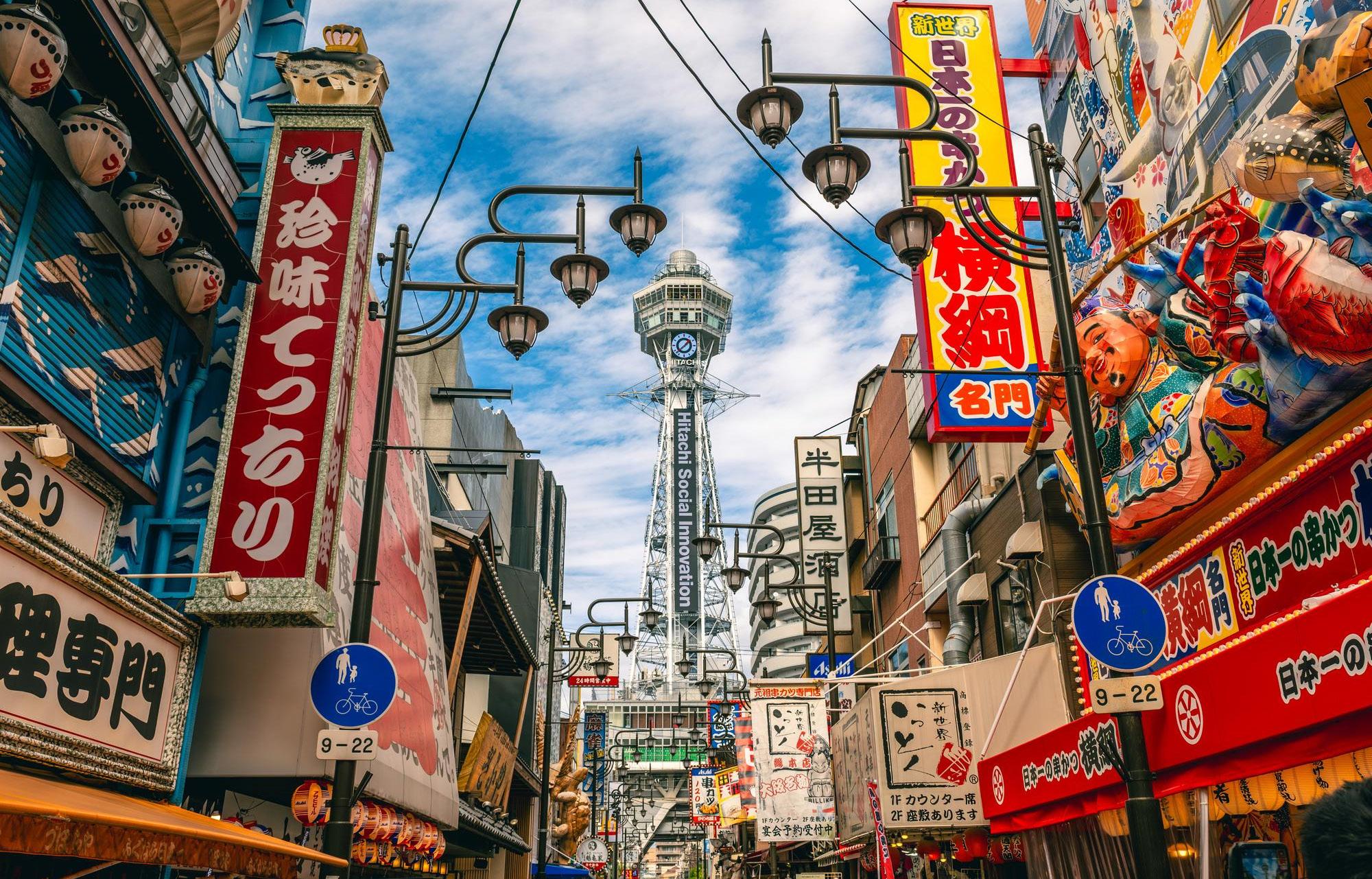
AS WE NAVIGATE FROM THE MIDPOINT OF 2025, MALAYSIA’S PROPERTY AND ECONOMIC LANDSCAPE REFLECT A MIX OF CALCULATED STRATEGIES AND COUNTER MEASURES AGAINST THE PREVAILING MARKET CONDITIONS.
Malaysia’s property market concluded Q1 2025 in a tapered fashion with NAPIC’s
statistics showing the country’s transactional volume and value easing by 6.2% and 8.9% respectively compared to the corresponding period last year. Out of the official data however were some silver linings such as the serviced apartment overhang inventory declining by 6.7% in volume and 6.9% in value of transactions compared to the preceding quarter in 2024, and shopping centres occupancy improving to 79.0% from 78.8% in Q4 2024.
The declining trend was then met by a slight uptick in the country’s economy, specifically the 4.5% GDP growth, sustaining from the 4.4% recorded in Q1 2025. The modest improvement is driven by domestic demand and steady manufacturing which helped offset the weaker exports. But despite the 3.5% y-o-y drop in exports in June, Malaysia’s services sector grew by 5.3% as manufacturing rose by 3.8% (source: Reuters)
Elephant in the Room
But as global trade has been impeded by Trump II administration’s tariffs announced on USA’s Liberation Day on 2 April, its consequential impact has not unfolded completely as yet since it was paused for 90 days beginning 9 April to
8 July with baseline tariff moved to 10% for all trading partners except China.
The pause was further extended to 1 August but Malaysia had already received its official tariff rate of 25% on 7 July together with other neighbouring Asean countries like Indonesia, Thailand, Myanmar, Laos, Cambodia, Vietnam including Japan and South Korea. This latest round of reciprocal tariffs, which is set to take full effect from August, has cast a long shadow over Malaysia’s export-reliant economy. In particular, the 1% increase to 25% was imposed in spite of Malaysia’s trade mission to the US led by the Ministry of Industry & Trade to negotiate for a better deal.
Whilst these duties may be irrelevant to the non-export market, they have unsettled players from the electronics, palm oil and rubber sectors where Malaysia has traditionally enjoyed a competitive edge in the US market. Amidst the pointed treatment, especially when compared to Vietnam’s and Indonesia’s renegotiated rates of 20% and 19% respectively, Putrajaya has expressed its non-retaliation decision, preferring instead for quiet diplomacy and behind closed doors negotiations.
So while negotiations continue to take place away from the media’s radar, Malaysian exporters which have already been rattled from the first tariff
PLUS
Matchmaking A 21st Century Vision p6
A Valuer’s Unplanned Career Path p7
Smitten By Valuation’s Long Term Prospects p9
Klang Valley New Launches Slowed Down in 1H 2025 p11
No Longer A Chilling Thought Investing in Japan p13
Navigating Valuations in Southeast Asia’s Tech Boom p14
Art Auction Returns p16
announcement this year have continued on with their cautionary stance as they brace for more potential disruptions especially on the US-bound shipments. This is expected to put more pressure on their business and force them to be more innovative, looking beyond the conventional trading partners for new opportunities. Market diversification and re-routing of supply chains as such is inevitable and the beneficiaries from such strategies could lead to increased trade volumes with the Asean countries, China and the Middle East.
Noting the uncertainties surrounding Malaysia, Bank Negara Malaysia had on 9 July 2025 (just a day after the latest reciprocal tariff announcement)
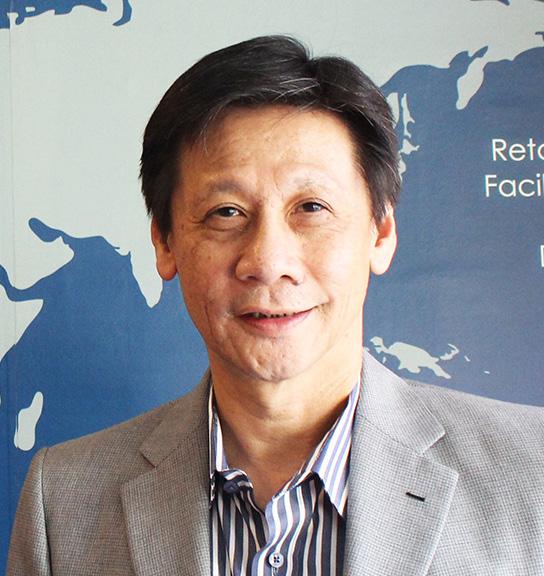
Long Tian Chek
Follow Us!
Henry Butcher Malaysia
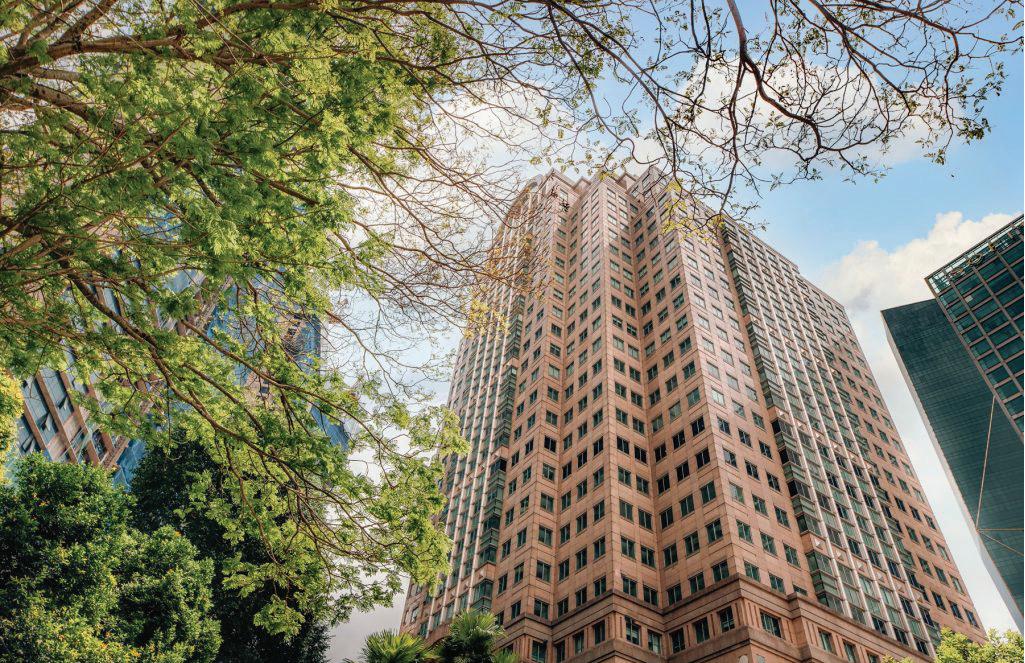
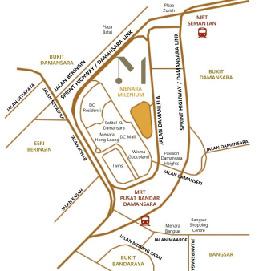
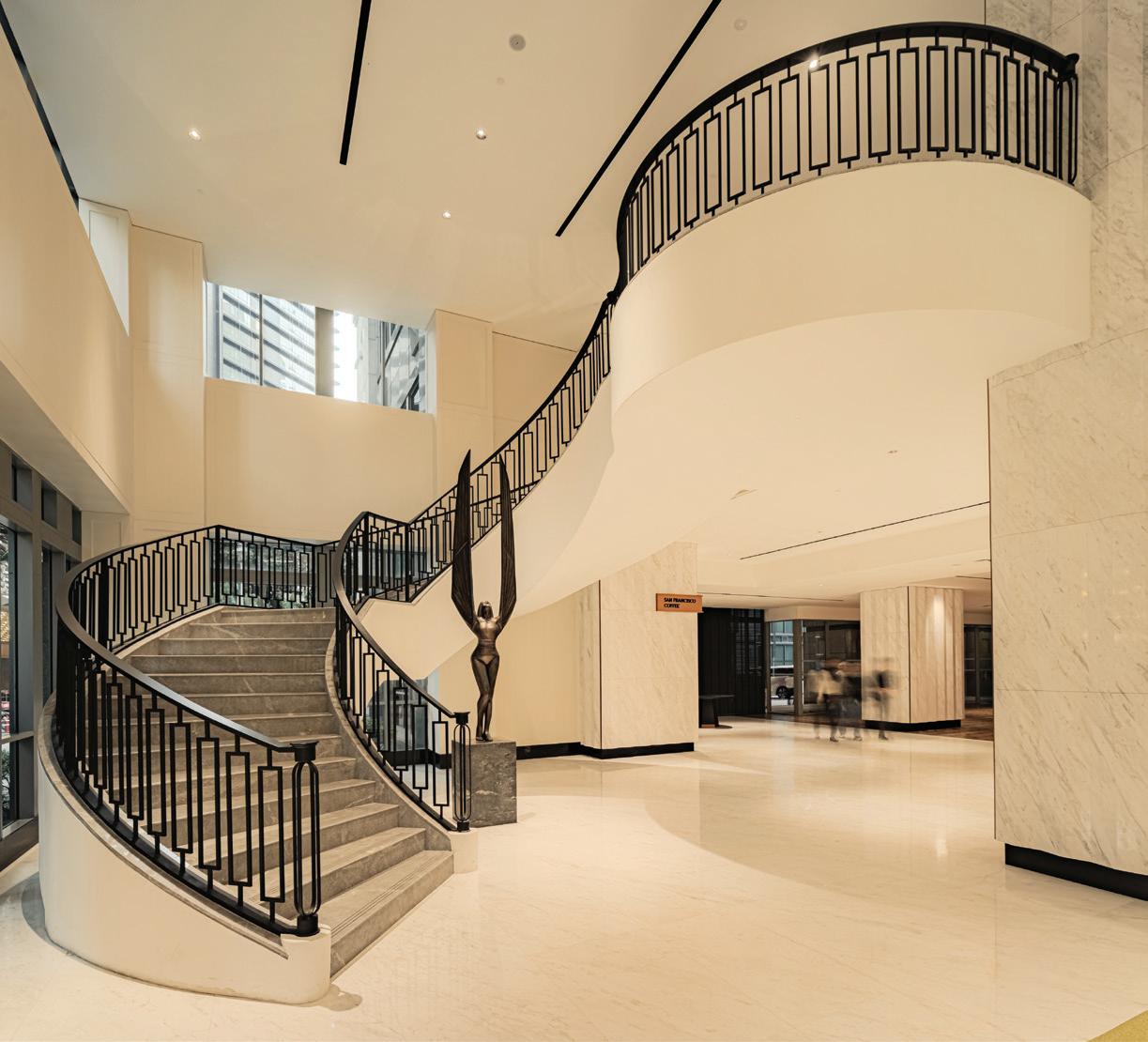
Nestled in the exclusive enclave of Damansara Heights, Menara Milenium is a hallmark of business sophistication meets post-modernist architecture.
Leasing Enquiries:
NIGEL CHIN (+60) 012-396 0307 (REN 09436)
CHRISTINE CHUA (+60) 012-314 2864 (REN 09437)
YVETTE SAMAN (+60) 012-809 9918 (OFFICE)
reduced the Overnight Policy Rate (OPR) by 25 basis points to 2.75 from the 3.00 maintained since May 2023. This first reduction in five years predicted by most economists in the country is a pre-emptive measure to bolster domestic demand in face of the slower global economic growth and the accompanying trade disruptions.
The lower financing costs arising from the reduced OPR is expected to support the business environment, the SMEs in particular and also the property investors and buyers. This may see renewed interest from a more confident investment posture. Nevertheless, the prevailing economic conditions are anticipated to motivate greater prudence and closer scrutiny when it comes to new and larger acquisitions as players strive to mitigate risks.
Our Henry Butcher Family
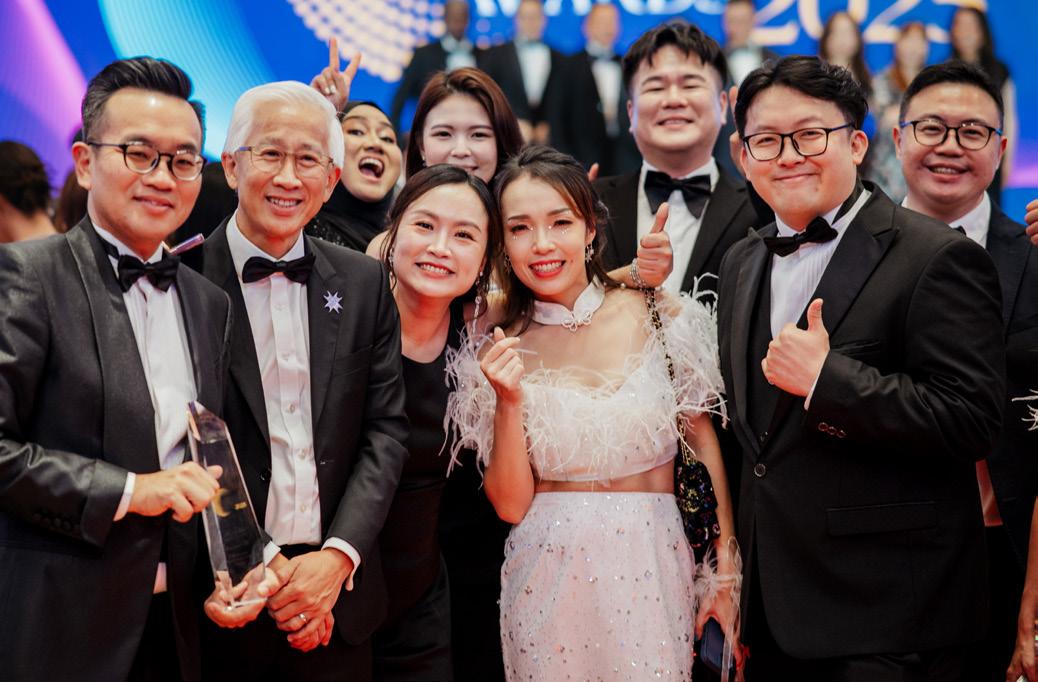
Closer at home, I wish to take this opportunity to extend a heartfelt congratulations to Henry Butcher Malaysia Mont Kiara (HBMK) for their exceptional performance of clinching 12 awards at the recent The Edge Malaysia Best Managed & Sustainable Property Awards 2025 (see Congratulations HBMK! on page 2) The massive haul speaks volumes about your credibility, consistency and success in your practice. Bravo and keep up the excellent work!
From this edition onwards as well, we will be introducing our directors and their respective state offices from around Malaysia. Kicking this off are my colleagues from the Kelantan and
Perak offices (see A Valuer’s Unplanned Career Path on pages 7 and Smitten By Valuation’s Long Term Prospects on page 9)
Wishing everyone a stronger Q3 2025 ahead!
Long Tian Chek Group Managing Director
by Henry Butcher Malaysia
Publisher
Henry Butcher Malaysia Sdn Bhd 25, Jalan Yap Ah Shak, 50300 Kuala Lumpur. T 603-2694 2212
E admin@henrybutcher.com.my W www.henrybutcher.com.my
OUR SERVICES
Valuation
T 603-2694 2212 F 603-2694 3484
E hbmalaysia@henrybutcher.com.my
Project Marketing
T 603-2694 2212 F 603-2692 5771
E tang.cm@henrybutcher.com.my
Real Estate Agency
T 603-2694 2212 F 603-2694 1261
E hbre@henrybutcher.com.my
Market Research & Development Consultancy
T 603-4270 2072 F 603-4270 2082
E hbampang@henrybutcher.com.my
Retail Consultancy
T 603-9130 5550 F 603-9130 4003
E tanhaihsin@yahoo.com
Facilities & Asset Management
T 603-6205 3330
E admin.assetmgmt@henrybutchermk.com
Plant & Machinery Consultancy
T 603-2694 2212 F 603-2694 3484
E hbmalaysia_pnm@henrybutcher.com.my
Auctions & Tender Sales
T 603-2694 2212 F 603-2694 1292
E auctions@henrybutcher.com.my
Art Consultancy
T 603-2691 3089 F 603-2602 1523
E info@hbart.com.my
OUR OFFICES
KLANG VALLEY | Mont Kiara • Subang Jaya | KEDAH | Alor Setar • Kulim | PENANG | Penang Island • Seberang Perai | PERAK | Ipoh | NEGERI
SEMBILAN | Seremban | MALACCA | Melaka | JOHOR | Johor Bahru • Muar
• Kluang • Pontian | PAHANG | Kuantan
| TERENGGANU | Kuala Terengganu | KELANTAN I Kota Bharu | SABAH | Kota
Kinabalu • Tawau • Sandakan | SARAWAK
| Kuching • Miri
Publishing Agency
Rightwiz Sdn Bhd
Printer
Percetakan CL Wong Sdn Bhd
AS-84, Jalan Hang Tuah 4, Taman Salak Selatan, Cheras, 57100 Kuala Lumpur.
Bravo HBMK!
CONGRATULATIONS HBMK!
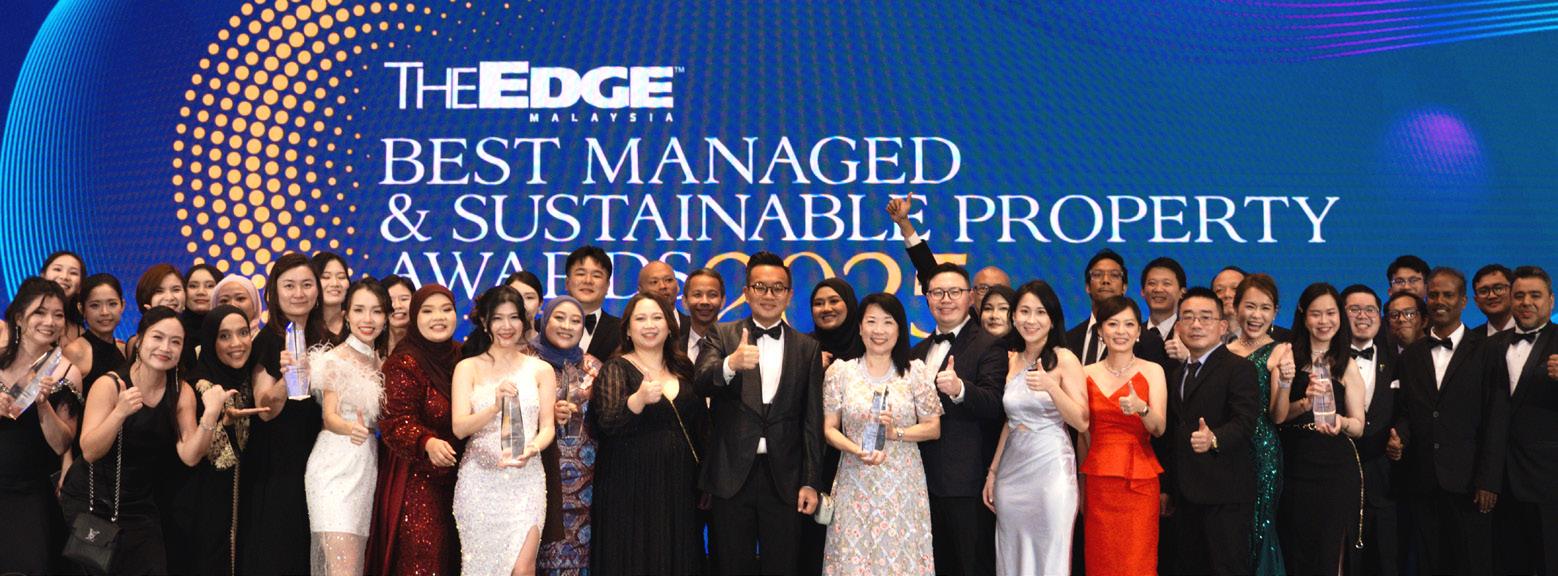
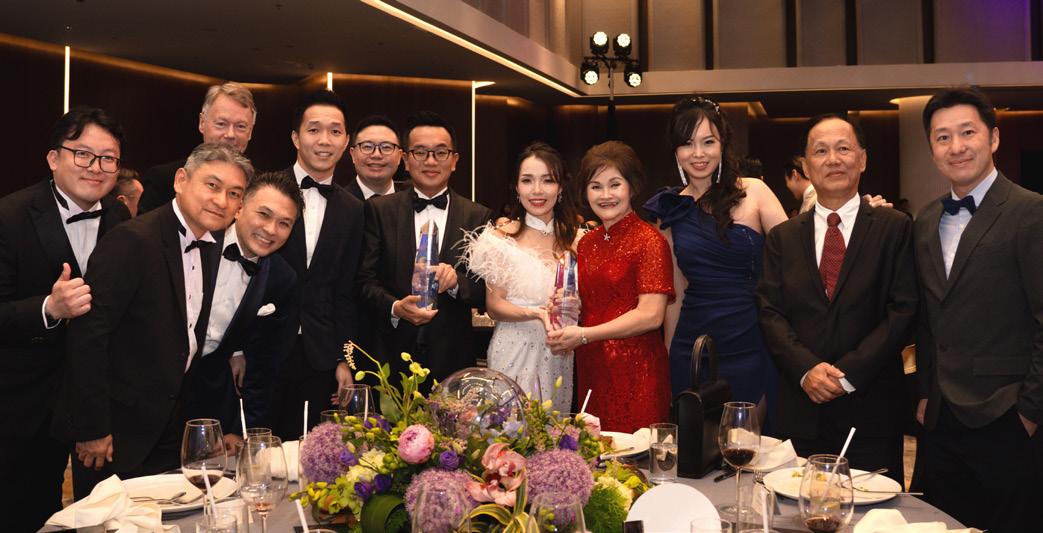
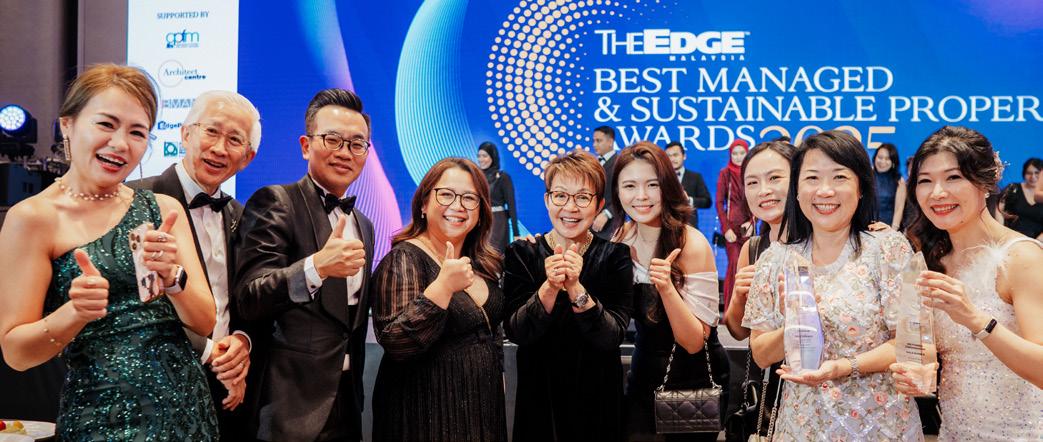
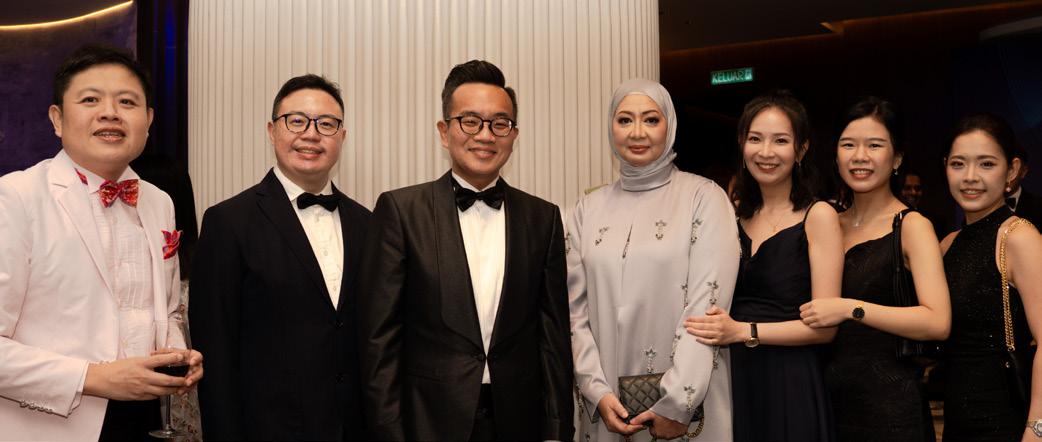
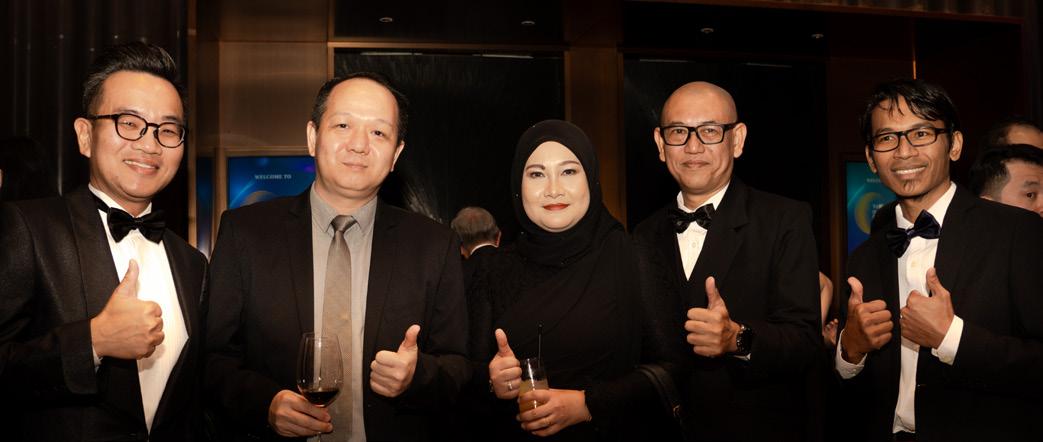
At this year’s The Edge Malaysia Best Managed & Sustainable Property Awards (BMSPA) 2025 held on 15 July 2025, Henry Butcher Malaysia Mont Kiara (HBMK) walked away with an impressive 12 accolades.
“The award would not mean anything without the great teamwork,” says PMgr Sr Low Hon Keong, Managing Director of HBMK, of the achievement, adding that equally vital are the time spent together through the ups and downs and the sharing of burden with each other.
The other key aspects of the success are the commitment to work closely with the clients and the knack for listening with an open heart. To this end, it is the reason why the team at HBMK attends every meeting and ensures engagements with the clients are warm and consistent. The recognition of the 12 awards as such comes not just as a reward on an annual basis but as a reaffirmation of the collaborative culture and client-first mindset that defines HBMK’s professional posture in the Malaysian property and facilities management industry.
Participating in the annual event forms part of its strategic branding exercise, “We believe in the integrity and reliability of the Awards,” acknowledging also that the award is good for the industry due to the incrementally demanding judging criteria from one year to the next.”
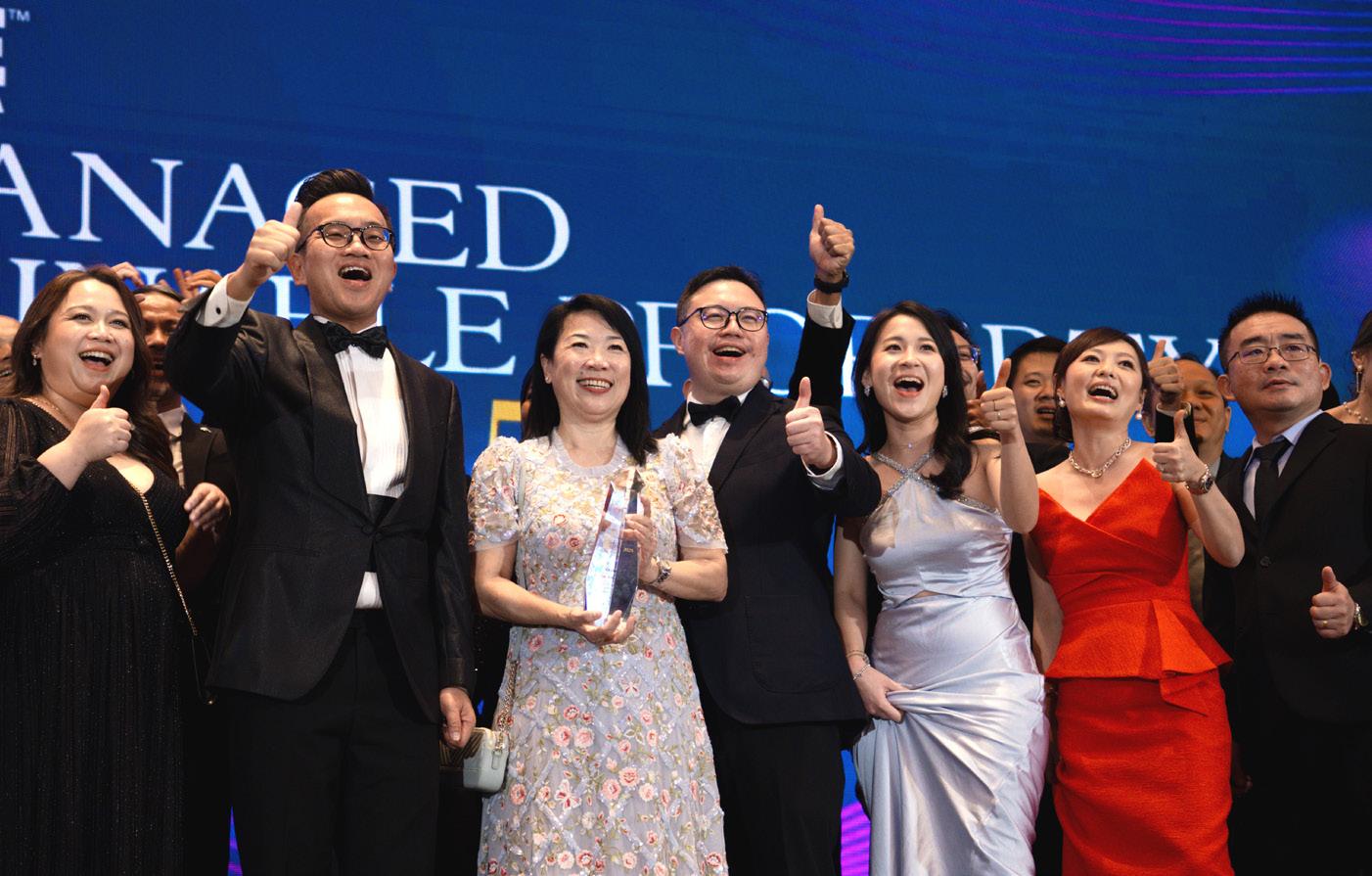
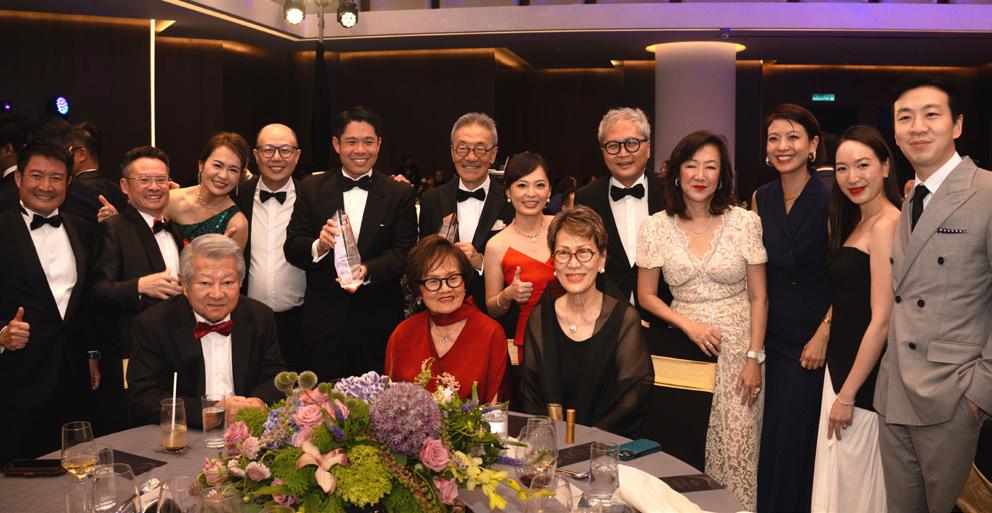
The winning team from Triterra Metropolis Sdn Bhd for The MET Corporate Towers, (seated from left) Dato’ Wira Lim Teong Kiat, Datin Wira Emily Lim, Datin Seri Cindy Yam, (standing from left) Triterra’s Andrew Lim, Daniel Lim, HBMK’s Cyanne Lim, Triterra’s Lim Yu Siang, Christopher Lim, Datuk Seri (Dr) Michael Yam, HBMK’s Anthea Yip, The MET architect Ar. Leong Yew Kooi & wife Lau Pei Yan, Triterra’s Ng Sun Jian, Sheryl Oon and James Yam.
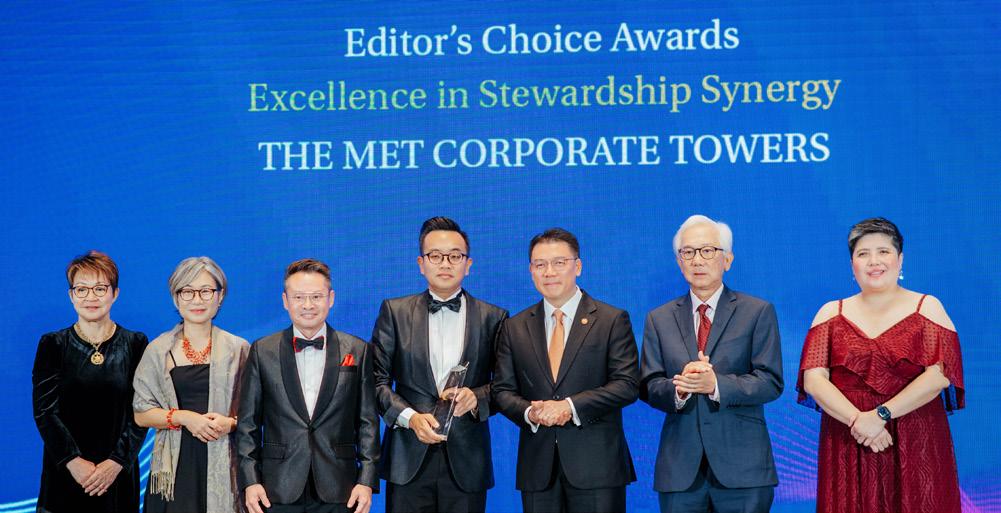
The MET Corporate Towers Editor’s Choice Award - Excellence in Stewardship Synergy & Gold - Below 10 Years Mixed Development (Entire)
HBMK was brought in more than a year before the completion of the development because the property owners Triterra Metropolis Sdn Bhd believe in getting the advice from a good and reputable property management company.
HBMK Managing Director PMgr Sr Low Hon Keong says as the industry gets more competitive, it is important to be passionate about the industry and strive in the best interest of the clients.
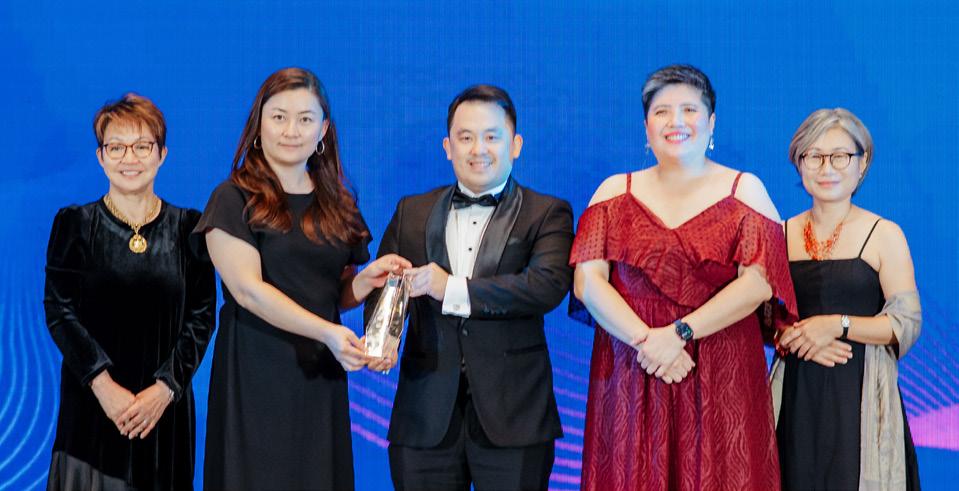
From left: The Edge Malaysia Editor Emeritus & Awards’ Chief Judge Au Foong Yee, Editor-in-Chief Kathy Fong, Deputy Chairman of Triterra Metropolis Sdn Bhd Daniel Lim receiving the award on behalf of the team, HBMK’s Managing Director PMgr Sr Low Hon Keong, Minister of Housing & Local Government Nga Kor Ming, The Edge Media Group Publisher & Group CEO Datuk Ho Kay Tat and City & Country Senior Editor E Jacqui Chan.
The early engagement is rare in the industry but proved valuable as feedback and opinions are shared early on at the weekly meetings including at some contractor meetings. The early participation has also translated to better selection and acquisitions of new features for the premises such as the fire fighting system, lifts, lobby design etc, whilst working closely with all parties involved like the interior designers.
Sri Penaga Condominium
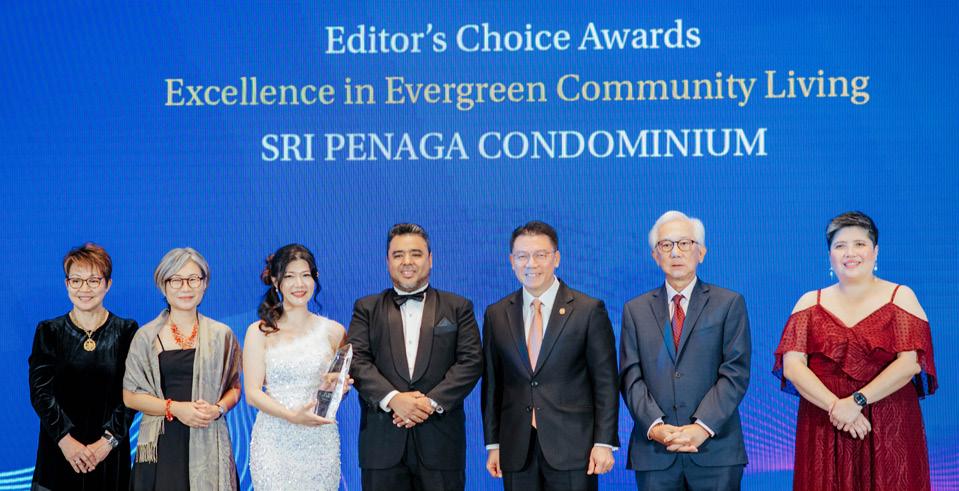
Editor’s Choice Award - Excellence in Evergreen Community Living & Gold - 10 Years & Above MultipleOwned Strata Residential
A repeat winner, the most enduring quality at the 30-yearold Sri Penaga aside from its built quality is the passionate commitment of the Management Committee including its previous office bearers, who together with HBMK forms a formidable team in upholding the standards of the residential complex.
Another of its unique attribute is the four rooms at the common area designated as short term accommodation for the residents’ visiting guests. Rentals collected are aimed at supplementing the finances of the premises. This, including the natural ventilation and greenery were strategies built into the condominium by developer Bandar Raya Development Bhd (now known as BRDB Developments Sdn Bhd) from early on as they foresaw their purpose far before themes like environmental-friendly and ESG became common in the industry.
Manager-Finance Tan Kah Chun, HBMK Executive Director Ronny Yong, Managing Director PMgr Sr Low Hon Keong, Associate Director Paris Tian, SPB Director of Finance Pung Bee Tin, Assistant Manager-Branding & Communications Soon Hui Chin, Director Lee Boon Kian and Deputy Head of Investment Properties Edmund Lee.
The Stories of Taman Tunku
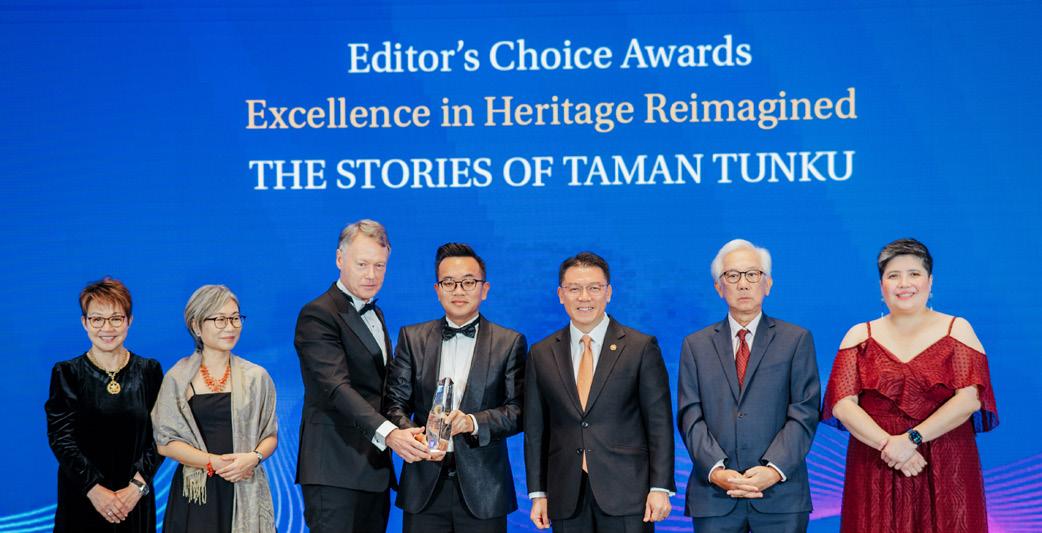
Editor’s Choice Award - Excellence in Heritage Reimagined & Gold - 10 Years & Above Repurposed Building Category
Appointed after winning an open tender more than a year ago, managing The Stories of Taman Tunku brought an eclectic mix of nostalgic ambience, modern gathering hub and a long waiting list for its retail units. No surprise in the latter since foodie favourite Kenny Hills Bakers was first birthed from this address.
HBMK’s appointment eased the management of the property for owners Selangor Properties Sdn Bhd where instead of dealing with multiple parties for the upkeep and maintenance, it is now simplified with just a single point of contact.
The Russian-developed Novo Ampang is managed by HBMK from day one owing to a referral by an expatriate who used to live in the latter-managed premises. The positive experience led to this strategically located tower, one that is also Airbnb-friendly. This meant the job of a property manager would surpass the calculation of maintenance fees and sinking funds alone to also include recommending suitable service lifts, door types etc to cater to the high traffic and usage.
(3rd from left) HBMK Associate Director Jessie Koh, Chairman of Sri Penaga Condominium Mohamed Fadhil Fazai Ellahi and Minister of Housing & Local Government Nga Kor Ming.
(3rd from left) Director of Property at Selangor Properties Bhd (SPB) Brian Newman, HBMK’s Managing Director PMgr Sr Low Hon Keong and Minister of Housing & Local Government Nga Kor Ming.
Winning team from Selangor Properties Bhd (SPB) for The Stories of Taman Tunku are (from left) HBMK Building Manager Valance Hing Wayrund, SPB Senior Project Manager James Leong, Senior ManagerLeasing Mike Chan, Director of Property Brian Newman, Senior
Novo Ampang Special Mention - Below 10 Years Mixed Development (Entire)
(2nd from left) Novo Ampang Building Manager Nurul Izzaty Bt. Ahmad Baihaki, Alfranko Development Sdn Bhd Sales Director Sara Sew Yin Fun and HBMK Associate Director Albert Tan.
Sinaran TTDI
Special Mention - 10 Years & Above Mixed Development (Entire)
The Management Committee at Sinaran TTDI was particularly happy with the separation of service charges between the residential and retail lots as it’s a more equitable distribution of costs among the occupants of the building.
HBMK’s appointment here originated from a referral who used to live in one of its managed properties in Taman Tun Dr Ismail, which Low asserts is a sentimental neighbourhood for the firm given its pioneering effort into the practice some 20 years ago.
St Mary Residences
Gold - 10 Years & Above Mixed Development (Entire)
Like some of the other developments, HBMK managed St. Mary Residences from day one but exited momentarily before being called back to the job.
Low cites that the development was cleverly designed by the developer E&O Property Development Bhd because aside from the retail units housed in a residential complex, there is also a hotel. But to many, activities at the hotel are fairly isolated from the common view of the residents and this strategic non-intrusive design promotes better livability and privacy.
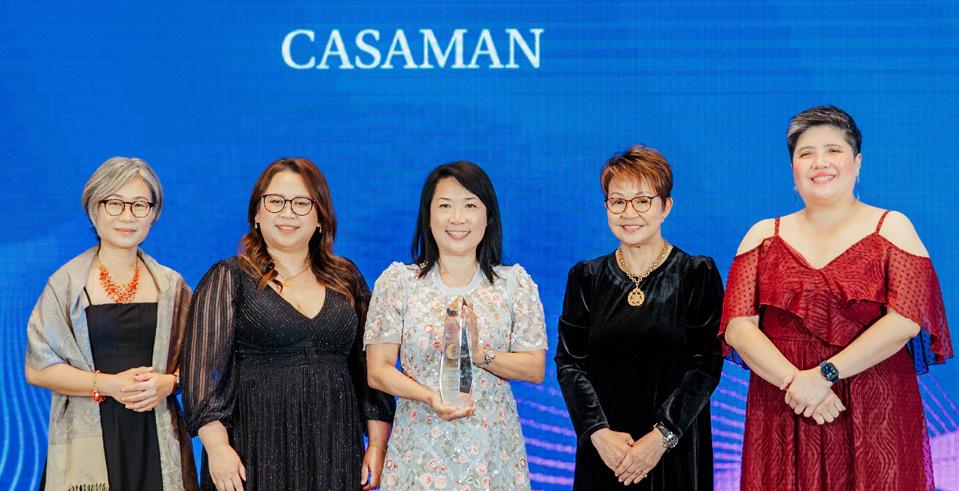
Casaman
Gold - 10 Years & Above Multiple-Owned Strata
Residential
Managing Casaman is about being part of a team that is supported by the responsive property developer Perdana ParkCity Sdn Bhd although it is already beyond their normal scope of duties. But this could be why property values at Desa ParkCity is no longer logical but reaching dizzying heights to the tune of RM2,500 per sq ft.
The affluence here conveys confidence as fees collection for the stratified landed development nears 100%, just as its civilised community is accepting of the by laws and regulations of strata management that forbids facade renovations without first obtaining approval.
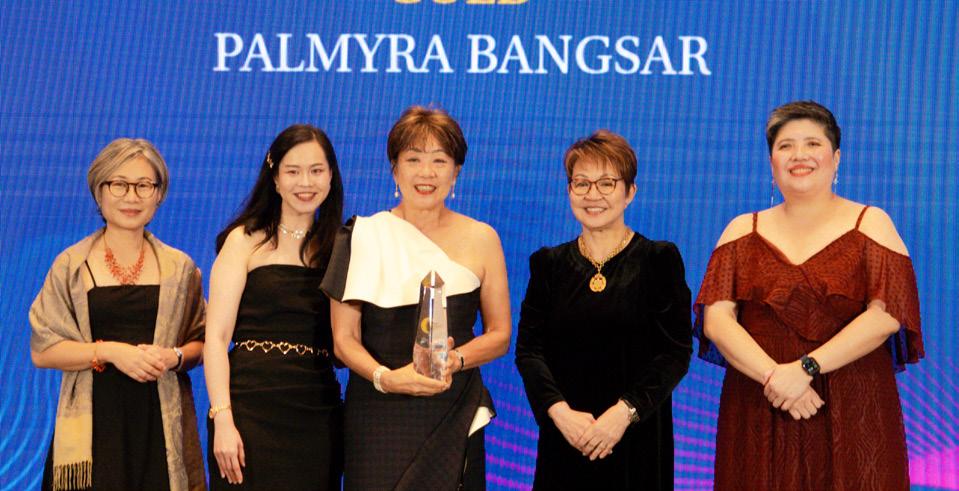
Palmyra Bangsar
Gold - 10 Years & Above Multiple-Owned Strata
Residential
Life could be better at the low density 70 units Palmyra Bangsar and better it got after HBMK’s appointment several years ago.
Among the many upgrades and upkeeps were the water piping replacements and landscaping, which when completed restored the owners’ confidence. Today, they take pride as part of the 21-year-old Palmyra Bangsar and are no longer as willing to let go off their prized possessions.
(2nd ftom left) HBMK General Manager Norhayati Bonah and Sinaran TTDI Treasurer Tan Tiam Hock.
(2nd from left) HBMK Area Manager Teresa Chin Sue Quen and Chairman of St. Mary Residences Lim Khoon Sing.
(2nd from left) HBMK Area Manager Gladys Sikop and Casaman Committee Member 2024/2025 Ann Yap Beng Yan.
(2nd from left) HBMK Area Manager Alyssa Lee and Palmyra Bangsar Chairlady Julia Chong.
Where to from here?
Beyond awards criteria and checkboxes, Low shared that property owners these days have also matured forward with many connecting owning properties to the reasons why they committed to the purchase in the beginning.
“It is no longer just brick and mortar, and property management is not just about security, waste management like before. Today it is about the lifestyle.”
Low admitted to hearing from the owners about why they acquired the properties in the first place, something which also led them to go as far as scrutinising clauses in the Sales & Purchase Agreements. That’s where they see the features the properties come with, the convenience they provide and sometimes, the unique point of view from a very individualistic rationale.
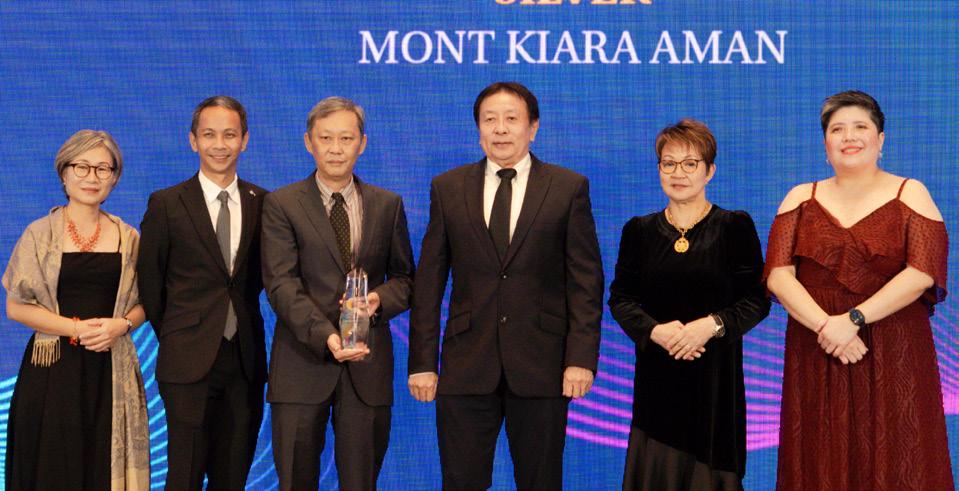
Mont Kiara Aman is a showcase of good design matched with affordable upkeep. With just over 300 units in the development accompanied by a plethora of facilities ranging from badminton courts, squash courts, swimming pools, sauna etc, it can be difficult to imagine how maintenance fee is at 30 to 40 cents per sq ft.
At the drawing board of award submission, it tested HBMK’s limits since the awards criteria in 2025 has been elevated further, making it more challenging for a 15-yearold premises to vie for glory. Securing silver is hence a commendable effort.
Aside from the owners’ perspective, sustainability is acutely becoming more challenging due to the rising cost of upkeep. Foremost is the increased power tariff from TNB which leaves property managers little choice but to raise the service charges. Another is landscaping where unlike the thinking of yesterday, a shrub and a tree is no longer just a plant but contributes immensely to the mental well-being of the residents, and with it the intrinsic value of the properties.
“It’s not just about cutting the grass or pruning the trees, it is about selecting and planting the right trees.”
Planting the right seeds is incidentally what Low is anticipating as he looks ahead with his colleagues at HBMK.
“Together with more than 1,000 staff serving more than 100 clients, we look forward to raising the standards for our clients.
“At the same time, we should also remain committed and dedicated so together we can raise the bar of the industry.”
Celebrating our victory with smiles, pride and team spirit — here’s to shared success and joyful moments together!
(2nd from left) HBMK Executive Director Ho Kim Heung, Mont Kiara Aman Chairman Edward Ho Kean Min and Committee Member Alex Tan Yoke San.
Mont Kiara Aman Silver - 10 Years & Above Multiple-Owned Strata Residential
MATCHMAKING A 21ST CENTURY VISION
Approximately one year ago LEAD International School (LSL) had a simple but pressing
need - space; arising from the expanding student population. That’s when Henry Butcher Malaysia (HBM) stepped in.
What began as a routine inquiry soon turned into a rewarding collaboration, one that now stands to benefit a growing academic community in Taman Damai Utama, Puchong, Selangor.
“LEAD approached us to help find a site where they could build their new campus,” said Long Shi Chuen, Director of Corporate Real Estate at Henry Butcher Malaysia.
“They weren’t just looking for land, they needed a landlord who could understand and accept their vision for the school.”
“Finding the right parcel of land is the toughest part as it involves getting the right location and size to fit the school’s requirements,” Long further explained, “Especially in finding a suitable site in Puchong.
“It is not only important to find the right land, the location of the school would need to complement the surrounding area as well.”
Through HBM’s ongoing business dealings with Mahajaya Bhd, Long quickly recognised the potential for a mutually beneficial match and more importantly, the developer was also open to such a unique arrangement.
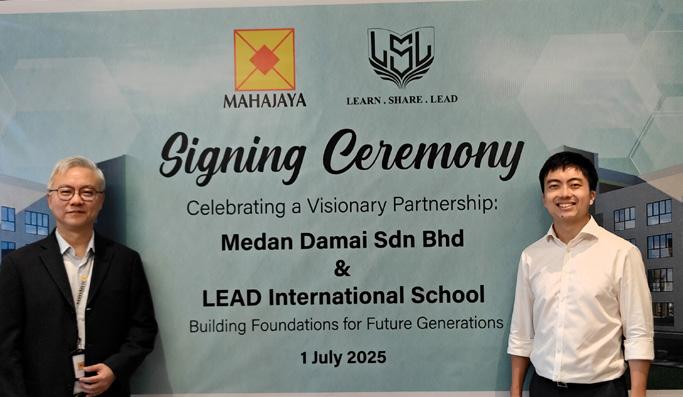
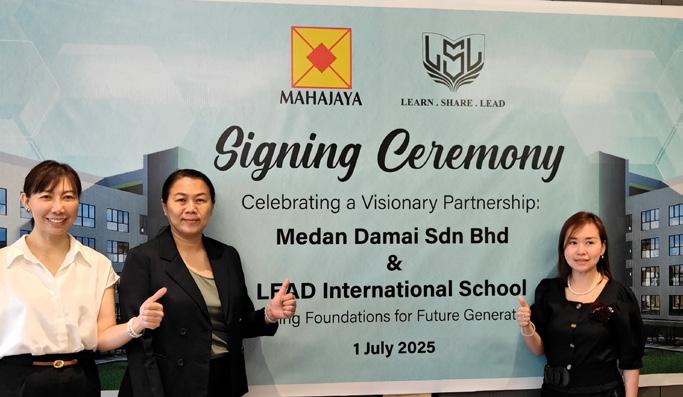
After a year of detailed discussions and negotiations, both Mahajaya and LSL came together to formalise the partnership on 1 July 2025.
Sustainable Ecosystem
For Mahajaya, the project isn’t just about real estate. It aligns with the group’s broader commitment to sustainable community-building.
“We believe that education forms the cornerstone of a thriving society, and this project is a natural extension of that belief,” said Henry Tan, Mahajaya’s Project Director.
“Partnering with a passionate team like LSL enables us to make a meaningful contribution to the local community
LEAD International School’s CoFounders Lim Siew Li (Education Team Leader), Wong Yoke Mei (Finance & Audit Operation) and Cheryl Lim (Admissions & Marketing).
by supporting holistic, future-ready education and this partnership supports Mahajaya’s strategic vision of building sustainable communities by placing education at the core of our developments.”
That sense of purpose resonates deeply with LSL’s own journey. From the outset, the school’s mission has been to offer students a holistic and futureready education, something that was increasingly difficult to sustain in their previous space.
“The new campus is designed to be more than just a building; it’s a vibrant ecosystem that promotes well-being, creativity, and a sense of belonging,” said LSL Co-Founder and Education Team Leader Lim Siew Li.
With enhanced facilities, purpose-built classrooms and the “necessary space for more classrooms, laboratories and dedicated learning zones, ensuring every student has the optimal environment to thrive,” LSL sees the campus as more than just a new building but the next phase of their identity in meeting 21st-century learning supported by state-of-the-art facilities.
“Education today demands more than just traditional classrooms. It requires dynamic spaces that foster collaboration, innovation, and handson learning.” Think STEM, arts, music, sports, teamwork, critical thinking, communication skills, the list goes on.
“The new campus is purpose-built to incorporate these essential elements, allowing us to deliver a curriculum that is not only academically rigorous but also practically relevant and futureoriented,” LSL’s Lim added.
The proposed campus spans around 1-acre and features a 5-storey building with a basement car park. Its proximity to an upcoming sports centre developed by Mahajaya is also a significant plus, adding further value to the surrounding Taman Damai Utama community in Kinrara, Puchong.
“We believe that quality, well-rounded education is key to nurturing thriving townships. The presence of LSL in Taman Damai Utama of Kinrara in Puchong, reinforces this vision, bringing value through a growing student population, enriching the local economy, and fostering stronger community bonds,” Mahajaya’s Tan concluded.
With a vision now cemented for a new campus in 2027 that is set to transform LSL into a vibrant hub for all its students, teachers and parents as well as the community in Taman Damai Utama, this is a real estate development Henry Butcher Malaysia is proud to have played a role in.
Groundbreaking is scheduled for Q1 2026 and construction will take about a year to complete with students earmarked to start classes by Q3 2027. As the development progresses, stay tuned for the latest by following our social media pages.
(From left) Mahajaya Bhd’s Managing Director Ben Tan and Project Director Henry Tan.
(From left)
A VALUER’S UNPLANNED CAREER PATH
- By Ivan Tan
The East Coast of Peninsular Malaysia, long admired for its cultural richness and deep-
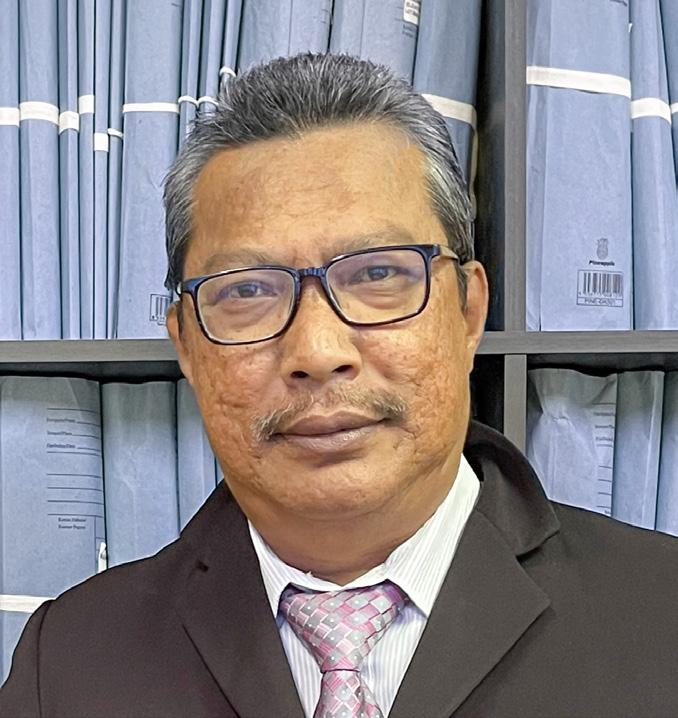
rooted traditions, is not always the first place that comes to mind when one talks about property. Yet, for Che Zulkifli Bin Che Seman, Director of Henry Butcher (Kelantan) Sdn Bhd, the story is different. With over two decades of professional experience as a valuer under his belt, Che Zul has cultivated a practice that has earned the industry’s attention in Kelantan. But this would not have happened if he wasn’t first hired in Johor, then Terengganu before eventually coming back to his home turf. The full journey reflects a career rooted in a strong belief of knowledge, experience and above all, a commitment to ethical practice.
Che Zulkifli began his career in the valuation practice in Johor Bahru in 1994, after graduating from Universiti Teknologi Malaysia (UTM) in Skudai with a Bachelor of Surveying (Honours) degree in Property Management. He spent three years at this first job learning the ropes of the trade before relocating up north to Terengganu to join another firm.
The move to Terengganu was pivotal to his future as it marked the first step of his return to his hometown, just next door in Kelantan. It was also here where he met Mr. Toh Chin Shen, his immediate superior who went on to become Che Zul’s mentor and was instrumental in shaping his career as a professional valuer. Their close working relationship in Terengganu helped shape not just his technical skills but also his leadership mindset. But his homecoming didn’t happen overnight, instead it took a good dozen years before the monumental move.
“Back then Mr. Toh was my boss. So when he made the move to Henry Butcher, he asked me to come along.
“And shortly after that, I had two options, to start the Kemaman office (in Terengganu) or Henry Butcher Kelantan.
In addition to his tutelage under Mr. Toh, Director of Henry Butcher Malaysia Terengganu, the time spent in Johor in the initial years also stacked up fittingly, giving him a solid foundation across multiple property sectors that emboldened his confidence to take the next giant step.
“After thinking it through, I suggested (the idea of a) Kelantan office and put my name forward as a candidate.”
It was just then that Che Zul had also secured his new professional status as a Registered Valuer and a Licensed Estate Agent with the Board of Valuers, Estate Agents and Appraisers Malaysia (Board). Armed with the new badge and his mentor’s confidence in him, he received nod to start Henry Butcher’s Kelantan office.
“They all supported the idea including the big bosses in KL,” referring to Group Managing Director Mr. Long Tian Chek and Director of the Selangor office Datuk Desmond Tew.
2010: Birth of a New Office
Launching an office from scratch was no small feat but Che Zul saw it as a natural extension of Henry Butcher Malaysia’s East Coast presence and a chance to serve his home state with what he knows best. The decision to base the office in the state’s capital of Kota Bharu is also a no-brainer as it allowed better logistical access to the economic nucleus of Kelantan and also the bordering areas including Terengganu’s distant town Besut.
“Depending on the type of work, some files from Besut can be submitted in Kelantan while some are sent back to Terengganu,” Che Zul shares adding that the exception to this rule lies in Besut’s geographical location, which is about 60km from Kota Bharu compared to more than 100km from Kuala Terengganu.
Since then, the firm has grown in size, stature and today, like most valuation outfits, Henry Butcher Malaysia Kelantan undertakes a wide range of valuation work that caters to loan financing, estate distributions, submissions to Bursa Malaysia, land acquisitions, auctions, plant & machinery and so on, for the entire state of Kelantan.
“From residential to commercial, industrial and agricultural, we do all of it.”
Property agency on the other hand is rare and handled on a case to case basis.
Henry Butcher Malaysia (Kelantan) Sdn Bhd
Add: Lot PT 265, Tingkat 2, Wisma Nik Kob, Jalan Sultan Yahya Petra, 15200 Kota Bharu, Kelantan.
When asked what were some of his greatest challenges practising as a valuer in Kelantan, he pointed to interior inspection of agricultural lands.
“This is because districts like Jeli, Kuala Krai and Gua Musang don’t really have good access roads. So in situations like this, we will engage the Settlement Officer from the Land Office.”
For the larger plots exceeding 40 acres, Che Zul’s office would also enlist assistance from nearby local residents. If that’s insufficient, additional help will be sought from the villagers residing in the forests so they can share information about the land.
But such jobs these days are made easier with drone capabilities, “Yes, we can now engage drone pilots” to capture aerial views to aid the completion of the assignments.
Landmark Judgment
Land valuation however can also be multi-dimensional in the way it demands from the valuers and also in how it compensates based on an agreed outcome. One unique case that came to mind for Che Zul was a dispute between the buyer and seller of a piece of land acquired for commercial development. The case was brought to the court because the buyer and land owner could not agree on the value ascribed to it.
Che Zulkifli Bin Che Seman, Director of Henry Butcher Malaysia (Kelantan) Sdn Bhd
Acting for the land owner, Che Zul’s team wasted no time in gathering the necessary information to support their valuation which was based on an acceptable valuation methodology for the prevailing market conditions and time. They then presented the evidence at the court hearing and what followed was exceptional. The judge raised the award to an astoundingly high margin, much higher than the norm and was possibly the highest record for the state up until then. Incidentally, the raised valuation was close to Henry Butcher Kelantan’s proposed fair and equitable valuation*.
But what drove home this impressive feat?
“I think it’s the evidence presented for the case, all the relevant information that we brought to court that day.”
The success of the case demonstrated the efficacy of the job and simultaneously validated Henry Butcher Kelantan’s credibility in the market. News of the landmark case then spread in the real estate circle and the positive turnaround instilled confidence in the market, resulting in more land acquisition referrals, particularly from the legal firms.
On the receiving end at his office, he stepped up in 2023 to assemble a team to focus in this niche area after spotting a consistent trend. The strategy proved fruitful as it continued to contribute to the company’s bottomline despite not ushering in similar cases in large quantities. The sporadic assignments were nevertheless enough to help strike a balance in the office with room to take on cases from other sources like the banks and private corporations.
“Balance” might also be the perfect adjective to describe the atmosphere in Kelantan. According to Che Zul, “The market is usually stable, no drastic changes in terms of pricing and no negativity. Demand and supply are stable. Different from KL, Johor or Penang.
“But the positive performance last year (2024) is due to Kelantan’s population growth and purchasing power,” pointing to the better transactional volume and value for the full year according to NAPIC’s data.
The steady market atmosphere would also permeate into the private sector like Che Zul’s office where achieving work-life balance comes almost as second nature and without much stress or obstacles.
“There is no need to stay after working hours or the weekends. This allows our staff to spend time with their family.
“When the staff are happy, the director is happy; everyone’s happy.”
As to what sets Henry Butcher apart from the market, he attributes it to teamwork, professionalism and the commitment to comply with the Board’s guidelines and regulations.
“We try to provide the best service to the clients,” and doing that means serving without compromising the professional standards of the profession.
He opines that the younger practitioners joining the industry should also uphold the high level of ethics and professional standards expected of them without being easily swayed by market demands. This is because the repercussions can be lengthy, especially when faced with a market downturn.
“They may take action if our valuation report is inflated inaccurately.”
For a valuer that has been in the profession for 24 years, it is hardly conceivable that his journey began without any clues about what the profession entails.
“After SPM, I just applied and Property Management was actually last on my list.”
But as fate would have it, he wavered only momentarily upon graduation due to another academic offer but upon careful consideration, he set that aside and embarked into the world of property valuation.
In an industry that often equates progress with the more upbeat metropolitan vibes, Che Zul’s work in Kelantan stands as a reminder that meaningful impact is not limited by distance, location or economic stature of the place. His approach, one that is grounded in technical knowhow, ethical clarity and a nuanced understanding of local conditions has proven time and again that it can grow and expand when done right. This has not only helped grow Henry Butcher’s footprint in the East Coast but also altered the perception of how far valuation services can go when it is carried out with full diligence, knowledge and experience.
As Kelantan continues to evolve with emerging developments and infrastructural projects that are
consistent with the country’s roadmap, his team remains committed to offering the kind of work that are both credible and contextually relevant to the market. Hence more than just numbers and reports, their deliverables reflect a deeper appreciation for the valuation profession that is is no longer just a profession but a responsibility to his home state Kelantan, his clients and the next generation of valuers to come.
Q: What motivates or drives you at work?
A: My wife and my seven children.
Q: What do you enjoy outside of work?
A: Gardening and farming at my orchard with my family located just 1km from my house. There’s durian, mango, jackfruit and other kind of fruits.
Q: If not as a valuer, what would you have done professionally?
A: Maybe as a teacher because I was offered to further my studies after graduating from UTM. But I declined it so here I am now, happy as a valuer in Kelantan.
* In respect of the confidentiality of the case, this article is unable to disclose the actual identity of the land and the values presided at the court.
SMITTEN BY VALUATION’S LONG TERM PROSPECTS
- By Ivan Tan
In the diverse landscape of Malaysia’s property market, where parcels of land and built structures tell stories
of potential and opportunity, property valuation does not come as just a procedural step, it is an indispensable practice intertwined with the country’s economy.
This is especially true when businesses, financial institutions and corporate entities alike are expected to navigate through complex commercial decisions with finesse and mastery, and the professionally sound and ethically robust valuation reports would often come in handy to aid in the demand for compliance and record upkeep reflecting modern times and values. At Henry Butcher Malaysia, this practice stands as an integral part of our professional real estate services, one that is blended with deep insight and rigour, exemplified by our professional valuers nationwide.
But while the property valuation profession may have held itself together in the industry, it might have also escaped the attention of those remotely connected to it. This was how it began for one of our directors more than 20 years ago when the only thing that nudged him into valuation was the inclination towards its long term prospects. Interestingly enough, this innocent spark of interest has since kept him in the profession and even saw his career journeying together with the country’s economic cycles of ups and downs, with no signs of slowing down or for that matter, venture into another profession altogether.
If valuation was at one time obscure and alien to his hometown inner circle in Penang, today they share the joy of appreciating the intrinsic value that caught his imagination as early as his second year in university whilst pursuing the Bachelor of Science (Honours) Degree in Land Management from the University of Portsmouth, United Kingdom.
Relevance & Evergreen
Unlike most of his peers who pursued the more popular courses, valuation drew him because it provided a sense of continuous demand at every step of the property cycle.
Illustrating what he saw more than two decades ago, the importance of valuation would flow throughout the property lifecycle such as during land acquisitions, when developers seek bridging finance, property buyers applying for end financing, property owners offloading their assets at the subsale market and go as far as the foreclosure or auction stages. This unceasing demand connotes relevance (to the market), utility (for the customers) and the evergreen prospects (as a professional) that can probably last a lifetime. So in essence, if what he saw held true, he might have chanced upon a secured profession from very early on and never have to look sideways again for other possibilities.
Further, the recurring influence of valuation as a meaningful contributor to the economy would also lend weight to his decision, more so when the property sector is often recognised for its critical economic multiplier role that has benefitted many economic sectors. Entering the field would hence mean deriving joy and satisfaction on a daily basis ie. whenever it’s time to clock out from the office.
But closer to his heart as an individual, he admitted that the enduring relevance has offered him perpetual learning opportunities throughout his career as a valuer, thanks in part to the different permutations of property cases assigned to him, and in another, the challenges posed by the changing economic phases of the market and how these headwinds impact valuation.
If that wasn’t enough, he recounted how the intricate learning process never stopped from the day he stepped into Henry Butcher Malaysia’s Kuala Lumpur office, “KL was the best because it exposed us to many different types of properties.
“It’s like the focal point of the entire property market in Malaysia and we get a taste of every property type from residential, commercial, retail, hotel, industrial and more,” says Khaw of his time in the capital city.
Growing with Perak
Looking back, the two-year stint of building his foundation and growing his roots in the practice has proven to be
Henry Butcher Malaysia (Perak) Sdn Bhd
Add: No. 29B, Persiaran Greentown 4, Greentown Business Centre, 30450 Ipoh, Perak.
immensely beneficial to his career, one that would drive him to be the most fitting candidate to head the Perak office for the group.
“Coming to Perak is quite different compared to KL. The market was slow back then and not as active 18 years ago.
“Values of some properties had in fact remained more or less the same for about 30 years. But things began to change about five or six years after I came to Perak.
“For example, single storey houses that used to be valued at say RM70,000 quickly appreciated to about RM250,000 to RM300,000. You could say the market suddenly became more active.”
But what were the reasons for this?
“Credit must go to the local state authority because after some consultation with the private sector, we can see more road upgrades around Ipoh and the state,” adding that the national policy by the federal government had also played a part.
“The better connectivity helped increase market activities and this improved pace has been good for Perak.”
The heightened activities however did not change the job orders that
HB Advisor chats with Khaw Eng Leng, Director of Henry Butcher Malaysia (Perak) Sdn Bhd.
Khaw Eng Leng, Director, Henry Butcher Malaysia (Perak) Sdn Bhd
came through the door as valuation assignments from all sub-sectors like the residential, commercial, industrial and agricultural continued streaming in, with no singular-genre dominating at any one time. This broad scope worked positively for the team in the Perak office as it kept everyone adaptable to the changing dynamics of the market as it goes from one season to the next.
When asked about his most memorable assignment, Khaw expressed that every case offers unique experiences, opportunities and challenges that are different from one to another. Finding diversity across the different industries from such assignments may also inject more excitement to the valuation practice. “Maybe valuing a solar or power plant will be interesting at this stage.
“But one thing to take note of in valuation is how we formulate our judgment based on the methods we use. This is because many factors will come into play when valuing a property and there’s no ‘one size fitting all’ formula.
“The other challenge is to uphold our professional integrity. By this it means we must be fully aware about our role as a valuer and also be mindful about why our valuation report is critical to the business. To that I feel we must have an ‘integrated’ mindset or approach in completing every assignment.”
He shared that like most jobs out there, external pressures may sometimes lean in more than necessary but as a professional valuer, it is imperative to understand what is at stake. Balancing between client expectations and the rigorous professional standards and liabilities are as such an intricate skill to have in the valuation practice, and this can only come with knowledge and experience in the market.
It goes without saying, “consulting the client along the way is an important part of the job.”
Our Services
In terms of services, Henry Butcher Malaysia’s Perak office provides a comprehensive suite of solutions tailored to meet the multifaceted needs of the state’s property market. These include:
• Valuations for Banks & Financial Institutions - in particular, for financing for sale & purchase of properties, auctions etc.
• Corporate Exercises & Advisory - the varied purposes range from internal management, corporate transactions, restructuring, mergers & acquisitions to reporting that offer insights aiding decision-making.
• Market Study/Researchoccasionally, conducting targeted market research to provide deeper insights into specific property sectors or regional trends as commissioned by the client.
• Real Estate Agency - from time to time, real estate agency assignments for selected projects or properties in the Perak market.
He notes that while they don’t track specific daily statistics about how well each service is doing, his office would gain a general sense of the market and sentiment through the volume of inbound valuation requests and inquiries. These are indicative enough of where the market is heading in the near and not so distant future.
“We can do that because the valuation practice is closely aligned with the economy. So wherever the market is moving into, we can feel it almost immediately.”
“When you do it professionally, people recognise it”
As for achievements and accolades, he counts genuine client appreciation and recognition of their professional work as feathers in the cap.
“When the customers come back again or when they tell us we have done a good job, to me that is sufficiently good already. It tells us that we have delivered a good service and it is meaningful enough for them to come back to us again.”
Put another way, this affirmative humble posture also conveys the priority of delivering ethical and quality work to the clients, which is paramount in the valuation practice regardless of the size and volume of the assets involved.
“To us at Henry Butcher, pushing forward as a group and to provide our service to the clients are the least of what we should do as professional valuers. When this is done right, I believe the rest will fall into place.”
Looking ahead, Khaw foresees the rapid evolution of technological breakthroughs such as AI to be integral to the real estate and valuation practice. This will also have a cost
implication to the business as a whole but whilst adoption may stretch a few more years, akin to the case of ESG (environmental, social and governance) that has now become a mainstay, “We should also start to be more conversant with such possibilities so that we can move forward with the market and offer competitive and cutting edge solutions to our clients.”
As for the young and aspiring individuals looking to join the valuation fraternity, “be ready to face and handle various kinds of challenges beyond just the textbooks. They must learn the soft skills so they will be able to interact with the clients, bankers and government authorities while at the same time keep their eyes on the important valuation standards.
“So if they think valuation is just a property-facing job, it may not be too late to know that it is a people’s business after all and with that, there’s still much to learn from the market.”
Q: What motivates or drives you at work?
A: The learning aspect because the fast changing market will keep you moving in search of solutions. This will keep you moving.
Q: What do you enjoy outside of work?
A: I walk and exercise. I’ve also just started pickleball. Other times, I would read the news and watch short clips such as YouTube to learn about new stuff in the market.
Q: If not as a valuer, what would you have done professionally?
A: Never really thought of that previously but after being in the industry, maybe to be a business owner of some sort.
KLANG VALLEY NEW LAUNCHES SLOWED DOWN IN 1H 2025
• New launches in Klang Valley dropped by 41% in the first half of 2025 compared to the corresponding period last year with the number of units launched declining by a larger margin at 56%.
• Selangor continued contributing a larger share of new launches and by a larger margin at 74% (17 projects) to the market compared to Kuala Lumpur with 26% (6 projects). In the same period last year, Selangor contributed 64%.
• By units, Selangor also contributed a larger share and by a bigger margin with 56% (5,533 units) against Kuala Lumpur’s 44% (4,273 units). Last year, the statistics were on an almost equal footing with Selangor generating 51% to the market.
• On a monthly basis, April and May witnessed more launches with 7 and 6 projects respectively. Over the same period last year, March and May contributed 9 project launches each followed by June launching 8 projects.
• By property type, the serviced residence/serviced apartment, terrace/super link and condominium continued to lead the market with 8, 5 and 4 project launches respectively.
• Whilst the soho/sofo/sovo/soso category continued its absence from the same period last year, cluster units were also absent from the market this year.
• The ratio between high-rises and landed properties narrowed closer in 2025 with 56% against 44%, compared to 65% and 35% last year. The ratio between the units launched however remained about the same with 92% against 8% (1H 2024 - 91% vs 9%).
• In terms of built-ups offered by the newly launched projects, the most popular this year were the 801 to 1,000 sq ft, the 1,201 to 1,500 sq ft and the above 2,000 sq ft. This is more or less the same as last year where the only difference among the three most popular was the 1,001 to 1,200 sq ft.
• By pricing, data from 1H 2025 showed a shift up the scale with more projects selling units at RM601,000 to
RM800,000 and above RM1 million. Over the same period last year, it was the RM401,000 to RM600,000 and RM601,000 to RM800,000 categories.
• By price per sq ft, the affordable tiers of below RM500 per sq ft, RM501 to RM750 per sq ft and RM751 to RM1,000 per sq ft were featured more prominently with 9, 9 and 8 projects having units with such price points respectively. Last year, only two categories - the below RM500 per sq ft and RM501 to RM750 per sq ft - had significantly higher share of projects selling units at these price points.
• Shah Alam led the market in 1H 2025 with 7 new projects launched followed by Petaling Jaya with 3 projects and 2 each in Bukit Jalil and Cheras. Last year, Puchong contributed the largest new launches with 4 projects.
NB: The percentages shown in the table are based on our analysis of the projects that we surveyed but they are not computed based on the number of units within those projects. The way to read this table is as follows eg. based on the projects that we analysed, 56% of them included units of above 2,000 sq ft in size. It however does not mean that 56% of all the units are above 2,000 sq ft. Each project will probably only have very few units of above 2,000 sq ft in size.
NO LONGER A CHILLING THOUGHT INVESTING IN JAPAN
- By Ivan Tan
As central banks globally grapple with shifts in the economy, inflation, interest rates and
Trump’s temperamental reciprocal tariffs, Japan’s dense cities are unveiling potential areas that some may have overlooked.
According to Daiwa Real Estate Appraisal’s Market Report Vol. 40, Japan’s broad market is characterised by positive signals comprising rising land prices in metropolitan cities (except Nagoya), a strong sense of investment appetite, growth in wages, increasing personal consumption, solid residential demands in central areas, just to name but a few. But above and beyond the normal state of play, three unique sub-sectors may deserve a bit more attention than usual.
Osaka - More than just the World Expo
Although often overshadowed by Tokyo’s global stature, data in the report suggests Osaka is emerging as a compelling alternative, backed by favourable fundamentals and growing internal migration. The relatively lower real estate prices compared to Tokyo is also one of the drawing factors for large-scale redevelopment projects to take root in Osaka.
Occupancy rates of its office market have in fact steadily improved with asking rents showing gradual upward movements. This is particularly notable as tenants across Japan seek locations that offer not only proximity to talent but also amenities that enhance the employee experience since the practice of working from home has begun declining.
Daiwa’s findings suggest that demand for high-performance buildings will continue to drive spatial selection and given Osaka’s affordability and the active development activity across the city, it is poised to meet the high-performance thirst.
Over in the residential sector, vacancy is in the range of 2%, high by Osaka city’s standards, but it is spotting a downward trend and supported by strong demand. Due to this, rents are rising steadily, reflecting that renewed urban vibrancy and the city’s relative value can hold itself together even if Tokyo is the big brother metropolis.
In terms of commercial real estate, one of Osaka’s thriving city centres known as Umeda Kita (or in the north district) is benefitting from the city’s redevelopment opportunities and tourism appeal. The consequential demand arising from these economic forces have elevated Umeda Kita’s status as one of the top locations for strong appreciation in land prices.
Inbound Tourism
Another interesting take on Japan’s real estate market is inbound tourism. Thanks to the weaker yen, the influx of tourists has since breathed new life into the country’s commercial real estate segment and in particular retail. This has led to areas such as Asakusa in Tokyo and Sakuragaoka in Shibuya Ward receiving favourable attention. This may also be among the reasons behind the escalating land values as they are supported by the active redevelopments in Sakuragaoka and high inbound demand in Asakusa.
In major cities, Daiwa’s report notes that sales at shopping centres in the central region are up by approximately 9.8% year-on-year with shopping centres located in stations or central downtowns performing particularly well, thanks to foot traffic from both domestic and foreign visitors.
However, it’s not all sunshine for the retail scene as aging buildings or those that fail to attract either inbound or local demand have and will continue to face declining sales, especially in areas affected by declining population.
While the number of shopping centres in Japan has been falling since 2018, those with clearly defined concepts and in high-traffic zones have little problems attracting shoppers and tourists, and continued performing solidly. This goes to show that retail success would inevitably fall back on factors like location and the retailer’s adaptability to reposition when required.
Refrigerated Logistics
Interestingly enough, although demand for real estate has in recent times been gravitating to the digitalisation front, Japan has shown that refrigerated logistics such as the chilled warehouses are stacking up with more takers.
Daiwa highlights a growing structural need for such facilities, triggered primarily by aging infrastructure and regulatory shifts, including the 2030 ban on chlorofluorocarbons (CFCs). The high cost of upgrading equipment to comply with new environmental standards has prompted some owners to step back from reinvestment, creating a growing demand for leased facilities.
Given the fast approaching deadline of the CFC ban, funds targeting refrigerated warehousing have begun to surface, suggesting a growing awareness among institutional investors about this niche sector.
As the supply chain landscape becomes more complex and temperature-sensitive goods requiring more adequate facilities to house them, from pharmaceuticals to perishable foods, investing in cold chain facilities may warm up as more than just an initial chilling thought.
This article has been prepared based on information contained in a recent report by Daiwa Real Estate Company, to which Henry Butcher Malaysia is affiliated with.
NAVIGATING VALUATIONS IN SOUTHEAST ASIA’S TECH BOOM -
By Garima Prajapati
Southeast Asia (SEA) stands at the forefront of a technological transformation driven by robust
consumer markets, accelerated digital adoption, and substantial global investment inflows. According to the e-Conomy SEA 2024 report by Google, Temasek and Bain & Company, Southeast Asia’s digital economy reached a GMV of US$263 billion in 2024 and is on track to grow to between US$600 billion and US$1 trillion by 2030, underscoring the region’s expanding opportunity landscape for strategic investors and business leaders.
However, bridging the gap between market potential and sustainable investment returns hinges critically on accurate and insightful valuation methodologies. This article delves deeper into the nuances of tech company valuation within SEA’s dynamic environment, outlining not only the standard valuation practices but also highlighting critical insights that sophisticated investors must consider.
The Complex SEA Tech Ecosystem
SEA’s tech landscape is dominated by rapidly scaling ventures in sectors such as e-commerce, fintech, digital payments, artificial intelligence, and cloud computing. Each market offers distinct characteristics: Indonesia,
with a population exceeding 280 million, remains the digital economy’s heavyweight. Its accelerating e-commerce sector continues to drive regional GMV expansion, according to the latest 2024 e-Conomy SEA report. Malaysia’s targeted investments in artificial intelligence, semiconductors, and digital infrastructure have positioned it as a rising technology hub. Singapore remains unmatched in terms of regulatory transparency, intellectual property protection, and attractiveness as a fintech and innovation nucleus.
Looking ahead, Southeast Asia’s digital economy is forecast to reach between US$600 billion and US$1 trillion in GMV by 2030, depending on the pace of digital infrastructure deployment, regulatory reforms, and user adoption. The Philippines is projected to reach between US$80 billion and US$150 billion by 2030, depending on policy execution and market penetration.
However, this vibrant ecosystem is not without valuation challenges. Tech startups frequently lack extensive historical financial data, leading to reliance on future growth projections, which may carry significant uncertainties. High volatility in growth trajectories, rapid technological shifts, and evolving regulatory landscapes necessitate nuanced valuation frameworks tailored specifically to SEA’s context.
Nuanced Approaches to Tech Valuations
Discounted Cash Flow (DCF): The cornerstone of rigorous valuation, the DCF approach demands precise future cash flow projections supported by exhaustive market analysis and wellsubstantiated assumptions. Factors such as consumer adoption rates, market penetration levels, technology scalability, and regulatory environments significantly influence projections. Investors must assign market-specific risk premiums reflecting the varying degrees of regulatory certainty and economic stability across SEA nations, recognising, for instance, higher risk premiums in Indonesia versus Singapore.
Relative Valuation (Multiples):
Utilising revenue or EBITDA multiples from regional and global comparables provides quick reference points. However, SEA investors must exhibit caution, especially during periods of heightened market enthusiasm, as inflated multiples driven by speculative behavior can distort true valuations. It’s essential to account for disparities in growth rates, profit margins, and market maturity across comparable companies.
Venture Capital (VC) Method:
Particularly valuable for early-stage investments, this method emphasises scenario-based valuations, attributing probabilities to diverse marketentry and expansion outcomes. This nuanced approach, which incorporates milestone-driven valuations, helps investors prudently manage uncertainty inherent in early-stage tech firms.
To illustrate these methodologies practically, consider a fintech startup in Malaysia specialising in digital lending services. An accurate valuation demands granular insight into growth trajectories for digital financial services, the regulatory landscape particularly Bank Negara Malaysia’s licensing frameworks for digital banks and consumer credit oversight, customer acquisition and retention rates, and risk management frameworks around consumer lending.
Sensitivity analyses could reveal, for example, how subtle shifts in regulatory policies such as increased requirements for capital reserves or tighter lending regulations can significantly impact valuation. Investors must closely monitor these dynamics, adjusting their financial models promptly to reflect emerging market realities.
• Regularly recalibrate valuations using real-time data to maintain alignment with market dynamics.
• Employ thorough scenario analysis as a strategic decision-making tool, preparing proactively for varying market conditions.
• Cultivate deep local market intelligence, leveraging on the ground insights into consumer behaviour, competition dynamics and regulatory trends.
Navigating Future Market Uncertainty
With SEA’s tech market anticipated to grow significantly, valuation accuracy becomes more critical than ever. Investors must embrace methodologies that blend rigorous quantitative analysis with strategic foresight and real-time market adaptability. This approach not only mitigates investment risks but also positions them to capitalise effectively on emerging opportunities in SEA’s rapidly evolving digital landscape.
Conclusion
Southeast Asia presents compelling opportunities, yet the pathway to success demands an insightful grasp of valuation. Precise valuation frameworks ranging from comprehensive market sizing and thoughtful revenue multiple
analyses to robust discounted cash flow modeling enable businesses to identify and capitalise on tangible opportunities, driving sustained growth.
Nevertheless, valuation precision alone isn’t sufficient. Integrating strategic market insights continuously is vital. Anticipating consumer behaviour shifts, regulatory dynamics, competitive pressures, and technological innovations provide firms with the strategic agility required to stay ahead, minimising risks and enhancing their competitive advantage.
Moreover, understanding valuations within broader regional and global economic contexts is essential. Investors who complement rigorous quantitative methods with strategic qualitative insights will stand apart capable of proactively navigating challenges, swiftly adapting to changes, and skillfully seizing emerging opportunities in the vibrant and evolving SEA tech landscape.
is
Spring Galaxy is a corporate advisory firm specialising in business valuations and transaction support services. For more information, please visit www. springgalaxy.com.
• World Economic Forum via Biometric Update (Aug 2024)
• Business Indonesia. Indonesia’s Digital Economy Still on Growth Track
• TechNode & Temasek Press Coverage (Nov 2024)
• World Economic Forum. How Southeast Asia Can Become a Trillion Dollar Digital Economy
This article
written by Garima Prajapati, Senior Analyst of Spring Galaxy, an Associate of Henry Butcher Malaysia.
ART AUCTION
RETURNS
The Henry Butcher Malaysian & Southeast Asian Art Auction July 2025.
Henry Butcher Art Auctioneers (HBAA) auction of Malaysian and Southeast Asian Art will
take place on 27 July, showcasing an exceptional array of works by pioneering figures, celebrated modern masters, seasoned practitioners and promising emerging artists.
This auction will be led by an exquisite masterpiece by Abdul Latiff Mohidin, Tao Landscape (Homage to Lao Tzu) (Post Rimba series), 1999 (estimate RM300,000 – RM450,000). Delving into the power of motion, Tao Landscape is one of Latiff Mohidin’s rare works that integrate diverse creative practices, uniting the realms of language and visual art.
A further highlight not to be missed is Datuk Ibrahim Hussein’s 1968 painting titled Clowns (estimate RM70,000 - RM170,000). The artwork was created during one of the artist’s most productive phases, a time when pop art was thriving in America. Datuk Ibrahim was awarded the prestigious John D. Rockefeller III Fund Fellowship, followed by the Fulbright Travelling Scholarship, which paved the way for two exhibitions in New York in the 1960s.
Another notable piece in the sale is an early work by acclaimed watercolourist Chang Fee Ming, titled Catching The Morning Sunlight, 1991, depicting sarongs, pillows and bolsters hung out to dry on the windowsills of traditional wooden houses (estimate RM90,000 – RM160,000). Chang Fee Ming’s works are renowned for his distinctive portrayals and interpretations of people, traditional communities and cultural heritage.
The collection also presents a captivating work by Awang Damit Ahmad titled Essence Of Culture (E.O.C.), 1989 (estimate RM50,000 –RM90,000). This iconic work originates from the artist’s groundbreaking E.O.C. or Intipati Budaya series, developed between 1985 and 1995. The key message from this series is a mix of positive attributes that includes through one’s hard work, diligence, dogged persistence, steely and fervent determination, people overcoming challenges in life and of “Making An Honest Living.”
Auction Day: Sunday, 27 July 2025, 1pm
Preview Dates: 19-26 July 2025, 10am - 6pm daily
Venue: KEN Gallery, Hall 1, Level M, Menara KEN TTDI, 37, Jalan Burhanuddin Helmi, Taman Tun Dr Ismail, 60000 Kuala Lumpur.
For more details, kindly contact Sim Polenn at +6016-2733628 or visit www.hbart.com.my for the e-catalogue.
Abdul Latiff Mohidin, Tao Landscape (Homage to Lao Tzu) (Post Rimba series), 1999
Oil on canvas, 92 x 92cm
Estimate RM300,000 – RM450,000
Awang Damit Ahmad, Essence Of Culture, 1989
Acrylic on canvas, 82 x 76cm
Estimate RM50,000 – RM90,000
Datuk Ibrahim Hussein, Rise Above It (China Collection), 2008
Mixed media on canvas, 81 x 81cm
Estimate RM170,000 – RM300,000
Contemporary art is also strongly featured, with a dynamic array of limited edition works by famous foreign artists Damien Hirst, Antony Gormley, Neo Rauch, Takashi Murakami, Heri Dono etc.
Locally, works by Zulkifli Yusoff, Noor Mahnun Mohamed, Chong Siew Ying, Kow Leong Kiang, Fauzulyusri, Wong Perng Fey, Justin Lim, Samsudin Wahab, Shafiq Nordin, Yuki Tham etc are offered in the auction.
The Southeast Asian section in this sale is led by Singaporean artist Tay Bak Koi featuring the graceful movement of roaming buffaloes (estimate RM30,000 – RM55,000). Indonesian artists include Nyoman Gunarsa, Erica Hestu Wahyuni, Rudy Mardijanto, Yusra Martunus and Suryadi Suyamtina.
Datuk Ibrahim Hussein, Clowns, 1968
Acrylic on canvas, 120 x 57cm
Estimate RM70,000 - RM170,000
Tay Bak Koi, Untitled, 2000s
Acrylic on canvas, 79.5 x 91cm
Estimate RM30,000 – RM55,000
92 x 122cm
Estimate RM220,000 – RM400,000
Ahmad Zakii Anwar, Untitled, 2018
Acrylic on canvas, 69 x 69cm
Estimate RM24,000 – RM35,000
Samsudin Wahab, Mimpi Tentang Duyung; Mimpi Tentang Untung, 2024
Oil on canvas, 153 x 153cm
Estimate RM18,000 – RM32,000
Abdul Latiff Mohidin, Red Wetlands, 2002 Oil on canvas,