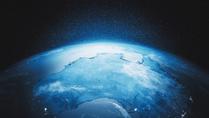
We naturally wonder about Earth's origins. The Hadean Eon, from about 4.6 to 4 billion years ago, was when our planet underwent its crucial initial formation. It is natural to wonder about this period, a time when Earth transitioned from a chaotic cloud of space debris to a recognizable, though radically different, world This era's changes are key to understanding how our planet came to be making us question how did this fiery, turbulent world become the planet we call home?
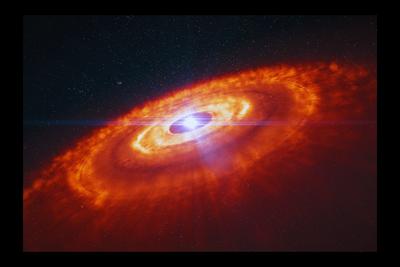
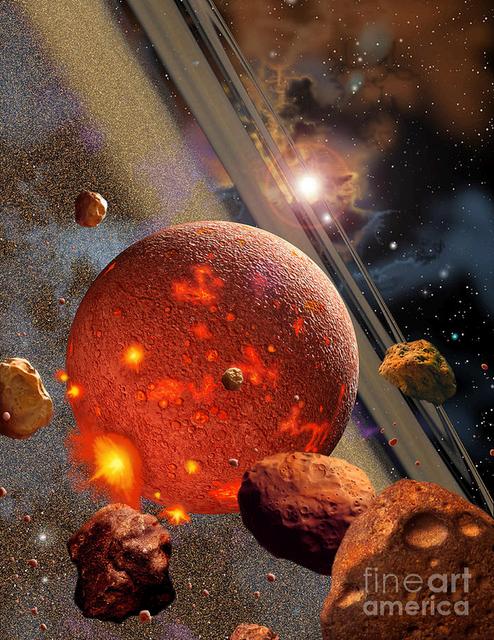
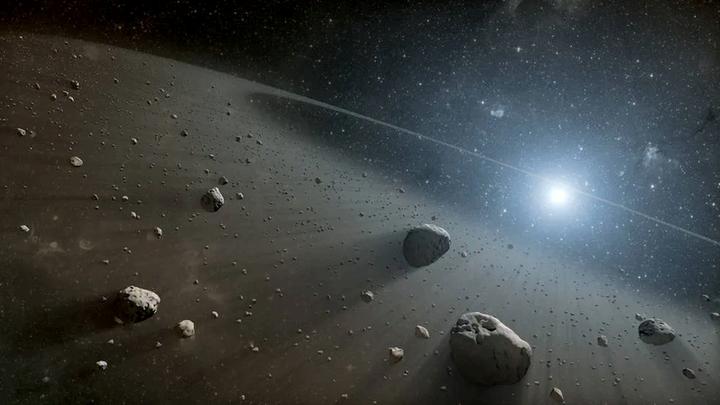
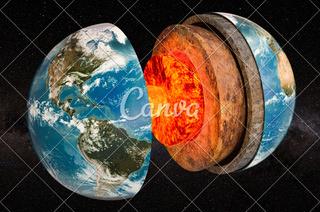
Earth's formation was a gradual process. It began with dust and gas, which clumped together. Larger rocks, called planetesimals, frequently collided, adding to the growing planet. Heavier metals, like iron and nickel, sank to form the core. In other words, Earth formed from a mix of dust, rocks, and metals, drawn together by gravity.
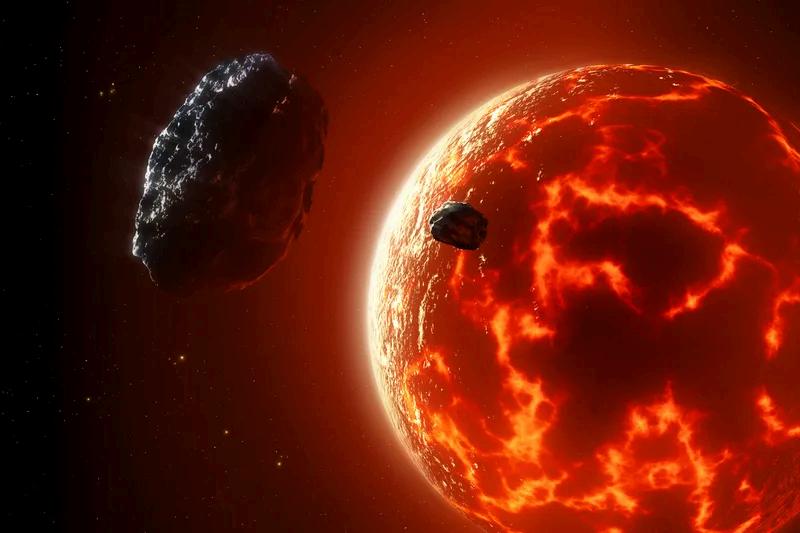
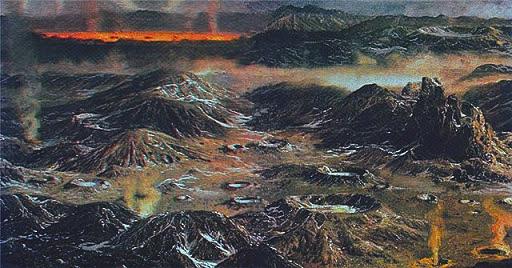
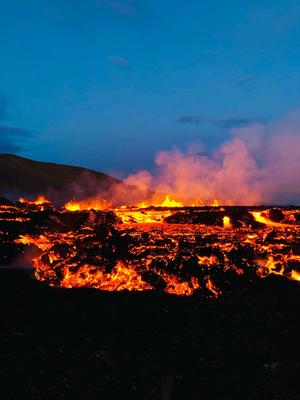
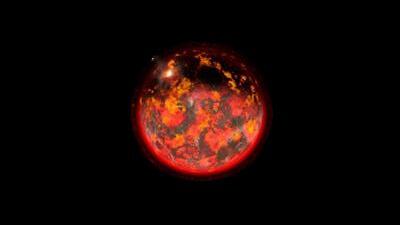
Earth's initial formation was a scene of intense, almost unimaginable activity. It was not calm and peaceful, but a chaotic period of collisions, melting, and sorting of materials.
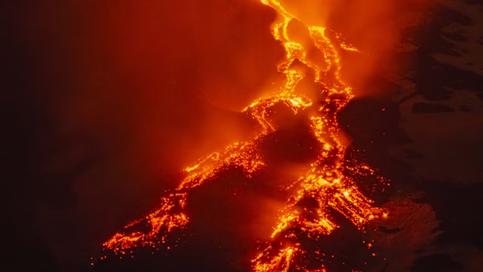
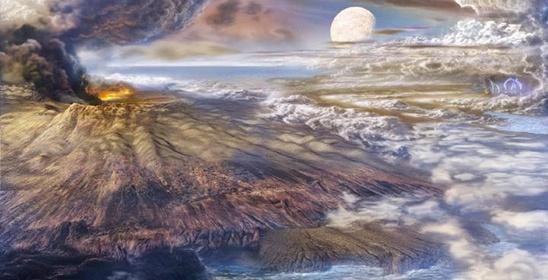
In this early Earth, liqu water was simply impossibl the extreme heat meant only partially molten surface, landscape sculpted by consta volcanism and the relentless barrage of asteroids. This chaotic, fiery stage, though extreme, was how Earth took shape.
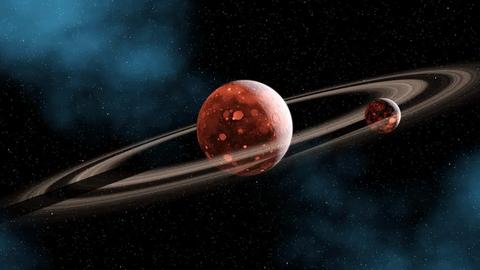
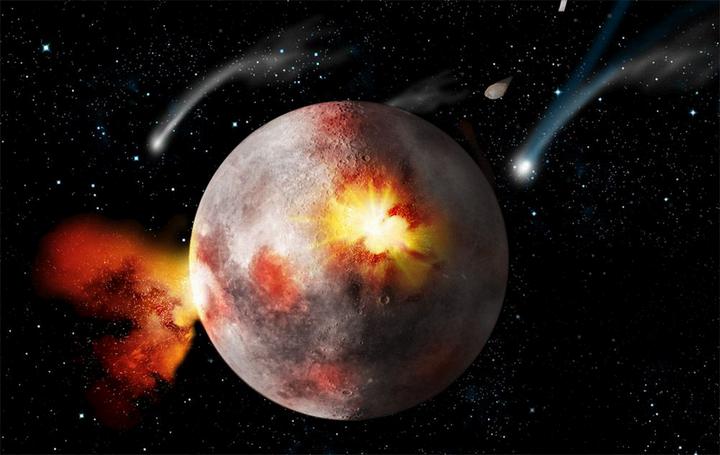
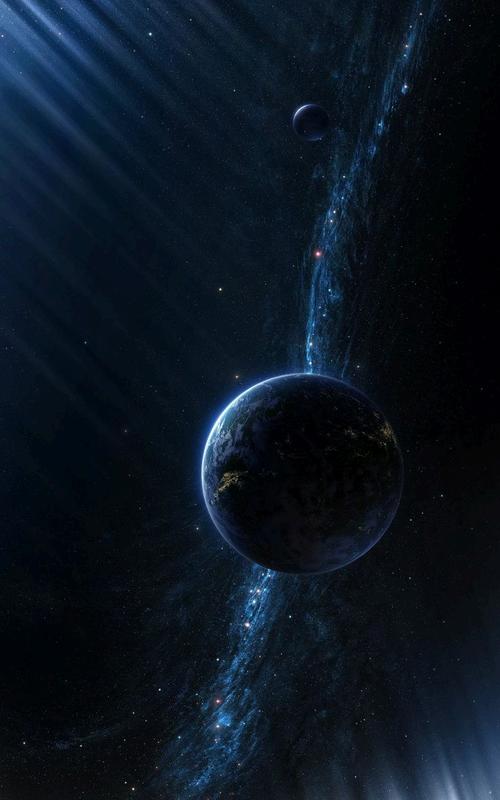
About 4.4 to 4.5 billion years ago, young Earth went through a major event: it collided with a planet the size of Mars, called Theia. The impact would have released an enormous amount of energy, equivalent to millions of nuclear bombs, resulting in widespread melting of Earth’s nts of debris into space.
https://www scientificamerican com /article/2020-on-track-to-rank-inthe-top-5-hottest-years-on-record
https://www space com/19245-biggest-space-discoveries-aas221
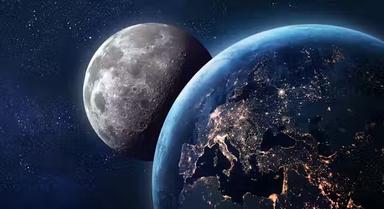
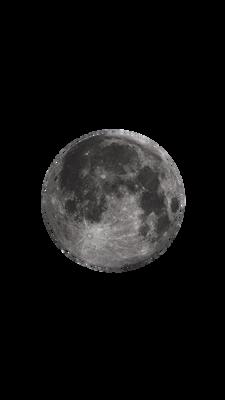
That debris of earth and planet theia eventually clumped together to form the Moon. This idea explains how the Moon was created and why its makeup is similar to Earth's
https://www space com/19245-biggestspace-discoveries-aas221
The collision with Theia also significantly changed Earth's spin and stabilized its tilt. This stability was essential for Earth to develop a stable climate over long periods, which was crucial for the planet's future development.
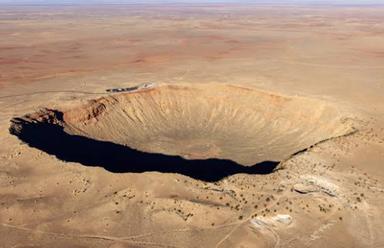
The Moon’s formation had significant consequences for Earth. Its gravitational influence plays a crucial role in stabilising Earth’s axial tilt, which affects seasonal variations and climate patterns. Its gravity also causes tides, shaping coastlines and influencing life. The Moon's cratered surface reflects a period of intense asteroid bombardment in the early solar system.
Earth’s First Steps Toward Solid Ground
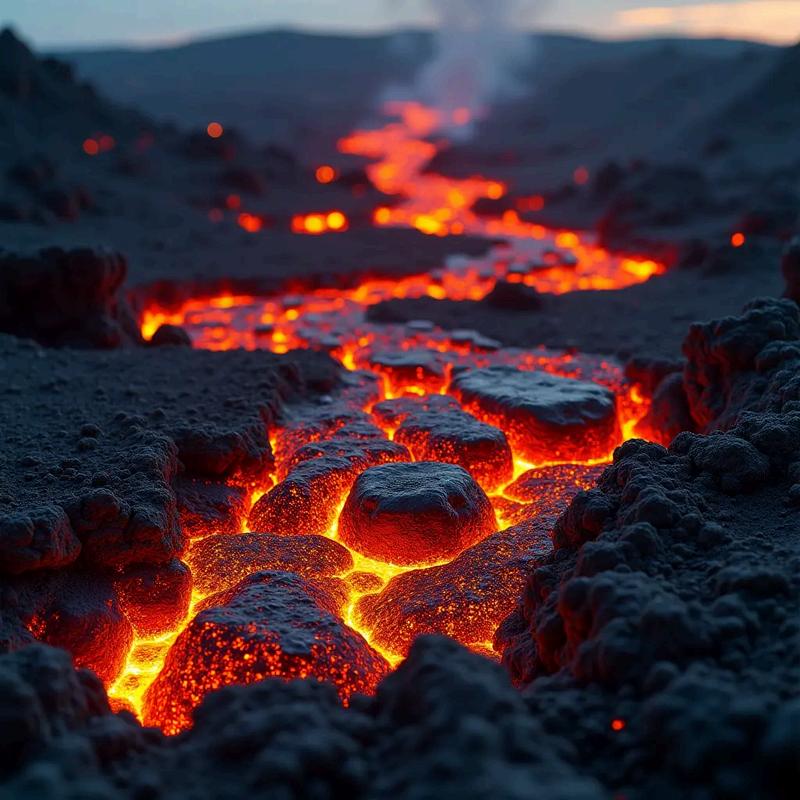
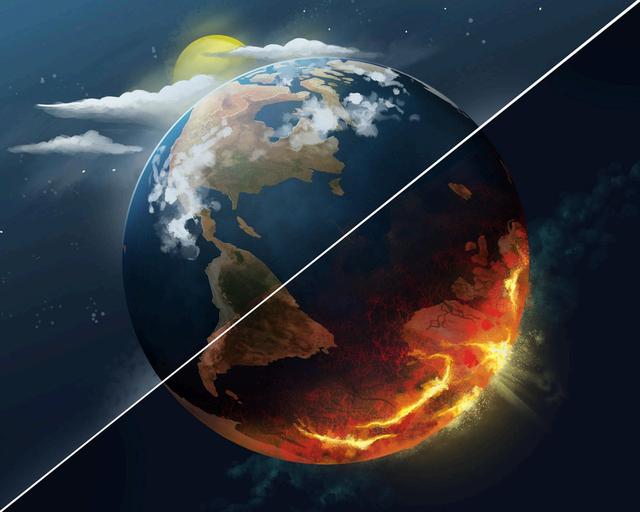
Picture the Earth over 4.5 billion years ago not the blue and green planet we know, but a fiery, chaotic world. Its surface was a roiling ocean of molten rock, constantly bombarded by space debris and heated from within by radioactive elements. There was no crust, no land just heat, lava, and turmoil.
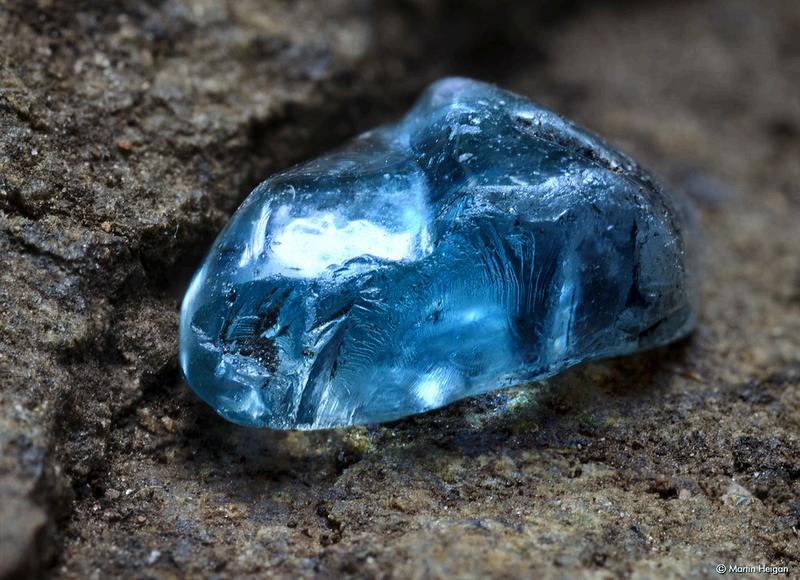
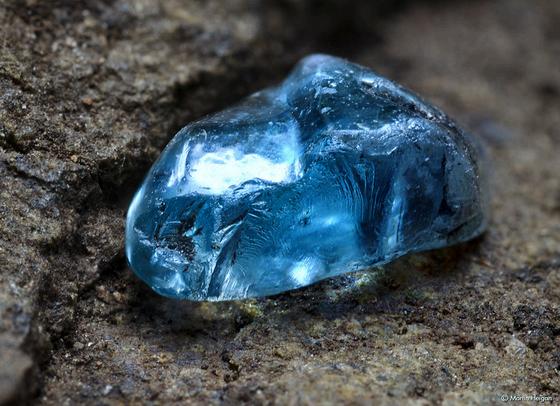
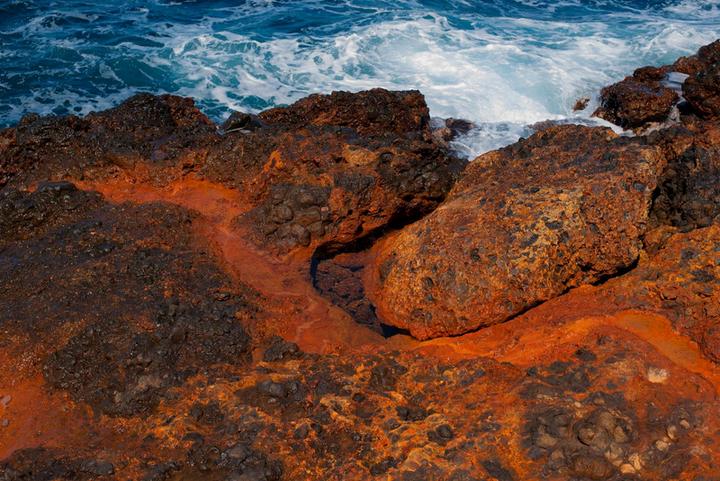
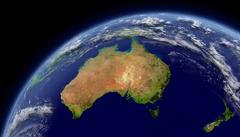
But slowly, things began to change. As the planet lost heat to space, the outer layers started to cool Over time, minerals began to crystallize from the molten surface, and a thin, rocky crust started to form. This was the beginning of Earth's transformation from a molten mass to a planet with solid ground. We actually have some surprising evidence of this early change: tiny zircon crystals found in Australia that are over 4.4 billion years old. These minerals suggest that solid crust and even liquid water may have appeared much earlier than scientists once thought
The earliest crust wasn't like the continents we know today It was likely dark, heavy, and rich in iron and magnesium. But through countless cycles of melting, reshaping, and chemical changes, lighter, silica-rich continental crust slowly emerged That gradual process laid the foundation for the landmasses, oceans, and life that would follow.
The Late Heavy Bombardment
https://www express co uk/news/science/1171709/asteroid-news-nasa-b612-space-rock-collision-technology-earth-anger-apocalypse
DID YOU KNOW?
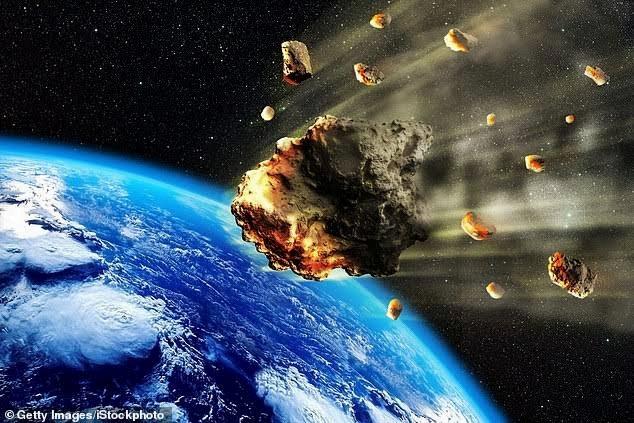
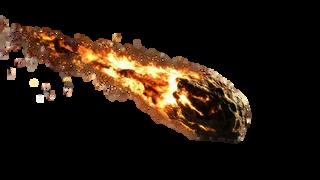
The late heavy bombardment is a period of intense asteroid and comet impact which shaped the Early Earth during the Hadean era, influencing its ocean, atmosphere and life form
The impact of this phenomenon is massive, almost like if a multiple nuclear bomb explodes. It is capable of causing the vaporization of rocksand could alter the earth's surface. It is theorized to have been resulted from gravitational perturbations within the early solar system, caused by the migration of gas giants suchas Jupiter, Saturn, and Neptune.
https://phys org/news/2016-10-apollo-era-evidence-late-heavy-bombardment html
Formation of the Ocean,which is still on debate. Some scientists theorized that portion of Earth's water is delivered by the impacting comets and asteroids
Imagine Earth over 4 5 billion years ago not the blue-and-green planet we know today, but a fiery, chaotic ball of molten rock constantly being pummeled by asteroids and comets. This was the Hadean Eon, named after Hades, the Greek god of the underworld because, well, it was pretty hellish But beneath the chaos, something incredible was brewing
Oceans from Fire: The Birth of Earth’s First Waters
Fast forward a bit to around 4 4 billion years ago, and the first hints of calm begin to appear How do we know? Tiny ancient zircon crystals, some of the oldest minerals on Earth, tell us that the planet’s surface was already starting to cool down. Surprisingly, these crystals carry chemical signatures suggesting that liquid water yes, oceans could have existed even back then. That means the Earth, against all odds, may have already started forming the very oceans that cradle life today
Then, around 3.8 billion years ago, the stage was truly set Volcanic eruptions were burping out massive amounts of steam and gases into the atmosphere Eventually, this water vapor condensed, fell as endless rain, and began to fill the Earth's great basins Imagine millions of years of rainstorms no umbrellas in sight until the first oceans were born These were the primordial seas, salty, mysterious, and the perfect setting for life's earliest sparks
Though direct evidence from that time is scarce (rocks that old are rare and heavily altered), scientists piece together this ancient puzzle through chemistry, geology, and a lot of imagination These early oceans may have been where life itself began tiny microbial organisms bubbling up from hydrothermal vents or forming in warm, sunlit pools. From a molten world to a water-covered planet, the Hadean Eon marks the dramatic opening chapter in the story of Earth and perhaps even of us
The Archean Eon, spanning from about 4 to 2 5 billion years ago, was a time of dramatic transformation. The Earth had cooled down enough for stable crust to form, the atmosphere was thick and hazy with volcanic gases, and the oceans stretched across the planet. But most importantly, this was the era when life made its debut
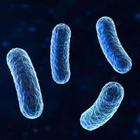
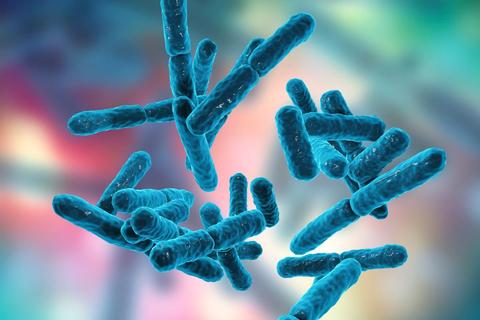
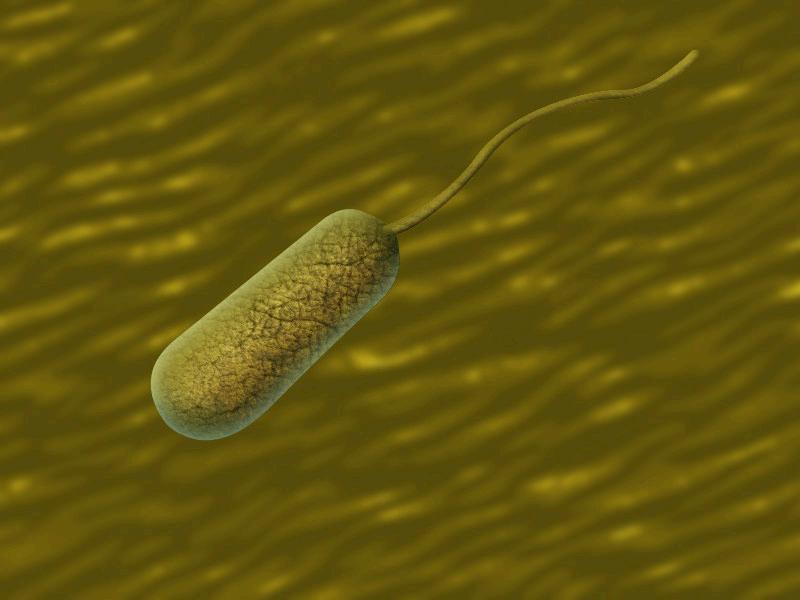
Around 3 5 billion years ago, the first known life forms simple, single-celled organisms like bacteria and archaea began to appear
https://github com/bacteria-archaea-traits
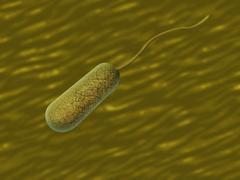
These prokaryotic microbes had no nucleus or complex structures, but they were the pioneers of biology, thriving in the harsh conditions of early Earth. Some scientists even suggestthatlifemighthavestartedas early as 37 billion years ago, based on chemical signals left behind in ancientrocks.
These signals weren’t fossils in the traditional sense no bones or shells but rather a special form of carbon molecules, the kind that living organisms produce. These tiny traces, hidden in layers of ancient rock, are like whispered clues from the past, telling us that life was already stirring beneath the surface of the ancient oceans. Though the world was still a far cry from anything we’d recognize today no animals, no plants, just oceans, volcanoes, and microbial mats this humble beginning laid the foundation for everything to come.
https://justthrivehealth com/pages/cvc-wellness
https://www pinterest com/pin/168955423511241127/
In the quiet depths of the Archean seas, life had found a way, and Earth would never be the same again.
HOW TINY LIFE FORMS SHAPED OUR PLANET
P R O K A R Y O T E S
Ayoung Earth, a real hot mess of erupting volcanoes and nasty radiation under a sky with hardly any of the air
we breathe now. It sounds impossible for anything to live, right? But then came the prokaryotes, these tiny, tough single-celled critters that were the ultimate survivors. They were built for the heat, probably popping up around those steamy volcanic vents. It is mind-blowing to think that these microscopic pioneers, facing down a brutal planet, not only hung on but started changing things, even pumping out the early bits of the very air we need to live today.
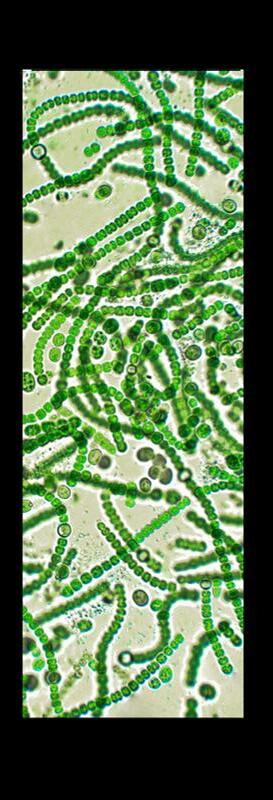
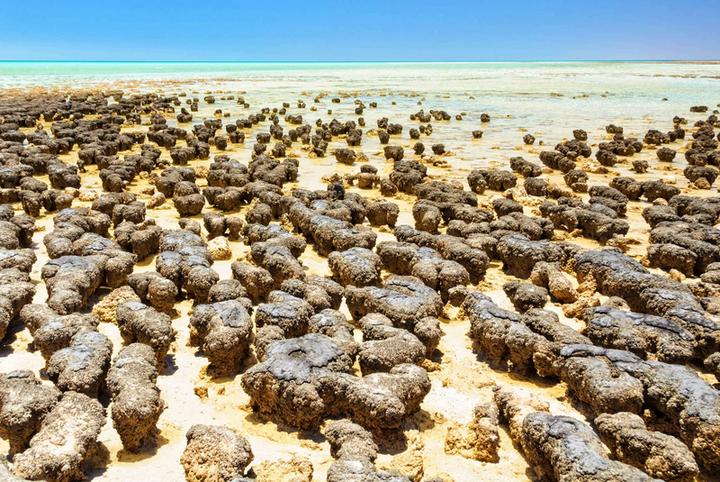
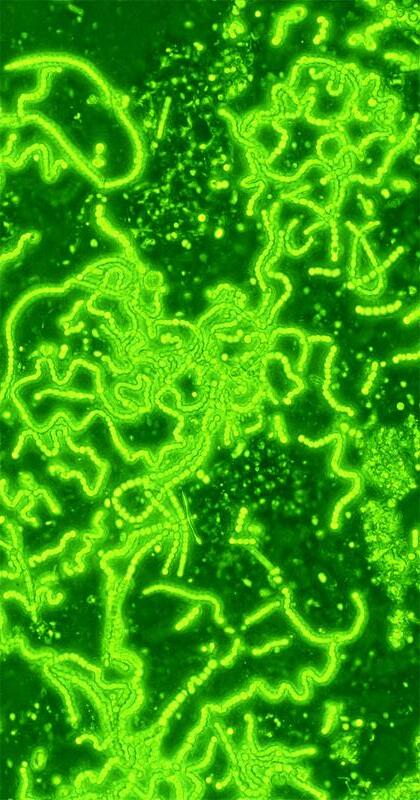
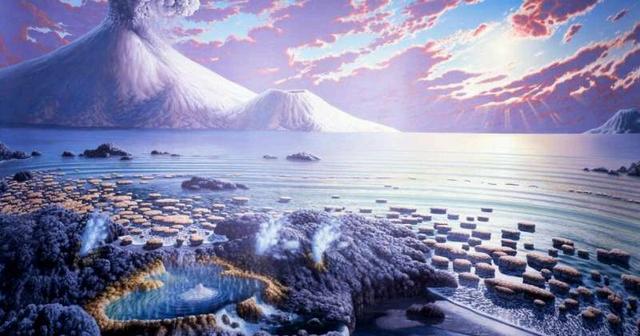
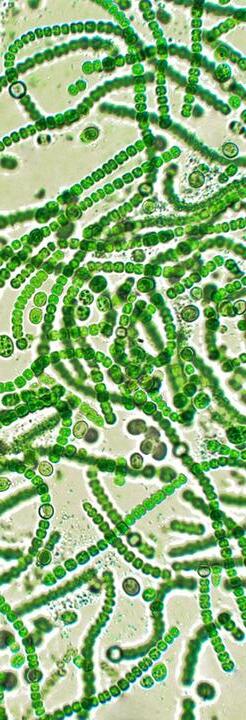
They were the first sparks of life in a fiery world, and everything that came after owes them big time. Around 3.5 billion years ago, early simple life evolved into cyanobacteria. These tiny organisms were remarkable because they are responsible for making energy from sunlight and releasing oxygen – something no life had done before. Over a long time, this changed Earth's air and oceans, making them breathable for other life. Cyanobacteria also became a main food source in the early seas and even became part of plant cells later on. They started in the water, forming the foundation of microbial mats that formed layers in structures called stromatolites, and then branched out into different shapes, with some even developing special abilities. These early cyanobacteria were crucial in making Earth the livable planet it is today.
PRODUCTION OF CYANOBACTERIA
MICROBIAL MATS
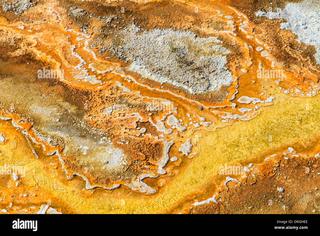
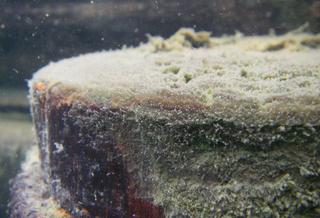
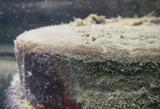
Microbial mats or large biofilms may represent the earliest forms of prokaryotic life on Earth; A microbial mat is a multi-layered sheet of prokaryotes that includes mostly bacteria, but also archaeans. Microbial mats are only a few centimeters thick, and they typically grow where different types of materials interface, mostly on moist surfaces These thin, colorful sheets of life are more than just ancient history; they're important for how ecosystems work. When they grow on the ground, they help make the soil richer They also recycle important stuff like carbon and nitrogen, clean up water, and even exchange gases with the air. Plus, these mats are a food source for small animals, which then become food for bigger ones. So, these seemingly simple layers of microbes play a surprisingly big role in keeping things running smoothly in their environment Cyanobacteria are frequently the dominant photosynthetic organisms within these mats, especially in those that form stromatolites.
https://www britannica com/science/biogenic-landform
STROMATOLITES
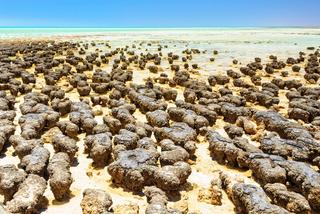
Fossilized microbial mats represent the earliest record of life on Earth A stromatolites are thought to have been built by microbial mats, primarily cyanobacteria, which were instrumental in the formation of oxygen on Earth. These tiny, ingenious organisms weren't just building rocks; they were also performing a planetary makeover, their life processes pumping out the very oxygen that makes our world breathable today. So, when you look at a stromatolite, you're not just seeing old stone; you're witnessing the dawn of life and the incredible power of these microscopic pioneers in shaping the Earth we know Also, the truly remarkable part? In a few special corners of our planet, these ancient builders are still at work, creating living stromatolites right before our eyes!
TheFirstBreathe: OxygenProduction byCyanobacteria
P H O T O S Y N T H E S I S
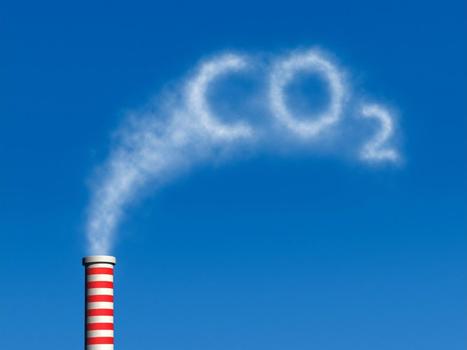
Long before animals roamed the Earth, before plants took root on land, tiny organisms called cyanobacteria were hard at work quietly shaping the planet’s future. Around 2.5 to 3 billion years ago, these microscopic, blue-green bacteria developed a revolutionary trick: photosynthesis Using sunlight, water, and carbon dioxide, they produced energy and as a byproduct, they released something new into the environment: oxygen.
At first, this oxygen didn’t flood the atmosphere. Instead, it reacted with iron in the oceans, forming rust-like deposits we still find in rocks today. This went on for millions of years, until the oxygen began to accumulate in the air That buildup eventually triggered what's known as the Great Oxidation Event, a turning point in Earth's history Oxygen, once rare, started to shape the chemistry of the atmosphere and oceans, paving the way for more complex life forms.
Cyanobacteria didn’t just survive they thrived, forming layered colonies called stromatolites, some of which still exist today These ancient organisms quietly set the stage for everything that followed. In a sense, the air we breathe today is a gift from these tiny pioneers of life.
CONTINENTAL PLATE FORMATION PRESENTING
Unlike modern plate tectonics, continental plates are Earth's largest landmasses They form through a complex interplay of geological processes spanning billions of years The exact processes behind their formation remain largely unknown.
INSIDE THE EARTH’S PUZZLE THEORIES BEHIND PLATE FORMATION
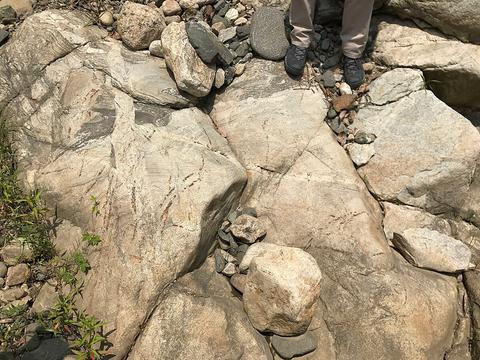
Early Archaean continents are formed due to direct melting of the iron-rich (mafic) crust. A process called "Archaean flatsubduction" is proposed, where one layer of oceanic crust might have been thrust beneath another
Granodiorite (TTG) rocks are a hallmark of Archaean continental crust, which are suggested to have formed from the melting of plagioclasecumulate rocks within protocontinental roots
Studies of ancient oceanic crust suggest that early Archaean seawater had ahigher ¹⁸O/¹⁶O ratio than modern seawater, which could indicate a different style of fluid-rock interaction and continental weathering compared to later periods
WHEN WATER RULED THE WORLD: THE RISE OF EARTH'SPRIMEVALOCEANS
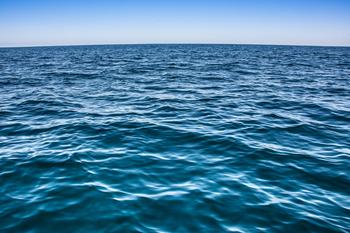
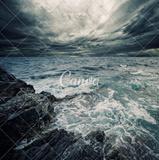
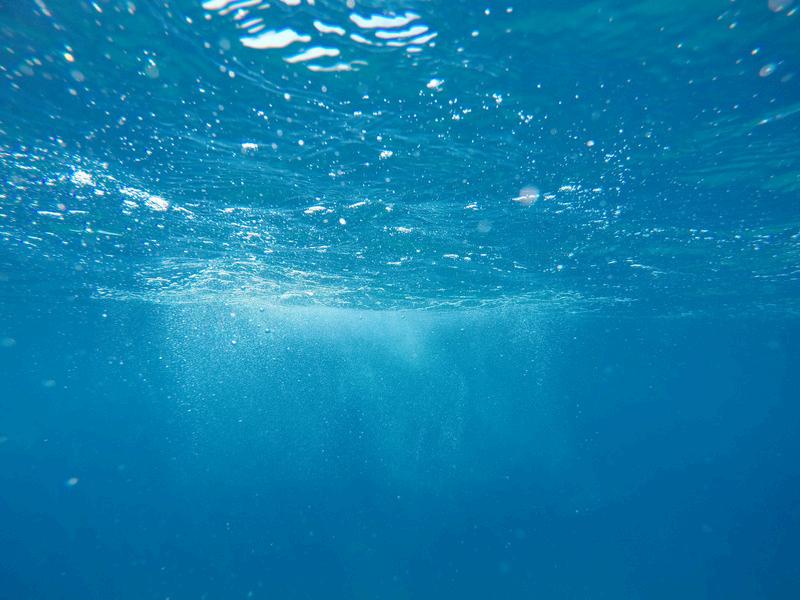
In the Archean Eon, between 4.0 and 2.5 billion years ago, Earth was finally starting to settle down from its fiery beginnings The once-molten surface began to cool and solidify, and something bizarre started to happen oceans began to form. Steam and gases from relentless volcanic eruptions rose into the sky, and as the planet cooled, all that water vapor began to condense and fall as rain, filling low-lying areas and creating the planet’s first vast, global oceans
https://discover
But volcanoes weren't the only water-bringers Space played its part too! Meteorites especially carbonaceous chondrites, rich in water and organic compounds bombarded Earth, delivering the building blocks of life and adding to the growing oceans Imagine countless space rocks splashing into a newborn sea, each one contributing a drop to the deep.
IN THIS WATERY WORLD, THE STAGE WAS SET FOR SOMETHING EXTRAORDINARY - THE BEGINNING OF LIFE. WITH CONTINENTS JUST STARTING TO RISE AND THE OCEANS TEEMING WITH POTENTIAL THE ARCHAEAN EON WAS THE DAWN OF EARTH’S LONG, INCREDIBLE STORY https://discover
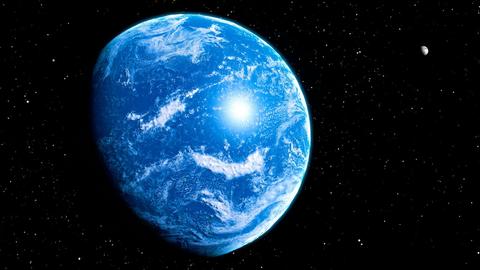
These early oceans were likely much deeper than the ones we know today, covering most of the planet’s surface. The Earth's crust was still young and forming, and only a few tiny islands of early continents peeked above the waves The rest of the world was a watery expanse, a planet wrapped in ocean and mystery.
GEOLOGIC TIMESCALE
VOLCANOES RELEASE STEAM AND GASES TO THE ATMOSPHERE
EARTH AND PLANET THEIA COLLIDED MOON FORMATION
THE LATE BOMBARDMENT COOL DOWN OF EARTH
EARTH’S INITIAL FORMATION
PRODUCTION OF CYANOBACTERIA
FIRST LIFE EMERGENCE
CONTINENTAL PLATE FORMATION
CYANOBACTERIA DEVELOPMENT
PROKARYOTE EVOLUTION
EARLY OCEAN EXPANSION
Life in the Making: Lessons from the Hadean and Archean
Exploring the Hadean and Archean eons is like uncovering the childhood memories of our planet, messy, mysterious, and full of firsts These earliest chapters of Earth’s history, stretching back over four billion years, take us to a time when the world was unrecognizable: a swirling, molten sphere constantly bombarded by asteroids, without continents, oceans, or life as we know it. And yet, against all odds, the building blocks of everything familiar today were already starting to come together
Thanks to the patient work of geologists and scientists who study ancient minerals like zircon, we've learned that Earth cooled faster than expected There may have been liquid water and even early signs of a stable crust, far earlier than once believed. Even more astonishing? There's growing evidence that life might have already started to take hold during the Archean eon, in the form of tiny, resilient microbes thriving in extreme conditions It’s a powerful reminder that life is incredibly persistent, even in the harshest environments. These discoveries don’t just give us facts, they give us perspective They show that even in times of chaos and constant change, something beautiful and lasting can begin. From a fiery beginning came water, land, atmosphere and eventually, the first sparks of life Earth wasn’t always a blue planet It had to earn that title, little by little, over billions of years.
The story of the Hadean and Archean isn’t just about ancient rocks or distant timelines it’s about resilience, change, and the deep roots of our existence In studying Earth’s earliest days, we’re reminded that progress often starts in the most unlikely places, and that even in the most turbulent beginnings, there's room for life, growth, and possibility.