The Algorithm Stopped Counting Likes. Here's What Works Now.
MWM Ask the Expert Case Study - From Facebook Friends to $208K/Month - The Newsletter Play Nobody Talks About
Now You Too Can Explode Your Business Income With Monthly Internet Marketing Training and Coaching!
If You Are Serious About Changing From A Failing Online Business To An Uber Profitable Online Business I Can Help You!
Listen, I know what it's like to have a strong desire to have a successful online business but have no real idea of HOW to market it...
I'm not making empty promises. One thing you will not find on this site is a promise of "easy riches". I make no claims of how much you can make. I make no claims that you'll make any money at all. I don't know you. I don't know if you're a thinker or a doer. How can I promise you'll make X dollars? I can't. And I don't. That SHOULD be a sign of trust to you.
There are many others out there making crazy income claims. I won't promise riches. I won't promise any results. I'll simply tell you that I will show you things you can do to get your online business rocking and rolling!
There is absolutely no risk. I'm even going to take away ALL RISK for you. It's pretty simple: if you don't like the Training, you don't pay. Period. You have nothing to risk and everything to gain.
Let me say it a different way...
You Don't Even Have To Say "Yes" To Get Started Right Away, Just Say "Maybe" And I'll Send Your First Lesson Instantly!
MWM editors letter
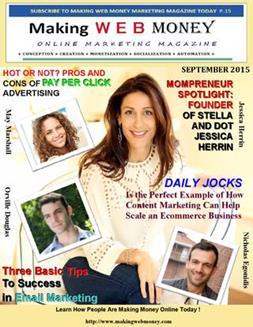
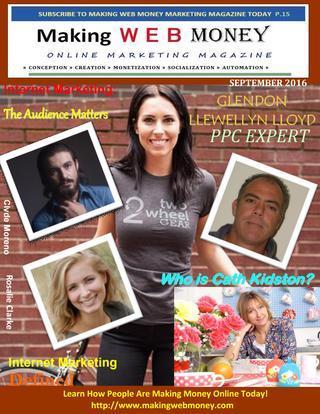
Welcome to the APRIL 2026 Issue of our monthly “Making Web Money” Online Digital Marketing magazine - where every month we show you how real people, just like you, are making web money – online. This month we have MORE great articles and personal success insights, interviews, plus some ONLINE opportunities for you.
- MWM Series on Business Help - The Algorithm Stopped Counting Likes. Here's What Works Now.
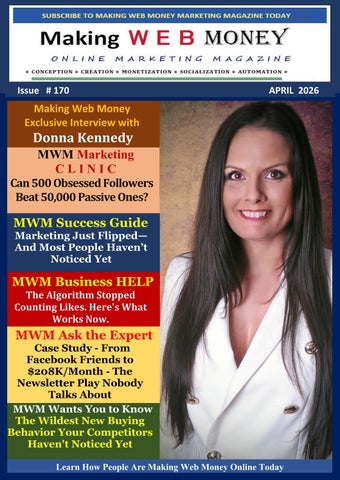
- MWM Interview – DONNA KENNEDY
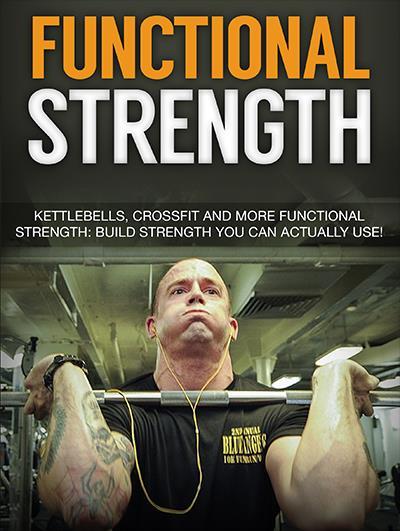
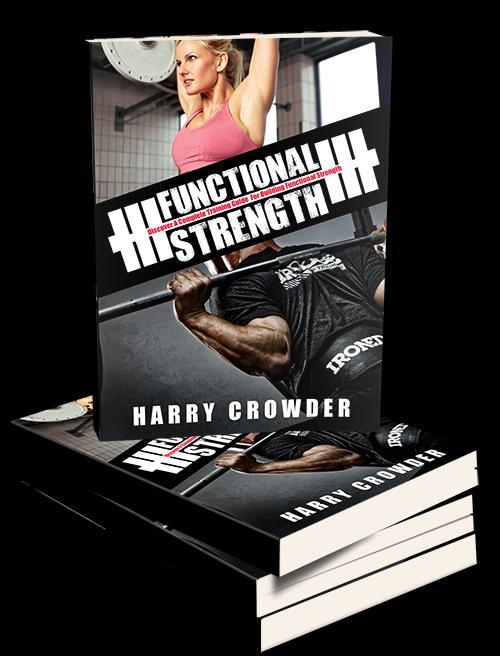
- The Functional Strength Guide
- Most Info Products Are Dead. These Are Printing Money.
- They’re Interested—So Why Aren’t They Buying?
- Case study He Built a $103K Business for $19. Here's Exactly How He Did It.
- You Might Be Spending a Third of Your Ad Budget on Robots
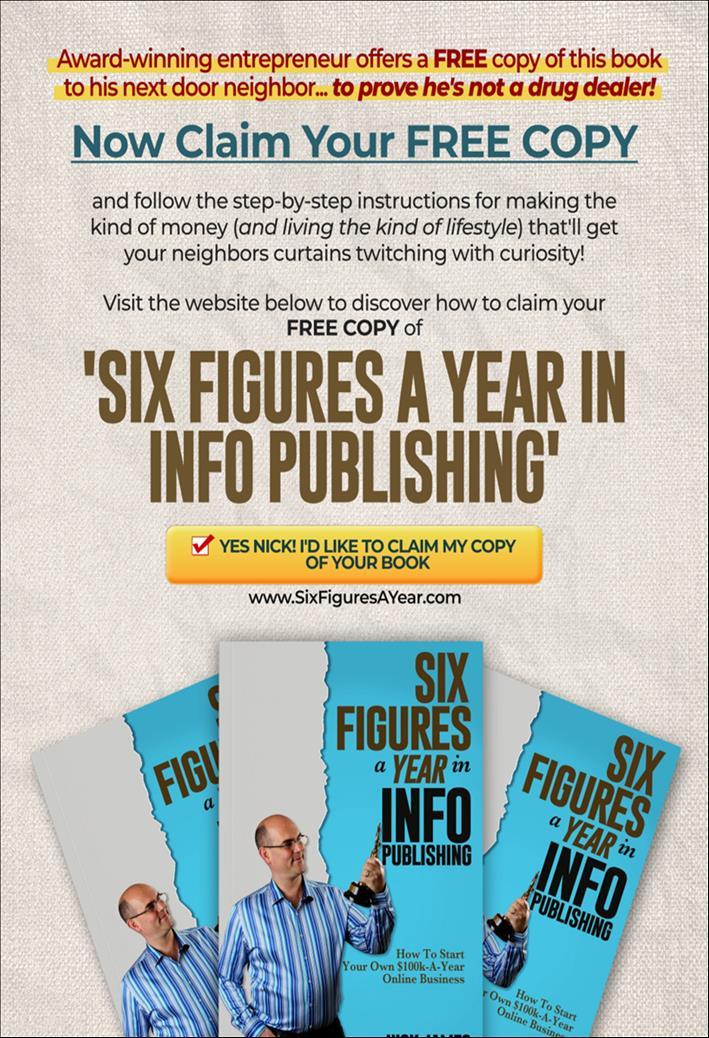
- FREE eBook - Six Figures A Year in Info Publishing
- MWM Wants You to Know - The Wildest New Buying Behavior Your Competitors Haven't Noticed Yet
- What's Your Lead Magnet's Actual Conversion Rate Going to Be? (We'll Tell You Before You Launch)
- MWM Success Marketing - Just Flipped And Most People Haven’t Noticed Yet
- MWM Ask the Expert - Case Study - From Facebook Friends to $208K/Month - The Newsletter Play Nobody Talks About
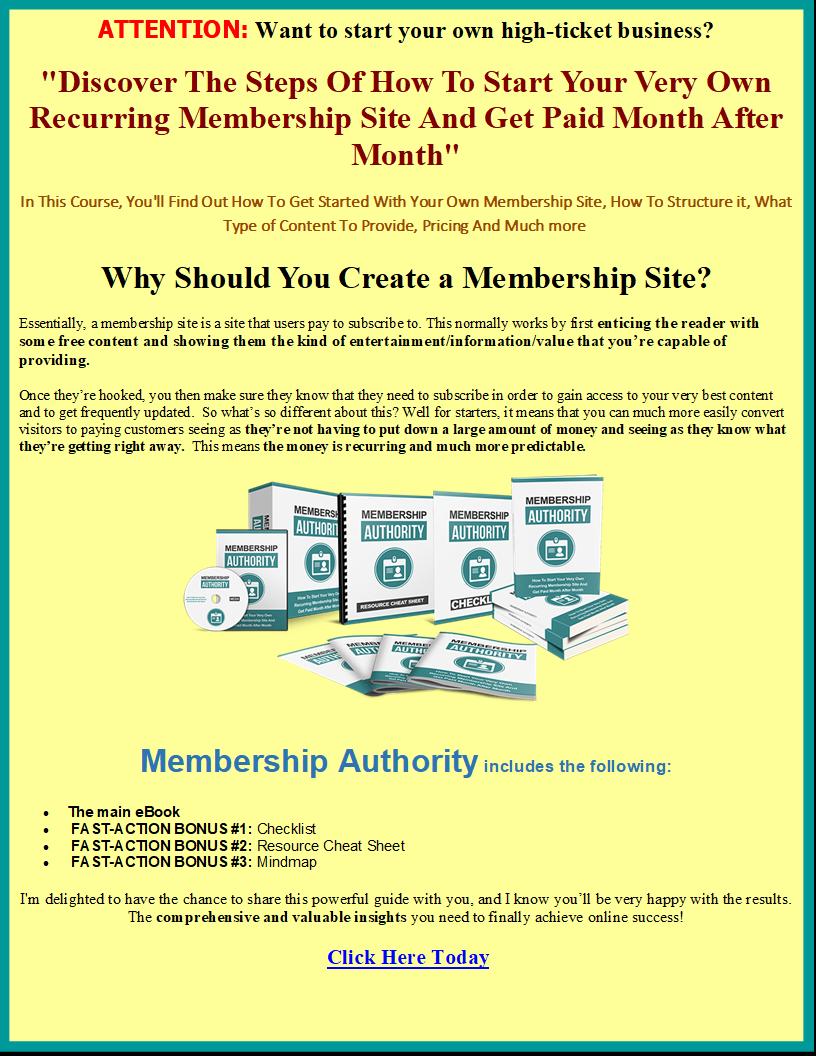
- How to Start Your Own Recurring Membership Site I hope you enjoy this month's magazine. Thanks for reading.
– Check out our 169 Great Back Issues of Making Web Money!
MakingWebMoney.com
Subscription enquires: www.MakingWebMoney.com
Order the printed edition: www.issuu.com
Advertising enquires: www.MakingWebMoney.com
Making Web Money Magazine
Published 12 times per year. Copyright All rights reserved.
Reprinted with permission. No part of this publication may be reproduced, translated or converted into machine-readable form or language without the written consent of the publisher.
Articles express the opinions of the authors and are not necessarily those of the publisher
The creators, producers, contributors and distributors or Making Web Money Marketing Magazine disclaim any liability for loss or lack of results from following the advice expressed herein.
Tell us what you like and don’t like about Making Web Money Digital Marketing magazine. What worked for you or what you think sucks, then we can make Making Web Money an even better online magazine.
So, send me an email with your feedback and let me know.
crowderharry598@gmail.com
Google Can Now Replace Your Landing Pages —
Whether You Like it or Not
Google might start rewriting your landing pages and not in a subtle way. A new patent suggests that if your page isn’t converting well, Google can generate its own version and show that to your ad traffic instead. If you’re running Google Ads solo, that’s a pretty big shift. The upside? You might get better conversions without lifting a finger. The downside? The page your visitors see might not be the one you wrote, tested, and actually trust.
So this is one to keep an eye on. In the meantime, your best defense is simple: build pages that already convert. The stronger your page performs, the less reason Google has to step in. But don’t fall into the trap of chasing raw conversion rates. A page that pulls in 100 low-quality leads can be far worse than one that brings in 5 people who are ready to buy. Google’s job is to optimize for clicks and conversions not for quality. That part is still on you.
ChatGPT Just Became an Ad Platform. Here's Why That's a Big Deal for Solo Marketers.
ChatGPT just stepped into the ad game and it’s not playing small. On March 2, 2026, Criteo (a major ad tech player) became the first partner to plug into OpenAI’s advertising pilot. Translation: the same machinery behind modern digital ads is now wired into one of the most-used tools on the internet. And here’s the part that should wake you up traffic coming from ChatGPT is converting about 1.5x higher than typical channels. These aren’t random clicks. These are people who already did their homework and are showing up ready to buy.
Here’s where it gets interesting for solo marketers. When someone asks ChatGPT for recommendations, they’ll see a blend of organic suggestions and sponsored placements and your usual tracking starts to fall apart. If a sale comes from ChatGPT, there’s a good chance your analytics won’t fully credit it. That matters. Because while everyone else is still obsessing over Facebook and Google, this channel is wide open, early, and far less crowded. The marketers who figure this out now before it gets noisy are the ones who’ll quietly pull ahead.
https://www.affiversemedia.com/criteo-joins-chatgpts-advertising-pilot-affiliateattribution-just-got-a-litte-more-complicated/ for Meta, including halting independent factchecking, relaxing moderation
X Just Became Pay-to-Play. Is It Still Worth Your Time?
X has officially crossed the line into pay-to-play and it’s not subtle. Since March 2026, non-Premium accounts posting links are basically invisible, with zero median engagement.
Even beyond links, the gap is massive: Premium users get about 4x more visibility with their own followers and 2x more reach beyond them.
Buffer’s analysis of 18.8 million posts puts numbers to it free accounts often struggle to break 100 impressions, while Premium users average closer to 600. Same content, completely different outcome… all for $8 a month.
ChatGPT Just Became an Ad Platform. Here's Why That's a Big Deal for Solo Marketers.
ChatGPT just stepped into the ad game and it’s not playing small. On March 2, 2026, Criteo (a major ad tech player) became the first partner to plug into OpenAI’s advertising pilot. Translation: the same machinery behind modern digital ads is now wired into one of the mostused tools on the internet. And here’s the part that should wake you up traffic coming from ChatGPT is converting about 1.5x higher than typical channels. These aren’t random clicks. These are people who already did their homework and are showing up ready to buy.
Here’s where it gets interesting for solo marketers. When someone asks ChatGPT for recommendations, they’ll see a blend of organic suggestions and sponsored placements and your usual tracking starts to fall apart. If a sale comes from ChatGPT, there’s a good chance your analytics won’t fully credit it. That matters. Because while everyone else is still obsessing over Facebook and Google, this channel is wide open, early, and far less crowded. The marketers who figure this out now before it gets noisy are the ones who’ll quietly pull ahead.
Control is slipping, channels are splintering, and the real advantage is moving where few are looking
Something big is happening in marketing right now and it’s not subtle if you know where to look. Control is quietly shifting away from marketers and into the hands of algorithms. AI is now deciding who sees your ads, what creative gets shown, and where it appears.
You’re no longer steering the ship you’re setting the destination and hoping the system gets you there. That means your leverage has changed.
It’s no longer about tweaking every detail of a campaign. It’s about feeding the machine better inputs stronger hooks, clearer messaging, sharper offers and letting it do the heavy lifting.
At the same time, distribution is breaking apart. Search, social, AI tools, and commerce are blending into one messy ecosystem where no single channel can be trusted to carry your business.
Google traffic is less predictable. Social reach comes and goes. AI recommendations are starting to replace traditional discovery altogether.
If you’re relying on one platform, you’re building on borrowed land.
And here’s the part most people miss: The real advantage is moving upstream.
The winners won’t be the best media buyers or growth hackers they’ll be the ones with undeniable positioning, products that actually fit the market, and audiences they own.
Because when algorithms control distribution, the only thing they can’t manufacture is genuine demand.
That part is still on you.
Starting today you can enroll in my new monthly coaching program where I will teach you how to turn PLR content into spendable cash using several underground methods.
Each and every month you'll get a new lesson showing you a different way to profit with the PLR products you already have. Each month will be a different lesson (sometimes delivered as a stepby-step PDF and sometimes delivered as video tutorial lessons, and even sometimes a mixture of both) that you can download, view, and then implement to start making money with PLR content.
This 12 month coaching program can help you feel good about every PLR purchase you've made (even those "junky" ones because I will show you how to polish them 'til they shine!). The PLR Profits Coaching Club can justify every penny you've spent. It can make those purchases worth something to you because you can put that content to work making money for you.
Click Here to Start
Shopify's President Just Said AI
Shopping Agents Are the New Front Door for E-Commerce
Shopify’s president just said the quiet part out loud: AI shopping agents are about to become the new front door to e-commerce. Speaking at the Upfront Summit, Harley Finkelstein laid it out simply search shows you who paid to be seen, but an AI shopper recommends what actually fits you.
That’s a massive shift. Instead of fighting for position, you’re competing on relevance. And with only about 18% of U.S. retail happening online today, he’s betting these agents are what finally push that number much higher.
Facebook Is… Working Again. Seriously. And Almost Nobody Noticed.
Publishers are reporting referral traffic up 4x and engagement tripling compared to last year and the wild part is, they didn’t change anything. No new strategy, no extra effort. The traffic just showed up. That points to one thing: Facebook quietly flipped something at the algorithm level. After years of throttling organic reach, it’s now behaving less like a follower-based feed and more like a discovery engine and most solo marketers are still stuck thinking it’s dead.
So, what actually works now? Shares and saves matter way more than likes. The algorithm is looking for content people want to pass along, not just tap and scroll past. Fresh Reels get a big boost (especially same-day posts), and original content is being rewarded while reposts get buried. This is your opening. You don’t need a huge page anymore you need content that sparks a reaction strong enough to get shared. Facebook isn’t handing out free reach forever, but right now, attention is cheaper than it’s been in years.
https://posteverywhere.ai/blog/how-the-facebook-algorithm-works and https://yepads.com/facebook-algorithm-changes/
The Newsletter Play Nobody Talks About
How one creator turned relationships (not ads) into a six-figure media business
Most people think you need a big audience or a big ad budget to build a profitable newsletter. Emanuel Cinca proved the opposite. He started Stacked Marketer with nothing more than a Facebook friend list he described as “bigger than zero, but not significant.”
No massive launch. No viral moment. Just a simple idea: send a daily email that actually helps marketers stay sharp. Fast forward, and that tiny starting point grew into over 100,000 subscribers and roughly $208,000 per month in revenue.
Here’s where it gets interesting. His early growth didn’t come from ads it came from relationships. Instead of pouring money into cold traffic, Emanuel leaned into people he already knew.
He arranged newsletter shoutouts with others in his network, trading exposure and tapping into audiences that already trusted the sender.
One standout move? A single placement in Morning Brew that brought in 3,000 subscribers at under $3 each. That’s not just efficient it’s the kind of acquisition cost most marketers would kill for.
The real takeaway here isn’t “start a newsletter.” It’s how you grow it. Early on, paid ads are often the slowest, most expensive way to build momentum.
But relationships? They compound. One good connection leads to another, one shoutout leads to more, and suddenly you’re building distribution without constantly opening your wallet. Cinca didn’t outspend anyone he out-connected them.
If you’re starting from scratch, this is your blueprint: build something useful, then plug into existing audiences through real relationships.
Because in the early stages, who knows you and is willing to share you matters a lot more than how much you can afford to spend.
Case study — He Built a $103K Business for $19. Here's Exactly How He
Did It.
The gap nobody else is filling is worth more than the crowded space everyone's fighting over.
Danny Miró-Chinea had a law career lined up. He walked away from it. Not because he had a detailed business plan or a pile of startup funding but because he noticed something that should have been obvious to a lot of people and somehow wasn't: Latino-owned businesses, representing one of the fastest-growing entrepreneurial communities in America, were getting almost no dedicated media coverage in English.
That gap became his business.
To build the first version of Comprende — a weekly newsletter and social media platform elevating stories of Latino founders, businesses, and culture all Danny needed was a Carrd landing page at $19 a year and a free version of Photopea for the logo. He gave himself one weekend to build it. Forty-eight hours and nineteen dollars later, he was in business.
Here's the part most people skip past: he didn't promote it immediately. He held off on any real launch until he'd published ten editions building the habit, finding his voice, and creating a library of content before asking anyone to pay attention. Smart. Most people launch too early, get underwhelmed by the response, and quit before they've actually built anything worth promoting.
The real turning point came when he started creating short-form video in January 2024. Less than a month later, a Latina fintech founder saw one of his videos, subscribed to the newsletter, and slid into his DMs asking about paid collaborations. That single conversation turned into his first retainer client. One video. One DM. One client. The rest followed.
Today Comprende runs at $8,600 in monthly recurring revenue a six-figure annual run rate built entirely by one person, on one clear mission, for an audience that nobody else was properly serving.
The lesson isn't complicated. The internet is desperately overcrowded in the middle and surprisingly empty at the edges. Most solo marketers fight for the same general audiences, the same broad niches, the same tired topics. Danny found a room nobody was in, walked in, turned on the lights, and started talking.
The $19 wasn't the investment that built the business. The willingness to own a specific lane completely before anyone else noticed it existed was.
The Algorithm Stopped Counting Likes. Here's
What Works Now.
The platforms changed the rules and didn't tell anyone. Here's what they're actually rewarding in 2026 — and the one question that should filter every piece of content you create.
Most solo marketers are playing a game that ended about twelve months ago. They're chasing likes, tracking follower counts, and posting on a schedule that feels productive all while the platforms quietly changed what actually matters. The algorithm didn't send a memo. It just started rewarding different things and punishing the old playbook.
Here's what actually changed.
Social media feeds aren't just reacting to what you click anymore. They're predicting what you want to see based on your habits, your intent, and how satisfied you felt after consuming something. In plain English: platforms stopped asking "did this get a like?" and started asking "did this actually feel worth someone's time?" That's a fundamentally different question and it requires a fundamentally different approach to content.
What the algorithm is actually watching now
Likes are now the weakest signal on almost every major platform. What the algorithm actually watches is dwell time how long someone genuinely spends on your post plus saves, shares, and comments that demonstrate real thought. Brandwatch
On Instagram, the strongest signals are saves and the ratio of shares to reach. Content people want to revisit or send to a friend gets amplified aggressively. Content that gets a quick tap and a scroll gets quietly buried no matter how pretty it looks.
On LinkedIn, the algorithm now measures whether someone spent more than 15 seconds on your post, whether they saved it, and whether they shared it with added context. A simple like carries almost no weight at all. B2the7
On TikTok and YouTube, watch time and rewatch rate are everything. If someone watches your video all the way through or watches it twice the algorithm treats that as a powerful signal that your content is worth pushing to more people.
On Threads, the signals are shares and replies that generate real conversation. The platform is actively looking for content that sparks discussion, not content that gets a polite nod.
The pattern is identical across every platform: quick, reflexive engagement is being deprioritized. Deep, meaningful engagement is being rewarded. The platforms want to keep people on their apps longer and content that genuinely helps, entertains, or provokes thought does that far better than content that gets a like and a scroll.
The Only Question That Matters Now
Before you post anything, ask yourself:
Would someone save this, share this, or send this to a specific person?
If not, the algorithm already knows.
And it will treat your content accordingly.
The posting frequency trap
Here's the part most solo marketers get wrong: more is not better anymore. Posting frequently with low engagement now actively damages your distribution. The algorithm interprets a string of underperforming posts as evidence that your audience is losing interest and quietly throttles your reach as a result. Brandwatch
This is the trap that kills a lot of well-intentioned content strategies. You post every day because consistency feels important. The posts perform okay but not great. Your reach gradually shrinks. You post more to compensate. The reach shrinks further. And eventually you're posting into a void and wondering what happened.
One genuinely useful, well-crafted post a week beats five forgettable ones every single time. Not just slightly beats dramatically beats. Because that one good post gets saved, shared, and sent around which tells the algorithm to push it to more people which gets it more saves, shares, and sends. The flywheel only starts spinning when the content is actually good enough to earn those deep engagement signals.
The timing window that matters
The first 60 to 90 minutes after you post are critical. Early engagement signals the algorithm to push your content wider — so timing and quality in that window matter enormously. Enrichlabs
This means two things practically. First, don't post and disappear. Stick around for the first hour, respond to every comment, and engage with other content in your niche right after posting. Activity signals momentum. Second, post when your specific audience is actually online not when a generic "best times to post" article tells you to. Check your own analytics for when your followers are most active and schedule around that.
What this means for your content strategy — practically
Here are the shifts worth making right now:
Make saves your primary metric. Before you post anything, ask yourself honestly is this the kind of thing someone would save to come back to later? If not, it's probably not ready. Saves are the clearest signal that your content delivered genuine value.
Write for shares over likes. A like is someone acknowledging your post. A share is someone staking their own reputation on it telling their audience "this is worth your time." Content that earns shares is content that made someone think, laugh, or feel something specific enough to pass along. That's the bar.
Go deeper, not wider. The impulse for solo marketers is to cover lots of ground to appeal to lots of people. The algorithm rewards the opposite. Specific, detailed, genuinely useful content on a narrow topic performs dramatically better than broad, surface-level content on popular topics. Be the person who goes deeper than anyone else on the thing your audience cares most about.
Stop repurposing lazily. Copying the same caption across platforms is one of the fastest ways to tank your reach everywhere simultaneously. Each platform has its own engagement signals and its own culture. What earns saves on LinkedIn is completely different from what earns saves on Instagram. Treat them as separate conversations, not the same post in different windows.
Use the first line like it's the only line. Dwell time starts the moment someone pauses on your post. If the first sentence doesn't earn the second, nobody reads the third. Write opening lines that make stopping feel involuntary a surprising fact, a direct question, a counterintuitive statement, a specific scenario that makes the right person feel seen.
Create content people want to send to someone specific. This is the most powerful question in content strategy right now. Not "will people like this?" but "will someone text this to a friend and say you need to read this?" Content that travels through private channels DMs, group chats, forwarded emails is the content the algorithm rewards most heavily, because those shares signal genuine value in a way that public likes never could.
Your Content Is Being Judged—Silently
The algorithm isn’t asking if people liked your post.
It’s asking: did anyone care enough to do something with it?
Save it. Share it. Send it.
If not, your reach doesn’t drop by accident. It drops by design.
The new benchmark
Every piece of content you create in 2026 deserves one honest question before it goes out: would someone save this, share this, or send this to a person they actually care about?
If the answer is yes, post it.
If the answer is maybe, improve it.
If the answer is no, scrap it and start over.
Most Info Products Are Dead. These Are Printing Money.
It's not about information anymore, but then again, it never really was. Two years ago, selling what you know online was a different business. Then AI showed up and moved all the furniture. Here's the honest breakdown of what that actually means for you.
What AI killed (or is killing)
The basic information product is in serious trouble. The "10 steps to start a blog" ebook, the generic social media course, the "beginner's guide to email marketing" anything that's essentially organized, searchable information that ChatGPT can now summarize in 30 seconds for free. If your entire value proposition is I have information you don't, that's a shrinking business.
What AI can't replace
Quite a lot, actually:
Perspective and lived experience. AI can tell someone what to do. It can't tell them what it actually felt like to build a business from a spare bedroom with two kids and a part-time job. That specificity, that earned credibility, that "I've been exactly where you are" energy that's still deeply valuable and completely human.
Curation and judgment. There's more information available now than at any point in history, and most people are drowning in it. The information marketer who can cut through the noise and say "here's what actually matters, here's what to ignore, here's the order to do things in" is more valuable than ever not less.
Accountability and community. People don't just buy courses for information. They buy them for structure, motivation, deadlines, and the feeling that someone is guiding them through. AI is a tool. It doesn't check in on you. It doesn't build a community around shared struggle and shared wins.
Niche depth. AI is broadly competent and specifically shallow. An information marketer who has spent five years in one specific niche knowing the real objections, the real failures, the real shortcuts — has context that no AI can fully replicate yet.
Trust and relationship. People buy from people they follow, believe in, and feel connected to. That relationship is built over time through consistent, specific, human content. AI can help you produce it faster, but it can't build the relationship for you.
The honest shift
The information marketers who will struggle are the ones selling access to information. The ones who will thrive are the ones selling transformation a clear path from a painful problem to a specific result, delivered with genuine expertise, real personality, and a community around it.
The format matters less than it used to. Whether it's a course, a newsletter, a coaching program, a membership, or a combination what matters is that the person on the other end feels genuinely seen, genuinely helped, and genuinely unable to get the same result by typing their problem into ChatGPT.
The bar got higher. But the opportunity is still very much there arguably more so, because a lot of mediocre information products are about to disappear and leave room for the good ones.
They’re Interested—So Why Aren’t
They Buying?
It’s not your traffic. It’s hesitation and it shows up in predictable ways
You’ve seen it before. People click. They read. Maybe they even nod along. And then… nothing. No sale. No signup. Just silence.
It’s tempting to blame your offer or assume they “weren’t serious,” but most of the time, that’s not what’s happening.
They are interested. They just hit friction and friction kills momentum.
The first culprit is confusion. If someone can’t quickly understand what you’re offering, who it’s for, and what happens next, they won’t stick around to figure it out.
Clarity beats cleverness every time. The second is timing. Even the right person won’t buy if the moment doesn’t feel right maybe they’re busy, distracted, or not quite ready to commit. That’s why follow-up matters more than most people think. Interest doesn’t disappear it just fades if you don’t stay in front of it.
Here’s a big lever most people miss: Add a “decision shortcut.” Give your reader a reason to act now instead of “later.”
That could be a fast-start bonus, a limited-time incentive, or even a simple line like, “If this sounds like you, start here.” People don’t just need information they need a nudge that makes the next step feel obvious and easy.
Without it, they’ll default to doing nothing.
Then there’s trust. This is the big one. If something feels even slightly off too vague, too polished, too good to be true people hesitate. And hesitation is often the end of the sale. What builds trust isn’t perfection, it’s proof. Specific results, real examples, honest details. The more grounded your message feels, the easier it is for someone to say yes.
So if people aren’t buying, don’t assume they’re not interested. Assume they got stuck. Your job isn’t just to attract attention it’s to remove friction. Make it obvious. Make it easy. And most importantly, make it feel safe to move forward.
Why This Is Happening Now
The internet got too big, too loud, and too full of strangers performing for strangers. People got exhausted. And when people get exhausted by noise, they retreat to smaller rooms with people they actually trust.
Think about your own behavior. Where do you go for real recommendations? Not a brand's Instagram. Not a celebrity endorsement. You go to the private Facebook group where people are honest. The Discord where the really obsessed fans hang out. The newsletter where someone actually knows what they're talking about. The subreddit where nobody's trying to sell you anything. The group chat with five people who all care deeply about the same thing you do.
That's where trust lives now. And trust is where buying decisions get made.
The Solo Marketer Advantage
Here's the part that should genuinely excite you: this shift massively favors solo marketers over big brands.
Big brands are terrible at micro-communities. They're too careful, too committee-approved, too focused on brand safety to ever feel genuinely human inside a tight community. They can spend millions trying to manufacture that intimacy and still come across as a corporate account in casual clothes.
You, working from home, actually knowing your audience personally, actually living the problems they have, actually caring whether they succeed you can build genuine community in a way that no brand with a social media team ever could. Your size is not a disadvantage here. It's your single biggest competitive advantage.
What This Looks Like In Practice
You don't need a massive platform to build a microcommunity. You need a specific person with a specific problem and a consistent, genuine reason to gather around you.
That might be a free Facebook group where people who share your exact niche come together to solve problems and share wins. A newsletter with a reply culture where you actually respond to emails and your readers respond back. A paid membership with a community element where people come for the content and stay for the relationships. A Discord or Slack where conversations happen in real time. A comment section you actually show up in every single day like it matters — because it does.
The format is less important than the feeling. The feeling you're going for is: this is my people. This is the place where someone actually gets it. This is worth showing up for.
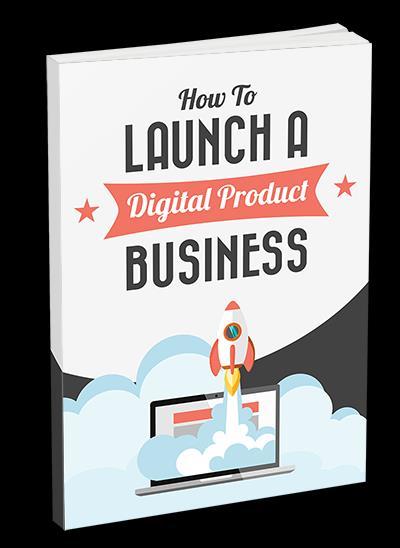
"Discover How to Start, Build and Launch Your Own Digital Product Business Without Breaking The Bank..."
Find Out How To Create Your First Digital Product For Sale And Start Getting Sales On Autopilot!
What you'll discover in this eBook:
• You'll have an idea for the type of digital product you want to create and what the strengths and weaknesses of each option are
• Understand what makes digital products sell and how you need to design your creation in such a way that people will be eager to buy it
• Know how to quickly and cost effectively create the type of digital product you want
How to create a potential hot-selling eBook
• Know how to alter things like price, cover image and more in order to optimize your sales
• Understand how to drive more traffic to your landing page using SEO, PPC, e-mail marketing and social media
• Understand affiliate programs and tools like JVZoo, ClickBank and WSO Pro
• Know how to build an army of affiliate marketers who can drastically increase your sales and profits
• • ...and much, much more!
This is the ultimate guide to How to Launch a Digital Product Business! You'll discover all the steps, tools and resources to help you become a successful digital marketer! Get your copy today!
Now you can create full image variations inspired by your original ad creative with text overlay capabilities, generating improved backgrounds around product images and expanding images to better fit multiple surfaces. In addition, you will r brands to choose from. Lastly, image expansion allows you to seamlessly adjust creative assets to fit different aspect ratios across multiple surfaces. These tools are now available on Reels and Feed across both Instagram and seamlessly with text overlays on your ads.
https://www.facebook.com/business/news/Introducing Features
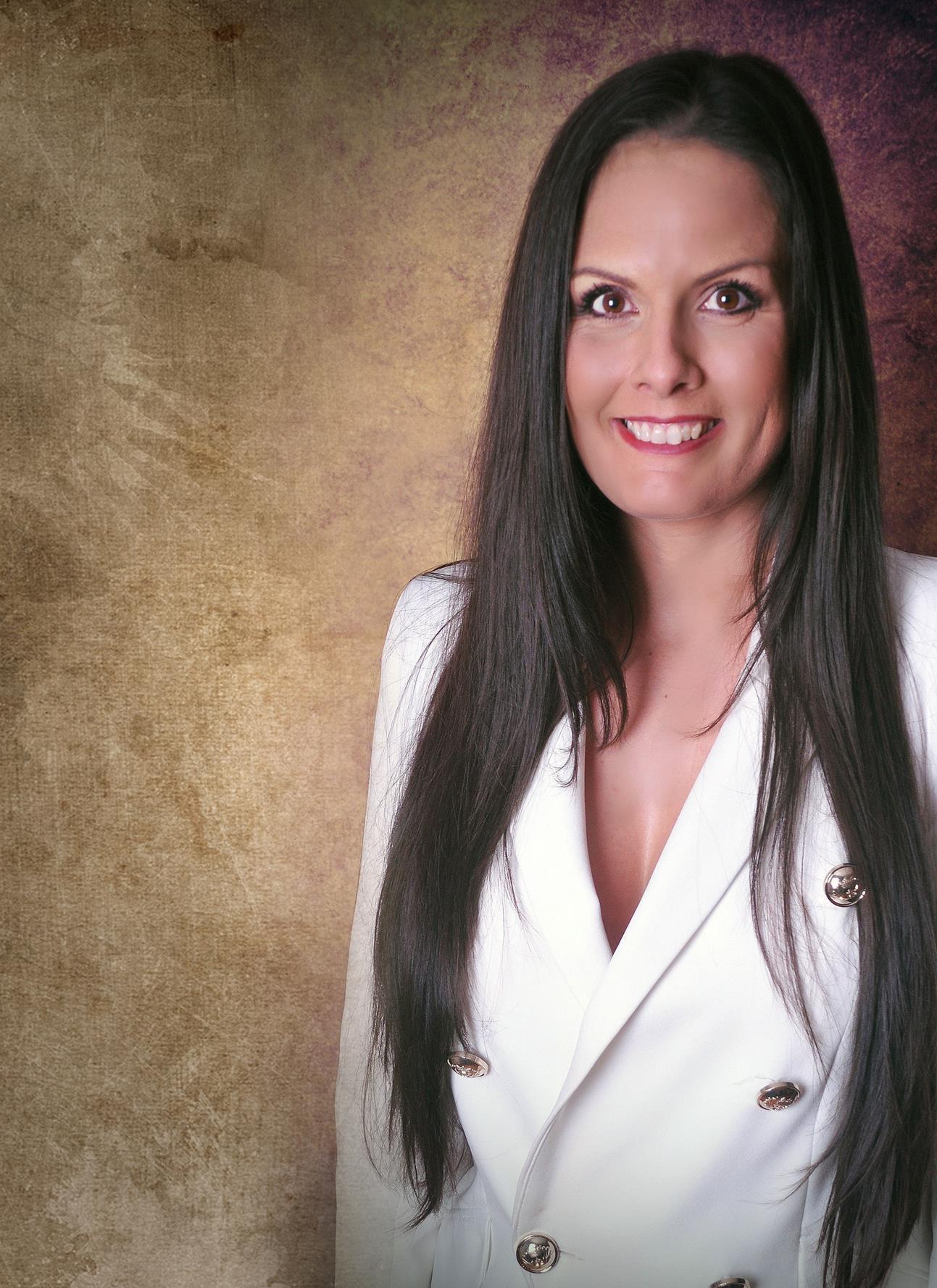
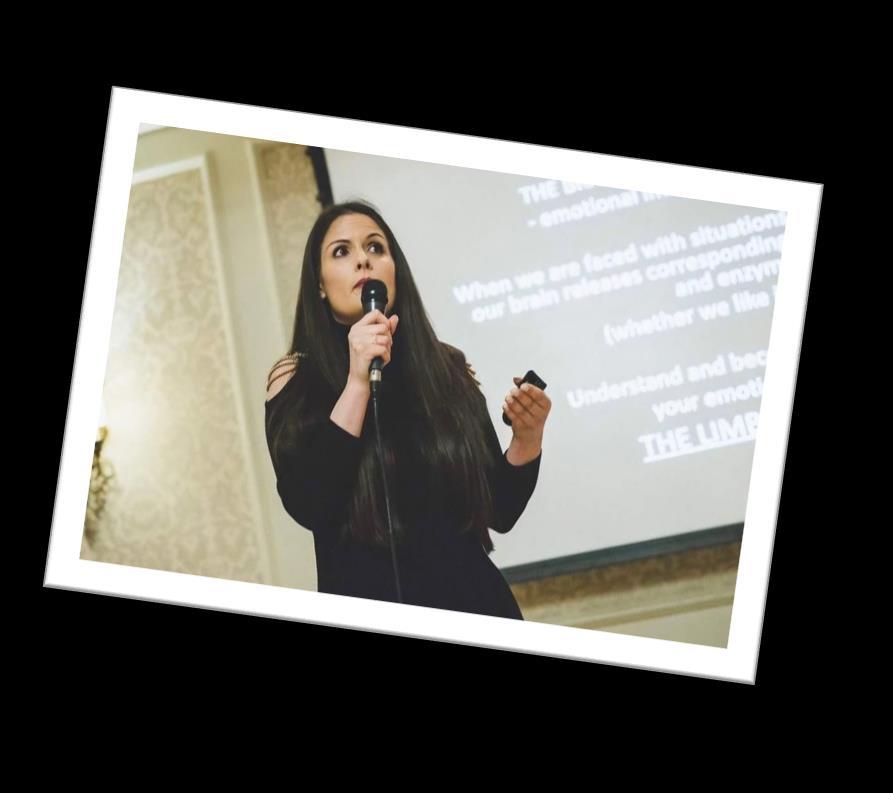
Today's guest is Donna Kennedy, an Irish entrepreneur, business mentor and coach who spent decades helping founders build profitable businesses that actually fit their lives.
She's known for blending smart strategy with mindset, leadership, and helping entrepreneurs grow sustainably instead of just chasing burnout.
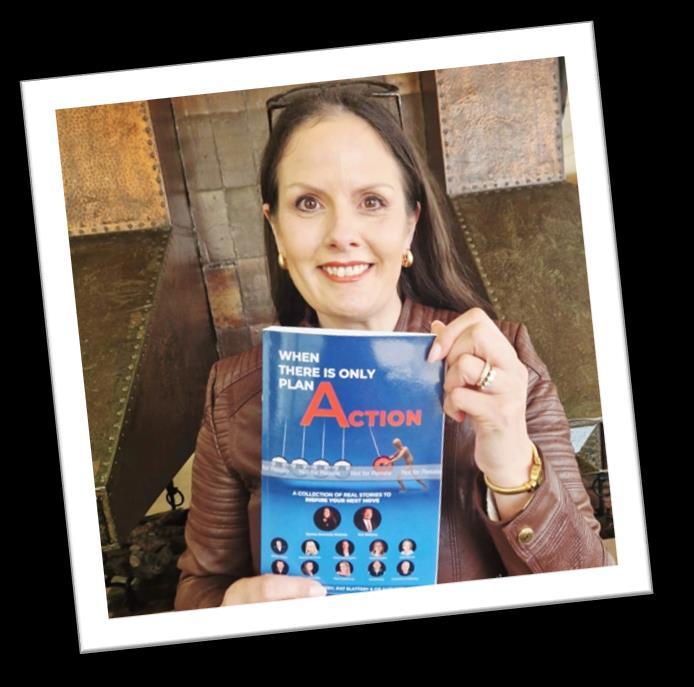
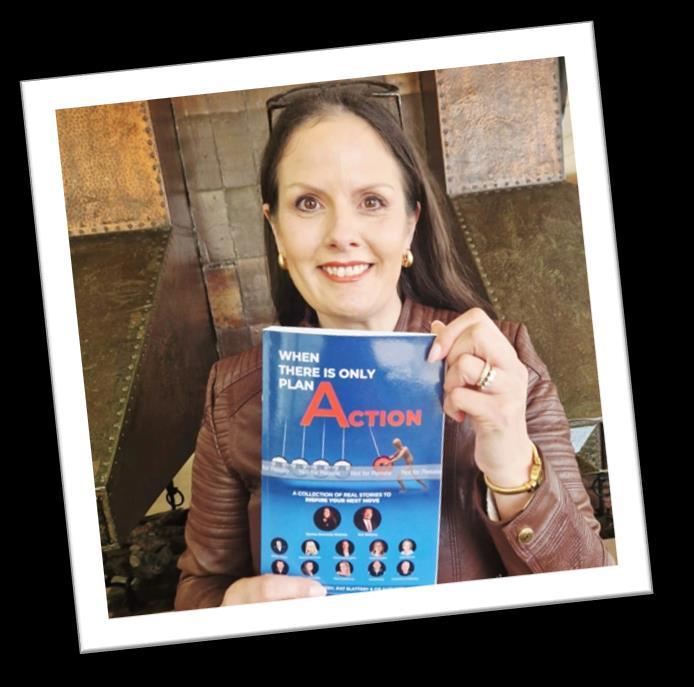
She's also the author of many books, including DECISION: The Gateway to Your Unlimited Potential, and has a new book, which we'll talk about during the interview.
She's all about turning ideas into momentum and actually getting things done. Donna, it is great to have you with us.
Donna Kennedy:
It's great to be here.
Editor:
Let's start right at the beginning, shall we? Could we take you back just to the start of your entrepreneurial journey and what led you there?
Donna Kennedy:
Editor:
I guess I was an entrepreneur at five. I started my first business, selling brooches.
I really was always interested in entrepreneurship without realizing that I was an entrepreneur.
I had a very difficult past, and at a part of my life it was very, very difficult, but I turned it around.
And as many people who have successful businesses and go on to help others through leadership, many people have had a rough start or they've had humble beginnings.
Because there is a point where you get to have desperation, and that desperation is a catalyst for building something better.
Absolutely. It must be one of those things where you've got a determination in you because of your past. Did you always want to run your own business, Donna, or is this something that you fell into?
Donna Kennedy:
I've always had an entrepreneurial spirit. What I mean by that is, as I said, when I was five, I used to sell brooches.
At home, we had this pillar on a wall, and I used to sit on it with a little Fisher-Price record player, and I thought I was a busker. I was going to make all this money. Then at Christmas time I made and I sold yule logs when I was 12 and Christmas wreaths. So, there's lots of different things all the time.
I'm interested in people in particular and I'm interested in creating things. I'm known for a phrase, "Let's give it a go." Anything that happens and I look, okay, well that could be interesting.
And then if I really love it, well, why not make money from it? And it's always a win-win, so everyone... I guess it's a little bit of an adventure. It's a journey of fun and everyone makes money.
Editor:
Certainly is that. What did those early years teach you about business and also maybe some of those things that you still use today?
Donna Kennedy:
Definitely that business is all about people. Especially in today's age, people try to sell product, and they focus so much on the product and on the glitz and the glam and all of that kind of thing.
But really, businesses are built on relationships long term. If you think of any restaurants that you've ever been to, you've probably been to it because somebody has recommended it more so than just seeing an ad in a newspaper or on social media.
So, recommendation is probably the best form of accelerating your business and your life. But I think that comes very much from recommendation, people, and building relationships.
Editor:
As I mentioned during the introduction, you've written multiple books. I think just before we came on, you mentioned that the latest book that you've been working on is book number nine.
Donna Kennedy:
Yes, it's my ninth baby, so I'm able to say I'm delivering this into the world. It's all about action. It's when there's only plan A and that involves into action. And many people find themselves giving, I guess, procrastination, hesitation, and they say, well, if it doesn't work out, then I'll just do plan B.
I guess sometimes people sabotage themselves, it wasn't going to work out anyway, and this kind of thing.
Whereas if you have literally one plan, it's plan A, and you make it work. To do that, you have to have action. Again, social media can be responsible for it a little bit. But there's a lot of not-solid stuff out there at the moment, which are things like you wish for it and it'll happen, or you have the law of attraction only and it'll happen, think about it often enough and it will happen.
Which is true to an extent that there are universal laws, but personally, I believe that you also have to have action as part of that. So, you have to visualize it, you have to have the vision, you have to have the passion, determination. But if you do nothing, nothing happens.
Editor:
The book is out now. Where do we need to go to check out the book?
Donna Kennedy:
You can get it on Amazon. You can also get it on my website, which is donnakennedy.com,
or if anybody wants to email he website and ask for details, it's info@donnakennedy.com
Editor:
Perfect. You talk a lot about building success that's sustainable. Maybe you could just give us some overview of what that means in practice.
Donna Kennedy:
It's long term. There's a lot of people who build businesses. They have the vision, but they don't do the things that they need to do to get it started, but importantly to maintain it. And when things get tough, which they always do in any business or in your life, people can often... I suppose fail is a bad word, but they just stop. They give up. They don't push through the obstacles. They blame themselves, criticise themselves, say things like, as I said, "It won't work anyway.", or such and such, "A person said it wasn't going to work out, and they were right."
If you want to be sustainable, you have to be prepared to know that the fact is there will be obstacles, many. It's like life. You have to go through those obstacles, go over them, go under them, do whatever you have to do to get through them. And when you do, it's worth it. If anybody looks back to their entire life and anything they've ever got a result... That could be getting 10 out of 10 in a spelling test, so it doesn't have to be anything monumental... there were mistakes, many mistakes made to get there.
I think sometimes we can criticise ourselves a little bit too much and be too hard on ourselves, when really it's just about you can say to yourself, "That was a mess-up. We won't do that again, but what did we learn from it?", or, "That actually really worked.", and then look at that equally. It's all a kind of trial and error, but a calculated one at the same time. And give yourself a break…
Q & A
The Metric Worth Obsessing Over
Stop measuring follower count. Start measuring reply rate, open rate, comment quality, and how often people in your community mention you or your content to other people.
One person who tells three friends about you every month is worth more than a thousand silent followers who never think about you between posts.
One community member who feels genuinely seen and helped is worth more than ten thousand passive scrollers who barely remember your name.
The math of micro-community isn't obvious until you see it working.
And when you see it working when you realize that a group of 300 genuinely obsessed people is generating more revenue, more referrals, and more joy than 30,000 passive followers ever did you'll wonder why you spent so long chasing the wrong number.
Five hundred obsessed followers. That's the goal worth building toward.
Not because 50,000 isn't achievable. But because 500 obsessed people will get you there faster, more profitably, and with a business you actually enjoy running.
The reach era is over.
The trust era just started.
Go build something people actually care about.
Now here's the part that matters for solo marketers specifically because this isn't just a strategy for Netflix and Beyoncé. The underlying principle scales all the way down to a one-person operation working from a spare bedroom.
The brands that stumble in fandom spaces show up with a control-first mindset. The ones that win understand something simpler and more powerful: "you don't get to control the narrative anymore, you get to contribute to it." For a solo marketer that means creating content that becomes part of your audience's identity, not just their information diet. It means building a community with its own language, its own jokes, its own shared references and then offering products and services that feel like natural extensions of that community rather than interruptions of it.
Think about what you sell and ask yourself honestly: does buying it make someone feel like they belong to something? Does it give them something to show off, talk about, or share? Does it fit into the story they're already telling about themselves? If the answer is no, you're selling a product. If the answer is yes, you're selling membership in something and that's a dramatically more powerful thing to sell.
The Fandom-to-Cart Test
Ask yourself:
• Would someone talk about buying this?
• Would they share it without being asked?
• Does it make them feel like part of something?
If not, you don’t have a product problem. You have a story problem.
In 2026, chasing impressions is a legacy mindset. The new standard is measuring whether your brand is living rent-free in your audience's mind.
The Fandom-to-Cart model is the most direct path to getting there not by interrupting your audience's world with a pitch, but by becoming interesting enough that buying from you feels like part of their world.
Predicted conversion rate: 30–50% You've got a genuine winner on your hands. Honestly? We're impressed. You've done the work specific offer, clear page, real traffic strategy, and a follow-up sequence that doesn't embarrass you.
Your lead magnet is set up to perform. Now launch it, watch the data, and start optimizing. Don't sit on it.
17–21 points
Predicted conversion rate: 10–25% Solid foundation, a few leaks to fix. You're on the right track but leaving conversions on the table somewhere.
Usually it's the specificity of the offer, the opt-in page copy, or the post-subscribe experience.
Pick the weakest link, fix it, then launch. Don't wait for perfect good enough with traffic beats perfect with none.
10–16 points
Predicted conversion rate: 3–8% It'll get some opt-ins. Mostly from people who won't buy. Your lead magnet has the bones of something decent but it's too broad, too generic, or too disconnected from what your actual buyers need.
Before you spend energy driving traffic, go back and sharpen the concept until it feels almost uncomfortably specific.
0–9 points
Predicted conversion rate: 0–2% We need to have a gentle but honest conversation. Right now, your lead magnet is a well-intentioned PDF that the internet does not need another copy of.
That's okay this is fixable. But launching it as-is means spending energy on something that won't build a real list. The good news: the fix usually isn't starting over.
It's narrowing down until the right person reads the title and thinks "this was made for me."
Why a Simple Quiz Is Outperforming Every Other Lead Magnet on the Internet Right Now
Here is a thing that is true about every human being who has ever lived: They will answer a question about themselves before they do almost anything else. It doesn't matter how busy they are.
It doesn't matter how many emails are in their inbox.
Ask someone what kind of marketer they are, what's secretly sabotaging their email list, or which business model actually fits their personality and watch them stop everything to find out.
This is why quiz funnels are quietly destroying every other lead magnet format right now. Not because they're new.
Not because they're complicated. Because they weaponize the single most reliable human instinct on the planet: the desperate, overwhelming need to know more about yourself.
The average PDF lead magnet converts somewhere between 1% and 3% of visitors. Quiz funnels regularly hit 30% to 50%. Read that again. Slowly. Then look at your current opt-in form and have a quiet word with yourself.
Here's why it works so well.
A PDF asks someone to trust that your content is worth their email address before they've seen a single word of it.
A quiz gives them something immediately — a result, a diagnosis, a personality type, a score and collects the email as part of delivering that result. It doesn't feel like a trade.
It feels like a service. And the personalized result at the end means every subscriber arrives already segmented, already engaged, and already feeling like you understand them specifically.
The tools to build one are cheap, the learning curve is short, and your competitors mostly haven't figured it out yet.
That window won't stay open forever.
Example Quiz Ideas from the Self-Help Niche
• How Self-Sabotaged Are You Really? (On a Scale of Fine to Impressive)
• Is Your Morning Routine Changing Your Life or Just Making You Tired Earlier?
• Which Limiting Belief Is Running Your Life Behind Your Back?
• What Does Your Relationship With Your To-Do List Say About Your Mental Health?
• What's Your Emotional Eating Trying to Tell You? (Besides "Buy More Chips")
• How Emotionally Available Are You To Yourself? (This One Stings a Little)
• What Kind of Goal Setter Are You? (Visionary, Planner, Starter, or Elaborate Excuse Maker)
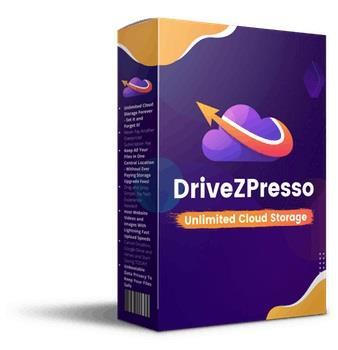
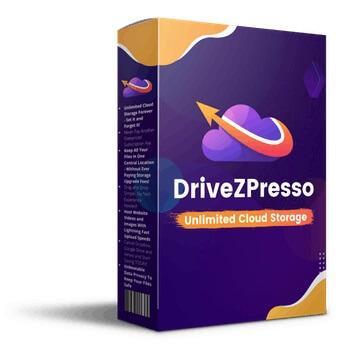
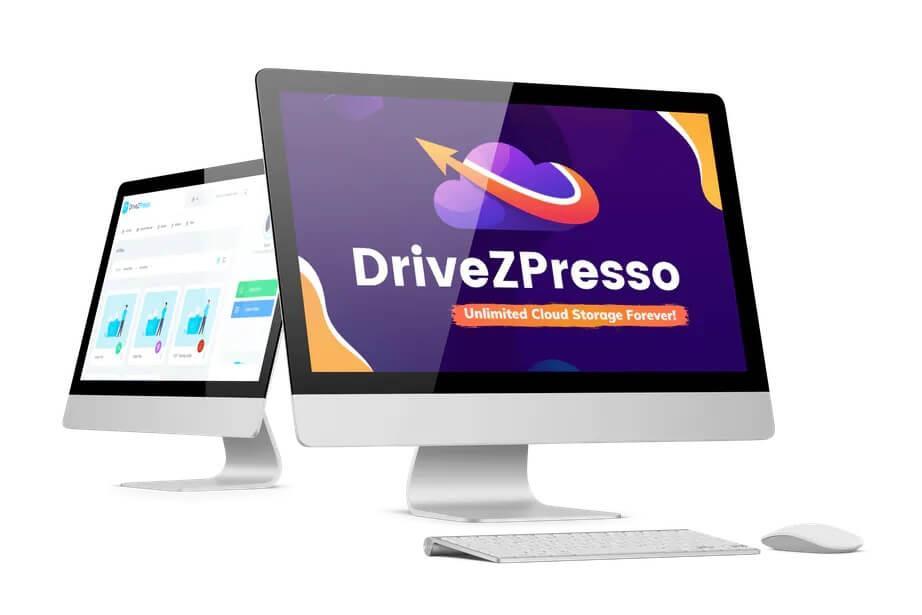
NEW PRODUCT DriveZPresso
Nowyou can haveUnlimited CloudStorageForLife (GoodbyeDropbox!)Saygoodbyeto overpriced Dropbox subscriptions and time-wasting tech headaches… Because there’s a brandnew Cloud Storage Solution that lets you host, share, and back-up ALL your files… With Unlimited Storage For Life at an unbeatable ONE-TIME price. Get the details here (limited availability).
Imagine… All your files stored in one central location so you can find whatever you need in seconds Never paying another overpriced subscription fee to Dropbox or Google Drive Freeing yourself from storage limits and tech hassles once and for all Big Tech has been sticking it to the little guy for far too long…
With ridiculously high monthly fees and huge mark-ups that line the pockets of Silicon Valley billionaires DriveZPresso lets you take back control of your data and your business future…
With all the capabilities of Dropbox and Google Drive and NONE of the overpriced subscription fees…
Go here now DriveZPresso UNLIMITED file storage for an ultra-low one-time fee Host website images and videos with lighting fast upload speeds on your website.
Find any filein seconds with theadvancedsearch technology Sharelinks to anyfile –just likeDropbox orGoogle Drive Collaborate with team members to edit documents in real-time Keep your files safe from hard drive crashes, hackers and malware It’s time to say NO to the “Big Tech Tax” and join the future of cloud storage…
Grab your DriveZPresso license click here.
JVZooHost is dedicated to providing safe, fast, and affordable web hosting with superior support. You can concentrate on running your business and rest assured your website will be up and running. Get your site noticed on the web today with JVZooHost!
MWM wants You to Know
The Wildest New Buying Behavior
Your Competitors Haven't Noticed
Yet
Forget the checkout page. The smartest brands in 2026 are hiding the cart inside the experience itself.
Something genuinely wild is happening in commerce right now and most solo marketers are completely missing it. The old model was simple: create content, build an audience, put a link in bio, send people to a store.
But the new model is messier, more creative, and dramatically more effective: The shopping doesn't interrupt the experience. It is the experience. Welcome to Fandom-to-Cart the commerce strategy where buying something feels less like a transaction and more like joining a story.
Here's what it looks like in the real world. When Beyoncé name-dropped Levi's on her Cowboy Carter album, Levi's didn't just sit back and enjoy the moment they launched an entire "Reimagine" campaign that rode the cultural wave, resulting in a 20% stock boost and a measurable spike in store traffic. Maybelline didn't run ads on Roblox they wove themselves into the actual gameplay, driving 25 million virtual try-ons.
Netflix is turning fan passion for its shows directly into merchandise, combining streaming, entertainment, and commerce into a single loop so watching the show and buying the thing feel like the same activity.
In every case, the brand didn't interrupt culture to sell something. It became part of the culture and let the selling follow naturally.
U.S. creator ad spend hit $37.1 billion in 2025 growing four times faster than the broader media industry driven entirely by this shift toward culturefirst commerce. And the brands winning this space understand one thing above all: products need to be designed to facilitate social signaling and visual sharing, not just utility. People aren't just buying a thing. They're buying proof of belonging. They're buying a prop for their own story.
Stop Selling Products. Start Selling Identity.
If buying your product doesn’t help someone signal who they are, it’s always going to feel optional.
The strongest brands in 2026 don’t sell things they sell belonging.
Now here's the part that matters for solo marketers specifically — because this isn't just a strategy for Netflix and Beyoncé. The underlying principle scales all the way down to a one-person operation working from a spare bedroom.
The brands that stumble in fandom spaces show up with a control-first mindset. The ones that win understand something simpler and more powerful: "you don't get to control the narrative anymore you get to contribute to it."
For a solo marketer that means creating content that becomes part of your audience's identity, not just their information diet. It means building a community with its own language, its own jokes, its own shared references and then offering products and services that feel like natural extensions of that community rather than interruptions of it.
Think about what you sell and ask yourself honestly: does buying it make someone feel like they belong to something?
Does it give them something to show off, talk about, or share? Does it fit into the story they're already telling about themselves? If the answer is no, you're selling a product. If the answer is yes, you're selling membership in something — and that's a dramatically more powerful thing to sell.
The Fandom-to-Cart Test
Ask yourself:
• Would someone talk about buying this?
• Would they share it without being asked?
• Does it make them feel like part of something?
If not, you don’t have a product problem. You have a story problem.
In 2026, chasing impressions is a legacy mindset. The new standard is measuring whether your brand is living rent-free in your audience's mind.
The Fandom-to-Cart model is the most direct path to getting there
not by interrupting your audience's world with a pitch, but by becoming interesting enough that buying from you feels like part of their world.
New research on ad fraud should make every marketer stop and audit their campaigns immediately
Here's a number that should ruin your morning: up to 30% of digital ad spending may be disappearing into bot traffic and fraudulent impressions. Not because your targeting is off. Not because your creative is weak. But because a significant chunk of your "audience" was never human in the first place.
Some campaign audits have found things even worse than that certain ad buys receiving nearly 100% bot traffic. Meaning every click, every impression, every optimistic metric in the dashboard was essentially a robot performing a little theatre for your analytics platform.
This is the ad fraud crisis that doesn't get nearly enough airtime.
It's not new bots and fake traffic have been a dirty secret of digital advertising for years. What's changed is the scale. As programmatic buying has made it faster and cheaper to serve ads across thousands of placements automatically, it's also made it dramatically easier for fraudsters to insert fake inventory into the supply chain. Your campaign optimizes beautifully. Your budget drains efficiently. Your actual humans reached? Far fewer than the numbers suggest.
The platforms aren't exactly rushing to fix this. Fraud inflates their impression numbers too.
So what do you actually do? Start with a traffic quality audit tools like CHEQ, DoubleVerify, and Integral Ad Science can show you what percentage of your traffic shows bot-like behavior. Get brutal about which placements you're buying and which networks you trust.
Pull back from the cheapest inventory, because bargain-priced ad placements are often where fraud concentrates. And if you're running programmatic, make sure brand safety and fraud filters are actually switched on many aren't by default.
Your ad budget is too hard-won to spend on an audience that doesn't breathe.
You Might Be Spending a Third of Your Ad Budget on Robots
Can 500 Obsessed Followers Beat 50,000 Passive
Ones?
The reach era is over and the trust era just started. Figure this out first and you can leave everyone else behind.
Let's talk about the metric that's been lying to you.
Follower count. The number at the top of your profile that everyone including you, including me, including every marketing guru who ever sold a course treated like the single most important measure of whether your online presence was working. Big number good. Small number bad. Chase the big number. Post for the big number. Optimize everything for the big number.
The Data That Should Change Everything
In 2008, Jason Sadler turned one of the strangest marketing stunts of Pay him to wear your Day one cost $1.
Caption: “Trying side hustles for the next 30 days…let’s see what works!
Here's the uncomfortable truth: the big number was always mostly vanity. And in 2026, it's becoming irrelevant so fast it's almost funny.
Post Idea: Share a tiny tip people can implement today. Example: “3 apps to
Every day that passed, the price went up. Brands knew if they hesitated, quirky, he amplified it. Facebook, Twitter,
Caption: “You don’t need fancy tools to start earning. Try these!
Nearly 40% of consumers now trust recommendations from microcommunities as much as personal recommendations from friends and family. Let that land for a second. A tight, focused online community of people who share a specific passion, problem, or goal carries almost the same trust weight as a recommendation from someone you actually know. And brands that have leaned into knowledge-sharing micro-community platforms — instead of chasing mass reach — are seeing 25% higher marketing ROI than those still playing the big audience game.
Twenty-five percent. Not a rounding error. Not a marginal improvement. A significant, measurable, real-money advantage for the marketers who understood that a smaller, tighter, more passionate group of people is worth dramatically more than a massive passive audience that barely knows you exist.
What a Micro-Community Actually Is
The calendar was public and everyone knew what it cost. That honesty
Caption: “Stop doing this if you want to actually make money online. authority + relatability. screenshots,
Caption: “Here’s exactly how I made $10 flipping old items today!
By 2010, Sadler had scaled his idea with more “human billboards” and . All from what but was really a masterclass in unconventional
Post Idea: Reply to a comment or make a video answering “How do I start?”
Here's where most people get confused. A micro-community is not just a small audience. It's not 500 people who followed you because you appeared in their feed once and they tapped the button without really thinking about it.
Caption: “You asked…here’s how ANYONE can start a side hustle this week.
A micro-community is 500 people who genuinely care. Who open your emails. Who reply to your posts. Who talk to each other in your comments section. Who would notice if you disappeared. Who buy what you recommend not because they were targeted by an algorithm but because they trust you specifically and feel like they belong to something you built.
. Quirky > polished when you want
here’s what went wrong today
. The ideas that sound too weird to work are he sold a story people wanted
Caption: “Made $70 this week just sharing tips I learned. You can too!
That's a completely different thing from having 50,000 followers who scroll past your content three times a week on their way to something else.
And while Sadler’s stunt belongs to 2008, the principle behind it hasn’t aged a day. The platforms have changed, the audiences have shifted, but the psychology is identical. Scarcity still drives urgency. Novelty still grabs
Why This Is Happening Now
The internet got too big, too loud, and too full of strangers performing for strangers. People got exhausted. And when people get exhausted by noise, they retreat to smaller rooms with people they actually trust.
Think about your own behavior. Where do you go for real recommendations? Not a brand's Instagram. Not a celebrity endorsement. You go to the private Facebook group where people are honest. The Discord where the really obsessed fans hang out. The newsletter where someone actually knows what they're talking about. The subreddit where nobody's trying to sell you anything. The group chat with five people who all care deeply about the same thing you do.
That's where trust lives now. And trust is where buying decisions get made.
The Solo Marketer Advantage
Here's the part that should genuinely excite you: this shift massively favors solo marketers over big brands.
Big brands are terrible at micro-communities. They're too careful, too committee-approved, too focused on brand safety to ever feel genuinely human inside a tight community. They can spend millions trying to manufacture that intimacy and still come across as a corporate account in casual clothes.
You, working from home, actually knowing your audience personally, actually living the problems they have, actually caring whether they succeed you can build genuine community in a way that no brand with a social media team ever could. Your size is not a disadvantage here. It's your single biggest competitive advantage.
What This Looks Like In Practice
You don't need a massive platform to build a microcommunity. You need a specific person with a specific problem and a consistent, genuine reason to gather around you.
That might be a free Facebook group where people who share your exact niche come together to solve problems and share wins. A newsletter with a reply culture where you actually respond to emails and your readers respond back. A paid membership with a community element where people come for the content and stay for the relationships. A Discord or Slack where conversations happen in real time. A comment section you actually show up in every single day like it matters because it does.
Isn’t This Complicated?
Zero percent complicated.
Platforms like ConvertKit, MailerLite, Kajabi, ActiveCampaign, and even free CRM tools already include:
The format is less important than the feeling. The feeling you're going for is: this is my people. This is the place where someone actually gets it. This is worth showing up for.
The Metric Worth Obsessing Over Stop measuring follower count.
Start measuring reply rate, open rate, comment quality, and how often people in your community mention you or your content to other people.
One person who tells three friends about you every month is worth more than a thousand silent followers who never think about you between posts.
One community member who feels genuinely seen and helped is worth more than ten thousand passive scrollers who barely remember your name.
The math of micro-community isn't obvious until you see it working. And when you see it working when you realize that a group of 300 genuinely obsessed people is generating more revenue, more referrals, and more joy than 30,000 passive followers ever did you'll wonder why you spent so long chasing the wrong number.
Five hundred obsessed followers. That's the goal worth building toward.
Not because 50,000 isn't achievable. But because 500 obsessed people will get you there faster, more profitably, and with a business you actually enjoy running.
The reach era is over. The trust era just started.
Go build something people actually care about.
What's Your Lead Magnet's Actual Conversion Rate Going to
Be? (We'll Tell You Before You Launch)
Answer honestly. Nobody's watching. Except us.
Question 1: What is your lead magnet? Be honest. Nobody's watching. Except us.
A) A checklist (the PDF's humbler cousin)
B) A video training or mini course
C) A PDF guide or ebook (the classic)
D) A quiz, assessment, or scorecard
E) A template, swipe file, or tool they can actually use
The teaching moment: Format matters enormously. Quizzes and tools convert at 30-50% because they deliver immediate value. PDFs convert at 1-3% because everyone has seventeen unread ones already.
Question 2: How specific is your lead magnet? This is where most people's dreams quietly die.
A) Somewhat broad it could help most online marketers
B) Very broad — it's for anyone who wants to grow their business
C) Very specific it solves one exact problem for one exact person
D) Fairly specific — it's for a clear niche
The teaching moment: The riches are in the niches, but the opt-ins are in the specifics. "How to get your first 100 email subscribers as a health coach" will always outperform "How to grow your email list."
Question 3: What does your opt-in page look like? Again — honesty. The algorithm sees all.
A) A link in my bio that goes to my homepage
B) A decent page but it could use some work
C) What's an opt-in page?
D) A pop-up or embedded form with minimal copy
E) A dedicated page with a clear headline, benefit bullets, and one call to action
The teaching moment: Your opt-in page is doing the selling. A dedicated landing page with a strong headline converts 3-5x better than a generic homepage with a form buried at the bottom.
Question 4: How did you come up with your lead magnet idea? The origin story matters more than you think.
A) I asked AI to give me lead magnet ideas
B) My audience literally asked me for it
C) I brainstormed things I know about and picked one
D) I saw someone else do something similar and thought it was good
E) I noticed a recurring question or problem in my niche
The teaching moment: The best lead magnets solve a problem your audience is already losing sleep over. If they didn't ask for it, they may not want it badly enough to trade their email for it.
Question 5: What happens immediately after someone opts in? The first 60 seconds of a subscriber relationship are everything.
A) They get a generic "thanks for subscribing" message
B) They get redirected to my homepage
C) They get a welcome email that delivers the goods AND tells them exactly what to expect next
D) Honestly I haven't set that up yet
E) They get a confirmation email with a download link
The teaching moment: Open rates on welcome emails average 50-60% the highest of any email you'll ever send. If you're not using that moment to set expectations, deliver value, and start a relationship, you're wasting your best shot.
Question 6: Where are you sending traffic to your lead magnet? No traffic, no conversions. Math is cruel.
A) Mostly word of mouth and hope
B) I'm still figuring out the traffic part
C) Primarily one social media platform
D) Multiple sources social, email, SEO, paid, partnerships
The teaching moment: A lead magnet with no traffic strategy is just a hobby project with an opt-in form. Your conversion rate is meaningless if 11 people see it.
Question 7: If your lead magnet were a person at a party, which one would it be? This is a vibe check. It counts.
A) The one who showed up uninvited and is trying too hard
B) The one standing in the corner hoping someone notices them
C) The one everyone's gathered around because they're saying something genuinely useful
D) The one who's fine pleasant, competent, forgettable
The teaching moment: Your lead magnet competes with Netflix, Instagram, and every other thing demanding attention. Competent isn't enough. It needs to be the most useful thing someone sees all week.