
Why HERBARIUM Matters
Dr Alfred C. Fryer
23 Eaton Crescent
Clifton
Bristol. 8.
28 December 1935
Dear Dr. Fryer
Many thanks for your letter. We are sorry to hear that the majority of Miss Roper’s papers are of little value and that you have the trouble of disposing of them. However, you may certainly take it that we give you a free hand in the matter, and we also wish you to place the papers which are retained where you think fit. You are under no obligation whatever regarding their disposal.
With many thanks for your kindess in this matter and with best wishes for the New Year.
Yours Sincerely,
JSW. Deputy Director
[original letter held in University of Leeds, Special Collections, LUA/DEP/B1O/ Box 5]
HERBARIUM is a collaborative, creative practice-based exhibition and installation project. We explore the life and work of Ida Roper (b. 1865, d. 1935), a pioneering field botanist.
Ida established her herbarium (a collection of preserved plants stored, catalogued and arranged) of dried British flowering plants in 1893. She added to it until her death in 1935, at which point it contained over 10,000 specimens. It was then donated it to Leeds University.
The University’s Special Collections now holds Roper’s paper records and ephemera while Leeds Museums and Galleries store the original herbarium.
With HERBARIUM, we offer creative responses to Ida’s life and work, through our exhibition selections, an original botanical piece of art from Zosia and this zine from myself. A zine (produced “zeen”) is a small-circulation, self-published, independently made publication, shortened from the words “magazine” and “fanzine”.
Lu Williams, founder of Grrrl Zine Fair argues that creating a zine is “a rewarding and radical breakdown of traditional ways of working and power structures. It is a way of elevating craft labour and democratising production in a context that is accessible to [all] communities” (Oh Comely, 2019)
The idea of a) breaking down traditional power structures in publishing, b) elevating [gendered] craft labour and c) democratising production – allowing anyone to have a voice – is central to HERBARIUM.
For HERBARIUM is a feminist project.
Ida was an expert on the British Violaceae (violet) and Orchidaceae (orchid) families of flowers.
She published in natural history journals, gave public lectures, was interviewed by newspapers and in 1917 she discovered a new variety of the violet, the nitella mucronata var. gracillima.
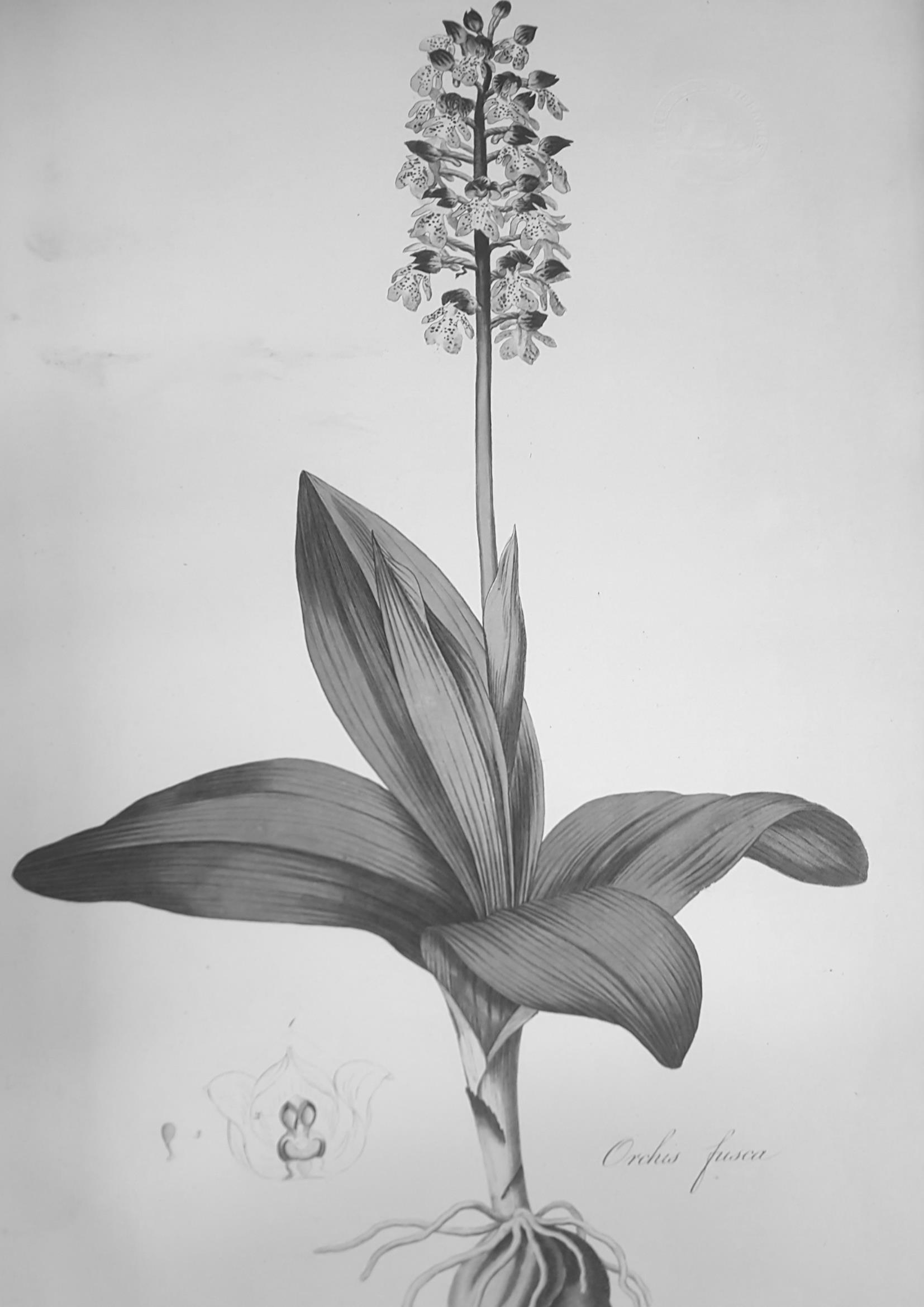
Image courtesy of the Gott Bequest, Leeds Central Library
BUT
Why don’t we know about her? Why has nobody written about her?
Why was her archive considered to have so ‘little value’?
During the Victorian period, there was growing hostility over the contribution of women to the collection of natural history specimens such as plants.
For men such as John Lindley (1799 – 1865), Professor of Botany at London University, ‘women’s participation in scientific debates on the subject were increasingly frowned upon as unladylike’ , and women botanists were increasingly considered as ‘enthusiastic female amateurs who considered knowledge about plants as a mere social accomplishment on par with being conversant in French or skilled at needlepoint’ (Moine, 2015: 52).
During Ida’s entry into the scientific study of botany, the field was being reclassified to make a distinction between the ‘polite botany’ of women, and the ‘botanical science’ of men (Ibid, 53) and in the 1890s women were banned from being members of, or attending meetings of the Linnaean Society (Hill, 2012: 188).
HERBARIUM is
a
feminist response to the gendered barriers faced by women botanists and the erasure of women collectors from histories of British botany
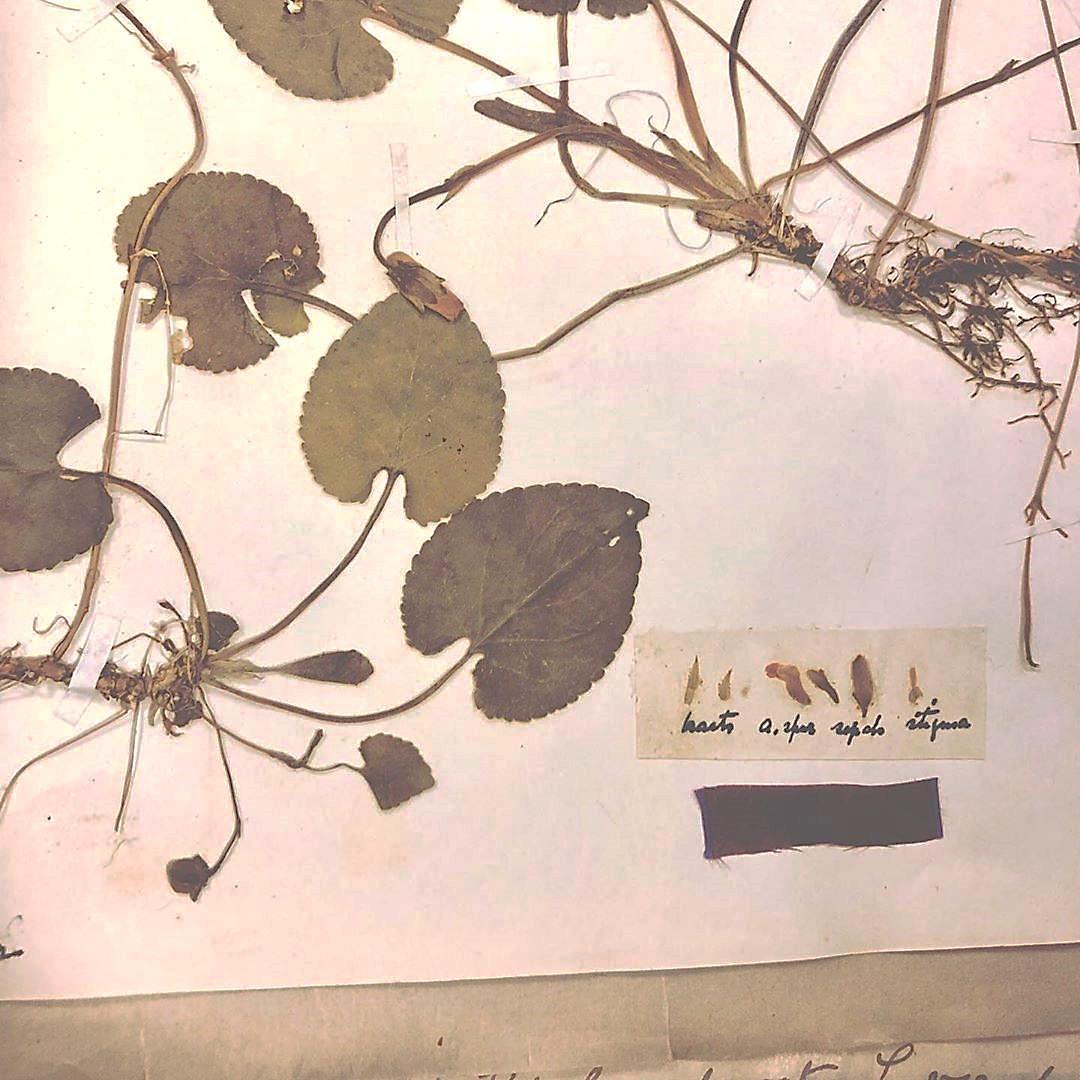
Example of one corner of a herbarium sheet by Ida Roper.
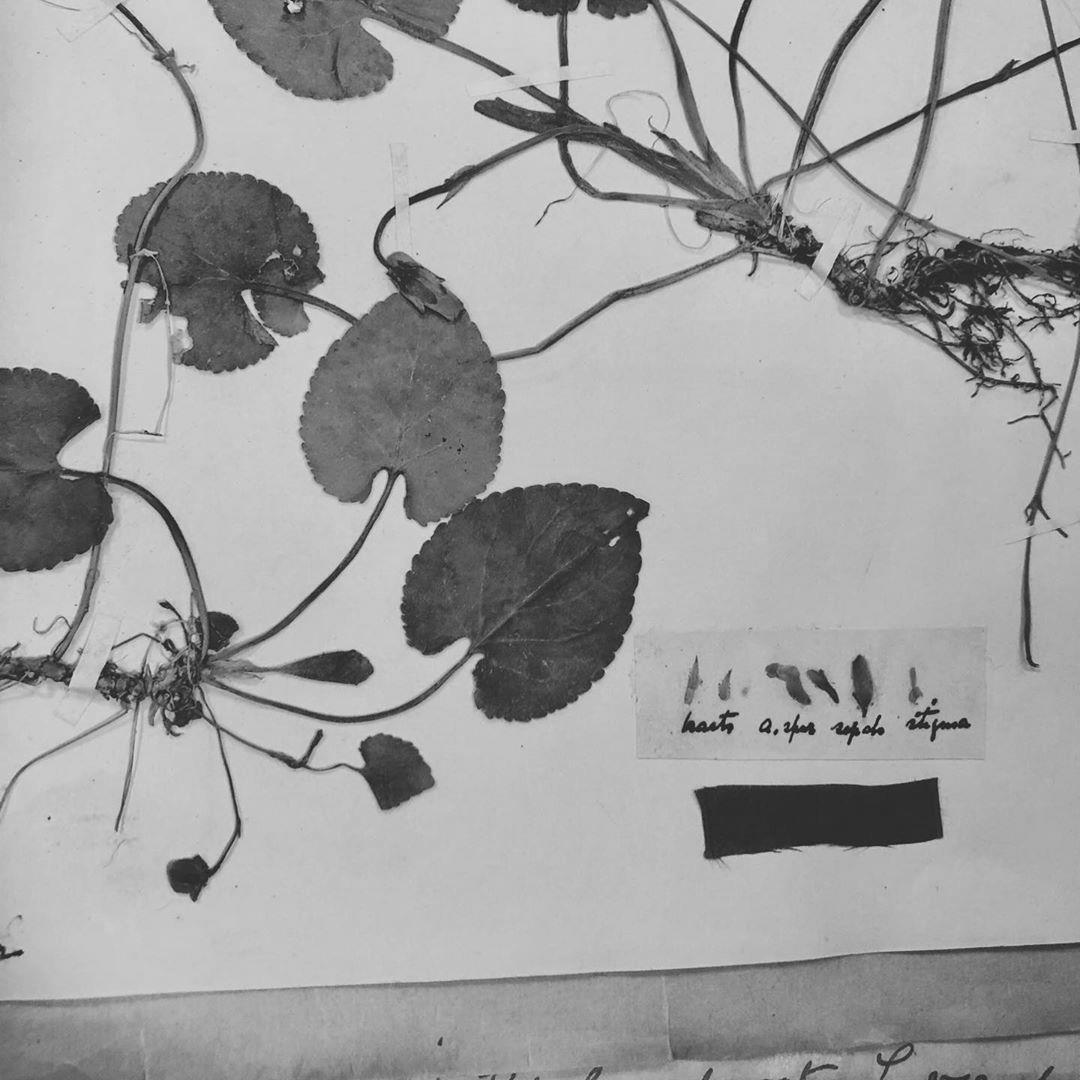
Note the careful and creative organization of the dried materials, paired with the fabric and thread samples dyed using the flower
Polite Botany / Botanical Science
Amateur / Professional Regional / International
Private / Public Woman / Man
these distinctions contribute to: The suppression of women working as professional scientific researchers during the Victorian period + The absence of women in scholarly histories of botany = the concept that women’s work in botany has no creative or critical value
HERBARIUM illuminates Ida Roper’s work and, publicly, gives her a voice.
In 1913, Ida was elected the first woman President of the Bristol Naturalists Society, then entering its 50th year. Ida held the post from 1913 – 1916.
In her annual address to the society on January 22nd, 1914, she noted:
“Twelve months ago, when you elected me, you are aware a great innovation was made by you in choosing a woman to be your President, and when you decided on this change, in face of the custom of 50 years and of some prejudice, you took a step for which I wish to sincerely thank you on behalf of my sex, even more than because I was the woman chosen.
I rejoice greatly that the honour of providing a President for the Jubilee year fell to Botany, but it is still more a source of gratification that it came to a woman botanist. Your generosity will, I hope, serve to encourage other woman to take up the pursuit of natural history in its different branches, and help to extend the usefulness of the society”
[published copy of the annual address held in University of Leeds, Special Collections, LUA/DEP/B1O/ Box 5]
We are not suggesting that Ida necessarily considered herself as a feminist, nor that we should project our contemporary understanding of personal politics onto history. Gender –that is, Ida being a woman – does not necessarily have any connections with political belief – for example, feminism. Nor do we have the space here to address the additional marginalisations that race, class, sexuality etc impacts upon women.
Rather, HERBARIUM is best understood as a feminist project, where feminism is “a set of political practices founded in analyses of the social / historical position of women as subordinated, oppressed or exploited either within dominant modes of production (such as capitalism) and/or by the social relations of patriarchy or male domination” (Kuhn, 1993 [1982]: 4)
Run by two feminist women, HERBARIUM is a creative and critical response to the erasure of women in botanical histories. How we uncover untold stories and how we read history is in itself a feminist act.
The rejection of women from key institutions and their absence in the written histories of their discipline is not limited to botany however…
In How to Suppress Women’s Writing (1984), Joanne Russ writes on the erasure of women writers from the literary canon:
“In a nominally egalitarian society the ideal situation is one in which the members of the “wrong” groups [e.g. women] have the freedom to engage in literature (or equally significant activities) and yet do not do so, thus proving that they can’t. But, alas, give them the least real freedom and they will do it. The trick thus becomes to make the freedom as nominal a freedom as possible and then – since some of the so-and-so’s will do it anyway – develop various strategies for ignoring, condemning, or belittling the artistic works that result. If properly done, these strategies result in a social situation in which the “wrong” people are (supposedly) free to commit literature, art, or whatever, but very few do, and those who do (it seems) do it badly, so we can all go home to lunch.”
[The methods] “are varied but tend to occur in certain key areas: informal prohibitions (including discouragement and the inaccessibility of materials and training), denying the authorship of the work in question…, belittlement of the work itself… isolation of the work from the tradition to which it belongs… assertions that the work indicates the author’s bad character and hence… ought not to have been done at all… or simply ignoring the works, the workers, and the whole tradition, the most common employed techniques and the hardest to combat”
Does any of this sound familiar?
Thus, we argue that the treatment of women botanists can thus be linked to the systemic suppression of women across the creative arts and sciences.
To combat this, we’ve worked with the archives in Special Collections, Leeds Museums and Galleries and Leeds Central Library in order to create a women-centered history that, until this point, did not exist in any public space.
In HERBARIUM we not only make a case for the importance of Ida’s life and work in botanical histories, but suggest that –whether she would consider it so or not –that her herbarium collecting and arrangement is in itself a creative act.
But, having discovered this history, for us, it’s not enough now to simply reveal it to you. We can do more than show you what has not previously been recorded for public consumption. To really demonstrate use value, you can actually do something with it.
So, go make something…
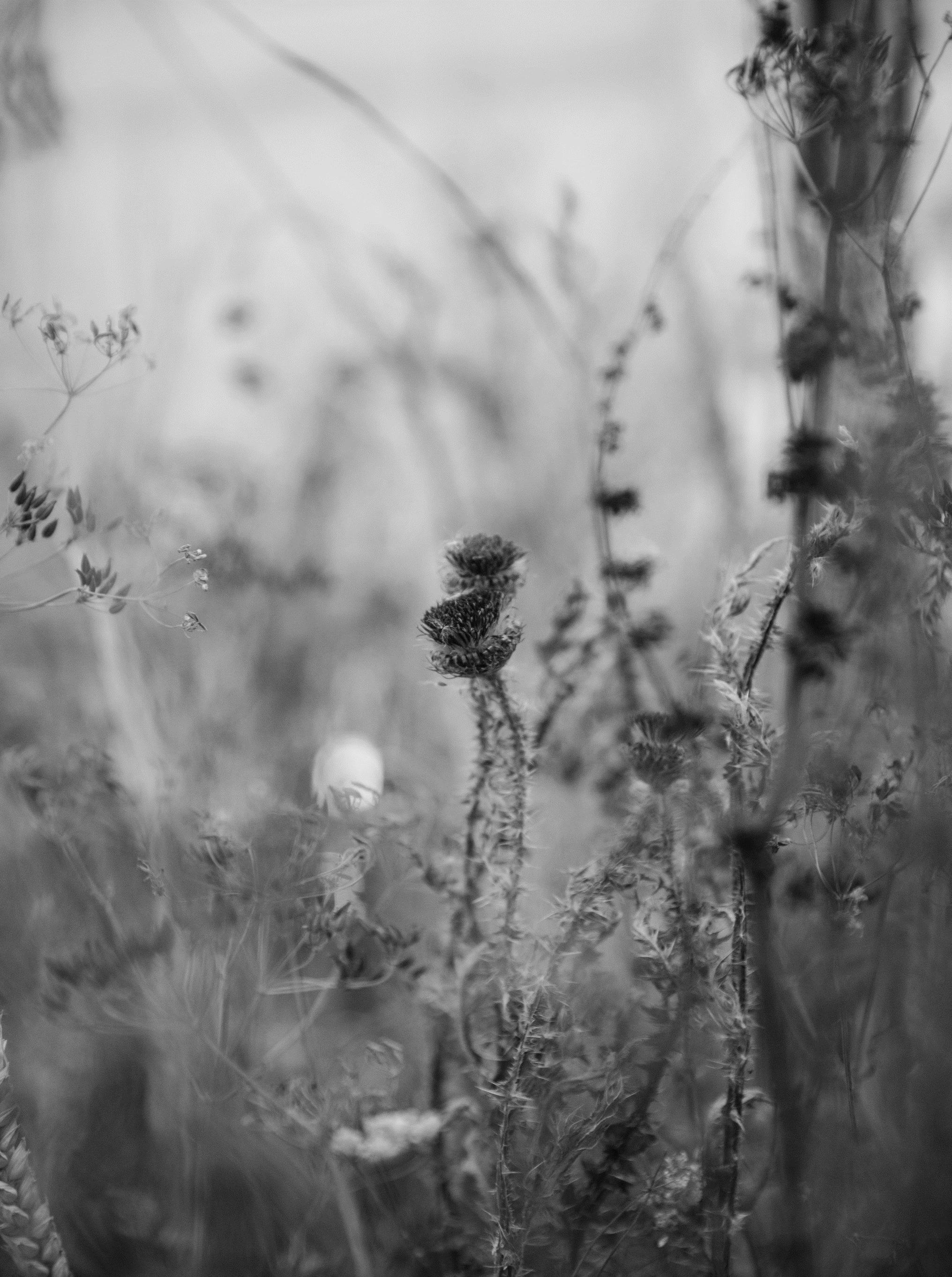
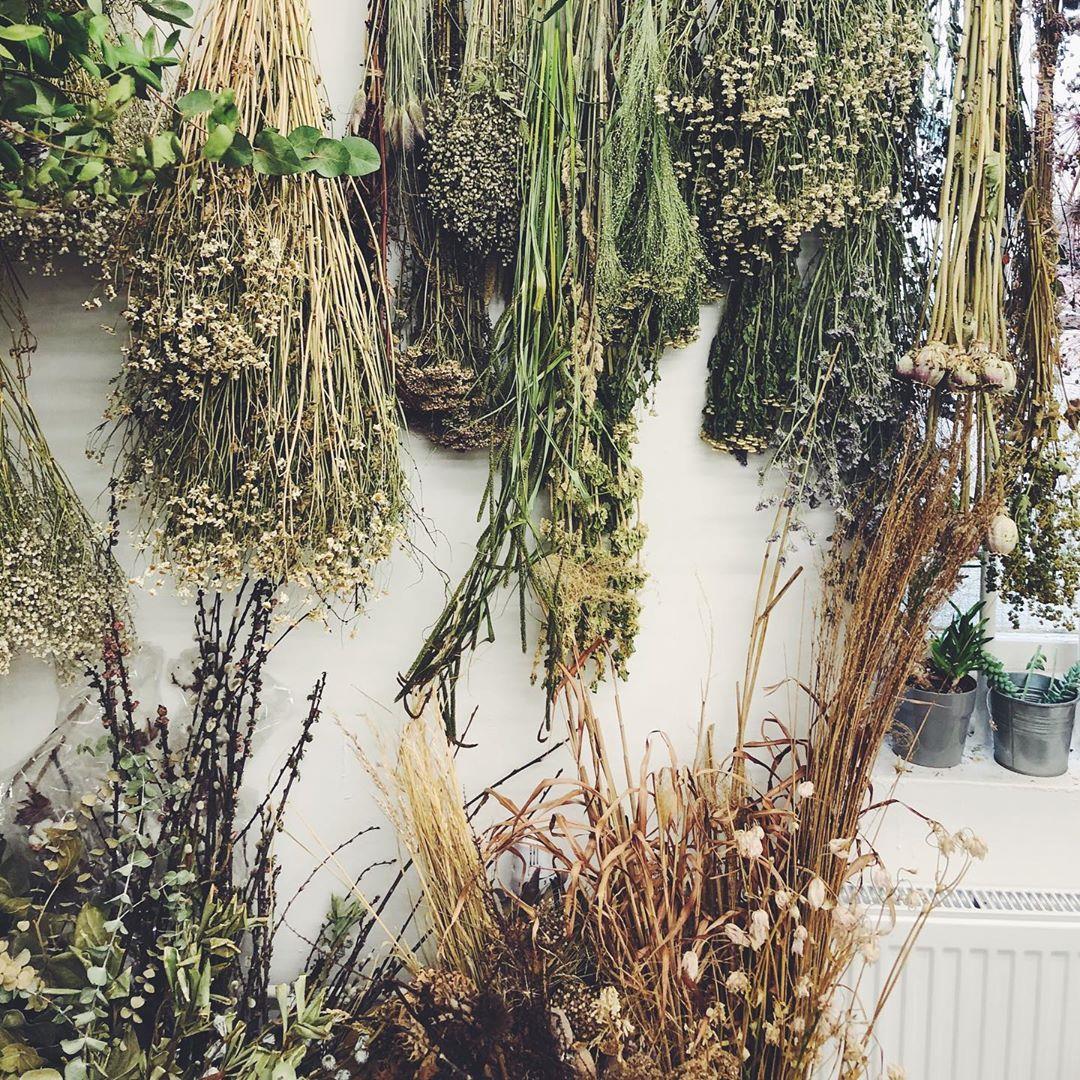
That’s what we have done. Zosia’s botanical art and my zine are recording processAnd these material responses demonstrate how inspiring women’s untold histories can be for women living now. - we are making new work in response to another woman maker.
Image courtesy of Joanne Crawford
After leaving HERBARIUM, what can you do?
Collect, press, mount and store your own herbarium: Read the Royal Horticultural Society guide: https://www.rhs.org.uk/science/conservationbiodiversity/conserving-garden-plants/rhsherbarium/pressing-and-collecting-samples
Explore Feminist Archive North:
This Leeds-based archive is full of “personal and organisational papers, conferences, pamphlets, journals, newsletters, dissertations, oral history interviews, audio tapes, films, posters, badges, teeshirts and banners” (https://feministarchivenorth.org.uk/about-fan/). Find your own untold women’s story and…
Make your own zine about it!
For guidance, read Kristyna Baczynski, Make Your Own Fun: A Zine about Making Zines; Ben Gore, Self Publish Today; Joe Biel, Make a Zine
And distribute your zine here:
Zine Library, Leeds Central Library, Leeds Zine Fair, Kirkgate Market and Weirdo Zine Fest, Leeds Central Library
With many thanks to:
Erica Ramsay and the Cultural Institute, University of Leeds, for the IGNITE 9 Funding
Simon Popple for the School of Media and Communication Impact Funding, University of Leeds
Ewan Stefani and Scott McLaughlin, for the Centre for Practice-Led Research in the Arts Funding, University of Leeds
Jen Povey and Eugenie Karen in Special Collections, University of Leeds
Mary Beckett, the researcher on the AHRB-funded Ida Roper Herbarium project (2003), the contents of which are held in Special Collections
Kristyna Baczynski for running an inspiring zinemaking workshop to support HERBARIUM
Rebecca Machin and Clare Brown, Leeds Museums and Galleries
Rhian Isaac, Leeds Central Library
The Gott Bequest, Leeds Central Library
Mike at design studio The Archipelago
Our HERBARIUM interns: Steph Bennett and Katie Bennett-Rice
And of course, my girl Zosia at The Plant Room.
[All images taken from The Plant Room + LM&G Instagram, plus personal photographs of LM&G & Gott Bequest collections]