HYDRAULICCRANE
ThismaterialisproprietarytoKomatsuAmericaCorp.andisnottobereproduced,used,ordisclosedexceptin accordancewithwrittenauthorizationfromKomatsuAmericaCorp.
Itisourpolicytoimproveourproductswheneveritispossibleandpracticaltodoso.Wereservetherighttomakechangesor addimprovementsatanytimewithoutincurringanyobligationtoinstallsuchchangesonproductssoldpreviously.
Duetothiscontinuousprogramofresearchanddevelopment,periodicrevisionsmaybemadetothispublication.Itis recommendedthatcustomerscontacttheirdistributorforinformationonthelatestrevision.
SECTIONS
00INTRODUCTION
01GENERAL
10STRUCTURE,FUNCTIONANDMAINTENANCESTANDARD
20TESTING,ADJUSTINGANDTROUBLESHOOTING.
30DISASSEMBLYANDASSEMBLY.
90OTHER.
PRODUCTPUBLICATIONSINFORMATION
VariousproductPartsandServicePublicationsareavailabletoallKOMATSUconstructionequipment owners,includingoperationandmaintenancemanuals,partsbooksandservicemanuals.
Specialpublications,suchasservicetool,airconditioningandturbochargerservicemanualsarealso availableaswellasselectedOperationandServicemanualsinforeignlanguages.
ThePublicationslistedbelowareavailableforthisparticularmachine(s).
PARTSBOOK-PAPER:
ChassisandEngine.........................................BEPB003601
OPERATIONANDMAINTENANCEMANUAL:
ChassisandEngine.........................................CEAMC20081
SHOPMANUAL
Chassis..................................................CEBM001400 Engine102E-2Series........................................SEBM010019
SAFETYMANUAL
CIMACranemachinespecific..................................1085961R2
PartsandServicePublicationscanonlybeacquiredbyauthorizedKOMATSUdistributorsusingthe KomatsuAmericaCorp.ExtranetLiteratureOrderingSystem.
IftheExtranetLiteratureOrderingSystemisnotavailableatthedistributorlocation,thenthefollowing RequisitionforTechnicalServicePublicationsandServiceFormscanbeused.FormKDC91Eisshown onthereversesideofthispage.KomatsuAmericaCorp.reservestherighttoaddasurchargetoallfax orders.
COMPLETEFORM ANDRETURNTO
DataKomPublicationsandTrainingDivision
440NorthFairwayDrive
VernonHills,IL60061-8112U.S.A.
Attn:ServicePublications
FaxNo.(847)970-4186
TelNo.(847)970-5887
IMPORTANT-TOASSURESHIPMENTOFTHECORRECTPUBLICATION(S),THEMODELNUMBERAND MACHINESERIALNUMBERMUSTBESHOWN.
QTY.PUBLICATIONFORMNO.PARTSBOOKPUBLICATION DESCRIPTION
P-Paper M-Microfiche
SAFETYNOTICE
IMPORTANTSAFETYNOTICE
Properserviceandrepairisextremelyimportantforthesafeoperationofyourmachine.Theserviceandrepairtechniques recommendedanddescribedinthismanualarebotheffectiveandsafemethodsofoperation.Someoftheseoperations requiretheuseoftoolsspeciallydesignedforthepurpose.


Topreventinjurytoworkers,thesymbolsandareusedtomarksafetyprecautionsinthismanual.Thecautions accompanyingthesesymbolsshouldalwaysbefollowedcarefully.Ifanydangeroussituationarisesormaypossiblyarise, firstconsidersafety,andtakethenecessaryactionstodealwiththesituation.
GENERALPRECAUTIONS
Mistakesinoperationareextremelydangerous.ReadtheOPERATION&MAINTENANCEMANUALcarefullyBEFORE operatingthemachine.
1.Beforecarryingoutanygreasingorrepairs,readalltheprecautionsgivenonthedecalswhicharefixedtothemachine.
2.Whencarryingoutanyoperation,alwayswearsafetyshoesandhelmet.Donotwearlooseworkclothes,orclotheswith buttonsmissing.
•Alwayswearsafetyglasseswhenhittingpartswithahammer.
•Alwayswearsafetyglasseswhengrindingpartswithagrinder,etc.
3.Ifweldingrepairsareneeded,alwayshaveatrained,experiencedweldercarryoutthework.Whencarryingoutwelding work,alwayswearweldinggloves,apron,glasses,capandotherclothessuitedforweldingwork.
4.Whencarryingoutanyoperationwithtwoormoreworkers,alwaysagreeontheoperatingprocedurebeforestarting. Alwaysinformyourfellowworkersbeforestartinganystepoftheoperation.Beforestartingwork,hangUNDER REPAIRsignsonthecontrolsintheoperator'scompartment.
5.Keepalltoolsingoodconditionandlearnthecorrectwaytousethem.
6.Decideaplaceintherepairworkshoptokeeptoolsandremovedparts.Alwayskeepthetoolsandpartsintheircorrect places.Alwayskeeptheworkareacleanandmakesurethatthereisnodirtoroilonthefloor.Smokeonlyintheareas providedforsmoking.Neversmokewhileworking.
PREPARATIONSFORWORK
1.Beforeaddingoilormakingrepairs,parkthemachineonhard,levelground,andblockthewheelsortrackstopreventthe machinefrommoving.
2.Beforestartingwork,lowerblade,ripper,bucketoranyotherworkequipmenttotheground.Ifthisisnot possible,insertthesafetypinoruseblockstopreventtheworkequipmentfromfalling.Inaddition,besuretolockallthe controlleversandhangwarningsignsonthem.
3.Whendisassemblingorassembling,supportthemachinewithblocks,jacksorstandsbeforestartingwork.
4.Removeallmudandoilfromthestepsorotherplacesusedtogetonandoffthemachine.Alwaysusethehandrails, laddersorstepswhengettingonoroffthemachine.Neverjumponoroffthemachine.Ifitisimpossibletousethe handrails,laddersorsteps,useastandtoprovidesafefooting.
PRECAUTIONSDURINGWORK
1.Whenremovingtheoilfillercap,drainplugor hydraulicpressuremeasuringplugs,loosenthemslowlytopreventtheoilfromspurtingout.Before disconnectingorremovingcomponentsoftheoil,wateroraircircuits,firstremovethepressurecompletelyfromthe circuit.
2.Thewaterandoilinthecircuitsarehotwhentheengineisstopped,sobecarefulnottogetburned.Waitfortheoiland watertocoolbeforecarryingoutanyworkontheoilorwatercircuits.
3.Beforestartingwork,removetheleadsfromthebattery.ALWAYSremovetheleadfromthenegative(-) terminalfirst.
4.Whenraisingheavycomponents,useahoistorcrane.Checkthatthewirerope,chainsandhooksarefreefromdamage. Alwaysuseliftingequipmentwhichhasamplecapacity.Installtheliftingequipmentatthecorrectplaces.Useahoistor craneandoperateslowlytopreventthecomponentfromhittinganyotherpart.Donotworkwithanypartstillraisedby thehoistorcrane.
5.Whenremovingcoverswhichareunderinternalpressureorunderpressurefromaspring,alwaysleavetwoboltsin positiononoppositesides.Slowlyreleasethepressure,thenslowlyloosentheboltstoremove.
6.Whenremovingcomponents,becarefulnottobreakordamagethewiring,Damagedwiringmaycauseelectricalfires.
7.Whenremovingpiping,stopthefueloroilfromspillingout.Ifanyfueloroildripsontothefloor,wipeitupimmediately. Fueloroilonthefloorcancauseyoutoslip,orcanevenstartfires.
8.Asageneralrule,donotusegasolinetowashparts.Inparticular,useonlytheminimumofgasolinewhenwashing electricalparts.
9.Besuretoassembleallpartsagainintheiroriginalplaces.Replaceanydamagedpartwithnewparts.
•Wheninstallinghosesandwires,besurethattheywillnotbedamagedbycontactwithotherpartswhenthemachine isbeingoperated.
10.Wheninstallinghighpressurehoses,makesurethattheyarenottwisted.Damagedtubesaredangerous,sobeextremely carefulwheninstallingtubesforhighpressurecircuits.Alsocheckthatconnectingpartsarecorrectlyinstalled.
11.Whenassemblingorinstallingparts,alwaysusethespecifiedtighteningtorques.Wheninstallingprotectivepartssuchas guards,orpartswhichvibrateviolentlyorrotateathighspeed,beparticularlycarefultocheckthattheyareinstalled correctly.
12.Whenaligningtwoholes,neverinsertyourfingersorhand.Becarefulnottogetyourfingerscaughtinahole.
13.Whenmeasuringhydraulicpressure,checkthatthemeasuringtooliscorrectlyassembledbeforetakingany measurements.
14.Takecarewhenremovingorinstallingthetracksoftrack-typemachines.Whenremovingthetrack,thetrackseparates suddenly,soneverletanyonestandateitherendofthetrack.
12 ASBESTOSANDNON-ASBESTOSFIBERS

WARNING!ASBESTOSFIBERWARNING
Theproceduresforservicingbrakesarerecommendedtoreduceexposuretoasbestosfiberdust,a cancerandlungdiseasehazard.MaterialSafetyDataSheetsareavailablefromMeritorHeavy VehicleSystems,LLC;2135WestMapleRoad;TroyMI.48084
HAZARDSUMMARY
Becausesomebrakeliningscontainasbestos,workerswhoservicebrakesmustunderstandthepotentialhazardsofasbestos andprecautionsforreducingrisks.Exposuretoairborneasbestosdustcancauseseriousandpossiblyfataldiseases,including asbestosis(achroniclungdisease)andcancer,principallylungcancerandmesothelioma(acanceroftheliningofthechestor abdominalcavities).Somestudiesshowthattheriskoflungcanceramongpersonswhosmokeandwhoareexposedto asbestosismuchgreaterthantheriskfornon-smokers.Symptomsofthesediseasesmaynotbecomeapparentfor15,20or moreyearsafterthefirstexposuretoasbestos.Accordingly,workersmustusecautiontoavoidcreatingandbreathingdust whenservicingbrakes.Specificrecommendedworkpracticesforreducingexposuretoasbestosdustfollow.Consultyour employerformoredetails.
RECOMMENDEDWORKPRACTICES
1.SeparateWorkAreas.
Wheneverfeasible,servicebrakesinaseparateareaawayfromotheroperationstoreduceriskstounprotectedpersons. OSHAhassetamaximumallowablelevelofexposureforasbestosof0.1f/ccasan8-hourtime-weightedaverageand1.0 f/ccaveragedovera30-minuteperiod.Scientistsdisagree,however,towhatextentadherencetothemaximumallowable exposurelevelswilleliminatetheriskofdiseasethatcanresultfrominhalingasbestosdust.OSHArequiresthatthe followingsignbepostedattheentrancetoareaswhereexposuresexceedeitherofthemaximumallowablelevels:
DANGER:ASBESTOS CANCERANDLUNGDISEASEHAZARD AUTHORIZEDPERSONNELONLY RESPIRATORSANDPROTECTIVECLOTHING AREREQUIREDINTHISAREA
2.RespiratoryProtection.
Weararespiratorequippedwithahigh-efficiency(HEPA)filterapprovedbyNIOSHorMSHAforusewithasbestosatall timeswhenservicingbrakes,beginningwiththeremovalofthewheels.
3.ProceduresforServicingBrakes.
A.Enclosethebrakeassemblywithinanegativepressureenclosure.TheenclosureshouldbeequippedwithaHEPA vacuumandworkerarmsleeves.Withtheenclosureinplace,usetheHEPAvacuumtoloosenandvacuumresidue fromthebrakeparts.
B.Asanalternativeprocedure,useacatchbasinwithwaterandabiodegradable,non-phosphate,water-baseddetergent towashthebrakedrumorrotorandotherbrakeparts.Thesolutionshouldbeappliedwithlowpressuretoprevent dustfrombecomingairborne.Allowthesolutiontoflowbetweenthebrakedrumandthebrakesupportorthebrake rotorandcaliper.Thewheelhubandbrakeassemblycomponentsshouldbethoroughlywettedtosuppressdust beforethebrakeshoesorbrakepadsareremoved.Wipethebrakepartscleanwithacloth.
C.Ifanenclosedvacuumsystemorbrakewashingequipmentisnotavailable,employersmayadopttheirownwritten proceduresforservicingbrakes,providedthattheexposurelevelsassociatedwiththeemployer’sproceduresdonot exceedthelevelsassociatedwiththeenclosedvacuumsystemorbrakewashingequipment.ConsultOSHAregulationsformoredetails.
D.WeararespiratorequippedwithaHEPAfilterapprovedbyNIOSHorMSHAforusewithasbestoswhengrindingor machiningbrakelinings.Inaddition,dosuchworkinanareawithalocalexhaustventilationsystemequippedwitha HEPAfilter.
E.NEVERusecompressedairbyitself,drybrushing,oravacuumnotequippedwithaHEPAfilterwhencleaning brakepartsorassemblies.NEVERusecarcinogenicsolvents,flammablesolvents,orsolventsthatcandamagebrake componentsaswettingagents.
This is the sample of the manual if you need complete manual Click Here to download
4.CleaningWorkAreas.
CleanworkareaswithavacuumequippedwithaHEPAfilterorbywetwiping.NEVERusecompressedairordry sweepingtocleanworkareas.Whenyouemptyvacuumcleanersandhandleusedrags,weararespiratorequippedwitha HEPAfilterapprovedbyNIOSHorMSHAforusewithasbestos.WhenyoureplaceaHEPAfilter,wetthefilterwitha finemistofwateranddisposeoftheusedfilterwithcare.
5.WorkerClean-Up.
Afterservicingbrakes,washyourhandsbeforeyoueat,drinkorsmoke.Showerafterwork.Donotwearworkclothes home.UseavacuumequippedwithaHEPAfiltertovacuumworkclothesaftertheyareworn.Launderthemseparately. Donotshakeorusecompressedairtoremovedustfromworkclothes.
6.WasteDisposal.
Disposeofdiscardedlinings,usedrags,clothsandHEPAfilterswithcare,suchasinsealedplasticbags.Consult applicableEPA,stateandlocalregulationsonwastedisposal.
REGULATORYGUIDANCE
ReferencestoOSHA,NIOSH,MSHA,andEPA,whichareregulatoryagenciesintheUnitedStates,aremadetoprovide furtherguidancetoemployersandworkersemployedwithintheUnitedStates.Employersandworkersemployedoutsideof theUnitedStatesshouldconsulttheregulationsthatapplytothemforfurtherguidance.

WARNING!NON-ASBESTOSFIBERSWARNING
Thefollowingproceduresforservicingbrakesarerecommendedtoreduceexposureto non-asbestosfiberdust,apotentialcancerandlungdiseasehazard.MaterialSafetyDataSheets areavailablefromMeritorHeavyVehicleSystems,LLC;2135WestMapleRoad;TroyMI. 48084
HAZARDSUMMARY
Mostrecentlymanufacturedbrakeliningsdonotcontainasbestosfibers.Thesebrakeliningsmaycontainoneormoreofa varietyofingredients,includingglassfibers,mineralwool,aramidfibers,ceramicfibersandsilicathatcanpresenthealthrisks ifinhaled.Scientistsdisagreeontheextentoftherisksfromexposuretothesesubstances.Nonetheless,exposuretosilicadust cancausesilicosis,anon-cancerouslungdisease.Silicosisgraduallyreduceslungcapacityandefficiencyandcanresultin seriousbreathingdifficulty.Somemedicalexpertsbelieveothertypesofnon-asbestosfibers,wheninhaled,cancausesimilar diseasesofthelung.Inaddition,silicadustandceramicfiberdustareknowntotheStateofCaliforniatocauselungcancer. U.S.andinternationalagencieshavealsodeterminedthatdustfrommineralwool,ceramicfibersandsilicaarepotential causesofcancer.
Accordingly,workersmustusecautiontoavoidcreatingandbreathingdustwhenservicingbrakes.Specificrecommended workpracticesforreducingexposuretonon-asbestosdustfollow.Consultyouremployerformoredetails.
RECOMMENDEDWORKPRACTICES
1.SeparateWorkAreas.
Wheneverfeasible,servicebrakesinaseparateareaawayfromotheroperationstoreduceriskstounprotectedpersons.
2.RespiratoryProtection.
OSHAhassetamaximumallowablelevelofexposureforsilicaof0.1mg/m3asan8-hourtime-weightedaverage.Some manufacturersofnon-asbestosbrakeliningsrecommendthatexposurestootheringredientsfoundinnon-asbestosbrake liningsbekeptbelow1.0f/ccasan8-hourtime-weightedaverage.Scientistsdisagree,however,towhatextentadherence tothesemaximumallowableexposurelevelswilleliminatetheriskofdiseasethatcanresultfrominhalingnon-asbestos dust.
Therefore,wearrespiratoryprotectionatalltimesduringbrakeservicing,beginningwiththeremovalofthewheels.Wear arespiratorequippedwithahigh-efficiency(HEPA)filterapprovedbyNIOSHorMSHA,iftheexposureslevelsmay exceedOSHAormanufacturer’srecommendedmaximumlevels.Evenwhenexposuresareexpectedtobewithinthe maximumallowablelevels,wearingsucharespiratoratalltimesduringbrakeservicingwillhelpminimizeexposure.
3.ProceduresforServicingBrakes.
A.Enclosethebrakeassemblywithinanegativepressureenclosure.TheenclosureshouldbeequippedwithaHEPA vacuumandworkerarmsleeves.Withtheenclosureinplace,usetheHEPAvacuumtoloosenandvacuumresidue fromthebrakeparts.
B.Asanalternativeprocedure,useacatchbasinwithwaterandabiodegradable,non-phosphate,water-baseddetergent towashthebrakedrumorrotorandotherbrakeparts.Thesolutionshouldbeappliedwithlowpressuretoprevent dustfrombecomingairborne.Allowthesolutiontoflowbetweenthebrakedrumandthebrakesupportorthebrake rotorandcaliper.Thewheelhubandbrakeassemblycomponentsshouldbethoroughlywettedtosuppressdust beforethebrakeshoesorbrakepadsareremoved.Wipethebrakepartscleanwithacloth.
C.Ifanenclosedvacuumsystemorbrakewashingequipmentisnotavailable,carefullycleanthebrakepartsintheopen air.Wetthepartswithasolutionappliedwithapump-spraybottlethatcreatesafinemist.Useasolutioncontaining water,and,ifavailable,abiodegradable,non-phosphate,water-baseddetergent.Thewheelhubandbrakeassembly componentsshouldbethoroughlywettedtosuppressdustbeforethebrakeshoesorbrakepadsareremoved.Wipe thebrakepartscleanwithacloth.
D.WeararespiratorequippedwithaHEPAfilterapprovedbyNIOSHofMSHAwhengrindingormachiningbrake linings.Inaddition,dosuchworkinanareawithalocalexhaustventilationsystemequippedwithaHEPAfilter.
E.NEVERusecompressedairbyitself,drybrushing,oravacuumnotequippedwithaHEPAfilterwhencleaning brakepartsorassemblies.NEVERusecarcinogenicsolvents,flammablesolvents,orsolventsthatcandamagebrake componentsaswettingagents.
4.CleaningWorkAreas.
CleanworkareaswithavacuumequippedwithaHEPAfilterorbywetwiping.NEVERusecompressedairordry sweepingtocleanworkareas.Whenyouemptyvacuumcleanersandhandleusedrags,weararespiratorequippedwitha HEPAfilterapprovedbyNIOSHorMSHA,iftheexposurelevelsmayexceedOSHAormanufacturers’recommended maximumlevels.WhenyoureplaceaHEPAfilter,wetthefilterwithafinemistofwateranddisposeoftheusedfilter withcare.
5.WorkerClean-Up.
Afterservicingbrakes,washyourhandsbeforeyoueat,drinkorsmoke.Showerafterwork.Donotwearworkclothes home.UseavacuumequippedwithaHEPAfiltertovacuumworkclothesaftertheyareworn.Launderthemseparately. Donotshakeorusecompressedairtoremovedustfromworkclothes.
6.WasteDisposal.
Disposeofdiscardedlinings,usedrags,clothsandHEPAfilterswithcare,suchasinsealedplasticbags.Consult applicableEPA,stateandlocalregulationsonwastedisposal.
REGULATORYGUIDANCE
ReferencestoOSHA,NIOSH,MSHA,andEPA,whichareregulatoryagenciesintheUnitedStates,aremadetoprovide furtherguidancetoemployersandworkersemployedwithintheUnitedStates.Employersandworkersemployedoutsideof theUnitedStatesshouldconsulttheregulationsthatapplytothemforfurtherguidance.
Thisshopmanualhasbeenpreparedasanaidtoimprovethequalityofrepairsbygivingtheservicemananaccurate understandingoftheproductandbyshowinghimthecorrectwaytoperformrepairsandmakejudgements.Makesureyou understandthecontentsofthismanualanduseittofulleffectateveryopportunity.
Thisshopmanualmainlycontainsthenecessarytechnicalinformationforoperationsperformedinaserviceworkshop.For easeofunderstanding,themanualisdividedintothefollowingsections.Thesesectionsarefurtherdividedintoeachmain groupofcomponents.
00-INTRODUCTION
Thissectioncontainsgeneralmaintenancesafetyprocedures,generaltorquevaluesandconversioncharts.
01-GENERAL
Thissectionliststhegeneralmachinedimensions,performancespecifications,componentweights,andfuel,coolantand lubricantspecificationcharts.
10-STRUCTURE,FUNCTIONANDMAINTENANCESTANDARD
Thissectionexplainsthestructureandfunctionofeachcomponent.Itservesnotonlytogiveanunderstandingofthe structure,butalsoservesasreferencematerialfortroubleshooting. Inaddition,thissectionalsogivesthejudgementstandardswheninspectingdisassembledparts.
20-TESTING,ADJUSTINGANDTROUBLESHOOTING
Thissectionexplainscheckstobemadebeforeandafterperformingrepairs,aswellasadjustmentstobemadeat completionofthechecksandrepairs.Troubleshootingchartscorrelating“Problems”to“Causes”arealsoincludedinthis section.
30-DISASSEMBLYANDASSEMBLY
Thissectionexplainstheordertobefollowedwhenremoving,installing,disassemblingorassemblingeachcomponent, aswellasprecautionstobetakenfortheseoperations.
90-OTHER
Thissectionhasall“FOLDOUTS”listedintheothersections.
NOTICE
Thespecificationscontainedinthisshopmanualaresubjecttochangeatanytimeandwithoutanyadvancenotice.Contact yourdistributorforthelatestinformation.
12 HOWTOREADTHESHOPMANUAL
VOLUMES
Shopmanualsareissuedasaguidetocarryingoutrepairs. Theyaredividedasfollows:
Chassisvolume:Issuedforeverymachinemodel Enginevolume:Issuedforeachengineseries
Electricalvolume:Eachissuedasonetocoverallmodels
Attachmentvolume:Eachissuedasonetocoverallmodels
Thesevariousvolumesaredesignedtoavoidduplicationof information.Thereforetodealwithallrepairsforanymodel, itisnecessarythatchassis,engine,electricalandattachment beavailable.
DISTRIBUTIONANDUPDATING
Anyadditions,amendmentsorotherchangeswillbesentto yourdistributors.Getthemostup-to-dateinformationbefore youstartanywork.
FILINGMETHOD
1.Seethepagenumberonthebottomofthepage.Filethe pagesincorrectorder.
2.Followingexamplesshowhowtoreadthepagenumber: Example:
10-3
Itemnumber(10.StructureandFunction)
Consecutivepagenumberforeachitem
3.Additionalpages:Additionalpagesareindicatedbya hyphen(-)andnumberedafterthepagenumber.Fileas intheexample. Example:
REVISIONS
RevisedpagesareshownattheLISTOFREVISEDPAGES betweenthetitlepageandSAFETYpage.
SYMBOLS
Sothattheshopmanualcanbeofamplepracticaluse, importantplacesforsafetyandqualityaremarkedwiththe followingsymbols. 10-4 10-4-1
REVISEDEDITIONMARK
Whenamanualisrevised,aneditionmark(…)is recordedonthebottomoutsidecornerofthepages.
SymbolItemRemarks

Safety
Caution
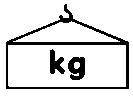

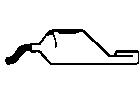

Weight
Tighteningtorque
Specialsafetyprecautionsare necessarywhenperforming thework.
Specialtechnicalprecautions orotherprecautionsforpreservingstandardsarenecessarywhenperformingthe work.
Weightofpartsorsystems. Cautionnecessarywhen selectinghoistingwireor whenworkingpostureis important,etc.
Placesthatrequirespecial attentionfortighteningtorque duringassembly.
CoatPlacestobecoatedwithadhesivesandlubricantsetc.
Oil,water
Drain
Placeswhereoil,waterorfuel mustbeadded,andthecapacity.
Placeswhereoilorwatermust bedrained,andquantitytobe drained.
12 GENERALMACHINEHOISTINGINSTRUCTIONS
GENERALMACHINEHOISTING

WARNING!Heavyparts(25kgormore) mustbeliftedwithahoistetc.In theDISASSEMBLYAND ASSEMBLYsection,everypart weighing25kgormoreis indicatedclearlywiththesymbol

Ifapartcannotbesmoothlyremovedfromthemachine byhoisting,thefollowingchecksshouldbemade:
1.Checkforremovalofallboltsfasteningtheparttothe relativeparts.
2.Checkforexistenceofanotherpartcausinginterface withtheparttoberemoved.
GENERALMACHINEWIREROPES
1.Useadequateropesdependingontheweightofpartsto behoisted,referringtothetablebelow:
Wireropes (Standard“Z”or“S”twistropeswithoutgalvanizing)
Theallowableloadvalueisestimatedtobe1/6or1/7of thebreakingstrengthoftheropeused.
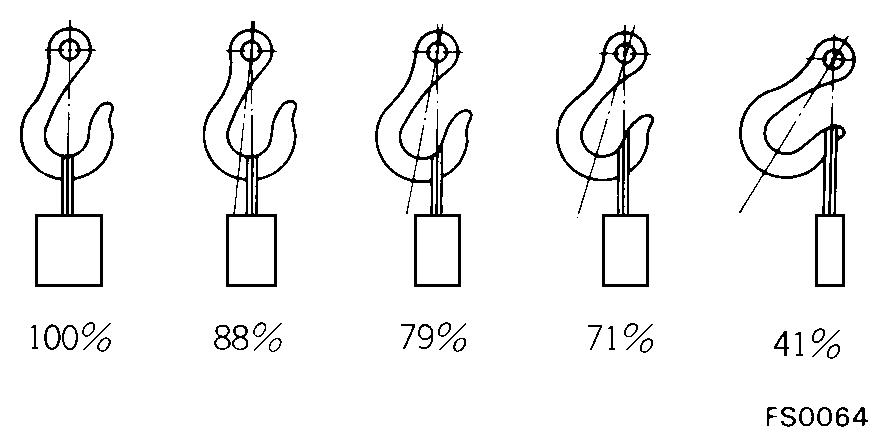
2.Slingwireropesfromthemiddleportionofthehook. Slingingneartheedgeofthehookmaycausetheropeto slipoffthehookduringhoisting,andaseriousaccident
canresult.Hookshavemaximumstrengthatthemiddle portion.
3.Donotslingaheavyloadwithoneropealone,butsling withtwoormoreropessymmetricallywoundontothe load.
WARNING!Slingingwithoneropemay causeturningoftheloadduring hoisting,untwistingoftherope, orslippingoftheropefromits originalwindingpositiononthe load,whichcanresultina dangerousaccident
4.Donotslingaheavyloadwithropesformingawide hanginganglefromthehook.Whenhoistingaloadwith twoormoreropes,theforcesubjectedtoeachropewill increasewiththehangingangles.Thetablebelow showsthevariationofallowableload(kg)when hoistingismadewithtworopes,eachofwhichis allowedtoslingupto1000kgvertically,atvarious hangingangles.Whentworopesslingaloadvertically, upto2000kgoftotalweightcanbesuspended.This weightbecomes1000kgwhentworopesmakea120° hangingangle.Ontheotherhand,tworopesaresubject toanexcessiveforceaslargeas4000kgiftheyslinga 2000kgloadataliftingangleof150°.