The Sustainability Newsletter for staff and students of the Heart of Yorkshire Education Group
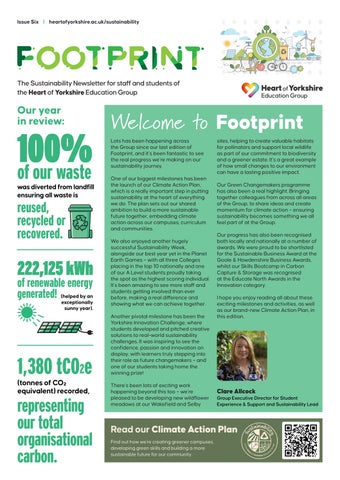
100% of our waste Our year in review:

The Sustainability Newsletter for staff and students of the Heart of Yorkshire Education Group
100% of our waste Our year in review:
Lots has been happening across the Group since our last edition of Footprint, and it’s been fantastic to see the real progress we’re making on our sustainability journey.
sites, helping to create valuable habitats for pollinators and support local wildlife as part of our commitment to biodiversity and a greener estate. It’s a great example of how small changes to our environment can have a lasting positive impact.
222,125 kWh of renewable energy generated!
(helped by an exceptionally sunny year).
1,380 tCO2e was diverted from landfill ensuring all waste is reused, recycled or recovered.
(tonnes of CO² equivalent) recorded, representing our total organisational carbon.
One of our biggest milestones has been the launch of our Climate Action Plan, which is a really important step in putting sustainability at the heart of everything we do. The plan sets out our shared ambition to build a more sustainable future together, embedding climate action across our campuses, curriculum and communities.
We also enjoyed another hugely successful Sustainability Week, alongside our best year yet in the Planet Earth Games – with all three Colleges placing in the top 10 nationally and one of our A Level students proudly taking the spot as the highest scoring individual. It’s been amazing to see more staff and students getting involved than ever before, making a real difference and showing what we can achieve together.
Another pivotal milestone has been the Yorkshire Innovation Challenge, where students developed and pitched creative solutions to real-world sustainability challenges. It was inspiring to see the confidence, passion and innovation on display, with learners truly stepping into their role as future changemakers – and one of our students taking home the winning prize!
There’s been lots of exciting work happening beyond this too – we’re pleased to be developing new wildflower meadows at our Wakefield and Selby
Our Green Changemakers programme has also been a real highlight. Bringing together colleagues from across all areas of the Group, to share ideas and create momentum for climate action – ensuring sustainability becomes something we all feel part of at the Group.
Our progress has also been recognised both locally and nationally at a number of awards. We were proud to be shortlisted for the Sustainable Business Award at the Goole & Howdenshire Business Awards, whilst our Skills Bootcamp in Carbon Capture & Storage was recognised at the Educate North Awards in the Innovation category.
I hope you enjoy reading all about these exciting milestones and activities, as well as our brand-new Climate Action Plan, in this edition.
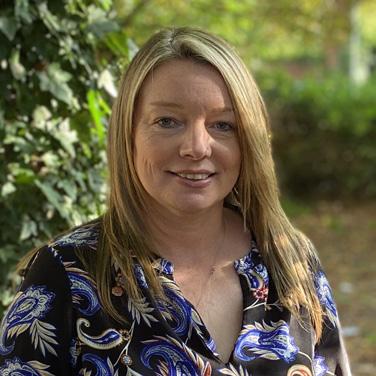
Clare Allcock Group Executive Director
for Student Experience & Support and Sustainability Lead

We recently celebrated a fantastic Sustainability Week across our three Colleges, with students taking part in a wide range of activities and learning opportunities. Here’s a look at what the Group got up to:
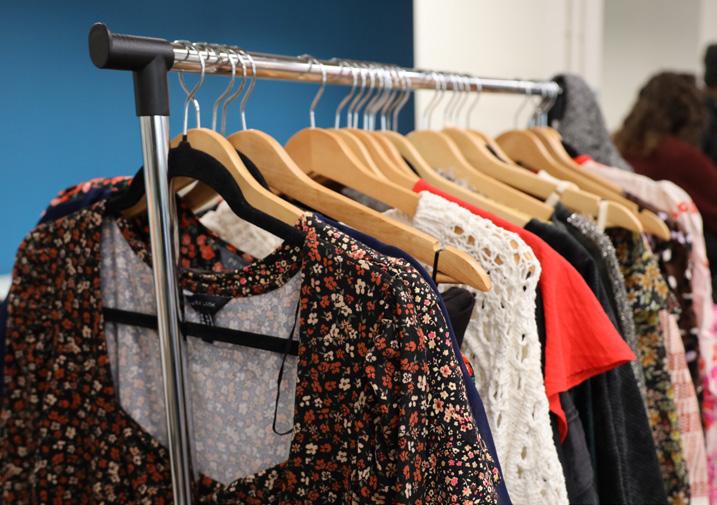
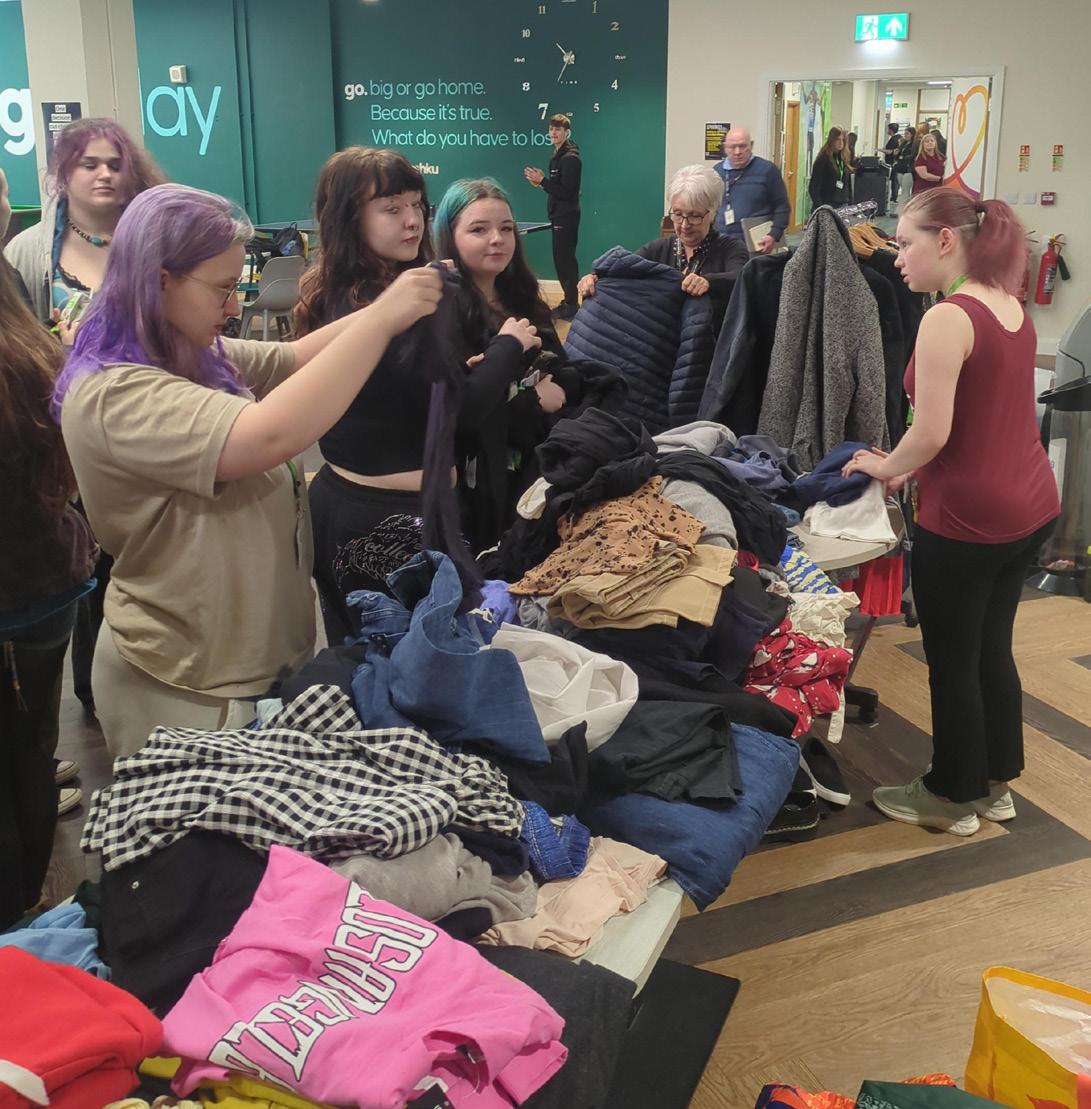
Staff and students across the Group organised ‘community wardrobes’ at each College, where people brought in pre-loved clothes and swapped them with others. In the lead-up to Sustainability Week, generous donations helped the wardrobes run like real shops. The initiative was a great success, promoting reuse while encouraging a strong sense of community.
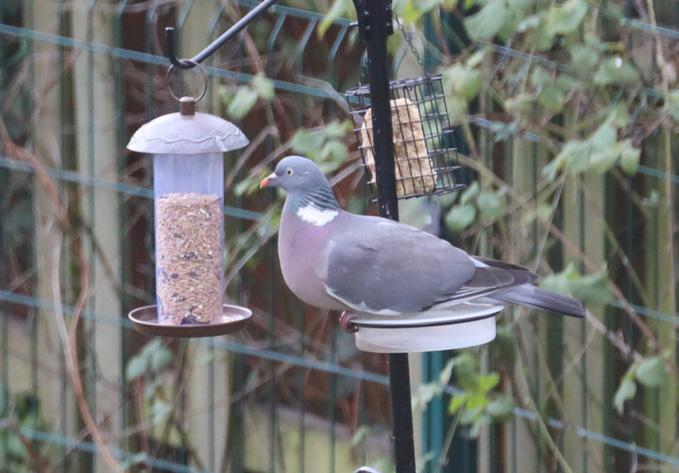
Staff and students also took part in a Big Bird Watch, which proved hugely popular. With new bird feeders installed across campuses, more wildlife was spotted in green spaces. A Group-wide Padlet was created to log sightings, with students recording species such as blackbirds, wood pigeons, blue tits, robins and wrens. It was wonderful to see such engagement with nature.
Fashion & Textiles students also enhanced their own personal wardrobes by embracing sustainability through innovative and thoughtful design projects.
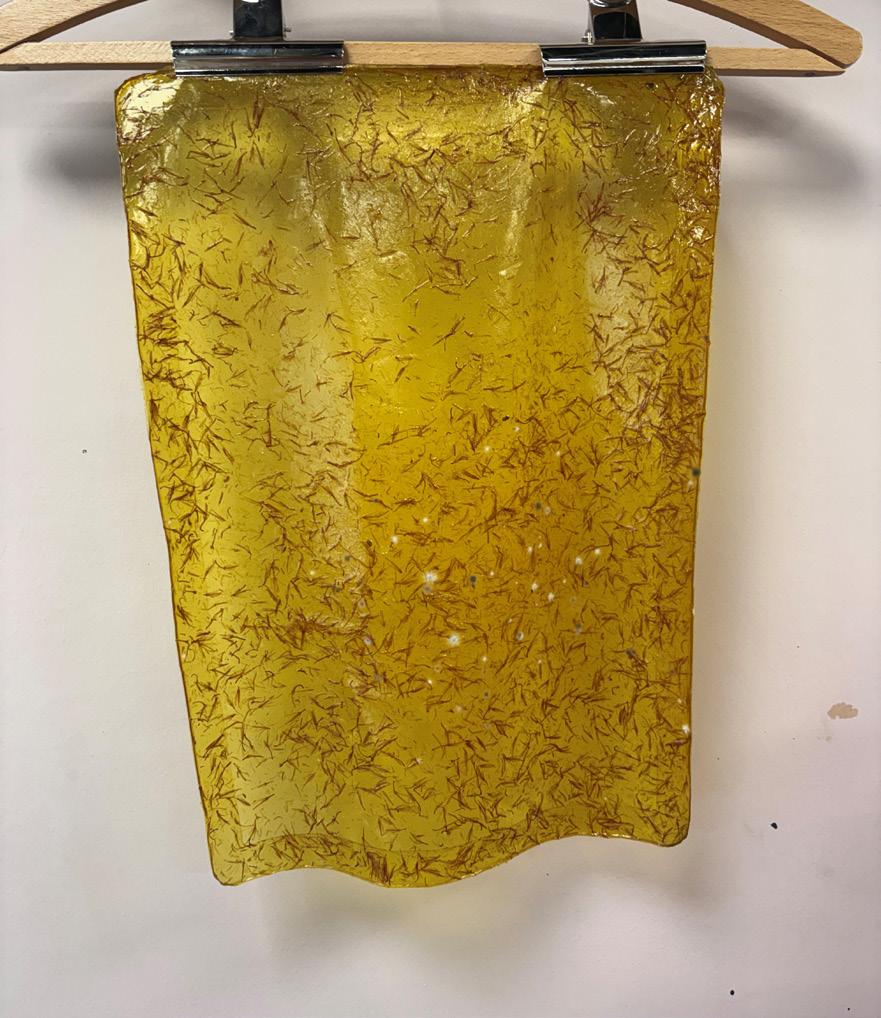
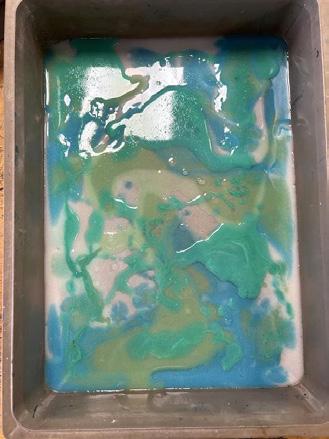
Year 2 student Daisy Ottley experimented with creating bio-plastics, developing a fully sustainable material that can be poured into sheets or spun into thread-like yarn. She hopes to use this material to design shoes and garments, showcasing how alternative materials can shape the future of fashion.
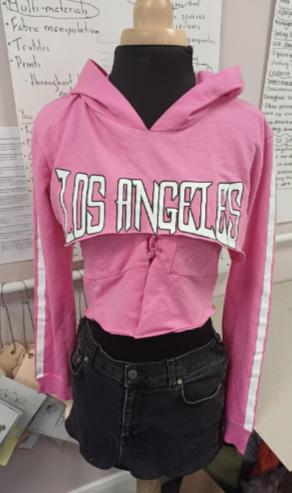
Meanwhile, Year 1 student Magda Benc built a collection of garments using recycled clothing, giving new life to old pieces through creative redesign.

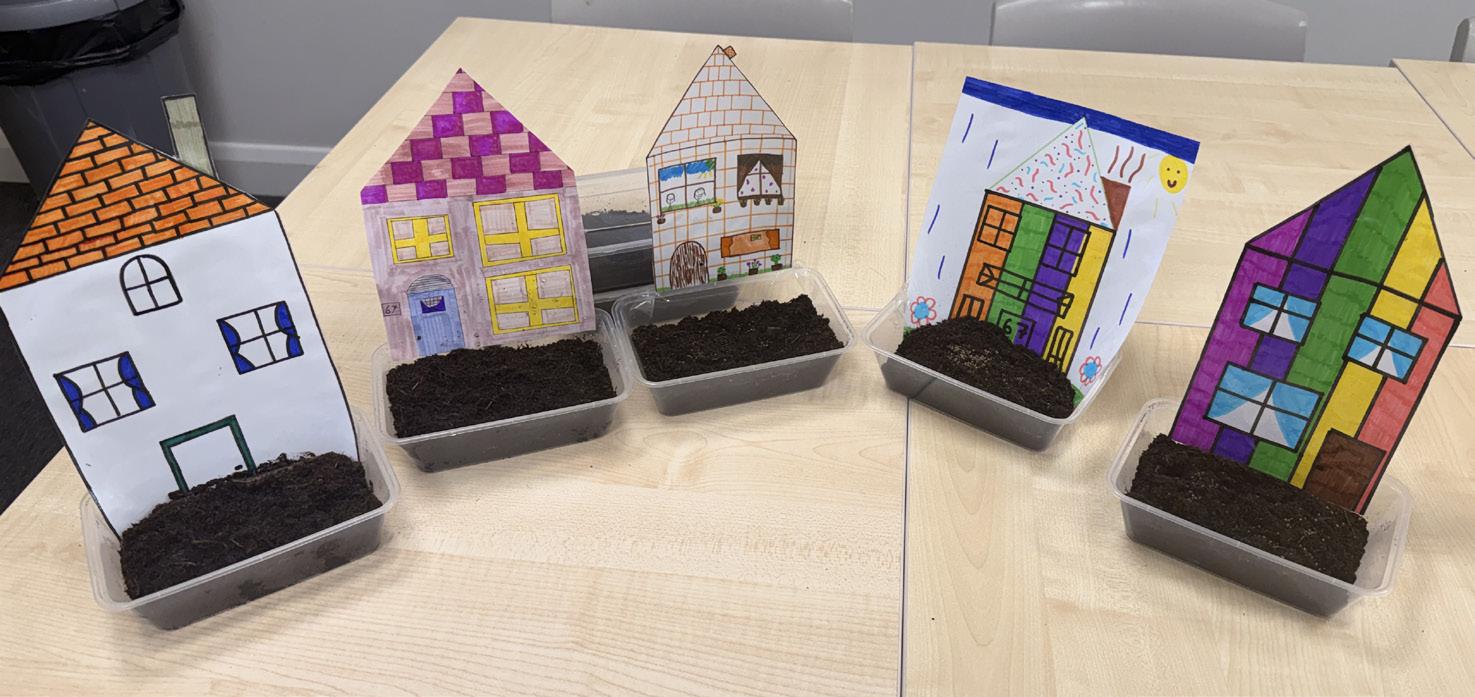
T Level Childcare students embraced a hands-on sustainability project by creating their own grass seed gardens using fully recycled tubs. The activity encouraged creativity, reuse and an
understanding of reducing waste, whilst giving students the opportunity to nurture something over time. The project was a big hit, and the group took great pride in their mini gardens.
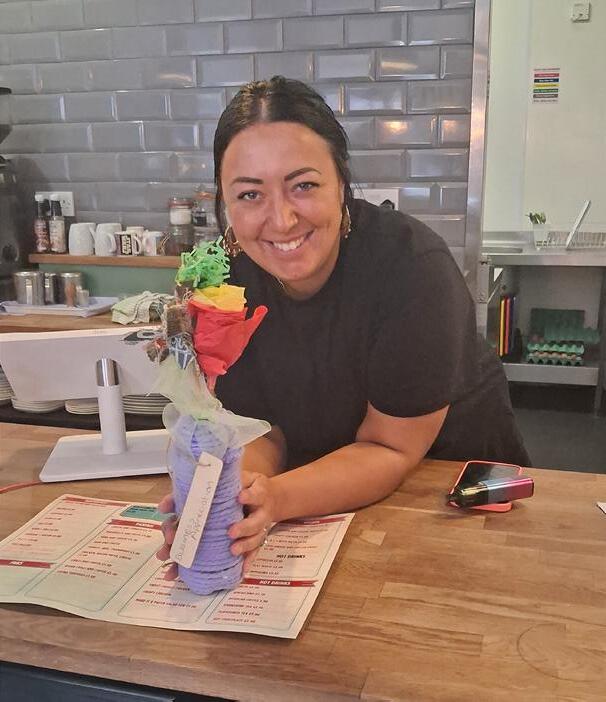
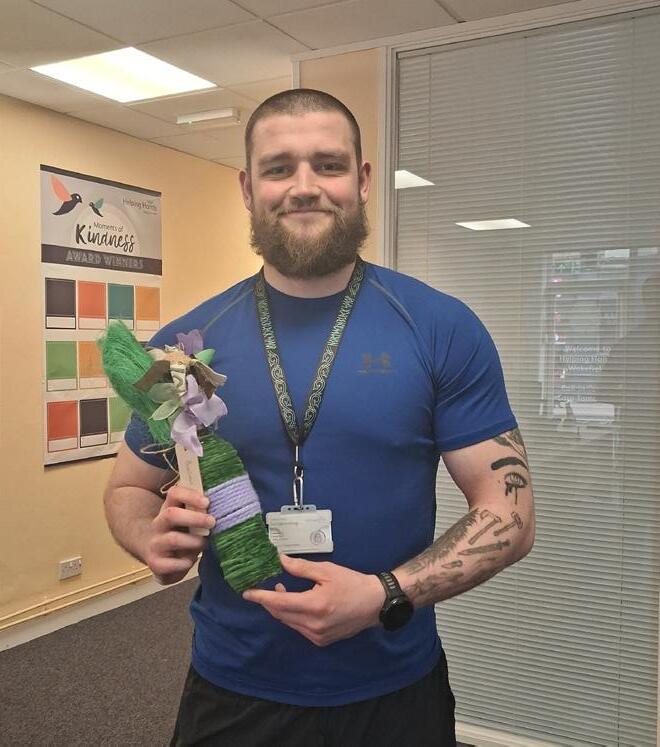
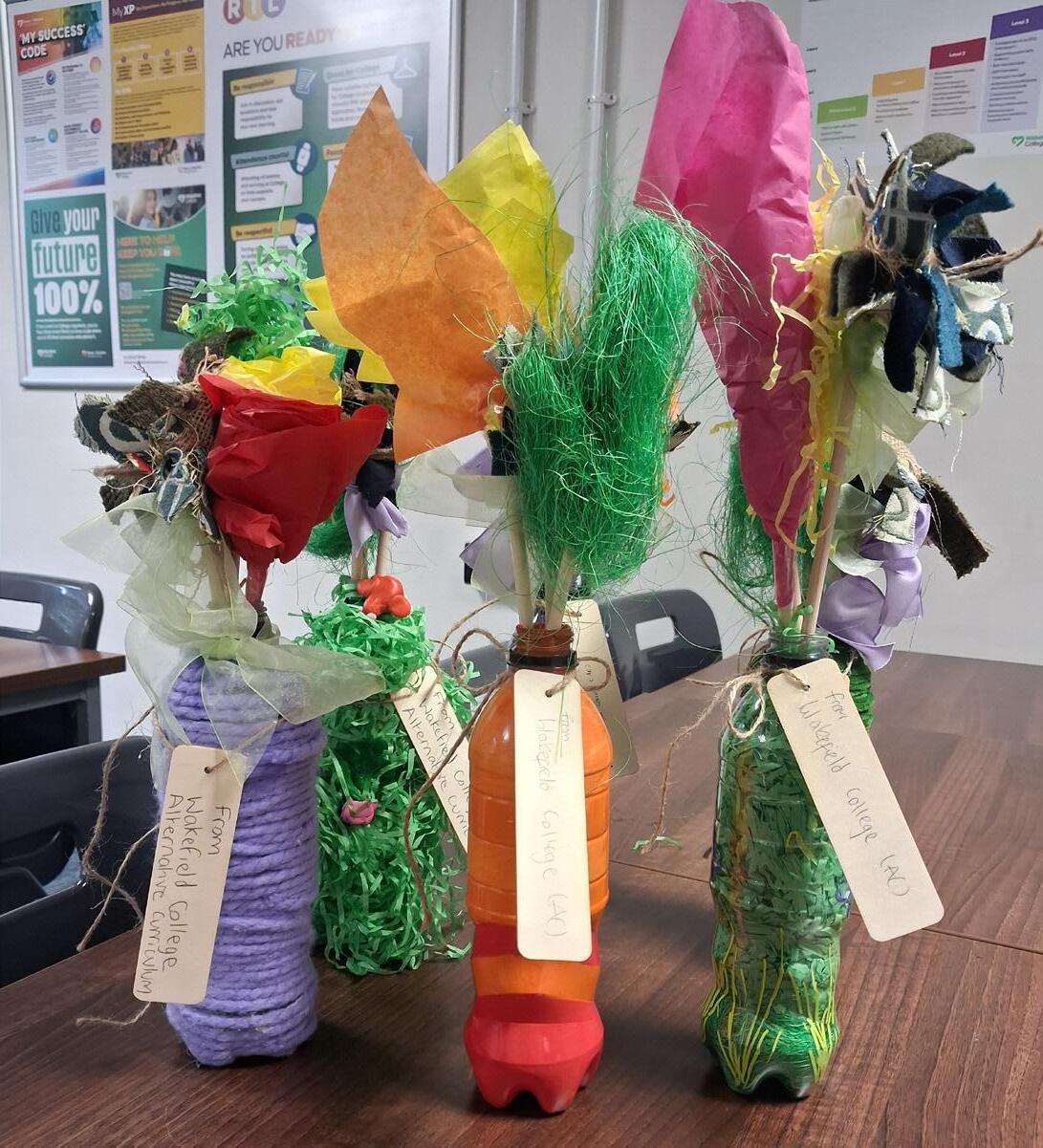
Wakefield College’s Alternative Curriculum students created thoughtful gifts for local businesses using recycled materials. By transforming pop bottles, fabric scraps and paper offcuts into colourful vases, learners demonstrated both creativity and sustainability. These were delivered to local businesses as a meaningful gesture of appreciation, strengthening community connections.
Throughout the week, students embraced repurposing during their GOALS lessons, transforming pre-loved items into something new. This hands-on approach helped reinforce the importance of reducing waste whilst encouraging creativity.
Overall, Sustainability Week was a great success, showcasing the Group’s commitment to embedding sustainability into everyday learning and empowering students to make a positive impact for the future.

Sustainability Week also sparked innovation across the Group. Learners explored green skills and pitched creative, low-carbon ideas for the future. It was inspiring to see their imagination and passion, with winning teams earning the opportunity to represent their College at the first-ever Yorkshire WorldSkills Sustainability Competition – which you can read more about in this newsletter.
This year’s Planet Earth Games marked our most successful yet. Over three months of activity, colleagues and students came together to support an inspiring initiative that brings together sport, sustainability, health and wellbeing, social connection, conservation and climate action.
Planet Earth Games empowers people of all ages to connect with nature, take meaningful action on climate change and improve their wellbeing through engaging activities and experiences. It was fantastic to see such strong participation across the Group, with staff and students fully embracing the challenge and making a real difference.
We are proud to announce that Wakefield College secured 1st place in the Tier 3 category, achieving an outstanding 8,330 points and topping the leaderboard amongst colleges of a similar size. This remarkable achievement reflects the enthusiasm and commitment shown across the college community. Even more impressively, all three of our colleges placed within the top 10 out of 19 colleges nationally, highlighting the Group’s collective effort and strong culture of sustainability.
Julia has been recognised for achieving the highest number of points nationally in the Planet Earth Games competition. Her commitment to sustainability extends far beyond the challenge and is embedded in her everyday life. Through second-hand shopping, recycling, walking and using public transport, she demonstrates a genuine passion for protecting the planet.
Throughout the competition, Julia showed outstanding determination, enthusiasm and resilience, consistently seeking opportunities to engage in sustainable activities and complete challenges. Her competitive spirit, combined with her authentic commitment to environmental action, has inspired others and demonstrated how small, everyday choices can create meaningful change. She also actively participated in local sustainability initiatives, including litterpicking and community events, embodying the values of environmental stewardship and community engagement.
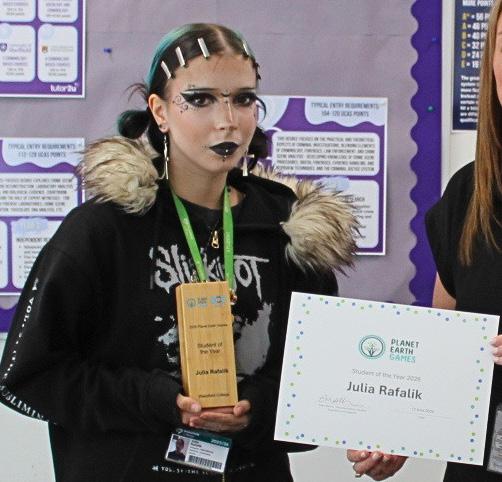
A Level student Julia Rafalik achieved an extraordinary 650 points, making her the highest-scoring individual in the country. This exceptional accomplishment is a powerful example of how individual dedication can drive meaningful impact.


Several colleagues also ranked amongst the top 20 nationally, firmly placing the Group on the map. These included May Goate (3rd place), Vic Wild, Rachel Rayner, Nathan Hudson, Sarah Bruce, Clare Allcock and Principal Sam Wright.
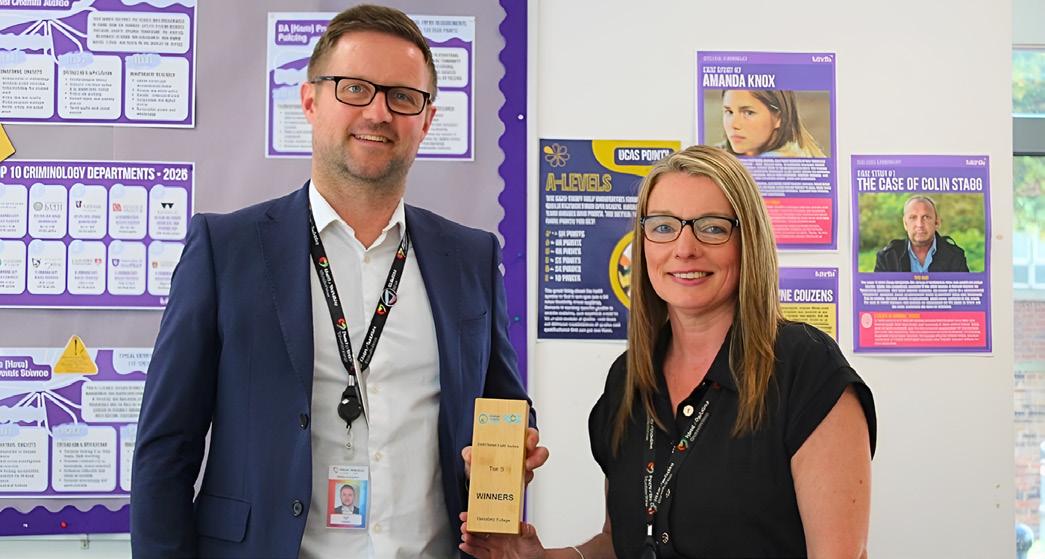
We also wish to spotlight Pastoral Tutor Vic Wild for her exceptional commitment to sustainability education and student engagement. She championed participation in the Yorkshire Innovation Challenge within the pastoral curriculum, inspiring students to develop innovative responses to the climate crisis.
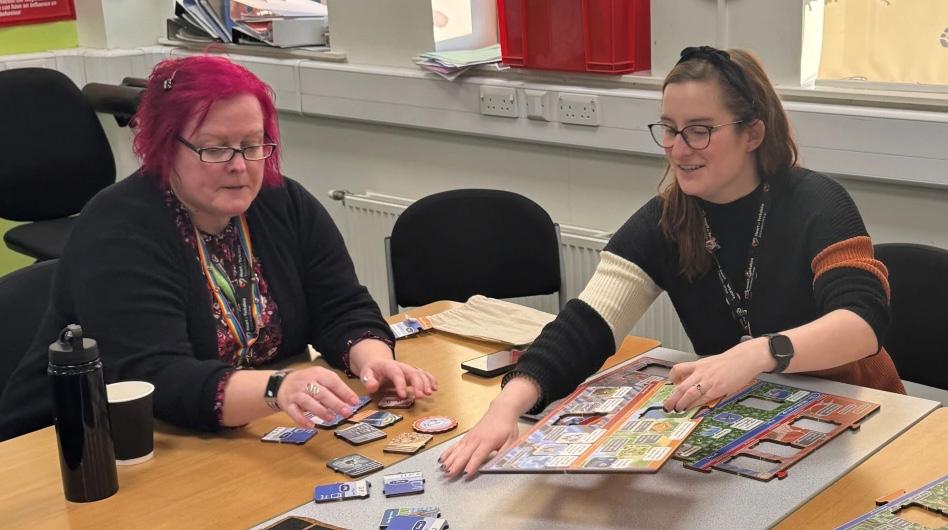
Despite spending just one hour per-week with each group, Vic successfully motivated and supported multiple student teams to produce creative and impactful ideas, raising the profile of sustainability across the College. Her efforts contributed directly to one of her Applied Science groups receiving a Highly Commended award for their “Give or Get” concept, which explored more sustainable approaches to purchasing and reducing unnecessary consumption.
Beyond the classroom, Vic leads by example through her involvement in sustainability initiatives, including writing for the Women’s Institute and participating in the Green Changemakers programme. Her passion and leadership have empowered both students and colleagues, fostering a culture of environmental responsibility, creativity and positive action.

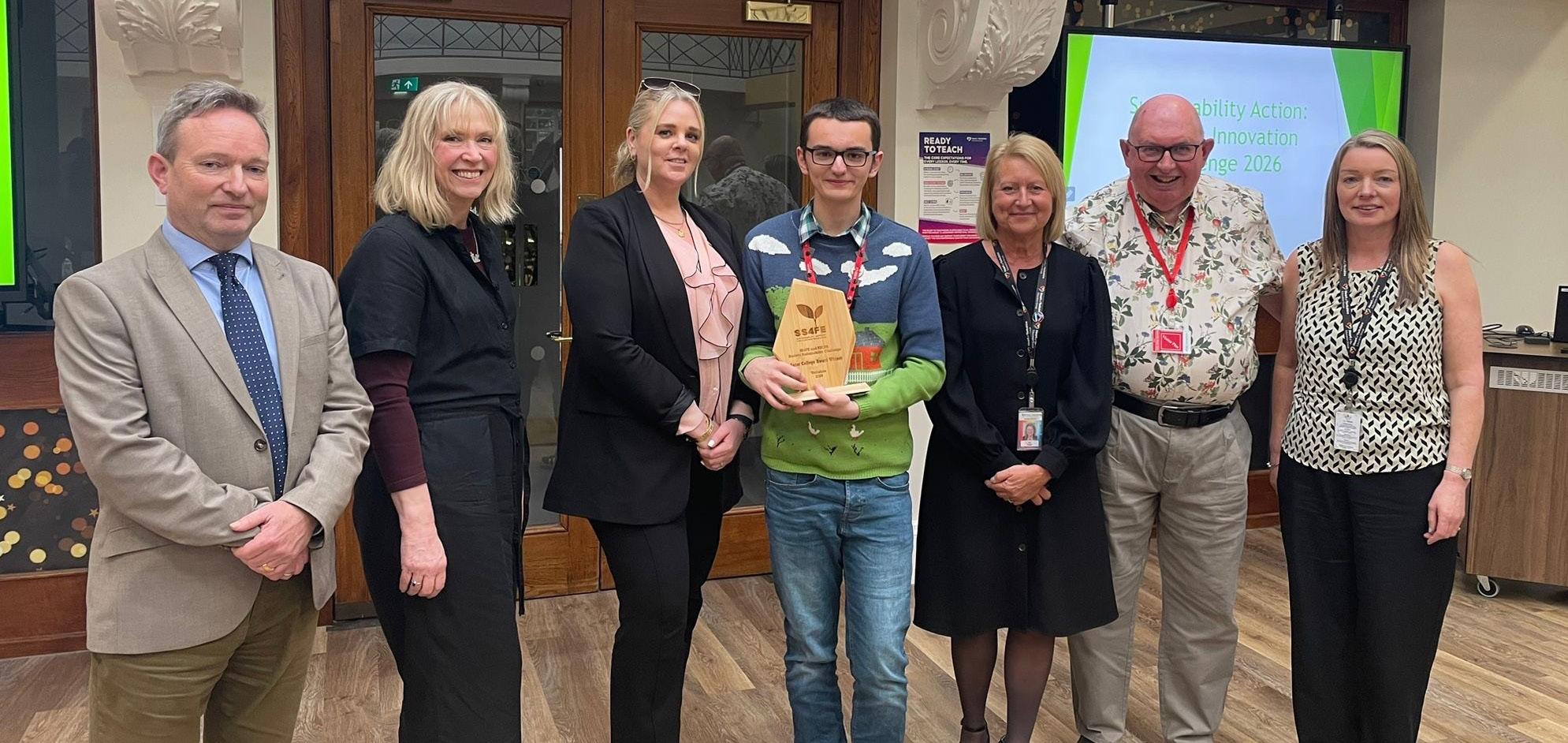
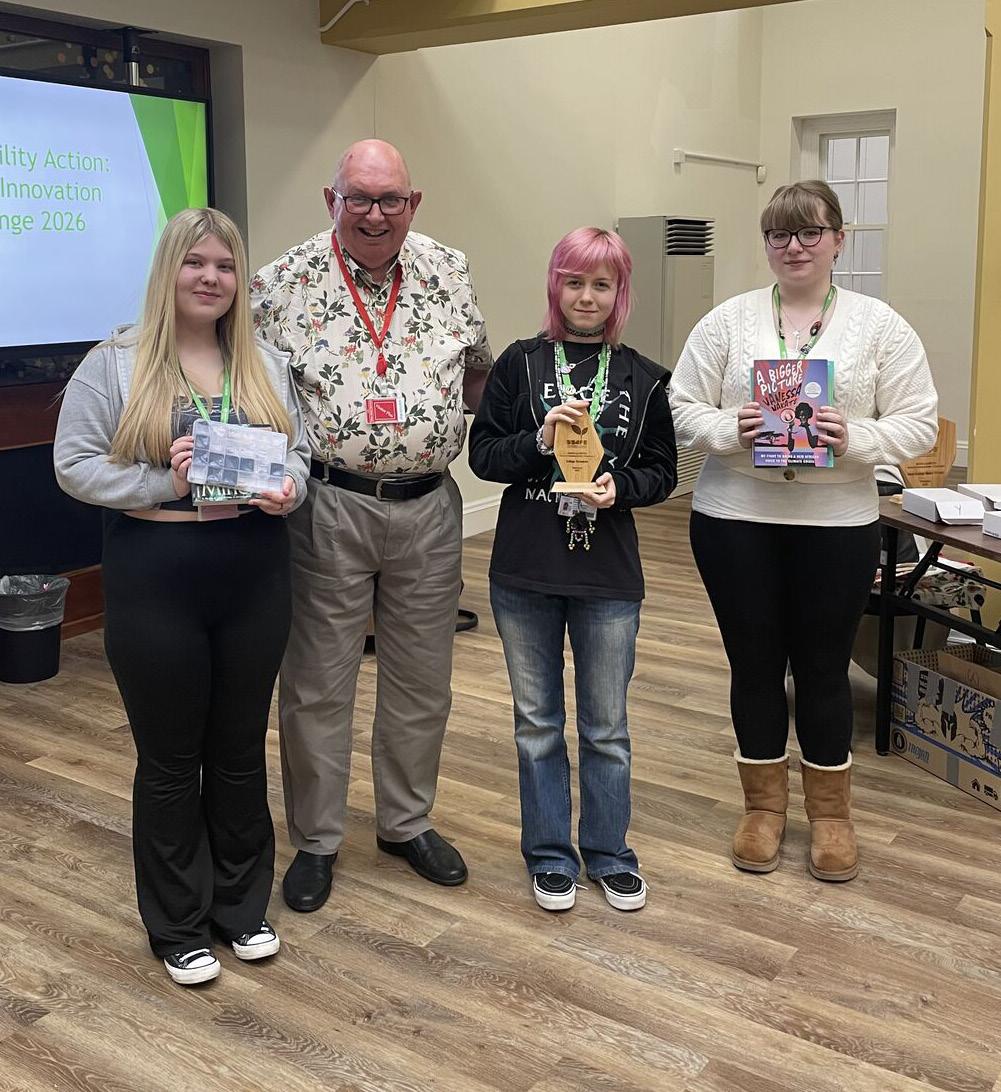
The Yorkshire Sustainability Action Innovation Challenge was hosted at Wakefield College this term, inviting students from local Colleges and the Group to compete for the best sustainability idea. Delivered as part of our Sustainability Week, the challenge brought together learners from all levels, backgrounds and curriculum areas to develop innovative solutions in response to the climate crisis, aligned to the United Nations Sustainable Development Goals.
The powerful initiative saw fantastic student engagement, creativity and commitment throughout the process. Over several months, students worked on a WorldSkills endorsed brief, collaboratively researching sustainability issues, developing practical and innovative ideas and preparing professional pitches for panels of judges drawn from education, industry and sustainability-focused sectors. The competition created a platform where every learner felt able to contribute, making it a genuinely inclusive experience that celebrated diverse perspectives, talents and ideas.
Following college-based heats, the culmination of the project was held at Wakefield College. Winning representatives attended from Castleford College, Selby College and Wakefield College along with entrants from Barnsley College and Sheffield College. Students passionately presented their ideas to the judging panel consisting of experts in the sustainability field including Alex Miles FIEP, Dr Lou Mycroft FRSA, Steve Frampton MBE and Philip Emsley.
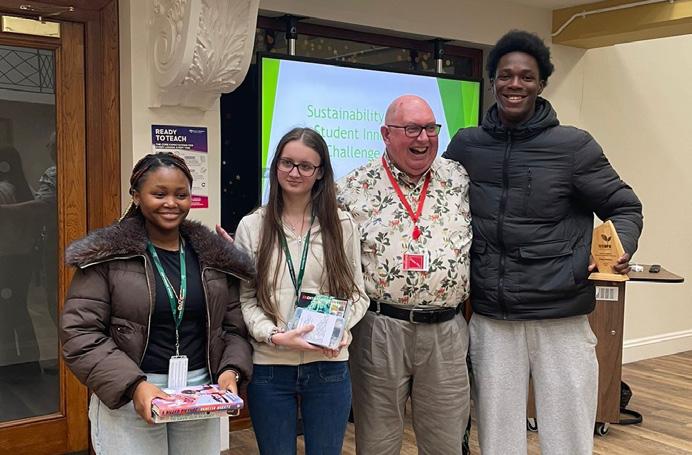
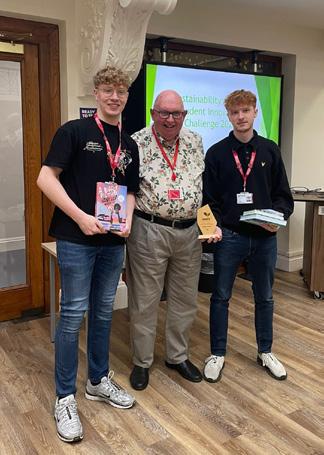
Selby College student, Jacob, claimed the top prize, impressing the panel with his innovative and impactful CO² calculator concept. Jacob’s idea, the ‘CO² Impact Projection Calculator’, uses a data calculator to show how small pledges of sustainable actions can compound to have a measurable impact and contribute to a more sustainable society.
As part of this, the user inputs their sustainable action into the calculator which quantifies the estimated CO² saved by the action (multiplied by participants) before displaying the impact of this change to the user.
Jacob, Level 3 IT (Software Development & Cybersecurity) student, said: “It felt nice to win, especially because everyone else’s ideas and presentations were excellent. I’m really interested in sustainability too as it’s the biggest issue that the world is facing today and one that is growing. My project focuses on how we can help people understand the impact of their sustainable pledges and help everyone to hold each other accountable in order to make a real difference.”
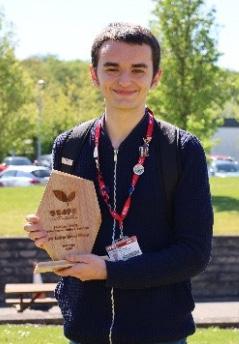
Wakefield College’s Applied Science students were highly commended for their ‘Give or Get’ project focused on the climate impact of producing denim and repurposing denim items through a college community scheme.
The Yorkshire Innovation Challenge went far beyond being a competition; it empowered students to see themselves as changemakers. It developed confidence, teamwork, communication and problem-solving skills while embedding sustainability in a meaningful and engaging way.
In March, Student Leaders from Wakefield College graduated from Unloc’s Sustainability Student Leadership Academy.
Unloc is a multi-award winning education non-profit helping schools, colleges and organisations to empower young people to become changemakers. Unloc hosted four sessions for our Student Leaders from December to March that trained them in sustainability and student leadership.
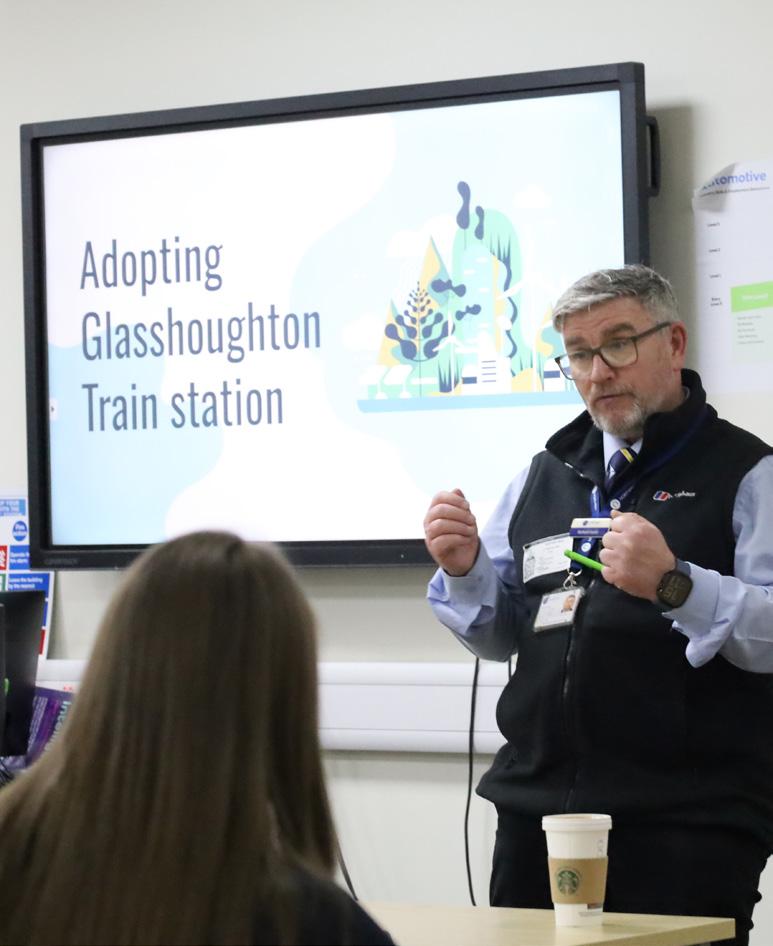
The students have been working on building on their personal and professional skills whilst working on developing project ideas that address sustainability. One of the projects the students have planned involves collecting crisp packet waste from across the campuses and transforming them into insulated blankets for people experiencing homelessness. Their second project, which is already underway, involves adopting Glasshoughton Station.
Hayden Taylor, Founder of Unloc, said: “From seeing these students at the beginning of the process to now, I can say that they are totally unrecognisable.They have developed so much and can now present themselves, drive change and talk about issues they really care about. I am blown away by the two flagship projects they have been working on during this time. Unloc’s Sustainability Student Leadership Academy is fundamentally about putting student voices at the heart of sustainability and we are incredibly proud to partner with the Heart of Yorkshire Education Group to help bring these students’ projects and ideas to life.”
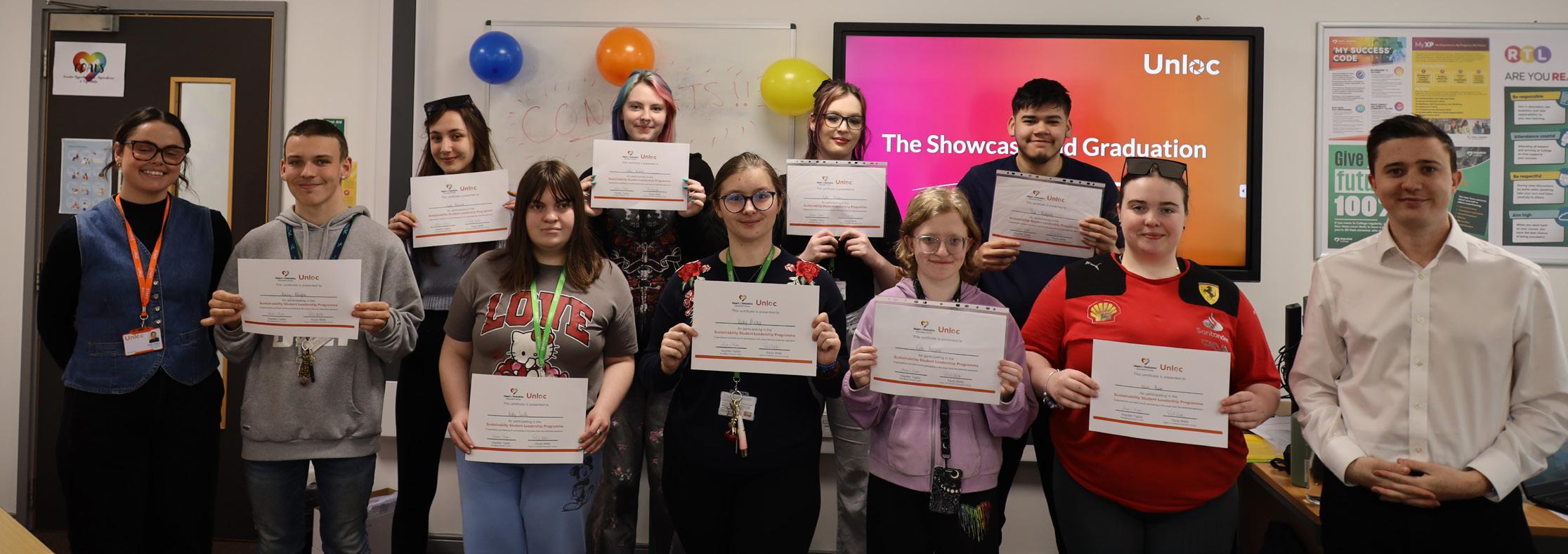
Students from Wakefield College and Castleford College plan to adopt Glasshoughton Train Station to enhance its appearance, promote sustainability, boost footfall and improve links to Xscape.
Only ten minutes down the road from Castleford College, Glasshoughton Station provides links to both Leeds and Knottingley and has seen over 100,000 passengers in recent years. Many staff and students use the station to commute to college, as well as local residents to travel within the region.
Richard Isaac, Regional Community and Sustainability Manager for Northern Rail, visited Castleford College to talk to the students about the partnership opportunity with the railway company. Richard spoke about the importance of getting young people involved in the rail industry and mentioned the variety of opportunities and careers at Northern Rail – whose base resides in Leeds.
The Student Leaders representing both Colleges then delivered a presentation to Richard detailing their project ideas which included biodiversity flower boxes for bumblebees, sustainable art sculptures and a wall mural. The students’ aims are to increase passengers’ environmental awareness and create a welcoming space for visitors.
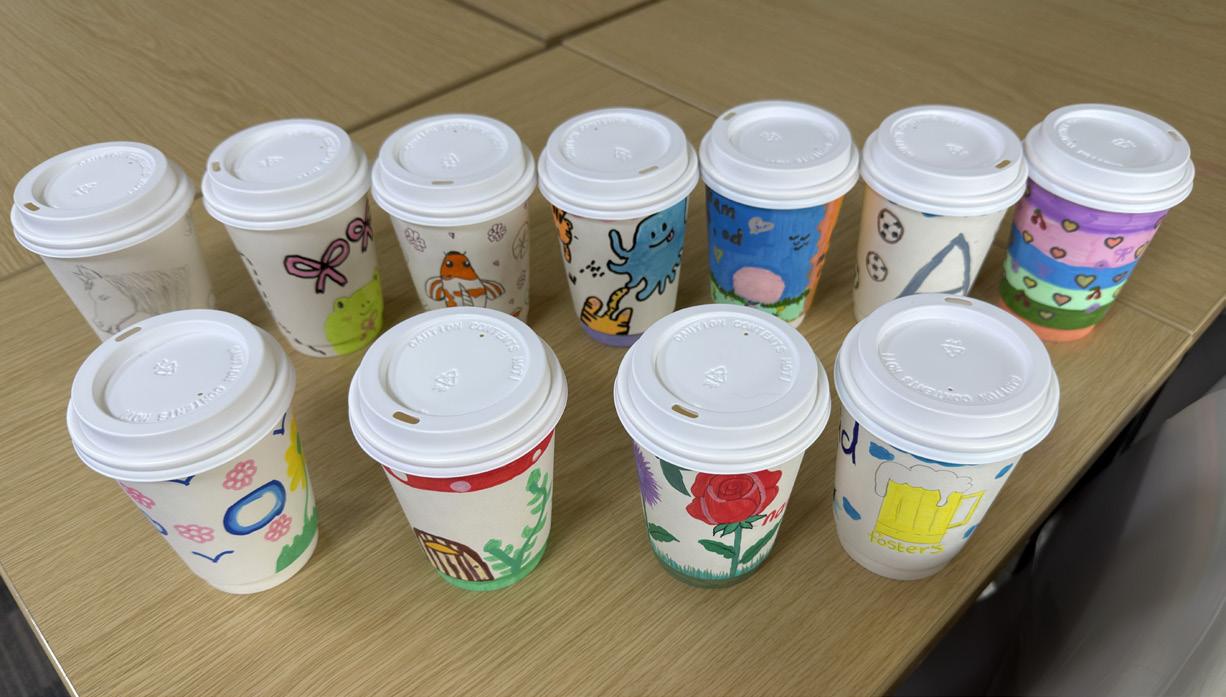
Level 1 Health & Social Care students explored how personalised cups can support hydration for people living with dementia. Linking this to sustainability, they created their own reusable cups from recycled materials and used them throughout the college day.
The activity combined care-focused learning with sustainability, showing how small changes can make a meaningful difference.
The first cohort of our Green Changemakers programme has been an insightful journey for those involved across the Heart of Yorkshire Education Group.
The systematic change initiative brought together 15 brilliant changemakers from across all campuses and all roles. Along the way, they got stuck into climate science in some fun, hands-on ways (including big wooden jigsaws!) and started building a shared understanding of green skills and what climate action looks like for us as a Group.
It has helped everyone feel more confident about how they can make a difference, with practical tools to help turn ideas into action.
These Green Changemakers will now help bring energy and positivity across the Group – connecting projects, supporting others and helping turn good intentions into real, lasting change with the backing of College leadership.
Kelly Beighton, Head of Quality & High Performance, who took part in the programme said: “Taking part in the Green Changemakers programme has genuinely transformed my mindset and outlook on sustainability. It’s shifted my focus towards the opportunities we each have, as individuals, to create meaningful change. Collaborating with colleagues across the Group who share the same passion has been incredibly inspiring - I’ve really valued the space to exchange ideas and learn from one another. I’m excited to embed what I’ve learned into both my everyday work and personal life, and I’m looking forward to seeing how we bring this energy to the wider Group, making sustainability a natural part of everything we do.”
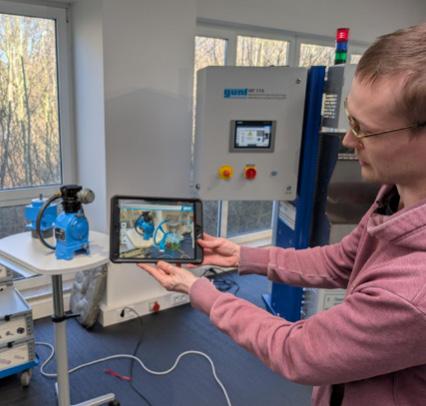
Recently, our Engineering tutors Samuel Hunter and Adrian Hague took part in specialist training at GUNT in Hamburg, focusing on the next generation of green technologies. The experience gave them valuable insight into key areas like carbon capture and hydrogen – both playing an important role in tackling climate change and supporting a low-carbon future.
The training was a great opportunity for our tutors to get hands-on with new equipment, explore real-world applications and build their confidence in teaching these emerging technologies. Bringing this knowledge back into the classroom means our learners can benefit from up-to-date, practical skills that reflect the changing needs of the engineering industry.
By investing in staff development like this, we’re helping to ensure our teaching stays current, relevant and rooted in sustainability. With plans to expand into hydrogen-focused learning alongside our existing carbon capture provision, it’s an exciting time for our green skills programmes.
1
When we talk about being green, it’s easy to focus on what we’re not doing. Upcycling offers a positive, creative alternative - giving new life to items that might otherwise end up in landfill whilst reducing waste and saving money. It’s an empowering way to combine creativity with sustainability, requiring little more than imagination and a willingness to experiment.
2
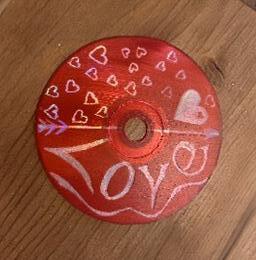
Everyday objects can be transformed in simple but effective ways. Glass jars, for example, are perfect for storage but can also become candle holders, vases or decorative centrepieces with a bit of paint, twine or ribbon. Even old CDs can be repurposed into light catchers, reflecting colour when hung near a window. For inspiration, platforms like Pinterest offer endless ideas to get started.
3
4
Ultimately, upcycling is about seeing potential where others see waste. By rethinking how we use everyday items, we can create something unique, reduce our environmental impact and embrace a more thoughtful way of living.
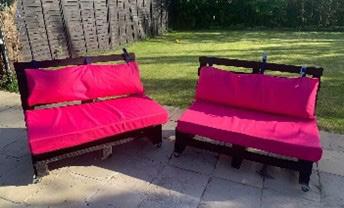
Furniture and wooden items are often overlooked but can be easily refreshed. Sanding and repainting can completely transform tired pieces, while materials like old pallets can be used to create outdoor seating or shelving. Repurposing larger items - such as kitchen units into wardrobes or cabinets - not only saves money but also keeps usable materials out of waste streams.
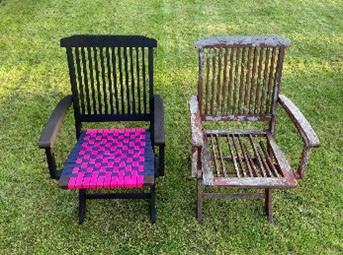
5
Beyond the environmental benefits, upcycling encourages creativity, builds new skills and can become a rewarding hobby. It also provides an opportunity to connect with others through shared DIY interests and to promote sustainable habits within families and communities.
6
Worn-out textiles also have plenty of potential. Old curtains, bed linens or damaged clothing can be turned into braided rugs, patchwork quilts or reusable bags. Denim jeans can be transformed into sturdy cushion covers or tote bags, extending their life in a practical and stylish way.

Through our partnership with the Supply Chain Sustainability School, our students, staff and employer partners have free access to an award-winning virtual learning platform designed to upskill those working in or interested in the built environment sector.
The Supply Chain Sustainability School covers all three pillars of sustainability including environmental, social and economic, helping you understand everything from carbon management to tackling modern slavery.
If you haven’t yet completed the mandatory sustainability pathway, now is a great time to get started. In under an hour, you’ll gain a clear, practical introduction to key topics such as climate change, the circular economy and the UN Sustainable Development Goals (SDGs).
Beyond the core pathway, the School also offers a wide range of additional learning to support your development, including topics like:
Footprint and all other materials printed by the Group are produced using paper purchased through recognised Carbon Capture schemes. As a Group, when purchasing paper products or printed materials, we carefully consider which supplier we use based on their Carbon Capture scheme and sustainability credentials. We are proud to be a part of the Antalis Forest Carbon scheme which plants trees to mitigate the CO2 emissions generated by the production, storage and distribution of the paper. SCAN
Scan the QR code to read our Sustainability Strategy 2023-2026 or visit: www.heartofyorkshire.ac.uk/about/corporate-documents




Whilst the platform has a built environment focus, the knowledge is relevant to every role - helping you feel more confident in conversations, decisions and actions both at work or in your studies and beyond.