The Sustainability Newsletter for staff and students of the Heart of Yorkshire Education Group

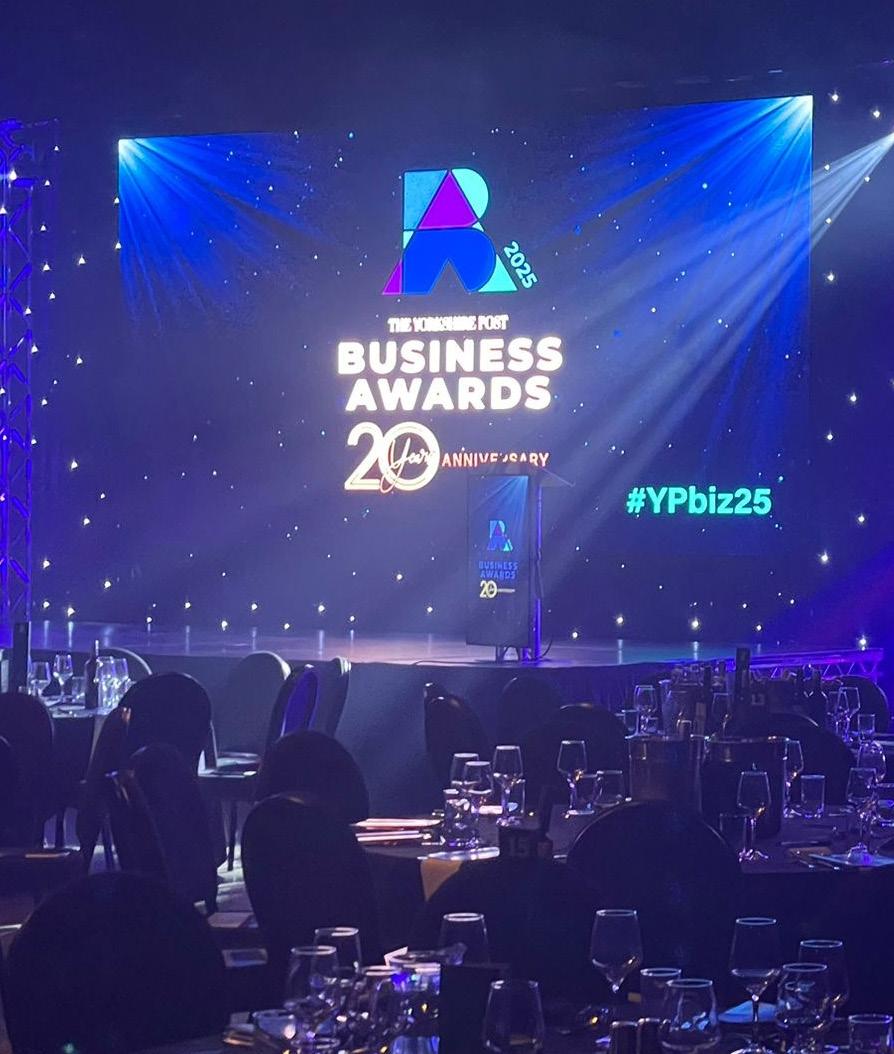
We’re proud to share that the Group was shortlisted for multiple sustainability awards this year, recognising our growing impact and commitment to environmental responsibility. We were nominated for the Sustainability Award at the Yorkshire Post Business Awards, Goole & Howdenshire Business Awards and the MY Awards 2025.
These nominations celebrated the hard work of our staff and students in advancing sustainability across our campuses — from curriculum innovation and community partnerships to practical environmental action.
Being recognised across three major regional awards was a fantastic achievement and demonstrated just how far we've come in our sustainability journey. Thank you to everyone who has contributed to driving this important work forward.
As we reach the end of 2025, it’s timely to reflect on just how far our sustainability journey has come across the Heart of Yorkshire Education Group. Building on our 2023–26 Sustainability Strategy, we have strengthened our whole-Group approach, making real progress across our estate, curriculum, partnerships and community.
This year saw our most comprehensive work yet on understanding our environmental impact, including detailed scope 3 carbon accounting and major steps forward in developing our Climate Action Plan. From biodiversity projects and energy improvements to studentled eco surveys, our commitment to decarbonisation and resilience has continued to take shape across all three colleges.
Our curriculum has also evolved, with green skills and climate education becoming increasingly embedded in teaching, project work and employer partnerships. Highlights such as our award-winning Carbon Capture & Storage Skills Bootcamp, engagement with climate leadership programmes and new opportunities through initiatives like Give Construction a Try have helped prepare students for the future world of work.
Sustainability has also become more visible than ever. This year all three colleges placed in the top seven nationally in Planet Earth Games, with staff and students recording over 10,000 sustainable actions. Our Footprint publication, student projects, community events and partner collaborations have helped keep momentum high and voices heard across the Group.
Perhaps most importantly, our journey has been shaped by people: colleagues championing change, students driving projects, experts guiding our thinking and governors supporting our ambition. Together, we have laid strong foundations for the next stage of our climate action and continue to show what is possible when a whole college community pulls in the same direction.
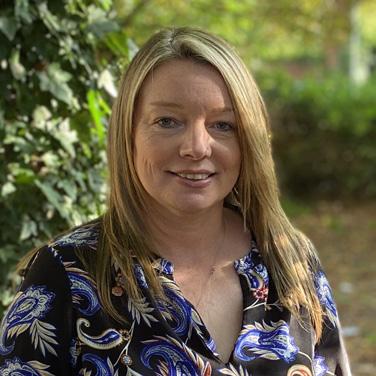
Clare Allcock
Group Executive Director for Student Experience & Support and Sustainability Lead
1,380 tCO2e
(tonnes of CO² equivalent) recorded,
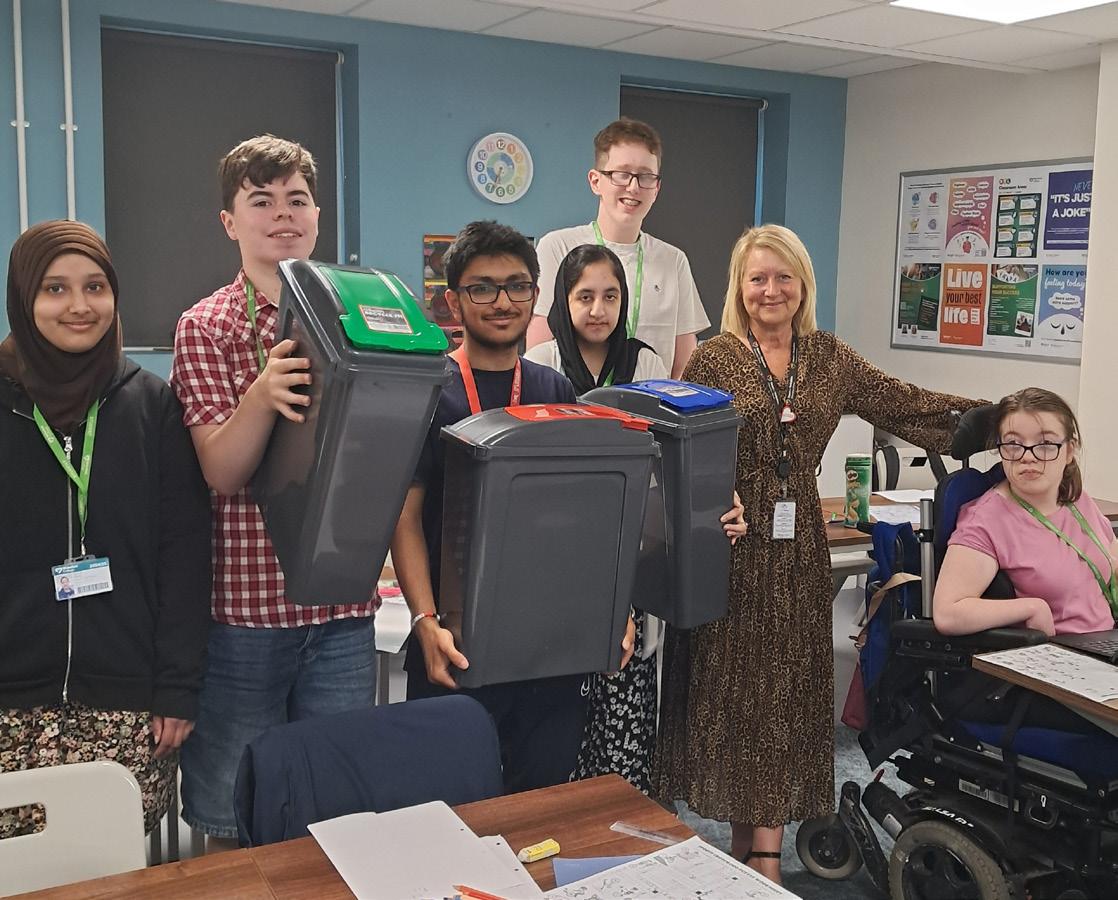
As part of their work on environmental responsibility, Foundation Learning students wrote to Principal and Chief Executive, Sam Wright, requesting new recycling bins for their area. The timing was ideal, as the Group was already reviewing its recycling system, giving students the chance to select the bin styles they felt would work best.
When the bins arrived, Sam met with the group to present the new equipment and discuss how it would be used. Students showed a strong understanding of recycling practices, including the purpose of the three coloured lids.
This project supported their learning whilst empowering them to improve their environment - a great example of sustainability education in action.
The Group also piloted a new Leadership Foundation qualification in environmental leadership in Spring. All 10 students successfully achieved the award, with a 100% success rate.
The programme helped students develop their leadership skills and understand how they can influence sustainability within the Group and the wider community, both now and in their future careers. Congratulations to all the students and to the tutor who supported the pilot.
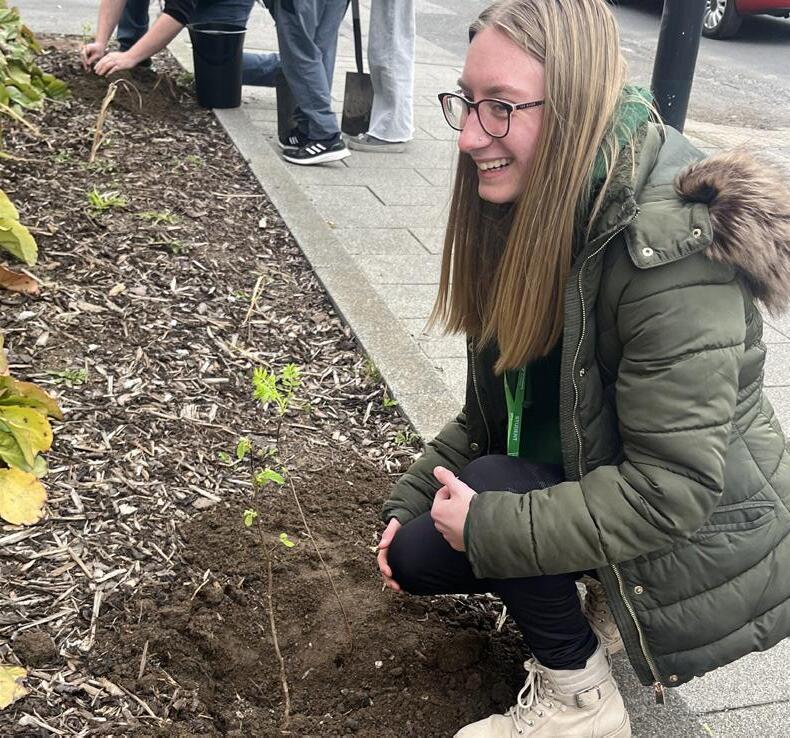
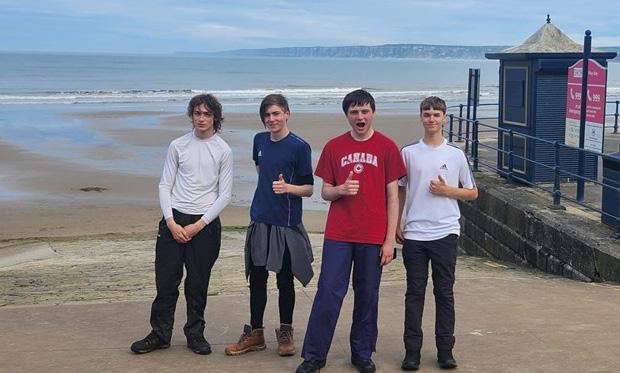
This summer, a Sixth Form student walked 100 miles from Wakefield to North Wales to raise funds and awareness for WWF. Elliott Everett, alongside his friends, travelled from Wakefield to Flint Castle over five days, stopping off in Huddersfield, Manchester, Warrington and Chester along the way.
Their determination to support wildlife and the environment stems from a shared passion for sustainability. The walk follows last year’s 72-mile route to Filey which raised funds for charity, and this year they’ve taken on an even greater challenge — raising over £600 for WWF.
We’re proud to see young people from our region stepping up to drive real environmental action. Their effort reminds us that individual commitment — and a good pair of walking boots — can help protect wildlife and our planet.
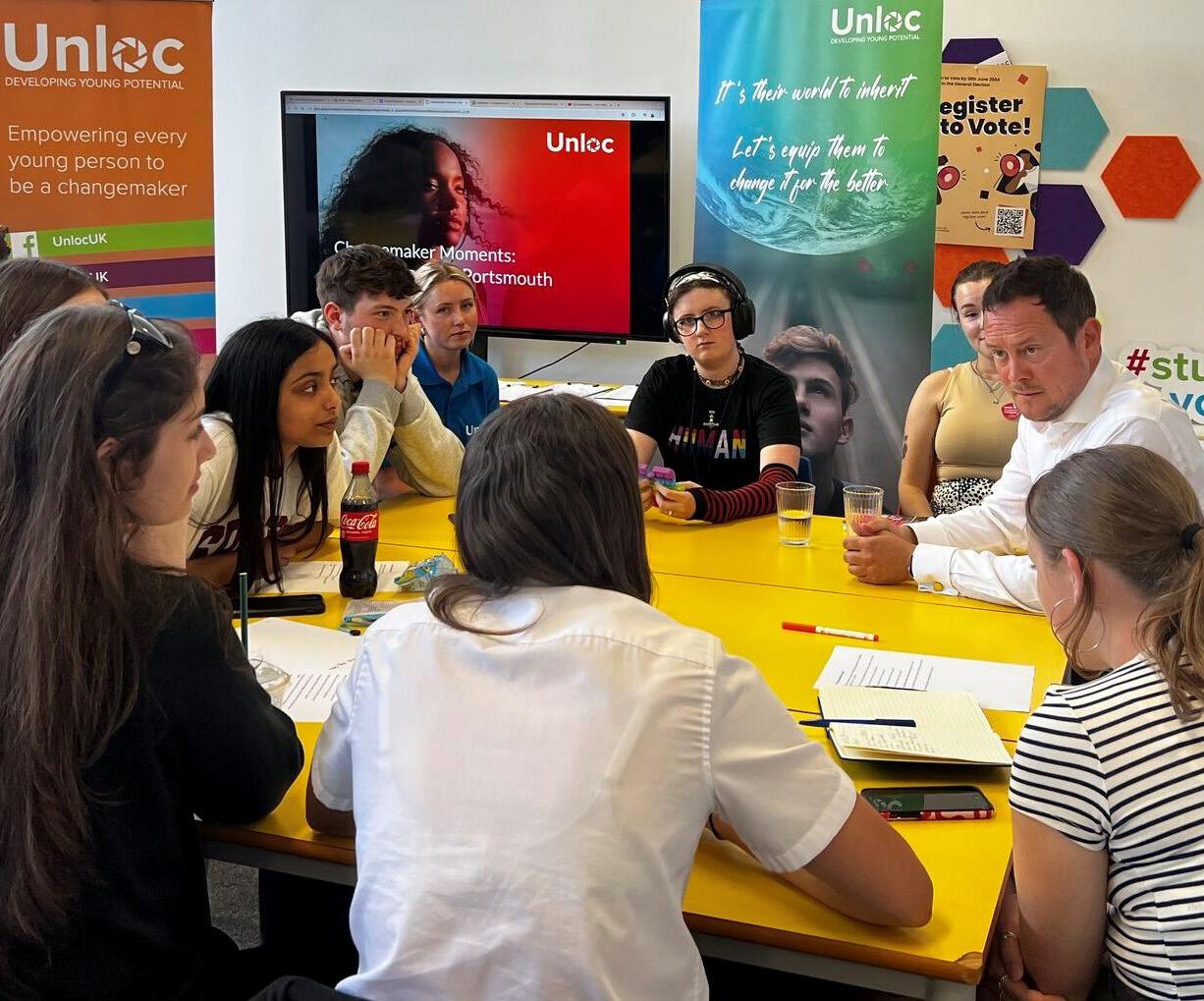
We’ve also launched a new partnership with Unloc, an award-winning non-profit organisation that helps young people become confident changemakers. Their mission is to empower every young person to shape their future and the world around them. Students interested in sustainability, leadership and making a difference are invited to join the Student Climate Ambassadors Project. Several members of our Student Sustainability Group have already signed up, and we’d love to welcome more.
The programme includes five interactive, in-person sessions on Wednesday afternoons, designed to help students develop their voice, build leadership skills and work collaboratively on a sustainability project to present to the College. If you know a student who would enjoy taking part, please contact us and we’ll follow up with them directly.
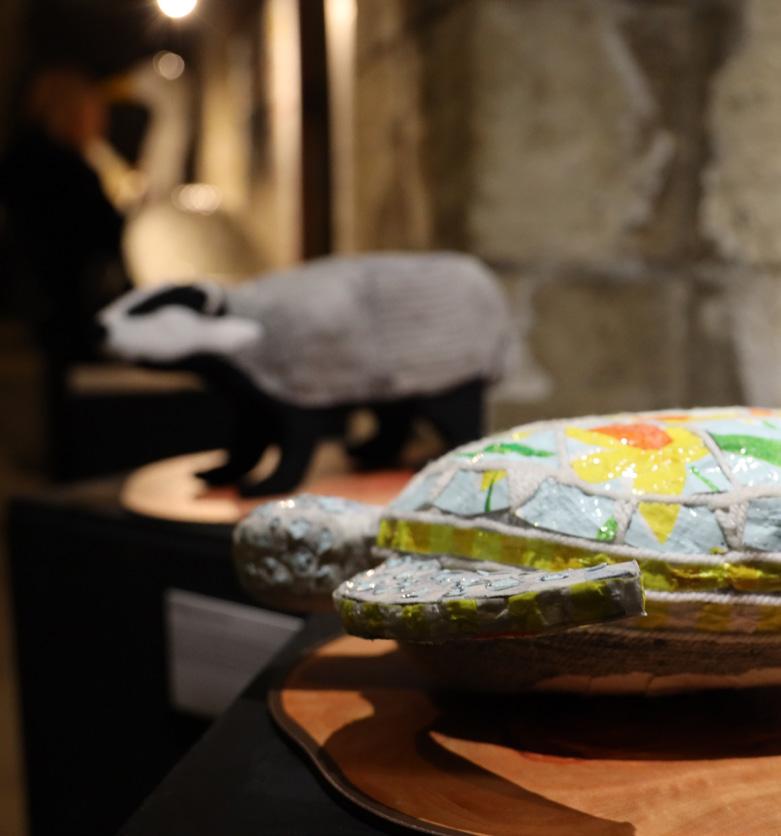
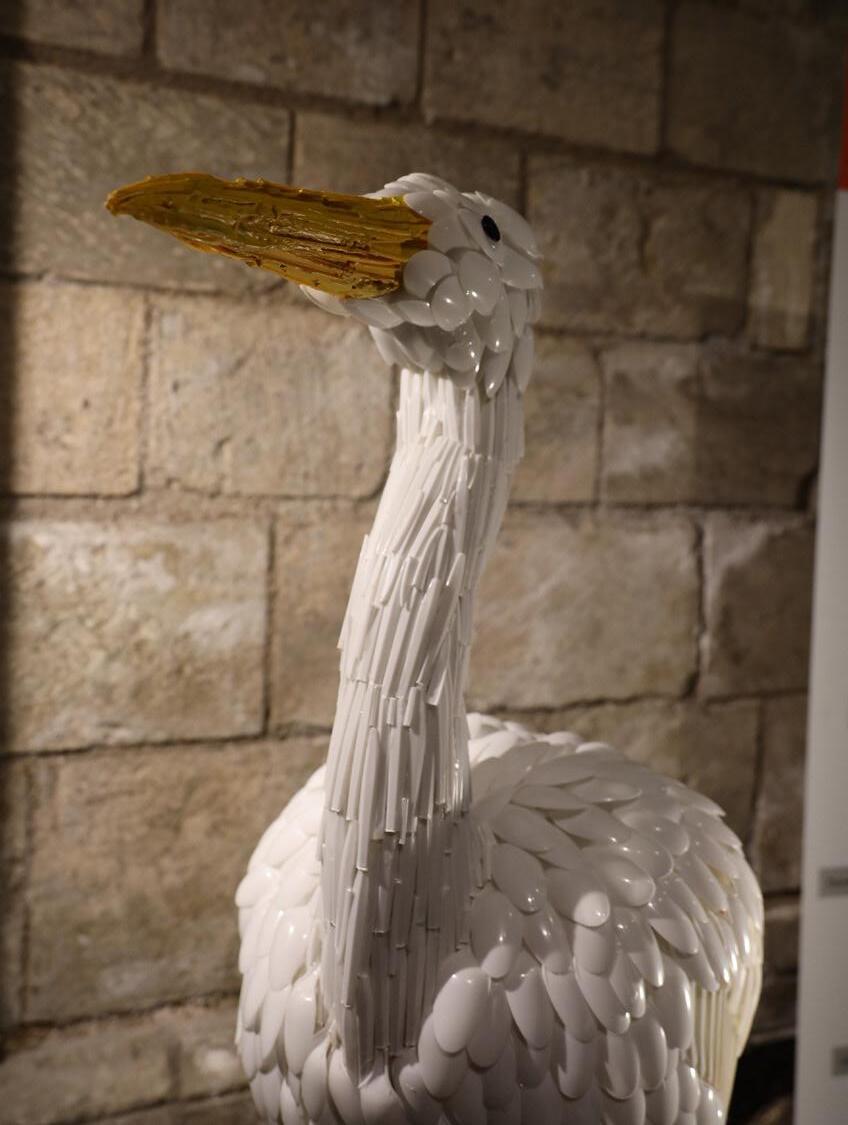
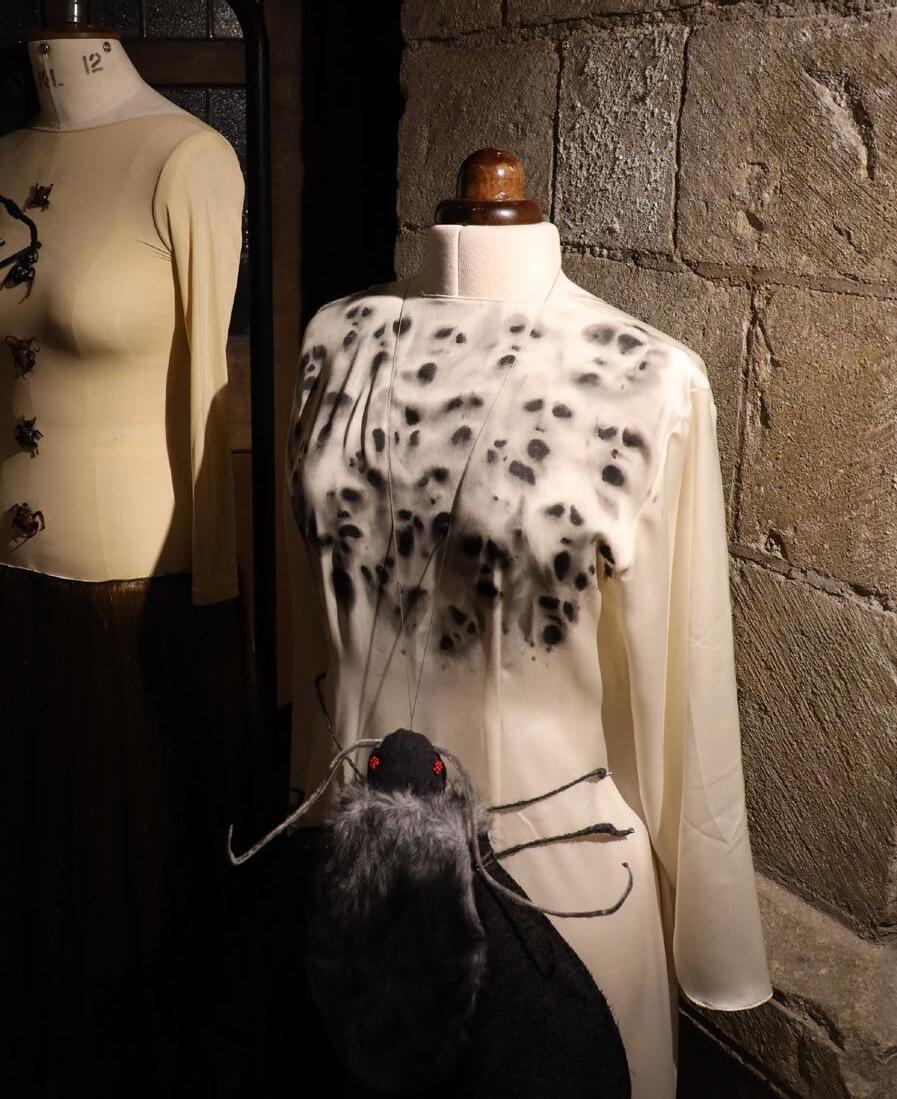
Selby College’s Art & Design students exhibited an array of sustainable fashion and art as part of Up For Yorkshire and Our Zero Selby’s Sustainable Fashion Show at Selby Abbey – an event which brought the community together to celebrate sustainable fashion and the charity shops on Selby’s high street.
At the start of term, Level 3 Art & Design students were tasked with creating art using second-hand materials and objects from local charity shops, which would later be exhibited at Selby Abbey. The artwork on show ranged from upcycled fashion to sculptures, 3D outcomes and documentary photography.
Ebony Laurie, Level 3 Art & Design student, said: “My piece, titled ‘Echoes of a Plastic Tide’, forms an egret bird out of discarded plastic cutlery, and was inspired by Chie Hitotsuyama, who creates life-size animal sculptures out of recycled materials such as newspaper. It reflects the struggle of birds and water against our tide of pollution, reminding us of what is lost when beauty drowns in waste. I love studying Art & Design at Selby College because it’s a very friendly and open environment and I enjoy working with both my tutors and peers, as we all encourage and
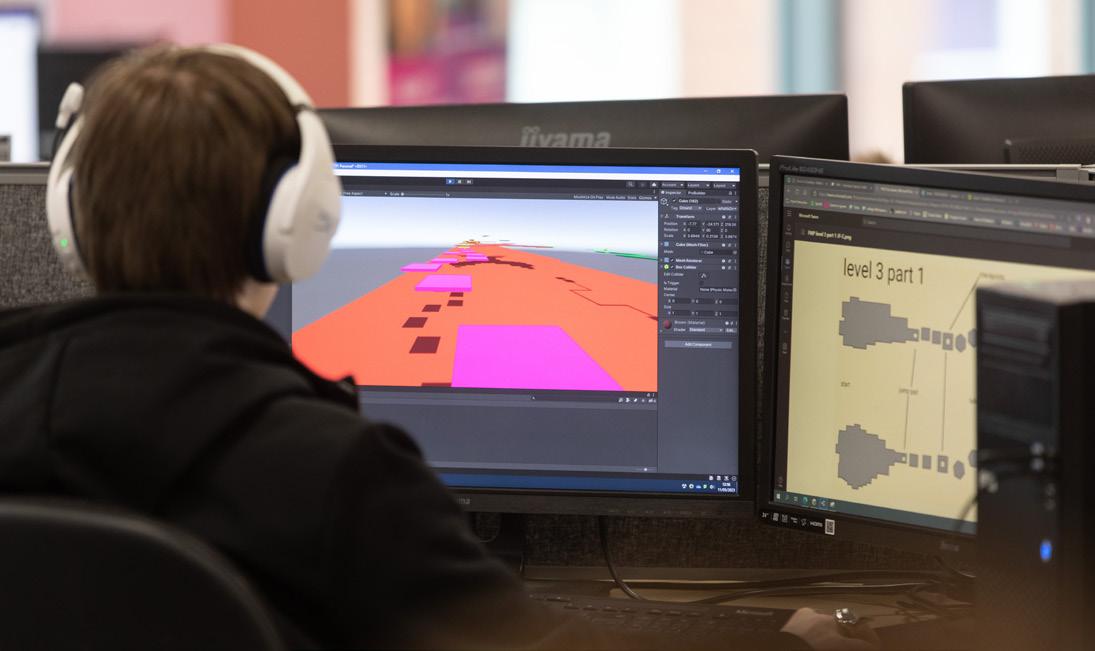
Elaine Whitehead, Curriculum Development Manager for Art & Design at Selby College, said: “Our commitment to digital sustainability in the Computing and Digital Industries curriculum has grown significantly. We now challenge students with realworld applications, from calculating the College’s daily carbon footprint to creating sustainable games in our Game Jam, fostering a deeper understanding of this critical issue.”
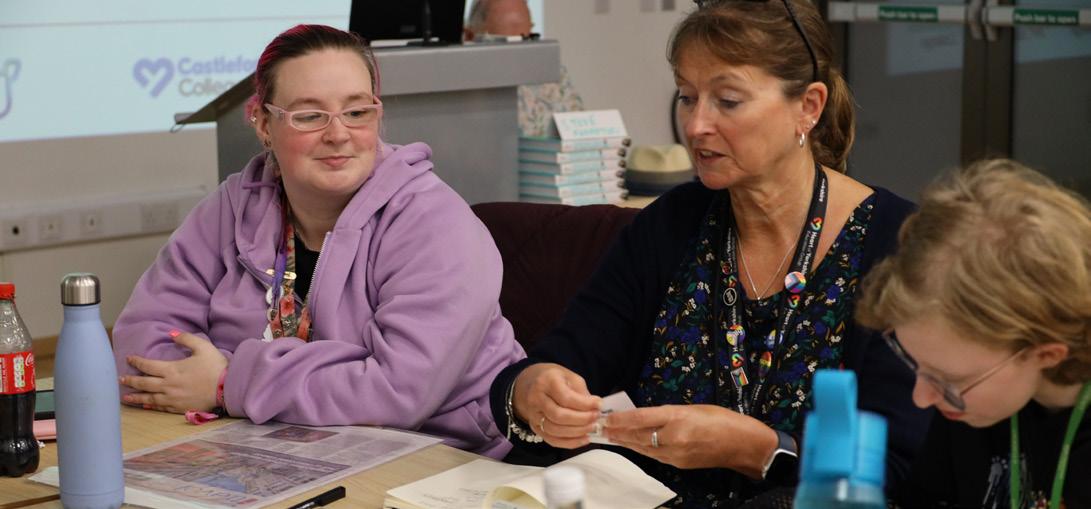
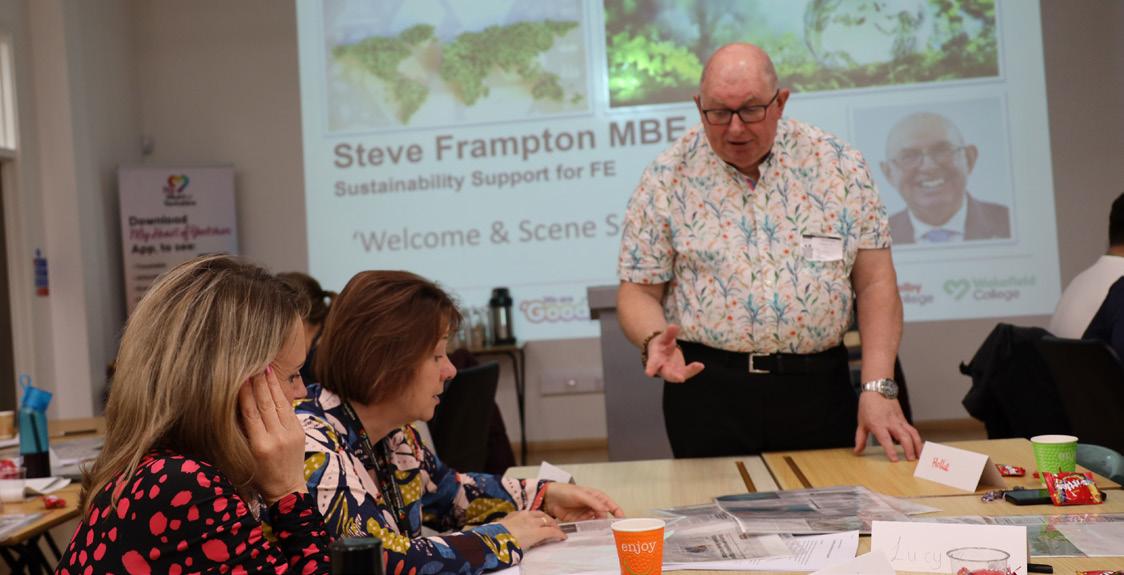
This term, we brought together students, Governors and the Executive Team for a focused Climate Action Plan workshop, marking a key step in delivering plans through to 2026. Led by sector expert Steve Frampton MBE, the session gave our college community space to explore, challenge and shape the direction of our work.
Participants walked through the core pillars of the draft plan: cutting our carbon footprint, strengthening biodiversity and climate resilience and preparing students for the green economy. Students shared clear views on ambition, priorities and ways to get involved, from climate leadership roles to influencing sustainable practice across our colleges. Governors added strategic insight and reinforced the need for long-term commitment at every level.
A session led by Steve Frampton MBE encouraged the group to reflect on recent climate and sustainability headlines. Topics ranged from wildlife and weather to transport, food and the economy, showing how sustainability touches every part of society. These conversations helped the group consider how individuals, communities and organisations like the Group can reduce emissions through practical, sustainable choices.
The workshop highlighted the collaborative culture driving sustainability across the Group. The feedback gathered is now helping to finalise our Climate Action Plan, so it reflects the ambition and values of our whole Group community.
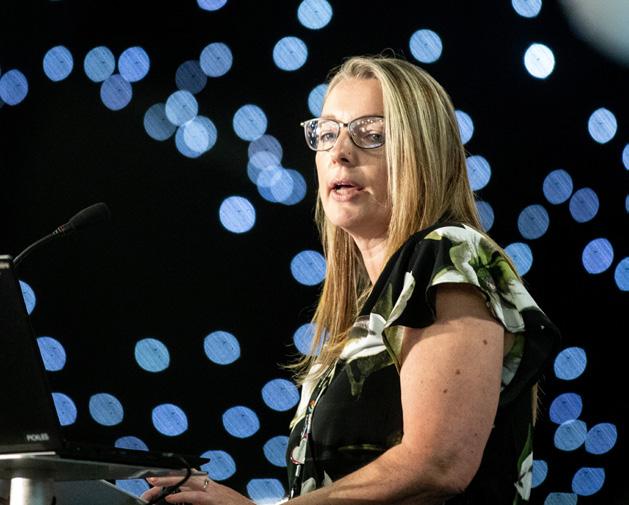
In September, Clare Allcock presented the Group’s sustainability journey at the Northern Skills Network Green Skills Conference. She outlined our progress since launching the 2023–26 Sustainability Strategy, including work on decarbonisation, scope 3 carbon accounting and the development of our Climate Action Plan.
Clare also highlighted staff and student achievements, from green skills innovation and awardnominated curriculum work to our success in the Planet Earth Games. She stressed the value of collaboration and whole-Group engagement, recognising the many colleagues and partners driving this work. The presentation was well received and reinforced
Daniel Goff, one of the Group’s Green Ambassador students, said: “I became a Green Ambassador because I wanted to contribute towards saving our future. The Climate Change Conference was a great opportunity to learn about sustainability and how our College could keep improving its sustainable practices.”
the Group’s position as a sector leader in sustainability.
Clare and Jannine Godfrey also attended the Sustainability Support for FE network event at Morley College, joining colleges across the country to share progress, learn from others and strengthen our role in the national FE sustainability community.
At the start of the academic year, we welcomed Lucy from the Supply Chain School to work with our Construction, Engineering and Motor Vehicle teams. The session explored how the School’s sustainability resources can strengthen teaching and support students’ understanding of industry expectations.
Course leaders created tailored Supply Chain School learning pathways for their specialisms, which students will complete during terms 2 and 3 through My Journey and curriculum sessions. This partnership has provided staff with new resources and fresh insight, whilst giving students the chance to gain industry-recognised certificates that will support their future employability.
By Rob Charlish, Head of Curriculum for Computing & Digital Industries at the Heart of Yorkshire Education Group
Digital technology underpins everything we do, from remote learning to running complex administration. But the convenience of the cloud, AI and constant connectivity has a hidden environmental cost. For the Heart of Yorkshire Education Group, embracing Digital Sustainability isn't just a trend; it's a necessity for responsible operation, future efficiency and preparing students for the green economy. Drawing on insights relevant to the UK education sector and supported by the JISC Digital Sustainability group, here are the crucial topics shaping our digital future.
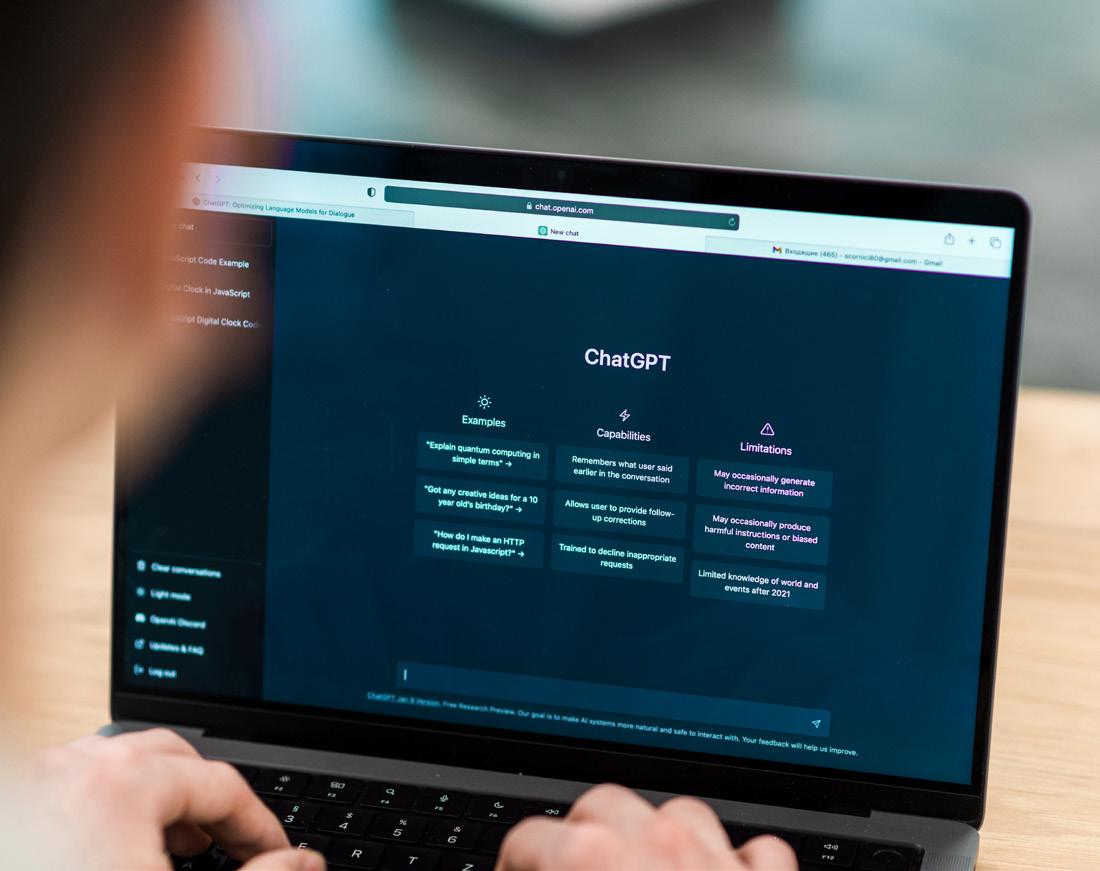
The most pressing issue in digital sustainability today is the immense energy appetite of Artificial Intelligence (AI) and the data centres that host it.
While a single AI query (like asking a chatbot a question) uses a tiny amount of energy - around 0.24 watt-hours - the cumulative impact of training massive AI models and serving billions of daily requests is staggering. The rapid expansion of AI is driving a boom in data centre construction across the UK, creating a conflict with national climate targets.
Reports suggest that just ten large new data centres planned for the UK could effectively cancel out the carbon savings achieved by the public switching to Electric Vehicles in a single year (Foxglove and Global Action Plan).
What we can do: We must teach our students and staff about AI transparency and the principle of sufficiency: asking whether the digital tool we choose is the most efficient tool for the job.
The biggest contributor to our college's digital carbon footprint isn't the power consumed by a device, but the energy and resources used to manufacture it. Tackling e-waste through circularity is one of the most effective ways to be sustainable.
The UK government is pushing for a significant shift, with targets aiming for 80% of staff devices to be refurbished by 2030. This means moving away from a 'replace every three years' mentality to a 'repair, reuse, and extend' model (Defra Digital Sustainability Strategy 2025 to 2030).
What we have done: In the recent upgrade to our Digital Studio in the Radcliffe Building, we refurbished and reused all the machines that were replaced in other areas of the College.
Data centres use massive amounts of water, primarily for cooling. In some regions and along with the weather changes, this contributes to water stress as we saw with our recent, and still on-going, hosepipe ban.
What we can do: A Digital Declutter means cleaning up your digital life - deleting old files, emptying email trash and optimising device settings. Every unnecessary email, file or photo uses energy to store and cool in data centres. Decluttering reduces our digital footprint, saves energy and helps devices run better for longer. Even 15 minutes spent clearing your downloads or removing old attachments makes a difference. When we collectively reduce storage and processing demands, data centres use less electricity and produce less waste heat, which also lowers the water needed for cooling.
By Julie Thornton, Sustainability Officer at the Heart of Yorkshire Education Group
The festive season is a time of warmth, celebration and togetherness - but it’s also a period when waste and carbon footprints peak. With a few thoughtful choices, you can enjoy all the magic of Christmas while treading more lightly on the planet.
Here are ten easy ways to make your celebrations more sustainable this year:
1
Choose a Greener Tree: Opt for a British-grown tree sourced as locally as possible or go one step further and select a potted tree you can reuse each year. Or, why not decorate a favourite houseplant instead?

3
Switch to LED or Solar Fairy Lights: LED or solar-powered lights use far less energy and last longer than traditional bulbs, making them both eco-friendly and cost-effective.

2
Decorate with Nature:
Natural decorations, such as dried orange slices, foraged foliage or pinecones, bring seasonal charm without the plastic.

4
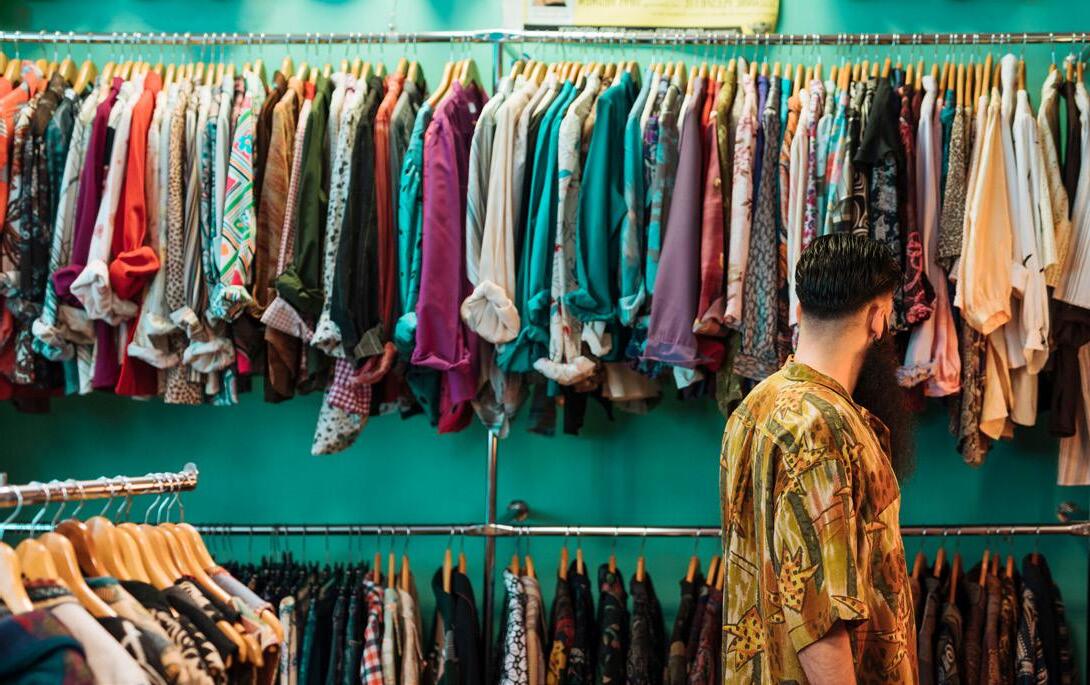
Shop Second-Hand and Support Local: From vintage treasures to handmade crafts, local makers and charity shops offer unique, low-impact gift options. Even Christmas crackers can be bought plastic-free and locally made.

If you still enjoy posting cards, choose plantable seed cards or FSC-approved options and avoid glitter, which often escapes into the environment. E-cards or handmade cards are great low-waste alternatives.

Make Christmas Dinner
More Sustainable:
Choose thoughtful, durable gifts rather than lots of small items. You could even skip physical presents altogether and gift an experience, such as a workshop, meal out or theatre ticket. 5 7 9 6 8 10
Plan your meals to reduce food waste, buy seasonal produce and include more plant-based dishes. Check that packaging is recyclable and consider reusable table coverings to cut down on disposable waste.

Many wrapping papers contain plastic or glitter and can’t be recycled. Opt for reusable fabric wraps, plain brown paper or other eco-friendly alternatives.

Instead of buying new, revive outfits you already own. Re-wear last year’s Christmas jumper, borrow from a friend or add a little sparkle with simple accessories.

Host Low-Waste Festivities:
For gatherings, ask guests to bring their own crockery, share the washing up and travel sustainably where possible.

After an incredible performance in the 2025 Planet Earth Games, we’re gearing up to go even bigger in 2026! This year, all three Colleges placed in the top ten, with several staff members also securing top-ten individual positions. We were especially proud to see Principal Sam Wright recognised as the highest-scoring Principal in the competition.
Looking ahead, wouldn’t it be fantastic to break into the top three overall and see both staff and students placing in the top 20 individually?
After the Christmas break, the Planet Earth Games QR codes will be released, unlocking a new set of challenges. Some activities will be exclusive to certain students and staff, whilst many more will be open to everyone.

Thinking of getting students out of the classroom? Why not integrate a Planet Earth Games challenge into your lesson and earn points for both your students and your College? Got a brilliant idea that isn’t already on the challenge list? Submit it - your creativity could earn extra points for you and the Group. Stay tuned for more details on how to get involved!
Are you a staff member interested in driving forward long-term sustainable change? We are investing in the Green Changemakers programme to support colleagues who want to turn ideas into real impact.
As part of this, we are looking for fifteen to twenty Green Changemakers from across all three Colleges, directorates and job roles to join the programme. Across the Group, our Green Changemakers will lift existing projects and link them into something bigger and more coherent. Their work will help us move from good intentions to sustainable transformation.


We’re proud to be hosting the first-ever Yorkshire Sustainability Competition, endorsed by WorldSkills UK, on Wednesday 15th April 2026 at Wakefield College. Students from Castleford, Selby and Wakefield will compete against Barnsley College and Sheffield College in this exciting regional event.
The competition is open to full-time students aged 14–18, and we encourage as many departments as possible to get involved. Each department is invited to run its own competition, select its strongest entrants and put them forward for the college-wide round. From there, a panel will choose one finalist per-college to represent Castleford, Selby and Wakefield at the regional final.

If you care about sustainability and want to help shape the future of our College, please do complete this application form:



Footprint and all other materials printed by the Group are produced using paper purchased through recognised Carbon Capture schemes. As a Group, when purchasing paper products or printed materials, we carefully consider which supplier we use based on their Carbon Capture scheme and sustainability credentials. We are proud to be a part of the Antalis Forest Carbon scheme which plants trees to mitigate the CO2 emissions generated by the production, storage and distribution of the paper. SCAN HERE
Scan the QR code to read our Sustainability Strategy 2023-2026 or visit: www.heartofyorkshire.ac.uk/about/corporate-documents