









By Tim Howard
After another year of packed courtyards, proud authors and pages full of local voices, The Long Way Home short story competition is already looking ahead — and inviting writers of all ages to follow their imaginations under the bridge.
Competition cofounder Claire Aman has announced the theme for the 2026 iteration: Under the Bridge, a prompt she hopes will unlock mystery, memory and invention across the Clarence Valley.
“We invite writers to interpret it any way they like,” Aman said. “We’re hoping to unearth a span of original stories that explore all the mystery and depth in this theme.”
Few places are better suited to it. The Clarence Valley is threaded with bridges — iconic, functional, and quietly symbolic.
From the soaring arc of the Harwood Bridge to Tucabia’s humpy bridge, the uneven planks of McFarlane’s, the old and new bridges linking Grafton and South Grafton, and further afield to Lilydale, Tabulam, Ramornie, Sportsman’s and Buccarumbi, these structures shape daily life as much as the river itself.
“And underneath those
bridges,” Aman said, “stories are dreamt and secrets are kept while the water flows past on its way to the sea.”
The competition is open to primary school, high school and adult writers, with no qualifications or prior experience required — a hallmark of The Long Way Home since it began in 2018.
What the judges are looking for is simpler and harder at the same time.
“We’re looking for imaginative stories that surprise us or make us

curious,” Aman said. “Stories that make us

laugh or cry.”
Winning and shortlisted entries will be published in the next anthology, Stories from the Clarence Valley 2026 – Under the Bridge, to be launched later this year.
For many writers, publication itself is the prize — a chance to see their work in print alongside hundreds of other local voices.
Since its inception, The Long Way Home has grown into one of the valley’s most enduring creative projects.
Over eight books, it has published 440 stories, drawing contributors from across the region and across generations.
Along the way, it has sparked live readings, performances, podcasts and community events that extend well beyond the page.
“The competition grows more popular each year,” Aman said. “We discovered some fabulous writing last year.
“We’re expecting to find new talent again this year as writers explore those secret, shady worlds under the bridges of the Clarence Valley.”
The deadline for entries is June 1.
Word limits are 2500 words for adults, 500 words for high school students, and 200 words for primary students.
Full entry details are available at www. thelongwayhomestories. com.
For writers young and old, seasoned or just starting out, the invitation is clear: slow down, look beneath the familiar crossings of everyday life — and see what stories are waiting there.
By Tim Howard
Long-time Yamba resident and community advocate
Craigh McNeill has taken his concerns about Clarence Valley Council governance to a senior level, lodging a formal complaint with the Office of Local Government (OLG) in February 2026, addressed directly to Deputy Secretary Brett Whitworth.
The complaint comes after a series of findings by the NSW Civil and Administrative Tribunal (NCAT) which uncovered that the council had no documentary evidence that a key investigation, directed by council resolution in December 2022, was ever conducted. The investigation concerned a proposed variation to the Treelands Drive Community Hub project, known as “Option B,” which council staff

later claimed did not meet grant guidelines or the approved allocated — a claim later contradicted by the Department of Regional NSW.
McNeill’s complaint outlines a range of alleged governance failures, including misrepresentation to councillors, the use of council resources for what appears to have been a private defamation matter, and potentially false testimony under oath by
senior officers.
According to the complaint, these issues raise questions about transparency, accountability, and the proper use of public funds.
“This isn’t about personality or politics,”
McNeill said. “It’s about whether council is acting lawfully and responsibly with ratepayer money.”
While McNeill has a long history of activism and public scrutiny of
the council, including involvement in high-profile legal matters stemming from the controversial 2010 Yamba Riot, legal observers note that his current concerns are firmly grounded in documented findings and statutory obligations.
NCAT rulings, Department of Regional NSW correspondence, and council meeting records all form part of the formal complaint lodged with the OLG.
The complaint highlights, among other things:
• Failure to investigate Option B: NCAT found no evidence that council had conducted the investigation required by Resolution 07.22.290.
• Misrepresentation of grant compliance: council asserted Option B did not meet grant guidelines, despite later confirmation from the Department of Regional NSW that it would have been permissible.
• Use of council resources for private matters: The general manager’s defamation action against community members was pursued using council resources, according to the complaint, after she had transitioned to acting as a private client.
• Potential false testimony: The Director of Corporate and Governance is alleged to have made materially false statements
under oath in related proceedings.
McNeill is calling on the OLG to investigate these issues and consider disciplinary action, referral to other authorities, and recommendations to strengthen governance practices.
Observers say the complaint, supported by multiple NCAT findings and internal documents, lends McNeill credibility as a watchdog holding local government accountable, despite his colourful history.
“It’s not about sensationalism,” said a local governance expert. “These are serious governance and accountability issues, and the documents support them.”
Clarence Valley Council has not yet publicly responded to the latest complaint.







By Tim Howard
Fresh concerns have emerged about council governance and confidentiality in the longrunning dispute between Clarence Valley Council and semi-permanent caravan park residents, following allegations that confidential mediation information was leaked and used to undermine residents involved in tribunal proceedings.
The issue arose after a full-day mediation ordered by the NSW Civil and Administrative Tribunal (NCAT) on January 22, involving Clarence Valley Council and four members of the Clarence Valley Semi-Permanent Van Group.
The mediation was conducted under strict confidentiality rules and formed part of an ongoing legal process relating to the council’s attempt to evict long-term residents from council-owned caravan parks.
The mediation restricted to four “test cases” from nearly 100 related applications was ordered by NCAT Deputy President G Sarginson.


Under the tribunal’s directions, the mediation was not voluntary but compulsory, conducted before a tribunal member, and subject to a signed confidentiality agreement binding all parties and their representatives.
One of NCAT’s conditions required council to have a representative with decision-making authority available during the mediation, either the general manager or a person to whom that authority had been delegated.
The mediation did not resolve the dispute, and the matter has since returned to NCAT for further directions.
Concerns escalated this week after the chair of the Clarence Valley Semi-Permanent Van Group, Simon Chase, alleged on local radio that confidential mediation information had been disclosed beyond those entitled to receive it.
Speaking on Loving Life FM on Friday, Mr Chase said information discussed during mediation was “out
in the community very early on,” undermining confidence in the tribunal process and placing residents at a strategic disadvantage.
Mr Chase said the mediation was conducted under statutory authority and that any breach could amount to a contravention of tribunal orders.
He said the matter is now with his solicitor.
The Northern Rivers Times has heard from two sources that Cr Karen Toms became aware of confidential mediation developments and sought to publicise them in a way that portrayed Mr Chase in a negative light.
The claims have not been independently tested and Cr Toms has not responded to detailed questions seeking her version of events.
It is understood that the
council’s general manager may have briefed some councillors about the mediation.
Legal advice, obtained by The Northern Rivers Times, indicates that internal briefing of councillors by the general manager would not, of itself, constitute a breach of confidentiality — provided the information remained within authorised council channels.
However, that protection would not extend to councillors disclosing or using the information outside council, including sharing it with media or third parties.
Concerns were also raised that not all councillors were informed, with some learning of developments indirectly through others rather than through formal briefings.
Deputy Mayor Greg
Clancy has previously described the situation as a “grey area,” noting that councillors are entitled to information from the general manager, but only if they are aware of its existence and ask for it.
Mr Chase said the alleged leak had caused anxiety among residents, many of whom are elderly or in poor health, and has led some to question whether their legal challenge remains viable.
“We’ve had 12 months of uncertainty,” he said.
“People are tired. People are unwell. This has introduced more fear and doubt.”
There are currently close to 100 residents still before NCAT, many facing the prospect of losing their homes or a substantial investment.
The controversy comes amid wider questions
about governance at Clarence Valley Council, including concerns about transparency, internal culture and the handling of sensitive information.
Detailed questions were sent to Clarence Valley Council and Cr Toms seeking clarification on:
• Who was briefed about the mediation
• Whether confidentiality obligations were explained to councillors
• Whether any investigation has been launched into the alleged disclosure
• And whether councillors attempted to use confidential mediation information for political or media purposes
No response was received by deadline.
The matter is expected to return to NCAT for further directions within weeks.



Jeff
Gibbs
NSW Health has issued a renewed public warning after multiple highdose MDMA (ecstasy) tablets were detected in circulation across New South Wales, raising concerns about the risk of serious harm and overdose, particularly at music festivals and large events. The warning follows repeated detections of the tablets through the NSW Government’s drug checking service at several music festivals across Sydney and the Central Coast during the summer period. While initial detections were concentrated in metropolitan and coastal areas, NSW Health has cautioned that the tablets could now be circulating anywhere in the state. Some of the tablets have also been found to contain dipentylone,

a synthetic cathinone with stimulant effects.
Synthetic cathinones can significantly increase the risk of adverse reactions when combined with MDMA.
Medical Director of the NSW Poisons Information Centre, Dr Darren Roberts, said health authorities are particularly concerned by the prolonged presence of these high-dose tablets.
“We are concerned about the ongoing detection of
these high-dose MDMA tablets and are urging the community to be aware and vigilant, particularly for people attending major festivals over the next few weeks,” Dr Roberts said.
MDMA is known to cause a range of serious health effects, including severe agitation, dangerously elevated body temperature, seizures, irregular heart rhythms and, in some cases, death.
NSW Health warned the

risks increase significantly when high doses are consumed, when multiple doses are taken over a short period, or when MDMA is used alongside other stimulants such as synthetic cathinones or amphetamines.
Dr Roberts said the strength of MDMA tablets can vary widely, even within the same batch, making it difficult for users to judge how much they are consuming.
“The amount of MDMA in a tablet or capsule can vary significantly,” he said. “People may think they are taking a similar dose to previous occasions, but the strength can be much higher than expected.”
Hot environments, such as outdoor music festivals and crowded venues, further increase the risk of harm. NSW Health is urging people attending events to take regular breaks from dancing,
seek shade and drink water to reduce the risk of overheating.
Health authorities also stressed the importance of seeking medical help early if someone feels unwell after taking drugs.
“It’s very important to remember that if you or a friend has taken drugs and feels unwell, you will not get into trouble for seeking medical care,” Dr Roberts said. “If someone is unwell, call Triple Zero (000) immediately.”
NSW Health noted that a range of harmminimisation services are available at many major festivals, including drug checking services, experienced on-site medical teams, and trained peer volunteers from organisations such as DanceWize NSW and ACON Rovers. Event staff are also trained to assist patrons who may be experiencing distress.

Further information about participating festivals and the NSW drug checking trial is available through NSW Health’s online drug alerts and festival safety resources.
For advice on potential adverse effects of MDMA, the NSW Poisons Information Centre can be contacted on 13 11 26. Confidential support and information about alcohol and other drugs is also available through the Alcohol and Drug Information Service on 1800 250 015, which operates 24 hours a day. NSW Users and AIDS Association (NUAA) provides additional harmminimisation resources and can be reached on 1800 644 413.
NSW Health said public drug warnings will continue to be updated as new information becomes available.



Jeff Gibbs
A new national report has revealed which Australian trades are earning the highest revenues, highlighting significant differences in income across the sector and underscoring the growing importance of business systems, scale and administration practices in driving profitability.
The Top-Earning Trades Report, released by Tradify, compares revenue benchmarks, growth potential, quote win rates and administrative habits across major trade industries. While demand remains strong across most trades, the findings show that being busy alone is no longer enough to guarantee strong financial performance.
According to the report, HVAC and Refrigeration businesses are currently Australia’s top-earning trade, generating an average annual revenue of $1,054,023. This is followed closely by Residential Renovations at $964,191, Plumbing and Gas at $801,654, and Electrical and AV at $735,562. Other trades also

continue to perform well, with Property Maintenance averaging $670,961, Carpentry at $633,933, and Landscaping at $595,684. While these figures reflect healthy demand, the report shows that revenue outcomes vary sharply depending on how businesses are structured and managed.
One of the most notable findings is that plumbers are now out-earning electricians on average, despite both trades operating in highly competitive markets and traditionally sitting close in income rankings. The shift reflects changing demand patterns, particularly around housing maintenance and upgrades, but also points
to differences in how businesses manage jobs, teams and cash flow as they grow.
Industry-wide comparisons reinforce this trend. Australia’s plumbing sector generates an estimated $22.2 billion annually across around 30,855 businesses, equating to roughly $720,000 per business.
Plumbing businesses using Tradify reported average revenues 11.35 per cent higher than the broader industry benchmark.
The landscaping sector shows an even larger gap. While the industry produces approximately $7.7 billion across 18,684 businesses, or about $412,118 per business, Tradify users
in landscaping reported revenues 44.54 per cent above the industry average. The report suggests this uplift is closely linked to faster quoting, improved job scheduling and more consistent invoicing. Business size also plays a major role in earnings. The report shows revenue increases sharply as teams expand. In the electrical sector, average revenue rises from $282,520 for sole traders to $687,895 for small teams, before jumping dramatically to $4.43 million for businesses with more than 13 employees.
Plumbing follows a similar trajectory, growing from $333,781 for sole traders to approximately $3.21 million for larger operations.
HVAC and Refrigeration businesses show the strongest scale potential of all trades assessed.
Average revenue increases from $416,637 for solo operators to more than $5.38 million for businesses with larger teams, reflecting the trade’s strong demand and suitability for repeat and contract work.
Quote acceptance rates further highlight the importance of efficient systems. Plumbing and Gas recorded the highest acceptance rate at 87.3 per cent, closely followed by HVAC and Refrigeration at 87.2 per cent. Electrical and AV businesses recorded a slightly lower acceptance rate of 84.54 per cent, suggesting that speed, professionalism and follow-up in quoting play a critical role in securing work.
Michael Steckler, CEO of Tradify, said the findings challenge the assumption that high workloads automatically lead to strong profits.
“Tradies are flat out everywhere you look, but being busy doesn’t always mean you’re making the most of your opportunities,”
Mr Steckler said. “The businesses performing best financially are the ones using technology to quote faster, invoice sooner and get paid on time.”
The report also identifies a less obvious but important difference between high- and lowperforming businesses: when administrative work gets done. Trades with stronger systems are far more likely to complete admin tasks during the work week, rather than after hours. This not only improves cash flow and job tracking but also reduces burnout and improves work-life balance.
Tradify is encouraging tradies to use the report as a benchmarking tool to assess their own performance and identify areas for improvement, particularly as cost pressures, labour shortages and interest rate impacts continue into 2026.
The findings suggest that while demand across the trade sector remains solid, the gap between top-earning businesses and the rest is likely to widen further, driven less by trade choice and more by how businesses are run.
In our story 'Children Always Come First' in our January 28th edition, Jess Redwood was quoted as starting up the Evans Head Living Museum. She was employed by the community-based organisation to manage its operations once it was established. The Evans Head Living Museum & Community Technology Centre was started up by the community after it was successful in obtaining funding from State and Federal governments. Part of that funding was for the hire of a manager for the first two years of operation after which the Centre was expected to stand on its own two feet financially. Jess Redwood was hired for that role.

Book now for an appointment via rescuehelicopter.com.au/willsweek or call 02 6623 7300
Bookings close 22 February.
Wills Week is a great opportunity to have a professional solicitor in your local area provide advice to establish your first Will or update an existing one. Wills Week is made possible thanks to the generous support of solicitors who donate their time to ensure that 100% of your booking fee is donated to the Westpac Rescue Helicopter Service.
Booking fee - $160 for a single person - $300 for a couple making mutual Wills
Book now to secure a meeting with a solicitor to receive advice about having a simple* Will drafted. Full details, including *terms and conditions can be viewed at rescuehelicopter.com. au/willsweek. Wills Week appointment fees do not include the drafting of Power of Attorney or Enduring Guardianship documents.
Robert Heyward
A major communications upgrade is underway across Byron Shire to strengthen the flood resilience of essential water and sewer services, with new infrastructure designed to ensure facilities remain operational during severe weather events.
Byron Shire Council, in partnership with the NSW Government, is upgrading communications links between water treatment plants, reservoirs and sewer treatment facilities throughout the shire. The project aims to address vulnerabilities exposed during the devastating floods of 2022, when disruptions to communication systems affected the control and monitoring of critical services.
The upgrade will deliver a new high-speed wireless data network, providing reliable, line-of-sight communications between key water and sewer assets. This will enable council operators to maintain greater control over essential infrastructure during floods, helping to protect water quality, public health and local waterways.
Director of Infrastructure Services Phillip Holloway said the project represents a significant improvement in the resilience of the shire’s water and sewer systems.
“The upgrade boosts the flood resilience of water and sewer service communication and control links, which were disrupted during the 2022 floods,” Mr Holloway said.
“This upgrade delivers the robust and reliable communications needed to keep our water and sewer services safe and functional, providing clean water and protecting our waterways.”
As part of the project, new communications poles are being installed at five council sites:
• Ocean Shores Sewage Treatment Plant
• Brunswick Valley Sewage Treatment Plant
• Bangalow Reservoir
• Hayters Hill Radio Repeater Site on Bangalow Road
• Bangalow Sewage Treatment Plant
The tapered steel poles stand 30 metres high and are fitted with lowpowered antennas. Council has emphasised the poles are not part of any
mobile phone network and cannot be used for mobile telecommunications. Instead, they are purposebuilt to support secure, point-to-point data transmission between essential water and sewer facilities.
Preliminary surveying and ground testing for the project began in 2025. Construction works commenced in early 2026 and are expected to be completed by midyear. Once finished, the upgraded network will link water and sewer assets across Ocean Shores, Mullumbimby and Byron Bay, in addition to the sites receiving new poles.
The project is jointly delivered with NSW Public Works and is supported by funding from the Northern Rivers Water and Wastewater Repair



and Recovery Program. Under the partnership arrangement, Byron Shire Council has funded the communications poles and antennas, while NSW Public Works is responsible for installing the equipment.
Traffic impacts during construction Road users are advised to expect changed traffic conditions on Bangalow Road at Hayters Hill while work is carried out on the radio mast beside the road. Traffic impacts will be in place between Monday 9 February and Wednesday 25 March 2026.
Planned traffic arrangements include:
• Monday 9 February: Bangalow Road reduced to one lane with stop-slow traffic control
• Tuesday 10 February:
Full road closure between St Helena Road and Coopers Shoot Road, with an 11-kilometre detour via Coopers Shoot Road
• Wednesday 11 February to Tuesday 24 March: One-lane traffic with stop-slow control
• Wednesday 25 March: Full road closure between St Helena Road and Coopers Shoot Road, detour via Coopers Shoot Road
Council has advised motorists to allow extra travel time and follow all signage and traffic controller directions during the works.
Byron Shire Council said the upgrade is a key step in building long-term resilience into critical infrastructure, helping ensure water and sewer services remain reliable during future flood events.



Robert Heyward
Marine Rescue NSW has deployed multiple vessels and volunteer crews to assist Queensland authorities in the ongoing search for a missing boater off the Gold Coast, after an overdue vessel was discovered abandoned offshore earlier this week.
Three Marine Rescue NSW vessels from the Point Danger, Brunswick and Ballina units were deployed early on Saturday morning, February 7, joining a coordinated multi-agency search led by Queensland Water Police. The alarm was raised after a vessel was located in the early hours of Friday, February 6, with no occupants on board.
Marine Rescue NSW Inspector John Murray said the organisation has committed significant resources to the operation,
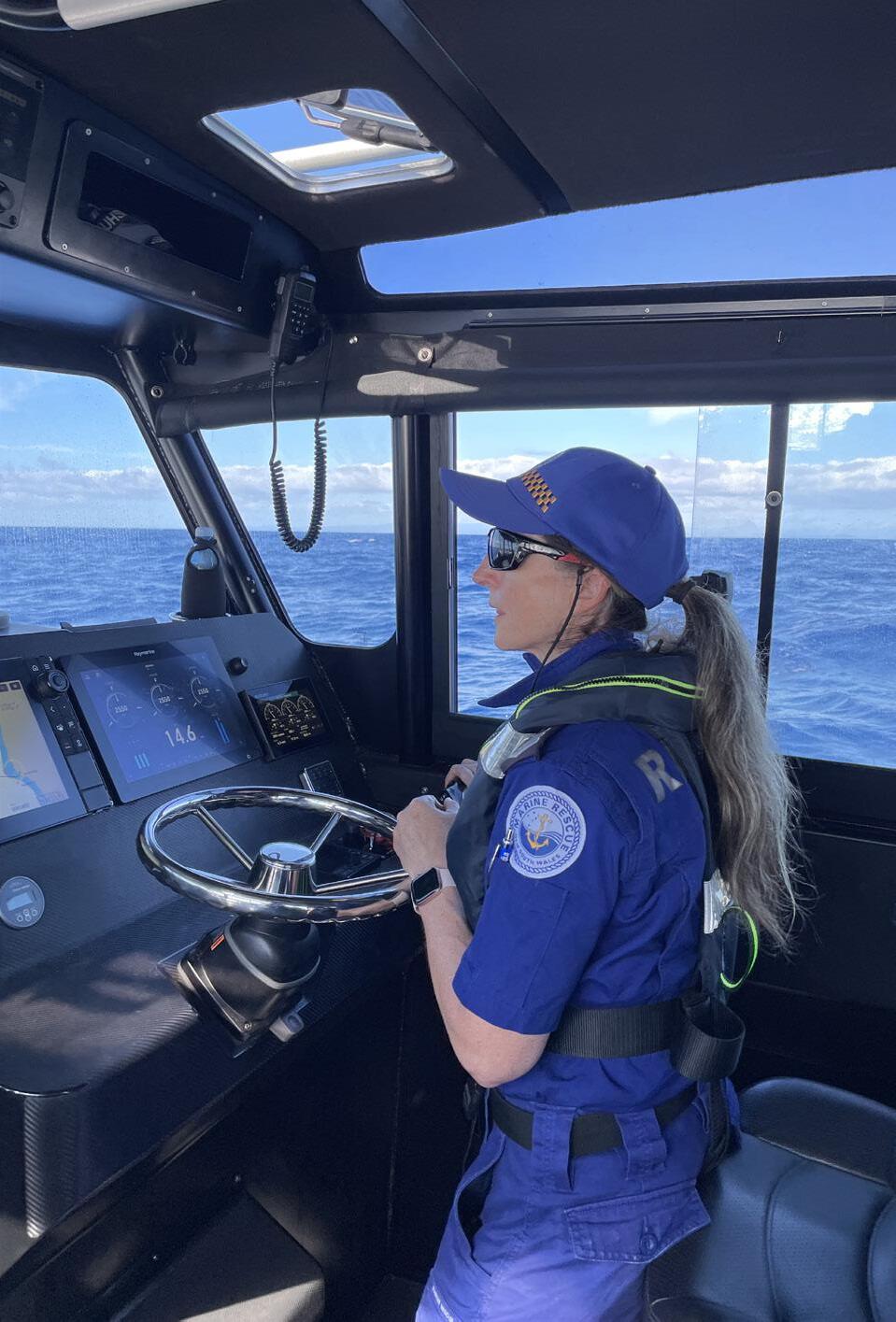
with volunteers and staff covering a wide area of coastal waters, now
concentrated on northern New South Wales.
“Marine Rescue NSW
vessels Point Danger 31, Brunswick 30 and Ballina 30 resumed the multiagency search at 6.30am AEDT,” Inspector Murray said.
“Point Danger 31 is conducting a parallel line search offshore alongside Marine Rescue Queensland and QLD Water Police. Crews are searching waters from Tweed Heads to just north of Evans Head.”
Volunteer crews from Marine Rescue Brunswick are searching an area approximately eight nautical miles, or 15 kilometres, offshore from Brunswick Heads. At the same time, Marine Rescue NSW vessel Ballina 30 is conducting east-towest search patterns off the Ballina coastline, expanding coverage across key drift and current zones.
Inspector Murray said offshore conditions
across the search area were favourable, allowing vessels to safely maintain systematic search patterns throughout the morning.
In total, 12 volunteer crew members are operating across the three rescue vessels, supported by additional personnel on shore.
“There are 20 Marine Rescue NSW volunteers and staff assisting the search, with volunteer radio operators from the Point Danger, Brunswick and Ballina units managing communications with our rescue vessels,” he said.
The coordinated effort highlights the strong cross-border cooperation between NSW and Queensland marine authorities, particularly in busy and high-risk boating corridors along the northern NSW and southern Queensland coastline.
Marine Rescue NSW will continue supporting Queensland Water Police throughout the day as the search continues.
Authorities have not released further details about the missing boater at this stage.
Marine Rescue NSW is a volunteer-based, not-for-profit professional organisation dedicated to keeping boaters safe on the water. The service plays a critical role in emergency response, search and rescue operations, and community education across coastal and inland waterways throughout New South Wales.
Boaters are reminded to always log on before heading out, carry appropriate safety equipment, and check weather conditions to reduce risks while on the water.
Jeff Gibbs
More than 2,000 teachers and education staff across Northern New South Wales have completed vital safety training at the start of the 2026 school year, as part of a large-scale professional development program delivered by Royal Life Saving.
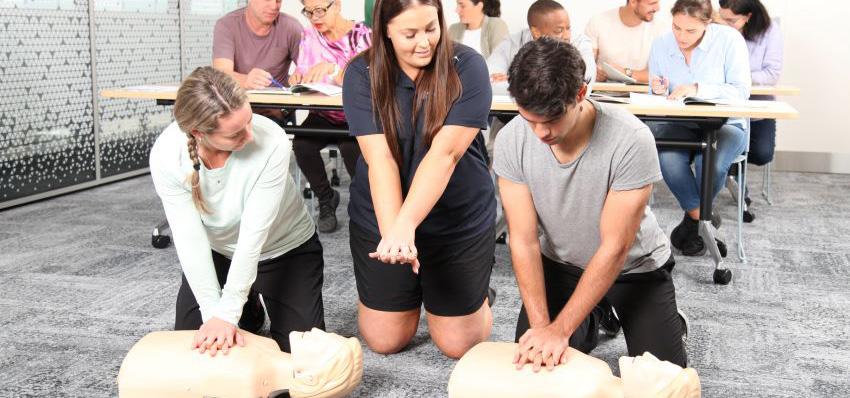
Over four intensive School Development Days, trainers from Royal Life Saving’s Northern Regional Office travelled across the region to deliver accredited training in cardiopulmonary resuscitation (CPR), First Aid, basic water rescues and anaphylaxis management. The program reached 2,035 staff from government, Catholic and independent schools.
The trainers covered more than 7,200 kilometres, working across a vast footprint that stretched from Cundletown in the south, Gunnedah in
the west and Banora Point in the north, as well as communities in between.
The scale of the operation highlights both the geographic challenges of regional education delivery and the importance of consistent safety standards across schools.
Northern Regional Manager Paul Taylor said the training plays a critical role in supporting
schools’ duty of care responsibilities.
“Schools have a vitally important duty of care to their students, and staff need to hold accredited qualifications to respond to critical incidents,” Mr Taylor said.
“With the nature of the curriculum, school staff can be faced with medical or emergency situations in classrooms, playgrounds,
on overnight camps and during off-site activities.
We’re proud to provide the much-needed training that helps staff respond confidently in those moments.”
The Northern NSW program formed part of a statewide training effort, with Royal Life Saving delivering similar professional development to more than 12,500
teachers and education staff across New South Wales over the same fourday period.
Training delivery in the region has continued beyond the initial School Development Days, with schools in further western parts of Northern NSW returning a week later and completing their own scheduled programs. In addition, a Swim Teacher
training program was held in Narrabri on Saturday 7 February, funded by the NSW Department of Education. The program aims to address the ongoing need for fully qualified swim teachers in school environments, particularly in regional and inland communities where access to aquatic education can be limited.
Royal Life Saving is one of Australia’s leading providers of nationally recognised health and safety qualifications, offering training in CPR, First Aid, pool lifeguarding and swim teaching. Courses are delivered regularly throughout Northern NSW and are open to both education staff and members of the public.
Further information on upcoming courses is available through the Royal Life Saving NSW Training Calendar, with participants able to select “Northern NSW” to view local options.

Experience a modern community made for over 5Os, where life's easy and neighbours feel more like friends.
Perfectly positioned minutes from Yamba and Maclean, Lincoln Lifestyle Northern Rivers offers brand new low- maintenance homes and feel-good facilities. Downsize with no exit fees, no stamp duty and no worries.
Everything here is crafted so you can enjoy life more - whether it's immersing yourself in the surrounding nature, a swim in the sparkling pool, a game of bowls or a stroll to the clubhouse for happy hour.
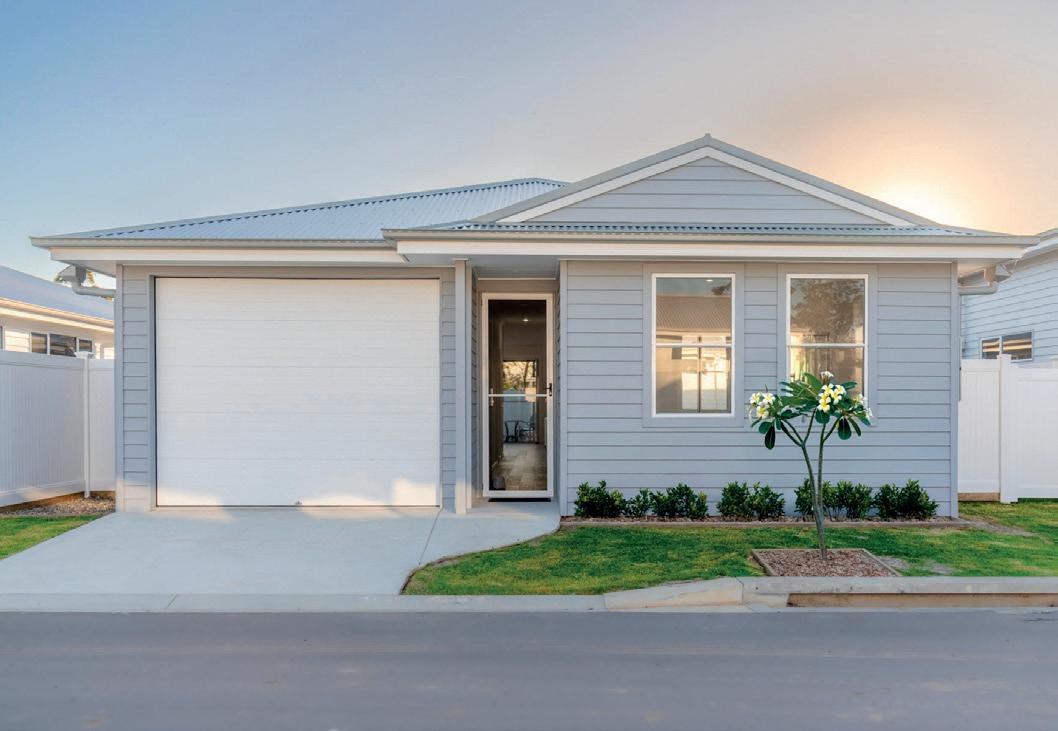
Low-maintenance 2 & 3 bed homes from $565k

lincoln lifestyle northern rivers
Jeff Gibbs
Rising interest rates are intensifying an already critical cost-of-doingbusiness crisis for regional Australia, with local leaders warning that otherwise viable small businesses are being pushed to breaking point as operating costs continue to surge.
Glen Innes Severn Council Mayor Margot Davis has backed calls from Business NSW for urgent reform, saying regional businesses are facing compounding pressures from rising energy prices, insurance premiums, wages, compliance costs and debt servicing.
Cr Davis said the most recent interest rate rise has added further strain to businesses already operating on razor-thin margins, particularly in rural and remote communities where costs are higher and customer bases smaller.
“Business closures in regional towns aren’t abstract economic statistics,” Cr Davis said. “They mean empty shopfronts, lost local jobs, fewer services and declining confidence. Councils feel the impact immediately, and communities live with the consequences long after the doors close.”
Interest rates amplifying existing pressures
While interest rate rises are often framed as a tool to manage inflation, Cr Davis said their impact in regional economies is magnified by an already unsustainable cost base.
“When margins are already tight, every increase in borrowing costs reduces a business’s capacity to invest, employ staff or plan ahead,”
she said. “In regional communities, that pressure flows straight through to jobs, services and population stability.”
Insolvency data continues to show cashflow stress as a leading cause of business failure, with small and family-run enterprises particularly vulnerable to rising fixed costs. Unlike metropolitan businesses, many regional operators have limited ability to pass on higher costs without losing customers.
Councils on the frontline, without the levers
Local councils play a critical role in economic development through infrastructure investment, planning and approvals.
However, Cr Davis said the primary cost drivers pushing businesses into distress sit largely outside council control.
“Councils don’t set interest rates, energy prices, payroll tax, insurance levies or federal compliance rules,” she said. “When those settings fail, the fallout lands squarely on regional communities.”
She said rising energy costs, soaring insurance premiums, increasing wage pressures, growing regulatory complexity and higher debt servicing costs are combining to create unsustainable operating conditions for small and medium-sized businesses.
“This is economic leakage at scale,” Cr Davis said.
“When businesses close, we lose jobs, skills and people. That undermines workforce attraction, population growth and long-term community sustainability.”
Clarifying the role of council rates
Cr Davis acknowledged councils themselves are facing rising costs and
increasing statutory obligations but stressed that council rates are not the cause of the current crisis.
“Rates are transparent, phased and tied directly to maintaining the infrastructure businesses rely on — roads, water, planning systems and town centres,” she said.
“A financially unstable council ultimately imposes far greater costs on local businesses through declining services and failing infrastructure.”
Support for reform and buying local
Glen Innes Severn Council has backed reforms advocated by Business NSW, including payroll tax reform for regional businesses, insurance levy reform, expanded business advisory support and reducing red tape so compliance is proportionate for small enterprises.
“Keeping a business open is far more cost-effective than trying to rebuild a town centre after it collapses,” Cr Davis said. “Prevention is economic development.”
She also highlighted government procurement as an immediate economic lever.
“Buy-local isn’t a slogan — it’s economic policy,” she said. “When governments procure locally, public dollars circulate longer in regional communities, stabilising businesses and jobs.”
Cr Davis warned that councils cannot offset systemic pressures created at state and federal levels.
“The cost of doing business is not an abstract policy debate for regional Australia,” she said. “It is the difference between a town that grows — and one that slowly empties out.”



Robert Heyward
Community groups, schools, organisations and innovators across Australia are being encouraged to think big, act locally and help improve heart health, with the Heart Foundation opening applications for its 2026 Active Australia Innovation Challenge.
The national initiative offers grants of up to $30,000 to support bold and creative projects designed to get more Australians moving and reduce the burden of heart disease, which remains the country’s leading cause of death.
Despite being largely preventable, heart disease continues to impact thousands of families every year. Physical inactivity is a major contributing factor, with research showing that only one in five Australian adults meet recommended physical activity guidelines. The picture is even more concerning for younger Australians, with nine in ten children failing to meet national 24-hour movement recommendations.
Since its launch in 2018, the Active Australia Innovation Challenge has backed 72 innovative projects nationwide, helping communities remove barriers to physical activity and build healthier habits through locally driven solutions.
Heart Foundation
National Manager of Health and Wellbeing Le Smith said the program is about uncovering practical ideas that inspire everyday movement.
“We’re calling on community groups to think big and be bold,” Ms Smith said.
“Whether it’s a tech solution, a grassroots program or a simple new way to get people off the couch, we want to support ideas that spark movement and improve heart health.”


benefits of regular physical activity are well known, many Australians still face challenges in staying active.
“The Active Australia Innovation Challenge is about backing creative, community-led solutions that recognise local needs and help people build healthier habits together,” she said.
Focus on Communities
Most at Risk
The 2026 program is supported by the Australian Government, with a total funding pool of $200,000 available for initiatives that can demonstrate measurable and practical outcomes.
While applications are open nationally, priority will be given to projects that support groups at higher risk of heart disease, including:
• Aboriginal and Torres Strait Islander peoples
• People from culturally and linguistically diverse backgrounds
• People living with disability
• People living in rural or remote communities
The Heart Foundation says projects do not need to be complex or hightech, but they must focus on people who are not currently meeting physical activity guidelines and offer new or adapted approaches suited to local communities.
She said while the
What Successful Applicants Receive Up to 15 community
projects will receive funding through the 2026 Challenge. Successful applicants will receive:
• A grant of $10,000, $20,000 or $30,000
• Ongoing guidance and support from the Heart Foundation
• Access to networking opportunities with heart health experts and community leaders
Following an initial assessment, the top 20 applicants will be invited to pitch their ideas to a panel of expert judges before final funding decisions are made. How and When to Apply Applications open on Monday, February 2, 2026, and close on Sunday, March 1, 2026, at 5:00pm AEDT.
Applicants are encouraged to present ideas that are innovative, inclusive and tailored to their community, whether through a fresh concept or a creative twist on an existing program. Further information and application details are available at the Heart Foundation website.
Key Dates
• Applications open: Monday, February 2, 2026, 9:00am AEDT
• Applications close: Sunday, March 1, 2026, 5:00pm AEDT
• Finalists advised: April 2026
• Grant recipients announced: May 2026
Robert Heyward
Tweed Seniors Festival 2026 celebrates community, colour and connection
From the Northern Rivers Times News Desk
The Tweed will come alive with colour, creativity and connection when the Tweed Seniors Festi-val 2026 runs from Monday 2 March to Sunday 15 March, delivering more than 40 events cele-brating older people across the region.
Held under the theme
“Live Life in Colour!”, the festival is designed to promote wellbeing, strengthen social connections and recognise the valuable contributions seniors make to the Tweed community. The packed program includes creative workshops, cultural experiences, so-cial gatherings, scenic cruises, technology sessions and activities supporting both physical and mental health.
Tweed Shire Council Director Sustainable Communities & Environment Naomi Searle said the festival plays a vital role in bringing people together.
“This festival is all about creating opportunities for seniors to connect, learn and have fun,” Ms Searle said. “Whether it’s trying something new, catching up with friends or discovering local services, there’s something for everyone to enjoy.”
The festival officially opens on Monday 2

Live Life in Colour! Banora Point Walking Group will be hosting a community event during the festival on 4 March. They’re part of Heart Foundation Walking, Australia's largest free walking network
March with a colourful Opening Ceremony at the Murwillumbah Civic & Cultural Centre Auditorium. Before and after the ceremony, attendees can explore the Seniors Health & Wellness Expo, while the annual Local Achievement Awards will honour older residents who have made a meaningful difference in their communities.
Entertainment on the day includes performances from local favourites Chris Mallory, The Fiddle Faddle Band, and the Classic Movers Dancers. Guests will also enjoy a complimentary morn-ing tea prepared by the Country Women’s Association Murwillumbah Evening Branch.
In keeping with the theme,
attendees are encouraged to dress in their brightest summer outfits. Free transport to the Opening Ceremony will be available from Tweed Heads and Banora Point, with bookings essential.
“The Opening Ceremony is always a highlight,” Ms Searle said. “It’s a chance to celebrate achievements, enjoy great entertainment and reconnect with friends. We encourage people to book early.”
The Tweed Seniors Festival aligns with the NSW Seniors Festival, the largest celebration of sen-iors in the southern hemisphere.
All events are designed with accessibility in mind, including wheelchairaccessible venues and transport assistance where required.



By Samantha Elley
A blackened, twisted metal shape lies by the side of the road, opposite the Evans River K-12 school.
Another, in much the same condition, is nestled in the cane fields opposite the Woodburn-Evans Head Golf Club from where they were stolen.
Another has been sighted submerged in the local Blue Pool water hole, dangerous for anyone wanting to swim there.
These are just the final resting places for three of 16 golf carts that have been stolen from the golf club, most recently over the final weekend of January.
“We are heartbroken,” said Peter “Pencil” O’Connor, president of the club.
“They were in their shed with brand new locks.
“Two were stolen a few weeks ago, but five were stolen on Sunday night (1st

hanging from the outlets, no longer connected to the carts they were attached to.
The club had just celebrated their Woodburn Evans Head Golf Classic over the whole weekend, heavily sponsored by local businesses.
“We are devasted,” said O’Connor.
“We don’t know what to

Feb) and nine last night (2nd Feb).”
The sheds now stand empty, recharging cords
do as this club is run by volunteers.
“We are still getting over the flood and Cyclone
Alfred and now this.”
The club is also the sight of many fundraisers held by local community groups.
Now with the loss of 16 of their 23 carts, O’Connor said they may have to cancel some upcoming events.
All relevant details and sightings have been given to local police.
Some good has come out of this thoughtless theft with local business BrodyMitchell Electrical coming in to redo the lighting.
“We’ve also got the CCTV cameras all being upgraded,” said O’Connor. If you have any information that could lead to an arrest of those responsible for this major theft, please contact your local police.
A Go Fund Me account has been set up if you’d like to help the club replace their carts.
https://www.gofundme. com/f/buy-carts-securityfor-woodburn-evanshead-golf-club


Comment
By Tim Howard
When I first heard Bruce Springsteen’s response to the violence unleashed on American streets under Donald Trump’s immigration regime, I thought of a long, difficult German word: Verfremdungseffekt.
It’s a word that forces you to stop and think about what you’re hearing. Awkward, multi-syllabic, resistant to slogans, it refuses easy absorption.
It’s also a far more useful German word to understand than Nazi.
The term is usually translated as “alienation effect,” though that loses something important. Coined by playwright Bertolt Brecht in the 1930s, Verfremdungseffekt was designed to prevent audiences from losing themselves emotionally in a story.
Instead, Brecht wanted them alert — thinking critically about power, authority, and complicity. His plays stripped tyranny of grandeur.
Hitler, in Brecht’s hands, became Arturo Ui. It sounds a bit silly, befitting a cheap gangster running a cauliflower racket.
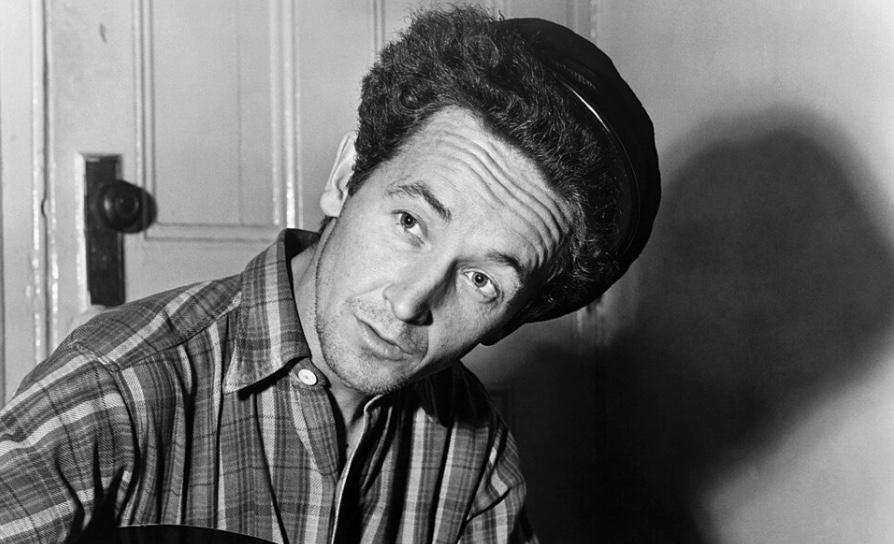
That same effect runs through the work of Woody Guthrie, Bob Dylan, and now Bruce Springsteen.
In an age where narrow, thuggish views dominate public life, these artists

remind us that complexity, reflection, and moral engagement are not optional — they are vital. There is something profoundly important about having a modern Woody Guthrie speaking through Springsteen.
Guthrie’s songs were never just entertainment — though he understood perfectly well that audiences need to be entertained. He could sing “A Froggie Went a-Courtin’” or “The Cat Came Back” alongside “1913 Massacre” because he trusted listeners to hold both joy and injustice in their heads at once.
The message pinned to his guitar — This Machine

Kills Fascists — was not metaphorical flourish. It was instruction. Music, for Guthrie, was an instrument of conscience. He also named names. In Old Man Trump, Guthrie wrote directly about Fred Trump, exposing racist housing practices and the quiet brutality of privilege. There was no abstraction. No euphemism. Bob Dylan inherited that tradition and transformed it. His songs combine narrative distance with moral force. More than 60 years after writing it, Dylan still often opens performances with Masters of War, a searing

indictment that ends with the line: “I’ll stand over your graves ’til I’m sure that you’re dead.”
The lyric overturns the usual language of mourning. There is no comfort here — only accountability.
Dylan forces the listener to confront consequences rather than indulge sentiment. It is Verfremdungseffekt in musical form.
That tradition does not live only in fame. My father played in a band that sang Guthrie and Dylan in country halls.
They didn’t have the clout of stars, but they loved songs that informed as well as entertained. Without doubt, they would have taken on Springsteen too.
Springsteen carries this lineage into the present with Streets of Minneapolis.
Written and released almost immediately after
lethal immigration raids under Trump, the song names names — the city, the victims, the political author.
As Springsteen sings Min-ne-ap-o-lis, he stretches the syllables, refusing to let the place slide past the ear. The word becomes unfamiliar. You are made to remember where this happened.
That is
Verfremdungseffekt at work.
Minneapolis has a relatively small undocumented population. The federal focus there is not about enforcement. It is punitive and performative.
Springsteen exposes power not as accident, but as intention.
That moral clarity has drawn Trump’s predictable rage, expressed in a latenight social media tirade attacking Springsteen’s age — a petty response from a man whose own behaviour increasingly raises
questions about judgment and coherence.
The contrast could not be sharper: one documents abuses of power; the other lashes out.
From Guthrie’s blend of entertainment and conscience, to Dylan’s distancing indictments, to Springsteen’s immediate witness, protest songs do more than express anger. They teach audiences how to think.
Verfremdungseffekt is not an academic $5 word. It is a tool.
Notice when a singer names a person instead of hiding behind abstraction. When a word is stretched. When lightness sits beside brutality. Pause. Ask why. Discuss it. Share it. If these artists are witnesses, then listening properly makes us witnesses too.
Music can still be a call to conscience. Silence is not an option.


Jeff Gibbs
Dementia Australia will deliver a series of free education and support sessions in Tweed Heads from 23 to 26 February, offering vital assistance to people living with dementia, their carers, families and community members. The sessions come as dementia rates continue to rise across New South Wales. It is estimated almost 145,700 people
are currently living with dementia in NSW, with that figure projected to exceed 252,800 by 2054 without a medical breakthrough.
Dementia Australia said the Tweed Heads sessions are designed to improve understanding of dementia, provide practical tools for carers, and connect people with support services. All sessions are free, however bookings are essential.
The program begins on Monday 23 February with
a Carer Wellness Program running from 9.30am to 3.30pm. This full-day session focuses on the health and wellbeing of carers supporting someone living with dementia, whether at home or elsewhere.
On Tuesday 24 February, several sessions will be held, including Understanding Dementia from 9.30am to 11.30am, providing an introduction to dementia types, diagnosis and planning ahead. This is
followed by It Starts With You from 11.30am to 12.30pm, aimed at people interested in making their community more dementia-friendly.
A Consumer Engagement Information Session will run from 12.30pm to 1pm, outlining Dementia Australia’s key programs including Dementia Advocates, Connecting Peers and DementiaFriendly Communities. Later that afternoon, Activities at Home from 2pm to 4.30pm will help
carers plan meaningful activities that promote independence and wellbeing.
Wednesday 25 February includes sessions on Communication and Dementia from 9.30am to 12pm and Understanding Changes in Behaviour from 1pm to 4pm. A full-day Yarning About Dementia session will also be held from 10am to 3pm, offering culturally inclusive discussion and shared learning.
The program concludes on Thursday 26 February with EDIE for Family Carers from 9.30am to 12.30pm, using virtual reality to build empathy and understanding. This is followed by Exploring Respite from 1pm to 2.30pm and Grief, Loss and Dementia from 2.30pm to 4.30pm.
Bookings can be made online or by calling the National Dementia Helpline on 1800 100 500, available 24 hours a day.
Robert Heyward
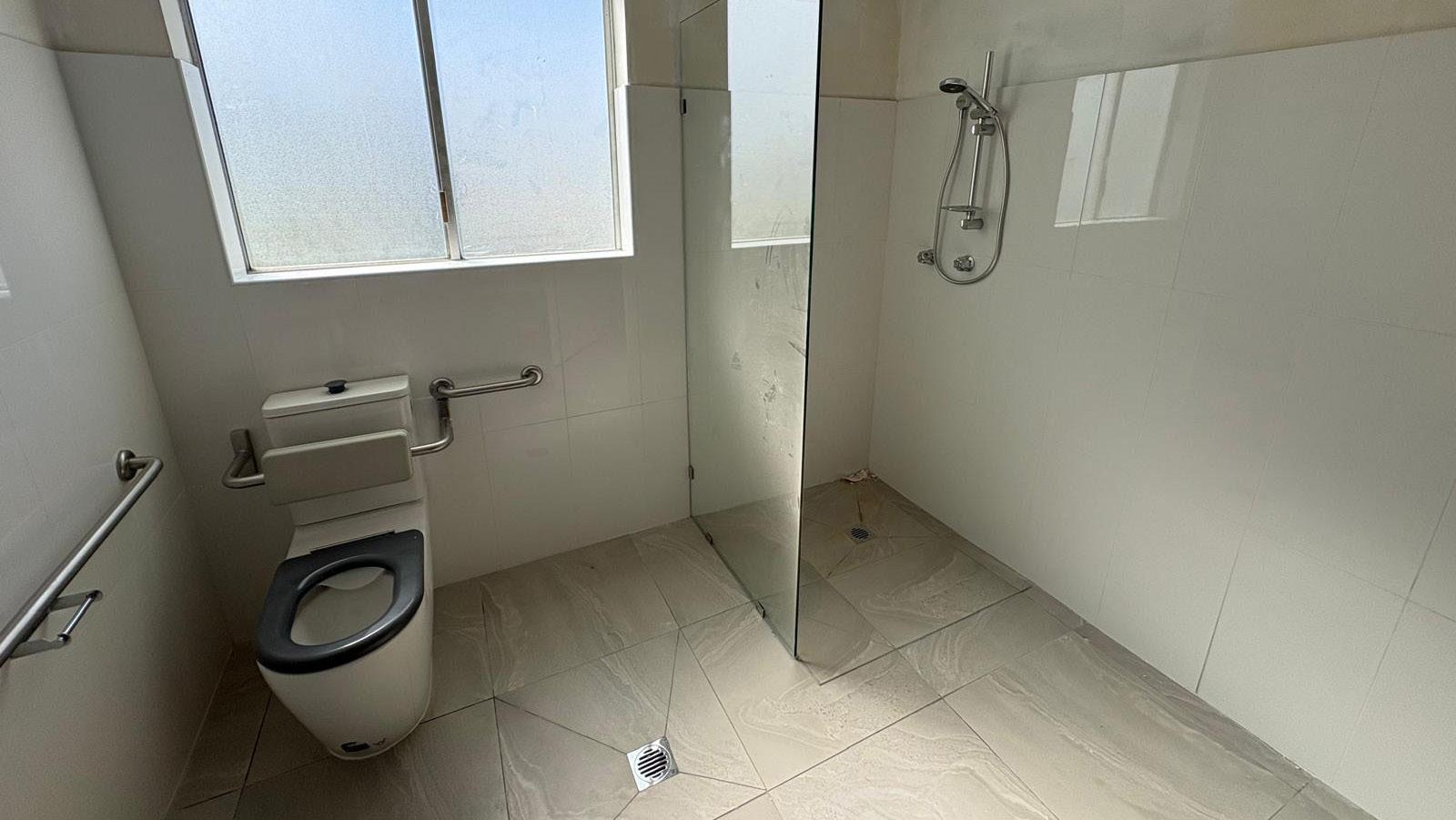
Accessibility upgrades at the South Grafton Sports and Recreational Club have been completed following a $20,000 federal funding boost aimed at improving inclusion and access for people with disability.
The funding was delivered through Round 9 of the Stronger Communities Programme and has enabled the installation of new disability amenities at the popular community venue.
Federal Member for Page Kevin Hogan said the project demonstrated how
targeted local grants could deliver lasting benefits for regional communities.
“Community clubs like the South Grafton Sports and Recreational Club are important social hubs, and these upgrades ensure no one is excluded from participating because of access barriers,” Mr Hogan said.
He said the Stronger Communities Programme was designed to support practical, grassroots projects that improved everyday life in towns and regions.
“These are exactly the kinds of projects this program is designed
for — sensible, local improvements that make a real difference,” he said.
The South Grafton Sports
and Recreational Club is used by a wide range of sporting groups, volunteers and families from across
the Clarence Valley. The completed upgrades are expected to help ensure the facility continues to meet
community needs into the future, while providing a safer and more welcoming environment for all users.
Mr Hogan congratulated the club committee and its volunteers on successfully delivering the project.
“This is a great outcome for South Grafton and a credit to the volunteers who work hard to keep the club running for the benefit of the whole community,” he said.
The Stronger Communities Programme supports small-scale infrastructure projects that strengthen social cohesion and improve local facilities across regional Australia.
Jeff Gibbs
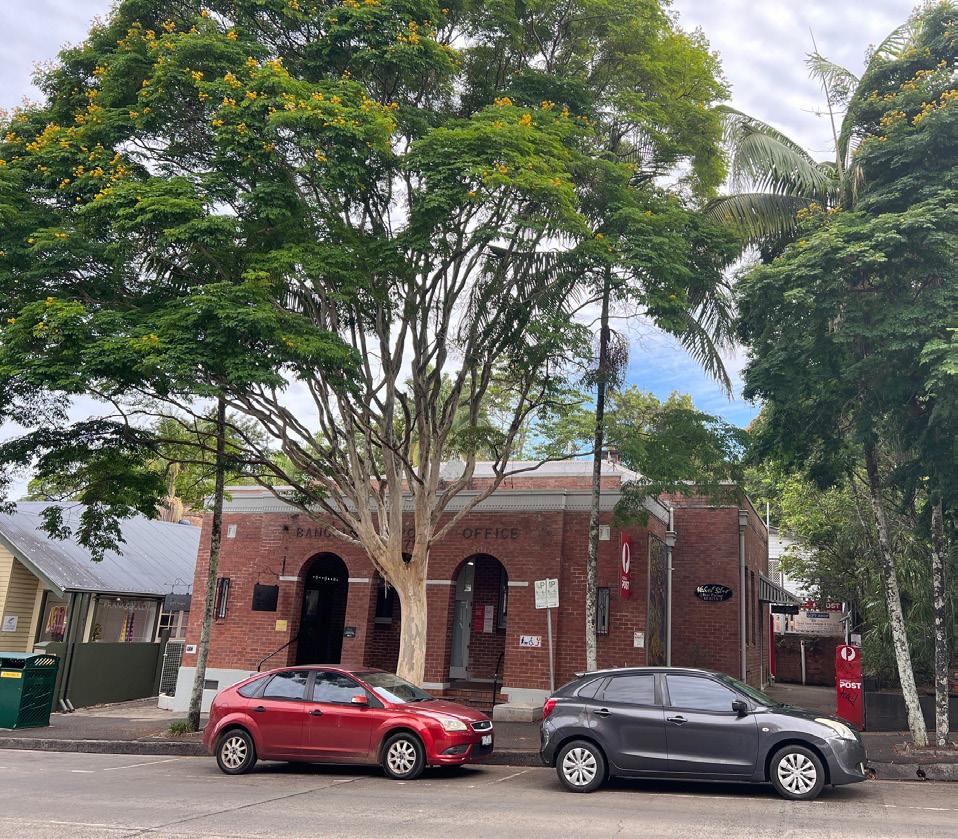
Several trees in Bangalow’s town centre will be removed and replaced in coming weeks as part of a long-term strategy to protect heritage buildings, footpaths and public infrastructure while maintaining the village’s leafy character.
Byron Shire Council confirmed the works form the first stage of the Bangalow Street Tree Succession Plan, which was adopted following extensive community feedback in 2024.
The initial stage will see the removal of Liquidambar trees near
The Cellar Bangalow and a Leopard Tree near the Bangalow Post Office.
Council said the Leopard Tree on Byron Street requires urgent removal due to a wood fungus infection that poses a risk of structural failure.
Acting Manager Open Spaces and Facilities Jim Roberts said the primary aim of the plan is to prevent further damage to buildings and pavements caused by invasive tree root systems.
“There are several heritage buildings in Bangalow that have already been damaged by tree roots,” Mr Roberts said. “We are initially replacing three trees with
native species planted in dedicated root containment pits. This will stop ongoing damage while still providing shade and maintaining Bangalow’s
leafy character.”
The replacement trees will include Weeping Lilly Pilly on Byron Street and Ivory Curl on Station Street. When planted,
the new trees will be approximately four metres high and are expected to grow to around ten metres at maturity.
Council said detailed design work had delayed the commencement of the project, with the first stage now scheduled for completion by June this year.
“Council was hoping to remove and replace trees last year, but we were waiting on the detailed design to be completed,” Mr Roberts said. “We are confident stage one will now be completed by June.”
Further stages of the succession plan will be rolled out gradually over
coming years. These future stages include the replacement of six additional trees in the town centre once the newly planted trees are established.
“Stage two will occur once the trees planted this year have grown to around six metres,” Mr Roberts said. “Rolling the work out in stages ensures shade is retained in the main street at all times.”
Council said the staged approach balances safety, heritage protection and community expectations, while supporting Bangalow’s long-term streetscape and environmental sustainability.
Jeff Gibbs
Pedestrian safety and accessibility have been significantly improved in the Lismore CBD following the installation of new bollards and upgraded tactile ground surface indicators, marking another milestone in the city’s ongoing flood recovery and revitalisation efforts.
Almost 300 stainless steel bollards have been installed along Molesworth Street and Woodlark Street, replacing original infrastructure that was damaged or destroyed during the devastating 2022 floods and subsequent cleanup operations. The new bollards restore an important layer of protection for pedestrians

and road users while also giving the CBD a more cohesive and contemporary appearance.
In addition to the bollard installation, defective tactile ground surface indicators at zebra crossings have been replaced, addressing a long-standing accessibility issue within the city centre. These raised, textured indicators play a vital
role in alerting people with visual impairments to crossings, hazards and changes in pedestrian pathways.
The improvements are expected to enhance confidence and safety for all users of the CBD, particularly people with disability, older residents and families navigating busy intersections.
Steve Krieg said the
upgrades, while modest in scale, have had a meaningful impact on the city’s streetscape and functionality.
“Every day our CBD looks a little brighter,” he said.
“These bollards and tactile indicators are small changes that make a big difference — safer streets, easier crossings and more confidence for everyone.”
The works form part of a wider program of upgrades delivered across Lismore’s CBD throughout 2025. Council-funded improvements during the past year have included repairing trip hazards, upgrading street lighting, refreshing garden beds, installing new waste bins and footpath seating, and replacing fencing around roundabouts.
Together, these projects aim to improve safety, accessibility and amenity while supporting local businesses and encouraging people back into the city centre following the challenges of recent years.
Funded through disaster recovery
The latest safety
upgrades were delivered through a collaborative effort between Council crews and contractor Forge Solutions. Funding was provided jointly by the Australian and New South Wales governments under the Disaster Recovery Funding Arrangements, supporting essential infrastructure restoration following natural disasters. Council has confirmed that flood restoration and resilience works will continue across the city as part of long-term recovery planning, with a focus on improving public spaces, transport safety and accessibility.
Residents and visitors are encouraged to take note of the improved crossings and pedestrian protections when moving through the CBD, particularly during


The $263.8 million redevelopment of Grafton Base Hospital continues to progress, with early works well underway and new traffic arrangements in place as the next phase of construction begins.
“These works are a visible sign that the longawaited redevelopment is moving forward,” Mr Williamson said.
“The works on the hospital precinct involve minor refurbishments to a building near the existing main entry which will allow existing ambulatory care services to be relocated out of the main construction zone, ensuring health
Welcoming the latest milestone, State Nationals MP for Clarence Richie Williamson said early works out the front of the main hospital building are well underway with changed traffic conditions now in place on Arthur Street to allow for the construction of a new pedestrian crossing, improving safety for patients, staff, and visitors accessing the hospital.
services remain accessible throughout the redevelopment.
“While there will be some short-term disruption, these changes are about making access to the hospital safer and preparing the site for major construction. These early works are carefully staged so patients, visitors, and staff can continue to safely access hospital services while the main construction progresses.”
Mr Williamson said across the road at the former Grafton Gaol
site, works are well underway to refurbish two administration buildings within the former minimum-security precinct.
“Once completed, hospital administration staff will relocate to the refurbished gaol site, allowing redevelopment works to commence on the main hospital campus while clinical services remain in place,” Mr Williamson said. (I’m trying to find out where this is at as update last year said it was to be completed
end of 2025)
The redevelopment will deliver a new three-storey Acute Services Building, including an expanded Emergency Department, Emergency Short Stay Unit, Medical Imaging and MRI, an inpatient unit, and an expanded Day Surgery and Operating Suite with two additional operating theatres.
Mr Williamson said he was continuing to advocate strongly for full maternity services to be delivered as part of Stage 1 of the redevelopment.
“It is critical that maternity services are fully operational as part of this stage — not just accommodated as a future shell. Families in the Clarence Valley deserve certainty when it comes to local maternity care,” Mr Williamson said.
The $263.8 million redevelopment is a funding commitment made by the former NSW Nationals Government, and Mr Williamson is pleased to current NSW Government is honouring that commitment.
Jeff Gibbs
Apprentices in the Northern Rivers are contributing to a long-term expansion of Australia’s skilled workforce, according to new national data showing apprenticeship and traineeship numbers have more than quadrupled over the past six decades.
Figures released by the National Centre for Vocational Education Research (NCVER) reveal total apprenticeship and trainee commencements increased from just 22,600 in the early 1960s to 133,300 in 2025. Today, more than 300,000 Australians are training as apprentices or trainees nationwide.
In New South Wales, the number of people in training has nearly tripled, rising from 33,435 in
1969 to more than 90,000 in 2025. The data also highlights a shift in who is entering apprenticeships, with commencements among people aged 25 to 44 increasing by 54 per cent between 1995 and 2025.
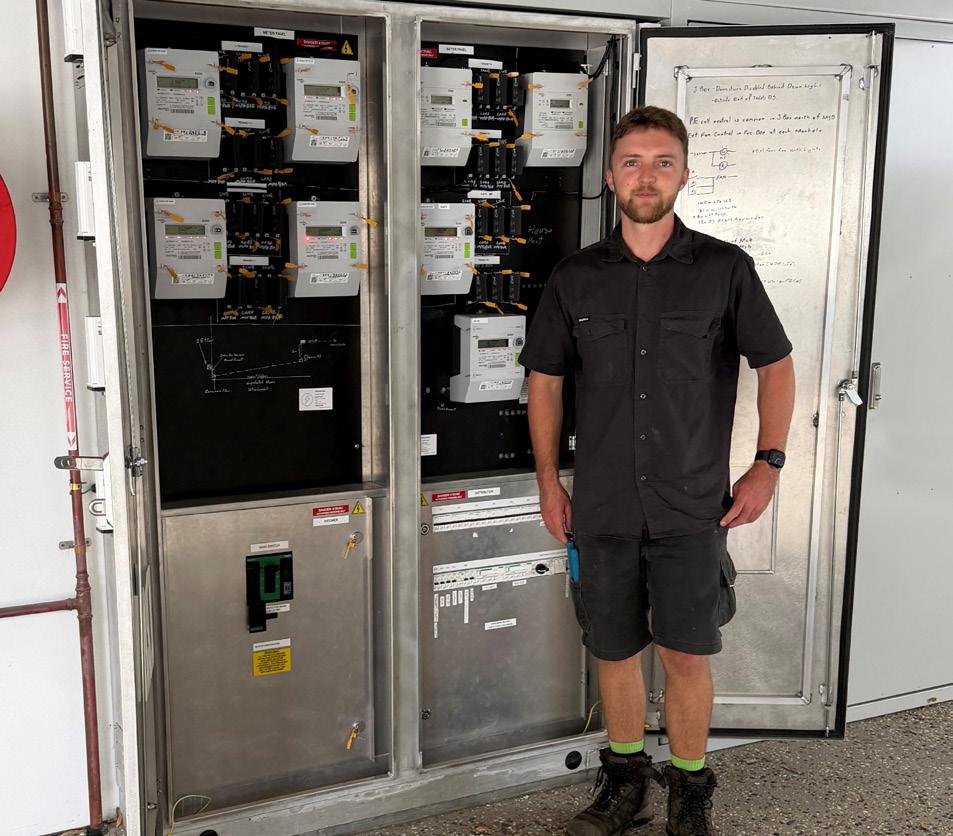
Electrical trades
have seen particularly strong growth, with commencements rising more than six-fold over the same period.
Ballina locals Daniel French and Nelson Crethar are among those building their careers through apprenticeships

with TAFE NSW, both completing a Certificate III in Electrotechnology at Wollongbar while working in the industry.
Mr French followed in his father’s footsteps, completing his apprenticeship while working in the family
electrical business across residential, commercial and new-build projects.
“I loved the ability to work and study at the same time,” he said. “You’re applying what you learn straight away, which makes it far more practical than just classroom learning.”

Mr Crethar is completing his apprenticeship with local employer AAE Industries after first being introduced to the trade through school-based work experience.
“Electrical work can be challenging, especially the theory, but it’s a good challenge,” he said. “You’re earning while you’re learning, and there are so many different pathways in the industry.”
NSW Minister for Skills, TAFE and Tertiary Education Steve Whan said the figures highlighted the ongoing importance of apprenticeships in meeting workforce needs.
“Apprenticeships and traineeships remain a key pathway into skilled work,” he said. “TAFE NSW plays a critical role by working with employers to deliver skills that support students, industry and regional communities.”






“Leemo has views on just about anything”

Leemo at here.
There s a stand off happening in the house um ane shares with me: it s all her own fault. ve been ta en to the ouse of ets 2 weeks in a row. The frst visit involved a needle for my cough & the indignity of having my temperature taken: the 2nd was to (I heard her discussing my appt. details when we got there) clean my teeth & trim my claws. I need to address this with the silly old woman. ‘Sit down & listen for a change Mum. WELL, since that 2nd visit, ve read about claw trimming, and according to Animalpath.org it is NOT necessary to trim a cat s claws in most cases. We cats NEED our claws to climb trees, & escape from the unwelcome attentions of animals li e inger (the puppy from next door) crocodiles & crabby koalas: catch lizards, scratch our scratching mats & poles & hurl litter around & ALSO cover the stuff in our litter tray. My claws also enabled me to signal to you when I was returning inside from a nap on the front veranda ‘cos my claw scratching noise on the hall rug alerted you to my need for a treat. How are you going to jump up & have treats ready if you don t even now ve come inside Gottit? AND, Mum, I HATE this ‘trimmed claw loo it s not masculine, I feel like m wearing ballet slippers rutus is making fun of me. So
THERE! Next time see my ‘Travel in the ar carrier out ll be asking a lot more uestions you won t get away with telling me a huge fbbie li e we re going fshing um pondered . Leems my precious, fgured I could save myself some injury & Betadine by getting your claws trimmed and I apologise it won t happen again I promise ‘cos I ‘spose don t really mind that my arms & hands at times loo li e ve been mauled by a nest of jumping ants from your claws. Let s move on to more important discussions shall we. (She seems ignorant of the fact I STILL have newly cleaned polished F N S ll test em next time.) OK Mum, apology accepted. What shall we discuss next then? She suggested the Buddies come over. Done. Treats provided. Mum spoke. ‘Thank you all for coming. With your feline wisdom, could any of you shed some input on WHY the cost of living has become so high & why some stores will have a chocolate bar for $3.50 & others have a price of $7? Why is Nutrigrain $10.50 in 1 store & $7.49 in another? Have any of you experienced getting a quote for a job you want done where that quote started at $534, dropped to $400 THEN ended up being $763 when you got the bill & on querying same were told ‘Oooh, it s the N System error. ave any of you any experienced, as I have, being told ‘I only deal with blo es when you want some garden work done? Why would caulifower cost $12 & green beans (hand picked? $18 a kg? rutus spo e. disli e caulifower beans anyhow so can t help. The rest of the Buddies murmured THIS IS SO OR N , let s go to our tree for a proper meeting OMG, I can’t do that with no claws.
Aaargh! Nite from one crabby cat Leemo
Have your say in The Northern Rivers Times!
We welcome your feedback, opinions, praise, concerns, and refections on local issues, events, and stories.
Send your letters to: Jeff Gibbs letters@heartlandmedia. com.au
Deadline: Fridays at noon
Please include your name, address, and phone number for verifcation purposes (not for publication).
The Northern Rivers Times is committed to providing a platform for diverse community voices. The views expressed in letters are those of the writers and do not necessarily refect those of the publisher, editors, or staff. Letters may be edited for length or clarity. Offensive or defamatory content will not be published
Australia Day excellent article
I am writing to thank Tim Howard for his most excellent article headed Why Australia Day should be the day after May 8, on page 14 of your February 5 edition. The article is so to the point, and I think it should be reproduced in every major paper in the countrycertainly in Brisbane, Sydney and Melbourne. I know full well how my Aboriginal friends wake with heavy hearts on January 26 to the prospect of millions of Australians celebrating their national day of mourning - it's like rubbing salt into an open wound and anyone with kindness and empathy should be advocating for a change of date for Australia Day celebrations. And May 9 sounds like a perfect choice. Tim, if there's anything I can do to help facilitate spreading this article far and wide, I would be more than happy to do so.
B Sindel, Mullumbimby
Confdentiality Matters
The allegations raised around the NCAT mediation are deeply troubling. onfdentiality isn t a courtesy it s a legal foundation of mediation. If councillors or senior staff have casually ignored that obligation, then residents are right to feel betrayed. Semipermanent van owners deserve a fair process, not political leaks and selective briefngs. nything less undermines trust in council and the tribunal system itself. M. Lawson, Grafton
Process Before Politics
I support the van owners for standing their ground. Mediation only works when all parties act in good faith. If details were shared before directions were issued, then the process has been compromised. Council should stop playing internal politics and
start respecting both the law and the people whose homes are on the line.
B. Stevens, Maclean Homes, Not Headlines
These are not abstract legal arguments they are people s homes. To hear that confdential mediation details may have been leaked to the media is outrageous. Residents entered mediation expecting fairness, not commentary. I fully support calls for an urgent NCAT hearing to sort this mess out properly.
E. Porter, Yamba
Selective Silence Isn’t Governance
If some councillors were informed while others were left in the dark, that alone speaks volumes. Transparency cannot be selective. Either council follows proper governance or it doesn t. The van owners are right to question a system that appears stacked against them.
T. Reynolds, Iluka
Rules for Some, Consequences for Others
Council has been quick to issue eviction notices, yet seemingly slow to respect its own legal obligations. onfdentiality rules exist for a reason. If residents breached them, there would be consequences — so why should council be any different? I stand with the van owners demanding accountability.
J. Wilson, Ulmarra
Trust Has Been Shaken
This dispute has dragged on far too long, and these latest allegations only deepen the divide. Mediation should calm tensions, not infame them. Council must rebuild trust by explaining exactly what was shared, by whom, and why. Until then, residents are ustifed in feeling wronged.
P. Harris, South Grafton
Power Imbalance on Display
Semi-permanent residents already face a massive power imbalance when dealing with council. Alleged breaches of confdentiality only widen that gap. I admire the residents for pushing back and demanding that NCAT intervene. The process must be beyond reproach.
L. McKenzie, Lawrence
Do It Properly or Don’t Do It at All
ediation isn t a box tic ing exercise it s a legal process with strict rules. If those rules were broken, then everything that follows is tainted. Clarence Valley residents deserve answers, and the van owners deserve respect. I fully support their call for an urgent hearing.
R. Keating, Wooloweyah
Confdence in Council Is Slipping hat s most concerning about this situation is how casually confdentiality appears to have been treated. Mediation is meant to protect all parties, not provide material for off-therecord briefngs or selective conversations. The van owners entered the process in good faith and deserve assurance that council offcials are playing by the same rules they expect residents to follow.
S. Donnelly, Junction Hill
Respect the Process
Whether intentional or not, the alleged sharing of mediation details risks undermining the entire NCAT process. Residents facing eviction already carry
enormous stress without having to question the integrity of mediation itself. Council must explain what occurred and ensure this never happens again. Anything less is disrespectful to the people affected.
K. Morgan, Townsend
This Is a Governance Failure
When 60 per cent of staff say they don t see themselves wor ing at council in a year, that is not business as usual it s a red fag on fre. To then discover this information only came out through a GIPA request is outrageous. If council leadership was confdent in its performance, these results would not have been buried. Ratepayers deserve honesty, not spin.
D. Carmichael, Grafton
You Can’t Manage What You Hide
The refusal to release staff survey comments speaks volumes. e re told it s about protecting identities, but it looks far more like protecting management. nyone who s wor ed in a dysfunctional organisation knows the truth lives in the comments, not the tick-a-box scores. This feels like deliberate information control, not transparency.
S. Whitton, Maclean
A Shockingly Low Bar
If leadership scores in the mid-30 per cent range are considered “acceptable”, then expectations at Clarence Valley Council have sunk to an embarrassing level. In any other workplace, that would trigger urgent review, not quiet acceptance. No wonder morale is low and staff turnover remains high — mediocrity appears to be institutionalised.
R. Halvorsen, Yamba
Same Problems, Year After Year
What angers me most is that none of this is new. Staff turnover, morale issues and poor internal trust have been reported for years, yet nothing seems to change. At what point does council admit the problem isn t staff, but leadership? The community is tired of watching the same failures recycled with different excuses.
L. O’Donnell, South Grafton
Patterns Are Emerging
When you place this staff survey alongside the recent NCAT mediation controversy, a disturbing pattern emerges — selective information sharing, tight control of details, and councillors themselves kept in the dark. This is not how a healthy council operates. t s how trust erodes, both internally and across the community.
M. Keegan, Ulmarra
This Council Cannot Investigate Itself
When a majority of staff say they expect to be gone within a year, that is organisational collapse, not dissatisfaction. Add to that secrecy around survey comments and selective information fow, and the conclusion is unavoidable: Clarence Valley Council is no longer capable of policing its own governance. This now requires an independent external review, overseen by the state, before further damage is done.
G. Rawlings, Grafton
Step In, Because Local Leadership Has Failed Council leadership wants the community to accept that leadership scores in the 30 per cent range are “acceptable”. That alone should prompt intervention
by the NSW Government. These are not teething problems — they are systemic failures. When confdence collapses internally, service delivery to the public inevitably follows. Waiting longer is irresponsible.
A. Fitzgerald, Maclean
Secrecy Is Not an Accident Staff comments were withheld. Councillors reportedly learned of the survey only after a GIPA request. This is not transparency gone wrong — it is transparency deliberately avoided. Clarence Valley Council has demonstrated a pattern of information control that now warrants scrutiny well beyond the shire. The Minister for Local Government should be paying close attention.
T. Hanley, Yamba
The Red Flags Are Everywhere High staff turnover, poor morale, suppressed feedback, governance controversies spilling into legal processes — these are classic warning signs of an organisation in serious trouble. At this point, calls for “internal improvement” sound hollow. Only an independent administrator or state-appointed review body can restore confdence.
P. Lawson, South Grafton
Enough Excuses — Intervene Now Councils exist to serve communities, not protect management structures. Clarence Valley Council has been given years to fx these problems and has failed to do so. Continuing to ignore warning signs risks further erosion of trust and competence. State intervention is no longer extreme — it is necessary.
K. Monroe, Ulmarra
Appoint an Administrator Now This council has passed the point of internal repair. When most staff expect to leave, when survey results are hidden, and when councillors themselves are kept uninformed, governance has failed in real time. Clarence Valley Council cannot credibly investigate or reform itself. The NSW Government must step in immediately and appoint an administrator before further institutional damage is done.
H. Callaghan, Grafton
This Is Systemic Collapse Let s stop pretending this is a communication problem or a “challenging period”. These are the textbook symptoms of systemic failure — secrecy, low morale, information hoarding and legal controversy running in parallel. The Minister for Local Government should suspend the current structure and install an administrator to restore basic accountability. Anything less is negligence.
S. Mortimer, Maclean
Councillors Kept in the Dark Says It All
If elected councillors only discovered critical staff survey results after a GIPA request, then democratic governance in this council has effectively collapsed. Ratepayers did not elect a management bunker. At this point, state intervention is not heavy-handed — it is overdue. An administrator is the only credible reset.
D. Huxley, Yamba
Stop Protecting the System That’s Broken very warning sign is fashing red: staff feeing, leadership confdence in the s, suppressed feedback, and repeated governance controversies.
Continuing to prop this up under the banner of “local control” only protects those responsible. The NSW Government must act now, remove the current structure, and appoint an administrator with real authority.
L. Grayson, South Grafton
This Council Has Lost the Community’s Trust Trust is not rebuilt with media statements and selective transparency. It is rebuilt by decisive action. Clarence Valley Council has shown it cannot manage itself, let alone serve its community properly. The only path forward is immediate state intervention and the appointment of an independent administrator to clean house and restore credibility.
M. Keating, Ulmarra
No Confdence, No Patience Left
As a ratepayer, I have lost all confdence in Clarence Valley Council’s ability to govern itself. When staff are signalling the exits, councillors are kept uninformed, and key information only surfaces through GIPA requests, the message is clear: this council is not functioning in the public interest. Ratepayers are funding a system that no longer works. State intervention and the appointment of an administrator is the only responsible option left.
J. Harrington, Grafton
Ratepayers Are Done Paying for Dysfunction
We are tired of being asked to accept rising rates while council governance continues to unravel. Low staff morale, suppressed survey feedback and ongoing controversy point to a council that has lost control of itself. This is no longer about politics — it’s about competence. Clarence Valley ratepayers deserve better, and until that happens, there should be no confdence in the current leadership. Bring in an administrator and reset the system properly.
C. Wallace, Maclean
Vote of No Confdence in Clarence Valley Council
As a ratepayer, I am formally registering a vote of no confdence in the governance and leadership of Clarence Valley Council. This position is not taken lightly, but it is now unavoidable given the accumulation of evidence pointing to systemic dysfunction within the organisation.
The release of the 2025 staff satisfaction survey through a GIPA request — rather than
open disclosure — should alarm every resident. When around 60 per cent of staff indicate they do not expect to still be working at council within twelve months, that is not an internal HR issue; it is a governance failure with direct consequences for service delivery, institutional knowledge, and community trust.
Equally troubling is the refusal to release staff comments, the very section of the survey where honesty and accountability usually reside. Combined with reports that councillors themselves were unaware of the survey’s contents until after its public release, this paints a picture of an organisation where information is tightly controlled, selectively shared, and shielded from scrutiny.
These concerns do not exist in isolation. They sit alongside ongoing controversies surrounding transparency, internal communication, and governance processes. Taken together, they demonstrate a council that is no longer functioning in a manner consistent with the principles of openness, accountability, or good administration.
Ratepayers are entitled to expect competent leadership, transparent decision-making, and a workplace culture that retains skilled staff rather than driving them away. Clarence Valley Council has failed on all three counts. Continuing under the current structure risks further erosion of trust and long-term damage to the organisation and the community it is meant to serve.
For these reasons, I hold no confdence in the current governance of Clarence Valley Council and call for immediate state intervention. An independent administrator should be appointed to restore order, conduct a thorough review, and rebuild the foundations of trust and accountability that have been lost. This is not about politics. It is about competence, integrity, and the responsible use of public funds. Ratepayers deserve better than what is currently on display.
M. Donnelly, South Grafton
Just What We Need Right Now
After weeks of heavy news, governance dramas and serious headlines, it was an absolute joy to read about Austen Tayshus bringing comedy back to Casino. Forty-three years on and still promising chaos, anarchy and uncontrollable laughter — honestly, that sounds like a public service at this point.
Anyone who’s ever tried to recite Australiana without tripping over their own tongue knows the man

is a national treasure. The idea that the show won’t be the same twice is exactly why live comedy still matters. We could all use a night where the biggest worry is whether we’re laughing too hard to clap.
Good on the Casino RSM for hosting him, and good on Austen for refusing to “sit quietly in his own history”. Comfortable seats, sharp wit and permission to laugh until it hurts? Count me in. I’ll happily swap outrage for punchlines for one night.
S. McAllister, Casino
A Familiar Voice Returns
Andrew Baker’s return to Clarence Valley Council will be welcomed by many who feel the chamber has been lacking clear, plain-spoken debate. His emphasis on role clarity between councillors and staff is timely, particularly given the governance scrutiny council is currently facing. If Cr Baker truly lives up to his promise of independence and calling things out when they go wrong, then his experience could be an asset rather than a complication. Actions, however, will matter far more than words.
R. Ellison, Grafton
Common Sense Needs
Transparency Too
While Andrew Baker talks a good game about common sense and robust debate, many residents will reserve judgement. Praising the executive and general manager at a time when council governance and transparency are under intense scrutiny raises eyebrows. Robust debate is welcome, but so is accountability. If Cr Baker is serious about independence, the community will expect him to ask hard questions — not just calm the waters.
L. Grant, Maclean
Warn the Neighbours Now Seventy per cent of tickets already sold? That’s not a concert, that’s a public safety announcement. If Luke Combs, Morgan Wallen and Chris Stapleton songs are going to be belted out at full volume for two and a half hours, Lismore residents should be issued with earplugs and a singalong lyric sheet. I haven’t stretched my vocal cords this much since karaoke night got out of hand. See you there — hoarse, happy and unapologetically loud.
T. O’Reilly, Lismore
Boots, Beers and Bad Decisions This article should have come with a warning label: may result in spontaneous boot-scooting, excessive beer consumption and
strangers hugging during the chorus. A full live band, stadium singalongs and “big, loud and emotional” sounds exactly like the therapy session we didn’t know we needed. If my voice is gone by Saturday morning, I’m blaming Luke, Morgan, Chris — and whoever thought two and a half hours wasn’t long enough.
K. Donahue, East Lismore
Country Music Is Taking Over Between Tamworth, Mission Beach and now Lismore, it feels like country music is quietly staging a friendly invasion. Three superstars’ worth of hits in one night? That’s just greedy — and I love it. The only real concern is whether the Workers Club has enough room for everyone singing at the top of their lungs like they’re headlining their own world tour. Yeehaw, Lismore.
S. McPherson, Goonellabah
Leemo Never Misses
Leemo’s latest column was a reminder of why I turn to that page frst. The mix of humour, observation and gentle chaos feels like catching up with an old friend who always has a story — and usually one involving mild drama. In weeks flled with heavy news, Leemo delivers exactly what’s needed: a laugh, a pause, and the comforting sense that someone else’s household is just as ridiculous as mine. Long may it continue.
J. Patterson, Maclean
Cooking With Personality
The Cooking page has quietly become one of the highlights of the paper. Recipes that acknowledge track pants, weeknight exhaustion and the temptation to lick the pan feel refreshingly honest. The Chicken Diane rissoles sounded indulgent without being intimidating, and the Caramilk rice puddings felt like a hug in dessert form. It’s food writing that understands real life — and real kitchens.
L. Morgan, Casino
Motoring That’s Actually Readable
The Motoring page continues to strike the perfect balance between detail and accessibility. The review of the latest Model Y was informative without disappearing into jargon, and it’s refreshing to see practical considerations like comfort, usability and regional driving needs discussed alongside performance. Even for readers who aren’t car obsessives, it’s an enjoyable and well-written section.
S. Caldwell, Kyogle

by Nigel Dawe
I’M not sure if I was pleased, appeased or outright deflated after having waded through the 800 pages of JeanPaul Sartre’s Being and Nothingness to find: “Man is a useless passion” waiting for me at the very end. Though I do remember thinking – why on earth couldn’t he have just said this on page one and spared us all the 799 pages in between?
Over the years I’ve tossed his closing fiveword thought grenade over in mind, mostly in disagreement, but sometimes in full support of a notion that somehow refuses to allow you to merely sit comfortably on the fence. Sartre could’ve easily said ‘useful’ instead of useless, but then it wouldn’t have had the same provocative impact; it would’ve remained as ‘half correct’ as his actual comment though, because both findings lend themselves to arguing their opposite.
Passion is such a loaded concept, in a lineup of human attributes, it would have to be the most consequential, if not determining of at least three-quarters of the outcomes we see caused by people on a daily basis. But where the actual rub of passion makes itself most felt (constructively or destructively) is the manner in which it is either guided, or blindly acted upon. As if referencing this very point, Benjamin Franklin once noted, “If passion drives you, let reason hold the reins.”
In other words, going too far, or venturing beyond all reasonable parameters without realising it, is the ever-
present risk passion raises. But that said, you could argue that nothing memorable has ever been created without someone’s passion featuring in some way. Even our word for it breaks down to ‘pass’ ‘I’ ‘on’; it is a verb that appeals or aims at the eternal, it is something transfixed on all that is to come, the ultimate form of which – are the actual things that last forever.
“Better pass boldly,” once said James Joyce, “into that other world, in the full glory of some passion, than fade and wither dismally with age.” Again, it is the doing, or making the most of what we have at our disposal that passion returns, albeit creates, its greatest dividends. As Nicholas Sparks once said, “The saddest people I’ve ever met in life are the ones who don’t care deeply about anything at all. Passion and satisfaction go hand in hand, and without them, any happiness is only temporary, because there’s nothing to make it last.”
Being uninspired or simply anti everything that might otherwise offer improvement, purpose or hope is close to an apt definition of living a life devoid of passion. While the word itself stems from an old Latin one that means ‘to suffer’, it does imply that we must be willing to fight, or at least strive for the things that we value above all else. Or as Roy T. Bennett noted, “Enthusiasm can help you find the new doors, but it takes passion to open them. If you have a strong purpose in life, you don’t have to be pushed. Your passion will drive you there.”

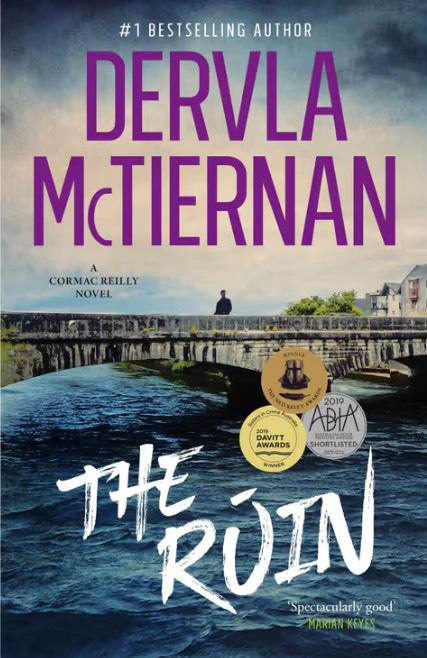
Title: The Rύin
Author: Dervla McTiernan
Price: $18.75
Distributor: Booktopia
This is one of those whodunnits that screams for you to get a strong cup of coffee, tea or drink of choice, find a cosy seat with a fluffy rug and sit and read from beginning to end.
One of young Garda Cormac Reilly’s first cases comes back to haunt him 20 years later.
Two neglected children, 15 year old Maude and her brother, five year old Jack sit in a rundown house with their mother lying in her bed upstairs – dead.
Their mother’s murderer is never caught. Fast forward to the present and a body is discovered in the River Corrib, believed to be a suicide at first glance.
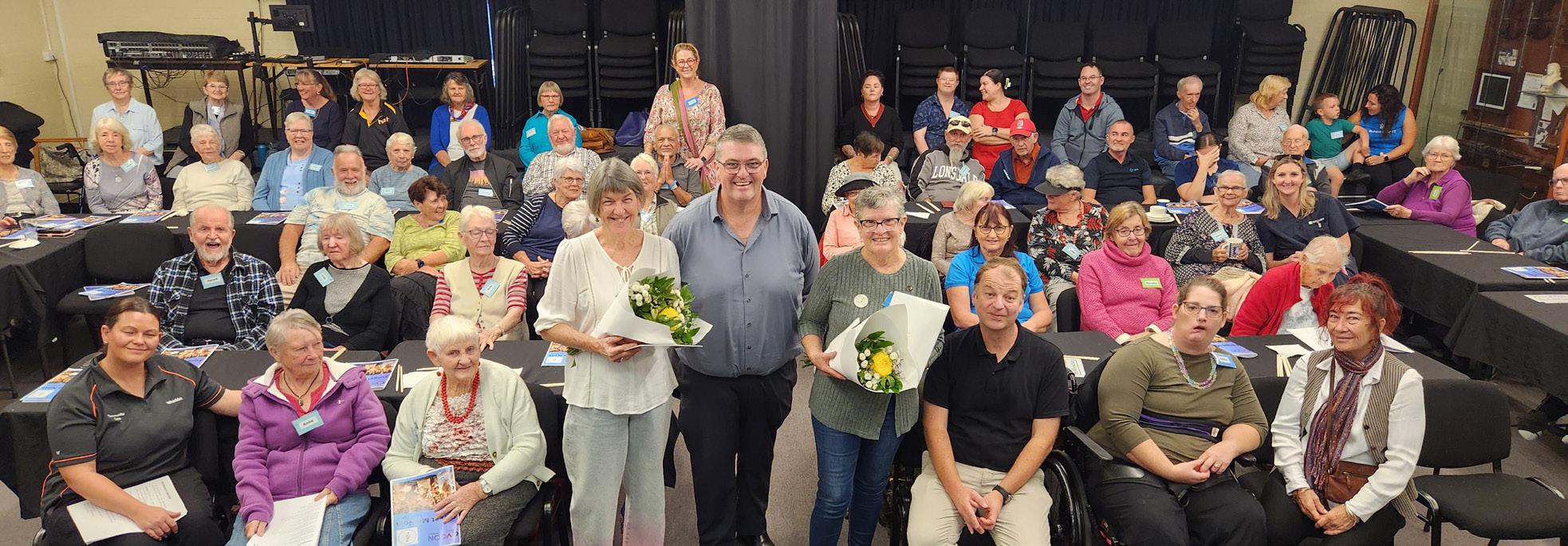
Clarence Nationals State MP for Clarence Richie Williamson has welcomed the news that Grafton’s Jenny Worrell has been named a finalist for title of NSW Regional Woman of the Year at the NSW Women of the Year Awards, describing the recognition as a proud and historic moment for the Clarence Valley.
Mr Williamson said it is believed to be the first time a Clarence Valley resident has been named a finalist in this prestigious category, which recognises outstanding women living in regional NSW who inspire and strengthen their communities.
“Jenny Worrell is incredibly deserving of
But not everything is as it seems.
Cormac picks up the threads of his cold case when he sees the connection and works to make sure he can finally tie them up this time.
However, he is on the path to discover some shocking secrets.
Dervla McTiernan was born in County Cork, Ireland and studied corporate law at the National University of Ireland.
She and her family moved to Western Australia where she now works for the Mental Health Commission. She lives in Perth with her husband and two children.
The Rύin is our first book in the Cormac Reilly series.
You can order your copy of the book from booktopia.com.au
this recognition,” Mr Williamson said.
“She is someone who gives endlessly to others, often quietly and without seeking praise, and her work has touched hundreds of lives across the Clarence Valley.”
Jenny is one of three finalists vying for the NSW Regional Woman of the Year title, alongside Amy Riddle from neighbouring Coffs Harbour and Jo Marshall from the Upper Lachlan Shire.
A former schoolteacher and music educator, Jenny is widely known for cofounding Forget Me Nots with her friend Leigh Robertson at the Clarence
Valley Conservatorium, where she has served as Chair for the past decade.
The volunteer-led, free, cross-generational singing group supports people living with dementia, Alzheimer’s disease, Parkinson’s and their carers, providing vital social connection and wellbeing benefits.
“I’ve known Jenny for a number of years through her work with Forget Me Nots,” Mr Williamson said.
“What she and her volunteers have built is extraordinary — a program grounded in compassion, inclusion and community, and one that has become a model for other regions.”
Me Nots now welcomes 60–80 participants each week and has inspired similar programs across the Northern Rivers, while also contributing to music therapy research in partnership with Macquarie University. Mr Williamson congratulated all finalists and wished Jenny the very best ahead of the NSW Women of the Year Awards ceremony, to be held on Thursday 5 March in Sydney as part of NSW Women’s Week 2026.
“Regardless of the final outcome, Jenny has already made the Clarence Valley incredibly proud,” he said.
Jeff Gibbs
Pedestrian safety and accessibility have been significantly improved in the Lismore CBD following the installation of new bollards and upgraded tactile ground surface indicators, marking another milestone in the city’s ongoing flood recovery and revitalisation efforts.
Almost 300 stainless steel bollards have been installed along Molesworth Street and Woodlark Street, replacing original infrastructure that was damaged or destroyed during the devastating 2022 floods and subsequent cleanup operations. The new bollards restore an important layer of protection for pedestrians and road users while also giving the CBD a more cohesive and contemporary appearance. In addition to the bollard
installation, defective tactile ground surface indicators at zebra crossings have been replaced, addressing a long-standing accessibility issue within the city centre. These raised, textured indicators play a vital role in alerting people with visual impairments to crossings, hazards and changes in pedestrian pathways.
The improvements are expected to enhance confidence and safety for all users of the CBD, particularly people with disability, older residents and families navigating busy intersections.
Steve Krieg said the upgrades, while modest in scale, have had a meaningful impact on the city’s streetscape and functionality.
“Every day our CBD looks a little brighter,” he said.
“These bollards and tactile indicators are small
changes that make a big difference — safer streets, easier crossings and more confidence for everyone.”
Part of broader CBD improvements
The works form part of a wider program of upgrades delivered across Lismore’s CBD throughout 2025. Council-funded improvements during the past year have included repairing trip hazards, upgrading street lighting, refreshing garden beds, installing new waste bins and footpath seating, and replacing fencing around roundabouts.
Together, these projects aim to improve safety, accessibility and amenity while supporting local businesses and encouraging people back into the city centre following the challenges of recent years.
Funded through disaster recovery
The latest safety upgrades were delivered
through a collaborative effort between Council crews and contractor Forge Solutions. Funding was provided jointly by the Australian and New South Wales governments under the Disaster Recovery Funding Arrangements, supporting essential infrastructure restoration following natural disasters. Council has confirmed that flood restoration and resilience works will continue across the city as part of long-term recovery planning, with a focus on improving public spaces, transport safety and accessibility.
Residents and visitors are encouraged to take note of the improved crossings and pedestrian protections when moving through the CBD, particularly during peak traffic periods.
More information on Lismore’s flood restoration projects is available through Council’s Flood Restoration Portfolio.

Bringing a deeply intimate novel to the screen was never going to be easy, yet Hamnet emerges as one of the most emotionally resonant films of the decade. Adapted from Maggie O’Farrell’s acclaimed book, the 2026 cinematic version is less a period drama in the traditional sense and more a meditation on love, grief and creativity. It is quiet, devastating and, ultimately, profoundly human.
Directed with remarkable restraint by Chloé Zhao, the film resists theatrical flourishes. Instead, it leans into texture and feeling — the creak of timber floors, the weight of silence after loss, the rhythm of rural life in Elizabethan England. Zhao’s approach suits the material perfectly, allowing the emotional power to build slowly rather than overwhelm in grand gestures.
At the centre of the film is Jessie Buckley as Agnes, a
woman of fierce intelligence and spiritual intuition. Buckley delivers a career-defining performance, portraying a mother whose love is boundless and whose grief is almost unspeakable. Agnes is not framed as a background figure to greatness but as a force in her own right — perceptive, complex and quietly defiant. Buckley’s ability to convey inner turmoil with the slightest shift of expression anchors the entire film.
Opposite her, Paul Mescal plays William Shakespeare, depicted not as a literary titan but as a husband and father struggling to reconcile ambition with responsibility. Mescal’s performance is understated and deeply affecting, capturing a man divided between Stratford and London, family and legacy. Their shared scenes crackle with unspoken emotion, making their relationship feel lived-in and authentic.
The plot follows the life of the
Shakespeare family in the years leading up to and following the death of their young son, Hamnet. Rather than focusing on historical milestones, the film centres on domestic moments — childbirth, illness, separation and mourning. When tragedy strikes, it is handled with devastating subtlety, refusing melodrama and trusting the audience to sit with discomfort. The later connection between this loss and the creation of Hamlet is suggested rather than spelled out, adding to the film’s emotional intelligence. Visually, Hamnet is stunning. Natural light, muted earth tones and lingering shots of the English countryside create a tactile sense of place. Cinematography favours stillness over spectacle, while the sparse score gently underscores the emotional beats without manipulation. Every technical element serves the story rather than distracting from it. What makes Hamnet extraordinary is its universality. Although set more than four
centuries ago, its themes — parental love, grief, memory and the way art grows from pain — feel timeless. Australian audiences, in particular, will appreciate its grounded storytelling and emotional honesty, free from excess or sentimentality.
In a year crowded with loud, high-concept releases, Hamnet
stands apart. It is a film that asks for patience and rewards it richly. Thoughtful, beautifully acted and deeply moving, Hamnet earns its place as one of the finest literary adaptations ever made.
Final verdict: 5 out of 5 stars. Star rating: (5 out of 5)


SPECIAL SCREENINGS
JIMPA CTC GOLDEN CLUB PREVIEW Fri: 1:00PM
PILLION R18+) SNEAK PREVIEW Sat, Sun: 3:45PM
ROYAL OPERA: LA TRAVIATA (CTC Sun: 1:00PM. Wed: 11:00AM
SCREAM (30TH
ANNIVERSARY ) (CTC)
FRIGHT NIGHT Fri: 8:30PM
FAMILY FILMS
LITTLE WONDER
BEAR PG) NFT Sat, Sun: 11:10AM
AVATAR: FIRE AND ASH (2D) M) Daily: 11:30AM BLUE MOON M) Thurs, Fri, Mon, Tues: 10:50AM, 4:00PM. Sat, Wed: 4:00PM. Sun: 6:10PM
CRIME 101 (M NFT Daily: 11:00AM, 1:45PM, 4:30PM, 7:15PM
HAMNET (M Daily: 1:15PM, 3:20PM, 6:10PM
ZOOTOPIA 2 (PG Daily: 10:50AM ALL FILMS "WUTHERING HEIGHTS" M) NFT Daily: 11:00AM, 1:40PM, 3:20PM, 4:20PM, 6:00PM, 7:00PM, 8:30PM
IRON LUNG (MA15+) Thurs: 3:45PM, 8:40PM. Fri: 3:20PM, 8:40PM. Sat, Sun:
8:40PM. Mon, Tues, Wed: 3:30PM, 8:40PM IS THIS THING ON? (M) Thurs: 10:45AM, 2:00PM, 6:00PM. Fri, Mon, Tues, Wed: 10:45AM, 2:00PM, 6:00PM, 8:40PM. Sat, Sun: 10:45AM, 2:00PM, 6:00PM, 8:20PM IT WAS JUST AN ACCIDENT (M Daily: 1:10PM MARTY SUPREME (M Thurs: 11:00AM, 1:00PM, 4:00PM, 7:30PM. Fri: 11:00AM, 1:00PM, 4:30PM, 7:45PM. Sat, Mon, Tues: 11:00AM, 1:00PM, 4:30PM, 7:30PM. Sun, Wed: 11:00AM, 4:30PM, 7:30PM SEND HELP (MA15+) Daily: 6:10PM
SHELTER M) Daily: 6:20PM SOMEBODY TO LOVE (M) Daily except Thurs, Sat: 10:45AM. Thurs: 11:10AM. Sat: 10:45AM, 6:15PM
SONG SUNG BLUE (M Thurs: 1:15PM, 8:30PM. Fri: 6:00PM. Sat, Sun: 12:50PM, 8:30PM. Mon, Tues, Wed: 12:50PM, 6:00PM, 8:30PM
THE HOUSEMAID MA15+ Daily except Thurs: 3:45PM, 8:30PM. Thurs: 4:30PM, 8:30PM
THE SECRET AGENT MA15+ Daily: 10:45AM WHISTLE (MA15+) NFT Daily: 1:50PM, 4:00PM, 8:40PM
"WUTHERING HEIGHTS" (M NFT Daily: 10:15AM, 1:00PM, 3:45PM, 6:30PM
CRIME 101 (M) NFT Thurs, Mon, Tues, Wed: 12:50PM, 3:30PM, 6:30PM. Fri: 12:50PM, 3:30PM, 6:45PM. Sat, Sun: 1:50PM, 3:45PM, 6:45PM
HAMNET M) Daily except Sat, Sun: 10:15AM. Sat, Sun: 10:00AM
LITTLE WONDER BEAR PG) NFT Sat, Sun: 12:00PM MARTY SUPREME M) Daily except Sat, Sun: 1:00PM. Sat, Sun: 12:45PM
SCREAM (30TH ANNIVERSARY ) MA15+ NFT Fri: 7:00PM
SHELTER M) Daily except Sat, Sun: 4:10PM. Sat, Sun: 4:30PM
SONG SUNG BLUE M) Daily except Sat, Sun: 10:15AM. Sat, Sun: 6:45PM
THEHOUSEMAID (MA15+)
Thurs, Mon, Tues, Wed: 6:20PM
ZOOTOPIA 2 PG Sat, Sun: 9:45AM
Place the digits 1 to 9 in the blue squares, so that all 6 equations are correct. Multiplication and/or division are performed rst, in whichever order they appear –followed by addition and/or subtraction, in whichever order they appear.
1 The Togian Islands belong to which country?
(a) Malaysia (b) Tonga (c) Indonesia (d) Thailand
2 Which classic novel has the opening words, “A squat grey building of only thirty-four storeys”?
(a) The Day of the Triffids (b) Brave New World (c) A Clockwork Orange (d) The Catcher in the Rye
3 Emilio Estevez is the brother of which famous actor? (a) Johnny Depp (b) Charlie Sheen (c) Christian Bale (d) Matthew McConaughey
WHICH WORDS
Which is the correct meaning for these words?
1 BRACHIAL
(a) short-skulled
(b) Arm-like
(c) Slightly salt
2 COADUNATE
(a) United by growth
(b) Having a coarse texture
(c) Of the same age
3 DIMEROUS (a) Small (b) Slow-thinking (c) Consisting of two parts
4 INVOLUTE (a) Incapable of being hurt
(b) Opposite in nature
(c) Involved or intricate
5 NATATION
(a) The act of swimming
(b) A jotting or record
(c) A denial

4 René Magritte is best remembered in relation to which art movement? (a) Cubism (b) Surrealism (c) Impressionism (d) Fauvism
5 Who starred as Jim Rockford in the 1970s TV series, The Rockford Files? (a) James Coburn (b) Peter Falk (c) Marlon Brando (d) James Garner
6 A person who acts as a guide, typically on a voluntary basis, in a museum is called a what? (a) Gabelle (b) Docent (c) Tersa (d) Quire



FRIDAY
THE MARLOW MURDER CLUB
SEVEN, 8.30pm
The TV equivalent of sitting down to solve a crossword with a cup of tea and a biscuit, this cosy series follows a trio of unlikely crime solvers in a quaint English town. As they proved in season one, retired archaeologist Judith, dog walker Suzie and vicar’s wife Becks (Samantha Bond, Jo Martin and Cara Horgan, pictured left to right) make a brilliant team. This new chapter takes the lead from Death Comes to Marlow the second novel in Death in Paradise creator Robert Thorogood’s series. The amateur sleuths are called back into action after an aristocrat is found dead the day before his wedding – with his young ancée, bitter son and scheming ex top of their suspect list.
7MATE, 7pm
A new innings begins on Sunday for Australian women’s cricket, with all-rounder Sophie Molineux (right) named as the squad’s new captain, taking over from a retiring Alyssa Healy. This Twenty20 series opener against India will be the Victoria and Melbourne Renegades skipper’s rst time leading the country, taking charge ahead of the T20 World Cup in England and Wales in June. Several members of the team will still be smarting from India’s record-breaking chase of 339 that knocked Australia out of the ODI World Cup seminal just a few months ago. With a fresh tactical direction and a score to settle, Molineux and co. are set to shine.

ABC TV (2) SBS (3) SEVEN (6)
6.00 News Breakfast. 9.00 News. 10.00 Solar System. (Final, R) 11.00 Antiques Roadshow. (R) 12.00 ABC News At Noon. 1.00 Muster Dogs. (PG, R) 2.00 Dog Park. (M, R) 2.30 In Limbo. (Mls, R) 3.00 Spicks And Specks. (PG, R) 3.30 Anh’s Brush With Fame. (PG, R) 3.55 Love Your Garden. (R) 4.45 Long Lost Family. (PG, R) 5.30 Antiques Roadshow. (R)
6.30 Hard Quiz. (PG, R)
7.00 ABC News.
7.30 Gardening Australia. (Return) Costa Georgiadis visits a transformed community hub.
8.30 Professor T. (Return, M) Dan and Lisa try to distract Professor T from being in jail with a murder case involving two brothers.
9.15 Hard Quiz. (PGa, R) Presenter Tom Gleeson grills four self-declared experts in a comedic quiz show.
9.50 The Weekly With Charlie Pickering. (PG, R) A satirical news program.
10.15 Dog Park. (M, R)
10.45 ABC Late News.
11.05 Smother. (Mlv, R)
12.50 Rage New Music. (MA15+dhlnsv)
5.00 Rage. (PGadhlnsv)
6.00 WorldWatch. 8.00 DD India News Hour. 9.20 Good With Wood. (PGa, R) 10.15 Paddington Station 24/7. (PGa, R) 11.05 Britain By Beach. (PGav, R) 12.00 BBC News At Ten. 12.30 France 24. 12.55 PBS News. 1.55 The Hospital: In The Deep End. (Ma, R) 3.00 Nula. 3.40 The Cook Up. (R) 4.10 Building The Impossible. (PG, R) 5.05 Jeopardy! 5.30 Letters And Numbers. (R)
6.00 Mastermind Australia. (R) 6.30 SBS World News.
7.30 The Lost Cities Of The Incas. (Premiere) Archaeologists search for clues to the rise of the Inca Empire.
9.25 Isle Of Wight: Jewel Of The South. (R) Follows the Seaview Salties, swimmers who regularly brave the freezing Solent.
10.15 SBS World News Late.
10.45 Sisi. (Masv, R)
11.40 Babylon Berlin. (Mav, R)
1.25 The Lesson. (Mal, R)
3.40 Celebrity Mastermind. (PG, R)
4.40 Bamay. (R)
5.00 NHK World English News Morning.
5.30 ANC Philippines The World Tonight.
6.00 Sunrise. News, sport and weather. 9.00 The Morning Show. (PG) The latest news and views, including segments on health, astrology, gossip, cooking, counselling and fashion. 12.00 Golf. LIV Golf Adelaide. Day 2. 5.00 The Chase Australia. Contestants race to answer quiz questions correctly to avoid being caught by The Chaser.
6.00 7News Local.
6.30 7News @ 6:30.
7.00 Better Homes And Gardens. (Return) Johanna Griggs heads to Bribie Island.
8.30 The Marlow Murder Club. (Return, Mav) When a wealthy baronet dies alone in his study the day before his wedding, Judith, Becks and Suzie nd themselves at the centre of another mystery.
10.30 To Be Advised.
12.15 GetOn Extra. (Return) A look at the weekend’s best racing.
12.45 Dare Me. (MA15+asv)
2.00 Home Shopping. (R)
4.00 Million Dollar Minute. (R)
5.00 Dr Harry’s Animal Encounters. (PG, R)
(62) VICELAND (31) 6am Children’s Programs. 3.05pm Play School. 3.30 Wiggle. 4.10 Andy’s Safari Adventures. 4.35 Vida The Vet. 5.40 Kangaroo Beach. 6.05 PJ Masks Power Heroes. 6.25 Paddington. 6.45 Ben And Holly. 7.05 Gardening Australia Junior. 7.40 Star Wars: Young Jedi Adventures. 8.05 Scooby-Doo And Guess Who? 8.35 My Adventures With Superman. 8.55 BattleBots. 10.00 TKO: Total Knock Out. 10.40 Late Programs. ABC FAMILY (22)

SEVEN, 7.30pm

Forget about knowing historical dates or obscure facts – this lightningfast game show levels the playing eld by asking its guests to apply common sense and logic to a series of brain teasers for the chance to win £100,000. The questions are simple enough, but the lateral thinking skills required to go all the way are supposedly only found in 1 per cent of the population. English comedian Lee Mack (above) is a family-friendly alternative to his acerbic Aussie counterpart Jim Je eries but still lightly roasts the eliminated contestants. Among the broad range of Britons taking part are a young woman who wants to prove to her family that “she ain’t thick”, a retired orist and a car registration enthusiast.
(5) NBN (8, 80)
6.00 Today. 9.00 Today Extra. (PG) 11.30 9News Morning. 12.00 Olympic Winter Games Milano Cortina 2026. Day 6 – Highlights. 3.00 Tipping Point. (PG, R) 4.00 9News Afternoon. 5.00 Tipping Point Australia. (PG, R) Hosted by Todd Woodbridge. 6.00 Ent.
6.00 NBN News. 7.00 A Current A air.
7.30 Olympic Winter Games Milano Cortina 2026. Day 7 – Night. Coverage includes women’s snowboard cross quali ers and nals and men’s crosscountry 10km nal and ice hockey prelims.
12.00 Olympic Winter Games Milano Cortina 2026. Day 7 – Post Midnight. Coverage includes women’s snowboard cross nals and skeleton runs and men’s 10,000m speed skating nal and 10km biathlon sprint nal.
3.00 Olympic Winter Games Milano Cortina 2026. Day 7 – Overnight. Coverage includes men’s 10,000m speed skating nal and free gure skating and women’s skeleton runs and ice hockey.
6.00 10 News+. Hosted by Denham Hitchcock and Amelia Brace.
6.30 Deal Or No Deal. (R) Hosted by Grant Denyer. 7.00 Millionaire Hot Seat. (PG) Hosted by Rebecca Gibney. 7.30 Selling Houses Australia. (R) A couple move to Canberra. 8.40 Love It Or List It Australia. (R) Tracey has spent 10 years tending the garden of her and her husband’s Tea Tree Gully home but Antony wants to go somewhere new. 9.40 10’s Late News. Coverage of news, sport and weather. 10.40 10 News+. (R) 11.10 The Late Show With Stephen Colbert. (PG) 12.00 Home Shopping. (R) 6am Morning Programs. 12.50pm DW The Day. 1.20 187 Minutes: Capitol Riots. 2.10 Mastermind Aust. 3.20 BBC News At Ten. 3.45 France 24. 4.15 PBS News. 5.15 If You Are The One. 6.15 Curse Of Oak Island. 7.05 Jeopardy! 7.35 8 Out Of 10 Cats. 8.30 Stacey Dooley Sleeps Over. (Return) 9.25 Stacey Dooley: Meet The Shoplifters. 10.20 Adam
9.30 MOVIE: Be My Valentine. (2013, PG) 11.30 The Real Seachange. Noon Better Homes. 1.00 Escape To The Country. 2.00 Home In WA. 2.30 Weekender. 3.00 Room For Improvement. 3.30 Harry’s Practice. 4.00 Medical Emergency. 4.30 Better Homes. 5.30 Escape To The Country. 6.30 Bargain Hunt. 7.30 Wildlife ER. 8.30 Escape To The Country. 11.30 Late Programs.
(64)
9GO! (83) 6am 55 Steps. (2017, PG) 7.45 The Movie Show. 8.20 The Secret Garden. (2020, PG) 10.15 St. Vincent. (2014, M) 12.05pm Some Kind Of Beautiful. (2014, M) 1.55 Viceroy’s House. (2017, PG) 3.50 The Big Steal. (1990, PG) 5.40 What We Did On Our Holiday. (2014, PG) 7.30 The Talented Mr Ripley. (1999, M) 10.00 Priscilla Queen Of The Desert. (1994, M) 11.55 The Big Wedding. (2013, MA15+) 1.30am Death Proof. (2007, MA15+) 3.35 The Mattachine Family. (2023, M) 5.25 The Movie Show.
6am Children’s Programs. 8.30 Nanny. 9.30 Addams Family. 10.00 Bewitched. 11.00 Swimming. Aust Open Water C’ships. H’lights. 11.30 Parental Guidance. 2pm Golden Girls. 2.30 Nanny. 3.30 Seinfeld. 4.30 Addams Family. 5.00 Bewitched. 6.00 Golden Girls. 6.30 Nanny. 7.30 MOVIE: Wonder Woman. (2017, M) 10.15 MOVIE: Birds Of Prey. (2020, MA15+) 12.25am Love Island UK. 1.25 Legacies. 2.20 Seinfeld. 2.55 Motor Racing. FIA World Endurance Championship. Round 5. 6 Hours of São Paulo. Highlights. 4.00 Late Programs. 6am Hook, Line And Sinker.
Today’s target: 8 words average 11 words good 14+ words excellent
Find words of four letters or more. Every word must include the centre letter and each letter is used once only. Find at least one nine-letter word. No colloquial or foreign words, capitalised nouns, apostrophes, hyphens. No verbs or plural words ending in ‘s’. Solution list is not exhaustive. Ref: Macquarie Dictionary
ARIES (Mar 21 - Apr 19)
Taskmaster Saturn transits back into your sign (on Saturday) where it stays until 2028. Which could bring more stability into your life – and more challenges. You’ll find the more disciplined, responsible and self-reliant you are, the smoother the transition will be. Your motto for the moment is from fellow Aries, movie icon Bette Davis: “The key to life is accepting challenges.” The weekend favours catching up with old acquaintances and/ or current friends.
TAURUS (Apr 20 - May 20)
Saturn (the planet of work, self-improvement and wisdom) shifts into your self-reflection zone. So, over the next two years, do your best to consolidate your strengths and work on your weaknesses. As Saturn and Neptune both deepen your humanitarian and spiritual perspectives, some Bulls will become involved with volunteer work while others embrace yoga, meditation, religion and/or metaphysical study. The weekend’s a good time to go on an adventure.
GEMINI (May 21 - June 20)
With responsible Saturn transiting through your hopes-and-wishes zone for the next two years, you need to get serious about your future plans. It’s time to dream an ambitious dream … and then put in the hard work and discipline required to make it happen. Plus, do your best to replace restlessness with patience and short-term schemes with long-term resilience. Mystery and intrigue surround you on the weekend – but can you be trusted to keep a secret?
CANCER (June 21 - July 22)
Saturn shifts into your career zone, so get serious about your professional ambitions. It also bodes well for a promotion, better job or professional break over the next two years, as long as you are patient, persistent and thoroughly prepared. If you’ve taken shortcuts or have been working below par, then there could be some challenges along the way. With the Moon transiting through your relationship zone, the weekend is all about love, connection and companionship.
LEO (July 23 - Aug 22)
Stop being a listless Lion and get cracking, Cats!
On Saturday, ambitious Saturn transits into your aspirations zone (where it stays until 2028). So, it’s time to be confident, creative and determined, as you dream big dreams for the future – and then make them happen by being proactive and making smart choices. Your motivational mantra for the moment is from fellow Leo, actress Helen Mirren: “You write your life story by the choices you make.”
VIRGO (Aug 23 - Sep 22)
Serious Saturn transits into your intrigue-andsecrets zone, which is good for all types of study, research and detailed detective work. And this week you’ve also got four planets (the Sun, Venus, Mars and Pluto) moving through your job zone. So don’t be shy and overly modest, Virgo –it’s your time to shine at work! The weekend is all about leisure, entertainment, sport and hobbies, as you share the good times with family members and/or close friends.
LIBRA (Sep 23 - Oct 22)
Saturn shifts into your partnership zone, so –sometime over the next two years – you could end a relationship that’s no longer working. With Neptune also in your partnership zone, aim to be more generous towards loved ones and try to view a troubled relationship from a more compassionate perspective. Are you looking for love? You could be attracted to someone much older, or a long-term friendship could gradually develop into a serious romance.
SCORPIO (Oct 23 - Nov 21)
Are you a Scorpio who has lost your pep? Have you been feeling run-down and lacking energy? Saturn transits through your wellbeing zone (until 2028), so the next two years is the time to focus on your physical and mental health. Discipline, determination, patience and gradual progress will get you where you want to go, as you restructure your daily routine so it includes more nutritious food, a sustainable exercise program and a regular form of relaxation.
SAGITTARIUS (Nov 22 - Dec 21)
Over the next two years, Saturn visits your love, romance, children and friendship zones. These relationships should strengthen and solidify, but there could also be some challenges and extra responsibilities placed on your broad Sagittarian shoulders. And you may decide to give a false friend the flick. So, your motto is from birthday great, author and activist Alice Walker: “No person is your friend who demands your silence or denies your right to grow.”
CAPRICORN (Dec 22 - Jan 19)
Saturn (your ruler) transits into your domestic zone. So, there are plenty of professional and DIY jobs that need to be done around the home as things wear out (or break down) and need to be fixed. Also – over the next two years – you could become more interested in your personal history, your family tree and the lives of your ancestors. Be inspired by fellow Capricorn, singer/writer Patti Smith: “Family means putting your arms around each other and being there.”
AQUARIUS (Jan 20 - Feb 18)
Prepare for some substantial changes in your local community, as serious Saturn moves through your neighbourhood zone for the next two years. Work out ways that you can make a contribution that will be meaningful and have a long-lasting effect. And look for local people who share your interests, values and goals. It’s also a suitable time to take on the responsibility of serious, longterm study. The weekend is a good time to relax, rewind and rejuvenate.
PISCES (Feb 19 - Mar 20)
With penny-pinching Saturn transiting through your money zone (until 2028), expect extra expenses and financial responsibilities over the next two years. Which will teach you some valuable lessons about being financially organised, responsible and frugal. Spontaneous spending sprees are definitely not recommended! The Moon is visiting your peer group zone on the weekend, so it’s a wonderful time to catch up with old friends and new acquaintances.
Jeff Gibbs
Coffs Harbour will soon be home to one of the most imaginative art experiences of the year, with an immersive LEGO® exhibition set to delight families, school groups and creative thinkers alike.The internationally touring exhibition RELICS: A New World Rises will open at the Yarrila Arts and Museum on Saturday, March 28, 2026, and run through Sunday, July 19, 2026. Created by Perth duo Jackson Harvey and Alex Towler, winners of Channel 9’s LEGO® Masters in 2020, the exhibition builds miniature worlds inside discarded objects, imagining a future Earth where LEGO® civilisations flourish in and around everyday relics from






our past. Mayor Nikki Williams said securing the exhibition is a big cultural win for the Coffs Harbour community and a drawcard for visitors across the North Coast. “This exhibition will delight locals and visitors alike with its breathtaking creativity and storytelling,” she said.
RELICS tells the story of an imagined future where, after humans have left an Earth exhausted of natural resources, LEGO® minifigure civilisations adapt to life inside forgotten objects. Visitors will discover scenes such as microworlds inside vintage refrigerators, arcade machines and other relics — each full of tiny details, hidden narratives and playful ingenuity. Highlights include:

• 12 immersive displays combining vintage artefacts with intricate LEGO® builds
• Interactive build zone for visitors to create and display their own models
• Scavenger hunts designed for different age
Thurs, Tues, Wed: 10:00am(BS), 1 : 5pm(BS), : 0pm(BS), 6: 0pm(BS), : 5pm(W), :10pm(BS)
Fri: 10:00am(BS), 1 : 0pm, : 0pm, 6: 0pm, : 0pm(BS), :00pm(W)
Sat: 11:50am(BS), : 0pm(BS), 5: 0pm(BS), : 5pm( a ) Sun: 1 :15pm(BS), :10pm(BS), 6:00pm(BS), : 5pm(BS), :00pm(W)
Mon: : 0am(W), 1 :15pm(BS), :00pm(BS)
Thurs, Tues, Wed: 10:15am, 6: 0pm, :00pm
Sat: 1:15pm, 6: 5pm, :00pm Sun: 1:00pm, :00pm, : 0pm
Fri: 10:15am, : 0pm, 6: 0pm, : 0pm Mon: : 5am
:00pm
: 0pm
Wuthering Heights (M) 136mins (CC, AD) Thurs, Tues, Wed: 10:00am(BS),1:00pm, 6:00pm(W), 6:15pm Fri: 10:00am(W), 1 : 5pm(BS), 6:15pm(W) Sat: : 0am(W), :00pm, 6:00pm( a ), : 0pm(BS) Sun: 10:00am(W), :00pm, 6:15pm(W) Mon: 10:00am, 1:00pm

groups
• Free downloadable audio guides (bring your own device and headphones)
• Stories and miniscenes that reward close observation and repeated visits
RELICS is described as a blend of art installation, science fiction and imaginative play, with layers that appeal to children and adults alike — offering both a sense of nostalgia and a gateway to new creative thinking.
Sunday: 10:00am –2:00pm
• Closed Mondays and all NSW public holidays (typical museum hours apply).
Tickets for the Coffs Harbour season will be available closer to opening, with VIP waitlists already active for early booking information. (Details will be published on the museum’s website and local event listings.)
periods when demand is strong.





Hamnet Thurs, Tues, Wed: 10:15am, : 0pm(W) Fri: 10:00am, : 0pm(W) Sat: :00pm( a ), 5: 5pm Sun: 11: 0am, : 0pm(W) Mon: : 5am(BS), :15pm(W) Thurs,
Opening Date, Hours and Tickets
RELICS: A New World Rises will be open during the museum’s standard hours:
• RELICS will be at YAM from 28 March to 19 July.
• Tuesday to Friday: 10:00am – 4:00pm
• Saturday and
While local ticket pricing has not yet been formally announced, past seasons of RELICS in Sydney offered adult tickets from around $29, concessions from $25 and children’s tickets from $19 for a 1–2 hour visit experience.
Families, school groups and LEGO® fans are encouraged to plan ahead and book early, especially during school holiday




The RELICS exhibition builds on the growing reputation of Yarrila Arts and Museum as a host of high-profile, immersive cultural experiences in regional NSW. Since opening in 2023, the museum has brought world-class installations to the Coffs Coast, increasing arts access for local audiences and drawing visitors from across the state.
Whether you’re a LEGO® lover or simply curious about creative storytelling and miniature craftsmanship, RELICS promises a memorable experience that blends art, imagination and interactive fun for all ages.



Jeff Gibbs
The number of Australians living with dementia has risen to an estimated 446,500 in 2026, according to new data released today by Dementia Australia, with projections showing the figure will more than double to over one million people by 2065.
The latest prevalence data highlights that dementia affects Australians across all age groups.
Around 29,000 people are currently living with young onset dementia, defined as a diagnosis between the ages of 18 and 65. That figure is expected to rise to approximately 41,000 by 2054. In addition, an estimated 1,500 children are living with childhood dementia nationwide.
In New South Wales alone, around 145,700

people are living with all forms of dementia in 2026. This number is projected to increase sharply to more than 252,800 by 2054, placing growing pressure on health, aged care and community support services across the state.
Dementia Australia
Chief Executive Officer
Professor Tanya Buchanan said the rising prevalence of dementia, now the leading cause of death for Australians, demands urgent and sustained action.
“With the number of people developing
dementia rapidly increasing, we need to act now through significant national intervention,” Professor Buchanan said. “There is a critical need for a national program to promote brain health throughout life, alongside improved access to quality
care and support services for people living with dementia, their families and carers.”
Dementia Australia is calling on the Federal Government to fund and implement the National Dementia Action Plan, a ten-year framework released in late 2024 aimed at improving outcomes for people living with dementia and those who support them.
While Australia is recognised internationally for strengths in dementia care, support and research, Professor Buchanan said gaps remain in service delivery and access.
“Funding the delivery of the National Dementia Action Plan is essential for all Australians impacted by dementia,” she said.
Dementia advocate Rebecca Scouller, who cares for her mother Charlotte following a
diagnosis of Alzheimer’s disease in 2017, said dementia is an issue that will affect most families at some point.
“The National Dementia Action Plan needs to be costed and incorporated into the federal budget,” Ms Scouller said. “We need urgent investment now.”
Dementia Australia is urging investment across three key priority areas: a national brain health awareness campaign, the rollout of Dementia Care Navigators to improve access to post-diagnosis support, and workforce development to ensure high-quality care for people living with dementia.
Support and information are available 24 hours a day through the National Dementia Helpline on 1800 100 500 or via dementia.org.au.
First Nations Australians are dying at significantly higher rates from blood cancer than nonIndigenous Australians, with new world-first research revealing deep and persistent gaps in diagnosis, treatment access and culturally safe care.
Released on World Cancer Day (4 February), the research was commissioned by the Leukaemia Foundation and led by the University of Queensland First Nations Cancer and Wellbeing Research team. It is the first national study of its kind to be shaped directly by the voices of First Nations blood cancer patients, carers, health professionals and community organisations. The findings confirm that blood cancer is one of Australia’s fastest-growing cancers, yet outcomes for First Nations people remain alarmingly worse.
According to the research, First Nations Australians diagnosed with blood cancer are up to five times more likely to die from the disease and are dying at much younger ages than non-Indigenous Australians.
Bill Stavreski, Head of Research at the Leukaemia Foundation, said the study exposed systemic failures across the cancer care journey.
“We already knew the situation was dire,” Mr Stavreski said. “What this research shows is that First Nations people are facing major barriers at every stage — from delayed diagnosis through to treatment and ongoing care — and those inequities are costing lives.”
The consultations identified several consistent factors contributing to the survival gap. Awareness of blood cancer symptoms among
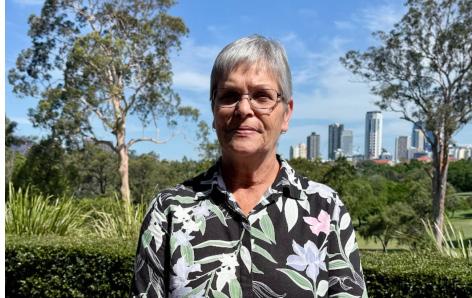
Jackie Henderson - First Nations Australian with lived experience
First Nations Australians remains low, often leading to late diagnosis. Many patients live in regional and remote areas, requiring travel of hundreds or even thousands of kilometres to access specialist treatment, resulting in delayed or interrupted care and severe financial strain.
Participants also reported a lack of culturally safe information, including medical advice that was
unclear, inconsistent or not tailored to First Nations communities. Limited availability of Aboriginal Liaison Officers further reduced support. Health professionals involved in the study said they were often under-resourced and under-trained to meet the cultural and social needs of First Nations patients, despite a strong willingness to improve care.
Gail Garvey, Professor of Indigenous Health Research at the University of Queensland and a proud Kamilaroi woman, said the research provides clear evidence of where the system is falling short.
“We heard from patients forced to uproot their lives for treatment, families going without adequate emotional or financial support, and clinicians who want to provide culturally safe care but lack the tools to do so,” Professor Garvey said. “These challenges are not new, but now we have comprehensive evidence showing exactly where change is needed.”
The report outlines a roadmap for action that goes beyond medical treatment alone. It calls for improved education about blood cancer symptoms — including persistent fatigue, frequent infections, unexplained bruising or weight loss, and
swollen lymph nodes — alongside stronger cultural safety, better access to information and expanded culturally tailored services.
“At its core, this is an equity issue,” Mr Stavreski said. “If we want better survival outcomes, care must be culturally responsive, trusted and delivered closer to home. Every Australian deserves the same chance of surviving blood cancer.”
The Leukaemia Foundation provides support to First Nations Australians affected by blood cancer, including accommodation, transport assistance, education, and financial, emotional and mental health services. The organisation is also urging Australians to support its major fundraising campaign, World’s Greatest Shave, which aims to raise $12 million this year to fund research and patient support.
Jeff
Gibbs
Australian homeowners are bracing for higher mortgage repayments after the Reserve Bank of Australia lifted interest rates for the first time in more than two years, a move expected to add hundreds of dollars a month to household budgets.
The Reserve Bank of Australia increased the official cash rate by 25 basis points to 3.85 per cent, citing persistent inflationary pressures across parts of the economy. The decision comes after a period of relative stability that had led many borrowers to believe the tightening cycle was over.
Major lenders have already confirmed the rate rise will be passed on in full to variable-rate mortgage holders, with changes expected to take effect within weeks. As a result, homeowners with large loans — particularly in capital cities — are facing a renewed squeeze at a time when cost-ofliving pressures remain elevated.
Repayment impacts across Australia
Modelling based on median home prices shows the rate rise could increase monthly repayments by more than $200 for some borrowers. Homeowners in Sydney with a typical mortgage are expected to

be among the hardest hit, with repayments rising by around $200 a month, or more than $2,400 a year.
Borrowers in Brisbane and Perth are also expected to feel the impact, with increases of roughly $130 to $150 per month, while Melbourne homeowners may see repayments climb by about $160 a month. In smaller capital cities, including Hobart and Darwin, the increase is lower but still significant, adding close to $100 a month to household expenses.
The figures are based on



a standard 30-year loan with an 80 per cent loanto-value ratio and highlight how even a modest interest rate increase can translate into substantial costs over time.
Pressure on household budgets
The rate rise is likely to further constrain household spending, particularly for families already juggling higher grocery, energy and insurance costs. For borrowers who took out loans near the peak of property prices, the combination of high debt


levels and rising interest rates may place additional strain on household finances.
Variable-rate borrowers are most exposed, as repayments rise almost immediately when lenders adjust rates. Fixedrate borrowers, while temporarily shielded, may also face a sharp increase when their fixed terms expire and loans revert to higher variable rates.
Economists warn the higher cost of borrowing could slow consumer spending and dampen housing market activity,
particularly among firsthome buyers and investors who rely heavily on credit. What borrowers can do Mortgage advisers are urging homeowners to review their loans rather than accept higher repayments by default. Options include negotiating a sharper interest rate with an existing lender, refinancing to a more competitive product, or making use of offset and redraw facilities to reduce interest costs.
Even small reductions in interest rates through negotiation can offset


much of the recent increase. However, not all borrowers will qualify for better deals, particularly those with limited equity or higher risk profiles. The Reserve Bank has signalled future decisions will be data-dependent, leaving borrowers uncertain about whether further rate increases could follow later in the year. For now, homeowners are being urged to reassess their budgets and prepare for higher repayments as Australia enters a new phase of monetary tightening.


Jeff Gibbs
The Reserve Bank of Australia has lifted the official cash rate by 0.25 percentage points, raising it to 3.85 per cent, marking the first interest rate increase in more than two years and signalling renewed concern about inflation pressures in the Australian economy.
The decision, handed down following the Bank’s February board meeting, was widely anticipated by financial markets after recent data showed inflation rising more sharply than expected in the latter half of 2025. The RBA said inflation remained above its preferred 2–3 per cent target band and that domestic demand was proving stronger than forecast.

Why the RBA acted now
In its post-meeting statement, the Bank pointed to persistent price pressures driven by strong consumer spending, capacity constraints in
parts of the economy and a tight labour market. While inflation had moderated from earlier peaks, the RBA warned progress had stalled and that further action was needed to prevent higher inflation
Jeff Gibbs
Inflation is one of the most talked-about economic terms in Australia, yet many households still feel uncertain about what it really means and how it affects their daily lives. In simple terms, inflation refers to the gradual rise in the price of goods and services over time, which reduces the purchasing power of money.
When inflation rises, everyday essentials such as food, fuel, housing, insurance and utilities cost more. This means households need to spend more money to maintain the same standard of living. While moderate inflation is considered normal in a growing economy, high or persistent inflation can place significant strain on household budgets.
Inflation is usually measured by tracking changes in the prices of a broad “basket” of goods and services commonly purchased by households. When prices across this basket rise faster than wages, people effectively become worse off, even if their income remains unchanged.
Several factors can drive
becoming entrenched. Economists also point to elevated public sector spending over recent years as a contributing factor. Large-scale infrastructure projects, cost-of-living relief measures and defence spending have injected significant stimulus into the economy. While not singled out directly, analysts say ongoing government expenditure has added to demand at a time when supply remains constrained.
The rate rise is expected to slow economic activity over coming months by reducing discretionary spending and easing demand pressures. While this may help bring inflation back under control, it also increases
the risk of slower growth if households and businesses rein in spending too sharply.
The Australian dollar strengthened slightly following the announcement, reflecting investor expectations that interest rates may remain higher for longer. What it means for homeowners
For mortgage holders, particularly those on variable rates, the increase is likely to translate quickly into higher repayments as banks pass on the full rise. Financial analysts estimate an average borrower could pay hundreds of dollars more each month, adding further strain to household budgets already stretched by high living costs.
Consequences for businesses
Small and medium-sized businesses may also feel the pinch, with higher borrowing costs increasing pressure on cash flow and investment decisions. Retail, hospitality and construction sectors are expected to be among the most exposed if consumer spending slows. What happens next
The RBA has left the door open to further rate increases later in 2026 if inflation fails to ease. Much will depend on upcoming inflation data, wage growth and the scale of future government spending decisions. For now, the Bank says it remains committed to returning inflation to target while balancing the need to avoid unnecessary damage to employment and economic growth.

inflation. Strong consumer demand can push prices higher when supply cannot keep up. Rising production costs, such as energy prices, transport costs or wages, can also be passed on to consumers. Global events, including supply chain disruptions or international conflicts, may further contribute to price pressures.
In Australia, inflation is closely monitored because
of its link to interest rates. When inflation runs too high, the Reserve Bank typically raises interest rates in an effort to slow spending and borrowing. Higher rates can reduce demand by making loans more expensive, but they also increase mortgage repayments, which can further squeeze household finances.
For many Australians, the impact of inflation is
felt most sharply through housing costs. Rising interest rates increase mortgage repayments, while rents have also climbed in many regions. Combined with higher grocery and fuel prices, inflation has left many households with little room to absorb further cost increases.
While individuals cannot control inflation, there are practical steps households
can take to manage its impact. Budgeting becomes especially important during periods of high inflation. Tracking spending, identifying non-essential expenses and reviewing subscriptions or services can help households regain control over finances.
Shopping around for better deals on utilities, insurance and financial products can also make
a difference. Comparing providers and negotiating where possible may reduce monthly costs. For borrowers, speaking with lenders about loan options or repayment structures can provide some shortterm relief, although this may increase long-term costs.
Building savings buffers, where possible, can help households manage unexpected expenses. Even small, regular contributions can provide a financial safety net during uncertain times. At the same time, financial experts recommend seeking independent advice before making major decisions about investments or superannuation, particularly during volatile economic conditions. While inflation can be challenging, it does tend to fluctuate over time. Policymakers aim to keep inflation within a manageable range to balance economic growth with affordability. Until price pressures ease, households are likely to remain cautious, focusing on cost management and financial resilience as inflation continues to shape economic decisionmaking.

Pros and Cons Pros
• Very strong dual-motor performance and rapid acceleration
• Long driving range for a high-output electric vehicle
• High-quality minimalist interior with premium materials
• Advanced infotainment powered by Google built-in
• Comprehensive safety and driver-assistance systems Cons
• Firm suspension on uneven regional roads
• Camera-based rear vision takes time to adjust to
• Performance driving reduces real-world range
• Options quickly push pricing into six-figure territory
The 2026 Polestar 4 Long Range Dual Motor Performance delivers the kind of pace expected from a modern premium electric vehicle. Using a dual-motor all-wheel-drive setup, it produces 405kW and 686Nm, making it one of the most powerful vehicles in its segment. Acceleration is immediate and relentless, with the Polestar 4 completing the 0–100km/h sprint in 3.8 seconds. Power delivery is smooth rather than aggressive, which makes the vehicle surprisingly easy to drive in everyday traffic. Overtaking on highways or accelerating from intersections requires little effort, and the vehicle remains stable even when pushed hard. The Performance Pack
enhances throttle response and sharpens handling, reinforcing the Polestar 4’s sporting credentials without sacrificing daily usability.
On the road, the Polestar 4 strikes a confident balance between performance and refinement. Steering is precise and well weighted, offering strong feedback through corners. The low centre of gravity, thanks to the floor-mounted battery, helps keep body roll in check and gives the vehicle a planted feel. However, the performance-oriented suspension tuning results in a firmer ride, particularly noticeable on rougher country roads and uneven urban surfaces. While the chassis feels composed, buyers seeking a softer luxury ride may find the setup a little too

stiff.
Cabin noise is well controlled, and the electric drivetrain ensures quiet operation at low speeds, contributing to a refined driving experience overall. Battery, Range and Charging
The Polestar 4 Long Range
Dual Motor Performance is equipped with a 100kWh lithium-ion battery, delivering a claimed WLTP range of up to 560 kilometres. In real-world conditions, range varies significantly depending on driving style. Enthusiastic acceleration and frequent use of Performance mode will noticeably reduce efficiency.








Fast-charging capability is competitive for the segment. Using DC fast charging, the battery can recharge from 10 to 80 per cent in around 30 minutes.
For home charging, AC charging up to 22kW is supported, allowing overnight charging with the appropriate wallbox. Interior, Technology and Practicality Inside, the Polestar 4 follows the brand’s minimalist Scandinavian design approach. Materials
feel premium throughout, with a strong focus on sustainability and clean lines. Front seats are well bolstered and comfortable, while rear passenger space is generous for a coupestyled SUV.
The cabin is dominated by a 15.4-inch central touchscreen, running a Google-based infotainment system. Built-in Google Maps, voice control and app integration work seamlessly, and the interface is intuitive even for first-time users.
One of the most talkedabout design features is the lack of a traditional rear window. Instead, a highresolution camera feeds a digital rear-view mirror. While the system functions well in most conditions, some drivers may need time to adapt, particularly in poor weather or low light.
Safety is a strong point. The Polestar 4 comes equipped with adaptive cruise control, lanekeeping assistance, blind-spot monitoring, autonomous emergency braking, and advanced collision-avoidance
technology. These systems operate smoothly and unobtrusively, enhancing confidence without becoming intrusive. Pricing and Ownership In Australia, the 2026 Polestar 4 Long Range Dual Motor starts from approximately $88,350 before on-road costs. Adding the Plus Pack and Performance Pack can push the price beyond $100,000, placing it firmly in premium territory. While not inexpensive, the Polestar 4 offers strong value through performance, technology and design, particularly when compared with similarly specified electric rivals.
The 2026 Polestar 4 Long Range Dual Motor Performance is a striking and capable electric SUV-coupe that blends strong acceleration, long-distance ability and premium design. Its firm ride and unconventional rear visibility won’t suit everyone, but for buyers seeking performancefocused electric driving with Scandinavian refinement, it stands out as a compelling option.

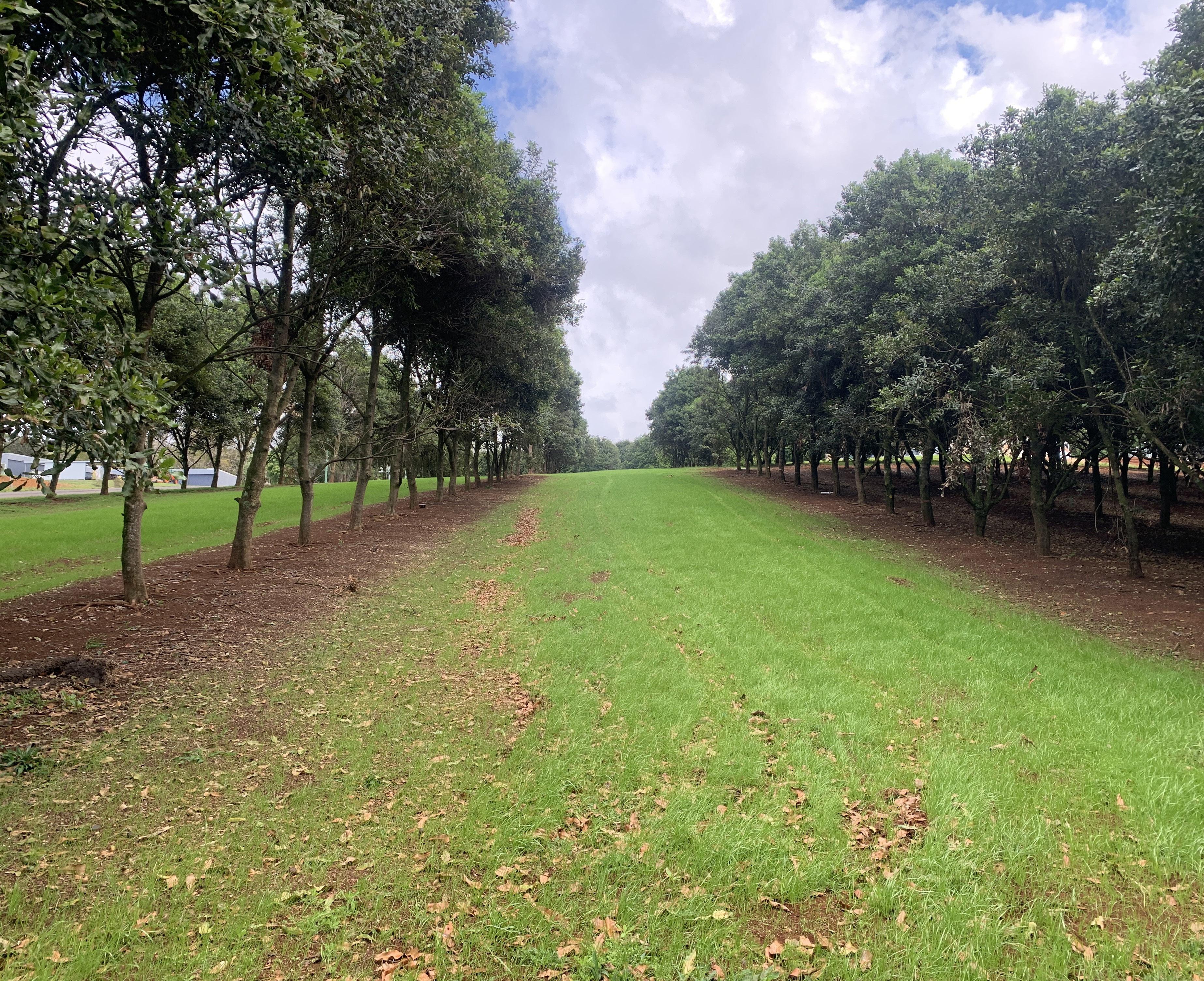


Cattle numbers remained high at the Wagga sale on Monday, 2 February 2026, with about 6,000 head yarded following the previous week’s public holiday. Extremely hot conditions across the region infuenced both the quality of the offering and buyer behaviour, with the market showing less intensity than earlier sales.
The yarding was largely secondary in quality. Trade cattle in the 400–500kg range were offered in limited numbers, while heavy cattle were supplied in reasonable volume. Most regular buyers attended, though not all operated at full capacity. Feedlot buyers became more selective, particularly across secondary categories, easing
competition compared with two weeks earlier. Angus cattle continued to attract interest, but at lower price levels. Restocker activity was noticeably reduced, with few prepared to push prices against feedlots and backgrounders. A large number of calves off cows under 200kg were yarded, refecting
diminishing feed in some regions. The top pen of 46 calves weighed 196kg and sold strongly at 556c/kg. Trade steers and heifers sold to a smaller group of processors, making between 410c and 499c/kg. Lightweight steers returning to the paddock eased sharply, averaging around $1,043 per head. Feeder
steers also softened, with lighter-weight categories under pressure. Feeder heifers attracted solid buyer interest, though prices eased slightly across most weights. In contrast, a good-quality offering of heavy steers lifted prices for younger, well-fnished lines as processors chased weight. Bullock prices were
largely steady. Cows presented a mixed yarding. Heavy cows were cheaper, while leaner cows showed variable trends, with restockers providing some price support. Overall, the market refected the impact of high numbers, hot conditions and increasingly selective buying
Cattle prices at the Northern Rivers Livestock Exchange remained steady this week, with solid yardings and consistent buyer demand across most categories at the prime cattle sale held on 4 February 2026.
A total of 1573 head were yarded, comprising 697 lots, with the overall market averaging 371.3 cents per kilogram. Steers and cows made up the bulk of the offering, while numbers of bulls, bullocks and heifers
also contributed to a wellbalanced sale.
Steers and bullocks
Steers were a standout category, with 441 head sold across 204 lots. Prices ranged from 250.0c/kg to 546.2c/kg, averaging 438.8c/kg. Steer returns ranged from $270.48 to $2641.20 per head, with a total category value of $483,352.73.
Bullocks also performed solidly, with 21 head sold across seven lots. Prices
averaged 429.4c/kg, ranging from 288.2c/kg to 444.2c/ kg, and returned $1296.90 to $3346.83 per head.
Cows and calves
Cows were the largest yarding category, with 661 head sold across 247 lots.
Prices ranged from 70.0c/ kg to 400.0c/kg, averaging 351.2c/kg. Per-head values ranged from $234.50 to $2713.97, generating a total category value of $1,139,916.87.
The cows and calves section saw a small but firm offering of four head, averaging $1356.25 per head, with prices ranging from $400 to $1675.
Heifers and yearlings
Heifers recorded mixed results, with 366 head sold across 178 lots. Prices ranged from 130.0c/kg to 476.2c/ kg, averaging 357.6c/kg, with returns between $198.00 and $2429.34 per head.
A small offering of seven
yearling heifers averaged 400.0c/kg, with prices holding firm at $1205.71 per head.
Bulls and vealers
Bull numbers totalled 50 head across 43 lots, selling from 240.2c/kg to 396.2c/ kg, averaging 356.8c/kg. Per-head returns ranged from $1008.00 to $3506.37, producing a total value of $108,614.45.
Vealer bulls were limited in supply, with 27 head sold
across 17 lots. Prices ranged from 300.0c/kg to 470.2c/ kg, averaging 380.2c/kg, and returning $610.87 to $1195.26 per head.
Market outlook
Agents reported steady processor and restocker demand, with competition strongest for well-finished steers and younger cattle. Overall, the sale reflected a stable market tone, supported by improved seasonal conditions and consistent buyer confidence.
Strong competition across most categories underpinned a generally positive result at the Northern Rivers Livestock Exchange (NRLX) store cattle sale on Friday, 6 February 2026, with buyers active and values holding firm despite mixed quality in places.
A total of 1,528 head were yarded and sold across 351 lots, returning an overall sale value of $1.79 million. Steers and heifers dominated
numbers, while smaller offerings of cows, bulls and vealers rounded out the yarding.
In the per-head section, cows and calves attracted solid interest, with 51 head averaging $1,757 per unit and selling from $700 to $2,500, generating close to $89,650. Heifers sold per head numbered 31, averaging $1,395, with prices ranging from $50 to $2,150. Overall, the per-head component of
the sale returned $132,910 across 82 head.
In the per-kilogram market, steers were the standout category, with 901 head offered. Prices ranged from 100c to 544.2c/kg, averaging a strong 474.4c/kg. This category alone returned more than $1.2 million, reflecting continued confidence from restockers and feeder buyers seeking quality lines. Heifers were also well represented, with 615 head
selling from 230c to 440.2c/ kg, averaging 379.4c/kg and contributing nearly $579,000 to the sale total. Buyer competition was strongest for well-bred, mediumweight heifers suitable for backgrounding and future breeding programs.
A small but competitive bull offering of five head averaged 387.3c/kg, topping at 455c/kg, while cows sold per kilogram averaged 293.1c/kg, ranging from
276.2c to 300c/kg. Although numbers were limited, cow prices reflected steady processor and restocker interest.
Vealers were offered in very small numbers, with four head averaging 441.4c/ kg and reaching 460c/kg, highlighting demand for well-presented young cattle when available.
Across all categories sold per kilogram, the market averaged 438.1c/kg, with
individual prices reaching a high of 544.2c/kg. Total yarding weight exceeded 408,000kg, underlining the scale of the sale and the depth of buyer support. Overall, the February 6 NRLX store cattle sale demonstrated continued resilience in the Northern Rivers cattle market, with steers and heifers again driving returns and buyers remaining selective but willing to pay for quality.
Livestock markets across the Warwick and district region steadied this week following improved weather conditions, with yardings lifting across cattle, sheep and lamb categories but price movements remaining mixed.
A total of 1531 head of cattle were yarded at the weekly sale, while 3087 head were offered in the sheep and lamb market after last week’s cancellation due to heat and animal welfare concerns. Other associated sales also recorded increased numbers, though without strong price rises across all classes.
Cattle market summary
The cattle market showed solid demand for wellpresented stock, with buyer interest strongest in feeder and yearling categories. Quality and condition continued to be the key drivers.
• Bulls averaged 394.4c/ kg, topping at 438.2c/ kg, returning $2213.46 to $4524.38
• Cows averaged 348c/ kg, topping at 390.2c/kg, for $1876.67 to $3258.17
• Feeder heifers averaged 387.5c/kg, topping at 448.2c/kg, returning $1244.17 to $2440.00
• Feeder steers averaged 456.8c/kg, topping at 510.2c/kg, for $1623.15 to $2498.83
• Heifers averaged 399.2c/kg, topping at 434.2c/kg, making $1912.73 to $2626.91
• Manufacturing steers averaged 362.6c/kg, topping at 373.2c/kg, returning $2169.28 to $2435.13
• Steers averaged 463.2c/ kg, topping at 488.2c/kg, for $2875.53 to $3496.00
• Vealer heifers averaged
391.7c/kg, topping at 434.2c/kg, returning $852.63 to $1134.73
• Vealer steers averaged 457.4c/kg, topping at 506.2c/kg, making $977.60 to $1129.25
• Yearling heifers averaged 404.4c/kg, topping at 466.2c/kg, for $1221.90 to $2285.26
• Yearling steers averaged 475.3c/kg, topping at 564.2c/kg, returning $1441.31 to $2497.85
Sheep and lamb market
The sheep and lamb sale rebounded strongly in numbers following last week’s cancellation, with agents yarding 3087 head. The offering was evenly split between lamb types and mutton, with mixed quality across categories.
Lamb prices improved overall, particularly for lighter and unfnished types, while mutton traded cheaper
on the previous sale.
• Lambs topped at $285, averaging $194.22/head, up $15
• Hoggets topped at $210, averaging $111.85, down $47
• Ram lambs topped at $200, averaging $139.09, up $33
• Ewes topped at $204, averaging $122.60, down $21
• Wethers topped at $200, averaging $145.72, down $2
• Rams topped at $180, averaging $118.93, down $15
The overall sale averaged $155.72/head, down $3 on the previous comparable sale.
Notable lamb sales
Reported by APL/ McDougall & Sons
• Tom & Tracie Cooper sold Dorset cross lambs, 59.8kg, to Thomas Foods
for $285/head
• Ennismore Grazing sold crossbred lambs, 53.2kg with six-month skins, to Warwick Meats for $249
• Michael Welsh sold Dorper lambs, 53.1kg, to Leslie Lamb for $252
• Sutton Family sold Dorper lambs:
o 49.2kg to restockers for $229
o 46.78kg to Jock Young Meats for $240
o 47kg to GR Prime for $239.50
o 44.1kg to McMahon Bros for $241
o 41.5kg to restockers for $217
• Pikedale Pastoral Company sold White Dorper lambs:
o 44.7kg to GR Prime for $199
o 38.8kg to GR Prime for $160
o 33kg to restockers for
$100
• Clifton Station sold Dorper ewes to Thomas Foods for $176 and $150, and to Fletchers for $148
• Clive & Margaret Smith sold Merino wethers with one-third wool to Fletchers for $130
• Glenelg Pastoral Company sold frst-cross ewes to restockers for $141 and $90 Pigs and poultry Pig numbers were limited, with boars to $240, sows to $300, light pork to $208, pork from $190 to $270, and stores from $38 to $164.
Poultry yardings were again heavy, with ducks to $32.50, ducklings to $25, turkeys to $12.50, call ducks to $20, roosters to $20, hens to $22.50, pullets to $20, drakes to $20, and ducks to $25.
Cattle prices steadied at the Roma store sale on Tuesday, 3 February 2026, after easing the previous week, with a solid buyer presence absorbing a slightly smaller yarding. Numbers fell by 553 head to 6,852, including a notable single-vendor run
of 1,000 lightweight yearling steers. Regular buyers were active across most categories, helping values stabilise following recent corrections.
Lightweight yearling steers returning to the paddock averaged 483c to 516c/
kg, with sales to 550c/kg. Yearling steers to feed for the domestic market sold to 546c/kg, averaging 508c to 518c/kg, while similar weights returning to the paddock averaged around 501c/kg and peaked at 532c/ kg. Heavyweight yearling
steers to feed reached an isolated 520c/kg, with most averaging about 486c/kg. Lightweight yearling heifers to restockers averaged 360c to 384c/kg, topping at 404c/ kg. Well-bred medium weight heifers returning to the paddock attracted strong
competition, selling to 500c/ kg and averaging 488c/kg. Medium and heavyweight heifers to feed averaged 420c/kg and 424c/kg respectively.
Heavy grown steers to export processors averaged
A fully represented buyer panel helped drive a frm to dearer market at the Dalby cattle sale on Tuesday, 4 February 2026, as yardings lifted sharply and confdence returned across most classes. The number of cattle penned rose by 1,839 head to 6,104, including a substantial offering of around 1,300 cows and 332 bulls. With strong competition
across restocker, feeder and processor categories, prices showed widespread improvement following softer trends in previous weeks.
Lightweight yearling steers returning to the paddock sold to noticeably stronger demand, improving by 7c to 11c/kg. Heavyweight yearling steers to feed recovered some of the
ground lost the previous week, averaging around 8c/kg dearer. Lightweight yearling heifers to restockers recorded the strongest gains, lifting by more than 20c/kg on average. Heavy grown steers and bullocks improved by around 10c/kg, while cow prices also edged higher. Lightweight yearling steers returning to the paddock averaged 510c to 528c/kg,
with top sales reaching 559c/ kg. Yearling steers to feed for the domestic market sold to 526c/kg, averaging 468c to 497c/kg, while heavyweight yearling steers to feed made 505c/kg and averaged around 476c/kg. Lightweight yearling heifers to restockers reached 458c/ kg, averaging 392c to 414c/kg. Yearling heifers to feed made to 448c/kg,
with averages from 388c to 400c/kg, and heavyweight yearling heifers to feed topped at 430c/kg, averaging around 415c/kg.
Bullocks sold to 480c/ kg and averaged 459c/kg, while grown heifers reached 440c/kg. Medium weight two-score cows averaged 345c/kg, selling to 353c/kg. Heavyweight three-score cows averaged 371c/kg,
453c/kg and sold to 476c/kg. Heavy cows reached 392c/ kg, while bulls topped at 404c/kg. Overall, the sale refected a more settled market, underpinned by consistent buyer demand despite reduced numbers.
with the better end of the offering making 393c/kg and averaging around 383c/kg. Heavyweight bulls reached 404c/kg.
Overall, the Dalby sale refected improved buyer confdence and solid competition across all categories, with the depth of demand providing price support despite the signifcantly larger yarding.
A strong yarding and solid competition characterised the Northern Rivers Livestock Exchange (NRLX) Special Store Sale held on Friday, 7 February 2026, with buyers showing clear confidence in heifers and breeding lines. A total of 427 head were yarded across 88 lots, returning a combined sale value of $908,290, with prices reflecting continued demand for quality store cattle despite mixed seasonal
conditions across the region.
Heifers Lead the Sale Heifers dominated the offering, with 279 head yarded across 50 lots, accounting for the largest portion of both numbers and total value. Prices ranged from $1,100 to $3,300 per head, with an average of $1,929, delivering a total turnover of $538,210. Strong competition was evident for well-bred, forward heifers suited to
restocking or backgrounding, with buyers rewarding quality and weight.
Breeding Lines Perform Well
The Cows and Calves category attracted solid interest, with 130 head offered in 31 lots. Prices ranged from $1,880 to $3,160 per unit, averaging $2,517, and returning a substantial $327,320 overall. This result highlights ongoing confidence in breeding cattle, particularly
lines offering immediate productivity.
Cow Prices Steady
A smaller offering of 16 cows across 5 lots sold to a firm market, with prices ranging from $1,940 to $2,400 per head and averaging $2,235. Total turnover for cows reached $35,760, with buyers selective but prepared to pay for condition and suitability.
Limited Bull Numbers
Only two bulls were offered,
selling at a flat $3,500 per head, resulting in a total value of $7,000. While numbers were limited, prices reflected the niche nature of the offering.
Market Overview
Overall, the sale delivered a healthy average of $2,127 per head, with a top price of $3,500 recorded. Buyer attendance was solid, and competition remained strongest for young females and breeding-ready cattle.
Agents reported that stock presented in forward condition attracted the most attention, while secondary lines met a more cautious but still supportive market. With seasonal conditions continuing to vary across the Northern Rivers, the results indicate that confidence remains steady, particularly for cattle that meet breeding or restocking requirements.
With conditions remaining dry the numbers keep rolling in with numbers doubling for a yarding of 8400. Once again there were large numbers of cows with their young calves as the sell off continues. There were fair numbers of prime cattle in all sections along with
some good runs to suit the feeders. There were only limited numbers though of well fnished grown steers and heifers.
Young cattle to the trade were 5c to 8c cheaper with prime vealers and yearlings selling from 420c to 470c/
kg. Feeder steers were 5c to 9c cheaper while the feeder heifers were 12c/kg cheaper. Feeder steers sold from 400c to 498c while the feeder heifers sold from 356c to 456c/kg. Young cattle to the restockers were frm to dearer with the young steers selling to 530c while the
young restocker heifers sold to 434c/kg. Grown steers fnished 12c dearer while the grown heifers were 15c/kg cheaper. Prime grown steers sold from 420c to 476c while the prime grown heifers sold from 380c to 435c/
kg. Secondary cows were up to 30c cheaper while the prime heavy weights were 12c/kg cheaper. 2 and 3 score cows to the processors sold from 250c to 362c/kg. Prime heavy weight cows sold from 348c to 386c to average 370c/kg. The restockers paid from 260c to 354c while the feeders paid from 315c to 365c/kg. Heavy bulls sold to 408c/kg. a more settled market, underpinned by consistent buyer demand despite reduced numbers.
Seasonal conditions
continued to shape market outcomes at the DLP Store Sale held on Wednesday, 5 February 2026, with values generally easing by 20c to 30c/kg across most categories. Despite the softer pricing trend, all classes of cattle were well represented, and buyer interest remained steady for well-presented and good-quality stock.
A total of 1,366 head were yarded, comprising a strong mix of feeder cattle, earlyseason weaners and breeding units. The offering provided
buyers with ample choice, particularly in the lighter cattle and breeding sections, while competition remained consistent throughout the sale.
Feeder steers sold to a top of 460.2c/kg, with buyers focusing on cattle that displayed frame, weight and growth potential. Earlyseason weaners were a standout feature, attracting solid interest from restockers and backgrounders.
Lightweight Angus steers topped the steer section at 535.2c/kg, recording the
highest cents-per-kilogram result for the sale.
Quality Angus cross, Charolais cross and frstcross Brahman calves all returned very similar results, refecting even demand across breed types. Buyers showed a willingness to compete for cattle that were well bred and presented in forward condition, despite broader seasonal pressures infuencing the market. Heifers weighing between 200kg and 450kg sold evenly throughout the sale, with most transactions
occurring between 350c and 400c/kg. Competition in this category remained steady, particularly for heifers suitable for backgrounding or future breeding purposes. Presentation and quality continued to play a key role in determining price outcomes.
The breeding cattle section was a highlight of the sale.
A total of 94 units of cows and calves were offered and sold fully frm. Prices reached a top of $2,050 per unit, while the category averaged $1,600 per unit.
Strong interest in this section refected ongoing demand for proven breeding stock, with buyers placing value on well-joined cows and quality calves at foot.
Heavier cattle and bullocks were offered in smaller numbers, with prices refecting the overall easing trend across the market. Buyers remained cautious but active where cattle met feeder or processor specifcations. Bulls were offered in limited numbers, selling to a top of 355.2c/kg, with returns infuenced by
weight, condition and fnish. Overall, the DLP Store Sale presented a well-supplied yarding operating under seasonal pressure. While prices softened across most categories, consistent buyer demand for quality cattle, early-season weaners and breeding units helped underpin the market.
FEATURE –WEANER SALE Monday 2nd March | 9am
Ian Rogers
A new scientific study has found that changing how macadamia orchards are managed could significantly improve water quality along the NSW coast, delivering benefits for both farmers and the environment.
The research shows that Integrated Orchard Management (IOM) techniques can dramatically reduce soil erosion and fertiliser run-off from macadamia farms, cutting sediment loss by up to 95 per cent and nutrient loss by around 70 per cent when compared with conventional orchard practices.
The study, commissioned by the NSW Department of Climate Change, Energy, the Environment and Water, is the first in Australia to scientifically measure the water-quality benefits of IOM in macadamia production. It forms part of a broader effort to reduce sediment and nutrient pollution flowing from agricultural land into creeks, rivers and coastal ecosystems.
Researchers compared water run-off from two neighbouring macadamia orchards managed under different systems. One block applied Integrated Orchard Management practices, while the other followed traditional management methods. The difference was stark, with runoff from the IOM orchard visibly clearer and carrying far fewer sediments and nutrients.
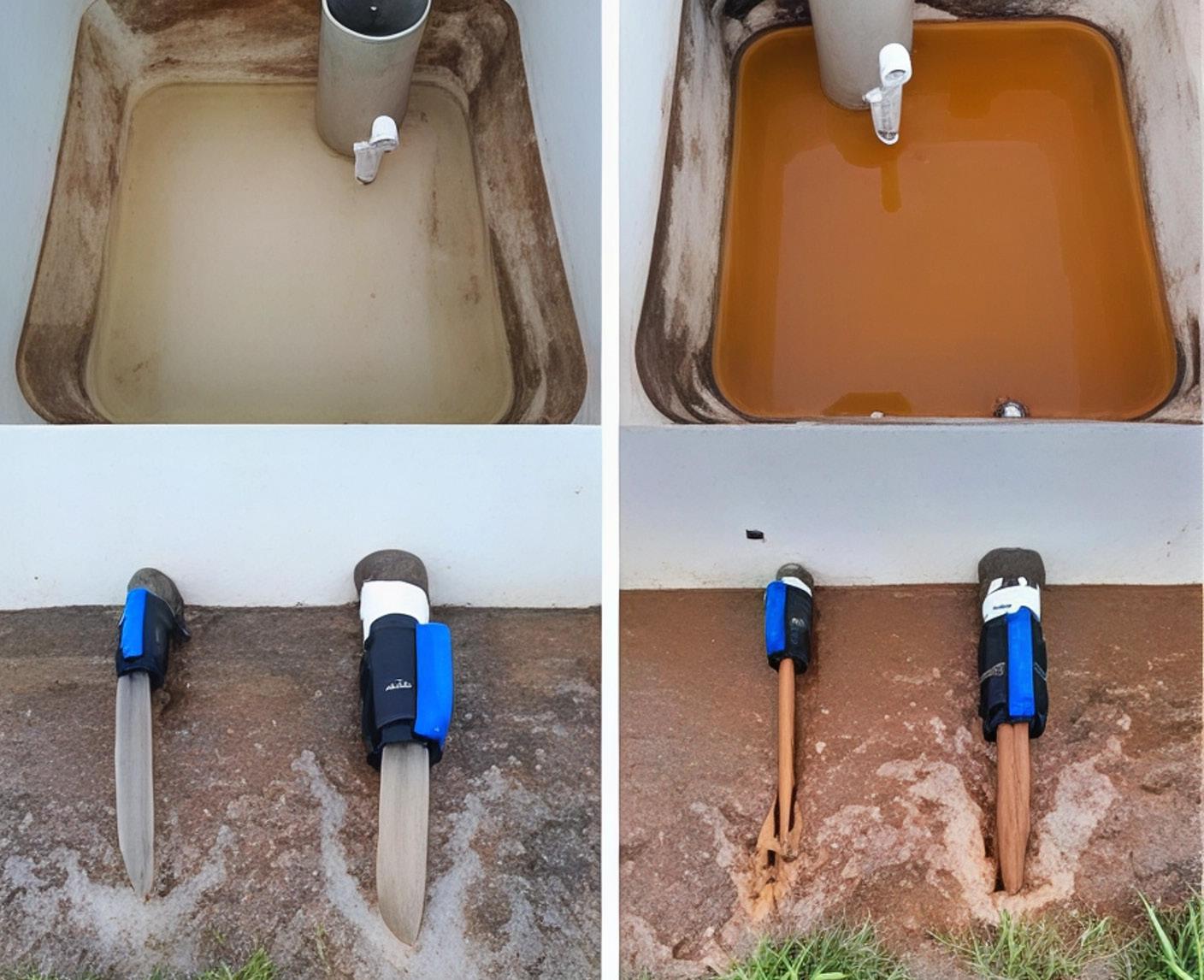
Soil loss and fertiliser nutrients such as nitrogen and phosphorus are known to contribute to declining water quality, algal blooms and damage to aquatic
habitats when they enter waterways and coastal environments. By reducing these losses at the source, IOM offers a practical way to protect downstream
ecosystems while maintaining productive orchards.
The techniques tested in the study focus on orchard design and
groundcover management.
By strategically reducing canopy density, more sunlight reaches the orchard floor, encouraging healthy groundcover growth
between trees. Combined with improved drainage, this allows rainwater to infiltrate the soil more effectively, reducing surface run-off and erosion.
Researchers found that orchards using Integrated Orchard Management retained around seven tonnes more soil per hectare each year compared with non-IOM orchards. Surface water run-off was also reduced by approximately 70 per cent, helping keep sediment and nutrients onfarm rather than washing into nearby waterways.
The findings are particularly relevant for the Northern Rivers, which is home to a large concentration of macadamia orchards within the Richmond River catchment.
With an estimated 12,000 hectares of macadamias across the region, wider adoption of IOM practices could significantly reduce the amount of sediment and nutrients entering local creeks and rivers each year.
Industry groups say grower interest in Integrated Orchard Management has been steadily increasing over the past decade, driven by both productivity gains and growing awareness of environmental responsibilities.
The study highlights that improved orchard management can deliver a rare win-win outcome — boosting long-term farm sustainability while protecting the health of waterways and the NSW coastline.
Well located. 10km west Casino, 40km Lismore, 75km Ballina airport & north coast. Significant subdivision potential. 1,562ha (3,860ac) - Rich heavy basalt/alluvial/loam soils. Over 70% arable or already sown to permanent high performance sub tropical pastures.
Excellent rainfall. 1,100mm (43inch), outstanding livestock water and irrigation potential – permanent creeks or equipped wells or bores (to 14,000 gph).
Ample accomodation. 4BR brick Avoca Vale homestead (c 1986), 3 farm cottages
Abundant operating improvements. 5 sets cattle yards (incl sale complex), supplementary feeding yards, 6 huge poultry sheds (converted to cattle yards, feed mill and hay/grain storage), numerous hay & machinery sheds, elevated silos.
Historically carries 1.250 to 1,500 breeding cows – with progeny sold at 400kg+.
Originally home of renowned Franco Hereford stud.
Ian Rogers
Australia risks a future without agricultural field days unless governments act to formally recognise them as essential regional infrastructure, the Association of Agricultural Field Days of Australasia (AAFDA) has warned.
As Field Days Awareness Week continues, AAFDA said the loss of field days would have lasting consequences for farmers, regional communities and the national agricultural sector.
AAFDA represents 35 major field days across Australia, which collectively attract more than one million visitors
each year, engage with 20,000 businesses and generate more than $2 billion in trade. The organisation estimates field days inject more than $120 million annually into regional economies.
AAFDA Chair Bruce Wright said field days form a critical national network connecting farmers with innovation, education, research and workforce pathways.
“What happens to regional Australia if field days disappear?” Mr Wright asked.
He said nearly 20 field days had recently received a delayed response to correspondence sent to government almost nine



Discover the events that bring communities together





























months earlier, raising concerns about a lack of recognition of the sector’s role.
Mr Wright warned that without field days, farmers would be forced to travel
long distances—often to capital cities—to assess machinery and technology, increasing costs and reducing productivity. He said reliance on online demonstrations would weaken real-world





evaluation, slow the uptake of agricultural technology and reduce opportunities for hands-on learning.
Communities would also suffer, with field days often serving as a key social and economic anchor for regional towns. The loss of major visitor influxes would impact local businesses, while young people would have fewer opportunities to engage with agricultural careers.
AAFDA said field days play a central role in delivering access to new equipment, emerging technologies, research translation, workforce development, community connection and regional tourism.
The organisation is calling for the establishment of a National Field Days Framework to formally recognise field days as essential infrastructure and integrate them into national agricultural, innovation and regional development strategies.
“Our concern is simple,” Mr Wright said. “If field days vanish, the cost to regional Australia will be immense.”
AAFDA said it stands ready to work with governments, industry, research bodies and regional stakeholders to secure the long-term future of field days across Australia.








This stew doesn’t care what the calendar says. It’s here to fix your day, your mood, and possibly your life choices. Rich, creamy and deeply comforting, this is the kind of meal that makes everyone suddenly very interested in what’s happening in the kitchen. It bubbles away quietly, minding its business, then delivers a bowlful of “ahhh yes, that’s the stuff.” One spoonful in and you’ll find yourself relaxing your shoulders, sighing dramatically, and considering a second serve before you’ve finished the first. This stew is not flashy. It’s dependable. Like a good couch, but edible.
Ingredients (Serves 4–6 generously)
• 1.2 kg chuck steak, cut into large chunks
• 2 tbsp olive oil
• 1 large brown onion, diced
• 3 garlic cloves, crushed
• 2 carrots, sliced thickly
• 2 celery stalks, chopped
• 2 tbsp plain flour
• 2 tbsp tomato paste
• 500 ml beef stock
• 250 ml pouring cream
• 2 tsp Dijon mustard
• 1 tsp dried thyme
• 2 bay leaves
• Salt and cracked black pepper, to taste
• Optional finishing flourish: chopped parsley
Method (calm, confident, no rushing allowed)
1. Heat half the olive oil in a large heavy-based pot over medium-high heat. Brown the beef in batches until beautifully



Buttermilk pie is what happens when a custard and a cheesecake flirt politely, then quietly cause chaos. It doesn’t shout. It doesn’t sparkle. It just sits there looking humble… until you take a bite and suddenly understand why people guard the last slice like it’s a family heirloom. Tangy, creamy, lightly sweet and just rich enough to make you loosen your waistband by one brave notch, this pie is old-school brilliance with modern “oh hello” energy. It’s the kind of dessert that makes guests ask for the recipe and then immediately doubt they’ll ever do it justice.
Ingredients (Serves 8)
• 1 shortcrust pastry sheet
• 125 g unsalted butter, melted
• 200 g caster sugar
• 3 eggs
• 250 ml buttermilk
• 1 tbsp plain flour
• 1 tsp vanilla extract
• ½ tsp grated nutmeg
• Pinch of salt
Method (minimal effort, maximum smugness)
1. Preheat oven to 180°C. Line a pie dish with pastry, trim edges and chill while you mix the filling.
2. Whisk melted butter and sugar until smooth. Add eggs one at a time, mixing well.
3. Stir in buttermilk, flour, vanilla, nutmeg and salt until silky.

caramelised. This is flavour-building, not busywork. Set aside.
2. Add the remaining oil to the pot. Cook the onion, carrot and celery for 5–6 minutes until softened and smelling like you definitely made the right dinner decision. Add garlic and stir for 30 seconds.
3. Sprinkle in the flour and cook for 1 minute, stirring well so it coats the veg. Add the tomato paste and cook for another minute to take out the raw edge.
4. Gradually pour in the beef stock, stirring constantly to keep things silky smooth.
5. Return the beef (and any juices) to the pot. Add the cream, Dijon mustard, thyme and bay leaves. Season generously.
6. Bring to a gentle simmer, cover, then reduce heat to low. Cook for 1½–2 hours, stirring occasionally, until the beef is tender enough to surrender at the slightest nudge. Remove bay
leaves before serving.
Tips for
• Big chunks matter. Small beef dries out. Large beef stays juicy and proud.
• Don’t crank the heat. Stew likes a slow chat, not a loud argument.
• Sauce control: Too thick? Add a splash of stock. Too thin? Lid off for 10 minutes and let it behave.
This stew levels up overnight. Reheat gently and serve over mash, rice or pasta. Or spoon it into a pie, slap on pastry, and enjoy the quiet respect of everyone at the table who suddenly realises you know what you’re doing.
(the dessert that looks innocent and absolutely is not)
• Don’t overbake. A slight jiggle is confidence, not failure.
• Serve chilled or room temp. Either way, it slaps.
4. Pour into pastry case and bake for 45–50 minutes, until set with a gentle wobble in the middle.

5. Cool completely before slicing, if you have even a shred of self-control.
• Dust with icing sugar if you want it to look sweet and behave wildly.
Lasts 2–3 days in the fridge. Improves overnight. Will be eaten standing up, quietly, directly from the plate.
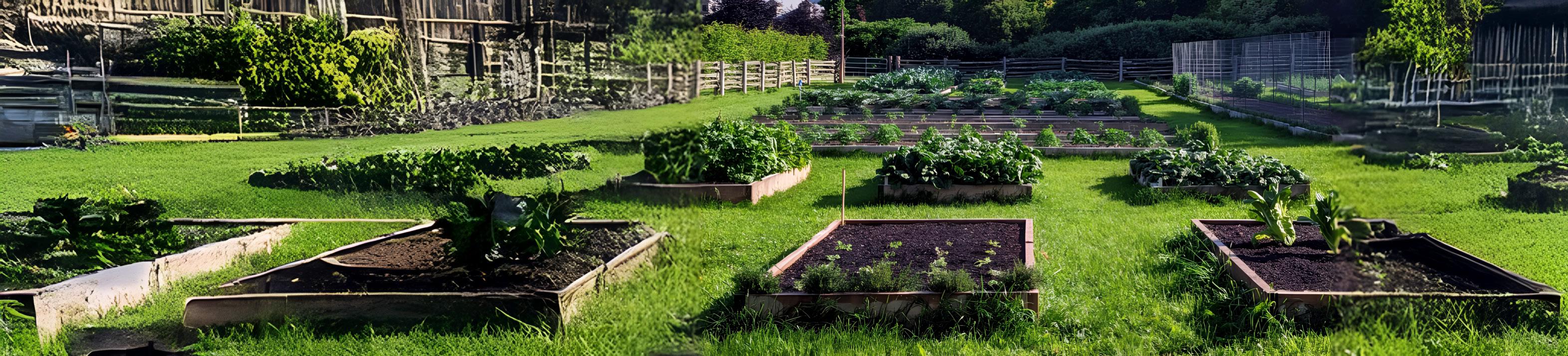
February is one of the most demanding months for vegetable gardeners across the Northern Rivers.
Heat, humidity and sudden heavy rain can stress plants, encourage pests and wash nutrients from the soil. However, with the right crop choices, smart watering and targeted feeding, gardens can remain productive and set up strongly for autumn.
Despite the challenging conditions, several vegetables thrive in the Northern Rivers at this time of year.
Beans, including snake beans and bush beans, love warm soil and grow quickly when kept well watered. Regular picking encourages ongoing production.
Cucumbers and zucchini are reliable summer crops but benefit from trellising and good airflow to reduce mildew. Harvest fruit young and often.
Eggplant and capsicum continue fruiting through
February. Removing excess leaves improves airflow and directs energy into fruit development.
For leafy greens, silverbeet, amaranth and kang kong (water spinach) perform far better than lettuce in hot, humid conditions. These greens handle both heat and heavy rainfall.
Early February can also suit a final planting of sweet corn, particularly fast-growing varieties, provided moisture levels are maintained.
Harvest Little and Often Many summer vegetables are at peak production this month. Tomatoes, beans, cucumbers and herbs should be harvested frequently. Overripe produce left on plants slows future flowering and attracts pests such as fruit fly.
Herbs including basil, mint and lemongrass grow vigorously now and respond well to regular cutting.
Best Fertilisers for February Gardens
February soils can lose nutrients quickly due to
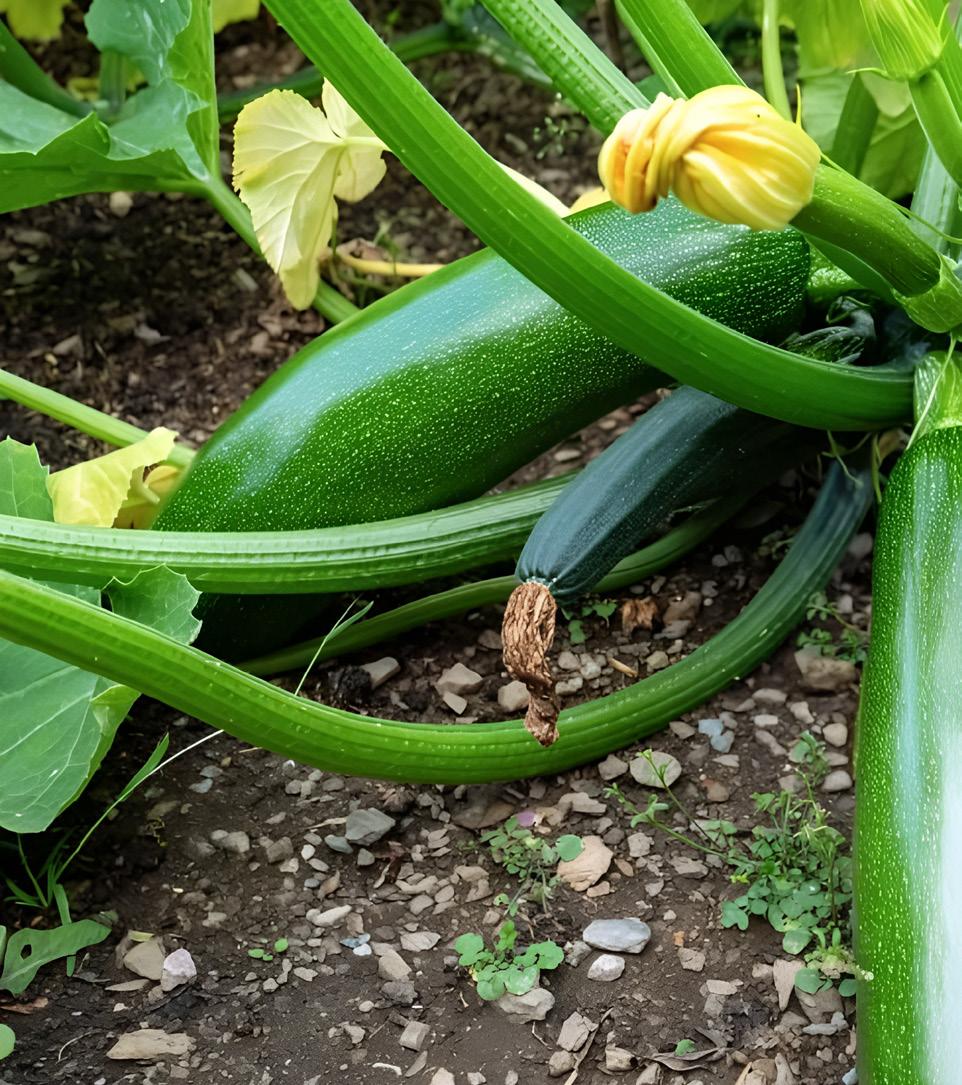
heavy rain and rapid plant growth, making regular feeding essential.
Organic compost remains the foundation of a healthy garden. Adding compost around plants improves soil structure, feeds microbes and helps retain moisture.
Animal manures, especially aged cow or poultry manure, provide slow-release nutrients ideal for summer crops. Locally produced options such as those from “WhoFlungDung” are popular with Northern Rivers gardeners for improving soil health without harsh chemicals.
Liquid fertilisers are particularly effective in summer. Seaweed solutions support plant stress tolerance, while fish-based fertilisers boost leafy growth and flowering. Apply diluted liquids every two weeks for best results.
Pelletised organic fertilisers are useful for longer-term feeding but should be watered in well to prevent nutrient burn during hot weather.
Smart Summer Gardening Tips
• Water deeply in the early morning to encourage strong root growth and reduce fungal issues.
• Mulch generously with sugarcane, straw or leaf litter to keep roots cool and soil moist.
• Improve airflow by spacing plants correctly and pruning overcrowded growth.
• Check for pests regularly, including caterpillars, mites and fruit fly, and act early.
• Feed lightly but often, rather than using heavy fertiliser applications.
Looking Ahead
Late February is also the perfect time to prepare beds for autumn vegetables. Refresh soil with compost, maintain mulch and consider shade cloth for sensitive plants during heatwaves. With the right vegetables, fertilisers and care, February gardens in the Northern Rivers can stay productive while laying the groundwork for a strong seasonal transition.







Dear Son, 25 years since our last goodbye.
We all lost a piece of our hearts that day. There is not a time limit for grief.
Mum and the late Sedge, Christina, Kym, Lyndall and Luke
to 13/02/2023

Your life was a blessing, your memory a treasure. You are loved beyond measure Forever in our hearts
Your loving family and friends

WISE, Norma May 31-08-1931 - 31-01-2026

Beloved and loving Wife of Les (dec).
Mother, Sister, Grandma, Great-Grandma, Auntie of many Nieces and Nephews and a loved Friend to many.
According to Norma’s wishes a private cremation has taken place.
A Celebration of Life will be held for family and friends. Details will be advised.
In Loving Memory of Norman William McAndrew 10th Dec 1918 - 7th Feb 2020

Ex-Service - Air Force 1939 - 1946 A true gentleman Greatly missed by many a very sad 6 years has passed
Remembered and Loved Every day especially by Carol ALWAYS BESIDE ME
In Loving Memory of LITTLE, WALTER JAMES
06/06/1947 ~ 06/02/2026 78 Years

Passed away peacefully at Casino. Loved Husband of Bev.
Loving Father and Father-In-Law to Peter & Simone, Stephen (Dec), Carolyn & Leon, Kathi & Mike and Daniel & Anna.
Sadly Missed Grandfather to Amie (Dec), Miles, Faith, Ryan, Addison, Danny, Jody, Ethan, Lily, Georgia and Austin
Family and Friends are warmly invited to attend Wally’s Funeral Service to be held at St.Marks Hall, Barker Street Casino on SATURDAY (14TH February 2026).
Commencing at 11.30am. This service will be livestreamed, contact Simplicity Casino for details.


























Be seen in every town of the northern rivers, the Northern Rivers Times is the only newspaper in the northern rivers that sells newspapers each week in every town on the northern rivers, from Coolangatta to Woolgoolga and west to Tenterfield.
Get results with The Northern Rivers Times
679 767 Be Visible to everyone












Rooftech Roofing Services For Everything Roofing



• New & replacement metal roofs
• Painting of tile and metal roofs
• Roof repairs: tile and metal
• Guttering: whirly birds: mesh
• Emergency/insurance repairs
Phone offce on 66811793 enquiries@rooftechroofng.com.au
2/32 Southern Cross Drive, Ballina Lic 303299C and 301815C www.rooftechroofng.com.au
INSURANCE - COMMERCIAL STRATA - RESIDENTIAL


must be emailed to community@ heartlandmedia.com.au before 3PM FRIDAYS Phone numbers only, no email addresses. Get the word out about your Club, Membership, Events, etc












Northern Rivers District:
Partly cloudy. The chance of morning fog. Slight chance of a shower, most likely in the afternoon. Light winds becoming easterly 15 to 20 km/h during the afternoon then becoming light during the evening.
Thursday. Becoming cloudy. The chance of morning fog. Medium chance of showers in the afternoon and evening. The chance of a storm in the afternoon and evening. Winds north to northwesterly 15 to 20 km/h increasing to 25 km/h before shifting south to southeasterly 15 to 20 km/h during the afternoon.
Northern Tablelands District:
Partly cloudy. The chance of morning fog. Slight chance of a shower. Light winds.
Thursday. Mostly sunny morning. The chance of morning fog in the north. High chance of showers in the afternoon and evening. The chance of a storm in the afternoon and evening. Winds northwest to southwesterly 15 to 25 km/h tending southeast to southwesterly 15 to 20 km/h during the afternoon then tending east to southeasterly 15 to 25 km/h during the evening.
New South Wales:
Isolated showers and storms in the west possibly severe. Isolated showers elsewhere about the southern and northern ranges. Patchy morning fog about the ranges and slopes. Daytime temperatures above average, most notably along the southern coast. Winds west to northwesterly, tending to fresh and gusty north to northeasterly about the coast.
Thursday. Isolated to scattered showers and storms about the northern inland and areas in the east. Storms possibly severe.
Patchy morning fog about the northern ranges. Daytime temperatures above average in the northeast, grading to below average about the south. Winds south to southwesterly fresh along the coast. Winds tending westerly along the northern ranges, and northeasterly about the northern coast.
Byron Coast:
Winds: South to southwesterly below 10 knots tending east to southeasterly 10 to 15 knots during the day then turning north to northeasterly during the evening. Seas: Below 1 metre. Swell: East to northeasterly below 1 metre. Weather: Mostly sunny.
Coffs Coast:
Winds: South to southwesterly below 10 knots tending east to southeasterly 10 to 15 knots during the day then turning north to northeasterly during the evening. Seas: Below 1 metre. Swell: East to northeasterly below 1 metre. Weather: Mostly sunny.
By Tim Howard
Harwood opening bat
Kallen Lawrence has ground out a patient century as his team ruthlessly gathered outright points at Harwood Oval on Saturday.
Lawrence, who was 50no when play resumed was the eighth wicket to fall, stumped by Beau-Dean Oestmann off the bowling of Aidan Daniels for 105.
Lawrence batted for 187 balls and hit six boundaries and had taken Harwood to 254 when he was dismissed.
Ten runs and a wicket later Harwood pull the pin on their innings, setting Iluka a target of 150 to force them to bat again.
Initially Lawrence had vigorous support from the aggressive Dean Carroll, whose 56 included nine fours and came from just 36 balls.

There was a flurry of wickets late in the innings, but Harwood were past 230 at that stage and
Jeff Gibbs
Cherry Street Croquet Club delivers drama, depth and dominance
Cherry Street Croquet Club was buzzing this week as Association, Ricochet and Twilight Golf Croquet all delivered tight contests, big scores and plenty of talking points, underlining the club’s depth ahead of the 2026 pennants season.
Association Croquet set the tone with a series of commanding performances. L. Turner produced a composed display to pull away from G. Drew for a 19–11 victory, while G. Porter controlled play throughout to defeat P. Waters 12–6.
The closest battle of the round saw S. Hume edge out a determined P. Hume and T. Hume combination 15–14 in a thriller that went down to the final hoops. Bev Bill capped off the session with authority, overpowering Brenton Bill 19–6 in a polished performance.
Momentum continued into Ricochet Croquet, where teamwork and precision proved decisive. Jenny Dorward and Peter Waters combined beautifully to secure a 13–8 win over G. Kerr and J. Hannigan, while
looking to set a total.
Iluka got off to a bad start, losing first innings
P. Scott and Barbara Wellings held their nerve to sneak past H. Young and M. Russell 10–9.
Strong doubles form was again on show as J. Doust and N. Watts recorded two convincing wins, including a 16–10 result over B. Wellings and M. Russell. Standout singles efforts included M. Field’s composed 19–12 win with D. Scott over G. Drew and P. Scott, and C. Edlund’s solid 15–10 victory against Bev Bill.
The evening wrapped up with Twilight Golf Croquet, where fast-paced action and high scoring kept spectators entertained. M. Rennie topped the leaderboard with an impressive 23, closely followed by B. Nelson on 21. Consistent performances from C. Edlund and L. Beattie (both 15) kept the pressure on, while a tightly packed mid-field highlighted the depth of competition across the group.
Attention now turns to representative honours, with the Cherry Street Pennants Golf Croquet Team set to take on Casino on 2 March. Managed by Robbie Allen, the squad of Helen Young, Jenny Dorward, Christine Edlund, Wendy Gilmore, Barbara Wellings and Libby
Hudson will be looking to carry this week’s strong form into an eagerly anticipated clash.
With confidence building and competition fierce, Cherry Street Croquet Club continues to show it will be a force to reckon with in 2026.
Stafford shines as Coraki Veterans enjoy perfect medal conditions
Coraki Veterans Golfers were treated to superb playing conditions on Thursday, 5 February, with a smaller but competitive field contesting the February Monthly Medal on a beautifully presented course. The standout performance of the day came from M. Stafford, who claimed the Monthly Medal with a composed and consistent round, handling the conditions superbly from start to finish. Close behind, B. Ross secured the Veterans prize, continuing a strong run of form, while B. Bolger finished second and R. Earnshaw rounded out the podium in third. There was plenty of excitement throughout the field, with A. Ganter picking up the free game and a long list of players sharing in the popular chicken and ball
Opening bowlers Duncan Fischer and Corey Lewis ripped through the top order taking three wickets apiece.
The only resistance came from a stubborn Dean Bartlett who reached 43 from 105 balls and later in the innings from Oestmann, 25 and Jack Webster, 16.
Carroll wrapped up the innings, trapping Bartlett in from and then running through the tail to finish with 3-8 from 4.2 overs as Iluka succumbed for 110.
Lawrence overcame GDSC Easts by 55 runs at Ellem Oval Grafton backing up their disciplined batting to reach 8-216 with an equally tight bowling performance.
half century maker Ed Burton for 9 with the score at 13.
prizes. Congratulations went to J. Larkin, E. Reddell, P. Martin, R. Gacioppa, W. Henwood, T. Perkins, S. Ormond, W. Lunnon, J. Perkins, J. Sauer and G. Flaherty, highlighting the depth and camaraderie of the Coraki Veterans competition. Nearest-the-pin honours were tightly contested, with J. Sauer showing pinpoint accuracy on the 3rd and 12th holes, while K. Osborne claimed the prizes on the 6th and 15th. The putting green also delivered drama, with a three-way tie in the putting competition. A. Ganter, B. Bolger and B. Micheal each carded an impressive 27 putts, sharing the honours after a closely fought contest. Attention now turns to this Thursday, 12 February, when players will take on an 18-hole single Stableford, featuring a shotgun start at 8.00am. Golfers are encouraged to arrive early, enjoy a cuppa, and be ready to go when the siren sounds. With strong form, great conditions and good spirits across the field, Coraki Veterans Golf continues to deliver quality competition and enjoyable golf week after week.
Till next time — good golfing. Max
partnership and a 40-run stand between Connor and John Martin looked threatening, but there was little of substance after that.
Tucabia Copmanhurst wrapped up first innings points with a 26-run win over Maclean United at Ulmarra Showground.
Tucabia had Maclean in a spot of bother at 2-15 when play resumed and struck quickly to ram home the advantage.
At 4-27 the 152 total for victory looked a long way off for the visitors, although skipper Dan McColl, 43 and Jordan Fischer 27 dug in for the long haul.
Despite a blistering 60 from Shannon Connor, who hit five 6s and four 4s, the Easts innings fell away sharply when Connor was the fourth player out with the score at 119.
Two more wickets fell for less than 10 runs, putting too much pressure on the Easts lower order.
Lawrence skipper Ben Shaw led the way with 3-27 from 13.3 overs and Charlie Rouse, 3-23 from 10 overs, captured the vital wicket of Connor.
Opener Tom Gerrard, 25 and Matt Lobsey, 15, got the innings off to a solid start with a 44-run opening
But when Fischer was the sixth out and the score was just 100, the last four wickets could manage just 25.
Opening bowler and skipper Brad Chard led from the front with 4-31 from 18 overs and fellow opening bowler Nathan Blanch was miserly taking 3-13 from 16.2 overs. Bohdi Henwood picked up two wickets including the important scalp of the stubborn McColl.
On Saturday Harwood is at home again to Tucabia Copmanhurst, Maclean hosts Easts at Barry Watts Oval, Maclean and Lawrence takes on Iluka at the Iluka Sportsground.