What puts you at risk for stroke?
Stroke can happen without warning, at any time and at any age, but certain risk factors can significantly increase your chances. Understanding your own risk factors is the first step towards preventing a stroke.
Certain medical conditions increase stroke risk but can be managed with medication, treatment and healthy choices :
High blood pressure: weakens artery walls and is the #1 risk factor for stroke
Atrial fibrillation (Afib): an irregular heart rhythm that can cause small clots to form in your heart, which can travel to your brain
Sleep apnea: interrupted breathing during sleep, lowering the amount of oxygen reaching your brain
Blocked carotid arteries: when the large arteries in your neck become narrowed, making it difficult for the blood to flow to your brain
Pre-eclampsia: high blood pressure during pregnancy, which increases risk for high blood pressure, heart disease and stroke later in life
Many of the biggest risk factors for stroke come down to your lifestyle habits, which are things you can change.
These can include:
• diet
• physical activity
• stress
• smoking
• alcohol or recreational drug use
High cholesterol: leads to a buildup of plaque in the artery walls (atherosclerosis), making it harder for blood to flow through your body
Pregnancy:
30 out of 100,000 women will experience a stroke, with risk highest just before or just after birth
Some risk factors are beyond your control but are important to be aware of.
These can include:
• sex
• age
• family history
• medical history
• ethnicity
• personal circumstances and environmental factors like access to healthy food, safe drinking water and health care services
Discussing these risk factors with your healthcare provider, nurse practitioner, pharmacist or seeking information from reliable health resources can help determine if you are at a greater risk for stroke.
Women’s unique risk factors
Stroke affects women more than men, and more women die from it. Women’s stroke risk changes throughout their life – during their reproductive years, menopause and as they age. Knowing these unique risks can help women take steps to protect their health at every life stage.
Learn more about how stroke affects women and how to reduce your risk.
Simple ways to lower your stroke risk
About 9 in 10 people living in Canada have at least one risk factor for stroke. The good news? Lifestyle changes can dramatically lower your risk.
Eat well
A healthy, balanced diet can help lower your risk of heart disease and stroke by improving cholesterol, reducing blood pressure, maintaining a healthy weight and keeping your blood sugar in check.
Try to eat more:
✓ vegetables and fruit (½ of your plate)
✓ whole grains like brown rice, quinoa and whole wheat bread (¼ of your plate)
✓ lean proteins, such as poultry, fish and plant-based options like beans and lentils (¼ of your plate)
Try to limit:
✗ highly processed foods like fast food, chips and cookies
✗ sugary drinks and alcohol
If you do drink alcohol, drink less. Frequency and amount of alcohol consumption can impact your risk for heart disease and stroke.
Easy tips to eat healthier:
• cook more meals at home
• plan your meals for the week
• choose recipes packed with vegetables and fresh ingredients
• make water your go-to drink
Small changes make a big difference. Start where you can and build from there!
Megan and her son, she had a stroke during pregnancy.
Read her story
Move more
Staying active is one of the most important things you can do for your health – and it doesn’t need to be complicated! Find simple ways to move more every day:
• take a short walk on your lunch break or after dinner
• rake leaves or do yard work
• choose the stairs instead of the elevator
The key? Do what you enjoy. Whether it’s dancing, biking or yoga, finding activities you love makes it easier to stick with them – and have fun along the way.
Manage your stress
Stress can take a toll on your body, causing your heart to work harder and increase blood pressure, which can increase your risk of heart disease and stroke. That’s why it’s important to recognize what causes your stress and find ways to manage it.
Simple strategies to help you manage your stress:
Stay positive: control your response to stress and focus on maintaining a positive attitude.
Talk it out: figure out your emotional reactions to stress –such as anxiousness, frustration, irritability and talk about them with someone you trust.
Breathe deep: practice deep breathing and relaxation exercises to calm your mind and body.
Make changes: identify what you can control, whether that’s adjusting your workload or stepping away from stressful situations.
Don’t smoke
Smoking (or tobacco use, including vaping and chewables) increases your risk of developing heart disease and stroke and it’s a leading risk for disability and premature death in Canada. Becoming smoke-free is a huge step towards a healthier and longer life for yourself and those around you.
In need of inspiration to get started on healthy eating? Check out these recipes for heart and brain health!
Healthy Living Recipes
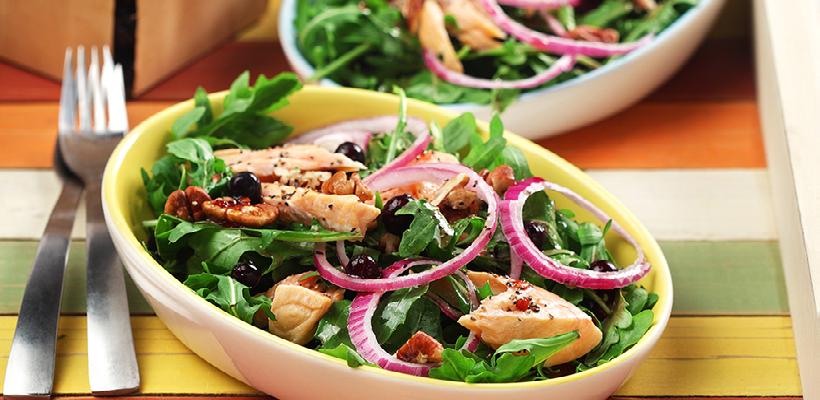
Salmon arugula salad with blueberry pomegranate vinaigrette
4 servings
10 min
Ingredients
1/3 cup (75 mL) blueberry pomegranate juice
2 tbsp (30 mL) pourable sugar substitute
2 tsp (10 mL) grated lemon or lime zest
2 tbsp (30 mL) lemon or lime juice
2 tbsp (30 mL) white balsamic vinegar
2 tbsp (30 mL) canola oil
1/4 tsp (1 mL) pepper flakes
8 cups (2 L) arugula (about 6 oz/170 g)
1/2 cup (125 mL) thinly sliced red onions (2 oz / 60 g)
1 cup (250 mL) blueberries
4 oz (125 g) salmon, flaked
2 tbsp (30 mL) slivered almonds or pecans, toasted
coarsely ground black pepper
Directions
Step 1
In small jar, combine pomegranate juice, sugar substitute, lemon or lime zest, lemon or lime juice, vinegar, canola oil and pepper flakes. Secure tightly with lid and shake vigorously until well blended.
Step 2
Arrange equal amounts of arugula, onions and berries on each of four dinner plates. Shake jar vigorously and spoon equal amounts of salad dressing (3 tbsp/45 mL each) over each plate. Sprinkle evenly with salmon, nuts and top with black pepper. Serve immediately for peak flavours and texture.
Tip: Salad dressing may be made up to a week in advance, but the intensity of the pepper flakes will increase slightly.
Nutrition info per serving (1 of 4)
• Calories 130 • Protein 3 g
• Total fat 7.5 g: Saturated fat 0.5 g • Cholesterol 15 mg
• Carbohydrates 11 g: Fibre 3 g • Sugars 6 g • Added sugar 0 g
• Sodium 40 mg
• Potassium 320 mg
Keep your blood pressure in check
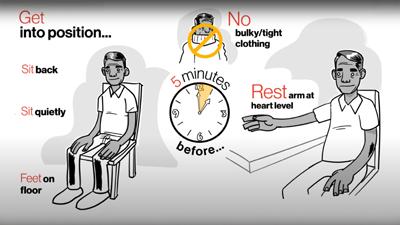
Regular blood pressure checks are important in maintaining good health. You can have your blood pressure checked by your healthcare provider, at a local pharmacy or at home with a portable blood pressure monitor. If you are prescribed medication for high blood pressure, be sure to take it as directed.
130
Systolic Diastolic
Watch this video on how to measure your blood pressure at home.
Try this: Our Risk Screen tool gives you a personalized risk profile and action plan to help you take charge of your risks. Knowledge is power. Action is self-care. riskscreen.heartandstroke.ca
More helpful articles:
Heart-healthy recipes
Heart-healthy eating on a budget
Managing your blood pressure