S ing HOME & CAR Care
e 4-1-1 wh e-house gen ators



































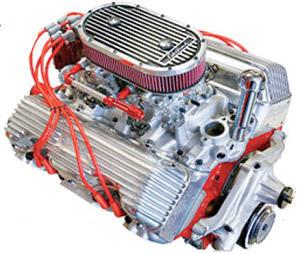


e 4-1-1 wh e-house gen ators



One shouldn’t judge a book by its cover. However, that often is hard to do, particularly when it comes to homes. Curb appeal bears significant influence regarding how a property is perceived. A property that is neat and aesthetically appealing probably will be preferable to one that looks like the homeowners did not maintain it.
Boosting curb appeal is a common focus of sellers before listing a property. But what can those who don’t have big budgets for major overhauls do to improve their curb appeal? Plenty of projects can o er maximum output with minimal investment.
fast and inexpensive refresh.
Make sure the driveway is clean and tidy. If it has cracks or discoloration, filling in cracks and applying a new coat of sealer will make a big di erence. Homeowners can hire someone to reseal the driveway or do the work on their own.
Updating front porch lights and accent lights around the property will cast a more positive glow on a home, both literally and figuratively.

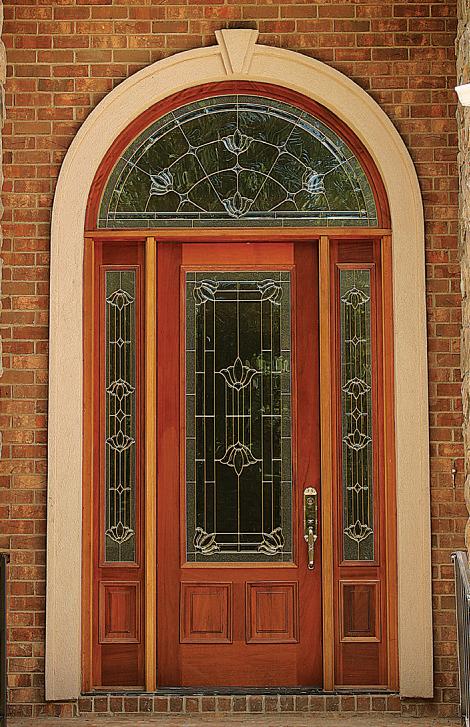
Painting the front door can add brightness and improve the look of a home’s entryway. Most exterior paint costs between $30 and $40 per gallon, so this is undeniably a budget-friendly improvement. If money allows, replacing the door altogether will generate bang for your buck.
If space by the front door allows, add a bench or some chairs to create a welcoming seating area. A potted plant or two nearby will help the area seem intentional.
Improving curb appeal doesn’t have to cost a lot of money. A few easy touches can boost the look of any property.

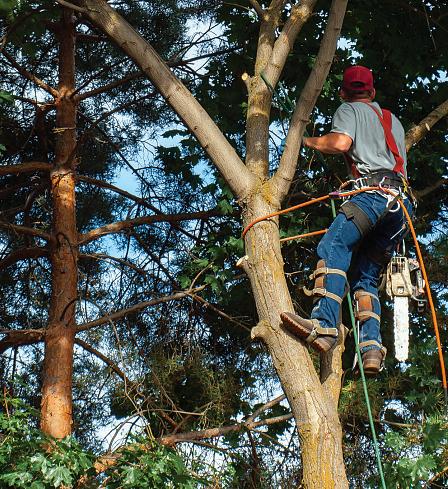

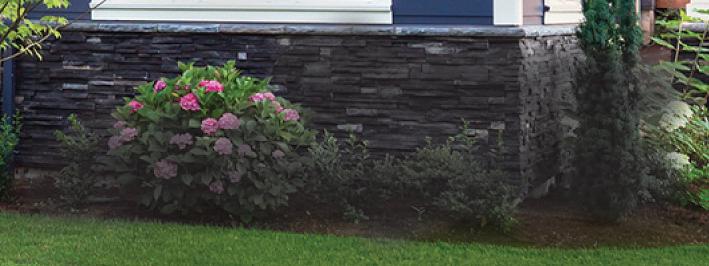
Landscaping should be designed to highlight the home’s best features. It should look symmetrical and feel manicured. If it’s not possible to plant new flowers or bushes, simply cleaning up debris and weeds, and trimming existing greenery can make it feel neater and more polished.
Power-washing the siding, cement walkways and garage door can create instant impact. It’s amazing how much dirt and mildew can reduce the luster of a home. Cleaning o years of grime can be a

Renovation timelines vary depending on the scale of the project. Painting may take a week or two, while a kitchen or bathroom remodel may last anywhere from four to 16 weeks. Larger projects like adding a room can take between three and six months, say the experts at John Merrill Homes. Projects also often take longer than expected, as surprises may be in store once homeowners begin peeling back the layers in homes. Homeowners about to embark on lengthy renovation projects can embrace these tips to come through on the other side relatively unscathed.
The timing of a renovation may have to coincide with contractor availability or having the budget to fund the project. But homeowners should consider life circumstances and season before starting a project. You might not have the energy to take on a project right before the
Renovations can transform homes into spaces that mirror homeowners’ dreams. Regardless of the scope of a project, a home renovation will involve some level of disruption to residents’ daily lives. Lengthy, more involved projects may impact daily life considerably.
holidays. If kids play on sports teams that require a lot of travel, it might be better to wait until the season winds down. Figure out what you can realistically take on to reduce the likelihood that you’ll feel overwhelmed.
Creating and sticking to a daily schedule, and knowing what is happening each day, can keep a project on track. It also allows you to determine which days will be the most chaotic. Demolition days can be noisy and messy, and maybe those are days when you plan to be away from the house for a few hours.
Invest in a storage solution for the duration of the renovation. Decluttering and removing items before the project is in full force will make it easier to work and maneuver, and it also means fewer items will need to be cleaned



afterwards. Renovations tend to kick up a lot of construction dust, after all.
Establish a room or rooms as workfree areas to which residents can retreat. If multiple rooms are being renovated, you might consider spending time with a family member or friend, or getting a hotel for a short duration until the bulk of disruption dies down.
Homecooked meals may be your standard most days of the week, but it’s alright to be a bit lax when remodeling projects begin. Relying on frozen foods or takeout might be necessary for a little while.
Remodeling projects can be disruptive and stressful, but certain strategies can make it easier to get through projects without too much disruption.







Modern cars have longer life expectancies
than their predecessors. Consumer Reports indicates it’s not unheard of for modern vehicles to endure for 200,000 miles or more. For many, that equates to 12 to 15 years of usage.
Even though many vehicles are built to have increased longevity, it often is up to the driver to do his or her part to ensure cars and trucks can last for years and years. Here are some daily steps vehicle owners can take to achieve longer life spans for their cars or trucks.
• TAKE IT SLOW AND STEADY. Athletes do not hit the ground running at top speed, and neither should a vehicle. Let the car gradually acclimate to being on the move each
day after sitting overnight. Gently accelerate and a ord the engine time to warm up and all of the components to get the fluids they require before you jump on the highway or require the vehicle to go all out. Most automotive experts warn against idling a car in the driveway to warm it up, but starting out at a slow and steady pace is key.
• DON’T BE EXTREME. Jerky turns, gunning the gas and braking hard lead to unnecessary wear and tear on a vehicle. By smoothing out your driving, you’ll put less stress on mechanical components and help prevent them from wearing out prematurely.
• CLEAN IT OUT DAILY. Accumulated debris often builds up inside a vehicle that is used all of the time. Taking a few minutes to clear out trash or to wipe down the interior each day will prolong the interior components, not to mention make it easier to do a more thorough









detailing when the time comes.
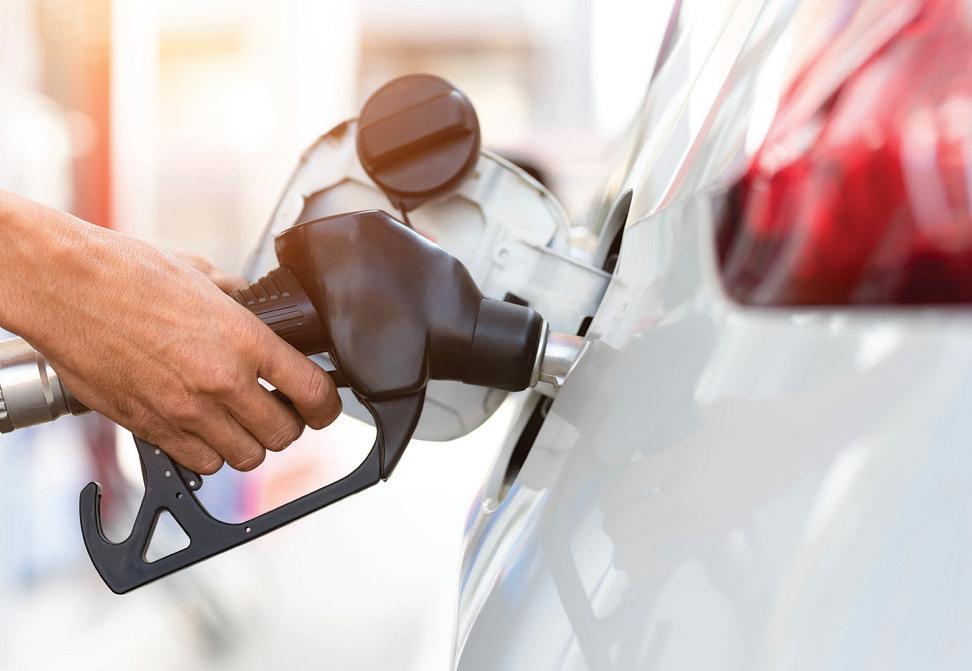
• FIND A TRUSTY FUEL STATION. Bad gas can wreak havoc on a vehicle. Find a station that you trust, particularly one that takes care of their pumps and regularly changes their pump filters. It’s worth it to spend a little more overall for good gas.
• READ YOUR OIL LEVEL. Oil is essential to maintain a properly operating engine and vehicle. AARP suggests routine reading of a car’s oil level so that you can add lubricant as necessary. While this might not be a daily task, doing it regularly enough means you will keep on top of this important step.
• PARK IN THE SHADE OR A GARAGE. The sun may feel good on a warm day, but the UV rays from the sun
can take their toll on a vehicle’s paint. Whenever possible, park out of direct sunlight so that the paint will not fade and the interior upholstery will not bleach. Those who need to park their vehicles for an extended period of time should choose a clean, dry, well-ventilated location, advises Wawanesa Insurance.
• BE ATTENTIVE. Listen to the sounds your vehicle is making and give it a visual inspection each time you get in or out of the car. The sooner you catch something that is out of the ordinary, the easier it becomes to fix problems before they become costly and damaging.
Vehicle owners can take steps each day to improve the longevity of their cars and trucks.
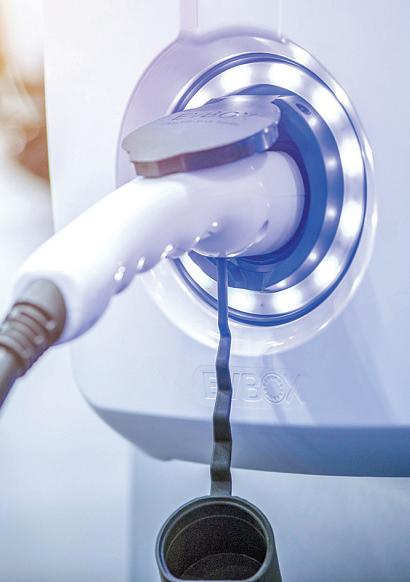
Consumers increasingly are turning to electric vehicles (EVs) because of their perceived benefits to the environment and additional perks. The United States Environmental Protection Agency says EVs typically have smaller carbon footprints than gasoline cars, even when accounting for the electricity used for charging. In addition, EVs can be more e cient in regard to energy use. However, it is important to note that mining the materials that are used in the batteries required for EVs can make the EV manufacturing process more energy-intensive than making internal combustion energy vehicles (ICE), according to Earth.org. The Internetwork for Sustainability says EVs and hybrid cars emit more carbon dioxide than traditional cars during production. The additional environmental cost of transporting these batteries also results in a higher carbon footprint than ICE vehicles. However, the EPA points out that the greenhouse gas emissions associated with an EV over its lifetime are typically lower than those from an ICE vehicle, even when accounting for manufacturing.





repairs,orroutinemaintenance,ReedCity Tirehasyoucoveredwithdependable serviceandqualityproducts.
Anumber of factors are involved in keeping a vehicle functioning and looking good. Ensuring a vehicle interior is clean and tidy is easily overlooked, but such e orts can improve the driving experience.
Drivers who want their cars and trucks to look their best should not forget their vehicle interiors. Drivers unsure where to start can spruce up their vehicle interiors in the following ways.
• REMOVE ANY TRASH. Wrappers, receipts, empty water bottles, and other items can quickly pile up inside a car, especially for drivers who have young children. Routinely go through the vehicle to gather and remove debris.
• VACUUM THE INTERIOR. Start o with a can of compressed air and blow out dust and any other dirt that has accumulated in tight crevices. Then use a high-powered vacuum to conduct a thorough cleaning. Pay attention to the seams of car seats, door handles, armrests, floor mats (and under them), underneath child safety seats, and the trunk or cargo area. If you don’t have a vacuum with a lot of suction, utilize one at a doit-yourself car wash location.
• SCRUB FLOOR MATS. Drivers with rubber mats can remove them and make a mild cleaning solution of a few drops of dish soap and warm water. Use a soft-bristled brush to clean the mats. Upholstered mats
can be shampooed using a carpet cleaner. Then rinse and hang to dry. All mats should be completely dry before being returned to the vehicle.
• CLEAN THE UPHOLSTERY. Seats can get dirty and dingy over time. For cloth vehicle seats, use a proper spray or foam upholstery cleaner. All-purpose cleaner can work on vinyl seats, but leather seats require a special leather soap and conditioner. Avoid products with silicone, which can stain your clothes and may make interior surfaces too slippery.
• ADDRESS GLASS SURFACES. Turn your attention to the windshield, windows and mirrors. You can use a store-bought glass cleaner on these surfaces and a lint-free cloth. Avoid products containing ammonia, which may damage tinting on windows.
• CONSIDER LINGERING ODORS. If the interior of the car has an odor, the cabin air filter may need to be changed, or there may be water entering the vehicle somewhere and creating a musty smell. Seek out any problems and address. A car air freshener can further improve the interior smell.
A thorough deep cleaning can be done at least once a month to keep a vehicle’s interior fresh and clean. However, keeping up with interior cleaning and maintenance by doing small jobs regularly will reduce the need for routine deep cleaning.






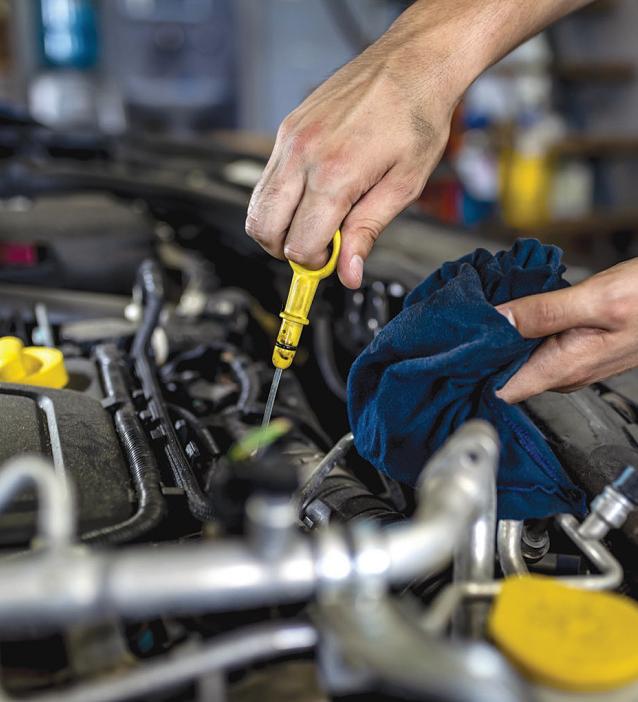
Although there are many drivers who understand what goes on under the hood of a vehicle and the inner workings of car mechanics, there are plenty of others who might not know a spark plug from a dipstick. For the latter group, random noises when driving can be a cause for immediate alarm.
Certain noises can be innocuous and easily fixed, while others may be indicative of something more complex. Pinpointing where a noise is coming from can help vehicle owners identify the problem. Here’s a list of some common sounds and what the causes might be, courtesy of Firestone, Geico and Nationwide.
Screeching or squealing coming from the tires when stepping on the brakes likely means that brake pads are wearing down and the indicator is rubbing against the rotor. Although this is not an emergency situation, it does mean that brakes will need to be replaced sooner than later.
If you hear rattling inside of a wheel at low speeds which stops as you drive faster, it could mean there is a loose lug nut inside of the hub cap. That wheel wasn’t tightened properly the last time it was removed and replaced. Bring the car to a mechanic as soon as possible.
If you try to start the car and only hear a clicking sound instead of the car turning over, a dead battery is likely the cause. Such a noise also may
indicate corroded battery terminals that are preventing the current from flowing. Terminals need to be cleaned. The battery should be checked and jumped, if necessary. If a battery is not holding a charge, a new one is needed.
Squeaking and scraping means the windshield wipers are wearing down or the windshield is dirty. Clean the windshield and inspect the wiper blades to make sure they are in working order. A bad wiper and dirty windshield can reduce visibility and make driving dangerous.
Clunking sounds may indicate a few di erent issues. A clunking sound might indicate worn out shock absorbers, which absorb vibrations from the wheels. Damaged struts also can cause clunking. Worn out leaf spring shackles that help in o -roading conditions also can cause clunking when they bend or break.
These strange noises might have di erent origins. Check if the di erential needs to be lubricated. A wheel bearing also could be worn out and produce a noise. In more severe cases, the transmission could be failing. The best course of action is to get a professional opinion from a mechanic.
A broken belt typically is the culprit when a vehicle makes a flapping or slapping noise. Something also may
be interfering with the fan. Driving with a broken belt may cause severe engine damage, so it’s important to address the issue.
Squealing can indicate worn or loose accessory belts. In newer cars it might be the serpentine belt. Belts are relatively inexpensive and easy fixes.
These are some of the sounds that vehicles can make when something is awry. Figuring out the issue can prevent further damage.

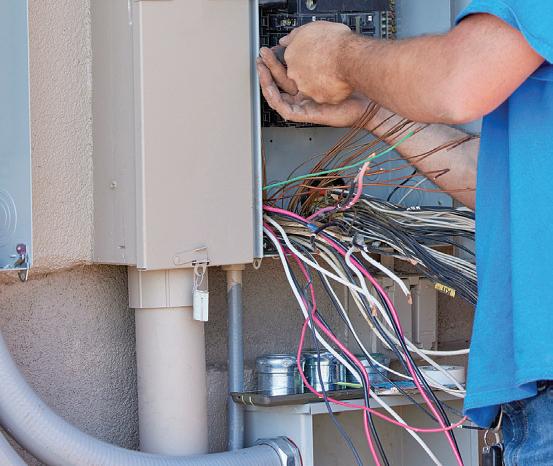

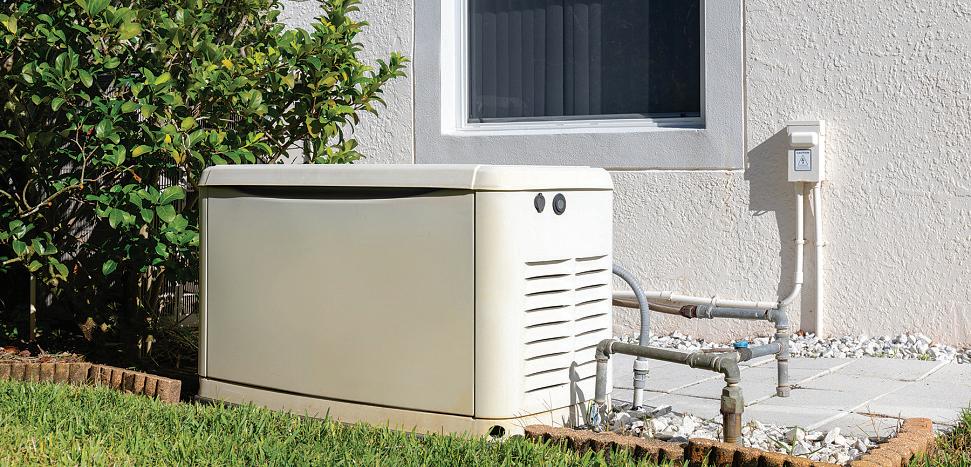
eather is unpredictable. Strong winds or storms can wreak havoc on power lines, resulting in outages that may last hours or even days. People have come to rely on electricity, not only for comfort and safety, but to power just about every aspect of modern life. A power outage can be a minor disruption or downright dangerous, unless a whole-house generator can take over when needed.
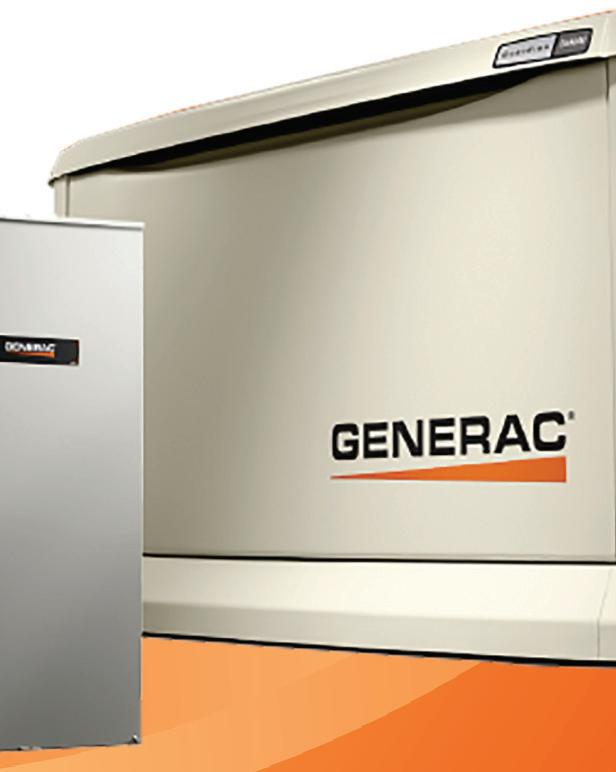
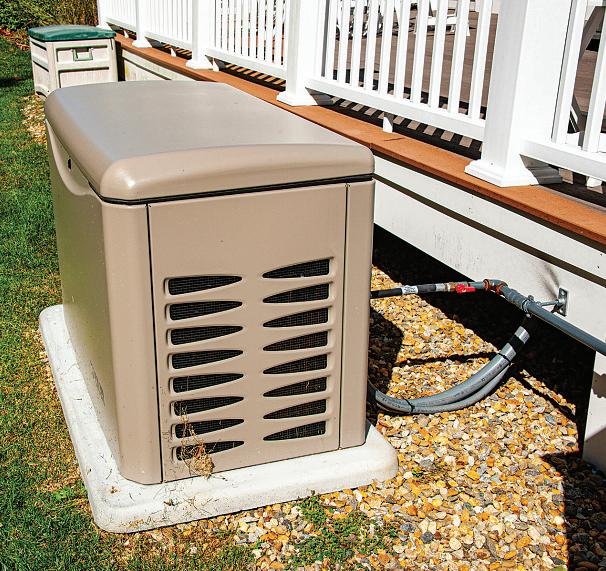
A whole-house generator, also called a standby generator, is a permanently installed system that provides backup power to a home during a utility outage. The generator typically runs using a natural gas or propane connection.
Unlike a portable generator, a whole-house generator is installed outside on a concrete slab. It is wired to the home’s electrical panel through an automatic transfer switch (ATS). This switch will continuously monitor the electrical grid’s power and start automatically if an outage is detected. When the power comes back on, the ATS will shut o the generator and reconnect the home to the grid.
NJR Home Services says there are some considerations when determining which generator best meets the needs of a household. It’s important to identify where power will be needed in the home, whether it’s a few essential pieces of equipment or the entire home.
The more one wants to have powered, the more costly the generator will be.
The location of the generator on the property must meet local zoning requirements, which vary from town to town. A permit likely will be required for the installation work.
Another consideration is gas meter sizing. A trained technician should schedule a pressure check to ensure that the gas supply to the home can handle the new generator.
Most units will test themselves periodically for a few minutes each week to recharge the batteries and keep the engine lubricated, which serves as a testament to the hands-o nature of these systems.
Whole-house generators o er peace of mind in an unpredictable world. When the power goes out, these generators seamlessly kick into action.
A well-manicured lawn appeals to homeowners when they look out their windows. But such a view also can look nice when homeowners peruse their bank statements after selling a property.

Awell-manicured lawn appeals to homeowners when they look out their windows. But such a view also can look nice when homeowners peruse their bank statements after selling a property. According to the “2023 Remodeling Impact Report: Outdoor Features” from the National Association of Realtors®, standard lawn care service yields an estimated cost recovery of 217 percent. Landscape maintenance, with an estimated cost recovery of 104 percent, and an overall landscape upgrade (100 percent) also yield great returns for homeowners. The NAR® report also noted the e ects of such projects related to homeowners’ desire to spend time on their property. Among homeowners who participated in the NAR® report and committed to standard lawn care service, 58 percent indicated they had a greater desire to be at home since completing the project, while 46 percent indicated they have an increased sense of enjoyment when spending time at home.