
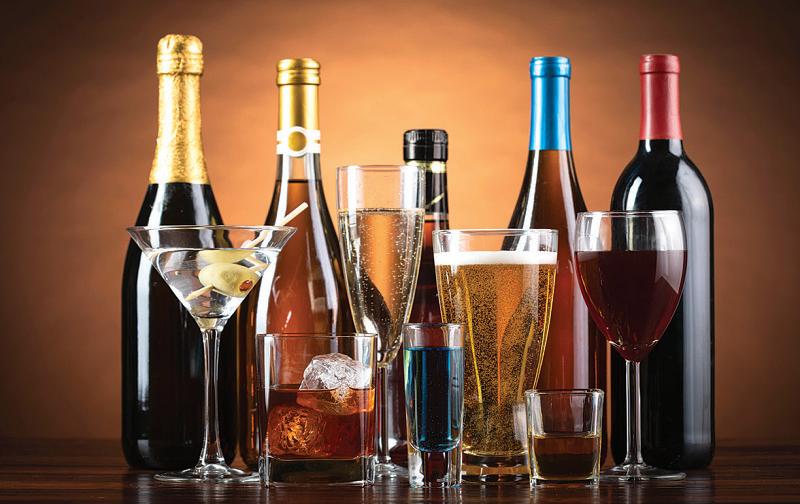



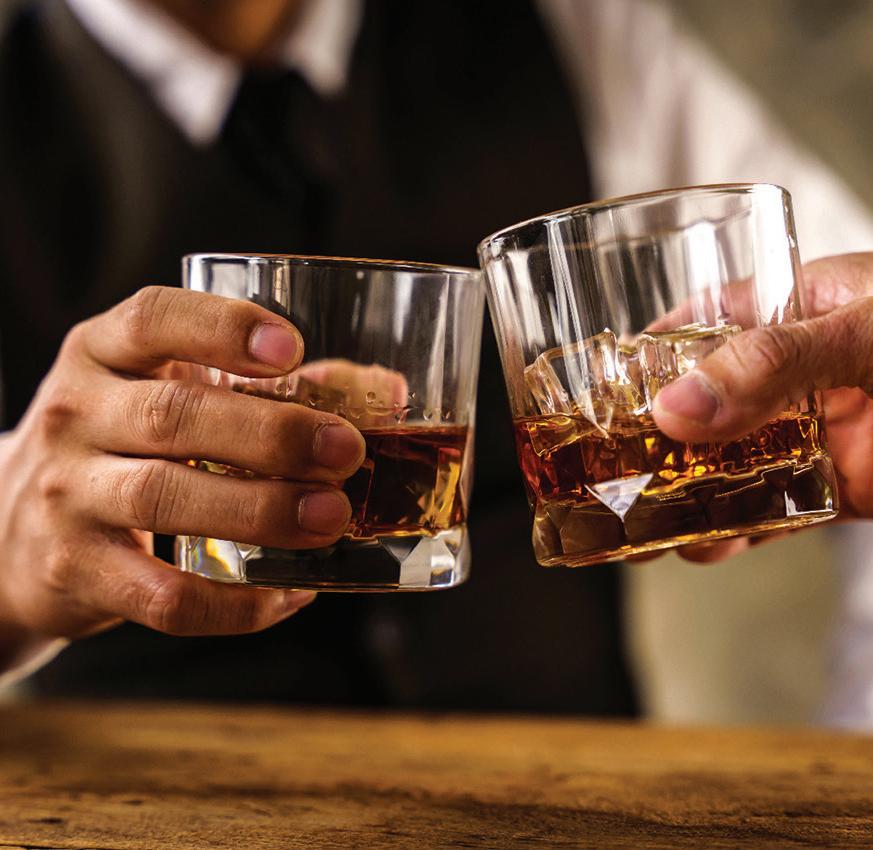



Alcoholisoftenservedatboth professionalandpersonalfunctions. Thoughit’sbestthatthosewhowantto consumealcoholdosoinmoderation, evensmallamountsofalcoholcana ect thebody.
Variousareasofthebodyarea ected whenapersonconsumesalcohol.Though it’sgenerallysafetoconsumealcoholin smallamounts,theNationalInstituteon AlcoholAbuseandAlcoholismcontends thatcurrentresearchpointstohealth risksevenwhenalcoholisconsumedin lowamounts.TheNIAAAalsonotesthe variousareasofthebodythatcanbe a ectedwhenconsumingalcohol.
TheNIAAAnotesthatalcoholcan a ectthewaythebrainlooksand worksbecauseitinterfereswiththe brain’scommunicationpathways.That interferencecana ectmoodand behavior.Alcoholalsocanadversely a ectaperson’sabilitytothinkclearly andmovewithcoordination.The nervoussystemalsocanbea ected byexcessivealcoholconsumption, potentiallycontributingtoacondition knownasperipheralneuropathythat cancausenumbnessinthelimbsand burninginthefeet.Alcoholalsocan causenervedamage,whichcanlead toconditionsthata ecttheheartand evencontributetosexualdysfunction.
Alcoholconsumptioncandisruptthe hormonesthathelpthebodyremain stableandhealthy.TheNIAAAnotesthat disturbancestotheendocrinesystem a ecteveryorganandtissueinthe
body,whichmeanstheycancontribute tohealthconditionsa ectingthe thyroid,theheartandthereproductive system,amongotherareas.
Overconsumptionofalcoholcan weakentheimmunesystem,leavinga personfarmorevulnerabletodisease thanheorshemightbeiftheydidnot consumealcohol.TheNIAAAnotes thatevenacuteoverconsumptioncan leavethebodyvulnerabletoinfection forupto24hoursafteralastdrinkis consumed.Whentheimmunesystem isinterferedwith,it’slesscapableof defendingthebodyagainstinfection. Overconsumptionofalcoholalsocan makeitharderfordamagedtissueto recover.
TheNIAAAnotesthatresearchhas foundthatlong-termoverconsumption ofalcoholweakenstheheartmuscle, whichresultsincardiomyopathy. Overconsumptionalsocontributesto arrhythmiaandincreasestheriskof heartattackandischaemicheartdisease, whichtheWorldHealthOrganization reportsistheleadingcauseofdeath acrosstheglobe.TheNIAAAaddsthat heavyalcoholconsumptioncauses de cienciesintheblood,including anemiaandleukopenia,amongother conditions.
Alcoholconsumptionhasbeen normalizedinsocialsettings.Butadults whochoosetoconsumealcoholshould beawareofitswide-ranginge ectson thebody.
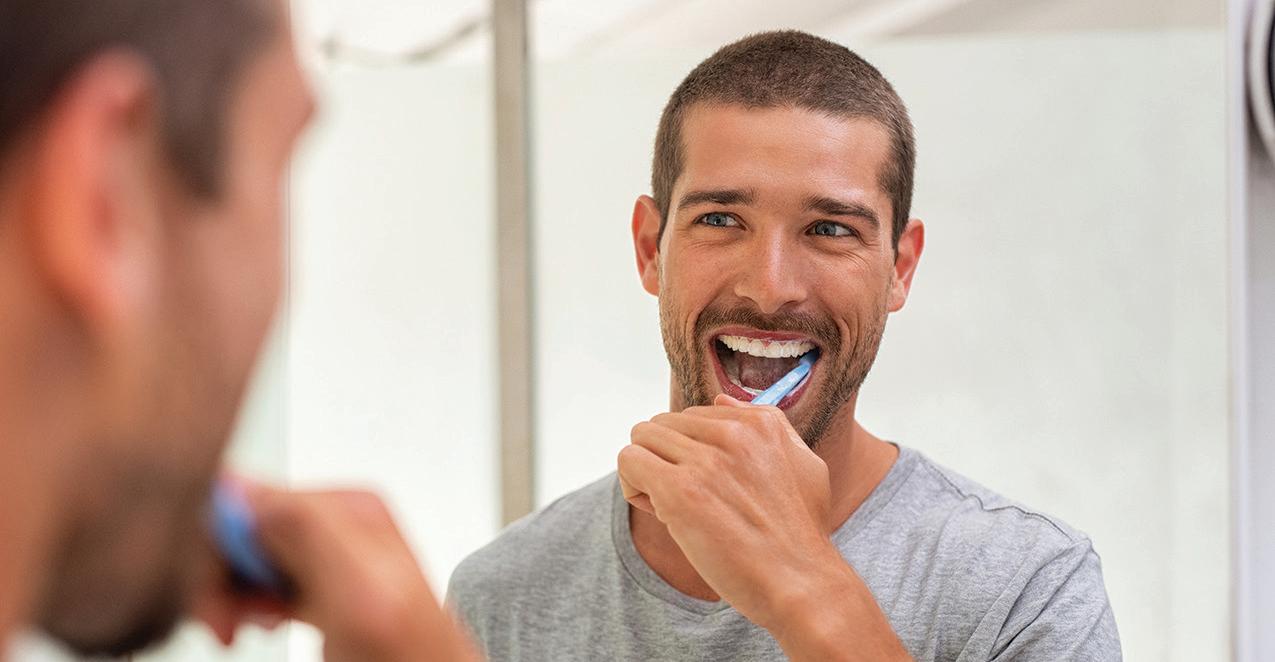
Abrightandhealthysmileo ers morethancosmeticbene ts.When individualsprioritizeoralhygiene,they’re alsoprotectingtheiroverallhealthand layinganimportantpieceofafoundation thatcansupportalongandhealthylife.
TheMayoClinicnotesthatoralhealth canbeacontributingfactortovarious conditions,includingcardiovascular diseaseandaninfectionoftheinner liningoftheheartknownasendocarditis. Byprioritizingoralhealth,individuals notonlyreapoutwardbene tslikea brightsmiletheycanbeproudof,but alsobene tinternallyinwaysthatareno lesssigni cant.Perhapsthebestthing aboutoralhealthishowsimpleitcanbe tomaintain.Indeed,somedailydental habitscanhelppeopleprotecttheiroral health,andthustheiroverallhealth,for yearsandyearstocome.
•Brushtwiceperday(atleast). Brushingtwiceadayfortwominutes eachtimehasbeenthego-tobrushing adviceforsometime.TheOralHealth Foundationnotesthatbrushingtwice dailywith uoridetoothpasteisthe moste ectivemeanstosafeguarding oralhealth.
•Considerbrushingbefore breakfast. Individualswhoeat breakfastathomemightwantto brushbeforebreakfastorwaittobrush for30minutesafterthey nisheating. TheOHFnotesthatbrushingbefore breakfastcoatstheteethwith uoride, whichcanformaprotectivelayer againstacidsfoundinfoodanddrinks. Brushingimmediatelyafterexposure toacidicitemslikefruitandco ee canweardownenamel.Ifyouprefer tobrushaftereatingbreakfast,waitat
least30minutesbeforereachingfor yourtoothbrush.
•Gentlyuseatoothbrushwith softbristles. Softbrushesfeature lessdenselypackedbristles,which makesiteasierforthebristlestobend duringbrushing.That’sgentleronthe teethandgums.TheClevelandClinic recommendschangingatoothbrush everythreetofourmonths,butmore frequentchangingmaynecessary ifthebrushbecomesdamaged.In suchinstances,replacethebrush immediately.Whenbrushing,doso gentlytoavoidaggravatingthegums. Heavybrushingcanleadtoareceding gumline,whichcanexposetheroots andleadtoincreasedoralsensitivity.
•Flossdaily. TheMayoClinicurges individualstocleanbetweentheir
teetheachday.Traditional oss, osspicks,awater osser,andother productshelptoremoveplaqueand trappedfoodparticlesfrombetween theteeththatatoothbrushcannot reach.Ifsuchparticlesremainbetween theteeth,peoplemaybeatelevated riskforcavities,gumdiseaseand/or badbreath.
•Avoidsugaryfoodsandbeverages. TheWorldHealthOrganizationnotes thatconsumptionoffreesugarsis amajorriskfactorfortoothdecay andcavities.Consumptionofsugarsweetenedbeverageslikesodasand foodsthatarehighinsugarsshouldbe greatlylimited,ifnotavoidedentirely. Somesimpledailystepscanhelp peopleprotecttheiroralhealthover thelonghaul.
Stresshaslongbeenapartofmodernlife, butrecentresearchsuggestsconcerns aboutstressaregrowing.A2024study publishedinthejournalBMCPublicHealth notedthat85percentofthe149countries examinedreportedworsepsychological stressin2020comparedwith2008.A GallupWorldPolltakenthesameyearthe studywasreleasedfoundthat39percent ofadultsworldwidereportedexperiencing alotofworrythepreviousday.
Stresshaslongbeenacomplex phenomenon.Studieshavefoundthat moderate,acutestresscano ervarious bene ts,includingenhancedcognitive functionandincreasedmotivation.But chronicstresscanposeanotablethreatto overallhealth.Whenchronicstressisnot treated,peoplemayexperiencearangeof physicalandpsychologicalsymptomsthat greatlyjeopardizetheiroverallhealth.
TheYaleSchoolofMedicinenotesawide rangeofsymptomscanemergewhena personexperienceschronicstress.Those symptomsincludephysical,emotional, cognitive,andbehavioralchanges.
•Achesandpains
•Insomniaorfeelingsofsleepiness
•Changesinsocialbehavior,suchas increasinginstancesofstayingin
•Lowenergy
•Lackoffocusorcloudythinking
•Changeinappetite
•Increasedalcoholconsumptionor druguse
•Changeinemotionalresponsesto others
•Emotionalwithdrawal
C onic str sand onicstr d e er k
TheAmericanPsychologicalAssociation reportsthatchronicstresscancontribute tolong-termproblemsthata ectthe heartandbloodvessels.Chronicstress leadstoaconsistentandongoingincrease inheartrate,andtheelevatedlevelsof stresshormoneswhenapersonisdealing withchronicstresscancontributeto highbloodpressure.TheAPAnotesthese sidee ectsofchronicstressultimately increasetheriskforhypertension,heart attackorstroke,eachofwhichcanprove deadly.Chronicstressalsocanincrease in ammationinthecirculatorysystem, includinginthecoronaryarteries,which alsocanincreaseriskforheartattack.
Chronicstressalsocancontributeto diseasesofthereproductivesystemin bothmenandwomen.Stressa ects theimmunesystem’sabilitytofunction optimally,somendealingwithchronic

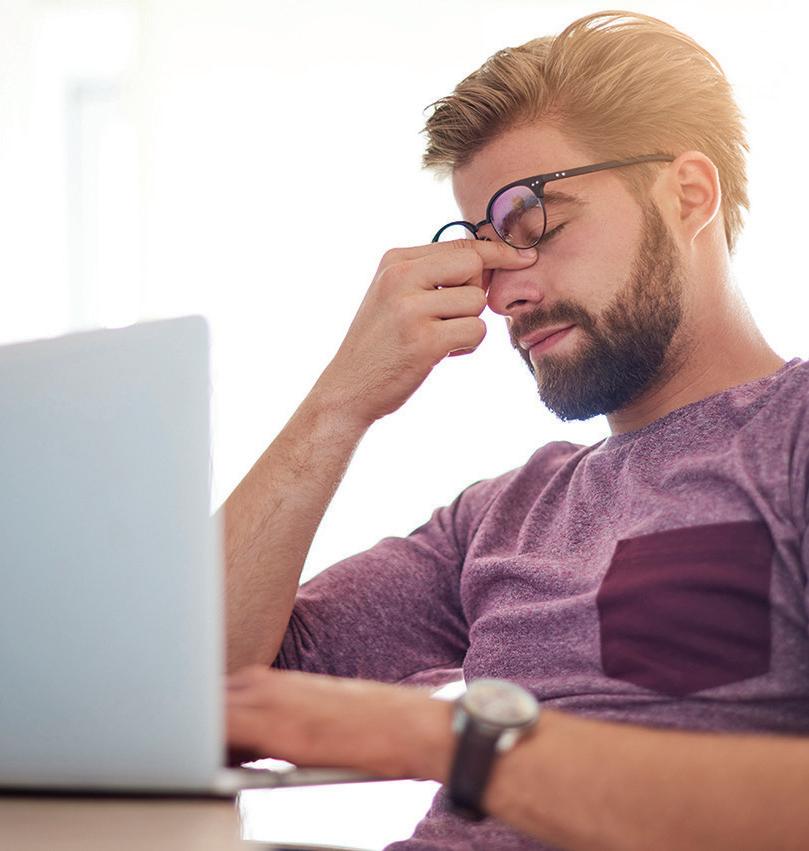
stressmaybemorevulnerableto infectionsofthetestes,prostategland andurethra.Womendealingwith chronicstressmay ndsymptomsof reproductivediseaseslikeherpessimplex virusorpolycysticovariansyndromeare exacerbated.
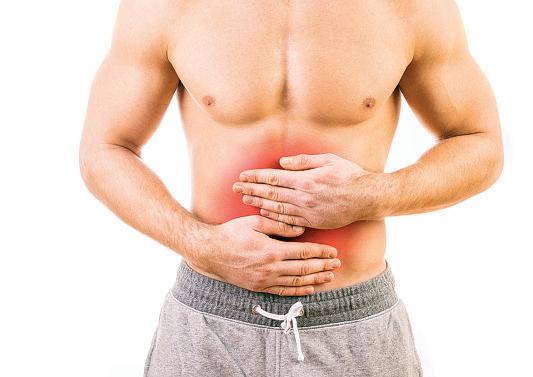
TheInternationalFoundationforGastrointestinalDisorders(IFFGD) estimatesthatasmuchas10percentoftheglobalpopulationhas irritablebowelsyndrome(IBS).IBSisagastrointestinaldisorderthat contributestoabdominalpainordiscomfortandaltersbowelhabits. ThoughtheexactcauseofIBSisunknown,theIFFGDsaysthedisorder isnotcausedbystress.However,stresscanexacerbateandeventrigger symptomsofIBS.Avisittoagastroenterologistcanbeespeciallyhelpful foranyoneexhibitingsymptomsofIBS,astheIFFGDestimatesthat between20and40percentofpeoplewhovisitgastroenterologistsdo soseekinghelpwithIBS.
Chronicstressshouldnotbeaccepted asanormalbyproductofmodernadult life.Whendealingwithchronicstress, individualsareurgedtoworkwitha healthcareprofessionaltoavoidnegative outcomesthata ecttheirshort-and long-termhealth.

Nooneisimmunefromcancer. Millionsofpeoplefromallwalksof lifeandallagebracketsarediagnosedwith cancereachyear,butthereismuchpeople candotoreducetheirriskofdeveloping thedisease.
A2020studypublishedintheInternational JournalofPreventiveMedicinenotedthat oralcancerconstitutes48percentofhead andneckcancercases.Authorsofthe studynotethatdespitenewmanagement strategiesfororalcancer,the ve-year survivalrateforthediseaseremainsbelow 50percentinmostcountries.Whilemany peoplehavesurvivedanoralcancer diagnosis,therelativelylow ve-year survivalratesforthediseaseunderscore theutilityofpreventivemeasuresall peoplecantaketoreducetheirriskof developingthedisease.Identifyingrisk factorsfororalcancer,manyofwhichare withinindividuals’control,canbeagreat
rststeptowardreducingthelikelihoodof beingdiagnosedwiththedisease.
•Tobaccouse: TheCentersforDisease ControlandPreventionreportthat tobaccoisoneofthetwomostcommon riskfactorsforcancersoftheoralcavity andpharynx.TheUniversityofRochester MedicalCenternotesthatallformsof tobaccoincreaseoralcancerrisk.That meanscertaintobaccoproductsthat somepeopleconsidersaferthanothers arebestavoidedforanyoneseeking todoalltheycantoreducetheirrisk fororalcancer.Cigarettes,cigars,pipe tobacco,chewingtobacco,andsnu allincreaseoralcancerrisk,which increasestheyoungerapersoniswhen theybeginusingtobacco.
•Alcoholconsumption: TheCDC indicatesalcoholconsumptionisthe otherofthetwomostcommonrisk
Failuretoprotectthelipsagainstexposuretothesun canincreaseaperson’sriskforatypeoforalcancer.
factorsforcancersoftheoralcavityand pharynx.TheOralCancerFoundation reportsthatresearchersnowbelieve tobaccoandalcoholsynergistically interact,whichmeanseachsubstance increasestheother’sharmfule ects. That’snotableforpeoplewho consumealcoholandalsousetobacco. Individualswhodrinkbutdonotuse tobaccoshouldlimittheirconsumption tonomorethantwodrinksperdayfor menandoneforwomen,asresearchers believethelinkbetweenalcohol andoralcancerisdose-dependent. Thatmeansoralcancerriskincreases considerablywhenpeopledrinkheavily, andislessamongpeoplewhodrinkin moderationandavoidtobacco.
•Sunexposure: TheURMCnotesthat extensiveexposuretothesunincreases theriskforlipcancer.Whenspending timeinthesun,don’tforgettoprotect
yourlips,ideallyusingalipbalmwitha minimumsunprotectionfactor(SPF)of 15throughouttheyear.
•HPVinfection: TheCDCnotesthat cancersinthebackofthetongue andtheupperthroat,alsoknownas oropharyngealcancers,maybecaused bythehumanpapillomavirus(HPV). HPVisacommonsexuallytransmitted diseaseandtheCDCnotesthat researchersareuncertainifthevirus causescancerorifitinteractswithother factors(suchastobaccooralcohol) toincreasecancerrisk.Individualsare urgedtospeakwiththeirphysicians aboutHPVvaccination.
Whilethereisnowaytofullyprevent oralcancer,certainlifestylechoicesand preventivemeasurescanhelppeople reducetheirriskforthedisease.
Thespeedofthemodernworld seemstobeperpetuallysetto turbo,andthatcanbestressful.Stress canquicklytransitionfromsomething thatprovidesatemporaryboostin motivationtoachronicproblem.While it’snotalwayspossibletotamethe fast-forwardnatureoflife,buildinga dailyroutinethatservestobu erthe mindandthebodyfromanonslaught ofstresscanbene taperson’soverall health.
TheAmericanInstituteofStressreports thatGallup’sGlobalEmotionsReport (2023)foundabout49percentof Americansexperiencesigni cantdaily stress,aparticularlyhighrateamong high-incomenations.StatisticsCanada saysmorethanoneinfourpeoplein Canadareporthightoseveredaily stresslevels,withratesrisingto30to36 percentamongthoseage35to54.The MayoClinicadvisesthatchronicstress putshealthatrisk.Stresshormones candisruptalmostallofthebody’s processes.
It’spossibletolowercortisollevelsand reclaimalifethatislessbatteredby stress.Hereisaneasyguideanyonecan follow.
•Easeintotheday. Manypeoplestart themorningwithanalarmclock, checkingemailsorsocialmedia,or turningonthenews.Abarrageof informationandstimulicantriggeran immediatespikeinstresshormones. Insteadofwakingupandgetting riledup,avoidscreensorstressful informationcomethe rsthalfhour oftheday.Replacescreen-related activitieswithmoremindfulones likestretching,sittingoutinthesun enjoyingnatureorevenjournaling.
•Learnbreathingtechniques. Stress resupthenervoussystem andslowingdownbreathscan combatstress.Variousbreathing techniquesaredesignedtousherin
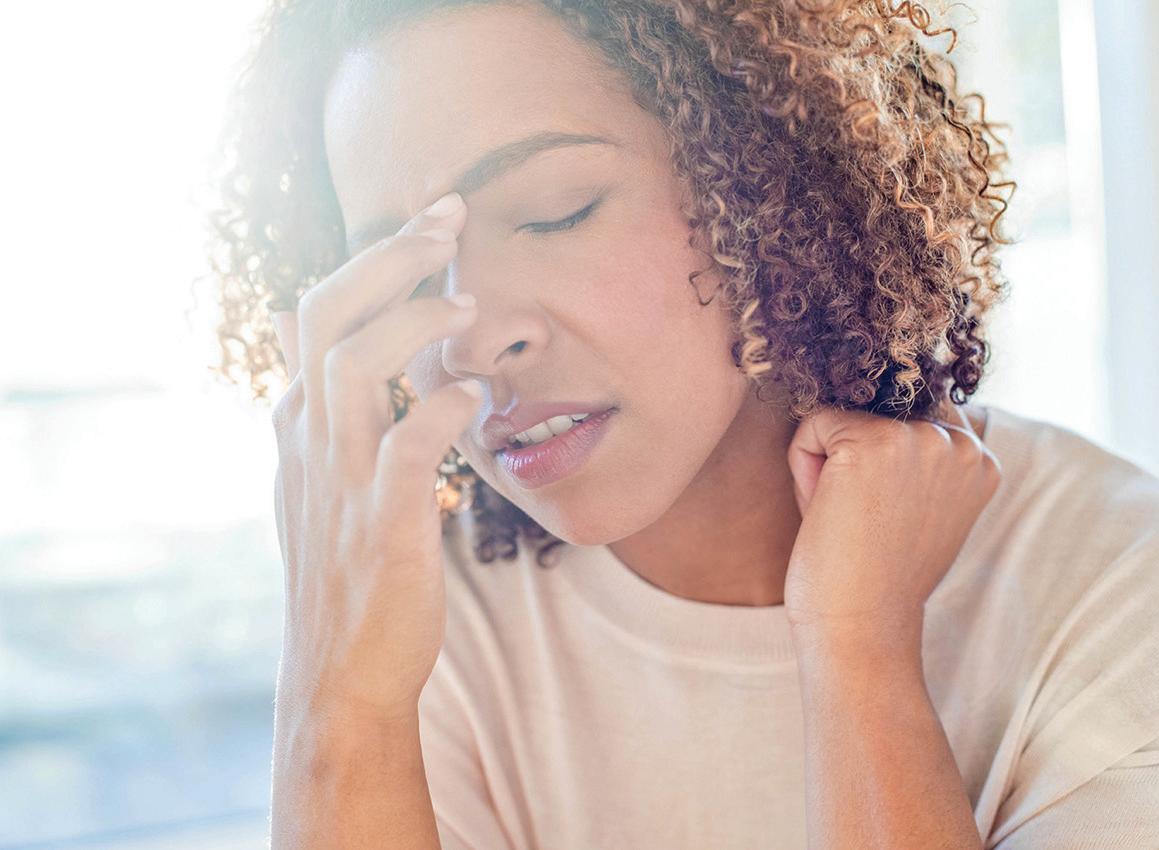
calmandclarity.Oneofthemisthe 4-7-8technique,o erstheCleveland Clinic.Withthismethod,youinhale forfourseconds,holdforseven,and thenexhaleslowlyforeight.
•Eattherightfoods. High-sugar snacksareago-towhenpeopleare eatingtocombatstress.Butthese snackscauseinsulintospikefollowed bycrashesthatcanmimicthe feelingsofanxiety.Instead,choose foodsthatwon’tcauseinsulinspikes, butratherhelpregulatethestress response.Magnesiumisknownto helppromotecalm,accordingto theNationalInstitutesofHealth,and foodslikespinach,almondsanddark
chocolatearerichinmagnesium.
•Getmovingmore. Exerciseisagreat waytometabolizeexcessivestress hormonesthatbuildupduringa longday.Thegeneralguidelinesof 30minutesofmoderate-intensity movementadaywillincreasethe heartrateenoughtotriggerthe releaseofendorphins,whicharethe body’smoodelevatorsandfeel-good chemicals.
•Writethingsdown. Stresscan materializewhenyoufeelyou aregoingtoforgetsomethingor havetoomuchonyourlist.Writing tasksdowngetsthemoutofyour brainsotheyaren’tonaconstant
loop.AccordingtoMichaelScullin, directoroftheSleepNeuroscience andCognitionLaboratoryatBaylor University,agroupofpeoplewho wrotedownato-dolistoftasksthey hadtocompletefellasleepnine minutesfasterthanagroupthatdid notmakesuchalist.This“cognitive o oading”isaphysicalactionto relieveamentalload,anditcan reducestress.
Thesestress-bustingtipsarecoping mechanismsfordailylife.Theydon’t havetobedoneallatonce;pickone morninghabitandoneeveninghabit tostartwiththe rstweekandprogress fromthereasyouadapt.

Theadage“laughteristhebest medicine”certainlysuggeststhat agoodlaughisgoodforone’shealth. Althoughlaughtermightnotmenda brokenwristoreradicateeverydisease, UCLAHealthnotesanumberofsurprising physiologicalandmentalbene tsofa goodlaugh.Hereareahandfulofways laughtercanimpactthemindandbody.
•Reducesstress: Laughtersigni cantly lowerslevelsofcortisoland epinephrine.ThePhysiologicalSociety saysonestudyfoundthatevenasingle laughtersessioncanreducecortisol levelsbynearly37percent.
•Boostsimmunity: Laughingcan increasetheproductionofantibodies andactivatesNaturalKillercells,which helpthebody ghto virusesandeven sometumorcells,indicatesProvidia FamilyMedicine.
•Painrelief: Bytriggeringtherelease ofendorphins,whicharethebody’s
naturalpainkillers,laughtercanease pain.TheU.S.DepartmentofVeteran’s A airssayspatientsinclinicaltrials whowatchedcomediesreporteda higherpaintoleranceandrequiredless medicationthanthosewhodidnot watchsuchprogramming.
•Easeanxietyanddepression: Laughtercanstimulatethereleaseof dopamineandserotonin.Researchers atHarvardUniversitysaythatlaughter stimulatestherewardcentersofthe brain.Thismakesapersonfeelhappyin themomentandhelpsbuildlong-term emotionalresilienceaswell.
•Perspectivechange: Itishardtofeel amusedandanxiousatthesametime. Solaughingcanprovideachangeof attitudeandperspective.Italsocan provideanecessaryemotionalreset.
Laughingmaynotcureeverythingthat ailsaperson,butitcertainlycanprovide manyhealthbene ts.

Soyfoodscanbeanimportantcomponentofahealthydiet.Soyisanutrient-dense, plant-basedproteinthatishighin ber,potassiumandiron.Becausesoyislowin saturatedfat,itisconsideredasmarterproteinsourcethananimal-basedproducts. Forthoselookingforhealthieralternativestomeatordairy,soycanbeagoodthing. However,soyhasbeenstudiedinthepastinrelationtocancercausation,notablybreast cancerduetosoyiso avonesthatcanactasestrogeninthebody.Increasedestrogen hasbeenlinkedtocertaintypesofbreastcancer.ButtheAmericanCancerSocietysaysa largebodyofevidencesupportsthesafetyofsoyaspartofahealthydiet.Infact,studies havefoundconsumingsoyfoodsisassociatedwithadecreasedriskornochangeinrisk forcancer.Paststudiesfeaturedmiceandrats,whichbreakdowniso avonesdi erently thanhumans.Also,thedosesthatelevatedbreastcancerriskintherodentsweremuch higherthaninstudiesconductedinpeople.Humanstudieshavefoundtheestrogen e ectsofsoyseemtohavenoe ectatallandmayevenreducebreastcancerrisk.



Parkinson’sdiseaseisoneofthebetterknownneurologicalconditionsthanks inparttosomehigh-pro leindividuals whohavethedisorder,suchasMichael J.Fox,NeilDiamondandBrettFavre.
TheAmericanMedicalAssociationsays Parkinson’sdiseaseisthesecond-most commonneurodegenerativedisorderin theworld.Globally,morethan10million peoplehaveParkinson’s,androughlyone millionofthosepeopleliveintheUnited States.
AParkinson’sdiagnosischangesaperson’s life.However,patientsandtheirfamilies whoarmthemselveswithinformationcan e ectivelyconfrontthedisease.
What P ki on’s d e e on’sd (PD)?
PDisaprogressiveneurologicaldisorder thatmainlya ectsthebrain’sabilityto coordinatemovement.Althoughitisoften associatedwithtremors(shaking),most individualswithPDactuallyexperience slowed-downmovementsandarangeof othersymptoms.
TheMayoClinicreportsnervecellsinthe brainknownasneuronsslowlybreakdown anddiewhenapersonhasPD.Symptoms arelargelytheresultofalossofneurons thatproduceachemicalmessengerin thebraincalleddopamine.Decreased dopaminelevelsleadtoirregularbrain activity.Bythetimemotorsymptoms appear,apersonlikelyhaslost60to80 percentofdopamine-producingneurons.
SymptomsofPDfallintotwocategories: motorandnon-motor.Primarymotor symptomsgenerallybegininonehandor foot.Oneoftheearliestsymptomsmaybe amotioncalledpill-rolling,whereaperson

seemstoberubbingtheir ngerstogether liketheyarerollingapillbetweenthe ngertips.
Additionalmotorsymptomsincludea generalslownessofmovementcalled bradykinesia.Rigidityofmusclesand posturalinstability(losingbalanceand coordination)alsooccur.
Non-motorsymptomsmaybeless apparent.Manypeopleexperiencethese symptomsyearsbeforetremorsappear andmaynotrealizewhattheyareand thattheymightbeconnectedtoPD.Loss ofsmell,chronicconstipationandsleep
disturbancesthatresultin“actingout” vividdreamswhileasleeparepossible.The ClevelandClinicsaysindividualsphysically andvocallycanactoutdreamswhileinthe rapideyemovementstageofsleep.Thisis knownasREMSleepBehaviorDisorder.
CurrentlythereisnocureforPD,but treatmentsfocusonrestoringdopamine levelsormimickingthee ectsof thehormone.Individualsareusually prescribedthemedicationsLevodopa andCarbidopa.Themedicationstypically
areprescribedtogethertoprovidethe dopaminethebrainlacksandprevent levodopafrombreakingdowninthe bloodstream.MedlinePlussayslevodopais theactiveingredientandcarbidopaisthe helperthatmakesitworkbetterwithfewer sidee ects.
Dopamineagonistsalsomaybeusedto trickthebrainintothinkingithasreceived dopamine.Additionaltreatmentsmay includedeepbrainstimulation. PDcanbeachallengingdiagnosis,butthe illnessismanageablewiththerightcare, knowledgeandpromptattention.
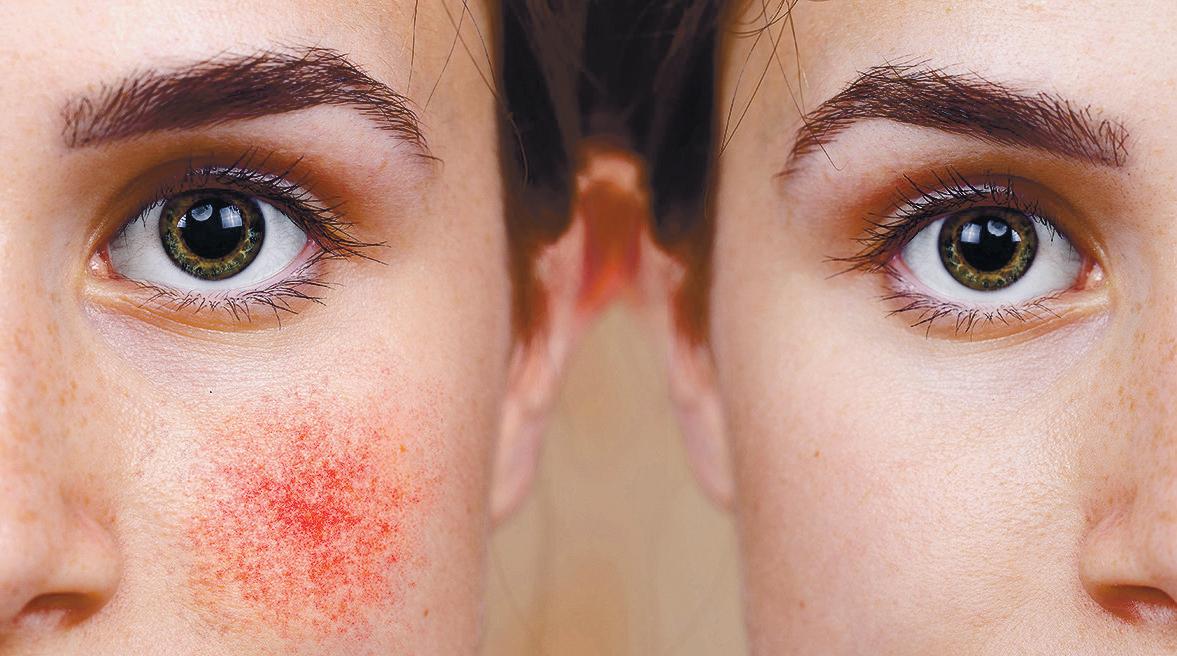
Itcanbene tanyonetolearntospotthesignsandsymptomsofrosacea, assuchknowledgemaycompelthosewhodeveloptheconditiontoseek helpmorequicklythantheyotherwisemight.
Theskinisrecognizedasthelargest organofthehumanbody.Perhaps that’sonereasonwhypeoplegotosuch greatlengthstoprotecttheirskin.But eventhemostardentdevoteesofskin protectioncandevelopdisordersthat a ecttheskin,includingrosacea.
Theprevalenceofrosaceamay surpriseindividualsunfamiliarwiththe condition.A2024studypublishedin theJournaloftheAmericanAcademy ofDermatologyfoundroughly5 percentoftheglobalpopulationhas rosacea,askinconditionthatoccurs whenbloodvesselsintheskinenlarge. Becausetheconditionissoprevalent, itcanbene tanyonetolearntospot
thesignsandsymptomsofrosacea, assuchknowledgemaycompelthose whodeveloptheconditiontoseek helpmorequicklythantheyotherwise might.
•Facialredness: ThatNationalRosacea
Societysaysindividualswithrosacea oftenexperience ushinganda persistentfacialrednessknownas erythema.Somepatientsalsocansee smallbloodvesselsina ectedareasof theirface.Stinging,burning,swelling, androughnessorscalingalsomay occur.Therednessthat’sahallmarkof rosaceamayappearbrownorpurplish inindividualswithdarkerskintones.
•Bumpsandpimples: TheNRSnotes
peoplewithin ammatoryrosaceamay experiencebumpsand/orpimpleson theskin.Raisedredpatchesknown asplaquesalsomaya ectcertain individuals.
•Enlargementofthenose: Rosacea cancausesomepeopletodevelop rhinophyma,whichtheNRSnotesisan enlargementofthenosethatoccurs duetoexcesstissue.Rhinophymaalso maybemarkedbyathickeningof theskinandthedevelopofirregular surfacenodulesthatcanevena ect areasotherthanthenose.
•Eyeirritation: NRSsurveysindicate ocularrosaceaa ectsupto60percent ofrosaceapatients.Soit’spossible
individualswithrosaceawilldevelop someformofeyeirritation.TheNRS reportsthatocularrosaceaoftenresults inwateryorbloodshoteyes,irritation andburningorstingingoftheeyes, swolleneyelids,andevenstyes.The NRSalsonotesthatmanypeoplewith ocularrosaceareportfeelingagritty sensationintheeyesthatmakesit seemasthoughtheyhavesomething intheireyes.
Rosaceaa ectsasigni cantpercentage oftheglobalpopulation.More informationaboutrosacea,including treatmentoptionsforthosediagnosed withthecondition,canbefoundat rosacea.org.
Testicularcancermayormaynotbe onthemindsofmenduringhealth checkups.Despitebeingrelativelyrare, accountingforapproximately1percent ofallmalecancers,testicularcancermay warrantconcernformenbetweenthe agesof15and35,astheAmericanCancer Societynotestheaverageageatthetime ofatesticularcancerdiagnosisis33.
Thoseseekingtolearnmoreabout testicularcancercanreviewthefollowing informationaboutthecondition.
Itisestimatedthatnearly10,000men intheUnitedStateswillbediagnosed withtesticularcancerin2026,according toJohnsHopkinsMedicine.However scarythatmightseem,treatmentis highlye ective.Theoverall ve-year relativesurvivalratefortesticularcancer isapproximately95percent.Ifthecancer iscaughtinthelocalizedstage(con ned tothetesticle),thesurvivalraterisesto 99percent,accordingtodatafromthe NationalCancerInstitutes’sSEERProgram. Onlyaboutonein5,000maleswilldie fromtesticularcancer,saystheAmerican CancerSociety.
Oftentimesthe rstsignoftesticular cancerisapainlesslumporswelling inthetesticle.Additionalsymptoms mayincludeafeelingofheavinessin thescrotum,adullacheinthegroin, orsudden uidcollection,advisesthe ClevelandClinic.
Medicalprofessionalsgenerallycategorize testicularcancertumorsintotwomain types,basedonwhereatumororiginates. Seminomasaretypicallyslow-growingand highlysensitivetoradiationtherapy.Nonseminomastendtogrowandspreadmore
quicklyandareoftentreatedwithsurgery andchemotherapy.
TheexactcauseofDNAmutationsthat resultintesticularcancerareunknown,but severalfactorsincreaseaperson’srisk.
•Afamilyhistory(fatherorbrother)whohas hadthedisease.
•Whitemenarediagnosedathigherrates thanmenfromotherdemographicsinthe UnitedStates.
•Menwithcryptorchidism(anundescended testicleatbirth)areatelevatedrisk.
TheMayoClinicsaysthattreatment typicallybeginswitharadicalinguinal orchiectomy,whichisthesurgicalremoval
ofthea ectedtesticle.Furthertreatments likechemotherapyorradiationalsomay berecommended.
Medicalprofessionalsrecommendmen familiarizethemselveswithwhatlooks andfeels“normal”ontheirbodiesthrough monthlyself-exams.Suchexamsmay catchchangesthatindicatetesticular canceratapointintimewhenthedisease ismosttreatable.

Alcohola ectsthebodywhether peopledrinksparinglyorconsume itregularly.Whilemuchisknownabout alcohol’se ectsoneverythingfrom thelivertotheheart,thelinkbetween alcoholandcognitivefunctionismore ofamystery.
Theknowne ectsofalcoholon cognitivefunctionaremurky,and researchhasproducedmixed ndings. Oneofthemorecomprehensive studiesonalcoholandcognitionwas ameta-analysisof143papersfrom250 countriescoveringtheyears1997to 2011.Whiletheresultsarecomplicated, researchersnotedacorrelationbetween
heavydrinkingoffourtosixdrinksper dayandcognitiveimpairmentand higherriskfordementia.Nosigni cant di erenceincognitionwasobserved betweenlighttomoderatedrinkers andnon-drinkers,reportsPractical Neurology.
TheNationalInstituteonAlcohol AbuseandAlcoholismsaysthat alcoholcaninterferewiththebrain’s communicationpathwaysanda ect thewaythebrainworksandlooks.Longtermheavydrinkingcausesalterations intheneurons,includingreducing theirsize.AJAMANetworkstudytitled “AssociationofLowtoModerateAlcohol
FromMiddleAgetoOlderAgeAmong OlderAdults”publishedin2020o ered furtherinsightintothelinkbetween alcoholandcognitivefunction.Inthis cohortstudyof19,887participants, thosewhosealcoholconsumptionwas characterizedaslowtomoderatehad signi cantlybettertrajectoriesofhigher cognitionscoresformentalstatus,word recallandvocabulary,andlowerratesof declineineachoftheseareasoverthose whoneverdrank.Themeanageofthe participantswas61.8andthemajority oftheparticipantswerewomen.Low tomoderatedrinkingwasconsidered fewerthan8drinksperweekforwomen andfewerthan15formen.
TheAlzheimer’sSocietysaysevidence showsthatexcessivealcohol consumptionincreasesaperson’sriskof developingdementia,whiledrinkingin moderationhasnotbeenconclusively linkedtoanincreasedriskofdementia. Individualsmustspeakwiththeir doctorsandmakeinformedchoices abouttheiralcoholconsumptionand whetherornotdrinkingisagoodidea forthem.
Alcoholuseisastickysubjectthat warrantsmoreresearchregardingits potentiale ectsoncognitionandlongtermcognitivehealth.