







Approximately 54 percent of adult males currently live with some form of cardiovascular disease (CVD)

Approximately 54 percent of adult males currently live with some form of cardiovascular disease (CVD)

Heart disease has remained the leading cause of death for men in the United States for the last century. It’s also the second leading cause of death among men in Canada. Despite signi cantmedicalbreakthroughsinrecent years,theAmericanHeartAssociation2026 StatisticalUpdaterevealsapproximately54 percent of adult males currently live with someformofcardiovasculardisease(CVD).
The overall burden for CVD remains high. CVD claims the lives of more than 350,000 men annually, says Kirby Medical Center. Men need to know about heart health so they can take proactive steps to protect themselves against CVD. One thing to realize is that a man’s risk begins to climb sharply around age 35, according to Northwestern University. On average, men develop coronary heart disease a full decade earlier than women. Many men miss the window to catch rising blood pressure or cholesterol that can lead to future damage.
Men are more likely to experience the textbook symptoms of a heart attack than women. Still, these symptoms may be ignored. Here are some key signs, courtesy of Brown University Health.
• Intense chest pain: A crushing pain,
often described as an elephant sitting on the chest.
• Radiating pain: Discomfort may move to the left arm, jaw or neck.
• Shortness of breath: Di culty breathing, even while resting.
The AHA says up to 80 percent of heart disease cases are preventable with some simple lifestyle adjustments. Clinical focus has shifted toward the following advice.
• Reduce noise exposure. Reducing exposure to high levels of transportation and industrial noise can help, as noise is linked to chronic hypertension, according to Labcorp.
• Avoid sleep extremes. It’s important to get between seven and eight hours of sleep each night. Less than ve hours or more than 10 hours is directly linked to higher coronary event risks, says UChicago Medicine.
• Manage CKM syndrome. The AMA says CKM syndrome is a systemic disorder de nedbyaninterconnectionbetween obesity, diabetes, kidney disease, and heart disease. Left untreated, it can progress to organ failure, heart attack or stroke.
Early screening for CVD is advised for men so they can head o potential heart problems.




The notion that men may not take care of themselves as well as women has some truth to it. Global health data highlights a persistent lifespan gender gap, with men dying an average of six years earlier than women, according to the HarvardT.H. Chan School ofPublicHealth.Thatlowerlifeexpectancy is driven by a combination of biological vulnerabilities, risky behavior and a tendency to delay medical care. Men tend to be statistically half as likely as women to visit a doctor for regular checkups. Illness can impact men’s longevity, and certain health conditions are prevalent among men across the globe.
C diov cul d e e
Heart disease is the leading cause of death among men worldwide. The World Health Organization says ischaemic heart disease
accounts for approximately 13 percent of all global deaths regardless of gender. And the CDC says more than 50 percent of men age 18 and older have high blood pressure, a silent driver of heart attack and stroke.
Cancer can a ect anyone, but men are especially vulnerable to certain types. The most common cancer for men is prostate cancer. Roughly one in eight men will receive a diagnosis in their lifetime, says Shortlister, a vendor database and platform. Lung cancer is the leading cause of cancer death for men, driven largely by smoking rates that are higher among men than women. Colorectal cancer is another formofthediseasethata ectsasigni cant number of men.

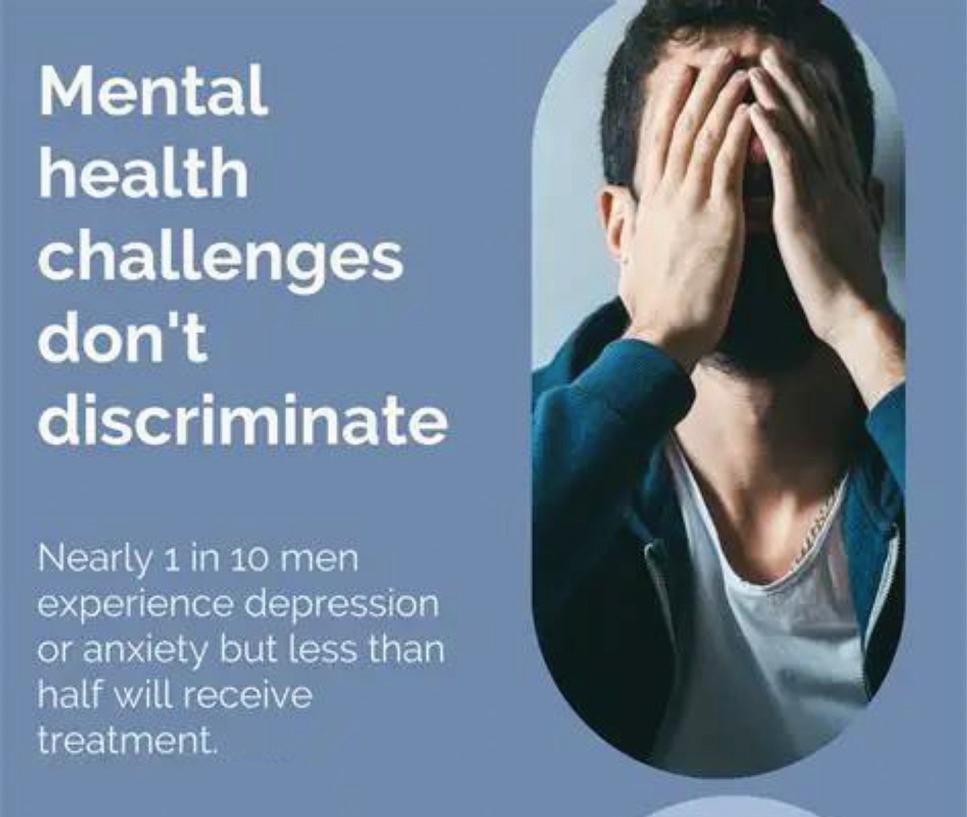
Revive Research Institute says poor mental health is a silent crisis among men. Men are nearly four times more likely to die by suicide, stemming from societal stigmas that discourage men from seeking mental health support, advises Carthage Area Hospital.
The American Heart Association says men are at a higher risk for type 2 diabetes at lowerBMIsthanwomen.Ifleftunmanaged, type2diabetescancausea seriesofissues that a ect cardiovascular and kidney health.
Chronic obstructive pulmonary disease (COPD)isamajorcauseofdisabilityinmen
that is linked to long-term tobacco use. Also, occupational exposure to dust and chemicals can compromise lung health.
Men account for a higher rate of unintentional injuries, according to Shortlister. Men represent the majority of workplace deaths, but they’re also more likely to be involved in fatal motor vehicle accidents. The Insurance Institute for Highway Safety says crashes involving male drivers often are more severe than those involving female drivers. Men tend to engage in risky driving practices that put them at elevated risk for accidents.
Learningabouttheissuesthata ectmen’s health the most can encourage men to alter their lifestyles in ways that can improve their life expectancies.
Physical tness is one of the keys to a long and healthy life. The Centers for Disease Control and Prevention note that routine physical activity helps people maintain a healthy weight,reducesaperson’sriskforchronic health problems like cardiovascular disease and type 2 diabetes, and strengthens bones and muscles, which can help aging adults overcome agerelated reductions in muscle mass and strength and reduce their risk for falls.
People have much to gain from incorporating exercise into their daily routines.Butmanyadultsarenotreaping those rewards, and studies indicate sedentarylifestylesareontherise.A2024 studypublishedinthejournalTheLancet Global Health noted that 31 percent of the world’s adult population was physicallyinactivein2022,whichmarked a 5 percent increase since 2010. And a recent report from the U.S. Department
of Health and Human Services and the United Health Foundation found that roughly one in ve adults get no physical activity beyond their regular job.
The Heart Foundation notes lack of time is often cited as an excuse for not exercising, and that’s a legitimate hurdle for many professionals. Indeed, a 2026 report from Monster indicated that 73 percent of workers report regularly working more than 40 hours per week and 47 percent cite employer expectations or company culture as their top reasons for overworking. While professionals in such situations may nd it challenging to overcome a lack of time to exercise, the following strategies may be just what people need to incorporate physical activity into their daily routines.
• Drive less. Driving is undoubtedly convenient, particularly for people whofeelthey’recontinuouslypressed




for time. But leaving the car behind and walking or cycling to run local errands is a simple and enjoyable way to incorporate physical activity into your daily routine. Parents can walk children to the bus stop or their school in lieu of driving. Adults also can try walking to a local co ee shop near their home or o ce in lieu of driving to get their morning cup of Joe.
• Break up workouts. WHO guidelines recommend adults between the ages of 18 and 64 get at least 150 minutes ofmoderate-intensityphysicalactivity or 75 minutes of vigorous physical activity each week. The WHO also recommends muscle-strengthening activities two or more days per week. That can seem daunting to adults pressed for time, but workouts can be broken up throughout the day.
A pre-breakfast strength training

session at home may only require 20 minutes, and that night adults can go for a jog or a brisk walk around their neighborhood.
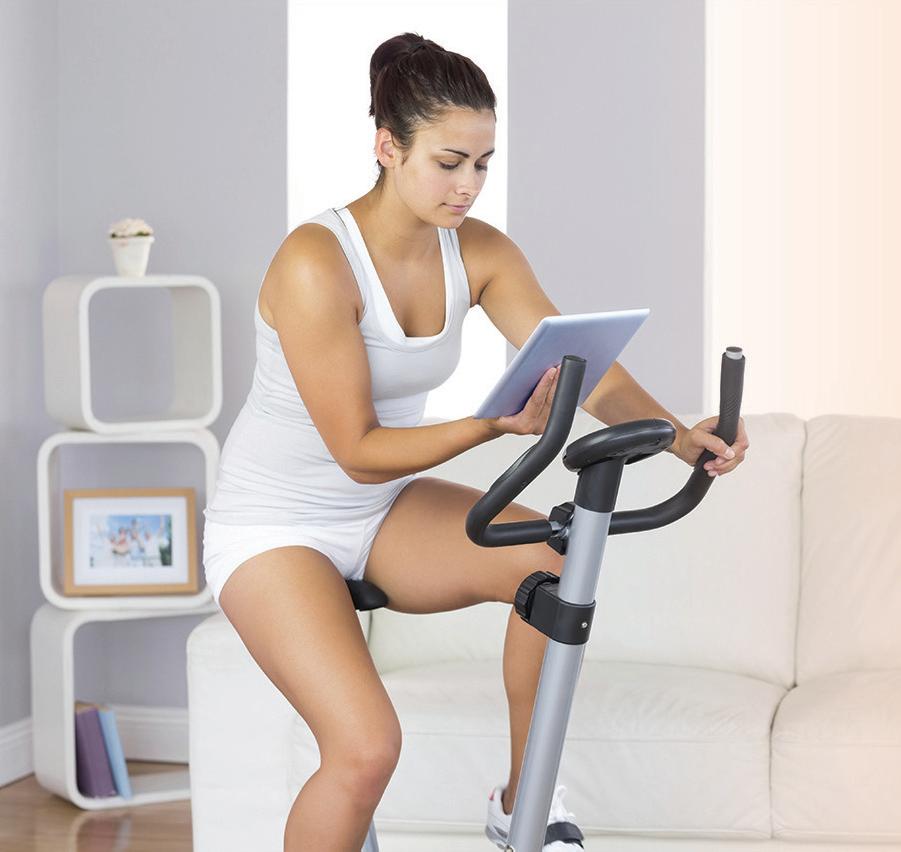
• Workout while watching television. Adults who like to unwind at the end of the day by watching their favorite television shows can use that time to exercise without giving up their entertainment. Invest in a treadmill or elliptical and turn television time into a time to break a sweat as well.
Watching a 30-minute episode of a favorite TV show while on a treadmill or elliptical can help adults meet WHO physical activity guidelines without requiring them to sacri ce their preferred way to unwind.
These strategies can help time-pressed adults incorporate more physical activity into their daily routines and lay a foundation for a long and healthy life.

Lack of motivation can be a di cult hurdle to clear when approaching any activity or goal. And that’s particularlysowith tness-relatedgoals,as lack of motivation to exercise, which many people nd boring and unenjoyable, is an oft-cited reason for living a sedentary lifestyle.
The bene ts of exercise, which include decreased risk for chronic disease, weight management, and improved mental health, should be all the motivation anyone needs to get up and go. But some peoplestillneedalittlehelptoensurethey stay the course and achieve their tness goals. People can try these strategies if their motivation to exercise is lacking.
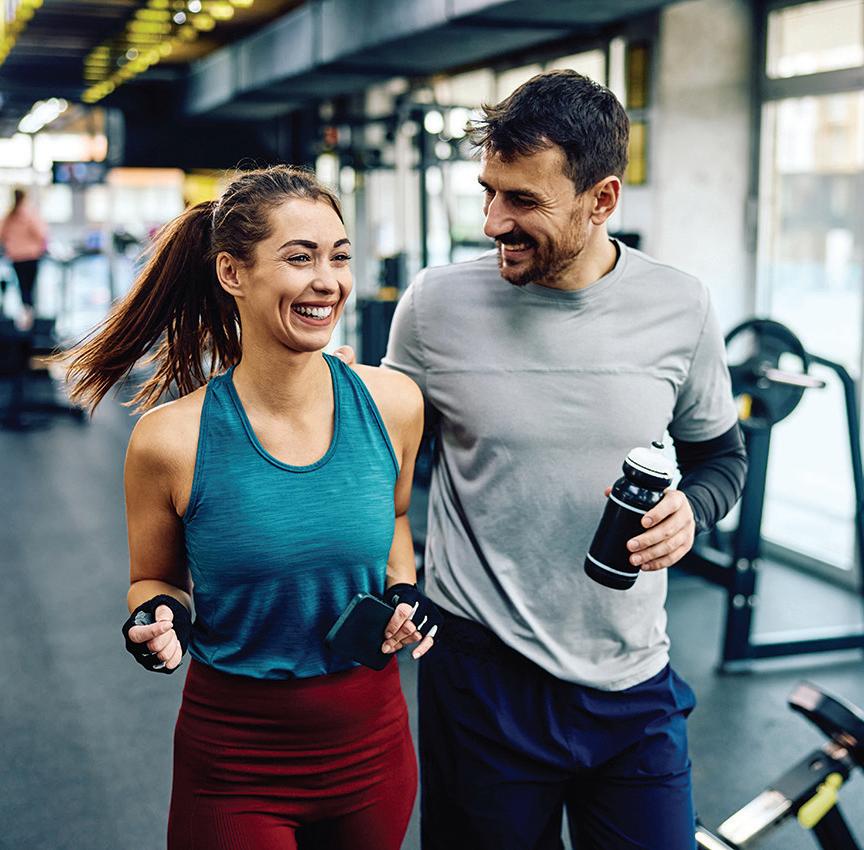
• Embrace a new routine. While millions of people can’t imagine a day without breaking a sweat at the gym, others nd gym-based workouts a little tedious and lacking in excitement. If thatoutlooksoundsfamiliar,individuals can embrace new exercise routines that engage them. Sports provide great exercise, so adults can look into activities like pickleball, jogging and cycling to break a sweat and get t. Each of those activities can greatly improve cardiovascular tness and help people maintain healthy weights.
• Set small goals along the way to larger ones. Fitness-related progress does not come overnight, so what appears to be a lack of daily results can make it di cult to stay committed for the long haul. Setting short-term goals along the way to long-term ones can provide all the motivation people need to keep
going. For example, if your ultimate goal is to lose 10 pounds, set a onepound-per-week shorter goal. Being able to measure your progress each week can motivate you to stay the course.
• Remind yourself why you’re looking to get more t. There’s no bad reason to get t.Somepeoplewho ndtheylack the motivation to keep going simply need to remind themselves why they started an exercise regimen in the rst place. Did you want to shed weight before a class reunion? Get healthy so you can be more active with your children? Exercise more to reduce your risk for a disease or condition that runs in your family? By routinely reminding yourself why you initially set out to get more t, you may provide that little extrasparkyouneedtostaythecourse. Set up smartphone noti cations as reminders if you feel you need a daily refresher regarding your motivation to exercise.
• Makeitafamilya air.Thebuddysystem is e ective in many applications, and it can be particularly good at motivating people to stay the course and achieve their tness goals. Encourage a spouse, sibling, friend, or even your whole family to join you as you begin your journey to a healthier you. With someone there to get you going each day, you’re less likely to skip workouts.
Staying motivated to exercise may not be easy.Butthere’sanumberofthingspeople can do to ensure their motivation to get t does not wane


The signi cance of measures to protect mental health has garnered renewed attention in recent years. As that shift has taken place, measures to safeguard mental health have become vital components of the health and wellness routines of people from all walks of life.
Education is an important component of mental health care. While mental health issues were once stigmatized, education has helped to raise awareness about mental illness and how common it is among people of all ages, countries, and socioeconomic backgrounds. One of the rst steps to educate oneself or others about mental health is to learn the warning signs and symptoms that someone might be dealing with mental illness. The National Alliance on Mental Illness notes each illness has its own symptoms, but there are some common indicators that characterize various conditions. According to the NAMI, signs ofmentalillnessinadultsandadolescents may include:
• Excessive worrying or fear
• Feeling excessively sad or low
• Confusion when thinking or di culty concentrating and learning
• Extreme changes in mood, including uncontrollable highs or feelings of euphoria
• Feelings of irritability or anger that are prolonged or strong
• Reluctance to engage with friends and avoidance of social activities

• Di culty understanding or relating to other people
• Alterations in sleeping habits or feeling tired or lacking energy
• Changes in eating habits, such as increased hunger or lack of appetite
• Changes in sex drive
• Di culty perceiving reality. These di culties may be marked by delusions or hallucinations, in which a person experiences and senses things that don’t exist in objective reality.
• Inability to perceive changes in one’s own feelings, behavior or personality, alackofinsightknownasanosognosia
• Excessive consumption of substances like alcohol or drugs
• Multiple physical ailments without obvious causes, such as headaches, stomach aches, and vague and ongoing aches and pains
• Thoughts about suicide
• An inability to carry out daily activities or handle daily problems and stress
• An intense fear of weight gain or concern with appearance
Parents should know that even young, school-aged children can experience mental health issues or illness. The symptoms of such conditions in young children may manifest behaviorally, which the NAMI notes occurs because kids are still learning how to identify and talk about their thoughts and emotions. Young children dealing with

Everyone feels tired at some point. The signs of physical fatigue are often easily recognizable. Slower movements, heavy eyes, achy muscles, and even frequent yawning are some telltales signs that a body is tired. But what about mental fatigue?
WebMD notes that mental fatigue a ects the mind instead of the muscles. That can make mental fatigue di cult to spot. But identifying the presence of mental fatigue is important, as untreated mental fatigue can a ect decision-making and performanceatworkandintheclassroom. Anyone can develop mental fatigue, but those who nd themselves frequently overwhelmed by work, school or personal obligations may be particularly vulnerable. Recognition of the following signs of mental fatigue may compel those dealing with such exhaustion to take a break and seek help.
• Mood changes: People su ering from mentalfatiguemayexperiencemood changes that would otherwise be consideredoutofcharacter.Increased irritability, a shortened temper, a lack of patience for others, and increased instances of snapping at people are some mood changes that indicate the presence of mental fatigue.
• Loss of productivity: A noticeable dip in productivity is another sign of mental fatigue. WebMD notes that a lossofproductivityinducedbymental fatigue occurs because the feeling of tiredness compromises a person’s ability to concentrate. Mental fatigue also can drain a person’s motivation. Distractions become harder to ignore when su ering from mental fatigue, whichinturndiminishesproductivity.

• Instances of zoning out: Mental fatiguecangetinthewayofaperson’s ability to focus on what he or she is doing. This sense of zoning out can be particularly dangerous, as it can strike even when driving a vehicle. In fact, WebMD notes a link between mental fatigue and car accidents.
• Inability to sleep: It may seem counterintuitive that mental fatigue would make it di cult to sleep, but it can. People with mental fatigue may struggle to wind down and stop thinking about work- or schoolrelated tasks come bedtime. That can trigger insomnia. One of the dangers associated with this side e ect of mentalfatigueisthatlackofsleepcan worsen feelings of exhaustion.
• Increased anxiety: WebMD notes that mental fatigue triggers the sympathetic nervous system, which can lead to feelings of anxiety and panic. These feelings may be everpresent.
Morethanabillionpeopleacross the globe experience and live with migraine headaches. The National Institutes of Health says 14 percent of the population experiences migraines, and that number includes 40 million people in America alone.
People who regularly experience migraines know that an attack is rarely just a headache. A migraine is a complicated neurological event that often features a hostofsymptomsthatmayvarydepending on the person. Recent data from the Global Burden of Disease study con rms that migraines remain the leading cause of disability among neurological disorders. The Migraine Science Collaborative says research has moved from viewing migraine triggers as isolated events and insteadfocusesontheseveralsmallfactors that may stack up until a migraine sets in. Recognizing what can lead to an attack may help people get faster relief.
• Gender: SingleCare says women are three times more likely to su er migraines than men. While gender isn’t a trigger, it is a risk factor for women.
• Stress: P zer says more than 70 percent of migraine su erers cite stress as a major trigger for migraine. Often the cooling o period after a stressful event is when the attack strikes.
• Hormones: Wild shifts in the female hormones estrogen and progesterone, particularly during menstruation and perimenopause,
account for a signi cant percentage of migraine attacks, says Alloy Health. Many women may nd signi cant relief once they reach post-menopause and their hormones stabilize.
• Weather:Anupwardtrendinmigraine severity is linked to extreme heat and rapid barometric pressure changes, suggests National Geographic.
• Surprisal score: A surprisal score is a measure of how much daily experiences deviate from a person’s typical routine, according to the JAMA Network. Those with a higher surprisal score may nd an increased, short-termmigrainerisk.Forexample, drinking a glass of wine per day may not impact migraine, but having several drinks in a day may cause a rise in migraine odds within a certain period afterward.
• Sleep disturbances: P zer says too little sleep and too much can disrupt the brain’s homeostatic balance and contribute to a migraine.
• Foods and beverages: Food- and beverage-related triggers are subjective. But foods and beverages like aged cheeses, processed meats, red wine, arti cial sweeteners, MSG, and ca eine may trigger a migraine, indicates Geisinger Health.
Migraines are unpleasant, but people may be able to reduce their frequency by recognizing potential triggers, tracking them,andmakingcertainlifestylechanges.
Research has moved from viewing migraine triggers as isolated events and instead focuses on the several small factors that may stack up until a migraine sets in.





Growing bodies require lots of TLC so kids grow up to become healthy adults. According to the Healthy Eating Research (HER), a national research program dedicated to improving children’s nutrition and preventing childhood obesity, school-aged children between the ages of ve and eight are ready to learn about healthy eating.
Parentsalsomightbene tfromarundown of what constitutes healthy eating for school-aged kids.
Parentsaccustomedtoreadingfoodlabels undoubtedly recognize that serving sizes are a key component on packaged goods. But what about fruits and vegetables that come without labels? HER notes the following are the standard serving sizes for kids between the ages of ve and eight.
• Fruits and vegetables: ¾ cup. A ¾ cup serving of bananas equates to one medium-sized banana. Seven to eight broccoli orets is roughly ¾ cup, and one-half of a large potato is roughly ¾ cup as well.
• Grains: 1 ounce. A single slice makes up a 1-ounce serving of whole grain bread. Half of a whole grain bagel and ½cupofbrownricealsoequalsasingle serving of grains for kids between the ages of ve and eight.
• Protein: 2 ounces. A two-ounce serving of protein equates to two eggs or ½ cup of chicken breast.
• Dairy: 1 cup. A single serving of dairy can be between six and eight ounces of un avored milk (or a forti ed soy beverage). Roughly three one-inch cubes of natural cheese or six to eight ounces of yogurt also comprise one cup of dairy.

How many s vings How s do ki n d?
HER notes that children between the ages of ve and eight require multiple servings of fruits, vegetables, grains, dairy, and protein each day.
• Fruits:Two to three servings
• Vegetables:Two to four servings
• Grains: Two to three servings. HER advises that half of these servings should be whole grains, such as whole wheat bread or brown rice.
• Dairy:Three servings
• Protein:Two to three servings
Snacking is perhaps a bigger part of modern kids’ lives than it was when their parents were youngsters. HER urges limiting kids’ consumption of foods and beverages with added sugars and foods high in saturated fat and sodium. That’s something to keep in mind at snack time,
when it’s easy to reach for something unhealthy but premade, like salty chips paired with a juice box loaded with added sugars, rather than something more nutritious that requires preparation. But HER urges parents to pick snacks that include items from two of the food groups noted above.
School-aged kids are old enough to start learning about nutrition and how to use food as healthy fuel throughout the day.
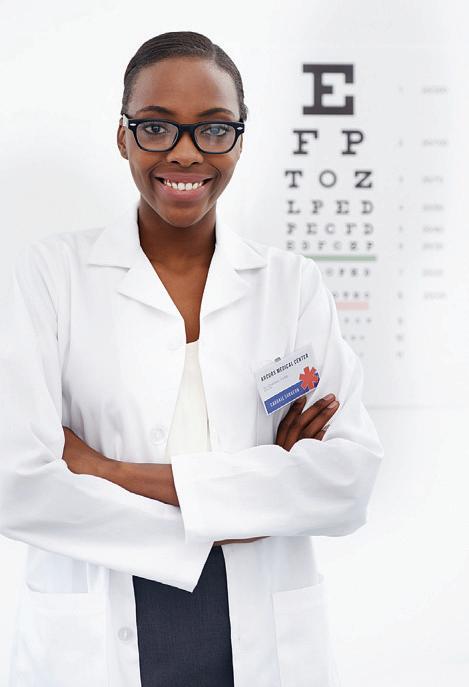
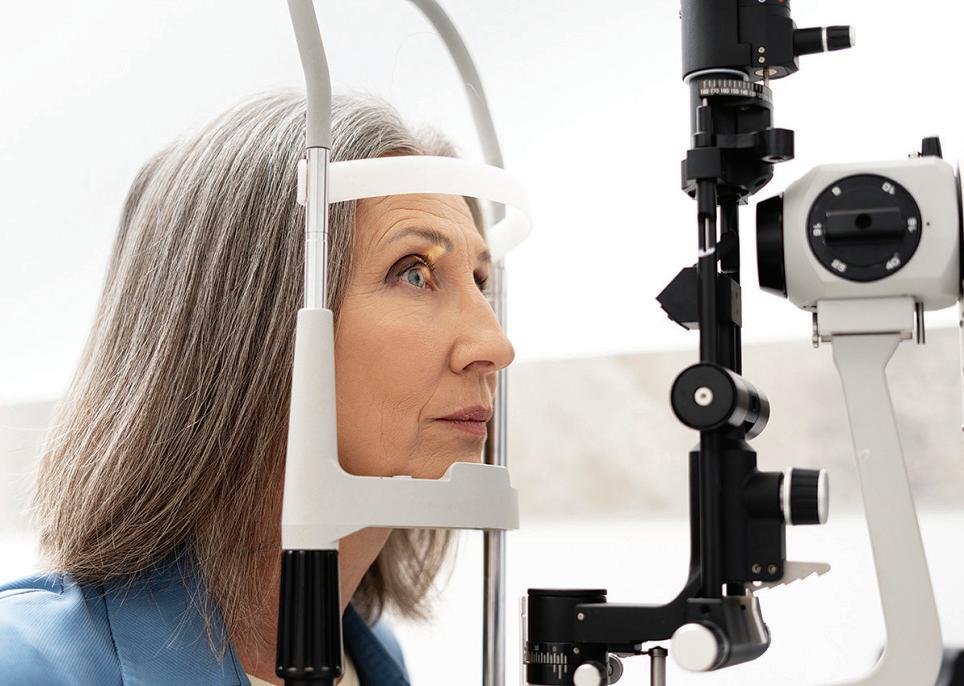
Visionshouldbecherishedatevery stageinlife.However,asoneages andvisionchangesbecomemore profound,itisevenmoreimportanttostay abreastofwhatcanbedonetocareforthe eyes in the hopes of preventing certain conditions, including cataracts.
Cataracts are the clouding of the eye’s natural lenses. The World Health Organization estimates that cataracts a ect more than 94 million people globally. Cataracts also account for nearly 45 percent of all blindness cases.
Even though cataracts are considered an unavoidable part of the aging process, some people wonder if they can be prevented.ReedsburgAreaMedicalCenter says that, while one cannot entirely stop the biological aging of the lens, delayed onset and reduced severity of cataracts is possiblethroughtargetedlifestylechoices.
According to EyeHealth Northwest, by age 80, more than 90 percent of adults will either have a cataract or have already undergone surgery for them. Technically cataracts cannot be prevented, but these stepscanhelppushcataractdevelopment further into later life.
• Wear sunglasses with UV protection. The consensus among experts is that prolonged exposure to ultraviolet B rays accelerates the breakdown of lens proteins. Consistent use of sunglasses that o er 100 percent UV protectioncangreatlyslowthisprotein degradation. Wraparound frames will block light from the periphery as well as the front.
• Lower oxidative stress. Preventing oxidative stress, a primary driver of lens opaci cation, can be achieved through diets rich in antioxidants, says Premier Eye Care of Eastern Idaho. Lutein, zeaxanthin and vitamin C act as shields for the eye. Eye Physicians
of Long Beach says the risk of agerelated cataracts reduces by around 26 percent for every additional 10 mg of carotenoids added to a person’s diet.
• Manage diabetes. The National Institutes of Health says individuals with diabetes face a 63 percent higher likelihood of requiring cataract surgery compared to those without the condition. Managing high blood sugar will prevent sorbitol from depositing in the lenses and causing cloudiness earlier in life.
• Quit smoking: Smoking is a key factor in cataract development, says Optometrists.org. Smokers have a 1.66 times greater risk of developing cataracts than non-smokers because the toxins in tobacco smoke can deplete the body’s natural antioxidant stores.
Although it may not be possible to turn o aging and prevent cataracts entirely, cataracts can be delayed and made less impactful through lifestyle changes.



Growing older is often equated with slowing down. Aging may be characterized as a period of decline marked by an inability to do the things you once did, but recent data indicates otherwise.
According to a report in the journal Geriatrics, a far more optimistic reality awaits seniors. Nearly 45 percent of peopleage65andoldershowmeasurable improvements in brain health, physical function or both over time when they take certain steps to promote physical and mental wellness.
The Centers for Disease Control and Prevention recommends 150 minutes of moderate-intensity aerobic activity per week, supplemented by at least two days of muscle-strengthening exercises. Brisk walking or swimming can improve cardiovascular health and reduce the risk of stroke and hypertension, says the Massachusetts Council on Aging. Incorporating yoga or Tai Chi is vital for fall prevention, as it targets balance and exibility. The CDC says improving joint mobility and balance can signi cantly

extend the amount of time seniors can live independently. In addition, lifting light weights or using resistance bands helps combat age-related muscle loss, which is essential for maintaining metabolic health.
Mental tness is just as vital to seniors as physical tness. According to the World Health Organization, routine cognitive stimulation enhances “brain capital,” delaying the onset of dementia and Alzheimer’s. Strategies for e ective mental engagement include:
• Frequent nightmares
• Frequent disobedience or aggression
mental health issues may exhibit these symptoms:
• Changes in school performance
• Excessive worry or anxiety. Children may exhibit these symptoms by ghting to avoid going to bed or school.
• Hyperactive behavior
• Frequent temper tantrums
The World Health Organization estimates that more than one billion people across the globe are living with mental health conditions. More information about mental illness can be found at nami.org.
• Physicalsidee ects:Somepeople nd it harder to exercise when their minds are fatigued. A 2017 study published in the journal Sports Medicine found that the duration and intensity of a physical task are important variables when considering the potential e ects of mental fatigue on physical
• Learning: Lifelong learning techniques include picking up a new language or learning an instrument. This helps strengthenneuralpathwaysthatallows the brain to reorganize itself even in later decades.
• Play games: Play isn’t just for kids; games like chess or complex puzzles improve problem-solving and memory retention, according to Nixon Adult Daycare in Houston.
• Socialize:Isolationisaleadingriskfactor for cognitive decline, says the National InstitutesofHealth.Groupactivitieslike bookclubsorcommunityvolunteering can o er emotional ful llment and mental stimulation.
FindingsfromarecentYaleUniversitystudy indicated seniors with a positive outlook on aging were signi cantly more likely to show physical and mental improvements compared to those with negative perspectives. Psychological resilience is an important tool for seniors to stay healthy.
Movement, social interaction, stimulating activities, and a positive attitude can help seniors maintain overall health.
performance. Researchers identi ed a decreased time to physical exhaustion, and a resulting decline in endurance performance, as a side e ect of mental fatigue.
Mental fatigue can take a serious toll. Anyone who suspects they are su ering from mental fatigue is urged to contact a health care provider.
Exercise promotes mental and physical well-being in myriad ways. However, injuries remain a cause for concern for both seasoned and novice exercise enthusiasts.
According to Wi Talents, which provides comprehensive market data and statistics, more than 3.4 million emergency department visits occur for sports and recreation injuries annually in the United States. Roughly 2.5 million injuries occur in gym and workout environments, highlighting the importance of an approach to exercise rooted in injury prevention. Understanding the risk factors and how to manage them can help individuals stay active and safe.
Exerciseinjuriestendtobeacuteinjuriesor overuse injuries. Acute injuries are sprains or fractures, while overuse injuries include tendinitis or stress fractures. Overuse injuries develop gradually when tissues are repeatedly stressed without a ording time for adequate recovery, says Boston Children’s Hospital.
A proper warm-up gradually increases heart rate and improves blood ow to muscles. Experts recommend ve to 10 minutes of light aerobic activity before engaging in a more lengthy workout. A similar cool-down period afterwards returns the body to resting levels, says WebMD.
Beginners often do too much too soon. Orthopedic specialists recommend beginning with moderate exercise and gradually building up intensity and duration to allow tissues to adapt. Sudden spikes in training tend to lead to overuse injuries.
It’s also important to follow proper form while exercising. WebMD says working with a quali ed trainer or coach, even if it’s just in the beginning to learn techniques, canhelpestablishsafemovementtoavoid injury.
Repeating activities day in and day out will stress the same tissues. That is why the American Academy of Orthopaedic Surgeons suggests cross-training. Crosstraining alternates between cardio, strength and exibility workouts to help distribute exercise load in an e ort to reduce injuries.
Recovery is when the body repairs and strengthens tissues. Overtraining without proper rest of at least one to two days per week can lead to fatigue and higher injury risk.
Should an injury occur, it is essential to follow a doctor’s orders for rest without returning to activity too soon. Early management follows the RICE protocol: Rest, Ice, Compression, and Elevation. Exercising through sharp or persistent pain can worsen minor injuries, so it pays to be mindful of what the body is saying, says Just Move Athletic Clubs. Most minor injuries improve within a few weeks, but persistent symptoms should be addressed with a medical professional.
Exercise is highly bene cial, and the risk of injury should not deter people from physical activity. Instead, following key prevention strategies can dramatically reduce injury risk, even for beginners.
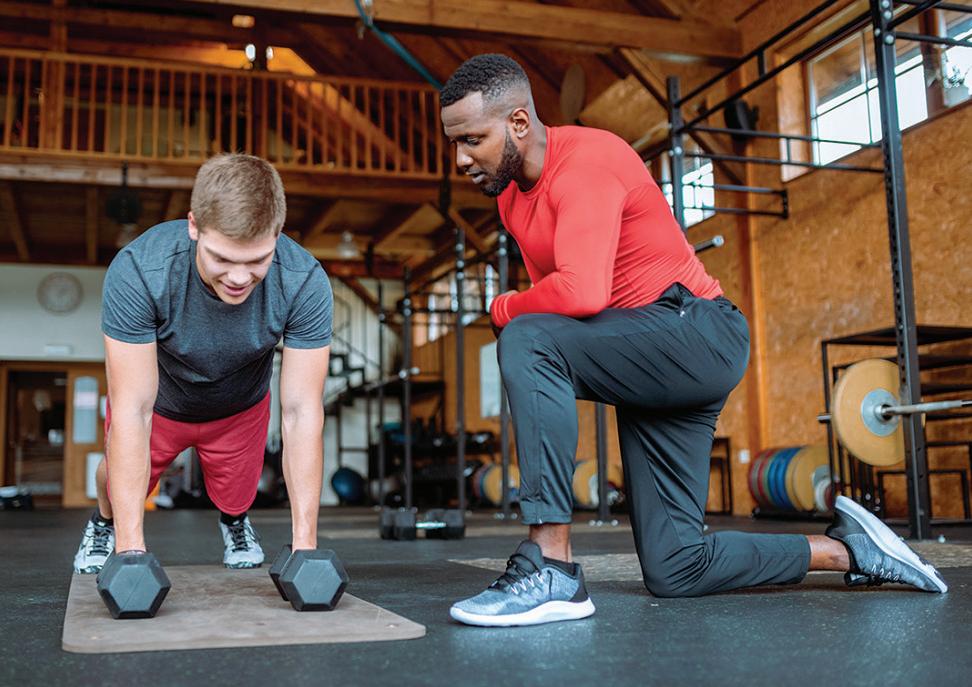
Roughly 2.5 million injuries occur in gym and workout environments, highlighting the importance of an approach to exercise rooted in injury prevention.


Waking up after a good night’s sleep can prepare people to take on a new day and all the challenges it has to o er. On the opposite end of the spectrum, a poor night’s sleep can contribute to physical and mental fatigue, and even have an adverse e ect on the immune system, making people more vulnerable to illness. Perhaps that’s one reason why the National Institute of Neurological Disorders and Stroke contends sleep is as important to a person’s survival as food and water.
Anyone who has had a good night’s rest and a bad night’s sleep need not be reminded how di erently their minds and bodiesfeltaftereachnight.Buttheymight not realize why their minds and bodies felt much better after a good night’s rest than the night when they battled insomnia. According to the NINDS, sleep plays a vital role in brain function, including a ecting how nerve cells communicate with one another. The NINDS also notes that recent research suggests a particularly important task is performed while a person is asleep,

as it’s during rest when toxins that build up in the brain while you’re awake are removed. That could be one reason why the health-related e ects of chronic lack of sleep are so profound. Such e ects include an increased risk for a number of health problems, including high blood pressure, cardiovascular disease, diabetes, depression, and obesity. If left untreated, each of those conditions can adversely a ect quality of life and may even contribute to a reduction in life expectancy.
So now that some of the more notable e ects of consistent and su cient sleep have been noted, how can anyone go about ensuring a better night’s rest? The NINDSrecommendspeoplelookingtoget better sleep take the following advice to heart.
• Establish a consistent sleep schedule by going to bed and waking up at the same time each day.
• Avoid a sedentary lifestyle. Make a

and how you and you can get more more of it

concerted e ort to exercise for at least 30 minutes most days of the week, but avoid doing so within a few hours of bedtime. Advice regarding when to exercise to ensure a good night’s rest is mixed. The National Sleep Foundation notes that research indicates some people considered “night owls” sleep well after exercising at night, while “early birds”may struggle to fall asleep if they work out too close to bedtime. Inaddition,theNSFnotesthatresearch has found moderate-intensity exercise does not have a detrimental e ect on sleep so long as a workout concludes at least 90 minutes before bedtime.
• Relax before bed. This tip is connected to the rule of thumb regarding exercising too closely to bedtime. Just like ramping up right before bed may adversely a ect sleep, winding down with a warm bath, cuddling up with a good book, or engaging in another relaxingroutinemaysetthebodyupto fall asleep when a head hits the pillow.

• Avoid ca eine and nicotine late in the day and alcoholic drinks before bed. Even if a nightcap helps you fall asleep more quickly, alcohol may lead to interruptions in sleep shortly after it begins. And once awake, falling back asleep can be di cult.
• Create a sound sleep environment. A good sleeping environment has no bright lights and loud sounds, is kept at a comfortable temperature, and is device-free (which includes televisions, tablets and smartphones).
• Don’t lie in bed awake. If sleep proves elusive after your head hits the pillow, try engaging in a relaxing routine, like reading a book or listening to calming music, until you feel tired.
A good night’s rest is perhaps more bene cialthanmanypeoplerealize,which is why it can be so vital for people to establish and maintain a sound bedtime routine.