JANUARY2026

RECORD-JOURNAL,




BERLIN CITIZEN, CHESHIRE CITIZEN, NORTHHAVEN CITIZEN, TOWN TIMES, SOUTHINGTON& PLAINVILLE CITIZEN

RECORD-JOURNAL,
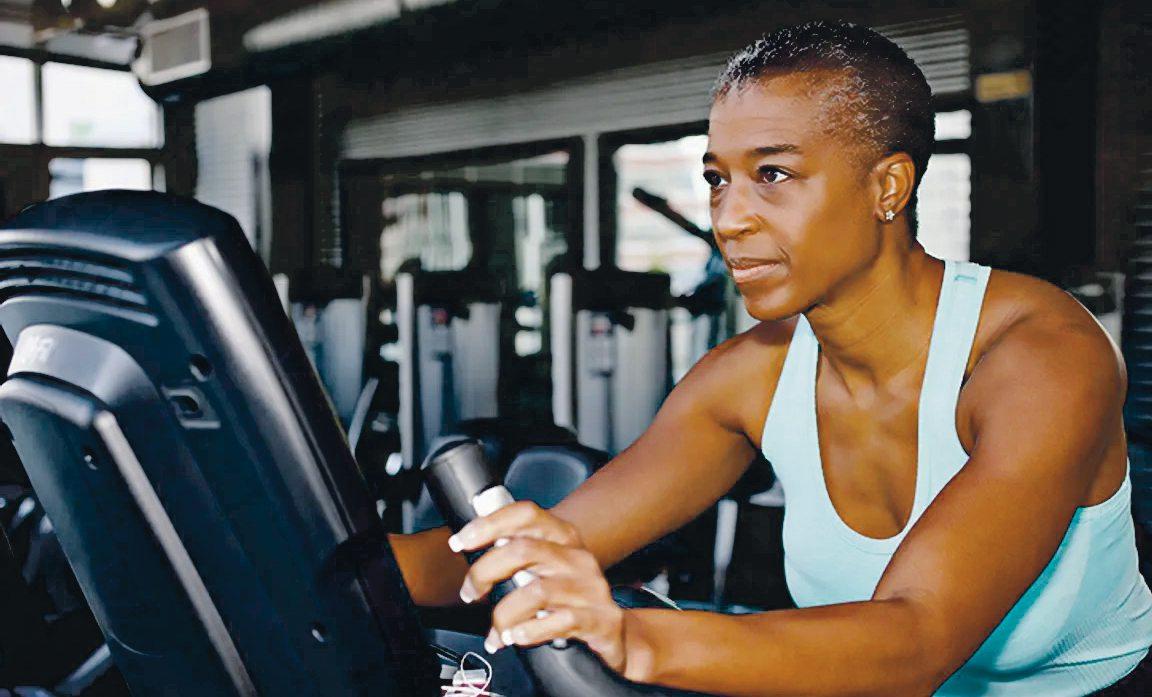
Exerciseisanimportant componentofhealthy living at anyage.Physicalactivity helpstomaintaina healthybody weight andoffersmentalbenefits like reducedstressand thepotential to reduce risk forcognitive decline.
Butit’simportant to pointout that appropriate exercise forapersonatage 20 maylookquite different from theright exercise regimenfor someonewho is 50 or older.
WebMDsaysexerciseisimportant forquality of life as oneagesand is akey to independence.Itisimportant to thinkofexerciseasatool, andaswithall tools, the rightonesshouldbeusedwithagoaltoavoid injury. Fitness after50shouldprioritizesomepractices and avoidothers.
•Focus on resistance training.Cardiovascularexer-
cise is importantfor hearthealthand generalhealth, butstrengthtrainingalsoisessential to countersome of thenormaleffects of aging. ContinuumCare, a privatedutyhomecareservice,saysaging resultsina declineinbonedensity andmusclemass. Resistance exercise performedseveral timeseachweekcan help combat muscle loss andbonedensity decline.
•Opt forlow-impactactivities. Low-impact exercises that involvelessjumping andpoundingwillbeeasier on thejoints. Adoctor, physical therapistorathletic trainercan help to customizeoradapt activities based
on a person’s limitations or medical conditions.
• Warm up before working out. Older adults are advised to warm up muscles before exercising to avoid injury, particularly if it has been some time since you last exercised. Harvard Medical School recommends five minutes of brisk walking or time on an elliptical machine to get blood flowing to muscles and make them pliable. After working out, it’s advisable to stretch afterwards.
• Switch to interval training. Interval training, which alternates between intense exercises and less demanding “rest” periods, offers greater benefits compared to a consistent exercise pace. Interval training helps burn extra calories and maximizes oxygen consumption. Interval training may allow for shorter workouts as well.
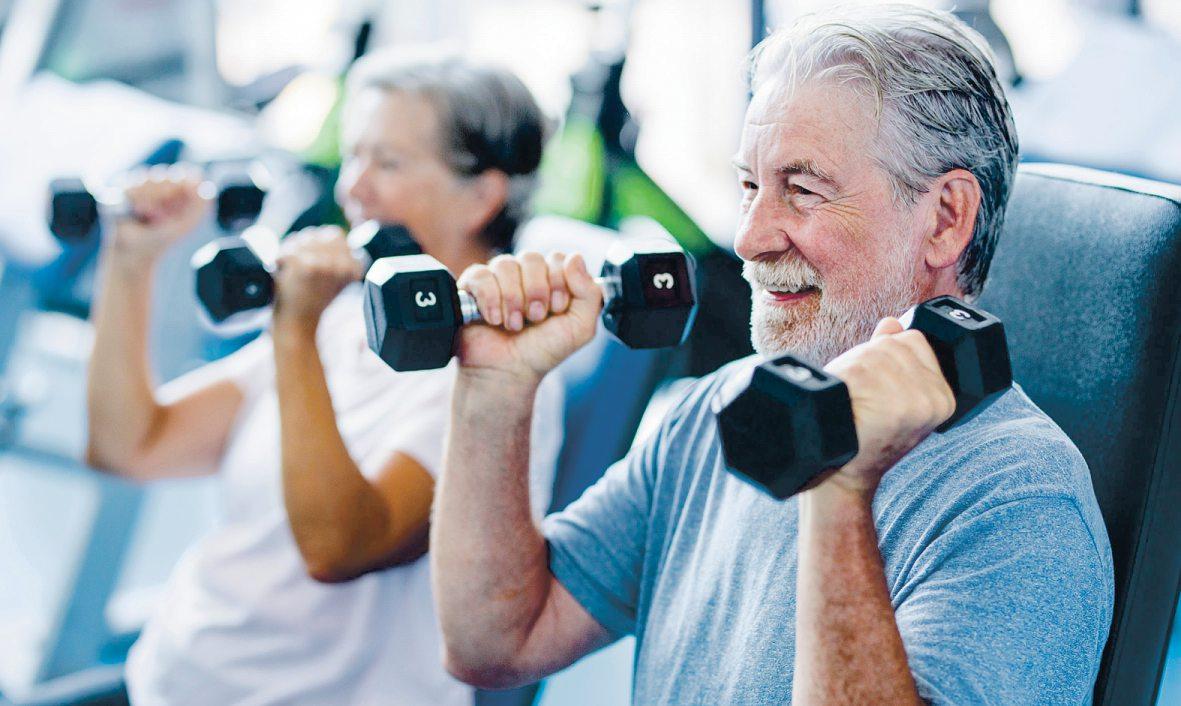
• Increase the number of rest days Focusing on recovery after age 50 is important. Tissue takes more time to recover as the body ages, and that may require longer rest periods between workouts.
• Pay attention to what your body is saying. Scripps Health says that even with a doctor or professional trainer guiding workouts, an individual is the best judge if physical activity is too much or too little Everyone should pay attention to signs of overexertion, such as dizziness, excessive fatigue or chest pain. Other signs of discomfort, such as joint pain, may mean the intensity needs to be dialed down or other exercises chosen An exercise regimen may need a reboot after a person turns 50. Modified activities and a slowing of pace can promote a healthy, injury-free lifestyle.
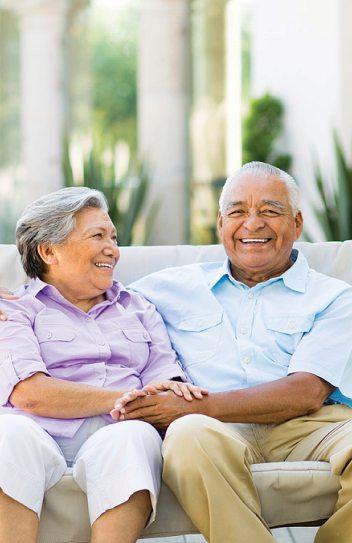
gives youtimeto plan ameaningful service— the way that you want to be remembered, withoutany added stress for your loved ones.

Aging andchangegohandinhand. Physical changesassociated with aging, such as grayinghairorreduced muscle mass,may garner themostattention.But personal relationshipsalsocan change as people age.
As apersonages, interestscould change andhomebasemay notbewhat it once was. People move afterretirement, andfriends youmight once have seen with frequencymay no longer be as closeby. Children areolder,and thefriends youmadefromthese earlyparenthoodrelationships maychange
as well.
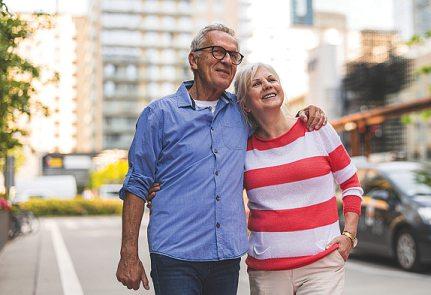
It is importanttohaveasolid groupoffriends.PsychologyToday reports that astrongsocialnetwork reducesthe risk of earlydeath by around 45 percent. Recent data even indicatesthatlonelinessisasgreat ahealthrisk as smokinghalfapackofcigarettesper day. Starting freshand making friendsat50orolder mightseemchallenging.Althoughmakingnew friends after50may take more effortthanitdid when youwereyounger,itiscertainly notimpossible. Here aresometipsfor making friendsafter 50.
a networking group.
Networking isn’t just for advancing your career. Networking groups that focus on friendships can help individuals meet one another. Perhaps there is a neighborhood group in which people from a particular housing development or several streets in town get together? Shared interests can include the place where you live.
Sometimes making friends involves effort on your part. You might need to step out of your comfort zone and initiate first contact with others. Maybe there is a person at a store you run into frequently, or someone whose path you cross regularly that can be asked out to a get-together?
A church group or a volunteer activity can be a great place to meet new people. In fact, volunteers often get involved for the express purpose of getting to know others and to be integral members of the community.
Friends need not be the same age and from the same generation. Keep an open mind that friends can come in all ages and from all walks of life.



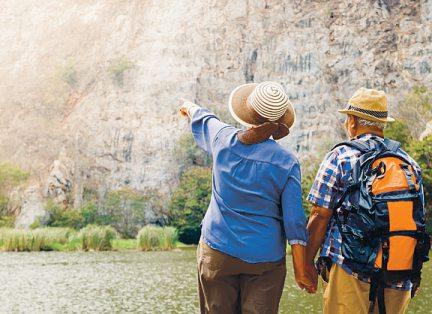
Travel has long been viewed as a positive hobby that can pay short- and long-term dividends. Some of those benefits may surprise even the most devoted jet-setters. For example, a joint study from the Global Commission on Aging and the Transamerica Center for Retirement Studies found that women who vacationed twice a year had a considerably lower risk of heart attack than women who vacationed once every six years. The same study noted men who did not take an annual vacation had a 30 percent greater risk of heart disease than men who did vaca-
tion each year.
Traveling after 50 may necessitate a slightly different approach than it did when individuals were younger. Though adults over 50 can reap the same travel-related rewards they did when they were younger, some additional safety measures may be necessary at this point in travelers’ lives.
• Determine vaccination requirements if you plan to travel overseas. The Health In Aging Foundation urges older travelers hoping to go overseas to identify vaccination requirements in countries they plan to visit. Make
this part of your early planning, as the HIAF notes some countries require vaccinations be administered at least six weeks prior to entry. Information regarding travel-related vaccinations can be found on the Centers for Disease Control and Prevention website at https://wwwnc.cdc.gov/travel/page/travel-vaccines.
• Get a pre-trip medical checkup. A pre-trip medical checkup can ensure adults over 50 are healthy enough to travel. A doctor visit also can be a great opportunity to update vaccinations and discuss medications. It can be tricky to manage medications when crossing time
zones, andtravelers canworkout aschedule with theirphysicianstoensuretheydon’t miss anydoses.Thisalsocan be agoodtime to renewprescriptions to ensure youdon’t runout whileawayfromhome. Work with your physicianand pharmacist to create alist of prescription andover-the-countermedicationsyou take,which theHIAFnotes will make it easier to getthrough customsand getreplacement medicinesshouldyou need them whiletraveling.
•Bewareofdeep-vein thrombosis (DVT) andhow to avoidit. TheMayoClinicnotes DVToccurswhenablood clot formsinone or more of thedeepveins in thebody, typicallyinthe legs.Lackofmovementisa risk factor forDVT,which canaffectimmobile travelersduringlong flights, trainrides or road trips. DVTriskcan be reducedbyget-
JANUARY2026
ting up andwalking around when allowedto do so on long flightsortrain rides. If you’ll be drivinglongdistances,makefrequent pitstops to getout of thecar andstretch your legs.
•Stayhydrated. TheCleveland Clinic notesthatdehydration cancause dizziness, elevateaperson’sheart rate,contributeto swollenfeetand muscle cramps,and result in fatigue, amongother side effects.Travel is exciting,and it canbeeasytoforgettohydrateduringengagingtrips.But theHIAF recommends individualsbring alarge bottle of waterwiththemand drinkeveniftheydo notfeelthirsty.
Thesesimplesafetyprecautions canprotect travelers50and overfromhealthissues that mightnot have posedassignificant a threat when they traveled in yearspast.

AdvertisingInformation: 203. 330.6238
301Merritt 7, Floor 1, Norwalk, CT 06851 ©2023Hearst ConnecticutMediaGroup Mike DeLuca Publisher Jay Torsiello Graphic Designer





Ourthoughtfullydesignedcommunities offera wide rangeoflivingoptions and services, so youcan find theperfect fitfor your lifestyle andneeds.
From cottagesand villastocozyapartmentsand invitingspaces, there’sa Masonicare foreveryone.
Backed by theaward winningMasonicare continuumofcareyou can enjoy peaceofmindknowing that no matterwhatthe future brings, we’vegot youcovered.
BecauseatMasonicare,exceptional care andservice isn’t just provided.