Natural Awakenings of Greater Lansing Michigan – March 2026
Rooted in Nourishment
As we move into March, our focus naturally turns to food and nutrition—subjects that mean a great deal to us in our home. John and I devote considerable intention to what we bring into our kitchen. We shop thoughtfully, read labels carefully and prepare nearly everything from scratch, so we are fully aware of the ingredients nourishing our bodies. Taking responsibility for what we consume feels both empowering and necessary.
Each day begins with a simple ritual that has become foundational to our wellness routine. John juices fresh, organic celery and carrots, often adding green apples for their vibrant flavor and dense nutrients. Starting the morning this way energizes us and sets a steady tone for the day ahead. It requires time and steady commitment, and he faithfully sees it through every morning. I am deeply grateful for his devotion to this practice and the care he puts into starting our day well.
With the change of season, I find myself eagerly anticipating time in the garden once again. There is something deeply satisfying about placing seeds into the soil and tending to them with patience and care. Gardening reconnects us to the origin of our food and reminds us that nourishment is cultivated, not manufactured. Even growing a modest portion of what we eat strengthens that connection.
HEALTHY LIVING HEALTHY PLANET
LOCAL CONTACT
734-757-7929
Publisher@HealthyLivingMichigan.com
HealthyLivingMichigan.com
P.O. Box 2717, Ann Arbor, MI 48106
SUBSCRIPTIONS
Subscriptions are available for $120 (for 12 issues) by emailing the above address.
Natural Awakenings is printed on partially recycled and
Healthy soil plays a far greater role in our well-being than many realize. Living soil is filled with beneficial bacteria and microorganisms that not only support plant growth, but also influence human health. Research continues to show that exposure to these microbes can strengthen immune function, support a balanced gut microbiome and even positively affect mood by encouraging natural serotonin production. Our connection to the earth is not merely symbolic—it is biological. When the soil thrives, we thrive.
Hearing the birds again in the morning is a welcome reminder that renewal is underway. This season invites us back to simpler, more intentional habits—cooking at home, growing what we can and choosing whole, minimally processed foods whenever possible. These daily decisions may seem small, yet over time they shape the health of our families and our communities.
We cannot control everything happening in the world around us, but we can control what we place on our plates. When we choose to nourish ourselves thoughtfully, we participate in that same quiet miracle of renewal.
May this season bring us all renewed energy to cultivate habits that sustain us deeply and endure.
With gratitude,
GREATER LANSING EDITION
Publishers John & Trina Voell III
Design & Production John & Trina Voell III
Ad Design Josh Halay
Editors John & Trina Voell III
Proofreader Randy Kambic
Calendar Theresa Archer
Sales & Marketing John & Trina Voell III
Distribution Cindy Heistand City Pulse
Website Design Locable
Website & Social Media Carolyn Coogan SherTech
NATIONAL TEAM
CEO Kimberly B. Whittle
COO Michael Bevilacqua
CMO Vee Banionis
Sr. VP Operations Brian Stenzler, DC
National Editor Sandra Yeyati
Editor Brooke Goode
Copy Editor Melanie Rankin
Print Production Specialist Kevin Rankin
Design Director Agnes Mazeikaite
Production Flip180
Customer Service Dani Bucad
National Contact 350 Main St, Ste 9B Bedminster, NJ 07921 239-206-2000
Red Haven establish es itself as mid-Mich igan’s premier farmto-table event and pop-up dining ex perience, creating immersive culinary gatherings rooted in seasonal ingredients and regional part nerships. The Okemos-based concept brings together chefs, farmers and guests in thoughtfully curated settings that celebrate the rhythm of the local harvest.
The market features the freshest seasonal produce alongside a full-service specialty meat and deli counter staffed by knowledgeable professionals. Shoppers find carefully selected cuts, house-prepared offerings and attentive guidance that reflect the store’s commitment to craftsmanship. The gourmet cheese selection, locally brewed beer and thoughtfully aged wine further elevate the experience, creating a destination for both everyday meals and special gatherings.
Beyond its products, Monticello’s Market & Butcher Block fosters an atmosphere designed to bring families back to the table. Customers discover unique finds, helpful hints and flavorful samples throughout the store, reinforcing its role as more than a grocery stop. The team prioritizes personal interaction, ensuring each visit feels welcoming and engaging. By championing local partnerships and emphasizing freshness, the market strengthens ties between regional farmers and the surrounding community.
Location: 16912 Marsh Rd., Haslett. For more information, call 517339-9670 or visit MonticellosMarket.com.
The team designs seasonal cooking classes and pop-up dinners that showcase fresh produce, responsibly sourced proteins and artisanal products from nearby farms. Each menu reflects what is currently in season, reinforcing a commitment to sustainability and transparency. Guests participate not only as diners, but also as active learners, gaining insight into techniques, sourcing and the stories behind each ingredient.
In addition to public events, Red Haven offers private dinners and customized experiences for groups of all sizes. The culinary team collaborates with hosts to craft tailored menus suited for milestone celebrations, intimate gatherings and corporate functions. Every event emphasizes hospitality, creativity and a shared appreciation for farm-driven cuisine.
By connecting the community to the origins of its food, Red Haven strengthens the relationship between local agriculture and the dining table. Its approach centers on freshness, collaboration and the belief that meaningful meals foster lasting connections.
Location: 4480 Hagadorn Rd., #103, Okemos. For more information, call 517-679-6309 or visit EatRedHaven.com.
Community Marketplace Connects Shoppers With Local Farms
Monticello’s Market & Butcher Block, in Haslett, delivers a distinctive neighborhood shopping experience rooted in quality, service and community connection. As a family-owned marketplace, the store focuses on providing natural, healthy foods sourced from local farms while maintaining the exceptional customer service patrons expect from an independent grocer.
Small-Batch Herbal Crafting Rooted in Education and Connection
Lansing-based Soulful Earth Herbals is introducing a line of handcrafted herbal remedies and personal care products grounded in traditional Western herbal knowledge and guided by modern standards of care.
Founded by master herbalist Kathaleen, the company draws from a lifelong connection to plants and a commitment to offering thoughtful alternatives to mass-produced wellness products.
Kathaleen formulates each balm, salve and tincture in small batches, selecting ingredients with careful attention to purity, sustainability and skin sensitivity. Every product reflects a philosophy that honors the wisdom of the Earth while recognizing the unique needs of the human body. The approach blends time-tested plant practices with contemporary awareness of clean ingredients and ethical sourcing.
The company operates with a mission centered on compassion, connection, and education. By prioritizing transparency and intentional living, Soulful Earth Herbals supports individuals navigating allergies, simplifying personal care routines, or seeking to pass mindful habits to the next generation. Each formulation aims to provide comfort and clarity in a marketplace often dominated by synthetic additives and complex labels. Through community engagement and ongoing education, the brand encourages consumers to reconnect with plant-based traditions and to view wellness as a partnership between people and the planet.
Location: 1131 S. Washington Ave., Lansing. For more information, call 517-316-0547 or visit SoulfulEarthHerbals.com.
Neighborhood Center Strengthens Food Security and Economic Growth
Allen Neighbor hood Center serves as a dynamic hub where Lansing East side neighbors ac cess resources that improve health and well-being, expand job and entrepre neurial opportunity, and strengthen community pride. Rooted in collaboration and grassroots participation, the nonprofit cultivates a neighborhood where residents build lasting connections and shape a safe, sustainable and thriving future.
The nursery grows the majority of its stock from wild seed, reinforcing its commitment to creating self-sustaining plant populations. This philosophy shapes its guiding principle that its plants are “borne to be wild.” By maintaining careful records of when and where seeds or cuttings are collected and how they are grown and handled, the team provides transparency and traceability to clients upon request.
Beyond plant production, the organization delivers ecological services for public and commercial projects focused on restoration and preservation of native landscapes. Its services include invasive species management, native plant installation, site assessment, and botanical surveys. Each project emphasizes long-term ecological health, biodiversity and responsible land stewardship.
The name of the nursery draws from the genetic term “wild type”, reflecting the typical genetic form that occurs in nature. The designation underscores the nursery’s commitment to propagating plants that remain true to their natural origins, free from intentional breeding for uniformity and aligned with Michigan’s ecological heritage.
For 26 years, the organization has pioneered community-based programs that address health access and education, food security, youth development, housing and economic development. Its holistic approach recognizes the intersection of wellness, stability and opportunity, ensuring neighbors not only meet immediate needs, but also develop long-term resilience. Through partnerships with local stakeholders, the center advances placemaking initiatives that reinforce a strong sense of belonging and shared responsibility.
A cornerstone of this vision is Allen Place, a mixed-use development on Lansing’s Eastside. Situated at the intersection of food, health, housing and energy innovation, the project integrates affordable housing with community-centered resources. The development demonstrates how thoughtful design and sustainable practices foster economic vitality while promoting environmental stewardship. By aligning housing stability with access to fresh food and health-focused programming, the initiative models an equitable framework for neighborhood revitalization.
Location: 1619 E. Kalamazoo St., Lansing. For more information, call 517-999-3910 or visit AllenNeighborhoodCenter.org.
Ecological
Services Firm Enhances
Wetlands, Woodlands and Prairies
Location: 900 N. Every Rd., Mason. For more information, call 517244-1140 or visit WildtypePlants.com.
Holistic Health Hub Offers Vegan Meals And Therapeutic Herbal Formulas
Moss Man Smoothies, Herbs & More establishes itself as Lansing’s premier wellness destination, uniting organic nutrition with time-honored herbal healing. Founded by Darian Draper, the company operates with a clear mission: to provide natural, effective alternatives that support balanced living and long-term vitality.
Wildtype Native Plant Nursery, in Mason, has specialized in growing plants native to Michigan since its establishment in 1996. For more than 29 years, the nursery propagates trees, shrubs, grasses, wildflowers and emergent wetland species typical of Michigan woodlands, wetlands and prairies. Its work centers on preserving genetic integrity by cultivating plants from Michigan genotypes, ensuring landscapes reflect the diversity found in the natural environment.
The shop offers organic smoothies, plant-based vegan meals and handcrafted sea moss preparations designed to nourish the body from within. Its therapeutic herbal formulas and detoxifying liquid bitters reflect a commitment to ancient plant knowledge paired with modern wellness standards. Every supplement and remedy features 100 percent organic ingredients selected for purity and potency.
Beyond ingestible products, Moss Man presents a curated collection of premium personal care items, including herbal toothpaste, skin serums, body butters and healing soaps. Each product aims to restore balance while minimizing exposure to synthetic additives. The brand emphasizes transparency, quality sourcing and formulations backed by consistent wellness results.
By combining nutrition, herbal education and community engagement, Moss Man creates a comprehensive gateway to nature’s most powerful remedies.
Location: 3030 Vine St., Lansing. For more information, call 517-3186159 or visit MossmanHerbs.com.
Cupping Therapy for Muscle Fatigue
High-intensity exercise caus es inflammation and muscle fatigue, which can limit ath letic performance, increase the risk of injury and slow the speed of recovery. In re cent years, elite athletes have sought relief with cupping therapy, which uses bamboo, glass or acrylic cups to create negative pressure on the skin over an acupoint or painful region. The suction purportedly alleviates muscle pain, enhances blood flow and reduces muscle stiffness.
A 2025 study published in the Journal of Physiological Intervention investigated whether dry cupping does indeed reduce muscle fatigue and inflammation. Ten table tennis athletes completed two identical high-intensity training sessions followed by either dry cupping or no cupping, with a two-week interval between sessions. Fatigue was assessed based on the participants’ perceived exertion levels before and after each session, as well as 30 minutes after cupping. Blood samples were also collected to measure immune cells, inflammatory indicators and markers of muscle damage and metabolic stress.
Participants reported lower perceived exertion after cupping as compared to no cupping. Blood tests revealed that the therapy reduced inflammatory markers and blood urea nitrogen, a muscle damage marker. However, no significant changes were observed in two other muscle damage markers compared to no cupping. The findings suggest that dry cupping may support post-exercise recovery by reducing inflammation and perceived fatigue, rather than directly limiting muscle damage.
Alarming Airline Water Safety Scores
The 2026 Airline Water Study by the Center for Food as Medicine and Longevity provided insights into the quality of onboard water served to passengers. The study encompassed 10 major and 11 regional airlines, spanning a three-year period ending in September 2025.
Water samples taken from aircraft water tanks were tested for E. coli and other bacterial species. Additionally, compliance with water safety regulations was assessed. About 2.7 percent of the more than 35,000 samples tested positive for coliform bacteria. Notably, one-third of CommuteAir’s samples exhibited positive results for coliform bacteria.
During the three-year study period, there were 32 violations for E. coli across the 21 carriers. The study authors noted that onboard water quality is influenced by the domestic or international source of the water and the equipment used to transfer it to the aircraft.
Each airline received a numerical score ranging from zero to five, accompanied by a corresponding letter grade. Four major airlines, namely Delta, Frontier, Alaska and Allegiant, received a grade of A or B. Spirit, JetBlue and American Airlines received the lowest scores, each earning a D grade. Nearly all regional airlines had poor water quality, with only GoJet earning a B grade. The remaining nine regional carriers earned C or D grades, while Mesa Airlines received an F.
The study’s authors advised passengers to never drink onboard water that is not from a sealed bottle. Additionally, they recommended avoiding onboard tea or coffee and using an alcohol-based hand sanitizer rather than washing their hands in an aircraft bathroom.
Getting Enough Sleep Is Key to a Longer Life
A new study published in the journal SLEEP Advances used national data from the U.S. Centers for Disease Control and Prevention, covering all counties in the country between 2019 and 2025, to analyze how sleep insufficiency relates to life expectancy. Sleep insufficiency is defined as fewer than seven hours of sleep per night. Using mixed-effects modeling that controlled for other mortality predictors such as smoking, diet, physical inactivity and social isolation, the researchers found a significant association between insufficient sleep and a shorter life expectancy. Only smoking had a stronger relationship with mortality. The study indicated that getting adequate sleep was more important to life expectancy than diet and exercise. The results were consistent across income levels, healthcare access and geographic locations.
Bison Outshines Beef for Cardiovascular Health
Bison poses a lower risk of fatty plaque formation in the arteries than beef, according to a 2013 double-blind clinical trial published in Nutrition Research. The study was small, involving 14 healthy males that consumed equal amounts of both meats. Cardiovascular biomarkers were evaluated before and after a single 12-ounce serving, as well as before and after seven weeks of chronic consumption, defined as 12 ounces per day, six days a week.
A single bison meal caused less elevation in triglycerides, oxidative stress and oxidized low-density lipoprotein (LDL or “bad cholesterol”), as well as better artery dilation, compared to the single beef meal. After the seven-week consumption period, neither meat caused weight gain or changes in cholesterol levels. However, beef led to increases in inflammatory and oxidative stress markers, as well as a decline in blood vessel responsiveness, while the bison did not.
Although all meat cuts used in the study were considered lean, bison has a healthier fatty acid profile with more omega-3s and less saturated fat than beef. While both are red meats, bison appears to place less strain on the cardiovascular system, making it a potentially healthier red-meat option.
When it comes to cuts, scrapes, burns, or surgical wounds, you need a solution that’s both effective and gentle. Doctor Radow’s Povidone-Iodine Ointment is the clear choice over triple antibiotic ointment (TAO):
FEATURE Anti-Fungal
Effective Against MRSA
Post-Surgery Application
Recommended for Diabetics
Long-Term Use (Sustainability)
Emergency Use (Hospitals) Contains Antibiotics
The Reset We’re Really Craving
Two Intentional Ways to Travel for Detox, Nourishment and Renewal
by Shae Marcus
Detox-supportive travel no longer fits neatly into one category. It spans a thoughtful spectrum, from wellness-forward hotels that layer restorative options into a flexible stay to immersive retreats built around structure and clinical intention, each sharing the same goal: to support the body through intentional nourishment, therapeutic care and environments that restore balance. The distinction lies not in effectiveness, but in how much structure a traveler desires.
Food as Daily Medicine
In both models, food forms the foundation. Meals are typically organic, seasonal and minimally processed, designed to lighten digestive
load while delivering essential nutrients. Vegetable-forward dishes, mineral-rich broths, fresh juices and gut-supportive preparations appear not as trends but as steady interventions.
When distractions fall away, eating becomes deliberate. Guests begin to notice how ingredients influence bloating, energy and mental clarity. Hunger cues recalibrate. Satiety feels clearer. For many, this shift alone produces tangible results: steadier energy, improved sleep and a renewed connection to the body’s rhythms.
Path One: Wellness-Forward Hotels
The first path prioritizes autonomy. Well-
ness-forward hotels integrate detox-supportive amenities without requiring adherence to a fixed program. Guests opt in to spa therapies such as infrared sauna, hydrotherapy, lymphatic drainage or restorative massage while maintaining the freedom of traditional travel.
Menus emphasize digestive ease and metabolic balance. Design favors natural light, quiet spaces and proximity to nature, helping regulate the nervous system. Travelers may begin the day with yoga, explore in the afternoon and return for a sauna before dinner. Wellness is present, but not prescriptive.
This approach appeals to those who value flexibility and exploration, weaving nourishment and restoration into the cadence of a trip.
Path Two: Guided Detox Retreats
The second path embraces structure. Guided retreats operate within a defined schedule, often led by functional medicine practitioners, naturopaths or integrative nutrition professionals. Meals, therapies and educational sessions align within a cohesive framework.
Days may include cooking demonstrations, nutrition lectures, guided movement and hydrotherapy. Education distinguishes these programs. Guests do not simply experience detox-supportive care; they learn the rationale behind it, gaining tools for long-term integration.
For travelers who prefer clarity and accountability, structure offers relief from decision fatigue and creates depth.
Choosing the Right Reset
Neither option is inherently better. The most restorative experience aligns with personality, health needs and season of life. Some seek spaciousness. Others benefit from guidance. Both can lead to meaningful insight.
Detox-supportive travel ultimately rests on intention. When food, rest and therapeutic care are thoughtfully integrated, travel becomes more than escape. It becomes information—an opportunity to listen, recalibrate and return home more resilient than before.
Shae Marcus is founder of The 11:11 Experience. Connect with her at The1111Experience.com.
Research dating back to Nobel laureate Dr. Otto Warburg shows that low oxygen levels in cells are a hallmark of cancer. When respiration enzymes are damaged by toxins and poor circulation, cells switch from oxygen-based energy to sugar fermentation—creating the conditions for cancer to thrive.
Natural supplements that enhance cellular oxygenation can help reverse this imbalance. GetHealthyAgain’s OxyDHQ, a blend of oxygen stabilizers, antioxidants and adaptogens, supports healthy oxygen transport and energy production as it helps to get oxygen into cells. Zeolite Enhanced also plays a critical role by helping remove toxins that block oxygen uptake while at the same time harming cancer cells.
Improving circulation through movement, deep breathing and hydration further raises cellular oxygen levels. Many holistic practitioners pair oxygen-supportive nutrients with gentle detox programs to restore vitality and aid treatment response.
A well-oxygenated body is naturally less hospitable to cancer. As oxygen increases, cellular energy rises, immune function improves and normal cell communication resumes. In contrast, oxygen-deprived tissues provide fertile ground for malignancy. Supporting oxygen utilization at the cellular level—naturally and consistently—is one of the most effective ways to strengthen the body’s innate defense system against cancer.
Location: Grand Rapids, MI. For more information, visit CancerFightingStrategies. com. See ad on this page. For orders, go to Get HealthyAgain.com.
Disclaimer: These statements have not been evaluated by the Food and Drug Administration. The products and information contained herein are not intended to diagnose, treat, cure or prevent any diseases or medical problems. It is not intended to replace your doctor’s recommendations. The information is provided for educational purposes only. Nutritional benefits may vary from one person to another.
Using Food To Heal
A Look at Anti-Inflammatory and Elimination Diets
by Hannah Tytus
There is a growing movement to use food as a primary means for preventing and managing disease. Before reaching for pharmaceuticals or even supplements, people are seeking healing on the plate. According to a 2024 academic article in the Nature Partner Journal Science of Food, scientific advances in our understanding of nutrition at the cellular level are driving a food-first strategy. Key micronutrients have been identified to reduce inflammation and promote cellular regeneration and repair, prompting practitioners to champion dietary modifications that soothe chronic symptoms, repair gut integrity, rewire immune signaling and reach metabolic balance.
“Healing the gut is the backbone of my practice,” says Lorraine Maita, M.D., a triple board-certified internal, integrative and functional medicine specialist who helps patients harmonize their hormones and detoxify their bodies through her Restore & Rejuvenate program at The Feel Good Institute. Whether a patient needs to lose weight, have more energy, regain their focus or sleep better, Maita’s approach centers on eliminating foods that trigger inflammation and replacing them with deeply nourishing ingredients.
Dianne Moore, a functional nutrition coach, restorative health practitioner and founder of MooreBetterFood, asks her clients
to keep a food and symptom journal to diagnose the underlying causes of their health challenges. Writing down a detailed description of each meal, as well as the time and how the body responds 30 minutes after eating—including energy levels and any digestion issues or discomfort—helps make patterns more visible without requiring testing.
Anti-Inflammatory Food Protocols
Inflammation is the body’s first line of defense against dangerous pathogens, damaged cells and irritants, as well as a crucial biological process for healing and recovery from injuries and infections. However, problems arise when the immune system remains activated all the time. Chronic inflammation is linked to many health issues, including cancer, cardiovascular disorders and autoimmune conditions, according to a 2024 article in Cells
A 2023 article published by the medical education platform StatPearls notes that an anti-inflammatory diet is one of many interventions that help calm an overactive immune response. Two of the most popular such diets are the Mediterranean Diet and the Dietary Approaches to Stop Hypertension (DASH) Diet, which prioritize fruits and vegetables, whole grains, unsaturated fats and proteins sourced from legumes and lean meats. Inflammatory foods including highly processed products, high-fat dairy, refined grains and sugars, artificial sweeteners and
industrial seed oils are significantly reduced or eliminated.
Staying well-hydrated and pairing carbohydrates with protein, fiber or fat help keep blood sugar steady—further reducing inflammatory stress, according to the Joslin Diabetes Center. An anti-inflammatory food protocol is best viewed as a long-term foundation, rather than a strict diet.
Elimination Diets
According to Maita, “People that have experienced trauma, infections or general inflammation may become more sensitive to food. Some individuals may even be sensitive to healthy whole foods. Identifying which foods are contributing to common symptoms can be challenging. This is where elimination diets can be helpful.”
An elimination diet is a short-term process that removes specific foods from the diet and then slowly adds them back in while observing changes in symptoms, according to a 2024 educational article published by StatPearls. These diets are commonly used to identify food intolerances or sensitivities and to manage conditions such as irritable bowel syndrome, migraines, allergic skin reactions and other inflammatory or digestive issues.
After the elimination period, foods are reintroduced one at a time. If symptoms return after adding a specific food back in, it may be contributing to the problem. Maita notes that the goal is not long-term restriction, but awareness—identifying which foods support health and which may need to be limited or avoided.
Most elimination diets focus on common food allergens including wheat, tree nuts, peanuts, animal milk, eggs, soy, fish and shellfish. “A functional medicine elimination diet may also include eliminating corn, all dairy and any artificial ingredients,” says Maita. The process typically begins with an elimination phase, during which these foods are fully removed. This can range from a few days to several weeks in more structured protocols. Even short eliminations can help people notice connections between what they eat and how they feel.
Elimination diets work best when they are time-limited and intentional. Staying on restrictive diets too long can lead to nutrient gaps or stress around food, which is why reintroduction and practitioner guidance are important. If symptoms do not improve, the information gained can help determine whether further testing is needed. Used thoughtfully, elimination diets are a practical and accessible tool within a food-first framework.
When To Seek Practitioner Support
According to Maita, an elimination diet can
be both therapeutic and diagnostic. The response—or lack thereof—to dietary changes can help clarify whether food is playing a meaningful role in a person’s symptoms, while also informing next steps in care. Additional testing may be necessary to provide more individualized guidance. Maita points out that the interpretation of results is most effective when ordered and reviewed by a trained practitioner that can analyze the data within the context of the patient’s symptom history, diet, lifestyle and stress patterns.
Some of her patients experience a Herxheimer reaction involving a flu-like worsening of symptoms, constipation or extreme cravings. These changes are most often temporary and do not pose a serious risk to health, and she has strategies to prevent or eliminate these reactions. It is helpful to have a roadmap, along with tips for getting through the discomfort. When detox reactions hit, Maita recommends that patients slow down, rest, hydrate with lemon water and spend some time at the sauna or in an Epsom salt bath.
Healing Our Relationship to Food
A key goal of food-first approaches is maintaining a healthy relationship with food.
Practitioners encourage their patients to celebrate the foods they can add to their diet, rather than mourn what has been taken away. This includes the rainbow of delicious produce options they can have on every plate, a rotating selection of proteins and even new ingredients such as venison or bison.
For some patients, elimination diets can open doors to unexpected favorite foods. Moore shares how one patient that discovered she had a sensitivity to salmon, which she loved, found cod—a new fish to enjoy. These experiences help broaden perspectives and reduce feelings of deprivation. Keeping food enjoyable means finding creative alternatives. For example, someone that cannot tolerate garlic bulbs may be able to infuse garlic into oil to capture flavor and nutrients without any associated symptoms.
Food is at the center of all sorts of celebrations and rituals, whether shared with friends and family, or enjoyed alone as an act of self-care. Moore coaches clients that are following an elimination diet to plan ahead for social settings. This may include reviewing a menu online for an upcoming restaurant outing; bringing a diet-compliant dish to a potluck dinner to be enjoyed and
shared with others; or politely letting a party host know of any dietary restrictions well in advance of the event. “Most people want to cheer you on if you’re doing something for your health,” she says.
Maita also cautions against setting unrealistic goals. “We are looking for progress, not perfection. You will never reach perfection—relax. Experiment with it,” she says, adding that she has seen patients succumb to orthorexia, a disordered obsession with healthy eating. She also notes that eating the same foods every day can induce or worsen sensitivities. Joyful variety, supportive relationships and flexibility are essential parts of healing.
Food-first approaches are ultimately about discovering what helps the body thrive. Elimination diets and anti-inflammatory protocols offer powerful tools for uncovering sensitivities, reducing inflammation and restoring balance. By focusing on small, sustainable changes, individuals can build a foundation for long-term wellness, vitality and resilience.
Hannah Tytus is an integrative health coach, former writer at the National Institutes of Health and host of the Root Shock podcast, exploring our understanding of health.
Reclaiming Calm
Reflexology Can Help with Chronic Stress
Reflexology is drawing renewed attention as communities confront what many health leaders describe as a chronic stress epidemic. Estimates suggest that 60 to 80 percent of doctor visits connect to physical manifestations of stress, including disrupted sleep, muscle tension, irritability and persistent fatigue. As individuals search for ways to calm the nervous system and restore balance, reflexology is increasingly discussed as a complementary practice that works alongside conventional care.
Reflexology is a touch-based therapy that applies gentle pressure to specific points on the feet, hands, ears and face, with the intention of easing stress and supporting the body’s self-regulation. Consumer health sources describe it as distinct from massage and emphasize that it is not a substitute for medical treatment. Instead, it is used in conjunction with traditional care, particularly when stress, anxiety or sleep disturbance are present. Practitioners operate from the
theory that areas of the feet correspond to organs, glands and systems of the body, and that stimulating those reflex points may encourage relaxation, improved circulation and a calmer autonomic response.
Scientific inquiry into reflexology continues to expand. A meta-analysis published through the National Library of Medicine reviews 26 randomized controlled trials involving 2,366 adult participants and reports statistically significant improvements associated with foot reflexology interventions for depression, anxiety and sleep quality.
The growing attention to reflexology aligns with broader conversations about how chronic stress shapes modern life. Dr. Mark Hyman, M.D., physician, author and public health advocate best known for his work in functional medicine, describes stress as a persistent public health challenge, noting that “we’re up against a chronic epidemic: stress.” He adds that human touch is often
underappreciated in conversations about resilience and healing, pointing to research showing that touch and physical acknowledgment help release hormones associated with relaxation and emotional stability.
Within this landscape, reflexology is often framed not as an indulgence, but as structured self-care. Sessions typically take place in quiet settings designed to encourage rest, and individuals remain clothed while practitioners use measured pressure techniques across the entire foot. Some people pursue occasional appointments as a form of maintenance, while others schedule a series of visits when navigating heightened stress, life transitions or emotional strain. Reflexology is considered appropriate for many adults, though individuals recovering from foot injuries, managing certain circulatory conditions or experiencing complicated pregnancies are encouraged to consult a physician before beginning care.
In Dexter, Crysterra Wellness serves as a local resource for reflexology and related mind-body practices. The practice is led by Andrea Astley, an ARCB board-certified clinical reflexologist, E-RYT-500 certified yoga instructor and meditation coach, Usui Shiki Ryoho Shinpiden Reiki Master and certified lithotherapy practitioner. Astley has extensive experience assisting clients referred from mental health professionals seeking complementary support for stress related issues such as burnout, grief, anxiety and depression. She offers foot and hand reflexology sessions and integrates meditation and yoga principles into long-term wellness planning, with plans to expand her services in the future.
Location: 3173 Baker Rd. Ste. A, Dexter. For more information or to make an appointment, call 734-649-1849 or visit CrysterraWellness.com.
Insights From The Gut Biome Lab
A Conversation With Ravinder Nagpal
by Sandra Yeyati
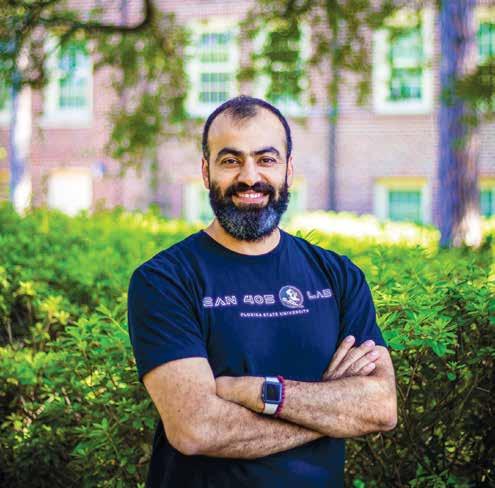
Ravinder Nagpal, MSc, Ph.D., an associate professor specializing in nutrition and the microbiome at Florida State University (FSU), helms The Gut Biome Lab, a research team that studies the role of nutrition in maintaining gut health and preventing or treating chronic disease. He serves on the editorial teams of several peer-reviewed medical journals, most notably as editor-in-chief of Gut Microbiome
and Health and associate editor of Frontiers in Microbiomes and Frontiers in Nutrition.
Nagpal’s research is supported by numerous governmental agencies, commodity boards and industry associations, including the U.S. Department of Agriculture, Florida Department of Health, Infectious Diseases Society of America, U.S. Environmental Protection Agency, National Institutes of
Health, The Institute for Successful Longevity at FSU, Academy of Nutrition and Dietetics, The Almond Board of California and The Peanut Institute.
How do you define the gut microbiome, and why is it important?
The gut microbiome is a very dense, complex community of various bacteria, fungi and protozoa that live in our gut during our entire life span. We are born with a very simple microbiome. As we age, environmental exposures come into play. By the time we are 2 or 3 years of age, our microbiome starts becoming very rich, with over 1,000 species of bacteria and fungi that impact our overall health by helping us to digest food, maintain good metabolism and regulate our intercellular immune system.
How can we determine if we have a healthy microbiome?
The microbiome is very personalized. It varies from person to person, and within a person, the microbiome varies during the life span, depending on the diet, lifestyle habits, travel, medications, etc. There is no gold standard, universal definition of a healthy microbiome. It is the one you carry when you are feeling healthy and fine. However, there are a few specific bacterial species that are known to be beneficial for everyone and some species that are known to be pathogenic for most or all.
When we do our research studies, we collect fecal samples from each subject and scan their entire microbial community. We
identify the ratio of beneficial bacteria over opportunistic or pathogenic bacteria, noting any toxigenic or potentially pathogenic bacteria that are out of proportion, which would indicate a bad or unhealthy, misbalanced microbiome known as dysbiosis.
How can we maintain a healthy gut microbiome?
Many factors contribute to a good microbiome, including exercise, good sleep habits and a stress-free routine, but the most important factor is the food that we eat. We have thousands of species of bacteria, and each of those species has their own food preferences. The majority of the diet should be plant-based, including a diversity of fruits, vegetables, salads, minimally processed grains, legumes, nuts and seeds.
Avoid overeating and stay away from ultra-processed foods. Prioritize a nutrient-rich rather than calorie-rich diet. Make sure to consume an organic diet that is free from chemicals, additives, emulsifiers, pesticides and antibiotics. Variety is super important. Eat different foods from all the food groups daily. Different types of fiber support different types of beneficial bacteria, so we need to make sure that our diet is diverse.
“Many factors contribute to a good microbiome, including exercise, good sleep habits and a stress-free routine.”
Do you recommend taking probiotic or prebiotic supplements?
As long as someone is healthy, they don’t really need probiotic supplements. You already carry your own beneficial probiotics; just nurture them by eating a healthy diet. Probiotics in the U.S. are sold as food supplements, which means that they are not required to be clinically tested and validated, so we may not know if they are actually going to be really effective. Prebiotics, defined as food components like fiber and resistant starches, as well as fermented foods and vegetables, are more effective than commercial probiotic supplements because they feed the indigenous population of beneficial and commensal [neither harmful nor beneficial] bacteria.
What discoveries have you
recently made in The Gut Biome Lab?
For decades, Alzheimer’s disease and related dementias were believed to originate exclusively within the brain, driven by the impaired functioning of neurons and proteins,
as well as plaque buildup. However, our recent research has revealed that older adults with mild cognitive impairment who are at risk for Alzheimer’s harbor a distinct gut microbiome compared to healthy individuals, indicating that gut health could be both a marker and a modifiable risk factor in disease progression. This discovery may facilitate novel avenues for prevention and management, including dietary and lifestyle changes to restore microbiome homeostasis to support neurocognitive health.
Our research has also discovered that obesity can heighten a predisposition to cognitive decline via alterations in gut-microbiome-brain signaling, a mechanism that has been largely under-explored in aging populations. This highlights the gut-muscle-brain axis as a modifiable target to enhance cognitive health in aging populations.
Sandra Yeyati is national editor of Natural Awakenings.
Fiber’s Fun Side
Delicious Ways To Boost Daily Intake
by Maya Whitman
Studies consistently show that the vast majority of Americans fail to consume enough fiber in their diet, even though it has been shown to significantly reduce the risk of heart disease, diabetes, obesity and colorectal cancer. The Academy of Nutrition and Dietetics recommends that adults aim for 14 grams of fiber per 1,000 calories consumed, which is about 25 grams for women and 38 grams for men daily. Adequate fiber is indispensable for lowering inflammation and maintaining digestive, cardiovascular and metabolic health.
Many of us believe that fiber-rich foods are unappetizing and difficult to digest, when in fact, they can be versatile and enjoyable components of a well-rounded diet. “Across cultures, some of the most comforting and flavorful dishes are naturally high in fiber. These meals rely on legumes, vegetables and whole foods as their foundation, and have done so long before
fiber became a nutrition buzzword,” says Registered Dietitian Nutritionist Nichole Dandrea-Russert, author of The Fiber Effect and co-author of Powered by Plants: Nutrient-Loaded 30-Minute Meals to Help You Thrive.
Soluble and Insoluble Fibers
According to the Mayo Clinic, soluble fiber—which dissolves in water and forms a gel-like material in the stomach—slows digestion and increases feelings of fullness, helping us to control our weight and lower cholesterol and blood sugar levels. It is found in beans, oats, apples, bananas, avocados, citrus fruits and carrots. Insoluble fiber, which does not dissolve in water, helps to move material through the digestive system and adds bulk to stool, helping to prevent constipation and promote regularity. It is found in nuts, beans and vegetables such as cauliflower and potatoes. Most plants have a combination of soluble and insoluble fiber.
Boosting Our Daily Intake
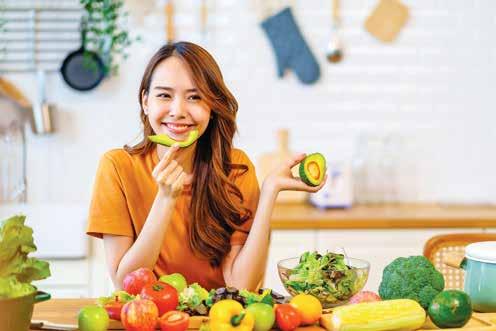
Given all the wonderful fruits, vegetables, grains, seeds, nuts, beans and legumes available, adding fiber is easy, as well as an opportunity to play with flavors, colors and textures. For crunch, color and a refreshing taste, nothing beats a good slaw with shredded purple cabbage, carrots, green apples, turnip greens and spicy radishes. Sushi roll-ups served with wild rice, avocado and baked sweet potato is a filling, complete meal. To satisfy our sweet tooth, fiber-rich Medjool dates filled with raw pistachios, creamy nut and seed butters or tangy goat cheese hit the spot.
“Fiber comes in a few different forms, and most plant foods contain a mix of them, so you don’t need to overthink it,” explains Sandra Turnbull, a registered dietician and owner of Midlife Nutrition and Coaching, in British Columbia, Canada. “You don’t need to track fiber types. Eating a variety of plant foods naturally gives you the mix your body needs.”
Turnbull points out the variety of textures associated with fiber, including the crunch of vegetables, the creaminess of beans and the chewiness of whole grains. For fiber-rich snacking, her favorite options include popcorn, edamame pods and yogurt with berries. She also highlights the significance of prebiotic fiber, a dietary ally that nourishes beneficial gut bacteria and is found in onions, garlic, leeks, asparagus, bananas, oats and beans.
Dandrea-Russert recommends adding at least three plant-based colors into each meal, such as blueberries, banana and chia seeds into oatmeal; arugula, tomato and red onion in a sandwich; or sprouts, greens and shredded carrots into a wrap. To start the day, her “avocado toast salad” consists of mashed avocado on whole-grain sourdough, topped with arugula, matchstick radish, red onion, shaved ginger, fresh herbs, sprouts and microgreens, all drizzled with a squeeze of lemon. She favors a handful of nuts or toasted chickpeas as a healthier alternative to chips.
With fruits, Dandrea-Russert stresses the importance of consuming the skins, particularly those of organic apples, kiwis and grapes, as they offer the benefits of insoluble
fiber. In general, she prioritizes whole-food, minimally processed sources of fiber-rich foods, noting, “We’re not just consuming fiber in isolation; we’re benefiting from the full spectrum of compounds that work synergistically in the body.”
General Tips
According to Dandrea-Russert, mild bloating or gas is a normal initial response to consuming fiber and often indicates that beneficial gut bacteria are waking up and thriving. With consistency and patience, digestion typically becomes more comfortable and resilient.
Turnbull advocates for a gradual approach to increasing fiber intake, emphasizing the importance of chewing foods thoroughly and introducing one higher-fiber food at a time to allow the gut to adjust. “Fiber and fluids work best as a team,” she adds. “When people increase fiber without drinking enough, they’re more likely to run into trouble with bloating or constipation. Sip water regularly throughout the day, rather than chugging it all at once.” Incorporating foods with natural
fluid content like soups, stews, smoothies or juicy fruits can also help.
Soaking dried beans for 12 to 24 hours and discarding the soaking water before cooking in fresh water can enhance digestibility. Adding a piece of kombu seaweed or spices like ginger, cumin, fennel, coriander seeds or bay leaf to the beans’ cooking water can help reduce gas-producing compounds while subtly enhancing the flavor. Drinking peppermint tea or chewing fresh rosemary leaves after
meals can relax digestive muscles and alleviate discomfort.
Adding fiber to our diet is an opportunity to discover new culinary experiences and marvel at the amazing variety of nourishing options. Dandrea-Russert says, “Pausing to feel gratitude for the thousands of edible plants available to us with fiber as their foundation can shift how we relate to food.”
Maya Whitman is a frequent writer for Natural Awakenings.
ROASTED
RED PEPPER PASTA SAUCE (OIL-FREE, VEGAN)
Creamy, vibrant and deeply satisfying—no oil, no dairy, just nourishment.
YIELD: ABOUT 4 SERVINGS
1 jar (12–16 oz) organic roasted red peppers, drained
1 cup reserved pasta cooking water
½ cup hemp seeds
½ cup cashews
Juice of 1 lemon
1 tsp garlic powder
4 Tbsp nutritional yeast
1 tsp cayenne pepper
2 tsp salt
16 oz pasta of choice
Fresh basil, for serving
Soak the cashews. Place cashews in a bowl and cover with hot water. Let soak for at least 30 minutes (or up to 4 hours if time allows). Drain and rinse before using. Shortcut: If you have a high-speed blender, a 10-minute soak in boiling water works well.
Cook the pasta. Bring a large pot of salted water to a boil and cook pasta according to package instructions. Reserve 1 cup of the cooking water, then drain.
Blend the sauce. Add the drained roasted red peppers, soaked cashews, hemp seeds, lemon juice, garlic powder, nutritional yeast, cayenne, salt, and about half of the reserved pasta water to a blender. Blend until completely smooth and creamy, adding more pasta water as needed to reach your desired consistency.
Combine and warm. Pour the sauce over the hot pasta and toss well
Recipe courtesy of Dr. Julie TwoMoon, a Naturopathic Doctor, Oriental Medicine Practitioner and founder of the Thriving Health Program in
This creamy, comforting, savory and satisfying coconut-based broth
Sriracha or hot sauce of choice to taste (optional)
To a large stockpot over medium-high heat, add the mushrooms,
onion and red bell pepper. Stir occasionally until the onions are translucent, about 2 to 3 minutes.
Stir in the garlic, ginger and lemongrass. Cook for another minute.
Add the vegetable broth and 2 cups of water. Bring the mixture to a boil and then add the noodles. Cook for 10 minutes or until the noodles are tender.
In a medium bowl, whisk together the miso, coconut milk, coconut aminos and gochujang until the miso is completely dissolved.
Once the noodles are tender, turn off the heat and stir in the coconut milk mixture.
Add the bok choy and edamame, stirring until the bok choy is slightly wilted. Add the lime juice.
Divide the ramen among four bowls and garnish with a generous amount of green onion, cilantro and sriracha.
Store leftovers in an airtight container in the refrigerator for up to 5 days. The noodles will continue to absorb the broth and may get a bit soggy.
Note: The coconut miso mixture can be prepared ahead of time and stored in an airtight container in the refrigerator for up to 48 hours.
Substitutions: Button mushrooms can be replaced with shiitake, cremini or any other mushroom. Substitute red onion or shallots for the white or yellow onion. Green, yellow or orange bell pepper can replace the red bell pepper. Instead of bok choy, use spinach or kale. Add chickpeas in place of edamame.
Recipe from the cookbook Powered by Plants: Nutrient-Loaded 30-Minute Meals to Help You Thrive by Food Revolution Network CEO Ocean Robbins and Nichole Dandrea-Russert, MS, RD, published by Hay House.
LIME COCONUT CHIA PUDDING WITH CRUSHED ALMONDS
YIELD: 2 SERVINGS
¼ cup white (or black) chia seeds
2 Tbsp hemp seeds
1½ cups unsweetened plant-based milk
1 tsp lime zest
2 Tbsp lime juice
2 Tbsp maple syrup
¼ cup shredded unsweetened coconut
2 Tbsp crushed almonds
Add everything but the almonds to a medium-sized bowl or 16-ounce mason jar. Stir well so that the chia seeds are dispersed throughout the milk mixture.
Place in the refrigerator. After approximately 30 minutes, stir mixture again and let sit in refrigerator another 1 to 2 hours before serving.
When ready to serve, top with crushed almonds.
Recipe and photo courtesy of Nichole Dandrea-Russert of PurelyPlanted.com.
Data-Driven Wellness
Functional Lab Testing To Personalize a Healthy Lifestyle
by Hannah Tytus
Functional lab testing extends beyond conventional tests to assess body systems such as gut function, hormone balance, nutrient absorption and detoxification. By analyzing a broader range of biomarkers and using wider reference ranges, practitioners can design personalized nutrition, lifestyle and supplement strategies that address the underlying drivers of health.
When applied judiciously, functional testing empowers patients with actionable insights, guiding them toward improved digestion, nutrient utilization, hormonal balance and overall well-being. Dr. Aumatma Simmons, a double board-certified naturopathic doctor and endocrinologist, underscores the importance of collaborating with a professional before undertaking functional lab testing to save time, money and confusion. Not all tests are equally reliable, and an experienced practitioner can help separate the fluff from the facts.
“I do not like to over-test because of the expense. If an elimination diet brings symptom relief, for example, then less testing and fewer supplements are needed,” states Lorraine Maita, M.D., an internal, integrative and functional medicine specialist at The Feel Good Institute.
Limits of Conventional Lab Work
“Conventional lab testing is designed based on averages, and those averages are not always what’s optimal,” explains Simmons, noting that many conventional reference ranges are broad, encompassing a diverse population without specifying what truly constitutes ideal health. From a functional perspective, she says, lab tests are interpreted with a focus on optimizing health, rather than merely adhering to the normal range.
According to Maita, another limitation of conventional lab tests is that they solely
indicate the presence of nutrients in the bloodstream without providing insight into the body’s actual absorption or utilization of those nutrients. “Just because you’re eating healthy does not mean that food is being digested, absorbed and assimilated. A lot of blocks can happen along the way,” she explains, adding that functional lab testing adds more detail to help clarify what is really going on in the body.
Common Functional Testing
Stool Test for Gut and Immune Function:
A stool test examines the presence and absence of microorganisms to gain a better understanding of the gut microbiome within the body. In addition to taking a census of the various beneficial bacteria, this test also assesses the presence or absence of specific digestive enzymes, parasites, worms, yeast or inflammation markers. In Maita’s practice, this test allows her team to provide personalized, precision medical care to address microbiome imbalances and immunological stressors.
Food Sensitivity Testing:
These tests are designed to assess the immune system’s reaction to specific foods or food additives. The Mediator Release Test (MRT), used by Simmons, “looks at all of the specific white blood cells in the body and how they respond to a specific food,” she explains. Unlike allergy tests that detect immediate reactions, the MRT identifies delayed immune responses that may cause bloating, fatigue, headaches, joint pain, skin issues or other chronic symptoms. According to Simmons, the results guide personalized dietary modifications to reduce inflammation and enhance overall wellness.
Maita notes, “Food sensitivity testing is sometimes helpful for people who can’t tell what their trigger foods are by just doing an elimination diet. I like to use the Vibrant Wellness test. It will show them if they’ve made antibodies to food, which suggests how well they might do when they remove those foods.”
Functional Nutrient Test: While conventional testing measures the presence of nutrients in the bloodstream, an intracellular blood test—also known as micronutrient testing or functional nutrient testing— measures nutrient levels within red and white blood cells, thus determining whether nutrients are being properly absorbed and utilized by the body.
“A lot of people are taking supplements, but their GI [gastrointestinal system] isn’t absorbing any of it,” Simmons points out, highlighting how functional testing can uncover hidden inefficiencies that standard blood tests and supplementation alone might miss. Citing the trending supplement CoQ10 as an example, she notes that a functional nutrient test may suggest that a patient should take a different form of the supplement for better absorption.
Dried Urine Test for Comprehensive Hormones (DUTCH): This test provides a comprehensive analysis of adrenal and sex hormone function. Unlike conventional
cortisol tests, the DUTCH measures levels four times throughout the day and evaluates cortisol metabolites to explain how the body produces, converts and eliminates cortisol each day.
The DUTCH is also invaluable as a way of mapping the body’s ability to process estrogen. “This is critical because symptoms often attributed to estrogen dominance—such as breast tenderness, irritability, premenstrual syndrome and sub-fertility—are frequently caused, not by excess estrogen itself, but by metabolite buildup or impaired clearance pathways, in which case specialized
diindolylmethane (DIM) supplements would be prescribed to support estrogen metabolism,” Simmons explains. “This illustrates why the professional interpretation of DUTCH testing is essential: because it shows whether a hormone imbalance is truly about excess, impaired metabolism or faulty elimination, allowing interventions to be tailored accurately, rather than relying on generalized supplement advice.”
Hannah Tytus is an integrative health coach, former writer at the National Institutes of Health and host of the Root Shock podcast, exploring our understanding of health.
Pet Reactions to Food
How To Ease Their Discomfort
by Ruth Roberts, DVM, CVA, CVH, CVFT, NAN
Persistent itching, recurrent ear infections, digestive upset and dull coats are common in pets and often indicate a food reaction. Distinguishing food allergies from sensitivities can be confusing because their symptoms often overlap. However, understanding the difference is essential to arrive at an accurate diagnosis, effective dietary strategies and better long-term outcomes.
Food allergies occur when the immune system misidentifies a normally harmless food as a threat and triggers an inflammatory response. According to a 2023 article published in the Journal of the American Veterinary Medical Association, when the immune system’s tolerance to food breaks down, the response involves either antibodies or immune cells like T-cells. Common symptoms include persistent itching, recurrent skin or ear infections, vomiting, diarrhea or a combination of skin and tummy symptoms. Over time, even small amounts of the offending ingredient can provoke noticeable reactions.
Food sensitivities, also referred to as food intolerances, differ from food allergies because they do not involve antibodies or immune cells. Instead, food intolerance arises when foods overwhelm the pet’s digestive capacity, its metabolism or its normal gastrointestinal
function. Common symptoms include intermittent diarrhea, gas, vomiting, variable itching and changes in energy or behavior, with reactions often appearing hours or days after the food was eaten.
Although food allergies and food sensitivities can exhibit similar skin and gastrointestinal signs, veterinarians differentiate between them based on reaction patterns, dose sensitivity, timing and response to dietary intervention, rather than relying solely on symptoms.
Dietary Triggers and the Role of Elimination Diets
Food allergies are most often caused by specific proteins. A 2016 study published in BMC Veterinary Research indicates that the most prevalent allergens in dogs include beef, dairy, chicken, wheat and lamb; while in cats, beef, fish and chicken are most frequently implicated. Food sensitivities, on the other hand, are usually related to how the pet’s body handles certain ingredients. These reactions may occur when foods are highly processed, contain additives or are difficult for the pet to digest, rather than being caused by the immune system.
The most reliable way to identify the problematic food is through an elimination diet, followed by gradual reintroduction of ingredients.
During the elimination phase, pets are fed a simplified diet with ingredients they have rarely or never eaten. All treats, flavored medications, supplements and table foods are removed during this process. This phase typically lasts eight to 12 weeks, although chronically affected pets may require a longer duration. Signs like itching, vomiting, diarrhea or ear problems are meticulously monitored. Once symptoms improve or stabilize, individual ingredients are slowly reintroduced one at a time, with several days separating each addition. If symptoms return after a specific ingredient has been reintroduced, that food is identified as the trigger.
A 1994 study published in the Australian Veterinary Journal demonstrates that an elimination diet can lead to improvements, and the recurrence of symptoms confirms food-related reactions. This method also helps veterinarians determine whether the reaction is more consistent with a genuine allergy or a non-immune sensitivity, thus guiding long-term dietary management.
Supporting Healing From the Inside Out
Dr. Peter Dobias, a conventional and integrative veterinarian, emphasizes that food sensitivities and food allergies should be viewed as expressions of deeper systemic imbalances rather than isolated dietary shortcomings. He explains that regardless of whether a pet develops a sensitivity or an allergy, the underlying contributors frequently overlap. These include genetic predisposition, toxin accumulation, nutrient deficiencies, gut dysbiosis (imbalance), chronic stress and limited dietary diversity during early development.
Dobias treats both allergies and sensitivities with foundational restoration rather than symptom suppression. His approach includes feeding species-appropriate, minimally processed whole foods; providing essential nutrients like omega-3 fatty acids, probiotics, vitamins and minerals; supporting liver detoxification; and maintaining spinal and structural health. While allergies often appear more acutely and require immediate management, he stresses that addressing underlying imbalances benefits both conditions.
“Allergies are a signal that the body’s systems and metabolism need support, not just that a single food needs to be eliminated,” Dobias asserts. This perspective helps explain why quick dietary fixes often fail. Removing a single ingredient without addressing digestive capacity, detoxification or inflammation may temporarily reduce symptoms, but it does not resolve the conditions that allowed reactivity to develop. Effective dietary intervention therefore requires structure, patience and a broader understanding of how food interacts with the whole system.
Ruth Roberts, an integrative veterinarian and holistic health coach for pets, is the creator of The Original CrockPet Diet. Learn more at DrRuthRoberts.com.
“A lot of people are wary about hypnosis, they think it’s kooky or witchcrafty, but really it is a very comfortable relaxation...and it onlyhelps you do what youwant to do.” says onesatisfied client.
With a 95% Success rate, Ariana Joy Arlen guarantees smoke cessation in just ONE visit – and unlike edications, there are no unwanted side-effects!
If You Are Reading This, So Are Your Potential Customers.
Calendar of Events
THURSDAY, MARCH 5
Natural Dye Workshop: Bundle Dye –5:30-8pm. Use an array of natural dyestuffs to create a beautiful 100% silk scarf. Sliding scale: $35-$65. Bock’s Pet & Garden, 1360 E M-36, Pinckney. 734-878-3092. Registration required: Tinyurl.com/2v49xwn4.
SATURDAY, MARCH 7
Wildflower Association of Michigan Native Plant Conference – Mar 7-8. “Natives and Nature: Cultivating Connections” and the keynote speaker will be Dr. Doug Tallamy. Kellogg Hotel & Conference Center, Michigan State University, 219 S Harrison Rd, East Lansing. More info: WildOnesLansing.weebly.com.
THURSDAY, MARCH 12
Lansing Home & Garden Show – Mar 12-15. Features gardens, 3 free seminar stages and hundreds of local businesses featuring every product and service you’ll ever need, all under one roof. Farm Bureau Pavilion at Michigan State University, 4301 Farm Ln, East Lansing. Showspan.com/lhg.
SUNDAY, MARCH 15
Our Changing Times – 2-4pm. Presented by astrologers Carole Ray and Pat Perkins. $25. Coyote Wisdom, 2338 N Grand River, Lansing. 517-323-1707. CoyoteWisdomStore.com.
TUESDAY, MARCH 24
Gardening with Native Plants Class –7-9pm. Learn about making gardening easier and attracting birds and butterflies with native plants. Join Vern Stephens, owner of Designs by Nature, to learn about designing and maintaining a native garden. Harris Nature Center, 3998 Van Atta Rd, Okemos. Tinyurl.com/2u3panxt.
THURSDAY, MARCH 26
2026 Astrology: The View Ahead – 2:304pm. With Joann Anderson. A talk about what to expect during this Venus and Mars retrograde. $30. Coyote Wisdom, 2338 N Grand River, Lansing. 517-323-1707. CoyoteWisdomStore.com.
SATURDAY, MARCH 28
Lesser Celandine: Local Efforts to Curb the Spread of This Invasive Plant –10am. Stephanie Day, Coordinator of the Mid-Michigan Cooperative Invasive Species Management Area, will discuss the rapid spread of invasive lesser celandine and its impacts to the environment. Lansing Red Cedar Natural Area, park at 301 S Clippert St, Lansing. WildOnesLansing.weebly.com.
DAILY
Free Online Programs – Practical Buddhism, Healing and Compassion Meditation, Group Practice, White Tara Guided Healing Meditation, Sunday Talks. Jewel Heart Tibetan Buddhist Learning Center: JewelHeart.org.
Naturally Purifying and Supercharging Your Body Podcast – 7-7:45pm. Matthew Hazen is the owner of Human Consciousness Support, a company that produces a unique nutraceutical product called MasterPeace. Free. BuzzSprout. com/1206776/14236700.
MONTHLY
River Walk Trash Cleanup – 11am-12pm. 1st day of each month. Join us in caring for the Earth and her waterways by picking up the trash on the Lansing River Trail and the areas around our building. Will meet each month unless it is actively raining or there is snow on the ground. Weavers of the Web, ATC, 809 Center St, Ste 8A, Lansing. 517-657-5800. WeaversOfTheWeb.org.
SUNDAYS
White Tara Guided Healing Meditation – 10:30-11:30am. Free. Zoom. Jewel Heart Tibetan Buddhist Learning Center: 734994-3387. JewelHeart.org.
Sunday Talk with Demo Rinpoche –11am-12pm. Zoom. Jewel Heart Tibetan Buddhist Learning Center: 734-994-3387. JewelHeart.org.
The Way of Eternal Becoming: Energetic-Spiritual Cultivation Session – 2-3:15pm. Raising, brightening and engaging your unique true whole self and inherent gifts for a more present and fulfilling way of maneuvering through life’s challenges, successes and day-to-day experiences. Free. Zoom. EternalBecoming.com. Drum Circle – 2-4pm. Immerse yourself in the rhythmic beats and let the music move your soul. All welcome. Free. Altus Ethiopian Cuisine & Bar, 1312 Michigan
Ave, East Lansing. For dates: Facebook. com/GreaterLansingAreaDrummers.
MONDAYS
Meaningful Mondays – 8pm. SevaLight Retreat Centre warmly welcomes everyone, of all faiths, meditation practices and traditions, to join us virtually. Will gather on video conference sharing in song/chants and inspiring readings from Mata Yogananda Mahasaya Dharmaji’s writings, followed by Pure Meditation and silent prayer. Free. Email by 10am any Mon to receive the info about how to join by video: Info@SelfRealizationCentreMichigan.org.
TUESDAYS
Mini-Community Acupuncture Happy Hour – 3-5pm. Relax, zen out, and experience the relaxation and health benefits of acupuncture in a welcoming community setting. Bring a friend and enjoy a mini-session designed to help you unwind and explore the benefits of acupuncture. Solara Wellness, 644 Migaldi Ln, Ste 300, Lansing. 517-388-1507. SolaraWellness.net.
Neverending Lam of Liberation –7-8:30pm. With Demo Rinpoche. Zoom. Jewel Heart Tibetan Buddhist Learning Center: 734-994-3387. JewelHeart.org.
WEDNESDAYS
Allen Farmers Market – 3-6:30pm. Yearround. Stock up on groceries and visit the Eastside Lansing Food Co-Op onsite at the same time. 1629 E Kalamazoo St, Lansing. Facebook.com/AllenFarmersMarket.
Mindfulness Meditation: Thich Nhat Hanh Tradition – 7-8pm. All welcome. Van Hanh Temple, 3015 S MLK Jr Blvd, Lansing. LansingCityPulse.com.
THURSDAYS
Rest & Regulate: Trauma-Focused Yoga – 7:45-8:45pm. Join us in-person in Royal Oak or virtually via livestream. Gentle, beginner friendly yoga led by licensed mental health therapist and registered yoga instructor. Learn calming breathwork and somatic techniques. $20. Namaste Yoga Center, 3121 Rochester Rd, Royal Oak. MindfulEmpowermentpllc.com.
FRIDAYS
Witch’s Recovery Circle – 11am-12pm. This is not your average recovery meeting. A sacred virtual space for anyone walking a healing path, whether you are in recovery from alcohol, drugs, food, sex, chaos, co-dependency, trauma, or anything else
that has disconnected you from your power. All welcome. Free. IlluminateUnschool.com/sober-witch-recovery-circle.
Monthly Women’s Circle – 6:30-8pm. 2nd Fri. A safe and supportive circle to come together to build skills, process emotions, connect with others and foster sisterhood. The circle offers guidance, laughter, sharing, growth and strength in community. $25. Alchemy Holistic Collective, 105 E Middle St, Chelsea. 734-210-1922. AlchemyHolisticCollective.com.
SATURDAYS
Meridian Township Winter Farmers Market – 10am-2pm. Marketplace on the Green Pavilion, 1995 Central Park Dr, Okemos. Meridian.mi.us/FarmersMarket.
uncover wireless risks
Classifieds FOR RENT
Eco/EMF shielded home near Grayling available for short to long term stay. Minimal rent/ help caring for dogs & chickens on property. Call 231-714-0477 for details.
HOLISTICALLY RAISED PUPPIES
HEALTHY HERDERS - Full grown female Aussiedoodle, 13lbs, blue merle, holistically raised since taken in as an older pup. Roscommon. NutritionalRC@ gmail.com. 989-275-9976.
LAND FOR SALE
PERFECT FOR HOSTING A BURNING MAN-STYLE FESTIVAL – without the mud and storm chaos of this year’s event! Just 90 miles from Las Vegas off Route 93, this 68-acre off-grid desert retreat features 6 domes, sustainable infrastructure, RV site permits, fruit orchards, and unlimited festival permitting. Level land. No flood zone. No drama. Bruce Perlowin. 323-420-6990.
We offer the holistic community a nature-oriented meeting space for workshops, meetings, counseling, yoga, youth groups, and family gatherings. Main room accommodates 100 pre-Covid, with two smaller classrooms and kitchen facilities. Hiking trails. Weekend rates range from $200-$400, additional for extensive grounds use, camping. Book your next gathering at https://MFCenter.org/rent
“We need to preserve a few places, a few samples of primeval country so that when the pace gets too fast we can look at it, think about it, contemplate it, and somehow restore equanimity to our souls.”
Community Resource Guide
Advanced Wellness
Nature’s Trading Post
Offering natural smokeless tobacco options. Delivered free within Northern MI.
Aromatherapy
EMF Investigator
GOOD WAVES EMF INVESTIGATOR
Serving Central to Northern MI 231-714-0477
EMFInvestigator.com
–
Sigurd Olson
7748 Clark Lake Road, Chelsea, MI 48118 (734) 475-1892 https://MFCenter.org/rent
Many unexplained health issues are showing links to Cell Phones/Towers/Wi-Fi (with levels now stronger than bodies naturally adapt to). We detect EMF-related causes by determining sources of harmful radiation & offer solutions to mitigate them. See ad page 29.
Clinically certified aromatherapist offers holistic consultations with customized blends of professional quality essential oils. Trust Margo to help you understand the complicated world of aromatherapy. Her holistic approach can help you maximize your benefits from this powerful therapy and minimize side effects. Aromatherapy is a wonderful way to integrate natural healing into your life. Phone consultations are available.
Biological Dentist
ANN ARBOR’S DENTIST
Dr. W. K. Dobracki, DDS 606 W Stadium Blvd, Ann Arbor, 48103 734-747-6400
Passionate about holistic care while utilizing Bio-Compatible materials and lasers. Our patients can elect to be free from fluoride, mercury and other harmful metals. Filling materials are tooth colored and both BPA & Bis-GMA free. We offer natural oral health products using fine essential oils, and free of gluten and preservatives.
Energy Enhancement & Wellness
MIRACULOUS ENERGIES
(A Private Membership Association) MiraculousEnergiesAssociation@gmail.com 517-599-4949
MiraculousEnergies.com
The EESystem combines Body, Mind, Spirit and Science. This system generates multiple bio-active life-enhancing energy fields, including scalar waves and a morphogenic energy field, also known as scalar vortex. When combined with light as biophotons, it can interface with the body's DNA matrix and promote wellness. See ad page 3.
Health Food Store
BETTER HEALTH MARKET &
CAFE
305 N Clippert St, Lansing 517-332-6892
6235 W Saginaw Hwy, Lansing 517-323-9186
BetterHealthMarket.com
Michigan's #1 source for organic foods, vitamins and more. Better nutrition at better prices, all backed by better advice from our nutrition experts. You will find; organic produce, all the top-quality vitamins and supplement brands, sports nutrition and proteins, delicious prepared foods, desserts, an organic salads, soup and hot bar, natural bath, body and aromatherapy products, green home products. Get rewards through our APP. See ad page 21.
Homeopathic Pharmacy
CASTLE REMEDIES
2345 S. Huron Pkwy, Ann Arbor In the Parkway Center 734-973-8990
CastleRemedies.com
Serving Michigan for nearly 40 years. Castle Remedies offers over 1,000 homeopathic remedies as well as herbs, essential oils, flower essences, books, unique gifts and jewelry. We carry top-tier nuitional supplement brands such as Metagenics, Ortho Molecular, Xymogen, Integrative Therapeutics, Karuna, NOW, and more. Classes available online. See ad page 23.
Mold Testing & Remediation
MOLDPRO
John Du Bois, CMI, CMR 247 W. Main Street, Milan 734-439-8800 • MoldProllc.com
MoldPro offers chemical-free mold remediatio, independent certified mold testing, inspection and consultation services all over SE Michigan specializing in mold biotoxin illness clients.
Nature-Oriented Meeting Space
MICHIGAN FRIENDS CENTER AT FRIENDS LAKE COMMUNITY 7748 Clark Lake Road, Chelsea 734-475-1892
MFCenter.org/rent
We offer the holistic community a nature-oriented meeting space for workshops, meetings, counseling, yoga, youth groups and family gatherings. Main room accommodates 100 pre-COVID-19, with two smaller classrooms and kitchen facilities. Hiking trails. Weekend rates range from $200-$400, additional for extensive grounds use, camping. See ad page 30.
Smoking Cessation
FREE AT LAST! HYPNOSIS CENTER - A JOYFUL JOURNEY
734-883-8775
Stop smoking in one visit. Afraid it’s going to be too painful or too difficult? Our unique specialized and proven system makes it easy. Become a happy and permanent non-smoker today. See ad page 27.
Weight Loss
FREE AT LAST! HYPNOSIS CENTER - A JOYFUL JOURNEY
734-883-8775
Lose weight now with hypnosis. Achieve permanent positive life and habit changes through our safe, rapid and effective system. Tap the potential of your mind to create the health and vitality you’ve always wanted. See ad page 27.
Wellness Center
WYCOFF WELLNESS
John O. Wycoff, DO 1226 E Michigan Ave, East Lansing 517-333-7270
WycoffWellness.com
We provide customized preventative care and lifestyle improvement plans for all patients. We focus on exploring natural solutions to many health problems or concerns, but do not abandon conventional medicine. We provide a blend of traditional and alternative care to help you achieve health and wellness naturally. See ad on back cover.
THRIVE! WELLNESS CENTER
148 S. Industrial Dr. Saline 734-470-6766
Thrive-Wellness-Center.com
At Thrive! Wellness Center
Shannon Roznay, DC, specializes in Nutrition Response Testing and Activator Chiropractic. Thrive! also carries natural foods, skin and home products. See ad page 25.