March feels like one of those beautifully full months, the kind that holds celebration, reflection, and purpose all at once.
This month I get to celebrate my daughter’s birthday, and every year I’m reminded how quickly time moves and how precious these growing years are. Her joy, curiosity, and energy are such gifts. In the same breath, we celebrate my dad turning 80. Eight decades of wisdom, resilience, stories, and steady love. There’s something incredibly grounding about honoring both new beginnings and a life so richly lived in the same month.
We also mark my mom’s birthday ,another chance to pause and give thanks for the woman whose care and strength shaped so much of who I am. And woven into all of this is a volunteer event that reminds me how important it is to look outward, to serve, and to stay connected to our community.
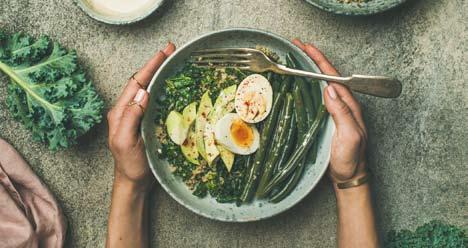
And as if March wasn’t meaningful enough, it’s also National Nutrition Month, which feels fitting. With all these celebrations of life and legacy, it’s a powerful reminder that how we nourish ourselves matters. Health is what allows us to show up for our children, for our parents, for our community. It’s what gives us the energy to celebrate milestones, create memories, and keep going strong at every stage of life. Nutrition isn’t just about food; it’s about fueling the moments that matter most.
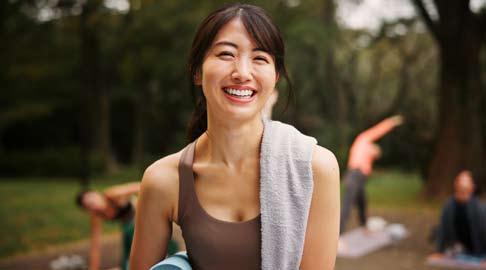
March is full. It’s layered with birthdays, gratitude, service, and reflection. It reminds me that caring for the people I love also means caring for myself , body, mind, and spirit. This means I can continue to celebrate many more milestones in the years ahead.
I hope you keep your wellness in mind this month. When it comes to aging and getting older and wiser, you realize your health becomes the most important thing to you. I hope you all have a happy and healthy begining of spring.
Amanda Lewis
Please like and follow us Modern Health and Living www.facebook.com/modernhealthandliving
The Ommani Center, Livestrong.com, Environmental Nutrition, Nutrition Action Health Letter, Columbia/St. Mary’s, Ascension, Eye Care Specialists, Aurora, Alexian, Eye Physician Associates, Brothers Village, Ye Olde Pharmacy, NIH, Jensen Health and Energy, Foot Solutions, Allergy and Asthma Centers, Tudor Oaks, Active Care Rehab, Greensquare Center for the Healing Arts, Midwest Audiology, Integrative Family Wellness Center, Universal Services, American Camp Association and Home Instead
For information on advertising or to submit articles call, 414-659-6705 or 608-237-6000, or email mhl@wi.rr.com.
Subscriptions are $20 per year. Thanks for reading MHL.
MHL is published on the first of each month . The articles in this publication are in no way intended to replace the knowledge or diagnosis of your doctor. We advise seeing a physician whenever a health problem arises requiring an expert’s care.
Special Thanks! To all the local professionals that provide us with articles containing new information and keeping all our readers informed of the latest in healthy living.
4 Ways to Use ADAPTATION IN EXERCISE
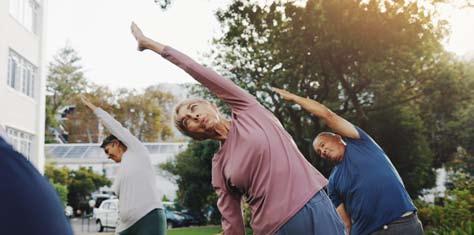
Tailor your exercise routine to your needs with these adaptations. Adding adaptations in exercise routines is a great way to enjoy the benefits of movement while protecting your physical health.
Do you feel like your workout routine has fallen into a rut, but you’re not sure where to start changing? You could consider going all-in, but exercising at an intensity or volume you aren’t used to may increase your risk of injuries.
Instead, after consulting with your doctor, consider starting slowly and gradually increasing the intensity of your activities. This helps make sure your exercise routine actually benefits your health instead of causing injuries that can set you back physically.
Thankfully, no matter what your current level of fitness is, there are some great changes you can make to your activities to make them a bit easier on your body.
Swimming is a fantastic exercise; you’ll get a great cardio workout and a full range of motion of your joints, with little to no negative impact on your bones. Swimming is a popular activity for seniors, especially because of the limited impact on the joints — you’re much less likely to encounter joint injuries swimming when compared to walking, running, or other high-impact activities.
Another great way to incorporate low-impact activities is to join a pool exer-
cise class. Water fitness classes, water aerobics, or similar activities are a great way to help your muscle tone, gently increase your heart rate, and add some fun to your workout. They’re also a great way to meet new people and encourage each other to meet your movement goals. Consider signing up for some water aerobic classes with some friends for increased exercise accountability and some fun and socialization while you’re working out.
Warming up properly
While not exactly a specific adaptation in exercise, it’s a good practice (for your whole life, but especially as you age!) to ensure you’re warming up correctly. Getting into a good routine of spending enough time warming up and acclimating your body and muscles to the workout you’re about to have is an excellent way to reduce strains, tears, or pulled muscles and will allow you time to scan your body and check in with how you’re feeling.
Using items for balance
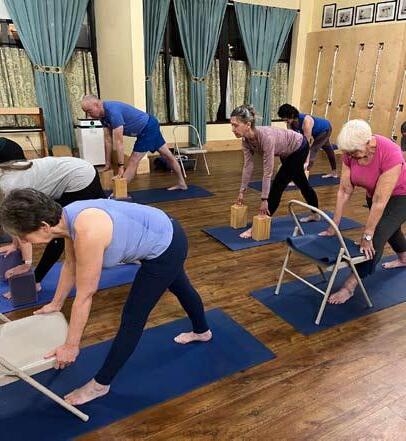
If you’re concerned about keeping your balance in certain movements, exercises, or positions, consider modifying the movement or adding a balance structure. A chair is a great tool to use when modifying an exercise; you can either do the movement sitting down or use the back of the chair for additional balance support. If you’re exercising at home, holding onto the back of a couch, a large, sturdy table, or a wall are other great options for steadying yourself.
If you’re exercising in a gym, many facilities may also have certain areas where the walls are padded, so leaning against those for support is another great way to make an adaptation to your exercise routine.
Adapting the number of sets or weight
Another easy way to adapt an exercise to suit your needs is to increase (or reduce) the number of repeats or sets. If you’re following a routine you’ve found online or even in an in-person class, feel free to modify the set to suit your level.
On a similar note, if you’re working out using weights, consider using a lighter weight while you’re first getting started. This will help you perfect your form and movements without adding too much strain on your body. Then, as you get more comfortable with the exercise, you can add in more weight as you increase your strength.
If you have questions about what kinds of activities you can safely do and which ones to avoid, remember to always check in with your doctor. They’ll have some recommendations of what adaptation in exercise or activities you may want to try to reach your health goals as well! For more information visit captel.com.
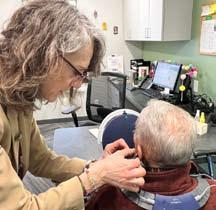
The CapTel® Captioned Telephone shows word-for-word captions of everything a caller says, letting you read anything you cannot hear over the phone. CapTel is a NO-COST, federally funded technology available under the Americans with Disabilities Act To qualify, users need:
Hearing loss • Internet connection
• Landline telephone service
How Diet and Movement Work Together for a Healthier Heart
By Jennifer Scherer -Photo Credit: istock.com/ Koto
While some people are focusing on getting exercise, others are focusing more on their diet. Meanwhile, the best way to have a healthier heart is to consider both diet and movement and how they work together to keep hearts healthier and reduce cardiovascular disease risks.
“We all get busy with our routines, but heart health is not something we can keep putting on the back burner,” said Jennifer Scherer, registered dietitian nutritionist, medical exercise specialist, certified personal trainer, master-level Pilates instructor and owner of Fredericksburg Fitness Studio. “We need to make it a priority because of how serious it is and how the issues with it tend to creep up if you are not paying attention.”
The facts surrounding heart disease in the country are alarming. According to the Centers for Disease Control and Prevention, it is the leading cause of death for men and women, with someone dying from it every 34 seconds. Each year, in the U.S., there are over 900,000 people who die from cardiovascular disease, accounting for approximately one in every three deaths. These are grim statistics, but the good news is that there are many things people can do to help minimize those risks.
Watching what we eat and getting moving are two major ways people can influence their cardiovascular health. The two things are crucial to heart health because what we eat influences the factors that can make our heart healthier, and movement strengthens the heart, which is a muscle. When we get enough movement, it also helps reduce the risk of other issues, such as lowering blood pressure and reducing the risk of type II diabetes.
Working on only diet or only exercise would be like ensuring that a car is nicely washed and waxed, but filling it up with stale gas. It doesn’t matter how much is in the tank; the motor isn’t likely to run as well. We can’t outrun a poor diet, making it crucial to keep both issues in focus. When we eat a healthier diet and pair that with getting movement, we build a healthier heart and cardiovascular system.
Here are some ways to help improve diet and movement to work toward a healthier heart:
•Work with a trainer. Make a commitment to be more physically active. One easy way to help make this a habit is to work with a personal trainer. According to the National Institutes of Health, physical activity strengthens your heart and improves lung function. Done regularly, exercise helps lower your risk of coronary heart disease. More movement helps to keep the heart working better. Find movement that is enjoyable so that it will be easy to continue. Try things like Pilates, yoga, power walking, or pickleball.
•Don’t overlook blood pressure. Often referred to as the silent killer, high blood pressure directly affects how hard the heart is working, and often presents with no symptoms. It’s crucial that people keep an eye on their blood pressure and take steps to improve it if it is elevated, such as reducing sodium intake, exercising regularly, limiting alcohol, improving their diet, and managing weight. Some
OASIS COMMUNITY CENTER
2414 W. Mitchell Street, Milwaukee, WI 53204 STAY ACTIVE AND BECOME OASIS FITNESS MEMBER! Register for a membership in-person at the OASIS Community Center (2414 W.
ACTIVE OLDER ADULTS PROGRAM
Enrich your life at the OASIS Community Center! Designed for adults fifty years and older, we offer a wide range of engaging programs including arts and crafts, cooking, fitness, health and wellness, yoga, dance, language skills, outdoor education, sports and recreation, and special events. Join our friendly, supportive community and find endless opportunities to learn, stay active, and connect.
COFFEE BAR
COMPUTER LAB
Open Monday through Friday 8:00AM-11:00AM Coffee and assorted teas, occasional bakery items.
Open Monday through Friday 8:00AM - 3:00PM
Become an OASIS Fitness Center Member for $15 for City of Milwaukee Residents and $25 for Non-Residents. Membership fee is valid for one year from purchase date. Fitness Center equipment includes compressed air resistance machines, treadmills, ellipticals, exercise bicycles, rowing machines, and free weights.
Open Monday through Friday, 8:00AM-3:00PM.
Questions? Contact:
| 414.647.6057
How to Sleep Well While Traveling
Travel is one of the most exciting adventures you can take, especially around the holidays when your destination is to see close friends and family. But sometimes, it may be difficult to fall asleep in a new and unfamiliar place.
Instead of laying awake or counting sheep, here are a few great tips and tricks you should try to help you figure out how to sleep well while traveling!
As always, if you have questions about your health or any concerns about your sleeping patterns, a chat with your primary physician is best!
Bring items that help you sleep
While this may seem like an obvious one, it can easily be overlooked in the hustle and bustle of packing for a trip. If you’re trying to pack light, reserve some room for any items that help you get your best sleep — you may sacrifice the space, but it’s definitely worth it to pack a few extra items to help you feel well-rested!
Some common items that can help people sleep include eye masks to block out light or a special pillow that helps support the neck and back in ways a hotel or guestroom pillow can’t. You may also want to bring a favorite blanket or your comfiest pair of pajamas to replicate the experience of sleeping at home.
Plan time to rest during your vacation and travel
You may want to book events and tickets from before sunrise to late at night to
maximize the time spent seeing new things in a new place, but be sure to pencil in some time for rest! You’ll want to plan so that you can have some early nights in or a few late wake-up calls so that you don’t get exhausted or burned out from your travel. If you can, plan to rest on the plane, train, or bus during your trip — this can be a great way to catch up on a bit of sleep!
If you’re changing time zones during your travel, jet lag can be tough to get through. But, if you plan ahead, it can have little to no impact on your sleep schedule. Read up on how to combat jet lag before you head out on your trip. For example, it may be worth it to sleep the whole time on the plane, arrive in the morning at your destination, and push through the day awake to kickstart your circadian rhythm into the right cycle.
When you can’t get on the right time zone or circadian rhythm, you may find your sleep pattern is off, and you may struggle to sleep at the appropriate time. Being able to get on the right time zone pattern is a key factor in how to sleep well while traveling!
Have a bedtime routine
This is one tip that will have to be set up before your trip, but it can definitely be a great help in setting your sleep schedule up for success. Before your travel, start setting a bedtime routine. This may be as simple as a shower just before bed, or it can be as elaborate as a full wind-down hour. This gets your mind into “sleep mode,” and your brain will start to associate the routine with sleep to shortly follow. This can help as you use it on your trip; as you perform the bedtime routine, your body will associate those motions with sleep and will help how well you sleep while traveling.
Use scents to trigger sleep
Essential oils or bed sheet mists are great at releasing calming chemicals or smells! A lavender pillow mist can help your mind relax and help you fall asleep. Make sure any bottles of liquid meet security requirements if you’re flying with only carry-on luggage!
Using scents is an easy tip that you can implement at home as well. As always, if you have questions about which essential oils to use or if pillow mists are right for you, or if you have any concerns like allergies, talk with your doctor.
Limit electronic use before bed
It’s the one we’ve all heard so many times before, but it’s true; put down the phones and electronics before bed! The blue light can impact your circadian rhythm, so putting down the devices can help you fall asleep and stay asleep better, and have more energy to tackle your itinerary for the next day.
For more information visit captel.com.
Call (262) 523-1440 today.
Your Brain On Fat:
How High-Fat Diets Hijack Your
Memory in Just Days
By Charles Platkin, PhD, JD, MPH - Photo Credit:
istock.com/ Foxys_forest_manufacture
New Research Reveals the Hidden Cognitive Cost of Western-Style Eating
You grab that bacon cheeseburger and fries, thinking the worst thing that could happen is gaining a few pounds. But what if I told you that research in animals shows memory decline can begin within twenty-four hours of highfat diet consumption, and human studies demonstrate similar effects within just four days? What if the very meal sitting in front of you could contribute to difficulty remembering where you put your keys, struggling to recall your grocery list, or finding it harder to focus at work?
This is not science fiction. This is what happens when you consume a high-fat diet, and the evidence is mounting from laboratories around the world. I have investigated thousands of studies throughout my career, but few have been as compelling as this emerging body of research showing that high-fat foods do not just expand your waistline—they shrink your cognitive abilities, sometimes in a matter of hours.
The 24-Hour Memory Thief
Let me start with something that will make you pause before your next fast-food run. Research appearing in Scientific Reports in 2018, by Fiona H. McLean and colleagues from the University of Dundee and the University of Aberdeen, demonstrated that mice fed a high-fat diet showed impaired episodic memory—the ability to remember specific events and experiences—within just one day. Not one week. Not one month. One day.
Think about that for a moment. The researchers fed mice a diet containing sixty percent of calories from fat
(roughly equivalent to a human diet heavy in fast food, fried foods, and processed meats) and tested their memory using careful behavioral tasks. Within twenty-four hours, these mice struggled to remember which objects they had seen before and where they had encountered them. Their spatial memory—crucial for navigating the world around you—also declined rapidly.
But here is the remarkable part: when the researchers switched the mice back to a normal, lower-fat diet, their memory problems reversed within days. This is your brain responding dynamically to what you feed it, like a finely tuned machine that runs poorly on low-grade fuel but improves when you switch to better fuel.
The study was designed with strong controls: mice were randomly assigned to the different diets, and memory was tested with validated tools that measure different kinds of learning. The key outcome? High-fat eating caused a rapid, reversible hit to episodic, spatial, and contextual memory while leaving simple object recognition relatively intact.
Your Brain’s Inflammation Response
To understand why this happens so quickly, we need to look inside the brain during high-fat eating. Research in Neurobiology of Aging in 2017, by Sarah Spencer and colleagues from RMIT University in Australia, revealed the biological mechanism behind these rapid memory declines.
When you consume a high-fat diet, your brain mounts an inflammatory response, especially in a region called the hippocampus. The hippocampus is your brain’s memory hub; it helps you form new memories, learn maps and routes, and place experiences in context. The study looked at young adult rats and older rats. Both groups were fed either a standard diet or a high-fat diet with sixty percent of calories from fat for just three days.
The results were striking: older rats on the high-fat diet showed clear memory problems within seventy-two hours. In their hippocampus and in the amygdala— a brain area involved in emotional learning—the researchers measured increases in “alarm chemicals” released by immune-like cells in the brain. The standout chemical was interleukin-1 beta. Interleukin-1 beta is a signaling molecule that tells the body and brain to turn on inflammation. That is sometimes helpful, but when it is overactive in the brain, it interferes with the way nerve cells communicate and store memories.
A companion line of work from the University of Colorado is crucial here. Those scientists showed that if you block the action of interleukin-1 beta with a medicine that prevents it from docking on its receptor (called an interleukin-1 receptor antagonist), the memory problems do not appear—even if the animals keep eating the high-fat diet. That tells us the inflammation is not a side effect; it is a cause. Younger animals in these short-term experiments were largely protected, which suggests aging makes the brain more vulnerable to diet-triggered inflammation.
The Glucose Connection: How Fat Starves Your Brain
A groundbreaking study in the journal Neuron, in 2025, by Taylor Landry and colleagues at the University of North Carolina, found a second, complementary mechanism. They focused on a small set of nerve cells in the dentate gyrus, a part of the hippocampus that helps form new memories and separate similar experiences. These cells are called cholecystokinin-expressing inhibitory interneurons. That long name simply means they are calming nerve cells influenced by a gut hormone called cholecystokinin, and they tend to fire more when glucose—the brain’s preferred fuel—drops.
Here is the key: when mice ate a high-fat diet for just two days (fifty-eight percent of calories from fat, twenty-five percent from carbohydrate, and seventeen percent from protein), the amount of usable glucose in their brain tissue fell. That “low-fuel” state made these calming cells fire too much, which scrambled the normal patterns the hippocampus uses to store memories.
The team proved cause and effect in two ways. First, they restored glucose in the brain, and memory recovered. Second, they gently dialed down those overactive calming cells with light-based tools, and memory recovered again. They also identified a known metabolic gatekeeper called pyruvate kinase M2. Pyruvate kinase M2 is an enzyme inside cells that controls the final step of breaking down glucose to make energy. During high-fat eating, this enzyme became switched on in a way that diverted glucose away from brain circuits that needed it, essentially starving memory-critical tissue. When the researchers reduced the activity of pyruvate kinase M2—or simply gave the brain more glucose—memory snapped back, even while the high-fat diet continued.
The Seven-Day Transformation: Human Evidence
Animal studies are compelling, but what about people? A randomized, controlled study in PLoS ONE, in 2017, led by Tuki Attuquayefio at Macquarie University, enrolled one hundred and two healthy young adults. For four days,
MODERN HEALTH AND LIVING
Care Services!
Tudor Oaks Senior Living Community, a trusted name in the Muskego area for over 40 years, is now offering Home Care Services to area residents! Tudor Oaks Home Care Services provide a variety of supportive options to assist seniors who wish to remain in their own home.
Balance Your Metabolism & Life, Practical Steps to Wellness
By Dr. Luigi Gratton Vice President, Office of Health and Wellness and Chair, Herbalife Nutrition Advisory Board
When most people hear the word “metabolism,” they think of burning calories or losing weight. While weight loss may be a welcomed result of healthy metabolism, having your metabolism in check can mean so much more—it’s the foundation of how our bodies function, how we feel, and how well
we age. As a physician who educates people around the world every day on how to create healthy lifestyles, I encourage people to focus on small shifts that support long-term well-being.
Modern routines, filled with stress, processed foods, and too little movement can gradually push your metabolism out of balance. Chronic stress elevates cortisol and promotes fat storage. Highly processed foods that are often high in added sugars, low in fiber and lacking key nutrients, impair appetite control, gut health and insulin sensitivity. And long hours sitting in the office or in traffic reduce muscle activity, which slows metabolic rate and leads to energy imbalances in the body.
Fortunately, small intentional shifts in daily habits, starting with nutrition, movement and rest can have a significant impact. By consistently fueling your body with nutrient-dense foods, moving regularly and prioritizing restorative sleep, you can restore your body’s natural metabolic flexibility and support longterm wellness.
Here are three key shifts to make that can help you improve your metabolic function.
Balance
Your Plate
What you eat lays the foundation for your metabolic health. Nutrition influences key metabolic processes like blood sugar control, fat metabolism, gut function, hormone regulation, and inflammation.
Prioritize eating lean protein to build and maintain muscle mass, which supports a higher resting metabolic rate. Fiber and nutrient-dense foods can support gut health, satiety, and blood sugar balance. Certain botanicals have also shown promise in supporting metabolic function, including polyphenols, found in citrus fruits such as oranges, lemons, and grapefruits, and capsicum, which is present in chili peppers and bell peppers.
Eating a balanced plate is not about perfection or restriction. It’s about consistently choosing nutrient-rich foods that nourish the systems that fuels the systems behind your metabolism.
Make Sure You’re Moving
Movement is a powerful catalyst for metabolic health. Physical activity helps regulate blood sugar and energy use, enhances insulin sensitivity, and helps maintain the muscle mass that’s so important to metabolic function. Building a daily movement routine, whether through structured exercise or a brisk walk, delivers lasting benefits. The more we move now, the more we protect our ability to move later. Every step supports your metabolic future.
Prioritize Rest and Recovery
Sleep and recovery are often overlooked, yet they are essential for regulating your body’s metabolic processes. During sleep, your body restores essential metabolic drivers that influence weight, energy and appetite. Quality sleep helps
stock.adobe.com/ sonyakamoz
istock.com Foxys_forest_manufacture
How to Optimize Aerobic Exercises for Weight Loss
We know that you are busy and seeking out time for a good cardio workout is not easy. You want to make sure that you are maximizing the time that you do have to work out. Aerobic workouts are defined by the heart rate you reach during the workout. The heart rate range of aerobic workouts changes with age. When you are 20, a heart rate of between 150 and 170 is considered to be in the aerobic zone. When you are 40, a heart rate of between 140 and 150 is considered to be in the aerobic range. If you do not know what heart rate you should be looking for during your aerobic workouts consult a Target Heart Rate by Age chart.
Aerobic exercise improves movement, decreases body fat and can help you with your weight loss goals. There is also no better way to increase your sense of well being than a good cardio workout.
Aerobic exercise (also known as cardio) is important for many reasons and has
amazing benefits. Cardio work increases cardiovascular health, improves your movement, decreases body fat, decreases anxiety and stress, and strengthens muscles, ligaments and bones. There is also no better way to just basically feel better about the world than a good cardio workout. So strap on your athletic shoes and use these tips to help maximize your cardio workout for weight loss.
When You Exercise
Matters
There is no doubt about it that any cardio exercise is better than no cardio exercise so if you have to have a sporadic workout schedule just to get in a few minutes of aerobic activity, do it. You will have more success and lose more weight if you have a set plan and schedule of when you will workout. Pick a time that works for you and make it part of your weekly or daily schedule.
There are some people who like to work out in the morning. They find that it gives their metabolism a jump start to work out first thing and if they have already dedicated time to working out they are more likely to stick to an eating plan. That is not true for everyone. Some people feel sluggish and unmotivated in the morning and they like to work out in the evening. Some people find that working out during their lunch break or taking time off to work out during their afternoon slump works for them.
When it comes down to it the best time for you to exercise is what time works best for you.
How
Intensely You Exercise Matters
Moving your body is moving your body. Any aerobic movement that you do is going to be of benefit to your body. But, it should come as no surprise that more intense activities burn more calories. Running for an hour burns between 3 and 4 times as many calories as walking for an hour. If you want to burn more calories more quickly you need to exercise more intensely. If you have a hard time motivating yourself to exercise intensely consider investing in a heart rate monitor. They can be very inexpensive and can help you monitor how hard you are working during your workouts.
How Long You Exercise Matters
The big equation for calorie burn for aerobic activities is how long you exercise (duration) multiplied by how long you work out. If you are working out very intensely but you only keep it up for 10 minutes your calorie burn will not be as high as if you keep it up for 30 minutes. Intensity and duration are something that you are going to have to play with to optimize calorie burn (and weight loss) for your body.
istock.com/Jacob Wackerhausen
4 Calming Workouts
By: KURU Footwear - Photo Credit: istock.com/Lordn
The long-running debate of what is the best time to exercise has a group of people that are fans of doing that workout just before you go to bed. If you fall into this camp or want to try it out, we have four suggestions on what you can do to workout to get you calmed down and ready to hit the hay.
These types of workouts are more low-intensity or restorative that lend themselves to the end of the day. As with all changes in lifestyle, please talk to your physician before making any dramatic changes.
Key Takeaways
Low-intensity workouts or stretches before bedtime can help calm the body and improve sleep quality.
Consult a physician before making any significant changes to your workout routine.
The workouts suggested, such as walking on an incline, stretches, yoga poses, and calisthenics, are simple and can be done at home.
1. Go for a Walk
This might sound easy but the goal here is not to just put on your best walking shoes and take a stroll, we are going to add an inclining factor to burn more calories.
While this is designed for a treadmill you can adapt it to a nearby hill. If you prefer going outdoors, you can make some alterations and get your workout done outside.
Start off with your warm-up by walking for 5 minutes at a pace of 2.5 miles per hour at a 5% incline.
You will then step up to 3 miles per hour for five minutes at a 10% incline.
Your next step-up is to 4 miles per hour at 15% incline. But you only do this for two minutes before you slow back down to 3 miles per hour at 10% and continue this for another 5 minutes.
To complete the workout you go for a total of 50 minutes alternating between the 3 miles per hour at 10% for 5 minutes to 4 miles per hour at 15% incline for two minutes. This alternating keeps the heart rate up.
If you keep it up, this workout could burn over 400 calories during the 50 minutes. Then you go to bed and relax knowing you did something good for your body. We highly recommend that you wear a supportive pair of shoes that are going to be ideal for this type of workout.
2. Stretching
Simple stretches before bed can relax your muscles and prepare you for sleep. If you’re looking for a complete routine, consider adding some cool down exercises to help your body recover and improve flexibility.
Knee to Chest Stretch
Lie down on your bed on your back with your legs extended. First, gently bend your right knee into your chest and clasp your hands in front of your shin and gently pull down to increase the stretch. Importantly you need to release any tension in your shoulders and neck. Keep your left leg relaxed in a comfortable position. Hold for 30 seconds and then repeat with the left knee bent.
Lying Side Quad Stretch
Lie on your left side this time. Bend your left elbow and prop your head up with your left hand. Next, you bend your right knee and hold on to the top of your foot with your right hand. Pull your heel toward your bum. If you find it tough
to balance, bend your bottom knee as well. Hold for 30 seconds, pressing your hips slightly forward to increase the stretch in the front of your thigh. Release the stretch, roll over onto your right side and stretch your left quad.
Supported Pigeon
This one is done standing in front of your bed and lifting your right knee up. Then place your lower right leg on top of the bed. If your hips are pretty flexible, adjust your shin so that it’s parallel with the edge of the bed. Flex your right foot and stay here for 30 seconds. Then fold your torso over your right leg for another 30 seconds. Lift your torso up, and then switch sides.
3. Yoga
These positions can be done while in bed and can help you relax by allowing you to focus on your body.
Upside-Down Relaxation
Sit facing a wall or your headboard with your butt about 6 inches away from it. Lie back and extend your legs up the wall. You can adjust the intensity of the stretch for your hamstrings simply by sliding away or closer. Let your arms rest by your sides, palms facing up, and breathe gently, feeling the stretch in the backs of your legs. This can be 2 to 3 minutes long.
Childs Pose
Sit up comfortably on your heels. Roll your torso forward, bringing your forehead to rest on the bed in front of you. Lower your chest as close to your knees as you comfortably can, extending your arms in front of you. Hold the pose and breathe for 2 to 3 minutes.
Winding Down Twist
Sit cross-legged on the bed and exhale as you place your right hand on your left knee and left hand on the bed behind your tailbone. Gently twist your torso to the left. Allow your gaze to follow, looking over your left shoulder. Breathe deeply, then return to the center and repeat on the opposite side. repeat for 2 to 3 minutes.
Reverse Crunch
While lying on the floor, place your hands at your sides or behind your head. Lift your knees in toward your chest until they are bent 90 degrees. Then with your feet together or crossed, contract your abs to curl your hips off the floor, lifting your legs up towards the ceiling. Lower the legs and repeat for one to three sets of 12-16 repetitions.
Squats
A home away from home
These require a little warming up beforehand so that is why they are placed after the reverse crunch. Stand with your feet shoulder-width apart. Keep the back in a neutral position, with your knees centered over the feet. Slowly bend knees, hips, and ankles, until you make a 90-degree angle. Breathe in as you lower your body. Now return to the starting position while breathing out. For beginners, repeat 15-20 times, for 2-3 sets.
However you choose to work out before bed, it is a great way to spend the last part of your day to help you get better rest at night. Good luck and sweet dreams.
Meditation
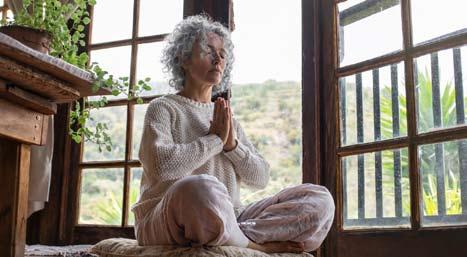
Various forms of this healing practice have become integrated into our culture as a valuable way to calm the mind and center the self. From sitting in the classical lotus position and chanting to embracing stillness and focusing on breathing to lying down and listening to a guided relaxation recording—meditation can be practically anything you want it to be.
This quiet activity helps the mind and reduces stress. It can also be a way to be mindful of your body, your surroundings, and overall health. Combined with yoga, these two practices provide enormous mental, physical, and emotional well-being. Just slip off your shoes, turn off distractions, and relax.
The Buteyko Breathing Method
This method is done simply by sitting straight without crossing your legs while breathing normally. Take a small breath in and out through your nose, then pinch your nose to keep air from entering. Hold your breath as long as possible until you feel the urge to breathe again. Record your time and repeat as many times as you would like. Then follow this chart below.
CP (control pause) between 40-60 indicates a normal healthy breathing pattern.
CP of 20-40 indicates mild breathing impairment, leading to potential health problems later in life.
CP of 10-20 indicates significant breathing impairment and poor intolerance to physical exercise.
CP below 10 indicates a serious breathing problem and a doctor’s recommendation to indicate the cause of your breathing impairment.
At KURU, we’re on a mission to help you Heel Better™ with footwear technology designed to relieve foot pain. www.kurufootwear.com
If your loved one needs daytime care, we’re here to provide it with love and compassion
Our goal is
the independence of older adults through active living that’s personalized for everyone’s needs Call today for a tour!
Eye Mds Offer Insights Into “Floaters”
By Cheryl L. Dejewski
Floaters are often described by people as “specks,” “threads,” “bugs” or “spots” that they see moving about in their field of vision. Floaters are most visible when looking at a plain background, especially when reading or staring at a blank wall or blue sky. In most cases, floaters are just a nuisance, but occasionally they can be an indication of a more serious problem, such as a retinal tear, diabetic eye disease or inflammation in the eye.
What Are Floaters?
“Floaters are usually just small clumps of gel that form in the vitreous (vi-treeus), the clear, gelatin-like fluid that fills the space inside the eye behind the lens. The vitreous accounts for about two-thirds of the volume and weight of the eye, and is responsible for maintaining the shape of the eye. The vitreous is 99% water. The remaining 1% is a mixture of collagen and hyaluronic acid which gives it its jelly-like characteristic,” explains Daniel Paskowitz, MD, PhD, an ophthalmologist with credentials from Harvard and Johns Hopkins.
The vitreous is important in maintaining the transparency needed for unobstructed passage of light rays from the lens to the retina where images are then transferred to the brain.
What Causes Floaters?
At birth, the vitreous has the consistency of gelatin and is perfectly transparent. With age, however, this gel shrinks and pulls away from the retina, forming fluid-filled cavities and collagen residues (clumps) which become noticeable in the field of vision as floaters.
These cavities and clumps cast shadows on the retina (the light sensitive inner layer of the eye) which are seen as “floating” across the field of vision. Floaters are visible both to the patient looking out and, interestingly, usually to the eye doctor looking in.
“At least 65 percent of people over age 60 have floaters. Floaters, however, can occur at any age (especially in people who are nearsighted or have had cataract surgery) and tend to increase in number with time,” adds David Scheidt, OD, optometrist and continuing education lecturer.
Are Floaters Serious?
In most cases, floaters are merely a harmless annoyance that may appear, disappear, remain stationary, dart around, or change in size. “Occasionally, however, they are an indication of a serious concern” warns Daniel Ferguson, MD, a former engineer and leading local eye surgeon. “For example, as the vitreous gel pulls away, the retina may be torn. This sometimes causes minor bleeding in the eye, which can appear as a cluster of new floaters. The tear can become even more serious if it progresses to a retinal detachment—separation of the retina from the back wall of the eye.”
In other cases, floaters may be a sign of diabetic eye disease or inflammation in the eye. As such, you should schedule an immediate eye appointment if the onset of or increase in floaters is sudden, or appears as “cobwebs,” “spiders,” or an expanding “ink blot.”
What Can Be Done About Floaters?
Throughout the day, we typically move our eyes from side to side. “If a floater is annoying you, try looking up and down and in different directions. This motion causes the vitreous gel to swirl in different currents and may be effective in moving the floater out of your direct line of vision,” suggests Michael Raciti, MD, a partner at Eye Care Specialists ophthalmology practice.
If your floaters are especially bothersome, however, you may be a candidate for vitreolysis.
Vitreolysis: Laser Treatment for Floaters
Until recently, the only effective way to treat floaters was with a “vitrectomy,” an invasive, cutting surgical procedure involving removal of all or part of the vitreous humor and replacement with an electrolyte saltwater solution. “Because
istock.com/undefined undefined
EYES >>page 52
istock.com/irina_girich
istock.com/Nungning20
istock.com/Jacob
Wackerhausen
Salt Intake & Your Health
Authored by: Janell Strupp PT, CPI
Every cell of the body depends on salt’s ability to help transport nutrients, balance fluids, and support hundreds of biological pathways.
Nutrients reach your cells through the extracellular fluid, affecting many bodily functions, including fluid volume and acid-base balance. Having the ideal amount of natural salt in our bodies ensures speedy cellular regeneration and improved metabolism. Without salt, our bodies are more prone to disease and other ailments. Sodium is an essential nutrient the body cannot produce itself.
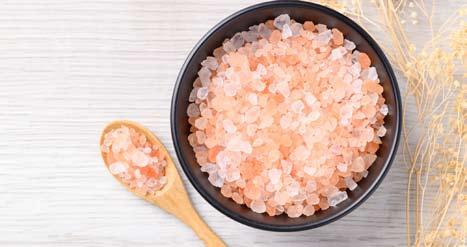
Solé (pronounced “so-lay”) is made with unrefined, natural Pink Himalayan salt can be a source of vital minerals, the most basic of building blocks for proper health and nutrition.
Salt plays a vital role in the regulation of many bodily functions and is contained in body fluids that transport oxygen and nutrients to the cells. The content of our tears, lymphatic fluids, extracellular fluids, the blood in our veins, and a mother’s amniotic fluid all rely on life-giving salt. It is essential in maintaining the body’s overall fluid balance.
Digestion begins in the mouth, where saltwater activates the salivary glands, releasing amylase, the first step in the digestion process. In the stomach, salt stimulates hydrochloric acid production, as well as enzymes to digest protein, further assisting the breakdown of food. It stimulates secretions in the liver and intestinal tract, aiding digestion. Our bodies require proper amounts of unrefined salt, along with other minerals, in order to function optimally. A wellness practitioner can help determine your individual needs.
Fill a glass mason jar ¼ full with Himalayan pink salt.
Add filtered water to the jar, leaving about an inch at the top.
Cover the jar with a plastic lid and shake gently or stir with a wooden spoon. Tip: Refrain from using metal covers or utensils, as this deionizes the Solé.
Directions
Leave the jar of sole on the counter overnight (12-24 hours) to allow the salt to dissolve.
The next day, you should find some salt remaining at the bottom of the jar. This indicates that the water has absorbed its maximum amount of salt and the Solé is ready to use. Tip: If no salt remains, add salt and continue doing so each day until some salt remains. This means the water is fully saturated with salt.
To drink, add 1 tsp Solé to an 8oz glass of water. It is best to do this before eating or drinking as soon as you wake up. Tip: Do not add more than 1 tsp. Beneficial cellular detoxification takes place, however, it is possible to experience detox symptoms, such as a headache, as the body rids itself of waste products. If symptoms occur, decreasing to ½ tsp, and slowly working up to 1 tsp in purified water may help.
Add Solé to 8 oz water each morning.
Store Solé at room temperature. It will last indefinitely since salt contains natural anti-bacterial and anti-fungal properties. Tip: A layer of salt always stays at the bottom of the jar if the solution is fully saturated. totalhealthinc.com.
We are looking for strategic thinkers, team players and leaders who align with our purpose of improving the health and wellbeing of those we serve .
Our work focuses on crea ng meaningful connec ons with each of our clients, helping them to move to ward a healthier lifestyle. We assist each individual’s journey by helping to uncover root causes of their health concerns through holis c natural health and wellness advocacy
If our purpose resonates with you, we invite you to explore career opportuni es and apply today.
*Full me or part me (at least three days a week as client load builds). $35/hr, up to $40hr maximum. Qualifica ons: Must have a passion for natural health. Background in Nutri on preferred Willing to train the right candidate
YOUR BODY PLAYS A ROLE
In Your Physical & Mental State
In temperate climates, such as here in Wisconsin, you know spring has arrived with the heavy shift in air pressure, the slightly warmer but still mostly cool temperatures, and wet rains with increased humidity. Along with these seasonal environmental changes come the accompanying spring health conditions of colds, flus and seasonal allergies.
From the Ayurvedic perspective, the spring season is dominated by the kapha, one of the three bio-chemical life forces or doshas which exist within your body and in the external world around you. As an individual, although you have all three energies, you will have one or two in larger amounts which creates your constitutional body-type or prakruti. Your constitution can predict which illnesses, conditions and symptoms you are more prone towards as well as which foods and lifestyle factors will keep you healthy.
Because these doshas exist not only within your body system but in everything in the universe, you are affected both by the lifestyle choices you consciously make as well as the weather, climate and stages of life over which you have no control. All these external factors add to the levels of these bio-chemical forces in your body and play a role in physical and mental health.
The life forces or doshas are recognized by their qualities. The general qualities of kapha are heavy, dense, wet or oily, cool and solid or stable which make sense considering kapha is made up of elemental earth and water. If you have an excess of this life-force in your system, it will feel a little like having a wet blanket over you and you may experience…
• Colds or flus with a wet cough, difficulty breathing, excess mucus and sinus pressure
• Lethargy
• Dullness or heaviness in the mind
• Sadness or mild depression
• Stiff muscles
• Swollen joints
• A desire to sleep more
• Sluggish digestion possibly with nausea
If you’re experiencing any of the above symptoms, help your body’s immune system adjust to the changes with an Ayurvedic approach. To balance the excess doshas or life-force, elements made up of the opposite qualities of the imbalanced dosha(s) are used. In the case of Kapha, this generally means bringing in more dry, light, warm, stimulating food and lifestyle activities.
Ayurveda’s treatments are individually tailored according to not only the seasonal needs but also the individual constitution and current state of health. For best results, consult an Ayurvedic Practitioner for a thorough assessment and customized food, lifestyle and herbal program. In the meantime, manage the impact of the kapha-full spring season and help make those chronic seasonal allergies and conditions a thing of the past by incorporating some of the following activities:
• Enjoy dry saunas
• Get moving by exercising regularly.
• Get out of your ruts by challenging your mind with new activities and engaging in new relationships to expand yourself emotionally.
• Receive a deep massage
• Try not to sleep past 6 am and avoid daytime napping
• Minimize heavy, oily, sweet foods such as meat, dairy, wheat products and sugar
• Eat drying grains like barley, corn, buckwheat, millet, and dry cereals and granola
• Eat more light, warming foods such as soups with vegetables, beans and whole grains flavored with moderately warm spices and less salt.
Whole Person Health
What is whole person health?
Whole person health involves looking at the whole person—not just separate organs or body systems—and considering multiple factors that promote either health or disease. It means helping and empowering individuals, families, communities, and populations to improve their health in multiple interconnected biological, behavioral, social, and environmental areas. Instead of just treating a specific disease, whole person health focuses on restoring health, promoting resilience, and preventing diseases across a lifespan.
Multilevel Whole Person Health Framework
Why is whole person health important?
Health and disease are not separate, disconnected states but instead occur on a path that can move in two different directions, either toward health or toward disease.
On this path, many factors, including one’s biological makeup; some unhealthy behaviors, such as poor diet, sedentary lifestyle, chronic stress, and poor sleep; as well as social aspects of life—the conditions in which people are born, grow, live, work, and age—can lead to chronic diseases of more than one organ system. On the other hand, self-care, lifestyle, and behavioral interventions may help with the return to health.
Chronic diseases, such as diabetes, cardiovascular disease, obesity, and degenerative joint disease, can also occur with chronic pain, depression, and opioid misuse—all conditions exacerbated by chronic stress. Some chronic diseases increase the immediate and long-term risks with COVID-19 infection. Understanding the condition in which a person has lived, addressing behaviors at an early stage, and managing stress can not only prevent multiple diseases but also help restore health and stop the progression to disease across a person’s lifespan.
Mind and Body Practices
Mind and body practices are a large and diverse group of procedures or techniques that are administered or taught by a trained practitioner or teacher. Examples include acupuncture, massage therapy, meditation, relaxation techniques, spinal manipulation, tai chi, and yoga.
Research findings suggest that several mind and body practices are helpful for a variety of conditions. A few examples include the following:
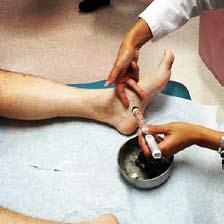
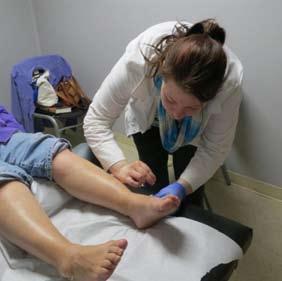
Acupuncture may help ease types of pain that are often chronic, such as lowback pain, neck pain, and osteoarthritis/knee pain. Acupuncture may also help reduce the frequency of tension headaches and prevent migraine headaches.
Meditation may help reduce blood pressure, symptoms of anxiety and depression, and symptoms of irritable bowel syndrome and flare-ups in people with ulcerative colitis. Meditation may also benefit people with insomnia.
Tai chi appears to help improve balance and stability, reduce back pain and pain from knee osteoarthritis, and improve quality of life in people with heart disease, cancer, and other chronic illnesses.
Yoga may benefit people’s general wellness by relieving stress, supporting good health habits, and improving mental/emotional health, sleep, and balance. Yoga may also help with low-back pain and neck pain, anxiety or depressive symptoms associated with difficult life situations, quitting smoking, and quality of life for people with chronic diseases.
Mind and body practices generally have good safety records when done properly by a trained professional or taught by a well-qualified instructor. However, just because a practice is safe for most people doesn’t necessarily mean it’s safe for you. Your medical conditions or other special circumstances (such as pregnancy) may affect the safety of a mind and body practice. When considering
What Are The Health Benefits of Antioxidants What Foods
Are High In Them?
Keeping healthy and fighting disease is what your body’s immune system is all about. What does your body use as weapons in the arsenal to stave off the toxins you’re exposed to every day?
Antioxidants. This may sound too New Age-y for you, but many in conventional Western medicine acknowledge the importance of getting sufficient antioxidants from your diet or by other means.
How do antioxidants work? Antioxidants donate electrons to these free radicals, rendering them harmless, without becoming free radicals themselves. They serve to defend your cells from damage and resist the effects of exposure to pollutants and other toxins.
Foods that are high in antioxidants include:
Vegetables. Most of the vegetables you eat, especially green leafy ones, are loaded with plant compounds that act as antioxidants. Kale, mustard greens, and spinach, for example, are good sources of vitamin E and other antioxidants. Remember that to maximize the antioxidants in vegetables, you have to eat them in
a raw, unprocessed, and fresh state.
Fruit. Fresh berries like raspberries, blueberries, and cranberries are good antioxidant sources. They contain lots of vitamin C and carotenoids, as well as iron, zinc, calcium, magnesium, and potassium.
Nuts. Raw Pecans, walnuts, almonds, and hazelnuts have antioxidants that can boost your heart and overall health. It should be noted that some grocery store nuts are irradiated to prevent germination and should be avoided. Also, you should know that peanuts aren’t on this list. They aren’t even really a nut! They’re legumes, and related more to beans and peas.
Green tea. Green tea has compounds that lower your risk for heart attack and stroke, plus much more.
Herbs and spices. Consider putting together a herb garden to go along with those veggies. Herbs and spices are an abundant source of antioxidants. Some options are ginger, garlic, cloves, cinnamon, and turmeric,. Look for fresh products, as they are have higher antioxidant levels than processed and powdered versions. The antioxidant activity of fresh garlic is stronger than dry garlic powder, for example.
Sprouts are great sources of antioxidants. Live in a high-rise and can’t grow a garden? Well, if you have about a little spare counter space in your kitchen, you can be a successful sprout farmer. You can even grow them in jars.
About Joseph Alton, M.D. and Amy Alton, A.R.N.P.
Joe Alton MD and Amy Alton ARNP are the NY Times/Amazon bestselling authors of the 2022 Book Excellence Award Winner in Medicine, The Survival Medicine Handbook, now in its brand new 4TH EDITION! Plus, the 2020 Book Excellence Award Winner in Medicine, Alton’s Antibiotics and Infectious Disease. See their articles in American Outdoor Guide, Survivor’s Edge, Backwoods Home, and other great magazines. For over 1200 articles on medical preparedness in wilderness, disaster, or other austere settings, go to their website at www. doomandbloom.net. The opinions voiced by Joe Alton, M.D., and Amy Alton, A.R.N.P. are their own and are not meant to take the place of seeking medical help from a qualified healthcare provider.
BOOK: “The Survival Medicine Handbook: A guide for when help is NOT on the way.”
Complete Care specializes in short term rehabilitation to get you back home safely, and long term care. Be at peace knowing your loved one is receiving outstanding care with the amenities of home in a serene setting.
Find a Complete Care center near you to learn more and schedule a tour!
HALES CORNERS CARE CENTER
9449 W Forest Home Ave, Hales Corners, WI 53130
GLENDALE CARE AND REHAB CENTER
414.529-6888 | halescornerscarecenter.com
6263 N Green Bay Avenue, Glendale, WI 53209
GLENDALE CARE AND REHAB
414.351.0543 | glendalecrc.com
6263 N Green Bay Avenue, Glendale WI 53209
414.351-0543 | glendalecrc.com
GRANDE PRAIRIE CARE AND REHAB CENTER
10330 Prairie Ridge Blvd, Pleasant Prairie, WI 53158
OUR CARE SERVICES
• Inpatient Dialysis
• Physical, Occupational, and Speech Therapy
• Wound Care
• Behavioral Health
• Respite Care
• VA Contracting
• And Much More
CARE-AGE OF BROOKFIELD
1755 N. Barker Rd Brookfield, WI 53045
262.821.3939 | care-age.com
RIDGEWOOD CARE CENTER 3205 Wood Road, Racine, WI 53406 262.554.6440 | ridgewoodcarecenter.com
RIDGEWOOD CARE CENTER 3205 Wood Road, Racine, WI 53406 262.554.6440 | ridgewoodcarecenter.com
SOUTHPOINTE CARE AND REHAB CENTER 4500 West Loomis Road, Green�ield, WI 53220
262.612.2800 | grandeprairiecrc.com
GRANDE PRAIRIE CARE AND REHABE CENTER
10330 Prairie Ridge Blvd. Pleasant Prairie, WI 53158
262.612.2800 | grandeprairiecrc.com
KENSINGTON CARE AND REHAB CENTER
1810 Kensington Drive, Waukesha, WI 53188
KENSINGTON CARE AND REHAB
262.548.1400 | kensingtoncareandrehab.com
1810 Kensington Drive, Waukesha, WI 53188
262-548-1400 | kensingtoncareandrehab.com
SOUTHPOINTE CARE AND REHAB CENTER
414.325.5300 | southpointecrc.com
4500 West Loomis Road, Greenfield WI 53220 414.325.5300 | southpointecrc.com
VIRGINIA HIGHLANDS CARE AND REHAB CENTER W173 N 10915 Bernie’s Way, Germantown, WI 53022
262.509.3300 | virginiahighlandscrc.com
VIRGINIA HIGHLANDS CARE AND REHAB W173 N 10915 Berniew’s Way, Germantown, WI 53022
262.509.3300 | virginiahighlandscrc.com
Can Dementia be Inherited? What Families Need to Know
Anthem Memory Care
Dementia and genetics - what families need to know
We are often asked if dementia is inherited. For most people, the answer is no. The majority of dementia cases are not passed down through families. In fact, many people who develop dementia have no close relatives who have had the condition.
However, researchers have found that certain genes can increase a person’s risk of developing what is often referred to as familial dementia. This is a rare form of dementia that is passed down through families due to specific inherited genes. In these cases, the disease is directly linked to genetic mutations and often appears earlier in life than more common types of dementia.
Having these genes does not always mean, however, that an individual will develop the disease. It simply means their risk is higher. The Alzheimer’s Association has cited extensive research on the role that genetics may play in the development of Alzheimer’s disease, the most common form of dementia. These genes generally fall into two main categories, as follows: Risk genes (APOE)
According to the National Institutes of Health (NIH) the APOE gene affects Alzheimer’s risk by helping move cholesterol and fats in the body. It has different forms (e2, e3, e4).
e2: may be linked to later onset.
e3: most common; has no clear effect on risk.
e4: increases risk and is linked to earlier onset.
Everyone inherits two APOE alleles, one from each parent.
One APOE-e4 copy raises risk, and two copies raise it further, but neither guarantees disease.
About 40–65% of people diagnosed with Alzheimer’s carry at least one APOE-e4 gene.
In the U.S., 20–30% of people carry at least one APOE-e4 gene; about 2% carry two.
Deterministic genes.
These genes directly cause the disease and virtually guarantee its development.
They are rare, accounting for 1% or less of all cases.
Deterministic genes lead to early-onset of the disease, typically between the 40s and 50s.
This contrasts with most cases of Alzheimer’s, beginning at age 65 or older. You can see from the above that, while rare, genetics can play a role in dementia risk. However, it is important to note that they are only one part of a much bigger picture. Age, overall health, lifestyle, and environment all influence brain health. Early awareness is critical to informed decision-making.
That is why we encourage families to arm themselves with knowledge and pay attention to early warning signs, such as changes in memory, behavior, or daily functioning. If concerns arise, seeking a medical evaluation and appropriate testing can provide clarity, guidance, and access to supportive resources. Early detection allows families to plan, explore treatment options, and focus on maintaining quality of life for their loved one as long as possible.
We invite you to reach out to any of our Anthem Memory Care communities for more information and insights from our professional staff. We will be happy to share our experiences with you and how we work together with families to support their loved ones living with dementia, helping them to live their best lives. We’re here to help! For more information visit www.anthemmemorycare. com.
Oak Park Place offers Assisted Living and Memory Care with all the features you expect in a place to call home. Individualized services, life-enhancing amenities, and compassionate, professional staff are the foundation of all we do.
What Are The Best Clubs For A Vibrant And Fulfilling Lifestyle
Choose from a range of spacious studio and one-bedroom apartments with assistance available from staff 24 hours a day, every day. Independence when you want it, assistance when you need it. Oak Park Place. We’ll help you every step of the way.
Call 414-292-0400 or email wauwatosasales@oakparkplace.com.
1621 Rivers Bend, Wauwatosa, WI 53226 www.OakParkPlace.com/Wauwatosa
An active social life isn’t just enjoyable—it’s essential to healthy aging. Whether you’re newly retired or well into your golden years, connecting with others, staying mentally sharp, and pursuing activities you love are key to a vibrant and fulfilling lifestyle.
What’s one of the most powerful ways to foster connection and purpose? Joining a club. For older adults, clubs offer built-in opportunities to meet new people, stay active, and explore interests old and new.
From reading and gardening to fitness and volunteering, the best clubs for seniors can bring joy, purpose, and a renewed sense of belonging.
The Benefits of Clubs for Seniors
Clubs aren’t just fun—they’re foundational to a thriving, fulfilling lifestyle in retirement. Take a look at the benefits of clubs for seniors and how they span physical health, mental wellness, and emotional connection:
Mental, physical, and emotional wellness: Clubs keep the mind engaged, encourage regular movement, and provide emotional support through social interaction.
Friendship and connection: Loneliness and isolation can impact well-being. Clubs help seniors stay socially connected and form meaningful relationships.
Lifelong learning: Whether it’s a book discussion or a new hobby, clubs keep curiosity alive and stimulate intellectual growth.
Purpose and joy: Clubs provide structure, give members something to look forward to, and foster a greater sense of purpose.
Active living: Clubs built around physical activity, volunteering, or group outings help seniors stay mobile and engaged with their communities.
1. Book Clubs
Book clubs are a classic way for seniors to stay mentally sharp and socially engaged. These groups offer far more than just reading—they open doors to connection, conversation, and new perspectives. Here’s how book clubs enrich daily life:
Encourage critical thinking and reflection through guided discussions
Introduce new authors, genres, and ideas that expand horizons
Provide meaningful opportunities for social interaction and shared insights
Whether meeting in person or virtually, book clubs foster a strong sense of community built on the love of reading and learning.
2. Gardening Clubs
Nature has a soothing effect, and gardening clubs allow seniors to enjoy the outdoors while nurturing plants and friendships alike. The benefits of joining a gardening club include:
Offers light physical activity that supports mobility and flexibility
Helps reduce stress and boost mood through time spent outdoors
Allows members to contribute to beautifying shared spaces or personal gardens
Gardening clubs also encourage teamwork and give seniors a tangible sense of accomplishment as they watch their efforts bloom.
3. Fitness and Exercise Clubs
Staying physically active is vital for maintaining independence and overall health, and doing it in a group makes it more motivating and fun. These clubs typically:
Offer classes like walking groups, yoga, tai chi, balance training, and aqua
Take the Strong Path To Aging Better
Reversing the Downward Spiral of Aging
What is sarcopenia?
The term “sarcopenia” was invented recently by Irwin Rosenberg. In 1989, he first referred to loss of skeletal muscle mass and size as “sarcopenia,” by combining the Greek word for “flesh” (Sarx) with the Greek word for “loss” (penia). At the time, it was thought that the degenerative process being described was led by the loss of lean muscle mass with aging. Today, it is understood that inactivity causes muscles to lose strength through a process of denervation, the loss of nerve supply that signals muscle cells to act. It impacts all of us as we age, unless we proactively prevent it.
Choosing the Strong Path Reversing the Downward Spiral of Aging YMaSNyLAs a world-renowned investigative attorney who has tried over 100 major cases in 24 states, Fred Bartlit has neatly arranged the right methods of prevention in his new book, Choosing the Strong Path: Reversing the Downward Spiral of Aging. He and co-author Steven Droullard, along with muscle physiology expert Dr. Marni Boppart, want to share a little-known fact with the world: You don’t have to fall apart as you get older. Through carefully calibrated progressive strength training and supporting nutrition, you can stave off sarcopenia, along with dozens of other age-related illnesses.
Without any other disease or injury, the condition leading to sarcopenia can cause us to lose as much as 1 percent of our strength each year after we turn 30. To give you a glimpse of what can happen as we age, look at this progression of decline in muscle—starting as early as age 30—that commonly occurs if we are not proactively working to maintain our strength and fitness:
What is thought of as age-related loss of strength begins around the age of 30. We tend to become more sedentary and lose 3-8 percent of our strength per decade during this time period. Growing weakness makes us feel like doing less, which makes us weaker still.
Age 50: During our 50s, the rate of strength loss accelerates for most and we may experience some significant health challenges.
Age 65+: As we retire, we tend to become more sedentary still and as our strength declines further, even the common daily activities of life can become challenging.
Rear view of shirtless young man working out with dumbbellExercise is medicine for our brain and can trump bad genes.
Exercise revitalizes brain cells by creating more mitochondria which in turn help fight Parkinson’s and Alzheimer’s. It’s also never too late to start. A Finnish study revealed the favorable effects of exercise for cognitive decline even at ages 67-77.
It’s important that you don’t think about whether or not to exercise. It’s like this: Will I go to the gym today? Well, let’s see. How do I feel? Do I really need to? I did great yesterday. I am tired. I have an important meeting. Face it, you’ll talk yourself out of going. That’s what the conscious mind loves to do. It is important that instead you begin with the intention of building a habit and not of engaging in any further decision-making. It’s important that you don’t think about it, because every time you open it up to a process of decision-making consciously, you will falter, because conscious decision-making is made to be flexible.
Morning Exercise.
As long as we’re dealing with weak muscles, an intelligently pursued exercise program that starts from the point of “let’s work to strengthen it” can make huge
istock.com/ Anna Ostanina
Assisted Living Resident Profile
Learn about the average assisted living resident’s age, health status, background, and reasons for moving to better understand if this senior living option may be the right fit for your loved one. Photo Credit: iStock.com/kali9
More than 32,000 assisted living communities across the United States are home to older adults. Although assisted living is a common option for seniors, they may wonder what their potential neighbors would be like if they moved into a community near them. In this article, we will review common demographic, personal care needs, and health condition data, providing insight into typical assisted living residents.
What is assisted living?
Assisted living communities are crucial sources of support and engagement for seniors, as they are designed to offer a range of safety features, amenities, personal care services, and other benefits that make life safer and easier for their residents.
A key focus is assistance with activities of daily living (ADLs), including
tasks such as using the bathroom, eating, and getting dressed. Staff members assist seniors with these activities as needed, helping them become more independent and engaged in life while maintaining safety.
Assisted living is different from a nursing home in that typically there’s no skilled nursing care available in assisted living, and residents are often in fairly good health. For some, assisted living might sound like a loss of dignity and independence, but this isn’t the case at all.
Variations in assisted living communities
There can be significant variation among assisted living communities, from the size and number of residents to the services offered. Almost half of the communities in the U.S. are considered “small,” with four to 10 residents, while others are much larger. About one-third of all communities in the U.S. are considered “large,” accommodating 26 to 100 residents. The average assisted living community in the United States has 37 beds.
Other features vary between assisted living facilities, too, including the resident-to-staff ratio, specific activities offered, and amenities. Many of these features, staffing, and offering options vary from community to community, but each facility must follow state regulations.
Who is assisted living for?
Assisted living is for older adults who need some help with some personal care and daily activities in order to live safely and comfortably.
For example, a resident might be able to dress themselves and use the toilet but need help with bathing and walking. Such a senior might choose assisted living because they want to remain active and social around others their age.
Let’s go over the data on assisted living residents so you can see what you or your loved one may have in common with other residents.
Assisted living resident demographics
The National Center for Assisted Living (NCAL) reports that there are currently more than 1 million assisted living residents in the U.S. More than half of the residents are women (67%), and 53% are 85 years old or older. Only 16% of residents are under the age of 75. Assisted living is most relevant to older adults because the type of assistance provided there typically becomes more necessary as people progress into late adulthood.
For example, a resident might be able to dress themselves and use the toilet but need help with bathing and walking. Such a senior might choose assisted liv-
ing because they want to remain active and social around others their age.
\Let’s go over the data on assisted living residents so you can see what you or your loved one may have in common with other residents.
Assisted living resident demographics
The National Center for Assisted Living (NCAL) reports that there are currently more than 1 million assisted living residents in the U.S. More than half of the residents are women (67%), and 53% are 85 years old or older. Only 16% of residents are under the age of 75. Assisted living is most relevant to older adults because the type of assistance provided there typically becomes more necessary as people progress into late adulthood.
For example, an aging person may start to struggle with certain self-care tasks as they age, and by age 75, they may require assistance with several personal care and daily living tasks. Receiving help getting safely out of the shower, getting dressed, and eating nutritious meals and snacks could help them live safely and maintain independence. In this case, that individual could be a great candidate for assisted living.
If that same person requires assistance at an earlier age but has fewer options for receiving help, they may become one of the younger assisted living residents. While advanced age is commonly a factor, the individual’s options for receiving help while living at home also contribute to the decision to move to assisted living.
Health needs of residents
Many older adults have at least one chronic condition. The most common conditions for people in assisted living are:
High blood pressure (58% of residents).
Alzheimer’s disease or dementia (44%).
Heart disease (33%).
Depression (26%).
Diabetes (16%).
However, these conditions don’t occur independently.
According to a 2022 NCHS report, 55% of residents have two or three common chronic conditions, while 18% have four or more.
Such conditions don’t always need constant monitoring and medical care but can lead to increased difficulty in caring for oneself.
For example, a resident might have high blood pressure and heart disease, conditions that can require medications and lifestyle changes like increased exercise and a healthy diet. Assisted living makes it easier for such seniors to care for themselves, as there are regular physical activities, healthy meals, and even medication reminder services.
The prevalence of dementia is particularly relevant, as families often aren’t equipped to support a loved one with dementia. To support these individuals, 18% of assisted living facilities have a dementia care section, and 11% are exclusively for people with dementia.
Consequently, people with dementia get more support in assisted living facilities than they would at home. Activities will often be designed with residents with dementia in mind, which allows all seniors to engage in activities without exclusion or stigma.
Personal needs of residents
Assisted living supports activities of daily living (ADLs), the basic tasks involved in taking care of ourselves.
People can typically manage such tasks independently for most of their adult lives, but doing so becomes harder as they age.
According to AHCA Facts & Figures, bathing and walking are the most common ADL needs in assisted living, while others are less common but are still regularly present. The tasks that assisted living facilities offer help with include:
Bathing (75% of residents).
Walking (71%).
Dressing (60%).
Bed transfer (57%).
Toileting (51%).
Eating (28%).
A 2022 NCHS report found that 62% of residents need support with three or more ADLs, while 26% need support with just one or two. Such figures highlight the power of assisted living.
For example, someone who struggles with walking and bathing would have a hard time getting out of the home and being social. They might become increasingly isolated while spending less time engaged in healthy activities.
Assisted living changes things, as the environment, activities, and services are all designed to support seniors. This allows residents to participate in activities and stay connected, regardless of their individual needs.
Common reasons for moving to assisted living
Declining health is one of the most common reasons for moving to assisted living, as health directly affects how well people can care for themselves.
Such declines may mean a senior can no longer live alone, even if they are still active and independent in many other ways.
Caregiver burnout can be a reason, too, especially when adult children or spouses are supporting the senior. Burnout is a signal that the tasks are unsustainable for the people providing care and that change is needed.
Assisted living helps seniors by providing the support they need while also encouraging independence. This makes life easier for the senior and their family and is a more sustainable solution.
There may be other reasons, such as isolation, a doctor’s recommendation, or having a spouse who recently moved to assisted living.
While there are countless variations to an individual’s identity, needs, and interests, data shows some of the typical needs and attributes of assisted living residents. Assisted living residents are individuals who have identified a need for assistance with daily life and desire the safe, comfortable, and maintenance-free lifestyle that assisted living offers.
Senior care facility rules and requirements vary based on company-specific policies and state-level regulations. The content above represents common guidelines but may differ from a particular facility’s policies or requirements. To learn the regulations that apply in your state, contact your local Oasis Senior Advisor.
WANT TO AGE WELL?
Start With This 10-Day Kickstart Plan
By Molly Triffin - Photo Credit: istock.com/ LIGHTFIELD STUDIOS
Snacking on high-protein foods can help prevent the natural muscle loss that comes with age.
It’s cliché but true: Age is just a number. How old you feel, look and act isn’t purely a function of the number of birthdays you’ve celebrated; according to a July 2014 study in Aging & Mental Health , your lifestyle plays a significant role too.
Here, Cathleen Colon-Emeric, MD, chief of the Division of Geriatrics at Duke University, shares 10 habits linked to healthy aging. These easy ideas will help keep you physically, mentally and emotionally fit well into your golden years. Tackle them one day at a time for 10 days, then keep the momentum going. Day 1: Set Your Alarm Clock
If you’ve found yourself tossing and turning as you advance in years, you’re not alone. Older adults are more likely to have difficulty sleeping, with up to 70 percent experiencing chronic sleep issues.
Age-related changes in circadian rhythm and hormonal fluctuations can throw off your sleep. And if you have any physical or mental health conditions or take medication, that can take a toll too.
“Getting high-quality sleep is imperative to feeling good and keeping the brain strong,” Dr. Colon-Emeric says. “Not only is it associated with less depression and more energy, but emerging evidence suggests that sleep helps clear your brain of abnormal proteins associated with dementia and Alzheimer’s.”
Ten-forty — but if you’re retired and don’t have a 9 to 5, why bother with an alarm clock when you could let yourself sleep in and log some extra zzzs?
Well, it turns out that waking up at the same time actually helps you score better overall shut-eye. “Sticking to a consistent wakeup time every morning trains your body to stay on a regular sleep schedule,” Dr. Colon-Emeric says. “This is a key aspect of practicing what’s called ‘good sleep hygiene.’”
An October 2020 review in Applied Physiology, Nutrition and Metabolism found that, along with heading to bed on the early side, adhering to a consistent bedtime and wakeup time were positively correlated with improved health.
Day 2: Grab a Protein-Rich Snack
Declining muscle mass is a natural part of getting older. Called sarcopenia, it’s caused in part by decreased testosterone levels as we age. In fact, a March 2021 study in Nutrients estimates that our muscle mass goes down by 3 to 8 percent every decade after age 30. And after around age 50, our strength also plummets by at least 2 to 4 percent each year.
“Loss of muscle mass is associated with lower stamina, leg weakness and falls,” Dr. Colon-Emeric says. The Nutrients study points out that sarcopenia can hinder your ability to carry out daily tasks and increase the risk of developing cardiovascular disease and cognitive impairment.
One way to combat muscle mass loss is to add a high-protein snack to your daily diet. Protein helps you build muscle, and most older adults don’t get enough of it, a February 2019 study in the Journal of Nutrition, Health and Aging determined.
Although the recommended daily allowance for protein is 0.8 grams of protein per kilogram of body weight, the Nutrients study suggests upping that to 1.2 to
1.4 grams as you age. That’s a lot of math, but the bottom line is that you should be prioritizing high-protein foods in your diet.
A few ideas for nibbles that are chock full of protein: “Try a handful of nuts, crackers with peanut butter or Greek yogurt,” Dr. Colon-Emeric says.
Day 3: Try This 20-Second Balance Exercise
Balance is crucial to healthy aging, so make it something you work on every day.
Hang on tight! According to the National Institute on Aging, 1 in 4 adults 65 and older report falling every year, with 20 to 30 percent of those falls resulting in moderate to severe injuries. What’s more, falling — or simply fear of falling, if you’ve taken a scary tumble in the past — leads to a decline in mobility, physical function and independence.
One of the best ways to protect yourself is balance training, so make this quick exercise a habit: “Stand on one foot every time you get up from a chair,” Dr. Colon-Emeric says. “Place your fingers lightly on the back of the chair, lift one leg behind you a few inches off the floor and hold it up for 10 seconds; then switch sides.”
By the way, fewer slips and stumbles isn’t the only potential benefit of improved balance. Recent research has also linked it with brain function. A March 2021 study in Age and Aging found that people ages 76 and older with poor equilibrium had a faster rate of cognitive decline than those who were steadier on their feet.
Day 4: Fall-Proof Your Home
The Centers for Disease Control and Prevention (CDC)’s Fall Prevention Checklist is aimed at helping you find and fix commonly overlooked hazards that increase the likelihood of taking a spill.
“Falling is one of the leading causes of disability for older adults and can lead to a negative health spiral,” Dr. Colon-Emeric says. “To keep your environment safe, take a tour of your home once a year using the CDC checklist.”
Day 5: Clean Out Your Medicine Cabinet
Nearly 40 percent of adults 65 and older take five or more meds, according to an August 2015 study in the Journals of Gerontology
“We tend to accumulate medications as we get older, but the risks of taking them increase and the benefits decrease with age,” Dr. Colon-Emeric says.
She explains that because your metabolism slows over time, your kidneys can’t clear medication out of your system as quickly. As a result, you’re more
susceptible to side effects; these side effects in turn lead to more prescriptions.
“Bring all the meds you take to your doctor to make sure all of them are needed and that the benefits still outweigh the risks,” Dr. Colon-Emeric says. Then set a reminder on your phone to do another medicine cabinet clean-out again next year.
Day 6: Schedule Your Annual Hearing Test
Mature patient with hearing problem visiting doctor otolaryngologist, as a way to stay healthy with age
If you think your hearing may no be what it used to, schedule an appointment to get it checked.
Listen up: “Half of adults over 75 have significant hearing loss, yet the majority don’t have or use hearing aids,” Dr. Colon-Emeric says. “Investing in your auditory health is so important because being able to hear is critical to preventing depression and cognitive decline and maintaining social connections.”
The National Institute on Aging also points out that if your hearing is sub-par, you might not be able to comprehend your doctor’s advice or respond to alarms and doorbells. Yikes. Plus, hearing loss worsens if it’s untreated — so don’t back-burner this one. Make an appointment with your primary care physician today.
Day 7: Sign Up to Volunteer
It’s a win-win: Helping out is as good for you as it is for those you’re assisting!
“One of the things I hear most often from older adults is that they are pained that they don’t have a purpose and don’t feel helpful,” Dr. Colon-Emeric says. “It is so important to find ways to contribute in a meaningful way and be recognized for that contribution.”
Research backs that up: A March 2021 study in the Journals of Gerontology revealed that volunteering after retirement age has a significant affect on overall wellbeing — with the best outcomes for those who pitched in frequently and on a consistent basis.
If you’re not sure how to get involved, one great resource is AmeriCorps Seniors program, which connects adults 55 and up with volunteer opportunities that fit your interests and skills, from mentoring kids with special needs to helping older adults with daily tasks like paying bills or grocery shopping.
KICKSTART <<page 36
Other ideas: “Offer to be a recess monitor at a local elementary school or a greeter at the hospital,” Dr. Colon-Emeric says. Walk dogs at an animal shelter, or ask about volunteer opportunities at a church, library or museum. Organizations like Meals on Wheels, Habitat for Humanity and your local food bank are also often grateful for helping hands.
Day 8: Find a Workout Buddy
“Physical activity is at the top of my list as a pillar of successful aging,” Dr. Colon-Emeric says. “It reduces your risk of disability and depression, extends your lifespan and improves cardiovascular health.”
A December 2018 study in BioMed Research International found that physical activity in old age enhances overall quality of life — physical, mental and emotional — while allowing people to remain independent for longer. Bonus: Exercise also helps combat sarcopenia.
The type of exercise you do isn’t nearly as important as just getting moving on a regular basis, aiming for the CDC’s recommendation of 150 minutes of moderate-intensity exercise a week (though any little bit will help).
“The key is that you stick with it,” Dr. Colon-Emeric says. “With that in mind, my favorite tip is to find a buddy and plan to meet ahead of time to exercise together.”
Hint: Recruit a neighbor or friend rather than your spouse or partner — you’re less likely break plans with a pal.
Day 9: Set Up a Weekly Call With Your Grandkids
If your loved ones live too far to visit in person often, take advantage of technology to stay connected.
Socializing is of the best ways to stay mentally and physically healthy. “People with strong social connections and meaningful relationships experience less depression and a greater sense of purpose [than those with less social contact],” Dr. Colon-Emeric says.
But as you advance in years, friendships often fall by the wayside. The CDC reports that more than one-third of people ages 45 and older are lonely, and a quarter of those 65 and up are socially isolated. This puts you at higher risk for dementia, cardiovascular disease, depression, anxiety and premature death.
So give your social life a lift by establishing a regular time each week to connect with others. “Play a Zoom game with your grandkids, schedule a phone call with a friend or go to church,” Dr. Colon-Emeric says.
Day 10: School Yourself
In a small June 2019 study in the Journals of Gerontology, older adults took three classes a week in subjects that were new to them — such as foreign language, computers, art and music. They were given a cognitive assessment both before taking the classes and then again after three months of learning. The researchers found that their cognitive performance increased to the level of someone 30 years younger.
Any novel activities will boost your brain power, so choose something that intrigues you. “Learn to play an instrument or sign up for an art class or cooking class,” Dr. Colon-Emeric says. “And check out the lifelong learning program at a university.” Many colleges offer seniors free or discounted prices.
PATH<<page 31
changes. What is your plan of action when you’re feeling pain? Try the following:
Gather information.
Seek professional advice from a physical therapist or a qualified exercise physiologist.
Be willing to listen and work on what ails you.
Address the issues: Rehab the back; work on the shoulder. Reject the pain and weakness you begin with as an outcome, and be ready to transform the situation. You can grow strong again and resume physical activity once you have tackled your ailment.
Over the long term, you need to make your body strong enough to support your entire system.
The truth is, within 2 or 3 months, most issues will improve significantly enough that you will become confident that it’s possible to change the entire trajectory of decline into one of improvement.
In other words, you need to get on and stay on the Strong Path.
Combining her passion for food and a lifelong commitment to promoting a healthy lifestyle, Grace O has created FoodTrients.com.
An In-Depth Look at Fitness
Staying active is one of the most effective ways to improve overall health and wellness as we age. For seniors, exercise not only strengthens the body but also boosts mood and sharpens memory. At The Westerly Pewaukee, residents are surrounded by a supportive senior living community that encourages them to explore new ways to stay active while also enjoying the comfort of home.
What a Senior Fitness Center in Pewaukee Can Offer
The senior fitness center Pewaukee residents have access to at The Westerly is more than a room filled with equipment. It is a welcoming space where residents can receive encouragement and opportunities to work at their own pace. Fitness is not about competition but about progress and support.
Services That Support Wellness
Fitness is only one piece of the puzzle. True wellness comes from a blend of activity, balanced nutrition, social connection, and access to services that help seniors manage their daily needs. At The Westerly Pewaukee, all these elements come together under one roof, creating an environment where residents can thrive.
The Role of Community Support
This connection promotes motivation. Residents are inspired to keep moving and to celebrate milestones together. Fitness becomes more than exercise, it becomes another way to deepen relationships and feel truly at home.
Fitness Opportunities You Can Explore on Site
With so many offerings available on site, residents have the flexibility to choose what feels best for their bodies and lifestyles. Some may prefer the energy of a cardio mix class, while others enjoy the quiet focus of yoga or guided stretching. For many, the social aspect of exercising alongside others adds just as much value as the activity itself.
Making Fitness Personal
The goal is not just to stay active but to enhance daily living and create opportunities to enjoy life more fully.
Take the Next Step
Mental and emotional health
Physical activity supports emotional and mental health in addition to physical health. Physical activity can help reduce feelings of depression and anxiety, improve sleep, and benefit overall emotional well-being. It may also improve or maintain some aspects of cognitive function, such as your ability to shift quickly between tasks, plan an activity, and ignore irrelevant information. Older adults who exercise with others get the added benefit of social connection as well.
Functional ability and fall prevention
Physical activity improves physical function, making it easier to perform tasks of daily living — including household chores, getting into or out of a bed or chair, and moving around the neighborhood. This increased functional ability can help maintain independence and support independent living for older adults.
Movement and exercise may offer protection against osteoporosis and agerelated loss of muscle mass, strength, and function, also known as sarcopenia. The health and functional ability of bones and muscles are especially important for older adults, who are at higher risk for falls and fall-related injuries. Improved physical function can reduce the risk of falls and likelihood of serious injury if there is a fall.
By blending regular exercise with programs that help improve balance and build confidence, residents begin to truly understand the benefits of movement. This combination allows each individual to feel more confident and ready to enjoy time with family and friends.
If you are ready to learn more about how The Westerly Pewaukee’s fitness center and active lifestyle opportunities can help your loved one thrive, we invite you to get in touch today. Call us to receive more information or schedule a tour 262-449-0853 or visit www.livingwesterly.com.
Peace of Mind Starts Here:
Most of us don’t like to imagine a time when we cannot speak for ourselves. Yet planning ahead is one of the most meaningful steps you can take to protect your independence and your family. A healthcare power of attorney ensures that if you are ever unable to make medical decisions, someone you trust can step in and speak on your behalf.
What Is a Healthcare Power of Attorney?
In Wisconsin, this document is called a Power of Attorney for Health Care (POAHC). It allows you to appoint a trusted adult, known as your agent, to make health care decisions if physicians determine that you cannot make or communicate them yourself.
Your agent may make decisions about treatments, procedures, medications, long-term care, and end-of-life care. You remain in control of your decisions until you are formally found unable to do so.
This differs from a living will, known in Wisconsin as a Declaration to Health Care Professionals. A living will outlines specific preferences about life-sustaining treatment in limited situations. A healthcare power of attorney names the person who will make decisions and gives them flexibility to respond to changing circumstances. Many people complete both documents so their wishes and decision-maker are clear.
Why It Matters for Seniors
Health changes can happen quickly. A fall, stroke, or sudden illness could
leave you temporarily or permanently unable to communicate. Without a healthcare power of attorney, medical providers may rely on default decision-makers under state law. Family members may disagree about what you would want, and a court may need to appoint a guardian.
Having a POAHC provides clarity. You choose who will advocate for you, reduce the risk of family conflict, and avoid legal delays. Most importantly, your care is more likely to reflect your values and preferences.
For many seniors, completing this document offers peace of mind. It reassures loved ones that they are honoring your wishes rather than guessing during a stressful time.
How to Set Up a Healthcare Power of Attorney in Wisconsin
Creating a POAHC is straightforward and does not require an attorney when using the standard state form.
1. Obtain the official form.
The Wisconsin Department of Health Services provides the Power of Attorney for Health Care form free of charge. It is available online and through many health care providers and senior resource centers.
2. Choose your agent carefully.
Select an adult you trust deeply, such as a spouse, adult child, close friend, or another trusted individual. Naming an alternate agent is wise. Have an open conversation about your medical preferences and priorities.
3.Complete the document.
Fill in your identifying information and clearly name your agent. You may include instructions or limits if desired.
4. Sign with qualified witnesses.
Wisconsin law requires signing in the presence of two qualified adult witnesses. They cannot be your agent, related to you, your health care provider, or someone who stands to inherit from you.
5. Share and store copies.
Give copies to your agent, alternate agent, primary care provider, and close family members. Ask your doctor to include it in your medical record. Keep the original in a safe but accessible place.
Review and Update as Needed
You may revoke or update your healthcare power of attorney at any time, as long as you are mentally capable. Review it every few years or after major life events to ensure it still reflects your wishes.
A Final Thought
A healthcare power of attorney is not about expecting the worst. It is about protecting your voice, dignity, and independence. Taking this step today can spare your loved ones uncertainty tomorrow and ensure that your care aligns
Love, Wisdom And Gratitude
The Second Half Of Life
In the footsteps of the late cultural anthropologist Angeles Arrien, I want to share some thoughts on aging through the second half of life. As my 60th birthday approaches this year, I have been struck by people’s aghast reactions to my age when I tell them how old I’ll be. My patients younger than 60 appear apologetic or in disbelief that I am ‘so old’, and many seem frightened about my age when they proclaim, “I hope you don’t retire soon.” I tell them that I have no interest in ‘retiring from doing what I love and loving what I do’. It is curious as to how conditioned we are to not embrace aging and to actually fear and loathe it. I have always wondered why this is so in the Western world. For as long as I have lived in the West, this collective attitude towards aging has not changed. Youth is honored, the elderly are invisible and most fight against getting old and passing through sacred gateways that are filled with wisdom and consciousness. I refuse to relate to myself and my aging process through society’s fearful and disrespectful attitude towards it. I find it lacking in love, wisdom and gratitude.
Now more than ever, our country is suffering from a crisis of character. Dr. Arrien’s perspective is that the second half of life offers us the tremendous possibility to correct this, to heal weak-heartedness and recapture courage. This time of life avails to us richness, beauty, texture, depth, integrity, authenticity and character. By the time we are sixty, most of us have survived tremendous suffering and can finally integrate and incorporate the meaning and wisdom we have distilled from the initiations and gateways our suffering has facilitated.
In our culture we have very few models and maps, and no healthy context for aging, in fact there is no cultural guidance to navigate the second half of life. As people age in our society, they become afraid of their aging process and engage many strategies to not look old and deny the sacred gateways that aging offers. This is not helpful to any of us, as rejecting who we are as we age is the rejection of our natural life process. In fact, the elderly find themselves becoming more invisible as they age. They feel patronized and talked down to and treated as though they are unintelligent and deaf. I hear about these experiences daily from my patients, observe this in society and also in the media’s portrayal of the elderly.
This is an area where I feel I can make a significant contribution 7 (as we all should), as I join the billions in the Western world, who are aging through unmarked gateways with little to no guidance on how to treat and nourish our bodies and psyches to be able to embody the wisdom and grace as well as the ability and desire for mentoring we carry into our older years.
We have a golden invitation to restore and model a depth of character as we age.
The three tasks of the second half of life,7 according to Dr. Arrien are:
1.How can we mentor and share what we have learned and pass on our wisdom to the younger generations? How can we foster the gifts of others?
2. How can we foster intimacy in our relationships? How can we heal our relationship with ourselves and our True Nature? And, how can we revive intimacy with ourselves and others?
3. How can we foster creativity, remain inspired and continue learning? How
Alta Mira II offers one & two bedroom apartment homes for those 55 & older. Alta Mira II is a non-smoking community that was constructed with special features for those who may be deaf or hard of hearing. Alta Mira II offers an array of amenities and social activities for its residents. Income restrictions apply.
Bell Tower Place is a non-smoking community offering elegant one & two bedroom apartment homes. Located in a quiet, residential neighborhood you are still situated in close proximity to all the modern conveniences you will need to live an independent, maintenance-free lifestyle.
Cedar Glen offers spacious one & two bedroom apartment homes centrally located in Wauwatosa, just 10 minutes from all of your shopping & dining needs. A variety of activities, 24-hour emergency maintenance and on-site management allow for the independent lifestyle you deserve! Income restrictions apply.
Granville Heights offers one & two bedroom apartment homes in a non-smoking community. Centrally located, you will have easy access to churches, grocery stores, restaurants and more while enjoying a relaxed, maintenance-free lifestyle within the community. Income restrictions may apply.
communities that sit adjacent to the Towering Woods Nature Center; a mature, wooded conservancy allowing for beautiful outdoor scenery and tranquil walking paths.
Each property is unique in it’s own way offering one and two bedtoom apartment homes within a smoke-free commuity. Residents have the opportunity to take advantage of the abundant social activities each property provides as well as the availibility of heated, underground parking, 24-hour emergency maintenace, professional on-site management and more!
can we teach others how to live and die well?
At the end of the day, we can only fulfill these tasks if we are dedicated to living authentically and choose to depart from societal values and modes of behaving in favor of being who we truly are. In my medical practice I have found that my aging patients need guidance to make lifestyle choices 7that foster health in their aging bodies. Habitual (unhealthy) choices normalized by society that carry momentum from earlier years don’t work well for our aging bodies. The unhealthy consequences 7 of these choices result in many of our current co-morbidities that cause tremendous suffering at so many levels. Our society does not value health or consciousness, let alone aging consciously. As our body ages, the many layers of who we are - biochemical, psycho-spiritual and emotional become more sensitive to insult and manifest as symptoms and diseases much faster than when we were younger. It is as if with aging, the instrument of our body becomes more attuned and aligned with choices that support and nourish cellular and psycho-spiritual health. So, our task is to learn how to reclaim our health as we age, gracefully guiding others to do the same. This is the only way to elevate healthy aging to its highest value. This is dreadfully neglected in the Western world. It is time we transform this. So, as I turn 60, I am proud and grateful to be arriving at this sacred threshold of ‘elderhood.’ 7 I for one never want to stop learning and teaching how to move through life with a dedication to integrity and truth, a commitment to health and a deep reverence for my life process.
Mine has been a very difficult life so far, with tremendous periods of suffering, isolation and separation, but where I stand today, I can honestly say that I would not trade any of it for what I have learned from deep suffering. It has left in me a depth of wisdom and deepened and redefined for me the meaning of healthy and authentic love. It has awakened more empathy and compassion in me towards others, and has also added a level of meaning, stripping any superficiality or societally upheld values from my core sense of self.
I am deeply grateful for having learned how to align with my True Nature through intensely painful experiences, and to finally feel comfortable having individuated from unhealthy collective norms. My appreciation for the beauty and soulfulness I experience in doing what I love and being who I am, and finally having the ability to choose to participate only in respectful and authentic relationships, is a gift beyond words, a gift earned over the years through difficult and painful gateways.
I have also learned that even when the problems and sorrows of the world seem overwhelming, it is important to remember that in every moment we have a choice to add beauty and kindness to our world, and yes, it does matter. Every bit of it matters, and it makes a profound difference in our life and in the world at large. I think deep inside, we all long to live in a world like this. Written by Dr.Rose Kumar.
Health Benefits of Mindfulness
Studies suggest that focusing on the present can have a positive impact on health and well-being.
Mindfulness-based treatments have been shown to reduce anxiety and depression. There’s also evidence that mindfulness can lower blood pressure and improve sleep. It may even help people cope with pain.
“For many chronic illnesses, mindfulness meditation seems to improve quality of life and reduce mental health symptoms,” says Dr. Zev Schuman-Olivier of Harvard University.
One of the first mindfulness-based therapies was used for depression. Many studies have shown that it can be effective for some people.
Mindfulness appears to help with depression in two ways. First, it helps you develop the ability to stay grounded in the present, explains Dr. Sona Dimidjian of the University of Colorado Boulder. She studies the use of mindfulness-based treatments to prevent relapse of depression, including among pregnant women. With depression, “your attention can get hijacked into the past or future,” she explains. You spend time focusing on past negative experiences or worrying about things to come.
Second, mindfulness can help you “de-center” from such thoughts. “It’s like being able to sit on the riverbank and watch thoughts floating by like leaves on a stream,” Dimidjian says. “Developing the skill of mindfulness can help stop you from being pulled into any one thought and carried down the stream. People often experience thoughts like, ‘nothing ever works out for me,’ or ‘it’s always going to be this way. Over time, and with practice, you can develop the ability to stand back from these painful thought patterns.”
Seasonal Allergies in Older Adults: Symptoms That Look Different With Age
By Kim Lima Photo credit: istock.com/ Ridofranz
Seasonal allergies are commonly associated with sneezing, itchy eyes, and runny noses. While these symptoms are familiar to many, they often present differently in older adults. Aging brings changes to the immune system, respiratory function, and overall health that can alter how allergies appear and how severely they are felt. As a result, seasonal allergies in seniors are frequently overlooked or mistaken for other conditions, delaying appropriate treatment and relief.
Understanding these age-related differences is essential for older adults, caregivers, and healthcare providers alike. Recognizing the less obvious signs of seasonal allergies can significantly improve comfort, daily functioning, and overall quality of life.
How the Aging Immune System Affects Allergies
As people age, the immune system naturally becomes less reactive. This does not mean that allergies disappear, but rather that the body may respond in subtler or atypical ways. In older adults, allergic reactions may not trigger the intense histamine release commonly seen in younger individuals. Instead of classic allergy symptoms, seniors may experience vague or persistent discomfort that is
harder to attribute to pollen or environmental triggers.
Additionally, long-term exposure to allergens over decades can change how the body reacts. Some older adults develop new allergies later in life, while others find that existing allergies shift in severity or presentation. These changes often complicate diagnosis, especially when symptoms overlap with chronic age-related conditions.
Respiratory Symptoms That Resemble Other Conditions
One of the most common ways seasonal allergies present differently in older adults is through respiratory symptoms that mimic other illnesses. Instead of frequent sneezing or nasal itching, seniors may experience persistent coughing, throat clearing, or a sensation of chest tightness. These symptoms are often mistaken for asthma, chronic obstructive pulmonary disease, or even heart-related issues.
Nasal congestion may also appear without significant nasal discharge. This can lead to mouth breathing, dry throat, and disrupted sleep, which are frequently attributed to aging rather than allergies. Because many older adults already manage respiratory conditions, allergy-related symptoms may go unnoticed or be assumed to be part of an existing diagnosis.
Fatigue and Generalized Weakness
Seasonal Allergies in Older Adults: Symptoms That Look Different With Age | Mission Creek Senior Living
Fatigue is a common but often overlooked symptom of seasonal allergies in older adults. Chronic inflammation caused by allergic reactions can drain energy levels, leading to persistent tiredness or a general sense of weakness. Unlike younger individuals, seniors may not associate fatigue with allergies, especially if they do not experience typical nasal or eye symptoms.
This fatigue can interfere with daily activities, increase fall risk, and reduce motivation to stay physically active. In some cases, it may be misinterpreted as depression, sleep disorders, or normal aging, further delaying appropriate allergy management.
Cognitive Changes and Mood Effects
Seasonal allergies can also affect cognitive function and mood in older adults. Inflammation, poor sleep due to congestion, and reduced oxygen intake can contribute to difficulty concentrating, forgetfulness, or mental fog. These changes may raise concerns about cognitive decline, particularly in seniors already worried about memory issues.
Mood changes, such as irritability or low mood, may also emerge. The discomfort and disruption caused by unmanaged allergies can reduce social engageALLERGIES>>page 47
The Benefits of Plant Based Diets
Plant based diets are rich in fiber, vitamins, minerals and protein. But the biggest benefit is better health.
Plant based diets are rich in fiber, vitamins, minerals and protein. But the biggest benefit is better health.
The Benefits of Plant Based Diets and How to Make the Change
Best selling author and social media influencer Beth Linder-Moss dives into the world of plant-based eating in this week’s enlightening Beth Linder-Moss Podcast. While vegetarianism and veganism are not new, misconceptions about what each entail and the differences between them are not well understood. Beth clarifies common misconceptions about plant-based diets. She emphasizes that
vegan diets exclude all animal products like dairy and eggs, as opposed to vegetarian diets that might include them. Pescatarian (fish) options are also part of the discussion.
With a focus on the positive aspects of a vegan diet, Beth speaks to its richness in fiber and vitamins, abilities to reduce blood pressure and bad cholesterol, its support in managing diabetes, and how it facilitates maintaining a healthy weight. She discusses how plant-based diets bolster the immune system and minimize inflammation.
Is It Practical?
Beth does not shy away from addressing the practical aspects, such as ensuring a balanced intake of nutrients, often a concern when omitting meat from the diet. She reassures listeners that there is an abundance of plant-based protein sources including tofu, tempeh, beans, lentils, and specialized protein powders.
Won’t I Be Hungry?
Addressing concerns about the potential for hunger or nutritional deficiency, she offers practical advice on making versatile and fulfilling meal choices ranging from hearty breakfasts of overnight oats to protein-rich salads for lunch. Snack ideas and the importance of avoiding processed foods are shared to equip listeners with a holistic approach to plant-based eating.
Can I Still Eat Out?
Beth also touches on the ease of dining out, the variety of options available, and the importance of making health-conscious choices in any eating situation. She shares her personal favorite plant-based recipes and assures that adopting a plant-based diet doesn’t compromise on taste or variety.
Beth encourages individuals to visit her website, https://bethlindermoss.com for an array of plant-based recipes and more information about fitness and health. Her book, “Think Healthy, Be Healthy,” is also available for those interested in exploring a more health-conscious lifestyle.
About Beth Linder-Moss
Beth Linder-Moss is an influencer on Instagram and TikTok. She is certified Health and Wellness Coach, Personal and Group Fitness Trainer, and Exercise Physiologist. She earned her Bachelor of Science degree in Exercise and Sports Science from The Pennsylvania State University. During her freshman year, she was inspired to make a career change when she received her first Group Fitness Certification. Visit bethlindermoss.com
How to Know if Independent Living is the Right Choice for You
Retirement age should be some of the best years of your life. A chance for you to explore your interests, pick up new hobbies, and spend more time with family.
It can also be a point when questions arise if it’s the right time for you to consider moving to an independent living community.
With so many different options, how do you determine if independent living would be the best fit for you and your lifestyle?
There can be a slight overlap, but generally, independent living is best suited for seniors who don’t require hands-on care and are still active, self-sufficient adults.
Spero independent living communities offer a place for you to experience freedom and endless opportunities. We encourage our residents to live an active
lifestyle and offer first-class amenities, activities, and socialization.
Home Maintenance Has Become Too Difficult
Many seniors your age have lived in their homes for a long time – in fact, some may have spent their entire adult life in the same home.
The joys of owning your own home can be wonderful. But there’s no denying it takes a LOT of work to keep a home maintained properly.
A move to an independent living community can be a breath of fresh air.
No more lawn to mow, snow to shovel, or clogged drains to clear. No unexpected surprises like a leaky roof or a broken water heater. Let’s be honest – home maintenance expenses can add up quickly.
In an independent living community, you will no longer need to worry about big chores, maintenance, or costly repairs.
Need a lightbulb changed? Have a broken refrigerator? Professional staff is available 24/7 to assist with all levels of home maintenance.
The Convenience is Very Appealing
Wouldn’t it be nice to take a trip to the store or explore other places you enjoy and know you don’t have to worry about driving?
How about being able to easily walk to the spa/salon within your community and get a massage or a haircut?
Convenience and peace of mind are two very appealing factors that may influence you to consider independent living.
Independent Living is about lifestyle preference. The communities primarily focus on servicing the social needs of their residents.
Almost anything you need can be found within the living community – but if not, most places provide transportation to get you to and from your destination quickly and safely.
Buildings are more spread apart on a large campus independent living community, with a central meeting area for social activities and meals. Living spaces are generally larger than assisted living, with more area to walk or drive between buildings.
Another added convenience – if you’d like to take a trip for a few days, you don’t need to be concerned about the safety of your home. You can lock up, leave, and feel rest assured your home is being watched by security within the community.For more information call the Centennial Senior Apartments at (414) 762-7762 or Silvernail at (262)896-2100.
Stair Crest
S67W14765 Janesville Road Muskego, WI
414-367-2400
StairCrest.org Avalon
N112W17500 Mequon Road Germantown, WI
262-735-7900
FairwayKnoll.org
222 Park Place Waukesha, WI
262-446-9300
W156N4881Pilgrim Road Menomonee Falls, WI
262-599-8300
Offer classes like walking groups, yoga, tai chi, balance training, and aqua aerobics
Encourage commitment through routine and peer accountability
Improve strength, coordination, energy levels, and confidence
Fitness clubs also help seniors build camaraderie while staying healthy, making wellness a shared journey.
4. Volunteer Clubs
Many seniors find joy and meaning in giving back. Volunteer clubs are ideal for those who want to stay involved in their communities. These groups often: Support local causes through food drives, mentoring, fundraising, or event planning
Promote purpose and fulfillment through meaningful serviceBuild lasting friendships through shared values and goals
Giving back not only benefits others—it also gives seniors a renewed sense of self-worth and connection.
5. Hobby and Craft Clubs
From painting to knitting, hobby and craft clubs offer creative outlets that are both relaxing and rewarding. Members enjoy activities that:
Support self-expression through art, woodworking, sewing, photography, and more
Encourage socialization and learning in a relaxed, informal environment
Allow seniors to refine skills or try something new at their own pace
Game clubs combine fun, mental stimulation, and friendly competition—all of which are great for brain health and socialization. These clubs typically: Include classics like bridge, canasta, chess, poker, Scrabble, and dominoes
Improve memory, concentration, and strategic thinking
Provide a comfortable environment for connecting with new people and forming friendships
These clubs support cognitive health and bring plenty of laughter to the table.
7. Travel, Adventure, and Exploration Clubs
Looking for something a little different than your typical travel club? These groups are designed for seniors who love learning and exploring right where they are. Members often:
Plan visits to museums, theaters, botanical gardens, and historic landmarks
Encourage physical movement, curiosity, and continued discovery
Create community through shared experiences and storytelling
These clubs combine culture, movement, and friendship—perfect for seniors who are curious and active at heart. At Charter Senior Living, we understand that heart health is a top priority.
For more information visit Charter West Bend at hwww.charterofwestbend. com or call 262.468.9743, Charter Hasmer Lake www.charterofhasmerlake. com or call 262.854.0396, Charter Mequon /www.charterofmequon.com or call 262.324.6670
The moment you step foot inside our community, you’ll understand why residents and their loved ones instantly become part of the greater family.
ALLERGIES<<page 43
While itchy, watery eyes are a hallmark of seasonal allergies, older adults may experience more subtle eye discomfort. Dryness, redness, or a gritty sensation may occur instead of intense itching. These symptoms are frequently mistaken for age-related dry eye syndrome, especially since tear production naturally decreases with age.
Skin reactions may also present differently. Rather than hives or itching, seniors may notice increased skin sensitivity, dryness, or mild rashes that worsen during allergy seasons. These changes are often attributed to aging skin, masking their allergic origin.
The Role of Medications and Chronic Conditions
Many older adults take multiple medications to manage chronic health conditions. Some of these medications can interact with allergy symptoms or treatments, altering how allergies present and how they should be managed. For example, certain blood pressure medications can cause nasal congestion, while others may worsen dryness in the eyes or mouth.
Chronic conditions such as diabetes, heart disease, or arthritis can also complicate allergy diagnosis. Symptoms like fatigue, inflammation, or discomfort may be attributed to these conditions rather than seasonal allergens. This overlap underscores the importance of comprehensive assessment when new or worsening symptoms appear.
THE SECRETS OF COGNITIVE SUPER AGERS
How The Brain Changes as People Age
As a person gets older, changes occur in all parts of the body, including the brain.
Certain parts of the brain shrink, including those important to learning and other complex mental activities.
In certain brain regions, communication between neurons may be less effective.
Blood flow in the brain may decrease.
Inflammation, which occurs when the body responds to an injury or disease, may increase.
These changes in the brain can affect mental function, even in healthy older people. For example, some older adults may find that they don’t do as well as younger individuals on complex memory or learning tests. However, if given enough time to learn a new task, they usually perform just as well. Needing that extra time is normal as people age. There is growing evidence that the brain maintains the ability to change and adapt so that people can manage new challenges and tasks as they age.
The secrets of cognitive super agers
Some people in their 80s, 90s, and beyond defy the common assumption that cognitive decline goes hand in hand with aging. These people, called cognitive super agers, have memory performance comparable to people 20 to 30 years younger. NIA supports research to study cognitive super agers, including the “Resilience and Resistance to Alzheimer’s Disease in Centenarians and Offspring” study at Boston University Medical Campus and the “Study to Uncover Pathways to Exceptional Cognitive Resilience in Aging” at Northwestern University. Research is ongoing to understand what sets these people apart to help others prevent (or even reverse) age-related cognitive decline.
istock.com/Inside Creative House
Talk with your doctor if you’re concerned about changes in your thinking and memory. They can help you determine whether those changes are normal or whether it could be something else.
The brain-body connection
There is growing scientific evidence of the brain-body connection. Not only can changes in our brain affect our thinking, but also changes in our physical health may affect our brains.
For example, an NIA-funded study of almost 3,000 older adults showed that healthy lifestyle factors — physical activity, not smoking, not drinking heavily, following the Mediterranean-style diet, and engaging in mentally stimulating activities — can have important benefits. People who engaged in four or five of these behaviors had a 60% lower risk of developing Alzheimer’s compared to those who only followed one or none. People who followed two or three of the activities had a 37% lower risk.
In another study, older adults with higher levels of physical activity showed slower rates of cognitive decline than peers who were less active. Another example of how physical health can affect brain health has to do with the heart. Observational studies have found that high blood pressure in middle age, along with other cerebrovascular risk factors, such as diabetes and smoking, increase the risk of developing dementia.
Results from observational studies such as these can’t prove cause and effect,
but they point to how a combination of modifiable behaviors may affect the brain as people age and identify promising avenues to be tested further.
Some changes in thinking are common as people get older. For example, older adults may have: increased difficulty finding words and recalling names more problems with multi-tasking mild decreases in the ability to pay attention
Aging may also bring positive cognitive changes. People often have more knowledge and insight from a lifetime of experiences. Research shows that older adults can still: learn new things create new memories improve vocabulary and language skills
The Older, Healthy Brain
As a person gets older, changes occur in all parts of the body, including the brain:
Certain parts of the brain shrink, especially those important to learning and other complex mental activities.
In certain brain regions, communication between neurons (nerve cells) can be reduced.Blood flow in the brain may also decrease.
Inflammation, which occurs when the body responds to an injury or disease, may increase.
These changes in the brain can affect mental function, even in healthy older people. For example, some older adults find that they don’t do as well as younger people on complex memory or learning tests. Given enough time, though, they can do as well. There is growing evidence that the brain remains “plastic”—able to adapt to new challenges and tasks—as people age.
It is not clear why some people think well as they get older while others do not. One possible reason is “cognitive reserve,” the brain’s ability to work well even when some part of it is disrupted. People with more education seem to have more cognitive reserve than others.
Some brain changes, like those associated with Alzheimer’s disease, are not a normal part of aging. Talk with your healthcare provider if you are concerned.
Brain Regions
Graphic of human brain showing parietal occipital, and temporal lobes, frontal lobe, and cerebellumThe brain is complex and has many specialized parts. For example, the two halves of the brain, called cerebral hemispheres, are responsible for intelligence.
HEALTH<<page 21
er or teacher, and talk with that person about your individual needs. Also, don’t use a mind and body practice to postpone seeing a health care provider about a health problem.
What are meditation and mindfulness?
Meditation has a history that goes back thousands of years, and many meditative techniques began in Eastern traditions. The term “meditation” refers to a variety of practices that focus on mind and body integration and are used to calm the mind and enhance overall well-being. Some types of meditation involve maintaining mental focus on a particular sensation, such as breathing, a sound, a visual image, or a mantra, which is a repeated word or phrase. Other forms of meditation include the practice of mindfulness, which involves maintaining attention or awareness on the present moment without making judgments.
Programs that teach meditation or mindfulness may combine the practices with other activities. For example, mindfulness-based stress reduction is a program that teaches mindful meditation, but it also includes discussion sessions and other strategies to help people apply what they have learned to stressful experiences. Mindfulness-based cognitive therapy integrates mindfulness practices with aspects of cognitive behavioral therapy.
What are the health benefits of meditation and mindfulness?
Meditation and mindfulness practices may have a variety of health benefits and may help people improve the quality of their lives. Recent studies have investigated if meditation or mindfulness helps people manage anxiety, stress, depression, pain, or symptoms related to withdrawal from nicotine, alcohol, or opioids.
Other studies have looked at the effects of meditation or mindfulness on weight control or sleep quality. Take charge of your health—talk with your health care providers about any complementary health approaches you use. Together, you can make shared, well-informed decisions.
Tudor
With more than 100 years of experience, Milwaukee Catholic Home has now been recognized as a top Life Plan Community for both Short-Term Rehabilitation and Long-Term Care.
To learn more or to schedule a tour, call 414 -220-3216 or visit us at milwaukeecatholichome.org!
2462 North Prospect Avenue, Milwaukee, WI 53211 milwaukeecatholichome.org
CLUBS <<page 28
Offer classes like walking groups, yoga, tai chi, balance training, and aqua aerobics
Encourage commitment through routine and peer accountability
Improve strength, coordination, energy levels, and confidence
Fitness clubs also help seniors build camaraderie while staying healthy, making wellness a shared journey.
4. Volunteer Clubs
Many seniors find joy and meaning in giving back. Volunteer clubs are ideal for those who want to stay involved in their communities. These groups often: Support local causes through food drives, mentoring, fundraising, or event planning
Promote purpose and fulfillment through meaningful serviceBuild lasting friendships through shared values and goals
Giving back not only benefits others—it also gives seniors a renewed sense of self-worth and connection.
5. Hobby and Craft Clubs
From painting to knitting, hobby and craft clubs offer creative outlets that are both relaxing and rewarding. Members enjoy activities that:
Support self-expression through art, woodworking, sewing, photography, and more
Encourage socialization and learning in a relaxed, informal environment
Allow seniors to refine skills or try something new at their own pace
Game clubs combine fun, mental stimulation, and friendly competition—all of which are great for brain health and socialization. These clubs typically: Include classics like bridge, canasta, chess, poker, Scrabble, and dominoes
Improve memory, concentration, and strategic thinking
Provide a comfortable environment for connecting with new people and forming friendships
These clubs support cognitive health and bring plenty of laughter to the table.
7. Travel, Adventure, and Exploration Clubs
Looking for something a little different than your typical travel club? These groups are designed for seniors who love learning and exploring right where they are. Members often:
Plan visits to museums, theaters, botanical gardens, and historic landmarks
Encourage physical movement, curiosity, and continued discovery
Create community through shared experiences and storytelling
These clubs combine culture, movement, and friendship—perfect for seniors who are curious and active at heart.
For more information visit Charter West Bend at hwww.charterofwestbend. com or call 262.468.9743, Charter Hasmer Lake www.charterofhasmerlake. com or call 262.854.0396, Charter Mequon /www.charterofmequon.com or call 262.324.6670.
To join a senior club, start by finding one locally through your city’s senior center, community center, or online searches for specific interests like gardening, arts, or volunteering through programs like AmeriCorps Seniors. Once you find a center or group, visit to explore activities, meet members and staff, and complete a short membership application. Many clubs offer a chance to expand your social network, learn new skills, and stay connected with your community.
Older adults’ unique nutrition needs
Simple adjustments can go a long way toward building a healthier eating pattern. Follow these tips to get the most out of foods and beverages while meeting your nutrient needs and reducing the risk of disease:
Enjoy a variety of foods from each food group to help reduce the risk of developing diseases such as high blood pressure, diabetes, and heart disease. Choose foods with little to no added sugar, saturated fats, and sodium.
To get enough protein throughout the day and maintain muscle, try adding seafood, dairy, or fortified soy products along with beans, peas, and lentils to your meals. Learn more about protein and other important nutrients.
Add sliced or chopped fruits and vegetables to meals and snacks. Look for pre-cut varieties if slicing and chopping are a challenge for you.
Try foods fortified with vitamin B12, such as some cereals, or talk to your doctor about taking a B12 supplement. Learn more about key vitamins and minerals.
Reduce sodium intake by seasoning foods with herbs and citrus such as lemon juice.
Easy Exercises to Do on Your Own
Try some of these independent moves to keep yourself in top shape.
Resistance Band Workouts
Resistance bands are a great way to add strength training to your routine without heavy equipment. They are lightweight, easy to store, and offer varying resistance levels to match your fitness goals. Simple exercises like bicep curls, seated leg presses, and lateral band walks can help improve muscle tone and flexibility. Resistance bands are also excellent for rehabilitation and mobility work, making them a versatile option for solo workouts. Resistance band exercises are easily adaptable to suit your movement requirements and range of motion.
Gentle Yoga Poses
Yoga is an excellent solo exercise that improves flexibility, balance, and re-
laxation. Poses like downward dog, leg stretches, and warrior poses can be done at home with minimal space. Yoga helps strengthen the core, improve posture, and reduce stress, making it a great addition to any fitness routine. Whether you follow along with an online class or move through poses at your own pace, yoga is a low-impact way to stay active.
Simple Stretching Routine
Stretching is an essential part of maintaining mobility and preventing stiffness. A simple stretching routine can be done in the morning to wake up the body or in the evening to relax the muscles. Focus on key areas such as the hamstrings, shoulders, and back to relieve tension and improve flexibility. Gentle movements like toe touches, side bends, and seated spinal twists help increase range of motion and promote relaxation.
Walking for Fitness
Walking is one of the easiest and most accessible forms of exercise. A brisk walk around the neighborhood, in a park, or on a treadmill provides cardiovascular benefits while being gentle on the joints.
Walking for at least 30 minutes a day can improve heart health, boost mood, and support muscle building. To increase the intensity, try incorporating intervals of faster walking or adding light hand weights for extra resistance. Walking is a great solo activity not only for exercise but for mental rejuvenation too; you can reflect on your day, brainstorm new activities to try, or take time to enjoy the nature around you.
Following Online Dance Classes
Dancing is a fun and energetic way to stay active, and online classes make it easy to follow along from the comfort of home. Whether it’s Zumba, hip-hop, or ballroom-inspired workouts, dancing helps improve coordination, stamina, and cardiovascular health.
Many free and subscription-based platforms offer guided dance routines tailored to different skill levels, allowing you to move at your own pace while enjoying the benefits of exercise.
Use Small Weights Around the House
For solo weight-training exercises, use soup cans or small weights for gentle lifting and muscle building. Using these small weights can help you tone and build muscle, improve balance, and feel stronger. Start light and slowly increase your weights or duration of training to stay safe and healthy.
The key to staying consistent with exercise is finding activities you enjoy and incorporating them into your routine. These exercise ideas can help you feel stronger, improve balance and mobility, and help your cardiovascular health. For more workout ideas and tips, visit the CapTel at captel.com.
BALANCE<<page 13
improve insulin sensitivity, helps regulate hunger hormones like leptin (which signals fullness) and ghrelin (which stimulates hunger) and reduces cortisol, the stress hormone that can disrupt metabolism. Simple habits like limiting screen time, maintaining a consistent sleep schedule aiming for 7-9 hours of uninterrupted sleep, and incorporating calming nighttime routines can improve sleep quality and support overall metabolic resilience.
Support a Healthier You
The bottom line is that metabolic health is the foundation of feeling your best—now and in the long-term. It’s built through small, consistent shifts that support the body’s natural ability to function at its best. Balanced nutrition, regular movement and restorative sleep work together to improve energy, digestion, weight regulation mood and long-term vitality.
Science shows that even modest daily efforts can profoundly impact metabolic health—helping you feel better today, while protecting your health and wellness for years to come.
To dive deeper into metabolic health, and how to support it through healthy lifestyle changes, watch Herbalife’s “The Breakdown Mini-Series” on YouTube.
Author Biography
Dr. Luigi Gratton is the VP of Health and Wellness at Herbalife, overseeing education for Independent Distributors. He chairs the Herbalife Nutrition Advisory Board and holds a medical degree from the Icahn School of Medicine. Dr. Gratton completed a fellowship at UCLA and is a Diplomate in family practice and nutrition.
EYES >>page 17
If your floaters are especially bothersome, however, you may be a candidate for vitreolysis.
Vitreolysis: Laser Treatment for Floaters
Until recently, the only effective way to treat floaters was with a “vitrectomy,” an invasive, cutting surgical procedure involving removal of all or part of the vitreous humor and replacement with an electrolyte saltwater solution. “Because this procedure has a significant risk of bleeding, infection and cataract formation, most patients were typically told to forego surgery and ‘just live with it.’ Now, however, there is a new option. Vitreolysis is a non-invasive, quick, painless, outpatient laser procedure that may reduce or eliminate floaters that are significantly distracting enough that they affect your comfort and ability to perform tasks,” says Brett Rhode, MD, Head of Ophthalmology at Aurora Sinai Medical Center.
Are you a candidate for treatment?
“If it has been confirmed that your floaters are not a sign of something more serious, yet they are significantly distracting enough that they affect your comfort and ability to perform tasks, you may be eligible for vitreolysis,” notes Paskowitz. “The best candidates are patients who have had their floaters for at least six months. Not all floaters, however, are suited for laser treatment. Your eye care specialist will conduct a comprehensive dilated eye examination to determine if vitreolysis is appropriate for you. If yes, the procedure is typically covered by insurance.”
More information
The doctors quoted above are partners at Eye Care Specialists, one of the state’s leading ophthalmology practices. They offer free booklets and handouts on AMD, cataracts, glaucoma, diabetic retinopathy, floaters & flashes, Vitreolysis, low vision, etc., by calling 414-321-7520 ext. 235 or visiting www.eyecarespecialists.net. Eye Care Specialists provides care at three area offices in Milwaukee, Wauwatosa and West Allis.
Holistic Self-Care Practices for More Calm, Joy, & Peace
1.Just Breathe — If you feel tension building in your body while you read the news or your Facebook feed, that’s a sign it’s time to take a breather — literally. Close your eyes and focus for a few minutes on taking deep, regular breaths. This type of meditation can help to calm your nerves and renew your energy.
2.Focus (Stop Multitasking!) — Choose a project, errand, or activity and do only that. Trying to do too many things at once and pushing too hard on multiple tasks might compromise the quality of everything you manage to get done. Concentrating on a single task may give your brain a break.
3.Cleanse Yourself of Toxins — This includes everything from artificial ingredients in food and drink to negative energy in your social circle. Take stock of the things that might be toxic in your life. Try to identify bad habits, and strive for healthy living by eliminating them. Adopt a healthy way of eating to keep your system as clean as possible. If there is someone in your life that absolutely drains you, it may be time to change your relationship with that person.
people may also need to speak to their doctor regarding blood pressure medication options.
•Make dietary changes. According to Penn State University, diet is the key to heart health, and it’s never too late to make positive changes. Commit to the idea of improving the diet by upping the amount of fruits, vegetables, whole grains, and healthy proteins eaten on a regular basis. Snacking is a problem for many people, so be sure to choose heart-healthy snacks, such as nuts, fruit, and seeds. Start by automating one meal per day with healthy choices. For example, choose what breakfast will be daily during the week, such as eggs with sautéed greens, or oatmeal with nuts and fruit. Keeping it simple and automating it helps to ensure that it will be followed and healthy goals will be met.
•Start small. Many people shy away from making the heart healthy changes they aspire to, simply because they find it overwhelming to do so much at once. Instead of making lots of changes all at the same time, start small. Choose one thing each week or month to focus on. Small changes over time add up to big results.
•Manage stress. It’s important to have ways to manage and reduce stress so that it doesn’t damage heart health. Stress can contribute to high blood pressure, as well as lead people to make unhealthy choices. Find healthy ways to address stress, such as exercising, meditating, or practicing breathing exercises.
•Be patient. It takes time to create a routine, new habits, and feel results. A study published in the American Journal of Lifestyle Medicine, found that it takes 66 days on average for habits to become automatic. In the study, some habit formation took over 200 days, showing how important it is to stick with health goals and give it time to become a habit. Don’t give up if a day or two goes by where the goals were not kept.
“Sometimes people simply need a road map to get started on the journey,” added Scherer. “We have done that for a lot of people and have seen the difference it makes in their lives. We ensure people have the right tools and plan in place so they can make a real difference in their heart and overall health.”
At Fredericksburg Fitness Studio, clients work with a registered dietitian nutritionist and experienced movement professionals to develop personalized, realistic plans. Services are offered both in person and virtually and include comprehensive assessments of medical history, nutrition habits, movement patterns, and lifestyle factors. We provide virtual nutrition therapy, medical nutrition therapy, and tailored meal planning through EatLove Pro—delivering scalable support with built-in accountability at every level.
The boutique studio also offers semi-private and private training focused on Pilates, strength training, mobility, fall prevention, and medical exercise. With two Fredericksburg locations, the studio provides a highly personalized environment, luxury amenities, and expert instruction across reformer, chair, tower, CoreAlign, and master-level Pilates equipment. Fredericksburg Fitness Studio is proud to be a Medicare provider.
In addition, Jennifer Scherer and her husband, Jeff Smith, co-host the Fitness & Finance Radio podcast, which explores the intersection of physical wellness and financial planning for retirement, highlighting how long-term health impacts long-term financial security.To learn more about Fredericksburg Fitness Studio, visit https://www.fburgfitness.com. To listen to Fitness & Finance Radio, visit https://fitnessfinancepro.com. Learn more at www.fburgfitness.com.
The Five Pillars of Holistic Wellness
1. Physical Fitness
Strength, balance, and mobility make everyday life easier. Our personal training and functional fitness programs are tailored to your body and your goals— perfect for beginners, post-rehab clients, and athletes seeking safe, progressive training. Movement is medicine.
2. Nutrition
Your results start with how you fuel your body. Our Registered Dietitians provide practical, personalized nutrition therapy—not restrictive dieting—so you can build a healthier relationship with food and support your fitness goals.
3. Recovery
Safe progress requires smart recovery. Through mobility work, corrective exercises, massage therapy, and assisted stretching, we help reduce pain, improve movement patterns, and prevent injuries before they happen.
4. Social Support
Accountability is everything. At our private fitness studio, you’re supported by trainers who know you, understand your challenges, and encourage you through every milestone. You’re never just a number here.
5. Education
We believe informed clients succeed. You’ll learn the “why” behind your program—movement mechanics, nutrition basics, mindset strategies—so you can take control of your health long term.
Our Auberge Communities support, engage and encourage the whole individual providing residents with a homelike environment and improved quality of life.
DIET <<page 11
one group consumed standardized breakfasts that were high in saturated fat and added sugar—the sort of foods that define a “Western-style” diet—while the comparison group ate their usual breakfasts.
After only four days, the Western-style breakfast group showed measurable changes on tests that rely on the hippocampus. They had more trouble with spatial learning and remembering, and they were worse at tuning out food-related distractions when already full—hinting at a cycle where diet makes it harder to resist the very foods that harm memory.
The Alzheimer’s Disease Acceleration
In models of Alzheimer’s disease, high-fat eating speeds up decline. A study in Neurobiology of Aging in 2014, by Emily Knight and colleagues at the University of California, Irvine, used mice engineered to develop Alzheimer-like brain changes. Four months on a high-fat diet made their memory drop faster than in similar mice on a standard diet. Notably, this extra decline happened even without large changes in the classic Alzheimer’s markers (amyloid plaques and tau tangles), which means high-fat eating opens additional routes to memory loss.
A 2024 study in Brain, Behavior, and Immunity, by Sabrina E. Mackey-Alfonso and colleagues at the University of Kentucky, showed that even short spans of high-fat eating in Alzheimer’s model mice worsened memory and ramped up brain inflammation. It also triggered “complement” activity—parts of the brain’s immune system that, when overactive, can help strip away the connections between nerve cells.
The Gut–Brain Connection
Your gut bacteria talk to your brain. A 2019 study in Neuropsychopharmacology by Youjun Yang and colleagues at the University of North Carolina found that exposing young animals to high-fat eating altered the balance of gut bacteria—especially a species called Akkermansia muciniphila—and that this shift affected how the hippocampus developed and learned. When the researchers corrected the gut bacteria, some of the memory problems improved. That suggests diet can harm memory indirectly, by disturbing the gut community that supports a healthy brain.
Aging Raises the Stakes
A 2016 study in Behavioural Brain Research by Alexandra Ledreux and colleagues at the University of California, Irvine, looked at middle-aged rats— roughly comparable to humans in their late forties or early fifties. For six months, some animals ate a standard diet and others ate a diet with sixty percent of calories from fat plus added cholesterol. The high-fat group performed worse on several memory tasks.
When the researchers examined brain tissue, they found more oxidative stress (think of this as biological “rust”), more inflammation, and changes in proteins that reflect neuron health and structure, including increases in the “phosphorylated” form of the tau protein and signs of activated brain immune cells called microglia. They also measured changes in markers used to track neuron integrity, including a protein called NeuN that reflects neuron density, calbindin which is involved in calcium handling inside neurons, and microtubule-associated protein 2 which helps maintain the branches of neurons. All of these shifts are consistent with a hippocampus that is under stress and not wiring memories efficiently.
The Metabolic Efficiency Connection
Diet affects how the whole body uses energy—and that shows up in thinking and mood. In a 2011 FASEB Journal study from the University of Oxford, twenty sedentary men consumed a diet providing seventy-four percent of calories from fat for seven days. Blood levels of free fatty acids rose by forty-four percent, and overall energy efficiency fell by about three percentage points (from twenty-one percent to eighteen percent, which is about a fourteen percent relative drop). On computerized tests, participants responded more slowly and had more difficulty sustaining attention. They also reported feeling less calm and less alert after the high-fat week.
The Inflammatory Cascade
In 2014, Julia L. Sobesky and colleagues at the University of Colorado showed how the inflammatory dominoes fall in the hippocampus after high-fat eating. Within days, brain tissue showed surges in interleukin-1 beta, interleukin-6, and tumor necrosis factor alpha—three powerful inflammatory messengers. These spikes came before memory slipped, pointing to inflammation as the driver. When the researchers gave a medicine that blocks interleukin-1 beta from sending its signal (an interleukin-1 receptor antagonist), both the inflammation and the memory problems were prevented, even though the animals kept eating the high-fat diet.
The Synaptic Breakdown
Memory depends on tiny connection points between nerve cells called syn-
apses. Those connection points strengthen when you learn; scientists call this strengthening “long-term potentiation.” In 2023, Brigitte M. González Olmo and colleagues at The Ohio State University reported that just three days of high-fat eating in older animals severely weakened this strengthening process in the hippocampus. Again, the culprit was interleukin-1 beta and the inflammation it stirs up. In simple terms: high-fat eating does not just make you forgetful—it damages the brain’s ability to record new memories.
The Vicious Cycle of Diet and Cognition
Why can it feel harder to say “no” to rich foods after you have been eating them? In 2016, Tuki Attuquayefio and colleagues reported a study of ninety-four adults showing that people who habitually ate more high-fat, high-sugar foods performed worse on hippocampus-dependent memory tasks and had a harder time turning off desire for tasty foods even when they were already full. This was a correlational study, which means it showed a link rather than proving cause and effect. Still, it suggests that high-fat eating can weaken the very brain circuits that help you control what you eat—setting up a feedback loop.
istock.com/ Seamni
Cellular Aging Signals: The Sirtuin-1 Story
Inside cells, there is a family of “maintenance” proteins that help manage stress, repair damage, and keep metabolism efficient. One of these is called sirtuin-1. In 2012, Frankie D. Heyward and colleagues showed that high-fat eating reduced the activity of sirtuin-1 in the hippocampus of adult mice, and memory slipped alongside it. In other words, high-fat eating may speed up cellular aging inside memory-critical brain regions while also making it harder to form new memories.
In 2023, Wenmin Yi and colleagues reported that high-fat eating also interfered with “autophagy,” the brain’s housekeeping system for clearing out damaged parts inside cells. In their study, memory declined when this cleanup system slowed, and the pathway involved included sirtuin-1 and another energy-sensing enzyme called AMP-activated protein kinase. Think of these as switches that, when flipped the wrong way by diet, leave brain cells clogged with junk and less able to function.
A crucial point across multiple studies: these memory problems can show up before major weight gain or obvious signs of diabetes. You do not need to look unhealthy on the outside to have diet-driven trouble inside your brain.
The Recovery Story
There is good news. Recovery is possible. In 2016, Chrisanna Sims-Robinson and colleagues at the University of Michigan showed that animals exposed to a high-fat diet early in life had lingering memory problems—but when the diet was switched back to a healthier pattern, memory gradually improved over weeks. Measures of insulin signaling inside the hippocampus improved as well. That means your brain retains a real capacity to bounce back when you improve your eating pattern.
The Meta-Analysis Evidence
To see the big picture, scientists combine many studies. In 2019, Kirsten N. Abbott and colleagues analyzed fifty-two rodent studies of high-fat and highsugar eating. The conclusion was consistent: spatial learning and memory suffered, especially when both fat and sugar were high. Importantly, these effects did not depend on the animals becoming obese first. Diet quality itself was enough to harm memory.
What Helps: Timing, Movement, and Antioxidants
Meal timing: In a 2020 paper in the journal Nutrients, Sayed Hazzaa and colleagues showed that structured periods without eating—often called intermittent fasting—during and after high-fat exposure reduced brain inflammation and protected memory in animals. The exact schedules varied in the experiments, but the takeaway is that when you eat can influence how your brain responds to what you eat.
Exercise: A 2019 review in Brain Sciences, led by Paul Loprinzi, found that adding physical activity consistently reduced or prevented memory harm from high-fat eating in animal studies. Exercise lowered brain inflammation, boosted the brain’s own “fertilizer” for nerve cells (a protein called brain-derived neurotrophic factor that helps neurons grow and connect), and encouraged the birth of new neurons.
Antioxidant-rich foods and targeted supplements: In 2015, Alireza Komaki and colleagues showed that adding vitamins E and C and a naturally occurring marine compound called astaxanthin helped protect memory in high-fat-fed animals by lowering oxidative stress and inflammation in the hippocampus. Foods naturally rich in these protective compounds—berries, leafy greens, colorful vegetables, and certain seafoods—may support the same protective pathways. Supplements can help, but preventing the dietary insult in the first place is usually more powerful.