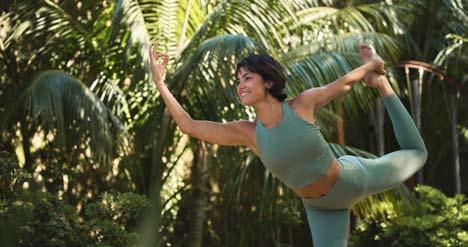
There is something about summer that reminds us how good life can feel.
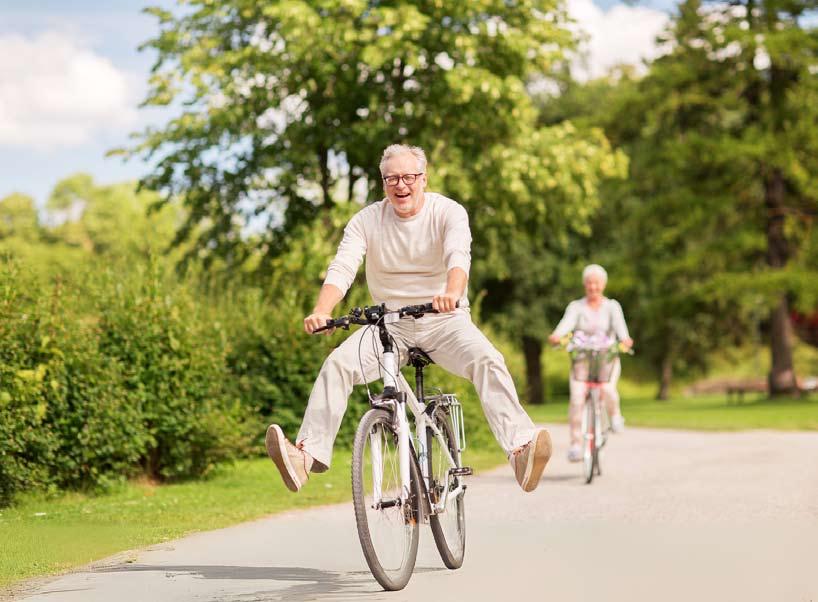
The longer days invite us outside. We move a little more, laugh a little louder, gather with friends, and rediscover the simple things that often get buried beneath busy schedules. Whether it’s an evening walk, fresh food from the farmers market, a weekend by the lake, or simply sitting on the porch watching the sunset, summer has a way of slowing us down just enough to appreciate what really matters.
As we put together this Endless Summer issue, I found myself thinking about how health isn’t just measured in doctor’s appointments or numbers on a chart. It’s also found in moments of joy, meaningful connections, fresh air, movement, and making memories with the people we love. Those experiences nourish us just as much as eating well or staying active.
Of course, we know summer doesn’t last forever. The calendar will eventually turn, routines will return, and cooler weather will arrive. But maybe the goal isn’t to hold on to summer itself—it’s to hold on to the habits and mindset that make us feel our best. Taking a walk after dinner. Spending less time scrolling and more time outside. Trying new adventures. Saying yes to gathering around the table with family and friends.
In this issue, you’ll find ideas to help you make the most of the season while investing in your long-term health and happiness. Whether you’re looking for inspiration, practical wellness tips, or simply a few moments of enjoyable reading, we hope these pages encourage you to embrace all that this season has to offer.
Here’s to sunshine, fresh beginnings, and creating an endless summer—not just in the months on the calendar, but in the way we choose to live each day.
Wishing you health, happiness, and a season full of unforgettable moment
Until next issue,
Amanda Lewis enjoy the journey
The Ommani Center, Livestrong.com, Environmental Nutrition, Nutrition Action Health Letter, Columbia/St. Mary’s, Ascension, Eye Care Specialists, Aurora, Alexian, Eye Physician Associates, Brothers Village, Ye Olde Pharmacy, NIH, Jensen Health and Energy, Foot Solutions, Allergy and Asthma Centers, Tudor Oaks, Active Care Rehab, Greensquare Center for the Healing Arts, Midwest Audiology, Integrative Family Wellness Center, Universal Services, American Camp Association and Home Instead
For information on advertising or to submit articles call, 414-659-6705 or 608-237-6000, or email mhl@wi.rr.com.
Subscriptions are $20 per year. Thanks for reading MHL.
MHL is published on the first of each month . The articles in this publication are in no way intended to replace the knowledge or diagnosis of your doctor. We advise seeing a physician whenever a health problem arises requiring an expert’s care.
How Can Hiking Improve Your Health?
By: KURU Footwear
lenges your endurance with varied terrain, and offers a much-needed escape
Hiking provides unique health benefits, including cardiovascular fitness, mental well-being, and muscle strengthening.
The varied terrain of hiking trails enhances balance, reflexes, and endurance. Spending time outdoors can improve mood, reduce stress, and increase vitamin D levels.
Physical Benefits of Hiking
1. Cardiovascular Fitness
Hiking is an excellent cardiovascular workout that helps strengthen your heart and lungs. Unlike walking on a flat surface, hiking involves elevation changes that make your heart work harder, improving circulation and overall cardiovascular health. Regular hikes can:
Lower blood pressure
Reduce the risk of heart disease
Improve lung capacity
Enhance endurance
Interval training is another great way to improve your fitness levels, and you can read more about it in our guide on interval training for faster fitness.
2. Strengthens Muscles and Joints
Hiking engages multiple muscle groups, including your legs, core, and even your arms if you use trekking poles. The constant adjustments your body makes while walking on uneven terrain help:
Strengthen stabilizing muscles
Improve joint flexibility
Reduce the risk of osteoporosis by building bone density
stock.adobe.cm/Victoriya Bulyha
Why Muscle is the New Medicine
When some people think of muscles, they picture bodybuilders and may have no interest in obtaining such a look. That mentality, however, is changing as science shows that muscle is something everyone needs to pay close attention to, regardless of age. Muscle is truly becoming the new medicine that is helping people to live longer, better lives. The more people know about muscles and how to build and maintain them, the better off they will be.
“We cannot overlook the importance of our muscles,” said Jennifer Scherer, registered dietitian nutritionist, medical exercise specialist, certified personal trainer, master-level Pilates instructor, and owner of Fredericksburg Fitness Studio. “They are what keep us moving, what helps us stay metabolically healthier, and the driving force behind maintaining our independence as we age.”
Muscle does a lot more than simply help people get the pickle jar open. Muscles power our mobility, maintain our posture, keep us moving, and so much
more. We have over 600 muscles in the body that we use constantly, and keeping them strong and moving is crucial to our overall health. According to research published in the journal Comprehensive Physiology, skeletal muscle is the largest organ in the body, by mass, is also the regulator of glucose homeostatis and is essential for metabolism.
While many people think of muscle loss as something that happens with older age, it really begins as early as our 30s. Each decade, it’s estimated that most people lose 3-5% of muscle mass per year. There is another new concern lately in regard to losing muscle mass as more people take weight loss drugs, such as GLP-1. Research published in the journal Acta Diabetologica from November 2025 reports that weight reduction using GLP-1s is accompanied by a decrease in lean body mass. This muscle loss that tends to come along with using the weight loss drugs can lead to impairments in mobility and quality of life.
No matter one’s age, it’s always a good time to start focusing on building and maintaining muscle. Here are a few tips to keep in mind along the way:
•Strength train. Muscle is believed to help people live longer, so focusing on adding some strength training is crucial. According to research published in JAMA in February 2026, greater muscle strength is associated with lower mortality, and assessing strength and promoting its maintenance is instrumental for optimal aging. Aim to get in strength training exercise 2-3 days per week.
•Get enough protein. Eating enough protein is a must in order to build and maintain muscle mass. According to the National Institutes of Health, proteins are the building blocks of life. Active adults should aim to get 1.4 to 2 grams of protein per kilogram of body weight. This will help to prevent age-related muscle loss.
•Choose a program. Maintaining healthy muscle mass may look like engaging in weight lifting, but it doesn’t have to. Those who prefer to do something else can opt for other weight-bearing exercises, such as jogging, jumping rope, dancing, stair-climbing, Pilates, and yoga. Finding something that is enjoyable will make it easier to stick to.
•Stay committed. Keeping at it over the long course is what leads to results. Many people start programs only to abandon them weeks or months later. Make the commitment and hold yourself accountable, and after a while, it will become a habit. People tend to feel better when they stick to a program or plan.
•Get help. It’s challenging for many people to stick to exercise programs on
their own, which makes getting help a great idea. Research published in PLoS One reports that a fitness coach is a central character in an individual’s involvement with exercise, their outcomes, and adherence. Working with someone like a fitness coach or trainer provides the potential to impact the person’s motivation and enjoyment, helping them to stick with the program and get more out of it.
“This is an issue that is so important to overall health that it has to be a high priority in everyone’s life,” added Scherer. “Muscle impacts everything from how we carry ourselves and what we are able to do, to our metabolism and glucose levels. We help many people make fitness and healthy eating a higher priority and lead them to success.”
At Fredericksburg Fitness Studio, clients work with a registered dietitian nutritionist and experienced movement professionals to develop personalized, realistic plans. Services are offered both in person and virtually and include comprehensive assessments of medical history, nutrition habits, movement patterns, and lifestyle factors. They provide virtual nutrition therapy, medical nutrition therapy, and tailored meal planning through Eat Love Pro—delivering scalable support with built-in accountability at every level.
The boutique studio also offers semi-private and private training focused on Pilates, strength training, mobility, fall prevention, and medical exercise. With two Fredericksburg locations, the studio provides a highly personalized environment, luxury amenities, and expert instruction across reformer, chair, tower, CoreAlign, and master-level Pilates equipment. Fredericksburg Fitness Studio is proud to be a Medicare provider.
In addition, Jennifer Scherer and her husband, Jeff Smith, co-host the Fitness & Finance Radio podcast, which explores the intersection of physical wellness and financial planning for retirement, highlighting how long-term health impacts long-term financial security.To learn more about Fredericksburg Fitness Studio, visit https://www.fburgfitness.com. To listen to Fitness & Finance Radio, visit https://fitnessfinancepro.com.
About Fredericksburg Fitness Studio
Founded in 2008, Fredericksburg Fitness Studio offers private, customized health and fitness programs designed to meet each client’s unique needs. By appointment only, the studio provides medical exercise, personal training, Pilates, nutrition coaching with a registered dietitian, and recovery services including acupressure, massage, and assisted stretching. With an integrated, client-centered approach, Fredericksburg Fitness Studio helps individuals improve strength, balance, mobility, and overall well-being at every stage of life. The studio proudly accepts Medicare. Learn more at www.fburgfitness.com.
Muscle is also one of the body’s greatest protectors against injury. Strong muscles help stabilize joints, improve balance, and reduce the risk of falls and fractures, particularly as people age. Everyday tasks such as carrying groceries, climbing stairs, lifting grandchildren, or getting up from a chair become easier and safer when muscles are strong. Maintaining muscle isn’t just about athletic performance—it’s about preserving the ability to live independently and confidently throughout life.
Another often-overlooked benefit of healthy muscle is its impact on brain health. Regular strength training has been linked to improvements in memory, concentration, and cognitive function. Researchers believe that exercise stimulates blood flow to the brain and encourages the release of growth factors that support healthy brain cells. As a result, building muscle may play an important role in reducing the risk of cognitive decline while helping people stay mentally sharp as they age.
Consistency matters more than perfection when it comes to building muscle. Many people assume they need to spend hours in the gym lifting heavy weights, but meaningful improvements can come from just two or three wellplanned strength sessions each week. Bodyweight exercises, resistance bands, free weights, and Pilates can all be effective ways to build strength. The key is gradually increasing the challenge over time while allowing muscles adequate time to recover and rebuild between workouts.
Perhaps the greatest benefit of prioritizing muscle health is the quality of life it provides. Strong muscles support an active lifestyle, making it easier to travel, enjoy hobbies, play with grandchildren, garden, or simply move through daily life with less pain and fatigue. Rather than viewing strength training as something reserved for athletes or bodybuilders, experts increasingly encourage people to think of muscle as an investment in their future—one that pays dividends in health, independence, confidence, and longevity for years to come.
Recovery is just as important as the workout itself. Muscles don’t become stronger during exercise—they grow and repair afterward. Getting adequate sleep, staying hydrated, eating a balanced diet rich in protein, and allowing time for rest between strength-training sessions all play an essential role in muscle development.
Women’s Health Month:
WHY YOUR SMILE IS MORE CONNECTED TO YOUR
OVERALL HEALTH THAN YOU THINK
Dr. Jen Moran-Kobes shares the top cosmetic dentistry innovations helping patients look younger without surgery
May marks both National Women’s Health Month and Mental Health Awareness Month, making it an ideal time to take a closer look at an often-overlooked part of overall well-being: oral health. While many people don’t immediately connect their smile to their physical and mental health, the two are closely linked, impacting everything from confidence to longterm wellness.
“Your teeth and smile influence much more than most people realize,” said Jen Moran-Kobes, DDS. “It’s one of the first things people notice, and in today’s imagedriven world, it plays an even bigger role. Having a smile you feel confident in isn’t a luxury, it’s essential.”
A specialist in modern cosmetic dentistry, Dr. Moran-Kobes has seen firsthand how smile transformations can impact both appearance and confidence. A breast cancer survivor, she brings a deeply personal understanding of health and resilience to her work, helping patients feel more like themselves again. Many patients seek treatment for teeth that have aged, worn down, or no longer reflect how they feel. Through customized smile rejuvenation, she helps restore not only aesthetics, but confidence and overall well-being.
While Women’s Health Month often focuses on overall wellness, oral health, and the condition of one’s smile, plays a critical role in both physical and mental health. Key connections include:
•Key oral pathogens have been detected in human heart tissue and in the brains of Alzheimer’s patients, linking poor oral hygiene to cardiovascular disease, stroke, and cognitive decline. According to research published in the journal Neurology, poor oral health is a modifiable risk factor that is associated with cardiovascular disease and worsening brain health.
•Elevated levels of oral bacteria may contribute to increased blood sugar, making diabetes more difficult to manage. Research published in the journal Microorganisms in February 2026 concludes that dysbiosis of the oral microbial community can contribute to insulin resistance.
Call (262) 523-1440 today.
•According to the Centers for Disease Control and Prevention, oral health directly impacts physical, mental, emotional, social, and even career well-being.
•Research published in BMC Oral Health shows that dental appearance can influence facial aesthetics, social interaction, and psychological health.
“A healthy smile is a beautiful smile,” added Dr. Moran-Kobes. “When you feel confident in your smile, it shows…and caring for it supports your overall mental and physical well-being.”
Dr. Moran-Kobes treats patients at Water Tower Dental Care in downtown Chicago and Hinsdale Dentistry in the western suburbs, offering personalized smile rejuvenation grounded in artistry, comfort, and clinical excellence. Known by patients as “the smile whisperer,” she offers advanced, minimally invasive treatments including porcelain veneers, Invisalign, composite bonding, professional whitening, and restorative options designed to deliver natural-looking results. Each treatment begins with understanding how patients want to look and feel—then creating a plan to achieve it. To book a complimentary cosmetic consultation, visithttps://drjenmorankobes.com.
Your Gut Loves Variety Why Whole Grains Belong on Your Plate
Published by Grace O
Last week, we explored the simple challenge of eating 30 different plant foods each week to support a healthy gut microbiome. The wonderful thing about this challenge is that it doesn’t have to be complicated—every fruit, vegetable, herb, spice, bean, nut, seed, and whole grain counts. This week, I’d like to shine a spotlight on one of my favorite food groups for gut health: whole grains.
When I visit my local farmers market during the summer, I’m always inspired by the colorful produce that fills every stand. Fresh kale, sweet peppers, mushrooms, herbs, and crisp vegetables remind me that the healthiest meals often begin with simple, seasonal ingredients. One of my favorite ways to bring those flavors together is in this week’s Wild Rice and Quinoa Salad.
One of the easiest ways to increase your weekly plant count is to think beyond fruits and vegetables. Whole grains count, too! Wild rice, brown rice, and quinoa each provide their own unique blend of fiber, vitamins, minerals, and beneficial plant compounds that help nourish your body and support a healthy gut microbiome.
I love this salad because every bite is packed with variety. Wild rice, brown rice, red quinoa, mushrooms, kale, colorful bell peppers, celery, parsley, onion, and golden berries each contribute their own unique FoodTrients® and delicious flavors. Together, they create a hearty, colorful salad that’s perfect for lunch, dinner, picnics, or meal prep throughout the week.
To help you continue your 30 Plants a Week Challenge, I’m also sharing two more seasonal favorites. California artichokes are in season and are one of nature’s best sources of prebiotic fiber, making them an excellent choice for gut health. Pair our Grilled Artichokes with Moringa Dip with the Wild Rice and Quinoa Salad, then complete the meal with our flavorful Mustard-Crusted Tri-Tip for a colorful summer dinner that’s as nourishing as it is delicious.
Healthy eating doesn’t have to be perfect—it simply starts with adding more variety to your plate. Every colorful ingredient, every whole grain, and every fresh herb is another opportunity to nourish your body, support your gut, and enjoy the incredible flavors that summer has to offer.
This Week’s Plant Count
How many plants can you find in this week’s Wild Rice and Quinoa Salad?
✔ Wild rice
✔ Brown rice
✔ Red quinoa
✔ Cremini mushrooms
✔ Onion
✔ Kale
✔ Yellow bell pepper
✔ Green bell pepper
✔ Celery
✔ Parsley
✔ Golden berries
✔ White balsamic vinegar (grapes)
✔ Honey or agave
✔ Flaxseed oil
Another wonderful benefit of incorporating more whole grains into your meals is the lasting energy they provide. Unlike refined grains, whole grains digest more slowly, helping to stabilize blood sugar levels and keep you feeling satisfied longer. They also pair beautifully with fresh seasonal vegetables, herbs, and healthy fats, making it easy to create balanced meals that are both nourishing and delicious.Happy cooking and stay healthy, By simply swapping refined grains for whole grains a few times each week, you’re giving your body another powerful tool to support digestive health, heart health, and overall wellness while adding even more diversity to your 30 Plants a Week Challenge.
Grace O, From Grace’s FoodTrients Kitchen
when workouts start showing results.
Spending time in nature has been shown to lower cortisol levels (the stress hormone), helping you feel more relaxed and at peace. Studies indicate that hiking can reduce symptoms of anxiety and depression, thanks to:
Exposure to fresh air and sunlight
The calming effects of natural sounds
The meditative rhythm of walking
If you’re looking for additional ways to ease stress, try these simple exercises for stress relief.
5. Boosts Mood and Mental Clarity
Being surrounded by nature can have a powerful impact on your mood and cognitive function. Hiking helps increase dopamine and serotonin levels, neurotransmitters that contribute to happiness and emotional stability. Additionally, hiking has been linked to improved memory and concentration, making it an excellent activity for those looking to boost productivity and mental clarity.
6. Enhances Creativity
Feeling stuck on a project or struggling with problem-solving? Taking a hike can provide a fresh perspective. A study from Stanford University found that walking in nature can boost creative thinking by up to 50%, making it a perfect activity for writers, artists, and entrepreneurs looking to generate new ideas.
The Unique Advantages of Hiking Over Other Exercises
7. A Breath of Fresh Air
Unlike running on a treadmill in an enclosed space or jogging through a crowded city, hiking takes you into areas with clean, oxygen-rich air. Being in forests, mountains, or near bodies of water exposes you to increased oxygen levels, which can:
Improve lung function
Strengthen the immune system
Increase energy levels
For more outdoor exercise inspiration, explore outdoor activities to energize your adventure.
8. Improves Balance and Reflexes
The uneven terrain of hiking trails forces your body to make micro-adjustments with every step, improving:
Coordination
Reflexes
Balance and stability
These benefits are particularly important as we age, as they can help prevent falls and improve overall mobility. Additionally, practicing yoga poses for better posture can complement hiking by strengthening your core and improving stability.
9. Boosts Vitamin D Levels
Spending time outdoors exposes your body to natural sunlight, which helps produce vitamin D. This essential nutrient:
Strengthens bones
Supports the immune system
Enhances mood
Just 15-30 minutes of sun exposure while hiking can provide a significant vitamin D boost, helping combat deficiencies that are common in people who spend most of their time indoors.
10. Improves Sleep Quality
Spending time in natural light and engaging in physical activity can improve sleep patterns. Exposure to sunlight helps regulate circadian rhythms, making it easier to fall asleep and stay asleep. Additionally, the physical exertion of hiking reduces restlessness, allowing for deeper, more restorative sleep.
11. Provides a Sense of Adventure
Unlike monotonous workouts at the gym, hiking offers a sense of adventure and discovery. Each trail presents new scenery, wildlife, and terrain, keeping the experience fresh and exciting. Exploring new hiking spots can become a rewarding hobby that encourages consistent physical activity and exploration.
12. Builds Confidence and a Sense of Accomplishment
Every hike offers a chance to challenge yourself, whether it’s reaching the top of a hill, completing a longer trail than you have before, or simply taking the first step toward a healthier lifestyle. Accomplishing these small goals builds confidence and reminds you of what your body is capable of. Over time, those victories can inspire you to stay active, try new experiences, and approach everyday challenges with greater resilience. The sense of achievement that comes from finishing a hike often lasts long after you’ve returned home, making it one of the most rewarding forms of exercise for both body and mind.
istock.com/insta_photos
The Power Of A Healthy Digestive System
On the physical level, digestion is the single most important determinant of good health because the quality of your digestion is directly related to the ability of your body to absorb nutrients in order to build quality, healthy tissues, supply energy for your day, destroy pathogens, and render the food acceptable to your system. Being healthy isn’t just what you eat or how you eat it, it is also whether your digestive system can process it and eliminate the wastes.
Your digestive system is like a cooking fire. In order to digest your food, it must have the right temperature and cook in an even manner. The digestive fire is not only critical for properly absorbing nutrients to help run your body, but also for preventing undigested food from becoming a toxic breeding ground for illness and dis-ease.
Unfortunately, few people today know what a healthy digestion is supposed to look and feel like. Instead symptoms of gas, irregular bowel movements, indigestion, bloating, heartburn, post-eating lethargy are so commonplace that they are considered normal.
Such symptoms are actually clues from your body-mind that something is out of balance. In Ayurveda, the ancient holistic medical system from India, disease is said to first start in the mind for it is from your beliefs and thoughts you take actions that either support or detract from health. These actions then create imbalance in the digestive system which is the root of the three life forces that govern the body and mind and, when out of balance, are the root of dis-ease. If these life forces continue to build in their imbalance, they will eventually spread to other areas of the body creating more symptoms and increasing the severity of the illness.
Your digestive system is working correctly when you have the following signs:
• A Moderate and Regular Appetite:
stock.adobe.com/Luna Vandoorne
THAT NEED TO BE PUT TO REST 5 Health Myths
By Dr. Chris Hardy
MYTH 1: It’s OK to sleep less as long as you’re working out more. Getting the proper amount of sleep is crucial to achieving your fat-loss goals. Many sleep-deprived dieters and exercisers are often frustrated with their lack of progress, not understanding how important sleep is to the fat-loss equation.
- Most fat burning takes place during deep, restorative sleep.
- The fat-loss benefits of exercise during the day are not seen while you exer-
cise. All the action takes place during sleep at night through the actions of growth hormone.
- Growth-hormone secretion is highest during deep sleep.
- Disrupted sleep leads to decreased growth-hormone secretion, which leads to poor fat loss, despite exercise and good nutrition.
MYTH 2: Cholesterol and saturated fat are dietary demons.
We’ve been force-fed this message for so long that it now seems like just common sense. However, recent science has shown us that cholesterol and saturated fat in the diet are not to be feared.
- Cholesterol is a vital substance to the body and brain. It’s important as a building block for hormones (such as testosterone, cortisol and estrogen), crucial for proper function of the brain and a powerful antioxidant that protects your cells from damage.
- Cholesterol itself is neither “good” nor “bad,” and how much of it you eat has very little impact on total body cholesterol.
- Saturated fat is not a single artery-clogging substance. There are many types of saturated fat, each with an essential function in the body.
- Recent scientific studies have shown that saturated fat is not associated with heart disease.
- In its report, the Dietary Guidelines for America 2015 committee states that “cholesterol is not a nutrient of concern for overconsumption.”
MYTH 3: The best way to track my progress is by using a scale.
Most of us associate weight loss as measured on the scale as the best marker of progress with diets and exercise programs. Unfortunately, this practice can lead us astray. Many extreme calorie-restricted diets result in a significant amount of muscle loss with overall weight loss, which is definitely not a good thing.
- Loss of muscle mass with radical weight-loss diets results in someone who is “skinny fat” (called “normal-weight obese” in medical terms). They still have high amounts of fat compared to their muscle mass, which is very unhealthy.
- We should be concerned about fat loss while maintaining muscle mass, not overall weight loss (muscle contributes to overall body weight significantly).
- Use a tape measure instead of the scale to measure progress. Measure your waist at the level of your belly button.
- Calculate your waist/height ratio by dividing your waist measurement by your height in inches (or centimeters if you prefer).
- A healthy waist-to-height ratio is 0.5 or below. This measurement is more in
H e y, W H I TE F I S H BAY!
line with your health and how you fit into your clothes.
- Throw away your scale and get a tape measure. New goal: Keep your waist less than half your height.
Myth 4: I don’t need to worry about my weight while trying to get pregnant.
High body-fat levels can significantly affect your fertility through the actions of the hormone leptin. Leptin is a hormone secreted by fat cells. One of leptin’s functions is to help regulate appetite, but its main function is to control fertility.
- With normal body-fat levels, leptin functions properly and signals the brain that there is adequate body fat to support a pregnancy.
- High levels of body fat can lead to “leptin-resistance.” The fertility signal is blocked in the brain, and getting pregnant becomes very difficult.
- If you are overweight, losing body fat through good nutrition and exercise is the most powerful fertility treatment (leptin function is restored).
- Note that losing too much body fat (endurance athletes, anorexia) can cause fertility problems as well, since some body fat is needed for leptin to function properly.
MYTH 5: Having a beer belly is nothing to worry about.
Men who sport a “beer belly” are often under the illusion that, because it’s rock-hard and not flabby, it’s not a health concern. They couldn’t be more wrong. There’s a health nightmare brewing underneath the rock-hard exterior of a beer belly:
- Beer belly is caused by increased fat around the internal organs of your abdomen, the worst type of fat you can have for your health.
- Beer-belly abdominal fat is a source of long-term inflammation, which is one of the causes of diseases like high blood pressure, diabetes, heart disease and cancer.
- Abdominal fat lowers testosterone by secreting an enzyme called aromatase, which converts testosterone into estrogen. The beer belly is far from a sign of manliness. It’s a testosterone-devouring, estrogen-producing health killer.
Readers -- Do (or did!) you believe in any of the myths mentioned above? Do you use a scale to keep track of your weight-loss progress? Do you avoid saturated fats in your diet? Leave a comment below and let us know.
Chris Hardy, D.O., M.P.H., CSCS, is the author of Strong Medicine: How to Conquer Chronic Disease and Achieve Your Full Genetic Potential. He is a public-health physician, personal trainer, mountain biker, rock climber and guitarist. His passion is communicating science-based lifestyle information and recommendations in an easy-to-understand manner to empower the public in the fight against preventable chronic disease.
This piece originally appeared on LIVESTRONG.COM.
DIGEST<< page 11
your appetite will be regular so that you are hungry about three times a day and will be satisfied after eating a moderate amount of mildly spiced foods.
• Regular, Easy Elimination: every day you should have at least one bowel movement that is formed, moderate in size, easy to release and brownish color similar to the look of milk chocolate.
• Lack of Digestive Symptoms: you should not have any regular symptoms such as gas, bloating, indigestion, burning, acid reflux, lethargy or heaviness after eating, or nausea. Through the natural flows of the life forces, you will occasionally get mild and fleeting cases of these symptoms but any regular pattern is a cue that there is a problem.
• Overall Good Signs of Health: you will have a strong immune system, clear complexion, good circulation, adequate energy to carry you through your daily activities, and pleasant breath and body odor. Your senses and your mind will be sharp and clear as well.
To balance your digestive system and restore your body to health, Ayurveda uses non-invasive, natural tools such as herbs, diet, healthy eating guidelines, sense and body therapies, and lifestyle modifications.
One of the simplest ways to support healthy digestion is to slow down and be fully present while eating. In today’s fast-paced world, many people eat while working, scrolling through their phones, or watching television. Ayurveda encourages mindful eating by sitting down in a calm environment, chewing food thoroughly, and paying attention to the flavors and textures of each bite. This practice helps activate the body’s digestive processes, improves nutrient absorption, and allows the brain to recognize feelings of fullness, reducing the likelihood of overeating.
Small daily habits can also have a profound impact on digestive health over time. Drinking warm water throughout the day, eating meals at consistent times, incorporating gentle movement such as walking after meals, and managing stress through deep breathing, meditation, or yoga can all help strengthen the digestive fire.
Tudor Oaks Senior Living Community, a trusted name in the Muskego area for over 40 years, is now offering Home Care Services to area residents! Tudor Oaks Home Care Services provide a variety of supportive options to assist seniors who wish to remain in their own home.
Healthy Cooking Tips for Beginners and Experts Alike
It’s not always easy to eat healthier when takeout is just a tempting click away. However, a few handy skills under your belt (and a bit of inspiration) will grant you a one-way ticket to healthy, stress-free cooking. Just moved out of your parents’ house and breaking in your new kitchen? Or perhaps you’re ferreting out a way to marinate meats before throwing them on the grill? Maybe you’re wondering what you can swap butter for in your healthy baking spree? Whatever it is, our guide has you covered. Read on to discover everything you need to know about healthy cooking. From beginner tips to more advanced expert-approved tricks that elevate your skills, you’ll finally conquer the kitchen and cook healthy and delicious meals every time.
Cooking 101
The kitchen is a vast unknown and you’re tired of dining out — we’ve all been there. Cooking meals at home can help you achieve your health and weight-loss goals, and there’s no better time to start learning how to cook than now.
Luckily, preparing food at home isn’t that complex — especially when you’ve got the basics down pat. You’d be shocked how much easier cooking gets once you’ve mastered poaching and stocked up on the six pantry staples that every home cook should have on hand at all times. Soon enough, not only will you be throwing away your takeout menus, you’ll also be inviting your friends and family over to enjoy your creations!
Set yourself up for success in the kitchen with these basic cooking tips every beginner chef needs to know.
Make the Most Out of Your Microwave
Your microwave is a kitchen MVP: It can reheat leftovers and expedite your meal prep. Plus, your microwave can also help you eat a whole lot healthier. Not convinced? The handy yet underrated kitchen appliance makes it easier to exercise portion control and resist the lure of ordering in. If you’ve been using your microwave primarily to heat up frozen foods or pop a bag of popcorn, it’s time to familiarize yourself with all the other ways you can use the tool. From getting more juice out of your citrus to whipping up single-serving desserts in a jiffy, your microwave can help you make healthy meals that much faster.
Is It Grilling Season Yet?
Warm weather means it’s time to grill, but a steady diet of basic backyard burgers and hot dogs isn’t really doing your health any favors.
Ditch the processed stuff and opt for lean meats dressed with homemade marinades that add way more flavor than bottled barbecue sauce ever will. You can even throw fruit on the fire for an alternative dessert that’s refreshingly sweet — and much better for your body than s’mores.
Take your grilling to the next level and make BBQ season healthier than ever. Master Sweet — and Savory — Baking
You’ve probably already been putting your oven to good use, baking everything from tasty desserts to satiating proteins and veggies. Yes, you and your oven go way back, but you may not realize the trusty appliance can help you infuse food with flavor — without bumping up calories or fat!
Find the very best healthy ingredient swaps for your favorite pastries along with savvy ways to ensure your meats don’t dry out. Plus, get ideas that just might make your kids actually eat their vegetables instead of feeding them to Fido under the table.Slim down desserts and maximize your dinner’s flavor with these must-try baking tips.
Think You Know It All?
You know your way around the kitchen and your meals always earn praise from family and friends — but your cooking may not get big points on the health scoreboard. Every home chef has room for improvement, and you can easily employ some advanced tricks to keep your taste buds happy and your body healthy. Whether you’re crafting a snack, a four-course meal or a lavish dessert, these inventive hacks will have you feeling Top Chef-worthy while helping you optimize every dish’s nutrition value. This article origianally appeared on www. livestrong.com.
Healthy cooking also begins with smart planning. Taking a few minutes each week to create a meal plan and grocery list can make it much easier to prepare nutritious meals at home. Stocking your kitchen with wholesome staples such as whole grains, lean proteins, canned beans, frozen vegetables, herbs, spices, and healthy oils ensures you always have the ingredients needed for a balanced meal. When healthy options are convenient and readily available, you’re far less likely to rely on fast food or highly processed convenience meals
Don’t be afraid to experiment in the kitchen. Trying new recipes, cuisines, and cooking techniques keeps healthy eating interesting and enjoyable. Fresh herbs, citrus, garlic, vinegar, and spices can add incredible flavor without excessive salt, sugar, or unhealthy fats. Remember that becoming a confident home cook takes practice, and every meal is an opportunity to learn a new skill. With time, preparing healthy meals becomes less of a chore and more of a rewarding habit that benefits both your health and the people you share your table with.
8 THINGS TO KNOW ABOUT MEDITATION FOR HEALTH
Enhancing Overall Health And Well-being
Meditation is a mind and body practice that has a long history of use for increasing calmness and physical relaxation, improving psychological balance, coping with illness, and enhancing overall health and well-being. Many studies have been conducted to look at how meditation may be helpful for a variety of conditions, such as high blood pressure, certain psychological disorders, and pain. A number of studies also have helped researchers learn how meditation might work and how it affects the brain.
Here are eight things to know about what the science says about meditation for health:
01 For people who suffer from cancer symptoms and treatment side effects, mind-body therapies, such as meditation, have been shown to help relieve anxiety, stress, fatigue, and general mood and sleep disturbances, thus improving their quality of life. Evidence-based clinical practice guidelines from the Society for Integrative Oncology recommend meditation, as well as other mind-body modalities, as part of a multidisciplinary approach to reduce anxiety, mood disturbance, chronic pain, and improve quality of life.
02 There is some evidence that meditation may reduce blood pressure. A literature review and scientific statement from the American Heart Association suggests that evidence supports the use of Transcendental Meditation as an adjunct or complementary therapy along with standard treatment to lower blood pressure.
03 A growing body of evidence suggests that meditation-based programs may be helpful in reducing common menopausal symptoms. A 2010 review of scientific literature found that yoga, tai chi, and meditation-based programs may be helpful in reducing common menopausal symptoms including the frequency and intensity of hot flashes, sleep and mood disturbances, stress, and muscle and joint pain.
04 There is moderate evidence that meditation improves symptoms of anxiety. A 2014 review of the literature found that mindfulness meditation programs had moderate evidence of improved anxiety, depression, and pain, and low evidence of improved stress/distress and mental health-related quality of life.
05 Some studies suggest that mindfulness meditation helps people with irritable bowel syndrome (IBS), but there’s not enough evidence to draw firm conclusions. A 2013 review of the scientific literature concluded that mindfulness training improved IBS patients’ pain and quality of life but not their depression or anxiety; however, the amount of improvement was small.
06 Overall, there is not enough evidence to know whether mind-body practices are as effective as other treatments to help people quit smoking. To date, there have only been a few studies on mindfulness-based therapies to aid in smoking cessation.
07 There isn’t enough evidence to support the use of meditation for attention deficit hyperactivity disorder (ADHD). According to a 2010 review of the science, because of the small number of studies conducted on meditation for ADHD, no conclusions could be drawn about its effectiveness for this condition.
08 Meditation is generally considered to be safe for healthy people. However, people with physical limitations may not be able to participate in certain meditative practices involving movement.
Don’t Let Poor Vision Cloud
Your Outlook On Life
By Cheryl L. Dejewski
Even though six out of 10 people over age 60 already have one, most people don’t know the facts about cataracts until they’re “eye-to-eye” with one. Don’t let cataracts keep you from seeing life to the fullest. Educate yourself about cataract signs, risks and removal. Then, ask yourself if it’s time to schedule a comprehensive eye exam.
What exactly is a cataract?
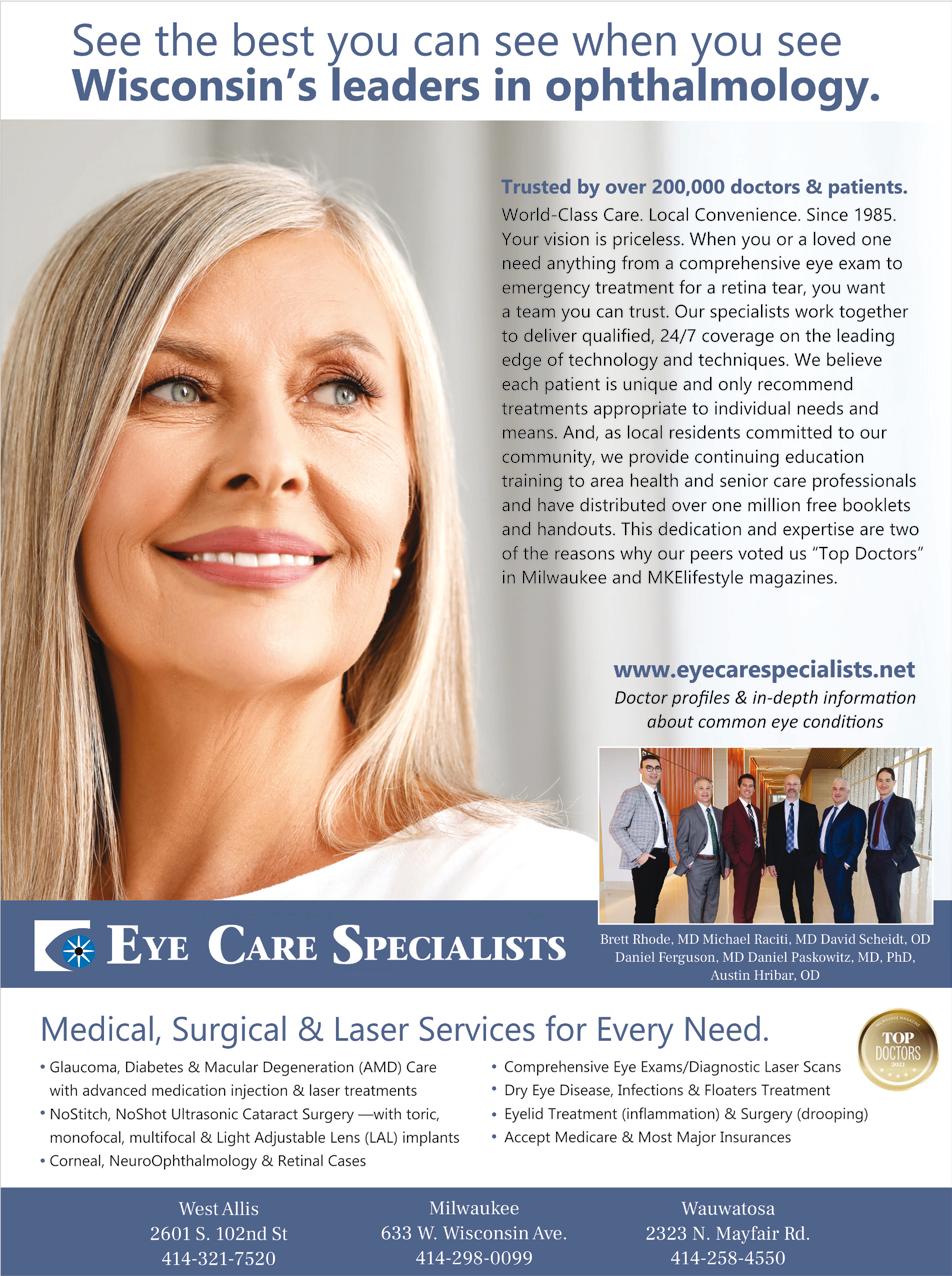
“A cataract is the clouding of the natural lens located inside the eye behind the pupil,” says Mark Freedman, MD, senior partner at Eye Care Specialists, a local ophthalmology practice recognized for providing advanced medical, surgical and laser treatment of most all eye conditions. “This lens works like a camera lens—focusing light onto the retina at the back of the eye to form the images you see. As you age, protein in the lens may clump together and start to cloud. This is called a ‘cataract.’ As the clouding advances, it can blur or fog vision to the point of inhibiting day-to-day functioning.” Depending on the type of cataract, the clouding may take years or just months to progress.
What increases the risk of cataracts?
• Age (cataracts develop with time, like age spots & wrinkles)
• Diabetes (doubles the risk for cataracts & glaucoma)
• Cortisone/steroid use
• Sun exposure
• Previous eye injury
• Smoking
How do you get rid of a cataract?
“There are no drugs, drops, glasses or exercises that can prevent or cure cataracts,” says Brett Rhode, MD, Head of Ophthalmology at Aurora Sinai Medical Center and partner at Eye Care Specialists. “The only effective treatment is to make an opening in the eye, surgically remove the cloudy lens (cataract), and replace it with an intraocular lens implant (IOL) to once again focus light rays onto the retina,” adds Rhode, who, along with the rest of the surgeons at Eye Care Specialists, uses the most advanced techniques to gently break up and remove cataracts through a tiny incision.
What are the symptoms?
Losing your vision is not a fact of life as you grow older. Schedule an eye exam if you notice:
• Foggy, fuzzy, blurred or double vision
• Sensitivity to light and glare
• “Starbursts” around lights
• Holding items closer to view
• Needing brighter light to read
• Fading or yellowing of colors
• Difficulty judging stairs or curbs
• Difficulty seeing to drive at night
• Vision changes affecting the ability to do tasks
• Glasses and prescription changes don’t help
When should you have surgery?
Daniel Ferguson, MD, an ophthalmologist with thousands of cases under his surgical cap advises, “It’s not necessary to wait to remove a cataract until it’s so ripe that almost all vision is blocked. In fact, if you wait too long, it can grow so dense that the operation becomes riskier and more difficult. I tell patients that if the cataract is preventing you from doing tasks, new glasses won’t improve clarity, and no other conditions exist which would negate the benefits of removal (like severe macular degeneration), then it’s time for surgery.”
istock.com/undefined undefined
What happens once you decide to have the cataract removed?
VISION>>page 54
Clearer Skin Starts with Oil
Authored by: Kristine Stein, Certified Herbalist and Natural Health Practitioner
Many of us have grown up using harsh cleansers and exfoliating products; all in the hopes of attaining clear and healthy skin. Personally I grew up having acne-prone skin and have combated breakouts most of my life. Speaking from experience I know that it can be devastating and have detrimental effects on one’s self-image.
Problems with Commercial Skin Care Products & Solutions
As I became more aware of what I was applying to my skin, I ditched the Noxzema and blemish remedies that contained benzoyl peroxide. These items were not only perpetuating my breakouts, but also drying out my skin. I came to realize that body care products and cosmetics are not regulated by the FDA, therefore companies can add whatever cheap chemicals and heavy metals that they wish, in order to make certain items more appealing to the consumer. For example, formaldehyde (embalming fluid) is added to body care items as a preservative, especially if the item is water based. However, formaldehyde is a known carcinogen (cancer-causing). Why would anyone want that on their skin?! After learning this, I began choosing items based on their ingredient list. If I could pronounce and understand what the ingredients were listed on the label, I would consider it safe and try the item.
Eventually I started to use natural and organic products. The health of my skin improved, but I was still having breakouts. At the same time, I started to work on my diet; eliminating processed carbs, sugar and junk foods. My skin improved even further. However, I was not satisfied. I still wanted flawless skin.
Oil Washing to Improve Acne
While reading a book on ancient Greece, I came across information about their overall bathing and hygiene regimens. This included oil washing or oil cleansing. Since oil dissolves oil, massaging it into the skin actually helps soften and dissolve impurities. In Greece they used a tool called a strigil after applying olive oil to the body. This instrument scraped away dirt and sweat, leaving the skin clean. Often times after cleansing with olive oil, the ancient Greeks would then bathe in hot, steamy waters to open up the pores of the skin.
I found this technique to be interesting so I did a little more research. I found that even today a lot of people have had great success in the improvement of their skin through oil washing. However, the very thought of massaging oil onto my face was very counterintuitive. I was still skeptical, but I decided to give it a try.
Choosing High Quality Oils
It is important to use high quality oils to cleanse the face. Vegetable oils should be organic and cold-pressed. Since I have acne-prone skin I stuck with oils that are light with a very low comedogenic (acne causing) rating. Some examples include hemp, sunflower, grapeseed, apricot kernel, jojoba and safflower oils. My first oil cleansing blend consisted of equal parts of jojoba, sunflower, and grapeseed oils. I massaged the oil mixture into my face and neck for about a minute and then removed the oil with a hot and steamy washcloth (as hot and steamy as I could handle comfortably).
I would actually get the washcloth wet and apply the steamy cloth to my face and neck about 3 times, rinsing the washcloth in between each time with hot water. If my skin seemed dry afterward, I would apply light oils such as argan
We are looking for strategic thinkers, team players and leaders who align with our purpose of improving the health and wellbeing of those we serve .
Our work focuses on crea ng meaningful connec ons with each of our clients, helping them to move to ward a healthier lifestyle. We assist each individual’s journey by helping to uncover root causes of their health concerns through holis c natural health and wellness advocacy
If our purpose resonates with you, we invite you to explore career opportuni es and apply today.
*Full me or part me (at least three days a week as client load builds). $35/hr, up to $40hr maximum. Qualifica ons: Must have a passion for natural health. Background in Nutri on preferred Willing to train the right candidate
stock.adobe.com/ DimaSabaka
A State Of Complete Physical, Mental And Social Well-being
Everybody talks about health, but what is health? A Google search for “definition of health” returns 451 million citations. The “Oxford Dictionaries” say health is the state of being free from illness or injury, but this is too limiting. The World Health Organization takes a broader view; Health is not merely the absence of disease...” It is a state of complete physical, mental and social well-being”. This definition of health is more comprehensive and includes critically important issues.
Now that we have a definition for what health is, how do you translate this into your daily life. The first thing to ask is; “How am I doing now?” Do I feel good? Can I physically and mentally do the things I want to do? Am I competently managing the daily stress in my life? The answer to these questions gives you a snapshot of your current physical, mental and social well-being, but this picture does not always do a good job of telling you when your systems reserves are being depleted and what problems are coming in the future. A single frame from a movie may tell you what’s happening right now but may not tell you what’s going to happen in the next scene. If you’re feeling good now, there may be very little indication that you are developing chronic problems that will manifest themselves in the future.
To be healthy you have to be concerned not only with present issues but with factors that will affect future well-being. Can you prevent the development of chronic diseases? If you already have a chronic disease can you slow the progression or possibly reverse its course? The answers to these questions are: Yes you can!
In order to do this, though, you need a more comprehensive preventative approach than what the medical system commonly provides. Currently, you get blood pressure meds to lower your high blood pressure, insulin or metformin to lower your high blood sugar, and cardiac catheterizations and stents to bypass your plaque. All of these interventions are extremely important, in fact can be lifesaving, when needed. Most of our chronic diseases, diabetes, hypertension, cardiovascular disease, autoimmune diseases and cancers develop over years to decades. The more important question for each of you is: “Before I show overt signs and symptoms that need to be treated, is there a way to determine, that I have begun to develop a chronic disease and change the course while I’m still feeling good?
Genetics and environment both play important roles. Your genetics are a baseline, but your environment plays a significant role in how your genes are actually expressed. If your environment leads to excess oxidative stress and you are nutritionally deficient in the factors that are needed to adequately breakdown toxins, how your DNA is actually expressed will change. Important environmental factors include sleep patterns, nutritional status, exercise patterns, stress, support systems, and exposures to toxins.
A person whose diet is overwhelmed by Omega 6 fats, excess carbohydrates, excess neuro-excitatory stimulants, i.e. aspartame from diet soda will be at a much higher risk of developing hypertension, heart disease, stroke, cancer and chronic immune disorders. A person raised in an environment exposed to heavy metals high levels of PCBs or other plastic will be in a much higher risk for developing heart disease and cancer.
Do you Exercise 5 times/week for 30 mins? This is important because doing so has been shown to decrease all-cause mortality by up to 30%. Specifically
THE ROOT OF ALL ILLNESS
By Kalpana (Rose) M. Kumar, M. D.
How can there be a root cause to all illness? Western Medicine is based on the premise that fixing symptoms in piecemeal ways with surgery and medications is good enough, that we do not need to explore the roots of illness, that fixing symptoms is the best we can do, that aberrations in biology and physiology lead to symptoms we define as illness.
As an example, recently Western medicine claims to have created a polypill (1) as the answer to heart disease prevention, deducing that conscious living and a heathy lifestyle can be bypassed, despite scientific evidence that has shown otherwise. This kind of pharmaceutically driven thinking perpetuates the complacency of our collective thinking, discouraging us from valuing the importance of making conscious choices. This is an example of how our medical paradigm highjacks us from conscious living and authentic seeking. This is clearly not the path to health, meaning, wisdom, or authenticity.
For thousands of years, Eastern wisdom identified the root of illness as an imbalance in Prana or life force. What does this really mean? The English language does not have a word for body/mind, mind/body or energy/matter. The very fact that these are two separate words indicates two parts, joined together. The body and mind, according to Eastern wisdom are actually a continuum. The body is a denser expression of the mind, and the mind is within the body. The mind is the subtlest aspect of the body and the body the most tangible manifestation of the mind.(2) In Sanskrit, the word for this continuum is Prakriti. For both physical and mental health (a healthy Prakriti), the body requires food high in vitality. Given this awareness, one can deduce when the body is not well-nourished with organic, unprocessed, natural, and vibrant food its cells will become toxic and unhealthy. An organic plant based diet has historically been recommended by the non-Western world for cellular nourishment. The foods we have normalized in the West are far from this level of vitality.
It took a few weeks to notice the improvement in my skin, but the difference was amazing! I had a lot less breakouts and my skin wasn’t so dry. A lot of times, I don’t even have to apply a moisturizer after washing my face, which was a must previous to the oil washing. The cleansers that I used before would actually strip my skin of beneficial oils, thus drying it out. Our skin has a natural pH of about 5.5, which is slightly acidic. This acidic condition actually helps protect our skin from harmful bacteria and environmental conditions and is known as the acid mantle. When you “wash” away your acid mantle, your skin is more susceptible to invading microbial action and environmental factors, creating conditions such as inflammation and dry skin.
We also have beneficial bacteria that exist on the surface of the skin. These beneficial skin microbiota help prevent transient harmful bacteria from colonizing and causing problems on the skin’s surface. Washing with conventional cleansers can disrupt your unique population of skin flora, thus washing away your natural protection. For more information visit www.totalhealthinc.com.
Tips for Affordable SUMMER SNACKING ON THE GO
Most people plan family trips in the summer. Only this summer is a little different because people are also mindful of the rising costs associated with travel and are making some adjustments accordingly. In fact, Bankrate reports that 80% of Americans are changing travel plans due to inflation. Those on the go are looking for ways to make their traveling more affordable, and one way they can do it is when it comes to snacking.
“One way you can save money this summer while traveling is when it comes to food,” explains Jennifer Scherer, a registered dietitian nutritionist, medical exercise specialist, certified personal trainer, and owner of Fredericksburg Fitness Studio. “Not only are there things you can buy that are easy and healthy, but that will help keep the costs down.”
Dining out has become increasingly burdensome on most families’ pocketbooks, making easy and healthy snacking and meals on the go a great option. Whether preparing your healthy snacks or stopping at grocery stores along the way to purchase the items needed, money will be saved compared to heading to a restaurant for each meal.
Here are some tips for keeping summer snacking on the go easy, healthy, and affordable:
•Keep easy, healthy snacks available at all times. These include fresh-cut veggies, fruit, dips, unsweetened applesauce cups, watermelon slices, and hummus. Also, have wraps available so that a quick wrap can be made, adding hummus and veggies.
•Have a dry snack bin that will not need to be refrigerated. These items can be taken along and consumed whenever needed. Things to add to the bin include small containers of trail mix, nuts, pumpkin seeds, dried fruit, healthy granola bars, and jerky.
•Save money on drinks on the go by keeping refillable drink containers that can be used. Opt for water or unsweetened teas to keep them healthy and affordable.
•When it’s time to stop to get items when traveling, opt for going to a grocery store rather than a convenience store. The grocery store will have a more comprehensive selection of healthy items and will likely be more affordable.
•Remember that eating healthier during the day, including meals and snacks, will help keep everyone from being so hungry. Healthy food contains more fiber and nutrients, so it’s more likely to satiate everyone, which will help keep the costs down.
“It’s a good idea to eat healthy all year long, not just when traveling,” added Scherer. “But making a goal this summer to incorporate these things will go a long way toward helping to make it more affordable, healthier, and fill you with energy.”
As a registered dietitian nutritionist, Scherer helps people improve their diet, plan for sustainable weight loss, and offer ways to incorporate healthier food choices. She and her team offer nutrition coaching services, wellness, personal training, in-home medical training, virtual personal training, and a Pilates reformer program, which features a versatile machine designed to provide resistance. It can be used when standing, sitting, or lying down. All workouts on it are custom-tailored for the individual to address their physical fitness concerns.
Complete Care specializes in short term rehabilitation to get you back home safely, and long term care. Be at peace knowing your loved one is receiving outstanding care with the amenities of home in a serene setting.
Find a Complete Care center near you to learn more and schedule a tour!
HALES CORNERS CARE CENTER
9449 W Forest Home Ave, Hales Corners, WI 53130
GLENDALE CARE AND REHAB CENTER
414.529-6888 | halescornerscarecenter.com
6263 N Green Bay Avenue, Glendale, WI 53209
GLENDALE CARE AND REHAB
414.351.0543 | glendalecrc.com
6263 N Green Bay Avenue, Glendale WI 53209
414.351-0543 | glendalecrc.com
GRANDE PRAIRIE CARE AND REHAB CENTER
10330 Prairie Ridge Blvd, Pleasant Prairie, WI 53158
OUR CARE SERVICES
• Inpatient Dialysis
• Physical, Occupational, and Speech Therapy
• Wound Care
• Behavioral Health
• Respite Care
• VA Contracting
• And Much More
CARE-AGE OF BROOKFIELD
1755 N. Barker Rd Brookfield, WI 53045
262.821.3939 | care-age.com
RIDGEWOOD CARE CENTER 3205 Wood Road, Racine, WI 53406 262.554.6440 | ridgewoodcarecenter.com
RIDGEWOOD CARE CENTER 3205 Wood Road, Racine, WI 53406 262.554.6440 | ridgewoodcarecenter.com
SOUTHPOINTE CARE AND REHAB CENTER 4500 West Loomis Road, Green�ield, WI 53220
262.612.2800 | grandeprairiecrc.com
GRANDE PRAIRIE CARE AND REHABE CENTER
10330 Prairie Ridge Blvd. Pleasant Prairie, WI 53158
262.612.2800 | grandeprairiecrc.com
KENSINGTON CARE AND REHAB CENTER
1810 Kensington Drive, Waukesha, WI 53188
KENSINGTON CARE AND REHAB
262.548.1400 | kensingtoncareandrehab.com
1810 Kensington Drive, Waukesha, WI 53188
262-548-1400 | kensingtoncareandrehab.com
SOUTHPOINTE CARE AND REHAB CENTER
414.325.5300 | southpointecrc.com
4500 West Loomis Road, Greenfield WI 53220 414.325.5300 | southpointecrc.com
VIRGINIA HIGHLANDS CARE AND REHAB CENTER W173 N 10915 Bernie’s Way, Germantown, WI 53022
262.509.3300 | virginiahighlandscrc.com
VIRGINIA HIGHLANDS CARE AND REHAB W173 N 10915 Berniew’s Way, Germantown, WI 53022
262.509.3300 | virginiahighlandscrc.com
The Connection Between Mental and Physical Health
Learn how to improve the connection between your mental and physical health.The connection between mental and physical health is a strong one, which is why it’s equally important to prioritize both in your life. Here are some tips to take advantage of the connection between mental and physical health and enjoy feeling like your best self:
Find exercises you enjoy
Establishing a regular exercise routine is one of the most powerful things you can do to make yourself physically and mentally healthier. The many benefits of exercise include lower rates of depression and anxiety, stronger muscles and bones, successful weight management, higher energy, brain and memory protection, chronic pain reduction, and more! Find workouts that you enjoy and that work for your ability level, such as:
Hiking
Bicycle riding
Yoga
Dancing
Kayaking/canoeing
Strength training
If you can’t often make time for a full workout, you can fit exercise naturally
into your day by taking the stairs, meeting up with friends for nature walks, parking at the back of the lot, and more. As always, check with your doctor before beginning any new exercise routine.
Stay relaxed with meditation and sleep
Your body and mind can benefit greatly from meditation and getting enough sleep. Meditation is often used to help treat stress, anxiety, and even addiction. The health benefits of sleep also extend to both the brain and body. Getting enough sleep can help boost your immune system, lower you risk of heart disease and help you focus and think more clearly.
Eat the colors of the rainbow
To amp up the nutrition of your diet, aim to make it aesthetically beautiful! “Eating the rainbow” of fruits and veggies is recommended as a way to maximize the health-boosting phytonutrients in your day. Many of us focus on the physical health benefits of vegetables (which are plentiful!), but studies also link high fruit and vegetable intake with better mental health and optimism. Learn how to fit more fruits and veggies into your diet here!
Design upbeat playlists
Yes, there are even compelling scientific reasons to kick back with your favorite tunes! Music has emotional, cognitive, and physical health benefits, including better memory, emotional regulation, lower anxiety and depression, more energy, and a healthier heart. To enjoy music with hearing loss, make use of hearing aids and other assistive listening devices. You can also enjoy these benefits by making music yourself; check out these famous musicians with hearing loss.
Socialize and laugh with others
Strong relationships and friendships have health benefits too! Spending time with positive people, either in person or virtually, makes you happier, more confident, less stressed, and yes, even physically healthier, thanks to an immune system boost.
Those with hearing loss can easily stay connected to others with the help of a CapTel captioned telephone. Call friends and family members and read along with every word they say! Shop our selection of hearing loss telephones here.
The connection between mental and physical health shouldn’t be overlooked in your life! Continue to our health and wellness blog for even more content to keep you feeling your best.
For more information visit www.captel.com .
Photo Credit: stock.adobe.com/ Liubov Levytska.
The CapTel® Captioned Telephone shows word-for-word captions of everything a caller says, letting you read anything you cannot hear over the phone. CapTel is a NO-COST, federally funded technology available under the Americans with Disabilities Act
To qualify, users need:
Hearing loss • Internet connection • Landline telephone service
istock.com/ReeseArcurs/peopleimages.com
Caregiver Tips to Make Your Summer Less Stressful
Anthem Memory Care
For family caregivers, summer doesn’t always feel like a season of relaxation. Caring for a loved one with dementia during the summer months can bring a unique set of challenges, from managing more outdoor activities to navigating disrupted routines and increased family demands. Outings that once seemed simple, such as attending a barbecue, enjoying a morning in the park, or visiting relatives, often require careful planning and constant vigilance.
If you are caring for a loved one with dementia, you may feel yourself entering summer already running on empty. The added pressure to participate in seasonal traditions while maintaining a safe, stable environment for your loved one can quickly lead to burnout.
While you can’t eliminate every challenge that comes with caregiving, a few practical adjustments can help make the season less stressful, more manageable, and even more enjoyable. Here are some simple strategies to help you navigate the summer months with greater comfort and confidence.
Protect both your mental and physical health:
dementia
Set clear boundaries. Don’t feel obligated to accept family events or commitments that add unnecessary stress or disrupt your loved one’s (and your) routine.
Take short reset breaks. Step away from a stressful situation for a few minutes of deep breathing or quiet time. Utilize positive “self-talk” to restore emotional balance.
Let go of perfectionism. Reduce expectations around hosting, housekeeping, and following summer traditions. Focus instead on relaxing and enjoying special moments.
Accept help when it’s offered. Say yes when a family member or trusted friend offers assistance with cooking, cleaning, errands, or caregiving. They will benefit from helping, too.
Connect with supportive communities. Reach out to fellow caregivers through dementia support groups or through online communities such as AlzConnected, offered through the Alzheimer’s Association.
Simplify your daily caregiving tasks:
Keep a ready-to-go kit on hand. Pack essentials such as sunscreen, water, medications, and a change of clothes. Keep it restocked and handy. That way you won’t be rushed to meet doctor appointments or enjoy impromptu outings. Stay hydrated! Dehydration can lead to other serious health issues. If you tend to forget to drink water regularly, set recurring phone alerts to remind you and your loved one to take regular water breaks.
Choose easy-to-wear clothing. Have your loved one dress in comfortable, elastic-waist or adaptive clothing that minimizes dressing challenges.
Prepare simple meals ahead of time. Stock your refrigerator and freezer with nutritious, no-cook options to reduce time and heat in the kitchen.
Reduce the risk of caregiver burnout:
Schedule regular respite care. Consider adult day programs, respite care arrangements, or in-home care services to give yourself a chance to recharge and regroup.
Monitor your stress levels. Pay attention to warning signs such as headaches, sleep problems, irritability, or fatigue. Don’t neglect your regular checkups and therapy sessions.
Protect your personal time. Carve out dedicated time for hobbies, exercise, social activities, or simply relaxing through yoga or meditation. Ask a family member or friend to help if your loved one requires someone to be with them. You need this and deserve it!
Practice self-compassion. Recognize that feelings of frustration, exhaustion, or resentment can be a normal part of caregiving. Consider journaling, which can be a great stress reducer.
For more information contact Franklin Place at 414-377.9536.
The Benefits of Occupational Therapy for Seniors
Occupational therapy offers unique benefits tailored to enhancing everyday activities and promoting independence for elderly adults.
Let’s explore what occupational therapy entails, its distinct advantages for seniors, and how Charter Senior Living communities prioritize access to this essential service.
What Is Occupational Therapy?
Occupational therapy is a holistic healthcare profession focused on helping individuals of all ages perform everyday tasks and activities more independently.
This form of therapy targets the practical aspects of daily life, such as dressing, cooking, and household chores.
Occupational therapists (OTs), including those specializing in geriatric occupational therapy, or geriatric OT, collaborate with clients to develop personalized treatment plans to improve functional abilities and enhance quality of life.
These plans address seniors’ unique needs and challenges, ensuring they can maintain independence and engage in meaningful activities to support their overall well-being.
A senior occupational therapist understands the specific needs of older adults and has the training and skill to provide comprehensive care that addresses mobility, cognition, and activities of daily living.
Are Occupational Therapy and Physical Therapy the Same Thing?
While occupational and physical therapy (PT) share some similarities, they are distinct disciplines with different focuses and goals.
PT primarily addresses physical impairments and mobility limitations, such as strength, balance, and range of motion, while OT promotes independence in everyday activities and improves cognitive abilities.
Both therapies can complement each other in a comprehensive treatment plan but serve distinct purposes tailored to individual needs.
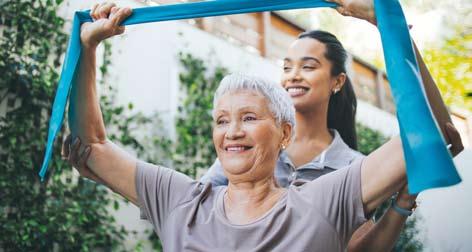
Mature Latin American man doing physical therapy exercises using a stretch band with the assistance of his therapist
The Benefits of Occupational Therapy for Elderly Adults
OT offers a wide range of benefits for older adults, including:
Promoting Independence
One of the goals of occupational therapy is to help seniors maintain their independence by addressing challenges in performing everyday tasks, such as dressing, grooming, and meal preparation.
Occupational therapy for the elderly at home may focus on improving functional abilities to enhance the senior’s confidence and autonomy in managing their daily lives.
Preventing Falls
OT interventions focus on assessing and modifying the home environment to reduce risks of falls and improve safety. By addressing factors such as balance, strength, and home hazards, OT helps prevent falls and minimize the risk of injury for older adults.
Enhancing Cognitive Abilities
OT includes cognitive rehabilitation techniques to improve memory, attention, and problem-solving skills in seniors with cognitive impairments, such as memory loss or dementia.
Diet And Exercise Tips For Preventing Osteoporosis
Learn how to strengthen your bones with these seven tips.Bones are the foundation of a human body, quite literally connecting us from head to toe. They’re a core component of strength, support, and mobility. Healthy bones are dense and can protect us from breaks and fractures, improve our posture, and keep us feeling strong. But sometimes our bones can become porous and weaken, causing osteoporosis. Marked by a loss of bone, inadequate production of bone, or both, osteoporosis affects approximately one in two women and one in two men over age 50. This National Osteoporosis Awareness Month, we’re highlighting seven easy ways to boost bone strength through diet and exercise, including:
Strengthening your bones relies on a holistic combination of healthy lifestyle choices. Continue reading below to learn more about these tips on how to strengthen your bones. As with any new diet or fitness program, be sure to check with your doctor to find the right approach for you.
1. Eat as many vegetables as possible
All vegetables are good for you in one way or another, but when it comes to bone health, leafy greens reign supreme. Embrace those healthy salads, because spinach, kale, lettuce, and other dark leafy greens are chock-full of the vitamins, minerals, and proteins that bones love. Brussels sprouts and sweet potatoes are nourishing, bone-healthy choices as well, and there are many delicious ways to prepare them!
2. Incorporate strength training into your exercise routine
Cardio is good for your heart health, but it’s not the only kind of exercise that matters. Resistance training and weight-bearing activities are associated with improved bone density. Hitting the strength machines and picking up free weights will help grow your muscles – andyour bones. You don’t have lift hundreds of pounds to see benefits, either. Ask a trainer to help you develop a routine that’s best for you, then start where you’re comfortable. If you’re doing at-home workouts, make it fun by turning on your favorite TV show or music while you work out.
3. Get enough calcium and vitamin D
While calcium may be known to protect bones from osteoporosis, it’s not the only way to boost your bone strength. In fact, research shows that both calcium and vitamin D together can play a role. While calcium may be better known for its boneboosting effects, it’s the team approach with vitamin D that can help you absorb it for the maximum impact. Check this chartto see how much calcium and vitamin D you should consume and consult with your doctor about the right amounts for you.
4. Consume enough protein (without overdoing it)
When it comes to protein, balance is key. Protein aids in calcium absorption, so if you’re not getting enough, it could affect your bone mass. Protein from vegetable sources seems to be particularly beneficial, so think high-protein veggies like peas, spinach, and Brussels sprouts, plus beans and nuts. However, too much protein may come with risks of its own. Excess animal protein carries the bulk of these risks, though fish is typically regarded as a safer source.
5. Maintain a healthy and stable weight
When it comes to your weight, aim to be right in the middle. Being underweight is a risk factor for increased bone loss, while obesity puts more stress on bones and increases fracture risk. Talk to your doctor about the ideal weight for you and do your best to reach and maintain a mid-range weight to help you maintain your bone strength.
istock.com/Halfpoint
Alta Mira II offers one & two bedroom apartment homes for those 55 & older. Alta Mira II is a non-smoking community that was constructed with special features for those who may be deaf or hard of hearing. Alta Mira II offers an array of amenities and social activities for its residents. Income restrictions apply.
Bell Tower Place is a non-smoking community offering elegant one & two bedroom apartment homes. Located in a quiet, residential neighborhood you are still situated in close proximity to all the modern conveniences you will need to live an independent, maintenance-free lifestyle.
Cedar Glen offers spacious one & two bedroom apartment homes centrally located in Wauwatosa, just 10 minutes from all of your shopping & dining needs. A variety of activities, 24-hour emergency maintenance and on-site management allow for the independent lifestyle you deserve! Income restrictions apply.
Granville Heights offers one & two bedroom apartment homes in a non-smoking community. Centrally located, you will have easy access to churches, grocery stores, restaurants and more while enjoying a relaxed, maintenance-free lifestyle within the community. Income restrictions may apply.
communities that sit adjacent to the Towering Woods Nature Center; a mature, wooded conservancy allowing for beautiful outdoor scenery and tranquil walking paths.
Each property is unique in it’s own way offering one and two bedtoom apartment homes within a smoke-free commuity. Residents have the opportunity to take advantage of the abundant social activities each property provides as well as the availibility of heated, underground parking, 24-hour emergency maintenace, professional on-site management and more!
Retirement Myths That No Longer Match Modern Lifestyle
Retirement has long been surrounded by assumptions that no longer reflect the way people actually live today. For many, these outdated ideas can shape expectations in ways that feel limiting or even discouraging. The truth is that modern senior life has evolved into something far more dynamic and fulfilling than many imagine.
Understanding what has changed can help bring confidence to this next stage of life.
Myth 1: Retirement Means Slowing Down
One of the most common assumptions is that retirement naturally leads to a quieter, slower pace of life. While some people do choose to rest more, many find that they have the time and freedom to explore interests that were once set aside.
Modern retirement often includes full calendars filled with movement, learning, and social connection. Fitness classes, group outings, and creative programs are now part of everyday life in many communities. At The Westerly, opportunities to stay active are thoughtfully integrated into daily routines, from wellness classes to social gatherings in shared spaces.
An active lifestyle does not have to feel overwhelming. It feels natural when the environment supports it.
Myth 2: Retirement Is Isolating
There is a long-standing belief that retirement leads to loneliness. This idea often comes from the loss of workplace connections or changes in routine. Yet today, many older adults are finding stronger social networks than ever before.
Community living has redefined what connection looks like. Shared experiences, casual conversations, and planned events create natural opportunities to build relationships. At The Westerly, life is centered around deepening connections, allowing residents to feel part of something meaningful each day.
Friendships form in simple moments. Morning coffee, evening gatherings, and shared activities create a sense of belonging that feels steady and genuine.
Myth
3: You Lose Your Independence
Another misconception is that moving into a senior living community means giving up independence. In reality, many people find that they gain more control over how they spend their time.
Choice remains at the center of daily life. Residents decide how to spend their time, which activities to join, and how they want their days to unfold.
Myth 4: Senior Living Feels Clinical or Institutional
The word facility often brings to mind spaces that feel impersonal or rigid. That image no longer reflects what modern communities offer.
Today’s senior living environments are intentionally designed to feel warm, inviting, and reflective of home. At The Westerly, residences include thoughtful details such as private one and two bedroom layouts, bright contemporary spaces, and amenities that extend beyond the apartment itself.
Shared areas like club rooms, rooftop spaces, and dining areas create a natural flow between private comfort and social engagement. The environment supports both quiet moments and vibrant experiences.
Myth 5: Care Means Losing Control
Many people hesitate to consider assisted living or memory care because they associate support with a loss of autonomy. This belief can create unnecessary fear.
Modern care is personalized and adaptable. At The Westerly, support is shaped around each individual, with care plans developed alongside families and professionals to meet specific needs.
Care is not about taking over. It is about offering the right level of support
MYTHS>> page 35
stock.adobe.com/atoms
Plant-Based Approaches to Wellness in Menopause
By: Meagan Purdy, naturopathic doctor, educator at Fairhaven Health
Menopause is a universal, yet uniquely personal, transition. Hot flashes, shifting sleep cycles, and mood changes commonly appear, but their intensity varies widely. As interest in non-hormonal options grows, more women are seeking natural, evidence-based ways to navigate this stage of life with confidence. Menopause should not be viewed as a decline, but rather a recalibration of the body’s internal systems, one that benefits from thoughtful support.
Listening to the Body’s Changes
More than a million American women enter menopause each year, yet many feel underprepared for the physiological changes it brings. Lower estrogen influences temperature regulation, mood, sleep, and metabolism. When these systems fall out of sync, symptoms emerge and often feel disruptive and abrupt.
Historically, solutions focused on single ingredients or narrow ideas of “balancing hormones.” Today, women are embracing approaches that acknowledge the complexity of the menopausal body, engage multiple pathways, and offer support without hormones.
Botanicals With Evidence
More women are turning to non-hormonal solutions to navigate menopause. Plant extracts such as rhapontic rhubarb and copaiba have drawn attention for their potential to support temperature balance, emotional steadiness, and overall stress tolerance. Women who incorporate formulas featuring these botanicals note meaningful relief with hot flashes, night sweats, and mood-related symptoms after a few weeks of consistent use.
What makes these ingredients particularly compelling is how they communicate with the body’s built-in regulatory systems. Rhapontic rhubarb interacts with estrogen receptor sites, while copaiba influences both estrogen pathways and the endocannabinoid system — two networks that shape how the body adapts during the menopausal transition. Instead of simply masking discomfort, botanicals appear to help guide the body back toward equilibrium.
This scientific insight has encouraged the development of paired-botanical approaches that work across multiple physiological pathways at once. At Fairhaven Health, this thinking informed the creation of Complete Menopause Relief, which unites rhapontic rhubarb with copaiba extract. Rhubarb is known for its affinity for estrogen receptor beta, a pathway connected to sleep quality, emotional balance, and temperature control. Copaiba provides beta-caryophyllene, a natural compound that interacts with estrogen receptors as well as CB2 receptors, supporting stress resilience, immune balance, and comfortable temperature regulation.
Early research and pilot data suggest that women using this dual-ingredient approach may see symptom improvements approaching 80% — a response that goes beyond what rhubarb alone has shown in past studies. While every woman’s experience with menopause is different, a multi-system botanical strategy reflects how the body itself operates during this life stage: by coordinating change across several interconnected systems rather than relying on a single pathway.
Building Foundational Health
Menopause is a pivotal time to strengthen long-term wellness. Bone density, heart health, cognitive clarity, and metabolic function become increasingly important as estrogen levels fluctuate.
Many women choose comprehensive multivitamins formulated for midlife
needs. These often include vitamin D3 and K2-7 for bone support, methylated B vitamins for cognitive and emotional well-being, and antioxidants such as green tea extract or berberine for metabolic balance. I recommend our Menopause Multivitamin Essentials, because it is designed to meet these specific nutrient needs. When paired with a nutrient-dense diet, these blends help reinforce the systems most affected during the transition.
Lifestyle practices remain some of the most powerful ways to support the menopausal body. Regular movement, whether strength training, Pilates, yoga, or consistent walking, helps maintain bone density, improves cardiovascular health, and supports sleep and mood regulation.
Nutrition plays an equally significant role. Diets rich in fiber, omega-3 fatty acids, and colorful produce help stabilize energy, reduce inflammation, and support digestion. When these healthy habits are combined with targeted botanical and nutritional support, they create a comprehensive framework for moving through menopause with confidence and ease.
Author Biography:
Dr. Meagan Purdy is a naturopathic physician and the founder of the Holistic Health Center of Dallas, where she and her team helped thousands of patients address complex health concerns. She has since transitioned into leadership roles in the nutraceutical industry and currently serves as an educator and brand manager for Fairhaven Health and Vital Nutrients, part of Blueroot Health. In these roles, she combines her clinical expertise with her passion for education and communication, leading practitioner education initiatives and guiding brand strategy to better serve women during every stage of their reproductive and hormonal wellness.
Note: These statements in this article have not been evaluated by the Food & Drug Administration. These products are not intended to diagnose, treat, cure or prevent any disease.
MYTHS<< page 33
that each person can continue to live with dignity and confidence. As needs evolve, the level of care can adjust while maintaining a sense of familiarity and comfort.
Myth 6: Moving Means Leaving Everything Behind
One of the most emotional concerns about retirement living is the idea of leaving behind a familiar life. This belief can make the transition feel more difficult than it needs to be.
In reality, many people find that they are not leaving their life behind. They are reshaping it. The location of The Westerly allows residents to remain rooted in the community they know, with access to familiar places, routines, and relationships.
This sense of continuity makes the transition feel more like a natural progression than a departure.
Seeing Retirement Through a New Lens
When these myths are set aside, a clearer picture begins to emerge. Retirement is not defined by limitation. It is shaped by opportunity, connection, and thoughtful support.
The experience becomes less about stepping away from life and more about stepping into a version of life that feels balanced and intentional. Time is no longer dictated by obligation. It becomes something that can be used in ways that feel personally meaningful.
Stepping Into a Lifestyle That Feels Right
Understanding these modern realities can make it easier to approach retirement with confidence. The decision to explore a community like The Westerly is not about giving something up. It is about choosing a lifestyle that supports both independence and connection.
If you are beginning to think about what this next chapter could look like, taking the time to explore your options can bring clarity and reassurance.
We invite you to get in touch with The Westerly Pewaukee to learn more or schedule a personal tour. Experiencing our community firsthand often brings a sense of comfort that words alone cannot fully capture.
When you choose independent living, assisted living, or memory care at The Westerly, you’ll be rooted in the community you love, surrounded by your dearest friends, and inspired to live an active lifestyle in the natural beauty of Wisconsin’s Lake Country.
Visit livingwesterly.com for more information on modern senior living . Quite simply, when you live at The Westerly Pewaukee, you’re “Free to Be!”
How To Maintain Confident During Life Transitions
Life transitions can change routines and the way a person sees the future. During these moments, seniors can maintain confidence by staying connected and receiving the right level of support. This topic matters for older adults, family members, and caregivers who want change to feel less overwhelming.
Major transitions may include retirement, changes in health, moving to a senior living community, or adjusting after the loss of a spouse. These changes can affect self esteem, mental health, physical health, and a person’s sense of control. With patience, encouragement, and the right environment, many seniors can continue feeling capable and involved in life.
How
Older Adults Can Protect Self Confidence
Life changes can affect self confidence, especially when familiar roles begin to shift. A person who once managed every household task may now need help with certain daily activities. Someone who was socially active may suddenly have fewer opportunities to see friends.
These changes can feel unsettling, but they do not take away a person’s ability to grow or make choices. Confidence often improves when seniors are included in decisions and given space to maintain familiar routines.as
Maintaining
Physical Health Through Life’s Transitions
Feeling good often starts with daily habits that support the body. Gentle movement, nutritious meals, rest, and access to care can all influence confidence. When seniors feel stronger and steadier, they are often more willing to participate in activities.
Physical activity and regular exercise may support physical well-being, balance, mobility, and overall happiness. Staying active can also help manage certain health concerns, including elevated blood sugar levels, when paired with medical guidance.
Ways to Boost Self Esteem Through Daily Routines
Small routines can boost self esteem during uncertain seasons. Choosing clothes, getting ready for the day, keeping a tidy residence, or continuing personal grooming habits can help seniors feel more like themselves. These moments support dignity and self worth. They also help seniors feel prepared to join meals, activities, outings, or visits with family. A steady routine can create comfort without taking away choice.
Avoiding Lower Self Esteem During Major Change
Some transitions can lead to lower self esteem when seniors feel they are losing control. A move, a new care need, or a change in mobility may bring anxiety or frustration. The key is to focus on what remains possible. Seniors should be encouraged to make choices, express preferences, and continue activities that matter to them. Even small decisions can help build confidence.
Loved ones can help by listening first and avoiding assumptions. Support should feel respectful, not overpowering. When seniors are treated as capable adults, they are more likely to feel secure and confident.
How Negative Stereotypes Affect the Aging Process
Negative stereotypes about aging can quietly harm confidence. When society suggests that later life is only about decline, seniors may begin to question their value. These messages can affect positive self perceptions and create unnecessary fear.
Choose
Kale Nutrition Profile and Recipes: A Healthy Vegetable with Strong Disease-Fighting Properties
By Charles Platkin, PhD, JD, MPH
hy: It’s packed with disease-fighting compounds. For instance, #kale has twice as much vitamin C as an orange (120 mg per 100g, vs. 59 mg per 100g). Wow that’s a lot of vitamin C. Like broccoli and cabbage, kale is a cruciferous vegetable. One cup has more than 200 percent of the Daily Value (DV) for vitamin A, including sought-after lutein and zeaxanthin (for healthy eyes) and beta carotene (for healthy skin and eyes), 5 percent of the DV for fiber and 684 percent of DV for vitamin K, which helps bone hold onto the calcium it has.
Health Perks: One of the key benefits is the abundance of antioxidants chemicals that slow down the aging process and help prevent heart disease and certain kinds of cancer by blocking the cellular and arterial damage caused by oxidation.
According to researchers from the Department of Human #Nutrition at the Agricultural University of Krakow in Poland, brassica vegetables contain a lot of valuable antioxidants, including vitamins C and E, carotenoids and antioxidant enzymes such as catalase, superoxide dismutase (SOD) and peroxidase, which
help to prevent cancer.
Additionally, kale is rich in glucosinolates. Glucosinolates are phytonutrients that remove free radicals from the body by stimulating the body’s own natural antioxidant systems. This cascade of antioxidant activity unlike the one-shot, finite amount you get from most direct antioxidants actually cycles over and over within the physiology, continuing to protect your system for as long as three to four days after they’ve been consumed.
However, glucosinolates and S-methylcysteine sulfoxide also account for what some consider kale’s bitter and unpleasant flavor. Many cooks recommend giving the kale a massage, which reduces bitterness. Also, adding sweet (honey, fruit, etc.) and salt can really enhance the flavor.
In addition, kale has high levels of the flavonoids kaempferol and quercetin, which help reduce inflammation, keep blood vessels healthy and prevent DNA damage that can lead to cancer. Finally, it has good amounts of calcium and is loaded with magnesium.
How to Select and Store: According to the Produce for Better Health Foundation’s Fruits & Veggies More Matters ( www.fruitsandveggiesmorematters.org), “Choose dark colored kale bunches with small to medium leaves. Avoid brown or yellow leaves. … Store kale in a plastic bag in the coldest part of the fridge for three to five days.”
Need to Know: If you are taking blood-thinning or anti-coagulant drugs such as warfarin (brand name Coumadin), you need to avoid large amounts of kale, because its high level of vitamin K could interfere with your medications.
The researchers from the University of Agriculture in Krakow also found that “the cooking process of kale resulted in lowering of the antioxidant activity of its antioxidants especially of vitamin C, polyphenols and to the lesser extent of beta carotene.” They also stated that these findings confirm the fact that kale should be eaten raw or with minimal processing (such as blanching them briefly).
According to the Environmental Working Group, kale is in the “plus” category for their “Dirty Dozen.” “These crops did not meet traditional Dirty Dozen criteria but were commonly contaminated with pesticides exceptionally toxic to the nervous system.”
Interesting: In Scotland they often use the expression “Come to Kale” to invite someone to dinner. They eat a lot of kale there.
Recipes
Vegetarian Kale Soup
Healthy Recipe provided by Allrecipes.com, submitted by Donna B. Makes 8 servings
2 tablespoons olive oil
1 yellow onion, chopped
2 tablespoons chopped garlic
1 bunch kale, stems removed and leaves chopped
8 cups water
6 cubes vegetable bouillon (such as Knorr)
1 (15-ounce) can diced tomatoes
6 white potatoes, peeled and cubed
2 (15-ounce) cans cannellini beans (drained if desired)
1 tablespoon Italian seasoning
2 tablespoons dried parsley
Salt and pepper to taste
Heat the olive oil in a large soup pot; cook the onion and garlic until soft. Stir in the kale and cook until wilted, about 2 minutes. Stir in the water, vegetable bouillon, tomatoes, potatoes, beans, Italian seasoning, and parsley. Simmer soup on medium heat for 25 minutes, or until potatoes are cooked through. Season with salt and pepper to taste.
Kale, Quinoa and Avocado Salad with Lemon Dijon Vinaigrette
Healthy Recipe provided by Allrecipes.com, submitted by Stephanie
Makes 4 servings
Salad
2/3 cup quinoa
1 1/3 cups water
1 bunch kale, torn into bite-sized pieces
1/2 avocado, peeled, pitted and diced
1/2 cup chopped cucumber
1/3 cup chopped red bell pepper
2 tablespoons chopped red onion
1 tablespoon crumbled feta cheese
Dressing
1/4 cup olive oil
2 tablespoons lemon juice
1 1/2 tablespoons Dijon mustard
3/4 teaspoon sea salt
1/4 teaspoon ground black pepper
Bring the quinoa and water to a boil in a saucepan. Reduce the heat to medium-low, cover and simmer until the quinoa is tender and the water has been absorbed, about 15 to 20 minutes. Set aside to cool.
Place the kale in a steamer basket over 1 inch of boiling water in a saucepan. Cover and steam until the kale is hot, about 45 seconds; transfer to a large plate. Top the kale with the quinoa, avocado, cucumber, bell pepper, red onion and feta cheese.
Whisk the olive oil, lemon juice, Dijon mustard, sea salt and black pepper together in a bowl until the oil emulsifies into the dressing; pour over the salad.
Kale is also an excellent food for supporting heart health. Its combination of fiber, potassium, antioxidants and plant compounds may help lower cholesterol levels and promote healthy blood pressure. Research suggests that regularly eating leafy green vegetables as part of a balanced diet is associated with a reduced risk of cardiovascular disease, making kale an easy addition to meals for longterm wellness.
Another benefit of kale is its versatility in the kitchen. While many people enjoy it raw in salads, it can also be blended into smoothies, lightly sautéed with garlic and olive oil, baked into crispy kale chips or added to omelets, pasta dishes and grain bowls. Pairing kale with healthy fats such as olive oil, avocado or nuts can help your body better absorb its fat-soluble vitamins A and K.
For those new to kale, starting with younger baby kale can make the transition easier. Baby kale has a milder flavor and more tender texture than mature leaves, making it ideal for salads and sandwiches. If using mature kale, removing the tough center stem and gently massaging the leaves with a small amount of olive oil or lemon juice can significantly improve both texture and taste.
As with any nutritious food, variety is important. Kale is one of many dark leafy greens that provide valuable nutrients, so rotating it with spinach, Swiss chard, collard greens and arugula helps ensure a broad range of vitamins, minerals and beneficial plant compounds. Enjoying a colorful mix of vegetables throughout the week is one of the simplest ways to support overall health, healthy aging and disease prevention.
How Personalized Care Plans Make All the Difference
By Kim Lima
In today’s healthcare and support services landscape, one-size-fits-all solutions are no longer enough. Every individual carries a unique story, shaped by their physical health, emotional needs, lifestyle preferences, and personal values. This diversity has made personalized care plans not just a helpful addition, but an essential foundation for effective, dignified care.
A personalized care plan is a strategic, collaborative document that outlines an individual’s specific needs, goals, and preferences. It is developed jointly by care professionals, the individual receiving care, and often their family or chosen support network. The focus is not just on treating conditions, but on supporting the person holistically, considering their environment, independence, and quality of life.
The Core Elements of a Good Care Plan
A well-structured care plan includes more than just medical interventions. It may contain personal preferences around routines, dietary requirements, mobility goals, communication needs, emotional or spiritual considerations, and even
social engagement. It also outlines who is responsible for each part of care, ensuring that roles are clearly defined across providers and family members.
This level of detail helps prevent fragmented care, enhances transparency, and reduces the likelihood of errors. More importantly, it affirms the person’s right to be seen and heard as an individual, not just a patient.
Why Personalization Matters
The benefits of personalized care plans extend far beyond comfort—they directly impact health outcomes and satisfaction. Research shows that individuals who participate in their care planning experience better adherence to treatments, fewer hospitalizations, and a greater sense of control over their well-being. They’re more likely to trust their care team, which opens the door to more honest communication and proactive health decisions.
In settings such as aged care, disability support, or chronic disease management, this approach is particularly powerful. Personalized plans ensure that services align with the person’s evolving condition and preferences, preventing unnecessary interventions and enhancing daily life.
Empowerment Through Collaboration
One of the most transformative aspects of personalized care plans is how they empower individuals. Rather than being passive recipients of services, people become active partners in their care journey. This shift in dynamic builds confidence, reduces anxiety, and restores autonomy, especially crucial for those navigating long-term or complex conditions.
For example, a person recovering from a stroke may prioritize regaining the ability to garden or cook. A personalized care plan can set measurable goals and coordinate therapy around these specific aims, making the recovery process more motivating and relevant.
Supporting Families and Caregivers
How Personalized Care Plans Make All the Difference Mission Creek Senior Living
Care plans are equally vital for the families and caregivers who support their loved ones. By clearly outlining expectations, responsibilities, and points of contact, personalized plans reduce confusion and burnout. They serve as a reference point during times of transition, such as hospital discharge or moving into assisted living.
Furthermore, having a documented plan facilitates smoother communication with healthcare professionals, schools, or community agencies—especially when multiple services are involved. It becomes a living document that grows with the
adapting as their needs change.
Technology and the Future of Personalization
As digital health tools continue to evolve, the potential for even more personalized and responsive care grows. Apps, electronic health records, and wearable devices can track progress, flag concerns, and update care plans in real time. This real-time coordination enables a more dynamic approach to care, where goals are continuously refined, and interventions are adjusted before problems escalate.
Artificial intelligence may also play a role in predicting needs and suggesting tailored interventions, particularly in home care settings. However, no matter how advanced the technology, the core principle remains the same: people should be treated as individuals, with plans that reflect their story.
Creating
a Culture of Person-Centered Care
To fully realize the benefits of personalized care plans, organizations must embrace a culture that values collaboration, empathy, and continuous learning. This involves training staff to listen deeply, involving families in planning discussions, and being flexible enough to revise approaches when necessary.
Person-centered care is not just a checklist—it’s a mindset that informs every interaction. When care professionals take the time to understand what matters most to a person, the results can be life-changing.
Conclusion: A Blueprint for Better Living
Personalized care plans are more than administrative tools; they are blueprints for better, more meaningful living. They honor the individuality of each person while providing structure and support that empowers both the individual and their care team.
In a world where efficiency often overshadows empathy, personalized care plans remind us that the best outcomes emerge when care is grounded in humanity. Whether it’s helping someone manage a chronic illness, regain independence, or simply enjoy life on their terms, personalized plans make all the difference.
Views on Aging are Always Changing
People are living longer. In 1970, the average life expectancy at birth was 70.8 years; in 2000, it was 76.9 years; and by 2030 is it estimated that the “oldestold,” age 85 and older, could grow to 10 million people.
It no longer necessarily means physical decline and illness—in the last two decades, the rate of disability among older people has declined dramatically.
The (NIA), part of the Federal Government’s National Institutes of Health (NIH), investigates ways to support healthy aging and prevent or delay the onset of diseases that disproportionately affect us as we age. These studies not only may increase what is known as “active life expectancy”—the time of advancing years free of disability—but also may promote longevity. NIA’s research includes hormone and dietary approaches, including calorie restriction.
Results from NIA-sponsored studies and others are likely to improve our understanding of the benefits and risks of hormone supplements, calorie restriction, and other interventions to promote healthy aging. This tip sheet provides an overview of what we know about hormone supplements and calorie restriction and the research needed to learn more. Until we have a better understanding, it is a good idea to be skeptical of claims that hormone or other supplements can solve your age-related problems. Instead, focus on what is known to help promote healthy aging: healthy eating and physical activity.
What Is a Hormone?
The word “hormone” comes from the Greek word, hormo, meaning to set in motion. Hormones are chemical messengers that set in motion different processes to keep our bodies working properly. For example, they are involved in our metabolism, immune function, sexual reproduction, and growth. Hormones are made by specialized groups of cells within the body’s glands. The glands—such as the pituitary, thyroid, adrenals, ovaries, and testes—release hormones into the body as needed to stimulate, regulate, and control the function of other various tissues and organs involved in biological processes.
We cannot survive without hormones. As children, hormones help us “grow up.” In teenagers, they drive puberty. As we get older, some of our hormone levels naturally decline. But what does that mean? Scientists do not know exactly. In order to know more, NIA investigates how replenishing hormones in older people affects frailty and function.
While hormone levels naturally change with age, growing older does not automatically mean declining health or vitality. Many older adults today remain active, independent, and engaged well into their 70s, 80s, and beyond. Researchers continue to study how hormones influence aging, but experts agree that no single therapy can replace the benefits of a healthy lifestyle. Regular physical activity, a balanced diet, quality sleep, stress management, and preventive healthcare remain the most effective strategies for maintaining strength, cognitive function, and overall well-being throughout the aging process.
The Must Have Senior Living Community Amenities
If your loved one is considering a move to a Senior Living community, the amenities offered there should play a big role in the decision making process. When it comes to amenities, not all communities are the same.
We will explore 6 key amenities to look for when considering a Senior Living community.
Accommodations
Top quality Senior Living communities have luxurious accommodations in both private and public spaces. Look for a community that has a variety of apartment floor plans to choose from, so your loved one’s unique needs can be met. A community’s overall decor should be bright and modern, with comfortable and inviting public areas for residents to enjoy. Check to see if there are open areas where residents can mingle and spend time together. Some communities even have libraries, movie rooms or game areas.
Dining Services
Eating is one of life’s greatest joys, and the Senior Living community you
choose for your loved one should have a dining program that rivals any 5-Star restaurant. Look for a community that has a beautifully appointed dining room, with plenty of light and open spaces for residents to dine together.
Many communities also have in house Chefs, who prepare a wide variety of meals each day. Lastly, be sure to inquire about a community’s ability to cater to residents with special dietary needs.
Housekeeping & Laundry
When an older person moves into a Senior Living community, the thought of not having to clean their home or do laundry is very comforting. As you evaluate different communities, look for those that offer full housekeeping and laundry services. Being relieved of these activities will have a big impact on your loved one’s quality of life.
Find a Community in your area
No matter your need, we have the right community for you. Get started finding the perfect new home for you or your loved one today!
Find a Community Activities & Events
Best quality Senior Living communities offer residents a wide range of activities and events to enjoy. Whether it be fun and engaging activities on property, or the chance to attend exciting off-site events, look for a community that provides a variety of each that matches your loved one’s interests and capabilities.
Clubs & Resident Council
Keeping seniors engaged in what goes on in their Senior Living community is important. Seek out communities that offer clubs based on a particular interest or hobby. Whether it be Book Club, a Gaming Club, or a sports-themed group, residents who share common interests love to spend time together.
Resident Councils are also a very popular amenity in many Senior Living communities. A Resident Council is made up of a group of seniors who represent all of the residents living there. The Council meets with a community’s management team on a regular basis to voice concerns, and resolve issues that residents may be experiencing.
Spiritual Activities
If your loved one is a person of faith, look for communities that cater to residents’ spiritual needs. Whether it be through a weekly Bible Study, or actual religious services being performed in the community, maintaining a connection to their religious beliefs is very important to many seniors.
A well-rounded Senior Living community should also provide convenient transportation and wellness services that help residents maintain their independence and overall health.
Welcome Kit Ideas for Anyone Moving to Older Adult Living
Here’s how to create a thoughtful welcome kit to help your loved one feel at home after moving to senior living, whether that’s independent living, assisted living, or a nursing home. Photo Credit: iStock. com/lucigerma
Moving to a senior living community is a significant change that can feel scary, overwhelming, and lonely. Your loved one may feel disconnected from their life and family in new and unfamiliar surroundings. By creating a welcome kit tailored to their needs, likes, and level of care, you can help them connect to their new home and feel more secure there. Here are some ideas for items to include in your welcome kit to make your loved one feel more at home.
Comfort items from home
Moving into a senior living community may be a major transition for your loved one. They are faced with many significant changes in their life while adapting to the new environment and routines. Having comfort items from home can
provide a sense of familiarity during this new chapter of their life.
Thoughtfully planning and bringing a touch of home to their new living arrangement can include some of the following ideas.
For nursing home residents
In nursing homes, space is often limited. Consider how you can incorporate small yet meaningful items that hold sentimental value into the space.
These items can help your loved one feel connected to their past and loved ones:
Framed photos or a photo album of family, friends, and vacations.
Small keepsakes.
A familiar blanket.
A comfortable or decorative pillow.
A favorite mug for tea or coffee.
For independent or assisted living residents
Typically, your loved one will have a larger space in independent or assisted living. This larger space allows you to expand on the list above to also include: Wall art.
A soft, warm throw blanket.
Favorite bedding.
A family photo collage.
Small, easy-to-care-for, or artificial plants.
These items can help create a comforting, familiar, and personalized environment for your loved one, which can make the move to senior living a smoother experience.
Personalized notes from loved ones
As your loved one moves into their new senior living community, they may feel disconnected from their loved ones. Adding personalized notes in the welcome kit can help them through this transition by providing them with emotional support.
When creating notes, you can consider the following:
Share uplifting, encouraging messages that inspire confidence and positivity.
Examples: “I’m so proud of you, Mom,” inspiring quotes, or religious passages (if appropriate).
Remind them of joyful moments and shared experiences, sparking fond memories and a sense of continuity.
Examples: Memories of family vacations, a time when your parent supported
you in a new chapter of your life, or a funny story from your childhood.
Simple, heartfelt declarations of love and appreciation can provide comfort and warmth, reinforcing their importance in your life.
Examples: “I love you so much,” “Thank you for all that you have done for me,” or “Your grandkids love you!”
Talk about upcoming visits or plans, which can give them something to look forward to and nurture an ongoing connection.
Examples: When you will be visiting for dinner, when your next planned outing together will be, or when you can take them shopping.
By including personalized notes in the welcome kit, you can help your loved one feel connected to family, valued, and supported. The notes can ease their transition and enrich their experience in their new community.
Snacks and treats
Snacks and treats can give your loved one comfort and pleasure, evoke pleasant memories, and provide a sense of normalcy. When choosing these items, pay attention to your loved one’s dietary restrictions and the amenities available for storing and preparing food. Also check with the facility about rules for bringing in outside food.
For nursing home residents
In nursing homes, where storage and preparation options may be limited, focus on nonperishable, easy-to-eat snacks that are delicious and convenient. Examples include:
Prepackaged fruit cups.
Soft snack bars.
Jell-O or pudding cups.
Crackers.
Soft cookies.
For independent and assisted living residents
With more access to refrigeration and microwaves, a broader range of snacks and treats can be enjoyed. You might consider including:
Fresh fruit.
Microwaveable popcorn.
Yogurt cups.
Cheese and crackers.
Fresh, cut-up vegetables.
Useful items and tech tools for enhancing daily life and connectivity
When your loved one moves into a senior living community, you can enhance their daily comfort and connection with family by providing them with useful essentials.
For nursing home residents
If your loved one lives in a nursing home, their space and mobility might be limited. Smaller items, aids to assist their functioning, and convenience items can enhance their daily living. Ideas include:
Easy-grip utensils to maintain and support their independence in dining.
A lap blanket with pockets for items like glasses or a remote control.
Headphones for private listening to the radio, television, or audiobooks in shared spaces.
For independent and assisted living residents
Residents in independent living and assisted living typically have access to more space and may have increased mobility. They can enjoy a broader range of activities and technology. Ideas include:
A craft kit for a fun and stimulating activity.
A tablet for video calls, email, texting, and games.
Books or an e-reader.
Puzzle books of crosswords, word finds, and sudoku.
Smart speakers like Amazon’s Echo devices for assistance in finding music, setting reminders, and checking the weather.
Contact list and memory aids
You can provide your loved one with tools to help them maintain their connections with their family, preserve their memories, and cope with memory loss.
Some ideas to consider include:
A laminated contact list of important phone numbers and addresses for family members, friends, and caregivers.
A personalized calendar highlighting family birthdays, anniversaries, and special events.
A photo album or digital photo frame preloaded with cherished photos.
A simple board or set of notes to display daily reminders, appointments, or inspirational messages.
A scrapbook or journal filled with stories, photos, and memorabilia that display significant life events and memories. For more information contact Oasis Advisors at (262) 777-0462.
large,
Tudor
Stair Crest
S67W14765 Janesville Road Muskego, WI
414-367-2400
StairCrest.org Avalon
N112W17500 Mequon Road Germantown, WI
262-735-7900
FairwayKnoll.org
222 Park Place Waukesha, WI
262-446-9300
W156N4881Pilgrim Road Menomonee Falls, WI
262-599-8300
A Clear Path To Steering Away From Conflict
With reports showing that 80% of Americans agree our country is “mainly” or “totally” divided, it’s no surprise people are craving a clear path away from conflict in their personal lives, their workplaces, and their communities.
Fortunately, neuroscience sheds light on why conflict goes hand in hand with the human experience – and what we can do about it.
“Human beings have emotions,” says Dr. Josué, “and we act and react in ways that clash with others’ emotions, creating a chain of responses that result in conflict. These so-called maladaptive behaviors make cooperation and collaboration extremely difficult, even in smaller, closer circles.”
While there is no easy answer to conflict in society at large, the good news is that we can make a difference if we start small – with ourselves, asserts Dr. Josué.
“When we work on our own emotional intelligence in the context of our families and friends, we can reduce conflict on a smaller scale, with a ripple effect on the larger community,” he says.
Dr. Josué offers four tips anyone can use to start reducing their experience of conflict:
1. Self-compassion: “Self-compassion teaches us to give ourselves grace for our human failings. When we acknowledge that our imperfections are simply part of who we are, we can walk forward without fear of failure. This self-courage means we won’t hold back from encounters with others that might be difficult or potentially awkward – an important first step in addressing a divisive situation or relationship. It also means we’ll use past failings as a guideline to do differently the next time. Both skills are key to resolving conflict because they change how we conduct relationships.”
2. Empathy: “With empathy, we may not agree with the words, beliefs, or actions of those around us, but we try to understand where they’re coming from and what might have caused them to respond in a particular way. We view their perspective for what it is, without judgment. Then, we are better able to respond in a way that signals our respect and our acknowledgment of their concerns or fears, which is a must if we want to regain trust or maintain a cooperative, lowconflict relationship.”
3. Emotional Intelligence: “Emotional intelligence is the ability to manage our emotions while being aware of how our words and actions affect those we interact with. It defines how we react to one another, which ultimately determines how well we cooperate with others. By learning to respond to situations in a way that honors both our emotions and those of the people around us, we can reduce conflict within ourselves, our families, and our communities.”
4. Critical Thinking: “Sometimes a solution that is best for one person or group isn’t good for another. We have to ask which solution is the most workable within the circumstances – and discern how to communicate that to everyone involved. This requires critical thinking: the ability to look at all sides and make the decision that will provide the greatest benefit and the lowest risk of conflict.”
About: Dr. Cholet Kelly Josué received his medical degree from Morehouse School of Medicine in Atlanta, Georgia and did his residency at the University of Illinois at Chicago. Currently Cholet practices medicine in the greater Washington, D.C. area with a functional and integrative approach and draws on his special interest in behavioral neurology and neuropsychiatry. He is a member of the American Medical Association, the American Psychiatric Association, the Maryland Psychiatric Association, the American Neuropsychiatric Association, the Cognitive Neuroscience Society, and the Society for Neuroscience.
Regular Exercise Linked to a Longer Life
What’s the secret to longer life… never smoking, avoiding alcohol, a nutritious diet?
While those healthy habits certainly contribute to healthy aging, a recent study suggests walking, swimming, playing golf or other forms of regular physical exercise could be the key to living longer.
According to Physical Activity Guidelines for Americans, older adults should engage in 150 – 300 minutes a week of moderate-intensity exercise (walking, weight-lifting and other low-intensity activities) or 75-150 minutes a week of vigorous physical activity (jogging, running, swimming, biking and other highintensity activities). The study found that adults who followed the minimum guidelines lowered their risk of death by as much as 21%. The findings also suggest that those who exercised two to four times the minimum requirement could lower their mortality risk by as much as 31%.
“Our study provides evidence to guide individuals to choose the right amount of intensity of physical activity over their lifetime to maintain their overall health,” said study author Dong Soon Lee. “Our findings support the current national physical activity guidelines and further suggest that the maximum benefits may be achieved by performing medium to high levels of either moderate or vigorous activity or a combination.”
Sierra Goetz, co-founder and operations manager at the Tudor Oaks Home Care’s partner, HomeCare Advocacy Network (HCAN) said this new study offers some additional insight into the benefits of regular exercise.
At Tudor Oaks Home Care, we encourage our clients to be as active as possible – even those with limited mobility – because it will help them maintain their independence for as long as possible,” she said. “Staying active can make it easier for seniors to bathe, dress, get into and out of a chair and move around the house or neighborhood. It can also help reduce the risk of falls.”
Goetz added that other studies show regular, moderate physical activity can also ward off detention in older adults.
“The bottom line… for seniors, regular physical activity is one of the most important things they can do for their health,” she said. “Whether it’s a bike ride, a brisk walk around the block or just keeping up with household chores, exercise can prevent or delay many of the health problems that cause them to become dependent on others.”
To learn more about exercise guidelines and suggestions for seniors, click here to visit the website for the Centers for Disease Control and Prevention.
Endurance exercises for older adults
Four Types of Exercise infographic. Click to open infographic webpage. Read and share this infographic about the four types of exercise.
Endurance activities, often referred to as aerobic, increase your breathing and heart rates. These activities help keep you healthy, improve your fitness, and help you perform the tasks you need to do every day. Endurance exercises improve the health of your heart, lungs, and circulatory system. They also can delay or prevent many diseases that are common in older adults such as diabetes, colon and breast cancers, heart disease, and others. Physical activities that build endurance include:
Brisk walking or jogging
Yard work (mowing, raking)
Dancing
Swimming
Biking
Climbing stairs or hills
Playing tennis or basketball
Moving Into Communities
AFlexibility
partment communities have a lot to offer residents. From great amenities to 24-hour maintenance and services, it’s no wonder that more people are recognizing the benefits of moving into apartment communities over single-family homes. Here are a few of the perks to consider when opting for renting over buying.
One of the best things about apartment communities is the flexibility that living in an apartment offers over owning a home. This benefit translates into time as well as finances. Since as a resident you are not tied to the upkeep of a property and don’t have to spend all that energy on various home projects and repairs, your schedule can be more open to focus on activities you love.Access to Amenities
Apartment communities offer all the fun of amenities without worrying about any of the upkeep. From pools to firepits to business centers, you can enjoy all kinds of activities in your leisure time. Many communities also have gyms avail-
able for residents, so you can work out even if you are on a tight schedule during the week. Great amenities just steps away make apartment communities the total package.
Less Maintenance
Living in an apartment community means not having to worry about the maintenance that comes with owning a house. Mowing the lawn or cleaning the pool is taken care of by the community’s team and ground staff. Residents can simply walk to these spaces and enjoy them! When it comes to your apartment, as a resident you also have the benefit of less to worry about compared to a house. Spaces are updated and maintained prior to residents moving in and during their stay. If you’d like to learn about all the perks of our properties at Wimmer Communities, contact us today. Or, if you’re interested in moving to the area visti these two communities.
THE CENTENNIAL
400 E. Centennial Dr.
Oak Creek, WI 53154 414-762-7762
wimmercommunities.com/senior-living
Spacious one and two bedroom units! Rent includes underground parking, free laundry and transportation grocery shopping. Great location! Caring staff, salon, fitness/game room, chapel, store, resident computer, libraries, outdoor pool, weekly activities/ entertainment and many convenient senior services available on site. We are a mixed property offering Section 42 affordable units and market rate units.
THE SILVERNAIL
2451 Silvernail Rd.
Pewaukee, WI 53072
262- 896-2100
F: 262-896-8952
wimmercommunities.com/senior-living
Spacious one and two bedroom units! Rent includes underground parking, free laundry and transportation grocery shopping.
Great Location! On-site wellness nurse, caring staff, salon, banking services, fitness room, chapel, store, resident computer, library, weekly activities/entertainment and many convenient senior services available on site. We are a mixed property offering Section 42, Section 8 affordableunits and market rate units.
With more than 100 years of experience, Milwaukee Catholic Home has now been recognized as a top Life Plan Community for both Short-Term Rehabilitation and Long-Term Care.
To learn more or to schedule a tour, call 414 -220-3216 or visit us at milwaukeecatholichome.org!
2462 North Prospect Avenue, Milwaukee, WI 53211 milwaukeecatholichome.org
How to Plan Inclusive Family Gathering During Summer
Simple ideas to make sure every guest feels welcome, comfortable, and connected at your next summer get-together.
Simple tips to keep your next family gathering inclusive for everyone.
Summer is the season of family. Reunions, birthday parties, backyard barbecues, and long weekend visits give us the chance to catch up with the people we don’t see often. When your family includes multiple generations and different needs, planning a gathering that works for everyone can feel like a puzzle.
The good news is that a truly inclusive gathering doesn’t take extra work. It takes thoughtful choices, most of which make the event more enjoyable for everyone, not just guests with specific needs. Here are practical, friendly tips to help you host a summer gathering where every family member feels welcome.
Ask Ahead About Needs and Preferences
The easiest way to plan an inclusive gathering is to ask. A quick text or email to family members a week or two before the event, asking about dietary preferences, accessibility needs, or anything else that might affect their comfort, tells everyone that their experience matters to you. For older adults especially, asking about seating preferences, quiet spaces, or arrival timing can make the difference between them enjoying the event and feeling overwhelmed.
Choose the Right Venue
Whether you’re hosting at home, at a park, or at a rented space, think about what makes a venue easier or harder for different family members. Look for:
Adequate seating with backs and armrests for older adults
A shaded area for hot summer days
An accessible entrance without stairs
Enough space to have a quieter conversation area away from the main crowd
Good lighting for guests who rely on visual cues during conversation
If you’re hosting at home, you may not have all of these built in, and that’s okay. Small adjustments like adding cushions to hard chairs or setting up a canopy for shade can make a big difference.
Plan Seating for Conversation
Where guests sit affects how the whole event feels. For inclusive gatherings, aim for arrangements that let people see each other’s faces. Round tables or Ushaped configurations work well. Long rectangular tables can leave guests at one end struggling to hear or feeling left out of the main conversation.
For guests with hearing loss, position seats away from the noisiest areas (like near the grill or the music) and try to seat them near guests who tend to speak clearly and face the group.
Think About the Menu
Summer menus tend to be relaxed, and that’s part of the fun. But a few small choices make the food part of the event more inclusive:
Offer a mix of options, including some that are easy to eat with limited mobility
Include soft or easy-to-chew options for older guests
Ask about food allergies or intolerances in your pre-event outreach
Provide a variety of beverages for those of all ages
If you love hosting outdoors, our guide to hosting a hearing loss-friendly BBQ
Manage Background Noise
Summer gatherings can get loud. Music, kids playing, and multiple conversations happening at once all add up. For guests with hearing loss, that background noise can make it hard to follow the main conversation.
Consider these small adjustments:
Keep background music at a moderate volume, or turn it off entirely during meals
Create a quieter conversation zone away from the main activity
If you’re hosting outdoors, put the food and drink station away from the seating area so foot traffic doesn’t disrupt conversations
Silence any TVs or noisy appliances that aren’t needed
Plan Activities That Include Everyone
Not every activity works for every guest. If you plan games or entertainment, choose options that don’t rely on hearing every word:
Card games and board games with visual cues
Yard games like cornhole, bocce, or horseshoes
Puzzle stations for quiet moments
Photo albums or slideshows for shared reminiscing
Craft activities for creative guests
Offer several options at once so guests can choose what fits them.
Build in Rest and Quiet Time
For older guests especially, a full day of family time can be exhausting. Plan for natural breaks. Set up comfortable indoor seating so guests can step away from the sun and noise, or designate one room as a quiet space for anyone who needs a break.
Listening fatigue is real, and short rest periods help guests stay engaged and enjoy the parts of the event they most want to be present for.
Make Communication Easy Before and After
The gathering doesn’t have to end when guests leave. Check in with family members after the event to see how they enjoyed themselves, and stay connected between visits with regular phone calls. For family members with hearing loss, a CapTel captioned telephone makes those calls feel effortless. Every word appears on the screen in real time, so a check-in with Mom or a birthday call to a niece feels as natural as being together in person.
Small Choices, Big Difference
Inclusive gatherings don’t require big changes. Small, thoughtful choices, made with every guest in mind, are what turn a family event into a truly memorable one. And when the summer visits end, staying connected with the people you care about keeps the good feeling going all year long. Encourage Every Generation to Participate
One of the greatest joys of a family gathering is seeing different generations interact. Create opportunities for grandchildren to spend time with grandparents by organizing simple activities everyone can enjoy together, such as storytelling, family trivia, or looking through old photo albums. These shared moments help preserve family history while strengthening relationships across generations. Keep Comfort in Mind During Summer Weather
Warm weather is part of what makes summer gatherings special, but it can also present challenges. Make sure guests have access to plenty of water, sunscreen, insect repellent, and shaded seating throughout the day. If temperatures become uncomfortable, encourage everyone to take breaks indoors or in air-conditioned spaces. A few thoughtful touches can help everyone stay safe and comfortable while enjoying the celebration.
Celebrate Family Traditions While Creating New Ones Summer get-togethers are the perfect time to honor family traditions while starting a few new ones. Whether it’s an annual group photo, a favorite dessert recipe, a friendly horseshoe tournament, or sharing memories from past vacations, traditions create lasting connections. Inviting each generation to contribute an idea for a new tradition helps everyone feel included and gives younger family members something to look forward to each year. Focus on Meaningful Moments Over Perfection It’s easy to get caught up in making every detail perfect, but the memories people cherish most rarely involve flawless decorations or elaborate meals. Guests remember warm conversations, laughter, shared stories, and simply feeling welcomed. Keeping the atmosphere relaxed allows everyone—including the host— to enjoy the day instead of worrying about every little detail.
The Best Gatherings Bring People Closer
At the heart of every successful family gathering is connection. By making thoughtful choices that accommodate different ages, abilities, and communication needs, you create an environment where everyone feels valued and included. Those small acts of kindness often become the moments family members remember long after summer has passed, strengthening relationships that last well beyond a single afternoon together.
Every family member wants to feel like they belong. Something as simple as introducing relatives who may not know one another, encouraging quieter guests to join conversations, or asking older family members to share favorite memories can help everyone feel included. Small gestures of hospitality often have the biggest impact, creating an atmosphere where people feel seen, appreciated, and comfortable being themselves. As the day winds down, send guests home with more than just leftovers. Share photos from the gathering, exchange favorite recipes, or make plans for the next family get-together while everyone is still together.
Sleep Disruptions Linked to Health Problems
The days may be shorter right now, but darker evenings do not necessarily mean sleep comes more easily. The Centers for Disease Control report that nearly ⅓ of adults report they get less than the recommended seven or more hours each night. While it may seem like sleep is a luxury, getting enough rest can make or break your overall health. Adults over the age of 60 are especially vulnerable to physical and emotional health consequences caused by lack of sleep, including Type 2 diabetes, stroke, heart disease, and even obesity. Here’s what you need to know about keeping yourself and your aging loved one, as healthy as possible.
How Much Sleep Do Seniors Need?
The Centers for Disease Control recommends seniors over the age of 60 get 79 hours of sleep per night. While this number may seem attainable at first glance, sleep disturbances caused by medication side effects, pain, or cognitive decline can make falling asleep and staying asleep difficult for most older adults. Sleep can be elusive for older adults, especially those living with Alzheimer’s disease or other types of dementia. As the disease progresses, seniors can have trouble regulating their sleep patterns, and their natural circadian rhythm can evaporate. This often translates into too much sleeping during the day and not enough at nighttime. Unfortunately, sleeping too much during the day can cause increased isolation from peers, which leads to the disease progressing even faster. It’s a vicious cycle that begins with the inability to fall asleep and stay asleep during the nighttime hours.
Dangers of Sleep Disruptions
Older adults, whether they have dementia or not, face serious health consequences due to insomnia or other sleep disruptions. In fact, a recent study published in Neurology®, the medical journal of the American Academy of Neurology, found a link between insomnia and stroke, as well as between insomnia and heart attacks. Beyond this recent research, there have also been studies demonstrating a lack of consistent sleep leading to obesity, depression, and even anxiety.
How to Get Enough Sleep
You can prevent health problems by making good sleep habits a priority in your life. You can also encourage the older adults in your life to pick up some habits that lead to better sleep as well. Consider any of the following as you start your quest for better sleep:
Consult your loved one’s physician about their sleep disruptions. Decline sleep medications and instead work with the doctor to review current prescriptions to see if there are any that are contra-indicated or that could prevent steady sleep. Limit napping during the day. Instead, beat afternoon fatigue with movement. Take a walk around the block, try an online yoga class for seniors, or participate in a group exercise class.
Stick to a routine. Wake up at a consistent time and begin getting ready for bed at a consistent time.
Limit too much television or other screen time beginning a few hours before heading to bed. Try reading or listening to music instead.
Get pain under control, especially if your loved one has breakthrough pain that wakes them up at night. Work with your loved one’s doctor to find a pain reduction regimen that could be more practical for sleeping habits.
For seniors living with dementia, meaningful activity during the day to prevent sleeping and focus on a routinized schedule in the evening hours, which will signal the brain to get ready for sleep.
If your loved one is struggling with consistent sleep, you may need additional support or resources. Call the team at Oasis Senior Advisors. Our team has years of experience working in the greater Milwaukee area aging network. We can direct you to options that are best suited for the senior in your life. Call us today to tell us more about your situation. call (262) 777-0462.
stock.adobe.com/Loginova
7 Reasons Why Optimal Health Matters More than “Normal” Health
Most people want to be healthy, but one of the issues they face is what it means to reach that status. If they follow the typical advice, they will strive for what is considered “normal” health. Instead, they must strive for “optimal health” to get the most out of their lives. It’s optimal health that will help people in all facets of their lives and help them reach new levels.
“Our current healthcare system in this country is not working well,” said Parham Javaherian, chief executive officer of JumpstartMD. “There are issues that it doesn’t address, leaving people feeling unsatisfied and not reaching their goals. We can and should do better.”
According to a report issued by the American Medical Association, achieving health equity is not a utopian dream. On the contrary, we have the technical capacity and material resources to make health equity a reality—to assure that all communities have the conditions, resources, opportunities and power to attain optimal health, and to know that health is a human right.
Javaherian is on a mission to elevate how we handle healthcare, switching from a mission of people focusing on achieving normal health to one striving for optimal health. Optimal health is a state of complete physical, mental, and social well-being. It is a delicate balance of dimensions that enhance one’s overall health and well-being. The good news is that this can benefit both the patients and healthcare businesses.
Today’s healthcare focuses on encouraging people to strive for normal health. In many cases that is a noble mission, butthose parameters are insufficient, often neglecting subtle but criticalsymptoms such as fatigue, brain fog, low libido, and many other symptoms that remove one from an optimal life. Optimal health aims to address these overlooked symptoms to enhance daily life significantly. For example, a seemingly healthy individual experiencing chronic fatigue can be considered healthy but can also greatly benefit from personalized lifestyle interventions, nutritional adjustments, and hormone therapies, thus considerably improving their productivity and well-being.
Here are 7 reasons why optimal health matters more than expected health outcomes:
•Changes in the healthcare landscape. Traditional healthcare is increasingly inadequate, evidenced by rising chronic disease rates, patient dissatisfaction, and fragmented, reactive solutions. While innovations like AI and wearable tech promise improved care, the lack of personalized, proactive attention remains glaringly unresolved. Truly adequate healthcare must anticipate patient needs, focus on preventative care, and deliver personalized guidance to reach optimized health.
•No longer about being reactive. Reactive healthcare models inherently re-
Our Auberge Communities support, engage and encourage the whole individual providing residents with a homelike environment and improved quality of life. VISION<<page 19
Cataract surgery is NOT performed in the office or on the day of your initial appointment. First, you must meet the surgeon and have preparatory tests done. Once you and your doctor decide to proceed with surgery, you will have a comprehensive eye exam to see if any other existing conditions (such as glaucoma, diabetic retinopathy, retinal detachment and macular degeneration) could detract from your surgery results. Your exam will also include a quick, painless ultrasound procedure to determine the prescription for the IOL implant that will restore focusing ability in your eye.
What happens before surgery?
Daniel Paskowitz, MD, PhD, an eye surgeon with credentials from Harvard and Johns Hopkins, explains, “We enter information regarding the length of the eye and curvature of the cornea into a special computer that calculates the power of IOL which would best restore vision to pre-cataract levels. We then customize the type of implant and surgical technique to fit the individual patient—taking into consideration their overall health; any other eye-related concerns, such as diabetic or retinal problems; as well as the person’s lifestyle, budget, and other factors. Our policy is to never lose sight of the fact that, even though our practice has performed tens of thousands of cataract procedures, each patient is unique and is treated accordingly.”
How does the lens implant restore vision?
Eye Care Specialists ophthalmologist and surgeon Michael Raciti, MD, explains, “After the cloudy lens (about the size of an aspirin) has been removed, an artificial lens implant is placed permanently inside the eye to provide focusing ability, peripheral (side) vision, and depth perception. Standard IOLs are like miniature internal contact lenses set for a single prescription power—usually to provide clear vision in the distance for driving, watching TV, and other tasks. Most patients with these lenses still need reading glasses or bifocals. Newer ‘advanced’ IOLs can adjust for astigmatism or provide multiple focusing zones with less dependence on glasses. Your surgeon will help you determine which type of IOL is best for your eye, health, budget and lifestyle. Be certain that you feel comfortable with the decision. For example, at Eye Care Specialists, our team takes great care to never upsell or push a patient into an implant that is beyond their medical needs or financial means.”
What happens during surgery?
Cataract surgery is performed on an outpatient basis using local anesthesia (often just drops to numb the eye). Typically, a no-stitch, self-sealing micro-incision is made to remove the cataract and insert the lens implant. Utilizing these advanced techniques, the procedure itself usually takes only about 15-30 minutes and total time at the outpatient surgery center is about 2-3 hours.
What happens after surgery?
After surgery, patients go home and resume most activities within hours. Their vision noticeably improves within days. “Most people are so pleased with seeing things brighter and clearer, that they can’t wait to have their other eye done,” notes David Scheidt, OD, a medical optometrist who assists with the pre- and post-operative care of Eye Care Specialists’ patients.
Are cataracts preventable?
Cataracts cannot be prevented. Cataract development may be delayed or slowed, however, by wearing sunglasses and hats with brims, eating a balanced diet high in healthy nutrients (vitamins, minerals and antioxidants) and low in fat and sugar, avoiding smoking and excessive alcohol intake, and keeping your blood sugar under control if you have diabetes.
The good news is that cataracts are one of the most treatable causes of vision loss. With today’s advanced surgical techniques and personalized lens implant options, millions of people each year regain clearer, brighter vision and return to the activities they enjoy. The key is not to ignore changes in your eyesight or assume they’re simply a normal part of aging. If you’re experiencing blurred vision, increased glare, difficulty driving at night, or other changes that affect your daily life, schedule a comprehensive eye examination. Early evaluation can help determine whether cataracts—or another eye condition—are responsible and ensure you receive the treatment that’s right for you.
FREE Booklets & Information
Eye Care Specialists’ doctors are dedicated to providing the highest quality cataract, glaucoma, diabetic eye disease, macular degeneration, and dry eye care. They frequently lecture to the public and fellow physicians and have written their own series of booklets on these conditions. Call 414-321-7520 for FREE copies or to schedule an appointment for a thorough examination at their offices on 7th & Wisconsin Avenue in downtown Milwaukee, Mayfair Road across from the mall, or 102nd & National Avenue in West Allis. They also offer information at www.eyecarespecialists.net.
HEALTH<<page 53
spond only after problems have surfaced, frequently resulting in delayed diagnoses, worsening health conditions, and higher costs. By the time patients experience noticeable symptoms, the opportunity for preventive care has already been missed, often requiring more extensive and expensive treatments. For instance, conditions like type 2 diabetes are typically addressed only when symptoms become severe, despite clear opportunities for early intervention through lifestyle modification and preventive measures. This reactive model also leads to rushed, impersonal interactions, leaving patients feeling disconnected and inadequately supported.
•Addresses women’s health gaps. Women’s health, particularly around perimenopause and menopause, has been historically neglected, with symptoms commonly dismissed as being normal. However, targeted hormone treatments, precision diagnostics, and tailored lifestyle interventions significantly enhance women’s quality of life. Companies addressing this underserved market, as demonstrated by the increasing popularity of specialized women’s health clinics, can achieve robust business growth while dramatically improving patient outcomes and optima health.
istock.com/ Seamni
•Tackles the obesity epidemic. With over half of U.S. adults suffering from obesity and related chronic illnesses, GLP-1 medications like Semaglutide or Tirzepatide offer groundbreaking treatments. However, medications alone can prove insufficient without medical oversight and integrated lifestyle management. Businesses that combine medication, nutritional coaching, and physical activity, such as structured wellness programs, have consistently shown superior long-term results. Moreover, ensuring these solutions become widely covered by insurance is a logical next step to achieving a broader public health impact.
•Improves patient satisfaction. Patient satisfaction and measurable health outcomes should be central metrics guiding healthcare businesses. This is good for the business and the people it serves.
•Promotes responsible medication management. Proper medication management requires personalized prescriptions, thorough assessments, diligent monitoring, and lifestyle integration. Avoiding pill mills (i.e., clinics that indiscriminately prescribe medications) is crucial for patient trust, health, outcomes, and long-term business sustainability.
•Enhances human connection with technology. Technology in healthcare is best leveraged to enhance, and not replace, human interaction. Intuitive, patientcentered digital solutions should streamline communication and provide valuable insights without adding complexity or diminishing personal care.
“Accepting merely normal health parameters falls short of what patients deserve. Optimal healthcare enhances patient lives and experiences and establishes sustainable, profitable business models,” said Javaherian. “Prioritizing optimal health sets a new standard, reinforcing the belief that every patient deserves the best possible care, the best possible outcomes, and the best and most optimal life”.
One of the most important aspects of pursuing optimal health is recognizing that every person is different. Genetics, age, lifestyle, medical history, stress levels, sleep habits, and nutrition all influence how the body functions. A personalized approach allows healthcare providers to identify underlying issues that standard checkups may overlook and create plans tailored to each individual’s goals. Rather than relying on a one-size-fits-all model, customized care empowers people to make sustainable changes that improve energy, strengthen overall wellness, reduce the risk of chronic disease, and help them enjoy a higher quality of life for years to come.
JumpstartMD offers fully customized weight loss programs, nutrition and lifestyle health coaching programs, peri/menopause care, testosterone therapy, and vitamin therapy. The company provides a unique approach to helping people optimize their health, including focusing on weight optimization, hormone optimization, and vitamin and nutrient optimization. They also help people who take weight loss drugs to optimize their nutrition intake. The company offers free consultations and online and in-person appointments and has 14 locations, the newest being Irvine, Calif. Their program also has an app that provides a 24/7 weight loss companion. To learn more or book a consultation, visitwww.JumpstartMD. com or follow @JumpstartMD on Instagram for wellness tips, transformation stories, and more.
About JumpstartMD:
JumpstartMD takes a revolutionary approach to total health optimization, providing medically supervised weight loss programs, personalized hormone replacement therapy for men and women, and vitamin therapy for optimal health. With 14 locations, including the newest in Irvine, CA, JumpstartMD delivers fully customized care tailored to each person’s unique needs, biology, and goals. Offering comprehensive memberships and one-on-one coaching to support lasting results. Learn more at JumpstartMD.com and get social @JumpstartMD.