Send your letters to editor: editor@healthmagazine.ae
Advertising & Marketing: sales@healthmagazine.ae
Publisher's Note
As umbay Group enters its 30th year of growth and contribution in the UAE, we do so with a renewed sense of purpose, responsibility, and ambition. Over the past three decades, our journey has been de ned by a steadfast commitment to healthcare, education, research, and innovation. is year has been marked by signi cant milestones that further strengthen our Academic Health System and expand our impact across multiple sectors.
Among our most notable achievements is the decennial celebration of the umbay International Pathway, a program that continues to extend its reach across international borders, creating new opportunities for aspiring healthcare professionals worldwide.
At Gulf Medical University (GMU), we remain committed to advancing academic excellence and experiential learning. e launch of the region’s largest integrated network of Clinical Skills and Simulation Centres represents a major advancement in healthcare education, bringing together multidisciplinary training facilities within a uni ed ecosystem. We are also proud to announce that GMU’s Physiotherapy Program has received full accreditation from World Physiotherapy, making it the rst fully accredited program in the UAE and one of only a select few worldwide to attain this prestigious distinction.
is year also marked an important expansion of our academic portfolio with the establishment of the UAE’s rst private umbay College of Veterinary Medicine and umbay Veterinary Teaching Hospital. is landmark initiative will serve as a center of excellence for veterinary education and animal healthcare, providing specialized services for companion animals, equines, camels, livestock, and wildlife under one integrated platform.
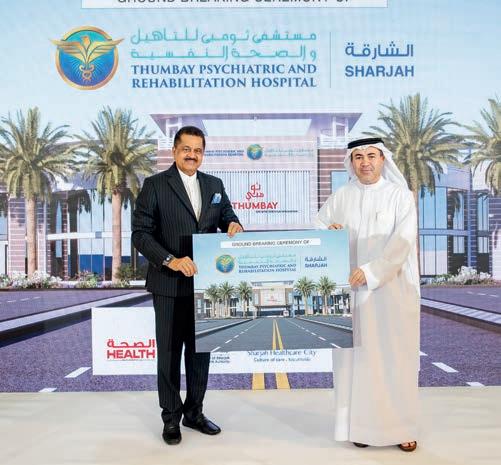
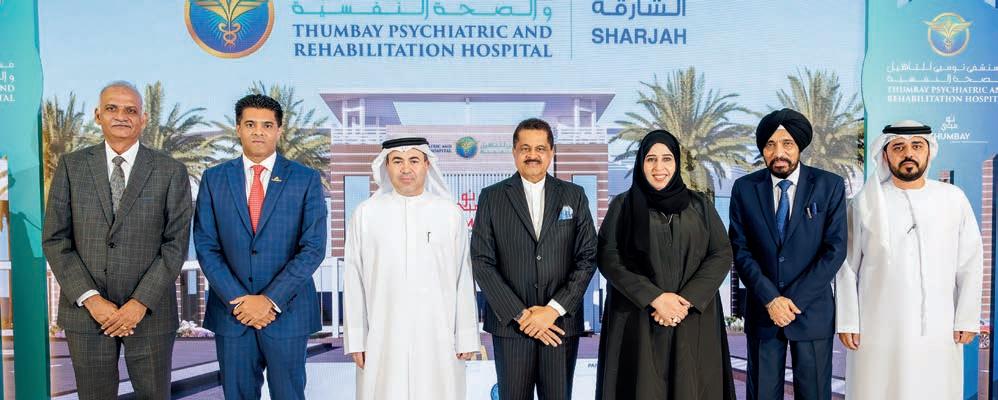
Our healthcare network continues to grow in both scale and capability. We recently broke ground on the region’s rst private, fully integrated Psychiatric and Rehabilitation Hospital at Sharjah Healthcare City. e 120-bed facility will o er comprehensive psychiatric care, neurorehabilitation, addiction recovery programs, and specialized child and adolescent mental health services, addressing a critical and growing need within the region.
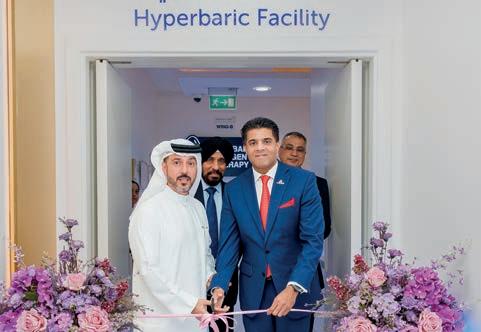
At umbay Medicity in Ajman, we inaugurated a state-of-the-art Hyperbaric Oxygen erapy
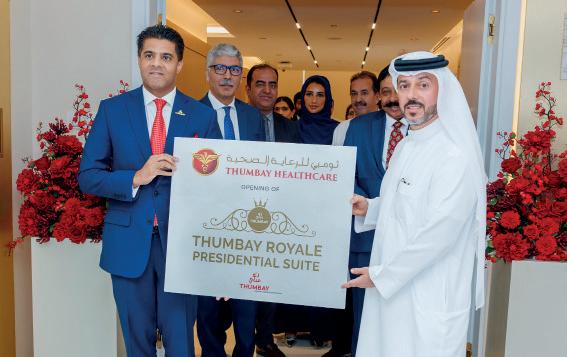
Unit, further enhancing our advanced rehabilitation capabilities. We also unveiled the Royale Presidential Suite at umbay University Hospital, setting a new benchmark in premium healthcare by seamlessly combining world-class medical services with an elevated hospitality experience.
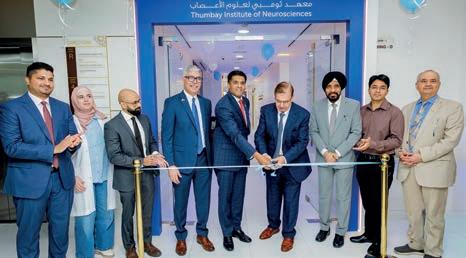
Clinical innovation remains at the heart of our mission. umbay University Hospital has launched the Institute of Neurosciences, bringing together multidisciplinary expertise to provide comprehensive diagnosis and treatment for complex disorders a ecting the brain, spine, and nervous system. Across our healthcare network, we continue to advance specialized care through innovation, technology, and patient-centered services.
umbay Media has also expanded its presence with the launch of two new publications—Living Gulf and Gulf Education. ese additions complement HEALTH Magazine and provide dedicated platforms for lifestyle, education, and community-focused storytelling throughout the region.
I am pleased to announce that nominations are now open for the Annual Health Awards 2026, one of the UAE’s most respected platforms for recognizing excellence in healthcare. Featuring more than 50 award categories, including a dedicated segment honoring 15 outstanding UAE nationals, the awards celebrate achievements across healthcare, education, research, wellness, and patient care. Nominations will remain open until August 2026, and I encourage healthcare professionals, organizations, researchers, and innovators to nominate themselves or deserving colleagues. Winners will be recognized at a grand awards ceremony in Dubai in October 2026, following an independent and fully audited evaluation process.
As we look to the future, our commitment remains unwavering: to invest in knowledge, drive innovation, and expand access to world-class healthcare and education. Guided by the vision of the UAE and supported by our stakeholders, we will continue building institutions that create lasting value, transform lives, and contribute to a healthier, more prosperous future for generations to come.
WORDS OF INSPIRATION
Excellence in healthcare begins with excellence in education and innovation.
Dr. Thumbay Moideen Founder President, Thumbay Group
Health Advisory Board
We are proud to introduce the Health Magazine Advisory Board, a distinguished panel of experts dedicated to advancing healthcare knowledge and practice. is esteemed group brings together renowned professionals from various medical elds, committed to providing insights and guidance to ensure our content meets the highest standards of accuracy and relevance. eir expertise will drive our mission to educate and inform our readers, contributing to better health outcomes and empowering individuals to make informed decisions about their well-being. With their support, our magazine will continue to be a trusted source of health information for the community.
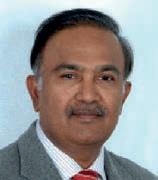
Dr. Brajesh Mittal Medical Director & Head of Cardiology Department Medcare Hospital Dubai, UAE Chairman SHAKE
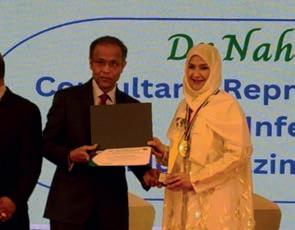
Dr. Nahla Kazim Consultant Reproductive Medicine and Infertility Founder, CEO of Kazim's Fertility Barza.
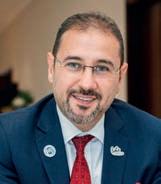
Dr. Adel Al Sisi
Group Chief Medical O cer & consultant
Prime Healthcare Group, Ambassador of World Federation of Intensive & Critical Care
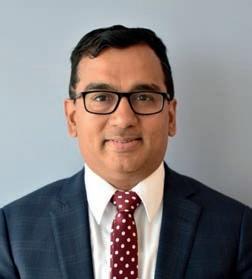
Dr. Mohan Rangaswamy Consultant Plastic Surgeon, American Academy of Cosmetic Surgery, Dubai Health Care City
Dr. Partha Sarathi Das Consultant Reproductive Endocrinologist and Fertility Physician and Medical Director of Orchid Fertility Clinic, Dubai
Dr. Amala Khopkar Nazareth Obstetrician and Gynecologist, Emirates Specialty Hospital
RED ALERT!
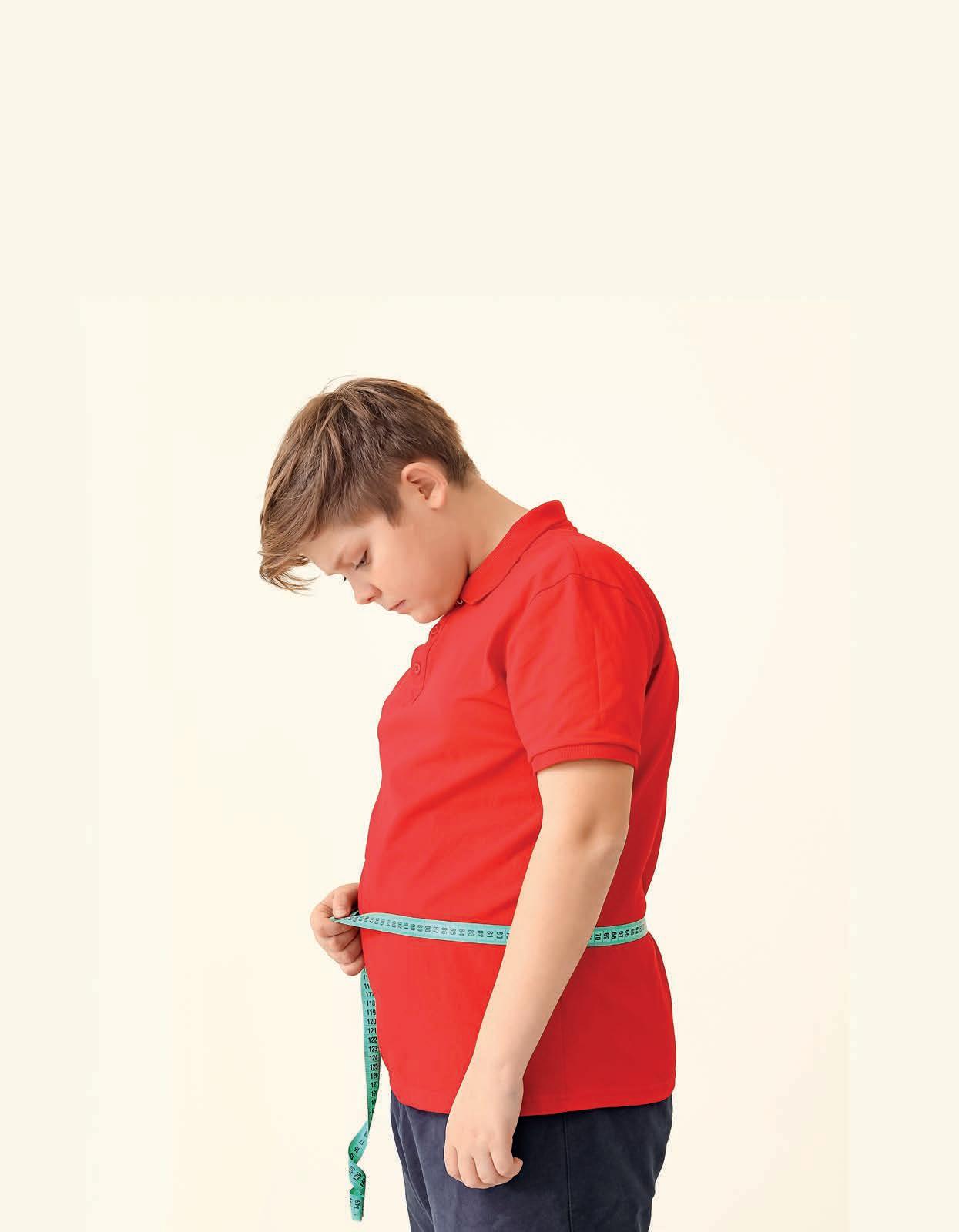
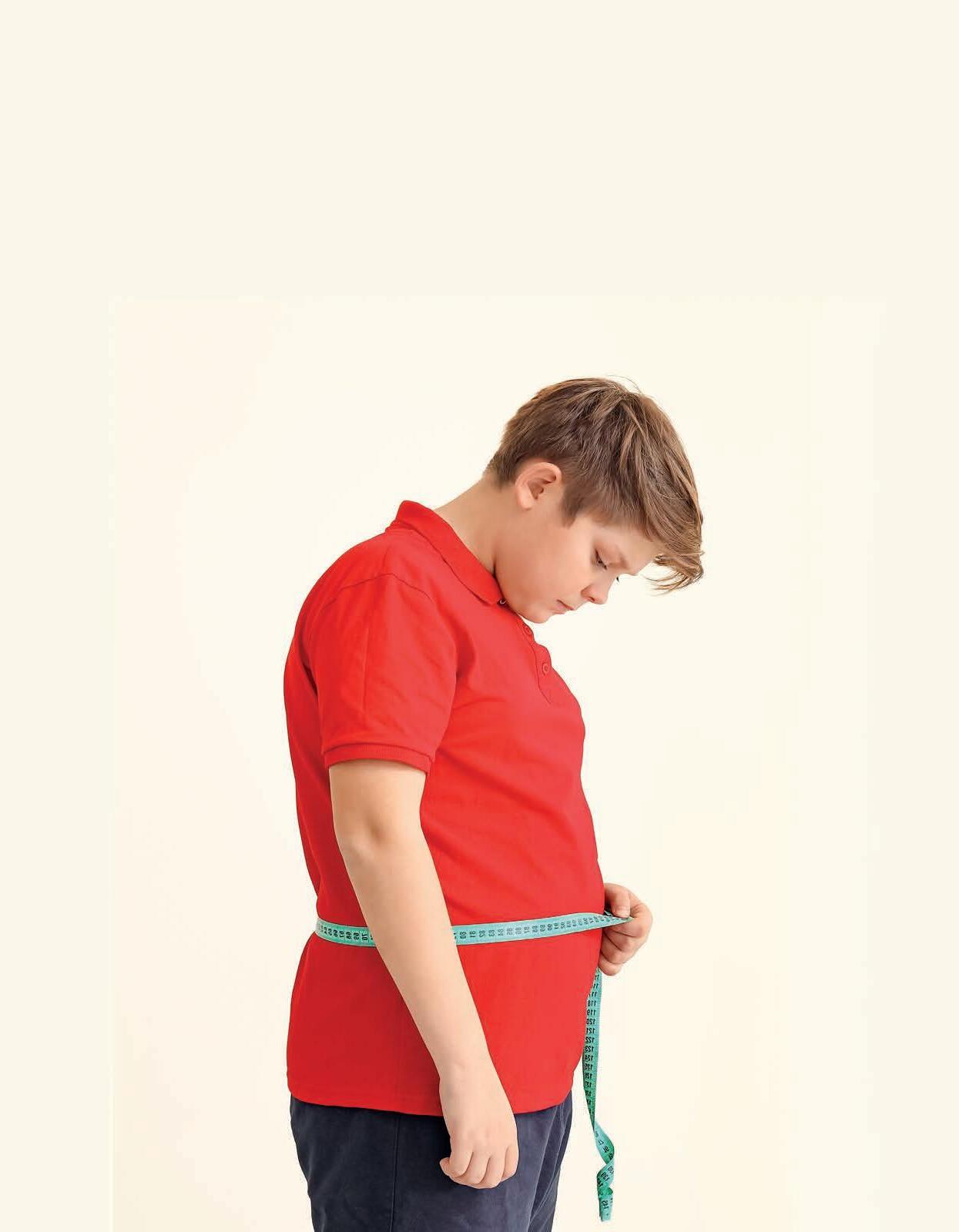
How Modern Lifestyle is Fuelling Obesity Among Children
In times when childhood obesity has risen tenfold and triggers co-morbidities in adulthood, it is time we address it and act, caution pediatricians
At rst, it looked harmless. Some extra oodles of puppy fat. A child who preferred screens to playgrounds. A growing fondness for fries, nuggets and sugary drinks. Many parents brushed it aside as “baby fat” that would disappear with age.
But pediatricians across the UAE are now seeing a worrying shi . Children are developing obesity-linked health complications at increasingly younger ages. Conditions once associated with adults, including Type 2 diabetes, hypertension, fatty liver disease and hormonal imbalances, are quietly nding their way into pediatric clinics.
“Childhood obesity is a signi cant issue in the UAE,” says Dr K.R. Menon, Specialist Pediatrics at Panacea Medical and Wellness Centre in Dubai. “I have encountered children who are overweight as early as ve years old. Early signs are o en overlooked, but the consequences can be serious.”
e rise of childhood obesity has
become a public health concern that intersects with nutrition, emotional wellbeing, technology, education, urban lifestyles and even the way food is marketed and delivered.
Combating Obesity
According to the World Health Organization WHO), the number of obese children and adolescents aged between 5 - 19 years, has increased tenfold over the past four decades. In a region where
convenience culture, food delivery apps and sedentary indoor lifestyles are deeply woven into daily routines, health experts warn that reversing the trend requires urgent and sustained action. Yet there is also hope.
e UAE has begun taking decisive steps to reshape the food environment for families and children. Central to this e ort is the UAE National Healthy Nutrition Strategy 2031, which places healthy eating at the core of family wellbeing.
e strategy includes 16 initiatives aimed at promoting healthier lifestyles and strengthening food regulations. One of its most signi cant measures is the ban on partially hydrogenated oils (PHOs), the primary source of arti cial trans fats commonly found in processed foods.
Trans-fats have long been used by the food industry to extend shelf life and improve texture in products such as fried foods, packaged cakes, cookies, margarine and co ee creamers. But the health cost has been enormous.
According to the WHO, more than 278,000 deaths globally each year are linked to trans-fat intake because these fats increase the risk of heart disease by clogging arteries.
With children spending long hours at school and increasingly consuming cafeteria foods and packaged snacks, the UAE’s decision to remove PHOs from the food supply sends a strong message about the need to create healthier food environments.
Dr K.R. Menon, Specialist
e New Challenges
Experts say childhood has changed dramatically over the past two decades.
“It is more prevalent today than in the past, and the contributing factors have shi ed,” says Dr Menon. “Children are increasingly sedentary, largely due to higher screen time. Outdoor sports and physical activity have declined, o en being limited to school hours. e availability of calorie-dense and fattening junk food has also grown, and with easy access through delivery apps, children need guidance to make healthier choices.”
Nutritionists point to another major transformation: the dominance of ultra-processed convenience foods.
“One of the biggest contributors to childhood obesity is the increasing availability, accessibility and reliance on ultra-processed convenience packaged foods,” says Nida Khan, Clinical Dietitian
at Neuropedia Children’s Neuroscience Center.
“ ere has been a noticeable shi from whole fruits and vegetables and un avored dairy products to packaged snacks like chips, sugary drinks and instant noodles. ese foods are high in calories but low in ber and nutrients, leading to low satiety and overconsumption.”
e problem, experts explain, is not simply that children occasionally indulge in treats. It is that unhealthy foods have become routine rather than occasional.
Parents are o en surprised to learn that some seemingly “healthy” foods can also contribute to excess calorie intake.
“One major nutritional blind spot is overconsumption of nutrient-dense foods,” says Nida. “Foods like avocado, nut butters and smoothies are nutritious but also calorie dense. Healthy foods are not always low-calorie foods.”
Nida also cautions families against assuming that labels such as “organic” or “natural” automatically make products healthy. “If it says natural but has more than 20% of daily value recommendation of sugar, honey, coconut sugar etc., then it’s not healthy. e same applies for the fat content / type of fat in the so-called healthy or natural product.”
e
Early
Warning Signs
What makes childhood obesity particularly dangerous is how
quietly it develops.
Parental weight is closely linked to a child’s weight, particularly in the rst ve years of life, and may increase the risk of obesity later in adulthood, says Dr Menon.
“Genetic factors do contribute, accounting for roughly 5% of cases, although the precise mechanisms are not yet fully understood. However, most childhood obesity cases are driven by the environment primarily characterized by sedentary lifestyles and unhealthy dietary habits,” he says.
Rapid weight gain is o en misinterpreted by parents as a sign of good health. “Visible fat accumulation is another early indicator that should not be ignored,” he says.
e Fallouts
Children begin by getting tired more easily. ey avoid sports because they struggle to keep up with peers. Joint pain, breathlessness and disturbed sleep become increasingly common, says Dr Menon.
Some children may also develop darkened or thickened skin around the neck or armpits — a possible sign of insulin resistance.
Beyond physical symptoms lies another dimension that is frequently overlooked: emotional wellbeing.
“Children with obesity may begin to withdraw from peers, leading to social isolation and emotional stress,” says Dr Menon. “ ey are more likely to experience low selfesteem, depression and anxiety.”
For many children, obesity becomes a cycle. Emotional distress leads to comfort eating and inactivity, which in turn worsens weight gain.
Pediatrics at Panacea Medical and Wellness Centre in Dubai
Why the First 1,000 Days Matter
Long before a child enters school, the foundations of future health may already be taking shape.
“ e rst 1,000 days of life — from conception to a child’s second birthday — are a critical window for long-term health,” says Nida.
Maternal nutrition during pregnancy, breastfeeding, infant feeding practices and the introduction of foods during weaning all in uence a child’s metabolic future. “ e blueprint for how many fat cells you can have is highly in uenced by nutrition and growth during the rst 1,000 days,” she explains.
is Period also Shapes Taste Preferences
Children repeatedly exposed to sugary and highly processed foods early in life are more likely to crave them later. Dr. Menon stresses that prevention must begin early.
“Promoting breastfeeding is an important first step, as it has been shown to reduce the risk of childhood obesity,” he says. “This should be followed by establishing healthy eating habits and encouraging mindful eating from a young age.”
e Vital Red-Flags
Regular check-ups are equally essential.
“Rapid weight gain in the rst two years can be a strong predictor of obesity later,” he notes.
More than just weight, experts are increasingly looking beyond BMI.
“Childhood body fat percentage is
a strong and reliable predictor of several adult health conditions, including type 2 diabetes, cardiovascular disease, and metabolic syndrome,” says Dr Menon.
“Children and adolescents with obesity face both immediate and long-term health challenges. Many of the most serious consequences including cardiovascular disease, type 2 diabetes, and musculoskeletal disorders o en develop gradually and may not become evident until adulthood.”
Nida Khan, Clinical Dietitian at Neuropedia Children’s Neuroscience Center
Nida seconds that.
“Someone can have a normal body weight and high body fat percentage,” says Khan. “High body fat percentage, especially abdominal fat, can predispose an individual to obesity, diabetes, hypertension and PCOD.”
Excess weight disrupts hormonal balance
“Obesity can contribute to early puberty, elevated cortisol levels and insulin resistance,” Dr Menon explains. “Growth may cease earlier due to early puberty in overweight children.”
e Role of Schools and Food Environments
With children spending a large
part of their day in school, canteens and lunchboxes have become critical battlegrounds in the ght against obesity, and Nida believes schools can play a transformative role.
“ e UAE government is actively combating childhood obesity through comprehensive initiatives, including the ban on junk food and sugary drinks in schools,” she says.
She suggests that schools could go even further by employing in-school dietitians, organizing workshops for parents and children, and educating families about food labels and mindful eating.
e strategy is not only about removing unhealthy ingredients. It also focuses on raising awareness, promoting healthier alternatives and building systems to monitor nutrition nationwide.
What Can Families Do
Despite the scale of the challenge, experts insist that small, consistent changes at home can make a major di erence. One of the most e ective strategies is also one of the simplest:
Avoid mealtime distractions
“No distractions during mealtimes,” says Nida. “It is a signi cant factor for mindless eating.” Children who eat while watching television or scrolling through devices o en fail to recognise fullness cues and consume more calories.
Maintain structured routines
“Maintain a good schedule for meals, physical activity and sleep,” Nida advises. “No constant snacking in between meals, skipping physical play for extra screen time or sleeping less than eight hours a day.”
Follow the 80-20 rule
Following an 80-20 rule can help the families in making an informed and responsible decision. “80 percent of the
time try and have a nutritionally balanced meal with good amount and distribution of macro nutrients along with ber, micronutrients and hydration. Remaining 20 percent can be restaurant food. Here too parents can make healthy choices like grilled, steamed, good proteins, etc. Having between 4 and 6 tsp of sugar per day is acceptable. Understanding this will help parents keep a balance between the ‘yes’ and ‘no’ for a sweet treat,” says the nutritionist.
Parents to be role models
rethinking the rhythms of modern life — how families eat, move, sleep and connect.
at is because behind every statistic is a child whose future health is still being written. Perhaps the most
important lesson is this: childhood obesity does not begin with one meal or one bad habit. It develops quietly through patterns repeated over time. But small choices, repeated consistently, can alter the course of a lifetime.
Fitness Habits Every Child Needs
Experts say children do not necessarily need intense workout regimens or expensive tness programs. What they need is movement — regular, joyful and consistent movement.
Here are some simple tness habits that can help keep children active and reduce obesity risk:
At Least One Hour of Physical Activity Daily
Dr Menon believes parents must lead by example. “Children o en model adult behaviour,” he says. “Making healthier food choices and incorporating activities like swimming or jogging into daily routines can have a positive in uence.” e challenge is not simply about
is about
Make sure your child engages in at least 60 minutes of moderate to vigorous physical activity every day. is could include cycling, swimming, dancing, football, skating or brisk walking.
Encourage Outdoor Play
Free play outdoors helps improve cardiovascular tness, muscle strength and emotional wellbeing. It also reduces screen dependence.
Limit Recreational Screen Time
Experts recommend setting clear screen limits and creating screenfree zones during meals and before bedtime.
Family Fitness Matters
Weekend walks, swimming sessions, badminton games or evening jogs can make physical activity enjoyable and sustainable.
Build Strength
rough Play
Activities like climbing, jumping
rope, monkey bars and playground games help build strength naturally.
Prioritize Sleep
Poor sleep is strongly associated with obesity because it disrupts hunger hormones and increases cravings for unhealthy foods.
Hydrate Smartly
Encourage water instead of sugary juices, sodas and energy drinks.
Avoid Using Food as Reward
Using sweets or fast food as rewards can create unhealthy emotional relationships with food.
Involve Children in Food Choices
Taking kids out for grocery shopping, teaching them to read food labels as well as involving them in cooking can encourage healthier eating habits.
Focus on Progress
Not Perfection. Experts warn against shaming children about weight. e goal should be lifelong healthy habits, not crash diets or unrealistic body expectations. H
WhyChildhood Obesity must be stopped in its tracks
Mr. Venkat Kalyan, General Manager, Gulf Affiliate at Novo Nordisk, the makers of Ozempic® and Wegovy® responds to questions regarding obesity, weight loss and childhood/adolescent obesity.
Childhood obesity is not just fat but involves visceral fat and other excessive parameters that can impact an individual's health throughout his journey from childhood to adulthood. Please comment on how to tackle childhood obesity from the beginning.
Childhood obesity must be taken seriously because it leads to severe, long-term health complications like diabetes, hypertension, and a shorter lifespan, o en persisting into adult-hood. It may cause signi cant mental health issues, including depression and anxiety, while increasing risks for cardiovascular diseases and even certain cancers.
A child is considered overweight if their BMI is between the 85th and 95th percentile according to the SDS charts. is means their weight is higher than 85% of kids their age but not as high as 95%. Doctors use this to help kids make healthy lifestyle choices. Children with a BMI at or above the 95th percentile are classi ed as obese. is means they face a higher risk of health issues.
Supporting children living with obesity requires a compassionate, family-centered approach focused on health rather than weight. Making physical activity a fun family activity, improv-ing nutritional habits, and reducing screen time are all positive ways parents can support their children, rather than focusing solely on calorie restriction.
When should we become mindful of a child’s BMI before it escalates?
We really want to see children have their health addressed as soon as possible in the disease progression, using existing treatments that are proven to work. Research proves that without intervention, around 80% of obese adolescents would transition into adulthood obesity. We want to work with parents to stop childhood/ adolescent obesity in its tracks.
When people talk about obesity - it is not just about being overweight, but it also has to do with intrinsic co-morbidities such as fat percentage, visceral fat and other health risks...?
Parents should address their kids’ weight as a positive, family-oriented quest for health. It’s not about being thin. It’s about trying to be the healthiest versions of ourselves so we can have long, productive lives. However, we also must acknowledge that obesity is a complex, chronic disease that can’t always be treated with diet and exercise alone. Sometimes, medication is a necessary part of the equation, and any decision should be taken under a doctor’s supervision.
Addressing childhood/adolescent obesity is about fostering healthy children, nourishing your child regardless of the size of their body,
and encouraging, instilling, and supporting healthy habits for a lifetime.
Why have weight loss medications become so important; can they play a role in controlling obesity, before it escalates to life-threatening comorbidities?
Weight loss medications, particularly the new generation of GLP1s, have become critically important because they o er a highly e ective, pharmacological intervention that addresses obesity as a chronic disease rather than a personal failure. Drugs like semaglutide (registered in UAE with the brand name Wegovy®) can play a major role in controlling obesity early by promoting signi cant weight loss - o en 17-20% or more - which can reverse earlystage metabolic damage and prevent the development of lifethreatening comorbidities like type 2 diabetes, heart disease, and liver disease.
How does semaglutide work in adolescents?
Wegovy® is the only FDA-approved medication for chronic weight management in adolescents aged 12 years and older with obesity. It is a once-weekly injectable. Wegovy® acts as a GLP-1 receptor agonist in adolescents aged 12 and older, mimicking a natural gut
hormone to regulate appetite. It works by signalling the brain to feel full sooner, reducing appetite, reducing food cravings, and slowing gastric emptying, leading to signi cant reductions in body mass index (BMI) when combined with lifestyle changes.
Are there any contraindications?
Wegovy® is one of the most e ective and clinically proven weight management medicines available today. Contraindications include serious hypersensitivity to semaglutide or to any of the excipients.
How soon will this be available in the UAE?
Wegovy® is now available in the UAE and is indicated for the treatment of obesity and weight management of both adults and adolescents between 12-18 years old.
Can you give meaningful tips regarding the use of semaglutide?
Semaglutide is the only US FDA-approved molecule approved for the treatment of six diseases across three brands (Ozempic®, Rybelsus® and Wegovy®), including type 2 diabetes and cardiovascular disease, weight management, adolescent obesity, and Metabolic DysfunctionAssociated Steatohepatitis (MASH) or fatty liver disease, meeting a signi cant un-met need. * Like any drug, semaglutide has contraindications and precautions. We always recommend consulting a physician before initiating the treatment as everyone is unique and the treatment should be adapted to each patient. H
Heat Stroke: The summer scourge one must combat
How to recognize, diagnose, and prevent a medical emergency
Summer has already begun and as the mercury soars beyond 45 degrees C, we o cially accept the seasonal verdict and brace ourselves to deal with its onslaught.
Summer in this region can be unforgiving. In several countries in the region such as the UAE, Saudi Arabia and Qatar, temperatures frequently soar beyond 45°C, and on some days approach 50°C. In such conditions, the human body’s ability to regulate temperature can be pushed to its limits. Among the most serious consequences of extreme heat is heat stroke, a medical emergency that can develop rapidly and, if untreated, lead to organ
failure or even death.
Understanding how heat stroke happens, and how to respond quickly, can literally save lives, says Dr Adel Al Sisi, Group Medical O cer and consultant Prime HealthCare Group. He explains why heat strokes can prove to be so lethal.
“ e human body normally maintains its internal temperature around 37°C through sweating and increased blood ow to the skin. But prolonged exposure to extreme heat, especially combined with dehydration or physical exertion, can overwhelm
this natural cooling mechanism.
Heat stroke occurs when the body’s core temperature rises to 40°C (104°F) or higher and the body’s thermoregulatory mechanisms fail to dissipate heat e ectively. Without rapid treatment, it can damage the brain, heart, kidneys and muscles.”
He continued, “Medical experts o en distinguish between two types of heat stroke:
Classic heat stroke, caused by prolonged exposure to hot environments, particularly a ecting the elderly or people with chronic illness.
Exertional heat stroke, triggered by intense physical activity in hot weather, commonly seen among athletes, outdoor workers and delivery personnel.
Dr. Adel Al Sisi Group Chief Medical O cer & consultant Prime Healthcare Group, Ambassador of World Federation of Intensive & Critical Care
In this region, where both high temperatures and outdoor labor are common, both forms are a signi cant public-health concern.”
Early Warning Signs
Heat stroke rarely arrives without warning. O en, it is preceded by heat cramps or heat exhaustion. Recognizing these early signs can prevent a serious medical episode.
Common symptoms include:
Severe headache or dizziness
Weaknesses and fatigue
Nausea or vomiting
Rapid heartbeat
Confusion or altered mental state
3
Start rapid cooling
Use whichever method is available: Cold water immersion or shower; Ice packs placed on the neck, armpits and groin; Cold wet towels or sponging; fans to increase evaporation
Rapid cooling is considered the most e ective treatment and should begin even before the patient reaches hospital, he advised
4
Hydrate carefully
Avoid Peak Heat Hours
Whenever possible, limit outdoor activity between 11am and 4pm, when temperatures and solar radiation are at their highest.
Dress for the Climate
Loose- tting, light-colored clothing made from breathable fabrics like cotton or linen allows heat to dissipate more easily.
Plan Outdoor Activity Wisely
Hot, ushed skin (sometimes without sweating)
Fainting or seizures in severe cases
He added, “Patients who come to our emergency with heat strokes display symptoms of confusion, slurred speech, or loss of consciousness which are red ags that require immediate medical attention. People particularly vulnerable include children, the elderly, pregnant women, and individuals with obesity or chronic illnesses, whose bodies may struggle to regulate heat e ciently.”
What To Do If Someone Has Heat Stroke
Heat stroke is a medical emergency. e priority is to cool the body as quickly as possible while seeking professional medical help.
Here are the key rst-aid steps recommended by Dr Adel.
1
Move the person to a cooler place
Take him immediately into shade or an air-conditioned environment
2
Remove excess clothing is allows the body to release heat more e ectively.
If the person is conscious, give small sips of cool water or electrolyte drinks.
5
Call emergency services
If symptoms include confusion, unconsciousness or seizures, immediate medical intervention is essential.
Experts emphasize that heat stroke can worsen rapidly, so the individual should never be le alone while cooling measures are underway.
Heat stroke is preventable
In the Middle East, preventing heat stroke requires adapting daily routines to extreme weather conditions. Once you know that the temperatures are going to be beyond 45 degrees, it is important to take the following steps, cautions Dr Adel.
Stay Hydrated
Dehydration is one of the most signi cant risk factors. Experts recommend drinking at least two to three liters of water daily if engaging in physical activity or spending time outdoors, increasing intake if outdoors. Electrolyte drinks, coconut water, or lemon water with a pinch of salt can help replace minerals lost through sweating.
Exercise or physical labor should ideally be scheduled for early morning or late evening. Gradual acclimatization to heat over 10–14 days can also help the body adapt to hot environments.
Eat Light, Hydrating Foods, especially during the day
Fruits such as watermelons, melons and cucumbers help maintain hydration and electrolyte balance.
Protect Against the Sun
Hats, umbrellas, and sunscreen (SPF 30 or higher) help reduce heat absorption and prevent sunburn, which impairs the body’s ability to cool itself. Authorities across the Gulf are increasingly recognizing the health risks posed by rising summer temperatures. Public health campaigns, including awareness drives and workplace safety programs, are being implemented to educate workers and employers about heat-related illnesses and rst aid. Measures such as mandatory midday breaks for outdoor laborers and the installation of cooling rest stations for delivery workers are also becoming more common across the region. H
Women's health
Living with Menstrual Migraines
It is possible to manage menstrual migraines with lifestyle tweaks and new medications, say doctors
Natasha P* dreaded her menstrual cycle every month, rather the days before it began, because of those throbbing headaches, that were triggered ve days prior. is started happening to her two years a er the birth of her second daughter at 38 years of age. e late pregnancy had made things very tough for her and yet she never imagined being saddled with this severe, bone melting headache.
She recalled, “It would start on one side of my head, like a low
throb and by evening I would be consumed with pain, unable to do anything, popping pills, sti ing nausea, darkening the room, using over the counter pain killers, the pain would get dull eventually disappearing on the fourth day of my menstrual cycle.”
Her gynecologist referred her to a neurologist who conducted a battery of tests and introduced several life-style changes and tness steps, whilst prescribing mild medication days before her menstruation
* Name change on request
calendar began every month.
“It is nearly a year, and I can say tweaking my lifestyle, being regular about my tness schedule and taking mild medication has made these migraines a thing of the past. It is such a tremendous relief!” remarked Natasha
Why do Menstrual Migraines occur?
Dr Rini Kuruvilla, Specialist Gynecologist, Prime Healthcare Group, speaking to HEALTH, elaborated on why so many women su er pre-menstrual migraines.
“ e answer lies at the very heart of how a woman’s hormonal cycle works. In the days immediately preceding menstruation — typically 2-3 days before the period starts — the body experiences a sharp, precipitous drop in estrogen levels. is is a completely natural part of the luteal phase of the menstrual cycle, but for a signi cant number of women, this hormonal withdrawal acts as a powerful trigger for migraine.
Explaining the neural connection neurologist Dr Shweta Adatia, further explained why the fall in estrogen levels impacted the brain
“ e drop in estrogen just before the menstrual cycle directly a ects the brain’s chemistry and pain pathways. Estrogen normally helps stabilize serotonin, a key neurotransmitter
that regulates mood and pain. When estrogen levels fall 2–3 days before periods, serotonin also drops, making the brain more sensitive to pain. is activates the trigeminal nerve system, which is the main pathway involved in migraines, and leads to the release of in ammatory chemicals like CGRP that cause dilation of blood vessels and pain. is is why many women consistently experience headaches just before menstruation—it is a predictable neuro-hormonal response.
It is important to understand that this is not simply “a bad headache.” Menstrual migraines are classi ed as a distinct clinical entity — Menstrually-Related Migraine (MRM) — and in some women, they occur almost exclusively around the time of their period, making the hormonal connection unmistakable. Genetics also play a role: if your mother or sister experienced menstrual migraines, your risk is considerably higher.
Dr Shweta Adatia, neurologist
Dr Rini further added, “Additionally, the body releases prostaglandins — in ammatory compounds — just before and during menstruation. ese compounds not only cause uterine cramping but also contribute to the in ammatory cascade that can worsen or prolong migraine attacks. e interplay of all these factors makes the pre-menstrual window a perfect storm for those who are biologically susceptible.”
e Neural impact of Menstrual Migraines
Month a er month, repeated menstrual migraines, if not addressed, can signi cantly impact a woman’s overall well-being. ey can reduce productivity, disturb sleep, and lead to fatigue, irritability, and di culty concentrating. Over time, frequent migraines can make the brain more sensitive to pain (a process called central sensitization), increasing the risk of chronic migraines. Additionally, these migraines o en coexist with hormonal imbalances, mood changes, and stress, a ecting both mental and physical health. While not usually dangerous, they can lower quality of life if not managed properly.
Dr Shweta added that while these migraines only re ect sensitivity to hormonal uctuations, they need to be addressed with proper treatment because in some cases, unusual symptoms like prolonged visual disturbances, weakness, sudden severe onset, or a change in pattern, requires further evaluation is necessary to rule out other neurological or vascular issues. “Women who experience migraines with aura may have a slightly increased risk of stroke, especially if combined with risk factors like smoking or certain hormonal contraceptives, so proper evaluation is important,” she cautioned.
Dr Rini added that it was not advisable for patients to reach out for standard painkillers which did not provide any relief. “Menstrual migraines are, as a category, more severe, longer lasting, and signi cantly more resistant to standard analgesics than nonmenstrual migraines. Studies have shown they can last up to 72 hours and are more likely to recur within the same cycle. e reason, once again, comes back to hormones.
e right diagnosis matters
Doctors advise certain baseline evaluations such as blood tests such as hemoglobin levels (to rule out anemia), vitamin B12, vitamin D, and thyroid function tests are commonly advised, as de ciencies or imbalances can worsen migraines. In cases where symptoms are unusual or severe, imaging like an MRI of the brain may be recommended. If cycles are irregular or symptoms are intense, hormonal evaluation may also be considered. e goal is to rule out contributing factors rather than over-investigate.
Madhukar Tanna CEO, LIFEPharma, Dubai
Treatment
Speaking to HEALTH, Madhukar Tanna, CEO of LIFEPharma, Dubai, shares information about a new treatment tailored specially for Menstrual migraines. “Migraine symptoms impact patients with very di erent patients, some requires acute care and multiple doses in a day.
Frovatriptan is the longest acting Triptan class of drug o ering once daily dosage particularly for women having pre menstruation, menstruation and menopause migraine. Frovatriptan will add to currently available treatment ideally suited for chronic therapy. Since it is once a daily treatment its compliance and side e ect pro le is much suitable” H
Why It Happens: e Key Triggers
•Sharp drop in estrogen 2–3 days before menstruation
•Serotonin destabilization a ecting pain pathways
•Blood vessel constriction followed by dilation in the brain
•Prostaglandin release causing in ammation
•Genetic predisposition amplifying sensitivity
•Sleep disruption in the premenstrual phase
Dr Rini Kuruvilla Specialist Gynecologist, Prime Healthcare Group
Step 1: See a Specialist, Not Just a Pharmacy
e rst thing doctors tell every patient is to stop self-medicating in the dark and come in for a proper assessment. Dr Rini explains, “Understanding your cycle, tracking your migraines, and identifying the precise hormonal pattern allows us to create a targeted treatment plan. A menstrual migraine diary — noting the start date, severity, duration, and accompanying symptoms — is an invaluable diagnostic tool.”
Dr Shweta adds, “It is important to maintain consistency in daily habits. Women should track their cycles and identify the timing of migraines so preventive measures can be
started early. Staying hydrated, maintaining regular sleep, and eating balanced meals are essential. It is important to avoid skipping meals, sudden ca eine withdrawal, and excessive use of painkillers, as these can worsen headaches. Managing stress and maintaining a calm routine around the menstrual period can also help reduce triggers.
Step 2 : Address the Emotional Burden
Dr Rini feels that living with a predictable, recurring, disabling headache every single month takes a signi cant emotional toll. “Anxiety about the approaching migraine can itself become a trigger. Cognitive behavioral therapy, mindfulnessbased stress reduction, and honest conversations with your physician about how this condition a ects your quality of life are all legitimate and important parts of treatment.”
Prevention
Prevention is where we can make the most meaningful di erence in a patient’s life. When we know that a migraine is coming — and with menstrual migraines, we almost always do, because the calendar tells us — we have an extraordinary opportunity to intervene before the pain begins, feel both Dr Shweta and Dr Rini.
e key insight is this: predictability is your greatest ally. Unlike a migraine that strikes without warning, menstrual migraines give you a window — usually a reliable, repeating window — during which you can act.
Prevention in this context operates on two levels: medical strategies and lifestyle strategies, and the most e ective approach almost always combines both.
Lifestyle Management Strategies
• Sleep consistency: Even one night of poor sleep in the luteal phase can tip a susceptible woman into a migraine. I strongly advise maintaining a consistent sleep schedule — same bedtime, same wake time — in the week before menstruation
• Hydration discipline: Dehydration is a wellestablished migraine trigger. In the premenstrual phase, when the body is already under hormonal stress, aim for at least 2.5 to 3 litres of water daily.
• Avoiding known dietary triggers: Red wine, aged cheeses, processed meats, and excessive ca eine are common culprits. Skipping meals is equally problematic — blood sugar dips are potent migraine triggers.
•Stress management: Gentle yoga, swimming, meditation, or even a daily ten-minute breathing practice can modulate the stress hormones that amplify migraine susceptibility during the premenstrual phase.
•When migraines are occurring more than two cycles in a row and signi cantly disrupting work, relationships, or daily function, this crosses into a clinical threshold that warrants formal evaluation and a structured prevention plan — not just pain management a er the fact.
Endocrine Health
Hormones Don’t Lie
They Are a Reflection, Not the Root
But functional medicine, long before “balance your hormones in 7 days” reels ooded the internet, never viewed PCOS as a reproductive issue. For over two decades, this root-cause approach has been understood that hormones never function in isolation. e gut, metabolism, in ammation, liver, nervous system, blood sugar, stress response, sleep, and hormones are communicating. Meaning what appears to be a hormonal imbalance is o en the body intelligently adapting to deeper dysfunction.
Role of functional medicine nutrition
Functional medicine nutrition
Syndrome. Because if one tiny ovarian cyst is truly responsible for acne, weight gain, mood swings, anxiety, cravings, fatigue, poor sleep, bloating, inflammation, irregular cycles, and emotional instability… then that ovary is not an organ anymore, it’s a full-time employee running an entire hormonal circus.
Take estrogen, for example. Sometimes the issue is not producing “too much” estrogen the body is simply struggling to eliminate it properly. e liver prepares excess estrogen for exit, but the gut decides whether it actually leaves the body or recirculates back into the bloodstream again, resulting in estrogen dominance. Soon in ammation rises, metabolism slows, bloating worsens, acne persists, cycles become painful, and emotional overwhelm grows louder. As estrogen lingers longer than it should, progesterone the body’s calming hormone begins taking the hit too, making life feel like complete internal turmoil. Women are o en labelled “too moody” when the body is simply exhausted and in amed. Which is why healing hormones o en begin by healing the gut too, because the estrobolome quietly decides whether estrogen leaves peacefully or stays back to keep the chaos alive.
shi s the focus from suppressing symptoms to understanding root causes. Food becomes hormonal language in disguise. Low GI, gluten-free carbohydrates can support steadier blood sugar, while protein from eggs, lean chicken, sh, or gut-friendly vegan sources helps build and regulate hormones. Fiber supports natural estrogen elimination, healthy fats nourish hormone production, and fermented foods like ke r and kombucha help the gut microbiome and hormones stay in sync.
Healing hormones goes far beyond food. Some of my favorite lifestyle interventions are gentle yet deeply regulating acupuncture to help the body return to balance, bright morning sunlight to support your circadian rhythm, and learning to stop frowning so much not just for crow’s feet, but to stop feeding the body stress and negativity all day too.
Hormones do not lie. ey simply re ect the internal world we create every day. Healing hormones begins when we stop silencing symptoms and start listening to the body’s whispers rooted in wisdom, aligned with intuition. H
Women's health
Gyne tics Decoding Stress with Wearables, Tests & OMICS in the UAE
Dr. Nahla Kazim Consultant Reproductive Medicine and Infertility Founder, CEO of Kazim's Fertility Barza.
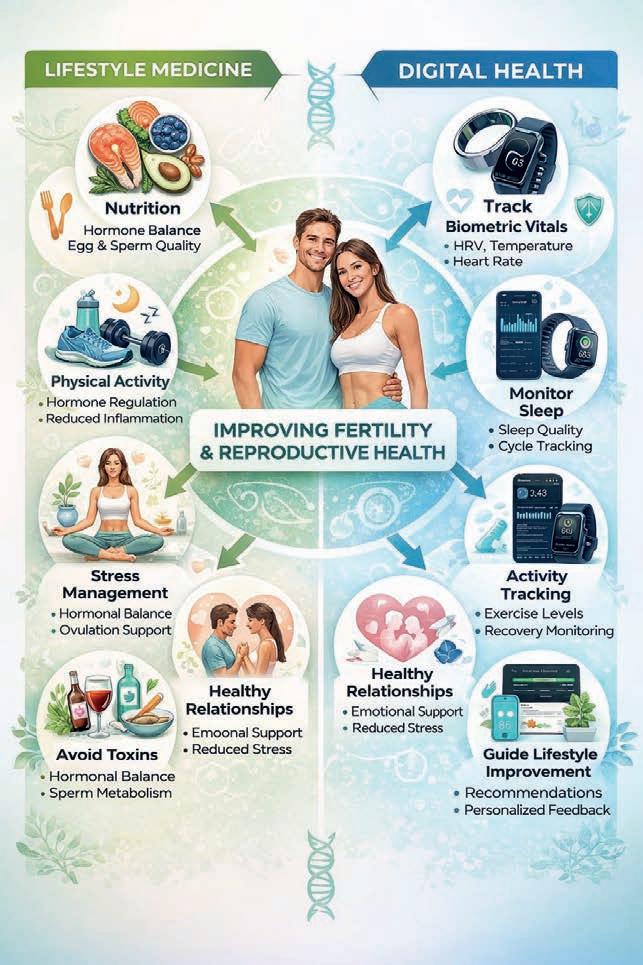
In today’s busy world, stress has become a constant part of life. But did you know it can quietly a ect your hormones, monthly cycles, and dreams of starting or growing a family? In this edition of GYNETICS, we explore the link between stress and Reproductive Health, and how three powerful types of technology are working together to give women clearer answers and better support. When stress lasts a long time, your body releases more Cortisol (the stress hormone). is can upset important reproductive hormones, leading to irregular periods, delayed ovulation, lower egg quality, and sometimes lower success rates with treatments like IVF. It can also a ect your emotional well-being during the journey to motherhood.
e good news? Modern tools are making these hidden e ects easier to spot and manage. e UAE is becoming a hub for this kind of
A bi-annual column o ering the latest insights into the latest cutting-edge in gynecology and women’s health by an expert in women’s reproductive health
innovation, especially with exciting new partnerships.
Your Personal Fertility Support Team: ree Technologies Working Together
1. Wearables
ese smart bands or rings track your body 24 hours a day. ey monitor: Heart rate patterns that show stress and recovery
Sleep quality (key for hormone balance)
Body temperature changes that help detect ovulation
Daily “strain” and “recovery” scores
In May 2026, WHOOP announced a major partnership with Mubadala Investment Company in the UAE. is brings advanced tracking and lab services closer to families across the country.
2. Point-of-Care Testing (Quick, Easy Tests)
ese are simple tests you can do at home or in a clinic with fast results. ey measure important biomarkers such as:
Cortisol (stress levels)
LH and Progesterone (ovulation and cycle timing)
AMH (ovarian reserve / egg quantity)
Many are available as urine strips, saliva tests, or quick nger-prick blood tests.
ey give you immediate insights without waiting for lab appointments.
3. OMICS Technologies
is is the deeper, more advanced layer. OMICS looks at thousands of molecules in your body at once (genes, proteins, metabolites, etc.). It helps doctors understand exactly how stress is a ecting you at a cellular level; especially useful in complex cases or for personalized fertility plans.
When these three tools are combined, they create a complete picture: daily wearable data gives continuous feedback, quick tests add hormone snapshots, and OMICS provides deeper scienti c understanding.
How is Helps Women
Together, these technologies can:
Spot stress-related cycle changes early
Help choose the best time for trying to conceive or starting IVF
Support emotional well-being during fertility journeys
Clearing Common Myths
Myth Stress alone causes infertility.
Myth It can make things more di cult, but it’s rarely the only reason. Managing stress helps improve your overall experience.
Myth You must remove all stress to get pregnant.
Myth at’s impossible! Small, consistent improvements make the real di erence.
Myth ese technologies replace your doctor.
Myth ey are helpful supporters, however best used together with fertility specialists.
Important ings to Know
ese tools have limitations. Results can vary between people, and too much data can sometimes feel overwhelming. Protecting your personal health and information about it, is very important. at’s why
responsible use, strong privacy rules, and professional guidance matter.
Positive Steps Forward
e UAE is creating a supportive environment for these innovations. Health authorities balance new technology with safety and clear guidelines. Partnerships like WHOOP with Mubadala show how global tools can help local families in practical, responsible ways.
A Message of Hope
You don’t have to face stress alone. With friendly wearables, simple quick tests,
and advanced OMICS insights, women today have better ways to listen to their bodies and make informed choices.
At Kazim’s Fertility Barza, we believe knowledge and technology should empower, not overwhelm. Small daily habits like good sleep, mindful breathing, balanced meals, regular movement, and smart tracking can go a long way.
Your Reproductive Health and peace of mind are closely connected. Taking simple steps today can lead to brighter, healthier tomorrows for you and your family. H
Image courtesy of: Dr Abdulla Kazim, Internal Medicine Specialist and Lifestyle Medicine Specialist; Founding Board Member of Kazim’s Fertility Barza
Making health insurance cyber safe
Hitesh Motwani, Deputy CEO of Dubai-based InsuranceMarket.ae
Hitesh Motwani,
Deputy CEO of Dubai-based InsuranceMarkets.ae
elaborates on how the Central Bank’s directive to financial institutions also extends to health insurance companies and is playing a crucial role in data security and confidentiality
Q Why does the Central Bank of UAE’s decision to move away from instant messaging platforms and rely on email or authorised applications apply to health insurance clients?
e decision is ultimately about strengthening customer data protection and ensuring sensitive personal information is shared through more secure and controlled channels. Health insurance involves highly con dential data, including medical
records, prescriptions, treatments, and personal identi cation details.
By encouraging communication through authorised apps, secure portals, o cial emails, and veri ed channels, the industry can signi cantly reduce the risk of misuse, phishing, or unauthorised access to personal health information.
Q How will it work in case of a claim or proposal?
From a customer experience perspective, it will continue to remain smooth and convenient.
Claims submissions, proposals, approvals, and support services can still happen digitally through secure channels such as:
•O cial insurer or broker apps
•Secure email communication
• Customer portals
•Veri ed call centres and support teams
At InsuranceMarket.ae, we have already taken the necessary steps to ensure customers continue to receive seamless service without disruption. Operations remain business as usual, with a strong focus on customer service and responsiveness.
Q In sensitive times where cyber fraud is increasing, will this step help secure customer data and reduce breaches related to health information?
Yes, this is a positive step toward strengthening data security. Health insurance data is extremely sensitive, and protecting customer privacy is critical.
Using authorised and monitored communication channels reduces the risk of fraud, impersonation, and accidental exposure of personal information. While no system globally can claim absolute zero risk, stronger controls and secure digital environments signi cantly improve protection standards for customers.
Q What is the long-term bene t for the client?
e long-term bene t is greater trust, stronger privacy protection, and a more secure digital healthcare ecosystem overall. Customers will increasingly interact through veri ed platforms where their information is properly managed, documented, and protected. Over time, this also improves transparency, accountability, and the overall customer experience, especially as more healthcare and insurance services become digital.
handle data responsibly even a er a policy relationship ends.
Q Any important dos and don’ts clients should keep in mind regarding personal data security?
Customers should:
•Always use o cial apps, veri ed email addresses, and authorised customer portals
•Follow the secure communication channels recommended by their insurer or broker
•Avoid sharing sensitive documents through uno cial or personal messaging channels
•Be cautious of unsolicited requests for OTPs, IDs, or medical documents
Q How will it work if the client changes insurers or moves to another health plan? Will the transition remain smooth and what happens to the data with the previous company?
Yes, the transition process will continue smoothly. This change mainly impacts the communication channel being used and does not affect the customer’s ability to switch insurers, change plans, or access their records.
e industry already operates under strict regulatory and data protection frameworks. Customer information remains managed through authorised systems, and insurers or brokers are required to
•If a customer feels uncomfortable sharing sensitive information over an insecure channel, they should insist on using o cial and secure methods instead.
Q In conclusion what is your overall perspective on this?
e industry is becoming increasingly digital, and with that comes a greater responsibility to protect customer data properly. Measures like these are ultimately designed to improve trust and strengthen the customer experience.
e important thing is that convenience is not being removed; it is simply being shi ed toward safer and more structured digital environments. H
THANK YOU UAE
Despite the geopolitical shifts, the UAE continues to be safe and secure place with a robust economic trajectory. Leading UAE businessmen reaffirm the faith in the nation and its visionary leaders expressing their profound gratitude.
The sense of security and safety we feel in UAE is unparalleled
Dr Dhananjay Datar chairman
and
Managing Director
of Al Adil Trading Company pays his special tribute to the UAE
I have been in the UAE for over four decades and this country has chiseled me into the man I am today – providing unique business and growth opportunities. For our family – wife Vandana, sons Hrishekesh and Rohit and their life partners, as well as my granddaughter, an me – have this deep and immense sense of gratitude for the UAE.
My father came to Dubai ve decades ago to set up the rst Adil
Store. e horizons of this country allowed me to take a full ight into my business, spread my wings and soar into the sky and today the Al Adil Group of Supermarkets has over three dozen stores in the country.
e UAE provided me with a strong foundation and support to help me grow and expand my business. e business ethos was encouraging and friendly and the stability and steadiness in the community helped us take the quantum leaps in to business.
and the country have always risen to extraordinary heights to provide us with strong reassurance, food, water, essential goods, healthcare, safety, a very amicable and safe sense of self. e leaders made sure that every resident was taken care of, setting the highest examples of
We imbibed the best Emirati traditions of generosity, hospitality and entrepreneurship and the visionary leadership of this country provided us with the blueprint for growth and prosperity.
A business thrives only when a country can provide rock solid support, great vision and the wherewithal for businessmen to succeed. In the UAE, everything was provided on a platter. Dubai, being the most proli c dutyfree hub, nurtured the spirit of entrepreneurship always.
In extraordinary times, the city
crisis and emergency management. e kindred spirit of the country is such that every resident feels connected to others with the bonds of camaraderie, patriotism and abiding love for this country. When we sing the national Anthem of this country or hoist the UAE ag, every resident’s heart swells with pride.
For me, Dubai and UAE is a home away from home and the land that gave me my business identity. I am genuinely indebted to the rulers of UAE for their vision, cooperation and generosity and once again would like to thank them. eir
leadership inspires trust, stability and con dence in each one of us.
For UAE’s rulers, excellence is not an empty word but a concept that is adapted to every single day. As His Highness Shaikh Mohammad Bin Rashid Al Maktoum, Prime
Minister of UAE and the king of Dubai explained, 'Dubai will never settle for anything less than the rst place.' What is true of this emirate applies comprehensively to the entire country.”
As a businessman I feel blessed to be part of the business community of such a country. H
Creating landscapes to support healthier communities in a nation advancing global standards of care
Naser Ahmed, the co-founder and Group CEO of Tanseeq Investment Group Dubai, one of the leading landscaping-focused enterprises in the Middle East reaffirms his trust and faith in the UAE.
Naser has personally overseen the landscaping of numerous landmark projects in the region, including the Burj Khalifa, Dubai Mall, Jumeirah Beach Hotel, and several ve-star hotels and prestigious corporate and commercial properties.
I have more than four decades of experience working in the horticulture and landscaping industries in the UAE. is has allowed me to witness rst-hand the rapid pace of urbanisation in close tandem with the everevolving market dynamics of the country. It is truly impressive how, in just a few short decades, the UAE has evolved into a powerful and contemporary urban nation as we see it today. e nation has transformed from a desert landscape into a region that hosts the world’s tallest skyscrapers, meticulously planned residential and corporate spaces, and thriving cultural, innovation and knowledge hubs.
e UAE’s phenomenal growth story inspires con dence and strong belief in its staying power.
I believe every resident, every entrepreneur and every industry
professional is thinking what I am thinking – that we have complete faith in the resilience and ability of the UAE to withstand any crisis.
at is because of what we are seeing - and have seenhappening around us. In the last several decades, the visionary leaders of this country have provided inspiring leadership and dynamic ideas.
ey have extensively worked on a concept of systematic economic diversi cation beyond oil, supported development of world-class logistics and digital infrastructure and invited businesses that have the potential for strategic investments across various sectors. is has resulted in a quantum leap in the growth story of the UAE which has emerged as one of the most progressive and resilient countries in the world.
e UAE government has demonstrated proactive moves to provide clear support to business and industry. No matter what challenges arise, there is always a rapid response plan implemented that supports the country’s longterm vision.
e UAE has proven time and time again that it is a country that continuously provides a stable and business-friendly environment.
e leaders have ensured that the country will always be a globally connected hub powering sustained growth of the economy even amidst regional and global instability.
I have called UAE my home for the past four decades. It is a place where I have had the best opportunity to grow as an individual and
entrepreneur and become the best version of myself. I am proud to be a part of the growth story of the UAE and will always strive to contribute my best work towards the continued success of the country.
I am con dent this sentiment is shared by the entire business community and my contemporaries. His Highness Sheikh Mohamed Bin Zayed Al Nahyan always emphasizes that the nation’s progress is driven by human development, unity, and a future-oriented vision rather than just economic wealth. He prioritizes empowering citizens and residents by investing in innovation and sustainability, and fostering an inclusive, peaceful society as the core pillars of the UAE’s advancement.
In the words of the honourable President…
“The UAE, through its strength, resilience, and the loyalty and unity of its people, will continue to advance towards a peaceful and prosperous future”. There is absolutely no doubt that the UAE is one of the brightest stars on the Middle East horizon. H
e United Arab Emirates stands today as one of the world’s most remarkable example of visionary leadership, economic transformation, and sustainable nation-building. If I were to describe the UAE in a single phrase, I would call it the Undisputed Anchor of Excellence - a nation where ambition is nurtured, enterprise is encouraged, and success is made possible through foresight, stability, and unwavering commitment to progress.
When I began my entrepreneurial journey in the UAE 15 years ago, establishing manufacturing operations in the country, many questioned the wisdom of investing in manufacturing when numerous other opportunities existed. However, I had complete faith in the UAE’s long-term vision and its determination to build a diversi ed economy.
Today, that faith has been rewarded many times over. What began as a manufacturing venture focused on mattress springs has evolved into a fully integrated manufacturing
ecosystem. Reliance Bedding LLC proudly produces premium mattresses in the UAE under the trusted brands TotalComfort and Easeliving, while Reliance Nonwoven Industry LLC has established itself as a leading manufacturer of nonwoven fabrics serving customers across regional and international markets. ese achievements are not merely corporate milestones; they re ect the extraordinary business environment that the UAE has created.
eir commitment to economic diversi cation, world-class infrastructure, regulatory excellence, and investor con dence has enabled companies like ours to grow, innovate, and compete successfully on a global stage and has transformed the vision of “Make it in the UAE” into reality.
Equally important is the UAE’s unparalleled strategic location. Positioned at the crossroads of Asia, Europe, and Africa, the nation serves as a vital gateway for international trade. Beyond these tangible advantages lies something even more valuable: trust.
e UAE has built a reputation for transparency, reliability, and resilience. roughout global
economic cycles and unforeseen challenges, the nation has consistently demonstrated the ability to adapt, innovate, and emerge stronger, reinforcing the con dence of entrepreneurs, investors, and multinational corporations alike.
For me personally, the UAE represents a place where my family has built cherished memories, where enduring friendships have been formed, and where both my personal and professional aspirations have ourished.
I wish to express my deepest gratitude and appreciation to the visionary leadership of the UAE, whose wisdom, foresight, and unwavering commitment have transformed this nation into a global center for trade, innovation, manufacturing, and investment. e remarkable achievements of the country are a testament to the leadership of His Highness Sheikh Mohamed bin Zayed Al Nahyan, President of UAE; His Highness Sheikh Mohammed bin Rashid Al Maktoum, Vice President, Prime Minister of the UAE and Ruler of Dubai; His Highness Sheikh Saud bin Saqr Al Qasimi, Supreme Council Member and Ruler of Ras Al Khaimah; and the esteemed rulers of all the Emirates, whose collective vision has created an environment of stability and prosperity.
" The UAE is not only one of the world’s most attractive places to do business, but also a nation that inspires loyalty, admiration, and pride among all those fortunate enough to call it home."
Liver Health
The Silent Siege on the Liver
As we observe World Hepatitis Day coming up on July 28, a Dubai-based hepatologist shines the spotlight on the liver and why it must not be ignored
When 38-year-old Louise K* went for a regular medical consultation during pregnancy, she was not expecting anything more dramatic than a routine medical review as she followed a healthy lifestyle. Yet she tested positive for Hepatitis C.
Dr Kaiser Raja, Consultant in Liver Diseases, Transplant Hepatology, Gastroenterology and Advanced Endoscopy, at King’s College Hospital, Dubai says, “She was completely unaware of it. If she had not turned pregnant, she would not have undergone a test that revealed her liver issue.”
at, perhaps, is the most dangerous thing about liver disease: its silence. While heart disease announces itself with pain and panic, the liver o en deteriorates quietly, cell by cell, over years. A person may feel perfectly healthy even as in ammation, scarring
and irreversible damage slowly unfold inside the body. is silent epidemic is intersecting with modern urban lifestyles in alarming ways caution doctors.
Understanding Hepatitis “Hepatitis simply means in ammation of the liver,” explains Dr Raja. “Alcohol, excess fat, certain medications, supplements, hormones, can cause hepatitis. In the light of the upcoming World Hepatitis Day, we can focus viral hepatitis, which remains one of the world’s major hidden health threats, especially because many patients remain symptom-free for years.”
ere are ve major hepatotropic or liver-targeting virusesHepatitis A, B, C, D and E. Among them, Hepatitis A and E are typically acute infections spread through contaminated food and water. ey are more common in regions where sanitation and hygiene are challenges.
Symptoms can be dramatic: fatigue, nausea, vomiting, loss of appetite, fever, jaundice, dark urine and itching. Yet most patients, with prompt medical advice, recover fully within weeks.
“ e good news is that about 99 per cent recover without speci c treatment,” says Dr Raja. “Good hydration, nutrition and supportive care are usually enough.”
In countries with strong public health systems, acute viral hepatitis is now relatively rare, say experts. Vaccination has also played a major role. Hepatitis A vaccines are now routinely given to children, and Hepatitis E vaccines are also nearing wider availability. e larger concern today, however, lies elsewhere.
e silent epidemic
Unlike Hepatitis A and E, Hepatitis B and C are o en chronic infections. ey spread through infected blood and bodily uids, including unsafe sexual contact, contaminated needles, tattoos, intravenous drug use, unsafe medical procedures and, in the case of Hepatitis B, mother-to-child transmission during childbirth. Once they enter the body, they can remain there for decades.
“ e liver has enormous reserve capacity,” explains Dr Raja. “ e virus may destroy small numbers of liver cells every day, but the liver regenerates continuously. is ability to silently compensate is precisely what makes chronic liver disease dangerous as patients feel normal.
How does the jab help?
A patient may experience vague symptoms, but nothing alarming enough to trigger medical attention even as the virus continues damaging the liver over several years, eventually causing brosis, cirrhosis and even liver cancer.
is is why universal vaccination against Hepatitis B is so important. Today, most countries vaccinate newborns against Hepatitis B within the rst year of life. e World Health Organization also recommends that everyone should be tested for Hepatitis B and C at least once in their lifetime, especially those from high-risk regions or those with abnormal liver tests.
Globally, Hepatitis B remains particularly common in parts of Southeast Asia and Africa. Hepatitis C, meanwhile, became widespread in areas linked historically to unsafe injection use, intravenous drug use and contaminated medical practices.
Unlike Hepatitis B, there is no vaccine for Hepatitis C. However, modern antiviral medications have transformed treatment. Today,
direct-acting antiviral drugs can cure Hepatitis C in more than 95 to 99 per cent of patients within about three months, says the doctor. is is why global health agencies are pushing aggressively for testing and treatment, with the goal of eliminating Hepatitis C as a public health threat.
In the UAE, Dr Raja says one misconception surrounds so-called “silent” Hepatitis B infections. Some patients are told they are merely “carriers” and assume they can safely ignore the condition. “ at is risky,” says Dr Raja. “ e virus can reactivate years later.”
Immune system changes triggered by pregnancy, chemotherapy, long-term steroid use or modern biological drugs used for asthma, rheumatoid arthritis and autoimmune disorders can suddenly awaken dormant infection.
“If somebody starts cancer treatment without detecting Hepatitis B or C rst, the virus can are aggressively and cause liver failure during treatment,” he says.
Fatty liver disease
Fatty liver disease which is driven by obesity, diabetes, abdominal fat, sedentary lifestyles and insulin resistance, has exploded worldwide. Dr Raja estimates that nearly two out of three people today may have some degree of fatty liver.
He recalls one particularly striking patient - a 32-year-old man with advanced cirrhosis caused by Hepatitis C. e case was unusual because he was relatively young and the disease was in a severely advanced stage. But the patient had been obese since childhood, later developed alcohol use habits and then contracted Hepatitis C. Despite dramatic weight loss and treatment, the cirrhosis remained with lifelong risk of liver cancer.
Dispelling common myths
Dr Raja dispels the fear that people have about contracting liver disease through social contact. “You cannot get Hepatitis B or C through casual contact,” he says. “Not through shaking hands, sharing food or using the same utensils.”
Meanwhile, vaccination remains one of the greatest public health successes against Hepatitis B, with newborn immunization programs now widespread globally.
Liver disease is rarely caused by one thing anymore,” he says. “A patient may have fatty liver, alcohol use and Hepatitis B or C all together. They work like a cocktail on the liver.
Liver health is o en neglected even as people focus on diabetes cholesterol and heart disease, says Dr Raja. at is why regular liver health checks matter. He advises adults, especially a er the age of 25, to have their liver evaluated every three to ve years. His advice is simple: do not wait for symptoms, check before the damage begins speaking for itself H
Hematology
World Blood Donation Day
Blood is a life saver universally and donating blood might seem a small act, however one donation can save up to three lives or more. As we commemorate the World Blood Donation Day on June 14, it’s time to throw a spotlight on this important donation
Early in her career, Dr Kavya Keerthana, Specialist Hematooncologist from Prime Hospital, Dubai, remembers a patient she still thinks about - a middle-aged man being treated for multiple myeloma. His platelet count had dropped dangerously low. He was bleeding internally, and the medical team had only a narrow window to act. A matched platelet donor was found within hours. e transfusion stabilized him long enough to begin treatment. He eventually completed therapy and went into remission.
“ at moment stays with me,” recalls Dr Kavya, “It was someone’s voluntary donation that gave him the chance to live.”
A gi of life
at is what blood donation means to the person who needs it. Every year, close to 120 million units of blood are donated globally, according to the World
Health Organization (WHO). Yet WHO notes this still falls short of global need. Blood cannot be manufactured. It cannot be synthetically replicated in a lab. It has one source: another human being. And the demand never drops.
Understanding Blood Groups
Blood is classi ed into four main groups — A, B, AB, and O — based on speci c antigens on the surface of red blood cells and further categorized as Rh-positive or Rh-negative. is gives us eight common blood types: A+, A−, B+, B−, AB+, AB−, O+, and O−.
“In the UAE, given its highly diverse expatriate population, we see a wide range of blood types in demand,” says Dr Kavya. “However, O positive is consistently the most needed, as it is the most common blood type globally. O negative is particularly critical because it is the
universal donor type — it can be given to any patient in an emergency regardless of their blood group, making it invaluable in trauma and critical situations. AB positive is the universal recipient type.”
e demand in the UAE is also shaped by conditions prevalent in the region, such as sickle cell disease and thalassemia, where patients require regular, matched transfusions making voluntary, repeat donors essential.
Apart from that, blood is needed every day for surgeries, trauma care, childbirth complications, severe anemia, cancer treatment, and emergency medicine.
In Dubai, that demand is particularly intense. e city’s blood donation network supplies blood
around the clock to public hospitals and private hospitals across the emirate. Nearly half of collected blood goes to support patients living with thalassemia, a chronic condition requiring regular lifelong transfusions. is means blood is not needed only during crises or awareness campaigns.
What happens to your body when you donate?
“Regular whole blood donation is a straightforward process that takes about 10 minutes and collects approximately 450 ml of blood, which is then separated into components in the lab,” says Dr Keerthana. Your body gets to work almost immediately, replacing it.
Plasma volume begins replenishing within 24 hours with adequate hydration. Red blood cells are gradually restored over the following weeks. is natural recovery is why healthy adults can donate safely under medical supervision.
“Platelet donation, on the other hand, uses a process called apheresis. The donor is connected to a machine that draws blood, separates it, and collects only the platelets, then returns the remaining blood components back to the donor. This takes about 60–90 minutes but yields a much higher platelet concentration in a single donation,” says the doctor.
Are you eligible?
For eligibility, platelet donors generally need to be between 18 and 60 years old, weigh at least 50 kg, be in good health, and have a platelet count above the required threshold. “Importantly, donors
must refrain from taking aspirin or ibuprofen for at least 48–72 hours before donation, as these a ect platelet function.” Unlike whole blood, platelets can be donated more frequently — up to 24 times a year — which is why regular platelet donors are heroes for our cancer patients, she says.
Before donating, donors undergo a mini health screening. is typically includes hemoglobin testing, blood pressure, pulse, temperature, and a review of general health.
“You may walk in thinking you’re simply donating,” says Dr Keerthana. “But you also leave having learned something useful about your own health.”
For some, this routine screening has led to early detection of low iron levels, high blood pressure, or other health concerns they might not otherwise have noticed.
What every rst-time donor must know
Before donation: Have a good meal and stay well-hydrated. Get a full night’s rest and inform the sta of any medications you are taking.
During donation: Stay calm and breathe normally. Let the sta know immediately if you feel dizzy, nauseous, or unwell. e needle prick is brief, and the sta are trained to make you comfortable.
A er donation: Rest for 10–15 minutes at the donation center. Have the juice and snack provided — this helps stabilize your blood sugar. Drink plenty of uids for the next 24 hours, avoid strenuous exercise, and keep the bandage on for a few hours.”
Beyond whole blood, platelet donation remains one of medicine’s quiet essentials. For patients undergoing chemotherapy or living with blood cancers such as leukemia, platelets are o en
lifesaving. “Regular platelet donors are heroes for our cancer patients,” says Dr Kavya.
Despite awareness campaigns, hesitation remains
Some fear it will be painful. Others worry they will feel weak for days. Some assume one donation won’t matter. Doctors say most of these concerns are based on misconceptions.
e needle prick is brief. e procedure is done under strict medical supervision using sterile, single-use equipment. Most healthy donors recover quickly with uids, rest, and a snack.
And the idea that “my one donation won’t make a di erence, is the biggest myth of all.
A single donation can help save up to three lives because blood is separated into components — red cells, plasma, and platelets — which may go to different patients.
is year’s World Blood Donor Day theme from WHO is simple and powerful: “Give blood, give hope.”
Hope is exactly what blood carries.
To a mother experiencing severe bleeding a er childbirth.
To a child with thalassemia waiting for the next transfusion. To a trauma patient arriving in emergency care.
To a cancer patient waiting for platelets before chemotherapy
“You don’t need a superpower to save a life,” says Dr Kavya “You just need to roll up your sleeve.” H
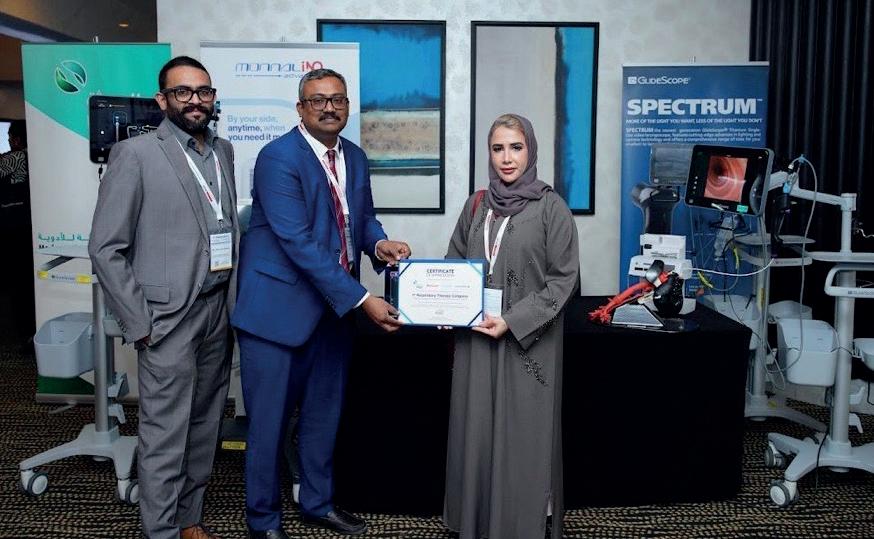
Modern Pharmaceutical LLC at the 1st SKMC Respiratory Therapy Congress
Modern Pharmaceutical LLC’s Medical Division proudly participated in the 1st SKMC Respiratory Therapy Congress held in Abu Dhabi, bringing together healthcare professionals, respiratory therapy specialists, and industry experts from across the region.
e event provided a valuable platform to showcase advanced healthcare technologies and engage in meaningful discussions around the future of respiratory care and patient outcomes.
rough live demonstrations and expert
discussions, the team highlighted innovative solutions designed to support healthcare providers in delivering high-quality respiratory and critical care services.
Modern Pharmaceutical LLC extends its appreciation to everyone who visited the booth and contributed to the exchange of knowledge and insights throughout the congress.
Albatha Holding Opens New CRM Centres in Sharjah
Albatha Holding has inaugurated two new Customer Relationship Management (CRM) centres in Al Dhaid, Sharjah, serving its subsidiaries AGMC and Modern Pharmaceutical LLC.
e new facilities aim to strengthen customer engagement across the automotive and healthcare sectors through enhanced communication and AI-enabled customer service solutions. Located at Al Dhaid Chamber Centre, the CRM centres will manage customer interactions across phone, WhatsApp, and social media platforms.
e AGMC CRM centre is expected to manage up to 300,000 customer interactions annually, re ecting Albatha Holding’s continued investment in customer experience and operational excellence.
e initiative underscores Albatha Holding’s commitment to empowering national talent while delivering innovative and customer-centric solutions across its businesses.
Sharjah City for Humanitarian Services (SCHS) and Albatha Healthcare to Partner to Advance Inclusion and Healthcare Access
Sharjah City for Humanitarian Services (SCHS) and Albatha Healthcare have signed a Memorandum of Understanding (MoU) to strengthen collaboration in supporting People of Determination and improving access to specialized healthcare services.
e partnership focuses on advancing inclusion, accessibility, and community wellbeing through initiatives centered on advocacy, rehabilitation support, professional training, hearing care services, and community engagement.
Aligned with the UAE’s National Policy for Empowering People of Determination, the collaboration aims to promote equal opportunities and improve quality of life through sustainable healthcare and support programs.
Under the agreement, both organizations will work together on awareness campaigns, hearing screening initiatives, training
programs, and employment readiness opportunities designed to support People of Determination and encourage greater community integration.
H.E. Mona Abdul Karim Al Yafei, Director General of SCHS, emphasized the importance of strategic partnerships in advancing inclusion and strengthening rehabilitation and support services.
Dr. Hesham Abdalla, Managing
Director of Albatha Healthcare Group, highlighted the shared commitment to expanding access to quality healthcare and supporting individuals with hearing needs through specialized healthcare expertise and innovative hearing solutions.
e partnership marks another important step in supporting the UAE’s vision for a more inclusive, accessible, and empowered society.
Breathe Free. Live Better. Be There for Your Family
Anti-Tobacco Awareness Campaign Across Modern Pharmacy Retail Branches and Head Office
As part of its ongoing commitment to community health and wellness, Modern Pharmacy organized an AntiTobacco Awareness Campaign across its retail pharmacy branches and Head O ce to promote awareness about the harmful e ects of tobacco use and encourage healthier lifestyle choices.
e campaign focused on educating employees, customers, and visitors about the serious health risks associated with smoking and second-hand smoke, while inspiring individuals to take positive steps toward a tobacco-free future.
Under the awareness message: “Breathe Free. Live Better. Be There for Your Family.”
e initiative featured multiple engagement activities designed to encourage participation and meaningful conversations around
tobacco cessation and preventive healthcare.
The campaign included:
•Awareness sessions on the harmful e ects of tobacco
•Free breath assessment tests
•Expert counselling by clinical pharmacists on healthy lifestyle practices
•Quit Tobacco Pledge initiative
•Wellness and health awareness activities across participating locations
Employees and visitors actively
participated in the campaign by taking the anti-tobacco pledge and learning more about the importance of protecting their health and the well-being of their families.
rough this initiative, Modern Pharmacy continues to strengthen its commitment towards building healthier communities by promoting awareness, prevention, and positive lifestyle changes.
Together, every healthier choice contributes to a better and smoke-free tomorrow.
Shift your mindset to Stop Binge-Eating
Most of us in urban settings are guilty of binge-eating. Here’s how to stop this abusive habit that is leading to an obesity pandemic
It begins innocently enough. A table lls up rst with warm bread glistening under a slick of butter. Someone says, “Let’s order a few starters.” Another laughs, “We’ve earned this.” By the time the mains land, appetites have blurred into impulse. Plates are wiped clean, dessert menus beckon, and what was meant to be a relaxed evening out quietly slips into a full-blown binge.
In a world, where eating out has become both a social ritual and a reward mechanism, this pattern is increasingly common and becoming increasingly consequential.
According to the World Health Organization, adult obesity worldwide more than doubled between 1990 and 2022. Today, over 1 billion people live with obesity
(including more than 880 million adults and 159 million children or adolescents), while 2.5 billion adults are overweight.
e rise is not just about what we eat, but how, and perhaps more crucially, why we choose to eat beyond limits.
e psychological deprivation route
Dubai-based clinical dietitian Mitun de Sarkar believes the roots of binge behaviour while dining out are o en laid much earlier in the day. “From a nutritional standpoint, the biggest trigger is what I call preventative restriction,” she explains. “I have seen many people ‘save up’ calories by skipping meals or under-eating through the day before a dinner out.”
What follows is a physiological cascade. “ is leads to a drop in blood glucose, a spike in ghrelin, your hunger hormone, and
suppression of leptin, your fullness signal,” she says. “By the time you sit at the table, your body is naturally craving quick, high-energy foods like re ned carbs and sugar.”
Biology is only half the story. e mind, she points out, is just as complicit. “Psychologically, there are two powerful forces at play. e rst is when food is labelled as ‘bad’ or ‘o -limits,’ the brain xates on it and wants more of it the moment it becomes available.”
Add to this decision fatigue that kicks in following the mental exhaustion from making countless choices through the day, and restraint begins to crumble. “ at’s when hyper-palatable foods rich in salt, sugar, and fat become almost irresistible because they trigger a strong dopamine response, o ering instant comfort,” she says. “Also psychologically, you feel since I have starved the whole day, I can
binge eat now. A perfect storm for overeating.”
Eat smart and not less
If bingeing is o en a reaction, planning, she insists, is the antidote. “When you review a menu in advance, you’re making decisions from a calm, rational state, and not when you’re hungry, overstimulated, or in uenced by the environment,” says Mitun. is simple act creates what psychologists call implementation intentions: pre-decided choices that reduce the likelihood of impulsive decisions. “You’re not negotiating with yourself at the table; you’re simply executing a plan you made when you were clear-headed,” she adds. “It’s not about control but more about clarity, awareness, and putting yourself back in charge of your decisions, not the environment.”
e shi from reactive to intentional eating also reframes how we approach portions. “You don’t have to eat less; you just have to eat smart,” she says, dismissing the idea that portion control must feel restrictive. Her approach is practical, even liberating. “Always order a high-protein starter. ink grilled sh, prawns, chicken skewers, paneer or tofu, or lentil soup, and pair it with a side of greens. Starting with protein rst makes a big di erence. It stabilises blood sugar and reduces the urge to overeat later in the meal.”
Equally important is managing what she calls “visual hunger.” “If portions are large, share the main or ask for half to be packed away early. When food isn’t constantly in front of you, you reduce the tendency to keep eating just because it’s there.” And then there’s the forgotten art of pausing. “It takes about 20 minutes for your satiety hormones to signal fullness. If you’re eating
Mitun’s simple health mantras to avoid binge pitfalls
Read the Menu
Reading the menu, too, becomes an act of quiet intelligence. Look for cooking methods like grilled, steamed, roasted, poached, or braised. ese usually indicate simpler, whole-food preparation with controlled fats.
Watch for red ags
fast, you’ll almost always overshoot. Put your cutlery down halfway, check in with your hunger, and then decide if you need more.” Her most disarming line lingers: “You don’t need to nish the plate to nish the experience.”
No such thing as a cheat meal
Perhaps the most powerful shi , however, lies in language. e idea of the “cheat meal”, a term that is so casually embedded in modern food culture, comes under sharp scrutiny. “I am not a big fan of the term,” she says. “It implies you are doing something ‘bad,’ which triggers guilt. Guilt increases cortisol, which can lead to more abdominal fat storage and further cravings.”
Instead, she o ers a more compassionate framework: intentional inclusion. “When we strip away the guilt, we reclaim our power. When a food is no longer ‘forbidden,’ it loses its psychological grip on you.” e question then changes from “What am I allowed to have?” to “How do I want to feel a er this meal?” Dining out, she insists, is not a deviation from a healthy lifestyle; it is part of it.
Prioritise dishes with a clear source of lean protein and where vegetables are a main component, not just a garnish.” And watch for the red ags: “Words like crispy, battered, creamy, loaded, or smothered o en signal hidden fats and excess calories.
Start with water
Practise the ‘bookend’ approach which means starting with water and ending with tea or co ee, creates a natural rhythm to the meal, a beginning and an end. Above all, focus on the company; the real joy is in the conversation, laughter, and company not just what’s on your plate.
Exercise Portion control
In social settings, where peer pressure and celebration can blur boundaries, the strategy is not withdrawal but subtle control. Don’t arrive starving. Have a small protein snack beforehand helps you stay in control. Order rst; it sets the tone. And if needed, use simple phrases like ‘I’m good for now.’ People are far less focused on your plate than you think.
It’s not what you eat occasionally, but what you do consistently that shapes your body and health,” concludes Mitun. H
Mitun de Sarkar
The Art of Crafting Meaningful Family Holidays
Balance your child’s vacation with a lot of fun in the sun as well as board games and mentally stimulating activities such as treasure hunts, basic cooking, campfires in the night and midnight swims among others
As the school bells fall silent and the long-awaited holidays approach, many parents nd themselves caught between excitement and anxiety. e prospect of spending quality time with their children is deeply appealing, yet the pressure to plan the “perfect” vacation can be overwhelming. is can be especially crucial when time is scarce.
e truth is that a happy holiday is not de ned by extravagant destinations or meticulously packed itineraries. Instead, it lies in thoughtful planning, meaningful experiences, and the creation of lasting memories.
How not to make your child a couch potato
e rst decision parents face is whether to opt for a staycation or venture overseas. Each comes with its own charm. A staycation o ers the luxury of relaxation without the
stress of long travel, visa formalities, or jet lag. It allows families to rediscover their own city through fresh eyes whether it be a weekend at a resort, exploring local heritage sites, or simply enjoying unhurried time together.
On the other hand, an overseas vacation introduces children to new cultures, cuisines, and perspectives. Exposure to di erent ways of life fosters curiosity, adaptability, and global awareness. e key is to align the choice with the family’s interests, budget, and the children’s age. Younger children may thrive in familiar surroundings, while older ones o en relish the excitement of international travel.
Finding the Goldilocks Median
One of the most common pitfalls in holiday planning is overscheduling. Parents, eager to make the most
of limited time, o en cram their itineraries with back-to-back activities. e result? Exhausted children and frazzled adults. Conversely, too little planning can lead to boredom and missed opportunities.
e ideal approach lies in what can be described as the “Goldilocks median” - an itinerary that is neither too packed nor too sparse, but just right. A simple rule of thumb is to plan one or two key activities each day, leaving ample room for spontaneity and rest. Incorporating downtime, whether it’s lounging by the pool, enjoying a leisurely meal, or simply wandering through a local market, ensures that the holiday remains refreshing rather than exhausting.
Outdoor activities
Children are naturally drawn to movement and exploration, making outdoor activities essential for
a ful lling holiday. Sunshine not only boosts mood but also supports physical health through vitamin D exposure and active play.
Families can consider activities such as:
Nature hikes and eco-trails: ese encourage curiosity about the environment while promoting tness.
B each outings: Building sandcastles, swimming, or trying water sports like kayaking and paddleboarding create joyful shared experiences. Always ensure that such activities are conducted under adult supervision.
Adventure parks: Ziplining, climbing walls, and obstacle courses provide safe thrills and build con dence.
Cycling tours or desert safaris: Particularly appealing in regions like the UAE, these activities combine adventure with cultural immersion.
Such experiences foster resilience, teamwork, and a sense of achievement - qualities that extend far beyond the holiday itself.
Nourishing the Body with Room for Indulgence
Food is an integral part of any holiday, and maintaining a balance between healthy eating and indulgence is key. While it is tempting to abandon routine altogether, excessive indulgence can leave children feeling sluggish and irritable.
Parents can aim for a exible approach:
Prioritize nutritious breakfasts to energize the day.
Incorporate local fruits and wholesome meals to introduce children to diverse culinary traditions.
Stay hydrated, especially during outdoor activities.
Allow occasional treats be it ice cream a er a day at the beach or sampling local desserts so that the holiday retains its sense of celebration.
is balanced approach not only supports physical well-being but also teaches children the importance of mindful eating.
Learning Beyond the Classroom
Holidays present a unique opportunity for experiential learning. Visits to museums, science centres, and heritage sites can ignite curiosity and deepen children’s understanding of history, art, and culture. When presented engagingly, these experiences transform education into an adventure rather than an obligation. Choose places that o er such opportunities.
Interactive exhibits, guided tours tailored for young audiences, and storytelling sessions can make such visits particularly memorable. Encouraging children to maintain a travel journal documenting their observations through drawings or short notes, further enhances their engagement and re ection.
Giving Back: Holidays with a Purpose
Incorporating acts of kindness into a family holiday can be profoundly meaningful. Participating in community or charity initiatives such as beach clean-ups, volunteering at local shelters, or supporting environmental conservation projects instill empathy and social responsibility in children. ese experiences teach young minds that travel is not merely about consumption but also about contribution. e sense of ful lment derived from giving back o en becomes one of the most cherished memories of the holiday.
Similarly, visiting one’s homeland allows children to immerse themselves in cultural traditions, languages, and rituals that may be less accessible in their everyday environment. Participating in local festivals, exploring ancestral towns, or simply spending time with relatives helps children develop a strong sense of belonging and heritage.
While photographs are a natural part of any holiday, the true essence of memory-making lies in shared experiences. Encouraging children to create scrapbooks, collect postcards, or record short video diaries can transform eeting moments into lasting keepsakes. More importantly, setting aside “device-free” periods ensures that families remain present with one another, strengthening emotional connections. For instance, evenings can be made more enjoyable with board or card games.
Practical Planning for Stress-Free Holidays
To ensure a smooth and enjoyable experience, parents can keep a few practical tips in mind:
Involve children in the planning process, allowing them to choose certain activities.
Pack thoughtfully, including essentials such as snacks, sun protection, and comfort items. Maintain a exible schedule to accommodate unexpected opportunities or the need for rest.
Set a realistic budget, focusing on meaningful experiences rather than extravagance. Prioritize safety, ensuring that all activities are age-appropriate and wellsupervised. H
Holistic holidays
Top 10
international wellness destinations
TAKE YOUR PICK AND PLAN A HEALTH HOLIDAY
1 e Swiss Alps, Switzerland: For Clean Air and Active Living
e Place: e Swiss Alps are synonymous with pristine landscapes, snow-capped peaks, and charming Alpine villages. Chosen for their unpolluted environment and access to year-round outdoor activity, they o er a natural antidote to urban fatigue.
Wellbeing Bene ts: e high-altitude, clean air can improve respiratory health and boost energy levels. Activities such as hiking, skiing, and cycling enhance cardiovascular tness, while the serene surroundings help reduce stress and mental fatigue.
How to reach from the UAE: Approximately 6–7 hours by ight to Zurich or Geneva. Airlines include Emirates, Etihad Airways, and Swiss Airlines
2 Bali, Indonesia: For Mindfulness and Spiritual Healing
e Place: Bali blends lush landscapes with a deeply spiritual culture.
Known for its yoga retreats, wellness resorts, and tranquil rice terraces, it has become a global hub for holistic healing.
Wellbeing Bene ts: Meditation, yoga, and spa therapies promote mental clarity and emotional resilience.
e island’s slower pace encourages mindfulness, helping families disconnect from stress and reconnect with each other.
How to reach from the UAE: Around 9–10 hours. Airlines include Emirates, Qatar Airways, and Singapore Airlines.
3 Dead Sea, Jordan: For Skin and Joint Health
e Place: e Dead Sea, one of the lowest points on Earth, is famed for its mineral-rich waters and therapeutic mud. It has long been a destination for natural healing.
Wellbeing Bene ts: e high concentration of minerals such as magnesium and potassium supports skin health and may alleviate conditions like eczema. e buoyancy reduces joint strain, making it ideal for those with muscle or mobility issues.
How to reach from the UAE: Approximately 3 hours to Amman. Airlines include Emirates, Etihad
Airways, ydubai, and Royal Jordanian.
4 Iceland: For Natural Detox and Adventure
e Place: Iceland’s raw, otherworldly landscapes including volcanoes, glaciers, and geysers make it a unique destination for both adventure and wellness.
Wellbeing Bene ts: Geothermal springs help relax muscles, improve circulation, and nourish the skin. e clean environment and outdoor exploration contribute to mental clarity and physical vitality.
How to reach from the UAE: Approximately 11 to 16 hours. Airlines include Emirates (to Europe) and Icelandair connections.
5 e Maldives: For Stress Relief and Digital Detox
e Place: With its turquoise waters and secluded villas, the Maldives is the epitome of tranquillity. Its isolation makes it perfect for uninterrupted family time.
Wellbeing Bene ts: e calming e ect of
the ocean promotes deep relaxation. Activities like snorkelling and swimming support physical tness, while the absence of distractions encourages a much-needed digital detox.
How to reach from the UAE: Around 4–5 hours direct. Airlines include Emirates, Etihad Airways, ydubai, and Maldivian.
6 Ban National Park, Canada: For Nature erapy
e Place: Set in the Canadian Rockies, Ban National Park is known for its turquoise lakes, dense forests, and dramatic mountain scenery.
Wellbeing Bene ts
Forest bathing and time in nature can lower stress hormones and boost immunity. Hiking, canoeing, and wildlife encounters promote both physical activity and emotional rejuvenation.
How to reach from the UAE: Approximately 14–16 hours to Calgary with one stop, followed by a 1.5-hour drive. Airlines include Emirates, Air Canada, and British Airways.
7 Tuscany, Italy: For Heart-Healthy Living
e Place: Tuscany’s rolling hills, vineyards, and historic towns embody the Mediterranean lifestyle
- slow, scenic, and deeply nourishing.
Wellbeing Bene ts: A diet rich in olive oil, fresh produce, and whole grains supports cardiovascular health. Gentle activities like cycling and walking enhance tness while reducing stress.
How to reach from the UAE: Around 6–7 hours to Florence or Pisa (o en via Rome). Airlines include Emirates, Etihad Airways, and ITA Airways.
8 Ras Al Khaimah, UAE: For Adventure and Accessibility
e Place: A short drive from Dubai, Ras Al Khaimah o ers mountains, beaches, and desert landscapes, making it a versatile wellness destination close to home.
Wellbeing Bene ts: Outdoor activities such as hiking and ziplining boost physical tness and adrenaline. e natural landscapes also provide a quick mental reset without long travel.
How to reach from within the UAE: Approximately 1–1.5 hours by road from Dubai. Easily accessible by car. Great idea for local residents planning staycations
9 Ajman, UAE: For Coastal Calm and Eco-Wellness
e Place: Ajman is an emerging luxury eco-destination known for its lush golf courses, mangroves, serene beaches, and low-density, nature-
focused development. It o ers a quieter alternative to busier urban escapes.
Wellbeing Bene ts: e mangrove ecosystem supports clean air and a calming environment ideal for stress reduction. Activities like kayaking, birdwatching, and beach walks promote gentle physical movement and mental relaxation.
How to reach from within the UAE: Around 40–50 minutes by road from Dubai. Easily accessible by car, making it perfect for a short wellness break.
10 Kerala, India: For holistic Ayurvedic healing to balance inner energy
e Place: Kerala, dubbed as God’s own country, is a lush green state of India on the Malabar Coast. Tulah, the global wellness hub outside Calicut is an ideal destination for holistic health care.
Wellbeing Bene ts: Tulah is a modern destination that uses several ancient Ayurveda holistic healing treatments, including all the wisdom of Indian ancestors. It enables guests to detox and balance their doshas as per Ayurvedic principles and return completely rejuvenated and recalibrate
How to reach from the UAE: e UAE has many ights by Etihad, Emirates and several Indian carriers operating daily ights to Kochi, Calicut and other famous places. It is also possible to y to Mumbai and Bangalore and take a connecting ight directly to the speci c destination in Kerala H
Ask the Experts
Lavita Prajwal Crasto laser technician, umbay Institute of Aesthetics
Q: What is the ideal summer skin strategy to maintain the glow?
For an e ective summer skin strategy I recommend focussing on three essentials: Hydration, Protection and Prevention. I recommend daily broad-spectrum sunscreen, adequate water intake and professional treatments.
•Pico Laser Toning
One of my favorite summer skin rejuvenation treatments is Pico Laser toning. It helps reduce pigmentation, improves skin texture, boosts collagen and restores a healthy glow with minimal downtime. Combined with daily SPF and good hydration, it can help keep skin bright and refreshed throughout the season
•HydraFacial for Hydration
hydrated and luminous throughout the season.
•Carbon Peel for Oily and Congested Skin
Summer heat and humidity can trigger excess oil production, clogged pores and frequent breakouts. Carbon peel is an excellent treatment for oily and congested skin as it deeply cleanses the pores, removes impurities and exfoliates dead skin cells. Carbon peel is a popular choice for achieving clear, smooth and radiant skin throughout the summer season.
•Laser Hair Reduction for smooth skin
Summer heat, sun exposure and air conditioning can leave the skin dehydrated and dull. HydraFacial is one of my top recommendations during the summer months because it deeply cleanses, exfoliation and infuses the skin with intense hydration.
e treatment helps restore moisture balance, improve skin texture and reveal a healthy, radiant glow without any downtime. Its an ideal solution for anyone looking to keep their skin refreshed,
Summer is the season of convenience and con dence. Laser Hair Reduction o ers a long-term solution for unwanted hair, helping patients enjoy smoother skin while reducing the need for frequent shaving and waxing. Beyond convenience it also helps reduce ingrown hairs and improves overall skin texture. With a personalized treatment plan and proper sun protection, Laser Hair reduction can help you enjoy so , smooth skin and feel con dent throughout the summer season
“Beautiful skin is not just about looking good -it’s about feeling con dent, healthy and empowered. is summer, invest in your skin, protect its natural beauty and let your glow speak for itself”.
Dr Brajesh Mittal
Medical Director and head of Cardiology Department, Medcare Hospital Dubai
Q: During Summer when cardiovascular health is under greater stress, what are your expert tips for maintaining optimal heart health?
Summer brings longer days and greater opportunities for outdoor activity, but it can also place additional stress on the cardiovascular system. High temperatures cause blood vessels to dilate, making the heart work harder to maintain adequate blood pressure and circulation. For individuals with existing heart disease, this added strain may increase the risk of dehydration, dizziness, arrhythmias, or other cardiovascular events.
Here are few essential tips to maintain optimal heart health during the summer months.
•Hydration is essential. Drinking water regularly throughout the day
helps support blood volume and reduces cardiac workload.
•Physical activity should ideally be scheduled during cooler hours, such as early morning or late evening, to avoid excessive heat exposure.
•Wearing lightweight clothing, seeking shade, and taking frequent breaks during outdoor activities can also help prevent overheating.
•Patients should continue taking prescribed medications as directed and discuss any concerns about heat-related side e ects with their physician.
•Choose a heart-healthy diet rich in fruits, vegetables, whole grains, and lean proteins to further support cardiovascular wellness.
By staying hydrated, active, and mindful of heat exposure, individuals can enjoy a healthy and heart-safe summer season
Happy Brunching!
It’s vacation time. Here are some great meal ideas for a luxurious brunch that are low on calories, yet nutritionally dense to keep you high on good energy all day!
Avocado, goatcheese omelet with alfalfa sprouts!
Ingredients
•Avocado: One piece ripe, peeled and sliced
•Eggs: two or three, with egg whites and yolk separated
• Onion: One piece, medium-sized, peeled and finely chopped
•Alfalfa sprouts: one small bowl
•Onion and garlic powder: to taste
•Salt and pepper: to taste
•Olive Oil: One tablespoon
•Goat cheese: (shredded), 1 small bowl
•Dill, parsley and basil: a couple of sprigs
Method
• Separate the egg whites and whisk them well till fluffy
•Add the yolks and whisk again.
•Add the onion, garlic powders, salt and pepper seasoning and mix well
•In a pan, heat the olive oil, and add the chopped onions, sauté until golden brown
•Add the whisked eggs to the pan and let it cook a slow flame
•Add the shredded goat cheese and alfalfa sprouts to the omelet top and cover and simmer for a minute
• Take off the lid and gently flip the side and garnish with chopped parsley, dill and basil for enhanced flavor
•Cook for half a minute on the other side, before flipping it on the plate
•Serve hot with air-fried sweet potatoes and ketchup
Mung-sprouts and Moringa, vegan omelet
Ingredients
•Whole mung: soaked and sprouted and ground One cup
•Fresh Moringa leaves: about one bunch (50 gm), washed and chopped
•One red onion (small): peeled and finely chopped
•Ginger half inch, green coriander sprigs and one green chili: All finely chopped
•Salt, turmeric and red paprika powder: to taste
Method
•Soak whole mung lentils for over eight hours, drain and hang in a cloth pouch in a warm place until it sprouts
•Grind this with a little water in a mixer in thick consistency
•Add the salt and other spices and mix well
•Fold in the chopped moringa, ginger, chili and green coriander
•Head a griddle and spray some olive oil to grease it
•Beat the batter to a consistency that is easy to spread on the skillet
•Spread it out evenly in a large round shape and cook on slow fire until brown on one side
•Flip and brown on the other side for a minute
•Take it out and serve hot with green chutney
Mixed veg and herbs shakshuka
Ingredients
•Vegetables: One cup chopped onions, spinach, red and yellow bell-pepper, mushroom
•Tinned tomatoes: one cup
•Parsley and coriander springs: One bunch, cleaned and finely chopped
•Grated cheese:Two tablespoons of any cheese like mozzarella
•Salt and paprika powder: to taste
Method
• Take slightly convex flat pan and add two tablespoons of olive oil
• When hot, first add the chopped onion and sauté well, then add the red and yellow bell pepper, then mushroom and finally the chopped spinach to give the pan a rainbow mix. Sauté well.
•Take the cup of tinned tomatoes and add to the mix and sauté well, add the salt and paprika powder to it and continue to sauté until well done
•Take four eggs and make small holes in each. Pour out the eggs into this mix and once in the pan, cover the pan and let it simmer until the eggs look poached and well done.
•Turn the shakshuka, and cook some more
•Garnish with cheese and fresh herbs and serve hot to accompaniment of Arabic bread
MEN’S WELLNESS PRESTIGE PROGRAM
of
Hormone Profile
• TSH • FT3
• FT4 • T3
• T4 • Anti TPO
• Anti Thyroglobulin
• Testosterone
• Free Testosterone
• SHBG
• Prolactin
• GH
• FSH • LH
• DHEAS • Estradiol
Heart Health
•Lipid Profile
• hs - CRP
• Apolipoprotein A1
• Apolipoprotein B
• Lipoprotein LP(a)
• LDH • CPK
• CK MB • D Dimer
• Homocysteine
Stress Hormone
• Cortisol
Vitamins & Minerals
• Folic Acid
Zinc
Copper • Phosphorus
Magnesium
Kidney Health
• Kidney Function Tests
• Urine Analysis
• Urine Microalbumin
• Cystatin C
Infection & Inflammation
• CBC • CRP
• ESR
ASO Titre
• Lipase • Amylase
Diabetes Screen
• FBS • HbA1c • C Peptide • Fasting Insulin • HOMA IR
Arthritis Screen
• Rheumatoid Factor
• ANA
Liver health
• Liver Function Tests
• Alpha Fetoprotein
• Total Bile acid
AllergyProfile • IgE
Iron Profile
• Iron • TIBC
• Ferritin • UIBC
• % Transferrin saturation
• CEA • CA19.9
• PSA Total • PSA Free
Gut Health
• H Pylori
• Stool Analysis
• Stool occult blood
Brunch Quesadillas Medley
Ingredients
•Quesadillas: 3-4
•Leftovers: could be fish, meat, chicken or vegetables
•Boiled and mashed potatoes: two pieces
•Black beans: cooked, about a cup
•Salsa: two tablespoons
•Cheese cheddar: grated, one tablespoon per quesadilla
•Fresh herbs: like chopped cilantro, jalapeños
Method
•Take the leftovers and mash and mix. You can either mince the leftover meat or chicken, add chopped and sausage, sauté everything with a little oil, add herbs and spices and keep ready.
•One can do this for a vegetarian quesadilla with overnight rice, beans and vegetables. Sauté this together with a little olive oil, sprinkle some salt, pepper and other herbs to taste and keep ready
•Mash the potatoes, shape them into round flat patty, sauté on both sides and keep ready
• Take one quesadilla on a griddle brushed with oil and brown it on both sides.
•Then place the potato patty, add the other mix (veg or non- veg), add salsa, cheese, jalapenos, fresh herbs, fold the quesadilla
• Cook on a low flame on both sides and your wholesome breakfast is ready
Washington University in St. Louis USA Faculty of Pharmacy, Kafrelsheikh University Egypt
Charite, Berlin. Tbilisi State Medical University Georgia Lebanese International University Lebanon
Mohammed Bin Rashid University of Medicine and Health Sciences, Dubai, UAE
Medical University of Lublin (MUL), Poland
AJMAN’S MOST PREMIER FAMILY HEALTH CLUB
Thumbay Group Breaks Ground in Ajman First Private Thumbay Veterinary Teaching Hospital and Thumbay College of Veterinary Medicine
Thumbay Group Breaks Ground on the Region’s First Private, Fully Integrated Psychiatric and Rehabilitation Hospital at Sharjah Healthcare City
Dr. Thumbay Moideen, Founder President Thumbay Group meets with Mr. Shafqat Malik
Dr Adel Al Sisi, specialist in Critical Care and Emergency Medicine and Group Chief Medical Offcer at Prime Healthcare Group , addressing the delegates at the 22nd Emirates Critical Care Conference held in Dubai from May 8-10, 2026 .
Delegates from first Abu Dhabi Bank meets with Dr. Thumbay Moideen, Founder President Thumbay Group
Dr Nahla Kazim, Founder and CEO of Fertility Barza, Consultant Reproductive Medicine, received this year’s Women of Excellence Icon Awards 2026 on the International Women’s Day coinciding with Marti Foundation 25th year, Silver Jubilee Ceremony, held on Saturday, 4th April, 2026.
Thumbay Healthcare Inaugurates Hyperbaric Oxygen Therapy Unit and Royale Presidential Suite at Thumbay Medicity, Ajman
Meeting With H. E. Aisha Abdulla Miran, Director General, Knowledge and Human Development Authority and team
Thumbay International Pathway Celebrates a Decade and Honors 90 New Doctors at the Convocation
Thumbay University Hospital raised The National Flag of the United Arab Emirates is raised to demonstrate national unity, pride, and solidarity
Hospital Ajman Celebrates 23 years of Success
Dr Brajesh Mittal, eminent interventional cardiologist and Medical Director and Head of Cardiology department at Medcare Hospital presenting his keynote address at the 10 th annual SHAKE Heart conference in Dubai on June 14, 2026 . Dr Mittal is the Chairman of SHAKE HEART
Thumbay Physical Therapy & Rehabilitation Hospital Receives best rehabilitation center of UAE
Thumbay Hospital Fujairah Celebrates 20 Years Of Success
Opening Ceremony of Thumbay Institute of Neurosciences
Thumbay University Hospital Celebrates Motherhood with Gold Rewards and Free Delivery Initiative
Thumbay Dental Hospital Celebrates 8 Years of Success
Thumbay
Gulf Medical University Launches the Region’s Largest Network of Clinical Skills and Simulation Centres
ESSENCE OF ELEGANCE.
Thumbay University Hospital, Thumbay Medicity , Ajman - UAE
EXPERT ORTHODONTICS FOR EVERY AGE
CORRECT MISALIGNED TEETH, CLOSE GAPS, ACHIEVE A PERFECT BITE AT THUMBAY DENTAL HOSPITAL. METAL AND CLEAR BRACES, INVISALIGN AND ADVANCED SURGICAL OPTIONS AVAILABLE.
Nida Khan, Clinical Dietitian at Neuropedia Children’s Neuroscience Center
Thumbay University Hospital Al Jurf-Ajman
Thumbay Dental Hospital Al Jurf-Ajman
Foundation Programs
• GMU Foundation Program (UK)
• International Foundation Program (Upper Austria)
Thumbay Physical Therapy and Rehabilitation Hospital, Al Jurf-Ajman
Hospital
Medicine Programs
• Doctor of Medicine Program (MD) 6 years
• Graduate Entry Doctor of Medicine Program (MD) 4 years
Thumbay College of Veterinary Medicine
• Doctor of Veterinary Medicine
Thumbay International Pathway Program (Duration: 3+3 Years)
DOCTOR OF MEDICINE (MD) PROGRAM
(3 Years Study in Gulf Medical University, UAE + 3 Years Study in Collaborating Universities) POLAND - ITALY - MALAYSIA - UK - UZBEKISTAN - AMERICAS - GHANA - ROMANIA
Diploma Programs
• Diploma of Dental Assistant
• Diploma in Pharmacy Technician
Bachelor Programs
Postgraduate Diploma Programs
• Postgraduate Diploma in Adult Critical Care Nursing
• Postgraduate Diploma in Renal & Dialysis Nursing Nationally and Internationally Accredited Programs