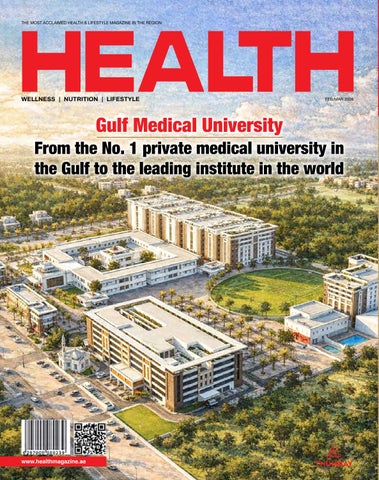
Gulf Medical University




7 Colleges
45 Programs




111+
Students from Nationalities
5,000+ Students Collaboration with Intl. Universities 75+
7 Own network of Academic Hospitals




Thumbay University Hospital Al Jurf-Ajman

Dental
Foundation Programs
• GMU Foundation Program (UK)
• International Foundation Program (Upper Austria)


Thumbay Physical Therapy and Rehabilitation Hospital, Al Jurf-Ajman
Medicine Programs
• Doctor of Medicine Program (MD) 6 years
• Graduate Entry Doctor of Medicine Program (MD) 4 years


Thumbay College of Veterinary Medicine
• Doctor of Veterinary Medicine
Thumbay International Pathway Program (Duration: 3+3 Years)
DOCTOR OF MEDICINE (MD) PROGRAM
(3 Years Study in Gulf Medical University, UAE + 3 Years Study in Collaborating Universities) POLAND - ITALY - MALAYSIA - UK - UZBEKISTAN - AMERICAS - GHANA - ROMANIA
Diploma Programs
• Diploma of Dental Assistant
• Diploma in Pharmacy Technician
Bachelor Programs
Postgraduate Diploma Programs
• Postgraduate Diploma in Adult Critical Care Nursing
• Postgraduate Diploma in Renal & Dialysis Nursing Nationally and Internationally Accredited Programs
• Dentistry • Pharmacy • Nursing • Biomedical Sciences • Healthcare Management and Economics
• Anesthesia Technology • Medical Imaging Sciences
• Medical Laboratory Sciences • Physiotherapy
• Optometry • Audiology and Speech Language Pathology • AI in Healthcare
Master Programs
• Public Health (Collaboration with Universityof Arizona, USA) • Health Professions Education
• Endodontics • Periodontics • Orthodontics • Clinical Pharmacy • Drug Discovery and Development
• PharmD - Doctor of Pharmacy • Medical Laboratory Sciences • Medical Ultrasound
• Physical Therapy • Neonatal Critical Care Nursing
• Renal and Dialysis Nursing • Adult Critical Care Nursing • Healthcare Management and Economics • Artificial Intelligence and Health Informatics
Doctoral Dual PhD Programs
• Precision Medicine (PhD PM) with Université Paris Saclay, France
• Dual PhD in Health Professions Education GMU & Erasmus University Netherlands







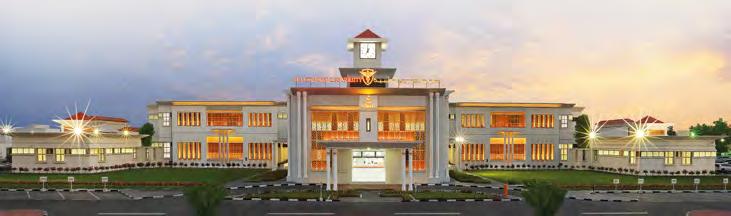
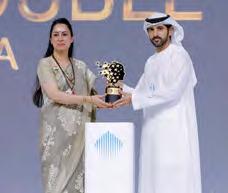
The new building of the Thumbay International Research Centre is coming soon at Thumbay Medicity, Ajman. Envisioned as a global hub for translational and interdisciplinary research, the Centre will drive breakthrough discoveries that connect laboratory science with clinical impact. The awarding of the Thumbay Research Grant as part of this milestone reflects a strong commitment to nurturing innovation and supporting high-quality scientific work. With the participation of distinguished dignitaries and a Nobel Laureate, the initiative signals global ambition and academic strength. This development further reinforces Gulf Medical University’s role as a leading force in research, innovation, and healthcare advancement.


22 Turning the tide on cancer in the UAE with early detection, and new treatments, one individual at a time!
24 UAE’s march toward cervical cancer elimination. Gynecologist Dr. Amala Nazareth shares the latest
12 Watch out for these healthcare emergencies during Ramadan
14 Sudden cardiac arrests: Why younger people are dying. Dr. Brajesh Mittal explains
Omega AI Hearing Aid: Achin Bhowmik, Starkey’s Chief Technology Officer and Executive Vice President of Engineering, shows us how this Nextgen device thinks like the brain
Brazilian beauty diva Rogeria Freyesleben on how her unique Brazilian beauty boutique connects cultures. She also provides tips for fasting women to enhance inner beauty
International Women’s Day: Saluting Women Power
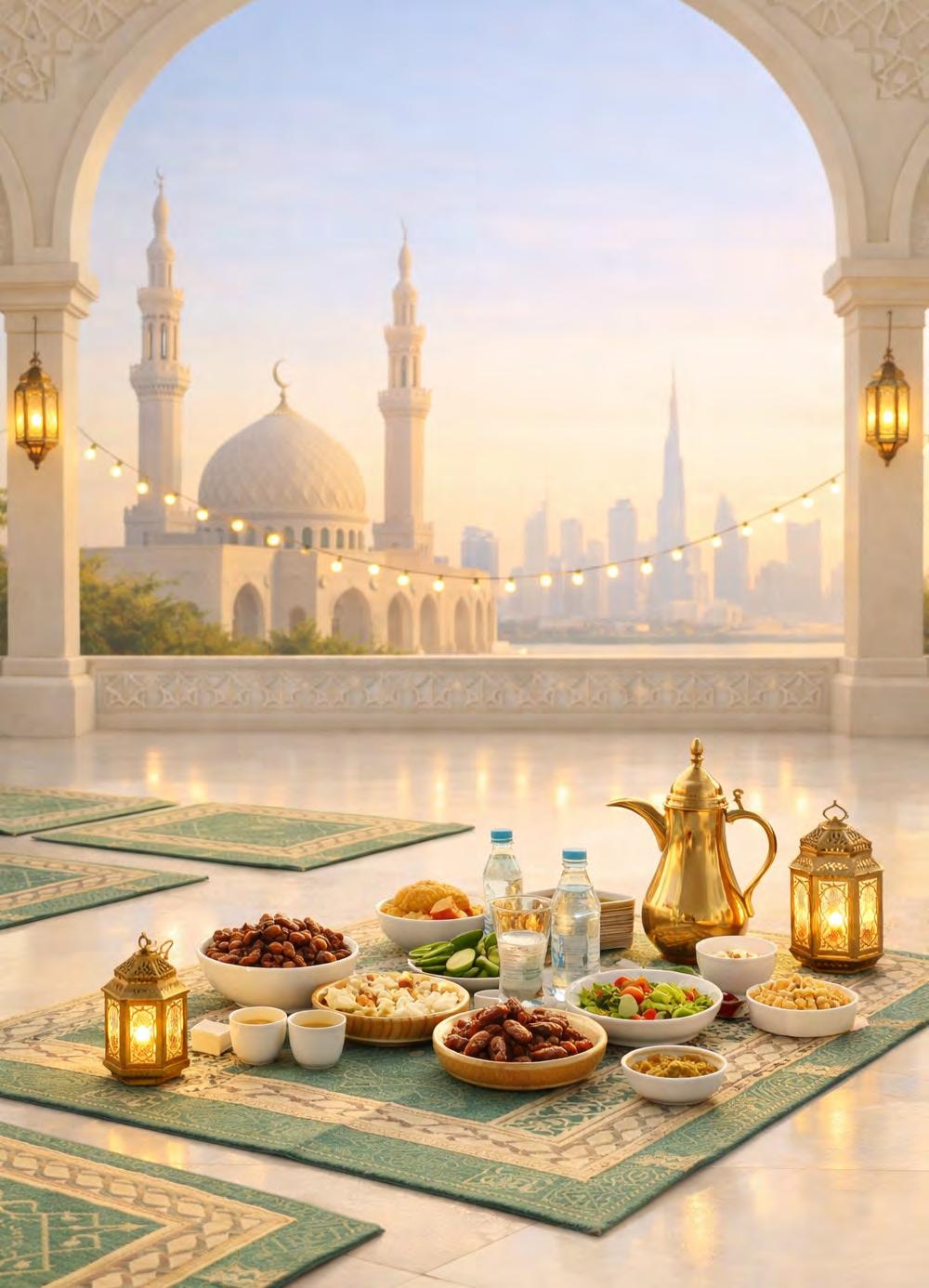
scintillating starters, stews, main course and desserts from Levant to Middle East and the Asian subcontinent for a global celebration of Eid Al Fitr!


Publisher
Dr. Thumbay Moideen
Founder President, Thumbay Group
Editorial & Design Advisor Nousheen Salma
Editor Suchitra Bajpai Chaudhary
COO Thumbay Media Vignesh S. Unadkat
Design Consultant Nazlah Salam
Head - Sales & Marketing Anindita Shetty
Editorial and International Co-ordination Thumbay Media , Thumbay Group
Art & Design Mudrikath Ammemar
Online Edition Shavaiz Arshad
Accounts Jahir Pasha
Photography Ranjith Ravi
Marketing Office: P.O. Box 415555, Dubai, UAE. Tel.: +971-4-2985555, Fax: +971-4-2989555,
HEALTH is published under the licence no. 183 by National Media Council
Send your letters to editor: editor@healthmagazine.ae
Advertising & Marketing: sales@healthmagazine.ae advertising@healthmagazine.ae Press: press@healthmagazine.ae
As we move confidently into 2026, one belief continues to guide everything we do at Thumbay Group: people are the true backbone of any organisation. Institutions grow when individuals are valued, supported, and inspired. That belief has taken tangible form this year with the launch of Thumbay Cares, a first-of-its-kind initiative designed to enhance the wellbeing, security, and growth of our team members across the Group .
Our journey remains closely aligned with the UAE Vision 2030, particularly in advancing education, healthcare, innovation, and community well-being. In this spirit, we are proud to embark on a defining new chapter with the launch of Thumbay Medicity Dubai—a project that reflects our long-term commitment to integrated, world-class healthcare ecosystems and the future needs of the region .
Academic excellence continues to be a cornerstone of our progress. Gulf Medical University recently celebrated its Rewards and Recognition Program, honouring the dedication of team members who power our academic mission every day. The University also received the Inclusivity Award, reinforcing our commitment to diversity, accessibility, and equal opportunity. Adding to this momentum, a proud moment for the entire Thumbay ecosystem was seeing GMU alumni receive the Highest Research Award, while the second cycle of the Research Grant Program has concluded, with winners to be announced shortly .

Preparing students for the real world remains a priority. The successful conduct of one of the largest Career Fairs and Industry Partners Meets created meaningful pathways for jobs, internships, and professional exposure, strengthening the bridge between education and employment .
Across our healthcare division, the new year has brought both joy and progress. Thumbay Hospitals continue to advance complex
and high-end surgical procedures, while maintaining uncompromising quality standards. The re-accreditation by JCI stands as a strong affirmation of our commitment to patient safety, clinical excellence, and continuous improvement .
Innovation in rehabilitation and wellness has also taken a leap forward. Thumbay Rehab introduced advanced wellness services such as ice plunge therapy and hyperbaric oxygen chambers, expanding holistic recovery and performance care options. The Marhaba Surgeons Campaign reached and benefitted over 200 doctors, reinforcing professional collaboration, with the Doctors’ Meet now rescheduled to 5th April due to weather conditions .
Our retail, hospitality, and communityfocused divisions are equally active. From Ramadan community packages at Thumbay Labs to special retail offers, Iftar menus across our food courts and hospitality units, and thoughtful familyoriented initiatives, the focus remains on accessibility, value, and togetherness. Body & Soul Health Club continues to redefine wellness by offering paddle courts, tennis courts, and swimming facilities—positioning itself as a true family wellness destination .
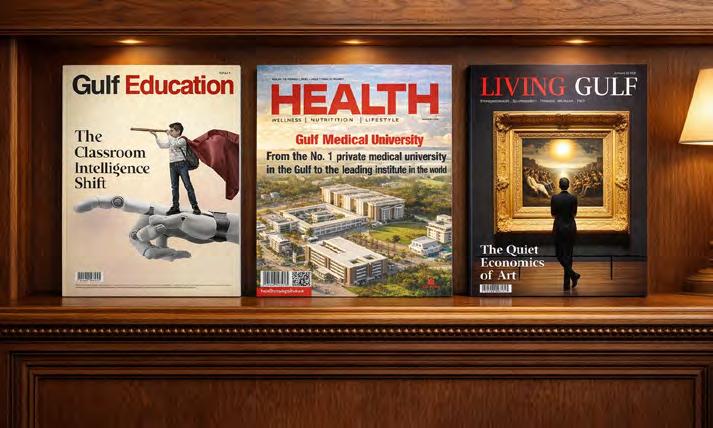
On the media front, Thumbay Media is set to expand its voice with the launch of two new publications—Living Gulf and Gulf Education—on April 20th, further strengthening our role in thought leadership, storytelling, and community engagement across the region .
As we embrace the spirit of reflection, compassion, and renewal that Ramadan brings, we extend our warmest wishes to our readers, partners, and communities.
Wishing you and your families a very Happy and Healthy Ramadan.
WORDS OF INSPIRATION
If we are not progressive, we stagnate and die





We are proud to introduce the Health Magazine Advisory Board, a distinguished panel of experts dedicated to advancing healthcare knowledge and practice. This esteemed group brings together renowned professionals from various medical fields, committed to providing insights and guidance to ensure our content meets the highest standards of accuracy and relevance. Their expertise will drive our mission to educate and inform our readers, contributing to better health outcomes and empowering individuals to make informed decisions about their well-being. With their support, our magazine will continue to be a trusted source of health information for the community.

Dr.
Head of Cardiology Department Consultant Interventional Cardiologist Chairman SHAKE Medcare Hospital Dubai, UAE



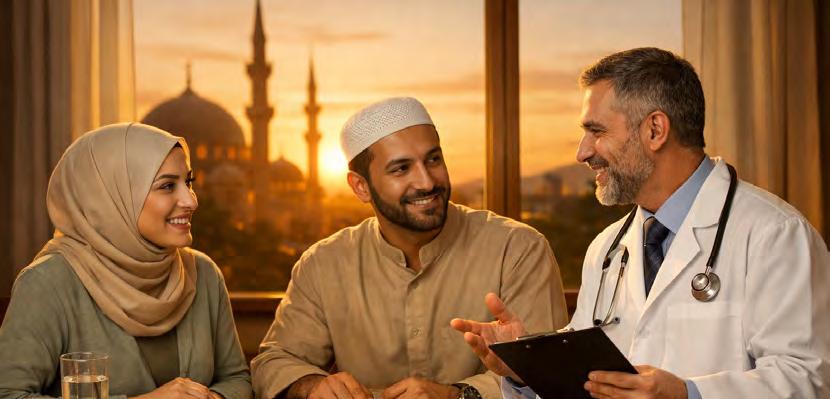
Ramadan is a time to pause and reflect on all things spiritual. But even as we nourish the mind and spirit, we could also benefit from correcting our lifestyle and bringing about changes to stay on track and improve our well-being.
Ramadan is often described as a month of restraint, but in truth, it is also a month of renewal. As daylight fasting reshapes daily rhythms, the body is quietly recalibrating, learning to run on intention rather than impulse. Nutrition, hydration and sleep, often taken for granted during the rest of the year, take centre stage during Ramadan.
How we eat, drink and rest between sunset and dawn can determine

whether the month becomes a source of energy and clarity, or one of fatigue and imbalance.
Done right, Ramadan can be a powerful reset for both body and mind.
After a long day of fasting, it is tempting to overcompensate at iftar. Heavy, fried foods and oversized portions promise comfort but often deliver sluggishness. The
body, having slowed digestion during the fast, needs gentleness before indulgence.
A balanced iftar should begin simply, say nutrition experts. Dates, rich in natural sugars, fibre and potassium, provide an ideal first source of energy. Pairing them with water or laban helps rehydrate the body and prepares the digestive system for the main meal.
The most nourishing iftar plates follow a simple formula:
Complex carbohydrates such as brown rice, whole wheat roti, quinoa or sweet potatoes for sustained energy.
Lean protein like grilled chicken, fish, lentils or beans to support muscle repair and satiety.
Healthy fats from olive oil, nuts or avocado to slow digestion and stabilise blood sugar.
Plenty of vegetables, cooked or raw, to deliver fibre, vitamins and minerals.
Soups are an unsung hero. A light lentil, vegetable or chicken soup gently reintroduces fluids and nutrients without overwhelming the stomach.
The key takeaway: Eat until you are comfortable, not full. Ramadan is not a test of how much you can eat after sunset, but how mindfully you can nourish yourself.
Suhoor, the quiet cornerstone of the fast
Suhoor, the pre-dawn meal may be the least glamorous meal of the day, but it is arguably the most important. Skipping it often leads to low energy, headaches and intense hunger by mid-afternoon.
An effective suhoor is slow-digesting and hydrating. Oats, whole grains, eggs, yoghurt, chia seeds, nuts and fruits such as bananas or berries help release energy gradually through the day. Adding protein such as eggs, cottage cheese, Greek yoghurt or nut butter keeps hunger at bay longer.
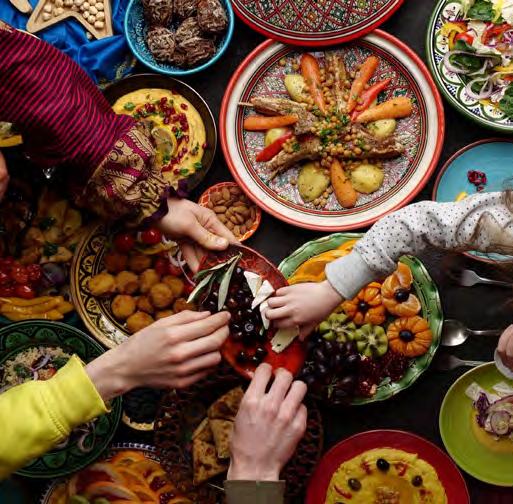
Equally important is what to avoid. Salty foods increase thirst, while sugary cereals or pastries cause energy spikes followed by crashes. Caffeine at suhoor may feel tempting, but it can act as a diuretic, increasing dehydration later in the day.
Think of suhoor as fuel, not a formality.
Hydration, drinking smart, not just more
Dehydration is one of the most common challenges during Ramadan, especially in warmer climates. Yet chugging water at iftar is not the solution. The body absorbs fluids best when intake is spread out.
A useful guideline is to drink water consistently between iftar and suhoor. Experts suggest small amounts every 30 to 60 minutes.

Herbal teas, milk and soups count towards hydration, while sugary drinks and sodas do not, and of course, try to avoid the last two. Fruits and vegetables with high water content, such as watermelon, cucumber and oranges, also help.
Electrolytes matter too. A pinch of salt, or naturally mineral-rich foods like dates and yoghurt, help the body retain fluids more effectively.
A simple takeaway: Aim for pale yellow urine by bedtime; it is one of the clearest signs of adequate hydration.
Sleep: the silent pillar of well-being
Late-night prayers, social gatherings and early suhoor meals often fragment sleep during Ramadan. While total sleep time may reduce, sleep quality becomes crucial.

The goal is not perfection, but consistency. Short, one hour naps during the day can restore alertness without disrupting night-time sleep. The key is to keep them short. Creating a wind-down routine after the night prayers such as dimming lights, limiting screens, and avoiding heavy meals close to bedtime can improve sleep depth.
Going to bed immediately after a heavy suhoor often leads to discomfort and poor rest. Allowing at least two hours between the last major meal and sleep helps digestion and recovery.
Quality sleep supports everything from immunity and metabolism to mood and concentration. Without it, even the best nutrition plan falls apart.
While intense workouts may not be practical; gentle movement enhances circulation and digestion. Light stretching, walking after iftar, or low-intensity strength training can maintain fitness without exhaustion.
Equally important is mental nourishment. Ramadan offers a rare opportunity to eat more slowly, sleep more intentionally, and listen to the body’s cues. Mindful eating which means putting away phones while at the dinner table, chewing well, and appreciating flavours, often leads to better digestion and smaller portions naturally. Mindfulness is a quality that can and should be cultivated, and this is something best practised during the month of Ramadan.
At its best, Ramadan is not about deprivation, but discipline. It teaches us that the body thrives on rhythm, restraint and respect. Balanced meals, steady hydration and thoughtful sleep do more than get us through the fast. They sharpen focus, elevate mood and deepen the spiritual experience of the month.
Perhaps the most valuable takeaway is this: the habits built during Ramadan need not end with Eid. Eating mindfully, drinking water consistently, and protecting sleep are gifts we can carry forward all through life. H

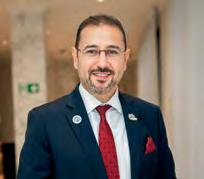
Dr. Adel Al Sisi
While fasting for over 12 hours during the Holy month of Ramadan is the finest examples of intermittent fasting with remarkable health benefits, induced by abstinence and detoxing, for believers, if done without the right precautions can trigger a health emergency that might land you in the intensive care unit of a hospital.
Describing the health emergencies, Dr Adil Al Sisi, Group Chief Medical Officer & Consultant Prime Healthcare Group, UAE told HEALTH, “It is a well-known fact that most hospital Emergency Departments experience a surge of cases during the early days of Ramadan. That is because people do not take the precaution to hydrate themselves well initially and ingest the right kind of nutrition during Suhoor to keep them on high energy and have the right electrolyte balance.
“Emergencies range from basic

ones such as dehydration and disorientation due to electrolyte imbalance and gastrointestinal issues, triggered from long fast and sudden overloading of the body with rich food items. Then during the day while fasting people suffer from migraines that may be triggered by caffeine withdrawals. Patients suffering from kidney disease or diabetes could also go through health complications such as potassium overload, hyper glycaemia or hypo glycaemia (high or low blood sugar).
“It is important to educate patients, especially those with co-morbidities such as heart diseases, Type II diabetes, chronic kidney disease (CKD), hypertension and the like, so that they are pre-warned and know when to reach the hospital and seek medical intervention in case of such a situation,” added Dr Alsisi.
Dehydration: Especially in hot climates, leading to headaches, fatigue, and renal colic (kidney stones).
Gastrointestinal Problems: Acid reflux, indigestion, and gastritis from overeating heavy, fried foods after sunset.
Headaches/Migraines: Often due to caffeine withdrawal in the first few days.
Diabetes Complications:
Hypoglycemia or hyperglycemia from altered eating/ medication schedules.


Cardiovascular issues: patients of heart disease can get stressed with the change of timings for bedtime and waking up and the change in the eating pattern that also gives rise to change in the medicine schedule. This could trigger an episode of breathlessness, palpitation or chest pain in a patient.
Medication Issues: Patients may stop essential drugs (like for hypertension), diabetes, cholesterol, without medical advice, risking serious health events. We often find that patients with respiratory issues such as asthma tend to not use inhalers while fasting and are liable to go under breathing or respiratory distress.
Dr Alsisi pointed out that patients who are vulnerable to any such triggers must not fast. “Islam permits people who are ill with chronic conditions to abstain from fasting, lest it makes them seriously ill.

Even if one is fasting, it is always advisable to consult your doctor before Ramadan, take his advice on adjustment of medication and doses. I will advise a patient to fast under advisement and keep all medical reports and medicine schedules ready. In case of any feeling of discomfort, it is better not to second guess and reach the hospital emergency and be under the supervision of doctors. Carry your medicine schedule, copies of tests and reports so that action can be immediate,” he said.
Dr. Alsisi said their emergency room was equipped with facilities to immediately put the patient at ease. “We check if the patient requires oxygen, anaphylactic, insulin to reduce high blood sugar levels, or glucose drips to level up low blood sugar or any other procedure. The patient is provided with immediate help and if required kept under observation in the ICU.
Dos and Don’ts for chronic patients fasting during Ramadan
Take your medication as directed by your consulting doctor. Pills taken during fasting hours break the fast, but emergency/IV medications are permitted for the ill.
Hydrate well. Drink plenty of water and eat water-rich foods between Iftar (breaking fast) and Suhoor (pre-dawn meal).
Eat balanced meals: Avoid excessive sweets, fried foods, and caffeine; focus on complex carbs, fiber, proteins, fruits, and vegetables. Overeating the wrong groups of food during Iftar, can cause sudden sugar spikes or indigestion.
Consult a doctor: Adjust medication schedules with a healthcare provider before Ramadan starts.
Self-medicate: If you are uneasy during Ramadan, it is advisable to reach an emergency room especially if you have a history of chronic conditions.
Alter your medication schedule on your own: It is advisable to readjust the schedule and dose for iftar and suhoor under medical guidance
Overeat: Choose your nutrition wisely during suhoor, going for carbohydrate dense and high fiber foods, plus natural fruits and vegetables with high water content. Eat less oily and processed foods that can trigger high blood sugar, cause indigestion or gastrointestinal issues. Do not have too much of protein or potassium rich foods if you suffer from CKD. H
Eminent Interventional Cardiologist Dr. Brajesh Mittal sheds light on the increasing incidence of Sudden Cardiac Arrest (SCA) and how timely awareness can save lives
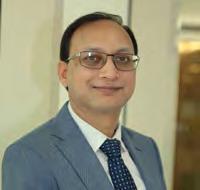
Dr. Brajesh Mittal Head of Cardiology Department Consultant Interventional Cardiologist Chairman SHAKE Medcare Hospital, Dubai, UAE
The scene feels eerily reminiscent of a thriller — a visibly healthy young person collapses without warning, and within minutes, life slips away. Unfortunately, this is not fiction. Over the past year, the world has witnessed a troubling increase in incidents of Sudden Cardiac Arrest (SCA) - particularly among individuals aged 17 to 40. The UAE has reported one of the higher regional rates of SCA and Sudden Cardiac Death (SCD), with alarming cases emerging among young, active, and seemingly healthy individuals.

Before delving deeper, it’s essential to understand what makes SCA distinct from other cardiovascular events. SCA occurs when the heart’s electrical system malfunctions. Instead of pumping rhythmically, the heart begins to quiver due to an erratic rhythm such as ventricular fibrillation. This disruption stops blood circulation to the brain and vital organs, leading to loss of consciousness and, unless promptly treated with CPR and an Automated External Defibrillator (AED), death within minutes.
It is vital to distinguish SCA from a heart attack (myocardial infarction). SCA can occur with or without heart attack as the underlying cause.
Globally, and particularly in the UAE, SCA has become a leading cause of death. Studies estimate that nearly half of all heart disease deaths result from SCA, and coronary artery disease (CAD) contributes to about 70–80% of SCD cases in individuals above 35 years. Yet, a noticeable shift is emerging — SCA is increasingly affecting younger age groups with no prior diagnosis of heart disease.

Recent cases have disturbed both the medical community and the public. A 17-year-old schoolgirl in the UAE with no underlying health conditions collapsed suddenly after a normal day. Numerous similar cases among 25- to 30-year-olds — fitness enthusiasts, non-smokers, and health-conscious professionals — highlight that SCA does not discriminate by age or lifestyle alone.
While industrialized nations have witnessed a decline or stabilization in cardiac arrest trends due to awareness and prevention programs, certain populations, including parts of the Middle East and Asia, are seeing a troubling rise.
In most cases, SCA strikes without warning. However, subtle symptoms — if recognized early — could help prevent disaster. One should seek immediate medical help if they experience:
• Chest pain or a feeling of pressure
• Palpitations or a pounding heartbeat
• Rapid or irregular heart rhythms
• Shortness of breath or unexplained wheezing

• Light-headedness, fainting, or nearfainting episodes
Although fleeting, these signals can precede an electrical malfunction in the heart. Awareness could save a life.
Statistically, men are at a higher risk of SCA than women, but both genders remain vulnerable. Most cases occur without prior symptoms or diagnosed disease. Medical studies associate SCA risk with structural and electrical abnormalities in the heart — including arrhythmias, cardiomyopathies, and in younger individuals, genetic mutations affecting heart rhythm regulation.
However, lifestyle and environmental triggers also contribute. High-stress work environments, irregular sleep schedules, excessive caffeine or stimulant use, dehydration, and sudden strenuous activity can unmask latent vulnerabilities, particularly during or after intense exercise.
The rise in sudden cardiac events among the young can be traced to a mix of genetic and lifestyle factors. Urban life has introduced unprecedented levels of psychological stress, sedentary behavior, and poor dietary patterns dominated by processed foods, alcohol, and smoking. Sleep deprivation skipped medical check-ups, and self-neglect during high-pressure careers contribute to hormonal imbalances, especially elevated cortisol levels which increase cardiovascular strain.
Equally concerning is the lack of awareness regarding family history and genetic predisposition. Undiagnosed arrhythmias, congenital
conditions such as hypertrophic cardiomyopathy, or inherited channelopathies often go unnoticed until tragedy strikes. Regular cardiac risk assessment, including ECG, echocardiogram, and lipid profile evaluations, can identify these silent threats early.
While SCA is unpredictable, many lives can be saved through timely preventive action and preparedness. Dr. Mittal emphasizes a multipronged approach:
• E arly Screening: Individuals with a family history of heart disease should not wait until 40 for a cardiac check-up. Routine screenings at an earlier age can detect structural or electrical heart issues before they become fatal.
• Healthy Lifestyle Choices: A diet centered around fresh, unprocessed foods — rich in fruits, vegetables, and lean proteins — supports heart health. Avoiding smoking, excessive alcohol, and any form of substance use curbs oxidative stress and inflammation.
• Regular Exercise with Caution: While physical activity is vital, sudden, high-intensity workouts without adequate preparation can be dangerous. Build endurance gradually, maintain hydration, and avoid overexertion — especially if unaccustomed to demanding exercise regimens.
• CPR and AED Awareness: Bystander CPR can double or triple survival rates. A basic CPR course equips individuals to restart cardiac activity and sustain brain oxygenation until emergency professionals arrive. Public spaces should also be equipped with AED devices, and communities trained in their use.
Certain groups must remain especially vigilant:
• Adults with risk factors like diabetes, hypertension, or high cholesterol
• Individuals with a close relative who died suddenly or unexpectedly
• Those with abnormal ECG results or known arrhythmia
• Substance users or individuals under excessive physical strain
• Competitive athletes or young adults in intense training programs
• Children or young adults with congenital heart abnormalities
SCA remains one of medicine’s most formidable challenges — it can strike anyone, anytime, anywhere. Yet, awareness, screening, and preparedness can turn fear into empowerment. A community equipped with life-saving skills and early detection practices can reverse this alarming trend. As Dr. Mittal concludes, “Being proactive about your heart health is no longer an option — it’s a necessity. Knowing your risk and acting early could be the difference between life and death.”

— The 10th Annual Shakeheart Symposium 2026
Leading cardiologists, healthcare professionals, and researchers will gather once again; on April 12, 2026, in Dubai, UAE, for an inspiring exchange on cutting-edge strategies to combat heart attacks. The symposium highlights innovations, preventive care, and collaboration to reduce cardiac mortality and protect heart health worldwide. H

While shopping for a health insurance plan, how can you ensure that you are getting the best value for money?
Value-for-money in health insurance is not about choosing the lowest premium. It is about choosing a plan that works smoothly when you need medical care. To ensure good value, individuals should look at:
• The breadth and depth of coverage, not just the price
• Access to hospitals and specialists
• Outpatient benefits and medicines
• Claim experience and service support
Often, a slightly higher premium provides better access, fewer restrictions, and lower out-of-pocket expenses over time. Health insurance should be viewed as protection and peace of mind, not just a cost.
What are the key things a subscriber must look at when reviewing a health insurance plan?
a) Coverage in relation to the premium charged
Many people assume outpatient coverage is standard, but this is where details matter.
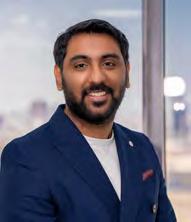
Everything you wanted to know about reading the fine print on your insurance card and more. Hitesh Motwani, Deputy CEO of InsuranceMarket.ae explains
Check these always:
• Outpatient consultations and diagnostics are covered at hospital outpatient departments, not only small clinics
• Specialist consultations are covered on a direct access basis, rather than requiring a GP referral every time
• Diagnostics, imaging, and medicines are included within OP limits
If a plan restricts specialist access through repeated GP referrals, it can become inconvenient, especially for ongoing medical needs.
b) Pre-existing and chronic condition coverage
Pre-existing conditions are covered once they are declared honestly at the time of application.
Key points to check:
• Declaration may increase the premium, but it avoids claim rejection at a critical time
• Chronic conditions such as diabetes, hypertension, asthma, heart disease, and thyroid disorders should be explicitly covered
• Coverage should include followups, diagnostics, and long-term medications
• Direct access to specialists is especially important for managing chronic illnesses
Keep in mind that honest disclosure is essential to avoid surprises during treatment.
c) Dental coverage
By default:
Most policies cover only emergency dental treatment related to accidents. Routine dental care is usually excluded
If dental care is important:
• Opt for a paid dental add-on
• Review annual limits and whether major dental procedures are included
d) International coverage for your home country
Some policies allow treatment in your home country, such as India.
Check:
• Whether coverage is subject to preapproval
• Treatment limits and eligible procedures
• Whether planned surgeries are allowed abroad
e) Coverage in Europe or the USA
Healthcare costs in the USA and parts of Europe are significantly higher.
If you travel frequently and need a health insurance cover in these countries, while shopping for an insurance…


• Confirm whether international coverage is included
• Check if separate limits apply for these regions
• Understand any exclusions or higher deductibles
f) Family coverage options
Many group insurance plans allow adding spouse and children coverage enhancements for a relatively small additional premium. It is always worth asking HR or your broker about dependent coverage options.
g) Annual coverage limits under group insurance
If you are covered under a company plan:
• Understand the annual limit for hospitalization, surgeries, outpatient care, and medicines
• Check for sub-limits on specific treatments or benefits
• B e aware that group plans are generous, but not unlimited
What technical terms should you understand on your insurance card?
Understanding basic terms helps avoid confusion at hospitals. It is important to get a clear grip on the jargon for complete comprehension of your insurance card.
The percentage of the claim you pay out of pocket. For example, 20 percent coinsurance means you pay 20 percent and the insurer pays 80 percent.
Inpatient treatment requiring hospital admission
Outpatient consultations, diagnostics, and medicines
(Room and Board)
Limits on hospital room category and cost
Maternity benefits, usually subject to waiting periods and sub-limits
Why is it important to know the hospital network and Table of Benefits (TOB) before signing? Is there room for negotiation? The hospital network determines where you can receive cashless treatment.
Important points to remember:
• Always check if your preferred hospitals, clinics, and specialists are included
• Network lists change regularly, sometimes even monthly
• Never rely on outdated network information
• The TOB is the most important document in your policy. It outlines:
• Coverage limits
• Exclusions
• Coinsurance and co-payments

Always read through the TOB before signing on the dotted line.
periods and sub-limits
In corporate or group insurance plans, there is often room for negotiation, especially at renewal. Employers may be able to negotiate:
• B etter hospital networks
• Higher limits
• Reduced coinsurance
• Additional benefits
If your insurance is linked to your Emirates ID, how can you access your details?
You can access your coverage by:
• Using your insurer’s mobile app or website
• Visiting a hospital or clinic that retrieves coverage via Emirates ID
• Contacting your broker or insurer.
• Digital access makes it easier to check benefits, track approvals, and manage claims.
What else must every health insurance client know about their cover?
The health insurance cover should not be reviewed only when you are sick. In other words, read and understand all the terms and conditions well in advance and not when you need to use the insurance in case of illness. Forewarned is forearmed as they say.
Key advice:
• Understand your card and Table of Benefits while you are healthy
• Declare all medical conditions honestly
• Review your network periodically
• Ask questions whenever something is unclear An informed policyholder always has a better experience. Health insurance is about confidence and peace of mind, and understanding your coverage makes all the difference H
As global healthcare leaders gather at World Health Expo, discussions are increasingly centred on how systems can evolve beyond ambition and into practical, sustainable delivery. From digital integration to workforce realities, the focus has shifted toward solutions that work not only in theory, but at scale.
For Modern Pharmaceutical LLC (MPC), these themes are closely aligned with its commitment to enabling more connected and efficient care pathways across the region.
We spoke with Ammar Yaghi, Head of Medical Division at MPC, about the changes reshaping healthcare and the priorities leaders should carry forward after the event.
From your perspective on the ground, what is the single biggest shift shaping healthcare right now, and how is it changing the way you operate or deliver care?
The biggest shift is the move from hospital-centred care to integrated, patient-centred systems. Healthcare is no longer defined by a single site of care — it’s becoming a connected pathway across hospitals, clinics, home and digital channels. Operationally, this means organisations must prioritise scalable models, interoperability, and measurable outcomes, not just new technology.
After four days of conversations here, what gaps in healthcare delivery are being discussed most openly, and where do you see real progress happening rather than just ambition?
The gaps being discussed most openly are fragmented care delivery, workforce strain, and unequal access to specialised services. What’s promising is that progress is moving beyond ambition in areas like hybrid care models, stronger outpatient pathways, and more efficient diagnostics and turnaround times. The focus is shifting from pilots to solutions that can be implemented at scale and sustained.

For healthcare leaders visiting World Health Expo this year, what is the one mindset change or priority they should take back to their organisations when the event ends?
Leaders should move from thinking in terms of products and projects to thinking in terms of end-to-end care transformation. The priority after WHX should be execution: building pathways that deliver better outcomes, higher efficiency, and long-term resilience. In today’s environment, success isn’t about adopting innovation — it’s about operationalising it.
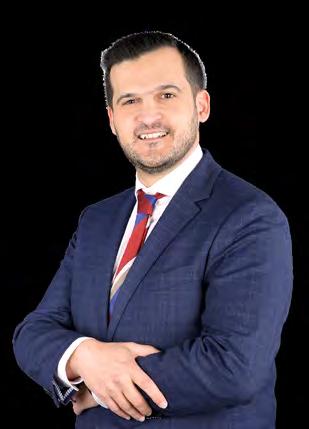
As WHX concludes, the message from the floor is clear: the future of healthcare will belong to organisations that can connect systems, scale solutions, and turn strategy into everyday practice.
Ammar Yaghi Medical Division, MPC


Infection & Inflammation
CBC | CRP | ESR

Nutrition Profile
Iron | TIBC | Vitamin D | Phosphorus |
Magnesium | Vitamin B12 | Ferritin

Diabetes profile
FBS | HbA1C | Insulin Fasting | HOMA IR
Hormonal Balance
SHBG | DHEAS | Testosterone (Male)
PSA (Male) | Prolactin (Female)
CA 125 (Female)
Gastric Infection
H Pylori
Heart Health
HS CRP | CPK | Lipid Profile
Stress Hormone
Cortisol

Arthritis
RA Factor
Thyroid Profile
TSH | FT3 | FT4
Allergy
IgE
Routine Urine Analysis
Liver Function Test: LFT
Total Bilirubin | Direct Bilirubin |
Indirect Bilirubin | ALP | AST | ALT |
Total protein | Gamma GT A/G Ratio | Globulin
Renal Function Test: RFT
Urea | Creatinine | Albumin | Calcium Total | Uric Acid | Sodium | Potassium | Chloride
There is something deeply authentic and effortlessly natural about Brazilian beauty rituals—so much so that Brazil has become synonymous with beauty and skincare worldwide.
Brazilian women have long been celebrated on the global stage, excelling in all six major international pageants—Miss Universe, Miss World, Miss International, Miss Earth, Ms Grand International and Miss Supranational—since the late 1960s.
At the heart of this legacy is Rogeria Freyesleben, a former flight attendant who turned to the skies after graduating as an accountant and later pursued her passion for beauty. Her journey led her to establish the highly successful Brazilian Touch Beauty Boutique in Dubai - a salon dedicated to authentic Brazilian beauty experiences.
Brazilian Touch offers an array of treatments rooted in tradition, from therapeutic massages and lymphatic drainage to holistic beauty rituals using authentic products sourced directly from Brazil. It is little wonder that Rogeria’s clientele is fiercely loyal, having followed her from the very beginning of her foray into the beauty industry.
Speaking to HEALTH, Rogeria - genial, warm, and deeply passionate—shares her philosophy of beauty as it is understood in Brazil.

“For Brazilian women, beauty is intensely holistic,” she explains.
“There is a strong emphasis on fresh, nutritionally balanced diets rich in antioxidants and polyphenols from fruits and vegetables, proper hydration, therapeutic lymphatic drainage massages using buriti and coconut oil, deep cleansing treatments, and non-invasive aesthetic procedures. All these work together to enhance a woman’s natural vibrancy and sense of self.”
Raised in a modest Brazilian household, Rogeria is the mother of


two teenage daughters and the wife of an airline pilot. From an early age, she learned the value of resilience, purpose, and living with intention.
Before opening her salon, Rogeria gained rich cultural exposure as a flight attendant, travelling extensively from Japan to Europe and the Middle East. It was during her time in Dubai that she fell in love with the city.
“My husband and I felt that Dubai, with its sunshine, multicultural spirit, and strong sense of safety, was the ideal place to raise our daughters,” she says.
After years devoted to raising her family, Rogeria decided to reconnect with her passion for beauty, enrolling in professional courses and refining her skills. For her, beauty has never been about transformation, but enhancement.
“Beauty doesn’t change who a woman is; it simply enhances what is already there—natural, effortless, and authentic. That belief comes from my Brazilian roots. For us, self-care is not vanity; it is self-love,” she reflects.
Rogeria’s journey into entrepreneurship began quietly, working part-time as a freelance beauty therapist at a salon near her home in Jumeirah. Her clients quickly became devoted—not only to the results of her treatments, but
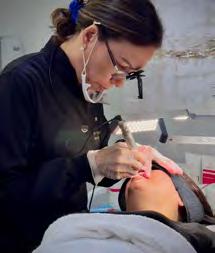
to her intuitive, healing touch and meticulous finishing details. Over time, many refused to see another beautician, choosing instead to follow Rogeria wherever her path led.
After dedicating herself fully to motherhood and spending over two decades immersed in the world of beauty, Rogeria felt the timing was finally right. She took a bold step and opened her own salon, Brazilian Touch Beauty Boutique, near Safa Park in Jumeirah, Dubai.
The boutique is thoughtfully designed to cater to every aspect of a woman’s beauty journey, offering services ranging from hair, nails, and advanced skincare to full-body treatments and signature facial therapies.
“Brazilian Touch is a space where Brazilian warmth meets Dubai elegance,” Rogeria explains. “It is where beauty connects cultures, and where every woman feels welcomed, cared for, and deeply respected.”
More than a salon, Brazilian Touch
embraces a holistic philosophy. Rogeria takes the time to understand each client beyond appearances— often becoming a trusted confidante.
“When a woman comes to me, I don’t focus solely on how she looks,” she says. “I want to understand the challenges she faces. We talk about food, nutrition, sleep, hydration, and lifestyle. I guide her on balancing oily or dry skin, nourishing hair texture, and strengthening nails through small but meaningful lifestyle adjustments.”
Mothers, in particular, appreciate Rogeria’s guidance for teenage skin concerns. “Many young girls see improvements simply by reducing sugar intake, which is often a major contributor to acne and overactive sebaceous glands,” she notes. “After all, beauty is never just skin deep—true radiance begins with inner health.”
“My salon reflects my journey of courage, connection, and purpose,” Rogeria adds. “Every woman who walks through our doors becomes part of that story.”
During Ramadan, long fasting hours and changes in sleep patterns can disrupt the body’s natural balance. However, when approached mindfully, intermittent fasting—as practiced during the holy month—can have powerful restorative benefits.
She shares her essential beauty and wellness tips for maintaining glow and vitality during Ramadan:
Embrace color at suhoor. Choose a rainbow of fresh fruits and vegetables to replenish antioxidants and polyphenols. These nutrientrich foods help restore hydration levels and support skin elasticity. Limit coffee and tea. Caffeinated drinks can contribute to dehydration during long fasting hours, impacting skin moisture and

overall energy.
Keep iftar light and balanced. Avoid overly oily or heavy meals, which may disrupt the body’s pH balance and burden digestion. Prioritize rest. Short afternoon naps can help restore energy, while aiming to sleep before midnight supports a full sleep cycle. Quality sleep lowers cortisol levels, allowing the body to heal and regenerate, especially during fasting. Support gut health. Incorporate natural probiotics such as kefir, kimchi, yoghurt, or kombucha at suhoor to nourish the gut microbiome and improve nutrient absorption.
Maintain a simple skincare ritual. Cleanse, tone, and moisturize consistently, especially before bedtime.
Boost hydration from the outside in. Use moisturizers containing hyaluronic acid and practice gentle facial massage to stimulate circulation and natural collagen production.
Enhance collagen naturally. Treatments such as microneedling and Platelet-Rich Plasma (PRP) therapy can support collagen regeneration, while body brushing and therapeutic massage promote lymphatic drainage and improved blood circulation. H



Greater vigilance, early detection, New Age treatments are helping the battle against cancer in the UAE, one individual at a time!
Myra B* a dynamic athlete and horse rider, was diagnosed with cervical cancer at the tender age of 22 years, thanks to a routine screening. Her coach and trainer insisted when he found her unusually weak and fatigued.
Myra was lucky as the cancer was caught in its earliest stages and a combination of therapy and HPV vaccination saved her life. At 30 today, Myra, a mother of a cherubic baby boy, is no longer doing competitive show jumping, but now teaches younger enthusiasts in the sport. In conversation with HEALTH Myra said, “I am eternally grateful to the people around me who loved me enough to ask me to get early screening. Thanks to their vigilance and a team of excellent oncologists and gynecologists, I am standing hale and hearty and cancer free before you!”
Every year on February 4, the world pauses to reflect, remember, and recommit on World Cancer Day, a global initiative uniting communities, policymakers, patients, and caregivers against one of humanity’s toughest adversaries.
In the UAE, where healthcare innovation continues to push boundaries, this year’s theme - “United by Unique” - feels particularly powerful. It’s a reminder that cancer is not merely a disease of the body, but a deeply personal journey of resilience, shaped by every individual’s story.
* Name changed on request
The UAE National Cancer Registry paints a revealing picture. In 2023, the country recorded 7,487 new cancer cases, up from just over 4,600 in 2019. Experts say this increase reflects both improved diagnostic capacity, and changes in population lifestyles, including ageing, obesity, and environmental risk factors.
Breast cancer remains the most common, with 1,456 new cases, primarily affecting women in their 40s and 50s.
Thyroid (794 cases) and colorectal cancers (588 cases) follow closely behind.
Skin carcinoma and prostate cancer round out the top five.
Overall cancer incidence stood at 105.4 cases per 100,000 people, higher among women (139.1) than men (90.1) due to genderspecific risk factors and screening initiatives that target women more consistently.
Cancer accounted for 12.4% of all deaths in 2023, making it the third leading cause of mortality in the country, after cardiovascular and respiratory diseases.
Professor Humaid Al Shamsi, a leading medical oncologist, Head of the Emirates Oncology Society, and the senior author of the study said that “…we have the tools, talent and vision. What we need next is coordinated execution to
become a global leader in equitable, high-quality cancer care.”
While what is stated above is cold, hard statistics, the cancer story is deeply human.
Every cancer journey is profoundly personal,” says Dr Deborah Mukherji, oncologist and member of the Emirates Oncology Society. “But our strength lies in unity. Each diagnosis reminds us of the need for awareness, empathy, and access to world-class care.
Her words echo across the UAE’s growing network of cancer centres each redefining what personalized medicine looks like in practice.
Among the UAE’s most promising advances is precision oncology which is an approach that customizes treatment based on a patient’s unique genetic and molecular profile.
In Abu Dhabi, the Personalised Precision Medicine Programme for Oncology, launched by the Department of Health – Abu Dhabi, has already guided treatment for hundreds of Emirati patients using genetic screening of 47 key cancerrelated genes.
Reaffirming its commitment to advancing oncology care, the Department of Health (DoH) has issued guidelines for testing of breast and ovarian cancer–associated genes, aimed at strengthening early
diagnosis, treatment strategies, and preventive care.
Launched in 2022 by DoH in collaboration with Cleveland Clinic Abu Dhabi and G42 Healthcare, the Personalized Precision Medicine Program for Oncology is designed to elevate genomic screening, disease prevention, diagnostic accuracy, and data-driven therapeutic decision-making for breast cancer patients. Beyond reducing the risk of recurrence, the initiative reflects DoH’s broader vision of harnessing breakthrough technologies to shape the future of healthcare and establish Abu Dhabi as a global life sciences innovation hub.
“By understanding the molecular drivers of each patient’s cancer, we can design targeted therapies that are more effective and less toxic,” says Dr Stephen Grobmyer, Chair of the Oncology Institute at Cleveland Clinic Abu Dhabi. “This is a shift from reactive care to predictive, proactive care.”
Hospitals such as Mediclinic, and the newly expanded Sheikh Shakhbout Medical City are also investing in AI-driven molecular profiling, immunotherapy, and robot-assisted surgeries, anchoring the UAE’s position as a regional hub for innovative oncology.
Despite these high-tech strides, one truth endures: early detection saves lives.
Breast cancer — the most common in women globally — can see five-year survival rates above 90% when caught in its initial stages. This insight fuels the Pink Caravan, a mobile screening initiative of the Friends of Cancer Patients (FOCP) that regularly travels across all seven emirates to promote breast cancer awareness and provide accessible mammography.
In addition, AI-based lung cancer screening programmes, such as those piloted at SEHA hospitals and Mubadala Health facilities, are helping identify disease in high-risk individuals’ years before symptoms appear.
Human Stories, Collective Resolve
At its heart, World Cancer Day isn’t about statistics — it’s about people.
It’s about a father whose wife found a lump early through community screening. It’s about a schoolteacher whose thyroid cancer was discovered at a treatable stage. And it’s about the countless caregivers, families, and health workers who form a silent network of hope behind every patient.
Cancer touches every life differently say oncologists. But when we unite care, research, and compassion, we ensure no one faces it alone.
The UAE’s vision for cancer care is both ambitious and attainable. With the rollout of genomic mapping, national screening programs, and expanded oncology training, the nation is steadily moving toward a future where cancer is not a verdict, but a challenge met with wisdom, science, and collective will.
As World Cancer Day reminds us that each year, the fight against cancer is global — but in the UAE, the spirit is distinctly that of innovation, inclusion, and unyielding hope. H

Dr. Amala Nazareth
Obstetrician and Gynecologist, Emirates Specialty Hospital
It begins silently. A young woman at a routine checkup is told about a strain of human papillomavirus (HPV), an infection so common it’s almost ordinary. But lurking within, are certain highrisk types of HPV. These have the raw potential to transform healthy cells into cancer.
Cervical cancer, the disease that can evolve from untreated HPV, is one of the world’s most preventable cancers. Yet globally and in the Middle East and North Africa, it remains a significant threat to women’s lives.
In the UAE, cervical cancer may not dominate headlines, but its imprint is real. According to the National Cancer Registry, it is the fifth most common cancer among women in the country, and the third most common cancer for women

aged 15–44. These numbers tell a story of progress intertwined with urgency- progress in prevention and early detection, urgency to push even further.
For Emirati public health leaders, the challenge has always been clearharness the power of contemporary science and unite communities behind a singular goal which is, elimination, not just treatment.
In 2020, the World Health Organization set a bold agenda- eliminate cervical cancer as a public health problem by 2030. This is anchored in the “90-7090” targets. To explain: vaccinate 90% of girls with the HPV vaccine by age 15, screen 70% of women with a high-performance test by ages 35 and 45 and ensure 90% of women with cervical disease receive treatment.
In aligning with this global blueprint, the UAE has taken decisive steps. In 2018, the country became the first in the Eastern Mediterranean region to include the HPV vaccine in its national immunization program, targeting schoolgirls aged 13–14. Since then, the program has expanded to include boys, recognizing that
wider immunization supports community-wide protection against HPV-related diseases.
The Ministry of Health and Prevention (MoHAP) has articulated a national strategy to vaccinate 90% of girls before age 15 by 2030, alongside promoting early and regular cervical screening from age 25. It is an ambitious but achievable vision — one that positions the UAE as a leader in preventive oncology across the region. The Ministry of Health and Prevention (MOHaP) adopts proactive HPV prevention strategy, promoting UAE’s leadership in the Eastern Mediterranean region.
“Prevention is our strongest ally. Every vaccine, every screening test, every conversation about women’s health brings us closer to a future where cervical cancer is exceptionally rare,” says Dr. Amala Nazareth, Obstetrician and Gynecologist, Emirates Specialty Hospital at the Dubai Health Care City (DHCC), who has dedicated her focus on women’s reproductive health, especially cervical cancer.
Cervical cancer, how it begins
Cervical cancer doesn’t emerge

overnight. It often begins as a precancerous change in the cervix’s cells, sometimes 10–20 years before it becomes invasive. The chief culprit behind this transformation is HPV, a virus transmitted primarily through skin-to-skin contact, including sexual activity. Certain types of HPV are deemed “high risk” because of their strong association with cervical and other anogenital cancers.
Risk factors that amplify a woman’s likelihood of developing cervical cancer include:
• Persistent infection with high-risk HPV strains (especially types 16 and 18).
• Exposure to multiple intimate partners
• Long-term use of oral contraceptives.
• Having multiple full-term pregnancies or a first pregnancy at a young age.
• A weakened immune system (due to conditions such as HIV or immunosuppressive therapy).
• Smoking tobacco products.
• Family history of cervical cancer.
Many women with early precancerous changes experience no symptoms at all. That’s why the disease is often dubbed a “silent” killer until it has progressed significantly.
When symptoms do occur, they can include:
• Unusual vaginal bleeding (between periods, after intercourse, or post-menopause).
• Persistent pelvic or back pain.
• Heavier or longer menstrual cycles.
• Unexplained weight loss and fatigue.
• Unusual vaginal discharge.
“Symptoms often arrive late.
That’s why screening isn’t just a recommendation but a lifeline,” cautions Dr Amala.
Vaccination, Screening, Awareness
The cornerstones of prevention are unmistakable:
• HPV Vaccination
Proven to prevent most cervical cancer cases when administered before exposure to the virus.
Recommended for pre-teens and adolescents, with catch-ups available for young adults.
• Regular Screening
Pap smears and HPV tests can detect early cellular changes long before symptoms arise.
Women aged 25–65 are urged to undergo screening every 3–5 years or more often if advised by a clinician.
• Education & Empowerment
Awareness campaigns, particularly during Cervical Cancer Awareness Month in January, focus on demystifying the disease and encouraging women to act early.
Know your risk: Discuss your personal and family medical history with your doctor.
Stay on schedule with screenings: Early detection dramatically increases chances of successful treatment.
Talk openly about health: Remove stigma; health conversations save lives.
Support someone you care about: Encourage sisters, daughters, wives, and friends to prioritise cervical health.
The International Federation of Gynecology and Obstetrics (FIGO) has become a catalytic force
advancing reproductive health across the globe, particularly in Africa and Latin America - regions where cervical cancer remains a leading cause of cancer-related deaths among women.
FIGO’s strategy is multi-pronged:
Global Partnerships
Joining the Global HPV Consortium, FIGO is intensifying efforts to accelerate HPV prevention and cervical cancer elimination sharing clinical best practices and advocacy networks.
Education & Capacity Building
FIGO’s expanding webinar and workshop series convene health professionals across regions to share evidence-based insights on screening, vaccination, treatment, and women’s reproductive rights.
Local Engagement & Training
Across sub-Saharan Africa and Latin America, FIGO collaborates with national societies to train clinicians in HPV testing and cervical precancer management, while championing community awareness initiatives. Doctors from the Gulf region, including Emirati and GCC-based specialists, increasingly participate in FIGO-led training, research collaborations and advocacy panels, bringing regional expertise to a global audience. Their contributions underscore an essential truth: women’s health knows no borders.
In the UAE, the march toward cervical cancer elimination is not abstract; it is real, measurable and unfolding now. H

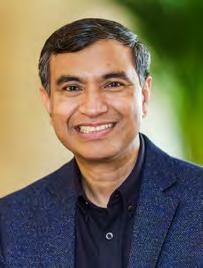
Achin Bhowmik, Ph.D., Chief Technology Officer, and Executive Vice President of Engineering at Starkey
Starkey MEA’s new launch of its Omega AI-powered hearing device in the UAE and Middle East, is redefining hearing, health, and human connection.
Achin Bhowmik, Starkey’s Chief Technology Officer and Executive Vice President of Engineering, tells HEALTH how the conjunction of technology and AI innovation is making so much sense of the world, one decibel at a time.
As we step into the month of hearing awareness and usher in the world hearing day on March 3, we need to understand the full impact of the spiked incidence of hearing loss in the world.
According to the World Health Organization, nearly 1.5 billion people worldwide live with some degree of hearing impairment, and by 2050, that number is projected to rise to
2.5 billion. More alarmingly, over one billion young adults are already at risk due to preventable causes, from unsafe listening habits to environmental noise.
Yet the most devastating impact of hearing loss is not merely the inability to hear. It is the slow erosion of connection, from conversations, to relationships, to the world itself. And increasingly, research shows, to cognitive health.
This is the crisis that Achin Bhowmik, Ph.D., Chief Technology Officer, and Executive Vice President of Engineering at Starkey, has spent the better part of his career trying to solve. And he is doing that not by making hearing aids louder, but by making them smarter.
Bhowmik’s journey to hearing health is anything but conventional. Before joining Starkey eight years ago, he spent nearly two decades at Intel Corporation, leading work in computational perception teaching machines to see, hear, and understand the world like humans do. He is also an adjunct professor at Stanford, where he teaches sensory augmentation, artificial intelligence, and cognitive neuroscience. “I was working on helping robots understand humans,” he says. “Then I realised I could use the same science to help humans understand each other better”
That shift was sparked by a conversation with Starkey founder Bill Austin, a legendary figure in hearing science who has fitted hearing aids for presidents, popes, and royalty. Austin had a vision: hearing aids should not merely
amplify sound; they should restore understanding.
Hearing goes beyond listening, it’s about perception
For decades, hearing aids did one thing exceptionally wellamplification. They boosted sound based on the user’s hearing loss profile, compensating for frequencies the ear could no longer detect. In quiet, one-on-one settings, this worked beautifully.
But in restaurants, family gatherings, or business meetings, particularly places where communication matters most, traditional hearing aids often failed. Users complained that everything became louder - voices, clattering plates, background chatter. Many simply removed their devices.
The problem, Bhowmik explains, is not volume. “It is signal-to-noise ratio (SNR) —the brain’s ability to separate the voice you want to hear from the noise you don’t”
Normal hearing brains can manage this reasonably well. Brains affected by long-term hearing loss cannot. Over time, lack of clear auditory input leads to neural atrophy, weakening the brain’s ability to distinguish speech from noise. This is why hearing loss is now strongly linked to cognitive decline and dementia.
The breakthrough came with a radical idea: if the brain uses deep neural networks (DNN) to process sound, why shouldn’t hearing aids?
Traditional hearing aids rely on digital signal processors (DSPs), which simply don’t have the power
to run deep neural networks. Starkey’s engineers had to build something entirely new: a custom processor designed specifically to run AI models inspired by the human brain.
The result is Omega AI, Starkey’s most advanced hearing platform yet.
Achin elaborated: “At its core is a deep neural network trained on vast datasets of noisy speech, enabling the device to identify, enhance, and prioritise human voices while suppressing irrelevant noise. Our new flagship platform Omega AI delivers up to 28 per cent improved speech intelligibility and up to 8 decibels signal-to-noise ratio improvement, with up to 51 hours of battery life and 10x more durable waterproof coating. It’s not incremental; it’s transformative.”
Perhaps the most profound implication of Omega AI is what it does over time. By consistently delivering cleaner speech signals, the device helps retrain the brain itself - a phenomenon known as neuroplasticity.
Studies from institutions such as Johns Hopkins have shown that untreated hearing loss dramatically increases the risk of dementia. Mild hearing loss doubles the risk; severe loss increases it fivefold. Proper hearing intervention, by contrast, can slow or even reverse aspects of cognitive decline.
“Hearing aids are not optional accessories,” Bhowmik says. “They are cognitive health devices,” added Achin.
Heightening cognition and spatial awareness
Omega AI also tackles another oftenoverlooked problem: spatial hearing. Humans don’t just hear sounds; we

locate them. Direction, distance, and depth all contribute to how natural and comfortable listening feels.
Omega AI introduces what Starkey calls DNN-360, a neural-networkdriven system that preserves spatial awareness. By mimicking how the brain processes timing differences, intensity differences, and ear-shape acoustics, the device allows wearers to instinctively know where sounds are coming from.
The effect is subtle but profound. Conversations feel natural. Listening is less tiring. Social withdrawal, which is a common side effect of hearing loss, becomes less likely.
Then there are the features no one used to associate with hearing aids at all. Achin explained how Omega AI devices track physical activity, monitor overall health, and include fall detection that can automatically alert loved ones in an emergency. He recalls an incident when a man who was using the device had a fall and the device immediately alerted caregivers who arrived to help the man.
Omega AI devices also stream calls,
music, and audiobooks. Battery life stretches beyond two full daysremarkable for a device performing continuous AI processing. They even offer real time language translation, turning spoken Arabic into English, or Spanish into English, directly in the wearer’s ears. Achin who does not suffer from hearing loss, wears the device himself. “I get better hearing than normal human hearing,” he says, smiling. “Why wouldn’t I use it?”
In Bhowmik’s vision, Omega AI is only the beginning. As AI assistants become woven into daily life, hearing devices may become our most natural interface with technologyalways on, always listening, always assisting. These are no longer medical devices alone. They are companions, translators, memory aids, and cognitive partners.
Hearing aids need to be fitted by professionals and Starkey MEA is currently training audiologists and doctors and hearing specialists within the UAE to comprehend the full benefits of this revolutionary device so that they can impart the optimum performance to each individual as per his or her needs. H

Be it teaching, aesthetics, healing or … when women take up a path, they add their unique feminine vision, inspiring all, empowering the downtrodden and winning everyday battles with grace and quiet poise. This International Women’s Day, themed on the power of gratitude, let us commemorate the unsung heroes of our lives.
When conversations around gratitude and giving back take centre stage, Rouble Nagi’s story feels especially resonant. Gratitude, for her, is not a speech or a sentiment. It is a practice that is painted on walls, carried into forgotten villages and slums, and translated into opportunities for children who were once invisible to the system.
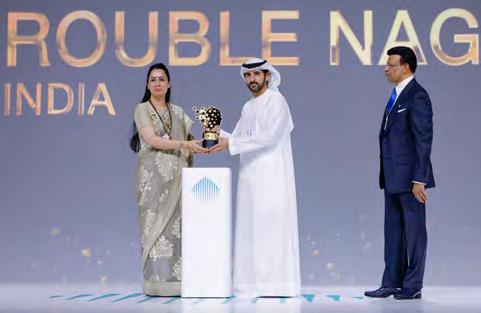
When Rouble was announced as the winner of the 2026 GEMS Education Global Teacher Prize at the World Governments Summit in Dubai, the applause was global. Yet, for Rouble, the moment was deeply personal. Selected from over 5,000 nominations across 139 countries, she stood not as an individual success story, but as a representative of communities that shaped her purpose. “Everything I have achieved,” she says, “comes from what society gave me first.” Her life’s work has been about returning that gift many times over.
Over the past two decades, Rouble has quietly redefined what a classroom can look like. Through the Rouble Art Foundation (RNAF), she has established more than 800
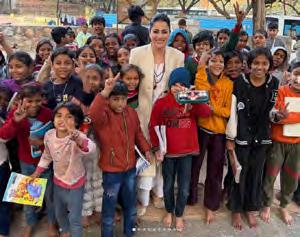
learning centres across over 100 underserved communities in India. These are not conventional schools with blackboards and bells, but safe, welcoming spaces where children, many of whom have never held a pencil, begin their journey into structured learning and, eventually, mainstream education.
At the heart of her approach is a deceptively simple idea: walls can teach. Nagi’s “Living Walls of Learning” transform neglected, broken walls into large-scale, interactive murals that teach literacy, numeracy, science, hygiene, environmental awareness and social responsibility. These are not decorative artworks. They are open-air classrooms, accessible to every child who walks past, engaging parents and turning entire neighbourhoods into stakeholders in education.
Art, in Rouble’s hands, becomes an act of gratitude the communities that trusted her, to children who showed her resilience in the harshest conditions. Gratitude to teachers often local women, whom she recruits, trains and mentors. More than 600 educators now form the
backbone of her work, delivering a scalable model that meets children where they are academically, socially and economically.
Her classrooms operate amid realities many educators never encounter - poverty, child labour, early marriage, irregular attendance and a lack of basic infrastructure. Instead of viewing these as obstacles, Rouble designs education around real life. Thus, flexible schedules for working children, hands-on learning using recycled materials, and practical lessons that demonstrate immediate value to families are what power her teaching. The impact has been profound: dropout rates reduced by over 50 per cent and significantly improved long-term school retention.
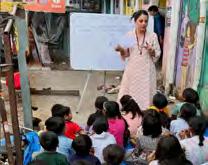
Sunny Varkey, Founder of the Global Teacher Prize and GEMS Education, captured this spirit when he said, “Rouble Nagi represents the very best of what teaching can be - courage, creativity, compassion, and an unwavering belief in every child’s potential.” UNESCO’s Stefania Giannini echoed this, noting that Rouble’s work affirms “the right to learn, to dream, and to build a future with possibility.”
Gratitude, in Rouble’s world, extends beyond classrooms. RNAF’s initiatives span menstrual hygiene awareness and sanitary napkin distribution, particularly in regions like New Delhi and Kashmir, where taboos and access gaps persist. The foundation provides school benches to improve learning environments, conducts nationwide art workshops, and fosters open dialogues around diversity, inclusion and gender equality. Women and girls are central to this vision - not as beneficiaries alone, but as leaders, educators and change-makers.
An internationally recognized artist and urban renewal pioneer, Rouble has created over 850 murals and sculptures and exhibited in more than 200 shows worldwide. Yet accolades - from the Jijamata Award to being the first artist invited to exhibit at the Rashtrapati Bhavan Museum - sit lightly on her shoulders. They matter only insofar as they amplify her mission.
True to that ethos, Nagi plans to invest the $1 million prize money into building a Skilling Institute, offering free vocational and digital literacy training to marginalised children and young people. It is, once again, her way of giving back of ensuring that gratitude becomes opportunity.
On most mornings in Dubai, before the city gathers speed, Loubna Larhzal begins her day the way her grandmothers did in Casablancawith gratitude.

Gratitude for the scent of crushed herbs between her fingers. Gratitude for the rituals of beauty passed down in kitchens rather than classrooms. Gratitude for the quiet resilience of women who built lives with what the earth gave them.
Born in Morocco and raised amid its rich geography, Loubna grew up steeped in natural remedies, homemade recipes, and ancestral wisdom. She studied Business Management and went on to work across Morocco and France, building a career shaped by discipline and ambition. When she moved to Dubai to pursue opportunities in real estate, it seemed like a logical progression. But logic, she says, is not always the same as calling.
Her true passion lay elsewhere - in natural beauty, in the transformative power of simple ingredients, and in the heritage of Moroccan self-care rituals. Inspired by generations before her, Loubna trained professionally as a makeup artist, earning international certifications and refining her craft. Yet for her, makeup was never about glamour alone. It was about confidence. About helping women see themselves differently. About honoring natural beauty rather than masking it.
Social media became her canvas. Through tutorials, advice and storytelling, she began sharing not just techniques but traditions explaining the why behind the rituals, the history behind the herbs.
Her creativity does not stop at beauty. Alongside her husband, she co-hosts a channel called Loubna Says, where they celebrate Arab traditions, recipes and health tips from across the region. Cooking, for Loubna, is another form of gratitude; a way of preserving culture, of connecting generations, of reminding audiences that wellness begins at home.
Her philosophy is deceptively simple: “We must not think of the objective to be attained, we must only think of moving forward. It is thus, by advancing, that one reaches or doubles one’s objectives without even noticing it.”
It is advice she lives by. From Casablanca to Paris to Dubai, each chapter has been less about chasing milestones and more about steady evolution.
This International Women’s Day, she is grateful for where she comes from, for the women who shaped her, and for the chance to transform heritage into modern expression.
In a city that celebrates ambition, she reminds us that the most powerful journeys are often rooted in remembering and honoring where we began.
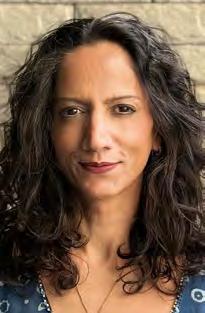
On a mud floor in rural Pakistan, between the rhythm of breastfeeding a child and tending to a simmering pot, a woman stitches. Outside, the monsoon has washed away roads and certainty of existence. Inside, her needle moves steadily through layers of fabric, pulling together fragments of thread. Pakistan’s centuries-old patchwork quilting tradition. In that simple act of stitching lies survival, dignity and, as Zein Ahmed would say, an entire philosophy of gratitude.
Since 2020 Zein, Pakistani American designer and social entrepreneur, has been building Love Handmade, an initiative that now supports more than 100 women artisans. What began as a response to the economic collapse triggered by COVID, and later the devastation of the 2022 floods, has evolved into something far deeper:
a model that blends heritage crafts like ralli and ajrak block printing with digital training and market access, ensuring that ancestral skills translate into sustainable livelihoods.
But to Zein, Love Handmade is not merely a brand. “I’m a designer, builder, and listener,” she says. For over two decades, she has tried to make sense of the world through fabric, color and the lives of the women who create them. She speaks not of charity but of dignity. Not of rescue, but recognition. In this year’s International Women’s Day issue, themed around gratitude, Zein’s voice feels particularly resonant. Ask her what she is most grateful for, and she does not mention awards, markets or media coverage. She speaks instead of “the women who stayed”; the rural artisans who kept stitching when their homes collapsed in floods, when their husbands lost work, when the world dismissed their craft as irrelevant.
“Their persistence taught me that survival is an art form,” she reflects. It is a lesson that reshaped her definition of success. Once, like many founders, she measured growth in numbers including sales, mentions, and visibility. But sitting in courtyards with women who stitched between caring for children and elders shifted her lens. Success became quieter. It became the relief of a family avoiding debt after a disaster. It became a daughter staying in school. It became a woman saying, “This year, I didn’t have to borrow money.”
In a world obsessed with speed, Zein has chosen slowness as strategy. The ‘slow’ in slow fashion, for her, is not a trend but a form of strength. Moving slower allowed her to see what urgency often hides: the muscle memory in a craftsperson’s hands, the cultural memory embedded in each motif, the humanity behind
every product. “Growth built in haste collapses quickly,” she says. “Growth built with patience grows roots.”
That patience extends to leadership. Working with weaving communities dismantled her belief in the lone hero entrepreneur. In artisan ecosystems, resilience is collective, woven like threads in a fabric. A woman can work because someone else watches her child, fetches water, prepares the fabric. Leadership, Zein learned, is not about standing above but standing beside. It is stewardship of people, of culture, of trust.
Today, Love Handmade equips artisans not only with refined design sensibilities but also with digital tools and market pathways—bridging rural courtyards to global stores. It is heritage meeting modernity, not as compromise but as continuity.
On International Women’s Day, Zein expresses gratitude for the “uncelebrated strength” of rural women—the ones who stitch through power cuts, rebuild after floods, and create beauty within broken systems. “They are not beneficiaries of development,” she says firmly. “They are the architects of it.”


In a world increasingly obsessed with visibility, metrics, and instant recognition, Dubai-based Jani Viswanath has chosen a quieter path. It is one that does not seek applause but instead works towards transforming lives. As the world marks International Women’s Day with the theme of gratitude and giving, her journey offers a compelling reminder that true privilege lies not in what we possess, but in what we choose to share.
For Jani, gratitude is not a sentiment; it is a responsibility. “My greatest privilege,” she says, “is the ability to use my privilege to give voice to those who do not have a voice in society.” It is a philosophy shaped early in life by her father, who taught her the difference between ambition and greed, success and happiness, and wealth and worth. “Success,” he told her, “is about net worth. Happiness is about self-worth.” That lesson became the moral compass that would later guide her humanitarian work.
Twelve years ago, Jani founded Healing Lives, a humanitarian family foundation that has since touched
thousands of lives across India, Bangladesh, and Africa. What began as an instinctive desire to help has evolved into a multi-dimensional ecosystem of education, healthcare, agriculture, disaster relief, and community empowerment.
One of the foundation’s most impactful initiatives began in Kenya, where Jani and her team worked with a local NGO to identify promising students who lacked financial support. “We mentored them and funded their education right through medical school,” she says. “Today, they are fully qualified doctors making a huge difference in their communities. What is also heartwarming is that they are also the first to step in when we organize free medical camps.”
Education remains a cornerstone of her work. From supporting Moran Blind School in Assam to creating the concept of “Open Air Schools” in remote villages, Jani has helped bring learning to children who had never stepped into a classroom. Her foundation has donated uniforms, books, bags, and school fees to over 3,000 village children, while also offering scholarships for nurses in India, Bangladesh, and through the Tibetan Children’s Village in Dharamsala.
But Jani’s understanding of social change is deeply pragmatic. “When people don’t have water or food, talking about education might not be what they are hungry for,” she says. This realization led her to agriculture and infrastructure initiatives: setting up seed banks in Maharashtra and Uttar Pradesh, donating tractors to farmers like Padmashree awardee Rahibai Popare, and creating water retention bodies that sustain entire villages. In moments of crisis, Healing Lives has delivered disaster relief across Manipur, Assam, Tripura, Kerala and beyond, supplied oxygen concentrators during COVID-19, and
funded surgeries during the postpandemic outbreak of mucormycosis.
Her work extends across borders: medical camps in Angola, South Sudan, Somalia, Kenya, Bangladesh and India; sponsorship of national blind football tournaments; and marathons like “Run-for-Her,” designed to empower rural women in Maharashtra. The list is vast, but Jani resists the language of achievement. “I’m not doing anything extraordinary,” she says simply. “I’m healing one life at a time.”
What sets her apart is not scale alone, but sensitivity. Jani believes women bring a unique lens to social work. It is one shaped by empathy and attention to invisible details. “Men often see the macro picture,” she reflects. “Women notice the micro realities… the silent struggles.” Yet she resists labels, arguing that true equality lies not in competition but in complementarity.
Perhaps the most profound aspect of Jani’s philosophy is her belief in hope. “Between stimulus and response, there is a space,” she says. “In that space lies our power to choose. And in that choice lies our growth and freedom.” For her, giving is not about money alone; it is about time, listening, presence, and belief. “Sometimes,” she says, “all people need is someone who believes in them.”
As International Women’s Day celebrates gratitude, Jani Viswanath’s story reminds us that the most meaningful form of gratitude is action. And as she says: “the most enduring legacy is not what we give, but what we help others become.” H
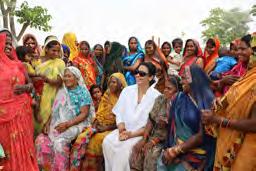





FIRST JCI ACCREDITED HOSPITAL IN AJMAN Setting Benchmarks in Quality & Safety
Become part of Thumbay Healthcare’s journey in advancing healthcare.
A global destination for advanced surgery.
The largest private academic hospital network in the Gulf
Next-Gen Operating Theaters & Precision Technology Built for complex and specialized surgeries.


Doctors as Adjunct Faculty Opportunities to teach, train, and develop certificate & diploma programs.
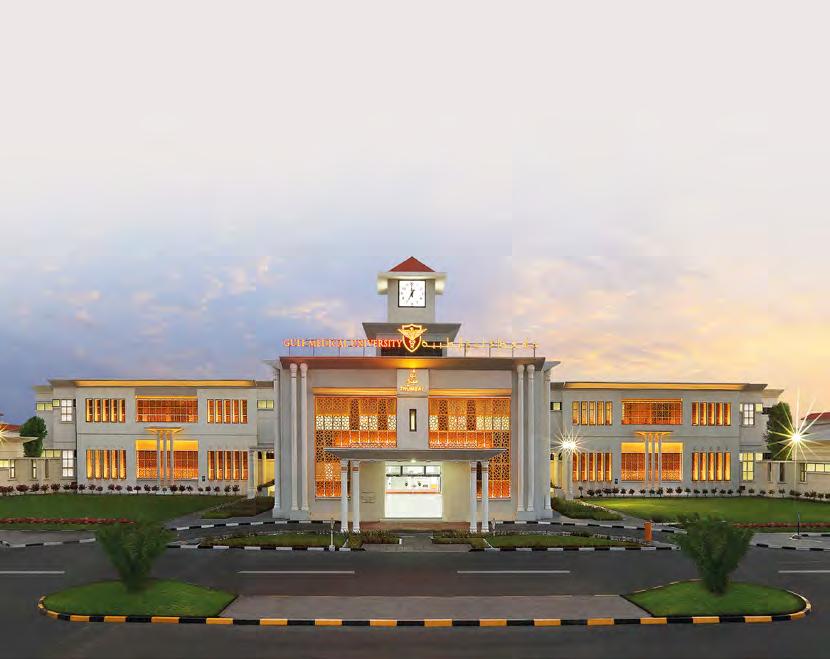
In a span of 28 years, GMU (Gulf Medical University), UAE’s first medical university with a teaching hospital, has witnessed a meteoric rise building its trajectory from being the foremost academic institution in the Gulf region to being a strong contender as a leading medical university in the global arena.
There is a defining moment in the life of every great institution when achievement transforms into responsibility. For Gulf Medical University, that moment is now.
Over a quarter of a century, GMU has steadily built its reputation as one of the most respected academic healthcare institutions in the region. Through disciplined academic
planning, deep clinical integration, international accreditations, and a consistent focus on professional excellence, the university earned its position as a leader in the Gulf’s medical education landscape. Students from across the world chose GMU not only for its programs, but for the ecosystem it offered, a place where education and healthcare coexist, where hospitals become classrooms, and where professional identity begins long before graduation.
But leadership alters perspective. Once an institution has proven what it can achieve, the question evolves. It is no longer about
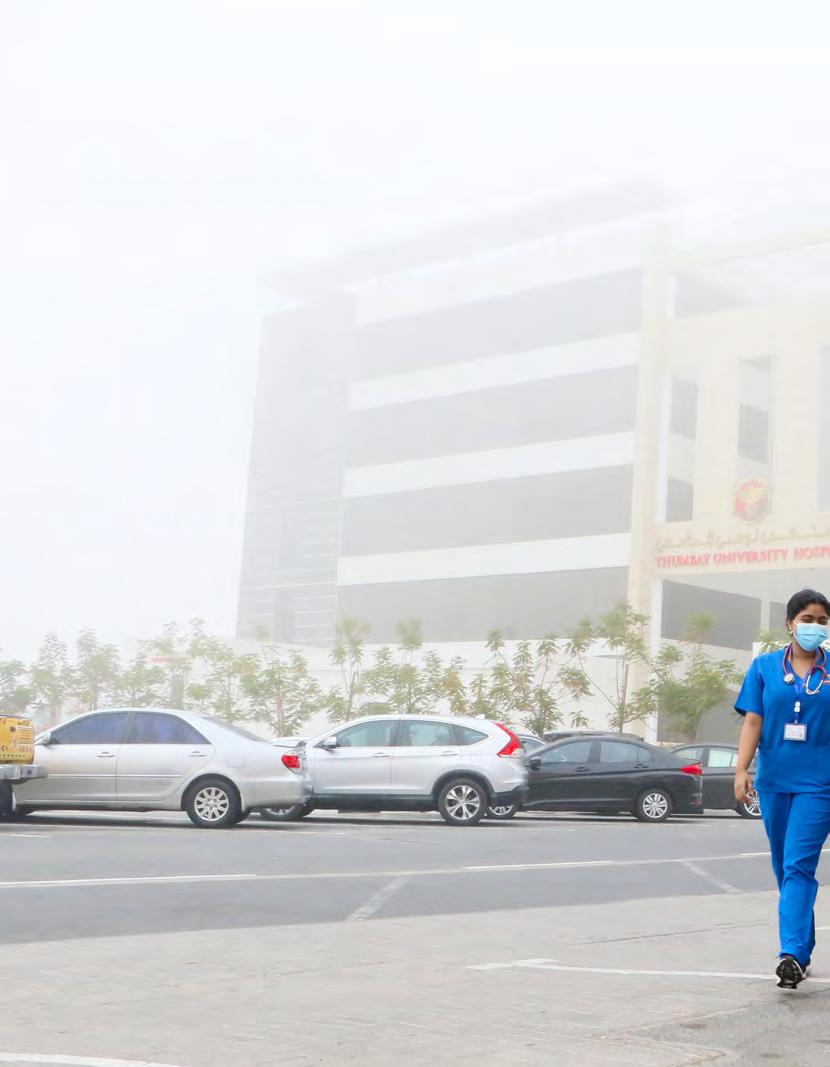
recognition within a region. It becomes about contribution to a world.
This shift marks the next chapter for GMU.
GMU’s rise in the Gulf was not accidental. It was built patiently, through the vision of its Founder President, Dr. Thumbay Moideen, who believed that healthcare education must be immersive, human, and clinically alive. His founding philosophy rejected separation between learning and healing. Instead, he imagined an
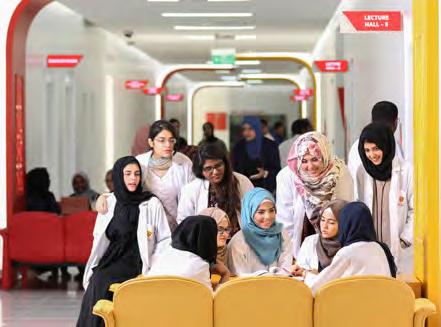
integrated academic healthcare system where universities, hospitals, research centers, and communities function as one living environment. That philosophy continues to shape every dimension of the institution today.
Over the years, GMU expanded into a multidisciplinary academic healthcare university encompassing medicine, dentistry, pharmacy, physiotherapy, biomedical sciences, health sciences, and healthcare management. Each discipline was developed not simply to add scale, but to reflect the interconnected nature of modern healthcare. Students were placed early into real clinical settings. Simulation and research became foundational, not supplementary. Ethics, empathy, and leadership were woven into scientific training. Education became not preparation for practice, but a form of practice itself.
The results of this approach are visible across continents. GMU graduates serve in hospitals, universities, research institutions, public health organizations, and healthcare enterprises worldwide. They perform complex surgeries, lead clinical departments, develop pharmaceutical innovations,
manage healthcare systems, and deliver care in diverse cultural environments. Their professional journeys form a quiet but powerful testimony to the university’s philosophy: competence grounded in experience, confidence shaped by responsibility.
Yet success in the Gulf was never intended to be a destination. It was the foundation for the future.

The dawn of a new era
As GMU enters its next phase, its ambition is aligning with a broader horizon. The university is strengthening its global academic alliances, expanding research and innovation platforms, integrating emerging disciplines such as digital health and artificial intelligence into education, and deepening its role within international healthcare and academic networks. The aim is not to emulate older global institutions, but to define a contemporary model
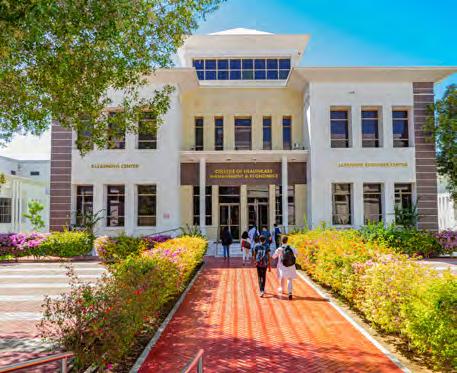
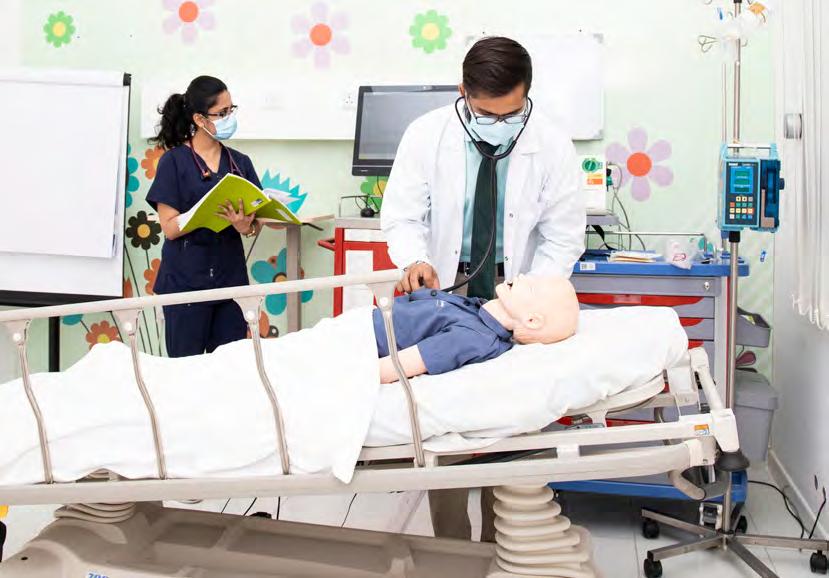
of medical university educationintegrated, agile, interdisciplinary, and socially accountable.
This evolution reflects a deeper understanding of what the future of healthcare demands. Medicine today is no longer confined to clinics and operating theaters. It intersects technology, policy, data science, behavioral sciences, and global collaboration. Healthcare professionals must navigate complexity, cultural diversity, ethical dilemmas, and
rapidly advancing innovation. The modern medical university must therefore do more than transmit knowledge. It must shape judgment. It must cultivate adaptability. It must instill a sense of global responsibility.
Gulf Medical University’s integrated academic healthcare ecosystem positions it uniquely for this role. Its teaching hospitals, clinical networks, research environments, and industry partnerships allow education to flow directly into
application. Students encounter real healthcare challenges early. Faculty bridge academia and clinical practice. Research is not distant from patient care. Innovation is not abstract. It is embedded.

As Chancellor Prof. Manda Venkatramana has often emphasized, GMU’s mission is not simply to graduate healthcare professionals, but to nurture healthcare leaders and thinkers who will shape the future of
medicine. This philosophy now extends beyond regional excellence toward global academic relevance.
The transition from being No.1 in the Gulf to becoming a medical university of global influence is not marked by a single announcement or ranking. It is defined by its orientation, by the conversations an institution joins; by the problems it chooses to engage with, by the standards it sets for itself and by the responsibility it accepts toward the wider world.
Gulf Medical University’s direction today reflects that shift. Its gaze is outward. Its partnerships are international. Its research questions are global. Its classrooms increasingly resemble the world itself, diverse in culture, perspective, and aspiration.
In this transition lies GMU’s most meaningful achievement. It hasn’t just become a leader in the Gulf but has catapulted itself to a position of relevance in the world.
In healthcare education, true greatness is not measured by how many students are taught, or how many degrees are awarded. It is measured by how deeply an institution prepares its graduates to serve humanity, how responsibly it advances knowledge, and how courageously it contributes to the future. Gulf Medical University has reached the stage where its legacy will not be defined by what it built, but by what it shapes.
What is unfolding now will shape things on a far larger scale that goes beyond this region. It is shaping the future of global healthcare education. H

On February 9, 2026, Dr Thumbay Moideen, president of Thumbay Group launched the Thumbay Medicity Dubai. A landmark Academic Healthcare Destination, Thumbay Medicity, Dubai will have a capacity for 3000 Students, 1000 employment oppurtunities, and a floating population of 6000, integrating Education, Healthcare & Research. Yet another important milestone in the trajectory marked out for GMU in the UAE !


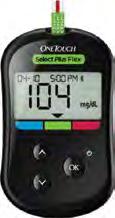


Dr Nahla Kazim Specialist in Reproductive health and founder of Kazim’s Fertility Barza, Abu Dhabi
Q: If a young lady decides to freeze her eggs, what is the ideal age and what are the dos and don’ts for it?
In modern times, oocyte cryopreservation or egg freezing is one of the most empowering reproductive health choices young women have today.
The process of retrieving, freezing and storing a woman’s egg for future use, is what egg freezing enigma is all about, that gives the woman a choice, an autonomy and a hope for future motherhood.
The reasons for egg freezing could be many. A young woman might be facing some gynecological condition such as recurrent ovarian cysts, endometriosis and a few other conditions like low ovarian reserve with risk of premature ovarian failure, requiring her to take early decisions on her reproductive health. Or she could be undergoing chemotherapy where she has her eggs frozen, prior to undergoing the treatment to protect her fertility from gonadotoxic harm. Or she may be at such a crucial junction in her career or education where she requires to postpone marriage or motherhood until

she finds a right life partner.
Whatever the reason, a woman can exercise her right and do what is best for herself and family. In other words, have her eggs extracted effectively while at the peak age of 25-35 and have them frozen. Of course, egg freezing can be done even earlier or later than the highlighted age, depending on the circumstances or the medical conditions.
To explain the process briefly, it starts with ovarian stimulation, in which the patient is advised hormone injections to trigger the ovaries to produce several eggs. A woman undergoes regular ultrasounds and blood tests to track egg development over this period.
The eggs are taken using a minor procedure under sedation called follicular aspiration, once mature. After extraction, they are vitrified, to prevent ice crystal development and can be used for future times. Current Fertility legislations in UAE allow the freezing of eggs, embryos and sperms for up to 5 years.
We, at Kazim’s Fertility Barza, are happy to hold this conversation with women desiring this and can guide them through it.
Dr Anil Kumar
Consultant Endocrinologist & Diabetologist, Prime Health Care Group
Q: What is HbA1c and why does it go high when our blood sugar is high. How can one bring it down with good diet and nutrition?
Glycated hemoglobin (HbA1c) measures the percentage of hemoglobin—a protein in red blood cells that carries oxygen—that has bonded with glucose (sugar) in the bloodstream. When blood sugar levels are high, more glucose molecules bind to hemoglobin, resulting in a higher HbA1c level. When blood sugar levels are normal, HbA1c remains lower. This test provides an indication of good or poor blood sugar control over the previous three months.
An HbA1c reading of less than 5.6% is considered healthy and normal. A value between 5.7% and 6.4% indicates prediabetes, while a reading of 6.5% or higher confirms diabetes. An HbA1c level above 7% indicates poor blood sugar control and requires medical intervention. In individuals with confirmed diabetes, an HbA1c target of below 7% is generally recommended, although the final target depends on the patient’s age and other medical conditions. Any value above this target should be addressed promptly. An HbA1c of 7% or higher must be flagged by the doctor and brought under control to prevent damage to vital organs.

When a person has prediabetes (HbA1c 5.7%–6.4%), the doctor will recommend lifestyle modifications, including diet and exercise. This includes regular physical activity for 30–45 minutes at least six times a week, stress reduction through breathing exercises or meditation, and adopting a diet with minimal direct sugar intake. Emphasis should be placed on low–glycemic index foods, such as vegetables (complex carbohydrates, high-fiber foods) & proteins , which slow glucose absorption into the bloodstream. If prediabetes persists after six months of lifestyle changes, medications may be introduced as per clinical guidelines. If prediabetes continues or type 2 diabetes mellitus is confirmed, it is advisable to consult a healthcare professional, preferably an endocrinologist, to develop an individualised plan. This typically includes a combination of anti-diabetic medication, a high-fiber and nutrient-dense diet, and a structured exercise program to lower HbA1c levels.
It is advisable to check HbA1c every three months if blood sugar is not well controlled, or every six months if it is well controlled. Regular monitoring helps maintain good diabetes control and grip on your diabetes and prevent further damage to organs that uncontrolled diabetes can unleash on a person.
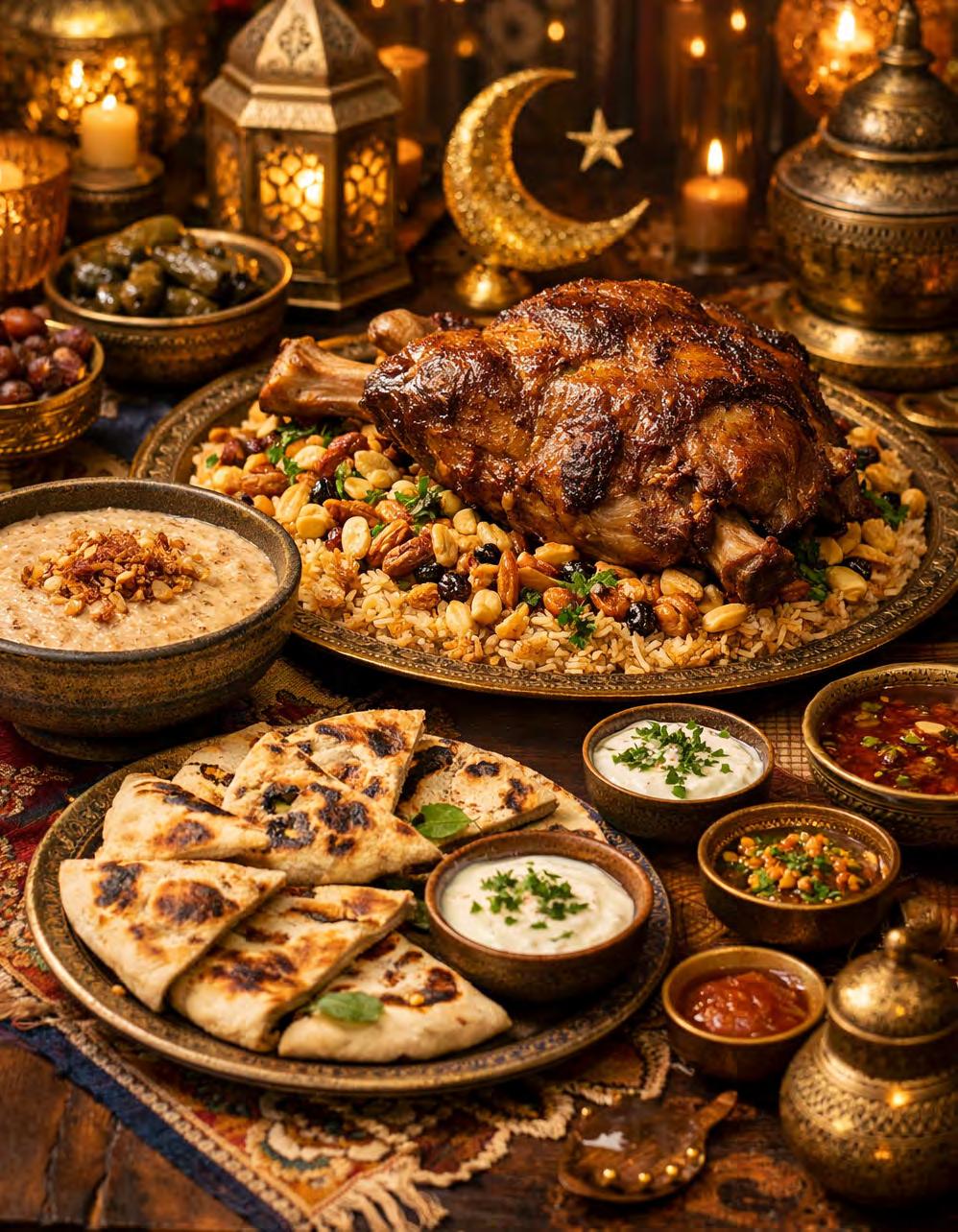
Usher in Eid Al Fitr with a fusion of global culture and tradition trying out special festive spread. From Levant to Middle East and the Asian subcontinent, sample scintillating starters, stews, main course and desserts!
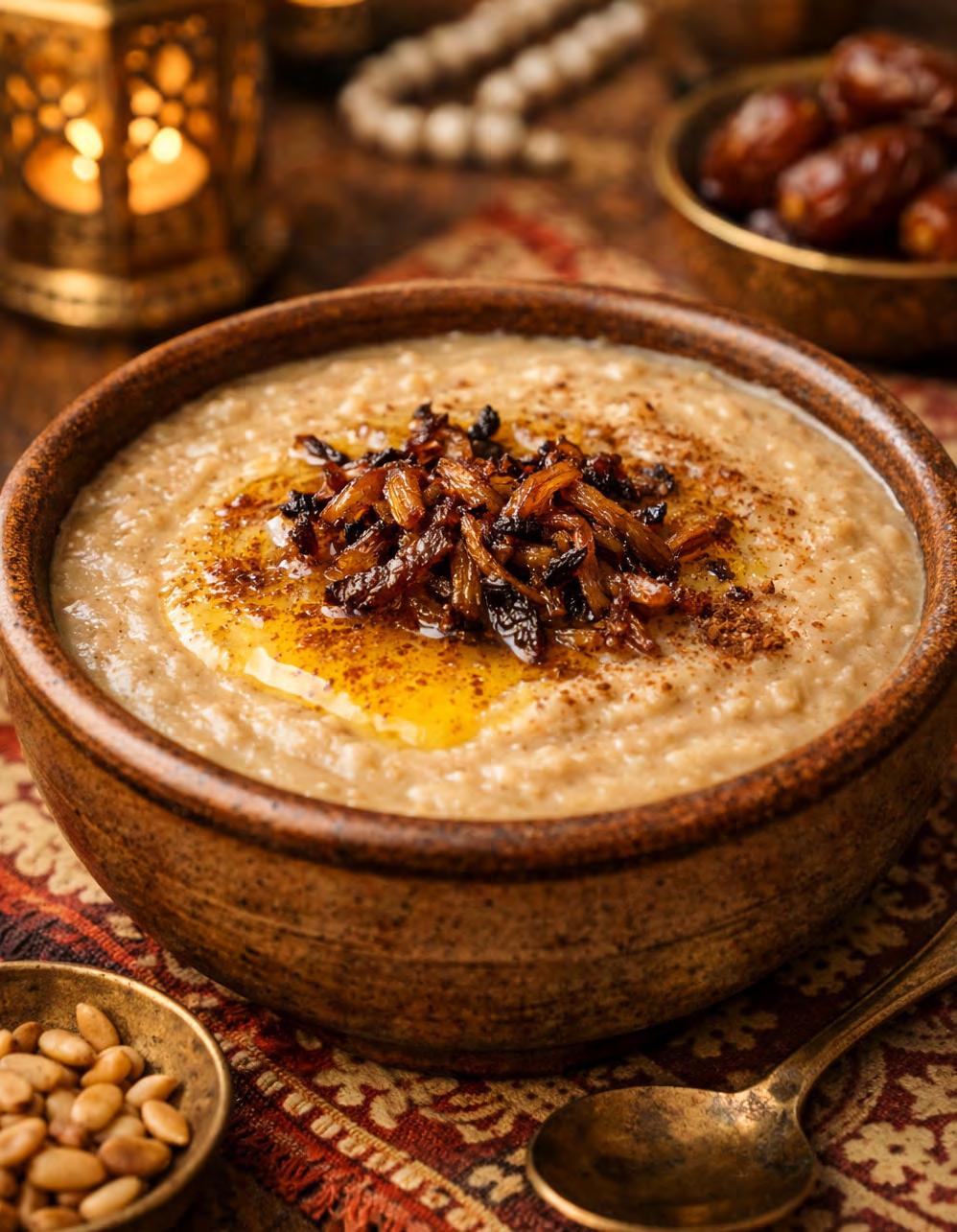
• Wheat: Two cups of harees or whole wheat berries, soaked overnight or for at least 8 hours.
• Meat: 1 kg lamb or chicken meat (bone-in is best for flavor)
• Onion or leeks: four medium pieces, chopped and roasted in clarified butter until crisp
• Cinnamon: 2 sticks
• Cumin seeds: One tsp
• Black Pepper powder: 1 tsp
• Salt: to taste
• Clarified butter or ghee: ½ cup
• Liquid: Water (as needed)
• Crush and soak the wheat berries overnight
• In a pot, take a tablespoon of clarified butter, add a little cumin and cinnamon. When lightly browned, add freshly chopped and washed lamb meat, cover it with with water and bring to a boil, remove all the excessive foam that skims to the top and cook for 30 minutes.
• Then add the soaked wheat berries, the cinnamon sticks, black pepper powder and salt, bring to a boil and then reduce the flame and keep the pot to simmer on slow heat.
• Cover the pot with a tight-fitting lid and simmer for 2 to 4 hours, stirring every 15–20 minutes to prevent the bottom from burning. If required, add hot water to keep the ingredients in broth like consistency.
• In a separate pan, take olive oil, first add the chopped leeks or onions and fry until golden brown and set aside
• Then take some clarified butter and add one tablespoon of cumin seeds, toast until golden brown and set aside.
• The dish is ready when the meat is falling off the bone and the wheat has broken down into a porridge-like consistency.
• Once it is in this consistency, debone the mixture, taking out the bones and finely crushing the larger pieces till it is a porridge like consistency.
• Season with cinnamon, adjust the salt to taste, add the cumin butter and garnish with crispy leeks.
• Serve hot
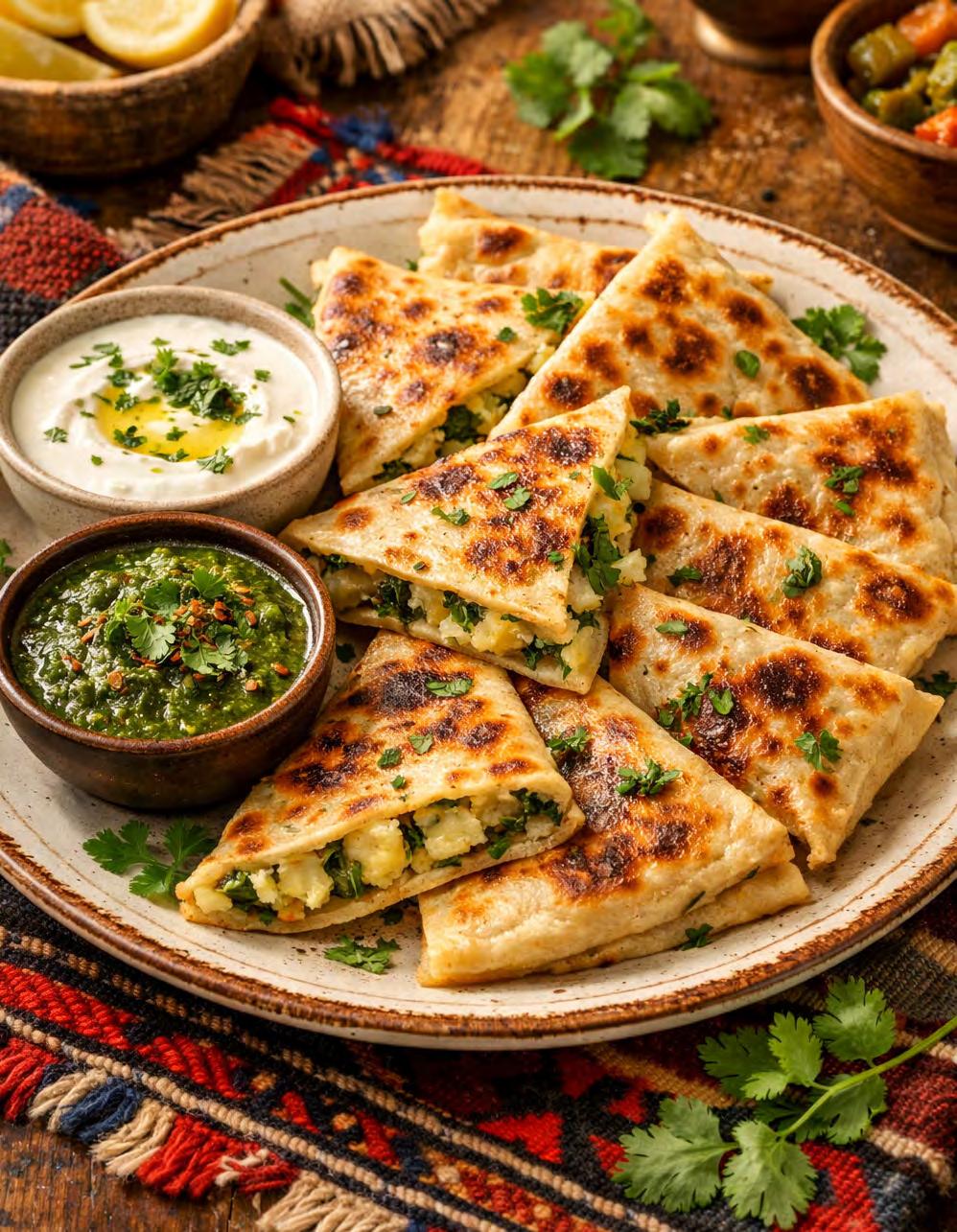
Ingredients
• For the flatbread
• Flour (whole wheat): three cups
• Vegetable oil: 11/2- 2 tablespoons
• Salt: To taste
• Instant yeast: ½ tsp
• Water (lukewarm): 1 cup
• For Filling
• Potatoes Two large pieces, peeled, cut into 1 cm cubes
• Green onion Six stalks, finely chopped
• Fresh cilantro One cup (finely chopped)
• Green chili One pc (minced)
• Ground coriander One tablespoon
• Salt To taste
• Turmeric powder One tsp
• Ground black pepper ½ tsp
• Vegetable oil: 21/2 tbsps (for frying)
• Method
• In a bowl, add the lukewarm water, oil, yeast and the flour and mix well. Knead well into dough and cover with a damp cloth and set aside for a minimum of 30 minutes till the yeast works making the dough pliable and elastic
• In a separate pot take the peeled and chopped potatoes and cook well. Take it off the fire, mash well, add the chopped green onions, spices and salt.
• Cut the risen dough into eight separate pieces.
• On a flour board use dry flour and roll out each of the dough pieces into a thin round bread.
• Fill the mashed potatoes and onion and fold the bread into half moon pieces. Seal like a half moon pocket and on a heated skillet, pour some oil to shallow cook each bread.
• Cook on a slow fire, evenly on both sides, till it is well done, red and crisp.
• Serve hot with Afghani green chutney. If you require to serve in bite-sized pieces as a snack, cut it into triangular pieces, garnish with chopped cilantro
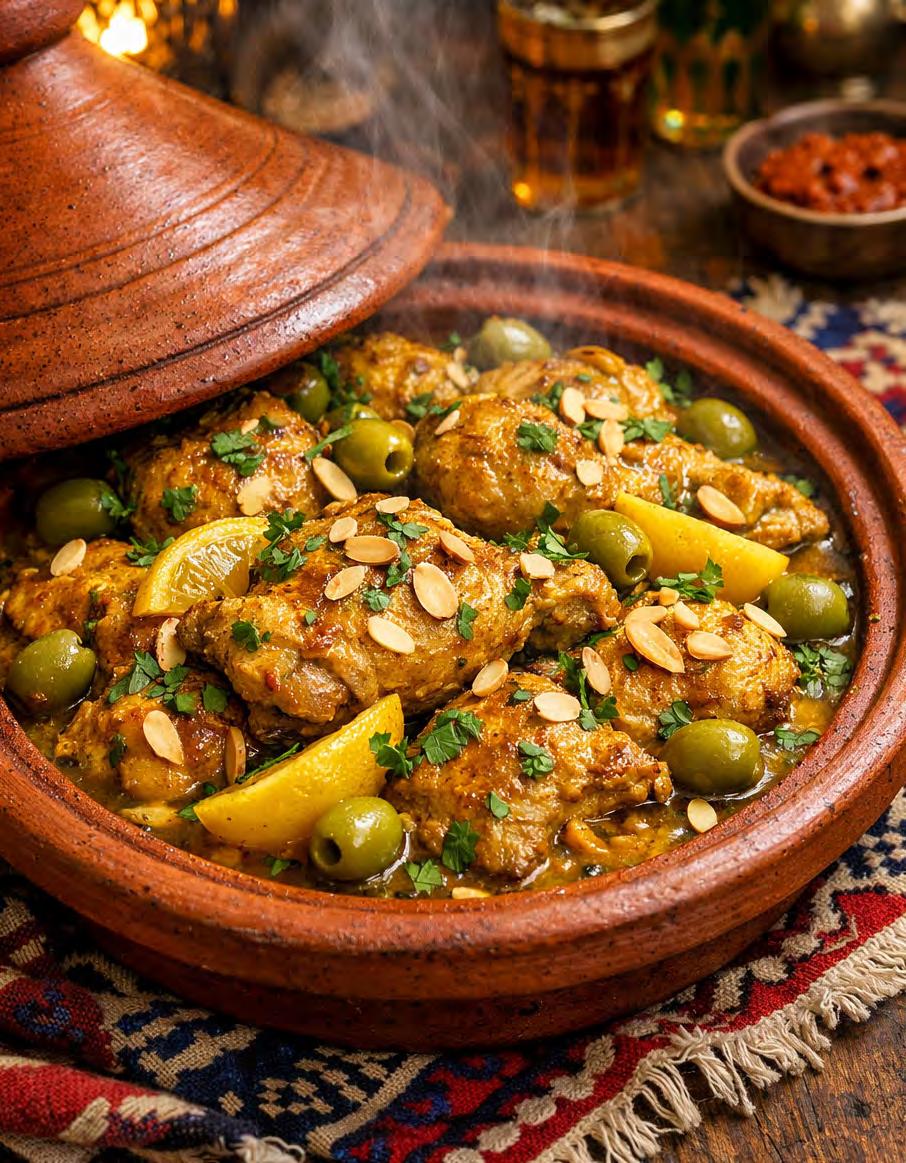
• Chicken thighs or drumsticks: 6 pcs
• Onions (finely chopped): two large
• Garlic cloves (minced): 4 pcs
• Mixed spices(powdered): Turmeric, cumin, paprika, ginger, cinnamon ( ½ tsp each)
• The rind of one preserved lemon (chopped finely)
• Green olives (de-seeded): 1 cup
• Chicken broth: two cups
• Cilantro and parsley (finely chopped): 1/2bunch each
• Potatoes or carrots (Optional) (sliced thin): 2-3 pcs
For the chicken
• Clean the chicken legs, take off the skin. In a bowl add olive oil, garlic, turmeric, cumin, paprika, ginger, and cinnamon and rub on to the chicken legs. Let it marinate overnight for best flavour
• If you have the traditional Tagine pot, heat that on medium heat. Sear the chicken pieces until golden brown, then remove and set aside
• In the same pot, add a little oil and sauté the sliced onions until soft and translucent and add the chicken pieces back to it. Simmer the mix.
• Add the broth, preserved lemon rind, and vegetables (if using). Cover with the lid, reduce heat to low, and cook for 45-60 minutes until the chicken is very tender.
• Add the green olives and apricots, simmer uncovered for another 10-15 minutes to reduce the sauce until it thickens.
• Garnish with freshly chopped cilantro and parsley. Serve hot with crusty bread or couscous.

Ingredients
• For the Butter Mixture:
• Butter: 500g
• Sweetened Condensed Milk: 2 tsbps
• Vanilla extract: 1 tsp
• Lapis Legit/Spekkoek Spice (optional, but recommended) : 1tsp ( this traditional spice is a mixture of cardamom, cinnamon, nutmeg, clove, mace and anise powders.
• For the Egg Mixture:
• Egg Yolks: Of 30 eggs
• Refined/Powdered Sugar: 300g
• Wheat Flour: 1 tbsp
• Milk powder: 2 tbsps.
• For the Filling
• Prunes, pitted & flattened: 300g
Method
• Preheat the oven to 180°C–200°C (broil/top grill mode is best for browning). Grease a 20x20 cm pan, line with parchment paper, and grease again.
• Beat the butter, condensed milk, and vanilla until pale, fluffy, and creamy (about 10–20 mins) and set aside
• In a separate bowl, whisk the egg yolks and sugar until thick, pale, and fluffy (ribbon stage).
• Gradually add the egg mixture into the butter mixture, folding gently with a spatula to combine.
• Sift in the flour and milk powder and fold gently until incorporated.
• Get the mixture ready for baking. For the first layer, pour about 80g–100g of batter into the pan and spread evenly. Bake for 5–7 minutes until golden brown.
• Remove the pan from the oven. Press down on the layer gently with a presser to flatten. Pour in another 80g–100g of batter for the next layer.
• Repeat the process (bake, press, add batter) until all batter is used. If using prunes, place them on every 2nd or 3rd layer.
• For the last layer, bake for a slightly longer time (8-10 mins) or until top-bottom heat is applied to ensure it's cooked through.
• Let the cake cool completely in the pan before turning it out
• Assemble the layers on top of each other with a thin layer of fruit jam and pitted prunes


THUMBAY INTERNATIONAL PATHWAY PROGRAM
DOCTOR OF MEDICINE (MD) PROGRAM IN POLAND - ITALYMALAYSIA - UK - AMERICAS - UZBEKISTAN - ROMANIA - GHANA Through Gulf Medical University, UAE
3 Years Study in Gulf Medical University, UAE + 3 Years Study in selected International Universities









The Ramadan Majlis at Taj Dubai’s Treehouse is an elevated dining destination that takes on a new sense of grandeur during the holy month. Set against panoramic views of Dubai’s illuminated skyline, the venue strikes a seamless balance between contemporary sophistication and the warmth of Ramadan traditions.
The space is transformed with refined Ramadan accents that lend an air of understated opulence, creating an intimate yet glamorous setting. Plush seating, ambient lighting and carefully curated décor make Treehouse an inviting Majlis where guests can unwind and savour the evening at a leisurely pace.
The Iftar buffet is the centrepiece of the experience - a lavish culinary showcase that reflects Taj’s commitment to both quality and variety. The spread opens with delicate steamed dumplings and pillowy bao, offering a refined nod to Asian flavours, before moving into robust Arabic mixed grills that are expertly cooked and richly spiced.
The menu includes a well-rounded selection of Indian, Chinese and Arabic main dishes, each thoughtfully prepared to cater to diverse palates while maintaining a sense of indulgence.
Desserts are where the experience truly shines. A beautifully presented selection includes silky caramel and pistachio pudding, fragrant Moroccan date cake, traditional Umm Ali, and a decadent date and pistachio cake amongst many more delicious treats. Each dessert delivers a comforting sweetness, making for a memorable conclusion to the meal.
For guests wishing to extend the evening, Suhoor at Treehouse offers a more relaxed yet equally refined affair. Served from 10:00pm until 2:00am, the à la carte menu features a curated selection of dishes that blend traditional flavours with contemporary flair, perfect for lingering conversations under the night sky.
Taj Dubai also offers an equally impressive Ramadan experience for larger gatherings in its Opera Ballroom. Designed for hosting
corporate and group Iftars, the grand space pairs elegant interiors with a generous buffet of traditional Ramadan dishes, ensuring a seamless and elevated dining experience for every guest.
With its luxurious setting, thoughtfully curated menus, and panoramic city views, the Ramadan Majlis at Treehouse captures the essence of the season through a lens of refined indulgence - making it a standout destination for Iftar and Suhoor in the city.
Pricing and more details: Ramadan Majlis at Treehouse
Dates: Febuary 18th – March 19th, 2026
Iftar: from sunset to 9:30 pm, AED 260 per person, AED1,900 per Majlis
Suhoor: from 10pm to 2am, Minimum spend AED 210 per person
Reservations: Call or WhatsApp +97150 189 6089/+97156 777 1194|Email: fbreservations.dubai@tajhotels.com.
Opera Ballroom Iftar at Taj Dubai
Dates: Febuary 18th – March 19th, 2026
Iftar: from sunset to 9:30 pm, starting from AED 200 per person, Minimum of 50 guests.
Reservations: Call +971 52 247 5830| ronalddavid.prakash@tajhotels.com
Generosity in a box, celebrate a memorable Ramadan
Student Center, American University of Sharjah, University City, Sharjah - United Arab Emirates
care, strict hygiene standards, and heartfelt intention, reflecting the essence of compassion and sharing.
Basement floor, Thumbay University Hospital, Al Jurf, Ajman - United Arab Emirates 06 531 8095 050 861 0955
06 743 0002 050 362 1388
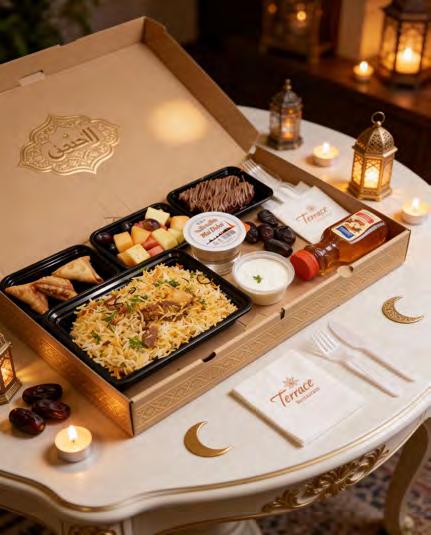
Ramadan at The Terrace restaurant and Catering is a season of reflection, generosity, and unity—values that guide their approach to food and service throughout the holy month. Beyond dining, the focus is on creating meaningful experiences that bring people together and support the wider community.
If you are looking to treat your group of near and dear ones, your
employees, friends or any others in the community during iftar, book the thoughtful Iftar boxes from Terrace.
Thoughtfully packed to offer comfort and nourishment to those in need, these boxes, with hot, fresh and delicious dishes, prepared thoughtfully is just what you would want for a memorable iftar. Available in budget-friendly, standard, and premium options, these boxes make it easy for individuals and organizations to take part in the joy of giving. Each box is prepared with
For communal gatherings, The Terrace presents elegant Iftar buffet experiences designed to suit both intimate and large-scale events. Our indoor Iftar buffet provides a warm and welcoming setting, while our outdoor Iftar arrangements are ideal for grand community and corporate gatherings, accommodating large audiences with ease.
The Iftar menu is a celebration of tradition and flavor, featuring a wide selection of dishes inspired by Ramadan favorites. Among the delectable mentions is the iconic Ouzi (slow grilled lamb or chicken with aromatically spiced rice) and Mansaf (a traditional Jordanian lamb and rice dish cooked in the sauce of fermented, dried yoghurt) complemented by an assortment of Arabic classics, live stations, and traditional accompaniments that create a truly memorable Iftar experience.
At The Terrace, Ramadan is more than a meal—it is a shared journey of generosity, hospitality, and togetherness. Through our charity initiatives and curated Iftar offerings, we remain committed to honoring the true spirit of the holy month.
For reservations, call 054 3135059, 050 362 1388 and book your special iftar banquet.
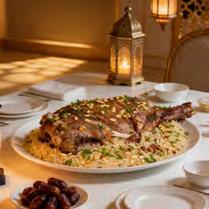

Albatha Healthcare Group (“the Group”), a leading integrated healthcare solutions provider in the UAE and a subsidiary of Albatha Holding, has acquired a majority stake in Insights Psychology (“Insights”), a neuroaffirming clinic providing world-class neurodevelopmental assessments, individual and group therapy, and training services for individuals across all ages.
The transaction was formally completed at the end of January 2026.
Insights offers a multidisciplinary model of care, including psychological assessments, psychotherapy, speech and language therapy, occupational therapy, parent coaching, family support, and professional training for clinicians and caregivers.
This acquisition expands the Group’s presence in the mental health and
psychological care sector, bringing together experienced professionals and strengthening how patients, families, and communities are supported.
Hesham Abdalla, Managing Director at Albatha Healthcare, said: “This acquisition is a meaningful step in expanding Albatha Healthcare’s services into psychological health. It aligns with the UAE’s National Strategy for Wellbeing 2031 and reflects our commitment to supporting mental health and overall wellbeing for the communities we serve.”
Aline Seifert, COO at Albatha Healthcare, said: “We’re excited about the growth this brings to Insights Psychology and the opportunities it creates for patients and families. By integrating Insights’ specialized, high quality expertise with our operational infrastructure, we are making mental
health support more accessible and strengthening our ability to deliver targeted, personalized care, while positioning the Group for sustainable growth in this essential sector.”
Grainne Boyle, Managing Director at Insights, added: “At Insights Psychology, we are always looking for ways to improve our services and better support our patients and their families. Joining Albatha Healthcare allows us to build on this foundation, expand our tailored care across different age groups, and make expert, evidence-based support available to more patients across the region.”
As part of this growth journey, Insights has recently opened Therapy by Insights in Dubai Production City for children and will soon introduce Adults by Insights in Dubai Healthcare City, expanding services for adolescents and adults.
With this acquisition, Albatha Healthcare and Insights are poised to set new standards in integrated psychological health care. Insights will continue to innovate its services by leveraging the Group’s operational expertise, resources, and network to reach more patients and enhance advanced care programs.
Albatha Healthcare remains committed to providing a full spectrum of integrated health solutions, ensuring that both mental and physical well-being are supported across its network.

Modern Pharmaceutical LLC (MPC) reinforced its commitment to advancing oral healthcare with a strong presence at AEEDC Dubai 2026, one of the region’s leading gatherings for dental professionals.
At the exhibition, MPC presented a comprehensive portfolio of dental technologies, equipment, and consumables that support clinicians across every stage of patient care. Visitors connected with MPC specialists and explored solutions designed to improve efficiency, precision, and treatment outcomes in modern dental practice.
Through its participation at AEEDC Dubai 2026, MPC continued to strengthen partnerships within the dental community and reaffirmed its role as a trusted provider of healthcare solutions across the UAE.
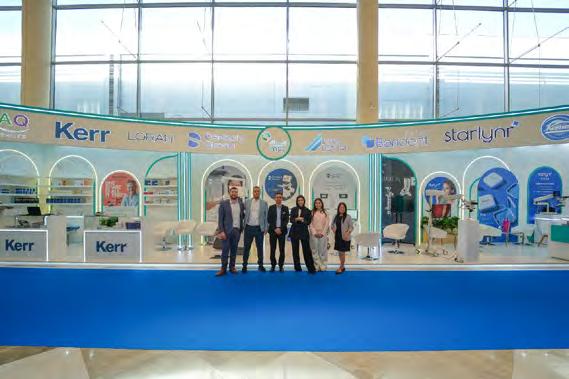
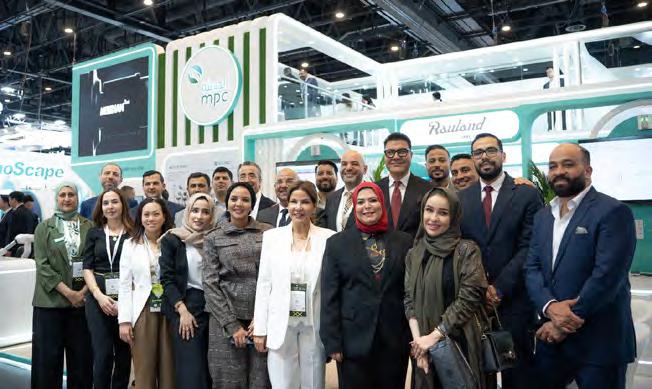
Modern Pharmaceutical LLC (MPC) demonstrated its leadership in the UAE healthcare sector at World Health Expo (WHX) 2026, presenting integrated medical solutions that enhance access, efficiency, and patient outcomes.
During the event, MPC highlighted the strength of its Medical Division across Radiology, Ultrasound, Operating Theatre, Central Sterile Services, Dental, Cardiology, Ophthalmology, Laboratory Diagnostics, and Rehabilitation. Attendees experienced handson demonstrations, advanced technologies, and real-time support, including IT integration and 24/7 clinical assistance.
Beyond product supply, MPC showed how its strategic approach
covers technical support, project delivery, market access, and financial solutions. This ensures sustainable adoption of advanced healthcare technologies across hospitals, pharmacies, and healthcare platforms nationwide.
MPC’s participation at WHX 2026 reaffirmed its commitment to driving growth, expanding access to advanced solutions, and delivering measurable impact across the UAE healthcare ecosystem.

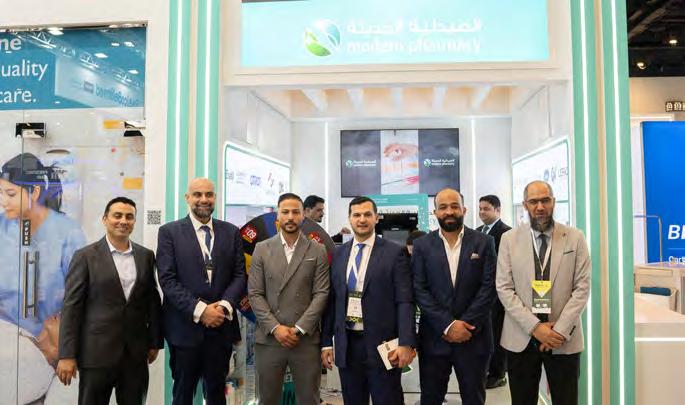
Modern Pharmacy marked its presence at World Health Expo (WHX) 2026, reaffirming its position as a trusted healthcare partner dedicated to accessibility, quality, and patientcentric care across the UAE.
At the event, Modern Pharmacy showcased its comprehensive portfolio of pharmacy services and products, including prescription medicines, wellness solutions, vitamins, skincare, and essential healthcare items. The booth highlighted the brand’s commitment to convenience, professional guidance, and high pharmacy standards that promote
healthier communities.
Attendees engaged with the Modern Pharmacy team to explore in-store services, customer-focused initiatives, and value-added offerings such as vouchers, giveaways, and product leaflets, designed to deliver ongoing benefits and reinforce community engagement.
Modern Pharmacy’s presence at WHX 2026 reaffirmed its commitment to strengthening frontline healthcare, supporting preventive wellness, and contributing to the evolving healthcare ecosystem in the UAE.
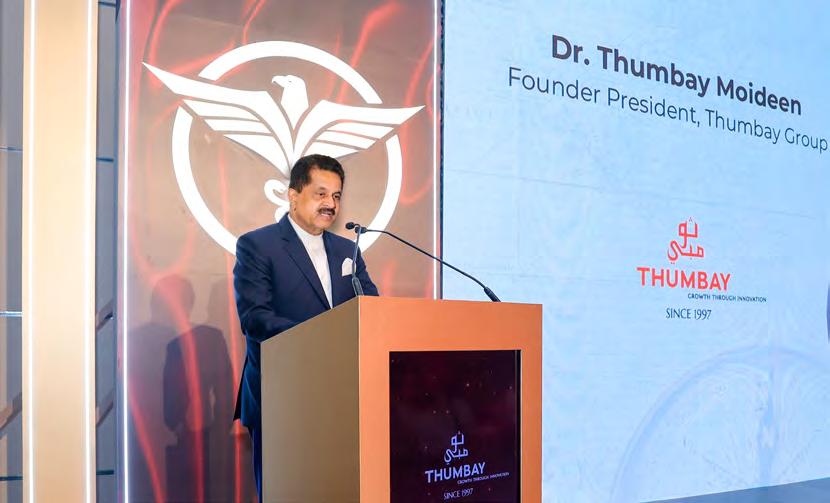
Dr. Thumbay Moideen, Founder President of Thumbay Group addresses the audience at the launch of the Group’s flagship project Thumbay Medicity Dubai.
Below: Thumbay Group’s leadership teams come together to mark the momentous occasion.
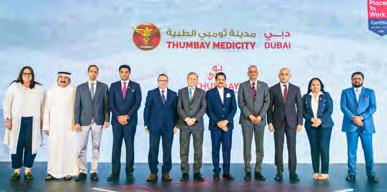
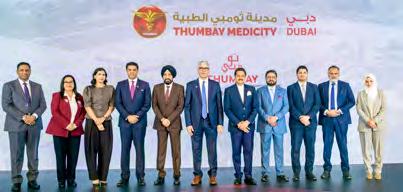
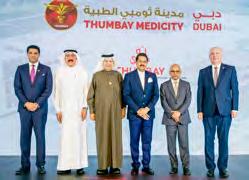
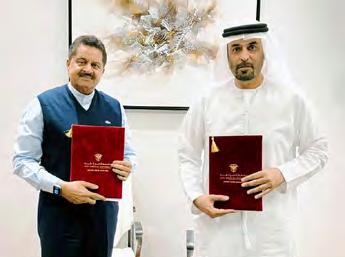
Dr. Thumbay Moideen signed an MOU for Thumbay Veterinary College with H.E. Sheikh Ahmed Bin Nasser Al-Mualla, Chairman, Zoo Wildlife Park, UAQ to facilitate student training.
Starkey, innovator of the Omega AI-powered next-generation hearing aid, held an event on February 4, bringing together the UAE’s leading audiologists, clinic owners, and industry stakeholders from across the Middle East and Africa.
At the session, Achin Bhowmick, Chief Technology Officer and Executive Vice President of Engineering at Starkey, shared the company’s blueprint for AI-led hearing performance, anchored by Omega AI. He detailed how the platform enhances real-world speech clarity in noisy environments, improves listening comfort and spatial awareness, and lays the foundation for next-generation sound processing.

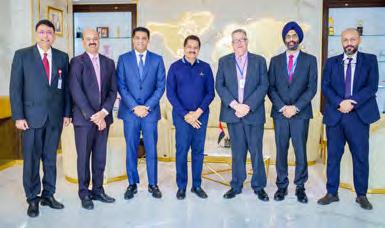
Dr. Thumbay Moideen meets with the ACHS Australia team
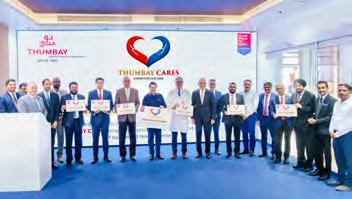
Thumbay Group launches Thumbay Cares, a staff well-being initiative for the Thumbay Group
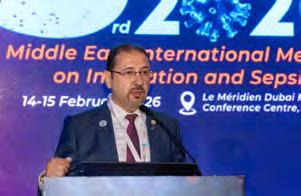
Dr Adel Al Sisi, Group Chief Medical Officer & consultant Prime Healthcare Group, Ambassador of World Federation of Intensive & Critical Care, giving his keynote at the 3rd Middle Eastern Techno Sepsis Conference in Dubai held on February 14-15.
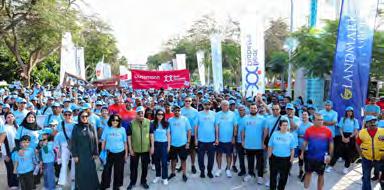
Landmark Group successfully hosted the 16th edition of its flagship Beat Diabetes Family Event at Za’abeel Park on February 8, bringing together over 17,500 participants in one of the UAE’s largest family-focused wellness initiatives. The event, inaugurated by Ms. Renuka Jagtiani, also aligned with the UAE’s Year of the Family 2026.
Dr. Thumbay Moideen, Founder President, Thumbay Group greeted H.E. Dr. Jemel Beker, Ambassador of the Federal Democratic Republic of Ethiopia to the UAE during his visit to Thumbay Medicity Ajman
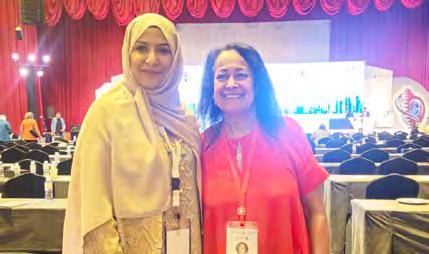
Dr. Nahla Kazim, Consultant in Reproductive Medicine and Founder of Kazim’s Fertility Barza, with Professor Joyce Harper, Professor of Reproductive Sciences at UCL, King’s College London, at the First Qatar International Reproductive Medicine Conference in Doha, Qatar.
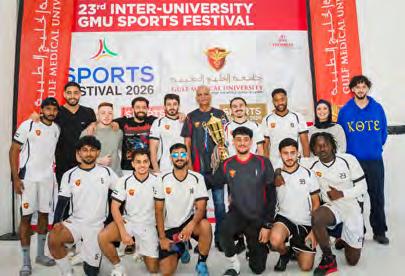
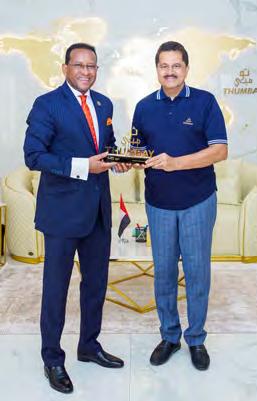
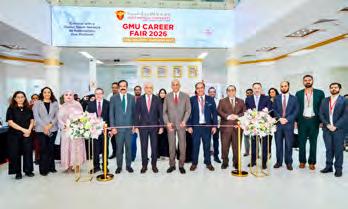
GMU’s Career Fair 2026 was off to a flying start, connecting healthcare organizations with university students.
Mr. Akbar Moideen Thumbay, Vice-President of Healthcare Division, `Thumbay Group, with delegates from FreeHealth.ai
Mr. Akbar Moideen Thumbay, Vice-President of Healthcare Division, `Thumbay Group, and Dr. Manvir Singh Walia, CEO of Thumbay healthcare division with delegates from MPC Healthcare (Modern Pharmaceutial Company)
Mr. Akbar Moideen Thumbay, Vice-President of Healthcare Division, `Thumbay Group,and Dr. Manvir Singh Walia, CEO of Thumbay healthcare division with staff at the Thumbay Veterinary Clinic in Sharjah
Prime Healthcare Group’s leading obstetrician and gynecologist, Dr. Prgati Grover, conducted an awareness talk for Prime doctors and staff on Modern Menopause Management on February 10. She highlighted the health challenges that can arise as estrogen levels decline, including cardiovascular issues, hormonal imbalances, and cancer, and provided a balanced perspective on strategies to support women’s health and enhance life expectancy post-menopause.
Prof. Hala EL-Menoufy, Misr University’s President for Science & Technology had a fruitful meeting with Dr. Thumbay Moideen and leaders at GMU during her visit to Thumbay Medicity Ajman
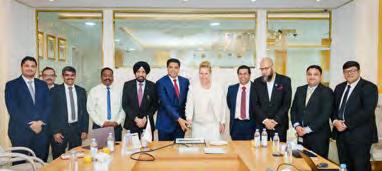
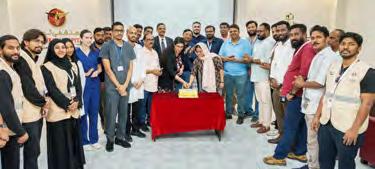
Thumbay Hospital Fujairah organized a free mega health camp in association with Kairali Association – Fujairah. Hundreds of residents who benefited from comprehensive health screenings and specialist consultations.
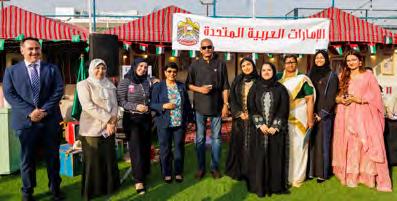
Prof. Manda Venkatramana, Chancellor of GMU, led the celebration of cultural diversity on campus during Global Day, bringing together students from across the world in a vibrant showcase of unity and heritage.



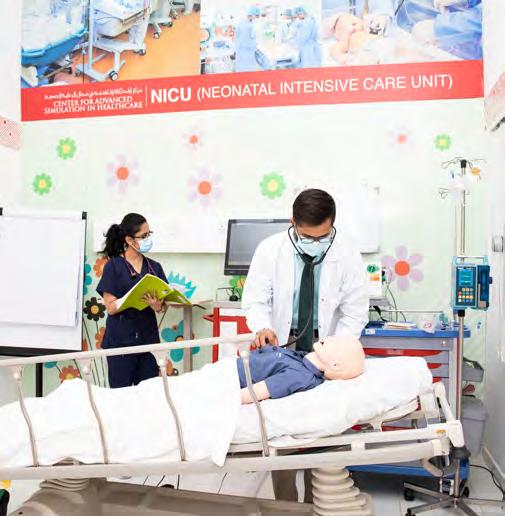
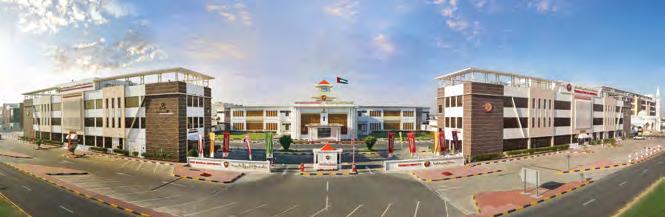
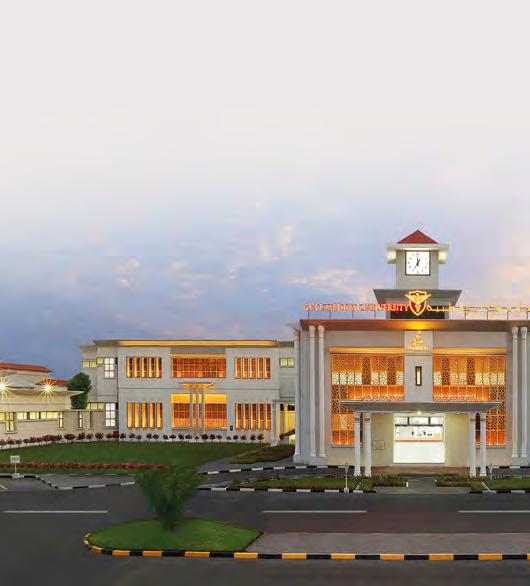
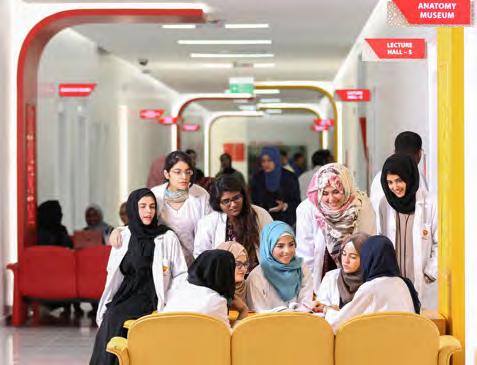
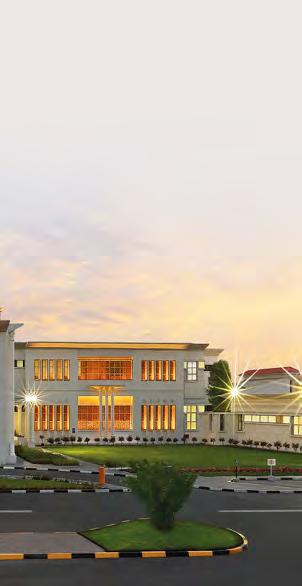







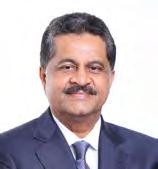



Thumbay Group proudly announces the launch of Thumbay Medicity Dubai – a fully integrated ecosystem where students learn, doctors heal, scientists discover, and families feel at home.
Gulf Medical University Dubai Campus
• Thumbay College of Management and AI in Healthcare
• Thumbay Simulation & Surgical Skills Center
• Foundation Program for future healthcare professionals
• Thumbay International Pathway Program
• Students in a truly global learning environment
• College of Ayurveda
• College of Homeopathy
• College of Chinese Traditional Medicine HEALTHCARE
Thumbay University Hospital Dubai
• Multispecialty hospital starting with: Renal Dialysis, Cardiology, Orthopedics & Rehabilitation
• Ayurveda, Homeopathy
• Thumbay Labs
• Thumbay Pharmacy
Thumbay Research Institute
• Advancing medical science and innovation to improve patient care and outcomes.
OTHER FACILITIES
• Thumbay Food Court
• Family-friendly dining and social space
• Blends & Brews Coffee Shoppe
• Body & Soul Health Club