The business journal for doctors in private practice
Avoid the usual howlers
A look at private doctors’ biggest business howlers and how to avoid them P12
When Dr Google gets in the way How to manage requests for treatment from patients who come armed with internet diagnoses P26
Make your financial affairs plain sailing Assessing the added value that comes from engaging a financial adviser P36
Stress hits new levels
By Robin Stride
Mounting numbers of independent practitioners are being helped to reduce stress levels brought on by rising pressures in private practice.
Psychologists at one City practice say tension factors include financial concerns arising from higher expenses on indemnity cover, rooms and secretaries.
They are also losing out due to static income from private medical insurers, having to work harder to match previous year’s profits, and fears about being selected for a costly tax probe.
Increased administrative paperwork and red tape from newer requirements – including Care Quality Commission (CQC) inspections, revalidation and appraisal – is also taking its toll.
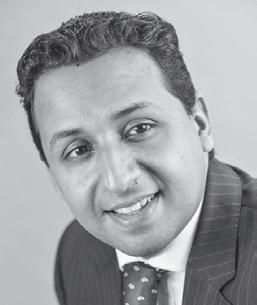
Consultant counselling psychologist Dr Michael Sinclair told Independent Practitioner Today: ‘I am seeing increased stress among doctors in private practice, consultants and GPs.
‘I can’t give figures, but there are a larger number coming along for psychological assistance.
‘Stress leads to burnout and you find you are running on empty. Motivation and enthusiasm goes and that has a dramatic impact on running a successful business, the finances and clinical practice. It can dramatically affect performance.’
Dr Sinclair, clinical director of City Psychology Group, said another reason for a rise in numbers was that professionals were now more willing to own up if they were not coping too well.
His group, with London clinics in Liverpool Street, Harley Street and Canary Wharf, is reporting increasing demand across the board and has doubled its number of psychologists to 25 in a year.
He said doctor patients had spoken of how their costs had risen, the impact on finances and increased expenses arising from the Competition and Markets Authority (CMA) private healthcare probe.
‘CQC preparation is lengthy and laborious on top of the stresses and strains and administration. It’s another extra. All these situations we are hearing from doctors mean they meet the criteria for stress.
‘They are threatening and taxing, and people don’t have the resources to meet demands. Doctors are already busy meeting the demands of clinical practice.’
Dr Sinclair said divorces were also on the rise. ‘Working in a highpressured role and job is demanding on our time. It takes us away from home life and can impact on personal relationships and when stressed at work, it can change our behaviour.
‘That can have a negative impact on our relationships at home, causing unrest and people are stuck not
knowing which way to turn. They need to earn and support the family and then come arguments –and it’s costly.’
Requirements of the Private Healthcare Information Network (PHIN), which the CMA has directed to publish consultants’ fees and outcomes [see p4], could create more pressure, he added.
‘Anything that exposes us and makes us feel under scrutiny can put us under stress.’
Steve Crone, Royal Medical Benevolent Fund (RMBF) chief executive, said most of the chari
ty’s beneficiaries last year asked for help due to mental health problems affecting their ability to work.
‘We can see a clear trend over recent years: stressrelated issues are on the rise across the medical profession,’ Mr Crone said.
‘Helping doctors through these difficulties is the reason we jointly launched DocHealth with the BMA last year, a confidential psychotherapeutic consultation service that has so far supported nearly 150 doctors with stressrelated anxiety and depression.’
➱ continued on page 2
Coping with stress
stress
See our new series for Independent Practitioner Today this month where Dr Michael Sinclair sets out some coping strategies for tackling stress.
He says: ‘Stress is often the elephant in the room when it comes to the high-performing health professionals whom I’ve worked with.
‘I see many medical consultants, some at the very top of their game, struggling with stress, often for far too long.
‘Many of these doctors have been delaying seeking help, suffering in silence for fear of being found out as not coping or not being good enough at their job.
‘In their attempt to eradicate stress and avoid any of the nasty feelings that may come with others knowing that they aren’t coping too well, they have engaged in a number of very unhelpful, yet understandable, coping strategies that have made their problems much worse, in the longer term anyway.’ SEE PAGE 14
e for easy learning tips on how to make the most of the world of podcasts at your disposal P8
need a wake-up call? How to improve your customer service when your patients phone your clinic P17
the art of selling yourself can you sell your expertise without being ‘salesy’? Surgeon dev Lall shows how P19
no end in sight to growth in self-pay presenting key themes from the private Healthcare UK Self-pay Market report P22
are your ad claims oK? advice on how to not exaggerate claims when advertising your practice P28 guard against complaints a briefing on the GMc’s fitness to practise rules as they affect private doctors P32
More docs in pension trap
By edie Bourne
All independent practitioners are being warned to check their pension status and seek help rather than pay extra tax.
The alert came as new figures revealed the Government increased the tax it collected from savers breaching the lifetime allowance (LTA) by a substantial 80% in the last 12 months.
Revenue from the tax has tripled over the last five years.
In 2015-16, HM Revenue and Customs gained £36m from individuals exceeding the LTA, up from £20m in 2014-15. Back in 2012-13, LTA revenues were just £12m.
Patrick Convey, technical director at financial planning specialists Cavendish Medical, told Independent Practitioner Today this substantial increase in tax revenue shows that with the severe reductions to the LTA limit in recent years, more professionals are being caught in the net.
‘There are pension protection schemes launched by the Government which can restore previous lifetime allowance limits, but they are often too complicated for many savers to use without proper guidance,’ Mr Convey said.
‘Every middle to senior doctor is likely to breach the lifetime allowance due to the very nature of making pension contributions into the NHS scheme over a number of decades.
Putting a check on things
It will be interesting to see consultants’ reaction to the email 14,000 of them will get shortly from the Private Health care Information Network; see page 4.
They are being asked to start checking performance data about them and their patients before it is published next May on the body’s website, ahead of a later update on specialists’ fees.
How readily will they cooperate with the new portal set up for the purpose? What happens if they don’t?
And how reliable is the hospital-provided information going to be? Hopefully, not too many surgeons will find they did a
hysterectomy, say, on a 50-yearold male.
Another concern for many, already having to deal with increased levels of unpaid red tape in recent times, is just how long will all this checking – and re-checking of any corrected errors – take them?
All this is against a background of a straw poll by the Independent Doctors Federation which found consultants unaware of what PHIN stood for. Private healthcare transparency is vital. Making it happen though – well, we look forward to hearing your experiences and your views on the process. editorial comment
tell US yoUr newS Editorial director Robin Stride at robin@ip-today.co.uk Phone: 07909 997340 @robinstride
to advertiSe Contact advertising manager Margaret Floate at margifloate@btinternet.com Phone: 01483 824094 to SUBScriBe lisa@marketingcentre.co.uk Phone 01752 312140
Publisher: Gillian Nineham at gill@ip-today.co.uk Phone: 07767 353897
Head of design: Jonathan Anstee chief sub-editor: Vincent Dawe Circulation figures verified by the Audit Bureau of Circulations
The LTA limits the amount which can be paid into a pension while benefiting from tax relief. It now stands at just £1m, down from £1.5m in 2012 and £1.8m in 2011.
Excess pension contributions above the LTA can attract tax charges of up to 55%.
‘However, you should not walk blindly into this tax charge. Your tax liabilities could be minimised with careful planning. Seek help without delay.’
Drive to spot stress
➱ continued from front page
The Royal Medical Benevolent Fund next month launches a campaign Together for Doctors to spotlight the stress problem and encourage struggling doctors to seek help.
Mr Crone said: ‘Doctors tend to have high-achieving personality traits that can lead to a reticence to seek help, but nobody is immune from the stresses and strains of working in medicine. I would urge any doctor in difficulty to reach out. No one should feel too proud or ashamed to ask for help.’
Dr Phil Zack, MDU medico-legal adviser, said: ‘The high-stress work environment can take its toll on independent practitioners’ mental and physical health.
‘The unfortunate reality is that doctors who are unwell or struggling to cope may be more suscep-
the mdU’s dr Phil Zack: ‘doctors who are struggling to cope may be more susceptible to complaints’
tible to errors and complaints, because they may not be able to practise at their optimal level. This could land them with a complaint or even a GMC investigation.
‘That’s why it is so important for clinicians to look after themselves and to get help early for the sake of their own health, to prevent medico-legal issues, and in the interests of their patients.
‘Sources of support include your own GP, colleagues, your medical defence organisation or specialist “sick doctor” services.’
By leslie Berry
Doctors’ defence bodies have welcomed a Government move which could mean some specialties pay lower indemnity premium increases than feared. They said new legal proposals that could ease spiralling costs of insurance cover were a step in the right direction, but warned there was much work still to do to transform the negligence arena.
Fears of ‘calamitous’ defence fee increases arose after former Lord Chancellor Liz Truss decided last February to change the controversial ‘discount rate’ formula used to adjust large compensation payments to take account of future investment returns.
been dependent on the amount of private work they do and their specialty – the change will have less of an impact for specialities where there is a lower risk of receiving a claim that includes future care costs or loss of earnings.
merely underlined how shortsighted it was to reset the rate without resolving wider issues.
He added: ‘We look forward to studying the details of the proposals and will continue to explore the implications to ensure a better, fairer and more affordable deal for our members.’
The Medical Defence Union (MDU), which this summer announced it would stop covering spinal surgeons in pri -
vate practice, said t he proposals would ensure the rate was reviewed more regularly in future – at least every three years.
The proposals also include extending the expertise available to the Lord Chancellor when reviewing the rate by creating an independent expert panel.
The MDU’s professional services director Dr Matthew Lee gave the proposals a cautious welcome, but he warned a rate of between 0-1% would still be too low in terms of its affordability.
He said even before the discount rate change many NHS GPs found they could not afford to pay for indemnity and this was turning them away from practice.
The rate dramatically dropped from 2.5% to -0.75%, but proposed legislation last month from her replacement David Lidington would calculate the rate applied to personal injury claims within the range of 0% to 1%.
Simon Kayll, chief executive of the Medical Protection Society, said the Government’s decision to change the discount rate significantly increased the cost of settling future loss claims at a time when clinical negligence costs were already worryingly high.
‘The impact on consultants has
‘We believe the way in which the discount rate is set is flawed and have been pushing for change. The proposed new framework is a welcome step which could result in a more commonsense approach with the reality of how claimants invest compensation payments at its core.
‘It is, however, dependent on implementation. The new framework will only apply if and when the proposed law is enacted and it will not apply retrospectively. We look forward to seeing swift progress on this – and commitment to whole-system legal reform to tackle the underlying issue of rising clinical negligence costs.’
The Medical and Dental Defence Union of Scotland (MDDUS) welcomed the Lord Chancellor’s proposals, but chief executive Chris Kenny said the announcement
The MDU is changing membership benefits for private obstetricians.
At the end of a membership year, consultants must now request a quote for ongoing indemnity, which will be offered on an annual ‘claims made’ rather than the traditional occurrence basis.
Specialists will be able to request assistance for incidents notified during that membership year and must keep renewing membership to notify claims in future. To keep reporting claims after leaving the MDU or retiring, they must buy
He warned that the proposed discount rate change, even if enacted, would take time to implement and would fail to address the fundamental problem that compensation costs were out of control. More radical tort reform was urgently needed.
See page 5
Obstetricians’ cover tightened Defence fees may rise less steeply
extended reporting rights –known as run-off.
Chief executive Dr Christine Tomkins said the deteriorating medico-legal climate meant it had been forced to take tough decisions in the interests of all members.
‘As a not-for-profit mutual organisation, we have a responsibility to ensure there is enough money in the mutual fund to meet future claims and legal expenses, as well as other essential member services such as representation at the GMC,’ she said.
MDDUS freezes GP indemnity subs
Private GPs are being offered a subscription rate price freeze with the Medical and Dental Defence Union of Scotland (MDDUS) until at least the middle of next year.
It now expects to release 2018 subscription prices for consultants in early December.
The defence body agreed the freeze, alongside NHS GPs, after Lord Chancellor David Lidington’s statement on a much-needed
change in the way the personal injury ‘discount rate’ is calculated (see story above).
MDDUS chief executive Chris Kenny said: ‘We know that GPs have been understandably worried about rising indemnity costs and the impact they are having on both their own financial position and the future of many in the profession.
‘We have fought hard to over -
turn the short-sighted decision taken in February and welcome the Lord Chancellor’s announcement.’
Mr Kenny added: ‘Government made a profound misstep in reducing the rate so dramatically in February, but it is to its credit that it has responded promptly to our concerns, coming up with a scheme that is fair to claimants and defendants alike and gives the
market greater certainty.
‘We had warned our members that there may have to be further rises in the cost of indemnity during the next few months, but I’m delighted to say that will not now be the case.
‘We have confidence that the Government will seek to maintain this momentum and our decision to freeze rates reflects our trust in its good intentions.’
our front-page story back in march predicted the crisis
Doctors asked to check their activity data
By Robin Stride
Thousands of consultants will be asked in the next few weeks to start checking data about them and their patients before it is published by the Private Healthcare Information Network (PHIN) next May.
The roll-out to 14,000 specialists will take six weeks and they will be asked to see that their hospital-provided performance information accurately represents their activity.
PHIN advises they should now ensure the email address they want for this process – arising from the Competition and Markets Authority investigation into private healthcare – is the one registered with the GMC.
Consultants will need to access https://portal.phin.org.uk to view an interactive tour guide, and use feedback forms to raise any information accuracy issues for hospitals’ data quality contacts to address.
Specialists will early next year be asked to approve the data for publication on the public website.
Email invitations to participate will include a link to the consultant portal where doctors can trigger their login. A temporary
password will be sent to their GMC-registered email address.
PHIN said: ‘Consultants then use their GMC number as the username and the temporary password to enter the portal. On first visit, the consultant will be asked to create a new password and then log in again using that new password.
‘Once logged-in and having agreed to the terms and conditions, consultants will be able to view “data reports” presenting information about their practice.
‘Consultants can also provide feedback on their portal experience by completing a separate PHIN survey.’
Only personal activity can be viewed, but this could be across multiple hospitals or providers and there will be ‘specialty benchmarks’ to aid comparison.
PHIN told hospitals to ensure their data quality was complete, valid and clinically accurate. ‘If your data is incomplete, inaccurate or absent, your consultants are likely to contact you to ask why.’
A spokesman said nothing would be published until a consultant had the chance to look at data and sign it off. PHIN wants to give the profession every opportunity to engage.
Watchdog raps hospitals for missing data deadline
Seven NHS hospital trusts have been directed by the Competition and Markets Authority (CMA) to publish information on the quality of their private healthcare services after failing to meet the deadline.
They have been warned to start providing this information by the end of this month.
All hospitals treating private patients are required by the CMA to publish information about the quality of the service they provide. This includes patients’ feedback on treatment, the performance of consultants and information on infection rates, mortality rates and readmissions to hospital.
The CMA said: ‘Hospitals were required to submit this information to the Private Healthcare Information Network (PHIN) quarterly from September 2016, for publication from April 2017. The CMA is now starting formal action against seven hospitals that have failed to make sufficient progress in meeting this requirement.’
These are:
Kettering General Hospital NHS Foundation Trust;
Royal Devon and Exeter NHS Foundation Trust;
Western Health and Social Care Trust, Northern Ireland;
Northern Health and Social Care Trust, Northern Ireland;
Taunton and Somerset NHS Foundation Trust;
Salford Royal NHS Foundation Trust;
Sandwell and Birmingham Hospitals NHS Trust.
Adam Land, of the CMA, said: ‘It is essential that patients are given the necessary information on issues like quality of care so they can choose the right hospital for their needs.’
PHIN chairman Dr Andrew Vallance-Owen (right) said: ‘Lessons from the last year have shown an absolute and urgent need for greater transparency in private healthcare in the UK. PHIN wholeheartedly supports the action taken by the CMA.
‘It’s time for private healthcare to do what other industry sectors have been doing for years, which is to quantifiably measure success, identify and improve poor care, and allow good care to stand out.’
Private units to grow self-pay market
Private hospitals are committed to pushing the self-pay route as an option for patients, according to the boss of their trade body.
Fiona Booth, chief executive of the Association of Independent Healthcare Organisations (AIHO), pledged to continue making the case that self-pay benefits patients, the NHS and the UK economy.
‘Patients who receive quicker
treatment return to work sooner, self-payment alleviates pressure on the NHS and healthier people contribute productively to the economy,’ she said.
Writing in AIHO’s monthly newsletter, following Independent Practitioner Today ’s ‘Self-pay to reach £1bn’
news story in our last issue, she said the trade body would make clear that the independent healthcare sector aimed to complement and not compete with the ‘fantastic’ NHS service.
She predicted the trend of an ageing population opting to set aside money to pay for
healthcare when they needed it would continue.
‘Independent healthcare providers should be praised for their innovative approach, as the continued expansion of the self-pay market is, in good part, down to AIHO members who have adapted to meet the demand for more outpatient, diagnostic and private GP services.’
Fiona Booth of AIHO
Call to reform error law
By Olive Carterton
Doctors’ hopes of a law change to rescue them from continued rocketing defence fees have been boosted by the influential National Audit Office (NAO).
Following an investigation, the independent public spending scrutineer warned of the need for radical legal reform if the spiraling costs of clinical negligence claims are to be halted.
In a damning report, it said the Government needed to take a stronger and more integrated approach if it is to rein in the financial burden of claims across the health and justice systems. It claimed: ‘The Government lacks a coherent cross-government strategy, underpinned by policy, to support measures to tackle the rising cost of clinical negligence.’
A look at the NHS underlines the scale of the problem facing the public and private health sectors.
Spending on the Clinical Negligence Scheme for Trusts
quadrupled from £0.4bn in 200607 to £1.6bn in 2016-17, and the number of successful claims where damages were awarded rose from 2,800 to 7,300.
The NAO said claims costs were rising faster than NHS funding, adding to financial pressures which could impact on patients’ access to services and quality of care.
The increasing number of claims accounted for 45% of the overall increase in costs, while rising payments for damages and claimant legal costs accounted for 33% and 21% respectively.
Reported the NAO: ‘In 2016-17, the claimant’s legal costs exceeded the damages awarded in 61% of claims settled.’
Dr Pallavi Bradshaw, senior medico-legal adviser at the Medical Protection Society, said legal reform was needed to help achieve a balance between reasonable and affordable compensation – both to the NHS and to doctors feeling the pressure of rising clinical negligence costs.
Hospital’s £30m rejig attracts consultants
Consultants are coming from far and wide to practise at a new-look south-of-England Spire hospital following its £30m cash injection.
St Anthony’s Hospital in Cheam, Surrey, is offering six new theatres and a musculoskeletal centre with gym and hydrotherapy pool.
Hospital director Bryan Harty told Independent Practitioner Today it was recruiting specialists in cardiac, orthopaedic and neurosurgery, plus others in paediatrics, to its team of 350 consultants with practising privileges.
The new facilities include a hybrid theatre with imaging equipment, a post-anaesthetic care unit with eight adult and one dedicated paediatric bay, an advanced musculoskeletal suite, including the gym and rehabilita-
tion equipment and a new sterile services unit.
St Anthony’s is offering paediatric areas with child-friendly services, minimally invasive procedures such as transcatheter aortic valve implantation and endovascular stent repair of abdominal aneurysm.
A 24-hour intensive care unit includes eight beds offering support to patients with more complex needs post-surgery. Later this year, there will be a new MRI suite, including provision of cardiac MRI, wards and consulting room refurbishments.
Mr Harty said: ‘The plan is to grow both complex and less complex work. In the last 12 months, we have taken on six orthopaedic surgeons, two neurosurgeons, two cardiothoracic surgeons, two car-
Dr Michael Devlin: ‘The NAO report is a welcome wake-up call’
Welcoming the NAO report, the Medical Defence Union (MDU) said it had long argued that only radical legal reform would stop the rising claims costs.
But this need became even more urgent after the drop in the discount rate – used to calculate longterm compensation investment – which immediately doubled some high-value claims costs.
The MDU reported it was urging the Government to quickly move forward with a co-ordinated policy approach. Dr Michael Devlin, head of professional standards and liaison, said claims costs were rising at a higher rate than almost all other forms of inflation: ‘The NAO report is a welcome wake-up call that tells it how it is.’
He added: ‘The law must be changed and clinical negligence claims must be funded in a fair and proportionate way.’
The NHS Confederation, representing 85% of NHS providers and commissioners in England, Wales and Northern Ireland, said that, despite fewer claims, more was being paid out to claimants’ lawyers.
It said it shared the NAO’s concern at the lack of a coherent Government strategy to support measures to tackle these rising costs – worsened by the discount rate change which the Office for Budget Responsibility estimated would cost the public sector alone an annual extra £1.2bn.
diologists, two vascular surgeons and four others. We could do with more cardiac, neuro- and orthopaedic surgeons.’
Self-pay, growing by 3-4% annually, now accounts for 15% of the workload, but the hospital is aiming for 20%. Less than 5% of its work is from the NHS.
Asked if the hospital would go down the salaried consultant route, he said this was ‘not a terribly attractive option for the doctor or
the hospital’, but an option was a small base salary and fee for service.
Spire chief operating officer
Catherine Mason said 12 new paediatric consultants were going through the practising privileges process and the group would continue investing in the hospital.
‘We are very heartened by the fact we have had a lot of interest from consultants locally, but we have got new consultants signing up from as far away as Brighton.’
Consultants are being attracted by the hospital’s Siemens hybrid theatre
Beware of online forums
Doctors are being warned of the need to act professionally and avoid discussing confidential information on so-called ‘closed’ social media groups.
The Medical Defence Union (MDU) alert came after a discussion on a Facebook group used by GPs became the knowledge of millions when it was criticised in a national paper for the language it used when discussing patients.
MDU medico-legal adviser Dr Ellie Mein said: ‘Medicine is a stressful profession and social
Top spot for surgeon at eye group
Specialist eye hospital group
Optegra Eye Health Care has appointed a new chief medical officer – Ms Seema Verma.
She will be based at the company’s flagship hospital in the Harley Street enclave.
Ms Verma was the first ophthalmic surgeon in the UK to head an ophthalmic emergency eye service.
She grew the Moorfields A&E department, bringing in many changes to improve patient experience and treatment. Combining ophthalmic A&E with another ocular subspecialty in a consultant’s job plan was a formula taken up by several other eye centres nationwide.
Ms Verma is a specialist in cataract and external eye disease and a
media forums can provide a useful outlet to discuss the pressures of the job.
‘But even though many forums used by doctors allow discussions in ‘members only’ areas, it’s important to be aware that comments may reach a wider audience.
‘These “closed groups” can create an illusion of security, but it’s not always possible to know who will be accessing and sharing posts. It’s important to think carefully before you comment and to consider if you would be happy
founding member and president of the British Emergency Eye Care Society which resulted in emergency ophthalmology being recognised as a new subspecialty by the Royal College of Ophthalmologists in 2016.
Optegra’s UK managing director Rory Passmore said: ‘We are delighted that Seema is joining our team. Her rich and specialist career means she brings with her not only excellent medical expertise but also, from a management and patient care perspective, great knowledge on improving patient experience and designing seamless pathways to ensure excellent patient care.’
for your post to be shared, possibly with no reference to the original context in which it was made.
‘For these reasons, it’s important to remain professional at all times when using social media and not to discuss information which could be identifiable.’
The MDU drew attention to figures recently published by the BMJ revealing that the GMC closed 28 investigations related to doctors’ use of Facebook, Twitter, or WhatsApp between 1 January 2015 and 30 June 2017.
According to GMC guidance on social media: ‘You must not use publicly accessible social media to discuss individual patients or their care with those patients or anyone else.’
And it also adds: ‘You must not bully, harass or make gratuitous, unsubstantiated or unsustainable comments about individuals online.’
Further advice on closed social media groups is available in the MDU Journal: https://mdujournal. themdu.com/issue-archive/ issue-6/closed-groups-online.
Help to grow practice
Consultants are being promised more tools and services to help them operate more efficiently and grow their businesses. New services are planned by online business specialists Healthcode following its appointment of a head of business development who will be responsible for ensuring the firm’s practice management technology ‘continues to meet the real-world needs of independent consultants’.
insurer recognition to financial planning.
‘As well as showing practitioners how they can make best use of this technology, I also want to open a dialogue about the business challenges they face so Healthcode can continue to make a difference.’
Kingsley Hollis, who will oversee the growth of the firm’s ePractice system, said: ‘While Healthcode made its name with electronic billing, it has since developed a comprehensive range of online management tools which help consultants with everything from private medical
New medical head for Nuffield
Nuffield Health has appointed Mr Mahmood Shafi as its new medical director.
He will succeed Mr Geoff Graham, who is stepping down at the end of 2017 after 12 years.
Mr Shafi, a consultant gynaecological surgeon and oncologist at Cambridge University Hospitals NHS Foundation Trust, has previ-
ously held director positions in the NHS and chaired the Medical Advisory Committee at Nuffield Health’s Cambridge Hospital for eight years.
The hospital group said he would play a critical role in its quality and care initiatives. He will focus on the development of clinical pathways, clinical out -
come measures and governance.
Mr Shafi has an interest in publishing and has authored 11 medical textbooks in his specialty.
The company said its number of independent practitioner users had grown by 51% in the last six months.
Managing director Peter Connor said it wanted ePractice to go beyond the traditional practice management formula and create a fully integrated solution which put customers in control of their practice, from operational efficiency and financial reporting to data security and compliance.
Nuffield Health chief executive Steve Gray said Mr Shafi played a key role in the development of its new hospital in Cambridge and helped it achieve an outstanding Care Quality Commission rating. Nuffield
Health’s Mr Mahmood Shafi
Kingsley Hollis, formerly of DGl Solutions
Ms Seema Verma, optegra’s new chief medical officer
Consultants in Scotland are under increasing pressure due to a mounting recruitment and retention crisis for senior doctors.
Latest figures from the Information Services Division of NHS Scotland show vacant consultant post num bers increased by 15% between June 2016 and June 2017.
More than 460 consultant posts are unfilled and one in every 12 consultant posts are empty.
BMA Scottish Consultants Committee chairman Mr Simon Barker warned: ‘Every unfilled post adds to the stresses and strains of those already working tirelessly to provide the public with a health service it deserves.’ He said empty posts inevitably had a significant effect on consultants’ ability to continue to deliver a high-quality and sustainable health service to patients as well as increasing pressure on those working in the NHS.
Mr Barker, an orthopaedic surgeon at Aberdeen Orthopaedics, said half of consultant vacancies now remained unfilled for six months or more.
‘Within the last year alone, the number of these long-term vacancies has increased by 20%.
‘This particular figure highlights the unsustainable difficulties that some specialities are experiencing in being unable to recruit and retain consultants. Despite repeated advertising, these posts
Unfilled jobs put pressure on doctors in Scotland Prepare for web search revolution
Mr Simon Barker, BMA Scottish Consultants Committee chairman
are not proving attractive to applicants.’
He urged the Scottish Government to recognise that creating consultant posts was not enough; they need to be filled.
Mr Barker added: ‘The increase of 1.3% consultants working in post in the last year is completely eclipsed by a 15% increase in vacancies rate over the same time.’
He urged the Scottish Government to act and work with the BMA to show consultants they are valued and to make new posts attractive ‘so that we can continue to provide the kind of health service that our patients deserve’.
TEll uS youR SToRy
Share your experience of what has and has not worked in your private practice. Even if it’s bad news, let us know and we can spread the word to prevent other independent practitioners falling into the same pitfalls.
Contact editorial director Robin Stride at robin@ip-today.co.uk or phone him on 07909 997340
By Edie Bourne
Private doctors are being advised to do some website maintenance to ensure their businesses take advantage of development in search engine optimisation (SEO).
The work is recommended following an overhaul by Google of its local search results facility, including the map listings that appear during local services searches.
SEO expert Geoff Meakin said these developments represented a big change in the search engine giant’s approach to local searches.
Google is creating a seamless service allowing people to look for local information, book consultations and plan their journey without having to visit or contact the practitioner or visit their website. This change will be enabled through Google’s My Business Listing.
Mr Meakin urged practices to add information, such as wheelchair access, parking provision and WiFi access to their website.
He said the search giant was also trialing direct online bookings for the spa, beauty and aviation sectors which, if successful, were likely to extend to the healthcare sector.
Mr Meakin, founder of specialist healthcare SEO agency SERP Health, said: ‘It is becoming increasingly important for independent practitioners and private practices to create and regularly maintain a “Google My Business” listing as well as familiarise themselves with these new features.
‘Early adopters are likely to see an increase in consultations, while those who do nothing risk appearing inaccessible and unhelpful. More information can be found via Google’s blog (Googblogs.com) or by consulting your SEO provider.’
He said 80% of people now used the internet to find local information and businesses with complete local listings were twice as likely to gain customer trust and 38% more likely to attract visits to a physical address.
Added Mr Meakin: ‘In a bid to rival Twitter, Google Posts has been introduced allowing practitioners to share timely updates and short introductory videos of themselves or their clinic. These will be displayed within the search results themselves and, again, will be made available via Google “My Business”.’
Big range in self-pay prices revealed
A massive variation in private treatment prices has been highlighted in a major study of self-pay.
The Private Healthcare UK SelfPay Market Study 2017 revealed that huge savings are available to patients willing to shop around. It found big price variations across the UK, with the range for some procedures differing by more
than 100% from lowest to highest.
The study found:
A hip replacement varies from £8,945 to £14,880;
Cataract surgery ranges between £1,850 to £3,350;
A single-area MRI scan ranges from £200 to £980.
Keith Pollard, head of Intuition Communication, said: ‘There’s no
doubt that NHS waiting lists are at the heart of this growth in self-pay.
‘However, the Competition and Market Authority’s investigation into the private healthcare sector is stimulating a new era of price transparency, increased price competition and greater availability of data for patients to compare what’s on offer from the private
healthcare providers. This can only be good news for patients.’
The report, compiled through an online survey, interviews with leading figures in the private market and analysis of 6,500 prices, was produced by Intuition, publishers of website Private Healthcare UK. See page 22 for a round-up of key findings
Using podCAsTs FoR EdUCATion
E for easy learning
Jane Braithwaite shows how to make the most of the world of podcasts at your disposal
Our busy lives mean that we do not always have the time to sit down and enjoy listening to and watching the things we are interested in.
Who among us is not guilty of recording and downloading TV programmes and never getting around to watching them?
Perhaps this is the reason why, according to radio Joint Audience r esearch ( r AJA r ), podcasts are now downloaded by more than 4.5m adults in the uK alone.1 Podcasts can be neatly described as online radio broadcasts on demand, with the word ‘podcast’ itself being a combination of ‘iPod’ and ‘broadcast’.
u sers can subscribe to online channels and have episodes of their favourite podcasts – availa-
ble as both audio and video broadcasts – automatically downloaded to their devices, much like a subscription to a journal or magazine.
Of course, for many people, listening to a podcast is not a necessity but a pleasure, and a quick look at iTunes shows the huge number of podcasts classed as comedy or games and hobbies.
Well-known organisations such as the bbC offer a large library of programmes. Whether you are after drama, sport, politics or factual programmes, all tastes are catered for and the online homes of radio stations such as talkrADIO also hold archives of their popular programmes.
However, for a busy private medical practitioner, podcasts can be an opportunity to catch up on
developments in their area of expertise or in healthcare in general, and even clock up some valuable hours for continuing professional development (CPD) requirements.
Continuing professional development
The GMC considers CPD to be any learning outside of undergraduate or postgraduate courses that supports doctors in improving and maintaining their performance, which includes both formal and informal learning.2
s o as well as being a way to update yourself on industry developments, podcasts can also be a valuable tool when it comes to education and CPD.
Many of the royal colleges rec-
ognise the importance of e-learning and also recognise the benefits of podcasts.
s everal of these institutions publish regular free content for their members.
s ome sources are also freely available to non-members – the r oyal College of General Practitioners, the r oyal College of Emer gency Medicine, and the royal College of Psychiatrists, for example.
Their online libraries are extensive and of high quality. rCPsych, for instance, has an online library of over 100 peer-reviewed podcasts to support CPD on the go,3 providing a great source of information to help members improve their knowledge, hone new skills
➱ p10
Then
Then
If you plan to sell, retire or move away –or grow bigger – then why not advertise with us and reach 13,000 consultant colleagues working in private practice?
If you plan to sell, retire or move away – or grow bigger – why not advertise with us and reach over 12,000+ consultant and GP colleagues working in private practice?
If you plan to sell, retire or move away –or grow bigger – then why not advertise with us and reach 13,000 consultant colleagues working in private practice?
For full details of how we can help, contact Margaret Floate by phone on 01483 824094 or email her at: margifloate@btinternet.com
For full details of how we can help contact Mararet Floate on 01483 824094.
Email: margifloate@ btinternet.com
For full details of how we can help contact Mararet Floate on 01483 824094.
Email: margifloate@ btinternet.com
and keep up to date with new research.
Another example is the rCGP, which runs a programme that contributes to CPD: the Essential Knowledge update programme.4
Ideal for the busy GP, this programme’s podcast provides practitioners with a biannual update that focuses on the very latest updates in terms of regulations and information and provides GPs with support in terms of how to apply new knowledge in the clinical setting.
These podcasts usually feature the authors of the programmes modules, whose knowledge of the subject helps to provide a deeper level of expertise.
As well as being a great way to address the learning and development needs of a medical practitioner, these podcasts are a cost-effective source of learning. There are, of course, costs associated with society membership, so why not take advantage of all the sources these prestigious organisations have to offer?
Top talent
When the topic at hand is developments in healthcare and the podcast is being listened to with a view to being educated, it is imperative that the content is of high standard.
In addition to royal colleges, there are many high-profile organisations that produce podcasts; The Lancet , TED Talks, b ritish Medical Association, the British Medical Journal and the New England Journal Medicine to name but a few.
These organisations can attract
Acorn
taking the dog for a walk can now double up as prime time to listen to that documentary on rare diseases that you missed last week
top talent and field experts, and can be an invaluable source of information for anyone in the healthcare industry, from medical students revising for exams to consultants looking to maintain their level of knowledge.
Utility, versatility, accessibility s o we have established that the information is available and the standard is high, but what other factors can be taken into account? Why are podcasts so popular and why are they particularly useful to medical professionals?
research carried out in 2010 by schreiber et al has suggested that although there does not seem to be a real difference in terms of information retention, face-toface learning is preferred in relation to engaging with the expert/ teacher. b ut podcasts have an undeniable benefit in terms of reinforcing learning and accessibility.5
Other studies, such as r uiz et al’s 2006 examination of e-learning in medical education, support this.Their findings indicate that satisfaction rates are higher for e-learning in comparison to tradi-
tional learning, with factors such as ease of access and use being a major factor.6
In addition to this, research conducted by the investment intelligence firm Edison gives weight to the idea of ease of access being a key factor in utilising audio technologies. 7 It suggests that a third of all podcasts are listened to while on the go when travelling or commuting, or when carrying out other activities.
s o commuting is suddenly an opportunity to catch up on the latest developments in healthcare. Taking the dog for a walk can now double up as prime time to listen to that documentary on rare diseases that you missed last week.
Of course, for today’s busy private practitioner, this is where the true value of listening to educational podcasts lies. Whether it is a bite-sized update on data governance regulations or a lengthy debate on topical healthcare issues, taking in the information can easily be done at the same time as making dinner or a gym session.
And this is the beauty of the podcast: the fact that it can be accessed anytime and anywhere. And when this is considered alongside high-quality content, there really is no better way to maintain one’s knowledge in the context of a hectic and busy schedule.
Jane Braithwaite (right) is managing director of Designated Medical
sEE my podCAsT Tips on ThE opposiTE pAgE ➡
References/sources
1. Radio Joint Audience Research, Measurement of Internet Delivered Audio Services (MIDAS) Winter 2016 research. Available online at: www. rajar.co.uk/docs/news/MIDAS_ Winter_2016.pdf.
2. GMC, Continuing Professional Development: Guidance for all doctors Available online at www.gmc-uk.org/ Continuing_professional_ development___guidance_for_all_ doctors_0316.pdf_56438625.pdf.
3. Royal College of Psychiatrists (2017), CPD Online. Available at www.rcpsych. ac.uk/usefulresources/publications/ cpdonline.aspx.
4. Royal College of General Practitioners (2017), RCGP Learning –Podcasts. Available at http://elearning. rcgp.org.uk/mod/page/view. php?id=2395.
5. Schreiber BE, Fukuta J, Gordon F, Live lecture versus video podcast in undergraduate medical education: A randomised controlled trial, BMC Medical Education, 2010, 10: 68. Available online at https:// bmcmededuc.biomedcentral.com/ articles/10.1186/1472-6920-10-68.
6. Ruiz JG, Mintzer MJ, Leipzig M, The Impact of E-Learning in Medical Education, Academic Medicine, 2006, 81 (3). Available online at www. researchgate.net/profile/Michael_ Mintzer/publication/7276813_The_ Impact_of_E-Learning_in_Medical_ Education/links/ 54453e350cf 22b3c14dde129/The-Impact-of-ELearning-in-Medical-Education.pdf.
7. Edison Research (2016), The Podcast Consumer. Available online at www. edisonresearch.com/wp-content/ uploads/2016/05/The-PodcastConsumer-2016.pdf.
How to Get tHe Best out oF Podcasts
set acHIevaBle Goals. what do you hope to achieve? If you are listening to educational podcasts with a view to building up cPd hours, make sure you document your learning in some way. You could try collecting evidence of your learning by producing written reflections, for example.
staY MotIvated. consider putting together a schedule; set aside a certain number of hours per week to help you achieve your goal.
consIder MaterIals PuBlIsHed BY Journals. do you subscribe to any scientific magazines or journals? If so, check out their websites for any downloadable podcast content. In fact, these are often available free of charge to non-subscribers too
cHoose Your aPP. there are many apps available to download that help you manage your podcasts. take a few minutes to browse through your device’s app store and see what is on offer
seek out Peer-revIewed content. If you are a member of a royal college, take advantage of their online libraries. the content, including podcasts, is usually peer-reviewed and free of charge to members
download Your ProGraMMe aHead oF scHedule. who needs technical difficulties when time is of the essence? avoid the issues associated with unreliable internet connectivity by downloading your favoured podcast ahead of time. You are then at liberty to listen without buffering, glitches or even a sudden change in your own schedule
consolIdate Your learnInG take advantage of other materials and sources that help to consolidate your learning. some sources offer other online materials that allow you to test your knowledge retention; an ideal way to self-assess. You could also discuss your findings with colleagues, either offline or in online discussion forums
Put Your learnInG Into PractIce. think about how can you apply your new-found knowledge to your everyday work
Be ProactIve. try to stay attentive, asking yourself questions as you listen. If you are listening to a live podcast, you might have the opportunity to engage directly with the host, but if you are listening offline, try making notes – even if it is a mental one
enJoY! with so many podcasts out there to choose from, you really are spoilt for choice. If you find you are not engaged with a programme, seek out something new
Avoid the usual howlers
You’re great at being the doctor –often not so hot at the business side of things. Susan Hutter (below) reveals some of the biggest business and financial howlers and shows how to avoid them
Manage the potential shortfall from what the insurance companies are prepared to pay out compared to your charges
It’s a given that private medical insurance companies have specific medical codes for every procedure and are only prepared to pay X amount.
Your actual fee for a medical procedure may be double or multiples more than that price. It can be a dilemma raising this issue about costs with your patient –particularly at the onset if, say, your patient has a life-threatening diagnosis and your primary concern is to focus on the treatment needed rather than talk about £ signs.
Use your judgement as to timing and wealth of a client, but don’t be afraid to raise the issue of cost of treatment sooner rather than later.
I’ve heard of too many procrastinating medics who end up writing off a shortfall not just of hundreds but thousands of pounds because they did not confront the issue.
Sometimes you will face the risk of a patient looking for the best deal, but others will be prepared to pay the outstanding balance because of your expertise.
Chase debts swiftly for patients who do not have medical insurance or when it is not an insurable procedure Some patients will not have private medical insurance or will be undergoing treatment that is not part of an insurance package.
In these circumstances, it’s always good practice to have a robust invoicing and statement procedure in place. The policy should be that payment is made within 30 days of the procedure. Too many in the medical profession end up waiting weeks or even
months for payment by not setting up this process. In the worsecase scenario, they have had to write off unpaid debt.
When things are long outstanding, chase bills and get your secretary to call and even get a debt collection agency involved – particularly helpful for embassies.
Find out the chain of command in large organisations and embassies
A huge amount of time can be wasted chasing up organisations regarding payment for an employee’s procedure.
I’ve also heard of multiple examples where this has happened in embassies. Make sure you or your secretary find out the chain of command as soon as possible, so you know whom to send the paperwork to and that outstanding fees can be paid as soon as possible.
Avoid carrying on with further work for an individual or an organisation if they haven’t settled previous bills
Such is the caring nature of many medics that they often carry on with more work when previous bills have not been paid.
Sometimes it is more an issue about wanting the business and being scared of turning it away. Make sure your head rules your business affairs and get any outstanding bills settled first before you carry on with further medical consultations and procedures.
Deliver the right paperwork for insurance companies
Insurance companies have strict procedures about type and timing of paperwork. Make sure you know the procedures for each different insurance company to ensure you get paid as swiftly as possible.
Put money aside for the tax bill
It’s a common howler that many do not put enough money aside to pay the taxman.
If you are self-employed (sole
Remember, if you don’t keep regular expense claims, then you could lose out on reducing your tax bill
trader), the income tax is based on your net income after expenses. Remember, you only have to pay income tax on profit. If you also work for the NHS, your basic rate tax will be used up from your NHS salary. Therefore, any profit from your private practice will fall into the 40% tax or 45% tax thresholds – depending whether you earn more than £150,000.
Ask your accountant, as it isn’t always easy to estimate your profit, but a rule of thumb is to reserve 35% of the total you invoice.
If you trade as a limited company, the corporate tax rate is currently at 19%. As a guide, make sure 15% of your invoice value is reserved.
But, once again, speak to your accountant, because every case is different. If you draw dividends from your company, they are subject to personal income tax. If you are a 40% taxpayer, you should put away 32.5%, or 38.1% away if you are a 45% taxpayer.
Make sure your support staff are bona fide selfemployed or, if not, are on the payroll
Many consultants and GPs often pay their support staff under a self-employed tax status.
But a big warning here: HM Revenue and Customs (HMRC) takes a very dim view when staff are not truly self-employed and it sees this as avoidance by bosses not to pay the 13.8% employers’
National Insurance on top of tax related to the salary.
Make sure any staff have more than one client – i.e. not just you – and can prove they are filling in self-employed tax returns.
Be warned, as HMRC has the right to go back as far as six years if tax inspectors feel there has been a misrepresentation. This could cost you a fortune, since you, as the employer, will have to pay all the costs.
Keep a good accounting trail
It’s all too easy when one is in the throes of daily work and treatment to forget about practical issues such as your accounting paper trail or not keep a good enough one.
Remember, if you don’t keep regular expense claims, then you could lose out on reducing your tax bill.
Likewise, do keep on top of what
you are invoicing and business transactions – much time and stress can be incurred when it comes to the working out of your tax bill.
Keep personal transactions separate from business transactions
Do make sure you keep your personal transactions separate from anything to do with the practice or your business.
I’ve seen situations where, for ease, a consultant puts entertaining and leisure expenses through practice accounts.
If you don’t keep them separate, you will end up incurring extra time and costs with your accountant, who will have to sort the wheat from the chaff. Keep your financial affairs simple.
Susan Hutter is a specialist medical accountant and a partner at Shelley Stock Hutter
You think stress
won’t affect you? stress
Working as a private doctor is stressful and, for some, it is getting ever more so. In
a new series for Independent Practitioner
Today, consultant psychologist Dr Michael Sinclair sets out some coping strategies for tackling it
Stre SS i S often the elephant in the room when it comes to the high-performing health professionals whom i’ve worked with.
i see many medical consultants, some at the very top of their game, struggling with stress, often for far too long.
Many of these doctors have been delaying seeking help, suffering in silence for fear of being found out as not coping or not being good enough at their job.
i n their attempt to eradicate stress and avoid any of the nasty feelings that may come with others knowing that they aren’t coping too well, they have engaged in a number of very unhelpful, yet understandable coping strategies that have made their problems much worse, in the longer term anyway.
i hope that this article, the first in a series of four over the next three months, will be of use to you and/or perhaps to a colleague whom you suspect might also be struggling under the pressure of their job.
being a consultant sucks Long days, overstretched and overworked, needy and disgruntled patients demanding your time and attention, staff going off sick, mountains of paperwork to get through, rushing from one clinic to ensure you arrive at the next in good time, working through weekends, rising costs of clinic space and consultation rooms, insurance companies capping fees.
Oh, and all the trials and tribulations of running your own business. is it tax return time again, already?
t hese are just some of the demands and stressors that we independent consultants frequently experience.
On top of all that, we need to contend with the pressure from home life too. Unhappy partner and kids, complaining that they never get to see you – and they’re probably right – struggling to make ends meet. Life can feel pretty grim some days.
First World problems, some would say. At least you have a job and are you are your own boss in private practice; you can pick and choose what you do, you don’t have a monster like the NHS
I see many medical consultants, some at the very top of their game, struggling with stress, often for far too long
breathing down your neck and pushing you to your limits.
But, again, maybe you do. i s that you, giving yourself a hard time again? Perhaps you do work for the NHS too, thinking it would be a nice balance to have a couple of days in private practice to break up the week.
in that case, you have probably got the whole plethora of unrelenting demands and bureaucratic bullsh** to contend with also. (Ah! More paperwork, anyone? Gee, thanks a bunch!) But you’re a doctor after all; surely you should be able to handle this?
i’m not stressed. Really, i’m fine!
No matter what others expect – or you might expect of yourself –about how, as a doctor, you should be able to cope and manage stress well, the truth is that you are human also and therefore subject to work-related stress too. You may like to kid yourself that you are a Vulcan like Mr Spock, and are ever so logical. emotions don’t come into the equation of being a medical consultant or making quick, rational decisions and your ‘stressful feelings’ are simply not compatible with good business, performance, success and staying on top of your game. this is a fun idea perhaps, and quite nice for the next Star Trek convention, but it is simply not true. Whoever told you this was lying. You are human, really. You may not like it, sometimes it basically sucks, but there you have it.
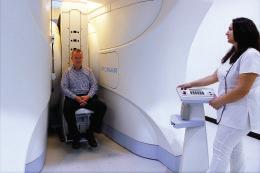
• Completely open scanner that is well tolerated by claustrophobic patients
• Weight-bearing scans for spine and joints enable a more precise diagnosis
• Patients who are large or cannot lie down can be accommodated
more information go online
host of problems
You have emotions and you get stressed. i f this stress is left unchecked or managed poorly, a whole host of problems can arise.
Chronic stress can lead to depression, anxiety disorders, social and medical problems and burn-out, which is common among even the seemingly most resilient doctors i’ve treated. the rates of divorce, substance misuse and suicide are alarming high for doctors.
t he assumption that you should be able to handle stress, and your fear that anyone might find out you aren’t coping so well, leads to stigma.
this stigma means a lot of doctors don’t disclose how they feel to others and, worse still, don’t seek help and perhaps even selfprescribe medication or engage in a lot of other unhealthy habits to suppress and eradicate their stress.
what’s up, doc?
t he truth is that working as an independent medical consultant comes with its own unique range of very real stressors. r unning busy clinics and your own practice can often mean that you are frequently on the go and when you’re not, you’re probably being constantly interrupted.
You are likely to have staff and patients demanding your attention and compassion 24 hours a
day. the wonders of modern technology, eh? You can witness disturbing things. You might need to make quick and potentially lifechanging decisions on the spot. there is always the risk that you could make a mistake that could be harmful to a patient. Please note that this particular risk is even greater when you are under stress. the pressure and responsibility can be understandably hard to handle. it’s a pressure cooker. i rrespective of your specialty, it’s not uncommon to have to break bad news and frequently be in contact with illness, anxiety, suffering and death.
Patients’ high expectations around medication, surgery or any other form of intervention you might provide can place unrealistic pressure on you. Patients can become dissatisfied and even aggressive at times.
All this can take its toll. However, the typical personality traits of many medical professionals, such as perfectionism, can add to this and lead to some becoming increasingly self-critical, which can increase stress and lead to depression and anxiety.
Other psychological factors that can increase your propensity to exacerbate stress include:
An excessive sense of responsibility;
A desire to please everyone;
Guilt for things outside of your own control;
Self-doubt;
Obsessive compulsive traits. Perhaps some of these resonate with you?
help is at hand in this series of articles, i’m keen to help you think about the ways in which you respond to your own stress and to encourage you to consider whether these ‘coping strategies’ are working for you or not. that is, do these strategies actually help you to eradicate stress in the long term? Do they help you to be the kind of practitioner you really what to be? Do they help you move towards living the kind of life that matters most to you?
i’m keen to also offer you some alternative strategies to help you manage stressful thoughts, emotions and sensations when they show up, which may prove more effective when your current
toolkit of stress management techniques isn’t working out so well for you.
Above all, i want to remind you that stress is an inevitable part of work as a medical consultant and despite what you or others may think, it is natural that you would experience it and at times have difficulty managing it. You are human after all.
You are not alone in experiencing stress. i f stress becomes a problem for you, and you find that you aren’t coping well, then i would encourage you to speak up, tell others and, better still, seek some professional help from a trained professional such as a psychologist.
Don’t forget to catch next month’s article in which i will highlight how we tend to respond to stressful situations and our own internal stress experience and invite you to consider whether these strategies are working for you or not.
Dr Michael Sinclair (below) is a consultant counselling psychologist. He is the clinical director of City Psychology Group in London, with clinics in Liverpool Street, Harley Street and Canary Wharf.
He is the author of a range of selfhelp books, including Mindfulness for Busy People, Working with Mindfulness, The Little ACT Workbook, The Little CBT Workbook, and Fear and SelfLoathing in the City
He provides effective, evidencebased psychological interventions to individuals of all ages, couples and families experiencing a range of psychological problems such as stress, anxiety and depression and adjustment to physical health conditions. He provides training to medical and other health practitioners, consultation to a growing number of corporate occupational health departments and delivers psychological interventions to large firms to improve employees’ health and performance
MAKE
Need a wake-up call?
You know your number but would you like what your patients hear? In the second of her series, Stephanie VaughanJones (right) shows how to test how your phone customer service is performing
FOr ANY business, customer service is a highly important skill. Whether it’s in person, via an email, online web chat or a phone call.
And for practices, this is particularly important, as a great deal of business is built on the personal relationship a patient has with the practice itself.
this is why a clinic’s phone calls matter so much. it’s the first point in the customer journey that the patient has a real, meaningful connection with a person and the practice itself.
Because the majority of private practices are built on the relationship a patient has with the practice itself, establishing a healthy,
emotional connection with patients is key. But how can you tell exactly how your practice is performing in terms of its customer service over the phone?
Mystery-shop your practice
One of the best tricks is to mystery shop your own practice by cold calling it.
For an objective view, call from an unknown number or get someone to call on your behalf and see how you inquiry is handled, taking notes on the key areas that make a good call; time to answer, greeting, friendliness and helpfulness, query resolution and farewell.
An additional point to consider is if the call handler speaks appro-
priately to the patient over the phone.
Matching the demeanour of the caller does take a bit of skill, but is vital to build rapport with that person. it’s all too easy to fall into patter when you are answering calls using the same sing-song greeting and standard questions. But this can irritate patients, who don’t want to feel like just another name on the books.
e veryone wants to speak to someone on their level. i f a patient calls with a serious problem that needs solving or seems irritated by the practice, the call handler responding by being offhand or dismissive will not win the practice any favours.
i f the caller seems shy and timid, answering them in a reserved manner will make them feel more comfortable and willing to open up.
Doing this to each caller will make every conversation much better received, and you’ll be surprised how the effect filters into almost all other parts of the practice’s customer service levels too.
t his should give you a lot of valuable insight into how the practice comes across to new and existing patients at this vital point of communication. And there are other ways you can test the level of customer service patients receive and are just as important to get right.
It’s all too easy to fall into patter when you are answering calls using the same singsong greeting and standard questions
Try out patient touchpoints
Nothing will provide you with a more objective view of your practice than stepping into the shoes of your patients and seeing the customer service from their eyes. Send an email or online inquiry, try out your app, interact on social media, send a friend into your branch – think of every possible contact point and see how it works and how it feels. However busy you are, it’s worth the investment and you’ll be amazed by the insights you’ll gain.
Ask for feedback
Of course, one sure-fire way of understanding what your patients think of your practice is to ask them. it may seem bold, but it will give you an insight of your practice you wouldn’t have even thought about.
there are several ways you can do this. You can send an email to patients asking for honest feedback about their experience at the clinic over the preceding months. Or build an online form into the website.
Providing a platform to give feedback anonymously might encourage more people to have their say. Also, good feedback can be used to promote a practice. Clinics regularly put positive testimonials from patients on their websites. But remember not to be offended by any negative feedback you receive. t his is worth its weight in gold, as it shows you the exact areas to improve on.
Take action to improve
Feedback is worthless without action. Having examined customer touchpoints, you can now take steps to improve areas that may need increasing service. even the smallest change from a patient’s suggestion can make a big difference to their experience.
Stephanie Vaughan-Jones is channel manager at telephone answering specialist Moneypenny
Dear Reader,
Subscribing to Independent Practitioner Today is the only way you can be sure you will see every issue and have the option of reading us online using our special page-turnable edition. Don’t risk missing out. Our personal subscription for doctors and managers is only £90 a year and £210 for organisations. But you can cut this to just £75 and £180 respectively if you pay by direct debit. So take advantage of this offer now for our unique business journal dedicated to supporting you in your private practice. We’re confident your subscription will repay itself many times over!
Editorial director
Doctors, please give GMC No.
(See rates listed above)
* indicates this item must be filled in
it’s
Instructions to your Bank or Building Society to pay Direct Debits
Name and full address of your bank/Building Society
No. (Do not complete)
of
banks and building Societies may not accept direct debit instructions for some types of account
Banks and Building Societies may not accept Direct Debit instructions for some types of account To: The Manager
post your application (no postage required – UK only) to: independent practitioner today Subscriptions department, FreepoSt, po box 36, plymouth, pL1 1br
phone: 01752 312140 Fax: 01752 313162 email: lisa@marketingcentre.co.uk or subscribe online at www.independent-practitioner-today.co.uk if you want to pay by card
payment dates change, The Independent Practitioner Limited will notify you 10 working days in advance of your account being debited or as otherwise agreed.
If an error is made by The Independent Practitioner Limited or your Bank or Building Society, you are guaranteed a full and immediate refund from your branch of the amount paid.
You can cancel a Direct Debit at any time, by writing to your Bank or Building Society. Please also send a copy of your letter to us.
AppLicATion FoR SUbScRipTion
pRomoTing yoUR pRAcTicE
The art of selling yourself
Can you sell your expertise without being ‘salesy’? Surgeon Mr Dev Lall (right) insists you can – and shows you how
If there’s one person who is almost universally reviled, it’s the salesman.
e ven the word conjures up images of a slimy, persistent, fasttalking oik who won’t take ‘no’ for an answer.
the fact, though, is that while salesmen do have a serious image problem, they are a vital part of the world we live in. they grease the wheels of commerce.
After all, the only differentiator between a successful company and an unsuccessful one is simply the ability of that company to sell their stuff while making a profit.
The importance of selling the ability to influence others is a vital skill.
Want that merit award? You’ve got to persuade others you deserve it. Want more kit for your Nhs department? You must convince others of the need and the benefits it will bring.
Looking for a new job? You’ve got to sell yourself as the preferred candidate for that post.
Patient needing surgery but refusing potentially life-saving treatment? You have to convince them that the treatment you propose is in their own best interests.
And selling yourself also matters in your personal life too. Meet a member of the opposite sex that you want to get to know better? You have to persuade them that you’re fun, interesting and worth getting to know.
In short, every one of us every day is involved in selling – selling ourselves. In fact, a rather better term might be ‘influence’ or ‘persuasion’.
The
problem with selling and your private practice
But while we all ‘sell’ ourselves each and every day, and while selling is a vital part of commerce, there’s a problem when it comes to using sales strategies in your private practice. A big problem. And that is falling foul of medical regulation.
s o-called ‘hard sell’ strategies, which have been used predomi-
nantly by elements within the cosmetic and aesthetic sector, has meant that there is increasing scrutiny of the tactics used to encourage people to buy treatment.
r egulation is coming, and it’s highly likely to apply across the board, affecting all medical specialties.
In the N hs , because we have nothing to gain whether a patient comes to see us or not, things are usually straightforward. We might need to ‘sell’ a reluctant patient on a particular treatment, but it is usually quite clear that we are doing so in the patient’s best interests.
Not so privately. Because, in private practice, we gain financially if patients consult with us. there’s a conflict of interest.
We are always vulnerable to the accusation that we have crossed the line from persuasion – and acting in the patients’ best interests– to manipulation and acting in our own financial interests.
r obert Cialdini, in his classic work Influence: the psychology of persuasion, was one of the first to describe the six elements of persuasion, which are:
1 commitment and consistency
We are predisposed to do business with people who share our beliefs and values.
2 Reciprocity
People tend to return favours. If someone does a favour for us, then we feel an obligation
to do something for them in return.
3 Authority
People naturally look up to authority figures and are predisposed to do what they say. Doctors are classic authority figures.
4
Social proof
If we’re unsure what to do, we look to see what others have done and tend to follow suit.
5 Scarcity
People are funny creatures: we want what we can’t have. And the less there is of something, the more we’ll want it. Whole industries revolve around ‘limited editions’.
And scarcity is one of the reasons the cosmetic industry is in trouble – the use of the time-limited offer and ‘buy one, get one free’.
6 Liking
People do business with people, not businesses. And they do more business more often with people they know, like and trust. When was the last time you bought from someone you actively disliked?
Interestingly, Cialdini’s book was not written for marketers; it was sort of an exposé – to warn the public of the nefarious strategies used by marketers to persuade them to buy.
Paradoxically, it has now become something of a core text for marketers. ➱ p20
The
importance of selling in your private practice
Being able to sell, in my experience, is a vital part of running a successful private practice, for the simple reason that, if nobody pays to see you – in other words buys your expertise – you don’t have a private practice.
Now, I’m guessing that the majority of you reading this will disagree. Your will say:
‘that’s not true. Patients arrive at my practice through their GP or after finding my website, so where is the need for “selling”? When patients come through the door, they are ready and willing to be treated; I don’t need to “sell” them on the fact.’
And that, of course, is true. But what you’re missing is that the process of selling is what got those patients into your practice in the first place. the ‘selling’ has already happened.
One of the commonest complaints I hear from consultants is that they tell me that they get very few patients from their websites. to them, that means either online marketing is a waste of time or they need a new website.
Yet when I take a look at their websites – and once I have confirmed they are getting enough visitors in the first place – it is
very clear why so few visitors are going on to become patients. their websites tell but they do not sell.
so where does that leave us? We need to sell to run a business, yet we’re not allowed – or soon won’t be allowed – to use sales strategies. how do we square the circle?
Ethically selling in private practice – while staying out of trouble
You do have to be careful when it comes to selling your skills in private practice. But that doesn’t mean you can’t – or shouldn’t –sell. Of Cialdini’s six elements of persuasion, liking and social proof are by far the most powerful, closely followed by authority. they are also the safest of all the ‘persuasion’ strategies out there. And better yet, they are completely non-salesy, non-cheesy and ethically sound.
Authority
Authority is powerful and naturally goes with the territory as a doctor. the obvious thing to do is to build upon this by highlighting your previous clinical experience; for example, how many hernias have you repaired in the past, how long you’ve been in practice, fellowships and research papers.
If you happen to have a Nobel Prize in haemorrhoid surgery or have invented the now goldstandard way of treating haemorrhoids, then say so, loudly and clearly.
Social proof
social proof is not only powerful but is very easy to use. those letters of thanks you get from grateful patients? Use them as ‘blind’ testimonials.
Ask patients to leave testimonials and reviews of your care. Use case studies of patients you’ve helped in the past. Use these things liberally everywhere – your website, advertisements, articles, videos, online and offline.
Liking
this is my favourite of the factors of influence that Cialdini identified. Not only is it laughably easy to implement in your practice but it has so many other favourable knock-on effects. the simplest way to attract people who like you is to put your personality out there. Let your personality shine through in the content on your website, your videos and your advertisements. Let the reader know a little about the real you. sure, not everyone will like you.
The good news is that you can sell your expertise in a very effective, non-cheesy, nonthreatening way. and you can do so without getting into trouble with the regulators
But those that do like you will be drawn to you, attracted to you. they will be predisposed to consult with you privately. they will give you testimonials. they will actively tell their friends and family about you and so generate referrals that way.
And they are better patients. t hey are much more likely to comply with your treatment and advice, so they will be more likely to get better, which makes your job more rewarding.
And dealing with them is so much more pleasant – and all because of liking.
In my experience, this is by far the most powerful way to ‘sell’ your services. It is also the easiest, because all you have to do is stop putting up that ‘them and us’ barrier and let a bit of your personality into your marketing.
the good news is that you can sell your expertise in a very effective, non-cheesy, non-threatening way. And you can do so without getting into trouble with the regulators.
the subtext I suggest you have in the back of your mind is simply this: ‘If you have XYZ symptoms, you need to be seen by a doctor without delay. I am a specialist in the field and will be able to help you. Whether you choose to see me or someone else, to see someone on the N hs or privately, doesn’t matter. But please do see a doctor, as XYZ symptoms matter and can be serious.’
this is both ethical, honest and extremely powerful when it comes to selling your skills. next month: goals, strategy and tactics in private practice
Dev Lall is a surgeon who runs a specialist private practice consultancy. To learn more, go to www. privatepracticeexpert.co.uk
AVAILABLETOPRESCRIBEPRIVATELY
HELP YOUR PATIENTS WITH OBESITY BREAK FREE FROM HUNGER AND CRAVINGS 1-5
Mysimba is indicated, as an adjunct to a reduced-calorie diet and increased physical activity, for the management of weight in adult patients (≥18 years) with an initial Body Mass Index (BMI) of: ≥30 kg/m2 (obese), or ≥27 kg/m2 to <30 kg/m2 (overweight) in the presence of one or more weight-related co-morbidities (e.g., type 2 diabetes, dyslipidaemia, or controlled hypertension).6
naltrexone HCI/bupropion HCI
naltrexone HCI/bupropion HCI
8mg/90mg Prolonged-Release Tablets
8mg/90mg Prolonged-Release Tablets
A new dual approach that targets the CNS pathways helping your patients with obesity to achieve signi cant weight loss1-5
Mysimba® (naltrexone/bupropion) Prescribing Information
Product name: Mysimba 8 mg/90 mg prolonged-release tablets. Composition: 8 mg naltrexone HCl, 90 mg bupropion HCl. Indication: As an adjunct to a reduced-calorie diet and increased physical activity, for the management of weight in adult patients (≥18 years) with an initial Body Mass Index (BMI) of either (1) ≥30 kg/ m2 (obese), or (2) ≥27 kg/m2 to <30 kg/m2 (overweight) and with one or more weight-related co-morbidities. Discontinue treatment after 16 weeks if patients have not lost at least 5% of their initial body weight. Dosage and administration: Adults: Escalate dose over 4 weeks, to a maximum recommended daily dose of two tablets twice daily. Evaluate the need for continued treatment after 16 weeks and re-evaluate annually. Elderly patients (over 65 years): Use with caution. Not recommended in patients over 75 years of age. Paediatric population: Should not be used in children and adolescents below 18 years. Method of administration: Swallow tablets whole with water and preferably with food; do not cut, chew or crush. Contraindications: Hypersensitivity to active substance(s) or to any of the excipients. Uncontrolled hypertension. Current seizure disorder or a history of seizures. Known central nervous system tumour. Acute alcohol or benzodiazepine withdrawal. History of bipolar disorder. Any concomitant treatment containing bupropion or naltrexone. Current or previous diagnosis of bulimia or anorexia nervosa. Dependency on chronic opioids or opiate agonists (e.g. methadone), or acute opiate withdrawal. Concomitant administration of monoamine oxidase inhibitors (MAOI); at least 14 days should elapse between discontinuation of MAOI and initiation of treatment with Mysimba. Severe hepatic impairment. End stage renal failure or severe renal impairment. Warnings and precautions (see SmPC for full details): Suicide and suicidal behaviour: Closely supervise patients particularly those at high risk, especially in early treatment and following dose changes. Seizures: Bupropion is associated with a dose-related risk of seizures.
Exercise caution when prescribing to patients with predisposing factors that may increase the risk of seizure. Patients receiving opioid analgesics: Do not administer to patients receiving chronic opiates. The attempt to overcome any naltrexone opioid blockade by administering large amounts of exogenous opioids is very dangerous and may lead to a fatal overdose or life endangering opioid intoxication (e.g. respiratory arrest, circulatory collapse). Allergic reactions: Discontinue if experiencing allergic or anaphylactoid/ anaphylactic reactions (e.g. skin rash, pruritus, hives, chest pain, oedema, and shortness of breath) during treatment. Elevation of blood pressure: Use with caution in controlled hypertension and do not use in uncontrolled hypertension. Cardiovascular disease: Use with caution in active coronary artery disease (e.g. ongoing angina or recent history of myocardial infarction) or history of cerebrovascular disease. Hepatotoxicity: Mysimba is contraindicated in severe hepatic impairment and not recommended in mild or moderate hepatic impairment. Patients with suspected druginduced liver injury should discontinue treatment. Renal impairment: Mysimba is contraindicated in end-stage renal failure or severe renal impairment, and is not recommended in moderate renal impairment. Dose reduction is not necessary in mild renal impairment. Neuropsychiatric symptoms and activation of mania: Use with caution in patients with a history of mania. Lactose: Do not use in patients with rare hereditary problems of galactose intolerance, the Lapp lactase deficiency or glucose-galactose malabsorption. Other: The consumption of alcohol during Mysimba treatment should be minimised or avoided. E ects on ability to drive and use machines: It should be taken into account that dizziness may occur during treatment. Undesirable effects: Adverse reactions reported in subjects who received Mysimba, naltrexone alone or bupropion alone. Very common (≥1/10): Anxiety; insomnia; headache; restlessness; abdominal pain; nausea;
constipation; vomiting; arthralgia; myalgia. Common (≥1/100 to <1/10): Lymphocyte count decreased; hypersensitivity reactions e.g. urticaria; decreased appetite; irritability; a ective disorders; depression; dizziness; tremor; dysgeusia; disturbance in attention or concentration; lethargy; lacrimation increased; tinnitus; vertigo; palpitations, electrocardiogram change; hot ush; chest pain; dry mouth; toothache; diarrhoea; abdominal pain upper; hyperhidrosis; pruritus; alopecia; rash; sweating; ejaculation delayed; feeling jittery; energy increased; chills; fever. FOR A FULL LIST OF ADVERSE EVENTS PLEASE CONSULT THE SUMMARY OF PRODUCT CHARACTERISTICS. NHS Price: £73.00 per box of 112 tablets. Legal Classi cation: POM. MA number: EU/1/14/988/001. Marketing Authorisation Holder: Orexigen Therapeutics Ireland Limited, 2nd Floor, Palmerston House, Fenian Street, Dublin 2, Ireland. Further information is available on request from: Consilient Health (UK) Ltd, No.1 Church Road, Richmond upon Thames, Surrey. TW9 2QE or Mysimba@druginfo. com Job Code: UK/MYS/0417/0066 Date of preparation of PI: April 2017
UK/MYS/0517/0074c Date of preparation: October 2017
Adverse events should be reported. Reporting forms and information can be found at www.mhra.gov.uk/yellowcard. Adverse events should also be reported to Orexigen®: 0800-051-6402 or Mysimba@druginfo.com
4. Hollander P et al. Diabetes Care 2013;36:4022–4029.
5. Wadden TA et al. Obesity 2011;19:110–120.
6. Mysimba SmPC 2017.
mARk REsEARch REsUlTs
No end in sight to growth in self-pay
The number of self-pay patients continues to rise, as we reported last month, and independent practitioners are being advised to position themselves to take advantage of the trend. Here we present key themes from the Private Healthcare
UK Self-pay Market Report 2017
The research on the self-pay market was conducted between July and august 2017 and the pricing collection in July 2017.
The research embraced:
One-to-one interviews with leading figures in the UK provider market, third-party administrators, clinicians and N hs private patient units (PPUs);
a n online survey of industry participants;
collection of self-pay pricing information for the most commonly performed surgical procedures, treatments and higher-cost diagnostics – for example, MrI scanning – from independent providers.
In total, it collected and analysed around 6,000 prices for a range of diagnostic procedures, treatments and surgical procedures most commonly carried out for self-paying patients.
conclusions
of Private healthcare Uk
➲ respondents reported they believe the UK self-pay market continues to grow and that this trend will continue over the next three to five years
➲ The double-digit annual growth predicted in 2013 has been achieved and the future trajectory looks similarly positive. For example, Nuffield h ealth
reported 14% growth in self-pay in 2016 compared to 12% in 2015. During 2016, their private medical insurance (PMI) business grew only 2%.
➲ The percentage of respondents to our survey saying the self-pay market will grow by more than 10% a year has risen this year.
➲ There are regional growth disparities – most marked when comparing central London to the rest of the UK. c entral London self-pay market growth is estimated to be growing at around 25% a year.
This is to a large degree driven by inbound international medical business, but there is anecdotal evidence of a slight ‘cooling’ in growth from UK patients.
One commentator thought this might be attributed to UK patients opting to be treated in the home counties rather than paying a premium for central London.
➲ If income and activity from insured patients is likely to remain static or grow only marginally, then the growth potential evidenced by respondents to this research must come from the selfpay market.
all observers and commentators agree that the self-pay market has
consolidated recent growth and that it is an increasingly important market sector, given the potential for the N hs -funded market to become less attractive to providers if tariff changes significantly.
➲ In 2015, our respondents and interviewees believed the main factors influencing the growth in the self-pay market were: rising PMI premiums, reduced confidence in Nhs services, reduced access to Nhs services and changing demographics. This year, they felt the top three drivers were Nhs waiting times, local marketing campaigns and demand management initiatives by clinical commissioning groups. Thus, the growing demand for Nhs services and funding/capacity constraints continue to be the major influencing factor on the choice of private treatment.
➲ Patients are voicing particular dissatisfaction at the demand management initiatives employed to avoid placing them on waiting lists when there is clear clinical need. This is a particular driver for seeking private diagnosis and treatment.
➲
Increasingly restrictive Nhs funding criteria in orthopaedics, ophthalmology, gastroenterology, gynaecology and urology is fuelling increased selfpay demand.
➲ In 2015, our respondents reported the top self-pay procedures were general surgery, diagnostics, orthopaedics, ophthalmology and cancer treatment. In 2017, the list looked slightly different, with orthopaedics, ophthalmology, general surgery, vascular, e NT and cancer treatment in the top ten.
➲ More providers are offering an extended period of cover post-discharge for related readmission or complications – up to 60 days in some instances. however, there is still work to be done generally on inclusions and exclusions to improve clarity.
➲ The prevalence of risk factors which results in a different fixed-price package ultimately being offered than the
published guide price has increased slightly over 2016.
Providers think of this more as tailoring the package and also noted increasing co-morbidities in an ageing population.
➲ Despite the almost universal approach to publishing guide prices, our respondents did not feel pricing was as transparent as in 2015.
But we believe this may be because in 2014-15 there was a major push to publish prices in the wake of the competition and Markets authority (cMa) report with only limited changes in approach since then.
➲ The prioritisation of marketing and promotional activities is shifting slightly with less emphasis and investment in print advertising and more in online and digital presence.
The return on investment on the latter is not as clear as the former, but all agree they need to be operating online.
➲ The cycle of growth – and decline – in self-pay treatment tends to follow the UK economic cycle. however, the current and sustained growth in the selfpay sector does appear to be
Older patients are abandoning their PMI in favour of a ‘mix and match’ approach to healthcare – selectively either self-paying or choosing to wait for NHS-funded care
greater than might have been expected given modest economic growth and future uncertainty, such as Brexit.
Interviewees believe it is more about greater disposable income in the key over-60s age group and the ability to make informed healthcare choices, particularly when the cost of many procedures is now considered affordable.
➲ Providers and commentators told us that they had evidence that older patients were abandoning their PMI in favour of a ‘mix and match’ approach to healthcare – selectively either selfpaying or choosing to wait for Nhs-funded care.
This, in turn, is being driven by continuing low interest rates on savings. The ‘cashing in the I sa phenomenon’ appears common.
➲ Demographics will continue to drive the growth in selfpay. e vidence from providers is consistently of the view that it is the over-60 age group that is most likely to opt for self-pay.
In 2015, there was a suggestion that those of working age were more likely to opt for self-pay surgery. This group may still be important, but it is older age groups that are driving demand.
➲ respondents believe that in addition to surgical procedures, there will continue to be growth in the demand for other self-pay treatments and diagnostics.
This has already been evidenced in specialties such as cardiology, interventional radiology, dermatology and gastroenterology. Well-publicised and increasing restrictions on N hs funding for cancer drugs has already fuelled growth in self-pay oncology.
➲ all major private acute providers offer a private GP service. This is a well-established route into self-pay diagnostics and more complex treatment pathways.
Of itself, the private GP market is an important source of self-pay funding.
➲ The term ‘retail proposition’ was mentioned more than once to us and suggests a genuine shift in mindset among providers – excluding the Nhs PPUs.
With society’s changing view of private healthcare as being no different to considered household and lifestyle purchases, providers now offer associated options at point of sale to spread the cost –leading to a growth in providing availability.
➲ c onsumers continually look for added value in their pathway – and are likely to view hotel services or enhanced readmission or post-discharge support positively.
There is, however, little evidence that consumers are actively seeking quality or outcomes indicators to influence their decision making.
➲ There is some concern about the potential for a ‘race to the bottom’ in price competitiveness. r espondents suggested providers’ focus should be on enhancing the patient pathway and overall experience to create loyal customers rather than single episode ‘touch points’.
➲ a n unexpected consequence of the c M a report has been the decision by some N hs PPUs to withhold pricing information, which we believe makes the whole market far less transparent. compared to earlier years, more are citing commercial confidentiality as a reason for not disclosing prices.
➲ Of the respondents to the online survey, few believed there was little or no growth in
the self-pay market. 38.5% of respondents believed there would be 10-15% growth over the next three to five years and a similar percentage believed there would be a 5-10% growth. This is almost exactly the same as the survey carried out in 2015.
➲ The growth in specialtyspecific services such as vein clinics, imaging clinics, day surgery-only clinics and ophthalmology providers is challenging the competitiveness of traditional full service private hospitals from a pricing perspective.
➲ 34.6% of our survey respondents told us that they intended to allocate less than 5% of their marketing budget to the self-pay market, although 20.4% said they would commit over 30% of their budget, the latter figure slightly down on 2015.
This seems anomalous considering that most agree the self-pay market is the one most likely to be able to produce growth. This may reflect the mix of respondents.
➲ The proportion of self-pay income in some Nhs PPUs appears slightly lower than standalone units. Most N hs PPUs do not tend to highlight self-pay as much as other providers in their promotional information and many do not publish guide prices.
➲ To our knowledge, only one N hs provider, Frimley health, has introduced a finance scheme – through c hrysalis Finance.
➲ We noted improved consistency in pricing this year compared with 2016 in terms of anomalies and obviously incorrect prices/descriptions.
h owever, we believe the description of procedures could still be improved and more standardised across providers. There is still too much uncertainty from a consumer point of view, given the variations in description of similar procedures by different providers.
➲ all observers and commentators agree that the self-pay market is growing at somewhere
between 10% and 20% a year. In London the growth rate is higher – around 25% a year. If we assume a straight line growth of around 15% a year for the next three years, the self-pay market non-cosmetic spend could rise from its current level at around £623m to around £948m by 2020. Thus, the £1bn self-pay acute market looks a potential reality.
➲ Traditional models of PMI are not likely to be sustainable in the future – either for corporate or personally-paid policies. Insurers have yet to demonstrate real innovation in a way that delivers better value for consumers.
➲ There is evidence that providers and practitioners better understand the nature and characteristics of the self-pay market and some have made significant progress in tailoring their offering in terms of value and customer service.
Other providers may need to consider their marketing strategy for self-pay patients to maximise the growth opportunities over the next three to five years. If the Nhs is genuinely committed to promoting self-pay surgery, then apart from a few notable exceptions, it has much progress to make.
➲ The advent of online and digital healthcare services is attracting a new audience for ‘entry level’ self-pay services such as ‘virtual’ GP appointments, health and well-being advice and booking facilities for consultant appointments.
These services are low-cost and are rapidly gaining market traction.
➲ The role and visibility of consultants is changing and we believe there is a greater need than ever for consultants to collaborate with providers to design and deliver self-pay pathways. There is a growing trend for consultants to establish a strong personal online and digital presence, which we believe will have an important future role in influencing patient choice.
For information on the report, go to www.privatehealth.uk
Our splash last month revealed the prediction of a £1bn market
Avoiding complAinTs
When Dr Google gets in the way
Providing treatment you don’t believe is necessary could put you at risk of a complaint or clinical negligence claim.
Dr Gabrielle Pendlebury looks at the medico-legal risks involved and how you can manage a patient’s expectations to make them satisfied
The in T erne T provides unfettered access to a wealth of knowledge. A recent study in Belgium indicated that searching the internet for health information or using ‘Dr Google’ can have a positive impact on the doctor-patient relationship, as a result of a better mutual understanding.1
A YouGov survey of over 2,000 British adults, commissioned by Medical Protection, showed that 47% of the public have searched online for their symptoms and a possible diagnosis before seeing their doctor. One in five of those surveyed (2%) admitted that they had then challenged their doctor’s diagnosis.2
While it is positive that patients are taking a more active role in their healthcare, it can present some challenges for doctors.
Doctors are advised not to give treatments that are not medically indicated –even if the patient demands them
2. All figures, unless otherwise stated, are from YouGov Plc. Total sample size was 2021 British adults. Fieldwork was undertaken between 26-31 May 2016. The survey was carried out online. The figures have been weighted and are representative of all GB adults.
3. www.rcgp.org.uk/news/2017/may/ college-advises-patients-to-be-cautiousabout-using-dr-google-to-diagnosethemselves.aspx. Viewed 26 July 2017
Patients who search their symptoms and diagnosis online before seeing their doctor may have preconceived ideas and when expectations are not met, they can feel dissatisfied, resulting in a breakdown in the doctor-patient relationship and a greater risk of the patient pursuing a complaint or claim.
The r oyal College of General Practitioners advises patients to be cautious when searching the internet for health information.3 There is acknowledgement that patients require access to good quality, evidence-based information so they can take an active part in decisions about their health care, but also concern that much of the information available on the internet is not verified.
As a result of greater access to health information, Medical Protection has been informed by
its members that it has become common for patients to request procedures or treatments that are not supported by guidelines, nor medically indicated and, in some cases, potentially harmful.
The basis for such requests can be anxiety, misunderstanding, misinformation and occasionally, hypochondriasis.
Ethical guidance
So how can a doctor approach such a request in a way that provides appropriate care for the patient, avoids unnecessary and potentially harmful interventions and maintains the doctor-patient relationship?
A good starting point is the GMC’s publication Good Medical Practice 4 which provides ethical guidance to doctors in this area. its paragraph 16 states: ‘in providing clinical care, you must:
A. Prescribe drugs or treatment, including repeat prescriptions, only when you have adequate knowledge of the patient’s health and are satisfied that the drugs or treatment serve the patient’s needs;
B. Provide effective treatments based on the best available evidence;
C. Take all possible steps to alleviate pain and distress whether or not a cure may be possible;
D. Consult colleagues where appropriate;
E. r espect the patient’s right to seek a second opinion;
F. Check that the care or treatment you provide for each patient is compatible with any other treatments the patient is receiving, including, where possible, self-prescribed overthe-counter medications;
G. Wherever possible, avoid providing medical care to yourself or anyone with whom you have a close personal relationship.
The first step would be to assess the patient to understand their current presentation and ensure you have adequate knowledge of the patient’s health to come to a decision as to whether a treatment or procedure is warranted or not.
obligation to protect Doctors are advised not to give treatments that are not medically indicated – even if the patient demands them. The doctor has an obligation to protect the patient from unacceptable harm and unnecessary risk.
Providing treatments that are not clinically indicated can lead to a number of difficulties such as complaints, referral to the regulator or, in cases where the procedure or treatment causes harm, a potential claim of clinical negligence. if, following your assessment, it is your clinical opinion that the treatment is not necessary, you should not be dismissive of the request.
A thorough exploration of the reasoning behind the request may give a clear understanding of the basis for the request. For example, a request for a chest CT, when not clinically indicated, may be due to the experience of caring for a friend suffering from lung cancer.
The patient may be focused on the potential benefit of a treatment or test but may not be aware of the possible risks. This limited awareness can compromise the patient’s autonomy and their ability to participate in decisions affecting their own welfare.
Therefore, a careful discussion of the patient’s goals and the risks and benefits associated with their request may result in a shared understanding and a withdrawal of the request. i f the patient is reassured by the discussion, the doctor-patient relationship is likely to continue as before.
But some patients may have different expectations and may still
demand the procedure or treatment despite the doctor’s reasoning. in these instances, doctors need to be able to direct patients to sources of good-quality health information to corroborate their opinion. it may be appropriate to consult with colleagues, if the decision is equivocal.
The doctor cannot agree to a procedure or treatment that is not indicated, but he or she should respect the patient’s right to seek a second opinion, supporting them with this, if possible.
comprehensive notes
The medical notes need to be clear and comprehensive, demonstrating the evaluation of the request, indicating the evidence – for example, past history, clinical findings, guidelines – that the doctor has considered in coming to his or her decision.
The onset of greater access to health information has changed
the dynamics of the doctorpatient relationship. Patients are taking a more active role in their healthcare and may occasionally request procedures or treatments that are not appropriate or could cause harm.
Such situations can be difficult and, to support our members, Medical Protection provides a phone advice line, where a medicolegal adviser is available to talk through any complicated dynamics, not only to aid resolution of the issue but also to protect the doctor’s professional welfare.
A collaborative approach is beneficial to patient care and with effective communication and a measured approach, the doctor can effectively negotiate troublesome situations.
See ‘Guard against complaints’, page 32
EXPERT ADVICE YOU CAN TRUST
YOU CAN TRUST
Since starting in the mid 1970’s Sandison Easson has continued to grow and is one of the largest independent medical specialist accountants in the UK.
Since starting in the mid 1970’s Sandison Easson has continued to grow and is one of the largest independent medical specialist accountants in the UK.
Since starting in the mid 1970’s Sandison Easson has continued to grow and is one of the largest independent medical specialist accountants in the UK.
Sandison Easson acts for medical professionals throughout all stages of their career and has clients in almost every town in England, Scotland and Wales.
Sandison Easson acts for medical professionals throughout all stages of their career and has clients in almost every town in England, Scotland and Wales.
Sandison Easson acts for medical professionals throughout all stages of their career and has clients in almost every town in England, Scotland and Wales.
We provide the usual services you would expect from an accountant such as preparation of your accounts and tax declarations but offer so much more including advice on:
We provide the usual services you would expect from an accountant such as preparation of your accounts and tax declarations but offer so much more including advice on:
We provide the usual services you would expect from an accountant such as preparation of your accounts and tax declarations but offer so much more including advice on:
• Setting up in Private Practice
• Setting up in Private Practice
• Setting up in Private Practice
• Developing your Private Practice
• Developing your Private Practice
• Developing your Private Practice
• Tapering of the Annual Allowance
• Tapering of the Annual Allowance
• Tapering of the Annual Allowance
• Lifetime Allowance planning
• Lifetime Allowance planning
• Lifetime Allowance planning
• Personal Allowance planning
• Personal Allowance planning
• Personal Allowance planning
• Reviewing your PAYE Coding Notices SPECIALIST
• Reviewing your PAYE Coding Notices SPECIALIST
• Expenses that you can claim and those you cannot
• Expenses that you can claim and those you cannot
• Expenses that you can claim and those you cannot
• Minimising your tax bills
• Minimising your tax bills
• Minimising your tax bills
• Reviewing your PAYE Coding Notices
Dr Gabrielle Pendlebury is a medicolegal adviser at Medical Protection T
T 01625 527 351 E info@sandisoneasson.co.uk W www.sandisoneasson.co.uk
Are your ad claims OK?
State-of-the-art regulation will put a stop to exaggerated technology claims from private hospitals, clinics and doctors,
warns Janet Taylor
Ev E ry y E ar at the a dvertising Standards a uthority ( a S a ), we receive thousands of complaints about ads across all types of sectors, from pet food to property to health clinics – and everything else in between.
The ad rules apply across media to businesses large and small, from telecom giants to sole traders. and, as our recent ruling involving a health clinic making a ‘stateof-the-art’ claim in relation to some of its technology demonstrates, that means the health sector too. More on that later.
Complaints, in and of themselves, don’t necessarily mean the rules have been broken and we’re not here to stifle creativity or prevent marketers from promoting their products and services in the best possible light.
Our role is to intervene where there’s a problem in order to protect consumers from being harmed or misled.
In keeping UK ads responsible, a substantial part of our work involves helping advertisers get their ads right.
That’s why we place an emphasis on equipping advertisers with the tools and knowledge to stick to the rules. responsible advertising is good for business; it drives competition and encourages consumer trust.
Holding advertisers to account
While we receive a lot of complaints challenging whether ads are harmful, offensive or irresponsible, by far the most common challenges we see relate to concerns around misleadingness.
We know most advertisers don’t intend to mislead consumers, but it’s only right that, where someone has concerns that an advertiser is being untruthful, they are able to hold them to account. That’s where we come in.
The health sector is big on advertising. Why? First and foremost, ads are prevalent because there’s consumer interest and demand for self-care and external advice, therapies and services.
Choice is no bad thing. alternative therapies are incredibly popular and we are constantly seeing new and interesting treatment claims. russian Blanket Therapy has never been so popular!
The aSa’s role here, of course, is
to ensure advertisers in the health sector don’t make claims that could result in consumers being harmed – as well as being misled and left out of pocket. Crucially, when dealing with health claims in ads, we are talking about harms that could be mental as well as physical.
There is already legislation in place to prevent advertisers selling and marketing medicines without a licence; medical devices need certification before they can be advertised.
The aSa also applies the principle of evidence-based medicine and expects health claims not already covered by medicines legislation to be supported by clinical evidence.
This principle applies irrespective of whether an advertiser is saying they can cure an illness or can reduce your wrinkles by 20%.
The type of evidence needed depends entirely on the claim being made and sometimes whether the person carrying out a treatment is a suitably qualified health professional.
But on a very basic level, we would expect that if an advertiser were making a claim about how a device can reduce leg pain in people with sciatica, for example, they would need to hold clinical evidence on humans with leg pain caused by sciatica.
Lacking evidence
It sounds obvious really, but you would be surprised how often we receive clinical trials on mice to support advertising claims about the treatment of humans.
Common issues with ads for health clinics concern claims around alternative screening methods for the purpose of diagnosis and detecting risk of future disease.
Suffice to say, some of the claims we see being made for treatments and remedies require high-level, robust, peer-reviewed evidence to back them up. Often, however, this evidence is lacking or non-existent.
For instance, we have upheld complaints about claims of the effectiveness of thermal imaging screening and of live blood microscopy (don’t ask!). It’s important we act quickly and effectively to ban ads of this
You would be surprised how often we receive clinical trials on mice to support advertising claims about the treatment of humans
nature – they target potentially vulnerable individuals who may have conditions for which medical supervision should be sought.
Claims are not, of course, limited to ones about health.
Complaints about ads which discuss the technology that health practitioners use also occasionally come to us.
technical claims
Some of those claims may be about the energy efficiency of a device or about claims that a device is ‘new’ – which, incidentally, the a S a considers to be something that has been on the market for no longer than 12 months.
Technical claims about health devices may also be a point of challenge. The recent example I mentioned earlier involved an ad for a clinic which referenced its diagnostic imaging unit stating that it had an MrI machine containing a ‘state-of-the-art MrI magnet’.
When considering claims in ads, the aSa will take into account how the person on the street – the average consumer – is likely to understand them. In this case, we considered the ‘average consumer’ to be members of the public who may be thinking about taking up private health care or health screening.
We thought that because the clinic said its M r I scanner contained a ‘state-of-the-art M r I magnet’, potential patients would expect that to mean that the clinic used the most advanced M r I machine available in the market and produced the most detailed images of the internal anatomy for diagnostic purposes that technology could offer.
The clinic was able to show us that it had installed an M r I
machine with a 1.5 Tesla magnet which it believed contained the most up-to-date hardware and regularly updated software.
However, we had to consider the fact that the ad specifically referenced the magnet itself. Our investigation revealed that, as of December 2016, the most powerful M r I on the market used a 7 Tesla magnet.
Further investigation revealed that a 7 Tesla M r I magnet was considerably more powerful than the one held by the clinic in its MrI machine.
Likely to mislead
So, even though there was no question about the capability of the clinic’s machine in producing accurate images and diagnostics, and while the software on its MrI scanner was constantly being kept up to date, the ‘state-of-theart’ magnet claim was technically incorrect at the time the complainant saw the ad.
Where a claim is incorrect, the a S a will consider whether that information is likely to materially mislead. In this case, we thought the technological advancement reference had been significantly exaggerated and was materially misleading. as such, we told the clinic to change its advertising.
The case highlights the risks of making absolute claims in advertising, especially if they are also time-sensitive.
While the 1.5 Tesla magnet may have been ‘state-of-the-art’ when the machine was first installed in the clinic and therefore the claim was accurate at that time, because technology is constantly moving
and being updated and improved, it ran the risk of quickly becoming an out-of-date claim and therefore inaccurate claim, which is exactly what happened here.
The aSa system is not all about ruling against companies who may have got things a little wrong. We want industry to succeed and are not trying to catch anyone out.
This is why the Committee of advertising Practice – the industry-facing side of the ad regulatory system – has an extensive range of advice and guidance for all advertisers, as well as some very specific sector advice.
In fact, our website is bulging with advice on the health sector. If you cannot find the guidance you want or have a more specific question, we also have a dedicated Copy advice team who can give you broad sector advice or can give you advice on a specific ad you are considering placing.
The service is free, it’s confidential and it’s given within 24 hours. you have nothing to lose by asking for a little help. If we were an advertiser, we’d be tempted to say it’s good for your health.
Janet Taylor (below) is copy advice executive at the Advert ising Standards Authority
The privacy perils
If you are involved in commissioning or overseeing IT within your private practice, the GMC expects you to understand and follow information governance and data protection law. Dr Ellie Mein provides medico-legal advice in this fifth article about the council’s new confidentiality guidance
It’s tempt I ng to predict that writing formal letters will eventually be superseded in independent practice.
e mail is quick and easy and often preferred by patients with busy professional lives, as well as helping to speed up the process of booking appointments and arranging investigations.
But there are inherent risks to patient confidentiality to guard against.
In the mDU’s experience, many email-related confidentiality breaches are caused by a moment’s inattention. For example, when sending confidential patient information, how many of us take more than a cursory glance at the recipi-
ent’s email address to ensure it is correct?
tools intended to help, such as when the system automatically suggests a recipient after you have started typing the address, can become a curse if you are distracted.
Breaches of confidentiality
In recent years, there have also been cases of mass breaches of confidentiality because the sender had pasted multiple patients’ addresses in the ‘to’ or ‘Cc’ fields where they are visible to all recipients, rather than ‘Bcc’ where only their individual email address is visible.
t he gm C guidance, Confidentiality: Good practice in handling patient information (2017) , does
not prohibit the use of email, recognising that: ‘Wherever possible, you should communicate with patients in a format that suits them’ (paragraph 132).
But it adds that you should ‘take reasonable steps to make sure the communication methods you use are secure’ (paragraph 133).
the gmC does not give specific advice but directs doctors to advice on safe email use from the professional Record s tandards Body ( p R s B) 1 and from the s cottish government/nHs scotland.2
While these are intended for nHs consumption, both contain useful advice for independent doctors, particularly on the need to obtain a patient’s informed
In the MDU’s experience, many emailrelated confidentiality breaches are caused by a moment’s inattention
consent before communicating with them by email.
For example, the pRsB guidance includes the following points:
➲ You should not normally use email to establish a patientclinician relationship. Rather, email should add to and follow other, more personal, interactions.
➲ Only use email with patients and service users who have given their informed consent. Organisations should have clear guidance for patients that can be used to tell them about the possible confidentiality problems with using email and they should have the opportunity to accept this risk before you send any confidential or sensitive information.
of email
➲t he patient’s consent should be clearly recorded in the care record.
You are unlikely to have had much involvement with I t systems when working in the nHs, but this inevitably changes when you establish your private practice and take on the responsibilities of a data controller under the Data protection Act 1998.
t his imposes a duty to ensure personal data is held securely and protected from unauthorised or unlawful processing.
t he gm C says that ‘this includes responsibilities to make sure patients’ personal information that you hold is handled in ways that are transparent and in ways that patients would reasonably expect, and appropriate technical and organisational measures are in place to guard against data loss’ (paragraph 126).
Patients’ access patients must have ready access to information about how their information is processed, including who has access and why, their options for restricting access and their rights to complain about how their information is processed.
For this reason, doctors are strongly advised to ‘seek professional expertise when selecting and developing systems to record, access and send electronic data’ (paragraph 128).
t he Information Commissioner’s Office (ICO) website has detailed technical guidance which is specific to the healthcare sector,3 but it is also a good idea to work with an It professional who can advise you on appropriate It security measures such as encryption and virus protection.
I t contractors should have a written contract that includes a non-disclosure agreement to protect patient confidentiality.
Your practice should also have confidentiality, data protection
and record-management policies and procedures for staff to follow, covering areas such as the use of passwords, mobile devices and reporting a data breach. t here should be a nominated person that staff can approach for advice about data protection. It is also important to keep up with developments in data protection law and particularly the new general Data protection Regulation ( g D p R) which replaces the Data p rotection Act 1998 from 25 may 2018. the gDpR places further obligations on data controllers in relation to It security, subject access requests and reporting data breaches.
And it dramatically increases the potential financial penalties for reckless data breaches to up to 4% of a business’s annual global turnover. the ICO has produced extensive guidance on data protection reform and a toolkit for small businesses which are available on its website.4
Ultimately, you should be able to justify the steps that you have taken to prevent breaches in patient confidentiality to the ICO and the gmC. As always, you should contact your medical defence body if you are in any doubt.
Dr Ellie Mein is a medico-legal adviser with the MDU
References
1. Faster, better, safer communications: Using email in health and social care, Professional Record Standards Body, March 2015
2. Using email in NHS Scotland: A Good Practice Guide, The Scottish Government and NHS Scotland, 2014. www.ehealth.nhs.scot/wp-content/ uploads/sites/7/2015/10/Email-GoodPractice-Guide-August-2014.pdf
Hempsons’ Hannah Stephenson gives an overview of GMc processes and common issues for independent practitioners
Common iSSueS for independent praCtitionerS
You should ensure you are fully insured/indemnified and should take care to check that your cover includes all roles and your entire scope of work
it is wise to ensure that insurance/indemnity cover includes regulatory proceedings as well as civil (clinical negligence) actions
Without the structure of the nHS behind you, it is important to ensure your patients have adequate access to advice and care when you are not around –arrange with a colleague with admitting rights at the same private hospital to cover your patients when you are on holiday, for example
Be careful with billing and coding – there is always the potential for allegations relating to financial dealings/fraud
take care not to carry out private work in nHS time without prior agreement from your employer
there is a greater emphasis on ‘self-policing’ in private practice
there is arguably a higher level of responsibility for an independent practitioner to keep their professional knowledge and skills up to date and monitor and improve the quality of their work, as you may have less peer support/scrutiny than in the public sector
there is arguably a greater role in monitoring own health and well-being and notifying appropriate persons where a condition or its treatment could affect your judgement or performance
You must self-refer to the GmC where appropriate; for example, where charged with a criminal offence
Complaints to healthcare regulatory bodies are growing –partly due to the growing use of social media and media coverage of the healthcare profession.
o f course, all medical practitioners hope they will never be the subject of fitness-to-practise proceedings, but it is advisable to have an understanding of the GmC’s processes. the way these complaints are handled is continually evolving.
such an understanding will not only assist if that practitioner is the subject of a complaint – or is the maker of or witness to a complaint; an understanding of the processes is part of the armour that will assist a practitioner to guard against a complaint being made in the first place.
this article gives an overview of the processes in place at the GmC for dealing with complaints, and sets out some common issues which are of particular significance to independent practitioners.
The initial journey of a complaint a complaint can be made to the GmC by any person or organisation. t his includes patients and their relatives, a practitioner’s employers and their Responsible o fficer in the revalidation process.
t he G m C sometimes also becomes aware of issues from the media.
Upon receipt of a complaint, the GmC will determine whether the issues raised affect a practitioner’s fitness to practise. a practitioner is ‘fit to practise’ when they are suitable to practise without restriction.
if the GmC decides it is not the appropriate organisation to investigate the complaint, it may pass the complaint to the practitioner’s Responsible o fficer to consider as part of their wider practice or pass the complaint back to local complaints procedures. a practitioner’s fitness to practise can be impaired on a number of grounds:
☛ Misconduct – defined as ‘serious professional misconduct’, which will include consideration of whether there has been a breach of the standards set out in the GmC’s Good Medical Practice;
☛ Deficient professional performance;
☛ A criminal conviction or caution in the UK – or elsewhere for an offence which would be a criminal offence if committed in the UK;
☛ Adverse physical or mental health;
☛ A determination by a regulatory body in the UK or overseas;
☛ Lack of the necessary knowledge of the English language to be able to practise medicine safely in the UK.
t he G m C will undertake an initial investigation of the complaint, which may include obtaining witness statements, expert reports or an assessment of the doctor’s performance, health or knowledge of the English language.
Case examiners
once that initial investigation is complete, the practitioner will be given the opportunity to submit comments and the matter will be considered by two case examiners – one medical and one lay.
t he case examiners will consider whether there is a realistic prospect of establishing that the practitioner’s fitness to practise is currently impaired.
this will involve consideration of whether the doctors presents any risk to the public and whether any shortcomings identified are remediable, have been remedied and are highly unlikely to be repeated. it will also involve consideration of the need to maintain public confidence in the profession.
the powers of the case examiners are to:
Conclude the case with no further action;
issue a warning;
a gree undertakings with the practitioner; or
Refer the case to the m edical p ractitioners tribunal s ervice (mpts) for a medical practitioners tribunal (mpt) hearing.
it is important to note that, at any stage of the investigation, the GmC can refer a practitioner to an interim orders tribunal hearing to determine whether it is necessary to suspend or impose conditions upon their practice while the GmC investigation is taking place.
Hearings before the MPTs the mpts was established in June 2012 and is the adjudicatory arm of the G m C. i t has a degree of independence from the GmC. in relation to fitness-to-practise proceedings, the GmC has an investigatory function.
if a hearing takes place, it will ordinarily take place at a public hearing before a tribunal consisting of at least three members, including a medical practitioner. they will hear evidence, which may include oral evidence on oath from the practitioner themselves, and determine whether the allegations have been proved on the balance of probabilities. i f so, they will determine whether the practitioner’s fitness to practise is currently impaired and, if current impairment is established, which sanction, if any, should be imposed.
if a finding of no impairment is made, the tribunal can still issue a warning. i f a finding of impairment is made, they have power to: take no action;
accept undertakings;
place conditions on the practitioner’s registration;
suspend the practitioner;
Erase the practitioner from the register.
Right of appeal
i f adverse findings are made, a practitioner has the right to appeal the outcome of their hearing to the High Court.
t he most important thing to emphasise is that if a practitioner is ever the subject of a complaint, they should seek the advice of their indemnity organisation or other professional advisers at the earliest opportunity and engage fully with them.
Hannah Stephenson (below) is a barrister with law firm Hempsons
AdvicE To A nEw consUlTAnT
Words of wisdom
Experience
counts for a lot, so young specialists often welcome a helping hand from experienced consultants in private practice.
Luckily
Findlay Fyfe (below) – with tongue firmly in cheek –came across this helpful letter from a just-retired new independent practitioner
I know we have not met, but I have been told you will be taking over my consultation rooms now that I have retired.
This has made me think back to when I started in private practice – which seems a lifetime ago.
Back then, there was no Dr Google or Facebook or Twitter –the main channels for new patients were personal ‘relationships and connections’, which play a much smaller role these days.
So, feeling nostalgic, I thought about ‘things I wish I had known’ when starting way back then. I write to you very much in the hope that, should you take only one piece of my advice, it will make your private practice life so much smoother than mine was in the early years.
The first thing you should be aware of – if you are not already –is that you will have been used to sharing medical knowledge with your colleagues throughout your career.
But when it comes to the commercial aspects of running a private practice, you will find the majority of your colleagues, for obvious reasons, will be shy about sharing information.
common mistake
The most common mistake new consultants make is not to recognise that, once they enter private practice, they are now running a business with all the associated costs that are involved.
In the first instance, it would be prudent to set up a business bank account in order to keep your
finances separate from any domestic ones.
I certainly wish I had also contacted an accountant before I had started out in private practice to get expert advice on the best way to structure my practice from a business and tax perspective.
Increasingly, consultants are forming groups or setting up in medical chambers, so rather than working on your own, these structures are well worth considering at an early stage.
In my day, being a lone wolf, so to speak, in private practice was quite normal. But increasingly, medical insurers prefer the group format for increased service provision as well as continuity of service.
Another key area is to make sure your practice secretary’s personal-
ity is is one that matches yours. You are likely to spend considerable time with him or her, so it makes sense that you should both get along with each other. There is also the option of having a virtual secretary, which can be cost-effective, so this is worth considering.
Finding a secretary
A mistake I made in the early years was to persevere with a secretary where we clearly had different ideas on how things should function on a day-to-day basis.
Ultimately, this affects the practice, so make sure that you spend the necessary time in finding the right secretary to work with. It will be time well spent.
Remember, your private practice has running costs, so it is vital to make sure this crucial area is man-
aged correctly and that you collect what you have billed. This was my biggest area of weakness and, for many years, I lost thousands of pounds a year. It was a painful experience and I regret it even more so now that I am retired. The assumption I made at the beginning was that this was a simple thing to do and that everyone would pay me for my time and expertise. Looking back, I cannot believe how naive I was.
incorrect prices
The first thing I got wrong was that I billed my codes at incorrect prices. I made an assumption that all insurance companies paid the same fee. How wrong I was. I found out much later that the prices for the CCSD codes could differ by 100% depending upon the specific code. on top of this, I later found out that there are rules regarding which codes can be billed
together, which can also be different for each insurance company. This lack of knowledge also cost me thousands of pounds.
I also found out – way too late –that there were quite a large percentage of my patients who were not paying me for my services. At the time, I could not understand why they did not want to pay.
This is increasingly problematic in dealing with London embassies and medico-legal work, where the time delays in payment can be many months, if not years at times, so you need to account for this.
Also note, a tax liability for consultants normally becomes due on invoice, not payment, so this is another big factor to consider.
As I had come into private practice to focus on the medical side, I did not want to have to discuss finances with my patients. Back then, I thought it was poor business practice to be chasing money.
This attitude cost me a lot of restless nights and huge tax bills on money that I had invoiced but never collected.
The answer to my problems regarding the medical billing and collection was when I was introduced to a company specialising in this field. It took on my backlog of unpaid invoices and was very successful in collecting these.
Bad debts
It billed my procedures at the correct rate for each insurance company and kept my bad debts down to less than half of one per cent on all my billings.
on top of this, it dealt with all the queries from both the insurance companies and patients. This enabled me and my secretary to focus on the patient.
My practice was transformed and my only regret was that I had not been told about them sooner, as it would have saved me a lot of
money and enabled me to sleep at nights without worrying about the bills that had to be paid.
You have spent a major part of your life becoming the expert in your specialty. other people have spent a similar amount of time becoming an expert in their field, so if you only take one piece of advice from this letter, it would be to employ experts in their respective fields. This leaves you to focus on what you do best, which is the medical side.
I wish you all the best for the future and hope your journey in private practice is as enjoyable as mine was . . . but without the bumps along the way.
Yours sincerely,
A retired consultant
Findlay Fyfe is managing director at Medical Billing and Collection
Free legal advice for independent Practitioner Today readers IPT
independent Practitioner Today has joined forces with leading niche healthcare lawyers Hempsons to offer readers a free legal advice service.
We aim to help you navigate the ever more complex legal and regulatory issues involved in running and developing your private practice – and your lives.
Hempsons’ specialist lawyers have a long track-record of advising doctors – and an unrivalled understanding of the healthcare system as a whole.
call Hempsons on 020 7839 0278 between 9am and 5pm Monday to Friday for your ten minutes’ of free legal advice.
Advice is available on: Business structures: commercial contracts: ian Hempseed Faisal dhalla disputes: Hilary King HR/employment: Premises: Fiona Mclellan lynne Abbess
Make your financial affairs plain sailing
A few decAdes back, financial advisers may have been perceived as people who sold a series of unrelated financial products.
Today, the role of an adviser differs entirely and encompasses holistic planning to meet clients’ key objectives for the long term. s ince the Retail d istribution Review in 2013, clients in the UK have had a greater understanding of the fees they pay for financial advice.
Thankfully, all independent advisers are now fee-based, as my company c avendish has been since inception, meaning that
what you pay for financial guidance is clear and transparent.
This move has led to a pronounced emphasis on the value of a good adviser – but can clients be sure that their financial mentor is worth what they pay?
Adding value
Low-cost asset management company Vanguard – also the largest investment company in the world – produced a study into what it terms ‘adviser alpha’, defined as the difference between the return that investors might achieve with guidance and the return that
What is
your financial
adviser worth to
you?
Dr Benjamin Holdsworth explains the added value that comes from engaging a professional
Not only will a good adviser help you to avoid costly mistakes –both emotional and financial –they should free up your time to take on more enjoyable pursuits
might be achieved by going it alone.
The research set out seven key areas where advisers can add value such as rebalancing, wealth management and financial planning – which perhaps you would expect – together with one which you might not: behavioural coaching.
The calculations report that the support of an adviser gives clients an extra 3% return each year. Behaviour coaching is more important than ever. In the Vanguard study, helping to steer clients with clear guidance was
weighted as the most important attribute of a worthy adviser.
Remaining disciplined at times of market volatility may be easier than it sounds. few investors can stay calm when the market noise is at its loudest. They may chop and change investment strategy, trade shares in online accounts, chase hot funds or star managers or time their entry/exit into markets badly.
As investment guru Benjamin Graham famously stated: ‘The investor’s chief problem – and even his worst enemy – is likely to be himself.’
Poor decisions
The term ‘behaviour gap’ was created by American adviser c arl Richards to describe the gap between the higher returns investors could earn and the lower returns they actually earned.
He reasons that investors earn lower returns not because of the investments they choose, but because of their own behaviour of buying and selling at the wrong time and making poor decisions about those investments.
s ince 1994, American market research company dalbar has produced an annual quantitative study into investor behaviour –measuring the effects of buying and selling in the short and long term.
e ach year, the results consistently show that independent investors earn less than the average investment return (what the fund would yield without any trading activity).
In fact, the figures reveal that over a 30-year period, no matter the state of the economy at the time – recession or recovery –investment results are always more dependent on investor behaviour than fund performance.
further data from bench-markers standard and Poor’s points to the average investor underperforming the s &P500 – the U s stock market featuring the 500 largest companies – by over 7% each year.
Although each investor is different, human nature means that most of us will display emotionally-led behaviour while investing. Becoming an effective ‘behavioural coach’, helping investors to avoid knee-jerk reactions and to
maintain a long-term perspective, is one of the key components of my job and something which I have seen pay considerable dividends.
Of course, there are many other ways in which your financial adviser should be adding value.
Rescue missions
As a busy doctor, you will not have the time, nor possibly the inclination, to study financial management in detail, nor keep up to date with every new government or industry rule change.
every year, we conduct several ‘rescue missions’ for new clients who have lost their way managing their own highly-complex financial path.
Your medical career will confuse your finances further. The NH s remuneration and pensions package is complicated and something which dismays even non-medical financial advisers inexperienced in consultant contracts, pay increments, the mix of private and NHs income and several convoluted pension schemes.
Not only will a good adviser help you to avoid costly mistakes – both emotional and financial –they should free up your time to take on more enjoyable pursuits.
Ask your own adviser what they are worth. The competent ones will be happy to show you the evidence.
Dr Benjamin Holdsworth (right) is a practising medic and business development director of Cavendish Medical, specialist financial planners helping consultants in private practice and the NHS
The content of this article is for information only and must not be considered as financial advice. Cavendish Medical always recommends that you seek independent financial advice before making any financial decisions.
Levels, bases of and reliefs from taxation may be subject to change and their value depends on the individual circumstances of the investor. The value of investments and the income from them can fluctuate and investors may get back less than the amount invested.
PROBLEMS WITH THE TAX MAN?
HMRC tax investigations and disputes create difficult and stressful times.
As an award winning firm of tax experts, our highly experienced partners specialise in resolving problems relating to tax investigations and disputes with HMRC.
To find out, in confidence, how we can help call 0800 734 3333.
‘Here to help. Not to judge.’
When you retire
We give a lot of ethical advice to new independent practitioners starting up. But here, Mr Jerard Ross suggests the way forward for when you want to shut up shop for the final time
UK Top 20 accountants specialising in the healthcare sector
• AISMA member (Maidstone and Leicester offices)
• 15 offices including London City
• Tax structures for Hospital Consultants - dispelling myths
• Surgeon groups and consortia
• GP Practices including mergers and federations
• Solvent liquidations (for companies at the end of their lives)
For more information please contact: South East
James Gransby FCA
E: james.gransby@mhllp.co.uk
T: +44 (0)1622 754033
M: +44 (0)7712321899
East Midlands
Robert Nelson DChA FCA
E: robert.nelson@mhllp.co.uk
T: +44 (0)1162 894289
M: +44 (0)7814009160
General email: healthcare@mhllp.co.uk www.macintyrehudson.co.uk
Dilemma 1 What do I have to do when I retire?
QI have recently decided to close my private practice. However, I am concerned about how to go about this in a timely but ethical manner.
What are my responsibilities and the issues that I need to consider?
the GMC says that you should explain to the patient that you plan to transfer their care, and pass on the relevant information about their condition and history.
The patient will need to know who is responsible for their future care and/or treatment and, by referring them to other medical professionals, you will be required to disclose confidential information – without that disclosure a referral is not possible.
AUltimately, the care of your patients must be paramount when deciding to close private practice.
It may be useful to think of your patients in one of three categories:
1. Those you have treated in the past but no longer see;
2. Those you see regularly;
3. Those who are likely to require further treatment.
It will be important to discuss ongoing care well in advance, as well as preparing treatment plans, particularly for patients that fall in the last two categories.
Making patients aware of your decision as early as possible means that a patient is able to prepare and express their preferences.
In Delegation and Referral (2013),
You should also ensure that the patient is happy with this arrangement.
The importance of retaining records
As a private practitioner, you will collect and hold information about patients, and will therefore already be registered as a data controller with the Information Commissioner’s Office – a statutory duty.
Even after stopping independent practice, you might need to respond to a Subject Access Request; that is, a request for access to the notes you hold about a patient. The request could be made for a number of different reasons, including complaints or clinical negligence claims. Consequently, it is vital that you retain your patients’ records. In its Confidentiality (2009) guid-
ance, the GMC states in paragraph 12 that every practitioner should use the NHS retention schedule regardless of whether records are private or NHS.
More information on the retention time-scales can be found in the updated Records Management Code of Practice for Health and Social Care 2016 and its related appendix.
Retention schedules
In short, the retention schedules detail the minimum retention period for each type of health record. Records should be considered on an individual basis and retention schedules vary between different types of record.
Although it is imperative you check the retention schedule with reference to the types of records you hold, the following are a few examples of the time-scale of retention:
Adult health records – not specified elsewhere in the schedule – eight years after conclusion of treatment or death;
Oncology records – 30 years or eight years after the patient has died;
Contraception/sexual health
– eight years unless there is an implant or device, in which case ten years;
Records relating to litigation should be reviewed ten years after the file has been closed.
Children and young people’s records should be retained until the patient’s 25th birthday or 26th birthday if the young person was 17 at the conclusion of treatment, with a note to check for other involvements that might extend the retention
It is also important to remember that, in the event of your death, there needs to be a plan as to who closes the practice on your behalf.
Patients may still require access to their personal information and your death does not remove the requirement for fulfilment of statutory duties with regards to other people’s data which your estate might hold.
Mr Jerard Ross (right) is a medico-legal adviser for the MDU
Receiving gifts
A bottle of Liebfraumilch is one thing – but a big bequest is quite another. Dr Ellie Mein (below) explores the ethics of accepting gifts from patients
Dilemma 2 Should I accept their present?
QOne of my patients has sent me a hamper as a thankyou present following a recent course of treatment. While I am flattered to receive such a token of appreciation, I am unsure if I should accept this gift. What should I do?
AIt can be touching to receive a gift from a patient, but bear in mind that accepting such items from patients has the potential to be misinterpreted.
In Financial and commercial arrangements and conflicts of interest (2013), the GMC states that ‘you must not encourage patients to give, lend or bequeath money or gifts that will directly or indirectly benefit you’.
However, unsolicited gifts from patients and their relatives can be accepted provided this ‘does not affect, or appear to affect, the way you prescribe for, advise, treat, refer, or commission services [and] you have not used your influence to pressurise or persuade patients or their relatives to offer you gifts’. But you should ‘consider the potential damage this could cause to your patients’ trust in you and the public’s trust in the profession’.
Accepting small gifts such as chocolates or a bottle of wine is unlikely to ring alarm bells, but be cautious about accepting more unusual or expensive items, such as antiques, property and large sums of money.
At the same time, even small gifts could raise alarm in the context of other behaviour.
For example, a Valentine’s present or a gift from a patient you suspect has romantic feelings for you. In such situations, it might be better to politely refuse the present.
In our experience, bequests can also put doctors in a difficult position, not least because they might raise questions from relatives about your relationship with the deceased patient.
Think twice if the bequest is large or if the patient was particularly vulnerable. If you are unsure, it’s a good idea to seek an objective opinion from a colleague and get advice about the ethical implications from your medical defence organisation.
Dr Ellie Mein is a medico-legal adviser with the MDU
Don’t allow taxman to steamroller you
The tax system can be very daunting and it can be difficult to know if your finances are positioned efficiently when it comes to tax, which can take many forms.
With the demands of work, running a private practice can be all-consuming and provide only limited time to consider key areas where tax can be saved or to ensure that key controls are in place to prevent tax being underpaid, leading to penalties.
In no particular order, Ian Tongue (right) gives ten tax-planning tips to ensure you are well placed to minimise your tax exposure and maximise disposable income
1
Consider your trading structure
Considering the trading structure used for your private work can have the most significant impact on both the quantum of tax paid and timing of payment.
Historically, the sole trader or self-employed status was adopted, but with substantial rises to tax rates over the last decade or so, switching to a potentially more tax-efficient structure such as a company or partnership with a spouse needs to be considered. Furthermore, as tax rates and legislations change regularly, an ongoing consideration of trading structure is required each year.
2 Understand
the tax implications of being a member of the NHS Pension Scheme
One of the most complex areas a doctor needs to consider is their pension status and, perversely, whether then need to pay even more tax for the privilege of being in the NHS Pension Scheme.
A number of years ago, the tax legislation changed to limit the amount you can save into a pension and obtain tax relief. The standard amount that can be saved, or your ‘annual allowance’ as it is known, is £40,000. However, for those earning more than £150,000 a year, the allowance is reduced or tapered to as little as £10,000. It is important to note that earnings for this calculation can be substantially higher than your taxable earnings.
The most confusing aspect is that your actual pension contributions into the NHS Pension
Scheme are disregarded and your actual pension ‘growth’ is calculated using an alternative formula provided by HM Revenue and Customs (HMRC).
To make matters worse, you have a different calculation depending on whether you are in the 1995, 2008 or 2015 pension scheme.
For many, an unexpected liability may arise in the near future, so it is important to speak with your accountant and independent financial adviser to take steps to reduce the impact and consider your overall position.
3
Use your tax allowances
There are a number of schemes available for saving or investing that allow you to shelter assets or income from the taxman or provide you with a lower overall tax liability.
As always when making an investment, professional advice should be obtained, but a consideration of the various ISAs and tax-efficient investments can be a good way of reducing your tax burden and assisting with your longer-term wealth management.
4 Save for tax from day one
The self-assessment tax system can be confusing and the initial time delay between earning the money and having to pay tax can be very long.
Ensure that you understand the tax system and ask for projections of tax liabilities and don’t be afraid to ask for a revised indication if your practice is growing. Not saving enough for tax is a common problem and is a relatively easy one to avoid with some planning.
This list shows common areas that are really important to consider and could save you a significant amount of tax if adhered to
5 Claim your expenses
The majority of costs incurred in carrying out your private work will be tax-deductible, so make sure that all costs are provided to your accountant to deduct against your income. It is surprising how many consultants, before carrying out private work, have not claimed simple expenses such as professional subscriptions and insurance. It is often considered that the effort is not worth it, but, in actual fact, it is straightforward and can lead to substantial tax relief.
6 Keep up-to-date and accurate records
When running any business, you are required to keep adequate records for reporting your income and expenses to HMRC. If records are not accurate or complete, it can lead to too much or insufficient tax being paid. The former is a waste of money and the
latter may cost you dearly if HMRC identifies an underpayment, as the additional tax will be due together with a penalty and interest.
7 Understand all taxes that affect you
It is important to understand if you have any exposures to taxes other than your own income taxes, which are often the distracting focus.
The key risk for certain specialties is VAT, which is an uncommon tax for most medics but has become a contentious area within the field of cosmetic or aesthetic surgery or procedures.
Ensuring you are aware of the VAT status of the work you perform is really important, as falling foul of the VAT-man is likely to result in significant financial loss.
8
Pass on your wealth
The hope is always for a long and rewarding life, but, sadly, unexpected events do occur that medical professionals know about all too well.
If you have assets in excess of the inheritance tax nil-rate band – currently £325,000 per person –it is worth considering if you have exposure to inheritance tax should the worst happen.
New rules apply to the passing down of your home to direct descendants and, again, it is important to understand your position and minimise the potential tax paid by your estate.
9
Dispose of your assets in a timely manner
The majority of assets that you buy for investment purposes are subject to capital gains tax if you sell them at a profit. An individual is currently allowed to make gains of £11,300 a year before paying any capital gains tax.
Special provisions apply to married couples and those in civil partnership which could provide planning opportunities to minimise capital gains tax. Considering the ownership and timing of disposals can save substantial amounts of capital gains tax in the right circumstances.
10 Keep regular contact with your advisers
It is understandable to think that you meet with your accountant or financial adviser when you are aware of something to discuss, but it can be very productive to have an annual meeting to ensure that any opportunities that are available are considered and put in place to keep you tax-efficient. While not exhaustive, the above list shows common areas that are really important to consider and could save you a significant amount of tax if adhered to.
Next month: Off to a winning start – tips for those just starting out
Ian Tongue is a partner with Sandison Easson accountants
Italian flair and flaws
It oozes style – but how does it drive? Dr Tony Rimmer (right) takes out a good-looking Italian with a great brand image to match
As well-educAted professionals, we have all worked very hard to get where we are and, as reward, like to enjoy the finer things in life. consequently, we tend to appreciate all things Italian.
we love their history, their architecture, their food, their wine, their fashion and their cars.
Names like Ferrari and Alfa Romeo conjure up images of rolling tuscan hills and open-air cafés in the Mediterranean sun.
Another evocatively named Italian car-maker is Maserati. Back in the 1960s and 70s it made sports cars to directly compete with Ferrari. However, in subsequent decades, they fell on hard times and were only just rescued from closure when they were bought by Fiat in 1993.
with such a great brand image, Fiat was quick to place new models in the luxury sports coupé and saloon sector.
Its four-door Quattroporte model has been around in various forms since 1963 and is now in its sixth generation. As a really important member of the current Maserati range, it has recently had a mid-life refresh.
t he latest model gets a new
The four-dor Quattroporte has been around in various forms since 1963 and is now in its sixth generation. It has recently had a mid-life refresh
bumper design, a redesigned front grille and an electrically adjustable air shutter in the grille which helps to reduce drag by 10%.
Inside, to update the technology, there’s a new 8.4in high-resolution touchscreen which now includes smartphone connectivity and a slide-out tray for your smartphone as well as a usB and auxiliary sockets.
Engines and trims
t here are three engines to pick from: two petrol and a diesel. the entry-level petrol is the s with a 3.0litre twin-turbo V6 developing 404bhp. the more powerful Gts gets a monster 3.8litre twin-turbo V8 developing 523bhp. the diesel option is a 3.0litre V6 with 271bhp. All engines are available in standard spec, Granlusso and Gransport trim. Prices start from £70,520 for the entry-level diesel and rise to a heady £115,980 for the Gts Gransport.
I’ve been driving the petrol s in standard trim, which costs £82,705. t he test car had a few extras, which nudged the price to £97,045, which clearly illustrates
how careful you have to be when ticking those boxes on the order form.
A Maserati, like any Italian sports car, should impress most by the way it drives. Fortunately, the Quattroporte does not disappoint. It holds the road in the best traditions of a sporting saloon, yet doesn’t translate that to a harshly over-firm ride. through the bends, body lean is well controlled and grip is excellent. However, for me the fly in the ointment is the steering. It is numb, more heavily weighted than is ideal and fails to engage you completely with the road beneath.
At least the Maserati’s speed is up to scratch. with a 0-62mph time of 5.1 seconds, the Quattroporte feels swift with more than enough performance on tap on most occasions.
An entertaining accompaniment is the sound track generated by the exhaust pipes. A deep throaty roar as you sink the accelerator into the carpet transforms into a screaming wail as the revs increase.
flaws we grow to love
Back off or change gear and you get a snap, crackle and pop. A bit childish but lots of fun.
Gear-changing is looked after by an eight-speed ZF automatic gearbox. s urprisingly, it does without steering-wheel-mounted paddles, but if you slip it into manual mode, you can use the gear lever to shift sequentially. c leverly, the gearbox will learn your driving habits and adapt accordingly.
Running alongside the gear selector is the driving mode selector. Ice mode – which stands for Increased control and efficiency – gives you the smoothest most refined experience possible, while s port mode gives you the best chance to have an interesting drive.
Indulge yourself
After a long day operating or in clinic, you could settle into the sumptuous cabin and indulge yourself in a feeling of quality and let the day’s stresses simply dissolve.
Most surfaces are draped in black hide with contrasting stitching, supplemented by splashes of chrome trim. I love the old-fashioned and very indi-
vidual Maserati oval clock in the centre of the dashboard.
the driver’s seat is electrically operated and has a fine range of adjustment. However, the driver’s footwell arches laterally and sends your legs towards the outside of the car where you will find the offset pedals. enter the rear through the large opening doors and you slide into the sculptured leather seat awaiting you. stretch your legs out and sink into the seat. t here is so much legroom you can even cross your legs.
Headroom could be better, though, and will be a hindrance to those above the six-foot mark. For your luggage, the large boot is electrically operated and has a large wide opening and a low lip. so, is driving a Maserati a special experience? well, like all Italian cars, there are some wonderful styling touches, but behind the wheel, the experience is slightly flawed.
Perhaps that is why we love them. If you want a robot-like machine that does everything well, stick to the German marques.
Dr Tony Rimmer is a former NHS GP practising in Guildford, Surrey
If you want a robot-like machine that does everything well, stick to the German marques
Enjoying a good year
It was a good year for specialists in our latest unique benchmarking survey. Ray Stanbridge reports
Our latest survey shows that the average gross income from private practice for a consultant eNt consultant rose by 8.7% from £149,000 to £162,000 between 2014 and 2015.
Costs increased by about 13.3% on average from £60,000 to £68,000. as a result, taxable profits went up by about 5.6% from £89,000 to £94,000 – about the rate of inflation.
On the face of it, gross incomes rose sharply. It seems e N t surgeons are subject to significant
changes in demand from the NHs for Choose and Book work. Good years can be very good and it appears to have happened between 2014 and 2015.
Fee pressures at the same time, private medical insurance company fee pressures on eNt surgeons continued and some were faced with the full impact of the Bupa ‘open referral’ system, which, by that date, was fully operational. self-pay patients seem to have
aveRage INCOMe aND eXPeNDITURe OF a CONSULTaNT eNT SURgeON WITH aN eSTaBLISHeD PRIvaTe PRaCTICe
become increasingly important for many eNt surgeons. there were some price increases. Firstly, there was a modest rise over the year in the cost of medical supplies and assistants’ fees. s econdly, staff costs on average rose a little.
eNt surgeons experienced just a modest increase in consulting room hire – although by a pril 2015 the effect of the Competition and Markets a uthority (CM a ) order restricting private hospitals’ free provision of this service had not yet come into force.
t here seems to have been a large increase in the average cost of professional indemnity fees.
We are now seeing a trend among some eNt consultants to seek alternative insurers.
Course and conference costs rose a little. ‘Other costs’ showed the biggest single increase. t his was primarily marketing costs.
s ome e N t surgeons have certainly incurred heavy costs into marketing and this affects average figures. some have also invested in It services and this is picked up as a ‘sundry’ cost.
What then of the future?
In our October 2016 report, we predicted that ‘at the very least, we see a “steady as she goes” envi-
Some eNT surgeons have certainly incurred heavy costs into marketing and this affects average figures
ronment and for some – even better’.
In fact, performance did improve, largely fuelled by the growth in Choose and Book activity.
We also then reported on the growth of the self-pay market for eNt surgeons and this trend has continued.
Most e N t surgeons who are serious about conducting private practice should continue to exhibit growth despite a marked increase in some costs following the implementation of the CMa’s demands in april 2015.
It seems that we commence each report with an increasing list of caveats.
regular readers are aware that our survey, while not statistically significant, does try to represent the income and expenditure pat-
Year ending 5 April. Figures rounded to nearest £1,000 (percentage
Source: Stanbridge Associates Ltd.
terns of a typical eNt consultant in private practice.
Both macro and micro effects have distorted the figures over the past ten years or so.
there has been some growth in groups and these have tended to
fair better than individual consultants.
some consultants have chosen to incorporate and this also makes comparisons more difficult. and, in the past couple of years, we have noticed increasing differ-
ences between income/expenditure patterns for those located in l ondon and the s outh-east and those located elsewhere. as with other areas of the economy, the london/south-east areas seem to be doing rather well.
these sub-trends are, of course, lost when preparing ‘average’ figures. s o beware of these macro structural changes and also the criteria for relating to our survey.
Note that our sample consists of those who:
Have had at least five years’ private practice experience;
Hold either a maximum parttime or a new consultant NH s contract;
are seriously interested in pursuing private practice as a business;
a re earning at least £5,000 a year in the private sector;
May or may not have incorporated or be a member of a group.
next month: orthopaedic surgeons
Ray Stanbridge is a partner with accountancy, finance and tax advisory medical specialists Stanbridge Associates Ltd
HoW ARE YoU doing?
Use
years ending 5 april
Source: Stanbridge Associates Ltd
what’S coMing in oUr noveMber iSSUe
Make sure you don’t miss our next issue, published on 23 November. you may not receive every issue if you have not yet subscribed to the journal. Don’t risk missing out on vital topics we tackle next time, including:
Ignore patient reviews at your peril! Tripadvisor is now a huge place of reference for us when looking for holidays and restaurants, and independent practitioners are seeing this being increasingly embraced in the medical sector. Jane Braithwaite advises on how to manage this new phenomenon in healthcare
New plans to increase the number of private gPs revealed
Our new series on coping with stress invites you to explore the ways that you may usually respond to your own stress experience and to take a pragmatic approach in considering whether these ‘coping strategies’ are working well for you or not
Medico-legal advice to a doctor who has self-prescribed
Dealing with inappropriate comments from patients
Tax-efficient cars – fact or fiction?
2017 is a landmark moment in the history of women in medicine. Coming a little over 150 years since elizabeth garrett anderson qualified as Britain’s first woman doctor, it marks the centenary of the foundation of the Medical Women’s Federation and saw, for the first time ever, the majority of the country’s world renowned medical royal colleges being led by female clinicians. We report on an exhibition of specially commissioned photographs honouring some of the leading women in medicine today and the figures from the past who have inspired them.
Win patients with your phone calls
keep it legal: Revalidation – a trap for the unwary?
INDePeNDeNt PraCtItIONer
Published by The Independent Practitioner Ltd. Independent Practitioner Today is editorially independent and thanks Bupa for its assistance with distribution.
Printed by Pepper Communications Ltd Material is governed by copyright. No part of this publication may be reproduced, stored in a retrieval system or transmitted in any form without permission, unless for the purposes of reference and comment. Editorial layout is the copyright of the publishers. If you wish to use it for promotional purposes on websites or for reprints, we would be happy to discuss licensing the copyright to you.
Registered office: 7 Lindum Terrace, Lincoln LN2 5RP
eDITORIaL INqUIRIeS
Medical Billing and Collection’s Findlay Fyfe discusses how having a stop-start approach to billing and collection generally proves ineffective and how picking up the phone and creating momentum in chasing invoices is what gets results
How the taxman can help or give back to you and your business
Profits Focus: latest figures for orthopaedic surgeons
keeping up with the googles
a new series follows the building of a private practice
Doctor On The Road drives the all-new Renault koleos
Plus all the latest news and views
aDveRTISeRS: The deadline for booking advertising for our November issue falls on 27 October
£90 GPs and practice managers (private & NHS). £210 organisations.
But if you pay by direct debit, individuals pay only £75, and organisations £180
Call Proact Ltd on 01752 312140
Email: lisa@marketingcentre.co.uk
Save £15 WITH DIReCT DeBIT!
guarantee you get the next copy of Independent Practitioner Today. Take out a subscription (at the rates shown on the left) by phoning 01752 312140 or by sending off a subscription form on page 18 or by emailing us at lisa@marketingcentre.co.uk. Or go to the ‘Subscribe’ page of our website www.independent-practitioner-today.co.uk
If you subscribe by direct debit, individuals pay only £75. Just fill in the form on page 18 and send it to the Freepost address shown at the bottom of the form.
Robin Stride, editorial director @robinstride
BaCk ISSUeS: £12.50 including post & packaging CHaNgINg aDDReSS OR SUBSCRIPTION DeTaILS?
Phone 01752 312140 or email lisa@marketingcentre.co.uk
Circulation figures verified by the Audit Bureau of Circulations
Dr Flic gabbay and bust of Dame Cicely Saunders
When we established our medical billing service, an e-billing capability was essential. Healthcode’s system has all the benefits: ease-of-use, efficiency and minimising our postage costs.
”
Rebecca Deering, Nuada Group
Securely manage your patient billing
As the UK’s official medical bill clearing company, Healthcode’s ePractice solution incorporates electronic billing to all major insurers and paper billing for self-pay patients, allowing you to have both paper and electronic bills under one system.
Using ePractice to bill, you can:
• Raise electronic or paper invoices
• Receive payment quicker for ebills
• Improve cash flow
• Ensure fewer errors
• Confirm your ebill is with the insurer
Healthcode’s ePractice solution offers:
Patient Billing
Patient Management
Payment Tracking & Financial Reporting
Appointments
Membership Enquiry
Complimentary ePractice App
Experts in Online Solutions for Smarter Healthcare... ‘code for success.