The business journal for doctors in private practice
In this issue
Why mutual defence bodies are best
The case against official plans for compulsory indemnity insurance P26
Ready for what comes next?
Ensure your practice is in position to take advantage of the release from lockdown. Tips on keeping the cash flowing P36
Legal perils of Covid-19
A lawyer examines some of the legal issues you may be facing in the current climate and how to respond to them P38
Adapting to survive
By Robin Stride
Private doctors are re-organising their fee structures and adapting to new ways of working as they struggle to stay afloat during the Covid19 crisis.
Results of an online survey, by the London Consultants’ Association (LCA), reveal frustrated practice owners fear disaster as they have no work, zero income and mounting financial problems.
Some are more upbeat, but others among the 238 specialists who responded to the questionnaire within five days said retirement was their only option.
One in ten had applied for the Coronavirus Business Interruption loan, with just over a third having to furlough support staff.
The LCA said doctors had adapted the way they charged and consulted for their services with eight in ten invoicing for remote/ virtual consultations; 86% for consulting by phone, 11% for prescriptions outside consultations and 6% for queries needing an email or phone response. Self-pay fees are expected to rise.
Only 5% currently invoiced for often time-lengthy participation in multidisciplinary team meetings.
Eighty per cent had consulting room access restricted or withdrawn, with a similar number having restricted diagnostics access.
Nine out of ten had booking and admission difficulties.
Over half (55%) aim to increase remote working, 37% expect to work fewer hours/days, one in four are considering a different employment model and 3% will move to agency secretaries.
The LCA reports in this issue: ‘The majority of the respondents feel unsupported by the private medical insurers, their defence provider, their hospital providers, Government and, in some cases, their NHS employers.’
Defence providers offered to cut premiums for only 30% of respondents. A further 38% of doctors had approached their provider to get a reduction.
Private practice was disrupted for many as they backed national efforts, but restoring this to past levels will be challenging, the association reported, particularly for private practice full-timers.
It said many consultants were seriously considering giving up private practice. But it would focus its activities on supporting them in offering high-quality care.
For those continuing, operational changes will include more effective IT use for patient and business management, streamlining systems and reducing patient numbers to allow social distancing – meaning fewer patients per unit of time.
PLANNING NEEDED FOR A RESTART
Private practice needs a ‘project restart’ with a co-ordinated response from all organisations supporting the consultant workforce who provide their income, according to LCA chairman Dr Mark Vanderpump.
He said he was ‘cautiously optimistic’ things would slowly improve but it might take at least 12 months to fully recover.
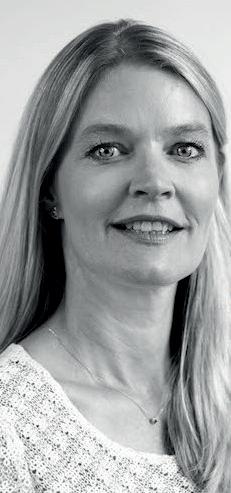
Data from other industries showed that a prolonged period of inactivity, as experienced in this lockdown, resulted in a slow return and recovery to previous activity levels, Dr Vanderpump (pictured right) warned.
He expressed concern that the extent of the crisis in private medicine had not been recognised by all parties.
Doctors’ high and fast response to the LCA survey was ‘a surprise’. They felt ‘badly let down’ by private medical insurers, defence bodies and their hospitals.
Consultants anticipate working longer hours with lower income and do not expect to return to faceto-face consultations until frequent and reliable Covid-19 testing is available.
But the LCA warned loss of confidence resulting from the pandemic
‘Private insurers may need to open private practice to groups previously not covered within their policies, such as those with chronic diseases and pre-existing conditions to stimulate the private health market.
‘More thought will be needed to support self-payers as the NHS waiting lists will inevitably rise significantly with the likely introduction of forms of healthcare rationing in a struggling economy.’
International patients would also need considerable support to be able to access consultants’ services.
would continue to influence patient demand for some time to come. Now it urgently wants to know what actions can be explored to address the situation and speed up a staged return to normal care for private patients.
n See pages 10 and 12
TELL US YOUR NEWS Contact editorial director Robin Stride
‘K’ is for keys
Our ‘Building Blocks of Accountancy’ series turns to the letter ‘K’ – for keys to unlocking tax issues in readiness for the end of the lockdown P20
ADVERTISE WITH US Contact advertising manager Margaret Floate at margifloate@btinternet.com Phone: 01483 824094
GET A SUBSCRIPTION DISCOUNT
£90 independent practitioners.
£90 GPs and practice managers (private & NHS). £210 organisations.
Save £15 paying by direct debit: individuals £75 (organisations £180).
TO SUBSCRIBE
Email karen@marketingcentre.co.uk Or phone 01752 312140. Or go to the ‘Subscribe’ page of our website www.independent-practitioner-today.co.uk
Chief sub-editor: Vincent Dawe
Head of design: Jonathan Anstee
Publisher: Gillian Nineham at gill@ip-today.co.uk Phone: 07767 353897
EDITORIAL COMMENT
A tale of doctors let down
Results of The London Consultants’ Association (LCA) survey into what has happened to specialists’ private practices during the pandemic make grim reading.
The fact that over 200 members responded within just five days shows just how much they needed to get things off their chests.
Over the last three months, some have increasingly felt let down by various bodies, including insurers, private hospitals and defence organisations/companies. They expected more support from those who, over the years, have enjoyed the financial benefits the doctors’ skills have delivered.
Independent practitioners around the capital – and beyond – have suffered a massive hit and now many older consultants see retirement as their best option. As we know, incomes are down to zero for many fulltimer private doctors. See their comments on pages 12, 13, 14 and 15.
Along with the massive tragedy of Covid19 is a sorry tale of brilliant medical profession talent being lost for months and perhaps forever.
Relationships have been damaged and picking up the pieces will not be easy.
Much will change and for those consultants who carry on in private practice there will be many uncertainties and questions to face as they adapt to new ways of working.
What will insurers pay for? How much should I charge for selfpay? How big will my tax bill be? What is the future if private medical insurance tax increases? When will the overseas patients start returning?
The LCA’s forthcoming programme and strategy to support consultants and ensure patients can access them will make more vital reading. Meanwhile, for those practising outside the capital, we would be pleased to hear your story.
Surgeon Mr David Sellu, convicted for the manslaughter of a patient – later overturned – describes the hurdles to getting medical care in prison P30
Preparing to go to a Coroner’s Court
Medico-legal expert Dr Gabrielle Pendlebury advises on what to expect when called to attend an inquest and how to prepare for it P34
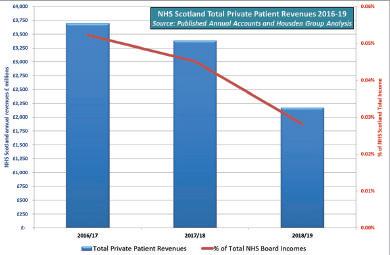
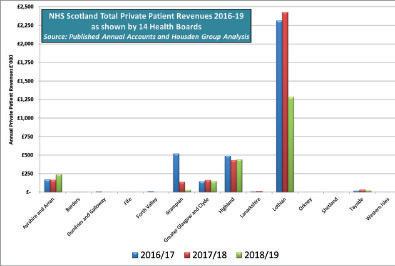
PPU income has gloomy atmosphere
It is the turn of Scotland to feature in Philip Housden’s series reviewing the range of NHS services available to private patients P40
The waiting game
Investors are suffering from the jitters due to stock market dives. An expert advises on how to sit out the falls and the crucial mistakes to avoid P42
Watch
out for large gifts
Our medico-legal advice series looks at what you should do if you receive a gift from a patient and how to handle a needle-phobic patient P44
PLUS OUR REGULAR COLUMNS
Start a private practice: The taxman has designs on the perks of your job
Accountant Ian Tongue looks at the tax issues of ‘benefits in kind’ which take many forms P46
Doctor on the Road: The best of both worlds
Motoring correspondent Dr Tony Rimmer is impressed by the engineering of the Mazda 3 P48
Profits Focus: Acting out of their skins
Our unique benchmarking series looks at the financial fortunes of dermatologists and oncologists P50
Circulation figures verified by the Audit Bureau of Circulations
More time to pay pension tax bills
By Edie Bourne
Doctors facing large tax bills caused by breaching strict annual pension savings limits in 201819 now have longer to apply for help to pay the charges.
The voluntary ‘scheme pays’ application deadline has been extended from 31 July to 31 October 2020 for tax bills arising in 201819. The extra three months is to assist healthcare workers to avoid missing the annual deadline during the Covid19 response. When individuals elect to use ‘scheme pays’, the NHS Pension Scheme pays their annual allowance tax bill to HM Revenue and Customs (HMRC) on their behalf, with the member’s benefits in retirement being reduced accordingly.
Patrick Convey, technical director at specialist financial planners Cavendish Medical, said this move would be welcomed by doctors facing successive annual tax bills through selfassessment – particularly at a time when they were facing extraordinary challenges.
‘Many have also seen private practice income fall in recent months, so using “scheme pays” rather than finding cash to pay substantial tax bills may be a relief,’ Mr Convey said.
‘There can even be tax advantages to using “scheme pays” and reducing your eventual future benefits – but be mindful that the interest payments can escalate quickly and the future Consumer Price Index inflation rate is unknown.’
There are also other payment
‘Disaster’ warning on insurance tax
The independent healthcare sector has been warned it faces disaster if the Government chooses to increase insurance premium tax (IPT) on private medical insurance to help pay for Covid19 debts.
Stuart Scullion, chairman of the Association of Medical Insurers and Intermediaries, told its virtual annual general meeting that although there was no increase in the tax in the Spring Budget Statement, Chancellor Rishi Sunak did announce he would be asking the Treasury to conduct a further review into the levy.
The Government would have to increase tax revenues to re build the economy and he expected phased tax rises to ensure the recovery did not stall.
Mr Scullion said: ‘It has been muted in some quarters that IPT (12%) should be equalised with
VAT (20%), which itself may increase. That would be disastrous for our sector. We are monitoring the situation closely and in conjunction with our insurer partners are ready to respond to any consultation papers.
‘Our position is clear and well documented. We are calling for IPT to be zero rated in line with other longterm life products. As has been evidenced by recent events, a strong private health sector delivers invaluable benefits and reduces the strain on an already overstretched NHS.’
With the NHS taking the frontline strain of the coronavirus, it had fallen to the independent private hospitals to step in and support routine and ongoing NHS treatments. But that situation could not prevail indefinitely, he said.
options. Some personal pension schemes will allow payment of the annual allowance charge, which can be taxefficient and protect the member’s NHS pension.
Mr Convey added: ‘Year on year, more doctors are breaching the annual allowance because the new tapered version means that some can only enjoy yearly pension “growth” of £10,000.
‘This will reduce to just £4,000 a year for the highest earners in 2020 21. This figure is easily achieved with NHS pension growth before considering any contributions to private pensions.
‘It’s essential that doctors clarify their own status, and the best route forward, in good time. We have even seen cases where the annual allowance sums calculated by the
Debts and staff issues are plaguing private care
Independent practitioners’ cash flow problems due to large amounts of outstanding debt, and also staffing issues, are the two big topics of the moment, according to a practice adviser.
Simon Brignall, director of business development at Medical Billing and Collection, says practices who have always had problems with aged debt now realise they can no longer afford to ignore this issue.
Many of these consultants are owed tens of thousands of pounds, and one practice had well over £100,000 outstanding. Writing in this issue of Independent Practitioner Today, he says the amount of bad debt being experienced has risen as a percentage of income due to Covid19.
NHS computers have been wrong, making the resulting tax charge incorrect too. Please seek help with this issue – pensions savings limits and tax relief are particularly complex.’
In 2019, HMRC revealed that the number of savers receiving tax bills for annual allowance breaches in 2017 18 jumped by more than 40% to 26,500. In total, £812m of cash paid into pensions breached the annual allowance that year, up from £578m the previous tax year.
Consultants have also been worried that their secretary is no longer available due to childcare issues, problems with the internet connection where they live and being unable to adapt to the big changes needed to work from home.
He says: ‘The impact of Covid19 is causing everyone in business to review how they operate from both a financial and staffing perspective – and private practice is no different.’
See page 36
Cavendish Medical’s Patrick Convey
Doctors’ burn-out soars in pandemic
By Olive Carterton
Work-related anxiety, burnout and depression are affecting nearly half of doctors in England (45%) with a third of those saying this has worsened during the Covid-19 pandemic, according to a BMA survey.
The findings come as a defence body’s research found seven in ten medical professionals feel their stress and anxiety levels have gone up since the crisis began.
Now the doctors’ union is calling for more support for doctors suffering with poor mental health and well-being. In earlier research, it found one in five doctors felt they have no access to the help they need.
The BMA says well-being support services and occupational health should be equally available for all doctors working across all healthcare settings.
It revealed its own well-being support services had seen a 40% rise in the first three months of the
College calls for restart to urgent surgery
Royal College of Surgeons of England’s president Prof Derek Alderson has called for a return to helping patients waiting for essential spine, heart or brain surgery. They deserved to know they would get the help they needed before the year was out, he said. ‘To safely restart surgery, every part of the country needs to identify “Covid-negative” operating theatres that the NHS can use, and hold on to the additional independent sector capacity.’
Even more worrying than the headline NHS waiting list figures were the hidden patients, yet to be added to the list, because referrals were at their lowest recorded level.
crisis, including from those who were feeling anxious about going to work to face unknown situations.
BMA council deputy chairman and lead for well-being, Dr David Wrigley, said Covid-19 had undoubtedly put a huge strain on the health and wellbeing of doctors and staff, exacerbating previous challenges and adding significant new ones.
‘Many doctors have experienced a significant rise in their workload and have had to deal with the added anxiety of concerns over personal protective equipment and their own safety while delivering care on the frontline during the pandemic’.
found 40% often go to work when they don’t feel fit and healthy, 32% believe that are unable to do their job effectively, 55% stated they felt anxious and/or stressed on a weekly basis, and a third described relationships at work as strained. Its medico-legal adviser Dr Oliver Lord said: ‘Most medical professionals are used to dealing with high-pressure situations, stressful decisions and seriously ill patients, but the Covid-19 pandemic has magnified these challenges to an unprecedented level.
.
. . but free help is there for those affected
A charity set up after the 2017 Man chester Arena bombing has launched an online platform for rapid, free ‘mental health first aid’ for doctors and others in response to the coronavirus outbreak.
Trauma Response Network (TRN) was founded by Sean Gardner together with people specialising in eye movement desensitisation and reprocessing therapy (EMDR) to offer emergency online support during and in the aftermath of a mass trauma event. He was caught up in the terrorist attack at the Ariana Grande concert and subsequently diagnosed with post-traumatic stress disorder (PTSD) and referred for EMDR therapy.
It was disturbing that only one in five doctors felt they had access to the help they needed.
The Medical Defence Union (MDU) surveyed 250 members and
‘Many clinicians will be dealing with increased workloads or might be working in an unfamiliar field of practice. Added to that are the increased pressures of seeing symptomatic or seriously ill patients and the thought of the personal risks to themselves and their families.’
Nuffield Health’s new chairman
Nuffield Health has appointed board member Dr Natalie-Jane Macdonald as its new chairman to succeed Russell Hardy, who is stepping down after eight years in the role. The former managing director of Bupa’s UK insurance and well-being division is additionally the chief executive of Sunrise Senior Living UK and previously was chief executive of Acorn Care and Education, an educational and care services company for special needs children. She spent eight years as an NHS hospital physician and was also a non-executive director of the Private Healthcare Information Network.
TRN’s free online service launched last month (May) provides mental health support to doctors and staff impacted by the pandemic, among others. More than 400 EMDR therapists have volunteered to provide free online therapy sessions alongside online support and resources.
Mr Gardner told Independent Practitioner Today: ‘With the pressure Covid-19 has put on the NHS, thousands of independent practitioners and private practices have joined forces to help tackle the pandemic.
‘In the midst of a united front, however, the impact this will be having on individual mental health should not be underestimated. It’s all too common for health professionals to put the care of their patients first, but it’s essential they also have support to care for their own well-being.
‘This is why we launched our free-to-use mental health first aid service, giving up to eight hours of free therapy for those most in need. It’s available to those carrying out the most vital roles, so I would urge anyone working for the independent health sector, who may be struggling, to reach out.’
Users fill in a contact form and a therapist sends an online appointment invitation.
Oliver Lord of MDU
Insurers’ Covid refusal queried
By Robin Stride
Angry doctors who find their business insurance policies will not cover them for the Covid-19 interruption to their practices may be able to seek redress if a likely legal case proves successful.
Urgent legal advice has been launched by the British Dental Association (BDA) in respect of the ‘vast majority of insurers’ who it complains are not paying insurance claims of its members for business interruption during the Covid-19 pandemic.
It has instructed international law firm Brown Rudnick LLP to examine insurance policies affecting practices and is gathering relevant evidence from practitioners on the full range of polices in the sector.
BDA officers have has also been
liaising with the BMA’s private practice committee about the problem and widely with other professional groups – such as opticians – whose members might have thought they were covered but now find themselves high and dry and out of pocket.
The BDA said: ‘Legal advice will shape the guidance that the BDA will be offering a profession that has been blind-sided by a lack of effective insurance response during a period that has seen routine care suspended and cash flow for many practices fall to zero.’
Noting that the Financial Conduct Authority (FCA) has stated that most policies with basic cover would not respond to Covid-19 losses, it now seeks ‘legal clarity’ on business interruption insurance in an attempt to provide certainty for businesses and insurers.
It added: ‘The BDA has acted following uncertainty over whether the FCA move will help or hinder practices, given the breadth of policy wording covering the different sectors of the UK economy and the urgent cash crisis facing businesses.
‘This has been made more acute in light of the indication that a court hearing will not take place until July.
‘Dentist leaders have also indicated they hope that instructing lawyers now will give them a better understanding of their legal position and allow them to consider representations to the FCA as part of the regulator’s recently announced course of action.
‘Following the conclusion zof that process, an understanding of the legal position will give the BDA a strong foundation upon
which to engage with insurers and the FCA.’
BDA chairman Mick Armstrong said: ‘The FCA has begun its own legal process to weigh up policies covering almost every business sector in Britain. However, it is clear this will now take months.
‘We’re not prepared to be a passive observer and wait on a onesize-fits-all court determination that could leave the practices that millions of patients depend on dangerously exposed.’
He said the BDA needed to know if there were realistic options to get practices the insurance payments they desperately needed and they thought they were signing up to.
BDA polling before dentists were allowed to re-open this month found over 70% of practices said they could only remain financially sustainable for the next three months.
in the small print, lawyers assert
Independent Practitioner Today columnist, Hempsons’ solicitor Kirsty Odell, draws attention to the insurance problem in her article this month (page 38).
Writing about legal issues arising out of Covid-19, she says: ‘You may have insurance in place to cover business interruption. Whether or not you can claim in this pandemic will depend on the specific wording of your policy.
‘The majority of cover for business interruption is traditionally associated with damage to property, rather than disruption by, for example, notifiable diseases.
‘However, in every case, the specific wording of the risks covered need to be considered to see if a claim is viable for lost income or increased expenditure in this period.’
Michael Rourke, of Hempsons commercial team, told us more: ‘The basic position under most insurance policies is that it is unlikely to cover the pandemic. However, every insurer will have different policy wording which must be considered.
‘Business interruption’ cover can cover a
number of ‘perils’. Damage to physical property is the basic cover provided for under almost all such policies, but not relevant in this pandemic.
‘However, there are often extensions covering different ‘perils’ such as disease and building closure. However, the specifics of what is covered and what is excluded differ between policies and means there is no general answer for healthcare businesses closed in this pandemic as to whether they will have cover in place.
‘This has been an issue on national comment for many different sectors. The pandemic has hit different providers in different ways and with different economic impacts.
‘We note that some of the private healthcare market has had an upturn in business relating to the pandemic – especially those providing services through online mediums – and so claims for cover have not arisen.
‘For those who have had significant business interruption and insurance in place, our experience is that claims for cover for this pandemic have not yet been accepted by the insurers as covered perils, leaving the position unclear for the business, or have been refused.
‘Businesses need to ensure that they are still complying with the remaining terms of their cover; the most frequent issue concerns leaving business premises unoccupied.
‘Most polices as a minimum require notification of such lack of occupation. This is a matter which needs to be considered with each individual insurer directly, as there is no one answer to what insurers are doing.’
It’s all
Kirsty Odell and Michael Rourke of Hempsons
Cyber attacks on healthcare to rise
By Olive Carterton
Cyber attacks on healthcare systems are tipped to rise as hospitals move more toward digitalisation and remote patient care.
According to a boss at analytics company GlobalData, hospitals are an attractive target due to the interconnectedness of hospital operations, multi institutional data sharing, lack of appropriate safety measures and an outdated information technology infrastructure.
Urte Jakimaviciute, senior director of market research for the firm, warned that hackers will continue to target vulnerable systems as long as there are profits to be made – ‘from selling the stolen patient’s data to holding the healthcare systems hostage until the criminals’ demands are met’.
In April 2017, a cyber attack of New York’s Erie County Medical Center (ECMC) brought down the hospital’s computer systems, with hackers demanding nearly $30,000
worth of bitcoin as ransom, which the hospital refused to pay. The ECMC estimated that the expenses tied to the incident nearly totalled $10m.
In May 2017, the WannaCry ransomware attack on NHS hospitals caused widespread disruption to health services, with more than onethird of NHS trusts affected.
Mr Jakimaviciute continued: ‘Any attack similar to the ones that caused disruptions in ECMC or NHS in 2017 now could be catastrophic.
‘The surge in Covid19 cases has caught the healthcare systems unprepared and an increase in workingfromhome, telemedicine and virtual care has made the healthcare system very vulnerable to attacks.’
He said hackers could quickly identify which hospitals were under a lot of pressure or did not have sustainable contingency plans to deal with attacks and would take advantage of that.
‘It is essential for organisations to be prepared for system disruptions caused by cyber attacks and the need for these strong cyber security measures will remain even when the pandemic ends.
‘Cyber attacks will continue to rise and evolve together with the expansion of technologies, bringing on an increased number of challenges and threats.’
Doctors ‘court’ to re-open in July
The Medical Practitioner Tribunal Service (MPTS) hearing centre is scheduled to reopen on 6 July, but uncertainty remains if this will happen.
It has postponed most MPT scheduled hearings, other than MPT reviews and partheard hear
ings due to reconvene. Reviews of existing sanctions and consideration of new interim restrictions will continue.
Listing hearings will be prioritised using this criteria: interim order status, partheard hearings, length of time since referral/previ
ous postponed hearings, and preparedness.
MPTS will initially prioritise hearings of shorter duration and with fewer witnesses, as these are more likely to be able to run as one of the scores of virtual hearings run during the pandemic.
Doctors get respite from filling in data portal
Consultants are being given a breather from filling in data for the Private Healthcare Information Network (PHIN).
With hospitals focused on supporting the NHS during the Covid19 pandemic, the organisation postponed the publication of updated website measures for the next quarter, due to take place in June.
The website will continue to show data submitted for the current data period of 1 October 2018 to 30 September 2019.
PHIN told Independent Practitioner Today many staff who support the submission and data checking processes had been redeployed, so it would be inappropriate to disadvantage their hospitals.
Director of member services, Jonathan Finney said: ‘We have decided not to press ahead with the next refresh of measures on our website to allow hospitals and consultants to focus their support on the NHS.
‘However, consultants are still able to visit the PHIN portal to update their profiles and submit their fee information, and since we relaunched the portal in March, we’ve been delighted to see over 800 consultants log on.
‘Consultants are also still able to review and signoff their measures; however, there will be some lag with some of the data as hospitals focus their resources on Covid19.’
See FAQs for consultants and hospitals on PHIN’s portal: www. phin.org.uk
Fraudsters target employees at home
Opportunistic fraudsters have jumped on the Coronavirus crisis to target employers and their staff. Hundreds of thousands of new websites with suspicious Coronavirusrelated words have been created with many trying to generate sales from fake supplements.
According to the boss of an IT company specialising in erasing bad electronic data, people’s desperation to find information on the pandemic increases the chances of them forgetting cyber security basics.
Staff now working from home
have been visiting unsafe websites where they could become scam victims and spark a data breach.
Harry Benham, chairman of DSA Connect, said: ‘We have seen a significant increase in employers contacting us asking if we can remove data remotely from their systems,
reducing the chances of data breaches should their employees working from home become the victim of a phishing or malware attack.’ The company reports inquiries are up 55% fuelled by the rise in data breaches/fear of data breaches during the Coronavirus crisis.
Bupa begins new remote GP service
By a staff reporter
GPs who work at Bupa Health Clinics are offering a new remote service for customers, allowing quick and easy access for people with any health concern – including Covid19.
The service was developed for customers while clinics have been closed, but will continue running once ‘normality’ returns.
But the company said the telephone and video consultation service, available Monday to Friday 8am to 6pm with the last appointment time at 4.30pm, would be open to anyone with any health concerns.
The service offers prescriptions delivered to a pharmacy of choice, followup appointments with the same GP and pathways into secondary care if needed.
To ensure best practice, even
when GPs are working apart from one another, the service is supported by regular virtual clinician huddles, allowing doctors to discuss their more challenging consultations, to ensure that customers are getting the best advice and guidance, even during these challenging times.
Bupa Health Clinics will continue to offer remote GP services for £49 once the clinics reopen for quick access and ease for customers.
tions where our customers are struggling to get help.
‘Last week, we had a patient with a suspected heart attack and another a potentially blocked artery in their leg. Both were potentially lifesaving calls and were referred to hospital urgently.’
Clinical director Dr Petra Simic said: ‘Since going live with the service, we have dealt with numerous routine GP issues, but what has surprised us is that we are also dealing with complex and serious condi
Compiled by Philip Housden
Managing director Sarah Melia added:
‘Our remote GP service has been designed with both our customers and clinicians in mind, during these difficult times when face toface appointments aren’t easy to have.’
The company said there was no set time period for consultations. They would normally last around 15 mins, but for more complex cases it might be longer.
MDU offers free online learning during crisis
Free online learning modules are being made available to all healthcare professionals to provide enhanced support during the Covid19 crisis.
The Medical Defence Union (MDU) has added to its online learning resources to cover areas such as the new rules on death certificates and cremation forms.
Other courses include social media for medical professionals, ethics and the law, intimate examinations and chaperones.
MDU medico legal adviser Dr Jerard Ross said: ‘To ensure clinicians are kept up to date with the latest medico legal information, we’ve made our online learning modules which were previously only available to MDU members, free for everyone.
‘We hope the resources will help healthcare professionals navigate the medicolegal challenges that lie ahead.’
www.the.mdu.com/learn
Merger hope as PPUs get ready
Merger opportunity for Dorset PPUs
A proposed merger between Poole Hospital NHS Foundation Trust and The Royal Bournemouth and Christchurch Hospitals NHS Found ation Trust has been cleared by the Competition and Markets Authority.
This paves the way for the creation of University Hospitals Dorset NHS Foundation Trust once NHS England has completed its review of the merger later this year. Hospitals can now work together and plan for a joint private patient service across all the new trust’s sites.
At the Royal Bournemouth, private patient services are growing: the trust board reporting at end of
December revenues for the Bournemouth Private Clinic of £2.7m, equating to £3.6m for the full year.
This would be an increase of £0.7m and 25% on the year before.
In contrast at Poole, the six bed Cornelia Suite has been increasingly accessed for NHS capacity, leading to patient incomes during 201819 of only £973, a £1m reduction from the year before.
Although both private patient offices are only running a reduced service during the Covid19 crisis, it is an exciting opportunity for the new trust to build a competitive brand for East Dorset.
Green light for NHS PPUs?
Covid 19 has essentially led to a temporary closure of private
patient activity for both independent hospitals and NHS PPUs.
In mid May, NHS England announced the unlocking of independent hospitals by triggering the contract ‘de escalation notice’ clause to enable private elective activity to restart. But the sector remains ‘blockbooked’ by the NHS in case of a Covid surge to 23 June.
But there is no equivalent news on PPU capacity. PPU Watch is hearing from trust private patient managers concerned about attracting negative publicity by opening for private patients in the NHS when at the same time trusts are sending NHS patients to independent sector hospitals to clear the backlog of cancellations since the middle of March.
As Independent Practitioner Today has reported previously, the ‘squaring of the circle’ can be achieved by recognising that NHS PPUs typically provide services that independent hospitals by and large cannot.
If PPUs do not reopen, then insured patients with the most complex need requiring critical care will remain on lengthening waiting lists and, when treated, will be paid for by the NHS. In 2019 20 it is estimated the NHS income from private patients in England was around £700m.
Philip Housden is a director of the Housden Group. See his article on PPUs in Scotland on page 40
Dr Petra Simic, clinical director
Plastic surgeons supported online
The British Association of Aesthetic Plastic Surgeons has been offering members business support through Covid-19 webinars.
Ms Nora Nugent (below) reports
The most devasting effects of the Covid-19 pandemic have undeniably been on those who have fallen critically ill with the virus, including the many lives lost and on their families.
The UK has suffered a healthcare crisis, an economic shut-down and a ‘stay home’ and social distancing directive, all of which will have long reaching implications and are unprecedented in our times.
Plastic surgeons have been affected in many ways. Some have contracted Covid-19 or have had family members who have had it.
Most UK plastic surgeons work in the NHS and have been redeployed to help contain the spread of coronavirus and treat those affected in one way or another.
As is the case across the medical spectrum, elective patients have had their appointments and procedures postponed in both the NHS and private sectors for safety reasons and to allow the private hospitals to support the health service.
Plastic surgeons in private practice have also faced the economic implications of reduced or no income, while continuing to
BAAPS Support, a non-profit sister organisation of BAAPS, was set up last year to provide support, advice, and practical business services to its membership.
While BAAPS itself is a charity and focused on patient safety, education and training, BAAPS Support is specifically geared to aid members.
Membership is currently free, but you must already be a member of the BAAPS.
accrue business overheads and expenses.
This has particularly and severely affected those in full-time private practice and those who own and run independent clinics.
Overheads accumulate Business overheads and expenses such as rent, mortgages, medical indemnity, insurance, salaries, rates, utilities, and supplier invoices continue to accumulate while practices and clinics are closed.
Staff have needed to work remotely, have their hours reduced or been furloughed and practices have all become very quickly immersed in virtual consultations and web-based meetings.
BAAPS Support has been running a series of weekly Business Continuity Webinars over many weeks to provide advice on the problems and changes in practice that have occurred due to the Covid-19 pandemic and resulting shutdown. It aims to help members work on solutions to these issues.
We have covered many topics so far, including hearing from sur-
New recruit for eye group
Oculoplastic surgeon Miss Susan Sarangapani, who specialises in cosmetic and reconstructive eyelid work, has joined the team at Oph thalmic Consultants of London.
The engagement of our members has been great during the webinars and feedback from participants has been very positive
MS NORA NUGENT
geons who have previously experienced shutdowns, financial, tax and accounting advice – both general and related to the new Government measures – virtual consultations, medical indemnity and the productive use of the lockdown to work on our businesses.
Webinars have continued each week on Wednesday evenings from 7-8pm with more recent topics including employment law and advice, patient communication and, of course, restarting practice safely.
The engagement of our members has been great during the webinars and feedback from participants has been very positive and invaluable towards growing BAAPS Support and shaping it into the organisation that is needed for its members.
The webinars are free for BAAPS members, but are also open to non-members for a small registration fee.
We hope to build on this series in the future to continue to support our members and to build BAAPS Support into a valuable resource and forum for aesthetic plastic surgeons.
Ms Nora Nugent is a consultant plastic surgeon, a member of BAAPS council and chairman of BAAPS Support
The clinical director of ophthalmology at the Luton and Dunstable University Hospital NHS Foundation Trust, she is the sixth consultant to join the partnership.
She said: ‘The founding partners at OCL have assembled an impressive team of consultants with comprehensive – and complementary –expertise in all aspects of eye surgery and I’m thrilled to be joining them.
‘In my work, I focus on achieving natural-looking results in cosmetic and reconstructive surgery as well as non-surgical facial rejuvenation.’
The New Cavendish Street clinic’s three founders Mr Ali Mearza, Mr Allon Barsam and Mr Romesh Angunawela hold part-time NHS consultancies in tertiary centres of excellence including Moorfields.
Recover your staff sick pay
An online service launched on 26 May for small and medium-sized employers to recover Statutory Sick Pay (SSP) payments made to staff. The Coronavirus Statutory Sick Pay Rebate Scheme covers eligible periods of sickness starting on or after 13 March. Employers are eligible if they have a PAYE payroll scheme that was created and started before 28 February 2020 and had under 250 staff.
Repayments cover up to two weeks of SSP and cover staff unable to work because they have coronavirus or are self-isolating and unable to work from home; or are shielding because they were advised they were at high risk of severe illness from coronavirus. The scheme covers full and parttime staff. Guidance at GOV.UK.
Miss Susan Sarangapani
It’s the worst of times, yet the best of times
Private practice full-timer Mr Jeremy Latham told Independent Practitioner
issue of his hopes and fears for the weeks to come. Here he reflects
challenges he has faced and, perhaps surprisingly, some of the happiest times of his life
They say that a month is a long time in politics. Nearly three months after the lockdown started feels like an eternity.
We all know that the UK has been one of the worst affected countries in Europe, but healthcare workers have risen to the challenge and shown true courage, stoicism and compassion.
As the lockdown eases, there is fear of repeated outbreaks of the disease and, of course, this has caused endless political arguments. I think our leaders have done remarkably well, all things considered.
What now for private practice?
As I write, I’ve heard rumours that clinics are running again in London, but the reality for most of us is that nothing much is going to happen until the end of June.
Fear of infection
Some patients will understandably be reluctant to come into hospital because of the fear of infection. There is good evidence to show that if one catches Covid19 in the perioperative period, then the risk of dying is significantly increased.
Anaesthetists will be wary of taking on high-risk cases, who might have to be intubated.
Hospitals will need rigorously to screen patients before and after admission, and the turnaround time between cases will increase dramatically because of infection control measures.
No one knows how all of this will play out, but it seems unlikely that we will ever return to the ways that we used to do things.
What have I been doing during
this enforced break from hip surgery? The private hospital where I have my practice was designated to receive trauma patients discharged from the local NHS trust.
They have mostly been elderly people who have had falls, broken bones and are awaiting packages of care. It has been a privilege to work with all the staff at the hospital and to do my bit to help these vulnerable patients.
I have really enjoyed my daily ward rounds and meetings with the senior management team. It has also kept me up to date with what is happening locally and nationally, as well as providing me with some income.
I do a weekly phone clinic and have continued to receive instructions for medical reports. No doubt, we will see a big increase in clinical negligence work in the years to come as the fallout from the pandemic continues.
When I am speaking to other colleagues, there does not seem to be much of an appetite for video consultations and, frankly, they are not particularly helpful in my area of expertise.
Zoom and Skype are much more useful for keeping in touch with family and friends, and for my weekly piano lesson.
Video channel
My video channel has seen an increase in views and I have learned how to use a green screen and do live streaming. Whether or not there will be a return on the investment of time and resources remains to be seen, but I have enjoyed the challenges of learning new skills.
One of my oldest friends told me last week that he had been a consultant for 25 years. The NHS trust gave him a £75 bonus.
This confirmed to me that one of the better decisions I made in my life was to have left the NHS and go into full-time private practice.
I have kept closely in touch with my colleagues who work in the NHS. It does not surprise me to hear that the usual suspects continue to behave badly and manipulate the system to their own advantage. I am delighted that I do not have to work with them anymore.
On a personal note, I have rel -
ished the time spent at home with my wife and two teenage sons. It has brought us all together in ways that I would not have imagined a year ago.
Whatever the future holds for us, the last few weeks have been some of the happiest times in my life. Onward and upward . . .
Jeremy Latham is a consultant orthopaedic surgeon, based at Nuffield Health Wessex Hospital in Chandlers Ford, Hampshire
How will you be doing things differently as your private practice gets going again and what tips would you give your colleagues? Email robin@ ip-today.co.uk
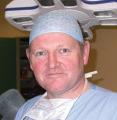
Orthopaedic surgeon Mr Jeremy Latham
Mr Latham reported his lockdown experiences in our April issue
POLL OF PRIVATE DOCTORS
Scale of pandemic disruption exposed
Covid-19’s full impact on consultants with a private practice is laid bare in Independent Practitioner Today’s front-page story this month. Rosemary Hittinger (top right) and Dr Mark Vanderpump (right) analyse the findings of the first survey of specialists since the pandemic hit
MEMBERS OF the London Consultants’ Association (LCA) mainly operate as independent small businesses providing the professional services without which the hospital providers could not exist.
Many feel that the generally productive relationships developed with the hospital providers have been damaged during this crisis by poor communication and a lack of clarity.
A lot of our consultants offered their services to support the national effort, but, as a result their private practice was disrupted. Restoring this to pre-Covid-19 activity will be very challenging. This is particularly true for those who are solely working in the independent sector. There is little commonality in the manner in which the providers are relating to their consultants and only recently have they shown apparent appreciation for the practical difficulties.
From the 15-22 May, the LCA asked its members to participate in a short online survey to establish what issues have been raised since the enforced lockdown.
The LCA was seeking information on how the pandemic has impacted professional practice and business during the crisis with the aim of helping to develop a programme and strategy to support consultants.
It received a rapid response once launched. The survey remained open for five days and 238 consultants participated.
Some members have been able to continue practising, whereas others reported that their practice has reduced significantly or ceased entirely.
There is evidence of significant
Many doctors feel neglected and abandoned by the hospital with whom they had worked so successfully for years
difficulties trying to meet overheads when income has been so severely depleted.
The majority of the respondents feel unsupported by the private medical insurers, their defence provider, their hospital providers, Government and, in some cases, their NHS employers.
Importantly, there has been a major obstruction to patient care pathways. There is much uncertainty as to the future of private practice. Some are hopeful but others see it forever changed and not for the better.
About the respondents
The 238 consultants who responded had been in private practice between one and 40+ years, with more than half (69%) having been in practice between ten and 25 years.
More than two-thirds (71%) of the respondents were surgeons, 21% were physicians, 6% anaesthetists and 2% radiologists. The majority were fully (52%) or partially fee-assured (24%).
How has practice been impacted?
Seventy-nine per cent reported having access to their consulting rooms restricted/withdrawn with a similar number (77%) having restricted access to diagnostics. Nearly everyone (89%) had experienced difficulties with booking and admitting patients.
Business continuity and support
Defence providers had offered to reduce premiums for only 30% of respondents. A further 38% of respondents had approached their indemnifier to request a reduction. The respondents were indemnified by a range of companies, but 29% were with the MDU and 17% with MPS.
Ten per cent of respondents had applied for the Coronavirus Business Interruption loan. Thirtyfive have needed to furlough support staff.
The manner in which doctors consult and charge for their services has required adaptation:
79% invoiced for remote/virtual consultations;
86% for phone consultations;
11% for prescriptions outside consultations;
On the whole, the outlook appears gloomy, with most consultants thinking it unlikely that private practice will ever return to pre-Covid-19 volume
6% for queries requiring email/ phone response.
Only 5% currently invoice for participation in multidisciplinary team meetings despite often considerable time commitments, with a further 10% invoicing for private medical insurance medical reports and 20% for insurance medical reports (non-PMI).
Future practice
LCA asked its members what changes were being considered for future practice. More than half (55%) said they would increase remote working and 37% stated they would work fewer hours/days.
Twenty-four per cent said they were considering a different employment model for themselves and 3% intend to employ secretarial staff on an agency basis.
For those who intend to continue private practice, a number of operational changes to the manner in which private practice operates are planned, including using IT more effectively for patient and business management, streamlining systems and reducing patient numbers to allow social distancing, meaning fewer patients per unit of time.
Consultants anticipate working longer hours with lower income and do not expect to return to face-to-face consultations until frequent and reliable Covid-19 testing is available.
Some pointed out that, for certain specialties, remote consultation or phone consultation is very difficult. Inevitably, there will need to be an increase in self-pay fees as costs escalate.
Doctors’ comments
On the whole, the outlook appears gloomy, with most consultants thinking it unlikely that private practice will ever return to preCovid-19 volume.
Many feel neglected and abandoned by the hospital providers with whom they had worked so successfully for years.
Many have lost most or all of their private patient income. They believe their private practice will be a lower priority for them in the future, with several saying they would either retire, reduce hours or return to full NHS employment.
A number stated that the high overheads of private practice make
The majority of the respondents feel unsupported by the insurers, their defence provider, their hospital providers, Government and, in some cases, their NHS employers
it no longer viable. Some are looking at stand-alone clinics and theatres rather than in big hospitals – a move that they think might enhance patient confidence.
Opportunities were missed due to inflexible managerial arrangements. There was a lack of joinedup thinking about how the healthcare system as a whole would deal not only with the pandemic, but also its impact on healthcare provision across the system.
Conclusion
The Government’s guidance is that those people who cannot work from home should now return to work. Some private providers have cautiously started to indicate preparations for return of private practice.
However, it is clear that loss of confidence as a consequence of the pandemic will continue to influence patient demand for some time to come.
Mixed messages concerning access to facilities and provision of safety measures are also affecting the future viability of private practice.
The LCA’s key principle is that specialists must always act in the best interests of the patient in front of them. Concerns have been raised that there is lack of transparency and clinical feedback from the new Pan London Panel when decisions are made to deny access to treatment for private patients.
Now the LCA urgently needs to know, on behalf of its members, what actions can be explored to address the situation so that a staged return to normal care for private patients is enacted as soon as possible.
This survey has indicated that many consultants are seriously considering giving up private practice. The LCA will focus its activities on supporting consultants to ensure that all patients, now and in the future, have access to the high-quality care they seek.
Rosemary Hittinger and Dr Mark Vanderpump are respectively LCA secretary and chairman and wrote this article on behalf of the LCA Committee
See doctors’ survey responses on page 12
DOCTORS’ RESPONSES TO SURVEY
How Covid-19 has affected you and your business
With their incomes slashed and many no longer working, specialists share their experiences during the lockdown and what they see for the future of their private practice now
Is there anything you will change about your practice when private medical work resumes?
‘The hospitals all cut us loose when they contracted themselves to the NHS. They prevented us from doing any work or even managing our patients properly.’
‘The private hospital providers have been very helpful. The same cannot be said for the insurers or the indemnity firms alas – as is always the case! – who have been difficult and divisive.’
‘Feel neglected by private hospitals/facilities.’
‘No access to operating theatres at all, so no private income at all!’
‘Have had all the facilities in which to work and earn a living removed by the NHS. Should have been shared.’
‘Unable to undertake private practice at present due to Government restrictions. Private hospital has suspended all private practice work. Once restrictions are lifted, my patients will be low priority for surgery and therefore will have to wait until backlog of other specialties is cleared. This means a long wait for my patients, during which time I will have no private practice income. It may be that I decide not to continue, as overheads are high and profit low.’
‘I am fully employed and am therefore not typical of private doctors. My income has not changed throughout and my staff are all employed by X.’
‘My main practice is cancer. Time-critical care remains and access to theatre as appropriate is available.’
‘Private practice has all but disappeared. With the local private hospital being taken over for NHS work, I have lost a large chunk of income.’
‘Retire, because I have lost so much and can’t recover.’
‘Consider going back to NHS full time (was part time).’
‘May not resume private medical work.’
‘Stop all NHS work.’
‘Take annual leave to clear waiting list that has developed (of private patients). Use IT more effectively for patient and business management. Streamline systems. Reduce patient numbers to allow social distancing. Fewer patients per unit of time. Work more hours to make up lost income. Change infection control measures.
Will not return to face-to-face consults until frequent and reliable testing available. Aim to go back to normal, but may have to do some remote chats for those who won’t. Increase self-pay fees, as I expect my costs to escalate. Less efficient with more barriers to flow of patient care and less productive.’
‘As a surgeon, my private practice has completely ceased. I have no consulting or operating facility. I hope to return to what I was doing before. My biggest fear is that the NHS holds on to the private hospitals indefinitely.’
‘Contracting the private clinics and hospitals to the NHS without the flexibility of training us up to see private patients while in full PPE has been a wasted opportunity of eight weeks of permanently lost income.’
‘Feel it is unlikely practice will return to previous level of activity.’
‘Will need to work harder for less.’
‘Will have to work more hours to get financial balance back and expected higher tax bills.’
‘The costs of truly independent practice mean that this is unsustainable. We will in future be either salaried in hospitals or affiliated with insurance companies.’
Any further comments
‘I obeyed the lockdown immediately, but am disappointed that some colleagues (usual suspects – the ones who probably spend more time on social media and self-promotion than with patients) are continuing to work.’
‘Current Government/NHS management of senior consultants is appalling… It would appear that private practice may be financially constrained by imposed fees at a greatly reduced rate, and retirement may be the only option.’
‘Changed outlook. Enjoyed not doing private practice!’
‘Remote consultations work very well in my specialty. However, they take just as long. I hope that insurers will pay the same amount for remote consultations and allow this facility to continue in the long term.’
‘At present, total shutdown. My patient numbers have reduced to approximately one third of my usual numbers. What is thought will happen with private practice in the future? A disaster in terms of practice and income.
‘I will apply for a business interruption loan, and may consider reducing days worked to reduce room rent costs. Large proportion of my work was embassy/overseas, so anticipate a significant drop this year.’
‘Covid-19 has had a huge impact on my practice. Given my age together with other factors I have decided to make the timely decision to retire. Otherwise I would have continued for at least a further two years.’
‘Private
to
a
few
practice collapsed
follow-up calls –medico-legal practice similarly reduced, though ongoing cases continued. Made worse, as “shielding” so locked inside!’
‘I will be increasing my web presence, as remote working allows for more distant consultations.’
‘In my area of practice, remote consultation or telephonic consultation is very difficult.’
‘Insurance companies need to increase payments for longer consults and more cost for PPE/equipment for providers.’
‘The Pan London Panel, who decide if treatment can proceed, are not providing any feedback for patients’ records when they deny therapy – this would seem to defy logical analysis of what GMC would expect with any MDT changing a patient’s pathway.
‘
1. More use of secure media platforms for virtual working is here to stay.
2. These do not replace the face-to-face consultation for many patients and conditions.
3. Professional activities supporting practice such as MDTs are readily achieved by remote working.
4. Teaching and mentorship is possible by remote working.
5. Better use of time permits academic work to be done in clinical practice gaps, thus more efficient use of time.
6. I am independent of scarce resources such as desk space, IT support, etc when working from home for IT-based activities.
7. However, much of this activity is based on already well-established personal relationships with secretarial staff, hospital administrative staff etc, and these would be hard to establish other than by face-to-face contact in the first instance.’
‘It’s been very challenging, but we are relatively fortunate, especially those with a parallel NHS employment.’
‘Charges may have to go up because of delays in between patients.’
‘I have completely suspended private practice for time being.’
‘I have been unable to see any outpatients, perform any operations or engage in any fee-paying aspect of my private practice.’
‘All private practice has stopped, as private hospital taken over for NHS work.’
‘Volume of work dropped dramatically. Have had to cancel many operations.’
‘Practice has disintegrated down 95%. Huge financial loss, and income protection policy will not pay out
‘95% of my work ceased overnight with suspension of intervention and very few patients attending for diagnostics
‘Enjoyed the break, now feel it’s time to get back. Irritated by management who use it as an opportunity to manipulate you.’
‘Private practice has ceased completely!’
‘No medico-legal work for three months.’
‘No surgery at all; it’s a disaster.’
‘Lost almost all of overseas Middle East practice, as they were repatriated – a large part of my overall practice. Practice down by 50% overall.’
‘Uncertainty when normal practice can resume. As full-time private, no other income at present.’
Allegedly, when the NHS makes deals with these hospitals, it insists that if the hospital does do any self-funder work, the hospital will have to pay the NHS a massive percentage of the money they make from it, making self-funder work a financial loss for the hospital. But this is based on rumour.’
‘Referrals seem to have dried out!’
‘Unable to do any private work at present, as private hospital under NHS control and advises can’t do private work at present.’
‘No practice since March 23.’
‘May have to charge more due to reduced appointment slots. May reduce work for NHS, as very stressful and unsupportive.’
‘Total loss of two months’ income; expect three months more at 50%.’
‘The independent doctor has largely been ignored by the big hospital groups who’ve focused on securing their own NHS contracts. There’s little or no communication relevant to the independent practitioner who relies on these facilities. I find the situation disappointing.’
‘Massive impact on my practice, which I was considering expanding.’
‘I work in full-time private practice.The biggest problem I have encountered is the rudderless leadership of the private hospital where the majority of my practice is based.’
‘Total private practice shutdown with no end in sight.’
‘Zero income.’
’Private practice has dried up. Hopefully, it will return.’
‘I’m employed, so no big impact.’
‘Unable to access local private hospital unless emergency/urgent cases. Hospital taken over by NHS.’
‘The planning of workflow has been appalling. It’s clear that, in February, drastic steps needed to be taken in case disaster happened, but as it became clearer that Covid admission rates were not as high as predicted – 28 out of 4,000 Nightingale beds used, for example – and A&E numbers had halved, a perfect storm was brewing in April and yet, midway through May, no decisions have been made to address this and it’s quite shambolic.’
‘Obstructions to the flow of patient management will make private practice less attractive.’
‘My admin support is contracted out – so the responsibility of furlough, reduced rates lies with the contractor. Only difficulty has been ensuring a fair reduction in monthly fees – reflecting reduced income, reduced admin, but acknowledging increased online presence, web service developments and supporting patient inquiries, which do not generate revenue. We may have to reconsider the non-income-generating activity and see if it can become income generating, but this is not urgent. Activity is currently at 60% of pre-Covid-19 levels. I also have a claim in for business continuity insurance, as this did cover effects of the pandemic, although – as might be expected – the insurers are slow to respond.’
‘Haven’t asked the indemnity provider but expect a lower premium next year, as it is based on income. Remote working doesn’t work for a surgeon, as can’t examine a patient. OK for some follow-ups, but as most clinics are mixed new/old, it would be done from the hospital anyway.’
‘Complete lack of information on when they will be able to resume Priority 3 and 4 surgical patients. Lamentable behaviour from the insurance companies. Pretty hacked off with the hospital groups for dropping private practice like a stone.’
‘I am considering having clinic/theatres that are stand-alone rather than in big hospital, as patients may be scared to come for foreseeable future. Indemnity provider has been unhelpful. My practice is now 10% of the usual.’
‘I have no income at all. I can do no work and, as I am incorporated, I can get no help. Desperate and when we restart, turnover –i.e. time per operation – will be double and yet income the same, so uneconomic. If an operation takes much longer, insurers will need to pay more and they have been taking premiums but not paying out, so they can afford it. We as individuals will be ignored.’
A look back through our journal’s archives of ten years ago reveals that although times change, some issues are not so new
A trawl through the archives: what made the news in 2010
2,500 doctors in tax pain
As many as 2,500 doctors nationwide had come forward to declare irregularities under HM Revenue and Customs’ (HMRC’s) campaign to target the medical profession.
Eighty per cent were consultants with mixed NHS/private or wholly independent practices, and a high proportion were believed to have failed to register their business with the taxman when they started.
Other reasons for their disclosures under the HMRC’s Tax Health Plan, which limited penalties to 10% for declarations before a given deadline, involved:
Fees from hospitals;
Fees from patients;
Payments from Bupa and AXA PPP;
Medical services companies registered abroad by consultants and GPs working in the UK;
Domiciliary issues.
A wide range of specialties were represented. Some cases went back as far as 18 years, but most were around seven.
Tax investigation expert Craig Tully, who revealed the extent of doctors’ disclosures at a conference for 170 members of the Association of Independent Specialist Medical Accountants, told Independent Practitioner Today: ‘A lot of cases we see have been hundreds of pounds in tax owed rather than thousands.
‘But we are dealing with cases
of consultants and NHS GPs doing private work with amounts of tens of thousands and some might go over £100,000.’
Agree fees in advance,
BMA advises
Agree your fees in writing prior to treatment!
That was the advice in new BMA guidance being given to doctors setting up in private practice.
The association said: ‘It is advisable that all fees are agreed in writing prior to treatment. This will help to avoid any misunderstanding at a later date.’
The BMA produced a ‘terms of engagement’ document for doctors to give their patients, covering fees payable, payment arrangements and a latepayment clause.
A spokesman said it was ‘bringing the medical profession in line with what lawyers, accountants and other people do’.
Cheaper defence
A doctors’ group was claiming a successful takeup of its cheaper defence scheme.
The Plastic, Reconstructive and Aesthetic Surgeon’s Indemnity Scheme (PRASIS) set out to challenge the triopoly of established defence bodies.
Owned by members, it offered a complete medicolegal advice and indemnity package, tailored to plastic surgeons, at cut rates with noclaims discounts.
It chairman, Nottingham consultant Mr Mark Henley (pictured below), said: ‘For years, plastic surgeons, baffled by enormous subscriptions, have asked the defence organisations basic questions about how subscriptions are set, claims experience in the specialty, and the basis for yearonyear increases in subscriptions.
‘We couldn’t get straight answers, so we did a survey. The results were astonishing. Many surgeons had not experienced any claims in their careers and others reported that claims were generally low value.
‘It was the lack of transparency and the refusal to publish and specialtyspecific data that really galvanized us into action.’
PMI rates drop by 5%
Consultant fees’ pressure was set to intensify following a 5% drop in private medical insurance membership in the UK over the previous years.
One independent insurance expert said: ‘It’s an indication of the tough market conditions and there is no magic wand that will put things right.’
GMC to log gripes on private doctors?
The GMC was considering changing how it records complaints so that the number of private doctors, or those working independently at the time of an office, could be identified.
TELL US YOUR NEWS
Share your experience of what has and has not worked in your private practice. Even if it’s bad news, let us know and we can spread the word to prevent other independent practitioners falling into the same pitfalls. Contact editorial director Robin Stride at robin@iptoday.co.uk
WORKING WITH THE NHS
Getting it together
It has been a frustrating time for consultants in private practice, but the boss of the independent hospitals’ trade body, David Hare (right), appeals for continued co-operation between the two parts as the sector learns to work differently, adapt and develop new ways of working
WHILE THE NHS and independent health sector have been working closely together for over 70 years, there is no doubt that in just the last 70 days the relationship between the two sectors has changed irrevocably.
The block-booking of virtually all independent hospital capacity by the NHS has seen the two sectors working hand in hand to ensure that NHS patients get the care they need during the coronavirus pandemic.
But what has this meant in practice for those working in independent healthcare providers’ facilities and what does the future hold for the independent healthcare sector?
As Independent Practitioner Today readers will be able to testify, tackling the clinical, operational, legal and staffing challenges associated with putting all independent hospital capacity – including almost 20,000 employees, 8,000 beds and over 1,000 ventilators – at the disposal of the NHS is no mean feat.
At the Independent Healthcare Providers Network (IHPN), we therefore took the decision to set up an independent sector Hospital Taskforce.
This is supported by a dedicated Programme Management Office to look at all aspects of the partnership with the NHS to ensure that those working in the sector are supported in the most effective way.
Dedicated workstreams were therefore set up to look at clinical, operational, workforce, legal/regulatory, supply chain, commercial
and communications issues relating to the agreement.
They have worked closely with both NHS England and IHPN members to develop a raft of guidance around the contract and help providers and employees navigate through this new world.
For the clinical workstream, this includes:
Working closely with the Care Quality Commission to swiftly put in place a fast-track process for clinicians to acquire practising privileges to work in the sector;
Working with the private medical insurers to develop new referral pathways for privately insured patients needing urgent treatment;
Putting in place new clinical governance frameworks in the sector.
Partnership complexities
The legal/regulatory workstream has also produced guidance for independent hospitals on a range of topics which reflect the complexities of the new partnership between the sector and the NHS.
This includes data sharing with the NHS, competition law compliance, insurance and information governance protocols – all to ensure that those working in the sector can have the flexibility they need to operate in this new environment while being aware of their wider legal and regulatory responsibilities.
Significant work has also gone on to ensure that staff in independent providers are fully included in the NHS’s education and training framework so that
they have the right skills required to deliver safe care during this pandemic, with access to the latest NHS guidance on infection control and patient safety.
And given the whole of the sector’s efforts are now devoted to treating NHS patients, we have ensured there is complete parity between those working in independent providers and in the NHS around access to Covid-19 testing and other benefits such as free meals, hotel accommodation and dedicated shopping hours.
Frustrating times
But as we look to the future with the peak of the pandemic having now passed, what does this mean for the independent health sector and those that work in it?
Firstly, it is important to emphasise that we, of course, understand it has been frustrating for some consultants that they have not been able to treat patients in the way they would have wanted during this time.
This has been an unfortunate by-product of the need to put in place significant capacity to respond to a Covid-19 surge which has been unpredictable.
However, we are working to ensure that as much of the sector as possible is being fully deployed in treating patients.
Indeed, as work gradually takes place to increase the amount of routine elective treatment carried out to help clear the backlog of patients who have faced months of cancelled operations, a number of factors need to be considered as all providers, including NHS and
The need for enough personal protective equipment (PPE) for staff in both sectors;
For timely and accurate Covid19 testing to be available;
For sufficient anaesthetist cover for planned procedures given that many are still committed to treating ITU/Covid-19-positive patients;
Sufficient ITU back-up, which is required in more complex planned surgical procedures; The availability of anaesthetic and controlled drugs, as well as workforce screening.
Significant efforts will also need to be made to reassure patients that it is safe to be treated in hospital for non-Covid-related care and to encourage them to present to their GPs in the first instance.
Tackling all of these issues will require continued co-operation between the two sectors and the need to work differently, adapt and develop new ways of working.
As we look to an uncertain future, with the potential for second and even third peaks of Covid-19, it is vital that we learn the lessons of both the last 70 days as well as the last 70 years.
We must ensure both independent providers and the NHS continue to work hand in hand for the benefit of all patients both now and long into the future.
See ‘Legal perils of Covid-19’, page 32
David Hare is chief executive of the Independent Healthcare Providers Network
UpToDate is the premier clinical decision support resource that helps physicians and other medical professionals worldwide drive effective, high-quality patient care. It is a widely used resource with over 1.7 million users across more than 190 countries , including the UK.
With UpToDate you can access:
✓ 11,600+ evidence-based topics in over 25 specialties
✓ Relevant “What’s New” and “Practice Changing Updates” to complement NICE guidelines
✓ Unlimited clinical content from your computer, mobile device, or tablet with our mobile apps
UpToDate®— access current, comprehensive clinical content you can trust Visit GO.UPTODATE.COM/UK20 or Scan the QR Code to learn more or subscribe.
“ Well written by experts, succinct but comprehensive, excellent graphics and well referenced.”
ALAN MCGREGOR, MD — UK
ACCOUNTANT’S CLINIC: THE BUILDING BLOCKS OF ACCOUNTANCY
‘K’
lockdown to of top tips
is for keys
– the keys to unlocking your medical business’s tax issues in preparation for emerging from
Julia Burn continues with our A-Z of top tips. This month she turns to ‘K’
DURING THIS unusual and uncertain time, some doctors’ private practices have managed to stay functioning in a limited way, but some have been closed.
We know that some independent practitioners have been working with the NHS to play their part while still carrying out private work where possible. Everyone is thinking about what will happen when we come out of lockdown.
Planning for the future
No one knows what the coming weeks and months will bring. However, you should be creating scenarios and planning for the short-term future of your business on a weekly basis.
You can do this by preparing simple, high-level, profit and loss and cash flow forecasts assuming best-, average- and worst-case scenarios. It will be vital to review the outturn against these forecasts and to update them as circumstances change and the economic environment evolves.
This will allow you to provide banks, customers and suppliers with the information they need to make the decisions to support you.
Many are worried about making tax payments that will be due.
Although HM Revenue and Customs’ (HMRC’s) approach to Covid-19 continues to evolve as the crisis develops, it is highly likely that its inspectors will be more sympathetic to taxpayers given the current circumstances.
Two ways that HMRC can offer flexibility are Time to Pay arrangements and Quarterly Instalment Payments, both of which already have facilities in place so that you can take advantage of them right now.
‘Time to Pay’ arrangements
A Time to Pay arrangement is a debt repayment plan to HMRC for your outstanding taxes.
Based on our previous experience assisting clients with these arrangements, we recommend having the following information
to hand to help HMRC make a decision:
Your HMRC reference number –for example, your ten-digit Unique Taxpayer Reference or VAT registration number;
The tax liability that you are finding difficult to pay and the reasons why;
What you have done to try to obtain the funds to settle the liability;
Your thoughts on how much you can pay immediately and how long you may need to pay the rest. Clearly, the longer the payment period, the more chance that HMRC will challenge the application;
HMRC may ask for evidence, such as cash flow forecasts, monthly management accounts or copies of bank statements, showing that you will be able to pay future instalments;
HMRC is likely to want to understand your financial position, such as your income and expenditure and your assets and liabilities.
If you have entered into a Time to Pay arrangement with HMRC before, then it is likely that it may ask more in-depth questions. In more complex cases, it may ask for additional evidence before it makes a decision.
Self-assessment income tax
The Government has deferred the income tax self-assessment payments for the self-employed due on 31 July 2020 to 31 January 2021. This is an automatic offer with no applications required. No penalties or interest for late payment will be charged in the deferral period.
Quarterly instalment payments
Companies that pay corporation tax by quarterly instalment payments (QIPs) often base the calculation of tax payable on annual budgets or other forward-looking projections. These may have been prepared before the potential financial
How to master the patients happy
The Guide to Delivering Superior Patient Experience in Private Practice is a new series designed to give independent practitioners the knowledge and tools needed to enhance patient experience before, during and after care.
It will be packed full of information that will, hopefully, prompt you to either start or refine your patient experience strategy.
Here Jane Braithwaite begins by clarifying what we mean by patient experience and why it matters.
In future articles, she explores this in more detail, including:
How to get started with your strategy
How to put patients first
Engaging and inspiring your team through to measurement
How to continually drive change and further enhance patient experience
art of keeping
What is patient experience and why does it matter?
Patient experience is more than just providing superior clinical care. It is the sum of quality, safety and how we care for patients.
Every single encounter a patient has with your practice matters and forms the patient experience, whether these interactions are online, face to face during surgery or your follow-up care.
Patient experience starts with a patient’s gut feeling about your service in the earliest stage, which may be at the point where they start to research their symptoms online and discover your website or when they discuss their symptoms with a GP or friend who recommends you.
Patients have greater access to information than ever before via a simple Google search and your website is your shop window to your services and builds your reputation.
A contributing factor to a positive experience is the ability to satisfy those all-important online search queries conducted by healthcare ‘consumers’ each day. Does your website contain educational content that addresses the health consumer’s symptoms and provides tips for preventative self-care?
Is your content jargon-free and genuinely helpful so that the consumer understands the potential options available to them?
It is also important to understand how patients’ behaviour has changed over recent years. A few years ago, if a patient was referred by their GP, they would be very likely to accept that recommendation on face value and immediately book an appointment.
These days, most patients will ‘validate’ the recommendation before making a final decision to book. Their validation is likely to include a Google search to check the credentials of the proposed consultant, reviewing their website and other articles that appear online. They will be particularly interested in and impacted by feedback and testimonials by other patients.
Other contributing factors to your patients’ first impressions include the ease of booking appointments, the person they speak to on the phone, the physical comfort while in your practice as well as meeting the patient’s emotional needs.
Does the patient feel safe? Does the patient understand what procedures will be undertaken and why? Are the clinical teams consistently working together to support the patient’s best outcome?
Ultimately, the fundamental aspect of your patient’s experience is the outcome from the treatment you provide.
We are seeing The Private Healthcare Information Network takes a very proactive approach to providing patients with information on the performance and prices of hospitals and consultants.
Currently, patients can search by the operation they require to find hospitals and consultants who perform it. The information published is basic but undoubtedly will improve over time.
It is important for us to also accept that a patient view of the experience they receive will include the actual outcome and their perception of the outcome, which can be more complex to assess and manage.
So, we can see that understanding patient needs and how they are continuously evolving is crucial in optimising the patient experience and ultimately retaining a strong patient base.
Superior patient experience is both good for your patients and for your clinic/practice/ business. When patients have a positive experience, not only are they more inclined to accept the recommended treatment but will trust you and recommend your services to friends and family.
The resulting outcome: happy, healthy patients equate to the success of your practice and positive financial returns.
Patient experience vs. patient satisfaction
It is a common mistake to confuse the true meaning of patient experience as opposed to patient satisfaction. Both measures are equally important, but the distinction is imperative to measure and deliver an accurate patient-centred care strategy taking both measurements into account.
A contributing factor to a positive experience is the ability to satisfy those all-important online search queries conducted by healthcare ‘consumers’ each day
Every patient has their own satisfaction or contentment level, making this measurement very subjective. While patient experience, on the other hand, is more objective and considers the sum of all interactions a patient has with the practice before, during and after care.
Steps to improve your patient experience
Delivering a good patient experience requires a very strong foundation across all aspects of your practice.
We will share some valuable insights here that will be explored in much greater detail in the coming months as we continue this series.
A good starting point to your patient experience strategy is to simply clarify your primary objectives and establish how you intend to achieve them, remembering that all objectives need to be achievable to avoid setting yourself up for failure.
A clear strategy will help improve patient satisfaction, increase patient loyalty, word-ofmouth referrals and ultimately increase revenue.
For many new practices, devel-
oping a patient experience strategy and plan can often be challenging, particularly financially, as investment is required in terms of time and money.
It can also be a challenge for practices that grow quickly. Trying to manage growth and deliver good patient experience across all aspects of your service can feel exhausting.
Before you start actioning your strategy, ensure you have considered these all-important aspects:
Define your patient experience vision
A vision is a statement that encapsulates who you are and where you are heading as a practice, and your vision needs to be entirely patientfocused. The vision statement guides you in every decision you make.
Patient experience involves the organisation and its people delivering to the same set of objectives and values which are defined by your vision.
Your internal practice culture is crucial and each team member, whether patient-facing or back office, needs to deliver the standards set out in your strategy with passion and commitment.
The easiest way to define your practice vision is to create a set of statements that act as guiding principles.
These statements will help you to avoid losing sight of why your practice exists, what you believe in and stand for and the promises you make to your patients each day.
Understand who your patients are Patients rely on you, whether you are advising them on preventive health or helping them through the most critical, difficult moments of their lives. Understanding their primary needs and wants helps you determine how to deliver the experience that they will value.
One way to make this easier is to create patient ‘personas’, which is a fictional person that stands as a typical representation of a group of patients with similarities.
For example, Helen is 45 years of age, an only child, single mum to six-year-old Jack and Molly who is two and suffers from recurring asthma attacks. She works parttime from home, allowing her greater flexibility around her young family.
Helen has recently started caring for her ageing parents, who are increasingly experiencing memory loss. She needs assistance in supporting her parents’ health needs, but is overwhelmed by the volume of information online and seeks for a simple way to understand the choices available to her.
By creating personas, you and your team can recognise and understand your patients better and map out the best way to provide care that will meet their needs in a manner that suits them.
Emotionally connect with your patients
Patient experience starts well before the patient decides to visit the practice. It begins when they first see your website, advert, leaflet or written content.
While they are researching the options available to them, patients seek to be emotionally captivated. You want them to say: ‘This doctor understands me’.
Patient experience is about the rational as well as the emotional experience. ‘It’s not what you say, it’s how you say it’.
Making an emotional connection with patients, whether it’s on the phone, through your website or your collateral information, makes patients feel understood, cared for and secure. The more connected a patient is, the more likely they are to become loyal advocates of your services.
By creating ‘personas’, you and your team can . . . map out the best way to provide care that will meet their needs in a manner that suits them
Collecting feedback in real time
Patient feedback for most practices is about seeking feedback postvisit. There are many online survey tools you can use to make this an easier process for both you and
Patient experience starts well before the patient decides to visit the practice. It begins when they first see your website, advert, leaflet or written content
your patients rather than the more traditional printed survey.
Survey Monkey is a free online survey tool that you can use to capture the voices and opinions of your patients. For the more adventurous and tech-savvy practices, you may wish to integrate a live chat tool on your website.
This could involve your customer service team answering any queries in real time, directing patients to online resources and asking patients to rate their experience.
Ideally, patient experience should be measured for all interactions and not purely post-treatment. When a patient visits your website, reads an article, completes a form, we should seek to gather their feedback in real time.
There are several online tools that allow for instant feedback and rating that can be added to your website. For example, you could ask your visitors to rate whether the information they have read has been useful and, before they leave your website, you could also prompt them to sign up to your monthly newsletter. This is a great way of capturing their details and nurturing the relationship.
There are numerous ways to capture patient feedback and we will explore this in more detail in a later article.
The more connected a patient is, the more likely they are to become loyal advocates of your services
Involving your teams
Your team is the engine behind your success and every team member needs to be fully engaged in your patient experience strategy.
Encouraging your staff to share their ideas on how to improve the patient experience is vital to ensure they are engaged.
If possible, arrange a team meeting or workshop to discuss your strategy in full. If this is not possible due to time or geographical constraints, invite your team to contribute their ideas via an online questionnaire or individually by email for you to collate into a plan.
To prove that the ideas suggested by your team are valued, celebrate those ideas that get implemented. By nurturing and rewarding your practice team, you will help to keep them motivated.
A well thought-out and executed patient experience strategy provides an opportunity for differentiation, but it must be executed in a consistent, relevant and disciplined way by your team. Every team member has a role to play in delivering superior patient care.
Measure, measure, measure
Measuring patient experience is as important as having a plan. The goals you set out as part of your strategy need to be continually assessed.
Many companies use the Net Promoter Score or NPS, which collects valuable information by asking a single straightforward question: ‘Would you recommend this practice to a friend or relative?’ Again, we will explore this in greater detail later.
Customer expectations are higher than ever before and will continue to increase and evolve.
Today, the patient is in charge more than ever and the doctors, clinics and hospitals that truly focus on the patient experience will deliver the most value for the patient and therefore create the most valuable health care businesses.
A solid foundation to your patient experience strategy will empower you with insight to meet patient needs; needs which are constantly evolving and require nurturing, care and review.
Patient-centric practices will see a positive impact on patient loyalty, retention and revenue growth.
In our next article, we will take a step-by-step approach to getting started with your patient experience strategy.
Encouraging your staff to share their ideas on how to improve the patient experience is vital to ensure they are engaged
Jane Braithwaite (right) is managing director of Designated Medical, which offers business services for private consultants, including medical secretary support, book-keeping and digital marketing
CHANGES TO INDEMNITY
Why we will fight to stay a mutual. Defence body boss Chris Kenny (below) explains his thinking in the face of Government proposals advocating the merits of insurance rather than discretionary cover provided by the traditional medical defence organisations
Why mutual bodies are
mutual defence the best
FOR MORE than 110 years, through good times and bad, we have chosen to retain our status as a mutual indemnifier because this has allowed us to always put the interests of our members first.
The Medical and Dental Defence Union of Scotland (MDDUS) is a member-owned, not-for-profit medical defence organisation for doctors, dentists and healthcare professionals. We have no shareholders and instead exist to protect the interests of our members and represent their collective voice.
In today’s fast-moving, commercial world, I have found it can be challenging to try to capture the unique benefits of mutuality in a real-time example.
The integrated service defined by personal connection and professional expertise you get from a medical defence organisation like MDDUS is a given.
But, when it comes to measuring impact on independent practitioners’ bottom line, what does mutuality and discretionary indemnity offer independent practitioners that a typical insurance company product simply cannot?
Clear answer
As I survey the healthcare landscape with Covid-19 up-ending ordinary life, the answer is abundantly clear. With mutuality at the heart of our ethos and service, MDDUS led the market as it moved fast to support our members.
We have recognised the financial, personal and professional pressures that our members face.
We have taken swift action to reduce subscription payments to reflect lower private incomes and we have encouraged members to contact us where they face cash flow issues.
We have ramped up the availability of our expert, in-house phone and online advice to support clinicians as they are forced to make decisions in the most challenging circumstances.
I won’t say we did it overnight, but in comparison to the less fleetof-foot insurance sector, I believe I can safely say we have moved at a lightning pace.
I am genuinely touched by the feedback that we have received
from members telling us that they appreciate our support.
The rapid development of Covid-19 has propelled us into an unprecedented time. Clinicians are facing the prospect of making difficult decisions that may never have faced them before.
This stressful environment has a ripple effect of making some, previously important, debates in healthcare now seem like concerns from another age.
That said, it is imperative we remember it is only a matter of weeks since the publication of the report from the Paterson Inquiry.
Former breast surgeon Ian Paterson, now-jailed, worked in the NHS and in private hospitals and, the former Bishop of Norwich’s report noted, he wounded patients while ‘hiding in plain sight’.
The case shook the relationship of trust between the public and the healthcare sector. The UK Government pledged a full and detailed response ‘within months’.
While it is likely – and appropriate – that Covid-19 will delay much of the recommendations, the private healthcare industry has a chance to emerge stronger, having learned from the report and from the pandemic.
The future governance of medical indemnity provision was one area placed under the spotlight. But, as the cliché goes, hard cases make bad law.
In England, where the state manages claims, £2.4bn was paid out by the NHS in 2019 alone. We welcome the strong support given in the House of Commons to the general principle of whistle-blowing.
The report into the Paterson saga urged changing medical indemnity
NOW OPEN ON SATURDAYS
New sessions are available for independent private practice on Saturdays.
Fully CQC-registered clinic Nursing support Appontment-making
Billing service
Secretarial support
In-house pharmacy
We are a leading private outpatient clinic and we are inviting new applications for practising privileges for our extended opening hours on Saturdays.
And we echo the calls made by Dr Philippa Whitford MP for the powers of the Healthcare Safety Investigation Branch to be extended to the private healthcare sector in England to give professionals confidence that they can speak with absolute candour when things go wrong.
What we do not agree with are those calling for the financial regulation of medical indemnity.
An earlier, 2018 consultation1 by the UK Government looking to bring medical indemnity into a regulated environment is a clear and present risk to the model which is serving doctors so well right now.
It suggested enacting secondary legislation to bring clinical negligence cover within the supervision of the Financial Conduct Authority (FCA) and the Prudential Regulation Authority (PRA), and laid out three routes to achieve this.
➊ Amendments to healthcare professional standards legislation. This option would require healthcare professionals not covered by state-backed indemnity to hold insurance policies by regulated providers.
➋ Amendments to financial regulation. Changes to financial regulation would bring the provision of indemnity cover under the Regulated Activities Order 2001 and within the scope of supervision by the PRA.
➌ A combination of the above. It concluded its preferred option was ensuring that all regulated healthcare professionals not covered by state-backed indemnity hold clinical negligence cover subject to supervision by the FCA and PRA.
In my view, there’s four major –and unnecessary – financial consequences of the across-the-board nature of the Department of Health and Social Care’s (DHSC’s) proposals:
1 Insurance Premium Tax –which would equate to a cost of approximately £102m across all three medical defence organisations (MDOs). No benefit to doctors and dentists, but plenty for the Chancellor.
2
Regulatory compliance and capital costs. MDDUS is fully funded for all its risks with plenty of headroom beyond that. We have never had to consider not paying a valid claim.
Regulation would mean tighter control of what and how much we had to hold and inevitably costs, ultimately passed on to the membership.
3
The ‘small print’ hidden issues. Some insurance companies may be constrained in acting if a claim is brought late or not in accordance with terms and conditions. A mutual like MDDUS is focused on doing the right thing, at every stage, including paying claims.
4 Run-off cover. In most cases, insurance is offered on a claims made basis, meaning that, when you move providers, you need to pay more to cover the risks you leave behind.
Other risks I see arising from DHSC’s preferred intervention include a loss of the flexibility so clearly shown during Covid-19. Government knows that the answer to the rising costs of indemnity cover lies in its hands –reform of the law of tort and a sensible approach to setting the personal injury discount rate.
But it steadfastly refuses to grasp these nettles. In its consultation, the DHSC appears to acknowledge that some of the proposed interventions could actually result in higher costs to members. I agree.
The DHSC does assert that requiring healthcare professionals to hold regulated clinical negligence cover and give up discretionary indemnity would ‘remove the associated risk that an indemnity provider may exercise its discretion not to support a member’.
Of course, some point out that Paterson’s indemnifier did not support claims made against him because his actions were criminal. But, crucially, this would have been true also if an insurance policy had faced the same test.
While the DHSC sets out theoretically valid concerns, it provided little or no evidence to demonstrate the practical relevance of its concerns.
In other words, they are valuing the ‘just might’ argument on hos-
tile use of discretion to trump the ‘would certainly’ argument of 12%-plus tax added to MDO subscriptions at a stroke. That’s no basis for public policy
Given MDDUS’s track record, I believe the concerns raised by the DHSC could be resolved without the proposed interventions. So how are we responding to this potential change? MDDUS has now regulatory authorisation for our
own insurance businesses and we are actively developing insurance products for people who want them.
We are ready if there is a change in the market environment. We can and will service those who want an insurance product.
Positive product
But we believe still that the market does not need to be forced to move en masse – discretionary indemnity is still a very positive product.
Our strength is that we are a mutual. We can react and adjust quickly when we need to – for example, waiving and reducing fees as we have done since Covid19 became a national emergency.
To be blunt, it does not matter what wrapper we put around our product, our mutuality means we can retail our ability to work in the benefit of our members. We have no shareholders to keep happy
And, also unlike the insurance industry, we offer an integrated service – with expert medico-legal advice and support in all kinds of regulatory and other legal settings being a core part of our offering, not an expensive afterthought.
As a mutual, we have been able to do what is right – and we are proud to stand behind our members when the going gets tough.
However, our question around the so-called insurance solution is pretty simple.
Why have insurance if you don’t want or need it, because it comes with the extra cost of insurance premium tax?
I think that what is important for doctors and dentists is who is behind their product. Is it people they can trust? Is it people who are there for them? MDDUS can answer ‘yes’ to those points as a member-owned, well capitalised and expert business.
I don’t doubt our competitors in the legal and insurance sectors try to replicate our business model. But do they have medical and dental advisers available 24/7 whose only focus is on serving doctors and dentists in the way we do? I doubt it.
Can you rely on them to do the right thing and to never turn down a valid claim for want of capital to do so? It’s not a guarantee.
And in an insurance market that
has been pricing ‘soft’ since the crash of 2008 but is now hardening and considering more aggressive pricing strategies, can you make a judgement on your medical protection based only on cost? I would say no, of course, but it is a fact MDDUS is just not in that game.
Overall, offering doctors and dentists choice over their indemnity or insurance provision serves as an advantage for improving patient safety, as it allows them to ensure adequate cover is in place to protect both them and their patients if things go wrong.
MDDUS believes this choice for healthcare professionals and protection for patients are complementary, not opposite, goals. And that is why mutuality is at the heart of our ethos and service.
Reference
1. DHSC (2018); ‘Appropriate clinical negligence cover. A consultation on appropriate clinical negligence cover for regulated healthcare professionals and strengthening patient recourse’, December, p31.
Chris Kenny is MDDUS chief executive
IMPRISONED FOR MANSLAUGHTER
A lack of care in this community
Surgeon Mr David Sellu (below), convicted for gross negligence manslaughter of a patient at a private hospital – overturned on appeal after a 30-month prison sentence –continues his story. This month, he describes the huge hurdles he had to overcome as an inmate to get treatment he needed as a patient
BEING LOCKED-UP several hours a day in a cell takes away any incentive to be active and encouraged prolonged periods of sitting still in one place.
While the gym was a good place to exercise, it was in relatively short bursts and there were still long periods of inactivity for the rest of the day.
I became concerned I had DVT and filled in a self-referral form to see a doctor.
As I had heard nothing by Friday that week, a full five days after I first complained and filled in the referral form, I went to the office in the morning and complained to another officer.
I also pointed out that we were coming to another weekend and there was even less likelihood anything would be done until Monday.
The officer picked up the phone, dialled the healthcare centre and after explaining what I had told him, he said reassuringly: ‘He knows what he is talking about because he has a medical background and he is not one to make trivial complaints.’
When he put the phone down, he turned to me to explain: the health centre ran an on-call system on Fridays and over the weekend, so there would be no doctor there that afternoon.
In any case, for all problems, inmates would first see a nurse who would do a triage assessment and then decide whether the inmate would see a doctor or not. If it was deemed necessary to consult a doctor, the nurse decided how quickly this would happen.
I would be allowed to go and see
the nurse at 2pm and I was instructed to come down just before when there would be an officer to accompany me and other prisoners to the health centre.
I had been to the health centre twice before. The waiting area stank of tobacco despite the ‘no smoking’ sign on the wall.
Two inmates got out their roll-up cigarettes, lit them and started smoking.
One said to the other, after he counted the number of people in the room: ‘Twelve people here this afternoon; f****** two-and-a-half hours before everyone is seen and we can go back.’
A woman in nurse’s scrubs opened the door to the waiting room. She had a large bunch of keys on the end of the chain attached to a belt around her middle and the uniform was ill fitting.
Louder complaints
She called out a name and an inmate got up and walked towards the door. She said nothing to the smokers and I supposed this was in the hope that someone else would tackle them.
As we waited, the complaints about the healthcare service, doctors and nurses were becoming louder. The doctors were alleged to be insensitive, the nurses looked down upon prisoners and the service was demeaning, the other prisoners said. They were given no dignity and respect even when they had genuine medical problems.
One and a half hours after we arrived in the waiting room, the door opened and the man I pre➱ p32
sumed was an orderly stood at the door and shouted: ‘Sellu!’
I answered, got up and followed him down the narrow corridor. He stopped to lock the door behind him after fumbling for some time to get the correct key from the large bunch he was wearing and then pointed to a door marked ‘Dr’ further along.
A dapper middle-aged gentleman with a large frame invited me to sit on the chair on the other side of the table, sat down and said: ‘I am Dr H.’
‘David Sellu,’ I replied, as I laid my glasses on the table.
Not on the list
Dr H looked at the computer: ‘You are not on my list.’
He got up, opened the door and said to the man who had shown me in: ‘For the nurse, not for me.’
I got up, rolled up both legs of the prison tracksuit bottoms I was wearing and showed him my calves. ‘As you can see, both my legs are swollen, but the left is bigger. I am concerned I may have a DVT. I am a doctor.’
Dr H gestured towards the door, making it clear that he was not going to see me.
‘With all respect,’ I protested, ‘I need to see a doctor.’
‘The nurse will see you,’ he said firmly. I rolled down my tracksuit bottoms, picked up my glasses and returned to the waiting room.
‘That was quick,’ an inmate remarked.
‘I am afraid the doctor would not see me and has passed me over to the nurse,’ I explained.
‘You should have punched him in the f****** nose.’
There were murmurs of dissatisfaction and looks of disappointment, mercifully not directed at me, and it was another 20 minutes before I was called again.
Three doors were opened and unlocked. The nurse did not introduce herself. I told her my history and rolled the legs of my jogging bottoms up again as I spoke.
‘I am a doctor,’ I said as I concluded, ‘and I am worried that I may have a DVT.’
‘Have you been struck off by your medical regulator yet?’ she asked coldly.
I was sickened by her lack of professionalism. I had imagined that those in the medical field who
I was sickened by her lack of professionalism. I had imagined that those in the medical field who chose to work in prisons had the same level of compassion as those elsewhere in the health service
chose to work in prisons had the same level of compassion as those elsewhere in the health service.
‘Are you going to examine my legs or get someone else to see me?’ I said.
She looked at my legs, prodded the left calf in two places and concluded that I might have a DVT. She asked the orderly to lock me up in a different waiting room next to her room.
‘What are you going to do?’ I asked as I exited her room.
‘I will let the doctor know.’
I stood just outside the door: What’s your name?’
‘Sarah.’
I waited yet another 30 minutes before the officer who had brought us from the units opened the door. Behind him was Nurse Sarah.
‘You can go back to your unit now,’ she said.
‘What are you going to do about my legs?’ I wasn’t giving up, as she was about to walk away. ‘Is the doctor going to see me.?’
Nurse Sarah looked at the officer, then turned to me and said: ‘I am going to refer you to A&E.’
I discovered later that prisoners were not allowed to have any advance warning of appointments outside prison.
Preventing hijacks
This was apparently a precaution the authorities took to prevent prisoners from arranging for someone outside to hijack the vehicle and free them.
I was told to go to my cell and change into my prison clothes, the same ones we wore when we made contact with any members of the public: a short-sleeved shirt with narrow white and blue stripes, and jeans.
I was told by the officer whose job it was to escort me that he was taking me to the West Suffolk Hospital A&E department.
Having treated prisoners at Ealing Hospital, I recalled that they almost always came handcuffed to prison officers, something I regarded as humiliating. On those occasions, the officers had told me that this was as much for my protection as it was for security.
‘Will I be handcuffed?’ I asked, anxiously.
‘Oh yes,’ he said cheerfully. ‘Throughout the journey, both ways.’
It was humiliating enough to be standing there with my trousers, shoes and socks off on a cold floor and my pants around my knees
Fifteen minutes later, the officer returned carrying a bag and was followed by another slightly older colleague with blonde cropped hair.
He had a folder on the front of which was a grainy picture of me taken when I first arrived at Highpoint South Prison some three months earlier.
He placed his bag on the floor and, as it was not fully zipped up, I could see several pieces of shiny metal inside. I found out soon that all the hardware inside this bag was to keep me restrained.
The second officer looked at me, looked at the picture and remarked: ‘You’ve had your hair cut and you look as if you have lost weight and I must say, you look much younger.’
Strip search
As I did not reply, he went on: ‘We are going to do a strip search and soon you and my officers will be on your way.’
First officer: ‘Stand up, take your coat off, put it on the chair and then take your shirt off.’ I did so quietly.
‘Glasses, black belt, watch…’ the second officer bellowed: ‘You should have left that behind, your watch: prison rules.’
‘But I have been allowed to wear it in prison, so why can’t I continue to wear it?’ I reminded him. They both went on to explain that inmates were not allowed to wear watches on trips outside the prison because if a prisoner managed to escape he should not be able to tell the time of his escape.’
‘I find that absurd,’ said the first officer, and I felt a sense of reassurance that even the people charged with enforcing prison rules sometimes found them incomprehensible.
‘I think Mr Sellu ought to be allowed to continue to wear his watch,’ he continued. They both agreed. They searched my coat and shirt thoroughly and all they found were my cell door key, my prison card and some tissues.
‘I will take your key and your card and I will put them in this compartment of my bag. Remind me to return them when we get back. You can keep the tissues.’
The first officer zipped up his bag and ordered: ‘Put your shirt on and take your shoes, socks and
trousers off.’ I did. They took a shoe each, shook it and turned it upside down. I was asked to turn my socks inside out and my jeans were thoroughly searched.
‘Now hold your arms out, fingers apart and pirouette,’ commanded the first officer as he drew an imaginary horizontal circle in the air with his right index finger.
I turned around slowly and as I reached 180 degrees and was facing the wall, he said: ‘Stop there, bend your left knee so I can see the sole of your foot.’ It was like being in a ballet class except I was not agile enough to remain vertical without holding onto the chair for support.
‘An easy place to hide things,’ he went on to explain. ‘Now do the same with your right knee’. I hope I am allowed to put my left foot down first, I thought to myself.
‘Now continue turning around and face us,’ the second officer commanded.
‘Pull your underpants down and give them a shake,’ he continued. At least I had my shirt on and as it came down to below my groin, my modesty was covered.
‘Oi, you don’t have to take them off completely, just far enough so we can see you are not hiding anything in them,’ he relented.
Small mercies
I was thankful for the proverbial small mercies. It was humiliating enough to be standing there with my trousers, shoes and socks off on a cold floor and my pants around my knees.
‘You can pull your pants up now, said the first officer. I was then allowed to put on my trousers, sock and trainers.
‘Now take your shirt off again and hand it over.’ I did, and the shirt was carefully searched a second time. He was particularly interested in the collar, which he lifted up. Nothing fell out.
He handed my shirt back and as I put it on, the second officer filled in a form comprising several pages, mostly with tick marks or circles.
He signed and the first officer signed lower down on the third page. I had imagined that I was being taken to the A&E department as an emergency, but prison procedures were clearly more important than my medical welfare.
The first officer picked up his bag and the metals inside rattled. ‘Stay here and I will be back soon,’ he commanded me. I sat down as they both walked out, as my left leg was now aching more. I commented to myself how cold and drab the room was. The door was shut and then locked with a key.
Reception was a small room with a couch against the wall. They weighed me there. Thanks to prison food, I felt I had lost weight, as I had to wear my belt one notch tighter. As I had my trainers and prison coat on this time, I subtracted 3kg and estimated that I had lost 5kg.
A woman officer now appeared, in her early 40s and dressed in standard prison officer white shirt and black trousers. There was no introduction. I was going to be in the close company of these officers for several hours.
‘You are going to be handcuffed to my colleague and we will both be accompanying you to the hospital,’ the first officer informed me.
Measure of humanity
He placed his bag on the floor, took out a pair of handcuffs and instructed me to hold out my right hand. ‘I have to put this on fairly tightly so you can’t escape,’ he said cheerily. ‘If I pinch you while I put it on, I don’t mean to.’
I took comfort in the small measure of humanity shown here. I held my hand out as instructed, and the cuff was closed around my wrist. He tightened it until he verified that I could not slip my hand out of it and then locked it with a key.
The other cuff of the pair was on
a short chain and this was attached to the female officer’s left wrist in the same fashion.
A reception officer who had been watching signed the book presented to him by the first officer and I was told by the female officer to follow her outside. Some more doors and gates were opened, closed and then locked.
Outside the reception was a Volkswagen car. The female officer instructed me to follow her round to the right side of the car and then to hop inside the back.
She got in after me and once she settled, the first officer shut the car door on that side. He walked around the front of the car, placed his bag on the floor in front of the front seat and took his place in the back seat on my left side.
Massive security gate
The driver completed the paperwork and handed a form back to the first officer. He drove towards a massive security gate that was opened by a female officer on the ground and once we drove through, this gate was locked.
Ahead was another gate in the perimeter fence and we were now parked in a holding area the size of a basketball court.
The male officer got out, went to the gatehouse and came back after ten minutes. A female officer I had not seen before came to the car, looked inside and asked the two officers whether they had handed their keys in.
I was told later that it was a serious disciplinary offence for an officer to take prison keys out of the prison. They could be copied and, as they were master keys, all the locks in the prison would have
If I thought the journey in the car was degrading, there was worse to come at the hospital
to be changed at massive expense.
‘Not easy when you have handcuffs on,’ the first officers told me. ‘As I told you earlier, you are going to remain handcuffed throughout this journey.’
I wondered how they justified committing two officers to escort me to hospital. There were no escapes from adult prisons in 2011 and 2012 and only two prisoners escaped from escorts during 2014. On the other hand, there were about 110 prisoners who had absconded from open prisons during that time.
Therese figures were given as reasons to continue restricting prisoners in the way I was restricted, but inmates I have spoken to thought this was a deterrent to using healthcare services.
A three-hour round trip to collect medication and to see a GP in a location only about 100m away and with demeaning treatment at the hands of prison and healthcare staff can surely be off-putting.
This is yet another reason why there have been calls to categorise prisoners soon after they have been sentenced, so that someone like me, who posed no risk to abscond or escape, can be sent to an open prison without delay.
But if I thought the journey in the car was degrading, there was worse to come at the hospital.
Adapted from Did He Save Lives? A Surgeon’s Story, £9.99, Sweetcroft Publishing ISBN 9781912892327 from Amazon. His story continues in Independent Practitioner Today next month
ADVICE: INQUESTS
Preparing to go to a Coroner’s court
Following a report of a death to the Coroner, it may be necessary to attend an inquest. In the first of two articles, Dr Gabrielle Pendlebury (right) advises on what to expect and how to prepare for an inquest
The purpose of an inquest
A Coroner must investigate deaths that are violent, unnatural or unexplained and those that occur in state detention. A preliminary investigation may clarify that a death was natural; but if not, the Coroner will proceed to a formal investigation and open an inquest when necessary.
Ultimately, a Coroner’s inquest must answer four questions:
Who died;
Where; When; How or in what circumstances the deceased came by their death.
To answer these questions, the Coroner may require information from a number of sources. This can include opinion evidence from experts such as a pathologist or toxicologist and evidence from factual witnesses, including clinicians involved in the care of a deceased patient.
An inquest hearing is held in public and is a formal court proceeding. There is no defence and prosecution, as it is not a function of the Coroner to apportion blame – the Coroner’s court is one of investigation and inquiry; it is not adversarial.
Notification of involvement in an inquest
In most instances, the doctor will hear from the family or other
healthcare professionals that a patient has died. However, on occasion, they will find this information out directly from the Coroner either in writing or through a phone call. If the Coroner has decided an inquest is necessary to investigate the death, one must be opened as soon as practicable after a reportable death and the process should, where possible, be concluded within six months.
WHAT TO INCLUDE
Personal details – your qualifications, number of years working, relevant clinical experience and background
Who has requested the report and for what purpose – what you have been asked to include in the report
Details of other healthcare professionals involved
Patient details
Summary of patient’s medical issues and medication history
Chronology of important events
Increasing in level of detail up until the patient’s death, with the most detail in relation to the last consultation
Offer to answer any further questions that may arise and condolences to the family
The report should be clearly dated and must be signed by you
DO…
Write your report honestly; don’t be influenced by others
Write it as soon as possible while the incident is still fresh in your mind
Only include details of events that you personally were involved in, unless attributed to others; for example, ‘Mr X was seen by Dr Y on…,‘ ‘the medical notes indicate…’
Only include relevant facts; your opinion is only necessary if specifically asked for DO NOT..
Comment on behalf of others – but you can say ‘Dr X said…’
Exceed your level of competence
Deliberately conceal anything – this will cast doubts on your integrity and will make subsequent comments less credible
In complex cases, the Coroner may hold a Pre-Inquest Review Hearing (PIRH) with interested persons to decide on the scope of the investigation, identify witnesses and to plan the inquest date and duration.
As soon as you are aware of an inquest, it is sensible to contact your defence body, as it can then liaise with the Coroner on your behalf if they believe that this is necessary.
A request for a report
Your medical defence body can also assist in the preparation of a
report, if one has been requested by the Coroner, by reviewing and editing the proposed report and also by gaining relevant information from the Coroner. It is at this stage that the Coroner may also alert the doctor to the need for a PIRH.
It is often helpful to call your defence body in anticipation of writing a report, as this will prevent procrastination but also allow you to talk through the case and consider how best to structure the report.
Preparation is key when it comes to preparing the report. The pro -
duction of a comprehensive, clear and preferably concise report can have a number of positive outcomes:
Aid the Coroner in his or her understanding of events;
Give closure to the family by answering questions they may have;
Provide some catharsis for the clinician. It is very rare for a clinician to not have doubts about their practice, or if issues/errors are identified, it allows time to remediate and address these issues prior to the inquest;
A well-prepared report is excellent preparation for giving evidence. The clinician while writing the report will be drawn to areas of ambiguity and confusion, which can be addressed first at this stage rather than alighted upon at the inquest.
A common error is to be overinclusive, thus producing an unwieldy report that is difficult to read. It is good to keep in mind American humourist Mark Twain’s quote: ‘I apologise for such a long letter – I didn’t have time to write a short one.’1
However, it is better to provide too much information than too little. If you are struggling to write
a targeted report, your defence body can review and edit.
We know the process can be terrifying and it is easy to lose sight of what information is necessary and important.
The report should be based on the medical records, your own recollection and your usual practice.
See the text boxes for what to include, what to do and not to do and report writing tips.
Supplementary report
Sometimes it is necessary to make a supplementary report to deal with issues that come to light after you have written your original report.
Before doing this, make sure that you review your report, the medical records and any new documentation.
Next month: The different ways you could be involved in an inquest hearing and what to expect on the day
Reference 1. 7 May 1975, Chicago Tribune, Traveler’s guide: Postcard writing is the vacationer’s art, by Carol Baker; (Newspapers.com)
Dr Gabrielle Pendlebury is a medicolegal consultant at Medical Protection
A common error is to be over-inclusive, thus producing an unwieldy report that is difficult to read
REPORT WRITING TIPS
Write in the first person singular – ‘I did this…’
Address the report to an intelligent lay person; avoid jargon and abbreviations
Bear in mind the patient or their relatives are likely to see the report; avoid any pejorative, humorous or unnecessary subjective remarks
Organise the report chronologically – give actual dates and use either a 24-hour clock to give times or state whether you are referring to am or pm
Give each incident or event a separate paragraph or section
Check spelling, punctuation and grammar before submitting. Even minor errors can be viewed negatively by a grieving family
Your report should be typed, signed and dated
Keep a copy of the report in your notes and a note of how, when and to whom you submitted it
If you are asked to change the report, you should think very carefully about the event before doing this and only make changes if a factual mistake needs to be rectified
BILLING AND COLLECTION
what comes next? Are you ready for
Ensure your practice is in the best position to take advantage of the big release from lockdown. Simon Brignall (right) has some useful advice to keep the cash flowing
THE IMPACT of Covid-19 is causing everyone in business to review how they operate from both a financial and staffing perspective – and private practice is no different.
Most consultants have either been seconded to the NHS fulltime to support the efforts on the front line or have adapted and changed their current practice to work remotely with patients.
The remaining specialists have had to close their private practice, as there is nowhere to practise and no patients to treat. But, unfortunately, the bills have not disappeared and this has left a whole host of financial problems for them to deal with.
I have received numerous calls from practice managers and con-
sultants who are naturally worried about the impact of the crisis on the practice and how to deal with those issues in the weeks and months ahead.
The two main topics that keep surfacing for every practice are around staffing the practice and cash flow problems due to large amounts of outstanding debt.
Consultants have contacted me who are worried that their secretary is no longer available due to various reasons:
Childcare issues ;
Problems with the internet connection where they live;
Being unable to adapt to the changes needed to work from home.
I have also had one doctor who,
up until the pandemic, managed the medical billing themselves, but has now indicated that they want to prioritise seeing patients as soon as this is an option.
Practices have been in touch to say they have always had problems with aged debt, but now realise they can no longer afford to ignore this issue.
Many of these consultants are owed tens of thousands of pounds, and one practice had well over £100,000 outstanding. The amount of bad debt being experienced has risen as a percentage of income due to Covid-19.
I thought it would be beneficial to explore these issues in more detail and to suggest some strategies to put in place so that your
practice is in the best position to benefit as things recover.
There are important lessons to be learned that are applicable not only to the current situation but also for whatever lies ahead when things get back to ‘new normal’.
STAFFING
One thing that is clear from the calls I have received is how much consultants rely on their secretary. This is not surprising when you think how many tasks they are responsible for in a modern practice, especially when you consider that they must ensure the patient comes first.
Secretaries manage a wide variety of tasks on a daily basis and, in my experience, consultants often
ASK YOURSELF
Is the billing for the practice up to date?
Have all payments been reconciled?
How much is currently owed to the practice through outstanding invoices and when were they last chased?
Does my secretary have enough time to do everything that is required?
Would my secretary deliver a better service to my patients if they had more time?
Would my practice benefit from better cash flow?
One thing that is clear from the calls I have received is how much consultants rely on their secretary
underestimate the sheer volume of activity the secretary has to deal with.
They need to provide a swift response to all patients either by phone or email and in the modern world that often involves followup calls and emails.
A secretary’s duties also include diary management, liaising with the hospital to book tests and theatres on top of typing up letters and notes.
This all needs to be actioned before they get an opportunity to tackle the all-important invoicing, reconciliation and chasing processes. When you consider their workload, it is not surprising that these areas often get neglected and experience problems.
CASH FLOW
A private practice, like any business, is reliant on its cash flow and this is especially the case in times of crisis.
Difficulties around cash flow can cause even successful practices problems with paying staff and suppliers, let alone generating necessary income for the consultant.
In extreme circumstances, this can translate into tax issues with HM Revenue and Customs. It is important to understand the key areas that can impact a practice’s cash flow.
Delays in invoicing
It is vital that your work is invoiced in a timely manner, as this will ensure you have reliable cash flow and will assist with your debt reduction.
This will mean that any billing issues are picked up more quickly and increases the likelihood they can be resolved swiftly.
It is important to note that as the raising of an invoice is the first link
in the billing chain, problems at this early stage can negatively affect all the other steps in the process.
Remember, some private medical insurers have rules around time limits on sending them your invoices. Should these deadlines be missed, then they will deny payment, leading to lost income for the practice.
At MBC, we always invoice the main insurers electronically when possible. This means that, should there be any issues with the postal service, this vital area will not be impacted. We also benefit, as we have a dispatch record that can be referred to resolve any dispute.
Reconciliation and chasing of payments
You need to ensure you have accurate information on what money is owed to the practice.
Only then can you identify problems and take suitable action to address this.
That can only be achieved if payments are allocated to the appropriate invoice as they are made. This will allow any outstanding balances to be identified and, where a patient is liable, an invoice to be raised accordingly.
Remember, these shortfalls and excesses occur when an insurer fails to settle the invoice in full. As this is the area that most practices struggle with at the best of times, we can expect this will lead to increases in aged debt for many consultants.
Chasing process
Once you have identified what it is outstanding, it is important to have a systematic chasing process. This will allow you to not only identify problem payers, but where there is a discrepancy with an
invoice, you can swiftly seek to rectify the issue.
It is important that you make the payment process as simple as possible so as not delay the invoice from being settled.
At MBC, patients can make card payments 24 hours a day via our online payment portal that allows patients to pay at a time that is more convenient to them, which improves the collection rate.
As many of you will be experiencing a decline in the revenue side of the business, it is important to ensure that there is a focus on what the practice is owed, as this will help alleviate any financial pressures.
The current crisis has highlighted many practices who have found this to be challenging. A good idea would be to review your practice by asking yourself the questions in the box above.
If you have concerns about the answers to these questions, you should take steps to resolve this.
In talking to consultants, it would appear many are confident that there is a large pent-up demand for their services and the main reasons they are calling is that they want to ensure their practice is best positioned to capitalise on this and recoup some of the lost revenue experienced over the past months.
It became clear in my many discussions that the best way to do this for many practices was to have the secretary focus primarily on the patients and the clinical side of the practice, while outsourcing the financial billing and collection to experts.
Simon Brignall is the director of business development at Medical Billing and Collection, who have provided medical billing services to the independent healthcare sector since 1992
Every sector of the economy in the UK and abroad is facing unprecedented challenges arising out of the current Covid-19 pandemic – and independent practitioners are no exception. We have considered some of the legal issues that you may be facing in the current climate and how you might be able to respond to them if you have not already been able to take action.
Kirsty Odell (below) reports
Legal perils of Covid-19
Patients
1 Treatment
We are aware that many private healthcare providers have been dedicating resources to the NHS and have suspended thousands of planned non-urgent treatments to private patients, where considered clinically appropriate.
They are also restricting access to visitors to try to limit the potential risk of spread of Covid-19 on their sites.
If you are taking such measures, you will need to ensure that you are communicating with your patients and staff about them and where operations or courses of treatment are being suspended, you will need to consider the financial impact of that – for example, when refunding treatments. Any changes or delays in treatment should be with the patient’s knowledge and consent, where appropriate, taking into account the material risks of any such change or delay.
2 Video conferencing
Due to the advancement in technology, many practitioners and patients are taking advantage of other methods of holding appointments besides face-to-face consultations.
Video conferencing is one of the most popular non-face-to-face consultation methods that has developed over recent years and there are many platforms which practices can use to do this.
You need to consider the appropriateness of an examination by video conference on a case by case basis.
The key things that the Care Quality Commission has highlighted as an area of concern for online clinics is for practitioners, and especially prescribers, to ensure that you verify the details of the patient you are speaking to and obtain their informed consent to the remote consultation method.
Patient confidentiality remains of paramount importance and although the sharing of patient records may be required as part of the Covid-19 response, you should still consider very carefully what data you are sharing and how you are sharing it.
Any changes or delays in treatment should be with the patient’s knowledge and consent, where appropriate
Contracts
5
Contract delivery
For those of you with contractual arrangements in place, your suppliers may be finding it difficult to carry out their contractual obligations due to the impact of Covid-19.
You will also need to pay attention to any new IT equipment security and protections to ensure patient confidentiality.
Employment
3 Staffing
Employers should be taking any appropriate measures to protect staff, following the guidance on infection control and having appropriate personal protective equipment, where required. Where you employ staff and cannot maintain your workforce because of the effect of Covid-19, then – as previously highlighted by Independent Practitioner Todayyou can furlough employees and apply for a grant to cover 80% of their usual monthly wage costs. There is a cap on the amount of the grant which is £2,500 per month plus associated National Insurance and pension contributions. It is only a temporary scheme, originally in place for four months starting from 1 March 2020 and now set to continue in its present form until the end of July.
A variation of the scheme will run from August through to October.
4 Self-employed
Akin to the position for employees, the Government will also provide grants equal to 80% of the average profits earned by a selfemployed person from the tax years 2016-17, 2017-18 and 2018-19 – capped at £7,500 altogether. This is only available for those with trading profits of less than £50,000 a year.
Applications for a second grant will open in August. Indiv iduals will be able to claim a second taxable grant worth 70% of their average monthly trading profits, paid out in a single instalment covering three months’ worth of profits, and capped at £6,570 in total.
If you are in that position, then you may find that discussions are the most pragmatic way of resolving any issues and you could vary your contracts or enter into standstill agreements.
If matters cannot be resolved by consent, you should consider the specific wording of any contracts and you may consider seeking to terminate the arrangements in place in line with the contractual provisions.
6 Signing of contracts
Even during the pandemic, you may still need to sign documentation on behalf of your business.
This can prove difficult with the social distancing and isolation rules in place.
Electronic signatures are certainly a way in which some documents can be signed. But it is still necessary to get wet ink signatures on certain documents, such as leases, property transfer deeds and wills.
Some documents have to be signed in the presence of a witness – for example, deeds and leases.
A witness must be physically present when the deed is signed.
There have been some inventive ways of witnessing which have still complied with the social distancing and isolation rules –including witnessing through a window, with the document then being safely passed through for the witness to sign.
Property and insurance
7 Eviction
For those of you that lease your premises, you will be protected from eviction up until 30 June 2020 – as at the time of writign – if you cannot pay your rent because of Covid-19.
You should be aware that this is
not a rental holiday and you therefore remain liable for the rent. If you are a landlord of a premises, then you should be careful when liaising with any tenants about this, as there is always a risk of inadvertently waiving payment of rents, rather than delaying them.
8 Buildings insurance
If your business premises are currently closed as a result of Covid-19, then you should check your insurance policy for any specific requirements that might apply to premises that are left empty.
9 Building interruption insurance
You may have insurance in place to cover business interruption. Whether or not you can claim in this pandemic will depend on the specific wording of your policy.
Most of the cover for business interruption is traditionally associated with damage to property, rather than disruption by, for example, notifiable diseases. However, in every case, the specific wording of the risks covered need to be considered to see whether a claim is viable for lost income or increased expenditure in this period.
Personal
10 Wills
Half of the adult population dies intestate. Yet a will is one of the most important documents you will ever write.
A sad reality of the potential effects of the current pandemic on the general public but also specifically patients and practitioners is that solicitors acting in the execution of a will are recognised as key workers in this crisis.
Hempsons has written previously in Independent Practitioner Today on the importance of having wills in place in ordinary times. This is particularly relevant to private doctors who need to carefully consider the impact of their financial affairs throughout their professional lives and into retirement, keeping their will under periodic review.
Kirsty Odell is a solicitor at Hempsons
PRIVATE PATIENT UNITS
Scotland’s PPU income has gloomy atmosphere
This month, it is the turn of Scotland to feature in Philip Housden’s (right) continuing series reviewing the range of NHS services available to private patients
THE NHS in Scotland is organised into 14 health boards which manage all healthcare services in a single management structure. The most recently published annual accounts of these 14 organisations have been used in this article.
In Scotland, total private patient revenues are showing a steadily decreasing trend.
In 2018-19, these totalled an estimated £2.17m, down 36% and £1.2m from £3.38m the year before.
This represents only 0.03% of the total revenues of NHS Scotland and well below Wales (0.17%) –covered in our last issue – and the 0.46% average for NHS trusts in England outside of London.
Picture by health boards
Lothian, principally Edinburgh, accounts for a majority (£1.28m and 59%) of this total. These revenues include self-funded fertility services provided from the Edinburgh Assisted Conception Programme.
NHS Highland and NHS Ayrshire and Arran have the highest volume of private activity after NHS Lothian.
NHS Highland earned £444,000 at 0.3% of total Health Board income – the highest proportion
in Scotland. Earnings came from around 1,500 outpatient consultations and over 100 orthopaedic and other treatments
NHS Ayrshire and Arran has been criticised for restricting NHS cataracts referrals while also offering eye operations privately. Income was £241,000 in 2018-19; a growth of £73,000 and 43% on
the previous year – the only health board to register growth last year.
Largest board
Scotland’s largest health board, NHS Greater Glasgow and Clyde, provides services to approximately 2.1m people, which is 23% of the estimated national total of 5.25m. Private patient income was
£164,000 in 2017-18 – the latest available figure – which is 7% of the national total.
This income comes from specialist diagnostic scans and ultrasounds and the not-for-profit Glasgow Royal Fertility Clinic, which advertises its services as 43% cheaper than the private sector. NHS Grampian has deliberately
Figure 1
reduced its private activity in the past few years, citing NHS priorities and capacity constraints.
Revenues were only £29,000 in 2018-19, substantially down from £522,000 two years before when it offered a range of treatments including tonsillectomies, prostate biopsies and coronary artery examinations to private patients.
Earnings elsewhere in the nine other remaining health boards amounted to less than £30,000 in 2018-19.
The NHS in Scotland has a different approach to private patient services than in England and much of Wales. There appears to be little prospect of NHS development in the sector without a change in the political appetite to support such growth.
Next month: Northern Ireland
Philip Housden is a director of Housden Group
Free legal advice for Independent Practitioner Today readers
Independent Practitioner Today has joined forces with leading healthcare lawyers Hempsons to offer readers a free legal advice service.
We aim to help you navigate the ever more complex legal and regulatory issues involved in running and developing your private practice – and your lives.
Hempsons’ specialist lawyers have a long track-record of advising doctors – and an unrivalled understanding of the healthcare system as a whole.
Call Hempsons on 020 7839 0278 between 9am and 5pm Monday to Friday for your ten minutes’ of free legal advice.
Advice is available on: Business structures (including partnerships) Commercial contracts
Disputes and litigation
HR/employment
Premises
Regulatory requirements and investigations
Figure 2
Michael Rourke
Tania Francis m.rourke@hempsons.co.uk t.francis@hempsons.co.uk
Waiting is not so bad when you know how long the wait might be and you come well prepared to sit it out
The
waiting game
How can you sit out the equity market falls? Dr Benjamin Holdsworth advises on the crucial mistake to avoid
FOR MANY investors, the purpose of accumulating wealth in a portfolio is to provide an income either now or in the future that is, at the very least, able to cover their basic needs and hopefully a bit more.
The level of portfolio-derived income required is unique to each investor. Some will have pensions related to final salary and possibly other income from other sources, such as property. Others will need to rely more fully on their portfolios.
Portfolio income comes from the natural yield that a portfolio generates in the form of dividends from companies and bond coupons (interest payments), with capital making up any shortfall.
When markets rise, as they have done most years since the global financial crisis a decade ago, portfolios may even grow after an
income has been taken, although this will not always be the case.
On the other hand, when markets fall, it can begin to feel a little uncomfortable, as dividends may be cut and equity values may be down materially as we have seen in the first quarter of 2020 – the upturn in April has helped a little.
Cardinal sin
The cardinal sin at these times is to sell equities when they are down and turn falls into losses. To avoid doing this, income required above a portfolio’s natural yield can be taken from bonds or cash reserves.
The astute reader’s first question might be ‘How long might I have to do this for?’
Data shows us that after the top ten largest falls in regional and individual equity markets, they recovered within five to six years
although some may take up to a decade. Some outliers can and do occur, such as Japan which took 27 years to recover (in GBP terms) from its market high in 1989.
What is also evident is that –except for Japan – these market falls all sat well within most clients’ investment horizons.
While Japan provides a salutary lesson that investing outcomes are uncertain, widely diversified portfolios help to mitigate countryspecific risks.
Long investment horizon
Even investors in their 80s should be planning to live to at least 100, giving them a 20-year investment horizon. Today, an 80-year-old woman has a one-in-ten chance of reaching 98.
The question of how much cash or bonds an investor should hold
The cardinal sin at these times is to sell equities when they are down and turn falls into losses
will vary depending on how important it is for them to meet their basic income needs and how important having more discretionary spending is.
Using a sensible multiple of basic annual spending – and possibly additional discretionary spending – is a sensible starting point from which to reach a suitable minimum.
For those to whom certainty of income is critical, this could be significantly higher; and for those to whom it is less critical, it may be lower.
For all, it should be sufficient to ensure that they can sit out any market fall relatively comfortably, without having to sell down equity positions.
Waiting is not so bad, when you know how long the wait might be and you come well prepared to sit it out.
Dr Benjamin Holdsworth (right) is director of Cavendish Medical, specialist financial planners helping consultants in private practice and the NHS
The content of this article is for information only and must not be considered as financial advice. Cavendish Medical always recommends that you seek independent financial advice before making any financial decisions.
Levels, bases of and reliefs from taxation may be subject to change and their value depends on the individual circumstances of the investor. The value of investments and the income from them can fluctuate and investors may get back less than the amount invested.
Watch out for large gifts
To accept or not to accept? Dr Ellie Mein explains what you should do if you receive a gift from a patient
Dilemma 1 Do I accept this costly present?
Upright Positional
• Completely open scanner that is well tolerated by claustrophobic patients
• Weight-bearing scans for spine and joints enable a more precise diagnosis
• Patients who are large or cannot lie down can be accommodated
QA patient has gifted me an expensive watch as a thank-you present following a recent course of treatment. While this is extremely kind and I am very flattered, I am not sure if I should accept it. Is this a conflict of interest?
What should I do?
AWhile it can be nice to receive a gift from a patient, it is worth bearing in mind that accepting gifts from patients can be misinterpreted.
In Financial and commercial arrangements and conflicts of interest (2013), the GMC states that ‘you must not encourage patients to give, lend or bequeath money or gifts that will directly or indirectly benefit you’.
However, unsolicited gifts from patients and their relatives can be accepted as long as this ‘does not affect, or appear to affect, the way you prescribe for, advise, treat, refer, or commission services [and] you have not used your influence to pressurise or persuade patients or their relatives to offer you gifts’,
but you should ‘consider the potential damage this could cause to your patients’ trust in you and the public’s trust in the profession’. Small gifts such as chocolates or wine are unlikely to raise alarm if accepted from a patient.
But you must be wary of more pricey items such as expensive watches, property or large sums of cash.
Sometimes even small gifts can ring alarm bells in the context of other behaviour. For example, a Valentine’s present or a gift from a patient you suspect has romantic feelings for you. In such situations, it might be better to politely refuse the present.
In the MDU’s experience, bequests can also put doctors in a difficult position, not least because they might raise questions from relatives about your relationship with the deceased patient.
Think twice if the bequest is large or if the patient was particularly vulnerable. If you are unsure, it’s a good idea to seek an objective opinion from a colleague and get advice about the ethical implications from your medical defence organisation.
Dr Ellie Mein is a MDU medico-legal adviser
An injection of the law
A consultant’s questions about a patient with severe needle phobia highlights some big issues raised in a court case. Dr Ellie Mein (right) gives her view
Dilemma 2
What if she won’t have blood test?
QI am a consultant gynaecologist with a private practice who recently saw a woman who was five weeks pregnant who had attended me in my NHS capacity due to a threatened miscarriage. However, she and her baby remained well after the initial review.
Nevertheless, I am concerned about how her pregnancy might be managed going forward, as, during our discussion, she disclosed that she had a severe needle phobia and would be unable to have blood tests or an IV infusion even if she needed it. What do you suggest?
AIt is estimated that approximately 10% of the UK population suffer from a degree of needle phobia. This can impact on care in various ways and it has been found that pregnant women with severe needle phobia may be more likely to register late for antenatal services and delay or refuse their antenatal blood tests.
The difficulties in treating pregnant woman with needle phobia have previously made it to court, with perhaps the most notable being the 1997 case of MB . MB was about 40 weeks pregnant but her foetus was in the breech position. She was told that a vaginal delivery carried a high risk to her child of death or brain damage.
As such, she agreed to have a
Caesarian section, but later refused to undergo anaesthesia by way of injection at the last minute, as she was needle-phobic.
The hospital obtained an urgent judicial declaration that it would be lawful for the doctors to proceed with the anaesthetic for a C-section, a decision that was later upheld by the Court of Appeal.
The basis for this ruling was that MB temporarily lacked capacity to refuse consent, as her fear had prevented her from taking in the information she had been given about her condition and treatment.
While the above case required urgent legal intervention, most of these cases do not reach this point.
In this case, the severe phobia has been identified at an early gestation and consequently the following should be considered:
➲ Identifying needle phobia and its potential impact on a patient’s care early on may avoid last-minute, rushed interventions. This may also provide time in which the patient can receive cognitive behavioural therapy to help them manage their phobia in advance of necessary blood tests, cannulations or suturing.
➲ Use a multidisciplinary approach by including senior input from psychiatry, as necessary, and the anaesthetic team, who may be able to discuss treatment strategies with the patient. Discuss the case and phobia implications within the wider obstetric team to obtain senior opinions on how this woman could be managed.
➲ If the patient currently has capacity, she may wish to donate Lasting Power of Attorney (LPA) for health and welfare to her birth
partner to make decisions on her behalf should she lack capacity in the future. The Mental Capacity Act 2005 means that, should a scenario similar to MB occur now, the patient’s health and welfare LPA could authorise treatment such as anaesthesia and a C-Section on her
behalf. The GMC encourages us to engage with patients about such advance care planning.
➲ Involve the trust’s legal team early because, as the case of MB demonstrates, occasionally these cases do require urgent court involvement.
A
PRIVATE PRACTICE – Our series for doctors embarking on the independent journey
The taxman has designs on the perks of your job
‘Benefits in kind’ can take many forms, but overall are any non-salary aspect of a staff member’s employment package. Ian Tongue (right) shows some of the more common areas where a tax charge can arise
A BENEFIT IN KIND is HM Revenue and Customs’ (HMRC’s) way of taxing a perk of the job.
The PAYE system ensures you pay the right amount of income tax on your salary, so a separate system is in place to value the benefit of anything else you may be entitled to as part of your salary package.
These benefits are reported annually by the employer on form P11d and HMRC has a system to value the benefit based on its nature.
For an employee, the value of these benefits is subject to income tax at their marginal rate of tax, added onto earnings.
As an employer, in addition to the cost of paying for these additional benefits, the value of benefits calculated is subject to
From the 6 April 2020, the percentage used in the [benefit in kind] calculations for fully electric vehicles reduced to 0%, with it increasing to 1% from 6 April 2021 and to 2% from 6 April 2022 and thereafter
have been regarded as relatively low emission.
These punitive percentages all but killed off the company car paid through your own limited company, but things have changed.
Historically, most cars that you would want to own carried the penalising calculation method mentioned above. However, in recent years, sales of electric cars have taken off and whatever type of car you are likely to require, there will be an electric car that should suit most needs.
policy can be paid by the company without any benefit in kind arising. These are specialist policies that are generally purchased through a financial adviser.
Where a benefit in kind does arise, it is calculated by reference to the cost to the company taking into account any contribution that the employee may make towards the cost.
Loans
National Insurance contributions which is paid by the company.
Types of benefit
In relation to doctors’ NHS employment, there are usually few benefits in kind. The most com -
mon are:
Cars provided under the NHS Fleet Scheme (salary sacrifice);
Excess mileage allowances;
Paid-for parking at hospital.
But if you are trading as a limited company for your private practice, you have more options and these can be a useful way of incentivising or protecting a key employee, which includes the directors.
The most common benefits are:
Cars;
Health insurance;
Life assurance;
Loans.
In some cases, the tax relief is modest, but in others there is a significant saving and, in the case of electric cars, these represent particularly good options now.
Cars
All cars that are provided to an employee and available for private use will require a calculation of a benefit in kind.
The value is calculated by reference to the list price of the car, its emissions and whether it is petrol or diesel if it has a combustion engine.
A car’s list price, including options, is multiplied by a percentage set out in table provided by HMRC.
The maximum percentage charge is 37%, but the emission level to achieve this with a petrol car is 170g/km and a diesel 150g/ km, which not so long ago would
From the 6 April 2020, the percentage used in the calculations for fully electric vehicles reduced to 0%, with it increasing to 1% from 6 April 2021 and to 2% from 6 April 2022 and thereafter.
These rates result in no income tax being paid for the first year and only modest sums in subsequent years – providing, of course, that they are not changed.
Hybrid vehicles can also attract a low rate, even the same as a fully electric car, but this is dependent on the range of the car under electric power.
However, to achieve the electric car rates, the hybrid would need be able to exceed 130 miles under electric power alone and, at present, few if any can achieve this. Most hybrids are in the 6%-12% range for the calculation, which is considerably better than a conventional petrol or diesel engine.
Insurance
Insurances can be an important way of protecting the business as well as providing peace of mind for the person concerned.
Health insurance is a popular choice and can be beneficial to the business to get someone back to work following an illness. You could consider providing this to an employed secretary and, given the inevitable increase in waiting lists from current events, we may see more doctors considering this for their secretaries.
Life assurance is less common for general employees, but it is becoming more popular for the directors in private practice limited companies.
Normal life assurance paid through a limited company would attract a benefit in kind. However, a special type of life and/or critical illness policy called a relevant life
Where a limited company provides an interest-free or low-rate loan to a director or employee that exceeds £10,000, it needs to be reported as a beneficial loan.
HMRC provides an approved interest rate that changes from time to time and is set to be 2.25% for the 2020-21 tax year, subject to approval at the time of writing.
Where funds are built up in the company, it is possible for shortterm lending at little cost provided that the loan is repaid within certain time scales, otherwise the company may have to pay additional corporation tax.
With the various funding measures available during the coronavirus pandemic, it is important to understand the implications of your company receiving a loan and this money then being extracted from the company.
If the company has enough reserves (profit), the extraction is likely to be treated as a dividend, but if the company does not have the reserves, it will be regarded as a director’s loan and will need to be considered further.
There should be ways of managing the tax position and therefore it is important to discuss this with your accountant if you are planning on extracting money that has been loaned to the company.
Benefits in kind are quite common for private sector companies generally and can be considered for your own private practice company.
We have seen a significant uptake in electric vehicles and for those with surplus funds in the company, it can be a tax-efficient way of changing your vehicle.
Next month: The private practice top ten
Ian Tongue is a director of Sandison Easson specialist medical accountants
DOCTOR ON THE ROAD: MAZDA 3
The best of both worlds
A new innovative and technically advanced offering from Mazda is well worth thinking seriously about, says our motoring correspondent Dr Tony Rimmer (right)
MEDICINE HAS always encouraged innovators. The great milestones in the advancement of diagnosis and treatment have all been led by single-minded scientists or medics who think slightly differently to the rest of us.
Most successful independent practitioners have done well through looking at their work and working patterns from a slightly different perspective and finetuning accordingly.
Mazda is a car manufacturer with a reputation for thinking and acting outside of the box. Over the years, it has pursued technologies eschewed by other makers and sold cars with innovative appeal.
One such product was the RX8, a four-seat sports car with a rotary engine produced between 2002 and 2012. The engine had all the power and smoothness that you would expect but suffered from high fuel consumption.
While most companies are now looking to electrify their models to reduce CO 2 emissions, Mazda is looking at the problem from a different angle.
It believes that, until we can guarantee that the electricity used to charge electric vehicles is fully generated from renewable sources, we should be looking to seriously improve the fuel efficiency of our conventional petrol engines.
With this in mind, it has devel-
oped its new 2.0litre Skyactiv-X engine and it makes its debut in the new Golf-sized hatchback. Put simply, the engine can alter the effective fuel/air compression ratio in each cylinder to get the best diesel-like effects (high torque) at low speeds and the best conventional petrol effects (high power) at high speeds.
Clever engineering and electronics do it all and the overall effect is to increase the fuel efficiency over a normal petrol engine by up to 20%.
Successful styling
So, does it work in the real world? Are there any compromises to be made to the general driving experience in day-to-day use?
Before the pandemic, I drove the new car to find out. Besides the engine, the latest Mazda 3 is an allnew design. Available as a fivedoor hatchback or a four-door saloon, it is aimed to compete with more premium rivals such as the Audi A3, BMW 1 series and the Mercedes A-class.
The styling is a great success, giving the car a modern sporty stance and something refreshingly different from the similarity of competitors.
Inside, the raised quality of materials is immediately apparent. Soft plastics abound and the driving position is perfect.
MAZDA 3 2.0 SKYACTIV-X se-l
Body: Five-door hatchback. Front-wheel drive
Engine: 2.0litre four-cylinder petrol
Power: 180bhp
Torque: 250Nm
Top speed: 134mph
Acceleration: 0-62mph in 8.2 seconds
Claimed economy: Combined 51.4mpg
CO2 emissions: 103g/km
On-the-road price: £23,275
The sweeping dash has a central 8.8-inch infotainment screen that is operated by an Audi-like control knob rather than a touchscreen and supports Apple CarPlay and Android Auto in all models.
There are six trim levels ranging from SE-L to GT Sport Tech and, as an option to the new 180bhp Skyactiv-X engine, there is a conventional 120bhp 2.0litre petrol engine available, the Skyactiv-G.
Prices range from £21,795 up to £30,475. The top model has allwheel drive and an automatic box is available on all versions as an alternative to a six-speed manual.
Although the front-seat passengers are well looked after, those in the rear do not have such a comfortable time.
The coupe–like body shape means that rear headroom can be restricted for taller people and the narrow rear windows create a slightly claustrophobic effect. The boot is nearly as large as the VW Golf, but is less usefully shaped.
Good to drive
Mazdas have always been good to drive and the new 3 is no exception. The steering is sharp, if a bit low geared, and the manual gearchange is a joy to use with short throws.
There is no doubt that the engineers who make the sporty MX-5 were involved in the development
of the drivetrain and chassis. Keen drivers will appreciate and enjoy a trip along B-roads as they would in Ford’s excellent handling Focus.
The increased use of high-quality interior materials also means the new car is quieter too. This is most noticeable on long motorway trips, where I found the car smooth and comfortable. The ride is generally firm but in a sporty way, so is only challenged on rough or pot-holed urban roads.
So how does the Skyactiv-X engine behave? Well generally, you really wouldn’t know that there is anything special going on under the bonnet.
Despite the lack of a turbocharger, the low-speed torque is impressive and the power at higher revs feels a full 180bhp. This is achieved while delivering a realistic 45-50mpg, which would only be possible in a turbo-diesel engine rival with all its particulate-producing problems.
The new Mazda 3 is a great addition to the family hatchback marketplace. It has up-to-date contemporary design, is refined and well equipped. The innovative Skyactiv-X engine suits it well.
So, if you respect true technical advancement and enjoy driving, give it your consideration.
Dr Tony Rimmer is a former NHS GP practising in Guildford
The styling is a great success, giving the car a modern sporty stance and something refreshingly different from the similarity of competitors.
All you need to know about accountancy for private practitioners
PROFITS FOCUS: DERMATOLOGISTS
Acting out of their skins
Covid-19 is expected to bring more income changes for dermatologists and oncologists as new ways of working emerge. Ray Stanbridge reports on their latest profit trends
Dermatology and oncology are growth areas in the private medical sector. Indeed, recent data published by market analysts LaingBuisson suggests that the London market for oncology services may exceed the traditionally dominant orthopaedics market.
I am sure that new ways of working will emerge following the Coronavirus outbreak, so we can expect further changes to come for the incomes and expenditure of consultants in these specialties.
Changes in the way that consultants practise has already been distorting income and cost trends. Consultants now trade through both formal and informal groups, limited liability companies and partnerships and, in some cases, are employed directly by hospitals.
Regular Independent Practitioner Today readers will know that our analysis of consultants’ financial results aims to give a typical view of what the average consultant in private practice around the country is achieving. They should not be regarded as statistically significant.
OUR HEADLINE figures suggest that dermatologists on average have had a great year, with gross incomes increasing from £144,000 to £163,000, or 13%, between 2017 and 2018.
Costs have risen by 5.6% from £53,000 to £56,000. As a result, taxable profits have increased by 17.6% from £91,000 to £107,000.
As last year, the key to income growth has been self-pay.
Dermatologists in private practice are believed to have benefitted from the decision of some NHS trusts to reduce treatment for certain skin conditions. The growth in self-pay has also offset the strong fees pressure put on dermatologists by insurers over the past few years.
Staff costs have shown an increase over the year. As we have reported elsewhere, there is a strong correlation between the
increase in the national personal income tax allowance and salaries paid to family staff members of medical practices.
Consulting room hire costs have been constant, despite growing incomes, which suggests dermatologists have been seeing more patients in a session than historically. Professional indemnity costs have shown some increase on average.
Dermatologists have not been particularly active in seeking out new insurers and have stuck by
and large with the traditional suppliers.
Use of home costs have shown some increase, as more consultants do their administrative work at home. I would expect this cost to increase further as new patterns of work emerge in the future.
Dermatologists have enjoyed a good run despite fee pressure from insurers. We would have expected to see further growth, albeit at a slower pace. However, as we look to 2020, everything has been affected by the impact of Coronavirus.
HOW ARE YOU DOING?
Costs are brava!
PERHAPS RATHER surprisingly, average gross incomes for oncologists have fallen by 1.4% from £143,000 to £141,000 between 2017 and 2018.
Costs, however, have shown a fall of 12.1% between 2017 and 2018 from £41,000 to £36,000.
As a result, taxable profits showed an increase of 2.9% from £102,000 to £105,000 on average. At first sight, a surprising set of results.
In our report last year, we commented that oncology fees had not yet been attacked by insurers to 2017. But over the past year or so, fees do seem to have been subject to pressures and this seems to have caused the small drop in gross fees.
While we witnessed some growth in self-pay, this was not evident as much, for example, as that achieved by dermatologists. We would expect to see growth in self-pay and therefore restoration of the growth path on oncologists’ incomes in future.
Cost changes
Many costs remained constant between 2017 and 2018. There was some increase in use of home costs, reflecting changes in which oncologists are seeking to look at new patterns of working.
The other major cost change seems to have been a large reduction in ‘other’. This category comprises a whole list of costs, including computer equipment, computer sundries, marketing and promotion, advertising, website development and maintenance. It seems that many oncologists have already spent money historically on developing their websites and that this expenditure was not repeated in 2018. We would expect that this category of expenditure would increase in future.
We stated in our report last year that the market was strong for oncologists. So we were therefore very surprised to see the results that we did.
OUR CRITERIA FOR SELECTING CONSULTANTS FOR THE SURVEY ARE THAT THEY MUST:
Have at least five years’ experience of the private sector
Have earned at least £5,000 gross in the private sector for the year starting 5 April 2018
Have or have held an old-style NHS maximum or part-time contract
Be seriously interested in conducting private practice business
Work either as a sole trader through a limited liability partnership or group or through the medium of a limited liability company
However, there has been growth in the number of overseas patients visiting London in 2018 and, as a result, we would expect to see an increase in incomes and taxable profits in 2019-20.
However, major distortions will be apparent from our figures for 2020 and onwards when we are
able to reflect on the real impact of the Coronavirus on oncologists’ incomes.
Next time: General surgeons
Ray Stanbridge is a partner with accountancy, finance and tax advisory medical specialists, Stanbridge Associates
➱ Tables and graphs, p52
Orthopaedic surgeons
Years ending 5 April
Source: Stanbridge Associates Ltd
HOW DERMATOLOGISTS AND ONCOLOGISTS STACK UP
INCOME AND EXPENDITURE OF A
Year ending 5 April. Figures rounded to nearest £1,000 (percentage is also rounded up)
Source: Stanbridge Associates Ltd.
Year ending 5 April. Figures rounded to nearest £1,000 (percentage is also rounded up)
Source: Stanbridge Associates Ltd.
BE SURE TO SEE OUR JULY ISSUE
Make sure you don’t miss our next issue, published on 23 July. Don’t risk missing out on vital topics we tackle next time:
We’ve got some great topical features lined up to assist independent practitioners in getting back on track:
Leaving Lockdown – our Accountant’s Clinic A-Z series moves on to the letter ‘L’
How to re-organise your private practice to best advantage, postCovid-19. The objective is to identify how to maintain existing practice turnover after the crisis and in keeping with the new norm.
Tips for you and your staff to stay secure while working from home, from IT specialist Murray Hart
Our guide to delivering superior patient experience in private practice continues. Jane Braithwaite on getting started: practices you can adopt to better engage your patients
Keep it legal! Dozens of Care Quality Commission reports have been flawed. So who regulates the regulator? Philippa Doyle, of Hempsons solicitors, has some wise words for independent practitioners
Private practice top financial tips. As older independent practitioners consider retiring early or going back fully to the NHS, Ian Tongue presents some handy advice for those doctors who are new to the sector or thinking of joining it
INDEPENDENT PRACTITIONER
TODAY
The
for
Published by The Independent Practitioner Ltd. Independent Practitioner Today is editorially independent and thanks Bupa for its assistance with distribution.
Printed by Pepper Communications Ltd Material is governed by copyright. No part of this publication may be reproduced, stored in a retrieval system or transmitted in any form without permission, unless for the purposes of reference and comment. Editorial layout is the copyright of the publishers. If you wish to use it for promotional purposes on websites or for reprints, we would be happy to discuss licensing the copyright to you.
Registered office: 7 Lindum Terrace, Lincoln LN2 5RP
Write to Independent Practitioner Today 7 Lindum Terrace, Lincoln LN2 5RP
TELL US YOUR NEWS
Robin Stride, editorial director
Email:
robin@ip-today.co.uk
Phone: 07909 997340
@robinstride
ADVERTISE WITH US
Ten billing rules to ensure your practice recovers. Some expert advice from Simon Brignall of Medical Billing and Collection
The ins and outs of inquests. Dr Gabrielle Pendlebury, medico-legal consultant at Medical Protection, looks at the different ways you could be involved in an inquest hearing and what to expect on the day
Attention, general surgeons! Ray Stanbridge’s benchmarking analysis turns its focus on this specialty’s latest earnings and expense trends (from pre-Covid-19 accounts)
Business Dilemmas: A doctor wonders how to respond after a treatment goes smoothly but the patient fails to attend a follow-up appointment – and then calls the clinic to complain of problems. Sissy Frank of the MDU also responds to a consultant’s query about getting consent from an elderly woman who need cataract surgery
PPUs: Northern Ireland comes under the spotlight in Philip Housden’s latest report
Beaming all over? Should the eco-conscious independent practitioner consider this new hybrid BMW X5 xDrive45e? See our motoring correspondent Dr Tony Rimmer’s test drive report
Plus all the latest news and views
Don’t forget to check our website every week for breaking news affecting you and your private practice
ADVERTISERS: The deadline for booking adverts in our July issue is 26 June
Margaret Floate, advertising manager Email: margifloate@btinternet.com Phone: 01483 824094
GET A SUBSCRIPTION DISCOUNT!
£90 independent practitioners.
£90 GPs and practice managers (private & NHS). £210 organisations. Save £15 paying by direct debit: individuals £75 (organisations £180).
TO SUBSCRIBE
Email karen@marketingcentre.co.uk or phone 01752 312140 or go to the ‘Subscribe’ page of our website www. independent-practitioner-today.co.uk
Publisher Gillian Nineham
Phone: 07767 353897.
Email: gill@ip-today.co.uk
SAVE £15 WITH DIRECT DEBIT! Guarantee delivery of your next copy of Independent Practitioner Today. Take out a subscription and you will get full access to our news, features and previous issues on our website. See details on the left. BACK ISSUES: £12.50 including post & packaging
OR
Circulation figures verified by the Audit Bureau of Circulations
business journal
doctors in private practice
Innovative industry online solutions at the heart of the healthcare community
By industry for industry, Healthcode are the experts in information technology focussing solely on solutions for the healthcare sector. Trusted by leading hospitals, independent practitioners and insurers to deliver high quality, secure, cost effective IT systems that connect key stakeholders to seamlessly enable transparency within the sector and enhance patient safety.
• Circa 20k clinician accounts
• Over 300 private hospitals
• All major private medical insurers
• Process and clear an average of 28k bills daily worth £3bn