We show you how to avoid data handling mistakes P28
The business journal for doctors in private practice
How to steer clear of amorous advances
When boundaries get crossed in the doctorpatient relationship P34
Eight more pages of coverage begin on page 8
On the same path to retirement? An adviser reveals the conversations you should be having now P42
End of independence?
By Robin Stride
Results of the Paterson Report will spark a widespread drift away from self-employment to a salaried service for doctors in private practice. This is the view of the chairman of the Federation of Independent Practitioner Organisations (FIPO) following last month’s release of findings from the long-running former Bishop of Norwich’s inquiry into rogue surgeon Ian Paterson.
Mr Richard Packard told Independent Practitioner Today : ‘The changes proposed in the report should lead to greater uniformity in governance processes across hospital providers in both the independent sector and the NHS. This may lead to a greater acceptance of privately-funded care in the UK healthcare landscape.
‘It is also likely that employment status in the private sector will become polarised, with more senior consultants continuing to work independently and retaining their professional autonomy, while newer consultant providers are employed.’
He added: ‘I believe that both these shifts are likely to become marked within the next five years.’
Consultants now await the outcome of the Government’s verdict on the report’s wide-ranging recommendations, which herald
Now the inquiry wants an urgent review of medical indemnity to prevent discretionary withdrawal of cover.
Some other of its recommendations would mean upheaval for doctors and the surmounting of difficult barriers, according to a FIPO analysis, starting today on page 15. These include:
Consent: The inquiry recommends a standard ‘cooling-off period’ to allow reflection on treatment choices. But this could mean routine extra consent clinic appointments before NHS/private hospital admission, which has funding implications.
Investigating poor practice: The report does not say what immediate measures are needed if a perceived safety risk arises from institutional systematic failures. FIPO says the patient safety issue needs clear guidance: ‘A contextual understanding is necessary before any precipitate actions are taken against individuals.’
Medical advisory committees: Significant reform is likely.
Corporate accountability: FIPO expects private hospitals and their groups will be wholly or partially liable for individual doctor’s actions working in them.
some far-reaching changes for independent practitioners.
Private doctors already face a huge defence cover shake-up under Government proposals published in 2018. These argued the merits of insurance over the discretionary cover provided by traditional medical defence organisations.
This has been backed by private hospitals who say they have long wanted fully comprehensive insurance indemnity cover to replace the ‘simply not tenable’ discretionary system.
Paterson’s defence body did not cover his malpractice, as his cover was discretionary, and it refused to settle claims, as his actions were considered criminal rather than negligent.
Procedure coding: This differs between the private and NHS sectors. FIPO favours the latter as universal currency to allow for accurate data capture of complex procedures.
Multidisciplinary team meetings: Moves to make them routine for appropriate private patients raise the issue of who pays.
Complaints: It is likely all private hospital providers will be mandated to subscribe to the Independent Sector Complaints Adjudication Service, FIPO believes.
Transparency: The private sector will have to disclose more information such as what practising privileges are held, defence arrangements and provisions for sick patient transfers.
Patient recall: A co-ordinated protocol across sectors for a comprehensive recall of patients, if necessary.
The Paterson Report also called for a single repository of wholepractice consultant information, available to managers and healthcare professionals.
Under a pre-existing initiative from NHS Digital and the Private Healthcare Information Network (PHIN), there is now a consultation – closing on 31 March – on the next part of a programme to align private healthcare data with NHS recorded activity.
It is hosted on the NHS Digital Consultation Hub and wants doctors’ views, among others, ‘to help shape the future changes’.
➱ continued on page 3
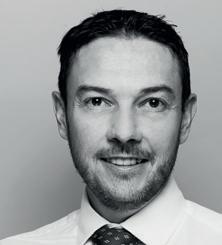
FIPO chairman Mr Richard Packard
TELL US YOUR NEWS Contact editorial director Robin Stride
Agree how to work together
Navigating the ins and outs of starting a new medical business can trip up the unwary doctor. Lawyer Michael Rourke shows what to watch out for P24
ADVERTISE WITH US Contact advertising manager Margaret Floate at margifloate@btinternet.com Phone: 01483 824094
GET A SUBSCRIPTION DISCOUNT
£90 independent practitioners.
£90 GPs and practice managers (private & NHS).
£210 organisations.
Save £15 paying by direct debit: individuals £75 (organisations £180).
TO SUBSCRIBE – USE SUBSCRIPTION FORM ON PAGE 23
Or email karen@marketingcentre.co.uk Or phone 01752 312140.
Or go to the ‘Subscribe’ page of our website www.independent-practitioner-today.co.uk
Chief sub-editor: Vincent Dawe
Head of design: Jonathan Anstee
Publisher: Gillian Nineham at gill@ip-today.co.uk Phone: 07767 353897
EDITORIAL COMMENT
Doctors on the waiting list
Now we have had the longawaited Paterson Inquiry report and the initial reactions – covered across eight pages in this issue of Independent Practitioner Today – don’t expect too much to happen immediately.
Those in the private healthcare sector who need to will hopefully be tackling any immediately obvious, necessary and easier-to-implement aspects of the document.
But what happens to many of the biggest recommendations will be down to the politicians and it is expected that the Govern ment will be giving no indepth response any time soon. At least 12 months is likely.
One of the biggest impacts on the cards for doctors in private practice, seemingly, is the former Bishop of Norwich’s call for an urgent review of medical indemnity to prevent discretionary withdrawal of cover.
That proposal dovetails nicely into The Department of Health
and Social Care’s report back in 2018, called ‘Appropriate clinical negligence cover – a consultation on appropriate clinical negligence cover for regulated healthcare professionals and strengthening patient recourse’.
This advocated the merits of insurance rather than discretionary cover provided by the traditional medical defence bodies.
But we understand these bodies hit back by giving that consultation plenty to think about in their responses in 2018.
We suspect there could well be further proposals from the DoH, with other options for more consideration, in a follow-up report.
Meanwhile, another consultation about improving patient safety – from NHS Digital and the Private Healthcare Information Network – wants doctors’ views and is more pressing (see p1).
Although only launched on 19 February, it closes at the end of March – hardly enough time to get all the responses it deserves.
Judged by a jury who didn’t get it
Surgeon Mr David Sellu, convicted for gross negligence manslaughter of a patient – overturned on appeal –continues his story P32
Guard yourself from cyber attacks
The range of cyber threats to your computer system is constantly evolving. Vin Pandha shows how to protect your practice against this form of fraud P36
Fix your billing and ease stress
Simon Brignall presents the second part of his feature on how private doctors are losing money unnecessarily in the billing and collection process P38
When a beauty op goes wrong
What can a plastic surgeon do when a well-known comedian initially likes and then complains about his op to the media? Dr Sally Old has the answer P45
Juke shows nobility
The original Nissan Juke gave birth to a new genre of cross-over SUVs and the new version has upped its game, but can it beat its competitors? P48
PLUS OUR REGULAR COLUMNS
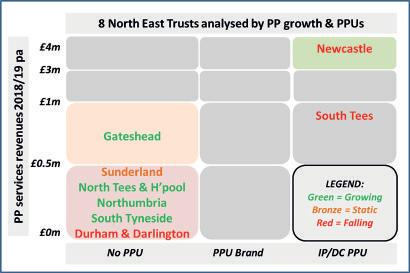
Private patient units: Regional centre is the only hot spot
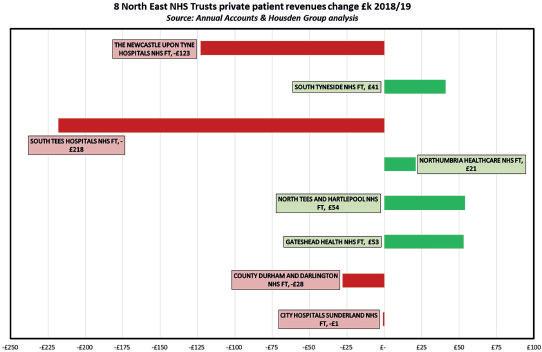
We continue our regional round-up of PPU progress with a review of NHS trusts in the North-east P46
Start a private practice: Papertrail tips to keep taxman at bay
Accountant Ian Tongue sets out some best practice advice for doctors starting out in private practice P50
Profits Focus: Yet more radiant results
Our unique benchmarking series looks at the financial fortunes of radiologists P52
Circulation figures verified by the Audit Bureau of Circulations
Doctors have been warned that the Clinical Excellence Award (CEA) they have just received could prove to be another tax headache.
Patrick Convey, technical director at specialist financial planners Cavendish Medical, said it was frustrating for specialists to discover that the reward for their hard work and recognition by their peers could trigger substantial tax charges. He explained: ‘If your CEA is a national award, it will boost your pensionable pay, and as you probably have complex income streams, you are more likely to breach the annual allowance which restricts how much pension you can save free of tax.
‘The standard rate is currently set at £40,000, but the “tapered” annual allowance, which has been causing significant tax issues for doctors in the last year, reduces this limit down further – to as low as £10,000 a year for some.
‘The pay rise from the CEA will increase your threshold income which is used to test whether you qualify for the tapered annual allowance. If you have a threshold income – which is your income from all sources – of £110,000 or more, you may be subject to reduced tax-free pensions savings.
‘If your CEA is a local award, this will not be pensionable, but the pay rise could still mean your income is over the threshold at which the taper will apply.’
Mr Convey warned that to make matters even more challenging, doctors receiving new awards would have them backdated to April 2019.
Unfortunately, that meant they would only find out if they were liable for a tax charge long after the current tax year was finished.
He told Independent Practitioner Today : ‘Pensions tax relief is unduly complex and is unlikely to be simplified in the short term.
‘Last year, the NHS took the
unprecedented step of agreeing to pay the tax charge of doctors penalised by the taper, for the current tax year only, in a bid to restore the workforce. Although this could be positive for some individuals, it still increases the level of confusion and calculations needed.
‘While the financial landscape continues to be uncertain, the best course of action is to take steps to ascertain your own position and the implications of your CEA on your tax status.
‘With careful planning, it may be possible to reduce your tax liabilities and use the most efficient option for paying any tax due.’
He warned specialists not to forget to have the NHS sums checked carefully, and added: ‘We have found many of the computer-generated calculations to be wrong, causing further complexity and, ultimately, distress.’
Check out www.independentpractitioner-today.co.uk for guidance and reaction to the Budget
E-billing enjoys a surge from both doctors and hospitals
The private healthcare industry’s official clearing organisation is reporting a surge in providers submitting electronic bills to private medical insurers.
Healthcode, celebrating its 20th anniversary, said volumes rose 12% to 7m, accounting for over £3.3bn revenue for the sector.
Consultants and other non-hospital providers submitted 4m, hospitals 2.9m and e-bills from non-hospital providers shot up 18%.
Over 25,000 independent practitioners and 300 hospitals are registered to use the free online service, which validates bills on submission according to insurers’ individual rules.
Managing director Peter Connor said: ‘We want to use our expertise and secure platform to help the independent healthcare sector to work together, use data effectively and deliver high-quality services.’
The industry set up Healthcode to meet its needs for a simple but
HCA in joint bid to boost well-being
HCA Healthcare UK has partnered with ukactive to improve health and physical activity in the workplace.
They aim to provide practical advice and information to enable businesses of all sizes to drive positive change in workers’ health and wellbeing.
Hospital group chief medical officer Dr Cliff Bucknall said: ‘As a partner to businesses providing workplace health, we have seen the positive impact that the right initiatives can have: increasing productivity and improving the well-being of employees.
‘More and more businesses are recognising the important role they can have in improving the health of their workforce and are eager to do more. But many are unclear about the best way to do this.’
The link-up will make recommendations to businesses, the physical activity sector and the Government to support the design of healthier workplaces.
Anna Davison, of ukactive, said: ‘We are delighted to partner with HCA UK for this ground-breaking consultation, which will form the cornerstone of the work we are undertaking around workplace well-being.’
A survey next month will give businesses further information.
➱ continued from front page
secure electronic billing solution, he said. Its technology facilitated a mass transition to electronic billing and led the way in developing industry-wide billing and coding standards to deliver more accuracy and efficiency.
‘While we are now more than a billing provider, the same concerns have informed our approach to developing all our online services throughout the last 20 years, most recently The Private Practice Register (The PPR).’
Known as the Acute Data Alignment Programme (ADAPt), PHIN will share the national dataset of private admitted patient care in England with NHS Digital, ‘creating a single source of healthcare data in England’.
Its ability to become the ‘repository’ called for remains to be seen. PHIN provides access for patients to search information on around 2,500 consultants so far, covering both their NHS and private practice.
But another possibility could involve IT specialist Healthcode’s Private Practice Register (PPR), which has been signed up to so far by over 16,000 health professionals.
Call for a list of ‘experts’
By Douglas Shepherd
Founders of the surgeons’ trade union the Confederation of British Surgery (CBS) are calling for the setting up of a national register of medical experts to provide reliable and independent testimonies of their skills.
They complain it is ‘profoundly inappropriate’ that the role is unregulated and anyone can currently put themselves forward as a self-appointed ‘expert’.
CBS president and retired consultant colorectal surgeon Prof John Macfie said: ‘The public would be shocked to learn that in this country, as well as many others, there are remarkably few restraints on doctors, of any speciality, writing an expert report.
‘The current process of selecting
experts is flawed. “Experts” should have expertise in legal proceedings as well as the clinical area they are being asked to comment upon. Our proposed register would address this anomaly and end cartel-like practices.’
The CBS said professions such as surveyors and architects held lists of their experts but neither the royal colleges nor medical craft organisations did so.
Mr Mark Henley, president of the British Association of Plastic Recon structive and Aesthetic Surgeons (BAPRAS) and a spokesperson for the CBS, said: ‘Responsible solicitors, particularly those who work closely with the defence organisations, will usually only instruct doctors who are regarded as experts, have a CV to confirm this and have a track
record of producing cogently argued reports.
‘The latest annual Bond Solon Expert Witness survey, published in November, noted that solicitors need to ensure an expert is properly qualified and experienced in their field.
‘Unfortunately, however, there are many firms of solicitors, some of whom work exclusively for the complainant on the basis of ‘no win no fee’, in whom the standards of medical expert are less than ideal.
‘Solicitors can easily access the names of doctors willing to write expert reports from a number of freely available websites. There is no policing of this activity.
‘The GMC has issued guidelines on medical report writing, but it is extremely uncommon for doctors
Registry to improve venous care by collating outcomes
A new registry for the treatment of varicose veins and venous-related conditions will enable doctors to compare their treatments and patient outcomes along with rates of improvements and recurrence in the long term.
The College of Phlebology’s Venous Registry enables doctors to keep up with the number of patients seen, techniques showing best outcomes, long-term patient feedback, recurrence rates and patient-reported outcome measures (PROMS) from different treatments they use.
Patients can use it to research clinics and treatment options and select doctors, clinics or hospitals who are involved in the registry and are transparent about their results.
Prof Mark Whiteley, of The Whiteley Clinic, helped develop the registry. He said: ‘The treatment of varicose veins can be complex, with many clinics offering different options for each individ-
Prof Mark Whiteley, a founder of the College of Phlebology
ual case. While many doctors promote themselves with good reviews from patients, these reviews are often submitted straight after treatment, a long time before the healing is complete and veins may have recurred – making such early reviews unreliable.
‘The Venous Registry has been
set up through Dendrite, the leading medical registry company in the world, to tackle this issue. Hospitals, clinics and doctors who are members of the Venous Registry are required to add all patients and treatments in an anonymised form.’
He said the registry regularly emailed patients throughout and after treatment to collect PROMS, including recurrence and qualityof-life measures, to check they remained happy and had not had any delayed complications or recurrence.
‘Through the use of the new registry, doctors and clinics will eventually be able to show their patients that they achieve good long-term results. In addition, they will see which varicose vein treatments work best in the long term and give the best patient satisfaction.’
to be reported for breach of duty in this regard.’
Prof Macfie said the CBS’s proposals would help facilitate early settlement of cases and result in considerable overall cost savings.
Would-be and existing doctor expert witnesses are being invited to a medico-legal conference on 27 March at BMA House, London.
Topics include the legal profession’s expectation of doctors as expert witnesses, writing a good coroner’s report, duties and liabilities, indemnity, medical law, dos and don’ts of medico-legal reporting, and courtroom skills. Email confunit@bma.org.uk for details
Animated film tells patients what to expect
Patients are being told what to expect from independent healthcare in a new animation from the Independent Healthcare Providers Network.
Developed with support from the Patients Association, the three-minute film sets out their rights around being treated safely, receiving the highest professional standards of care and having a good patient experience.
Medical market in London grows
The acute central London medical market value rose 3.4% to £1.60bn in 2018 with many consultants benefiting from a resurgence in the embassy market, particularly a shift back to Gulf patients, according to analysts LaingBuisson. Growth continues to be driven by the private patient units of NHS hospitals, although growth has also returned to independent hospitals reversing a downward trend.
Baroness opens day surgery unit
Beware revealing too much on the internet
HCA unit first for diabetes treatment
By Robin Stride
HCA’s Princess Grace Hospital in London is the first medical facility in the world to offer a breakthrough treatment for type 2 diabetes (T2D) to self-pay patients.
The minimally invasive Revita procedure is performed endoscopically to target the duodenum triggering the body’s cell regeneration process.
By improving insulin sensitivity and enabling better use of the body’s own natural insulin, it offers a new way to avoid insulin injections for those currently uncontrolled on oral medication.
Consultant gastroenterologist at the hospital, Dr Bu Hayee, said: ‘We believe that the new Revita procedure will be a game-changer for many patients who struggle to control their blood sugar levels despite dietary and lifestyle changes and will offer a great alternative to conventional drug therapies.’
He said the treatment would
offer new hope to patients that the symptoms of the disease could be reversed.
‘Patients can go home the same day, following treatment, with minimal side-effects. It really is a unique option.’
Princess Grace chief executive Miranda Dodd said the hospital hoped Revita would allow patients all over the UK and internationally to take back control of their lives with a single treatment.
Dr David Hopkins, consultant physician and diabetologist at King’s College Hospital and lead investigator in the Revita-2 clinical trial, said: ‘While there are increasing pharmacological T2D treatments, these have not translated into meaningful improvements in patient outcomes.
‘By targeting insulin resistance in the duodenum – the root cause of metabolic disease – the Revita procedure has considerable benefits and may help the person to avoid escalating drug treatment.’
Doctors have been advised to beware revealing too much about themselves online following a number of cases where infatuated patients were able to discover medical professionals’ personal details.
Incidents reported by Medical Defence Union (MDU) members range from patients asking the doctor out for a drink to more persistent behaviour such as sending inappropriate cards and gifts, attempting to embrace the doctor or contacting them via social media, email, text message or messaging app.
In some cases, the patient researched the doctor or nurse and sometimes their family and friends using information found online.
MDU medico-legal adviser Dr Ellie Mein said: ‘Medical professionals can be understandably very distressed by unwanted advances from patients. This is especially the case when contact is made via a personal mobile, email
address or social media account, as those targeted can feel their privacy has been breached.
‘With personal information being more easily accessible, we are advising our members to consider protecting their privacy by reviewing online data.
‘Consider whether addresses, personal emails and details of family members are accessible, including on business and company websites and in published research papers. It’s also important to review social media security settings.’
She said dealing with a patient who wanted a romantic relationship could be hugely difficult and distressing for those involved.
But by politely and firmly declining a patient’s advance and explaining the importance of maintaining a professional boundary, the professional doctor-patient relationship could sometimes be restored. See ‘Steer clear of amorous advances’, page 34
Clinic starts two new keyhole prostate ops
Two new minimally invasive procedures to help men combat the side-effects of having benign prostatic hyperplasia (BPH) have been introduced by The London Clinic.
Robotic Aquablation and the Rezum System, treatment options for the effective, quick removal of excess prostate tissue, negate the need for the surgical removal of the prostate and the associated risks, complications and sideeffects.
Prokar Dasgupta, professor of urology at the hospital, said: ‘These advanced and effective procedures for removing excess tissue from the prostate, allow for an improved quality of life for an ever-growing patient population with enlarged prostate.
‘We can treat the enlarged prostate quickly and effectively, with minimal discomfort, reduced risk
Urologist Prof Prokar Dasgupta
and the preservation of sexual and urinary functions. It means people can return to their normal daily activities quickly.’
A refurbished day surgery unit at Aspen’s Parkside Private Hospital, Wimbledon, was opened by Baroness Karren Brady, star of the TV show The Apprentice. It is the culmination of a £2.7m modernisation project.
Bid to make safety law for private care
By Olive Carterton
Private healthcare providers are backing doctors’ bodies in a bid to get a proposed new Health Service Safety Investigations Bill (HSSIB) to expand its remit to cover both NHS and independently funded care.
Independent Healthcare Providers Network (IHPN) chief executive David Hare argues that with independent healthcare providers delivering over two million acute procedures every year, it is vital that privately funded care is covered by the legislation.
He said: ‘The health service has made huge strides in recent years in taking a more systems based approach to safety and we urge the Government to amend the Bill and bring it into line so that all patients, regardless of how they access their healthcare, are able to benefit from this shared system learning.’
Mr Hare made his views clear in a letter to the Health Secretary Matt Hancock.
The Bill, contained in the Government’s Queen’s Speech, gives new powers to the current
Healthcare Safety Investigation Branch to investigate patient safety incidents and ensure learning is shared across the health service.
But, as currently drafted, it only applies to the provision of NHSfunded care.
Key healthcare bodies urging for privately funded care to be covered by the Bill also include the Royal College of Surgeons of England, Royal College of Nursing and the BMA.
The IHPN said its call for the Bill to be amended to cover both NHS and privatelyfunded care was in line with the current NHS Patient Safety Strategy, which wants a ‘whole systems’ approach to patient safety – as well as other healthcare initiatives.
These include the National Reporting and Learning System (NRLS), which covers patient safety incidents across NHS and private care, with learning shared across the healthcare system.
The HSSIB had its second reading in the House of Lords last autumn, where peers from across the three main parties called for the Bill’s remit to be extended.
Crowning achievement for The City’s first private unit
The main structure of the City of London’s first independent hospital, being built for Nuffield Health at St Bartholomew’s Hospital, has been completed and marked with a topping out ceremony.
It will feature 48 bedrooms, four operating theatres and 28 consultation rooms and give practising privileges to consultants in cardiology, cardiac surgery, oncology, orthopaedics and other surgical and medical specialties when opened.
The £65m building will also provide physiotherapy and diagnostics, and complement Nuffield Health’s 35 consumer fitness and well-being clubs, 63 on-site corporate gyms and 150 GPs in its catchment area, which will refer patients to the new hospital.
Hospital director Maxine Estop Green said: ‘It is always something to celebrate when you reach this stage of a major build, particularly with a project as complex as this one.
‘The history of the site and the constrained space in which the team have had to work have presented significant challenges, but it has been a delight to mark the completion of the main build, which means we are on schedule to open the City’s first independent hospital next spring.’
Paterson inquiry to dominate BMA meeting
The Paterson Inquiry report will be in the spotlight next month as existing and wouldbe independent practitioners meet in London for the 2020 BMA private practice conference.
Its implications for the private sector will be examined by Mr Charlie Chan, director of the Federation of Independent Practitioner Organisations, and leading litigation lawyer Bertie Leigh of Hempsons Solicitors.
The event, on 24 April at BMA House, begins at 9.30am and will provide parallel presentations for established independent practitioners working in private hospitals and general practice, and doctors who are setting up and developing their business.
Former Health Secretary Stephen Dorrell, chairman of LaingBuisson, will provide an overview of the economics of private healthcare, Tom Smith, tax director at Deloitte,
will speak on IR35, while revalidation in the independent sector will be tackled by Dr Alexandra Harkins, Responsible Officer at the Independent Doctors Federation.
Established doctors will have talks on how to protect pensions, alternative options for investment, and buying and selling a practice.
Other topics include:
Setting up in private practice –Dr Jennifer Yell, BMA Private Practice Committee;
Working with insurers – Dr Luke James, medical director, BUPA Global & UK Insurance ;
Practising privileges and working in partnership with your hospital – Suzy Canham, chief executive of The Lister Hospital;
An update on the Private Healthcare Information Network by its boss Matt James. Cost is £170 for members; nonmembers £220. Email confunit@ bma.org.uk.
Pictured atop the structure in Giltspur Street close to Smithfield Market is Nuffield Health property director Andrew Wood being presented with a commemorative plaque to celebrate the milestone by Louisa Finlay, builders Kier’s deputy managing director for London and the South-east
Briefings on private care developments
By a staff reporter
More personal and pastoral support to members of the London Consultants’ Association (LCA) is underway in a new initiative.
The first in a series of small private lunches was held at Quo Vadis Restaurant in Soho where guest speaker Rosemary Hittinger discussed clinical data, consultants’ responsibilities and the Private Healthcare Information Network.
LCA chairman Mark Vanderpump told Independent Practitioner Today : ‘We realised that many of our members are so busy with patient care that they are unaware of the impact that the changes to the private sector have on their practice.
‘We have decided to run topicthemed informal lunches with experts to inform and support our membership and encourage those new to the sector.’
Outpatient clinic offers sessions at weekends
Private outpatient clinic London Medical this month began opening on Saturdays and offering sessions for this period to new and existing consultants.
It told Independent Practitioner Today that services would be expanded over the next few months so that specialists who are fully committed during the week have the opportunity to run their private practice at the weekend.
NHS trusts attend Arab health expo to sell private services
Leading NHS trusts sent delegates to Arab Health last month to connect to the region’s healthcare industry and drive forward their international private patient business.
Those present included Guy’s and St Thomas’, Imperial Healthcare, Royal Brompton and Harefield, Liverpool Heart and Chest, and the Royal National Orthopaedic Hospital (RNOH).
Arab Health, a fourday event for over 50,000 in Dubai at the World Trade Centre, has been at the heart of healthcare in the Middle East for 45 years.
London’s £1.5bn private hospital market has been growing by around 8% per year and NHS trusts are grabbing a wider share of the private patient market through their specialised units.
The LCA called the event ‘extremely convivial’ and those attending said they found it useful and informative. Members attending came from as far away as Solihull just for the event.
Dr Vanderpump said: ‘We ran it as a sort of “Parkinsontype” interview, but it required little input from me before questions and conversation were stimulated. This
Since 2012, the number of patients sponsored for treatment abroad from Kuwait, Qatar, UAE and Kingdom of Saudi Arabia has increased by 80% from around 10,000 to 18,000 a year and foreign embassies now account for about a quarter of London’s private patient revenues.
Eileen Scrase, RNOH head of private care, said: ‘The development of international patient flows from the Middle East region requires a long term strategy and Arab Health was the perfect opportunity for RNOH to raise awareness of our trust’s tertiary specialties and private care service, and also the wider NHS brand with the government purchasers of treatment abroad.’
Isle of Man hospital seeks a provider for its new PPU
The Isle of Man’s government closed down Noble Hospital’s private patient unit in January 2019 for refurbishment and this is due to
approach seems to have tapped into the medical zeitgeist.’
The LCA is introducing a range of new events and activities and hopes to attract new members from those doctors embarking on private practice.
Two further lunches planned for later this year are themed on general practice and business models in the sector.
be completed and the unit open by the end of June 2020.
Health minister David Ashford said: ‘We have been engaging with all of those who expressed an interest in running this unit for quite a long time now. We have a very good idea of what they want out of a unit.
‘What we had previously, to be blunt, was another ward, another part of Noble’s, being run as a private facility.
‘It was not a proper private patient facility that was there previously. We are going out to get on board and work with partners who actually have experience in this area.’
The minister confirmed a tender process will begin this month to find a provider, with 14 expressions of interest having already been received.
Philip Housden is a director of Housden Group. See his feature article on PPUs in the North-east region on page 46
The clinic, which includes The London Diabetes Centre, is used by 82 consultants in a broad range of specialties including endocrinology, ophthalmology, cardiology and weight management. GPs are also available.
London Medical offers practising privileges to leading physicians in all medical disciplines that complement the existing broad range of services available to patients.
Services available to consultants working there include marketing and promotion, full secretarial support, nursing and diagnostic services, billing services and an inhouse pharmacy.
Chief operating officer David Briggs said: ‘Whenever we have run patient forums and events at the weekend, it is very clear that there is demand by patients for clinics to be available outside of the traditional office hours.
‘We are fortunate to be based on the vibrant Marylebone High Street, which attracts a great deal of weekend visitors who now have more convenient access to a leading clinical facility.’
Chief executive Tony Graff said: ‘We want to continue to innovate the provision of our specialty services by continuing to attract exceptional consultants and staff and by utilising new treatments and technologies that will allow us to reach well beyond our existing patient base.’
Compiled by Philip Housden
PPU WATCH
LCA chairman Dr Mark Vanderpump
David Briggs of London Medical
Guest speaker Rosemary Hittinger
Huge gaps need filling THE
Midlands breast surgeon Ian Paterson performed inappropriate surgery on many hundreds of patients. Concerns about his practice were first raised in 2003 and he was suspended from his NHS trust and private hospitals in 2011.
Convicted of wounding with intent and unlawful wounding in April 2017, his 15-year prison sentence was deemed too lenient and increased by the Court of Appeal to 20 years in August 2017.
In December 2017, the Health Secretary set up an independent, nonstatutory inquiry into Paterson’s malpractice, chaired by the then Bishop of Norwich, the Rt Rev Graham James.
The inquiry heard from 211 patients and individual patients’ relatives and published its report last month.
Recommendations from the Paterson Inquiry cover medical indemnity, inform ation to patients, consent, multidisciplinary teams, complaints, patient recall, ongoing care, investigating health professionals, corporate account ability and adoption of all these in the independent sector.
Information
to patients
There should be a single repository of the whole practice of consultants across England, setting out their practising privileges and other critical consultant performance data; for example, how many times a consultant has performed a procedure and how recently.
This should be accessible and understandable to the public. It should be mandated for use by managers and healthcare professionals in both the NHS and independent sector.
It should be standard practice that consultants in both the NHS and the private sector write to patients, outlining their condition and treatment, in simple language, and copy this letter to the patient’s GP, rather than writing to the GP and sending a copy to the patient.
Differences between how the care of patients in the independent sector is organised and the care of patients in the NHS is organised should be explained clearly to patients who choose to be treated privately or whose treatment is provided in the independent sector but funded by the NHS.
This should include clarification of how consultants are engaged at the private hospital, including the use of practising privileges and indemnity, and the arrangements for emergency provision and intensive care.
Consent
There should be a short period introduced into the process of patients giving consent for surgical procedures to allow them time to reflect on their diagnosis and treatment options.
The GMC should monitor this as part of Good Medical Practice.
Multidisciplinary team (MDT)
The Care Quality Commission (CQC) should urgently assure itself that all hospital providers are complying effectively with up-to-date national guidance on MDT meetings, including in breast cancer care, and patients are not at risk of harm due to non-compliance.
Complaints
Information about the means to escalate a complaint to an independent body should be communicated more effectively in both the NHS and independent sector. All private patients should have the right to mandatory independent resolution of their complaint.
Patient recall and ongoing care
The University Hospitals Birmingham NHS Foundation Trust board should check that all patients of Paterson have been recalled and communicate with any missed out.
Spire Hospital should check all Paterson’s patients have been recalled, communicate with any who have not been seen,and check they have received an ongoing treatment plan in the same way as provided for patients in the NHS.
Improving recall procedures
A national framework or protocol, with guidance, should be developed about how recall of patients should be managed and communicated.
This should specify that the process is centred around the patient’s needs, provide advice on how recall decisions are made and advise what resource is required and how this might be provided. This should apply to both the independent sector and the NHS.
Clinical indemnity
The Medical Defence Union used its discretion to withdraw cover, as Paterson’s activity was criminal,
the report said, leaving patients without cover.
It recommended the Government urgently reforms the current regulation of indemnity products for healthcare professionals ‘in light of the serious shortcomings identified by the inquiry, and introduce a nationwide safety net to ensure patients are not disadvantaged’.
Regulatory system
The inquiry did not believe the creation of additional regulatory bodies provided an answer. It said the Government should ensure the current system of regulation and the collaboration of the regulators served patient safety as the top priority ‘given the ineffectiveness of the system identified in this inquiry’.
Investigating doctors’ practice and behaviour
When a hospital investigates a healthcare professional’s behaviour, including the use of an HR process, any perceived risk to patient safety should result in the suspension of that healthcare professional.
If the healthcare professional also works at another provider, any concerns about them should be communicated to that provider.
Corporate accountability
Consultants’ private hospital engagement through practising privileges is recognised by the CQC, but this does not appear to have resolved questions of hospitals’ or providers’ legal liability for the actions of consultants, the inquiry stated. It recommended the Government urgently addressed this gap in responsibility and liability.
When things go wrong, boards should apologise at the earliest stage of investigation and not hold back from doing so for fear of the consequences in relation to their liability.
THE INQUIRY CHAIRMAN’S DAMNING VERDICT
‘A dyfunctional health system’
‘This report is not simply a story about a rogue surgeon. It would be tragic enough if that was the case, given the thousands of people whom Ian Paterson treated. But it is far worse.’
These are the opening words of the Paterson Inquiry report by its chair, The Rt Revd Graham James.
In a damning synopsis, he said: ‘It is the story of a healthcare system which proved itself dysfunctional at almost every level when it came to keeping patients safe, and where those who were the victims of Paterson’s malpractice were let down time and time again.
‘They were initially let down by a consultant surgeon who performed inappropriate or unnecessary procedures and operations. They were then let down both by an NHS trust and an independent healthcare provider who failed to supervise him appropriately and did not respond correctly to wellevidenced complaints about his practice.
‘Once action was finally taken, patients were again let down by wholly inadequate recall procedures in both the NHS and the private sector. The recall of patients did not put their safety and care first, which led many of them to consider the Heart of England NHS Foundation Trust and Spire were primarily concerned for their own reputation.
‘Patients were further let down when they complained to regulators and believed themselves frequently treated with disdain. They then felt let down by the Medical Defence Union which used its discretion to avoid giving compensation to Paterson patients once it was clear his malpractice was criminal.
‘Only by taking their cases to sympathetic lawyers did some patients find themselves heard. By
that stage, many others found their exhaustion was too great and their sense of rejection so complete that they scarcely had the emotional or physical strength to fight any further.’
No care plan
The former bishop said that, even today, many patients, especially those treated within Spire hospitals, had no individual care plan.
Thousands of people still lived with the consequences of what happened and it would be wishful thinking that this could not happen again.
He continued: ‘The inquiry team were told by regulators and other witnesses that procedures and processes had tightened up considerably in the past decade. We were informed that the regulatory system was more vigilant, and patient safety was now given a much higher priority so that another Paterson would be unlikely.
‘We acknowledge many areas of improvement in processes and procedures. But in Paterson’s years of practice, there were many regulations and guidelines in place which were disregarded or simply ignored, and not just by him.
‘It was striking that regulators testified to major improvements which they thought would identify another Paterson, while the clinicians we met believed that, despite the changes, it was entirely possible that something similar could happen now.
‘The testimony of those on the front line is telling. It is tempting for inquiries to recommend fresh layers of regulation. But our healthcare system does not lack regulation or regulators. The resources they possess, both human and financial, are very considerable.
‘There is no process, procedure or regulation which can prevent malpractice on its own. This report is primarily about poor behaviour and a culture of avoidance and denial. These are not necessarily improved by additional regulation.’
Labyrinthine system
The bishop said the sheer number of regulatory bodies and the complexity of their areas of responsibility meant that Paterson’s patients thought the system unfocused and scarcely possible to navigate, while many clinicians seemed to feel the same, and so avoided engagement with it.
‘We were told that if there was more accessible data about a consultant’s whole practice, then the events described in this report would have been stopped more quickly. We have made a recommendation in this area, but it is important to recognise that the collection of data and information is insufficient alone to prevent what has been described here.
‘It is how information is analysed and used, and then made available
Those who did take action but were then poorly served by those to whom they reported have themselves been traumatised.
INQUIRY CHAIRMAN RT REVD
GRAHAM JAMES
to the public, which determines its value.’
He said managers seemed to look for patterns which reassured rather than disturbed.
Wilful blindness
This capacity for ‘wilful blindness’ was illustrated by the way Paterson’s behaviour and aberrant clinical practice was excused or even favoured.
The inquiry chairman added: ‘Many simply avoided or worked round him. Some could have known, while others should have known, and a few must have known.
‘At the very least, a great deal more curiosity was needed and a broader sense of responsibility for safety in the wider healthcare system by both clinicians and managers alike.
‘However, some seem to have been inhibited from complaining because they had seen colleagues appearing to get nowhere by doing so – and in some cases, finding themselves under investigation.
‘A few of Paterson’s more junior colleagues commented that the unusual character of his surgical practice – compared with other breast surgeons – was well known. To a surprising degree he was “hiding in plain sight”.’
Enormous impact on doctors
The impact of what is described in the report has been enormous for many clinicians and others who either worked with Paterson or came into contact with him, the chairman said.
‘Those who did take action but were then poorly served by those to whom they reported have themselves been traumatised. Some who should have taken action now live with the guilt. Others are in a state of denial.’
REACTIONS FROM PROVIDERS, DEFENCE BODY AND DOCTORS’ GROUP
The Private Healthcare Information Network (PHIN) is backing a Paterson Inquiry recommendation for a single repository of whole practice consultant information, available to managers and healthcare professionals.
It believes this will support better clinical governance and help identify patterns of poor care at an earlier stage. Chairman Dr Andrew Vallance-Owen said it was vital this was also available to the public in an accessible and understandable way.
PHIN has launched a consultation with NHS Digital which considers the first steps for this and will work towards creation of a single unified dataset for planned admissions. See page 15.
Niall Dickson, chief executive of the NHS Confederation, which represents organisations across the healthcare sector, said he hoped the strength of the recommendations in the report would provide patients with some reassurance that lessons were being and will be learned.
He said: ‘We can see that both the NHS and independent sector are committed to work together and to share intelligence to make sure that patients are not let down by individual clinicians in this way again.
‘While the vast majority of care
in this country is of high quality and underpinned by robust safety and medical governance processes, more can and should be done.
‘This is a pivotal moment for patient safety and we all need to recognise the need for greater consistency in how information is shared so that everyone has a comprehensive understanding of the quality of clinical care that is being delivered. As we move to seek to integrate services, this must be a top priority.’
With recommendations now
being considered by the Government, NHS and independent sector providers needed time and support to take forward any new requirements around datasharing.
‘We also need to send the right signals at national and local level which help to create safe cultures throughout our healthcare system. This is still a work in progress and part of it is making sure that staff at all levels feel able to speak up and raise concerns. This is what patients expect and deserve.’
IDF claims safeguards are better now
The Independent Doctors Federation (IDF) is ready to fully endorse any changes needed to improve safety in all areas of the medical profession.
President Dr Neil Haughton said the organisation welcomed the former Bishop of Norwich’s findings in the Paterson Inquiry and unreservedly condemned Paterson’s criminal actions.
He said doctors’ thoughts were with the victims of the rogue surgeon.
Dr Haughton told Independent Practitioner Today the implications for Paterson’s patients had been catastrophic and private doctors fully sympathised with their situation.
He said: ‘His crimes took place both in the NHS and private sector
at a time when regulation and accountability were nowhere near as robust as they are now with GMC revalidation for all medical practitioners and regular Care Quality Commission inspections.
‘Medical and surgical care is usually carried out to the highest standard in independent hospitals. However, we recognise that communication between sectors
has on occasion been substandard and this is now also being improved through numerous initiatives.
‘The IDF has always sought to promote excellence in private medicine and we have robust processes in place as a designated body to facilitate this and challenge unacceptable behaviour in our connected members.’
Defence bodies ‘don’t compensate crime’ Shared intelligence to stop a recurrence A database for consultants’ whole practice
Medical Defence Union chief executive Dr Christine Tomkins responded to the Paterson Inquiry report, emphasising that the rogue surgeon was ‘a criminal’.
She said: ‘As Mr Justice Baker made clear when sentencing Paterson, his actions were not negligent or even reckless. He deliberately and permanently harmed his patients for his own selfish, criminal purposes.
‘What he did was not necessary for the patients’ health. In the words of the judge, it was “the
antithesis of the Hippocratic oath”.
‘Paterson wasn’t negligent. He is a criminal. As the inquiry identified, the root cause of these very distressing events was: “Checks and balances designed to ensure safety of care at the hospitals where Paterson practised were inadequate or were not followed, and this allowed him to continue with unsafe and unnecessary treatment which harmed patients”.’
Dr Tomkins said it was always the case that the requirement that doc-
tors had professional indemnity is intended to provide compensation for negligence.
The MDU, along with all those indemnifying or insuring doctors, paid compensation to patients for negligence, not for crime.
She added: ‘As a matter of law and for very good public interest reasons, no criminal should be protected from the financial consequences of their deliberate criminal acts.
‘This is not a shortcoming with discretionary indemnity and nothing to do with financial regulation.
Insurance policies regulated by the Financial Conduct Authority also exclude deliberate criminal acts.
‘The inquiry recommends a nationwide safety net to ensure patients are not disadvantaged. The state already provides the Criminal Injuries Compensation Scheme and court-ordered Criminal Compensation Orders.
‘If there is to be a further compensation fund for the benefit of victims, it would most appropriately be a statutory fund supported by the Government.’
Niall Dickson
Royal College of Surgeons calls for action by Government
Measures outlined in the Paterson Inquiry report could help prevent another rogue surgeon from getting away with the appalling and criminal behaviour that the inquiry has exposed, according to the Royal College of Surgeons of England.
But it said the test would be whether the Government and regulators acted on these recommendations.
College president Prof Derek Alderson (pictured right) said the report laid bare ‘the horrific experience of patients at Paterson’s hands’.
‘The healthcare system had failed hundreds of patients and their families, and we must learn from what went wrong.
‘Following their thorough investigation, we welcome the inquiry’s recommendations, designed to improve patient safety.
‘We have repeatedly called for the same safety standards to be enforced across both the NHS and private healthcare sector. The inquiry has also stressed this, and agreed with our recommendation that a single repository of information about consultants’ practice should be created.’
He added: ‘The inquiry also points out there is a gap in the rights of some patients treated in the independent sector, who do have not access to independent investigation or adjudication of complaints.
‘Many patients have no idea this is the case until things go wrong.’
The Government had an opportunity to address this gap; by ensuring legislation they were planning to improve the investigation of complaints to make it cover the private sector as well.
Consultants’ multiple site working under scrutiny
Clinicians, providers and regulators across both the NHS and independent sector must now work together to ensure patient safety is prioritised in all healthcare settings, according to the boss of the private hospitals’ trade body.
David Hare, chief executive of the Independent Healthcare Providers Network (IHPN), said the whole system needed to build on progress made in recent years to give patients full confidence in the behaviour of those treating them.
He added that anyone reading the testimonies of individuals affected by Paterson’s ‘appalling crimes’ could not fail to be moved by their suffering.
Welcoming the report, he said a whole-systems solution would be needed to minimise the chances of any similar cases happening again.
Mr Hare stated that the independent sector had already taken important steps to help improve the way that healthcare settings communicated concerns about clinicians working across multiple sites.
David Hare
‘We will study the report carefully, and work with the wider healthcare sector to act on its recommendations.’
Now the IHPN would consider the recommendations in the report to assess what more could be done.
See ‘New dawn for patient safety’ by David Hare, page 14
Defence bodies to help a review
MDDUS
Defence organisation MDDUS has echoed a call from Dr Philippa Whitford MP for the Healthcare Safety Investigation Branch’s powers to be extended to the private healthcare sector.
MDDUS chief executive Chris Kenny said: ‘The Government has begun a review of indemnity as it’s provided to healthcare professionals and, following publication of the recommendations made in this report, we will continue to work co-operatively with the
Department of Health and Social Care as it considers its response over the next few months.
‘We believe that choice for healthcare professionals and protection for patients are complementary, not opposed, goals.’
MPS
Dr Rob Hendry, medical director at the Medical Protection Society, said: ‘Mr Paterson was able to continue harming his patients for too long and we fully support changes that could help to identify and
address concerns earlier, and ultimately improve patient safety.
‘We sympathise deeply with Mr Paterson’s victims, who had to struggle for compensation, and we welcome the principle of a safety net to ensure patients are not disadvantaged in this way again.’
He said his defence body would continue to work closely with the Government on a current review into the regulation of indemnity for healthcare professionals. But changes should not negatively impact on its member doctors.
Quick action is needed if public trust is not to be eroded further, Healthcode warned.
Managing director Peter Connor said: ‘In our evidence to the inquiry, we pointed out that the technology now exists to ensure hospitals have access to accurate information about their consultants.
‘The Private Practice Register already holds accurate information about more than 18,000 independent practitioners and Healthcode is committed to working closely with our hospital user group to ensure it will give them the insights they need and support their clinical governance processes.’
Along with others in the private sector, Healthcode said it would now take time to consider the report and its recommendations. But addressing the information deficit within hospitals would show lessons were being learned and start to meet the sector’s obligations to Paterson’s victims.
A vital new resource for you and your practice staff
Independent Practitioner Today is responding to readership demand and developing its website further to complement its news and feature articles by developing directories of key suppliers to the independent medical sector.
WHEN CONSULTANTS, GPs and their staff need help across the wide range of business support services that they use, then www.independentpractitioner-today.co.uk will be the place to go to find the answers.
We aim to give you a comprehensive easy-touse directory providing all the information you need to know about the ever-increasing number of companies now being used by independent practitioners to help run their business.
This will be split into ‘business’ and ‘lifestyle’ directories reflecting the busy lives of our core
readership and the importance of having everything available in one place.
Independent Practitioner Today is ABC audited and distributed to 7,000+ consultants, GPs and other doctors working in private practice. As each issue is published, we email an additional 14,500 private doctors to give them access to our monthly page-turn digital edition.
The directory will be a vital shop window for suppliers and organisations too. They will have their own page in a relevant directory section –such as accountancy, billing and collection,
clinics/medical services, conferences, consulting rooms, insurance, IT, investments, legal, management, secretarial/business support and tax.
And they will be able to profile themselves, including company logo, description, and contact details with a hyperlink to our general website or personalised landing page, as required – and enjoy exclusive brand opportunities.
Look out for further information which we will publish soon.
THE PROVIDERS’ VIEW
New dawn for patient safety
THE BISHOP of Norwich’s longawaited report into the case of rogue surgeon Ian Paterson was always going to be hard-hitting.
Given the many hundreds of victims harmed by Paterson, the Bishop’s findings left no stone unturned.
Describing ‘a healthcare system which proved itself dysfunctional at almost every level when it came to keeping patients safe’, the Bishop made clear that victims had been let down ‘time and time again’ by the whole system.
That included Paterson’s fellow clinicians, healthcare providers, regulators and insurers.
Anybody reading the report will be struck by the power of the victims’ testimonies and be moved by their suffering. This was a tragic case and it is incumbent upon everybody in healthcare to ensure patients are not failed like this again.
Cultural change
The Bishop makes clear that key to minimising the risk of ‘another Paterson’ is fostering far-reaching cultural change in the whole of the health system, rather than heaping on ever more regulation.
This means ending what he calls the ‘wilful blindness’ of the system around Paterson.
It means instead ushering in more ‘curiosity’ and a ‘broader sense of responsibility for safety in the wider healthcare system’ by both clinicians and managers alike. And ensuring patients are much more informed about how their care is delivered.
While much progress has been made in recent years across the
independent sector, providers in the market are going to need to move further and faster to drive change. The Independent Healthcare Providers Network (IHPN) will be helping to push this forward.
For all of us working in the independent sector, there are several key areas to reflect on.
Sharing information
Firstly, the report makes clear that when it comes to sharing data both about their own care, as well as information and concerns about doctors, patients quite simply expect this to happen and indeed are surprised when this isn’t done as a matter of course.
With a lack of information sharing about Paterson’s behaviour –and there being no ‘one version of the truth’ across NHS and private practice which could have identified his criminality at a much earlier point – we welcome the inquiry’s call for a ‘single repository of data of the whole practice of consultants across England’, setting out their practising privileges and other key information.
And not only should this data be collected, the inquiry makes clear, but there must also be a curiosity about what it says and a willingness to interrogate and act upon it, which was so lacking in the case of Paterson.
As Independent Practitioner Today readers will know, this is something IHPN has been calling for and we have started the development of a Consultant Information Sharing System (CISS), which details a clinician’s practice across the independent sector.
But the inquiry’s recommendation goes further than this.
It calls for such a system to have wider reach and be mandated for use by managers and healthcare professionals in both the NHS and independent sector, as well as being accessible and understandable to the public.
So the IHPN will be engaging closely with the Depart ment of Health and Social Care, the GMC and with the Private Healthcare Information Network (PHIN) on how this recommendation can be implemented.
We will be supporting PHIN with its work in bringing together NHS and private data through the ADAPt programme, referenced by the bishop in his report.
Defence cover
Another key recommendation of the inquiry is around reforming the current system of indemnity for healthcare professionals working in the sector ‘as a matter of urgency’ and introducing a ‘nationwide safety net’ to ensure patients are fully protected when things go wrong.
In the wake of the Paterson Inquiry, the private providers’ trade body boss David Hare outlines some key actions that need to gather pace now
The Government has rightly already consulted on this issue, which we expect to gather momentum considering the inquiry’s recommendation, with change to discretionary cover from the indemnity bodies seemingly now inevitable.
This is, of course, a hugely complex issue with several potential options to ensure private patients are always fully compensated if any harm is done – most notably when criminal acts take place –while also leaving in place important support and protection for doctors themselves.
The Government has said it will take several months to reflect on the inquiry’s report and IHPN will be working with it closely as the politicians shape their response to this important inquiry.
While the bishop made clear that all parts of the health system, from regulators to individual clinicians, need to take action to make care safer, there is no doubt that the independent sector and those who practise in it must play their full role in ensuring that patients can have full confidence in the care they receive, wherever they receive it.
This will only be achieved if both providers and practitioners in the sector work together, something IHPN is wholly committed to going forward.
David Hare (right) is chief executive of the Independent Healthcare Providers Network
We must co-operate to fix broken system
Consultants’ concerns given to the Paterson Inquiry by The Federation of Independent Practitioner Organisations (FIPO), which had a board member on the investigation’s clinical panel, led to many of the subsequent report’s recommendations. Here, FIPO gives its detailed reaction to Independent Practitioner Today
Patient information about doctors
The Bishop of Norwich’s report recommends that information about individual consultants should be available.
A Consultant Information Sharing System is being developed jointly by the Independent Hospitals Provider Network (IHPN) and the NHS, and FIPO has been asked to advise.
Information should be published about the number and types of procedures performed by doctors in their whole practice across the NHS and the private sector.
FIPO endorses this not just for patient information, but also to reduce the number of places to which doctors would need to submit data.
The Private Healthcare Information Network (PHIN) has been mandated by the Comp etition and Markets Authority (CMA) to record the numbers of procedures performed.
But we say numbers alone are not a measure of the quality of care or the likelihood that an individual patient will have a successful personal outcome.
Communication with patients
The 2013 Kennedy and current 2020 inquiries both raised concerns that some of Paterson’s letters to GPs did not correlate with discussions he had with individual patients, and this might have prevented his malpractice from being discovered earlier.
The inquiry recommends that doctors in the NHS and private sectors should address the clinic letters about their diagnosis and treatment options to the individual NHS and private patients with copies to their GPs; and write in simple English.
It is clearly in patients’ best interests to have clarity about their condition, but some difficulties may arise from the ‘simple English’ stipulation.
Clinical letters are important documents and some doctors have highly specialised practices where many patients are secondary or tertiary referrals needing complex opinions and extensive clinic letters.
Consent
Some Paterson patients felt pressured to have surgery, due to an alleged urgency, but received no adequate explanations about therapeutic options or treatment risks. Some of this ‘clinical urgency’ was entirely fictitious.
This may lead to patients routinely having to return for a separate ‘consent clinic appointment’ before hospital admission – standard practice for some specialties such as spinal and cosmetic surgery.
There may be misunderstandings if non-medical generalities are used, or difficulties from inexact terminology if medico-legal concerns arise. But FIPO would support the general use of simple English with the use of technical terms, where required for clinical accuracy.
The inquiry recommends a ‘cooling-off period’ be standard practice as part of informed consent, to allow reflection on treatment choices. In practice, depending on the patient’s condition, there will normally be a waiting period between consultation and treatment.
But introducing this across the NHS and private sectors would require substantially more outpatient appointments, which would need funding either by the taxpayer, the private insurers or the patients. The administration and costs of this might be difficult to implement.
It is important that the individual consultant’s privacy is respected and there is independent medical oversight. ➱ p16
Some patients felt pressured to have surgery due to an alleged urgency
THE DOCTORS’ REACTION
Sharing about individual clinicians
To disseminate information about an individual consultant’s caseload, all procedures performed need to be accurately coded. But procedure coding differs significantly between the NHS and private sectors.
The NHS uses OPCS-4 and ICD11, and often includes multiple codes for accurate description of clinical episodes. Private insurance companies use Clinical Coding and Schedule Development group (CCSD) codes, which often bundles together various aspects of a clinical episode to generate a single code for billing.
As many private hospital providers perform NHS work as well, they have to duplicate their coding to meet the NHS and PHIN requirements as well as those of the insurers, using different systems.
FIPO agrees there should be a transparent collection of procedures across the NHS and private sectors. To do so accurately, the NHS coding system should become the universal currency of clinical coding. This would better allow for accurate data capture of complex procedures requiring multiple interventions. We are advising CCSD on these issues.
Multidisciplinary team (MDT) meetings
The Inquiry chairman and clinical advisers agreed that all patients, not just cancer patients, requiring MDT input should be discussed in a properly constituted meeting, with results recorded and disseminated appropriately.
The inquiry recommended the Care Quality Commission (CQC ) should urgently ascertain that all hospital providers comply effectively with up-to-date national guidance on MDT meetings.
FIPO told the inquiry that while MDT discussion occurs routinely for appropriate NHS patients, this does not happen uniformly for private patients requiring multidisciplinary care.
In some places, insured patients are discussed within the context of the local NHS MDT meeting, often without funding from their
insurer, even though MDT meetings consume significant resource.
The NHS cannot take on the financial burden and medico-legal responsibility for hosting MDT discussions for private patients without appropriate re-imbursement.
Although some insurers claim specialists’ consultation fees should cover MDT discussions, the cost of presenting a patient for this is greater than the consultation fee re-imbursed by the insurer. Doctors present at the MDT may not have been previously involved with the patient or received a consultation fee.
MDT meeting re-imbursement was previously covered by some insurers, but was withdrawn. To meet this recommendation, insurers will need to reinstate reimbursement for their subscribers’ MDT discussions.
Complaints
Every patient has the right to an independent resolution of their complaint, although the inquiry found many private patients unaware of this. Unlike those treated in the NHS, they cannot complain about their care to the Parliamentary and Health Service Ombudsman (PHSO).
Some private hospital providers subscribe to the Independent Sector Complaint Adjudication Service (ISCAS), which offers independent complaint investigation and adjudication. It is likely all private hospital providers will be mandated to subscribe to ISCAS.
FIPO recommends every private sector provider and insurer should be subject to independent oversight. Some insurance firms have introduced their own internal clinical review of an individual consultant’s decision to treat. These are performed by doctors employed by the insurers who have never seen the patient.
FIPO has previously stated in Independent Practitioner Today that it believes insurance companies’ clinical decisions and referral pathways should be subject to independent medical review without commercial constraint. This should mean prospective audit of both aggregate and individual decisions.
Differences: the NHS and private hospitals
The inquiry found emergency care arrangements and consultants’ employment status when practising independently were often unexplained to patients.
Unlike the NHS, most private hospitals are relatively small and have no comprehensive facilities such as critical care units (CCU) and will only treat relatively fit patients. Many have formal agreements with local NHS hospitals for private patient care in a NHS CCU, if required.
Consultants practising privately are almost all self-employed. The relationship between private patients and their consultants is outlined very clearly in the FIPO Patients Charter.
It is expected that, in future, the private sector will have to disclose information such as what practising privileges are held, indemnity, and provisions for transfer of sick patients.
The employment model may gain traction in the private sector, but some issues, not least potential compromise of professional autonomy, should be considered before such an approach becomes the norm.
Indemnity
Paterson’s defence organisation declined to cover his malpractice, as his cover was discretionary. It exercised its discretion to refuse to settle any claims, as his actions were deemed criminal as opposed to negligent.
The inquiry recommended an urgent review of medical indemnity to prevent discretionary withdrawal of cover, which might disadvantage future patients. FIPO concurs with this view.
Investigating poor practice
Concerns within the NHS about Paterson’s practice were subsequently referred to the National Clinical Assessment Service (NCAS), now called Practitioner Performance Advice. The fact of the referral was deemed to be a confidential HR issue and not shared with other hospital providers.
The inquiry recommended that any concerns about an individual
doctor in future should be shared between all hospital providers where the doctor works, most likely by enhanced communication between Responsible Officers.
A similar recommendation is in the Medical Practitioners’ Assurance Framework document prepared under the chairmanship of Sir Bruce Keogh, with which FIPO assisted ( Independent Practitioner Today, November 2019).
The report recommends any investigation which highlights a perceived patient safety risk should lead to an individual healthcare professional’s suspension until it is completed. This prioritises any perceived patient safety risk above the reputation of hospital institutions or health care workers.
But the report does not state what immediate measures should be taken if the perceived safety risk arises from systematic failures in the institution. FIPO believes the patient safety issue needs clear guidance for its interpretation and application. A contextual understanding is necessary before any precipitate actions are taken against individuals.
Medical advisory committees (MACs)
Private hospitals have so far relied on unpaid MAC chairmen members and governance leads to provide clinical oversight on matters such as practising privileges, clinical governance, patient safety and complaints management.
The MAC is only advisory and has no executive power. The registered hospital manager and matron make the final decisions in line with policy set up by each hospital group.
The report has not suggested dismantling the private sector practising privileges model, instead placing significantly greater responsibility on the hospital senior management team and MAC.
A requirement for significant MAC reform is likely. FIPO’s private sector MAC guidelines are being updated.
Corporate accountability
During the class action in the High Court, Spire Hospitals attempted to distance itself from Paterson by
stating he was a self-employed surgeon, granted practising privileges. This stance was criticised by Sir Ian Kennedy’s Report as well as by this independent Inquiry.
There was also concern that the hospitals where he practised had not apologised to patients. The inquiry recommended apologies should be offered at the earliest opportunity regardless of any potential liability issues, in the same way that the duty of candour should compel doctors to apologise when things go wrong.
The inquiry recommended the issue of the corporate liability of private hospitals should be urgently addressed. FIPO expects individual private hospitals, and their hospital group, will in future be wholly or partially liable for individual doctor’s actions working in them.
Patient recall
This was fragmented and poorly co-ordinated. In future, the NHS and private sectors will have to develop a co-ordinated protocol allowing for a comprehensive recall of patients in any future incident involving large numbers of patients.
The Acute Data Alignment Project (see bottom right of page 3) consultation proposes the merger of public and private sector data. Notwithstanding data interpretation differences across the sectors, if successful and used with intelligence, this should assist any future patient recall.
Regulation and whistle-blowing
One of Paterson’s consultant colleagues presented evidence of his malpractice in 2003. This and other subsequent concerns were ignored by the NHS trust. Several doctors wrote formally to the trust in 2007 expressing grave concerns. Subsequently, four of the whistleblowing doctors were referred to the GMC in order to determine their fitness to practise.
Although the inquiry recommended no additional regulatory measures, the chairman has proposed better collaboration between regulators, who should
make patient safety their top priority. Currently, several thousand staff are employed by the CQC, GMC and Nursing and Midwifery Council with an annual budget of £435m.
Sir Robert Francis’s Mid Staffordshire scandal inquiry in 2013 led to establishing the Freedom to Speak up Guardians (FtSU).
However, the inquiry chairman noted: ‘Protection of whistle-blowers was not in place when concerns were raised about Paterson in the NHS in 2003 and 2007. However, we observed a belief among healthcare professionals that those who raise concerns or whistle-blow today could still be penalised in some way, despite this protection.’
We raised whistle-blowers and their protection to the inquiry. Without additional regulation, there must be significant improvement.
The CQC already encourages providers to develop a whistleblowing policy, but may wish to consider establishing a confidential whistle-blowers reporting service to provide a safety net when the FtSU process fails to deal with safety issues raised. It would then be incumbent on the CQC to seriously consider and investigate independently these safety concerns.
Conclusion
FIPO believes every doctor’s primary responsibility is to the patient and has always upheld this GMC requirement. Its Patients’ Charter clearly describes how this relationship should work.
Paterson’s aberrant practice was able to continue due to a failure of clinical governance, which should have been effective and free from conflicting interests. Private medical practice requires independent professional medical oversight of all decisions on patient pathways and should not be constrained by financial concerns.
FIPO believes it is important that Government action taken on this inquiry’s recommendations are applied to all stakeholders in the independent sector, including doctors, providers and insurers.
Cloud-Based Electronic Patient Records and Patient Portal
eClinicalWorks is a leader among independent, ambulatory practices, covering primary care and more than 50 specialities.
• Integrated Electronic Patient Record (EPR) and Clinic Management
• Comprehensive documentation of patient encounters
• Data analytics to deepen your understanding of your patients
• Streamlined workflows improve the provider and patient experience
Call to arrange a demo to see how we can help meet your needs! Stuart Tebbutt 07891 217313
A look back through our journal’s archives of ten years ago reveals that although times change, some issues are not so new
A trawl through the archives: what made the news in 2010
Plan to ease doctors’ tax pain
Independent practitioners were at the centre of a major HM Revenue and Customs (HMRC) campaign –called the Tax Health Plan – which was focusing on doctors in the belief that many had not declared all their incomes and thus owed tax.
Tax inspectors were ‘encouraging’ doctors to confess any shortfalls in return for a limited period of relative grace.
But a leading tax expert called on HMRC to extend its March deadline to give independent practitioners and advisers more time to respond to the campaign.
The Chartered Institute of Taxation’s Gary Ashford argued that doctors and their tax agents needed a full year ‘to properly engage and provide the maximum results for all parties’.
He said the deadline for HMRC’s Tax Health Plan campaign, after which the tax authority planned to get tougher on any non-compliers, was simply inadequate for a busy group of people like doctors who were dealing with complex taxation matters.
‘Whether it is a small disclosure relating to expenses previously claimed or a significant one perhaps relating to undisclosed private medical insurance fees, it takes doctors time to identify the problems and engage with the relevant specialist tax adviser,’ he told Independent Practitioner Today.
Free mileage logbook
Independent Practitioner Today gave readers a free mileage logbook to help them defend heir claims against a quizzing by the taxman.
Logbook sponsors Humphrey and Co said motor expenses were always looked at during a tax inquiry and tax inspectors had historically had some success in this area in charging doctors more tax – largely because many consultants were unaware of the strict rules on what constituted a ‘business journey’.
Tips to avoid the taxman
A dozen tips were provided by specialist medical accountants Stanbridge Associates to help independent practitioners ensure they were squeaky clean.
1 Submit all company tax returns online and on time.
2 Keep records for seven years – cut to four years from 2011.
3 Maintain a diary of clinic times and appointments, although not mentioning patients’ names.
4 Use a logical invoicing system.
5 Have a policy for bad debt recovery.
6 Keep all receipts, invoices for expenses, and submit claims formally if you are an employee in a limited company.
7 Match up pay-in slips and invoice numbers.
8 Keep PAYE records for each employee.
9 Keep a mileage log.
10 Take what you earn in a tax-efficient manner – i.e. define profit extractions.
11 Keep a separate bank account for the business.
12 Remember, you are legally separate from the company.
Profits up 3%
Private doctors averaged a 3% profits rise in the year ending 5 April 2009, we reported.
But the averages were greatly increased due to the performance of consultants’ groups. Typically, they continued to earn 10-15% more than doctors working alone.
Sole trader consultant numbers dipped to an estimated 8,750 in the UK the previous year, a drop of 1,750 in seven years, while limited liability partnership numbers rose from 100 to 1,500 in the same period.
Those were the days. . .
Consultants were being urged to be proactive to get business – but hospitals groups were following this advice too.
A number had already paid doctors thousands of pounds in reward money for bringing patients into their hospitals.
We said: ‘But if you are seen as the “right” consultant, then it is possible to earn a six-figure sum.
‘One consultant, for instance, was recently paid £120,000 by a hospital group to go and work at its hospital.’
SUBSCRIBE TODAY
Don’t miss out on what we report and advise in the future. Sign up for a £75 subscription today –consultants, GPs and practice managers can save £15 with a direct debit.
See page 22
Susan Hutter (right) continues with her A–Z of top tips. This month she turns to ‘H’
to of is for housekeeping top tips
IN THIS context, ‘housekeeping’ relates to business housekeeping.
Book-keeping
For many independent practitioners, there is a tendency to get the practice records written up only once a year, just before the practice accounts are required for filing.
But I recommend more frequent book-keeping and reconciliations. Writing up and reconciling a practice’s records only once a year and, say, six months after the year-end is mostly time-consuming and therefore costly.
Usually, many queries will arise,
and as the transactions themselves happened a long time previously – in some cases, over a year ago –the doctor and their support staff often will not remember the reasons for a particular transaction. This makes it difficult to prepare and finalise the practice accounts.
Another downside is that without frequent book-keeping and reconciliations, a practice will often fall behind in debt collection, which puts the cash flow at risk.
It is a good idea to use a bookkeeper on a regular basis. Your accountant will be able to offer this service within their firm or advise on a sole trader.
Look at having the support of a book-keeper monthly or quarterly, depending on the size of the private practice.
This will ensure everything is reconciled regularly and queries can be dealt with at the time they arise. Most book-keepers should be able to make the postings, reconcile the bank account, agree the PAYE income tax figures and calculate what monies are due to and by the practice.
As far as debt collection is concerned, it can prove very difficult to collect money that has been outstanding for more than a year, particularly if it has never been
chased. This can result in quite large losses to the practice. Even more reason to be on top of administration.
Back-office
procedures
For consultants, their working life in private practice has changed over the past five to ten years. Many now work as part of a larger team; for example, in a centre of excellence comprising specialists in the same or similar fields. Many, too, have broadened the scope of their business, often to include complementary therapists and even online shops. Many now run fully fledged businesses as opposed to the more traditional approach of the singlehanded practitioner.
In these circumstances, it is important to ensure your backoffice procedures can cope with the size of your business.
If not, then you are likely to encounter serious problems particularly with patient service and finances. So look at all your standard procedures and update them where necessary, including:
Staff structuring;
How to get the best use out of your professional accountants;
The trading vehicle – for example, should you incorporate or at
least trade as a limited liability partnership (LLP);
Ensuring your practice software keeps up with reporting and accounting requirements;
Ensuring your practice has a robust cash flow.
To achieve all this, see that you have a strong in-house team to run the back office. This includes PA and secretarial support, as well as front-of-house staff.
It can prove very difficult to collect money that has been outstanding for more than a year, particularly if it has never been chased. This can result in quite large losses to the practice
is for HMRC
WHAT IS the best approach for dealing with HM Revenue and Customs (HMRC)?
Issues for consultants and private GPs to be aware of are:
The expenses claim It is vital that you only make claims for tax relief on expenses that are ‘wholly and exclusively’ for the purpose of the trade.
Expenses to be particularly aware of are travelling expenses and hospitality and entertaining – of which, more below. As far as travelling and motor expenses are
concerned, consultants travelling between their home and their surgery is generally not tax-deductible. If the consultant has more that one surgery, then travelling between the two is tax-deductible, as is travelling to business conferences and meetings.
Filing accounts and tax returns on time
It is therefore important to get your tax returns filed on time, 31 January following the end of the tax year, and if you trade as a limited company, the accounts have to be filed at Companies House nine months after the end of the year, and with HMRC 12 months after the end of the year. Apart from anything else, missing deadlines is expensive, as it gives rise to late filing penalties. It can also bring your business to the attention of HMRC and could result in an investigation. I will look at this in my next column ‘I is for...’
Paying PAs/secretaries who work for you as freelancers
This is fraught with danger. Unless they are genuinely freelancers –for example, working for more than one consultant and preparing their own tax returns – HMRC could challenge this practice and demand back tax and Employers’ National Insurance.
It could seek to gross up the actual amount paid and charge tax and National Insurance on the gross amount. This is very expensive in tax terms for obvious reasons. So before taking on a PA and allowing them to be freelance, take advice.
is for Hospitality
WE ARE often asked whether entertaining expenses are firstly claimable as a business expense and, secondly, allowable as a deduction for tax purposes. These two issues are often not one and the same.
Staff entertaining Staff entertaining is a business expense and the general rule is that it is allowed for tax purposes. This comes as a surprise to many people.
‘Staff’ means those on the payroll. However, for doctors trading as a partnership who take their staff out to an annual Christmas lunch, the whole cost is deductible for tax purposes.
In fact, there is no restriction on how much a business can claim in respect of genuine staff entertainment. However, staff entertainment, excluding annual events like the office Christmas party, that come to over £150 per head per tax year could give rise to an income tax charge as a ‘benefit in kind’ on the individual staff member. Seek an accountant’s advice here.
The motive behind the expenditure is important. Any staff entertainment done to boost staff morale is an allowable cost, as it is for the benefit of the business.
Once there is any other relationship between proprietors and staff, however, the motive becomes less clear. The most obvious example of this is where the
The motive behind the expenditure is important. Any staff entertainment done to boost staff morale is an allowable cost, as it is for the benefit of the business
staff member is a close relative and enter tainment expenditure in these cases is potentially a personal expense. Once again, take advice if you are unsure.
Business entertaining
Entertaining potential introducers of business, bank managers and other advisers is not tax-deductible.
But as long as the entertaining is for the business and not of a personal nature, the independent practitioner can reclaim the amount of the expenditure from the practice bank account.
This is even though no tax relief can be claimed on the amount reimbursed. This won’t make much difference if you are trading as a sole trader. However, if you are trading as a partnership or LLP, the practice should pay the bill for this, as it does benefit the business.
Susan Hutter is a partner at Blick Rothenberg and part of the team that advises medical practitioners
SUBSCRIBE TODAY
TO GET EVERY ISSUE, PLUS FULL WEBSITE ACCESS, PREVIOUS PUBLICATIONS AND OUR DIGITAL PAGE-TURN EDITION
Dear Reader,
Subscribing to Independent Practitioner Today is the only way you can be sure you will see every issue and have the option of reading us online using our special page-turnable edition. Don’t risk missing out. Our personal subscription for doctors and managers is only £90 a year and £210 for organisations. But you can cut this to just £75 and £180 respectively if you pay by direct debit.
So take advantage of this offer now for our unique business journal dedicated to supporting you in your private practice. We’re confident your subscription will repay itself many times over!
Editorial director
APPLICATION FOR SUBSCRIPTION
Instructions to your Bank or Building Society to pay Direct Debits
Name and full address of your bank/Building Society
To: The Manager Bank/Building Society Address Postcode Ref. No.
Banks and Building Societies may not accept Direct Debit instructions for some types of account
a copy of your letter to us.
Agree how you’re going to
work together
Navigating the ins and outs of starting a new medical business can trip up the unwary doctor. Michael Rourke shows what to watch out for at the very start
IN EVERY walk of life and in every profession, the last 20 years have seen radical changes in how individuals access services and receive professional advice.
The most obvious change is, of course, the advent of email and the speed of communications. Naturally, there has always been progress, but the speed of change in recent years as a result of technological advances has been immense.
While this isn’t by any means limited to doctors, we are increasingly seeing medical practitioners who approach us for advice, wanting to engage in private business in a different way.
With increasing use of smart phones and apps in recent years, there are doctors among the innovators. Individuals have seen the success of operators such as Babylon and wondered whether they could be part of the tech revolution.
With increasing use of smart phones and apps in recent years, there are doctors among the innovators
The traditional issues that individuals must consider when starting a new business include a mixture of the legal and financial:
What is the right legal structure
– company, LLP, partnership or chambers model?
What are appropriate governance structures?
Crunching the numbers on the business plan;
Obtaining appropriate insurance policies.
However, the new online business models and modern ways of working include some legal pitfalls for those who are not wary. For example:
➲ If the new business will involve practitioners or individuals other than the owner, how are they to be ‘engaged’ and what is the line between a contractor, employee and worker?
➲ What does the Consumer Rights Act have to do with medicine? The Act covers a wide
The new online business models and modern ways of working include some legal pitfalls for those who are not wary
range of areas, including digital services and contracts with individuals for medical services.
It is important to be aware of what can and cannot go in your contracts. It is, for example, impossible by way of a contract with your patients to exclude liability for personal injury or death caused by negligence.
➲ Some business models involve electronic monitoring of symptoms or softwarebased diagnostics. Even apps – such as those designed to help a person monitor or control their health –can count as ‘medical devices’ and therefore need to comply with the Medical Devices Regulations. This can be a complex area.
➲ The advent of the EU’s General Data Protection Regulation (GDPR) and the new Data Protection Act 2018 have made many more people aware of their data rights.
Free legal advice for Independent Practitioner Today readers
Independent Practitioner Today has joined forces with leading healthcare lawyers Hempsons to offer readers a free legal advice service.
We aim to help you navigate the ever more complex legal and regulatory issues involved in running and developing your private practice – and your lives.
Hempsons’ specialist lawyers have a long track-record of advising doctors – and an unrivalled understanding of the healthcare system as a whole.
Call Hempsons on 020 7839 0278 between 9am and 5pm Monday to Friday for your ten minutes’ of free legal advice.
Advice is available on:
Business structures (including partnerships)
Commercial contracts
Disputes and litigation
HR/employment
Premises
Regulatory requirements and investigations
When designing your business model, you will need to consider data protection from the outset. You need to determine how is the data to be stored, who can access this and what systems will be in place to prevent unintended, accidental or other breaches of data security.
The ethical duty of confidentiality, the growing awareness of data security issues and the potential for fines make this an important area.
Even ‘micro’ businesses – as defined in the relevant regulations – need to be registered with the Information Commissioner (ICO) as data controllers, unless exempt. Almost certainly, a healthcare business processing and retaining personal data will need to be registered with the ICO.
➲ With increased creativity and innovation, intellectual property (IP) is particularly important. It includes all kinds of intangible properties, most notably:
Trade marks for your company name or logo;
Copyright for written or artistic works, including source code, content and designs;
Patents for processes and inventions that are new.
You should consider who owns any IP being used and whether it is sufficiently protected. As an example, app development is often outsourced to business consultants or contractors.
Those contractors will automatically own the copyright to the software they develop, unless a contract provides otherwise.
➲ If you are planning to outsource the app development, how will you protect your idea from being exposed to possible competition?
When dealing with outside parties, you should consider entering non-disclosure agreements to ensure your innovative ideas are kept confidential.
➲ If you decide to market your app on a platform, such as the Android or Apple app stores, it will be subject to certain terms and conditions. These terms will govern how you can operate and market the app. You should consider these terms and conditions early
An often unwelcome piece of advice to prospective business owners is to plan, from the outset, how the business or individual participant’s involvement may end
DECIDE THESE ISSUES WHEN SETTING UP THE COMPANY
If you are to all own shares in a company formed for the purpose of the business, consider these questions:
➊ Are all the shares to have the same powers and rights to dividends?
➋ Can the shares be sold to other people?
➌ If a shareholder retires/leaves working in the company, will they retain their shares?
➍ If a shareholder is to have their shares bought back from them –who by, what will the payment terms be, who will decide the value?
➎ Who will the directors of the company be? They will manage the day-to-day running of the company.
➏ What decisions will be reserved for the shareholders to make?
➐ What happens if you decide to sell the company and the other shareholders refuse to sell their shares? Can they be forced to sell their shares?
in the development process or you could see your app removed from the app store or even fail to launch due to non-compliance.
➲ A key question is whether the business itself needs to be registered with the Care Quality Commission – or Healthcare Inspectorate Wales in Wales. This can be a complex area depending on the nature of the business model, but it is one that it is essential to get right.
Many businesses start as an idea between friends that develops from drawing board to boardroom, and this is no different in medicines as elsewhere.
An often unwelcome piece of advice to prospective business owners is to plan, from the outset,
how the business or individual participant’s involvement may end. This could be whether the business is a roaring success or not performing as well as hoped.
For example, if you are to all to own shares in a company formed for the purpose of the business, you need to consider seven questions (see box above).
Difference of opinion on the operating of a business can cause tensions between friends to run high and for friends to become bitter rivals.
The differences can become intractable where individuals have different opinions on the value of a business, so that one or more party is unwilling to be bought out by the other(s) at a stated value.
There are several legal routes
available to addressing these deadlocks. However, selecting between them and including them in a relevant agreement is often the last thing on the minds of three friends setting up their new clinic. Resolving such disputes when the business is flourishing is likely to be far more expensive than agreeing matters at the outset. If you are considering setting up a new healthcare business, whether on our own or with doctor colleagues, you should ensure you work out how you will address all the issues set out here.
Michael Rourke (right) is a partner at Hempsons solicitors
Don’t let data fall into wrong hands
Data handling mistakes can be very costly in private practice. Jane Braithwaite and Karen Heaton show how to avoid them
IN OUR series for I ndependent Practitioner Today , we have been talking about the importance of having a data privacy and security culture in your practice or clinic.
We have also talked about the importance of understanding your data, the systems you use to process data, who has access to them and how they are secured.
This month, we look at common data handling mistakes and how to avoid them in order to reduce the risk of data breaches.
It may – or may not – surprise you to hear that the vast majority of data breaches are down to basic human error, especially given the amount of attention paid to cyber security.
So how we do minimise the chance of a data breach in general and particularly those caused by human error?
It is wise to remind ourselves why we should concern ourselves about data security. A key driver
for taking these steps is, of course, the risk of high penalties under the data protection laws – governed by the EU General Data Protection Regulation (GDPR).
These risks are higher for medical practices because they naturally have to process a range of high-risk special category data and, in particular, sensitive medical information.
As most private practices appreciate, it is not just the monetary fines which may be levied as a result of a serious data breach that can be damaging. It is also the reputational and damage to trust that carries the potential to be longlasting and, ultimately, more difficult and expensive to fix.
It is worth remembering that actions taken by the UK data regulator, the Information Commissioner’s Office (ICO), are listed on its website as publicly available information.
This means that a simple search
by anyone can reveal the identity of organisations who fail to meet the necessary GDPR standards.
Your data, your responsibility
It is very clear from the data protection regulations that, for private and general practices, you are a data controller and it is a case of ‘your systems, your data’, which means your responsibility.
So it comes as no surprise that the ICO takes the same view. The ICO expects to see evidence that your practice has identified the data it processes and has taken steps to make sure it is secure and handled appropriately.
Therefore, the time invested in the groundwork to understand your data, and document your systems and data flows, starts to pay
dividends when you can apply this learning to improve how staff handle patient and employee data in your practice.
Data breaches reported to the ICO
If we take a look at the available information relating to data breaches as reported to the ICO, we see that, in its latest set of data, the ICO reports on the reasons for reported data breaches.
You may be surprised to learn that of the data breaches reported, only 20% were cyber-related and 80% non-cyber. These occurred due to a range of human errors made during the daily operations of business.
Of all the non-cyber-related breaches reported to the ICO, the largest number of reports came from the medical sector, higher than any other sector by a significant amount.
Top reasons for data breaches
IN THE non-cyber category – that is to say, ‘human error’ – we have, as the main causes:
➲ General breach of personal data – this will contain ‘blagging’ incidents and the accidental disclosure of personal data;
➲ Data posted or faxed to incorrect recipient;
➲ Data emailed to incorrect recipient;
➲ Loss/theft of paperwork or data left in an insecure location.
In the cyber category, we have the following main reasons for data breaches:
➲ Phishing – emails with malicious links, malware;
➲ Unauthorised access.
In conclusion, it is errors by staff and employees that cause the majority of data breaches reported to the ICO.
Poor data handling and data management are underlying causes for the data breaches reported to the ICO, whether these breaches are cyber or noncyber.
Errors in the use of emails is a big factor behind data issues, where we see common problems such as:
1
2
Emails sent to incorrect recipients.
Emails with people pretending to be someone else –‘blagging’.
Blagging occurs when someone poses as a trusted individual to obtain personal information from their victim or encourage the victim to perform actions, such as a bank transfer.
3
Emails containing phishing and other scams and malware. Phishing is an attack used to steal data including login details and credit card details.
The attacker will generally pose as a trusted entity and dupe the victim into responding to an email or text message.
4
Emails with incorrect or wrong content and referencing of individuals.
Other common reasons for data breaches are:
Theft of data or equipment on which data is stored;
Inappropriate access controls to information systems and paper files, allowing unauthorised use;
Disclosure of patient or employee data to unauthorised sources;
Equipment failure;
Human error – for example, losing paperwork, USB sticks, inadvertently altering data;
Hacking attack.
How to avoid data breaches
For practices who have invested in well written and practice-specific data handling guidelines, together with regular staff training, data breaches from human errors can arguably become largely avoidable.
Cause: Breaches via email use
Prevention:
Staff training and updates;
Cyber security software tools, regularly updated, which protect
It is errors by staff and employees that cause the majority of data breaches reported to the ICO
against phishing, malware and other email-based attacks;
Data handling guidelines for attachments, storage of data and data accessed outside of the office;
Operational procedures to validate identity of individuals.
Cause: Unlawful disclosure of patient or employee data
Prevention:
Staff training and updates;
Operational procedures to validate identity of individuals;
Role-based access controls on all information systems.
Cause: Loss/theft of data in soft or hard copy
Prevention:
Staff training and updates;
Data handling guidelines for use of external storage devices such as USB sticks, home computers, phones and other remote devices; in short, all data transfer or access outside the protected office environment;
Secure data disposal routines.
Other practical steps which can be taken to help with security of data are:
It is crucial that practice owners appoint individuals to be responsible for ongoing staff training, data handling standards and security procedures
Cause: Inappropriate access to data Prevention:
Staff training and updates;
Role-based access controls on all information systems;
System auditing and logging.
Cause: Hacking attacks
Prevention:
Business continuity plans.
Cause: Equipment failure Prevention:
System failover (back-up) and recovery practises for key business operational systems; for example, practice management systems.
Staff training
Staff training is crucial to reduce the risk of data breaches. With a majority of the reported data breaches being caused by human error, it is essential that staff are given the knowledge to do their best to prevent these ‘accidental’ breaches.
Data handling guidelines
Writing simple and easy-to-follow guidelines for all staff can be an effective way for employees to access information on how best standards apply when processing patient data.
It is easy to make these guidelines specific to your individual practice by using everyday examples and providing links to other policies and procedures.
Consider addressing areas such as:
The safe transfer of data;
How to check email attachments;
Whether your practice offers patient portals for secure data access;
How to check identity of patients or other individuals who request access;
How to spot spam emails.
Consider locking down USB ports on practice machines so that data cannot be downloaded;
Secure shredding of data;
Put in place a theft-reporting procedure
Regularly check who has access to your systems;
Ensure data back-ups are regularly undertaken;
Update cyber security tools regularly.
In summary, there is a lot that practices can do to reduce the risk of data breaches, especially those by staff.
Training of staff is clearly hugely beneficial. It is crucial that practice owners appoint individuals either within the practice or as an outsourced service to be responsible for ongoing staff training, data handling standards and security procedures.
With data breaches, it is commonly said that ‘it’s not a case of IF, but WHEN’. So, the best approach is to, be prepared.
See ‘Guard your systems from cyber attacks’, page 36
Jane Braithwaite (right) is manag
ing director of Designated Medical, which offers business services for private consult
ants, including medical secretary support, book
keeping and digital marketing.
Karen Heaton is the founder of Data Protection 4 Business, which offers consultancy services to design and implement GDPR compliant solutions, as well as online training, outsourced Data Protection Officers and specialised software technology to support data protection compliance.
Together, Designated Medical and Data Protection 4 Business offer consultancy services and support to help private practices and clinics design and embed a data protection compliance culture into their organisations.
ON TRIAL FOR MANSLAUGHTER
Surgeon Mr David Sellu (left), convicted for gross negligence manslaughter of a patient – overturned on appeal after a 30-month prison sentence – continues his story from last month
Judged by a jury who did not understand
19 July 2012
Two days after I was charged, I saw the chief executive at Ealing, my NHS hospital, to explain the events in the police station. It was decided to exclude me from duty immediately.
This was initially for a period of four weeks to be followed by a review. I was told: ‘Exclusion does not constitute disciplinary action, is a neutral act and is without prejudice to any further decisions which the trust may take, and is on full pay.
‘I advise that, while excluded from work, you are not permitted to enter the trust’s premises without permission from me or the medical director…’
I had trained there as a registrar and I was appointed 19 years previously, coming in hundreds of times at all hours. And now I was not allowed in without permission. I felt hurt and humiliated.
The first order restricting my practice was at my second GMC hearing on 30 November 2010, following the coroner’s inquest. This order was reviewed in May 2011, October 2011, February 2012 and May 2012.
I was summoned to these review meetings but elected, following legal advice, not to attend, but instead accede to the conditions being maintained.
There was now a development. The police had charged me with gross negligence manslaughter just nine days earlier and the GMC wasted no time calling me for a further review. These hearings were dehumanising and traumatic.
The way cases were handled by the GMC changed in June 2012 when the Medical Practitioners Tribunal Service was set up in a bid to answer the long-levied criticism that the GMC was prosecuting, judging and sentencing doctors reported to it for misconduct.
My wife Catherine and I arrived at about 8.30am as instructed. It was not until the afternoon that someone came and ushered us into the large hall where the committee had convened.
I spoke only to say my name and recite my GMC number, rather like prison where you are known only by your surname and number. I expected the verdict and I believed the hearing was merely a formality.
The panel decided to suspend
my name from the register, barring me from any medical practice. Unsurprisingly, I received a letter from the Ealing Hospital chief executive a few days later to say my contract there was terminated. The reason given was that I was no longer on the medical register and so, technically, I was not a registered doctor.
While I had been charged with criminal offences, I had not been found guilty of any of them. The principle in English law, surely, was innocent until proved guilty in a court of law.
13
August 2012
While walking to Hendon Magistrates’ Court, I was advised to pretend not to notice the photographers and to keep going. My picture had never appeared in the newspapers or online and I was worried about how much more the press would intrude in our lives.
I was summoned into the dock – or, more precisely, a cage into which I was locked. My name and date of birth were read out and I was asked to state my address before the two charges were read out. I pleaded not guilty. I was given unconditional bail and the
trial was listed to take place at the Old Bailey in October 2013. On the way out, our solicitor walked a discreet distance behind my family and me thereby absenting herself from the not very flattering pictures that would appear in the press. This was a foretaste of what was to come.
2 October 2013
A most disturbing aspects of my trial was the role of the expert witnesses for the prosecution. Firstly, it was not for them to say what they would do or what was ideal in a given clinical situation. What would a responsible body of surgeons in my position do, or not do, was what they should have been asked.
Secondly, the standards against which to judge a practitioner are the standards that prevail at the time of the incident. A survey conducted just a year after my patient Mr Hughes died showed that what I did was standard practice in the majority of hospitals in the UK. It was also evident that some issues were too complex for a lay jury; some of the issues fell outside the experts’ field of expertise and they explained them badly.
One expert witness was even prepared to make wild speculation with no evidence to back it.
When asked to summarise my role in the management of Mr Hughes, wholly inappropriate language for an expert in a criminal court was used.
It was also wrong for experts to judge my alleged actions or inactions to be ‘grossly negligent’. Several times they were spurred on by the prosecuting barrister. It was the job of the jury, not the experts, to determine whether I was grossly negligent, this being the ultimate question they had to deliberate on.
The judge failed to make that clear. In my view, the judge should have disallowed the experts straying into fields that were outside their areas of practice. The chances of Mr Hughes dying after a major operation, for example, were put by the prosecution medical experts at 2.6% and took no account of all his background medical conditions and his recent major operation.
Yet testimonies of the two prosecution experts, who were not specialist statisticians, were accepted without challenge. It was obvious to me that his mortality risk was at least 30% and this is based on the fact that once a patient perforates their bowel, they have a one-inthree chance of dying, however well they are treated.
I had mentioned this several times to my legal team, but it was ignored. What raised this risk even further were the major operation he had only five days earlier and his liver cirrhosis.
An expert witness claimed I had exhibited a ‘laid-back attitude’ in the management of the patient. This was never defined and was even used by the judge to describe me in his sentencing remarks.
5 November 2013
The jury were out. Every day, Catherine and I would say goodbye to each other before we reached the entrance of the Old Bailey. We were aware that if I was found guilty, there was every probability that I’d be led away to prison immediately.
We discussed practical matters such as what I should wear, how much money to carry in my pocket and whether to bring a bag of personal effects in the event that I was incarcerated. What would I put in it? What about debit and credit cards?
Looking back, it was astonishing to get no advice or guidance on this. Waiting for the verdict was a nail-biting experience. Then came the call for us to return to Court 1.
The jury, it was evident, were struggling trying to understand my case. On the first day of their deliberation, they came to court to announce that one of their members was suffering unbearable stress and they all wanted to be dismissed for the day, which they were.
On the second day, they sent a note to the judge saying: ‘Two questions: One, could we please be reminded of what we must or are deliberating on (evidence)? Two, are we to be deliberating legalities or are to be judging as human beings, lay people?’ (sic)
Rather than give clear precise answers to these questions, the judge merely repeated the directions he gave previously.
On the third day, the jury came back informing the judge they had reached a verdict on one charge but could not reach a unanimous verdict on the second. The judge said he would accept a majority verdict.
Eventually, I was back in Court 1 between two prison warders, one
with a pair of handcuffs. The head juror was asked to stand and an official on the judge’s podium reminded him that there were two charges, perjury and gross negligence manslaughter.
‘Would the defendant stand up,’ I was commanded.
‘Do you find the accused guilty or not guilty of the first charge, perjury?’ he addressed the head juror.
‘Not guilty.’ Relief.
‘Do you find the accused guilty or not guilty of gross negligence manslaughter?’
‘Guilty.’
‘Did you say, guilty of manslaughter?’ the official enquired.
‘Yes.’
I was cleared of perjury but found guilty of manslaughter by a majority of ten to two – the minimum required to convict. I felt nothing. The adrenaline that had sustained me for nearly four years now vanished, leaving me in a state that I can only describe as emotional paralysis.
The court adjourned; the judge retired to consider the sentence.
After Judge Justice Andrew Nicol delivered his sentencing remarks, I thought the extreme humiliation could not get worse.
‘David Sellu, the jury have found you guilty of the manslaughter of Jim Hughes because of gross negligence while he was under your care and you were his consultant surgeon.’
He outlined the prosecution’s case, which the jury said they did not understand and on which they had found me guilty. He went on: ‘In summary, I am satisfied that the Crown has proved to the necessary standard, each of the aspects of gross negligence which they alleged.’
Had they?
‘Even if you had acted more speedily, there was a chance Mr Hughes would have died anyway. There is always such a risk with major abdominal surgery of the kind which he needed…’
Well, well, I thought to myself, and you still say I was responsible for his death?
He told me this was the end of my career and spoke of the impact this case would have on me and my family. ‘Stand up. David Sellu, for the offence of unlawfully kill-
ing James Hughes you are sentenced to two-and-a-half years’ imprisonment.’
‘How long did he give you?’ the guard asked as we walked down the cold staircase to the basement.
‘Two-and-a-half years,’ I said, trying hard to suppress my tears.
‘That’s not so bad. Look on the bright side,’ he replied cheerily, ‘the last chap I took down got 22 years. You’ll be out in just 15 months.’
Bright side? Just 15 months?
Later, when I came to read Jeffrey Archer’s account of his journey from the dock to the cells of the Old Bailey in A Prison Diary, Volume 1: Hell , I realised prison guards said this to all convicted defendants as a matter of course.
The guard makes the sentence sound like a short break, a holiday away from work. Locked in a cell, I was pleased to see my barrister and solicitor who arrived shortly afterwards.
‘You won’t be in for long,’ the barrister explained. ‘The prison system does not like professional people like you on their hands. You should be moved to an open prison within two or three weeks and released on an electronic tag in about six months.’
This was the good news. The bad news was that he saw no grounds for appealing my conviction or sentence and gave no reason why. I thought about the way the case was conducted and how medical issues had been oversimplified to a lay jury. Was the expert witness really considered credible?
The jury said they did not understand the charge, and yet they received no adequate direction. The judge had used parts of an early investigation report to prove my culpability but did not question the credentials and impartiality of those who conducted it.
Was I being fairly judged against the prevailing standards of practice at the time? My answer would be no.
Adapted from Did He Save Lives? A Surgeon’s Story, £9.99, Sweetcroft Publishing ISBN 9781912892327 from Amazon. His story continues in Independent Practitioner Today next month
DOCTOR-PATIENT RELATIONSHIPS
Steer clear of amorous advances
Boundaries in the doctor-patient relationships can get crossed for a variety of reasons. Dr Gabrielle Pendlebury explores amorous advances from patients and how to handle these delicate situations
A CROSSING OF a boundary of impropriety is usually part of a pattern or a build-up of behaviour between the patient and the doctor.
So it is important for clinicians to be mindful of this possibility and are therefore able to spot potential and actual boundary crossings in order to take appropriate action.
The GMC regularly investigates complaints against doctors who are alleged to have had an inappropriate relationship or made inappropriate advances towards patients. The majority involve male doctors.
But boundary transgressions are not limited to doctors; patients can also develop feelings for their
clinicians, especially at times of vulnerability.
Inappropriate feelings may be secondary to loneliness and poor relationships or occasionally they can be related to psychiatric illness, with the patient possibly experiencing delusions.1
How to manage the amorous patient
Patients may express these feelings by giving inappropriate gifts, cards or messages. They may request unnecessary appointments, seek the last appointment of the day or may even purposely not follow clinical advice, as a way of increasing contact with the doctor.
If this behaviour is identified, the doctor should take care to avoid any action that could be seen to encourage the patient. Adopting a more formal and professional manner and making sure the focus of the consultation does not deviate from medical issues can help.
It is important to politely decline to accept cards or gifts.
Inappropriate frequency of consultations also needs to be addressed, perhaps by suggesting the patient sees a colleague for a second opinion.
If the patient declares their feelings for the doctor, the doctor may need to take direct action by reminding the patient of the
importance of professional boundaries.
GMC advice to doctors whose patient has pursued a sexual or improper emotional relationship is that they ‘should treat them politely and considerately and try to re-establish a professional boundary’.2
It may be necessary to end the professional relationship if trust has broken down.
These measures may not be effective for all patients and a small number will continue to pursue the doctor in the hope of a relationship, perhaps even believing that the doctor reciprocates their feelings.
A psychiatry opinion should be
FIGHTING FRAUD
Cyber threats are not only present for your physical IT equipment but also affect a combination of the data they hold and the services they run or provide for the practice. The range of cyber threats is constantly evolving, but most of them involve attacking the confidentiality, integrity or availability of data or systems.
Vin Pandha (left) reports in the last of her series
on protecting your practice
from
fraud
Guard your systems from cyber attacks
Common cyber crimes PHISHING
Cyber attacks often start with a phishing email. We covered the subject of phishing in more detail in our November issue, but these emails can target your technology and will appear to come from a trusted sender. Emails will have a link or an attachment which, if accessed, will download malware (malicious software) and this is can enable criminals access to your systems and data.
DENIAL OF SERVICE (DoS)
This type of attack is an attempt to make an online resource, such as a website, unavailable to its intended users by overloading it with internet traffic.
A Distributed Denial of Service (DDoS) attack is a specific class of DoS where the attack originates from multiple sources, often using a huge network of computers infected with malware, known as a ‘botnet’.
This allows the attacker to create a much larger volume of internet traffic against their target and helps to hide the origin of the attack.
RANSOMEWARE
Ransomware is a type of malware that severely restricts access to a computer, device or files until a ransom is paid by the user. It has the ability to lock a computer screen or encrypt files with a password, often using strong encryption. A demand is then displayed informing the user that it will not be unlocked until a sum of money is paid, usually in a cryptocurrency which is difficult to trace afterwards.
WEBSITE ATTACKS
These include defacement of a website, changing the visual appearance or content, the addition of content such as a phishing page or malware link, or the loss or compromise of data held on the website.
What can practices do to protect their IT from attack?
STAFF EDUCATION AND AWARENESS
Educate staff on the risks associated with opening files or visiting websites via links in emails – even when the email appears to originate from a genuine sender.
Also consider implementing a policy around what they share on social media, which is a rich source of information for cyber criminals. Ensure staff are aware of the risks associated with allowing malware onto a system. Additionally, educate them about the typical ways malware can get onto a device –such as via email, internet and removable media.
USE STRONG PASSWORDS
That means using a combination of at least ten letters, numbers, and symbols. Earlier this year, the National Cyber Security Centre published analysis of the top 100,000 commonly used passwords. At the top of the list was ‘123456’. Something as basic as this should not be used to protect sensitive information.
Consider using a pass phrase to generate your password and switch some letters for special characters – for example, ‘I always feed the dog as soon as I get home’ becomes ‘Iaftd@saI9h’.
Also, don’t use the same password for numerous systems or websites.
systems attacks
REMOVABLE MEDIA CONTROLS
Consider the benefits of implementing a technical solution to control access to removable media devices and scan all media for malware before importing onto any of the practice systems.
BACK-UPS
Establish a programme of taking regular back-ups, ensuring that your most important files are copied most frequently.
Consider also storing a version of your back-up somewhere offsite. This will enable machines and systems to be restored in the event of infection, without a significant impact. Also, test the process of recovering a file from a back-up to ensure that it works.
STAFF ACCESS CONTROLS
Restrict staff permissions, ensuring privileges are limited to those required to perform their role. Restrict privileged accounts and the ability to run executable files, which are files which automatically run a program opened, especially if not required for their role.
Consider implementing a policy around what your staff share on social media, which is a rich source of information for cyber criminals
ANTIVIRUS SOFTWARE
Ensure all computers are protected by high-quality antivirus software and run frequent scans. Antivirus products work by detecting, quarantining and/or deleting malicious code to prevent malicious software from causing damage to your devices.
INSTALL THE LATEST SOFTWARE UPDATES
It is important to patch your software and ensure that you are using the most current version, as these updates contain vital security patches to protect your software from vulnerabilities.
Configure routers and firewalls to stop simple attacks by filtering non-essential traffic and blocking invalid IP addresses.
SECURE WI-FI
Ensure that any Wi-Fi connections are set up securely so only staff can access them, ideally without the staff knowing the password.
Beware that if unauthorised individuals can get onto your Wi-Fi networks, they will be able to intercept any data that is being passed over the network, which, for a practice, may be sensitive and/or confidential.
WEB TRAFFIC PROTECTION
Consider a web content and site categorisation service to restrict staff access to websites and offers real-time scanning of web traffic for malicious code.
For more information about cyber threats affecting your technology and data, visit Global Cyber Alliance at www.globalcyberalliance.org and the National Cyber Security Centre at www. ncsc.gov.uk where you will find toolkits and information which can support your practice.
Vin Pandha is commercial fraud manager at Lloyds Banking Group
PROBLEMS WITH THE TAX MAN?
HMRC tax investigations and disputes create difficult and stressful times.
As an award winning firm of tax experts, our highly experienced partners specialise in resolving problems relating to tax investigations and disputes with HMRC.
To find out, in confidence, how we can help call 0800 734 3333.
‘Here to help. Not to judge.’
COLLECTING WHAT’S OWED TO YOU
Fix your billing process
That’s the way the money goes… Simon Brignall presents the second part of his feature on how private consultants are losing money unnecessarily in the billing and collection process
IN LAST month’s article, I started to cover some of the main issues that had initially surprised me when consultants detailed the various challenges they had with the billing and collection side of their practice.
Having been director of business development at Medical Billing and Collection (MBC) for the past five years, I have become far more familiar with these issues and I would like to complete this process by covering some of the remaining topics that still come up during the meetings I have with independent practitioners now.
Electronic billing
The major insurance companies demand that the practice sends invoices electronically – referred to as electronic data interchange (EDI). Bupa and Vitality have mandated that they only accept invoices that are submitted using this method.
There are many benefits of electronic billing, including proof of receipt as well as faster processing and payments, but, unfortunately in practice, this billing method is not always as easy as you would expect.
EDI errors can mean that invoices fail to be sent and so they need to be monitored and resolved. These errors occur for a variety of reasons, including incorrect policy numbers, wrong Clinical Coding and Schedule Develop ment Group (CCSD) codes and other missing data.
I remember meeting with a neurologist whose PA had not realised that even though she had started to bill electronically, she was required to resolve the many EDI errors that had been generated. These had not been addressed since the practice had moved to using a practice management system and none of these invoices had been sent.
process and ease stress
Even when this problem was identified, the fact that some of these were for insurance companies that had adopted the sixmonth cut-off rule for the receipt of an invoice meant the practice lost over £20,000 in income.
Reconciliation of payments
The issue that has probably surprised me the most is that the reconciliation process for payments received against outstanding invoices proves to be so problematic for many practices. All successful businesses require
an accurate picture of all monies that are currently outstanding.
This is even more important with a medical practice, as the allocation of payments from an insurance company can often result in the requirement to raise a separate invoice directly to the patient when the initial amount is not settled in full.
These underpayments can occur when there is either a shortfall or an excess resulting from the terms of the patient’s policy.
Problems arise when these invoices are not reconciled in a
timely manner, which means that these funds remain outstanding and can negatively impact the cash flow for the practice.
Remember that any delay in raising these invoices to the patient means not only does the practice look unprofessional, but the patient may choose not to pay.
Wrong address
One of the first meetings I had was with a dermatologist who had an aged debt that went back several years and in total was more than the annual turnover.
Payments had not been allocated consistently to invoices and, to compound matters, many remittances from insurance companies had been sent to the wrong address and, as such, had been lost.
This meant that shortfall invoices had not been raised when required and that outstanding payments with the insurers had not been followed up on.
To make matters worse, due to the specialty, the same practice catered with a large proportion of self-pay patients.
CALCULATE YOUR NHS ANNUAL ALLOWANCE
These patients had the option to pay via a variety of payment methods including bank transfer, cheque, cash and card payments.
Unfortunately, as these payments were not clearly identified and allocated against the relevant invoice, quite often these patients were chased for payment by mistake. This made the practice look unprofessional despite the excellent care it had given the patients.
When I meet with a consultant to discuss their practice, the figure that I am generally quoted for their aged debt ranges between 5% to 10%. We find that this can vary quite considerably from the actual figure we receive when we start to work with the practice.
We define ‘backlog’ as any outstanding invoices previously raised by the practice. The average ‘backlog’ MBC has taken on during its ‘intensive care process’ for the consultants we have started to partner with this year is 19.6%.
One of my most recent meetings was with a gastrologist. Over the length of a 45-minute meeting, the backlog figure mentioned trebled in size.
This was because the consultant had initially felt embarrassed about how bad the issue had become. To put things in context, over the years, nearly every client who joins us has a backlog and I have even had consultants with hundreds of thousands of pounds outstanding.
Facing up to the extent of the problem and implementing an effective reconciliation process is key to maximising the cash flow and minimising the aged debt of your practice.
Chasing outstanding debt
To be effective, your process for raising invoices and reconciling payments needs to be supported by a robust chase procedure that is routinely adhered to. I find this is a major area of concern for most practices.
Quite often in a busy practice, this task is only tackled occasionally, as the day-to-day demands from patients and the consultant take priority.
Most secretaries also find the time taken need to chase payment for outstanding invoices is timeconsuming and therefore struggle to do it on a consistent basis.
Chasing is only effective if momentum is maintained and queries that arise are managed effectively
We manage a range of group practices at MBC and the high volume of work they do means this task has often been sidelined.
One urology group of eight consultants we took on a few years back had no ownership of the chasing process and this resulted in the aged debt escalating over some years.
Occasionally, there would be a flurry of activity in this area, but as this work was not followed up, this proved ineffectual. The group had close to £500,000 outstanding when it contacted me, and the head of the group was dealing with complaints from his colleagues around the distribution of income.
In our experience, chasing is only effective if momentum is maintained and queries that arise are managed effectively.
After loading these invoices onto our system and taking them through our intensive care chase process, we ended up collecting most of their money and as the group’s cash flow improved, so did the quality of life for the group’s head.
Memorable meeting
Over the years, I have met with consultants using a wide variety of systems and processes to manage their practice. This has included practice management software, Excel and Word-based solutions, paper-based book-keeping records and diary management solutions.
In one memorable meeting, I was passed several supermarket shopping bags packed full of invoices and pieces of straw. I regularly come across a version of the little black book containing treatment dates, patient names and the consultant’s own shorthand.
I met with an anaesthetist a few years ago who used a combination
of spreadsheets, pocketbooks and the diary from a third-party app. The disjointed and complex nature of his solution had meant his practice financials were extremely opaque and had led to the consultant having more than £200,000 outstanding.
It is important that the infrastructure you choose is fit for purpose and can manage your practice as it grows. Even when practice management software is adopted, it is still common for me to meet practices where they are using the software in a limited capacity.
Regulatory issues
Decisions around infrastructure should support and protect the practice rather than create areas where it is vulnerable. There are regulatory issues to be aware of such as:
The implementation of the General Data Protection Regulation (GDPR) Act in Jan 2018, which implemented an EU regulation;
Payment Card Industry (PCI) data security standard compliance rules for practices that take card payments.
I have come across many psychiatrists whose secretaries, due to the repeat nature of consultations within their specialty, have stored card information in a method that was not compliant and so have experienced problems with data protection and opened themselves up to large fines.
As you can see from issues that I have covered over these two articles, it is very easy to have difficulties with the billing and collection side of the practice and very often these problems result in unnecessary losses in income.
I recommend you review your practice and if you feel it is weak in any of the areas I have outlined, then you need to take time to put adequate steps in place to address this.
Of course, an easy option may be to consider outsourcing this vital element of your practice to a professional billing company.
Simon Brignall (right) is director of business development at Medical Billing and Collection
RETIREMENT PLANNING
On the same path to retirement?
MANY DOCTORS have different ideas about what their dream retirement will look like.
For some, the chance to kick back completely or kick off something new cannot come soon enough.
Others will prefer to continue in their vocation in some capacity for as long as possible. What makes the chances of achieving your ideal scenario more likely is communication with the person sharing the process.
In my article in the DecemberJanuare isssue of Independent Practitioner Today , we discussed how conversations with your children can ease inheritance planning. In the same way, talking to your partner about your objectives for later life can make the transition into retirement far easier.
Those who avoid planning ahead may find significant differences in expectations when the time comes. You may want to the travel the world, but your partner would prefer to care for grandchildren.
Your partner might take a conservative approach to spending,
while you choose to splash out on a one-off extravagance. You intend to continue in practice while they choose to stop receiving any salary.
Communicating your wishes in good time can save problems escalating as retirement looms.
Here are a few questions you may wish to discuss:
1
When do we want to retire?
Many doctors may choose to retire earlier than their normal retirement age – particularly in the last few years when tax positions have proved punitive.
The normal retirement age varies depending on your section of the NHS pension scheme. Those fortunate to remain in the 1995 section have a normal retirement age of 60 but can take benefits from age 55.
The average couple in the UK has around a two- to three-year age gap, so may automatically choose to retire at different ages.
Add in time while one partner still wishes to work beyond retirement age and there could be five to
Do you and your partner have the same outlook on retirement? Dr Benjamin Holdsworth (right) reveals the conversations you should be having now
ten years when there is an unequal balance of work between you. If you have spent a decade enjoying time on your own, how will you adjust when your partner eventually retires too?
2
Will we continue working?
This consideration will affect your income and the time you have available to action your desired lifestyle.
You may choose to retire gradually or take the opportunity to work in a different capacity such as academia, medico-legal fields or even take up voluntary positions.
There are many flexible retirement options available within the NHS for those who wish to remain in the workforce.
These include:
Wind down – working fewer hours;
Step down – reducing responsibility;
Retire and return – taking pension benefits and returning to employment;
Draw down – taking some pension benefits, but only for members of the 2008 scheme.
The option most suitable for you will depend on your role, experience, length of service and – for those not in full-time private practice – the remit of your trust.
3 How much money do we need?
New clients will often ask how much money they will need in retirement. The finances, however, are never the starting point of properly planning the future.
First, you should explore your current lifestyle and then what you would like this to look like in retirement. What are your aspirations for the years ahead and are there projects or ambitions still to be realised?
Will you wish to maintain current standards of living or intend to change direction? You may wish to downsize drastically or instead host weekends for three generations of your family.
Individuals have varying designs
4
Where will our income come from?
All your financial arrangements should be working towards achieving your desired goals, not only individually but across partners and different generations of the family.
Every member should maximise opportunities for generating wealth and use allowances to make the family’s money work more efficiently.
You will have a mix of NHS and private pensions, investments and savings as well as the state pension. You may have more complex finances such as property income and business interests which should be considered from a family perspective.
These elements should be working effectively together, particularly if there are tax considerations if you or your partner continues to work.
5 Will we help the children?
Two major sticking points when planning your future are deciding whether to help your children to care for their own offspring and/or if you can support them financially.
standings of personal principles, the real value of money and suitable uses.
Without careful planning between family members, too much money can be given away needlessly to the taxman and opportunities to make life easier in the future are often put off or missed altogether.
With life expectancy rising, the transfer of wealth to our children might not happen until beneficiaries are in their 50s and 60s. This may not be the ideal time to receive an inheritance, but, understandably, few people are willing to give away their own funds if they believe they might still need them.
With some consideration, there should be adequate funds to enjoy the type of retirement you had envisaged while ensuring you can help your children and grandchildren via savings, pensions and trusts.
There is also some comfort in helping them now when you are still around to see the positive effects of your giving.
Starting your own conversations sooner rather than later could prove invaluable.
Dr Benjamin Holdsworth is director of Cavendish Medical, specialist financial planners helping consultants in private practice and the NHS
The content of this article is for information only and must not be considered as financial advice. Cavendish Medical always recommends that you seek independent financial advice before making any financial decisions. Levels, bases of and reliefs from taxation may be subject to change and their value depends on the individual circumstances of the investor. The value of investments and the income from them can fluctuate and investors may get back less than the amount invested.
on what ‘their time’ might look like. Only once you have clearly defined life objectives can you consider a realistic and credible financial plan to achieve them.
In most cases, you will need significantly less to live on in retirement, as mortgages are paid off, your offspring have flown the nest (hopefully) and there is no costly commute to work.
What is important to factor into the equation is that you may enjoy a three-decade retirement. Life expectancy is such that you may well enjoy a work-free third age nearly as long as your career.
A further challenge is that, at times, it can seem as if the goalposts are always changing. New pieces of financial legislation, changes to the NHS Pension Scheme and tinkering with tax relief can make it difficult to calculate if you are on the right path.
The key to navigating testing financial times is ensuring your overall financial plan is fit for purpose at the start and reviewed regularly as life continues to evolve.
According to a recent survey, 90% of grandparents provide childcare for their grandchildren ranging from occasional support to daily shifts, and 45% look after their grandchildren at least once a week.
One report suggests that 9.1m people now make up Britain’s ‘grandparent army’ of childcare support – an increase of 49% since 2009.
Many grandparents report that offering advice to their children when they become parents themselves can be a minefield. Parenting techniques can evolve significantly between generations and opinions, however well meaning, are not always gratefully received. Extending some financial assistance is a practical way to do your bit and is, not surprisingly, often more appreciated than your views. There can also be tax advantages for helping. The first step is to talk with your loved ones, particularly as thoughts on money can be influenced by emotion and perceived family sensitivities. There can be widely different under-
NOW OPEN ON SATURDAYS
New sessions are available for independent private practice on Saturdays.
Fully CQC-registered clinic Nursing support
Appontment-making
Billing service
Secretarial support
In-house pharmacy
We are a leading private outpatient clinic and we are inviting new applications for practising privileges for our extended opening hours on Saturdays.
A case of abuse?
Dilemma 1 Do I report her bully husband?
QA private GP asks for advice after a pregnant patient confides that her partner is subjecting her to abuse. Dr Sissy Frank (right) responds
I am a private GP and recently saw a patient who described feeling constantly tired and having general aches and pains. She also stated that she is often tearful and feels anxious and low most of the time.
I asked her about her home life and support network and she explained that she no longer speaks to the majority of her friends and family members, as her husband does not like them. Additionally, when I asked her to book a follow-up appointment, she explained that she had to check with her husband before doing so.
issues sensitively with the patient, if possible. The practice should also have a policy for managing cases of suspected domestic abuse, and this should include a named senior person to liaise with local services for victims of domestic abuse and a care pathway that facilitates access to such services.
Furthermore, as the patient is now pregnant, it is important to be aware that there can sometimes be a link between domestic abuse and child abuse.
• Completely open scanner that is well tolerated by claustrophobic patients
• Weight-bearing scans for spine and joints enable a more precise diagnosis
• Patients who are large or cannot lie down can be accommodated
However, the appointment was booked and when the patient returned, she mentioned that she had received a positive pregnancy test. She explained that the pregnancy was unplanned and that they have a two-year-old at home already.
She admitted that when she told her partner about the pregnancy, an argument followed and he pushed her to the ground. What should I do?
AIt is estimated that, in the UK, one-in-four women and one-in-six men will be a victim of domestic violence.
Doctors are often in a position to identify people who are affected by domestic abuse, so it is important that you are able to spot possible signs and be aware of your duty to safeguard patients and to maintain confidentiality.
Understandably, patients may be unwilling to disclose that they are suffering abuse or are at risk of harm.
Clinicians should bear in mind that domestic violence and abuse includes controlling or coercive behaviour in an intimate or family relationship.
It is beneficial to explore these
In its guidance Protecting children and young people: the responsibilities of all doctors (2012) , the GMC states that you must take action where there is concern that a young person is at risk. The guidance states that you should seek consent before disclosing information, unless there is a compelling reason not to do so. However, there may be circumstances where information should be shared without seeking consent or if consent is refused.
Additional issues to consider include:
Be alert to the possibility of domestic abuse in any patient and make careful records of any concerns;
Be aware of and follow local and national guidance on the identification and management of patients presenting with signs of possible domestic abuse;
Liaise with local services who offer support for victims of domestic abuse;
Consider the family as a whole if abuse is, or may be, present in the household;
Be mindful of your duty of confidentiality and seek consent for disclosure unless there is a compelling reason not to do so;
Seek advice if considering disclosure without consent or if consent is refused;
Record your reasons for disclosing information a nd whether or not you have consent for disclosure, and document your reasons if you decide not to share information.
Dr Sissy Frank is a medico-legal adviser at the MDU
Dilemma 2 Can I tell my side of the story?
QI am a consultant plastic surgeon who has treated some high-profile figures and celebrities over the years. I recently performed a face lift for a well-known comedian who was initially very happy with the result.
However, I have now been contacted by a journalist to say that the comedian is now doing a magazine interview discussing how they are unhappy with the result and are considering legal action.
I’m very concerned how this interview will impact upon my reputation. What can I do?
AIt can be stressful when you are contacted by the media about patient care. In the first instance, it is always wise to contact your medical defence organisation, who can advise on how best to respond.
Although your patient is at liberty to speak publicly about their medical treatment, you are bound by the duty of confidentiality, so are unable to comment.
When
beauty op goes wrong
It’s no joke when a celebrity’s consultant plastic surgeon’s face lift for a wellknown comedian is initially liked and then complained about to a journalist. With the surgeon very concerned about how this interview will impact upon his reputation, what can he do? Dr Sally Old (right) advises
It is vital that you maintain your duty of confidentiality and remember that even confirming that you have treated someone could be seen as a breach of that duty. Although it is frustrating that you cannot give your side of the story, it is important not to be tempted.
Be aware that some journalists can be very persistent and insist they just want to give you a chance to ‘put your side of the story across’, but you should not respond.
If you were to comment on something like this, it could inflame things further, becoming a war of words between you and the patient.
The GMC would certainly not look kindly upon this happening and you may find that you inflame the situation with the patient further. Making no comment can often diffuse the situation.
Instead, it may be more appropriate to contact the patient directly, explaining that you are sorry to hear that they are unhappy with the outcome of their treatment and inviting them to get in touch with you directly so that you can address their concerns.
Dr Sally Old is a medico-legal adviser with the MDU
PRIVATE PATIENT UNITS
Regional centre is the only hot spot
We continue our regional round-up of PPU progress with a review of private patient revenue growth for the NHS acute trusts across the north-east region covering the conurbations of Tyne and Wear and counties of Durham and Northumbria. Philip Housden (right) reports
THE FIGURES used here are from the most recently published 201819 annual accounts. For this regional group, the accounts show total private patient revenues fell 3.2% in 2018-19 to £6.03m, down from £6.33m in 2017-18.
This level of income represents a decrease to 0.18% of these trusts’ total patient-related activity revenues from 0.19% in 2017-18 and well below the 0.22% achieved in 2015-16.
These figures are also the lowest regional value in England and well below the combined national average outside of London in 2018-19 of 0.46%.
The regional acute trusts vary significantly by private patient revenues. The regional top earner is The Newcastle Upon Tyne Hospitals at £3.76m.
Dedicated unit
However, this total was down £123k year on year (3.2%); now 0.41% of the trust’s total patient revenues.
The trust is the only one in the North-east with dedicated inpatient facilities, having a six-bed private patient unit, the Park Suite at the Royal Victoria Infirmary (RVI). The trust also has dedicated private outpatient consulting rooms in The Lodge, also on the RVI site. Across the river, Gateshead Health last year delivered private patient income growth, rising to
£663k from £610k in 2017-18 – up 8.7%. Cumulative growth has been over 65% in the past four years, rising to 0.28% of total trust patient incomes.
South Tees Hospitals is the other significant private patient earner in the North-east. Revenues last year fell back £218,000 to £935,000, a drop of 19%. However, these totals are well down on the £1.8m achieved only four years
ago and represent a decline from 0.35% to 0.19% of total revenues.
The trust offers private patient services from the Wensleydale Suite at Friarage Hospital, Northallerton, through a four-room treatment and outpatient area.
Also, at James Cook University Hospital in Middlesbrough, there are private patient fertility and therapy services and a commercial arrangement with Sk:n, the der-
matology provider for mole mapping and related services.
Flat revenues
City Hospitals Sunderland reported flat revenues of £325,000, which is 0.09% of total income. The trust merged with South Tyneside from April 2019, where private patient revenues grew to £63,000 in 201819, but still a low 0.04% of trust turnover.
Figure 1
Except for Newcastle, private patient earnings provide little in the way of significant additional income for these NHS trusts in the North-east
To the north, North Tees and Hartlepool grew £54,000 and 48% in 2018-19 to a total of £167,000. The trust provides private assisted conception services using the same provider as South Tees.
Northumbria also grew, by £21,000 and 27% to £97,000. Northumbria has developed links with both Ireland and with China to share expertise on providing high-quality health and, over time, this commercial approach may enable international patient services to develop.
To the south, County Durham and Darlington fell from the already low level of £51,000 to £23,000 last year.
Except for Newcastle, the regional and supra-regional services centre, private patient earnings provide little in the way of significant additional income for these NHS trusts in the North-east.
Newcastle is the only PPU in the region where the service is competing significantly with the local independent sector for private patients.
There does remain a private
patient market in the area and, given the relative geographic isolation, it is likely that higher complexity private patients are either travelling out of area or are being treated within the NHS.
Given the complexities of opening, managing and growing a trust inhouse private patient service, this may be a good health care economy that could foster trust collaboration.
Forming a ‘chain’ of trust PPUs, most likely led by Newcastle –where presently 62% of the region’s private patient revenues are earned – could potentially enable leadership and/or back office cost-sharing to give the NHS private patient offer a fresh approach to drive growth.
Philip Housden is a director of Housden Group
DOCTOR ON THE ROAD: NISSAN JUKE
Juke shows nobility
The Juke has upped its game. But can it beat its competitors? Dr Tony Rimmer reports
WE MEDICS come across the full diversity of human characteristics both in physical terms and in personality and emotion.
People differ wildly in their likes and dislikes and they never fail to surprise us.
This can be a nightmare for businesses trying to appeal to most of a buying population. Car companies try to get it right all the time, but often it is trial and error that produces a popular model.
A case in point is the Nissan Juke, launched nearly ten years ago. It was the first small SUV to compete with conventional super-minis in this market sector.
Buyers loved its chunky and characterful looks and it became an instant success. Naturally, it triggered the competition to develop similar models and many of them, like the Skoda Kamiq, have overtaken the small Nissan in a few key areas.
It was time for the Juke to up its
game without losing elements of its individuality and here we have the new second-generation model.
An all-new platform has allowed the designers to lengthen the wheelbase and width. This makes the Juke slightly bigger than the outgoing model, but there are benefits to interior space and passenger room.
Automatic gearbox
There is only one engine option for the moment: a three-cylinder 1.0litre turbo-petrol unit that produces 115bhp and 200Nm of torque.
A six-speed manual gearbox is standard, but now for the first time on a Juke, a seven-speed dual-clutch automatic box is available as a £1,200 option. All models are front-wheel drive only.
Prices range from £17,395 to £25,395 and there are five trim levels to choose from.
The base Visia does without alloy wheels or infotainment touchscreen. The Acenta gives you 17-inch alloys and an eightinch touchscreen with NissanConnect services including Apple Carplay and Android Auto.
N-Connecta adds a leather steering wheel and gear-knob as well as climate control. The Tekna comes with 19-inch alloys, heated windscreen and seats, 360-degree view camera and intelligent cruise control and also a Bose sound system with speakers in the front headrests.
Safety features on all models include intelligent emergency braking with pedestrian and cyclist recognition, lane assist, high beam assist and hill start assist.
On the Tekna models, and optional on the N-Connecta, is blind-spot intervention and rear Cross-Traffic Alert – useful in supermarket car parks.
The new car looks smart and preserves some of the styling elements that gave the original model its individual character. The round headlights are retained and now feature a Y-shaped LED signature.
Balanced appearance
A longer wheelbase and neater rear end give the new Juke a more modern and balanced appearance. I was never a fan of the original, but this latest version’s looks are a great improvement.
Step inside and the improvements continue. The dashboard is right up to date with a nicely integrated infotainment screen and circular air vents. Although Nissan claim to use higher-quality materials, there are still areas that are covered by scratchy plastic – like the door trim – but overall, quality has improved.
The driver now has a steering wheel that is adjustable for reach as well as height and the front
The new car looks smart and preserves some of the styling elements that gave the original model its individual character. Rear passengers fare better than they did in the old car with more legroom, but headroom is still a little challenging for those over six feet tall
seats are supportive and comfortable.
Oddment space is good and the wide centre console lends a sporty feel to the environment. Rear passengers fare better than they did in the old car, with more legroom, but headroom is still a little challenging for those over six feet tall.
Because of the tapering rear design, shoulder room is not adequate for three people sitting together unless they are children.
Moveable boot floor
The boot is much better, though. A fixed luggage space of 422 litres is excellent and can increase to 1,305 litres with the rear seats down.
Neat design features include a moveable boot floor, so long items can be slid along a flat surface and the rear parcel shelf can fit easily below the moveable floor.
First impressions out on the road are good. The engine feels sprightly, the steering is sharp enough and the handling is on the sporty side.
This is probably because the suspension is quite firm and might be too uncomfortable for some buyers on our pot-holed British roads.
On smooth roads and motorways, however, the Juke is comfortable and reasonably quiet.
Performance is adequate and the 1.0 litre engine rarely feels breathless, although it can get a bit noisy when asked to push hard.
Great improvement
The manual gearbox has good definition of movement between ratios, but the direct-shift gearbox (DSG) is better and would be the one to go for if you have lots of stop-start driving to do.
Claimed fuel economy is 45.647.9mpg for the manual cars and 44.1-46.3mpg for the DSG versions. Expect 35-40mpg in the real world.
Overall, the new Juke is a great improvement over the previous model. It retains its characterful styling while feeling more up to
Overall, the new Juke is a great improvement over the previous model
date dynamically and with more available tech.
As to whether it now beats recent competitors is another matter. VW Group products like the Volkswagen T-Cross and Skoda Kamiq are just as good, and Peugeot’s 2008 will be released this year to give them all a run for their money.
Dr Tony Rimmer (right) is a former NHS GP practising in Guildford, Surrey
NISSAN JUKE
Body: Five-seat SUV
Engine: 1.0 litre three-cylinder turbo-petrol
Power: 115bhp
Torque: 200Nm
Top speed: 122mph
Acceleration: 0-60mph in 11.4 seconds
WLTP combined economy: 44.1 to 47.9mpg
CO2 emissions: 110-118g/km
On-the-road price: £17,395 to £25,395
Papertrail tips to keep the taxman at
Running any business requires you to keep proper accounting records for both the taxman and to understand your finances. Ian Tongue sets out some best practice advice for doctors starting out on the private practice journey
AS YOUR private practice grows, the accounting needs will inevitably change, so it’s always best to set things up properly from the start, as it will be more difficult to make changes later on.
The tax system
The tax system for both individuals and companies is on a selfassessment basis. As the name suggests, you are reporting the figures to HM Revenue and Customs (HMRC) and these are used to calculate your tax and National Insurance payments due.
Of course, the nature of the sys-
tem inevitably lends itself to misreporting due to error, which is why a robust accounting system is essential for your private practice.
HMRC polices self-assessment through the inquiry system, and not maintaining an adequate system can lead to fines, as well as the penalties and interest due for under- or over-declaring your figures.
Income
As a minimum, you should maintain a register of work undertaken, which should include the following:
Date work carried out;
Work details;
Amount;
Date paid.
It is best practice for invoices to be issued for self-paying patients and medico-legal work, but, for insured patients, you will often receive just a remittance statement, so make sure these are retained.
Expenses
It is important to retain invoices for all items of expenditure and, again, it is best practice to keep a record of expenses in a similar
format that you use to record income.
Most expenses incurred directly in carrying out your work should be deductible for tax, but if in doubt, speak to your accountant, as special rules apply to certain types of expenditure.
Bank account
It is important that you maintain a separate bank account for your private work.
This is to enable a full reconciliation of your fee income to receipts in the bank.
It is important that your
keep bay
While manual records are usually fine in the early days, it is inevitable that, with a growing practice, you will need to consider an electronic record-keeping system
accountant can carry out this reconciliation to ensure your income and expenses are complete and accurate.
And this will also identify any issues you may have with your accounting systems and, in particular, the accurate recording of income received and expenses paid.
Payroll
It is common for a private practice to have employees and these could be perhaps a spouse or family member who works for the business. For those with larger private
consider is that if you are engaging the services of a secretary, it is not a choice for them to consider themselves self-employed or employed, and it is important to ensure this status is appropriate to avoid you being challenged by the HMRC.
Electronic record-keeping
While manual records are usually fine in the early days, it is inevitable that, with a growing practice, you will need to consider an electronic record-keeping system.
This could take the form of a spreadsheet or accounting package, but often the best efficiencies are from using a practice management package which also includes billing and expense recording.
There are a number of very good practice management packages and your accountant should be able to accommodate the use of any of these. If you use the services of a secretary, they may have experience of a particular package, but, if not, the software providers will all provide demonstrations of their systems.
VAT
VAT is one of the more complex taxes, as it is a tax on goods, supplies or activity and there are a vast array of good and services that businesses provide.
When it comes to the medical profession, there is a specific VAT guidance notice for healthcare and, for many, the contents are clear regarding their VAT position.
in particular, the documentation of medical conditions, both physical and mental, leading to the patient wanting a procedure or surgery. Make sure that you keep comprehensive notes in that regard.
Making tax digital
Making Tax Digital, or MTD, is a fundamental change to the taxation system to report your taxation figures more frequently to HMRC.
It believes this will reduce errors in reporting, but many in the accountancy profession believe it will eventually lead to changes to accelerate tax payments for those with income outside of PAYE.
The system was implemented for VAT-registered businesses last year and it remains to be seen exactly when most other businesses will have to comply, as the timetable has moved several times.
Limited companies
With the significant increase in consultants using companies to trade, it is worth pointing out that most of the accounting and bookkeeping requirements are the same.
The main difference on the accountancy front is to ensure that personal expenditure is kept separate from the limited company.
practices, they may employ a secretary or practice manager.
As an employer, you have obligations to your employees and it is likely that you will have to maintain a PAYE payroll scheme.
Depending on the levels of pay and whether the employee has other employments, you may have to maintain a monthly payroll scheme and could have pension obligations under auto-enrolment requirements. So make your accountant aware of anyone that you are looking to employ through the business.
One other important factor to
For example, those that clearly carry out medical treatments will be exempt from VAT requirements, but those carrying out medicallegal work may have to register for VAT and charge an additional 20% on their fees if their income from such activities exceeds £85,000 per year.
Often a mix of clinical and medico-legal services are supplied and it is important to separate these for both tax and indemnity insurance purposes.
One area that is more risky for VAT is work that could be argued as ‘purely cosmetic’. This is a nebulous term and leads to HMRC often taking an ignorant view of the nuances of why a patient may undertake major surgery.
In my experience, the key evidence if you are subject to a VAT review are the medical notes and,
As a sole trader, you can use the money within the private practice and this is simply treated as drawings. But, with a company, the money belongs to the company and you can only take money in certain ways.
It is important that your recordkeeping highlights anything of this nature and also records any costs that you may pay for the company personally, as these can be reimbursed to you from the company.
Keeping robust and accurate records is an essential part of running your private practice. Your needs will change as your practice grows, so speak with your accountant to ensure your systems keep pace.
Next month: Tips to understand your accounts and tax return
Ian Tongue (right) is a partner with Sandison Easson accountants
Yet more radiant results
Radiologists are benefitting from a fast growth in diagnostic service demand, achieving a creditable 17% profits rise, according to our latest unique benchmarking survey. Ray Stanbridge reports
MOST RADIOLOGISTS continue to do well. Our findings are that average private gross practice incomes rose by a hefty 13% between 2017 and 2018, going up from £136,000 to £154,000. Costs went up by only 3% on average between 2017 and 2018, from £36,000 to £37,000.
As a result, taxable profits have risen by 17%, bouncing up from £100,000 to £117,000 between these two years.
What are the reasons for these figures?
We believe that the market for
diagnostic services continues to grow faster than the private medical market as a whole.
There seems to be a proportionary large increase in self-pay, which has to some extent offset ongoing pressures on insurance company fees paid to radiologists.
Good growth
In addition, as we have reported previously, those who undertake interventional radiology work have continued to enjoy good growth in incomes.
In addition, there seems to be a
AVERAGE INCOME AND EXPENDITURE OF A CONSULTANT RADIOLOGIST WITH AN ESTABLISHED PRIVATE PRACTICE
shortage of radiologists working in the private sector and this restricted supply has had an upward pressure on fees being charged directly or indirectly.
What then of costs?
These seem to have been fairly constant with only inflationary growth.
Assistant fees seem to have risen slightly. We cannot explain any reason for this. Some say that there is some correlation between growth on income and use of assistants.
Perhaps surprisingly, professional indemnity costs have remained constant in cash terms and have therefore shown a fall in percentage of income terms.
Cheaper insurance
Some radiologists have been able to secure cheaper insurances from new suppliers, though the jury is still out with respect to the level of retrospective cover included.
There has been some increase in use of home. Some radiologists have now converted an area of their homes so they can report in relative comfort. We believe this trend is likely to continue.
Other costs seem to have remained constant and there is very little to add.
We have continued to notice pressure from insurers on consultants’ fees. A number have been singled out for alleged ‘overtreatments’ and their accreditation discontinued
In 2019, we stated: ‘As reported above, we continue to see a bright future for radiologists in private practice – notwithstanding the attempts by some insurers and hospitals to aggressively reduce fees.’
We see no reason to change this view for 2020 and 2021. Market growth for radiology services seems to be the major underlying factor.
In 2019, we commented on the potential risk of the new IR35 tax legislation. To date, this has not had a real impact, but we suspect things may change from April 2020 when new legislation is introduced.
We have commented on several occasions about the difficulty of
COSTS FAILED TO DENT RADIOLOGISTS’ INCOME SURGE
HOW ARE YOU DOING?
Use
effecting realistic year-to-year comparisons of incomes and expenditure of various consultant disciplines.
Radiologists, for example, work in a variety of different ways. They have incorporated their businesses and formed groups. And some have become employed by their private hospitals or diagnostic imaging providers.
The market structure is in a con-
stant state of change and while our survey should not be taken as significant, it does provide a reasonable snapshot of what is happening to the average private radiologist practice over the years.
Note that for radiologists to qualify for our survey, they must:
Have at least five years’ experience in the private sector;
Earn at least £5,000 gross from private practice;
Be seriously interested in private practice as a business. This condition effectively excludes most small earners who look to their practice as primary to meet school fees and holiday costs;
Hold an old style NHS maximum part-time or a new consultant contract;
Work as a sole trader, through a formal or informal partnership, limited liability partnership, group or a limited liability company.
Next month: Urologists
Ray Stanbridge is a partner with accountancy, finance and tax advisory medical specialists, Stanbridge Associates Limited
ending 5 April
YOU’LL BE NONE THE WISER IF YOU MISS OUR APRIL ISSUE
Subscribing for just £75 direct debit to Independent Practitioner Today
– and it’s tax deductible! – will keep you abreast of all the big private practice changes affecting you in 2020 and help the business side of your practice to stay ahead of the curve. See subscription information below. Coming in our April issue, published on 16 April:
In the wake of the Budget, we bring you the experts’ analysis of the big changes, what they mean for you and advice on what to do
What’s the shape of things to come for consultants in private acute healthcare in London. Ted Townsend reports
Smart tips to understand your accounts and tax return
If you were facing a GMC hearing, how should you prepare for it?
We went to a special conference to find out
Forming group practices is increasingly popular – but beware: Simon Brignall reflects on the billing issues which can lead to administrative chaos if not properly understood and effectively managed
Keep it legal: Hempson’s Justin Cumberlege sets out the consequences of not having an limited liability partnership agreement
In the latest GDPR regulations, the question of ‘consent’ has been one of the most confusing and frustrating issues to come to terms with. Jane Braithwaite and Karen Heaton have found practices did not properly understand whether they were required to ask patients for their consent for certain processing activities or how to do so
INDEPENDENT PRACTITIONER
TELL US YOUR NEWS
Robin Stride, editorial director
Email: robin@ip-today.co.uk
Phone: 07909 997340
Published by The Independent Practitioner Ltd. Independent Practitioner Today is editorially independent and thanks Bupa for its assistance with distribution.
Printed by Pepper Communications Ltd Material is governed by copyright. No part of this publication may be reproduced, stored in a retrieval system or transmitted in any form without permission, unless for the purposes of reference and comment. Editorial layout is the copyright of the publishers. If you wish to use it for promotional purposes on websites or for reprints, we would be happy to discuss licensing the copyright to you.
Registered office: 7 Lindum Terrace, Lincoln LN2 5RP
Write to Independent Practitioner Today PO Box 198, Cranleigh GU6 9BB
Reports from private patient units’ national conference
The market has no memory! Cavendish Medical’s Dr Benjamin Holdsworth says the same thing happens every year – people look back at last year’s investment performance to draw conclusions for the year ahead. Predictions are futile – but we can learn simple lessons from 2019 that apply to 2020.
Our Accountant’s Clinic A-Z series gets to ‘I’ – for income tax, investigations (by the HMRC) and investment in your practice
What will independent practitioners be driving in 2050? We take a peak with the help of Autotrader experts. More to the present, Dr Tony Rimmer reviews the Skoda Scala
Profits Focus turns its attention to urologists’ financial performance
Smart tips to understand your accounts and tax return
More business dilemmas answered by MDU medico-legal experts
It is now important to focus on the practical steps that can be taken to address the collective failures that meant disgraced breast surgeon Ian Paterson was able to continue his malpractice for so long.
Healthcode gives its considered reaction to the big report
My first steps in prison – surgeon Mr David Sellu continues his story
Plus all the latest news and views affecting you in private practice
ADVERTISERS: The deadline for booking adverts in our April issue is 23 March
ADVERTISE WITH US
Margaret Floate, advertising manager Email: margifloate@btinternet.com Phone: 01483 824094
GET A SUBSCRIPTION DISCOUNT! £90 independent practitioners. £90 GPs and practice managers (private & NHS). £210 organisations. Save £15 paying by direct debit: individuals £75 (organisations £180).
TO SUBSCRIBE – USE SUBSCRIPTION FORM ON PAGE 23 or EMAIL: karen@marketingcentre.co.uk or phone 01752 312140 or go to the ‘Subscribe’ page of our website www. independent-practitioner-today.co.uk
Guarantee delivery of your next copy of Independent Practitioner Today. Take out a subscription and you will get full access to our news, features and previous issues on our website. See details on the left.
BACK ISSUES: £12.50 including post & packaging
Phone 01752 312140 or Email karen@marketingcentre.co.uk
Giving voice to the private sector
INDEPENDENT PRACTITIONER
Thanks to Healthcode for helping us to reduce the use of plastic
The new president of the Independent Doctors Federation, private GP Dr Neil Haughton, reveals his plans and hopes for the organisation in the years ahead n See page 18
business journal for doctors in private practice
Make access to self-pay easy
The private healthcare sector needs to do much more to make it easier for patients to access. And clearing up price confusion would be a good place to start, argues Keith Pollard n See page 21
What are you doing to attract patients
ADDRESS LABEL
Jane Braithwaite shows you how to choose the right marketing strategy to attract new patients and grow your practice
n See page 26
If undelivered, please return to: The Marketing Centre, 12 Mary Seacole Road, The Millfields, Plymouth, PL1 3JY
What are you doing sector
Integrated online solutions on one platform built to give customers time efficiency, compliance, robust data security and ability to connect seamlessly
Your financial and practice management on one secure platform
Improve:
• cash flow
• operational efficiency
Peace of mind knowing:
• your data is held securely and backed up
• your data is hosted in the UK
• no additional back office costs
A cost-effective integrated toolkit on one platform that:
• is scalable
return to: The Marketing Centre, 12 Mary Seacole Road, The Millfields, Plymouth, PL1 3JY
• includes key tools to manage both your financial and administrative tasks and processes
• allows you to manage your practice bookings for one or multiple locations
• maintains and manages your patient records and their associated transactions
• gives you the ability to communicate securely with other organisations such as hospitals and insurers
For more information and a demo of the system: ( 01784 263 150