
Look After Your Body
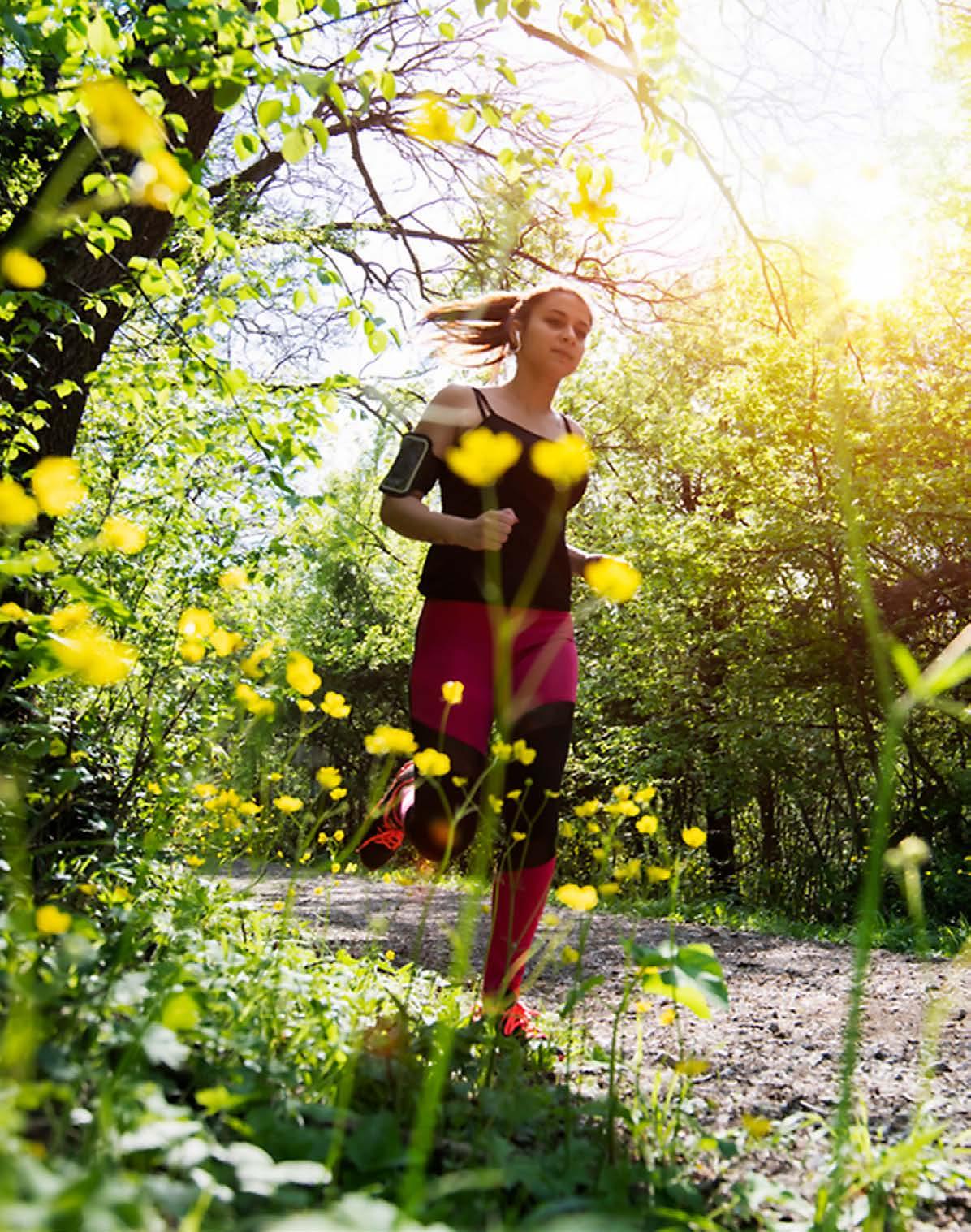
Your Guide to Healthier Living Simple Steps for a Better You
With expert insight from Roshni Mistry, Senior Wellbeing Physiologist
We all know the drill
Eat healthily, exercise regularly and drink responsibly, but when it comes to putting these habits into practice, life often gets in the way. Whether it’s a busy schedule, the lure of a takeaway, or a sunny afternoon in the pub, staying on top of your health goals can feel like a challenge.
The good news?
Making small, realistic changes can have a big impact on your overall health and wellbeing. In this article, we’ll unpack the official UK health recommendations, compare them with the average Brit’s habits and offer simple, actionable tips to help you make positive changes – without the pressure.

Health Your Move More How to Fit Exercise into Your Week

We all know exercise is good for us, but how much do we actually need?
According to the NHS, adults aged 19 to 64 should aim for 150 minutes of moderate-intensity activity per week – that’s about 20 minutes a day. Moderate activities include brisk walking, cycling, or swimming and it’s best to spread your exercise evenly throughout the week for consistency and sustainability.
A recent study found that nearly two-thirds of Brits manage at least an hour of exercise per week, with walking being the most popular activity. While this is a positive start, there’s room for improvement –and it doesn’t take much to get moving.
Tips to Boost Your Activity Levels
f Start small
A simple 15-minute walk can make a world of difference. Take a lunchtime stroll or enjoy an evening walk as the day cools down. Small steps can lead to big changes for both your physical and mental health.
f Find your passion
Exercise doesn’t have to mean slogging it out at the gym. Try a yoga class, go for a swim, or go dancing with your friends –whatever makes you happy and keeps you moving.
f Set goals
If you thrive on structure, consider using a fitness tracker or app to monitor your activity. Seeing your progress can motivate you to keep going and hit your targets. If you’re competitive, use apps that help you compare your activity to friends and family and set healthy goals together.

“Activity becomes a habit when it feels natural. Choose small, enjoyable routines that slot into your day, and tell others about the changes you’re making. Involving friends or family builds accountability and turns healthy intentions into long term behaviour.”
Roshni Mistry, Senior Wellbeing Physiologist

Health Your Rethink Calories
A Balanced Approach to Eating
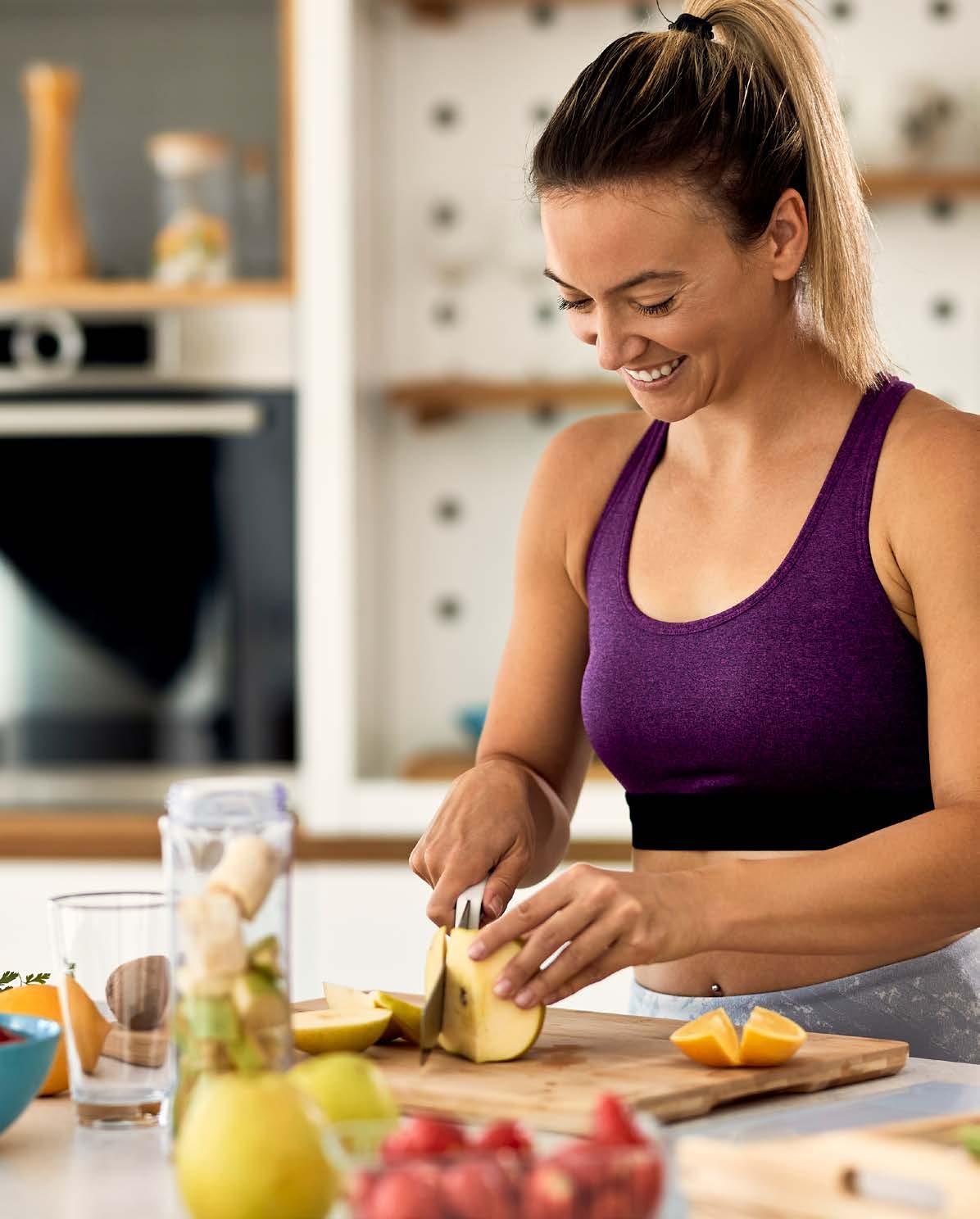

When it comes to food, one size doesn’t fit all. The NHS recommends a daily intake of 2,500 calories for men and 2,000 calories for women, but this can vary depending on factors like age, activity levels, and overall health.
The UK has one of the highest obesity rates in Europe, costing the NHS around 6.5 billion a year. Obesity is a leading risk factor for multiple longterm conditions, including cardiovascular disease and cancer. Changing our attitude to food can go a long way to improving this.
Tips for Smarter Eating
f Learn to recognise ultra processed foods (UPFs) and choose less processed options
According to 2021 research, almost 40% of our energy intake in the UK comes from ultraprocessed foods and drinks. This compares with 28% in France and 13% in Italy. You may not even be aware you are eating UPFs, which tend to be calorie dense and nutrient sparse. The longer the list of ingredients and the fewer items you recognise on there – the more likely it is to be ultra processed!
f Snack smarter
Opt for healthier snacks that are filling and provide you with a good source of nutrients such as nuts or fruit. These will keep you energised for longer and reduce your intake of ‘empty calories’.
f Listen to your body
Your energy needs will fluctuate depending on your activity levels, sleep, hormones, and general health. Some days you may need more or less food – and that’s okay. Focus on eating when you’re hungry and stopping when you’re satisfied. Drink plenty of water with each meal.
“If you’re looking for evidence based information on healthier eating, resources such as the NHS Eatwell Guide and guidance from the British Dietetic Association can be helpful starting points.”
Roshni Mistry, Senior Wellbeing Physiologist
Health Your Alcohol Sipping Smarter
In the UK around 50% of adults drink alcohol one day each week, with 24% admitting to drinking over the 14 units per week recommended by the NHS as a sensible limit to reduce the risk of long-term alcohol-related health problems. To put that into perspective, 14 units is roughly 6 pints of average-strength beer or 10 small glasses of lower-strength wine.

However, drinking habits for younger generations are changing with increased awareness and education around the health impacts of drinking. The number of young adults choosing low or no alcohol options has doubled since 2018 and is now approximately 49% of those between the ages of 18 –34.
While you can drink sensibly, alcohol is often high in sugar and overindulging can take a toll on your weight and energy levels as well as your physical and mental health.
“Making small, sustainable changes to your daily routine – such as moving more, eating mindfully, staying hydrated, prioritising sleep and rest, and taking regular breaks from screens or work – can have a meaningful impact on your overall wellbeing. Start small, stay consistent, and focus on what works best for you.”
Roshni Mistry, Senior Wellbeing Physiologist
Tips for Cutting Back on Alcohol
Know your units
If you are a heavy and regular alcohol drinker, consult your GP before cutting down to avoid dangerous withdrawal. 1 2 3 i
Understanding how much you’re drinking can help you stay within the recommended guidelines. Use the NHS alcohol tracker app or similar tools to keep tabs on your intake.
Try non-alcoholic options
With the rise of alcohol-free beers, wines, and mocktails, it’s easier than ever to enjoy a drink without the alcohol. Many pubs and restaurants now offer great alternatives and it’s worth trying a few to see which ones you most enjoy.
Stay hydrated
Alternate alcoholic drinks with water or soft drinks to slow down your intake and keep dehydration at bay.


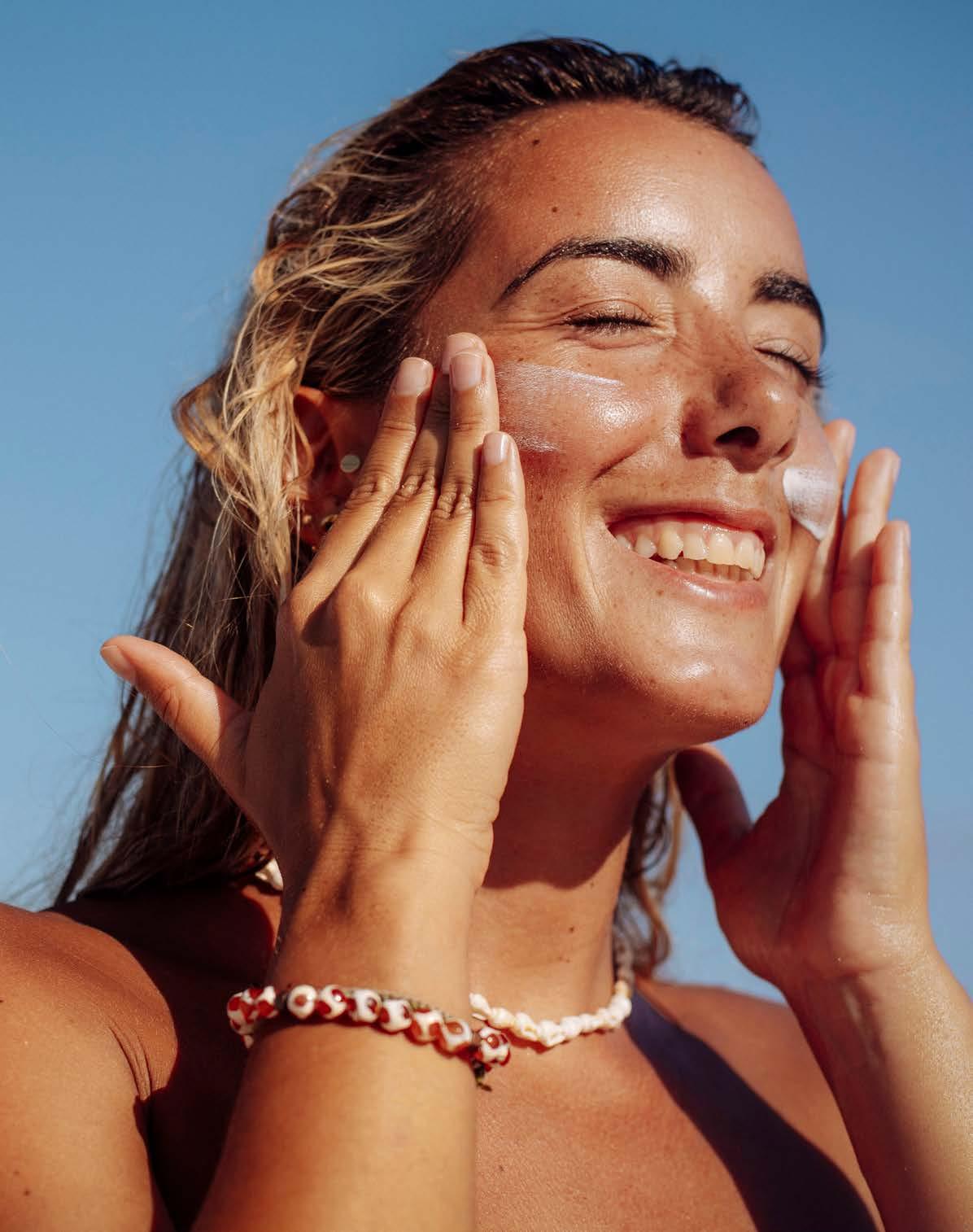
From Heatwaves to High UV How To Protect Your Skin This Summer

For two years in a row the UK has seen record temperatures and sunshine through summer, which means the need to protect yourself from the sun’s harmful rays has never been more important. While the warmth and brightness can be a welcome change to miserable rain filled seasons, it’s essential to remember that increased sun exposure brings with it a higher risk of skin damage, including skin cancer. This is especially true for those who spend a lot of time outdoors, for example construction workers.
Understanding Skin Cancer What You Need to Know
Melanoma is the most serious type of skin cancer and develops when the genetic material in the skin’s pigment-producing cells (melanocytes) changes in an unregulated way. While most moles are harmless, some can become cancerous following these changes.
Skin cancer is the fifth most common cancer in the UK, and cases of melanoma have been steadily rising over the past four decades, largely due to increased UV (ultraviolet) radiation exposure. However, the good news is that almost 9 in 10 cases of melanoma in the UK could be prevented with the right precautions.
By taking proactive steps to protect your skin and knowing what to look out for, skin cancer can often be avoided or caught early, making it much easier to treat.

Suncreen absorbs this percentage of UVArays compared with UVB
How to Protect Your Skin
The risks associated with sun exposure don’t mean you need to stay indoors all summer. By adopting a few simple habits, you can enjoy the sunshine safely while reducing your risk of skin damage and skin cancer.
Use Sunscreen Properly
Apply a sunscreen with at least SPF 30 every two hours when outdoors. If you’re swimming or sweating, reapply more frequently. Don’t forget often-missed areas like your ears, neck, and the tops of your feet.
Cover Up
Clothing is one of the most effective ways to shield your skin from the sun. Opt for long-sleeved shirts, wide-brimmed hats, and sunglasses that have a CE Mark and meet the British Standard (BS EN ISO 123121:2013E).
Seek Shade
Avoid direct sunlight, especially during the peak UV hours of 11 am to 3 pm. Whether you’re at a park, the beach, or your garden, make use of shade from trees, umbrellas, or shelters.
Check the UV Index
Get into the habit of checking the daily UV index. You can find this on the Met Office website. If it’s high, take extra precautions to minimise your time in the sun.
Be Mindful of Reflective Surfaces
Surfaces like water, sand, and even snow can reflect the sun’s rays, intensifying your exposure to UV radiation. Be extra cautious in these environments.

By incorporating these measures into your daily routine, you can significantly reduce your risk of skin damage while still enjoying the benefits of being outdoors.
Spotting the Signs When to Get a Mole Checked
Even with the best sun protection, it’s vital to keep an eye on your skin. Regular self-checks can help you spot potential problems early. The ABCDE checklist is a simple and effective way to monitor changes in moles and skin marks.

If you notice any changes in a mole, or if you’re unsure about something on your skin, it’s always best to get it checked by a healthcare professional. Early detection is key to successful treatment.
SIGNS & SYMPTOMS OF MEL ANOMA (A TYPE OF SKIN CANCER)
The most common sign of melanoma is the appearance of a new mole or a change in an existing mole.
A – Asymmetry: The two halves of in shape
B – Border: The edges of the area may be irregular or blurred, and sometimes show notches
C – Colour: This may be shades of black, brown and pink may be seen
D – Diameter: Most melanomas are at least 6mm in diameter
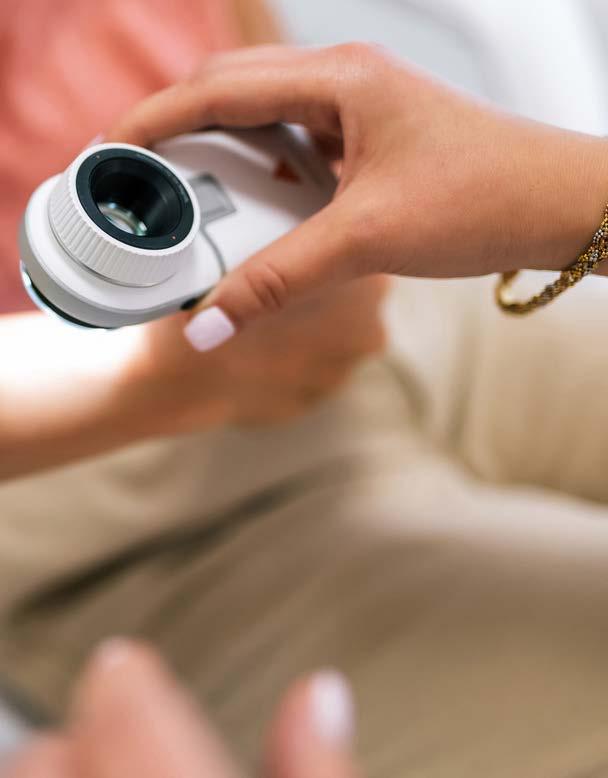
E – Evolving: If a mole is changing, it’s concerning.
CHECK IT OUT!
Contact Occupational Health or your GP if you are concerned about any changes in your skin condition.
A Balanced Approach to Sun Safety
While it’s important to take sun protection seriously, there’s no need to let worries about skin cancer overshadow your enjoyment of the summer months. Being sun-smart is all about balance.
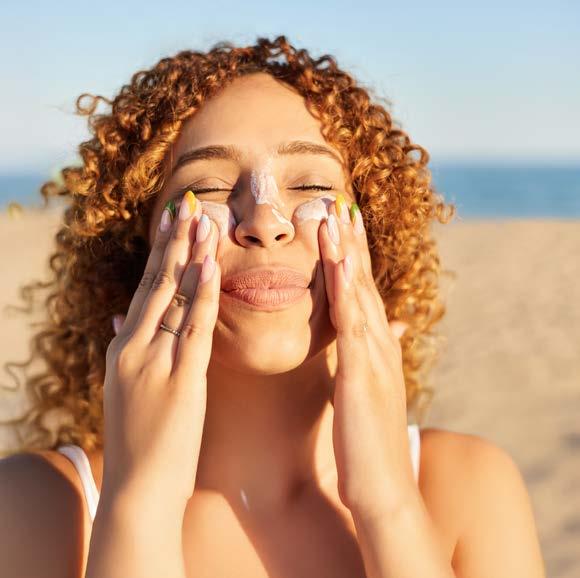
Enjoy the Sun, Safely
As temperatures continue to rise in the UK, protecting your skin from harmful UV rays is a crucial part of staying healthy. By applying sunscreen, wearing protective clothing, seeking shade, and monitoring your skin for changes, you can enjoy the sunshine while reducing your risk of skin cancer.
Remember, prevention is always better than cure. Taking small, consistent steps to protect your skin today can help ensure it stays healthy for years to come. If you’re ever in doubt about a mole or skin change, don’t hesitate to consult a healthcare professional. Enjoy the summer safely and responsibly!
Health Partners Services
At Health Partners we offer an on-site Skin Cancer Screening Service using cutting edge technology and expert dermatologist analysis to help protect your employees and deliver peace of mind. This service also comes with an exclusive pack of educational content for your employees, alongside promotional material to help your teams book their appointment.
To find out more about this service, please contact your Client Relationship Manager or email hello@healthpartners.uk.com

“Protecting your skin doesn’t mean avoiding the sun altogether, you need to be mindful of your exposure and taking simple steps to reduce your risk. Sunlight is also an important source of vitamin D, so aim for safe, moderate exposure while protecting yourself from overexposure.”

Joss Knowles, Head of Wellbeing at Health Partners Group
Resources – Your Guide to Healthier Living
f Physical activity guidelines for adults aged 19 to 64 – NHS
f How active are Brits? A look at the nation’s exercise habits
f Calorie Counting – Better Health – NHS

f Half of young adults are now choosing no & low-alcohol drinks | Drinkaware
f Alcohol Consumption UK | Drinkaware
f National Diet and Nutrition Survey 2019 to 2023: report – GOV.UK
f Why we are working to reduce calorie intake – UK Health Security Agency
f Why do these two countries have among the lowest obesity rates in Western Europe? –BBC Food
f Calculating Alcohol Units – NHS
Our Services
At Health Partners we offer a wide range of workplace health services. In this issue we discuss topics relating closely to our wellbeing services, from running and movement to cancer testing.
To find out more about our services, visit our website healthpartnersgroup.com

NEXT ISSUE
August 2026
Snack-tember