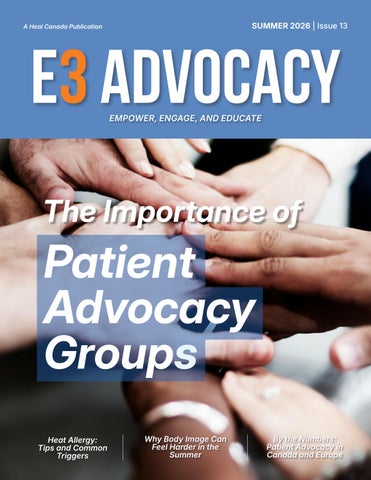
E3 Advocacy
EMPOWER, ENGAGE, AND EDUCATE

Heat Allergy: Tips and Common Triggers
By the Numbers: Patient Advocacy in Canada and Europe Why Body Image Can Feel Harder in the Summer


CACHEducation is evolving to better serve the needs of patient advocates and healthcare professionals with its rebrand to CACHEducation Academy. This transformation reflects an expanded commitment to delivering high-quality, structured learning experiences tailored to the ever-changing landscape of patient advocacy and healthcare education. As part of this rebrand, CACHEducation Academy will introduce Advanced Curriculum offerings starting in April 2025, providing deeper insights, specialized training, and enhanced skill development for those looking to elevate their expertise. This next phase marks a significant step forward in strengthening the capacity and impact of patient advocates through comprehensive and innovative education.
“Enrolling in CACHEducation was a game-changer for me as a patient advocate. The program provided invaluable knowledge, practical skills, and a supportive community that empowered me to make a real impact in healthcare advocacy.”

SUMMER 2026 | Issue 13
Founders Note
PRINCIPAL TOPIC
THE IMPORTANCE OF PATIENT ADVOCACY GROUPS
More Than a Voice: Why Patient Advocacy Is the Healthcare System’s Most Undervalued Asset
By the Numbers: Patient Advocacy in Canada and Europe
No One Knows Your Body Like You Do: The Case for Being Your Own Best Advocate
15 Questions to Ask Your Doctor After a Health Diagnosis
ACCOUNTABILITY, BELONGING AND COMMUNITY
Pride Month Without the Rainbow Washing
MENTAL HEALTH
Reading for Well Being Pride and Mental Wellness
Why Body Image Can Feel Harder in the Summer
Active Listening: 10 Ways to Improve Your Listening Skills
SENIOR HEALTH
What Families Underestimate About Aging
Sip, Chill, Repeat: A Guide to Summer Hydration
PEDIATRIC HEALTH
GLOBAL PARTNERS
ADVOCACY SPOTLIGHT
PATIENT JOURNEY
Dementia in Canada
LIVING WELL
Heat Allergy: Tips and Common Triggers
Summer Heat Waves and the Medications that Increase Your Risk
Keeping Cool in a Wheelchair
Summer Wellness the Indigenous Way
Thriving Through The Pause 2:
Eating Real Food
Recipes For the Pause
Heal Canada Resources
Clinical Trials and Registries
Reader Satisfaction Survey
Alliances Supporters
Heal Canada Team
Team Members: Cheryl Petruk, Wendy Reichental, and Anna Polovenko
Designer: Richie Evans
E3 Advocacy is a quarterly patient advocacy magazine distrubted by Heal Canada. It has been running for 13 issues and is seen globally, serving a variety of patient communities.
Heal Canada is a registered Non Profit Organization in Canada
Visit healcanada.org to download this current issue and subscribe for future issues admin@healcanada.org
Disclaimer: The Patient Advocacy Digital Magazine provides general information and resources to promote patient empowerment and awareness. The content is not a substitute for professional medical advice or treatment. Always consult with qualified healthcare professionals for personalized guidance regarding your specific medical condition or situation.
ISSN 2819-2265
© 2025 E3 Advocacy Digital Magazine. All rights reserved.
No part of this publication may be reproduced, distributed, or transmitted in any form or by any means, including photocopying, recording, or other electronic or mechanical methods, without the prior written permission of the publisher, except in the case of brief quotations embodied in critical reviews and certain other noncommercial uses permitted by copyright law. For permission requests, please contact: admin@healcanada.org
E3 Advocacy is a publication of Heal Canada, supporting education, empowerment, and engagement in patient advocacy.

Every summer, I take time to think about the progress patient advocacy has made in Canada and the work that still lies ahead. This issue of E3 Advocacy focuses on that reflection: why patient advocacy is so important in Canadian healthcare and why it matters now more than ever.
I never planned to become an advocate. I stepped into this role because I needed to. When my late husband was diagnosed with a rare blood cancer, I soon realized that getting a diagnosis does not always mean getting answers. That experience has stayed with me: you cannot be an effective advocate for yourself or someone you love without reliable information, and you should not have to fight for it alone.
That lesson shaped everything I do. Patient advocacy is not just an extra feature in our healthcare system. It connects patients, caregivers, clinicians, and policymakers, especially in a system as large and sometimes as divided as ours.
Many people see Canada’s healthcare system as a source of national pride, and in many ways, it is. But we also need to be honest. Patients across the country still deal with long waits for diagnosis, uneven access to treatments depending on where they live, and a healthcare journey that can feel lonely. Advocacy helps close these gaps. It turns individual stories into shared evidence, which can lead to policy change.
As always, this magazine exists because of the community that supports it: our contributors, our readers, and everyone who has shared their story with us. At its core, advocacy means making sure no one has to go through their healthcare journey alone. That is the mission behind every page of this issue, and behind everything we do at Heal Canada.
Thank you for being part of this community and for helping us Empower, Engage, and Educate. Let’s keep working toward a future where every patient is heard, supported, and never has to face the journey alone.

With gratitude,
Cheryl Petruk Founder, Heal Canada & E3 Advocacy Digital Magazine


By Cheryl Petruk MBA, VBHC GB, B. Mgt DBA student
There is a particular kind of silence that lives in a doctor’s office. It is not the silence of calm — it is the silence of someone who doesn’t know what question to ask, or who has already learned that asking too many questions makes the appointment run long, makes the doctor sigh, makes the whole thing harder. It is the silence of a person who has received a diagnosis they don’t fully understand and a prescription they aren’t sure they can afford, and who will walk out into a parking lot and try to figure out the rest on their own.
That silence is what patient advocacy exists to break.
We talk a great deal in healthcare about innovation — about artificial intelligence and genomic medicine and the promise of precision therapeutics that can target disease at the molecular level. These are extraordinary developments, and the possibilities they represent are genuinely exciting. But the most sophisticated treatment in the world is only as good as a patient’s ability to access it, understand it, afford it, and trust the system that is delivering it. That is the territory patient advocacy occupies. Not at the edges of healthcare — at its very centre.
Patient advocacy is not a new concept. For decades, nurses were its primary practitioners at the bedside level, helping patients navigate care decisions in real time. What has changed dramatically in recent years is the breadth, the sophistication, and the stakes of what advocacy now encompasses.
Patient advocacy organizations are now active stakeholders in formulating healthcare policies, disseminating patient education, and providing patient perspectives that shape patient-centered treatment plans — including direct representation on national guideline committees and contributions to both basic and clinical research. The patient advocate of today is not simply a compassionate presence in a hospital corridor. They are a researcher, a policy influencer, a data collector, a systems thinker, and in many cases a person who has lived the very experience they are working to improve.
“Patient advocacy organizations are now active stakeholders in formulating healthcare policies.”
drug plan was 598 days in 2024, and Canada ranks 19th out of 20 OECD countries — and last in the G7 — for the speed at which patients can access newly approved medicines. Only 65% of drugs approved in Canada receive public reimbursement within two years, compared to 96% in the top-performing OECD countries. Meanwhile, Canada’s patient-centred care ranking in the 2024 World Index of Healthcare Innovation sits at 19th globally — an improvement, but still a signal of how much distance remains between the system’s intentions and the patient’s lived reality. That growth is not incidental. It reflects something real: the healthcare system, as it currently stands, is genuinely difficult to navigate, and that difficulty lands most heavily on the people who can least afford to carry it.
Before we talk about systems, we have to talk about people — because that is what advocacy is fundamentally about.
The market has followed. The patient care advocacy sector is estimated at USD 4.1 billion in 2025 and is projected to reach USD 7.6 billion by 2032, growing at a compound annual growth rate of 8.7% — driven by increasing demand for personalized healthcare navigation, rising chronic disease prevalence, and growing awareness of patient rights. In Canada, the picture is equally telling: the average time from Health Canada approval to first listing on a public
Consider what a new diagnosis actually means for a person. It means a sudden and often frightening confrontation with terminology that was never part of their education. It means insurance forms, prior authorizations, referral pathways that can take weeks. It means, in many cases, an internet search at two in the morning that produces more anxiety than information. It means having conversations with clinicians under time pressure, in high-stress moments, when retention of complex information is at its
lowest. And for many patients — particularly those from racialized, low-income, rural, or linguistically isolated communities — it means all of this while also navigating significant structural barriers that the healthcare system was not designed to remove.
The Patient Advocate Organization has seen firsthand the effects that social determinants of health have on healthcare access, quality, and affordability — manifesting as financial and social need gaps that can lead to poor health outcomes and even financial devastation for patients and families.
This is not an edge case. It is a daily reality for a significant portion of the population. And yet the dominant model of healthcare delivery still largely assumes a patient who is informed, mobile, financially stable, and able to self-advocate with confidence. Patient advocacy is the corrective to that assumption. It is the system asking itself: what does this person actually need to have a fair experience of care?
There is a compelling and growing evidence base for what happens when patients are genuinely integrated into healthcare decision-making — not consulted symbolically, but meaningfully included.
Shared decision-making (SDM) — the collaborative process in which clinicians and patients work together, integrating clinical evidence with patient values and preferences — has been studied extensively. Research published in the Journal of Brown Hospital Medicine in 2024 found that shared decisionmaking increases patient satisfaction, which in turn correlates with improved treatment adherence, and shows positive associations with improved quality of life and patient outcomes.
An umbrella review published in Patient Education and Counseling in late 2024 drew an equally important conclusion: shared decisionmaking implementation did not typically increase costs or consultation time, while demonstrating neutral to positive benefits on outcomes and quality for certain patient populations. This matters enormously in a health system under pressure to justify every dollar and every minute. The argument against including patients more
“Shared decision-making implementation did not typically increase costs or consultation time.”
deeply — that it takes too long, costs too much, adds complexity — does not hold up to scrutiny.
At the policy level, patient engagement produces similarly concrete results. A 2024 pilot shared learning model that embedded patient advocates directly in Health Technology Assessment (HTA) discussions found that advocates deepened their understanding of HTA processes through direct participation and shared insights with wider patient networks, fostering a multiplier effect — peer-to-peer knowledge dissemination that expanded patient capacity and strengthened advocacy communities. This is the ripple effect of genuine inclusion: one advocate who truly understands the system can illuminate the path for dozens more.
Nowhere are the stakes of patient advocacy more visible than in the space between a drug receiving regulatory approval and a patient actually receiving it.
In Canada, that gap is significant. It takes more than 1.5 years after regulatory approval for a new drug to be listed on public drug plans in Canada — one of the slowest timelines among OECD countries. For a patient living with a progressive or life-limiting condition, a year and a half is not an abstraction. It is time that cannot be recovered.
The processes are complex: Health Canada grants regulatory approval, then Canada’s Drug Agency (CDA-AMC) or INESSS in Quebec conducts a health technology assessment, then price negotiations occur with the pan-Canadian Pharmaceutical Alliance, and then each province independently decides on formulary listing. Each step, taken sequentially, adds months.
Canada has introduced new processes since 2023 to accelerate access, including timelimited recommendations and temporary access pathways — representing meaningful progress, but also underscoring how much of the advocacy work remains ahead.
Into this gap, patient advocates step. They collect real-world evidence that clinical trials cannot produce — the lived experience data, the quality-of-life measures, the caregiver burden, the economic impact of illness on households and communities. Real-world evidence is increasingly important in shaping regulatory and HTA decisions globally, providing an essential complement to randomized controlled trials by evaluating how results generalize to more heterogeneous patient populations and realworld practice settings.

This is not simply a technical exercise. When a patient advocate stands before a reimbursement committee and says “here is what this treatment means to someone who has waited three years for it, here is what their life looked like before and what it looks like now” — they are contributing evidence that no clinical trial was designed to capture. They are making the human dimension of medicine visible in a process that can, without such voices, become purely numerical.

It would be incomplete — and dishonest — to write about patient advocacy without addressing health equity directly. Because advocacy, at its best, is not a service for patients who are already well-resourced. It is a mechanism for reaching those who are not.
Social determinants of health — economic instability, limited education, inadequate living conditions, language barriers, geographic isolation, and systemic discrimination — play a significant role in healthcare inequities. Cultural barriers, including language differences and lack of cultural competency among providers, can lead to misunderstandings and mistrust. Systemic racism and discrimination contribute to distrust of the healthcare system, with historical abuses and ongoing bias resulting in substandard care for minority groups.
Community health workers (CHWs) and patient peer advocates (PPAs) are increasingly recognized as essential workforce components in reaching these communities. A 2024 peer-
reviewed analysis published in Health Equity found that both community health workers and patient peer advocates can benefit patient outcomes, and that the differences between these two models may make them particularly useful for addressing different barriers to care among patients. The insight here is important: there is no single advocacy model that fits every context. What works in an urban academic medical centre is not what works in a remote Northern community. Effective advocacy has to be as diverse as the people it serves.
A 2025 report from the Social Health Network found that compassion and understanding from healthcare professionals — core elements that advocates actively promote — made a wildly different impact on patient health journeys, with patients noting profoundly better experiences when their symptoms were heard rather than dismissed. This is not soft data. It is the foundation of therapeutic trust, which is itself the foundation of treatment engagement.
Advocacy in 2026 does not happen only in waiting rooms and committee hearings. A 2025 analysis found that 60% of patients prefer using digital tools to manage their health, creating significant opportunities for patient advocacy services to leverage technology — through virtual support, digital navigation tools, and platforms that extend reach beyond traditional settings.
The rise of telehealth saw a 38-fold increase in use from pre-pandemic baseline to April 2024 (McKinsey & Company, 2024), reflecting a fundamental shift in how patients expect to access care. Advocacy organizations that have embraced digital channels have dramatically expanded their reach — podcasts, newsletters, online patient communities, and virtual roundtables now connect patients with information and with each other in ways that geography could previously prevent.
The caution, however, is important: digital tools only extend equity if they are designed with equity in mind. A mobile app designed for a smartphone user with high health literacy and reliable broadband does not serve a rural elder or a newcomer navigating the system in a second language. Technology is an amplifier — it amplifies access when designed well and amplifies exclusion when designed poorly. Advocates have an essential role in holding that line.

If patient advocacy is this important — and the evidence strongly suggests it is — why is it still so often underfunded, underrecognized, and bolted on as an afterthought to healthcare processes rather than built in from the beginning?
Part of the answer is structural. Healthcare systems were not designed with patients as architects. They were designed by and for clinicians and administrators, and the patient was positioned as the recipient of decisions made upstream. Changing that architecture takes sustained effort, and it takes advocates with the knowledge, the credibility, and the platform to make the case at every level — at the bedside, in committee rooms, in HTA submissions, in policy consultations.
Part of the answer is financial. Advocacy organizations — particularly in Canada — operate in a chronic state of resource scarcity. Pharmaceutical partnerships, while valuable, require careful governance to ensure they do not distort patient voice. Government funding remains inconsistent. And the expectation that people with lived experience of serious illness will contribute their expertise for free, or close to it, is one of the more quietly unjust norms in the sector.
And part of the answer is cultural. Medicine has a long tradition of expertise-as-hierarchy — of the idea that the person who went to medical school for a decade knows more about your disease than you do. That is sometimes true about mechanisms and pharmacology. It is never true about what it feels like to live inside a body affected by that disease. Both kinds of knowledge are necessary. Neither is sufficient alone.
The silence in the doctor’s office — the one I described at the beginning — is not inevitable. It is the product of a system that has not yet fully made room for patients as partners. Patient advocacy is the ongoing project of making that room.
It is work done by people who have often come to it through their own suffering, or through watching someone they love suffer. It is work that is sometimes glamorous — presentations at conferences, publications in peer-reviewed journals, seats at HTA tables — and often not. It is phone calls at inconvenient hours. It is translating bureaucratic language for someone who just wants to understand what is happening to their body. It is showing up when the system makes it difficult to show up.
And it matters. Not as a supplement to healthcare — as a constitutive part of it. The evidence says so. The patients say so. It is time the system fully caught up.
E3 Advocacy Magazine is a publication of Heal Canada. Views expressed are those of the author.
Cheryl A. Petruk CHRP, MBA, is the CEO and Founder of HEAL Canada. She is currently completing a Doctor of Business Administration at Heriot-Watt University with a focus on leadership in patientrelated organizations and holds a Greenbelt in ValueBased Healthcare from the Decision Institute.

“The silence in the doctor’s office — the one I described at the beginning — is not inevitable. It is the product of a system that has not yet fully made room for patients as partners.”
1. Market Research Future. Patient Advocacy Services Market Analysis, 2025–2035. MRFR, 2026. [marketresearchfuture.com]
2. Social Health Network Healthcare Advocacy Trends for 2025: Patient Leadership Council Report. January 2025. [socialhealthnetwork.com]
3. Cactus Life Sciences Shaping the Future of Patient Advocacy: Anticipating Key Trends and Developments by 2030. December 2024. [cactuslifesciences.com]
4. Worldwide Market Reports. Patient Care Advocacy Market Size and Share Analysis, 2025–2032. 2025. [worldwidemarketreports.com]
5. Simkus A, Holtz K, Wanty N. Reviewing Models of Patient Advocacy: Current Successes and Future Directions. Health Equity, 2024. doi:10.1089/heq.2023.0191 [SAGE Journals]
6. Hoque F. Shared Decision-Making in Patient Care: Advantages, Barriers and Potential Solutions. Journal of Brown Hospital Medicine, 3(4):13–15, 2024. doi:10.56305/001c.122787
7. Bruch JD, Khazen M, Mahmic-Kaknjo M, Légaré F, Ellen ME. The effects of shared decision making on health outcomes, health care quality, cost, and consultation time: An umbrella review. Patient Education and Counseling, 129, 2024. doi:10.1016/j. pec.2024.108408
8. CapTech Consulting. Healthcare Trends 2025: Patient-Centered Experience. March 2025. [captechconsulting.com]
9. Patient Advocate Foundation. Patient Partners for Equity Program. 2025. [patientadvocate.org]
10. OptimizeRx. Health Equity and Patient Centricity for Underserved Communities. June 2024. [optimizerx.com]
11. Cochrane. Transforming Healthcare: The Impact of Patient Decision Aids. October 2024. [cochrane.org]
12. OP07 Shared Learning Working Group. An Alternative Model for Patient Capacity Development to Participate in Health Technology Assessment. HTAi Annual Meeting, 2024. PMC12768695.
13. Wills A. Expanding the Eligibility Criteria for Drugs in Canada’s Time-Limited HTA and Temporary Drug Access Processes. Frontiers in Pharmacy and Pharmaceutical Sciences, 2024. doi:10.3389/ jpps.2024.13694
14. Canada’s Drug Agency (CDA-AMC) / INESSS. Real-World Evidence in Action: Environmental Scan of RWE Use in HTA Submissions, 2020–2024. ScienceDirect, 2026. doi:10.1016/j.jval.2026.xx
By Cheryl Petruk MBA, B.Mgt. VBHC Gb
Numbers, on their own, are not advocacy. But they are one of advocacy’s most powerful instruments — the means by which lived experience becomes legible to policymakers, payers, and the public. This supplement provides the statistical context behind the arguments made in our lead article. It draws on verified, publicly available data from government sources, peer-reviewed literature, and recognized market research organizations to paint a picture of the patient advocacy landscape in Canada and across Europe. Readers are encouraged to read this supplement alongside the main article, where these statistics find their human dimension.
Canada’s publicly funded healthcare system is the envy of many — universal coverage for hospital and physician services, free at the point of care. But beneath that promise lies a prescription drug landscape that is fragmented, slow, and deeply inequitable depending on where you happen to live. Patient advocacy in Canada is, in no small part, the work of bridging the gap between what the system promises and what patients actually experience. THE DRUG ACCESS GAP Time from Approval to Patient Access
Canada’s rank among G7 countries for same measure Last / 7th
Fastest provincial listing after negotiations (Quebec)
Slowest provincial listing after negotiations (Prince Edward Island)
Source: 20Sense Corp. / Innovative Medicines Canada, April 2025.
“598 days. That is not a statistic about regulatory processes. It is nearly two years of a person’s life spent waiting for a medicine that may already exist.”
Market access timelines are not bureaucratic abstractions. A 2024 peer-reviewed study published in Current Oncology examined delays for three non-small cell lung cancer (NSCLC) drugs in Canada and quantified the human impact.
number of patients affected by those delays
Total person-years of life lost as a result of delayed access
Source: Sehdev et al., Current Oncology, 2024. doi:10.3390/curroncol31030110.
In November 2023, Canada’s Drug Agency (CDA-AMC) introduced the Time-Limited Reimbursement (TLR) recommendation category, accompanied by the pan-Canadian Pharmaceutical Alliance’s Temporary Access Process (pTAP). The first drug to navigate this pathway was epcoritamab (EPKINLY), a novel treatment for advanced lymphoma.
TLR/pTAP Pathway - First Case: epcoritamab (EPKINLY), 2024
Provinces where EPKINLY was listed by November 2024
Date of first positive TLR recommendation in Canada June 18, 2024
Date pTAP negotiations concluded July 19, 2024
Source: PMC12142399. Lau, Mitha & Wills, Current Oncology, 2025.
Nationally critical drug shortages managed in partnership with patient advocacy groups 49 shortages
CDCP information sessions held with advocacy and community organizations (Apr 2024–Mar 2025)
Oral health providers participating in the Canadian Dental Care Plan by March 2025
Sources: FREOPP World Index of Healthcare Innovation, 2024; Health Canada Departmental Results Report, 2024–25.
Europe is home to some of the world’s most mature patient advocacy infrastructure — and some of its most instructive policy experiments in patient-centred care. The EU HTA Regulation, the European Health Data Space, and the work of the European Patients’ Forum together represent a continentwide effort to embed patient voice structurally into the architecture of healthcare decision-making. The numbers below reflect a sector in rapid growth, driven by both policy momentum and rising citizen expectations.
The European Patients’ Forum is the leading independent umbrella body for patient organizations across the EU. It operates at the intersection of civil society, EU institutions, and health systems — and its reach reflects the scale of organized patient advocacy across the continent.
Member organizations (disease-specific EU coalitions and national patient coalitions) 79 members
Years representing patient voices at EU level
2024 Work Plan strategic themes
Active policy priorities in 2024–25 (incl. EU HTA Regulation, EHDS, Pharma Package)
Source: European Patients’ Forum (eu-patient.eu); EPF Work Plan 2024; UNESCO EPF profile.
years
4 themes
5+ areas
“EPF’s four 2024 strategic themes — patient safety, patient equity, data & digital health, and community — mirror exactly the fault lines that patient advocacy is being asked to address globally.”
The growth of the patient engagement solutions market in Europe reflects the continent’s accelerating investment in digital health infrastructure, value-based care models, and patient-centred policy reform.
Norway projected CAGR — fastest national growth within Europe
Sources: Grand View Research, 2025; MarketsandMarkets, 2025; Coherent Market Insights, 2025.
Europe has moved further than most regions in embedding patient decision-making support into formal healthcare policy. These developments are not incidental — they are the direct result of decades of patient advocacy at the institutional level.
• The UK’s National Institute for Health and Care Excellence (NICE) has incorporated patient decision aids into clinical guidelines, promoting their use to improve patient experience and support shared decision-making across medical fields.
• Germany’s “SHARE TO CARE” initiative integrates shared decision-making across healthcare
settings with support from health insurers — a model combining institutional mandate with financial incentive.
• Following the January 2024 Cochrane Review update on patient decision aids, Brazil moved to integrate them into its national healthcare system — a direct downstream effect of European advocacy frameworks shaping global norms.
• The EU HTA Regulation (effective 2025) requires Joint Clinical Assessments that formally include patient experience data and patient involvement — EPF has been actively shaping the implementing acts governing patient participation in this process.
• The European Health Data Space (EHDS) is building the infrastructure for patients to access and control their own health data across EU member states — a foundational patient rights initiative that EPF has been advocating for since 2014.
Sources: Cochrane, October 2024; EPF Work Plan 2024; European Commission.
While Canada and Europe approach patient advocacy through different structural lenses — a decentralized provincial system versus a supranational regulatory framework — the core challenges are strikingly similar: closing the gap between regulatory approval and patient access; embedding patient voice in HTA and reimbursement; and ensuring that advocacy infrastructure reaches the communities who most need it.
Patient advocacy umbrella body
Key policy focus 2024–25
Drug access speed (OECD rank)
SDM/patient decision aid integration
Healthcare Excellence Canada; HEAL Canada; disease-specific PAGs
Drug access timelines; national pharmacare; HTA reform (TLR/ pTAP)
European Patients’ Forum (EPF) — 79 member organizations
EU HTA Regulation; EHDS; Pharmaceutical Package; Medical Devices Regulation
19th of 20 — one of the slowest Varies; UK/Germany among top 10
Emerging; growing research base
NICE (UK), SHARE TO CARE (Germany); formally embedded
Patient engagement market (2024)
HTA patient involvement
Digital health equity priority
Key 2024–25 milestone
Part of $1.6B North American market
Patient input in CADTH/INESSS submissions; growing
Connected Care for Canadians Act (2024); Ontario Health Teams
First TLR/pTAP approval (epcoritamab) — 10.7 months faster
USD $6.73B, growing at 20.5% CAGR
Formally mandated under EU HTA Regulation (2025)
European Health Data Space (EHDS); digital health literacy programs
EU HTA Regulation entry into force; EPF Joint Clinical Assessment involvement
Statistics are a form of accountability. When we say that Canada ranks 19th of 20 OECD countries for drug access speed — that is not a ranking to be explained away. It is a mandate for action. When we say that Europe’s patient engagement market is growing at 20% annually — that is not a cause for satisfaction. It is a measure of unmet need finding a market to fill it.
The lead article in this issue asks what kind of healthcare system we are building. These numbers help answer that question — not with comfort, but with clarity. Across Canada and Europe, the trajectory is positive. The pace is not fast enough. And the people who bear the cost of insufficient urgency are the same people who bear the cost of everything that moves too slowly in healthcare: patients with limited resources, living with complex conditions, in communities that the system was not fully designed to serve.
Read this supplement as a starting point, not a destination. For each number here, there is a person whose story it represents — and whose story belongs in the room when decisions are made.
1. 20Sense Corp. By the Numbers: Key Patient Access Timelines and Figures in Canada. April 2025. [20sense.ca]
2. Sehdev S, Gotfrit J, Elias M, Stein BD. Impact of Systemic Delays for Patient Access to Oncology Drugs on Clinical, Economic, and Quality of Life Outcomes in Canada. Current Oncology, 2024. doi:10.3390/ curroncol31030110
3. Lau CY, Mitha A, Wills A. Accelerating Oncology Drug Reimbursement in Canada: Impact of the CDA-AMC Time-Limited Recommendation and pCPA Temporary Access Process. Current Oncology, 2025. PMC12142399.
4. FREOPP. Canada: #18 in the 2024 World Index of Healthcare Innovation. July 2025. [freopp.org]
5. Health Canada. 2024–25 Departmental Results Report. November 2025. [canada.ca]
6. Serefin. 8 Trends That Transformed Canadian Healthcare in 2025. December 2025. [serefin.com]
7. European Patients’ Forum (EPF). Work Plan 2024: Patient Involvement. [eu-patient.eu]
8. UNESCO. European Patients’ Forum — Civil Society Organizations Profile. [unesco.org]
9. EPF Congress 2025. About the European Patients’ Forum. [epfcongress.eu]
10. Grand View Research. Europe Patient Engagement Solutions Market Size & Outlook, 2030. April 2025. [grandviewresearch.com]
11. MarketsandMarkets. Europe Patient Engagement Solutions Market worth $13.37 billion by 2030. February 2026. [marketsandmarkets.com]
12. Coherent Market Insights. Medical Advocacy Services Market Size & Trends, 2025–2032. [coherentmarketinsights.com]
13. Cochrane. Transforming Healthcare: The Impact of Patient Decision Aids. October 2024. [cochrane.org]
14. Worldwide Market Reports. Patient Care Advocacy Market Size and Share Analysis. 2025. [worldwidemarketreports.com]

“The appointment begins. The doctor is efficient, knowledgeable, and slightly rushed. Fifteen minutes later, you are in the parking lot with a prescription you do not fully understand.”
By Cheryl Petruk MBA, B.Mgt. VBHC Gb & David Dubinski, MBA, BS, CPM
There is a version of the healthcare appointment that many of us have experienced: you have been waiting weeks to see a specialist. You have a list of things you want to ask, symptoms you have been tracking, questions that have kept you up at night. You sit down. The appointment begins. The doctor is efficient, knowledgeable, and slightly rushed. Fifteen minutes later, you are in the parking lot with a prescription you do not fully understand and the nagging feeling that you forgot to say the most important thing.
That feeling — that gap between what you needed and what happened — is one of the most common and most consequential experiences in modern healthcare. And the single most powerful tool available to close it is you.
Self-advocacy in healthcare is not about being difficult. It is not about questioning the expertise of the people who trained for a decade to provide your care. It is about something simpler, and more profound: the recognition that you are the only person in that room who lives inside your body, who has been tracking the pattern of your symptoms, who knows when
something feels different than it did six months ago, and who will carry the consequences of every decision made in that consultation. That knowledge is not supplementary to the clinical picture. It is part of the clinical picture.
This article is about why that matters — and what the evidence says about what happens when patients lean into it.

Let’s be honest about what the modern healthcare system was built to do. It was built to process illness efficiently. It was built around standardized protocols, populationlevel evidence, and appointment structures that work for the majority. It was not designed
for the person whose presentation does not match the textbook, whose condition is rare, whose symptoms were attributed to anxiety for three years before anyone looked further, or whose lived experience as a person of colour, a woman, or someone from a marginalized community means their complaints are statistically less likely to be taken at face value.
The numbers are sobering. An analysis reported in Prenuvo in 2025 estimates that each year, approximately 12 million adults in the United States are misdiagnosed in outpatient settings. A 2024 study published in the Journal of the American Medical Association found that 23 percent of patients transferred to an intensive care unit or who died in hospital had experienced a missed or delayed diagnosis — and of those errors, 17 percent led to temporary or permanent patient harm.
Diagnostic errors are not primarily the result of incompetence. They are the result of cognitive shortcuts, time pressure, incomplete information, and systemic bias. One of the most reliable ways to introduce new, corrective information into a clinical encounter is for the patient to bring it. When you show up prepared — with a written symptom history, a list of questions, a record of what you have already tried, and the willingness to say “something still isn’t right” — you are not being a demanding patient. You are doing what the evidence shows produces better outcomes.
The picture is no less sobering on this side of the border. According to the Canadian Institute for Health Information, the rate of unintended harm experienced by patients in Canadian hospitals has remained stable at 6% for the fifth consecutive year — meaning that in 2024–25,

“An analysis reported in Prenuvo in 2025 estimates that each year, approximately 12 million adults in the United States are misdiagnosed in outpatient settings.”
patients experienced at least one instance of harm in 1 out of every 17 hospitalizations, representing approximately 153,000 hospital stays out of a total 2.6 million. In a quarter of those cases, patients experienced two or more harmful events during their stay — and the consequences extend well beyond the clinical: patients who experience harm remain in hospital an average of 28 days, compared to 6 days for those who do not, at a cost of roughly $45,000 per stay versus just under
$10,000. The diagnostic dimension of this problem carries its own weight. One-third of 346 Canadians surveyed by the Canadian Patient Safety Institute reported that they or a loved one had suffered patient safety harm because of misdiagnosis — and the World Health Organization, in 2024, reported that nearly 16% of all preventable harm across health systems globally was attributable to diagnostic error. Critically, neither Canada nor the United States has comprehensive hard data on the prevalence of diagnostic error in primary care settings — which means the true scope of missed and delayed diagnoses in outpatient and community contexts almost certainly exceeds what current reporting captures. What we do know is enough: errors happen, they cause harm, and an informed, vocal patient is one of the most reliable mechanisms available to catch them before they compound. Canadian Institute for Health Information + 3

For many patients, particularly those who have been socialized to defer to authority, the barrier to self-advocacy is not information — it is permission. We have been taught that the doctor knows best, that asking too many questions takes up time, that pushing back on a diagnosis is impolite. These norms are not harmless. They have real clinical consequences.
A 2025 peer-reviewed qualitative metasynthesis published in PLOS ONE found that cancer patients who practised selfadvocacy were better able to cope with treatment challenges, demonstrated stronger self-management efficacy, and experienced measurably reduced symptom burden compared to those who did not. The researchers noted that self-advocacy functions as a key mediator between patient activation and health outcomes — not a soft or incidental factor, but a mechanism through which psychological resources translate into clinical results.
The research on diagnostic delay makes a similar point from the other direction. A qualitative study on early-onset colorectal cancer found that despite access to wellresourced healthcare systems, participants experienced significant diagnostic delays — and that their key coping strategies included self-advocacy and active participation in medical decision-making. The patients who fared best were not the ones who accepted the first answer they were given. They were the ones who kept asking.
Consider interstitial lung disease, a condition where diagnostic clarity is notoriously elusive. A large survey of ILD patients found that 55 percent reported at least one misdiagnosis before receiving their correct diagnosis, and 43 percent experienced a delay of a year or more. The median time from symptom onset to accurate diagnosis was seven months. Seven months in which the wrong treatment may have been administered. Seven months of needless uncertainty. For many conditions, that is not a neutral period — it is a window during which disease progresses.

No discussion of self-advocacy in healthcare can be complete without addressing who bears the greatest cost of not being heard.
Women are significantly more likely to experience diagnostic delay and dismissal than men. A 2026 United Nations report noted that women are more likely to have their pain dismissed, their symptoms misread, and their conditions diagnosed too late — reflecting, in
the words of UN Women, a “medical system historically designed without women in mind.” A 2022 KFF survey found that among women aged 18–64, 29 percent reported that their doctor had dismissed their concerns, compared to 21 percent of men. Fifteen percent reported not being believed — versus 12 percent of men. And 38 percent of women experienced at least one negative interaction with a healthcare provider, compared to 32 percent of men.
A peer-reviewed narrative review on gender bias and diagnostic delays in young women, published in 2025, found that women’s symptoms are more likely to be attributed to lifestyle factors or psychological causes, leading to higher rates of missed diagnoses across cardiovascular, neurological, and autoimmune conditions. Women of colour face compounded barriers — overlapping effects of race, gender, and socioeconomic disadvantage that produce higher rates of delayed or missed diagnoses across multiple disease areas. The review noted bluntly that repeated experiences of dismissal can cause women to delay seeking care for new symptoms, to attempt self-management of serious conditions, and to disengage from follow-up entirely — which only compounds the risk.
Of the estimated 50 million people in North America living with autoimmune disease, approximately 75 percent are female. Yet when patients with unexplained chronic pain present in primary care, their complaints are still too frequently classified as psychological rather than physiological. For these patients — and for anyone whose identity or history has made them less likely to be believed by the healthcare system — self-advocacy is not just empowering. It is, in many cases, lifesaving.
Self-advocacy is not a personality type. It is a set of learnable, practisable behaviours. And the evidence shows clearly that these behaviours change outcomes.
Know your history and bring it with you. The single most valuable thing you can bring to a clinical appointment is an accurate, organized record of your symptoms — when they started, how they have changed, what makes them better or worse, what you have already tried. Clinicians work with the information available to them. You are the primary source of the information that matters most.
Write your questions down before you go. Research on patient activation consistently shows that patients who prepare questions for appointments are more engaged in their care, more likely to retain and act on the information they receive, and more likely to report feeling heard. The 15-minute appointment feels different when you have a list of three specific
questions versus when you are trying to remember what you wanted to ask while the doctor is already heading for the door.
Use the BRAN framework. Before agreeing to any treatment, investigation, or procedure, ask: What are the Benefits? What are the Risks? What are the Alternatives? What happens if we do Nothing? This framework, supported by research on shared decision-making published in the Journal of Brown Hospital Medicine in 2024, is not adversarial — it is collaborative. It invites the clinician to help you understand rather than simply to direct you.
“Self-advocacy is not a personality type. It is a set of learnable, practisable behaviours.”

Trust your instincts about your own body. Research consistently shows that highly activated patients — those who are engaged, informed, and proactive about their health — have meaningfully lower readmission rates, stronger medication adherence, and better management of chronic conditions than lowactivation patients. A study of 15,877 patients in North West London found that patients with higher patient activation scores had fewer emergency admissions and improved health status. Your instinct that something is not right is not hysteria. It is data. Treat it as such.
Seek a second opinion without apology. Second opinions remain dramatically underutilized in most healthcare systems. Patients often hesitate because they worry about offending their doctor or appearing distrustful. But second opinions are standard of care in complex or serious diagnoses, and they exist precisely because medical knowledge is uncertain and clinical judgment is fallible. Seeking another perspective is not disloyalty. It is responsible stewardship of your own health.
Bring someone with you. Navigating a difficult diagnosis or a high-stakes appointment alone is hard. A trusted person can take notes, ask questions you forget to ask, and help you process what you have heard. For patients with cognitive challenges, language barriers, or high anxiety in clinical settings, a companion can be the difference between an appointment that informs and one that overwhelms.
Document everything. Keep a personal health record — dates of appointments, names of providers, tests ordered, results received, medications tried. In a fragmented healthcare system where your records do not always
travel with you, you may be the only continuous thread in your own care. Knowing your history well enough to recount it accurately to a new clinician is a form of advocacy that has practical consequences every time you enter a new part of the system.

There is an important distinction between clinical expertise and patient expertise. The clinician is the expert in the mechanism of disease, in the pharmacology of treatment, in the population-level evidence about what tends to work. The patient is the expert in their own body, their own values, their own circumstances, and their own life. Both kinds of expertise are necessary. Neither is complete without the other.
A 2024 qualitative study on self-advocacy among patients with enterostomies identified four core self-advocacy behaviours: information seeking, effective communication, support seeking, and decision-making. Notably, the study found that these behaviours were not simply reactive — patients who practised them proactively shaped their care rather than receiving it. The benefits were tangible: enhanced self-care skills, stronger physiological and psychological adaptability, and meaningful peer support networks that extended their advocacy into community.
This is what a self-determined patient pathway looks like. Not a patient who complies with the plan handed to them. Not a patient who nods and leaves. A patient who asks what each step is for, who flags when something does not match their experience, who seeks information from multiple sources, who connects with other patients navigating the same condition, and who understands — deeply — that their active participation is not a burden to the healthcare system but one of its most important inputs.
The cancer self-advocacy research is particularly instructive here. A 2025 qualitative meta-synthesis of cancer patient self-advocacy found that while patients who advocated for themselves achieved better outcomes, a significant majority encountered barriers when trying to articulate their needs and engage in treatment decision-making. The most common barriers were not lack of desire but lack of knowledge about how to do it, lack of confidence, fear of seeming difficult, and a healthcare environment that did not always make space for patient voice. These are not individual failings. They are systemic conditions. And they are the reason why publications like
this one exist — to normalize the expectation that patients will speak, and that when they do, they will be heard.

There will be moments on your health journey when the system fails you. When you are sent away with reassurance that doesn’t reassure you. When a test comes back normal, but you still do not feel normal. When the treatment plan was designed for the average patient and you are not average. In these moments, persistence is its own form of advocacy.
A 2024 study on diagnostic bias in early-onset cancer found that younger patients presenting with symptoms like unexplained weight loss or persistent pain were significantly more likely to have their symptoms attributed to benign causes than older adults. The study found that multiple consultations often preceded appropriate investigation — meaning that
patients who returned, who pushed, who said “I am not getting better” were the ones who eventually received the correct diagnosis. The patients who accepted the first dismissal did not.
This is not a counsel of suspicion toward clinicians. Most doctors are working hard, under real pressure, and want to get it right. It is a counsel of persistence in your own service. You are allowed to go back. You are allowed to say that the treatment is not working. You are allowed to ask why a particular test was not ordered. You are allowed to change providers if the relationship is not serving your health. These are not acts of aggression. They are acts of stewardship — the same instinct that drives you to take your car back to the mechanic when the noise hasn’t gone away.
“Patients who returned, who pushed, who said “I am not getting better” were the ones who eventually received the correct diagnosis.”
Self-advocacy does not mean going it alone. Some of the most powerful advocacy happens in community — through patient organizations, peer support networks, and the collective wisdom of others who have navigated the same condition.
Patient advocacy organizations exist in virtually every disease area and can provide several things no clinical encounter offers time, peer connection, condition-specific knowledge from people who live it, and structured pathways to specialist care, second opinions, and emerging treatments. In Canada, organizations like HEAL Canada, various disease-specific foundations, and PatAdvHub in the USA work to connect patients with the resources and specific patient advocacy groups and knowledge they need to navigate complex systems. Internationally, networks like the European Patients’ Forum and the International Alliance of Patient Organizations extend this work across borders.
The evidence on peer advocacy is compelling. Research consistently shows that peer patient advocates — people who share the lived experience of a condition — can benefit patient outcomes in ways that complement and extend clinical care. They bridge gaps that the healthcare system was not designed to fill: the emotional gap, the informational gap, the navigation gap.
You do not need to fight your healthcare system alone. But you do need to fight. Not with fists — with questions, with records, with presence, with the quiet and persistent insistence that your experience is real, your symptoms matter, and your life is worth the time it takes to get the answer right.

There is a phrase that circulates in patient advocacy communities: Nothing about us without us. It was coined in the disability rights movement, and it has since become a cornerstone of patient-centred care philosophy. It means that decisions affecting patients should not be made without the meaningful input of the people those decisions affect. It is a principle that operates at the policy level — in HTA submissions, in clinical guidelines, in drug reimbursement decisions — and equally at the individual level, inside the consultation room.

When you speak up about a symptom that seems unrelated but has been bothering you, you may be adding the one piece of information that changes the diagnosis.
When you push back on a treatment plan that doesn’t fit your life circumstances, you make it possible for the plan to actually work.
When you return to the clinic and say “I am not better,” you keep the diagnostic process alive when it might otherwise have been closed.
When you seek a second opinion, you honour the complexity of your own condition and refuse to settle for an answer that doesn’t feel right.
Your voice is not a supplement to your care. It is, in the most literal sense, part of the treatment. The research says so. The outcomes say so. And every patient who has ever received the right diagnosis only after years of advocacy says so.
Use it.
E3 Advocacy Magazine is a publication of Heal Canada. Views expressed are those of the authors. This article is intended for informational purposes and does not constitute medical advice. Always consult a qualified healthcare provider regarding your personal health.
1. Lin L, Jin Y, Feng C, Zhu K. The experience of self-advocacy among cancer patients: A qualitative meta-synthesis. PLOS ONE, 20(4): e0321719, April 2025. doi:10.1371/ journal.pone.0321719
2. Prenuvo. The most common health misdiagnoses in women — and why they keep happening. May 2025. [prenuvo.com]
3. FHVG Legal Staggering U.S. Misdiagnosis Statistics in Healthcare. Citing JAMA 2024 study on diagnostic errors. [fhvlegal.com]
4. Hoque F. Shared Decision-Making in Patient Care: Advantages, Barriers and Potential Solutions. Journal of Brown Hospital Medicine, 3(4):13–15, 2024. doi:10.56305/001c.122787
5. Listening to patients: A qualitative study on diagnostic delay, coping strategies and stigma in early-onset colorectal cancer. PMC12559872.
6. Barriers to timely diagnosis of interstitial lung disease in the real world: the INTENSITY survey. PMC5773175.
7. UN News. From misdiagnosis to medical bias: Why women are living longer but not better. April 2026. [news.un.org]
8. KFF Survey on Women’s Healthcare Experiences. Cited in EndoExcisionForAll. org, August 2025.
9. Jerjes W, Harding D. Breaking barriers: enhancing cancer detection in younger patients by overcoming diagnostic bias in primary care. PMC11794322, 2025.
10. PMC narrative review: Gender Bias and Diagnostic Delays in Young Women. PMC12829432, 2025.
11. Hear My Voice! The Experience of Self-Advocacy Among Patients with Enterostomy: A Qualitative Study. PMC12472885, 2024.
12. Pabau. Patient Engagement Statistics: 2026 Benchmarks. Citing CDC and ONC research. [pabau.com]
13. Emitrr. Strategies to Improve Patient Activation. Citing 15,877-patient North West London study. August 2024. [emitrr.com]
14. Simkus A, Holtz K, Wanty N. Reviewing Models of Patient Advocacy: Current Successes and Future Directions. Health Equity, 2024. doi:10.1089/heq.2023.0191

A diagnosis changes everything — and in the moments after hearing one, it can be nearly impossible to remember what you needed to ask. This guide gives you 15 questions to bring to your next appointment. You do not need to ask all of them in one visit. Use it as a living reference throughout your health journey.
1. Can you explain my diagnosis in plain language — and write it down for me?
Why this matters: Medical terminology is easy to mishear under stress. A written copy lets you research accurately, share with family, and avoid miscommunication across your care team.
2. How certain are you about this diagnosis — and is there anything that could change it?
Why this matters: Understanding whether this is confirmed, a working hypothesis, or one possibility among several helps you decide whether further investigation is warranted before committing to a treatment path.
3. What caused this condition, and is there anything I did — or didn’t do — that contributed to it?
Why this matters: This addresses the guilt many patients feel after diagnosis and gives medically accurate context. Understanding causation also informs which lifestyle, environmental, or genetic factors need to be managed going forward.
4. What are all of my treatment options — including the option of watchful waiting?
Why this matters: Do not assume the first option mentioned is the only one. Ask for the full range — from most aggressive to most conservative — so your decision is genuinely informed rather than a default.
5. What are the expected benefits of the recommended treatment, and what are the risks?
Why this matters: You deserve a clear accounting of what the treatment is designed to achieve, the likelihood of success, and what side effects or complications are possible — both common and rare.
6. What happens if I choose not to treat, or if I delay treatment?
Why this matters: For some conditions, watchful waiting is clinically reasonable. For others, delay carries serious risk. You need to know which situation you are in before making any decision.
7. Are there clinical trials or emerging treatments I should know about?
Why this matters: Standard-of-care treatment is not always the only or best option, especially for complex or rare conditions. Asking about trials and specialist centres ensures you are not missing a pathway relevant to your case.
8. Who will be coordinating my care, and how will my different providers communicate with each other?
Why this matters: The absence of clear coordination is one of the most common sources of error in a fragmented system. Knowing who holds the thread — and how information flows — helps you avoid falling through the cracks.
9. Do I need a referral to a specialist, and if so, who is the right specialist for my condition?
Why this matters: Not every condition is best managed by the first specialist you see. Ask whether a subspecialist, a multidisciplinary team, or a disease-specific centre of excellence would be appropriate.
10. What should I do if my symptoms change or get worse before my next appointment?
Why this matters: Every care plan needs a safety valve. Know in advance what threshold should prompt you to call, visit urgent care, or go to emergency — and have a clear contact point between scheduled visits.
11. How will this diagnosis affect my daily life — my work, my relationships, my physical activity?
Why this matters: Clinical treatment plans often address the disease without addressing the person. Ask explicitly about the practical implications on how you live — because that shapes whether you can realistically sustain the plan.
12. Are there changes to my diet, exercise, or lifestyle that could support my treatment or slow progression?
Why this matters: Understanding what is within your control — and what the evidence actually supports — empowers you to be an active participant in your recovery rather than a passive recipient of treatment.
13. What support resources are available to me — including patient organizations, mental health support, and caregiver resources?
Why this matters: A diagnosis affects more than the person receiving it. Ask about patient advocacy organizations, peer support programs, social workers, mental health professionals, and caregiver networks. These exist in most disease areas and are rarely proactively offered.
14. What does my monitoring and follow-up plan look like — and what are we watching for?
Why this matters: A diagnosis is not a one-time event. Understand what ongoing monitoring your condition requires, how frequently you will be seen, what markers will be tracked, and what changes would prompt a shift in treatment.
15. Should I seek a second opinion — and would you support me in doing so?
Why this matters: A good clinician will not only support a second opinion on a serious diagnosis — they will often recommend it. Seeking another perspective before committing to significant treatment is not disloyalty. It is due diligence.
These questions are drawn from principles of shared decision-making and patient self-advocacy and are intended as a starting point, not an exhaustive checklist. Every diagnosis is different, every patient is different, and every clinical relationship is different. Adapt these questions to your own situation — and never leave an appointment without feeling that the most important things have been said.
Use this space to write down the answers your doctor gives you, or anything else you want to remember.

Remember to look out for new episodes of our podcast, Empowering Voices, dedicated to amplifying the stories and insights of patients, healthcare professionals, and advocates in the blood disorder and rare disease communities.
Each episode will feature meaningful conversations on patient experiences, emerging research, and the evolving landscape of healthcare advocacy. Through Empowering Voices, we aim to educate, inspire, and drive change by bringing realworld perspectives to the forefront. Stay tuned for our first episode, coming soon— because every voice matters!
Listen now at https://www.healcanada.org/empowering-voice-podcast




In this section, we provide information on ensuring that ABC/DEI is part of the patient conversation in our Health ecosystem. Our focus is to illuminate the pathways through which individuals grappling with health challenges can not only find their voice but also harness it to drive their own journey.
Healthcare and the patient’s experiences should not be determined by social determinants of health.
We believe that an informed and engaged patient is an empowered one. Through enlightening articles, expert insights, and inspiring stories, we aim to equip our readers with the tools and knowledge necessary to navigate the complex healthcare landscape.

By Kaleidoscope Counselling Collective
Pride Month can stir up a lot. For some queer and trans folks, it’s a time of visibility and connection. For others, it’s a flood of rainbow logos, awkward corporate posts, and well-meaning-but-off messages that leave you feeling more alienated than affirmed. When we’re already carrying stress about safety, family, or relationships, that kind of surface-level support can hit hard.
In this article, we’re talking about Pride messaging that actually supports mental health. We’ll touch on the roots of Pride as protest, what inclusive messaging looks like, common missteps, and how we at Kaleidoscope Counselling Collective try to practice what we preach as queeraffirming therapists. We’re not here to shame imperfect efforts; we’re here to offer a kinder, more grounded way to show up in June and every other month too.
Pride didn’t begin as a hashtag or a parade theme. It grew from survival and resistance in the face of criminalization, police violence, and state neglect. The Stonewall uprising, ongoing police brutality, and the AIDS crisis all shaped Pride as a refusal to disappear. That history is still living in queer and trans bodies, especially for those who’ve been directly targeted by systems of power.
When companies and institutions roll out rainbow logos and “love is love” slogans with no real change behind them, it can feel jarring or even triggering. Some folks feel gaslit: “If everyone loves us so much, why’re we still scared to hold hands, come out at work, or bring our partner to family events?” Others feel flattened into something cute and marketable instead of complicated, whole humans.
Thoughtful Pride messaging can help in real ways. It can:
• Signal Safety for queer folks
• Affirm Identities
• Reduce Isolation

Pride grew from resistance to criminalization and policing of queer and trans lives. Racialized trans women and gender-nonconforming people were at the front lines, challenging raids, harassment, and laws that targeted people for existing outside cis-heteronormative expectations.
Over time, as Pride events became more mainstream, a lot shifted from protest to parade to marketing opportunity. When that happened, certain stories and people got pushed to the sidelines. The focus often slid toward white, cisgender, middle-class gay and lesbian images, while trans, Two-Spirit, intersex, bi, ace, racialized, and disabled queer folks were sidelined or ignored.
Why does this matter for mental health and therapy? Many of us grew up without language for who we are. Learning that Pride has radical, justice-oriented roots can feel deeply healing. It says, “You’re not the problem. Systems are. You come from a long line of people who insisted they deserve to exist.”
You don’t need to be a historian to talk about Pride. You’ve just got to remember it’s more than a rainbow logo change and that naming specific communities is a form of respect.
“Learning that Pride’s got radical, justice-oriented roots can feel deeply healing. It says, “You’re not the problem. Systems are. You come from a long line of people who insisted they deserve to exist.””
Inclusive Pride messaging is less about perfectly performing allyship and more about being specific, honest, and consistent.
Some core principles:
• Be Specific, Not Vague: “We support trans and non-binary youth” carries more weight than “We support diversity.”
• Back Words with Action: If you’re saying you support queer and trans folks, show how, in policy, donations, or practice.
• Stay Consistent: Queer and trans people exist all year, not just in June. Your support should too.
Language tips that usually land better:
• Use “queer,” “LGBTQIA+,” or communityspecific terms if your audience’s using them and it feels respectful.
• Avoid outdated or pathologizing language that frames queerness or transness as a problem to fix.
• Focus on affirmation, autonomy, and consent, not just “tolerance” or “acceptance.”
Content that tends to feel grounding rather than performative can include:
• Sharing resources for queer mental health
• Uplifting local queer and trans creators, mutual aids, and community orgs with their consent.
• Naming intersecting issues like racism, ableism, fatphobia, and classism, and how they affect mental health
COMMON PRIDE MESSAGING FAILS AND HOW TO FIX THEM
Some Pride efforts miss the mark not because people have bad intentions, but because systems, habits, and pressure to “do a campaign” take over.
A few big ones we see often:
Rainbow Washing
• Throwing a rainbow on products, logos, or marketing without any real support behind it
• Saying you’re inclusive while policies, bathrooms, or benefits still exclude queer and trans folks
Quick self-audit questions:
• Are we donating or sharing resources in ways that actually support queer and trans communities?
• Are our policies and physical or digital spaces inclusive and as safe as we can make them?
• Are we willing to change things, or just our branding colours?


Ethical Storytelling and Representation
• Only sharing stories of queer suffering, or only highlighting the “palatable” parts of the community
• Using people’s trauma as content instead of treating it carefully and with consent
You can shift by:
• Paying queer and trans contributors for their time and expertise
• Including joy, everyday life, and ordinary relationships, not just tragedy
Over-Generalization
• Treating “the LGBTQ community” like everyone feels the same or has the same needs
• Erasing bi, ace, aromantic, intersex, and trans realities by only centering gay/lesbian stories
A simple fix is:
• Using language that makes space for difference, like “Some queer folks feel X, others feel Y, and we’re listening and learning.”
For therapists and wellness providers, there’s a specific layer: please don’t claim you’re “LGBTQfriendly” if your intake forms only offer “male/ female,” your couples work assumes straight, cis roles, or your family sessions treat queerness as “the issue.” If you’re offering 2SLGBTQIA+ focused therapy, name it clearly and share how you welcome polyamory, kink, chosen family, and gender diversity when those are part of someone’s life.
Lived experience matters. That doesn’t mean only queer people can talk about Pride, but it does mean queer and trans voices need to lead, be heard, and get compensated.
If you’re in a position to shape Pride messaging and you’re not queer or trans yourself, you can:
• Hire queer consultants, educators, or creators and pay them fairly
• Share stories only with clear consent, and avoid mining trauma to get clicks
• Name your positionality, like “We’re allies and we’re learning,” instead of pretending you’ve always had it figured out
“(It) doesn’t mean only queer people can talk about Pride, but it does mean queer and trans voices need to lead”
Pride can both feel like a celebration and feel fatiguing, especially when visibility can increase both joy and risk. It’s common to feel all the feels: joy, fear, fatigue, and pressure, etc..
You’re allowed to create your own version of Pride, including:
• Quiet rituals at home, like journaling, art, or reconnecting with queer media that actually feels good
• Online or small-group community instead of giant crowds
• Focusing on therapy or support spaces where you don’t have to perform pride to deserve care
• Opting out of celebrations that feel unsafe or draining
For organizations and communities, taking Pride past June might look like reviewing policies, forms, bathrooms, dress codes, and how you’re defining “family.” It might mean building real relationships with local queer and trans groups and showing up when it’s not photogenic.
Pride isn’t about being loud or having it all figured out. It’s about remembering you’re not broken, you’re not alone, and you deserve spaces, including therapy spaces, where all your identities and relationships are honoured, in June and every month of the year.

Kristie Brassard, MSW, RSW is the Founder and Clinical Director of Kaleidoscope Counselling Collective and a Registered Social Worker with more than 16 years of experience. She specializes in supporting individuals navigating anxiety, burnout, trauma, neurodivergence, identity exploration, relationships, and 2SLGBTQIA+ issues.
Kaleidoscope Counselling Collective, consists of a team of queer-identified and allied therapists in Ontario offering individual, teen, family, and LGBTQ couples therapy in Ontario, both in person and online. For more information, please visit kaleidoscopecounsellingco.com or Call/Text 1-844-591-9892.

This article is reprinted with the kind permission of Kaleidoscope Counselling Collective.
Global healthcare systems face increasing pressure from rising costs, growing demand, and persistent variation in quality of care. Too often, success is measured by what is easiest to count - rather than what truly matters to patients.
The International Consortium for Health Outcomes Measurement (ICHOM) exists to change this and restore healthcare to its purpose: improving health.
ICHOM is an independent, not-for-profit organization that brings together healthcare professionals, researchers, and people with lived experience to define and standardize patient-centered outcome measures. By enabling healthcare systems worldwide to measure outcomes that matter most to patients, ICHOM supports meaningful, lasting improvement in care.

60%
of the global disease burden covered
To date, ICHOM has developed 47 global Sets of Patient-Centered Outcome Measures, spanning cancers, cardiovascular disease, mental health, musculoskeletal conditions, and more. These Sets create global consensus on the outcomes that matter most - helping healthcare systems deliver and pay for care that meets patients’ needs.
ICHOM’s global reach helps patient voices be heard across countries, conditions, and systems. By making outcomes standard worldwide, ICHOM makes sure patient perspectives shape learning, policy, and system changes everywhere.
Cheryl Petruk, CEO, Heal Canada
ICHOM supports healthcare organizations at every stage of outcomes measurement - from building knowledge to demonstrating impact
Resources, Webinars & Education
Build knowledge and capability through practical guidance, real-world examples, webinars, and educational programs designed to support outcomes measurement in practice.
ICHOM Sets define validated outcome measures for specific conditions, based on what matters most to patients. They provide the architecture for clinical pathway change, registry development, data dashboards, transparent comparison, and identification of performance targets for procurement and contracting.
Apply outcomes measurement in practice and learn from peers facing similar challenges. Learning Collaboratives support shared learning, accelerate improvement, and translate outcomes data into action.
Accreditation
Demonstrate excellence through formal recognition of outcomes measurement aligned with global best practice.
Conference
Share learning, influence the field, and help shape the future of value-based healthcare through collaboration and leadership.
If we are not measuring outcomes that matter to patients, how can we know whether healthcare is truly improving?
Patient, ICHOM Working Group Member
Patient-centered outcome measures go beyond traditional clinical indicators to capture what matters most to people living with a condition - including symptoms, function, quality of life, and survival.
For example in the case of colorectal cancer, this means measuring not only survival, but also outcomes such as bowel function, fatigue, and quality of life.
By combining patient-reported outcomes with clinical data, healthcare providers gain a more complete understanding of whether care is truly improving patients’ lives. All ICHOM Sets include risk-adjustable data points, enabling meaningful comparison across providers and over time.
Healthcare organizations around the world use
ICHOM Sets to:
Measure outcomes consistently across patient populations to optimize care pathways and support shared decisionmaking
Compare performance over time and across providers to drive quality improvement and inform payment models
Identify unwarranted interventions and variations in care
• Support personalized medicine based on real-world evidence
• Create consistency in clinical registries that enable real-world data development
Improve transparency, quality, and patient experience
ICHOM in numbers*
575+ implementing sites in over 60 countries
47 Sets of PatientCentered Outcome Measures
5,000+ citations in peer-reviewed publications
14 ICHOMaccredited hospitals
*As of January 2026

A dedicated space where we embrace the journey towards mental wellness with open arms and open hearts.
We believe that an informed and engaged patient is an empowered one. Through enlightening articles, expert insights, and inspiring stories, we aim to equip our readers with the tools and knowledge necessary to navigate the complex mental health care landscape.
Join us as we explore how patient advocacy, active engagement and comprehensive education can transform the experience of mental health care, turning obstacles into opportunities for growth and healing.

Reviewing Art Cure: The Science of How the Arts Save Lives by Daisy Fancourt
By Joanna Pozzulo, Ph.D.
When was the last time you sat back and listened to your favourite music, spent time crafting, or lost yourself in a good book? The arts can have a powerful and positive impact on our health and well-being.
In Art Cure: The Science of How the Arts Save Lives (2026), Fancourt examines how the arts affect both our physical health - such as lowering inflammatory markers in the bodyand our psychological well-being by providing meaning and purpose in life. She guides readers through the scientific evidence on the benefits of the arts for people who are healthy as well as those dealing with illness. She also offers practical strategies for incorporating more art into everyday life.
Each chapter focuses on a different dimension of health—brain function, mental wellbeing,
pain, longevity—and offers practical ways to incorporate more creativity into everyday life.
One of the most striking takeaways is the impact of creative activities on cognitive health. Some studies suggest that engaging in cognitive leisure activities - such as reading, crafting, playing an instrument, or doing puzzles - is associated with about a 31% reduction in the risk of developing cognitive impairment and a 34% reduction in Alzheimer’s disease. That’s especially compelling given how limited current pharmaceutical options are.
Throughout the book, Fancourt highlights research showing how the arts can build resilience against cognitive decline while supporting overall health.
The benefits extend beyond the brain. Engaging in the arts has been linked to reduced stress, a greater sense of calm, lower blood pressure, and improved sleep. In one particularly memorable example, singing to premature babies was shown to improve feeding, helping support healthy weight gain.
This book is essential reading for anyone interested in the connection between creativity, health, and longevity. It made me rethink how I prioritize creative time in my own life - and honestly, it’s hard to come away from this book without wanting to engage in the arts to improve well-being. I can’t think of a reason not to engage in the arts! Count me in!
For more evidence-based picks for wellbeing, sign up for the Reading for Well-Being Community Book Club, carleton.ca/mentalhealth/book-club-sign-up
“Some studies suggest that engaging in cognitive leisure activities . . . is associated with about a 31% reduction in the risk of developing cognitive impairment”
Check out the Reading for Well-Being Podcast for interviews with authors of my book picks, carleton.ca/ mental-health/reading-forwell-being-podcast
For weekly evidencebased well-being insights, practical tips, and book recommendations –subscribe to the Reading for Well-Being substack; readingforwellbeing.substack.com
Happy reading (and listening)!
What I appreciated most is how practical the book is. Even 30 to 60 minutes of creative activity per week can lead to noticeable improvements in well-being within about six weeks. More frequent engagement - around 20 minutes most dayscan have even stronger, longer-lasting effects. The key is finding something that feels right for you; what resonates with one person (like writing poetry) might not work for someone else.

Joanna Pozzulo, Ph.D. Chancellor’s Professor
Department of Psychology Director, Mental Health and Well-Being Research and Training Hub (MeWeRTH) carleton.ca/mental-health Director, Laboratory for Child Forensic Psychology Carleton University

June is Pride Month, a time to celebrate the strength, joy, resilience, and contributions of 2SLGBTQIA+ people in our communities. Pride is colourful, vibrant, and full of celebration, and it is also deeply connected to mental wellness. At its heart, Pride is about belonging: the freedom to be seen, valued, respected, and supported exactly as you are.
That sense of belonging matters. Mental wellness is strengthened when people feel safe in their homes, schools, workplaces, health care settings, and communities. For 2SLGBTQIA+ people, affirming spaces can be life-changing. Being able to use your name and pronouns, speak openly about who you are,
access inclusive supports, and connect with others who understand your experiences can reduce isolation and help build confidence, connection, and hope.
At the same time, Pride Month is also an important reminder that many 2SLGBTQIA+ people continue to face significant mental health challenges, not because of who they are but because of stigma, discrimination, rejection, harassment, and barriers to inclusive care. Statistics Canada has found that 2SLGBTQIA+ youth in Canada are at elevated risk for poor mental health compared with their cisgender heterosexual peers, and that negative social interactions, exclusion, and discrimination can play a role in these inequities. Research from the Public Health Agency of Canada has also identified disparities in positive mental health, including lower reported levels of community belonging among sexual and gender minority adults.
These realities make Pride both a celebration and a call to action. Celebrating Pride means celebrating identity, visibility, and community. Supporting Pride means helping create the conditions where 2SLGBTQIA+ people can thrive every day of the year with access to affirming mental health supports, safe relationships, inclusive language, and communities that actively reject hate and discrimination.
There are many ways to support 2SLGBTQIA+ mental wellness. We can listen without judgment. We can use correct names and pronouns. We can challenge harmful comments when we hear them. We can make our organizations, schools, workplaces, and community events safer and more welcoming. We can learn from 2SLGBTQIA+ voices and support local organizations doing this work in Newfoundland and Labrador, including community spaces such as Quadrangle NL, which brings together 2SLGBTQIA+ people and organizations across the province. For those looking for peer connection, Planned Parenthood NL’s 2SLGBTQIA+ Warm Line offers support by and for 2SLGBTQIA+ people in Newfoundland and Labrador.
This Pride Month, we celebrate the beauty and diversity of 2SLGBTQIA+ communities. We also recommit to building a province where everyone feels safe, affirmed, and connected, because mental wellness grows where people are free to belong.
Planned Parenthood NL: 2SLGBTQIA+ Warm Line 1-866-230-8041
Quadrangle NL: Hosts counselling sessions with the Jacob Puddister Memorial Foundation thequadnl.com/counselling
Trans Support NL: tsnl.org
Trans Youth NL: transyouthnl.ca
Trans Lifeline: 1-877-330-6366
MUN SAGA (Sexuality and Gender Advocacy Resource Centre): facebook.com/sagacentrenl
Wabanaki Two-Spirit Alliance (Atlantic Region): w2sa.ca
Planned Parenthood NL: plannedparenthoodnlshc.com/2slgbtqia
Quadrangle NL: thequadnl.ca
YWCA: Peer Support groups for 2SLGBTQIA+ newcomers ywcastjohns.com/2slgbtqia
This article is reprinted with the kind permission of Canadian Mental Health Association Newfoundland and Labrador.

“In cooler months, clothing can act as a buffer not just physically, but psychologically. Layers create a sense of distance between your body and the outside world.”
By Satina Rai
Summer doesn’t just change how much skin we show, it changes how visible we feel.
As temperatures rise, so can a quieter kind of pressure: more social events, more photos, more opportunities to be seen. What may have been a manageable background hum of self-consciousness during colder months can sharpen into something more persistent, intrusive, and emotionally charged.
If you notice your body image worsening in the summer, you’re not imagining it and you’re not alone. There are real psychological dynamics at play.
For many people, this isn’t about vanity. It’s about vigilance.
In cooler months, clothing can act as a buffer not just physically, but psychologically. Layers create a sense of distance between your body and the outside world.
In summer, that buffer disappears.
This shift can activate:
• A heightened awareness of how your body looks to others
• Anticipatory anxiety before social events
• Urges to avoid situations where your body feels more visible
This isn’t superficial. It’s your mind trying to predict and prevent perceived social threats.


Summer environments tend to amplify comparison such as beaches, pools, festivals, and social media being filled with curated images of “effortless” confidence.
Comparison itself is a normal human process. But when it becomes constant, it can begin to distort how you see yourself.
You might notice thoughts like:
• “Everyone else looks more comfortable than I do.”
• “I need to fix myself before I can relax.”
• “I don’t belong here looking like this.”
These thoughts often move quickly, shaping how you feel before you’ve had a chance to question them.
“Comparison itself is a normal human process. But when it becomes constant, it can begin to distort how you see yourself.”
One of the more difficult shifts is moving into self-surveillance, experiencing yourself as if you’re being watched, even when you’re not.
This can look like:
• Mentally tracking how your body looks as you move or sit
• Repeatedly adjusting posture or clothing
• Scanning others for signs of judgment
• Struggling to stay present in the moment
Over time, this creates a split: one part of you trying to live your life, and another part constantly evaluating how acceptable you appear.
That split is often where distress grows.
Body image concerns are rarely just about the body. Summer can activate deeper emotional themes, such as:
Belonging:
Feeling uncomfortable in your body can translate into feeling out of place socially.
Worthiness:
You might notice an internal equation forming: “If I looked different, I’d feel more confident, more accepted, more at ease.”
Control:
Focusing on the body can create a sense of control, especially when other areas of life feel uncertain.
Visibility vs. Safety:
There’s often tension between wanting to be seen and wanting to stay protected.
Advice like “just love your body” or “be confident” can feel disconnected from your actual experience.
Confidence isn’t something you can force. It tends to grow when you feel safe enough to exist without constant self-monitoring.
For many people, the goal isn’t immediate selflove. It’s something quieter and more realistic: reducing the intensity of self-criticism and building a more neutral, supportive relationship with your body over time.

These approaches aren’t about forcing yourself to feel better. They’re about creating a bit more space between you and the patterns that keep you stuck.
When you notice yourself checking or evaluating how you look, try naming it: “I’m noticing that I’ve shifted into monitoring.”
Then softly redirect a small amount of attention back to what you’re doing.
You don’t need to fully “snap out of it.” Even a 5% shift matters.
Pay attention to how you speak to yourself.
• What tone does your inner voice use?
• Would you speak this way to someone you care about?
The goal isn’t to silence the voice right away but to recognize it as a pattern, not a fact.
3. Expand What You Allow Yourself to Do
Body image struggles often come with hidden rules:
• “I can’t wear this unless I look a certain way.”
• “I can’t go unless I feel confident.”
Experiment with loosening those rules:
• “I’m allowed to show up as I am today.”
• “I don’t have to earn participation.”
Avoidance is protective. It’s trying to reduce discomfort. Instead of forcing yourself into overwhelming situations, try gradual steps:
• Start with lower-intensity environments
• Build tolerance over time
• Leave situations intentionally, not as a reaction to distress
5. Differentiate Discomfort from Danger
Body image distress can feel urgent like something is wrong that needs fixing immediately.
Pause and ask: “Is this uncomfortable, or is this actually unsafe?”
That distinction creates room to respond differently.
When body image takes over, it can overshadow what you care about.
Ask yourself:
• What do I want from this summer?
• Connection? Rest? Playfulness? Time with nature?
Gently redirecting toward your values can shift your experience, even if self-consciousness is still present.

You don’t need perfect answers, just some curiosity:
• When do I feel most self-conscious in the summer?
• What do I imagine others are thinking and is there any proof that they are thinking this?
• What would I do if body image wasn’t taking up so much space?
• What am I protecting myself from when I avoid certain situations?
• What might a more compassionate inner voice sound like?

Sometimes these patterns become more entrenched, especially if they’re connected to longer-standing experiences of shame, control, or self-worth.
You might benefit from support if you notice:
• Persistent preoccupation with appearance
• Increasing avoidance of social or seasonal activities
• Cycles around food, exercise, or control
• A harsh internal voice that feels difficult to step out of
In therapy, the goal isn’t to convince you to love your body. It’s to understand the system that formed around it and to help you relate to yourself in a way that feels more natural and sustainable.
Your body image struggles are not random and they’re not a personal failure. They are patterns, often intelligent ones, that developed for a reason.
Patterns can change.
Not all at once and not perfectly, but enough to create more room to live, participate, and feel less divided within yourself.
“Your body image struggles are not random and they’re not a personal failure. They are patterns, often intelligent ones, that developed for a reason.”
If summer tends to bring up a familiar cycle of self-consciousness or avoidance, support can make a meaningful difference.
Therapy offers a space to slow these patterns down, understand what’s driving them, and find ways of responding that don’t rely on constant self-criticism.
If this resonates, you’re welcome to reach
out for a consultation. A collaborative, compassionate approach can help you build a relationship with your body that feels less like a battleground and more like a place you can actually live comfortably in.
Summer doesn’t have to be a season of selfcriticism.
With the right support, it can become a season of gradually reclaiming space both physically and emotionally.
This article is reprinted with the kind permission of Satina Rai and the Skylark Counselling clinic. For more information, please visit them at skylarkclinic.ca


Satina Rai, RCC, CCC, MC, (she/her/they/them) is a Registered Clinical Counsellor who offers a relational, trauma-informed, and personcentred approach to therapy. She supports youth and adults navigating anxiety, grief, identity exploration, life transitions, and trauma, while creating a compassionate space grounded in curiosity, connection, and care.
Please visit www.skylarkclinic.ca or Email: connect@skylarkclinic.ca
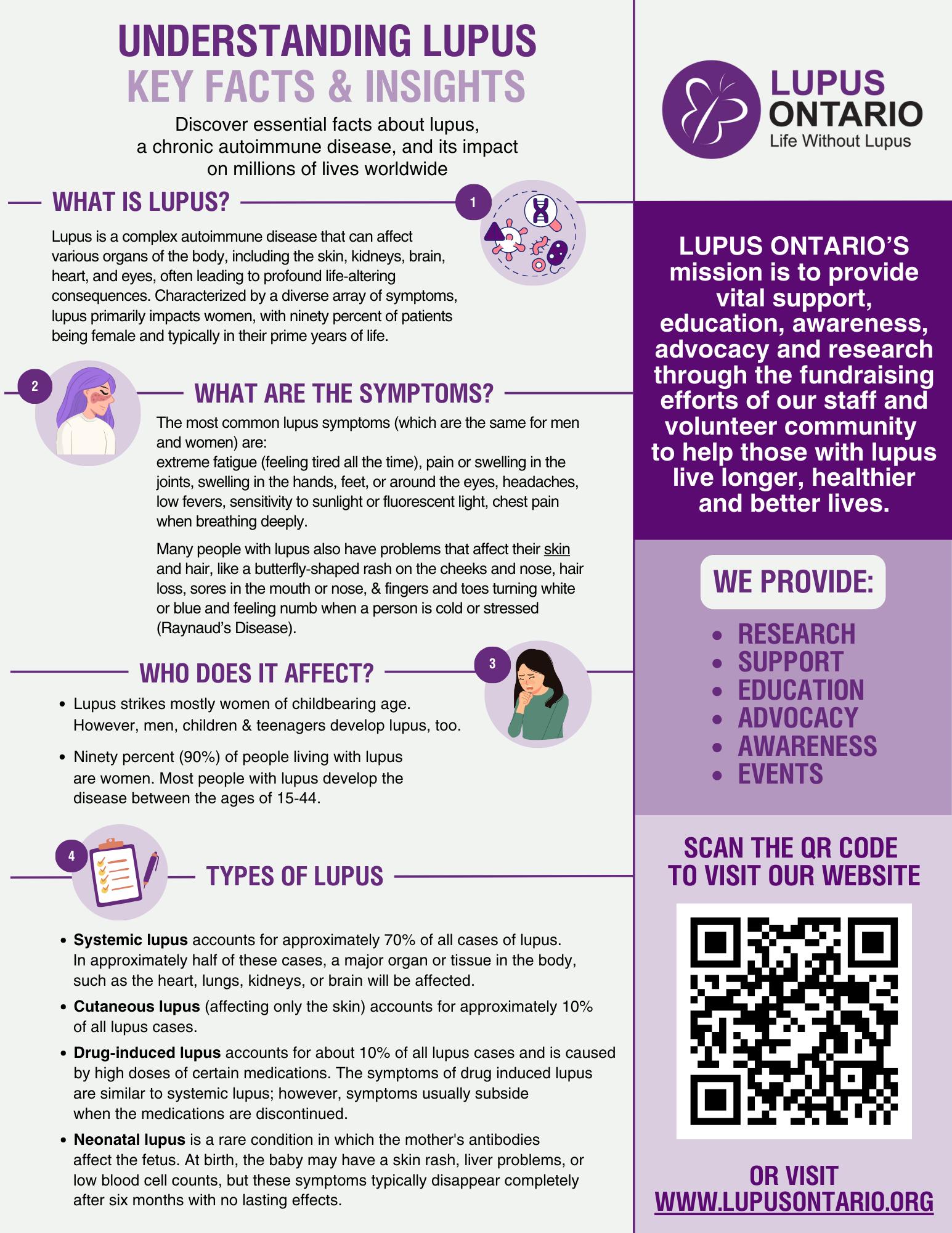

By Amber Cohen
Listening is one of the most powerful communication skills we have, yet it’s often the one we practice the least. The difference between hearing and listening can be the difference between a stronger relationship and a missed connection. If you want to improve your relationships, reduce misunderstandings, and connect more deeply with others, start by becoming a better listener.
Listening requires abilities such as attention, empathy, interest, and openness. These qualities allow individuals to better understand the perspectives, opinions and experiences of others. Research shows that active listening that uses these qualities helps strengthen relationships and their communication.
Since listening is a skill that can be developed, here are 10 practical ways to improve your listening skills:
One of the most effective listening techniques is paraphrasing. This involves briefly summarizing the speaker’s points in your own words.
For example: “So you’ve been feeling overwhelmed at work lately.”
Reflecting information allows the speaker to clarify misunderstandings and helps confirm that you understood their message correctly.
Studies have found that paraphrasing significantly contributes to perceptions of supportive and effective listening.
Many people try to prepare themselves for how they will respond to the speaker rather than fully
listening to what they are saying. Although your response is important, it is equally important to show the other individual that you are interested in and care about what they are saying. This allows the speaker to feel heard and respected.
Understanding the meaning of the conversation rather than just trying to prepare a response that will please the speaker is also important in ensuring someone feels understood.
Although conversations are a two-way process, it can be helpful to minimize interruptions and allow the speaker to fully express their thoughts. Doing so can help them feel heard, respected, and valued throughout the conversation.
Research indicates that when individuals are allowed to fully express their thoughts and feelings, they are more likely to feel heard and understood.
Communication does not just entail words; it also means observing an individual’s posture, facial expressions, eye contact and tone of voice. These qualities can provide more insight into the feeling and meaning behind the conversation than the words themselves.
Paying attention to these nonverbal cues may help you better understand the speaker’s emotions, perspective, and overall message. When combined with active listening, they can contribute to a deeper understanding of what the speaker is communicating.

Rather than creating your own assumptions about something unclear, ask a thoughtful question to avoid misunderstanding.
Some examples:
• “Would you mind telling me more about that?”
• “How did that make you feel?”
• “Could you clarify what you mean by that?”
• “What was that experience like?”
• “Can you explain a bit more in detail?”
These questions demonstrate interest and engagement in the conversation. While some individuals may worry that asking for clarification is rude, it is often preferable to making assumptions or misunderstanding the speaker’s message. Also, at least you did your best to foster open communication; if the person doesn’t wish to answer, then they won’t.
Getting distracted is the most common way to decrease an individual’s listening skills. Phones, social media, emails, texting, and calls play a large role in diverting people’s attention fairly quickly, making it harder for them to engage in conversation.
Putting your phone away during a conversation allows you to be fully present and focus on both the speaker’s words and nonverbal cues, such as facial expressions and tone of voice. This makes the speaker feel valued, respected, and acknowledged.
Empathy involves attempting to understand another person’s perspective and emotional experience. This does not require agreeing with everything someone says. Rather, it involves recognizing and validating that their feelings are real and meaningful to them.
Some ways to demonstrate empathy include:
• Listening without judgment
• Acknowledging the speaker’s emotions
• Considering the situation from their perspective
• Showing genuine interest in their experience
You do not need to agree with someone to acknowledge their feelings. Their emotions and experiences are valid, even if they differ from your own.
“Like any skill, listening improves with consistent effort.”
People are often more willing to open up when they feel they will not be judged. Some ways to practice a non-judgmental approach include:
• Listening with curiosity
• Avoiding assumptions
• Remaining open to different perspectives
• Focusing on understanding before evaluating
When people feel less judged, they are often more comfortable communicating openly and honestly.
Silence can feel uncomfortable, leading many people to rush in with advice, reassurance, or another question. However, brief pauses often give individuals time to gather their thoughts, process emotions, and continue sharing.
Research suggests that silence can support reflection and encourage deeper communication. Focus on quality versus quantity.

Like any skill, listening improves with consistent effort. While no one listens perfectly all the time, making a conscious effort to practice active listening can strengthen your communication skills.
Some ways to practice active listening include:
• Giving others your full attention
• Limiting distractions during conversations
• Asking thoughtful questions
• Listening without interrupting
• Remaining open to different perspectives
Over time, these habits can become more natural and contribute to stronger communication and deeper connections with others.

Dr. Amber Cohen, PsyD, Clinical Psychology (She/Her) is a Registered Clinical Psychologist and Director of The Cohen Clinic, where she has built a compassionate, empowering environment focused on mental and emotional well-being. Dr. Cohen is a registered member of the College of Psychologists of Ontario and the Ontario Psychological Association, and leads a holistic practice integrating the mindbody connection to support comprehensive healing. She has special interests in anxiety, depression, trauma, gastrointestinal challenges, and ADHD.
Please visit her clinic at thecohenclinic.com or email: info@thecohenclinic.com
1. HelpGuide.org. (2026, February 4). Body language and nonverbal communication: Communicating without words. https://www.helpguide.org/relationships/communication/ nonverbal-communication
2. Kluger, A. N., & Itzchakov, G. (2022). The power of listening at work. Annual Review of Organizational Psychology and Organizational Behaviour, 9, 121–146. https://www. annualreviews.org/content/journals/10.1146/annurevorgpsych-012420-091013
3. Razzetti, G. (2023, March 17). Clarifying questions will help you be a better listener. Psychology Today. https://www. psychologytoday.com/ca/blog/the-adaptive-mind/202303/ clarifying-questions-will-help-you-be-a-better-listener
4. Roos, C. A., Postmes, T., & Koudenburg, N. (2023). Feeling heard: Operationalizing a key concept for social relations. PLOS one, 18(11), e0292865. https://pmc.ncbi.nlm.nih.gov/ articles/PMC10688667/
5. Rogers, C. R., & Farson, R. E. (1957). Active listening Industrial Relations Center, University of Chicago. https:// wholebeinginstitute.com/wp-content/uploads/Rogers_ Farson_Active-Listening.pdf
6. Schoner, M. (2024, September 25). How does nonverbal communication impact social dynamics? Queen’s Gazette. Queen’s University. https://www.queensu.ca/gazette/ stories/how-does-nonverbal-communication-impact-socialdynamics
7. Taylor. (n.d.) Why you should put your phone down Mindyourmind. https://mindyourmind.ca/self-expressiondesign-labs/blog/why-you-should-put-your-phone-down/
8. Tennant, K., Goens, G. A., & others. (2023). Active listening. In StatPearls https://www.ncbi.nlm.nih.gov/books/ NBK442015/
9. WRSPC Staff. (2022, May 2). Using empathy in conversations. Waterloo Region Suicide Prevention Council. https://wrspc.ca/using-empathy-in-conversations/
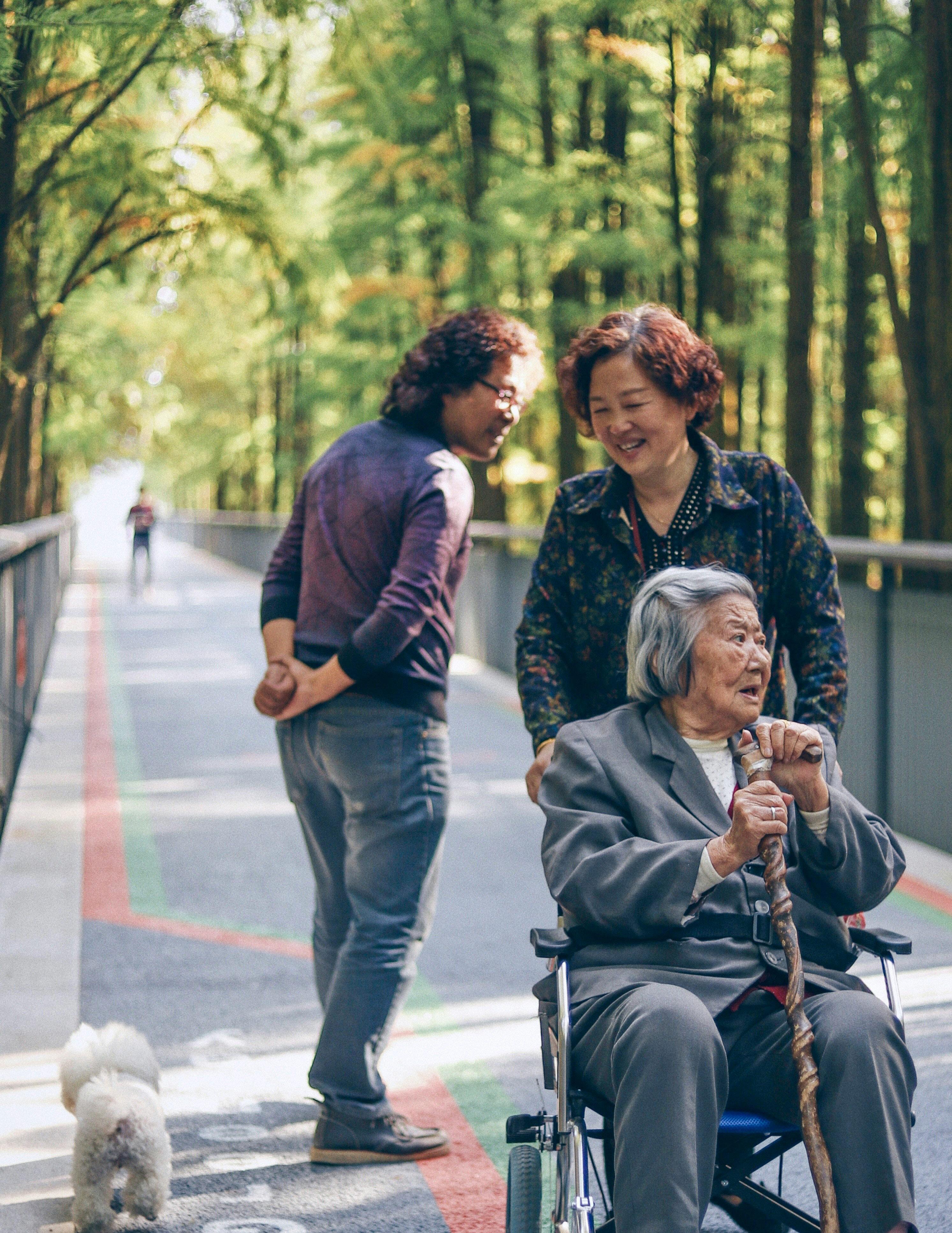
In today’s society, the health of senior citizens stands as a paramount concern, particularly within the framework of the Canadian healthcare system. This heightened focus is more than just a response to the growing number of seniors. Still, it is deeply rooted in recognizing their invaluable contribution to society and their unique challenges in their twilight years.
As people transition into their senior years, they bring unique health and social needs. This shift presents challenges and opportunities for the Canadian healthcare system and society.
In our Seniors Health section, we will provide information to help you in your journey, navigate daily life as a Senior, and provide resources to help you have the best quality of life.
By Silver Lining Senior Advisors

Most families don’t plan to become caregivers overnight.
It often starts slowly. A missed appointment. A fall. Forgetting medications. Increased isolation. A parent who suddenly seems more tired, overwhelmed, or unable to keep up with daily life the way they once did.
And while many families understand that aging will eventually require support, what is often underestimated is just how quickly situations can change; emotionally, physically, financially, and logistically.
After more than 20 years working with older adults and their families, one thing I see time and time again is this:
Families are rarely fully prepared for the reality of aging until they are suddenly in the middle of it.
Conversations around aging are never just about finances or care needs.
They are about identity, independence, grief, family dynamics, guilt, and fear.
Adult children often struggle with knowing when to step in. Parents may resist help because accepting support can feel like losing control. Siblings may disagree on what the “right” next step is.
Many families wait until there is a crisis before having these conversations because they are uncomfortable, emotional, or simply difficult to start.
Unfortunately, crisis situations usually remove options and create pressure-filled decisions.
One of the biggest misconceptions families have been assuming staying at home will automatically be the most affordable and manageable choice.
While aging in place works very well for some people, families are often surprised by the hidden costs involved, including:
• Private caregiving support
• Home maintenance
• Meal preparation
• Transportation
• Safety Modifications
• Increased isolation
• Family caregiver burnout
As care needs increase, the financial and emotional demands can escalate quickly.
Sometimes, a retirement residence can actually provide more support, predictability, socialization, and peace of mind than families initially realize.

“The families who tend to experience smoother transitions are usually the ones who begin planning before they are forced into making urgent decisions.”
Another common misunderstanding is how long transitions can take.
Finding the right retirement residence, downsizing a home, organizing legal and financial paperwork, coordinating healthcare support, and preparing emotionally for a change rarely happens quickly.
Availability can shift. Waitlists exist. Family members may need time to process decisions. Seniors themselves often need time to adjust emotionally to the idea of moving or accepting help.
The families who tend to experience smoother transitions are usually the ones who begin planning before they are forced into making urgent decisions.
Many people wait for a clear sign that “now is the time.”
In reality, the best time to begin talking about future plans is before there is an emergency.
Starting early allows older adults to remain part of the decision-making process. It gives families time to explore options thoughtfully rather than react under stress.
Even simple conversations can make a significant difference:
• What type of support would you feel comfortable with?
• What matters most for quality of life?
• Who will help make decisions if needed?
• What financial realities should be considered?
These discussions are not always easy. But they are incredibly important.
When families think about eldercare planning, they often focus primarily on money.
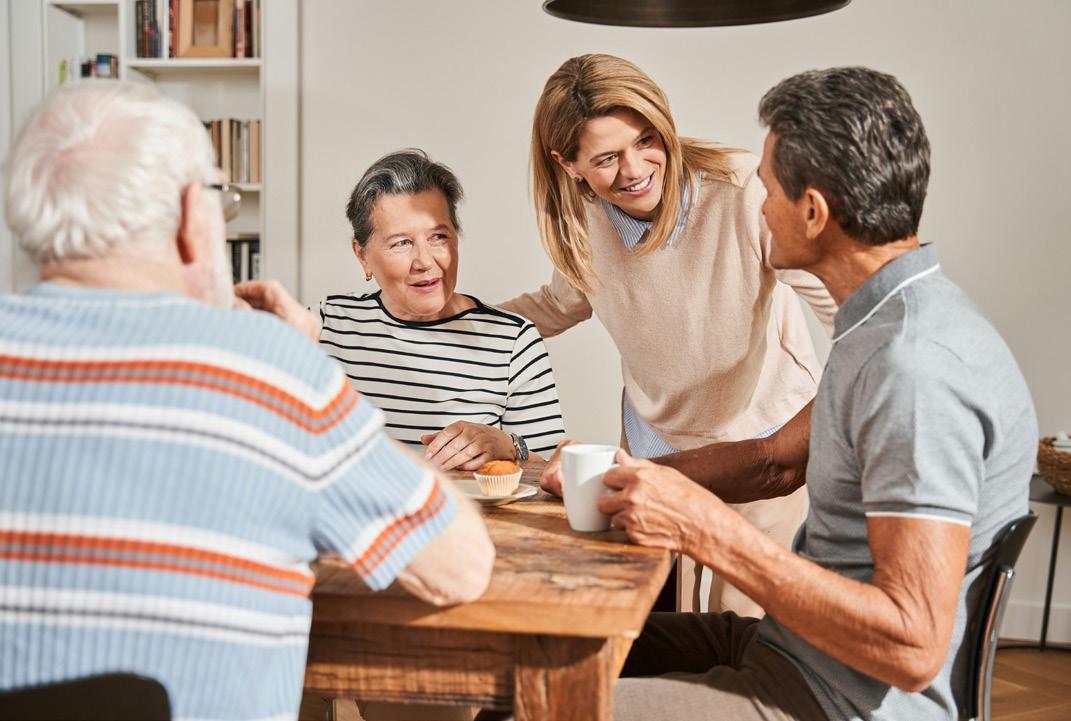
But planning also protects:
• Relationships
• Independence
• Dignity
• Emotional well-being
• Family peace of mind
Having guidance at this stage can help families feel less overwhelmed and more confident in their decisions.
Because the families who experience the smoothest transitions are rarely the ones who avoid the conversation. They are the ones who started it early.
This article is reprinted with the kind permission of Peg Bocci, founder of Silver Lining Senior Advisors.

Peg Bocci is Founder & CEO of Silver Lining Senior Advisors. She has worked in the senior living industry for over 20 years and has acquired a wealth of knowledge of this dynamic industry and the people living and working in it.
www.silverliningsenioradvisors.com peg@silverliningsenioradvisors.com 647-771-8276
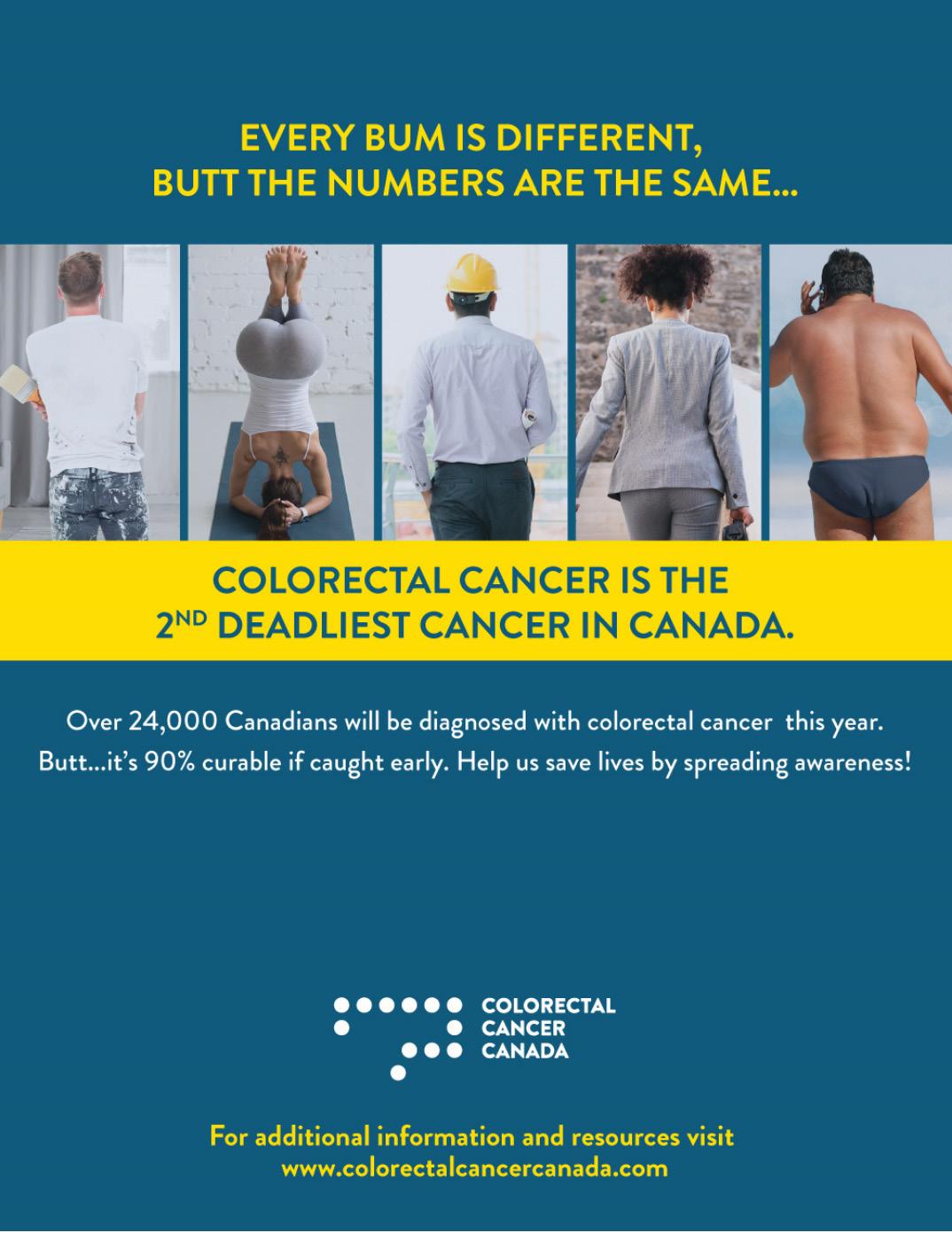

By Park Place Seniors Living
As summer brings longer days and warmer weather across our provinces, it’s the perfect time to focus on one of the simplest (and most important) ways to stay well: hydration. For older adults, drinking enough fluids isn’t just about quenching thirst—it plays a crucial role in maintaining energy, preventing health concerns, and enjoying the season comfortably.
Water is essential to nearly every function in the body. While that never changes, our sense of thirst can weaken with age, meaning older adults may not always feel thirsty, even when they need fluids.
Even mild dehydration can lead to noticeable symptoms like fatigue, low energy, or confusion. The good news? A few small daily habits can help keep hydration levels in check.
Staying hydrated doesn’t just affect how your body feels; it also influences how your mind works. Proper hydration supports cognitive function, memory, and mood regulation. For older adults, drinking enough water can help reduce feelings of confusion, irritability, or sluggishness.
Plain water isn’t the only way to hydrate, which is great if it’s not your favourite. Here are a few creative ideas to make hydration more appealing and enjoyable:
• Infused water: Add slices of lemon, mint, cucumber, or berries for a flavourful twist.
• Iced herbal teas: Naturally caffeine-free and refreshing.
• Hydration stations: Offering seasonal punches or cool beverages at group events makes drinking water social and fun.
• Juice variety: Switching up flavours can keep things interesting.
• Frozen treats: Popsicles or fruit-based desserts double as a snack and a hydration boost.
Even small gestures—like having a glass of water with medication or enjoying a chilled drink on a warm afternoon—can help encourage better habits.

“Staying hydrated doesn’t just affect how your body feels; it also influences how your mind works.”
Summer menus should highlight refreshing, hydrating favourites. Think chilled cucumber soup, watermelon salad, or fruit smoothies served during patio socials.
Nourishing meals and hydration go hand in hand.
Many fruits and vegetables are over 90% water, making them a delicious and easy way to increase fluid intake. Some top picks include:
• Watermelon, cantaloupe, and berries: Great for desserts, yogurt toppings, or snacks.
• Cucumber, celery, and tomatoes: Fresh, crunchy additions to salads or veggie trays.
• Soups and smoothies: These count, too, especially when made with broth or blended fruits.
• Applesauce: Gentle, hydrating, and easy to enjoy.
These foods are commonly included in seasonal menus and snacks and meet hydration goals without giving it a second thought.

While many drinks can support hydration, it’s helpful to be mindful of sodium and caffeine. Some beverages, like coffee or salty broths, can have mild dehydrating effects. That doesn’t mean you have to skip your morning cup, just balance it out with extra water throughout the day.
Whether you’re visiting a loved one or supporting an older adult at home, here are a few simple tips to help encourage healthy hydration:
• Offer small sips throughout the day
• Keep drinks within easy reach—especially during outdoor visits or activities
• Use favourite cups or straws that make drinking more comfortable
• Add natural flavour with citrus slices or a splash of juice
• Be patient and positive—gentle encouragement goes a long way
It’s the small, thoughtful moments that make a difference, like sharing a cold drink on a sunny patio or enjoying the first watermelon of the season.
Staying hydrated isn’t just a solo effort; it can be a social one, too. From sipping iced tea with friends during a craft workshop to enjoying a smoothie after morning yoga, hydration becomes part of the moments that bring us together.
This article has been reprinted with the kind permission of Park Place Seniors Living. For more information, please visit parkplaceseniorsliving

Staying physically active is crucial for seniors to maintain their overall health and quality of life. Engaging in regular fitness activities helps improve strength, flexibility, balance, and cardiovascular health, reducing the risk of injury and chronic diseases. Fortunately, many free workout resources are available, particularly online. One such valuable resource to try is the
It is a mother-and-daughter dynamic duo showcasing a variety of exercises specifically tailored for those 50 and beyond and for individuals with limited mobility. Their YouTube channel offers you more than 200 free fitness videos.
Whether it’s gentle stretches, chair exercises, or low-impact cardio routines, yes2next provides a convenient and effective way for seniors and everyone to stay active and maintain their well-being.


We believe that an informed and engaged parent is an empowered one. Through enlightening articles, expert insights, and inspiring stories, we aim to equip our readers with the tools and knowledge necessary to navigate the complex pediatric health care landscape.
Join us as we explore how patient advocacy, active engagement and comprehensive education can transform the pediatric health care experience, turning obstacles into opportunities for growth and healing.


G

Genu varum
Hand and upper extrem
Limb deformities
Limb length discrepan
Metabolic and heritabl
Neuromuscular condit
Painful conditions of th
Plastic reconstruction
Scoliosis and spine def
Skeletal dysplasia
Sports medicine

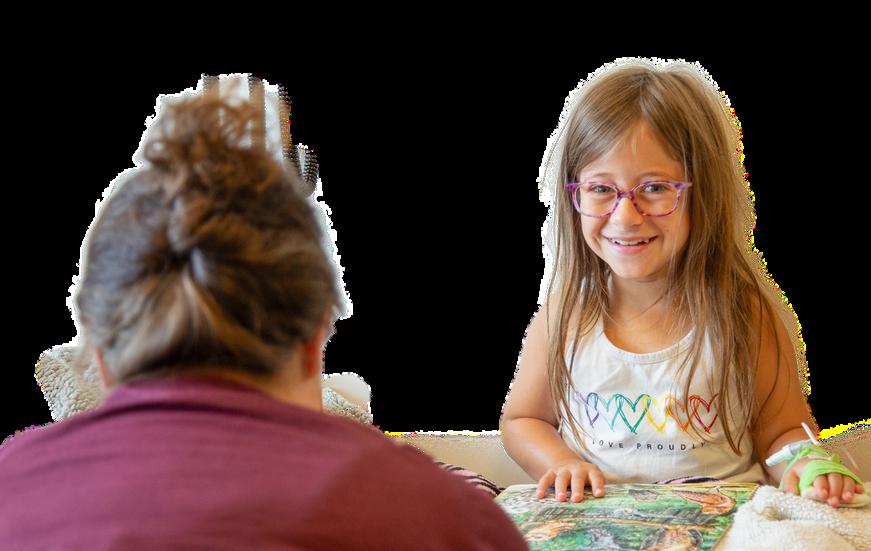



The My Blood My Health program is dedicated to empowering individuals affected by Hematological issues by providing trusted education, advocacy, and support. Through patient- centered resources and expert collaborations, we strive to enhance awareness and improve access to critical information for those navigating their blood health journey. Stay tuned for the next edition of the My Blood My Health digital magazine, coming in March, featuring insightful articles, patient stories, and the latest updates in hematology.

Heal Canada and Pat ADV Hub in the USA have embarked on a collaborative journey, aiming to revolutionize the realm of patient advocacy across North America. This pioneering partnership brings together two influential organizations from neighbouring countries, combining their extensive expertise and resources.
The objective is to expand and enhance the access to critical information for patient advocates, ensuring that individuals across the continent receive the best possible support and guidance in their healthcare journeys.
By bridging the gap between Canadian and American healthcare advocacy, this alliance promises to foster a more informed, empowered, and connected community of patient advocates, significantly contributing to the improvement of healthcare experiences for countless individuals.
patadvhub@gmail.com
www.patadvhub.org

Heal Canada and Pat ADV Hub are colloborating on a project!
Do you have a recipe or two that helps you live a better Quality of Life with your disease or diagnosis? Send your recipe to: recipes@healcanada.org
In your email, tell us about yourself, your diagnosis, and how your recipe helps you live a better quality of life.



This unique feature aims to introduce these vital organizations to a broader audience, highlighting their missions, achievements, and the critical support they offer patients and their families.
Each edition of this segment meticulously selects a different group, delving into their specific focus areas, ranging from rare diseases to everyday health challenges. Heal Canada amplifies these groups’ voices and fosters a deeper understanding and connection within the broader healthcare community by showcasing their stories, initiatives, and community resources.
This section is more than just an informational piece; it celebrates these advocacy groups’ tireless efforts and significant impact and empowers readers by connecting them with valuable resources and support networks.




Imagine being forced to choose between life-saving medical care and the financial burden of relocating to Toronto to access it. This is the reality for many patients, alongside their caregivers and family who must travel far from home to receive critical treatment. The added challenge of securing safe, affordable housing in an unfamiliar city often makes an already difficult journey even harder. This financial burden may force patients to either delay or forgo necessary medical care.
This is where StayWell Suites Charity steps in.
StayWell provides affordable accommodations to Canadians who must relocate for medical treatment. Through partnerships with major hotel chains and professional furnished apartment providers, we offer subsidized patient rates, alleviating the financial burden and ensuring patients can stay close to hospitals, alongside their caregivers and family, while receiving treatment.
The inspiration for StayWell Suites Charity came from the personal experience of Tina Proulx, a patient from Ottawa, who faced a similar challenge in 2015. Diagnosed with a rare, life- threatening disease, Tina needed a double lung transplant at Toronto General Hospital, over 400 kilometres from her home in Ottawa. In Toronto, the areas surrounding the hospitals are amongst the most expensive in the city. Tina and her husband Joel decided to make the move and had to take leaves of absence
from work – they found themselves living in one of the most expensive cities in the country without any income.
Matt Regush, a partner at Sky View Suites, learned of Tina’s relocation challenges in the fall of 2015, when her family inquired about furnished accommodations and instantly provided them with a fully furnished unit at a reduced cost. This encounter led to the creation of StayWell Suites Charity. “If you cannot afford to live in Toronto and you’re making the choice not to accept treatment, then you are basically making the choice to die” says Tina, reflecting on her experience. In December 2015, Tina received her transplant and made a full recovery, inspiring StayWell’s mission to help other patients facing the same challenges.
From our start in 2018, providing three patients of the Princess Margaret Cancer Centre, including their families and caregivers, with 135 nights, we have grown significantly. By the end of 2024, we will have supported over 5,500 patients with over 90,000 room nights across all major hospitals in Toronto. Patient stays range from a few days to over a year. Earlier this year, we concluded an agreement with the SickKids Foundation to provide $250,000 in accommodation support over the next five years.
Looking ahead, StayWell will expand to other cities across Canada in 2025, continuing to rely on the support of dono s and partners to fill the gap between accommodation costs and what patients can afford. StayWell Suites Charity is committed to providing safe, affordable accommodations to patients, along with their caregivers and family, during their medical journey. Your support can make a life-changing difference for families like Tina’s, ensuring that no patient has to choose between their health and affordable accommodations.
Patients/caregivers can go to our website staywell.ca and select the Book Now link.

By Kim Hanson

Living with diabetes has taught me the importance of sharing my story—whether it’s with researchers developing studies, companies improving medications and devices, or government agencies striving to deliver better services. But over the years, I’ve often wondered: How do my experiences compare to those of someone facing cancer or cardiovascular disease? Could we uncover valuable solutions by looking at what connects us, alongside what makes our challenges unique?
At HealthPartners, these questions inspired something big. For over 35 years, we’ve brought together workplaces, health charities, and communities they serve to improve the lives of people affected by illness. Now, we’re taking the next step.
We’re proud to introduce the Health Advisory Network (HAN)—a national platform where people like you can share your experiences, highlight challenges, and collaborate on solutions to improve healthcare across Canada.
Share Your Voice: Participate in quick online surveys and consultations about your experiences as a patient or caregiver.
Get Paid: Your time and insights are valuable, and we make sure they’re compensated.
Drive Change: Help tackle challenges in workplaces, healthcare systems, and communities.
Why now? Because the numbers speak for themselves:
• 45% of Canadians live with at least one major chronic condition.
• 2.5 million Canadians report unmet healthcare needs.
• 1 in 2 Canadians will act as caregivers during their lifetime.
The Health Advisory Network creates a unified space for people affected by health conditions to connect, share, and make a meaningful impact. It’s not here to replace the incredible work of health charities or patient-oriented research groups—it’s here to amplify it. Together, we can uncover shared challenges and opportunities to build a stronger, more inclusive healthcare system.
Join the Health Advisory Network today and help shape the future of healthcare in Canada.
Sign up today and start making an impact.
healthpartners.ca



For over 35 years, HealthPartners has brought together workplaces, health charities, and people with lived healthcare experience to improve lives across Canada.
The Health Advisory Network is a national platform that invites individuals affected by illness to share their stories through paid surveys and consultations. Your lived experience can help shape research, policies, and programs that make healthcare better for everyone.
Improving healthcare through lived experience. healthpartners.ca/network


The “Patient’s Journey” section of E3 Advocacy Digital Magazine is close to our hearts. This magazine is dedicated to patients and caregivers. We are proud to offer a platform to our community so that we can share, learn, and grow together.
Here, patients can share their experiences and empower readers by connecting them with our Heal Canada community. By doing so, we can understand that whatever the situation we face, we are not alone! United, we stand in Advocacy!
We Know What’s Coming. So Why Are We Still Reacting?
By John Britton
Dementia is not a future crisis — it’s a present reality. Canada has the data, the experience, and the opportunity to act. What we need now is the will.
A few weeks ago, I sat in a packed room in rural Nova Scotia as people gathered to talk about dementia. It was late — well past the point where anyone needed to stay — and yet no one was leaving.
The stories were familiar. A husband caring for his wife despite his own health concerns. A daughter navigating a system that doesn’t quite fit while juggling children and work. A teenager stepping into a caregiving role far earlier than expected. Stories of grief. Stories of joy. Stories of struggle.
What stayed with me wasn’t just the emotion — it was the effort it took to get there. For many, that room was one of the only places they could speak openly.
That should concern all of us.
Because dementia is not a fringe issue. It is one of the defining health and social challenges of our time. And despite what we know — and we
know a lot — our response still feels fragmented, reactive, and far too comfortable with “good enough.” People affected by dementia deserve far more than the basics of care, if they are fortunate enough to even be connected to a primary care provider.
There is a tendency to talk about dementia as something that is still “coming.”
It isn’t. We are already in it.
Across Canada, cases are expected to rise dramatically in the coming decades. In Nova Scotia, we are on track to see that number double by 2050. We understand the drivers. We see the pressure already building across families, communities, and healthcare systems.
And that’s before what comes next. As diseasemodifying therapies emerge, many provincial systems are simply not resourced to deliver them. The result is inequitable access and a widening gap between what is possible and what is available.
Without the right support, staying at home can become isolating. Communities are not always equipped to understand dementia. Services are inconsistent and difficult to access. Caregivers are stretched thin, often balancing work, family, and increasing care needs without reliable respite.
The scale of that pressure is significant. In Nova Scotia alone, care partners provide an estimated 12.4 million hours of unpaid dementia care each year — the equivalent of more than 6,000 fulltime positions.
“Right now, too much of our response to dementia is reactive. That is not a strategy — that is survival.”
Right now, too much of our response to dementia is reactive. That is not a strategy — that is survival.
All of this raises a more fundamental question: what does it actually mean to support someone living with dementia well?
If you ask people where they want to live as they age, the answer is almost always the same: at home. Policy has followed that preference. In principle, that is exactly right.
In practice, it is far more complicated.
In some cases, we have built a system that prioritizes location over experience.
And if we are honest, “aging in place” without connection, support, and dignity is not success.
This challenge is amplified in rural communities, where access to healthcare is limited, transportation is a barrier, and specialized supports may not be available. Many people do not have a primary care provider. Others wait months, even years, for help.
In these communities, support is not readily accessible. It is something you hope to find.
If we are serious about addressing dementia, we need to build systems that go to people — not systems that expect people to come to them.
At the same time, we continue to miss one of our most powerful opportunities: diagnosis.
Timely diagnosis allows people to plan, access support, and maintain quality of life for longer. Care partners are better prepared. Outcomes improve.

And yet, many diagnoses still happen at a point of crisis, if they happen at all.
Improving access to timely diagnosis must be foundational.
And while we work to improve care, there is another opportunity — one that is quieter, but potentially transformative.
We now know that a significant proportion of dementia cases are linked to modifiable risk factors. Physical health, social connection, education, and lifestyle all matter.
Even more compelling: delaying the onset of dementia by ten years could fundamentally change the trajectory we are facing, potentially resulting in fewer people living with dementia in 2050 than today.
That is not incremental progress. That is a shift in the curve.
And yet, prevention and brain health remain underdeveloped in our national conversation.
Overlay all of this with the reality that dementia does not affect all Canadians equally, and the picture becomes more complex.
Women are disproportionately impacted. Caregiving responsibilities fall heavily on them. People in 2SLGBTQ+ communities may
not feel safe or understood in traditional care environments. African Nova Scotian and Mi’kmaq communities face systemic barriers that affect both access and outcomes. Rural communities frequently miss out on essential care.
If we are not actively designing for equity, we are reinforcing inequity.
So where does that leave us?
At the Alzheimer Society, we often talk about “help for today and hope for tomorrow.”
Help for today means ensuring people have access to real, tangible support — not just information, but connection, guidance, and care.
Hope for tomorrow means building a system that is ready for what we know is coming: investing in prevention, improving diagnosis, strengthening communities, and aligning efforts across sectors.
Right now, too much of our work is reactive.
That is not a strategy. That is survival.
We can do better.
We have the knowledge. We have the experience. We have the people.
What we need now is the will to act with intention — to move from reaction to preparation, from
fragmentation to coordination, and from “good enough” to what people living with dementia actually deserve.
Because dementia does not pause. And neither can we.
And importantly, no one should have to navigate it alone.
Alzheimer Societies are present in every province and territory across Canada, offering support, education, and connection for people living with dementia and those who care for them. If you or someone you know is navigating dementia, help is available.

John Britton (he/him) CEO, Alzheimer Society Nova Scotia
Visit alzheimer.ca/ns to find your local society and access support in your community.
“Hope for tomorrow means building a system that is ready for what we know is coming.”

If you would like to share your story about your journey, as a patient, caregiver, or advocate, send us a short (150 words) description of your journey, for consideration in an upcoming issue!
Email your submission to: digitalmagazine@healcanada.org
Patients & Doctors Navigate through life with CRPS” www.conquercrps.com
Promoting knowledge & recognition of CRPS online & in the communities of CRPS Warriors around the world as @ConquerCRPS & our YouTube channel: @PainfullyFabulous








A CRPS Research Article Library, Tips & Tricks to Conquer CRPS, find a Specialist near you, join the support group, request copies of CRPS education pamphlets & more: www.conquercrps.com
Partnering with Dr Nelson, Dr Foglia and the entire team at the Neurophysiology & Imaging Lab at McMaster University to find non invasive treatment options for CRPS. Find out more https://macneurolab.com/our-research/


TO CONQUER CRPS
The annual Walk to Conquer CRPS is every August & is now celebrated around the world. We raise awareness, celebrate with our support squads & raise funds to help further CRPS Research
Caregivers & CRPS Warriors can connect in our private Facebook group, or register for our free support groups “We Are Stronger Together & Together We WILL Conquer CRPS”

Your Voice, Your Power: Help Shape the Future of Patient Care
Take 10 minutes to complete the Heal Canada & My Blood My Health Patient Surveys—because your experience matters in driving real change.
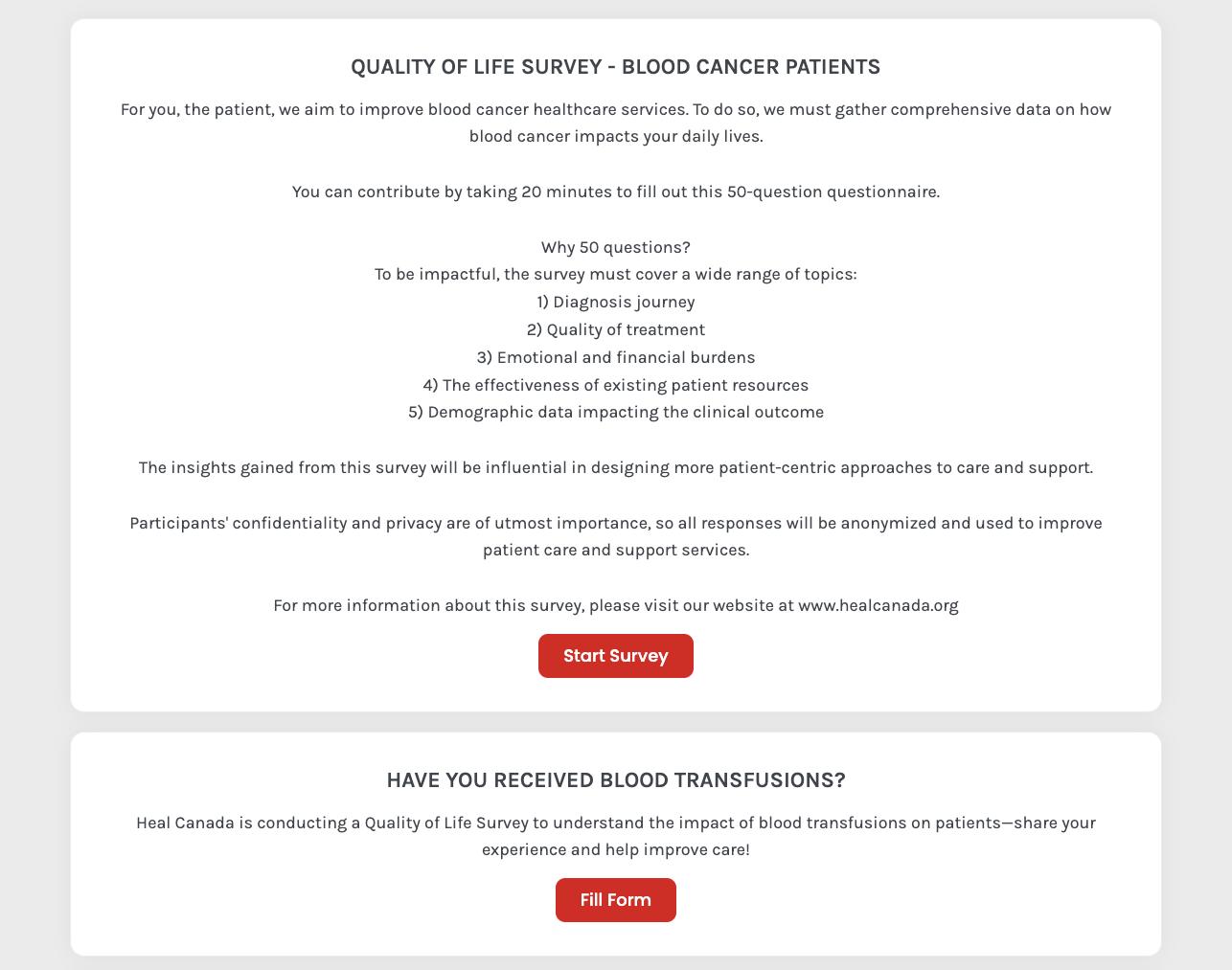

Visit our website at: https://www.healcanada.org/survey
Check often as more surveys are being added!
The following Quality of Life Survey’s are currently open and eagerly seeking respondents.
Take some time to complete them if you’re eligible!

Here, we explore the many facets of well-being, from nourishing your body with wholesome nutrition to rejuvenating your mind through meditation and mindfulness. You’ll find practical advice on exercise, mental health, and preventive care, all tailored to fit into your busy lifestyle.
But “Living Well” is more than just a guide; it’s a community. We encourage you to engage with us, share your journeys, and learn from others who are on similar paths. Whether you’re taking the first steps towards a healthier you or are further along your journey, we’re here to support and inspire you at every turn.
“Living Well” will provide topics that matter the most to your health and happiness. Let’s celebrate the joy of living well together!

By Dandelion Allergy Centre

If you notice itching, hives, redness, or swelling when it’s hot out, you’re not imagining it. What many people call a “heat allergy” is actually a heat-triggered skin reaction — and it’s more common than you think.
Heat can trigger conditions such as:
• Cholinergic urticaria (small, itchy hives)
• Heat-induced hives
• Worsening eczema or contact dermatitis
These reactions often appear within minutes of sweating or overheating.
Heat reactions are often triggered by:
• Hot weather or humidity
• Exercise or physical exertion
• Hot showers or baths
• Stress or emotional overheating
• Tight or non-breathable clothing
Even indoor heat can be enough for some people.

You can help minimize symptoms by:
• Wearing loose, breathable fabrics (cotton or moisture-wicking materials)
• Keeping showers lukewarm, not hot
• Cooling down gradually after exercise
• Staying well hydrated
• Avoiding peak heat when possible
• Using a fan or air conditioning to prevent overheating
Some patients benefit from daily antihistamines, especially during warmer months.
You should book an assessment if:
• Hives are frequent or persistent
• Symptoms interfere with daily activities or exercise
• You’re unsure whether this is heat-related or something else
• Over-the-counter medications aren’t helping
An allergist can help determine the cause and recommend a personalized treatment plan.
Heat-triggered reactions are uncomfortable but manageable. With the right strategies and treatment, most people can stay active and comfortable — even in warmer weather.
Need help managing heat-related symptoms?
A physician referral is usually required to book an appointment with an allergist.
We gratefully acknowledge Dandelion Allergy Centre for permission to reprint this article.
Please visit them at allergycentre.ca or Email at Info@allergycentre.ca
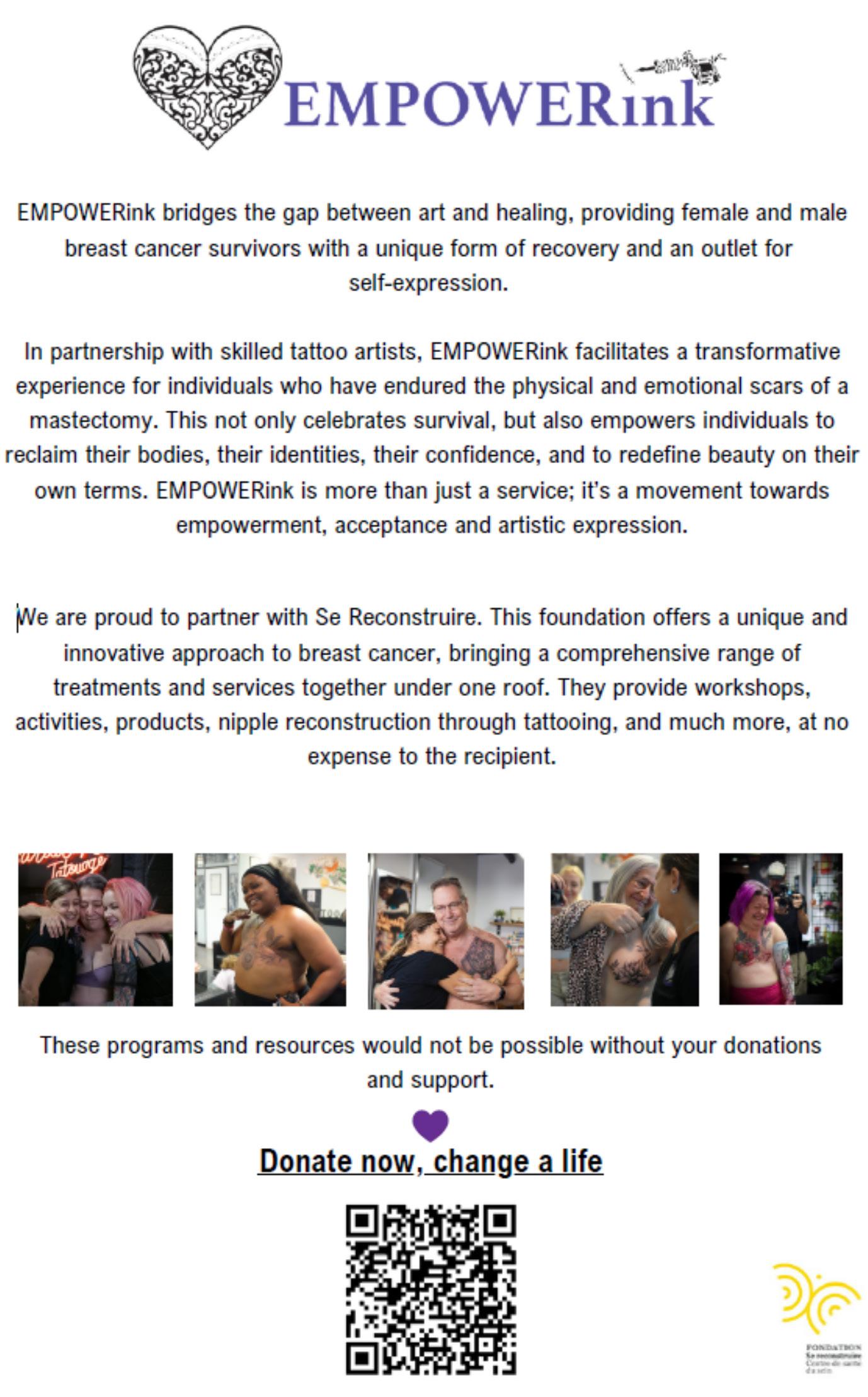
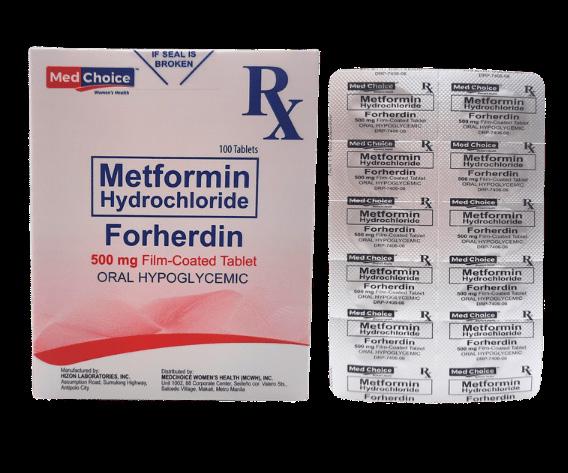

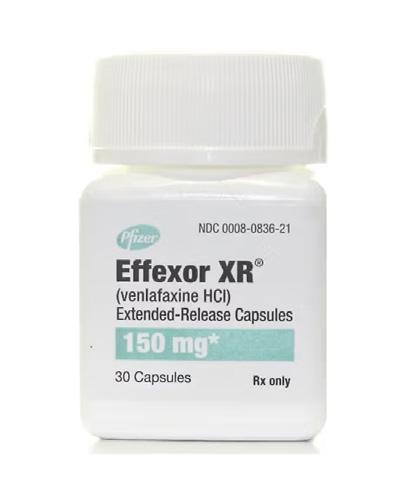









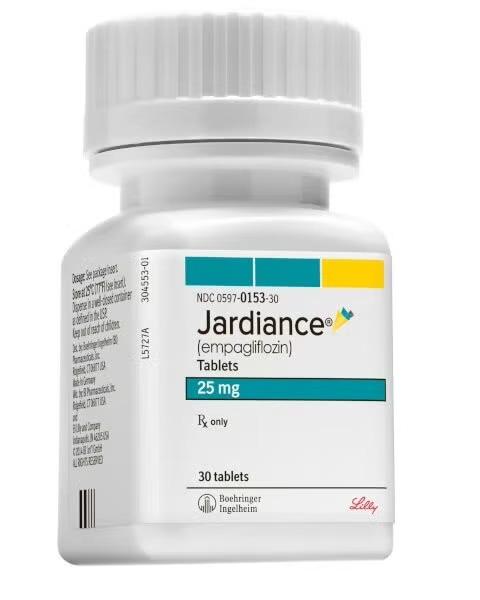


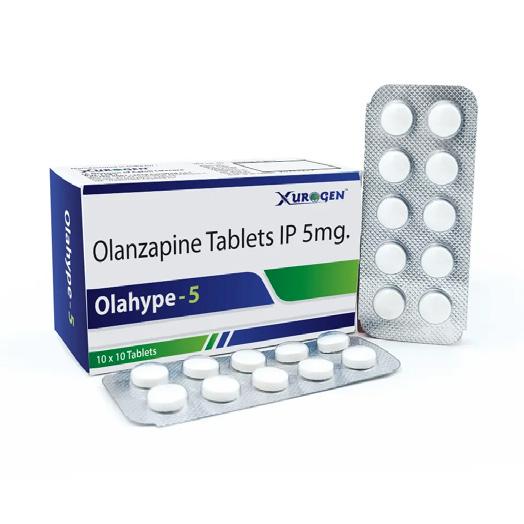
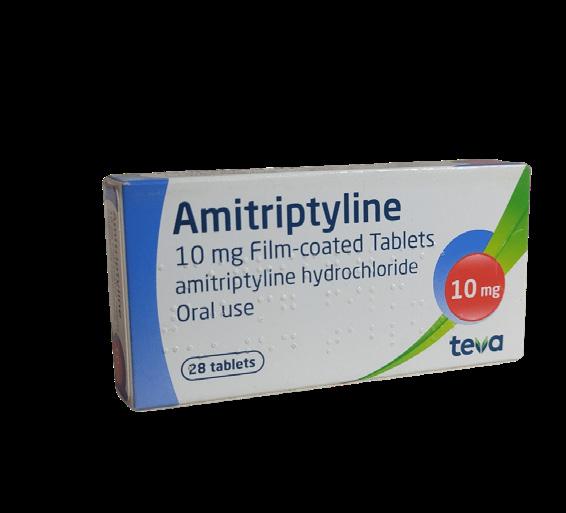
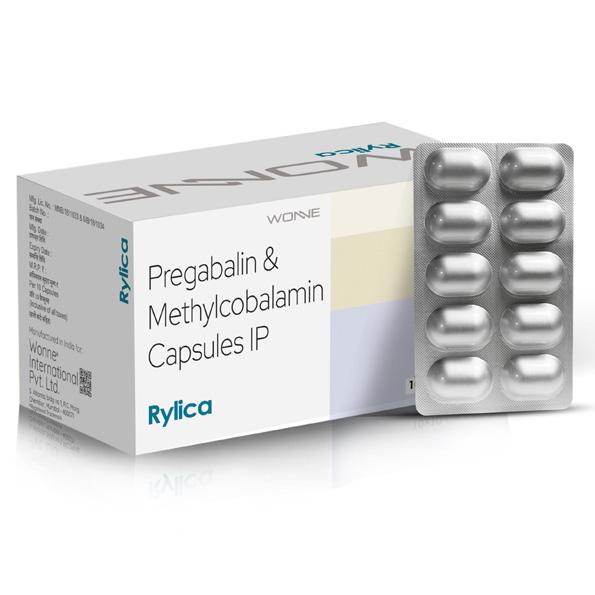
By Camille Gagnon, Pharmacist
For many Canadians, summer is synonymous with having fun in the sun. Unfortunately, over the past several years, extreme heat waves have become increasingly common. This not only makes summer less enjoyable but can affect your health. Heat and humidity can cause heat stroke, dehydration, dizziness and fainting, hospitalizations, and even death.
As you get older, it becomes harder for the body to adjust to changes in temperature. That’s why older adults are at greater risk during periods of extreme heat. Certain medical conditions more common in older adults, such as diabetes or Parkinson’s disease, can also make it harder for the body to adapt to heat.
Did you know? Some medications can increase your risk of heat stroke
Certain commonly used medications can make you more sensitive to the effects of heat. These medications can increase your risk of heat stroke and other heat illnesses. The more medications you take, the greater your risk.
Below are several examples of medications that can impair your body’s ability to adapt to heat. Many of them are commonly used medications. Some are available with a prescription, and others are available off the shelf in your pharmacy. Are you taking any of these medications?
Some medications impair the body’s ability to produce sweat, which is essential for cooling off when it’s hot out. For example:
• BETA BLOCKERS (e.g. metoprolol or bisoprolol), which are medications used for certain heart conditions and for treating high blood pressure
• DECONGESTANTS such as pseudoephedrine, an active ingredient in cold medications that are available off the shelf
• ANTICHOLINERGIC MEDICATIONS, which include some off-the-shelf allergy medications (e.g. diphenhydramine or Benadryl®), off-the-shelf sleeping pills (e.g. Nytol®), medications used to treat urinary incontinence (e.g. oxybutynine), and some antidepressants (e.g. amitriptyline or nortriptyline)
Some medications can make you dehydrated. For example:
• DIURETICS (e.g. hydrochlorothiazide or furosemide), LAXATIVES (e.g. Senokot®) or SOME DIABETES MEDICATIONS (e.g. Invokana® or Jardiance®), which increase the elimination of bodily fluids through urine or stool
• Some ANTIDEPRESSANTS (e.g. fluoxetine or venlafaxine) cause excessive sweating, which can lead to dehydration
Some medications can increase your body temperature. For example:
• ANTIPSYCHOTIC MEDICATIONS, such as olanzapine or quetiapine
• STIMULANT MEDICATIONS for attention disorders, such as Ritalin® or Adderall®
Some medications can make you drowsy, reduce your ability to concentrate, and slow your reaction time. This can impair your ability to adopt safe behaviours in period of extreme heat, such as drinking water or staying cool. For example:
• ANTI-ANXIETY MEDICATIONS or medications for insomnia such as benzodiazepines (e.g. lorazepam or oxazepam)
• Some NERVE PAIN MEDICATIONS (e.g. pregabalin, gabapentin)
• OPIOID PAIN MEDICATIONS (e.g. morphine, codeine)
Some medications can become toxic to the body and kidneys if you become dehydrated from the heat:
• ANTI-INFLAMMATORY MEDICATIONS (e.g. ibuprofen or Advil®, naproxen or Aleve®)
• BLOOD THINNERS, which are used to prevent blood clots
• Medications for HIGH BLOOD PRESSURE
• Various medications used to treat DIABETES, including metformin
• LITHIUM, for bipolar disorder
If you take medications, especially any of those identified in this article, it’s particularly important to take action and prepare for the heat this summer. Here are 3 things you can do:
1. Protect yourself from extreme heat and stay hydrated, as per your health care professional’s recommendations. Visit this Government of Canada webpage to find out how to stay cool and hydrated during periods of extreme heat, and what to do in case of heat stroke.
2. Complete a thorough review of all your medications with your doctor, pharmacist or nurse. Make an appointment specifically for a medication review. Together with your health care professional, you can identify the medications that increase your risk of heat illnesses, including heat stroke and dehydration. You may then decide to put in place an action plan to reduce your risk. Don’t forget that medications that you can buy off the shelf can cause harmful effects, too. To find out how to access medication review services available in your region, visit: deprescribingnetwork.ca/med-review-finder
3. Do not hesitate to ask your health care professional the following question: “Do I still need this medication?” — The answer might surprise you! Even if it is not possible to stop a given medication, reducing the dose could decrease your risk of harm. For example, gradually reducing the dose of your sleeping pill could help you stay more alert, for a safer and healthier summer. If a medication is stopped or reduced, ensure that a follow-up plan is put in place with your health care provider.
This article is reprinted with the kind permission of the Canadian Medication Appropriateness and Deprescribing Network. For additional resources, please visit deprescribingnetwork.ca/useful-resources

Camille Gagnon is the Assistant Director of the Canadian Medication Appropriateness and Deprescribing Network.
Camille is a clinical pharmacist with experience in clinical program management, community pharmacy, teaching and pharmacogeriatrics.
More information is available at deprescribingnetwork.ca
Some common prescription and over-the-counter medications can make you more sensitive to the heat!
The more meds you take, the higher the risk.
Are you taking any of these?
Here are a few examples of meds that may not mix well with heat:
Allergy meds
Sleeping pills
Antidepressants
Heart meds (e.g. diuretics, beta blockers)
Antipsychotics
Stimulants for attention disorders
Your meds may increase your sensitivity to heat.

Learn how to stay safe this summer: DeprescribingNetwork.ca/blog/medications-and-heat
Canadian Medication Appropriateness and Deprescribing Network
Réseau canadien pour la per tinence des médicaments et la déprescription
By Kendra Erhardt

Atypical temperature regulation is one of the secondary complications of a spinal cord injury.
The spinal cord is responsible for regulating body temperature through the nervous system. Normally, when the body becomes too warm, it triggers blood vessels to dilate and sweat glands to release fluids to cool down the body. Damage to the spinal cord can interrupt this process. After an injury, the body’s temperature regulation is thrown off, and many people no longer sweat or sweat way less. This is especially true for people with injury levels of T6 and higher. It can become
particularly dangerous if one is unable to cool down, and can cause spikes in blood pressure or a pounding headache, blurred vision, or unconsciousness.
Often, you don’t realize you are too hot until it is already too late, and it can be harder to cool down at this point. Certain medications can cause the body to overheat more easily as well. When I was in the hospital after my surgery and was taking some heavy-duty painkillers, I was constantly overheating and found it very hard to be comfortable. I was sleeping with a bag of ice
like a teddy bear in an attempt to decrease my core temperature to a point where I could even sleep at night.
The best way to stay ahead of overheating is knowing the signs of overheating before it progresses into heat exhaustion, heat stroke or leads to complications. Common symptoms include feeling faint or dizzy, a pounding headache, sweating excessively, feeling nauseous, increased spasms, red-hot skin, increased heart rate, or other feelings of discomfort. It can be harder to cool down when your body has a diminished natural cooling and sweating response. Additionally, a lack of sensation can result in the body overheating and not realizing until it is too late and the damage has been done.
Without being able to rely on the body’s conventional means of cooling down, such as sweating. It is imperative that we take the matter into our own hands. Some methods are more conducive for on-the-go, while others are more location-based. Here are some solutions I have found to keep cool and beat the heat:
This was my lifesaver during my hospital stay and on hot summer days. It is charged via a USB cable and gets hours of run-time off a charge. It is super portable, and the cordless design allows it to be clipped on anywhere. There are three fan speeds, and the fan can be angled so you can optimize air flow.
This is a slightly bulkier option, but is the best bet to cool down if you are out indirect sunlight on a hot day. Your reservoir holds water, and you can spritz yourself and use the fan to initiate some evaporative cooling.

If you want a more compact option, a small spray bottle filled with water can allow for on-the-go misting as well.
Cooling towels have a special structure to their fabric that facilitates evaporative cooling. Once water is added to the towel, it evaporates from the surface of the towel, making it feel cool to the touch. This can be worn around the neck in a scarf-like fashion. If you don’t have a specific cooling towel, a regular cloth, scarf, or other piece of fabric soaked in cool water and wrapped around the neck can help to cool the body.
I find it extremely hard to fall asleep if I am overheating. A cooling pillowcase has been a game-changer; it is something I use year-round. In the summertime, I also like to break out the cooling sheets as well. Staying cool goes a long way in having a good night’s sleep.
If accessible and available, it can be very soothing to have a cool shower to lower body temperature. Obviously, this is not always going to be a go-to option when out and about, but it is something to keep in mind at the end of a long day. For a bonus cooling effect, menthol soap and body wash can be a nice treat.
This is my go-to cool-down option when out and about. You can easily find a cold-water bottle at any convenience store. Pressing it against your neck allows it to quickly cool the body down. It can also be refreshing to have sips of ice-cold water. So, this works as a double duty.

This is a more extreme version of the water bottle in the crook of the neck trick, but it can be more effective and longer lasting. You can bring
your own icepack and keep it in an insulated container until needed (a half-frozen water bottle or a frozen water-soaked sponge in a bag is a good DIY method if you can’t find a traditional icepack). Straight-up ice cubes in a Ziploc bag also work as well (just make sure there’s no hole in the bag or it may leak on you as it melts). If using ice, make sure you have a cloth or some other barrier so it doesn’t cause the skin to freeze or be irritated.
If clothing doesn’t breath it can insulate the body and cause overheating. This is especially pertinent to wheelchair users since it can be harder to get good airflow when sitting down. Breezy cotton pants are light and cooling. Athletic wear and moisture-wicking fabrics can be helpful to keep the body cool.
If available, a cold drink or food, such as ice cream, can help lower the internal temperature of the body. Plus, it’s never a bad time to eat ice cream, just throwing that out there.
Water has a high specific heat capacity, so it can help regulate your body temperature before you overheat. Dehydration can cause symptoms to worsen, so be sure to drink extra water if you are out in the sun, and replenish electrolytes if you have been sweating.
Being in direct sun can overheat you in an instant. A compact umbrella can be useful to give yourself some protection from the rays. At the very least, a sun hat is a way to keep the sun off of your face and to provide a bit of relief.

A/C can be a lifesaver on hot days. It can be worth it to take a trip over to a mall or some other public place with A/C to escape the heat on the hottest part of the day. A/C can also be an important thing to consider when booking travel accommodations if you are travelling somewhere during the summer months or the hot/dry season. It can also be beneficial to stay indoors during the hottest part of the day to prevent overheating.
in a cool pool can be a great way to stave off the hot weather. Obviously, this option is not always available, and it may be more challenging to find an accessible pool that meets your mobility needs. But this is a consideration to take into account when booking travel accommodations. Some pools are equipped with specialized lifts or zero-entry grades that can be accessed with a wheelchair. If no accessible pools are in the area, there may be accessible spray parks that can be a good alternative.
This is a great transportable option that can quickly cool you down. Plus, it can act as a fashionable accessory as well. It’s a great option to have since you don’t have to worry about it losing a charge or running out of batteries.
Remember to be mindful and do your best to listen to your body and know the signs of overheating before it threatens your well-being. Be proactive and stay hydrated, and don’t plan to be out in direct sun if you are sensitive to heat.
Stay cool out there!
We thank Kendra Erhardt, founder of Wheelie Girl Travel, for permission to share this article.
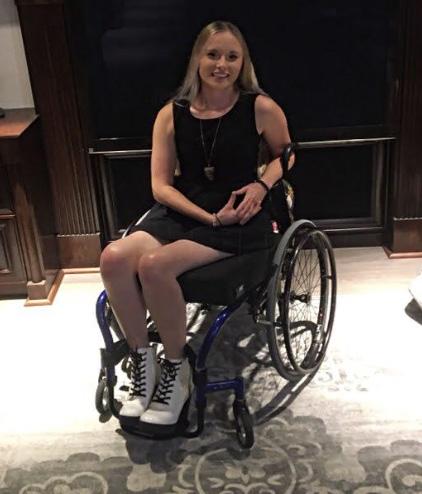
Kendra Erhardt is the creator of Wheelie Girl Travel, where she shares her experiences and insights as a wheelchair user following a spinal cord injury in 2019. Through her writing, Kendra provides a personal perspective on accessibility, advocacy, and everyday life while offering practical tips that empower wheelchair users to travel and live more independently.
Her work focuses on reclaiming independence, challenging stereotypes about disability, and creating a more inclusive understanding of wheelchair travel and accessibility.
For more information, please visit Kendra at wheeliegirltravel
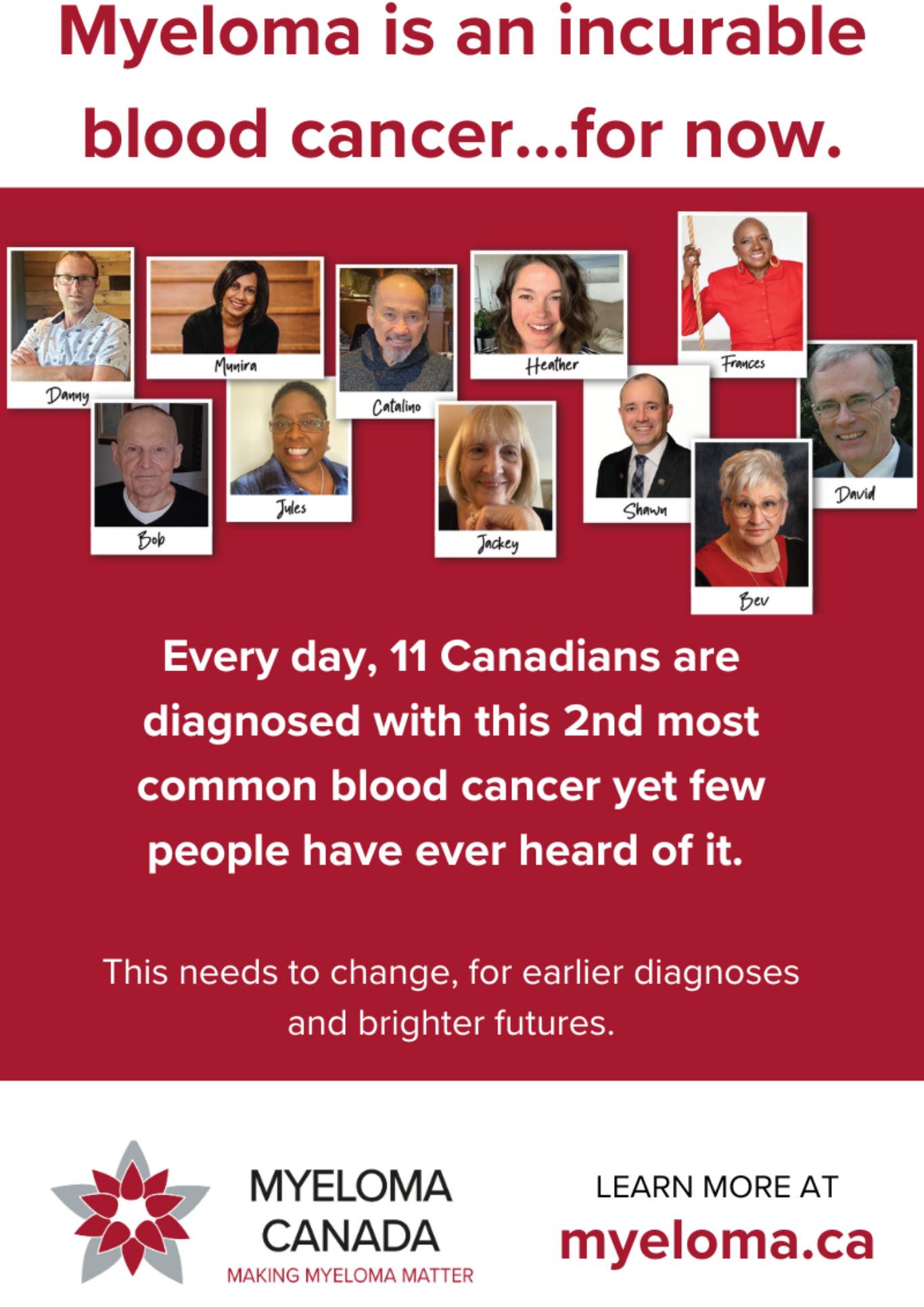

By Michelle Nieviadomy
As we celebrate the summer solstice and the change of seasons, reflection is a good way to close one season while anticipating what is to come in the next. One of my favourite stories to reflect on as the summer season approaches is how the strawberry came to be. This beautiful heart-shaped berry graces us with its presence during the summer months, so it is fitting that this is one of the teachings that leads the way. As Indigenous peoples, we have so many stories and teachings that inspire us, guide us and even challenge us to live the good life (miyo pimatsowin!)
With the mere mention of a strawberry, you are probably reminded of its distinct fruity aroma and are wondering how good some strawberry shortcake would be right about now! Although a strawberry alone has the potential to fill our bellies with flavour and goodness, its teachings can also fill our mind, heart and spirit too!
This little heart-shaped berry can bring powerful teachings. For me, emotional health and healing are the core of this teaching: forgive fast and choose love always. While on our human journey, we experience pain, loss and heartbreak in relationships. We can go through many seasons holding onto grudges and unforgiveness, which can get in the way of a life meant for abundance. This summer, may we choose good health in the spirit of love and forgiveness.
Sometimes that forgiveness needs to be turned inward. What are the ways in which we have neglected our own health and well-being? What are the ways we have not been kind to ourselves? What are the ways that we have forgotten our sacred responsibility of self-care? Perhaps this summer is the return to love. Return to your own love in mind, heart, body and spirit.
Be a good relative to yourself with words of affirmation. Wake up with the sun & choose a good thought about yourself before your day begins!
Be a good relative to others! Cultivate good relationships with other people by listening and sharing stories. You never know how much your presence and words may be just what other people needed that day! Connecting with other people is good for the heart. Find good people to share what’s in your heart and give your emotions a place to be fully felt.

Be a good relative to the land. Mother Earth has given us so many gifts that help us to live well. You have abundance all around you, so tap into her beautiful resources for hydration, nourishment, teaching and connection.
“Every day may not be a good day, but good can be found in every day if you look for it.”
Treat your body with good hydration because water is life after all. Eat nutritious foods harvested from the land - remember those strawberries! Go outside once a day to observe the beauty of the sky, the smell of freshly cut grass, the sound of the birds chirping or pick a flower. Appreciate the miracles of life all around you, for you are never alone.
Be a good relative to the Source of love. Before the sun sets, offer gratitude for what transpired in the day! Every day may not be a good day, but good can be found in every day if you look for it.
I hope this season; you experience the goodness all around you and within you!
This article is reprinted with the kind permission of Alberta Senior Living. For more information, please visit the website albertaseniorliving.ca/in-themagazine-health-wellness/summer-wellness-theindigenous-way


Michelle Nieviadomy is the owner of Iskwew Health (iskwewhealth.com). With over 17 years of experience in Indigenous health and wellness, Michelle’s work is rooted in holistic healing, cultural grounding and community empowerment. This self-love coach is versatile, enthusiastic and engaging to various audiences across the province. In addition to being a yoga, Zumba and fitness instructor, she is a mental health therapist. She has called Edmonton her home for 20 years, while her roots are in Saskatchewan. This Cree woman is a proud member of Kawacatoose First Nation. She loves dancing, rose quartz and hopes to have a pet dog one day!
ARTICLE 2 OF 8 IN THE “THRIVING THROUGH THE PAUSE” SERIES
By Sue Lemoine, RHNP
This series supports women navigating perimenopause, menopause, and postmenopause with simple, sustainable shifts that help balance hormones, steady energy, support mood, and make daily life feel more manageable.
If we haven’t met yet . . . I’m Sue Lemoine, a Holistic Nutrition and Menopause Specialist in Edmonton. I support women in the Pause years (peri-meno-post) in reclaiming their energy, confidence, and vibrancy through a holistic, natural approach. My work centers around helping women feel seen, informed, and supported during a phase of life that can often feel confusing, unpredictable, and dismissed.
In the last article, I invited you to track what you eat and how it makes you feel. Many women are surprised by how closely food connects to energy, mood, cravings, sleep, mental clarity, and even hot flashes. Awareness is powerful. Once you begin to see patterns, you can shift them with more intention.

Today we’re talking about something that affects many women in midlife: the impact of processed and packaged foods on hormones, inflammation, blood sugar, and body temperature regulation.
This becomes especially important in the summer.
Hot flashes can feel challenging enough on their own, but when the weather heats up, your body may have an even harder time staying cool. For many women, summer brings more sweating, more interrupted sleep, more irritability, and more frustration around clothing, social events, workdays, and outdoor activities.
And while food is not the only factor involved in hot flashes, what we eat and drink can either support a calmer internal environment or add more heat, stress, and inflammation to the body.
There is no judgment here. Convenience foods happen. Packaged foods happen. Summer gatherings, road trips, patios, and busy schedules happen.

Don’t aim for perfection. Aim instead to understand what may be adding fuel to the fire, and then make small, supportive choices that help your body feel steadier.
Understanding how processed foods affect your hormones is like turning down static on a radio. When the noise decreases, your body can often communicate more clearly.

“Don’t aim for perfection. Aim instead to understand what may be adding fuel to the fire, and then make small, supportive choices that help your body feel steadier.”
1. They Can Create Blood Sugar Spikes and Crashes
Refined carbohydrates and added sugars cause blood sugar to rise quickly, then crash. That crash can look like irritability, anxiety, brain fog, energy slumps, or intense cravings.
During perimenopause, blood sugar instability can feel even more noticeable because your hormones, nervous system, and stress response are already shifting.
For some women, these spikes and crashes can also make hot flashes feel more intense. When the body is under stress, it has a harder time regulating temperature, mood, and energy.
A simple example: A muffin or white toast with jam may give quick energy at breakfast, but leave you craving sugar or caffeine by midmorning. Think instead - protein for energy stability. A breakfast with protein, fibre, and healthy fats such as eggs with vegetables, Greek-style dairy-free yogurt with berries and seeds, or a protein smoothie can all often support steadier energy for hours.

Many packaged foods contain preservatives, additives, artificial sweeteners, excess sodium, refined sugars, and damaged oils. These can contribute to inflammation in the body. Inflammation can interfere with hormone communication and may worsen joint pain, fatigue, skin changes, digestive discomfort, and emotional sensitivity; all of which can become more common during the Pause years.
In summer, this can feel like your body is already running warm, reactive, and easily overwhelmed.
A more anti-inflammatory foundation, foods rich in colourful plants, quality protein, healthy fats, and fibre, gives your body more of the raw materials it needs to cool, repair, and rebalance.
Your liver plays a major role in processing and clearing excess hormones, including estrogen. It also helps metabolize alcohol, caffeine, medications, environmental toxins, and artificial ingredients.
When the liver is constantly busy managing a high load of processed foods, alcohol, added sugars, and chemical additives, it may have less capacity to support smooth hormone balance.
This can contribute to bloating, fluid retention, heavier periods in perimenopause, mood shifts, sluggish digestion, and that overall feeling of being puffy, hot, and uncomfortable.
This is one reason many women notice that alcohol, sugary drinks, or rich processed foods can trigger night sweats or restless sleep, especially in the warmer months.
Your gut and hormone health are deeply connected. Processed foods are often low in fibre and may feed less beneficial bacteria in the gut. Artificial sweeteners may also disrupt the microbiome for some people.
A nourished gut supports smoother digestion, stronger immunity, clearer thinking, and healthier estrogen metabolism.
When your digestion is sluggish or your gut is irritated, you may notice more bloating, cravings, mood changes, and inflammation. For some women, this can also make the body feel more reactive overall.
Hot flashes are connected to changes in how the brain and body regulate temperature during the menopause transition. Even a small rise in body temperature can trigger that sudden wave of heat, sweating, flushing, and discomfort.
In the summer, there are more potential triggers:
• Hot weather
• Warm bedrooms
• Dehydration
• Alcohol at patios or gatherings • Spicy foods
• Caffeine
• Sugary drinks
• Heavy meals
• Stress and poor sleep
• Synthetic or tight clothing
This does not mean you need to avoid every enjoyable summer food or activity. Just be aware of what your body is saying to you, and why..
Cooling foods, steady meals, hydration, and fewer processed ingredients can make a meaningful difference.

Whole food is food in its natural state. It nourishes your hormones, brain, gut, liver, and nervous system. Think: Is this made from the earth, or from a factory?
Whole food includes:
• Fruits and vegetables — especially colourful, water-rich options
• Quality protein — eggs, poultry, fish, legumes, tofu, or clean protein powders
• Healthy fats — olive oil, nuts, seeds, avocado, and fatty fish
• Whole grains — oats, quinoa, brown rice, buckwheat, and millet
• Fibre-rich foods — berries, beans, lentils, chia, flax, and vegetables
• Water, herbal teas, and mineral-rich fluids

During warmer months, focus on foods that hydrate, nourish, and stabilize blood sugar.
Try adding more:
• Cucumber
• Leafy greens
• Berries
• Watermelon
• Citrus
• Fresh herbs like mint, parsley, and cilantro
• Chia seeds
• Ground flaxseed
• Smoothies with protein and fibre
• Big colourful salads with quality protein
• Light soups or blended chilled soups
• Mineral water with lemon or lime
For women experiencing hot flashes, skipping meals or living on coffee and snack foods through the day can backfire. Your body needs steady nourishment, especially when it is already working hard to regulate temperature.
“This is not about dieting or restriction - it is about listening to what your body is saying to you.”
You do not need to overhaul your kitchen overnight. Begin with one or two upgrades, then when you are ready, add more.
• Flavoured, sugary yogurt (check the sugar content) → plain yogurt or dairy-free yogurt with berries and chia
• Boxed cereal → eggs, overnight or regular oats, or a protein smoothie
• Processed granola bar → raw nuts and fruit
• Pop → sparkling water with citrus or mint
• Sweet iced coffee → iced matcha, herbal tea, or coffee with protein at breakfast
• Bottled sauces → homemade or cleaningredient versions
• Patio cocktail every evening → sparkling water with lime between drinks
• Chips as a snack → hummus with vegetables or roasted chickpeas
• White bread sandwich → lettuce wrap, sourdough, or a whole-food bowl
Each small shift supports steadier energy, less inflammation, and a calmer internal environment for your hormones.
At meals, aim for:
Protein + Fibre + Healthy Fat + Colour
An example meal:
• Grilled chicken, salmon, tofu, or lentils
• A large salad with leafy greens, cucumber, peppers, berries, or herbs with an olive oilbased dressing
• A small serving of quinoa, sweet potato, or brown rice
• Water or herbal iced tea
This type of meal gives your body nutrients without the heavy, processed load that can leave you feeling sluggish, inflamed, or overheated.

This is not about dieting or restriction - it is about listening to what your body is saying to you. It is about noticing what supports your energy, sleep, mood, digestion, and temperature regulation. Keep track by writing in a journal.
When you understand how food influences your hormones and nervous system, you can choose what supports how you want to feel. We all want to feel steady, clear, and more energized.
This week, choose one processed food or drink you use regularly and replace it with a more whole-food option.
You might choose:
• One breakfast upgrade
• One snack upgrade
• One drink upgrade
• One packaged supper shortcut to replace with a simple homemade option
• One cooling food to add daily
Continue your Food and Mood Journal from the last article and add one more note:
Did I experience hot flashes today? If yes, what was happening before they started?
Notice food, drinks, stress, temperature, clothing, sleep, and hydration.
Your body is not trying to make your life difficult. It is always communicating. The more you listen, the easier it becomes to support it.

Every nourishing choice is an act of care for your future self.
Progress is not perfection. It is awareness, intention, and small consistent changes.
Going forward, pay attention. What happens when you reduce just one source of processed food? What happens when you add more water, more protein, more colour, or more cooling
foods?
Your body may not need you to do everything.
Sometimes it simply needs less noise, less heat, and more support. There are tests available to help you to support your hormones. Ask me about them.

Sue Lemoine is a Holistic Nutrition Practitioner and Menopause Nutrition & Lifestyle Specialist based in Canada. She supports women in midlife in building sustainable health through simple, nourishing food, lifestyle rhythms, and mindset shifts.
Sue believes that real transformation begins in the kitchen — not with restriction, but with care, clarity, and connection. Through her work, she helps women feel more energized, confident, and supported as they navigate the powerful transition of midlife.
For more information, please visit flourish-nutrition.ca

The

These simple summer recipes are designed to support steady energy, hydration, blood sugar balance, and a calmer internal environment during the Pause years.
They focus on real foods, colourful plants, quality protein, healthy fats, and fibre.
This refreshing breakfast is ideal for warm mornings when hot flashes or night sweats have left you feeling depleted. It provides protein, fibre, antioxidants, and healthy fats to help support steadier energy through the morning.
INGREDIENTS:
• 1 cup unsweetened almond milk or coconut milk
• 1/2 cup frozen blueberries
• 1/2 cup frozen strawberries or raspberries
• 1 scoop vanilla or unflavoured protein powder
• 1 tablespoon chia seeds
• 1 tablespoon ground flaxseed
• 1/2 small banana
• 1/2 teaspoon cinnamon
• 1/2 cup ice
INSTRUCTIONS
Add almond milk, frozen berries, protein powder, chia seeds, flaxseed, banana, cinnamon, and ice to a blender. Blend until thick and creamy. Pour into a bowl and top with pumpkin seeds, coconut, fresh berries, and mint.
• 1 tablespoon pumpkin seeds
• 1 tablespoon shredded coconut
• 1/4 cup fresh berries
• Fresh mint, optional

PAUSE SUPPORT NOTE: this bowl combines protein, fibre, and healthy fats to help reduce the blood sugar spikes and crashes that can contribute to cravings, irritability, and energy dips. The berries and mint also make it feel fresh and cooling for summer.
This lunch is light but satisfying, making it perfect for summer days when you want nourishment without feeling heavy or overheated.
INGREDIENTS:
• 2 cups cooked quinoa, cooled
• 1 1/2 cups cooked chicken breast, sliced or shredded
• 1 cup cucumber, diced
• 1 cup cherry tomatoes, halved
• 1 cup baby spinach or arugula, chopped
• 1/4 cup fresh parsley, chopped
• 1/4 cup fresh mint, chopped
• 2 tablespoons pumpkin seeds or sunflower seeds
LEMON OLIVE OIL DRESSING:
• 3 tablespoons extra virgin olive oil
• 2 tablespoons fresh lemon juice
• 1 teaspoon Dijon mustard
• 1 teaspoon maple syrup or honey
• 1 small garlic clove, minced
• Sea salt and pepper to taste
INSTRUCTIONS
Divide cooled quinoa between two bowls. Add chicken, cucumber, tomatoes, greens, parsley, mint, and seeds. In a small jar, shake together the olive oil, lemon juice, Dijon mustard, maple syrup, garlic, salt, and pepper. Drizzle over the bowls and toss gently.

PAUSE SUPPORT NOTE: this meal provides protein for blood sugar support, quinoa for slow-release carbohydrates, and cucumber, mint, lemon, and greens for a fresh cooling effect. It is also rich in fibre to support digestion and hormone metabolism.
This supper is rich in omega-3 fats, protein, and anti-inflammatory ingredients, while still feeling light enough for a warm evening.
INGREDIENTS:
• 2 salmon fillets
• 1 tablespoon extra virgin olive oil
• 1 tablespoon fresh lemon juice
• 1 teaspoon lemon zest
CUCUMBER AVOCADO SALSA:
• 1 cup cucumber, diced
• 1 avocado, diced
• 1/2 cup cherry tomatoes, diced
• 2 tablespoons red onion, finely chopped
• 2 tablespoons fresh cilantro or parsley, chopped
• 1 teaspoon dried oregano
• 1/2 teaspoon garlic powder
• Sea salt and pepper to taste
• 1 tablespoon fresh lime juice
• 1 teaspoon extra virgin olive oil
• Sea salt and pepper to taste
OPTIONAL SERVING IDEAS: serve with roasted sweet potato, over brown rice or quinoa, or with a large green salad.
INSTRUCTIONS
Preheat oven to 400°F. Place salmon on a parchment-lined baking sheet. Drizzle with olive oil and lemon juice, then season with lemon zest, oregano, garlic powder, salt, and pepper.
Bake for 12–15 minutes, or until the salmon flakes easily.
While the salmon cooks, combine cucumber, avocado, tomatoes, red onion, herbs, lime juice, olive oil, salt, and pepper in a small bowl.
Serve salmon topped with the cucumber avocado salsa.
PAUSE SUPPORT NOTE: salmon provides omega-3 fats that support healthy inflammation balance. The cucumber, lime, herbs, and avocado add freshness, hydration, fibre, and healthy fats, making this a beautiful summer supper for the Pause years. SERVES 2!

This simple snack is crunchy, refreshing, and satisfying. It is a great alternative to chips, crackers, or packaged snack foods.
INGREDIENTS:
• 1 large cucumber, sliced into thick rounds
• 1/2 cup hummus
• 1/2 cup chickpeas, rinsed and drained
• 1 tablespoon fresh mint, finely chopped
• 1 tablespoon fresh parsley, finely chopped
• 1 teaspoon lemon juice
• 1/2 teaspoon olive oil
• Pinch of sea salt
• Pinch of smoked paprika (optional)
INSTRUCTIONS
In a small bowl, toss chickpeas with mint, parsley, lemon juice, olive oil, sea salt, and smoked paprika. Spread a small spoonful of hummus onto each cucumber round. Top with the seasoned chickpeas.

PAUSE SUPPORT NOTE: this snack offers fibre, plant-based protein, hydration, and crunch without relying on processed ingredients. The cucumber and mint make it especially refreshing during warmer months.
Small food shifts can make a big difference in how the body feels during the Pause years. These recipes are not about restriction. They are about choosing foods that help the body feel nourished, steady, hydrated, and supported — especially during the heat of summer.

Lyme disease is caused by a corkscrew shaped bacteria, or spirochete, called Borrelia. Although it is most commonly associated with a tick bite, many people who have Lyme disease do not recall seeing or feeling a tick bite.
This is because ticks can crawl on a person and become embedded in the skin without being noticed. Ticks can also become embedded in areas of the body that are difficult to see, such as the scalp or back half of your body. If you don’t recall a tick bite or even a rash, you can still have Lyme disease.
Although Lyme disease is more common in certain areas of Canada, animals such as birds, mice and deer can carry ticks and their pathogens to virtually any region in the country.
There are many strains or genospecies of borrelia that cause Lyme disease (borreliosis) in humans just as there are many strains of the flu virus
that cause flu symptoms in humans, with some strains more virulent than others. Diagnosing and treating Lyme disease can be very challenging!

The three stages of Lyme disease can rapidly become blurred together. Other pathogens in a tick can cause co-infections which can affect both symptoms and recovery time. Lyme disease that has been passed from mother to child during pregnancy can present differently than Lyme disease acquired from a tick bite.
Stage 1: Early infection (first few days after infection)
Stage 2: Infection spreads (days to weeks following infection)
Stage 3: Chronic Lyme (days to weeks after infection if left untreated, or not properly treated, for months/years after infection)
Lyme disease is most treatable during Stage 1. As time passes, both treatment and diagnosis become more difficult. Symptoms worsen during each stage of infection, ranging from flu-like symptoms to neurological illnesses, including paralysis.
Chronic Lyme disease can affect virtually every system and part of the body, including the immune system, the endocrine (hormone) system and the neurological system.
Lyme disease is on the rise in Canada. Because not all cases are diagnosed and reported, the actual numbers are likely much higher than previously reported. Decrease your risk of infection by taking preventative action and learning more about Lyme.
Early treatment of Lyme disease is critical, however Lyme is very difficult to diagnose because symptoms vary from person to person. Early symptoms of Lyme disease may be mistaken for the flu or other health issues. Early signs of Lyme include a rash, which may or may not look like a “bullseye”. Although an erythema migrans (EM) rash is helpful for diagnosing Lyme disease, many people with Lyme do not recall seeing a rash on their body. Initial flu-like symptoms include fever, headache, nausea, jaw pain, light sensitivity, red eyes, muscle aches, joint pain and neck stiffness.
While some Lyme victims experience immediate symptoms after infection, others may have none for many months.
Symptoms may come and go and may change over time. There are over 100 known symptoms of Lyme disease, and symptoms can overlap with diseases such as MS, chronic fatigue syndrome, fibromyalgia, arthritis and many other diseases. People can be misdiagnosed with one of these diseases for years before finding out they have Lyme disease.
This article is reprinted with the kind permission of the Canadian Lyme Disease Foundation (CanLyme).
To read the original article, please visit: CanLyme – Lyme Basics
For additional information, educational materials, and support resources, please visit the CanLyme Resources page



In our pursuit to empower patients and their advocates with knowledge, this section bridges the gap between medical professionals and our readers, offering clear, accurate, and practical answers to your most pressing questions. Whether you’re navigating the complexities of clinical trials, seeking advice on managing chronic conditions, or exploring the latest in wellness trends, our experts are here to provide you with insights grounded in the latest research and clinical experience.
Let’s embark on this journey of understanding together, fostering a community where informed decisions lead to better health outcomes.

E3 Advocacy Digital Magazine is seeking a knowledgeable and passionate “Ask the Expert” contributor to provide credible, insightful responses to questions from our global patient advocacy community.
This feature will serve as a trusted platform where patients, caregivers, and advocates can access expert-driven perspectives on topics ranging from healthcare systems to patient engagement, treatment navigation, policy, and lived experience. We are looking for an individual with recognized expertise—whether clinical, academic, or advocacy-based—who can translate complex information into clear, accessible guidance while maintaining empathy and respect for diverse patient journeys. This is a chance to amplify impact, contribute to meaningful dialogue, and help individuals through informed, patient-centred insights.
Please respond to admin@healcanada.org with your CV and credentials and a piece of writing that you have authored.
The International Consortium for Health Outcomes Measurement (ICHOM) is a global organization dedicated to transforming healthcare systems by defining, measuring, and reporting outcomes that truly matter to patients. By creating standardized sets of outcome measures across medical conditions, ICHOM empowers healthcare providers, policymakers, and researchers to improve care quality, efficiency, and transparency. At its core, ICHOM’s mission is to ensure that patients are not just recipients of care, but active partners in shaping what highvalue healthcare looks like.
Engaging patients and patient advocates as active members of the ICHOM Patient Partner Alliance is essential to ensuring that healthcare outcomes truly reflect what matters most to those receiving care. Their lived experiences and perspectives help define meaningful measures, such as quality of life, functional recovery, and emotional well-being, that go beyond traditional clinical indicators. By joining the Alliance, patients and advocates contribute their voices to a global movement for more transparent, equitable, and person-centered healthcare, helping to shape a future where every health system measures success through the eyes of the patient.
Find out more at ICHOM Patient Partner Alliance

Patients, caregivers, patients organizations, healthcare professionals and other stakeholders, we want to help you.
Reach out to share your story, connect with our allied organizations, and explore ongoing clinical trials.
NEED INFORMATION AND SUPPORT?
Visit our website for resources that can assist you as a care partner for patients with their diagnoses, treatments and a better quality of life. www.healcanada.org
WANT
If you would like to share your story about your journey, send us a short description of your journey for consideration. | digitalmagazine@healcanada.org
Send your coordinates to Heal Canada and be part of our registry, so patients and their care partners can find you!
HEAL CANADA CAN ASSIST YOUR PATIENT ORGANIZATION:
• Increase awareness
• Fundraising
• Improve your understanding of the Canadian Healthcare system Supporting your submission to CDA (CADTH) and INESSS
admin@healcanada.org | www.healcanada.org
WRITE AN ARTICLE
If you would like to share your expertise with our reader. Send us a short description of your proposal for consideration. | digitalmagazine@healcanada.org
NEED INFORMATION AND SUPPORT?
Visit our website for resources needed to help you work with advocacy groups. | www.healcanada.org
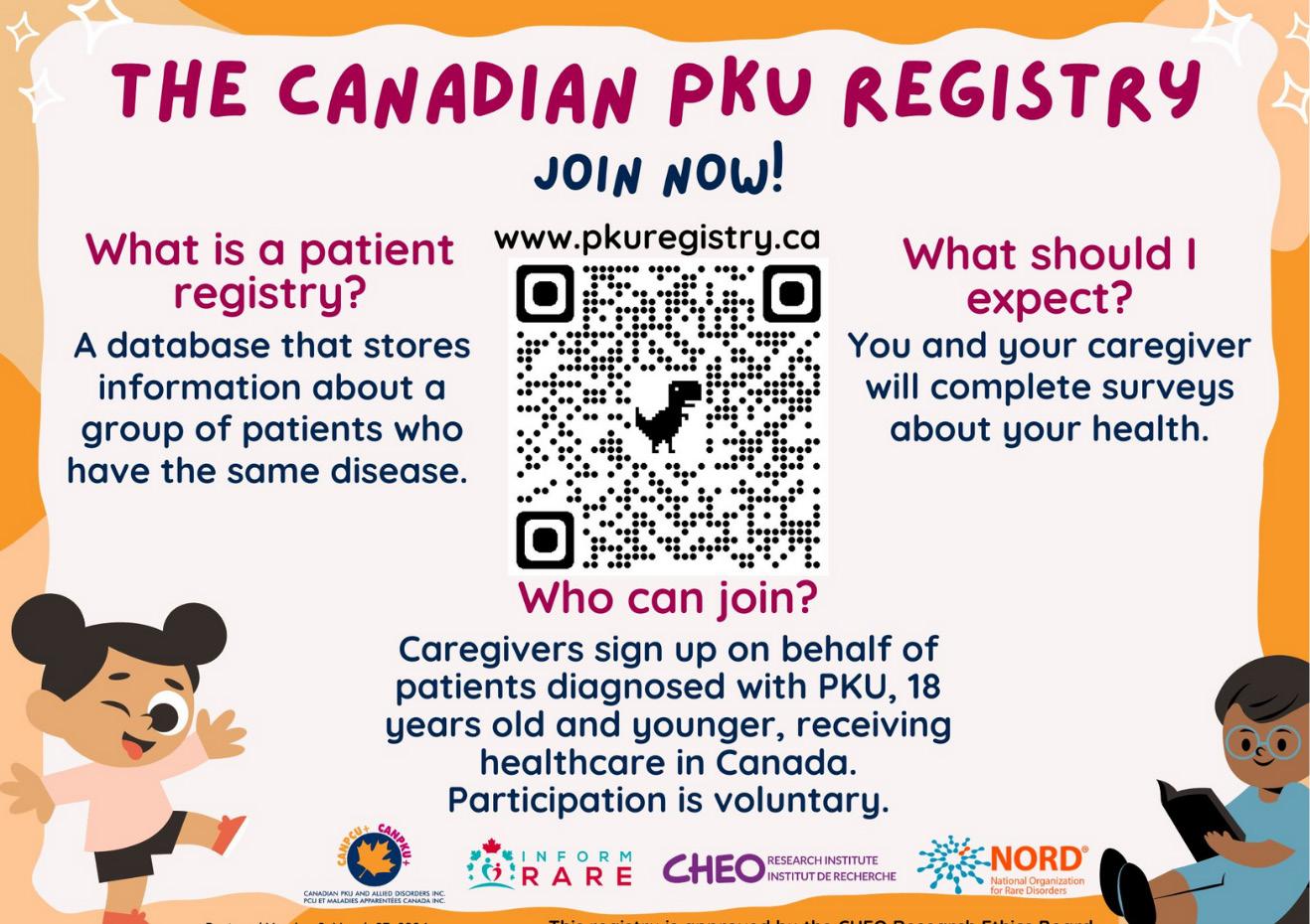

Your voice shapes what E3 Advocacy Magazine becomes next. Every issue is built for you - the patients, caregivers, healthcare professionals, and advocates who make up our community - and the best way to make sure we’re getting it right is to hear directly from you.
Whether you’ve read one issue or every issue since the first, your perspective matters. Taking five minutes to complete this short survey helps us bring you the stories, research, and resources that matter most, in the way that serves you best. We read every response, and we’re genuinely grateful for the time you take to help us grow. Thank you for being part of this community - and for helping shape where we go from here.
Click here or scan below to give your feedback!









































is a multifaceted professional whose career spans patient advocacy, business, and post-secondary education, showcasing her dedication to significantly impacting these areas.
Family circumstances drove her transition into patient advocacy During the last 15 years, she has worked tirelessly to bridge the gap between the healthcare system, patients, and pharma stakeholders. Her empathetic approach and dedication to advocacy have made her a respected figure in this field. She lobbies for a healthcare system based on patient- centricity. She supports other patient organizations in becoming better advocates by leading Heal Canada and CACHEducation. Cheryl has recently achieved her greenbelt in VBHC, and is in pursuit of her DBA.
is the Program Manager at Heal Canada. Wendy holds a B.A. and a Diploma in Human Relations and Family Life Education from McGill University. She is certified in foot reflexology.
Throughout her career, she has showcased her insightful perspectives through her writings, which have appeared in publications such as The Montreal Gazette and Ottawa’s Globe and Mail. She has also contributed to specialized platforms like Booming Encore and Refresh Reflexology Magazine, demonstrating her versatility in addressing diverse audiences. Her unique observation on the initial days of the pandemic lockdown is captured in the anthology Chronicling the Days: Dispatches from the Pandemic, published by Guernica Editions in the spring of 2021.
is the Administrative Coordinator at Heal Canada. Anna holds a B.A. in Management of Organizations and Business Administration.
Throughout her career, Anna has brought clarity to complex business challenges by leveraging data. With over six years of experience in data analysis and operations, she has held key analyst roles at different companies. Her expertise spans reporting, process optimization, and strategic insight generation, supporting decision-making across departments and international teams. Now, she continues to apply her skills to improve performance and efficiency of Heal Canada.
SUMMER 2026 | Issue 13
Remember to check out our issue of our other magazine, My Blood, My Health, coming out soon!