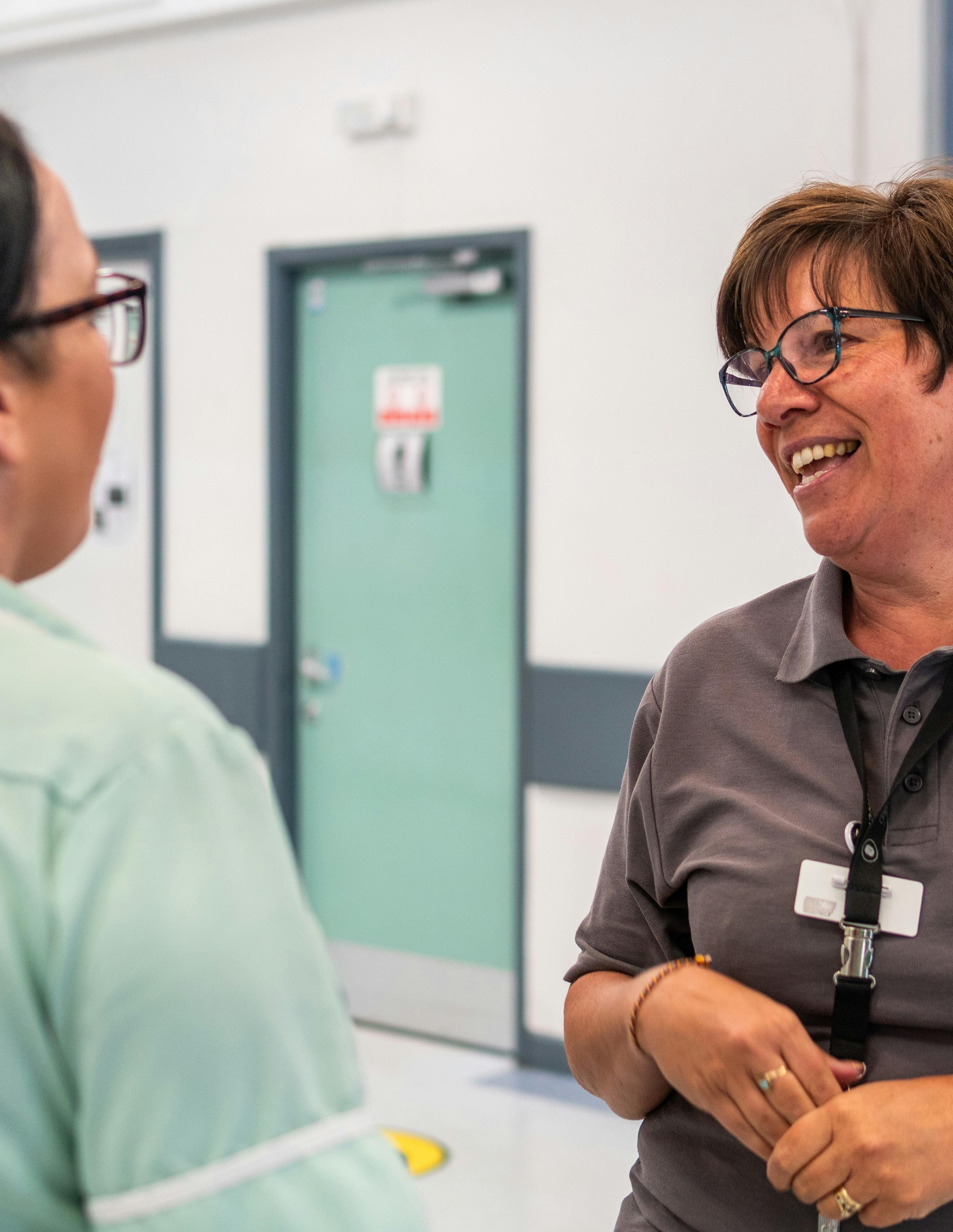
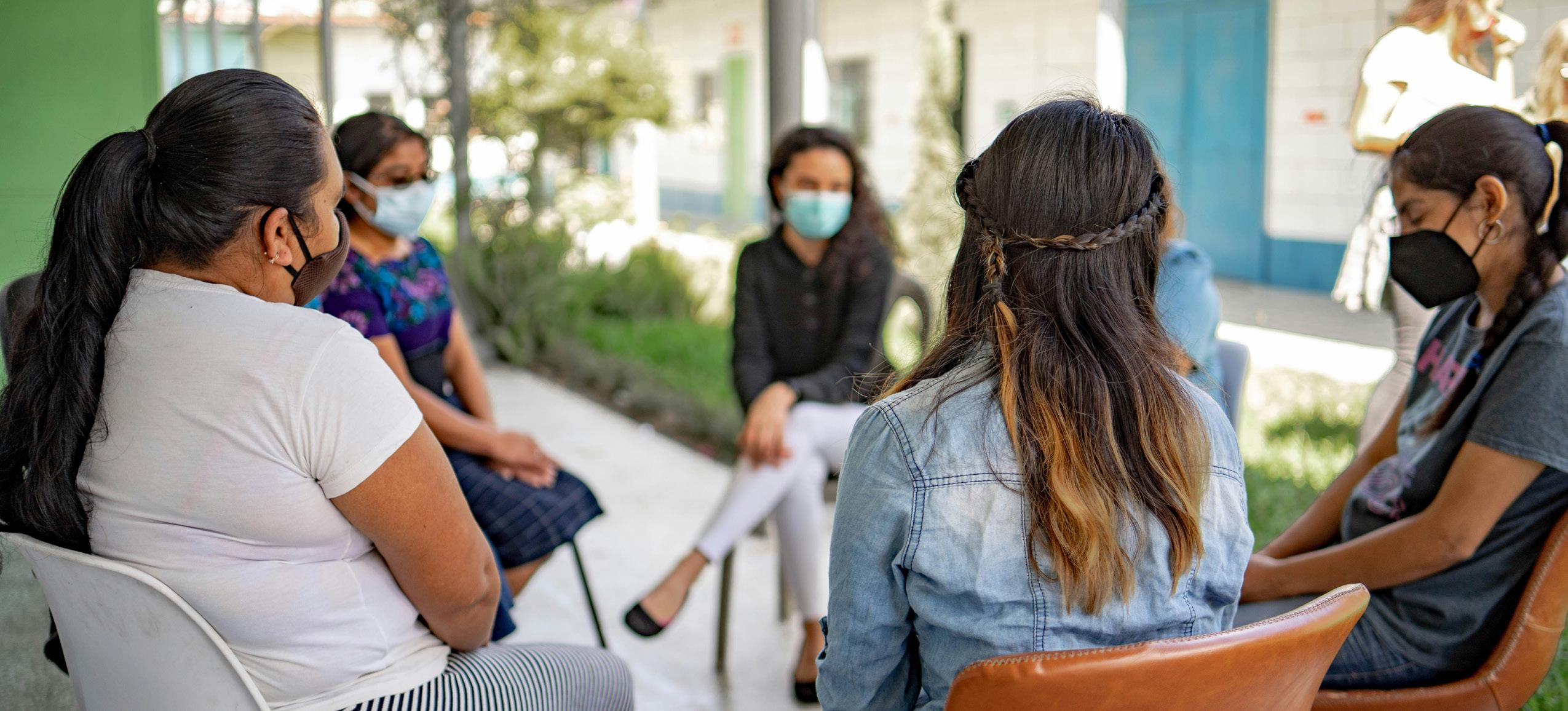
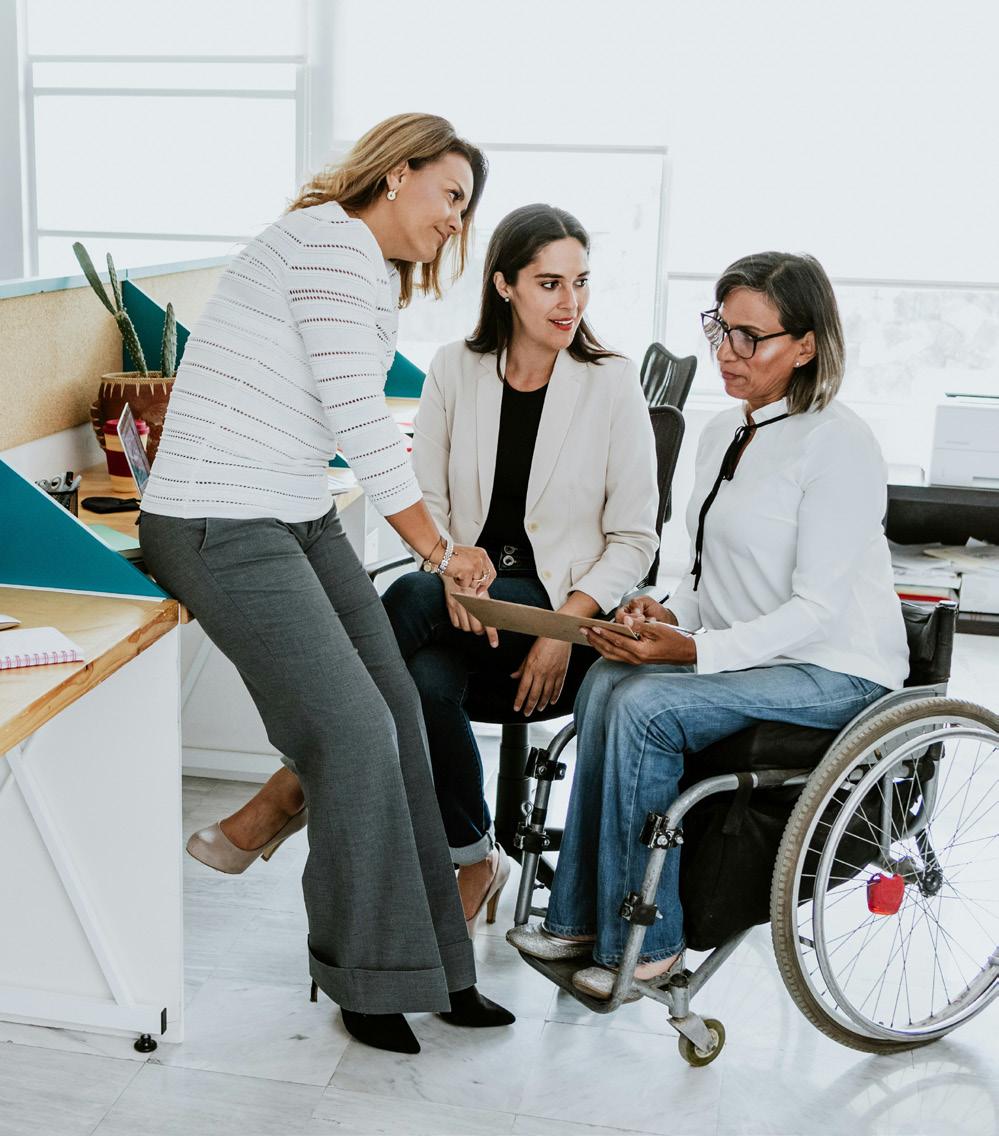
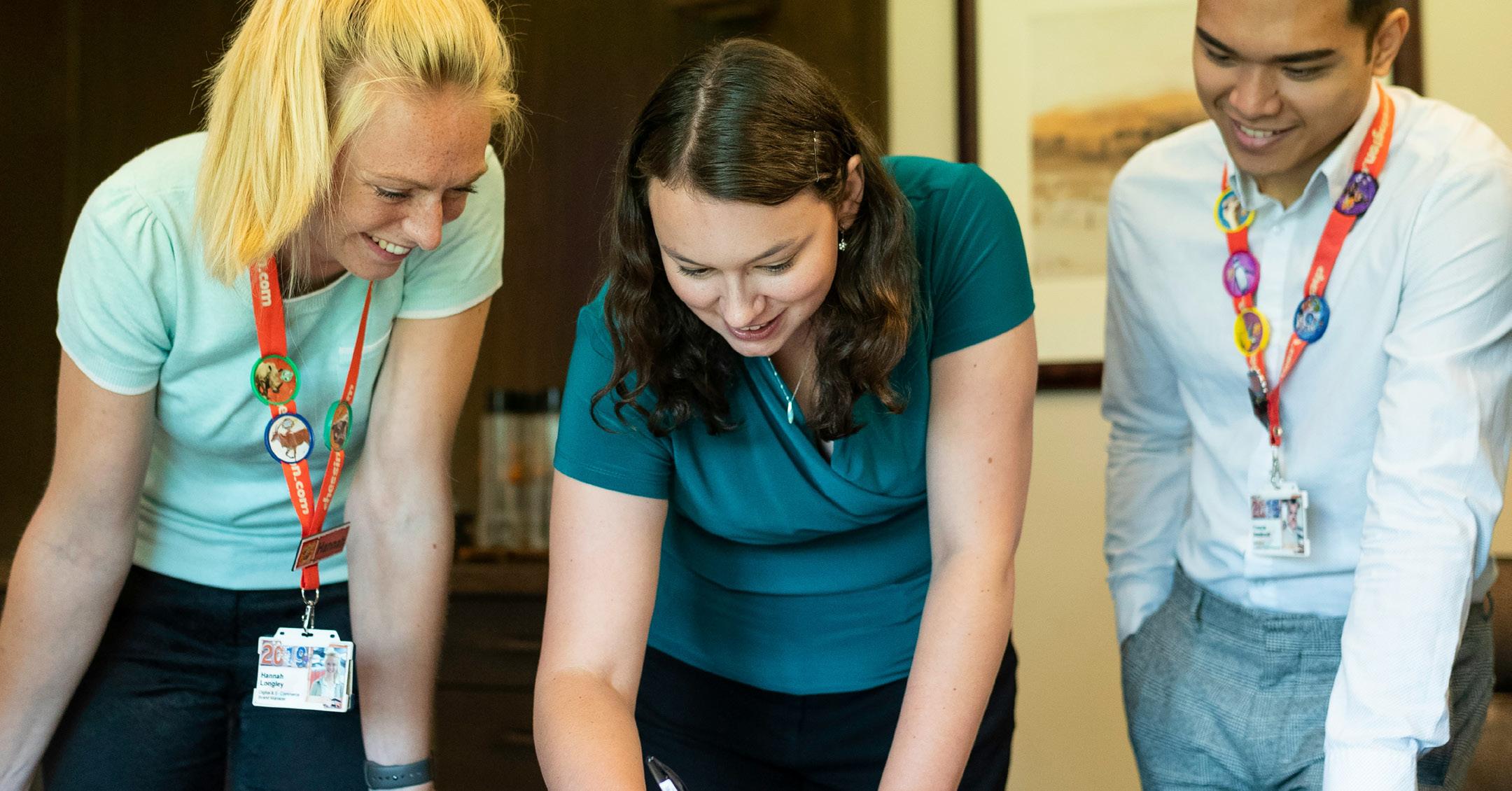
CACHEducation is evolving to better serve the needs of patient advocates and healthcare professionals with its rebrand to CACHEducation Academy. This transformation reflects an expanded commitment to delivering high-quality, structured learning experiences tailored to the ever-changing landscape of patient advocacy and healthcare education. As part of this rebrand, CACHEducation Academy will introduce Advanced Curriculum offerings starting in April 2025, providing deeper insights, specialized training, and enhanced skill development for those looking to elevate their expertise. This next phase marks a significant step forward in strengthening the capacity and impact of patient advocates through comprehensive and innovative education.
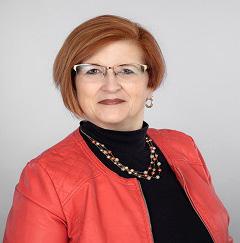
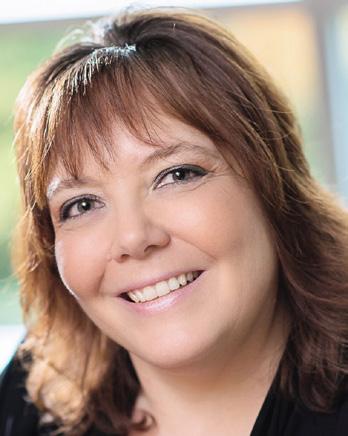
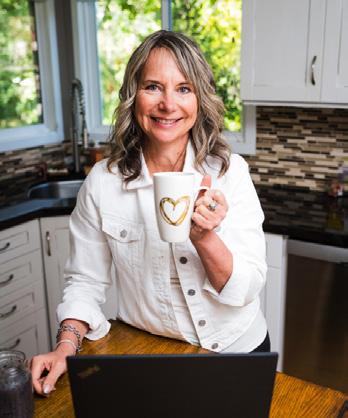
“Enrolling in CACHEducation was a game-changer for me as a patient advocate. The program provided invaluable knowledge, practical skills, and a supportive community that empowered me to make a real impact in healthcare advocacy.”
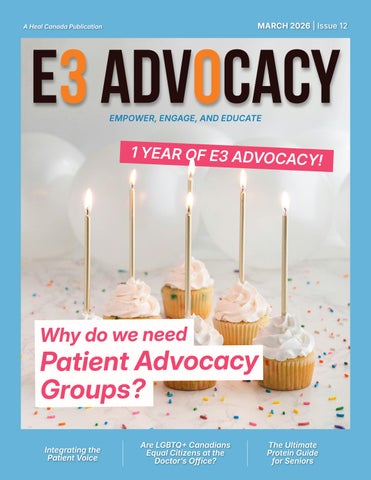
E3 Advocacy
A Heal Canada Digital Magazine
MARCH 2026 | Issue 12
Founders Note
PRINCIPAL TOPIC
WHY DO WE NEED PATIENT ADVOCACY GROUPS?
Integrating the Patient Voice
Stronger Together: Why Patient Advocacy Groups Matter
Why Canada Needs More Patient Advocacy
ACCOUNTABILITY, BELONGING AND COMMUNITY
An Introduction to Queering Cancer and the TRANSforming Gyne Cancer Care Project
Are LGBTQ+ Canadians Equal Citizens at the Doctor’s Office?
MENTAL HEALTH
Reading for Well Being
The Science of Slowing Down
Spring into Happiness: Mood-Boosting Tips for Warmer Days
Toxic Positivity vs. Healthy Positivity
SENIOR HEALTH
The Ultimate Protein Guide for Seniors
How to Overcome the Guilt of Moving a Parent to a Senior Residence
PEDIATRIC HEALTH
GLOBAL PARTNERS
ADVOCACY SPOTLIGHT
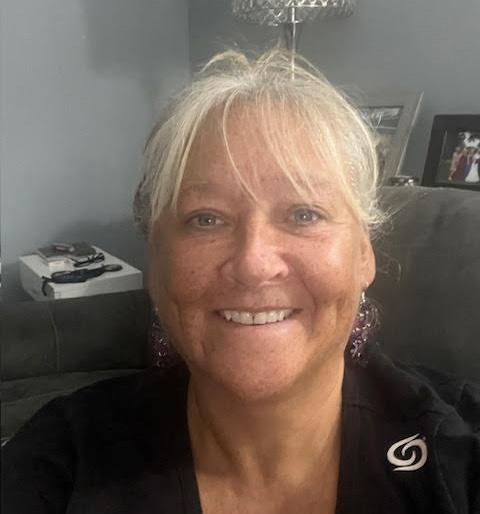
Spotlight On: Sue Lemoine
Spotlight On: Dr. Joanna Pozzulo
PATIENT JOURNEY
My Journey with Chronic Myeloid Leukemia
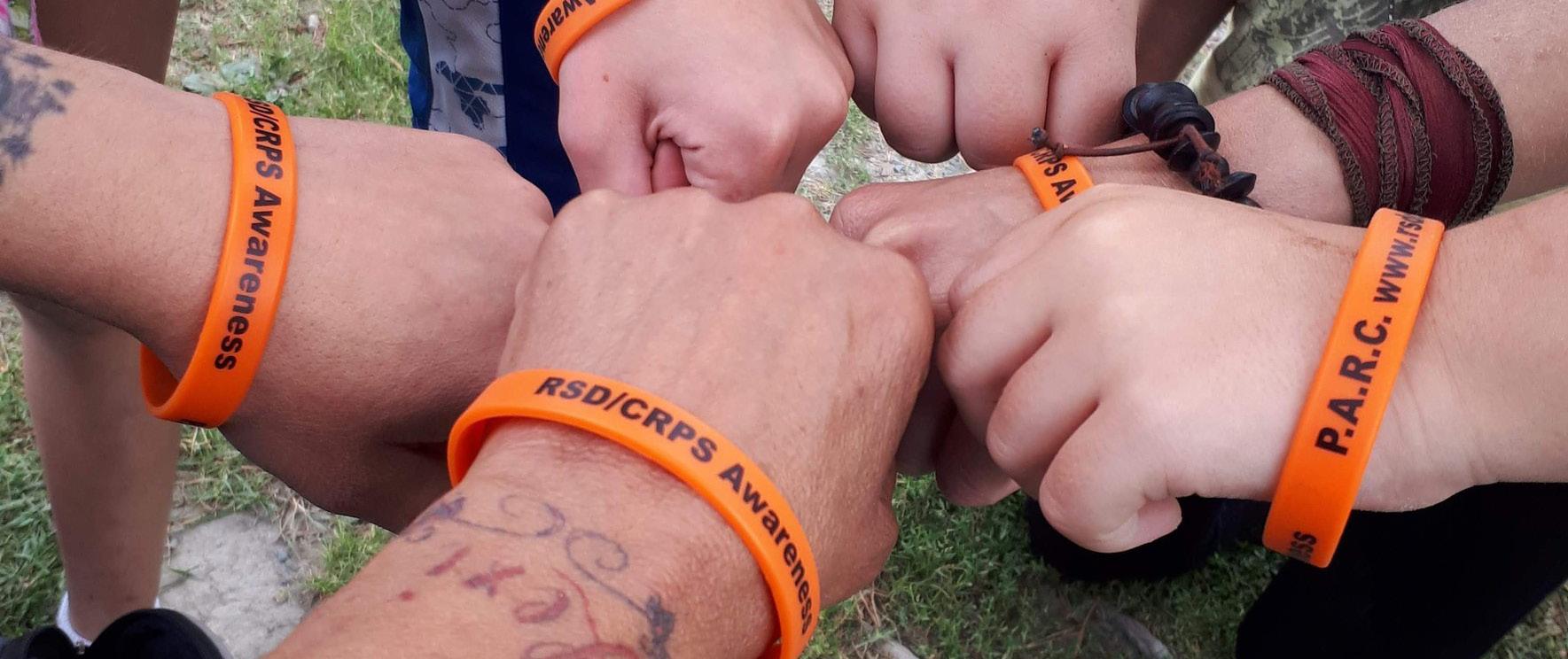
Finding Hope in the Hardest Pain: My CRPS Journey
Mental Wellness
Every Brain Has a Different Story
My Cancer Journey: A Vote for Integrative Healthcare
LIVING WELL
Love, Travel, and Belonging
Can Reading Beat Loneliness Better than Socializing?
Understanding Perimenopause, Menopause, Post Menopause and Andropause Through Foundational
E3 Advocacy
Recipes
The Smile File
ASK THE EXPERT
RESOURCES
Heal Canada Resources
Clinical Trials and Registries
Alliances Supporters
Heal Canada Team
Team Members: Cheryl Petruk, Wendy Reichental, and Anna Polovenko
Designer: Richie Evans
E3 Advocacy is a bimonthly patient advocacy magazine distrubted by Heal Canada. It has been running for 10 issues over 1 year and is seen globally, serving a variety of patient communities.
Heal Canada is a registered Non Profit Organization in Canada
Visit healcanada.org to download this current issue and subscribe for future issues admin@healcanada.org
Disclaimer: The Patient Advocacy Digital Magazine provides general information and resources to promote patient empowerment and awareness. The content is not a substitute for professional medical advice or treatment. Always consult with qualified healthcare professionals for personalized guidance regarding your specific medical condition or situation.
No part of this publication may be reproduced, distributed, or transmitted in any form or by any means, including photocopying, recording, or other electronic or mechanical methods, without the prior written permission of the publisher, except in the case of brief quotations embodied in critical reviews and certain other noncommercial uses permitted by copyright law. For permission requests, please contact: admin@healcanada.org
E3 Advocacy is a publication of Heal Canada, supporting education, empowerment, and engagement in patient advocacy.
Founder’s Note
Celebrating One Year of E3 Advocacy
As E3 Advocacy Digital Magazine celebrates its first year, I feel humbled and grateful. What started as a vision to amplify the voices of patients, advocates, and those working hard to improve healthcare has become a platform that connects people from many communities, fields, and countries.
This momentum is both a privilege and a responsibility. It shows the strength of working together toward a shared goal.
At Heal Canada, we are deeply thankful for the engagement, trust, and support that have helped E3 Advocacy become what it is today. Each article, story, and voice in these pages reminds us why this work is important. Advocacy is not abstract; it is personal, meaningful, and necessary.
I want to thank the amazing people who have been key to this journey. My heartfelt thanks to Wendy, Anna, Richie, Brigitte, and David. Your steady commitment, insight, and dedication have shaped the magazine’s integrity and quality. This milestone belongs to you as much as it does to all of us.
As we look to the future, we see that strong, informed, and caring patient advocacy is needed more than ever. E3 Advocacy will keep working to lift up voices, encourage conversation, and make a real difference in healthcare.
This first year is just the start. Together, we will keep building on this foundation and reach even more people in the years ahead.
With sincere appreciation,
Cheryl Petruk Founder, Heal Canada & E3 Advocacy Digital Magazine
The Importance of Patient Advocacy
“it is becoming increasingly clear that our “universal” system cannot survive—let alone thrive—without a radical shift in power”
Integrating the Patient Voice
By Cheryl Petruk MBA, VBHC GB, B. Mgt DBA student
When we discuss Canadian healthcare, it’s easy to focus on the details—wait times, surgical backlogs, funding disputes, and constant crisis headlines. But behind all the numbers and reports, there’s a simple truth: the system is meant to serve the person in the waiting room.
As we navigate 2026, it is becoming increasingly clear that our “universal” system cannot survive— let alone thrive—without a radical shift in power. For too long, the Canadian healthcare ecosystem has operated as a top-down hierarchy where patients are passive recipients of care. To build a sustainable future, we must integrate the Patient Voice into every level of decision-making and recognize Patient Advocacy Groups (PAGs) as the vital bridge that enables this integration.
THE MISSING PIECE: LIVED EXPERIENCE AS CLINICAL DATA
In medicine, data often refers to measurements such as blood pressure, MRI scans, and lab results. These are important, but they don’t tell the whole story. They show what’s happening inside the body, but not what it’s like to live with an illness in Canada’s social safety net.
The Patient Voice is about lived experience, a kind of expertise that medical training can’t replace. When someone explains how a drug’s side effect keeps them from working in rural Saskatchewan, or how poor coordination between Toronto and North Bay leads to mental health problems, they’re giving valuable feedback about the system.
By including the patient voice, we transition from provider-centred care (what the doctor thinks is best) to person-centred care (what the patient needs to live a fulfilling life). Studies have shown that when patients are actively involved in their care plans, they experience fewer medical errors, shorter hospital stays, and better long-term outcomes. In a system as strained as Canada’s, these efficiencies aren’t just “nice to have”—they are a necessity for the system’s survival.
WHY PATIENT ADVOCACY GROUPS ARE NON-NEGOTIABLE
If the Patient Voice is the “what,” then Patient Advocacy Groups (PAGs) are the “how.” It’s not realistic to expect a single patient, who may be exhausted from illness or facing a new diagnosis, to deal with Health Canada’s bureaucracy or influence provincial health ministries on their own.
PAGs fill three critical voids in our current ecosystem:
1.
Collective
Power and Policy Influence
One person alone may not be heard, but a PAG can amplify many voices. Groups like the Canadian Cancer Society, Patients for Patient Safety Canada, and smaller rare disease organizations bring together individual stories to create a stronger message. They can hire policy experts, push for laws like “Vanessa’s Law,” and make sure that when new drugs are considered for public funding, the people who need them are part of the discussion.
2. Navigating the “Silos” of Care
Canada’s healthcare system is known for being fragmented. There are 13 provincial and territorial systems that often don’t talk to each other. For patients with complex conditions, this separation can be overwhelming. PAGs help by providing support, explaining patients’ rights across regions, and connecting them with specialists, clinical trials, and peer networks that government programs can’t always offer.
3. Decolonizing and Diversifying Healthcare
The Patient Voice is not the same for everyone. Indigenous, Black, and other marginalized communities in Canada face systemic biases that result in worse health outcomes. Today’s advocacy groups, such as the Indigenous Physicians Association of Canada and grassroots health advocates, are crucial to identifying and addressing these gaps. They work to make the system culturally safe and fair, so that universal healthcare truly includes everyone.
FROM PASSIVE PARTICIPANT TO ACTIVE PARTNER
Bringing the patient voice into healthcare isn’t just about listening; it’s about partnership. In 2026, patients aren’t just research subjects—they help design the research. Programs like Alberta’s PaCER initiative train patients to lead their own projects.
When patients help decide what research matters, the system stops wasting money on questions that don’t affect real people and starts focusing on what truly improves quality of life.
Decision Making
Role of the Patient
Success Metric
Clinical expertise only
Passive recipient
Clinical markers (e.g., heart rate)
Clinical expertise + Lived experience
Active partner / Co-designer
Quality of Life & Functional Outcomes Advocacy
THE PATH FORWARD: A CALL FOR INSTITUTIONAL HUMILITY
For Canadian healthcare to move forward, our institutions—hospitals, medical associations, and governments—need to show humility. They must admit they don’t have all the answers.
Including the patient voice means sharing some control. It means giving PAGs a real seat at the board table, not just a spot on an advisory committee that meets once a year. It also means funding these groups so they can stay independent and strong.
The aim is to create a Learning Health System. This kind of system learns from its mistakes, celebrates its successes as patients see them, and keeps improving based on real-world results.
The Patient Voice is the most overlooked resource in Canadian healthcare. By supporting Patient Advocacy Groups and focusing on real human experiences, we can shift from a system that is just managed to one that truly cares.
Cheryl A. Petruk MBA, VBHC GB, B. Mgt DBA student is a multifaceted professional whose career spans patient advocacy, business, and post-secondary education, showcasing her dedication to significantly impacting these areas.
Transforming healthcare by measuring what matters most to patients
Global healthcare systems face increasing pressure from rising costs, growing demand, and persistent variation in quality of care. Too often, success is measured by what is easiest to count - rather than what truly matters to patients.
The International Consortium for Health Outcomes Measurement (ICHOM) exists to change this and restore healthcare to its purpose: improving health.
ICHOM is an independent, not-for-profit organization that brings together healthcare professionals, researchers, and people with lived experience to define and standardize patient-centered outcome measures. By enabling healthcare systems worldwide to measure outcomes that matter most to patients, ICHOM supports meaningful, lasting improvement in care.
60%
of the global disease burden covered
To date, ICHOM has developed 47 global Sets of Patient-Centered Outcome Measures, spanning cancers, cardiovascular disease, mental health, musculoskeletal conditions, and more. These Sets create global consensus on the outcomes that matter most - helping healthcare systems deliver and pay for care that meets patients’ needs.
ICHOM’s global reach helps patient voices be heard across countries, conditions, and systems. By making outcomes standard worldwide, ICHOM makes sure patient perspectives shape learning, policy, and system changes everywhere.
Cheryl Petruk, CEO, Heal Canada
How ICHOM Supports Your Outcomes Journey
Learn > Measure > Improve > Validate > Influence
ICHOM supports healthcare organizations at every stage of outcomes measurement - from building knowledge to demonstrating impact
Learn
Measure
Resources, Webinars & Education
Build knowledge and capability through practical guidance, real-world examples, webinars, and educational programs designed to support outcomes measurement in practice.
Sets of Patient-Centered Outcome Measures
ICHOM Sets define validated outcome measures for specific conditions, based on what matters most to patients. They provide the architecture for clinical pathway change, registry development, data dashboards, transparent comparison, and identification of performance targets for procurement and contracting.
Improve
Validate
Influence
Connect & Learning Collaboratives
Apply outcomes measurement in practice and learn from peers facing similar challenges. Learning Collaboratives support shared learning, accelerate improvement, and translate outcomes data into action.
Accreditation
Demonstrate excellence through formal recognition of outcomes measurement aligned with global best practice.
Conference
& Partner Program
Share learning, influence the field, and help shape the future of value-based healthcare through collaboration and leadership.
If we are not measuring outcomes that matter to patients, how can we know whether healthcare is truly improving?
Patient, ICHOM Working Group Member
What are Sets of Patient-Centered Outcome Measures?
Patient-centered outcome measures go beyond traditional clinical indicators to capture what matters most to people living with a condition - including symptoms, function, quality of life, and survival.
For example in the case of colorectal cancer, this means measuring not only survival, but also outcomes such as bowel function, fatigue, and quality of life.
By combining patient-reported outcomes with clinical data, healthcare providers gain a more complete understanding of whether care is truly improving patients’ lives. All ICHOM Sets include risk-adjustable data points, enabling meaningful comparison across providers and over time.
Using ICHOM in practice
Healthcare organizations around the world use
ICHOM Sets to:
Measure outcomes consistently across patient populations to optimize care pathways and support shared decisionmaking
Compare performance over time and across providers to drive quality improvement and inform payment models
Identify unwarranted interventions and variations in care
• Support personalized medicine based on real-world evidence
• Create consistency in clinical registries that enable real-world data development
Improve transparency, quality, and patient experience
ICHOM in numbers*
575+ implementing sites in over 60 countries
47 Sets of PatientCentered Outcome Measures
5,000+ citations in peer-reviewed publications
Start measuring what matters at ichom.org
14 ICHOMaccredited hospitals
*As of January 2026
Stronger Together
Why Patient Advocacy Groups Matter
By Najeeb Ashraf, M.Sc. MBA, CMPP
I often revisit this phrase at work: a patient alone is an unheard patient. In over a decade of working silently and patiently in patient engagement, and over two decades in Medical Affairs/Medical Communications (MedComms), my lived experience as a patient with type 1 diabetes for over four decades has helped me perceive firsthand what happens when patients try to negotiate the healthcare system in isolation, and what becomes possible when they do not. Every system carries assumptions about who matters most. In Canadian healthcare, that assumption has too often excluded the patient. This is not due to indifference; a clear sense of purpose drives most clinicians, and most policymakers are earnestly working toward significant reform. But good intentions do not automatically produce patient-centered systems. Design does. And for much of our healthcare history, patients were designed around, not designed with.
The blind spot exists because the people most affected by healthcare decisions have, for too long, been the last ones consulted in making them. The answer to much of what ails our healthcare system is not a new drug, policy, or technology, but something more ancient and more powerful: people speaking with one voice and refusing to be invisible. Patient advocacy groups are the voice that exists to close that gap. From my experience as a patient and a MedComms professional, I can
say with confidence that these organizations are not peripheral to a well-functioning healthcare system but are essential to it.
WHAT PATIENT ADVOCACY GROUPS ACTUALLY DO
When people hear “patient advocacy group (PAG),” many picture a circle of patients telling stories and giving comfort to one another; that peer connection is real and valuable. But it is only the beginning. Heal Canada as an organization operates under a far broader mandate: training patient advocates, developing educational resources, building community capacity, and ensuring that patient perspectives are embedded in the policy and regulatory processes that influence health care delivery. They function as a connective tissue between people living with illness and the institutions that make decisions about their care.1 This is not a passive role but strategic, technical, and influential.
FROM MARGINS TO THE TABLE: A DECADE OF PROGRESS
One of the most persuasive indicators of patient advocacy’s rising influence in Canada is what has happened within the health technology assessment (HTA) space, the formal process through which Canada’s Drug Agency (CDA) evaluates new treatments for public funding.
In 2014, patient input appeared in just 18% of HTA submissions. By 2023, that number had climbed to 95%.2 This is a seismic shift. It did not happen by accident. Advocacy organizations spent years educating patient communities about the HTA process. They supported them through complex submissions and showed regulators that lived experience is legitimate, irreplaceable evidence.
These matters are even more important now. Clinical trial data, no matter how rigorous, cannot capture what it feels like to manage a condition day to day. It misses fatigue that stops a parent
from attending a child’s school play, the anxiety with every lab result, and the monetary burden of uncovered treatments. Patient input brings that reality into the room. It changes what gets funded and how it gets funded. Only 15% of Canadian PAGs have submitted their own input to this process, irrespective of increased inclusion of patient input in HTA submissions.2 This means that most patient communities, especially those representing racialized, Indigenous, or lowerincome groups, are still absent from some of the
most impactful healthcare discussions. This lack of representation is not only a missed opportunity but an issue of health equity.
ADVOCACY ACROSS THE SPECTRUM
The impact of PAGs stretches beyond drug reviews. Across Canada’s health policy landscape, from Health Canada’s regulatory processes to Patented Medicine Prices Review Board proceedings to Pan-Canadian Pharmaceutical Alliance pricing negotiations, organized patient communities shape the rules that govern their own care.3,4
They fight for drug pricing systems that do not force families to choose between prescriptions and groceries. They monitor post-market safety and offer real-world data that augments clinical evidence after a product’s approval. They flag access disparities that official systems are slow to detect. These might be a rural patient driving hours for a specialist or a newcomer finding their way through a system in a language that is not their own.
Heal Canada’s approach shows systems-level thinking. Its mission prioritizes partnership with healthcare organizations, academic institutions, and government. This is a strategy, not idealism.
EQUITY CANNOT BE AN AFTERTHOUGHT
Canada’s public healthcare system is a source of national pride. But universal coverage and equitable outcomes are not the same. Data is unambiguous. Indigenous communities, racialized Canadians, people with disabilities, elderly populations, and those in rural or remote regions encounter worse health outcomes. These differences are not due to biology, but to barriers embedded in the system itself.
PAGs are often the only institutions able to name these disparities clearly because they live within the affected communities. They provide navigation support, culturally appropriate education, and financial guidance.5 Often, the formal healthcare system fails to offer these. Advocacy groups show up where institutions do not. When a critical mass of these organizations aligns around a shared issue such as pharmacare, long-term care standards, mental health infrastructure, or health data governance, they become a formidable force for change. Their strength is not just in numbers, but in credibility, which comes from lived experience and cannot be replicated by any think tank, consulting firm, or government working group.
THE NEXT FRONTIER: AI, DIGITAL HEALTH, AND THE PATIENT VOICE
The main challenge now facing patient advocacy is one most organizations are still learning to address: the emergence of digital healthcare and artificial intelligence (AI). AI is remodelling diagnostics, drug development, clinical trial recruitment, and patient monitoring at an extraordinary pace. Electronic health records now centralize sensitive patient data. This raises urgent considerations about privacy, consent, and bias. Telehealth has expanded access for some patients. For those without reliable internet, digital literacy, or devices, it creates new barriers.
In each of these developments, the patient voice must be present from the start. Advocacy organizations are uniquely positioned to represent patient interests in AI governance, digital health policy, and data ethics.5 They can do this well only if they have enough resources, training, and access.
I take this responsibility seriously in my own work. The same rigour we use for drug submissions and policy consultations must now apply to digital infrastructure. The stakes are just as high. The window to shape these systems before they become set in their ways is narrowing.
A CALL TO INVEST IN ADVOCACY INFRASTRUCTURE
Patient advocacy in Canada is too often treated as volunteer work, happening at the margins of the healthcare system and driven by passion rather than investment. This framing must change.
Advocacy organizations require stable, transparent, multi-year funding. They require access to training, data, and regulatory expertise, as well as diverse leadership that reflects the communities they serve. And they
require recognition, from governments, health authorities, industry, and clinicians, that the patient voice is not a consultation checkbox. It is a quality-improvement mechanism that improves the entire healthcare system.
The evidence supports this. Countries that invest in robust patient engagement infrastructure, from policy design to HTA processes and clinical guideline development, see better outcomes. They achieve more productive use of resources and greater public trust in healthcare institutions. Canada has a foundation. What we need now is the commitment to build on it.
WHY IT MATTERS TO ME
I did not come to this work through a career plan. I came through conviction, defined by years of living with T1D and witnessing the difference between a patient who is supported, informed, and connected to a community, and one who is not. The impact it has on all patients, regardless of their involvement. That difference is not marginal. It is clinical. It is human. And it is preventable.
Heal Canada’s vision, a patient-centered healthcare system that focuses on the wellbeing, dignity, and rights of every individual, is
not aspirational language on a website. It is a direction, a north star that guides how we train advocates, build coalitions, and hold systems accountable.
The patients who benefit from strong advocacy organizations are not abstractions. They are the mother managing her child’s rare disease while working two jobs, an older adult navigating a dementia diagnosis without family nearby, a young adult living with a chronic condition in a city that was never designed with their needs in mind, or many more.
We are stronger together. And investing in the organizations that bring us together is one of the smartest, most humane things Canada can do for the future of its health care system.
Mohammed Najeeb Ashraf (Najeeb) is a patient advocate and engagement strategist who has always worn two hats, and the friction between them is where his best thinking happens.
For over four decades, Najeeb has been a patient. Long enough to understand the difference between being treated and being heard. For more than two decades, he has also been a medical communications professional, working at the intersection of science, communications, and patient engagement to ensure that critical health information reaches the people who need it, in a form they can use.
These two identities do not compete. They collaborate. The patient in him grounds every strategy in human reality. The professional in him ensures that advocacy is not just passionate but is precise, evidence-informed, and built for impact. Together, they give him something rare in healthcare: one foot inside the system, one foot outside it. That dual vantage point is exactly what equity-driven, patient-centered advocacy demands.
Najeeb can be reached at najeeb.ashraf@scivoc.com or www.linkedin.com
REFERENCES
1. Heal Canada. Home – Advocacy, Education, Collaboration. Available at: https://healcanada. org
2. Zebricks Blog. The Rise of Patient Advocacy Groups’ Involvement in HTA Submissions. Published November 3, 2024. Available at: https://blog.zebricks.com/the-rise-ofpatient-advocacy-groups-involvement-in-htasubmissionss
3. Government of Canada: Ministerial Briefing Volume I: Overview of the Health Portfolio. Available at: Ministerial Briefing Volume I: Overview of the Health Portfolio - Canada.ca
4. CACHEducation. Advocacy to Access: How Patient Groups Shape Canada’s Drug Approval Process. Published December 21, 2023. Available at: https://cacheducation.org/news/ advocacy-to-access-how-patient-groupsshape-canadas-drug-approval-process/
5. CACH Education. Patient Advocacy’s Role in 2024 Canadian Healthcare Trends. Published January 10, 2024. Available at: https:// cacheducation.org/news/patient-advocacysrole-in-2024-canadian-healthcare-trends/
Seeking Cancer Survivors and Caregivers to Join Our Research Team!
The Challenge
Chemotherapy is life-saving, but it can have lasting effects on how the body functions. We are studying how these treatments affect blood sugar levels
This is important because poorly controlled blood sugar can lead to long-term health problems like diabetes
How We Study This Problem
We study the effects of chemotherapy using cell and animal models in the laboratory
We are also planning a new clinical study of patients diagnosed with colorectal cancer to investigate blood sugars before and after chemotherapy.
How You Can Help
We are looking for partners to ensure our work reflects what matters to patients Your insights will help shape the entire project, from the lab to the clinic
Commitment
Participation is flexible (maximum 2 hours per month) and you may withdraw at any time
We are currently seeking input for a May 2026 grant submission
Roles include one-on-one and group discussions, as well as providing input on study design and grant proposals
Compensation
We offer compensation of $40/hour for your time and expertise
Why Canada Needs More Patient Advocacy
And Why It Matters Now
By Cheryl Petruk
Canada’s healthcare system is a point of national pride and even global envy. It is based on universality, accessibility, and equity, and is often seen as a global example. However, the system is under increasing pressure and struggling to keep up with Canadians’ changing needs. Patient advocacy is a key factor that is often overlooked in addressing these challenges.
Patient advocacy in Canada is no longer optional—it is urgently needed. With the system facing challenges like an aging population, more chronic diseases, staff shortages, and rising inequities, patients’ voices need to be central in decision-making. The real question is not if patient advocacy matters, but why it is not already a core part of our system, and why we must act now.
THE CURRENT STATE OF CANADIAN HEALTHCARE: A SYSTEM UNDER PRESSURE
Canada’s healthcare system faces many structural and operational problems. Wait times for specialists and diagnostic tests are still long. Emergency rooms are crowded, and access to primary care varies by region, city, rural area, and province or territory. Meanwhile, healthcare workers are dealing with burnout, staff shortages, and more paperwork and system complexities.
These problems are made worse by more people living with chronic and complex diseases, especially in cancer, blood disorders, heart disease, and mental health. Patients are living longer with complex health needs, so they need better-coordinated, ongoing, and tailored care.
Despite these challenges, the system still focuses more on providers than on patients. Decisions are usually based on clinical, administrative, or financial factors, and often do not include patients’ real-life experiences. This gap means that care may look good on paper but does not always meet patients’ actual needs.
DEFINING PATIENT ADVOCACY: BEYOND SUPPORT TO SYSTEM TRANSFORMATION
Many people think patient advocacy just means helping individuals get through the healthcare system. While that is important, today’s patient advocacy goes much further.
At its core, patient advocacy involves:
• Amplifying patient voice in policy, research, and care design
• Ensuring equitable access to care, treatments, and services
• Bridging gaps between patients, providers, and decision-makers
• Driving system-level change through lived experience insights
• Enhancing health outcomes by aligning care with patient needs and preferences
In this light, patient advocacy is not just a side activity. It is a key way for healthcare systems to become more responsive, efficient, and fair.
WHY PATIENT ADVOCACY MATTERS: THE EVIDENCE AND THE IMPACT
Increasingly, evidence shows that including patient perspectives leads to better outcomes across many areas of healthcare.
Improved Health Outcomes
When patients are involved in their care, they are more likely to follow treatment plans. Patients who understand their health and feel listened to are more likely to participate in decision-making. This results in better health outcomes and fewer hospital readmissions.
Enhanced Quality of Care
Patient advocacy creates an important feedback loop in the system. It helps spot problems in care that standard measures might miss. Patients often point out issues such as poor communication, a lack of cultural understanding, and barriers to access.
Increased System Efficiency
Some think involving patients slows things down, but it often makes better use of resources. When care is designed around patient needs, there are fewer unnecessary visits, repeated tests, and preventable problems.
Equity and Inclusion
Patient advocacy is key to addressing disparities in healthcare access and outcomes. Marginalized groups, such as Indigenous peoples, racialized communities, rural residents, and LGBTQ2A+ individuals, often face barriers. Advocacy helps make sure their voices are heard and leads to real change.
THE CANADIAN GAP: WHY WE ARE FALLING BEHIND
Despite its benefits, patient advocacy in Canada remains fragmented and inconsistently integrated across the healthcare system.
Structural Limitations
Unlike some other countries, Canada does not have a single, nationwide approach to patient engagement. There are some great examples, such as patient advisory councils and advocacy groups, but these efforts are often isolated and difficult to scale.
Tokenistic Engagement
Often, patients are asked only for feedback rather than being true partners in decision-making. They may be consulted after choices are made, not from the start. This limits how much their input can really help.
Lack of Formal Training and Infrastructure
There is insufficient investment in helping patients and organizations work together effectively. Patients are often asked to help without training or support, and healthcare organizations may lack the tools and skills to use patient input effectively.
Underutilization in Research and Policy
Patient views are still not adequately included in clinical research, health technology reviews, and policy-making. There has been some progress, especially with research focused on patients, but there is still a lot more to do.
WHY NOW? THE URGENCY OF THE MOMENT
The need for stronger patient advocacy in Canada is not new, but it has now reached a turning point. Several factors are coming together to make this the right time to act.
The Post-Pandemic Reality
The COVID-19 pandemic showed both the strengths and weaknesses of our healthcare system. It drew attention to problems such as unequal access, poor communication, and the need for trust. Patients also became more informed, involved, and outspoken about their needs.
This change in what patients expect is here to stay. Patients now want to be partners in their care, not just passive recipients.
The Rise of Value-Based Healthcare
Healthcare systems around the world are moving toward value-based models, where results compared to costs are most important. A key part of this is measuring what matters most to patients.
Patient-reported outcomes (PROs) and real-world evidence (RWE) are now essential for making decisions. Without strong patient advocacy, it is hard to collect and use this information well.
Digital Health Transformation
The rapid adoption of digital health tools such as telemedicine, patient portals, and remote
monitoring has brought both new opportunities and challenges. These tools can improve access and involvement, but if they are not designed with patients in mind, they could worsen inequalities.
Patient advocacy is essential to ensure digital changes are inclusive, user-focused, and meet real needs.
Increasing Complexity of Care
As treatments become more advanced, especially in areas such as personalized medicine, biologics, and cell therapies, patients face more complex care. Advocacy helps them understand their choices, get the right care, and make informed decisions.
Policy and Funding Pressures
Governments and healthcare organizations are under financial pressure, making it harder to decide how to use resources. Patient advocacy helps ensure these choices consider the real impact on the people most affected.
ORGANIZATIONS
Across Canada, patient advocacy groups are helping to close the gap between patients and the healthcare system. These organizations:
THE ROLE OF PATIENT ADVOCACY
• Facilitate patient education and empowerment.
• Conduct surveys and research to capture patient experiences.
• Engage with policymakers and healthcare providers.
• Develop tools and resources to support navigation and decision-making.
• Advocate for policy changes and improved access to care.
However, many of these groups have limited funding and resources. To reach their full potential, they need more investment and recognition as key partners in healthcare.
MOVING FORWARD: BUILDING A PATIENT-CENTRIC SYSTEM
To strengthen patient advocacy in Canada, everyone involved—patients, healthcare workers, policymakers, and stakeholder and industry organizations—needs to take concrete action. Now is the time to turn good intentions into real change.
Embed Patient Voice in Governance
Patients should have an official role in the leadership of healthcare organizations, research groups, and policy-making bodies. This means having seats on boards, advisory committees, and working groups.
Invest in Training and Capacity Building
Both patients and professionals need training to work well together. This includes learning about the healthcare system, improving communication, and incorporating patient input into decision-making.
Standardize Frameworks for Engagement
Creating national or provincial guidelines for patient engagement can make things more consistent and easier to expand. These guidelines should include best practices, methods for measuring progress, and clear accountability.
Integrate Patient-Reported Outcomes
Collecting and using patient-reported outcomes should be a regular part of clinical care, research, and policy. This makes sure decisions are based on what matters most to patients.
Strengthen Collaboration Across Stakeholders
Patient advocacy should not stand alone. Real change happens when patients, providers, industry, researchers, and government work together.
A STRATEGIC IMPERATIVE, NOT A MORAL AFTERTHOUGHT
Patient advocacy is often seen as a moral duty, and it is. But it is also a smart strategy. As the system becomes more complex and faces more limits, including patient voices, it is one of the best ways to improve results, work more efficiently, and keep the system strong.
Canada has what it takes to lead in this area. We have a strong healthcare system, a focus on fairness, and more patients and advocates getting involved. Now, we need the determination to turn plans into action.
THE TIME TO ACT IS NOW
The future of healthcare in Canada will not just depend on new technology, medical breakthroughs, or policy changes. It will depend on how well the system listens to, learns from, and works with patients.Patient advocacy is not just an extra—it is what holds the system together. It ensures healthcare is not only provided but also experienced in a way that is meaningful, fair, and effective.
The need is clear. The chance to make a difference is big. And the responsibility belongs to all of us. Now is the time to make patient advocacy a central part of Canada’s healthcare system, not just a supporting role.
HOPE comes streaming in.
The most rare stories on earth streaming free to your TV.
Podcasts!
Remember to look out for new episodes of our podcast, Empowering Voices, dedicated to amplifying the stories and insights of patients, healthcare professionals, and advocates in the blood disorder and rare disease communities.
Each episode will feature meaningful conversations on patient experiences, emerging research, and the evolving landscape of healthcare advocacy. Through Empowering Voices, we aim to educate, inspire, and drive change by bringing realworld perspectives to the forefront. Stay tuned for our first episode, coming soon— because every voice matters!
Listen now at https://www.healcanada.org/empowering-voice-podcast
Accountability, Belonging and Community
In this section, we provide information on ensuring that ABC/DEI is part of the patient conversation in our Health ecosystem. Our focus is to illuminate the pathways through which individuals grappling with health challenges can not only find their voice but also harness it to drive their own journey.
Healthcare and the patient’s experiences should not be determined by social determinants of health.
We believe that an informed and engaged patient is an empowered one. Through enlightening articles, expert insights, and inspiring stories, we aim to equip our readers with the tools and knowledge necessary to navigate the complex healthcare landscape.
An introduction to Queering Cancer and the TRANSforming Gyne Cancer Care Project
By Dr. Amanda Bolderston
2SLGBTQI+ COMMUNITIES AND CANCER
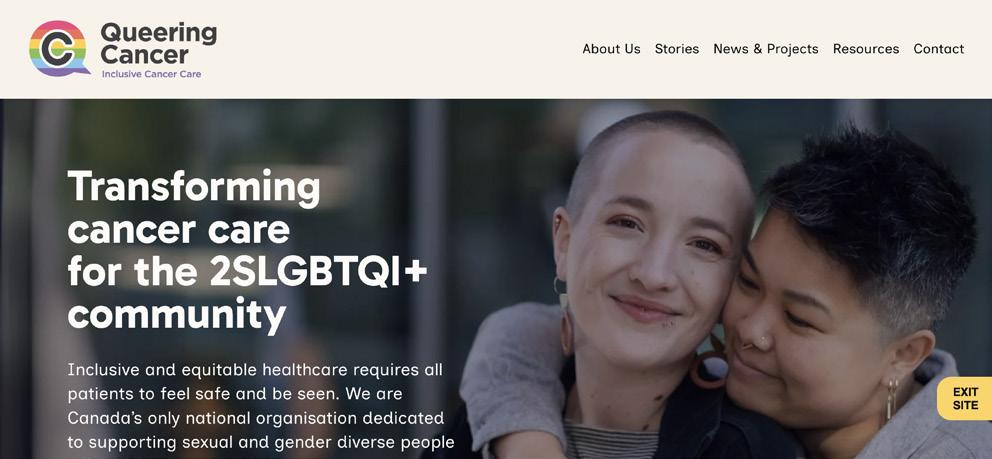
We know from decades of research that TwoSpirit, lesbian, gay, bisexual, transgender, queer, intersex, plus (2SLGBTQI+) people affected by cancer have high levels of unmet needs related to physical, mental, sexual, and psychosocial well‐being. Inclusive and equitable cancer care requires all patients to feel safe and be seen. Thus, there is a pressing need for information and support tailored for 2SLGBTQI+ communities. This information and support gap in cancer care led to the development of Queering Cancer (QC).
WHAT IS QUEERING CANCER?
Launched in October 2020, we are a panCanadian community organization and researchbased initiative that aims to close the information and support gap for 2SLGBTQI+ people affected by cancer and to provide resources for health care professionals caring for these communities.
QC is a volunteer-led partnership between researchers, clinicians, and 2SLGBTQI+ individuals with lived cancer experience. We recently gained non-profit status in April 2025.
Our services include:
Patient support: Our website includes information and links to online and in-person support.
Healthcare professional resources: We share professional development resources via our website and social media, for example, inclusive language guides and considerations for safe and inclusive oncology prescribing for transgender and non-binary patients. There’s also a collection of key 2SLGBTQI+ cancer care research papers.
Lived experience narratives: Our ‘Stories’ page features a curated collection of 50-plus patient stories tagged by cancer site and identity.
Research: Our current research focuses on increasing HPV awareness in 2SLGBTQI+ communities, understanding the experiences of Two-Spirit people affected by cancer and improving transgender and gender diverse cancer journeys.
Education: We have links to free and low-cost education on delivering inclusive care, and we also offer bespoke training for healthcare professionals and community organizations working across the oncology pathway
Community of Practice: Last year we established an Inclusive Cancer Care Community of Practice. We meet quarterly online with 2SLGBTQ+ healthcare professionals working in cancer care, allies and people with lived experience to share ideas, learn from each other, and work toward positive change. Please visit our website for sign up details!
THE TRANSFORMING GYNE CANCER CARE (TGCC) PROJECT
One of QC’s current initiatives is a three-year research project funded by the Canadian Cancer Society that is designed to better support transgender and gender diverse (TGD) individuals diagnosed with gynecological cancer (ovarian, vaginal, vulvar, endometrial and cervical cancers). TGD people experience a unique cluster of cancer risk factors which is complicated by lower rates of preventative screening due to fear of and felt discrimination. This can lead to later diagnosis and potentially
harder to treat disease. In addition, data about TGD cancer experiences is typically aggregated with 2SLGBTQI+ data, erasing the unique experiences of TGD people.
The highly gender-segregated nature of gynecological cancer can result in different experiences for TGD patients. Being screened for and/or diagnosed with a “women’s cancer” can result in experiences of alienation, erasure, and gender dysphoria for TGD patients and may affect how folks are treated by providers, how they experience treatment, and how they may conceptualize their cancer within the context of their gender identity. TGD patients tend to report more psychological distress and negative experiences than their queer cisgender peers. Some cancer surgeries may be experienced differently by TGD people - for example, treatments like hysterectomies may be perceived as gender-affirming as body parts that are not associated with the person’s gender or that cause dysphoria are removed.
Gender affirming treatments (such as hormones and surgeries) may impact clinical approaches and/or treatment decisions in the use of systemic anticancer therapies. At present, there is no consensus about the risk of developing gynecologic malignancies secondary to hormone use among patients using gender affirming hormones, but this may be due to the limited available data. This lack of clear information means that in some cases, TGD patients may be asked to choose between cancer treatment and their gender affirming care. Finally, many healthcare providers lack training in this area and feel unprepared to care for TGD patients.
THE TGCC PROJECT SO FAR
The TRANSforming Gyne Cancer Care project comprises a scoping phase in year one, followed by a data gathering and analysis phase in year two. People with lived experience of cancer are involved throughout each stage. Ultimately the project outputs will depend on community needs and decisions, but we anticipate that they might include arts-based patient materials, healthcare professional tools such as tips sheets and conversation guides as well as policy recommendations. We have funding for a series of virtual and face to face co-development workshops in 2026/2027 to develop resources.
The project team includes clinicians, a specialist nurse and clinical oncologist working in gynecological cancer and an oncology social worker who supports 2SLGBTQI+ patients. These team members are based at Princess Margaret Cancer Centre in Toronto. Also on the team is a health advocacy non-profit called Praxus Health that specialize in community-based research with underserved populations. Fundamental to the project is our lived experience group, four amazing TGD people with gynecological and breast cancer experience. This group has, and will be, prioritized in conceptualization, data gathering in the form of co-interviewing, analysis, development and dissemination.
We recently carried out our first interview and we are hoping to talk to 20 TGD participants with experience of gynecological cancer. Please get in touch if you have questions, and we would really appreciate if you could share the study information widely where appropriate.
The study contact email is: amanda. bolderston@uhn.ca and the study website is www.queeringcancer.ca/tgcc
Dr. Amanda Bolderston (she/ her) is a radiation therapist, educator and researcher with over 40 years of experience. Amanda lives and works on the East Coast in Mi’kma’ki, the ancestral and unceded territory of the Mi’kmaq.
She is a Fellow and Past President of the Canadian Association of Medical Radiation Technologists, and an Emeritus Editor-in-Chief of the Canadian Journal of Medical Imaging and Radiation Sciences
Amanda is co-director of the organization Queering Cancer, and recently completed a postdoctoral fellowship at the University Health Network in Toronto, focusing on the experiences of queer and trans oncology healthcare professionals.
For additional information and resources, please visit: queeringcancer.ca
Are LGBTQ+ Canadians Equal Citizens at the Doctor’s Office?
New studies continue to identify gaps in healthcare access for LGBTQ+ Canadians.
By Karen L. Blair, Ph.D.
Recently, the Mental Health Commission of Canada released a report highlighting the toll the COVID-19 pandemic has taken on LGBTQ+ Canadians. Not only did twice as many LGBTQ+ respondents report moderate-to-severe anxiety symptoms, but alarmingly only one in four reported excellent or very good mental health through the early days of the pandemic, compared to almost half of non-LGBTQ+ Canadians who reported excellent health. The suggestion of a disproportionate impact of the pandemic on LGBTQ+ Canadians raises important questions about the relationships between healthcare providers and the LGBTQ+ community.
In general, individuals tend to seek out a doctor who is attentive, includes them in the decision-making process, is competent, and provides a safe space. Members of the LGBTQ+ community may also place additional value on whether the healthcare
provider is knowledgeable about LGBTQ+ health issues and comfortable interacting with LGBTQ+ families.
Data collected early in the pandemic indicated that the healthcare needs of Canada’s LGBTQ+ population were already woefully underserved. For example, 1 in 10 LGBTQ+ respondents indicated that they did not have access to a family doctor, a rate that was double what non-LGBTQ+ Canadians reported.
As we hopefully begin to emerge out of the COVID-19 pandemic, it is an important time to begin considering what can make the Canadian healthcare system more accessible and supportive for the LGBTQ+ community.
REMOVING SYSTEMIC BARRIERS AND CREATING SAFE SPACES
According to a recent study that surveyed healthcare practitioners, students, and
community members interested in improving LGBTQ+ services, a key component of an LGBTQ+ safe space is one in which there are cues in the environment to indicate acceptance and safety. Cues can be visual, such as a small rainbow pin worn by a provider, or they can be verbal, such as using a patient’s correct pronoun and name. Another key indication of safety is the demographic information collected by a healthcare provider—if standard forms do not allow for sexual and gender minorities to adequately represent themselves and their family members (e.g., not everyone has a mom and a dad), then they may feel like the healthcare provider will be less willing or able to treat their family.
Experiences seeking LGBTQ friendly healthcare can be even more challenging in rural areas. A recent study with rural LGBTQ+ individuals indicated that heteronormative assumptions in the collection of patient information were a barrier to healthcare access.
Something as simple as a rainbow pin on a lab coat lapel can indicate a healthcare provider’s openness to LGBTQ+ patients. Source: Monstera/Pexels.
One participant explained that “if a form doesn’t have what you identify as … the message is, you don’t actually exist,” while another participant pointed out that even after they legally changed their name, their healthcare provider continued “calling me by the wrong name … in front of the rest of the waiting room.” Alienating experiences like these prevent many LGBTQ+ individuals from accessing the healthcare they need and from feeling comfortable and safe in an already vulnerable situation.
AVOID JUDGMENTS, DO NOT MAKE ASSUMPTIONS, AND ASK NECESSARY QUESTIONS
Unsurprisingly, individuals of any sexual or gender identity want to have a healthcare provider who listens to them, who is attentive, and who includes them within the medical decision-making process. The unsatisfying experience of visiting a doctor who avoids eye contact, rushes, and appears to be preoccupied with other issues during a visit is perhaps more common for Canadian patients than we would hope. Yet, while many can relate to this type of experience, specific research on LGBTQ+ healthcare underscores additional factors for LGBTQ+ patients that can make or break their healthcare experience.
Matsuzaka and colleagues specifically found that LGBTQ+ patients’ perceptions of their healthcare provider as being empathetic, affirmative, and open were important to their levels of comfort while seeking care. Many LGBTQ+ individuals experience rejection of some part of their identity on a day-to-day basis from a wide range of sources, including friends,
family members, and co-workers. When it comes time to address a healthcare need, these day-to-day experiences of stigma and rejection can create feelings of apprehension concerning how they will be treated within the healthcare system.
One participant stated their perspective on seeking healthcare quite directly: “You’re not here to judge me. You’re here to [serve] me. Render a service worthy of me. Why am I worthy of that service? Because I’m a human being.”
“if a form doesn’t have what you identify as … the message is, you don’t actually exist.”
Even today, when it is much easier for LGBTQ+ to be out and open about their sexual and gender identities, the daily experience of coming out to strangers can still be stressful and filled with uncertainty. Attempting to avoid additional unnecessary experiences of “coming out” can result in LGBTQ+ individuals avoiding medical care. For example, even if someone feels comfortable disclosing their identity to a primary doctor, they may have more complicated feelings about how much of their identity is shared with other doctors, nurses, and practitioners sharing the same space.
Concerns about coming out can be further amplified in unfamiliar settings, such as emergency rooms. As another participant pointed out, “... every time you go to the doctor it feels like a risk, whether it’s a different doctor or a nurse that you don’t know or whatever, right?”
AN OLD PROBLEM, STILL NOT ADDRESSED
Unfortunately, calls for more LGBTQinclusive healthcare are not new. The research has repeatedly identified relatively simple changes that could make healthcare environments more open and accepting (e.g., updated forms, rainbow pins, respectful questions, and pamphlets about LGBTQ+relevant health issues). Indeed, many of the sentiments expressed in these very recent articles continue to reflect the types of struggles that LGBTQ+ individuals reported
in a study that I conducted over a decade ago and which was published in 2016.
Patient care begins at the front door, providing indications to patients that they will be respected, treated with dignity, and that their healthcare needs will be adequately addressed. The pandemic has highlighted that the Canadian healthcare system still has a long way to go before it will be considered well-equipped to meet the needs of the LGBTQ+ population. It does not seem like a big ask, but as one participant points out, “the dream is [for] healthcare providers to understand how our sexuality, or gender, our race, our class, our economic level, are all part of our health, you know? How they all intersect.”
This article is reprinted with the kind permission of Dr. Karen Blair. For more information, please visit her column on Psychology Today, her website, or her participant recruitment page.
Karen Blair is an Associate Professor of Psychology and the Trent Social Relations, Attitudes, and Diversity Lab director at Trent University. She received Trent University’s Early Career Researcher Award in 2022, and SSHRC, PHAC, NSERC, and CFI provide funding for her research at Trent. Dr. Blair previously held an Associate Professorship in Psychology and a Jules Léger Research Chair in Humanities and Social Sciences at St. Francis Xavier University in Antigonish, Nova Scotia. She received the StFX Outstanding Faculty Teaching Award in 2019. Dr. Blair is an adjunct member of the Department of Psychology at Acadia University in Wolfville, Nova Scotia, President of LGBTQ Psychology Canada, and Chair of the Sexual Orientation & Gender Identity Issues (SOGII) Section of the Canadian Psychological Association Please click here to learn more about Dr. Blair’s current research interests.
REFERENCES
1. The Canadian Press. (2022, August 4). LGBTQ Canadians struggled with mental health during pandemic: Surveys. Toronto Star. https://www. thestar.com/life/health_wellness/2022/08/04/ lgbtq-canadians…
2. Henriquez, N. R., & Ahmad, N. (2021). “The Message Is You Don’t Exist”: Exploring Lived Experiences of Rural Lesbian, Gay, Bisexual, Transgender, Queer/Questioning (LGBTQ) People Utilizing Health care Services. SAGE Open Nursing, 7, 23779608211051176. https:// doi.org/10.1177/23779608211051174
3. Hoskin, R. A., Blair, K. L., & Jenson, K. E. (2016). Dignity versus diagnosis: Sexual orientation and gender identity differences in reports of one’s greatest concern about receiving a sexual health exam. Psychology & Sexuality, 7(4), 279-293.
4. Matsuzaka, S., Romanelli, M., & Hudson, K. D. (2021). “Render a service worthy of me”: A qualitative study of factors influencing access to LGBTQ-specific health services. SSMQualitative Research in Health, 1, 100019. https://doi.org/10.1016/j.ssmqr.2021.100019
5. O’Handley, B., Blair, D. K., Courtice, E., Hoskin, D. R. A., Holmberg, D. D., & Bell, K. (2020). COVID-19 Pandemic: LGBTQ+ Experiences (KLB Research Reports). https:// eapon.ca/wp-content/uploads/2021/08/ KLBResearchCOVID19LGBTQRepo…
6. Pecanac, K. E., Hill, M. V., & Borkowski, E. (2021). “It Made Me Feel Like I Didn’t Know My Own Body”: Patient-Provider Relationships, LGBTQ+ Identity, and End-of-Life Discussions. American Journal of Hospice and Palliative Medicine®, 38(6), 644–649. https://doi. org/10.1177/1049909121996276
Mental Health
A dedicated space where we embrace the journey towards mental wellness with open arms and open hearts.
We believe that an informed and engaged patient is an empowered one. Through enlightening articles, expert insights, and inspiring stories, we aim to equip our readers with the tools and knowledge necessary to navigate the complex mental health care landscape.
Join us as we explore how patient advocacy, active engagement and comprehensive education can transform the experience of mental health care, turning obstacles into opportunities for growth and healing.
Reading for WellBeing
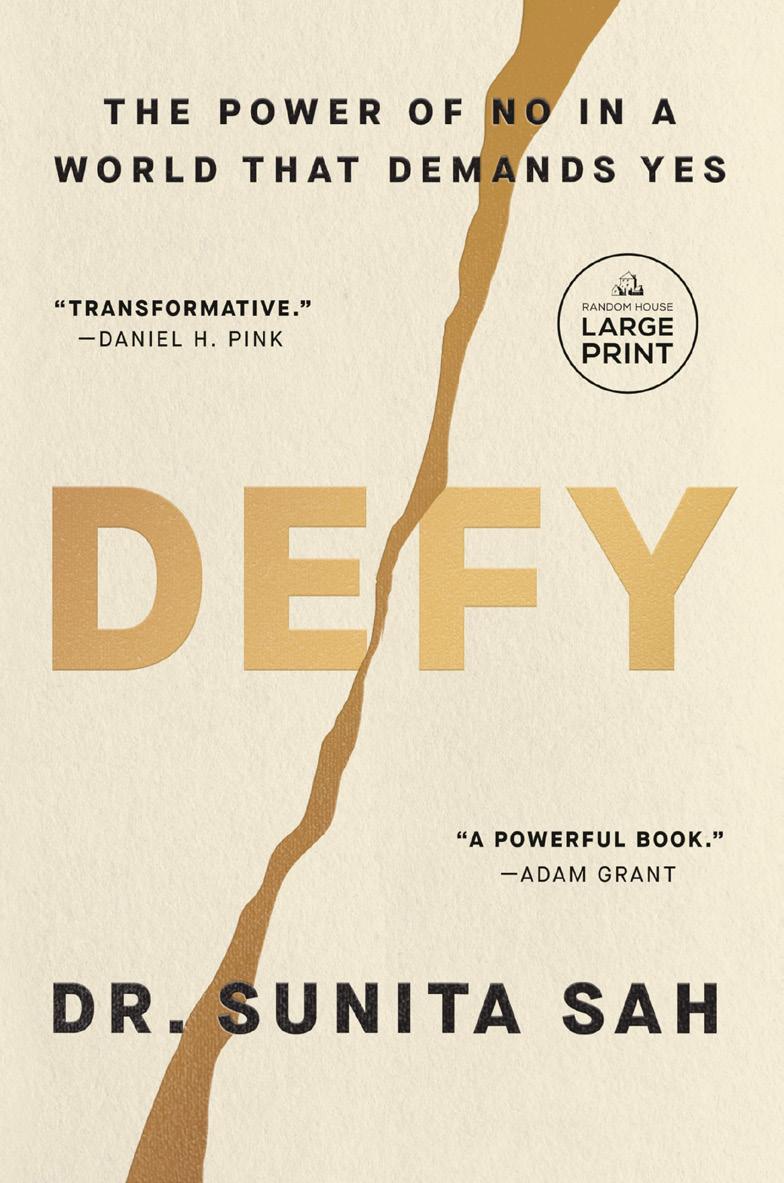
Reviewing Defy: The Power of No in a World that Demands Yes by Dr. Sah
By Joanna Pozzulo, Ph.D.
Do you find it hard to say, “no”? Do you worry about disappointing others or say “yes” to avoid an awkward exchange. Sometimes we think that a “yes” is just easier. In Defy: The Power of No in a World that Demands Yes, Dr. Sah helps us understand why we acquiesce and to recognize the tension that surfaces. She identifies the stages of when the answer is a “true no”. This book is about learning to live in accordance with your values, that in turn, can support your wellbeing.
Sah defines defiance as “acting in accordance with your true values when there is pressure to do otherwise”. She notes five stages of defiance;
Stage 1 = tension
Stage 2 = acknowledgement to ourselves
Stage 3 = escalation (vocalize to others)
Stage 4 = threat of non-compliance
Stage 5 = act of defiance
She highlights several real-world examples as how going along or complying can have dire consequences. Intriguingly, when you resist resistance, it can feel like anxiety.
Sah provides several strategies for addressing compliance issues. Taking a pause or a “timeout” - both physical and psychological - can provide an opportunity to process what is being asked and to evaluate the best course of action that aligns with your values. Another strategy involves, talking to ourselves in the moment which can help regulate our emotions, and using your own name in that conversation can make it even more impactful.
When faced with a tense situation, ask questions. Simply asking, “What do you mean by that?” can raise awareness in both you and the other person, which may help slow down a situation. Slowing down a situation can help determine how to respond.
For more evidence-based picks for wellbeing, sign up for the Reading for Well-Being Community Book Club, https://carleton.ca/ mental-health/book-club-sign-up/
Check out the Reading for Well-Being Podcast for interviews with authors of my book picks, youtube.com/@DrPozzulo
For weekly evidence-based well-being insights, practical tips, and book recommendations –subscribe to the Reading for Well-Being Substack; drpozzulo.substack.com
“Taking a pause or a ‘time-out’both physical and psychologicalcan provide an opportunity to process what is being asked”
Sah provides a glossary of terms that can help keep track of concepts. At the end of the book, you also will find a brief interview with Dr. Sah to gain even greater insight into why she wrote the book. This book is a timely read!
Happy reading (and listening)!
Joanna Pozzulo, Ph.D. Chancellor’s Professor Department of Psychology Director, Mental Health and Well-Being Research and Training Hub (MeWeRTH) carleton.ca/mental-health Director, Laboratory for Child Forensic Psychology Carleton University
The Science of Slowing Down
By Landon Barrowman
In our busy day-to-day lives, it’s all too easy to get swept away by the rhythm of a fast-paced, instantly gratifying, mass-connected, deadline-heavy world. Even reading this feels anxiety-inducing.
The modern mind lives in a near-constant state of urgency. Evolution wired us with stress responses to protect our survival. Those instincts once helped us outrun predators and endure harsh environments.
But today?
An email from your boss can trigger the same nervous-system response as spotting a tiger in the jungle. Our bodies don’t distinguish well between social threats and physical ones. Being criticized, excluded, or fearing job loss can activate the same fight-or-flight cascade as mortal danger.
We assess survival when our job feels threatened, but should we?
This environment of chronic stress has trained us to rush through life as if everything is urgent and everything determines our survival.
When in truth, survival requires very little.
Some argue the Stoics understood this well. I would go further and say the Cynics really nailed the essentials. For most of human history, survival has meant shelter, warmth, food, water, and a place to relieve ourselves.
That’s it.
Emotional dysregulation is at play. Our stress response is wildly disproportionate to the actual threat. When the nervous system fires, the body reacts as though survival is at stake even when it isn’t.
It’s easy to see the problem.
The harder question is: how do we stop reacting to everyday stressors with fight-or-flight intensity?
The first step is recognition
If you’re breathing heavily while doing something small, it could be because that task itself isn’t hard, but that you’ve been doing so many things consecutively in a rush that you’ve worked up a sweat. If you feel panicked and don’t know why or if you start to fumble and forget what you’re doing and knock things over. The carpet under my desk is a patchwork of coffee stains and damp spots because I often am working at an overwhelming rate.
These are signs.
Notice them.
Then make a change and start small.
Take a slow, deliberate breath. Let that breath mark a reset. Use it as a pivot point toward a new direction.
Then begin moving with purposeful slowness.
Pay attention to what you’re doing. Notice how things feel in your hands. How they smell. How your body feels as you move more slowly.
Slowing down regulates the nervous system. It interrupts panic. It reduces careless mistakes and the frustration
THE SCIENCE OF SLOWING DOWN
that follows. When we stop rushing, we stop creating new problems for ourselves.
Nothing great has ever been built in a state of frantic urgency.
But there’s another elephant in the room: screen time.
Imagine having the power to speak to almost every human being on earth at any moment of the day. That would be overwhelming. Yet many of us hold that power in the palm of our hand nearly 24/7.
The digital world keeps us constantly connected, but rarely compassionately connected.
Online spaces are often polarized, reactive, and unkind. Algorithms amplify our loudest opinions and build echo chambers that discourage nuance. This environment strains the nervous system. It has also become the breeding ground for cyberbullying — a force that has contributed to tragic losses when social pressure and public humiliation became unbearable.
If that doesn’t give you pause, consider the growing body of research linking excessive social media use to anxiety, depression, and emotional instability.
“Digital detox” became a buzzword for a while, though it lives in a strange paradox. A movement that asks people to disconnect struggles to promote itself on platforms built for constant engagement. There’s something ironic about posting online to announce you’re taking a break from being online.
Cringe or not, I support it.
Put your phone in another room. Leave it in the car. Notice how many times a day you instinctively check it. Most phones now track screen time and allow you to set limits on specific apps. Use those tools.
Tell yourself: today I won’t go on social media.
Replace the scroll with something physical. Go for a walk. Sit down for coffee without your phone on the table. Leave it in the glove box.
You do not need to be connected to everyone at all times.
Constant stimulation rigs your nervous system to crave more stimulation. We have forgotten how to be bored — and boredom is often the gateway to calm, creativity, and reflection.
In cognitive behavioural therapy, practices like this are sometimes referred to as somatic quieting or behavioural experiments. They calm the nervous system and reduce intense, reactive behaviour. These are everyday applications of mindfulness and simple, practical tools that gradually shift how we relate to stress.
Over time, you begin to notice changes.
Your relationships improve. Your work sharpens. Your goals clarify. When you learn to pause before reacting, you step out of emotional autopilot and reclaim agency. You begin interacting with your life consciously rather than reflexively.
You become calmer. More deliberate. More grounded.
And yes — all of this coming from an oilfield pipe fitter. Funny, right?
My life forced me to learn these techniques. A separation. A custody battle. My father’s death. A cancer diagnosis. A layoff. In the environments I worked in, talking about nervous-system regulation or emotional control was often mocked. But it’s exactly what we needed.
My work is about making these tools accessible to people in stigmatized spaces especially those who feel traditional therapy hasn’t worked for them. Practical strategies. Actionable steps. Tools you can use immediately.
Because if I can teach those old dogs new tricks, we might save a lot of lives.
Until next time, keep your boots on the ground and your head on a swivel.
Landon Barrowman is a Psychology student at Athabasca University and has spent over a decade working in the Alberta oil sands. After facing a series of life-changing personal challenges, he transformed his experience into purpose by becoming a Peer Perspective Cognitive Behaviour Coach. He is the author of The Working Man’s Guide to Mental Health, a practical workbook that speaks directly to working-class men, reminding them that they’re not broken—they just need the right tools. Beyond his advocacy and coaching work, Landon is a devoted father and musician.
Triskel Mental Health
Author, The Working Man’s Guide to Mental Health Developer, Mental Health Skills in the Trades Certification Course
“As the
days grow
longer and the
sun shines brighter, it’s the perfect time to shake off the winter blues and embrace the energy of spring. ”
Spring into Happiness
Mood-Boosting Tips for Warmer Days
By LOTUS Counselling Services
As the days grow longer and the sun shines brighter, it’s the perfect time to shake off the winter blues and embrace the energy of spring. Warmer weather brings new opportunities to refresh your routine, connect with nature, and nurture your well-being. If you’re looking to boost your mood and make the most of the season, here are some simple yet powerful ways to embrace the sunshine and feel your best.
1. Chase the Sunlight
Sunlight is a natural mood booster! It increases serotonin levels, which help improve happiness and energy. Whether it’s a morning walk, lunch in the park, or reading on your porch, make time to soak up the sun. Even a few minutes outside can make a big difference in how you feel.
2. Move Your Body Outdoors
Exercise is great for mental health, and moving outside makes it even better. Try walking, jogging, biking, or yoga in the park. The fresh air and sunshine can help reduce stress, boost energy, and clear your mind.
3. Refresh Your Routine
Spring is a great time to break free from old habits and try something new. Rearrange your space, set fresh goals, or start a hobby that
excites you. Even small changes—like taking a new route to work or trying a different café— can add a spark of joy to your day.
4. Connect with Nature
Nature has a calming effect on the mind. Visit a botanical garden, go for a hike, or simply take a stroll through your neighbourhood and notice the blooming flowers. Engaging with nature can lower anxiety and bring a sense of peace.
5. Socialize in the Sunshine
Warmer weather makes it easier to reconnect with friends and family. Plan a picnic, meet for coffee outside, or host a backyard gathering. Meaningful social interactions can lift your mood and help you feel more connected.
“Warmer weather is an invitation to refresh your routine, reconnect with nature, and prioritize your wellbeing.”
6. Eat Fresh, Seasonal Foods
Spring brings an abundance of fresh produce like berries, greens, and citrus fruits—perfect for nourishing your body and mind. A balanced diet rich in vitamins and nutrients can support better energy levels and mental clarity.
7. Practice Gratitude for the Changing Season
Spring symbolizes renewal and growth. Take a moment each day to appreciate something about the season—the warmth of the sun, the sound of birds chirping, or the smell of fresh flowers. Practicing gratitude can shift your mindset toward positivity.
Embrace the Sunshine, Embrace the Joy!
As the world wakes up from winter, let yourself bloom too. Warmer weather is an invitation to refresh your routine, reconnect with nature, and prioritize your well-being. Try these small but meaningful changes and see how they brighten your mood this season!
Which of these mood-boosting tips will you try first?
This article is reprinted with the kind permission of LOTUS Counselling Services. Their clinic is a femaleled team of therapists providing compassionate care in Waterdown, Ontario, and the surrounding communities.
For questions or inquiries, please visit www.lotuscounsellingservices.ca or contact them at info@lotuscounsellingservices.ca
Toxic Positivity vs. Healthy Positivity
By Dr. Amber Cohen
We’ve all heard phrases like “Just stay positive!” or “Look on the bright side.” Sometimes, those words can feel uplifting. Other times, they sting. If you’ve ever felt dismissed or unseen when someone responded to your struggles with a “positive spin,” you’ve experienced what’s known as toxic positivity
Positivity itself isn’t the problem. In fact, hope, optimism, and focusing on strengths can be incredibly powerful tools for mental health. But when positivity is used to deny or invalidate genuine feelings, it stops being helpful. That’s where the line between toxic positivity and healthy positivity becomes important.
WHAT IS TOXIC POSITIVITY?
Toxic positivity is the pressure to maintain an upbeat outlook at all times, no matter what you’re going through. It’s the belief that “good vibes only” is the solution to every struggle, even when life feels messy, painful, or uncertain.
It often shows up in phrases like:
• “Everything happens for a reason.”
• “At least it’s not worse.”
• “You should be grateful for what you have.”
• “Don’t think about it, just move on.”
The intention behind these words may be good, most people say them to comfort or motivate. But the impact is different. Toxic positivity can leave someone feeling unheard, ashamed of their emotions, or pressured to hide their struggles.
THE IMPACT OF TOXIC POSITIVITY
When positivity becomes toxic, it can actually harm mental health. Here’s how:
1. Invalidates Emotions
If someone tells you “Just be happy” when you’re grieving or anxious, it suggests that your feelings are wrong. This can create guilt or shame for having normal human emotions.
2. Blocks Authentic Connection
When conversations are cut off by surface-level positivity, it stops deeper connection. People may feel they can’t open up for fear of being told to “look on the bright side.”
3. Leads to Emotional Suppression
Ignoring emotions doesn’t make them disappear, it often intensifies them. Suppressed feelings can resurface later as stress, anxiety, or even physical health issues.
4. Creates Unrealistic Standards
The pressure to always be happy sets up a false ideal. No one feels joyful 100% of the time, and trying to chase that can lead to constant disappointment
WHAT IS HEALTHY POSITIVITY?
Healthy positivity, on the other hand, acknowledges reality while still holding space for hope and resilience. It’s not about ignoring hard emotions, it’s about making room for them while also finding ways to support yourself through them.
Healthy positivity sounds more like:
• “This is really tough, and I believe you’ll get through it.”
• “It makes sense that you feel this way. You’re not alone.”
• “I see how much you’re hurting, and I’m here for you.”
• “Even in hard times, there may still be small moments of relief or joy.”
The difference is subtle but powerful. Healthy positivity doesn’t deny the pain, it validates it, while also gently reminding us of our capacity to move forward.
HOW TO RECOGNIZE THE DIFFERENCE
Here’s a simple way to tell them apart:
• Toxic positivity avoids uncomfortable emotions.
• Healthy positivity accepts emotions as real and human, then pairs them with encouragement or support.
For example:
• Toxic: “Don’t cry, just be strong.”
• Healthy: “Crying makes sense right now. Let yourself feel it. You’re stronger than you realize.”
WHY HEALTHY POSITIVITY MATTERS
Research shows that resilience isn’t about avoiding negative feelings, it’s about learning to face them with support and perspective. Healthy positivity creates a balance: it helps people stay hopeful without denying the reality of their struggles.
In therapy, this balance is crucial. Clients often come in feeling overwhelmed by painful emotions. Telling them to “just be positive” would shut down the very space they need for healing. However, helping them see their strengths, their coping skills, and their progress? That’s the heart of healthy positivity.
PRACTICING HEALTHY POSITIVITY IN EVERYDAY LIFE
So how can we shift away from toxic positivity and lean into something healthier? Here are a few gentle practices:
1. Validate First
When someone shares something difficult, acknowledge their feelings before offering encouragement. A simple “That sounds really hard” can make a huge difference.
2. Avoid Comparisons
Phrases like “At least…” can unintentionally minimize someone’s pain. Instead, focus on listening without judgment.
3.
Be
Honest with Yourself
It’s okay to admit when you’re struggling. You don’t have to put on a brave face 24/7. Allowing yourself to feel sadness, frustration, or fear is part of being human.
4. Look for Both/And
You can be grateful and grieving. You can feel anxious and hopeful. Holding space for both difficult and positive emotions at the same time is a sign of emotional maturity.
5. Offer Support, Not Solutions
Sometimes the most healing words are: “I’m here with you.” You don’t have to fix someone’s pain; your presence is often enough.
FINAL THOUGHTS
Positivity isn’t the enemy. When expressed in a healthy way, it can bring hope, foster resilience, and strengthen relationships. But when it becomes toxic, when it silences or dismisses real emotions, it can do more harm than good.
By practicing healthy positivity, we give ourselves and others permission to feel fully human: to acknowledge pain, embrace hope, and hold space for growth. If you’ve ever felt pressured to hide your struggles under a mask of positivity, know that your feelings are valid. And if you’d like support in navigating those feelings, therapy offers a safe, compassionate space to explore them without judgment.
Because true healing doesn’t come from pretending, we’re fine. It comes from being honest about where we are, and finding healthy, hopeful ways to move forward.
Our sincere thanks to Dr. Cohen for allowing us to share this article. You can read the original here: thecohenclinic.com/ toxic-positivity-vs-healthy-positivity
Dr. Amber Cohen, Psy.D., C.Psych. (She/Her) is a Registered Clinical Psychologist and Director of The Cohen Clinic, where she has built a compassionate, empowering environment focused on mental and emotional well-being. She holds an Honours BA in Psychology from University of Western Ontario and completed her Master’s and Doctorate in Clinical Psychology at The Chicago School of Professional Psychology. A registered member of the College of Psychologists of Ontario and the Ontario Psychological Association, Dr. Cohen leads a holistic practice integrating the mind-body connection to support comprehensive healing. She has special interests in anxiety, depression, trauma, gastrointestinal challenges, and ADHD.
Please visit her clinic at thecohenclinic.com or email: info@thecohenclinic.com
2. Verywell Mind. (2024, May 14). Why toxic positivity can be harmful. Verywell Mind. https://www. verywellmind.com/what-is-toxic-positivity-5093958
Seniors Health
In today’s society, the health of senior citizens stands as a paramount concern, particularly within the framework of the Canadian healthcare system. This heightened focus is more than just a response to the growing number of seniors. Still, it is deeply rooted in recognizing their invaluable contribution to society and their unique challenges in their twilight years.
As people transition into their senior years, they bring unique health and social needs. This shift presents challenges and opportunities for the Canadian healthcare system and society.
In our Seniors Health section, we will provide information to help you in your journey, navigate daily life as a Senior, and provide resources to help you have the best quality of life.
The Ultimate Protein Guide for Seniors
What You Need to Know
By April Hattori
As we age, staying strong and independent becomes more important than ever. One key nutrient that helps us do just that? Protein. Whether you’re in your 50s, 60s, 70s, or beyond, getting enough protein is essential for maintaining muscle mass, bone health, and overall vitality.
WHY PROTEIN MATTERS AS YOU AGE
Starting around age 50, we naturally begin to lose muscle—a condition called sarcopenia. Without enough protein and movement, that loss accelerates, leading to weakness, slower recovery, and increased risk of falls.
Protein is also important for:
• Supporting bone density
• Helping the body heal after illness or injury
• Boosting immune function
According to the European Society for Clinical Nutrition and Metabolism (ESPEN), increased protein intake can help preserve lean body mass and function in older adults. (Volkert et al., 2019)
HOW MUCH PROTEIN DO OLDER ADULTS NEED?
While the general guideline for adults is 0.8 grams per kilogram of body weight, research shows that older adults need more:
• 1.0 to 1.2 grams per kg for healthy aging
• 1.2 to 1.5 grams per kg for those over 65, or recovering from illness
The PROT-AGE Study Group recommends these amounts to counteract age-related muscle loss. (Bauer et al., 2013)
For example, a 150-pound person (68 kg) would need 68 to 102 grams of protein per day.
It’s best to spread protein throughout the day rather than eating it all at dinner. This helps your body use it more effectively.
CAN YOU GET ENOUGH PROTEIN FROM FOOD?
Absolutely. Protein-rich foods include:
• Eggs (2 = ~12g)
• Chicken (3 oz = ~26g)
• Greek yogurt (1 cup = ~10–15g)
• Lentils (1 cup = ~18g)
• Peanut butter (2 tbsp = ~7g)
Still, some older adults find it challenging to eat enough protein due to lower appetite, dental issues, or difficulty cooking. That’s when supplements can help.
WHEN SHOULD SENIORS CONSIDER PROTEIN SUPPLEMENTS?
Protein powders or ready-to-drink shakes might be helpful if you:
• Struggle to get enough protein from meals
• Have lost weight unintentionally
• Are recovering from surgery or illness
• Are increasing your strength training
Studies show that combining protein supplementation with resistance training improves muscle mass and function in older adults. (Deutz et al., 2014)
Remember, supplements should add to your meals—not replace them.
UNDERSTANDING PROTEIN POWDER TYPES
There are many options, and the best one depends on your dietary needs:
Whey Protein
• Comes from milk
• Fast-digesting and rich in essential amino acids
• Whey isolate is low in lactose and great for sensitive stomachs
• Whey concentrate has more lactose and fat
• Hydrolyzed whey is pre-digested and absorbs even faster
Casein Protein
• Also from milk
• Digests more slowly than whey, making it good for overnight recovery
• Higher in lactose
Soy Protein
• Plant-based and complete (has all 9 essential amino acids)
Pea and Rice Protein
• Incomplete individually, but complete when combined
• Great for plant-based diets
Hemp Protein
• Contains all 9 amino acids but is low in lysine and leucine
• Pair with legumes or pea protein to round it out
The International Society of Sports Nutrition notes that while plant proteins are generally lower in certain essential amino acids, combining complementary sources creates a complete amino acid profile. (Jäger et al., 2017)
WHAT IF YOU’RE LACTOSE INTOLERANT?
If dairy causes issues, go with:
• Whey isolate or hydrolyzed whey (very low in lactose)
• Plant-based powders (soy, pea + rice, hemp)
WHAT IF YOU’RE VEGAN OR VEGETARIAN?
You can absolutely meet your protein needs with a plant-based diet. Eat a variety of sources:
• Use plant-based powders labeled “complete” or containing soy or a pea + rice blend
The Academy of Nutrition and Dietetics supports that well-planned vegetarian and vegan diets can meet protein needs at all life stages. (Melina et al., 2016)
FINAL THOUGHTS
Protein is one of the most important nutrients for older adults. While food should always come first, protein supplements can be a helpful tool when your diet needs a boost. The key is choosing the right type for your body and your lifestyle. And remember: Always talk to your healthcare provider before starting any supplement, especially if you have a medical condition. Stay strong, stay independent, and keep moving forward!
April Hattori is a certified personal trainer and the creator of the yes2next YouTube channel, launched in 2020 to help her clients stay active during the pandemic. She and her 85-yearold mother lead accessible and uplifting free workouts designed for older adults, beginner exercisers, and anyone with limited mobility. Today, yes2next has grown to more than 600,000 subscribers and over 60 million views, all united by one mission: inspiring people everywhere to say “yes to their next steps toward fitness and joy.”
Learn more about yes2next at yes2next.com To view the video version of this blog please visit: https://youtu.be/IWxXBUA5mBk
How to Overcome the Guilt of Moving a Parent to a Senior Residence
By Matt Del Vecchio
When moving a parent to a retirement home or long term care residence, it is normal to feel various emotions. Oftentimes, the experience can invoke feelings of guilt. While these emotions aren’t pleasant, it must be realized that they are a common reaction! To focus on keeping the entire process healthy and safe for all involved, it is important to work through these emotions. The following will explain how to overcome the guilt of moving a parent to a senior residence.
ACKNOWLEDGE AND VALIDATE YOUR EMOTIONS
Understandably, the parent in question may hold some hard feelings about the situation. Needless to say, this does not ease the feelings of guilt you may experience. During this time, recognize that you made the best decision for their safety and well-being.
If needed, write down a list of the ways they are now in better care and are in a safer environment. Keep this paper in an easily visible spot and read it as often as necessary. Self-compassion is important throughout all stages of life – this one included.
Ignoring the feeling of guilt or pushing any emotion to the side will only cause a more difficult and prolonged journey. These feelings are a natural reaction to the circumstances. It won’t happen overnight, but it is important to recognize the thoughts and emotions. Allow yourself to experience them, process them, and move forward.
Try speaking to a family member who is experiencing this life change alongside you. It may be surprising how many feelings you both share! If speaking to a family member isn’t an option, reach out to a trusted friend, doctor, therapist, or support group.
FOCUS ON THE BENEFITS OF THE SENIOR LIVING COMMUNITY
The catalyst of the matter is that you are prioritizing your parents’ well-being. Whether the parent in question understands this (or allows themselves to understand it) at the time or not, you must keep it at the forefront of your mind.
The transition will have many positive impacts on the life of your parent and it’s important to highlight them. Social opportunities, professional care, improved safety… repeating these points are not only beneficial to the parent in question but it is beneficial for you as well!
Throughout stressful experiences, it may be more difficult to focus on the facts of the situation without having emotions also play a part. However, remind yourself of the “why’s” and the “how’s”.
Why is it better for the individual(s) to move to a residence? Why/How is it safer? How much improvement will there be to their quality of life? How is the residence better equipped to ensure their safety? Once you look at the big picture, it will be easier to see how the pros outweigh the cons.
INCLUDE THEM IN THE DECISION-MAKING (WHEN POSSIBLE)
If the situation allows the parent to make informed, rational decisions, allow them to have a say! Speak to them about the possibility of moving to a senior residence and keep an open mind to their concerns.
Providing them with the power to make decisions and play an active role will limit experiencing the guilt often associated with the unknown. (What if they don’t like the residence? What if they aren’t happy or comfortable? What if they don’t like the location or its distance from family members?).
“In some cases, transitioning a parent to a retirement home or long-term care residence may feel similar to abandonment. This is not the case.”
Remaining empathetic in terms of their anxieties allows the discussion to be a conversation and not a onesided argument. Approaching the subject with compassion and understanding can truly make all the difference. If they can participate in choosing the senior residence and participating in the move, all the better!
TAKE ADVANTAGE OF OPPORTUNITIES TO STAY INVOLVED
In some cases, transitioning a parent to a retirement home or long-term care residence may feel similar to abandonment. This is not the case. Once they settle into their new environment, it often opens the opportunity to have an even better relationship with them!
For this new stage of life to blossom, it is important to stay involved in their care. Visiting regularly not only eases the transition but also offers peace of mind that they are being taken care of to the best standards.
There will undoubtedly be a learning curve while acclimatizing to the new environment. They may even have specific requests or adjustments to their care may be necessary. Remaining present will ensure they have an opportunity to discuss these matters with you.
If adjustments are made and they witness their concerns being taken seriously, it will reinforce the fact that their best interests are the priority. This will provide them with more confidence in the residence and the arrangement as a whole.
UTILIZE SUPPORT SERVICES
While it may feel like a lonely and isolating experience, remind yourself that this is a common occurrence. With this being said, knowing that it is a natural part of aging may offer little solace. This is why seeking support will provide comfort in more ways than one.
Speak to other families and caregivers who have gone through similar experiences! It will soon be made clear that you are not alone. And, you are not the only one to ever feel the emotions you are feeling.
No matter what these emotions are or how guilty you may feel, odds are, someone else is feeling very similar. Group counseling or group meetings will allow you to see that many others have been, or currently are, in your shoes. Validate your feelings and get reassurance that you have done the best you could in your unique situation.
KEEP AN OPEN DIALOGUE
Communication can never be taken for granted. It’s important to have an open dialogue with not only your parent but with the professionals at the residence as well.
Speak to your parent about their experiences in the new surroundings and how they are feeling about the situation regularly. Throughout these discussions, address any concerns they may have or issues they have encountered.
When necessary, speak to the professionals in charge of their care as soon as possible to come to a solution. Being proactive can limit further issues, and it is important to have these discussions promptly.
IT’S NOT THE END, IT’S A BEGINNING
With regular visits and a strong connection, the relationship between you and your parent can remain strong. This is simply a new opportunity to create even more happy memories!
Plan activities or regular get-togethers to make the most of the time you have with each other. It’s good for the soul and will solidify that while many things have changed, your relationship hasn’t.
LESS GUILT, MORE SUPPORT
Knowing how to overcome the guilt of moving a parent to a senior residence is another part of the experience. It involves understanding the emotions and why you’re feeling them. It also includes focusing on the positives! Such as being able to stay involved better and knowing they are in a safe environment.
Promising a smooth experience from beginning to end when going through such a big life transformation is impossible. However, there are ways to navigate the situation with compassion and confidence. This will help minimize any of the more negative possible emotions for a more optimistic outcome.
Reprinted with the kind permission from Lianas Senior Transition Support. We thank Matt Del Vecchio for allowing us to share this important article.
Matt Del Vecchio is a Certified Professional Consultant on Aging (CPCA). He is the owner of Lianas Senior Transition Support and Premier Home Care, helping families and their loved ones through the aging process.
He is also the host of “Life Unrehearsed” on CJAD800 in Montreal.
For more, visit lianasservices.com, or email mdelvecchio@lianasservices.com
Staying physically active is crucial for seniors to maintain their overall health and quality of life. Engaging in regular fitness activities helps improve strength, flexibility, balance, and cardiovascular health, reducing the risk of injury and chronic diseases. Fortunately, many free workout resources are available, particularly online. One such valuable resource to try is the
It is a mother-and-daughter dynamic duo showcasing a variety of exercises specifically tailored for those 50 and beyond and for individuals with limited mobility. Their YouTube channel offers you more than 200 free fitness videos.
Whether it’s gentle stretches, chair exercises, or low-impact cardio routines, yes2next provides a convenient and effective way for seniors and everyone to stay active and maintain their well-being.
Pediatric Health
We believe that an informed and engaged parent is an empowered one. Through enlightening articles, expert insights, and inspiring stories, we aim to equip our readers with the tools and knowledge necessary to navigate the complex pediatric health care landscape.
Join us as we explore how patient advocacy, active engagement and comprehensive education can transform the pediatric health care experience, turning obstacles into opportunities for growth and healing.
Pediatric Specialty Care | Orthopedics
G
Genu varum
Hand and upper extrem
Limb deformities
Limb length discrepan
Metabolic and heritabl
Neuromuscular condit
Painful conditions of th
Plastic reconstruction
Scoliosis and spine def
Skeletal dysplasia
Sports medicine
Global Partners
The My Blood My Health program is dedicated to empowering individuals affected by Hematological issues by providing trusted education, advocacy, and support. Through patient- centered resources and expert collaborations, we strive to enhance awareness and improve access to critical information for those navigating their blood health journey. Stay tuned for the next edition of the My Blood My Health digital magazine, coming in March, featuring insightful articles, patient stories, and the latest updates in hematology.
Heal Canada and Pat ADV Hub in the USA have embarked on a collaborative journey, aiming to revolutionize the realm of patient advocacy across North America. This pioneering partnership brings together two influential organizations from neighbouring countries, combining their extensive expertise and resources.
The objective is to expand and enhance the access to critical information for patient advocates, ensuring that individuals across the continent receive the best possible support and guidance in their healthcare journeys.
By bridging the gap between Canadian and American healthcare advocacy, this alliance promises to foster a more informed, empowered, and connected community of patient advocates, significantly contributing to the improvement of healthcare experiences for countless individuals.
patadvhub@gmail.com
www.patadvhub.org
Heal Canada and Pat ADV Hub are colloborating on a project!
Do you have a recipe or two that helps you live a better Quality of Life with your disease or diagnosis? Send your recipe to: recipes@healcanada.org
In your email, tell us about yourself, your diagnosis, and how your recipe helps you live a better quality of life.
Advocacy Spotlight
This unique feature aims to introduce these vital organizations to a broader audience, highlighting their missions, achievements, and the critical support they offer patients and their families.
Each edition of this segment meticulously selects a different group, delving into their specific focus areas, ranging from rare diseases to everyday health challenges. Heal Canada amplifies these groups’ voices and fosters a deeper understanding and connection within the broader healthcare community by showcasing their stories, initiatives, and community resources.
This section is more than just an informational piece; it celebrates these advocacy groups’ tireless efforts and significant impact and empowers readers by connecting them with valuable resources and support networks.
Spotlight On: Sue Lemoine, RNHP
We are pleased to spotlight Sue Lemoine, E3 Advocacy’s resident Licensed Holistic Nutrition Practitioner and founder of Flourish Holistic Nutrition. Sue believes that vibrant health begins with something beautifully simple: learning how to nourish our bodies with real, whole foods.
Through her recipes and nutrition guidance, Sue helps readers rediscover the quiet power of nourishing food. Her philosophy is not about strict diets or perfection, but about reconnecting with the body’s natural wisdom and supporting it with the nutrients it truly needs.
Sue holds an Advanced Holistic Nutrition Diploma and a Menopause Specialty Certification, combining professional training with a deep personal passion for helping others feel well again. Her work is rooted in the belief that small, consistent shifts in how we nourish ourselves can create profound changes in how we feel every day.
Much of Sue’s work focuses on supporting women through the midlife transition of perimenopause and menopause. Rather than viewing this stage as something to endure, Sue sees it as a powerful season of renewal. With the right nourishment, lifestyle support, and understanding of the body’s changing needs, women can reclaim their energy, restore balance, and step into this chapter with confidence.
Through her writing, programs, and community work, Sue hopes to remind people that it is never too late to rebuild your strength, reclaim your vitality, and feel truly at home in your body again.
Because when we nourish ourselves well, we don’t just survive . . . we flourish.
We are pleased to spotlight Dr. Joanna Pozzulo, our resident E3 Advocacy reviewer specializing in books that explore evidence-based well-being.
Dr. Pozzulo has launched a new Substack where she shares research-driven insights, practical strategies, and thoughtfully curated book recommendations to support personal growth and well-being.
Each week, subscribers can expect:
• Evidence-based insights grounded in current research
• Practical, actionable strategies to enhance well-being
• Curated book recommendations for deeper learning and reflection
Subscribe here: drpozzulo.substack.com
Discover trusted guidance to help you live well — informed by science and grounded in evidence.
Reading for Well-Being
Reading for Well-Being
Science-backed insights and practical strategies to support your well-being, plus book recommendations for deeper dives.
BY PROFESSOR POZZULO
View on YouTube: youtube.com/@DrPozzulo
Subscribe to the Podcast: https://linktr.ee/drpozzulo
Instagram: instagram.com/drpozzulo
TikTok: www.tiktok.com/@drpozzulo
Facebook: www.facebook.com
Providing Accommodation Access to Healthcare For Every Canadian: StayWell Suites Charity
Imagine being forced to choose between life-saving medical care and the financial burden of relocating to Toronto to access it. This is the reality for many patients, alongside their caregivers and family who must travel far from home to receive critical treatment. The added challenge of securing safe, affordable housing in an unfamiliar city often makes an already difficult journey even harder. This financial burden may force patients to either delay or forgo necessary medical care.
This is where StayWell Suites Charity steps in.
StayWell provides affordable accommodations to Canadians who must relocate for medical treatment. Through partnerships with major hotel chains and professional furnished apartment providers, we offer subsidized patient rates, alleviating the financial burden and ensuring patients can stay close to hospitals, alongside their caregivers and family, while receiving treatment.
The inspiration for StayWell Suites Charity came from the personal experience of Tina Proulx, a patient from Ottawa, who faced a similar challenge in 2015. Diagnosed with a rare, life- threatening disease, Tina needed a double lung transplant at Toronto General Hospital, over 400 kilometres from her home in Ottawa. In Toronto, the areas surrounding the hospitals are amongst the most expensive in the city. Tina and her husband Joel decided to make the move and had to take leaves of absence
from work – they found themselves living in one of the most expensive cities in the country without any income.
Matt Regush, a partner at Sky View Suites, learned of Tina’s relocation challenges in the fall of 2015, when her family inquired about furnished accommodations and instantly provided them with a fully furnished unit at a reduced cost. This encounter led to the creation of StayWell Suites Charity. “If you cannot afford to live in Toronto and you’re making the choice not to accept treatment, then you are basically making the choice to die” says Tina, reflecting on her experience. In December 2015, Tina received her transplant and made a full recovery, inspiring StayWell’s mission to help other patients facing the same challenges.
From our start in 2018, providing three patients of the Princess Margaret Cancer Centre, including their families and caregivers, with 135 nights, we have grown significantly. By the end of 2024, we will have supported over 5,500 patients with over 90,000 room nights across all major hospitals in Toronto. Patient stays range from a few days to over a year. Earlier this year, we concluded an agreement with the SickKids Foundation to provide $250,000 in accommodation support over the next five years.
Looking ahead, StayWell will expand to other cities across Canada in 2025, continuing to rely on the support of dono s and partners to fill the gap between accommodation costs and what patients can afford. StayWell Suites Charity is committed to providing safe, affordable accommodations to patients, along with their caregivers and family, during their medical journey. Your support can make a life-changing difference for families like Tina’s, ensuring that no patient has to choose between their health and affordable accommodations.
Patients/caregivers can go to our website staywell.ca and select the Book Now link.
Introducing the Health Advisory Network
Share Your Story, Shape the Future
By Kim Hanson
Living with diabetes has taught me the importance of sharing my story—whether it’s with researchers developing studies, companies improving medications and devices, or government agencies striving to deliver better services. But over the years, I’ve often wondered: How do my experiences compare to those of someone facing cancer or cardiovascular disease? Could we uncover valuable solutions by looking at what connects us, alongside what makes our challenges unique?
At HealthPartners, these questions inspired something big. For over 35 years, we’ve brought together workplaces, health charities, and communities they serve to improve the lives of people affected by illness. Now, we’re taking the next step.
We’re proud to introduce the Health Advisory Network (HAN)—a national platform where people like you can share your experiences, highlight challenges, and collaborate on solutions to improve healthcare across Canada.
HERE’S HOW IT WORKS:
Share Your Voice: Participate in quick online surveys and consultations about your experiences as a patient or caregiver.
Get Paid: Your time and insights are valuable, and we make sure they’re compensated.
Drive Change: Help tackle challenges in workplaces, healthcare systems, and communities.
Why now? Because the numbers speak for themselves:
• 45% of Canadians live with at least one major chronic condition.
• 2.5 million Canadians report unmet healthcare needs.
• 1 in 2 Canadians will act as caregivers during their lifetime.
The Health Advisory Network creates a unified space for people affected by health conditions to connect, share, and make a meaningful impact. It’s not here to replace the incredible work of health charities or patient-oriented research groups—it’s here to amplify it. Together, we can uncover shared challenges and opportunities to build a stronger, more inclusive healthcare system.
Join the Health Advisory Network today and help shape the future of healthcare in Canada.
Sign up today and start making an impact.
healthpartners.ca
Health Advisory Network
For over 35 years, HealthPartners has brought together workplaces, health charities, and people with lived healthcare experience to improve lives across Canada.
The Health Advisory Network is a national platform that invites individuals affected by illness to share their stories through paid surveys and consultations. Your lived experience can help shape research, policies, and programs that make healthcare better for everyone.
Improving healthcare through lived experience. healthpartners.ca/network
Patient Journey’s
The “Patient’s Journey” section of E3 Advocacy Digital Magazine is close to our hearts. This magazine is dedicated to patients and caregivers. We are proud to offer a platform to our community so that we can share, learn, and grow together.
Here, patients can share their experiences and empower readers by connecting them with our Heal Canada community. By doing so, we can understand that whatever the situation we face, we are not alone! United, we stand in Advocacy!
My Journey with Chronic Myeloid Leukemia
By Amber Noden
I never expected a doctor’s appointment to change my life, but that’s exactly what happened when I was diagnosed with chronic myeloid leukemia (CML). Time didn’t stop, but it felt like it did. The room suddenly felt smaller, quieter, heavier. In that instant, my life split into two parts: who I was before the diagnosis, and who I became after.
A few days before our Christmas vacation was about to end, I got an ingrown hair. I wasn’t worried as I’ve had them before, but by the time we arrived home, it was becoming infected. I decided a quick visit to the local medical clinic was in order, after all, it was just an annoying ingrown hair. Over the next few days, I was so exhausted I could barely make it through my workday, and I’d get home and crash on the couch. I joked with my boss that I must have had a great time on my holiday, as I was so tired and was short of breath just walking up the stairs in our office building. After a few days, my infection was getting worse, and the antibiotics weren’t helping, so I went back to the clinic. Another
week, and the pain started to radiate down my arm so badly I could barely reach up to take a glass out of the cupboard. At that time, my husband suggested I see our family doctor.
My doctor did bloodwork, and it showed elevated white blood cells, which is an indication of an infection. He said he wanted to wait a week and rerun the blood work again. I didn’t think much of it; I thought he was just being extra cautious. That bloodwork showed even higher white blood cells. At that time, my doctor discussed his concerns and said he was referring me to a hematologist for more tests. I had a bone marrow biopsy, and one week later, on February 14th, it was confirmed that I had CML.
I quickly learned that people often describe it as “manageable” or “the good leukemia.” While those words are meant to comfort, they don’t fully capture what it feels like to live with the diagnosis or what treatment can take from you. There were moments when I felt overwhelmed, exhausted, and frustrated that my body had
betrayed me. Some days I felt strong, other days, just getting through felt like an achievement. One of the biggest lessons from my journey was the importance of support. Family and friends helped me through moments when I felt tired, frustrated, or discouraged. Even simple check-ins or words of encouragement made a difference. I realized that it’s okay to lean on others and that strength doesn’t mean going through everything alone.
My treatment began with dasatinib, a tyrosine kinase inhibitor (TKI) commonly used for CML. I was told that this medication targets cancer at a molecular level and that outcomes are often very good. That knowledge helped, but it didn’t erase the anxiety of starting a lifelong treatment. As my blood counts improved, my dosage was gradually reduced to help manage side effects. While my numbers were moving in the right direction, physically, things were harder.
The most persistent side effect I’ve experienced is fatigue that does not improve with rest. I also experience nausea and pain in my feet, which makes standing and walking difficult. Over time, these symptoms added up in ways I didn’t expect. Eventually, I was unable to return to work. That loss was more than financial; it affected my sense of independence. I’m now on disability, something I never imagined before CML. It was a difficult adjustment, emotionally and mentally, and one I’m still navigating.
I had to take a break from treatment for surgery, and during that pause, my disease markers began to rise again. Because of this, and with my ongoing side effects, it was decided that it was time to make a change, and I started on imatinib. Unfortunately, my numbers continued to increase, signalling that imatinib wasn’t controlling the disease effectively for me.
Hearing that a treatment isn’t working is sobering even when you know there are other options. I recently made the switch to asciminib, a newer type of targeted therapy. This change represents both uncertainty and hope.
Living with CML has taught me to learn how to live alongside uncertainty, to keep moving forward even when nothing feels sure. Over time, I’ve come to understand that strength isn’t always visible; it often lives in the quiet moments, like showing up to appointments, taking medication day after day when you’re tired of being the patient, and giving yourself permission to cry, to rest, and to admit how heavy this journey can be.
CML has taught me a gentler kind of resilience, one rooted in waking up each morning and choosing to continue, listening closely to my body, practicing patience with myself, and accepting that slowing down is not failure.
It has also taught me that:
• Manageable does not mean easy
• Lab results matter, but quality of life matters too
• Side effects can be as life-altering as the disease itself
• It’s okay to grieve the life you had before diagnosis
At the same time, I’m grateful to be living in an era where multiple treatment options exist. One of the hardest parts of my diagnosis was how alone I felt at the beginning. That loneliness is what pushed me toward advocacy.
“CML is a part of my story, but it is not the whole story.”
I realized that if I felt this lost and overwhelmed, others must feel it too, especially those newly diagnosed. So, I decided, if I had to walk this path, I wouldn’t walk it silently.
Today, I support and advocate for people who are newly diagnosed with CML. Whether it’s sharing my story, answering questions, or simply reminding someone that they’re not alone. Advocacy has become one of the most meaningful parts of my journey. It turned my pain into purpose. Helping others find their footing during one of the hardest moments of their lives reminds me why my voice matters. CML is a part of my story, but it is not the whole story. I’ve learned to appreciate small victories,
whether it’s a good test result, a day with more energy, or simply feeling like myself again. I don’t take time for granted the way I once did, and I’ve become more aware of what truly matters.
I am someone who has learned compassion, courage, and the power of showing up for others, even on hard days.
My journey with CML is still ongoing, but it doesn’t define all of who I am. It’s one part of my story, a story that continues to grow with hope, strength, and purpose.
If you or someone you love has been diagnosed with CML, know this - you are not alone. Reach out. Ask questions. Find community. And if you’re able, listen to the stories of those living with this disease and support advocacy efforts that give patients a voice.
Together, through awareness, support, and shared strength, we can make this journey less lonely for the next person who hears the word leukemia for the first time.
Amber Noden worked in the accounting field before being diagnosed with chronic myelogenous leukemia (CML). Since her diagnosis, she has become an active advocate within the CML community. She is a board member of the Canadian CML Network, administers a supportive Facebook page, and writes a blog to share information, encouragement, and lived experience. Through her advocacy, Amber is committed to raising awareness, supporting others, and strengthening connections within the CML community.
If you would like to connect with Amber, she can be reached through the following:
Facebook: CML Friends of Canada Websites: cmlnetwork.ca/support or www.luckyleukemia.com
Finding Hope in the Hardest Pain
My CRPS Journey and the Fight for Better Awareness and Care
By Christine Sawyer
Life Before CRPS
Before September 2004, life was full: raising two boys on my own, working full-time in a factory, volunteering at school, and managing the usual whirlwind of parenthood. I moved through the world without thinking about pain—slipping into shoes, walking across a room, standing for long shifts. All the little things we don’t appreciate until they’re suddenly gone. Everything changed on a midnight shift in late September.
The Injury That Changed My Life
While adjusting the brushes on a machine that cut and sanded metal pipe, I had to climb over a barrier. As I lowered my foot, my workbook landed on a hidden cut-off pipe. My ankle twisted sharply, and I fell into a puddle of oil and metal shavings.
Embarrassment came first. Pain came later.
By the next morning, the pain was unbearable. The ER diagnosed a broken bone and sent me home in an air cast, non-weight-bearing, for three months. When I finally saw an orthopedist, he told me there was no fracture at all—and what he saw instead was far more concerning.
My purple, cold, swollen foot was unmistakable:
I had CRPS.
WHAT IS CRPS?
Although CRPS cannot be confirmed through lab tests or scans, doctors use the Budapest Criteria, which looks for key signs such as ongoing severe pain, colour or temperature changes, swelling, sensitivity to touch, and movement difficulties to reach a diagnosis.
Complex Regional Pain Syndrome (CRPS) is a rare but severe neurological disorder that typically develops after an injury, surgery, or trauma—even a minor one.
It is caused by a malfunction or damage to the nervous and immune systems, leading to intense, persistent pain disproportionate to the original injury.
CRPS is rated the most painful condition on the McGill Pain Index, surpassing childbirth, kidney stones, and amputation.
There is currently no cure, but early diagnosis and treatment can significantly improve the quality of life for some patients.
CRPS doesn’t just affect the body — it affects identity.
Living Inside the Pain
CRPS pain is unlike anything I have ever imagined. A soft breeze could feel like flames. Showering could feel like stepping on crushed glass. Cold weather turned my foot almost black; summer heat made it swell and burn.
Eventually, the pain spread to my other leg, then to both hands.
I tried everything: medications, nerve blocks, epidurals, physical therapy, and a spinal cord stimulator trial that ended in infection. I spent years fighting WSIB appeals, feeling misunderstood, doubted, and alone.
You grieve the person you once were and relearn how to live as someone entirely new.
My depression deepened until one day my son asked, “Why do you stay in bed all day?” I removed the TV from my bedroom, so I had to get up to watch anything. That small act helped pull me out of the darkest place.
SIGNS & SYMPTOMS OF CRPS
Common symptoms include:
• Severe burning, stabbing, or electric pain
• Sensitivity to touch, temperature, or water
• Skin color changes (red, purple, blue, or mottled)
• Temperature changes (icy cold or burning hot)
• Swelling
• Shiny or thin skin texture
• Changes in nail or hair growth
• Muscle weakness, tremors, or decreased mobility
• Spreading symptoms to other limbs
If these symptoms appear after an injury, early medical intervention is critical.
The Treatment That Finally Gave Me Hope
Years after my diagnosis, I discovered ketamine infusions. The low-dose treatments helped temporarily, but the real breakthrough came in 2021 at the Comprehensive Integrated Pain Program at Toronto Western Hospital.
I underwent high-dose ketamine infusions over five days. It was challenging—but life-changing. By the second or third day, I experienced zero pain for the first time in years. My swelling improved, my foot changed colour, and I could tolerate a shoe again. Over the next three years, the relief lasted longer each time—up to six months.
Even my toenails began growing normally again, a small but powerful sign that the disease was loosening its grip.
For the first time, remission felt possible.
A Devastating Setback
In November 2025, I reached out for my annual infusion—only to be told I needed an assessment. At the appointment, I was told they would approve one last infusion, but then my access to high-dose ketamine would end permanently. Despite clear evidence that these infusions significantly improved my quality of life.
I was told the concern was potential long-term cognitive effects.
But I was always fully informed and signed a consent. Losing access to the only treatment that truly helps is devastating—not just for me, but for every CRPS patient who has finally found something that works.
I was encouraged to consider a dorsal root ganglion (DRG) stimulator instead, and told the hospital was receiving significant government funding to perform more of these procedures. Meanwhile, new patients would be given false hope and be offered only two high-dose ketamine treatments with the new protocol.
Finding Purpose: Conquer CRPS
In 2021, while searching for ways to explain CRPS to others, I found The Walk to Conquer CRPS. I reached out to the founder, Kristen, joined the walk that year, and soon became part of the Conquer CRPS team alongside Kristen and Patti—both CRPS Warriors. This gave me purpose again!
Conquer CRPS was built on the motto: “Warriors Helping Warriors.”
Through the Conquer CRPS website, social media, Zoom groups, and the Painfully Fabulous podcast, we offer information, resources, community, and support to patients, professionals & caregivers around the world. We organize international events to unite CRPS Warriors & we have fundraised every August since 2018 with The Walk to Conquer CRPS to help further CRPS research. Since 2023, we have been focused on raising funds for CRPS Patients who are participating in CRPS research with the Neurophysiology & Imaging Lab at McMaster University. With CRPS research being so limited, EVERY PATIENT MATTERS. Conquer CRPS has partnered with these researchers to help find non-invasive treatment options for CRPS patients & we have been amazed with their commitment and dedication to the cause. Dr. Nelson, Dr. Foglia, and the entire team there give Conquer CRPS and the world of CRPS patients HOPE.
To learn more about CRPS, please go to: https://www.conquercrps.com
WHAT TO ASK YOUR DOCTOR IF YOU SUSPECT CRPS
If you’ve had an injury or surgery and something feels “wrong,” here are important questions to bring to your doctor:
1. Could my symptoms be consistent with CRPS? Ask directly—CRPS is often missed unless specifically considered.
2. Can we do a full neurological and vascular examination? This helps identify early signs like temperature changes, colour changes, or sensitivity issues.
3. What early treatments are available? Early intervention—physiotherapy, desensitization, medications—can prevent progression.
4. Should I be referred to a pain specialist? CRPS requires expertise; early referral is key.
5. Are there imaging or tests that could help rule out other issues? While CRPS is largely a clinical diagnosis, imaging can help rule out fractures or vascular problems.
6. What treatments are available in my region? Ketamine, nerve blocks, mirror therapy, graded motor imagery, and pain programs vary by province.
7. How can we track my symptoms over time? Photos, temperature notes, and pain diaries help monitor progression.
8. What self-management or home strategies can I start now? Gentle movement, desensitization, and pacing can be crucial early on.
Moving Forward
CRPS changed my life, but it also gave me a purpose I never expected. I advocate for those who feel unheard, unseen, or overwhelmed—because I have been there and understand.
To anyone newly diagnosed: You are not imagining it. You are not alone.
And there is hope, even when the system makes it hard to find.
We are stronger together.
And together,
We will conquer CRPS.
To learn more about CRPS, please go to: www.conquercrps.com
Christine Sawyer was born and raised in Woodstock, Ontario, Canada, and is a proud single mother of two adult sons.
She is a patient advocate with a deep commitment to raising awareness of Complex Regional Pain Syndrome (CRPS). Through education and community connection, Christine supports individuals living with CRPS and the caregivers who walk alongside them.
Patients & Doctors Navigate through life with CRPS” www.conquercrps.com
Promoting knowledge & recognition of CRPS online & in the communities of CRPS Warriors around the world as @ConquerCRPS & our YouTube channel: @PainfullyFabulous
A CRPS Research Article Library, Tips & Tricks to Conquer CRPS, find a Specialist near you, join the support group, request copies of CRPS education pamphlets & more: www.conquercrps.com
Partnering with Dr Nelson, Dr Foglia and the entire team at the Neurophysiology & Imaging Lab at McMaster University to find non invasive treatment options for CRPS. Find out more https://macneurolab.com/our-research/
TO CONQUER CRPS
The annual Walk to Conquer CRPS is every August & is now celebrated around the world. We raise awareness, celebrate with our support squads & raise funds to help further CRPS Research
Caregivers & CRPS Warriors can connect in our private Facebook group, or register for our free support groups “We Are Stronger Together & Together We WILL Conquer CRPS”
Mental Wellness
It is all about you.
By Jenn M.M. Makowecki
The mental health challenges my family and I have lived through over the last 20 years have taken me down the winding hallways of many hospitals and into the waiting rooms of many different counselors and doctors, giving us an insider perspective on the health care system.
I recall the day a preschool teacher pulled me aside back in 2006 and said, “Your daughter is exhibiting bizarre behaviors,” and I stepped into a world that I knew little about, and I quickly learned that our healthcare system was not the only place I needed to go to in order to seek help and guidance.
Was my daughter autistic, agoraphobic, or have sensory processing disorder? Or did my daughter “simply” have a generalized anxiety disorder? Did my daughter have extreme food sensitivities that caused the bizarre behaviours that our family doctor was unable to diagnose? Turning to acupuncture, naturopathic doctors, and holistic practitioners seemed to offer additional support that aligned with our needs.
And at the same time that we were reaching out for support for my daughter, my marriage was breaking down.
Plus, my son, who was nearly 3 years older than my daughter, was also showing signs of stress and anxiety at only 5 years of age. The difference between my 2 kids was that my daughter would have hour-long meltdowns and raging temper tantrums, while my son would cry and feel so scared. Try dealing with that while out grocery shopping! I was somehow supposed to hold it together and be an adult while my two kids were simultaneously raging and crying!
And to add to all of this stress, I quickly realized that my divorce, which started in 2009, fit all the criteria to be considered a high-conflict divorce.
Yes, I had planned for the separation to be smooth. My husband and I would each get our own smaller homes to raise our 2 highneeds kids and hopefully raise them with love and kindness through all of their challenges, while still finding time to have fun as a family.
But on the day I said I wanted to separate, my husband had a major meltdown, the likes of which I had never seen before, while married to him for over 10 years.
patterns and the better ways to communicate with a high-conflict person.
Overall, the justice system failed my family. Social services offered little help, even though their intentions were good. Counsellors could support me, but not stop the storm from raging on. And many others who were involved over the years, from the staff at the children’s different schools, to family and friends, to law enforcement and lawyers, seemed to tire of the dynamics that were cyclical and constant.
“Taking a pause or a ‘time-out’both physical and psychologicalcan provide an opportunity to process what is being asked”
And on the day of the first exchange of the children, my husband had another major meltdown, prompting 3 police cars to respond to the chaos at our home. And for the next 10 plus years, this pattern of all or nothing thinking, unmanaged emotions, extreme behaviors or threats, and preoccupation with blaming others continued, and I had to survive all of this while raising my 2 high needs kids. Oh, and I think I was supposed to hold down a job because my ex-husband refused to pay child support and other expenses without a legal battle. I give credit here to Bill Eddy, who is the founder of the High Conflict Institute, where I learned about these
So how did I survive?
Like I say in my first published book, The Truth Lies in the Mountain, I had to rely on myself to live through the stormy days, and to do this, I had to intentionally search for rainbow moments. Yeah, it is a fancy way of saying to make the best out of a tough situation.
Leaning into a variety of creative experiences were my rainbow moments through these storms! When I took my first improv class back in 2014, and learned that it was encouraged to support one another with an attitude of “Yes, and…,” I was overcome with joy! In court with my ex-husband, all I ever heard was, “NO!” And at home with my 2 kids, who naturally loved to say, “NO” because they were kids after all, it was refreshing to play games during an improv class with a “YES, and...” attitude!
This mindset rolled over into my daily life. I began approaching tough situations with a “Yes, and…” attitude and was amazed at how it shifted my own negative attitude into a more optimistic one. This eventually revealed more possibilities for challenging situations I was coping with, and a better attitude opened more doors, and I felt more hopeful.
In 2016, I signed up for my first stand-up comedy class! It was cheaper than therapy, and I had lots to say about stuff that you really could not make up! Much of what my family and I were living through was so bad that it seemed comical! There was plenty of time to be serious, but I needed a way to release the tension. I learned to condense my very complicated and painful story into manageable chunks, so I was heard better when I needed to explain things to others. I began to switch from trauma dumping and constantly complaining to learning how to reframe my story in a way that boosted my confidence to be an even better advocate for myself and my family.
At this time, both of my kids were teenagers, and their mental health issues kicked up a notch! My daughter was showing signs of gender dysphoria, and my son was struggling with depression. The issues between the children’s dad and me were unresolved, and it was taking a toll on each of us in different ways, and it was creating stormy days that stretched into years.
During these challenging years, I wrote the beginnings of many novels and finished one, which I just published in November of 2025. I poured out from the depths of my wounded soul a hundred poems or more and journaled till my body hurt from all of the frantic handwriting. I said, “Yes!” and I got up on the comedy stage a few times to share stories and remind myself to laugh! I also took part in an acting class and a musical improv class. These types of activities threw me completely out of my comfort zone, and it was a way to wake myself up and realize that I actually do have the confidence to do tough things! I also did a lot of yoga in the comfort of my home, and meditated over a cup of coffee with a hot, fresh home-cooked cinnamon bun. Meditation does not mean you must sit on a cushion and chant; you can meditate while eating, walking or sitting in the trees.
We all face challenges in life, and they serve as opportunities to grow into a better version of ourselves. It is how you respond to those challenges that matters. When you intentionally
choose to care for yourself to better handle the hallways of the hospitals, the waiting rooms, and the rescheduled appointments, you will have a more optimistic experience. And no, it will not always go your way, and it may feel so unfair that it takes much longer than seems bearable, but you can still approach this with optimism.
Take the journal and write your frustrations away while sitting in that waiting room. That journal may one day become a novel that you publish. Pack a simple crochet project, coloring book, or word puzzle book to keep your hands busy and distract your mind from stressing. A phone game does not work as well as having a pen in your hand. Fill your backpack with healthy snacks and water, because you never know how long you may need to wait or when you may need to leave your home in an emergency.
Finally, I encourage you to find creative ways to ease the worries in your head, follow your heart, and take the time to nurture your gut. Mental health really is all about you.
Jenn M.M. Makowecki recently moved into a 55+ active living residence to spice up her mundane empty-nester life. Making connections within a community is a natural way to heal. It’s easy to say YES when game nights and potlucks are only a few steps away from home. And she just started up a Writing Club!
Her book The Truth Lies in the Mountain is available on Amazon.
If you would like to share your story about your journey, as a patient, caregiver, or advocate, send us a short (150 words) description of your journey, for consideration in an upcoming issue!
Email your submission to: digitalmagazine@healcanada.org
Every Brain Has a Different Story
By Linda McClure
I was forty-six when I experienced my first epileptic seizure on December 23, 2011, during a time when access to neurologists was especially challenging. Securing an appointment was onerous, often taking weeks to arrange. Services such as MRIs and CT scans were even worse, with wait times stretching months down the road. Hospitals were understaffed, beds were beyond capacity, and the entire system felt like an administrative nightmare. Referrals to laboratories, X-rays, and specialized imaging only prolonged the process further.
When I was discharged from the emergency department, normal seizure protocols were neglected— lost somewhere within the system. A referral to a neurologist was overlooked. I was given no instructions in case another seizure occurred. No one informed me that I couldn’t drive for six months. Had the emergency department submitted my referral upon discharge, I wouldn’t have waited months for testing or to see a neurologist for the answers I so desperately needed.
Never one to rely solely on the inner workings of a dysfunctional medical system, I took the initiative and arranged my own MRI through a private company at a cost of over $800. My primary care physician also referred me for a Holter monitor to determine whether I had an underlying heart condition. For twenty-four hours I wore the monitor, recording my movements—walking, eating, sleeping. It rested in a pouch with wires protruding from the side and taped to my chest, interfering with sleep and making dressing and undressing a challenge. I mistakenly believed that arranging my own tests would reduce the wait time to see a neurologist. It did not.
Fortunately, the resident neurologist who read the MRI results I had paid for took me on as a patient. Throughout March, April, and May of 2012, further tests were completed: a sleep-deprived EEG with electrodes pasted to my scalp, during which they attempted to trigger a seizure using flashing lights,
hyperventilation, reading exercises, and other stimuli to pinpoint the seizure focus. A CT scan and blood work completed the round of testing. The final determination was dismissive: “It’s just one of those things that happen and not likely to occur again.”
What should have taken a month or two through normal channels stretched into nearly six months. That delay produced a whirlwind of anxiety and stress, convincing me that something more sinister was at play. I imagined cancer, tumours, aneurysms— any and every condition that could be silently killing me.
I was forty-nine when the second seizure occurred in 2015, nearly four years after the first. This time, the diagnosis was confirmed: epilepsy. Yet access to neurologists remained difficult—and had grown worse since 2012. A referral for more comprehensive testing came back strongly recommending alternative centres such as Montreal or Calgary, as the wait for admission to the seizure investigation unit in British Columbia was estimated at five years. But my episodes were increasing rapidly. We couldn’t wait. On February 8, 2016, I arrived at the seizure monitoring unit in Calgary.
Travelling alone was not an option for me, yet provincial medical coverage paid only for the hospital stay. All other expenses—for both my companion and me—were out of pocket. Over three years, I spent approximately $20,000 on flights, hotels, meals, and transportation. From 2016 to 2018, I commuted between provinces, far from friends and with no family nearby. Eventually, the strain of constant travel, compounded by anxiety and depression, became unbearable. After five surgeries failed to stop the seizures, I slowly came to accept that the life I had known prior to epilepsy would not return. To calm my frazzled nerves and create some stability, I made the difficult decision to move to Alberta.
My son and I arrived in Calgary in August 2019. By the following month, doctors added Functional Seizures (PNES) to my growing list of diagnoses. Functional Seizures are a disorder of the central nervous system with symptoms similar to epilepsy. Unlike epileptic seizures, they are not caused by misfiring neurons. Instead, they resemble a software–hardware malfunction: the “software” fails to communicate properly with the “hard drive,” resulting in a system glitch. Fortunately, because they are psychologically based, they do not cause structural brain damage.
Despite that reassurance, I had never felt so alone. I had not encountered anyone who had experienced the same upheaval that so drastically altered my life. There was no visible community that understood the complexity of managing a chronic condition with no cure—let alone a dual diagnosis. I faced not only the physical challenges but also the stigma. Some assumed Functional Seizures were fabricated for attention or medication. I lived with one foot in each camp—epilepsy on one side, Functional Seizures on the other. Those with epilepsy struggled to understand Functional Seizures; those with Functional Seizures could not fully relate to epilepsy. Like a student jostled in a crowded hallway, I often couldn’t see which direction to turn.
The lingering effects of this traumatic period compelled me to share my experiences and shed light on the peculiarities of epilepsy and Functional Seizures. That journey led me to write my memoirs, Battles of the Mind and Mind Games: Functional Seizures & Epilepsy—A Dual Diagnosis, in the hope that others navigating similar paths might feel less alone.
Linda McClure grew up in Surrey, British Columbia. Her career in the financial services industry, spanning from 1985 to 2015, came to an abrupt end following her epilepsy diagnosis. A single parent, she pulled up stakes and left her hometown of more than fifty years to seek the specialized care she needed.
Her first memoir, Battles of the Mind, was published in January 2023, followed by her second, Mind Games: Functional Seizures & Epilepsy—A Dual Diagnosis, in November 2024. Her story has reached readers in Canada, the United States, the United Kingdom, Brazil, and Australia, offering support and understanding to those navigating similar journeys.
My Cancer Journey
A Vote for Integrative
Healthcare
By Maddi Lev, M.S.W, RSW
There is growing appreciation in Western medicine for the deep connection between the body and mind. Mindbody approaches like mindfulness meditation are increasingly used to treat chronic pain, migraine headaches, and functional disorders. But when it comes to diseases like cancer, many still believe the cause is strictly biological.
I believed this too. I used to work at a major academic hospital where mental health and physical medicine were treated separately. As a social worker in Psychiatry, I supported patients facing depression, trauma, and other mental health challenges. But I rarely addressed their physical health. While I understood the emotional toll of physical illness, I did not yet appreciate how one’s emotional life might impact their physiology.
Not until I became a patient.
I was diagnosed with breast cancer at age 31. I had no known risk factors and no family history. Despite extensive genetic testing, my oncology team couldn’t explain why this was happening to me. I felt the tumor sitting just above my heart and wondered if it might somehow relate to my emotional life.
As much as I loved my work, I knew the toll that it could take on clinicians, particularly those of us who are highly empathic. But my Western doctors assured me that cancer is biological, determined by genes, cellular mutation, and chance.
So, I followed the recommended treatment plansurgery, chemotherapy, and indefinite endocrine therapy. I took time off work to focus on my health, but I worried about how my patients and colleagues were managing without me. I knew I was a valued team member who often went above and beyond the call of duty. It was hard to be away from work and focus on myself.
Within weeks of finishing chemo, I eagerly returned to work, keen to resume a sense of normalcy. But my body and mind were evidently out of sync. My energy and concentration were lagging, and despite reducing my hours, I felt drained. In retrospect, I see that my body was asking for more time to heal, and since I didn’t listen, it started to scream. I developed debilitating back pain that forced me to take more time off work. It was painful and frustrating, as I didn’t want to disappoint anyone.
I consulted with a naturopathic doctor, an herbalist, and a Doctor of Chinese Medicine. They all had experience healing patients with Stage 4 cancers, but I tried their protocols and didn’t get better. I travelled to a clinic in Mexico that offered novel treatments for advanced cancers, but these were no more effective, and my cancer continued to spread.
When the cancer reached my pancreas, I qualified for a clinical trial that involved targeted therapy. Within months, my cancer started to abate, and I felt immense relief. It was working.
“our emotional experiences can contribute to cancer and other diseases typically thought to be biologically driven”
My focus shifted abruptly when I learned the cancer had returned and spread to my spine. This meant it was Stage 4. Terminal.
The shock was overwhelming, secondary only to fear. I was terrified. I wasn’t ready to die. My oncology team offered more treatment but it would only keep things at bay. Eventually, the cancer would continue to spread and take my life. The average life expectancy was 3-5 years.
Unwilling to accept this prognosis, I began searching for alternative approaches to healing.
My oncology team was delighted but reminded me that all treatments are timelimited. There is no cure for metastatic cancer. I couldn’t understand why my Western doctors insisted there is no cure, while I heard and read testimonies of patients who were allegedly cured.
Kelly Turner was a social worker in oncology when she first heard about Stage 4 patients healing from cancer. She went on to do her PhD research in “radical remission”, which she defines as healing in the absence of Western medicine. She interviewed hundreds of patients who reportedly healed from terminal cancers. Some had tried Western medicine, but it failed, and others opted for alternative treatment from the outset. In examining these cases, Dr. Turner found 9 healing factors common to all radical remission survivors. Notably, 7 of these factors are emotional rather than physical.
Dr. Gabor Maté writes: “It is absurd to imagine that health and disease could be understood in isolation from our emotional lives.” His book, When the Body Says No, resonated deeply
with me. Maté suggests that our emotional experiences can contribute to cancer and other diseases typically thought to be biologically driven. This may explain why Dr. Turner and others have found emotional factors critical to healing.
Dutch Psychiatrist and trauma expert Bessel van der Kolk argues that emotional experiences have measurable impacts on the body, and healing requires connecting with those emotions rather than suppressing them. Maté concurs and posits that women are more likely to develop breast cancer if they tend to suppress emotions, particularly anger. He references a study that found natural killer cells were more active in breast cancer patients who were able to express anger and adopt a fighting stance. Furthermore, these women had less cancer spread than women who demonstrated less assertive attitudes and behaviour.
In another study, researchers interviewed patients admitted to the hospital for breast biopsies without reviewing their medical records. These researchers were able to predict the presence of cancer in up to 94 percent of cases based on psychological factors alone! This blew
my mind. It also validated my initial feeling that my breast cancer might somehow relate to my emotional world.
Of course, cancer is multifactorial and emotions are not the sole cause. But emotional patterns can be part of the landscape in ways conventional medicine often overlooks.
I come from a family shaped by trauma. It is well documented that the Jewish people have a unique and extensive history of persecution. My maternal grandparents were Holocaust survivors; my parents each carry their own emotional baggage. I grew up in a loving family, but one where emotional expression was complicated. I was the middle child, the peacekeeper, the caretaker. I rarely expressed anger. I held everything in.
The Buddha said, “Holding onto anger is like grasping a hot coal with the intent to throw it. In the end, you are the one who gets burned.”
Having spent years helping others heal their emotional wounds, I knew I needed to work on my own. Although the clinical trial was working to degrade my cancer, I wanted to heal holistically like the radical remission survivors. I began seeing a psychotherapist who helped me process my emotions. I also saw a Reiki practitioner to help release repressed emotions.
My pain has responded well to Mindbody approaches like breathwork, acupuncture, and Pain Reprocessing Therapy (PRT). It is common to worry that pain will last forever or get progressively worse, and since the body and mind are intrinsically linked, anticipating pain often amplifies it. Mindbody approaches have taught me to be present, curious, and compassionate, which can ease the experience. As mindfulness expert Jon Kabat-Zinn says, “You can’t stop the waves, but you can learn to surf.”
There are so many Mindbody practices that it can be overwhelming to decide which to use when. Following your intuition is one of the nine
healing factors common among radical remission survivors, so I tune into mine to decide what I need. I can’t help but wonder how my trajectory might look if I had followed my intuition from the beginning.
But let me be clear: I am a strong proponent of Western medicine. I believe I am alive today because of it. The clinical trial I started in 2019 kept my cancer at bay for over 5 years, which is significant. Although it eventually stopped working, another novel treatment was available by then, so I continued using conventional medicine, coupled with Mindbody practices.
Mindbody work did not replace Western medicine—it expanded it.
I have been living with metastatic breast cancer for nearly ten years, and I believe it is the integration of conventional and Mindbody medicine that has enabled me to not only survive but thrive. I live each day to the fullest, focusing on who and what brings me joy. I continue to work as a social worker because it offers meaning and purpose. Having strong reasons for living is another healing factor among radical remission survivors.
I am deeply grateful for my healthcare team- a carefully curated collection of Western doctors and Mindbody practitioners- all of whom have supported me in different ways over the past decade. I am fortunate to have found Mindbody healers who are comfortable working alongside my conventional medical team, and vice versa. I hope that integrative medicine becomes standard across healthcare, so that everyone has access to its momentous potential.
“Mindbody work did not replace Western medicine— it expanded it.”
Maddi Lev is a Registered Social Worker in private practice in Toronto. She works primarily with older adults experiencing mental health challenges, including depression, anxiety, chronic pain, and neurocognitive disorders.
Maddi offers individual and family therapy, recognizing that mental health often affects the family system. She also provides home-based therapy for clients with limited mobility.
To find out more about Maddi and her practice, please visit maddicares.ca
Your Voice, Your Power: Help Shape the Future of Patient Care
Take 10 minutes to complete the Heal Canada & My Blood My Health Patient Surveys—because your experience matters in driving real change.
The following Quality of Life Survey’s are currently open and eagerly seeking respondents.
Take some time to complete them if you’re eligible!
Quality of Life - Polycythemia Vera
Quality of Life - Iron Deficiency Anemia
Living Well
Here, we explore the many facets of well-being, from nourishing your body with wholesome nutrition to rejuvenating your mind through meditation and mindfulness. You’ll find practical advice on exercise, mental health, and preventive care, all tailored to fit into your busy lifestyle.
But “Living Well” is more than just a guide; it’s a community. We encourage you to engage with us, share your journeys, and learn from others who are on similar paths. Whether you’re taking the first steps towards a healthier you or are further along your journey, we’re here to support and inspire you at every turn.
“Living Well” will provide topics that matter the most to your health and happiness. Let’s celebrate the joy of living well together!
Love, Travel, and Belonging
Choosing Inclusive Getaways for Your Next Escape
By Loren Christie
Twenty years ago, my husband and I were married just seven months after Canada’s Civil Marriage Act came into effect on July 20, 2005—making Canada one of the first countries in the world to legalize same-sex marriage. We recently celebrated that milestone anniversary in Puerto Morelos, Mexico, at the Paraiso de la Bonita, an adults-only all-inclusive resort. The ocean views and quiet luxury were wonderful, but what mattered more was the feeling of welcome we received.
At a time when diversity, equity, and inclusion efforts are being questioned in some parts of the world, choosing where—and how—we travel has become more meaningful. Inclusive travel isn’t just about romance. It’s about safety, dignity, and the freedom to simply be yourself.
True inclusivity goes beyond a Pride logo. When researching accommodations, look for signs that inclusion is part of everyday operations:
• Website and social media imagery that naturally includes same-sex couples
• Reviews or testimonials from LGBTQI+ travellers
• Gender-neutral washrooms or inclusive facilities
• Staff who have completed diversity and LGBTQI+ awareness training
When staff are trained, and inclusion is embedded into service culture, the difference is noticeable. Guests are treated equally, without assumptions or awkward moments—just genuine hospitality.
There are several platforms and certifications that can help travellers identify welcoming businesses, including Booking.com’s Travel Proud badge, which is awarded to properties that have completed LGBTQI+ inclusivity training. Competitors Expedia and Orbitz offer filters for LGBTQI+-friendly accommodations. Here in Canada, travellers can look for the Rainbow Registered accreditation.
Developed by Canada’s Queer Chamber of Commerce in partnership with Tourism HR Canada, Rainbow Registered businesses have
completed verified training and demonstrated policies that support inclusive, welcoming environments. And Rainbow Registered isn’t just for accommodations, but businesses of all shapes and sizes can get accredited. The program signals a measurable commitment to inclusion. For travellers, it removes uncertainty— making it easier to book with confidence and focus on enjoying the experience.
As Canada continues to position itself as a global leader in inclusive tourism, Rainbow Registered plays a critical role in strengthening the country’s reputation as a destination where everyone belongs.
Some other destinations that stand out for their legal protections and welcoming environments include Spain, the Netherlands, Curaçao, and Mexico’s Quintana Roo region. Home to Cancun, Riviera Maya, and Tulum, it remains a strong option, offering both luxury and relaxed, romantic settings, like the Paraiso de la Bonita and its sister property, the Almare a Luxury Collection Resort on Isla Mujeres. Same sex marriage became legalized in Quintana Roo in 2012.
Still, inclusive travel isn’t always about avoiding entire countries. Legal protections, social attitudes, and enforcement can vary widely, even within the same nation, so make sure you do your research before you go.
• Review local laws and cultural norms
• Check recent traveller experiences
• Identify inclusive neighbourhoods within larger destinations
• Use resources such as the International LGBTQ+ Travel Association (IGLTA)
For many LGBTQI+ travellers, every trip begins with a mental “vibe check.” Taking time to research or working with a knowledgeable travel advisor can eliminate that stress. Check out Fora Travel, which has a global network of advisors who specialize in LGBTQI+ travel.
The goal of any vacation should be relaxation, not worrying about whether it’s safe to hold your partner’s hand or requesting a room with one bed. Inclusive travel means choosing places where you don’t have to think twice.
After twenty years together, the most meaningful luxury isn’t the champagne or the ocean view. It’s belonging.
And as travellers increasingly choose businesses and destinations that reflect their values, inclusive tourism isn’t just the right thing to do, it’s the future of hospitality.
Loren Christie (he/him) brings over 25 years of experience in global tourism and hospitality to his role as Managing Director of BestCities Global Alliance. His career includes senior leadership positions with Starwood Hotels & Resorts and Destination Toronto, as well as founding a consulting practice focused on sustainability, legacy, and strategic business development. Loren is an active industry leader, serving on multiple tourism and sustainability boards across Canada.
He can be reached at email: loren.christie2@gmail.com
Can Reading Beat Loneliness Better than Socializing?
By Dan Riskin
Here’s a weird one: When European researchers studied more than 30,000 adults in their fifties and older, they discovered that daily reading habits were associated with less loneliness than the effect of social activities, including volunteering, taking classes, or joining clubs. Specifically, this was most true for people with small social networks (just one or two close confidants). I’m shocked by this.
Can the parasocial relationships we have with fictional characters really make us less lonely than actual people? Really?
Apparently so. In the new paper, researchers looked at five waves of data from the “Survey of Health, Aging, and Retirement” in Europe. They found that reading helps in two ways: (1) it helps people feel more satisfied with their existing relationships, and (2) it seems to directly combat loneliness itself –possibly through the emotional connections we form with characters in stories.
I can’t disagree that Sam Gamgee is a fine friend to Frodo, but I don’t see how that can possibly take the place of the people I know in the real world. Also, I wonder whether this counterintuitive result is also true for younger people.
For the abstract review please visit https://journals.sagepub.com
Dan Riskin, PhD, is a bat scientist, author, and science journalist, who frequently appears on CTV as their Science and Technology Specialist. He also appears on The History Channel, National Geographic, The Discovery Channel, and other outlets.
He is the author of two books and of the popular weekly science newsletter The Bat Signal.
For more quirky science stories, please visit FollowTheBatSignal.com
Dan Riskin can be heard every Wednesday on Montreal’s CJAD’s The Andrew Carter Morning Show
“After menopause, hormone levels stabilize, but at lower levels, which continue to influence metabolism, sleep, bone density, mood, and cardiovascular health.”
Understanding Perimenopause, Menopause, Post Menopause and Andropause Through Foundational Nutrition
By Sue Lemoine, RHNP
Somewhere after 40, many people begin to feel it.
Sleep becomes lighter. Stress feels heavier.
Weight shifts without explanation. Mood changes.
Energy dips that didn’t used to happen… now do.
For women, this stage I have started calling the Pause, because it incorporates all the Pauses (perimenopause, menopause, and post menopause). For men, hormonal changes unfold more gradually commonly referred to as andropause (aka, the Pause).
These shifts are just biology, not weakness, and they deserve understanding, not dismissal. Whatever your symptoms, man or woman, there are things you can do, and they start with nutrition and lifestyle.
First, let’s explain what the Pause is.
WHAT IS THE PAUSE?
Perimenopause can begin in the early to mid-40s and may last several years before menopause officially occurs. During this time:
• Estrogen fluctuates unpredictably
• Progesterone gradually declines
• Stress sensitivity increases
• Blood sugar becomes more reactive
After menopause, hormone levels stabilize, but at lower levels, which continue to influence metabolism, sleep, bone density, mood, and cardiovascular health.
Up to 80% of women report noticeable symptoms during this transition. Yet many are told it’s “Just aging,” and that nothing can be done.
It’s not just aging, and there are many things that can be done, starting with nutrition.
WHAT ABOUT MEN?
Men experience hormonal shifts, too.
Testosterone levels decline gradually at about 1% per year after age 30. While less abrupt than menopause, this shift can contribute to:
• Reduced muscle mass
• Increased abdominal weight
• Lower motivation
• Sleep disruption
• Irritability or mood changes
Hormonal transition in midlife is not exclusive to women. It affects households, partnerships, and families. Understanding this reduces blame and increases compassion.
“Midlife requires strategy, not self-criticism for something you’re not “doing enough of.”
WHY FOUNDATIONAL NUTRITION MATTERS MORE AFTER 40
As reproductive hormones shift, the body becomes more sensitive to instability.
This is where foundational nutrition becomes powerful. Before restrictive diets, before extreme fasting, before expensive supplements, the body needs stability.
Stable blood sugar reduces cortisol spikes.
Adequate protein preserves muscle. Fiber supports detoxification and gut health. Whole foods reduce inflammatory load.
What worked at 35 often shifts after 40 just because your physiology has changed. Midlife requires strategy, not self-criticism for something you’re not “doing enough of”.
CORTISOL: THE HIDDEN AMPLIFIER
Chronic stress is one of the biggest hormone disruptors in midlife.
Elevated cortisol can:
• Interfere with estrogen and testosterone balance
• Promote abdominal fat storage
• Disrupt sleep
• Increase inflammation
Balanced meals, regular eating rhythms, strength-building movement, and reduced ultra-processed foods help buffer this stress chemistry. Small changes in daily habits can result in a profound impact.
THE EMOTIONAL TRUTH
Many women tell me:
“I don’t feel like myself.”
“I’m more reactive.”
“I’m exhausted but wired.”
“My body feels unfamiliar.”
Many men say:
“I don’t recover as I used to.”
“My drive feels lower.”
“I’m more irritable than I want to be.”
These are not character flaws; they are hormonal transitions asking for support.
THE FOUNDATION TO BEGIN WITH
For the next 3–5 days, try the following. If it’s something that is completely doable for you, keep doing it. It will make a profound difference in how you feel.
• Eat balanced meals with protein, fiber, and healthy fats (i.e., half your plate should be non-starchy vegetables, 1/4 clean protein and ¼ clean carbohydrate)
• Avoid skipping meals
• Notice how you feel 1–2 hours after eating
• Pay attention to sleep and energy patterns
Awareness builds clarity. And clarity builds small, daily tweaks.
THE MOST IMPORTANT TRUTH
The Pause (whether peri-, meno-, post-, or andropause) is not an excuse to give up. It doesn’t have to be a decline. Think about it as a transition that needs proper nourishment.
When we strengthen the foundation with whole foods, steady rhythms, and intentional support, this stage becomes less chaotic… and more empowered.
In our next article, we’ll explore how reducing ultra-processed foods can dramatically stabilize midlife hormones.
Because thriving after 40 isn’t about fighting your body.
It’s about finally understanding it.
Sue Lemoine is a Holistic Nutrition Practitioner and Menopause Nutrition & Lifestyle Specialist based in Canada. She supports women in midlife in building sustainable health through simple, nourishing food, lifestyle rhythms, and mindset shifts.
Sue believes that real transformation begins in the kitchen — not with restriction, but with care, clarity, and connection. Through her work, she helps women feel more energized, confident, and supported as they navigate the powerful transition of midlife.
For more information, please visit flourish-nutrition.ca
4 Simple Recipes
Meals perfect for ‘The Pause’
A recipe for every time of day! This issue we have two breakfasts / quick snacks, one lunch that could double as a light dinner or side dish, and a hearty one-pot meal for family dinners.
Nut-Free Banana Oat Breakfast Cookies
Perfect for busy mornings. These soft breakfast cookies are made with whole ingredients and contain no nuts. Perfect for a quick breakfast on the go, or a quick snack.
INGREDIENTS:
• 2 ripe bananas, mashed
• 1 ½ cups rolled oats
• ¼ cup pumpkin seeds (optional, for crunch)
• 2 tbsp sunflower seed butter (or omit if fully seed-free is required)
• 1 tbsp ground flaxseed
• ½ tsp cinnamon
• 1 tsp vanilla extract
• ¼ cup raisins or dark chocolate chips (optional)
INSTRUCTIONS
• Preheat oven to 350°F (175°C). Line a baking sheet with parchment paper.
• Mix all ingredients in a bowl until combined.
• Scoop spoonfuls onto the baking sheet and gently flatten.
• Bake 12–15 minutes until lightly golden.
• Cool and store in an airtight container for up to 4 days.
NUTRITION NOTE: these cookies provide fiber from oats, natural sweetness from banana, and steady energy without refined sugar. They’re a simple way to add a quick snack without resorting to the packaged granola bars.
Creamy Berry Protein Smoothie
A 5-minute breakfast or afternoon refuel. This smoothie is naturally sweet, full of fiber and protein, and supports steady energy without the sugar crash of packaged drinks.
INGREDIENTS:
• 1 cup unsweetened (dairy free) milk
• ½ cup plain Greek yogurt
• 1 cup frozen mixed berries
• 1 tbsp chia seeds
• 1 tbsp natural nut or seed butter
• ½ tsp cinnamon
• Optional: handful of spinach (you won’t taste it!)
INSTRUCTIONS
Add all ingredients to a blender. Blend until smooth and creamy. Serve immediately.
NUTRITION NOTE: this combination of protein, fiber, and healthy fats helps stabilize blood sugar and reduce mid-afternoon crashes.
Simple Mediterranean Chickpea Salad
A fridge-friendly make-ahead that lasts for days. Perfect for lunches, quick dinners, or as a side dish.
INGREDIENTS:
• 1 can chickpeas, rinsed and drained
• 1 cup cherry tomatoes, halved
• ½ cup olives
• ½ cucumber, chopped
• ¼ red onion, finely diced
• 2 tbsp olive oil
• Juice of ½ lemon
• Salt and pepper
• Optional: feta cheese and fresh parsley
CONTINUED ON NEXT PAGE
Simple Mediterranean Chickpea Salad
INSTRUCTIONS:
• Combine chickpeas, tomatoes, cucumber, and onion in a bowl.
• Drizzle with olive oil and lemon juice.
• Season with salt and pepper.
• Toss well and refrigerate for at least 30 minutes before serving.
NUTRITION NOTE: rich in fiber, plant protein, and anti-inflammatory olive oil, this salad supports gut health and stable blood sugar; both key for balanced hormones.
Slow Cooker Lemon Herb Chicken & Veggies
A “set it and forget it” dinner for hectic weekdays. This one-pot meal supports hormone balance with protein, fiber, and anti-inflammatory herbs —and makes excellent leftovers.
INGREDIENTS:
• 4 boneless, skinless chicken breasts or thighs
• 3 carrots, sliced
• 2 cups baby potatoes, halved
• 1 zucchini, chopped 1 yellow onion, sliced
• 3 cloves garlic, minced
• 2 tbsp olive oil
• Juice of 1 lemon
• 1 tsp dried oregano
• 1 tsp dried thyme
• Salt and pepper to taste
• ½ cup low-sodium chicken broth
INSTRUCTIONS
• Place vegetables in the bottom of the slow cooker.
• Lay chicken on top.
• Drizzle with olive oil and lemon juice.
• Sprinkle garlic, oregano, thyme, salt, and pepper over everything.
• Pour broth around the sides.
Slow Cooker Lemon Herb Chicken & Veggies
INSTRUCTIONS
• Cook on low 6–7 hours or high 3–4 hours until chicken is tender.
• Optional: Garnish with fresh parsley before serving.
NUTRITION NOTE: high-quality protein supports muscle and metabolism during midlife, while colorful vegetables provide fiber to assist estrogen balance and gut health. Slow cooking also reduces the temptation to rely on processed takeout.
Whole food cooking doesn’t have to mean complicated recipes or hours in the kitchen. A few dependable, simple meals can replace multiple packaged options — supporting steady energy, calmer moods, and healthier habits to meet your wellness goals.
The Smile File
Ask the Expert
In our pursuit to empower patients and their advocates with knowledge, this section bridges the gap between medical professionals and our readers, offering clear, accurate, and practical answers to your most pressing questions. Whether you’re navigating the complexities of clinical trials, seeking advice on managing chronic conditions, or exploring the latest in wellness trends, our experts are here to provide you with insights grounded in the latest research and clinical experience.
Let’s embark on this journey of understanding together, fostering a community where informed decisions lead to better health outcomes.
Seeking Contributors!
E3 Advocacy Digital Magazine is seeking a knowledgeable and passionate “Ask the Expert” contributor to provide credible, insightful responses to questions from our global patient advocacy community.
This feature will serve as a trusted platform where patients, caregivers, and advocates can access expert-driven perspectives on topics ranging from healthcare systems to patient engagement, treatment navigation, policy, and lived experience. We are looking for an individual with recognized expertise—whether clinical, academic, or advocacy-based—who can translate complex information into clear, accessible guidance while maintaining empathy and respect for diverse patient journeys. This is a chance to amplify impact, contribute to meaningful dialogue, and help individuals through informed, patient-centred insights.
Please respond to admin@healcanada.org with your CV and credentials and a piece of writing that you have authored.
The International Consortium for Health Outcomes Measurement (ICHOM) is a global organization dedicated to transforming healthcare systems by defining, measuring, and reporting outcomes that truly matter to patients. By creating standardized sets of outcome measures across medical conditions, ICHOM empowers healthcare providers, policymakers, and researchers to improve care quality, efficiency, and transparency. At its core, ICHOM’s mission is to ensure that patients are not just recipients of care, but active partners in shaping what highvalue healthcare looks like.
Engaging patients and patient advocates as active members of the ICHOM Patient Partner Alliance is essential to ensuring that healthcare outcomes truly reflect what matters most to those receiving care. Their lived experiences and perspectives help define meaningful measures, such as quality of life, functional recovery, and emotional well-being, that go beyond traditional clinical indicators. By joining the Alliance, patients and advocates contribute their voices to a global movement for more transparent, equitable, and person-centered healthcare, helping to shape a future where every health system measures success through the eyes of the patient.
Find out more at ICHOM Patient Partner Alliance
Your Resources
Patients, caregivers, patients organizations, healthcare professionals and other stakeholders, we want to help you.
Reach out to share your story, connect with our allied organizations, and explore ongoing clinical trials.
Heal Canada
Patients & Caregivers
Patients Organizations
NEED INFORMATION AND SUPPORT?
Visit our website for resources that can assist you as a care partner for patients with their diagnoses, treatments and a better quality of life. www.healcanada.org
WANT
TO SHARE YOUR STORY?
If you would like to share your story about your journey, send us a short description of your journey for consideration. | digitalmagazine@healcanada.org
PATIENT ORGANIZATION REGISTRY
Send your coordinates to Heal Canada and be part of our registry, so patients and their care partners can find you!
HEAL CANADA CAN ASSIST YOUR PATIENT ORGANIZATION:
• Increase awareness
• Fundraising
• Improve your understanding of the Canadian Healthcare system Supporting your submission to CDA (CADTH) and INESSS
admin@healcanada.org | www.healcanada.org
Healthcare Providers or other Stakeholders
WRITE AN ARTICLE
If you would like to share your expertise with our reader. Send us a short description of your proposal for consideration. | digitalmagazine@healcanada.org
NEED INFORMATION AND SUPPORT?
Visit our website for resources needed to help you work with advocacy groups. | www.healcanada.org
Clinical Trials & Registries
Alliances
Alliances
Supporters
Heal Canada Team
Cheryl Petruk, MBA, VBHC GB, B. Mgt DBA student
is a multifaceted professional whose career spans patient advocacy, business, and post-secondary education, showcasing her dedication to significantly impacting these areas.
Family circumstances drove her transition into patient advocacy During the last 15 years, she has worked tirelessly to bridge the gap between the healthcare system, patients, and pharma stakeholders. Her empathetic approach and dedication to advocacy have made her a respected figure in this field. She lobbies for a healthcare system based on patient- centricity. She supports other patient organizations in becoming better advocates by leading Heal Canada and CACHEducation. Cheryl has recently achieved her greenbelt in VBHC, and is in pursuit of her DBA.
Wendy Reichental, B.A.
is the Program Manager at Heal Canada. Wendy holds a B.A. and a Diploma in Human Relations and Family Life Education from McGill University. She is certified in foot reflexology.
Throughout her career, she has showcased her insightful perspectives through her writings, which have appeared in publications such as The Montreal Gazette and Ottawa’s Globe and Mail. She has also contributed to specialized platforms like Booming Encore and Refresh Reflexology Magazine, demonstrating her versatility in addressing diverse audiences. Her unique observation on the initial days of the pandemic lockdown is captured in the anthology Chronicling the Days: Dispatches from the Pandemic, published by Guernica Editions in the spring of 2021.
Anna Polovenko, B.A.
is the Administrative Coordinator at Heal Canada. Anna holds a B.A. in Management of Organizations and Business Administration.
Throughout her career, Anna has brought clarity to complex business challenges by leveraging data. With over six years of experience in data analysis and operations, she has held key analyst roles at different companies. Her expertise spans reporting, process optimization, and strategic insight generation, supporting decision-making across departments and international teams. Now, she continues to apply her skills to improve performance and efficiency of Heal Canada.
E3 ADVOCACY
MARCH 2026 | Issue 12
Why Do We Need Patient Advocacy Groups?
Remember to check out our issue of our other magazine, My Blood, My Health, coming out in April!