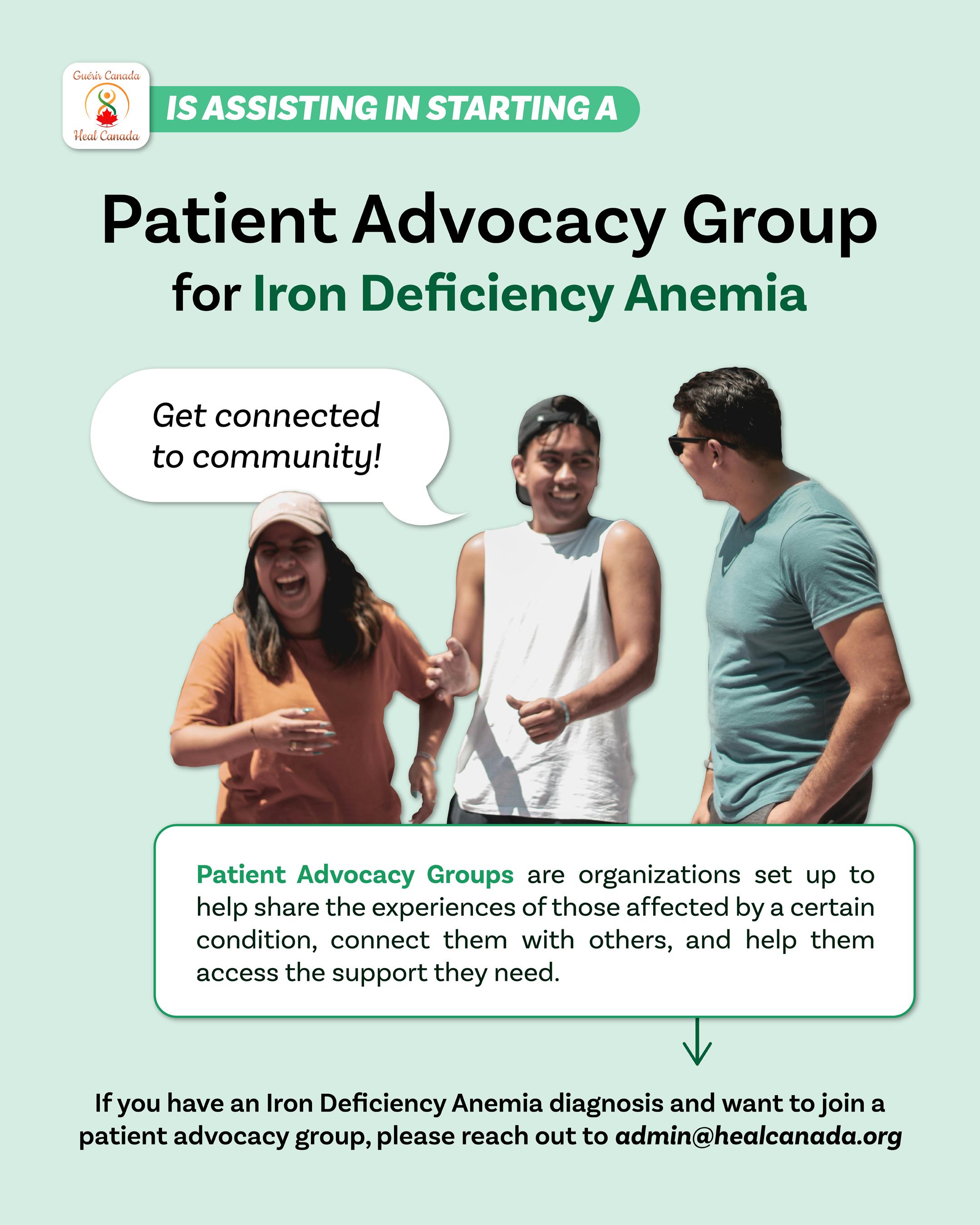
CACHEducation is evolving to better serve the needs of patient advocates and healthcare professionals with its rebrand to CACHEducation Academy. This transformation reflects an expanded commitment to delivering high-quality, structured learning experiences tailored to the ever-changing landscape of patient advocacy and healthcare education. As part of this rebrand, CACHEducation Academy will introduce Advanced Curriculum offerings starting in April 2025, providing deeper insights, specialized training, and enhanced skill development for those looking to elevate their expertise. This next phase marks a significant step forward in strengthening the capacity and impact of patient advocates through comprehensive and innovative education.
“Enrolling in CACHEducation was a game-changer for me as a patient advocate. The program provided invaluable knowledge, practical skills, and a supportive community that empowered me to make a real impact in healthcare advocacy.”
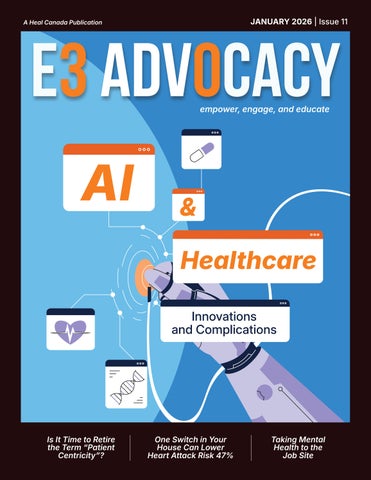
E3 Advocacy
A Heal Canada Digital Magazine
JANUARY 2026 | Issue 11
Founders Note
Finding Purpose: Heal Canada Feature in Montreal Gazette
PRINCIPAL TOPIC
AI & HEALTHCARE
The Future Is Patient-Centric
Artificial Intelligence, Innovation and Humanity
Artificial Intelligence in Healthcare: When Innovation Adds New Barriers
EMERGING TREATMENTS
Health Canada Approves Lecanemab
3 Emerging Cancer Treatments
MENTAL HEALTH
Reading for Well Being Taking Mental Health to the Job Site
The 4 Types of Visualization
When Anxiety becomes Overwhelming
SENIOR HEALTH
New Year, New Plans: Setting Eldercare Goals for 2026
Growing Older at Home
PEDIATRIC HEALTH
Cold and Flu Season and Kids
GLOBAL PARTNERS
ADVOCACY SPOTLIGHT
Is It Time to Retire the Term “Patient Centricity” As We Retire 2025? Why Patient Advocacy Organizations Are Essential
PATIENT JOURNEY
Standing Tall
Dear Cancer Patient, Here’s What I Learned on My Cancer Journey
LIVING WELL
One Switch in Your House Can Lower Heart Attack Risk 47%
Recently Published International Research on Diabetes Stigma
Setting Yourself Up for a Healthier 2026
4 Easy, Make-Ahead Dinner Recipes
The Smile Files
ASK THE EXPERT
The Use of AI in Health Care, From My Perspective
E3 Advocacy
RESOURCES
Heal Canada Resources
Clinical Trials and Registries
Alliances
Supporters
Heal Canada Team
Team Members: Cheryl Petruk, Wendy Reichental, and Anna Polovenko
Designer: Richie Evans
E3 Advocacy is a bimonthly patient advocacy magazine distrubted by Heal Canada. It has been running for 10 issues over 1 year and is seen globally, serving a variety of patient communities.
Heal Canada is a registered Non Profit Organization in Canada
Visit healcanada.org to download this current issue and subscribe for future issues admin@healcanada.org
Disclaimer: The Patient Advocacy Digital Magazine provides general information and resources to promote patient empowerment and awareness. The content is not a substitute for professional medical advice or treatment. Always consult with qualified healthcare professionals for personalized guidance regarding your specific medical condition or situation.
No part of this publication may be reproduced, distributed, or transmitted in any form or by any means, including photocopying, recording, or other electronic or mechanical methods, without the prior written permission of the publisher, except in the case of brief quotations embodied in critical reviews and certain other noncommercial uses permitted by copyright law. For permission requests, please contact: admin@healcanada.org
E3 Advocacy is a publication of Heal Canada, supporting education, empowerment, and engagement in patient advocacy.
Founder’s Note
Hope. Inspiration. Knowledge. Education.
As the new year begins, we find ourselves at a moment full of possibility and purpose. Patient advocacy keeps changing, and so does our ability to make a real difference together. At E3 Advocacy, our mission stays the same: to empower patients, caregivers, and communities with hope, inspiration, knowledge, and education. These HIKE values guide every issue we create.
January is more than just the start of a new year. It is a fresh call to action. Patients across Canada, the United States, and beyond are facing more complex healthcare journeys. By sharing stories, providing reliable information, and coming together, we keep building ways to improve understanding, support each other, and work for fairer access to care.
This month, we look at what it means to start fresh, to reset, recommit, and imagine new goals for patient advocacy in 2026. Whether you are a patient seeking answers, a caregiver needing support, a clinician seeking to connect more effectively, or an advocate ready to lead, this issue is here to support you and help you move forward with confidence.
Our community is built on courage. Every conversation, question, and personal story adds to a larger movement for empowerment and better outcomes. Together, we are creating a patient community that is informed, caring, and forward-thinking. We are also working to connect today’s challenges with tomorrow’s solutions.
Thank you for being on this journey with us. Thank you for letting us be part of your story. Your involvement, your voice, and your strength inspire all that we do.
With deep gratitude,
Cheryl Petruk Founder, Heal Canada & E3 Advocacy Digital Magazine
Finding Purpose
A partner’s cancer diagnosis led this woman to discover her passion for patient advocacy
By Debbie Olsen
Cheryl Petruk never planned to become a magazine publisher or the founder of a not-forprofit organization. She was working as a HR professional in 1991 when her husband, Eugene Petruk, was diagnosed with a rare slow-growing blood cancer that is in a group of blood cancers known as myeloproliferative neoplasms (MPNS).
To support her husband and be the best possible caregiver, Cheryl learned everything she could about the disease, but it wasn’t easy.
Cheryl and Eugene talked to doctors, reached out to other patients and scoured the internet to find answers to their questions about this rare disease.
“Patient advocacy is so important when you’re facing a serious health care concern and you can’t be an effective advocate if you don’t have good information,” Cheryl explains. “I figured that if I had questions, there were undoubtedly others who had the same questions.”
In 2014, Cheryl and a group of others founded
“Participating in a support group can really make a difference when you’re dealing with a serious health issue. When you get together with other people, you don’t feel so alone.”
- Cheryl Petruk, founder of the Canadian MPN Network
the Canadian MPN Network, a patient advocacy group that has become a primary resource for people impacted by MPNS. The organization provides information and helps connect patients and their caregivers with support groups. Cheryl served as the chair of the volunteer board for more than five years.
“Participating in a support group can really make a difference when you’re dealing with a serious health issue,” says Cheryl. “When you get together with other people, you don’t feel so alone.”
When Cheryl’s husband, succumbed to his disease in 2018, she might have chosen to walk away from the advocacy work she had been doing, but instead she doubled down.
The Canadian MPN Research Foundation, a not-for-profit organization dedicated to funding research for MPN blood cancers in Canada, was established in 2018 and she went on to serve as the organization’s executive director for more than five years.
During this time, she had the chance to meet and help others impacted by MPN blood cancers and one of those people was Wendy Reichental. Wendy was approaching her 60th birthday when abnormalities were detected in her blood tests at an annual medical check up.
“I had no symptoms, so the cancer diagnosis was a complete shock,” Wendy says. “I was fortunate that it was caught early. I wanted to learn more about the disease, so I Googled MPN Canada, and this organization came up. I called and spoke to the executive director, and she became my lifeline. Cheryl and I have never met in person, but she has become a dear friend.”
Progress has been made with treatment of MPN blood cancers and even though there isn’t a cure, it can be controlled with long-term chemotherapy.
Cheryl Petruk is the founder of the Canadian MPN Network, a patient advocacy group that has been a primary resource for people impacted by myeloproliferative neoplasms since 2014. She launched the group after her husband, Eugene, was diagnosed with a rare slow-growing blood cancer.
“Doctors have predicted that I’ll die with the disease, but I won’t die because of it,” Wendy explains. “You take it one day at a time. I am fortunate that I haven’t experienced hair loss or other more serious side-effects from long-term chemotherapy.”
In 2023, Cheryl stepped down as executive director of Canadian MPN Research Foundation and focused her efforts on Heal Canada, an organization she founded in 2018 that is dedicated to patient education and patient advocacy in a broader sense, not limited only to MPN blood cancers.
A year later, she asked Wendy to assist with a free magazine called E3 Advocacy Digital Magazine for Heal Canada. The magazine’s current issue is focused on navigating insurance and health coverage, a topic that applies to anyone who is dealing with a serious disease or illness. Wendy says that assisting with the magazine has given her purpose and allowed her to focus on helping others rather than becoming consumed with her own illness.
Patient advocacy has become a passion for Cheryl who found her life’s work because of her late husband’s cancer journey.
“I am enjoying what I do,” she says. “Helping people help themselves in their own health journey is very rewarding.”
Debbie Olsen is an awardwinning Métis writer and a national bestselling author.
If you have an idea for a story that could be featured in Real Canadians, email realcanadians@ wanderwoman.ca. Share your experiences taking action to make a difference in the world by visiting wanderwoman.ca/realcanadians
This article is reprinted from the Montreal Gazette with permission from the author.
AI & Healthcare
The Future Is PatientCentric
How AI and Data Are Redefining Care
By Cheryl Petruk
For decades, healthcare systems worldwide have aspired to be more patient-centric, yet structural, cultural, and operational limitations have often prevented meaningful progress. Today, technological advancement, particularly in artificial intelligence (AI), real-world evidence (RWE), and digital health, has created an unprecedented opportunity to make this aspiration a reality. The convergence of AI, advanced analytics, and patient-reported data is reshaping how health systems understand patient needs, personalize care, improve outcomes, and empower individuals to participate in their health journey.
This shift is not just technological; it represents a fundamental change in philosophy. Healthcare is moving away from episodic, provider-controlled interactions toward continuous, insight-driven partnerships where patients are recognized as experts in their experience. AI and data science are accelerating this shift by enabling real-time interpretation of complex information, elevating patient voice, and reducing the barriers that have fragmented care delivery for decades.
AI IS MAKING PATIENT-CENTRIC CARE SCALABLE
Historically, patient-centred care has been difficult to scale. Physicians and care teams have limited time, variable resources, and an overwhelming amount of information to process. AI provides the technological backbone for population-level personalization by analyzing health data faster, more accurately, and in ways impossible for humans alone.
Modern AI systems can synthesize data from electronic health records (EHRs), genomic data, imaging data, wearable data, laboratory test results, and patient-reported outcomes. These advanced algorithms detect patterns, identify deterioration earlier, and propose individualized treatment options aligned with clinical evidence and emerging research. For example, predictive models are already being used to anticipate complications in cancer care, predict disease progression in chronic illnesses, and support clinical decisions by highlighting the most relevant evidence for a particular patient profile.
This allows clinicians to focus on what matters most: understanding patient needs, coordinating care, and working with individuals and families. AI does not replace the clinician; it enhances their capacity and improves their ability to deliver high-quality care.
DATA IS EMPOWERING THE PATIENT VOICE
The greatest evolution driven by AI and analytics is the recognition that patients are essential contributors to the healthcare ecosystem. Patientgenerated data—whether from symptomtracking apps, digital diaries, wearable devices, or structured surveys—provides real-time insights into quality of life, treatment tolerance, emotional well-being, and daily functioning.
“AI has enormous potential to address inequities in care, but only if it is developed and deployed responsibly.”
For individuals living with chronic, rare, or complex diseases, this data is transformative. It allows patients to articulate their experience beyond clinical markers and empowers them to participate actively in decision-making. Rather than relying solely on occasional clinic visits, clinicians can access continuous streams of information that provide a more accurate picture of a patient’s lived reality.
Equally important, aggregated and anonymized patient data help researchers and patient advocacy organizations identify unmet needs, shape clinical trial protocols, and advocate for therapies that align with patient priorities. This strengthens the connection between patient experience and healthcare innovation, ensuring that new treatments are relevant, equitable, and informed by real-world insights.
AI ENHANCES EQUITY—IF IMPLEMENTED THOUGHTFULLY
AI has enormous potential to address inequities in care, but only if it is developed and deployed responsibly. Historically, healthcare data sets have not consistently represented diverse populations, leading to diagnostic and treatment biases that disproportionately harm marginalized
communities. Patient-centric AI requires intentional design that ensures inclusivity, transparency, and accountability at every stage of development.
Patient advocacy organizations play a critical role in ensuring that underserved populations are not left behind. Their work in outreach, culturally relevant education, and community engagement helps increase the diversity of data used to train AI-driven models. This results in algorithms that better reflect the true spectrum of patient experience—leading to more accurate diagnoses, safer treatment pathways, and more equitable outcomes.
Furthermore, AI can help identify disparities by highlighting patterns in disease progression, treatment access, and quality-of-life outcomes. When used responsibly, AI becomes a tool for social justice in healthcare, empowering communities, exposing systemic gaps, and supporting policy change.
CLINICAL TRIALS ARE BEING REIMAGINED THROUGH AI AND REAL-WORLD EVIDENCE
Traditional clinical trials have long struggled with recruitment, retention, and diversity challenges. AI and data analytics are addressing these barriers, making research more inclusive and patient-centred. Predictive algorithms can identify eligible participants more efficiently, helping match patients to trials based on clinical characteristics, geographic proximity, and personal preferences.
Digital platforms now enable decentralized or hybrid trials, reducing travel and minimizing time off work while allowing patients in rural or underserved areas to participate. Wearables and remote monitoring tools gather high-quality data without frequent hospital visits, improving patient retention and generating more comprehensive evidence.
Additionally, real-world evidence complements clinical trial data by capturing the full spectrum of patient experience, including treatment effectiveness, side effects, functional status, and long-term quality of life. This supports better regulatory decisions, informs clinical guidelines, and helps health systems understand how therapies perform in everyday settings. For patient advocacy groups, RWE provides a powerful tool to influence drug development, policy, reimbursement, and access.
DIGITAL HEALTH TOOLS ARE ENHANCING NAVIGATION AND REDUCING BURDEN
Navigating the healthcare system is challenging for many patients, especially those with chronic or rare conditions. AI-enabled digital health tools such as symptom trackers, automated care navigators, chatbots, appointment reminders, and virtual support platforms are reducing this burden.
These tools provide:
• Personalized education tailored to individual diagnoses
• Reminders for medications, appointments, and symptom monitoring
• Access to virtual nurse triage or support agents
• Guidance on when to seek urgent care
• Emotional support resources and peer-topeer communities
Many patient advocacy organizations are integrating digital navigation support into their programs, helping individuals understand their treatment options, ask informed questions, and communicate effectively with their care team. The result is improved self-management, reduced anxiety, and enhanced continuity of care.
THE ROLE OF PATIENT ADVOCACY ORGANIZATIONS IN THE AI-DRIVEN FUTURE
Patient advocacy organizations remain the backbone of patient-centred innovation. Their leadership is essential in these areas:
Ensuring the patient voice is integrated in every stage of development
From research design to clinical trials, regulatory submissions, policy frameworks, and real-world implementation.
Co-designing digital tools with patients and families
AI applications are most effective when shaped by people who understand lived experience.
Helping build trust and transparency
Patients are more likely to adopt AI-based tools when information is communicated clearly, ethically, and respectfully.
Driving equitable access
CONCLUSION: A FUTURE DESIGNED AROUND PATIENTS
The future of healthcare is neither purely technological nor purely clinical. It is humancentred, digitally-enabled, and driven by the insights of the individuals it seeks to serve. AI and advanced analytics are not separate from patient advocacy; they are tools that amplify its impact.
Patient-centric care, once an aspiration, is now within reach. By embracing AI responsibly, prioritizing transparency, and elevating patient voice, we can create a healthcare ecosystem that is more equitable, responsive, and aligned with the realities of people’s lives.
“As AI evolves, patient advocacy groups will continue to influence research priorities”
Advocacy organizations elevate the needs of underserved communities and ensure that AI benefits all—not only those who are digitally savvy or well-resourced.
Educating patients and clinicians
Clear communication about AI capabilities, limitations, and data privacy protections is essential to widespread adoption.
As AI evolves, patient advocacy groups will continue to influence research priorities, push for inclusive data practices, and ensure technology aligns with human needs and values.
The future is patientcentric—and with the right leadership, collaboration, and innovation, it is already beginning to take shape.
Artificial Intelligence, Innovation and Humanity
By Cheryl Petruk
The future of patient advocacy is being written at the intersection of three powerful forces: artificial intelligence, innovation, and humanity. For advocates, patients, caregivers, and health professionals, this is not a distant horizon—it is a transformation that is already underway. The real question is not whether AI will reshape advocacy, but how we will shape AI to protect and amplify patient voices.
This article explores how artificial intelligence and digital innovation are changing patient advocacy, the opportunities they present, and the risks we must guard against to keep humanity at the centre of care.
THE NEW LANDSCAPE: WHY PATIENT ADVOCACY MUST EVOLVE
Healthcare systems worldwide face pressure from aging populations, chronic disease, rising costs, workforce shortages, and widening inequities. At the same time, data is exploding— from electronic health records and lab results to wearable devices, patient-reported outcomes, and social media.
Traditional advocacy methods—letters, meetings, support groups—remain vital but are no longer enough. Decisions about treatments, funding, and policy are now made in technology-enabled environments. Without
patient voices in these systems, they risk being left out.
This is where artificial intelligence and innovation come in. AI is not just a new tool; it is becoming core infrastructure in healthcare. Algorithms help triage emergency patients, predict hospital readmissions, flag rare diseases, guide treatment choices, and power virtual assistants. For patient advocacy, this shift is both an opportunity and a warning: if advocates do not engage with AI, AI will be built without them.
HOW AI CAN STRENGTHEN PATIENT ADVOCACY
When thoughtfully designed and ethically governed, AI can enhance the reach, impact, and precision of patient advocacy.
Turning Stories into Evidence
Patient advocates have always understood the power of stories. AI enables analysis of patterns across thousands of stories, surveys, and lived experiences.
• Natural language processing (NLP) tools can scan patient narratives, social media posts, and open-ended survey responses to identify themes such as delays in diagnosis, side effects, barriers to access, and inequities by geography or race.
• Predictive analytics can help quantify what advocates have long known—for example, that financial toxicity, fatigue, or mental health challenges directly affect treatment adherence and outcomes.
This does not replace individual patient voices; it amplifies them. When advocates meet with policymakers or payers, they can bring not only powerful stories but also data showing these stories reflect widespread, systemic issues.
Personalizing Support and Navigation
AI can help advocates reach patients more effectively and personalize support.
• Chatbots and virtual navigators can answer common questions 24/7, triage concerns, and direct patients to reliable resources, support groups, or clinical trials.
• Recommendation systems can suggest relevant educational materials or programs based on a patient’s diagnosis, age, language, or treatment stage.
• Digital symptom trackers can help patients and caregivers monitor quality of life in real time, generating information advocates can use (with proper consent) to highlight unmet needs and gaps in care.
In this way, AI becomes an extension of the advocacy team, handling routine questions and logistics so human advocates can focus on complex, emotional, high-stakes issues that require empathy and judgment. The key takeaway: AI can free advocates to deliver more personalized, human-centred support.
Advancing Equity and Inclusion
When designed carefully, AI can reduce inequities:
• Identifying regions or communities where outcomes are consistently worse.
• Highlighting patterns of under-diagnosis or under-treatment in specific populations.
• Supporting multilingual communication and translation for patients who do not speak the dominant language.
For advocacy organizations focused on underserved communities, AI-powered data analysis can validate what they see on the ground and strengthen their case for targeted resources, culturally relevant services, and policy change. The takeaway: AI can help identify and address inequities when used intentionally.
THE RISKS: WHEN AI THREATENS PATIENT VOICE
The same technologies that empower advocates can also undermine them if not used carefully. Artificial intelligence is not neutral; it reflects the data, values, and power structures that shape it.
Bias and Exclusion
If AI systems are trained mainly on data from well-resourced hospitals, majority populations, or those already well served by the system, they will reproduce those biases.
• Algorithms might under-recognize disease in populations that were underrepresented in the training data.
• Predictive models might deny or delay care for those deemed “non-compliant” or “highrisk” based on biased assumptions rather than the structural barriers they face.
Patient advocacy has always fought to be sure no one is left behind. In the age of AI, this means asking: whose data is included? Who is missing? And who gets to decide?
Loss of Human Connection
Healthcare is not just a technical system; it is a human relationship. As chatbots, decision aids, and automated triage tools become more common, patients may feel increasingly distant from real people.
• A patient might receive automated reminders, risk scores, and chat responses—but feel unseen, unheard, and alone.
• Clinicians may come to rely too heavily on algorithmic outputs, paying less attention to patients’ subjective experiences.
Patient advocates will need to push for AI to be used as a supplement—not a substitute—
for human compassion, listening, and shared decision-making.
Data Privacy and Trust
AI depends on sensitive patient data. Without strong safeguards, that data may be misused or repurposed without consent.
• Commercial interests may prioritize profit over patient welfare.
• Data from advocacy-run surveys or support programs might be requested, purchased, or scraped without meaningful patient control.
Once trust is broken, it is hard to rebuild. Patient advocacy organizations will have to become guardians of data ethics, setting high standards for how patient information is collected, shared, and used. The main takeaway: Data privacy and ethical standards are critical for trust in AI.
REDEFINING THE ROLE OF THE PATIENT ADVOCATE IN AN AI-DRIVEN WORLD
To navigate this new landscape, the role of patient advocates will evolve—not away from human connection, but deeper into it.
Advocates as Co-Designers of AI
AI systems in healthcare should not be built solely by engineers and clinicians. Patients and advocates must be at the table from the beginning:
• As co-creators in identifying the problems AI should solve.
• As reviewers of user interfaces, communication styles, and language.
• As advisors on what “success” looks like from a patient’s perspective, beyond narrow clinical metrics.
Advocacy groups can negotiate formal roles on advisory boards, ethics committees, and governance structures for AI projects in hospitals, health systems, and industry.
Advocates as Ethics and Equity Guardians
Patient advocates are uniquely positioned to ask hard questions that others might overlook:
• Does this algorithm help all patients, or only some?
• How do we know it is fair across race, gender, disability, language, and socioeconomic status?
• What recourse does a patient have if they are harmed by an AI-driven decision?
In the future, advocacy organizations may publish their own “AI use principles,” monitor how health systems deploy technologies, and call for accountability when tools widen inequities rather than narrow them.
Advocates as Digital Literacy Leaders
As digital tools and AI become more common, patients will need help understanding:
• What an algorithm is and is not.
• When to trust a digital recommendation— and when to ask more questions.
• How to interpret risk scores, predictive models, or personalized suggestions.
Advocacy organizations can develop education programs, fact sheets, videos, and workshops that demystify AI for patients and caregivers. Helping people understand technology is a form of empowerment.
KEEPING HUMANITY AT THE CENTRE
With all the talk of algorithms and data, it is easy to forget what brought many advocates into this work: a human experience. A diagnosis. A loss. A moment of frustration or injustice that sparked the decision to speak up.
The future of patient advocacy must honour that human core. AI and innovation should be judged not by how advanced the technology is but by how well they support:
• Dignity – Patients treated as people, not data points.
• Autonomy – Meaningful choice and informed consent.
• Equity – Closing gaps, not widening them.
• Compassion – Real listening, emotional support, and acknowledgement of fear, hope, and uncertainty.
• Partnership – Patients and families as true partners in care and research, not passive recipients.
In practical terms, this means that every AI implementation in healthcare should engage patients by: hosting listening sessions, conducting pilot projects with feedback loops, providing clear opt-in or opt-out choices, and communicating in plain language. Key takeaway: Patient engagement is essential at every stage of AI adoption in healthcare.
LOOKING AHEAD: A CALL TO ACTION FOR ADVOCATES
The future of patient advocacy in the age of AI is not predetermined. It will be shaped by choices we make now: who is at the table, what values guide design, and how strongly we stand up for those whose voices are easiest to ignore. For advocates, several priorities emerge:
Build AI literacy within advocacy organizations.
Invest in training for staff, volunteers, and board members to understand basic AI concepts, opportunities, and risks. You do not need to be a programmer to ask smart questions.
Demand meaningful patient involvement in AI projects.
Advocate for co-design, not token consultation. Ask for patient seats on governance committees, ethics boards, and advisory panels for digital health initiatives.
Insist on transparency and accountability. Push for clear explanations of how AI tools work, what data they use, and how they are
evaluated. When possible, support policies that require audits for bias and real-world impacts.
Protect data rights and trust.
Develop strong consent practices, clear data-sharing policies, and partner only with organizations that respect patient privacy and autonomy. Make sure participants in advocacyled surveys and programs know exactly how their data will be used.
Use AI to elevate underrepresented voices. Focus on including data and perspectives from communities that have historically been marginalized: racialized populations, rural communities, people with disabilities, LGBTQ+ communities, and others who face structural barriers to care.
Keep relationships at the heart of advocacy. Even as technology advances, the most powerful advocacy happens when someone feels truly heard. AI can manage information; it cannot replace empathy.
CONCLUSION:
THE FUTURE IS HUMANDRIVEN, TECH-ENABLED
Artificial intelligence and innovation are transforming healthcare, but they do not erase the need for human courage, compassion, and solidarity. In fact, they make those qualities more important.
The future of patient advocacy will not be defined by the sophistication of the algorithms we use, but by whether those tools help us fulfill our deepest commitments:
• To stand beside patients and caregivers in their most vulnerable moments.
• To challenge systems that are unjust or indifferent.
• To bring lived experience into the centre of research, policy, and care.
In this future, the most powerful combination is not technology alone or humanity alone; it is technology guided by humanity. Advocacy organizations that embrace AI with clear ethics, a commitment to equity, and a relentless focus on the patient voice will not just survive this transformation; they will help lead it.
The invitation to advocates everywhere is clear: step into the conversation, shape the tools, and ensure that in the age of artificial intelligence, it is still the human heart that sets the direction.
Cheryl A. Petruk is a multifaceted professional whose career spans patient advocacy, business, and post-secondary education, showcasing her dedication to significantly impacting these areas.
When Innovation Adds New Barriers
Artificial Intelligence in Healthcare
By Cheryl Petruk
Innovation should never come before humanity. The future of AI in healthcare must focus on patients, be ethical, open, responsible, and include input from all disease communities. Only then can we ensure that new technology does not worsen existing inequalities.
Artificial intelligence (AI) is often seen as a major step forward in healthcare, offering efficiency, accuracy, faster diagnostics, and better clinical decisions. While these benefits are real, there are also concerns. If AI is poorly designed or used without careful oversight, it can create new risks. In some cases, it may even make it harder for certain patients to get the care they need.
For people with rare diseases, disabilities, or complex chronic and overlapping conditions, these risks are not hypothetical. They are real, measurable, and sometimes already visible. AI systems that use population-level data or pattern detection disadvantage those outside “typical” datasets. These patients are often invisible in AI training, which leads to misdiagnosis, misclassification, and harm.
As AI is used more in triage settings, decision-making tools, and virtual care, it is important to consider how this affects people whose health conditions do not fit standard models. This includes millions of people worldwide with rare diseases, undiagnosed conditions, changing chronic illnesses, neurodivergence, psychiatric issues, multiple health problems, and disabilities that do not follow a typical path.
WHEN AI FAILS RARE DISEASE PATIENTS: THE PROBLEM OF STATISTICAL INVISIBILITY
Most healthcare AI systems are trained on large, general datasets to spot common disease patterns. While machine learning can quickly identify these patterns, rare-disease patients are often missing from the data. Their test results, symptoms, and disease progressions are too rare for AI to recognize.
As a result, AI tools can:
• misinterpret symptoms as “non-urgent,”
• route rare disease patients away from specialists,
• incorrectly label their presentation as psychosomatic or benign,
• miss critical diagnostic red flags,
• generate low-priority triage scores, or
• recommend inappropriate or delayed care pathways.
A patient with a rare disease might go to the emergency room in crisis, but the AI triage tool may not recognize their condition. If the system does not recognize a familiar pattern, it may assume there is no problem, leading to misclassification.
For patients with rare cancers, connective-tissue disorders, autonomic dysfunction, mitochondrial diseases, atypical immune conditions, or complex multi-system illnesses, this misclassification can be profoundly dangerous. Many advocates have shared stories of being dismissed, deprioritized, or routed incorrectly by algorithms embedded in digital triage systems.
In short, instead of making care better for everyone, AI can sometimes make things worse for people with rare diseases.
WHEN AI MAKES CARE HARDER TO ACCESS RATHER THAN EASIER
AI is meant to reduce paperwork and make care easier to access. However, many people with limited digital skills, disabilities, cognitive difficulties, or special communication needs actually face more obstacles because of AI systems.
Examples include:
• automated phone systems that replace human triage
• chatbots that misinterpret urgent symptoms
• scheduling robots that reject unusual appointment requests
• automated insurance adjudication that flags atypical clinical histories
• symptom-checkers that inaccurately downplay or misclassify issues
Patients with rare or changing conditions are often seen as ‘edge cases’ by AI systems. Instead of getting careful attention, they may be treated as outliers and overlooked.
Some health systems use AI tools to assess urgency or direct patient care. These tools rely on historical data showing only common disease cases. Rare disease patients may appear non-urgent because the algorithm lacks prior examples of their illness.
While AI helps most people by making things more efficient, it can also end up excluding those with less common diseases.
WHEN SPECIALISTS THEMSELVES APPROACH AI WITH SERIOUS CAUTION
Despite what some may think, many doctors—especially specialists in rare diseases, cancer, blood disorders, neurology, psychiatry, and immunology—are cautious about using AI. They worry about accuracy, legal responsibility, over-reliance, and the loss of important clinical judgment. In big hospital systems, some specialists use AI note-taking tools only because they have to. Doctors might turn on AI notes if a patient asks, but they often must correct mistakes, missing details, or made-up reasoning in the AI’s notes.
Practitioners have noted the following risks:
• AI may misinterpret complex medical terminology, leading to documentation errors.
• AI may infer diagnoses or conclusions not stated during the visit, posing legal and ethical risks.
• AI may remove nuance, flattening complex clinical presentations into simplistic descriptors.
• AI note-generation may introduce bias, especially in mental health, disability, and pain-related cases.
This careful approach by the medical community is not about rejecting new technology, but rather it is about understanding that patients with rare or complex conditions cannot risk mistakes in their records. Clinical notes affect insurance, diagnosis, referrals, and care plans. Even one wrong detail can set back a patient’s progress by months or years.
WHEN AI FEEDS DELUSIONS, MISINFORMATION, OR PSYCHOSIS
Another growing concern is how AI can make mental health crises worse, especially for people who are vulnerable. There have been cases around the world in which, if not properly monitored, AI chatbots have made harmful thoughts or delusions stronger.
This problem, sometimes called AI-induced delusional escalation, happens when someone with paranoia, hallucinations, or delusions interacts with an AI that seems very real. If the AI does not have strong safety controls, it may unintentionally:
• reinforce a patient’s delusional beliefs.
• provide fabricated “facts” that fuel paranoia
• respond in ways that the patient interprets as confirmation
• escalate emotional distress by mimicking human engagement
• generate content that increases anxiety or fear
• encourage isolation from real medical support
In severe cases, advocates report people delaying urgent care, refusing hospitalization, or avoiding mental health support because AI systems gave false reassurance or misleading advice.
Some AI tools have indirectly contributed to psychiatric hospitalization. This happens when people feel overwhelmed, paranoid, or distressed after interacting with an AI they see as powerful or threatening.
This shows an important point: AI is not neutral. In mental health, it can actually make risks much higher.
WHEN AI MISLEADS PATIENTS ABOUT URGENT SYMPTOMS
Several published evaluations of AI symptom checkers, chatbots, and virtual triage systems have shown concerning patterns:
• AI may under-prioritize urgent symptoms.
• AI may provide false reassurance.
• AI recommendations differ greatly between platforms.
• AI tools sometimes miss “worst-case” diagnostic possibilities.
Researchers have demonstrated that, depending on the platform, AI may:
• incorrectly classify chest pain as non-urgent,
• fail to identify signs of sepsis,
• downplay neurological symptoms,
• misinterpret atypical heart attack presentations, particularly in women, ethnic backgrounds, and those with rare diseases.
For patients who are challenged by having serious health issues and may be dismissed by AI, these failures send a damaging message: “Your symptoms are not serious.”
When patients rely on AI advice that downplays urgent symptoms, it can lead to delays in care, worsened health, and problems that could have been avoided.
AI BIAS: WHEN INEQUITY IS RECREATED IN CODE
AI systems learn from the data they are given. If there is bias in healthcare, AI will pick it up and spread it even further.
Examples include:
• algorithms that prioritize patients based on historical data undervalue minority populations.
• models that assume “normal ranges” based on the majority demographics.
• health risk scores that were calibrated to favour white patients.
• pain-assessment algorithms that under-score pain in women or racialized individuals.
• the main lesson is that when AI incorporates old biases into its decision-making, it can perpetuate those problems and even make them worse
Rare disease patients in particular encounter this issue. Many rare conditions affect small, scattered populations, often without appropriate representation in medical literature or AI training datasets.
AI tools may therefore:
• assume “normal” results when they are not normal for the patient’s disease type,
• mislabel rare symptoms as psychosomatic,
• overlook early warning signs requiring urgent intervention,
• assign low-risk scores that influence prioritization
Bias in AI is more dangerous than bias from a single doctor because it can affect thousands of people at once, often without anyone noticing. There is usually no simple way to challenge an algorithm that quietly changes or lowers a patient’s priority.
AI IN ADMINISTRATIVE SYSTEMS: UNSEEN BARRIERS WITH SERIOUS CONSEQUENCES
For many patients living with rare, ultra-rare, or complex mental-health conditions, the harmful impact of AI extends far beyond the clinical setting and deeply into the administrative systems that govern their access to care. AI-driven insurance adjudication and application processing have become significant barriers rather than efficiencies. Patients report being denied coverage outright because automated systems are not programmed to recognize non-mainstream diagnoses, fluctuating disease patterns, or atypical treatment pathways. In numerous cases, approvals that were previously straightforward now require repeated appeals, extensive documentation, or the patient personally calling the insurer to override automated decisions. AI systems frequently misread medical records, misclassify treatment urgency, or flag legitimate claims as “errors,” resulting in reimbursement delays
of months. Communication often becomes a confusing cycle of contradictory messages, automated notices, and requests for information already submitted—prolonging stress and disrupting continuity of care.
For individuals managing fragile health, this bureaucratic loop is not a minor inconvenience; it is a source of real harm that delays treatment, exacerbates symptoms, and imposes significant financial and emotional burden. These lived experiences underscore why patient advocates are increasingly concerned that AI, without oversight and rare-disease literacy, risks creating administrative systems that are efficient only for the majority—and disastrous for those who do not fit the algorithm.
Much of AI’s influence in healthcare is not visible to the patient. Behind the scenes, AI is increasingly used in:
• insurance adjudication
• prior authorization decisions
• approval of specialist referrals
• benefit coverage determinations
• disability claim analysis
• medical necessity reviews
• patient routing and resource allocation
When algorithms decide who qualifies for care based on averages, people with rare diseases are often denied more than others.
Advocates report cases where AI-powered insurance systems flag rare-disease-related prescriptions as “unusual,” “high cost,” or “non-standard.” This results in automatic denials, delays, or requests for additional documentation—sometimes repeatedly, even when medically necessary.
These delays are not harmless. They can:
• disrupt treatment continuity
• cause disease progression
• increase hospitalization rates
• create emotional and financial stress
• undermine trust in the healthcare system
Automated systems help insurers save time and money, but this often comes at the expense of patients with the most complex and expensive needs.
AI AS A GATEKEEPER: PUSHING PATIENTS OUT OF THE SYSTEM
A serious problem is that more and more patients report having stopped using healthcare services after dealing with AI systems. This can happen for several reasons:
• AI dismisses symptoms, so patients feel ignored.
• AI misinterprets rare diseases, leaving patients without pathways to care.
• AI-generated misinformation fuels fear and uncertainty.
• AI-enabled digital barriers overwhelm patients who need human interaction.
• AI triage or routing systems deprioritize those with unusual presentations.
• AI can become psychologically destabilizing, especially for individuals with paranoia or delusional tendencies.
For patients who have rare, ultra-rare, mental health or complex diagnoses, these experiences lead to deep mistrust of the healthcare system. They might avoid emergency rooms, specialists, or important tests because digital systems have let them down again and again. In rare cases, vulnerable individuals have experienced AI-amplified psychosis or panic—leading to psychiatric hospitalization, self-harm risk, or crisis intervention.
When technology causes people to stop seeking care, the system is failing at its most important job: keeping people safe, healthy, and with a good quality of life.
THE ETHICAL IMPERATIVE: AI MUST NOT REPLACE HUMAN JUDGMENT
AI should help in healthcare, but it should never replace critical thinking, clinical judgment, or caring human interaction. For patients with complex needs, AI should be used as a tool rather than as the final decision-maker.
Key ethical principles must guide its use:
• Transparency: Patients must know when AI is used.
• Equity: Models must be evaluated for their accuracy in rare diseases.
• Explainability: AI decisions must be interpretable and challengeable.
• Patient Autonomy: AI use should require informed, voluntary consent.
• Safety: Systems must be rigorously tested with vulnerable populations.
Most importantly, using AI should never make care less personal or take away the important relationship between patients and their healthcare providers.
ADVOCATES MUST BE AT THE TABLE
The patient advocacy community plays a critical role in ensuring AI does not deepen inequities. Advocates must push for:
• inclusion of rare disease data in model development,
• regulatory oversight for clinical AI applications,
• mandatory human review of AI-generated decisions,
• safety monitoring systems for at-risk populations,
• clear reporting mechanisms for AI errors,
• collaboration with disability and mental-health organizations,
• research investment into AI’s impact on marginalized groups
Without patient involvement, AI development risks becoming another example of innovation that benefits most people but harms those who are already at a disadvantage.
If patients or patient advocates are not involved, AI development could end up helping most people but hurting those who are already at a disadvantage. When AI is applied without safeguards, without representation of rare and complex patients in training datasets, and without accountability for errors and biases, it becomes not a tool of progress but a new barrier—another system that overlooks, misclassifies, or dismisses those who need care the most.
For people with rare diseases, disabilities, or both physical and mental health challenges, these risks are real. AI can make it harder to get care, delay urgent help, misrepresent complex cases, and even make mental health problems worse. Many specialists continue to warn that AI should support, not replace, clinical judgment, and this is at the forefront for Patient Advocates to be empowered, engaged and educated in all aspects of AI in Healthcare to assist their communities in having the most optimal decision-making tools at their disposal in navigating their own health journeys.
Editor’s note: Heal Canada provides information for patient advocates, patients, caregivers, and anyone in the healthcare system to help navigate their health journey toward the best possible outcomes. “While AI offers significant advantages in healthcare, we also recognize the importance of discussing its challenges, such as data privacy and ethical considerations, to ensure informed decision-making in the patient journey. It is important that we present an unbiased understanding of AI across all aspects of the patient journey.”
Emerging Treatments
New treatments offer hope to patients and their loved ones. Here, we present new therapies that are available to Canadians.
This section also addresses challenges around access to new medication. Our readers will find important information to help them understand Canada’s drug review processes.
An informed and engaged patient is an empowered one. We aim to equip our readers with the tools and knowledge to navigate the complex healthcare landscape because, more than ever, patients need to raise their voices to get access to services. Accessing innovative medicines can save patients’ lives.
Health Canada Approves Lecanemab
The Alzheimer Society of Canada responds to Health Canada’s decision to approve Alzheimer’s disease medication Lecanemab.
On October 25, 2025, Health Canada approved Lecanemab (brand name Leqembi®) to treat people with a clinical diagnosis of mild cognitive impairment or early-stage Alzheimer’s disease (mild dementia due to Alzheimer’s disease) who are apolipoprotein E ε4 (ApoE ε4*) non-carriers or heterozygotes and who have confirmed amyloid pathology. This is the first disease-modifying Alzheimer’s treatment approved for use in Canada.
The Alzheimer Society of Canada supports Health Canada’s decision to authorize Lecanemab (U.S. brand name Leqembi) as a treatment for people diagnosed with mild cognitive impairment or earlystage Alzheimer’s disease. We respect the careful and thorough process used by Health Canada to assess the safety, efficacy and tolerability data for Lecanemab.
This marks a historic moment in Alzheimer’s disease treatment. Lecanemab is the first medication in Canada shown to slow the progress of Alzheimer’s disease and address its underlying biology. Despite this approval, Lecanemab could still take over a year to become accessible through private drug plans and more than two years through public plans. This underscores the critical importance of receiving a timely diagnosis, as the medication is effective only for those in the earliest stages of the disease. To ensure a comprehensive understanding of its impact, it will be important to establish patient registries for collecting real-world evidence on the efficacy and safety of Lecanemab. These registries should focus on outcomes that are meaningful for individuals living with Alzheimer’s
disease and their care partners. Ongoing monitoring will be essential to assess the medication’s realworld effectiveness.
Further, while this marks a significant step forward, Lecanemab will not be suitable for everyone once it becomes available. This includes individuals in the later stages of Alzheimer’s disease, those with specific conditions (such as stroke or bleeding, immunologic or seizure disorders), and people with other forms of dementia. It is important to note that this medication is not a cure and cannot reverse the progression of Alzheimer’s disease. As with any treatment, some individuals may experience side effects, including potentially serious ones. It is important to consult with a health-care provider before starting any new treatment to ensure it is appropriate for your specific health condition and needs.
According to the World Alzheimer Report 2024 by Alzheimer’s Disease International, over 90 per cent of respondents said they would pursue a dementia diagnosis if they knew a disease-modifying treatment was available. It is the hope of the Alzheimer Society of Canada that as treatments become available, people will be encouraged to seek a diagnosis of dementia earlier.
The approval of Lecanemab marks a significant milestone in dementia research but also highlights critical gaps in Canada’s current health-care infrastructure. To fully realize the benefits of this treatment and future innovations, the health-care system must be equipped to provide timely diagnoses, equitable access to high-quality care, and robust support for individuals living with dementia. Currently, accessing Lecanemab requires specialized diagnostic tools, such as an amyloid PET scan or lumbar puncture, to confirm eligibility. The medication is administered through intravenous infusion, and ongoing monitoring, typically via PET scans or MRIs, is necessary to ensure safety and effectiveness. Meeting these demands will require substantial investments in human resources, infrastructure, training, and the creation of new health-care pathways to deliver such treatments effectively and equitably.
With other promising treatments on the horizon, the Alzheimer Society of Canada has hope that Lecanemab can serve as a baseline to which we compare future treatments. The Alzheimer Society of Canada continues to advocate for increased research funding for dementia to develop, test, and approve new treatment breakthroughs in the future. We also urge for broader and more equitable access to dementia risk reduction resources, diagnosis tools, symptom management, and care support. This ensures that all people living with dementia, and their care partners, can maintain a good quality of life and access appropriate interventions in a timely manner.
We gratefully acknowledge the Alzheimer Society of Canada for granting permission to reprint this article. For more information, please visit alzheimer.ca/lecanemab
Heal Canada does not endorse, promote, or advertise any specific medication, treatment, or therapeutic product. The information provided above is intended solely for general awareness and educational purposes to inform patients, caregivers, and advocates of recent or emerging therapies that have received, or are under consideration for, approval by Health Canada. This overview does not constitute medical advice, clinical guidance, or a recommendation to pursue any treatment.
Patients should always consult their healthcare provider for diagnosis, treatment decisions, and medical guidance appropriate to their individual circumstances. For the most current and authoritative information on drug approvals, reimbursement status, and clinical indications, please refer directly to the Canada Drug Agency (CDA) and Health Canada’s official resources.
Here are 3 emerging treatments and recently approved therapies in Canada that may be important for patients in 2026, based on recent Health Canada regulatory activity and submissions under review. These focus on new mechanisms of action, expanded indications, or significant impact on patient care:
ENHERTU (TRASTUZUMAB DERUXTECAN)
HER2-Low Breast Cancer
Therapeutic area: Oncology (breast cancer)
What it is: An antibody-drug conjugate targeting the HER2 protein with a potent chemotherapy payload, enabling treatment of HER2-low breast cancers that previously had fewer targeted options.
Status: Granted Notice of Compliance in Canada (late 2025); patient access and reimbursement negotiations expected to continue in 2026.
Why it matters: Expands targeted therapy options to a broader subset of breast cancer patients and has shown improved progressionfree survival compared with chemotherapy in trials.
MIRVETUXIMAB SORAVTANSINE (ELARHERE)
Ovarian Cancer (Reimbursement Recommendation)
Therapeutic area: Oncology (ovarian cancer)
What it is: A folate receptor-alpha directed antibody-drug conjugate for platinum-resistant epithelial ovarian cancer.
Status: Recommended by Canada’s Drug Agency (CDA-AMC) for reimbursement with
conditions, signaling a step toward broader clinical use in 2026.
Why it matters: Offers a tailored approach for patients with a difficult-to-treat form of ovarian cancer, potentially improving outcomes where options are limited.
EGFR Mutated Lung Cancer (ChemotherapyFree Option)
Therapeutic area: Oncology (lung cancer)
What it is: A combination of a third-generation EGFR tyrosine kinase inhibitor (lazertinib) with a bispecific antibody (amivantamab) for certain EGFR-mutated non-small cell lung cancers.
Status: Approved in Canada (2025) and relevant for ongoing patient treatment considerations in 2026.
Why it matters: Provides a chemotherapyfree targeted therapy option that can improve tolerability and outcomes for patients with specific genetic mutations in lung cancer.
LAZERTINIB + AMIVANTAMAB
Podcasts!
Remember to look out for new episodes of our podcast, Empowering Voices, dedicated to amplifying the stories and insights of patients, healthcare professionals, and advocates in the blood disorder and rare disease communities.
Each episode will feature meaningful conversations on patient experiences, emerging research, and the evolving landscape of healthcare advocacy. Through Empowering Voices, we aim to educate, inspire, and drive change by bringing realworld perspectives to the forefront. Stay tuned for our first episode, coming soon— because every voice matters!
Listen now at https://www.healcanada.org/empowering-voice-podcast
Mental Health
A dedicated space where we embrace the journey towards mental wellness with open arms and open hearts.
We believe that an informed and engaged patient is an empowered one. Through enlightening articles, expert insights, and inspiring stories, we aim to equip our readers with the tools and knowledge necessary to navigate the complex mental health care landscape.
Join us as we explore how patient advocacy, active engagement and comprehensive education can transform the experience of mental health care, turning obstacles into opportunities for growth and healing.
Reading for WellBeing
Reviewing The Joy of Solitude by
Robert J. Coplan
By Joanna Pozzulo, Ph.D.
December is often associated with the “holiday season,” regardless of your background or faith. Holidays can be filled with joy and positive emotion, but can also be stressful. “To-do” lists can be long, and many may crave finding some “me time” in the hustle and bustle. Whether you enjoy large get-togethers or prefer a quiet night in, The Joy of Solitude: How to Reconnect with Yourself in an Overconnected World by Robert J. Coplan may be an ideal read to make the most of your “alone time”.
Coplan takes you on a journey of understanding how solitude can impact your well-being, whether you consider it something to be avoided or something to strive for. Coplan also provides several strategies on how to make the most of your alone time for improved well-being. As Coplan states, spending time alone can make us feel “calmer, refreshed and revitalized”; it is
restorative. Essentially, solitude allows us to recharge our emotional and cognitive batteries, which in turn makes us more present, improves our memory, and ultimately makes us more productive.
One exercise that Coplan suggests is to keep track of how you spend your solitary time during a typical week. Once you understand how you spend your time alone, you can adjust it to optimize it and make it more deliberate. The goal is to improve the quality of your alone time. Coplan recommends that you find activities during your “me time” that are enjoyable, meaningful, and satisfying to maximize the benefits for your well-being (e.g., walking, reading, drawing, knitting, etc.).
So, how much alone time do you need for improved well-being? It turns out that this is a complicated question (think Goldilocks). As a very broad guide, Coplan suggests that 15 minutes a day of alone time can have a longlasting positive impact on well-being. Although the optimal amount of alone time will vary for each person, what is clear is that some alone time is beneficial for almost everyone.
mind get unstuck!
This book provides the evidence for why and how solitude can improve well-being!
Give it a read on your next solitude break.
For more evidence-based picks for well-being, sign up for the Reading for Well-Being Community Book Club, https://carleton.ca/mental-health/ book-club-sign-up/
“15 minutes a day of alone time can have a longlasting positive impact on wellbeing.”
Check out the Reading for Well-Being Podcast for interviews with authors of my book picks, https:// carleton.ca/mental-health/ reading-for-well-beingpodcast/
Happy reading (and listening)!
Coplan provides a User’s Guide for Solitude at the end of each chapter that is very helpful to make the most out of your time alone. I really liked the idea of taking a solitude break when feeling stuck on a problem. This solitude break allows your mind to wander. During this break, choose to do an activity that is not too challenging (e.g., walking, knitting, colouring, etc.) to help your
Joanna Pozzulo, Ph.D. Chancellor’s Professor Department of Psychology Director, Mental Health and Well-Being Research
(MeWeRTH)
and Training Hub
carleton.ca/mental-health Carleton University
Taking Mental Health to the Job Site
How Practical Skills Are Changing the Trades
By Landon Barrowman
In the short time since my last E3 article, I feel as though I’m back in the field—working hard, surrounded by tradespeople—and it’s all because of the growing interest in mental health within the trades. What began as my personal motivation to raise awareness and provide practical tools for the field has evolved into a broader movement shaped by growing demand.
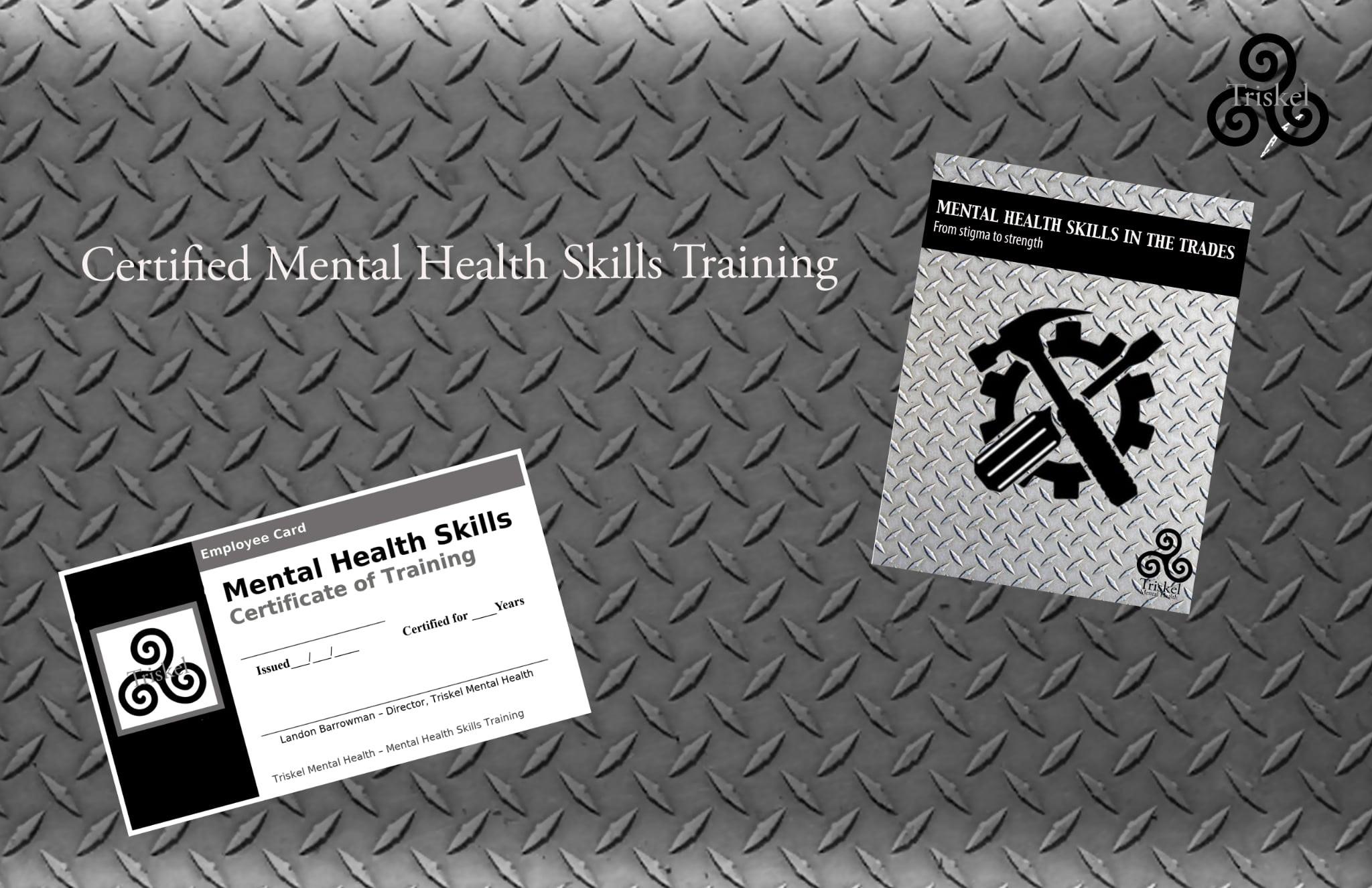
Over the past few years, I’ve developed several ways to deliver research-based mental health skills, including toolbox talks, safety meetings, a certificate course, and a fully integrated safety initiative. These programs introduce accessible cognitive behavioural therapy (CBT) tools in a familiar, handson format similar to H2S or fall-arrest training.
This work has changed how I think about therapy. Mental health support doesn’t need to involve couches and ticking clocks; it can be practical, relatable, and on your own terms. And it needs to be accessible. The fact that most people attend only one or two counselling sessions, often in crisis, shows how urgently we need practical, affordable alternatives that reach people where they are.
My own experience reflects this. When insurance ended before I learned a single usable tool, I turned to reading and discovered CBT. Its impact on my life led to The Working Man’s Guide to Mental Health, a book now being used by professionals and receiving humbling praise for its clarity and practicality.
But I wanted these tools to reach even those who don’t read. Remembering my time in the oil sands, books in my hands while others watched their phones, I created a series of YouTube lectures accessible through a QR code in the book. It essentially turned the book into a workbook and made the material easy to learn on a lunch break.
Still, I wanted to reach the people on site right now. That led to Toolbox Talks, on-site training, safety presentations, and a certified course: Mental Health Skills in the Trades. A pilot session in my hometown delivered astonishing feedback, including from a tough, no-nonsense former coworker who told me he learned more than he expected and wished this training had existed sooner. Hearing this feedback confirmed that these tools truly work not just for me, but for the tradespeople I care about.
After writing The Working Man’s Guide to Mental Health, I was humbled by the praise it received. What truly astonished me was hearing from a psychologist who shared:
“What I appreciate most about this book is how practical and grounded it is. It gives people clear effect on CBT strategies they can apply immediately, without the jargon. It bridges the gap between therapy and real-world challenges in a way that seems relatable and genuinely supportive”
- Roberta Van Norman
Today, I’m proud to introduce Triskel Mental Health, my company dedicated to equipping the trades with practical mental health skills. With the help of business consultant Jessi Toms and our new website, triskelmentalhealth.ca, I’m now presenting this material
to safety officers, executives, construction companies, networks, and unions. We’ll be sharing it at the Edmonton Construction Association’s Expo in February, with the hope of bringing this training to worksites across the industry.
A year ago, I was a guy in my basement teaching a few people CBT. Now I’m an author, advocate, speaker, and program developer working to vastly expand access to mental health support in the trades. What I once viewed as a breaking point in 2023 has become the foundation for a remarkable journey into 2025, a journey of becoming a better version of myself and sharing the lessons that helped me get there.
So, until I show up on your site, keep your boots on the ground.
Landon Barrowman is a Psychology student at Athabasca University and has spent over a decade working in the Alberta oil sands. After facing a series of life-changing personal challenges, he transformed his experience into purpose by becoming a Peer Perspective Cognitive Behaviour Coach. He is the author of The Working Man’s Guide to Mental Health, a practical workbook that speaks directly to working-class men, reminding them that they’re not broken—they just need the right tools. Beyond his advocacy and coaching work, Landon is a devoted father and musician.
Triskel Mental Health
Author, The Working Man’s Guide to Mental Health Developer, Mental Health Skills in the Trades Certification Course
The 4 Types of Visualization
Which visualization practice is right for you?
By Dr. Matt Scult
Picture yourself printing out this post to read later. Imagine the place you will sit while reading it. What do you see on the walls? What background sounds are in the room? Feel the weight and texture of the paper in your hands. Think about what you are hoping to get out of reading the post: Maybe you’re looking to apply one of the techniques right away, or maybe you’re just curious to learn something new. Now imagine that you come away accomplishing that goal: How do you feel? What impact did it have on you?
Congrats! You just did a brief visualization
WHAT IS VISUALIZATION?
Similar to how there are many different types of meditation practices, there is also a variety of different visualization practices. Regardless of the specific technique, all visualization practices involve imagining a detailed sensory-rich scene.
For most of these practices, the more detailed and immersive the experience, the better, and repetition of the visualization is generally considered to be a key component.
WHAT ARE THE BENEFITS OF VISUALIZATION?
Scientific research has demonstrated numerous benefits of visualization techniques, including these:
• Treating posttraumatic stress disorder (PTSD) and anxiety (e.g., in exposure therapy)
• Improving mood and optimism
• Reducing anhedonia in depression
• Enhancing sports performance
Depending on the goal, different types of visualizations are used for different purposes.
Here is an overview of the four main types:
1. Anxiety and Stress Reduction Visualizations
Anxiety and stress reduction visualizations help people cope with distressing emotions, reduce anxiety, and regulate the body’s response to stress. Some focus on relaxation, while others involve facing and working through difficult memories or fears in a controlled way.
Examples:
• Prolonged exposure therapy (PE) for PTSD: A key component of PE is repeatedly visualizing a past traumatic event by narrating it in detail with a therapist until the emotional intensity decreases. This exposure-based technique helps the brain process and integrate the memory in a way that reduces distress.
• Imaginal exposure for social anxiety:
Similarly, someone doing exposure therapy for social anxiety disorder would repeatedly visualize, with the help of a therapist, talking to strangers before doing so in real life. This exposure-based technique helps bring down the distress of being in these types of social situations through habituation.
• Guided imagery: Guided imagery is a meditative technique where a person is guided through a calming scene. For example, they may imagine walking through a peaceful forest or sitting at the beach and listening to the waves. This type of visualization has been shown to engage the body’s relaxation response
2. Positive Mood Visualizations
Positive mood visualizations help increase positive emotions and decrease negative biases. They are also used in treatments for anxiety and depression.
Examples:
• Positive imagery training: Starting with an ambiguous situation, these visualizations imagine a scene that ends on a positive note. This approach helps counteract negativity bias common in depression and anxiety, and, as such, this technique is included in positive affect treatment (PAT) for depression and anxiety.
• Broad-minded affective coping (BMAC): The BMAC model involves visualizing a past positive experience to savour the emotions associated with it.
3. Performance-Enhancing Visualizations
Performance-enhancing visualizations are used by athletes, musicians, and anyone who is focused on preparing to achieve a particular outcome.
Examples:
• Sports imagery: A runner might visualize the perfect race, feeling the rhythm of their strides, the energy in their muscles, and the moment they cross the finish line. Many top athletes report using imagery as part of their training.
• Mental rehearsal: A musician might mentally practice a complex piano piece, imagining every note, keystroke, and hand movement, which has been shown to improve performance over standard practice alone. Similar techniques can be used to prepare for a work presentation or other performance-based situations.
4. Envisioning the Future Visualizations
Ideal visualizations help people identify their values and align their actions with long-term
goals
Example:
• Values clarification (acceptance and commitment therapy, ACT): In this type of visualization, someone might imagine attending their 80th birthday with friends and family and the qualities that people focus on about them in celebrating their life. These can then be used to inform decisionmaking today (and whether decisions are likely to bring them closer or farther from these valued directions).
WHAT ABOUT MANIFESTING?
Manifesting is most similar to “envisioning the future” visualizations. The primary difference between manifesting and these types of visualizations is that traditional manifesting techniques involve a form of magical thinking in that the thinking itself leads to the universe providing what the person needs. This core element is the reason that manifesting is not evidence-based, whereas future visualizations are considered an important component of evidence-based practices. If you are drawn to the concept of manifesting, you may want to try either a future or performance-based visualization instead.
EXPLORING VISUALIZATION FOR YOURSELF
Visualization is a useful set of techniques for mental health, personal growth, and optimal performance. Whether you’re looking to process and regulate your emotions, clarify your values, or improve performance, there are visualization techniques that may be helpful for
you. Working with a therapist who specializes in these techniques can help you identify which may be right for you.
This article originally appeared in Psychology Today (The Big Reframe blog, February 24, 2025) and is reprinted with the kind permission of Dr. Matthew Scult.
Matt Scult, Ph.D., received his doctorate in clinical psychology from Duke University, was faculty at Weill Cornell Medicine, worked at Modern Health, and teaches at Yeshiva University. He has written for Scientific American, The New York Times, Quartz, and Science. He maintains his own private practice and consults for Digital Mental Health companies. For further information, please visit www.matthewscult.com
When Anxiety Becomes Overwhelming
Behavioural Interventions and the Digital Detox
By Cherry Tree Counselling
In our hyper-connected world, the constant stream of information can take a toll on our mental health. The 24-hour news cycle, social media updates, and endless notifications can leave us feeling anxious, overwhelmed, and disconnected from ourselves. When anxiety starts to disrupt daily life, it’s time to consider interventions that can help us regain control. One powerful tool in our mental health toolkit is the digital detox.
WHAT IS A DIGITAL DETOX?
A digital detox is a purposeful break from digital devices and media consumption.
It can range from reducing screen time to completely disconnecting for a set period. The goal is to give our minds a chance to rest, recover, and reset from the constant stimulation of the digital world.
THE IMPACT OF INFORMATION OVERLOAD
Our brains weren’t designed to process the sheer volume of information we encounter daily.
The constant exposure to news—often negative or distressing—can trigger emotional responses like fear, sadness, and helplessness. This persistent activation of our stress response system can lead to burnout, fatigue, and even depression if left unchecked.
BENEFITS OF A DIGITAL DETOX
Implementing a digital detox can have numerous positive effects on our mental wellbeing:
Reduced Stress
and
Anxiety:
Stepping away from the constant flow of information allows our nervous system to relax and helps us regain perspective.
Improved Mental Clarity: Without digital distractions, we can focus more on the present moment, reducing feelings of stress and overwhelm.
Enhanced Sleep Quality: The blue light emitted by screens can disrupt our sleep patterns. A digital detox, especially before bedtime, can lead to more restful and rejuvenating sleep.
Strengthened Relationships: Disconnecting from devices encourages us to engage in face-to-face interactions, fostering deeper connections with others.
Increased Self-Awareness: Time away from screens allows for introspection and a deeper understanding of our thoughts and emotions.
“By disconnecting from the digital world, even temporarily, we create space for self-care, real-life experiences, and improved mental clarity.”
HOW TO START YOUR DIGITAL DETOX
Starting a digital detox doesn’t have to be overwhelming. Here are some steps to get you started:
Set Clear Boundaries: Decide on the duration and scope of your detox. It could be a few hours each evening or a full weekend without screens.
Plan Alternative Activities: Fill your detox time with activities that bring joy and fulfillment, such as reading, exercising, or pursuing a hobby.
Create Tech-Free Zones: Designate certain areas in your home where electronic devices are off-limits.
Practice Mindfulness: Pay attention to how you feel during your detox. Notice any urges to check your devices and gently redirect your attention to the present moment.
Reflect and Reassess: After your detox, take time to reflect on your experience and consider making long-term changes to maintain a healthier balance with technology.
THE PATH TO EMOTIONAL BALANCE
Remember, feeling anxious in response to global events and personal challenges is normal. However, when anxiety begins to interfere with your daily functioning, it’s important to take action. A digital detox can be a powerful first step in reclaiming your peace and emotional balance.
By disconnecting from the digital world, even temporarily, we create space for self-care, reallife experiences, and improved mental clarity. It’s an opportunity to reconnect with ourselves and the world around us in a more meaningful way.
If you’re struggling with anxiety or feeling overwhelmed by the constant stream of information, consider giving yourself the gift of a digital detox. Your mind—and your overall well-being—will thank you.
Reprinted with permission from Cherry Tree Counselling. We thank Cherry Tree Counselling for allowing us to share this timely and important article. To learn more, please visit them at www.cherrytreecounselling.ca
Seniors Health
In today’s society, the health of senior citizens stands as a paramount concern, particularly within the framework of the Canadian healthcare system. This heightened focus is more than just a response to the growing number of seniors. Still, it is deeply rooted in recognizing their invaluable contribution to society and their unique challenges in their twilight years.
As people transition into their senior years, they bring unique health and social needs. This shift presents challenges and opportunities for the Canadian healthcare system and society.
In our Seniors Health section, we will provide information to help you in your journey, navigate daily life as a Senior, and provide resources to help you have the best quality of life.
New Year, New Plans
Setting Eldercare Goals for 2026
By Silver Lining Senior Advisors
The new year is the perfect time to plan for the future. This means creating or updating an eldercare plan for families and their aging loved ones. A solid plan ensures seniors’ health, comfort, and security. Here’s how to start 2026 with confidence.
WHY PLAN IN JANUARY?
January is a fresh start—a time to assess current needs and set new goals. Whether it’s about health, housing, or finances, planning early helps reduce stress and ensures everyone is prepared for the year ahead.
KEY AREAS TO FOCUS ON Health Goals
• Schedule Checkups: Book medical, dental, and vision appointments.
• Update Medical Records: Make sure records are current and accessible.
HOW TO START THE CONVERSATION
“Planning early helps reduce stress and ensures everyone is prepared for the year ahead.”
• Review Advance Directives: Check that healthcare wishes are documented.
• Encourage Wellness: Set goals for physical activity, healthy eating, and social engagement.
Housing Goals
• Assess Current Living Arrangements: Ensure the home meets safety and mobility needs.
• Explore Options: Research downsizing and explore retirement communities
• Plan for Aging in Place: Make safety modifications like grab bars or ramps.
Financial Goals
• Review Budgets: Ensure expenses align with resources.
• Consult Advisors: Get expert advice on savings, long-term care, and taxes.
• Organize Documents: Update wills, trusts, and powers of attorney.
• Prepare for Emergencies: Build a financial cushion for unexpected costs.
Discussing eldercare can be tough, but it’s crucial. Here’s how:
• Pick the Right Time: Choose a calm moment for an open discussion.
• Listen and Respect: Focus on the senior’s preferences and goals.
• Involve Professionals: Seek guidance from experts to simplify planning.
• Set Small Goals: Break the process into manageable steps.
A Brighter 2026
Starting the year with a clear plan gives peace of mind.
This article is reprinted with the kind permission of Peg Bocci, founder of Silver Lining Senior Advisors.
Peg Bocci is Founder & CEO of Silver Lining Senior Advisors. She has worked in the senior living industry for over 20 years and has acquired a wealth of knowledge of this dynamic industry and the people living and working in it. www.silverliningsenioradvisors.com peg@silverliningsenioradvisors.com 647-771-8276
Growing Older at Home
By Cheryl Petruk
As people age, many hope to remain in their own homes, maintain their independence, and rely on family and friends when needed. This is known as “aging in place.” However, older adults and their families often worry about safety, mobility, and daily tasks. Living at home as you age takes some planning. This article shares tips to help you find the support you need to keep living on your own.
PLANNING AHEAD FOR AGING IN PLACE
It’s best to start planning for aging in place before you need much help. Planning early lets you make important choices while you can.
The first step is to think about the kinds of help you need now and might want in the future. You can learn about home-based care and other community services and find out what they cost. Planning ahead also gives you time to set up your home to meet your needs as you age.
You should also think about any health conditions you or your spouse has, like diabetes or heart disease. Learn how these might affect your ability to get around or care for yourself in the future. Your health care provider can help answer your questions.
Talk with your family, friends, and caregivers about the help you need to stay at home. Be honest about what you need, and plan to review your choices as your needs change.
SUPPORT FOR AGING AT HOME
Home-based care includes health, personal, and other support services to help you stay at home and live as independently as possible. In-home
services might be short-term, like after surgery, or long-term for those who need regular help. Often, home-based support comes from family, friends, or neighbours. You can also add help from professional caregivers and community services.
Help you can receive at home includes:
Personal care: Help with everyday activities, also called “activities of daily living,” including bathing, dressing, grooming, using the toilet, eating, and moving around — for example, getting out of bed and into a chair
Household chores: Help with cleaning, yard work, grocery shopping, laundry, and other tasks around the house.
Meals: Help with grocery shopping and preparing healthy meals.
Money management: Assistance with paying bills and filling out health insurance forms.
Health care: Support with things like taking medications, caring for wounds, using medical equipment, and getting physical therapy.
Transportation: Help with getting around, such as rides to the doctor or the grocery store.
Safety: Home safety features and support in case of a fall or other emergency.
You can find more details about in-home support services, which differ by province in Canada. These agencies offer advice on arranging care, cost details, and other resources.
MAKING YOUR HOME SAFE
There are many ways to make your home safer and easier to manage as you age. Walk through each room to spot any problems or safety risks. Start by fixing urgent issues, like loose railings or poor lighting, then look for other ways to make
your home as safe as possible.
The National Institute on Aging offers a helpful resource, the Home Safety Checklist (PDF, 251K), with tips for spotting and removing hazards at home. You may not need to make every change, but it’s important to check your home’s safety regularly as your needs change.
Are you worried about making changes? Worried about the cost of making changes? You might be able to get help paying for repairs and safety updates. Check with your state housing agency, social services, community groups, or the provincial or federal government for financial aid programs. If you want to stay in your home, you might worry about getting around, staying safe, or keeping in touch with others. These resources can help you find answers as you age.
Ask people you know for help. Family, friends, and neighbours are often the best support for older adults. They might drive you to appointments, help with chores, or simply spend time with you. Talk with them about what you need. If you’re able, consider trading services
GROWING OLDER AT HOME
with a friend or neighbour. For example, one person could shop for groceries while the other cooks dinner.
Find out about community resources. Your local and provincial offices on aging or social services may have lists of available services. These groups know what’s offered in your area and can give tips on how to access them. Health care providers and social workers may also have ideas. If you’re part of a religious community, ask if they offer services for older adults or talk to your religious leader for advice.
Get help during the day if your regular caregiver can’t be there, such as when they’re at work. Some organizations have volunteers who visit older adults to offer support and companionship. You might also look into adult day programs, which provide social activities, exercise, meals, and personal care. Respite services can also offer short-term care at home when your usual caregiver is away.
Be ready for a medical emergency. If you have a serious allergy or health condition, ask your doctor if you should get a medical alert bracelet or necklace. You could also consider an emergency alert system, which uses a wearable device to call for help if you get lost, fall, or need urgent medical care.
Consider talking to a geriatric care manager. These trained professionals can help you find resources to make daily life easier. They work with you to create a care plan and connect you with the services you need. Geriatric care managers are especially helpful if your family lives far away. Your doctor or health care provider may know someone in your area.
HOW MUCH WILL IT COST TO AGE IN PLACE?
When planning, it’s important to think about how you’ll pay for the help you need. Homebased services can be costly, but they might be less expensive than moving to a retirement home, assisted living, or a nursing home. How you pay for care depends on your finances, eligibility for assistance programs, and the services you use. Many people use a mix of payment sources, such as:
Personal funds, like savings, a pension or retirement fund, investment income, or money from selling a home.
Private financing, such as long-term care insurance, reverse mortgages, some life insurance policies, annuities, and trusts.
For more information about government programs for health care and financial assistance, please visit your provincial health care agency.
UNDERSTANDING CAREGIVER GUILT WHEN CARE IS NEEDED OUTSIDE THE HOME
For many families, one of the most emotionally challenging aspects of aging in place is accepting when an older adult may need to seek care outside the home. Caregiver guilt is a very real and powerful emotion, often experienced by spouses, adult children, or close relatives who feel they should be able to provide all the support themselves. It can stem from fear of “letting someone down,” worry about losing independence, or concern about how others may perceive the decision. It is important to acknowledge that caregiver guilt does not mean failure. No single person can meet every medical, physical, and emotional need of an aging loved one, especially as health conditions become more complex.
Coming to terms with these feelings involves recognizing personal limits, prioritizing safety, and understanding that choosing additional support—whether through assisted living, respite care, or specialized clinical services— can be an act of love, not abandonment. Seeking appropriate care ensures the well-being of both the older adult and the caregiver, allowing relationships to remain supportive, healthy, and sustainable over time.
CAREGIVER BURNOUT
Caregiver burnout is a significant and often overlooked challenge faced by those supporting an older adult at home. It occurs when the emotional, physical, and mental demands of caregiving exceed a person’s available resources. Many caregivers juggle employment, family responsibilities, and household obligations while also managing medications, appointments,
meals, mobility assistance, and emotional support for their loved one. Over time, this constant responsibility can lead to exhaustion, frustration, sleep disturbances, increased stress, and even depression.
Caregivers may begin to neglect their own health, skip medical appointments, or withdraw from social activities due to a lack of time or energy. Recognizing the signs of burnout early is critical. Caregivers should take breaks, accept help from family or community services, and explore respite care options when needed. Maintaining personal well-being is not selfish— it is essential. When caregivers are supported, rested, and healthy, they are better able to provide consistent, compassionate care for their loved ones. Addressing burnout proactively protects both the caregiver and the older adult and strengthens the overall caregiving relationship.
LONG-DISTANCE CAREGIVING
Long-distance caregiving presents unique emotional and logistical challenges for families who live far from the older adults they support. Managing care from a distance often involves coordinating medical appointments, arranging transportation, monitoring safety, and staying in regular communication with healthcare providers and local support networks. Caregivers may feel helpless or anxious because they cannot physically see changes in health or daily functioning.
Frequent phone calls, video check-ins, and shared care calendars can help bridge the gap, but they do not replace being present. Long-distance caregivers must often rely on trustworthy local contacts, such as neighbours, community services, home-care agencies, or geriatric care managers, to provide eyes and ears on the ground. Establishing a clear plan for emergencies, medication management, financial oversight, and legal documents, such as powers of attorney, is essential. It is also important to
schedule periodic in-person visits to reassess needs and ensure the living environment remains safe. While long-distance caregiving can be stressful, it becomes more manageable with strong communication, reliable local support, and realistic expectations of what one person can do from afar.
HOW TO HAVE DIFFICULT CONVERSATIONS FOR ELDERCARE
Discussing eldercare needs with an aging parent or loved one is often one of the most challenging parts of the caregiving journey. Conversations about safety, driving ability, home modifications, finances, or transitioning to assisted living can trigger strong emotions, including fear, denial, or defensiveness. Many older adults worry about losing independence or becoming a burden, while caregivers may fear conflict or upsetting their loved one.
The key to successful eldercare conversations is preparation, empathy, and patience. Choose a quiet, private setting and approach the discussion with compassion, focusing on shared goals such as safety, comfort, and dignity. Use open-ended questions to understand the older adult’s preferences and concerns, and listen carefully without interrupting.
Present information gradually rather than all at once and allow time for reflection. It may help to involve a neutral third party—such as a healthcare provider, social worker, or family mediator—to facilitate the conversation. Most importantly, revisit the discussion periodically as needs evolve. Difficult conversations become easier when they are ongoing, respectful, and centred on collaboration rather than pressure.
WHEN IT’S TIME TO LEAVE HOME
Most people prefer to stay in their own home for as long as they can. However, there may come a time when living alone becomes unsafe or uncomfortable. Leaving their home is often difficult and emotional. Everyone will have their own reasons for wanting to (or not wanting to) take such a step. One person may decide a move is right because they can’t or don’t want to manage the home any longer. For another person, the need for regular, hands-on care motivates a change.
Find out as much as you can about housing options as you get older. Discuss the pros and cons of each choice with your family before deciding.
Staying physically active is crucial for seniors to maintain their overall health and quality of life. Engaging in regular fitness activities helps improve strength, flexibility, balance, and cardiovascular health, reducing the risk of injury and chronic diseases. Fortunately, many free workout resources are available, particularly online. One such valuable resource to try is the
It is a mother-and-daughter dynamic duo showcasing a variety of exercises specifically tailored for those 50 and beyond and for individuals with limited mobility. Their YouTube channel offers you more than 200 free fitness videos.
Whether it’s gentle stretches, chair exercises, or low-impact cardio routines, yes2next provides a convenient and effective way for seniors and everyone to stay active and maintain their well-being.
Pediatric Health
We believe that an informed and engaged parent is an empowered one. Through enlightening articles, expert insights, and inspiring stories, we aim to equip our readers with the tools and knowledge necessary to navigate the complex pediatric health care landscape.
Join us as we explore how patient advocacy, active engagement and comprehensive education can transform the pediatric health care experience, turning obstacles into opportunities for growth and healing.
Cold and Flu Season and Kids
By Cheryl Petruk
Children get sick more easily because their immune systems are still developing and they are often around germs at school or daycare. Most kids have 6 to 8 colds each year. Other common illnesses include allergies, skin issues, eye problems, neurological concerns, and stomach troubles. Knowing which illnesses are common for certain ages and how serious they can be is important.
To help keep kids healthy, parents should learn the signs of common illnesses and how to handle them early. For specific advice, always talk to a healthcare provider.
WHY IT IS IMPORTANT TO BE MINDFUL OF YOUR CHILD’S SYMPTOMS AND BEHAVIOURS DURING COLD AND FLU SEASON
Cold and flu season can be tough for families, schools, and healthcare workers. For parents and caregivers, paying close attention to a child’s symptoms and behaviour is more than just dealing with a winter illness. It helps catch problems early, prevent complications, and protect those at higher risk.
Kids often show they are unwell in ways different from adults, and small changes in their behaviour can be the first sign that something is wrong. Noticing these early signs helps caregivers act quickly, support recovery, stop the spread of illness, and get medical help when needed.
It’s important to watch for symptoms closely because children, especially toddlers and young kids, can worsen more quickly than adults. Their immune systems are still developing, so they are more likely to catch viruses and develop other problems, such as ear infections, pneumonia, or dehydration. A mild cough or a change in appetite can quickly turn into something more serious. Spotting early warning signs such as a persistent fever, unusual tiredness, rapid breathing, or trouble swallowing helps parents step in early and lowers the risk of a serious illness.
Changes in behaviour are also important signs. Young children may not have the words to say how they feel, so they often show they are sick through their actions. If a usually active child suddenly seems withdrawn, cranky, very sleepy, or refuses to eat, these could be early signs of illness. School-aged kids might have trouble focusing, complain of headaches, or seem more emotional than usual. These clues help parents, teachers, and childcare workers notice when something is wrong and talk about it quickly.
Being mindful of symptoms also plays a critical role in reducing the spread of illness within families and communities. Children are in frequent close contact with peers at school, daycare, and extracurricular activities. Viruses spread easily through shared surfaces, coughing, sneezing, and even casual play. By recognizing symptoms early and making informed decisions about when to keep a child home, parents contribute to a healthier environment for all children. This proactive approach reduces absenteeism, protects children with chronic health conditions, and supports teachers and caregivers in maintaining a safe and stable learning environment.
Another reason to watch closely is that several viruses, like the flu, RSV, and COVID-19, can spread at the same time during cold and flu season. These viruses often have similar symptoms, so it can be hard to tell them apart without a doctor’s help. Knowing what is normal for your child and noticing when something changes can help you decide if testing or treatment is needed. If your child has a high fever that won’t go away, trouble breathing, or is very dehydrated, getting medical care quickly is very important and can prevent serious problems.
Paying attention to symptoms also helps parents talk clearly with healthcare providers. When a
child goes to the doctor or emergency room, details about when symptoms started, how long they have lasted, and if they are getting worse are very helpful. Parents who notice things like a cough that gets worse at night, drinking less, ongoing tiredness, or a rising fever give doctors important information to help with diagnosis and treatment. This careful approach helps parents feel more confident and makes care safer and more effective for the child.
WHEN TO SEEK MEDICAL ATTENTION
Most colds and flu-like illnesses can be handled at home, but parents and caregivers should know when to get medical help. Get help right away if your child has trouble breathing, a high fever that won’t go down, signs of dehydration (like peeing less, a dry mouth, or no tears when crying), is very sleepy, has a stiff neck, a rash that doesn’t fade, or if symptoms get worse after a few days. Babies under six months, kids with ongoing health issues, or those exposed to serious viruses may need to see a doctor sooner. Trust your instincts—if something seems wrong or your child is acting very differently, it’s always okay to call a healthcare provider.
PRACTICAL TIPS FOR MONITORING SYMPTOMS
Paying close attention and keeping simple notes can help you notice changes in your child’s health. Check their temperature regularly, watch for changes in breathing, and see how active they are during the day. Make sure they are drinking enough and going to the bathroom as usual. Write down symptoms like cough, stuffy nose, appetite, sleep, and behaviour each day. This record can be very helpful when talking to your child’s doctor or nurse. Knowing what is normal for your child makes it easier to spot when something is wrong.
HOW TO PREVENT SPREAD IN HOUSEHOLDS AND SCHOOLS
To help stop illness from spreading, practice simple habits every day. Remind kids to wash their hands with soap and water for at least 20 seconds, especially after coughing, sneezing, or blowing their nose. Teach them to cover coughs and sneezes with their elbow. Clean things that get touched a lot, like doorknobs, toys, and tablets, every day. Don’t let kids share cups, utensils, or towels. If your child is sick, keep them home from school or daycare until their fever is gone without medicine and they are feeling better. Good airflow, enough rest, and keeping up with vaccines also help keep everyone healthy.
CONCLUDING MESSAGE FOR PARENTS AND CAREGIVERS
Most importantly, your careful attention and quick action really help your child stay healthy. By noticing symptoms early, helping your child recover at home, and getting medical advice when needed, you keep your child and others safe. Cold and flu season can be tough, but with good planning and care, families can get through it confidently. By staying informed and ready to act, you ensure children receive the care they need and help create a healthier community.
Disclaimer
The information provided in this article is intended for general awareness and educational purposes only. It is not a substitute for professional medical advice, diagnosis, or treatment. Every child’s health situation is unique, and symptoms can progress differently from one child to another. Parents and caregivers should always consult a qualified healthcare provider with any questions or concerns regarding a child’s health, symptoms, or medical condition. If you suspect your child may require medical attention, or if their symptoms worsen or do not improve, seek prompt evaluation from a physician, nurse practitioner, or appropriate healthcare professional. Never disregard or delay medical advice because of something you have read in this article.
Pediatric Specialty Care | Orthopedics
G
Genu varum
Hand and upper extrem
Limb deformities
Limb length discrepan
Metabolic and heritabl
Neuromuscular condit
Painful conditions of th
Plastic reconstruction
Scoliosis and spine def
Skeletal dysplasia
Sports medicine
Global Partners
The My Blood My Health program is dedicated to empowering individuals affected by Hematological issues by providing trusted education, advocacy, and support. Through patient- centered resources and expert collaborations, we strive to enhance awareness and improve access to critical information for those navigating their blood health journey. Stay tuned for the next edition of the My Blood My Health digital magazine, coming in March, featuring insightful articles, patient stories, and the latest updates in hematology.
Heal Canada and Pat ADV Hub in the USA have embarked on a collaborative journey, aiming to revolutionize the realm of patient advocacy across North America. This pioneering partnership brings together two influential organizations from neighbouring countries, combining their extensive expertise and resources.
The objective is to expand and enhance the access to critical information for patient advocates, ensuring that individuals across the continent receive the best possible support and guidance in their healthcare journeys.
By bridging the gap between Canadian and American healthcare advocacy, this alliance promises to foster a more informed, empowered, and connected community of patient advocates, significantly contributing to the improvement of healthcare experiences for countless individuals.
patadvhub@gmail.com
www.patadvhub.org
Heal Canada and Pat ADV Hub are colloborating on a project!
Do you have a recipe or two that helps you live a better Quality of Life with your disease or diagnosis?
Send your recipe to: recipes@healcanada.org
In your email, tell us about yourself, your diagnosis, and how your recipe helps you live a better quality of life.
Advocacy Spotlight
This unique feature aims to introduce these vital organizations to a broader audience, highlighting their missions, achievements, and the critical support they offer patients and their families.
Each edition of this segment meticulously selects a different group, delving into their specific focus areas, ranging from rare diseases to everyday health challenges. Heal Canada amplifies these groups’ voices and fosters a deeper understanding and connection within the broader healthcare community by showcasing their stories, initiatives, and community resources.
This section is more than just an informational piece; it celebrates these advocacy groups’ tireless efforts and significant impact and empowers readers by connecting them with valuable resources and support networks.
Is It Time to Retire the Term “Patient Centricity” As We Retire 2025?
By Susan Stein
For more than a decade, “patient centricity” has been one of the most common phrases in pharma and biotech.
However, the term now often elicits an eye roll from both many professionals and patients. The intent matters deeply, but the language may have lost its meaning.
The term has become:
• An overused buzzword
• A brand slogan
• A phrase used without meaningful action
• Too vague (“everyone says it, but everyone means something different”)
Patients and caregivers still report a gap between what companies say about collaboration and what they actually experience.
And here’s another uncomfortable truth: It’s nearly impossible to build a patient-centric culture when senior leadership does not truly believe in it — or resource it.
Across my career working with many companies, I’ve seen a clear difference:
When executive teams genuinely value patient engagement → it shows in decisions, budgets, transparency, and consistent involvement of patient groups.
When they don’t → the term becomes a slide, not a strategy.
We have made real progress — PFDD, cocreation, improved trial design, better structured involvement in development. But our language hasn’t kept pace with the maturation of the work.
So maybe it’s time to evolve.
Maybe “patient centricity” has done what it needed to do — and now we need terminology that is:
The response to my recent December 2025 LinkedIn post on “patient centricity” was energizing. So many amazing comments and insights.
The message came through loud and clear: The intent behind the term matters
But intent without action doesn’t change outcomes
That got me thinking about the butterfly effect, a concept that always intrigues me. In complex
systems like drug development, small actions at the right moment can have outsized impact.
In patient advocacy, that looks like:
• One patient story leading to a protocol change
• One advocate question reframing benefit–risk discussions
• One early engagement building long-term guidance and trust
• One shift in language changing team mindset
These actions may feel small. They are not. This is how patient centricity becomes real— not as a word on a slide, but company behavior.
So, as we move into a new year, here’s the call to action for us all:
• Keep stepping up.
• Invite patients in earlier.
• Collaborate BEFORE the initiative. Prevention is way easier than fixing problems!
• Make space for their voices in real decisions.
• Act when it’s uncomfortable—not just when it’s easy.
That’s the butterfly effect of advocacy: A single, authentic patient insight—shared at the right time—can influence years of development and thousands of lives.
What have you done that created a butterfly effect?
Susan Stein, MPH is a Global Leader in Patient Advocacy & Engagement | Driving Strategy, Partnerships & Policy to Improve Drug Development by Embedding Patient Insights.
Why Patient Advocacy Organizations Are Essential in Today’s Healthcare Ecosystem
By Cheryl Petruk
In today’s rapidly evolving healthcare landscape—marked by rising costs, complex care pathways, unprecedented digital transformation, and widening inequities—the role of Patient Advocacy Organizations (PAOs) has never been more essential. Once considered supplementary or “nice-to-have” allies, PAOs have transformed into indispensable partners shaping clinical research, influencing health policy, strengthening patient empowerment, and promoting equitable access to care. Their voices are not peripheral; they are central to how modern health systems measure value, improve outcomes, and sustain trust.
This article examines why patient advocacy organizations are foundational to a functioning, people-centred healthcare ecosystem and what makes their contributions uniquely impactful today.
THEY AMPLIFY THE LIVED EXPERIENCE, THE MOST UNDER-RECOGNIZED DATA SOURCE IN HEALTHCARE
The modern healthcare system generates extraordinary volumes of data—clinical, laboratory, administrative, and financial. Yet
one of the most valuable sources of information remains underutilized: patients’ and caregivers’ lived experience.
Patient Advocacy Organizations are uniquely positioned to capture this lived experience in ways that institutions cannot. They provide:
• Continuous feedback across the entire disease journey
• Insights into real-world treatment challenges
• Nuanced understanding of symptoms, side effects, care barriers, and unmet needs
• Contextual knowledge on how the disease impacts work, family, mental health, and daily living
• A longitudinal perspective that complements episodic clinical encounters
“Patient Advocacy Organizations are uniquely positioned to capture lived experience in ways that institutions cannot.”
These insights are now recognized as essential inputs into clinical research, regulatory processes, health technology assessments (HTAs), and quality improvement initiatives. As healthcare systems shift from volume to value and from provider-centric to patient-centric frameworks, the lived experience becomes a strategic evidence asset. PAOs are the primary stewards of that asset.
THEY STRENGTHEN HEALTH LITERACY AND EMPOWER INFORMED DECISION-MAKING
Health literacy is a global challenge. The World Health Organization reports that nearly half of adults struggle to understand complex medical information. In specialized disease areas— oncology, rare disorders, immunology—the gap is even wider, creating risks of delayed diagnosis, poor treatment adherence, and diminished outcomes.
Patient Advocacy Organizations bridge this gap through:
• Disease-specific education
• Peer-to-peer support and community forums
• Multilingual resources
• Webinars, toolkits, and digital magazines
• Navigation support for clinical trials, new treatments, and healthcare systems
• Plain-language summaries of scientific evidence
These educational activities empower patients to ask questions.
THEY PROMOTE EQUITY AND REPRESENT MARGINALIZED AND UNDERSERVED POPULATIONS
Health inequities remain a pervasive challenge worldwide. Barriers persist for racialized communities, rural populations, people with disabilities, linguistic minorities, LGBTQ+ individuals, and the socio-economically disadvantaged. These inequities are measurable in delayed diagnoses, reduced treatment access, poorer outcomes, and higher mortality.
Patient Advocacy Organizations play a pivotal role in promoting equity by:
• Highlighting systemic barriers that
disproportionately affect specific communities
• Collecting data on underserved populations is often missing from research.
• Advocating for culturally appropriate care and communication
• Ensuring representation in clinical trials and advisory committees
• Building trust in communities historically underrepresented or mistreated in healthcare
• Collaborating with global and national organizations to shape policy frameworks that reduce disparities
Equity is not achieved through clinical interventions alone; it requires advocacy, community engagement, and policy change. These are areas where PAOs excel.
THEY INFLUENCE HEALTH POLICY AND STRENGTHEN ACCOUNTABILITY IN HEALTHCARE SYSTEMS
Healthcare policy is complex, heavily regulated, and often shaped by government, industry, and professional bodies. Historically, patients were excluded from these conversations. Today, this has shifted significantly.
Patient Advocacy Organizations are now recognized as essential stakeholders in:
• Health policy consultations
• Drug funding deliberations
• HTA submissions
• Advisory boards and regulatory hearings
• Strategic planning for national disease frameworks
• Public health initiatives
• Government-industry-patient coalitions
• Standards development for quality and safety
Their involvement ensures that policy decisions reflect real patient priorities, not assumptions made on their behalf.
• Safety monitoring includes real-world patient feedback.
• Access frameworks become more equitable.
• Accountability is strengthened through transparency and evidence from lived experience.
This oversight is vital for trust in healthcare institutions.
THEY DRIVE RESEARCH AND FOSTER INNOVATION THROUGH PATIENT-CENTRED EVIDENCE GENERATION
Research is increasingly patient-centric, but meaningful involvement requires structured patient input. PAOs contribute to research by enhancing scientific rigour and real-world impact.
Their contributions include:
Shaping Research Priorities
Patients often identify research gaps that clinicians and researchers overlook, especially in chronic, rare, and complex diseases.
Improving Study Design
Patient input can improve:
• Participant-friendly protocols
• Consent forms
• Recruitment materials
• Acceptability of endpoints
• Data collection tools
• Definitions of meaningful outcomes
Enabling Real-World Evidence (RWE)
PAOs help generate RWE by:
• Running patient surveys
• Contributing data to registries
• Partnering with academic institutions
• Participating in longitudinal studies
Accelerating Clinical Trial Recruitment
Trust is a barrier to recruitment. PAOs bridge this gap by:
• Providing credible information
• Reducing stigma and misconceptions
• Reaching diverse and underserved communities
• Supporting trial navigation and retention
Advancing Innovation
PAOs collaborate with industry to ensure new therapies reflect patient preferences and address unmet needs. They also support the adoption of digital health solutions, including symptom-tracking apps, patient portals, and remote monitoring tools.
THEY PROVIDE PSYCHOSOCIAL SUPPORT AND REDUCE THE EMOTIONAL BURDEN OF ILLNESS
A diagnosis, especially of a chronic, rare, or lifethreatening disease, creates more than clinical challenges. It affects identity, relationships, employment, finances, and mental health.
Patient Advocacy Organizations provide holistic support through:
• Peer support networks
• Patient helplines
• Support groups
• Caregiver resources
• Mental health referrals
• Navigation for financial support and benefits
• Community-building events
• Bereavement support for families
This psychosocial ecosystem addresses the emotional toll that healthcare providers often lack the time or training to meet. By supporting emotional resilience, PAOs improve treatment adherence and quality of life.
THEY STRENGTHEN THE CAREGIVER VOICE
Caregivers are the backbone of healthcare systems. Many provide unpaid care equal to fulltime employment, often while balancing jobs, family responsibilities, and their own health. Caregivers are often invisible within formal healthcare systems, yet their perspectives are essential to care planning.
PAOs elevate caregivers by:
• Advocating for caregiver support programs
• Highlighting caregiver burden in research and policy
• Providing education tailored to caregivers
“PAOs offer trusted guidance because their mandate is patient-centred, not commercially driven.”
• Encouraging caregiver inclusion in clinical decision-making
In many disease communities, the caregiver’s voice is as critical as the patient’s. PAOs ensure it is not overlooked.
THEY BUILD TRUST AND CREDIBILITY IN A FRAGMENTED HEALTHCARE ENVIRONMENT
Healthcare has become fragmented, with multiple providers, digital platforms, privatepublic partnerships, and complex funding structures. Patients often encounter inconsistent information and conflicting advice.
PAOs offer trusted guidance because their mandate is patient-centred, not commercially driven. Their neutrality, credibility, and transparency create a safe space for patients facing uncertainty.
• Emerging technologies (AI, digital health, precision medicine)
When trust is established, adoption of new therapies and technologies becomes more equitable, ethical, and patient-aligned.
THEY SUPPORT SYSTEM TRANSFORMATION TOWARD VALUE-BASED HEALTHCARE
Global health systems are shifting toward ValueBased Healthcare (VBHC), where value is defined by outcomes that matter to patients relative to the cost of achieving them. This model cannot function without patient-reported outcomes (PROs), patient-reported experience measures (PREMs), and patient-defined priorities.
PAOs/PAG’s advance VBHC by:
• Collecting robust patient-reported data
• Identifying outcomes that truly matter to patients
• Co-designing care pathways
• Partnering with health systems on qualityimprovement initiatives
• Ensuring that equity is considered in outcome measurement
• Supporting shared decision-making models
• Advocating for value-based reimbursement frameworks
In a value-based ecosystem, PAOs/PAGs are essential to both the evidence and governance model.
THEY CREATE SUSTAINABLE COMMUNITY NETWORKS THAT REACH BEYOND CLINICAL CARE
Healthcare does not begin and end in clinical settings. It extends into homes, workplaces, schools, communities, and digital environments. PAOs recognize this and build support ecosystems that go far beyond what health systems can deliver on their own.
These ecosystems include:
• Digital communities and support groups
• Advocacy coalitions
• Educational outreach
• Public awareness campaigns
• Annual conferences and workshops
• Advocacy training programs
• Partnerships with industry, researchers, and government
• Initiatives focused on prevention and early detection
• Patient navigation and referral networks
This community infrastructure sustains patients between medical appointments, creating continuity and stability that traditional healthcare models struggle to maintain.
CONCLUSION: PATIENT ADVOCACY ORGANIZATIONS ARE NOT OPTIONAL, THEY ARE FOUNDATIONAL
In today’s healthcare ecosystem, patient advocacy organizations serve as educators, connectors, innovators, researchers, and trusted partners. They amplify voices that would otherwise go unheard. They promote equity, advance research, influence policy, and strengthen accountability. They support patients and caregivers in ways clinical systems alone cannot.
Their work is not a complement to healthcare. It is a cornerstone of modern health systems striving to be patient-centred, equitable, innovative, and value-driven.
As healthcare continues to evolve, the need for strong, well-resourced patient advocacy organizations will only increase. They are essential to ensuring that the future of healthcare is not just technologically advanced or economically sustainable, but human, equitable, and deeply informed by the people it exists to serve.
Providing Accommodation Access to Healthcare For Every Canadian: StayWell Suites Charity
Imagine being forced to choose between life-saving medical care and the financial burden of relocating to Toronto to access it. This is the reality for many patients, alongside their caregivers and family who must travel far from home to receive critical treatment. The added challenge of securing safe, affordable housing in an unfamiliar city often makes an already difficult journey even harder. This financial burden may force patients to either delay or forgo necessary medical care.
This is where StayWell Suites Charity steps in.
StayWell provides affordable accommodations to Canadians who must relocate for medical treatment. Through partnerships with major hotel chains and professional furnished apartment providers, we offer subsidized patient rates, alleviating the financial burden and ensuring patients can stay close to hospitals, alongside their caregivers and family, while receiving treatment.
The inspiration for StayWell Suites Charity came from the personal experience of Tina Proulx, a patient from Ottawa, who faced a similar challenge in 2015. Diagnosed with a rare, life- threatening disease, Tina needed a double lung transplant at Toronto General Hospital, over 400 kilometres from her home in Ottawa. In Toronto, the areas surrounding the hospitals are amongst the most expensive in the city. Tina and her husband Joel decided to make the move and had to take leaves of absence
from work – they found themselves living in one of the most expensive cities in the country without any income.
Matt Regush, a partner at Sky View Suites, learned of Tina’s relocation challenges in the fall of 2015, when her family inquired about furnished accommodations and instantly provided them with a fully furnished unit at a reduced cost. This encounter led to the creation of StayWell Suites Charity. “If you cannot afford to live in Toronto and you’re making the choice not to accept treatment, then you are basically making the choice to die” says Tina, reflecting on her experience. In December 2015, Tina received her transplant and made a full recovery, inspiring StayWell’s mission to help other patients facing the same challenges.
From our start in 2018, providing three patients of the Princess Margaret Cancer Centre, including their families and caregivers, with 135 nights, we have grown significantly. By the end of 2024, we will have supported over 5,500 patients with over 90,000 room nights across all major hospitals in Toronto. Patient stays range from a few days to over a year. Earlier this year, we concluded an agreement with the SickKids Foundation to provide $250,000 in accommodation support over the next five years.
Looking ahead, StayWell will expand to other cities across Canada in 2025, continuing to rely on the support of dono s and partners to fill the gap between accommodation costs and what patients can afford. StayWell Suites Charity is committed to providing safe, affordable accommodations to patients, along with their caregivers and family, during their medical journey. Your support can make a life-changing difference for families like Tina’s, ensuring that no patient has to choose between their health and affordable accommodations.
Patients/caregivers can go to our website staywell.ca and select the Book Now link.
Introducing the Health Advisory Network
Share Your Story, Shape the Future
By Kim Hanson
Living with diabetes has taught me the importance of sharing my story—whether it’s with researchers developing studies, companies improving medications and devices, or government agencies striving to deliver better services. But over the years, I’ve often wondered: How do my experiences compare to those of someone facing cancer or cardiovascular disease? Could we uncover valuable solutions by looking at what connects us, alongside what makes our challenges unique?
At HealthPartners, these questions inspired something big. For over 35 years, we’ve brought together workplaces, health charities, and communities they serve to improve the lives of people affected by illness. Now, we’re taking the next step.
We’re proud to introduce the Health Advisory Network (HAN)—a national platform where people like you can share your experiences, highlight challenges, and collaborate on solutions to improve healthcare across Canada.
HERE’S HOW IT WORKS:
Share Your Voice: Participate in quick online surveys and consultations about your experiences as a patient or caregiver.
Get Paid: Your time and insights are valuable, and we make sure they’re compensated.
Drive Change: Help tackle challenges in workplaces, healthcare systems, and communities.
Why now? Because the numbers speak for themselves:
• 45% of Canadians live with at least one major chronic condition.
• 2.5 million Canadians report unmet healthcare needs.
• 1 in 2 Canadians will act as caregivers during their lifetime.
The Health Advisory Network creates a unified space for people affected by health conditions to connect, share, and make a meaningful impact. It’s not here to replace the incredible work of health charities or patient-oriented research groups—it’s here to amplify it. Together, we can uncover shared challenges and opportunities to build a stronger, more inclusive healthcare system.
Join the Health Advisory Network today and help shape the future of healthcare in Canada.
Sign up today and start making an impact. healthpartners.ca
Health Advisory Network
For over 35 years, HealthPartners has brought together workplaces, health charities, and people with lived healthcare experience to improve lives across Canada.
The Health Advisory Network is a national platform that invites individuals affected by illness to share their stories through paid surveys and consultations. Your lived experience can help shape research, policies, and programs that make healthcare better for everyone.
Improving healthcare through lived experience.
healthpartners.ca/network
Patient Journey’s
The “Patient’s Journey” section of E3 Advocacy Digital Magazine is close to our hearts. This magazine is dedicated to patients and caregivers. We are proud to offer a platform to our community so that we can share, learn, and grow together.
Here, patients can share their experiences and empower readers by connecting them with our Heal Canada community. By doing so, we can understand that whatever the situation we face, we are not alone! United, we stand in Advocacy!
Standing Tall
Empowering Canadian Youth to Prevent Scoliosis Surgery through Early Detection and Advocacy
By Lisa Banirian
At eight years old, I complained of back pain while slouching over in front of the television. With one gentle caress across my back and a visual inspection, my grandmother urged my mother to consult with my pediatrician. Within months, I was diagnosed with Adolescent Idiopathic Scoliosis at Montreal Shriner’s Hospital. More than 20 years later, I credit my grandmother’s awareness for changing the course of my life. That experience inspired my mission to raise awareness about scoliosis and highlight the powerful role advocacy can play in the lives of loved ones.
DEFINING ADOLESCENT IDIOPATHIC SCOLIOSIS
The Scoliosis Research Society defines scoliosis as a spinal deformity characterized by a three-dimensional curvature of the spine shaped as an ‘’S’’ or a ‘’C’’. While several types exist, approximately 80% of cases are termed idiopathic, meaning the cause is unknown.
Among these, Adolescent idiopathic scoliosis (AIS) is the most common, typically developing in youth between the ages of 11 and 18, affecting girls 10 times more than boys.
Understanding what scoliosis is—and recognizing it early—can make a significant difference in a child’s life. Knowing the signs of scoliosis plays a vital part in early detection, empowering families to seek care sooner, ensuring timely and effective treatment.
This article presents expert insights into screening, diagnosis, treatment options, and ongoing management, while emphasizing the importance of community awareness and advocacy. By connecting readers with trusted resources and initiatives, it encourages proactive spinal health among Canadian youth.
RECOGNIZING THE SIGNS
AIS most often develops in healthy children around puberty, during which the spine grows
rapidly. It’s defined by a sideways curve and rotation of the spine. Detecting subtle changes in posture or spinal alignment is essential during this pivotal time. The Scoliosis Research Society recommends screening girls at ages 10 and 12, and boys at 12 or 13. Knowing and recognizing the signs of scoliosis plays a critical role in timely treatment and in optimizing outcomes. Early treatment is crucial in preventing the need for corrective surgery. This ensures effective management that supports better long-term quality of life.
Scoliosis Signs Checklist
Below is a checklist from the Scoliosis Research Society of the most prevalent signs of scoliosis. These observations are more effective when standing in front of a mirror or having someone else’s help.
• Rib hump: when bending forward, one side of the ribs appears higher.
• Uneven shoulders: one shoulder sits higher than the other.
SCREENING, DIAGNOSIS, AND TREATMENT
Screening begins with a simple physical exam. A healthcare provider will perform the Adam’s forward bend test, during which the patient bends forward while the provider observes for spinal rotation or rib prominence. This allows for measuring the amount of trunk rotation using a scoliometer. If scoliosis is suspected, an X-ray will be performed to confirm and measure the degree of the spinal curve, known as the Cobb angle. A spinal curve greater than 10 degrees is diagnosed with scoliosis. The Scoliosis Research Society has developed treatment guidelines based on curve severity that help determine the best course of management.
“Knowing and recognizing the signs of scoliosis plays a critical role in timely treatment and in optimizing outcomes.”
• Shoulder blade difference: one shoulder blade is prominent.
• Uneven waist or hips: one side of the waist or hip looks higher or flatter.
• Misaligned head: the head isn’t centered over the body.
• Leaning on one side: the body tilts to one side.
Note: This checklist should not be used as a substitute for professional medical advice, diagnosis, or treatment. Individuals who observe any of these signs or have concerns are encouraged to seek medical assessment from a qualified healthcare provider.
Bracing
Observation
Patients with curves less than 25°-30° or those with skeletal maturity (who have stopped growing) may be evaluated by the clinical team every 4-6 months for reassessment and x-ray evaluation. The goal is to track curve changes and to decide when treatment should begin.
Children with curves between 25° and 50° who are still growing are recommended for bracing treatment. A brace is a non-invasive, conservative option that aims to halt the curve’s growth. Certain factors contribute to the effectiveness of bracing treatment, such as brace type, wear time, patient compliance, combined therapy, and patient characteristics1. Prompt detection and diagnosis are key to initiating timely bracing and improving treatment outcomes.
Surgery
According to the Scoliosis Research Society,
posterior spinal fusion surgery is recommended for patients who present curves of 45° or greater, and/or who are at risk of continued worsening even after they have reached their growth target. Spinal fusion remains the most prevalent and enduring procedure to date. This surgery corrects the spinal vertebrae’s position and fuses them in place, ceasing their growth and ensuring the improvement of the curvature.
The Benefits of Timely Intervention
Timely detection is essential to prevent curve progression and reduce the need for surgery. Regular screening enables early referrals and appropriate treatment. In one study from the University of Iowa, 72% of braced patients avoided surgery2. This theory is supported in a study done at the SickKids Hospital in Toronto, where they found that most adolescents with AIS present too late for effective management with bracing3. Similarly, another study from Sainte-Justine University Hospital Center in Montreal found that 56% of their new patients were considered late referrals4. These findings highlight the importance of early recognition and prompt referral by parents, educators, and healthcare providers alike.
Complementary Approaches
The goal in early treatment of scoliosis is to halt curve progression at the optimal time, ultimately avoiding surgery. When bracing treatment is combined with scoliosis-specific physiotherapy, such as the Schroth method, the risk of curve progression can be reduced by up to 87% during early growth5. These individualized exercises can greatly improve treatment success by improving posture and strengthening spinal alignment.
THE POWER OF AWARENESS AND ADVOCACY
Advocacy plays a vital role in improving outcomes for children with scoliosis. Sharing clear, accurate, accessible information ensures early referrals and timely treatment. A study from the SickKids Hospital in Toronto found that 58% of scoliosis cases were first noticed by a nonmedical person - most often by family members or the children themselves3
This underscores the impact of community awareness. When parents, teachers, coaches, family members, and peers are informed, they can help identify scoliosis early and encourage proper medical evaluation.
How You Can Get Involved
Friends, families, community members, school personnel, community sports organizations, and all healthcare and allied health professionals are called to take action in this initiative to raise awareness of Adolescent Idiopathic Scoliosis within their communities. There are various advocacy groups across Canada and internationally that engage the public and provide community outreach programs to disseminate reliable medical information on AIS awareness, diagnosis, and treatment. Advocacy has a direct, positive impact by encouraging and supporting youth to actively participate in their health journey and make informed decisions.
By joining your local advocacy group or simply being informed about AIS, we each have the power to foster a culture of mutual care. Here are some of the ways being part of a support group can benefit patients and families:
• Empowers patients and families
• Provides hope and encouragement
• Builds a sense of community and belonging
• Promotes peer-to-peer dialogue and friendship
• Reduces isolation and anxiety
By taking part in this mission, we all have the power to positively influence and guide young children into seeking the medical attention they need.
CELEBRATING SCOLIOSIS AWARENESS MONTH
Each June marks National Scoliosis Awareness Month — a time to promote early detection, education, and community support for adolescents affected by scoliosis. It’s an opportunity to raise visibility, advocate for standardized screening, and celebrate the resilience of those living with scoliosis.
Join the movement this June by connecting with these trusted organizations:
• Scoliosis Research Society
• Canadian Scoliosis Screening Coalition
• Scoliosis Alberta
• Scoliosis Resource Centre
• Swing for Scoliosis
• National Scoliosis Foundation
• Setting Scoliosis Straight
By staying informed, sharing knowledge, and supporting early screening, we can help more children stand tall — and strong — against scoliosis.
REFERENCES
1. Karavidas N. (2019). Bracing In the Treatment of Adolescent Idiopathic Scoliosis: Evidence to Date. Adolescent health, medicine and therapeutics, 10, 153–172. https://doi.org/10.2147/AHMT.S190565
2. Weinstein, S. L., Dolan, L. A., Wright, J. G., & Dobbs, M. B. (2013). Effects of bracing in adolescents with idiopathic scoliosis. The New England journal of medicine, 369(16), 1512–1521. https://doi. org/10.1056/NEJMoa1307337
3. Anthony, A., Zeller, R., Evans, C., & Dermott, J. A. (2021). Adolescent idiopathic scoliosis detection and referral trends: impact treatment options. Spine deformity, 9(1), 75–84. https://doi.org/10.1007/ s43390-020-00182-6
4. Beauséjour, M., Goulet, L., Ehrmann Feldman, D., Da Silva, R. B., Pineault, R., Rossignol, M., Roy-Beaudry, M., Labelle, H., & Scoliosis Referral Project members (2015). Pathways of healthcare utilisation in patients with suspected adolescent idiopathic scoliosis: a cross-sectional study. BMC health services research, 15, 500. https://doi.org/10.1186/s12913015-1152-1
5. Karavidas, N., Iakovidis, P., Chatziprodromidou, I., Lytras, D., Kasimis, K., Kyrkousis, A., & Apostolou, T. (2024). Physiotherapeutic Scoliosis-Specific Exercises (PSSE-Schroth) can reduce the risk for progression during early growth in curves below 25°: prospective control study. European journal of physical and rehabilitation medicine, 60(2), 331–339. https://doi.org/10.23736/S1973-9087.24.08177-2
Lisa Banirian is a Quebecbased health writer and scoliosis advocate who brings a deeply personal perspective to her work. With a background in respiratory therapy, clinical education, and medical device applications, she is dedicated to translating complex medical information into clear, accessible, and reliable content for healthcare professionals, patients, and the public. Lisa advocates for early scoliosis detection, education, and support to improve outcomes for Canadian youth.
If you would like to share your story about your journey, as a patient, caregiver, or advocate, send us a short (150 words) description of your journey, for consideration in an upcoming issue!
Email your submission to: digitalmagazine@healcanada.org
Dear Cancer Patient
Here’s What I Learned on My Cancer Journey
By Mel Mann, Patient Advocate
If I had only 3 minutes to tell a cancer patient everything I know about living with cancer, this letter is what I would say.
First, breathe. And it’s okay to be scared. Fear doesn’t make you weak; it means you understand the stakes.
Speak up. Ask for second opinions. Ask about clinical trials early -- not as a last resort. Be a partner with your medical team, not a passenger.
Hope is not denial. Hope is a strategy. It’s showing up for the next appointment. It’s taking a pill, even when you’re tired of pills. Stay in the fight longer than you think you can.
Sometimes the next option, the one that works, is closer than it looks. You can be realistic and hopeful at the same time.
You are more than your diagnosis. You are still a parent, a spouse, a friend, a child of someone, a dreamer, a human being.
Help someone when you can. Even a small act like answering a question that another patient has, or sharing your story can give your suffering a purpose.
And if you forget any of this -- that’s okay. Just don’t forget this: You matter. Your life matters.
THE MEL MANN STORY: FROM TERMINAL CANCER TO 30 YEAR SURVIVOR
I hear you’ve been diagnosed with cancer. I’ve been living with cancer for a long time, and I’ve learned a few lessons in my cancer journey. Let me share a few.
First, any cancer diagnosis is serious, so do not compare your situation with others. There is no “good cancer.”
You may be in shock. That’s normal. So is experiencing stages of grief, especially when faced with devastating news.
There is no right way to deal with cancer. Some people may not want to miss a day of work, while others do not want to get out of bed. You may want to tell nearly everyone about your illness or share it with only a close few. It’s OK to express—or not to express—anxiety, anger, depression. It’s OK to shed tears or not.
Not everyone will validate your feelings, even if they mean well. It’s not your job to make that person feel a certain way. You do not have to listen to lectures about how you should feel or how you do not have enough faith or the right attitude to become well.
While the news is sinking in, this is a good time to get a second opinion. Doctors have different approaches, and medical centers have different capabilities. Even labs and pathology reports may have different interpretations.
Research your illness. Reach out to groups that deal with your cancer; they can provide resources and connect you with patients and caregivers. Think about joining a support group, whether in person or online.
Ask about clinical trials. Some study drugs are available years before the Food and Drug Administration approves them. Even the current standard of care was available to some before it became the first-line therapy.
As a patient, you don’t need to be passive or aggressive, but do aim to be assertive. Keep up with your records and medications, ask your doctor questions, listen carefully and keep those closest to you up to date.
Bring someone with you to appointments; you may not hear or remember everything. Think about establishing a support team of people who can assist you throughout your journey. Remember to thank them, as caregiving is not an easy task.
During your treatment, you probably will experience some fatigue, nausea and pain. These side effects may not be visible to others. (In fact, some may even say, “You don’t look sick.”) Rest when
you need to. It’s OK to say no to requests and conserve energy for your cancer journey.
Stay hydrated and eat well. You may not always have the appetite to eat, but do try to keep your weight up. Get outside in the fresh air for a bit of exercise if you can, as this can help on many fronts.
Do your best at keeping your spirits up. This may involve trying integrative therapies (such as meditation, yoga and tai chi), watching comedies, accepting help, forgiving others, listening to music, seeking spiritual connections and doing things that you enjoy. What works for you is unique to you.
Maintain hope. You are not a statistic. You are an individual. You are more than a cancer patient. Keep doing the things that you enjoy, as you are still you.
After you finish your treatment, consider paying it forward. Share the knowledge you’ve gained, raise awareness, become a patient advocate or find another activity that supports cancer patients. Lastly, keep your head up!
Mel Mann, MBA, M. Ed., is a retired U.S. Army major who was diagnosed with chronic myeloid leukemia (CML) in 1995, while on active duty, and given three years to live.
Mel began organizing bone marrow drives, working with communities, churches, and the Department of Defense to add tens of thousands of donors to the national registry.
Each donor represented hope for patients like him, though Mel never found a match for himself.
Mel was able to join a clinical trial for Gleevec, a new targeted therapy that saved his life and millions of others. As the longest-living Gleevec and Tyrosine Kinase Inhibitor survivor, Mel remains grateful for every day and continues to share his journey so others might find hope. Through speaking at conferences and community events, he encourages equal access to care, marrow donor donation, and participation in clinical trials. Mel believes that even small efforts can make a difference for someone in need.
For more insights and support, please visit the Dear Cancer Patient article on Cancer Health: cancerhealth.com/article/dear-cancer-patient
Follow Mel’s journey and advocacy work: Instagram: @mel_mann_leukemia | Facebook: Mel D. Mann | LinkedIn: meldmann
Your Voice, Your Power: Help Shape the Future of Patient Care
Take 10 minutes to complete the Heal Canada & My Blood My Health Patient Surveys—because your experience matters in driving real change.
Here, we explore the many facets of well-being, from nourishing your body with wholesome nutrition to rejuvenating your mind through meditation and mindfulness. You’ll find practical advice on exercise, mental health, and preventive care, all tailored to fit into your busy lifestyle.
But “Living Well” is more than just a guide; it’s a community. We encourage you to engage with us, share your journeys, and learn from others who are on similar paths. Whether you’re taking the first steps towards a healthier you or are further along your journey, we’re here to support and inspire you at every turn.
“Living Well” will provide topics that matter the most to your health and happiness. Let’s celebrate the joy of living well together!
One Switch in Your House Can Lower Heart Attack Risk 47%
By Dan Riskin, PhD
You might not know this, but there’s a simple switch in your house that is linked to your heart’s health—not physically, but statistically. It’s in your bedroom. It’s the one on the lamp by your bed that you (hopefully) switch off each night, right before you go to sleep.
This science story is a weird one. When I first saw the headline, I had trouble believing it. A lot of science stories are like that—fun, quirky, and so surprising that they change the way you see the world. But despite how fascinating they are, science stories are usually buried in our news feeds beneath headlines about politics, violence, or celebrity drama. Those things matter too, of course (well, two-thirds of them, anyway), but it means most people never get to hear about science findings they love to know about.
That’s where I come in. I’m a science reporter. Weird science stories are my bread and butter. You might have seen me talking about science on CTV as their Science and Technology Specialist, or you might have seen me blowing
things up as a former co-host of Daily Planet on The Discovery Channel. Each week, I share the best science stories I can find with a select group of readers through my free weekly e-mail newsletter, The Bat Signal. That’s where I first shared this incredible finding: the simple act of turning off the lights can save you from a heart attack.
Here’s the idea: When you fall asleep with the lights on—or with the TV playing—your thin eyelids can only block so much light from reaching your eyes. You might think it doesn’t matter because you’re asleep, but your body still tracks light–dark cycles. And confusing your body about when it’s day vs. night can have a powerful impact on your cardiovascular health.
The study involved nearly 89,000 adults in the UK, all over the age of 40. For one week, they wore wrist-mounted light sensors to track brightness all day and night. Then those same adults were tracked for nine and a half years to see how their health fared. People in the brightest bedrooms (top 10%) had a 47% higher rate of heart attacks compared to those in the darkest bedrooms (bottom 50%). Those in the brightest cohort also
showed higher risks of heart failure (↑56%), atrial fibrillation (↑32%), coronary artery disease (↑32%), and stroke (↑28%). There’s a link to the paper here
This finding surprised me because I haven’t been thinking about sleep accurately. I’ve kind of imagined my brain has a gas tank for sleep that needs to stay topped up. I’ve imagined that whenever I sleep, that tank gets filled, and that the key to health is to never let the level get too low. Unfortunately, that imagined scenario misses an important aspect of sleep: the timing. It’s not just important to sleep enough; it’s also important to keep a sleep-wake cycle.
Your body needs a steady sleep-wake cycle to thrive. At night, you have changes in blood pressure, heart rate, and hormone release that give your cardiovascular system a break from the steady grind of the day. Light at night can keep blood pressure elevated, throw off hormone timing, and reduce heart rate variability—all of which gradually damage the cardiovascular system. Something as simple as the light streaming in from the bathroom can inadvertently tell your body it can’t relax right
now, even though you think you’re getting a good night’s sleep.
There’s one important limitation to this study: light exposure was only measured over one week, and the sources of light weren’t identified. That makes it hard to know whether light-at-night correlated with other habits or lifestyle choices that had an impact. The researchers asked participants about lifestyle, sleep habits, and took genetic samples to try to control for that. But even with all those factors accounted for in the statistical models, the differences remain. As a result, the most likely explanation is the simplest one: that the light itself impacts heart health. Besides, previous work has shown higher cardiovascular risks in shift workers and in people exposed to bright light during sleep.
The take-home message from this study is
surprisingly simple: make your bedroom dark at night. And if you share that room with someone who isn’t on the same page, maybe look into getting yourself a sleeping mask.
Dan Riskin, PhD, is a bat scientist, author, and science journalist, who frequently appears on CTV as their Science and Technology Specialist. He also appears on The History Channel, National Geographic, The Discovery Channel, and other outlets.
He is the author of two books and of the popular weekly science newsletter The Bat Signal.
For more quirky science stories, please visit FollowTheBatSignal.com
Recently Published International Research on Diabetes Stigma
By Diabetes Canada
Eleven eligible studies from six countries — Australia, Canada, Japan, New Zealand, the United Arab Emirates and the United States of America — were included in this secondary analysis.
Recently published multi-study, cross-country research funded by Diabetes Canada shows that people with diabetes face stigma all over the world, highlighting a significant global health issue.
“No one chooses to develop diabetes. Yet, despite this, many people worldwide still see diabetes as a personal failure,” explains Dr. Elizabeth Holmes-Truscott, the Australiabased researcher who led the study. “Across all six countries we studied, people with diabetes reported experiences of blame and shame simply because they live with the condition. This harmful narrative of individual responsibility affects people living with diabetes.”
According to the findings published in Diabetic Medicine (2025), people with diabetes in each
of the six examined countries often feel blamed for having the condition, treated unfairly, or made to feel ashamed, with some variances in the type and intensity of experiences.
“Diabetes is no one’s fault, and I know first-hand as someone who lives with type 2 diabetes, how diabetes stigma can impact a person,” says Laura Syron, President & CEO of Diabetes Canada, and a contributing author to the study. “We need to change the conversation around diabetes, so that more people can feel safe to disclose, seek care and engage fully in life.”
The study was unique in that it leveraged existing research — such as the original data that informed Diabetes Canada’s 2024 report, The Social Experiences of Living with Diabetes in Canada — that all utilized the same set of questions so that the results could be compared consistently across the different countries. These questions came from tools [the Diabetes Stigma Assessment Scales] specifically designed to measure stigma [the Diabetes Stigma Assessment Scales (DSAS-1/DSAS-2)] designed to measure stigma in people with type
1 and type 2 diabetes.
“With this new understanding of how diabetes stigma manifests in different parts of the world, we can develop more effective strategies, both locally and globally, to address this important health issue,” affirms Dr. Holmes-Truscott.
The research emphasizes the need for further international collaboration to support diabetes awareness-raising and stigma-reduction initiatives.
For more details on the study, please read the Diabetic Medicine article.
This article is reprinted with the kind permission of Diabetes Canada
To view the original article, please visit: newinternational-research-ondiabetes-stigma or visit them at diabetes.ca/aboutdiabetes-canada/about-us
“No one chooses to develop diabetes. Yet, despite this, many people worldwide still see diabetes as a personal failure”
Dr Elizabeth Holmes-Truscott is Deputy Director of the Australian Centre for Behavioural Research in Diabetes, a partnership between Diabetes Victoria and Deakin University. In 2024, she co-led an international consensus to bring an end to diabetes stigma and discrimination, culminating in a Pledge to end diabetes stigma.
Visit acbrd.org.au | enddiabetesstigma.org
Setting Yourself Up for a Healthier 2026
How
Meal Planning Can Transform Your Health, Your Home, and Your Time Together
By Sue Lemoine
As we step into a new year, many of us are thinking about how we want to feel in 2026.
More energy. More ease. More presence.
Less stress around food. Less last-minute scrambling. Less reliance on takeout that never quite delivers the nourishment we’re craving. And yet, at the end of a long day, when exhaustion sets in and hunger is loud, dialing for dinner can feel like the easiest choice.
So how do we shift that pattern, not with pressure or perfection, but with intention, simplicity, and a little creativity?
The answer isn’t willpower.
It’s planning with care.
When we think about meal planning as a way to support our future selves and create more meaningful time with the people we love, everything changes.
THE SECRET TO CHOOSING HOME-COOKED MEALS MORE OFTEN
If you want cooking at home to win over takeout, two things need to be true:
1. The healthy choice must be easy
2. The process must feel enjoyable and not like another chore
When those two pieces are in place, motivation naturally follows.
Here are three simple ways to make cooking at home feel more appealing than dialing for dinner and set your household up for a healthier, more connected 2026.
Think of it as a small weekly ritual that pays dividends in:
• calmer evenings
• healthier choices
• less decision fatigue
• more time together as a family
Start simply.
Choose seven dinners for the week. They don’t need to be fancy or new because familiar meals count.
If you need inspiration, search for healthy recipes online, flip through a favorite cooking magazine, or save a few go-to meals your family already loves. There’s something grounding and inspiring about slowing down and intentionally choosing what will nourish you in the days ahead.
“When the question ‘What’s for dinner?’ is already answered, stress melts away.”
PLAN AHEAD — YOUR FUTURE SELF WILL THANK YOU
Meal planning often gets a bad reputation. It sounds rigid, time-consuming, and overwhelming.
But in reality, it’s one of the most supportive acts of self-care you can practice.
Many people also love using meal-planning apps that store recipes and generate grocery lists. These tools can remove friction and make follow-through effortless.
The goal isn’t perfection; it’s clarity. When the question “What’s for dinner?” is already answered, stress melts away.
PREP AHEAD — MAKE WEEKNIGHTS FEEL LIGHTER
Preparation is where motivation really shows up. When ingredients are ready, cooking becomes a natural next step; not a mental hurdle.
A few gentle habits make all the difference:
• Move frozen proteins into the fridge the night before
• Gather dinner ingredients while making breakfast or prep them the evening before
• Leave items out on the counter so they’re ready when you walk in the door
There’s something incredibly motivating about opening the fridge and seeing food that’s already halfway prepared because it’s a quiet invitation to nourish yourself.
One of the most powerful strategies is batch cooking
Spending a little time on the weekend cooking proteins, roasting vegetables, and chopping produce turns weeknight meals into simple assembly. Suddenly, dinner feels doable, even on busy days.
This also opens the door to something deeper: shared preparation time
Invite your partner or children to help wash vegetables, stir sauces, or choose seasonings. These small moments create connection, conversation, and memories, turning food prep into family time instead of another task to rush through.
GET INSPIRED — BRING CREATIVITY BACK INTO THE KITCHEN
Motivation disappears quickly when meals feel repetitive.
Cooking doesn’t need to be elaborate to feel inspiring, it just needs a spark.
Try one new recipe each week. Save experimentation for weekends when there’s more space to enjoy the process.
Browse recipes with simple ingredient lists and strong reviews. Let the images, colors, and flavors reawaken your creativity.
You can also refresh your kitchen experience with:
• a new gadget
• a sharper knife
• a spiralizer or slow cooker
• or even a new spice blend
And don’t underestimate the power of music
Put on a playlist that lifts your mood, dance while you chop, and let cooking become a sensory, joyful experience. Nourishment isn’t just about nutrients, it’s about how you feel while preparing your food.
WHY COOKING AT HOME TRULY MATTERS
Choosing to cook more meals at home isn’t about restriction. It’s about empowerment.
Here’s what you gain when you put down the phone and pick up the spatula:
1. More Energy
When you control your ingredients, you naturally include more foods that support energy and brain health like vegetables, healthy fats, quality protein, and antioxidant-rich foods that help you feel clear and motivated.
2. Less Hidden Salt
Restaurant meals rely heavily on sodium for flavor. At home, you choose how much and what kind, supporting heart health, hydration, and balance.
3. Better Fats
Home cooking allows you to use nourishing fats like olive oil, avocados, and coconut oil; supporting hormone health, bones, and overall vitality.
4. Less Stress
Cooking can be grounding and meditative. It’s a moment to slow down, focus, and reconnect; offering mental clarity at the end of a busy day.
5. More Money in Your Pocket
A nourishing meal prepared at home costs a fraction of restaurant dining. Over time, those savings add up freeing resources for experiences, rest, and joy.
A GENTLE REMINDER AS YOU STEP INTO 2026
Not everyone loves to cook and that’s okay. But everyone can create a rhythm that supports their health, their relationships, and their future.
Meal planning isn’t about control, it’s about care. It’s a way of saying: I matter. My family matters. My time matters.
When you keep meals simple, preparation light, and the process enjoyable, cooking at home becomes less of a struggle and more of a foundation for the year ahead.
And that’s a beautiful way to begin 2026.
She supports women in midlife in building sustainable health through simple, nourishing food, lifestyle rhythms, and mindset shifts. Sue believes that real transformation begins in the kitchen — not with restriction, but with care, clarity, and connection.
Through her work, she helps women feel more energized, confident, and supported as they navigate the powerful transition of midlife.
Sue Lemoine is a Holistic Nutrition Practitioner and Menopause Nutrition & Lifestyle Specialist based in Canada.
4 Easy, Make-Ahead Dinner Recipes
Designed for meal planning, busy weeks, and family-friendly prep
Each of these recipes can be prepped in advance, stored well, and assembled quickly — making them perfect for setting your week (and your year) up for success.
Sheet-Pan Lemon Herb Chicken & Vegetables
One pan, minimal cleanup, and versatile leftovers for salads or wraps.
¼ cup Olive oil; 2 Tablespoons fresh Lemon juice and zest; Garlic, oregano, thyme, sea salt, pepper to taste
MAKE AHEAD TIP
Marinate the chicken and chop vegetables on Sunday. Store separately in airtight containers. When ready to cook, spread everything on a sheet pan and roast at 400°F (205°C) for 35–40 minutes.
BONUS: double the batch for easy lunches.
Slow Cooker Turkey & Vegetable Chili
Hearty, comforting, and even better the next day.
INGREDIENTS:
• Ground turkey
• 1 small chopped onion, 2 to 5 garlic cloves
• 1 chopped Bell pepper, 1 zucchini
• 1 can diced tomatoes
• 1 can Kidney or black beans
• 1 tsp Chili powder, cumin, and paprika
MAKE AHEAD TIP
Brown turkey and chop vegetables ahead of time. Store in the fridge up the morning, add everything to the slow cooker and cook on low for 6–8 hours.
SERVING TIP: serve with avocado, Greek yogurt, or over brown rice or quinoa.
Baked Salmon with Quinoa & Roasted Vegetables
Balanced, elegant, and fast once prepped.
INGREDIENTS:
• 4 Salmon fillets
• Quinoa, cooked for 4 servings
• Asparagus, Brussels sprouts, or green beans
• Dressing: 2 Tablespoons Olive oil, 1 Tablespoon lemon juice, ½ tsp. dill, ½ tsp. garlic
MAKE AHEAD TIP
Cook quinoa and roast vegetables ahead of time. When ready to eat, bake salmon at 375°F (190°C) for 12–15 minutes. Drizzle with dressing and enjoy!
LEFTOVER MAGIC: flake salmon into bowls or salads the next day.
Build-Your-Own Taco Bowls
Family Favorite
Flexible, customizable, and great for involving the whole family.
INGREDIENTS:
• Package of Ground turkey, chicken thighs, or can of lentils
• Taco seasoning (homemade or clean storebought)
• Cooked brown rice
• Assortment of chopped vegetables (lettuce, tomatoes, peppers, mushrooms)
Cook protein (with Taco seasoning) and rice ahead of time, chop veggies and store separately. At dinner, everyone builds their own bowl; less stress, more connection.
BONUS: this approach reduces mealtime resistance and invites conversation around the table.
A Gentle Meal-Planning Reminder: when meals are planned and prepared ahead, evenings feel calmer, choices feel easier, and the kitchen becomes a place of nourishment, not negotiation.
The most rare stories on earth streaming free to your TV.
HOPE comes streaming in.
The Smile Files
Ask the Expert
In our pursuit to empower patients and their advocates with knowledge, this section bridges the gap between medical professionals and our readers, offering clear, accurate, and practical answers to your most pressing questions. Whether you’re navigating the complexities of clinical trials, seeking advice on managing chronic conditions, or exploring the latest in wellness trends, our experts are here to provide you with insights grounded in the latest research and clinical experience.
Let’s embark on this journey of understanding together, fostering a community where informed decisions lead to better health outcomes.
The Use of AI in Health Care, From My Perspective
By Maureen Carpenter
I live in Canada and have been employed in healthcare for 20+ years. Over the last few years Artificial Intelligence has become headline worthy. Alberta Health Services has incorporated a real time AI report on the wait times for the Emergency departments in the larger cities. Residents with Alexa or Google home can ask for estimated wait times while still at home which does lead to a shopping type of ER visit plan. The misconception with the general public does lie in the expectation that they would be seen within those projected times. This is a completely other subject to discuss with regards to ER waiting room backlogs and a pet peeve of mine as an ER nurse.
As discussed in a previous submission, personalized medicine is an area AI is being tested to help develop treatment plans. The analysis of genetic, clinical and lifestyle data is assisting in formatting revolutionary treatments for cancer patients as an example. In personalization of treatments, the accuracy rate has been reported as 35% increase in efficacy. The benefit of tailored treatment plans is in adherence to the therapy plan leading to improved patient satisfaction and better outcomes.
Currently in the United Kingdom, there is a trial involving Emergency Medical Services (EMS) and AI to ascertain if a patient needs to be transported to an acute facility. There are bed shortages everywhere with significant extended ER wait times and lack of space, staff etc. AI technology is being developed to predict transport needs based on vital signs and other data points without bias.
The detection of disease before a patient becomes symptomatic or aware of a possible health issue is a learning model in the development at some Pharma companies. There has been success in the ability of AI to predict, with confidence, a disease diagnosis many years prior to a current utilized detection test. Some of these diseases include Alzheimer’s, Chronic Obstructive Pulmonary Disease, and Epilepsy. This is an area where AI has performed well in analyzing tissue samples more accurately and efficiently. Not only can early detection lead to improved outcomes through the reduction in human error with reading and interpretation of results, it also can predict future risk of relapse or readmission to hospital.
Diagnostic imaging benefits with the assistance of AI will be evidenced in increased speed and accuracy in reading and interpreting x-rays, CT scans, MRI’s and other forms in this area. The World Economic Forum released a report in the area of brain scans and diagnosing strokes. Ischemic strokes, those caused by blood clots, can be treated if the time of onset is within a timeline. Clot busting medication cannot be given, safely outside of the 4.5 hours currently used as a parameter. If a patient is last seen well outside that window this drug is not considered as a treatment. AI has been successful in identifying time of onset via CT scan data. Treatment of a clot helps improve outcomes by limiting or reversing damage from this type of stroke. X-ray interpretation of fractures can be challenging; AI has shown to identify bones fractures more accurately in some cases.
Pharmacology is also benefitting from AI use in algorithm methods to greatly accelerate development in the lifecycle of a new drug. Some timelines can be 10-15 years and cost billions of dollars. MIT recently discovered a class of drug capable of killing bacteria resistant organisms. This has opened up research and testing of new compounds with potential to improve treatment outcomes.
Chatbots and ChatGPT have become commonplace in GP offices. The use of this application has been instrumental in improving the gathering of patient assessment notes and summarizing an exam into system separate areas. AI has been successful in aiding physicians with diagnosis that may have been outside their focus as they are obscure or not in the realm of their experience. Not only is the diagnosis side a significant benefit, the time saved with charting can be used in more efficient scheduling and increased number of patient appointments in a day.
Wearable AI such as FITBITS and Apple watches are able to flag anomalies in real time that can lead to alerts on patient status. Glucometers are an area already common place for this method of monitoring. Pregnant women can wear a device that monitors the fetus and their health to ensure improved outcomes therefore, reducing infant and maternal mortality in some cases.
The danger of AI is the machine learning aspect and possibility of incorrect information or data input. Technology is constantly evolving; this evolution is garnered through identifying issues and limitations. Humans are not out of the picture where health is concerned as, the physician, nurse, practitioner or technician are still responsible to verify the results to prevent harm to their patient. The ethical concerns and medical/ legal ramifications are still a work in progress.
Maureen Carpenter is a a BSC RN in Alberta. She has worked as an ICU/Emerg. Nurse in Edmonton, Medivac/Flight Nurse, in the NWT and currently works for the Dept. of National Defense in a Nursing Role. Maureen previously served our country in the Canadian Air Force and NATO operations.
The International Consortium for Health Outcomes Measurement (ICHOM) is a global organization dedicated to transforming healthcare systems by defining, measuring, and reporting outcomes that truly matter to patients. By creating standardized sets of outcome measures across medical conditions, ICHOM empowers healthcare providers, policymakers, and researchers to improve care quality, efficiency, and transparency. At its core, ICHOM’s mission is to ensure that patients are not just recipients of care, but active partners in shaping what highvalue healthcare looks like.
Engaging patients and patient advocates as active members of the ICHOM Patient Partner Alliance is essential to ensuring that healthcare outcomes truly reflect what matters most to those receiving care. Their lived experiences and perspectives help define meaningful measures, such as quality of life, functional recovery, and emotional well-being, that go beyond traditional clinical indicators. By joining the Alliance, patients and advocates contribute their voices to a global movement for more transparent, equitable, and person-centered healthcare, helping to shape a future where every health system measures success through the eyes of the patient.
Find out more at ICHOM Patient Partner Alliance
Your Resources
Patients, caregivers, patients organizations, healthcare professionals and other stakeholders, we want to help you.
Reach out to share your story, connect with our allied organizations, and explore ongoing clinical trials.
Heal Canada
Patients & Caregivers
Patients Organizations
NEED INFORMATION AND SUPPORT?
Visit our website for resources that can assist you as a care partner for patients with their diagnoses, treatments and a better quality of life. www.healcanada.org
WANT
TO SHARE YOUR STORY?
If you would like to share your story about your journey, send us a short description of your journey for consideration. | digitalmagazine@healcanada.org
PATIENT ORGANIZATION REGISTRY
Send your coordinates to Heal Canada and be part of our registry, so patients and their care partners can find you!
HEAL CANADA CAN ASSIST YOUR PATIENT ORGANIZATION:
• Increase awareness
• Fundraising
• Improve your understanding of the Canadian Healthcare system Supporting your submission to CDA (CADTH) and INESSS admin@healcanada.org | www.healcanada.org
If you would like to share your expertise with our reader. Send us a short description of your proposal for consideration. | digitalmagazine@healcanada.org
NEED INFORMATION AND SUPPORT?
Visit our website for resources needed to help you work with advocacy groups. | www.healcanada.org
Clinical Trials & Registries
Alliances
Alliances
Supporters
Heal Canada Team
Cheryl Petruk, MBA B.Mgt.
is a multifaceted professional whose career spans patient advocacy, business, and post-secondary education, showcasing her dedication to significantly impacting these areas.
Family circumstances drove her transition into patient advocacy During the last 15 years, she has worked tirelessly to bridge the gap between the healthcare system, patients, and pharma stakeholders. Her empathetic approach and dedication to advocacy have made her a respected figure in this field. She lobbies for a healthcare system based on patient- centricity. She supports other patient organizations in becoming better advocates by leading Heal Canada and CACHEducation. Cheryl has recently achieved her greenbelt in VBHC, and is in pursuit of her DBA.
Wendy Reichental, B.A.
is the Program Manager at Heal Canada. Wendy holds a B.A. and a Diploma in Human Relations and Family Life Education from McGill University. She is certified in foot reflexology.
Throughout her career, she has showcased her insightful perspectives through her writings, which have appeared in publications such as The Montreal Gazette and Ottawa’s Globe and Mail. She has also contributed to specialized platforms like Booming Encore and Refresh Reflexology Magazine, demonstrating her versatility in addressing diverse audiences. Her unique observation on the initial days of the pandemic lockdown is captured in the anthology Chronicling the Days: Dispatches from the Pandemic, published by Guernica Editions in the spring of 2021.
Anna Polovenko, B.A.
is the Administrative Coordinator at Heal Canada. Anna holds a B.A. in Management of Organizations and Business Administration.
Throughout her career, Anna has brought clarity to complex business challenges by leveraging data. With over six years of experience in data analysis and operations, she has held key analyst roles at different companies. Her expertise spans reporting, process optimization, and strategic insight generation, supporting decision-making across departments and international teams. Now, she continues to apply her skills to improve performance and efficiency of Heal Canada.
E3 ADVOCACY
JANUARY 2026 | Issue 11
AI & Healthcare
Remember to check out our issue of our other magazine, My Blood, My Health, coming out in March!