SoundOn is TikTok’s all-in one platform for music creators



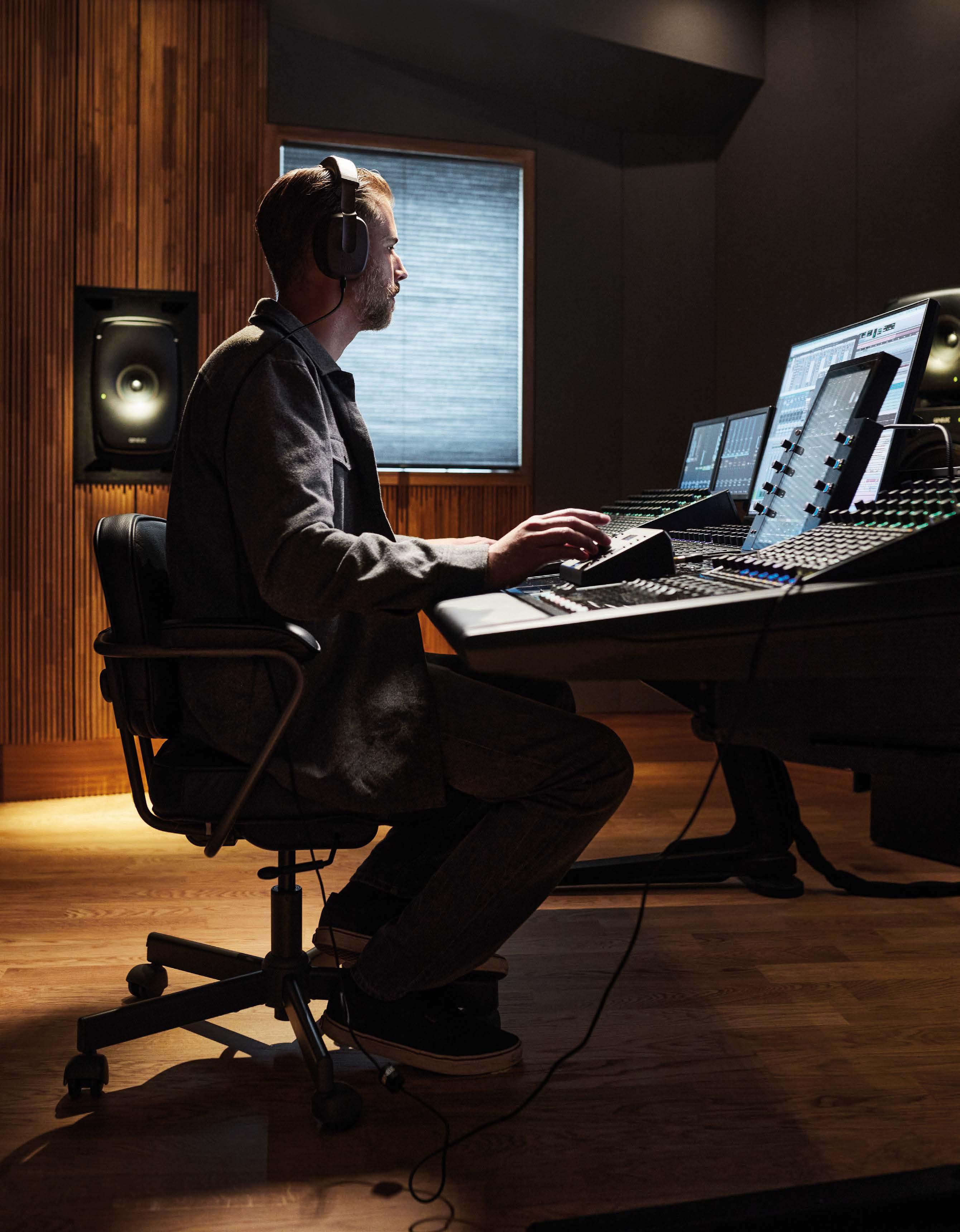
Bridging in-room and personal headphone monitoring
Our UNIO TM Ecosystem gives the ability to optimise, align and seamlessly navigate your monitoring options, for the exibility to work anywhere, anytime – from stereo to immersive.
Now, with the introduction of Personal Reference Monitoring – our pioneering new active monitoring headphone solution –UNIO offers the very highest level of headphone accuracy.
genelec.com/unio
Paul Watson CEO
Keith Watson Chairman
Rian Zoll-Kahn COO
Alice Gustafson Editor-in-Chief
Adam Protz
Deputy Editor
Ste Knight
Partnerships Director
Rick Dickerson
Reviews Editor
Marc Henshall Head of Digital
Grace Mcguigan
Artist Relations Manager
Rae Gray Head of Design
For years, London has been seen as the heart of the UK music scene – the place where careers take off, and where legends like David Bowie, Elton John, Freddie Mercury, The Rolling Stones, The Who, Amy Winehouse, and Adele all got their start. But the reality of British music has never been confined to the capital. From Manchester and Glasgow to Bristol, Sheffield, and beyond, some of the most influential sounds and stories have come from artists building communities and carving their own paths outside London – The Beatles, Oasis, The Smiths, Joy Division, The Stone Roses, and Sting being just a few examples of the best of northern talent.
There’s a lot happening up North right now, with the region proving it’s a strong alternative to London for both live performance and music industry careers. This weekend, the BRIT Awards, which have been held in London since 1977, will be held in Manchester for the very first time, while Warner just announced a three-year partnership that will expand long-term opportunities for artists, producers, executives and emerging talent across the North of England. A BRIT-inspired school in Bradford will welcome its
first pupils in 2028, Avivia has been announced as the partner of Bristol’s new 20,000-capacity indoor arena, and March will see Headliner launch CRE8 in Wakefield, a must-attend industry event for DJs, producers and self-producing artists. All of this just goes to show that while London’s still a key hub, the UK music scene is thriving everywhere – it’s not just about the capital anymore.
And on the subject of the BRITs, the 2026 ceremony sees RAYE up for Song of the Year for her horn-led banger, WHERE IS MY HUSBAND! This issue’s cover star is Mike Sabath, American producer, songwriter, musician and artist in his own right, and the man responsible for cowriting and producing RAYE’s no.1 hit. He breaks down how he created the track, explains why RAYE’s upcoming new album breaks a lot of boundaries, and reveals what went into the making of his full-length record, Album II: The Land Of The Twisted Tree
Taking it back up north, Mancunian singer-songwriter JP Cooper reveals why he’s no longer chasing commercial success, and what went into making his new album, Just A Few Folk, which includes a duet with
Gabrielle. Dutch-Nigerian music artist, saxophonist, DJ and producer S!RENE delves into his debut album, Silence Gives Life, while over in gaming, Toma Otawa reveals how he approached composing the score for PlayStation game, Ghost of Yōtei
Fresh from his GRAMMY win, Justin Gray dives into the making of his award-winning album, and explains the artistic nuances of Sony 360RA versus Dolby Atmos, while taking a look at the music business, Warner Music’s Marco Pantuso explains why simply chasing trends won’t build a career.
Plus, we bring you the latest in the worlds of emerging artists, immersive audio, live sound, broadcast, pro audio, production sound, and the music trends shaping streaming.
From Manchester to London, and beyond, there’s plenty to explore; enjoy the issue!
Alice Gustafson Editor-in-Chief

By Alice Gustafson
By Alice Gustafson
By Alice Gustafson
KODACHROME ROCK UNDERDOGS ON THE RISE
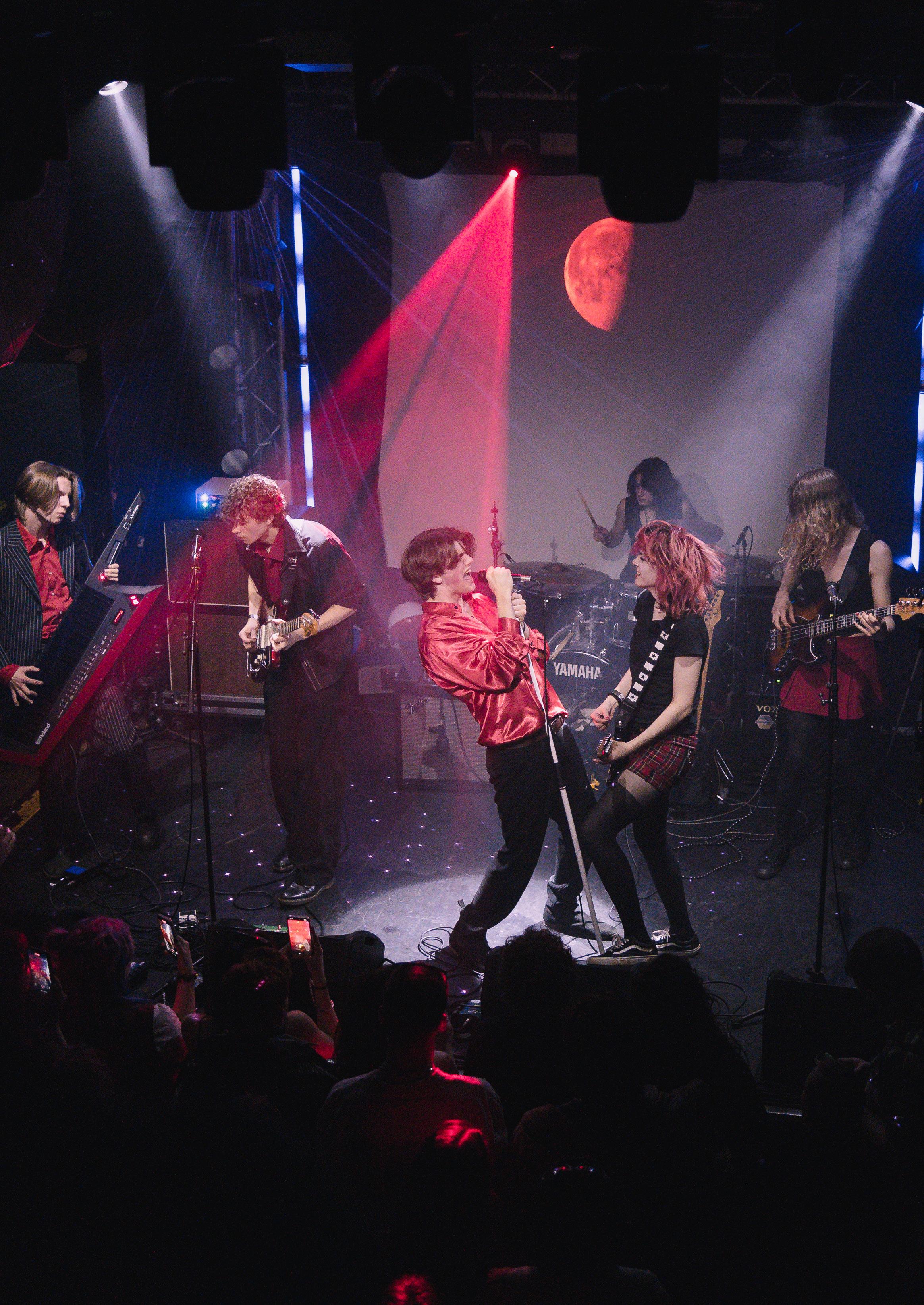
Kodachrome are determined to get Yungblud’s attention, and given the six-piece band’s blend of sheer tenacity and talent, it seems inevitable that they will succeed in their Blud-hunting mission.
Rising from the vibrant Bristol music scene, Kodachrome are an indie fusion rock band that is redefining what a modern rock act can be. Fronted by 19-year-old twins Ava and Conan, the band’s high-octane live performances have become their signature. With no industry connections, and over four years of gigging in every imaginable venue – from tiny local bars to major
city stages – Kodachrome have risen entirely on talent, relentless hard work, and sheer stage magnetism, selling out hometown shows and coming second at the Imagine International Finals in Brussels while representing the UK.
Ava and Conan, the twin hearts of Kodachrome, discuss being the underdogs in a shoegazey Bristol
music scene, honing their performance skills on the festival circuit, playing terrible gigs, challenging the traditional image of a rock band, their upcoming debut EP, and why they are determined to play Yungblud’s Bludfest.

Kodachrome is the brand name for a color reversal film introduced by Eastman Kodak in 1935. Why did this stand out to you as a band name?
Ava: Our dad is pretty cool. He’s the one who introduced us to all the music we love. He made me listen to Alanis Morissette and made me go through all The Beatles’ albums. That’s when he came across Kodachrome film – obviously discontinued now – and suggested it as a name because it sounded cool, retro, and a bit niche. And then also there’s the Paul Simon song, Kodachrome.
When Headliner caught your set at Lakefest in 2025, we noted that the band possessed a certain Paramore essence, and that Ava is like a Gen Z Hayley Williams. For bands, is it frustrating to be compared to another act – “the new this” or “the new that” – or is it simply an accepted way for people to get a sense of the band’s sound?
Conan: I think it is quite easy for people if they can have a comparison point. There have always been bands that take inspiration from other bands. Musicians always have an idol or someone they take after who helps them develop their style. So, for us to be compared to bands such as Paramore is a compliment.
Ava: I find it a huge compliment, because I love them. But sometimes, when it’s not even about the music, and it’s just about what you look like, that can be a bit jarring. I used to have bleached, black-and-white hair and wear ties and cropped shirts, and people would come up to me and say, “You remind me of Avril Lavigne.” Even though I sounded nothing like her, I just looked a little bit like her.
A standout part of the set saw Conan don a formal jacket and adopt the persona of Mr Therapist, in a whimsical back-and-forth segment. Where did this idea stem from?
Conan: The musical theater side is something we both enjoy. I’ve always loved performing. I love acting, I love singing, I love doing musical theater – I love it all. Bringing that into the band, I love creating a story and putting on a show. That song, Mr Therapist, is a really good one to perform. It’s one of my favorite songs I’ve written, and it means a lot to me – singing it, performing it, putting on the show, wearing the jacket. It’s not just about playing our original music, but giving people something to watch, experience, and enjoy.
Ava: Especially when a lot of bands these days are very shoegazey – just
staring at their feet, “look how cool we are...”
Conan: Yeah, in the Bristol scene, a lot of it is shoegazey, indie, or heavy metal. We’ve had several members in our band who are massive heavy metal fans – and when I say massive, I mean really massive. A lot of venues and gigs around Bristol love heavy metal and indie, so it’s always been part of going to these places. A lot of the time, whether in competitions or other performances, we’ve been the underdogs performing with or against heavy metal bands. One thing I can say about them is that they know how to put on a show; they know how to move around and engage an audience. Bristol is a really good place for venues and gigs. We’ve performed all over the city, and it’s great to be here because of the opportunities it provides.
You’ve been working hard on the festival circuit. How important is it to build up a band’s confidence in learning how to perform, whether it’s at festivals, grassroots venues, or local pubs, rather than just being a ‘TikTok band’ that might go viral but has no experience in performing?
Ava: It’s deeply important. I think any band needs to have an established live show beforehand. The only reason we get any of the gigs we do is because of the live experience we’ve had — we’ve been gigging since we were 14. These days, you see so-called “overnight successes” who are suddenly put on stage but don’t know how to handle a live crowd, interact with an audience, or have the vocal stamina, because they haven’t done the work on their live show before gaining recognition. Record labels used to nurture artists, build them up, so that when they did achieve success, they were ready to go on the road and perform. I’ve learned so much from this festival season about taking care of my voice; by the end of it, I was completely fatigued. Playing live has already taught me a lot. Especially at festivals, you have to work hard to win over

a crowd that doesn’t know who you are, particularly as an independent band. For example, we had two gigs last summer: one was a crowd of all our people, so we didn’t have to work too hard; they’re there to see us. But where people don’t know you, you have to draw them in. It’s incredibly rewarding when it works, but it teaches you so much about crowd work, and for me, fronting a band, about what it takes to engage an audience.
You must have played all sorts of gigs, and it’s almost a rite of passage to do some awful ones. Tell us about what happened when you played at your own school prom…
Ava: Well…they didn’t particularly want us to play [laughs]. I’m loud and proud, though – I have no shame! I made the point that we were at a music school, so why would they pay a crappy DJ when there’s a live band begging to play? So we did play. Once I’d finished, I left immediately, went home, and ordered takeout. I
wasn’t wildly popular in secondary school, and that’s because I was really annoying about my band. I feel no shame or regret for that; look at where I am now. You’ve got to play terrible gigs to just one person and their dog in some random bar!

Kodachrome are representatives of the queer, trans, and neurodiverse communities in the UK music scene. Your mission is to bring upcoming young audiences into rock music, redefine what rock bands can look and sound like, break down genre and identity barriers, and inspire the next wave of local talent to create without limits. Why is this so important to you?
Ava: There are so many hurdles put in front of you. There are spaces labelled as safe for trans people or neurodiverse people, but all spaces should be safe. Some people are hesitant to go to gigs or see live bands because venues aren’t neurodivergent-friendly, or because they don’t feel safe or welcome there. Seeing bands with neurodivergent people on stage, trans performers, or women fronting a band can show that, yes, this is something you can do, and that you are welcome in that space. I’ve already faced a few hurdles just as a cis woman in the music scene – dealing with horrible promoters, being told to “grow thick skin,” or facing shitty audience members heckling you. And that’s just from my perspective, never mind the extra challenges for women of color, trans women, or non-binary people. Bands like ours, and bands I know – even Paramore, for example – show that safe spaces can exist, and they should be everywhere. When you go to watch a band, that space should be safe for anyone to enjoy without hesitation, knowing it’s an environment where they belong.
Last year, you were very persistent in posting videos on Instagram asking Yungblud if you could play his festival, Bludfest in 2026. Are you going to keep going until you get a yes?
Ava: We would love a response, because we really want to play it. He’s a big idol of ours. The main reason we wanted to play is because of the ethics behind it: neurodiverse-friendly spaces, everyone is welcome, people of color, trans people, queer people, and it’s all ethically run. It’s more affordable, too. Festival tickets these days are crazy expensive; I don’t go to a festival unless I’m playing, it’s just ridiculous. Bludfest is affordable, and that’s why we wanted to play: it’s exactly the kind of environment we’re trying to create.
Your debut EP is in pre-production, and should be released in early 2026. What can you share about that at this point?
Conan: We’ve done a lot of recording before – all kinds of setups: songs and tracks and EPs recorded in separate rooms, in the same room, track by track. It’s been very hit and miss. We’re recording old-school, using an analog system, and we’re looking at how, as a band, we can record together, playing as a unit. That means we need to be really on it when we do it, then solo each track and build it around that. For this EP, we’re planning four songs.
Ava: We’re in the process of going through every song we’ve written. Most of our songs are about self-destruction or reflection; just what it’s like being a moody teenager [laughs]. It’s those classic themes: looking inward, reflecting on how you handled situations, thinking about what you would have done differently, and stuff like that. We’re really excited to be doing it because every time we’ve recorded or tried before, the outcome hasn’t been very solid; it’s been all over the place. This time, it feels like we’re actually going to have something really good, something we’ll be proud of and excited to put out there.
KODACHROMEBAND.COM

SHAPING WHERE IS MY droW s bYALICE GUSTAFSON LAND OF THE TWISTED TREE HUSBAND! &
Mike Sabath is on a roll. For three years in a row, he’s been the cowriter and producer behind the biggest contenders for the BRIT Award Song of the Year – winning for RAYE’s Escapism in 2024, nominated for JADE’s Angel of My Dreams in 2025, and he’s potentially about to win again in 2026 for his contribution to RAYE’s horn-led banger, WHERE IS MY HUSBAND!. He’s the man behind the best song of 2025, and the mystery Mike JADE references at the beginning of her debut single – (“Hey Mike, let’s do something crazy,”) – but when he’s not writing BRIT and GRAMMY Award-winning songs for the UK’s most compelling female artists, he’s a producer, songwriter, musician and artist in his own right.
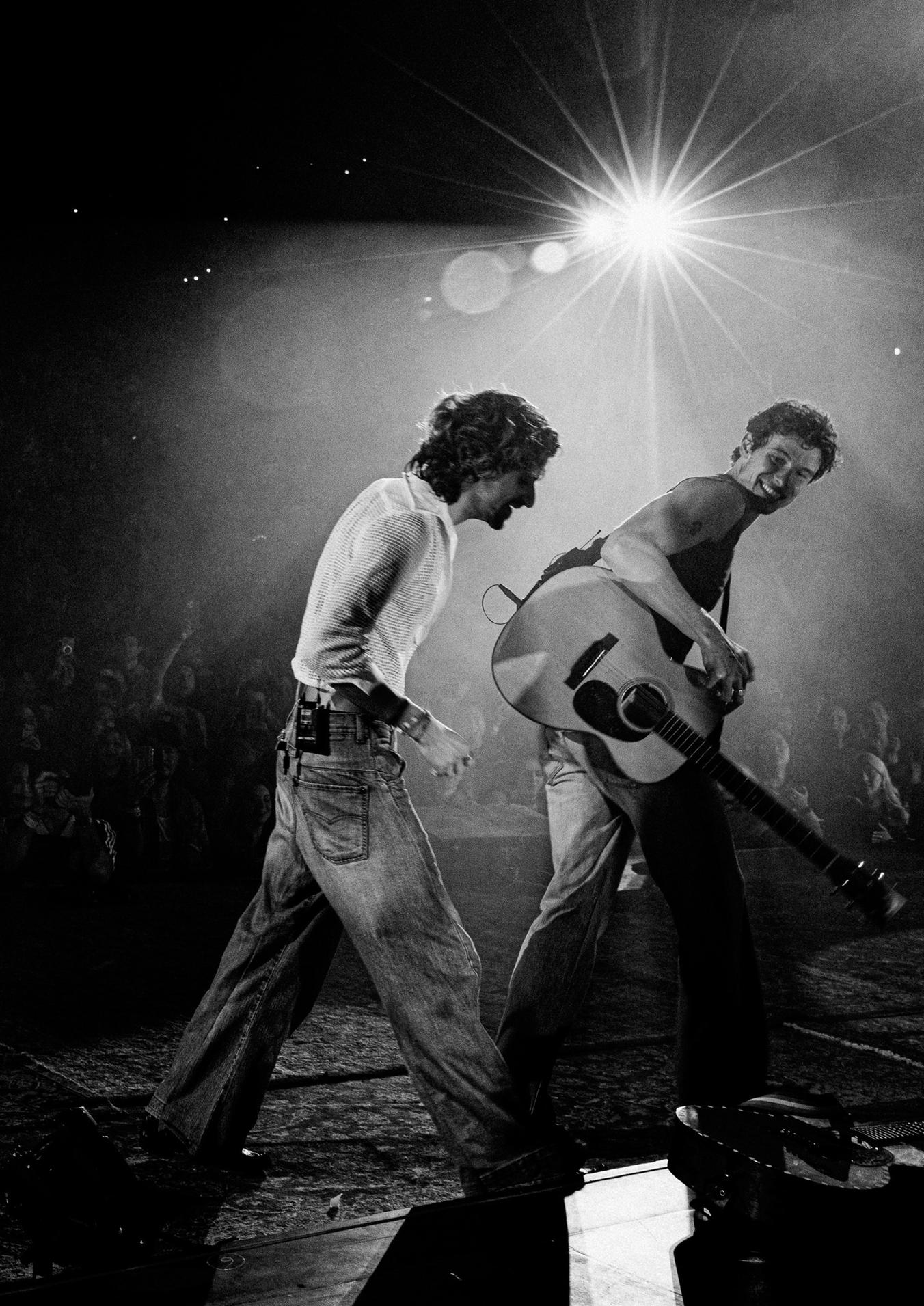
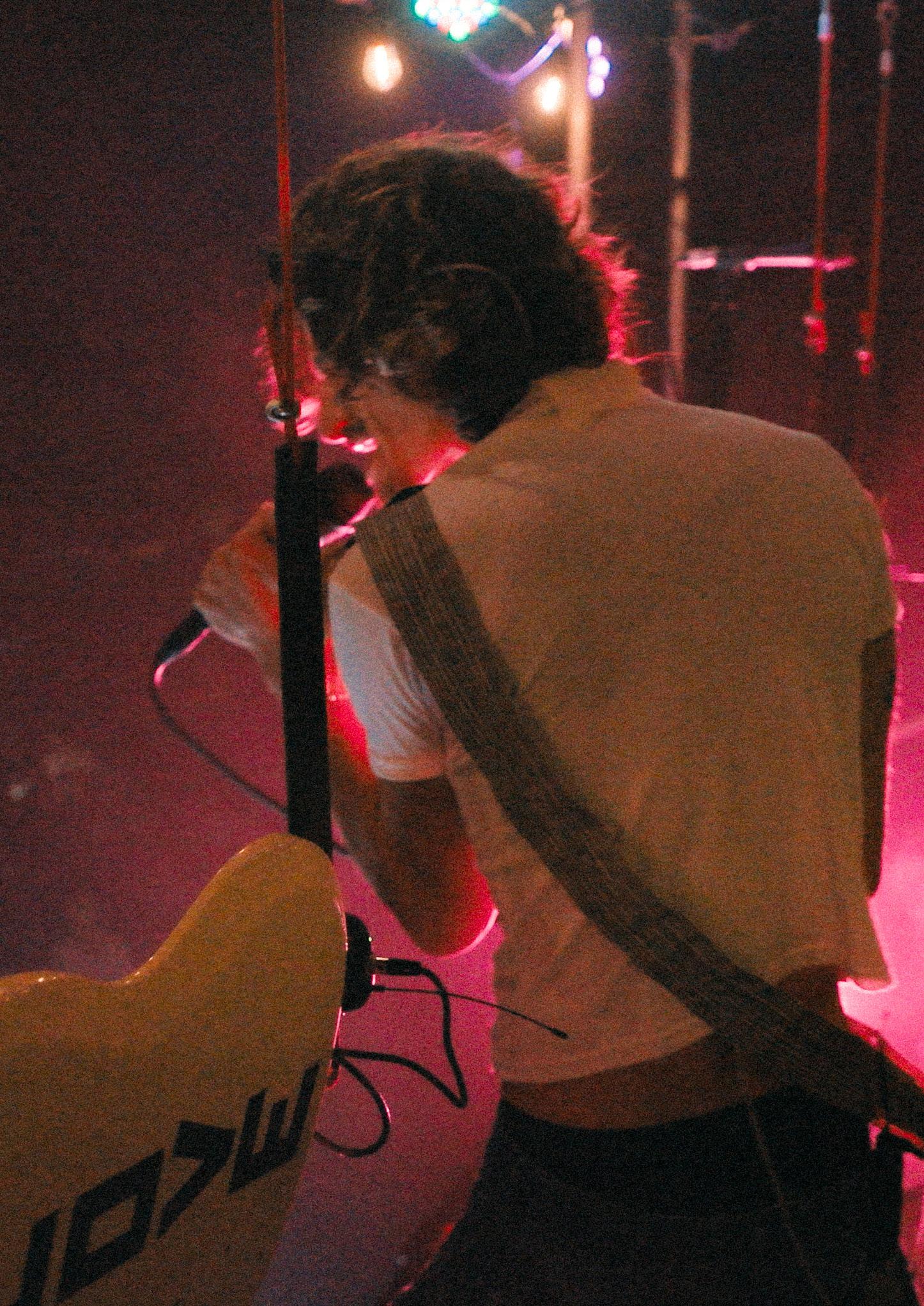
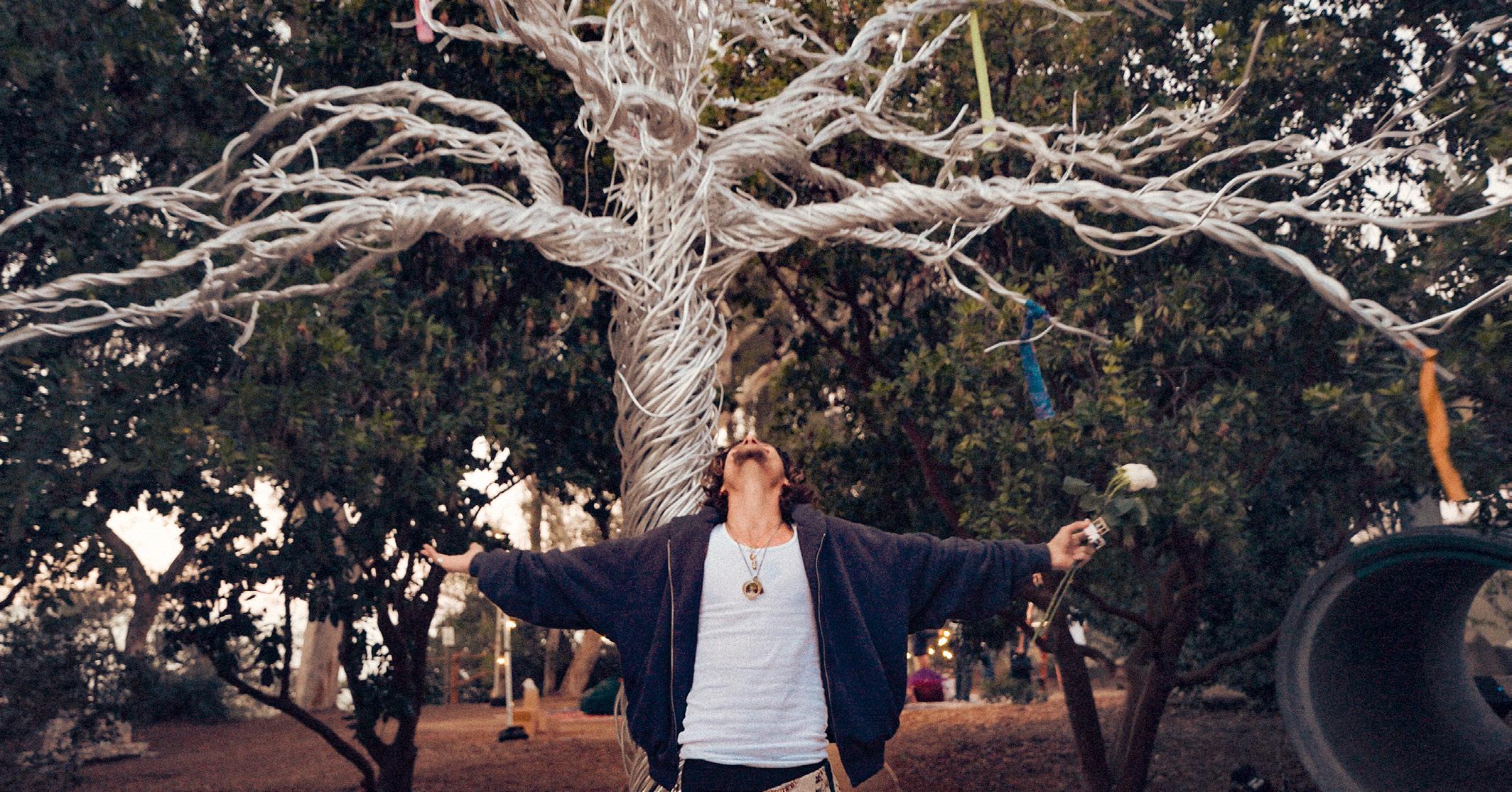
We address the golden gramophone-shaped elephant in the room. Sabath has just picked up the Harry Belafonte Best Song For Social Change Award GRAMMY for his efforts on RAYE’s powerful 2023 single, Ice Cream Man, which details the UK singer’s teenage experience of sexual assault at the hands of a music producer, and its aftermath. The recognition means a lot to 28-year-old Sabath, who’s been working with RAYE since she left her label and went independent, coproducing or producing every song but one on her critically acclaimed debut album My 21st Century Blues, which went on to win seven BRIT Awards in 2024, including British Album Of The Year. Joining Headliner on Zoom from his home in L.A., a slightly jetlagged Sabath shares that winning awards is not something he’s become accustomed to just yet.
“It’s my first time winning a trophy,” he admits. “It is a niche award, but it’s such an honor and such a special one.” He is keenly aware that art for social change has never been more needed, commenting that, “artists are the gatekeepers of truth. They are civilizations’ radical voices [that] powerfully mute the enemy’s thunder”. He means it too, and is
proud to stand on the right side of history, sporting badges for Pride, to stop ICE, encouraging people to use their voice and vote, protect public lands, and to make art, not war.
“On my journey, impact is essentially my whole purpose,” he nods, sincerely. “It’s my driving force, and it’s what inspires me to do anything: working with artists, going out there myself, doing whatever I can to help and bring some light wherever possible. I get to work with artists who have such a beautiful light, and we get to go out there and shine with what we do. It’s really special, so for my first GRAMMY trophy to be the Harry Belafonte Social Change Award is really special. I’m so excited to have one in the house, I’m not gonna lie,” he smiles.
Born and raised in Westchester County, New York, Sabath was musical from a young age, learning to play piano, guitar, clarinet and drums. At just 12 years old, he wrote a song for charity and recorded it with a chorus of 140 children – a project that went on to raise more than $5,000. After high school, he deferred his Harvard admission to pursue music and landed his first publishing deal just hours later with
Sony Music. Before long, he was writing hits for Liam Payne and J Balvin, Selena Gomez, Lizzo, Jonas Brothers, Meghan Trainor, and RAYE. Alongside the release of My 21st Century Blues in 2023, Sabath also released his debut studio album, Being Human. His follow-up is the emotionally-charged and natureinfused full-length record, Album II: The Land Of The Twisted Tree. A project six years in the making, the record blends vulnerability with tender lyricism, masterful production, and danceable beats into a genreblurring cinematic experience that provides a welcome touch of escapism amidst a backdrop of discord and ugliness in the US, inviting listeners into a more inclusive world. “It’s about creating a world that I’d prefer to live in and welcome people into,” he nods.
“That’s the whole point, especially at a time when the world we live in can so often feel devastatingly challenging. This is my way of offering an alternative. A space of love, a space of care, compassion, free expression, color and magic.”
Image Credit: Isabel Mazzolini
“WHEN I STARTED IT, I WAS AHEAD IN MY MUSICAL ABILITIES, BUT I HADN’T GONE TO THE DEPTHS OF MY JOURNEY AS A HUMAN YET.”
The Land Of The Twisted Tree is one of the best albums of 2025 that you haven’t heard – yet. The intriguing, experimental record carries a distinctly cinematic feel, inviting listeners to journey alongside Sabath as he searches for meaning in the world around him. Retro-pop grooves driven by synths intertwine with deep-thinking Sabath’s tender vocals, dreamy livesounding instrumentation and polished production. It’s an accomplished body of work that deserves far more attention; one can’t help but think that had these songs been Harry Styles’ they’d be dominating the charts.
“Once I figured out what the visual world of the album was – which is the whole point of the patience in the process – everything shifted,” he recalls, casting his mind back to when he started the album in 2019 (he has been booked and busy working with other artists since then, in his defense). “When I started it, I was ahead in my musical abilities, but I hadn’t gone to the depths of my journey as a human yet. I’m obviously still on that journey, but being an artist is about discovering the world that lives inside you and bringing it out into the world, inviting people into it so you can impact things, reflect what’s out there, and explore how those two interact.”
The album began with Sabath feeling as though everything he wanted to say was bursting out of his chest. He gathered some friends together, rented an RV and drove around the west coast of the US for inspiration amongst nature, recording music around the bed in the back of the RV whenever inspiration struck. It turns out it was one hell of a trip, in every sense of the word.
“We’re all sensitive beings,” Sabath considers. “Depending on how you’re raised, your environment, and your journey, that sensitivity is either nurtured or damaged, or shaped in ways that affect your ability to feel. I was raised in a very supportive home, but also one that was very cerebral. I would hang out upstairs with everyone, and then I’d go hide away in the basement, making music constantly. That was my space to express myself, but I didn’t really have any context for my feelings, which were immense. Over time, they started expressing themselves through music, but my mind was still kind of trapped, holding it in.”
In 2019, Sabath did mushrooms for the first time, which opened everything up for him. “It got me out of my head and allowed space for my heart to really express itself,” he shares. “That was a huge catalyst. Once that shift happened, my hair even got longer, which is kind of hilarious, very classic,” he laughs, “but it genuinely affected me. All the emotion my mind had been suppressing started exploding out, and I didn’t know what to do with it. Sound became my main way to release it. I didn’t yet have the tools for honest communication or self-reflection, so it was all sound, and it just exploded out of me.”
The last song on the album, Happy Tonight, was the first song Sabath made for the album. “That was the first time I made a song and listened to it and thought, ‘Wow, I am an artist.’ It came from the most honest place I had at the time. Anyone on any journey has that process of allowing themselves to embody who they are. When it comes from a pure place, it’s sometimes the hardest thing to recognize and accept. For me, it took six years to fully step into it.”

Recording an album in an RV across national parks is certainly a unique approach to making an album. Sabath shares how he made his studio on wheels work: “I was inspired to create in motion, in a kind of physical flow. I called it Mobile Stu,” he grins. “I thought it would be crazy if I rented an RV and loaded it with gear and went to national parks. I didn’t know exactly what we were making, but the intention was to make some music and see what happened. We were literally all around the bed in the back, and we would make the music like a band. We had a computer back there, two speakers, and an interface, and all our instruments plugged in: mic, guitar, keys, bass, whatever. We’d take turns playing, just jamming while the van was moving, driving through Yosemite at night under the stars, or Zion National Park in the early hours.”
Different tracks on the album can be traced to Sabath’s experiences in specific locations, kicking off with the cinematic, Disney-esque Beautiful Pillows, travelling through the euphoric, synthy Watching Over Me, radio-friendly Paranoid, spontaneous and loopy, Canyon
Nights, Nick Jonas-sounding, Fear, and you can almost see the RV making its way through dramatic vistas – lens flare and all – on harmony-heavy, Hi
Watching Over Me came to Sabath in Zion National Park. “I’d got up really early, everyone else was still asleep, and I walked out of the bus to the little rest stop, wearing my robe and slippers,” Sabath recalls. “On my way back to the bus, I heard this little melody. I walked back on the bus, went around the bed, and started playing with the idea. When you’re out there, away from everything, there’s more space to just listen. That melody literally just arrived, and I ran with it. I was wearing these necklaces from my grandparents –my mom’s parents, both of whom had passed. That song felt like it was about them; it carried that feeling of being protected and watched over.”
While becoming an artist was always his dream, helping others find their voice led to global success for Sabath, making him one of the most in-demand songwriters and producers of today. Sabath’s career as a collaborator skyrocketed to another level when he executive-
produced RAYE’s groundbreaking, debut, playing a pivotal role in shaping the trajectory of her career and elevating her to the celebrated artist she is today, while his work with JADE has firmly established the South Shields star’s identity as a formidable solo act following a decade in Little Mix.
“When I was younger, I didn’t really know what a producer, songwriter, or artist was – I just knew I made music,” he says. “When I’m producing for someone else, I’m holding an enormous amount of space, which I feel is the primary job of a producer. When I’m the artist, expressing myself, it’s a very different space. I have to allow myself to let go of everything – because the truth comes out when you do.”
Image Credit: Christian Sarkine
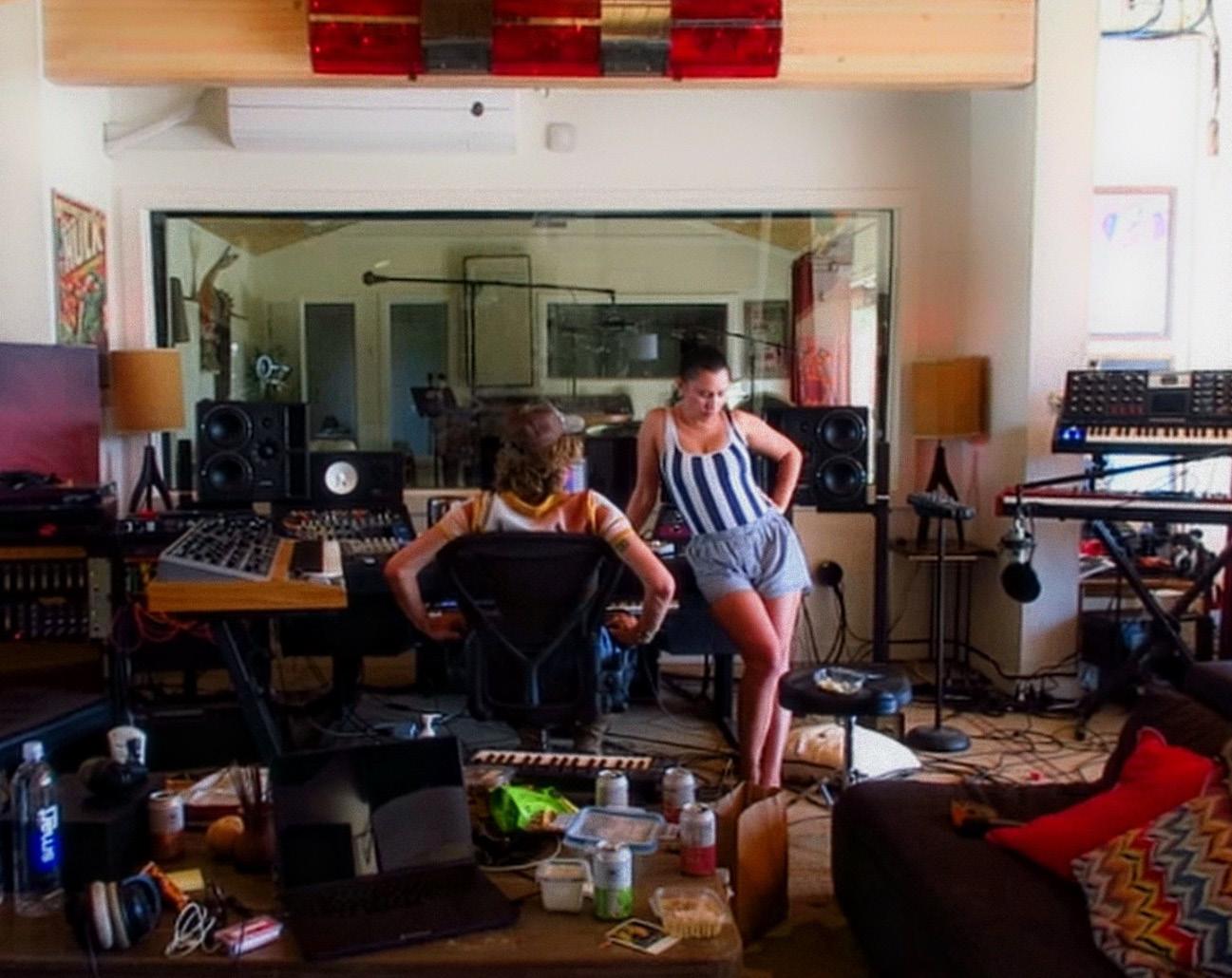
Released in September 2025 as the lead single from her upcoming second studio album, THIS MUSIC MAY CONTAIN HOPE, RAYE’s WHERE IS MY HUSBAND! debuted at no.4 on the UK charts before sleeperhitting its way up to the no.1 spot in January 2026. Driven by a bold, brassy horn section reminiscent of Christina Aguilera’s Back to Basics era that makes you want to kick a door off its hinges in search of said elusive husband, the single smashed through the banality of the radios’ A lists to remind listeners that this is what music can sound like. Written and co-produced by Sabath and
RAYE, the big band pop track hurtles through at a relentless pace thanks to its live band feel, unpredictable vocal arrangements and melody, quick-fire lyrics and a vocal-stacked bridge so complicated it inspired a riff challenge that is not for the weak.
“It’s honestly insane,” says Sabath of the song’s detoured route to the no. 1 spot. “The journey with RAYE is just so special. It’s not often you get that producer–artist relationship that functions at that level and quality, with an artist who is truly generational. I’m really grateful for what we have together – it’s beautiful. The fact that it continues
to grow, that people continue to resonate with it, that she continues to grow in the process, and that I continue to grow too, it’s so fulfilling.”
The track opens with a theatrical big band–style drum roll, and despite the fullness of the sound, the song was created with only three musicians in the studio (Sabath on drums, with a bass and a brass player). Sabath and RAYE initially struggled to get in the zone when sitting down to write together in an AirBnB in Big Bear Lake, California. “We were in Big Bear together for 10 days, and it was the first time we
20 MIKE SABATH Shaping WHERE
worked on the new album,” he says. “We ended up getting four of the songs for the album out of that trip, which was really exciting. Neither of us had been in the rhythm of making songs for a while. She had been touring nonstop since the last record, and I was also touring at that time. Our creative engines weren’t exactly running, so being out there together was a bit of a reboot. We were asking ourselves, ‘How do you even make a song again?’ And I think that helped, honestly. Having that space let us approach it from a fresh perspective, with a lot of life experience accumulated over that period, and without ego – because we hadn’t written in a while. We were just experimenting, being patient with each other. Her lyrics weren’t flowing as usual, my beats weren’t flowing as usual, and we had to slowly integrate everything.”
The first few days saw the pair try out a few vague ideas. “I’m pretty sure this song started with me playing drums on a MIDI keyboard –just ding, ding, ding, ding,” he sings, “then adding horns and MIDI strings. That became the foundation: drums and horns outlining the progression, with strings layered on top, and then a drum roll at the very beginning. I was excited to introduce her with that drum roll, to reintroduce her sound in a way that felt fresh.”
Once the song began to take shape, RAYE knew she wanted her new music to feel as though it was performed live on stage rather than created in a studio, and when it came to the wall of sound vibe, she was clear about her vision: the opposite of minimalism: maximalist. Taking the phrase ‘go hard or go home’ to its limits, the pair got to work. “She loves drama,” nods Sabath. “Drama is her middle, potentially, first name,” he laughs. “We started with that, and then she started singing this verse. We actually kept fucking with her about that melody as a joke, which is funny,
and she almost didn’t use it, but she did. And then she just sang the chorus – she’s amazing, and it just kind of happened.”
AI could never. “The reason we all love learning about the process of making songs is that it’s not something you can put into words,” he smiles. “It’s this bizarre, intangible, magical moment that’s beyond the mind. So it was just a really beautiful, awesome moment. We were having fun, and then it just happened. We didn’t finish the song there, but we had the core of it, and it was awesome. Then we just let it unfold, and she kept digging at the lyrics.”
Due to TikTok attention spans, songs are getting shorter, and a casualty of that is the phasing out of the bridge. WHERE IS MY HUSBAND! instead makes the middle eight the most vocally exhilarating section of the song. Sabath admits that when he first heard it, he couldn’t decide if it was doing way too much, or if it was genius. “She wrote the bridge while I left the studio, so I can’t take credit for that,” he immediately volunteers. “That was RAYE and her engineer, Alex Robinson – he’s an amazing vocal engineer. I was out for a couple of hours, and she wrote this crazy bridge, and I came back, and I was like…” he trails off. “My first time hearing it, I was like, ‘I don’t know’. With a genius like her, it takes a second to process what’s happening because it’s something new and is really pushing things. I have instincts, but there are times when you just need to be patient. At first, I was like, ‘This is either way too much or so fun and awesome and I love it’. I had to give it a couple of tries, and then I was like, ‘Oh yeah…oh my God!’”
Sabath explains how he conveyed the ambitious horn section arrangement to the player, which matches RAYE’s vocal run exactly: “That was funny. That was challenging because whenever I’m doing horn or string arrangements,
I never chart them. I usually just sing the parts and ask them to play them, one by one, basically. Which works both ways; sometimes they nail it, and sometimes they’re like, ‘This fucking guy!’. But they did it; it took a couple of tries, and then they dialed it in.”
Interestingly, the song doesn’t feature a traditional lead vocal –only doubles, which is rare in pop. Sabath explains how he approached the panning. “It just wasn’t working, and RAYE was saying that while she’s recording, that the lead just isn’t sitting, and it’s not nice. So she only did doubles. When I was mixing it with Tony Maserati, who I love so much – sweetest man ever and a great mixer,” he adds as an aside, “I was having him pan it in different ways. On the verses, it’s four vocals, on the chorus, eight, and it fluctuates throughout the track. It’s about finding that right balance of panning to make it feel like this engulfing thing, but also like a lead. I just panned it to my ear until I liked it.”
There’s a lot of saturation happening in the track without the mix ever collapsing. Sabath reveals that RAYE used a Telefunken ELA M 251 vocal mic run through a Neve 1073 preamp and a TUBE-TECH CL 1B compressor, and occasionally, a Universal Audio 1176 compressor. “I produce in Ableton, and for this track, the vocals were in Pro Tools, although the chorus vocals were in the original Ableton session,” Sabath clarifies. “I recorded the chorus vocal in Big Bear, and we had the 251, 1073, CL1B setup there. For drums, we Frankensteined something in Joshua Tree – I don’t even remember exactly how, there was some strange stuff there! Somehow, because Alex is a great engineer, it just sounded exactly how I wanted. It was a
mixture of Alex and a blessing; it sounded exactly like I needed it to.”
Three different mics were used to capture strings, which were recorded in a different session. “That’s because I like to get an orchestral type of sound, even though there were only three players,” he says. “I rotated the microphones to avoid weird phasing. I’m probably the least technical producer on Earth, potentially, so I just take what I’ve learned from working in studios,” he confesses. “When I used to work at EastWest Studios, an engineer I loved – Chad Gordon – taught me this: when making string orchestras with one violin or cello, just have them do it a million times and use different mics. We used an AKG C414 on the viola, a Neumann KM 84 on the violin, and a Neumann U 47 mic on the cello.”
At home, Sabath relies on his ATC SCM25A Pro Mk2 studio monitors –“I love them. ATCs are definitely my favourite speakers,” – and WHERE IS MY HUSBAND! saw him reach for his go-to plugins. “My favorite reverbs are Audio Ease’s Altiverb, which is potentially my favorite plugin that exists. Altiverb has so many unbelievable options – it’s extremely detailed. It’s probably the most expensive plugin, around $800 or so, but if you’re going to get any plugin, especially if you don’t already have a lot, Altiverb is worth it. They’re recording real spaces and giving you those reverbs, so what you get is insane, and they sound incredible. If I were to give any practical advice about plugins, it would be: use Altiverb and the UAD room emulations plugins, specifically Sound City Studios and Ocean Way Studios Deluxe.
“I think they’re incredibly high quality. For example, if you’re recording drums or anything in a small room and then experiment with the Sound City plugin, it transforms everything. I also mainly use
FabFilter, UAD’s Capitol Chambers, the ValhallaÜberMod delay and modulation plugin, and occasionally a UAD SSL E Channel plugin for EQ.”
Sabath admits he’s “not a big plugin head,” but the one he considers essential for every vocalist he works with is reverb. “It is the most important plugin in any genre because quality space is everything,” he stresses. “If you’re recording an instrument – especially a vocal on most records, for example – and you put a poor-quality reverb on it, it cheapens the record so much. Reverb is a natural thing: it comes from a cave, a church, or a room in a certain way, and that’s how our ears perceive it.
“If it’s digital and not done well, it just doesn’t translate. UAD’s Lexicon 480L plugin is amazing, of course, but I loved Valhalla when I was younger and used it on literally everything. Over time, I got more dialled in on the quality of reverb – it makes a huge difference on a record.”
If you couldn’t tell by its all caps spelling, THIS MUSIC MAY CONTAIN HOPE, promises to be a record that commands attention, with RAYE herself describing it as “extremely dramatic, a lot of lyrics, lots of different sounds,” and one that will be set across four distinct seasons, beginning in darkness with autumn and ending with light.
“Yeah, there are some really big sounds on there,” smiles Sabath, who, although careful not to give much away, confirms he has cowritten and produced multiple tracks on the new record, including I Will Overcome (which wouldn’t sound out of place as a Bond theme –just sayin’), which RAYE has been performing on her current tour.
“I made a lot of it, but there are also other incredible contributors, like Chris Hill and Tom Richards, who are unbelievable musicians
and arrangers. They’re a huge part of the album, too. The album is amazing. It breaks a lot of boundaries, and there are no rules on it,” he furthers – eager to discuss it more, but reining himself in.
“Honestly, it’s so inspiring. In an age where AI is seen as a potential threat – which, to me, I don’t necessarily view that way – I see it as just a progression – this album is the literal response: it was made by hundreds of humans with so much love, care, time, and energy, and it’s absolutely awesome. This album is one of my favorite albums ever. I’m genuinely blown away by it. RAYE did such an incredible job. I’m so excited for people to hear it, it’s truly unbelievable. I love every part of it; I’m serious,” he doubles down. “This album is no game. For real, this album is serious. It’s over! It’s done. She’s out of here!”
The common consensus is that the BRITs 2026 song of the year winner will be between WHERE IS MY HUSBAND! and Olivia Dean’s Man I Need. Sabath agrees: “I mean, it’s either Husband! or Man I Need – which is a great record. I love Olivia, and we’re friends, and I would love for her to win it too – that’s my truth. That song’s been out a little longer than Husband! but they’re both great,” he smiles. “I’m just really excited about the music, the art, and everything that’s happening at the moment. I’m feeling extremely thankful for it all. It’s been a lot. I’ve been working my ass off for a long time, and it’s so exciting to continue doing that with people who are really talented and awesome.”
THIS MUSIC MAY CONTAIN HOPE will be released on March 27th 2026.
MIKESABATH.COM




DRUM RE-SYNTHESIZER
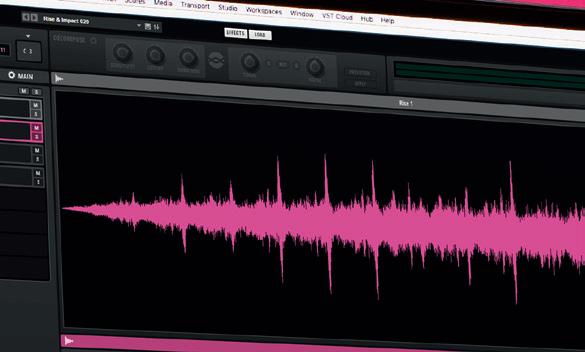
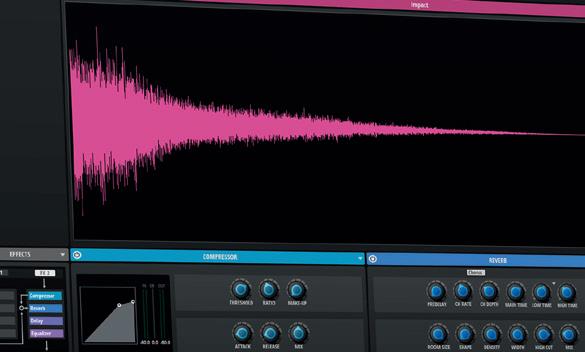



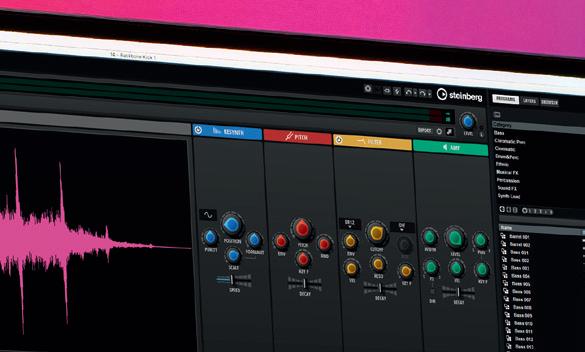
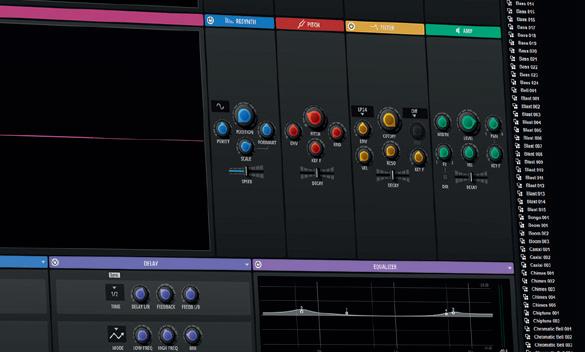
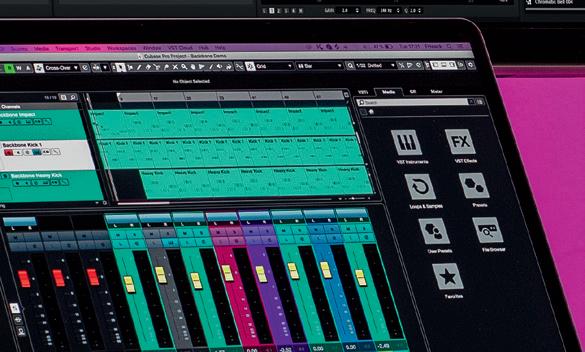
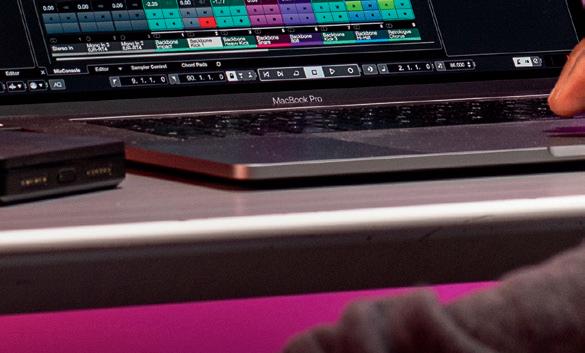


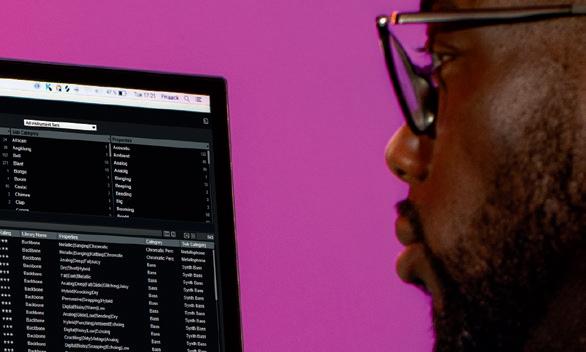






A revolutionary way to design your own drums – Backbone is your new, innovative drum designer for single kicks, snares, hi-hats, percussion, rises, hits and more. Layer up to eight samples and shape them with classic subtractive synthesis, decompose samples into tonal and noise elements and re-synthesize samples to manipulate them in unheard ways.
steinberg.net/backbone


JUSTIN GRAY DOLBY ATMOS VS SONY 360
REALITY AUDIO
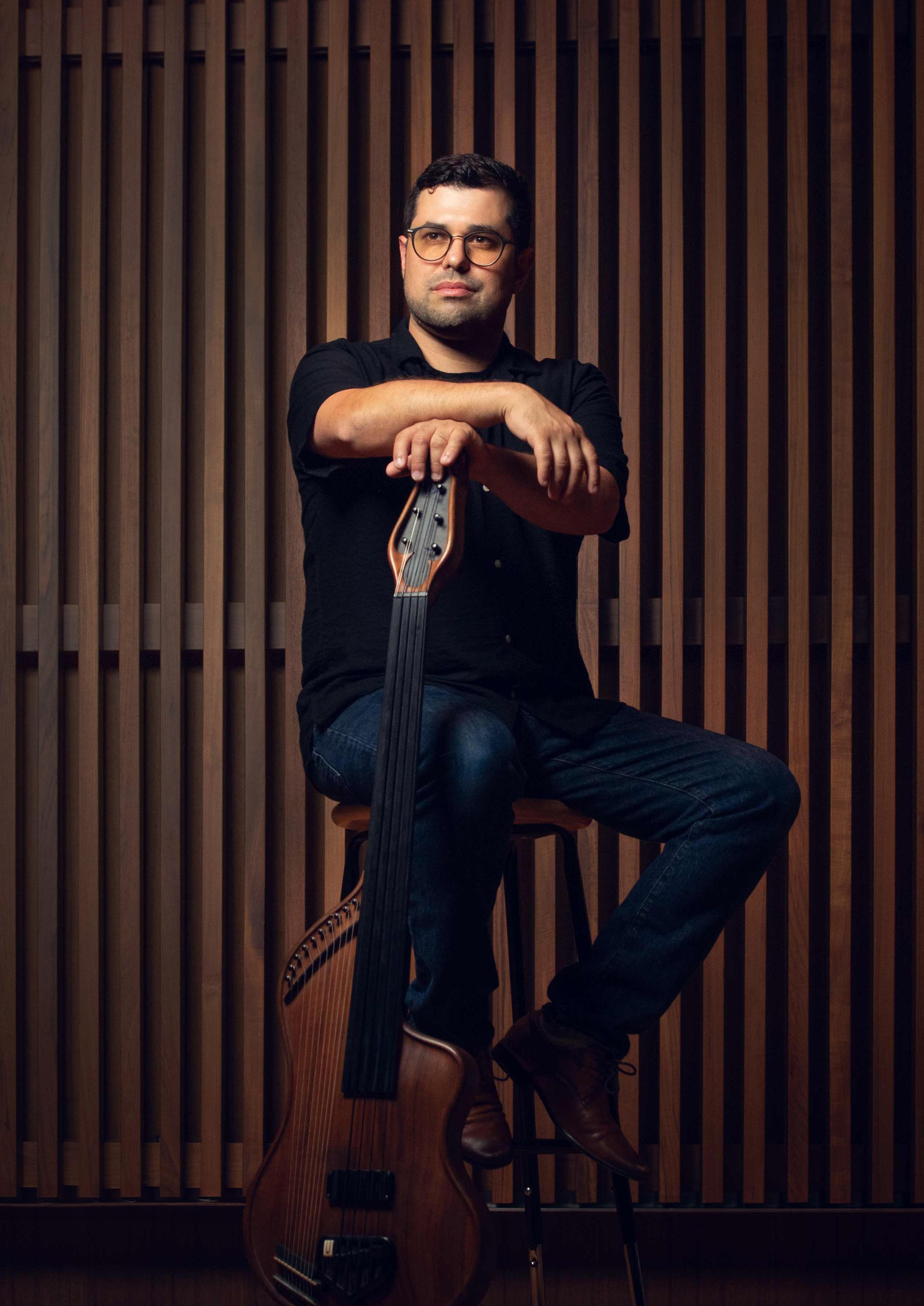
Few artists have pushed the boundaries of sound quite like Justin Gray. A GRAMMY and Juno Award-winning bassist, composer, producer, and engineer based in Toronto, Gray has spent decades exploring the edges of music, ultimately redefining how we experience it in three dimensions. His latest project, IMMERSED, just earned him a GRAMMY for Best Immersive Audio Album. In this interview, Gray dives into the making of his award-winning album, and explains the artistic nuances of Sony 360RA versus Dolby Atmos.
IMMERSED just won a GRAMMY for Best Immersive Audio Album. Congratulations! How did it feel to get that industry recognition?
It’s hard to put into words. Obviously, we don’t make music or art for awards. But in the case of the GRAMMYs, because it’s the Recording Academy, which really means my peers,
it’s genuinely voted on by fellow professionals who are dedicated to the art form, and in this case, specifically to immersive audio. It’s such an honor. It’s the kind of thing that gives you a lift – a sense of inspiration and energy – and I’m very grateful for it.
IMMERSED was built from the ground up as an immersive audio experience. What inspired you to create a full cinematic album with a 360-degree orchestra rather than adapting an existing stereo project? You’ve become a leading specialist in Sony 360RA. What originally drew you to the format, and what creative possibilities does it unlock that other immersive formats don’t?
I’ve been obsessed with music in surround formats for a very long time, even going back to when I was just a listener. I find that the use of space feels really natural to me as a creator, both as a composer and as a mixing engineer and producer. When I started writing this music, I was really focusing on the studio and working on other people’s music. Then some of this music started coming into my mind, and as soon as I started writing, I realized that I’ve worked in the surround and immersive world for so long that I almost can’t separate the feeling of space from the music itself.
From the very beginning, I knew I wanted the medium to be immersive audio – not just because I’m an engineer and producer in that format, but because I genuinely find it helps bring out the feeling of the compositions and the feeling of the music I’m trying to convey to a listener. I imagine the instruments: what’s in front of me, what’s behind me, what’s beside me, what’s above me. It opens
up an entire other dimension. It doesn’t, of course, replace melody, groove, harmony, or form, but it adds to them. And it’s been such a joy to see it through this whole process.
It came to me in a very similar way to others who work in the format. Sony 360 launched after Atmos had already had its big moment with Apple Music. Suddenly, there were requests not only for an Atmos version of a song. I like to call this work spatial remixing, where I’m remixing something originally conceived for stereo, but also to do it in Sony 360.
I started researching and understanding what the format was. The concept of immersive, adaptive, object-based audio is very similar, but some unique aspects really inspired me. I had the opportunity to work on it a lot straight away, which was a massive, fast learning curve. With Atmos, I’d had years to work out the concept, but musically, the idea of orchestrating music spatially is the same between the two.
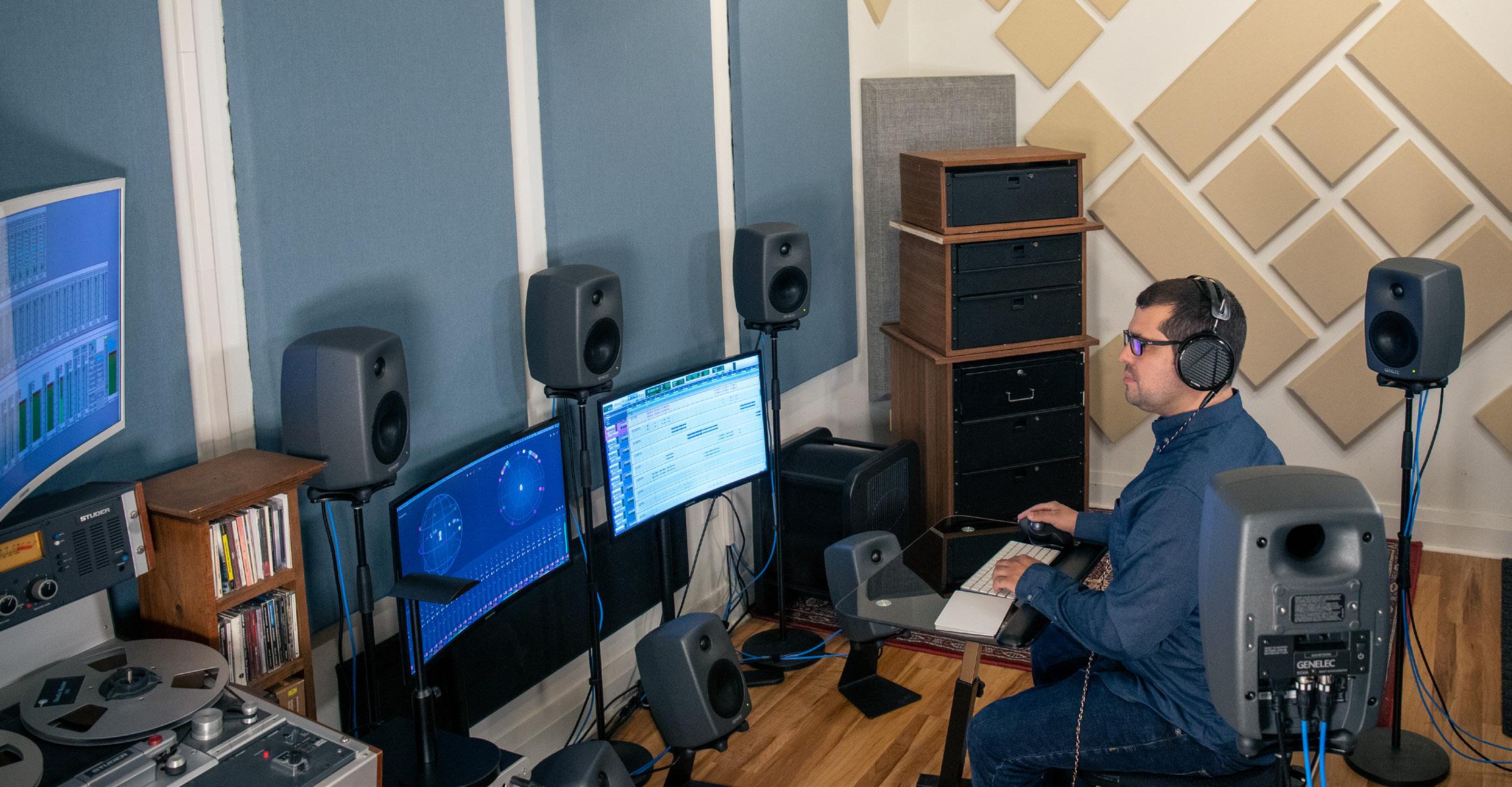
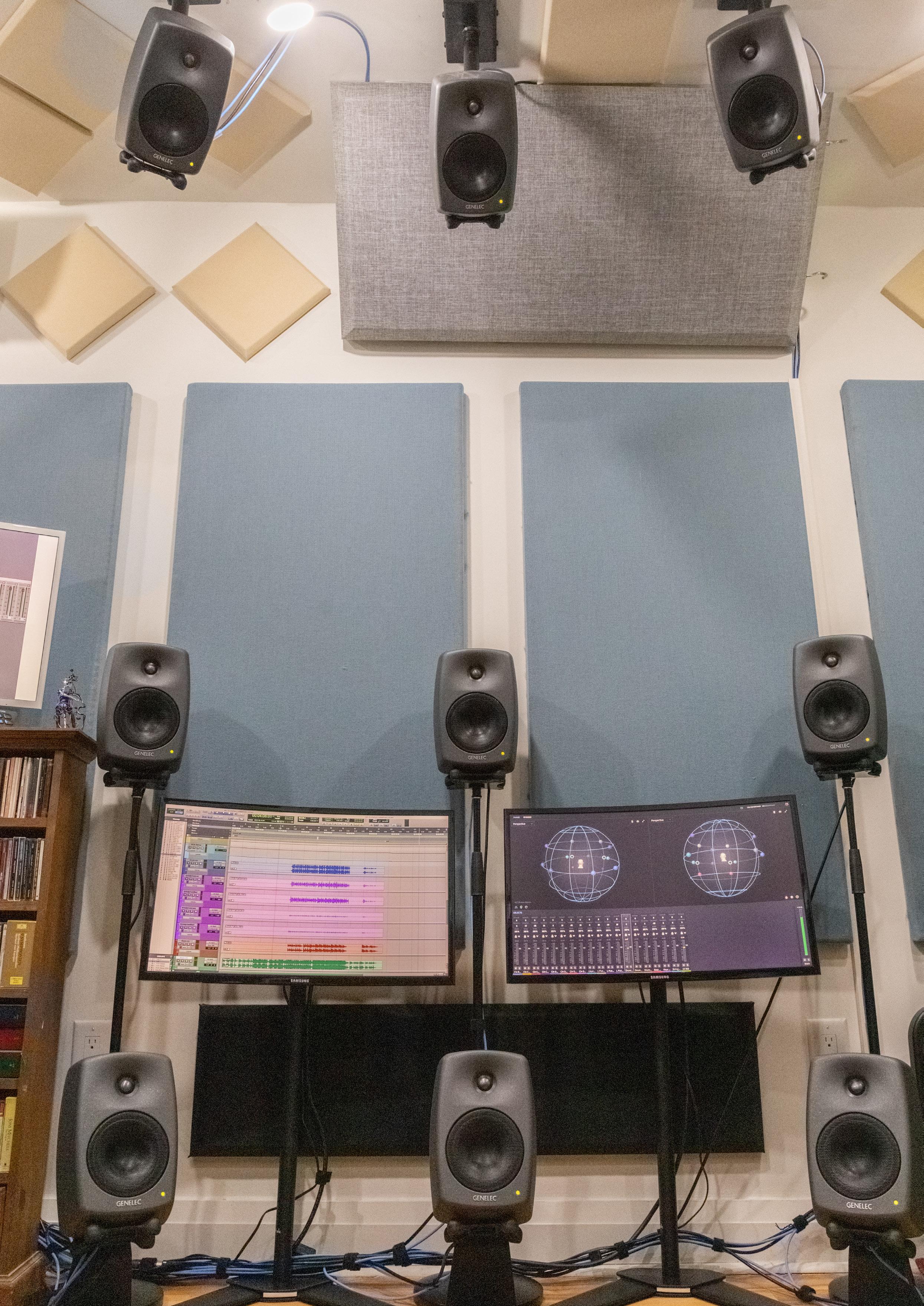
What the Sony 360 offers is a different speaker layout. We have a lower level of speakers, which provides something very unique: three on the lower level in front of us, three on the main level in front of us, and three on the upper level in front of us; it’s a true wall of sound. Then we have two rear surrounds on the main layer and two upper rear surrounds, or height rear speakers. It’s effectively a dome, and you’re sitting inside it.
What’s fascinating about that is how space affects creativity – it certainly does for me. Having different anchor points to orchestrate the music inspires different ideas. I’d remix a song in Atmos, then do a completely new remix in Sony 360, and start relating to how to use sounds below us in a way that isn’t really possible in other formats, except when you go up the chain to NHK 22.2, which is the overarching concept behind the Sony system – and the Japanese immersive audio standard. Sony has brought that concept in and reduced the number of speakers for practicality, with different technology and workflows. But at the end of the day, it’s about learning to relate to the technology and how it serves the music.
GRAY Dolby Atmos
You often work in both Dolby Atmos and Sony 360RA. What do you see as the most fundamental creative and technical differences between the two formats?
With Atmos, we have a very realistic pathway for speaker playback. From consumers to cinemas to studios, people have largely set up their systems around the way Dolby has oriented speakers, so there’s a clearer understanding of how things translate.
With Sony, though, it’s very rare to see a 13-channel system – it’s actually 13.0, with no LFE – in any consumer listening environment. That creates the challenge of accepting that it’s really a headphone-first medium, even though it’s designed to be produced on speakers. That’s a big challenge. With Atmos, we have to think about both speakers and headphones – neither can be ignored, and I believe they both matter. With Sony, it flips a little. Translation to headphones becomes even more essential because, realistically, that’s how most people will hear it, apart from a very small percentage.
There are now a couple of AVRs that support 13.0, but I’ve never seen one in a home cinema or home entertainment setup. The second is that the delivery container is different. Sony 360 uses MPEG-H, so the master file is different, its capabilities are different, and the authoring process and all of those steps are quite complicated, especially for someone new to it. As with all multi-channel formats, a lot is going on, and that needs to be handled carefully to make sure the file not only sounds good now, but also stands the test of time in the future.
Why do Sony 360RA and Dolby Atmos require unique production approaches?
What I’ve found is that, to really maximize the fidelity of both formats, I’m very much an object-based mixer. I like using objects, the flexibility they give: the decoding flexibility, the binaural control, and the downstream options in both mastering and playback. When we’re in the Atmos world, we have to learn how all of that works within the Pro Tools ecosystem, how to process sound in the way we want. When we move into the Sony world, we’re using a different program, the 360 WalkMix Creator, so it’s basically learning a different DAW within a DAW. More importantly, though, it’s about learning where sound sources fit within each technology.
When it comes to binaural, especially with Sony, some strengths and areas translate well, and others are more challenging. A big part of that is positionality. The HRTFs being used are different in each system, so you have to learn how they behave. With Sony 360, I’ve found that if I try to drop in something I did in another format, I often want to adapt it to maintain timbre and, ultimately, the same feeling of the song. That usually means slightly different positioning, because of how the technology works, how the binaural rendering is created, and what its core concepts are built around.
“HAVING
DIFFERENT ANCHOR POINTS TO ORCHESTRATE MUSIC INSPIRES DIFFERENT IDEAS. I’D REMIX A SONG IN ATMOS, THEN DO A COMPLETELY NEW REMIX IN SONY 360.”
Your studio is an approved Sony 360RA mixing and mastering facility boasting a 13.0 Genelec array designed to Sony’s specifications. Which monitors and subs are you using, and how did these meet Sony’s strict requirements?
My setup gives me a proper Sony 360 system: 13 channels of Genelec 8320As plus a 7360A subwoofer for bass management, since Sony 360 doesn’t have an LFE channel. In Atmos, every speaker is full-range, so I don’t need bass management there. This was both a spatial and financial decision. Those 8320s defy the laws of physics – the timbral accuracy and the tuning precision are exceptional. I still use my Trinnov as the heart of the studio, and I aligned everything with the Genlec SAM system to manage tuning, timbre, and bass. Now everything plays through it in my studio, so it’s effectively mandatory.
Because of the room, it’s a nearfield monitoring scenario, whereas the Atmos system is more midfield. But the workflow is seamless, I can just move over, same computer, no changes, which keeps creativity flowing without sacrificing time. And now I have a speaker array with nothing in front of it – no desk, no gear – so I get minimal reflections, which I really appreciate. I’ve even considered how this could benefit other scenarios as well.
Words bY ALICEGUST A F NOS
MOODY JOODY OOPS!
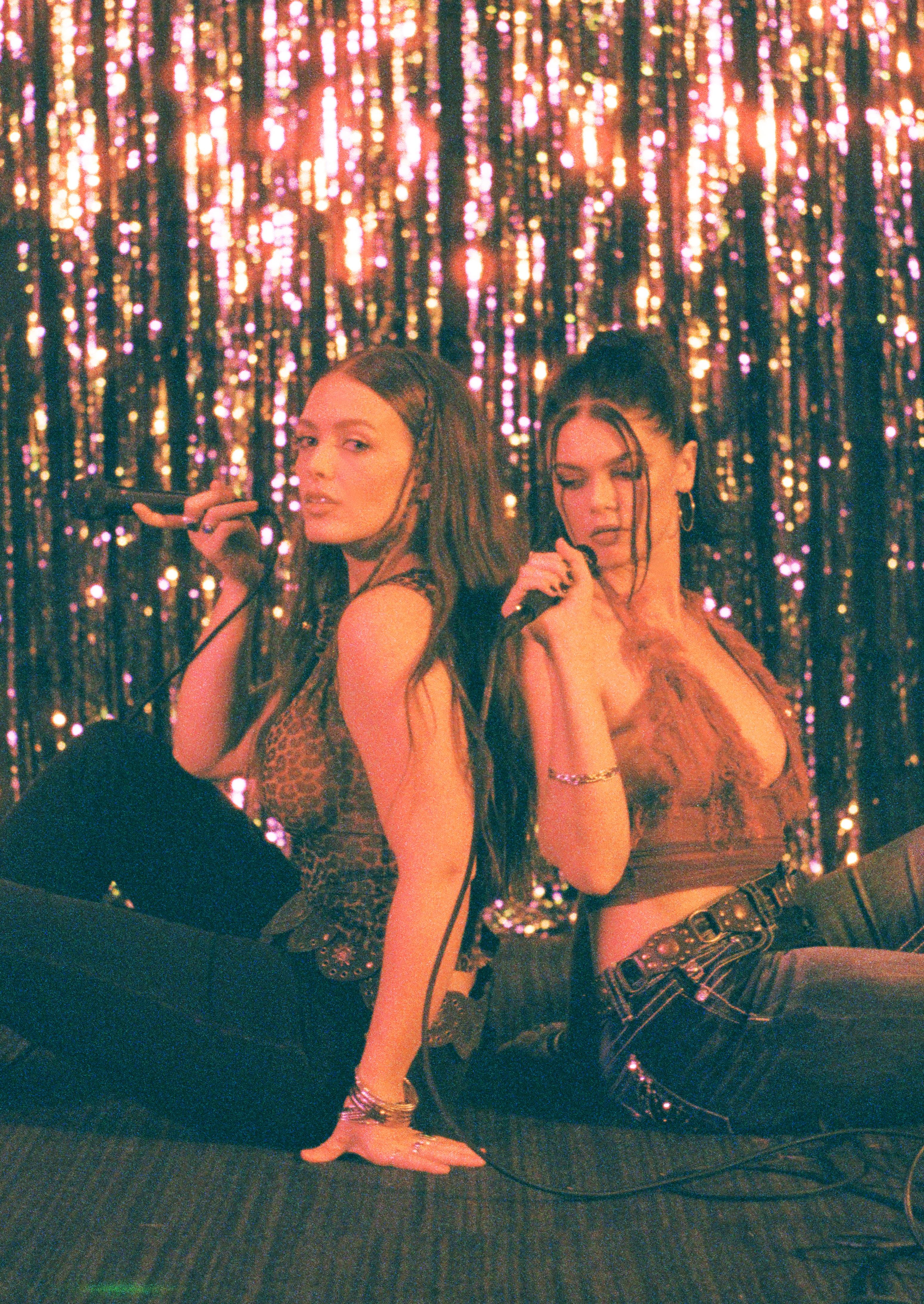
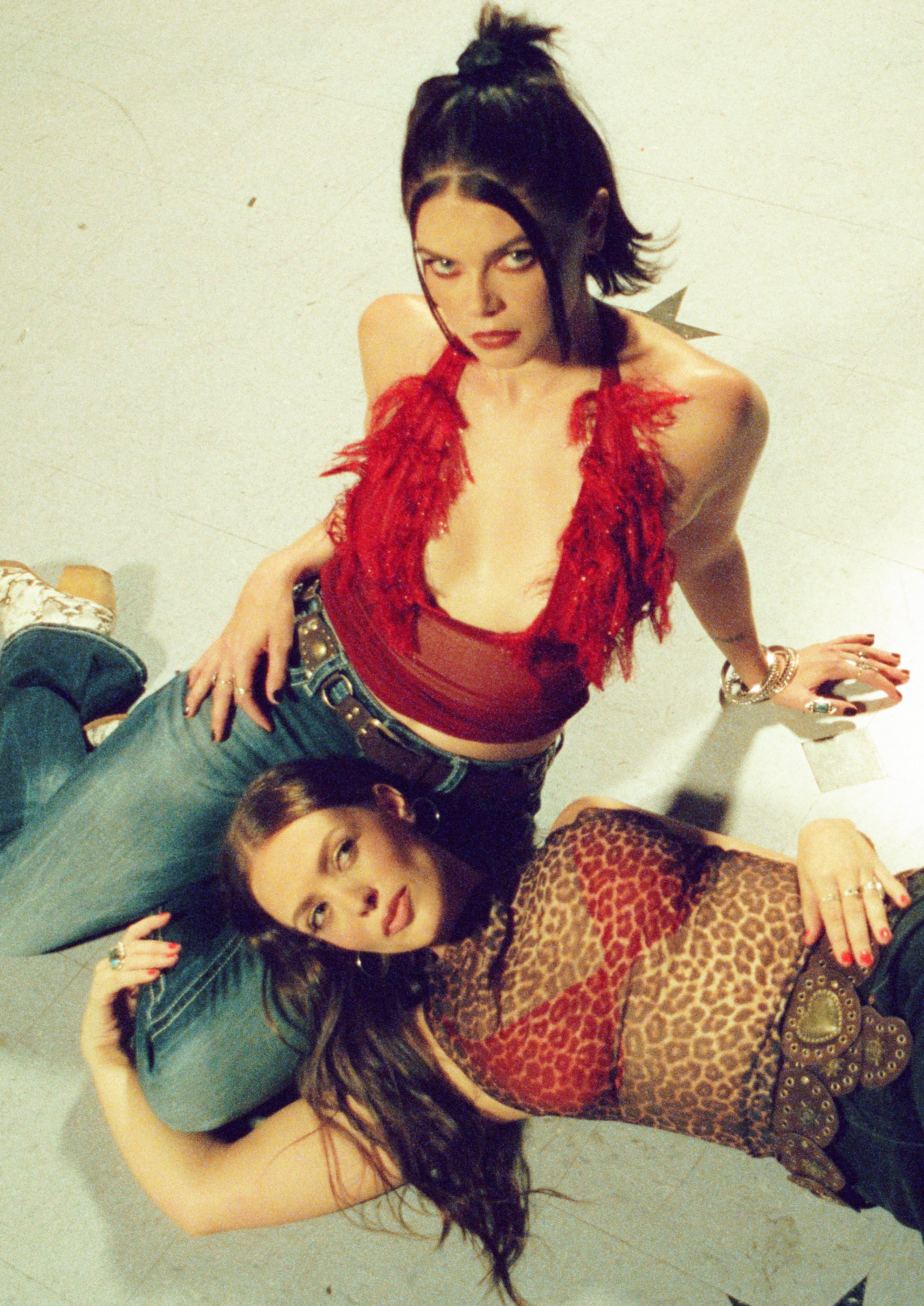
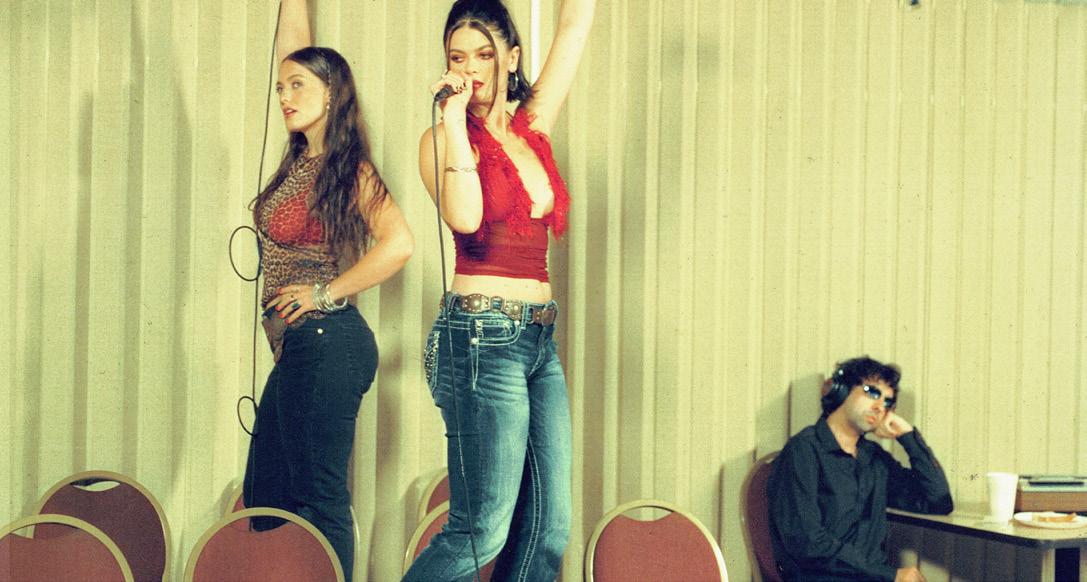
Moody Joody’s new single, OOPS!, is the perfect soundtrack to your next wild night out – and next morning hangxiety. Propelled along by its infectious, bad idea right?-esque sing-along hook, ‘No, I won’t do that again’, the rising pop trio’s new single is a playful bop that’s powering thousands of blurry Gen-Z TikTok montages about going outout with friends and letting loose. Blending the gutsy pop girlie energy of Chappell Roan, Olivia Rodrigo and Sabrina Carpenter, OOPS! is brought to life in its hun-coded Coyote Ugly-esque music video, which sees the Nashville trio’s girls (wearing their finest jeans-and-a-nice-top combos) take over a dreary village hall, and later, scuzzy men’s urinals –featuring overhead lighting that Mariah Carey would find offensive.
Once you get talking to them, you quickly find out that bad lighting is not high on their priority list –they refuse to fit into any neat pop box. Moody Joody are building a world where vulnerability meets dancefloor euphoria. Equal parts swoony, sexy, and unapologetically honest, the trio champion what they call “owning your humanness”, and they’re enjoying every moment that sees them embracing the highs, the breakdowns, and everything in between.
Headliner catches up with the trio, and discovers they’re not actually moody, and no one is Joody, but in fact they are vocalist and guitarist Kaitie Forbes, vocalist and keyboardist Kayla Hall, and multi-instrumentalist and producer Andrew Pacheco. They discuss writing OOPS! , what to expect from their forthcoming debut album, alternative band names, and why the new record will shock people from their hometown.
What were the first artists that made a big impact on you, and how do each of your influences shape Moody Joody’s sound?
Kayla: I grew up listening to Shania Twain, and my parents listened to Tom Petty and The Eagles, so I had a really nice palette for music. I moved to Nashville because I wanted to do country music. I also loved Hannah Montana, which was a bit different, but my older sister showed me Jack’s Mannequin and bands like The 1975, so I had that indie influence too. When I moved to Nashville, I realized country didn’t fully align with how I felt as an artist. I met Andrew, and we started working together. We loved bands like Bleachers, and that’s really where our sound developed and blossomed. But Shania Twain – she’s my homegirl, my number one. We’re all really inspired by ’80s music too.
Andrew: Mine was Counting Crows from a very young age, and it led me into more alternative, emo-leaning music in high school – Dashboard Confessional, Jack’s Mannequin, Jimmy Eat World – and then I fell in love with pop music in college, before diving into a lot of indie. We’re all over the place, and I think that’s why this works.
Kaitie: The first song I heard and really loved was The Sign by Ace of Base. It’s kind of Moody Joody-coded. I grew up listening to all sorts of things. My older siblings’ music tastes were all over the place. Once I started developing my own taste, I got into Jack’s Mannequin and the emo scene in middle school. By ninth grade, I was discovering indie bands – Arcade Fire is still my favorite band to this day; I found them when I was 15. I also loved Band of Horses, The National, and The Killers. I was mostly in that indie rock realm, though I had a brief country stint when I moved to Nashville. That didn’t last long because it didn’t feel authentic, so I went back to my indie roots.
Andrew, do you sneak in a bit of your own Counting Crows-style production into Moody Joody’s music?
Andrew: That’s the cool thing about the band; it’s a melting pot of all our influences. We’re not focused on emulating any one artist or vibe. It’s just evolved naturally into what you hear now. Production-wise, that’s me pulling from my own tastes. When we started the band, I was really into ’80s and new waveinspired production, and that’s stuck with us. Our first song, The Heat, came from that world, and that’s what we bonded over. But we don’t overthink it; what you hear just happens naturally when the three of us are in the room. My production preferences and style have evolved since we started the band. When we began, I was really into making big, tight, huge-sounding pop records. We’re still a pop band in a lot of ways, but it’s become more live, organic, and raw. Our live show has influenced that, too.
Kaitie: We have such good chemistry now. We’ve been a band for almost six years, and it’s like we have our own language – it just works.
Where did the name Moody Joody come from?
Kayla: It just came to us. We were actually going to be called the YeeHaw Girls, believe it or not. I’m so glad we didn’t go with that; I think it’s hilarious now. At the time, we almost went with Joanie, but then there was another band called Joan, who we actually ended up touring with later, so we realized we couldn’t do that, especially since we were moving into more of an ‘80s-sounding world.
Kayla: Then we landed on Moody Joody; it just felt right for what we wanted to put out into the world –not just musically, but also how we wanted the band to represent itself. We have two strong women in the band, and we like to write about everything we’ve gone through,
showing up confidently and owning all parts of our experience. We write songs about seasonal depression or just a whimsical love song. Moody Joody became this overarching persona that captures all of that.
OOPS! is a fun, funk-laced anthem for memorable (or perhaps, not so) nights out and next morning debriefs. Did some real nights out in Nashville inspire this song?
Kayla: There were probably a few of those research ones collectively [laughs], and a few that just crashed out for sure.
Andrew: We wrote this song with Scott Harris, who we work with a lot. Scott started jamming on that main riff, and we just went crazy, having a proper party. All the percussion started coming out, and it got weird! It just felt really different for us. It all came together pretty quickly, and most of the production actually happened in that original session too, which isn’t always the case. We tracked nearly all the vocals in the studio when we wrote it, along with the drums and almost everything else. Then, when I took the song back to Nashville, Iadded even more ridiculous sounds and fun bits.
Kaitie: Kayla had the “I won’t do that again” line. It may be our most relatable song. We wrote it pretty quickly. I just remember being really tired – we’d had a super early flight, and it had been a busy month – so we were a bit delirious, and that’s what came out. Paul was on the bongos with Andrew and Scott, and then you’ve got the glockenspiel going… It was a bit chaotic, but fun!
Kayla: It was supposed to be almost a different idea. I said it out loud, and someone took it a different way. That’s the beauty of songwriting – you can bring in a line like, “I won’t do that again.” In my head, it was like, “I’m not going to do these things again.” It was meant to be a whole sad song, but then the whole song ends up being like someone rolling their eyes, like, “Yeah, you’re definitely going to do those things again.”
The “I won’t do that again” hook must have inspired a lot of TikTok montages of nights out?
Kaitie: Yeah! We love the bridge of the song. It’s like, “I pinky swear I’m staying in tonight.” We’ve even made some of our own little going-out transition videos with it – so it starts with, “Oh, I’m pinky swear I’m staying in,” and then, obviously, it’s us out [laughs].
What can you reveal about your upcoming debut album at this point?
Kayla: This is the first time we’ve been able to intentionally sit down and think and create a whole album. In the past, things happened very quickly for us: we’d write a song, put it out, write another song, put it out. When we did Dream Girl, we had a bit of that, but everything still had to come together quickly. We love
albums; we’re all album people. There’s a lot of diversity in terms of sound and themes on this record, which feels really special and new, and sonically, it introduces a lot of fresh elements for us too.
Kaitie: We’ve been talking about this album pretty much since we started the band. We had the title, we had the concept; it’s very much a concept album. We’re really excited to finally have the world know about it after six years of being a band.
Andrew: We got Brody, our live drummer, to play on a lot of the record. There are definitely songs that still feel like classic Moody Joody in many ways, but we’ve never really boxed ourselves in when it comes to sound. There’s a lot of new energy on this record that we haven’t explored before, alongside elements that feel like us. It’s a proper blend. We just wanted to make an album, not just a collection of singles. We love deep cuts and album tracks. There are plenty of pop songs on the record, too, but it was great to be able to dive in and get a little weird on some of it.
Kaitie, you were raised in a religious culture. How has it been to share insights into your life now and to rebel against that on the new album?
It’s been a journey. It feels scary but also really freeing. I’m seeing myself get more and more comfortable with owning who I am. One of the best things about being in this band is that it’s given me an outlet to put those feelings out there, process everything, and show people who I am without having to say it directly to their faces. I’m sure I’ll still have nerves when the album comes out, because it’s pretty honest, and I don’t know how it’ll be received. Luckily, my family is super supportive and will be my cheerleaders no matter what. Some people back home might be shocked, for sure, but it feels good. It’s very liberating. There are some risqué songs on the album, which feels scary to me, but it’s just our truth and who we are as a band. Honestly, more than anything, it feels exciting.
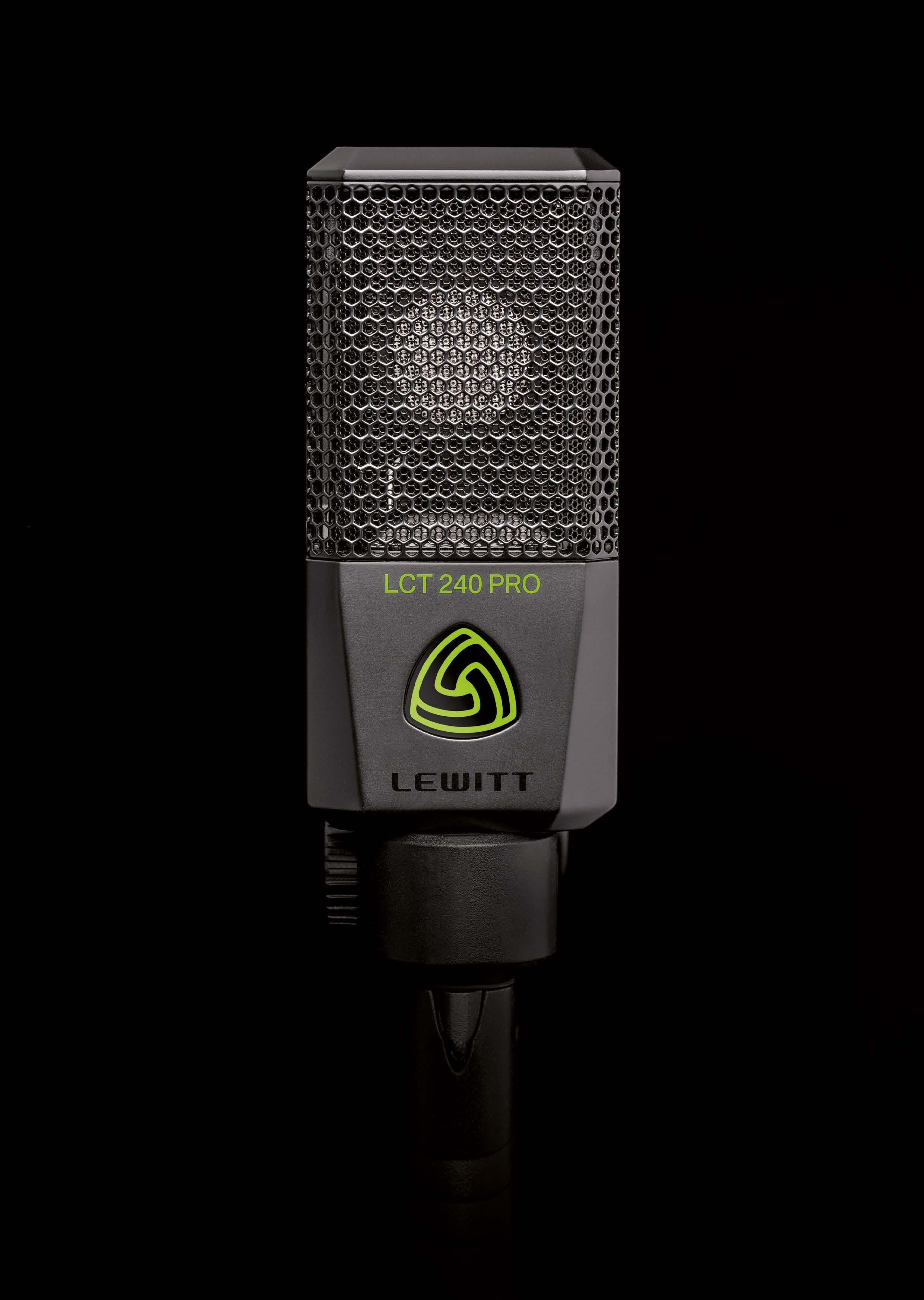
LCT 240 PRO
The perfect microphone for home recording.
• Easy-to-use XLR microphone
• For recording vocals and instruments at home
• Professional sound quality
• Cardioid polar pattern
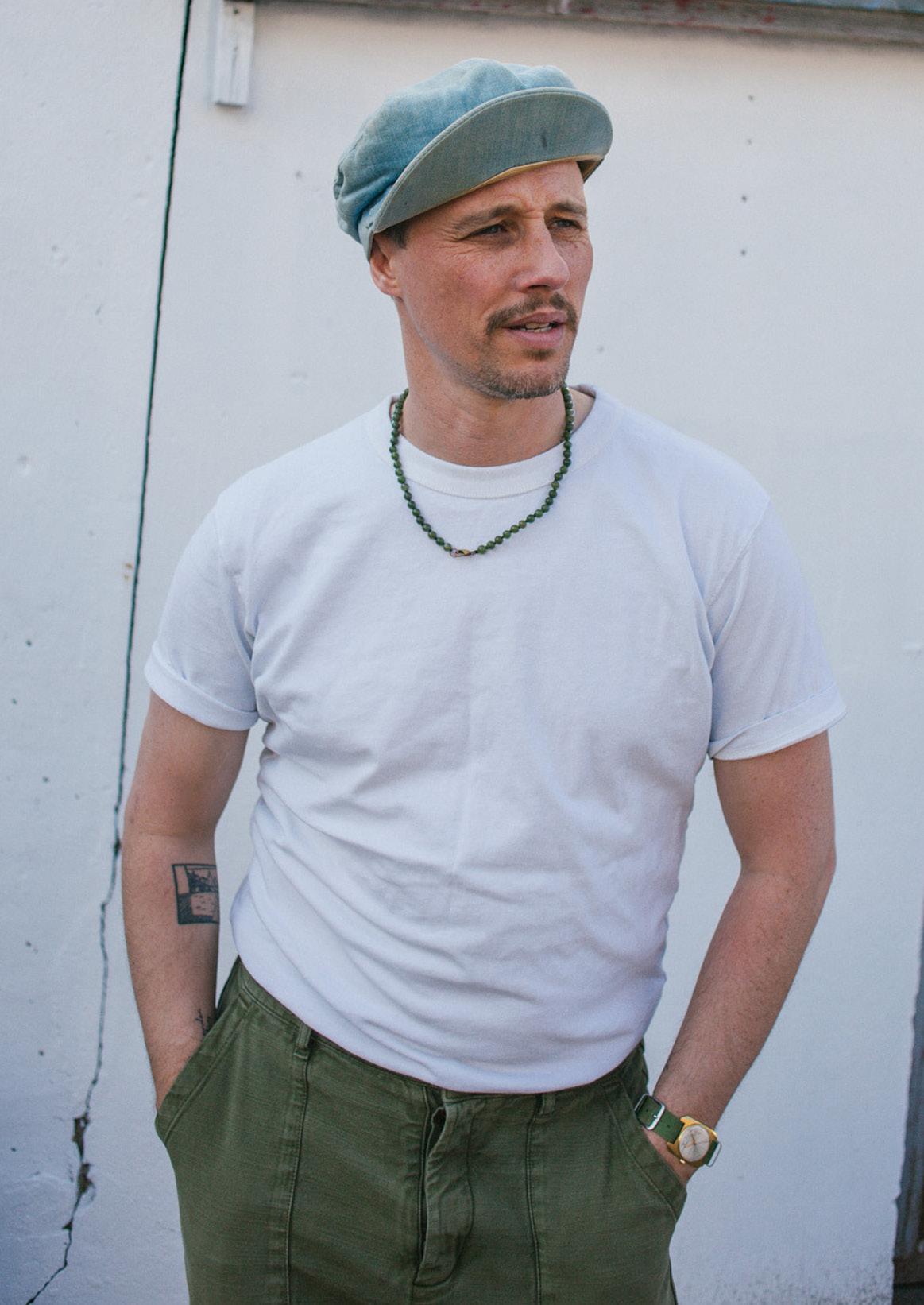
Photo credit: Ryan O Hare
JUST A FEW FOLK
JP COOPER
After the success of his critically acclaimed 2017 debut album, Raised Under Grey Skies, which features his huge hit, September Song, Mancunian singer-songwriter JP Cooper started getting notions. With his new album, Just A Few Folk, he’s keeping his feet firmly on the ground, choosing to make a record for the few, instead of the masses.
“For a while, I probably did try to fit into the role I found myself in,” admits Cooper, who’s calling from his car from somewhere on the M25 after dropping his sister off at the airport. “I see it now with a lot of artists who get a little success –it’s interesting watching how they navigate that. They start wearing clothes differently, changing themselves a bit. I definitely went through that. An Irishman once told me that when he moved to America, people back home in Ireland would say, ‘Oh, you’re getting notions,’
which I guess means you’re picking up airs. I probably got a bit of that –not Americanisms exactly, but I felt like I needed to be more than what I was.”
When rubbing shoulders with stars at awards ceremonies, Cooper never felt quite like he belonged, despite his early success. “Things that were always a bit awkward,” he recalls. “I’m not great with new people in big crowds; I tend to blend into the background and just people-watch. Sometimes conversations finish a bit
awkwardly, and I don’t quite know what to do – I’m just a bit awkward,” he laughs. “Looking back, I don’t really care about that anymore. I love a Wetherspoons – I don’t need bougie hipster coffee or a members’ club. There’s no real culture in those places. I love the council estate greasy spoon with a Greek family running it, where you can get bacon and eggs and a bit of kebab on the side if you fancy it. That’s where you find stories and culture.”
These days, in his life and his music, he’s focusing on the important things in life. Cooper is a husband and a father of two, and when it comes to his new album, Just A Few Folk, he’s no longer chasing mass approval or obsessing over chart positions. “Now I’m gravitating more towards what’s real, and also scrutinizing myself for what’s real within me,” he nods. “It’s a really interesting time; a crosssection of youth and experience that’s a rich pool to draw from.”
The grey skies referenced in his debut album name are Manchester’s. A city known for its toughness, Cooper grew up in a tough working-class area where the unwritten rule was simple: don’t draw attention to yourself. Yet he was always drawn to doing things differently. His father, a painter, found solace in art after the loss of Cooper’s mother when he was young, and that creative influence ran deep. As the youngest of five, with four sisters, those early surroundings nurtured a strong appreciation for emotion and creativity. “The artsy types where I grew up didn’t walk around with our heads held high,” he points out. “It wasn’t until I hit my teens that I realized talking about art or poetry wasn’t really something boys did. I had a group of friends who were into music, probably more than I was, and they became my circle.”
A teenager in Manchester at the turn of the millennium, he was swept up in regional enthusiasm for music spurred by the emergence of bands like Oasis, and the accessibility of open mic nights, healthy local competition, seeing other bands, and watching the likes of Stereophonics. “I had a fake ID, looking far too young to be believable – a bit of a McLovin situation,” he quips – Mancunian wit still sharp. “I found myself in a rich, competitive environment full of other bands to aspire to or try to outdo. I found my place, built communities, and
spent many years trying to make it in bands. Manchester wasn’t exactly a place to be different when I was younger – definitely not in the ’90s, but it was an amazing place to cut your teeth. There were so many independent venues back then, open mic nights, rehearsal spaces. Old cotton mills, half-empty, were taken over for practice, random raves, gigs, and nights. It was an incredible time.”
When he had his breakthrough with radio-friendly September Song in 2017, which has now racked up over 1 billion global streams, Cooper was finding his feet in the music industry. These days, he looks at the much-changed industry through a wiser lens. “A lot of it has migrated to TikTok and social media, which I probably would have had a field day with when I was younger. Now, though, I feel a little out of my depth as a slightly older gentleman,” he laughs – aged only 42. “I prefer to be behind the camera,” he continues. “Anything performative feels insincere to me, and I think that probably comes from the environment I grew up in. It wasn’t a place for showing off – it was about keeping your head down and being one of the good lads. Being seen as a decent, cool guy, the ‘Boy Next Door,’ was more respected than being cocky or a show-off, unless, of course, you were someone like Liam Gallagher, and everyone loved you because you had something to say and said it brilliantly. I was never really like that socially, so I learned to keep my head down and stay to myself. I’ve never been a socialite, hanging around with the who’s who; I just keep to myself.”
Cooper admits this approach hasn’t necessarily helped his career in the past, but that he’s now at a place where he only wants to release music he’d actually listen to, and that chasing fame and numbers couldn’t be further from his thoughts. Just A Few Folk is the culmination of those
years of finding his feet as an artist and sharing those passions with his long-time fans.
“I’ll be completely honest, I’d reached a point in my career where my first album had huge commercial success. My second album came out as we were coming out of COVID. I think it’s a great record, but it didn’t do the numbers, it didn’t get the radio play, none of that. By the time I started thinking about the third album, I was like, what’s the point in trying to make songs that are part radio-friendly, part for me, when they might not even get played? You end up losing twice. Whereas if I make something I love and it doesn’t do anything, I’ve still won; I’ve made something I can stand behind. Why should I try to predict what might work or what radio will play? I’ll just keep doing what lights me up, and I know my day-ones will respond. I’m not suddenly going to make some completely experimental album; it’ll still have my thread running through it, but I can follow what excites me.”
He didn’t mince his words with the label: if he was going to do another album, he would not chase radio. “I don’t want the pressure of weekone sales,” he explains. “That isn’t the record I want to make. Albums are dying anyway; people don’t listen to them like they used to. I don’t even listen to them like I used to; my attention span is probably shrinking. But I wanted one last crack at making the album I had in me at the time, without it being compromised by the climate. It’s a case of releasing it and hoping it finds its place in people’s hearts. Hopefully, it’ll pay enough to keep the lights on and allow me to do the next record. That’s a place I can be genuinely happy with, rather than constantly running on a treadmill.”
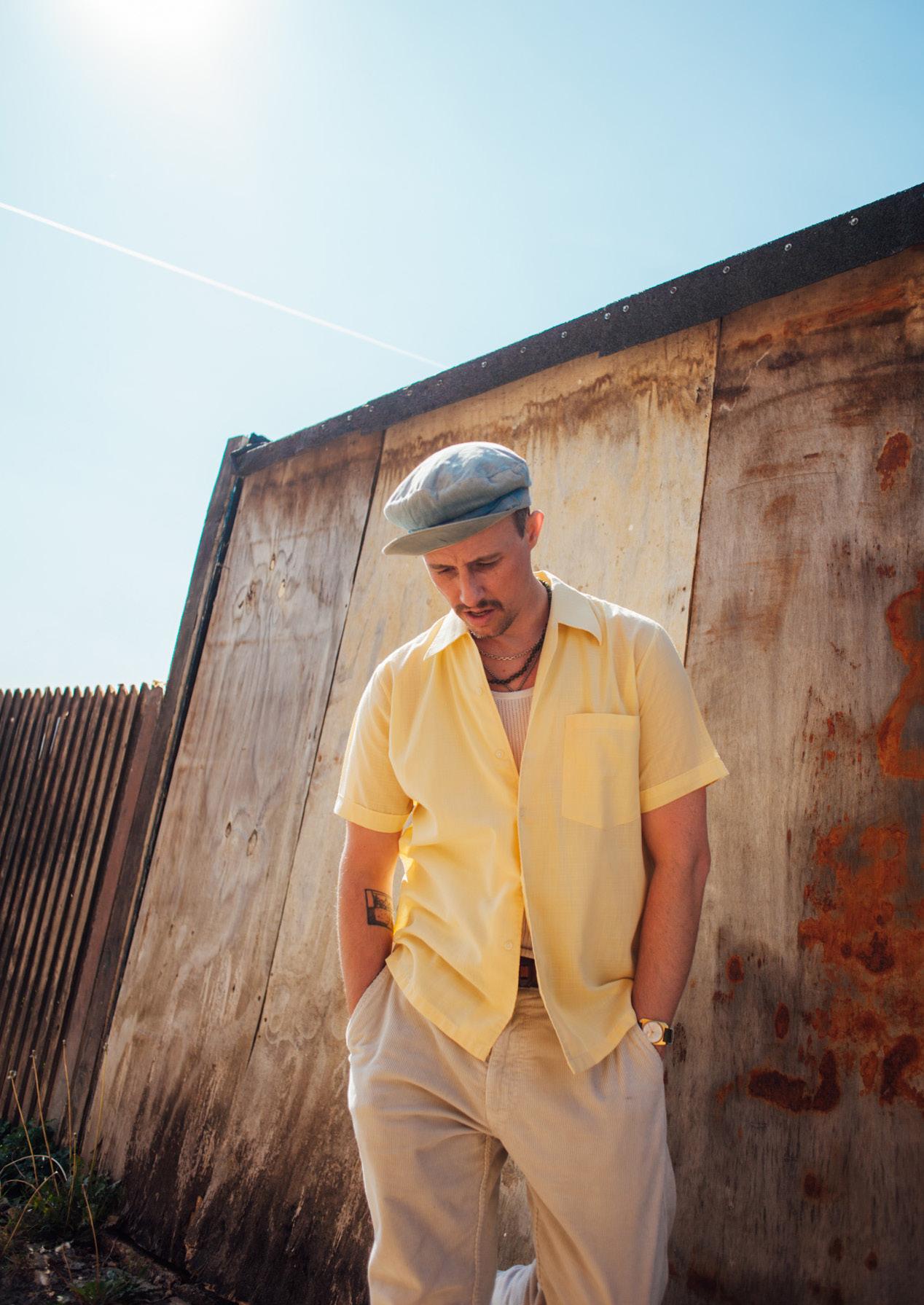
Photo credit: Ryan O Hare
Just A Few Folk is the first time Cooper has fully trusted his individuality as an artist, and includes the most personal collection of music he has ever made. He sounds as good as you remember, peppering soulful melodies with intricate runs that make you want to skip back to hear them again. The album speaks of everyday stories and experiences: family bonds, personal relationships and ordinary moments. An album highlight, Diamonds and Gold , serves as a soulful dedication to his wife, while Sad Song approaches a breakup from a reflective angle, reframing heartache. On Waiting on a Blue Sky , he looks back on memories of growing up in Middleton, and the blissed-out lead single, Summer of Love , blends retro soul and ’70s-inspired grooves with Cooper’s signature buttery vocals.
“There was also pressure from myself to prove I was an album artist – that my music wasn’t just fast food, nicely polished for mass consumption,” he says of the time he was pondering how to follow up his huge debut. “I’ve always wanted to dive deeper into my own projects. This third album feels like the closest I’ve come to putting my DNA into something.”
By this point in his career, Cooper feels he has finally worked out how to make a record that truly reflects who he is. You can hear it most clearly on the title track, Just A Few Folk . Recorded in South Africa with the Durban Gospel Choir, the song swells with traditional soul progressions beneath JP’s smooth, soulful delivery. At its core is a simple but powerful idea: the hope, joy and strength that come from finding people who truly connect with what you create, and the realization that reaching a handful of listeners in a meaningful way can matter more than reaching everyone at once. Sonically, he harks to his roots in gospel, and for
the first time experiments with a unique recording process alongside the help of album producer Cam Blackwood. “Creatively, it’s been amazing,” enthuses Cooper. “The two of us were in the studio every day, and it was an absolute joy. I really feel like I’ve finally learned how to make an album. Now, I understand how to make a record, how to create a cohesive collection of songs, and pull it all together as a project. I’m focused on what I do really well, on getting into the nitty-gritty, the detail, so that when it’s received, it doesn’t just sound like someone trying to make commercial music. It’s not about that for me.”
The sublime, You Give Me Life , was one of the first songs written for the project, and those with keen hearing can hear noises in the room, breath between lines, fingers on fretboards and movement of piano pedals under Cooper’s soulful lilt, giving a delicious bleed and melding of sounds. “The choral arrangement is just incredible,” he says. “It’s probably the closest I’ll get to doing something like a Ray Charles song. I knew then that the record needed something at that standard. And it delivers. It is never going to be played on the radio or be a huge hit single – maybe it could work in a sync – but it’s the level I aspired to. It doesn’t have a big, soaring chorus, but I think it’s going to be a really special song for a lot of people.”
The album also features a duet with a millennial favorite: Gabrielle. On Sad Song , Cooper was thrilled to work with an artist he grew up listening to, and as one of the voices that shaped the soundtrack of his early years, it was something of a full-circle moment. “I wanted it to be with someone whose music had been part of my life growing up; I wanted that sense of nostalgia,” he nods. “I’d actually met Gabrielle very briefly at a festival
in Switzerland a few years ago. She was a sweetheart and very complimentary, which stuck with me. So we reached out to her. I wasn’t there when she recorded her vocal, but when they sent it through, it was perfect: Gabrielle, exactly as she always sounds. She has this way of delivering a lyric that isn’t showy, but has a certain honesty.”
Spying a tunnel up ahead, he pulls into a service station to finish the interview. “I love making music more than I ever have,” he rhapsodizes. “Right now, I’m obsessed – literally from the moment I get up in the morning to when I go to bed, I want to dive straight into whatever project I’m working on. There’s this constant hunger to learn more, too, which isn’t something I had at the start, and I’m really grateful for that. I go after whatever lights me up: words, sounds, chords, melodies, whatever makes me feel something. If I feel it, I have to believe a few other people will too. I hope a few people find the new album, share it, and over time it becomes part of the soundtrack of their lives,” he concludes. “I want it to go deeper rather than be a big flash in the pan, hitting everywhere at once. I think it will be more of a slow burn, but we shall see…”
Just A Few Folk is out now.
JPCOOPERMUSIC.COM
A NEW HIGH IN THE LOW END
Designed and built in the UK, Ten Squared (Ten2) is a range of premium, low frequency loudspeakers. Engineered without compromise, they deliver consistently superior levels of performance in the most demanding professional sound reinforcement applications. All the time. Every time. 18, 21 and 24-inch models available. Discover Ten
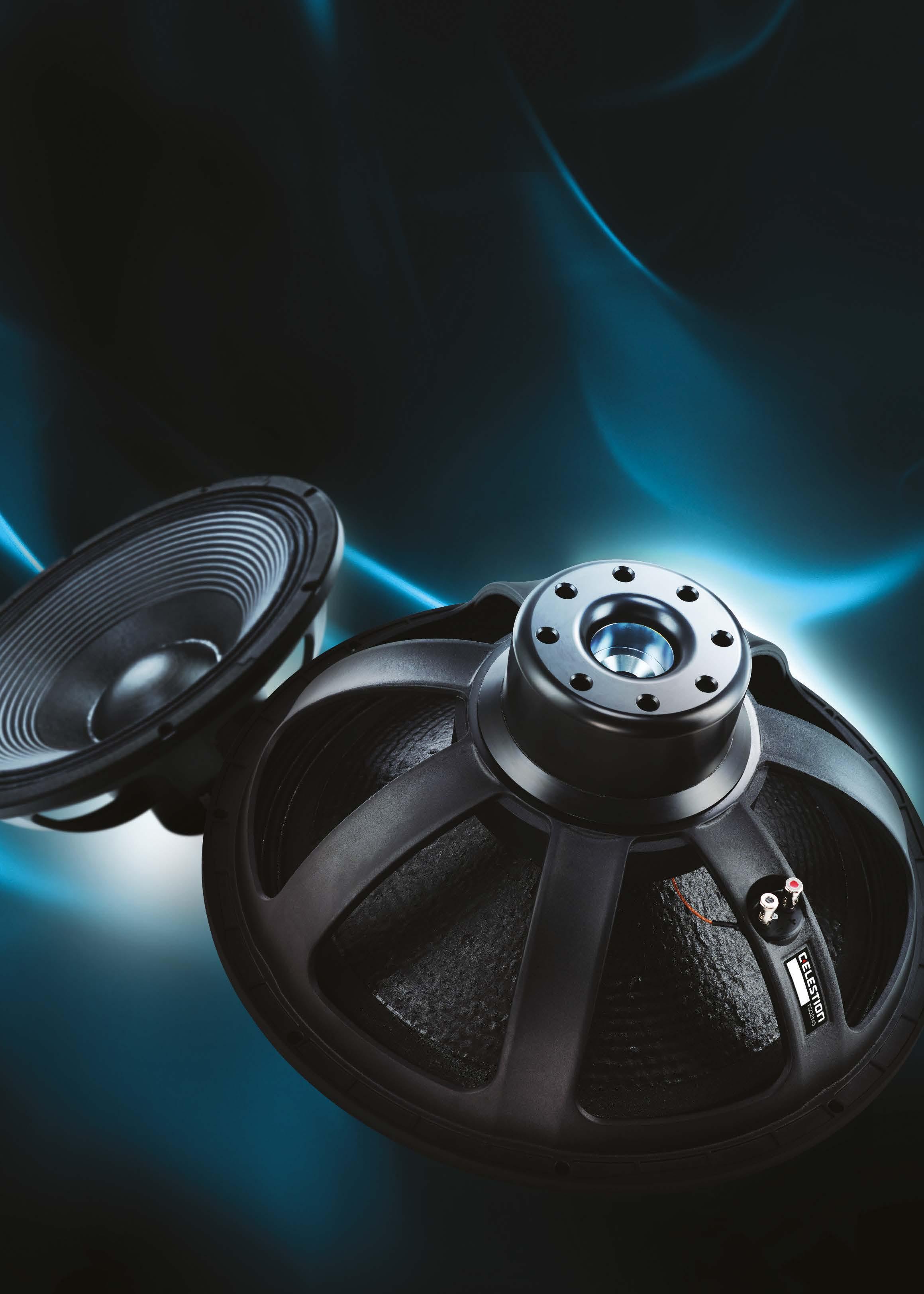
celestion.com
WORDS BY ADAM
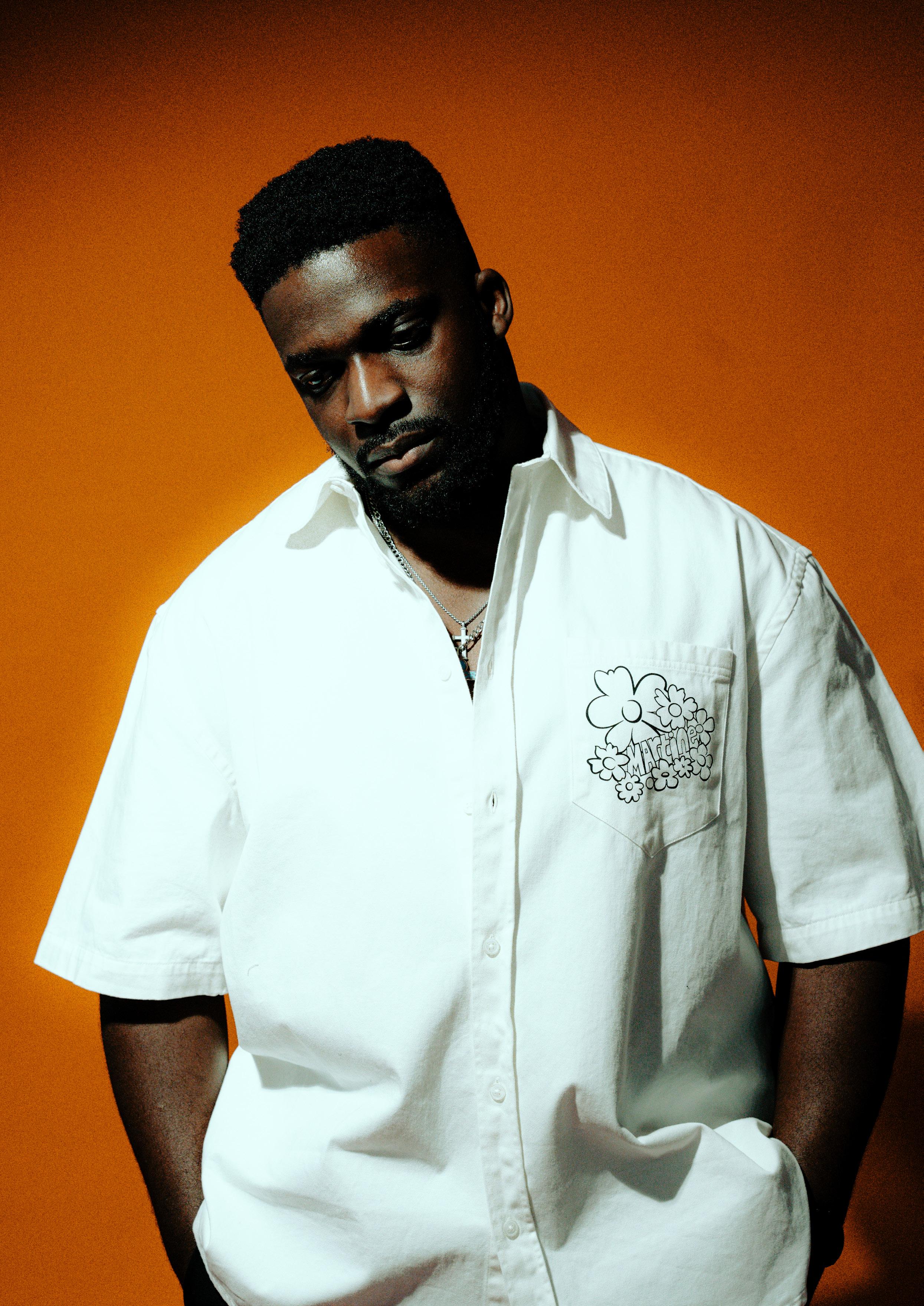
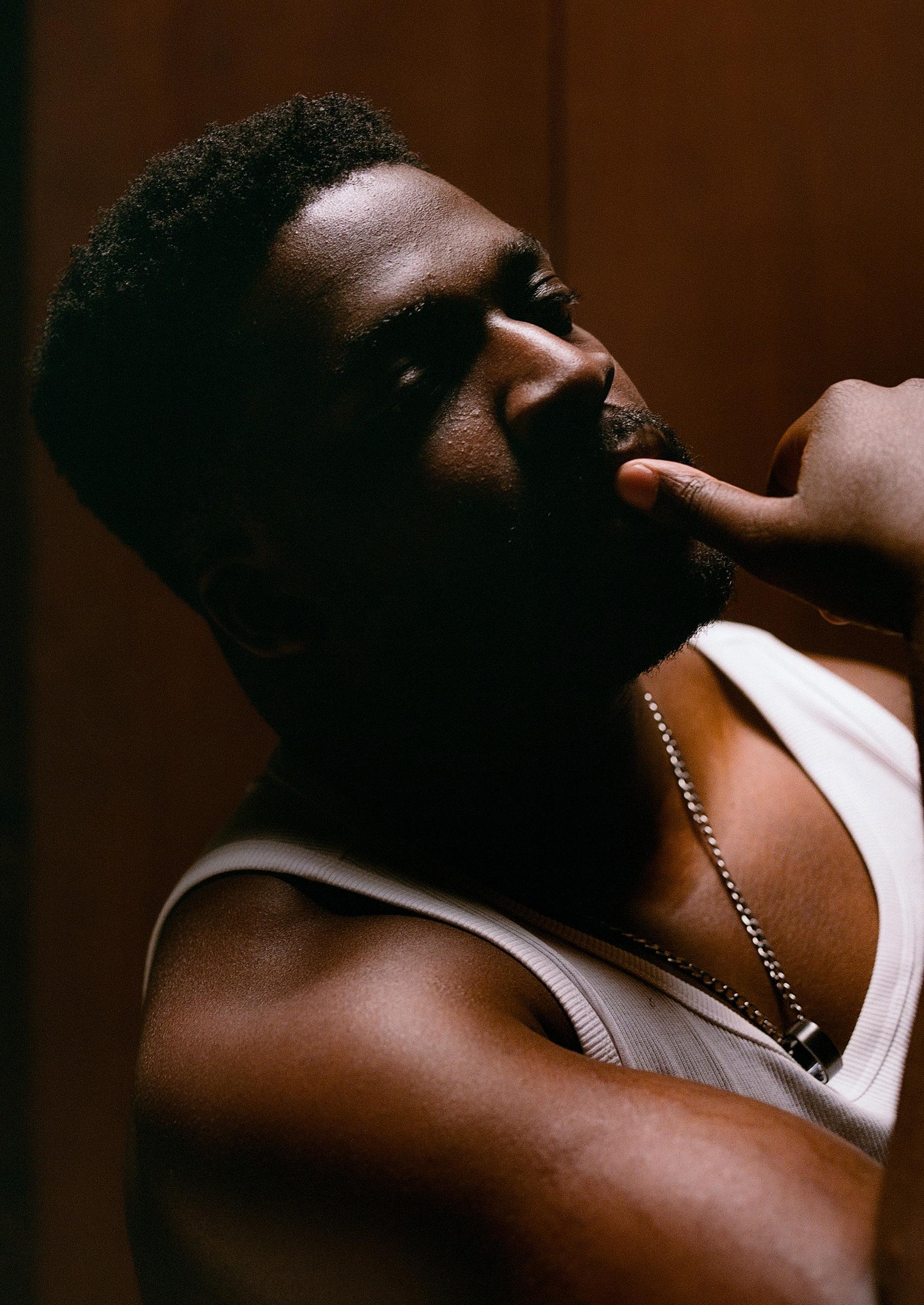
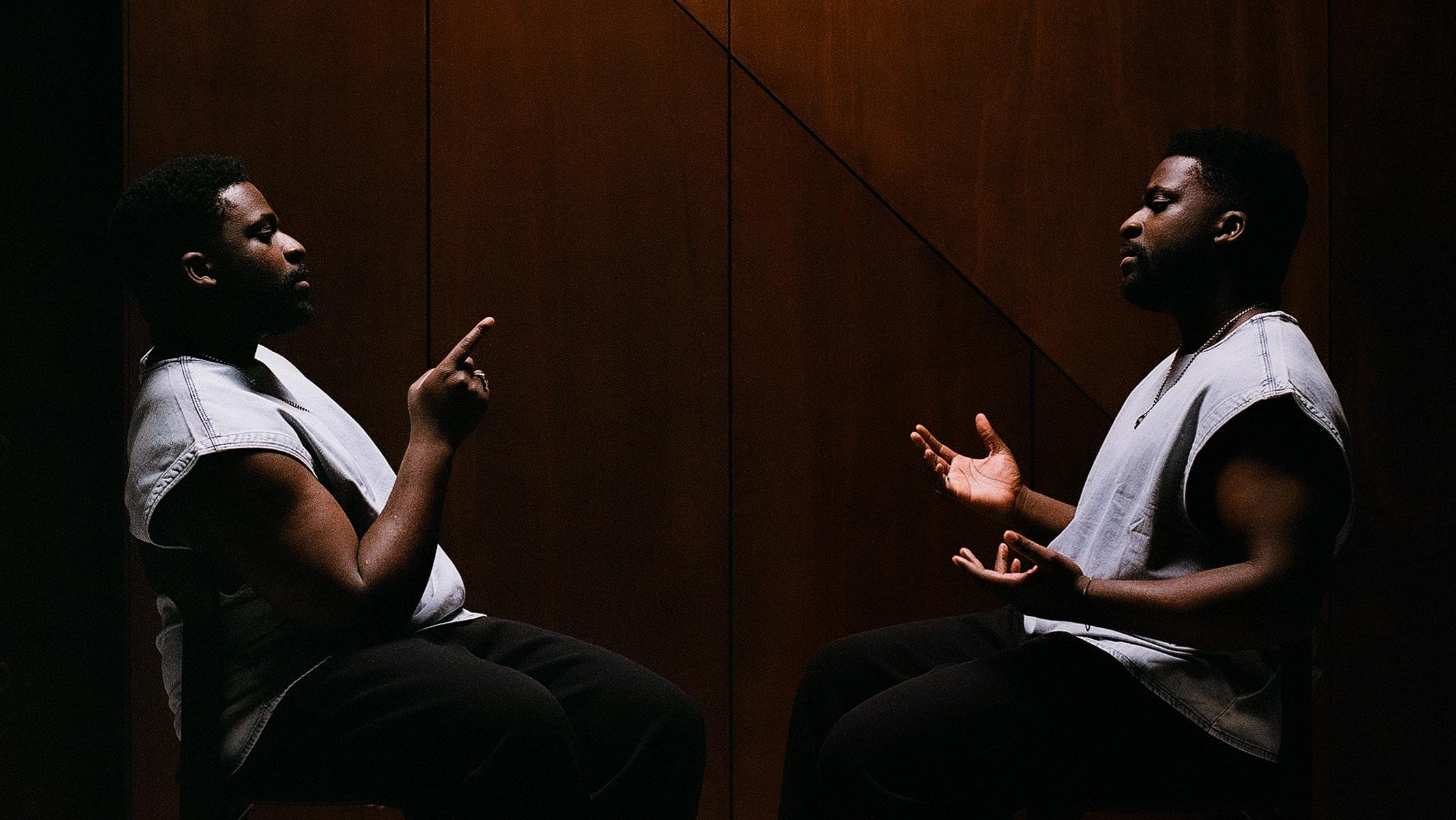
S!RENE EMBRACING THE SILENCE
Effortlessly blending Afrobeats, amapiano, jazz, African funk, and much more, S!RENE is a Dutch-Nigerian musician, saxophonist, DJ, and producer based in Amsterdam. Following performances at London’s Jazz Café, this chameleonic artist has released his sprawling debut album, Silence Gives Life. He speaks to Headliner about being a member of the Soulection artist collective, the plethora of genres and sounds on his new album, and speaks to the relationship between silence, music, and life.
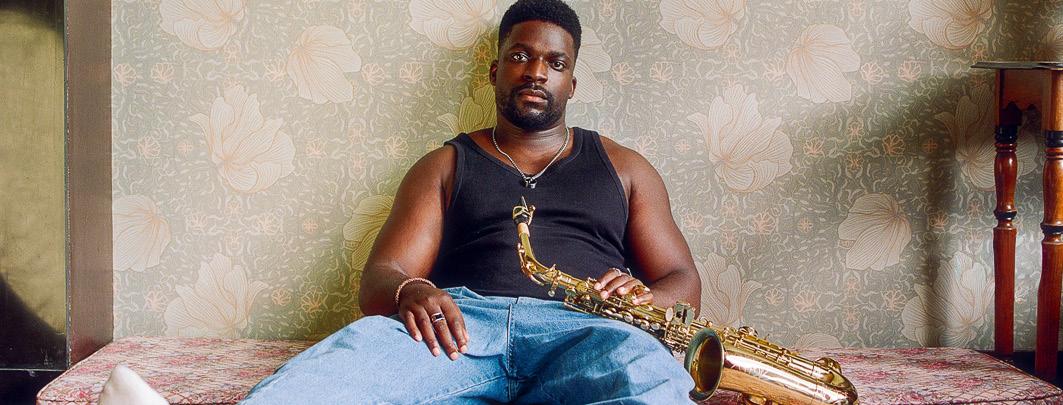
S!RENE debuted in 2022 with his debut single, Ginga Riddim . The track announced all of this artist’s versatility and willingness to treat music production, sounds, and genres like a laboratory; its off-kilter rhythms, use of African sounds and percussion, and shoving at least five genres into a blender mean it’s unlike anything you’ll hear on the radio. And yet, it’s a totally listenable tune that will make the repeat loop button on your streaming platform look very tempting indeed.
“My dad used to play music in the house,” he says. “We’re Nigerians, and that was my first introduction to Nigerian rhythms and the soul that is in that kind of music. It always got us going. It took a while for me to connect with music. I always wanted to be a pro footballer, but that was obviously not my path. When I was 13, I started listening to electronic music radio shows that were big back then — they were playing Hardwell, Martin Garrix, stuff like that. That was my first introduction to DJing. When I was 14, I actually started doing it myself. And then I realized that I can actually bring back the music that I grew up with into my own music. DJing doesn’t need to be only electronic. Obviously, in the Netherlands, electronic music is very big. But there was no one playing stuff like Afrobeats or the jazz, funky stuff, not in my environment. And I
grew up in a village, so I just had to figure it all out for myself.”
S!RENE is a passionate and skilled DJ, but many who hear his music would likely agree that this is music that also demands to be performed live, beyond a set of decks, with all its organic sounds and his ability on the saxophone. On this pull between DJing and more traditional live performances, he says, “I definitely always had this urge to go towards the live version of what I do. My first step was, okay, I have my turntables, I have the DJing. How do I implement the love that I have for live music into the way that I play as well? Even in my sets, I would play music that is not common to play in the club and turn the turntable into some form of an instrument.
“And once I started doing that, people started to notice, ‘Oh, this guy is different, he does stuff in a different way.’ And for me, the next step is to go towards the live aspect with a band. But I am going to take my time, because I feel like everything is always in a rush in this industry, and I really love the art of developing and taking your fan base with you on that journey. Developing your sound, developing your personality, developing your way of playing, trying to give them the best of yourself.”
In 2023, S!RENE released the EP, Tales of Lusan , in which his music production abilities and soundmashing stepped up even further. Its opening track, Jama Banela , is a dizzying yet excellent melting pot with all manner of samples of jazz instruments and African percussion and sounds, over a bed of an amapiano beat. It’s difficult to think of another artist doing it quite like this. The recurring whistle sample will have you wanting to find the nearest carnival to let loose at.
S!RENE, who has already mentioned how his approach has helped stick his head above the parapet as a unique artist, found some kindred spirits last year when supporting the Brit Award and Mercury Prizewinning London jazz group Ezra Collective.
“I did the after shows in Amsterdam when they toured here last year,” he says. “It was definitely nice connecting with them, just on the level of me being a fan of their music as well, even editing a couple of their things that I haven’t put out yet. What I love about them is how they have been able to bring all of their identities together and form this amazing wave of African music, especially Nigerian music. That’s what I mean with patience; once all of those things align, it would be very nice to create things together, because I feel it’s a beautiful thing
“I FEEL THE MUSIC INDUSTRY HAS BECOME A PLACE WHERE IT’S A LOT ABOUT BEING ONLINE, BEING ACTIVE THE WHOLE TIME, HAVING CONSTANT OUTPUT.”
that I am from this side where people listen a lot to DJs and the electronic side of things, and to combine that with the live aspect of things, in terms of jazz and Afrobeat and the bigger diaspora, which is usually a different crowd. That’s what I love, bringing those types of people together.”
After a number of singles, EPs, and mixtapes, S!RENE brings us Silence Gives Life . Its title alludes to the power of silence and stillness, and the strength he believes it brings. It’s a totally instrumental record, and S!RENE is a rare artist who can powerfully hold the listener’s attention without supplementing his music with vocals. Nor does he need to, with his psychedelic scope of sampling so many different instruments and sounds. While the beats will keep your head nodding,
the LP nonetheless maintains a meditative, deep inhale throughout that synergises with its title and concept. On that moving title, he says that, “I feel the music industry has become a place where it’s a lot about being online, being active the whole time, having constant output. And I personally don’t believe that is how it should be.
“I feel artists should experience more. Artists should be out there more. Music is a reflection of who people are — it’s not only being online, talking the whole time. It’s just experiencing life, being out there, and actually being silent from social media. People almost connect social media with how good artists are, or how good they are at their craft, while the best artists that I connected with, I usually don’t hear anything from them till their music comes out. They speak through their music, and that is the music that has always lit this fire under me.”
One of the album’s most supremely creative moments is on Ni Ayika Agbaye , an interlude track in which S!RENE cleverly creates the impression of a radio skipping through channels, with all the feedback you’d expect, and we unsurprisingly get through jazz, soul, traditional Nigerian music, funk, and even country, somehow all within the space of one minute.
“I’m not gonna lie, this track came about in a day,” he says with a grin. “The name of the track is Ni Ayika Agbaye, which means ‘around the world’ in Yoruba. This track is all about going around the world in terms of sounds and in terms of having these little cameos of genres. At the end, you obviously heard the little Afrobeat part, which jumps immediately into Tree’s Root. I felt that was my way of showing in this album that music can be connected. And if you listen even deeper, I went up with the bass, every semitone, and I added the genre to it that I felt it connected with the most.”
It would be a crime not to ask about the tools and music production behind Silence Gives Life, with S!RENE clearly being such a talent when it comes to sampling and production. It will come as little surprise to those in the know that Ableton Live is his weapon of choice for patching all these sounds together or taking a sample and turning it into something entirely different.
“I work in Ableton; it has been a pillar of my sound since I started making my own music. It has helped shape my sound over the past five years. Having a combination of live elements, samples, and also playing stuff myself was just very interesting. Making this thing electronic, but at the same time helping it sound almost live — for example, if you are listening to Tree’s Root, it just invokes that feeling of it almost sounding like it was played by a band. That’s where that inspiration of Dilla comes in, MPCs, Madlib, 9th Wonder — these guys have this way of sampling that it sounds like it was played live, and that also makes that
bridge towards performing live much easier. I used my Push and my keyboards a lot, and I have a big piano here as well that I used. For the percussion, there are so many elements in the tracks, and so many samples that I was able to bring to life in a way that if you had heard the samples by themselves, you would be like, ‘What could you make with this?’ Once I started creating, I was just in this flow state.”
Hopefully, this multi-talented musician has inspired you to have some silent moments in your day-to-day life, away from your phone, apps, emails, and the dozens of other things vying for and monetising our attention spans. And, once you emerge from your silent retreat, Silence Gives Life is out now.
“I am excited to get better. I am excited to tour even more and do more shows with my music, connect to more people, and learn even more from other artists as well. This lit a fire under me, especially now that it is out. I am very excited to take the next steps and see what is on the horizon for me.”
INSTA: @MANLIKESIRENE
MYTH OR TRUTH?
The best sounding live console was originally designed for broadcast.
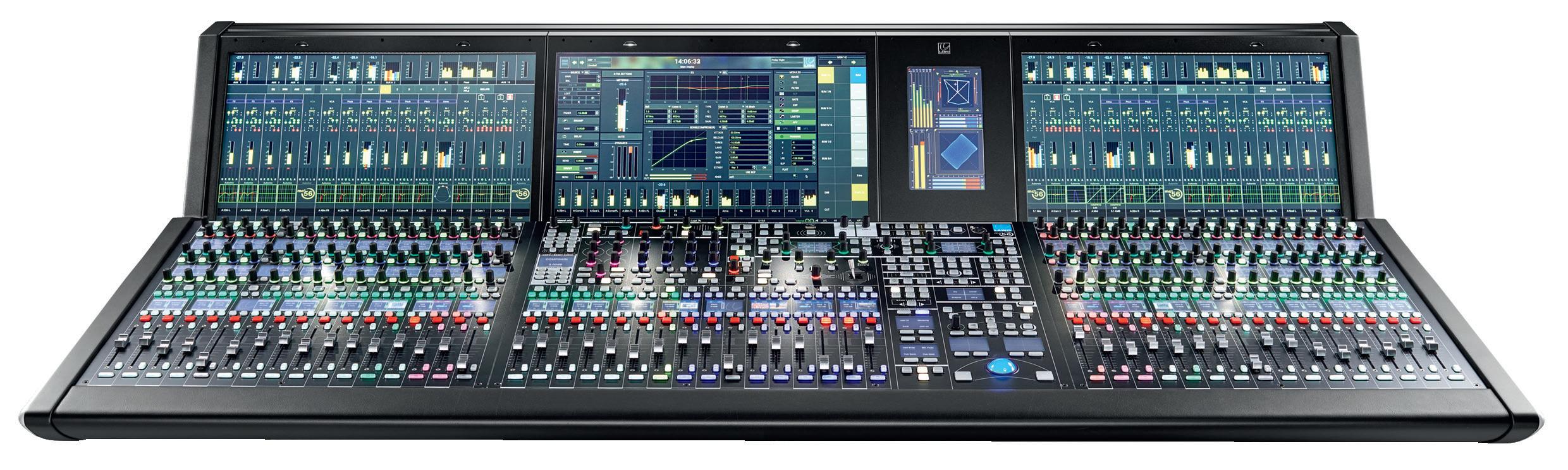

Hearing is believing – sign up and find out for yourself.
SCORING GHOST OF YOTEI
TOMA OTAWA
How does a young lad living in the remote, mountainous region of Aizu, Japan, end up yearning for a film composing career in Hollywood? By seeing E.T. at eight years old, that’s how. And, after a tricky period of moving between Japan and the US, struggling to find scoring work, Toma Otawa decided to settle in Los Angeles and start from scratch. After this time, which he calls his ‘dark ages’, he found work as an assistant to veteran film composer Mark Mothersbaugh, and their first project together would be the Marvel smash hit Thor: Ragnarok. After assisting on more films, including The Lego Movie 2 and Hotel Transylvania 3, Otawa is stepping out solo as the composer on PlayStation game, Ghost of Yōtei.
“My mom loved American Broadway musicals,” Otowa says, in his Japanese accent that has been embellished with an American twist. “So by the time I was able to walk, there were vinyl soundtrack records lying around, like The Sound of Music, My Fair Lady, and all the other American musical movies. I think she brainwashed me, since my birth, to get into the music scene. And when I was in third grade, my mum took me to a movie theater, and we watched E.T. That movie really did something to me. I was so moved, I was so blown away. I was possessed by the whole movie, and how quirky E.T looked, the soundtrack. I really believe that was day one of me thinking, ‘Okay, I have to go to Hollywood and do this work.’”
Headliner asks about the fact that Japan has its own, very highlyregarded film industry. But Otawa explains that there was something about the scale of productions in North America, and the accompanying orchestral scores rising to meet those ambitions that drew him across the Pacific. “I realized that the scale of the music
production in the US in Hollywood was way bigger,” he says. “I was just really drawn to that big orchestral sound. It just surrounds you. I was just really overwhelmed and blown away by what an orchestra can sound like when it’s an 80-piece to 100-piece orchestra with a choir on top. I wanted to write music on that scale. Being so ignorant and being just a pure-hearted kid back then, I thought, ‘Well, then I have to go to America to do that,’ not knowing anything that there are things called politics. Of course, there are certain things you have to manoeuvre to get there. It took me years to learn that, to learn how to speak English first of all, and how to talk to people and work with a team, the business side of things.”
After a few failed attempts at settling in the US and ‘making it’ as a composer, traveling back and forth between Japan, a very important moment for Otoawa and his career was meeting Mark Mothersbaugh. Originally known best as the cofounder and lead vocalist of the cult band Devo, he has also since become one of Hollywood’s most established composers. After 13 years as the man behind the music of Nickolodeon’s Rugrats, his film credits range from Happy Gilmore to The Lego Movie and Wes Anderson’s The Life Aquatic When the pair met, the project in question could not have been more significant: Thor: Ragnarok. The third film in the MCU’s mega trilogy about one of the most key characters in this particular extended universe of superheroes, it certainly wasn’t a bad first assistant credit to notch up.
Looking back, Otawa says, “He heard my demos, and he said, ‘Would you like to work with me?’ At that point, I was so broken, mentally, emotionally, and financially. I had to start from scratch. Back then, I did not even have an apartment because I had just come back from Asia. I asked
if he had a room that I could work in? Because I didn’t have anything. He actually provided me with a studio room in his building, and really helped me get my feet back on the ground and focus on writing music. I was going over this whole experience of what it is like to be working in Hollywood, witnessing all those meetings with the directors, the studio, and the whole recording scene. We went to Abbey Road a couple of times, and we recorded in Air; it was an amazing experience.
“There were times when I was overly stressed. I thought, ‘Oh my god, the directors don’t like this cue. What do we do?’ But I saw Mark take care of that chaotic, panicky situation. With his sense of humour, he mellowed the whole vibe in the meeting rooms. Then we just revised the music, and they were happy. I learned that this is as important as knowing how to write music, because if you don’t know how to talk to people, or how to deal with the elephant in the room, it could really go south. I learned that a lot from Mark; how his sense of humor takes everybody to a different place.”
Ottawa recently completed one of the biggest projects of his career, stepping out as a solo composer for the landmark PlayStation game, Ghost of Yõtei. For any gamers out there, it perhaps goes without saying that there are quite a few video games that are beautiful on the eye, but this sequel game can comfortably be added to that list. Set in 1600s rural Japan, and set 300 years after the acclaimed Ghost of Tsushima, the story follows the mysterious and haunted mercenary Atsu as she quests for revenge. Considering this is a game that combines storytelling and visual elements of Samurai and Wild West legends, surely Otawa, a Japanese composer who emigrated to North America, was born to score this game?
“JAPANESE PEOPLE SUPPRESS THEIR EMOTIONS; EVEN WHEN THEY WANT TO CRY, THEY EXPRESS IT VERY SUBTLY. THAT IS WHAT I DID WITH ATSU’S THEME.”
“I got a call and was asked if I wanted to try writing some demos for this project,” he remembers. “My first demos were the standard epic Hollywood size; if Hollywood were to express Japan, this is how it would sound — a big orchestral score with some Japanese instruments. But it wasn’t right. When I did my third demo, I wrote this very lonely folk tune, which later became Atsu’s theme. That was the demo that got me this project, because they were looking for a main theme to sound like a ‘70s Japanese folk song style, like Hako Yamasaki. So I finally got into the mode of what that time in Japan felt like. I was born in 1974, so I remember a bit of the vibe of the ‘70s.
I don’t remember those exact folk songs, but I remember the air and the feel of it. In the winter, it feels lonely. Japanese people suppress their emotions; even when they want to cry, they express it very subtly. That is what I did with Atsu’s theme. She does not express her tenderness or emotions too much; she holds it in to keep as part of
her strength for revenge.” Regarding blending Japanese and Wild West music, Ottawa gives an interesting culinary analogy: “After that, we started exploring the instrumental version. What does ‘feudal Japan meets the Wild West’ mean? What would be the right amount of the mixture?
“Because with the spaghetti western, nobody puts soy sauce on spaghetti. [laughs] What we ended up doing was having these solo Japanese instruments playing, and the orchestra is accompanying them most of the time.”
A vital part of this process of Otawa was working with the right digital sample libraries of both the traditional Japanese instrumentation and the orchestra, something he has fine tuned throughout his career.

Punch
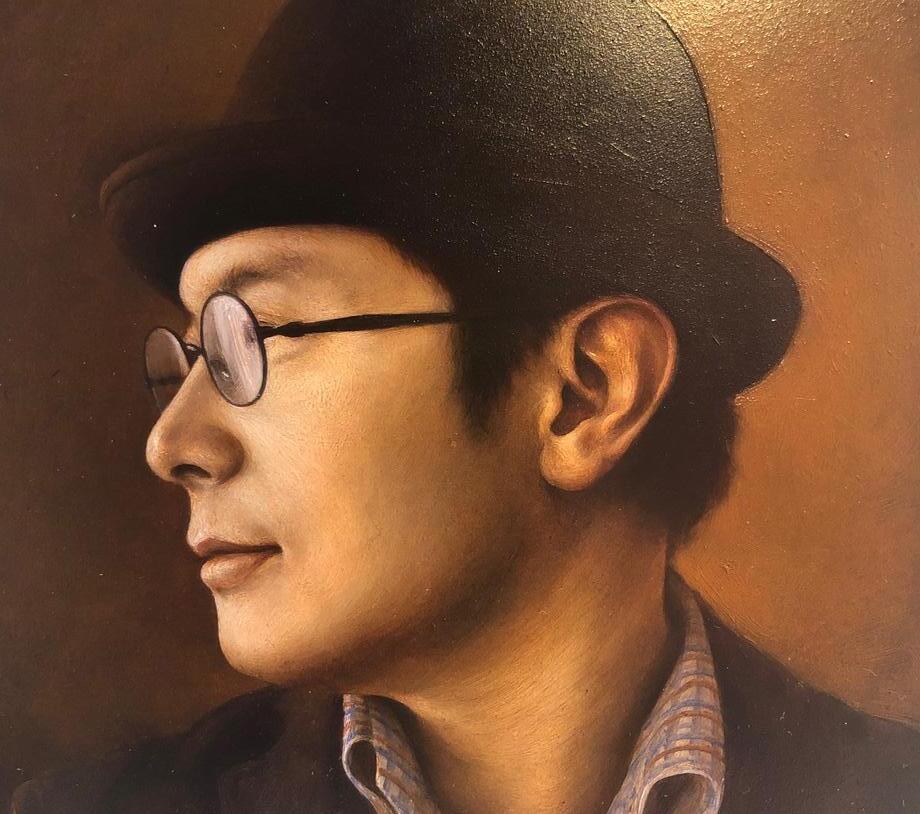
“I have tried so many different string samples,” he says. “I bought just about every so-called really good string sample and always end up going back to Cinematic Scoring Strings. I think that sample library came out over 10 years ago, but it’s still super intuitive and sounds really great. For the Japanese instruments, I used a library called Sonica Instruments. It has all the amazing Japanese solo instruments, from koto, shakuhachi, shamisen, and other instruments. I ran into that website and knew I had to use it. I use Logic for my DAW and Cinematic Rooms as reverb. I have experimented with a lot of different samples and plugins but, nowadays, I like to keep it simple and
not overcomplicate it with so many plugins. I think one of the reasons why is because I am so spoiled to have amazing engineers who can do all those treatments later. And, a very important thing is that we recorded everything live and replaced my mockup with live instruments, which sounds much better and more convincing. All I had to worry about in this particular project was to make it sound good enough to tell the story through the music.”
As the film industry is rife with nondisclosure agreements, Otawa dare not reveal what he’s working on next, but it will be fascinating to find out what that is after his brilliant
hybrid score over on the gaming side of the spectrum. If you are partial to whittling away the hours in breathtaking 3D Japanese scenery and Samurai style action, Ghost of Yōtei might be the game for you. But, if you’re not actively gaming, his score is available to stream now. Here’s to mixing two huge musical dynasties, and perhaps even splashing a little bit of soy sauce on a spaghetti dish.
TOMAOTOWA.COM
Does your micro transmitter have these features?
• IP57-rated watertight, all-metal enclosure
• Removeable LiOn rechargeable pack
• Drop-in charging with optional dock
• High-Density RF mode for 24+ ch. in 6 MHz
• Fixed audio latency of 1.4 ms
• Lav mic presets for optimum audio quality
• Full menu & control on the unit
• Selectable RF Power up to 50mW
The DSSM micro digital body pack has ALL these features and more, in one tiny package.
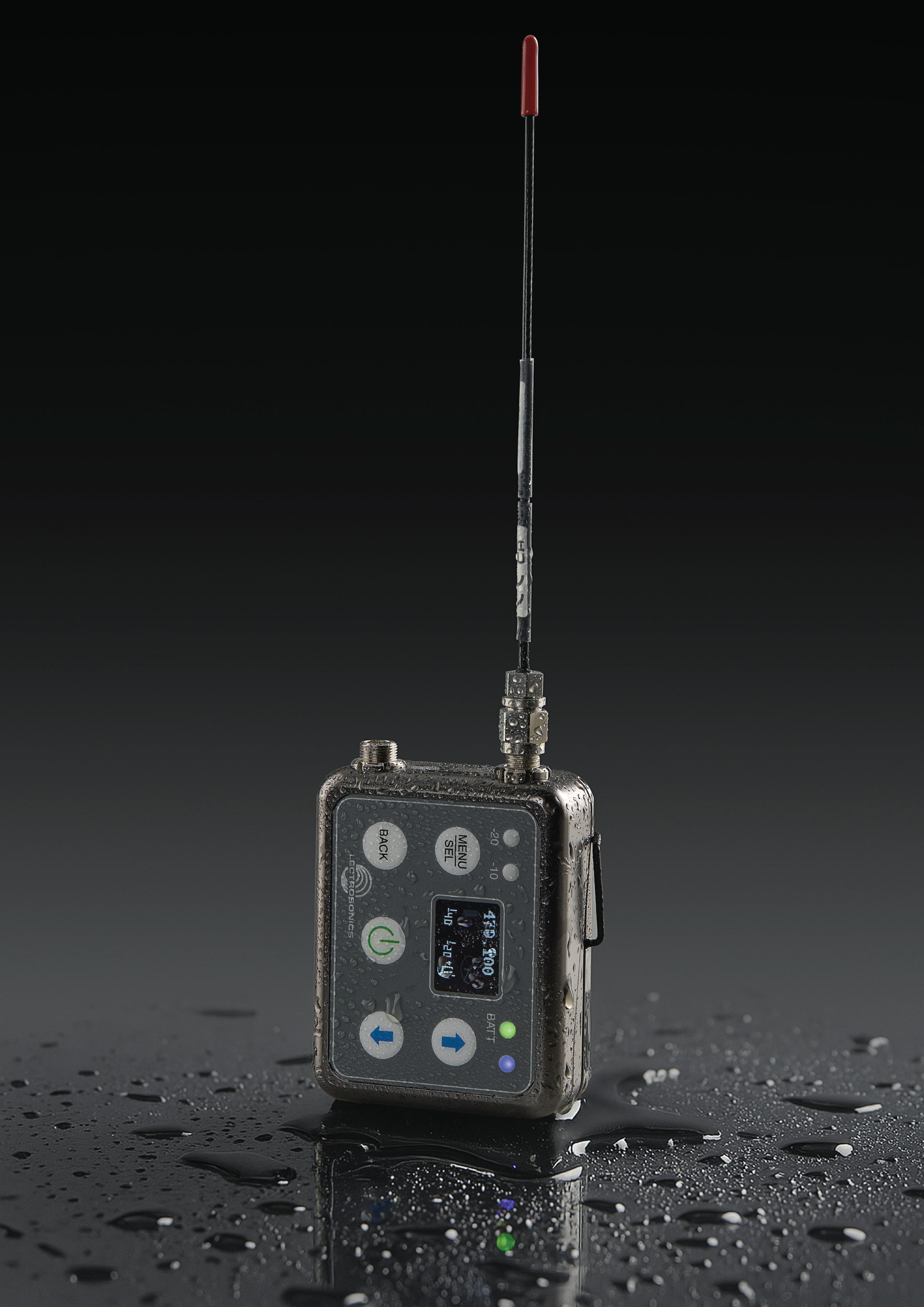











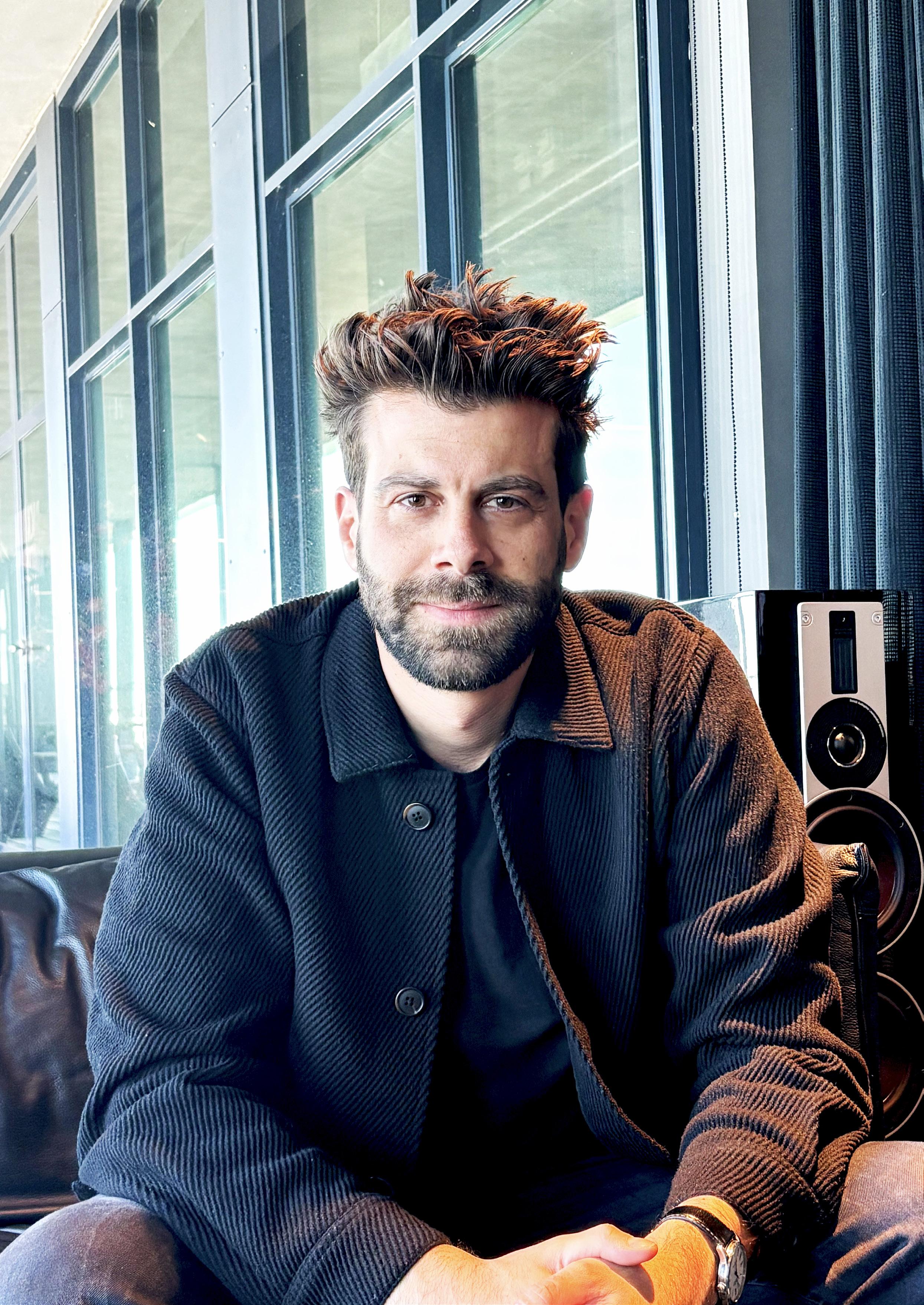
WORDS BY ALICEGUS
WHY CHASING TRENDS
WON’T BUILD A CAREER
WARNER MUSIC’S MARCO PANTUSO
With one foot in Amsterdam and the other in London, Marco Pantuso is an influential force when it comes to shaping the global dance music landscape today. As Warner Music Group’s Director of Global Marketing for Dance Music, he’s at the helm of international campaigns for some of the biggest names in the scene, from David Guetta to Joel Corry, Ofenbach to Tiësto.
His role blends A&R, marketing, and strategy, bringing together over a decade of experience at Warner Music, including a key stint at Warner Records, and a vast global network built across the industry. Since Warner Music acquired Spinnin’ Records in 2017, Pantuso has been central to
aligning the indie dance powerhouse with the major label ecosystem, without losing the edge that made Spinnin’ so successful in the first place.
In this conversation with Headliner, Pantuso discusses developing artists for long-term success over one hit wonders, why he advises artists to
focus on what’s next rather than saturated trends, and predicts that a growing movement of club-rooted and region-specific music will break into the mainstream.
You’ve played a pivotal role in the global dance music scene, overseeing the careers of numerous artists. How have you seen the popularity of dance music evolve over the years, especially in light of recent trends?
It’s a significant question. There’s more music out there now than ever before, spanning across all genres, including dance. Nowadays, artists excel in finding their niche compared to a few years ago. There is no typical formula anymore, no all-encompassing trend, the scene has diversified greatly. Which is also very exciting. The business has evolved too, with the market becoming very fragmented. The fanbase has become even more crucial. As an artist you want to build a dedicated audience willing to follow you and invest in you. That’s how you build a sustainable business, whether your goal is having global hits or ticket sales. It’s quite diverse now. At Warner Music, of course, we’re in the business of hits; that’s our fuel. With so much music out there, though, it’s become challenging to predict the next big thing and cut through the noise. It’s more challenging than ever but we pride ourselves on being quite adept at it.
How does TikTok factor into predicting the next big thing?
TikTok is part of this evolution, particularly concerning our audience’s behavior. We must adapt to their changing consumption habits. In the past, we’d spend weeks or months crafting the perfect plan, aligning with gatekeepers like Spotify, Apple Music, and radio programmers. We still do that but we also need to stay very flexible, ready to change and adapt as we go. Attention spans are shorter now, and music is largely discovered and consumed on TikTok. When it comes to artist development, for example, you might spend a great deal of time creating a long-term plan. But often, halfway through, or even earlier, you find yourself having to change everything, simply because the audience is responding differently than expected. Which is okay, the key is listening to our audience with
an always-on approach: what’s our audience telling us?
TikTok has brought to the market a wave of new artists. Kids discover something on TikTok, and so do we. We’ll spot it, reach out to them, and we might have a hit with that one track. From there, we always try – because artist development is part of our DNA – to build that person into a longterm artistic proposition. Something that goes beyond the one hit. But it doesn’t always work. Sometimes the success comes too quickly, sometimes the artist simply doesn’t have what it takes for the long haul, and sometimes the audience has already moved on. When it does work though, it’s the most rewarding thing. We try to manage how our music travels on TikTok, but ultimately, it’s the audience who decides. Once you remove the gatekeepers, the audience discovers and interacts with music in ways that are harder to control. It’s challenging, but we’re navigating it.
The digital era has revolutionized how music is consumed and marketed. How has Warner Music Group adapted its strategies to leverage digital platforms and streaming services in promoting dance music globally?
We’re constantly looking at these platforms; it’s a big part of our job. We have dedicated data teams who analyse them for us, but every market and pretty much every A&R at a major label also looks at data daily. It’s not just about the music itself, but also about tracking our artists, trends, and creators and looking at how they’re moving and engaging across social platforms. That’s hugely important to us. Sometimes it’s about spotting where the next hit might come from; other times it’s understanding how a track we’ve just signed needs to perform on social media to connect with an audience.
How has the acquisition of Spinnin’ Records influenced Warner Music Group’s strategy in the dance music sector?
At Warner Music, our structure positions us as a major label, with Spinnin’ acting more independently within the dance scene. We’re well-prepared to face whatever challenges the industry brings and we’re equipped to maximize every opportunity and adapt accordingly. One thing we’ve done well at Warner Music since acquiring Spinnin’ is ensuring they became part of the Warner Music system, meaning we gave them access to all our resources and channels, while still allowing them to do things their way. At no point did we try to turn Spinnin’ into Warner Music. The way I like to describe it, although some might find it an odd comparison, is that Spinnin’ has remained an independent label within a major label system.
They’ve continued doing what they do best. Their strategy hasn’t changed fundamentally; it’s evolved, but not according to any Warner Music agenda. They’ve stayed the same indie dance powerhouse they were before the acquisition, and they still are. That’s also what has allowed Warner Music to have its ear to the ground in the dance scene. We’ve been really present – constantly scanning for new artists, new tracks, and new trends. Then, whenever Spinnin’ develops something to a level beyond what an indie label can typically handle, that’s when Warner Music steps in.
With your experience in both A&R and marketing, how do you approach nurturing and promoting emerging dance music talent in today’s competitive industry?
The secret is not to rush it. When you’re working with a new or emerging artist, or a young producer or DJ, you look for opportunities but it’s important not to move too quickly and remember that developing an artist properly takes time. It’s about creating an environment where the artist has the freedom and resources to work on what makes them special, nurturing their music and gradually building a
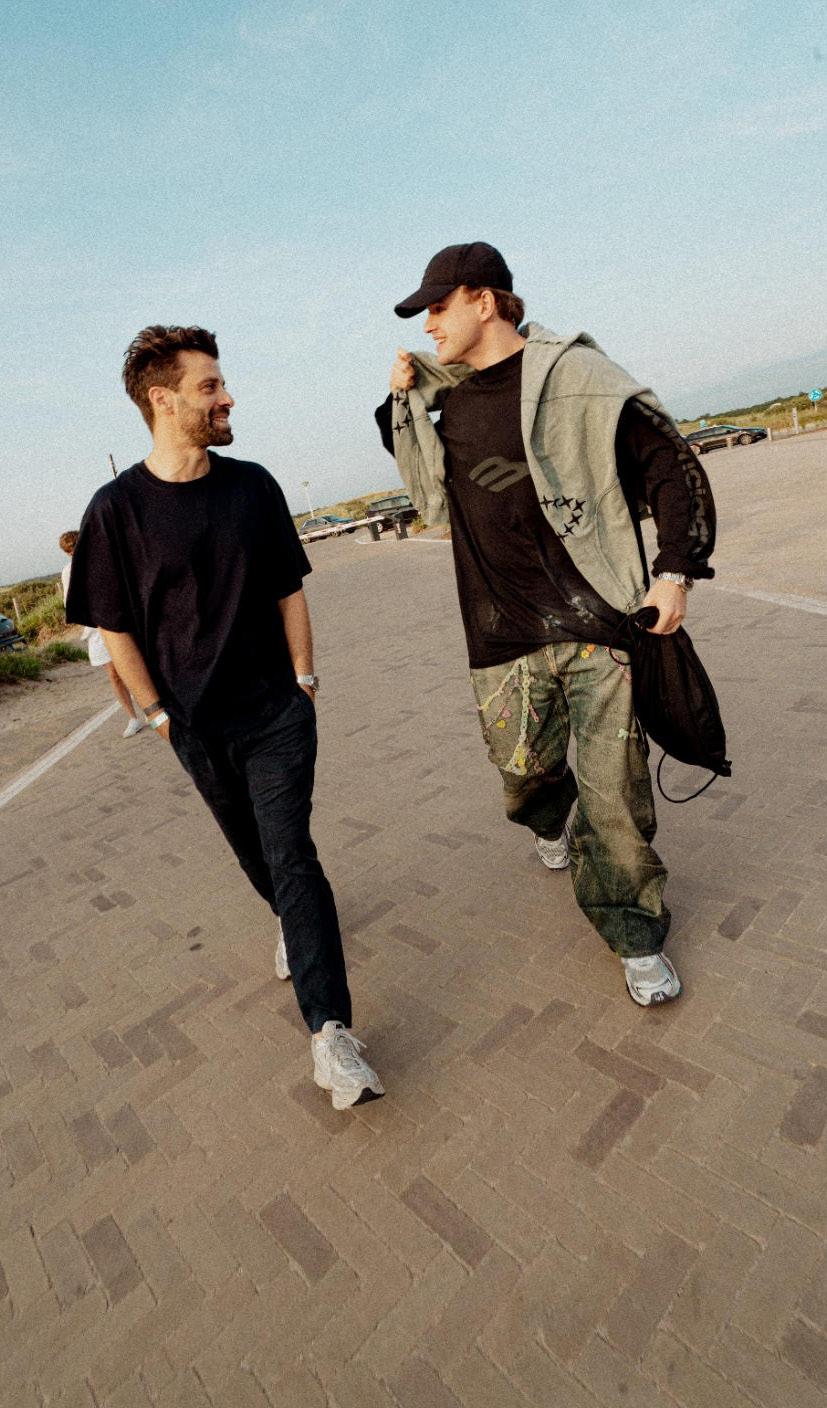
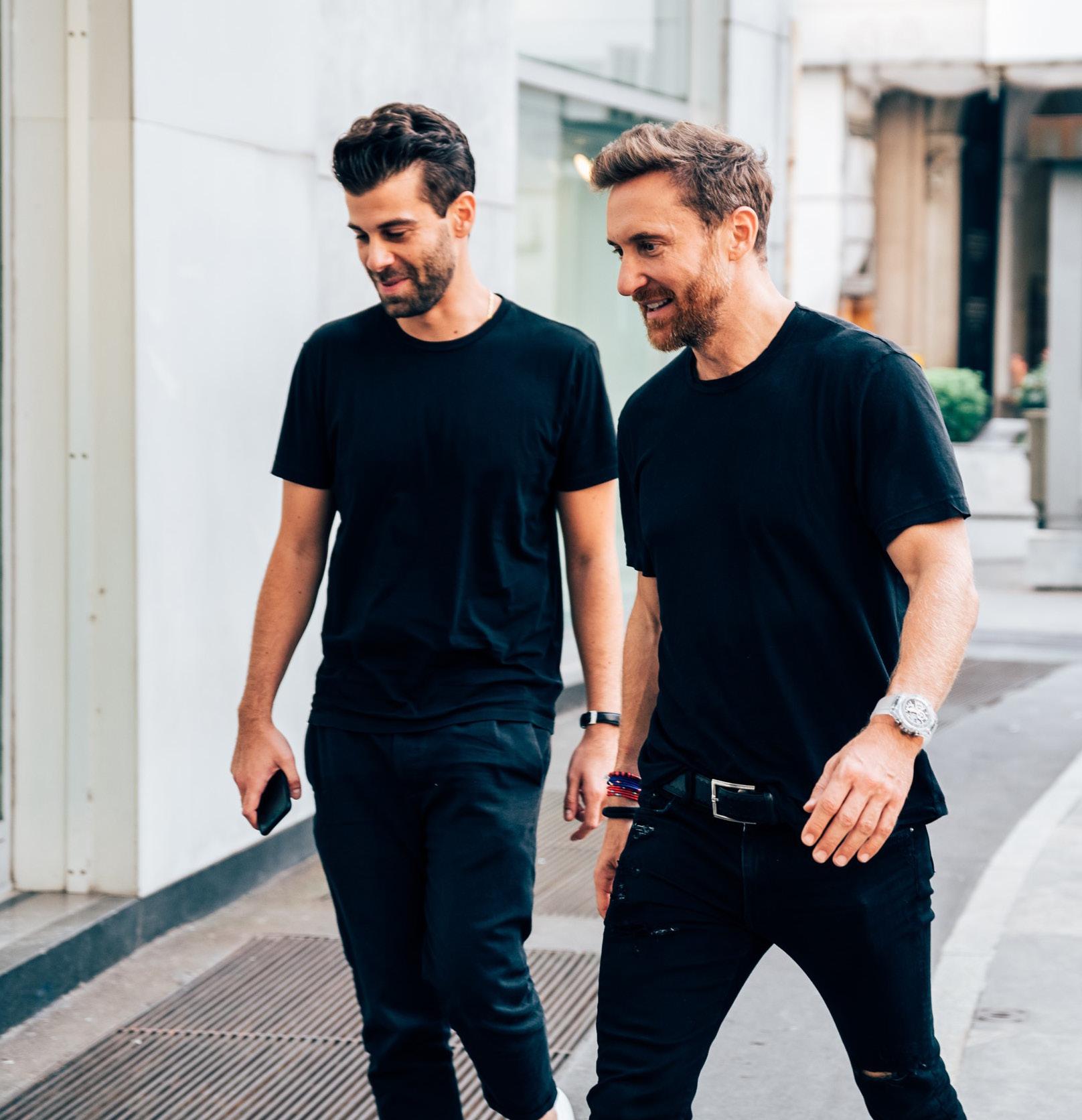
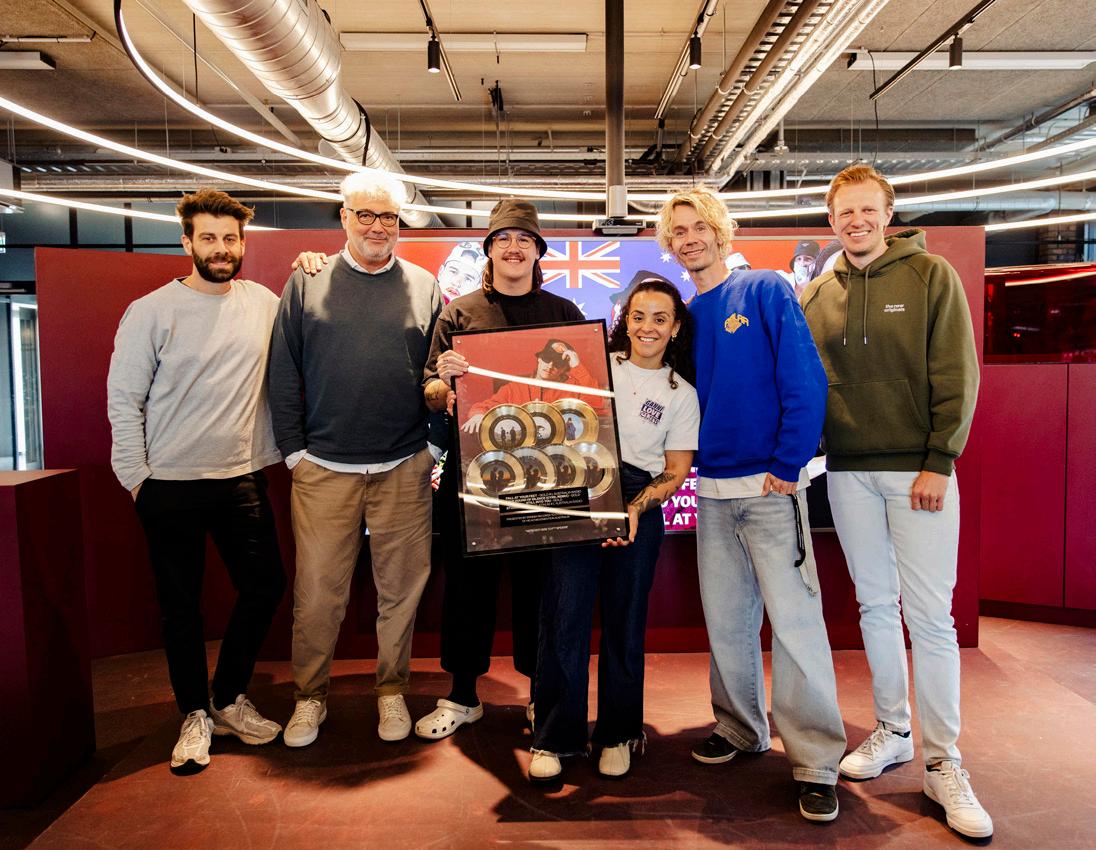
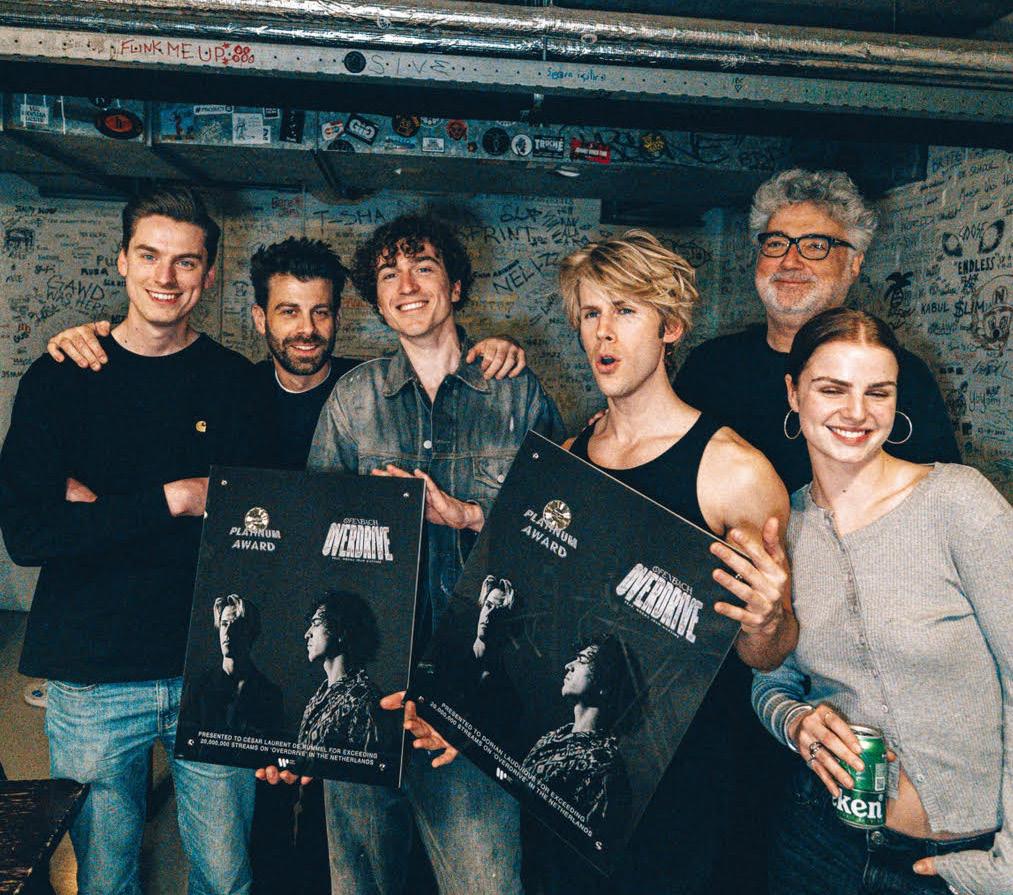
live business around themselves. That, in turn, helps them grow an audience, which then supports growth on social platforms like Instagram, TikTok, and so on. They also need time to shape their identity, to develop what makes them unique. It’s a slow, organic process that can take years.
So we make sure they have the space to evolve. We help guide the musical direction to ensure it makes sense commercially, but more importantly, that it truly represents the artist. Something I always try to avoid is when an artist comes to me and says, “This is what’s working right now; should I make music like this?” My first response is always, “Do you actually like it? Does it represent you?” I always tell them: don’t do something just because it’s trending. Yes, it’s important to stay connected to what’s resonating with people, to have a foot in the present, but also to push forward into what’s next. Above all, it has to feel authentic. It needs to be something that excites and inspires you. There are two reasons for that. First, it’s demoralising to make music you don’t enjoy, even if it works commercially. Second, audiences today are incredibly sharp; they’ll pick up straight away if it’s not genuine. You can change your style, of course, but it needs to happen gradually and in a way that reflects who you are. At the end of the day, the goal isn’t just to make music that works. It’s to make music that reflects who you are as an artist, something that feels creatively honest. In the long run that’s the basis for creating a virtuous circle.
As someone connected to both Amsterdam and London, two major hubs for dance music, how do these locations influence your approach to global marketing and strategy at Warner Music Group?
The UK and Europe still operate in very different ways when it comes to music, despite being geographically so close. The UK tends to be quite closed off to things that aren’t homegrown. So, in many ways, it can feel like working across two separate industries: there’s the UK music industry, and then there’s Europe, and, more broadly, the rest of the world. What works in Europe doesn’t always translate in the UK, and vice versa. That’s why having one foot in Amsterdam and one in the UK really helps. It allows me not only to follow different projects that may perform well in different regions, but also to stay on top of what’s emerging from both sides –what’s happening in the UK from an A&R perspective, and what’s going on across Europe.
What are your predictions for the future of dance music, both in terms of artistic trends and industry developments? How is Warner Music Group preparing for these changes?
My prediction is that we’ll see more and more music crossing over from the clubs and into the mainstream. Tracks that you wouldn’t typically expect to chart or get radio play – music that might feel entirely underground – will start to surface more quickly than you’d think.
“SOMETHING I ALWAYS TRY TO AVOID IS WHEN AN ARTIST COMES TO ME AND SAYS: THIS IS WHAT’S WORKING RIGHT NOW; SHOULD I MAKE MUSIC LIKE THIS?”
Whether it’s coming from the club scene in Berlin or from the summer circuit in Ibiza, I believe club music will increasingly break into the mainstream. We’ve already seen it happen with Latin music, Afrobeat, and K-pop – styles that were once considered highly regional or culturally specific. Now, they’re firmly embedded in global charts. Take Ed Sheeran’s Azizam, which is a Persian word. It features an Iranian producer and incorporates Middle Eastern sounds. This is one of the biggest pop stars in the world, embracing a distinctly non-Western musical identity.
Maybe Middle Eastern music could be next. That’s just one example, of course, but the broader point is that music which once felt ‘local’ or culturally specific is now increasingly breaking through to global audiences. We saw it with Afro house music. We saw it with K-pop, with Latin music dominating the charts, and even with country music gaining traction across Europe and the UK. Everything is available to everyone, everywhere, at the same time. When an artist releases a song in Korea, it’s not just for Korean listeners, it’s global from day one. The world is more open musically than ever, and audiences are helping us see what’s next.
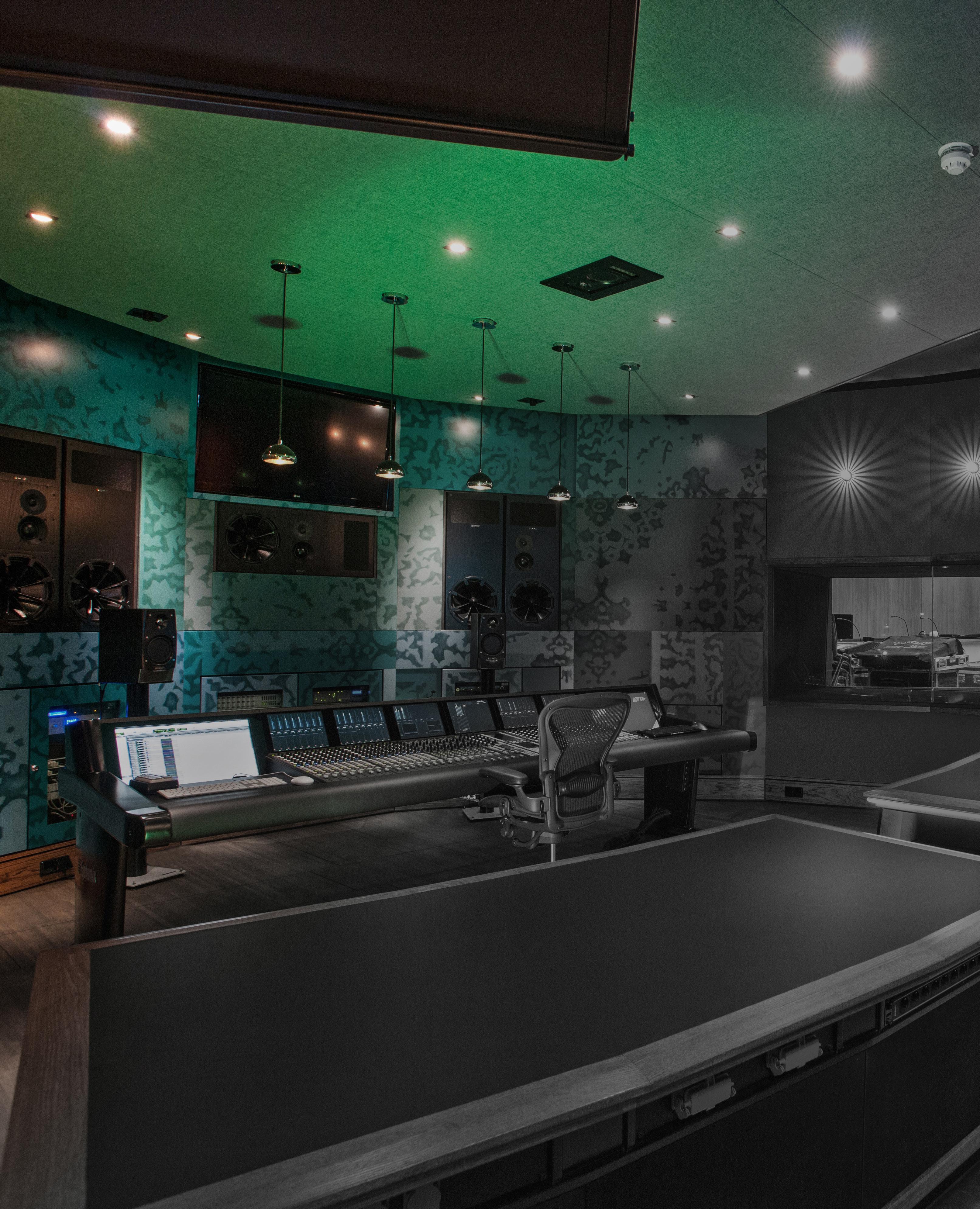


PHONK ARTISTS TAKING OVER TIKTOK
SMA$HER, ARIIS, & FYEX
Phonk didn’t rise through radio playlists or major label rollouts. It drifted in through the internet’s very own backstreets – soundtracking late-night YouTube edits, high-speed drift clips, gaming streams, and endless TikTok doom-scrolls before most people even knew what to call it. Rooted in ‘90s Memphis rap and built on chopped vocals, gritty textures, jazz, and funk samples, phonk has always lived in nostalgia. But its latest evolution – supercharged by cowbell-heavy beats, aggressive basslines, and faster tempos – turned it into a hypermodern engine for viral culture. Headliner meets the phonk artists powering the genre’s rise.

SMA$HER
What drew you personally to this sound?
It was how raw and unpolished it felt. It didn’t sound over-produced or shaped by industry rules. There were no expectations, no formulas, no pressure to fit into a specific structure, and that freedom really resonated with me. Coming from a background where I was already making internetdriven music on other artist projects, phonk felt like a natural extension of what I was doing. When I started releasing music as sma$her, that mindset fully came together.
You can hear it clearly across my releases: the focus on vibe, repetition, and energy rather than perfection or traditional song structure. I was also strongly drawn to the DIY mentality behind the genre. Before sma$her, I was much more dependent on others, labels, playlist placements, and traditional promotion. With phonk, I could create my own visuals, post directly on TikTok, and push the music myself. That shift gave me direct control and allowed sma$her tracks to go viral organically, without waiting for external validation.
Why do you think this retro-meetshyper-modern quality connects so strongly with today’s listeners?
I think people today live in a constant mix of nostalgia and overstimulation. We’re scrolling through old memories and hyper-digital content at the same time, and phonk sits perfectly in that space. The nostalgic elements give the music emotional weight, while the modern, digital presentation makes it instantly usable for shortform content, edits, and fast consumption. It’s not passive listening, it’s functional music for the internet. That combination makes the sound feel both familiar and new, which is exactly what resonates with listeners right now.
Why was phonk the perfect genre for creator-driven, algorithmic discovery?
Phonk doesn’t rely on traditional song structures or radio logic; it relies on vibe. Because of that, it adapts incredibly well to short clips. Even without lyrics, it immediately suggests a mood, a scene, or a character. That makes it perfect for creators, whether they’re making car edits, gaming clips, anime visuals, or lifestyle content. The genre feels built for repetition, loops, and visuals, which is exactly how
algorithms reward content. That kind of organic discovery is baked into the genre itself.
How has SoundOn helped cut through limited traditional visibility and level the playing field?
Some of my biggest moments, especially with tracks like ACELERADA, VAI NO VAPOR, and ESTA NOCHE, didn’t come from traditional promotion at all.
They came from creators picking up the sound and running with it in their own way. Working with Tribal Trap and SoundOn helped speed that process up significantly. Instead of relying on editorial gatekeepers, the focus shifted to real usage and real momentum. When creators genuinely connect with a sound, that energy spreads fast, and SoundOn helps amplify that naturally, without forcing it through traditional industry channels.
ARIIS
Why do you think phonk was the perfect genre for this kind of organic, aesthetic-driven discovery?
The new wave of phonk was almost designed for platforms like TikTok or Instagram. This is because it doesn’t depend on full-song narratives; it just needs a catchy short drop that loops and that people can remember.
Phonk blends nostalgia with modern digital aesthetics. Why do you think this connects so strongly with today’s listeners?
Phonk borrows sound from the past (Memphis rap vocals, VHS textures), but the producers give it a modern twist. Phonk is all about creating a vibe and feeling, so adding nostalgic sounds and modern production can create a vibe that no other songs or genres can recreate. That’s what makes it so unique.
As phonk becomes more global and more intertwined with creator culture, what excites you most about being part of the next wave?
Phonk used to be a very specific aesthetic and had a very specific sound. But now what excites me is that being in the next wave means that we get to decide what phonk will sound like.
SoundOn lets artists tap directly into TikTok creators and trends. Have you seen this creator ecosystem play a role in any of your recent viral moments?
Yes, many of my recent songs went viral and got countless videos with millions of views because SoundOn helped identify the most suitable creators globally, landed huge placements with sports teams like Real Madrid, and really drove my music forward into spaces it has never been before.
Why do you think phonk’s mix of nostalgia and modern internet culture hits so hard with listeners today?
Phonk has always been rooted in nostalgia, especially coming from old Memphis rap and early phonk tapes, but it’s constantly evolving. The newer Brazilian funk-influenced phonk took that same raw foundation and pushed it into a more global, high-energy sound that exploded online for the same reasons. It blends familiar, gritty textures with modern production and internet culture, which really resonates with people who live between the past and the digital present. It feels timeless but also perfectly suited to now.
Phonk spread visually and organically online, not through traditional channels. Why was it built for that kind of growth?
The genre has always lived in niche internet communities before anywhere else. It grew in gaming circles, edit culture, and underground online spaces where people connect more through feeling and energy than industry narratives. Because it wasn’t designed for radio or charts, it felt more personal and real, something people could claim as their own. That sense of community, combined with how visual and atmospheric the sound is, made phonk spread naturally through creators and algorithms rather than traditional industry pathways.

By plugging artists into TikTok’s creator community, SoundOn helps sounds travel fast; have you felt that impact with your recent releases?
Definitely, some of the biggest traction I’ve seen didn’t come from a traditional release push; it came from creators interpreting the track in their own way. Once the sound connects with a few creators, it takes on a life of its own. That creator-driven momentum has been a huge part of how my music has spread.
The SoundOn platform also offers tools like pre-releasing audio clips on TikTok, track optimization, and data insights. How has this been impactful for you?
Pre-releasing audio clips has been especially powerful. It lets the music start living on TikTok before the official release, so by the time it drops, there’s already context and momentum behind it. The data insights also help me understand how people are actually using the sound, not just streaming it, which really matters in how music spreads now.
EGGY GOES IMMERSIVE
BIG SOUND, SMALL ROOM
Immersive sound is no longer just an option for massive arenas – it’s becoming a game-changer for smaller, more intimate stages as well. Known for delivering a rich, consistent listening experience to every seat in the house, this technology is now helping even acoustically tricky spaces come alive. That transformation was on full display when rising jam band Eggy took over Tree House Brewing in Deerfield, Massachusetts, a certified “Beer Mecca” – for two nights. With a L-Acoustics L-ISA immersive sound system brought in by local provider Klondike Sound, the performances showed that immersive audio doesn’t just work in big venues – it thrives in closeup settings, too. Headliner makes a pilgrimage to investigate…
“A lot of people have this preconceived notion that because it’s five arrays for the main Scene system, plus subs and surrounds, L-ISA is only for installs, arenas, or giant ballroom types of spaces,” begins Jason Raboin, managing partner at Klondike Sound, a Deerfield-based live-event AV systems provider. “The reality is that it took our two technicians and four stagehands no more than four hours to set up the entire system. L-Acoustics has made immersive sound efficient and effective for anysized space.”
Tree House Brewing’s 400-capacity Deerfield venue regularly draws lines out the doors, thanks to its world-class IPAs. But it also comes with a slanted glass roof and hard, reflective surfaces throughout, vintage remnants of the facility’s origin as a textbook manufacturing house. The system would need to provide a consistent experience throughout the venue while directing energy away from reflective surfaces, and L-ISA delivered.
“THESE SHOWS PROVED THAT, WITH L-ISA, IMMERSIVE SOUND CAN BE SCALED AS NEEDED IN ANY VENUE.”
“It’s definitely a challenging space, acoustically, but we had just acquired the L-Acoustics L-ISA Processor II, and the Eggy shows gave us the perfect opportunity to prove the concept for an immersive system in a mid-sized space,” says Raboin.
Born from a New Haven, Connecticut high school dream in 2016, Eggy brings a harmonic pop influence to the jam-band genre through a blend of funk, psychedelic rock, blues, and improvisation. While the band has played major engagements, including Tennessee’s Bonnaroo festival, they’re very much at home in the smaller, more intimate venues where they first came together a decade ago. L-ISA made Tree House Brewing and Eggy a perfect fit.
Klondike Sound’s system design comprised five Scene arrays of two L-Acoustics A10 Focus and one A10 Wide each, with four flown KS21 subs and eight X8 surrounds, powered by three LA7.16 amplified controllers and
all managed by the L-ISA Processor II. FOH audio was mixed through a Yamaha DM7 console.
The relatively compact system faced acoustical and truss-placement challenges. “But what these shows proved was that, with L-ISA, immersive sound can be scaled as needed in any venue,” Raboin notes.
“This was our first deployment of our new L-ISA Processor II, and it delivered consistent imaging to every seat in the house. It showed us that we can bring high-quality immersive sound anywhere, and it can give the venue something that sets it apart, offering its customers a real premium experience.”
Alex Hutchinson, Klondike Sound’s account manager and lead audio engineer, handled the system design, supervised its implementation at the venue, and ran the L-ISA Processor II while the band’s FOH engineer, CJ Portolese, mixed the shows.
“Before the show, CJ came to our shop and brought some stems from the band so he could mix and get an idea of how the show would sound and feel immersive,” explains Hutchinson, who had laid out a mini L-ISA ‘playground’ comprised of 5XT surrounds and X8 as the main Scene speakers. The preparation paid off.
“The shows were awesome and went really well,” he smiles. “The band and the engineer were really happy with how things sounded, and we were able to get pretty creative with the surrounds because of the nature of the band: they’re kind of jammy and spacey. And the crowd really enjoyed it as well.”
The system excelled at directing the sound where it needed to be, which Hutchinson credits the A Series speakers with. “Soundvision is where that starts,” he enthuses. “I got drawings from the venue and built it in
Vectorworks, so I knew where some of the reflections would be, and that allowed me to decide on some side angles of the boxes and to keep energy off the walls as much as possible.
“The shows used a lot of L-Acoustics technology to create an immersive environment and keep the sound where it needed to be,” he concludes. “And all of it worked perfectly.”
JAN SMIT ARENA-FILLING
BIRTHDAY BASH WORDS BY ALICEGUS T A NOSF
Headliner explores how precision audio engineering and a powerful live sound system brought Jan Smit’s milestone birthday concert to life for 12,000 fans in Antwerp.
For nearly three decades, Jan Smit has been a household name across the Netherlands, Belgium, and Germany. Launching a recording career at just 10 years old, Smit has grown into a chart-topping star who commands packed arenas while also becoming a familiar face on television as a coach on The Voice of Holland.
That journey was recently celebrated in style as Smit marked his 40th birthday with a spectacular show at AFAS Dome, where 12,000 fans delivered multiple standing ovations during a high-energy, feelgood evening. To match the scale and excitement of the occasion, organizers House of Entertainment enlisted audio specialists Studio Haifax, who deployed a CODA
Audio system to bring every moment to life.
“We are a trusted partner of House of Entertainment, and have worked in this arena a few times, including on a previous Jan Smit show,” explains system engineer Lennert Van De Velde, Studio Haifax. “For this event, we designed a system based on CODA Audio’s VCA ‘family’ of line arrays: ViRAY, CiRAY and the flagship AiRAY.”
Studio Haifax has an extensive inventory of CODA Audio and, in addition to exceptional sound quality, places a high value on its compact, easy-to-rig nature, which once again proved invaluable.
“CODA was the logical choice for this show,” Van De Velde enthuses.
“The ease with which it can be rigged is always a positive for an arena show like this, and the form factor really comes into its own in a show where moving LED walls play a significant part. It was very important to keep clear sightlines, and the VCA family’s compact size really helps without any compromise on output. The AFAS Dome is an acoustically challenging space, but System Optimiser (CODA’s proprietary prediction software) made it very easy to design the system, make adaptations, and predict coverage accurately. All the predicted data translated very reliably into the real-world application.”
Studio Haifax deployed a main PA comprising 10 AiRAYs per side
(8 at 90° and 2 at 120°), with a further 14 AiRAYs (90°) per side as outfill. A total of 12 AiRAYs (90°) per side acted as delays, with eight ViRAYs (120°) per side as outfill delays, while 10 CiRAYs (90°) provided further delays, with frontfills of 12 ViRAYs (120°), with three x N-RAYs for balcony outfill. The low end was provided by 20 SCV-F sensor-controlled subs per side flown behind the outfill arrays, supplemented by 30 ground-
stacked SCP sensor-controlled subs. The system was powered by CODA Audio’s LINUS DSP amplifiers.
“The combination of a cardioid flown SCV-F sub-array behind the AiRAY system, together with the ground-stacked SCP cardioid subarray, made for very good control of the low end of the spectrum,” Van De Velde reflects. “By adopting this design, we could keep levels on stage pleasant for the artists, and
keep low-frequency energy away from the empty reverberant areas. The compact high output of the AiRAY, CiRAY, and ViRAY systems provided plenty of headroom and very nice coverage of the venue, without impacting the visuals of the show.”
CODAAUDIO.COM
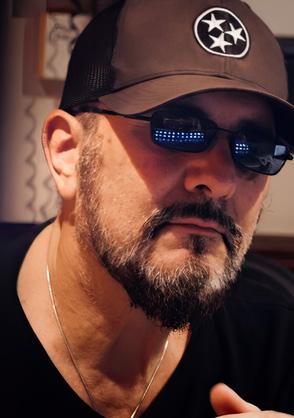

FROM BLIND DATE TO WAKANDA FOREVER
DEVIN POWERS
From the gritty rock clubs of the San Francisco Bay Area to the highpressure production suites of Hollywood, Devin Powers has spent over four decades as a titan of tone. An Emmy-winning composer whose work spans global hits like The Bachelor and films such as Wakanda Forever, Powers has transitioned from touring with rock legends like John Entwistle to becoming one of the most prolific architects of television underscore. Throughout every chapter of this extraordinary 45-year career, his signature sound has been anchored by one legendary name: Celestion. Whether he is driving a Marshall stack or refining a country-rock track in his Nashville studio, Powers relies on the Alnico Blue, Gold, and G12 EVH to deliver the magical interplay that defines his world-class sound. Headliner learns about his inspiring career so far.
How did your journey into music and guitar playing first begin?
I grew up in Redwood City, California, and came from a working-class family. My father was a war hero who stormed the beaches at Normandy and brought a large hollow-body acoustic guitar back from Europe, which was my first exposure to music. I started learning songs around four or five years old. By sixth grade, I got my first electric guitar, a broken SG that my dad had re-glued because we were poor. I worked constantly after school to buy gear, eventually acquiring a nice Les Paul and a
Marshall stack. By my mid-teens, I was getting mentored by Neal Schon and jamming with local legends in the San Francisco Bay Area like the guys from Tower of Power. My high school band, The Kids, began opening for groups like Journey, The Tubes, and Greg Kihn, eventually headlining gigs. We landed a worldwide 7-Up commercial, which helped us buy better amps, including my first Hiwatt amp. When we returned from a 60-day, sold-out tour of Japan in 1983, my bandmates were ready for regular jobs, but I knew I was a lifer.
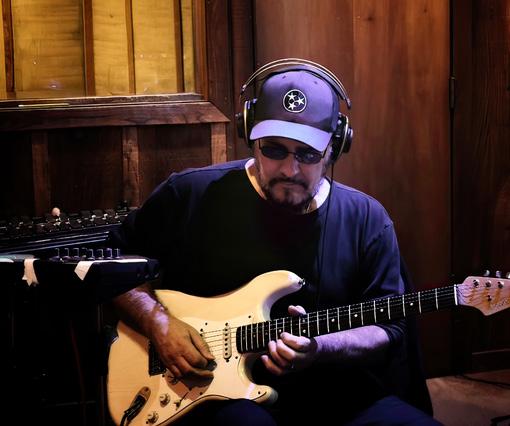
Can you tell us how your path crossed with the legendary John Entwistle?
After my rock band failed to get signed following an Atlantic Records development deal (due to our manager leaving to work with Sammy Hagar and Van Halen), my musical godfather took my demo tape to England. I later got a phone call from a heavily accented voice saying, “It’s John from The Who”. I didn’t believe it at first, but he had five of my songs and wanted to record them for his new band, The Rock. Walking into his 140-acre estate in Gloucestershire was one of the most surreal moments of my life. We recorded, mixed, and mastered an album, even signed a deal with Warner Bros, but the record was
shelved one day after a call from Pete Townshend. John’s manager explained that The Who was getting back together for a reunion tour, and they would make more money from one night of Who T-shirts sales than they would from 10 Entwistle albums. I later toured with Lee Rocker of The Stray Cats before my band, The Vents, signed with Universal Records in 1998.
What inspired your move from the touring circuit to the world of television composition?
A friend I was producing connected me with a team looking for a rock guy to do music for TV shows. Turns out, they were huge Who fans and bonded with me over playing with John Entwistle. They hired me for a new unscripted show called Blind
Date, allowing me to keep all my publishing and writing, and paying me a significant weekly salary. I brought in my gear — including a Celestionloaded Marshall stack — and started writing. I did 500 pieces of music for Blind Date before the first Christmas. When I received my first ASCAP check in January, I called my mom and told her I wasn’t quitting; I realized I could do this.
I ended up doing 1,500 episodes of Blind Date and many other shows, winning the ASCAP award for Most Performed Television Underscore for several years. My heavy rock music style was a new thing on TV, differentiating me from traditional library music.
“A
FRIEND I WAS PRODUCING CONNECTED ME WITH A TEAM LOOKING FOR A ROCK GUY TO DO MUSIC FOR TV SHOWS.”
How were you able to scale your composing business to the next level?
Around year four or five of my TV career, I ran into Hans Zimmer at the ASCAP Awards red carpet. I asked him how he managed to score so many films annually. He asked the size of my team, and when I admitted I was doing it all myself, he essentially told me that approach would kill me, and I couldn’t have a long career doing that. He advised me to find people who could “clone” my style and assign them different shows, while I remained the lead composer, providing the themes and vibe. The next day, I began hiring rock musician friends and training them. Today, I lead a team of about nine master composers. This advice was instrumental in allowing me to continue composing, leading to 27 years in TV and scoring massive shows like Naked & Afraid for Discovery. Currently, I reside in Nashville, focusing on cutting country rock, blues rock, and heavy rock records while still running Powers Music Group.
When did you first realize that Celestion speakers were central to your sound?
I took the back off my first 4x12 Marshall cab and saw the name on the speakers. I soon realized that Marshalls often contained different types of Celestions. I have been a Celestion player since I was 18 years old, and I have remained a Celestion
player because the speakers are the truest to a guitar’s sound. When I play through a Celestion, I can clearly hear the difference between a Stratocaster, a Les Paul Jr., and a Les Paul Custom.
Which specific Celestion drivers have become your go-to tools in the studio?
I have a large collection of Celestion speakers loaded into various cabinets in my studio. I use a 4x12 cabinet loaded with Alnico Blues at the bottom and Reds at the top, along with cabinets featuring Creams and Golds. If I am looking for a jangly, compressed sound, similar to Tom Petty, I often use the Alnico Gold in my Silent Sister isolation cabinet. For more of a Jimi Hendrix-type bite, I might use 30watt drivers.
My two favorite Celestion drivers are the Alnico Blue and the 20watt Greenback (which is now the G12 EVH). They are in a dead heat, depending on what I am trying to achieve. I love the EVH with my 100watt Wizard head. It’s perfection. This combination allows the tone to break up and sustain when the volume is all the way up for solos, but remains distinct and clear when I turn the volume down.
My philosophy for tone starts with getting the sound right out of the Could you walk us through your overall philosophy for achieving great guitar tones?
gate. I almost always use Neve EQs on the microphones (often blending a Royer 121 with an SM58). I do not use compression on guitar when tracking because a good speaker already compresses the signal. A critical element for my preferred tone is rolling the low end off the guitar and using treble bleeds on my volume knobs. This is essential because, on a Les Paul, turning down the volume often results in ‘mud’. By using treble bleeds and a specific capacitor (like a .015) for the ‘woman tone’ on the tone knob, I can roll back the volume during a solo (usually to three or four) to cut off the high end, making the note speak more like a horn. In my opinion, Celestion gives every guitar player the best tone possible. It facilitates a magical interplay between the artist, the amplifier, and the tone of the speaker.
CELESTION.COM
WOMEN’S WINTER CLASSICS
BRUTAL GÜET
The alpine peaks of Gstaad set a dramatic stage for the high-profile debut of S12, the sophisticated new mobile production unit from Swiss broadcast innovator brutal güet. During the Women’s Winter Classics produced for RED+, this state-of-the-art OB truck successfully navigated its first live broadcast, powered by a comprehensive IP-based Lawo audio infrastructure. Headliner pulls on a warm winter jacket to find out more.
Senior broadcast audio engineer Christian Maier opens with the technological progression: “Overall, it initially felt quite unspectacular because I was already familiar with the system. At the same time, working with AES and RAVENNA streams introduces new capabilities and advantages that still require a certain degree of adaptation.”
Swiss productions require trilingual operation. Maier designed the setup to deliver three versions simultaneously: “Productions in Switzerland are inherently more complex. We always have to be able
to deliver three language versions,” he explains. “That’s why I structured the setup so that all three languages are prepared — not only for this production, but for all future ones.”
The mc² generation’s DSP capabilities streamline these workflows, as Maier explains: “Being able to store and recall EQs, compressors, and presets, as well as using dynamic EQ processing makes multilingual productions much easier. I don’t have to build the same signal chains multiple times.” He adds that resources can be allocated selectively: “Not every output
requires full processing. If a signal path is mainly used for information delivery, I can reduce processing there and allocate resources where they deliver the greatest sonic benefit,” he notes.
Efficiency and troubleshooting are also enhanced by the console’s customisation and visual clarity: “I can customize the console to suit my workflow in every detail, but I don’t have to. I can also pragmatically route a signal from A to B quickly and easily — and it still works. At the same time, I can create an interface that lets me work extremely
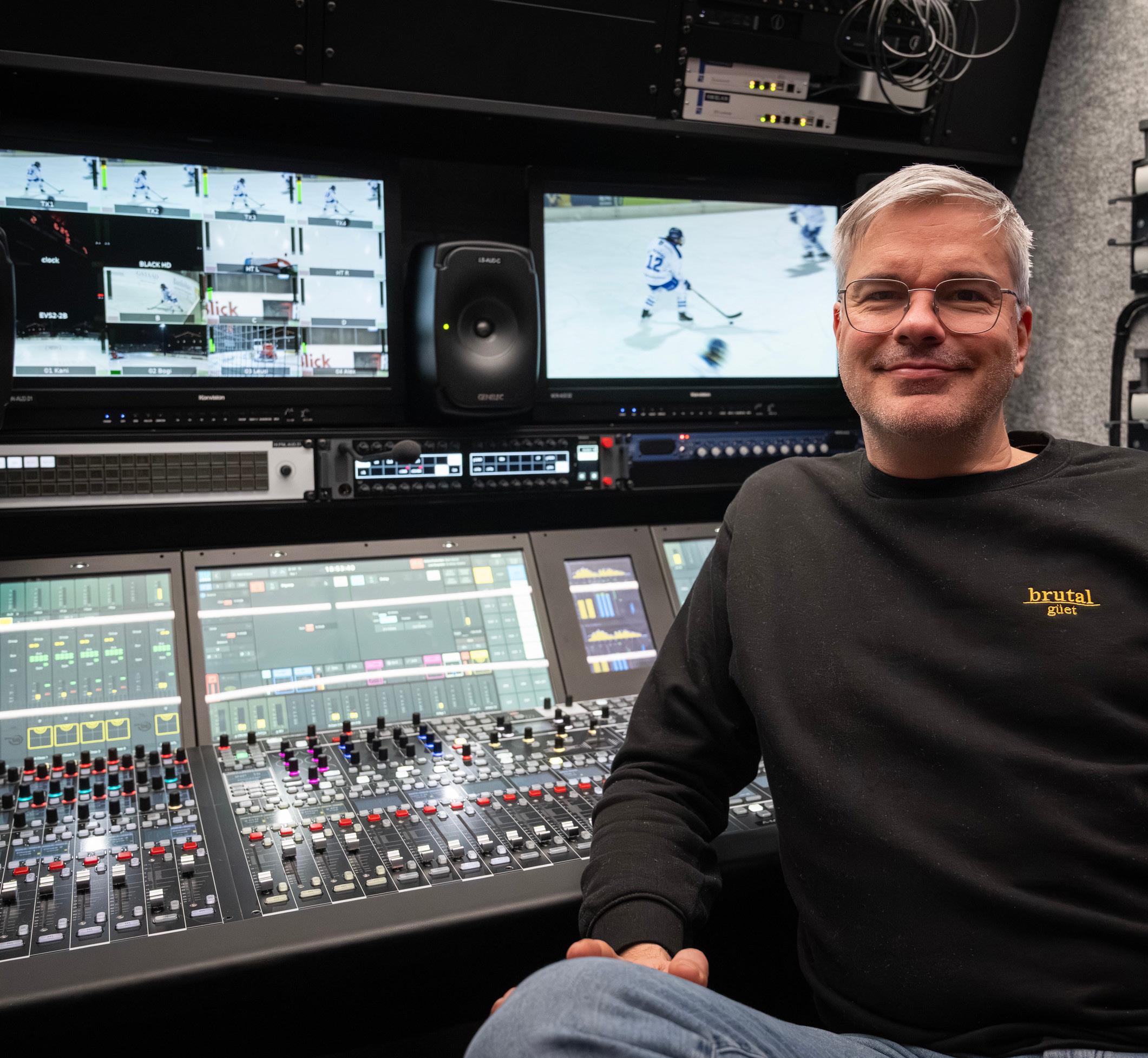
efficiently. If a camera operator reports they can’t hear anything, I can immediately check a second or third meter to see whether the signal is leaving my system. That tells me right away where to look — or where not to look.”
The open-air setting required a customised microphone setup to manage spectator noise: “It makes a significant difference whether 500 or 5,000 people are standing around the rink,” he points out. “In some cases, spectators may even be just a meter behind my ambience mics.”
Maier balances this atmosphere with speech intelligibility: “I like to use a strong ambience mix to create an immersive experience, but the
commentator always needs a clearly defined space. The ambience is dynamically shaped in the relevant frequency ranges to leave room for speech without reducing the overall level. This is an area where the latest Lawo console generation offers significantly more creative and technical flexibility.”
Precise timing remains vital in IP environments: “Different signal paths operate in different time domains, and these have to be aligned again at the output stage.
“With Lawo, delays can be applied exactly where they make sense — at the input stage, within groups, or on direct outputs. This level of clarity and flexibility remains
a key advantage, especially in hybrid IP and remote production environments.”
The S12, built by Broadcast Solutions, is designed for diverse scenarios beyond sports: “From the outset, our goal was not to focus exclusively on traditional sports productions,” he concludes. “If we produce an opera, we need this surface structure and channel capacity as well. The concept is to use the OB van as a fully equipped mobile control room and minimise on-site setups.”
LAWO.COM
STAR OF THE SEAS
Setting sail on a scale never before seen, the colossal Star of the Seas, Royal Caribbean International’s latest marvel, is redefining maritime entertainment with a revolutionary technical backbone. In a powerhouse collaboration, Riedel Communications and Media Tailor have delivered a state-of-the-art broadcast, AV, and communications infrastructure for this 248,663-gross-tonnage giant. Spanning over 30 theaters, performance spaces, and a centralized broadcast center, this cutting-edge ecosystem ensures that world-class entertainment follows the ship to every corner of the ocean. Headliner tests its sea legs to get the scoop.
The vessel’s media infrastructure is built on a fully decentralised Riedel MediorNet network, controlled through the hi human interface platform and supported by Artist, Bolero, and PunQtum intercom systems. The broadcast center contains two production galleries and a main rack room for signal routing, recording, and post-production. Over 20 MediorNet MicroN UHD, MicroN, and Compact nodes provide distributed routing and signal processing across the ship, which reduces cabling requirements and saves critical space.
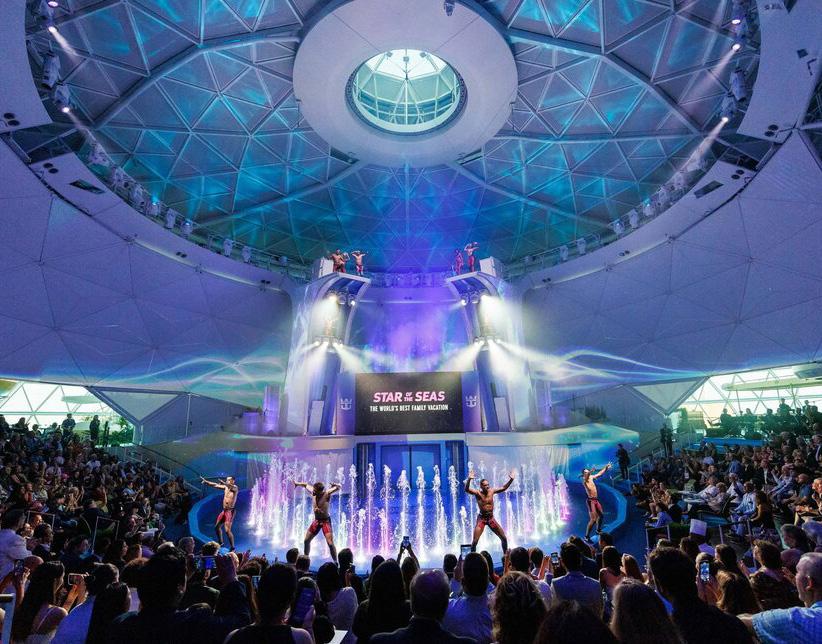
“Creating a broadcast and AV environment of this scale requires a unified system that functions as one,” says Tuomas Niemelä, business director of shipbuilding at Media Tailor. “That’s what Riedel enables. The decentralized Riedel architecture allows operators to route video, audio, and data in real time across the entire vessel with incredible efficiency and resilience, which is vital when you’re working in the middle of the ocean.”
The human interface serves as the central control platform for all AV and broadcast systems. Deployed with three servers and hardware panels, the system is also accessible via software panels on PCs and iPads throughout the ship. It unifies the MediorNet and Dante networks by routing Dante audio, automatically
converting embedded SDI audio, and grouping signals into unified containers. Additionally, the platform manages GPIO-based automation, linking with the PA/GA system to trigger functions such as automated muting during safety announcements. The communications ecosystem includes an Artist-1024 matrix, over 50 SmartPanels, 55 Bolero wireless belt packs, and PunQtum wired systems. These components provide a scalable solution for production crews across all venues.
“Our collaboration with Media Tailor and Royal Caribbean goes back more than a decade,” adds Philippe Genar, regional sales manager at Riedel. “Each project pushes the boundaries of what’s possible at sea, and Star of the Seas is a perfect example of how Riedel
technology – combined with Media Tailor’s innovative design and media technology expertise – delivers seamless connectivity, operational efficiency, and an exceptional entertainment experience in the maritime sector.”
“Media Tailor and Riedel have once again provided an integrated broadcast, communications, and AV infrastructure that offers unmatched flexibility and operational efficiency across our vessel,” concludes Christopher Vlassopulos, manager Newbuilding, Royal Caribbean. “Their expertise gives our teams the confidence to produce spectacular live experiences for our guests, every day, anywhere in the world.”
s by
ALICE GUSTAFSON
MINISTER OF SOUND
BERMAN FILMS
For Adam Berman, an award-winning cinematographer and selfproclaimed “Minister of Creation” at Berman Films, the true power of a cinematic masterpiece often lies in what audiences never notice: flawless audio. Based in the Pacific Northwest, Berman leads highstakes productions for Fortune 500 companies, technology start-ups, defense contractors, and government agencies, frequently working under strict NDAs and in unpredictable environments. Headliner discovers how he depends on a comprehensive Lectrosonics digital setup, including DSR4 four-channel digital slot receivers, DCHR and DCHT digital stereo portable receivers and transmitters, DBSM digital transcorders, and DPR-A plug-on transmitters in order to meet those demands.
Berman’s foundation in the industry began in the late ‘80s at the University of Southern California’s School of Cinematic Arts. While he initially focused on both cinematography and audio, his first exposure to Lectrosonics came years later during a sensitive project
for world-renowned psychologists. “I didn’t own much audio gear at the time, so I borrowed a friend’s Lectrosonics UCR411 kit,” Berman recalls. “I loved how reliable it was and that I never had to worry about it. That experience stuck with me.”
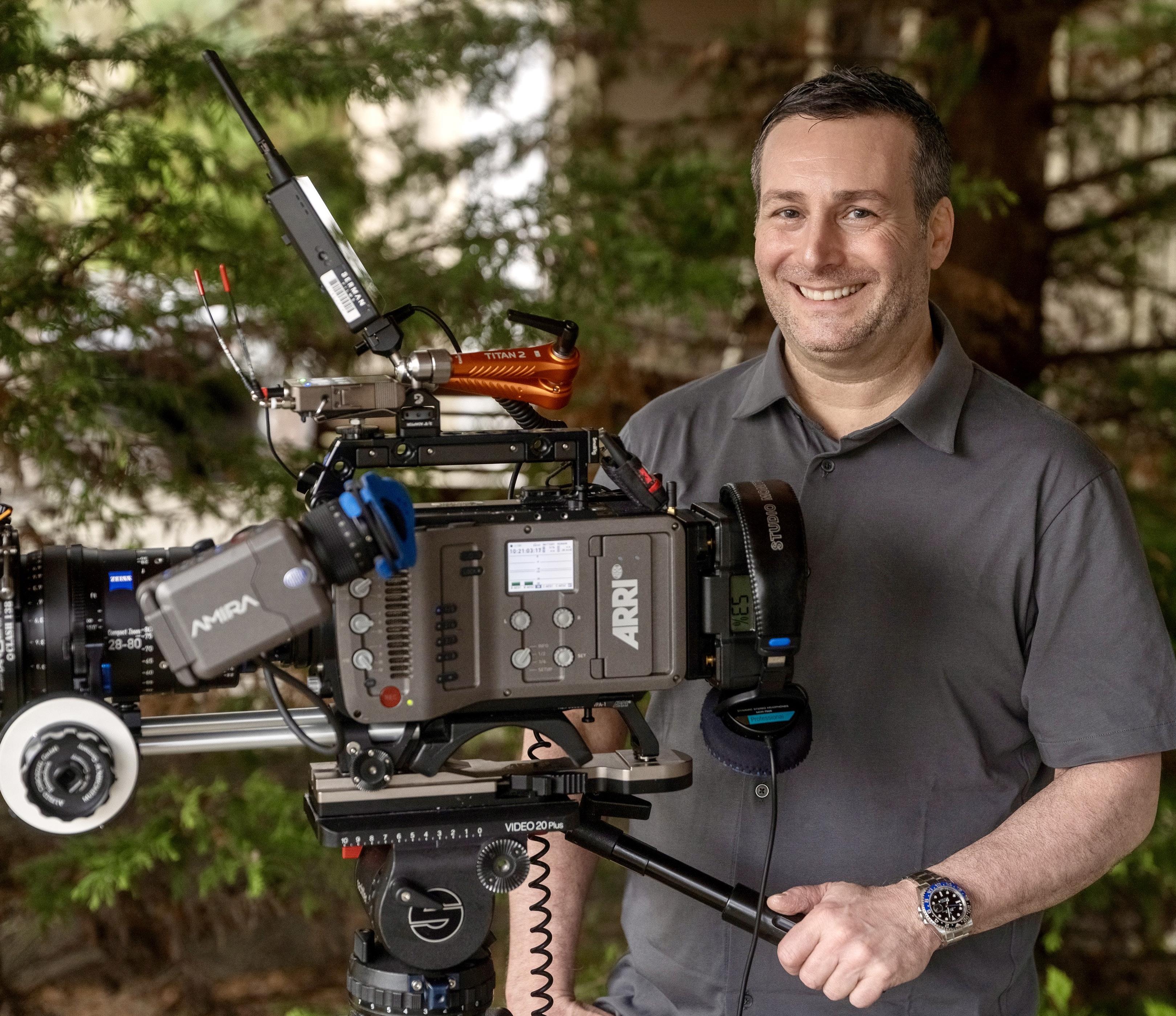
“About five years ago, we decided to go all in on our audio kit and to invest in industry-standard equipment,” Berman shares. “We initially started with SMWB transmitters and SRC receivers, but the transition to the D2 Digital Wireless line changed everything. Once I bought a DCHR receiver and a DBSM transcorder, I loved them so much that I sold all my hybrid gear and went full D2digital.”
Today, his arsenal has grown to six channels of Lectrosonics audio, allowing him to scale from small two-person interviews to complex live events. The power of this digital system was proven during a recent classical music concert at the University of Washington School
of Music. With only 90 minutes to set up three cameras and eight channels of audio, Berman used Wireless Designer to coordinate his frequencies. “Everything was wireless except for two overhead mics,” says Berman. “I used four DPR-a and two DBSM transmitters. I left that venue feeling proud because despite the tight setup time, I had gorgeous recordings without a single RF hit.”
Berman also highlights the AES digital output capability as a major workflow advantage, especially when using his ARRI Cine Cameras. “I can take a DCHR, set it to AES output, and it trickles beautiful 24-bit audio directly into the camera,” he explains. “It’s not just a camera hop; it’s usable,
perfect audio that saves an incredible amount of time in post-production.”
Ultimately, Berman’s loyalty to the brand comes down to certainty. “Reliability is the big factor; Lectrosonics is just rock solid. I know I have a reliable wireless system for any RF environment I may encounter,” he enthuses. “But it’s also the company: the staff is very involved, and the service centres are in the U.S. When you’re using high-end equipment, knowing the company has your back minimizes the variables that can go wrong on set.”
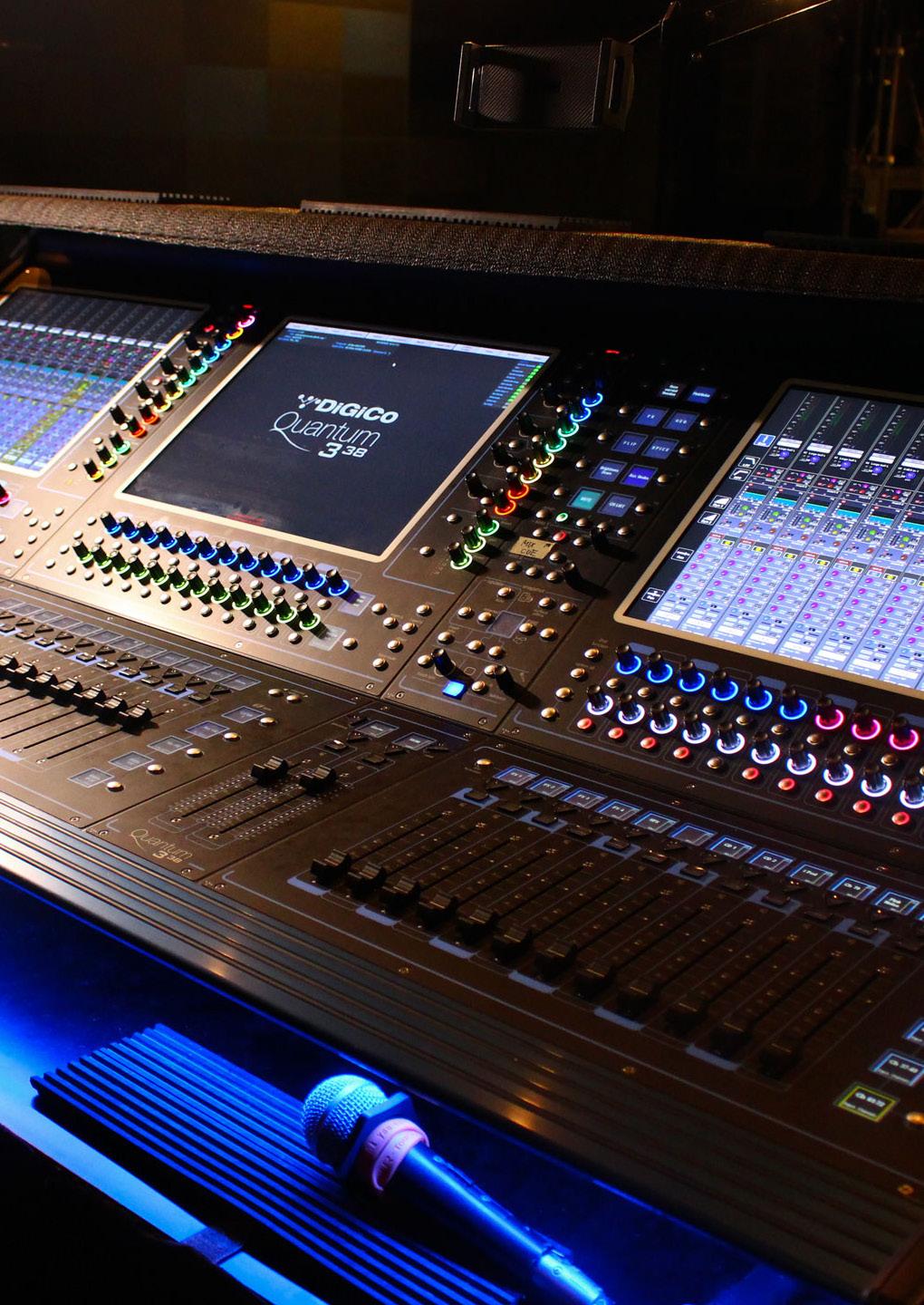
A NEW SONIC ERA
UMEDA CLUB QUATTRO
Walking into Umeda Club Quattro is like stepping through a gallery of rock history, with walls adorned by the signatures of legends like Nirvana and Linkin Park who defined the venue’s legacy during its original Shinsaibashi years. Today, the Osaka-based hall continues to uphold its reputation for excellence by ensuring its technical infrastructure meets the demands of the world’s most discerning touring engineers. At the heart of this latest upgrade is the DiGiCo Quantum 338, a console chosen for its longevity and sonic precision to carry the venue into its next decade of live performance. Headliner finds out how this new addition is shaping the sound of one of Japan’s most storied live spaces.
The team at Umeda Club Quattro carried out extensive research and soon discovered that the Quantum 338’s longevity, processing and crystal-clear sound made it an excellent choice. Once they added the high number of visiting engineer
requests, they knew it was a clear winner. The console was supplied by DiGiCo’s Japanese distributor, Hibino, which also provides a full maintenance and support package.
Venue audio manager Mr. Kiyokazu Kanda of Take Five Inc, the audio company responsible for hall management across all four Club Quattro venues, says: “We had been using the club’s previous console for the last 10 years, so we researched manufacturer information very carefully. Pursuing better sound quality was one of our goals, so the 32-bit SD-Rack cards were a must. The higher bit depth delivers the feel of higher resolution, clarity, and richness. Separation is improved and the sound image feels closer, giving more depth and making it easier to add contrast and shading. This makes it feel like the canvas for placing sounds in space has expanded.”
Umeda Club Quattro is one of four live venues across Japan and has a reputation for excellence. Hosting major artists, both domestic and international, means that the club welcomes many visiting engineers each year, so being rider friendly is high on the list of requirements for the front of house console. The club first opened as the Shinsaibashi Club Quattro in 1991 and, after closing in 2011, it reopened in 2012 as Umeda Club Quattro. The hall is filled with signatures and stickers from the Shinsaibashi days, honoring the vibrant history of the venue and allowing audiences to reminisce about legendary shows from artists and bands like Lenny Kravitz, Nirvana, Linkin Park and more.
The research journey began in 2023, when Quantum 338s were not widely used in similar venues in Osaka. As many visiting engineers with guest artists, especially international performers, use the in-house front of house console, it was important that opinions were taken from a wide range of potential users. The team investigated fully, and Mr. Kanda found that as time went on, many engineers were already familiar with the Quantum 338 and were able to explain features that the Club Quattro team had not yet discovered.
He continues: “We were expecting many more operational questions than we received. In fact, we’ve found ourselves learning routing and
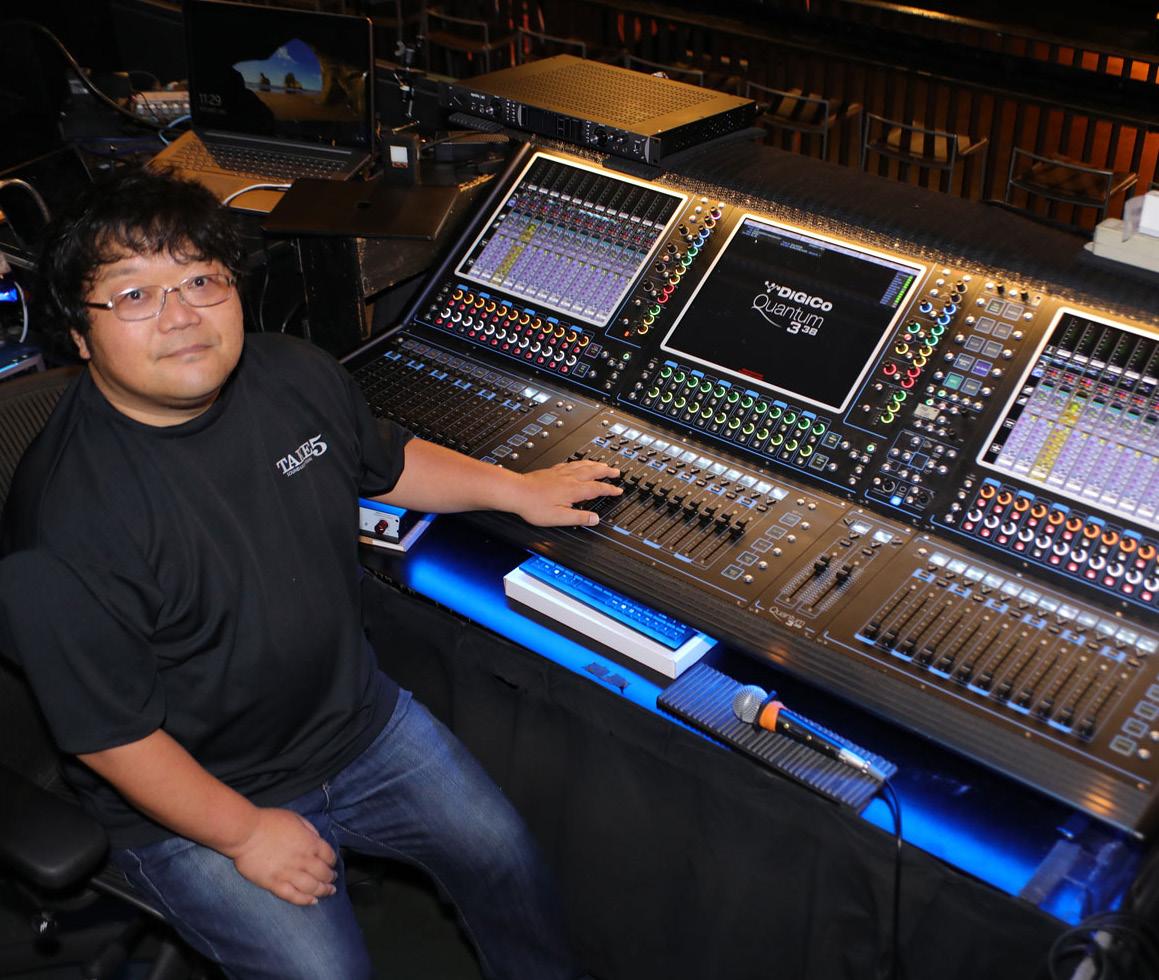
“WE’VE FOUND OURSELVES LEARNING ROUTING AND OTHER DETAILS FROM TOURING ENGINEERS!”
other details from touring engineers! Ensuring operators could use their touring show files was another major factor, but the console is very well thought out, too. Visibility is good and the way it minimizes the number of actions required makes it a great console.”
For a busy venue like Club Quattro, the ergonomic console surface has made a big difference to the engineers’ experience. Seemingly small details like the physical resistance of the encoder knobs means that making fine adjustments in less than ideal working light becomes something you can just feel, keeping engineers’ attention where it needs to be and not focused on the console. Intelligent design like this was another strong positive for the DiGiCo Quantum 338.
“The on/off switch buttons are a comfortable size and feel satisfying to press. When you switch functions, the encoder colours change accordingly,
which improves visibility and makes it easy to tell which mode you’re in,” Kanda adds. “For dynamics, you can choose the Comp behaviour from hard/mid/soft, so you can avoid the overly aggressive feel common to digital compressors and dial it in precisely. The Gate opens and closes very naturally. It’s so easy to use that you often only need to adjust the threshold and can leave the rest alone, which is a huge help.”
Great design, helpful features and precision sound have made the DiGiCo Quantum 338 the perfect fit for Club Quattro, and Kanda’s team are sure that this console will remain in great condition for just as long as their previous mixer.
With built-in future-proofing like Pulse upgrades and the wealth of DMI cards available to all users, there are a huge range of options to ensure the console continues to meet their needs for many years to come. The
venue team’s research has paid off, resulting in cleaner sound, layers of features, more headroom and satisfied visiting engineers. “Spice Rack displays graphics in real time, making it easy to see how much effect is being applied, and there are many other useful features,” Kanda concludes.
“The tube is very useful. For example, if you want to add distortion only to a vocal, you can route the same channel into the alt input, create distortion with Mustard Tube, and switch with a Macro or Snapshot. That lets you do it without dedicating an extra channel and you can instantly revert. It’s great that you can handle everything within the console. It makes our work much more enjoyable.”
DIGICO.BIZ
TREVOR LAWRENCE JR CARNEGIE HALL GLORY
From the legendary stage of a sold-out Carnegie Hall to the cutting-edge production of his latest GRAMMY-nominated work, drummer and producer Trevor Lawrence Jr. is a drummer and producer to be reckoned with. A veteran collaborator with icons from Dr. Dre to Bruno Mars, Lawrence Jr. bridges the worlds of jazz, hip-hop, and orchestral performance. To capture every nuance of his signature sound, he relies on a precision AUDIX microphone setup, ensuring world-class sound from the studio to the global stage. Headliner gets the scoop on his recent endeavours and the tech behind it.
Could you share the details behind your recent GRAMMY nomination?
I have been honoured to be associated with GRAMMYnominated work as a writer, producer, or drummer for about the past 30 years. This year, an album with Terrace Martin and Kenyon Dixon, which I contributed to, called Come As You Are, is up for Best Progressive R&B album. Also, one of the songs I co-wrote and produced on the album, WeMaj, is up for Best Melodic Rap Performance. This album feels great. Unless you’re on 50 per cent of the project, those of us who are just producers or writers often don’t get GRAMMY statues, just the certificate, but it is always cool to see your work be recognized.
How is your current microphone setup configured for studio and live use?
The kit here in my studio is fully miked with AUDIX. I use a PDX 520 under the snare. I have D6X on the kick and two D6 on the floor toms. The D6X will give you a great bass drum sound. The SCX-25 lollipops are my overheads. I absolutely
love the little clip-on D2 tiny tom mics. It’s a huge thing for me that they are so small and out of the way, yet they sound incredible. I position a pencil mic F9 under the hi-hat, and use the overheads to pick up the top. I use this setup primarily for online content.
I also use AUDIX a lot for live shows. The entire setup for the orchestral performance of the anime franchise Attack on Titan is all AUDIX, too. I’m also the musical director on that gig, and we just did two sold-out shows at Carnegie Hall. When I am in control of my live sound, you won’t see anything else but AUDIX. Because with AUDIX, I know exactly what’s going to happen. I’ve never had anything drum-wise sound that clean. It just sounds incredible.
Why is AUDIX your primary choice for microphones?
AUDIX has come a long way, and I think they have emerged as one of the best players in the microphone world, for sure. Sonically, and why I choose them, is that AUDIX microphones are just transparent. I’m never worried about having to
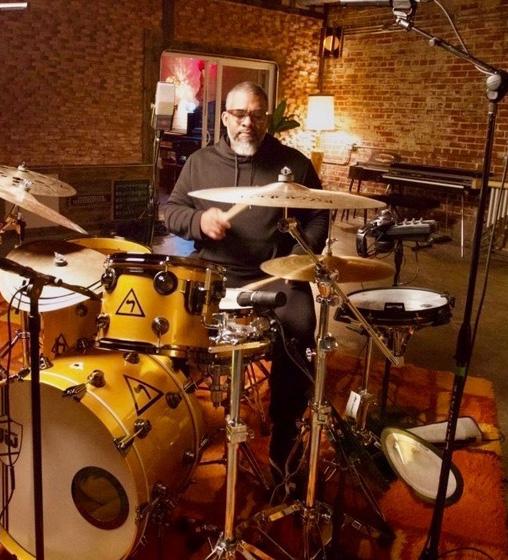
fix it in the mix or anything being overhyped. Plus, the functionality presented by AUDIX is incredible.
What advice would you offer to aspiring musicians and producers?
A big one for me is “your ego is not your amigo.” A lot of the decisions we make are driven by ego without us realizing it. That phrase has stuck with me since I worked at Aftermath with Dr. Dre. I believe Fredwreck said it first. You have to stay creative, but you also have to stay humble. Often, ego
prevents us from finding out what the optimal decisions in the moment are. People say, “I’m just going to do what I do,” but that’s not what the music says you’re supposed to do. So, I’ll just say it again, “make every decision for the music.” I think the other thing is, and I say it every time I give a masterclass, “If you’re going to do something, do it authentically like it’s the only thing you do.”
WORDS
BY
ALICEGUS
T A NOSF
ISE 2026 SPOTLIGHT MEET MALIA
Barcelona’s Fira Gran Via was once again the epicentre of the AV world earlier this month, and among the flurry of technical debuts at ISE 2026, LD Systems was commanding attention with a significant evolution of its flagship line. Taking center stage at the Adam Hall Group stand was the global unveiling of MAILA passive – a system designed to bring the modular flexibility of the original MAILA range into the realm of highend fixed installations and professional rental infrastructures. Headliner swung by the booth to find out more…
The MAILA passive system was developed to cater for both permanent installations and professional rental or corporate environments. By combining the acoustic properties and modular mechanics of the established MAILA concept with a classic, power amplifier-based system architecture, the new variant can be integrated seamlessly into existing DSP, network, and control infrastructures.
The passive system family is based on the proven modular architecture of the existing MAILA range but dispenses with integrated power amplifiers in favour of external amplification. The MAILA SAT remains the central array element, having already functioned as a
passive component in the previous system. The range is further complemented by the MAILA COL P column module for extending the low-mid range, the MAILA SUB P 2 × 15’’ subwoofer, and the new MAILA SUB 15 P 1 × 15’’ bass reflex subwoofer. This new 15-inch model will also be available in the future as an active version with an integrated power amplifier.
Furthermore, up to six modules of the new SUB 15 – in both passive and active versions – can be flown in the rig via an optional flying frame, with the possibility of a cardioid arrangement. In place of the active MAILA SPA amplifier module, the passive system utilizes the new MAILA SAT X. This module functions
as a mechanical and electrical adapter between the power amplifier and the array.
Additionally, the MAILA SAT X can be operated independently of the array as a stand-alone near-fill point source, featuring an integrated stand with variable angulation. In active MAILA setups, the MAILA SAT X can be powered via a new version of the MAILA SPA amplifier module equipped with SpeakON outputs.
To meet the visual requirements of industrial and installation applications, all passive MAILA modules, with the exception of the SUB P, are available in both black and white finishes.
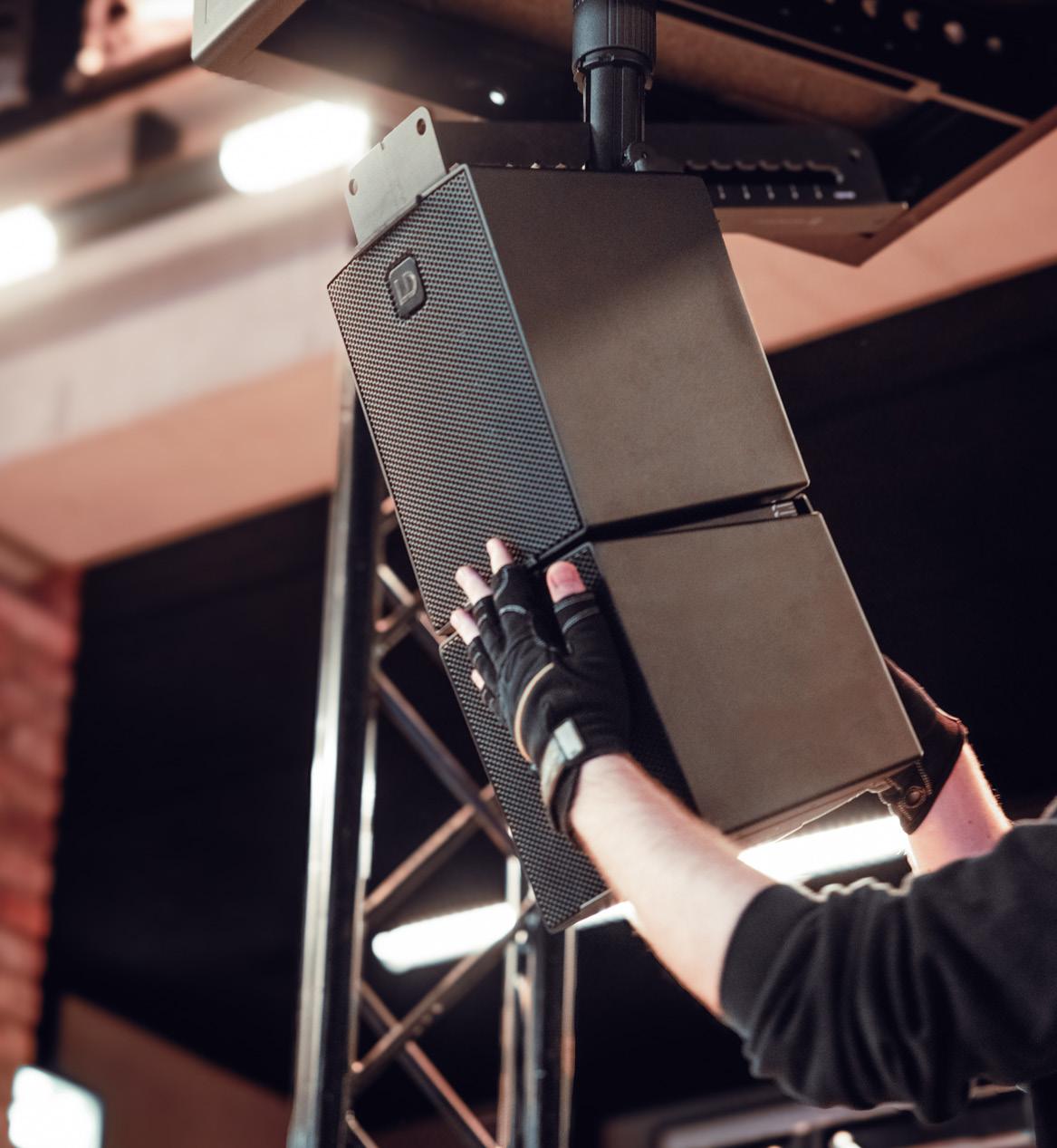
For system operation, LD Systems provides pre-configured touring and single racks featuring DSP and Dante power amplifiers from the ADA series, alongside patch panels and optional power distribution. MAILA has also been fully integrated into the Powersoft Armonia+ software, which allows for centralised control and monitoring of all relevant DSP functions while
facilitating integration into existing system landscapes.
The introduction of the passive series enhances the versatility of the MAILA range, a fact reflected in the extensive selection of accessories for both temporary and permanent use.
These include solutions for ground stack and flying applications, rigging
hardware for various subwoofer configurations, and wall or ceiling mounts for permanent installs. All relevant components are available in black and white to suit architecturally sensitive environments.
ADAMHALL.COM
LD-SYSTEMS.COM
IS LOSING TO A BEDROOM
MIC THE SNARE YOUR MARKETING TEAM
In his latest Headliner column, pro audio executive Mike Dias shares what he learned from Mic the Snare’s Nick Canovas: success comes not from campaigns or algorithms, but from showing up consistently, researching deeply, translating meaning for an audience, and building long-term trust by giving people something they actually want.
Most marketing executives think they understand their audience. Then you meet someone like Nick Canovas, creator of Mic the Snare, who’s convinced hundreds of thousands of strangers to invite him into their headspace for 40 minutes at a time, regularly, by choice. He makes videos about music history. Forty minutes long. From his bedroom. 45 million views and counting. Zero institutional backing. No marketing department. No media budget. Just a guy with a microphone who understands something most companies with 10 thousand employees have forgotten.
“That’s simply where the people are,” he says, explaining why platforms like Instagram and YouTube aren’t just channels – they’re integral to most people’s lived experiences. Not where people go. Where people are. The difference between those two statements explains why a solo operator making deep-dive music documentaries outperforms marketing teams with million-dollar budgets.
THE AGGREGATE GAME NOBODY’S PLAYING
Most marketing teams optimize for the campaign. The quarter. The launch. The moment. Canovas optimizes for something different: “One video does not define you. It’s the promise and realization of all the videos in aggregate,” he says. “All of them are coming together to tell a larger story about you or a larger brand promise that you’re giving people.”
He’s not chasing viral moments. He’s building trust through consistency over years. “Every video is a win in some way,” he explains. “Maybe it’s a win with the algorithm. Maybe it’s a win bringing new people to Patreon. Maybe it’s a win because I enhanced my video editing skills. Maybe it’s a win in some other way – like when people tell you they went and saw a show because of you talking about an artist.”
Strip away the YouTube specifics, and what’s left is a framework most companies ignore: you can’t win every time with everyone, but over time and with consistency, you can speak to everyone. Because you’re not optimizing for individual performance. You’re optimizing for the promise you keep over years. Your marketing team measures campaign ROI. Great creators measure relationship equity compounding.
THE RESEARCH MOST MARKETING TEAMS SKIP
Canovas’ process starts where most marketing stops: with an eternally inquisitive approach. “I am always asking myself in the process of the videos: why? Why did someone do this? Why does someone think this? Why did X company make Y decision?” As an example, he’s currently three books deep into Motown’s early years, researching why the label made certain artists record albums in genres that seemed completely counter to their established sound. “Why would they do that?”
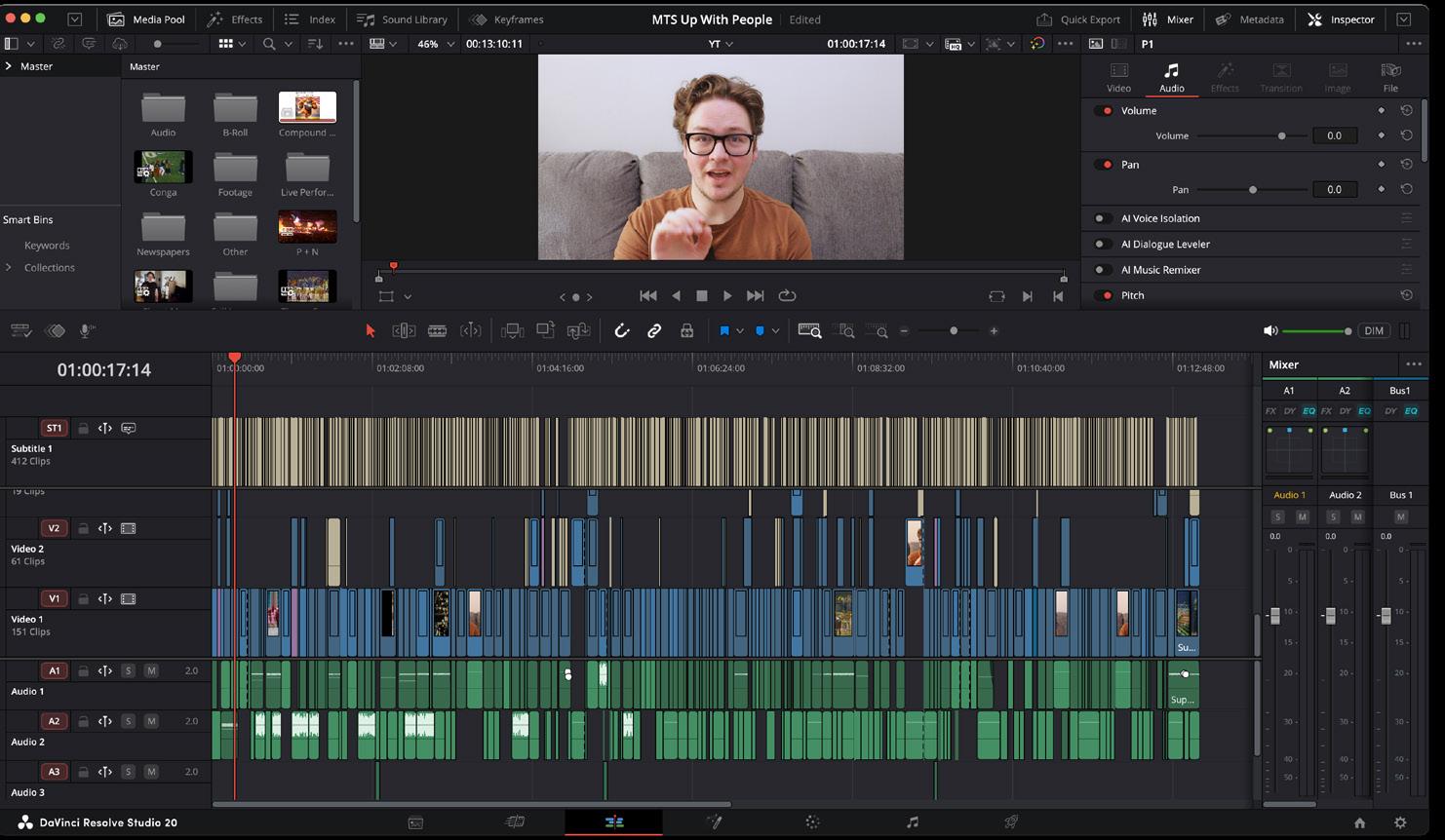
Your marketing team asks what your product does. Great creators dig until they find why it matters. But here’s where it gets powerful. After all that research, Canovas doesn’t dump facts and specs on his audience. “If I just presented them with all of the research, I’d be a Wikipedia article,” he says. “Wikipedia articles have their purpose, but people don’t come to me for that. I distill the research down to the core points of the story I’m trying to tell.”
He can find every anecdote about Motown’s experimental period, “but for the purpose of the story, some of them may not necessarily matter as other points. I’m trying to find the points that matter most. What creative decisions from this era shaped what came next?” This is the discipline most marketing teams lack: research everything, but present only what creates meaning. Avoid data dumps. Focus on connection. And there’s a third piece most companies forget entirely: “At the end of the day, I simply want to be entertained and I think the viewer does as well.”
Well-researched but still enjoyable. Educational but memorable. Jokes, references, the holistic view of what it means to care about something. Your marketing team forgets that content competes with everything else for attention. That humans crave joy and narrative arcs, not just information. If a marketing team performed anything close to this thoroughness – the
relentless why, the distillation discipline, the entertainment imperative – brands would move mountains.
YOUR CUSTOMERS WANT WHAT YOU WANT
Most marketing teams think they’re chasing metrics. Canovas understands something radically different. “I feel like at times YouTube is trying to chase the audience as much as I’m trying to chase them,” he says. The platform has data and smart people trying to figure out what people want. “We’re all trying to do the same thing.”
So he stopped chasing the algorithm and started chasing the audience. “Finding ways to engage the audience is often the best way to engage the algorithm. If I have something that’s giving viewers long-term satisfaction, that sends the right triggers that what I’m making is worth watching for more people, and then it pushes it out more from there.”
Your marketing team asks: How do we game the system? How do we trick the algorithm? How do we manipulate our way to visibility? Great creators ask: How do we give people something they actually want? How do we make them want to engage? How do we create long-term satisfaction? The platform and the creator align when both serve the audience. Stop fighting. Start serving.
“YOUR
MARKETING TEAM MEASURES
CAMPAIGN
ROI. GREAT CREATORS MEASURE RELATIONSHIP EQUITY COMPOUNDING”
IT DOESN’T MATTER HOW GREAT YOU THINK YOUR PRODUCT IS
Research and entertainment mean nothing if you can’t translate. You can not assume that your audience knows – or even cares about – what you are presenting. Canovas learned this the hard way working in pro audio, setting up streamers with microphones. “I would be like, ‘All right, so since this is a condenser, you just have to turn on phantom power and then you should be good.’ And they would say to me, ‘What’s phantom power and what’s a condenser?’” The realization hit him: “Oh, I’m assuming too much already. They just expect it to work when they turn it on. It’s so easy to be bogged down in the minutiae. You assume people know things, or you assume that everybody has this
working knowledge base, and the reality is that they don’t. So it’s on you to help navigate those discrepancies in knowledge.”
Here’s the line that should be printed on every marketing team’s wall: “It doesn’t matter if you’re right. It only matters if you can get the job done.”
He’s worked with people “who assume that knowing everything or having all the info makes them better people. Maybe it makes them smarter, maybe. But at the end of the day, you want someone who can translate the ideas that are on the page or in the mind to something tangible and practical in the real world.” Put this in the context of marketing, and it becomes the most profound directive you’ll hear: It doesn’t matter what your product does. It doesn’t matter what you think it does. It doesn’t matter what you know. If you
cannot convey any of it in a way that matters to your audience, you have nothing. Translation is the actual skill. Everything else is just preparation.
DOING THE WORK
When Canovas published his first video, he had zero brand equity. No institution behind him. No legacy credibility. Just a guy on the internet saying, “trust me to explain music to you.” So how do you bootstrap trust from absolute zero? “It’s really about just doing the same thing at a consistent quality level for a long, long period of time. And even once you’ve gotten to that place where you do have brand equity, you still have to keep putting in the work. You never get to escape the work, and if you try, then it always bites you in the ass.”
Most marketing teams chase viral moments. Great creators understand that trust compounds through small, consistent deposits over years, not campaigns. “I already see the game ahead of me where it’s like I am invested to play this out over the next year, five years, 10 years.”
He references the artists he covers: “David Bowie’s first album did not sound like his last. The Beatles’ first album did not sound like their last.” Evolution is part of consistency, not opposed to it.
“Artists and creatives are willing to follow their voice because it leads to their best work and the stuff that they’re most excited about.”
Your team wants the strategy secrets. But the actual secret is showing up when you don’t feel like it. Keeping energy for the consistent long haul. Successful creators serve their audience like they’re the only thing that matters. Because they are.
Strip away YouTube, the bedroom, and the creator economy buzzwords, and what’s left is a masterclass in modern marketing that most companies with 10 thousand employees can’t execute: Know where people actually live. Serve them on aggregate over the long haul. Accept that you won’t win every moment, but consistency compounds into trust. Research relentlessly, but present only what creates meaning. Translate without condescension.
Remember that the audience wants what you want – something they actually love. And understand this: audiences don’t care how much effort you invested. They care about what value they receive. The question is whether your marketing team is humble enough to learn from someone operating out of a bedroom with a microphone.
Relationship Economy – translating the hidden operating systems of world-class entertainers into leadership frameworks that actually work. His lens makes one thing clear: trust is the condition, translation is the act, and experience is the outcome.
About mic the snare
About the author Mike Dias writes and speaks about pressure, performance, and the
Nick Canovas creates Mic the Snare, a YouTube channel dedicated to exploring the hidden stories behind popular music. With over 361,000 subscribers and 45 million views, Nick produces meticulously researched video essays that examine everything from the production techniques of iconic albums to the business decisions that shaped music history. A sound engineering graduate from UMass Lowell and former Best College Radio DJ in North America, Nick has built one of YouTube’s most respected music analysis channels through disciplined research, clear translation of technical concepts, and consistent publishing – all from a bedroom studio with zero institutional support.











REPLAY FOR EVERYBODY, EVERYWHERE.
RiMotion is an easy-to-install replay solution that can be implemented almost instantly in broadcast environments of any scale. It streamlines traditional and modern workflows and provides real-time performance, even when working remotely.
• Intuitive touchscreen