Grunge, Scrunchies, and Chickenpox: One of These Things Should NOT Come Back
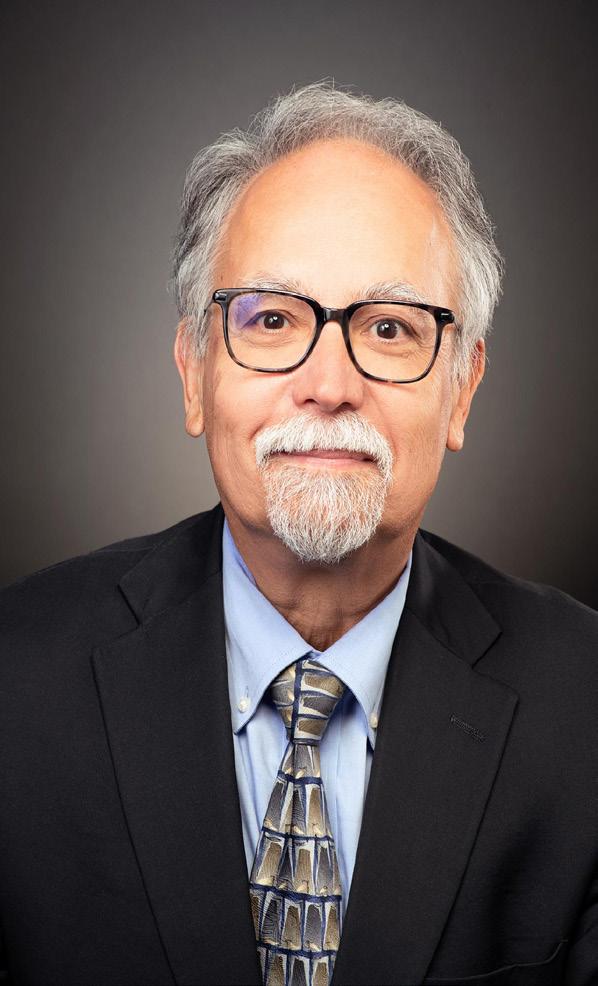
José R. Romero, MD
Some 90’s retro trends are fun to see come around again, like classic songs returning to the playlist, hairstyles, and even fun 90s’ shoes. Other trends are better left in the past -- like the millions of cases of chickenpox that happened in the United States each year before we had an effective vaccine.
What was once considered a rite of passage, something that just had to be tolerated during childhood with oatmeal baths and missing school, is now unusual. A lot of people might think, ‘Oh, it’s just chickenpox.’ While it’s true that most children recover, doctors and other pediatricians like me frequently saw very serious cases of chickenpox that could turn quickly into invasive disease, pneumonia, or even death. The fact is, chickenpox can be very serious, and it affects not just the person who is sick, but the entire family and community. Because of chickenpox, parents can miss work, brothers and sisters can miss school, and pregnant women and people with weakened immune systems have a higher chance of having serious chickenpox infections.
Once someone is infected with the chickenpox virus, it stays in the body even after the person feels better. Because of this virus, about 1 in 3 people who had chickenpox as children will get shingles, usually later in life. Shingles is a very painful condition that happens when the hidden chickenpox virus becomes active in the body again. It can disrupt daily life for months or even longer.
The United States was the first country to include the chickenpox CDC vaccine in the routine childhood vaccination program, and the vaccine has proven to be very effective. During the first 25 years of the vaccination program (1995 - 2019), we saw a staggering 97% drop in chickenpox hospitalizations and more than a 99% drop in deaths. For young people today, being hospitalized from chickenpox has become a rare event -- and chickenpox deaths are nearly eliminated in the U.S.
There’s even more good news -- experts anticipate that protection from the chickenpox vaccine will also extend into the future to help protect them as adults against shingles. So kids who are vaccinated now are protected from chickenpox, and most won’t have to worry about suffering from shingles later. If you’re not sure if your kids are caught up on their vaccines, just ask their doctor or nurse -- and go ahead and schedule any appointment they might need.
Some trends, like chickenpox disease, should never come back.
Campaign Combats Underage Drinking
Underage drinking levels are at historic lows, and one way to continue this trend is to prevent teens’ access to alcohol. The We Don’t Serve Teens campaign, first developed in 2006, is a community-level collaboration of alcohol suppliers, retailers and distributors working with parents and prevention groups to curb underage drinking.
Today, participating groups and organizations are voicing their commitment to the campaign and its important message that debuts a refreshed look and feel that is digitally modern, culturally inclusive and demographically diverse.
The We Don’t Serve Teens campaign takes a united stance throughout communities nationwide: “Don’t serve alcohol to teens. It’s unsafe. It’s illegal. It’s irresponsible.” Partners are encouraged to post messages against underage drinking in stores and restaurants, engage with the campaign online, hear messages on the radio and even include information on food and beverage delivery receipts. The materials will also serve as a reminder for families to have conversations at home about expectations, values and practice saying NO to underage drinking.
“Underage drinking has declined dramatically but remains a safety issue for teens that is often overlooked, disregarded, or takes a backseat to more pressing concerns,” says Chris Swonger, President and CEO of Distilled Spirits Council of the United States (DISCUS) and Responsibility.org. “The We Don’t Serve Teens campaign brings a critical mass of public and private entities together to
spotlight underage drinking prevention. We have made a lot of progress over the years and fewer teens are drinking alcohol. By working together, we hope to make even more progress on this important issue.”
In 1991, 80% of American teens had consumed alcohol at least once in their lifetime, but today, more than three out of five teens (64%) have never consumed alcohol (Monitoring the Future, 2021). Although this trend is positive, challenges to ending underage drinking remain. The availability of alcohol to those under the legal drinking age remains high with eight out of 10 high-school seniors reporting that it is easy for them to access alcohol. Working together, significant strides have been made in reducing underage drinking, but until it is eliminated, there is still work to be done, according to Responsibility.org.
“No retailer wants to sell alcohol to someone who is underage,” says John Bodnovich, Executive Director, American Beverage Licensees. “Retailers are on the front lines in communities across the country -- we are proud to once again lead the effort to prevent underage drinking. We look forward to working with community partners as well as industry partners to keep alcohol out of teens’ hands and stop underage drinking. Responsibility starts with us.”
Visit WeDontServeTeens.org for more information or to participate in the campaign.
-(NewsUSA)
Establishedin1929 Health City Sun The www.healthcitysun.com November 18, 2022 New Mexico’s Legal & Financial Weekly Vol. 10.102 No. 46 FORECLOSURE
PROBATE: 32 AUCTIONS: 7
OF SUITS:
SPANISH NOTICES: 0 *Publish Legal Notices for Less!* 68¢ / line for first week 52¢ / line for additional weeks 50¢ Sponsored copy courtesy of PrimeTimeNM.com
SALES: 0
NOTICE
6 OTHER: 19
Health City Sun
LEGAL NOTICES
SUITS
STATE OF NEW MEXICO COUNTY OF BERNALILLO
SECOND JUDICIAL DISTRICT COURT NO. D-202-DM-2022-907
Contessa Manzanares Mario Manzanares Petitioner, vs. Aspen Newman Unknown Father Respondent,
NOTICE OF PENDENCY OF ACTION
STATE OF NEW MEXICO to the above-named Respondent(s).
Greetings:
You are hereby notified that the above-named Petitioner has filed a civil action against you in the above entitled Court and cause, the general object thereof being: Petition to appoint Kinship guardianship
Unless you enter your appearance in said cause on or before the day of DEC 05 2022, a judgment by default will be entered against you.
Name and address of Petitioner or Petitioner’s Attorney: Contessa & Mario Manzanares P O Box 35875 Albuquerque, NM 87176
WITNESS the Honorable AMBER CHAVEZ BAKER, District Judge of the Second Judicial District Court of the State of New Mexico, and the seal of the District Court of Bernalillo County, this day of OCT 18 2022.
KATINA WATSON CLERK OF THE DISTRICT COURT
By: /s/
IN THE MATTER OF THE KINSHIP GUARDIANSHIP OF Gracie Goodson (a) Child(ren), and concerning Leony Calzada Stephen Goodson, Respondent(s),
NOTICE OF PENDENCY OF ACTION
STATE OF NEW MEXICO to Leony Calzada, Respondent(s).
Greetings: You are hereby notified that Monique Tapia, Petitioner(s), filed a Petition To Appoint Kinship Guardian(s) for Gracie Goodson against you in the above entitled Court and cause.
Unless you enter your appearance in said cause on or before the day of DEC 16 2022, a judgment by default will be entered against you.
Name and address of Petitioner or Petitioner’s Attorney: Monique Tapia 7209 Porlamar Rd Albq., N.M. 87120 505 270-8313
KATINA WATSON
Clerk of the district Court
By: /s/ Marissa Aguilar Deputy Clerk
HCS Pub. November 11, 18, 25, 2022
or before the day of DEC 26 2022, a judgment by default will be entered against you.
Name and address of Petitioner or Petitioner’s Attorney: Victor Estrada 801 Locust Pl NE Apt. 2016 Albuquerque, NM 87102
WITNESS the Honorable JANE C. LEVY, District Judge of the Second Judicial District Court of the State of New Mexico, and the seal of the District Court of Bernalillo County, this day of NOV 07 2022.
CLERK OF THE DISTRICT COURT
By: /s/ Lupita Hernandez Deputy Clerk HCS Pub. November 11, 18, 25, 2022
forever barred. Claims must be presented either to STEFFY LAW FIRM, P.C., (Jeanine R. Steffy), 1909 Carlisle Blvd NE, Albuquerque, NM 87110, or filed with the Bernalillo County Probate Court, 415 Silver Ave SW, Albuquerque, NM 87102. Dated: 9/18, 2022 /s/ Steven H. Reich STEVEN H. REICH, Personal Representative STEFFY LAW FIRM, P.C. By /s/ Jeanine R. Steffy Jeanine R. Steffy Attorneys for the Personal Representative of the Estate of BARBARA REICH, Deceased 1909 Carlisle Blvd NE Albuquerque, NM 87110 jeanine@steffyfirm.com (505) 331-3031 HCS Pub. November 4, 11, 18, 2022
Albuquerque, NM 87107 or filed with the Second Judicial District Court Clerk, P. 0. Box 488, Albuquerque, NM 87103.
DATED: October 28, 2022 /s/ Ronald A. Chavez
RONALD A. CHAVEZ, Personal Representative 428 Chavez Avenue NW Los Ranchos de Albuquerque, NM 87107
Submitted by: ROBERT D. GORMAN, P.A. By: /s/ Robert D. Gorman ROBERT D. GORMAN Attorney for Applicant P. O. Box 25164 Albuquerque, NM 87125-0164 (505)243-5442 rdgorman@rdgormanlaw.com HCS Pub. November 4, 11, 18, 2022
Dated: 10/17, 2022 /s/ Elizabeth L. Lester
ELIZABETH L. LESTER SWAIM, CARLOW & AMES, P.C.
By: Peter J. Armijo Attorneys for the Personal Representative of the Estate of TRACY WILSON MURRAY, Deceased 4830 Juan Tabo, N.E., Suite F Albuquerque, NM 87111 (505) 237-0064 HCS Pub. November 4, 11, 18, 2022
STATE OF NEW MEXICO IN THE PROBATE COURT BERNALILLO COUNTY No. 20221260
STATE OF NEW MEXICO COUNTY OF BERNALILLO SECOND JUDICIAL DISTRICT COURT NO. D-202-DM-2022-02445

IN THE MATTER OF THE KINSHIP GUARDIANSHIP OF M.K.A., minor child.
AND CONCERNING Leona Mae Chosa, Petitioner and Daesha Loretto and Rain Aranaga, Respondents.
NOTICE OF PENDENCY OF ACTION
SECOND JUDICIAL DISTRICT COURT STATE OF NEW MEXICO BERNALILLO COUNTY No. D-202-PB-2022-00758
IN THE MATTER OF THE ESTATE OF MARILYN SUE BERTRAM, DECEASED.
NOTICE TO CREDITORS
STATE OF NEW MEXICO COUNTY OF BERNALILLO SECOND JUDICIAL DISTRICT COURT No. D-202-PB-2022-00857
In the Matter of the Estate of MAURICE BYRD, Deceased
NOTICE TO CREDITORS
IN THE MATTER OF THE ESTATE OF MARTHA HUERTA DECEASED.
NOTICE TO CREDITORS
STATE OF NEW MEXICO COUNTY OF BERNALILLO
SECOND JUDICIAL DISTRICT COURT No. D-202-DM-2022 02492
Lupita
Hernandez
Clerk HCS Pub. November 4, 11, 18, 2022
Deputy
STATE OF NEW MEXICO COUNTY OF BERNALILLO
SECOND JUDICIAL DISTRICT COURT No. D-202-DM-2022 02493
Monique Tapia Petitioner(s), IN THE MATTER OF THE KINSHIP GUARDIANSHIP OF Mariposa Tapia (a) Child(ren), and concerning Dalila MacErnie, Respondent(s),
NOTICE OF PENDENCY OF ACTION
STATE OF NEW MEXICO to Dalila MacErnie, Respondent(s).
Greetings:
You are hereby notified that Monique Tapia, Petitioner(s), filed a Petition To Appoint Kinship Guardian(s) for Mariposa Tapia against you in the above entitled Court and cause.
Unless you enter your appearance in said cause on or before the day of DEC 16 2022, a judgment by default will be entered against you.
Name and address of Petitioner or Petitioner’s Attorney: Monique Tapia 7209 Porlamar Rd Albq., N.M. 87120 505 270-8313
KATINA WATSON Clerk of the district Court
By: /s/ Marissa Aguilar Deputy Clerk
HCS Pub. November 11, 18, 25, 2022
Monique Tapia Petitioner(s), IN THE MATTER OF THE KINSHIP GUARDIANSHIP OF Gracie Goodson (a) Child(ren), and concerning Stephen Goodson Leony Calzada, Respondent(s),
NOTICE OF PENDENCY OF ACTION
STATE OF NEW MEXICO to Stephen Goodson, Respondent(s).
Greetings: You are hereby notified that Monique Tapia, Petitioner(s), filed a Petition To Appoint Kinship Guardian(s) for Gracie Goodson against you in the above entitled Court and cause.
Unless you enter your appearance in said cause on or before the day of DEC 16 2022, a judgment by default will be entered against you.
Name and address of Petitioner or Petitioner’s Attorney: Monique Tapia 7209 Porlamar Rd Albq., N.M. 87120 505 270-8313
KATINA WATSON
Clerk of the district Court
By: /s/ Marissa Aguilar Deputy Clerk
HCS Pub. November 11, 18, 25, 2022
STATE OF NEW MEXICO to the above-named Respondents Daesha Loretto and Rain Aranaga, GREETINGS: You are hereby notified that the above-named Petitioner has filed a Petition for Kinship Guardianship of Magnificent King Aranaga in October 2019 in Bernalillo County, New Mexico to Daesha Loretto and Rain Aranaga. You are further notified that unless you file a written response to the Petition by no later than thirty days from this publication with the Court Clerk, Second Judicial District Court, Bernalillo County, New Mexico, with a copy to the Petitioner’s attorney, or appear at the hearing, the Court may enter a default judgment in your absence.
DATE ISSUED 11/8/2022
Petitioner’s attorney: /s/ Maranda Aguirre Maranda Aguirre Pegasus Legal Services for Children 505 Marquette Ave NW Suite 1350 Albuquerque, NM 87102 505-244-1101
SECOND JUDICIAL DISTRICT COURT CLERK OF THE COURT
By: /s/ Ashley Padilla Deputy Clerk HCS Pub. November 18, 25, December 2, 2022
NOTICE IS HEREBY GIVEN that CHARLES A. BERTRAM, has been appointed personal representative of the estate of the decedent. All persons having claims against the estate of the decedent are required to present their claims within four (4) months after the date of the first publication of any published notice to creditors or sixty (60) days after the date of mailing or other delivery of this notice, whichever is later, or the claims will be forever barred. Claims must be presented by delivering or mailing a written statement of the claim to the Personal Representative, c/o Morris Hall, PLLC, whose address is 8208 Louisiana Blvd. NE, Suite C, Albuquerque, New Mexico 87113, or filed with the Second Judicial District Court, Bernalillo County, New Mexico, located at the following address: 400 Lomas Blvd., NW, Albuquerque, New Mexico 87102.
DATED this 27th day of October, 2022.
Respectfully submitted, MORRIS HALL, PLLC /s/ James P. Plitz James P. Plitz
Attorney for Personal Representative 8208 Louisiana Blvd. NE, Suite C Albuquerque, New Mexico 87113
Telephone: (505) 889-0100 HCS Pub. November 4, 11, 18, 2022
NOTICE IS HEREBY GIVEN that the undersigned has been appointed Personal Representative of this estate. All persons having claims against this estate are required to present their claims within four months after the date of the first publication of this Notice or the claims will be forever barred. Claims must be presented either to David A. Finlayson, attorney for the estate of MAURICE BYRD, at FINLAYSON LAW FIRM, PC, 7301 Jefferson Street NE, Suite F, Albuquerque, NM 87109, or filed with the Second Judicial District Court, Bernalillo County Courthouse, P.O. Box 488, Albuquerque, NM 87103. Dated: October 24, 2022 /s/ Kincie A. Byrd KINCIE A. BYRD, Personal Representative FINLAYSON LAW FIRM, PC By: /s/ David A. Finlayson David A. Finlayson Attorney for the Personal Representative of the Estate of MAURICE BYRD, Deceased 7301 Jefferson Street NE, Suite F Albuquerque, NM 87109 (505) 373-3500
HCS Pub. November 4, 11, 18, 2022
NOTICE IS HEREBY GIVEN that THOMAS MCMILLIAN, has been appointed personal representative of the estate of the decedent. All persons having claims against the estate of the decedent are required to present their claims within four (4) months after the date of the first publication of any published notice to creditors or sixty (60) days after the date of mailing or other delivery of this notice, whichever is later, or the claims will be forever barred. Claims must be presented by delivering or mailing a written statement of the claim to the Personal Representative, c/o SUTIN, THAYER & BROWNE, whose address is 6100 Uptown Blvd., Suite 400, Albuquerque, NM 87110 Mailing Address P.O. Box 1945, Albuquerque, NM 87103, or filed with the Probate Court of Bernalillo County, New Mexico, located at the following address: 415 Silver Ave. SW, 2nd Floor, Albuquerque, NM 87102 DATED this 28th day of October, 2022.
Respectfully submitted, SUTIN, THAYER & BROWNE A Professional Corporation
By /s/ Lisa Y.W. Cosper
Lisa Y.W. Cosper
Charles J. Piechota
Attorney for Applicant P. O. Box 1945 Albuquerque, New Mexico 87103
(505) 883-2500
HCS Pub. November 4, 11, 18, 2022
STATE OF NEW MEXICO COUNTY OF BERNALILLO
SECOND JUDICIAL DISTRICT COURT
No. D-202-DM-2022 02492
Monique Tapia Petitioner(s),
STATE OF NEW MEXICO COUNTY OF BERNALILLO
SECOND JUDICIAL DISTRICT COURT NO. DM 2022 002212
Victor Estrada Petitioner, vs. Angelina Muniz Respondent,
NOTICE OF PENDENCY OF ACTION
STATE OF NEW MEXICO to the above-named Respondent(s).
Greetings: You are hereby notified that the above-named Petitioner has filed a civil action against you in the above entitled Court and cause, the general object thereof being: Dissolution of Marriage Unless you enter your appearance in said cause on
PROBATE
STATE OF NEW MEXICO COUNTY OF BERNALILLO PROBATE COURT Probate No. 20221280 IN THE MATTER OF THE ESTATE OF BARBARA REICH, DECEASED NOTICE TO CREDITORS
NOTICE IS HEREBY GIVEN that the undersigned has been appointed Personal Representative of this estate. All persons having claims against this estate are required to present their claims within four months after the date of the first publication of this Notice or the claims will be
SECOND JUDICIAL DISTRICT COURT
COUNTY OF BERNALILLO
STATE OF NEW MEXICO No. D-202-PB-2022-00697
IN THE MATTER OF THE ESTATE OF GEORGIA MAE CHAVEZ, Deceased.
NOTICE TO CREDITORS
NOTICE IS HEREBY GIVEN that the undersigned has been appointed personal representative of this estate. All persons having claims against this estate are required to present their claims within four months after the date of the first publication of this Notice or the claims will be forever barred. Claims must be presented either to the undersigned personal representative at 428 Chavez Avenue NW, Los Ranchos de
STATE OF NEW MEXICO COUNTY OF SANDOVAL THIRTEENTH JUDICIAL DISTRICT COURT Probate No. D-1329PB-2022-00219 IN THE MATTER OF THE ESTATE OF TRACY WILSON MURRAY, DECEASED NOTICE TO CREDITORS NOTICE IS HEREBY GIVEN that the undersigned has been appointed Personal Representative of the Estate of TRACY WILSON MURRAY. All persons having claims against the Estate of TRACY WILSON MURRAY are required to present their claims within four months after the date of the first publication of his Notice or the claims will be forever barred. Claims must be presented either to Peter J. Armijo, Attorney for the Personal Representative of the Estate of TRACY WILSON MURRAY, at SWAIM, CARLOW & AMES, P.C., 4830 Juan Tabo, N.E., Suite F, Albuquerque, NM 87111, or filed with the Thirteenth Judicial District Court for Sandoval County, 1500 Idalia Rd., Bernalillo, New Mexico 87004.
STATE OF NEW MEXICO IN THE PROBATE COURT
BERNALILLO COUNTY No. 2022 1213
IN THE MATTER OF THE ESTATE OF Claudia J. Quevedo, DECEASED.
NOTICE TO CREDITORS
NOTICE IS HEREBY GIVEN that the undersigned has been appointed personal representative of the estate of the decedent. All persons having claims against the estate of the decedent are required to present their claims within four (4) months after the date of the first publication of any published notice to creditors or sixty (60) days after the date of mailing or other delivery of this notice, whichever is later, or the claims will be forever barred. Claims must be presented either to the undersigned personal representative at the address listed below, or filed with the Probate Court of Bernalillo County, New Mexico, located at the following address: 415 Silver Ave. SW,
November 18, 2022 Page 2
Albuquerque, NM, 87102.
Dated: Oct 28, 2022
/s/ Gabriela Quevedo-Levesque Gabriela Quevedo-Levesque 4962 Quail Ridge Dr NW Albuquerque, NM 87114 (505) 480-4526 gabbyabby1000@gmail.com HCS Pub. November 4, 11, 18, 2022
STATE OF NEW MEXICO COUNTY OF BERNALILLO IN THE PROBATE COURT No. 2022 1155
IN THE MATTER OF THE ESTATE OF ANN M. GALLEGOS, Deceased.
NOTICE TO CREDITORS
NOTICE IS HEREBY GIVEN that the undersigned has been appointed personal representative of the estate of ANN M. GALLEGOS. All persons having claims against this estate are required to present their claims within four months after the date of the first publication of this Notice or the claims will be forever barred. Claims must be presented either to the undersigned personal representative at c/o Susan K. Tomita, 6100 Indian School Rd., NE, Ste. 201, Albuquerque, N.M., 87110, or filed with the Bernalillo County Probate Court.
DATED: SEP 23 2022
/s/ Gabrielle G. Gallegos Gabrielle G. Gallegos 6043 Coon Tree Rd. The Plains, VA 20198 Ph: (408) 804-0320
Attorney Identification: /s/ Susan K. Tomita Susan K. Tomita Attorney for the Personal Representative 6100 Indian School Rd., NE, Ste. 201 Albuquerque, N.M. 87110 Ph: (505) 883-4993
HCS Pub. November 4, 11, 18, 2022
STATE OF NEW MEXICO COUNTY OF BERNALILLO
SECOND JUDICIAL DISTRICT COURT
Probate No. D-202PB-2022-00849
IN THE MATTER OF THE ESTATE OF ALFREDO DON MARTINEZ, DECEASED
NOTICE TO CREDITORS
NOTICE IS HEREBY GIVEN that the undersigned has been appointed Personal Representative of this estate. All persons having claims against this estate are required to present their claims within four months after the date of the first publication of this Notice or the claims will be forever barred. Claims must be presented either to STEFFY LAW FIRM, P.C., (Jeanine R. Steffy), 1909 Carlisle Blvd NE, Albuquerque, NM 87110, or filed with the Second Judicial District Court, 400 Lomas Blvd NW, Albuquerque, NM 87102.
Dated: Sept. 30, 2022
/s/ Kayla Martinez KAYLA MARTINEZ, Personal Representative STEFFY LAW FIRM, P.C.
By /s/ Jeanine R. Steffy Jeanine R. Steffy Attorneys for the Personal Representative of the Estate of ALFREDO DON MARTINEZ, Deceased 1909 Carlisle Blvd NE Albuquerque, NM 87110
JEANINE@STEFFYFIRM.COM (505) 331-3031
HCS Pub. November 4, 11, 18, 2022
Health City Sun
LEGAL NOTICES
STATE OF NEW MEXICO COUNTY OF BERNALILLO
SECOND JUDICIAL DISTRICT COURT No. D-202-PB-2022-00056
IN THE MATTER OF THE ESTATE OF EDDIE ALBERT SANCHEZ, deceased.
NOTICE TO CREDITORS NOTICE IS HEREBY GIVEN that the undersigned has been appointed personal representative of this estate. All persons having claims against this estate are required to present their claims within two months after the date of the first publication of this Notice or the claims will be forever barred. Claims must be presented either to the undersigned personal representative at the address listed below or filed with the Second Judicial District Court, Bernalillo County Courthouse, 400 Lomas NW, Albuquerque, New Mexico 87102.
Dated: 01-20-2022 Elaine M Sanchez 2115 Valley Rd SW Albuquerque, N. Mex 87105 505-319-4238 HCS Pub. November 4, 11, 18, 2022
persons having claims against this estate are required to present their claims within four months after the date of the first publication of this Notice if this Notice is given by publication as provided in Subsection A of Section 45-3-801 NMSA 1978, or within sixty (60) days after the mailing or delivery of this Notice for creditors who are given actual notice as provided by Subsection B of Section 45-3-801 NMSA 1978, whichever is later, or the claims will be forever barred. Claims must be presented either to the undersigned personal representative at 320 Osuna Rd NE, Unit G- 1, Albuquerque, NM 87107, or filed with the Bernalillo County District Court.
DATED: October 27,,2022.
/s/ Yvonne Baros Yvonne Baros, Personal Representative of the Estate of Andres Baca, deceased 446 Gavilan Pl. NW Albuquerque NM 87107 (505) 250-2466
HCS Pub. November 11, 18, 25, 2022
Office of Cristy J. CarbonGaul, 10515 4th Street N.W., Albuquerque, New Mexico 87114, or filed with the Second Judicial District Court, 400 Lomas NW, Albuquerque, New Mexico 87103. Dated: 10/24/2022
Respectfully submitted by, THE LAW OFFICE OF CRISTY J. CARBÓN-GAUL
By: /s/ Cristy J. Carbon-Gaul Cristy J. Carbón-Gaul, Esq. 10515 4th Street NW Albuquerque, New Mexico 87114
505-899-5696
Attorney for Personal Representative HCS Pub. November 11, 18, 25, 2022
November, 2022. Respectfully submitted, /s/ Tyson Cosper SOTERIA LEGAL, LLC Tyson Cosper Attorney for Personal Representative PO Box 2136 Tijeras, NM 87059 505-859-0043 HCS Pub. November 11, 18, 25, 2022
Attorney for Personal Representative P. O. Box 25164 Albuquerque, NM 87125-0164 (505)243-5442 rdgorman@rdgormanlaw.com HCS Pub. November 11, 18, 25, 2022
STATE OF NEW MEXICO SECOND JUDICIAL DISTRICT COURT
BERNALILLO COUNTY NO. D-202-PB-2022-00778
STATE OF NEW MEXICO IN THE PROBATE COURT
BERNALILLO COUNTY No. 2022 0714
IN THE MATTER OF THE ESTATE OF JUDY ANN COSTALES, Deceased.
IN THE MATTER OF THE ESTATE OF KAYE M. GIESLER, DECEASED.
NOTICE TO CREDITORS
SECOND JUDICIAL DISTRICT COURT
COUNTY OF BERNALILLO
STATE OF NEW MEXICO No. D-202-PB-2022-00809
IN THE MATTER OF THE ESTATE OF CHARLES JOSEPH HANES, Deceased.
STATE OF NEW MEXICO COUNTY OF BERNALILLO SECOND JUDICIAL DISTRICT COURT Case No. D-202PB-2022-00855
IN THE MATTER OF THE ESTATE
OF JAMES JOSEPH JOY, Deceased.
NOTICE TO CREDITORS
NOTICE IS HEREBY GIVEN the undersigned has been appointed Personal Representative of the Estate of James Joseph Joy, Deceased. All persons having claims against this Estate are required to present their claims within four (4) months after the date of the first publication of this Notice or the claims will be forever barred. Claims must either be presented to the Personal Representative, c/o Pregenzer Baysinger Wideman & Sale, PC, 2424 Louisiana Boulevard NE, Suite 200, Albuquerque, New Mexico 87110, or filed with the Second Judicial District Court, Bernalillo County, 400 Lomas Blvd NW, Albuquerque, NM 87102.
Dated: November 1, 2022. /s/ Cynthia M. Roberts Cynthia M. Roberts 27 Erickson Rd Sandia Park, NM 87047 (765) 553-0281
Personal Representative PREGENZER BAYSINGER WIDEMAN & SALE, PC
By: /s/ Marcy Baysinger Marcy Baysinger 2424 Louisiana Blvd NE, Suite 200 Albuquerque, NM 87110 Phone: 505-872-0505 Fax: 505-872-1009
mbaysinger@pbwslaw.com
Attorneys for Personal Representative HCS Pub. November 4, 11, 18, 2022
STATE OF NEW MEXICO COUNTY OF BERNALILLO
SECOND JUDICIAL DISTRICT COURT No. D-202-PB-2022-00771 IN THE MATTER OF THE ESTATE OF EVA L. (GARCIA) ESPINOZA, DECEASED.
NOTICE TO CREDITORS
NOTICE IS HEREBY GIVEN that Jan L. Stevenson has been appointed as Personal Representative of the Estate of Eva L. (Garcia) Espinoza. All personals having claims against the Estate of the Decedent are required to present their claims within four (4) months after the date of the first publication of any published Notice to Creditors or sixty (60) days after the date of mailing or other delivery of this Notice, whichever is later, or the claims will be forever barred.
Claims must be presented either to the undersigned counsel of record for the Personal Representative at the address below or filed with the Second Judicial District Court in Bernalillo County, New Mexico, located at 400 Lomas Boulevard NW, Albuquerque, NM 87102.
Date: November 1, 2022.
Respectfully Submitted, /s/ Don F. Harris Don F. Harris NM Financial & Family Law, P.C. 320 Gold Avenue SW, Suite 1401 Albuquerque, NM 87102 Phone: 505-503-1637
Email: dfh@nmfinanciallaw.com HCS Pub. November 11, 18, 25, 2022
NOTICE TO CREDITORS NOTICE IS HEREBY GIVEN that the undersigned has been appointed Personal Representative of the Estate of CHARLES JOSEPH HANES, deceased. All persons having claims against this Estate are required to present their claims within four months after the date of the first publication of this Notice or the claims will be forever barred. Claims must be presented to the Personal Representative, c/o The Law Office of Cristy J. CarbónGaul, 10515 4th Street N.W., Albuquerque, New Mexico 87114, or filed with the Second Judicial District Court, 400 Lomas Blvd. N.W., Albuquerque, New Mexico 87103 Dated: 10/14/2022
Respectfully submitted by, THE LAW OFFICE OF CRISTY J. CARBÓN-GAUL
By: /s/ Cristy J. Carbon-Gaul Cristy J. Carbón-Gaul 10515 4th Street, NW Albuquerque, NM 87114 (505) 899-5696
Attorney for Personal Representative HCS Pub. November 11, 18, 25, 2022
AMENDED NOTICE TO CREDITORS
JOE L. COSTALES, JR., has been appointed Personal Representative of the Estate of JUDY ANN COSTALES, deceased. All persons having claims against this Estate are required to present their claims within four (4) months after the date of the first publication of any published notice to creditors or sixty (60) days after the date of mailing or other delivery of this notice, whichever is later, or the claims will be forever barred. Claims must be presented to JOE L. COSTALES, JR. at 7505 Union St. NE, Albuquerque, NM 87109, or to Walk-In Wills Carlisle, P.C. (Chelsea E. Allen, Esq.) at 2000 Carlisle Blvd NE, Suite G, Albuquerque, NM 87110, and may be filed with the District Court of Bernalillo County, New Mexico. Dated: 11/3/2022 /s/ Joe L. Costales, Jr. JOE L. COSTALES, JR., Personal Representative Walk-In Wills, Carlisle, P.C. /s/ By Carlos A. Jauregui Carlos A. Jauregui, Esq. 2000 Carlisle Blvd NE, Suite G Albuquerque, New Mexico 87110 (505) 903-7000
Attorneys for Personal Representative HCS Pub. November 11, 18, 25, 2022
NOTICE IS HEREBY GIVEN that the undersigned has been appointed Personal Representative of this estate. All persons having claims against this estate are required to present their claims within four (4) months after the date of the first publication of this Notice or the claims will be forever barred. Claims must be presented either to the undersigned personal representative at 1620 Tranquilo, Los Alamos, NM 87544 or filed with the Second Judicial District Court, P.O. Box 488, Albuquerque, New Mexico 87103.
DATED: , 2022. /s/ Anne Menefee
ANNE MENEFEE
Personal Representative 1620 Tranquilo Los Alamos, NM 87544
BY: /S/ Cynthia Sikelianos
JOHANNA A. PICKEL, LLC Cynthia Sikeliianos
Attorney for Personal Representative 4801 Lang Avenue NE, Suite 110
Albuquerque, New Mexico 87109
(505) 798-2515
HCS Pub. November 11, 18, 25, December 2, 2022
STATE OF NEW MEXICO COUNTY OF BERNALILLO SECOND JUDICIAL DISTRICT COURT Case No. D-202PB-2022-00774
STATE OF NEW MEXICO THIRTEENTH JUDICIAL COURT SANDOVAL COUNTY No. D-1329-PB-2022-00113
IN THE MATTER OF THE ESTATE
OF DAWN MARIE BROWN, deceased NOTICE
TO CREDITORS
SECOND JUDICIAL DISTRICT COURT
STATE OF NEW MEXICO COUNTY OF BERNALILLO No. D-202-PB-2022-00812 IN THE MATTER OF THE ESTATE OF RALPH ALVIN WHITE, Deceased.
NOTICE TO CREDITORS
IN THE MATTER OF THE ESTATE OF MARGARET E. HOUSER-SILVA, Deceased.
NOTICE TO CREDITORS
SECOND JUDICIAL DISTRICT COURT COUNTY OF BERNALILLO STATE OF NEW MEXICO No. D-202-PB-2022-00823
IN THE MATTER OF THE ) ESTATE OF ) ANDRES BACA, deceased )
NOTICE TO CREDITORS NOTICE IS HEREBY GIVEN that the undersigned has been appointed personal representative of this estate. All
SECOND JUDICIAL DISTRICT COURT
COUNTY OF BERNALILLO STATE OF NEW MEXICO NO. D-202-PB-2022-00814
IN THE MATTER OF THE ESTATE OF MARY ELIZABETH GEYER, DECEASED.
NOTICE TO CREDITORS
NOTICE IS HEREBY GIVEN that the undersigned have been appointed Personal Representatives of the Estate of MARY ELIZABETH GEYER, deceased. All persons having claims against this Estate are required to present their claims within four months after the date of the first publication of this Notice or the claims will be forever barred. Claims must be presented to the Personal Representative, c/o The Law
NOTICE IS HEREBY GIVEN that ALBERT BROWN, has been appointed personal representative of the estate of the decedent. All persons having claims against the estate of the decedent are required to present their claims within four (4) months after the date of the first publication of any published notice to creditors or sixty (60) days after the date of mailing or other delivery of this notice, whichever is later, or the claims will be forever barred. Claims must be presented by delivering or mailing a written statement of the claim to the Personal Representative, c/o SOTERIA LEGAL, LLC, whose address is PO BOX 2136, TIJERAS, NM 87059, or filed with the SANDOVAL COUNTY DISTRICT COURT CLERK, located at the following address: PO BOX 600, BERNALILLO, NEW MEXICO 87004. DATED this 4TH day of
NOTICE IS HEREBY GIVEN that the undersigned has been appointed personal representative of this estate. All persons having claims against this estate are required to present their claims within four months after the date of the first publication of this Notice or the claims will be forever barred.
Claims must be presented either to the undersigned personal representative at 7513 Roehl Ct. NW, Albuquerque, NM 87107, or filed with the Second Judicial District Court Clerk, 400 Lomas Blvd NW, Albuquerque, NM 87102.
DATED: October 31, 2022. /s/ Linda J. Thayer-White LINDA J. THAYER-WHITE, Personal Representative 7513 Roehl Ct. NW Albuquerque, NM 87107
Submitted by: ROBERT D. GORMAN, P.A. By: /s/ Robert D. Gorman ROBERT D. GORMAN
NOTICE IS HEREBY GIVEN the undersigned has been appointed Personal Representative of the Estate of Margaret E. HouserSilva, Deceased. All persons having claims against this Estate are required to present their claims within four (4) months after the date of the first publication of this Notice or the claims will be forever barred. Claims must either be presented to the Personal Representative, c/o Pregenzer Baysinger Wideman & Sale, PC, 2424 Louisiana Boulevard NE, Suite 200, Albuquerque, New Mexico 87110, or filed with the Second Judicial District Court, Bernalillo County, 400 Lomas Blvd NW, Albuquerque, NM 87102. Dated: November 7, 2022. /s/ Michael-Ann Elena Dewees
Michael-Ann Elena Dewees 8035 Waterbury Ave NW Albuquerque, NM 87120 (505) 379-5953
Personal Representative
PREGENZER BAYSINGER WIDEMAN & SALE, PC
By: /s/ Bridget L. Mullins Bridget L. Mullins 2424 Louisiana Blvd NE, Suite 200 Albuquerque, NM 87110 Phone: 505-872-0505
Page 3 November 18, 2022
Health City Sun
LEGAL NOTICES
Fax: 505-872-1009 bmullins@pbwslaw.com Attorneys for Personal Representative HCS Pub. November 11, 18, 25, 2022
STATE OF NEW MEXICO COUNTY OF DONA ANA THIRD JUDICIAL DISTRICT COURT
No. D-307-PB-2022-00277
Judge Fitch, Casey B. IN THE MATTER OF THE ) ESTATE OF ) CHERYL ANN DUNN, a/k/a ) CHERYL DUNN ) Deceased. )
NOTICE TO CREDITORS
NOTICE IS HEREBY GIVEN that the undersigned RACHEL CARTER has been appointed Personal Representative of this estate. All persons having claims against this estate are required to present their claims within four (4) months after the date of the first publication of this Notice or the claims will be forever barred. Claims must be presented either to the Personal Representative c/o The Law Offices of Dana M. Kyle, P.O. Box 2277, Las Cruces, New Mexico 88004, or filed with the Third Judicial District Court of Dona Ana County, 201 W. Picacho, Suite A, Las Cruces, New Mexico 88005. Dated this 28th day of October, 2022.
/s/ Rachel Carter
RACHEL CARTER, Personal Representative of the Estate of CHERYL ANN DUNN, a/k/a CHERYL DUNN, deceased. Prepared by: The Law Offices of Dana M. Kyle, P.A. /s/ Dana M. Kyle Dana M. Kyle P.O. Box 2277 Las Cruces, New Mexico 880042277
(575) 525-0020 (575) 525-0017 fax
Attorney for Personal Representative New Mexico Bar No. 8285 HCS Pub. November 11, 18, 25, 2022
Representative of the Estate of NANCY M. BANES, Deceased 4830 Juan Tabo, N.E., Suite F Albuquerque, NM 87111 (505) 237-0064 HCS Pub. November 11, 18, 25, 2022
RITA PEASELEE, Personal Representative of the Estate of DAVID W. SLADE, SR., deceased, 34 Roadrunner Trail Placitas, NM 87043 (505) 249-0820
Submitted by: SMIDT, REIST & KELEHER, P.C.
to the undersigned Personal Representative c/o Sutin, Thayer & Browne A Professional Corporation, P.O. Box 1945, Albuquerque, New Mexico 87103, or filed with the Court.
By /s/ Susan Carrison DeVane Susan Carrison DeVane
STATE OF NEW MEXICO COUNTY OF BERNALILLO SECOND JUDICIAL DISTRICT COURT Case No. D-202PB-2022-00617
IN THE MATTER OF THE ESTATE OF OF RUDOLFO BENAVIDEZ, also known as RUDY BENAVIDEZ, Deceased.
NOTICE OF PUBLICATION FOR FORMAL PROBATE OF WILL AND FORMAL APPONTMENT OF PERSONAL REPRESENTATIVE
NOTICE IS HEREBY GIVEN that Applicant Troy Benavidez, son of Rudolfo Benavidez, also known as Rudy Benavidez, resident of the City of New Hope, County of Bucks, State of Pennsylvania, and being over the age of eighteen years, has filed an Amended Application for Formal Probate of Will and Formal Appointment of Personal Representative in the Second Judicial District Court, Bernalillo County, New Mexico, wherein he seeks the appointment of Personal Representative for the Estate of Rudolfo Benavidez, also known as Rudy Benavidez. This Application is being heard before the Honorable Erin B. O’Connell, District Court Judge, on the 29th day of November, 2022, at the hour of 1:30 p.m., by phone: (800) 747-5150 and Code: 9254116.
Respectfully submitted, PREGENZER BAYSINGER WIDEMAN & SALE, PC By:/s/ Margaret A. Graham Margaret A. Graham 2424 Louisiana Blvd. NE, Suite 200 Albuquerque, NM 87110 Telephone No.: (505) 872-0505 Facsimile: (505) 872-1009 mgraham@pbwslaw.com Attorneys for Applicant HCS Pub. November 11, 18, 25, 2022
By: /s/ Thomas Smidt II Thomas Smidt II Attorney for Co-Personal Representatives 4811A Hardware Drive NE, Suite 4 Albuquerque, NM 87109 (505) 830-2200 tsmidt2@srklawnm.com HCS Pub. November 18, 25, December 2, 2022
Personal Representative SUTIN, THAYER & BROWNE A Professional Corporation
By /s/ Christina M. Looney Lynn E. Mostoller Christina M. Looney Attorneys for Personal Representative P. O. Box 1945 Albuquerque, New Mexico 87103 (505) 883-2500 HCS Pub. November 18, 25, December 2, 2022
/s/ Ana Ortiz Ana Oritz 3112 Morrissey SW Albuquerque, NM 87121 (505) 710-3754
Co-Personal Representative /s/ Orlando Ortiz Orlando Oritz 2227 Violeta Crt SE Rio Rancho, NM 87124 (505) 681-2855
Co-Personal Representative PREGENZER BAYSINGER WIDEMAN & SALE, PC
listed below, or filed with the Probate Court of Bernalillo County, New Mexico, located at the following address: 415 Silver Ave. SW, Suite 2C04, Albuquerque, NM, 87102. Dated: Oct 7, 2022
/s/ Samir K. Kassicieh Samir K. Kassicieh 1309 Constitution Ct. NE Albuquerque, NM 87112 505-440-9497
HCS Pub. November 18, 25, December 2, 2022
STATE OF NEW MEXICO COUNTY OF BERNALILLO SECOND JUDICIAL DISTRICT COURT
Probate No. D-202PB-2022-00819
IN THE MATTER OF THE ESTATE OF NANCY M. BANES, DECEASED NOTICE TO CREDITORS
NOTICE IS HEREBY GIVEN that the undersigned has been appointed Personal Representative of her Estate. All persons having claims against her Estate are required to present their claims within four months after the date of the first publication of her Notice or the claims will be forever barred.
Claims must be presented either to Joel P. Ames, Esq., Attorney for the Personal Representative of the Estate of NANCY M. BANES, at SWAIM, CARLOW & AMES, P.C., 4830 Juan Tabo, N.E., Suite F, Albuquerque, NM 87111, or filed with the Second Judicial District Court, Bernalillo County Courthouse, Post Office Box 488, Albuquerque, New Mexico 87103.
Dated: October 11, 2022
/s/ Brandon W. Banes
BRANDON W. BANES
Personal Representative SWAIM, CARLOW & AMES, P.C.
By: /s/ Joel P. Ames Joel P. Ames, Esq.
Attorney for the Personal
STATE OF NEW MEXICO COUNTY OF BERNALILLO SECOND JUDICIAL DISTRICT No. D-202-PB-2022-00863 IN THE MATTER OF THE ESTATE OF DAVID W. SLADE, SR., DECEASED.
NOTICE TO CREDITORS
NOTICE IS HEREBY GIVEN that the undersigned has been appointed Personal Representative of the estate of the decedent. All persons having claims against the estate of the decedent are required to present their claims within four (4) months after the date of the first publication of any published notice to creditors or sixty (60) days after the date of mailing or other delivery of this notice, whichever is later, or the claims will be forever barred.
Claims must be presented either to the undersigned Personal Representative c/o Thomas Smidt II, Smidt, Reist & Keleher,P.C., 4811A Hardware Drive NE, Suite 4, Albuquerque, New Mexico 87109, or filed with the Second Judicial District Court, located at the following address: 400 Lomas Blvd NW, Albuquerque, New Mexico 87102. Dated: November 3, 2022. /s/ Rita Peaselee
SECOND JUDICIAL DISTRICT COURT STATE OF NEW MEXICO COUNTY OF BERNALILLO No. D-202-PB-2022-00832
IN THE MATTER OF THE ESTATE OF KATHERINE AMEIKA, Deceased.
NOTICE OF HEARING BY PUBLICATION
TO: UNKOWN HEIRS OF KATHERINE AMEIKA, DECEASED, AND ALL UKNOWN PERSONS WHO HAVE OR CLAIM ANY INTEREST IN THE ESTATE OF KATHERINE AMEIKA, DECEASED, OR IN THE MATTER BEING LITIGATED IN THE HEREINAFTER MENTIONED HEARING.
Hearing on the petition filed by Christopher Neal Dodson which petition provides:
The last will of the deceased, the heirs and the devisees under the will, and the nomination of Christopher Neal Dodson, as personal representative, without bond, in an unsupervised administration will be held by Zoom on January 18, 2023, at 11:00 a.m. with ten minutes allocated for the hearing before the Hon. Beatrice D. Brickhouse. Please contact the undersigned, Susan K. Tomita, for the link to attend.
Pursuant to 45-1-401 NMSA 1978, notice of the time and place of the hearing on said petition is hereby given you by publication, once each week, for three consecutive weeks.
Date: Nov. 10, 2022 /s/ Susan K. Tomita Susan K. Tomita
Attorney for Petitioner 6100 Indian School Rd., NE Ste. 201 Albuquerque, N.M. 87110
Ph: (505) 883-4993
HCS Pub. November 18, 25, December 2, 2022
STATE OF NEW MEXICO COUNTY OF BERNALILLO SECOND JUDICIAL DISTRICT COURT No. D-202-PB-2022-00867
IN THE MATTER OF THE ESTATE OF JONATHAN EARL, DECEASED NOTICE TO CREDITORS
NOTICE IS HEREBY GIVEN that the undersigned has been appointed Personal Representative of this estate. All persons having claims against this estate are required to present their claims within four months after the date of the first publication of this Notice or the claims will be forever barred. Claims must be presented either to David A. Finlayson, attorney for the estate of Jonathan Earl, at FINLAYSON LAW FIRM, PC, 7301 Jefferson Street NE, Suite F, Albuquerque, NM 87109, or filed with the Second Judicial District Court, Bernalillo County Courthouse, P.O. Box 488, Albuquerque, NM 87103. Dated: October 26, 2022 /s/ Kathleen Earl KATHLEEN EARL, Personal Representative FINLAYSON LAW FIRM, PC By: /s/ David A. Finlayson David A. Finlayson Attorney for the Personal Representative of the Estate of Jonathan Earl, Deceased 7301 Jefferson Street NE, Suite F Albuquerque, NM 87109 (505) 373-3500 HCS Pub. November 18, 25, December 2, 2022
By: /s/ Elizabeth A. Ashton Elizabeth A. Ashton 2424 Louisiana Blvd NE, Suite 200 Albuquerque, NM 87110 Phone: 505-872-0505 Fax: 505-872-1009 eashton@pbwslaw.com Attorneys for Co-Personal Representatives HCS Pub. November 18, 25, December 2, 2022
THIRTEENTH JUDICIAL DISTRICT COURT
COUNTY OF SANDOVAL
STATE OF NEW MEXICO Case No. D-1329PB-2022-00218
IN THE MATTER OF THE ESTATE OF RICHARD EDWARD DUFFY, AN INDIVIDUAL MISSING SINCE 1970
Daniel Duffy, Petitioner
NOTICE
STATE OF NEW MEXICO COUNTY OF SANDOVAL THIRTEENTH JUDICIAL DISTRICT COURT Probate No. D-1329PB-2022-00232
IN THE MATTER OF THE ESTATE OF STAJA KAY, DECEASED NOTICE TO CREDITORS NOTICE IS HEREBY GIVEN that the undersigned has been appointed Personal Representative of this estate. All persons having claims against this estate are required to present their claims within four months after the date of the first publication of this Notice or the claims will be forever barred. Claims must be presented either to STEFFY LAW FIRM, P.C., (Jeanine R. Steffy), 1909 Carlisle Blvd NE, Albuquerque, NM 87110, or filed with the Sandoval County Thirteenth Judicial District Court, 1500 Idalia Road, Bernalillo, NM 87004. Dated: November 4, 2022
URBIELEWICZ, MURPHREE CPAS PC, Personal Representative By: /s/ Ruth Ann CastellanoPiatt Ruth Ann Castellano-Piatt, President
STEFFY LAW FIRM, P.C. By /s/Jeanine R. Steffy Jeanine R. Steffy Attorneys for the Personal Representative of the Estate of STAJA KAY, Deceased 1909 Carlisle Blvd NE Albuquerque, NM 87110 Jeanine@steffyfirm.com (505) 331-3031
OF HEARING ON PETITION FOR PRESUMPTION OF DEATH OF MISSING INDIVIDUAL AND APPOINTMENT OF PERSONAL REPRESENTATIVE
A petition for presumption of death of the above missing individual, believed dead, has been filed by Daniel Duffy in conjunction with a petition for appointment as personal representative. Notice is hereby given that at 9:00 o’clock am on the 6th day of January, 2023, evidence will be heard by this court concerning the alleged absence of said missing individual and the circumstances and duration thereof. The missing individual, if alive, or any other individual having evidence that the missing individual is alive, is required to produce and present to the court evidence that the missing individual is still in life.
DATED: November 15, 2022
PIace of Hearing: Sandoval County Courthouse 1500 Idalia Rd., Bldg. A Bernalillo NM 87004
/s/ James A. Noel
HON. JAMES A. NOEL
District Court Judge
SUBMITTED BY: THE LAW OFFICE OF CRISTY J. CARBON-GAUL
By: /s/ Cristy J. Carbon-Gaul Cristy J. Carbon-Gaul 10515 4th St NW Albuquerque, New Mexico 87114
Telephone: (505) 899-5696 cristy@carbon-gaul.com
Attorney for Petitioner HCS Pub. November 18, 25, December 2, 2022
STATE OF NEW MEXICO COUNTY OF BERNALILLO SECOND JUDICIAL DISTRICT COURT No. D-202-PB-2022-00883
STATE OF NEW MEXICO COUNTY OF BERNALILLO SECOND JUDICIAL DISTRICT NO. D-202-PB-2022-00830 IN THE MATTER OF THE ESTATE OF CLIFFORD THOMAS CARRISON, JR., DECEASED.
NOTICE TO CREDITORS
NOTICE IS HEREBY GIVEN that the undersigned has been appointed Personal Representative of the estate of the decedent. All persons having claims against the estate of the decedent are required to present their claims within four (4) months after the date of the first publication of any published notice to creditors or sixty (60) days after the date of mailing or other delivery of this notice, whichever is later, or the claims will be forever barred.
Claims must be presented either
IN THE MATTER OF THE ESTATE OF ISAAC CARLOS ORTIZ, Deceased.
NOTICE TO CREDITORS
NOTICE IS HEREBY GIVEN the undersigned have been appointed Co-Personal Representatives of the Estate of Isaac Carlos Ortiz, Deceased. All persons having claims against this Estate are required to present their claims within four (4) months after the date of the first publication of this Notice or the claims will be forever barred. Claims must either be presented to the Personal Representative, c/o Pregenzer Baysinger Wideman & Sale, PC, 2424 Louisiana Boulevard NE, Suite 200, Albuquerque, New Mexico 87110, or filed with the Second Judicial District Court, Bernalillo County, 400 Lomas Blvd NW, Albuquerque, NM 87102. Dated: November 14, 2022.
HCS Pub. November 18, 25, December 2, 2022
STATE OF NEW MEXICO IN THE PROBATE COURT BERNALILLO COUNTY No. 2022 1210 IN THE MATTER OF THE ESTATE OF May K. Kassicieh, DECEASED.
NOTICE TO CREDITORS
NOTICE IS HEREBY GIVEN that the undersigned has been appointed personal representative of the estate of the decedent. All persons having claims against the estate of the decedent are required to present their claims within four (4) months after the date of the first publication of any published notice to creditors or sixty (60) days after the date of mailing or other delivery of this notice, whichever is later, or the claims will be forever barred. Claims must be presented either to the undersigned personal representative at the address
SECOND JUDICIAL DISTRICT COURT
BERNALILLO COUNTY
STATE OF NEW MEXICO
Case No. PB-2022 000660 IN THE MATTER OF THE ESTATE OF ROBERT KEITH JOHNSON, DECEASED.
NOTICE TO CREDITORS
NOTICE IS HEREBY GIVEN that the undersigned has been appointed personal representative of the estate of the decedent. All persons having claims against the estate of the decedent are required to present their claims within four (4) months after the date of the first publication of any published notice to creditors or sixty (60) days after the date of mailing or other delivery of this notice, whichever is later, or the claims will be forever barred. Claims must be presented either to the undersigned personal representative at the addresses listed below, or
November 18, 2022 Page 4
filed with the Second Judicial District Court, Bernalillo County, State of New Mexico, at the following address 400 Lomas NW, Albuquerque, NM 87102.
Dated: OCT 06 2022
Submitted by: /s/ Paula Cuevas
Signature of Personal Representative, Paula Cuevas of the Estate of ROBERT KEITH JOHNSON, Deceased 7906 Pickard Ave. NE Albuquerque, New Mexico 87110
Phone (505) 975-1052
Email: lalac753@gmail.com HCS Pub. November 18, 25, December 2, 2022
OTHER
STATE OF NEW MEXICO COUNTY OF BERNALILLO
SECOND JUDICIAL DISTRICT IN THE CHILDREN’S COURT CASE NO. SA-2022-086 IN THE MATTER OF THE ADOPTION PETITION OF ARLENE E. BACA
NOTICE OF PETITION FOR ADOPTION
YOU ARE HEREBY NOTIFIED that a petition for adoption has been filed in the above captioned court seeking a Final Decree of Adoption of minor child Ezekiel Tito Salazar born July 08, 2017 in Albuquerque N.M to Kathleen Francesca Baca. Unless you enter your appearance or file a response to the Petition for Adoption within 20 days of service of this Notice Petition upon you, you will be in default and relief requested by Petitioner will be granted.
KATINA WATSON CLERK OF THE DISTRICT COURT
By: CLAUDIA ORTIZMARRUFO
Deputy COURT SEAL HCS Pub. November 11, 18, 25, 2022
LEGAL NOTICES Health City Sun
87110 (505) 247-1726 pamela@sandiafamilylaw.com HCS Pub. November 11, 18, 2022
STATE OF NEW MEXICO COUNTY OF BERNALILLO
SECOND JUDICIAL DISTRICT COURT Case No. D-202-CV 2022 06304
IN THE MATTER OF THE PETITION OF MICHAEL PETER YODER FOR CHANGE OF NAME
NOTICE OF PETITION TO CHANGE NAME (ADULT)
NOTICE IS HEREBY GIVEN that MICHAEL PETER YODER, Resident of the City of Albuquerque, County of Bernalillo, State of New Mexico has filed a Petition to Change Name in the Second Judicial District Court, Bernalillo County, New Mexico, wherein he seeks to change his name as follows:
Current Name
Michael Peter Yoder
Proposed Name Levi Yoder
This Petition will be heard telephonically before the Honorable LISA CHAVEZ ORTEGA, on the November 30, 2022, at 2:10 p.m.
TELEPHONIC INSTRUCTIONS: Please call 1-800-7475150 at the exact time of the scheduled hearing. The Access Code is 8460123.
If you join the call and another hearing is still in process, please mute your phone and wait for your case to be called.
RESPECTFULLY SUBMITTED: SANDIA FAMILY LAW, LLC /s/ Pamela L. Faris PAMELA L. FARIS Attorney for Petitioner 6000 Uptown Boulevard NE, Ste. 340 Albuquerque, New Mexico 87110 (505) 247-1726 pamela@sandiafamilylaw.com HCS Pub. November 11, 18, 2022
NAME CHANGE
STATE OF NEW MEXICO COUNTY OF BERNALILLO
SECOND JUDICIAL DISTRICT COURT Case No. D-202-CV 2022 06302
NOTICE OF PETITION TO CHANGE NAME (ADULT)
NOTICE IS HEREBY GIVEN that VILMA IRIS YODER, Resident of the City of Albuquerque, County of Bernalillo, State of New Mexico has filed a Petition to Change Name in the Second Judicial District Court, Bernalillo County, New Mexico, wherein she seeks to change her name as follows:
Current Name
Vilma Iris Yoder
Proposed Name
Billie Iris Yoder
This Petition will be heard before the Honorable NANCY J. FRANCHINI, on the 15th day of December 2022, at the hour of 10:30 am, by telephone. To attend the hearing please call 1-800-747-5150 and use access code 4001301.
RESPECTFULLY SUBMITTED: SANDIA FAMILY LAW, LLC /s/ Pamela L. Faris
PAMELA L. FARIS Attorney for Petitioner 6000 Uptown Boulevard NE, Ste. 340 Albuquerque, New Mexico
STATE OF NEW MEXICO COUNTY OF BERNALILLO
SECOND JUDICIAL DISTRICT COURT No. D-202-CV 2022 06492
IN THE MATTER OF THE PETITION OF Alexandra Stratton FOR CHANGE OF NAME
Telephonic NOTICE OF PETITION TO CHANGE NAME (ADULT)
NOTICE IS HEREBY GIVEN that Alexandra Stratton, Resident of the City of Albuquerque, County of Bernalillo, State of New Mexico has filed a Petition to Change Name in the Second Judicial District Court, Bernalillo County, New Mexico, wherein he/she seeks to change his/her name as follows:
Current Name
Alexandra Stratton
Proposed Name Maria Alexandra Stratton
This Petition will be heard before the Honorable JOSHUA A. ALLISON, District Judge, on the 15th day of December 2022, at the hour of 1:30 pm at the Bernalillo County Courthouse, 400 Lomas NW, Albuquerque, New Mexico. *Please Call 1-800-747-5150 Access Code 3334679*
Respectfully submitted, /s/ Alexandra Stratton Alexandra Stratton HCS Pub. November 11, 18, 2022
STATE OF NEW MEXICO COUNTY OF BERNALILLO SECOND JUDICIAL DISTRICT COURT No. D-202-CV 2022 04931
IN THE MATTER OF THE PETITION OF Horcio Jose Cordova
FOR CHANGE OF NAME
Amended
NOTICE OF PETITION TO CHANGE NAME (ADULT)
NOTICE IS HEREBY GIVEN that Horcio Jose Cordova, Resident of the City of Albuquerque, County of Bernalillo, State of New Mexico has filed a Petition to Change Name in the Second Judicial District Court, Bernalillo County, New Mexico, wherein he/she seeks to change his/her name as follows:
Current Name
Horcio Jose Cordova
Proposed Name Horacio Jose Cordova
This Petition will be heard before the Honorable NANCY J. FRANCHINI, District Judge, on the day of DEC 15 2022, at the hour of 09:40 AM To attend the hearing please call 1-800-747-5150 and use access code 4001301. Respectfully submitted, Horacio Jose Cordova HCS Pub. November 11, 18, 2022
Aryan Lamb Showers
Proposed Name Arya Agnes Lamb
This Petition will be heard before the Honorable BEATRICE BRICKHOUSE, District Judge, on the 30th day of November 2022, at the hour of 11:30 am, at the Bernalillo County Courthouse, 400 Lomas NW, Albuquerque, New Mexico. Respectfully submitted, /s/ Aryan Lamb Showers Aryan Lamb Showers HCS Pub. November 11, 18, 2022
ACCESS CODE 4340781 AT THE TIME OF THE HEARING**
Respectfully submitted, /s/ Donna Regina McFeature Fajardo Boston Donna Regina McFeature Fajardo Boston HCS Pub. November 11, 18, 2022
Loretta Mares FOR CHANGE OF NAME NOTICE OF PETITION TO CHANGE NAME (ADULT)
STATE OF NEW MEXICO COUNTY OF BERNALILLO
SECOND JUDICIAL DISTRICT COURT No. D-202-CV 2022 06162
NOTICE IS HEREBY GIVEN that Bernadette Loretta Mares, Resident of the City of Albuquerque, County of Bernalillo, State of New Mexico has filed a Petition to Change Name in the Second Judicial District Court, Bernalillo County, New Mexico, wherein he/she seeks to change his/her name as follows:
Current Name
Bernadette Loretta Mares
STATE OF NEW MEXICO COUNTY OF BERNALILLO SECOND JUDICIAL DISTRICT COURT No. D-202-CV 2022 05938
IN THE MATTER OF THE PETITION OF ASHER AUSTIN CORBIN FOR CHANGE OF NAME
NOTICE OF PETITION TO CHANGE NAME (ADULT)
NOTICE IS HEREBY GIVEN that ASHER AUSTIN CORBIN, Resident of the City of Albuquerque, County of Bernalillo, State of New Mexico has filed a Petition to Change Name in the Second Judicial District Court, Bernalillo County, New Mexico, wherein he/she seeks to change his/her name as follows:
IN THE MATTER OF THE PETITION OF Preston Zeke GatewoodBrown
FOR CHANGE OF NAME
NOTICE OF PETITION TO CHANGE NAME (ADULT)
NOTICE IS HEREBY GIVEN that Preston Zeke GatewoodBrown, Resident of the City of Albuquerque, County of Bernalillo, State of New Mexico has filed a Petition to Change Name in the Second Judicial District Court, Bernalillo County, New Mexico, wherein he/she seeks to change his/her name as follows:
Proposed Name
Bernadette Loretta Gallegos This Petition will be heard before the Honorable NANCY J. FRANCHINI, District Judge, on the day of DEC 15 2022, at the hour of 10:10 AM To attend the hearing please call 1-800-747-5150 and use access code 4001301
Respectfully submitted, /s/ Bernadette Loretta Mares Bernadette Loretta Mares HCS Pub. November 11, 18, 2022
STATE OF NEW MEXICO COUNTY OF SANDOVAL
13TH JUDICAL DISTRICT COURT NO D-1329-CV-2022-1231
IN THE MATTER OF A PETITION FOR NAME CHANGE AND/OR BIRTH DATE CORRECTION FOR Matthew Timothy Pino, Petitioner
NOTICE OF CHANGE OF NAME AND/OR BIRTHDATE CORRECTION
TAKE NOTICE that in accordance with provision of NMSA 1978 Sections 40-81 through 40-8-3 the above captioned Petitioner will apply to the Honorable James A. Noel, District Judge of the 13th Judicial District, SANDOVAL County, New Mexico, at 8:30 a.m. on the 21st day of December 2022 for an ORDER FOR CHANGE OF NAME AND/OR BIRTHDATE CORRECTION from: Matthew Timothy Pino to Matthew Timothy Carrillo AUDREY GARCIA, Court Manager
By: /s/ Mariana Torres, Judicial Specialist II Submitted by: /s/ Matthew Pino Matthew Pino HCS Pub. November 11, 18, 2022
Current Name ASHER AUSTIN CORBIN Proposed Name MARCELINE CORBIN
This Petition will be heard before the Honorable DANIEL E. RAMCZYK, District Judge, on the 21st day of November 2022, at the hour of 9:25 a.m., at the Bernalillo County Courthouse, 400 Lomas NW, Albuquerque, New Mexico.
**TELEPHONIC- PARTIES ARE DIRECTED TO CALL 1-800-747-5150 AND ENTER ACCESS CODE 4340781 AT THE TIME OF THE HEARING** Respectfully submitted, /s/ Asher Corbin
ASHER AUSTIN CORBIN HCS Pub. November 11, 18, 2022
Current Name Preston Zeke Gatewood-Brown Proposed Name Preston Zeke Gatewood This Petition will be heard before the Honorable LISA CHAVEZ ORTEGA, District Judge, on the 30th day of November 2022, at the hour of 1:40 pm,
BY TELEPHONE CALL 1-800-747-5150 CODE 8460123#
Respectfully submitted, /s/ Preston Gatewood-Brown Preston Gatewood-Brown HCS Pub. November 11, 18, 2022
STATE OF NEW MEXICO COUNTY OF BERNALILLO
SECOND JUDICIAL DISTRICT COURT No. D-202-CV 2022 06163
IN THE MATTER OF THE PETITION OF MARISOL RENEE
GATEWOOD-BROWN FOR CHANGE OF NAME
NOTICE OF PETITION TO CHANGE NAME (ADULT)
STATE OF NEW MEXICO COUNTY OF BERNALILLO SECOND JUDICIAL DISTRICT COURT No. CV 2022 06268
NOTICE IS HEREBY GIVEN that Marisol Renee GatewoodBrown, Resident of the City of Albuquerque, County of Bernalillo, State of New Mexico has filed a Petition to Change Name in the Second Judicial District Court, Bernalillo County, New Mexico, wherein he/she seeks to change his/her name as follows:
Current Name
Marisol Renee Gatewood-Brown
STATE OF NEW MEXICO COUNTY OF BERNALILLO SECOND JUDICIAL DISTRICT COURT No. D-202-CV 2022 06527 IN THE MATTER OF THE PETITION OF Donna Regina McFeature Fajardo Boston
FOR CHANGE OF NAME NOTICE OF PETITION TO CHANGE NAME (ADULT)
IN THE MATTER OF THE PETITION OF Dante Scott Lowden FOR CHANGE OF NAME NOTICE OF PETITION TO CHANGE NAME (ADULT)
NOTICE IS HEREBY GIVEN that Dante Scott Lowden, Resident of the City of Albuquerque, County of Bernalillo, State of New Mexico has filed a Petition to Change Name in the Second Judicial District Court, Bernalillo County, New Mexico, wherein he/she seeks to change his/her name as follows:
Current Name Dante Scott Lowden
Proposed Name Marisol Renee Gatewood
This Petition will be heard before the Honorable NANCY J. FRANCHINI, District Judge, on the day of DEC 15 2022, at the hour of 09:00 AM To attend the hearing please call 1-800-747-5150 and use access code 4001301
Respectfully submitted, /s/ Marisol Gatewood-Brown Marisol Gatewood-Brown HCS Pub. November 11, 18, 2022
STATE OF NEW MEXICO COUNTY OF BERNALILLO
SECOND JUDICIAL DISTRICT COURT No. CV 2022 1337
IN THE MATTER OF THE PETITION OF Aryan Lamb Showers FOR CHANGE OF NAME
Second Amended NOTICE OF PETITION TO CHANGE NAME (ADULT)
NOTICE IS HEREBY GIVEN that Aryan Lamb Showers, Resident of the City of Albuquerque, County of Bernalillo, State of New Mexico has filed a Petition to Change Name in the Second Judicial District Court, Bernalillo County, New Mexico, wherein he/she seeks to change his/her name as follows:
Current Name
NOTICE IS HEREBY GIVEN that Donna Regina McFeature Fajardo Boston, Resident of the City of Albuquerque, County of Bernalillo, State of New Mexico has filed a Petition to Change Name in the Second Judicial District Court, Bernalillo County, New Mexico, wherein he/she seeks to change his/her name as follows:
Current Name
Donna Regina McFeature Fajardo Boston
Proposed Name Dahna Raye Boston
This Petition will be heard before the Honorable DANIEL E. RAMCZYK, District Judge, on the 7th day of December 2022, at the hour of 9:10 a.m., at the Bernalillo County Courthouse, 400 Lomas NW, Albuquerque, New Mexico.
**TELEPHONIC- PARTIES ARE DIRECTED TO CALL 1-800-747-5150 AND ENTER
Proposed Name Dante Scott Jolly
This Petition will be heard telephonically before the Honorable Elaine P. Lujan, District Judge, on the 6th day of December 2022, at the hour of 1:40 pm, **Please call 800/747-5150 and enter the access code 3650816**
Respectfully submitted, /s/ Dante Scott Lowden Dante Scott Lowden HCS Pub. November 11, 18, 2022
STATE OF NEW MEXICO COUNTY OF BERNALILLO
SECOND JUDICIAL DISTRICT COURT No. CV 2022 06248
IN THE MATTER OF THE PETITION OF Gilbert Jose Garcia
FOR CHANGE OF NAME
NOTICE OF PETITION TO CHANGE NAME (ADULT)
STATE OF NEW MEXICO COUNTY OF BERNALILLO SECOND JUDICIAL DISTRICT COURT No. D-202-CV 2022 06463
IN THE MATTER OF THE PETITION OF
NOTICE IS HEREBY GIVEN that Gilbert Jose Garcia, Resident of the City of Albuquerque, County of Bernalillo, State of New Mexico has filed a Petition to Change Name in the Second Judicial District Court, Bernalillo County, New Mexico, wherein he/she seeks to change his/her name as follows:
Current Name
Gilbert Jose Garcia
Proposed Name Gilbert Jose Dee This Petition will be heard
Page 5 November 18, 2022
Bernadette
Health City Sun
LEGAL NOTICES
Samantha Rose Price
before the Honorable NANCY J. FRANCHINI, District Judge, on the day of DEC 15 2022, at the hour of 10:00 AM
To appear for the hearing please call 1-800-747-5150 and use access code 4001301
Respectfully submitted, /s/ Gilbert Garcia Gilbert Garcia
HCS Pub. November 11, 18, 2022
IN THE MATTER OF THE PETITION OF Juliana Maria Ortiz
FOR CHANGE OF NAME
Telephonic
NOTICE OF PETITION TO CHANGE NAME (ADULT)
This Petition will be heard before the Honorable NANCY J. FRANCHINI, District Judge, on the day of DEC 15 2022, at the hour of 09:50 AM
To attend the hearing please call 1-800-747-5150 and use access code 4001301.
STATE OF NEW MEXICO COUNTY OF BERNALILLO
SECOND JUDICIAL DISTRICT COURT No. CV 2022 06465
IN THE MATTER OF THE PETITION OF Jose Esquivel FOR CHANGE OF NAME
NOTICE OF PETITION TO CHANGE NAME (ADULT)
NOTICE IS HEREBY GIVEN that Jose Esquivel, Resident of the City of Albuquerque, County of Bernalillo, State of New Mexico has filed a Petition to Change Name in the Second Judicial District Court, Bernalillo County, New Mexico, wherein he/she seeks to change his/her name as follows:
Current Name Jose Esquivel
Proposed Name Josie Esquivel
This Petition will be heard before the Honorable BEATRICE
BRICKHOUSE, District Judge, on the 30th day of November 2022, at the hour of 11:30 am, at the Bernalillo County Courthouse, 400 Lomas NW, Albuquerque, New Mexico.
Respectfully submitted, /s/ Jose Esquivel
Jose Esquivel
HCS Pub. November 11, 18, 2022
NOTICE IS HEREBY GIVEN that Juliana Maria Ortiz, Resident of the City of Albuquerque, County of Bernalillo, State of New Mexico has filed a Petition to Change Name in the Second Judicial District Court, Bernalillo County, New Mexico, wherein he/she seeks to change his/her name as follows:
Current Name Juliana Maria Ortiz
Proposed Name Damián Andrés Ortiz
This Petition will be heard before the Honorable JOSHUA A. ALLISON, District Judge, on the 15th day of December 2022, at the hour of 1:30 pm, at the Bernalillo County Courthouse, 400 Lomas NW, Albuquerque, New Mexico.
*Please call 1-800-747-5150
Access Code: 3334679* Respectfully submitted, Juliana Ortiz HCS Pub. November 11, 18, 2022
Respectfully submitted, /s/ Samantha Rose Jones Samantha Rose Jones HCS Pub. November 18, 25, 2022
STORAGE AUCTIONS
tarp, Unit 60006 Morgan, Jeremiah C. 9420 Admiral Nemitz Albuquerque, NM 87111 Shelving, speakers, microwaves, printer, boxes, totes, misc items, Unit 17010 Harmon, Nicole M. 3109 Vermont St NE Albuquerque, NM 87110
Mattresses, golf clubs, shelves, boxes, totes, ironing board, misc items , Unit 12041 Gibson, Danya 400 Gaslight Ln Lincoln, NE 68521 Mattresses, boxes, clothes, bicycles, crutches, pictures, totes, misc items
The auction will be listed and advertised on www.lockerfox. com. Purchases must be made with cash only and paid at the above referenced facility in order to complete the transaction. HCS Pub. November 18, 25, 2022
be sold at public auction, in accordance with the SelfService Storage Lien Act [4811-1 to 48-11-9 NMSA 1978] to satisfy the lien of the owner, on Thursday the 8th day of December, 2022 at 9:00 AM.
Personal property described and belonging to those individuals listed below will be advertised for bidding at www.lockerfox. com. RightSpace Storage - San Mateo, 5220 San Mateo Blvd NE, Albuquerque, NM, 87109 Unit 348 Gonzales, Rafael 36 Camino Apolonia Santa Fe, NM 87505 Boxes, totes, stuffed animal, clothing, small mirror, misc items
The auction will be listed and advertised on www.lockerfox. com. Purchases must be made with cash only and paid at the above referenced facility in order to complete the transaction.
NOTICE OF PUBLIC SALE
Notice is hereby given that the following property shall be sold at public auction or otherwise disposed of, in satisfaction of lien, in accordance with the New Mexico Self Storage Lien Act. To be held over the internet at storagetreasures.com
By DISCOUNT SELF STORAGE 5395 Bataan Memorial W LAS CRUCES, NM 88012 575 541-5760
Notice of Public Auction.
The following property will be sold at public auction, in accordance with the SelfService Storage Lien Act [4811-1 to 48-11-9 NMSA 1978] to satisfy the lien of the owner, on Thursday the 8th day of December, 2022 at 9:00 AM.
Notice of Public Auction. The following property will be sold at public auction, in accordance with the SelfService Storage Lien Act [4811-1 to 48-11-9 NMSA 1978] to satisfy the lien of the owner, on Thursday the 8th day of December, 2022 at 9:00 AM.
STATE OF NEW MEXICO COUNTY OF BERNALILLO
SECOND JUDICIAL DISTRICT COURT No. D-202-CV 2022 06491
IN THE MATTER OF THE PETITION OF Holly Aryn Hazelton FOR CHANGE OF NAME NOTICE OF PETITION TO CHANGE NAME (ADULT)
BEGINNING ON TUESDAY, NOVEMBER 29TH, 2022 AT 10 A.M. AND ENDING ON FRIDAY, DECEMBER 2ND, 2022 AT 10 A.M. THE ENTIRE CONTENTS OF STORAGE UNIT: 461 Tenant address is “last known.” Unit 461
ANGEL GONZALES 5140 Noche Bella Loop Las Cruces NM 88011
Personal property described and belonging to those individuals listed below will be advertised for bidding at www.lockerfox. com. RightSpace Storage - San Mateo, 5220 San Mateo Blvd NE, Albuquerque, NM, 87109 Unit 008 Dang, Viet 2352 Senter Dr, Apt 103 San Jose, CA 95112 Dewalt tool crate
Personal property described and belonging to those individuals listed below will be advertised for bidding at www.lockerfox. com. RightSpace Storage - San Mateo, 5220 San Mateo Blvd NE, Albuquerque, NM, 87109 Unit 298 Hernandez, Michael 417 Tennesse St Apt C Albuquerque, NM 87108 Loveseat, vehicle part, cable, trash bags
Notice of Public Auction. The following property will be sold at public auction, in accordance with the SelfService Storage Lien Act [4811-1 to 48-11-9 NMSA 1978] to satisfy the lien of the owner, on Thursday the 8th day of December, 2022 at 9:00 AM. Personal property described and belonging to those individuals listed below will be advertised for bidding at www.lockerfox. com. RightSpace StorageCoors Blvd, 2559 Coors Blvd NW, Albuquerque, NM, 87120 Unit N65 Trujillo, Joseph 1307 Edith Blvd Albuquerque, NM 87102 VR Headset, TVs, Electronics,, Unit H01 Duran, Desiree 6902 4th St NW Albuquerque, NM 87107 Treadmill, Fish Tank, Furniture, Lamps, Office Chair,, Unit N12 MARQUEZ, LORENZA R. 126 50TH ST NW ALBUQUERQUE, NM 87105 Appliances, art, audio equipment, boxes, telescope, chair, clothes dryer x2, desk,mattress, microwave, side table, table and chairs, washing machine x2,, Unit L08 Sanchez, Michael 11704 Phoenix Ave NE Albuquerque, NM 87112 Dolly, Furniture, Exercise Equip, Boxes, Clothes, Bedding, Household items, Unit N91 Graves, Lynsey 14 burch lane los lunas, NM 87031 Tires, Totes, Vacuum, Shelving, Clothes, Mattress Topper,, Unit I01 Benavidez, Annmarie 3305 Calle Cuervo NW Apt721 Albuquerque, NM 87114
STATE OF NEW MEXICO COUNTY OF BERNALILLO
SECOND JUDICIAL DISTRICT COURT No. CV 2022 06580
IN THE MATTER OF THE PETITION OF Adrian Lee Doerfler
FOR CHANGE OF NAME
NOTICE OF PETITION TO CHANGE NAME (ADULT)
NOTICE IS HEREBY GIVEN that Adrian Lee Doerfler, Resident of the City of Albuquerque, County of Bernalillo, State of New Mexico has filed a Petition to Change Name in the Second Judicial District Court, Bernalillo County, New Mexico, wherein he/she seeks to change his/her name as follows:
Current Name
Adrian Lee Doerfler
Proposed Name Adrian Doerfler
This Petition will be heard before the Honorable ERIN B. O’CONNELL, District Judge, on the 14th day of December 2022, at the hour of 10:00 am, at the Bernalillo County Courthouse, 400 Lomas NW, Albuquerque, New Mexico. Respectfully submitted, /s/ Adrian Doerfler
Adrian Doerfler
HCS Pub. November 11, 18, 2022
NOTICE IS HEREBY GIVEN that Holly Aryn Hazelton, Resident of the City of Albuquerque, County of Bernalillo, State of New Mexico has filed a Petition to Change Name in the Second Judicial District Court, Bernalillo County, New Mexico, wherein he/she seeks to change his/her name as follows:
Current Name Holly Aryn Hazelton
Proposed Name Theodosia Hazel Starling
This Petition will be heard before the Honorable NANCY J. FRANCHINI, District Judge, on the day of DEC 15 2022, at the hour of 10:20 AM
To attend the hearing please call 1-800-747-5150 and use access code 4001301
Respectfully submitted, /s/ Holly Hazelton Holly Aryn Hazelton HCS Pub. November 18, 25, 2022
Unit items consist of: Dining room furniture, tool box, couches, mattresses, Misc items HCS Pub. November 11, 18, 2022
The auction will be listed and advertised on www.lockerfox. com. Purchases must be made with cash only and paid at the above referenced facility in order to complete the transaction.
Notice of Public Auction.
The auction will be listed and advertised on www.lockerfox. com. Purchases must be made with cash only and paid at the above referenced facility in order to complete the transaction. HCS Pub. November 18, 25, 2022
Strollers, Vacuum, Desk, Speaker, Workout Equipment, Boxes, Chairs,, Unit O58 Bustamante, Jessica 6305 Roca Feil NW Albuquerque, NM 87120
Luggage, Boxes, Rug, Totes, End Table
STATE OF NEW MEXICO COUNTY OF BERNALILLO
SECOND JUDICIAL DISTRICT COURT No. CV 2022 06575
STATE OF NEW MEXICO COUNTY OF BERNALILLO
SECOND JUDICIAL DISTRICT COURT No. CV 2022 04998
IN THE MATTER OF THE PETITION OF Samantha Rose Jones
FOR CHANGE OF NAME
Amended NOTICE OF PETITION TO CHANGE NAME (ADULT)
NOTICE IS HEREBY GIVEN that Samantha Rose Jones, Resident of the City of Albuquerque, County of Bernalillo, State of New Mexico has filed a Petition to Change Name in the Second Judicial District Court, Bernalillo County, New Mexico, wherein he/she seeks to change his/her name as follows:
Current Name
Samantha Rose Jones
Proposed Name
NOTICE OF PUBLIC
AUCTION:
Lien sale will be held via competitive bidding at Route 66 Self Storage, 9500 Central Ave SW, Albuquerque NM 87121 on November 28th, 2022 @ 6pm. More info at https://storageauctions. net/f/fxQ. AUCTION: Online bidding available for storage Unit 556B; Lionel Smith; 10627 Microlith SW Albuquerque, NM 87121; House hold goods. Purchases must be made with Money order only and paid for at the time of sale. All goods are sold as is and must be removed at the time of purchase. Sale is subject to adjournment. HCS Pub. November 11, 18, 2022
The following property will be sold at public auction, in accordance with the SelfService Storage Lien Act [4811-1 to 48-11-9 NMSA 1978] to satisfy the lien of the owner, on Thursday the 8th day of December, 2022 at 9:00 AM.
Personal property described and belonging to those individuals listed below will be advertised for bidding at www.lockerfox. com. RightSpace Storage - San Mateo, 5220 San Mateo Blvd NE, Albuquerque, NM, 87109 Unit 060 Martinez, Adrian 6800 Harper Dr NE Albuquerque, nm 87109 Desk, clothes, ski boots, shoes, boxes, misc items
The auction will be listed and advertised on www.lockerfox. com. Purchases must be made with cash only and paid at the above referenced facility in order to complete the transaction.
Notice of Public Auction.
Notice of Public Auction.
The following property will be sold at public auction, in accordance with the SelfService Storage Lien Act [4811-1 to 48-11-9 NMSA 1978] to satisfy the lien of the owner, on Thursday the 8th day of December, 2022 at 9:00 AM. Personal property described and belonging to those individuals listed below will be advertised for bidding at www.lockerfox. com. RightSpace StorageEubank Blvd, 4801 Eubank Blvd NE, Albuquerque, NM, 87111 Unit 25010 Maxey, Ryan M. 9621 villa del Rey ne Albuquerque, NM 87111 Exercise equipment, bbq grill,
The following property will be sold at public auction, in accordance with the SelfService Storage Lien Act [4811-1 to 48-11-9 NMSA 1978] to satisfy the lien of the owner, on Thursday the 8th day of December, 2022 at 9:00 AM.
Personal property described and belonging to those individuals listed below will be advertised for bidding at www.lockerfox. com. RightSpace Storage - San Mateo, 5220 San Mateo Blvd NE, Albuquerque, NM, 87109 Unit 315 Martine, Joshua 10A Paywa Rd Pueblo Of Acoma, NM 87034 Mattress, boxes, trash bags, furniture, misc items The auction will be listed and advertised on www.lockerfox. com. Purchases must be made with cash only and paid at the above referenced facility in order to complete the transaction. Notice of Public Auction. The following property will
Notice of Public Auction. The following property will be sold at public auction, in accordance with the Self-Service Storage Lien Act [48-11-1 to 4811-9 NMSA 1978] to satisfy the lien of the owner, on Thursday the 8th day of December, 2022 at 9:00 AM. Personal property described and belonging to those individuals listed below will be advertised for bidding at www.lockerfox.com. RightSpace Storage - Bernalillo, 255 S Hill Rd, Bernalillo, NM, 87004 Unit 105 Garcia, Harold E (105) PO Box 4111 San Felipe Pueblo, NM 87001 Boxes, kitchen items, hand tools, bucket, generator, rototiller,bins, religous items, walker,clothing,ice chest, chest, Unit A114 Gilbertson, Matthew 18 Plaza De Sonadores Placitas, NM 87043 Books, clothing, jackets, shoes, sewing machine, board games, bins,handbags, lamps, electric guitar, amp, Unit 191 Silberman, Anne P.O.Box 5137 Bernalillo, nm 87004 boxes, kitchen items, bins, Unit 69 Gonzales, Orlanda 124 Ezequiel Lane Bernalillo, NM 87004 Mattresss, table, bed frame, boxs, foot stand, tool boxs, garden tools, bins,, bicycle, microwave, lamps, Unit A159 Pounds, Rochelle 1 road 1470 LA Plata, NM 87418
Baby items, clothing
The auction will be listed and advertised on www.lockerfox. com. Purchases must be made with cash only and paid at the above referenced facility in order to complete the transaction. HCS Pub. November 18, 25, 2022
The auction will be listed and advertised on www.lockerfox. com. Purchases must be made with cash only and paid at the above referenced facility in order to complete the transaction.
HCS Pub. November 18, 25, 2022
TO WHOM IT MAY CONCERN: Notice is hereby given
Pursuant to New Mexico Statutes Sec. 48-3-14 seq. that the following goods will be sold at 220 Isleta Blvd. SW, Albuquerque, NM December 1, 2022 at 10:00 AM to satisfy the lien claimed by New Mexico Stor-N-Lock, together with all cost of the sale. Lizeth Gonzalez, 3709 Cherokee Rd NE, Albuquerque, NM 87110.
Unit E09, $400.00,
Miscellaneous Patrick Moya, 7545 Isleta Blvd SW, Albuquerque, NM 87105. Unit E15, $210.00,
Miscellaneous
New Mexico Stor-N-Lock may withdraw any of the above items from the sale at any time without prior notice . HCS Pub. November 18, 25, 2022
November 18, 2022 Page 6
to Subscribe to the Health City Sun
Call 505-242-3010
What
If you or someone you care for is ever among the 5 million people diagnosed with basal cell or squamous cell carcinoma every year in the U.S., here are a few facts it would be healthy for you to know.
Skin Cancer Stats
1. Skin cancer is the most common type of cancer in the U.S.
2. Basal cell and squamous cell carcinoma account for 95% of all skin cancers.
3. Your risk increases with age.
Skin Cancer Signs
COMMENTARY
Need To Know About Skin Cancer
Types of Treatments
If, despite such precautions, you still develop skin cancer, there are several kinds of treatments that can remove or destroy basal cell skin cancers explains the CDC. These cancers very rarely spread to other parts of the body, although they can grow into nearby tissues if not treated. One of the most common is surgery. That, however, can leave scars and have other serious side effects.
A change in your skin is the most common sign of skin cancer, advises the Centers for Disease Control and Prevention (CDC). This could be a new growth, a sore that doesn’t heal, or a change in a mole. If you notice any of these, see your dermatologist. Nearly all skin cancers can be treated effectively if they are found early.
Most skin cancers are caused by too much exposure to ultraviolet (UV) rays. UV rays come from the sun, tanning beds, and sunlamps. UV rays can damage skin cells.
Reduce Your Risk
It’s a good idea to protect your skin from UV rays from the sun, and from tanning beds and sunlamps advises the CDC. Here’s how:
• Stay in the shade when you go out all year round and regardless of the weather.
• Wear clothing that covers your arms and legs.
• Wear a hat with a wide brim to shade your face, head, ears, and neck.
• Wear sunglasses that wrap around and block both UVA and UVB rays.
• Use a broad spectrum sunscreen with a sun protection factor (SPF) of 15 or higher.
• Avoid Indoor Tanning. A tan does not indicate good health.
In addition, radiation therapy, chemotherapy, photodynamic therapy, immunotherapy, and other drug therapy may be tried. Each has its benefits and drawbacks.
Special Treatment
Fortunately for many people, dermatologist Dr. John Shen has developed a non-surgical treatment for certain kinds of basal cell and squamous cell carcinoma of the skin. This non-invasive treatment is a combination topical therapy called “The Shen Cocktail,” applied to the cancerous area and closely monitored for six-weeks.
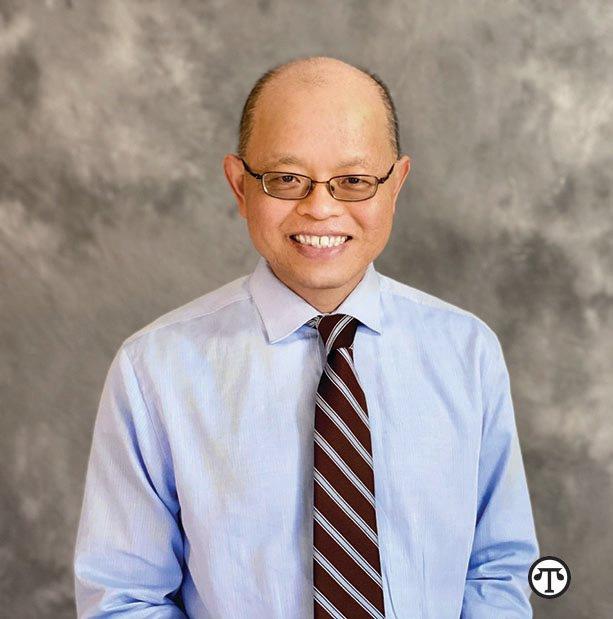
According to Dr. Shen, dermatologists in Australia, Europe, and the UK were using Imiquimod 5% Cream, sometimes with 5-Fluorouracil, to treat basal cell and squamous cell carcinoma.
He was inspired to add Tretinoin 0.1% Cream to the combination to peel off the top layer of skin so the other ingredients could signal the body’s immune response to attack the cancerous and precancerous skin cells.
Researchers have found “The Shen Cocktail” to have a 99% cure rate in people with basal and squamous cell carcinoma of the skin less than 2cm in width, another reason it’s important to get the disease dealt with as soon as possible.
Learn More
To treat as many people as possible and keep costs of treatment low, The Shen Cocktail is not trademarked or patented. To learn further facts, see videos or read academic papers about the treatment and to find out whether you may be eligible for the Shen Cocktail, go to www.shendermatology.com or call Shen Dermatology at (951) 526-2044. -(NAPSI)
Health City Sun Page 7 (505) 242-3010
You
November 18, 2022 Call 505 242-3010 Today and Order Your Subscription to The Health City Sun
How to Make the Most of Your Money During Inflation
Financial inflation, whether you have experienced it before or this is your first time, can seem frightening, and the rapid rise in prices of gas, groceries and consumer goods in the past year threatens to throw off the bestplanned budgets.

The inflation currently affecting the United States and elsewhere is caused by many factors, including government stimulus, increased consumer demand, COVID-19 and supply chain issues.
Although you may feel that inflation is spiraling your personal finances out of control, keep in mind that this period will pass. You can weather the storm with some smart money management strategies.
The first rule of surviving inflation is not to panic, says Joseph Kelly, a CERTIFIED FINANCIAL PLANNERTM professional. In fact, the best strategy to combat inflation is to focus on financial basics. “Know what you’re spending your money on, have a long-term investment plan and consider ways to reduce your debt,” he explains.
Try these tips to make the most of your money during tight times:
• Spend less. It seems obvious, but small savings add up. Some easy ways to get more money back in your budget include seeking less- expensive options for internet and phone service, as well as for homeowners and car insurance. Cut gym memberships, and look for free exercise classes online,
at least for now. Look for deals on groceries, and choose store brands or generics. If you drive to work, ask for more opportunities to work from home, or consider public transportation or carpooling.
• Earn more. Depending on the nature of your job, the current environment of remote work makes it possible for many people to add a side business, such as freelance consulting in your area of expertise, or selling things on eBay, Craigslist, Etsy or other online venues. Other options include seasonal or part-time inperson work. Choose somewhere you like to shop, and you may get an employee discount, too.
• Curb debt. Don’t let inflation lure you into the trap of putting more on credit cards. Instead, try to reduce your debt by consolidating any current credit card debt on one card; this can reduce your overall interest rate while you make payments. Other debtreduction strategies include paying the card with the highest interest rate first, or the account with the smallest balance first.
No matter what strategies you use to save money, remember that periods of inflation are temporary. A CERTIFIED FINANCIAL PLANNERTM professional can provide additional guidance and help you stay on track with your short-term and long-term financial goals.
Visit LetsMakeAPlan.org for more information. -(NewsUSA)

Annual Subscription is $24 Editorial, Legal, & Advertising (505) 242-3010 FAX (505) 842-5464 Email: Legal@HealthCitySun.com
The Health City Sun (USPS 238-620) is published weekly by TJPress Publishing LLC, d/b/a Health City Sun, 6300 Montano NW Ste. G3,2nd floor, Albuquerque, NM 87120. Copyright © 2012. Reproduction of any kind without the permission of the publisher is prohibited. Annual sunscription is $24. Periodicals postage paid atAlbuquerque, NM 87101-9651. POSTMASTER: Send address changes to Health City Sun, P.O. Box 67560, Albuquerque, NM 87193
Health City Sun PO Box 67560 Albuquerque, NM 87193 www.HealthCitySun.com
Health City Sun The Establishedin1929 Publisher David Rivord
Notice Rates 68¢ / line for first week 52¢ / line for additional weeks for all private companies
New Mexico’s Legal & Financial Weekly Health City Sun Page 8 (505) 242-3010 COMMENTARY Subscription Form Name: Bus. Name: Address: City/St/Zip: Phone: Email: Amount: (1Yr-$24)
Form & Check
www.healthcitysun.com
Submit
To:
The Established
in 1929 Health City Sun
November 18, 2022