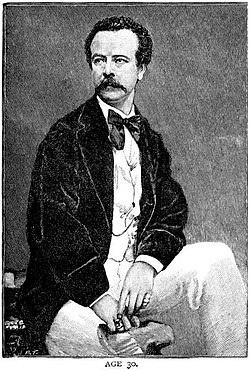
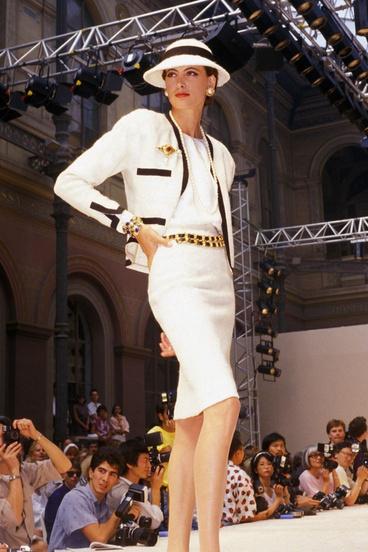
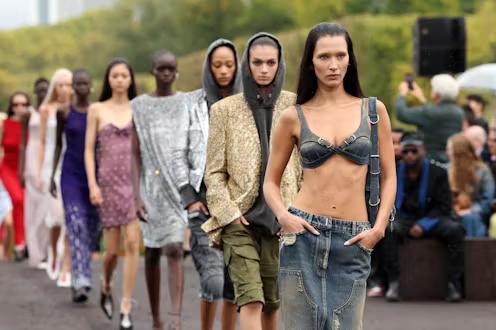
Fashion as we know it began in the 19th century with Charles Frederick Worth, the "Father of Haute Couture." Worth revolutionized the industry by sewing labels into garments, establishing the concept of designer fashion.
FABRICS THROUGH THE AGES
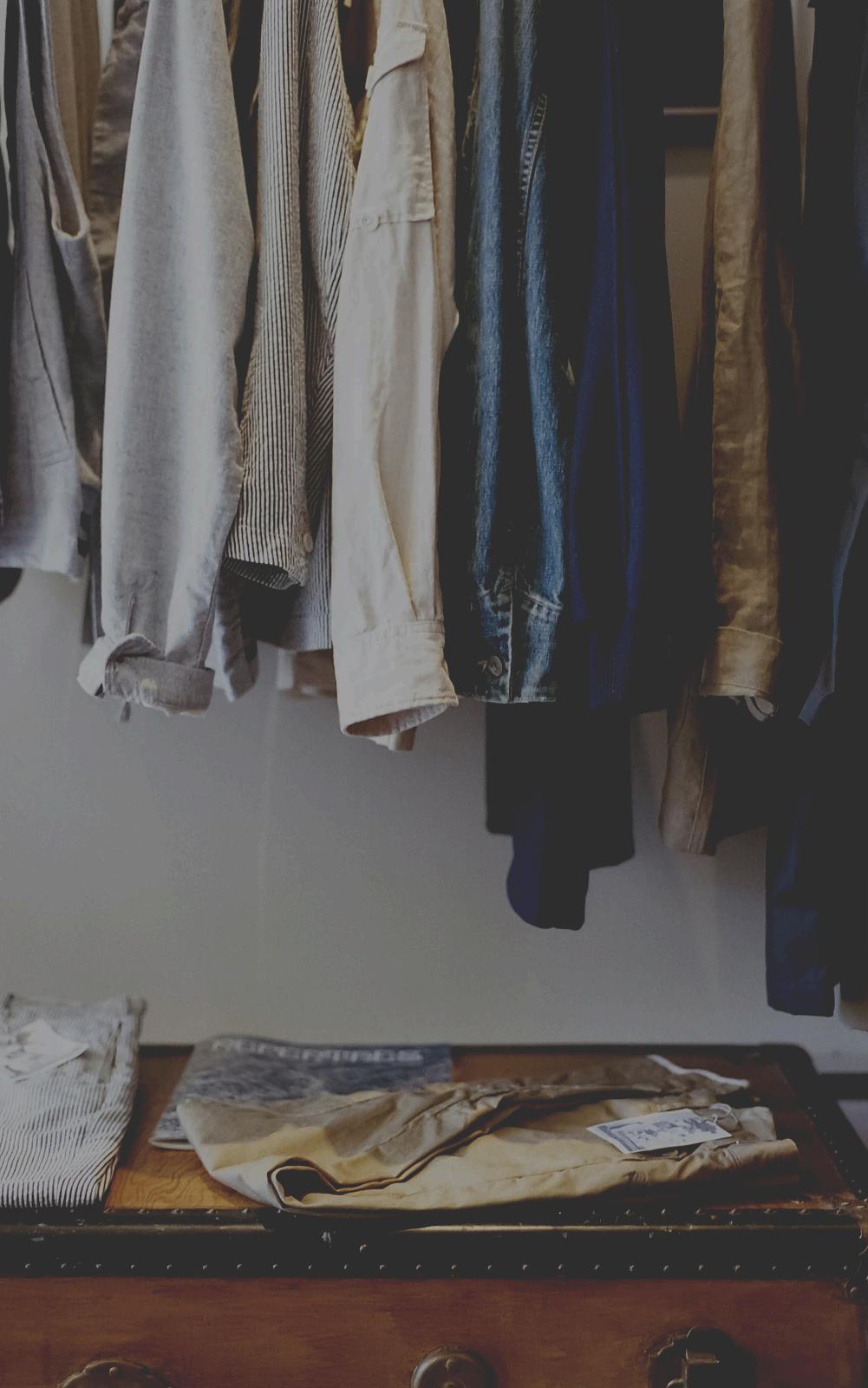
19th Century:
Source: Historical Fabric Store
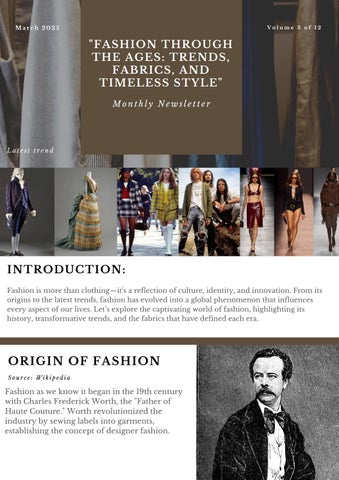
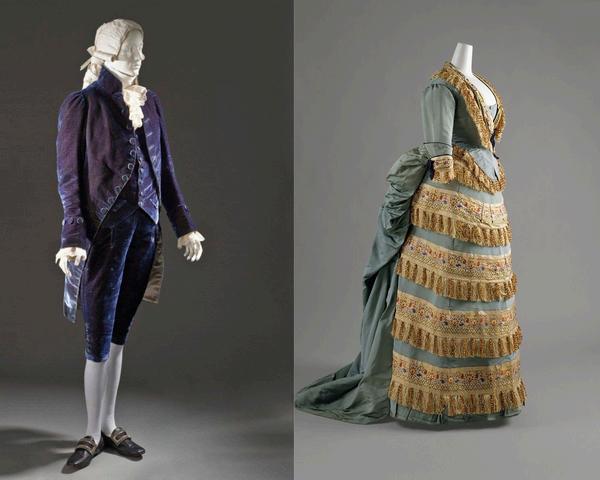
Fabrics like cotton, wool, and linen dominated this era, reflecting the influence of the Industrial Revolution. Silk was a luxury reserved for the elite, while muslin and calico were popular for everyday wear.
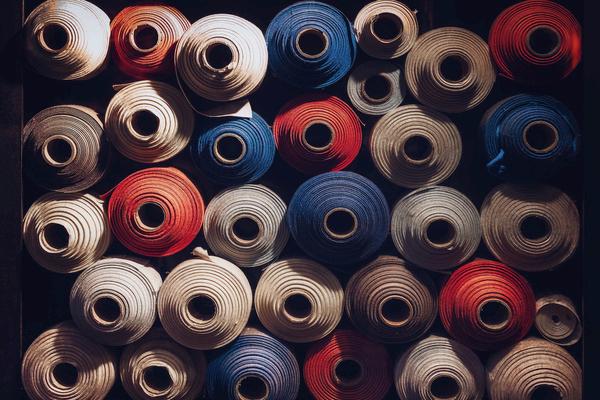
20th Century
Source: The pretty planeteer.com
AThe early 1900s saw the rise of synthetic fabrics like rayon and nylon, offering affordability and versatility. Wool remained a staple for colder climates, while silk continued to symbolize elegance. The midcentury introduced polyester, revolutionizing fashion with its durability and wrinkle resistance
Fabrics weave the stories of our lives, turning threads into timeless expressions of art and identity.
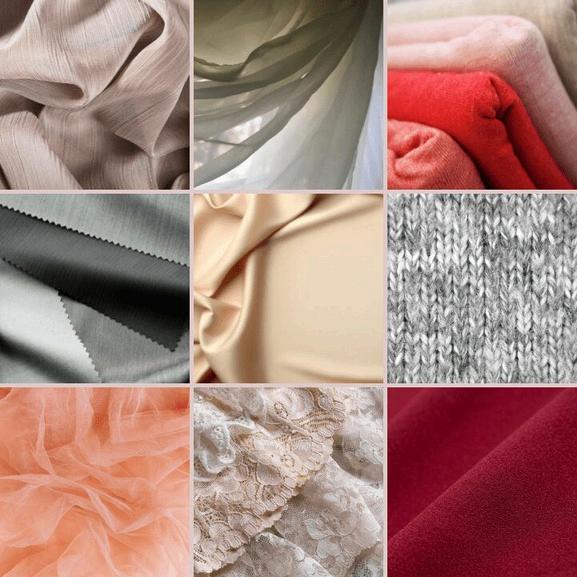
21st Century:
Source: The pretty planeteer.com
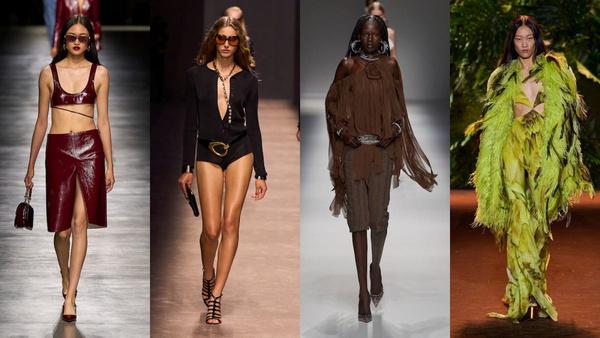
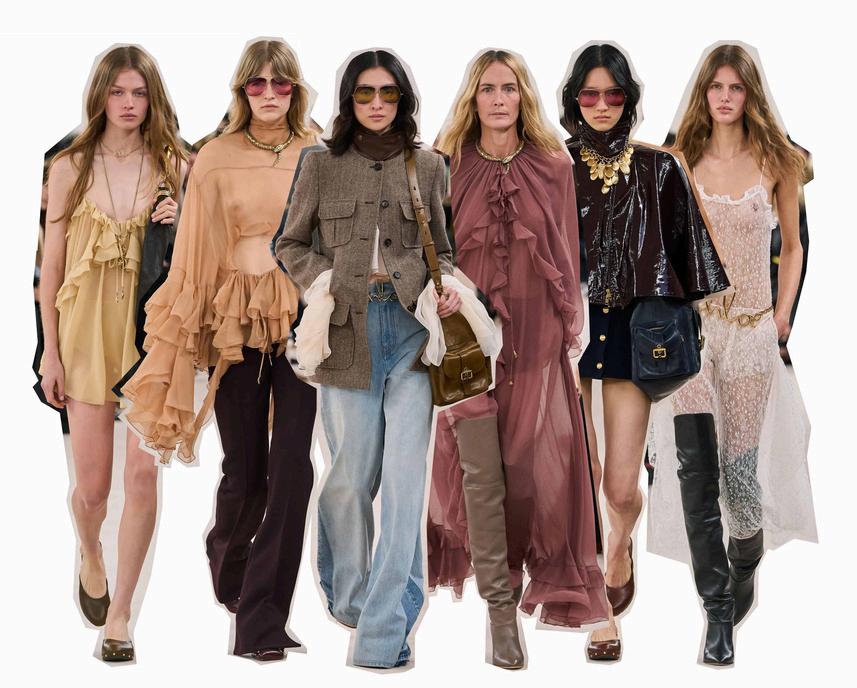
Modern fashion embraces sustainability, with fabrics like organic cotton, recycled polyester, and bamboo gaining popularity. Innovations like moisture-wicking materials and eco-friendly textiles reflect the industry's commitment to environmental consciousness.
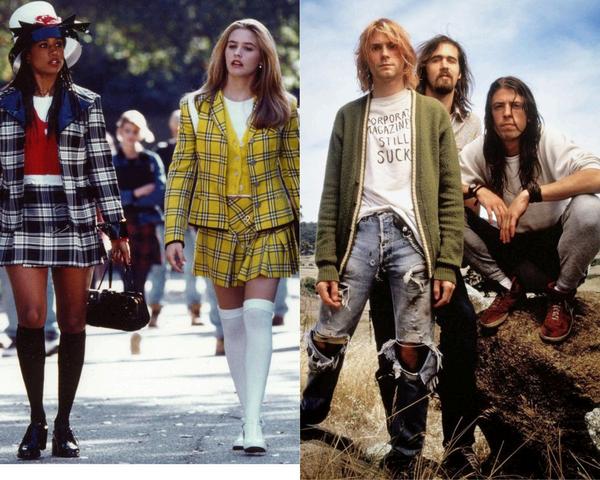
The '60s brought us bold mod styles, the '70s celebrated free-spirited bohemian looks, the '80s exploded with vibrant and rebellious trends, and the '90s embraced laid-back grunge. Every decade is a testament to the power of fashion as a mirror reflecting societal changes, technology, and creativity.
PROS AND CONS OF FASHION
Source: Vogue, Fashion History Timeline, 2010 fashion trends Pros: Encourages creativity, individuality, and selfexpression.
Drives economic innovation and growth globally Bridges cultures, promoting diversity and connection.
Cons:
Fast fashion contributes to environmental challenges and waste