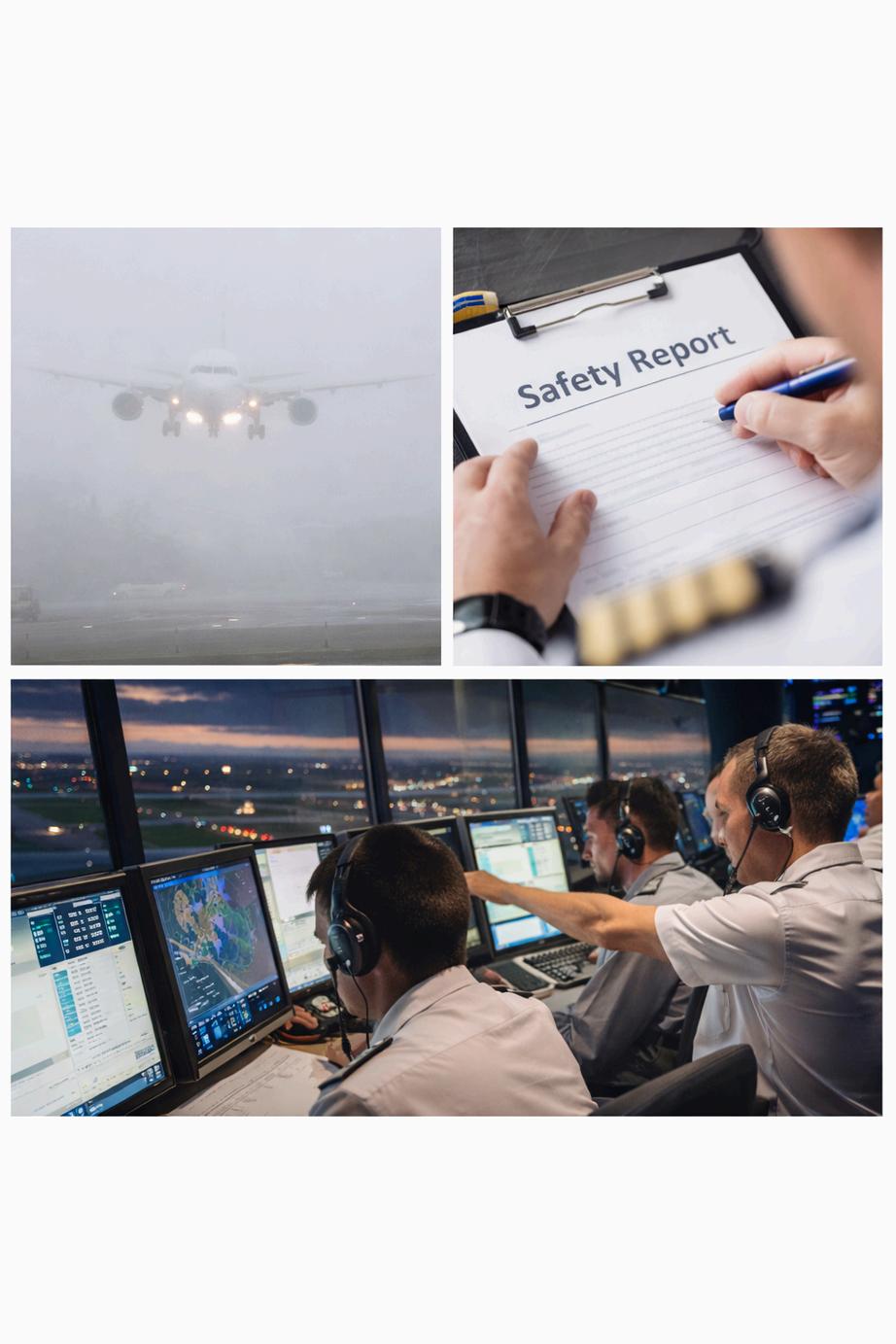
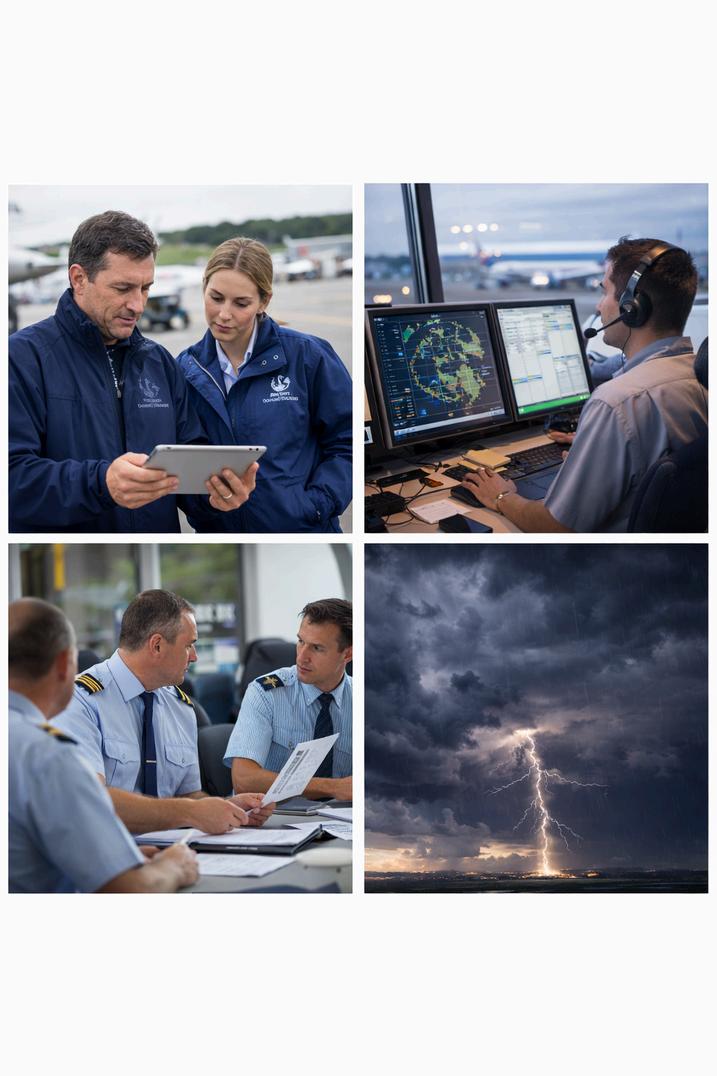
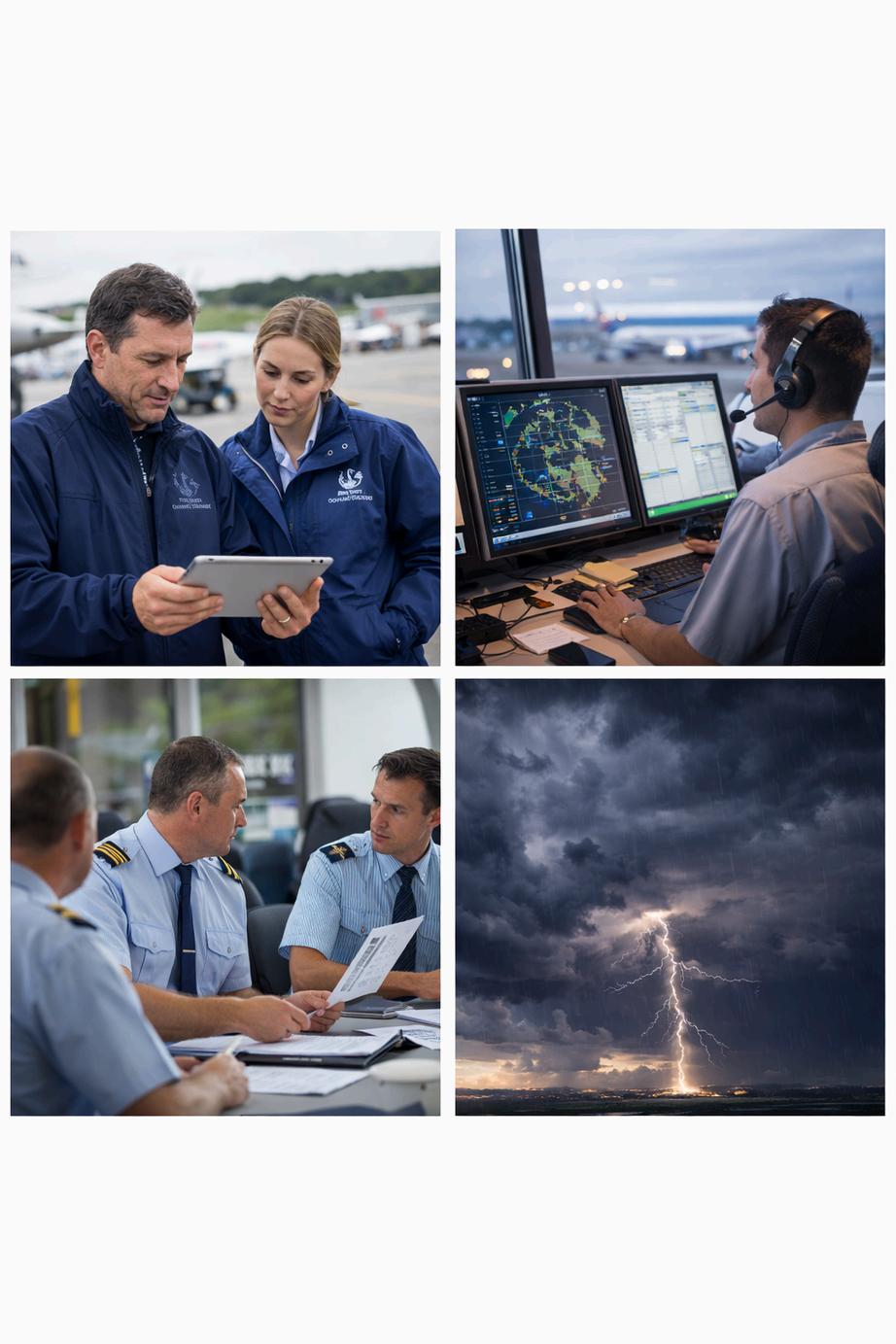
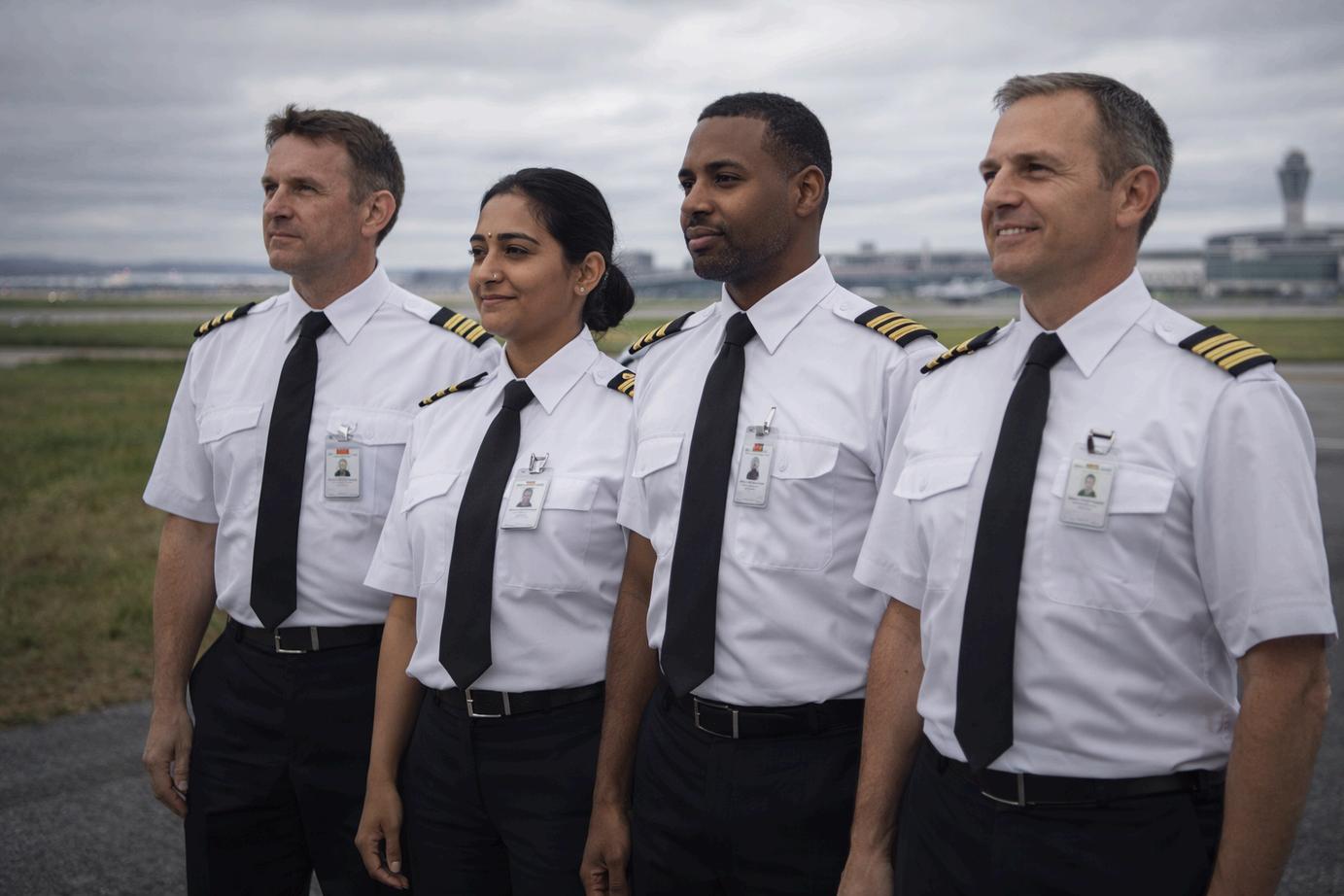
Recent industry trends continue to highlight the importance of proactive decision-making and adherence to operational standards
Key focus areas this quarter include:
Increased emphasis on stabilized approach compliance
Rising concerns regarding pilot fatigue in high-tempo operations
Ongoing importance of clear communication at uncontrolled aerodromes
Transport Canada continues reinforcing the role of Safety Management Systems (SMS) in identifying and mitigating operational risks before incidents occur
Operational takeaway:
Safety issues are rarely new they are repeating patterns that require awareness and action
Recent findings from the Transportation Safety Board (TSB) highlight recurring contributing factors in commercial aviation incidents:
Unstable approaches and runway excursions
Continuation bias (“get-there-itis”)
Weather-related decision-making errors
NAV CANADA continues to emphasize: Improved NOTAM awareness
Clear communication in mixed traffic environments
Why it matters:
Understanding these trends allows pilots to anticipate risks and make safer decisions in real-time operations
Unstable approaches remain a leading risk
→ If unstable: GO AROUND No hesitation
Fatigue is increasing with seasonal workload
→ Monitor yourself speak up early
Thunderstorms & wind shear risks rising
→ Maintain 20 NM separation minimum
Increased traffic at uncontrolled aerodromes
→ Clear comms + aggressive visual scanning
SMS only works if pilots participate → Report hazards That’s how accidents are prevented
This safety newsletter provides an overview of current operational risks, industry trends, and best practices relevant to pilots operating in CAR’s 703 environments. This edition focuses on proactive safety management, seasonal flying hazards, and lessons learned from recent aviation incidents.
The goal is to reinforce a strong safety culture by promoting awareness, communication, and disciplined decision-making in all phases of flight.
I N D U S T R Y S A F E T Y N E W S & O P E R A T I O N A L U P D
StrengtheningSafetyCulture ThroughSMS
ra Transport Canada continues to emphasize the importance of Safety Management Systems (SMS) across commercial aviation operations Operators are expected to actively identify hazards, assess risks, and implement mitigation strategies before incidents occur.
A strong safety culture relies on open communication, consistent reporting, and proactive decisionmaking at all operational levels
Recent findings from the Transportation Safety Board (TSB) highlight recurring safety concerns in commercial operations, including unstable approaches, weather-related decision-making, and loss of control during critical phases of flight
These trends reinforce the need for strong situational awareness and disciplined adherence to standard operating procedures.
SafetyInsight
Most
SAFETY MANAGEMENT SYSTEMS (SMS) OVERVIEW
HazardReporting& RiskManagement
Hazard reporting is one of the most important components of SMS. Examples of reportable hazards include:
Runway contamination
Aircraft defects
ATC communication issues
Fatigue or workload concerns
Once reported, hazards are assessed based on likelihood and severity, allowing organizations to implement effective mitigation strategies.
If hazards are not reported, they cannot be managed.
s a structured o identify hazards, s before incidents ach responding m focused on
This process allows organizations to detect patterns and address risks before they escalate into serious incidents
For example, repeated reports of unstable approaches at a specific airport may lead to revised procedures, improved training, or operational limitations
3 Implementation of Controls
4 Ongoing Monitoring and Improvement
This proactive system significantly reduces the likelihood of accidents
SEASONAL FLYING HAZARDS
EnvironmentalHazards: Wildlife&BirdActivity
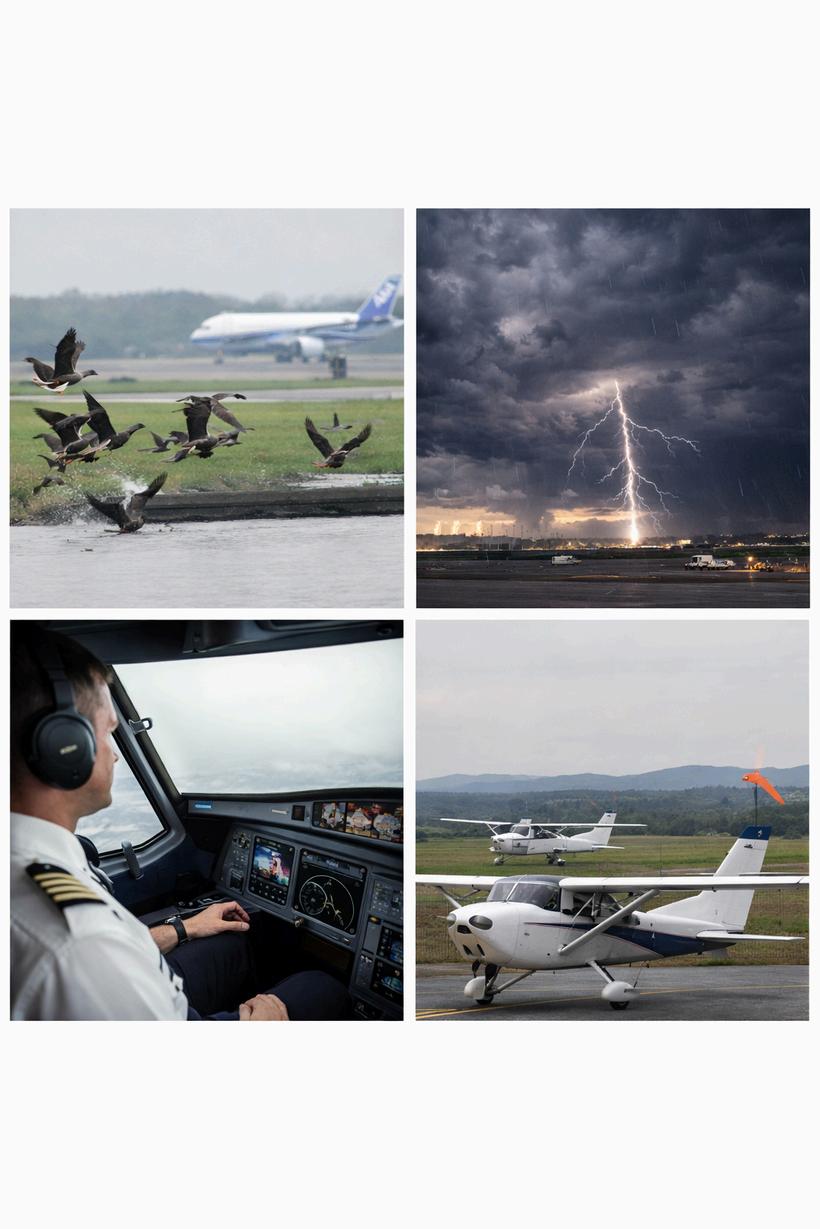
Spring and summer bring increased bird activity, particularly during migration periods Bird strikes are most common below 3000 ft AGL and can pose a serious risk to aircraft engines and flight control surfaces
Wildlife presence on runways is also more frequent, especially at uncontrolled aerodromes
Mitigation Strategies:
Use landing lights during climb and descent
Maintain vigilant visual scanning Conduct runway inspections when possible
WeatherHazards: Thunderstorms&WindShear
Convective weather activity increases significantly during the spring and summer months Thunderstorms can produce severe turbulence, lightning, hail, and strong wind shear, including dangerous microbursts
These conditions can rapidly destabilize an aircraft, particularly during approach and departure
Key Safety Practices:
Maintain a minimum of 20 NM separation from storm cells
Monitor weather radar and ATC updates
Execute a go-around if conditions deteriorate
VisibilityHazards: FogandRapidWeatherChanges
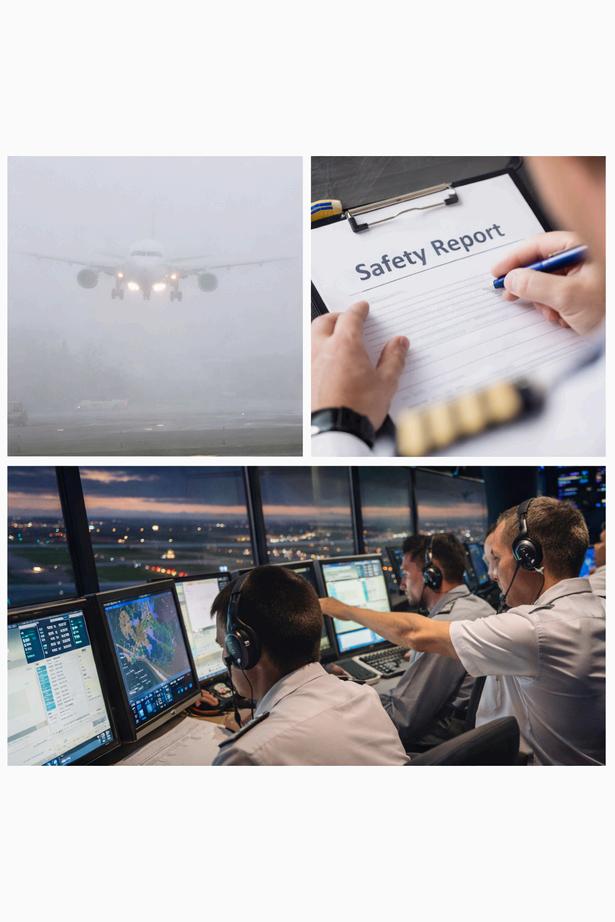
Seasonal temperature shifts can lead to sudden fog formation, especially during early morning or evening operations.
Reduced visibility increases workload and can lead to spatial disorientation if not managed properly
Mitigation:
Monitor METARs and TAF trends closely Plan alternates in advance Avoid pressing into deteriorating conditions
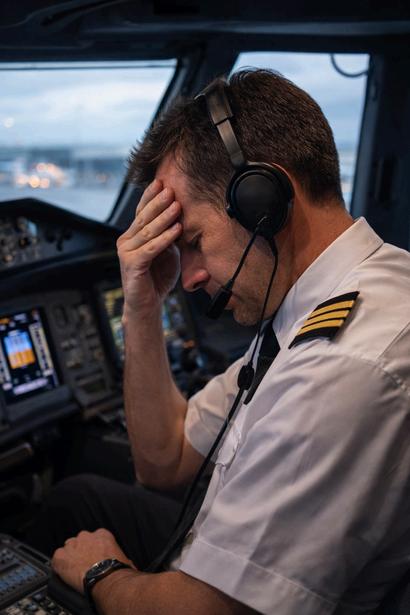
Longer daylight hours and increased operational tempo can lead to pilot fatigue Fatigue reduces reaction time, situational awareness, and decision-making ability
Recognizing fatigue early and prioritizing rest is essential for safe operations
ACCIDENT REVIEW & LESSONS LEARNED
CaseStudy:UnstableApproach& RunwayExcursion
A Canadian commercial aircraft conducting an approach encountered deteriorating weather conditions, including reduced visibility and gusting winds.
The aircraft became unstable during the final approach phase, exceeding stabilized approach criteria Despite this, the approach was continued rather than initiating a go-around
The aircraft touched down long and was unable to stop within the remaining runway distance, resulting in a runway excursion.
ContributingFactors
The investigation identified several key contributing factors:
Failure to adhere to the stabilized approach criteria
Continuation bias (“get-there-itis”)
Reduced situational awareness during final approach
External pressure to complete the flight
These factors combined to make a safe outcome increasingly unlikely as the approach continued.
1. Stabilized Approach Criteria Must Be Respected
An unstable approach must result in an immediate go-around Continuing an unstable approach significantly increases risk
2. Recognizing Continuation Bias
Pilots must remain aware of the tendency to continue a plan despite changing conditions
Recognizing this bias is key to breaking it
3. Importance of Situational Awareness
Continuous monitoring of aircraft performance, weather, and environment is essential, especially during high workload phases
4. Go-Around is a Safe Decision
A go-around is not a failure; it is a demonstration of sound judgment and professionalism
ApplicationtoOurOperations
TFor our 703 operations, these lessons directly apply to daily flight activities:
Strict adherence to stabilized approach criteria
Immediate execution of go-arounds when required
Maintaining strong situational awareness in changing conditions
Prioritizing safety over schedule or external pressures
Every unstable approach is a decision point — choose safety.
SafetyisBuiltBeforetheFlight
Safety is not the absence of incidents; it is the result of consistent, disciplined decision-making at every stage of flight operations
Every checklist followed, every hazard reported, and every go-around executed contributes to a stronger and safer operation
Pilots must remain proactive in identifying risks, maintaining situational awareness, and making decisions that prioritize safety above all else
Safety is built before the aircraft ever leaves the ground.
Most aviation incidents are not the result of unpredictable events, but rather the accumulation of small, identifiable risks
By recognizing patterns such as unstable approaches, fatigue, and deteriorating weather conditions, pilots can intervene early and prevent unsafe outcomes
A proactive mindset ensures that safety is not reactive, but continuously managed and improved
Your Role in Safety
Every pilot plays a critical role in maintaining a strong safety culture
Participation in Safety Management Systems (SMS), including hazard reporting and adherence to procedures, allows organizations to identify risks and implement effective solutions
Open communication, professionalism, and accountability are essential to ensuring that safety remains the highest priority in all operations.