
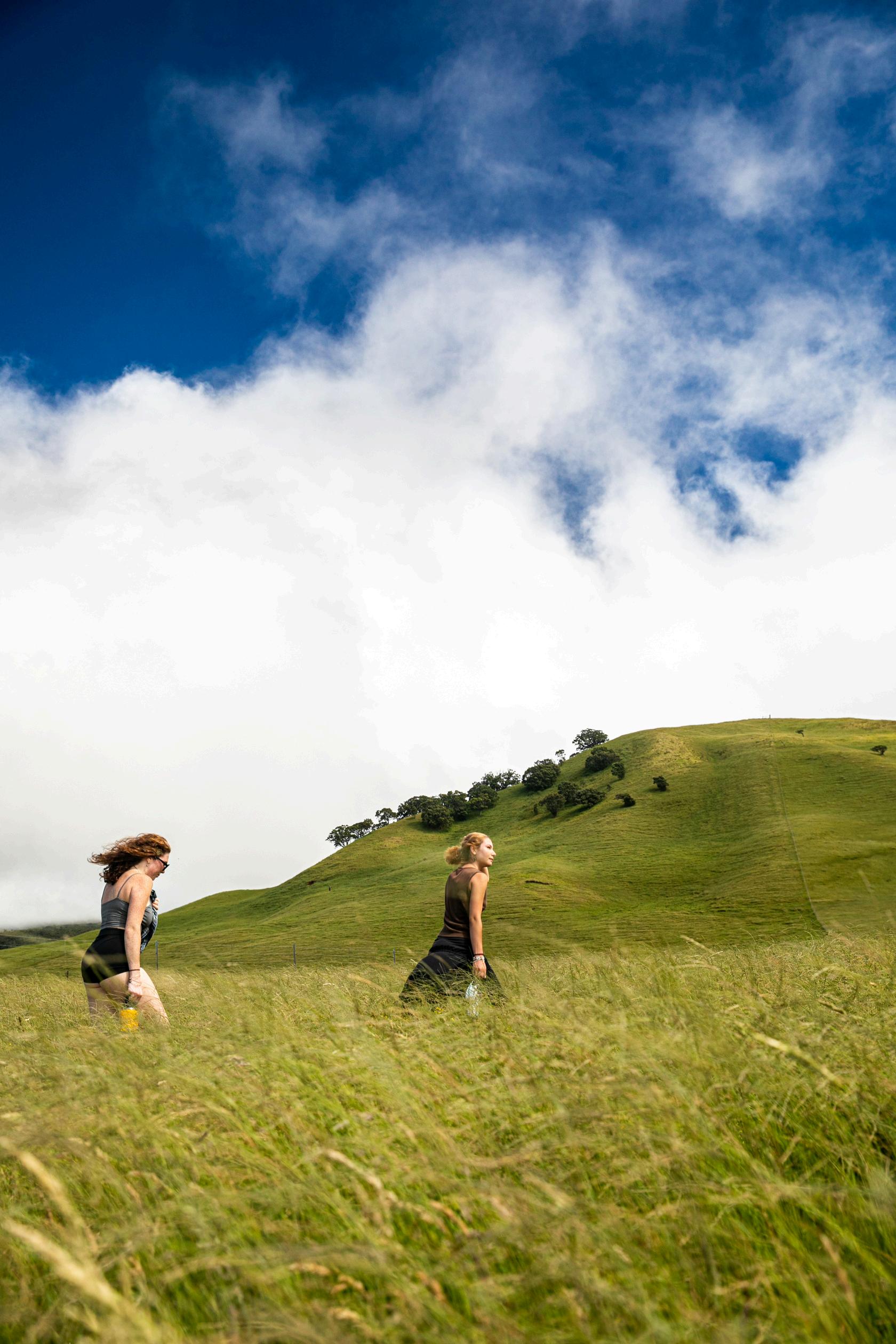
Our work is shaped by three priorities. They honor this place, bring us together, and carry our responsibility forward.
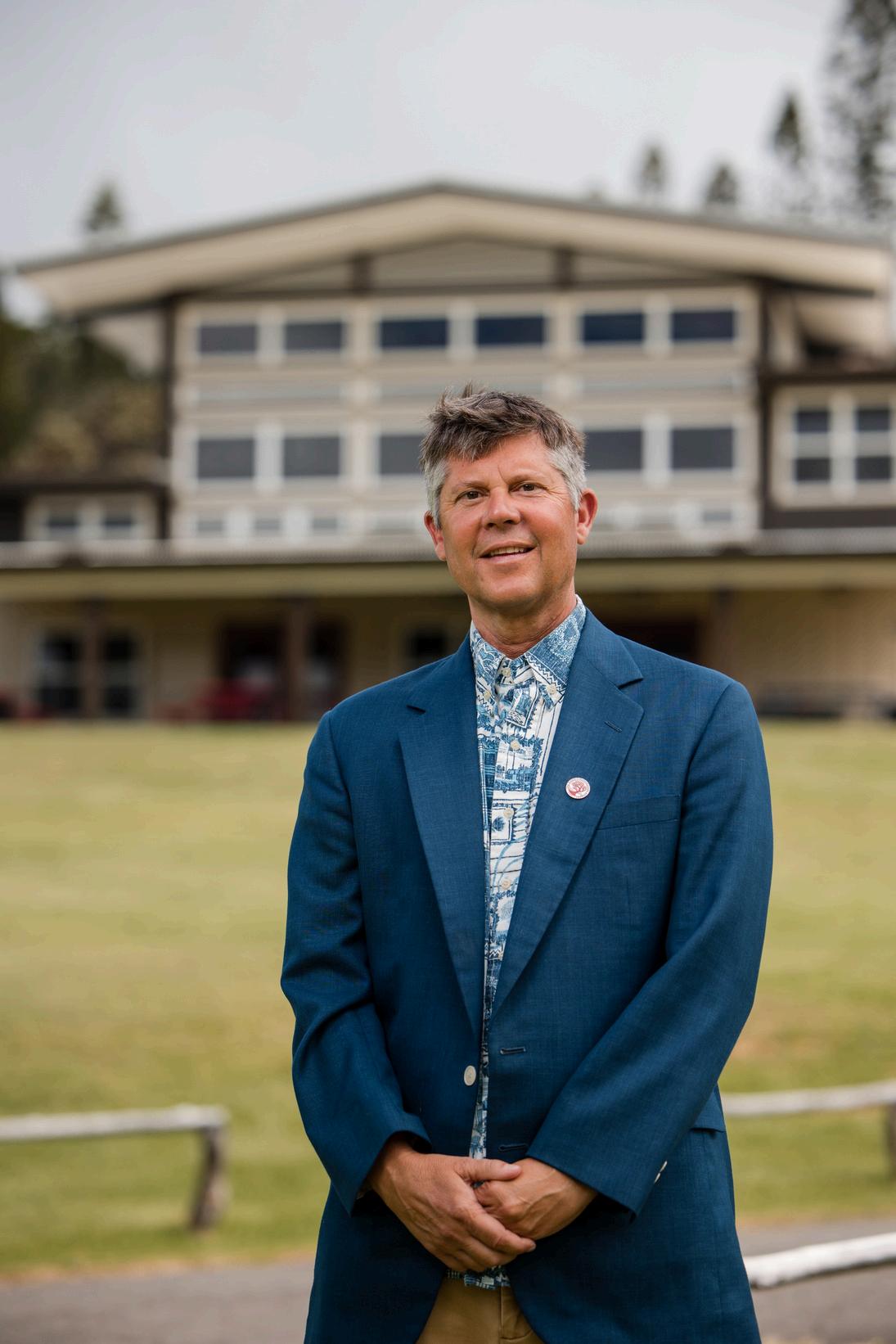
Strategic plans are, by their nature, full of aspirational statements and enumerated priorities At Hawaiʻi Preparatory Academy, I can say with confidence that the words in our 2030 Strategic Plan are grounded in years of collaboration and documentation Our school community worked closely to consider what it means to live and learn sustainably, to build a campus community that will support our vision, and to prepare our students to navigate the world with confidence and aloha as they go forth to serve
This document is meant to focus our attention on the years immediately ahead of us, singling out our most urgent priorities. We know that truly great things can happen when we work within limits. The three priorities we have laid out include work that is quintessential to HPA, along with high ambition. These priorities honor this place, bring us together, and carry our responsibility forward This plan reflects what we believe we can achieve together and what we will commit to accomplishing as a community
Hawai‘i Preparatory Academy is much more than a school. It is a community shaped by shared purpose, by the people who choose to learn and work here together, and by this island’s living cultural and natural heritage. HPA inhabits lands that have long been cared for by Native Hawaiians, and our school has, from its beginnings, been a place built and sustained by settlers, immigrants, and Hawaiians alike. We are still here together today, more than 75 years on, striving to move forward together with care
The work ahead will ask for thoughtfulness, creativity, generosity, and partnership across the HPA community. Together, we can strengthen the foundations we have built, honor our responsibility to place and people, and meet the challenges and opportunities that lie ahead.
With l h

Fred Wawner Head of School
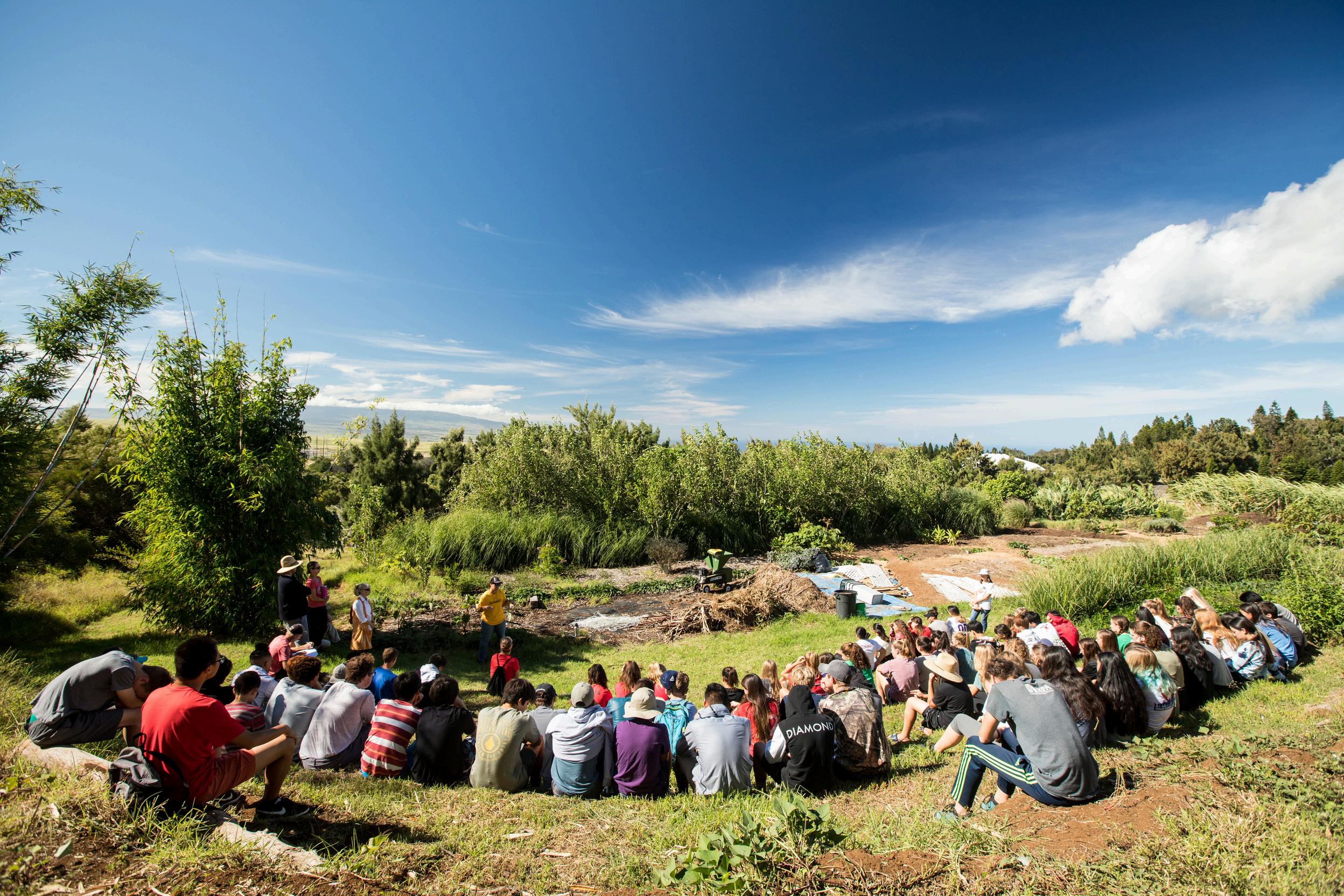
Hawai‘i Preparatory Academy is possible only on Hawai‘i Island Our mission is to provide exceptional learning opportunities in a diverse community honoring the traditions of Hawai‘i. Our home at the meeting point of landscapes, cultures, and ideas between wet and dry-land forests, mauka and makai shapes the life of our school. Students learn not only in classrooms but across a living campus and a remarkable island community, growing within a close-knit ‘ohana that values discovery, balance, and responsibility to one another and to the land
At HPA, students develop as independent and creative learners who confidently explore new ideas. They benefit from the extraordinary opportunities of learning on Hawai‘i Island, engaging thoughtfully and directly with the natural and cultural landscapes around them. They grow within a community rooted in curiosity, care for place, and respect for the knowledge and traditions of this special place
As we look to the future for us and for our students, we know the stakes are high. Climate change, geopolitical instability, and artificial intelligence present both urgent challenges and openings for new possibilities. We believe that no other school is better positioned to prepare students to successfully navigate this moment
Our 2030 Strategic Plan is grounded in HPAʻs Vision 2049, and focuses on three priorities that reflect enduring ideas at HPA: a clear horizon for student learning, a deep sense of home and belonging, and the intent to steward our resources wisely.
1.Learning from Hawai‘i Island: Deepening place-based and experiential learning while honoring the land, its ecosystems, and Indigenous knowledge systems.
2.One Campus Community: Strengthening connection, collaboration, and belonging across a unified K–12 campus.
3.Stewardship for the Future: Caring responsibly for the Academy’s land, resources, and long-term sustainability.
Together, these priorities will guide our work in the years ahead, reinforcing the foundations of the school while preparing students to meet the opportunities and responsibilities of the future
HPA will deepen its place-based approach to education, ensuring that every student engages in sustained inquiry and experiential learning throughout the K–12 journey, including engagement with Hawai‘i Island’s diverse landscape and Indigenous knowledge systems.
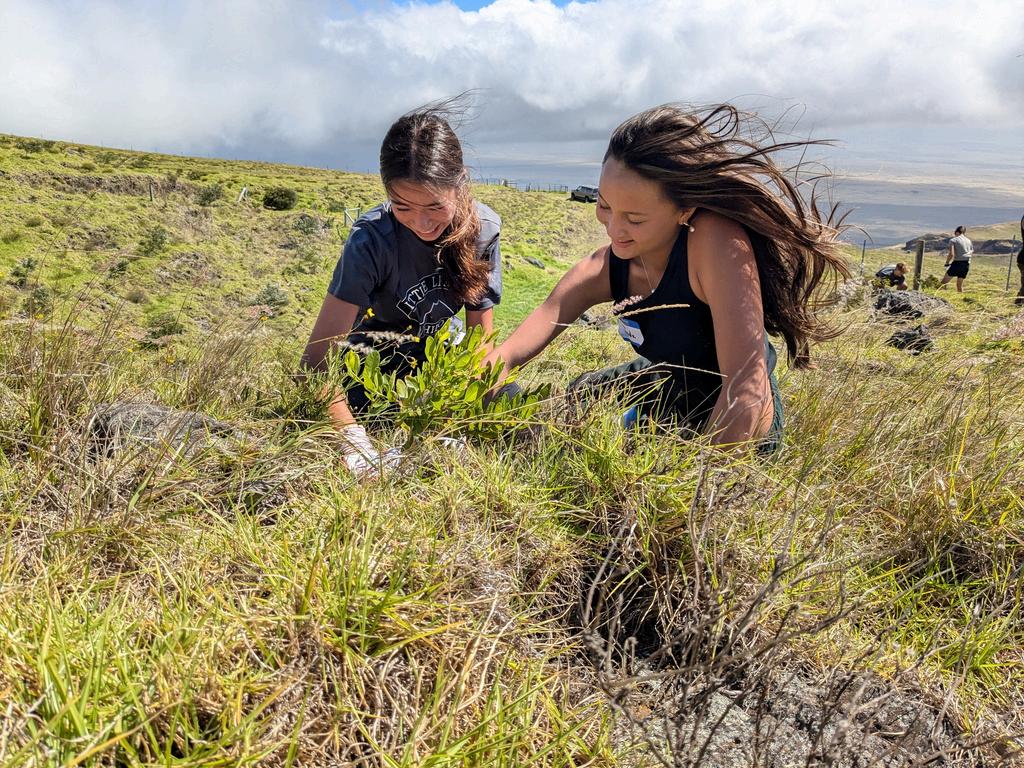
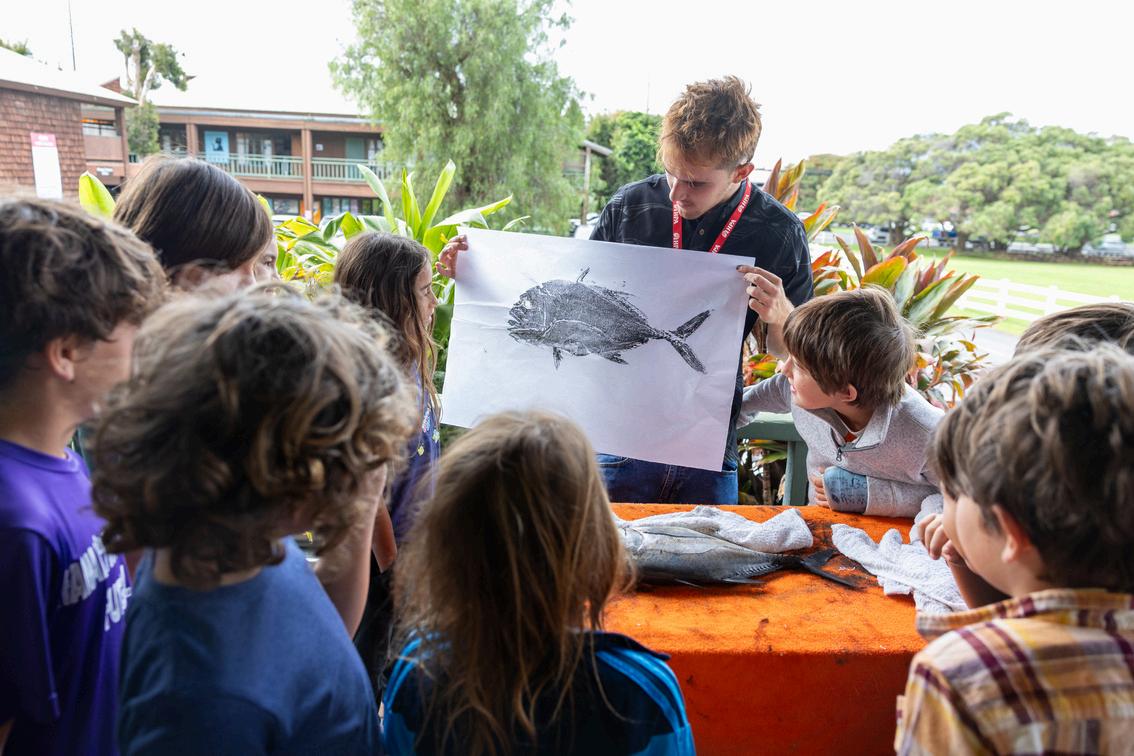
The landscapes, ecosystems, and cultural traditions of Hawai‘i Island offer daily opportunities to ask meaningful questions across our curriculum. Students learn not only in classrooms but also in rainforests, ranchlands, coastlines, and kalo fields connecting academic ideas to the living world around them.
Learning in this place also carries responsibility The lands and waters of Hawai‘i have long been shaped and cared for by Native Hawaiian communities, whose knowledge systems continue to guide sustainable relationships with the environment. Engaging thoughtfully with these landscapes invites students not only to explore and discover, but also to approach the island with humility, curiosity, and respect.
This tradition already shapes the school in important ways Capstone projects in grades 5, 8, and 12 invite students to pursue independent inquiry and present their work publicly, demonstrating their ability to investigate meaningful questions, design solutions, and communicate their ideas. Across the curriculum, the school’s commitment to mālama kaiāulu — care for our community of spirit,
land, and people provides a shared framework for sustainability and systems thinking.
Together, these experiences help students see learning not as an abstract exercise, but as a way to engage with real challenges facing communities here and around the world.
The opportunity now is to deepen and align this work across the full K–12 experience
Strategies Include:
Align place-based learning across the K–12 program, guiding how students build skills and experiences from the earliest grades through the grade 12 capstone.
Invest in faculty development and collaboration time so teachers can design interdisciplinary projects, field-based courses, and community-connected learning experiences.
Establish a shared understanding of HPA’s Portrait of a Graduate, ensuring that students, faculty, and families recognize what it means to graduate as a Confident Navigator.
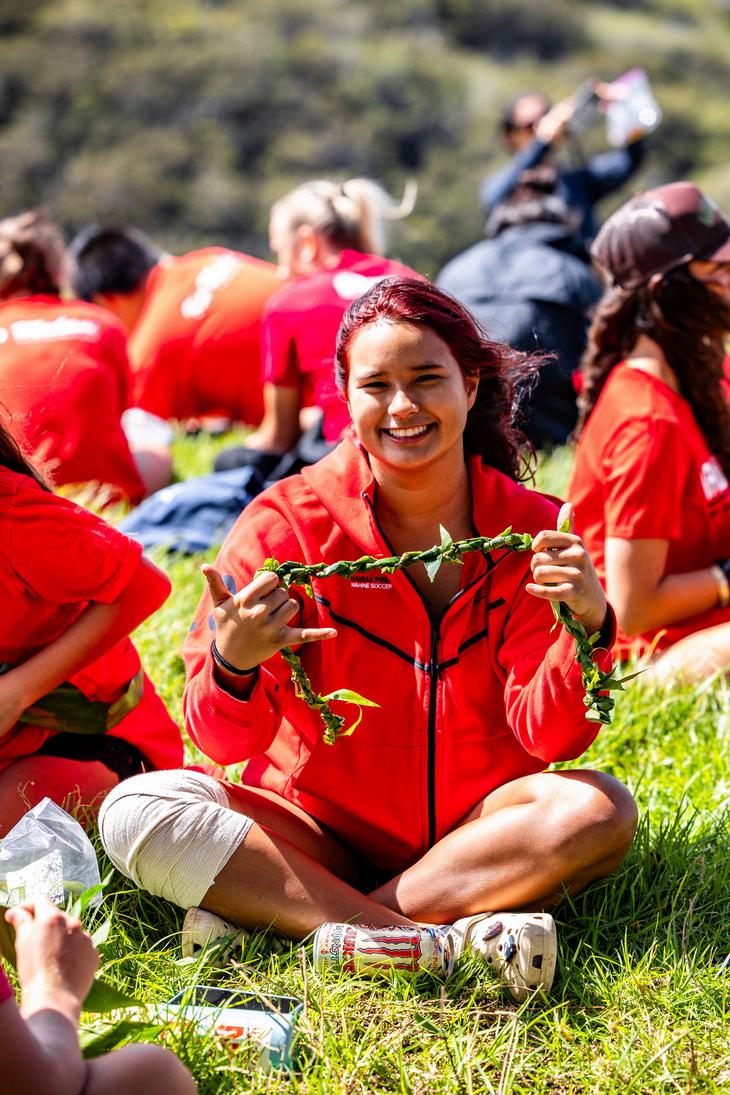
HPA will advance a comprehensive campus master plan that brings its learning communities together on a unified Upper Campus, strengthening connection, collaboration, and belonging across the school.
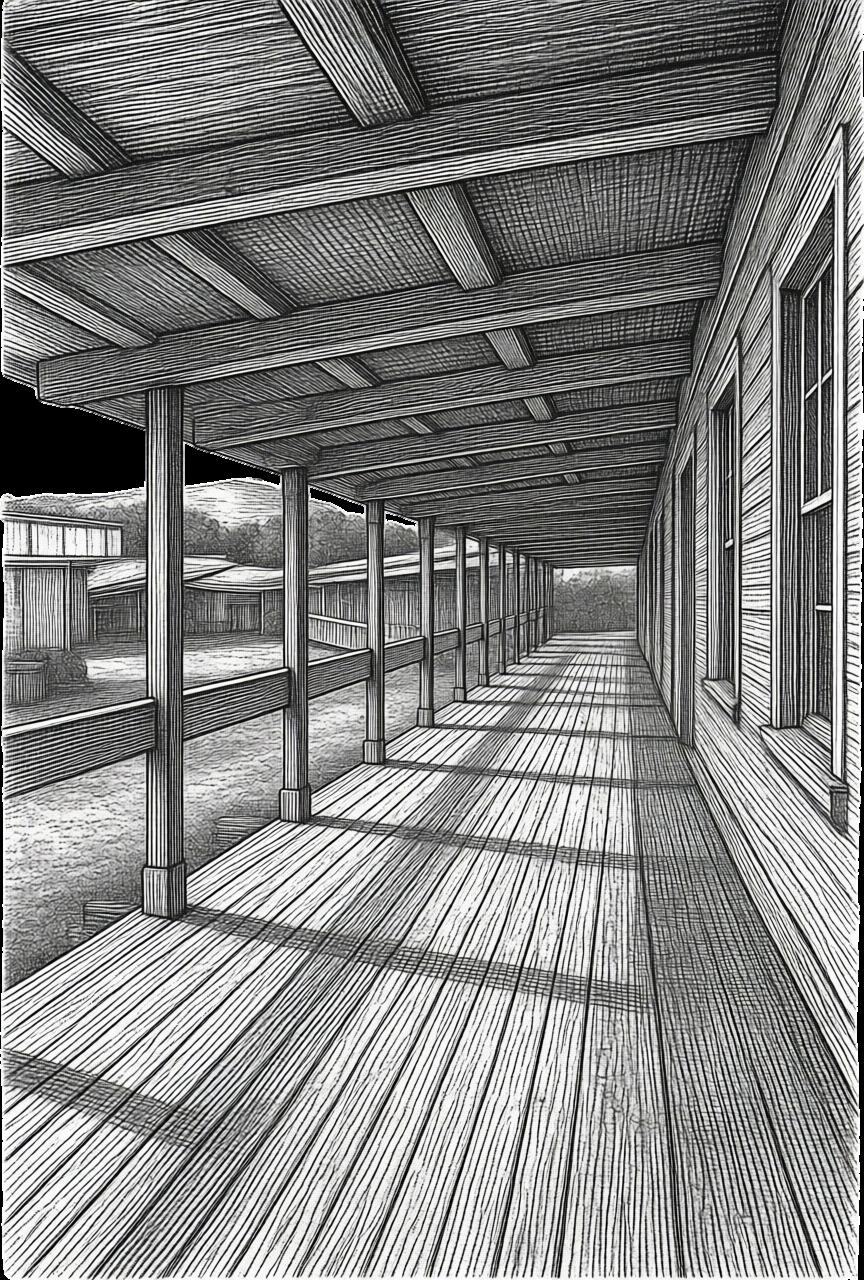
HPA’s original master planner, esteemed architect Vladimir Ossipoff, believed that good design begins with working thoughtfully within limits: the land itself, the climate, available materials, and the needs of the people who will inhabit the space. His vision for the Upper Campus placed buildings lightly within the landscape, allowing light and shadow, wind and rain to guide his design. This created a campus that feels both intentional and restrained, where architecture supports community without overwhelming the natural setting
This next chapter for HPA builds on that same philosophy. HPA will bring its learning communities more fully together, using space more deliberately and strengthening the relationships that define life at the school. A unified campus allows the Academy to design learning environments with greater clarity and purpose, ensuring that its physical spaces fully support the kind of education HPA seeks to provide A more unified campus also allows the Academy to use land, infrastructure, and resources more efficiently, reducing redundancy and strengthening long-term sustainability.
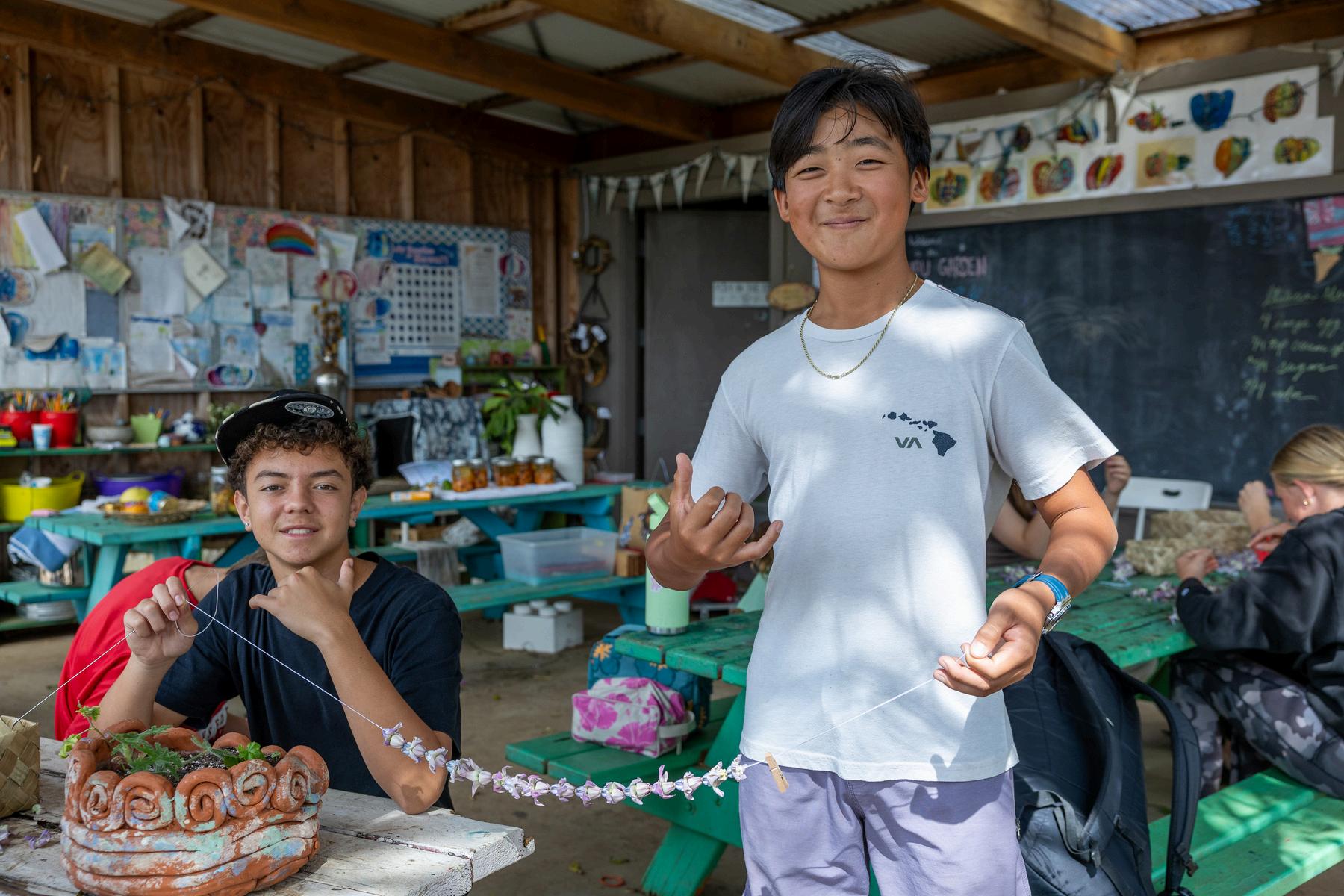
Bringing the Lower and Middle Schools together with the Upper School will create a more connected K–12 experience for students and faculty alike Younger students will see the pathways ahead of them not as distant stages, but as part of a continuous journey. Older students will find new opportunities to mentor, guide, and lead. Shared spaces will invite collaboration across grade levels and disciplines, reinforcing the sense that every member of the community belongs to something larger than a single division.
Over the past few years, the Academy has undertaken a comprehensive campus planning process to translate this vision into a clear and achievable path forward. Architectural studies, engineering analysis, and extensive site planning have examined how the Upper Campus can responsibly support a unified K–12 community while protecting the landscape and character of the place. The resulting master plan establishes a phased framework for infrastructure, facilities, and open space that will guide campus development for years to come
Strategies Include:
Inspire the investment needed to implement the first phase of the campus master plan, engaging champions and philanthropic partners who believe in a unified K–12 HPA.
Create the infrastructure required to support a larger academic community on the Upper Campus, including utilities, circulation, and site preparation.
Begin the phased relocation of K–8 programs to the Upper Campus, creating the foundation for a fully unified campus community.
HPA will strengthen its commitment to environmental and institutional sustainability, ensuring that the school cares responsibly for its land, resources, and long-term financial health.
Environmental stewardship has always been central to life at Hawai‘i Preparatory Academy Our extraordinary campus setting is not simply a backdrop for education; it is part of the learning itself.
At the same time, sustainability must extend beyond environmental practices to include the long-term health of the institution. Schools today face rising costs, evolving educational expectations, and increasing demands on facilities and infrastructure Meeting these challenges requires careful planning, investment, and disciplined stewardship of resources.
HPA’s commitment to sustainability therefore includes not only how the school manages energy, land, and materials, but also how it strengthens the financial and operational foundations that support its mission
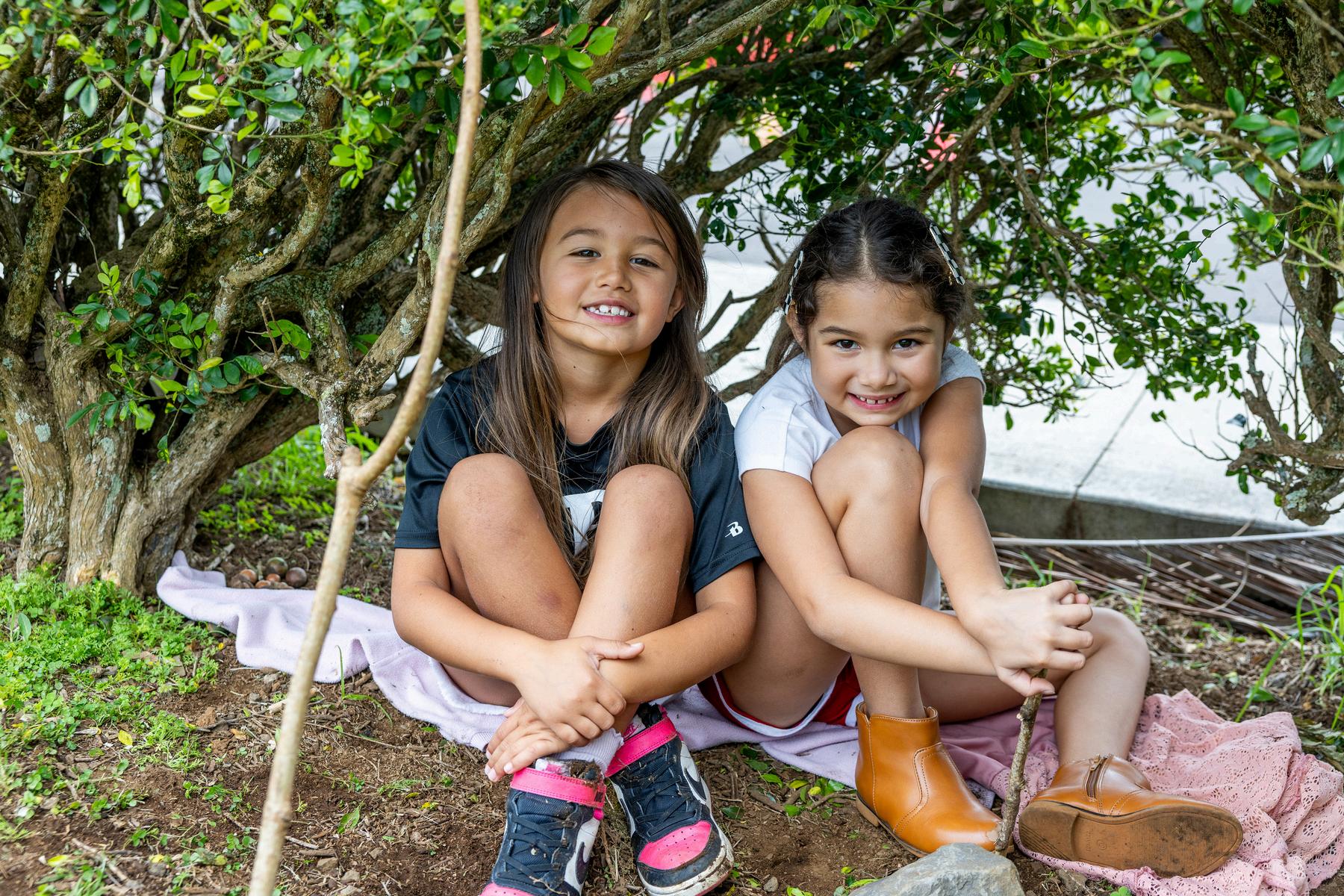
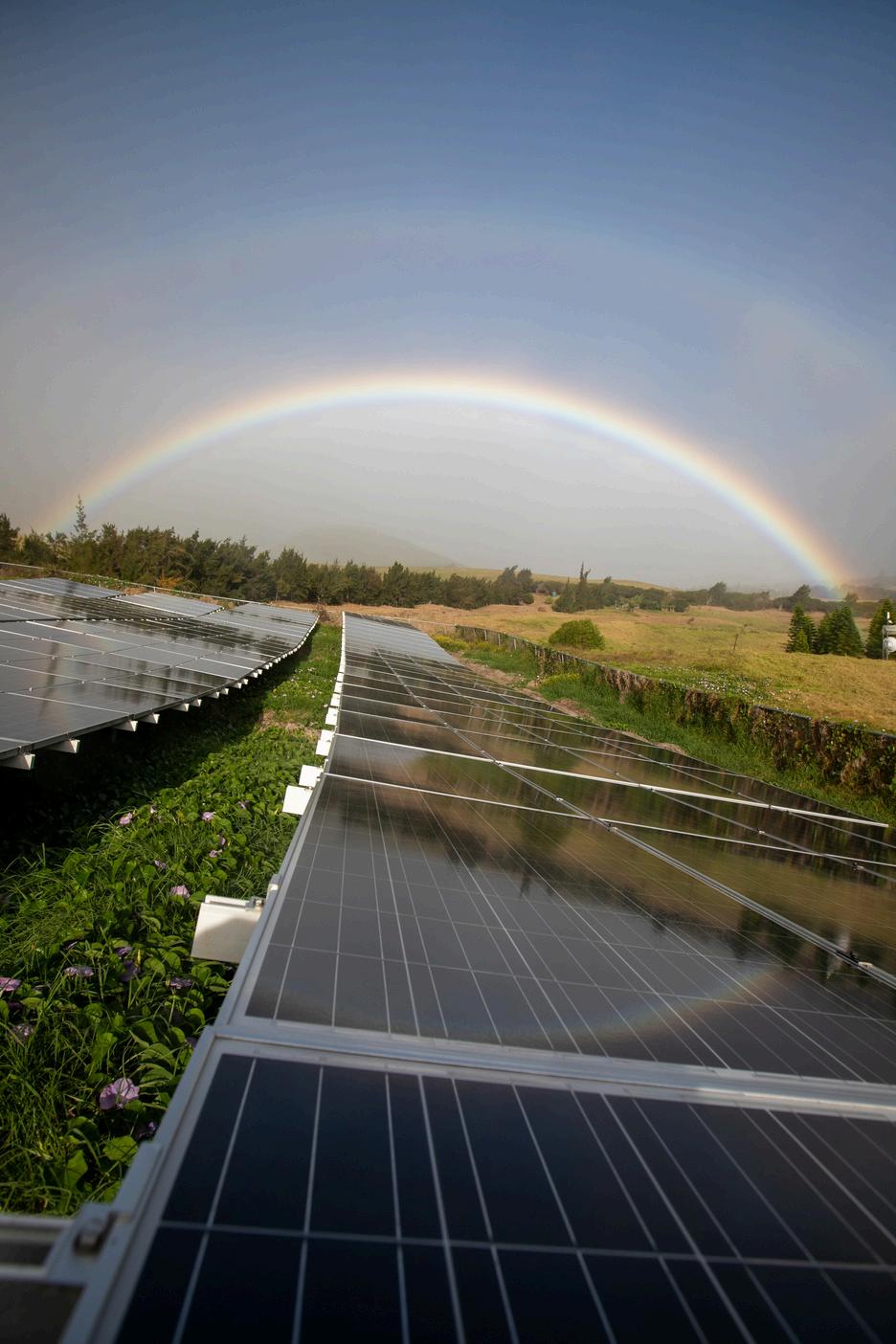
The strategies that follow represent work already deeply embedded in the life of the school. They appear here not because they are new, but because they are essential Environmental sustainability, access through financial aid, and long-term financial stewardship are commitments that must remain central to our identity and our future.
By continuing to strengthen these efforts, the Academy prepares students not only to understand the challenges facing the world, but also to participate in building solutions
Strategies Include:
Continue to implement the HPA Sustainability Plan, advancing campus goals for energy, water, waste, and land stewardship while tracking progress through established sustainability metrics.
Continue HPA’s commitment to access through financial aid, ensuring that talented students from across Hawai‘i and beyond can be part of the school community.
Continue to strengthen long-term financial planning and operational efficiency to ensure the Academy can sustain its programs and facilities for future generations of students.
Many of the aspirations described here require partnership across the broader HPA community. The realization of a unified campus, continued investment in student learning, and long-term stewardship of the Academy’s land and facilities depend on the continued engagement and generosity of alumni, families, and friends who believe in the school’s future.
As this next chapter unfolds, the Academy invites its extended ‘ohana to remain connected to the life of the school. Visit campus. Attend performances, games, and community gatherings Stay in touch with classmates and teachers Support students and programs in ways that are meaningful to you
HPA endures through the people who care for it. From the youngest students beginning their journeys to the many generations of alumni who carry the school’s spirit into the world, each member of this community helps shape the next chapter
Mahalo for the role you play in that shared future.