
by Edwin Quinabo
The proposed arrangement between Hawaii Medical Service Association (state’s largest insurance provider) and Hawai’i Pacific Health (major health care system) is being framed by both organizations as a partnership under a new entity, One Health Hawai’i, and not a typical merger.
With One Health Hawai’i poised to control 70% of the state’s insurance market, some health policy observers are worried the
Dr. Arcy Imasa, a practicing physician in a physician’s group, echoed a similar concern. “I am not confident that patient care, equity, and access are truly at the top of the mission for this merger. I worry that increased consolidation of payer and provider power could further limit patient choice, make it harder to get approvals
decision-making power of One Health Hawai’i could limit patient choice and squeeze out independent providers over time.
Rainier Dennis D. Bautista, MD, DABFM, FAAFP, independent physician practitioner and a part of a physicians group practice said, “The most pressing concern is patient choice. Even if the system remains nominally ‘open,’ patients will naturally gravitate toward the path of least
for needed services, and ultimately reduce access to care especially for the most vulnerable patients I serve,” she said.
HMSA President Dr. Mark Mugiishi sought to alleviate some of these concerns, saying, “At HMSA, we know we pay onethird of our dollars to Queen’s, one-third of our dollars to inde-

resistance — and in an integrated system, that path leads inward. Over time, independent providers and community-based practices may find themselves at a structural disadvantage, not because anyone in-
pendent providers, and one-third of our dollars to Hawai‘i Pacific Health,” he said.
“There is no universe in the world that where we can say, ‘Well, we’ll just take two-thirds of them and not have them anymore.’ We need all of them. We need 100% of the providers to come along. We want our members to be able to see the doctor of their choice, to go to the facility of their choice.”
HMSA plans will remain “open access” and keep a broad provider network; patients can typically pick any in-network primary care doctor/specialist and sometimes go out-of-network (usually at
tended to squeeze them out, but because the incentives quietly point in that direction. In Hawai’i, where access is already fragile in many communities, that drift could cause real problems.”
higher cost or with more limits).
However, healthcare observers say in a tightly integrated HMSA–HPH system, the easiest referrals, scheduling, records-sharing, and approvals tend to work best inside the integrated network. Even without an explicit rule banning outside doctors, that convenience can steer patients toward One Health Hawai’i doctors and facilities — effectively shrinking choice over time.
Critics of the merger also say even with a more cost-effective integrated system – less duplicated admin work, better coordination, tighter networks, shared
Hawai’i’s health care system is straining under rising costs, administrative complexity, and worsening physician shortages. The situation has been exacerbated with the effects of the ACA premium credit expiration and the federal passage of the One Big Beautiful Bill which has caused significant cutbacks on Medicaid. Health care affordability is a pressing and urgent issue for Hawaii residents as many will have no choice but to go uninsured because of rising costs. Against that backdrop, the proposed arrangement between the Hawaii Medical Service Association (HMSA) and Hawai’i Pacific Health —packaged as a partnership under a new entity, One Health Hawai’i — presents itself as a needed redesign, not a traditional merg-
er. The proposed One Health Hawai’i aims to reduce costs in healthcare delivery, which is admirable and potentially proactive, to shake up the status quo that’s simply not working for the average income-earner.
But when a single structure is positioned to have immense – almost monopolistic influence-- the bar for public trust must be far higher than reassuring language and ambitious projections. This is where regulators overlooking the proposed consolidation must carefully assess and project with precise modeling what would be the realistic outcomes under this new system.
Supporters argue integration could cut duplicative billing and paperwork, coordinate care more seamlessly, and save up to $2 billion over the next de-
cade—resources they say would be reinvested in urgent needs.
Those goals are certainly worth pursuing. Yet in health care, efficiency gains do not automatically translate into lower premiums, copays, or faster access (as data shows) unless savings-sharing is explicit, measurable, and enforceable. This is where the hand of government – not overly intrusive but looking after the best interests of the public – must be a robust enforcer.
Otherwise, “system reform” as proposed in this case, can become a one-way ratchet: greater consolidation with uncertain benefits for families already struggling to afford care.
Regulators should pay special attention to how Medicaid/Medicare and the uninsured would be affected by the proposed new “open” system, “open” network.
The central worry to the general public is that the design of affordability and cost-savings will not trickle down to patients. These corporations and regulators must understand the intense struggle Hawaii residents are facing to pay for healthcare. And they should be ensuring that cost-savings actually do trickle down to patients-consumers.
Even with “open access” plans, integrated systems tend to make referrals, scheduling, records-sharing, and approvals easiest inside their own walls, as some critics of the integration are saying. Independent physicians warn that patients will follow “the path of least resistance,” and over time that drift can structurally disadvantage community practices—especially in a state where access is already fragile on neighbor islands and in rural areas. If convenience becomes de facto steering, choice shrinks even without a formal rule change.
That risk extends beyond
private practices. Queen’s Health Systems has warned that if commercially insured patients are nudged toward a preferred HMSA–HPH network, Queen’s could be left carrying a heavier share of Medicaid, Medicare, uninsured, and high-acuity “safety net” services—trauma and behavioral health among them— without the commercial revenue that helps keep those programs viable.
Integration without accountability is just market power in a new wrapper—and market power reroutes patients and revenue.
If regulators approve One Health Hawai’i, they should do so only with binding guardrails that protect patients and the broader provider ecosystem. That means clear, audited commitments against steering and discrimination; network adequacy requirements that keep independent and rural clinicians viable; parity in prior-authorization rules so “insiders” and “outsiders” are not subjected to two standards; transparency on administrative savings; and an independent oversight mechanism with real enforcement and penalties.
Hawai’i does need change. Ask local residents and they will tell you how dissatisfied, even enraged, about the high cost of healthcare. But the state cannot trade existing challenges for monopoly logic, unless it makes sense and benefits the public and not just corporations.
One Health Hawai’i may be capable of real transformation—if it is built to lift the whole system. Until the public can see enforceable protection, transparency, and accountability that matches the scale of this massive consolidation, skepticism is not obstructionism. It is being smart and cautious.
data/records, etc – it doesn’t automatically mean lower premiums or copays. Savings can be kept within the system unless there are binding commitments, some experts say.
Queen’s Health Systems opposes the proposed partnership. Its President Jason Chang explained that if HPH becomes HMSA’s preferred network, it could push away those commercial patients. Queen’s system serves a disproportionate share of vulnerable residents, including patients on Medicaid and Medicare and those who are uninsured. If an HMSA–HPH combined entity steers more privately insured patients into its own network -for example through “preferred” benefits like lower cost-sharing or fewer authorization hurdles -Queen’s could be left with a higher share of Medicaid/Medicare/ uninsured patients and less commercial revenue to support those services.
Chang elaborates, “If 5% of our commercial business were to shift, it’s approximately $50 million of impact,” he said. “Think about these core services and these critical services. Critical services are those safety net services like behavioral health care and trauma. If you can’t support some of those programs, I think hard decisions have to be made.”
HMA President Dr. Nadine Tenn Salle, said “increased consolidation pressures on independent and rural practices that may unintentionally be the straw that breaks the camel’s back for many private practices in our rural communities or neighbor islands, which will expand what are already existing health care deserts.”
The consolidation is currently under review by the U.S. Department of Justice, the Hawaii Attorney General, the Insurance Commissioner and State Health Planning and Development Agency.
Regulators will be looking at financial information and do modeling to try to predict what the outcomes might be and whether there could be harm to patients or employers in the form of anti-competitive high prices or unfair practices such as steering patients to a preferred provider group or health system, said Ja-
mie Godwin, a senior analyst on hospital costs at KFF, a nonpartisan health policy research, polling and news organization,
State Senator Joy San Buenaventura, chair of the Senate committee on Health and Human Services, describes the proposed integration and the State Legislature’s current position. “The legislature is not in a position at this time to approve or disapprove of the vertical integration. It is not a merger because the entire company is not swallowed into another company like that of Hawaiian/Alaska and all other legal mergers. The integration was described to us as a consolidation of the administrative aspects--specifically billing between the provider HPHA (Straub-Kapiolani Children’s hospital, etc) and the insurer HMSA and other duplicative billing practices.
Mugiishi and HPH President Ray Vara point to double digit increases in the cost of providing healthcare in Hawaii, exacerbated by federal cuts to Medicaid and Affordable Care Act premiums. It’s under these conditions that changes need to be made, they say. Their plan would streamline care and cut administrative costs, potentially saving as much as $2 billion over the next decade. They also said they would reinvest any savings to tackle systemwide problems, including physician shortages and rising demand for behavioral health services.
“Without change, those pressures will only increase, so I would argue that danger to safety net procedures and provider mix and all of that are far more concerning in the current status quo than they would be in an integrated model,” Vara told lawmakers.
With premiums and out-ofpocket expenses rising, advocates argue that a shakeup that promises simpler approvals and less paperwork could benefit patients and physicians alike.
Sen. San Buenaventura is also concerned about rising healthcare costs. “The biggest consideration which no one seems to be talking about is the huge financial strain on the current health industry and the health insurance industry in particular. The combined effects of the ACA premium credit expiration and the federal passage of the One
Big Beautiful Bill which has caused significant cutbacks on Medicaid is projected to cause a 6-8% disenrollment – which means a huge number of medically uninsured. The largest projected medically uninsured since the 1990’s when the state initiated a State Health Insurance Plan. The less subscribers in health plans, the more pressure it is to cut costs as premium increases are highly regulated.
“All 4 of the Medicaid insurance companies are under financial stress as a result: One is closing its doors, the other sought a grant from the state to stay afloat, a third – United healthcare – had cut costs to the point of having a desperate subscriber assassinating its CEO – and the 4th, HMSA is seeking to integrate with HPHA.. The benefit is that its 2 local companies who want to stay in Hawaii instead of a mainland company like Blue Cross/Blue shield merging with HMSA,” Sen. San Buenaventura said.
Lori, 54, last name withheld, Kapolei “My main concern is that an HMSA-HPH would have a huge market share of the local healthcare industry which could make healthcare more expensive for patients as we see in other industries with high concentration. Call it two independent subsidiaries under one entity, an integration, consolidation, or whatever, it still looks to be a monopolization.
“I agree that reform is necessary because healthcare cost is out of control. HMSA-HPH deserves credit for seeking ways to cut costs. But state and federal regulators and lawmakers must really examine this new model thoroughly and look after the best interests of patients first and foremost before giving their approval. Reduced competition can lead to higher costs and less services,” said Lori.
Sen. San Buenaventura said, “Concerns as to whether Queens or non-HPHA members will be treated differently are valid. I do not see rising costs as being valid because premiums are regulated. The fear is if this is not successful, will HMSA be merged into a mainland company and HPHA be merged into a mainland company like Banner (such merger was fought earlier when Hilo Medical Center was proposed at one time decades ago to be merged into Banner because of employee/staff
issues) – and local insurers will be out; or will the State be required to step in to prop up HPHA or HMSA – Since the state has only HHSC as its model, which model has cost the state millions of tax payer dollars every year as the state hospitals operate at a loss; the state has not proven to be a financially successful model to prop up either company. Although we can regulate premiums, we cannot regulate all aspects of costs for the healthcare industry,” Sen. San Buenaventura said.
A few physicians opposed to the merger have chosen not to go on record. Some acknowledge rising healthcare costs, federal support shrinking and agree with the intention of structural reform. But they still have concerns.
“In my experience as a practicing physician in a physician’s group, I receive denials on services with some regularity: denials of visits, of patients’ essential medications, and of referrals and work-up tests that I believe are clinically necessary. After attending many meetings about the proposed HMSA HPH merger, the details of the proposal remain vague to me, and I am still not convinced that this consolidation will resolve these problems or improve the care I am able to provide to my patients. From what has been presented, it seems that a key driver of the merger is that HMSA has not been meeting its target profit margins in recent years, and this merger is the strategy that has been put forward to address that,” Dr. Imasa said.
“Based on my direct clinical experience with denials and the information shared so far about the merger, I do not support the proposed HMSA HPH merger. I am concerned that, rather than solving existing problems, it may worsen them in terms of access, timeliness, and affordability of care for my patients,” she adds.
Dr. Bautista said, “The need for change is real. But on the evidence available, I am not yet in a position to support this arrangement — and the historical record gives significant cause for concern.
There is also the risk of administrative harm — consequences
that arise when care decisions are made far from the bedside and applied at scale. A single misaligned policy, in a system covering hundreds of thousands of people becomes a public health crisis.
“The organizations behind One Health Hawai’i should provide transparent commitments and enforceable structures that would make support possible,” he said. “On its face, the goals sound worthwhile. But good intentions are not the same as reliable outcomes — and the track record here warrants caution before extending the benefit of the doubt.”
Dr. Bautista said, “start with prior authorization. The administrative burden on physicians is real and well-documented. Research from the University of Hawa’i John A. Burns School of Medicine found that physicians and their staff spend roughly 20 hours per week on prior authorizations alone — time taken directly from patients. But during last year’s legislative session, when the Legislature considered pri-
or authorization reform, HMSA testified that proposed changes were ‘premature’ — pointing to approaching federal regulations while defending prior authorization as something that ‘help[s] to keep health care premiums affordable’ and supports ‘the long-term sustainability of Hawaii’s overall healthcare system.’ That testimony was only a year ago. This partnership does not erase the institutional instincts behind it.”
Dr. Bautista adds, “The second concern is structural. If prior authorization requirements are relaxed for patients within One Health Hawai’i while remaining entrenched for those outside it, the system will effectively operate on two different standards — one for insiders, one for everyone else. Independent providers and their patients would bear a disproportionate administrative burden, not as a matter of policy, but as a consequence of market design. That is not reform. That is reorganizing who carries the weight.”
Cost savings are another flash
point. While efficiency gains are possible in theory, consolidation in healthcare markets nationally has produced mixed results, with savings often staying within health systems instead of flowing to consumers. Bautista said HMSA’s CEO has acknowledged that costs may not fall outright, but that the rate of increase could slow—an outcome that may still leave many families struggling in the near term.
“The details of implementation, oversight, and accountability have not been resolved. “One Health Hawai’i has described an opportunity to do something genuinely transformative — to lift independent practices rather than marginalize them, to extend administrative relief beyond its own network, and to measure success by outcomes across all of Hawai’i. Whether those commitments will be made binding, and who will enforce them, remains unclear to me,” said Dr. Bautista.
Critics of the proposed consolidation say they want to see specific, measurable, enforceable safeguards to hold One Health Hawaii to its promises. There are concerns over pricing power with little accountability, reduced competition leading to fewer choices for patients, potential for “cherry-picking patients, risk of worsening physician shortage, and more.
Advocates of One Health Hawai’i have cast the partnership as a chance to reshape the state’s health care system, saying it could strengthen community providers and focus on statewide outcomes rather than performance inside a single network. But critics say questions remain about how it would be implemented, what independent oversight would exist and who would enforce any commitments, leaving uncertainty over whether the integration would expand access across Hawai’i or mainly benefit patients within the new system.
by Valerie Tan,
Chronic Kidney Disease, or CKD, is a condition where the kidney function, defined by the estimated glomerular filtration rate (eGFR), falls less than 60 mL/ min/1.73 m² for three months or more.
The most common causes of kidney failure are diabetes mellitus and hypertension.
CKD is classified into five stages (CKD 1-5) based on the eGFR. Classification also includes the level of albuminuria and is classified into 3 stages (A1-A3).
CKD is a progressive disease state ultimately leading to the need for renal replacement therapy. CKD 5 is reached when the eGFR is less than 15 mL/min/1.73 m².
Patients at this stage are defined as having End Stage Kidney Disease (ESKD) or simply kidney failure, because at this stage, the kidney function is too low to maintain fluid and metabolic homeostasis.
ESKD is fatal without treatment. ESKD can be managed with renal replacement therapy, which includes dialysis such as hemodialysis or peritoneal dialysis and kidney transplantation.
In 2021, there were over 4,000 Hawaiians on dialysis, and as of 2025, this number has increased to about 7,000 Hawaii residents.
Dialysis is typically needed when almost 90% or more of kidney function is lost.
There is no definite level of eGFR that dictates when dialysis is needed, but dialysis should begin before life-threatening complications from kidney failure can occur. Generally, most patients will start dialysis when the eGFR is approximately 6-10 ml/min/m2.Dialysis is a medical procedure that involves the removal of solutes and excess fluid across a semipermeable
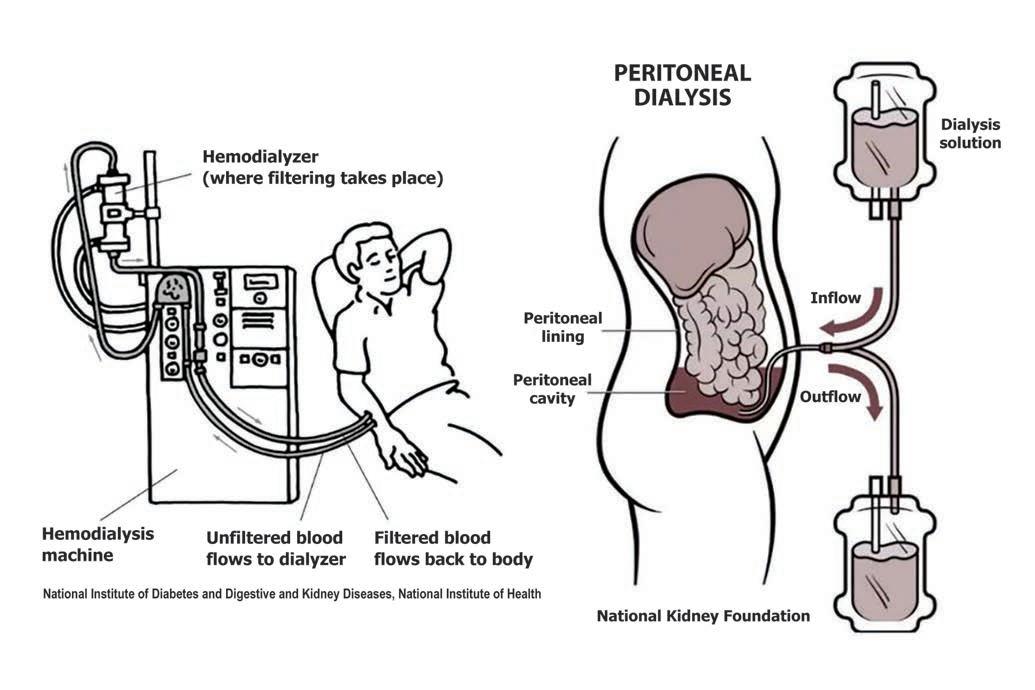
membrane that serves as a filter.
There are two main types of dialysis modalities, hemodialysis (hemo = blood), and peritoneal dialysis (peritoneal pertaining to the peritoneum, which is the lining of the abdomen).
Dialysis can be done at the dialysis center or at home (home therapy). Home therapy options include peritoneal dialysis and a home version of hemodialysis.
Hemodialysis is utilized by ~85% of patients who are on dialysis. During this process, a machine pumps blood out of the body, filters it via a dialyzer, and then returns the filtered blood to the patient.
A vascular access in the form of a dialysis fistula or graft, or in some cases, a central venous catheter, is needed in order to have access to the patient’s blood.
The majority of hemodialysis patients choose in-center hemodialysis, which is done three times a week for roughly 4 hours per session.
Home hemodialysis is a modified version involving more frequent but shorter treatments that allow for more schedule flexibility.
Peritoneal dialysis is a home therapy modality utilized by
roughly 13-14% of dialysis patients in the US.
During peritoneal dialysis, dialysis solution (dialysate) is instilled into the abdomen via a peritoneal dialysis catheter, dwells or stays in the abdomen for some time, and is then drained.
The filtering process happens during the dwell time, and the lining of the abdomen (peritoneum) acts as the filter that allows excess fluids and waste products to pass from the bloodstream into the dialysate.
This three-step process comprises the dialysis exchange and is repeated a number of times over a prescribed number of hours. Peritoneal dialysis can be done manually (CAPD) or with the use of a peritoneal dialysis machine (APD or CCPD).
Although the majority of patients with ESKD utilize in-center hemodialysis, home therapies like peritoneal dialysis and home hemodialysis provide some advantages, such as a more flexible treatment schedule, better fluid and metabolic control, flexibility to travel, and higher modality satisfaction.
The preferred treatment for ESKD is kidney transplantation. It is the process where the patient undergoes surgery and receives a donated kid-
ney from either a live donor or a deceased donor. Only one kidney is transplanted into the patient (recipient) as a single functioning kidney is enough to maintain fluid and metabolic homeostasis, and thus there is no further need for dialysis.
The kidney transplant evaluation process, however, is long and arduous, and wait times for an organ can be long, so most ESKD patients undergo some type of dialysis while undergoing evaluation or waiting for a kidney transplant.
Kidney transplant recipients, however, often experience a better quality of life and have a projected longer survival compared to those who remain on dialysis.
Choosing what type of renal replacement therapy to do is influenced by a lot of factors such as the patient’s overall condition and age, severity and stability of other comorbid medical conditions, availability or access to the different dialysis modalities and transplant centers, lifestyle, and personal, religious, or cultural beliefs. The decision of when to start and what type of modality to choose is a shared decision between the patient and the nephrologist.
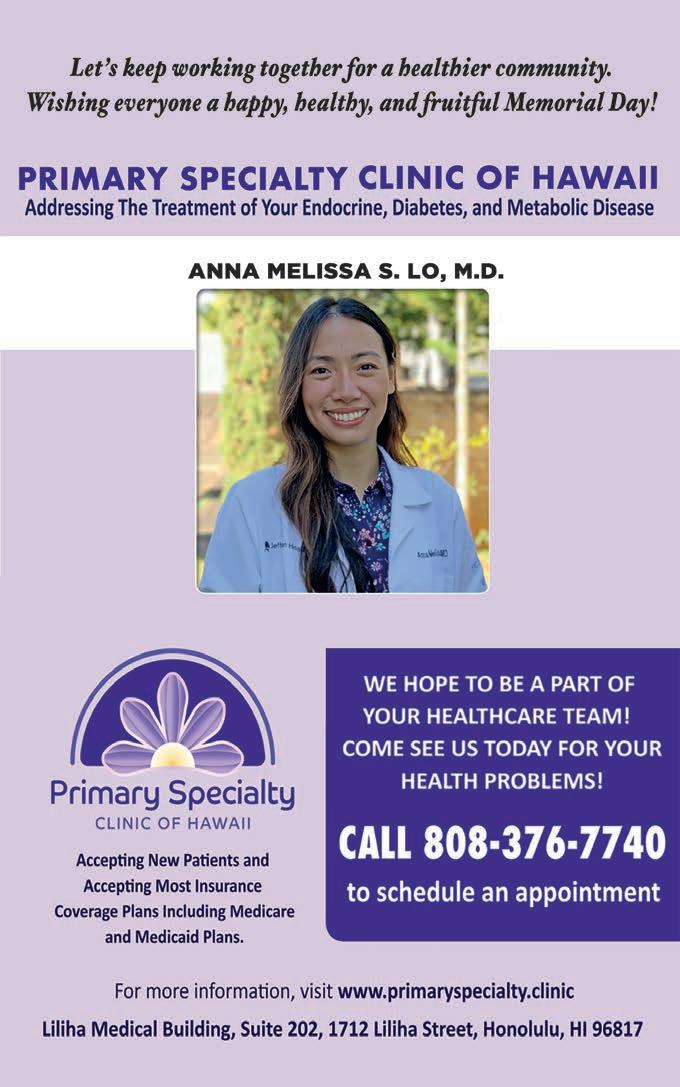
By Anna Melissa S. Lo, MD
As endocrinologists, we primarily care for patients with hormonal disorders, including thyroid diseases.
The thyroid gland is a butterfly-shaped organ located in the neck that secretes hormones vital to regulating the body’s dayto-day functions, including metabolism, energy, heart rate, and bone health, to name a few.
Most thyroid disturbances involve changes in function, either having too much hormone (hyperthyroidism) or too little hormone (hypothyroidism). In addition, we also evaluate abnormal growth on the thyroid itself.
One of our main concerns is determining whether these are benign, which the majority are, or something more concerning, such as thyroid cancer.
Thyroid cancer is the most common cancer within the endocrine system. It occurs when cancerous tumors or nodules grow in the thyroid gland.
According to the American Cancer Society (2026), the rate of new thyroid cancer diagnoses has been increasing faster than that of any other cancer in the United States.
This is largely due to more thyroid tumors being detected during imaging tests performed for other medical reasons, which may not have been found otherwise.
Although more patients are being diagnosed with thyroid cancer, the overall prognosis is very good. It is one of the most treatable cancers, with a 5-year relative survival rate of approximately 98.3% (2016–2022, National Institutes of Health).
Thyroid cancer is three times more common in women than in men, for reasons that are not entirely clear. It can occur at any age but is more commonly seen in adults between their 30s and 60s.
Most cases are sporadic, meaning they occur without a known cause. However, certain risk factors can increase the likelihood of developing thyroid cancer, including a family histo-
ry of thyroid cancer and prior radiation exposure, especially during childhood.
There are four main types of thyroid cancer: papillary (the most common), follicular, medullary (less common and sometimes genetically related), and anaplastic (rare and more aggressive).
Fortunately, the majority of cases are papillary thyroid cancer, which tends to grow slowly and is highly treatable.
Many people with thyroid cancer have no symptoms, as these growths tend to develop slowly and may go unnoticed. Some people may notice a lump or swelling in the neck.
Others may have trouble swallowing, neck or throat discomfort, or changes in the voice, such as hoarseness. Swollen lymph nodes may also be present, as some cancers can spread to these areas.
If there is concern for possible thyroid cancer, it is important to seek medical care so that a proper physical examination can be performed and the next appropriate steps can be determined.
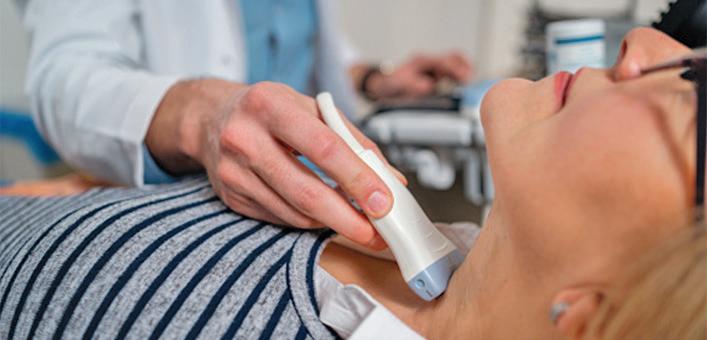
A thyroid ultrasound is usually the first imaging test ordered, as it helps better characterize any nodules within the gland. If nodules are identified, a fine needle biopsy may be recommended to determine whether they are cancerous.
This is a simple office procedure in which a thin needle is used to collect a small sample of thyroid tissue, which is then examined under a microscope. It typically takes only a few minutes, and most people tolerate it very well.
If cancer is diagnosed, treatment options are discussed between the patient and their provider. The mainstay of therapy is surgical removal of the thyroid gland, either partially or completely, depending on the extent of the disease.
If the cancer is confined to one side, only part of the thyroid may be removed. If it is more ex-
tensive, removal of the entire thyroid may be necessary.
After surgery, thyroid hormone replacement is required, often for life, to provide the body with the hormones the thyroid would normally produce.
In some cases, particularly when the cancer is more advanced or aggressive, additional treatment with radioactive iodine may be recommended to reduce the risk of recurrence.
Regardless of the treatment plan, close follow-up with an endocrinologist is essential for ongoing monitoring. This typically includes periodic blood tests and imaging to watch for any signs of recurrence.
While hearing the word “cancer” can be distressing, thyroid cancer is highly treatable, and most patients go on to live with normal, healthy lives.
Paying attention to changes in your body and seeking timely medical care can make a meaningful difference. In many cases, evaluation provides reassurance, and when treatment is needed, it is often very effective.
ANNA MELISSA LO, MD is board-certified by the American Board of Internal Medicine in both Internal Medicine and Endocrinology, Diabetes, and Metabolism. She currently practices at the Primary Specialty Clinic of Hawaii on multiple islands, including Oahu, Lihue, and Hilo.
By Rainier Dennis D. Bautista, MD
In my years of practice as a physician, I have learned that the body does not forget. It keeps a careful record of everything it has lived through — stress, fear, sleepless nights, and pain.
For many people in our Filipino community here in Hawai’i, that record includes something we rarely talk about openly: domestic violence.
This is not an easy subject to raise. I know that. We are raised to value family above almost everything else, to smooth over conflict for the sake of unity, to bear our struggles with quiet dignity.
But as a doctor, I feel an obligation to share what the medical evidence is telling us, because what is happening in-
side our bodies deserves to be said out loud.
Domestic violence — which includes physical, emotional, sexual, and economic abuse by a partner or family member — is not just a social or legal problem. It is a public health crisis. And for our community in Hawaii, it is one that hits especially close to home.
Filipinos have been reported to account for a disproportionately high percentage of domestic violence victims in Hawaii.
According to the Domestic Violence Action Center, Filipinos account for approximately 30% of domestic violence vic-

tims in Hawaii, even though we make up roughly 25% of the state’s population.
Between 2000 and 2009, 24% of women murdered due to intimate partner violence in Hawai’i were Filipino. But even these numbers only reflect the cases we can see.
Domestic violence is one of the most underreported forms of violence, and many survivors never seek help or disclose their experiences.
When most people think about domestic violence, they think about visible injuries like bruises or broken bones.
But as a physician, what concerns me just as deeply are the injuries that don’t show up on the surface. Chronic, longterm exposure to abuse causes real, measurable harm to the body’s systems.
Research from the CDC and the National Academies of Sciences consistently links intimate partner violence to:
Cardiovascular disease: high blood pressure, heart disease, and irregular heartbeat. The body’s prolonged stress response keeps the heart working in a state of constant alarm.
Chronic pain: back pain, migraines, joint pain, and pelvic pain that persists even after
the abuse has stopped.
Gastrointestinal disorders: stomach ulcers, irritable bowel syndrome, and digestive problems driven by chronic stress.
Mental health conditions: depression, anxiety, PTSD, and sleep disorders are among the most common and well-documented consequences.
Weakened immune function: leaving survivors more vulnerable to infections and illness.
The mechanism behind many of these conditions is what we call chronic stress activation. When a person lives in fear, always watching for the next outburst, never feeling safe at home, the body stays locked in a fight-or-flight response.
Over months and years, this floods the body with stress hormones like cortisol, which damage the heart, brain, digestive system, and immune system.
Chronic illness can also make it harder to escape an abusive situation.
Imagine a woman who depends on her partner for transportation to her dialysis appointments, or a man with
diabetes who relies on his partner to manage his medications, or an elderly lola whose mobility limitations make her entirely dependent on a family member who is also her abuser. In these situations, illness can be a shackle.
Abusers often use a partner’s health condition as a tool of control: withholding medications, sabotaging access to medical care, or using caregiving as leverage.
Research has shown that individuals with depression or severe anxiety may face increased vulnerability and additional barriers to leaving abusive situations.
This is the two-way relationship between domestic violence and chronic disease. Violence makes us sick. And being sick can make it harder to get free.
There are many reasons why someone may not immediately reach out for help and most of them make complete sense.
Our deep love for family, our faith, practical concerns about finances or immigration status, language barriers, or simply not knowing what resources exist can all make the path forward feel unclear.
For those who immigrated here, there is an added layer: a belief, sometimes, that the protections of the U.S. legal system may not apply to them, or that asking for help will create more problems than it solves. These are understandable fears, even when they are not accurate.
If you are worried about a family member or friend, here are some things to gently pay attention to:
• Unexplained or recurring injuries
• Withdrawing from friends, family
• A partner who speaks for them, monitors their
phone, or doesn’t let them speak privately
• Frequent visits to the doctor for recurring symptoms — headaches, stomach problems, fatigue — with no clear cause
• Signs of anxiety, depression, or fearfulness, especially around their partner
• B eing denied access to money, transportation, or their own medical care
You don’t have to confront the situation directly or have all the answers. Sometimes the most powerful thing you can do is sit beside someone, let them know you see them, and say: “Nandito ako para sa iyo.” I am here for you.
If you or someone you know is in an unsafe situation, please know that help is available right here in Hawaii.
The Domestic Violence Action Center line, (808) 5313771, is available from 8:30 am to 4:30 pm.
For healthcare providers, this is also a call to strengthen our own skills. Many of us were never formally trained in how to identify and respond to domestic violence in a clinical setting. Yet these encounters are already happening in our exam rooms.
Training in trauma-informed, culturally responsive care can make the difference between a missed opportunity and a moment that helps a patient feel seen, safe, and supported.
Our health is not separate from our safety. We cannot fully care for our bodies if we are living in fear inside our own homes. As a community, we can do better. We can make it safer for people to speak, easier to seek help, and less lonely to carry these wounds.
DR. RAINIER BAUTISTA is a board-certified physician specializing in both Obesity Medicine and Family Medicine. He currently practices at the Primary Care Clinic of Hawaii and serves as the president of the Philippine Medical Association of Hawaii.
By HFC Staff
The University of Hawai’i
John A. Burns School of Medicine (JABSOM) is among the nation’s top medical schools for primary care, earning a Tier 1 designation in the latest U.S. News & World Report “Best Medical Schools” rankings.
For the third year in a row, the recognition places JABSOM in the highest tier of programs nationwide, reinforcing its longstanding role in training physicians who serve Hawai’i’s most pressing healthcare needs.
“Hawai’i continues to face a critical need for primary care physicians, and that’s exactly where JABSOM is focused,” said Dean Sam Shomaker.
“We’re proud that so many of our students are choosing careers in family medicine, internal medicine, pediatrics, and OB-GYN to serve communities across the state.”

More than half of JABSOM’s 2026 class are entering primary care fields, a reflection of the school’s focus on addressing physician shortages across the state.
JABSOM is also expanding training opportunities, including the launch of a new family medicine residency program on Kaua’i, aimed at strengthening the workforce on neighbor islands.
At the same time, JABSOM
recently received full accreditation for the next eight years from the Liaison Committee on Medical Education, a distinction that signals strong confidence in the quality of Hawai’i’s only medical degree program.
In recent years, more than 2,300 applicants have been competing for just 77 seats, contributing to an increasingly competitive and highly qualified applicant pool.
“That selectivity translates into us ensuring the best of the best are serving Hawaii,” Shomaker said.
According to data from the Association of American Medical Colleges, more than half of JABSOM graduates go on to serve in underserved communities. US News ranks JABSOM 42nd in the Most Graduates Practicing in Rural Areas category.
While JABSOM continues to be recognized for primary care, its research enterprise also remains strong. The school is ranked in Tier 3 for research, alongside institutions such as the University of Louisville and the University of Missouri.
“JABSOM remains the leader of research in the Pacific,” said Steve Ward, JABSOM professor.
“Our faculty, staff, and students are focused on issues that directly impact our community, including health disparities, aging, cardiovascular disease, diabetes, and infectious diseases.”
By John Avery Go, MD
Respiratory Syncytial Virus (RSV) is a highly contagious virus that affects the respiratory system, including the nose, throat, and lungs.
Although it often causes mild, cold-like symptoms, it can lead to serious illness in infants, older adults, and individuals with underlying health conditions.
RSV is extremely common.
Most children are infected by RSV at least once by the age of two, and it is the leading cause of hospitalization among infants under one year old.
RSV in babies typically starts with cold-like symptoms: runny nose, coughing, sneezing, and fever.
These symptoms may develop into more severe coughing and wheezing. In adults, especially those over 65 or with chronic conditions such as heart or lung disease, the virus

can also cause severe respiratory illness and hospitalization.
RSV spreads through respiratory droplets when an infected person coughs or sneezes. It can also spread through direct contact or by touching contaminated surfaces and then touching the face.
Because RSV can survive on surfaces for several hours and may be transmitted before symptoms appear, it spreads easily in households, schools, and community settings. Symptoms usually develop within three to six days after exposure.
In many cases in adults,
RSV presents like a common cold, with a runny nose, cough, sneezing, and mild fever. However, more severe symptoms like wheezing, difficulty breathing, and decreased appetite may develop, especially in high-risk individuals.
In serious cases, RSV can lead to complications such as pneumonia or inflammation of the small airways in the lungs.
RSV activity typically increases during the fall and winter months in much of the United States. However, in Hawaii, the virus may circulate all throughout the year.
Because RSV symptoms are similar to those of the flu and COVID-19, it can be difficult to distinguish between these illnesses without testing. RSV treatment is mainly supportive, focusing on rest, hydration, and symptom relief.
Most individuals recover within one to two weeks. Public health experts emphasize
prevention as the most effective way to reduce the spread of RSV.
Recommended measures include frequent handwashing, cleaning commonly touched surfaces, avoiding close contact with sick individuals, and staying home when experiencing symptoms.
In Hawaii, health officials note that RSV does not always follow the same seasonal patterns seen on the mainland.
Cases can occur year-round due to the state’s tropical climate and consistent travel between islands and international destinations. This increases the risk of continuous community spread, especially in densely populated areas.
As a result, the Hawai’i Department of Health emphasizes maintaining preventive habits such as hand hygiene and staying home when sick at all times of the year, rather than only during a specific “RSV season.” Infants should receive a (from page S14)

By Marel Ver, MD

o heal is to restore a person to health. For decades, healthcare has focused on treating disease after it appears. Prescriptions, procedures, and hospital care all matter, but they are not the full picture.
Unfortunately, over the past several years, the art of healing has dimmed in many doctor-patient interactions. Multiple factors, including generational shifts in social interactions and norms, administrative burdens, and insurance reimbursements, contribute to visit time limitations and the overall patient experience.
The American College of Lifestyle Medicine reports that an estimated 60% of Americans, including far too many children, live with at least one chronic disease.
Although many conditions are treatable, annual healthcare costs are nearly $4.5 trillion. 62% of physicians reported experiencing burnout while providing care in the current healthcare environment.
Physicians are frustrated that they cannot provide the optimal care that their patients deserve. Patients are frustrated that they are not fully cared for.
Fortunately, the field of medicine continues to evolve. Multiple specializations, including integrative medicine, preventative medicine, and complementary and alternative medicine, have been developed over the years.
The specializations of Obesity Medicine and Lifestyle Medicine are now recognized with official board certification. Many PCPs and specialists are seeking this additional training to expand their knowledge and skills to provide better care for their patients. The focus is on “whole-person wellness.”
Obesity is a common, chronic disease that costs the healthcare system $173 billion a year. The CDC reports that in the US, 1 in 5 children and 2 in 5 adults are obese.
Obesity Medicine focuses on delivering patient-centered medi-


cal care to treat obesity, which will improve overall health. It combats weight-related diseases, including diabetes, heart disease, and sleep apnea.
The four evidence-based pillars of obesity treatment are nutritional therapy, physical activity, behavioral modification, and medical intervention.
Current PMAH president Dennis Bautista, MD, DABOM, is a family practice physician who obtained board certification in obesity medicine.
He states that having this additional training has helped transform his practice and teaching strategies into a more patient-centric one.
For instance, when presenting his patient to his colleagues and students, his patient is no longer “a 60-year-old obese, hypertensive, diabetic male” but rather “Mr.P is a 60-year-old male with obesity, hypertension, and diabetes.”
The conversation shifts to seeing the patient as a whole person with a disease, rather than defining a person by the disease. Dr. Bautista shares that now he is more open and comfortable discussing unhealthy weights with his patients without stigma. Counseling and specific dietary and exercise prescriptions are provided as additional treatment for medical conditions.
My other colleague, PMAH Foundation mentor Leimomi Kanagusuku, MD, DipACLM, is a family practice physician with a board certification in lifestyle medicine.
Lifestyle Medicine focuses on preventing, treating, and sometimes reversing chronic disease through everyday habits. The goal is not perfection. The goal is progress that can be sustained over a lifetime.
Lifestyle modification is the first-line intervention in most clinical guidelines for chronic diseases like diabetes and heart disease. There are six pillars of lifestyle medicine: optimal nutrition, physical activity, restorative sleep, stress management, social connection, and risky substance avoidance.
Although there are still time constraints during doctor visits, Dr. Kanagusuku makes an effort to counsel her patients on at least one of these pillars to improve lifestyle, which helps address other medical issues.
She mentions that taking this approach has helped patients realize the importance of other aspects of their own overall health.
Lifestyle medicine is not only in doctors’ offices; it also spans the full continuum of care, from prehospital and emergency room settings to inpatient and acute care settings.
PMAH Foundation mentor Cecily Wang, MD, DipACLM, is a surgeon and an ICU doctor.
In the ICU, she works with the ICU staff to support patients’ restorative sleep despite alarms and interruptions, encourages early and safe mobility, implements nutrition early, and emphasizes how important connection and support from family and friends are for survival and healing.
The doctor-patient relationship is sacred, but should also be a collaborative one. We as physicians should not just treat our patients, but also guide and motivate them to be better for themselves.
Doctors are doctoring, and patients are healing. I challenge our readers with a gentle, doctor-approved task list for healthier living:
by Rhea Bautista, MD, MBA
Choosing a health insurance plan can feel overwhelming, but most people can start by looking at four key areas: costs, medications, doctors and specialists, and travel coverage.
First, look beyond the monthly premium. A plan with a low monthly cost may still be expensive if it has a high deductible, high copays, or high coinsurance.
The deductible is the amount you may need to pay before the plan begins covering many services. Copays are set amounts, such as a fee for a doctor or specialist visit. Coinsurance is when you pay a percentage of the cost.
Before choosing a plan, ask yourself: “What will this cost me when I actually need care?”
Second, review your medications. Every plan has a list of covered drugs, often called a formulary. Medications are usually placed into different tiers, and each tier may have a different cost.
If you take prescriptions regularly, check whether each medication is covered, what tier it is in, whether prior authorization is needed, and how much you will pay at the pharmacy.
This step is especially important for people with chronic conditions or multiple prescriptions.
Third, check your doctors and specialists. In Hawaii, access to care can depend on your island, your provider network, and the number of specialists available. Make sure your primary care doctor, preferred clinic, hospital, and specialists are in the plan’s network. Also, check the copay for specialist visits and whether you need a referral.
This matters for patients who see cardiologists, kidney doctors, cancer doctors, neu-
rologists, behavioral health providers, or other specialists.
Fourth, think about travel. Many Hawai‘i residents travel to the mainland for family, school, work, or medical care. If you travel often, check whether the plan covers care outside Hawaii. Some plans may cover emergencies on the mainland but not routine visits or follow-up care.
Ask whether mainland urgent care centers, hospitals, or doctors are in the network and whether approval is needed before receiving care away from home.
People who have Medicare and Medicaid, sometimes called Medi-Medi, should also ask whether they qualify for extra help.
The Low-Income Subsidy, also called Extra Help, may lower prescription drug costs for people who qualify. This can make a major difference for patients who take several medications or have expensive prescriptions.
For families, the best plan is not always the cheapest plan. One family member may only need annual checkups, while another may need regular medications, lab tests, specialist visits, or care while traveling. Compare the plan based on the needs of the whole household.
Health insurance is meant to protect both your health and your finances.
Before choosing a plan, take time to compare the deductible, copays, coinsurance, medication costs, provider network, specialist access, travel coverage, and any financial assistance you may qualify for.
In Hawaii, where access can vary by island and provider network, the right plan is the one that gives you the care you need at a cost you can understand and manage.
Before choosing a plan, check the following.
Monthly premium: How much will you pay each month?
Deductible: How much do you pay before the plan starts covering many services?
Copays: How much do you pay for primary care, specialist visits, urgent care, and emergency care?
Coinsurance: Will you pay a percentage of the cost for certain services?
Medications: Are your prescriptions covered?
Drug tiers: What tier are your medications in, and how much will they cost?
Pharmacy access: Can you use your regular pharmacy?
Primary care doctor: Is your doctor in the plan’s network?
Specialists: Are the specialists you need available and in network?
Specialist copay: How much will each specialist visit cost?
Referrals: Do you need a referral before seeing a specialist?
Hospitals and clinics: Are nearby hospitals and clinics covered?
Neighbor island access: Can you get the care you need on your island?
Travel coverage: Does the plan cover care on the mainland?
Emergency care: What happens if you need urgent or emergency care while traveling?
Medi-Medi: Do you qualify for both Medicare and Medicaid?
Extra Help: Do you qualify for the Low-Income Subsidy to help pay for medications?
Family needs: Does the plan work for everyone in your household?
RHEA BAUTISTA, MD, MBA is a healthcare strategist and entrepreneur serving as Director of Business Strategy and Growth at MDX Hawai‘i, co-founder of SB Solutions, and Executive Director of the Philippine Medical Association of Hawai‘i. She also advises the Primary Care Clinic of Hawai‘i on quality improvement.
(continue on S14)

(Embracing....from S12)
• Schedule your annual checkup and blood tests with your PCP. You would not skip an oil change for your car. Do not skip your own health maintenance.
• Schedule recommended screenings, such as mammograms and colonoscopies. Early detection saves lives and provides opportunities for a cancer cure.
• Talk with your family about an Advance Care Plan. This is an act of love.
• Set one small goal per week. Big goals are ambitious, small goals are realistic. Drink one more cup of water. Walk five more minutes. Reach out to someone you miss.
• Do something purposeful weekly, if not daily! Clear expired food from the fridge. Donate clothes you no longer wear. Those balikbayan boxes can finally be filled.
• Practice gratitude and do something that makes you happy weekly, if not daily!
A small thought on happiness: happiness is personal. It is a different definition for ev-
eryone and is often determined by life stage. For some, it means adventure and travel. For others, it means breathing comfortably, sleeping well, or having the energy to play with grandchildren.
What matters is doing something regularly that brings fulfillment, no matter how small. A good friend told me, “I do the ‘have to’s’ so I am able to do the ‘want to’s’.” I completely agree with this statement.
Every new year invites reflection. For me, 2025 was humbling. It brought challenges that forced me to slow down and reassess what truly matters.
As a physician, a mother, a friend, and a member of the Filipino community, I came to a simple but powerful realization: I needed to take care of myself.
Caring for myself as a whole is not selfish. It is necessary. It is how I stay present and healthy for my patients, my family, and my community.
Physicians are lifelong learners who study and learn the science of medicine.
As a bariatric weight-loss surgeon and an advocate for Lifestyle and Obesity Medicine,
I believe we are returning to the art of medicine and the deeper meaning of healing.
The focus is shifting back to the individual, not just the illness. New models of care and a new generation of providers are helping to bring heart and human connection back into healthcare.
To my fellow physicians, let us recommit to seeing the whole patient.
To our community, let us define health not only as the absence of disease, but as the
(Understanding....from S11)
medication (RSV monoclonal antibodies) if they are younger than 8 months old and their mother was not vaccinated during that pregnancy.
Pregnant individuals are also advised to receive the vaccine during weeks 32 to 36 of pregnancy to help protect newborns after birth.
Health authorities recommend a single dose of the RSV vaccine for adults aged 75 and older, as well as for adults aged 60 to 74 with certain medical
presence of joy, movement, connection, and peace. Let’s not ask “How long will I live?” but rather, “How well will I live?”
Embrace life to invest in yourself, not only to live longer, but to live well, grateful, and happy.
I would like to thank my colleagues above and the Higa and Malalis families for their contributions to this article.
MAREL VER, MD is a general surgeon practicing on Oahu and the current co-president of PMAH.
conditions that increase their risk of severe disease.
For immunocompromised individuals, the RSV virus can lead to serious health complications. Continued awareness, preventive practices, and appropriate use of vaccines are essential in reducing its impact on public health.
DR. JON AVERY GO is a board-certified Internal Medicine physician. He practices as a primary care doctor at Primary Care Clinic of Hawaii.
by Matthew Campbell www.jabsom.hawaii.edu
JABSOM Cell and Molecular
Biology researcher Dr. Jesse
Owens has spent the better part of two decades chasing a vision that began with the revolutionary idea that DNA can move itself. Now, his team’s latest breakthrough was published in Nucleic Acids Research (Impact factor 16.6.). It marks a ma or step forward in gene therapy and could one day help correct life-threatening genetic disorders.
In the natural world, bits of genetic code known as transposons, sometimes called “selfish DNA,” have the ability to pick themselves up and move around the genome. The phenomenon was first discovered in corn by Nobel Prize winner Barbara McClintock. Today, those same mobile bits of DNA are being repurposed in labs across the world as
powerful tools for genetic medicine.
“What we’ve done in our lab,” said Owens, “is take this natural jumping mechanism and use it to deliver healthy genes into the genome, essentially replacing a faulty one with a working copy.”
Owens explains that the approach could one day be used to treat diseases like hemophilia, where a single defective gene prevents the body from making a vital blood-clotting protein.
“By inserting a corrected version of that gene, the body could start producing the protein again and essentially cure the disease at its source,” he said.
Early transposon systems were limited because they jumped randomly, landing unpredictably within the genome. Dr. Owens and his team wanted to change that.
“The goal was to take control and guide where the transposon
lands,” he explained. “We’re essentially steering a helicopter to a helipad, instead of letting it land anywhere it wants.”
By engineering a way to target transposons precisely to “safe harbor” regions of DNA, areas open for gene expression but far from cancer-related genes, Owens’ group achieved record-setting accuracy and efficiency.
In their latest work, the team reached an average of 1.2 successful insertions per cell, an extraordinary leap from results just several years ago that achieved less than 0.1 percent efficiency.
“That means nearly every cell we worked with received the new gene,” said Owens. “It’s a huge jump, more than a thousandfold improvement.”
The publication in Nucleic Acids Research reflects nearly five years of effort from Owens’ lab, which received support from the
National Institutes of Health and industry partner Saliogen Therapeutics. While the company eventually closed amid broader challenges in the biotech sector, Owens’ group carried the project forward with NIH funding, determined to see it through.
“It was just too important to let it stop,” he said.
Now, with a new NIH R01 grant secured, Owens’ team will continue developing the next generation of transposon-based therapies. Their next target is to use this technology in CAR T-cell immunotherapy, which reprograms the immune system to hunt and destroy cancer cells.
“This research began here in Hawai’i, and it’s now on the brink of something that could impact lives worldwide,” Owens reflected. “It’s exciting to see how far we’ve come and how much farther we can go.”